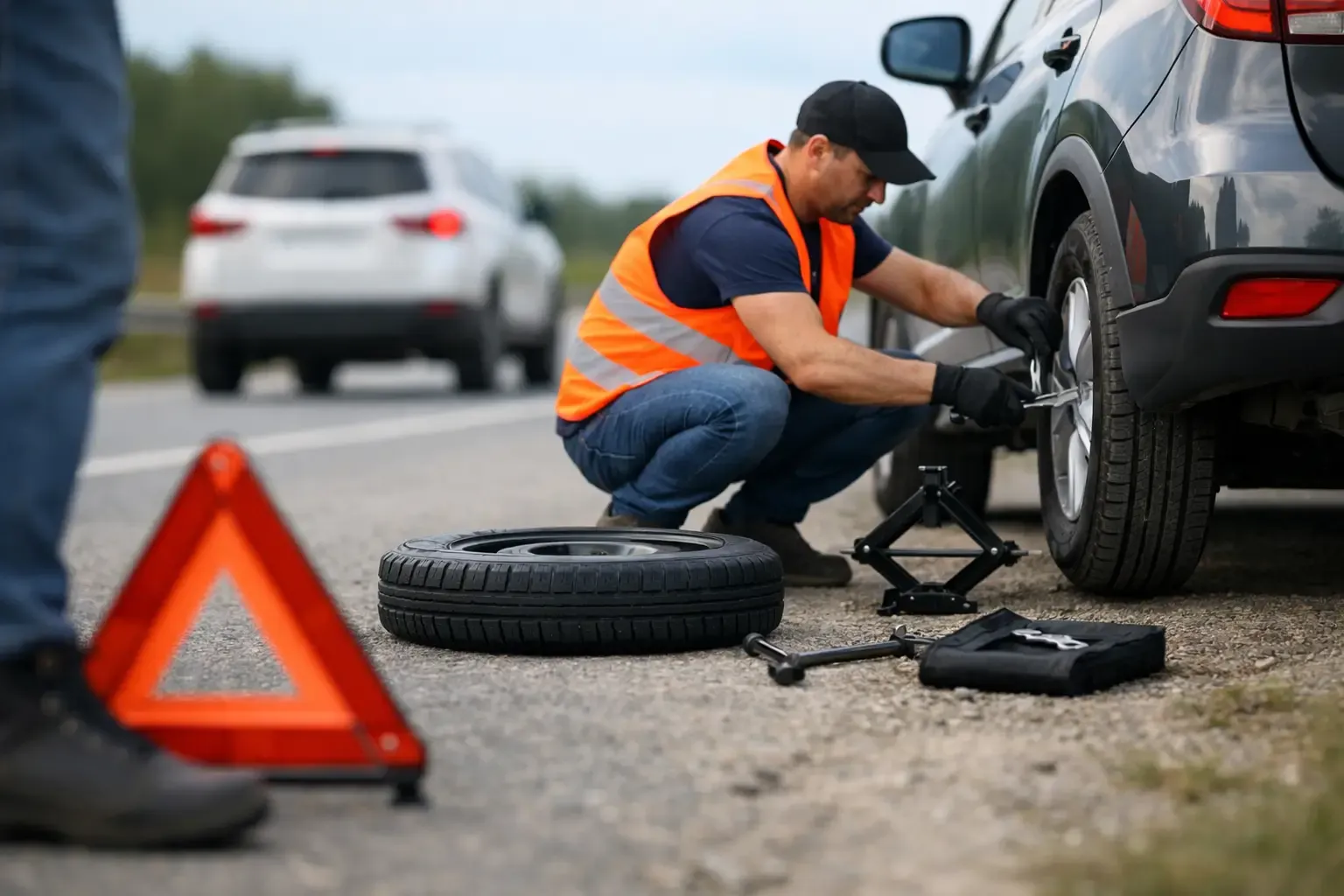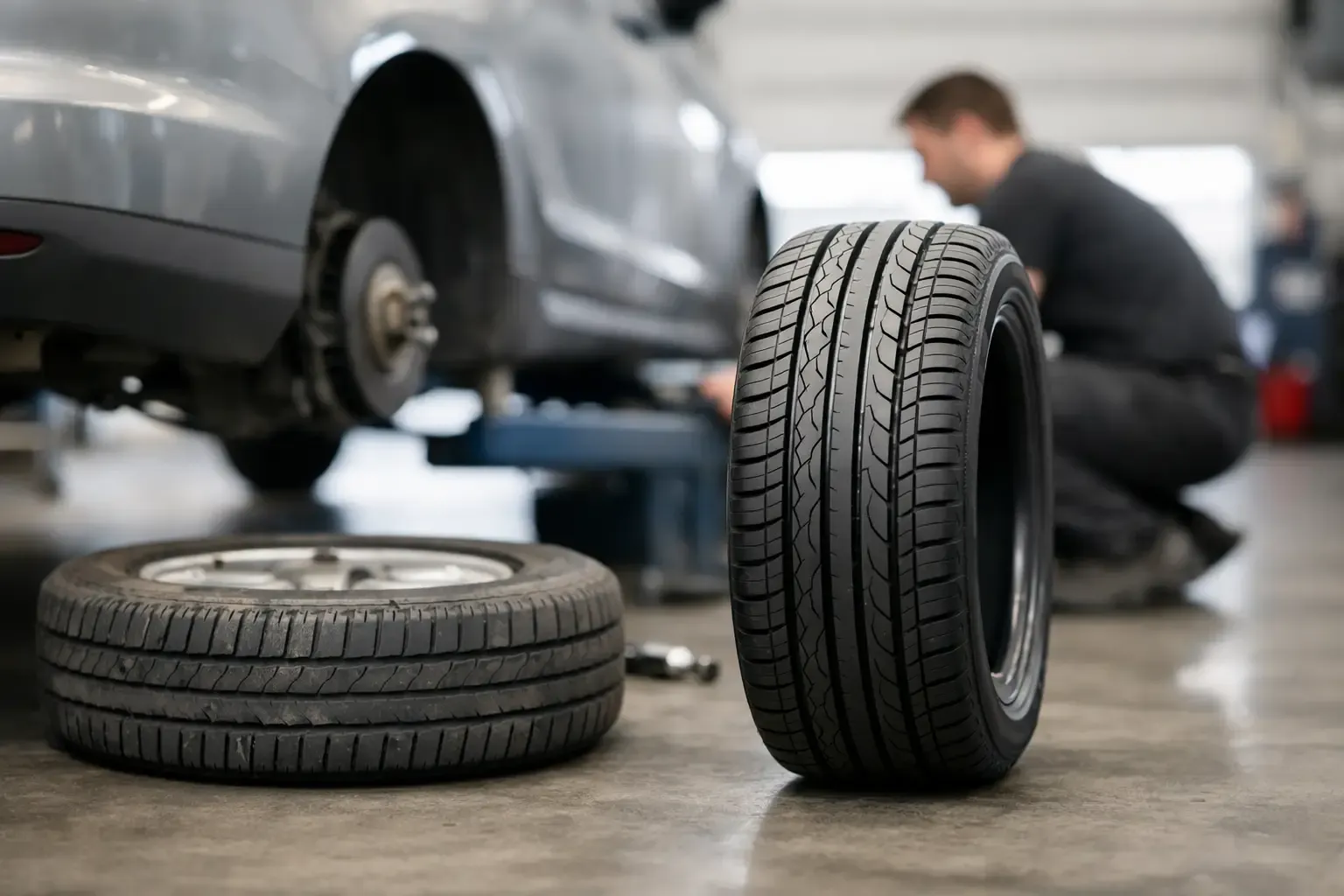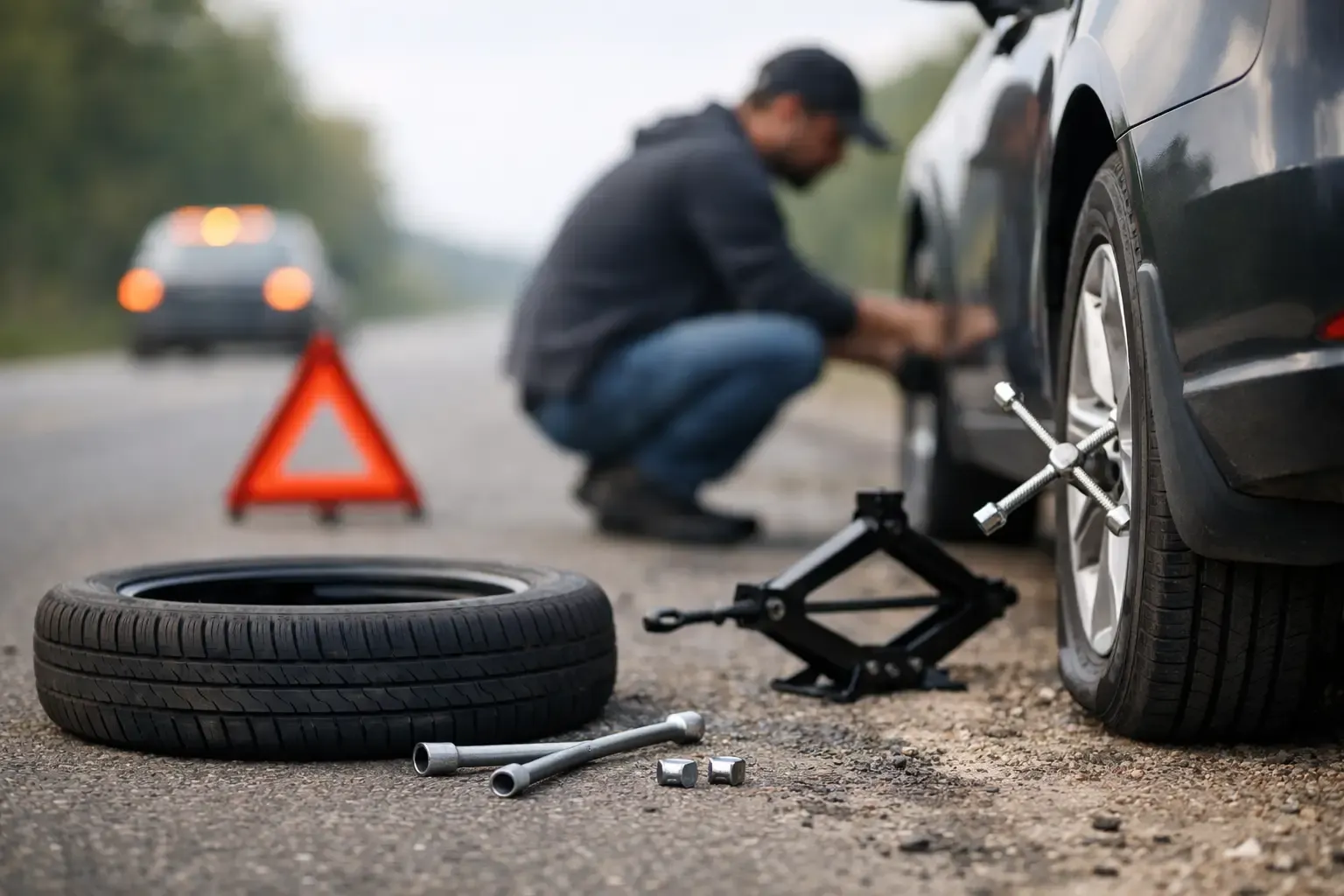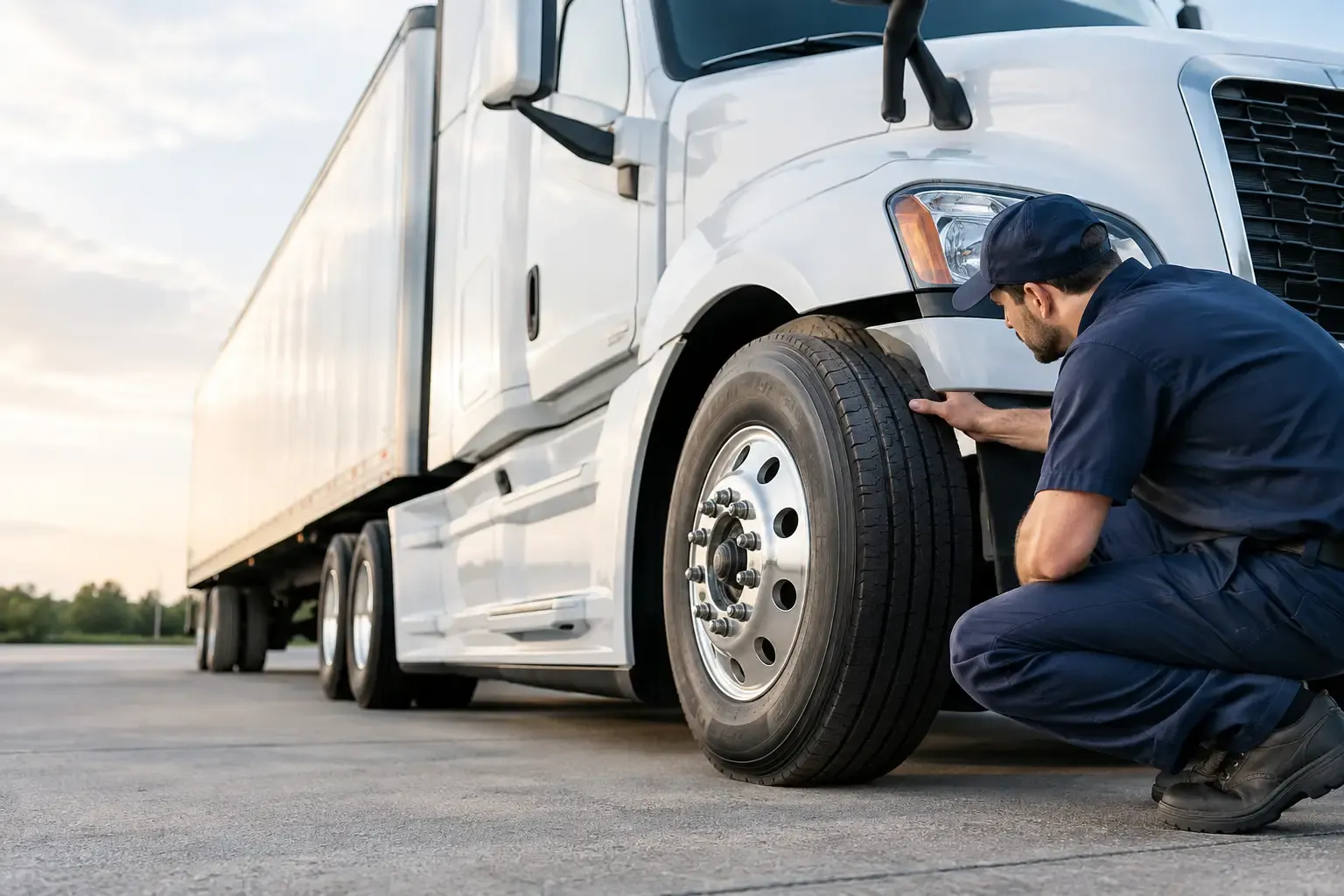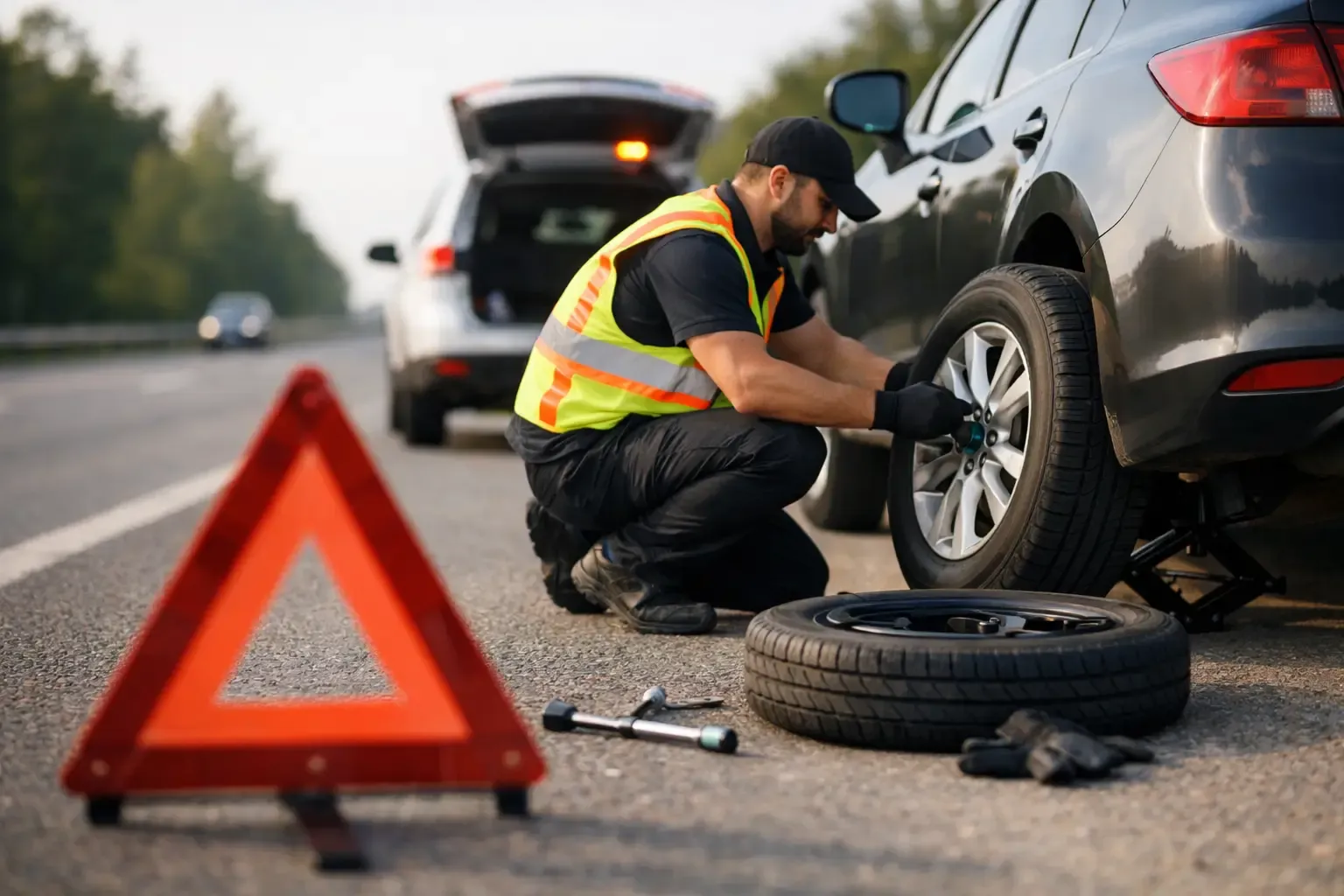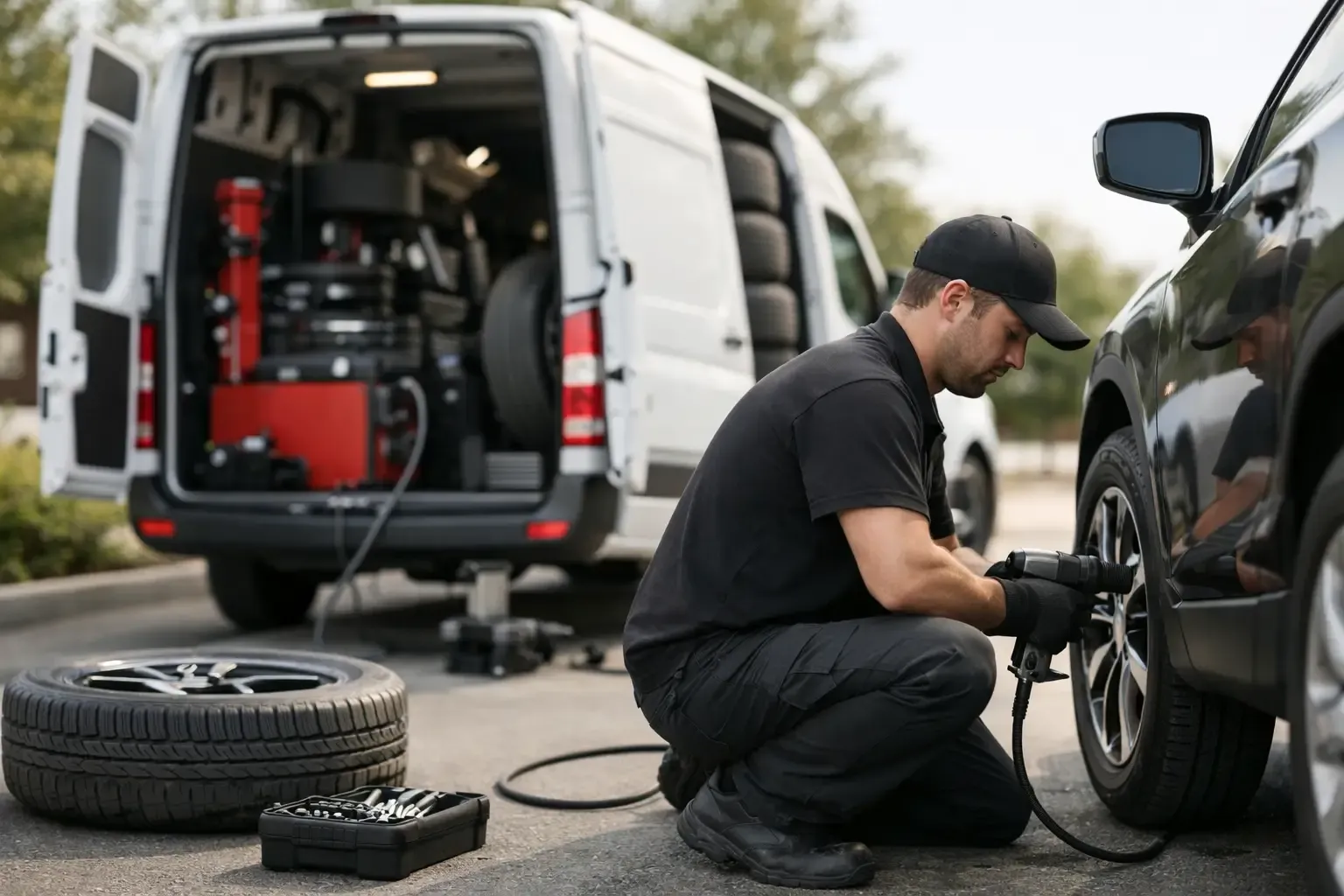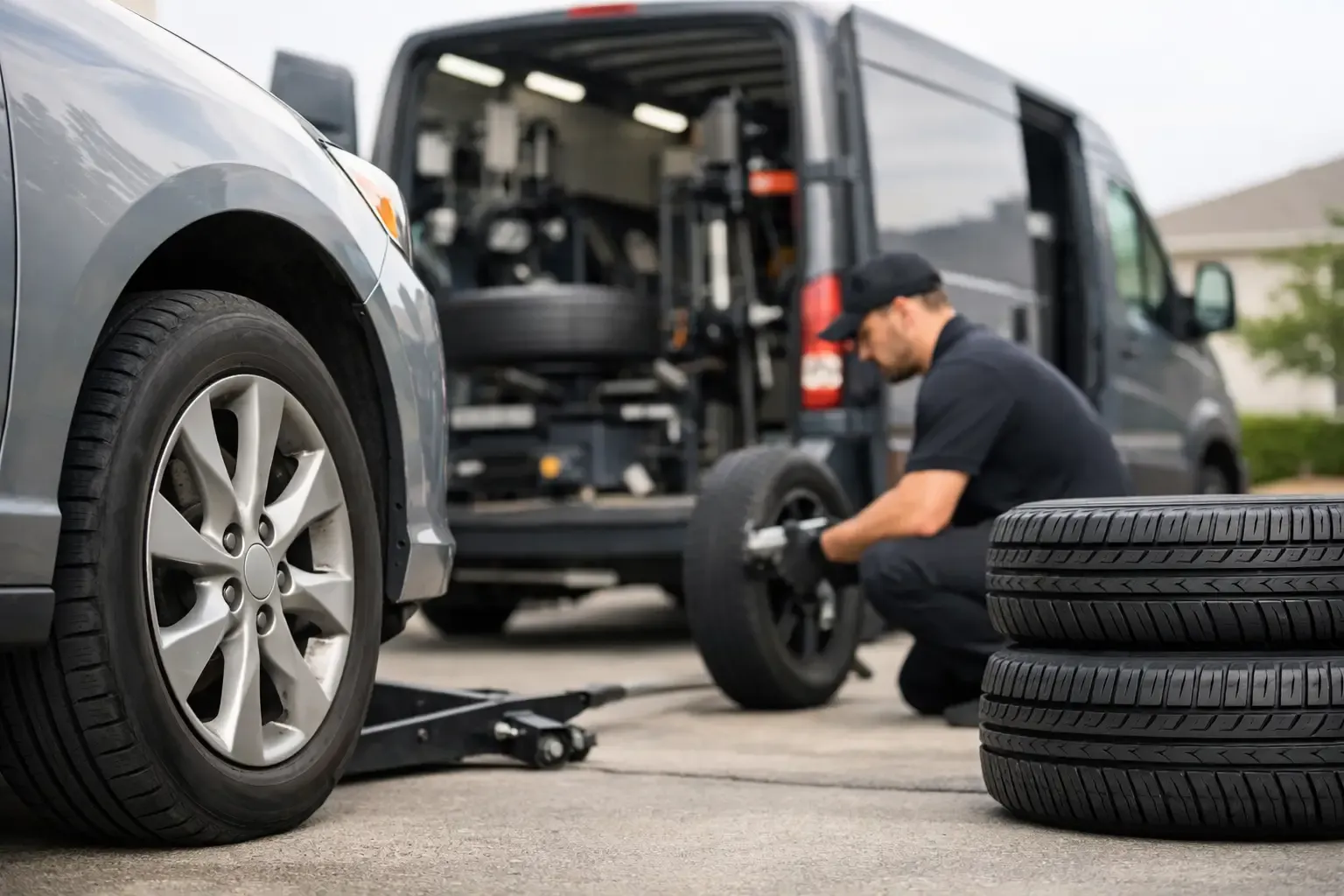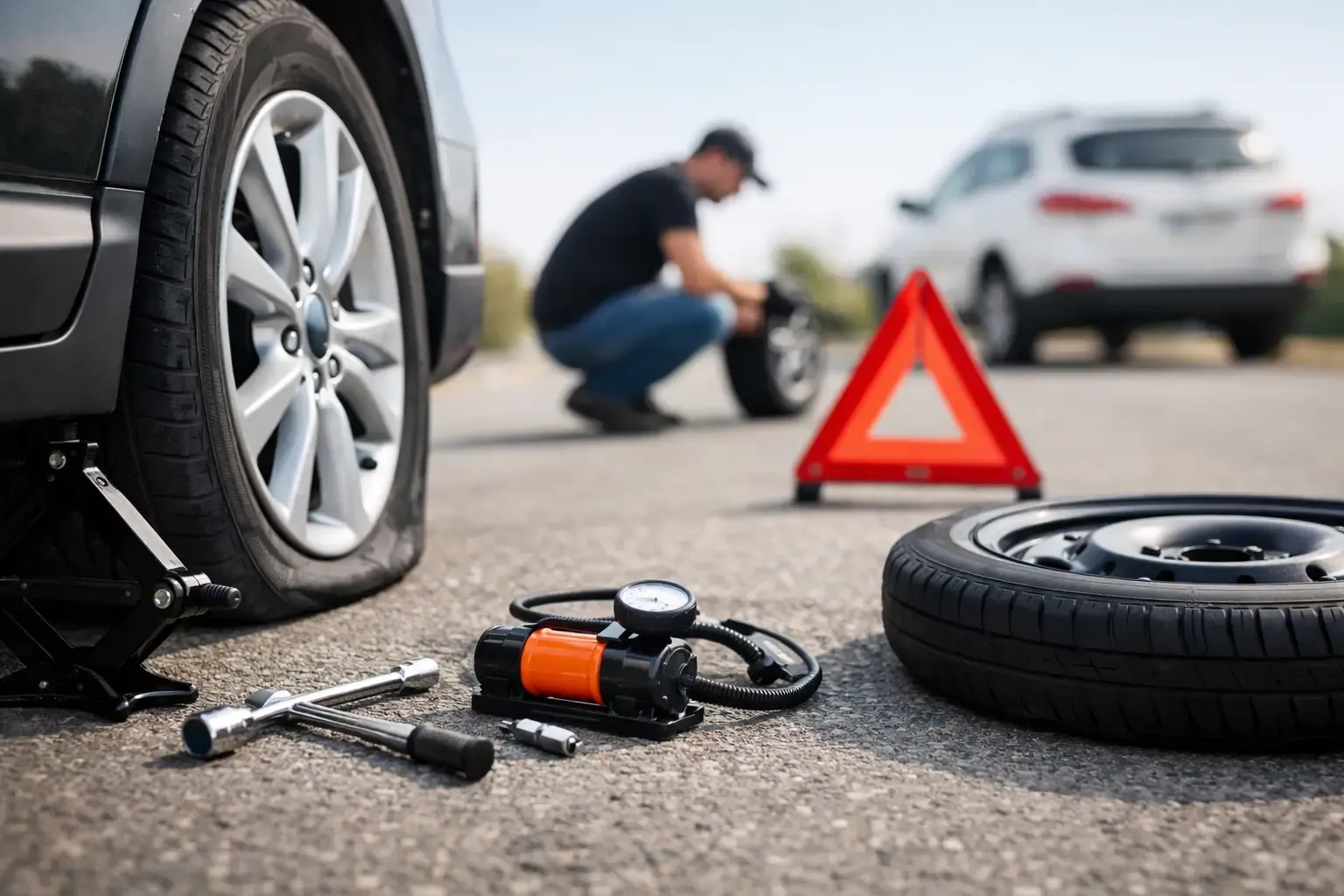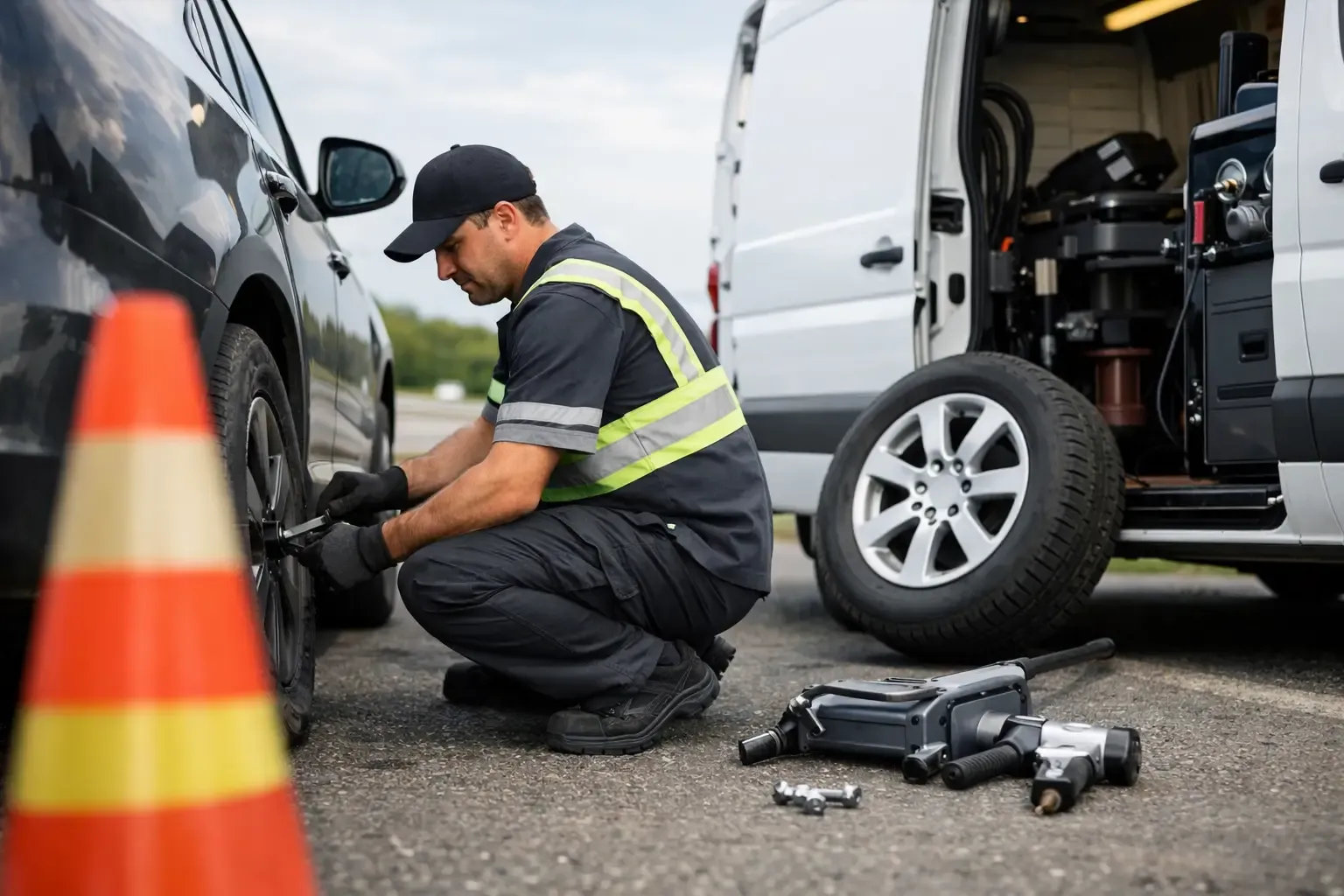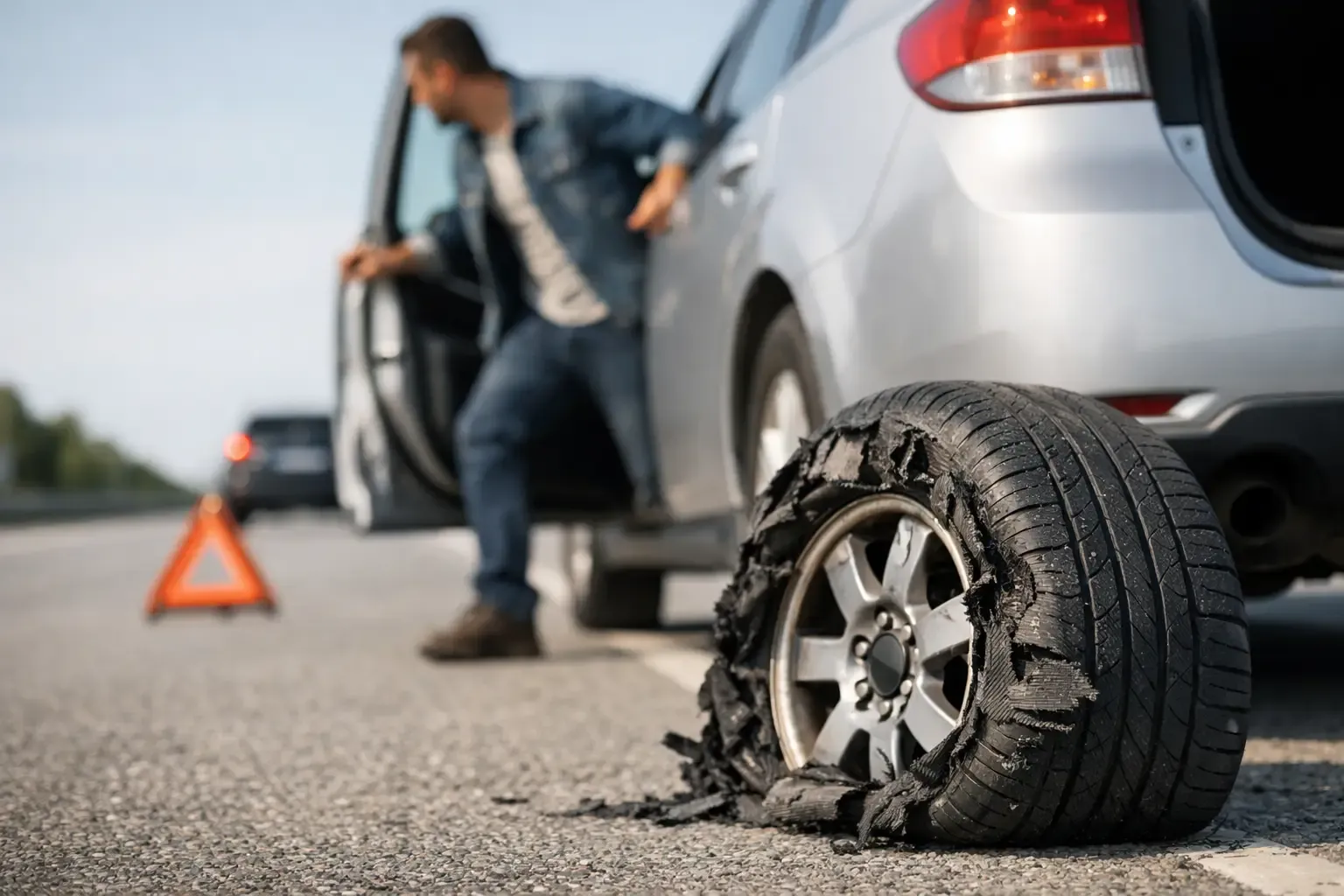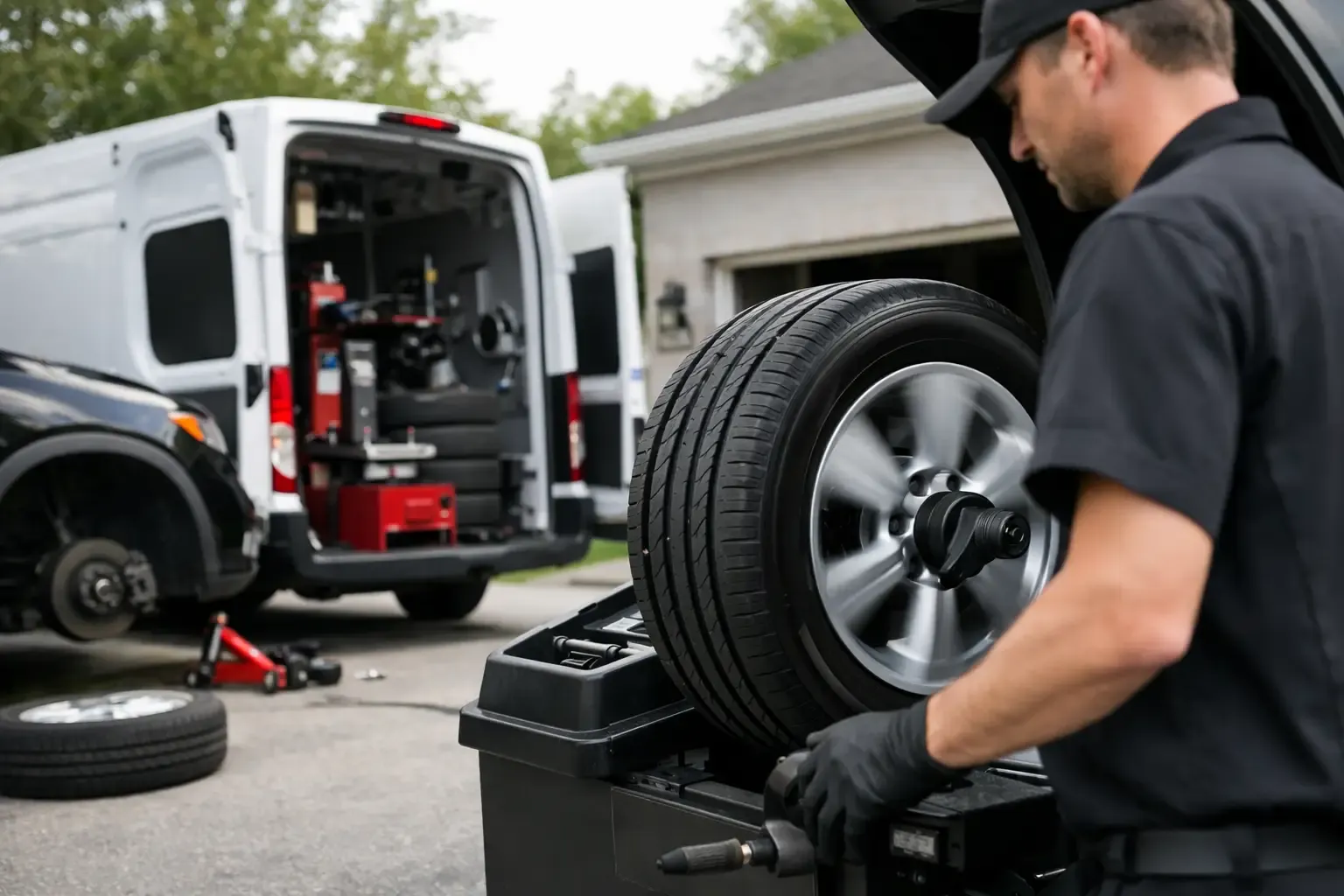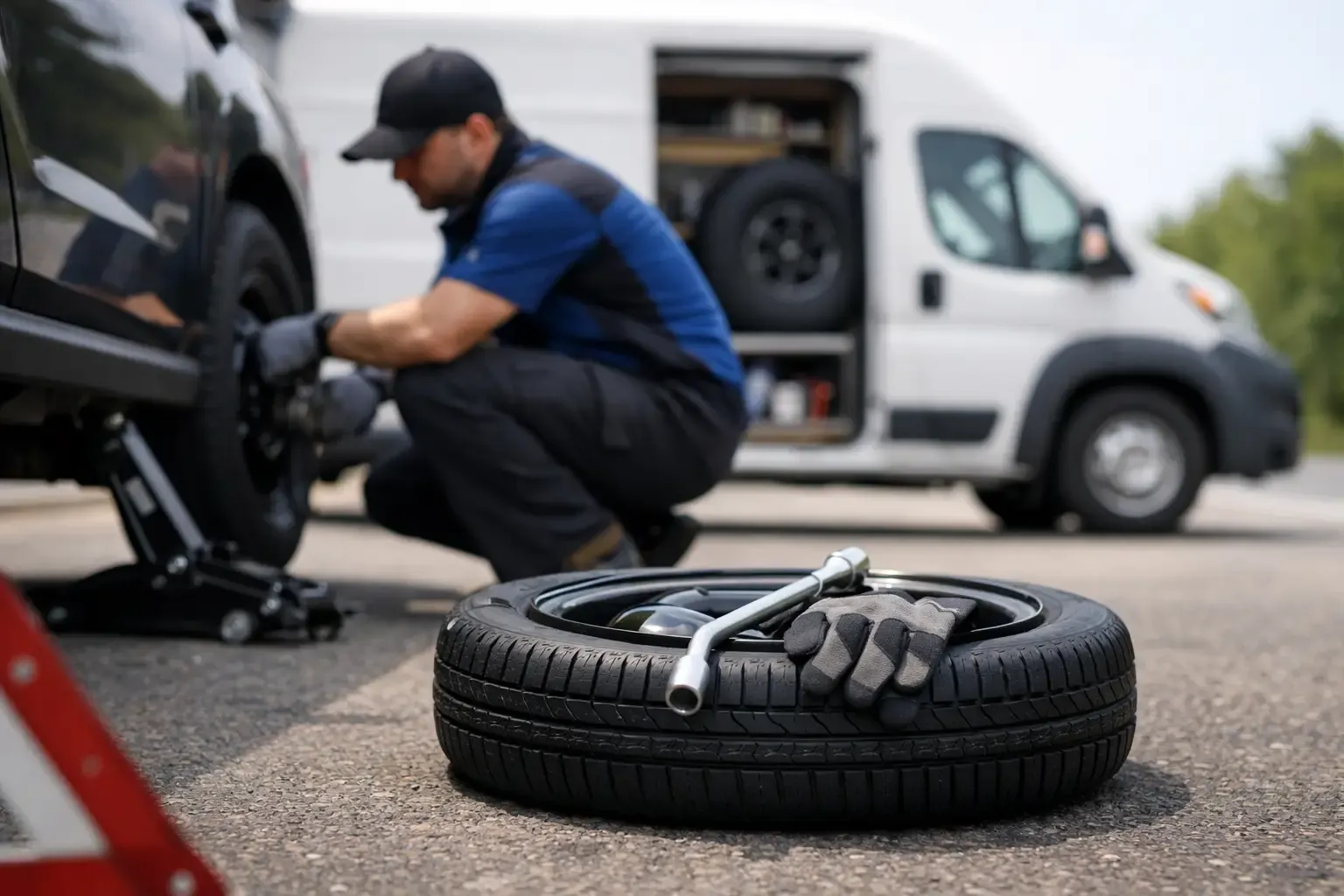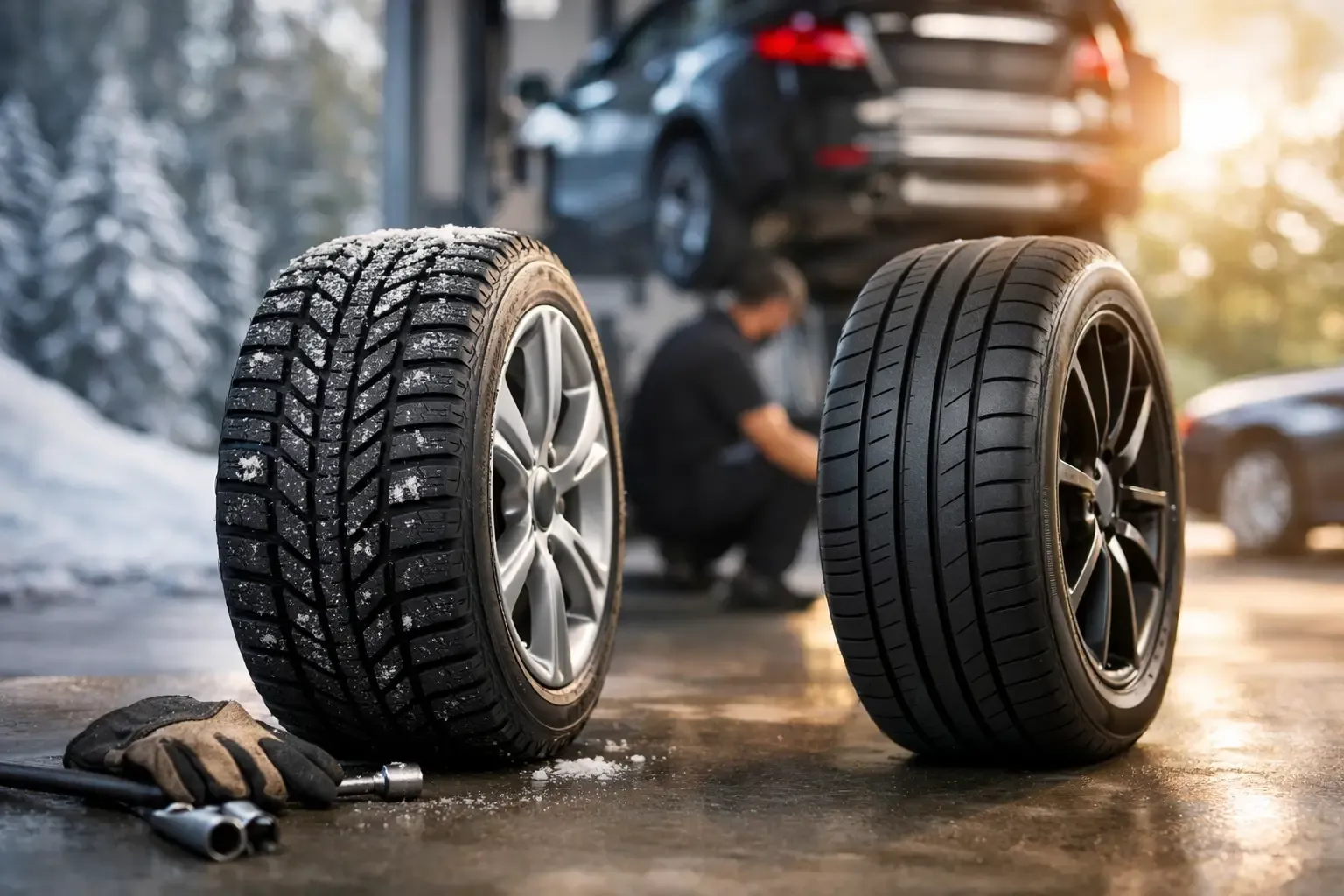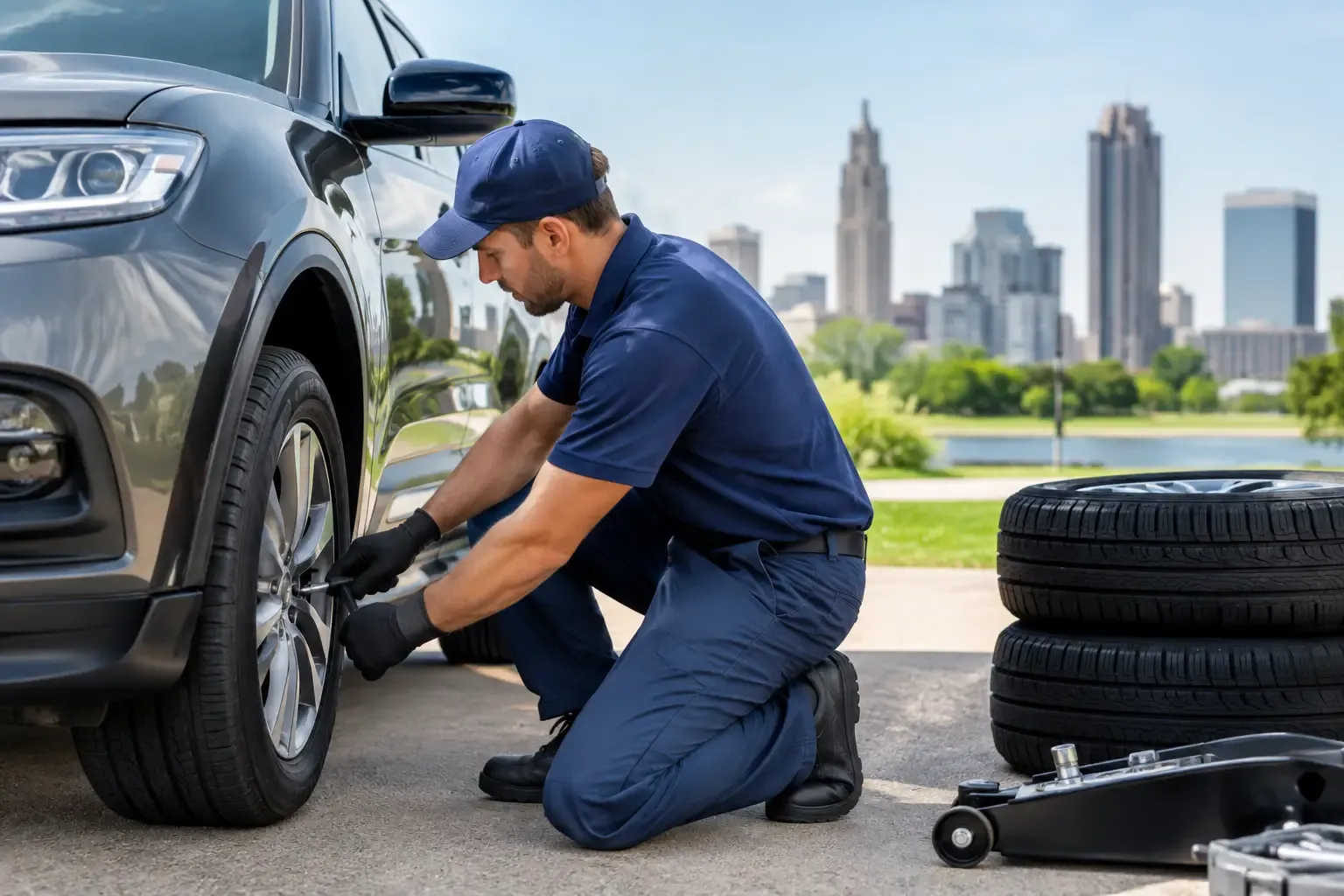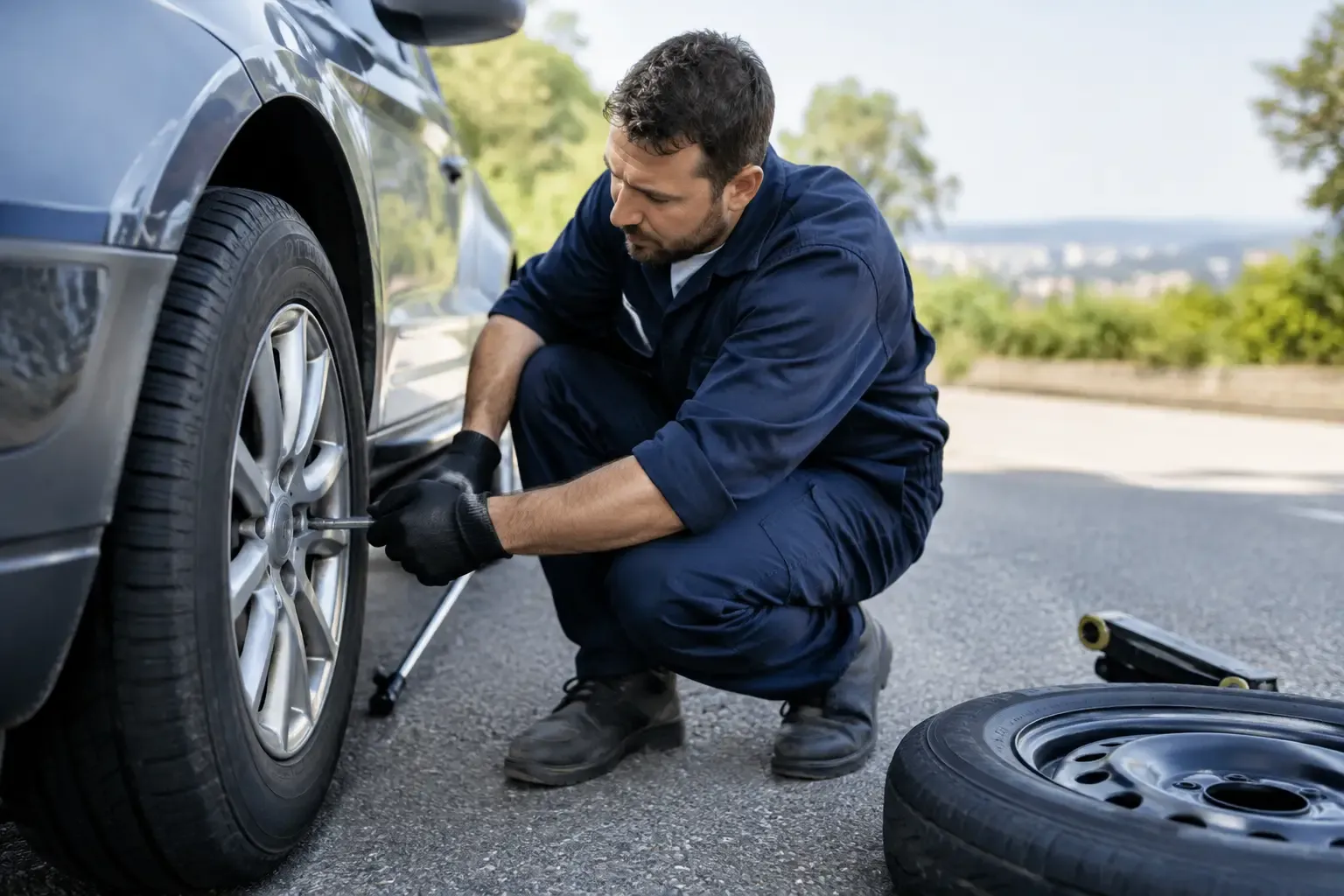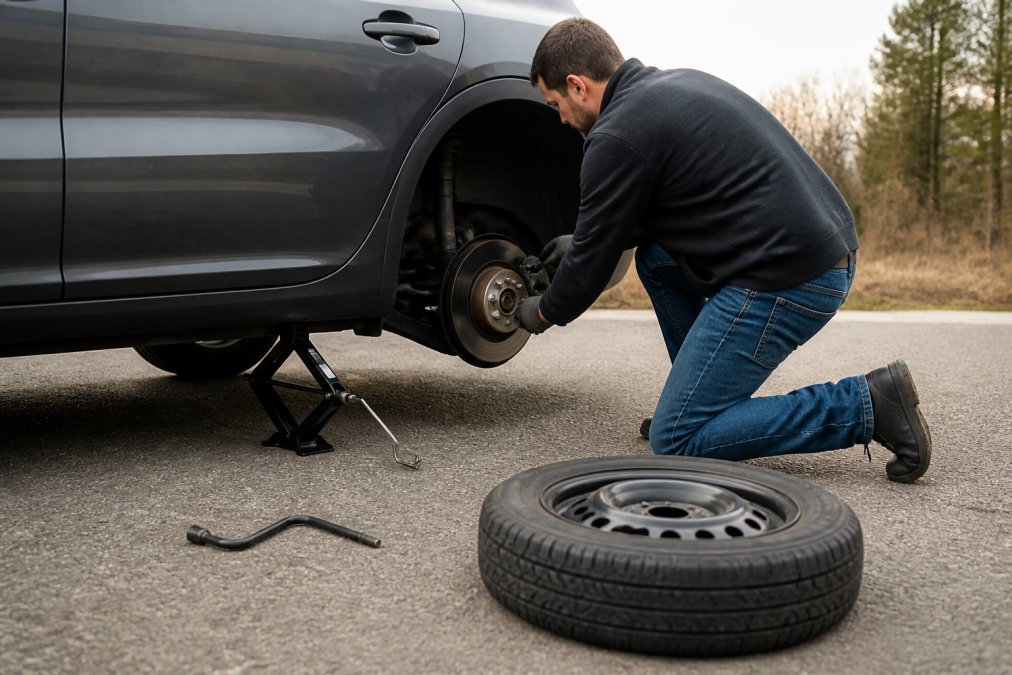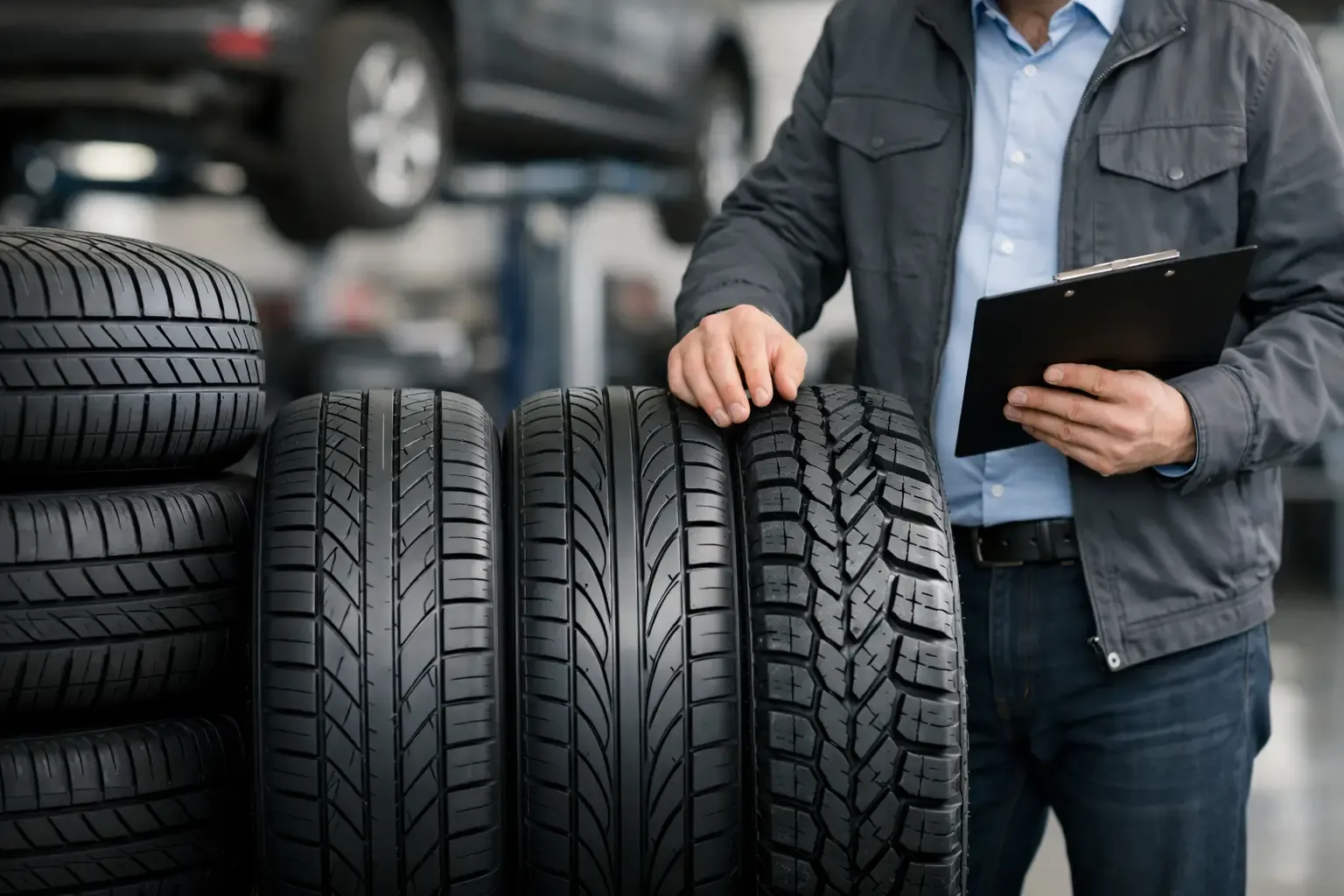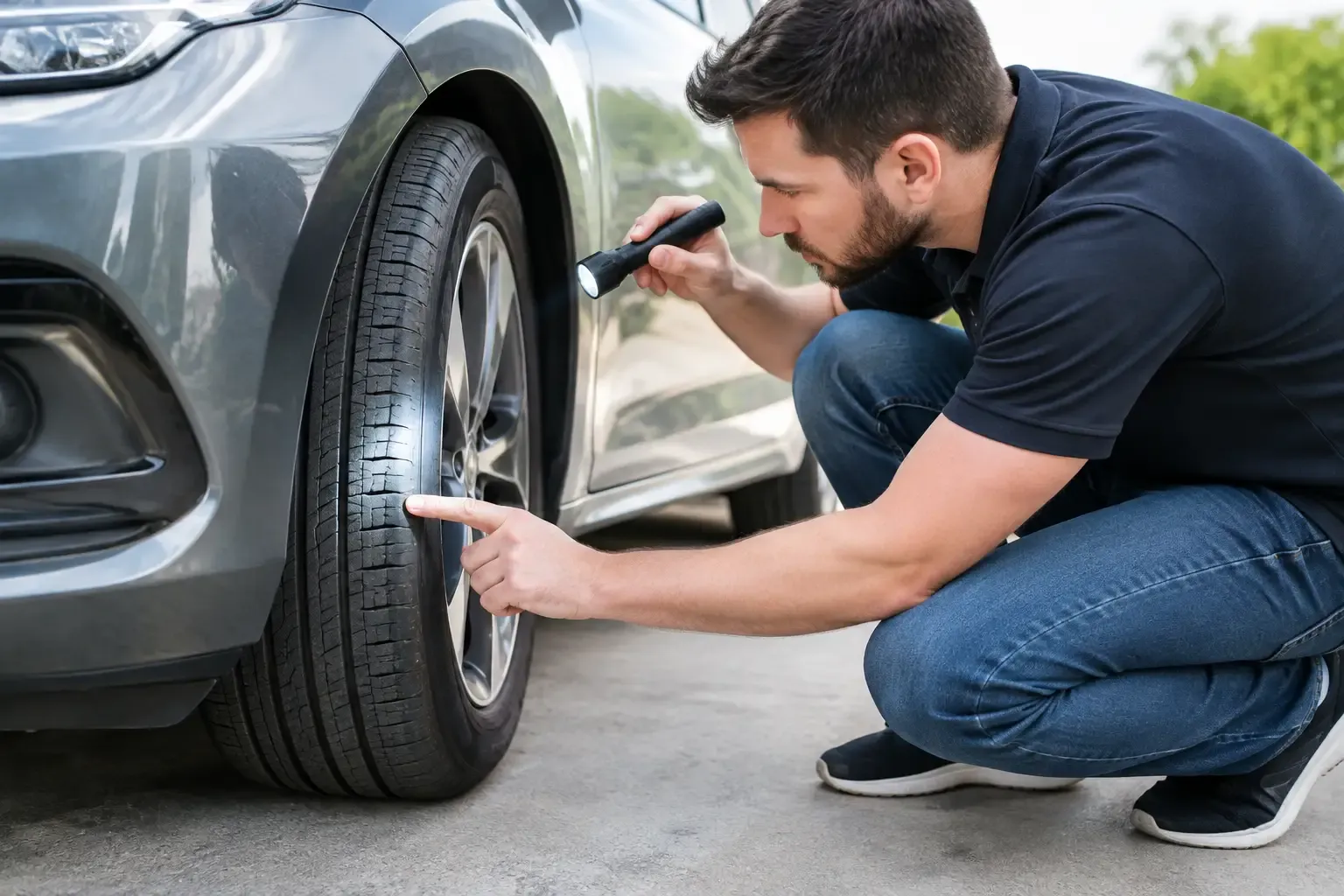
A nail in your tire can turn a normal workday, school pickup, or commute into an immediate decision: should you repair it, or is it time for a new tire? Tire repair vs replacement is not simply a question of cost or convenience. It is a safety decision based on where the damage occurred, how large it is, how long the tire was driven while low, and how much usable tread remains.
The good news is that many punctures can be repaired safely when they meet established repair guidelines. When they do not, replacement is the responsible choice. A qualified technician can inspect the tire and give you a clear answer before you spend time arranging a shop visit or risking another flat on the road.
When Tire Repair Is a Safe Option
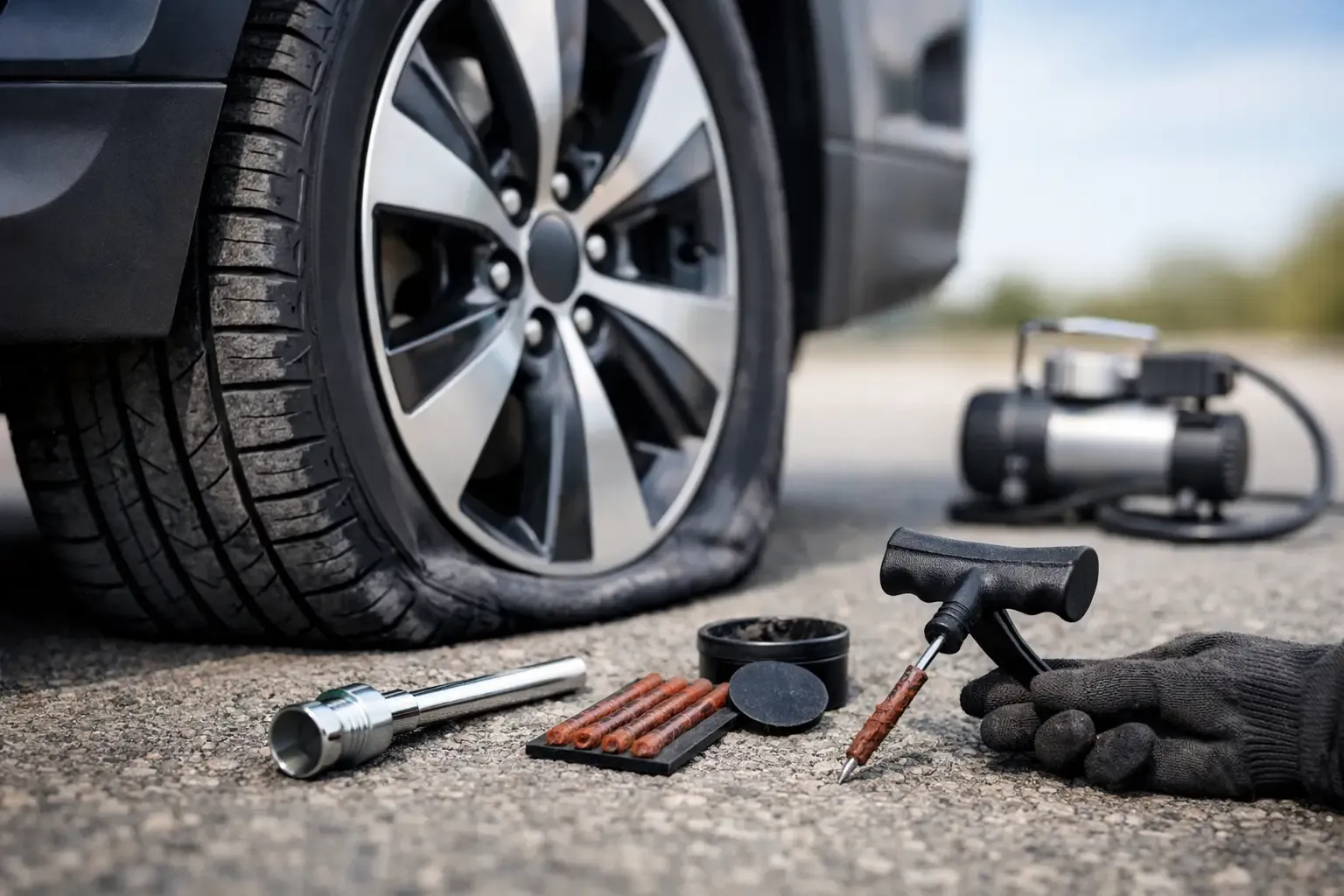
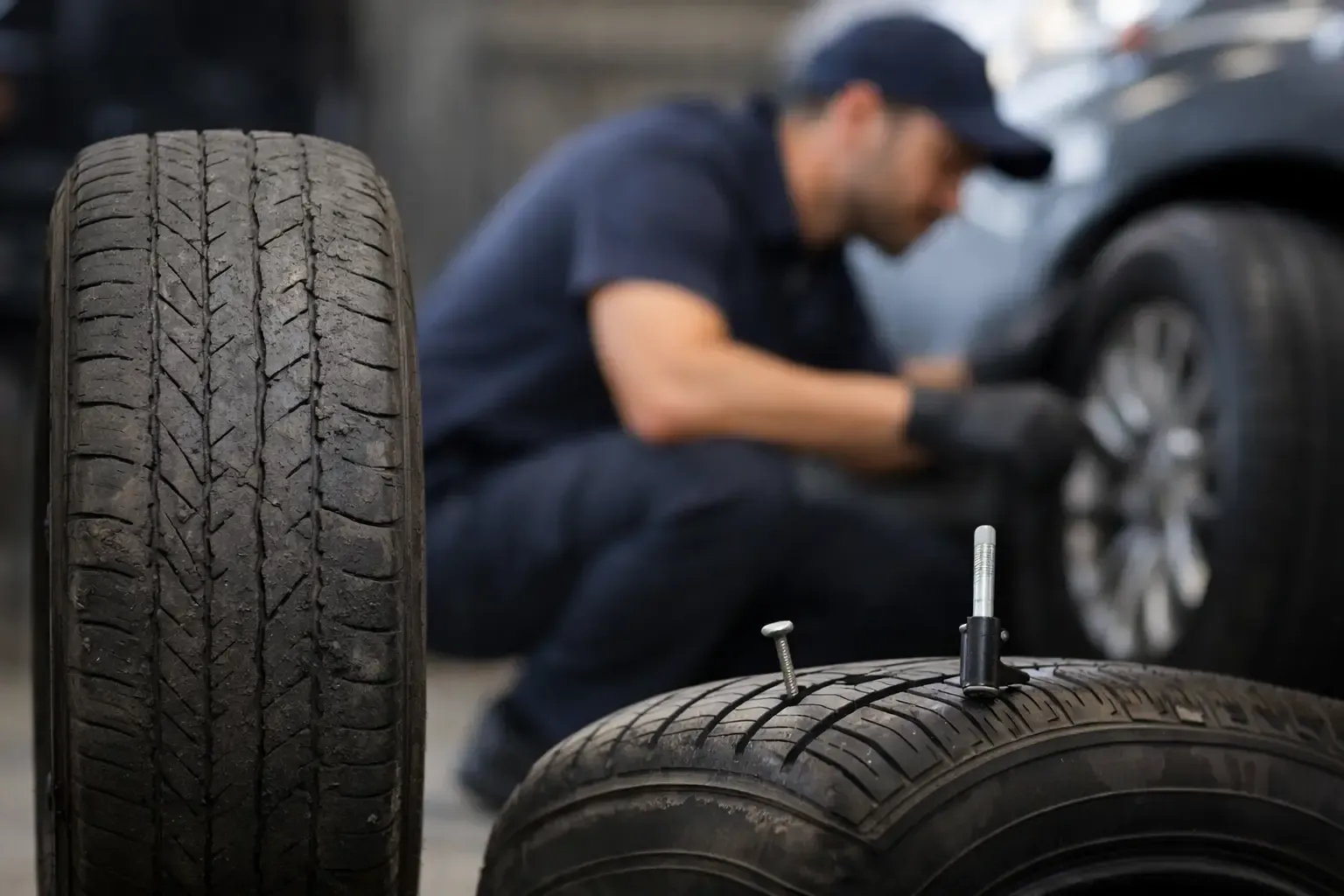
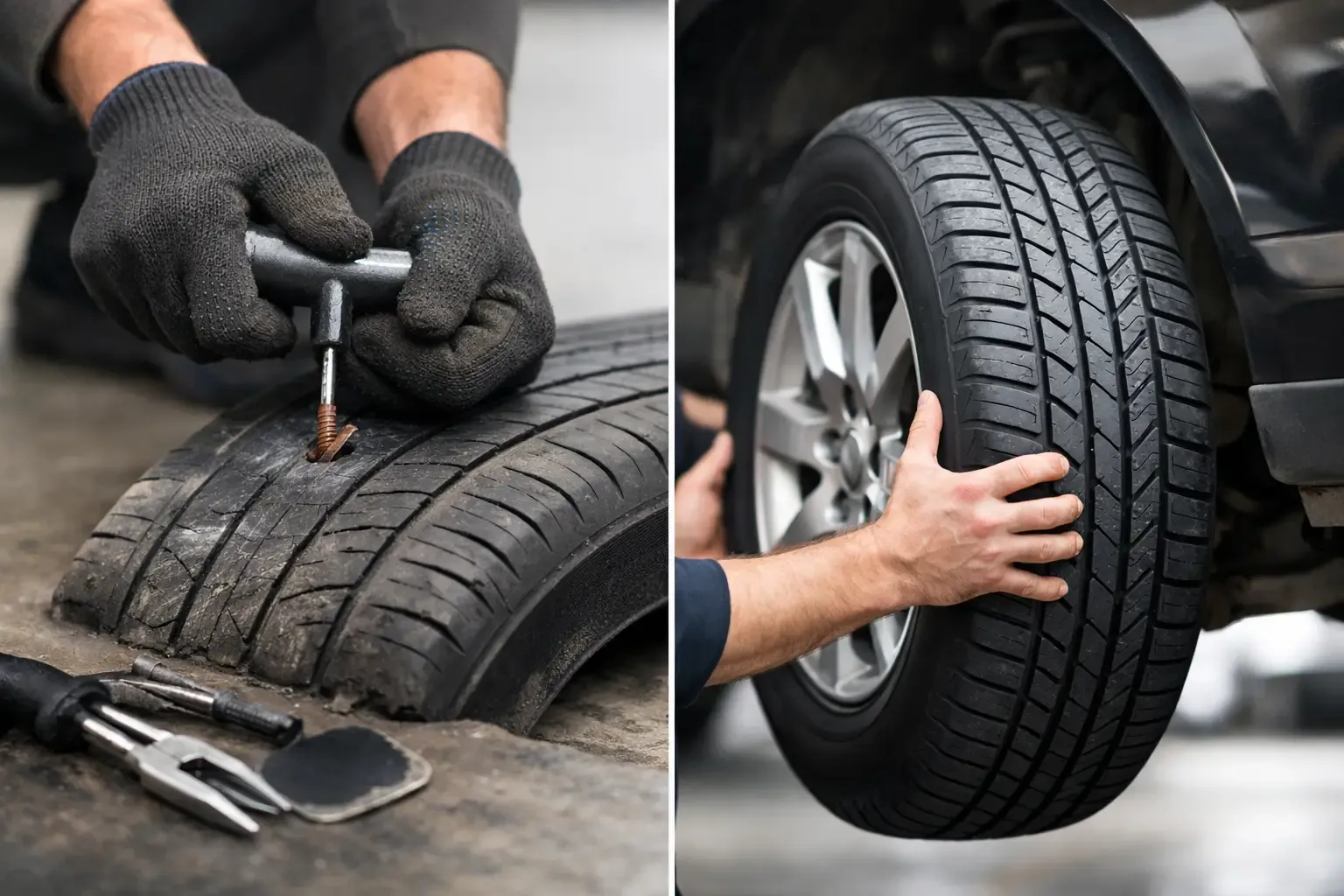
A repair is often possible when a small puncture is located in the center portion of the tread. This is the thick, reinforced area designed to contact the road. In many cases, a puncture caused by a nail or screw can be professionally repaired if the hole is no larger than about 1/4 inch and the tire has not suffered additional internal damage.
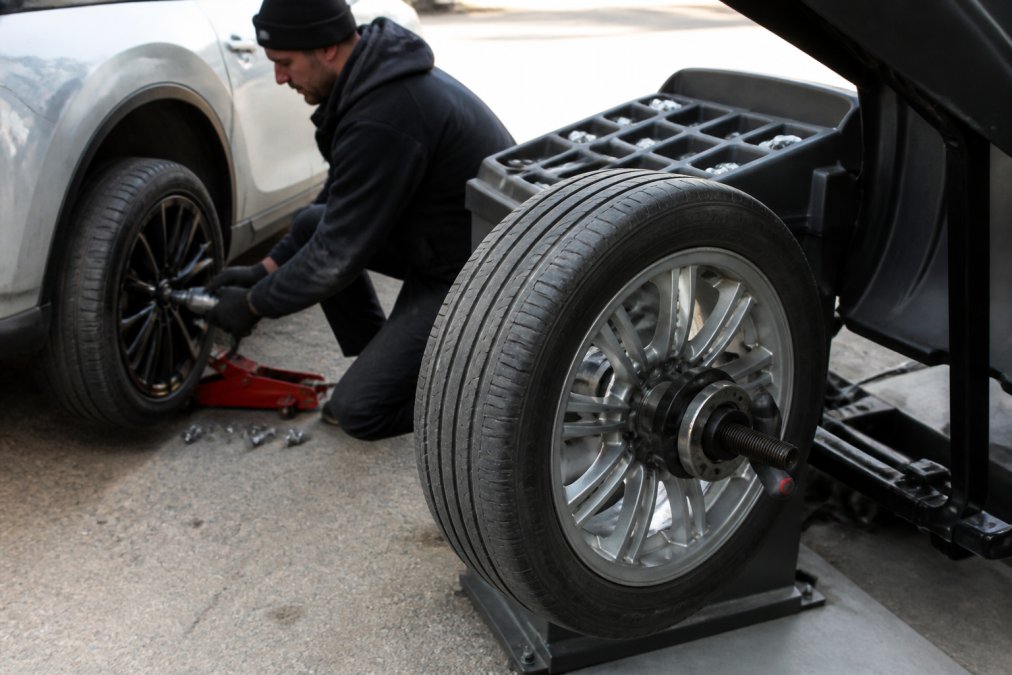
The key word is professionally. A proper repair involves removing the tire from the wheel, inspecting the inside, and using a combination patch and plug. This seals the injury from the inside and helps prevent moisture from reaching the tire’s internal steel belts. An exterior-only plug may seem like a quick fix, but it does not allow anyone to check for hidden damage or fully seal the puncture path.
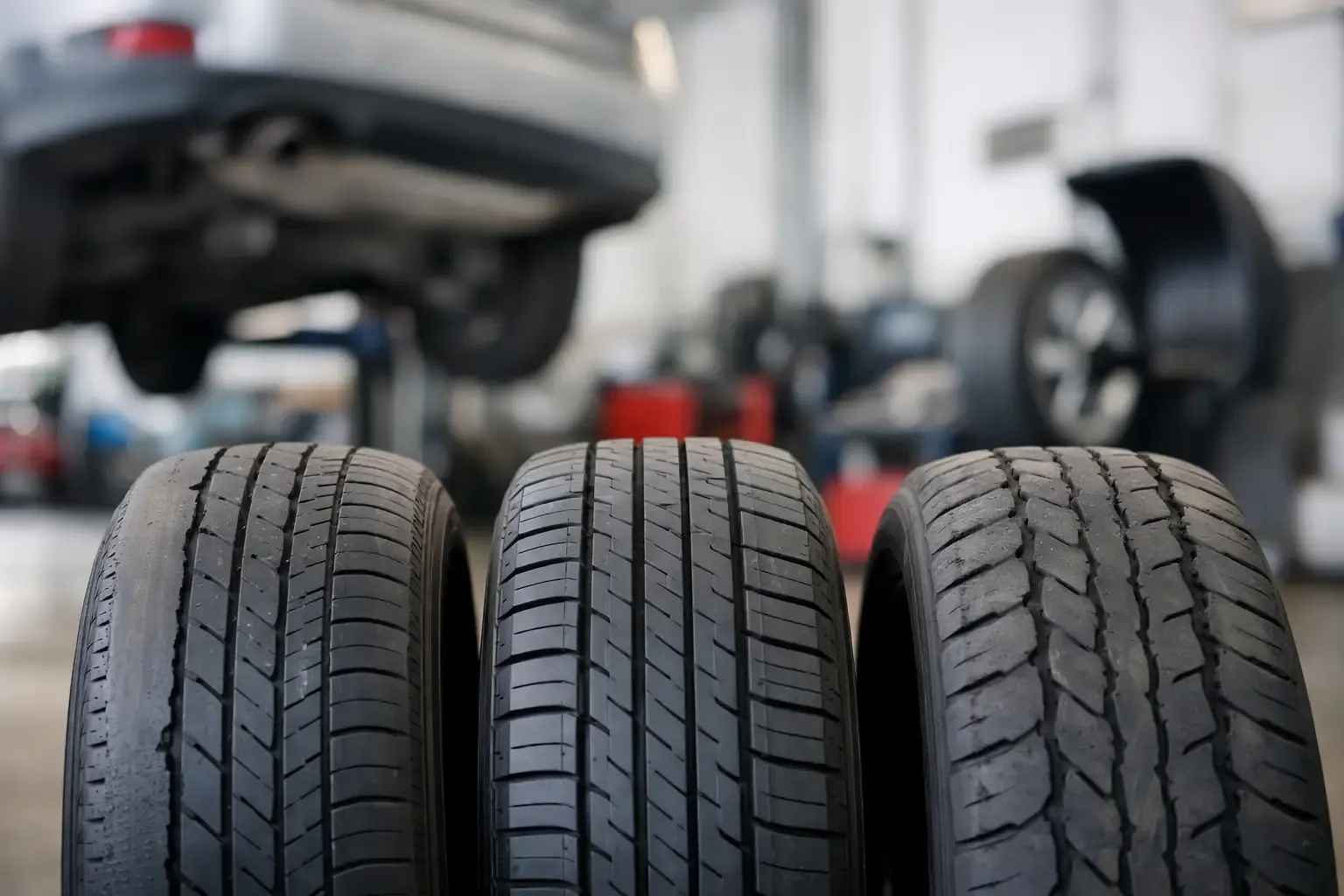
Tread depth matters, too. If the tire still has healthy, even tread and the puncture is repairable, fixing it can be a practical way to keep a good tire in service. It also helps preserve the balance of your vehicle’s tire set, especially on vehicles with all-wheel drive.
When Tire Replacement Is the Better Choice
Some tire damage is not repairable, even if the leak seems small. The sidewall and shoulder of a tire flex constantly while driving. A puncture in these areas cannot be safely patched because the repair may fail under normal driving loads.
Replacement is usually necessary when the tire has a sidewall puncture, a cut, a bulge, exposed cords, or damage from striking a pothole or curb. A bubble in the sidewall is especially urgent. It can indicate broken internal cords, which means the tire’s structure has been compromised and could fail without much warning.
Driving on a flat or severely underinflated tire can also change the decision. Even a tire with a repairable tread puncture may need replacement if it was driven too long without enough air. The sidewalls can overheat and break down internally, leaving damage that is not always visible from the outside.
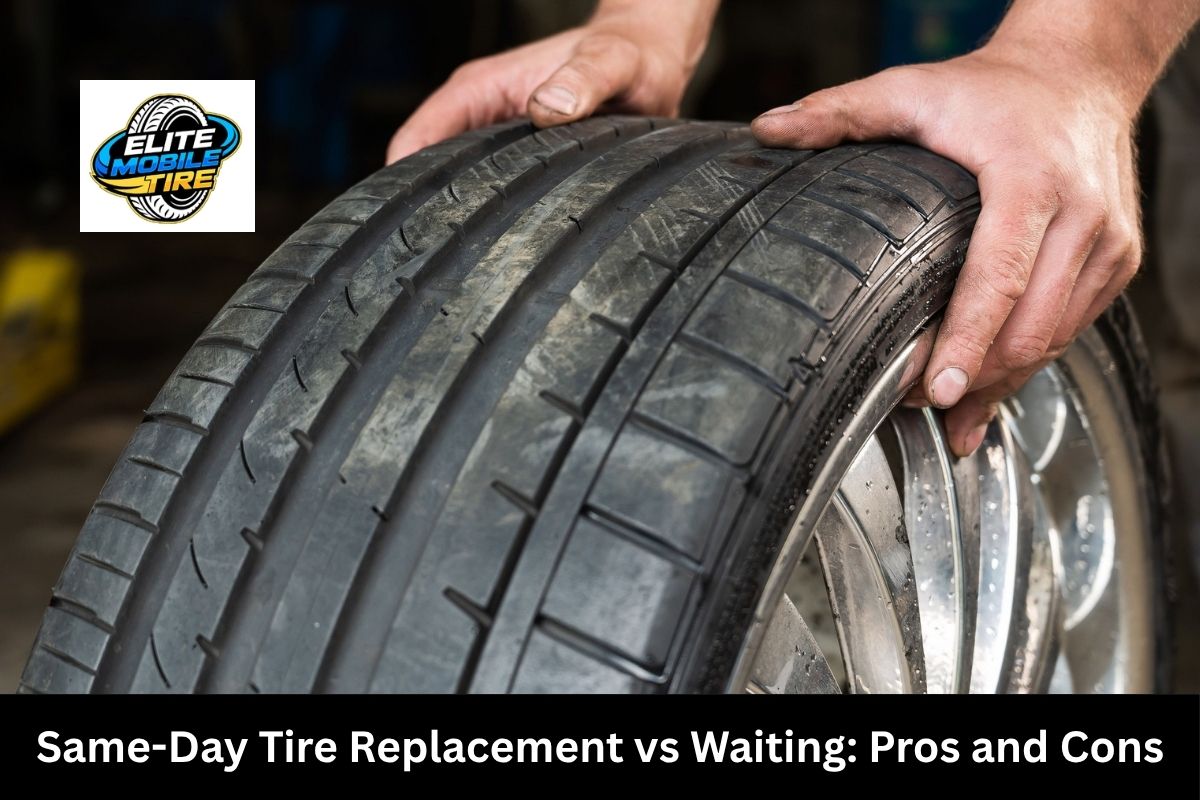
A tire near the end of its tread life may not be worth repairing either. Repairing a worn tire can postpone the problem briefly, but it does not restore wet-weather traction or reliable braking performance.
Tire Repair vs Replacement: What a Technician Checks
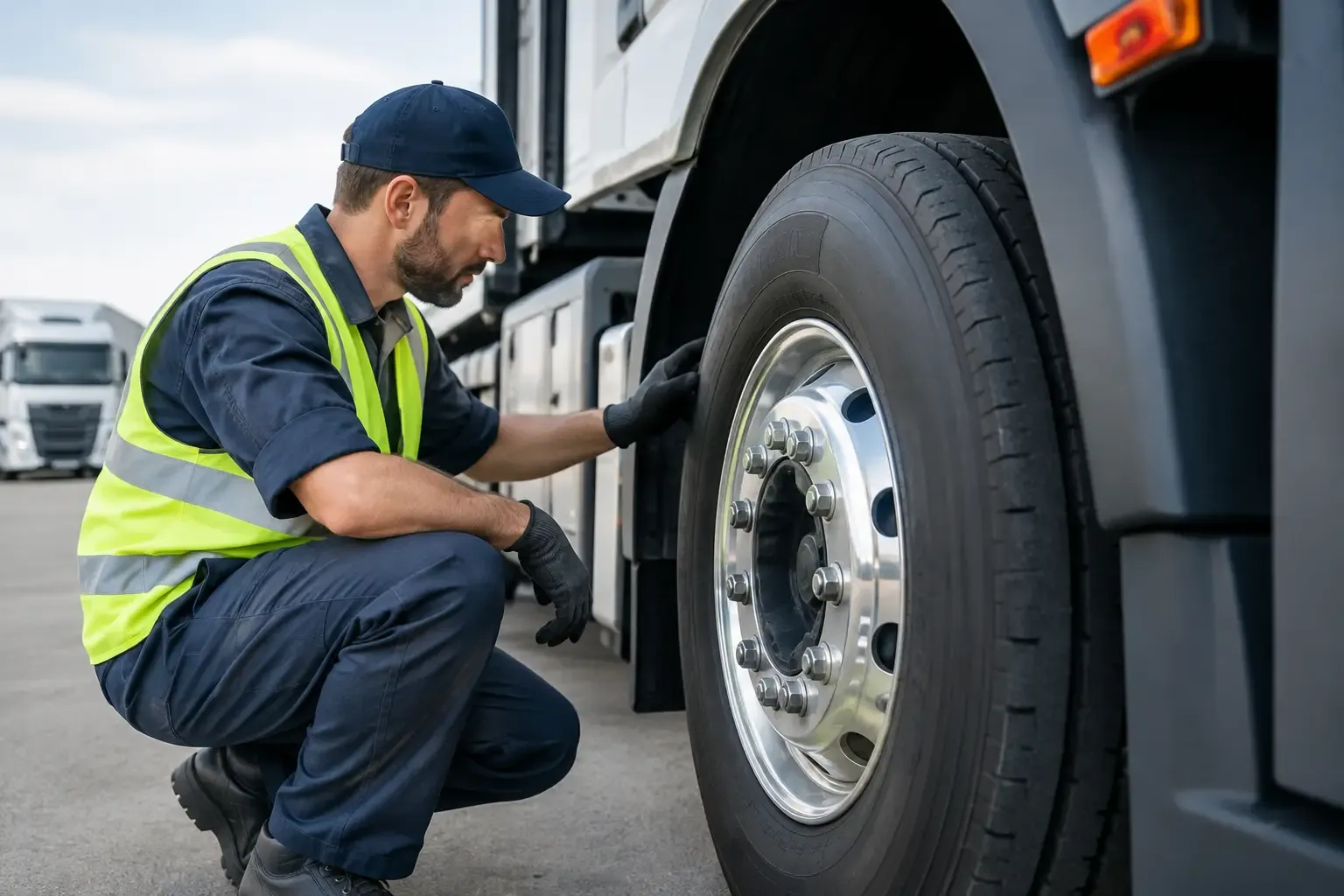
A tire inspection should go beyond finding the object that caused the leak. The technician needs to determine whether the tire can continue doing its job safely at highway speeds, in rain, and during emergency braking.
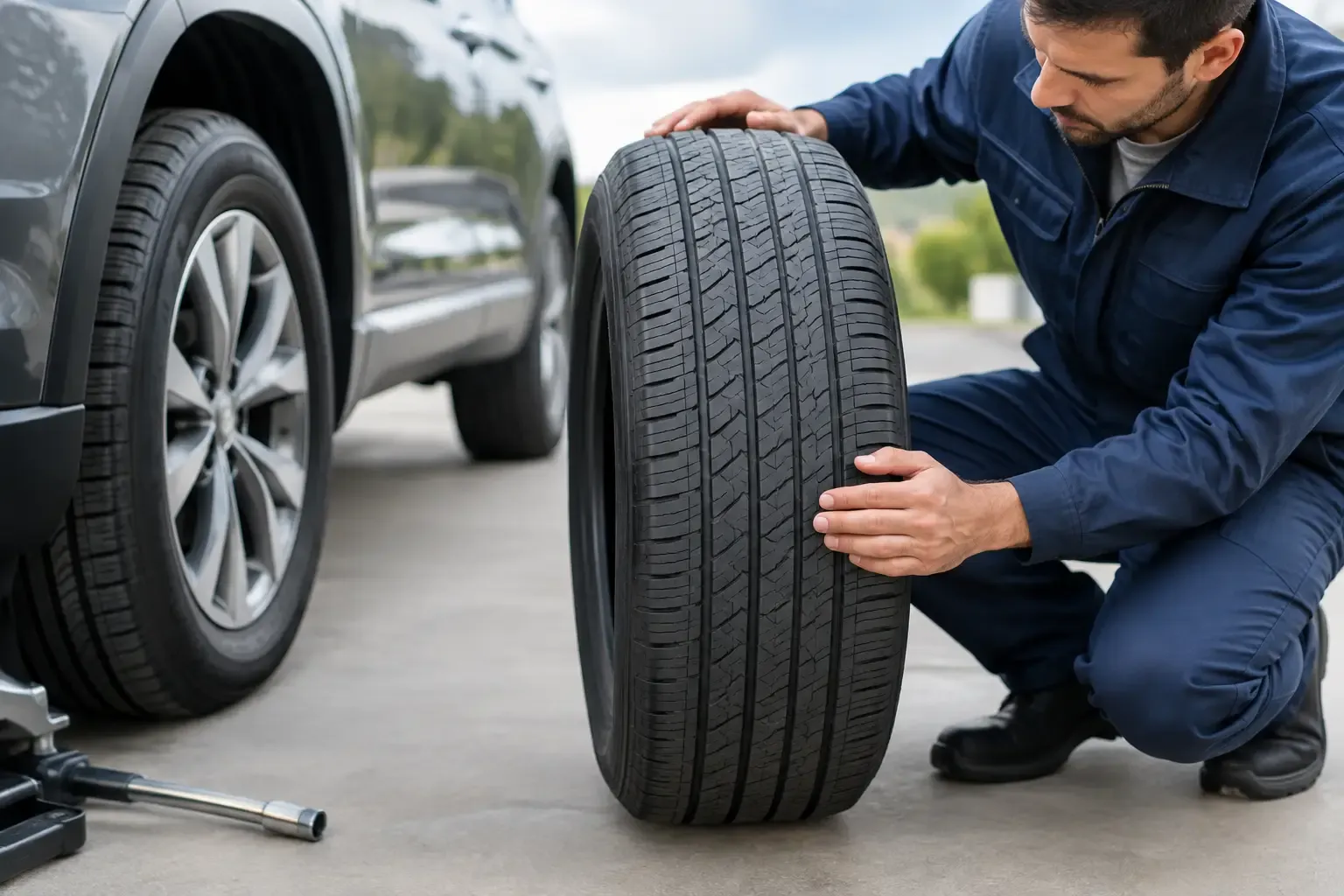
First, they will identify the puncture location and size. A small nail hole in the central tread is very different from a tear near the shoulder. Next, they will check the tread depth and look for uneven wear, cracking, dry rot, embedded debris, and visible structural damage.
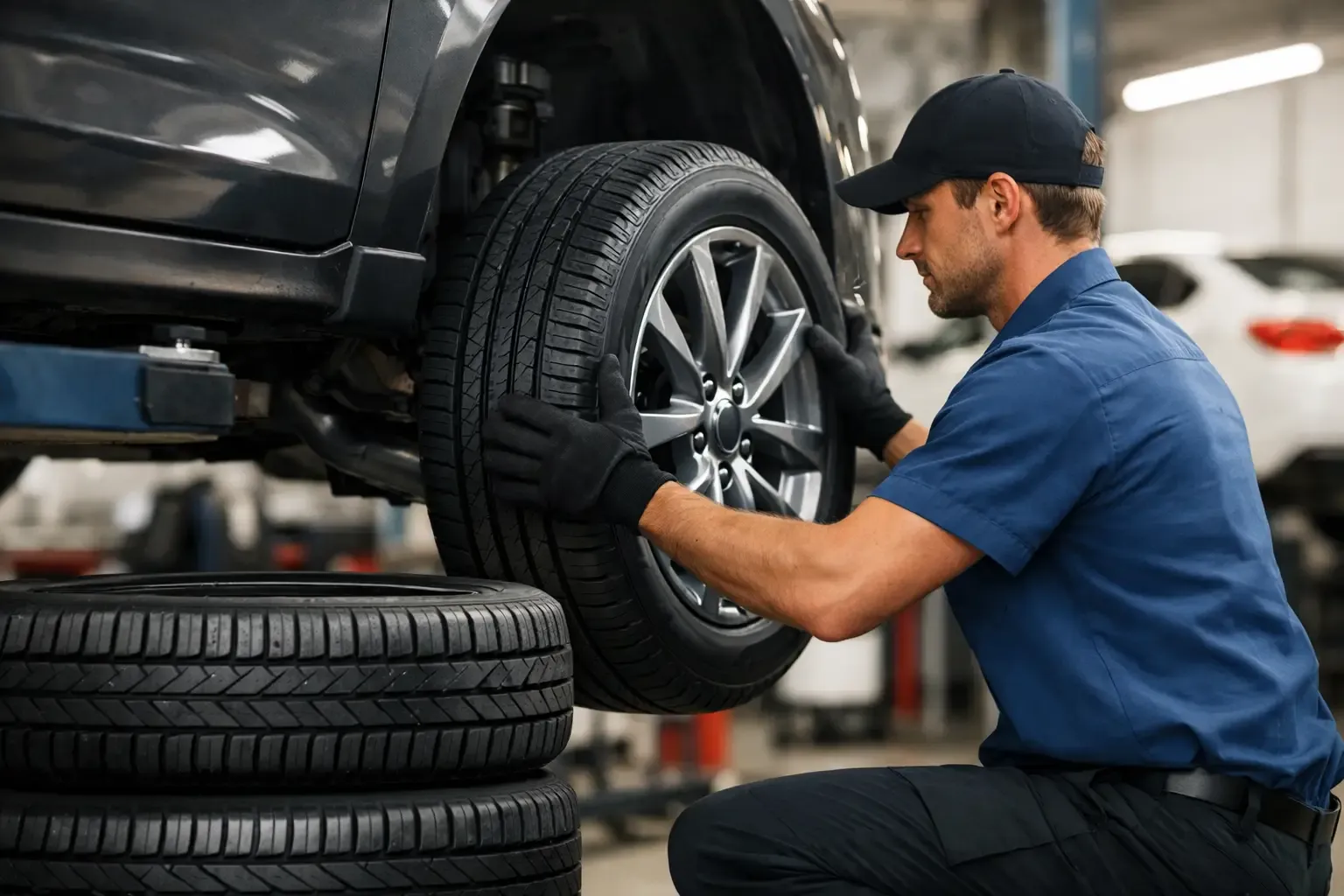
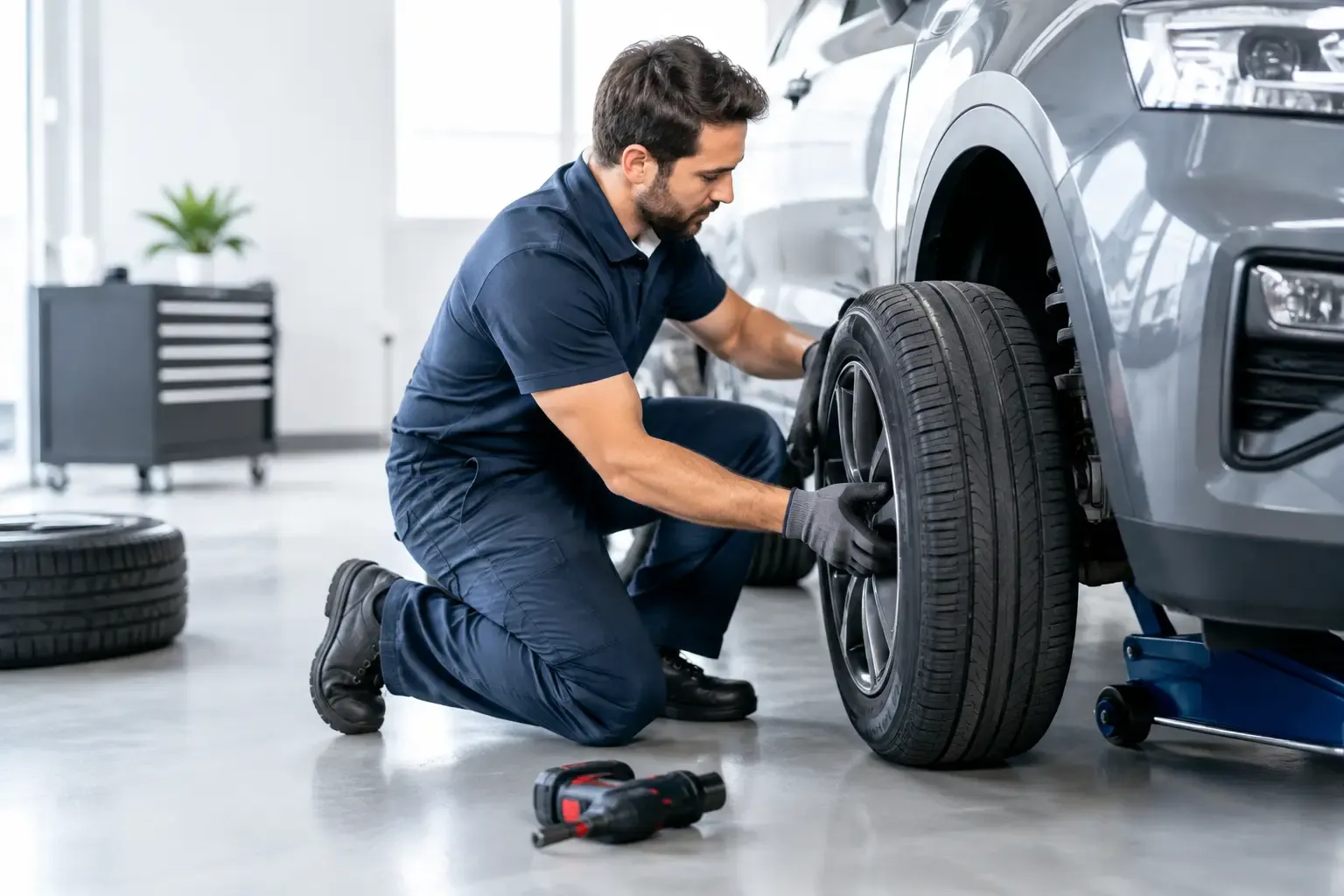
The most valuable part of the inspection happens inside the tire. Once it is removed from the wheel, the technician can look for rubber dust, heat damage, liner separation, or scuffing from driving while flat. Those signs can turn what appeared to be a simple repair into a replacement recommendation.
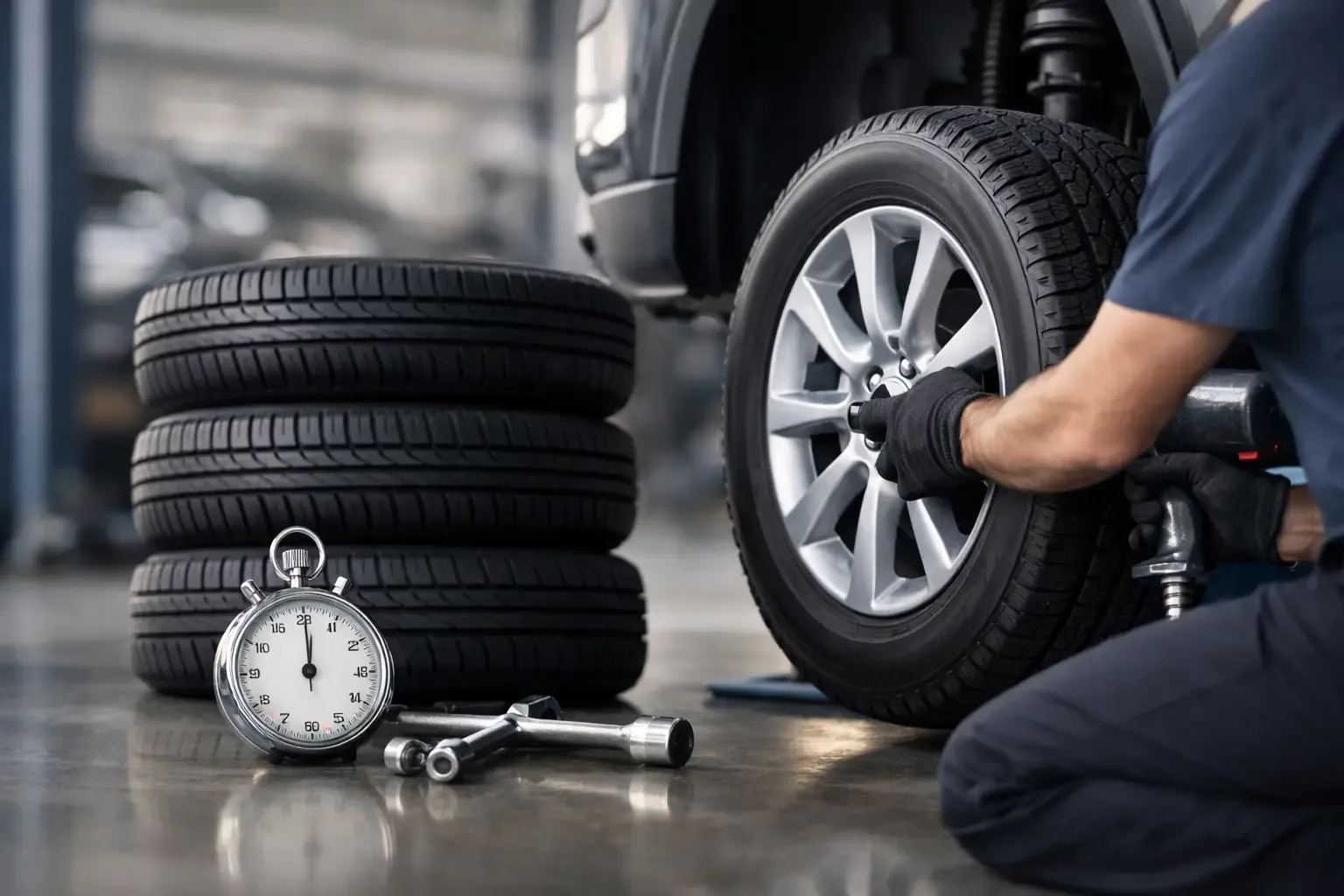
This process may take a few extra minutes, but it prevents guesswork. The goal is not to sell a tire when a repair will do. It is to avoid putting a damaged tire back into service when its condition no longer supports safe driving.
What About Replacing One Tire or More Than One?
If one tire needs replacement, whether you need additional tires depends on your vehicle, the remaining tread depth, and where the new tire will be installed. For many front-wheel-drive and rear-wheel-drive vehicles, replacing one tire can be appropriate when the other tires are still in good condition and their tread depth is reasonably close.
All-wheel-drive vehicles require closer attention. Significant differences in tire circumference can place added strain on the drivetrain. Depending on the manufacturer’s guidance and the wear on the existing tires, you may need to replace more than one tire or have the new tire professionally shaved to match the others. This is one reason it helps to have the vehicle and tire specifications reviewed before making a decision.
When replacing two tires, the new pair is commonly installed on the rear axle. This supports better stability on wet roads and can reduce the chance of a rear-wheel skid. Your technician can recommend the correct placement for your vehicle and current tire condition.
Do Not Ignore These Warning Signs
A tire that loses air repeatedly should be inspected promptly. Adding air every few days may keep you moving temporarily, but it can hide a puncture, valve stem issue, wheel leak, or damage around the bead where the tire seals to the wheel.
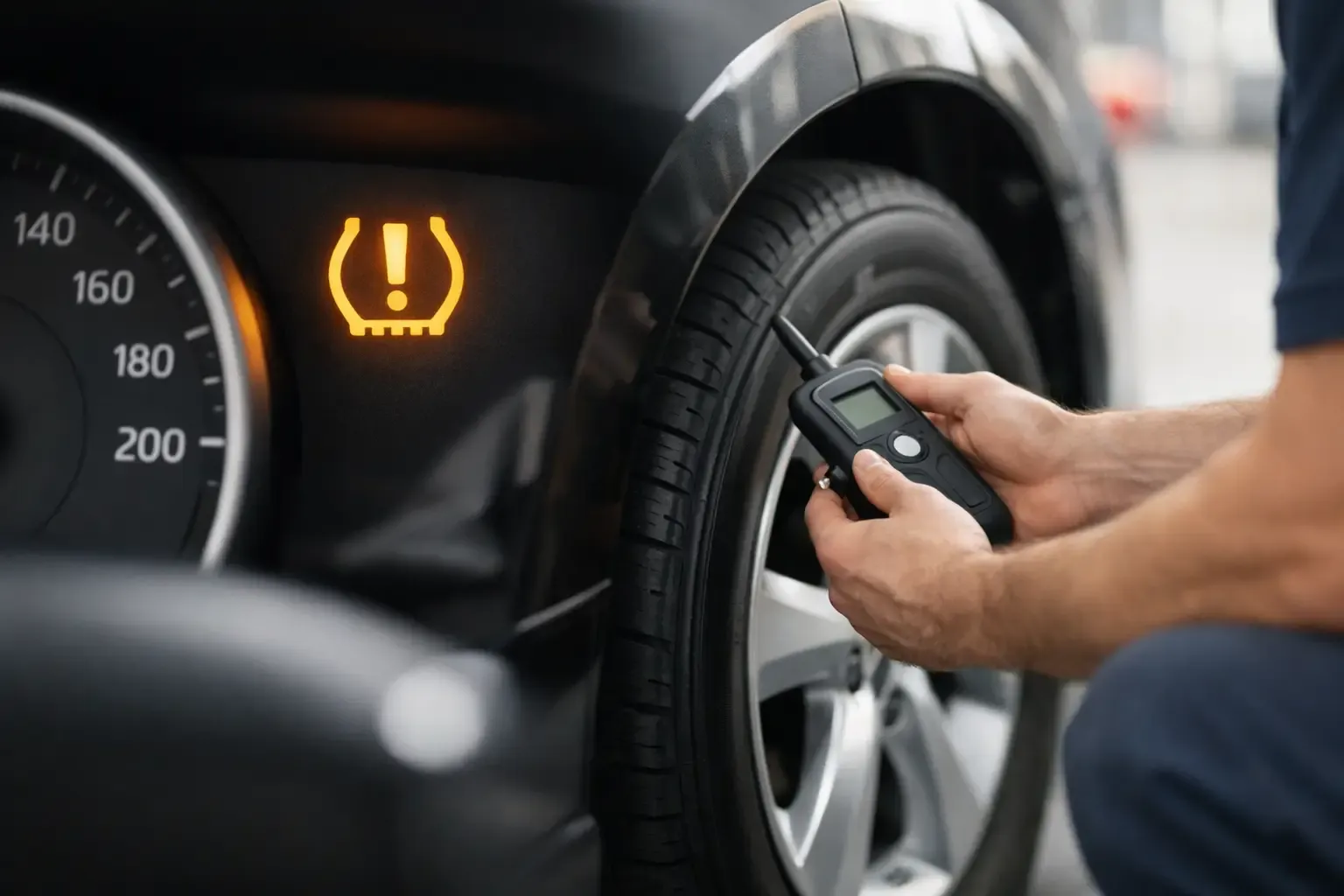
You should also stop driving and arrange service if you notice a visible bulge, deep cut, exposed metal cords, severe vibration after an impact, or a tire pressure warning that returns immediately after inflation. These are not situations to solve with a can of sealant or a quick roadside plug.
Sealant can be useful in a limited emergency, but it can make a later repair more difficult and may interfere with tire pressure monitoring components. If you use it to get out of an unsafe location, let the technician know before the tire is removed.
How Mobile Tire Service Makes the Decision Easier
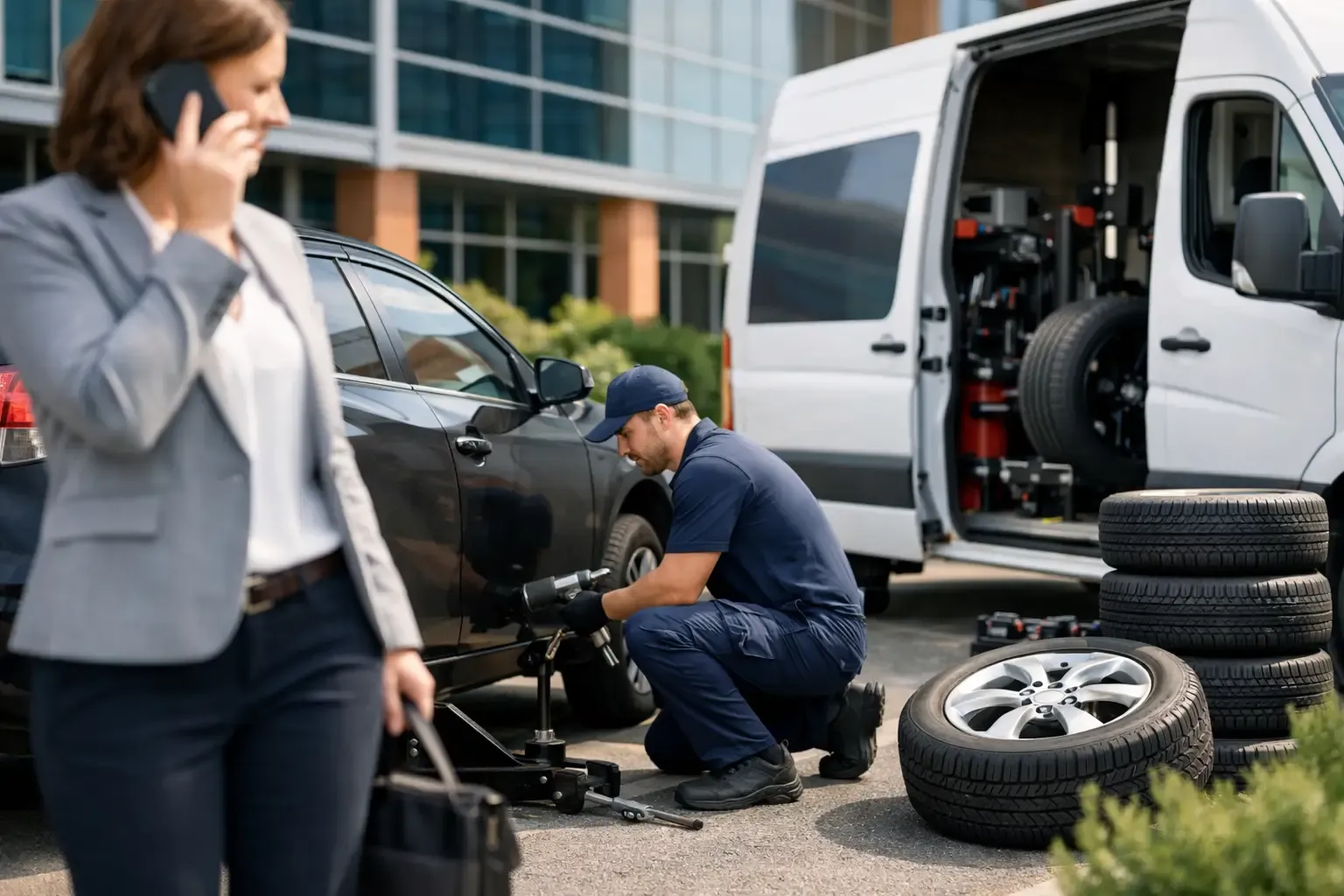
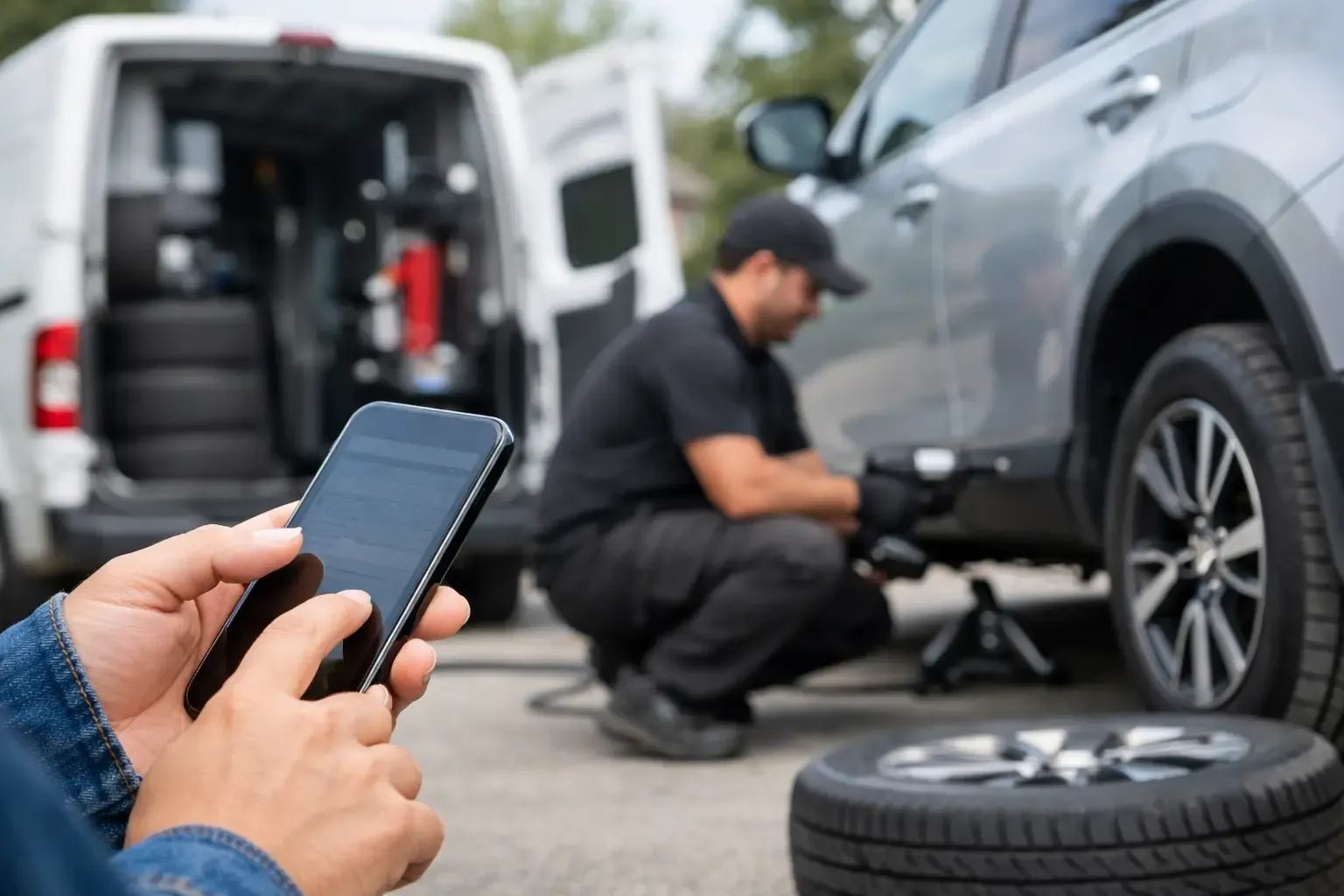
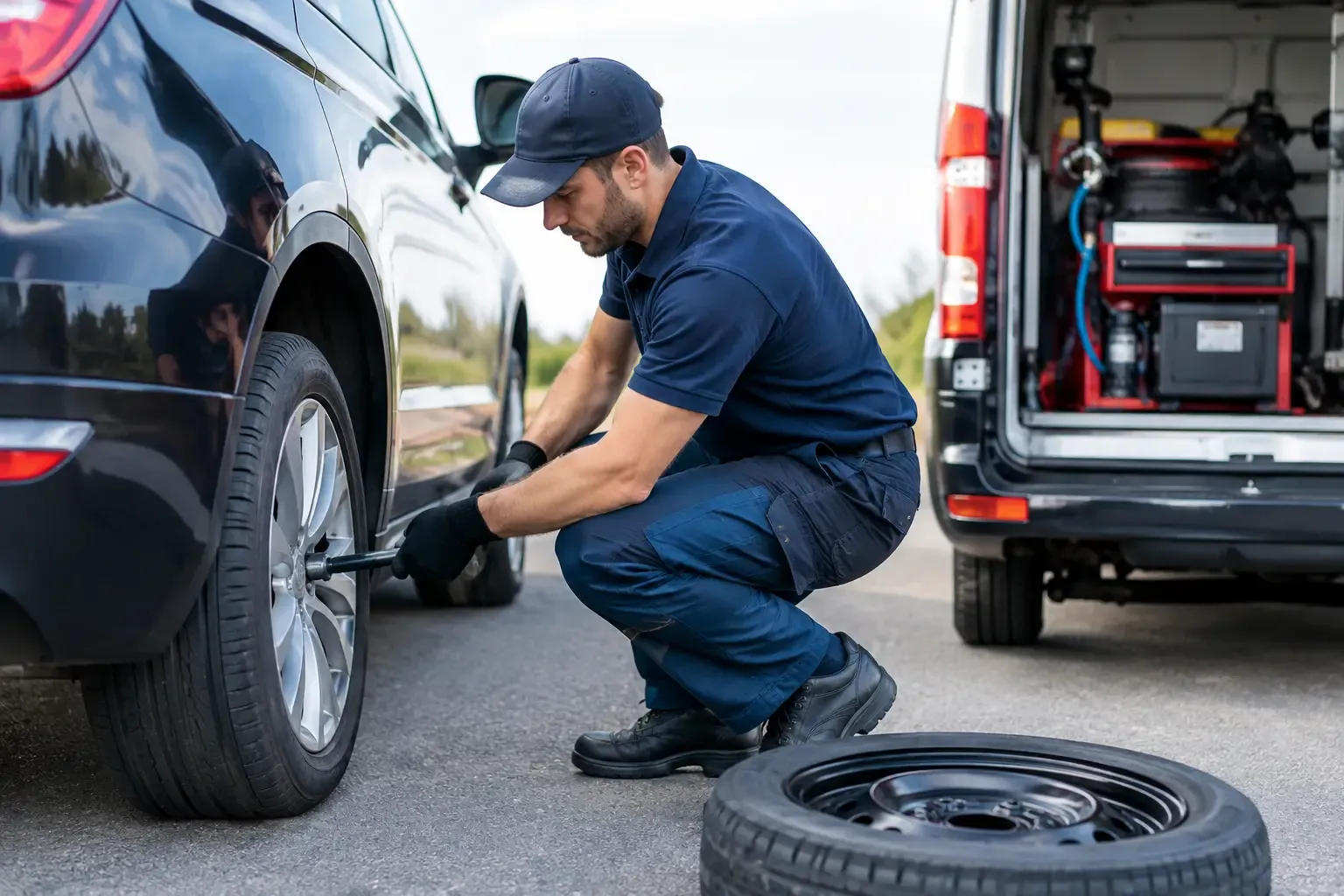
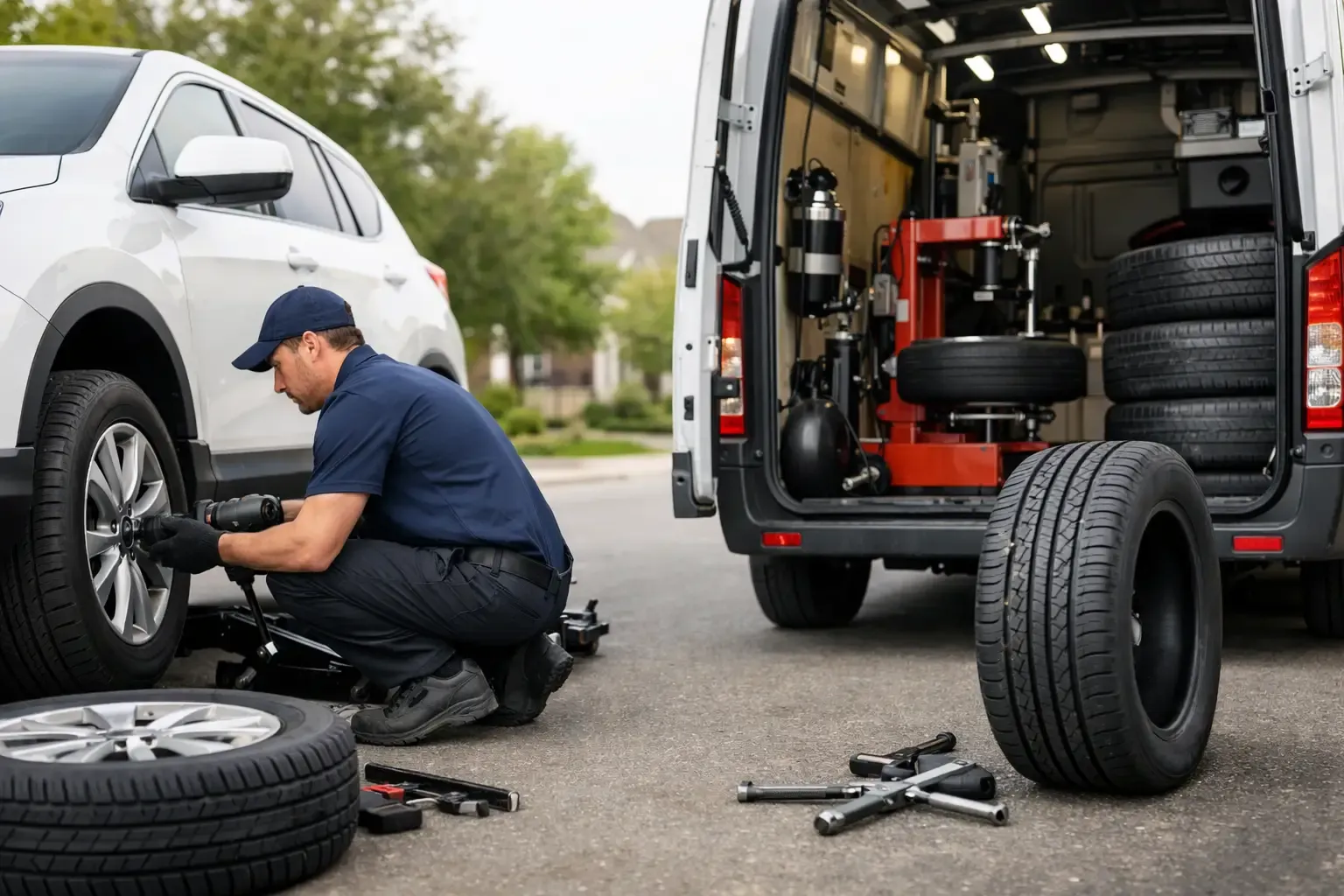
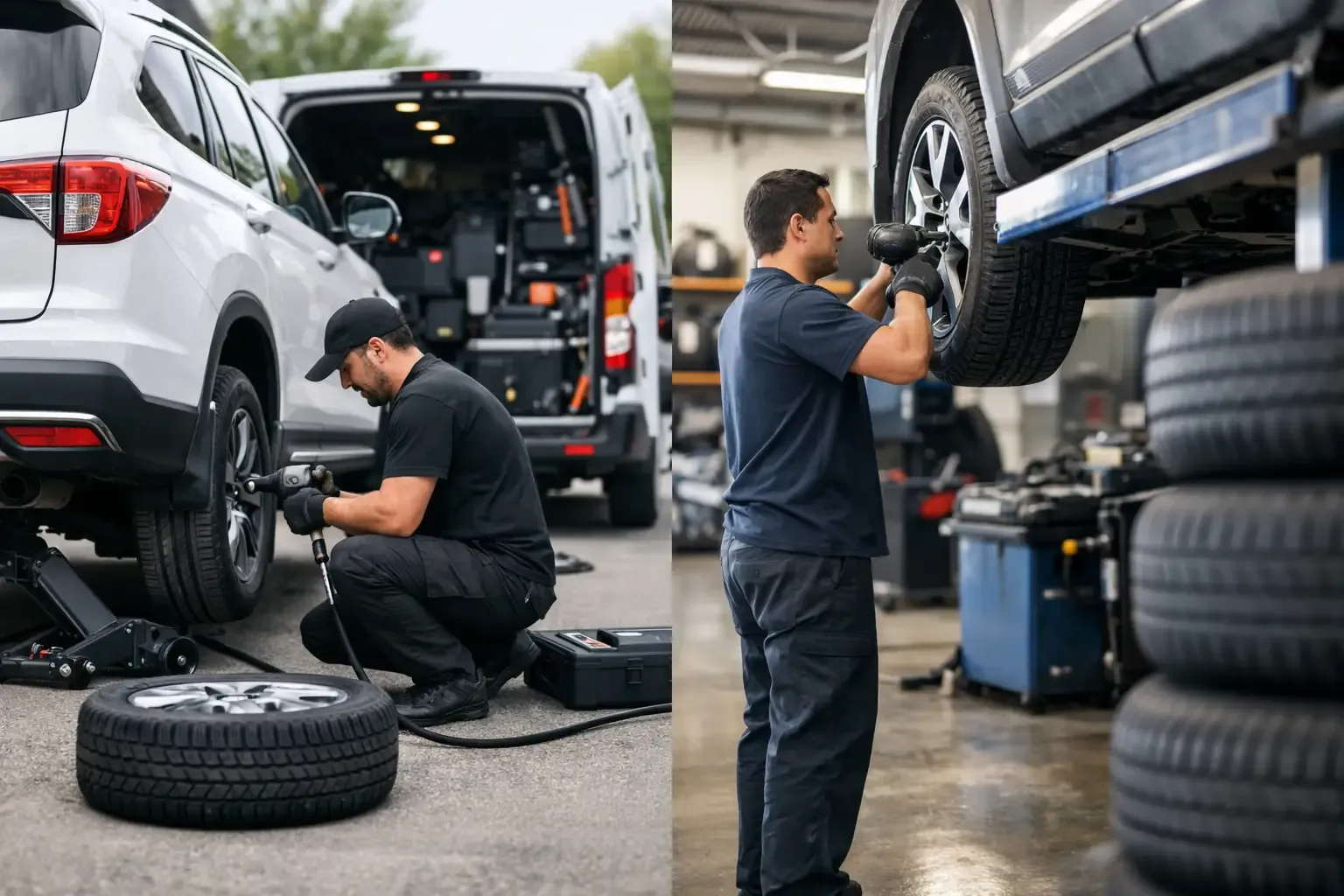
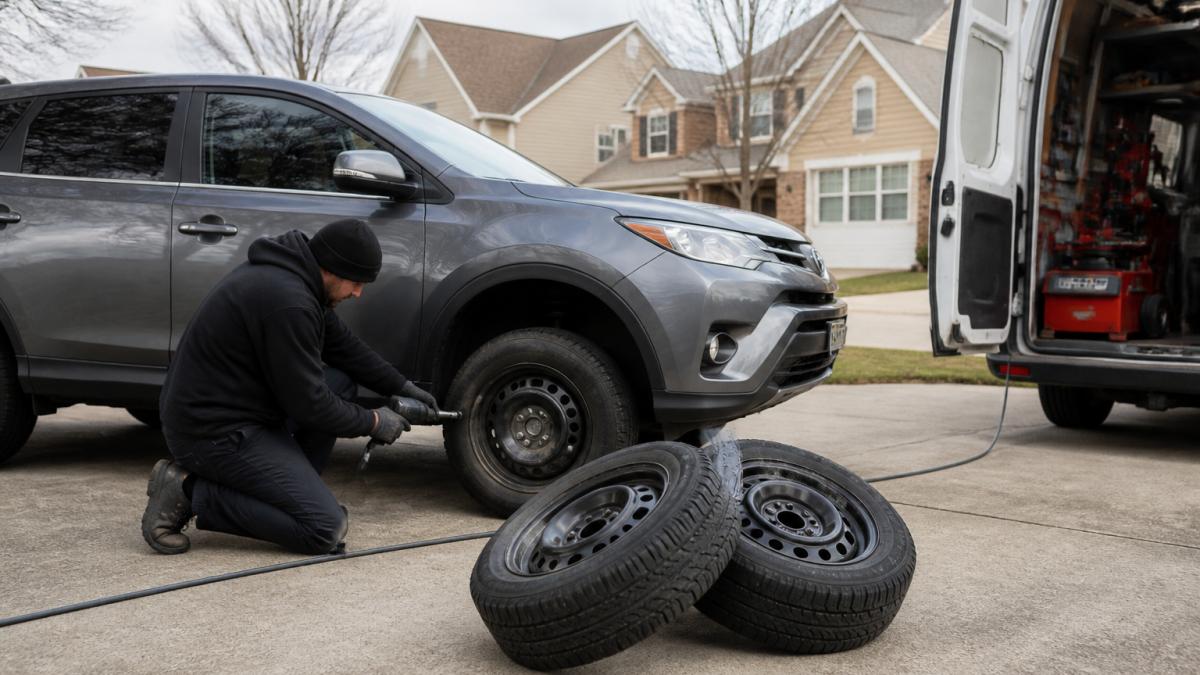
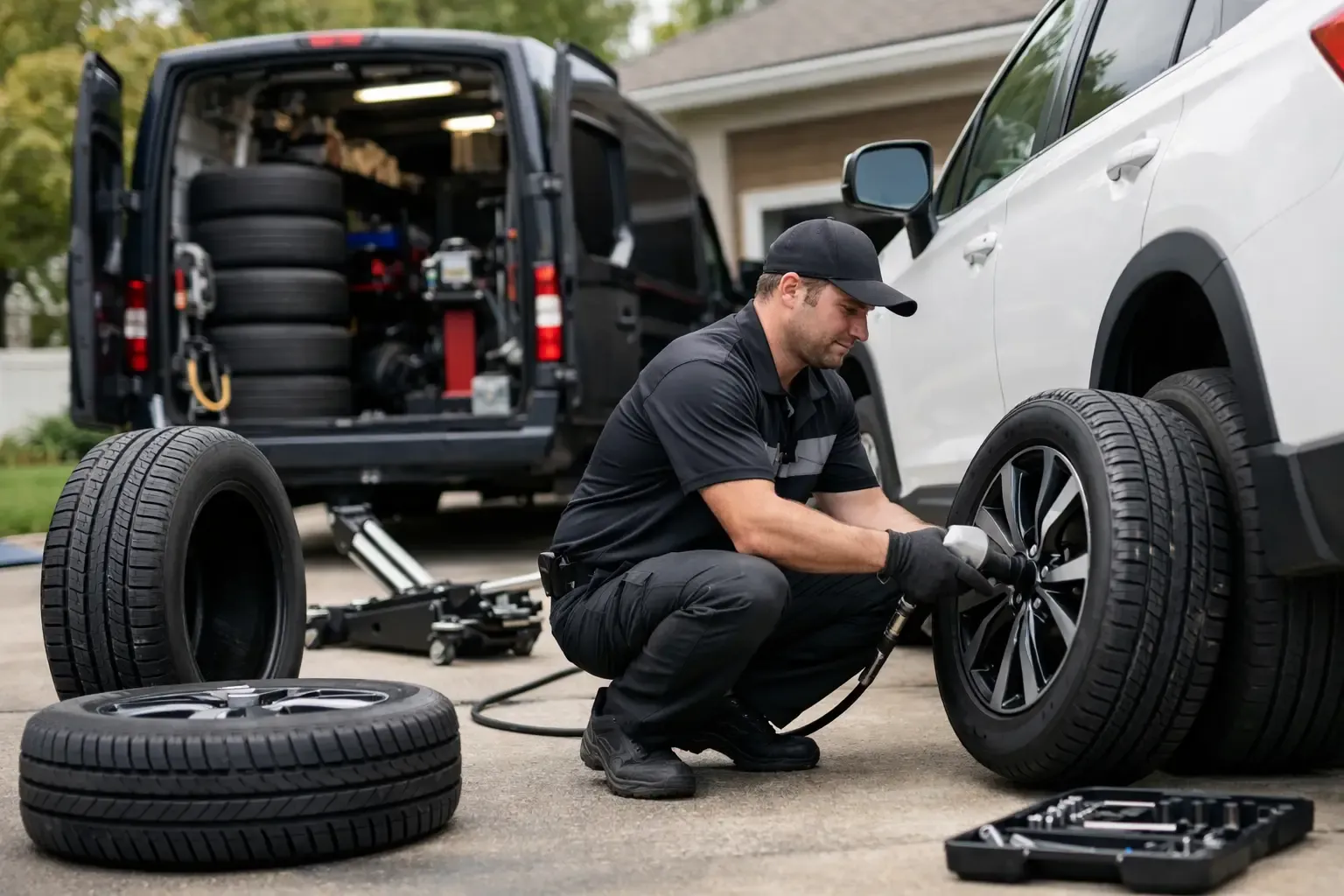
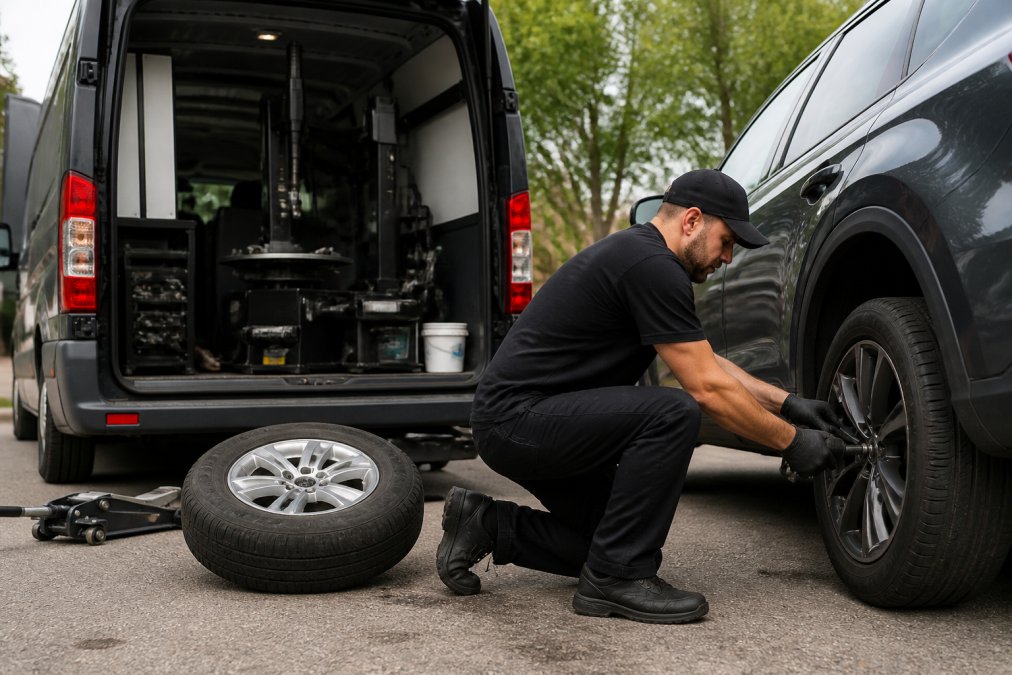
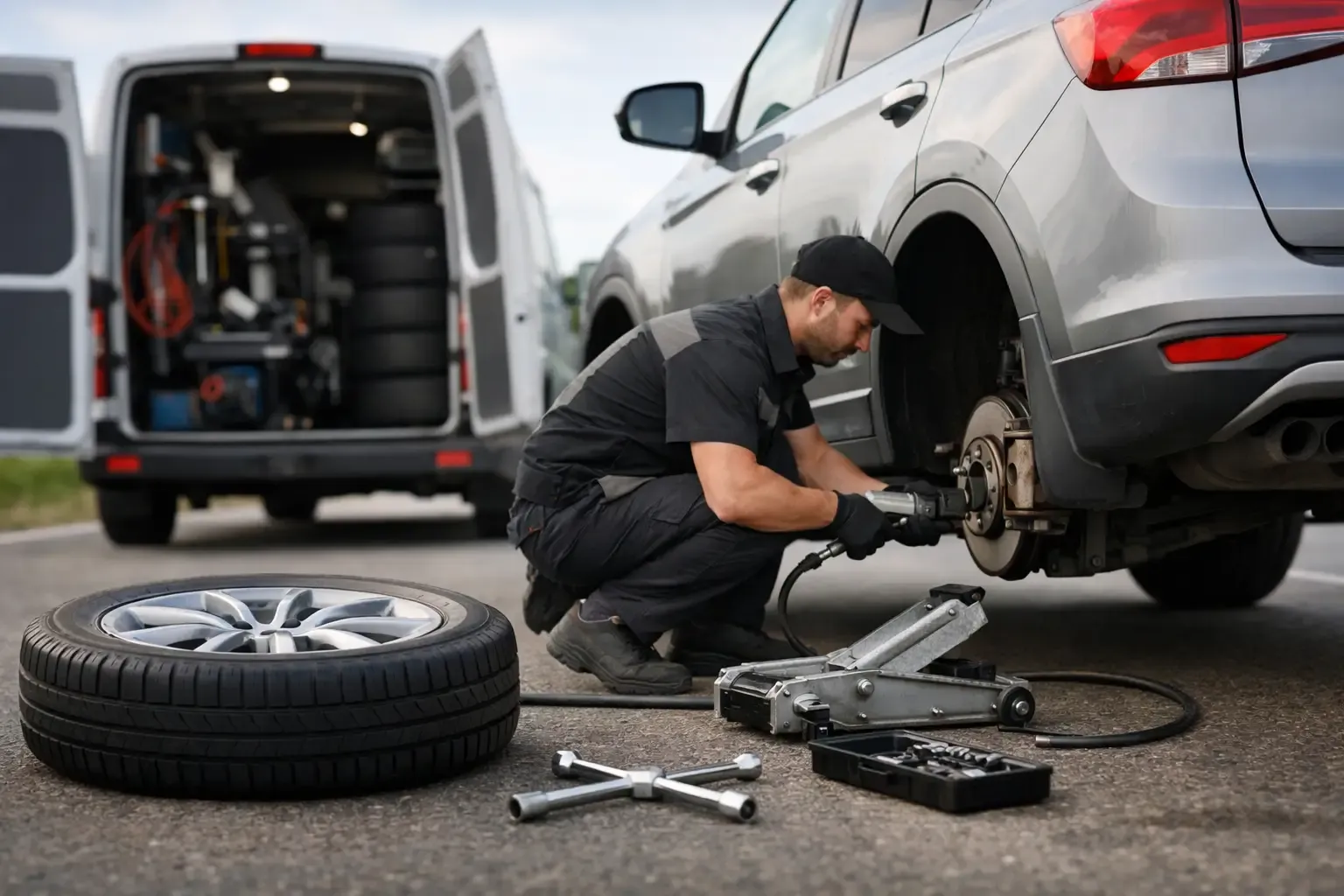
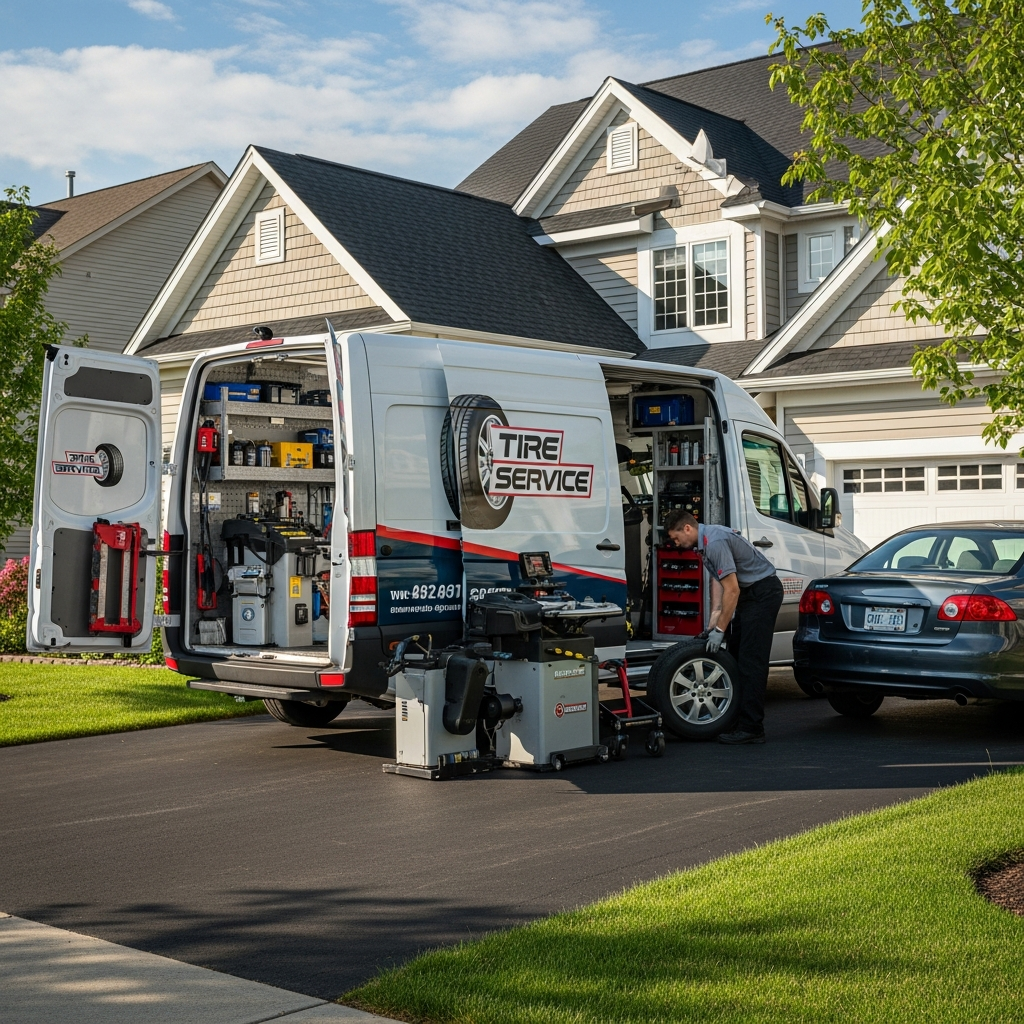
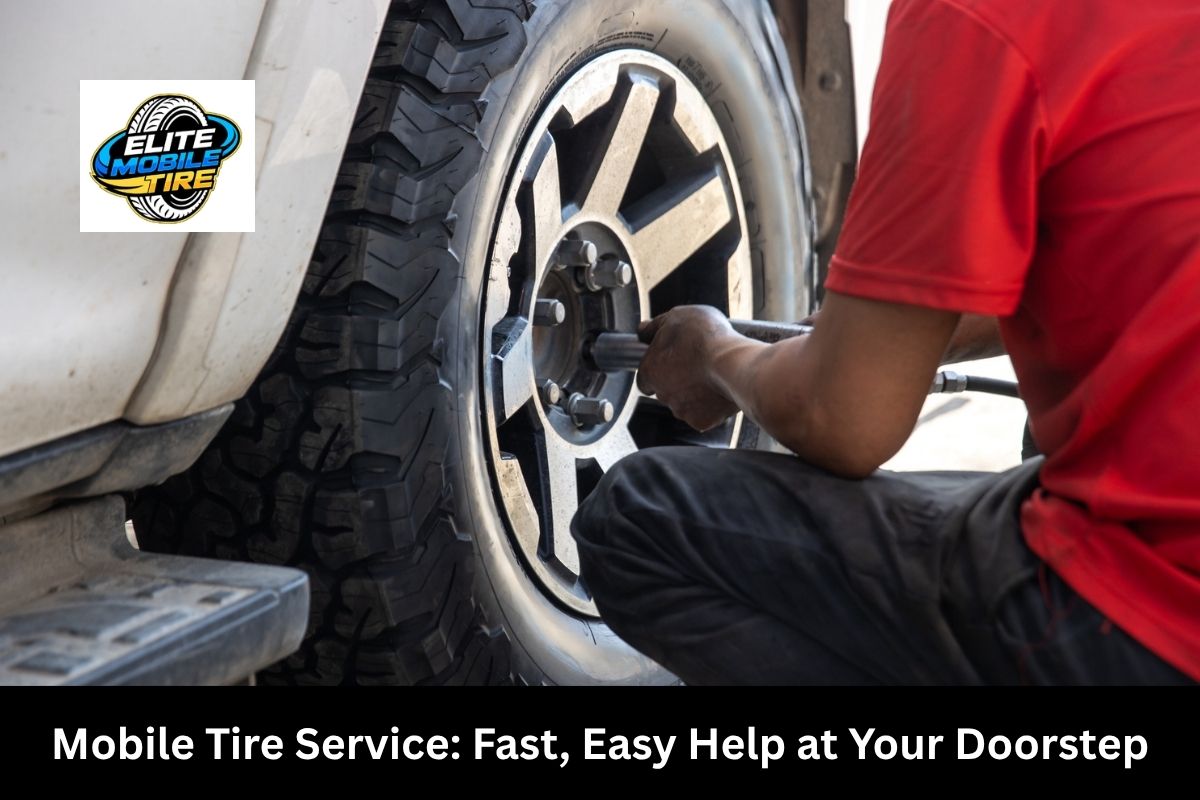
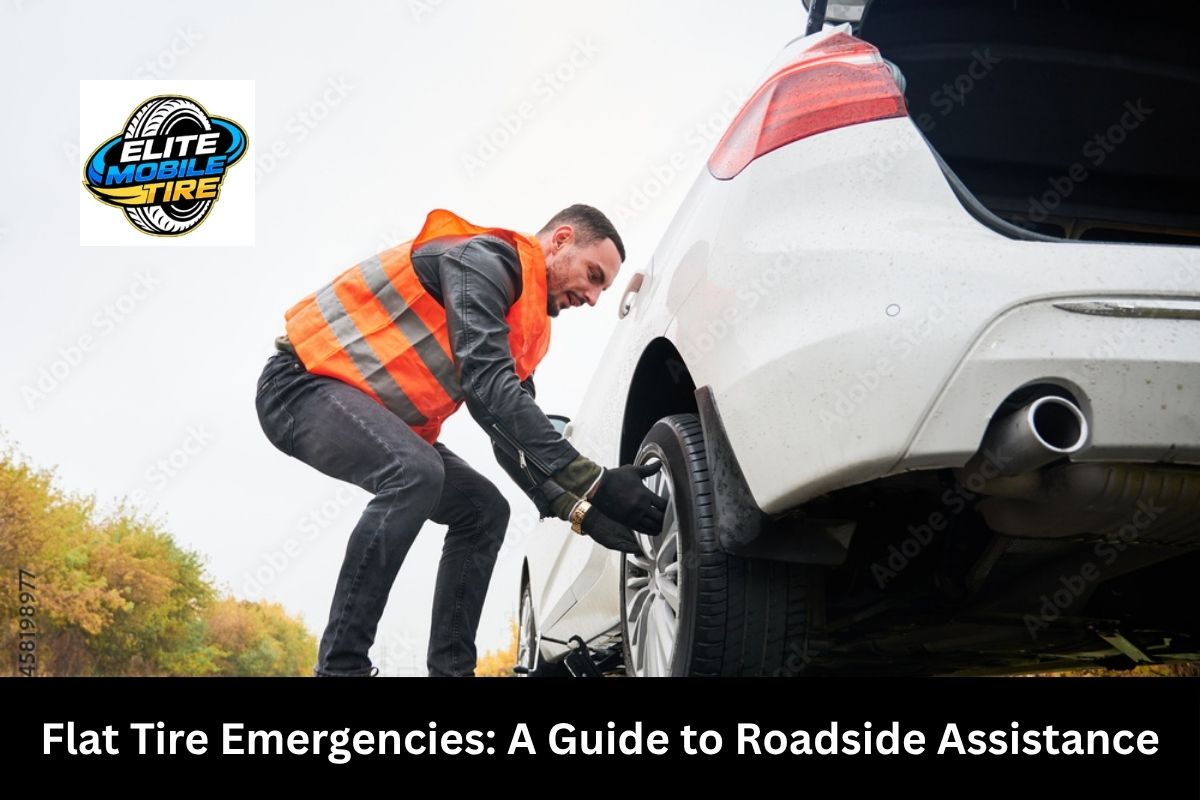
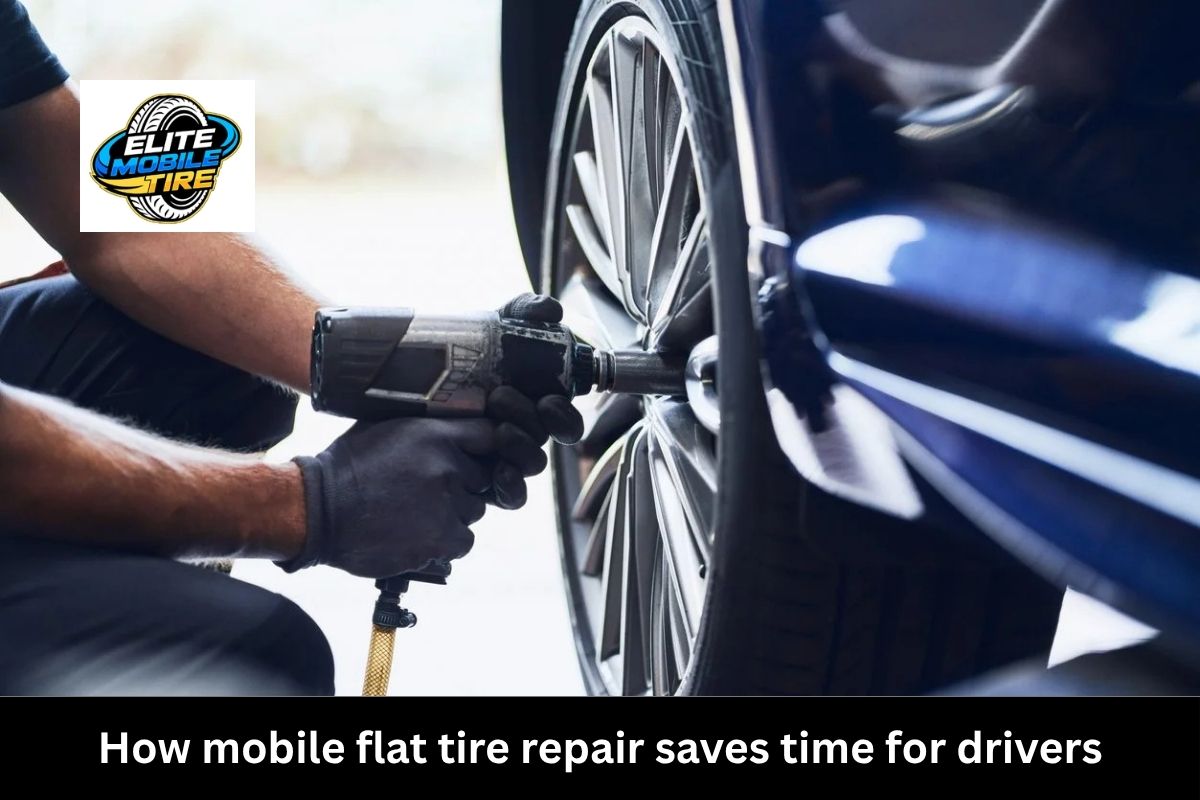
A flat tire does not always happen near a repair shop or during a convenient part of the day. Mobile service lets you have the tire inspected, repaired, or replaced at your home, workplace, or roadside location when conditions allow. That means less time waiting in a lobby, arranging a ride, or driving on a questionable spare.
For Columbus-area drivers, Elite Mobile Tire can bring professional tire service directly to the vehicle. If the puncture is safely repairable, the focus is on getting you back on the road efficiently. If replacement is necessary, you can make that choice with a clear explanation of the tire’s condition rather than uncertainty.
A Simple Way to Protect Your Tires After Service
After a repair or replacement, check tire pressure at least once a month and before longer trips. Use the pressure listed on the driver’s door placard, not the maximum pressure printed on the tire sidewall.
The right answer is the one that gives you confidence when the road is wet, traffic stops suddenly, or your next trip runs longer than planned. If you are unsure whether your tire can be repaired, have it inspected before the next drive turns a small puncture into a larger safety problem.
Ready for a new set? Elite Mobile Tire installs 2 or 4 new tires right in your driveway or parking lot anywhere around Columbus, Obetz, Groveport, Grove City, and Reynoldsburg. Financing is available through Afterpay and Acima with up to 24-month payment plans. Call 614-344-5010 or visit elitemobiletire.com to book.