
Mobile Tire Repair Benefits: Convenience That Saves More Than Time
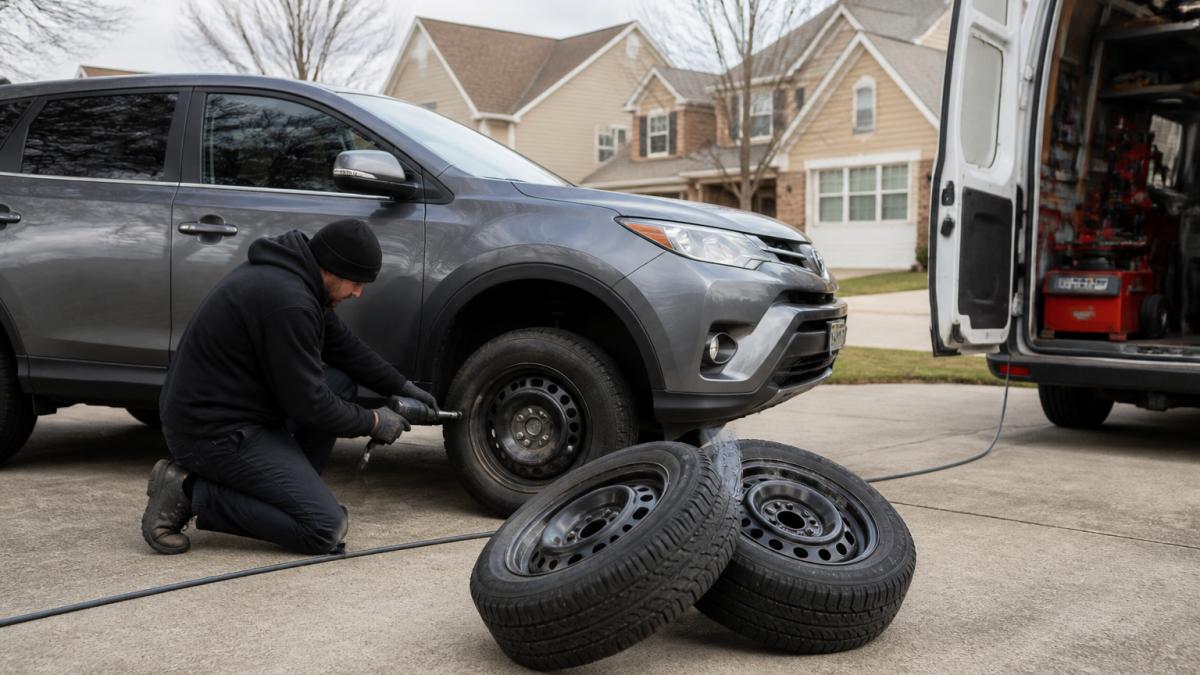
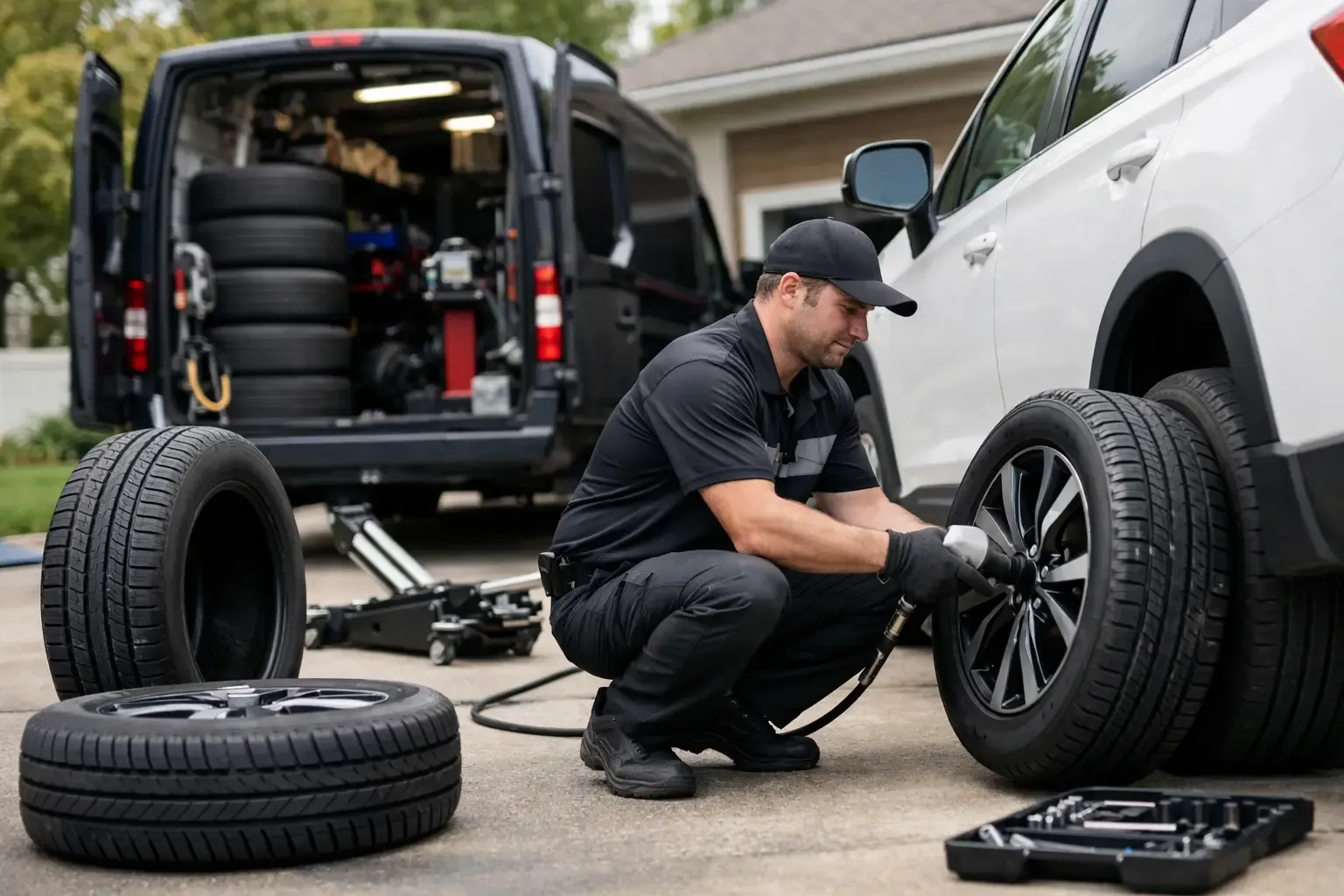
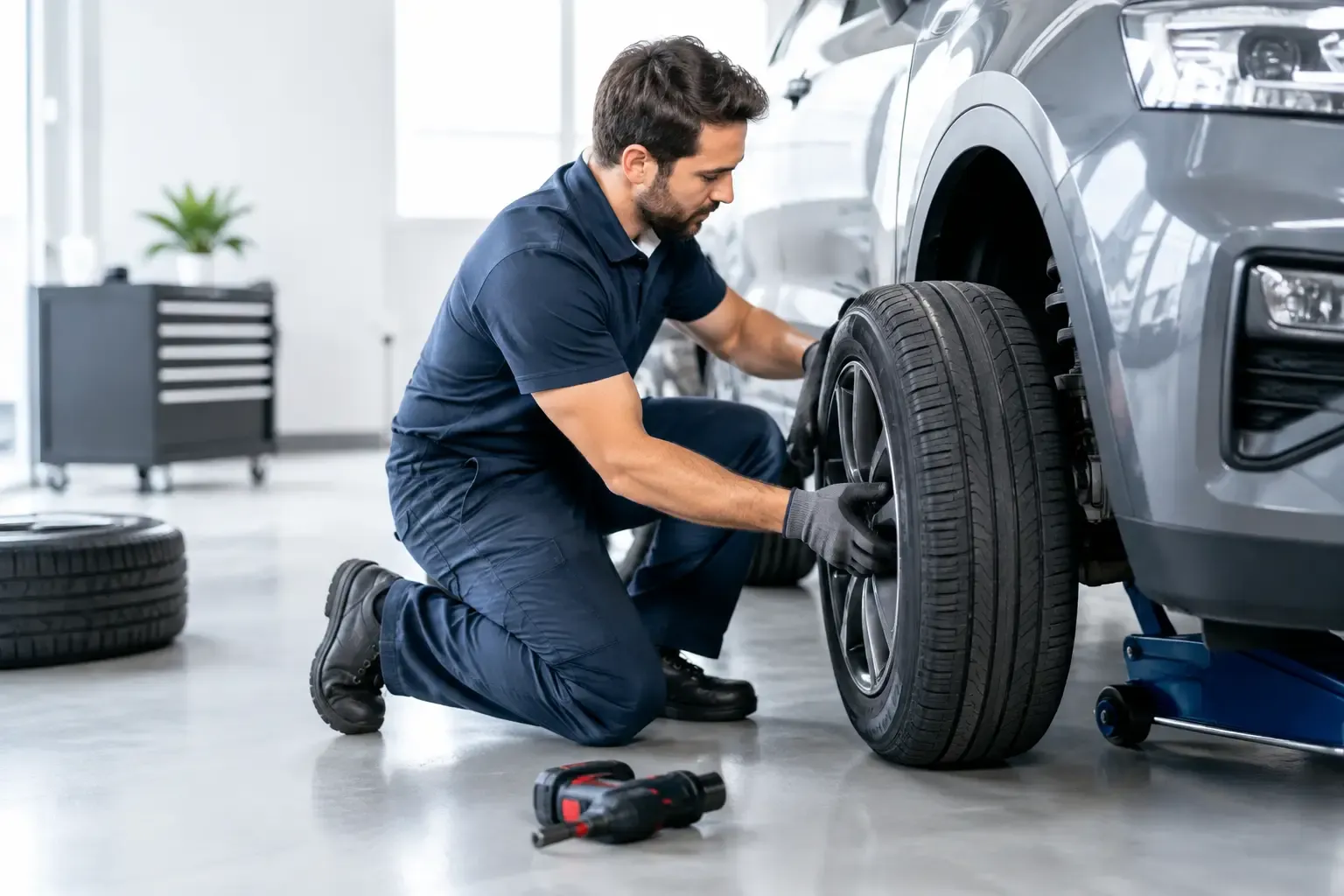
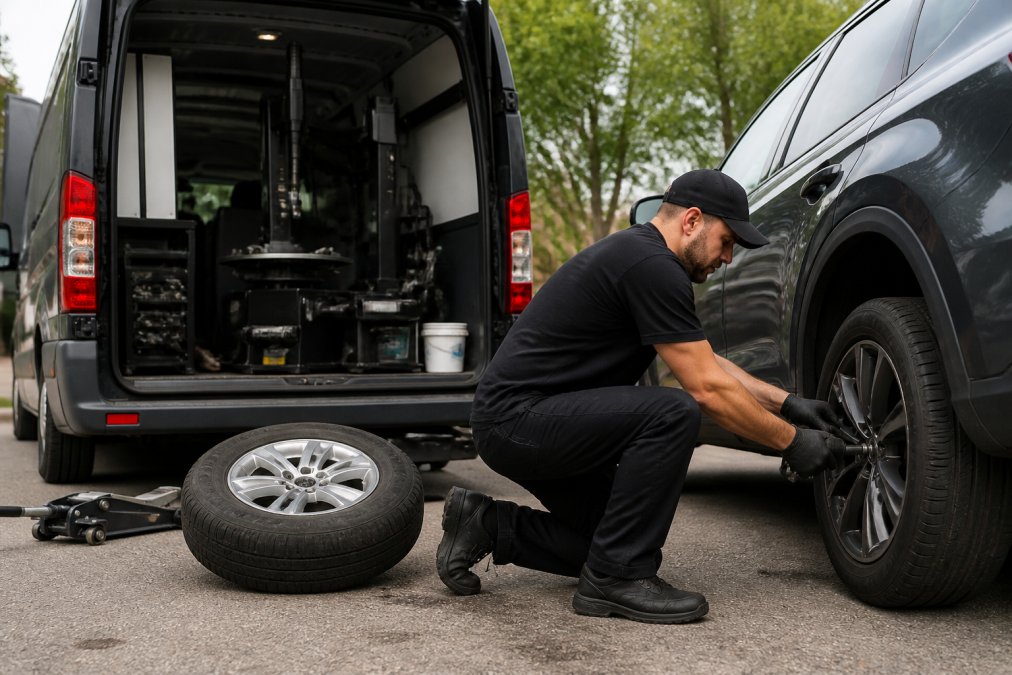
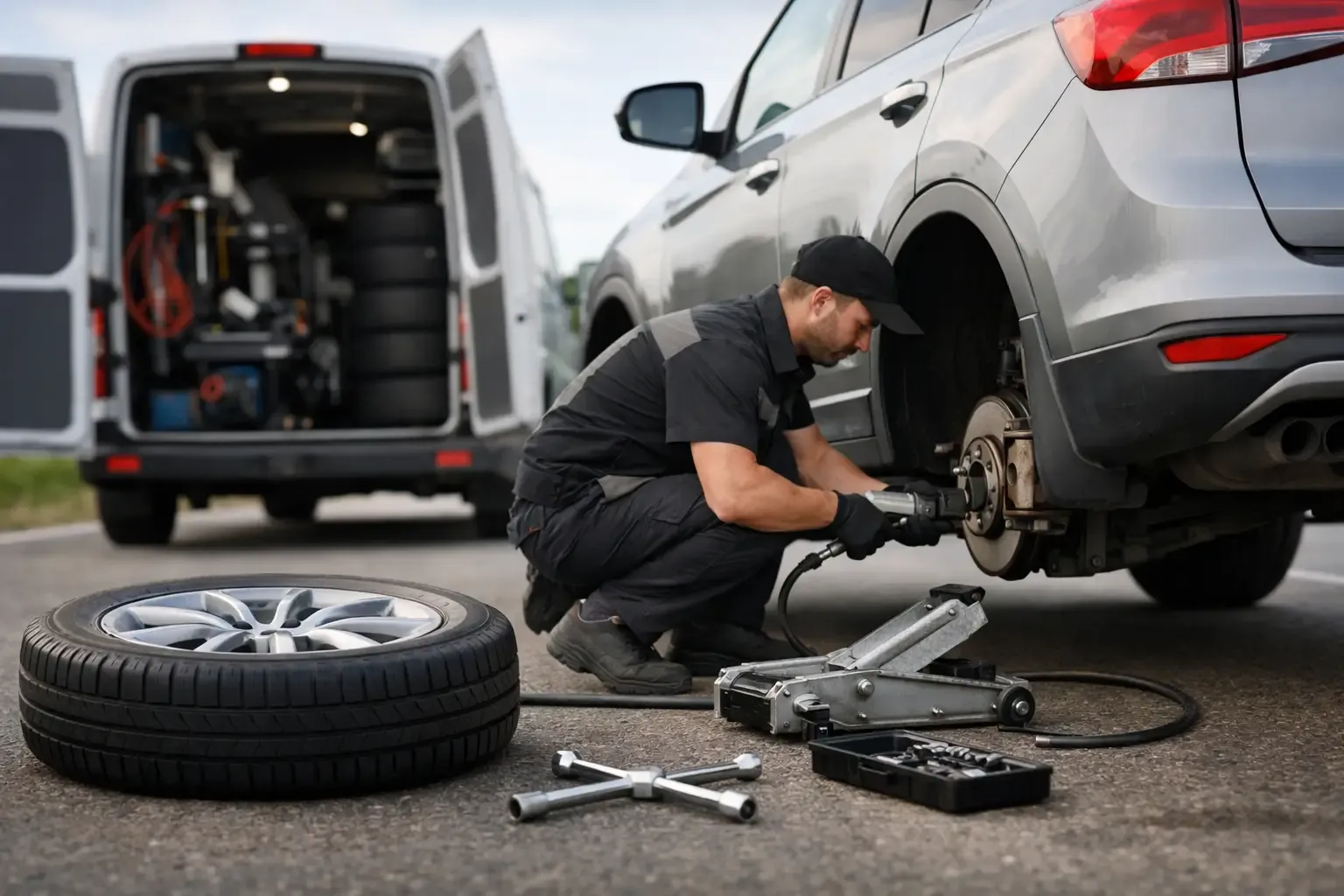
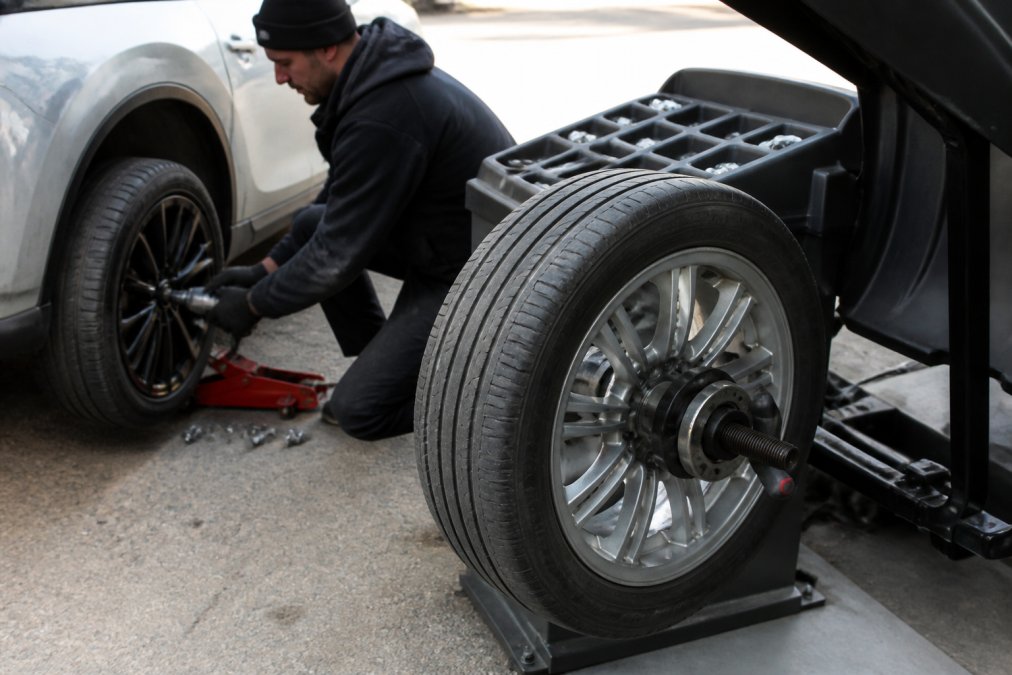
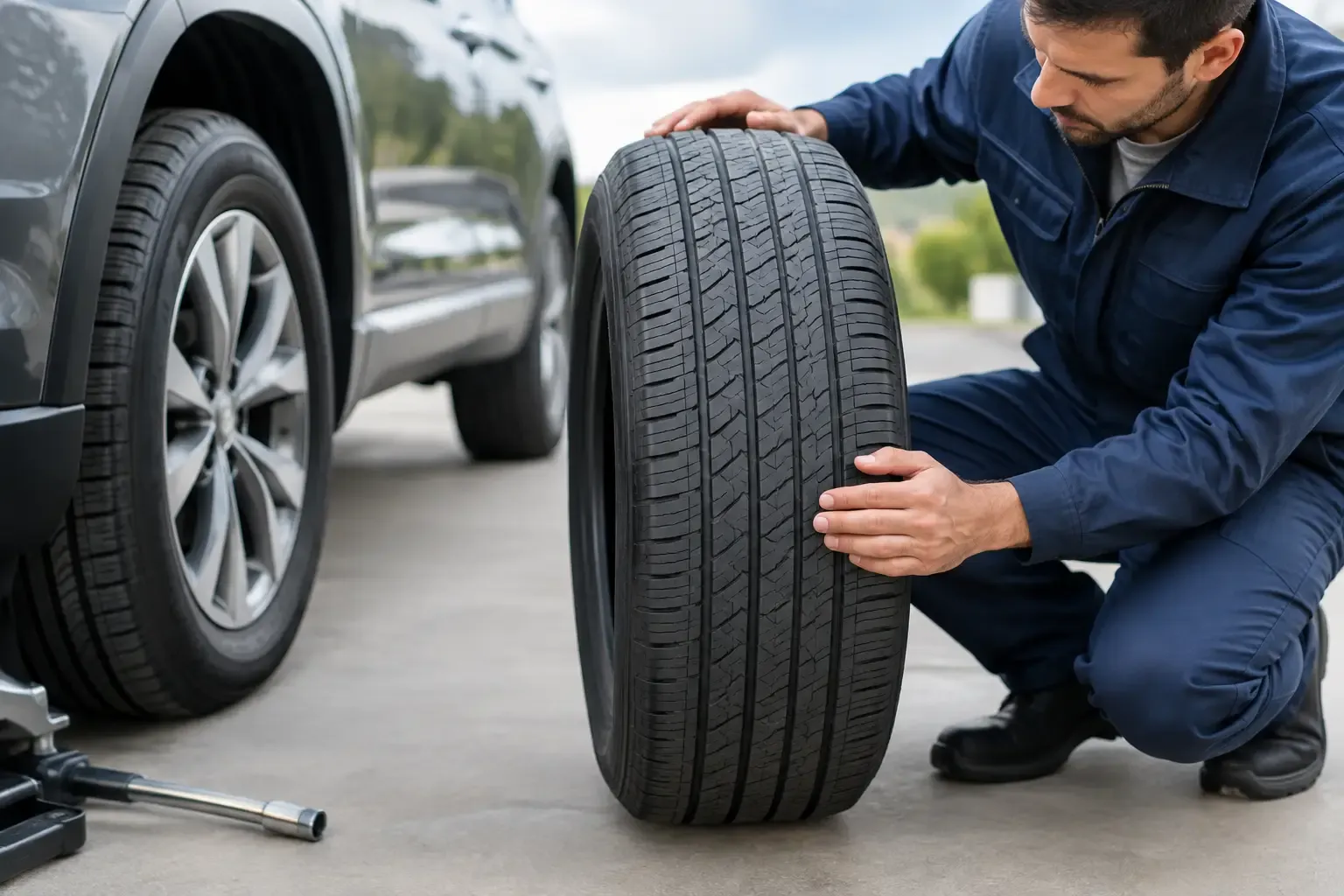
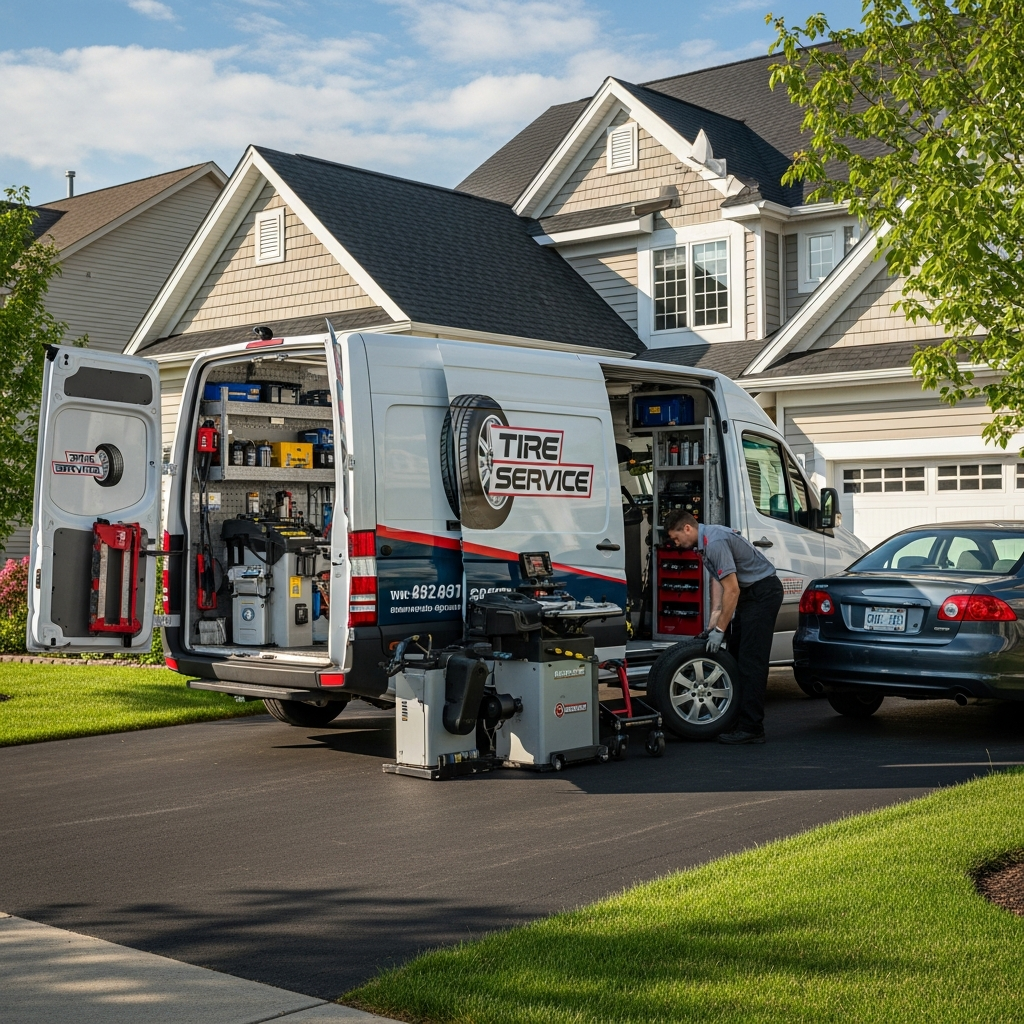
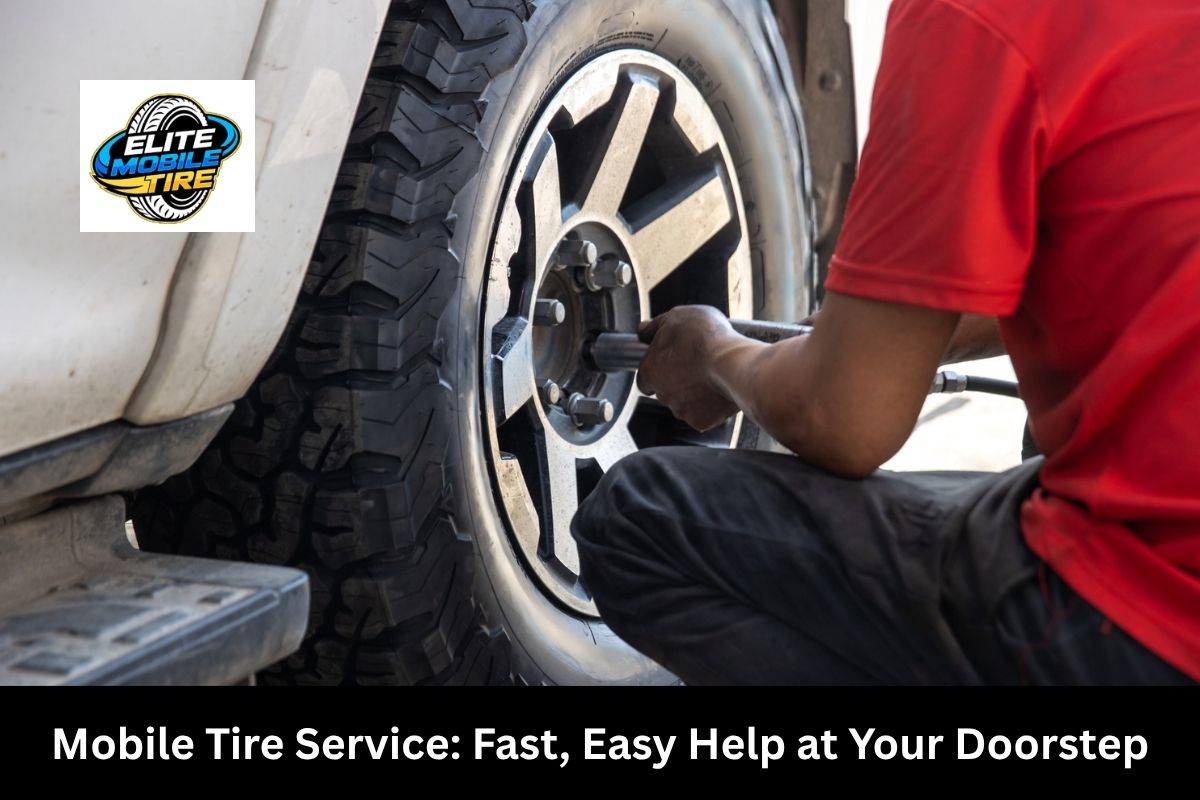
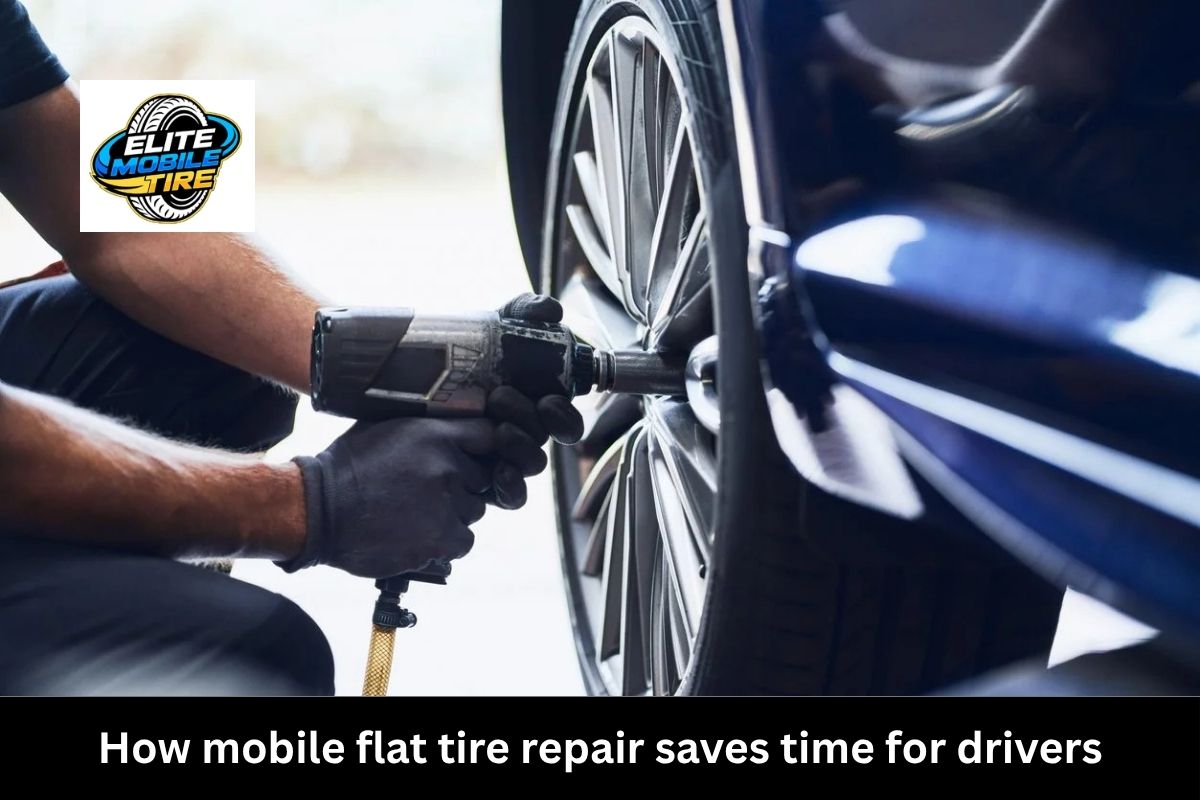
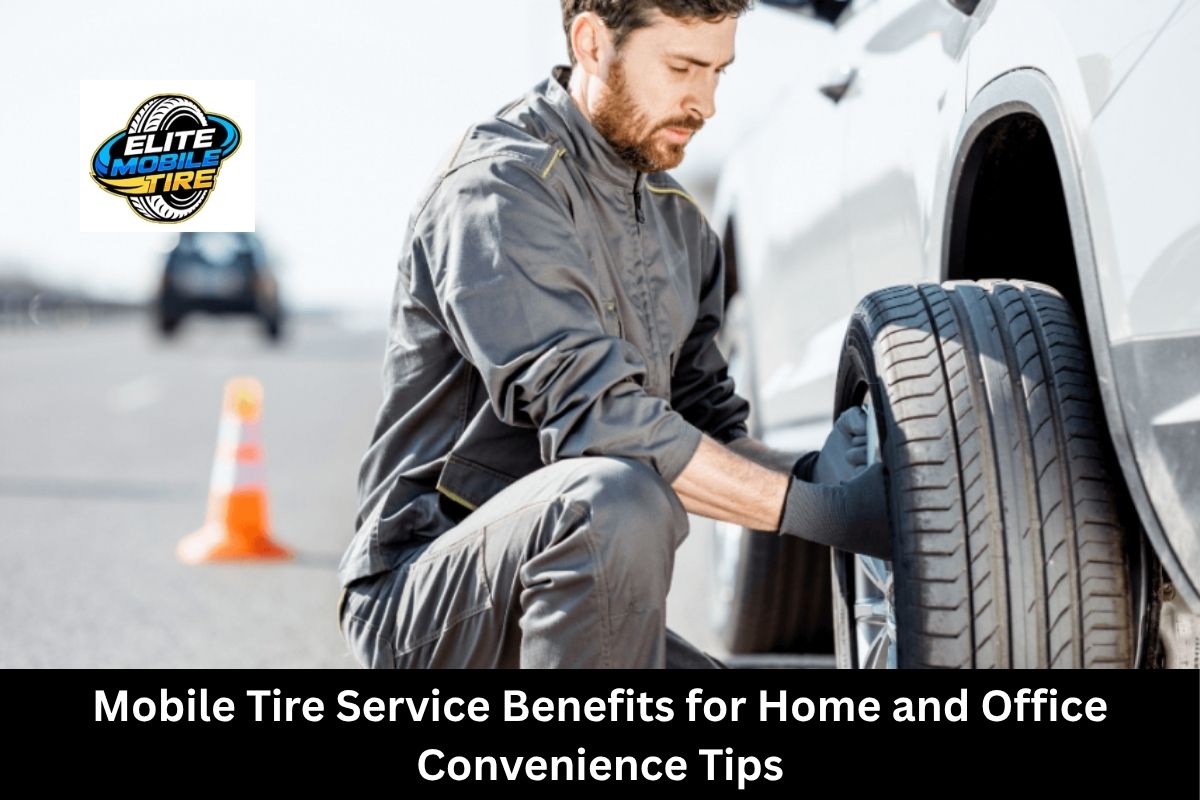
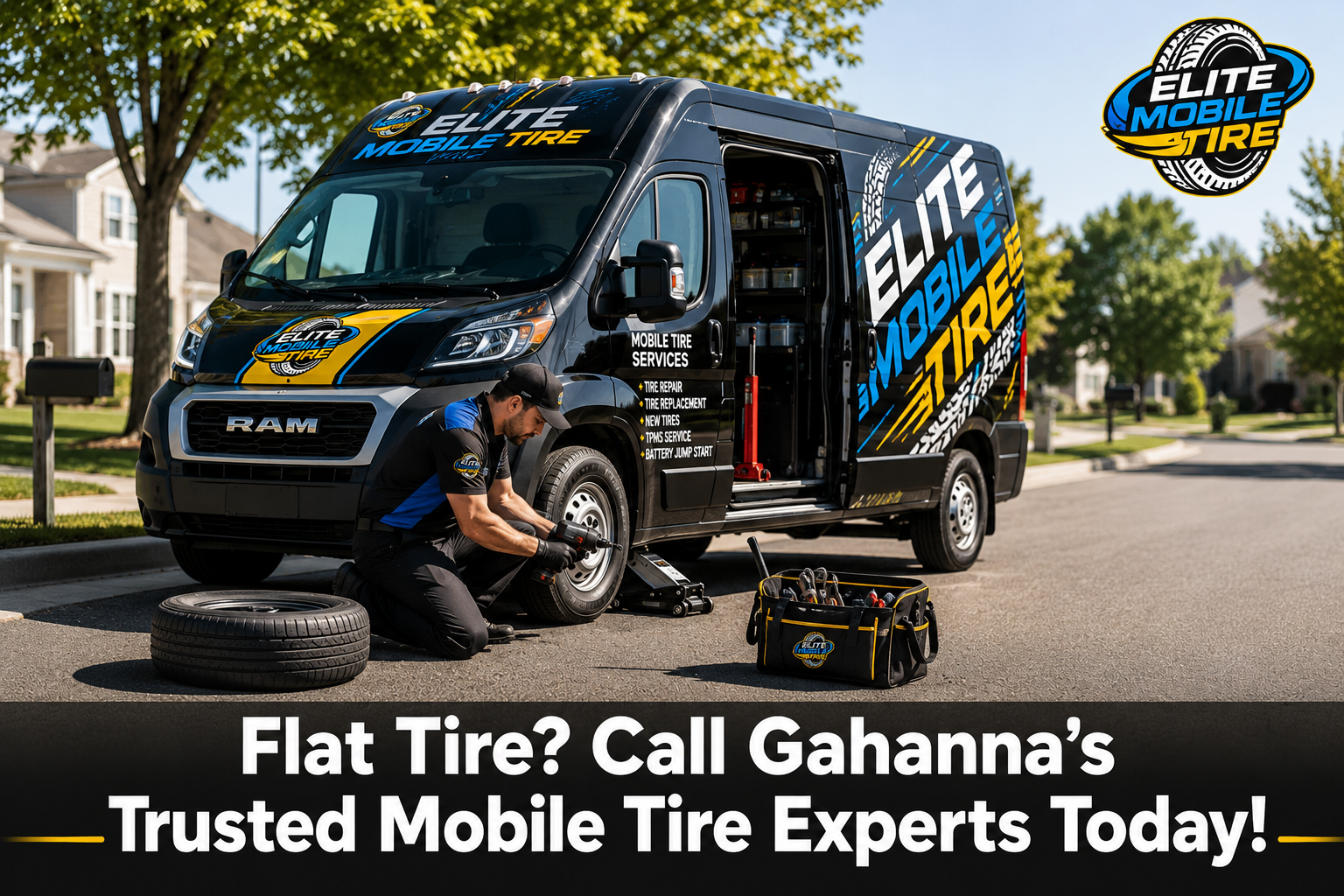
Mobile tire repair is a service where a fully equipped van comes to your home, office, or roadside location to mount, balance, or repair tires on-site. The core benefit: you skip the waiting room, the tow truck, and the half-day lost to a shop visit.
For busy professionals, parents, and night-shift workers, that convenience is the difference between making your shift and missing it.
Elite Mobile Tire has built its service around this model in the Greater Columbus area, sending certified technicians to homes, offices, and job sites with the same equipment a brick-and-mortar shop uses. The National Highway Traffic Safety Administration's tire safety guidance is clear that underinflation and tread wear are leading contributors to tire-related crashes, which means delaying service for convenience's sake carries real risk. Mobile service removes that trade-off.
Mobile Tire Repair Cost: What You Actually Pay For
Pricing for mobile tire repair depends on tire size, brand, service type, and travel distance. There is no single flat rate, and any provider quoting one without asking about your vehicle is guessing.
What you're paying for breaks down into a few components:
- The tire itself (if replacement is needed)
- Labor for mounting, balancing, and installation
- A service call fee covering the mobile unit's travel and setup
- Disposal fee for the old tire, where applicable
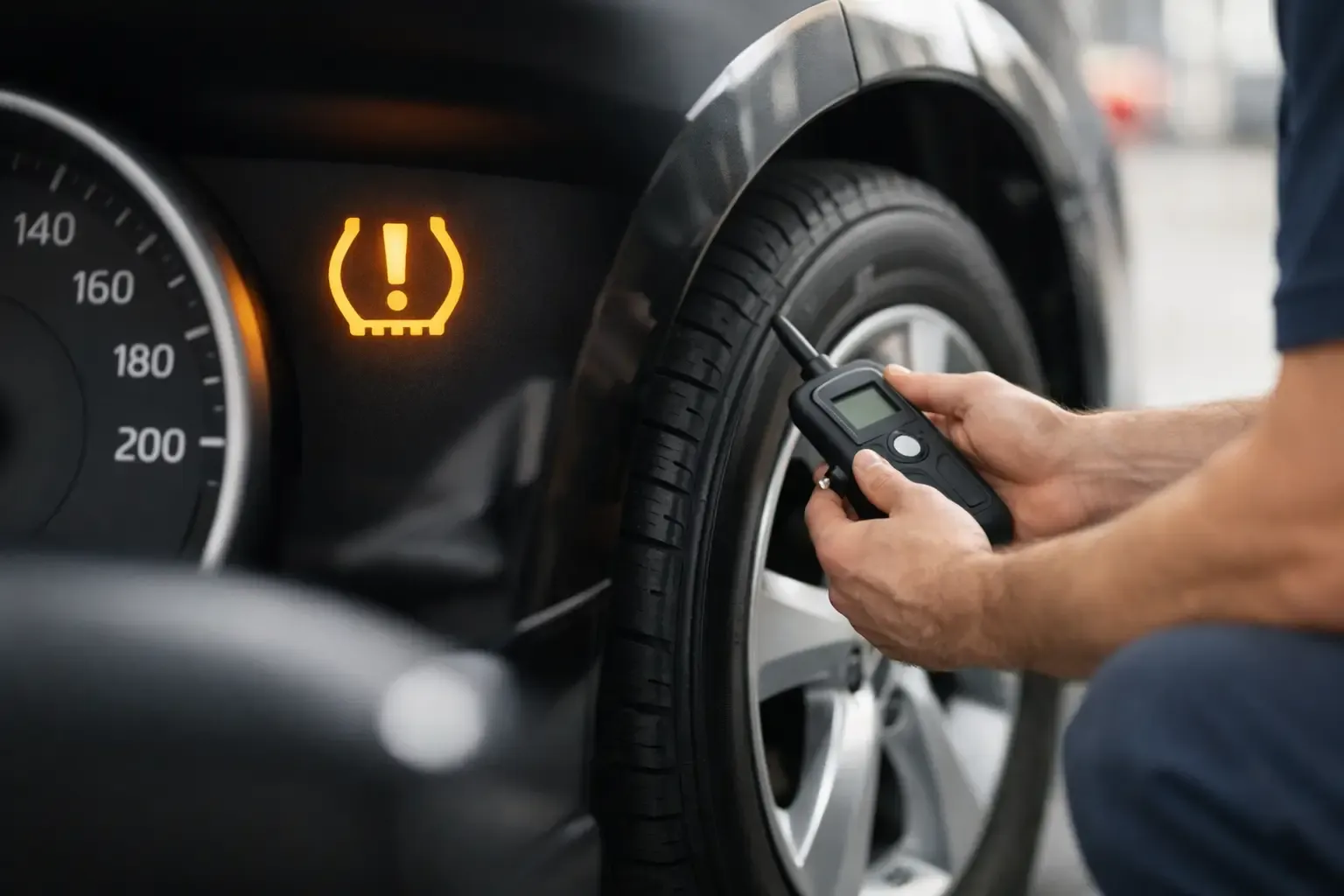
- TPMS reset if your vehicle uses a tire pressure monitoring system
The Premium, in Plain Terms
A mobile call typically carries a premium over a shop visit, because you're paying for the technician's travel and the convenience of not leaving your location. That premium shows up as a service call fee, commonly a flat charge per visit, sometimes waived if you buy tires through the provider, plus any after-hours or distance surcharge.
The way to evaluate it is not "is mobile more expensive" but "is the premium less than what the alternative costs me." A shop visit for a single flat often means a tow, a drop-off, a wait, and a pickup. If the mobile premium is smaller than the tow alone, mobile wins on dollars before you count your time.
The Hidden Fees That Catch People Off Guard
This is where trust gets lost. Watch for these line items, and ask about each before you book:
- Service call fee, sometimes waived on tire purchases, sometimes not. Ask whether it's per visit or per tire.
- After-hours surcharge, common for nights, weekends, and holidays. Ask what hours trigger it.
- Disposal fee, charged per tire in many states. Replacing four tires means four disposal charges, not one.
- TPMS service fee, separate from the tire itself and from a TPMS reset. Ask which one you're being charged for.
- Travel distance fee, applies outside a provider's standard service radius. Confirm your address is inside the radius before you book.
- Valve stem and balance weights, small line items that add up across four tires.
The fix is simple: request a written quote that lists every charge, and confirm whether the quoted price is final. A quote that only gives a starting price is not a quote; one that itemizes the tire, labor, service call, disposal, TPMS, and any surcharge is.
Watch Out
The most common complaint about mobile tire services is a surprise disposal or balancing charge added after the work is done. Get the full breakdown in writing before the technician starts, including whether the service call fee is waived if you buy tires through the provider, and whether the disposal fee is per tire or per visit.
How to Compare a Mobile Quote to a Shop Quote
A fair comparison stacks the full cost of each path, not just the sticker price:
Cost line | Mobile | Shop
Tire + mounting + balancing | Quoted | Quoted
Service call / travel | Yes | No
Disposal | Per tire | Per tire
TPMS reset | Often separate | Often separate
Tow to get there | None | Often yes
Your time off work | None | Usually yes
Lined up that way, the mobile premium is frequently offset by the tow you didn't pay for and the hours you didn't lose. That's the real answer to whether it's worth it, not the headline rate.
Elite Mobile Tire advertises transparent upfront pricing with no hidden fees, which is the standard you should hold every provider to. If a quote doesn't mention disposal or balancing, ask directly.
Pro Tip
If you're comparing quotes, ask each provider whether the price includes mounting, balancing, a new valve stem, and TPMS reset. Those four items are where "cheap" quotes quietly become expensive ones.
Emergency Tire Repair at Home: When It Beats a Tow Truck
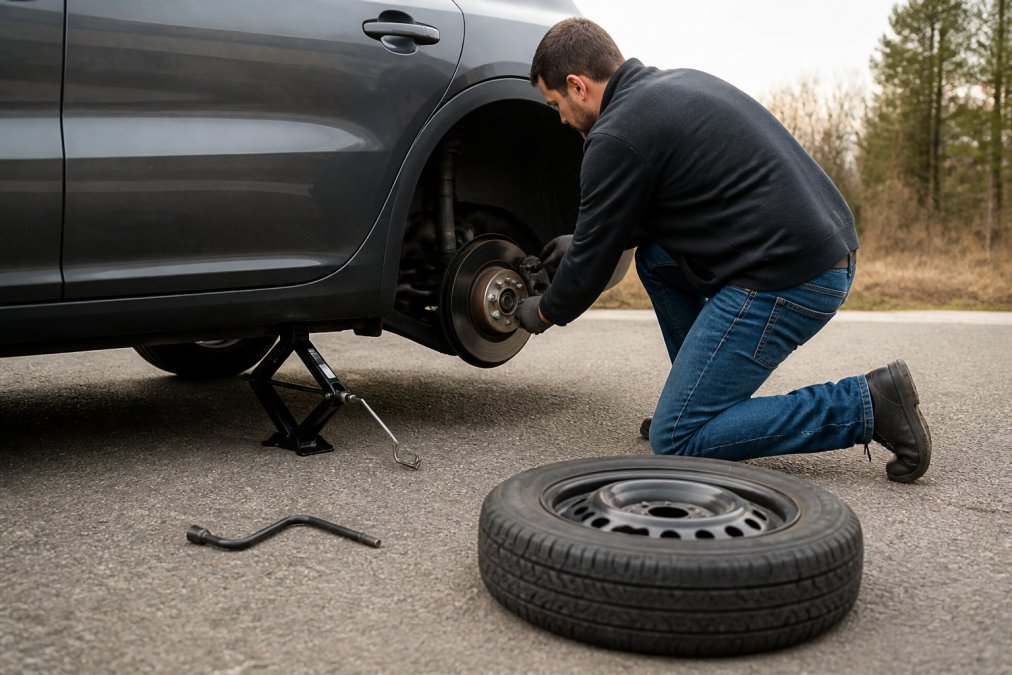
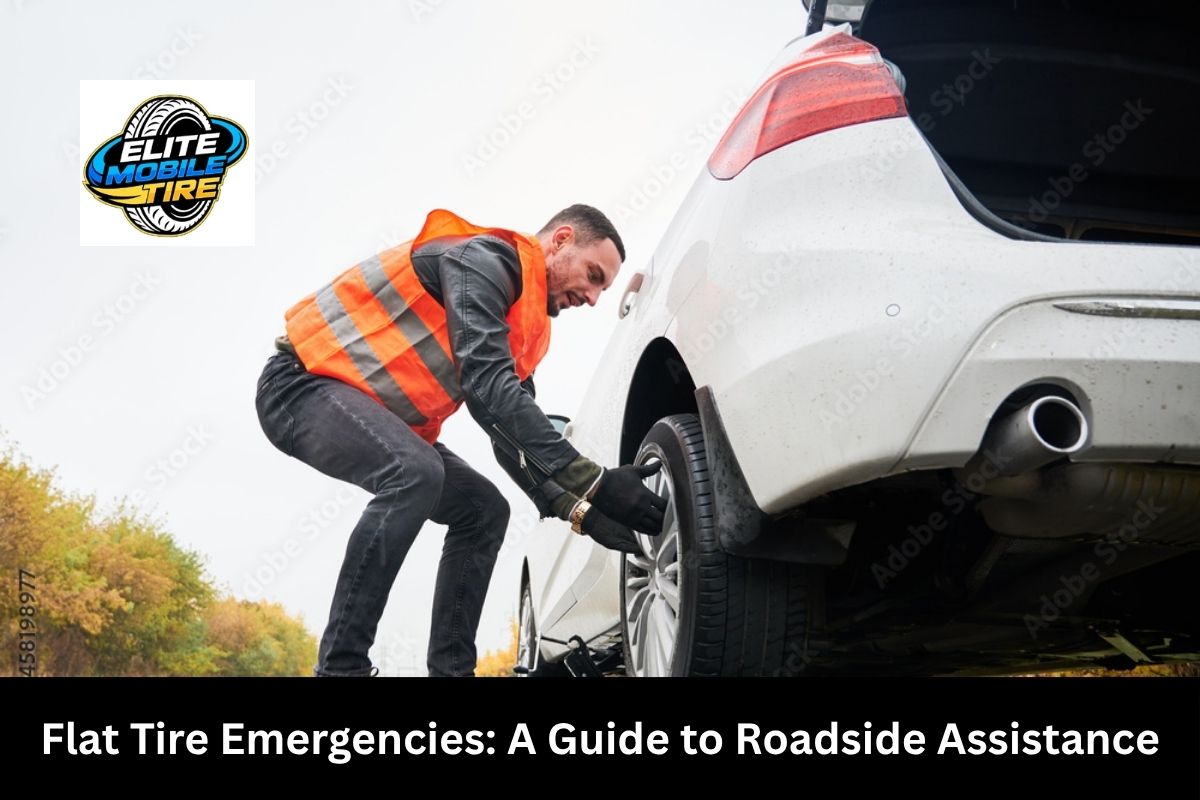
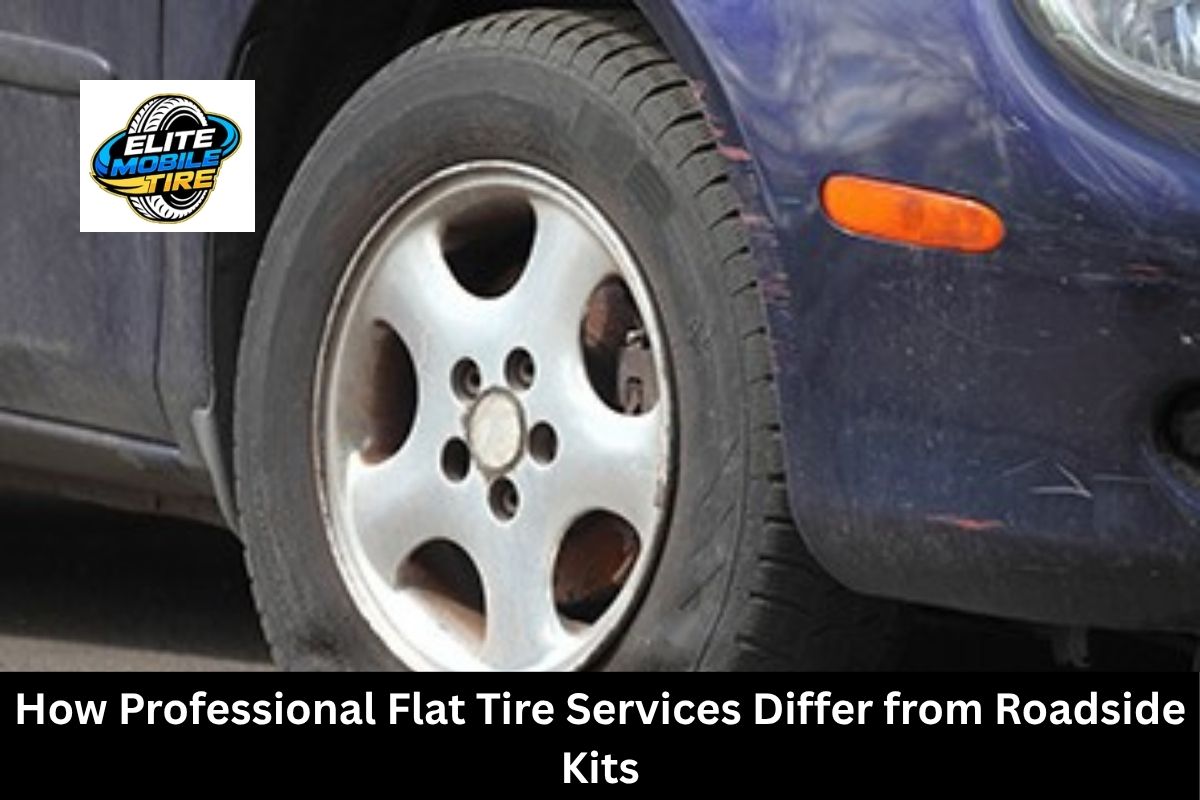
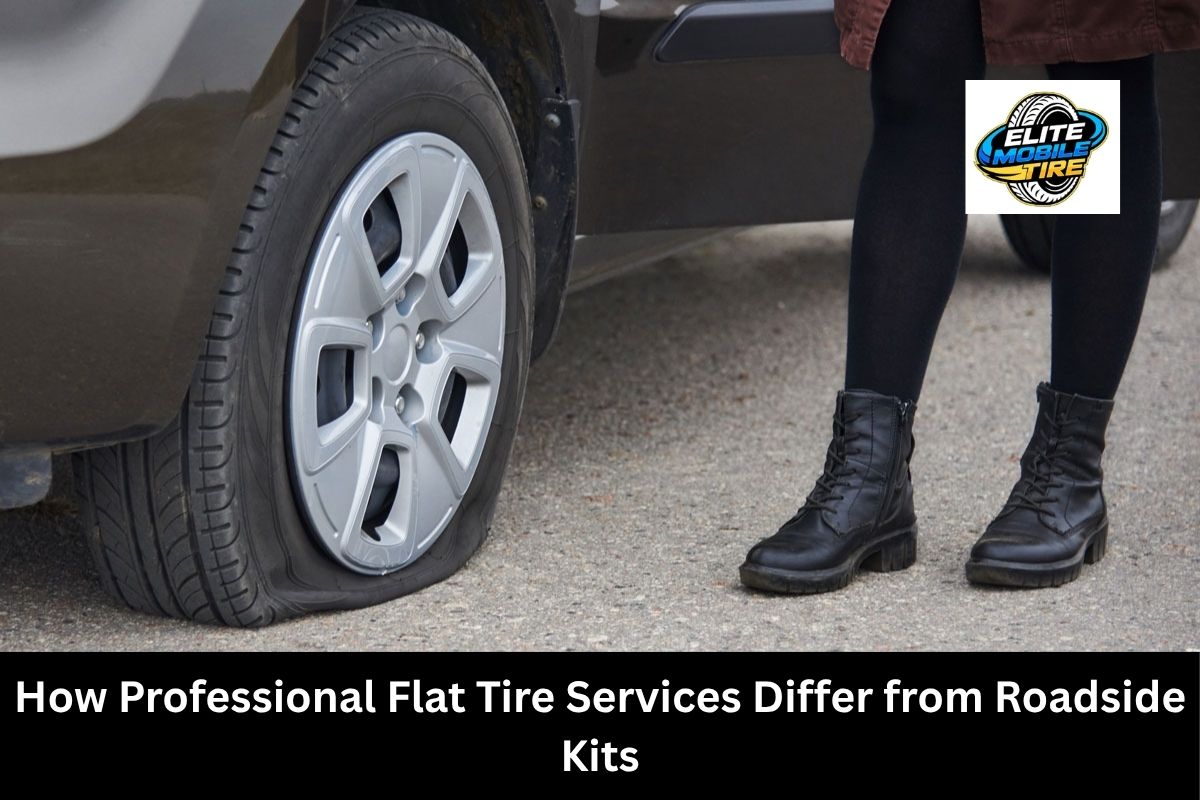
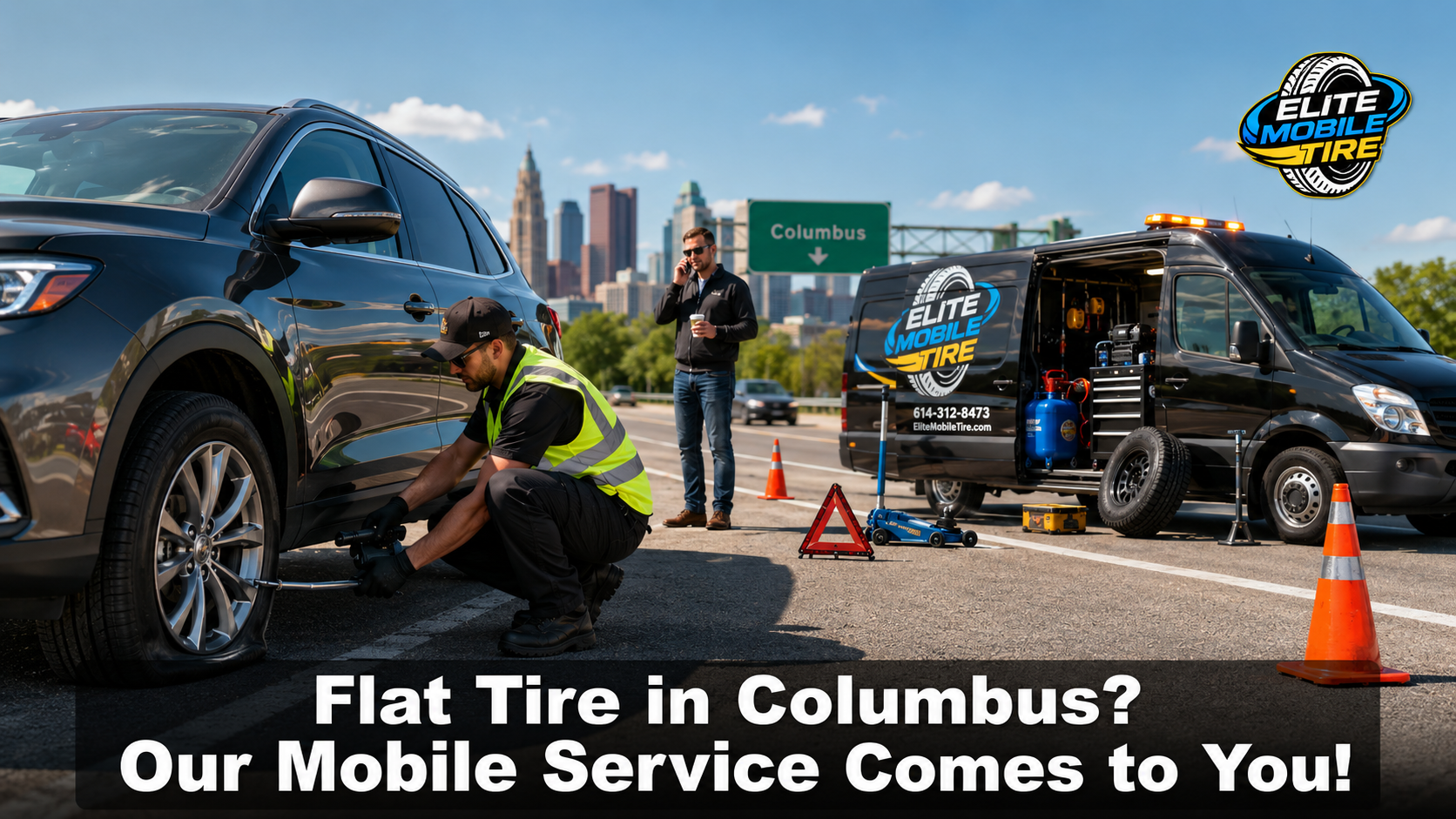
Emergency tire repair at home makes sense when your vehicle is safely off the roadway and the tire can be serviced in place. A tow truck makes sense when the vehicle is in a dangerous position, the wheel is damaged, or the tire can't be repaired on-site. Here's a decision path that resolves the call.
Step 1: Is the vehicle in a safe position right now?
If you're in a live lane, on a narrow shoulder with traffic passing at speed, in a tunnel, or on a bridge, stop evaluating tire options and call for a tow or roadside assistance. No mobile tire provider can legally or safely work in live traffic, and most will decline the dispatch. Move to safety first if you can do so without entering traffic.
If you're in a driveway, a parking lot, a wide shoulder, or a low-traffic residential street, mobile service is on the table.
Step 2: Can the tire be repaired in place?
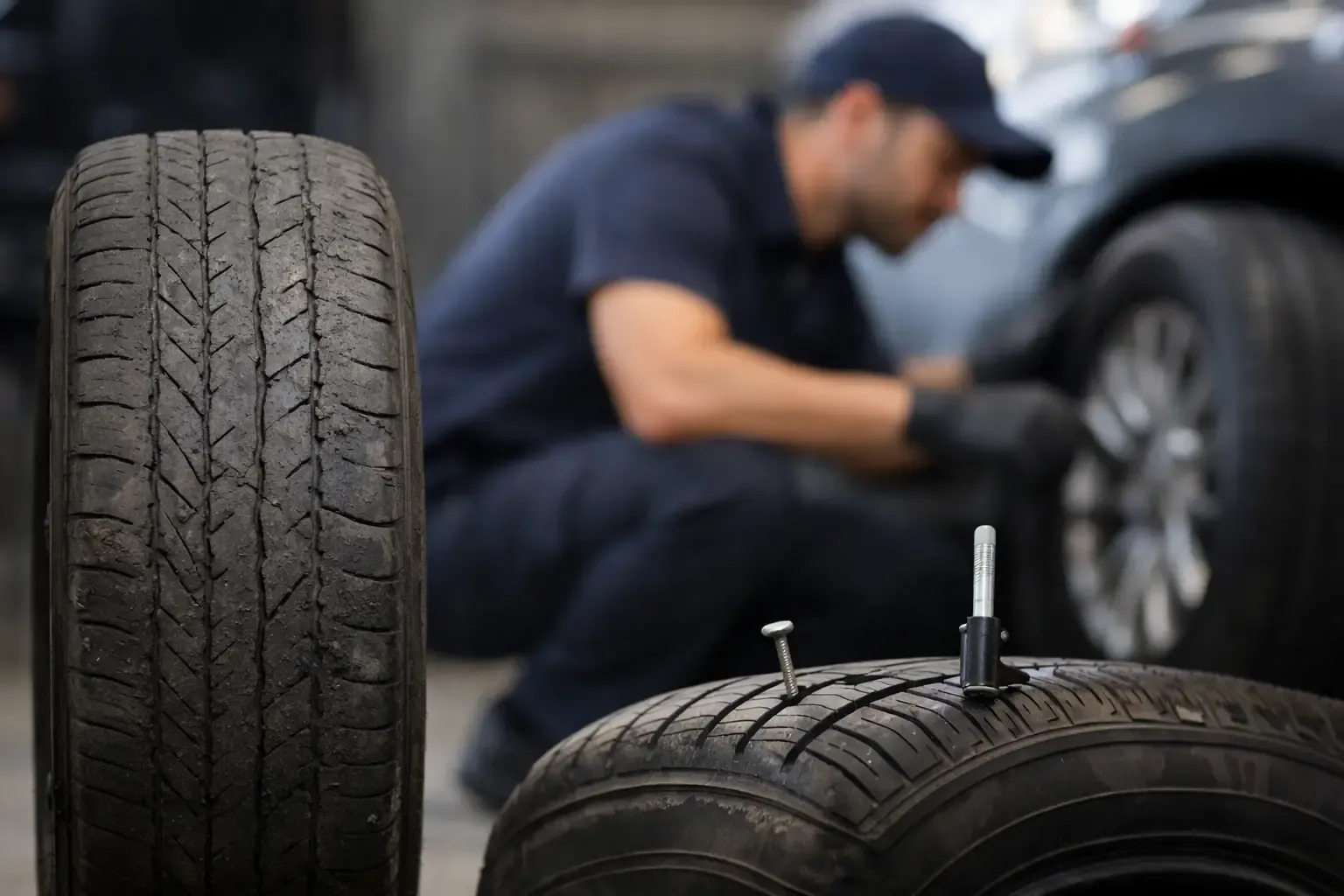
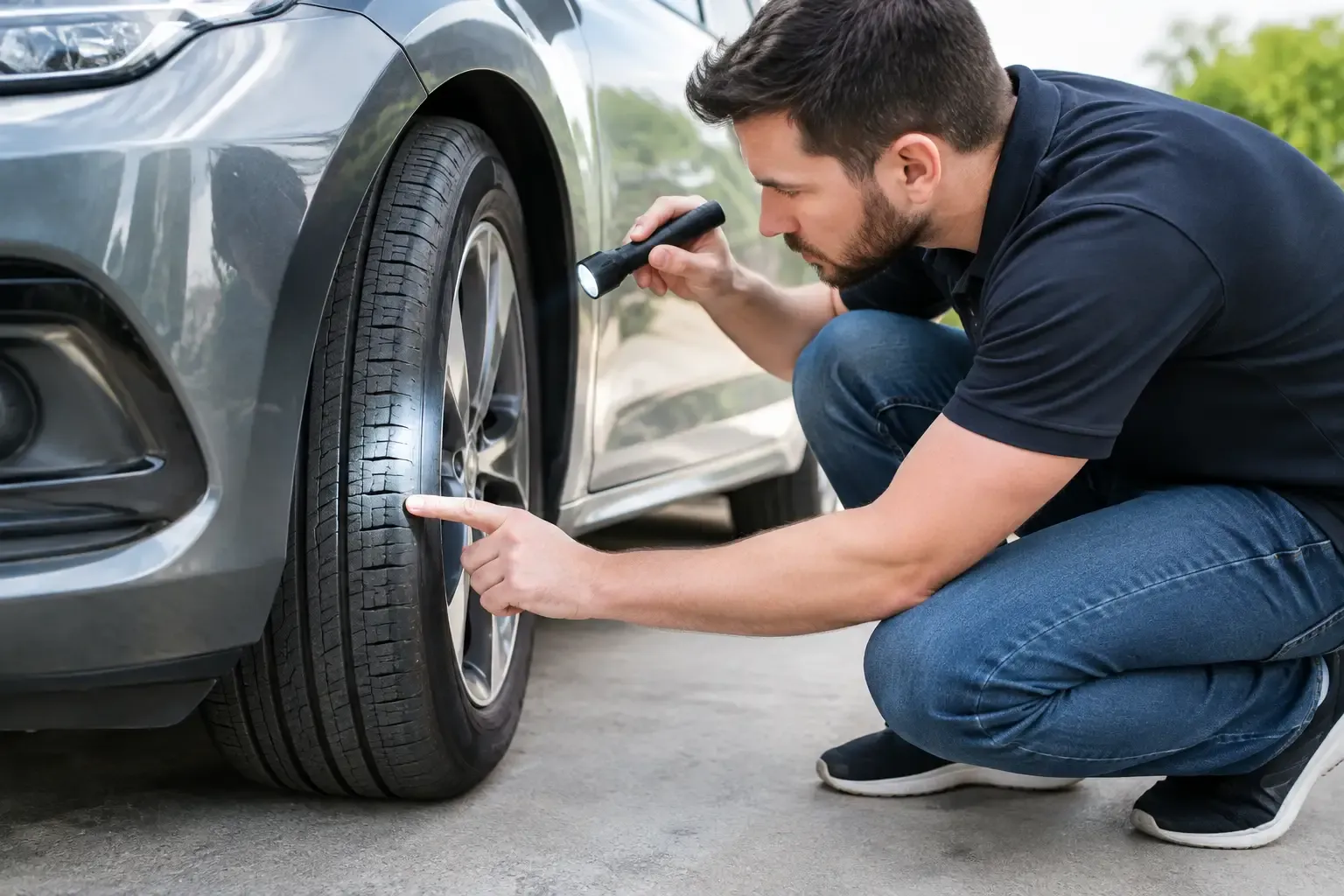
A mobile technician can plug or patch a puncture in the tread area, generally the central tread, away from the shoulder and sidewall (nhtsa.gov). What they cannot safely repair on-site:
- Sidewall punctures or gashes, the sidewall flexes, and a patch there fails. This is a replacement, not a repair.
- Shoulder punctures, too close to the sidewall for a reliable patch.
- Bent or cracked wheels, the wheel needs a shop, and often a replacement.
- Multiple flats, a mobile unit typically carries one or two spare tires, not a set.
- Suspension or rim damage, outside the scope of tire service entirely.
If any of those apply, you're looking at a tow to a shop, not a mobile repair.
Step 3: Do you have a usable spare?
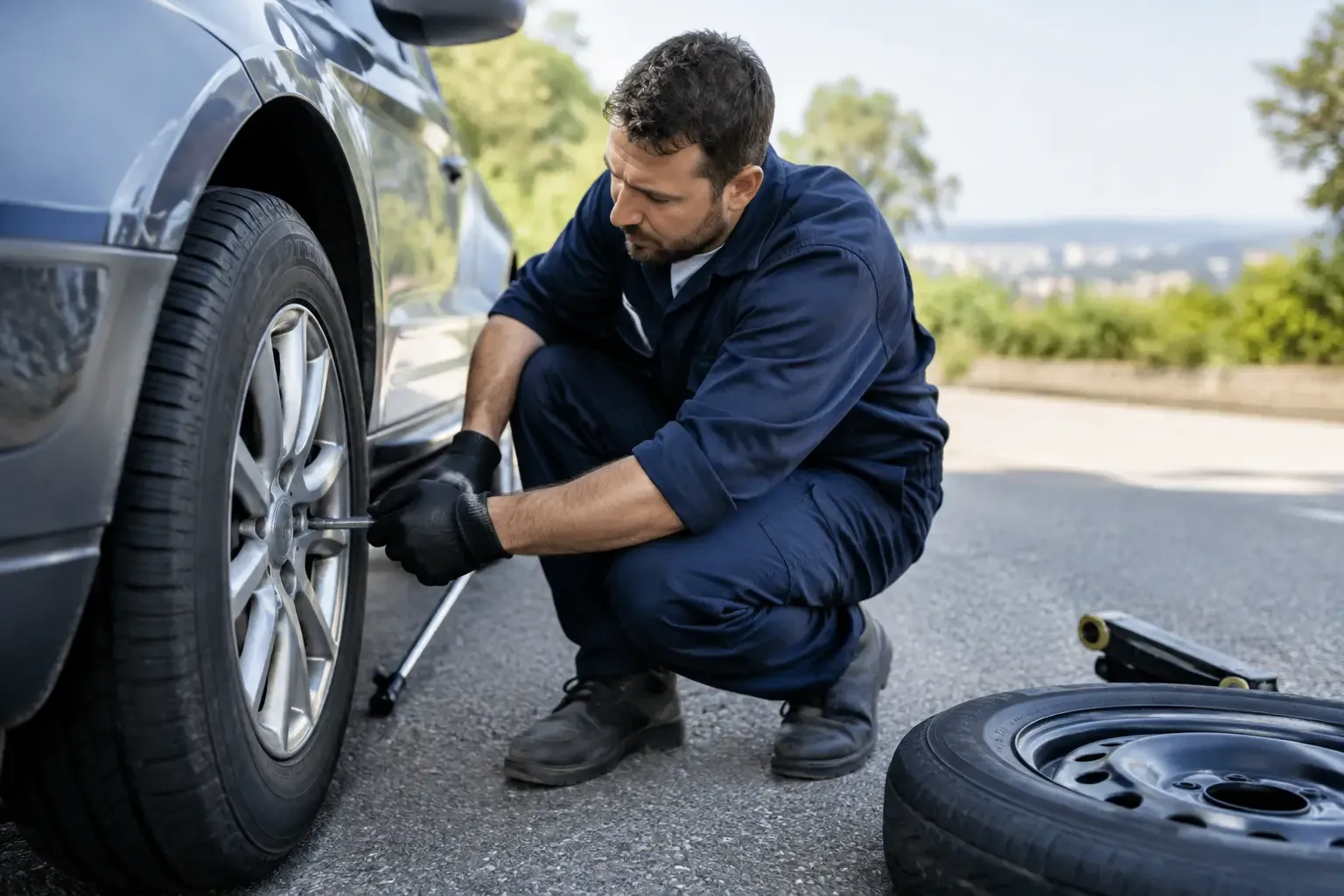
If your spare is present, inflated, and you're able to change it, a self-change gets you moving for free. If the spare is missing, flat, or you'd rather not change a tire roadside, mobile service is the faster path, and often cheaper than a tow plus a shop visit, because you skip the tow entirely.
Step 4: What time is it?
Timing changes the math. A flat at 2 p.m. on a Tuesday is an easy scheduled visit (AAA Flat Tire Road Service). A flat late at night or over the weekend is different: get to a safe spot on your spare or with roadside assistance, then book mobile service for the next weekday. Elite Mobile Tire is closed Saturday and Sunday, so plan weekday appointments.
Call mobile service if:
- You're in a driveway, parking lot, or safe shoulder
- The flat is a puncture in the central tread, not the sidewall or shoulder
- Your spare is missing, flat, or you'd rather not use it
- It's a weekday and you need same-day help
- You want the tire repaired or replaced without leaving your location
Call a tow instead if:
- You're in live traffic or an unsafe position
- The sidewall is gashed or the wheel is bent
- Multiple tires are flat
- There's visible damage to the rim or suspension
- The vehicle can't be safely jacked where it sits
What Counts as an Emergency vs. a Scheduled Visit
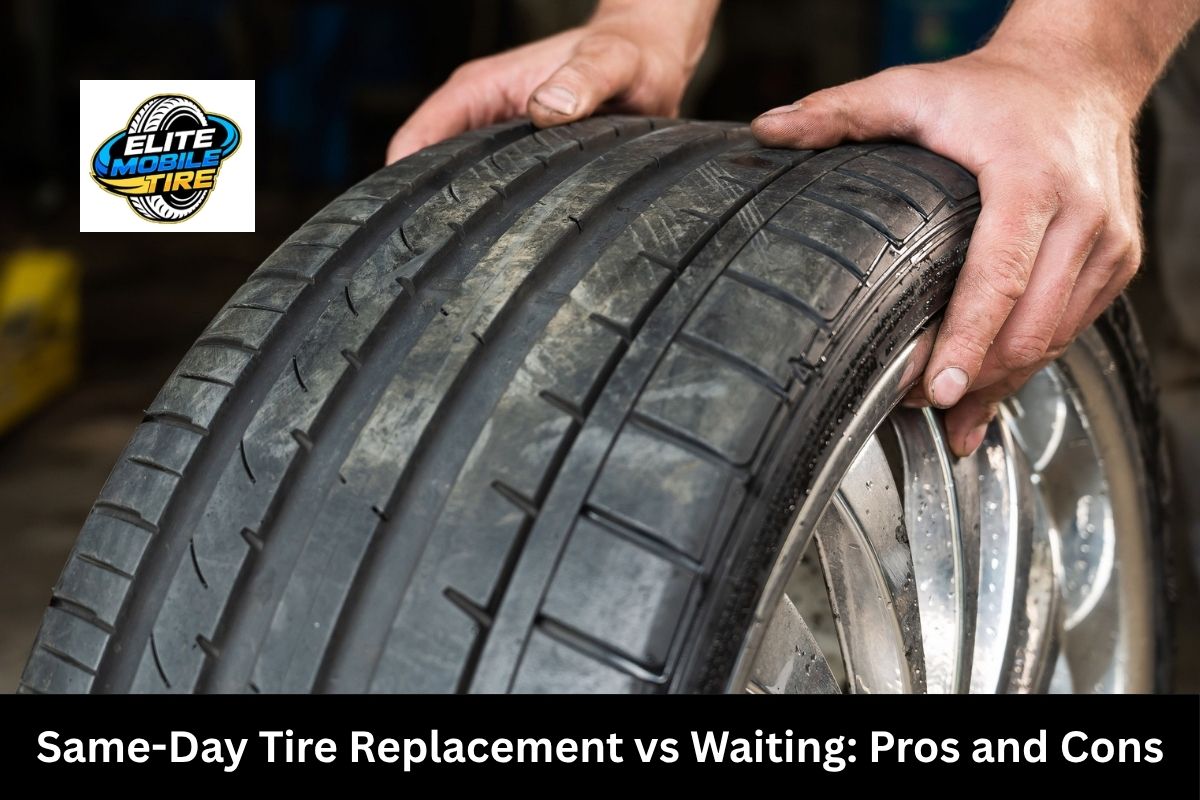
An emergency is a flat that stops you from driving safely right now. A scheduled visit is preventive: rotation, seasonal swap, or replacing tires before tread depth hits the wear bars. Emergency calls cost more due to after-hours timing and urgency; scheduled visits are cheaper and easier to book, and they're where mobile service delivers the most value for fleets and multi-vehicle households. Comparing these mobile conveniences against standard garage service fees helps clarify whether the premium for on-site convenience aligns with your long-term maintenance strategy.
A useful rule of thumb: if you can safely wait until the next business day, book a scheduled visit and save the emergency premium. If you can't, the premium is the price of getting moving again, usually still less than a tow plus a shop visit plus the time lost.
Pro Tip
Before you call anyone, take a photo of the tire and the surrounding area. A provider can often tell you over the phone whether it's a repairable tread puncture or a sidewall replacement, which determines whether mobile service can help at all.
Mobile vs. Shop: A Side-by-Side Comparison
The right choice depends on your schedule, your vehicle, and how urgent the job is. Here's how the two compare.
Factor | Mobile Service | Traditional Shop
Your time | None lost; work happens at your location | Drop-off, wait, or pickup
Cost | Higher per job due to service call fee | Lower labor rate, no travel fee
Availability | Weekday appointments at your location | Standard business hours at the shop
Best for | Flats, fleets, tight schedules | Alignments, complex diagnostics
Equipment limits | Portable balancer, limited heavy repair | Full shop, alignment rack
Mobile wins on convenience and scheduling flexibility. Shops win on price and on jobs that need a lift or alignment rack. For a simple mount, balance, or flat repair, mobile service is often faster.
Hidden Fees and Surcharge Transparency
Hidden fees are the biggest source of distrust in this category, and they're avoidable. A transparent provider tells you the total before dispatch, not after.
Watch for these line items:
- Service call fee, sometimes waived on tire purchases, sometimes not
- After-hours surcharge, common for nights, weekends, and holidays
- Disposal fee, charged per tire in many states
- TPMS service fee, separate from the tire itself
- Travel distance fee, applies outside a provider's standard service radius
The fix is simple: request a written quote that lists every charge, and confirm whether the quoted price is final. Elite Mobile Tire's model is built on upfront pricing, and that's the benchmark worth demanding from anyone you call.
Vehicle Compatibility and Equipment Limits
Not every vehicle can be serviced on-site, and a good provider will tell you that before dispatching. A mobile unit carries a portable balancer, a compressor, jacks, and torque tools, but not an alignment rack or the equipment needed for some heavy-duty or performance applications.
Typical constraints:
- Run-flat tires often require specialized equipment and may need a shop
- Low-profile performance tires can be difficult to mount without a touchless changer
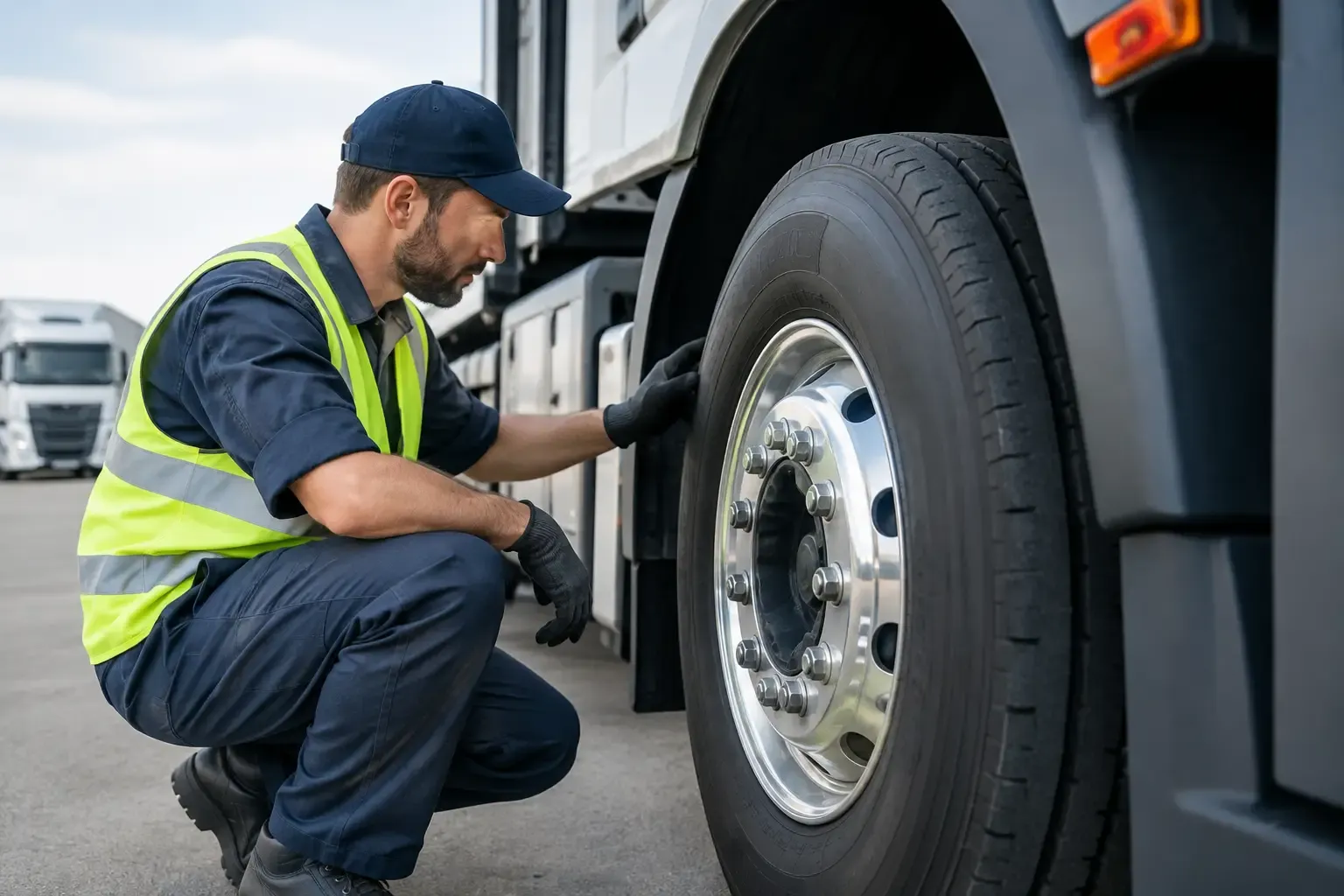
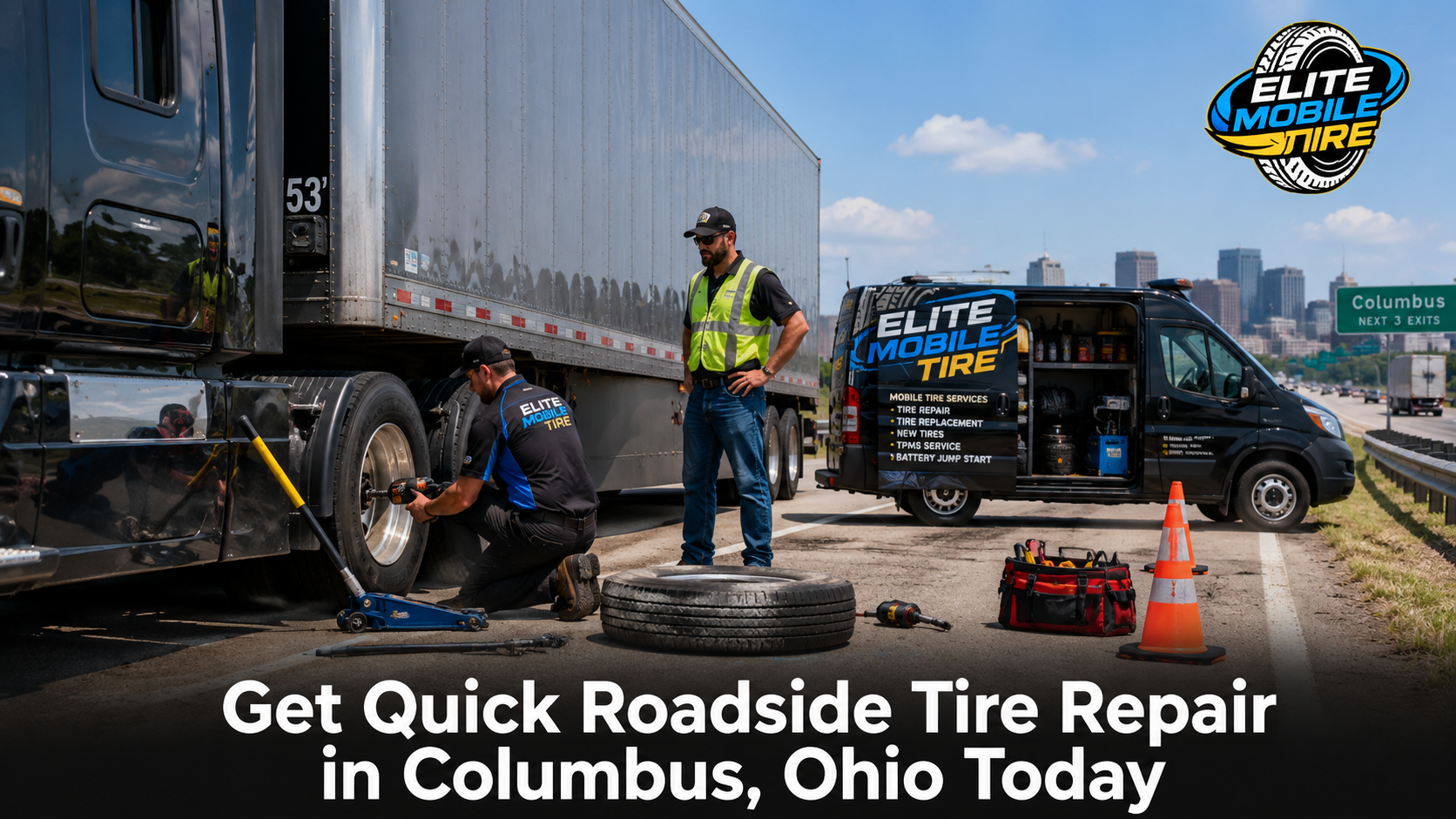
- Large commercial truck tires require a mobile unit rated for that load
- Bent wheels or suspension damage are outside the scope of tire service
- Service radius limits how far a provider will travel; confirm yours is covered
If a provider promises to handle anything on four wheels without asking about your vehicle first, that's a red flag. Elite Mobile Tire services vehicles from passenger cars through commercial trucks, because the equipment is matched to the job.
Insurance and Liability: What Happens If Something Goes Wrong
This is the question that matters when a technician is working on your vehicle in your own driveway. Ask any mobile provider two things before booking: whether their technicians are certified, and whether they carry liability insurance covering damage at your location.
A legitimate provider will answer both without hesitation. If a wheel is scratched, a TPMS sensor is broken, or a jack slips and damages a panel, liability coverage is what makes you whole. Your own auto insurance may not cover damage caused by a service provider, so the provider's coverage is your protection.
Certification matters too. A certified technician follows torque specifications and bead-seating procedures rather than guessing, the difference between a wheel that stays on and one that doesn't. Elite Mobile Tire uses certified technicians for exactly this reason, and you should ask for the same assurance from anyone else.
Key Takeaway
Before you book any mobile tire service, confirm three things: certification, liability insurance, and a written itemized quote. Those three answers separate a professional operation from a gamble.
Conclusion: Who Should Choose Mobile Tire Repair
Mobile tire repair is worth it when your time is worth more than the service call premium, when you cannot spare the hours a shop visit takes, or when getting the vehicle to a shop is impractical. It's less worth it when the job needs an alignment rack or when you're optimizing purely for the lowest price.
For most drivers facing a flat at home, a fleet manager coordinating multiple trucks, or anyone who can't afford to sit in a waiting room, the math favors mobile. Elite Mobile Tire brings certified technicians, upfront pricing, and same-day response to your home, office, or job site, handling everything from flat repair to full tire installation and balancing, including TPMS service.
Frequently Asked Questions
How much does mobile tire repair usually cost?
Pricing depends on the tire size, repair type, and whether balancing or a new tire is needed. Most mobile tire repair services bundle a service call fee, labor, and any parts into one quote. To avoid surprise charges, ask for an itemized breakdown before booking. Elite Mobile Tire provides transparent upfront pricing with no hidden fees, so you know the total before the technician arrives.
Is a mobile tire shop more expensive than a traditional garage?
Not always. A mobile tire repair cost often includes the service call, but you save on towing, time off work, and transportation to and from a shop. When you factor in those costs, mobile service can be cost-effective for many drivers. Traditional shops may charge less per tire, but the total expense depends on your situation and how you value convenience.
Can mobile tire technicians perform wheel balancing and alignment?
Mobile technicians routinely handle tire mounting and wheel balancing on site using portable equipment. Wheel alignment, however, requires an alignment rack that most mobile units do not carry. If your vehicle needs an alignment, you will still need to visit a shop. For flat tire repair, tire rotation, or new tire installation, on-site service covers the job fully.
What types of vehicles can mobile tire services handle?
Most mobile tire services work on passenger cars, SUVs, light trucks, and many commercial vans. Some providers, including Elite Mobile Tire, also service commercial trucks and RVs. Vehicle compatibility constraints like low-profile tires, run-flat tires, or heavy-duty wheels may require specific equipment. Always confirm your vehicle type when booking to ensure the mobile service vehicle is properly equipped.
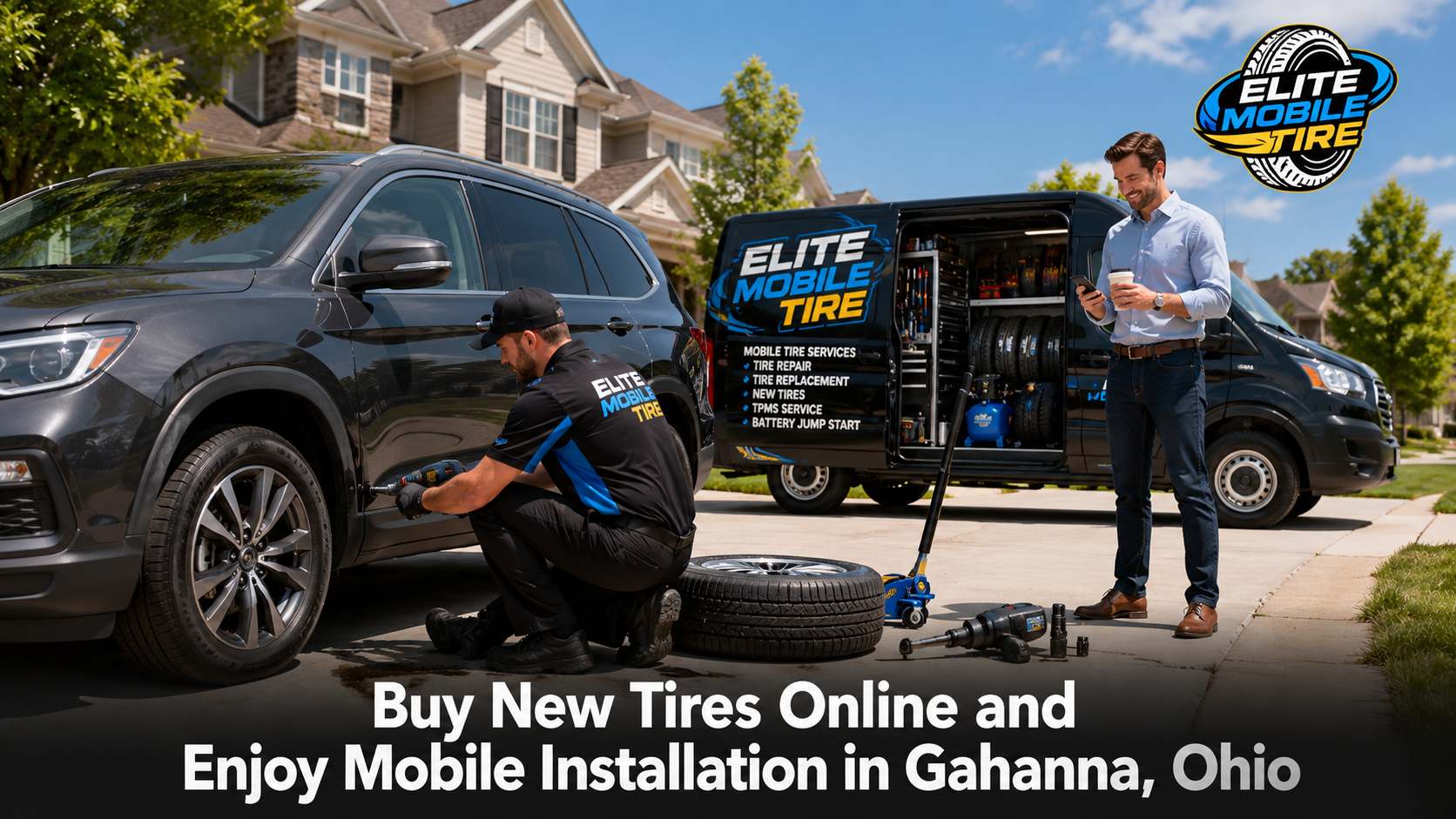
Ready for a new set? Elite Mobile Tire installs 2 or 4 new tires right in your driveway or parking lot anywhere around Columbus, Obetz, Groveport, Grove City, and Reynoldsburg. Financing is available through Afterpay and Acima with up to 24-month payment plans. Call 614-344-5010 or visit elitemobiletire.com to book.