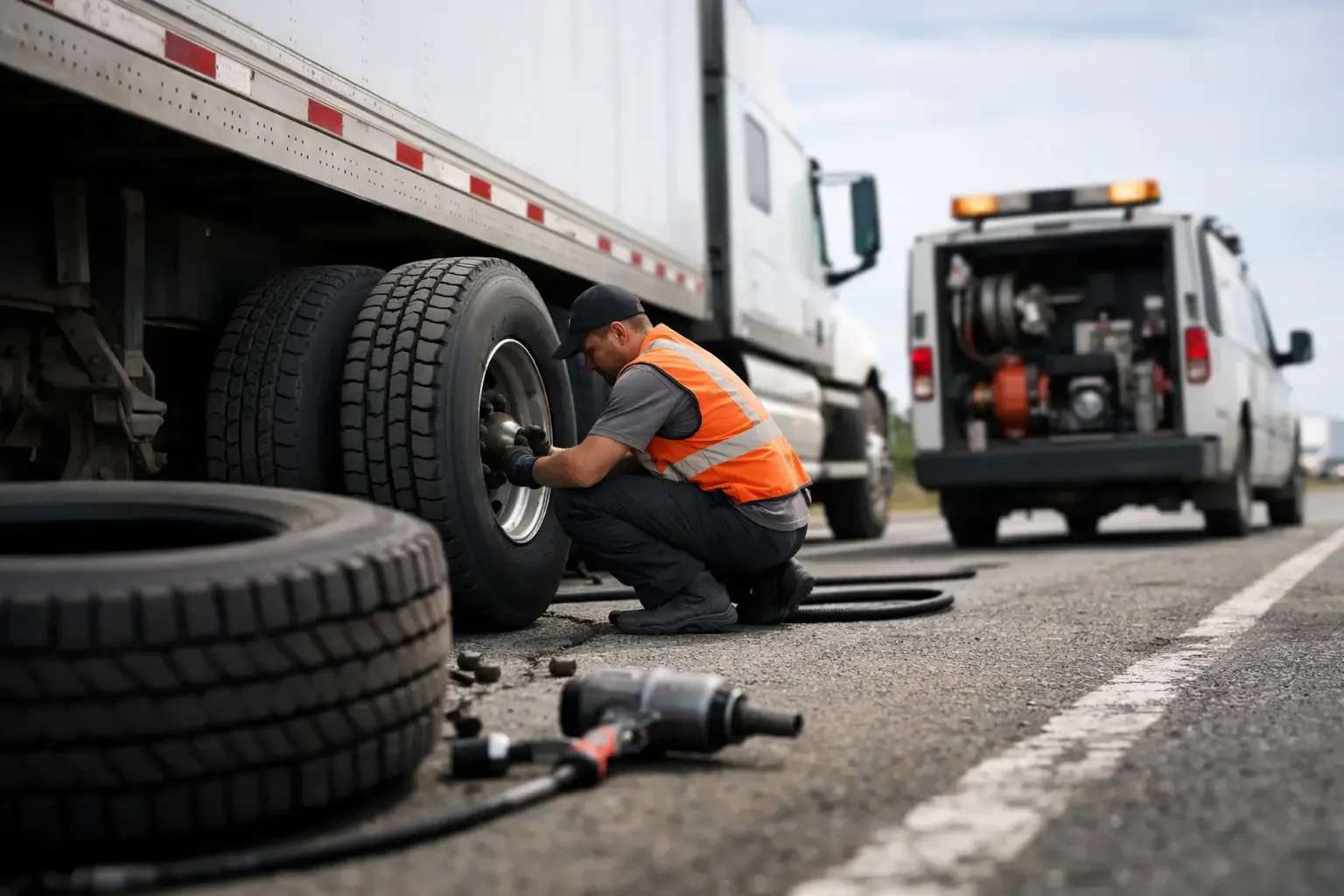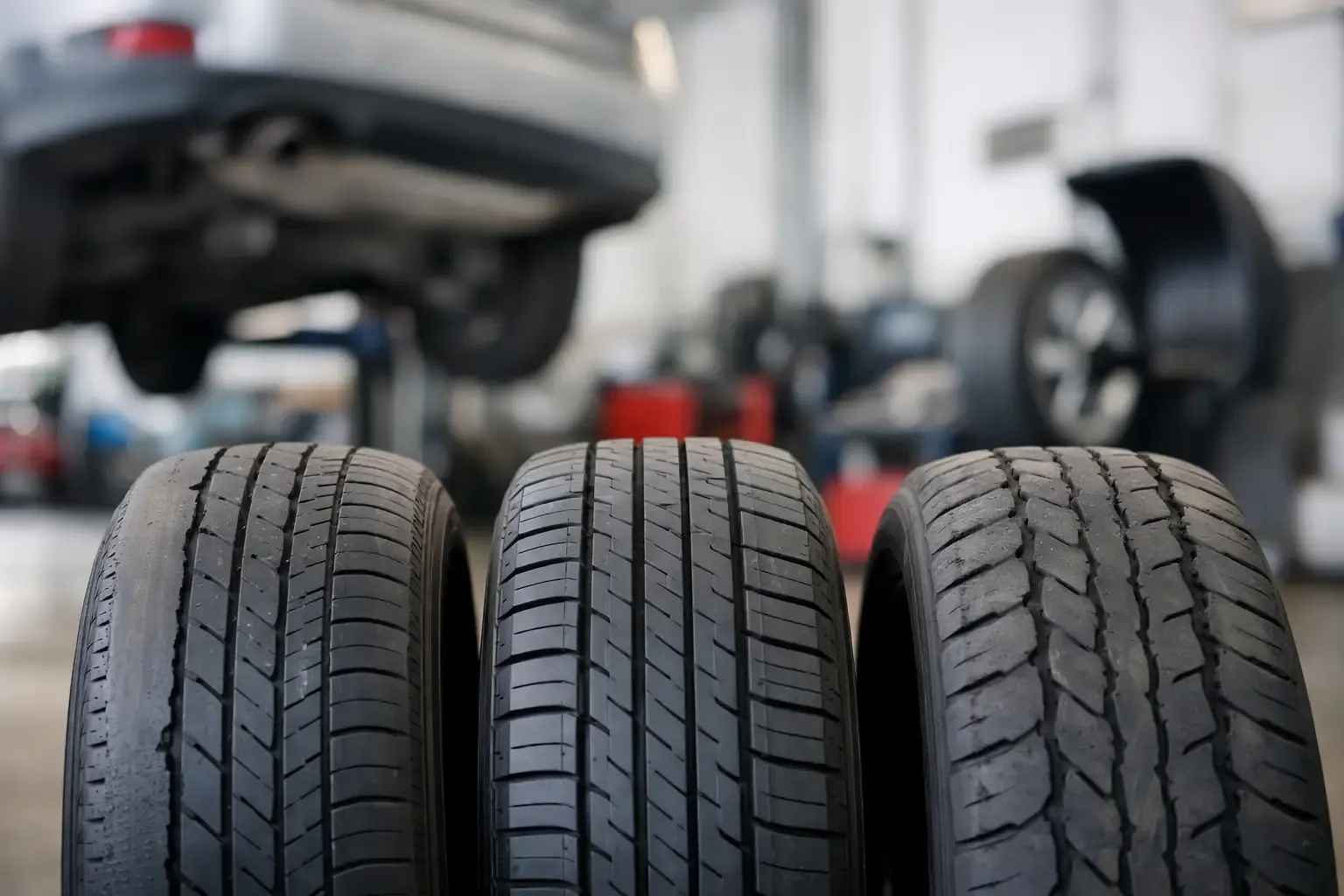
Most drivers judge a tire by its tread. That makes sense, but it only tells half the story. Rubber ages whether the tire is rolling or not, so a tire with plenty of tread can still be past its useful life. If you drive a car that only gets short trips, own a camper that sits most of the year, or bought a used vehicle without knowing its history, the age of your tires is worth checking today. It takes about a minute.
How to find the DOT date code
Every tire sold in the U.S. has a code on the sidewall that starts with the letters DOT. The last four digits tell you when the tire was made: the first two are the week and the last two are the year. A tire ending in 2321 was built in the 23rd week of 2021.
The full code is sometimes printed only on one side, so if you see a shorter code with no four-digit date, look at the inner sidewall or check the other side of the tire once it is safe to do so. Check all four tires, plus the spare. They are often not the same age, especially on a used vehicle.
So how old is too old?
There is no single federal age limit for passenger tires. Guidance varies by manufacturer: some vehicle makers recommend replacing tires around six years from the date of manufacture, and some tire makers say up to ten years with regular inspections. Your owner’s manual is the first place to look for what applies to your vehicle, and NHTSA’s tire safety information is a good general reference.
A practical way to think about it: around the six-year mark, start having the tires looked at closely every year. If a tire has reached the ten-year mark, plan on replacing it even if the tread looks fine.
What aging looks like on a tire
Age damage is not always obvious, but these are the signs worth looking for:
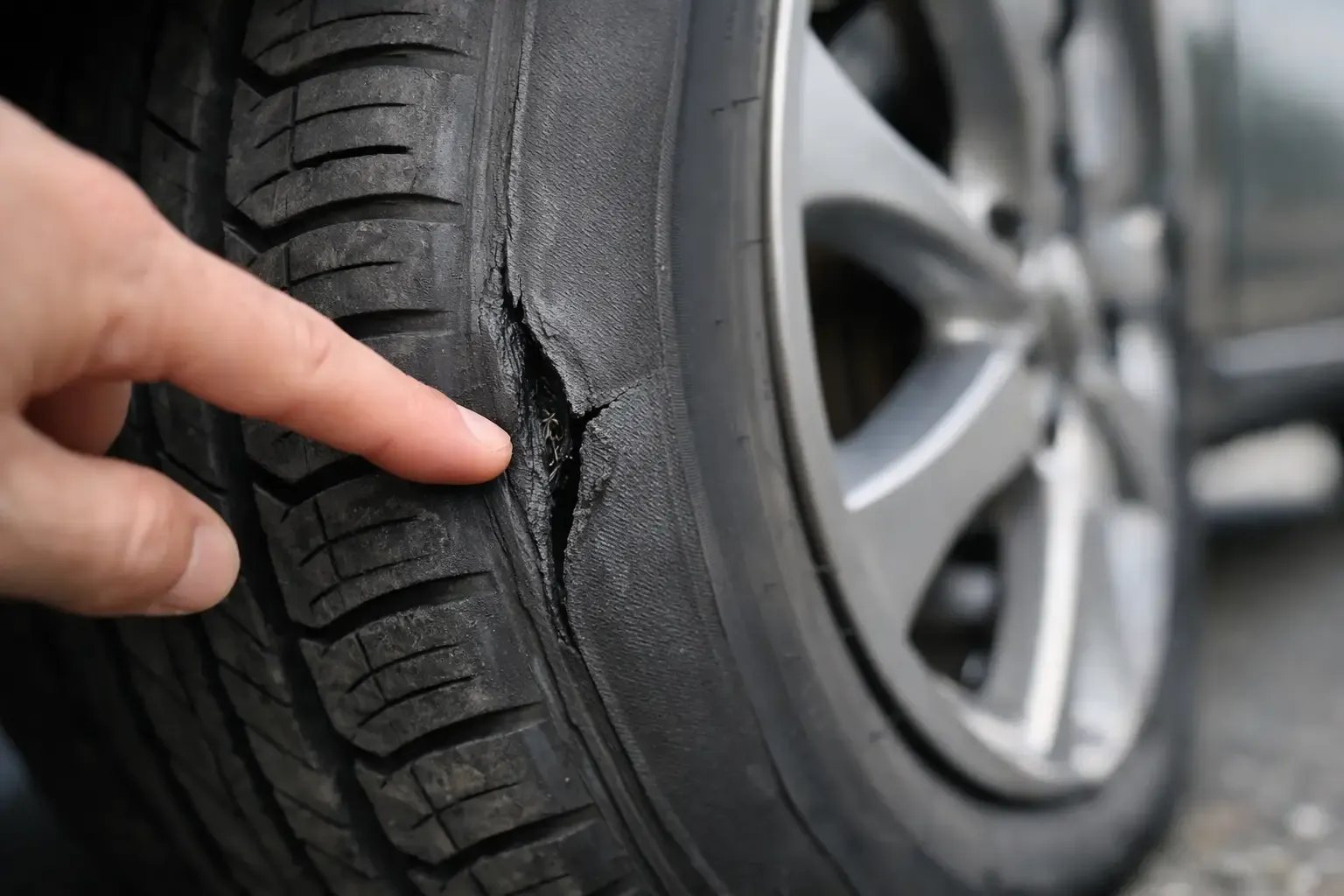
- Fine cracks in the sidewall or between the tread blocks
- Bulges or blisters on the sidewall
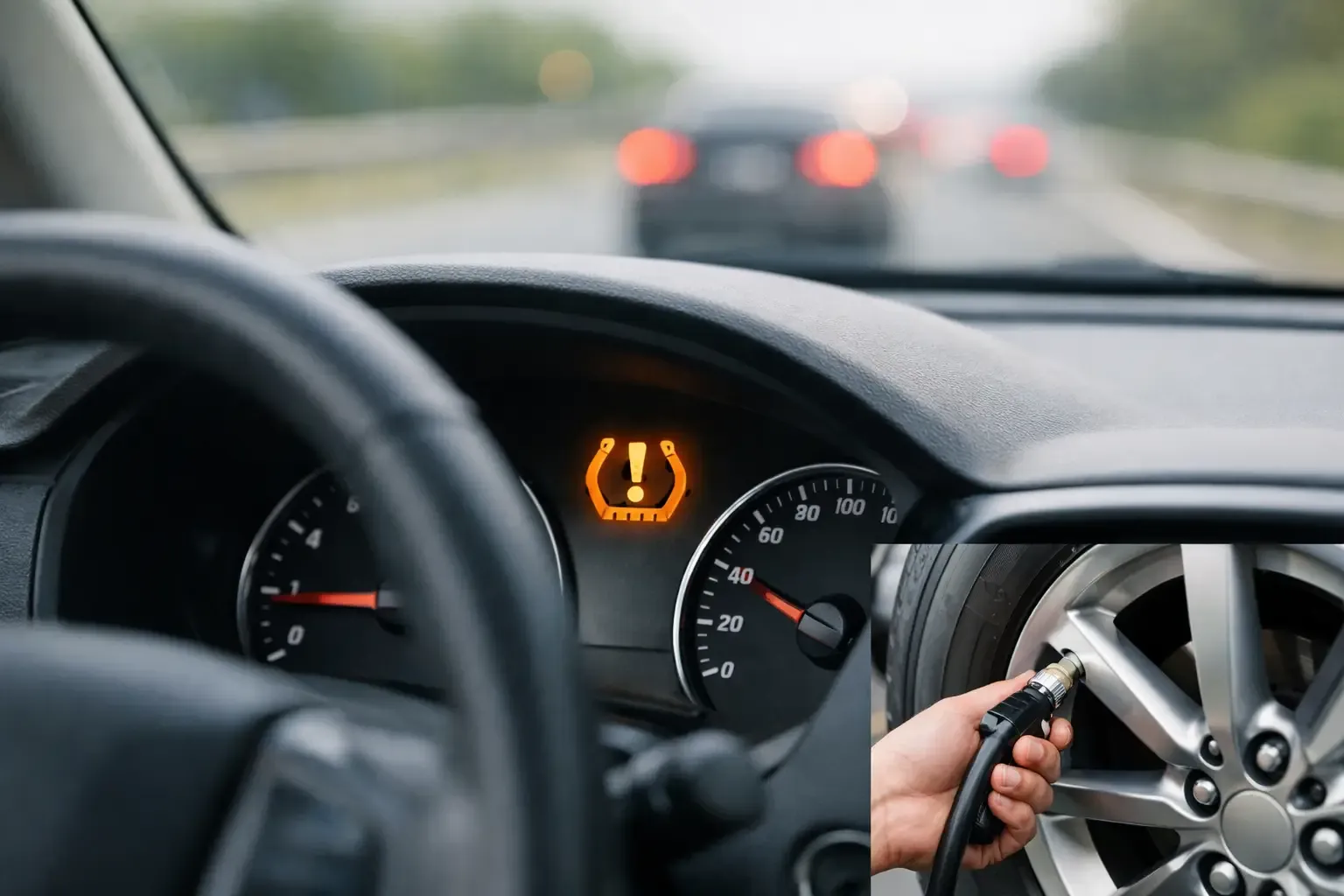
- A tire that loses air more often than the others
- New vibration at highway speed that was not there before
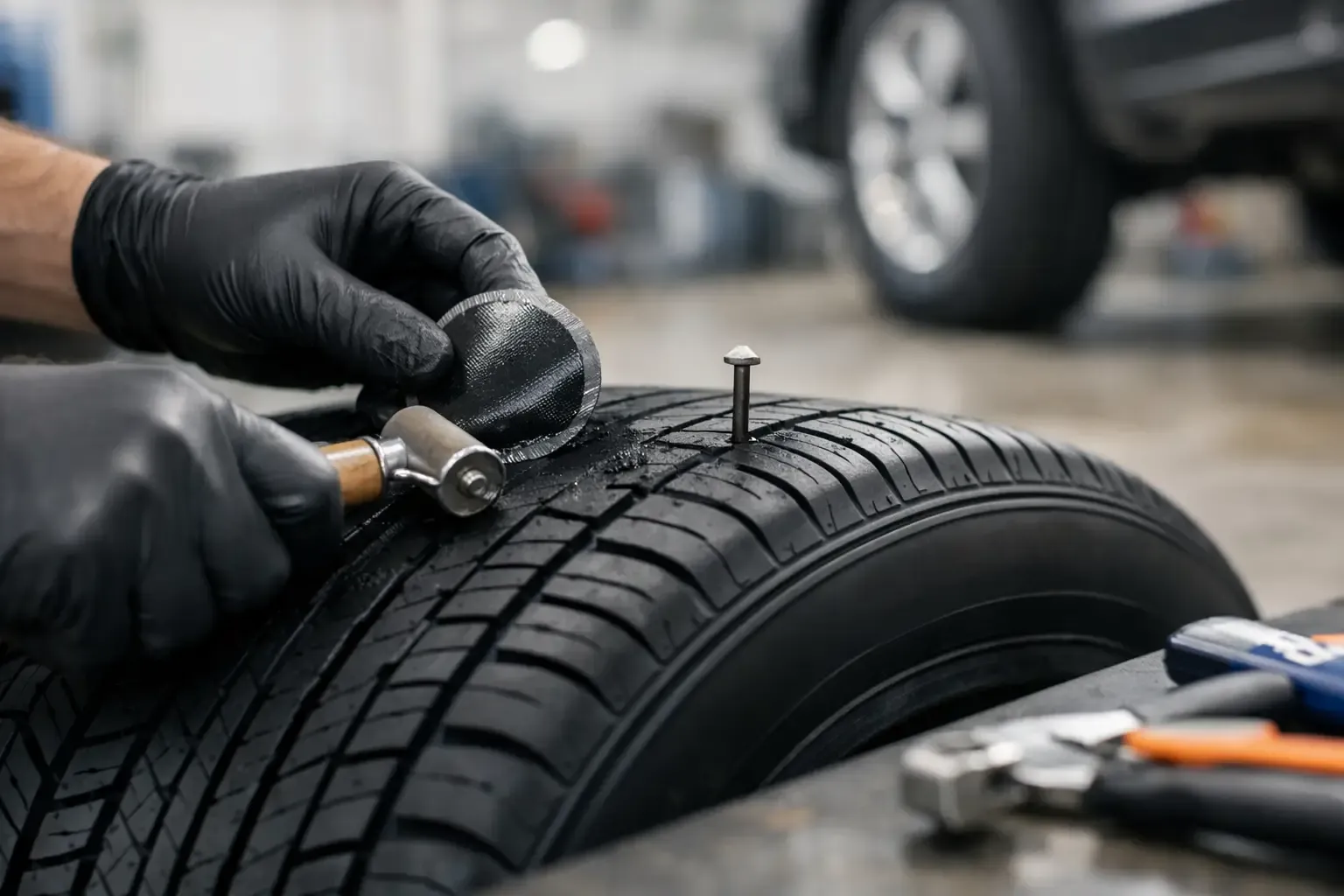
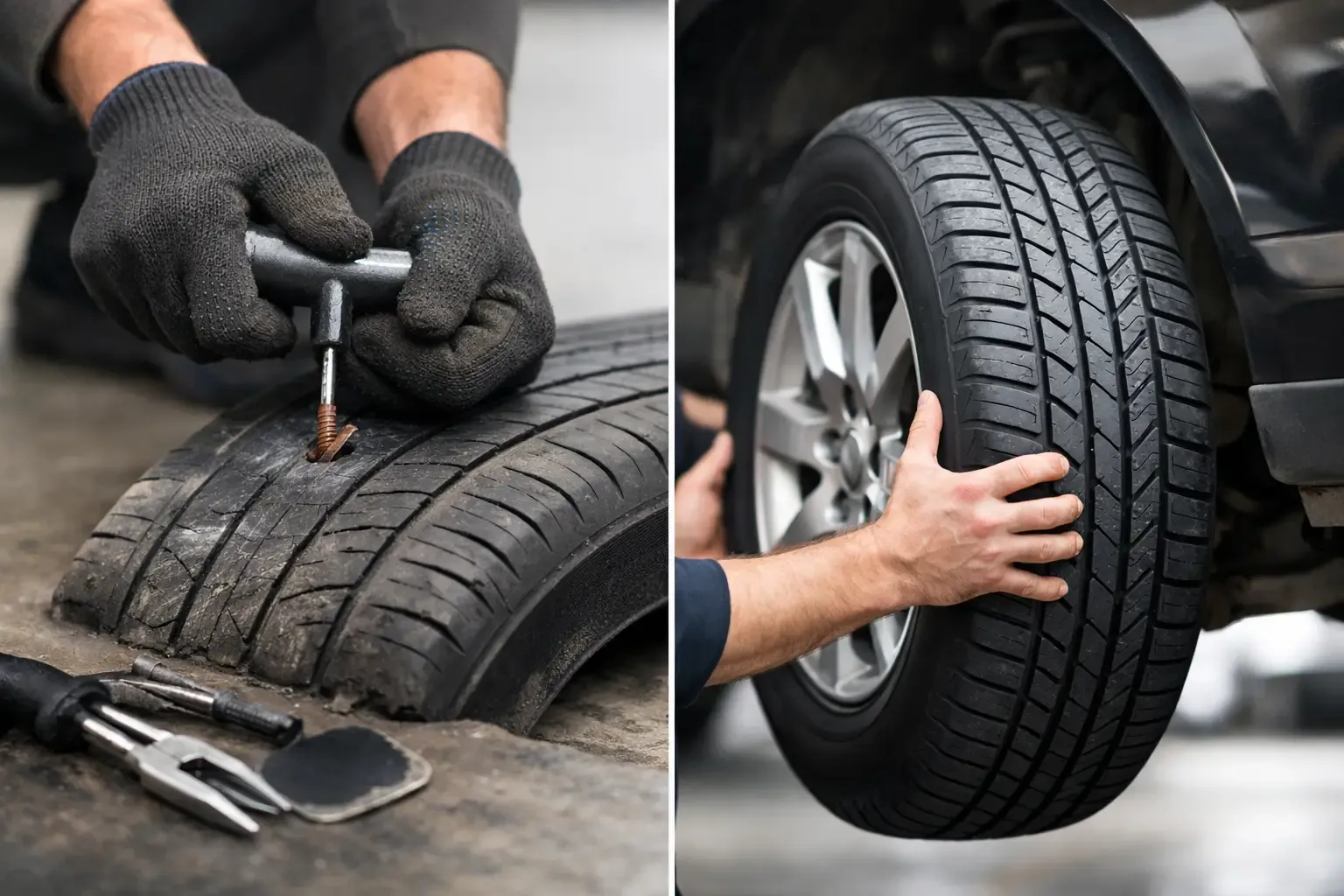
Any bulge is a reason to stop driving on that tire and get it looked at. Sidewall damage is not something a patch can fix. The U.S. Tire Manufacturers Association also has good tire care guidance if you want to read more.
Who gets caught by old tires most often
Low-mileage drivers are the classic case. A second car in New Albany that only goes to the store and back can keep its tread for many years, which makes the tires look newer than they are. The same goes for anyone who bought a used vehicle: a set that looks fresh on a lot in Galloway may have been sitting for years before you ever saw it.
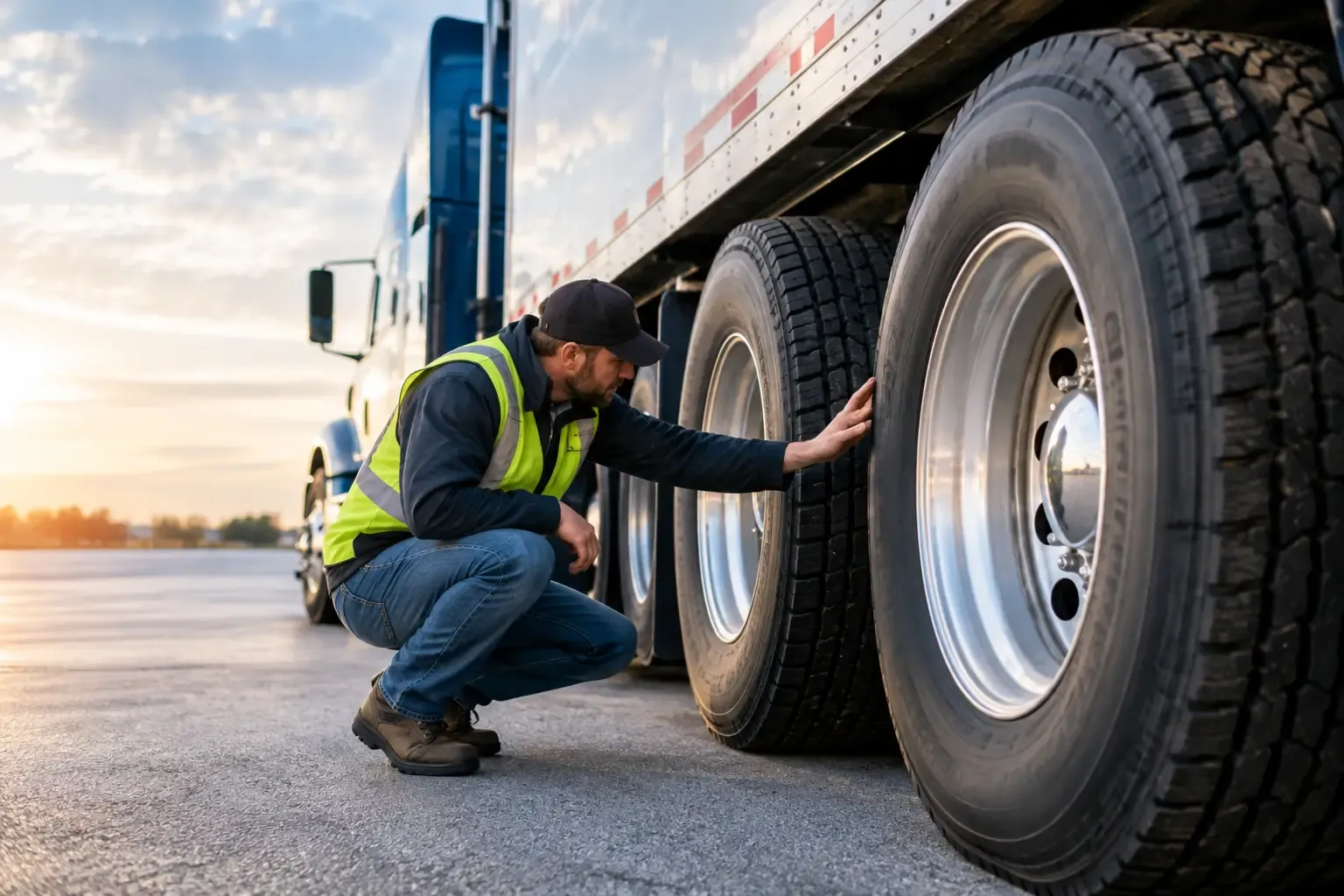
RVs and campers are the biggest example. They often age out long before the tread wears down, and sitting parked in one spot through an Ohio winter is hard on rubber. If your camper tires are getting up there in years, have them checked before your next trip down I-70 or I-71. Our RV and camper tire service comes to wherever the rig is parked, which beats towing it to a shop on tires you are not sure about.
Replacing old tires: think in sets
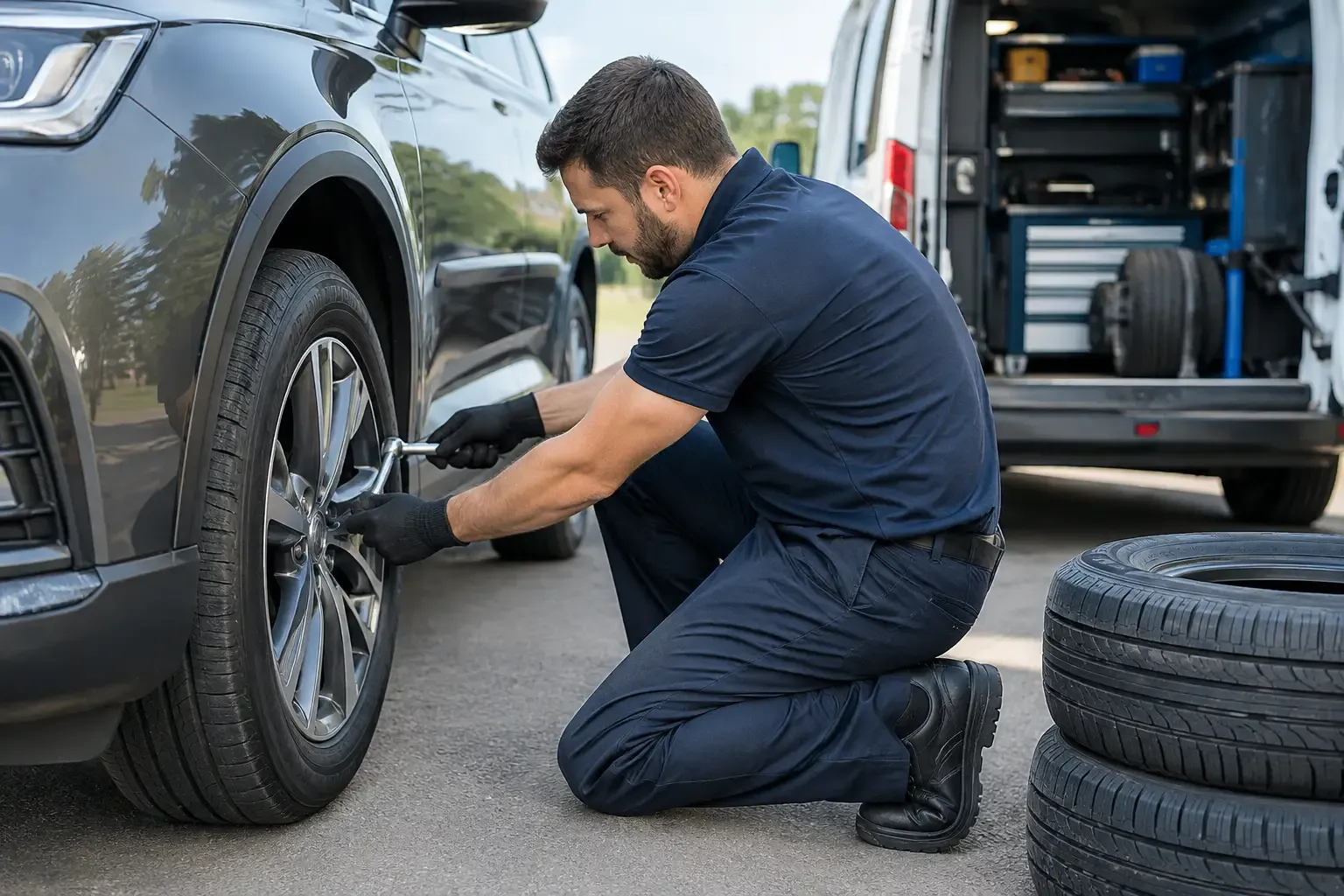
Tires that were all put on at the same time usually age together, so when one is too old, the others are usually close behind. Replacing the full set at once keeps tread and rubber matched, avoids repeat trips, and matters even more on all-wheel-drive vehicles, where many manufacturers call for tires that closely match. If you only need two, we can talk through which axle they should go on.
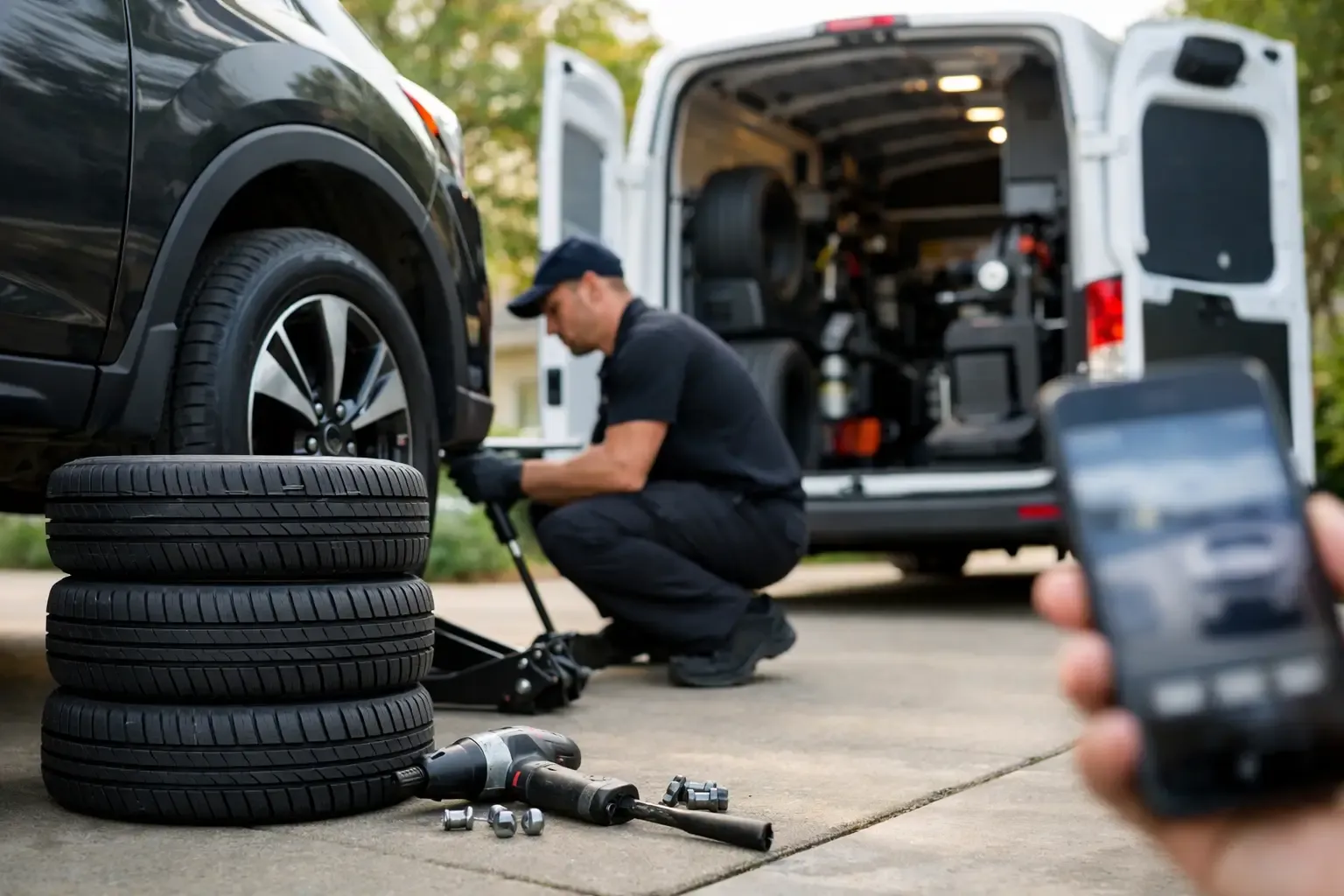
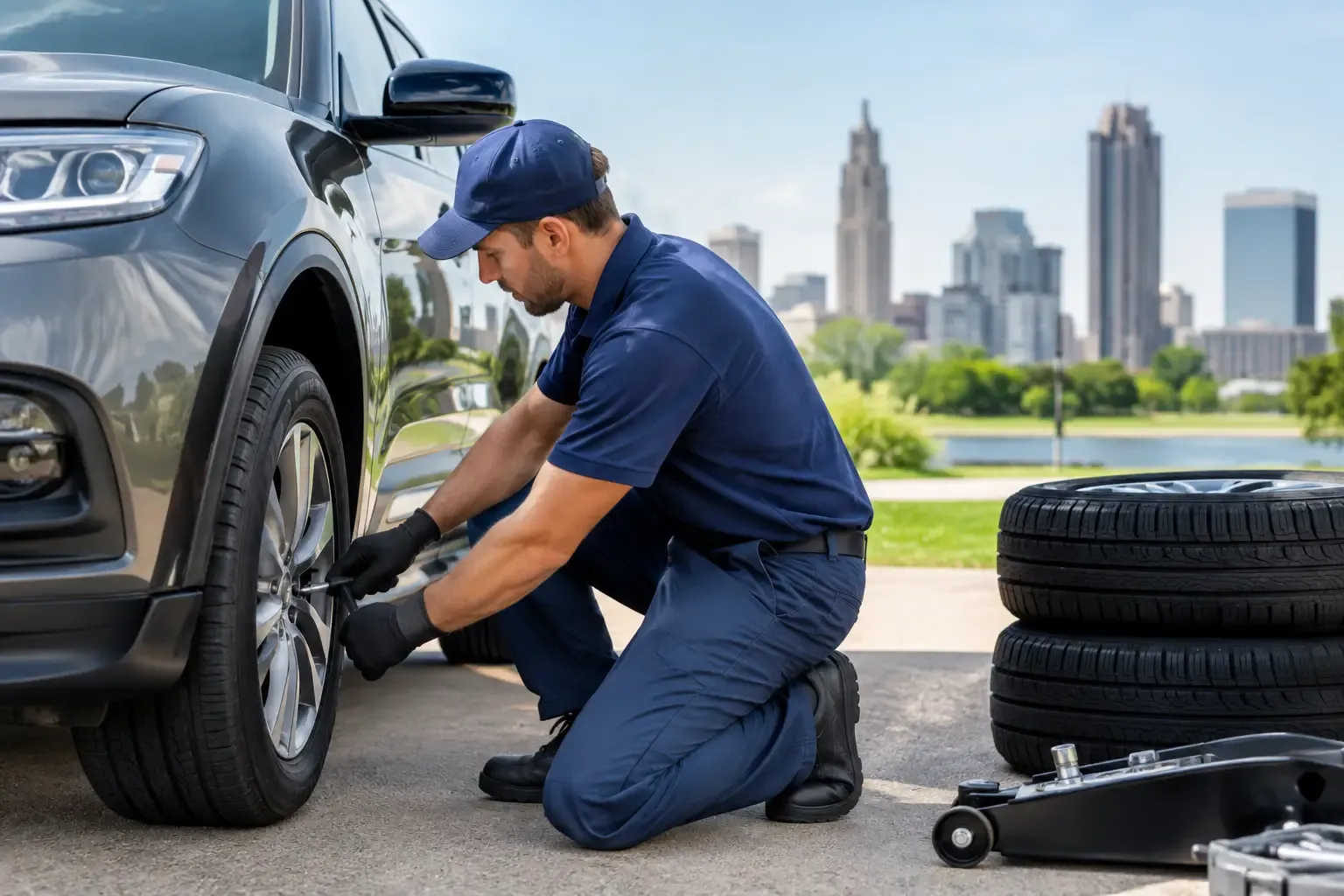
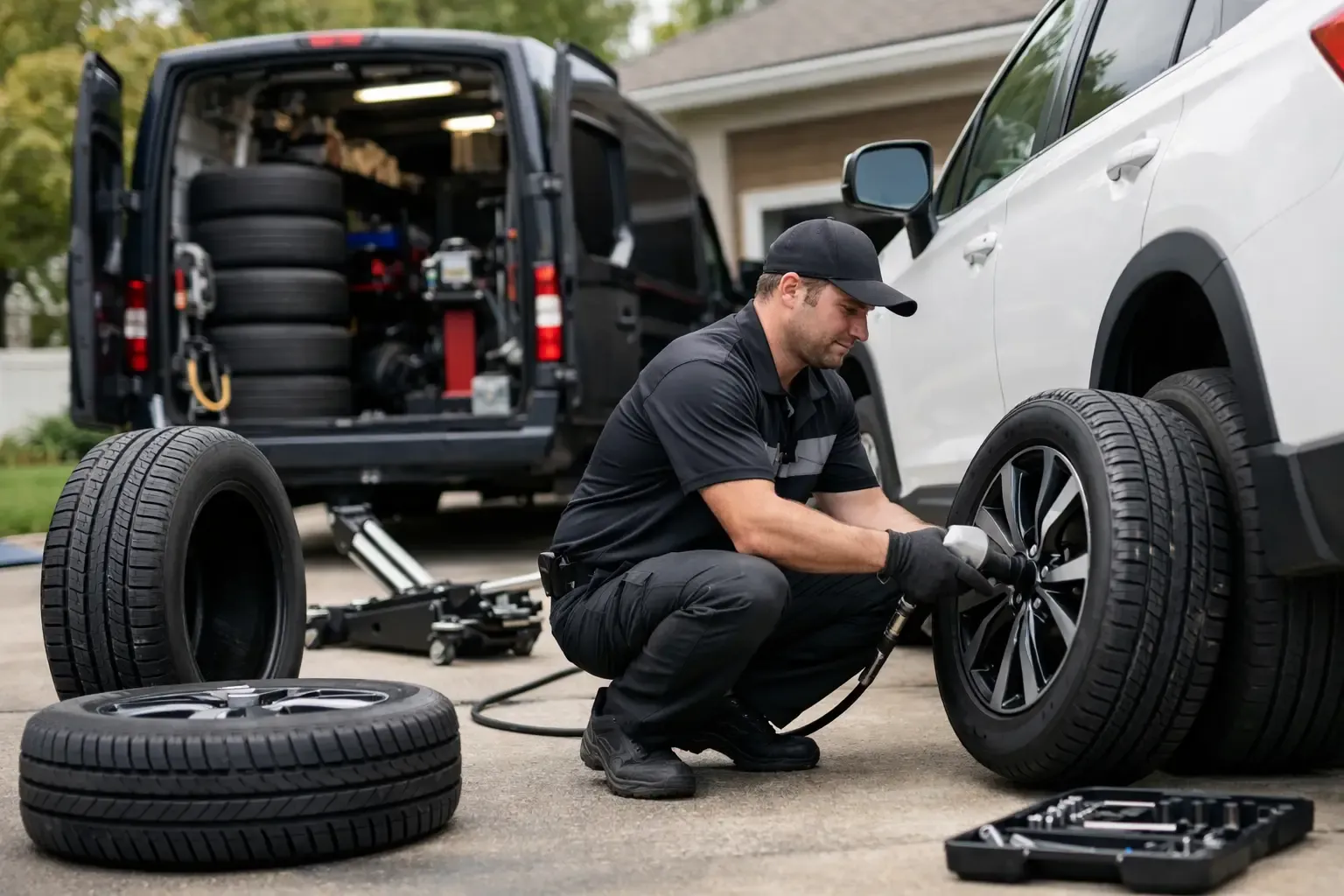
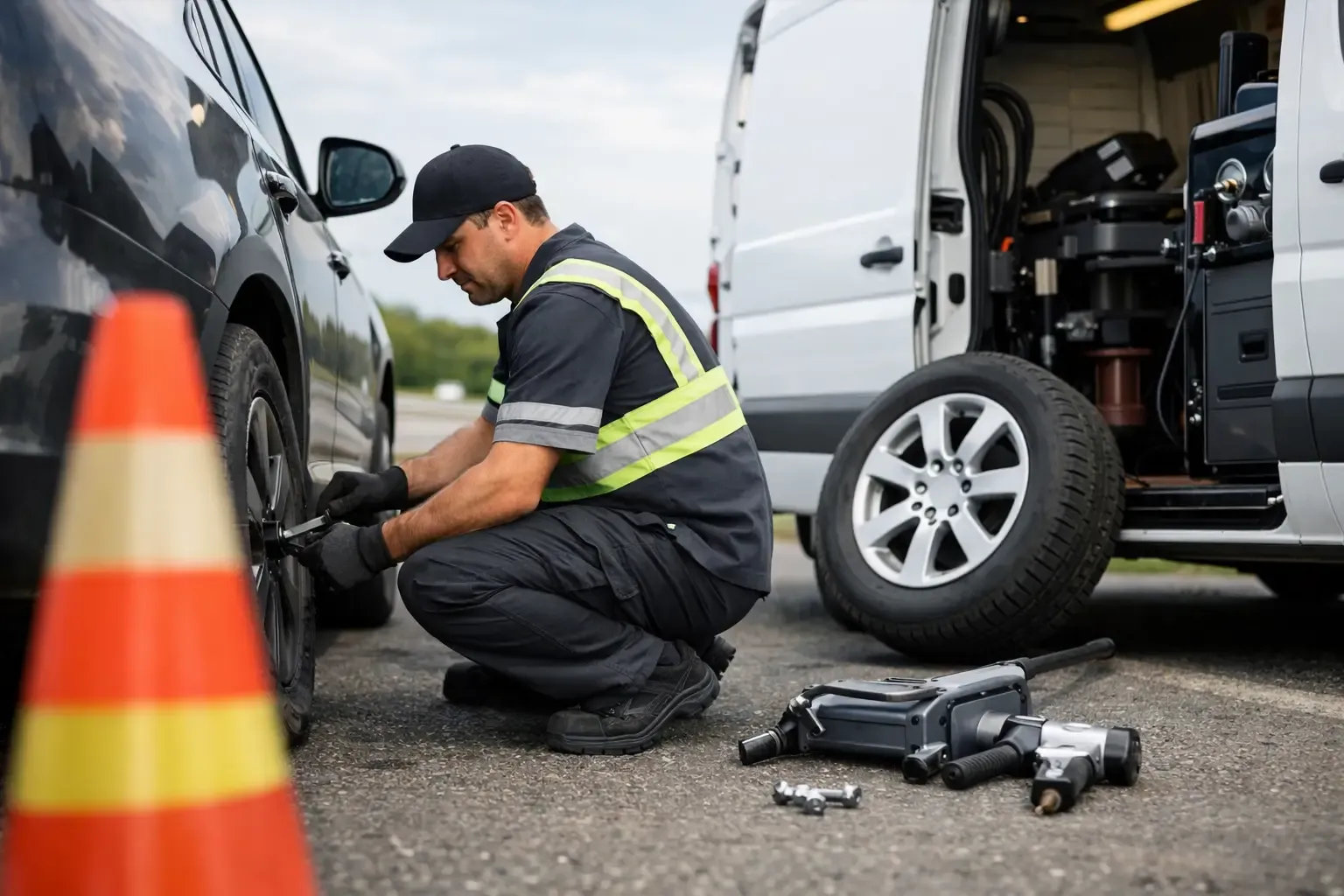
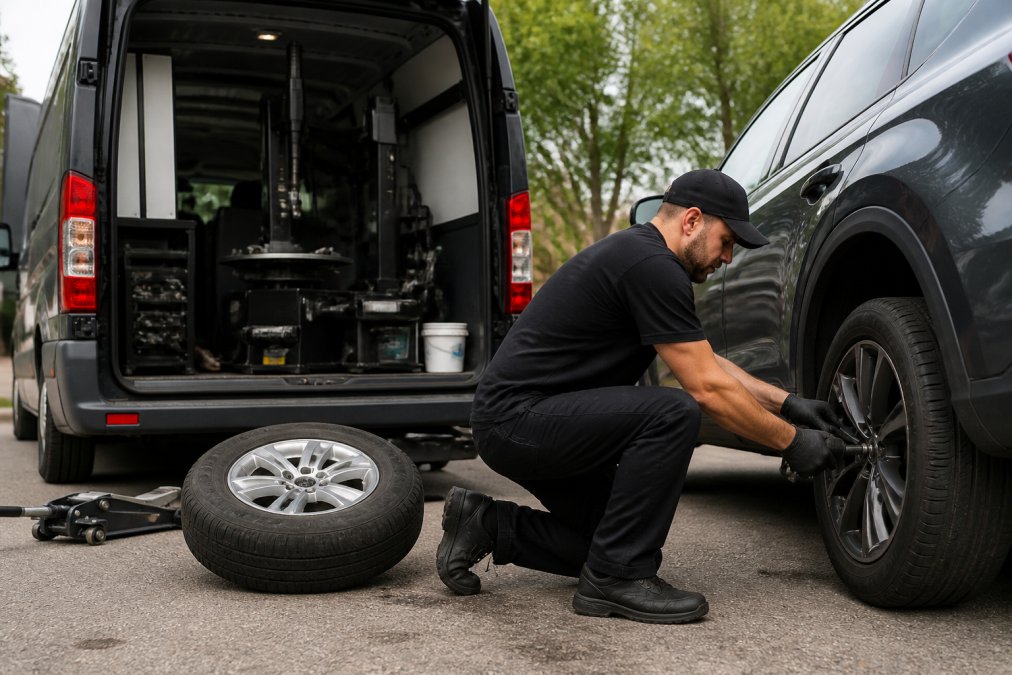
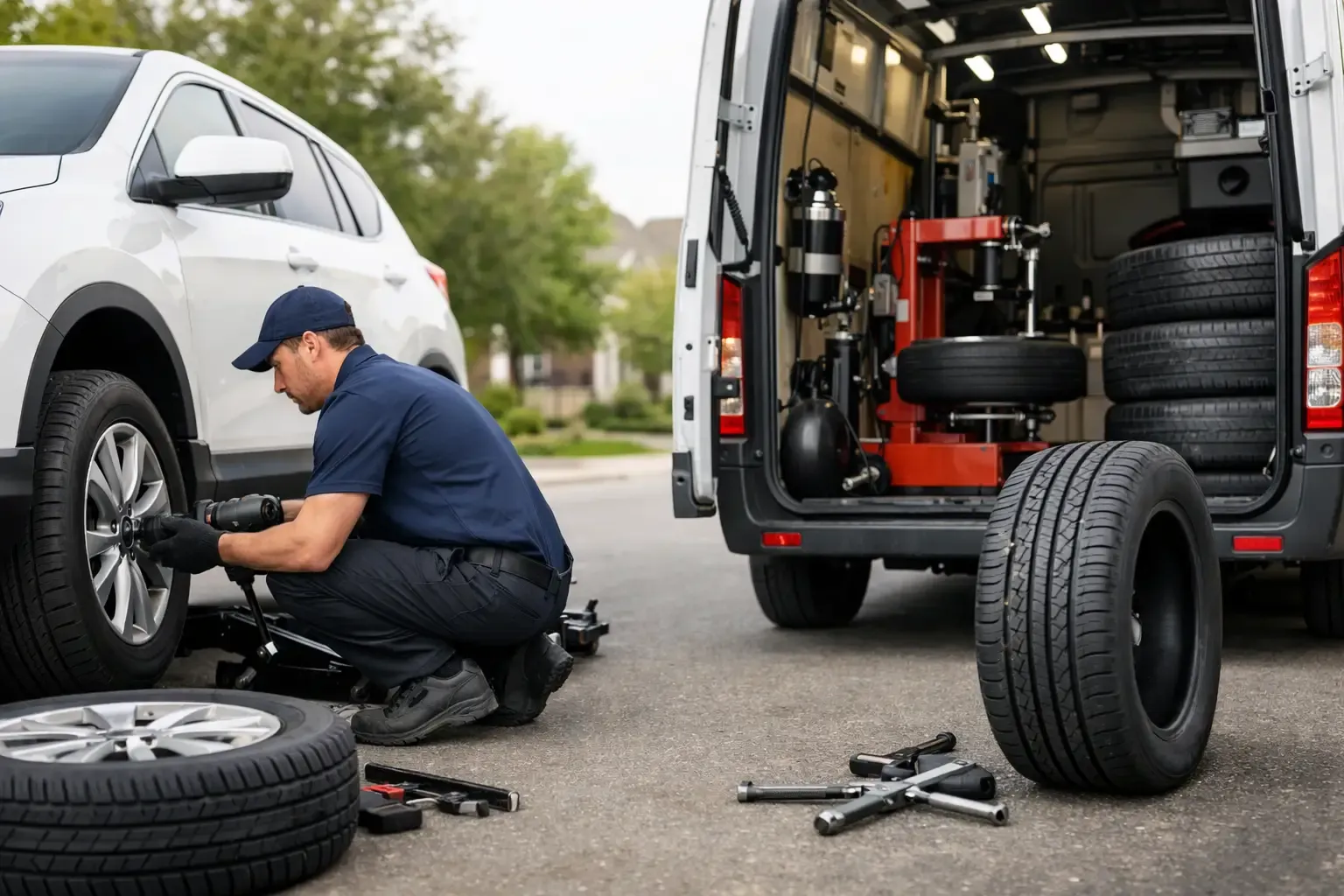
You also do not have to lose half a day to do it. Whether you are in Blacklick near I-270 or anywhere else around Columbus, we can bring the tires to your driveway or workplace and install them while you get on with your day.
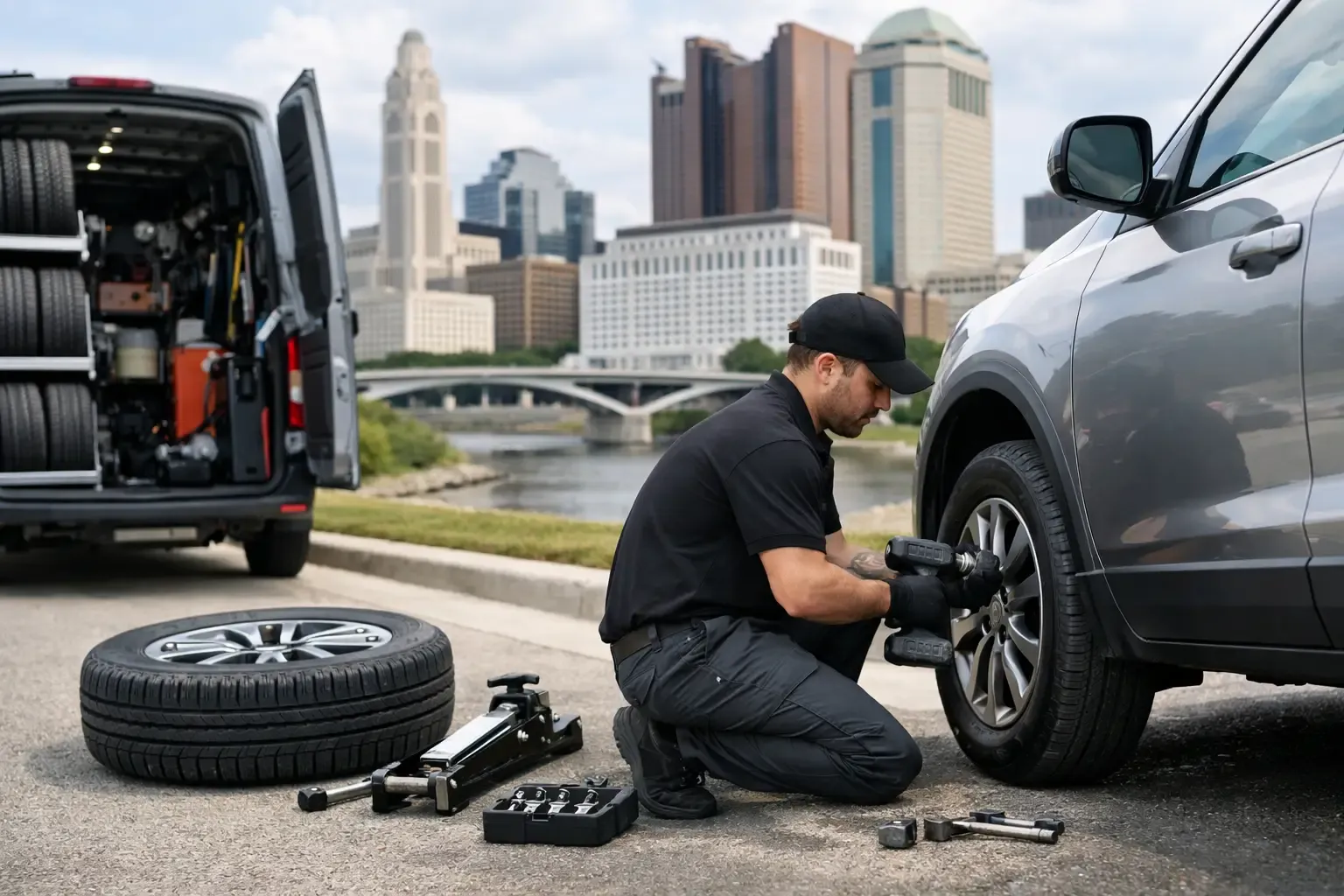
Ready for a new set? Elite Mobile Tire installs 2 or 4 new tires right in your driveway or parking lot anywhere around Columbus, Obetz, Groveport, Grove City, and Reynoldsburg. Financing is available through Afterpay and Acima with up to 24-month payment plans. Call 614-344-5010 or visit elitemobiletire.com to book.