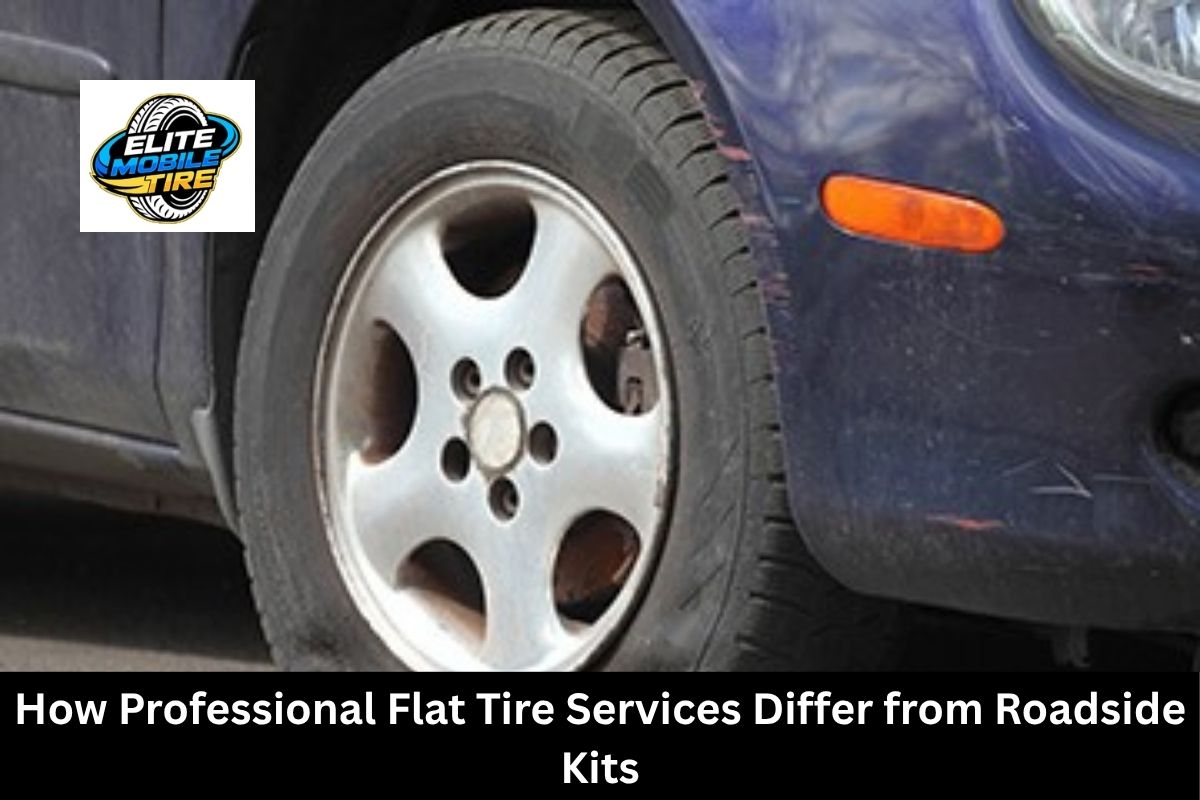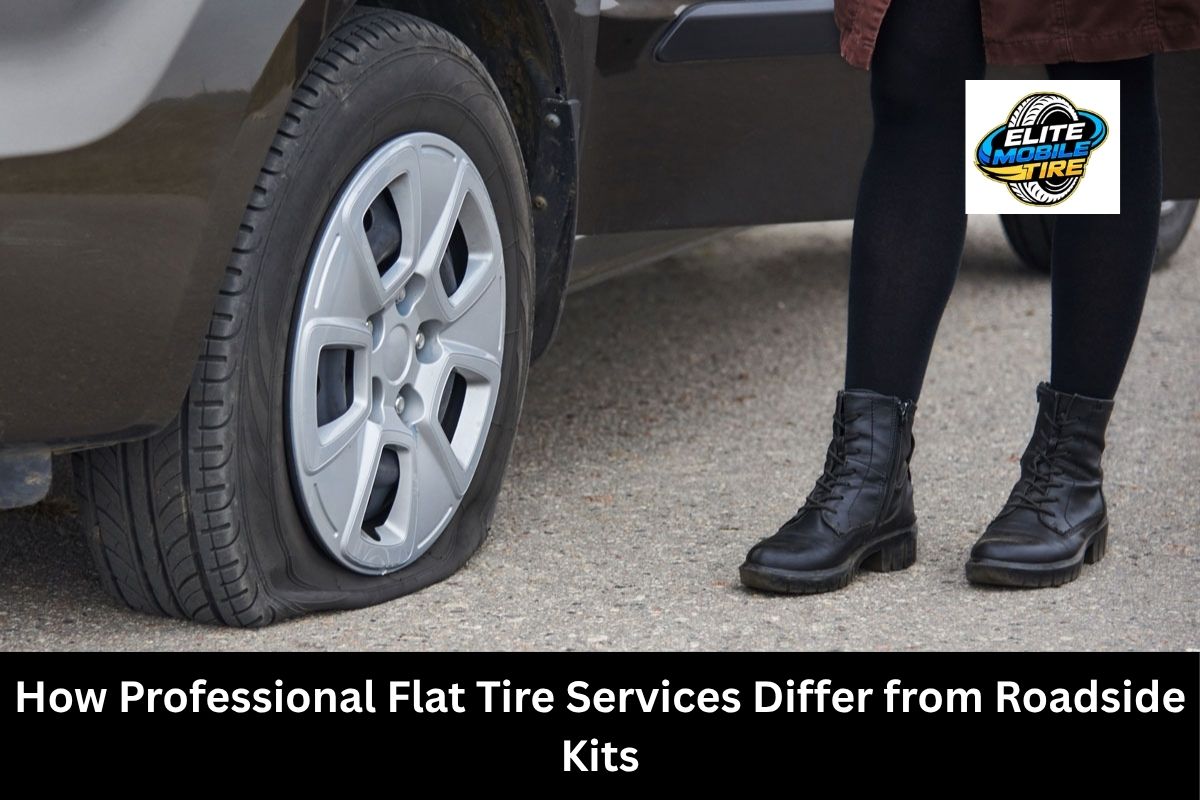
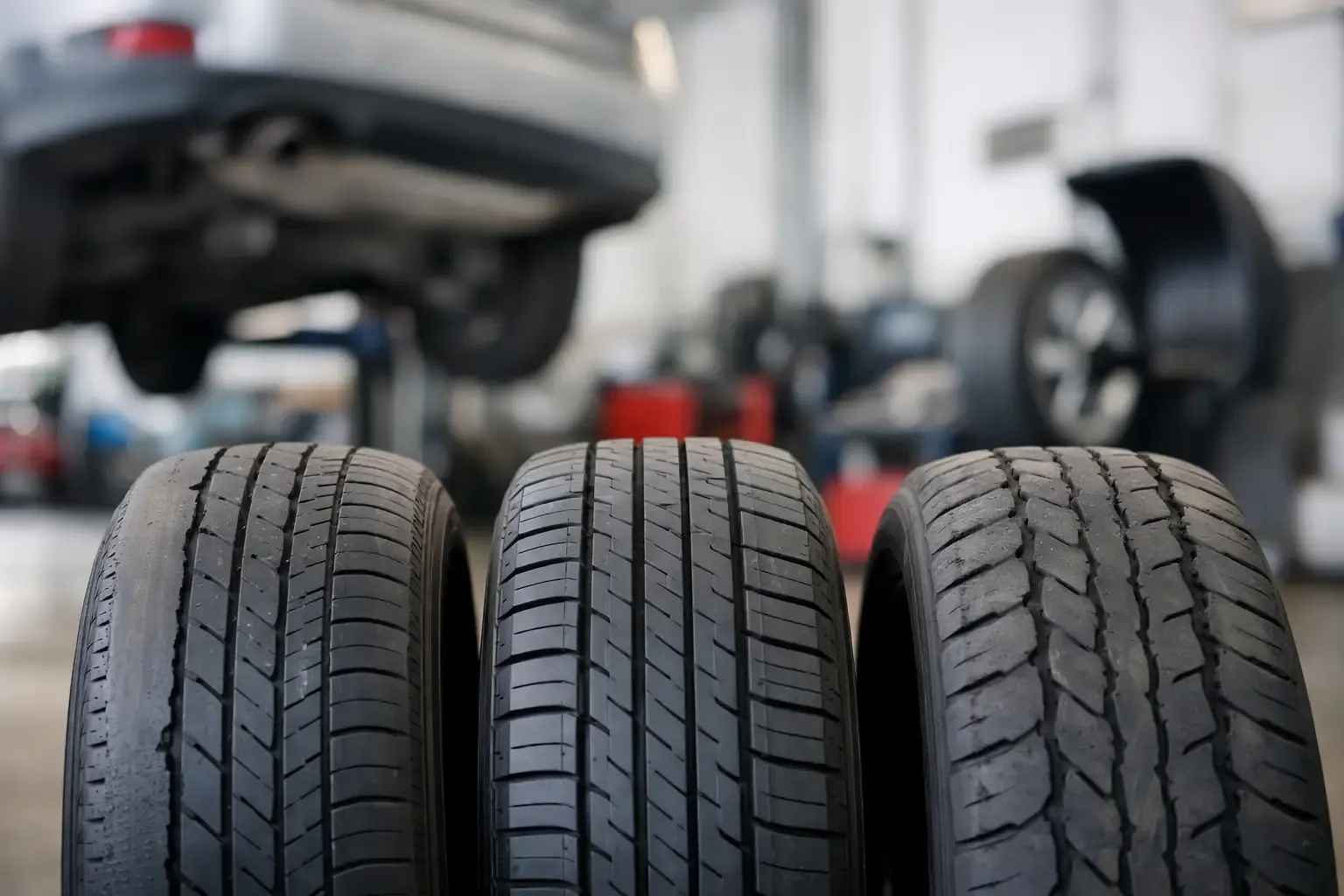
You usually notice uneven tire wear at the worst time - when the car starts pulling on your commute, the steering wheel vibrates on the highway, or a technician points out that one tire is wearing out much faster than the others. If you are wondering what causes uneven tire wear, the short answer is that tires almost always wear unevenly for a reason. It is usually a sign that something needs attention, whether that is air pressure, alignment, suspension, or tire rotation.
Uneven wear is more than a cosmetic issue. It can shorten tire life, reduce traction, affect braking, and make your vehicle less predictable in wet or emergency conditions. The good news is that the wear pattern itself often tells a clear story.
What causes uneven tire wear most often?
In everyday driving, the most common causes are incorrect tire pressure, poor wheel alignment, unbalanced tires, worn suspension parts, and missed rotations. Sometimes the issue is simple. A tire that stays underinflated for weeks can wear down both outer edges much faster than the center. In other cases, the tire is only showing the symptom, while the real problem is deeper in the steering or suspension system.
Road conditions and driving habits play a role too. Hitting potholes, brushing curbs, carrying heavy loads, and taking corners aggressively can all change how a tire contacts the road. That does not always mean you have a major repair ahead, but it does mean the pattern should not be ignored.
Reading the wear pattern
Different wear patterns point to different problems. Knowing the difference helps you decide whether you need a quick maintenance fix or a more thorough inspection.
Center wear
If the middle of the tread is wearing faster than both edges, overinflation is often the cause. Too much air pressure causes the tire to bulge slightly, so the center takes more of the load. This can happen when drivers inflate to the maximum PSI listed on the tire sidewall instead of following the vehicle manufacturer's recommended pressure.
Center wear can also show up on vehicles that see frequent temperature changes without pressure checks. Tire pressure rises and falls with weather, so a tire that was set a little too high can become more problematic over time.
Edge wear on both sides
When both outer shoulders wear faster than the center, underinflation is a likely culprit. The tire sags more under load, and the edges do more of the work. This pattern is common on vehicles that go too long between pressure checks, especially during colder months when PSI naturally drops.
Underinflation also creates more heat, which adds stress to the tire. So this is not just about tread life - it is also a safety concern.
Wear on only one edge
If the inner or outer edge of a tire is wearing noticeably faster than the rest of the tread, alignment is one of the first things to suspect. Camber and toe settings affect how the tire sits and tracks on the road. When those angles are off, one side of the tire can scrub away much faster.
This kind of wear often follows a pothole impact or curb strike, but it can also happen gradually as suspension components loosen or wear out. One-sided edge wear is a sign to act sooner rather than later because it rarely corrects itself.
Cupping or scalloping
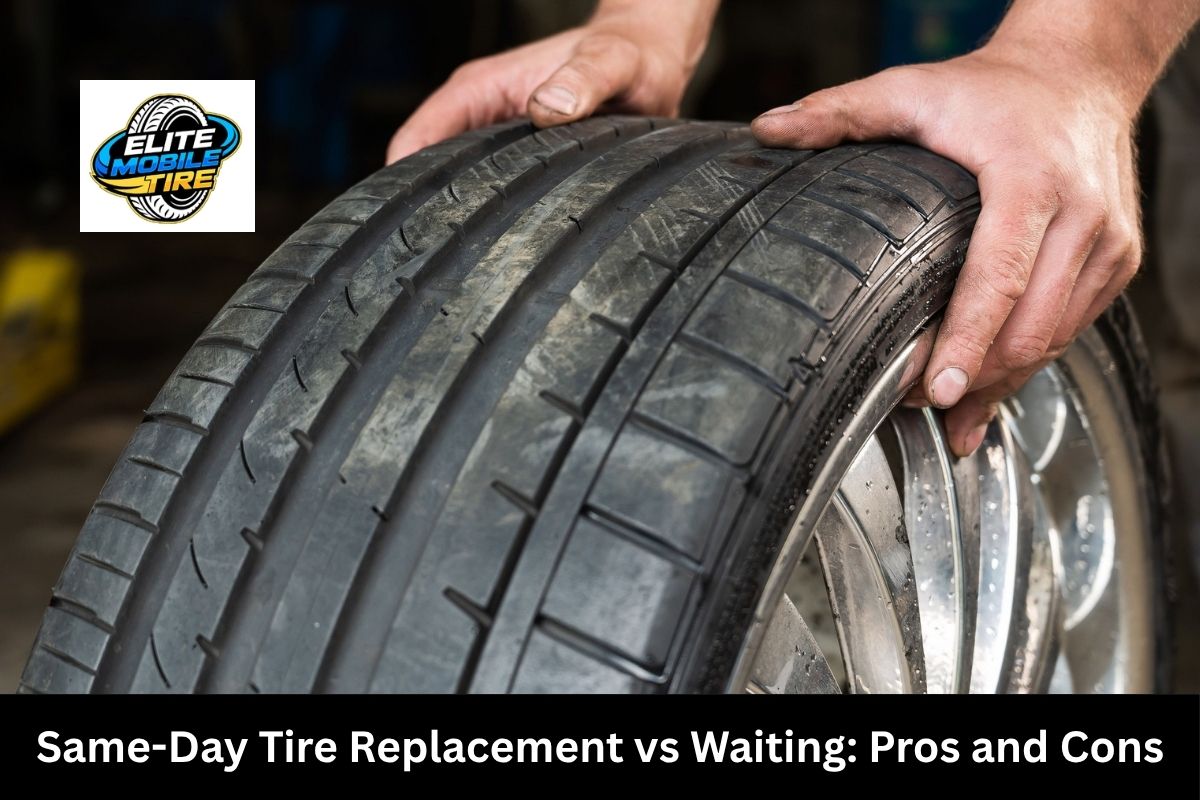
Cupping looks like dips or scooped-out patches around the tread. It is usually linked to suspension problems, worn shocks or struts, or tires that are out of balance. Instead of rolling smoothly, the tire starts bouncing slightly, and those repeated impacts create an uneven pattern.
Drivers often notice cupping along with vibration or a humming noise at speed. Replacing the tire without fixing the underlying cause usually means the new tire will develop the same issue.
Feathering
Feathering happens when the tread ribs feel smooth in one direction and sharp in the other. This is often related to improper toe alignment. The tire is dragged slightly sideways as it rolls, which creates a sawtooth feel across the tread.
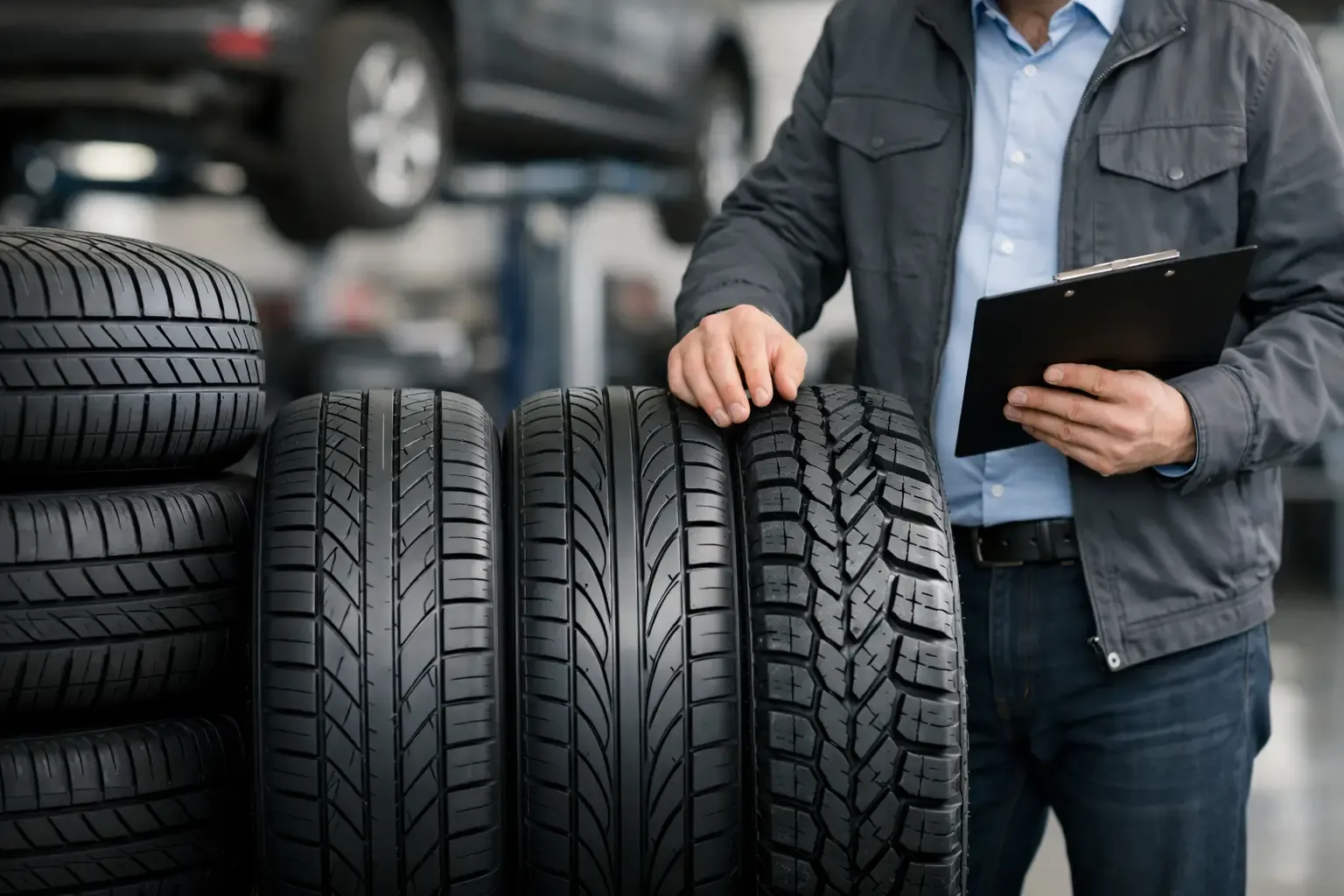
Feathering may not be obvious from a quick glance, but you can often feel it by running your hand across the tread. It can also make road noise noticeably worse.
Alignment problems are a major cause
When people ask what causes uneven tire wear, alignment is high on the list for a reason. Even a small alignment issue can remove thousands of miles from a tire's usable life. The problem is that alignment angles are not always visibly off. Your vehicle can still feel mostly normal while the tires wear down unevenly in the background.
Toe, camber, and caster all affect how the tires meet the pavement, but toe and camber are usually the biggest wear factors. If the front tires point slightly inward or outward, or if the top of the tire leans too far in or out, the tread gets scrubbed instead of rolling evenly.
An alignment check makes sense after a hard pothole hit, after replacing suspension parts, or anytime the vehicle pulls to one side. It also makes sense when installing new tires. Starting with bad alignment can shorten the life of a new set almost immediately.
Tire pressure is simple but easy to neglect
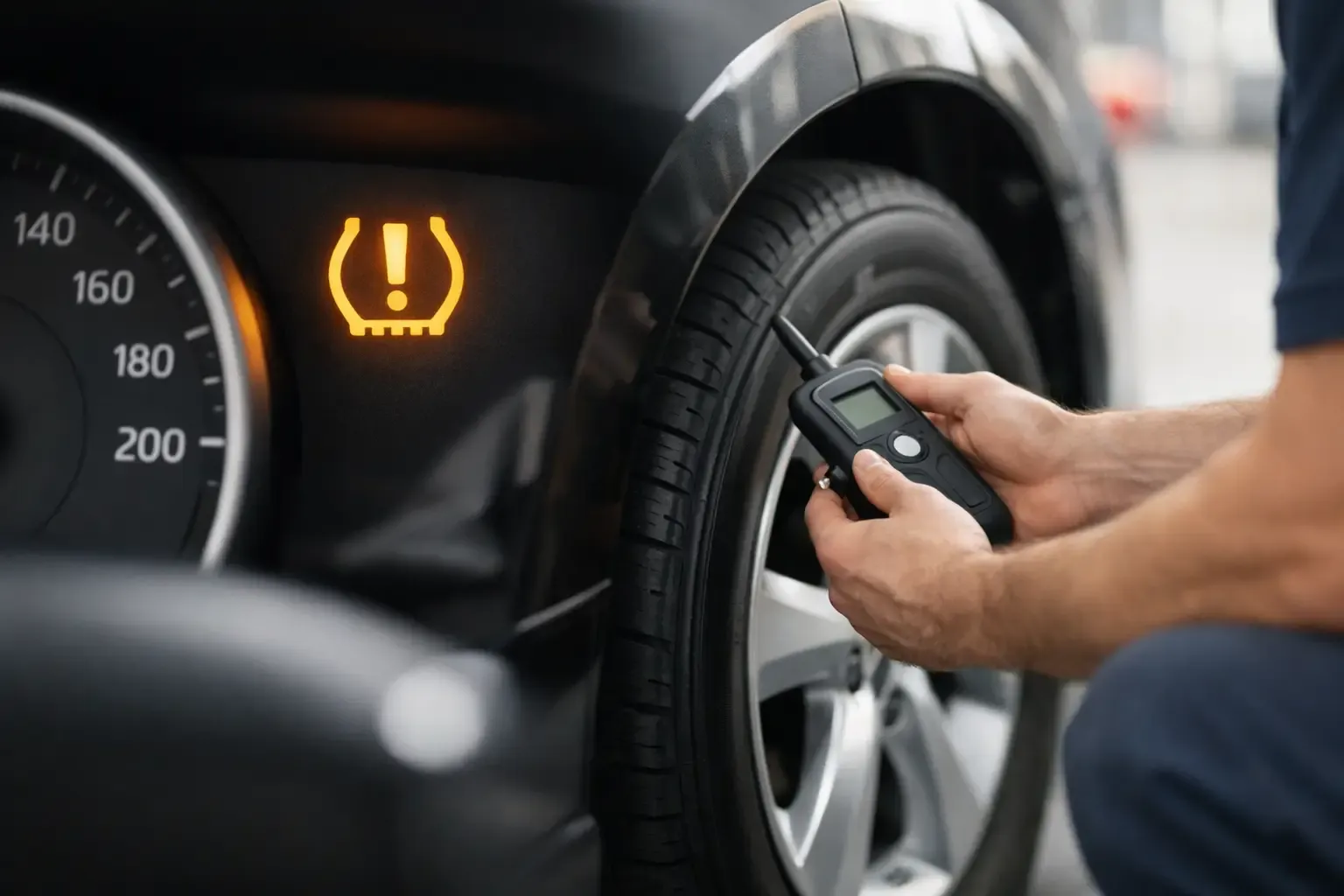
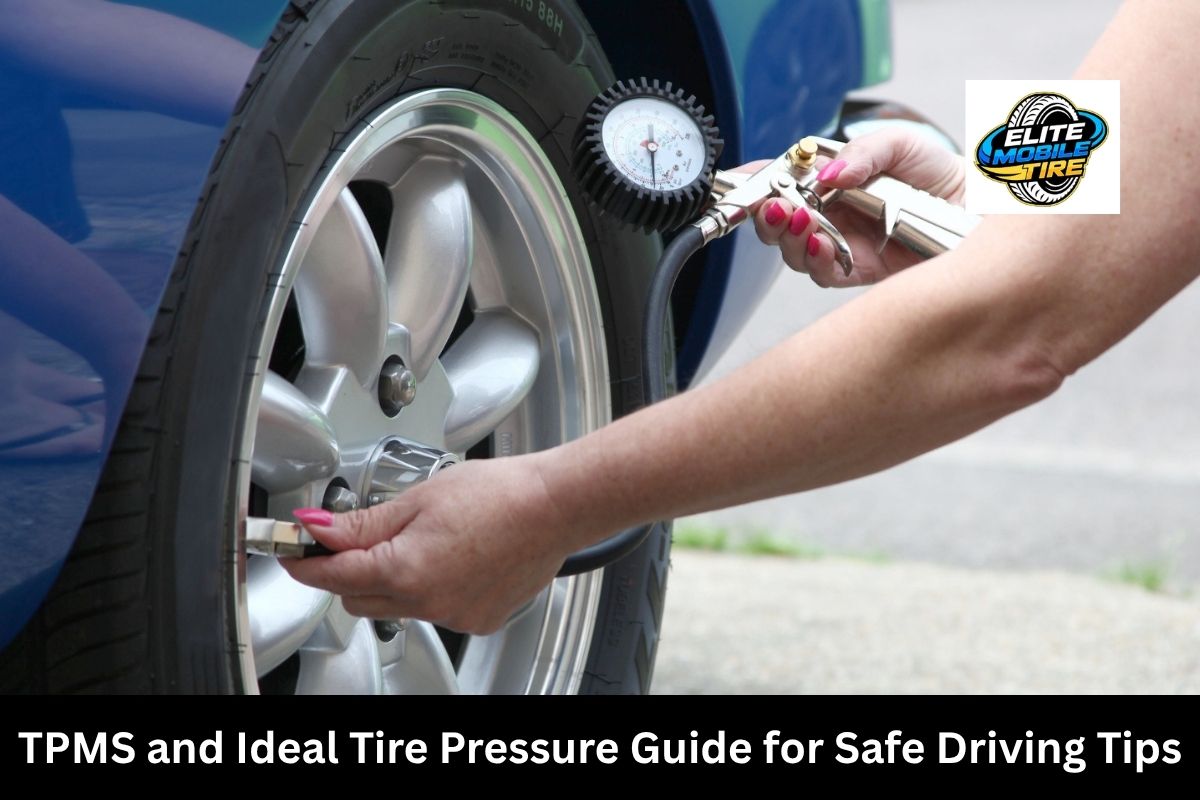
Pressure is one of the easiest things to manage, but it is also one of the most overlooked. Tires lose air naturally over time, and seasonal changes can speed that up. A drop in outside temperature can lower PSI enough to affect wear, fuel economy, and handling.
The key is to use the pressure listed on the vehicle placard, usually found inside the driver's door jamb. That number is based on the car, not just the tire. Checking pressure once a month and before longer drives goes a long way toward preventing edge or center wear.
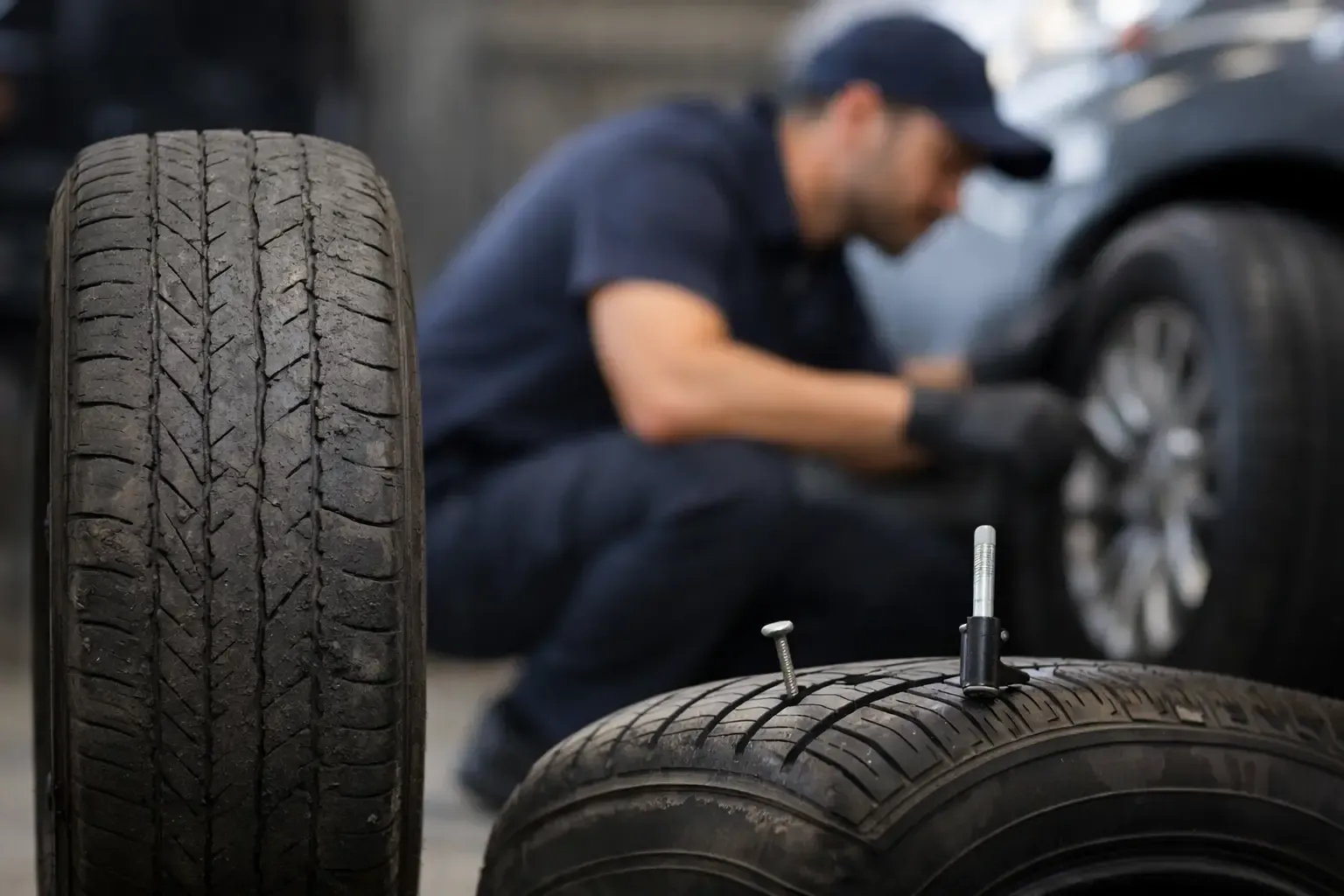
If one tire keeps losing pressure, there may be a puncture, valve stem issue, or wheel sealing problem. Repeatedly topping it off without fixing the leak often leads to uneven wear and a higher chance of roadside trouble.
Rotation matters more than many drivers think
Front and rear tires do not wear at the same rate. On many vehicles, the front tires handle steering, a large share of braking, and often more of the vehicle's weight. That means they can wear faster and in different ways than the rear tires.
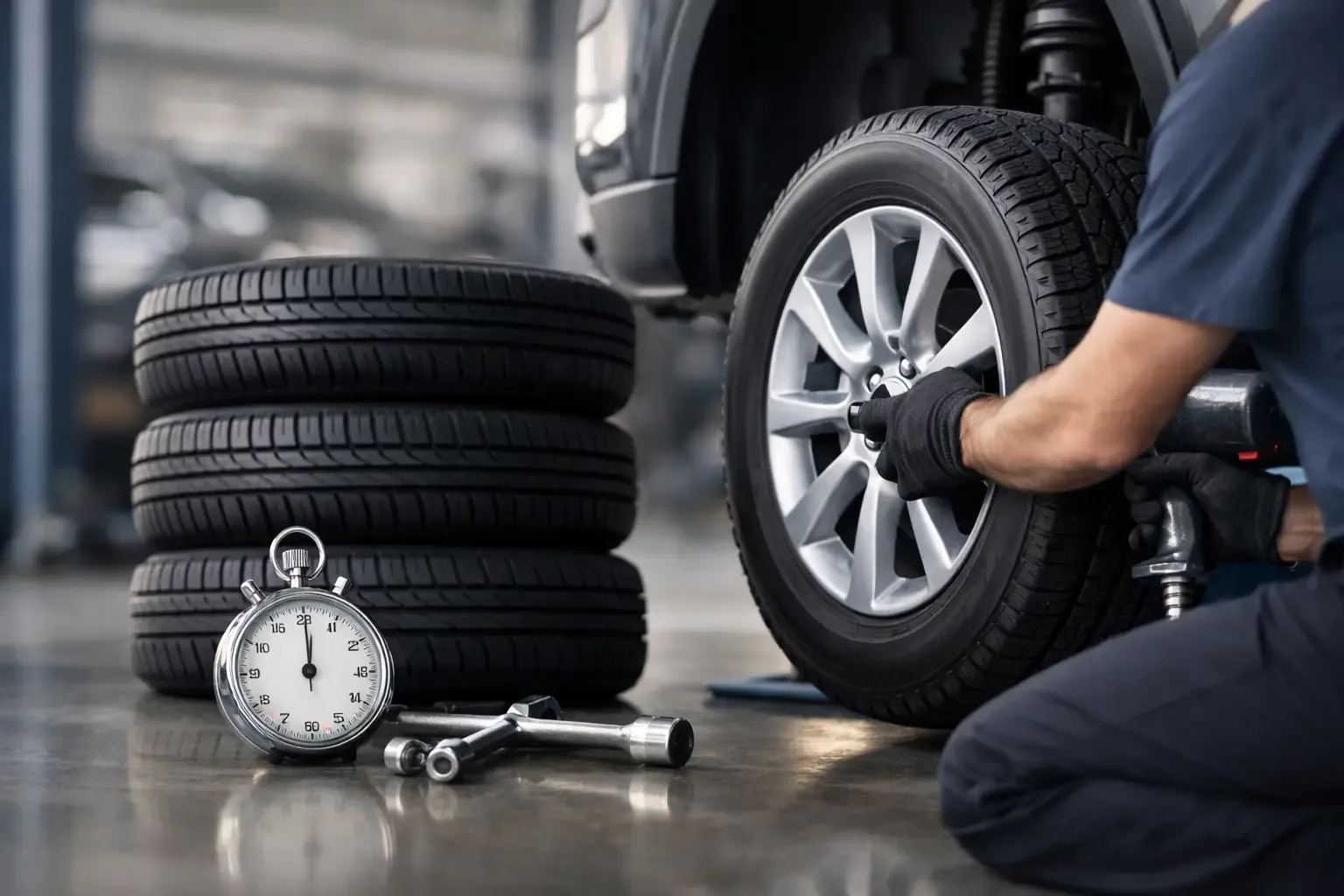
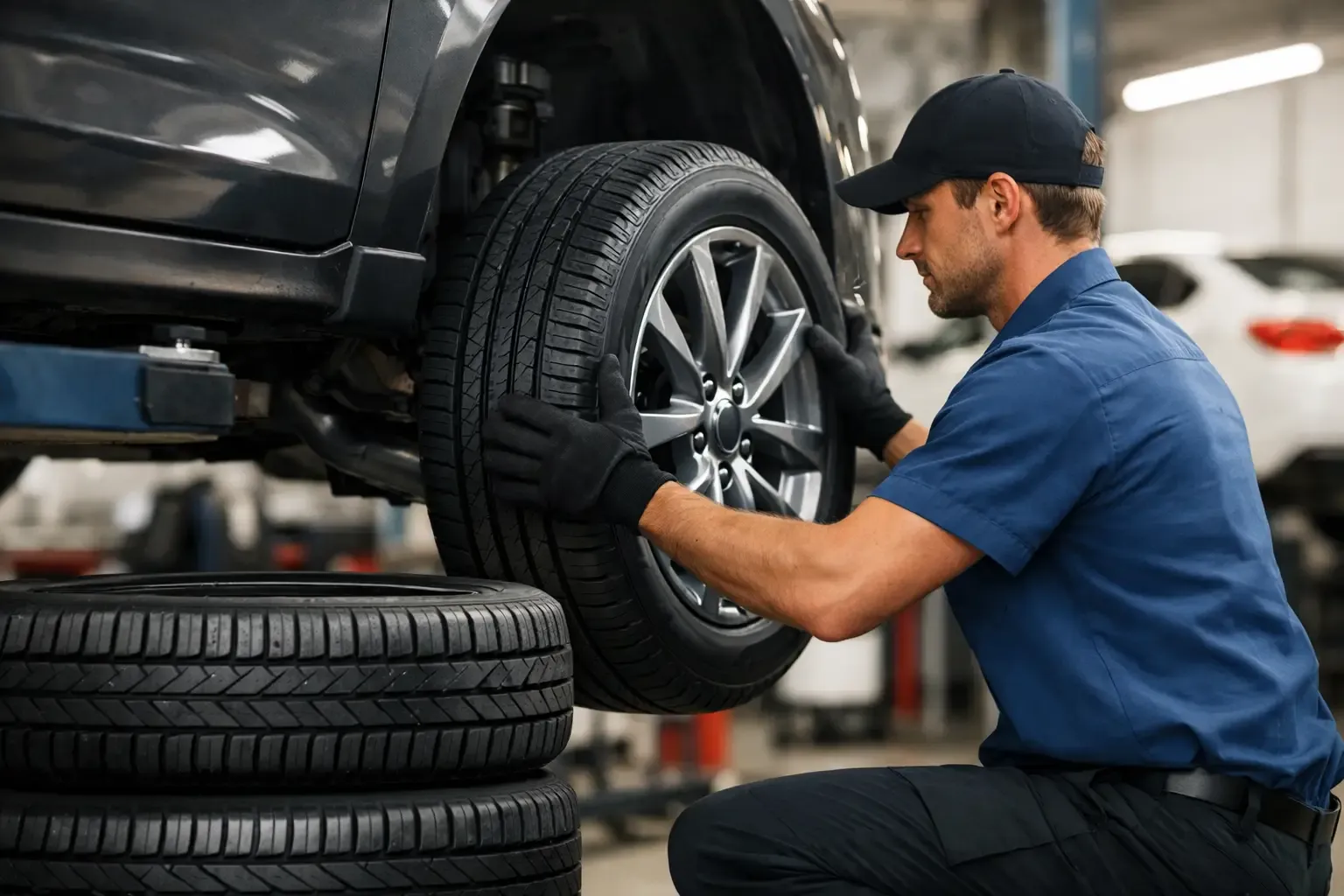
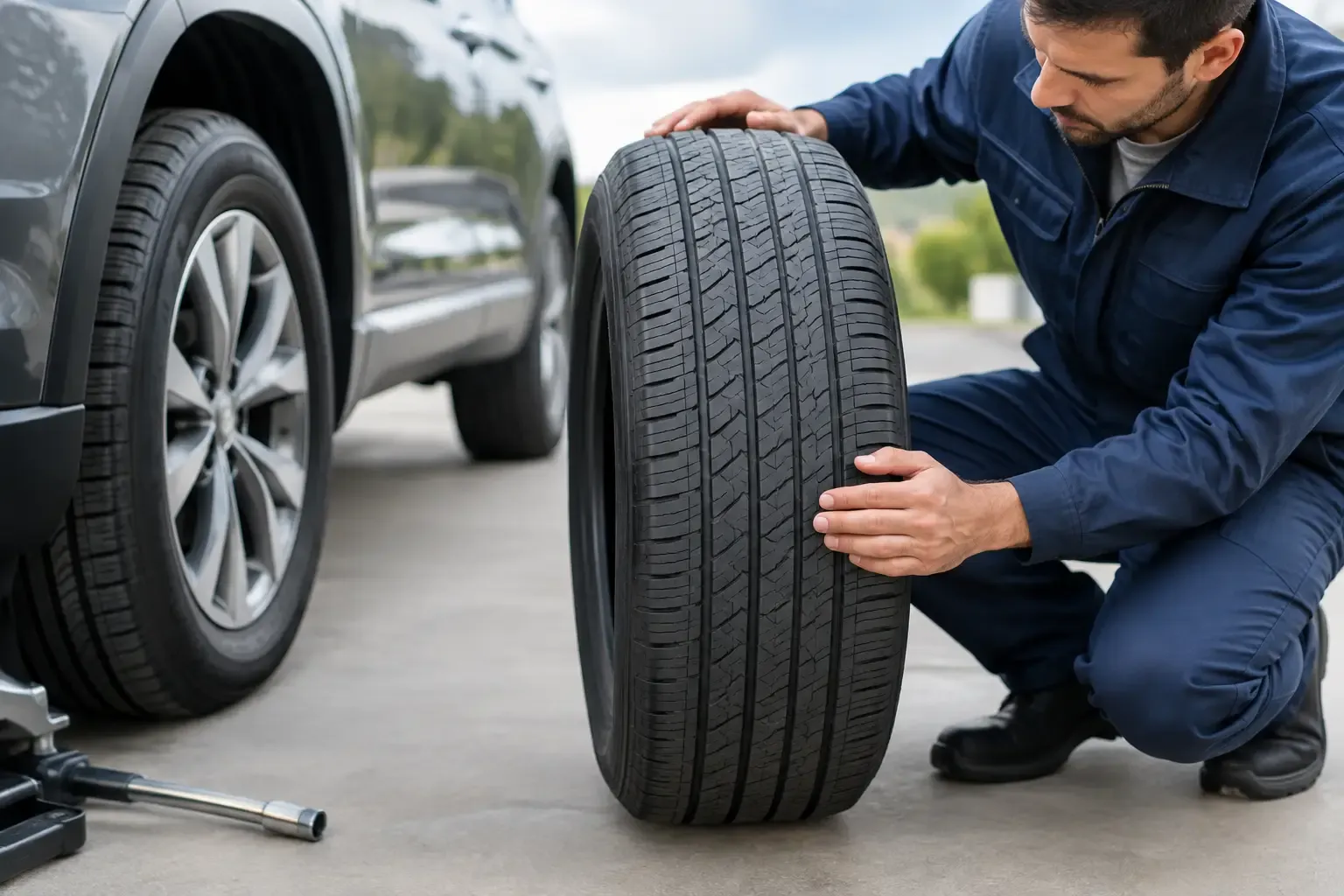
Regular rotation helps spread that wear more evenly across all four tires. Skip rotations for too long, and one pair may wear down well before the other. Rotation will not fix an alignment or suspension problem, but it does prevent normal position-based wear from becoming excessive.
A practical rule is to rotate tires on schedule rather than waiting for visible wear differences. Once uneven wear becomes pronounced, rotation can only do so much.
Suspension and balance issues can quietly damage tires
Worn shocks, struts, ball joints, tie rods, and bushings can all affect tire wear. These parts help keep the tire planted evenly on the road. When they loosen or wear out, the tire may bounce, tilt, or shift under load.
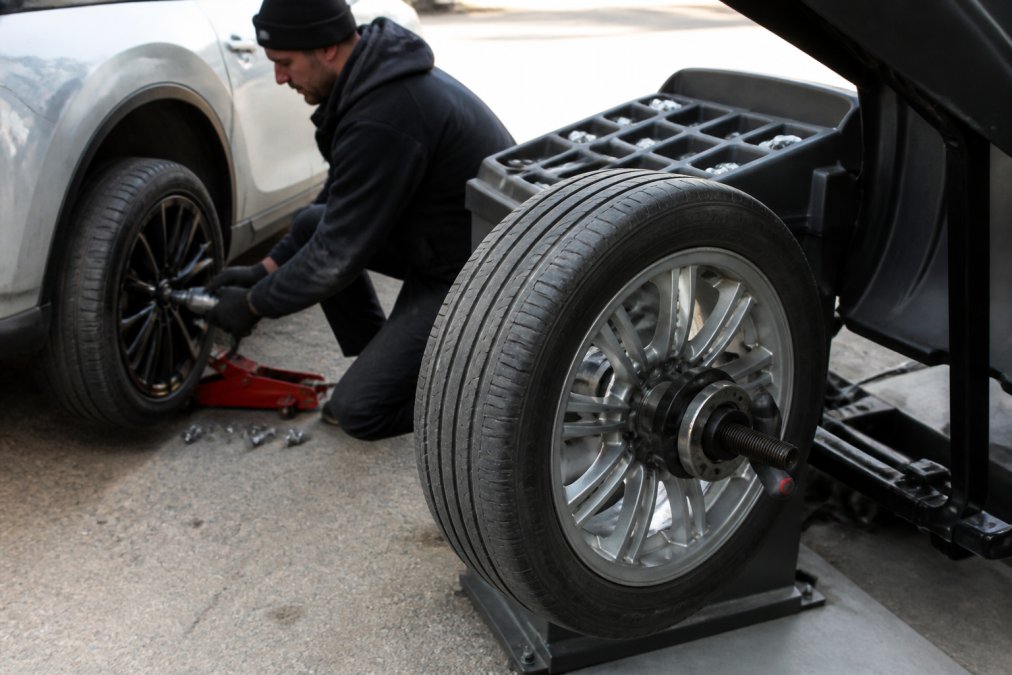
Balancing matters too. A tire and wheel assembly that is out of balance can create vibration, especially at highway speeds. Over time, that repeated motion can contribute to patchy wear. Balance problems may show up after a tire install, after losing a wheel weight, or after impact damage.
The tricky part is that many of these issues build slowly. Drivers adjust to the feel of the vehicle and do not always notice the change until the tread pattern becomes obvious.
When uneven wear means it is time to replace the tire
Not every unevenly worn tire can be saved. If the wear is severe, if cords are exposed, or if one area of the tread is worn far below the rest, replacement is usually the safest call. Even if the tire still has some tread in other sections, the uneven contact patch can hurt traction and braking.
This is especially true when irregular wear comes with vibration, sidewall damage, or recurring air loss. In those cases, the conversation should be about both replacing the damaged tire and correcting the cause so the next one wears properly.
What to do if you notice uneven tire wear
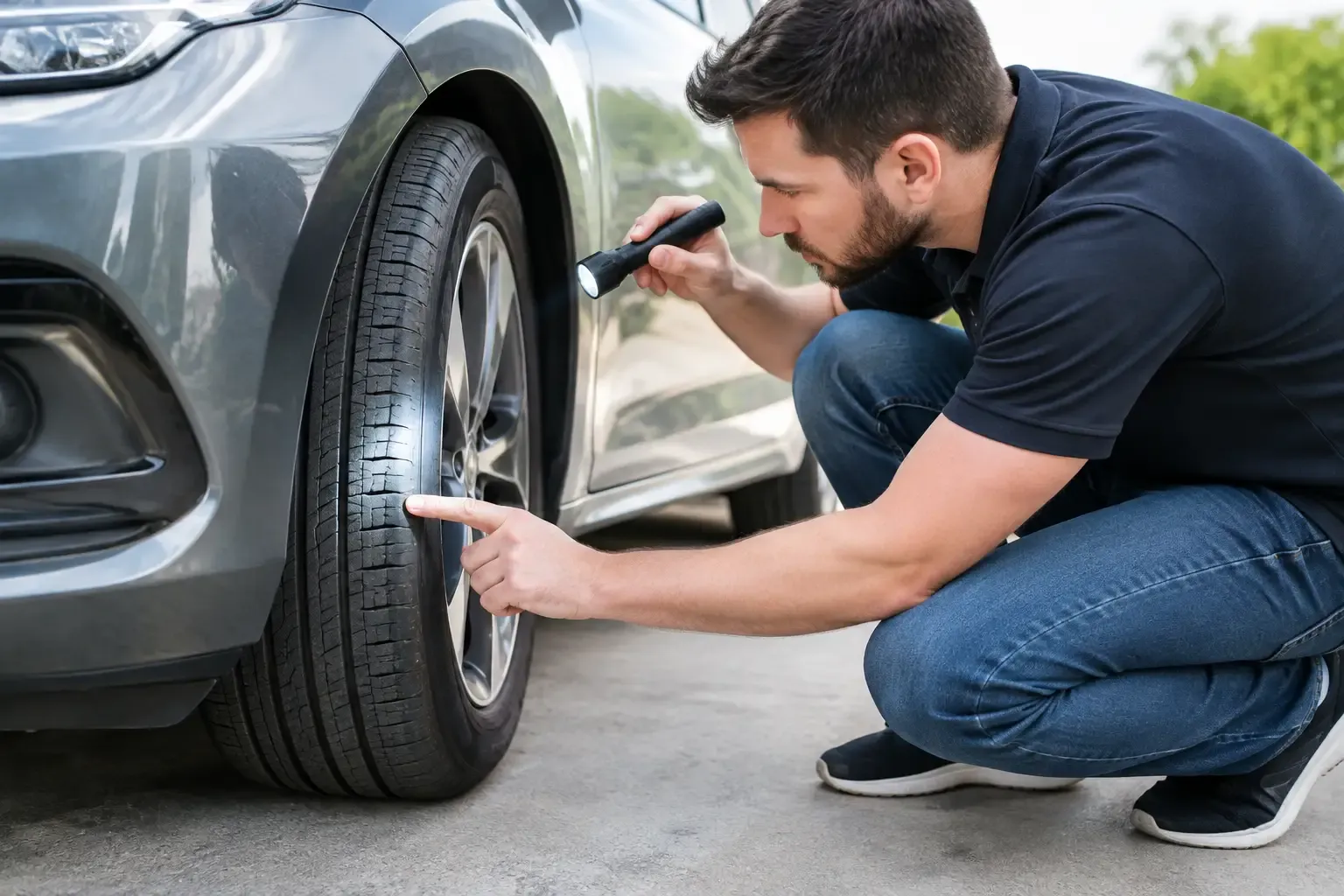
Start with a visual check of all four tires, including the inner edges if you can safely see them. Compare tread depth across the width of each tire and from one tire to the next. If the vehicle is pulling, shaking, or making more road noise than usual, mention that too when it is inspected.
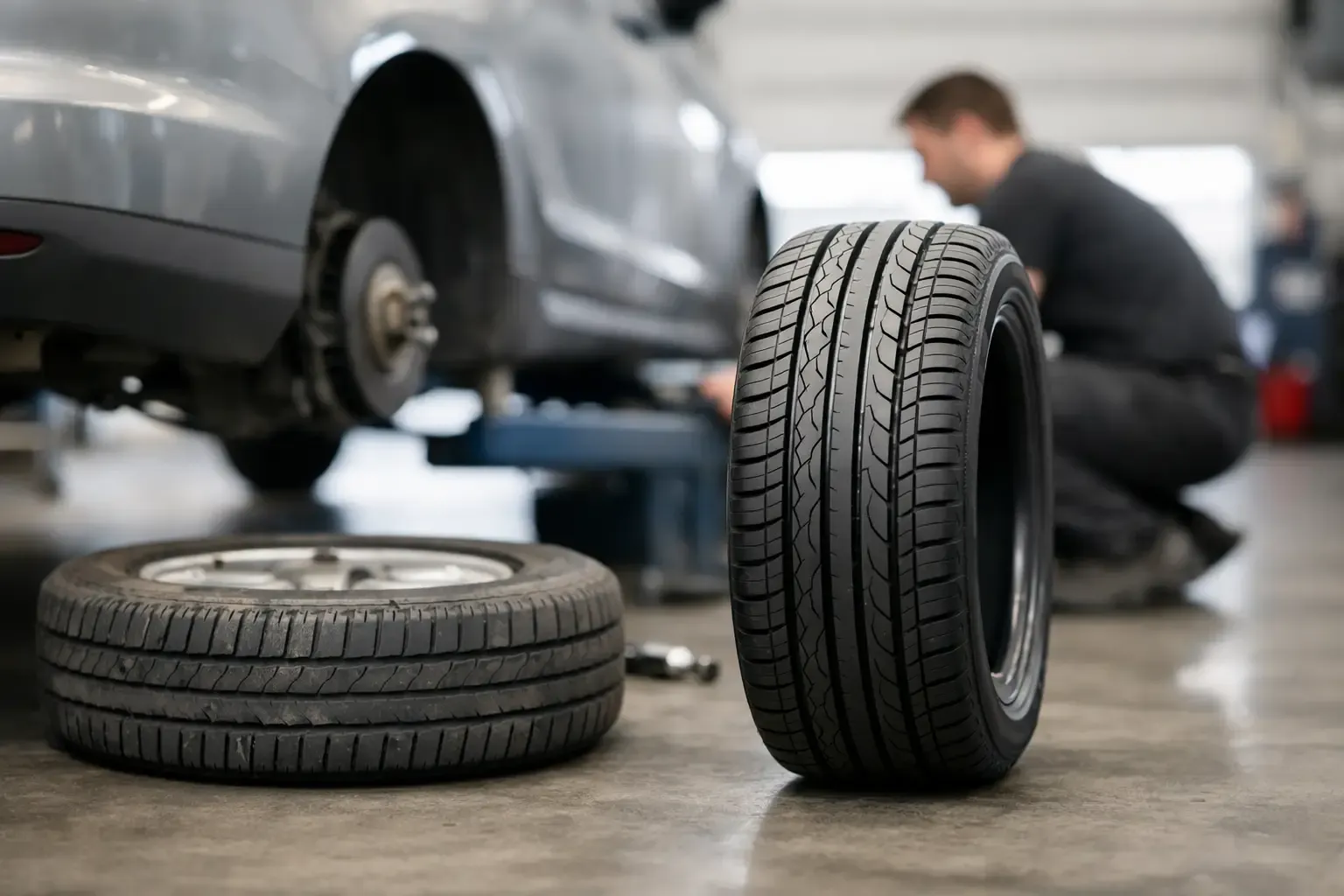
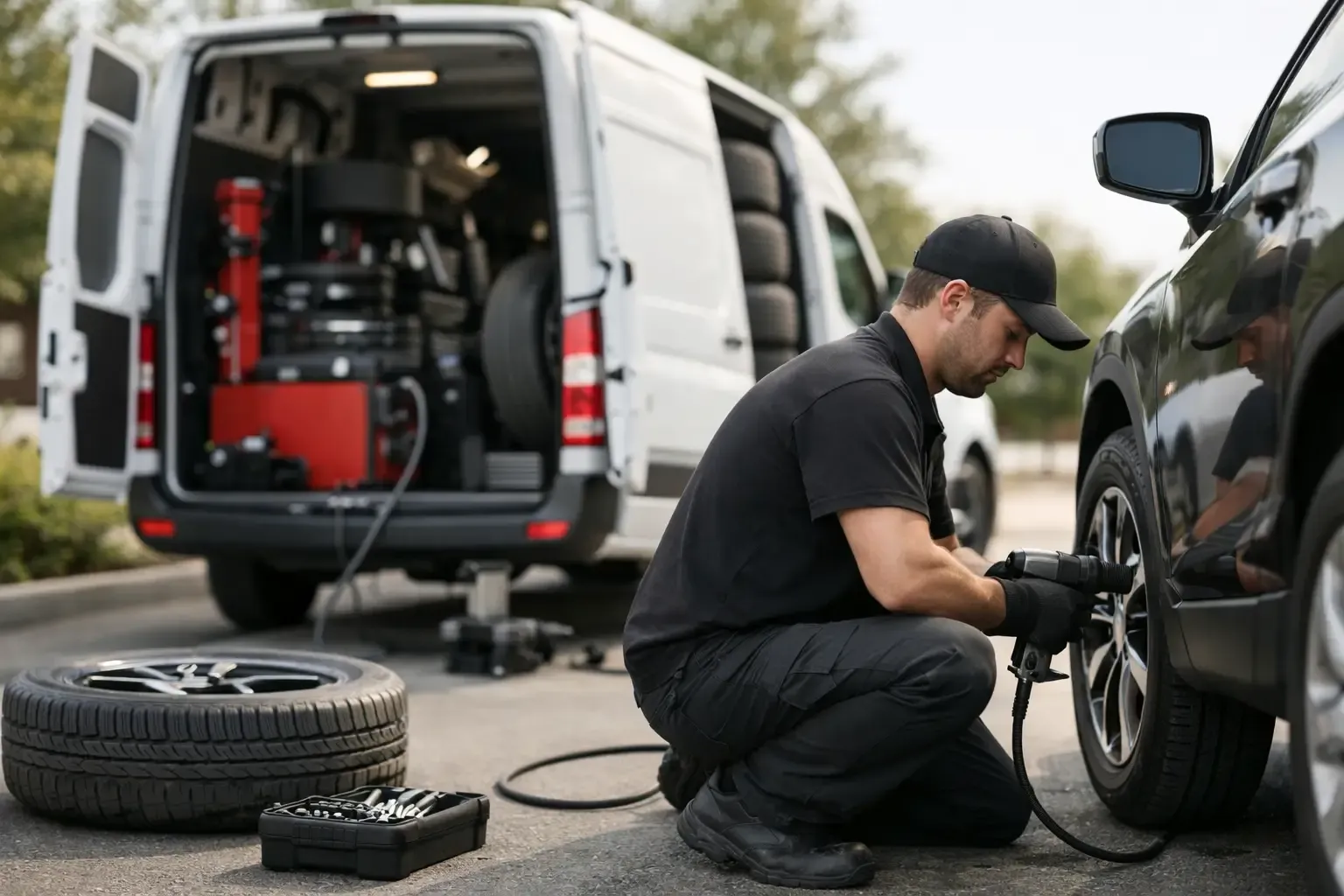
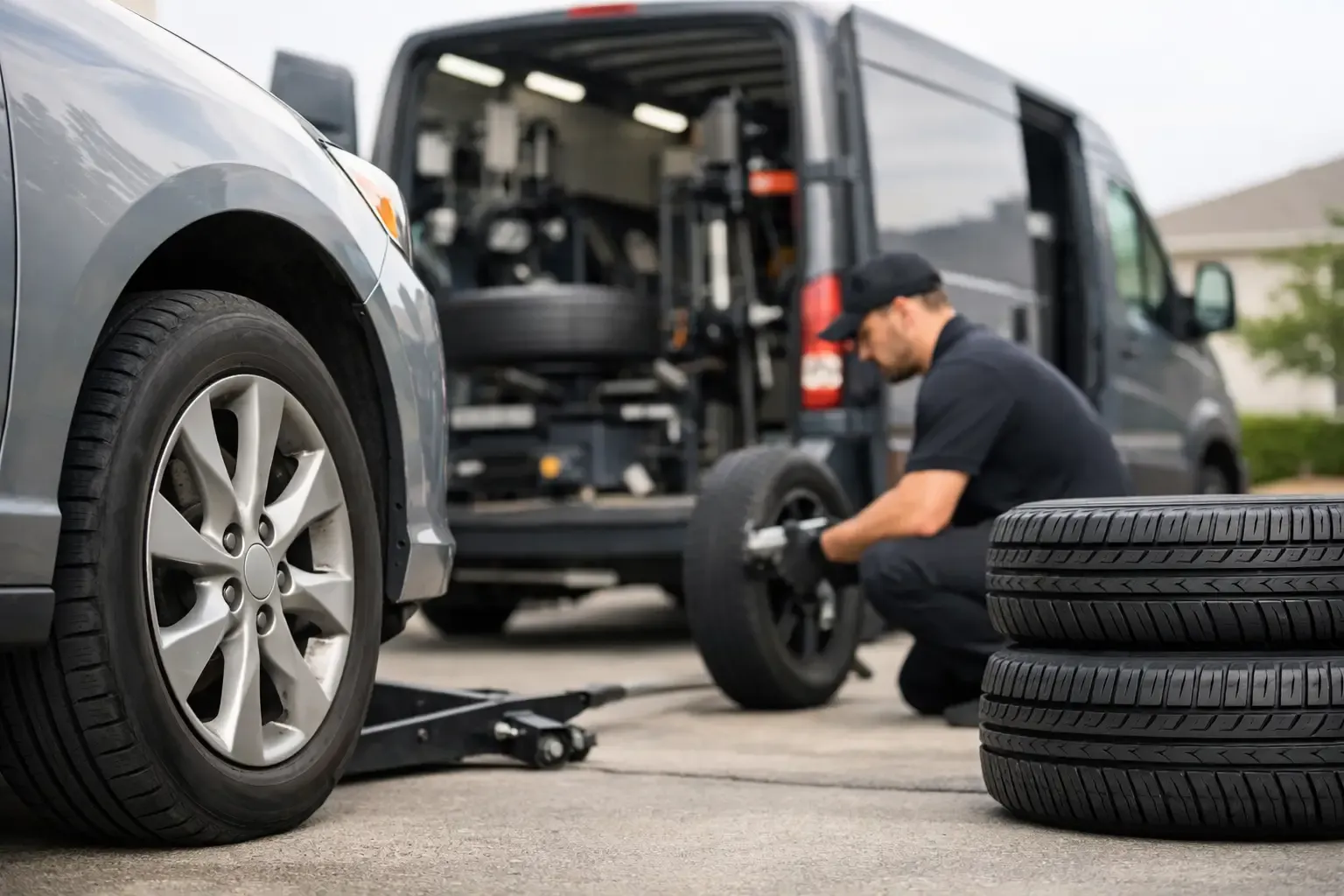
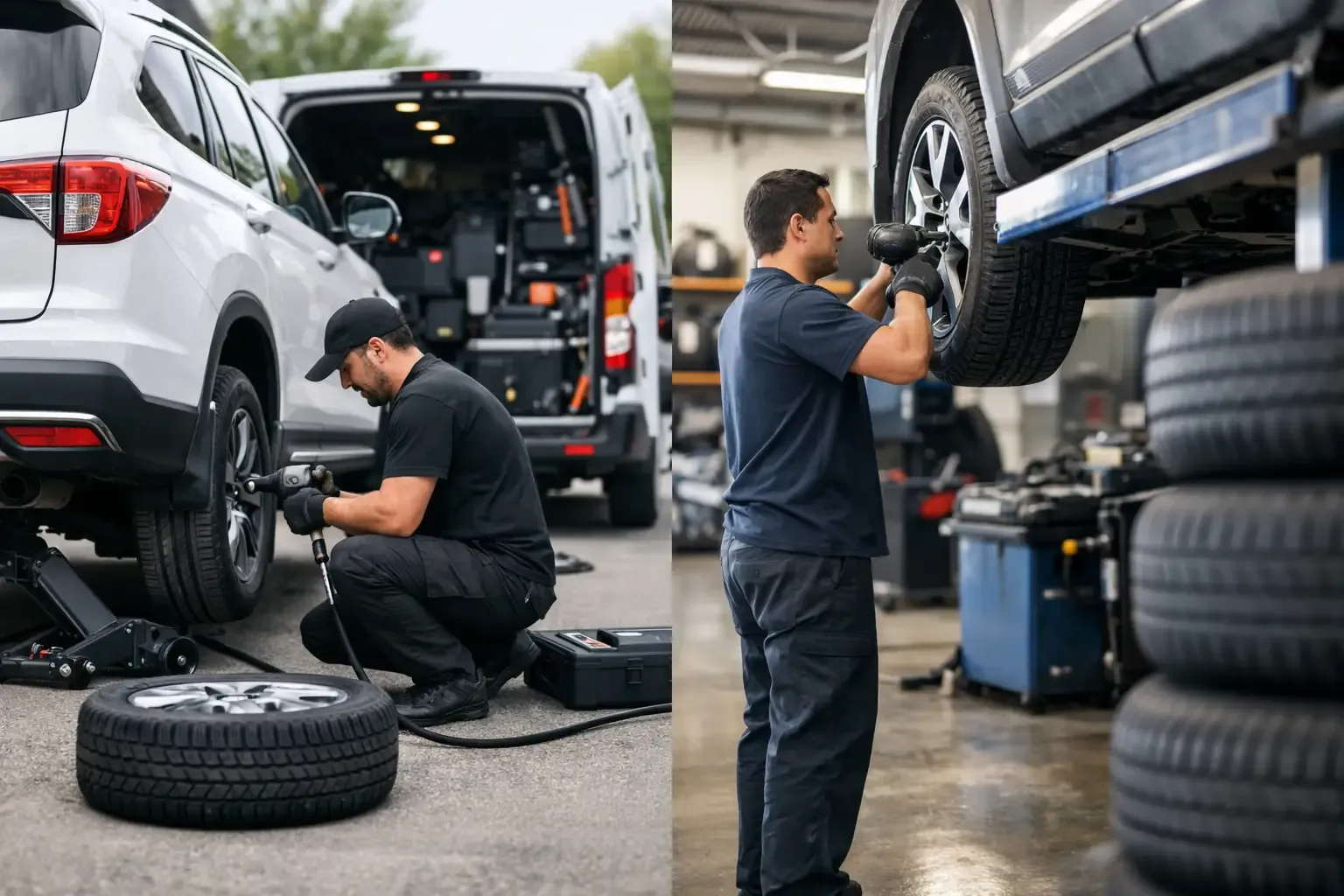
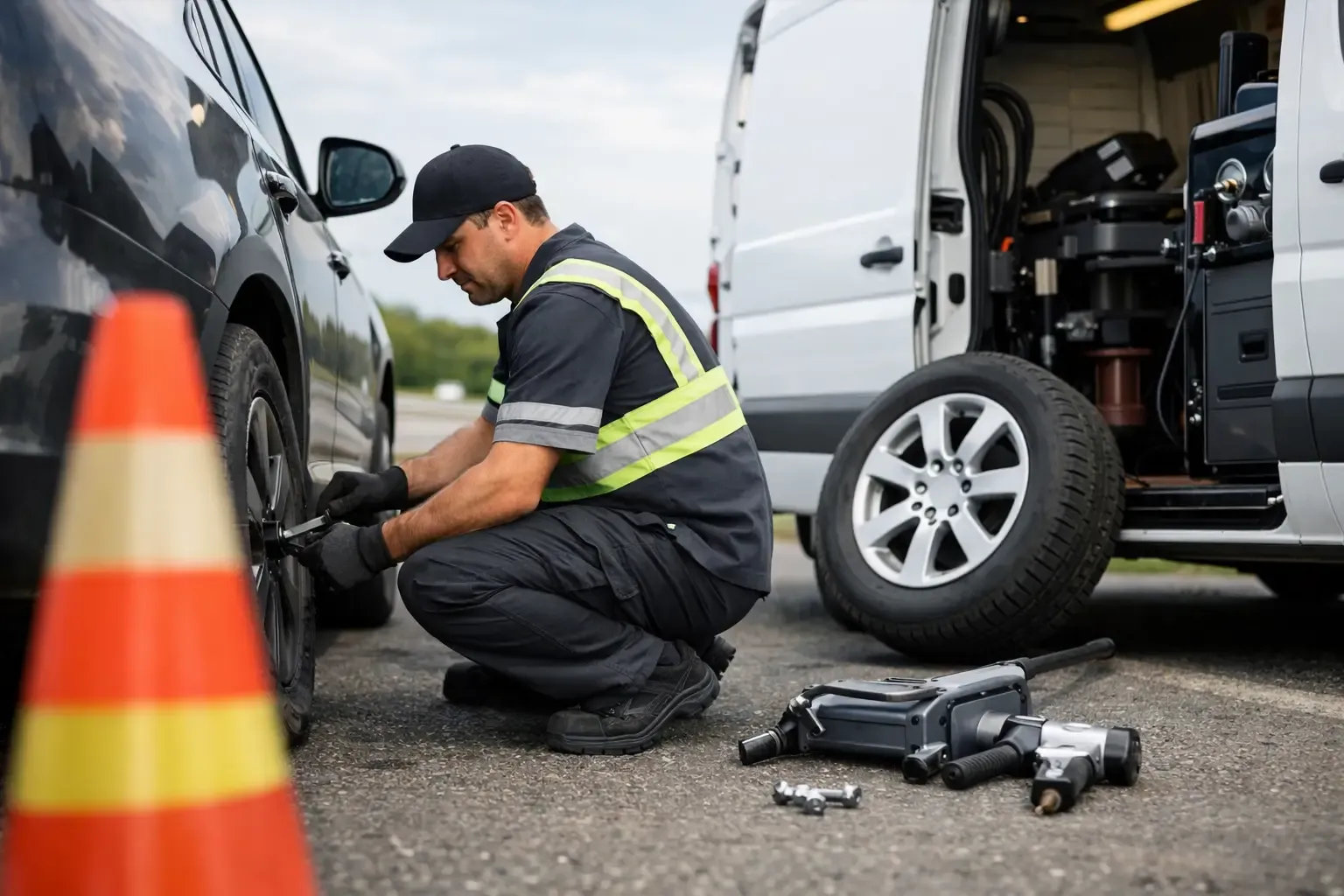
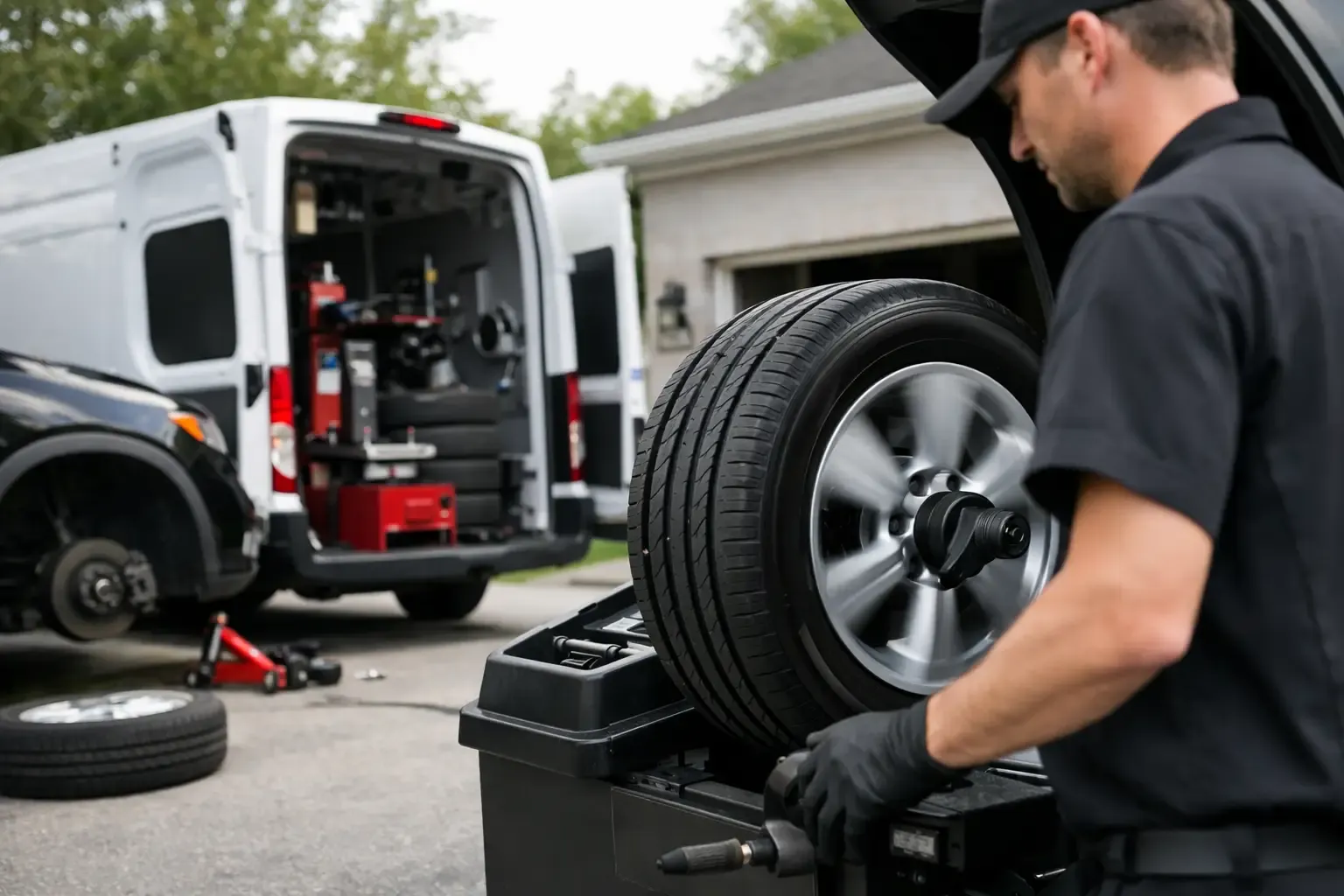
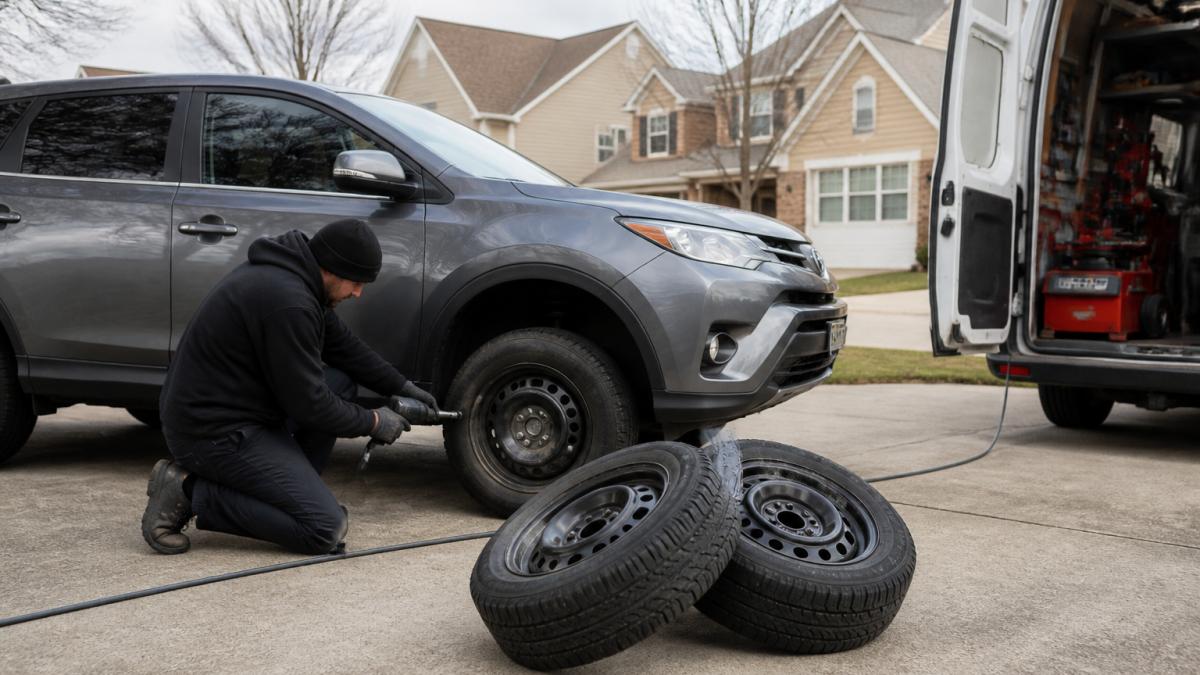
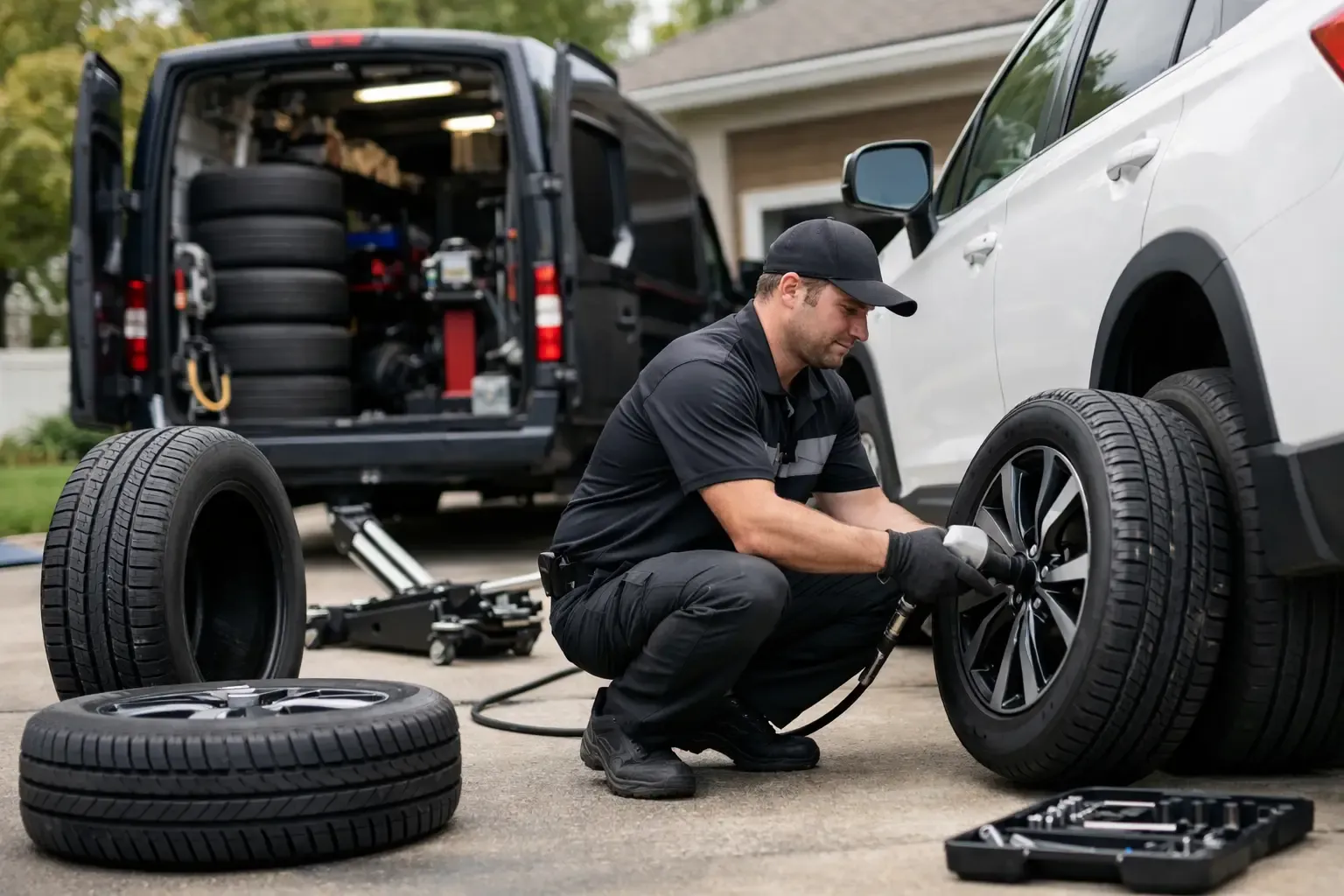
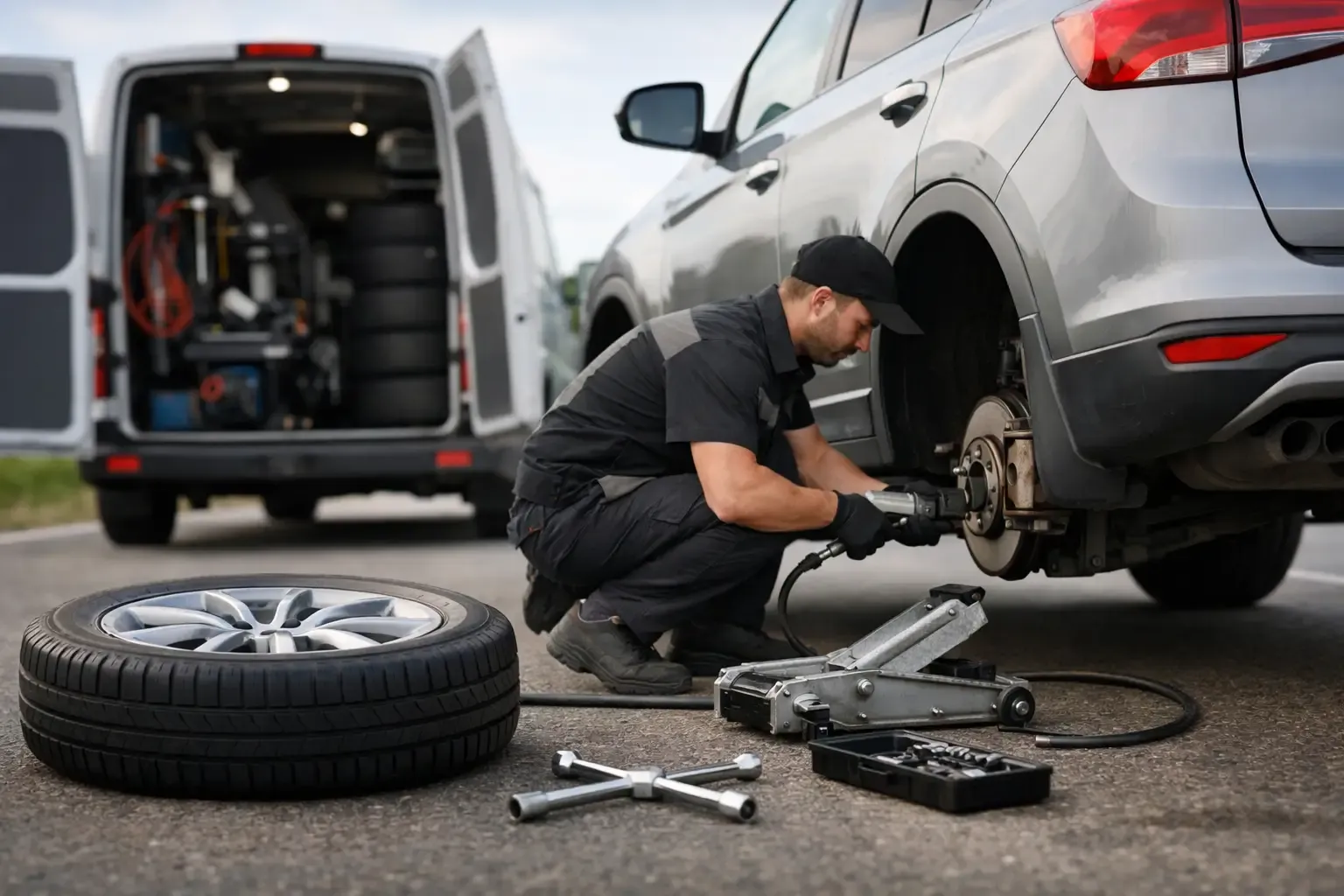
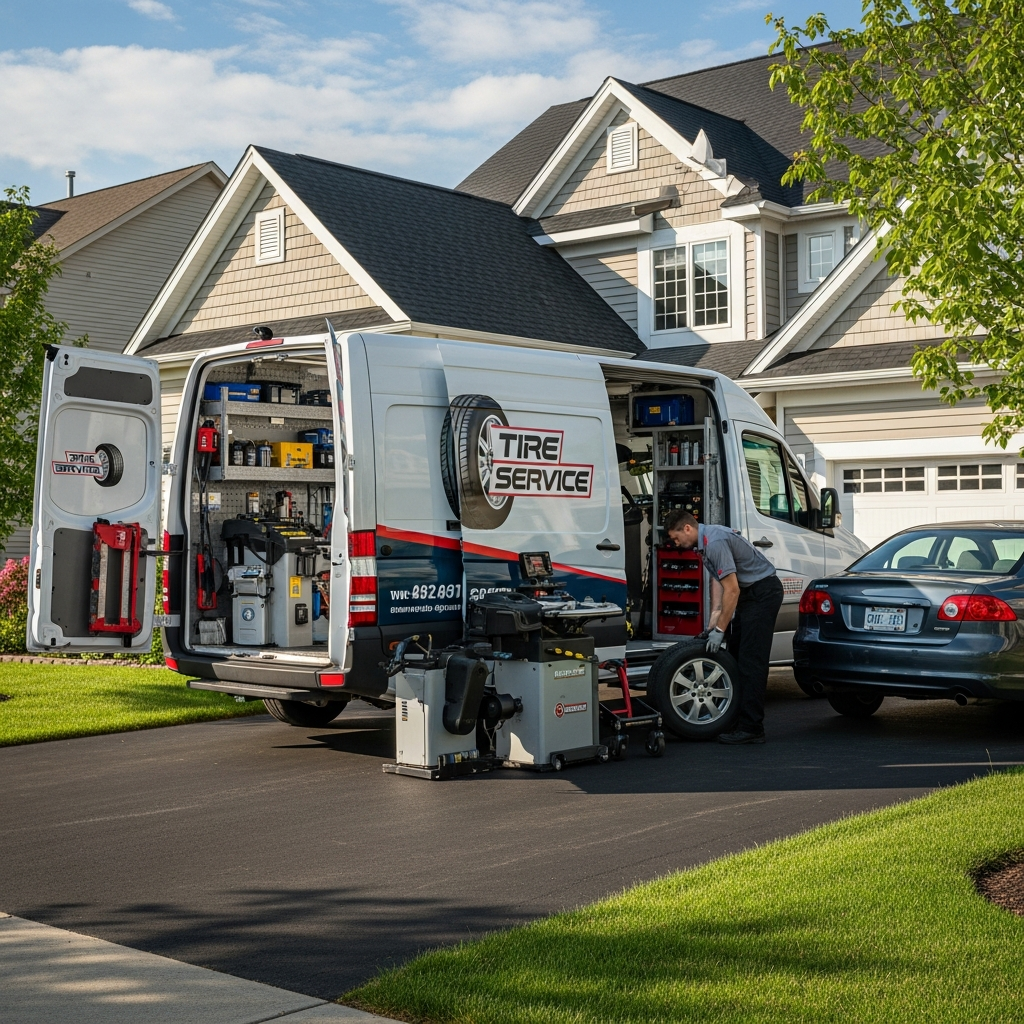
A professional inspection should include tire pressure, tread evaluation, and a look at alignment and suspension condition. If you are in Columbus or nearby and do not have time to sit at a shop, mobile tire service can make this much easier. Having a technician inspect and service the vehicle at home or work often means the issue gets handled sooner instead of being pushed off for another week.
Tires wear the way they are forced to wear. When the pattern changes, the vehicle is telling you something. Catch it early, fix the cause, and you give yourself a better ride, safer handling, and more life from every tire you buy.
Ready for a new set? Elite Mobile Tire installs 2 or 4 new tires right in your driveway or parking lot anywhere around Columbus, Obetz, Groveport, Grove City, and Reynoldsburg. Financing is available through Afterpay and Acima with up to 24-month payment plans. Call 614-344-5010 or visit elitemobiletire.com to book.