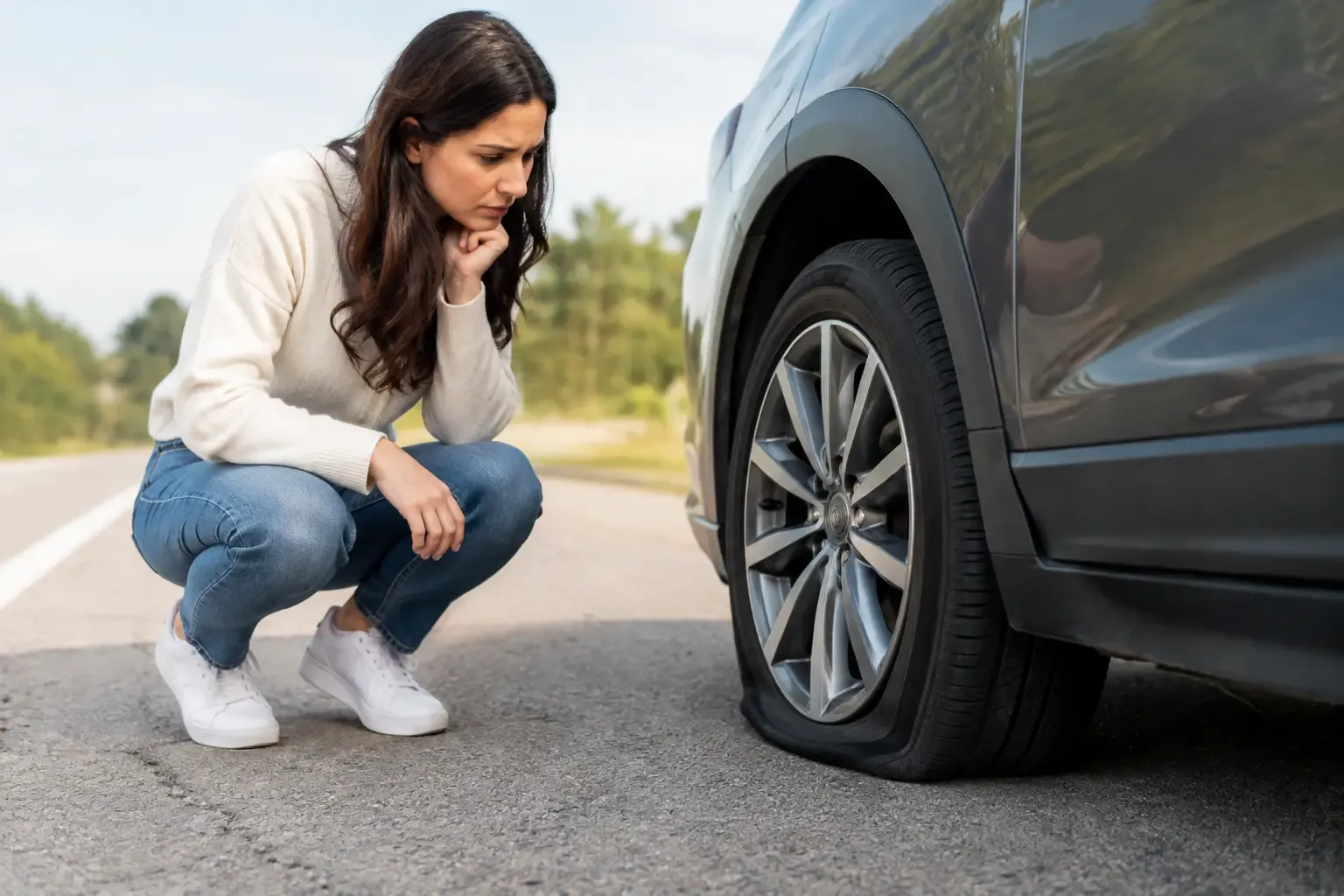
Central Ohio's freeze-and-thaw months are hard on pavement. Water seeps into cracks, freezes, expands, and by late winter the outerbelt, the ramps onto US-33, and stretches of Alum Creek Drive between Obetz and Groveport can be pocked with holes that are hard to see at night or in the rain. Most drivers hit one at some point. The question is what to do afterward.
A loud bang doesn't always mean damage, and a quiet hit doesn't always mean you got away clean. Here's a practical way to check your tires and wheels after a pothole, and how to decide whether you need one tire, a pair, or a full set.
Why Potholes Damage Tires the Way They Do
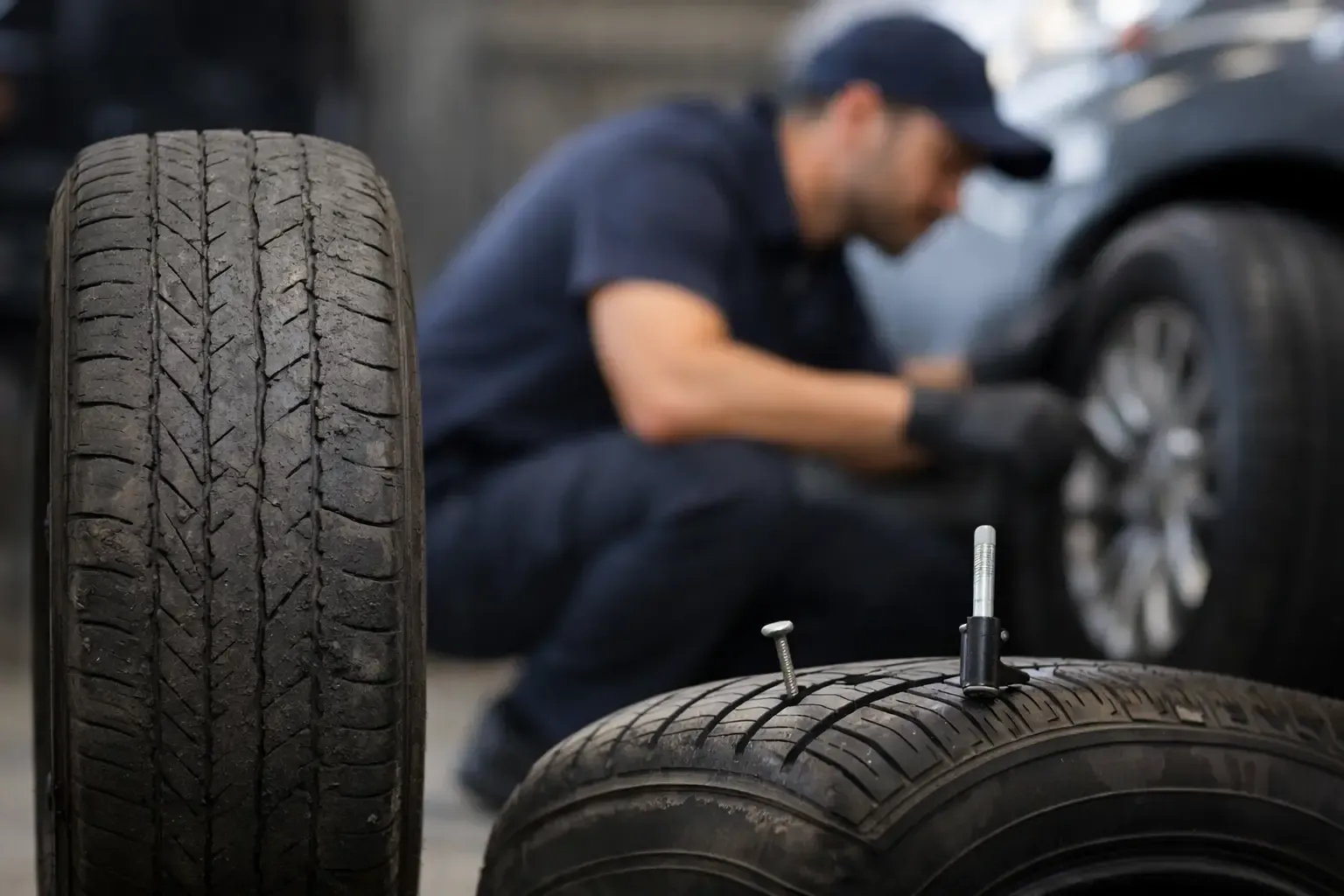
When a tire drops into a pothole and slams against the far edge, the sidewall gets pinched between the edge of the hole and the wheel rim. That pinch can break the cords inside the sidewall even if the rubber outside looks fine. Air pressure then pushes against the weakened spot and forms a bulge. Low-profile tires and underinflated tires are especially vulnerable because there is less cushion between the road and the rim.
The impact can also bend the wheel lip, knock the vehicle out of alignment, or damage a TPMS sensor. Any of those can show up days later as a slow leak, a vibration, or uneven tread wear.
What to Check Right After a Hard Hit
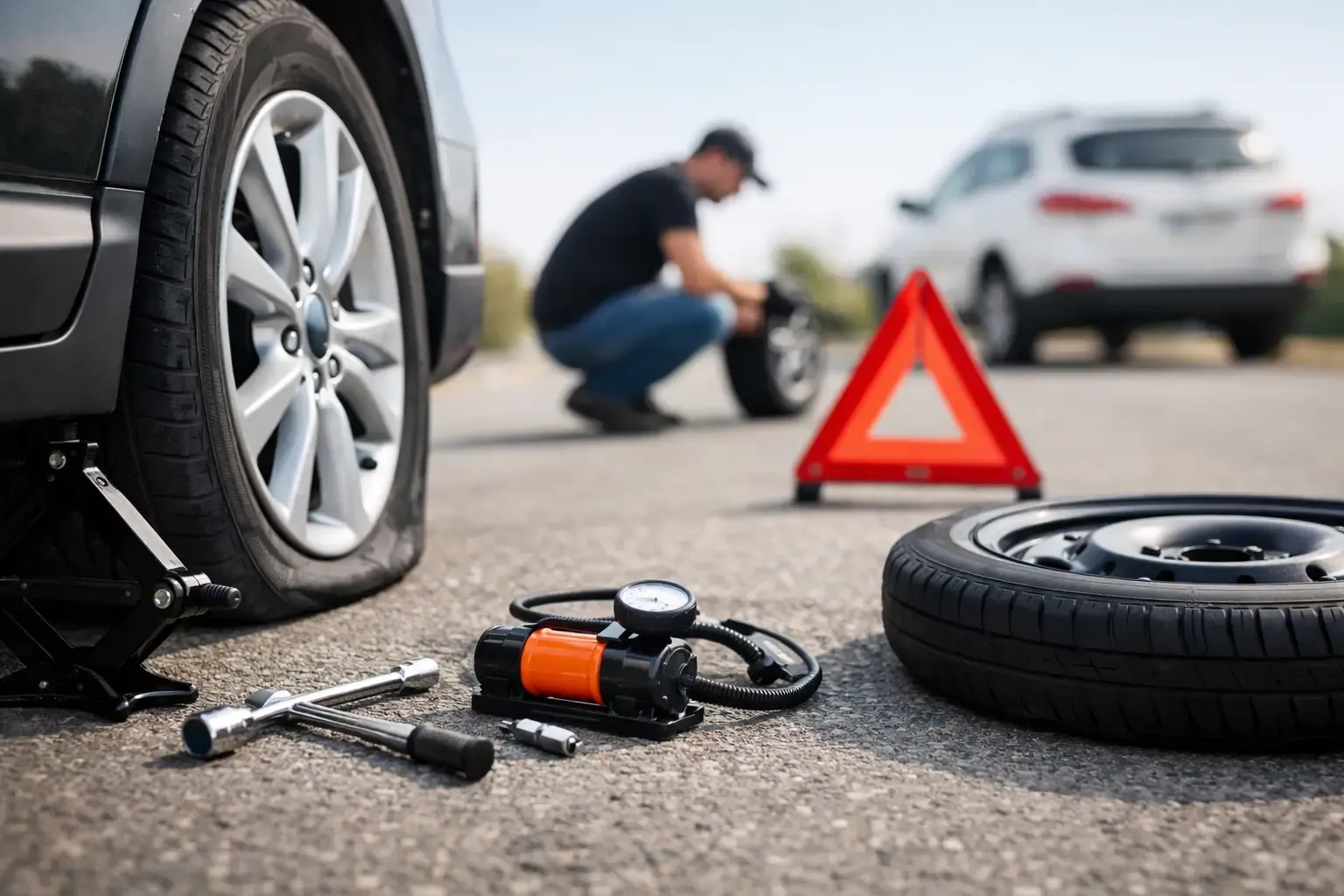
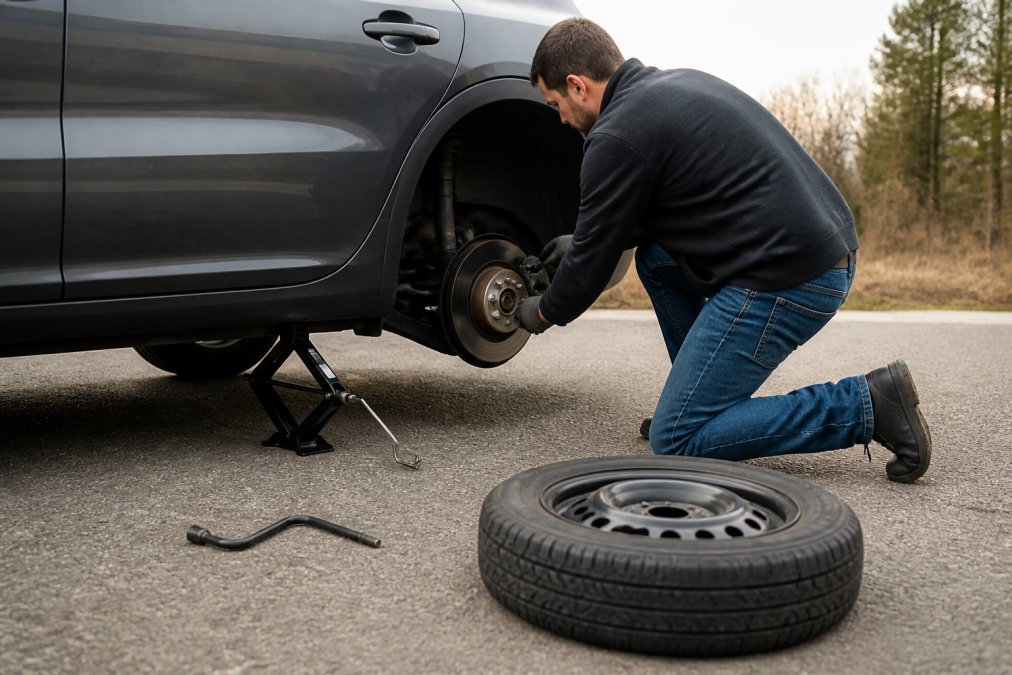
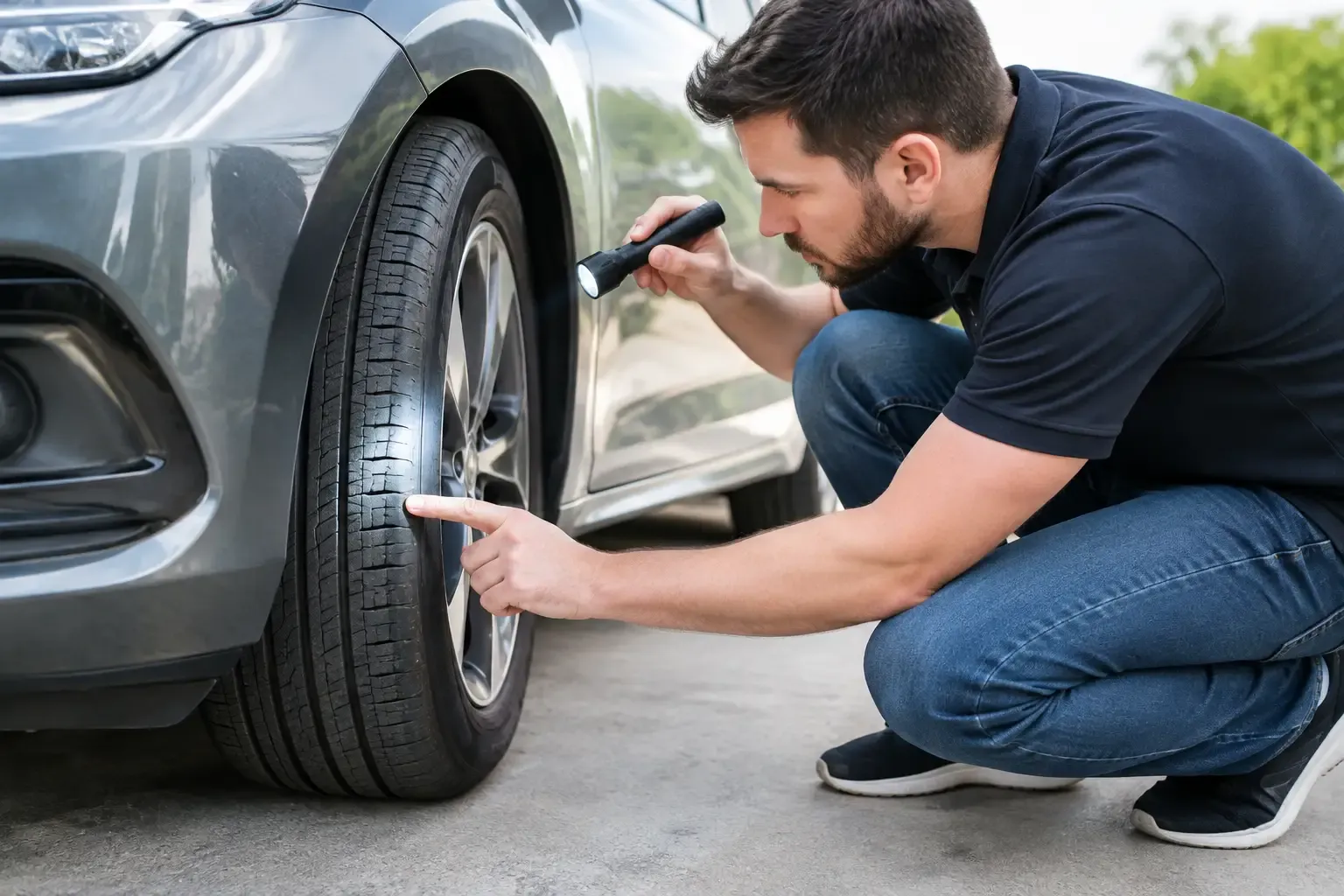
Once you're parked somewhere safe, take a couple of minutes to look over the tire that took the hit and the one behind it on the same side, since the rear tire usually drops into the same hole.
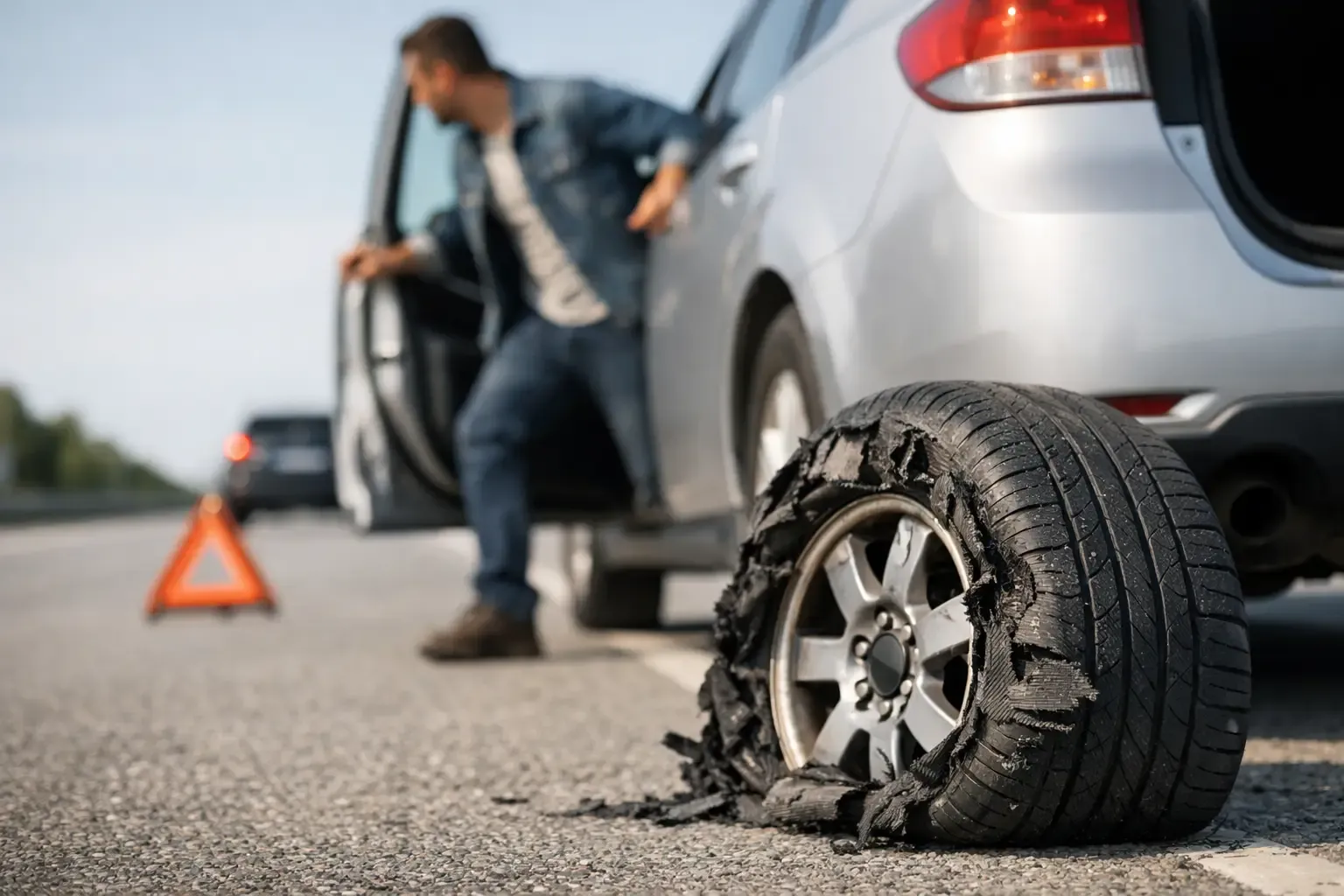
- Sidewall bulges or bubbles. A bulge on the sidewall means the internal structure is damaged. That tire can't be repaired and shouldn't be driven on any farther than necessary.
- Cuts or gouges near the rim. Look along the edge where the tire meets the wheel.
- A bent or cracked wheel lip. Bends can cause slow leaks that show up overnight.
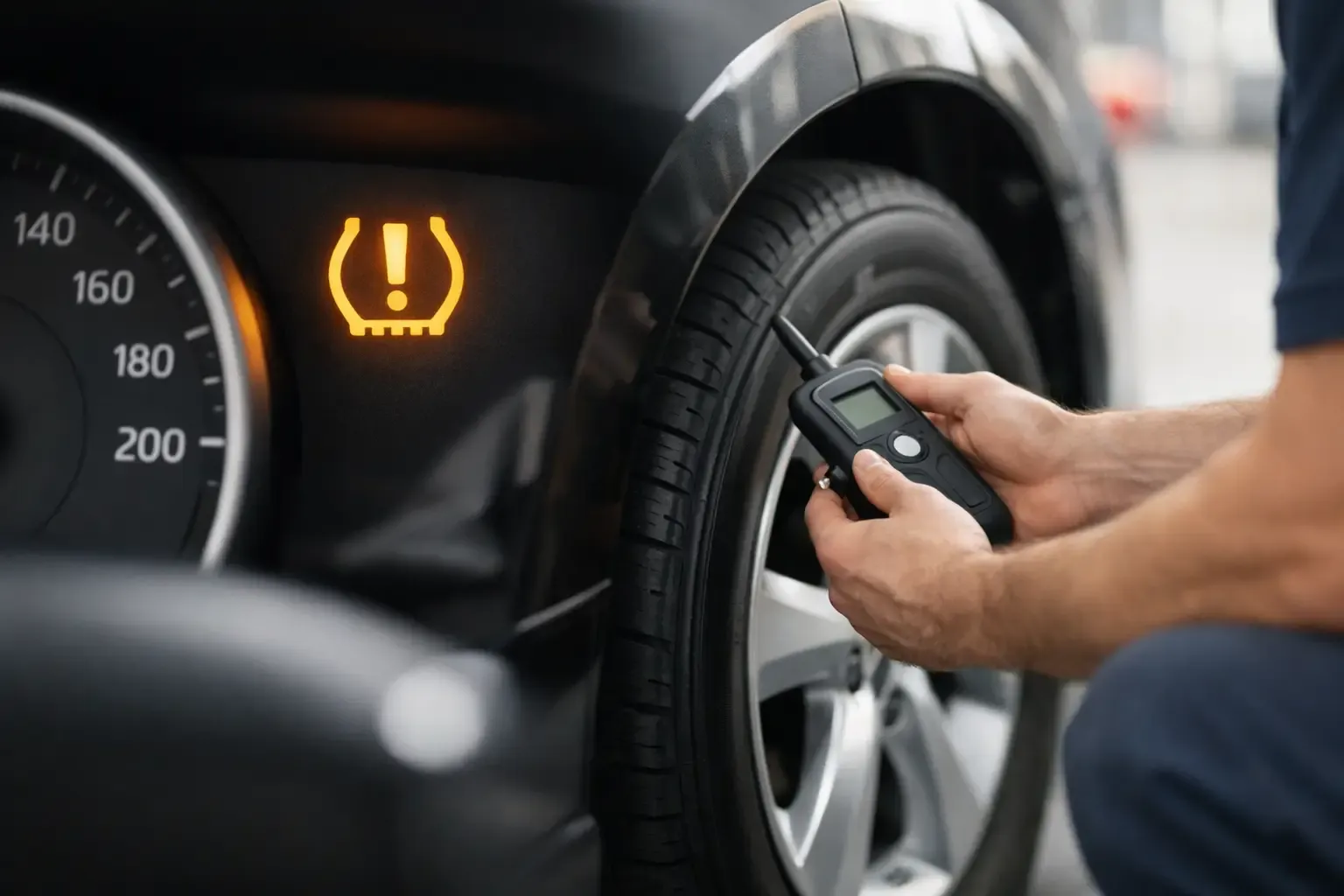
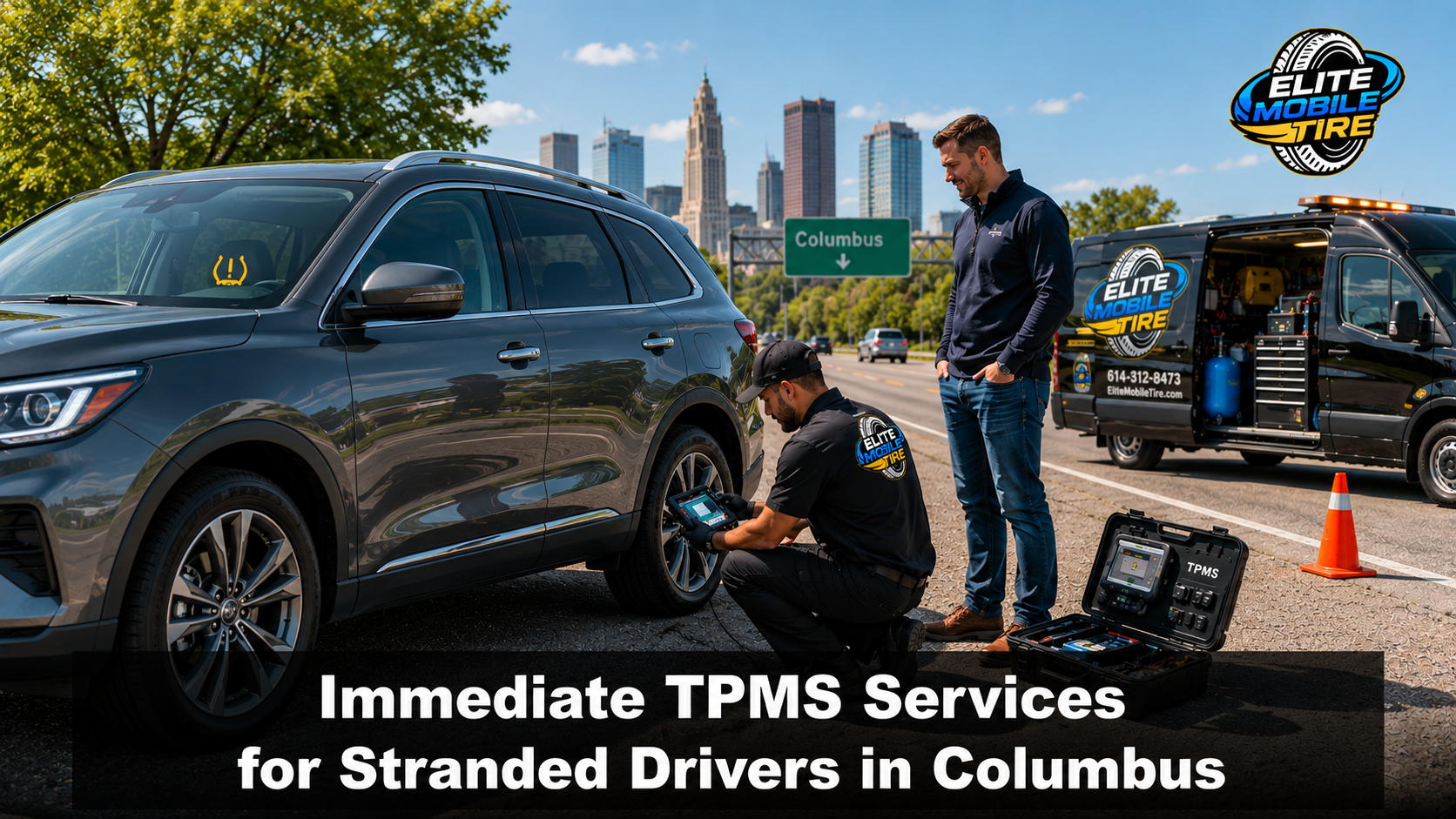
- A TPMS warning light. If the light comes on in the hours after the hit, check pressure right away.
- New vibration or pulling. Steering that pulls to one side or a shake at highway speed points to a wheel, balance, or alignment problem.
NHTSA's tire safety guidance is a good refresher on pressure, tread, and inspection basics. If anything above shows up, don't wait for it to get worse on a 65 mph stretch of I-270.
One Damaged Tire Often Means a Bigger Decision
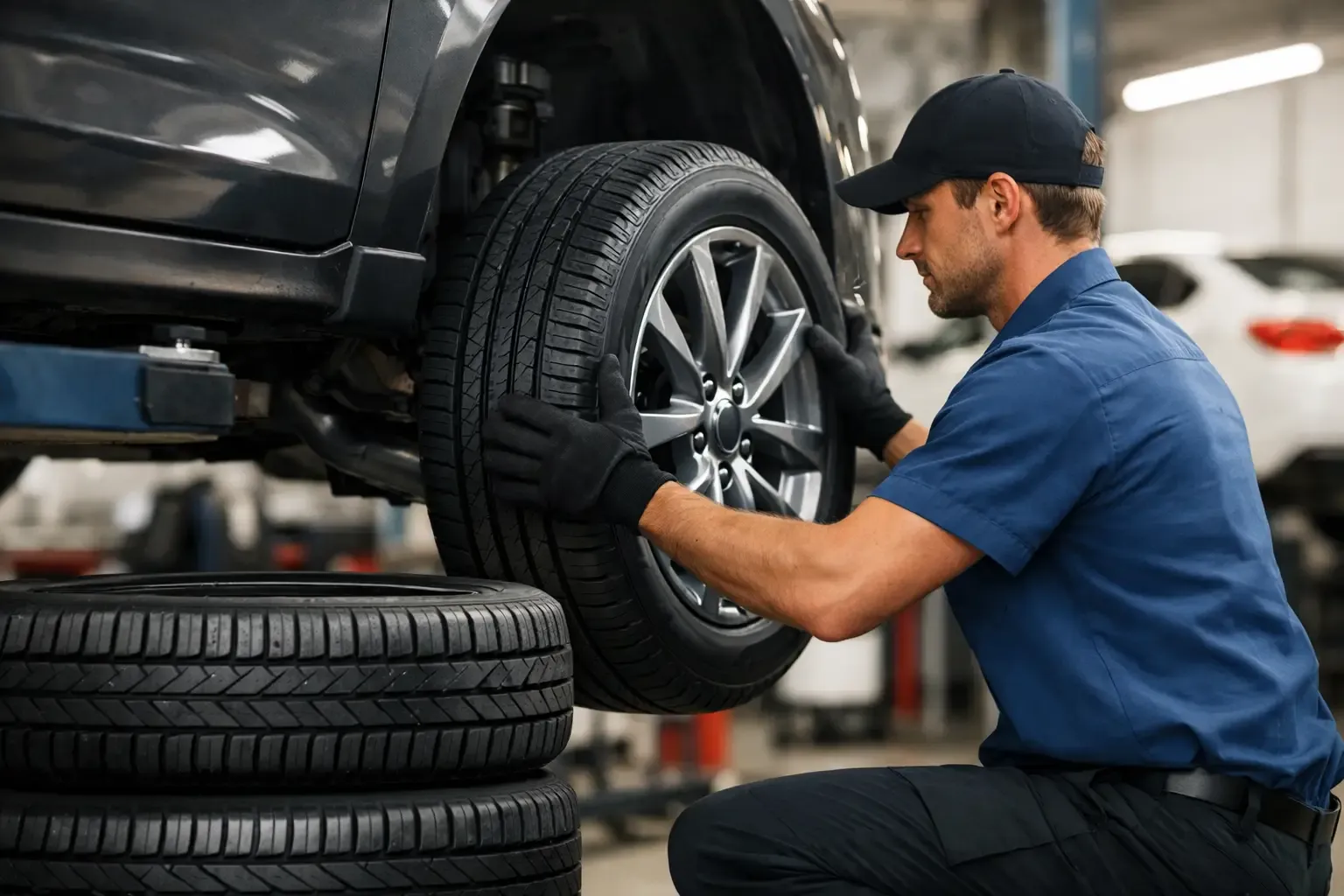
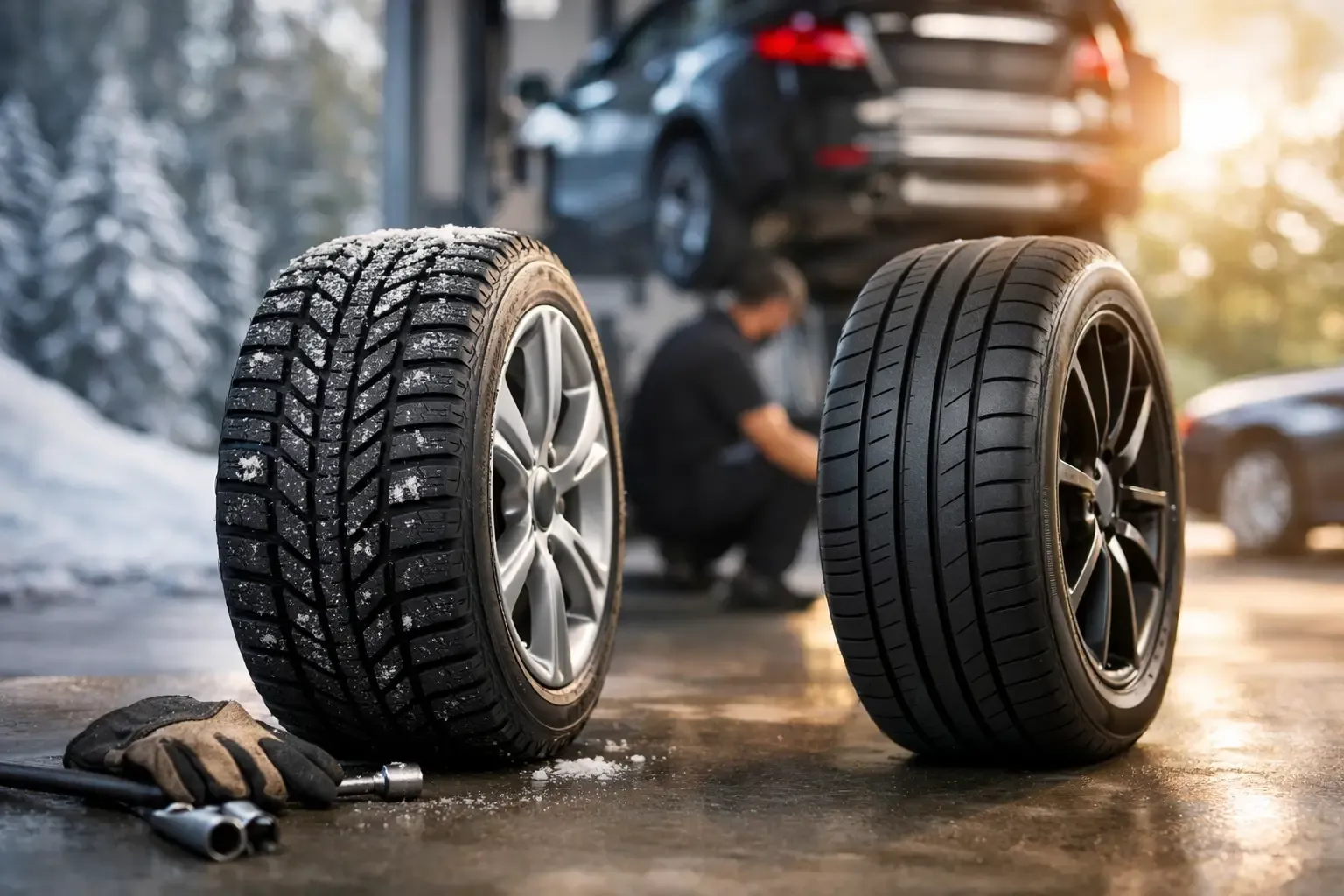
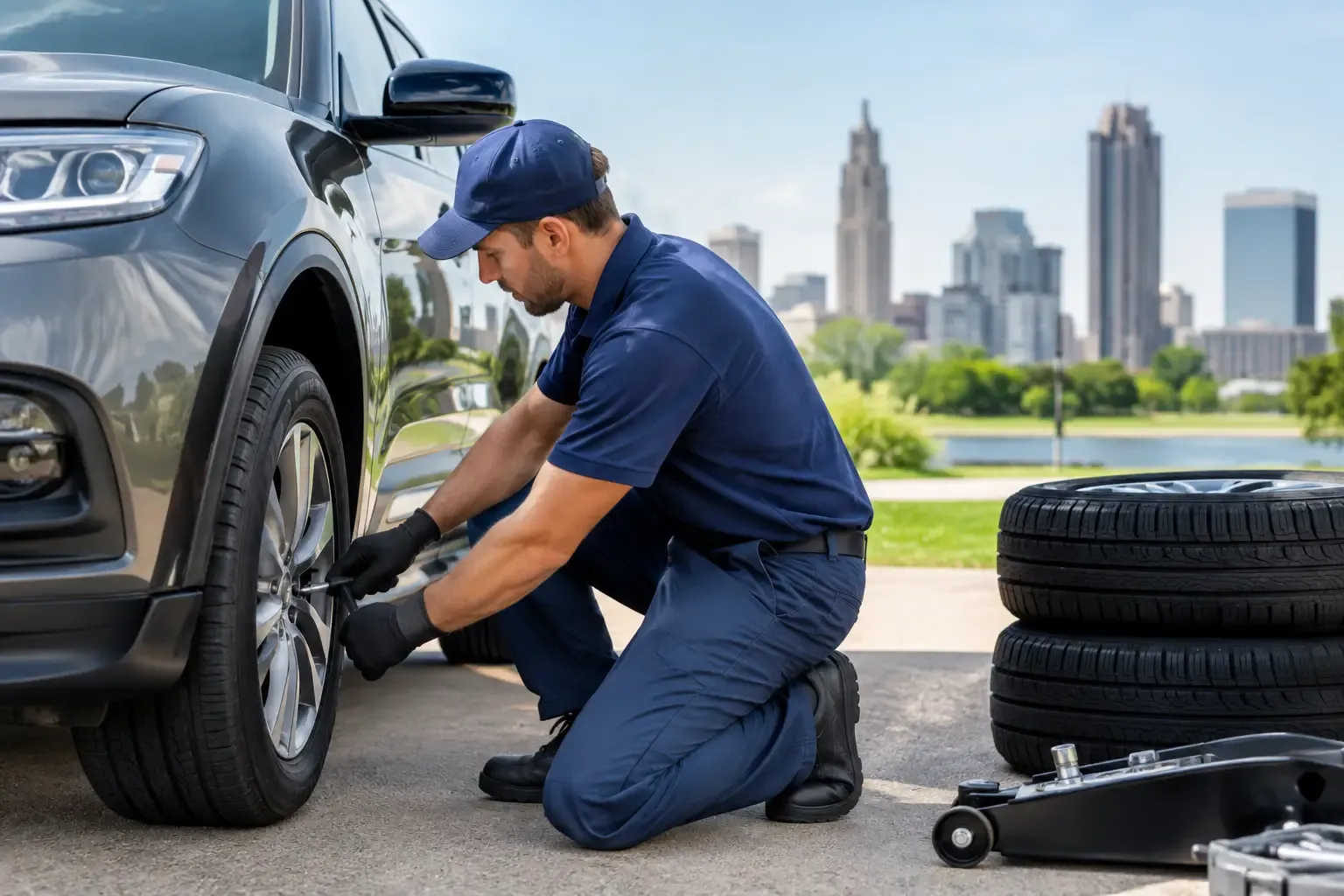
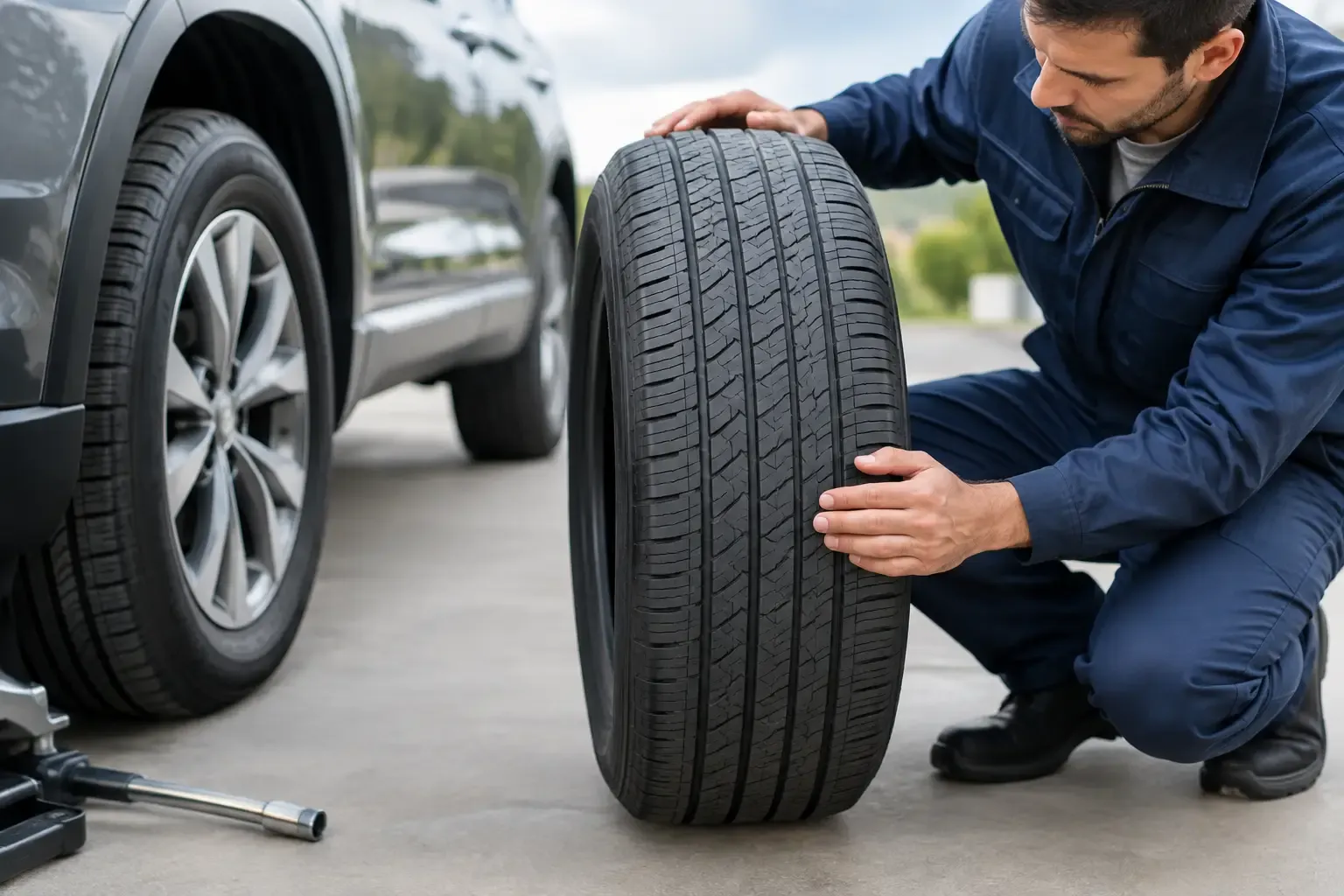
This is where a pothole turns into a tire-buying question. If the damaged tire is fairly new and the rest of the set has plenty of tread, replacing just that one may be fine. But if your tires are halfway worn or more, a single new tire next to three worn ones creates a mismatch.
Many manufacturers recommend replacing tires in pairs on the same axle so grip and braking stay even side to side, with the newer pair going on the rear. On many all-wheel-drive vehicles, the tread depth on all four tires needs to stay closely matched, or the drivetrain can be stressed. We walk through that in more detail in Do I Need to Replace All 4 Tires on AWD? and Should I Replace 2 Tires or 4?.
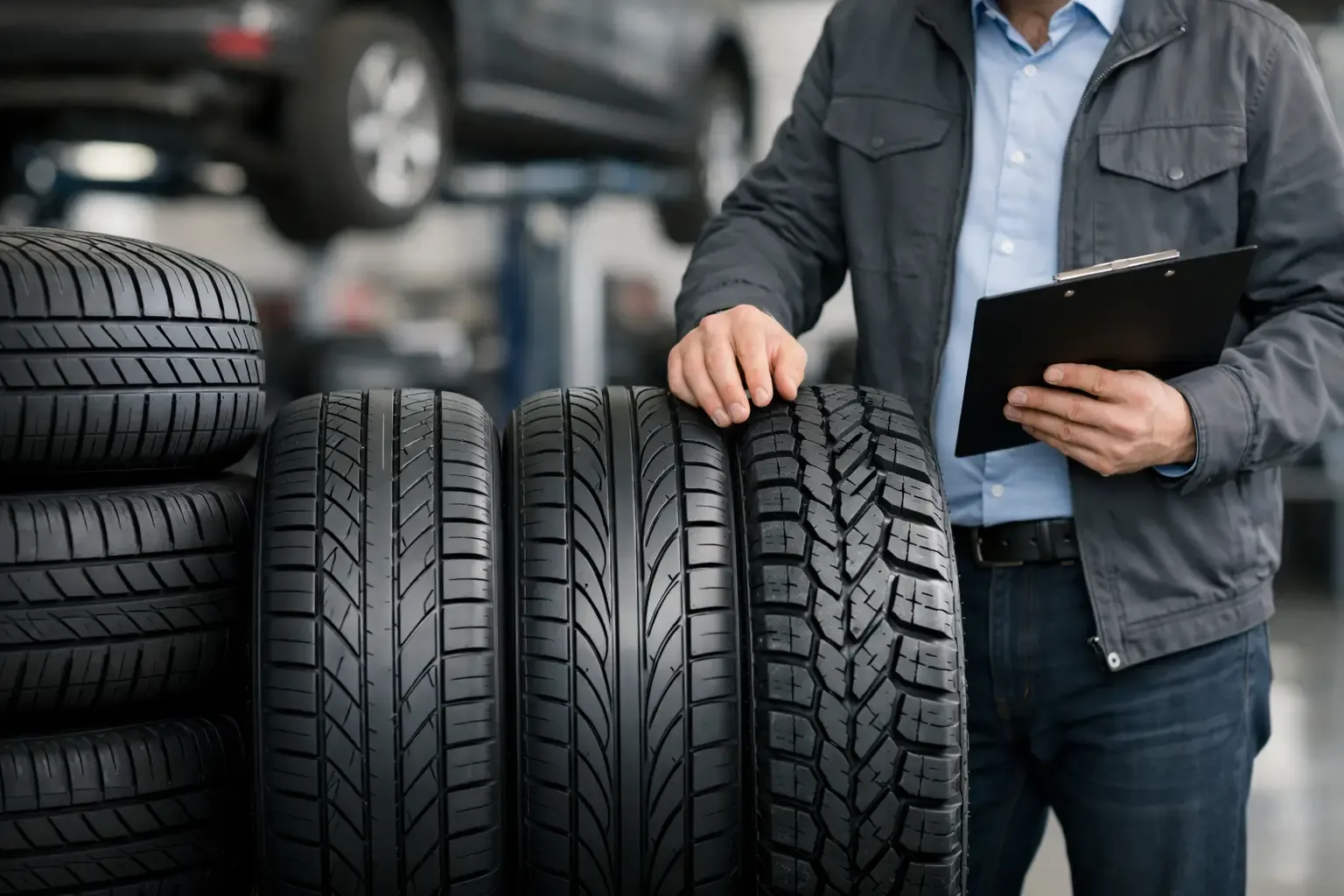
So after a pothole, it's worth checking the tread on the other three tires too. If they're close to replacement anyway, doing a pair or a full set now saves a second appointment a few months down the road.
Getting It Fixed Without Losing a Day
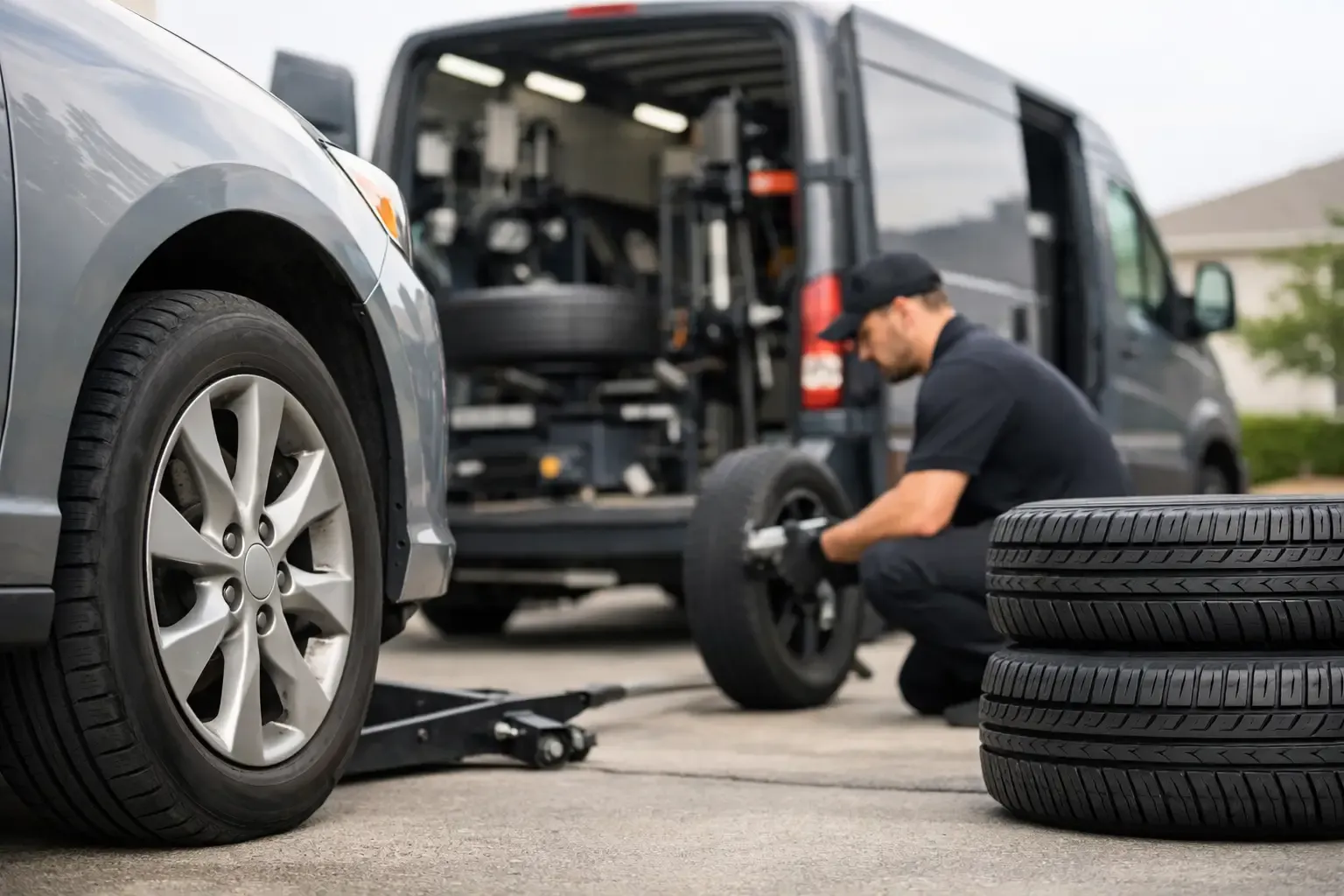
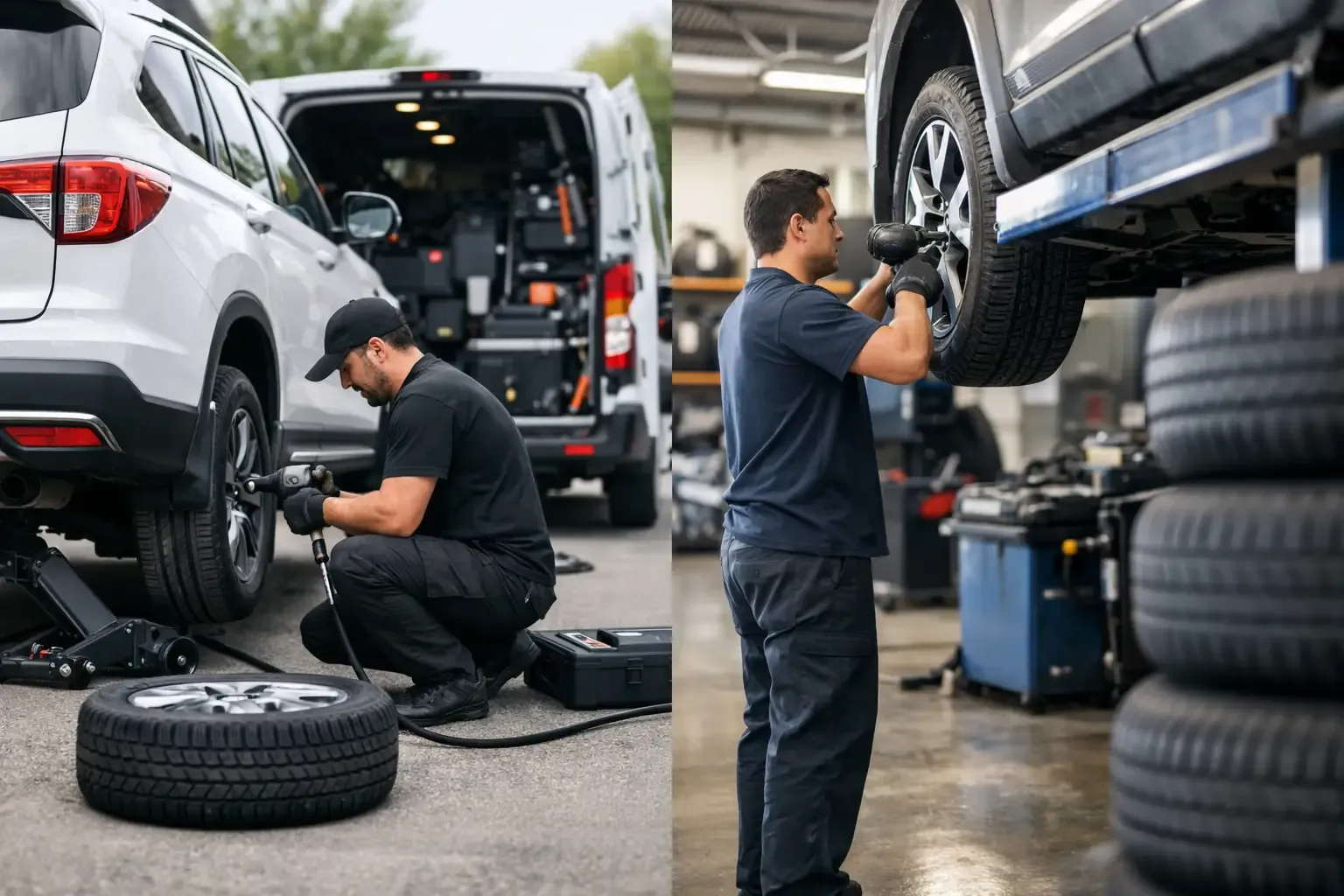
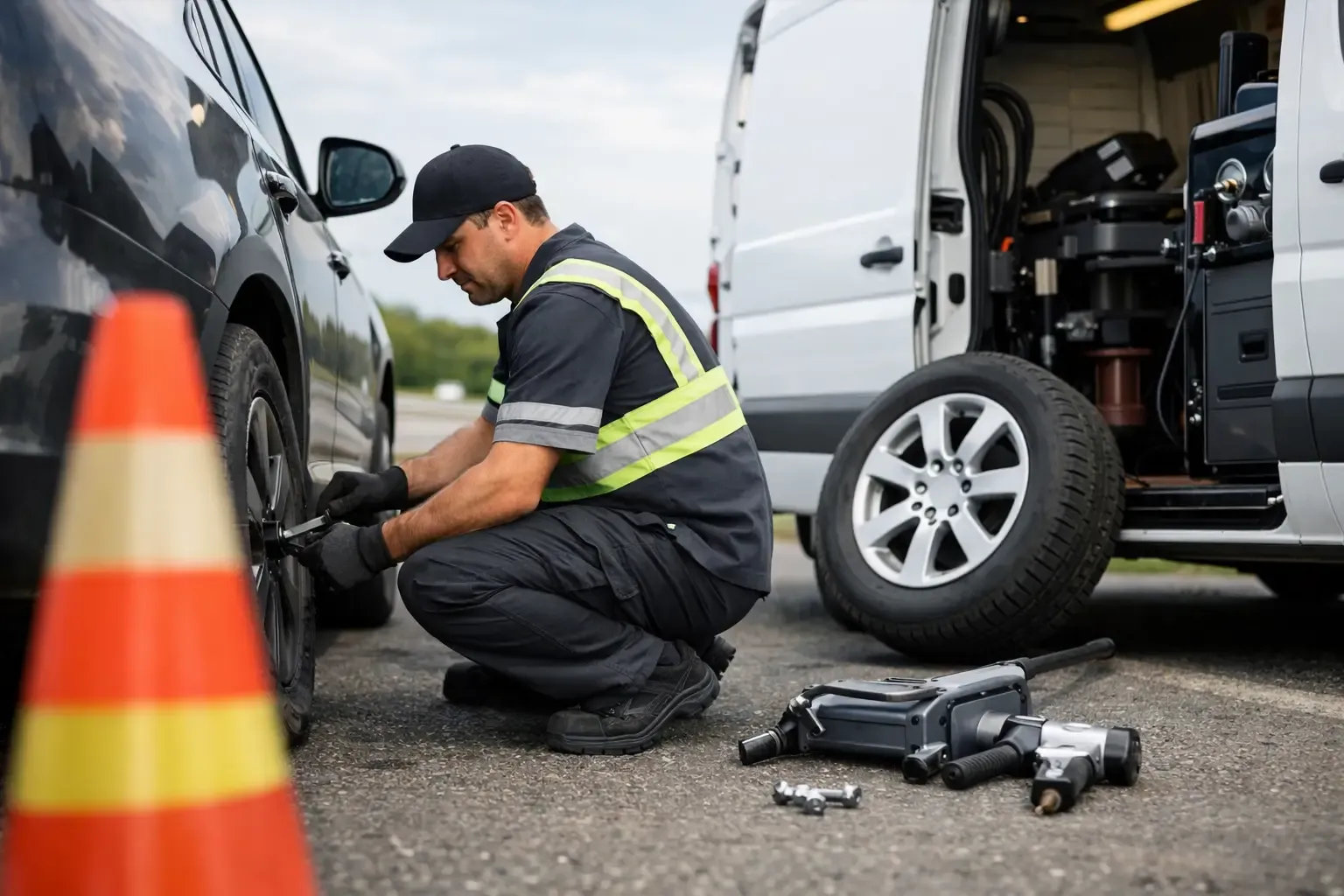
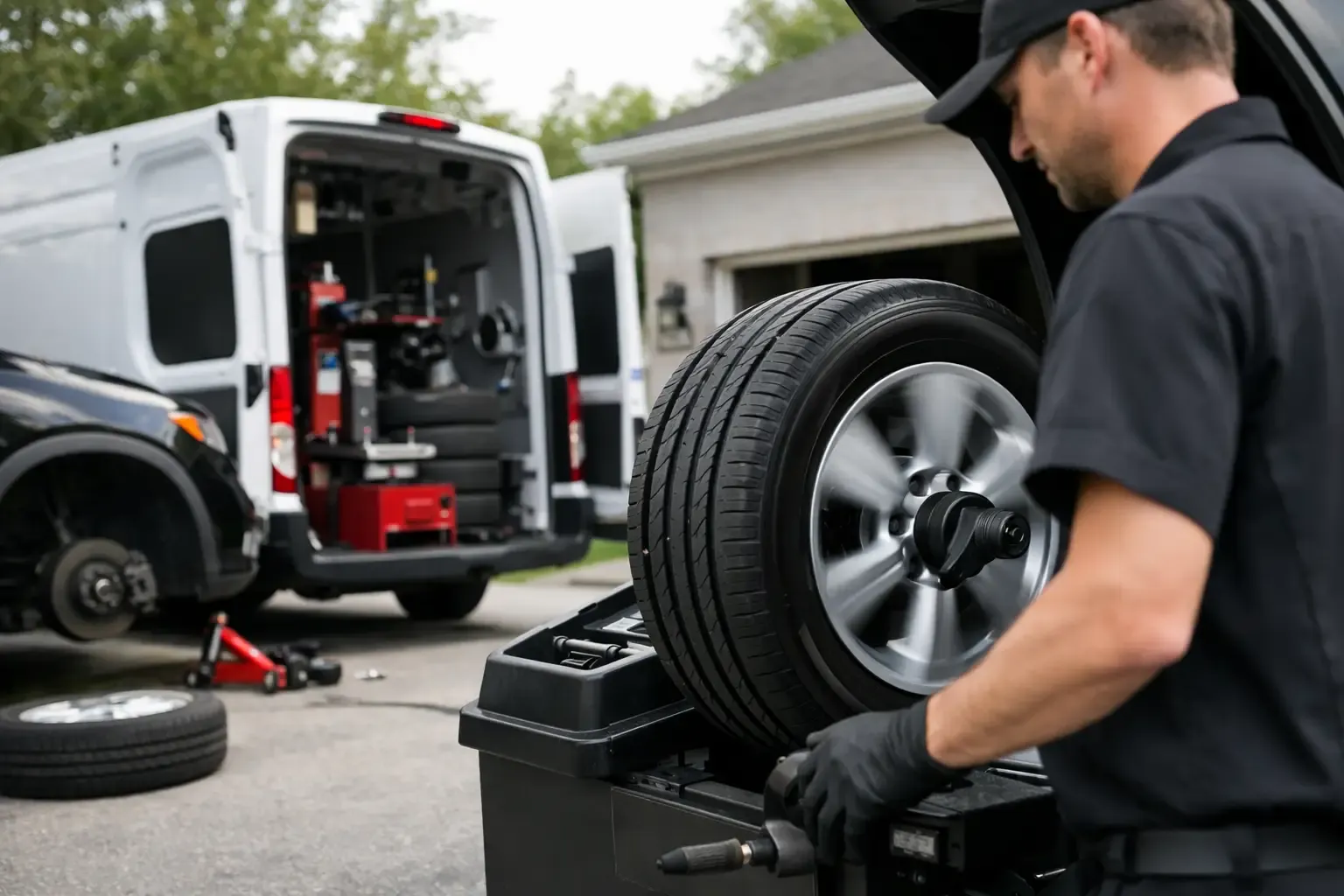
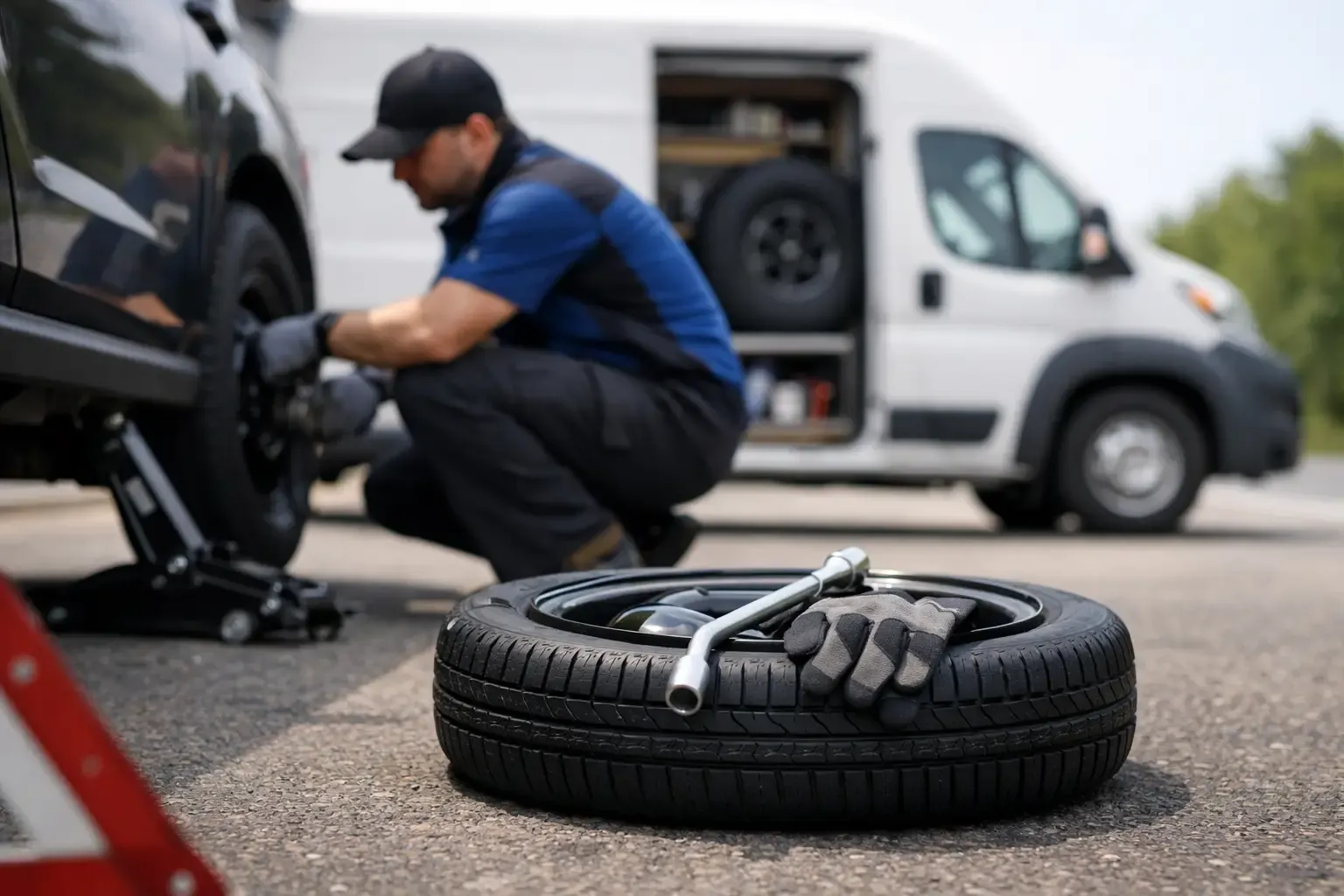
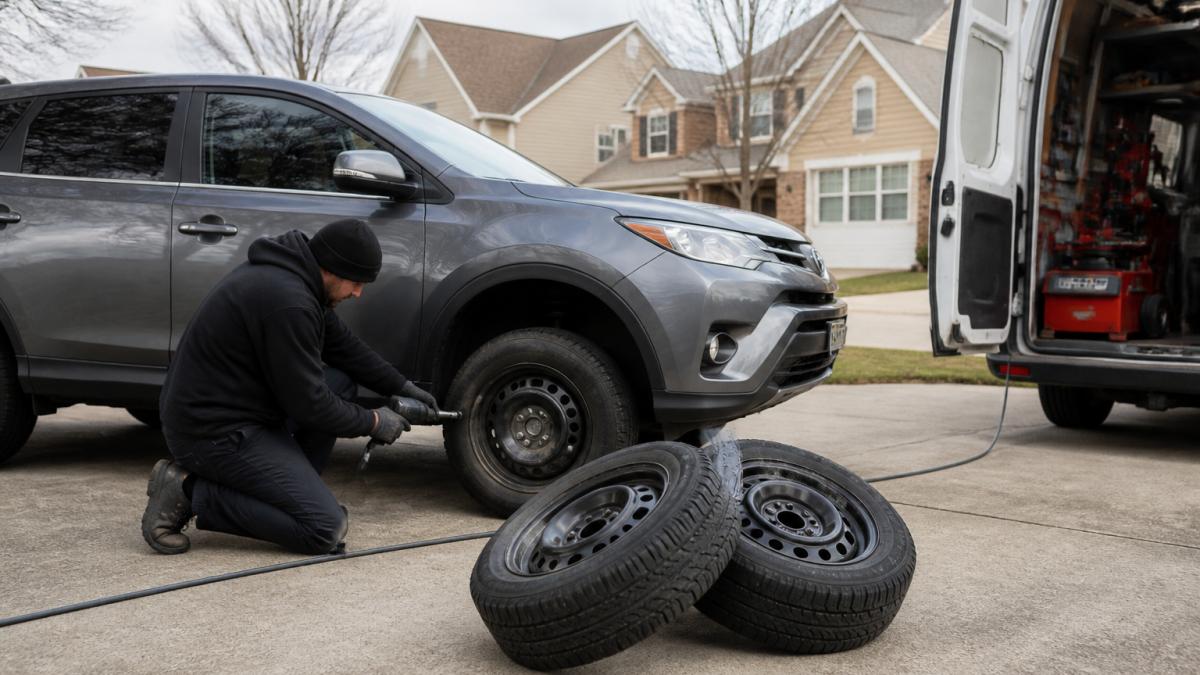
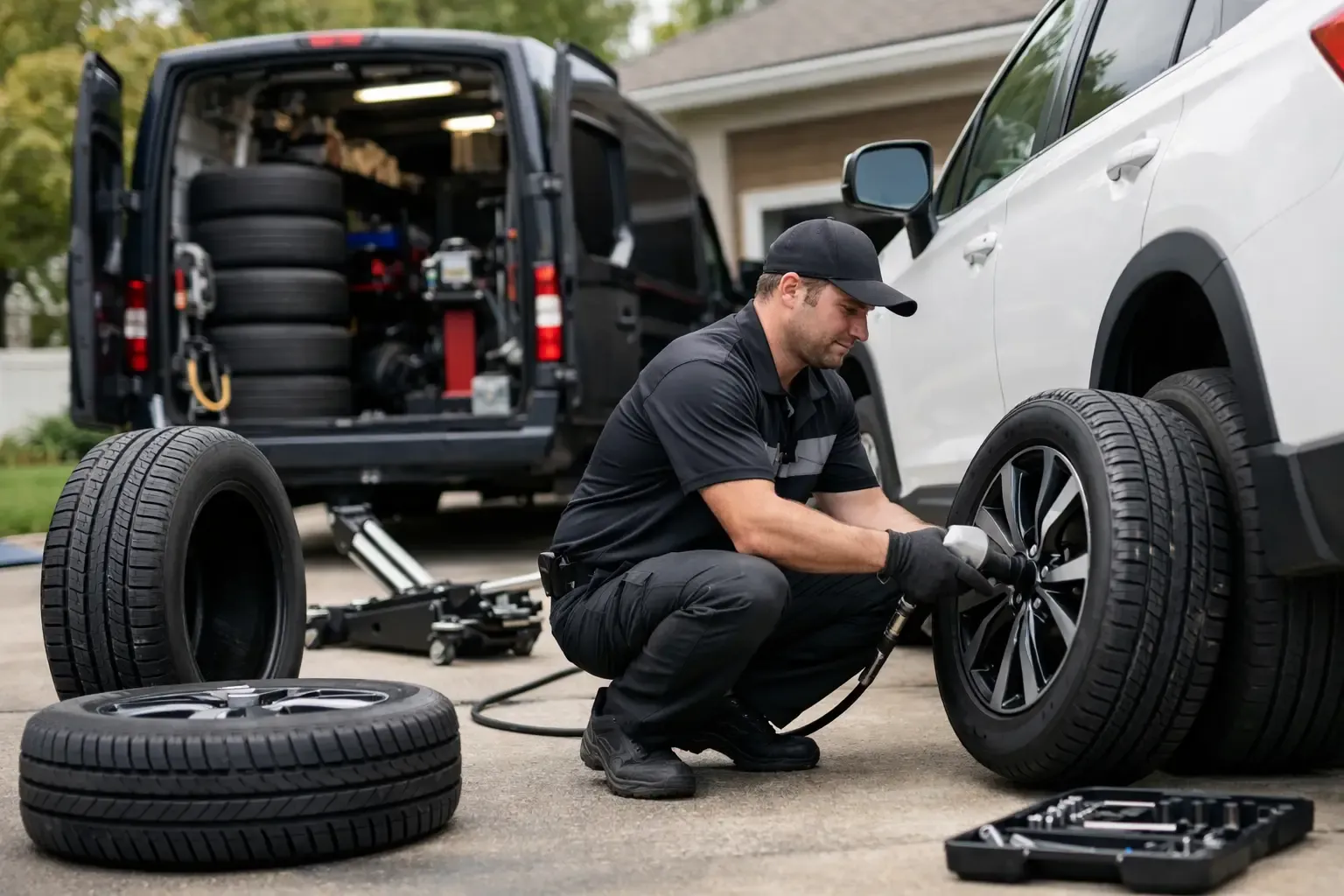
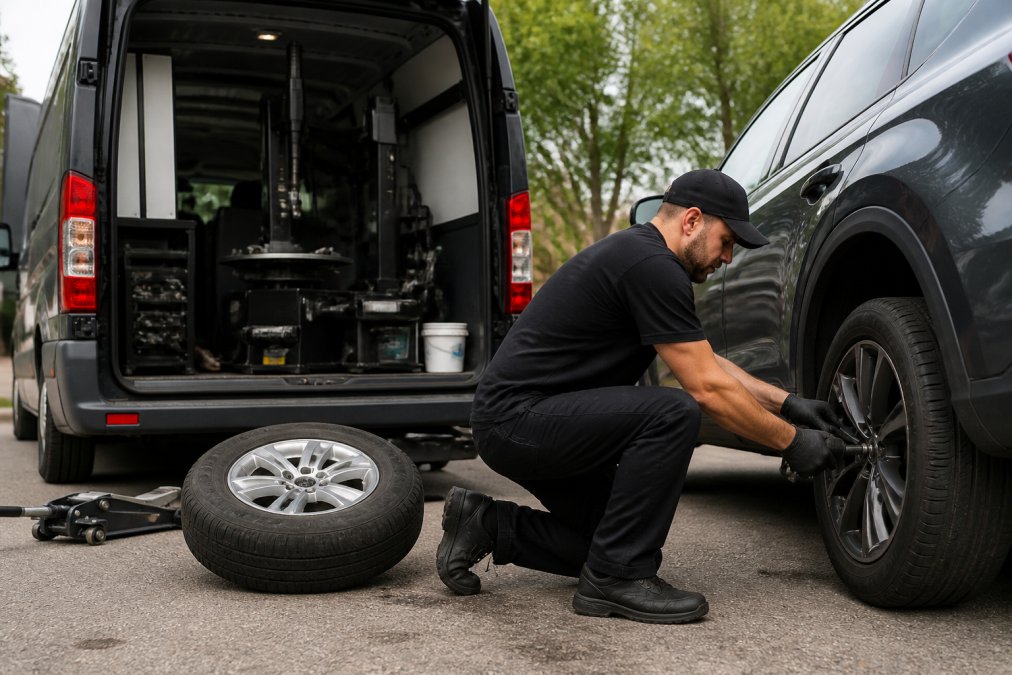
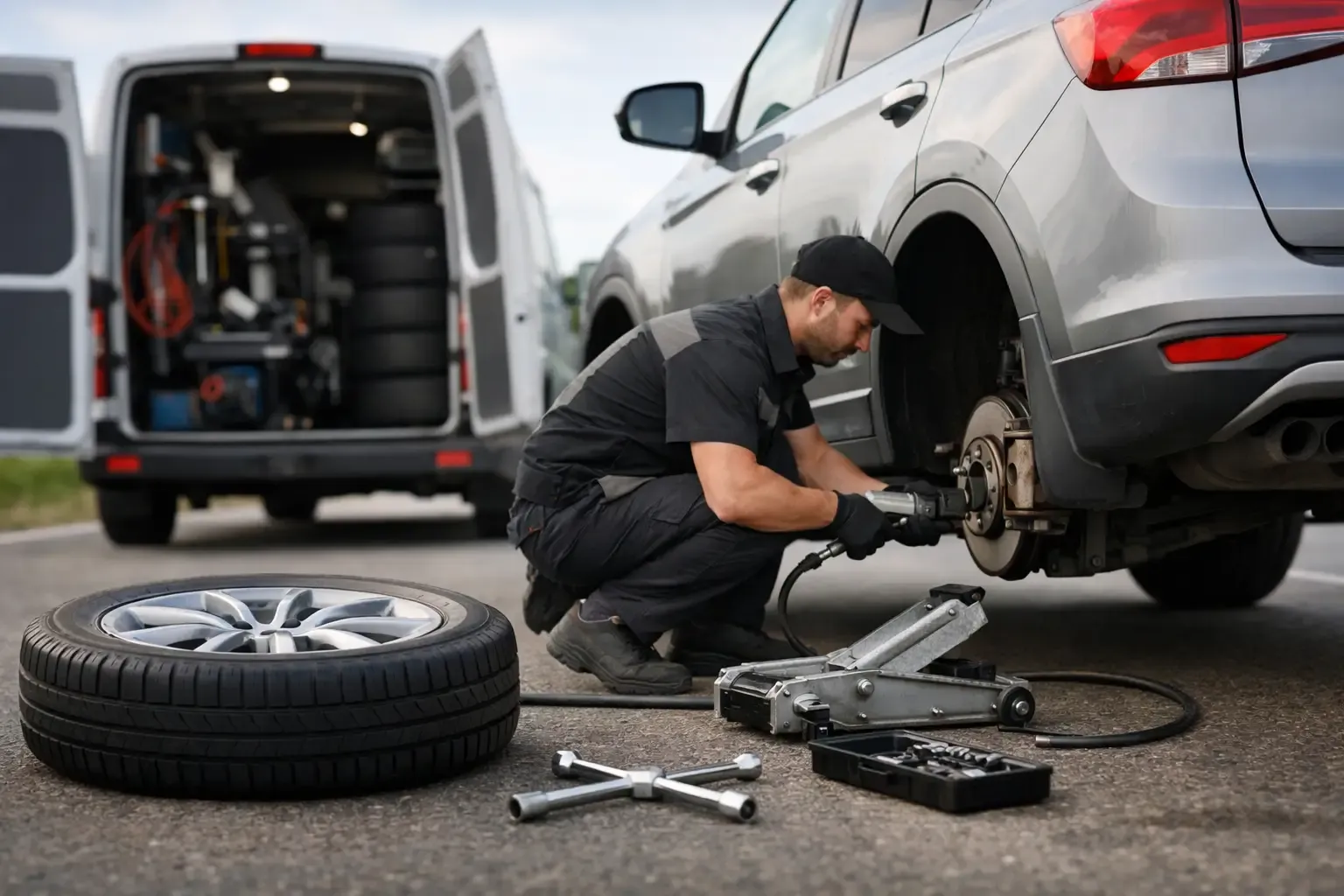
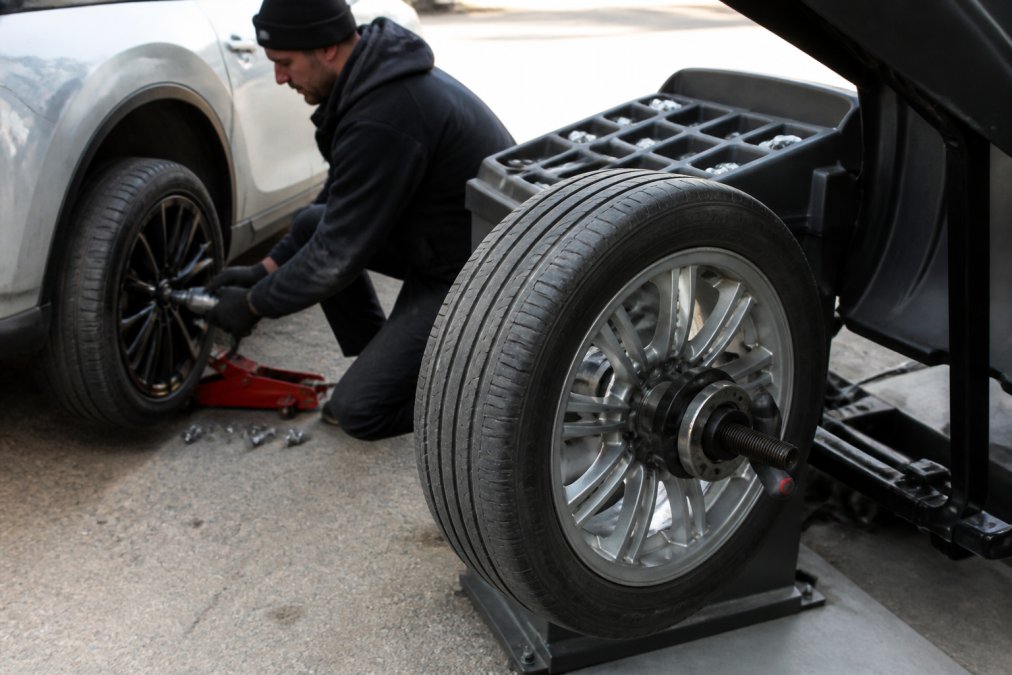
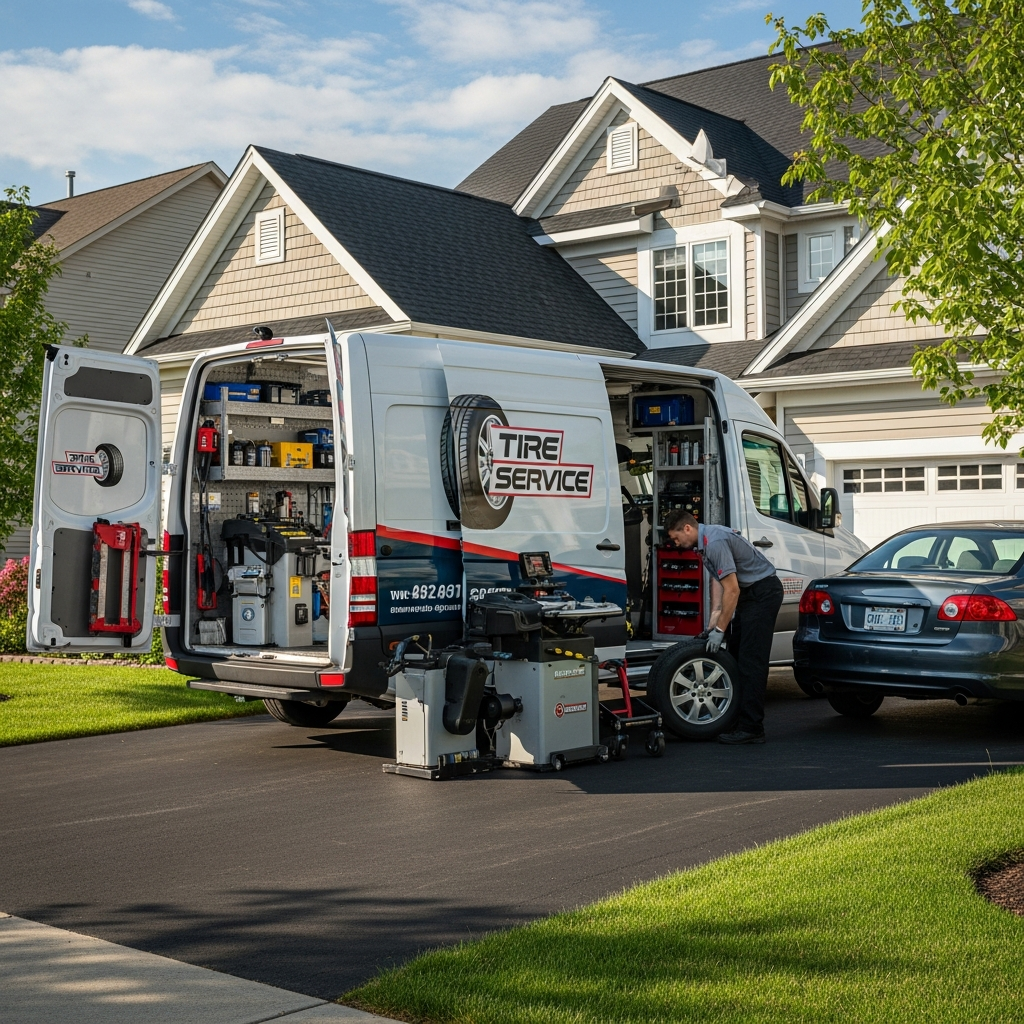
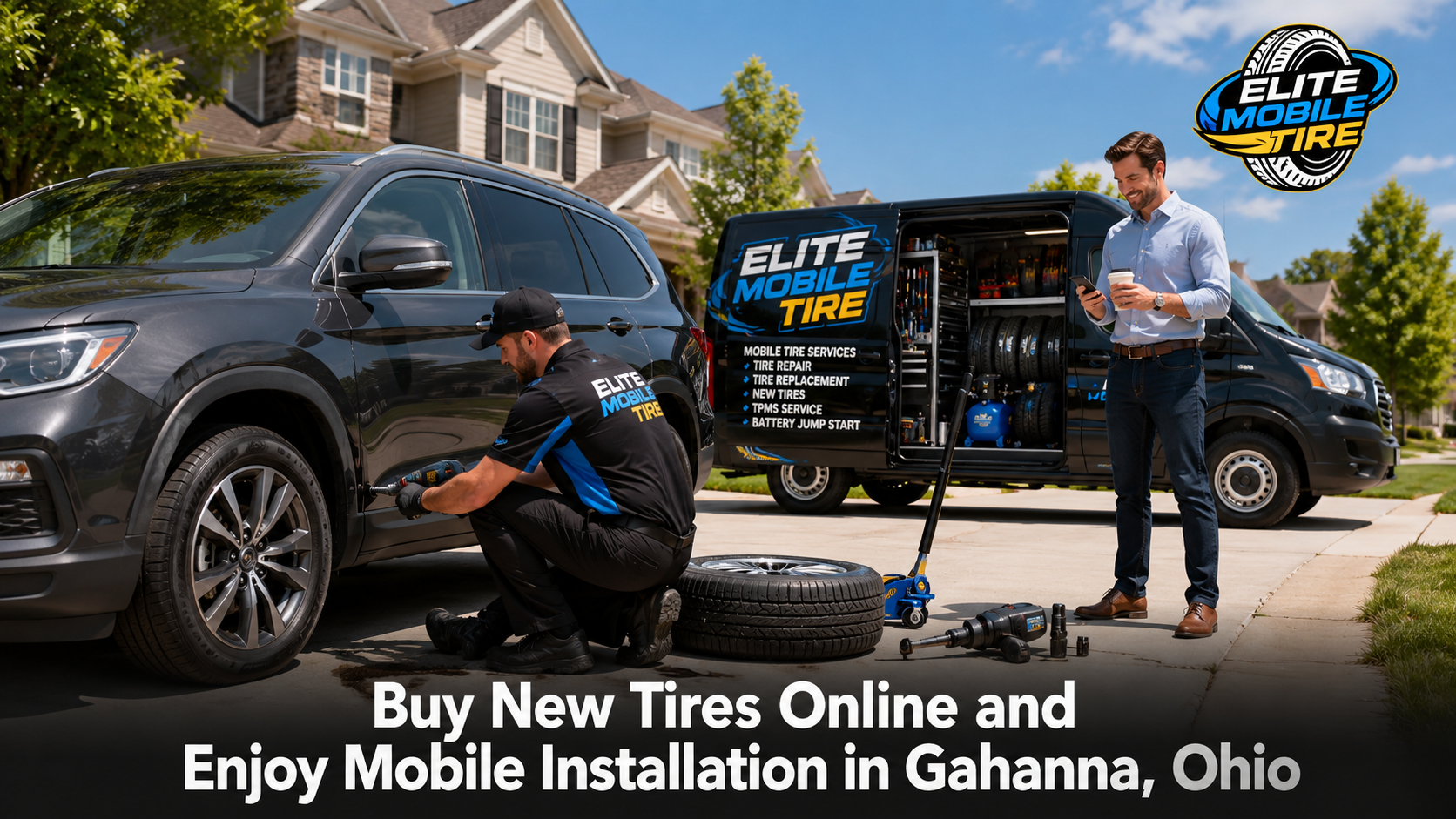
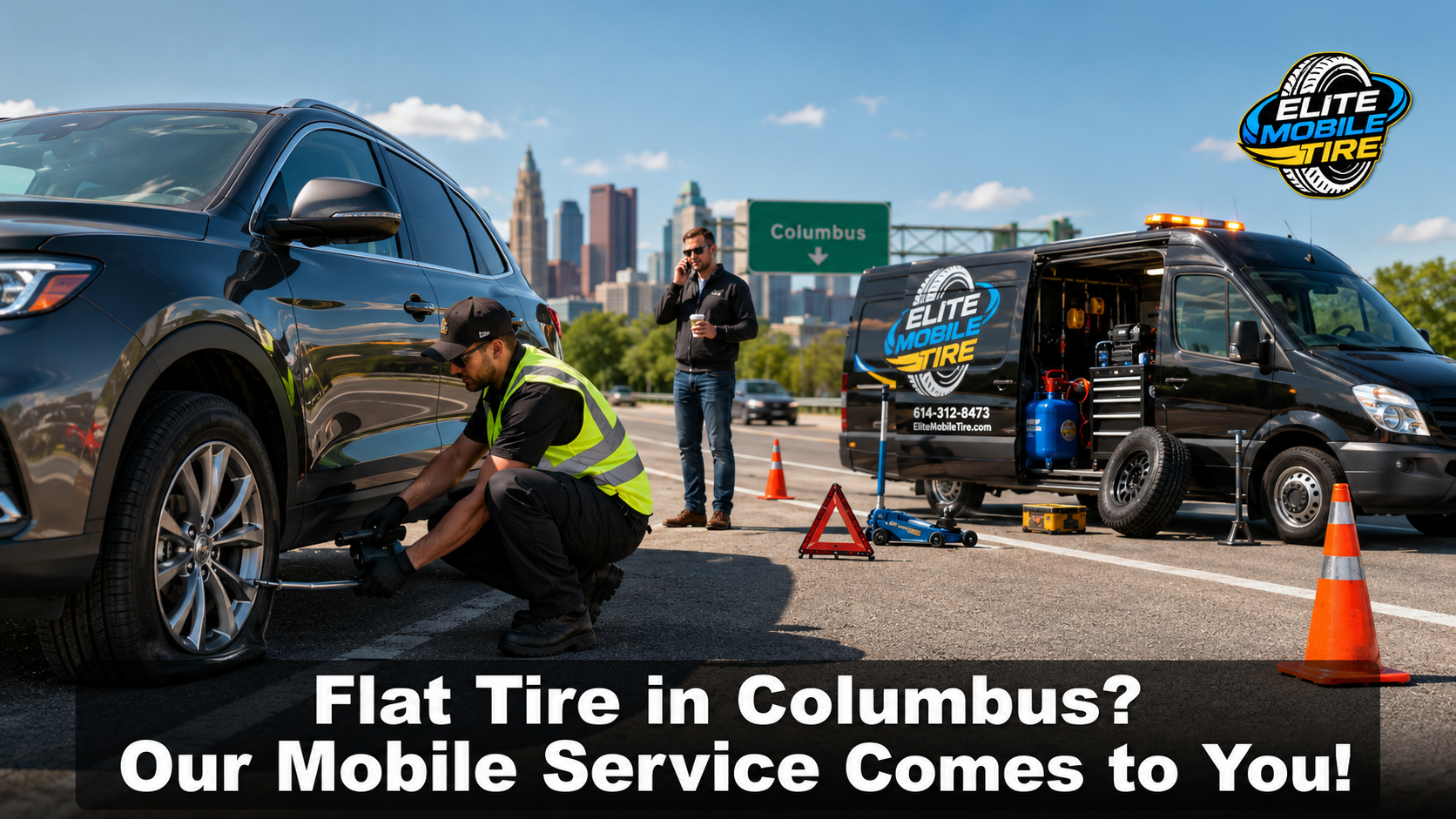
If you live off Alum Creek Drive in Obetz, commute on US-33 out of Canal Winchester, or work near the Rickenbacker area along SR-317, a damaged tire usually means rearranging your day around a shop. Mobile service skips that. A technician comes to your driveway or workplace parking lot, mounts and balances the new tires, checks pressure and TPMS, and looks over the rest of the set before leaving.
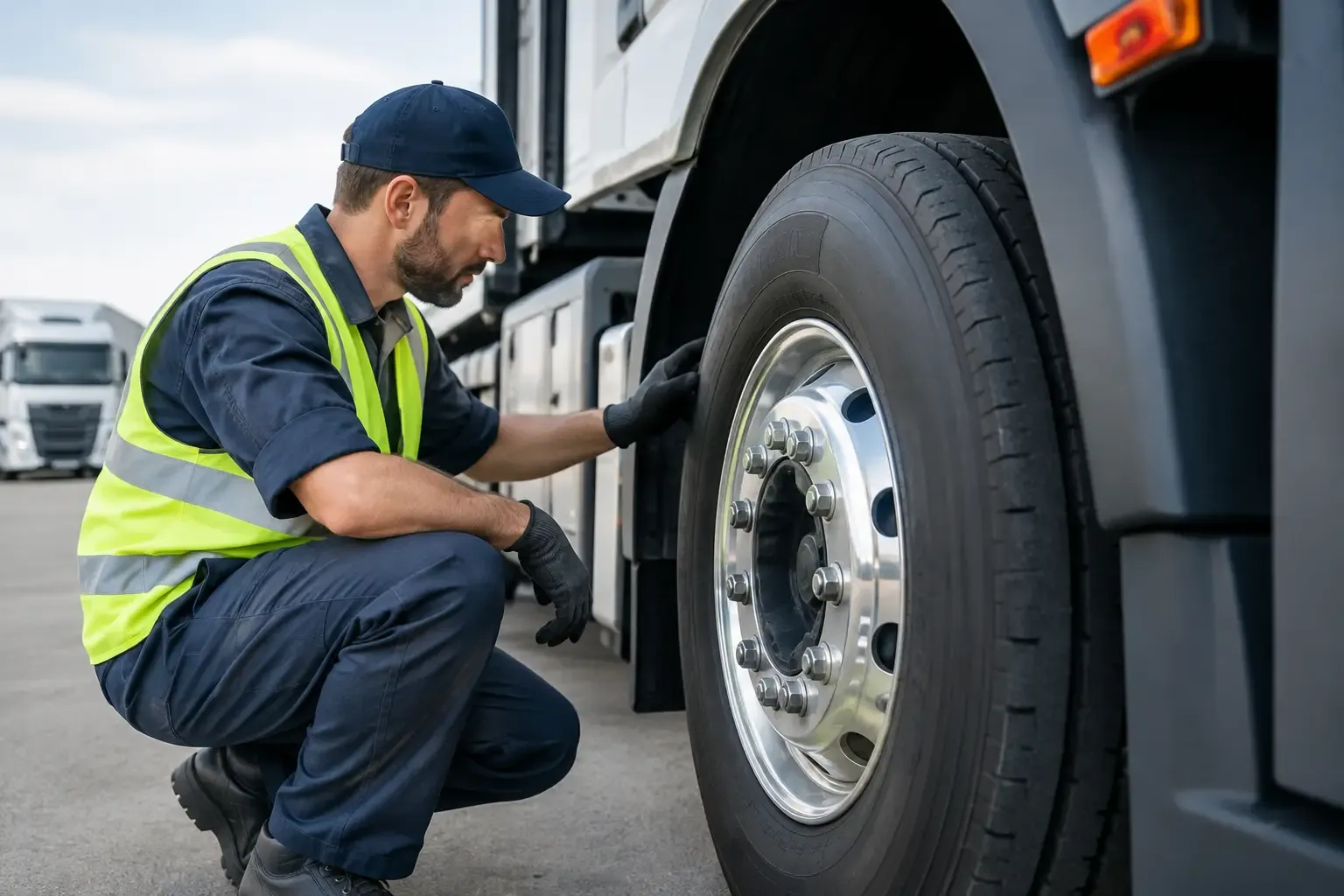
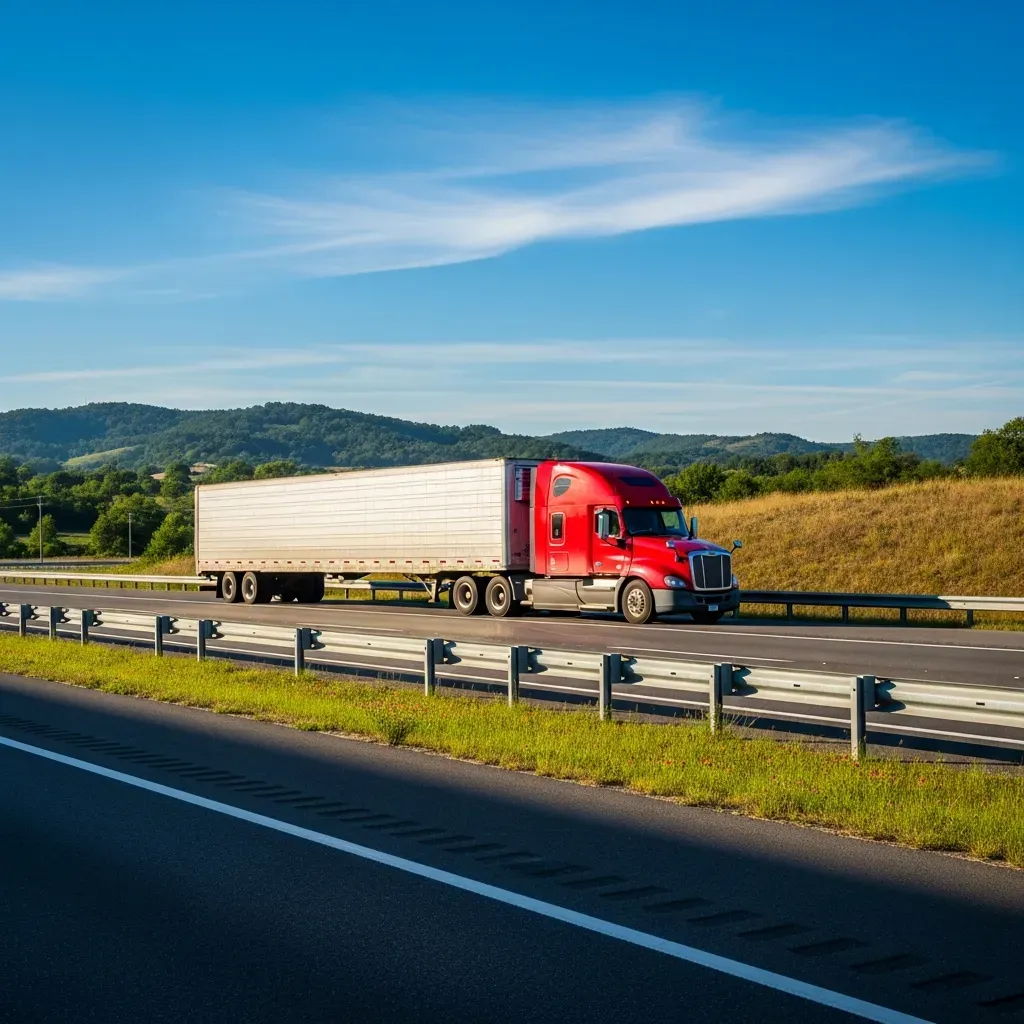
The same goes for work trucks and tractor-trailers that pick up pothole damage on the outerbelt or around the warehouse district near Rickenbacker. Our semi truck and commercial tire service handles those on site so the truck isn't sitting idle waiting for a shop slot.
Report the Pothole, Too
If the hole is on a city street, you can report it to the City of Columbus through Columbus 311. Interstates and state routes like I-270, US-33 and SR-317 are maintained by the Ohio Department of Transportation. Reporting helps get the hole patched before it catches the next driver.
The Bottom Line
After a hard pothole hit, check for sidewall bulges, rim damage, warning lights, and new vibrations. If you find damage, look at the tread on the rest of the set before deciding between one tire, a pair, or all four. And if you'd rather not spend an afternoon at a tire shop, the tires can come to you.
Ready for a new set? Elite Mobile Tire installs 2 or 4 new tires right in your driveway or parking lot anywhere around Columbus, Obetz, Groveport, Grove City, and Reynoldsburg. Financing is available through Afterpay and Acima with up to 24-month payment plans. Call 614-344-5010 or visit elitemobiletire.com to book.