
A tire can look perfectly fine and still be the wrong choice for the weight your vehicle carries every day. Between passengers, groceries, work equipment, cargo, and towing, that weight adds up fast. Tire load ratings tell you whether a tire is built to carry it safely - and choosing the right rating protects handling, ride quality, and tire life.
For many drivers, the sidewall numbers are easy to overlook until it is time to replace a tire. But load rating is not a detail to guess at or downgrade for convenience. The right tire needs to match your vehicle’s requirements and how you actually use it.
What Tire Load Ratings Mean
A tire’s load rating, also called its load index, is a number that corresponds to the maximum weight that one tire can support when inflated to its specified pressure. It is commonly printed on the tire sidewall as part of the tire size and service description.
For example, a tire marked 225/65R17 102H has a load index of 102. That number translates to a maximum capacity of 1,874 pounds per tire. Multiply that capacity by four, and the tires can support up to 7,496 pounds under the conditions used to establish that rating.
That does not mean the vehicle should be loaded to that number. Your vehicle’s Gross Vehicle Weight Rating, or GVWR, remains the limit. The tire rating must provide enough capacity for the vehicle, its occupants, cargo, and the safety margin intended by the manufacturer.
The letter after the load index is the speed rating. In the example above, H is the speed rating. Both matter, but they answer different questions: load index addresses weight capacity, while speed rating addresses the tire’s ability to operate safely at certain speeds.
How to Find Your Vehicle’s Required Load Rating
The most reliable place to start is the tire and loading information label, usually found on the driver’s door jamb. It lists the original tire size, recommended cold inflation pressure, and often the vehicle’s maximum combined passenger and cargo weight.
Your owner’s manual can provide additional information, especially for SUVs, trucks, vans, and vehicles used for towing. If the tires have already been replaced, do not assume the numbers on the current sidewall are correct. A previous owner or installer may have selected a tire that does not meet the original specification.
When replacing tires, match the manufacturer’s required load index at minimum. Moving to a higher load rating can be appropriate when it is compatible with the vehicle, but it may come with trade-offs. Higher-load tires can have firmer sidewalls, which may slightly change ride comfort. They may also require different inflation pressures depending on the tire and vehicle application.
Load Index Numbers at a Glance
The load index is not a direct pound-for-pound measurement. A higher number represents a higher maximum carrying capacity. Common passenger-vehicle examples include:
- Load index 91: 1,356 pounds per tire
- Load index 94: 1,477 pounds per tire
- Load index 98: 1,653 pounds per tire
- Load index 102: 1,874 pounds per tire
- Load index 105: 2,039 pounds per tire
These figures are useful for comparison, but tire selection should not rely on the chart alone. A technician should confirm the complete size, load index, speed rating, construction, and intended use before installation.
Standard Load, Extra Load, and Light Truck Tires
In addition to the numerical load index, you may see markings such as SL, XL, or LT on a tire.
Standard Load (SL) tires are common on passenger cars and many crossovers. They are designed for everyday driving within the vehicle manufacturer’s stated capacity.
Extra Load (XL) tires are built with reinforced construction and can carry more weight at higher air pressure than a standard-load tire of the same size. They are often used on heavier sedans, SUVs, performance vehicles, and electric vehicles. An XL tire is not automatically better for every car, but it may be required for yours.
Light Truck (LT) tires are designed for many pickups, commercial vans, and work-focused SUVs. They often use a load range designation, such as Load Range C, D, or E, instead of only a passenger-tire load index. These tires can support demanding loads, but they may ride more firmly and need more careful pressure management.
If you drive a truck or SUV that frequently carries tools, equipment, or a trailer, the original tire specification deserves close attention. The right tire helps the vehicle remain stable under load. The wrong one can create excess heat, uneven wear, and less predictable braking or steering.
Why Under-Rated Tires Create Real Risk
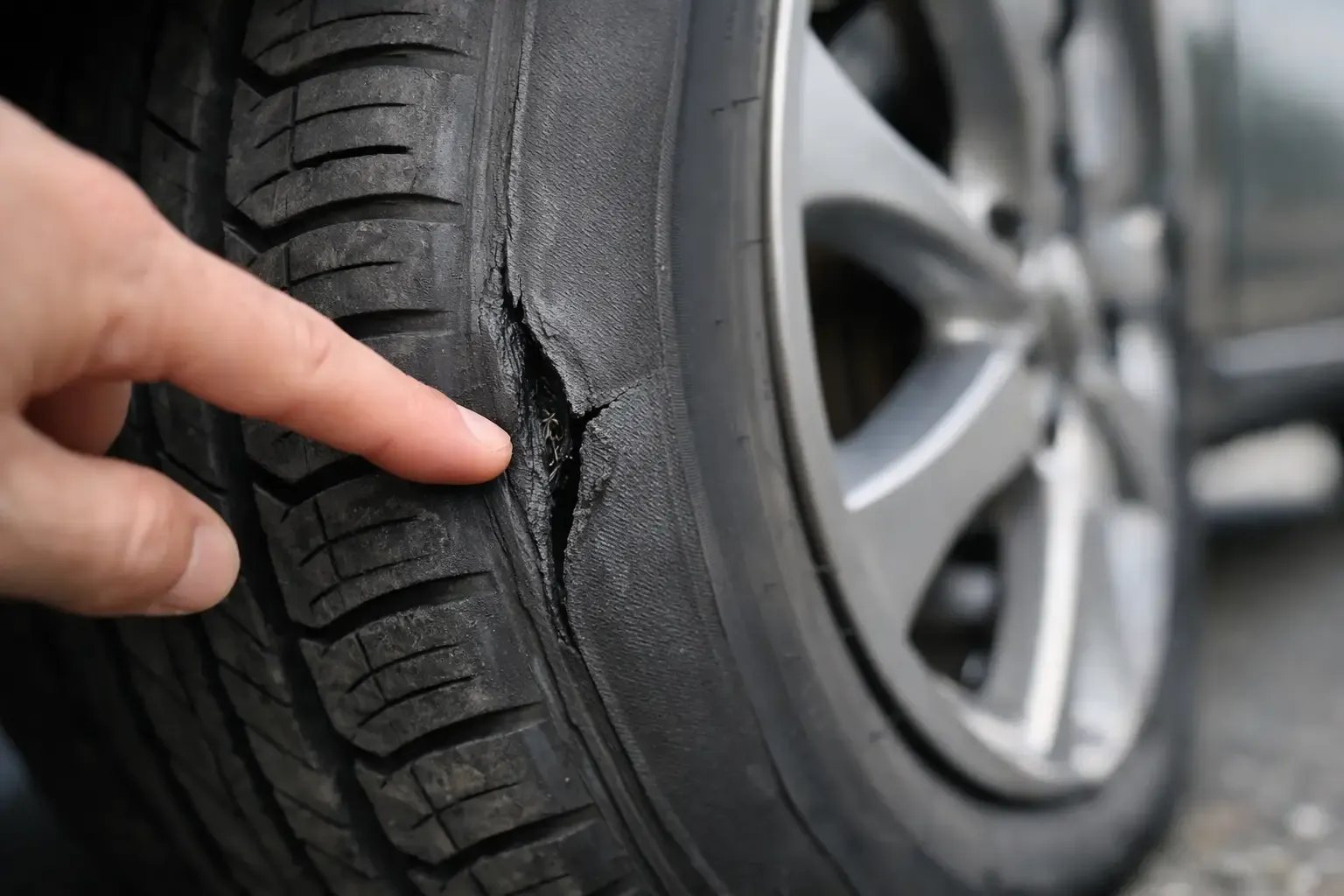
A tire that cannot support the vehicle’s weight is more likely to flex excessively as it rolls. That flexing creates heat inside the tire. Heat damages internal components and raises the likelihood of a failure, especially during highway travel, hot weather, or long trips.
Under-rated tires can also make a loaded vehicle feel less controlled. You may notice slower steering response, more sway, or a less settled ride over bumps. Those symptoms are especially concerning when a vehicle is carrying several passengers, loaded for a road trip, or towing.
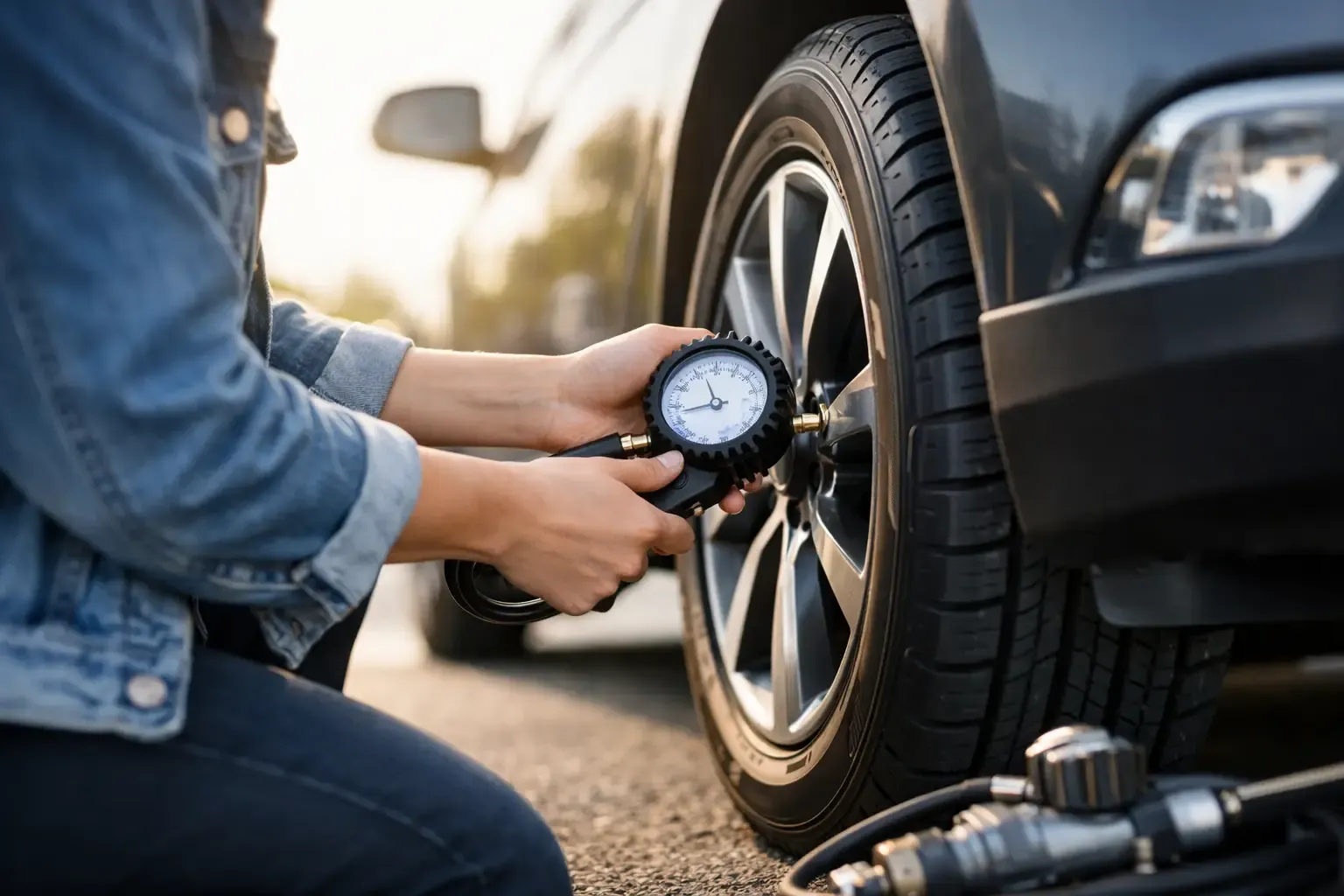
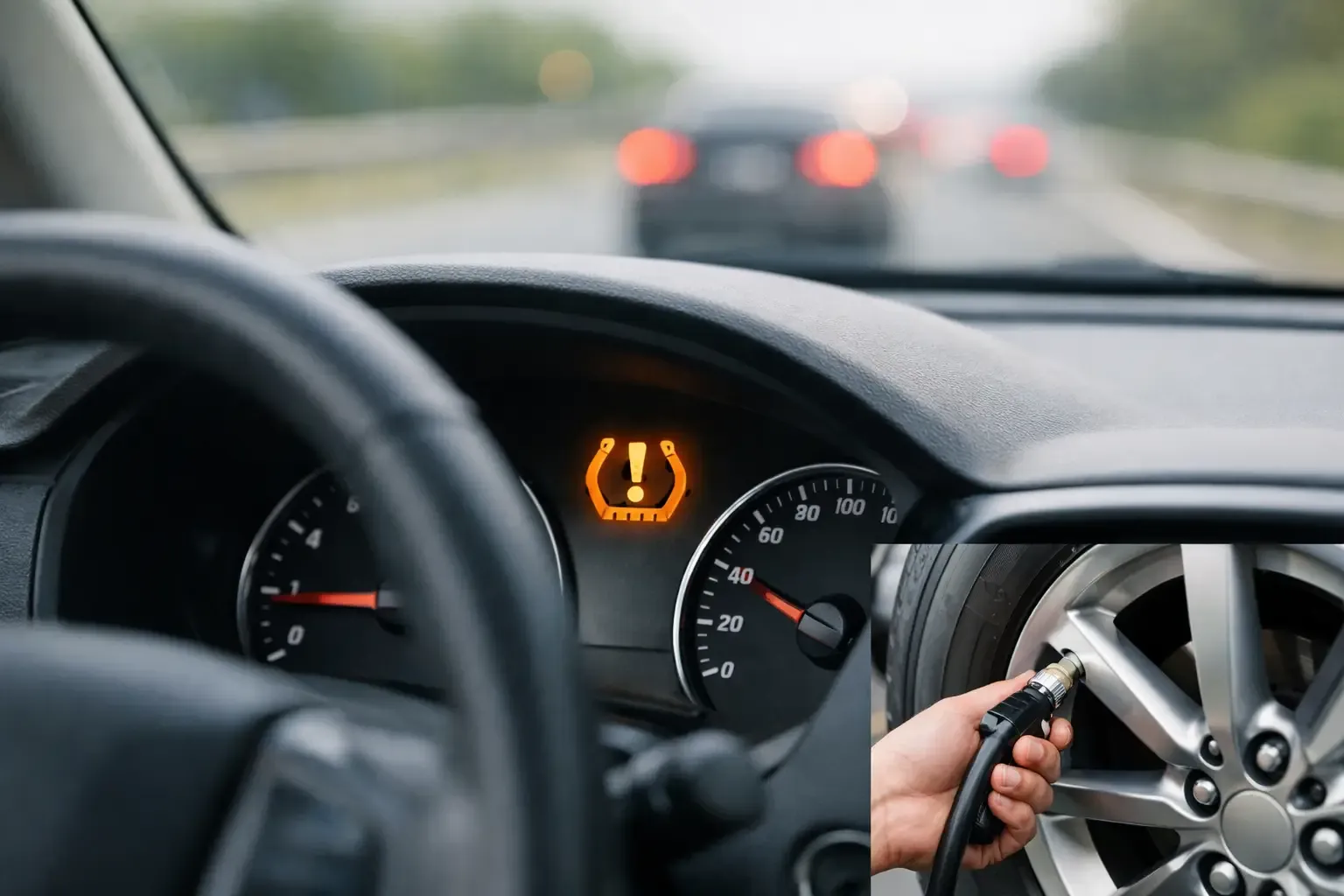
Pressure makes a major difference too. Even a properly rated tire cannot perform as intended when it is underinflated. Check pressure when tires are cold, using the pressure listed on the vehicle door-jamb label rather than the maximum pressure molded into the tire sidewall. The sidewall number is the tire’s limit, not the everyday target.
Does a Higher Load Rating Make Sense?
Sometimes, yes. A higher load index can be a sensible choice when it meets vehicle fitment requirements and reflects how you use the vehicle. For example, a family SUV that regularly carries passengers and cargo may require XL tires from the factory. A work van used for deliveries may need LT tires with an appropriate load range.
Still, higher is not always the answer. Installing a tire with substantially different construction can affect ride comfort, responsiveness, fuel economy, and tire pressure requirements. It also does not increase the vehicle’s legal or mechanical payload rating. Suspension, brakes, axles, and the vehicle’s GVWR still set the real limits.
The goal is not simply to choose the strongest tire available. It is to select a tire that meets or exceeds the manufacturer’s required load capacity while fitting the way you drive.
Load Ratings Matter More for EVs, SUVs, and Fleets
Vehicle weight is changing. Electric vehicles often weigh more than similar gas-powered models because of their battery packs, and their instant torque can accelerate tire wear. Many EVs require specific load ratings to safely support that additional weight.
SUVs and crossovers vary widely, too. A compact crossover used for commuting has different needs than a three-row SUV carrying a full family and weekend cargo. For fleet vehicles, repeated loads and high mileage make correct tire specifications even more critical. A tire that is marginally rated may not hold up under daily commercial use.
For Columbus-area drivers dealing with seasonal temperature swings, maintaining proper pressure is especially worthwhile. Tire pressure drops as temperatures fall, and a low-pressure tire is already working harder before the vehicle is loaded.
When to Ask for Professional Help
Ask for guidance if you are changing tire sizes, moving from passenger tires to LT tires, adding towing duties, or replacing only one or two tires. These situations can affect load capacity, tread compatibility, and vehicle behavior.
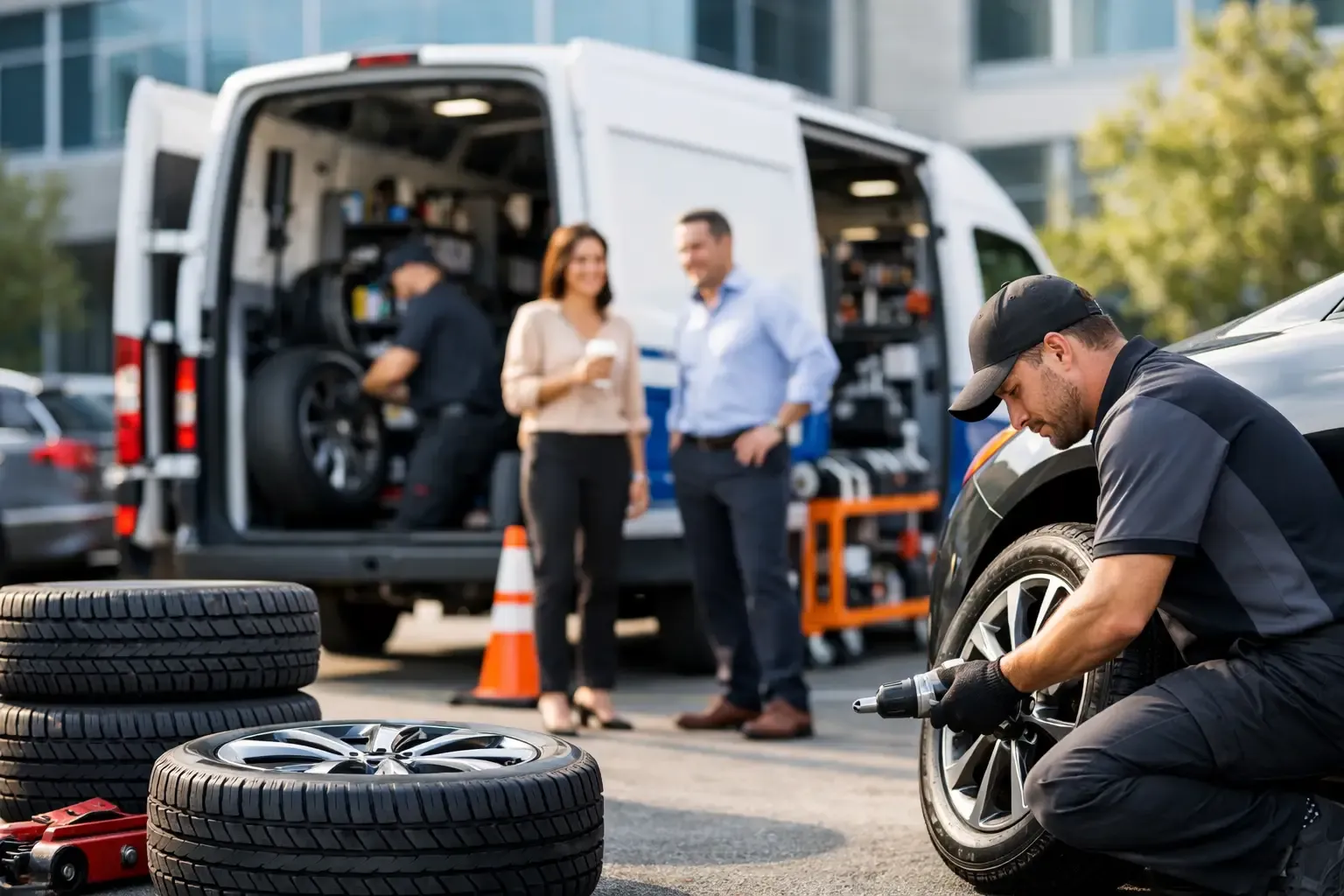
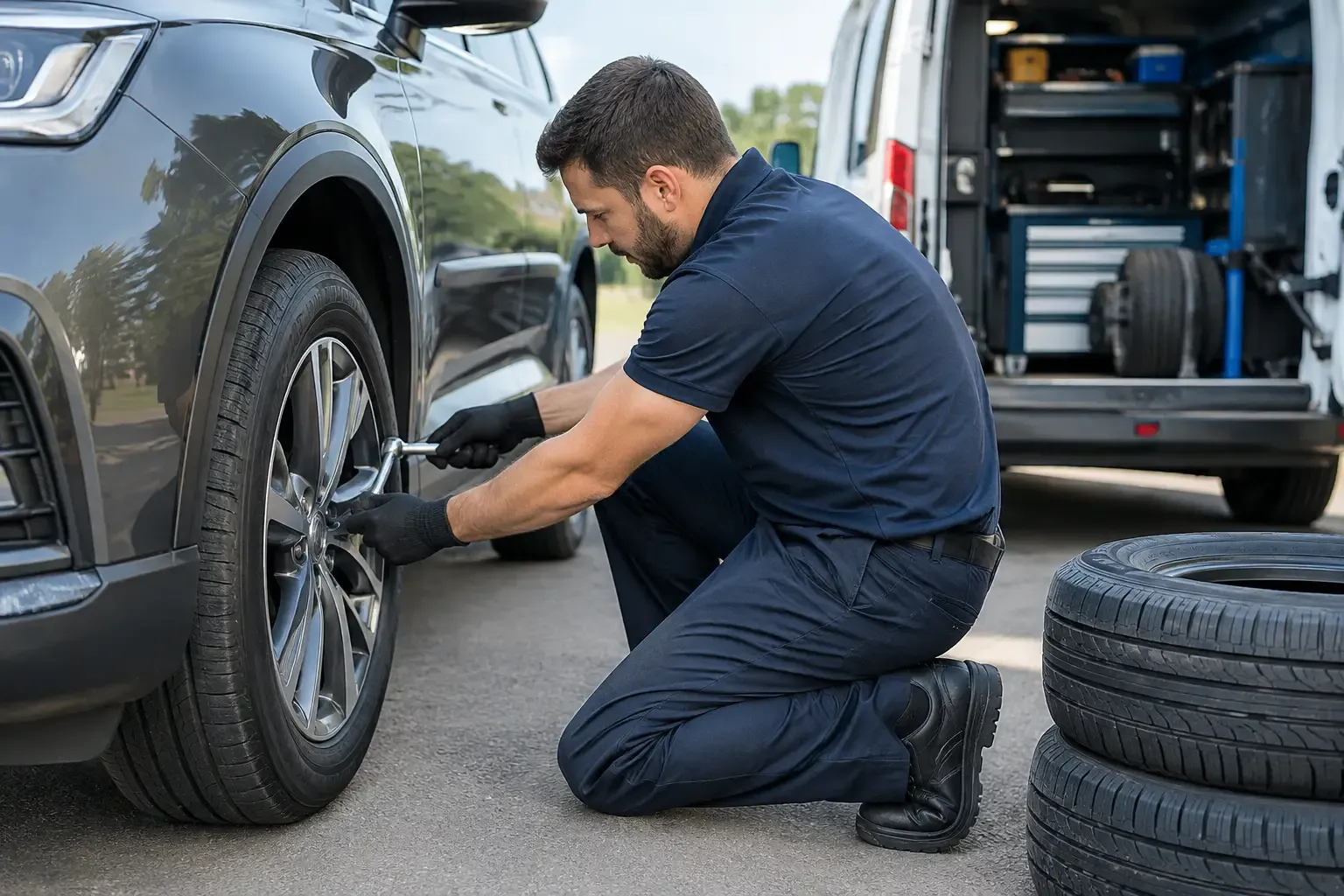
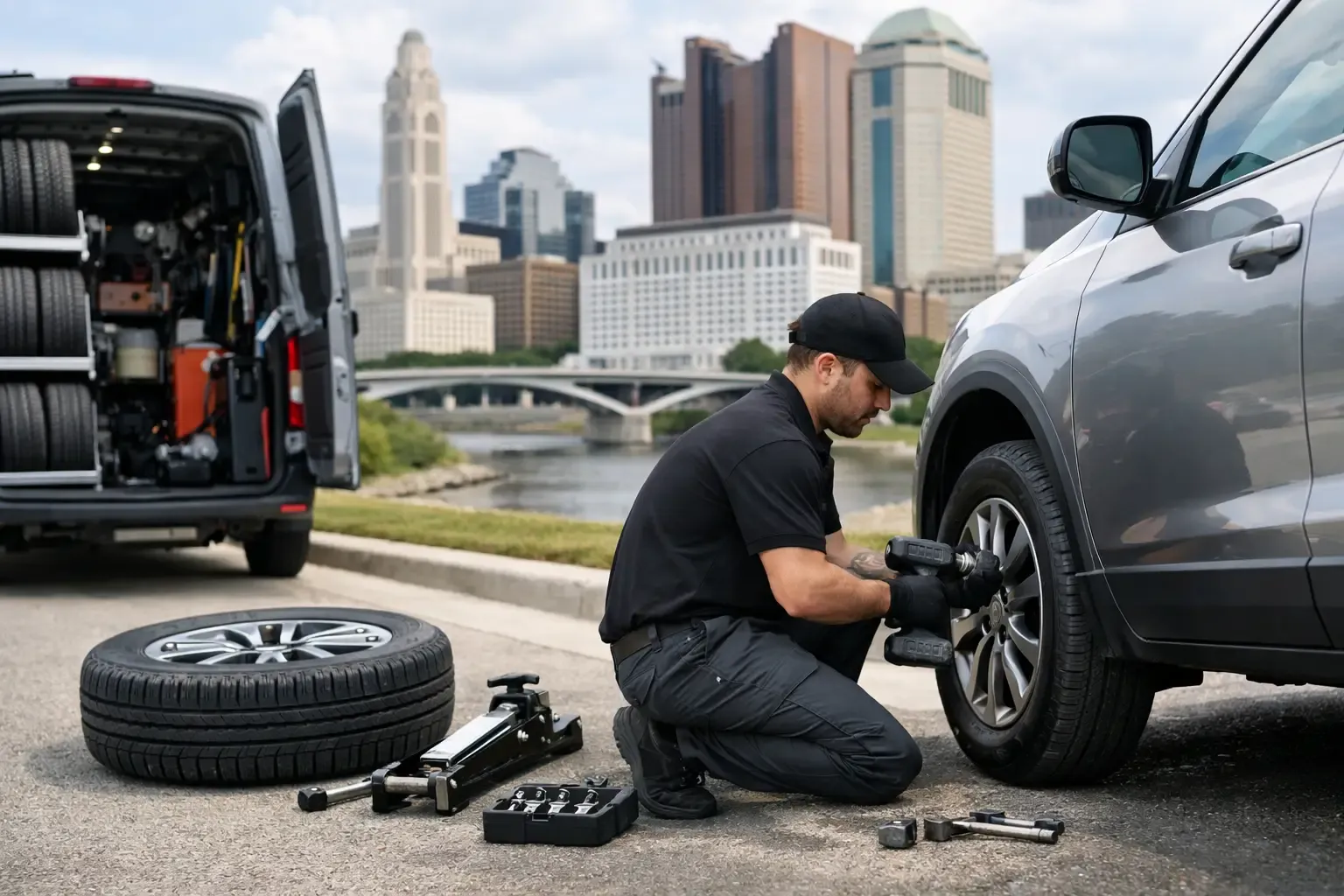
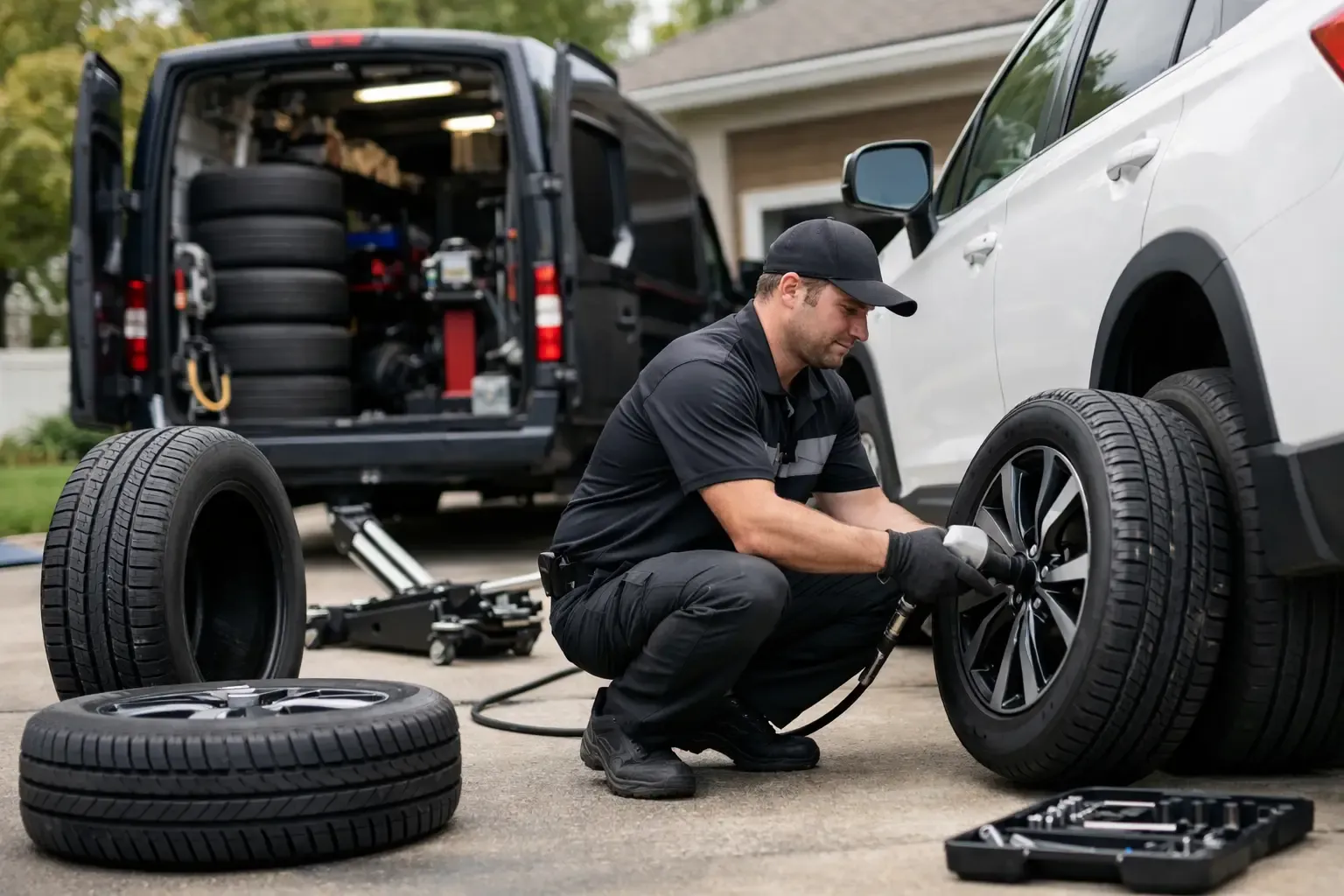
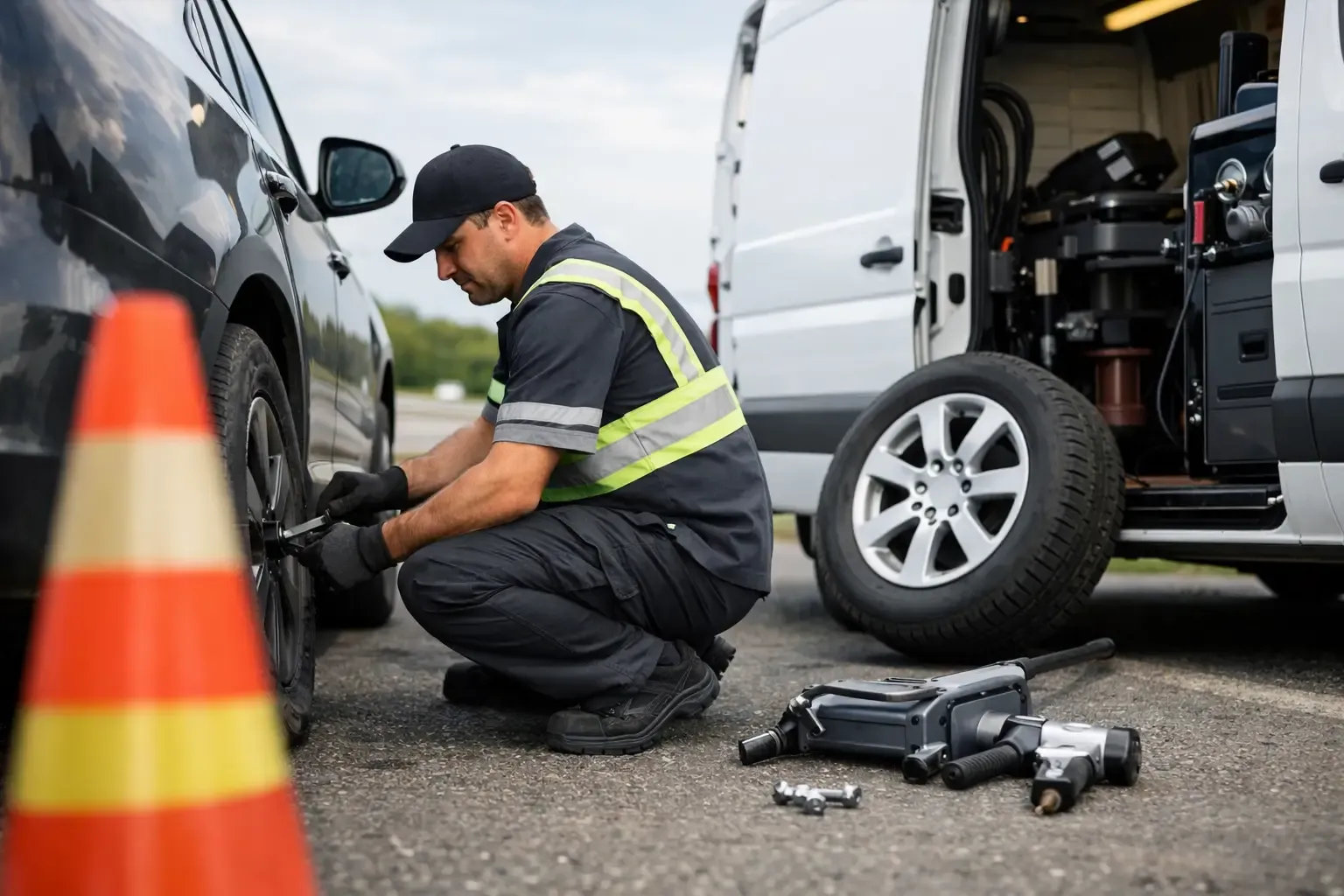
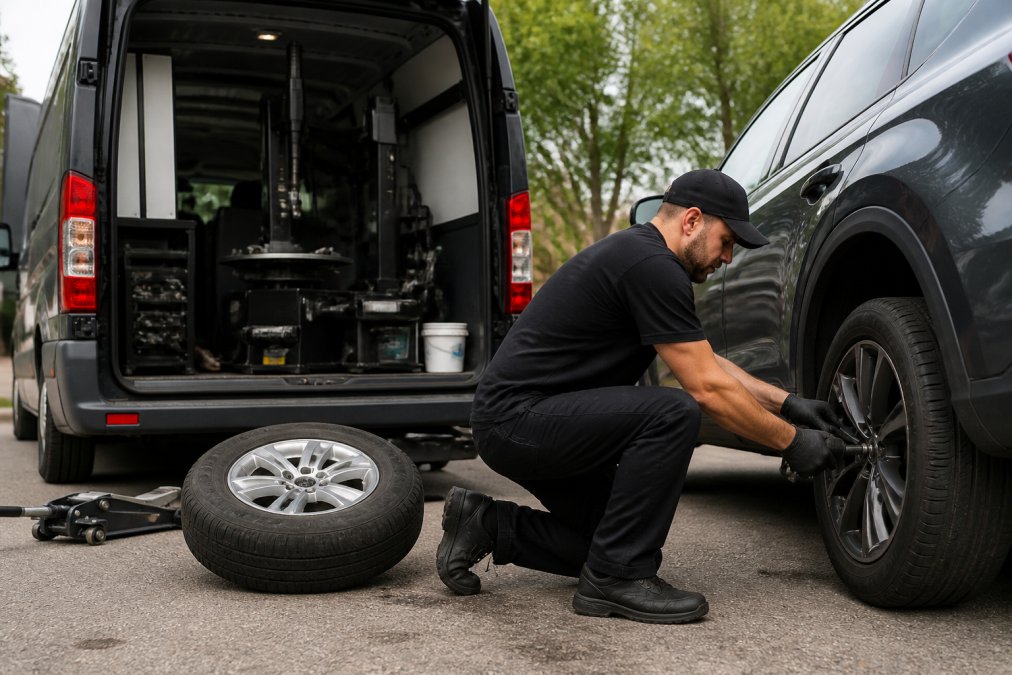
A qualified technician can verify the tire placard, inspect the current tires, and explain options in plain language. Mobile service can make that process easier when a flat, damaged tire, or worn tread has already disrupted your day. Elite Mobile Tire can help Columbus drivers select and install tires that meet the vehicle’s requirements without adding another stop to the schedule.
The number on a tire sidewall may be small, but it supports every mile ahead. Before your next replacement, make sure the tire is ready for the weight your vehicle carries, not just the size of the wheel it fits.
Ready for a new set? Elite Mobile Tire is open 24/7 and installs 2 or 4 new tires right in your driveway or parking lot anywhere around Columbus, Obetz, Groveport, Grove City, and Reynoldsburg. Financing is available through Afterpay and Acima with up to 24-month payment plans. Call 614-344-5010 or visit elitemobiletire.com to book.