Electric vehicles are showing up in more driveways around Columbus every year, from Model Ys in Westerville to Equinox EVs and Ioniq 5s in Gahanna and Pickerington. Owners love the quiet ride and skipping the gas station. What surprises a lot of them is the first tire bill. Many EV drivers find their original tires wearing out sooner than the tires on the gas car they traded in.
That isn't a defect. It comes down to how EVs are built and how they put power to the road. Here's what's going on, what to watch for, and how to replace EV tires without losing a day at a shop.
Why EV Tires Wear Faster
Battery weight
Battery packs are heavy. Many EVs weigh noticeably more than a gas vehicle of similar size, and every extra pound presses down on the tires. More weight means more heat and more scrubbing in every turn, every stop, and every on-ramp merge onto I-270.
Instant torque
An electric motor delivers its full torque the moment you press the pedal. That's what makes EVs feel so quick pulling away from a light on Morse Road or Broad Street. It also means the tires take a hard shove every time you accelerate. Drive an EV the way it begs to be driven and the tread pays for it.
Regenerative braking
Regen braking slows the car using the motor, which saves the brake pads. But the drive wheels are doing that slowing work, so those tires carry more of the load. On many EVs, the drive-axle tires wear faster than the others, which is one reason regular rotation matters even more.
What Makes an EV Tire Different
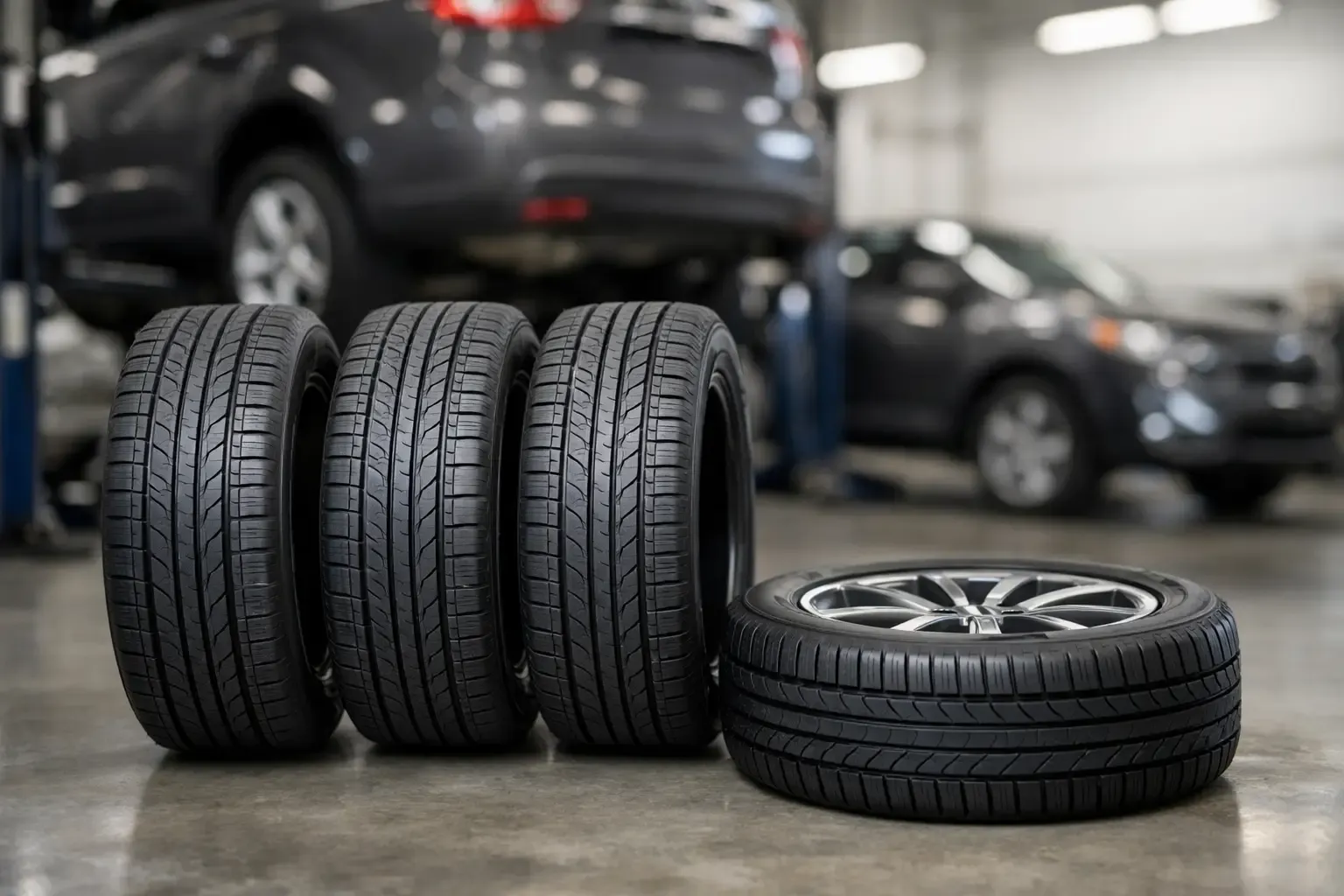
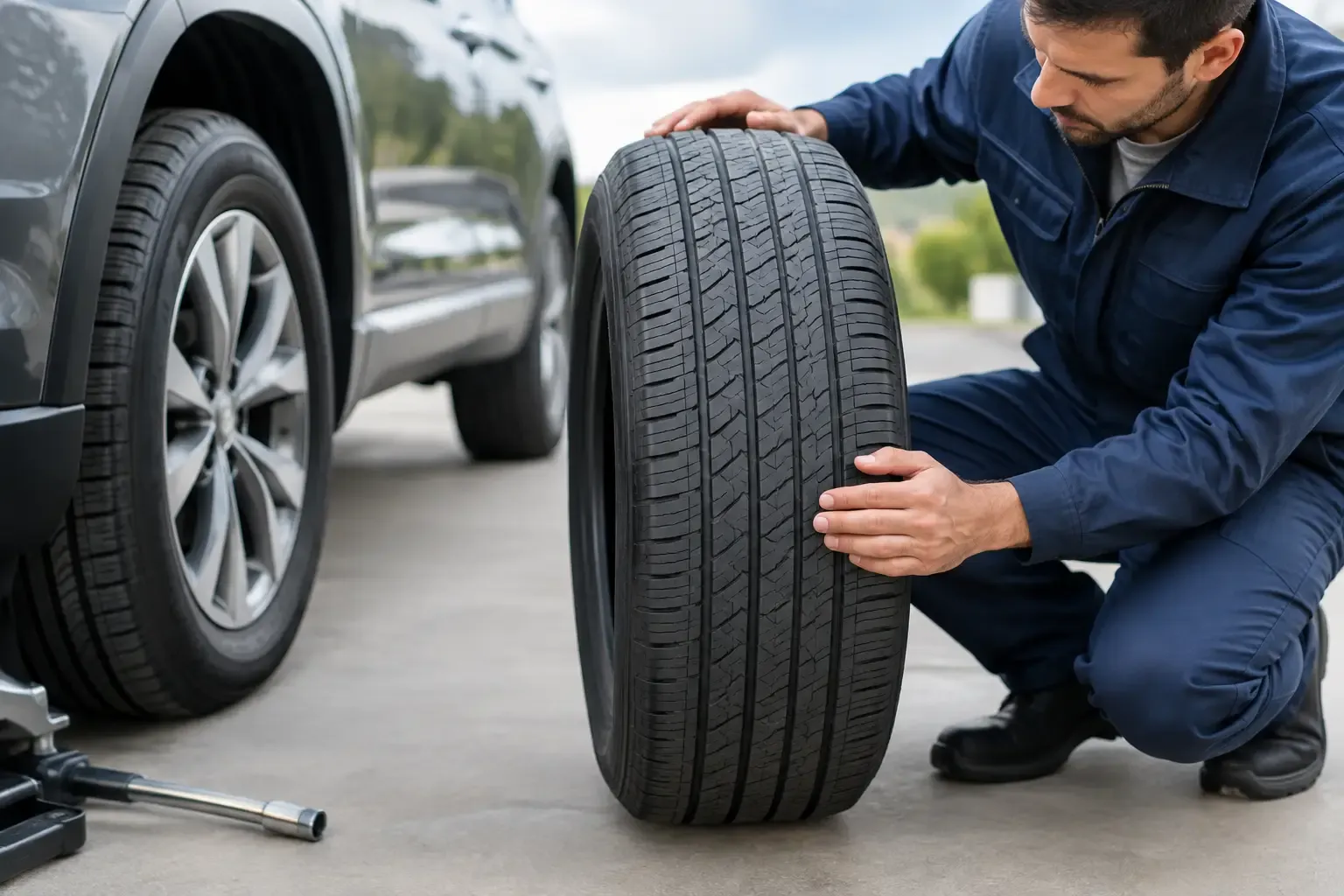
Many automakers fit their EVs with tires built specifically for electric vehicles. These tires are usually designed for higher load capacity to handle the battery weight, lower rolling resistance to protect driving range, and quieter operation. Some include a foam layer inside the tire to cut road noise, since there's no engine sound to cover it up.
Because of this, it's smart to replace EV tires with ones rated for your vehicle's load and speed requirements, which you can find on the placard inside the driver's door. A cheaper tire with a lower load rating can wear faster, hurt your range, and make the cabin louder. Your owner's manual and the tire placard are the place to start, and NHTSA's tire safety page explains how to read the load index and other sidewall markings.
Signs Your EV Needs New Tires
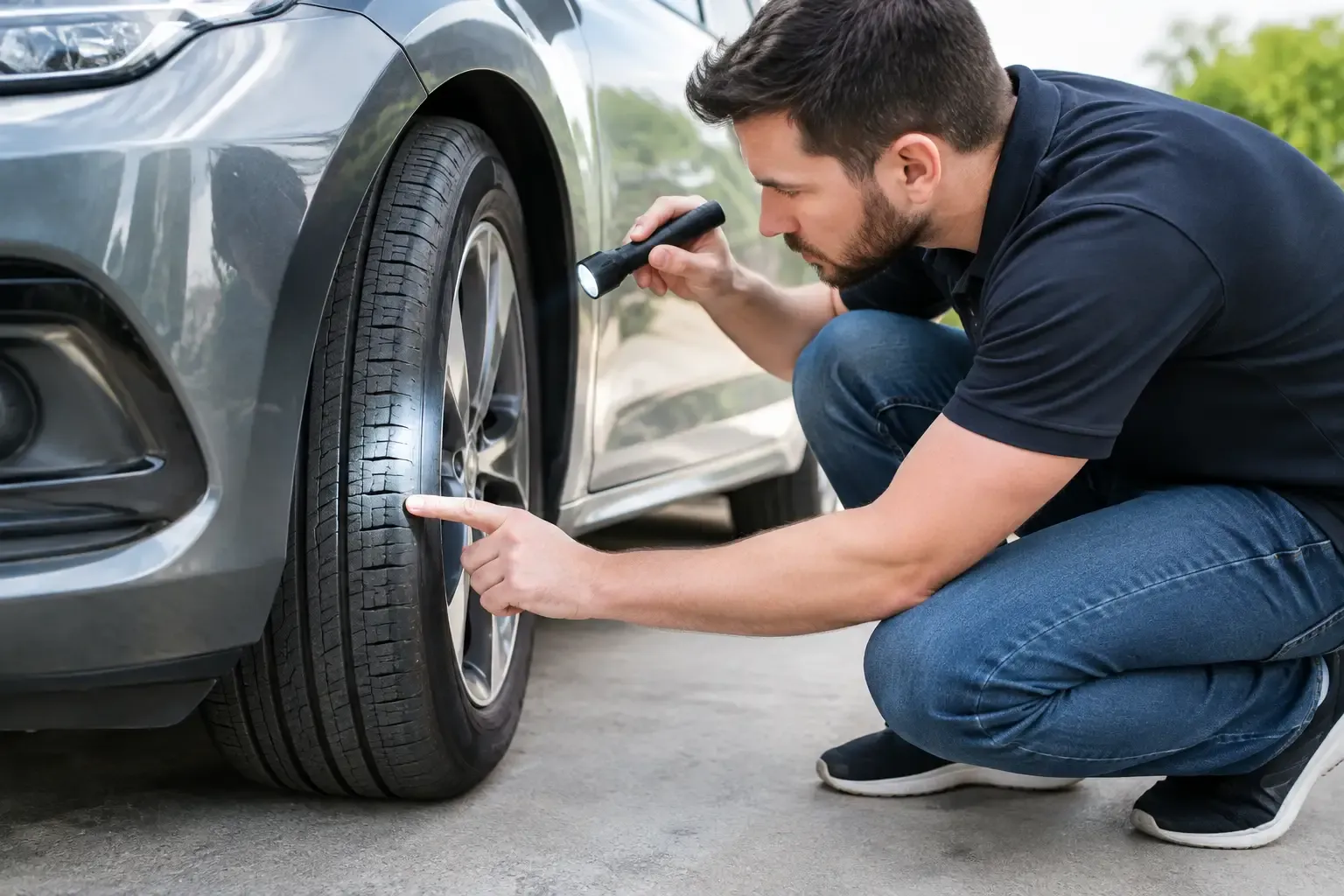
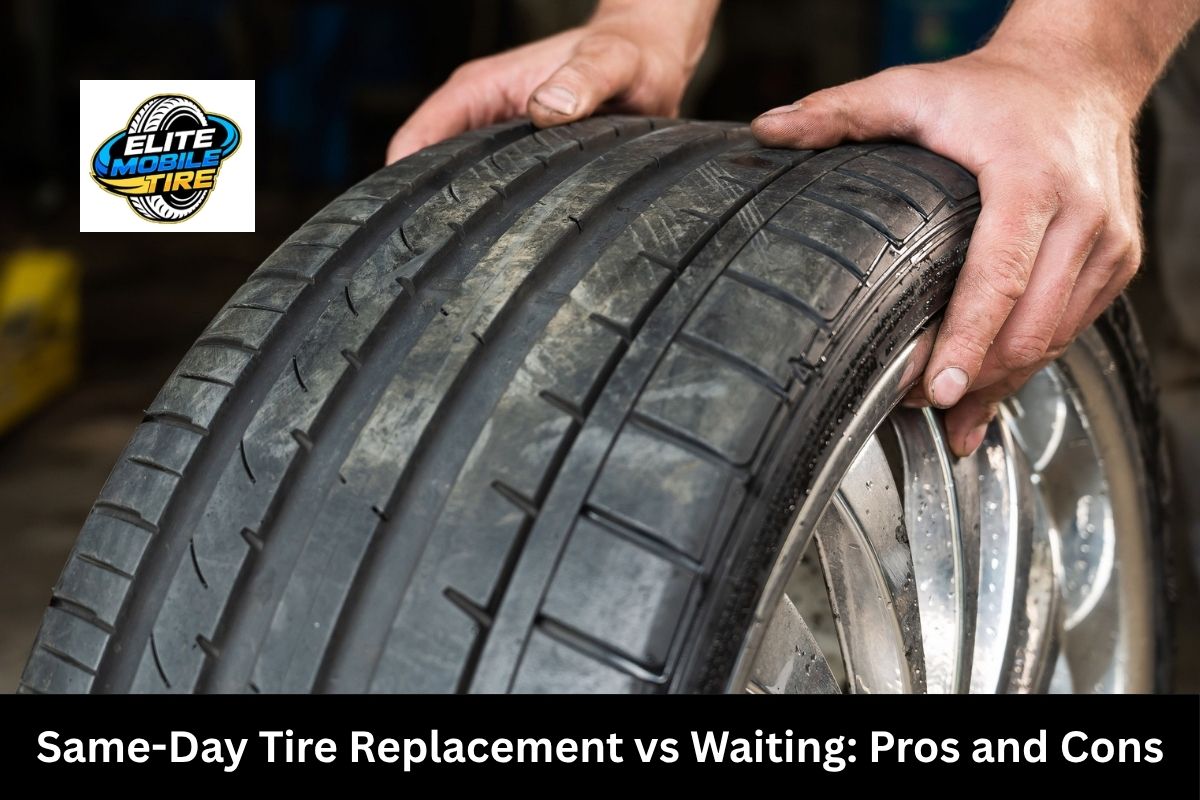
- Tread at or near the wear bars, or less than about 4/32" if you drive in Ohio rain and snow
- Noticeably more road noise than when the car was new
- Range dropping more than you'd expect for the season
- Uneven wear across the tread or between front and rear
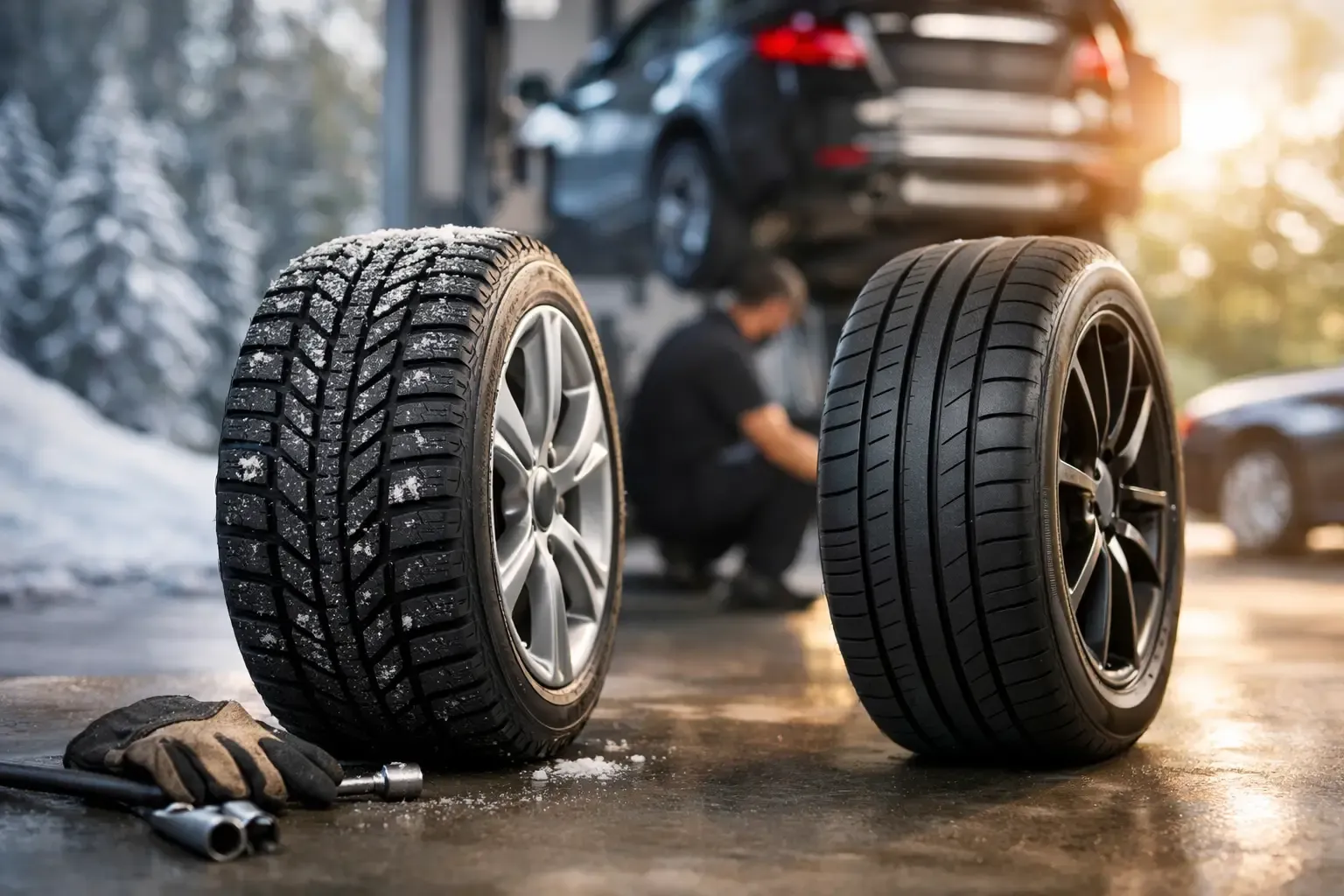
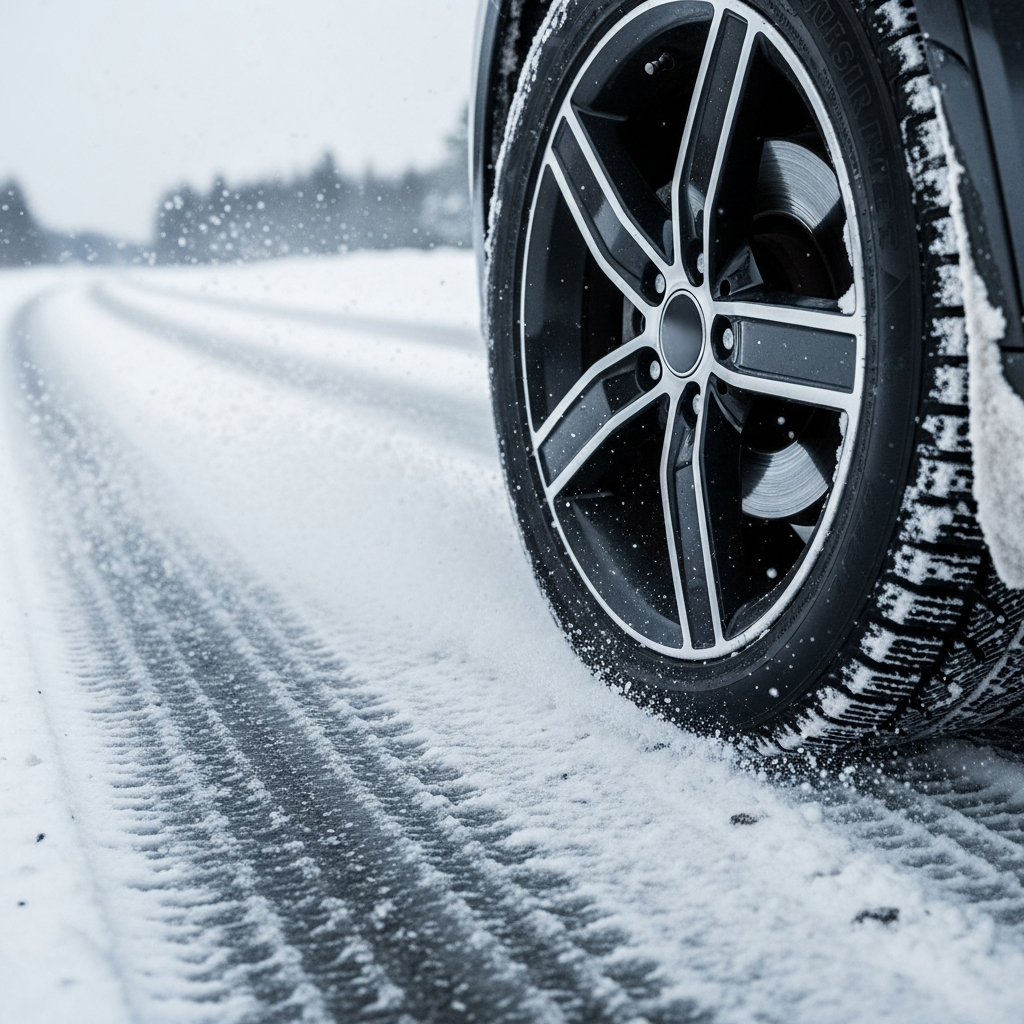
- The car feeling less planted on wet pavement or in the first snow
Range is worth watching. Cold weather already cuts EV range in a Columbus winter, so worn or wrong tires on top of that can be frustrating. The U.S. Department of Energy has good background on what affects electric vehicle efficiency.
Why EVs Usually Need Tires as a Set
Most EVs with dual motors are all-wheel drive, and many manufacturers recommend keeping all four tires closely matched in tread depth on AWD vehicles. Putting one or two new tires next to worn ones can make the drivetrain work harder to manage the difference in wheel speed.
Even on rear-wheel-drive EVs, the tires tend to wear at a similar pace when they're rotated on schedule, so they often come due together. In practice, a lot of EV owners end up replacing all four at once. If you only replace two, the general rule is the same as any vehicle: replace them in pairs on the same axle, and put the new tires on the rear.
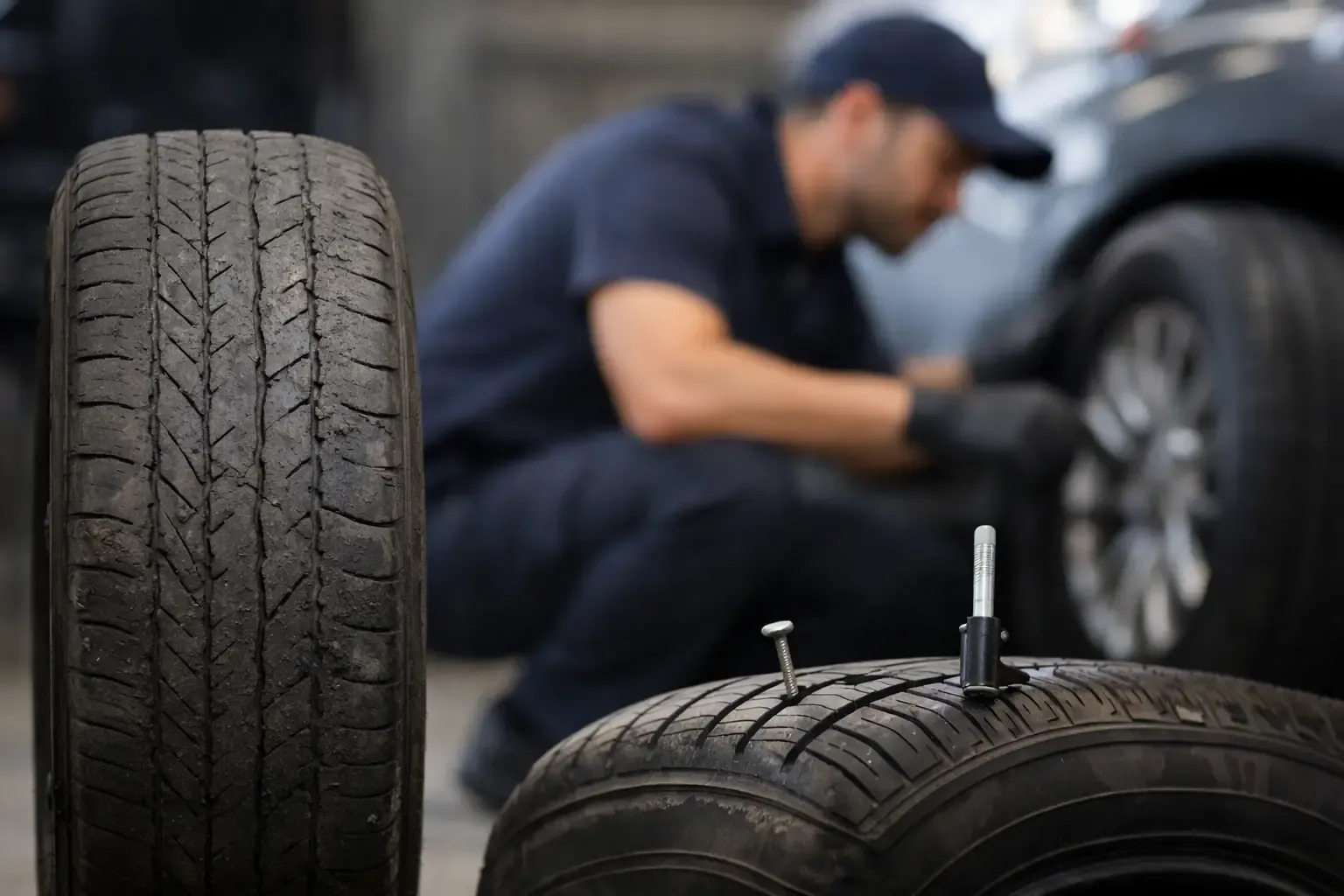
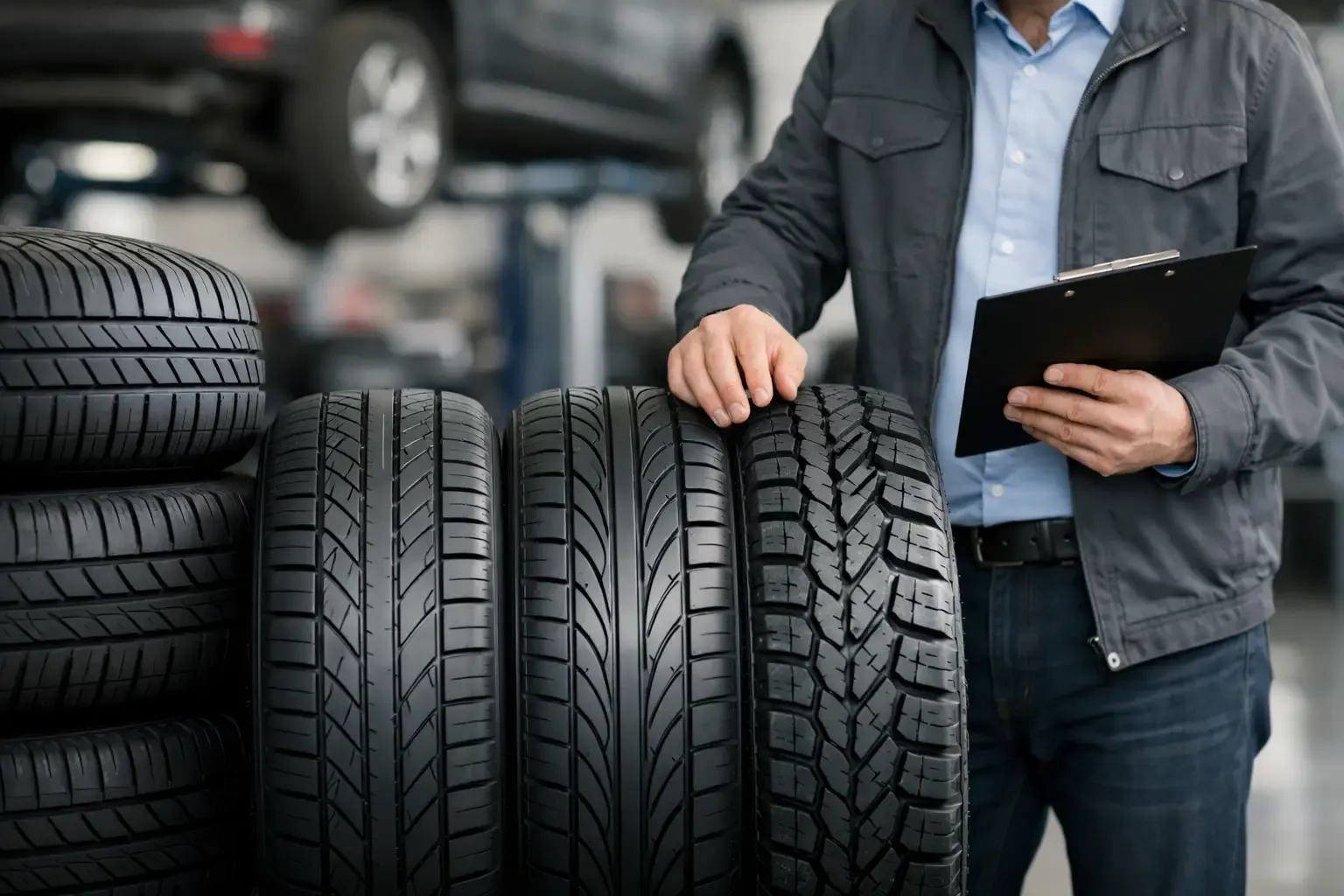
Before you buy, have someone check all four tires, not just the one that looks low. That's the easiest way to know whether you need two or a full set.
Getting EV Tires Installed Without a Shop Visit
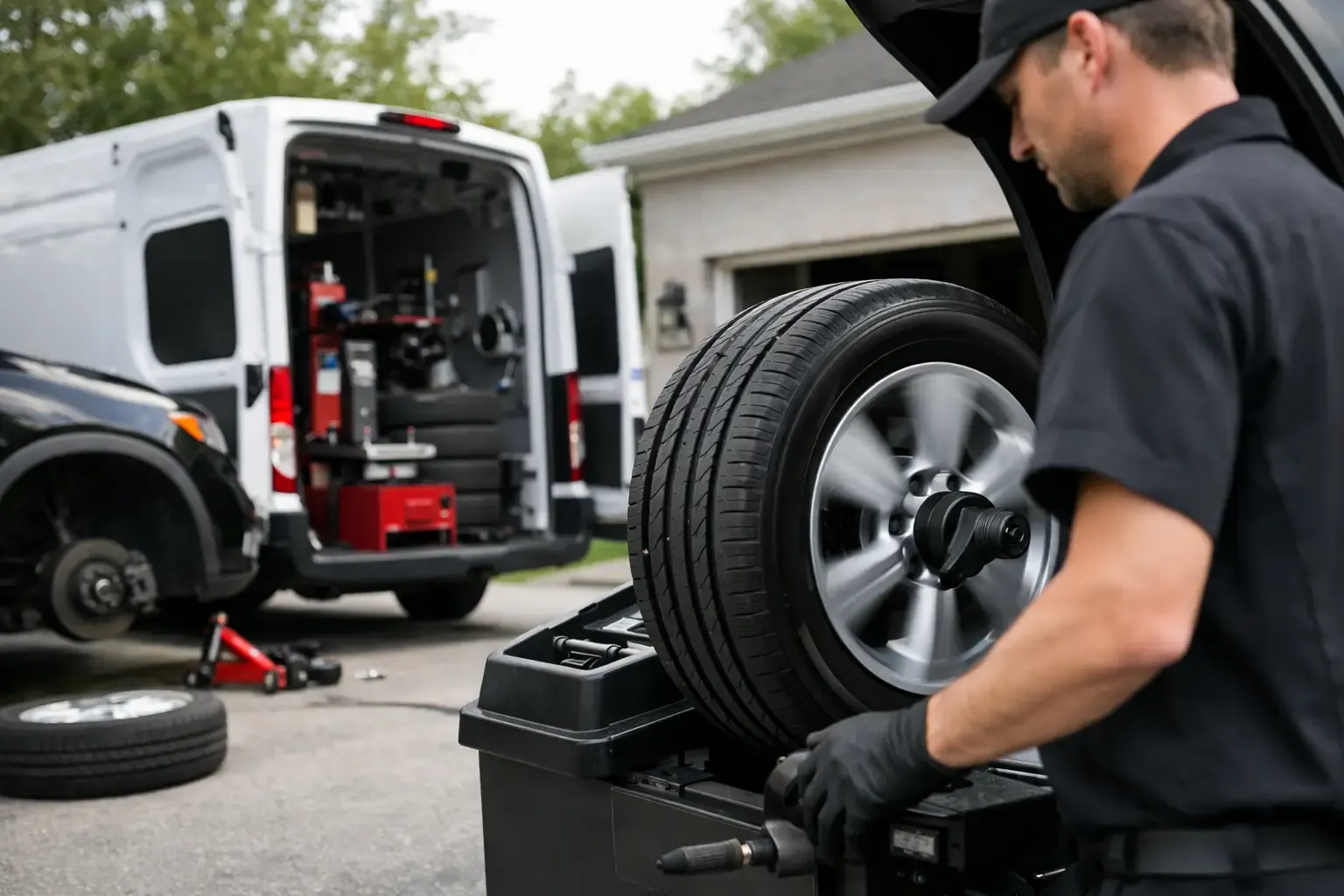
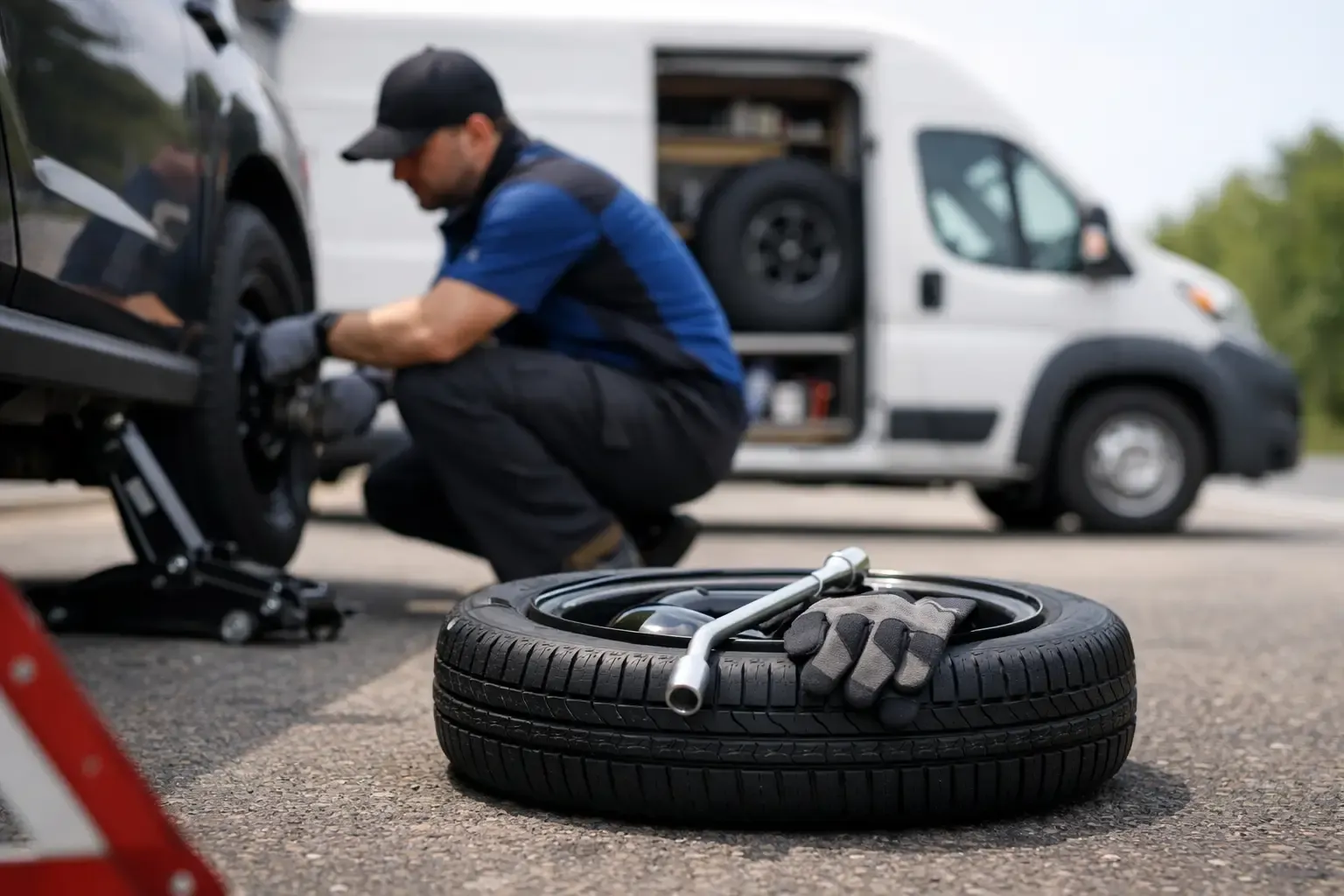
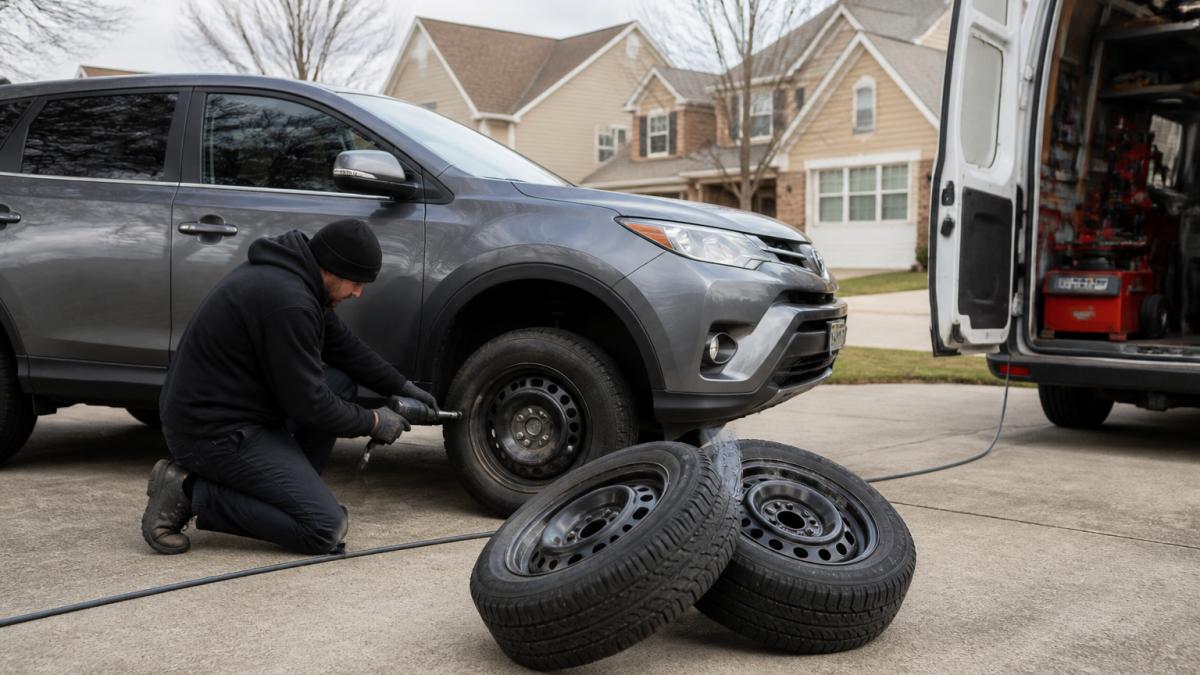
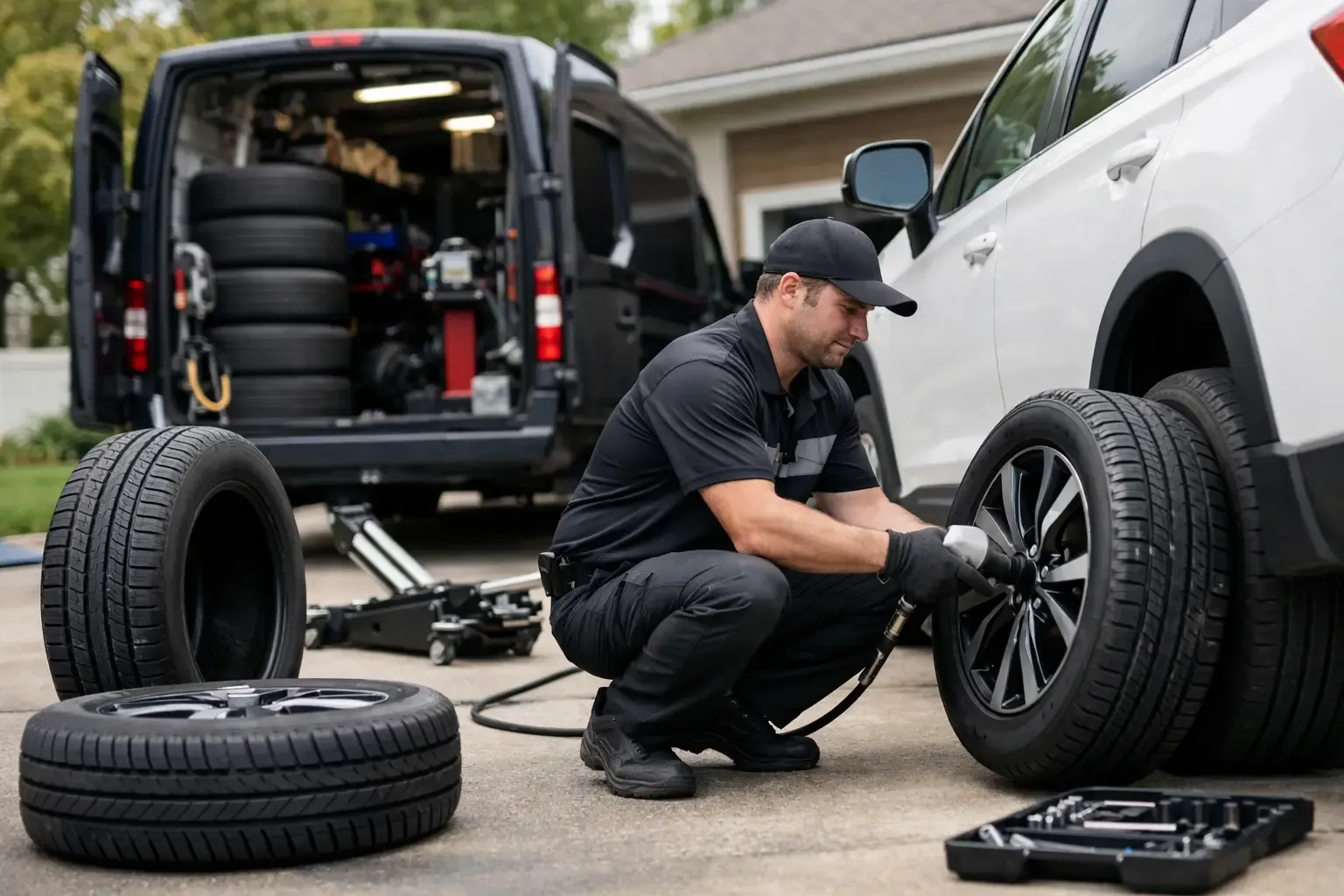
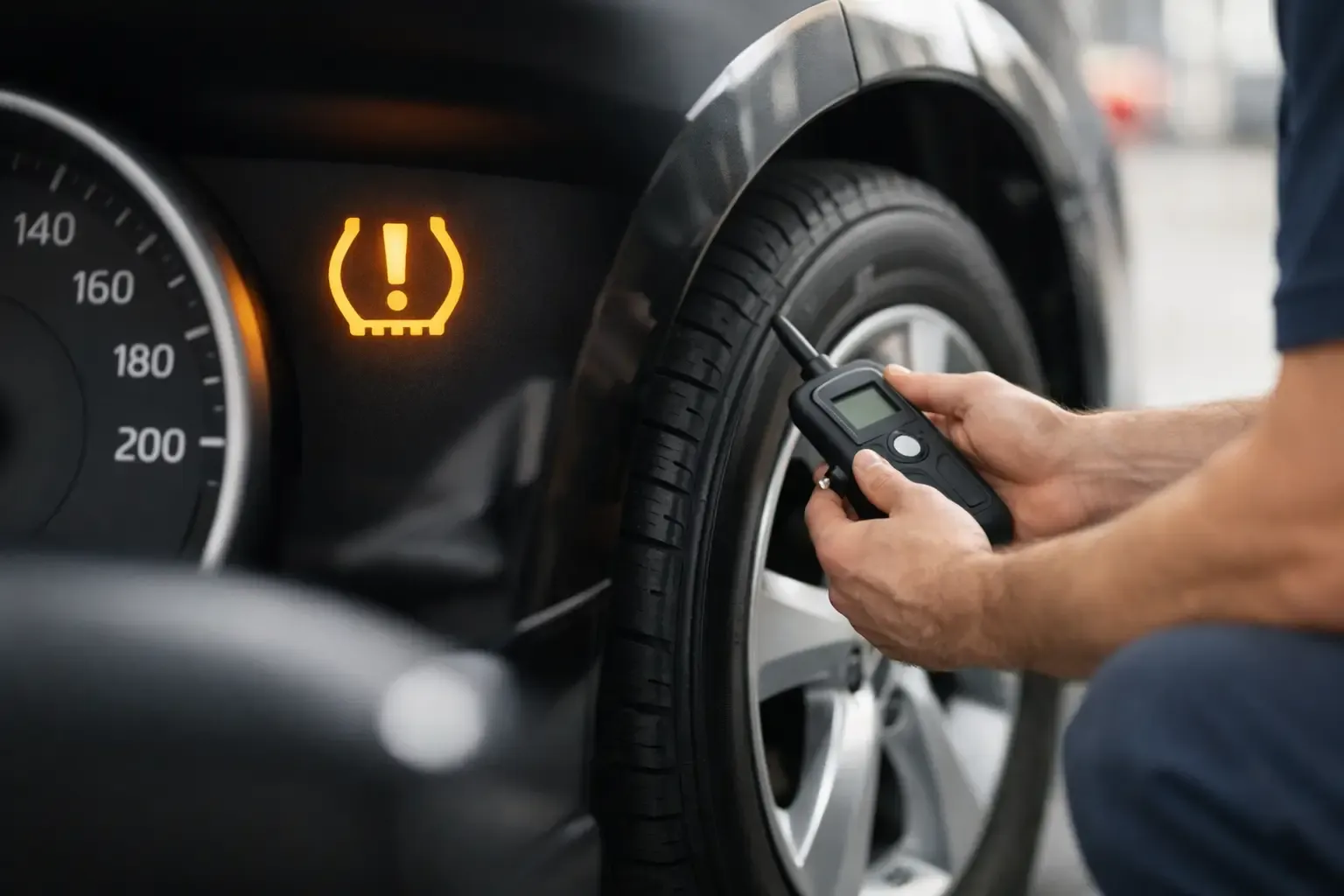
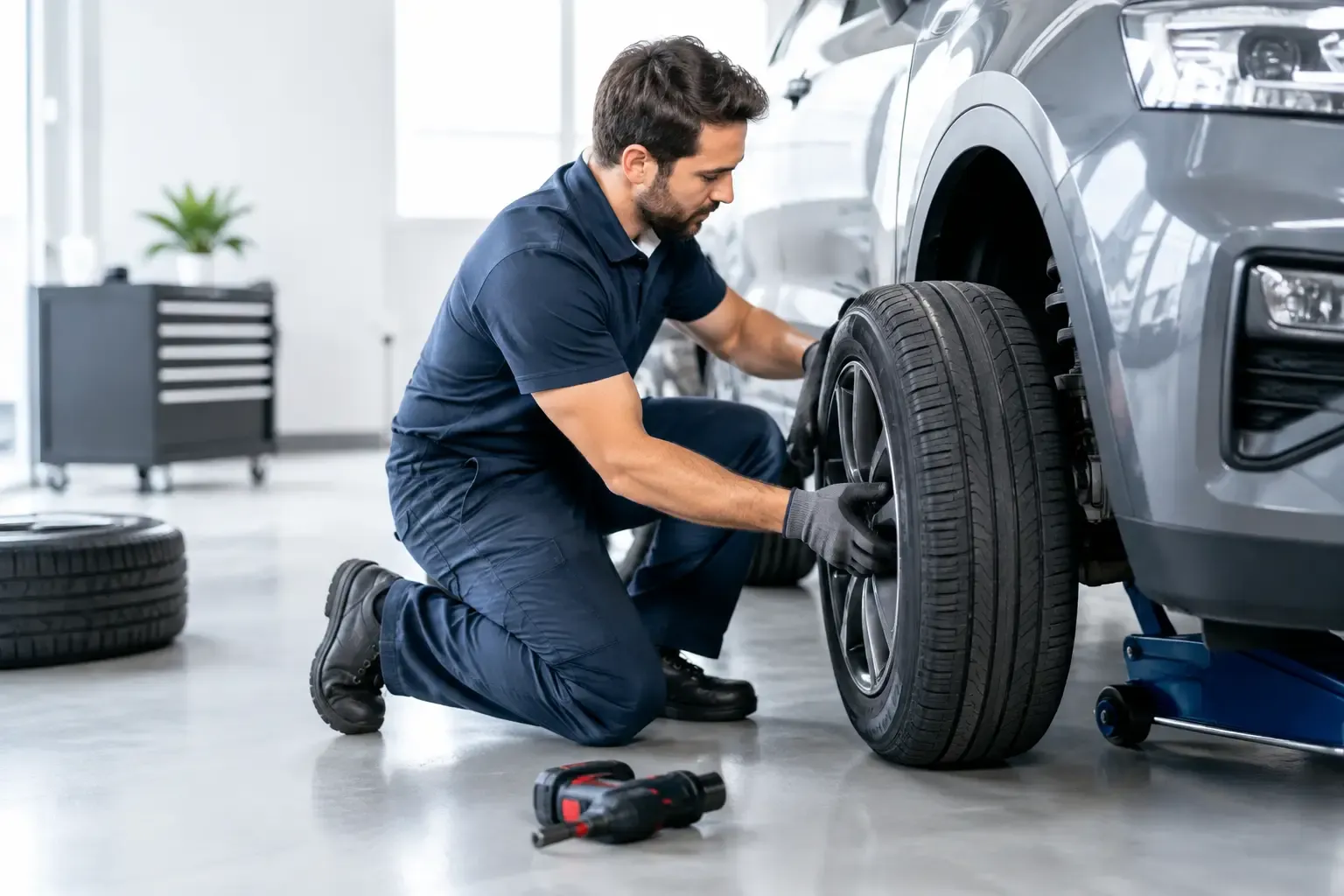
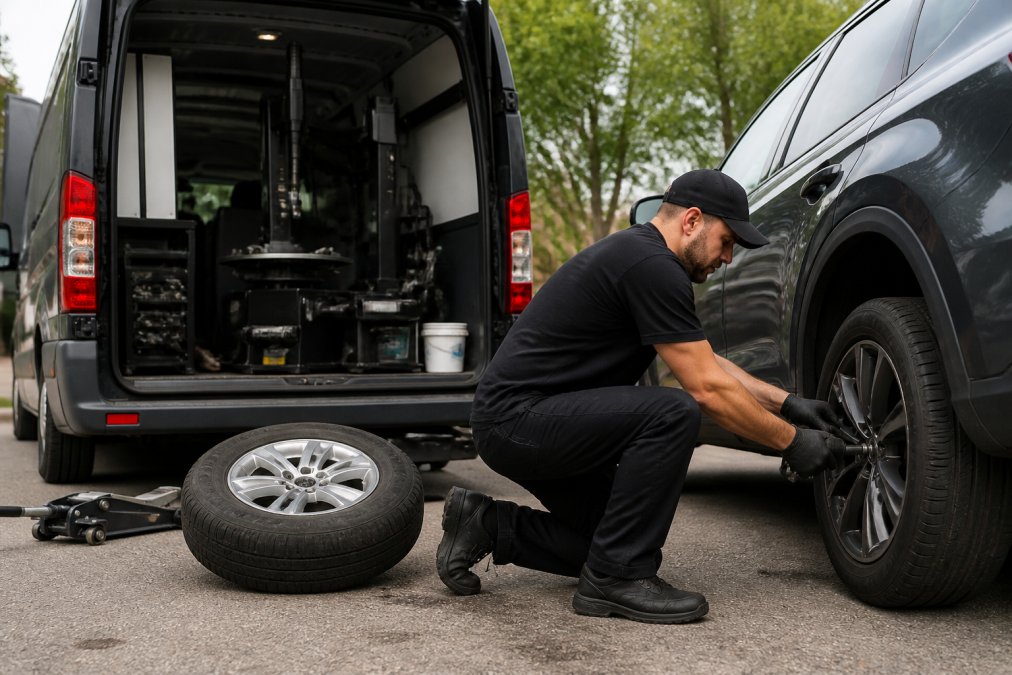
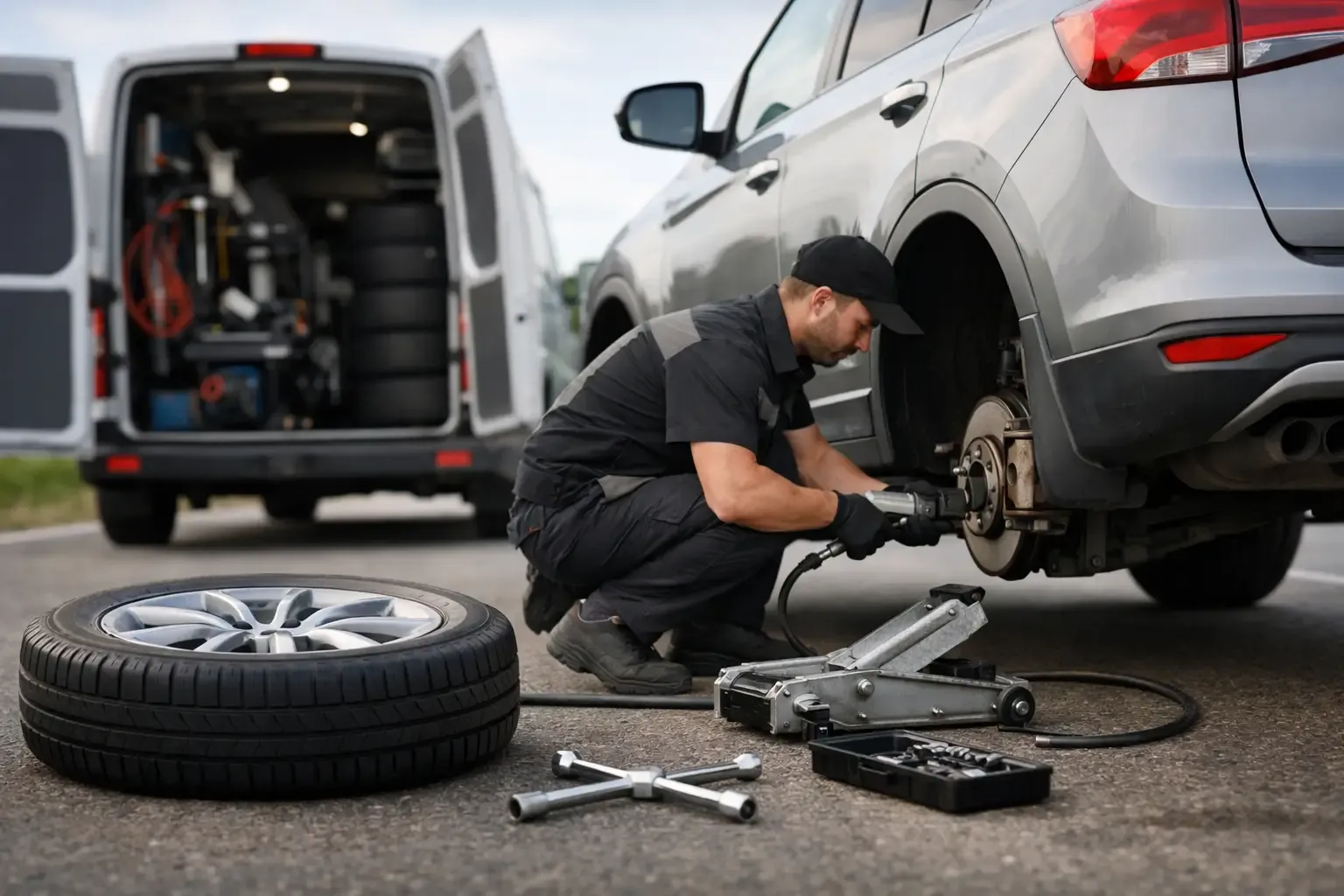
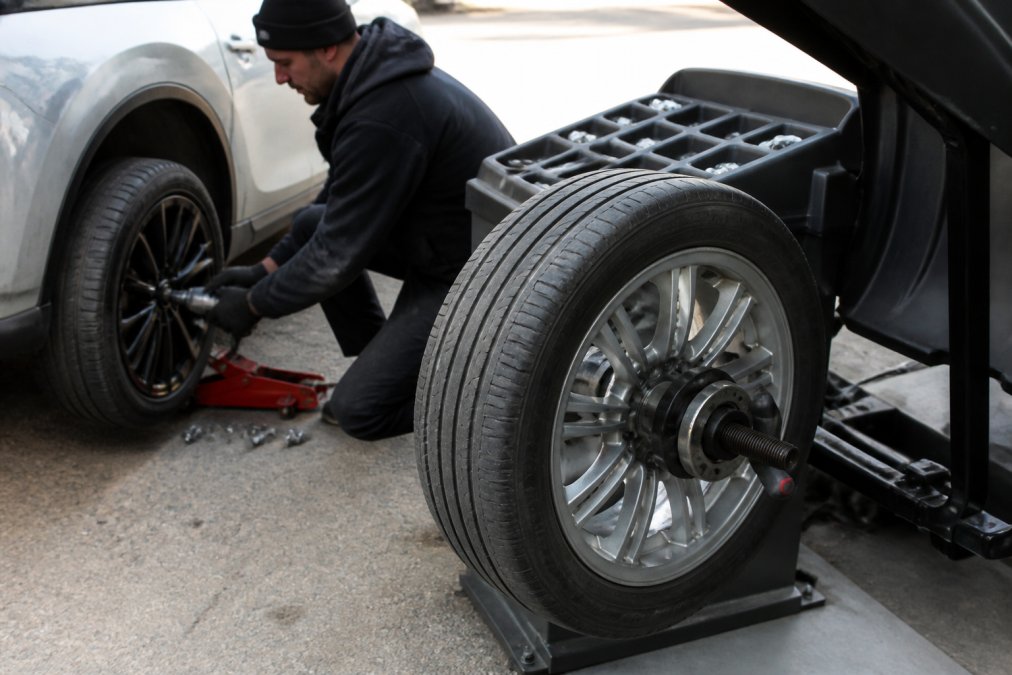
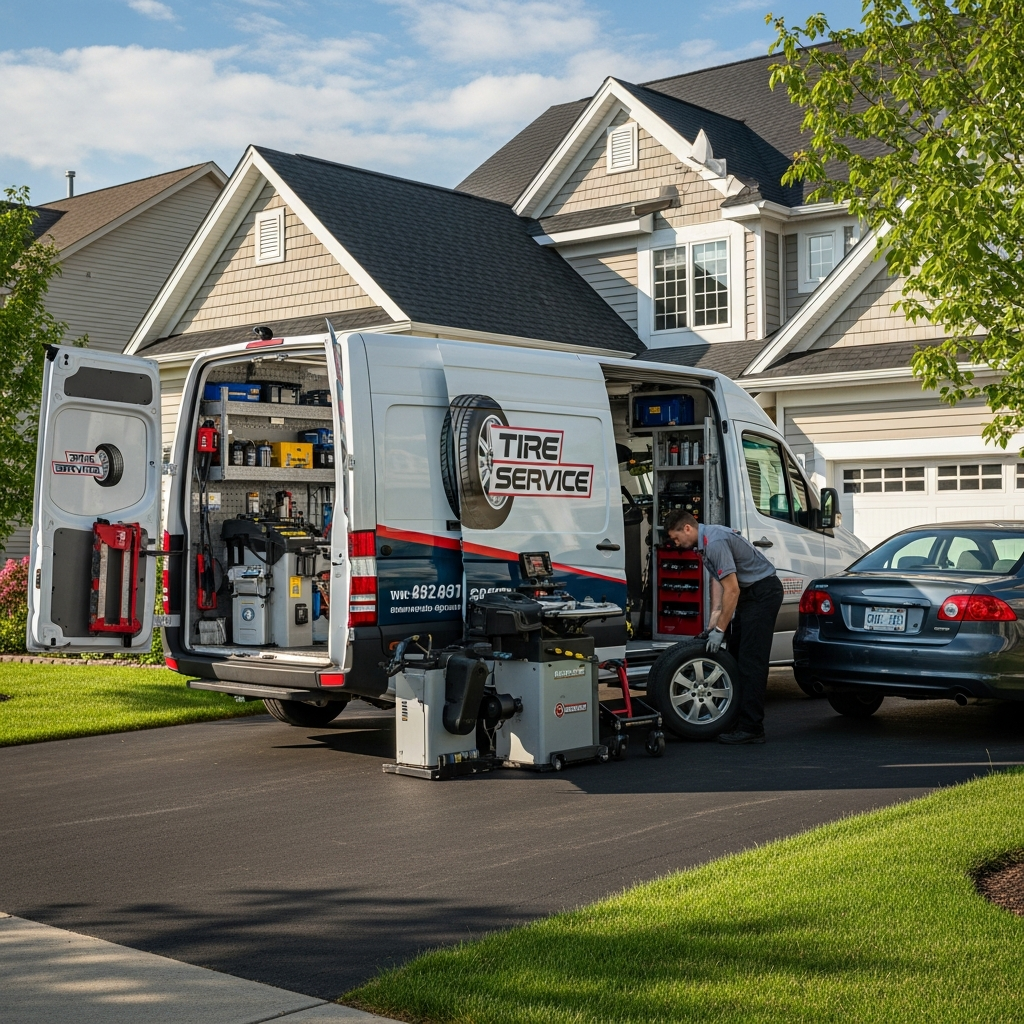
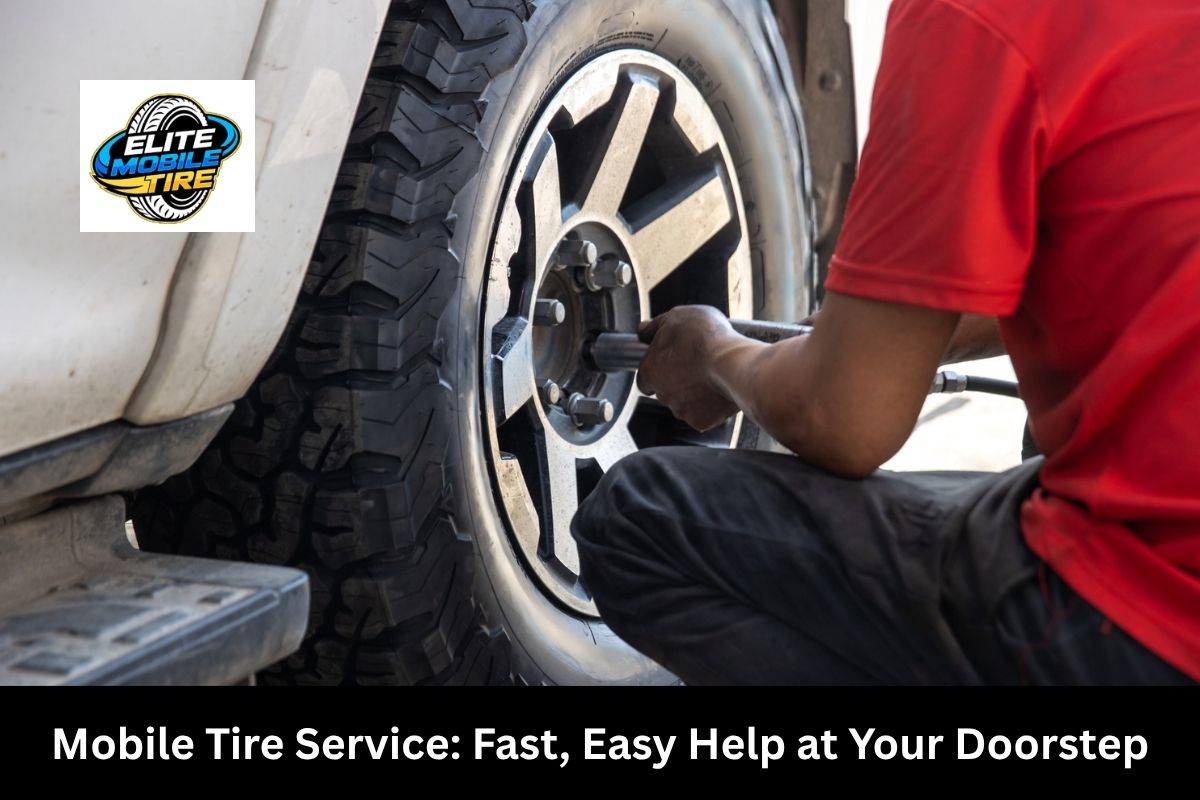
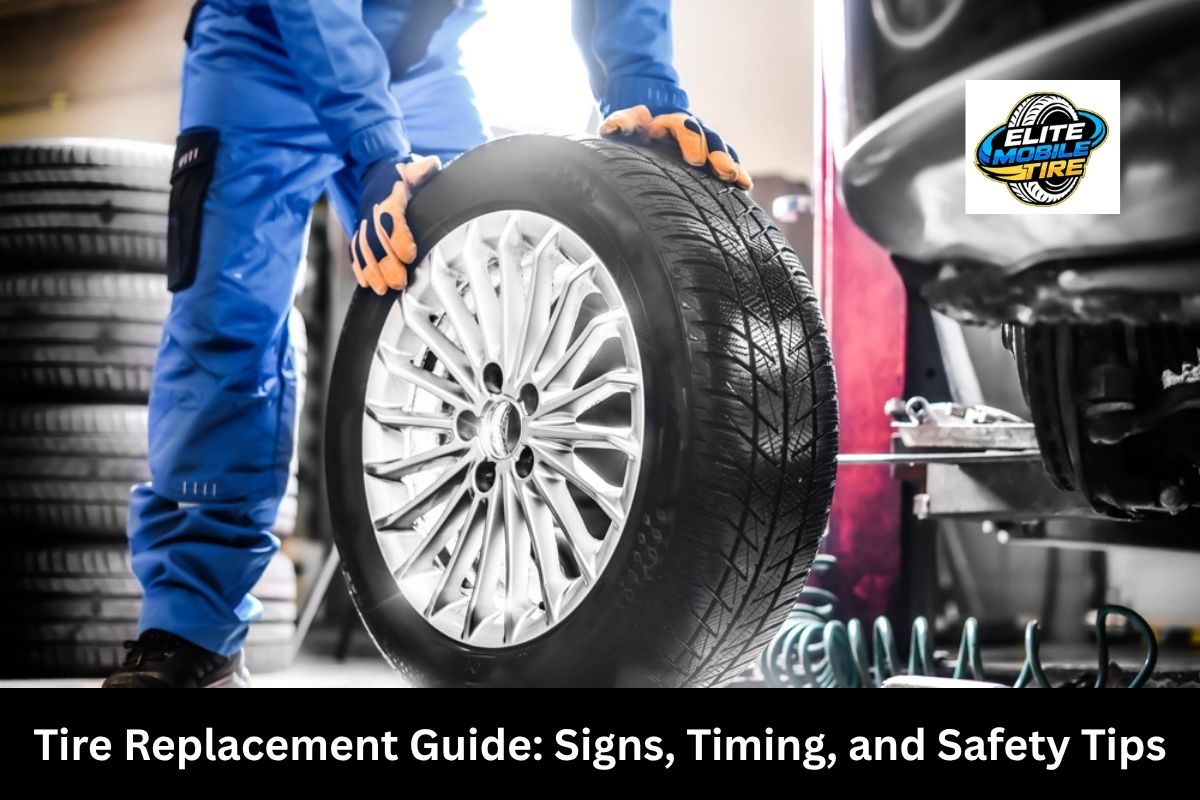
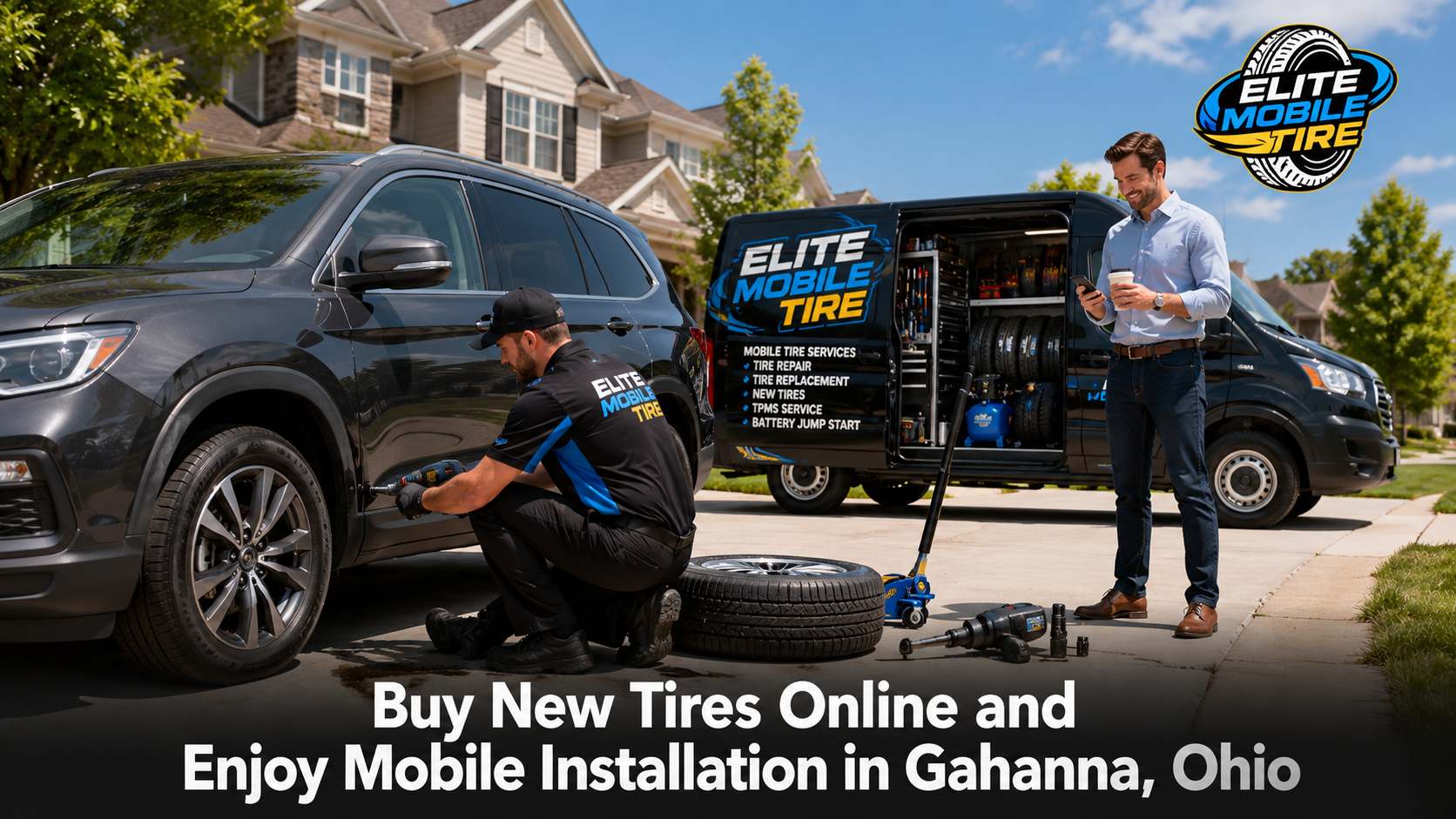
Here's where mobile service fits EV owners especially well. A lot of EV drivers charge at home and rarely need to go anywhere for maintenance. Tires are the big exception. With mobile installation, a technician comes to your driveway in Canal Winchester or your office lot off US-33, mounts and balances the new set, sets the pressure to spec, and handles the TPMS sensors, all while your car sits where it normally does.
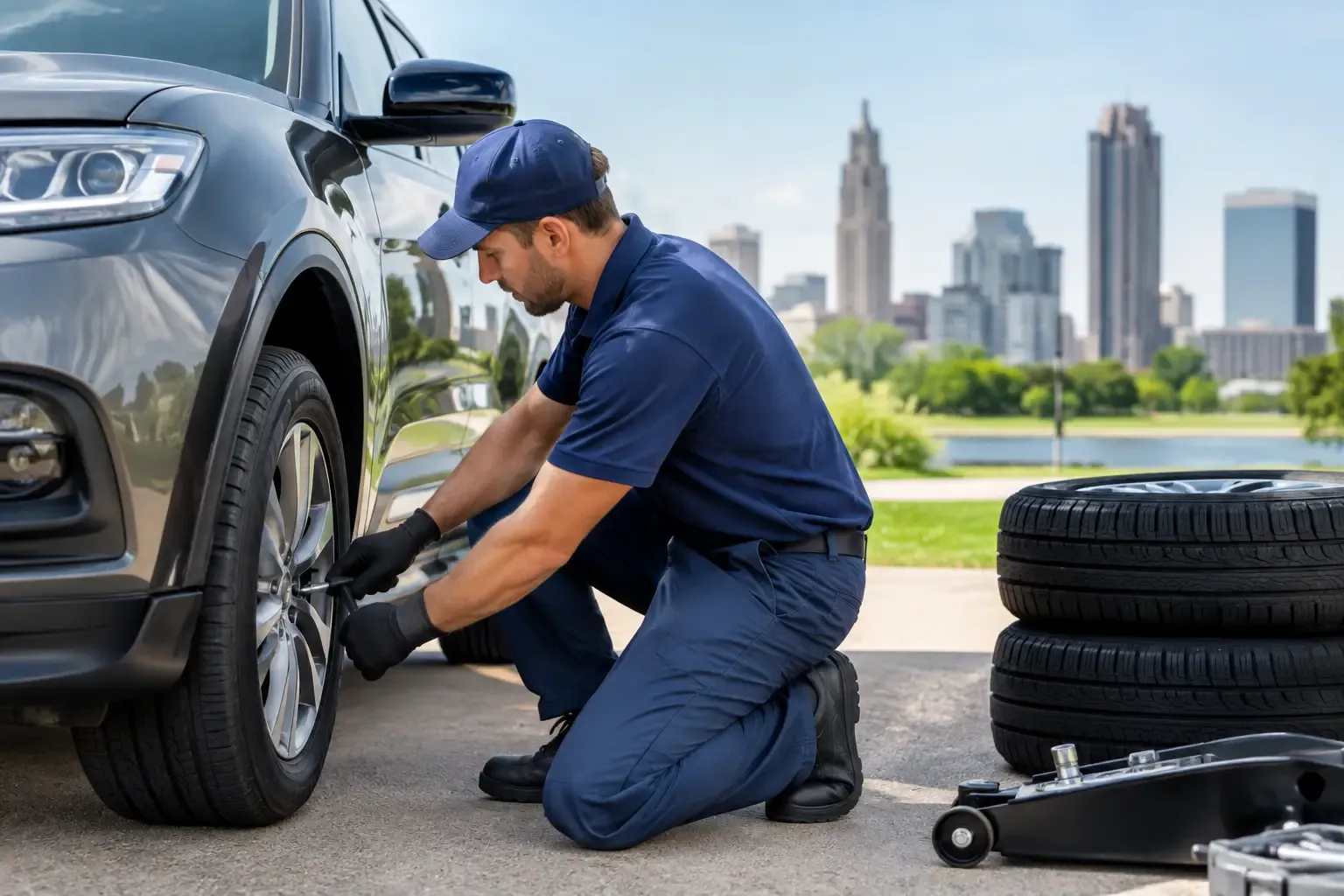
Two EV-specific things a good installer will do: use proper lift points for your vehicle so the battery pack isn't touched, and torque the lug nuts to the manufacturer's spec. If you're not sure where the lift points are, your owner's manual shows them, and you can mention your model when you book.
Mobile tire balancing is around $50 per tire, and a full set can be financed so you don't have to take the whole hit at once. If your EV's tires are getting close, it's worth booking before the first real cold snap, when traction and range both matter most.
Ready for a new set? Elite Mobile Tire installs 2 or 4 new tires right in your driveway or parking lot anywhere around Columbus, Obetz, Groveport, Grove City, and Reynoldsburg. Financing is available through Afterpay and Acima with up to 24-month payment plans. Call 614-344-5010 or visit elitemobiletire.com to book.