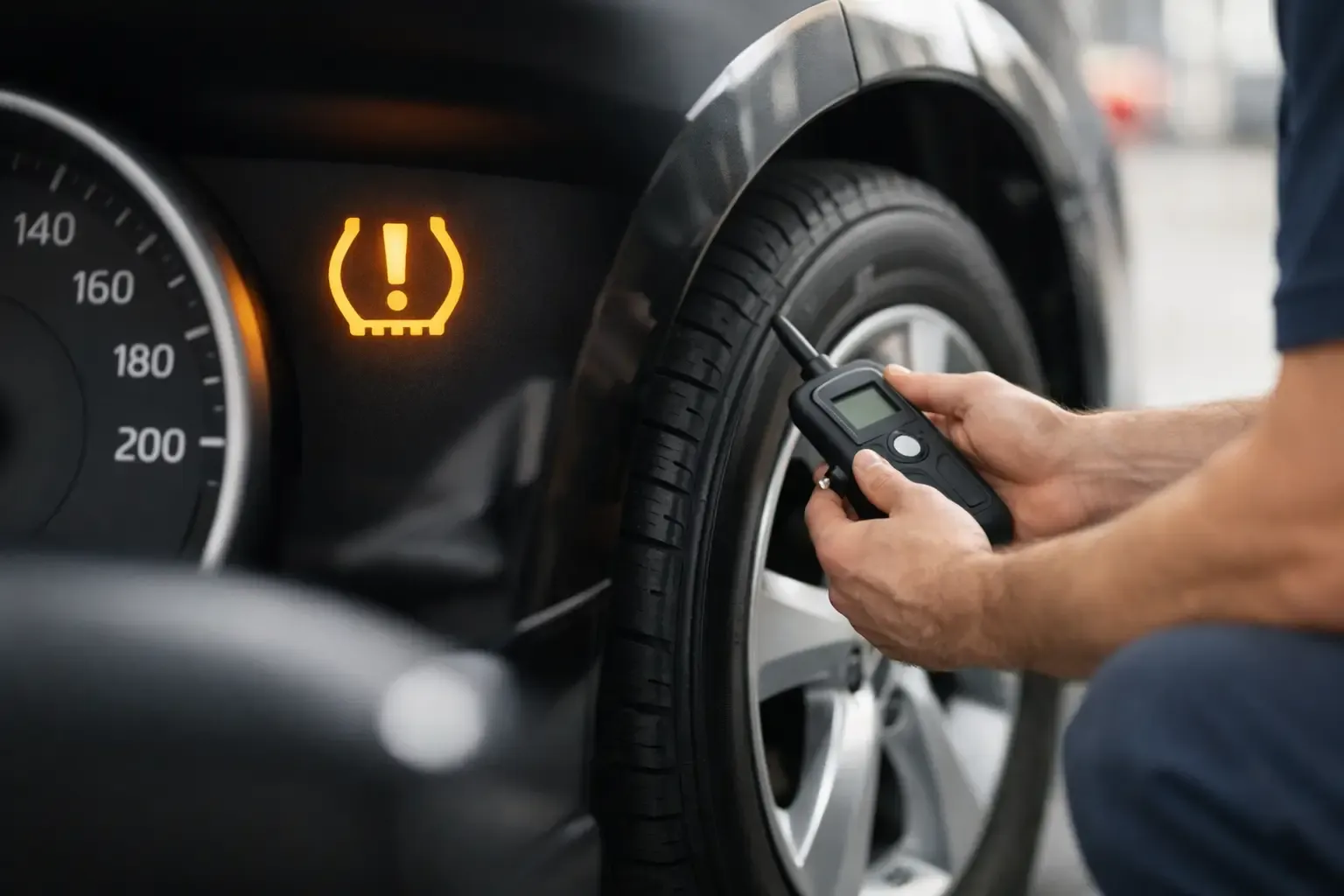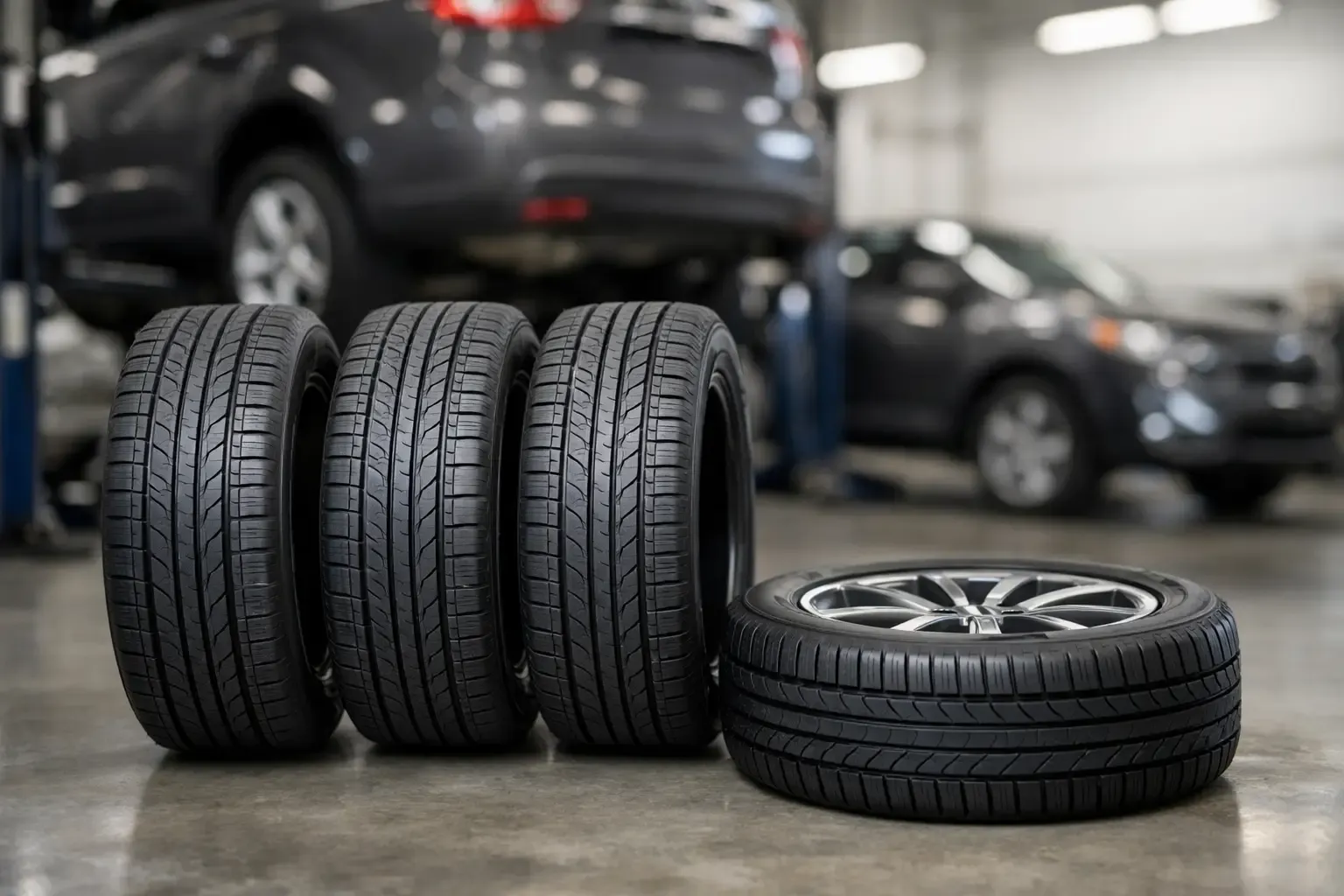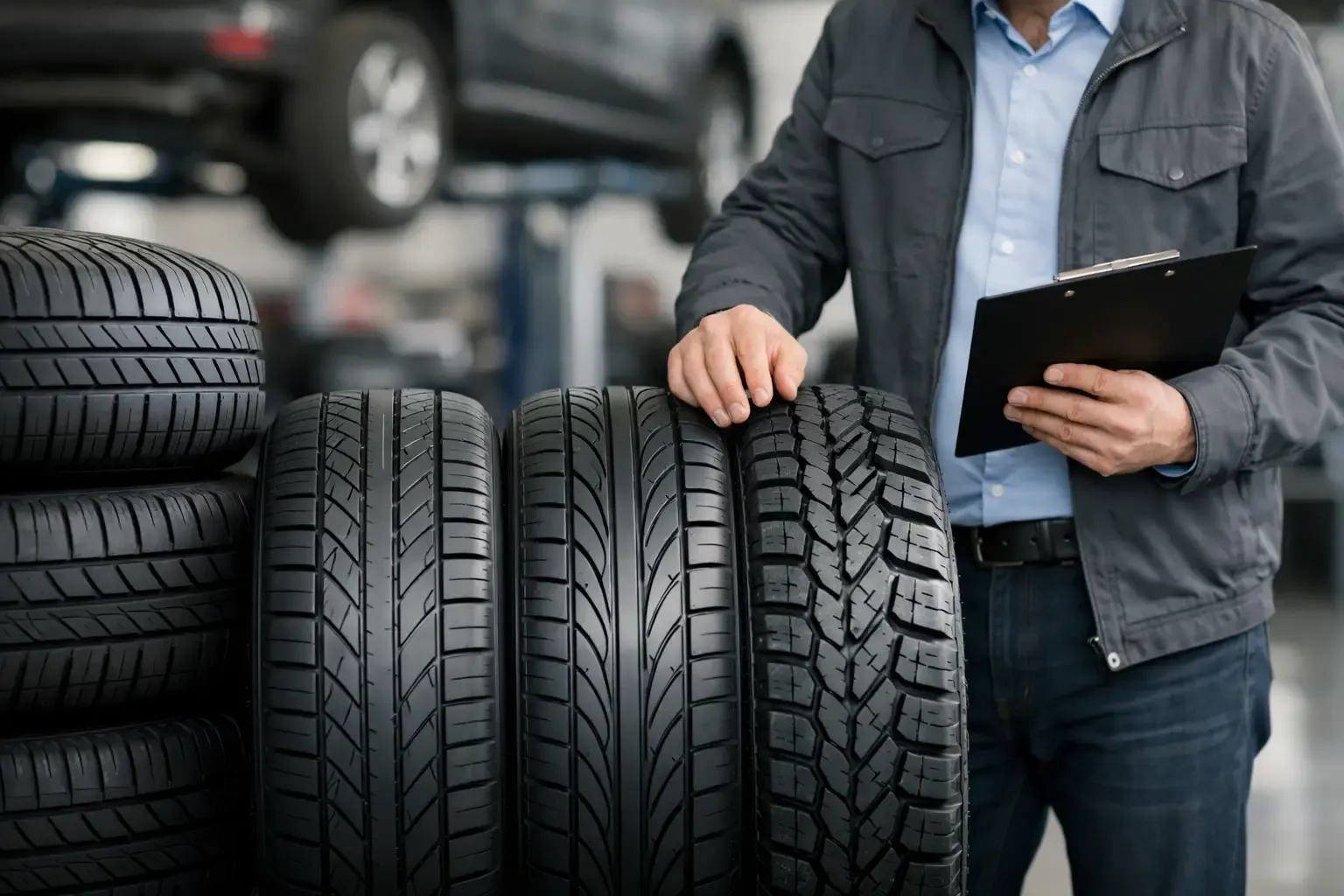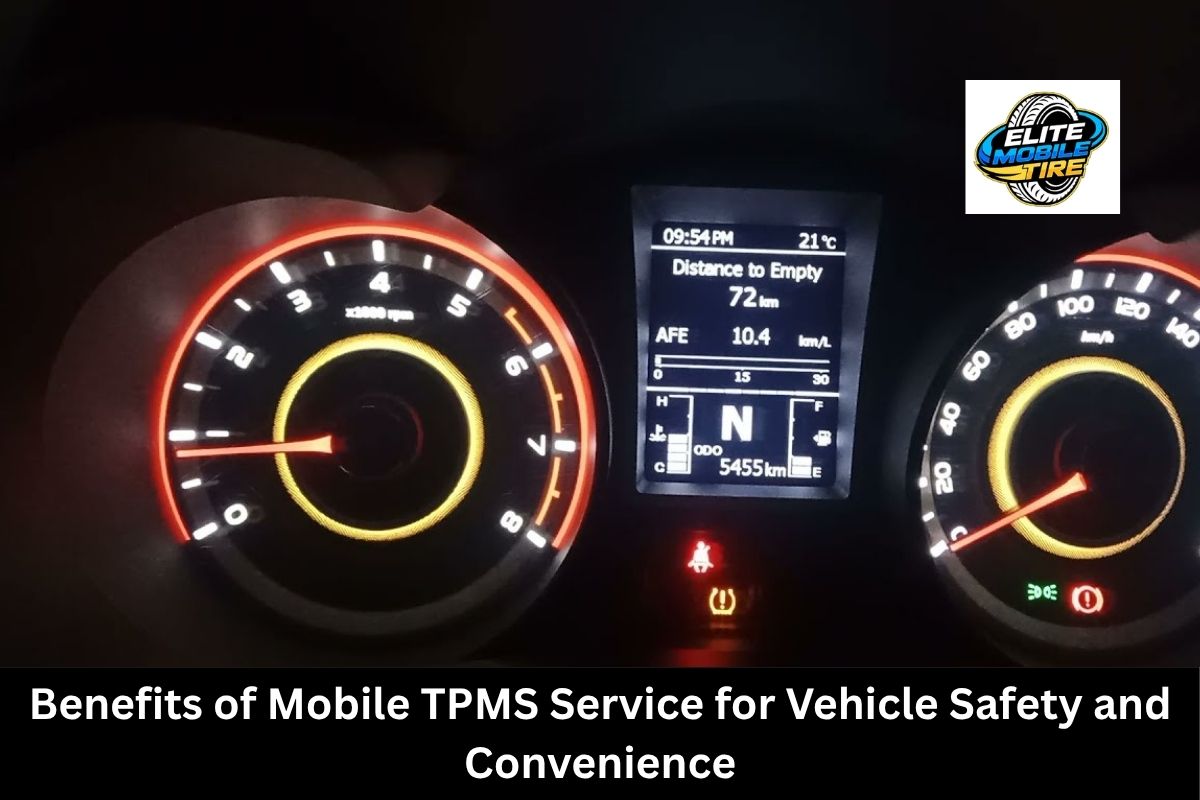
That slight vibration on your morning commute, the tread that looks a little too smooth, the tire pressure warning that keeps coming back - these are often the top signs your tire needs replacement, not problems to put off until next week. Tires rarely fail without warning. In most cases, your vehicle gives you clear signals that safety, handling, and stopping distance are starting to suffer.
For busy drivers, it is easy to keep pushing tire service down the list. But waiting too long can turn a manageable appointment into a roadside problem. Knowing what to watch for helps you act early, avoid unnecessary risk, and keep your schedule intact.
Top signs your tire needs replacement before it becomes urgent
Some tire issues can be repaired. Others mean the tire has reached the end of its service life and should be replaced. The difference matters, especially if you rely on your vehicle every day for work, school drop-offs, or commuting around Columbus and nearby suburbs.
Tread depth is too low
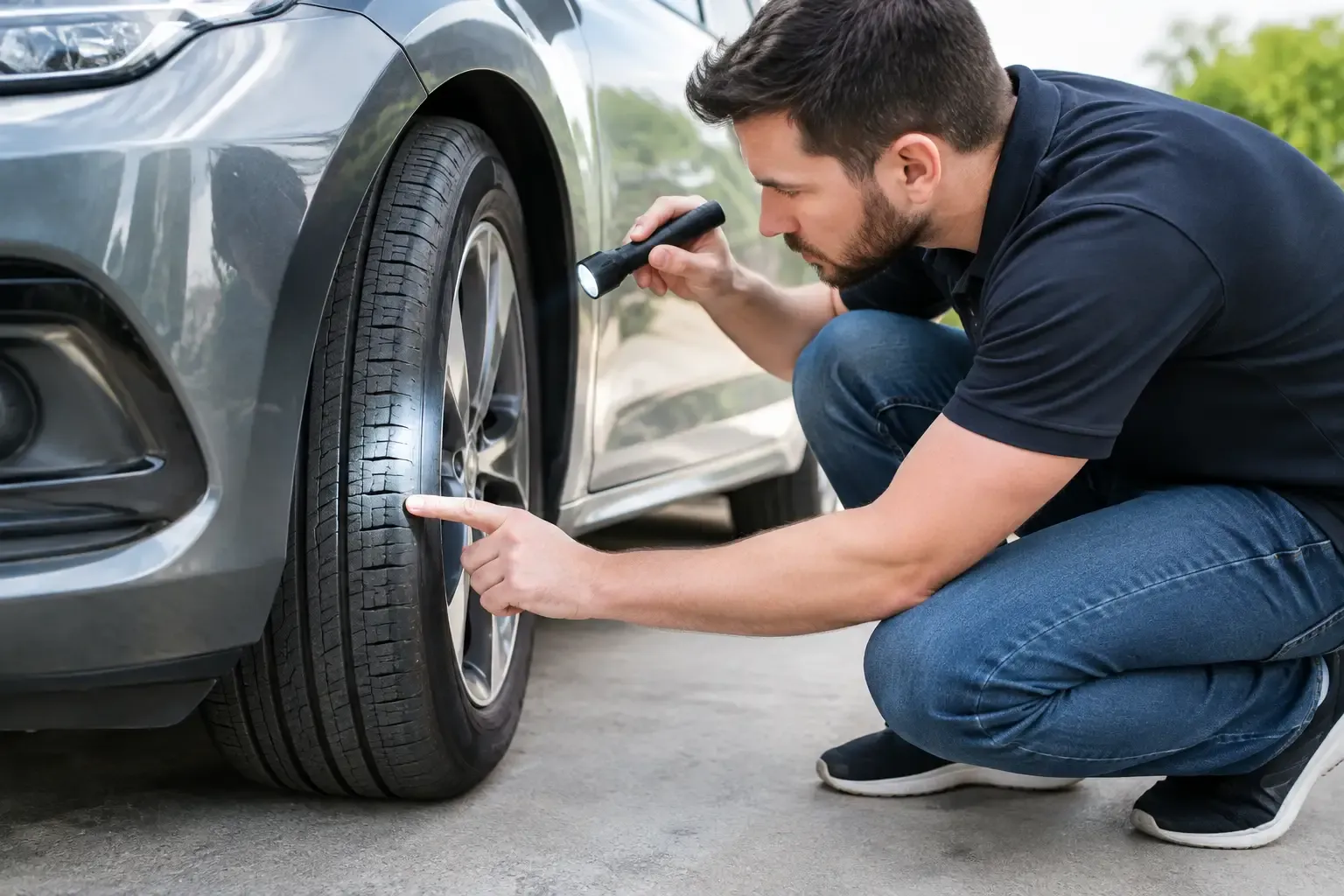
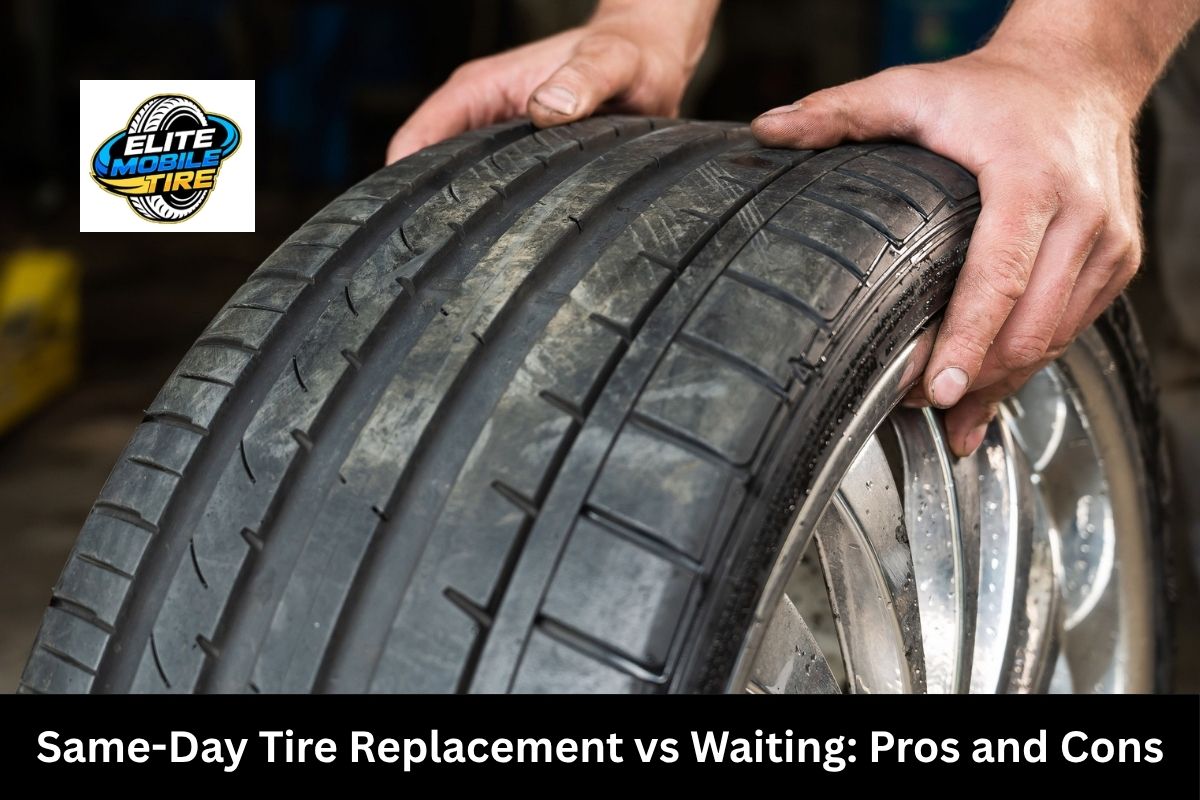
Worn tread is one of the clearest signs a tire needs to be replaced. Tread gives your vehicle grip in rain, helps channel water away from the contact patch, and supports controlled braking. As the tread gets shallow, your tires lose traction long before they look completely bald.
A simple way to check is with a tread depth gauge. If you do not have one, look at the built-in tread wear bars across the grooves. When the tread is level with those bars, replacement time has arrived. Many drivers wait until the tire is obviously worn, but performance drops earlier than that, especially in wet conditions.
If you do a lot of highway driving or carry passengers regularly, replacing tires before they become severely worn is the safer move. There is a difference between a tire that is technically still rolling and one that is still performing the way it should.
Cracks in the sidewall or dry rot
Rubber breaks down over time. Heat, sun exposure, temperature swings, and long periods of parking can all accelerate that aging process. When you notice cracks in the sidewall, the tire may be drying out and losing structural integrity.
Small surface lines do not always mean immediate failure, but they should not be ignored. Deeper cracking, visible splitting, or a brittle appearance usually means the tire is no longer dependable. This is especially common on vehicles that are driven less often, where the tread may still look decent even though the rubber itself is aging.
In that situation, replacement is based less on mileage and more on condition. A tire can have acceptable tread depth and still be unsafe because the material has deteriorated.
Bulges or bubbles on the tire
A bulge in the sidewall is a serious warning sign. It usually means the internal structure of the tire has been damaged, often from hitting a pothole, curb, or road hazard. Once that happens, the weak spot can fail without much notice.
This is not a repair situation. If you see a bubble or swelling area on the sidewall, the tire should be replaced as soon as possible. Continuing to drive on it increases the risk of a blowout, especially at highway speed.
For drivers dealing with rough roads, this kind of damage is more common than many realize. The impact may feel minor in the moment, but the tire can still be compromised.
Repeated air loss
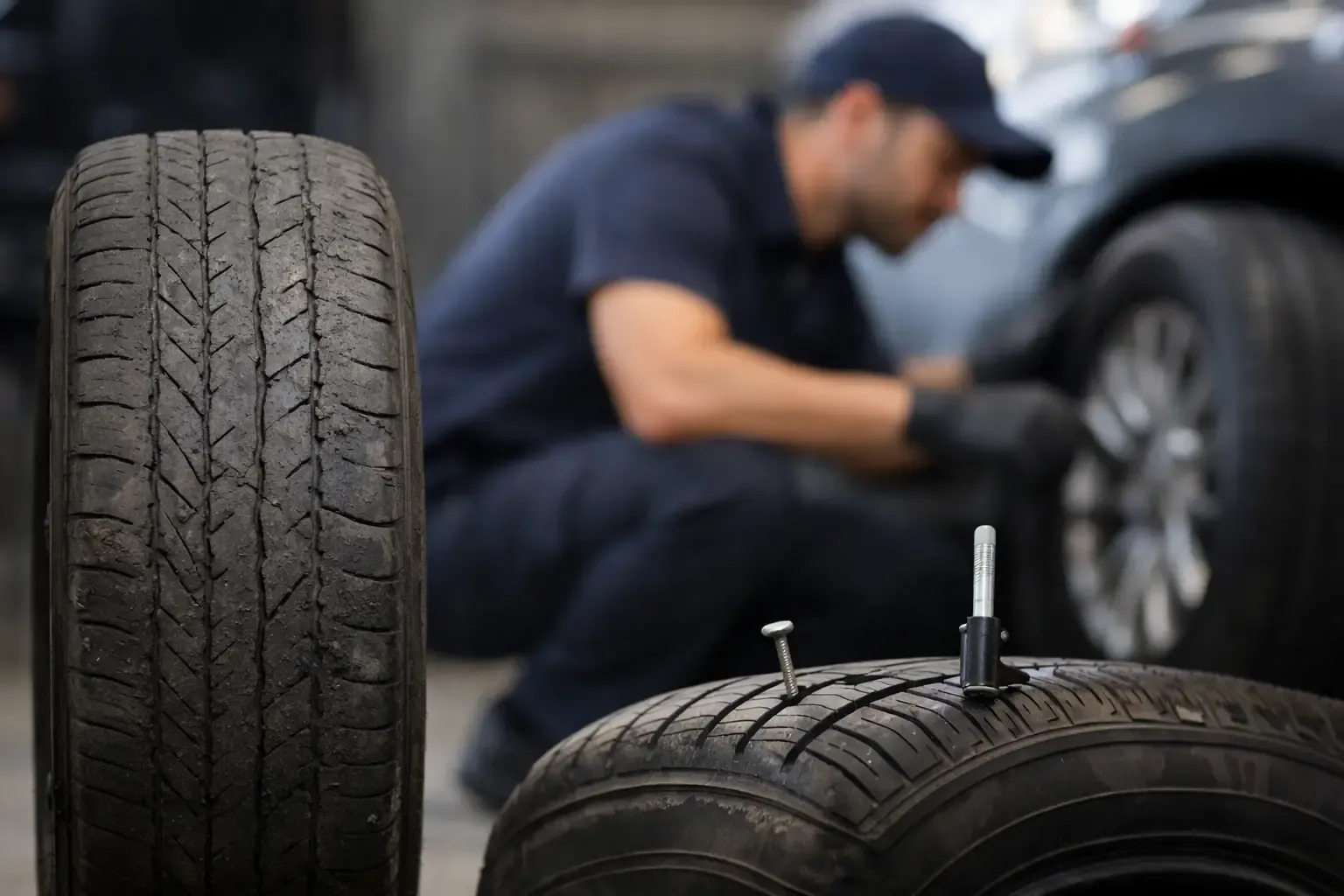
If you keep adding air to the same tire, something is wrong. It may be a puncture, a damaged valve stem, bead leak, wheel issue, or internal tire damage. Sometimes a tire can be repaired safely. Sometimes it cannot.
The key is the pattern. A one-time pressure drop after a major temperature change is different from a tire that goes low every few days. Repeated air loss is one of the top signs your tire needs replacement when the issue is tied to sidewall damage, shoulder damage, multiple punctures, or a problem too close to the edge of the tread.
This is where professional inspection matters. A repair should only be done when the damage is in a repairable area and the tire is otherwise in solid condition. If not, replacement is the safer and more cost-effective choice over time.
Uneven wear often points to bigger issues
Not all worn tires wear evenly. In fact, uneven tread wear tells you more than just the tire's age. It can also point to alignment, suspension, inflation, or balancing problems.
One edge is wearing faster than the other
If the inner or outer edge of the tread is wearing down faster than the rest, your alignment may be off. You might not notice a major change in how the vehicle drives at first, but the tire is still being worn away unevenly with every mile.
If the wear is advanced, replacing the tire may be necessary even after the alignment issue is corrected. If you replace the tire without addressing the underlying cause, the new one may wear out the same way.
The center of the tread is worn down
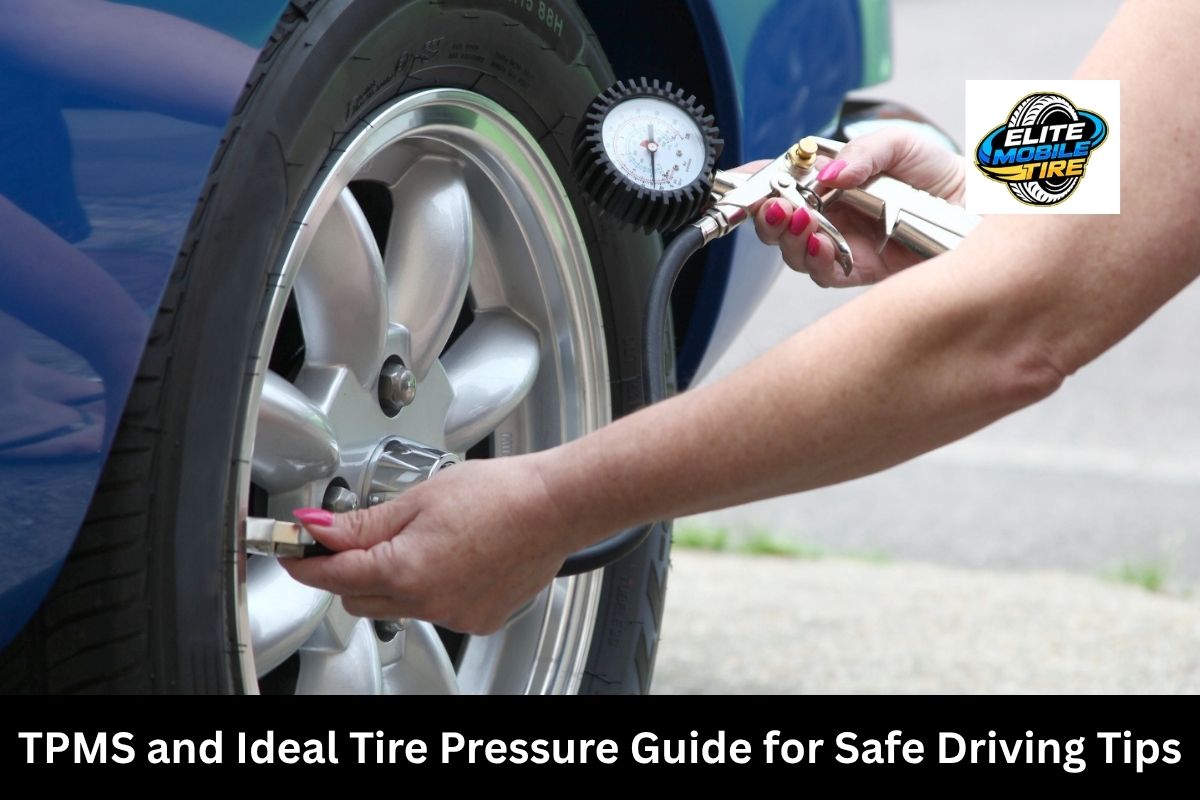
Center wear often points to overinflation. Too much air causes the middle of the tread to carry more of the load, which leads to faster wear in that area. On the other hand, wear on both outer edges can suggest underinflation.
Either pattern can shorten tire life and reduce grip. If the wear has become pronounced, replacement is usually the right call. Then you can reset tire pressure habits and avoid repeating the problem.
Cupping or patchy wear
Cupping looks like scooped-out dips around the tread. It often comes from suspension issues, worn shocks, or tires that have been out of balance for too long. These tires tend to get noisy, rough, and less predictable on the road.
Sometimes the vehicle owner notices the sound before they notice the tread pattern. If your tires are getting louder and ride quality is getting harsher, inspection should happen soon. Depending on how far the damage has progressed, replacement may be necessary.
Performance changes you should not ignore
A tire does not have to be flat or visibly damaged to be unsafe. Changes in how your vehicle feels can also signal that replacement is due.
Vibration that was not there before
A new vibration in the steering wheel, seat, or floorboard can come from several causes, including imbalance, alignment problems, or tire damage. In some cases, it is a service issue that can be corrected. In others, the tire has developed internal separation and needs to be replaced.
If the vibration starts suddenly or gets worse with speed, do not assume it will go away on its own. Tires are one of the first places to check.
Longer stopping distance in rain
When tires are nearing the end of their life, wet-weather performance often declines before drivers realize it. Braking distances increase, hydroplaning becomes more likely, and cornering can feel less stable.
This is one reason waiting for a visible failure is risky. If your vehicle feels less confident in rain than it used to, worn tires may be the cause even if they still look acceptable at a glance.
Your vehicle pulls or feels unsettled
Pulling can be caused by alignment, inflation differences, or brake issues, but damaged or unevenly worn tires can also be part of the problem. If your vehicle feels unsettled during lane changes or curves, the tires should be inspected before the issue grows.
That is especially true for families, commuters, and anyone spending significant time on busy roads. Tire problems tend to show up when you need control the most.
Age matters even if the tread looks fine
One of the most overlooked signs a tire needs replacement is simple age. Many drivers assume tread depth is the only thing that matters. It is not. Tires age from time, heat cycles, and exposure, even if the vehicle is not driven often.
You can check the DOT code on the tire sidewall to find the manufacturing date. If the tires are several years old, an inspection becomes more important, especially before long trips or seasonal weather changes. The exact replacement timeline depends on storage, driving habits, climate, and condition, so there is no one-size-fits-all rule. But older tires deserve closer attention, not assumptions.
This comes up often on second vehicles, work-from-home cars, and vehicles that have sat for stretches without much use. Low mileage sounds good, but it does not stop rubber from aging.
When repair is enough and when replacement is the better call
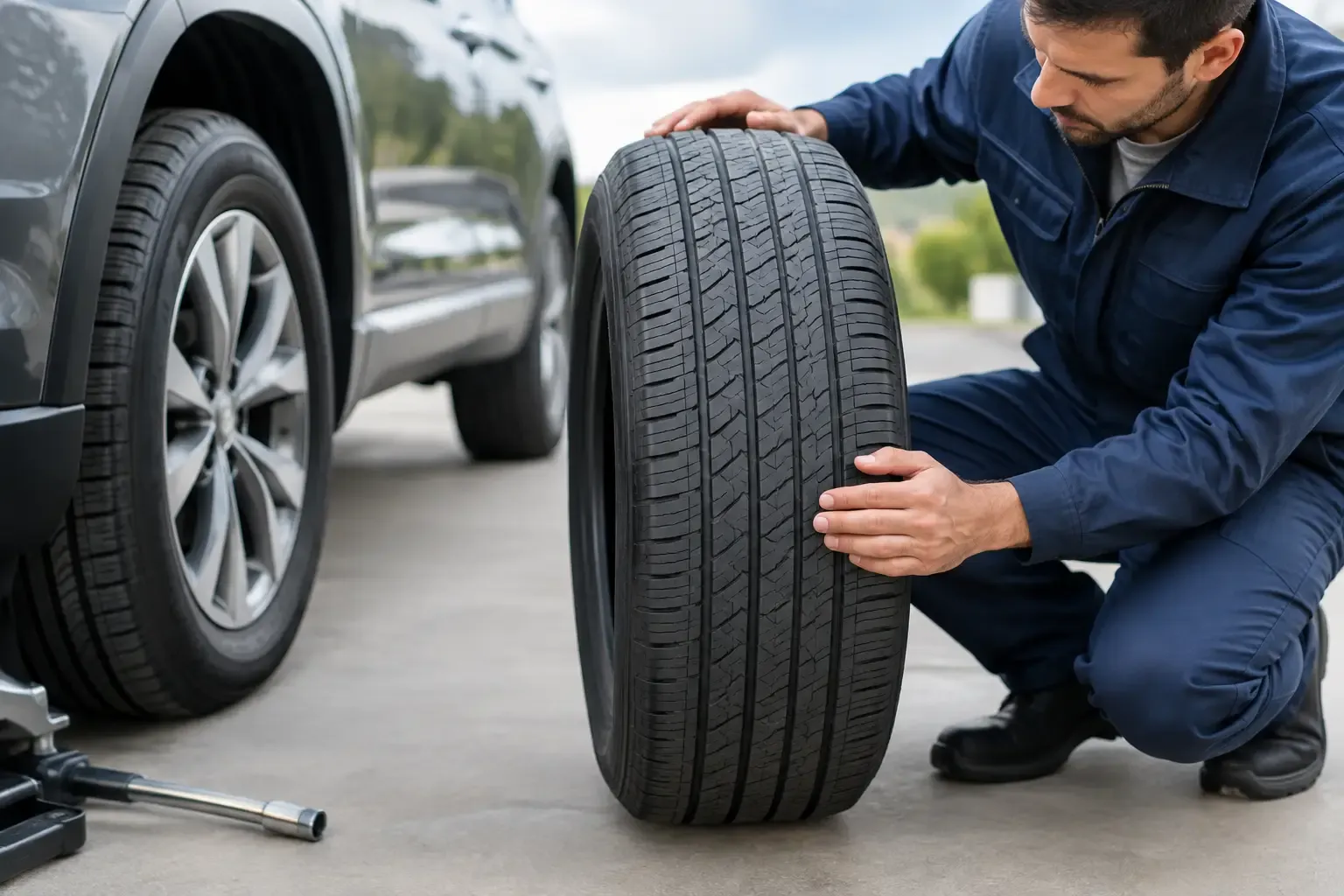
Drivers often ask whether they really need a new tire or if a repair will do the job. The honest answer is that it depends on the location and severity of the damage, the remaining tread depth, and the overall condition of the tire.
A small puncture in the main tread area may be repairable. Sidewall damage, bulges, major cracks, or heavily worn tread are different. In those cases, replacement is not upselling. It is the correct safety recommendation.
That is why clear inspection matters. A trustworthy technician should be able to explain what they found, what can be repaired, and why replacement is recommended if it is needed.
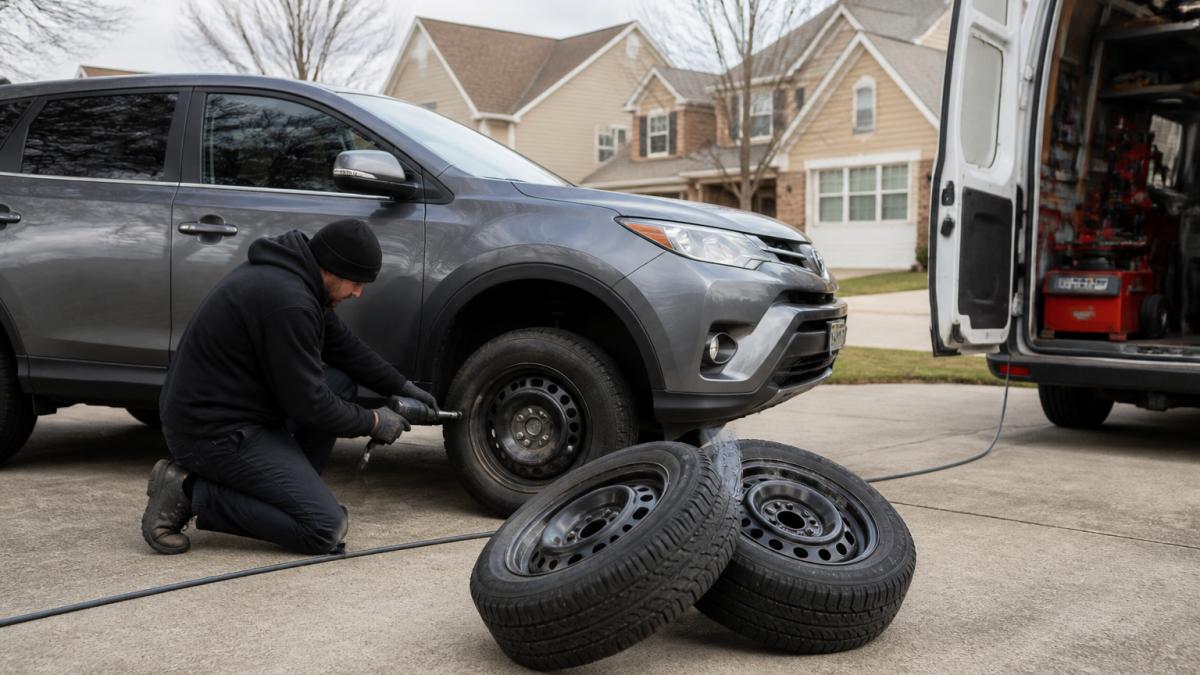
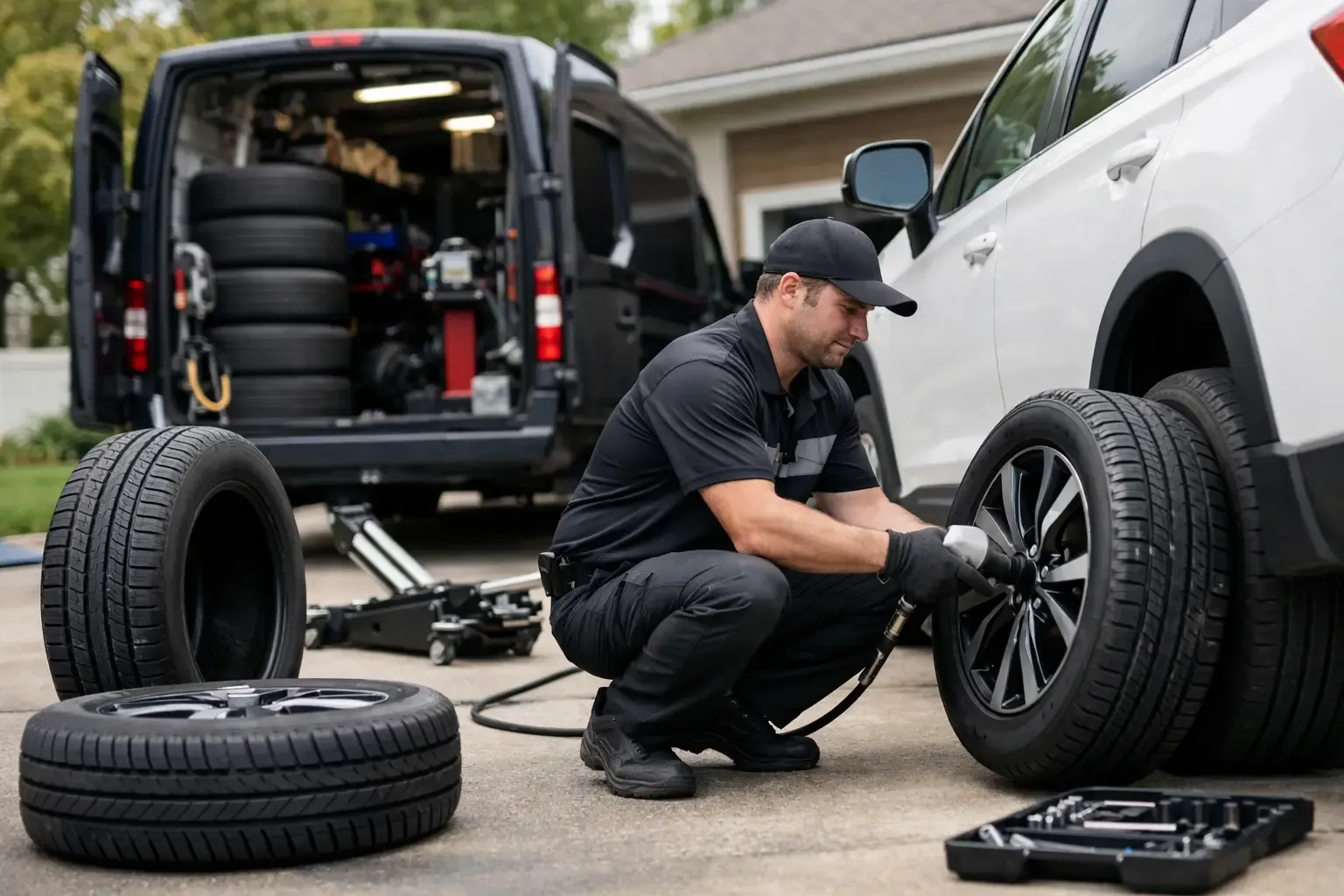
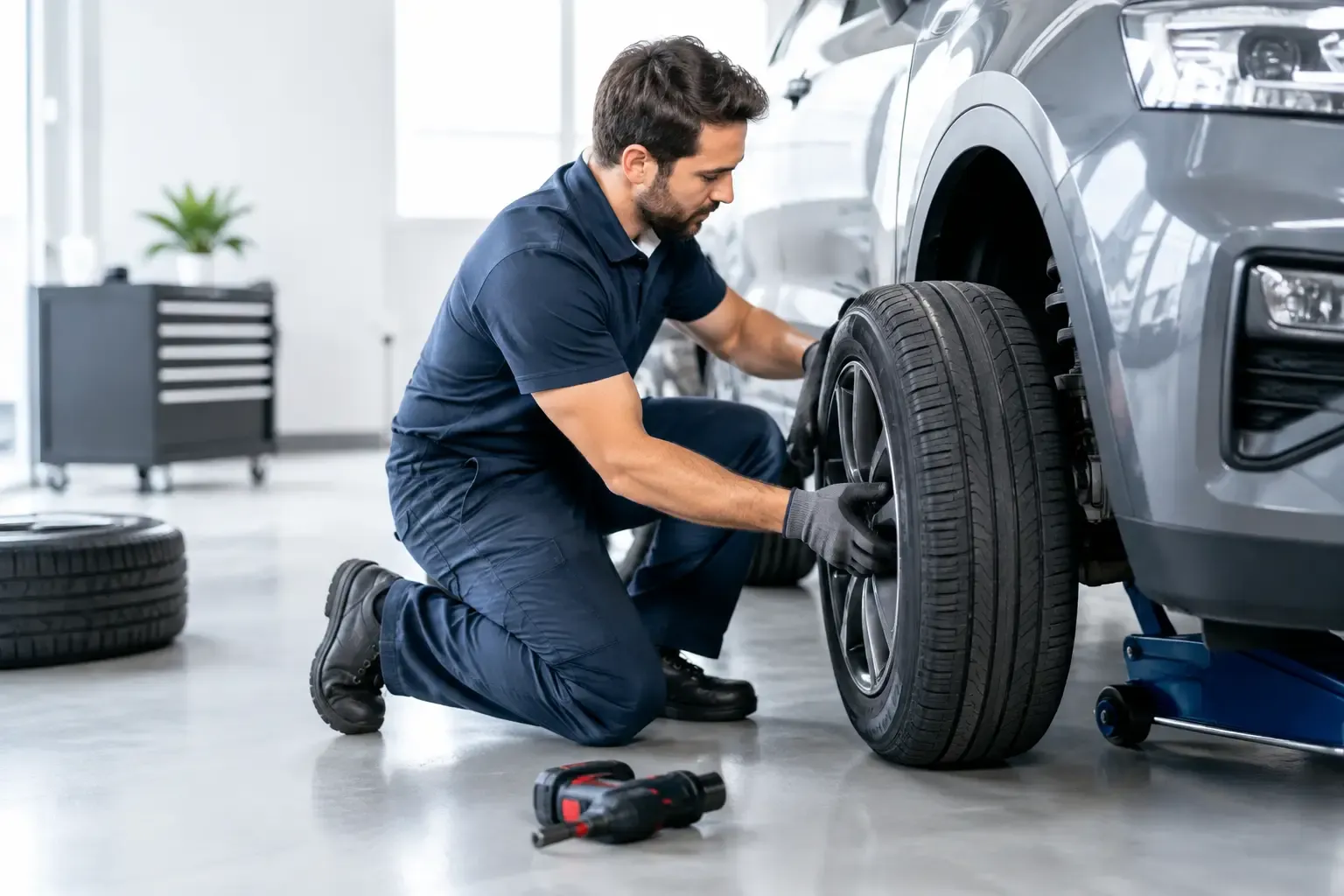
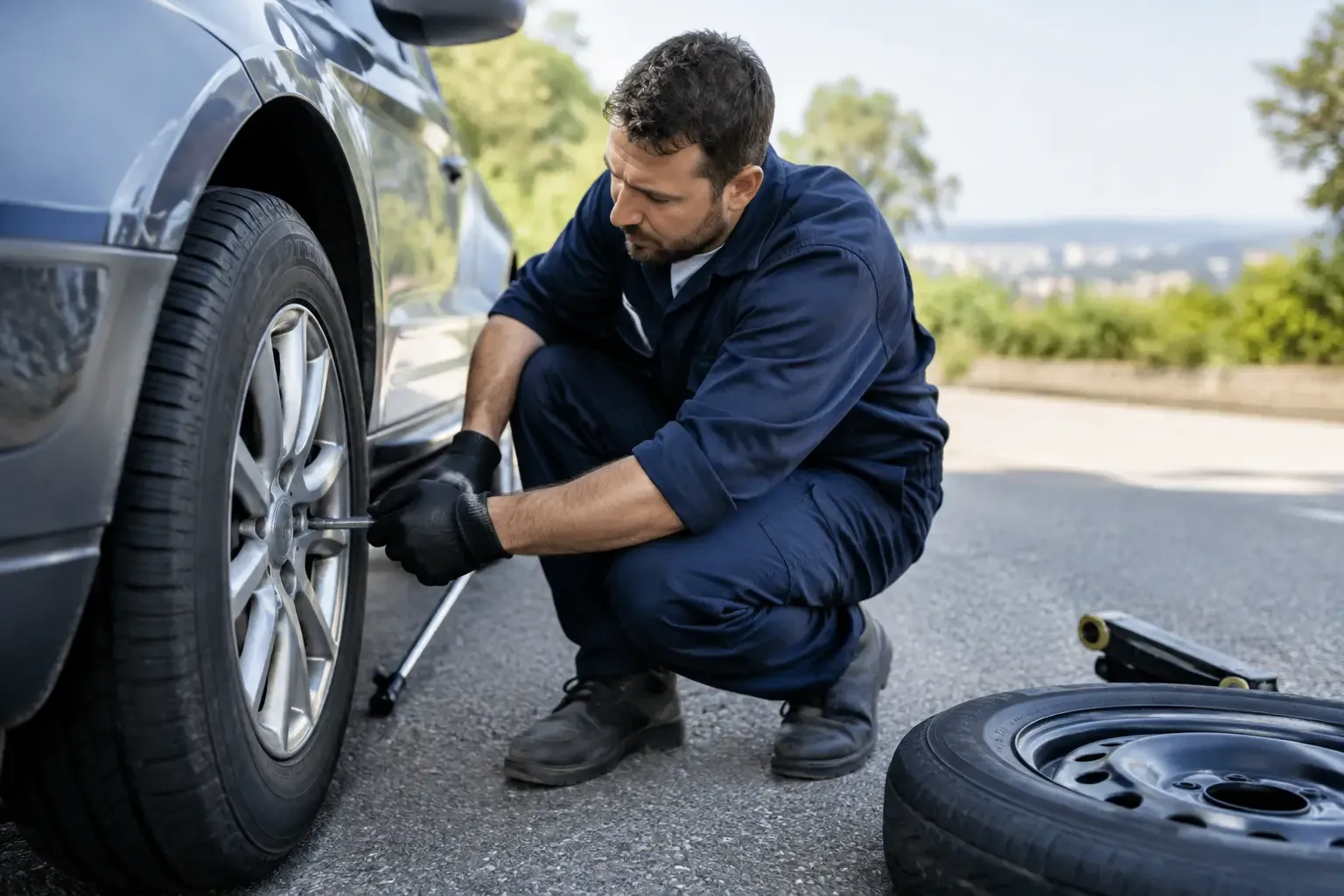
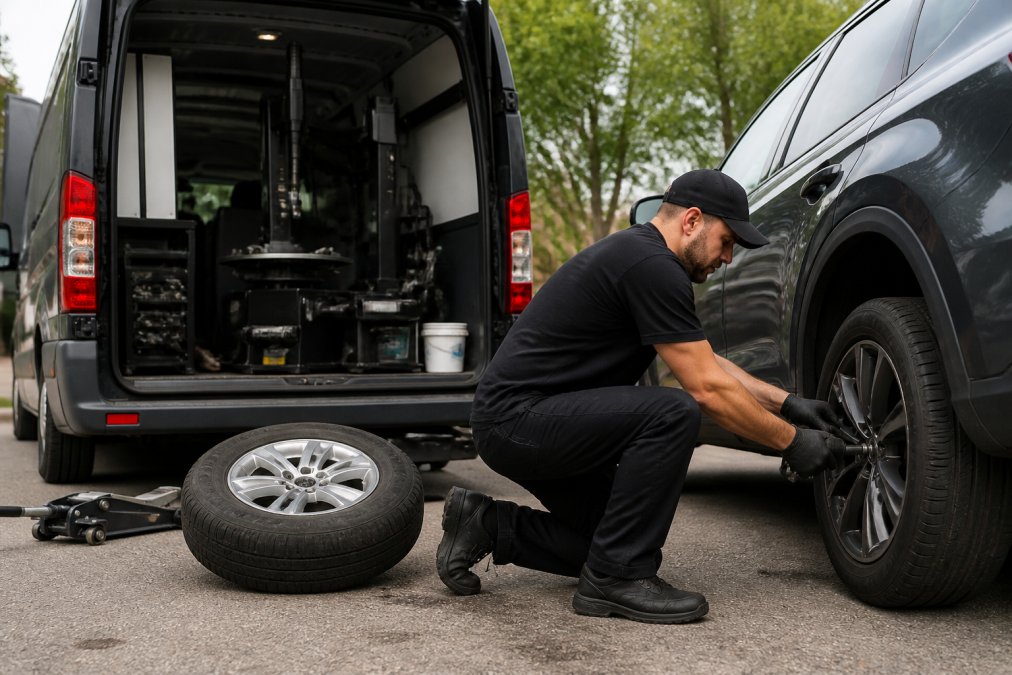
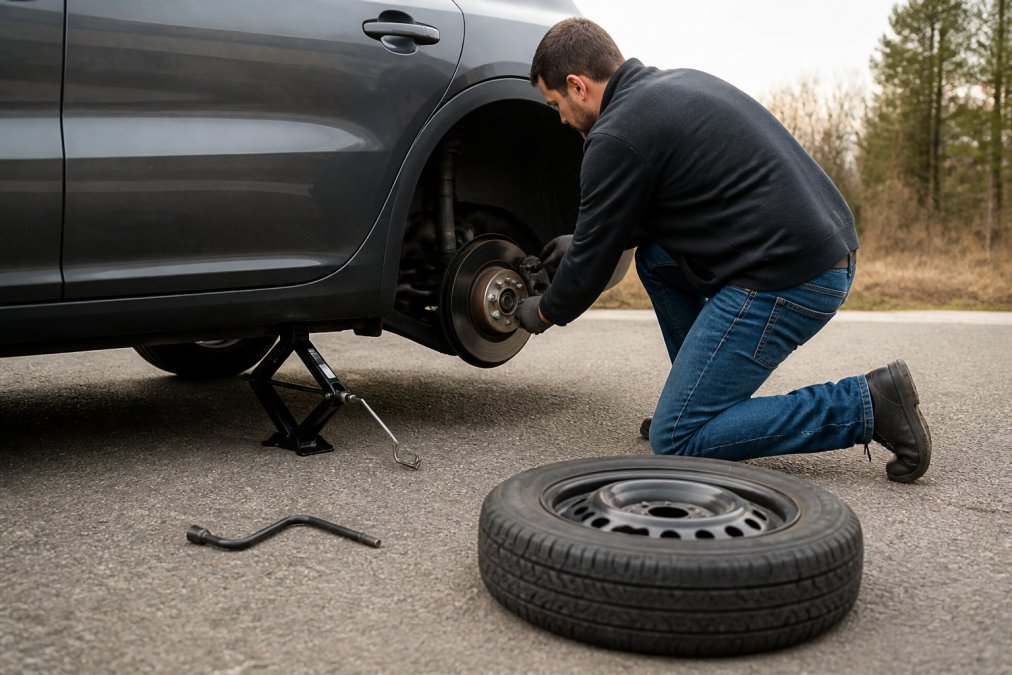
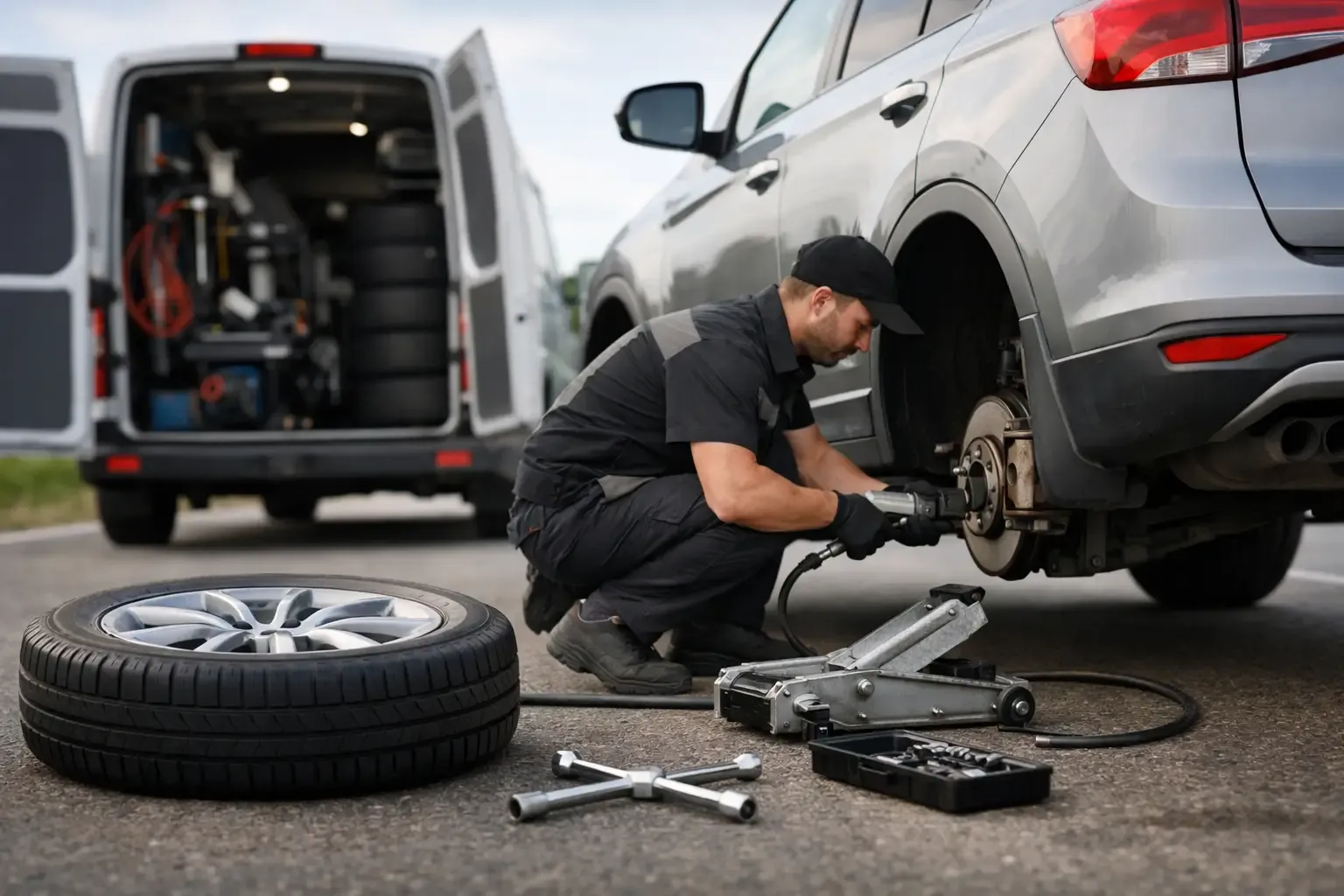
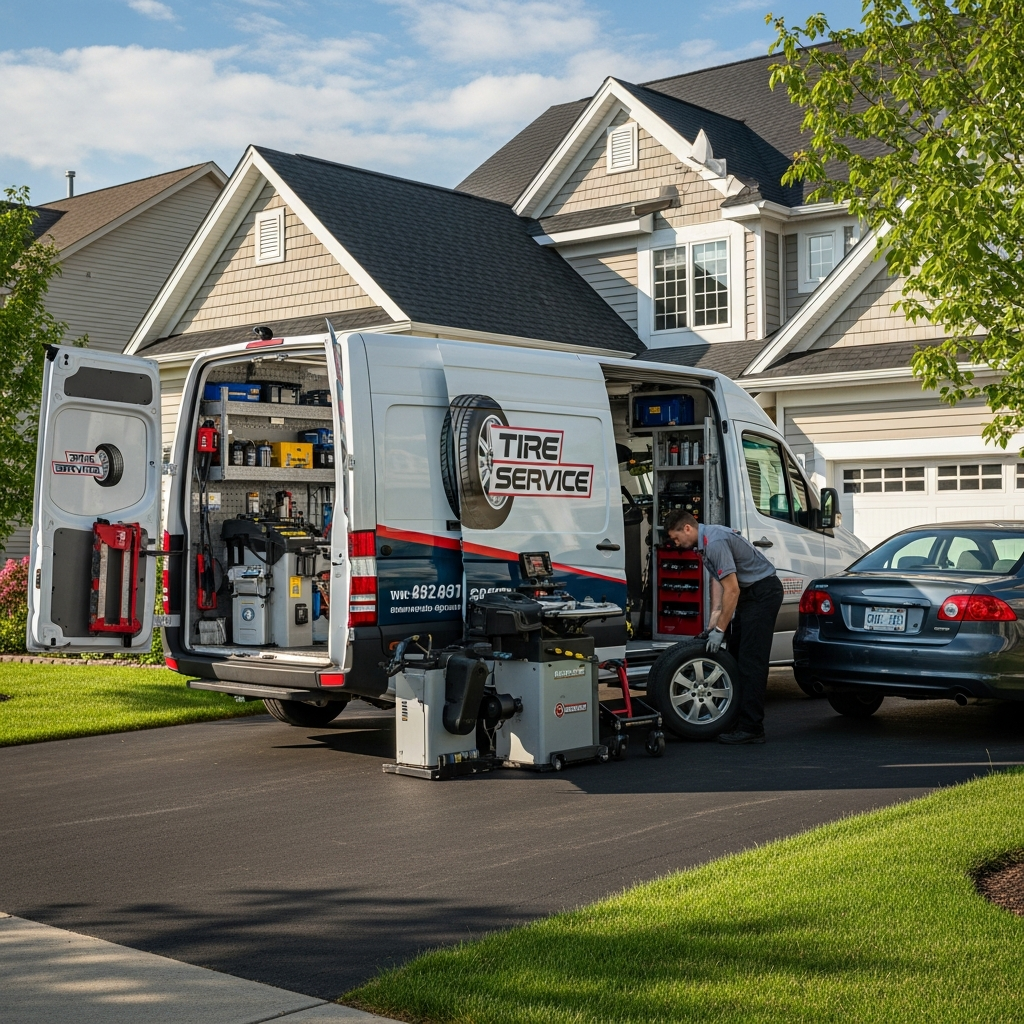
For drivers who want to avoid wasting half a day at a tire shop, mobile service can make that decision easier. Having a technician inspect and replace a tire at home, at work, or on the roadside means the issue gets handled quickly without adding more disruption to your day.
If your tires are showing any of these warning signs, acting early usually gives you more options, less stress, and a safer drive home.
Ready for a new set? Elite Mobile Tire installs 2 or 4 new tires right in your driveway or parking lot anywhere around Columbus, Obetz, Groveport, Grove City, and Reynoldsburg. Financing is available through Afterpay and Acima with up to 24-month payment plans. Call 614-344-5010 or visit elitemobiletire.com to book.