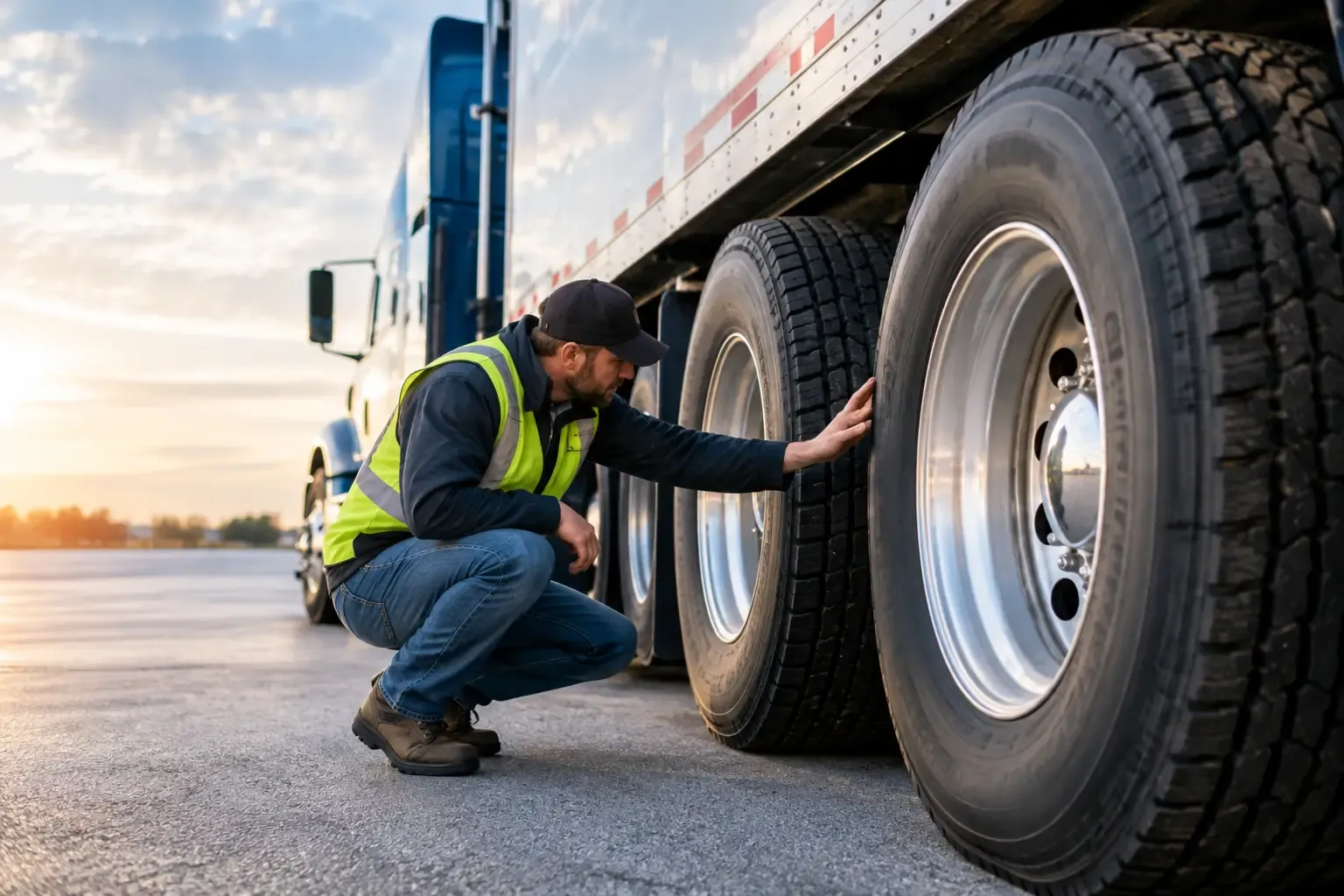
A semi truck can be mechanically sound and still lose valuable time because of its tires. Semi truck tires carry extreme loads, manage long hours of heat and friction, and directly affect stopping distance, fuel consumption, ride quality, and delivery schedules. For owner-operators and fleet managers, tire decisions are operating decisions - not just maintenance tasks.
The right approach starts with matching the tire to the position, load, route, and conditions it will face. It also requires consistent inspections before a small issue becomes a roadside failure. Here is what practical truck tire management looks like.
Why Semi Truck Tires Matter to Fleet Uptime
A tire problem can put a truck, driver, shipment, and schedule on hold at once. Even when a damaged tire does not cause an immediate breakdown, low pressure or uneven wear can quietly increase fuel use and shorten the casing's service life.
Tires are also a safety system. Proper tread depth helps drivers maintain traction in rain and during emergency braking. Correct inflation helps the tire carry its rated load without excessive heat buildup. When a tire is overloaded, underinflated, or damaged, the risk of a blowout rises substantially.
For a fleet, the cost is rarely limited to the replacement tire. There may be missed appointment windows, late freight, roadside service costs, driver downtime, and a disrupted route. Staying ahead of tire wear is usually far less expensive than reacting to a failure on the shoulder.
Choosing the Right Tire for Each Position
Not every truck tire is designed to do the same job. Steer, drive, and trailer positions place different demands on the tire, so moving a tire from one position to another without confirming its intended use can create avoidable wear and handling concerns.
Steer Tires
Steer tires guide the vehicle, support heavy front-end loads, and play a major role in straight-line stability. They need even wear, proper alignment, and reliable wet-road traction. Feathering, one-sided shoulder wear, or cupping on a steer tire should not be ignored. Those patterns often point to alignment, suspension, balancing, or inflation issues that can affect more than one tire.
Drive Tires
Drive tires provide traction. Their tread design is built to handle torque and help the truck move confidently through rain, light snow, job sites, and changing road surfaces. A long-haul truck operating mostly on highways may need a different drive tire than a regional vehicle that frequently enters terminals, construction sites, or unpaved lots.
Trailer Tires
Trailer tires are often expected to work quietly in the background, but they take significant punishment from heavy loads, curb contact, braking forces, and turns. Tandem trailer axles can scrub tires during tight turns, which makes correct inflation and regular rotation especially valuable. Uneven trailer tire wear may also signal axle alignment problems.
The best tire is not automatically the one with the deepest tread or the most aggressive pattern. A fleet should consider its typical payload, annual mileage, routes, weather exposure, axle position, and whether retreading is part of its tire program. A tire that performs well in regional stop-and-go service may not deliver the same results on long interstate runs.
Inflation Pressure Is a Daily Priority
Pressure is one of the most controllable factors in tire performance. Underinflation causes a tire to flex more than designed, generating internal heat that can lead to casing damage and failure. It also increases rolling resistance, which can raise fuel costs over time.
Overinflation is not the answer. A tire inflated beyond the appropriate cold pressure can produce a harsher ride, reduce the contact patch, and contribute to faster center wear. The correct pressure depends on the tire size, axle load, manufacturer recommendations, and operating conditions.
Drivers should check pressure when tires are cold, ideally during a pre-trip inspection. A reliable gauge and consistent process are better than visual guesses. A tire can look acceptable and still be meaningfully underinflated. For fleets, tire pressure monitoring systems can add useful visibility, but they work best alongside hands-on inspections rather than in place of them.
What to Look for During an Inspection
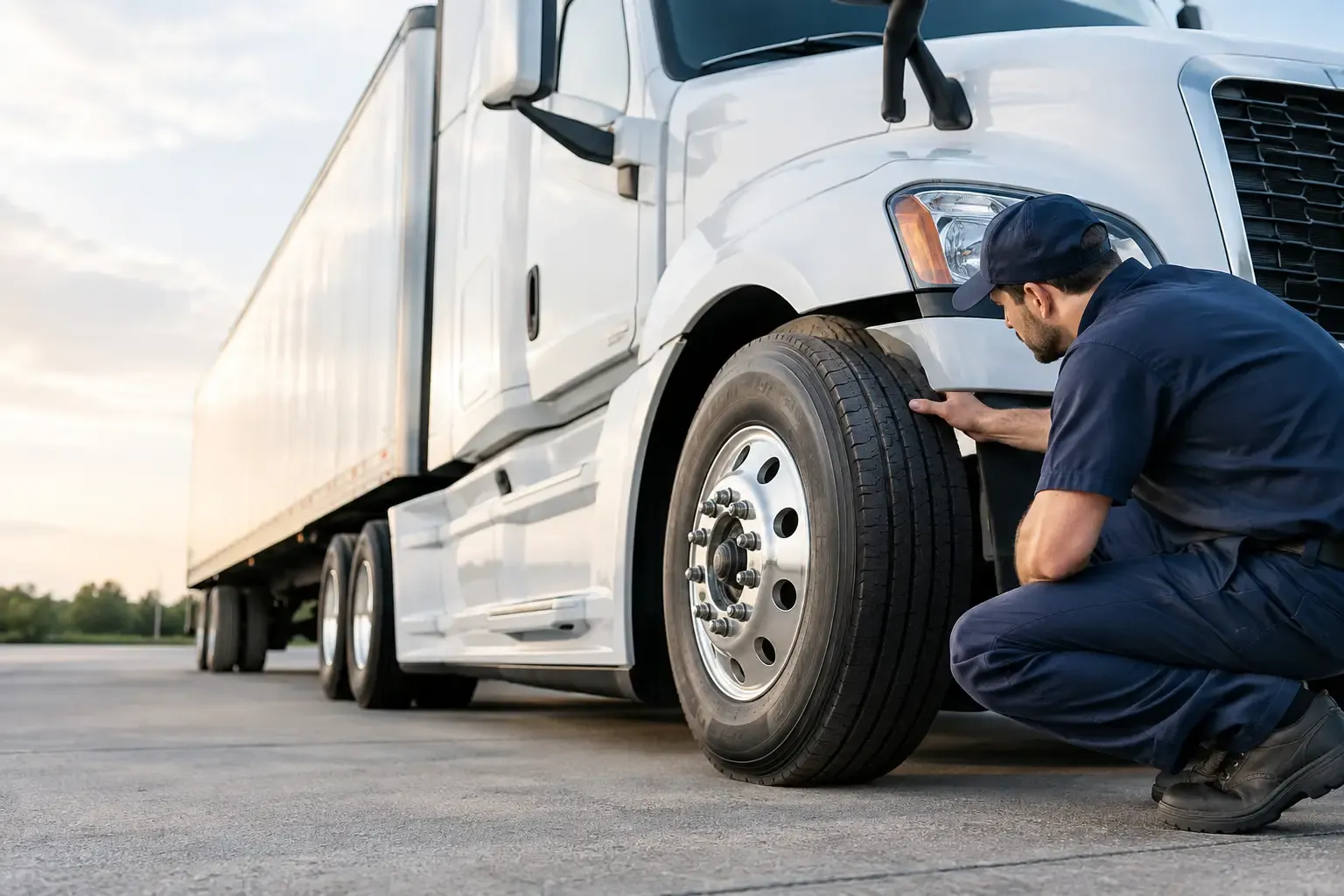
A thorough walk-around does not need to take long, but it needs to be intentional. Before dispatch, drivers should look for cuts, punctures, exposed cords, bulges, cracking, irregular tread wear, missing valve caps, and objects lodged in the tread. They should also watch for signs of dual tires rubbing or uneven spacing between them.
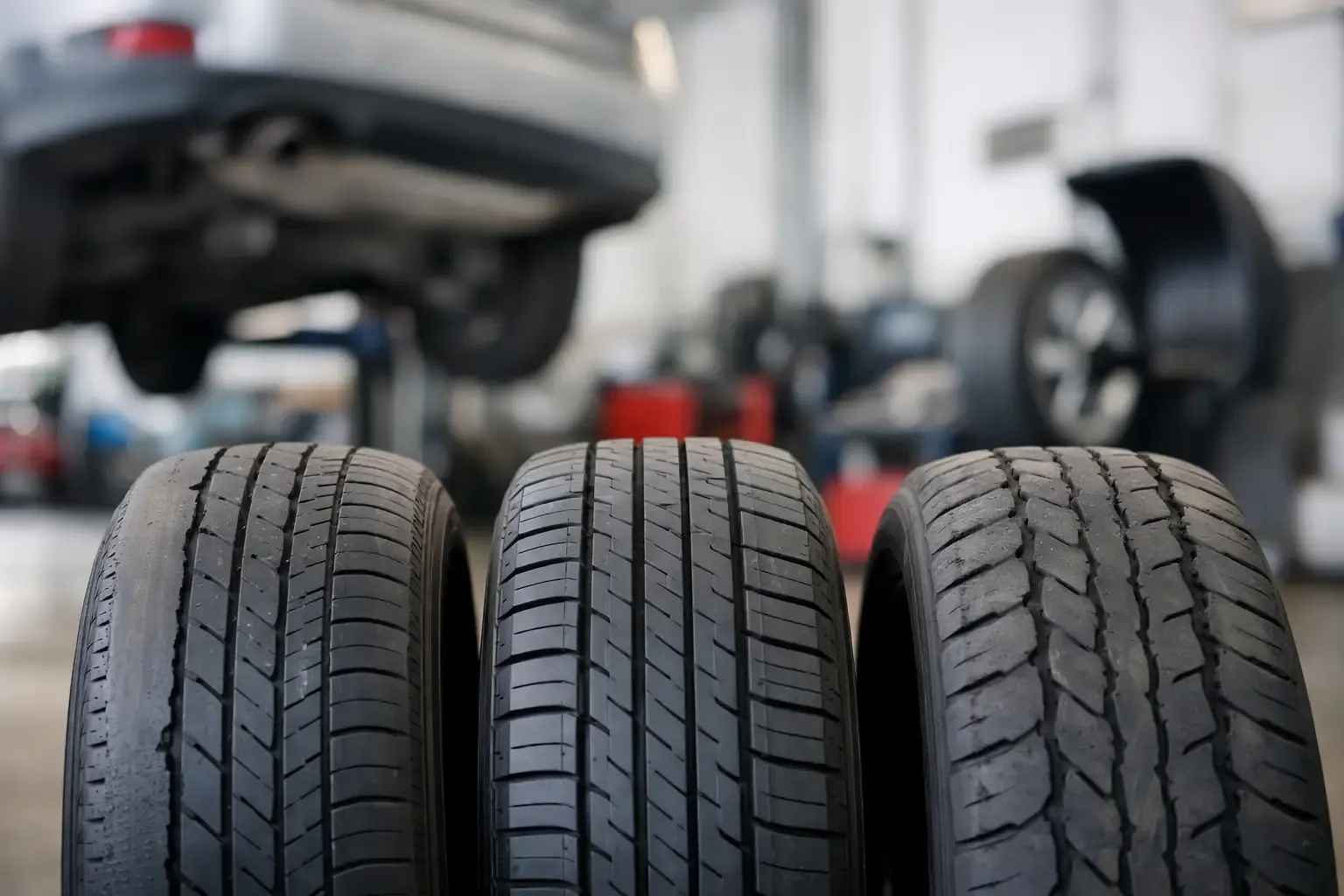
Pay attention to wear patterns. Center wear can suggest overinflation. Both shoulders wearing faster than the center can indicate underinflation. Wear concentrated on one side may point to alignment or suspension trouble. Cupping can be tied to imbalance, worn suspension components, or other mechanical concerns.
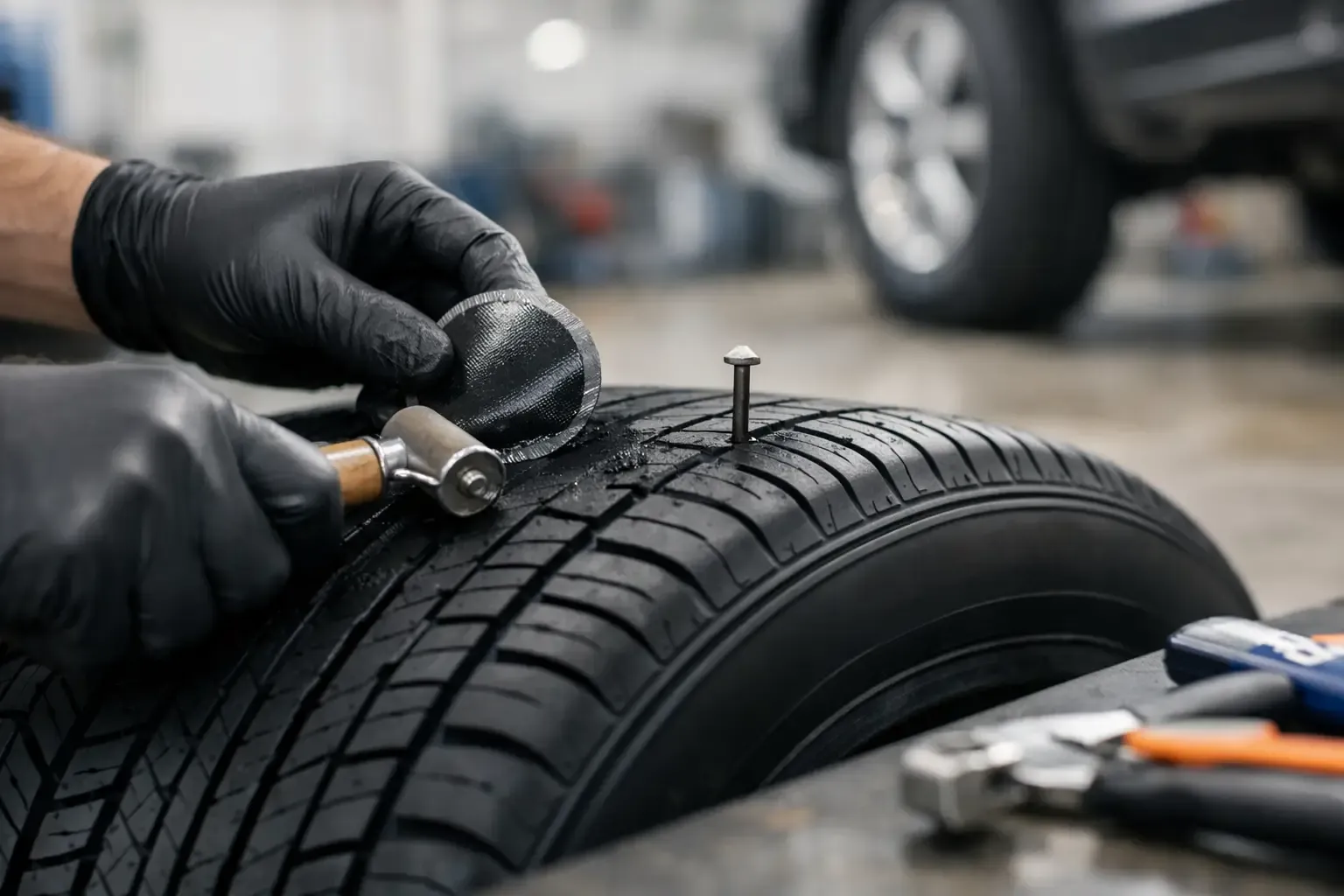
Road debris is another common issue. A nail or screw may cause a slow leak that is easy to miss until pressure falls enough to damage the tire. Finding that object early gives a technician the chance to assess whether a professional repair is appropriate or whether replacement is the safer choice.
When a Repair Is Appropriate
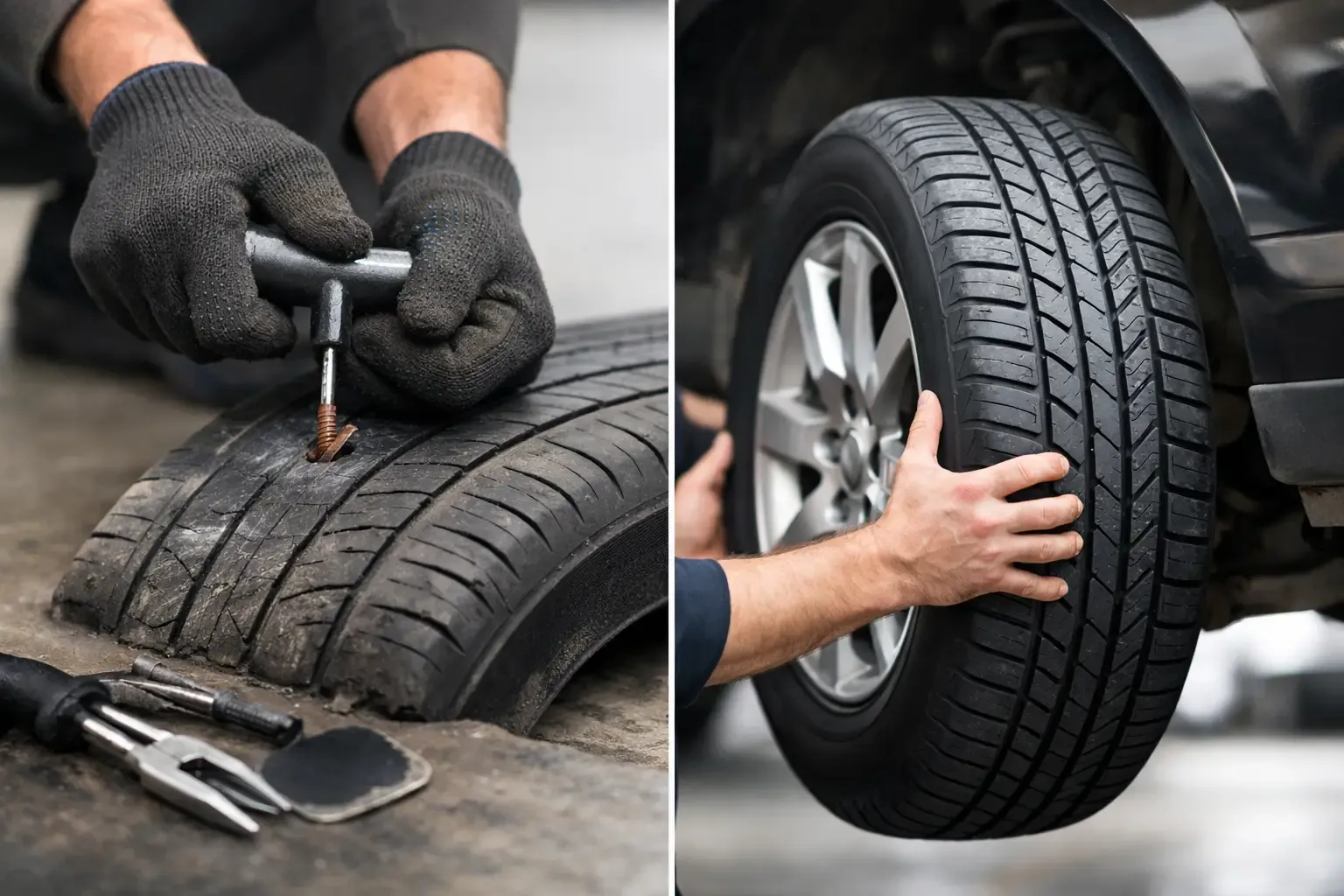
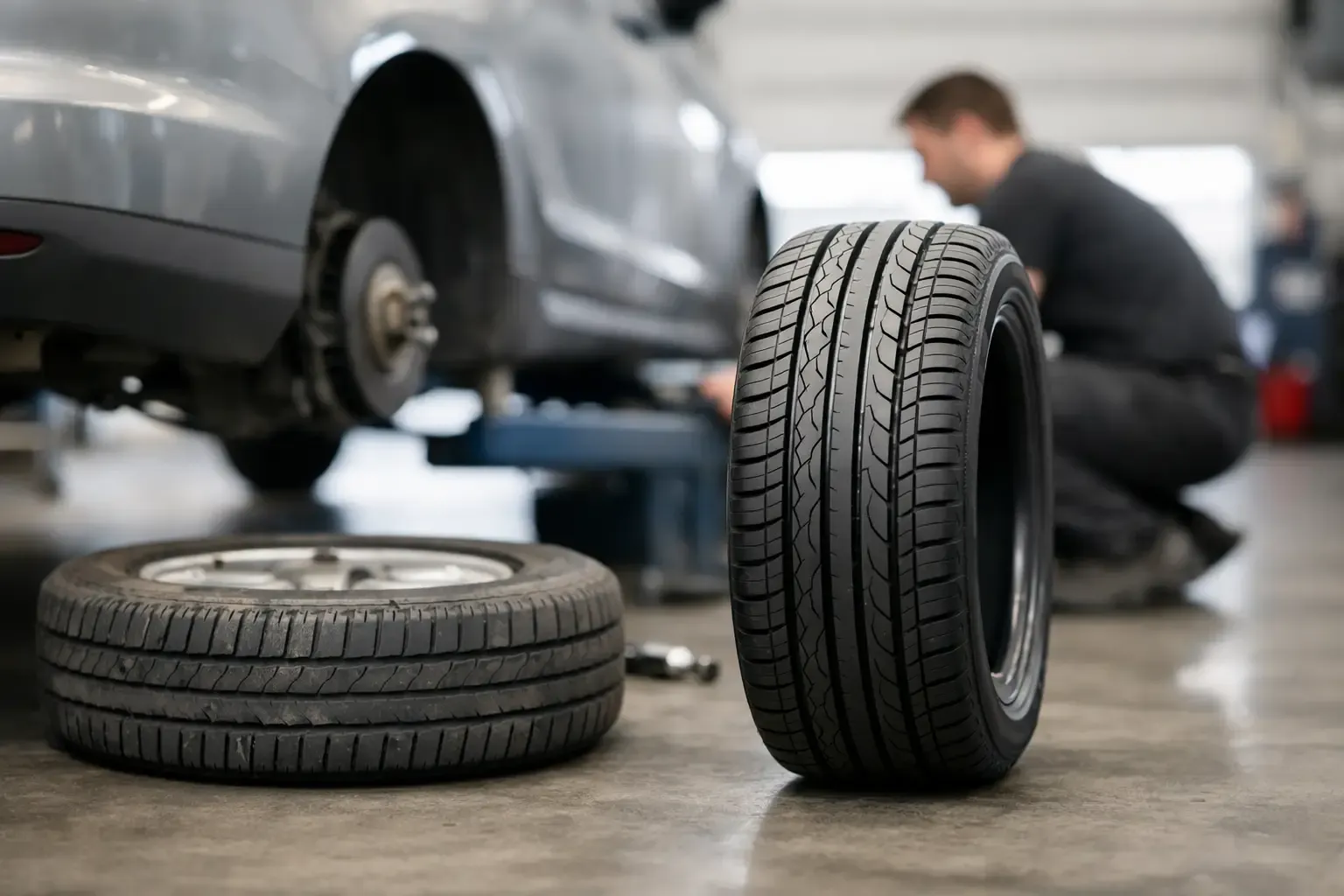
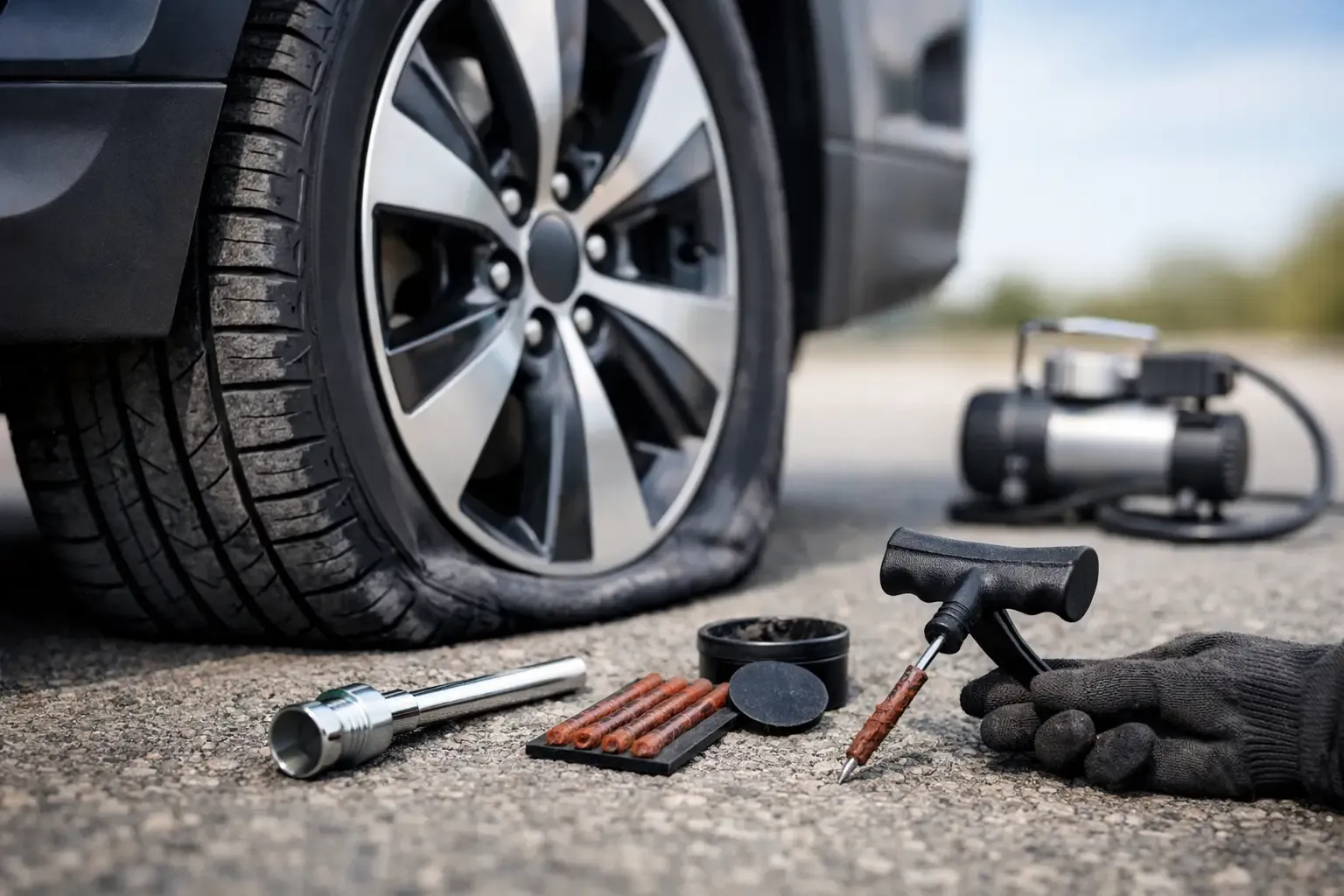
Some punctures can be repaired safely, but not every damaged truck tire should be repaired. The location, size, angle, and extent of the injury matter. Damage in the tread area may be repairable when it meets industry guidelines and the tire has not been driven while severely low on air. Sidewall damage, exposed cords, large punctures, and heat-related damage generally call for replacement.
A proper repair is more than inserting a plug from the outside. The tire should be removed and inspected internally so the technician can check for liner damage, moisture, and evidence of underinflation. This step protects the driver and helps prevent a temporary-looking fix from becoming a repeat roadside problem.
Tire Maintenance That Protects Your Schedule
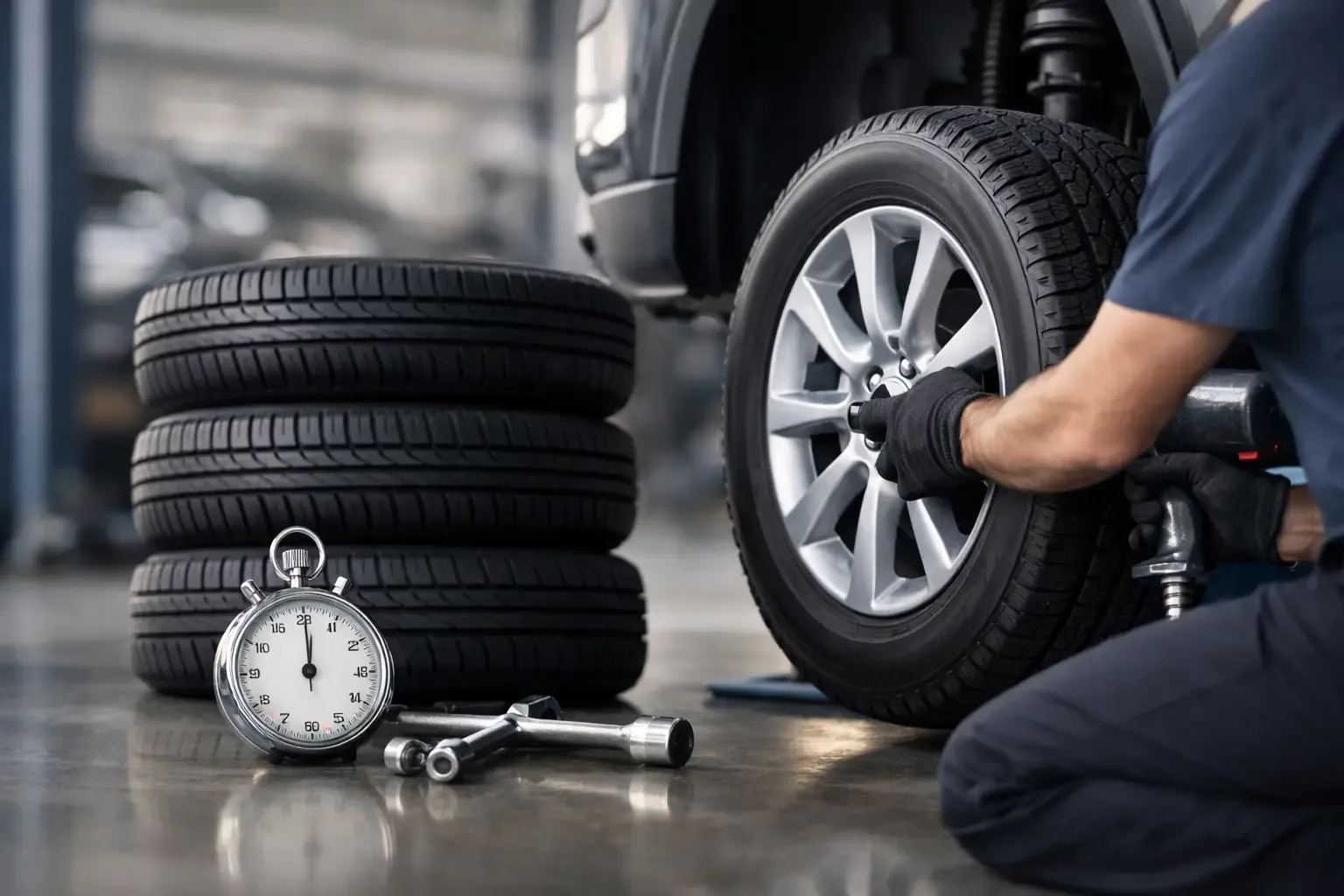
Good tire maintenance is not complicated, but it must be consistent. Build tire checks into daily pre-trip inspections, record pressure readings, and address abnormal wear early. Rotate tires according to the equipment manufacturer's guidance and your fleet's wear patterns. Keep wheels properly balanced where applicable, and schedule alignment checks when a driver reports pulling, vibration, or uneven steer-tire wear.
Fleet managers should also track tire history. Knowing when a tire was installed, where it ran, how it wore, and why it was removed makes future purchasing decisions more informed. That information can reveal whether a particular route, axle, trailer, or driver habit is creating a recurring issue.
Retreading can be a smart part of a commercial tire program when casings are inspected and managed correctly. However, it depends on casing condition, service application, and your fleet's operating standards. Protecting the casing through correct inflation and timely repairs gives you more options later.
Roadside Tire Problems: Make Safety the First Move
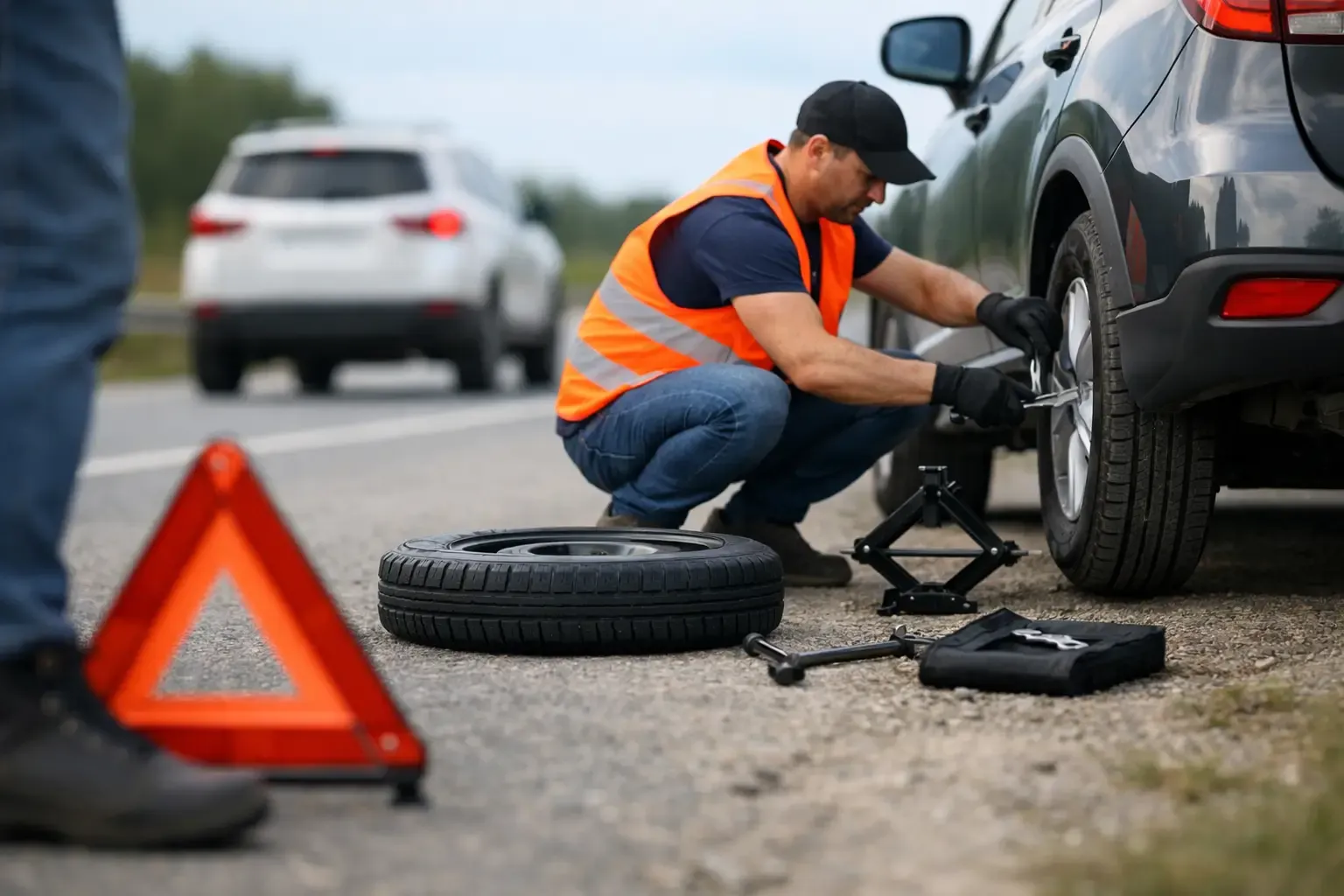
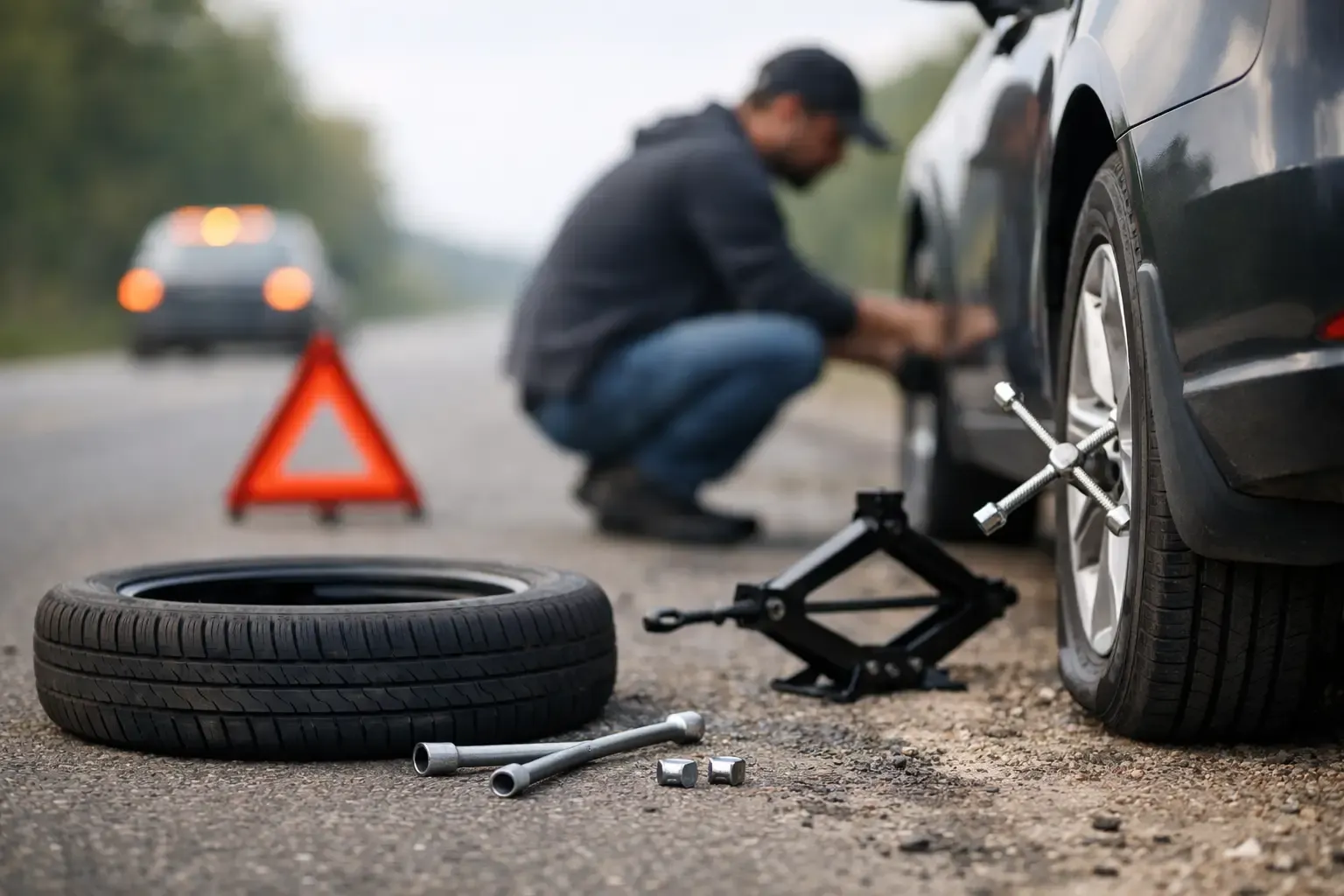
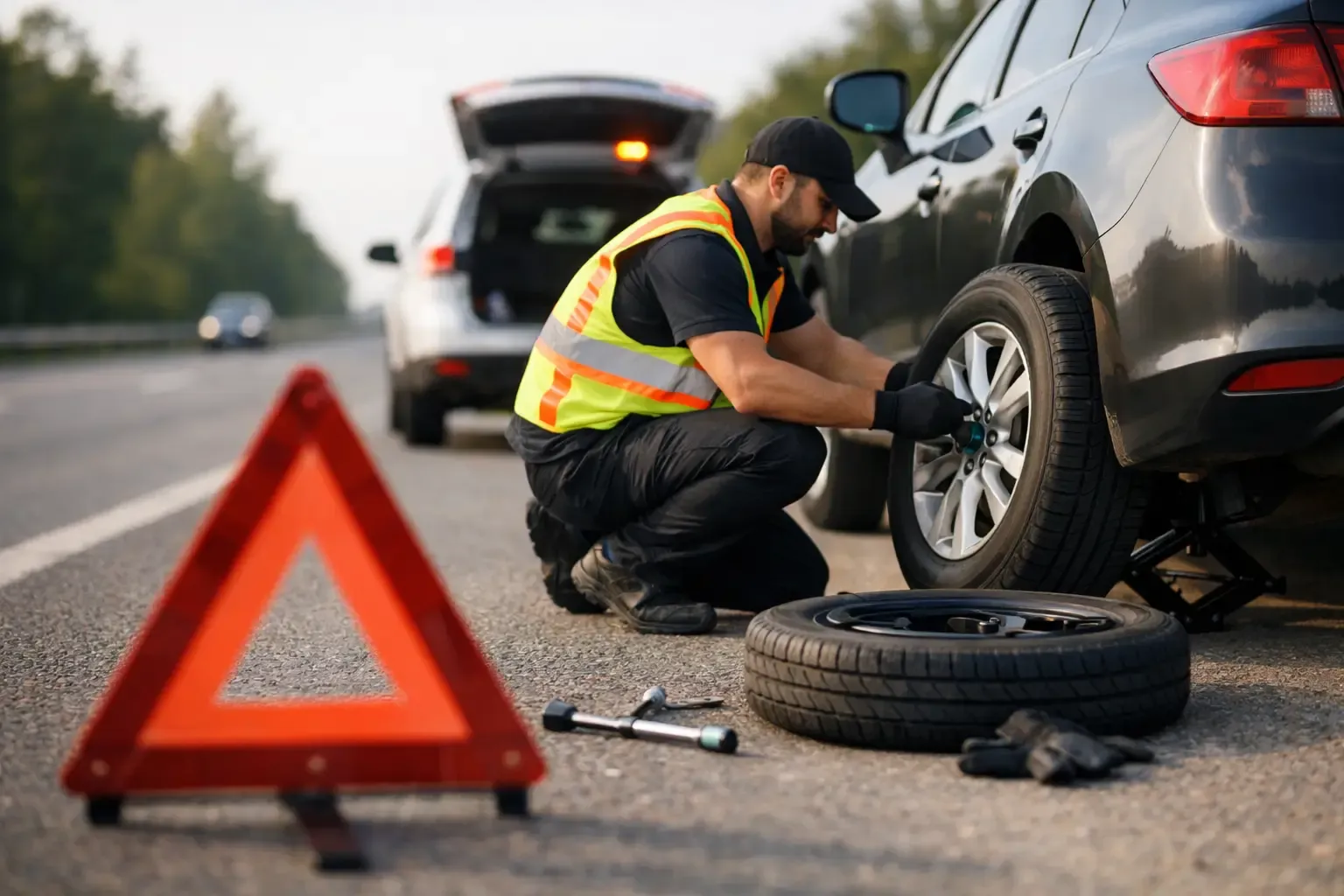
If a driver experiences a blowout, sudden pressure loss, or severe vibration, the first priority is getting to a safe location without making abrupt steering or braking inputs. Once stopped, use warning devices as required, assess the surroundings, and avoid working near traffic unless conditions are clearly safe.
Do not continue driving on a flat tire just to reach the next exit. Running a tire without adequate air can destroy the casing quickly and may damage the wheel or surrounding equipment. A prompt mobile response can often reduce downtime while helping protect the rest of the wheel-end assembly.
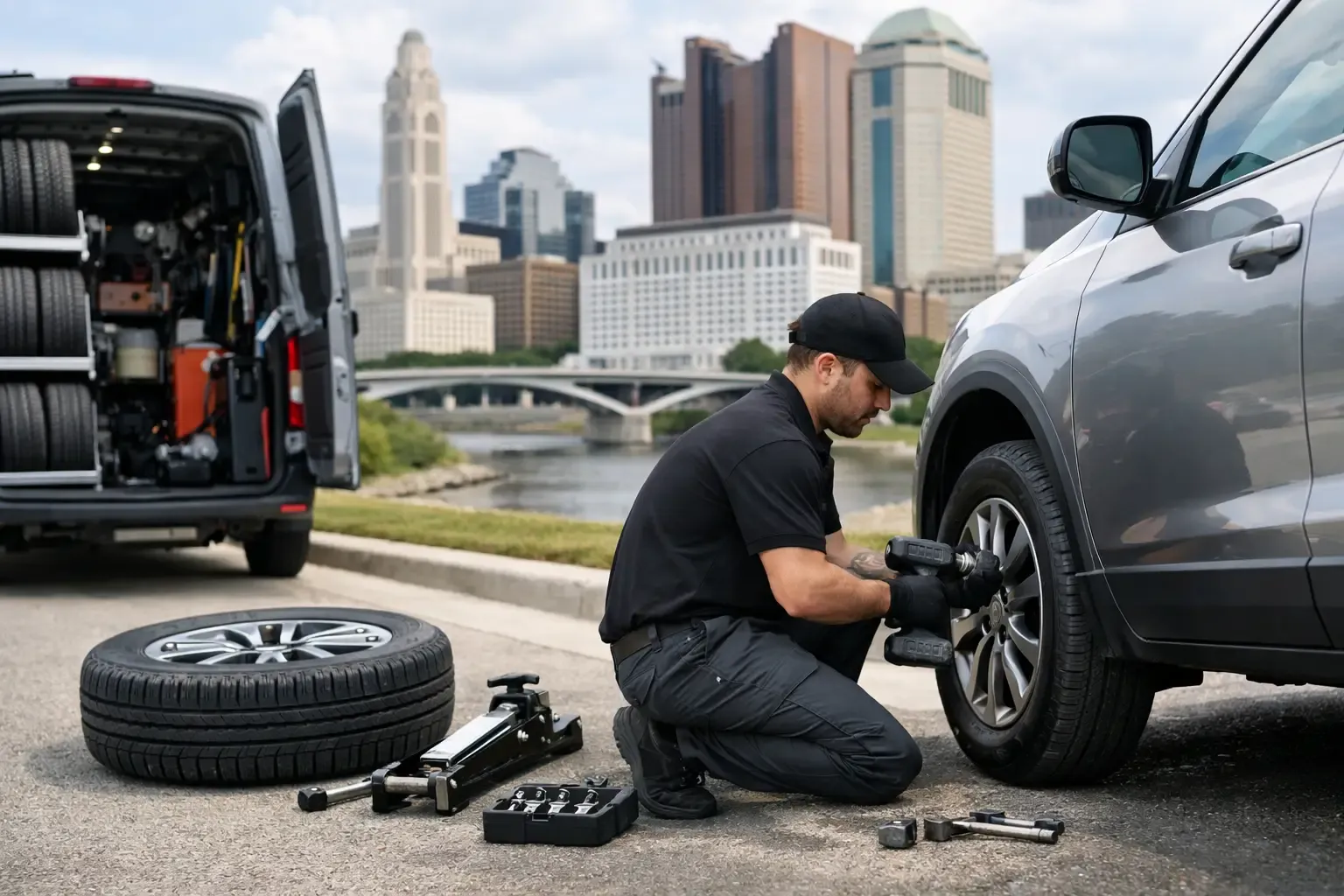
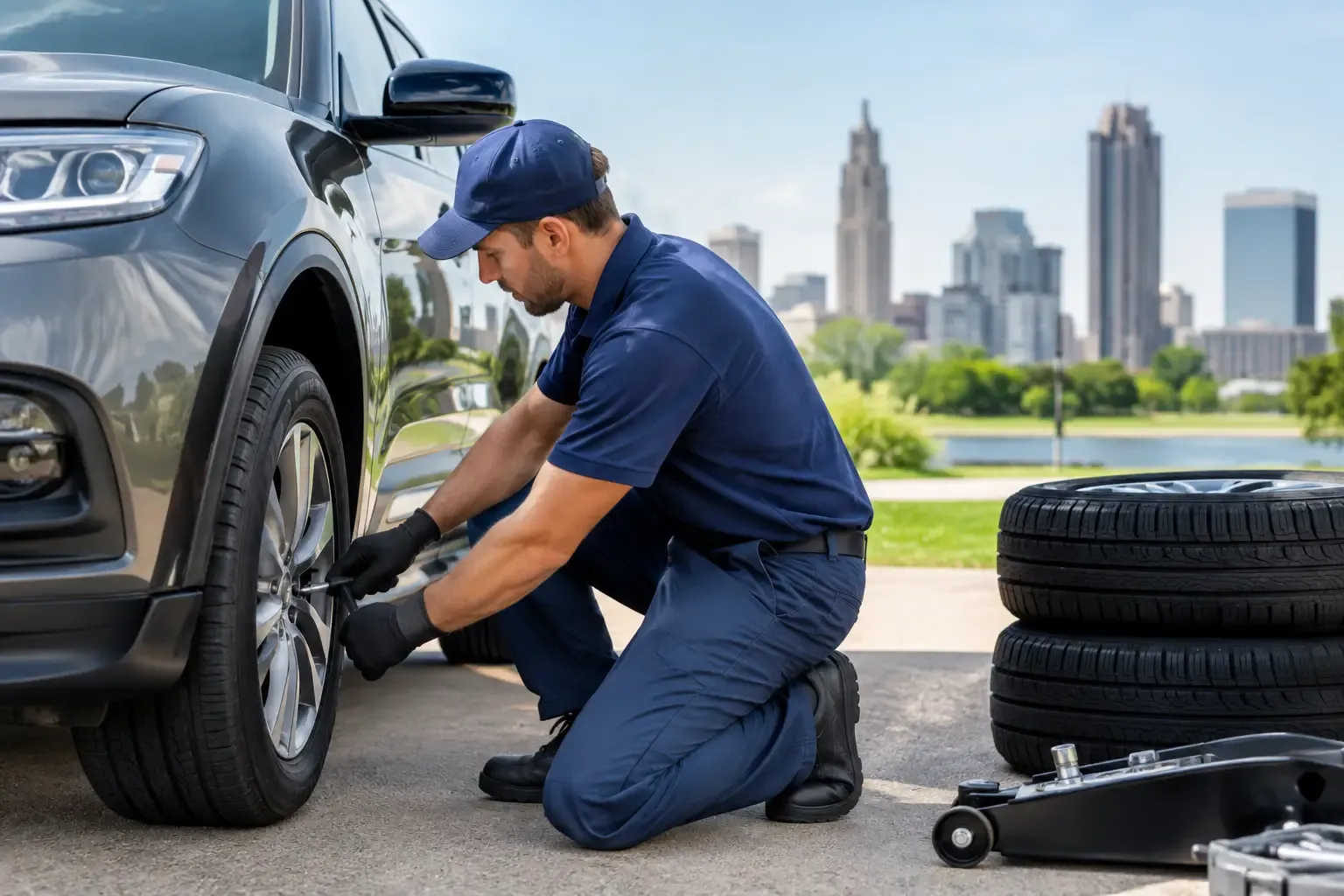
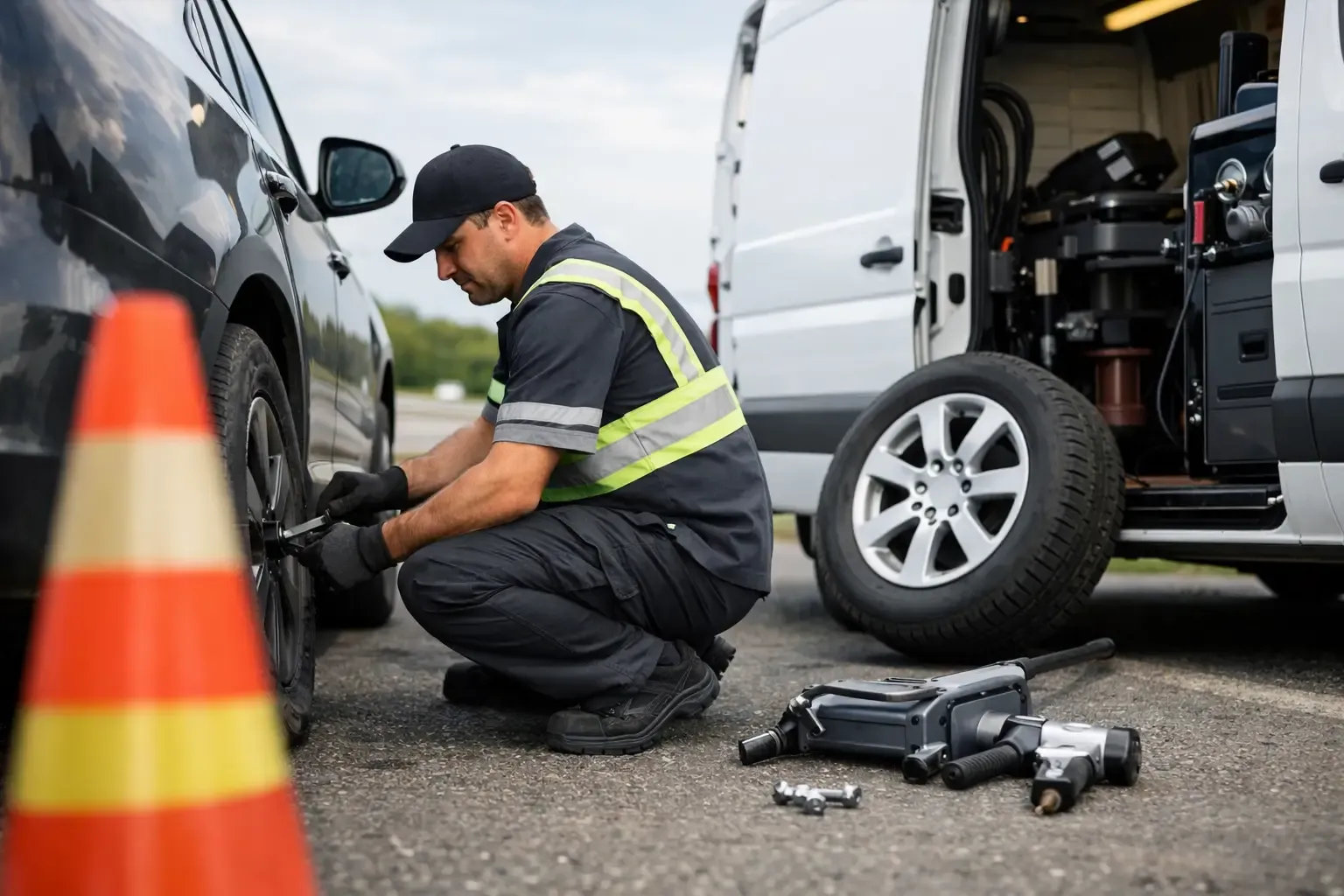
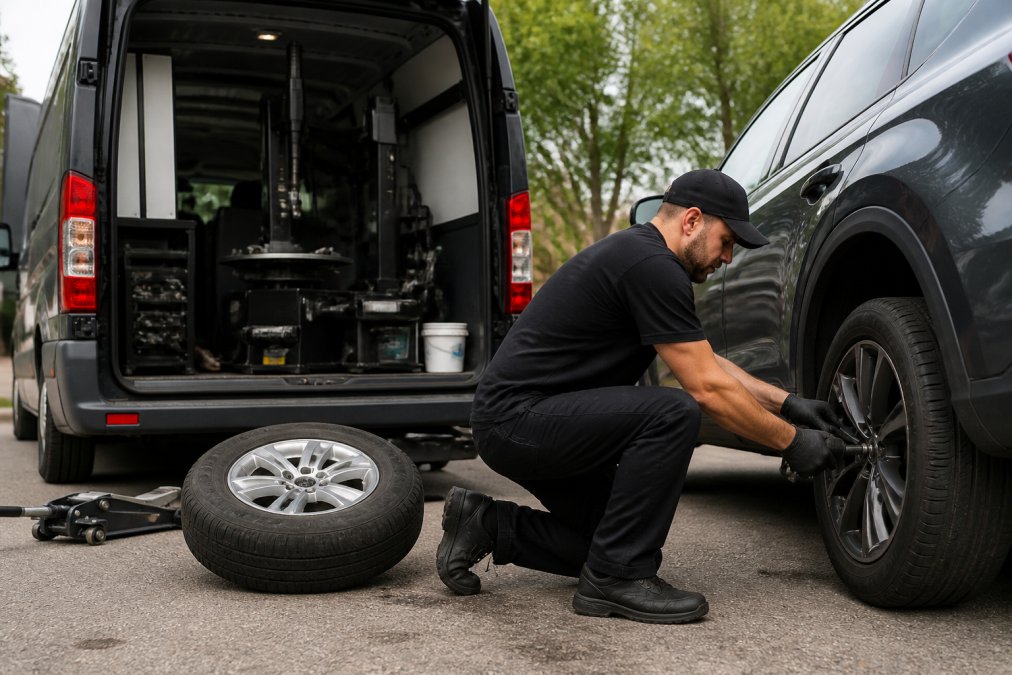
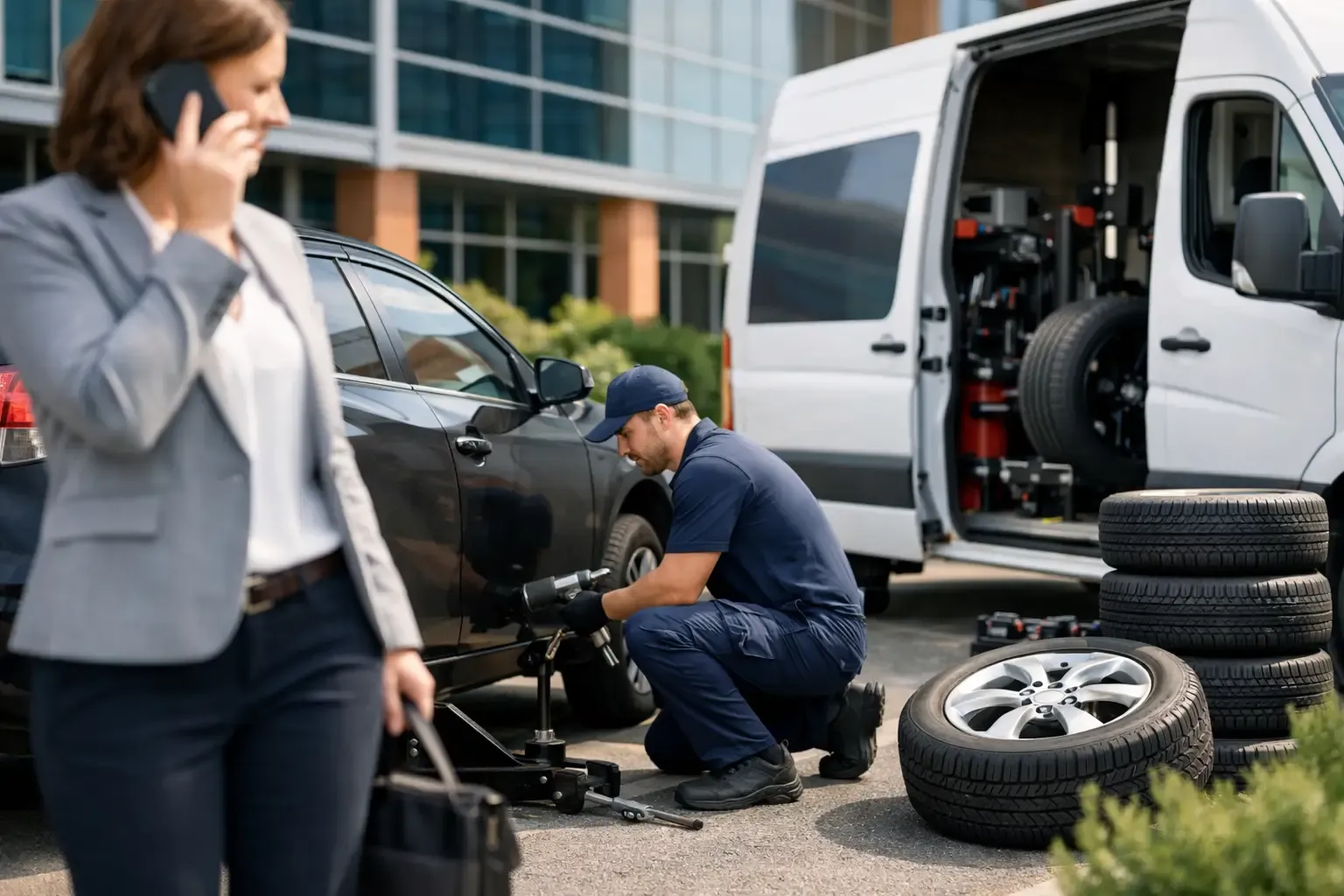
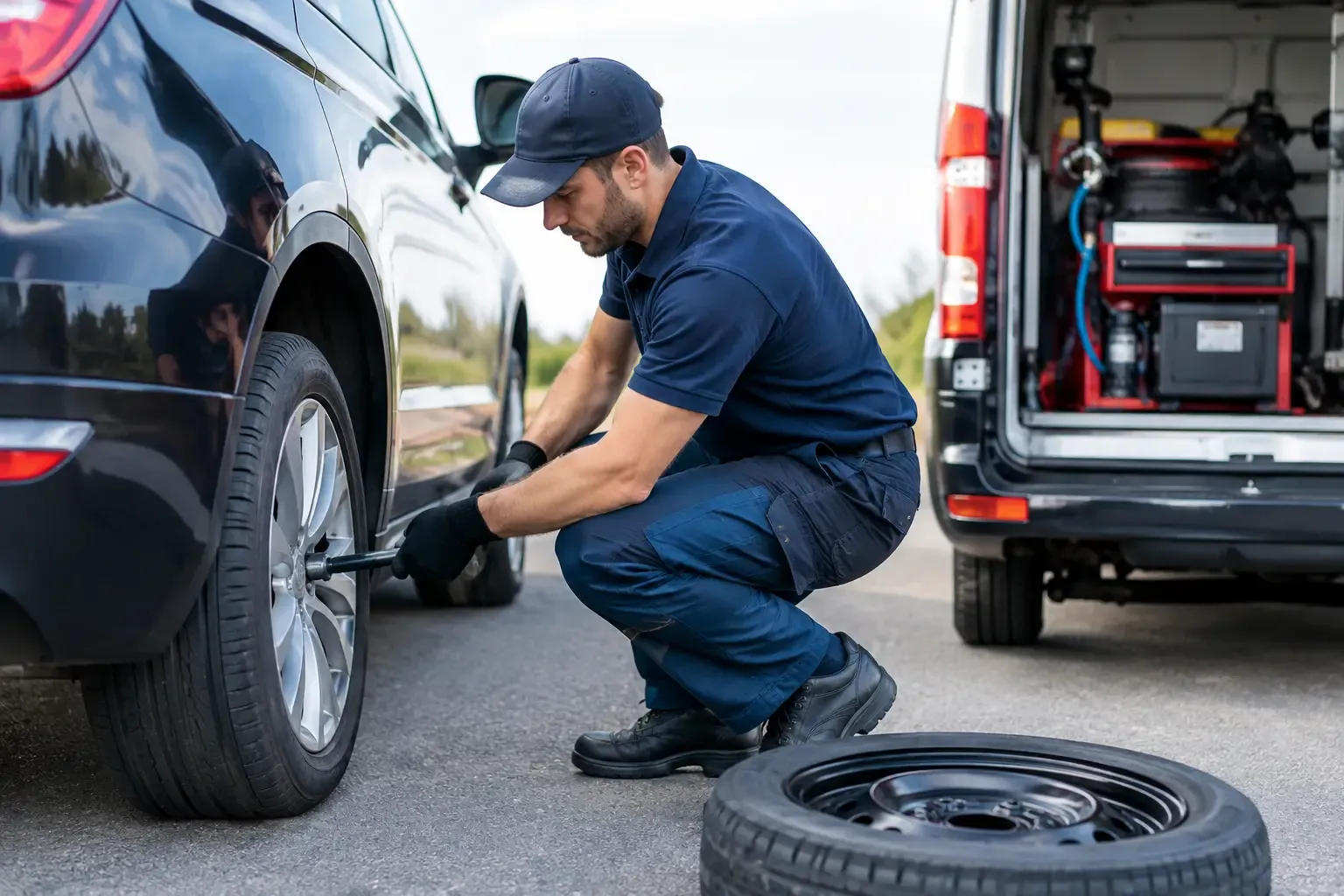
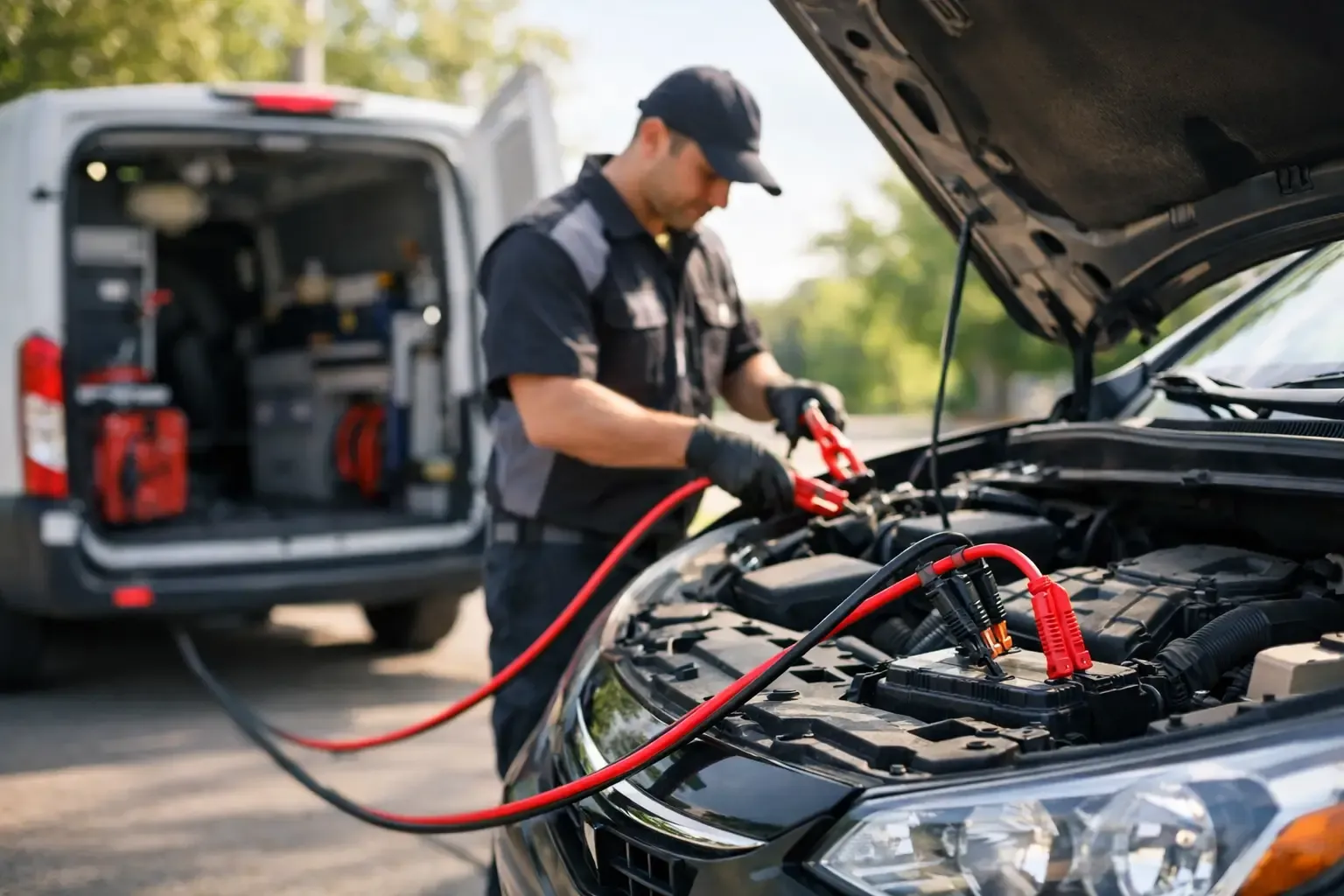
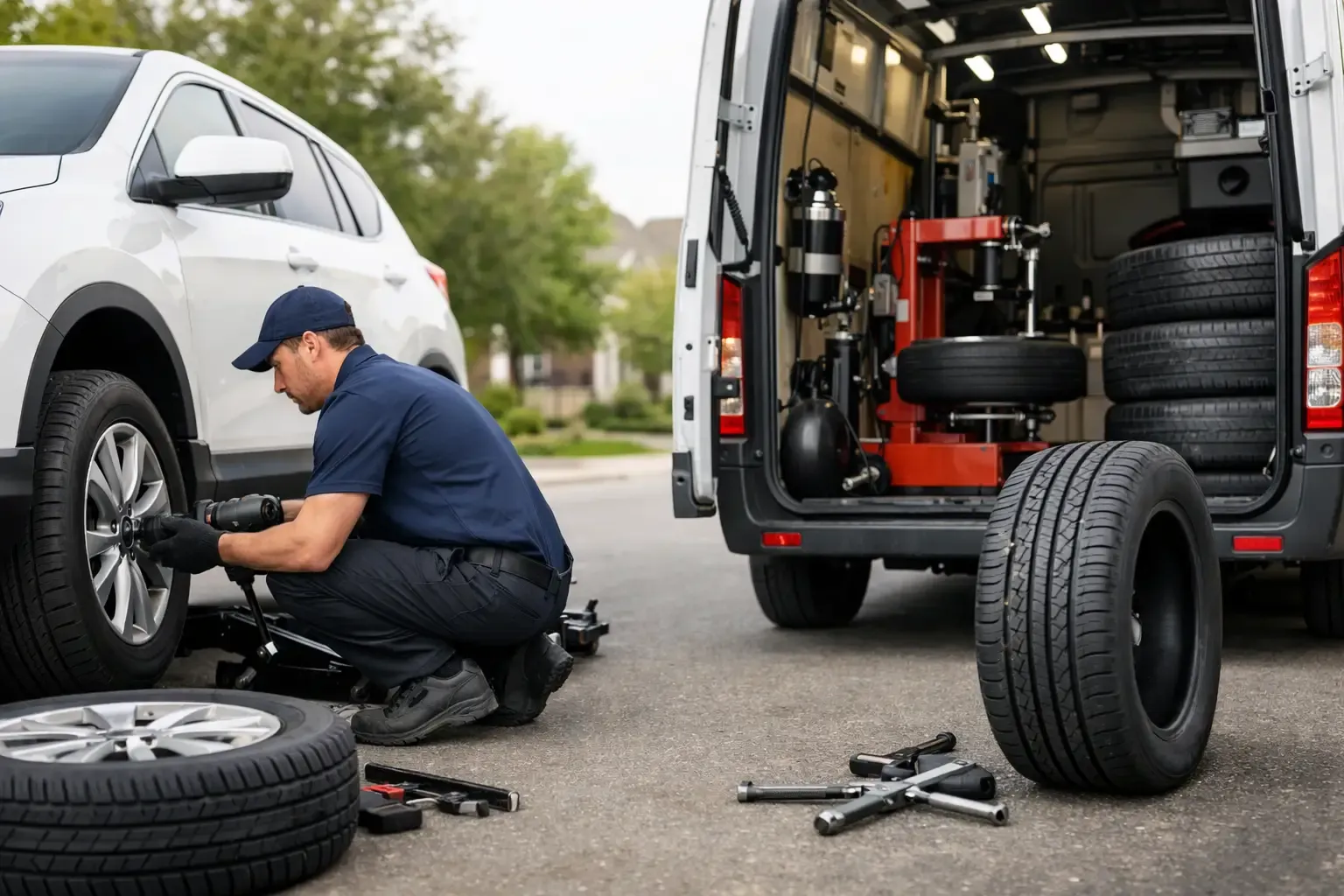
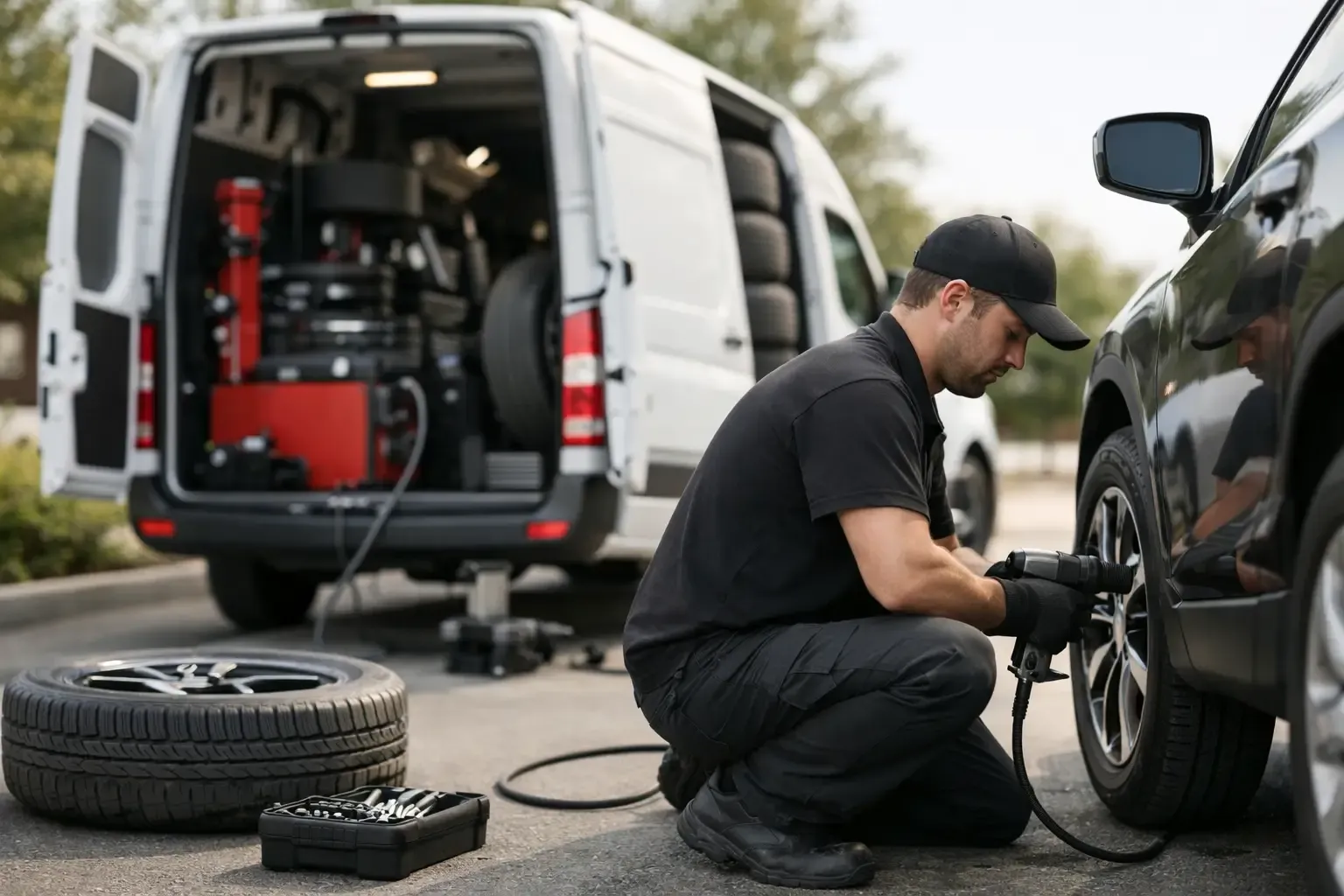
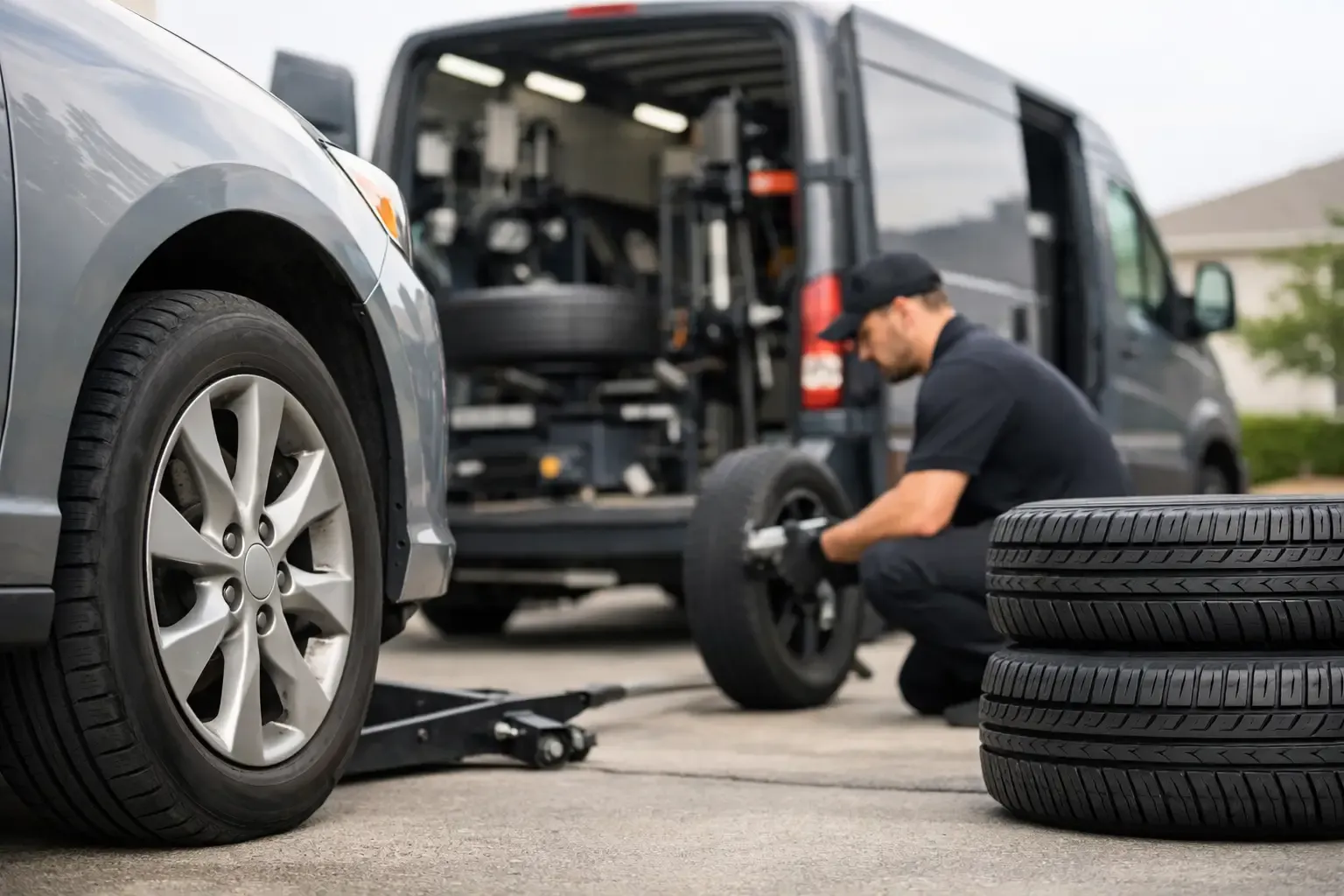
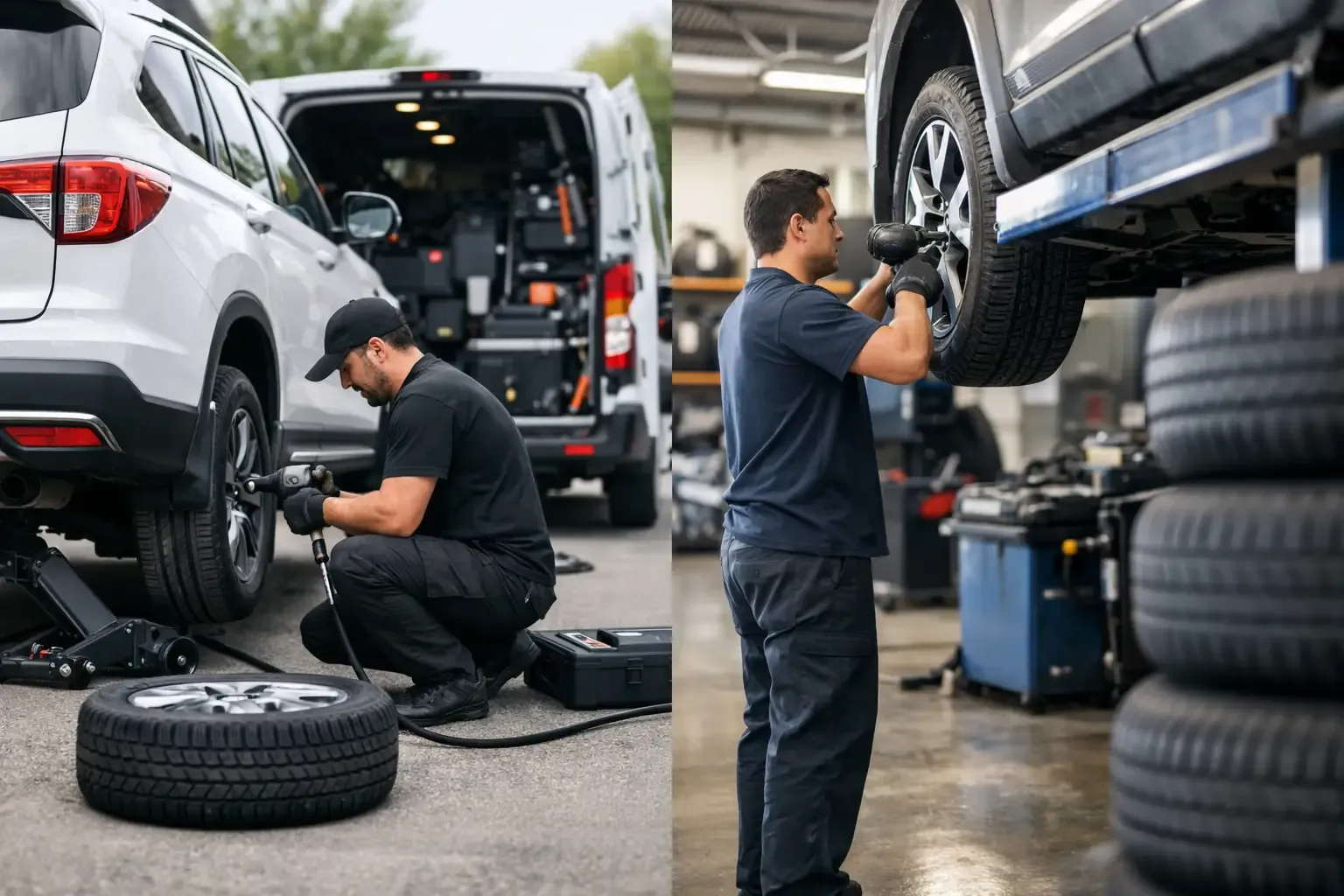
For businesses operating around Columbus, on-location service can be especially helpful when a truck is parked at a yard, customer site, warehouse, or roadside location. Elite Mobile Tire's semi truck and commercial tire service helps commercial customers address tire issues where the vehicle is located, reducing the need to send a truck to a shop for every urgent tire concern.
A Better Standard for Tire Decisions
Semi truck tire performance comes down to disciplined basics: select the right tire for the position and route, maintain accurate pressure, inspect it often, and respond quickly to damage or unusual wear. Those habits support safer drivers, more predictable operating costs, and fewer disruptions to the work that keeps your business moving.
When a tire concern appears, treat it as useful information rather than an inconvenience. A timely inspection today can prevent the roadside call, missed delivery, and larger repair tomorrow.
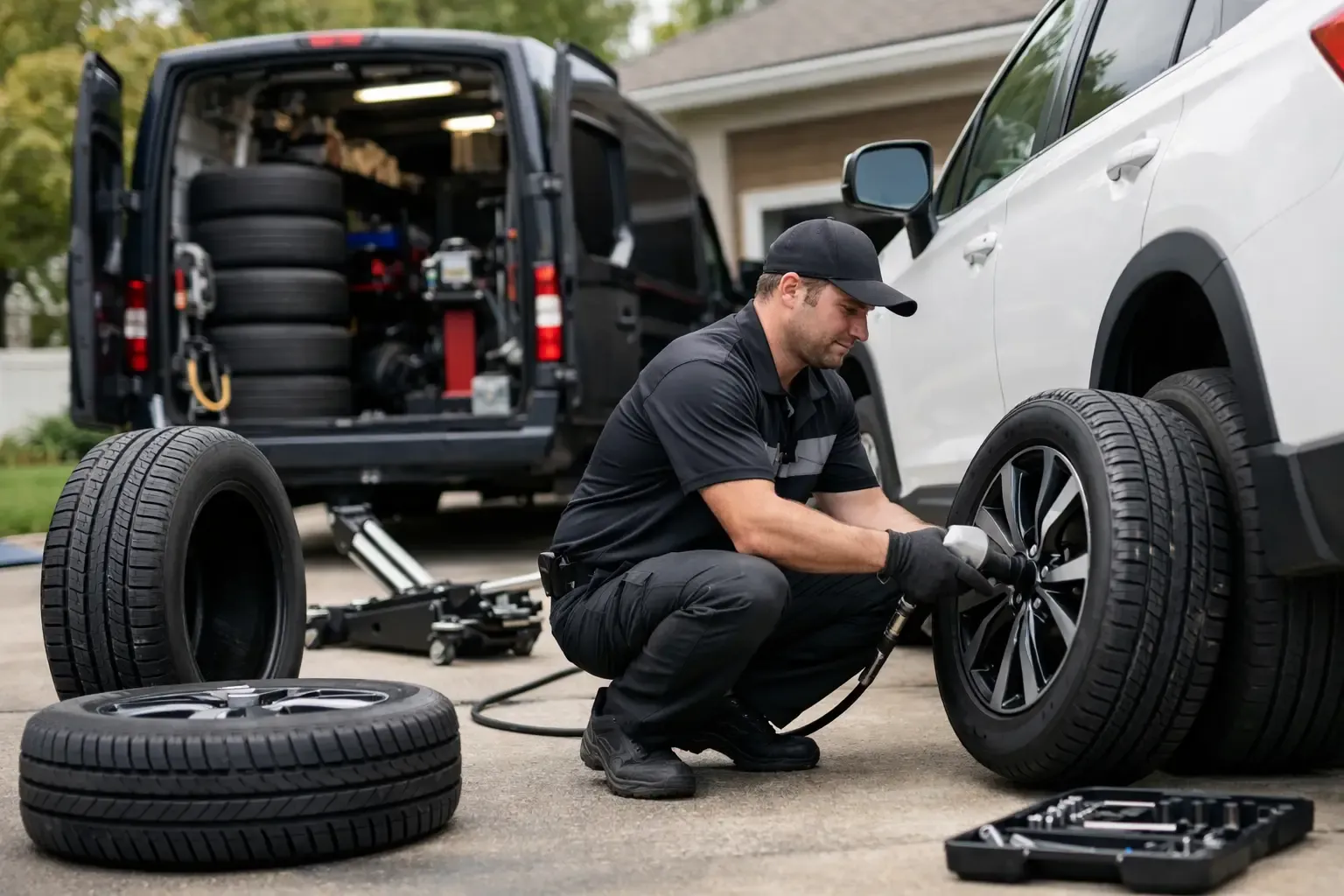
Ready for a new set? Elite Mobile Tire installs 2 or 4 new tires right in your driveway or parking lot anywhere around Columbus, Obetz, Groveport, Grove City, and Reynoldsburg. Financing is available through Afterpay and Acima with up to 24-month payment plans. Call 614-344-5010 or visit elitemobiletire.com to book.