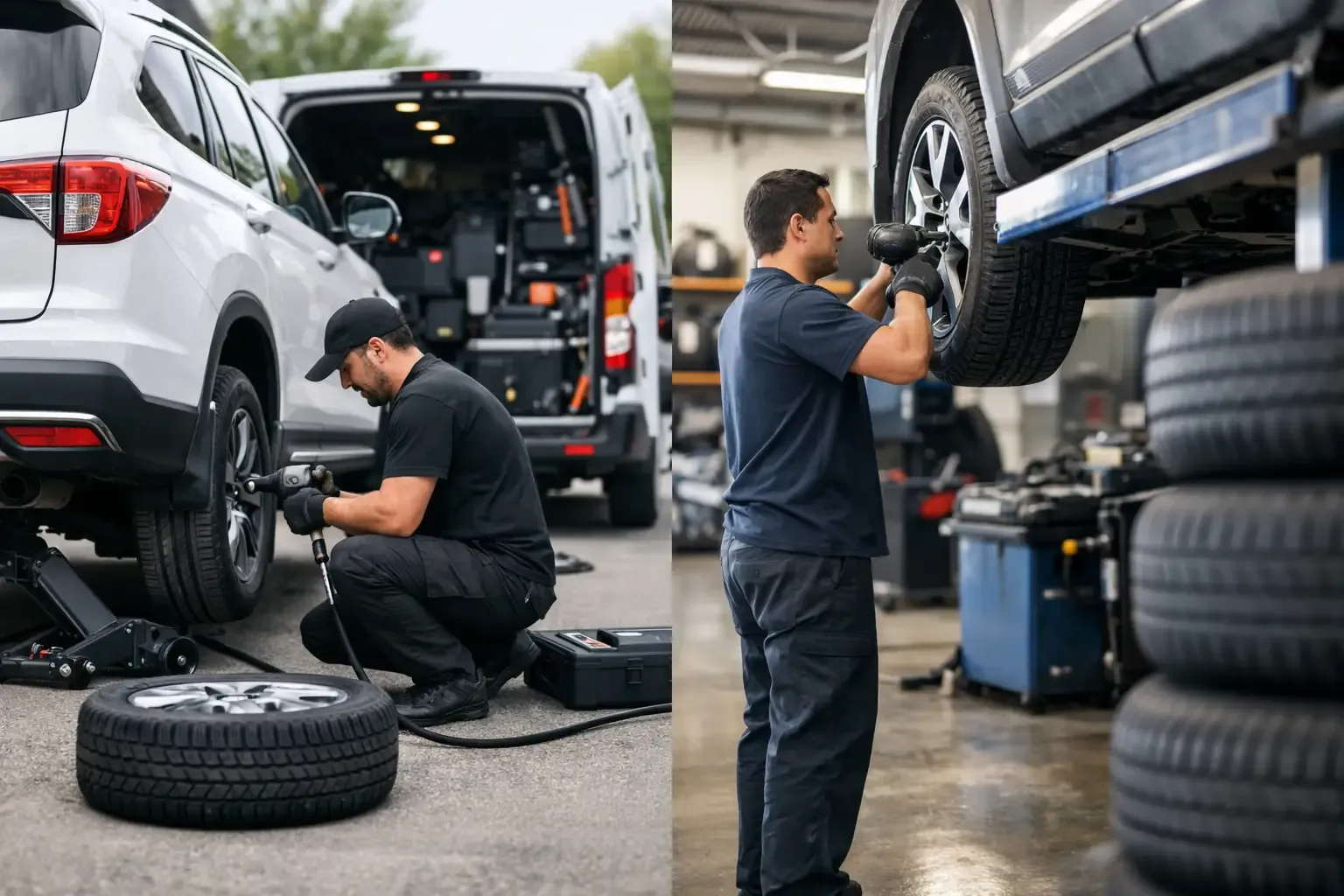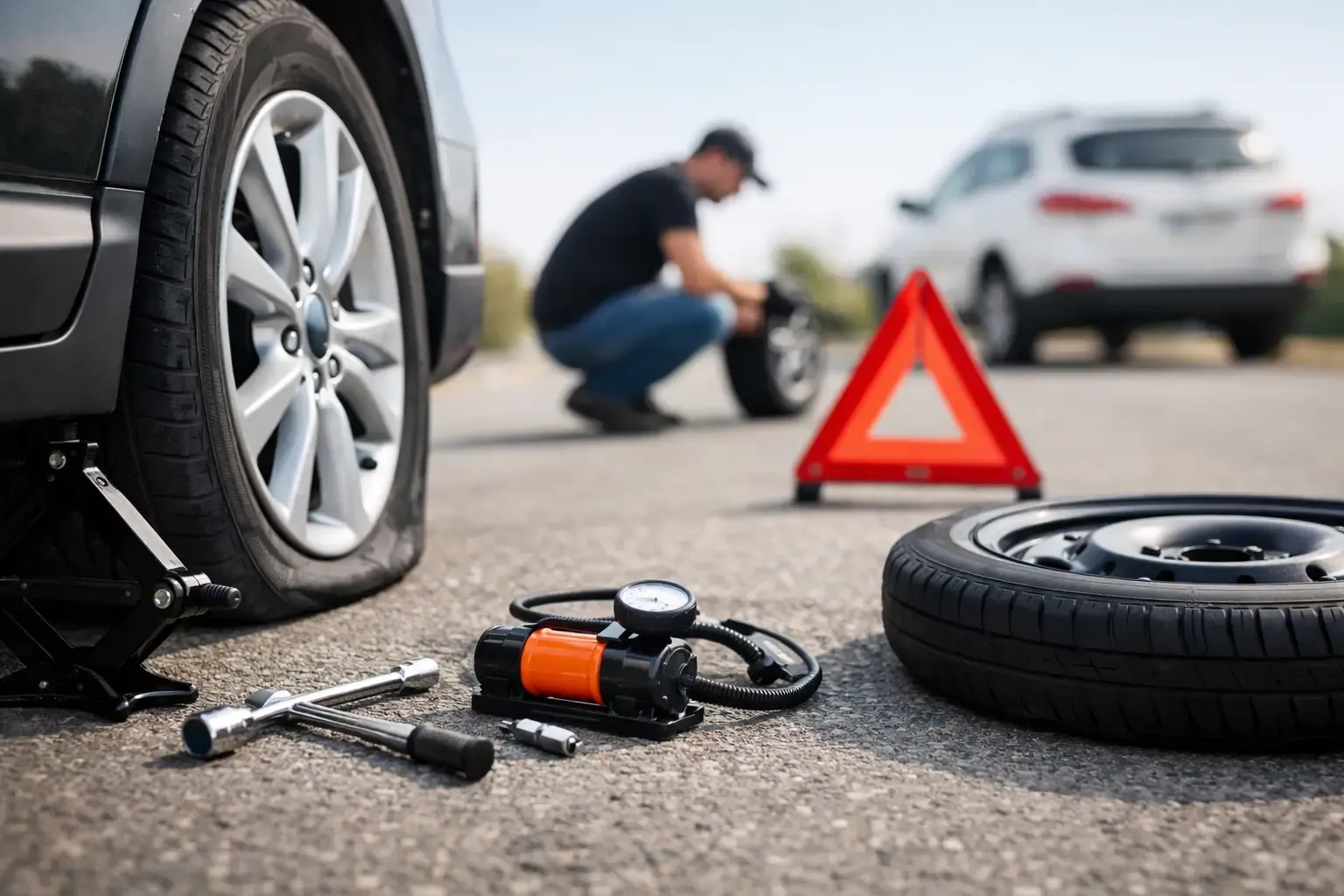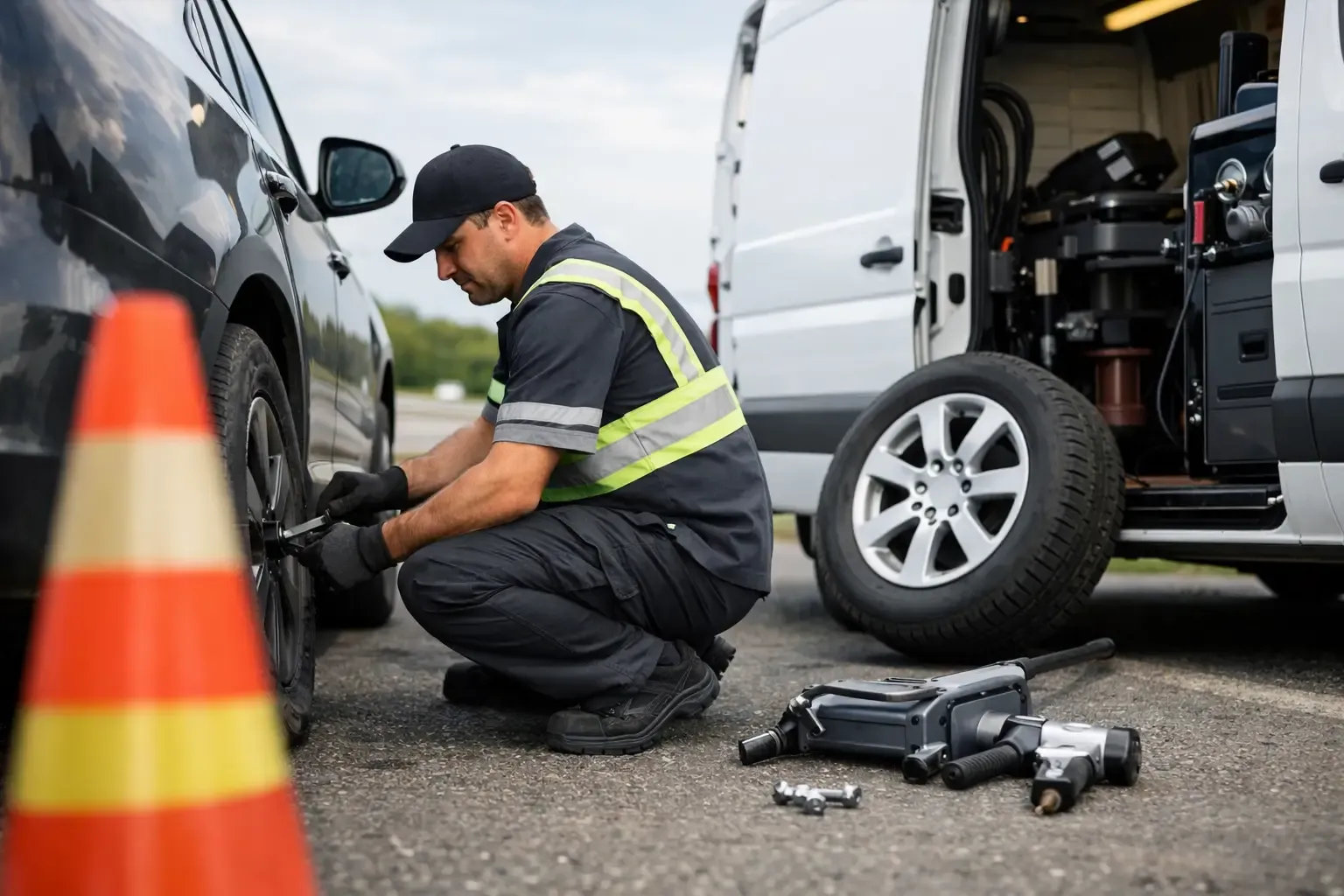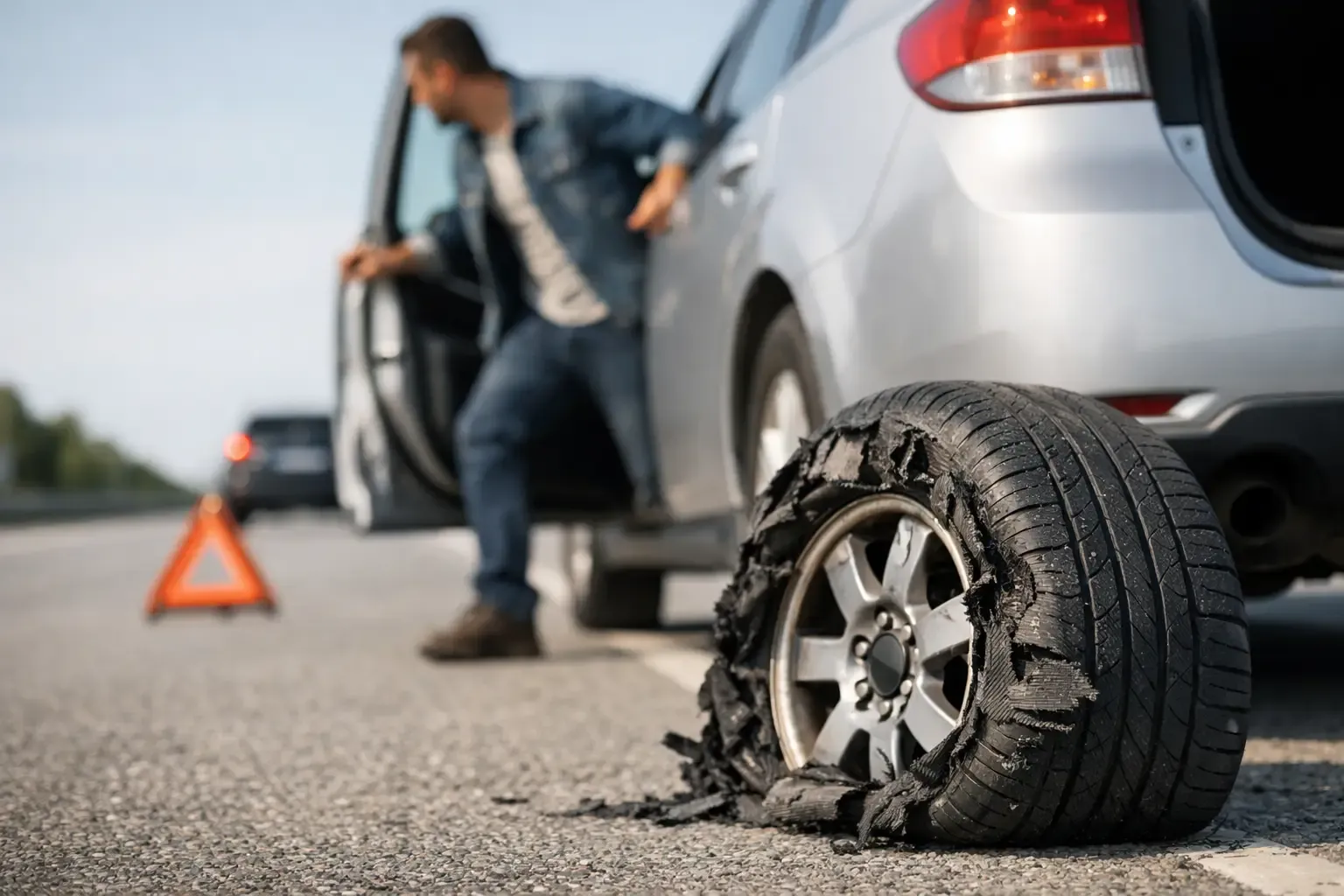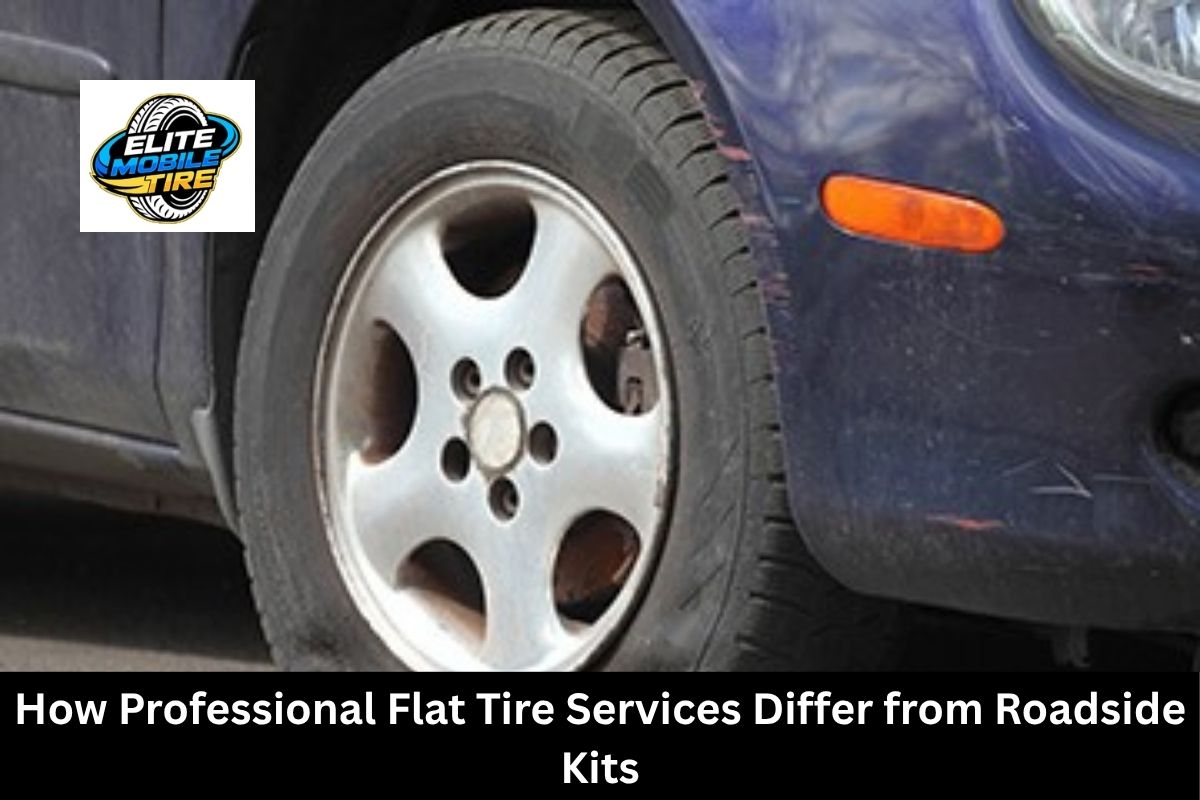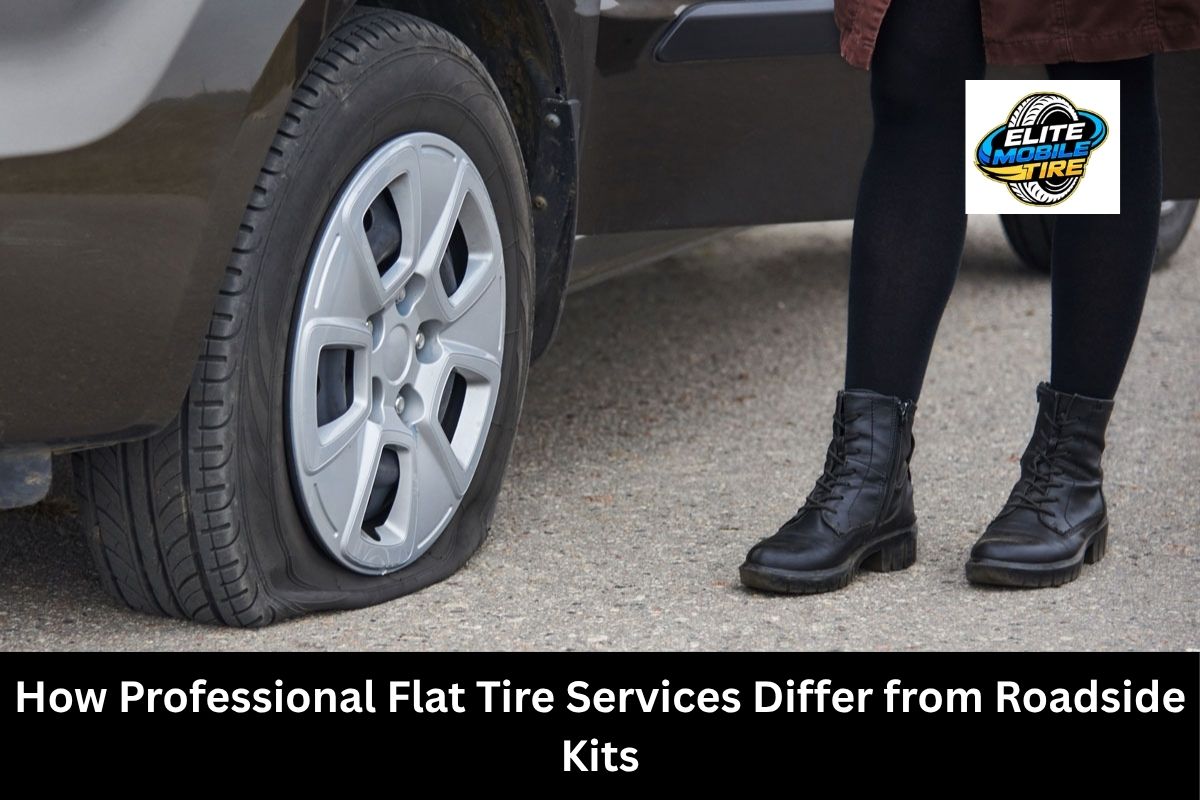
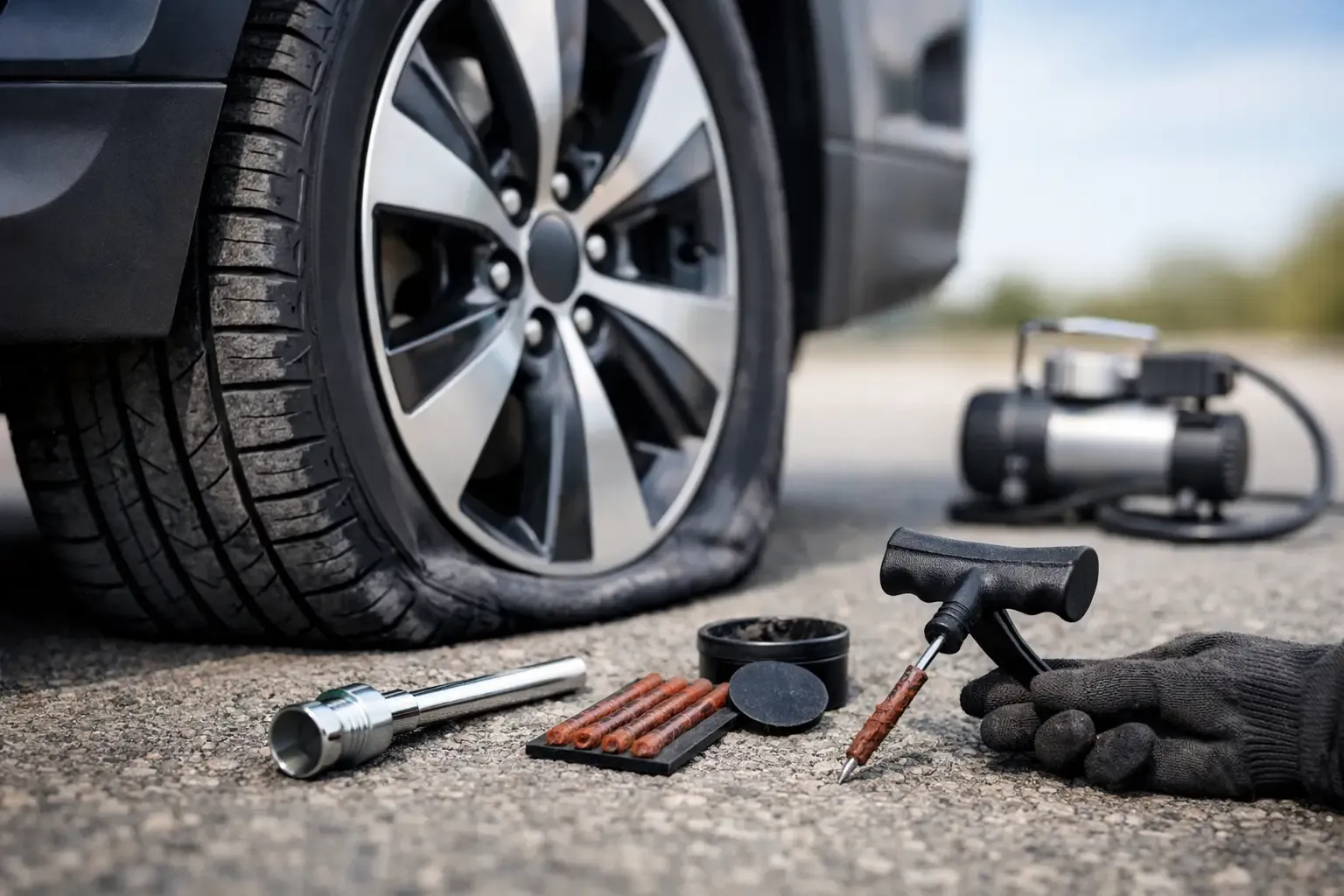
A flat tire rarely happens at a convenient time. It shows up before work, in a grocery store parking lot, or on the shoulder when you are already running late. When it does, one of the first questions most drivers ask is simple: can a flat tire be repaired?
Sometimes yes, and sometimes no. The right answer depends on where the tire is damaged, how large the puncture is, how long the tire was driven while low on air, and the overall condition of the tire. A proper inspection matters because a repair that looks fine from the outside may not be safe once the tire is removed and checked internally.
Can a flat tire be repaired in every situation?
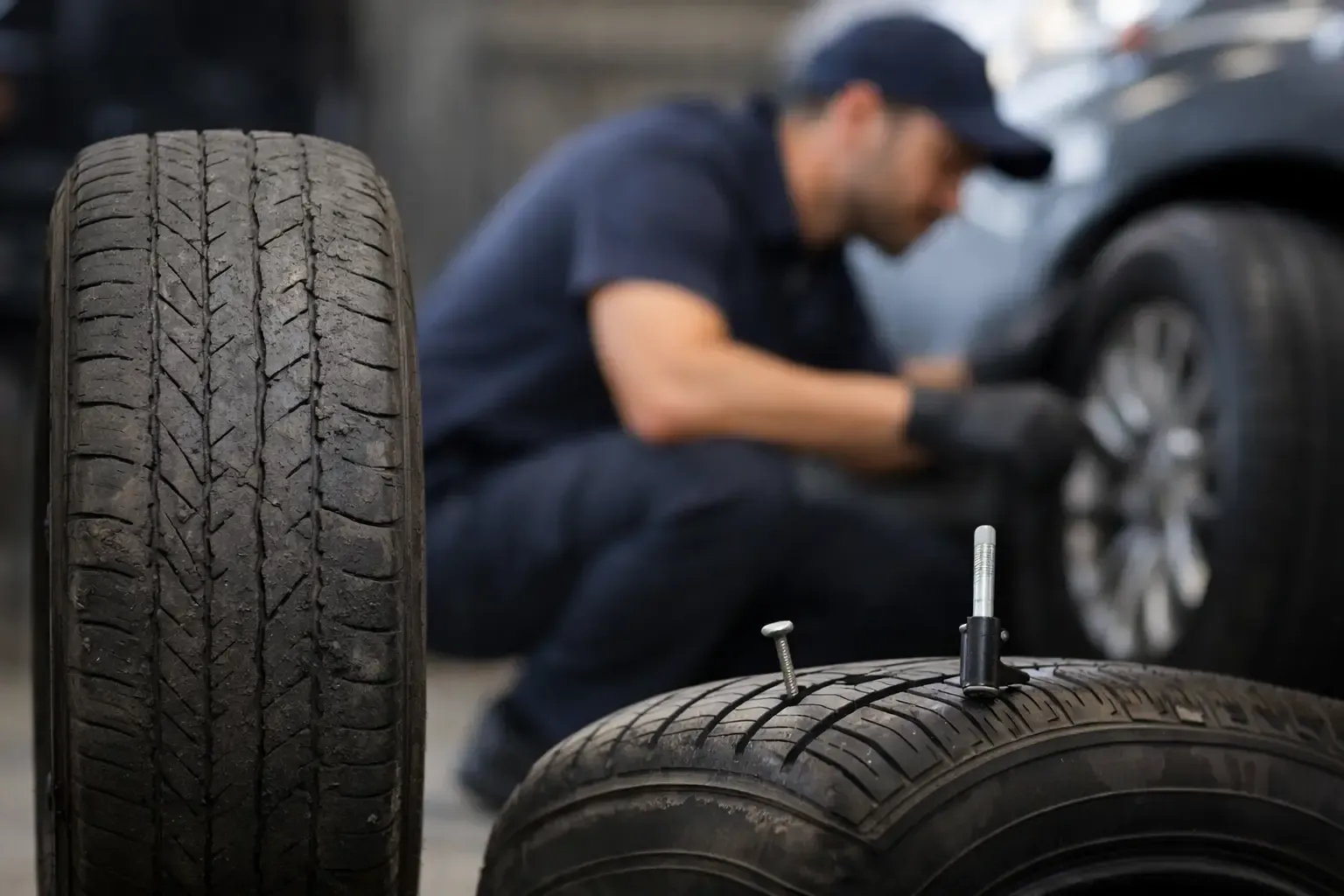
No. A flat tire can only be repaired safely if the damage falls within repairable limits. In most cases, a puncture in the tread area caused by something like a nail or screw may be repairable. But damage in the sidewall or shoulder usually means the tire needs to be replaced.
That distinction matters because the tread is the strongest and most stable part of the tire. The sidewall flexes constantly as you drive, and repairs in that area generally do not hold up safely under normal road use. If the tire has a cut, bubble, separated internal structure, or visible cord damage, repair is off the table.
Another key factor is the size of the puncture. Small, clean punctures are often fixable. Larger holes, irregular tears, or damage caused by driving on a completely flat tire are different. When a tire has been run while underinflated, the internal sidewall may become weakened from heat and friction, even if the outside does not look severe.
What makes a tire repair safe?
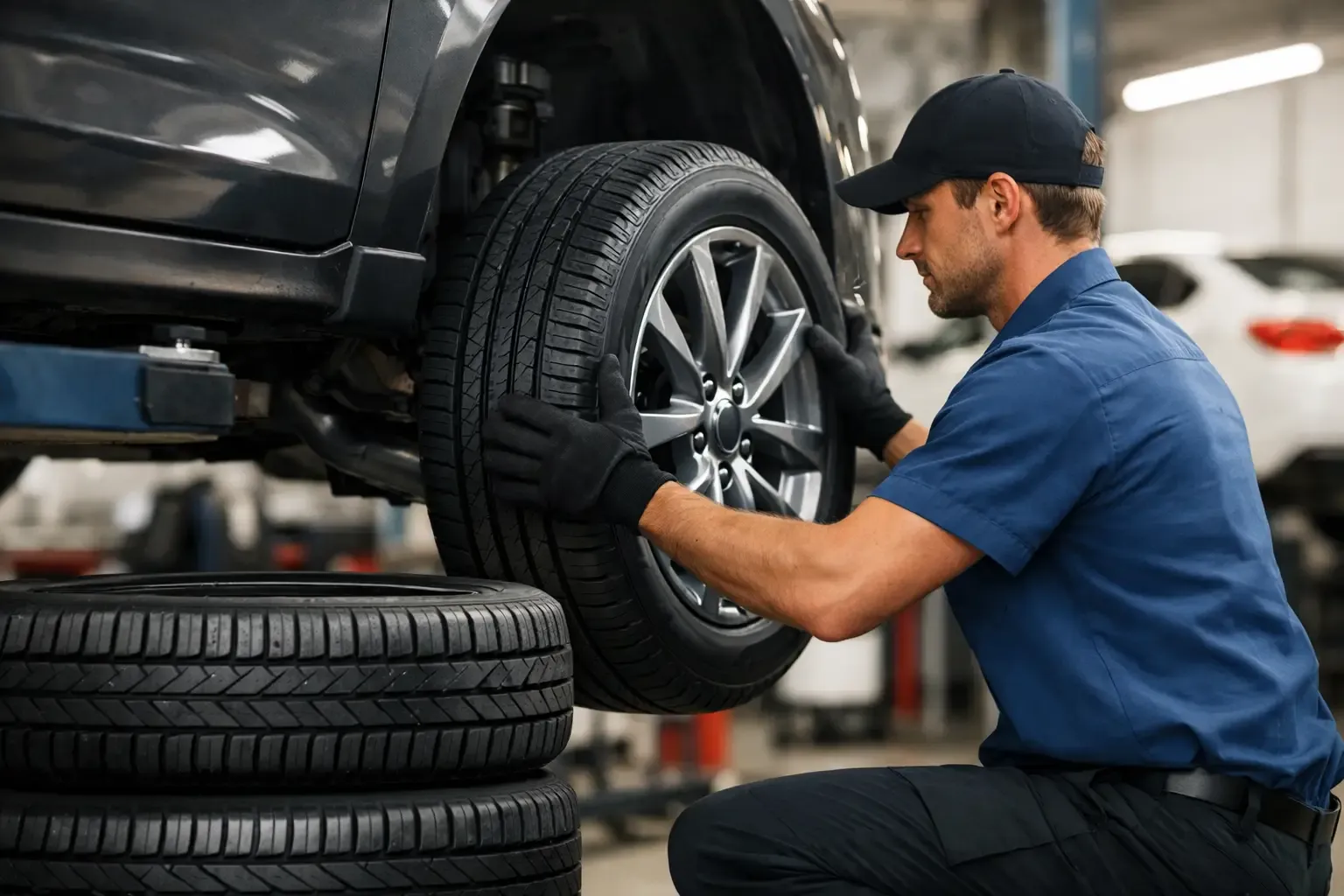
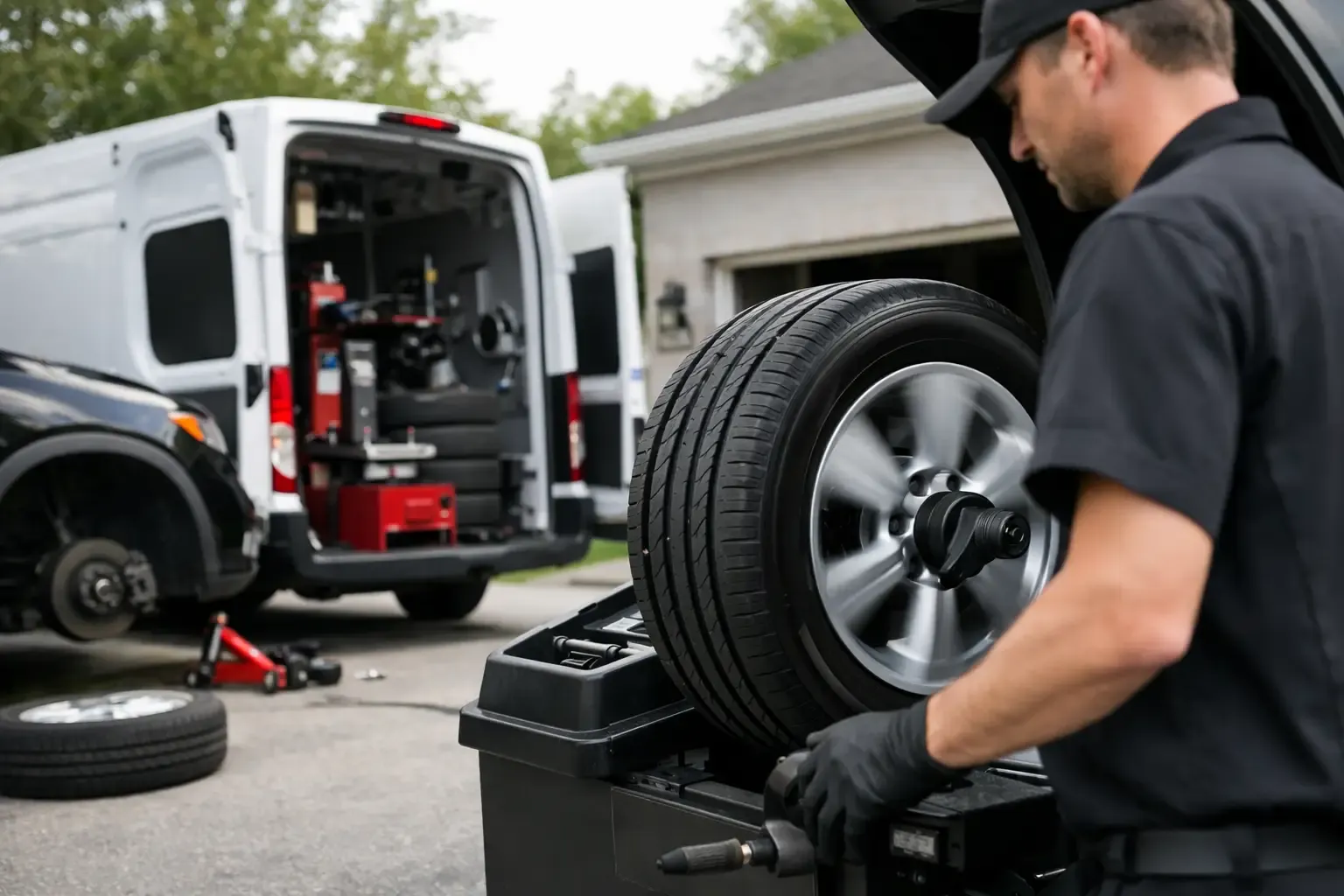
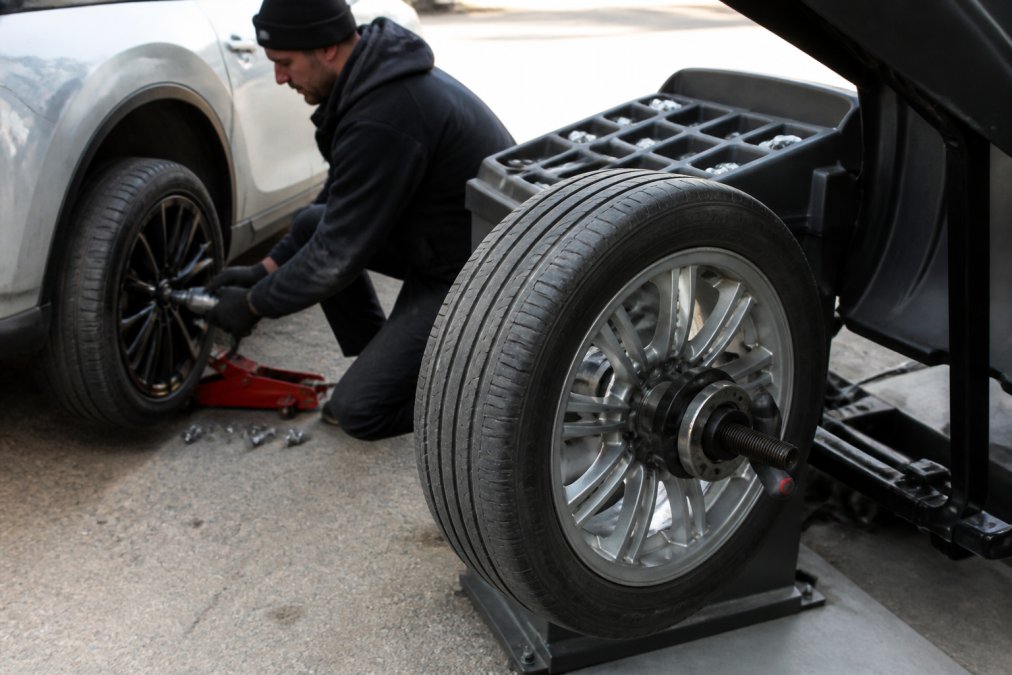
A safe repair is not just about plugging a hole and sending the vehicle back out. Industry-standard tire repair involves removing the tire from the wheel, inspecting the inside, and using the correct repair method for the puncture location and size.
That internal inspection is the part many drivers never see, but it is one of the most important steps. It helps confirm whether the casing is still structurally sound. If there is inner liner damage, sidewall scuffing from driving flat, or multiple compromised areas, the tire may no longer be safe to use.
A professional repair is typically done with a patch-plug combination installed from the inside of the tire. This seals the injury and helps prevent air loss and moisture intrusion. A simple external plug by itself may seem like a quick fix, but it is not always the best long-term solution for a daily-driven vehicle.
When a flat tire should be replaced instead
There are several common situations where replacement is the safer move. If the puncture is in the sidewall or outer shoulder, the tire usually cannot be repaired. If the hole is too large, if the tire has multiple punctures too close together, or if the tread is already worn down, replacement may make more sense than trying to extend the life of a tire that is near the end anyway.
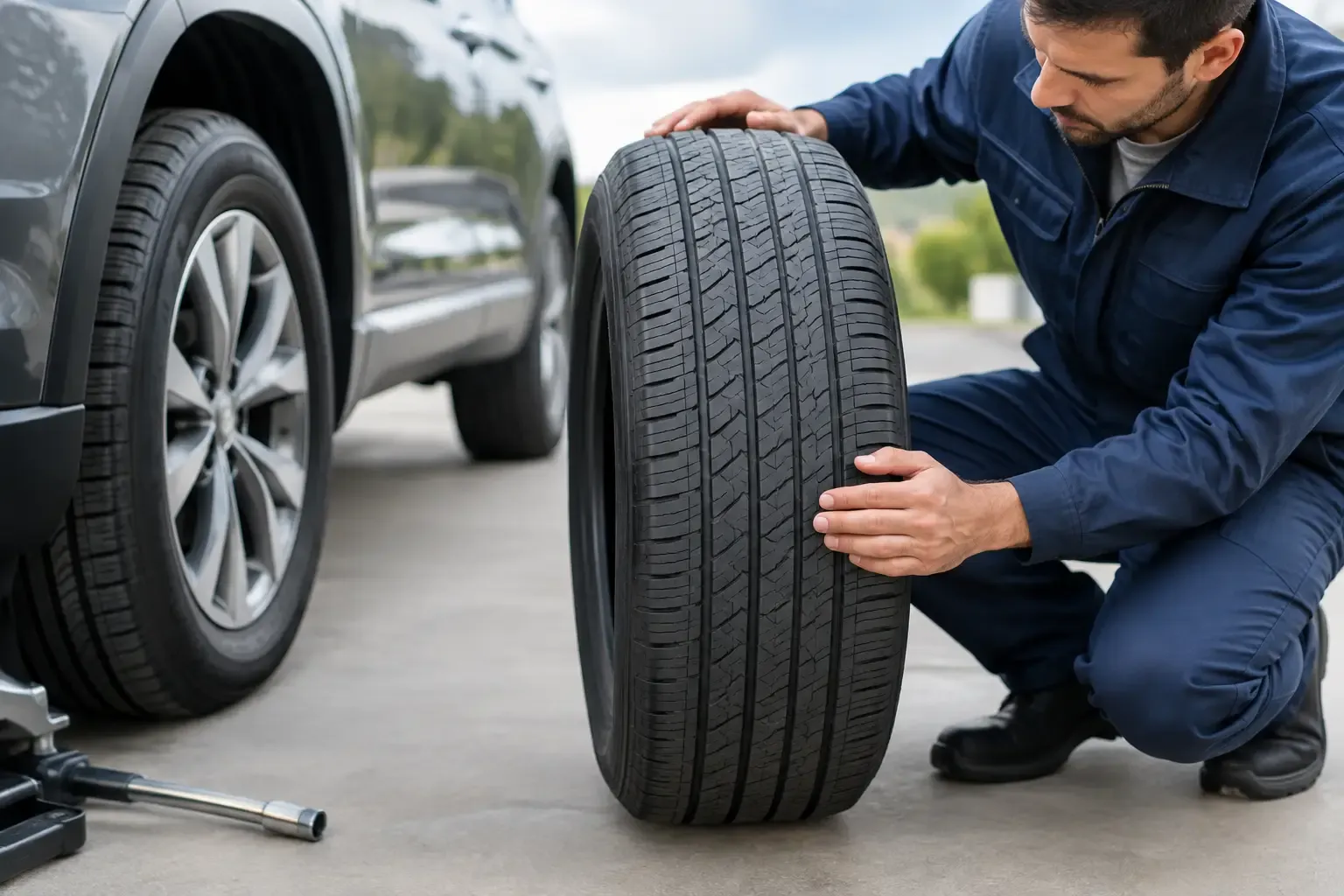
Age and condition matter too. Even if the flat itself looks minor, a tire with dry rot, uneven wear, previous poor repairs, or damage from impact may not be worth repairing. The goal is not just to hold air for a few more days. The goal is to keep the vehicle safe and dependable.
This is where honest inspection matters. A trustworthy technician should explain why a tire can be repaired or why it should not be, without making the decision feel confusing. Clear recommendations help drivers avoid repeat issues and get back on the road with confidence.
Can you drive on a flat tire before repair?
If possible, no. Driving on a flat tire, even for a short distance, can turn a repairable puncture into a non-repairable tire. Once the air pressure drops too low, the tire can begin collapsing under the vehicle's weight. That puts stress on the sidewalls and creates heat buildup that can permanently damage the internal structure.
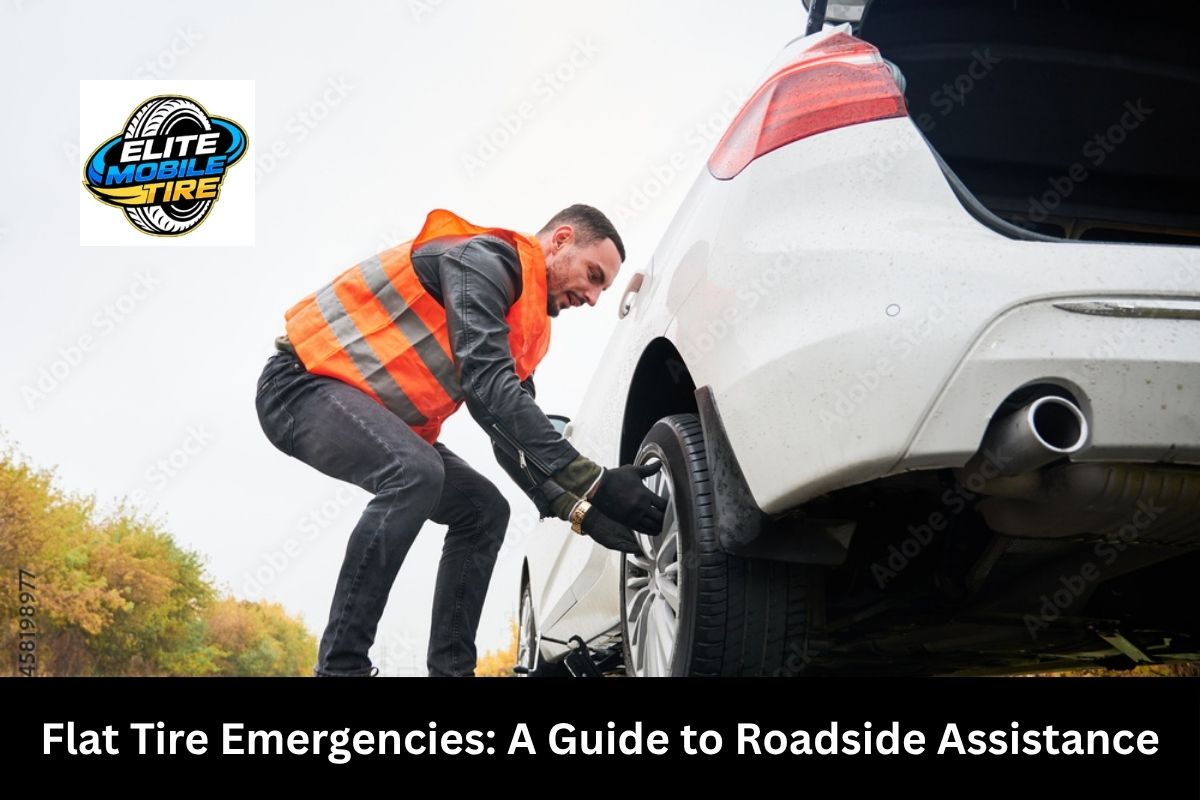
Many drivers assume that moving the car a few blocks is harmless. Sometimes it is enough to ruin the tire. If you notice the flat early, it is better to stop, install the spare if you have one, or arrange mobile tire service. Acting quickly can make the difference between a straightforward repair and a full replacement.
If the tire went flat while parked, that is usually a better scenario. A tire that lost air overnight from a nail in the tread may still be a good candidate for repair, as long as it was not driven low afterward.
Warning signs your flat tire may not be repairable
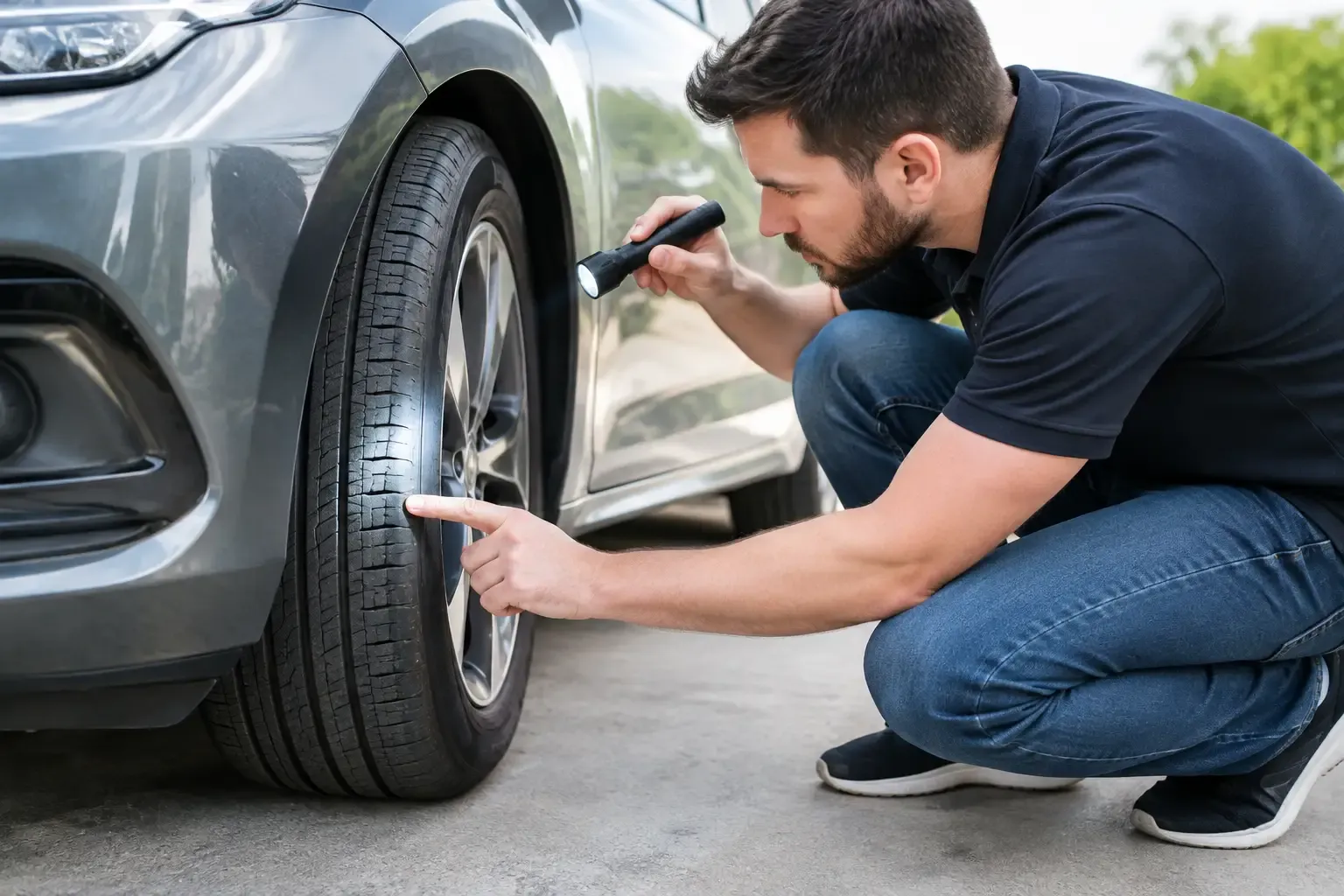
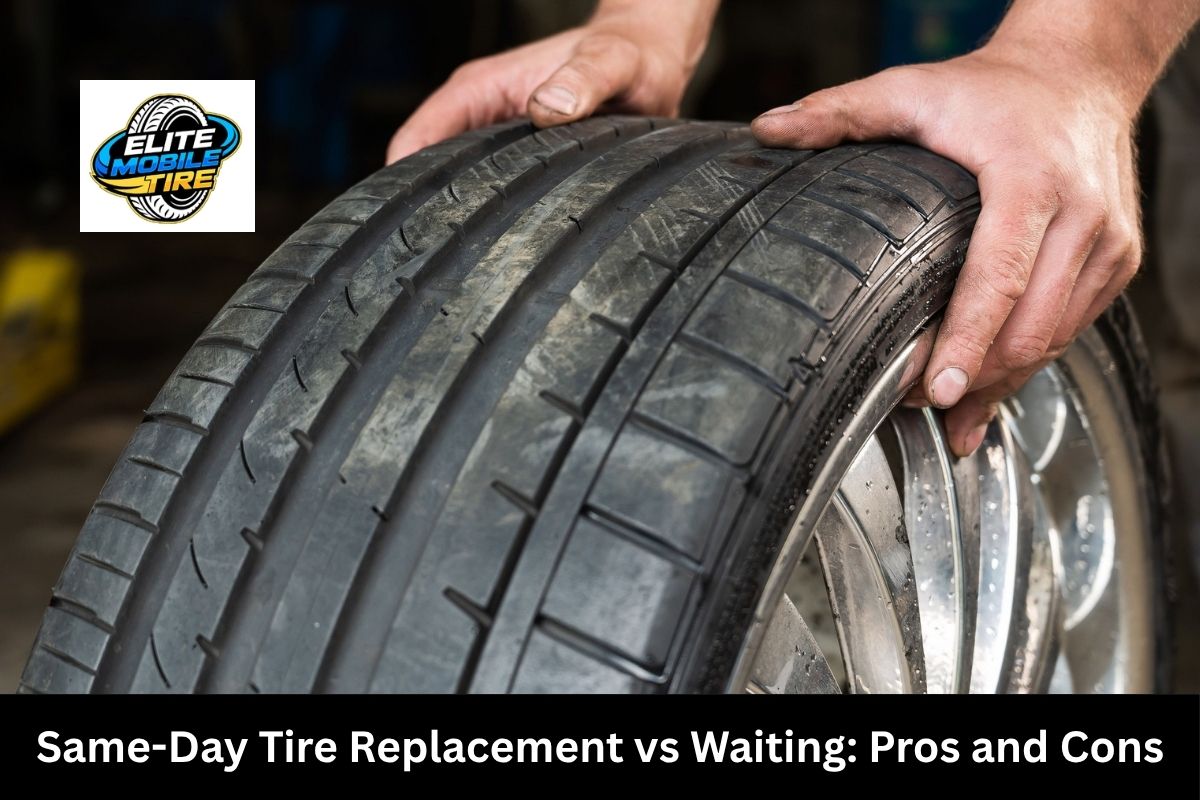
A few clues can suggest the tire may be beyond repair before it is even removed. If the sidewall is visibly damaged, if the tire has gone completely shredded, or if there is a deep cut rather than a simple puncture, replacement is more likely.
You may also notice a burned rubber smell, a ring of scuffing on the sidewall, or signs that the tire was driven while very low on air. In those cases, internal damage is a real possibility. A tire can look only mildly deflated and still have serious structural issues inside.
If the vehicle hit a pothole or curb before the flat happened, the wheel itself may also need inspection. Bent rims, bead damage, and alignment issues can all affect whether the tire can seal properly and perform safely after repair.
Why professional inspection saves time
A lot of drivers are tempted to use a do-it-yourself kit to get moving again. Emergency sealants and plug kits can be helpful in a true short-term situation, but they are not a substitute for a proper inspection. In some cases, those products can also make later service more complicated, especially if tire pressure sensors or wheel surfaces are affected.
Professional inspection saves time because it gets to the actual cause of the flat and confirms the safest next step right away. That is especially helpful for commuters, parents, and anyone who cannot afford to waste half a day at a tire shop only to find out the tire should have been replaced from the start.
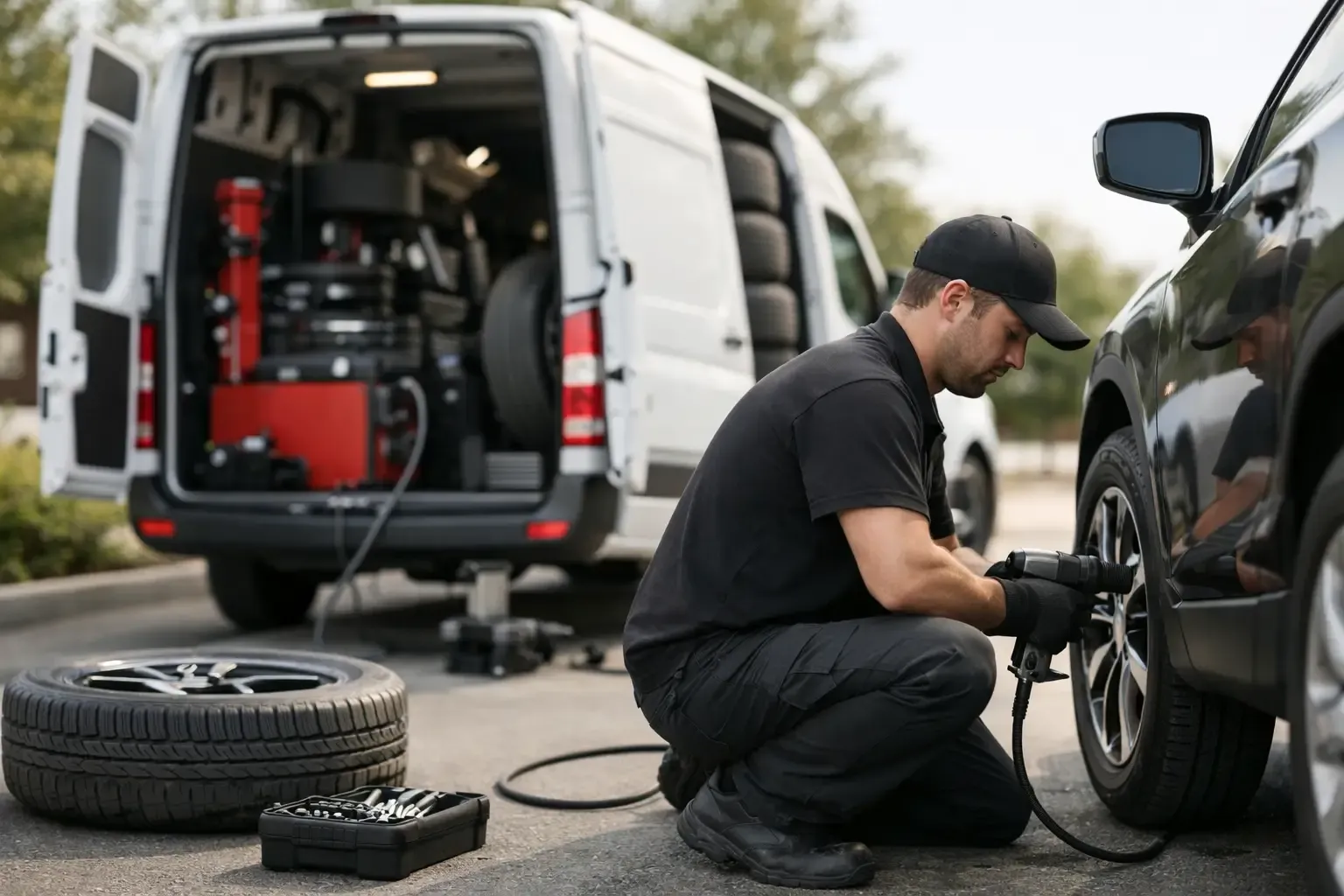
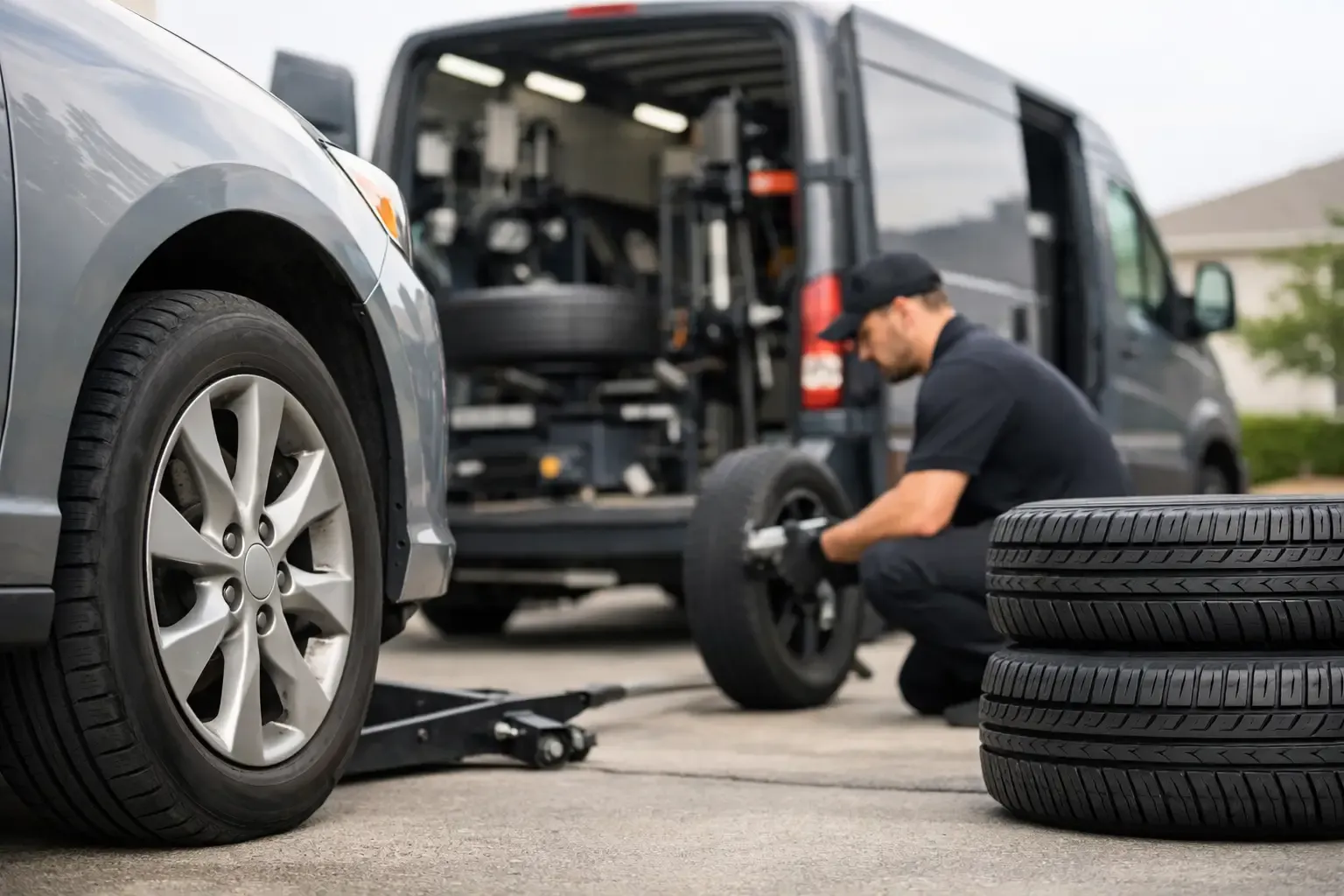
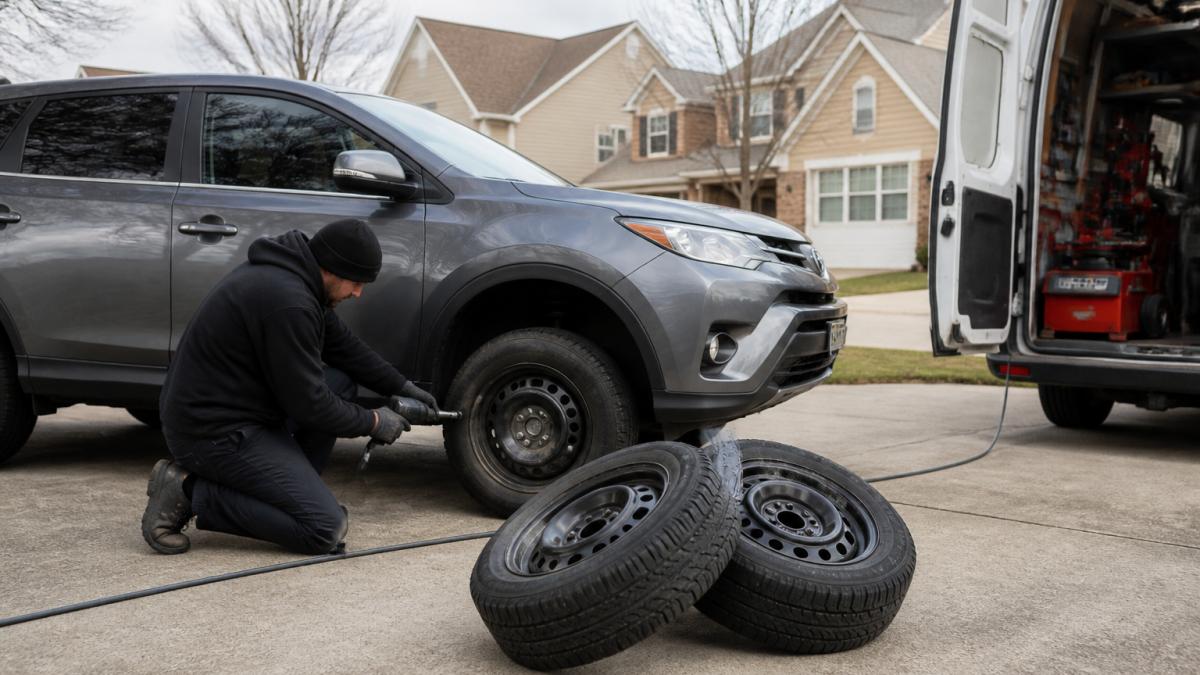
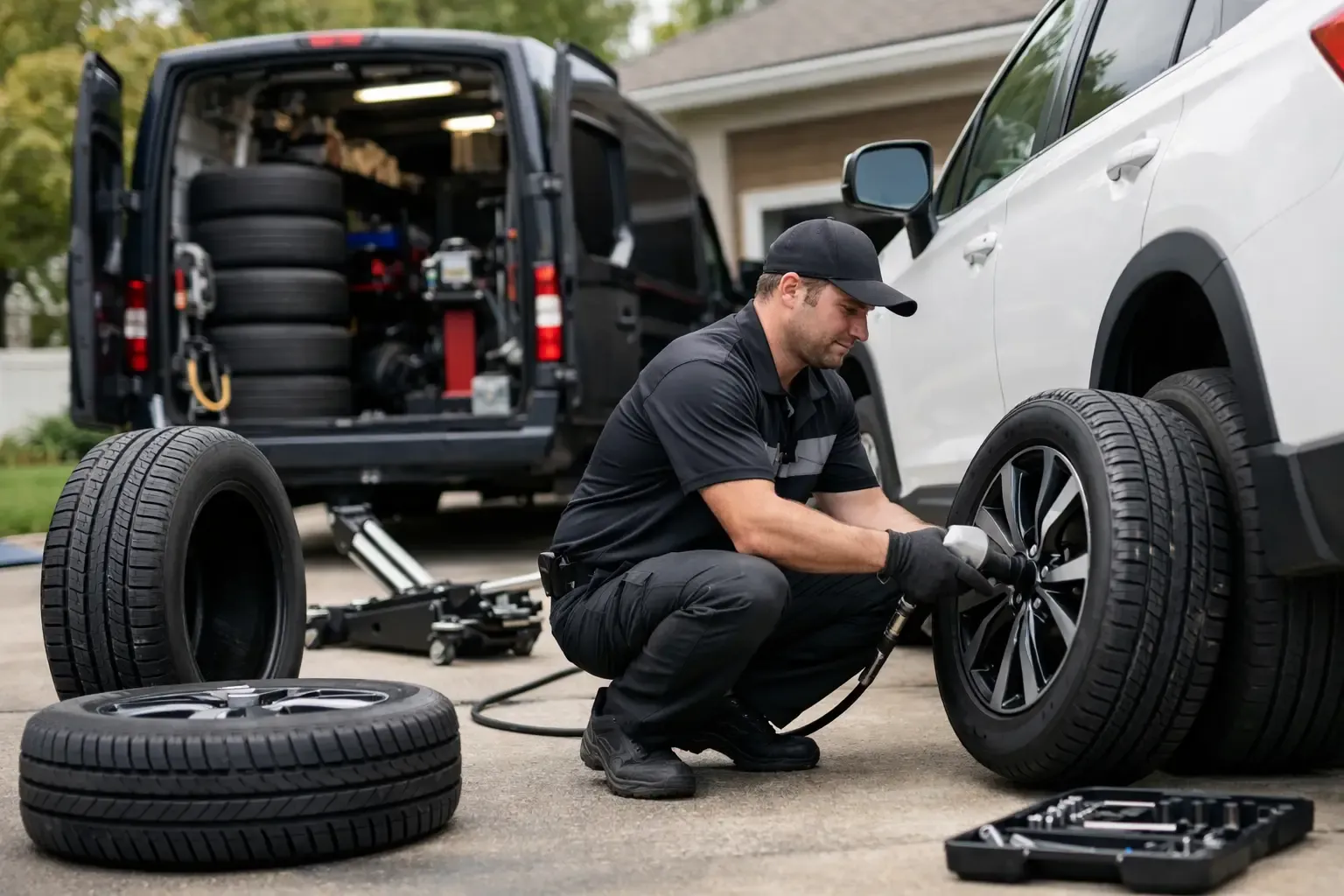
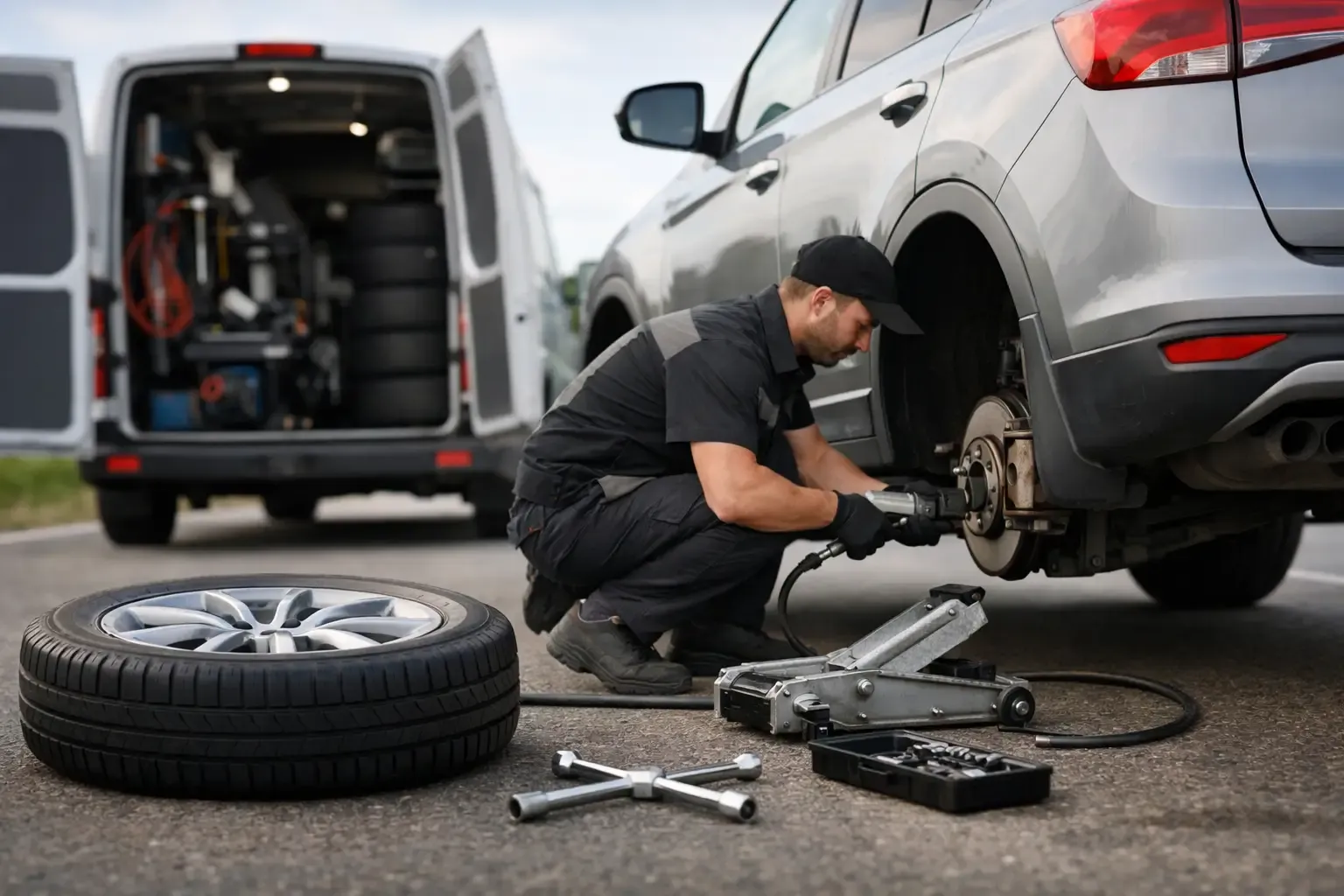
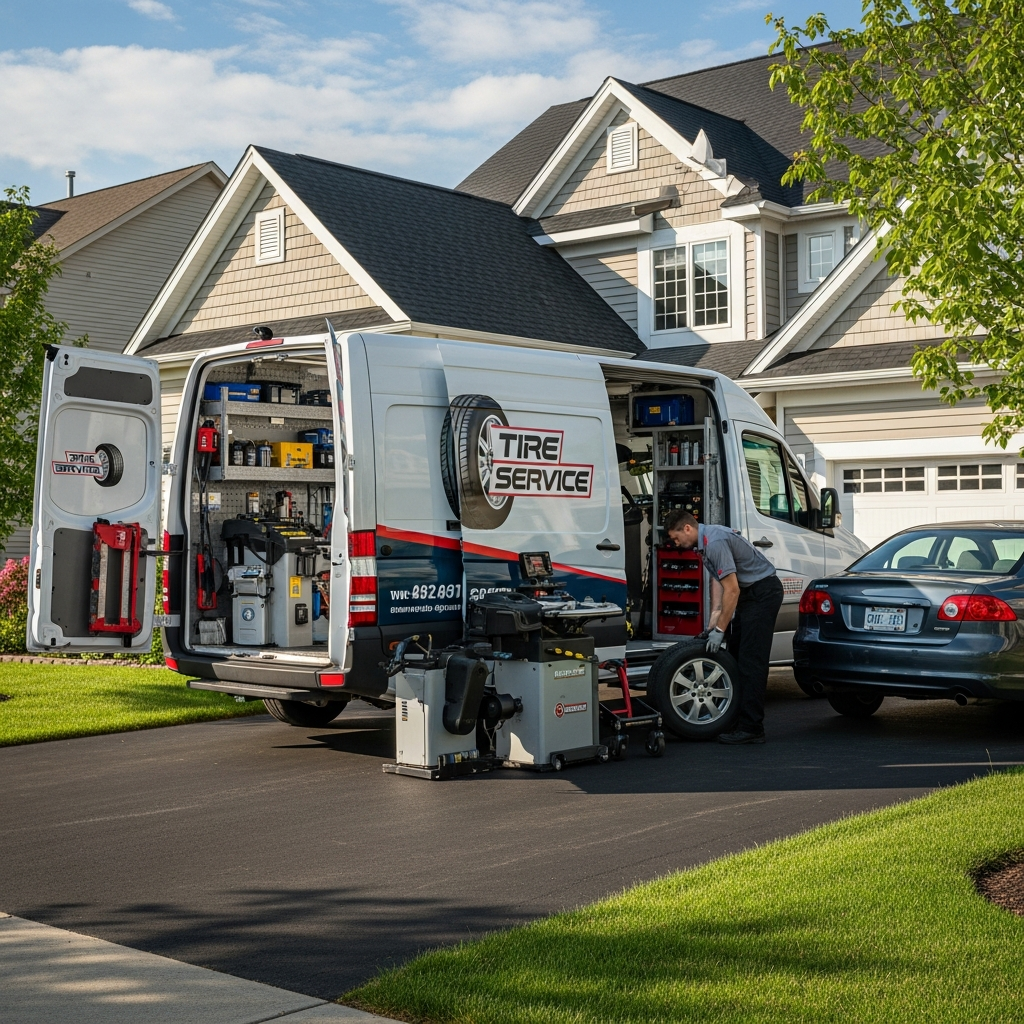
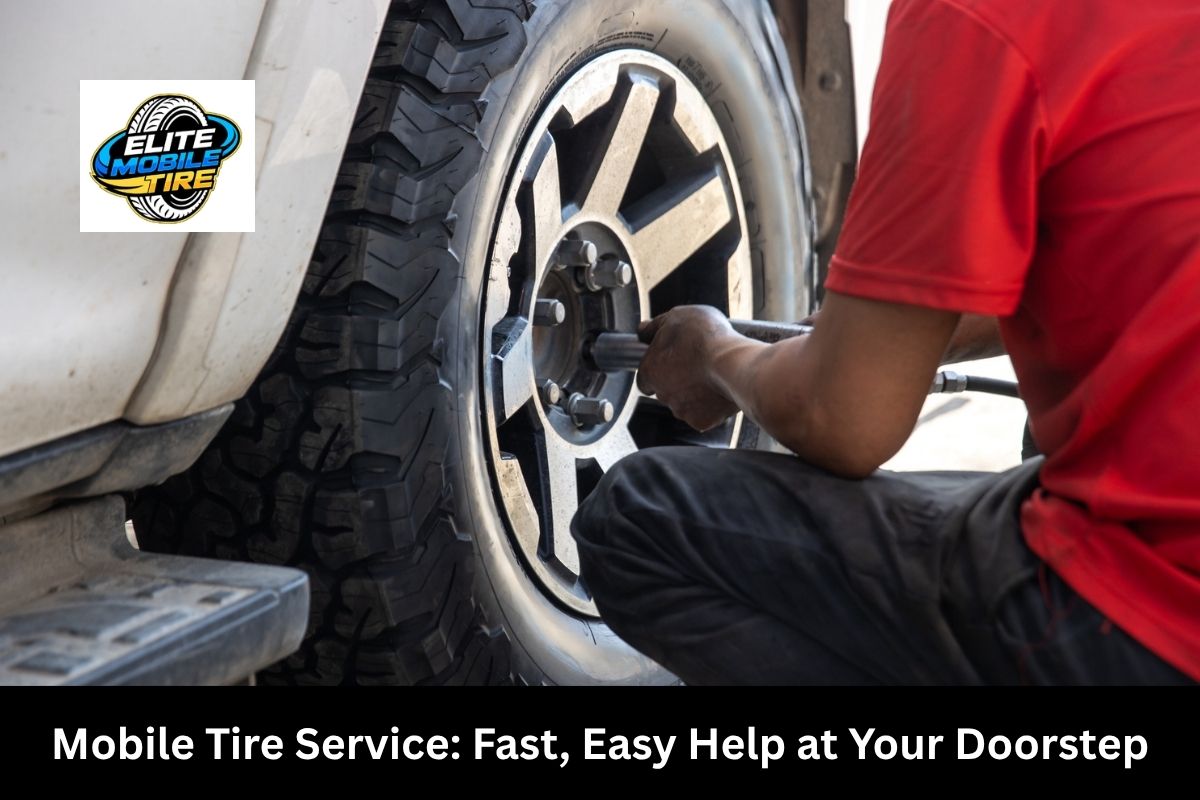
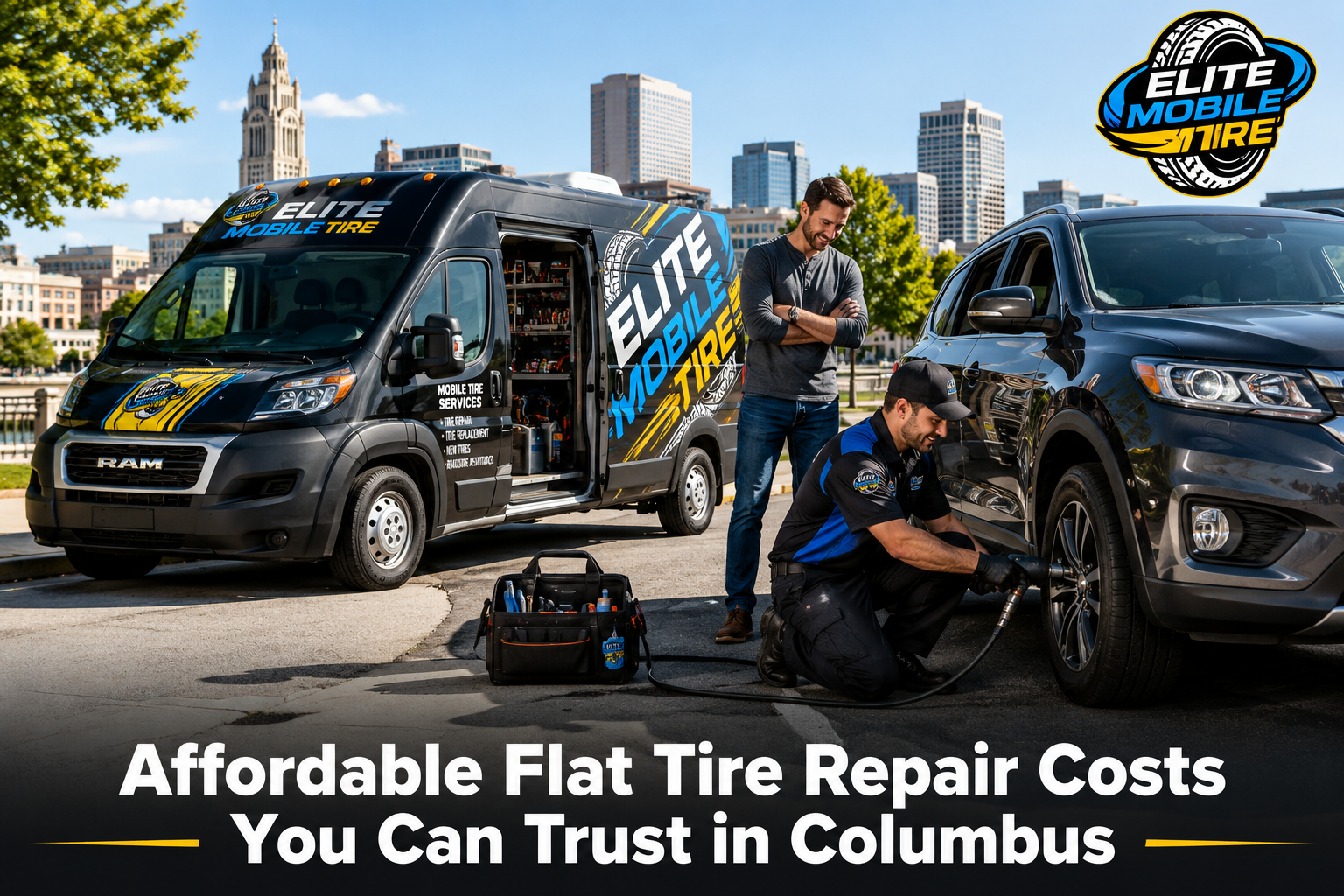
For drivers in Columbus and nearby communities, mobile tire service adds another level of convenience. Instead of arranging a tow or sitting in a waiting room, the inspection and repair decision can happen at home, at work, or where the vehicle is parked. That keeps the process simple without cutting corners on safety.
What to do right after you get a flat
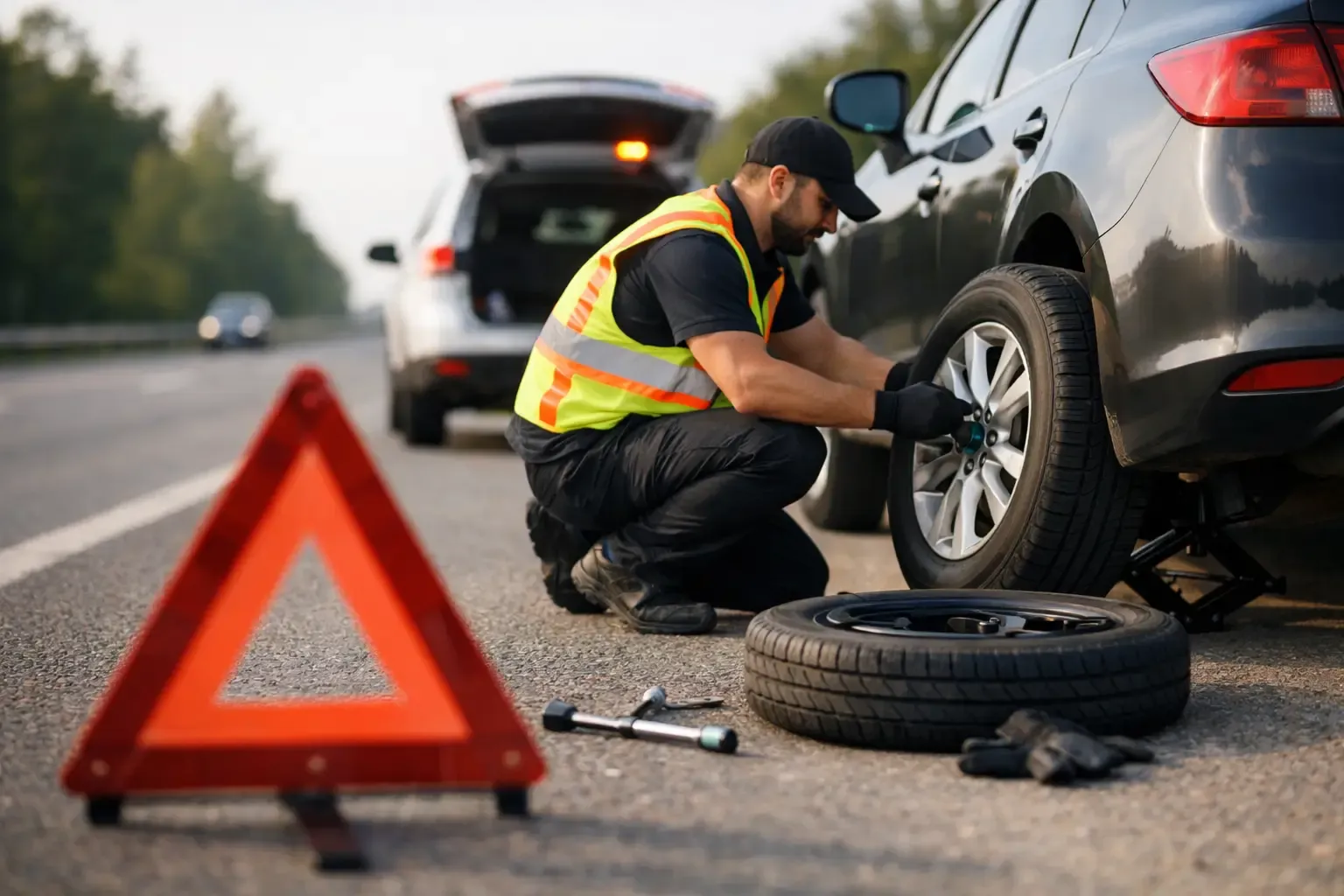
Start by avoiding further driving if the tire is losing air quickly or already looks low. If you are in a safe location, check the tire visually for obvious damage like a nail, sidewall tear, or complete blowout. Do not remove the object if one is stuck in the tread, because that can make the leak worse.
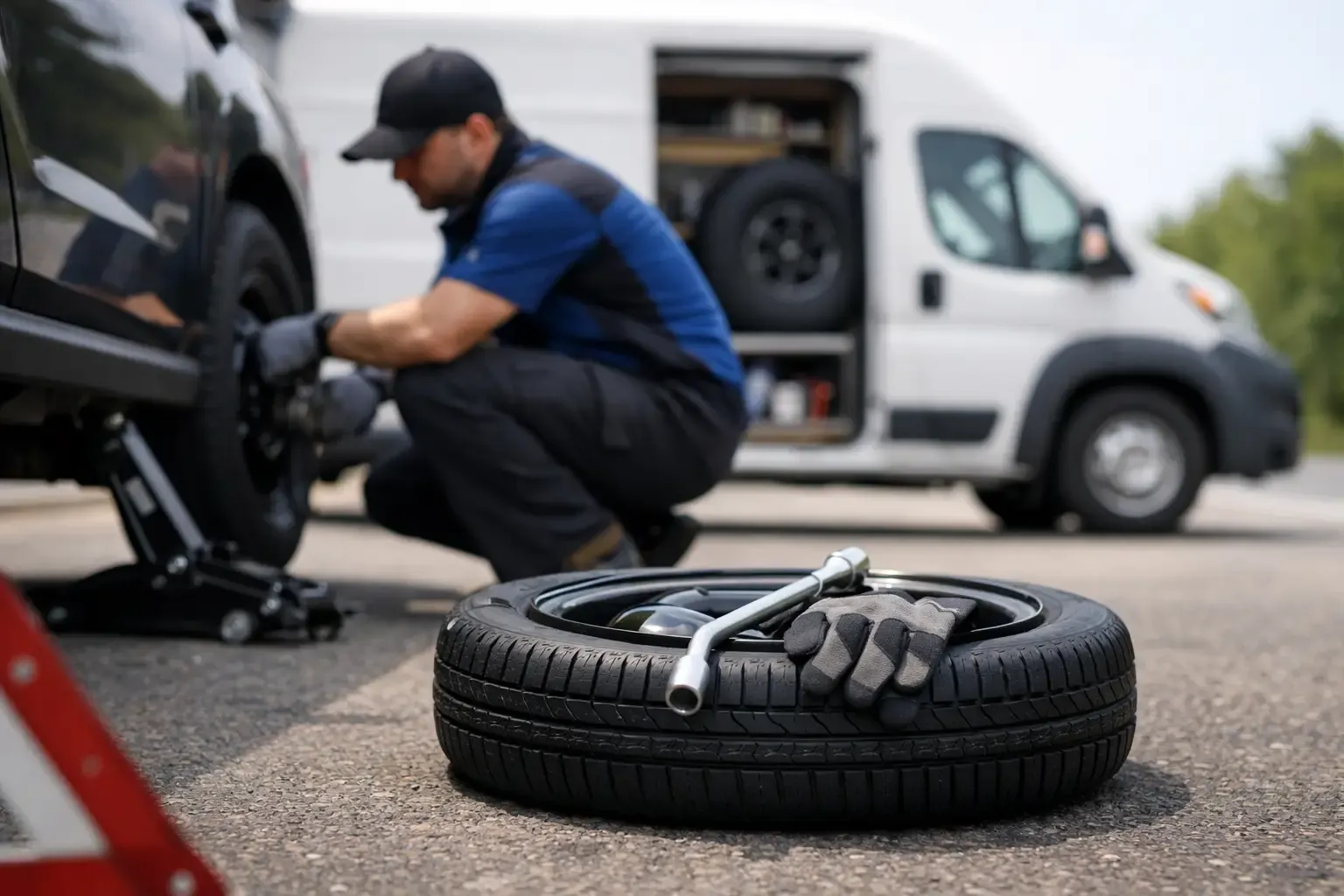
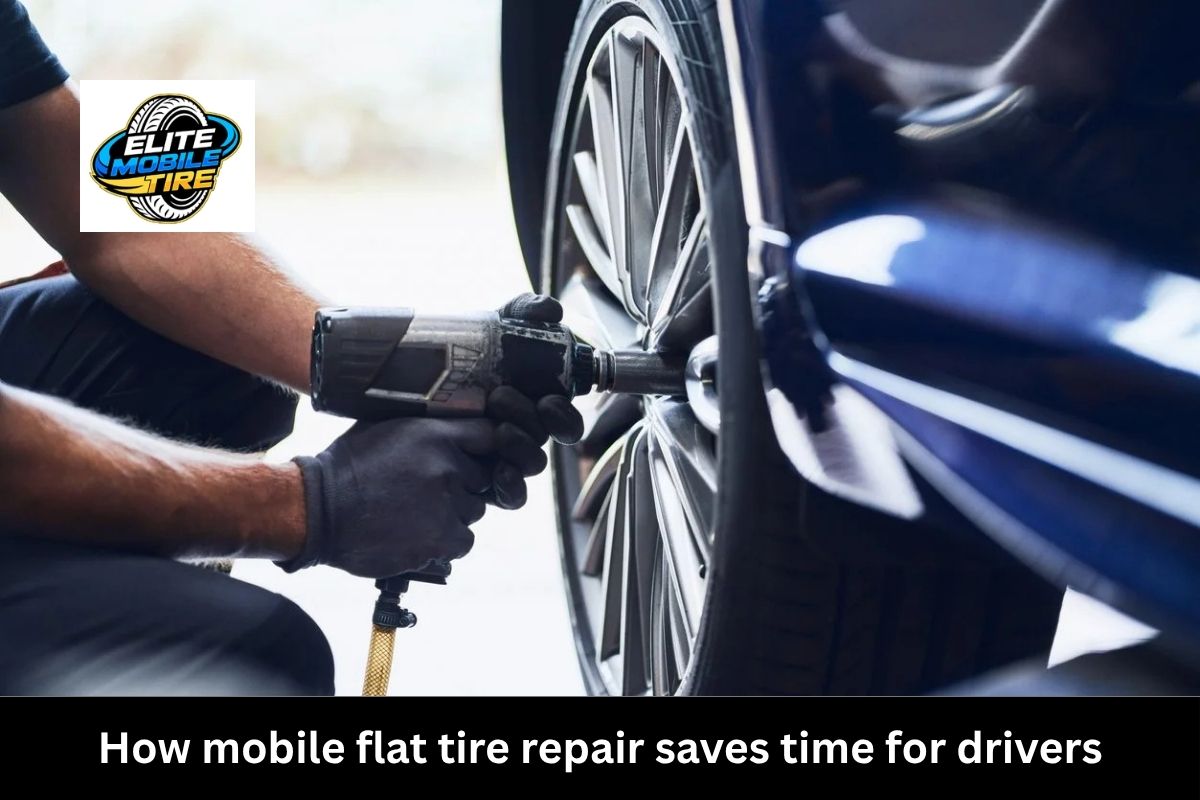
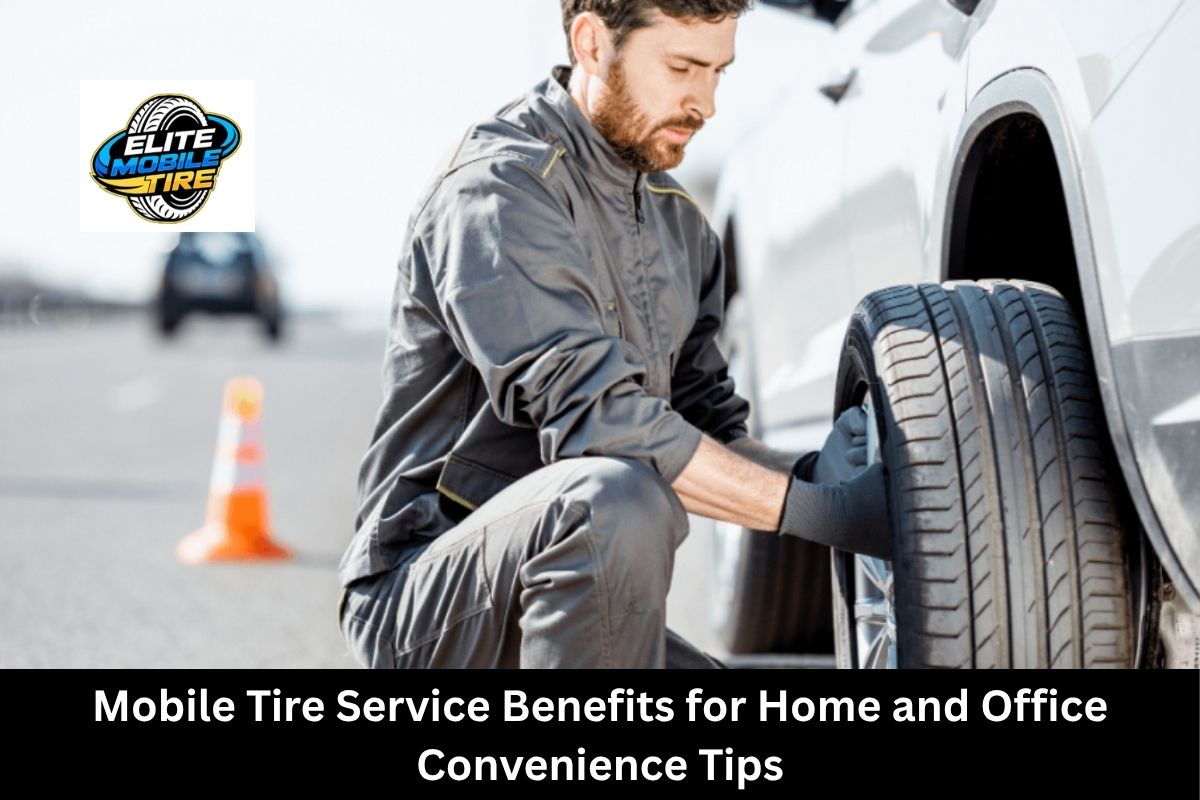
If you have a spare and know how to install it safely, that may help you get moving. If not, calling for mobile service is often the faster and safer option. A technician can inspect the tire where the vehicle sits and tell you whether repair is possible or replacement is the better path.
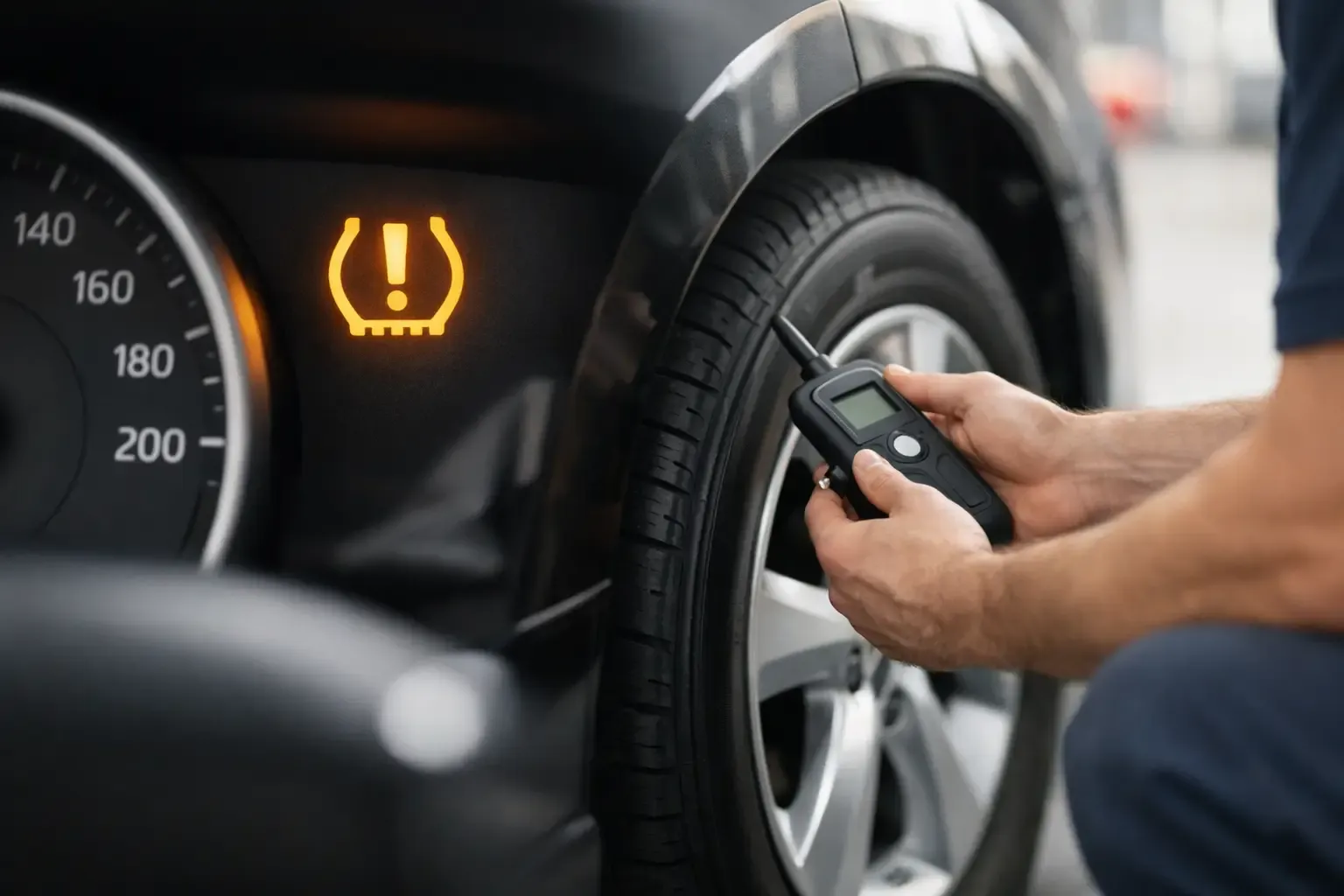
It also helps to mention what happened before the flat. If you hit debris, noticed low tire pressure warnings for several days, or drove on the tire after it lost air, that information can speed up the inspection.
How long does a repaired tire last?
When the repair is done correctly and the tire is otherwise in good condition, a repaired tire can continue to perform for the rest of its usable tread life. It should not feel like a temporary bandage. But that assumes the puncture was in a repairable area and the tire had no hidden structural damage.
The tire still needs normal maintenance after that. Proper inflation, regular rotation, and occasional inspection remain important. If the same tire keeps losing pressure after repair, there may be another puncture, a valve stem issue, or wheel damage that needs attention.
A repaired tire should also be balanced and monitored like any other tire on the vehicle. Good service does not stop at closing the hole. It includes making sure the tire runs properly once it is back in use.
The real answer to can a flat tire be repaired
The real answer is that many flat tires can be repaired, but only if the damage is limited and the tire has not been compromised in a way that makes it unsafe. A nail in the tread is one thing. Sidewall damage, a large puncture, or signs of driving on the tire while flat are something else.
That is why the safest next step is not guessing. It is getting the tire inspected by a professional who can tell you clearly whether a repair is appropriate or whether replacement is the better decision. A flat tire is frustrating, but the solution should still be straightforward.
If you are dealing with one, focus on safety first and speed second. A careful repair done the right way is what gets you back on the road without creating another problem a few miles later.
Ready for a new set? Elite Mobile Tire installs 2 or 4 new tires right in your driveway or parking lot anywhere around Columbus, Obetz, Groveport, Grove City, and Reynoldsburg. Financing is available through Afterpay and Acima with up to 24-month payment plans. Call 614-344-5010 or visit elitemobiletire.com to book.