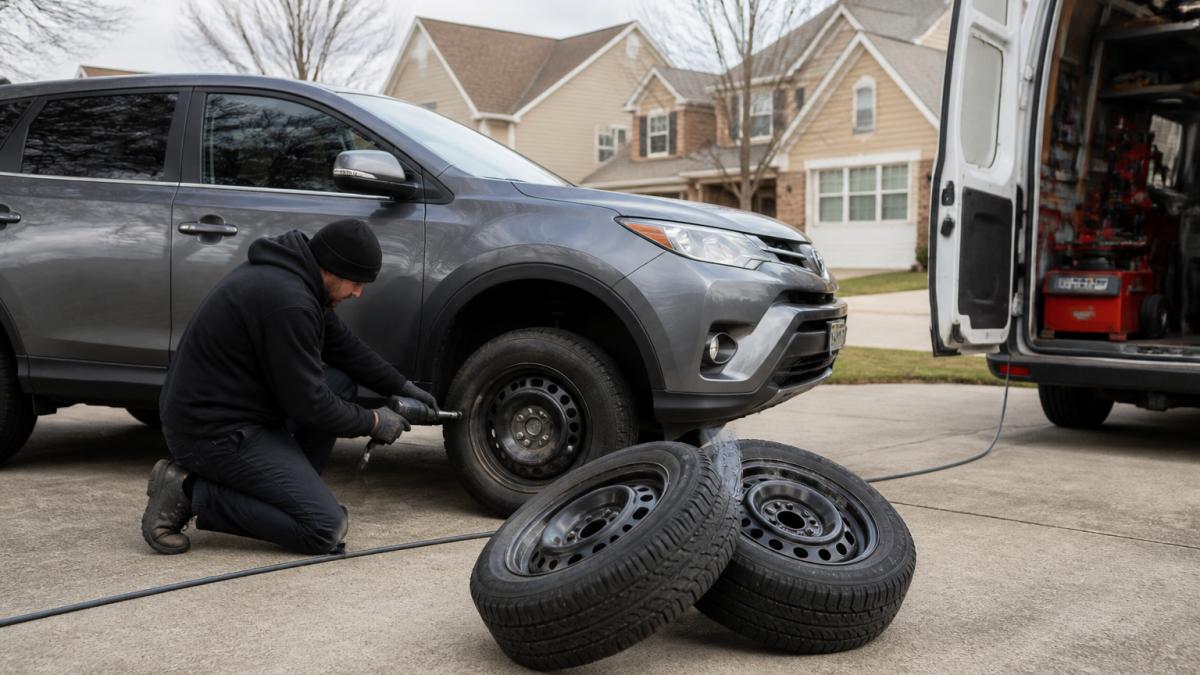
A tire goes flat once, and it may be a nail. It goes flat again after you refill it, and the problem becomes harder to ignore. If you are asking, “why does my car keep getting flats,” the answer is usually a slow air leak, wheel issue, tire damage, or repeated exposure to the same road hazard. Finding the source matters because repeatedly adding air is not a repair - and it can turn a manageable issue into a roadside problem.
Why Does My Car Keep Getting Flats?
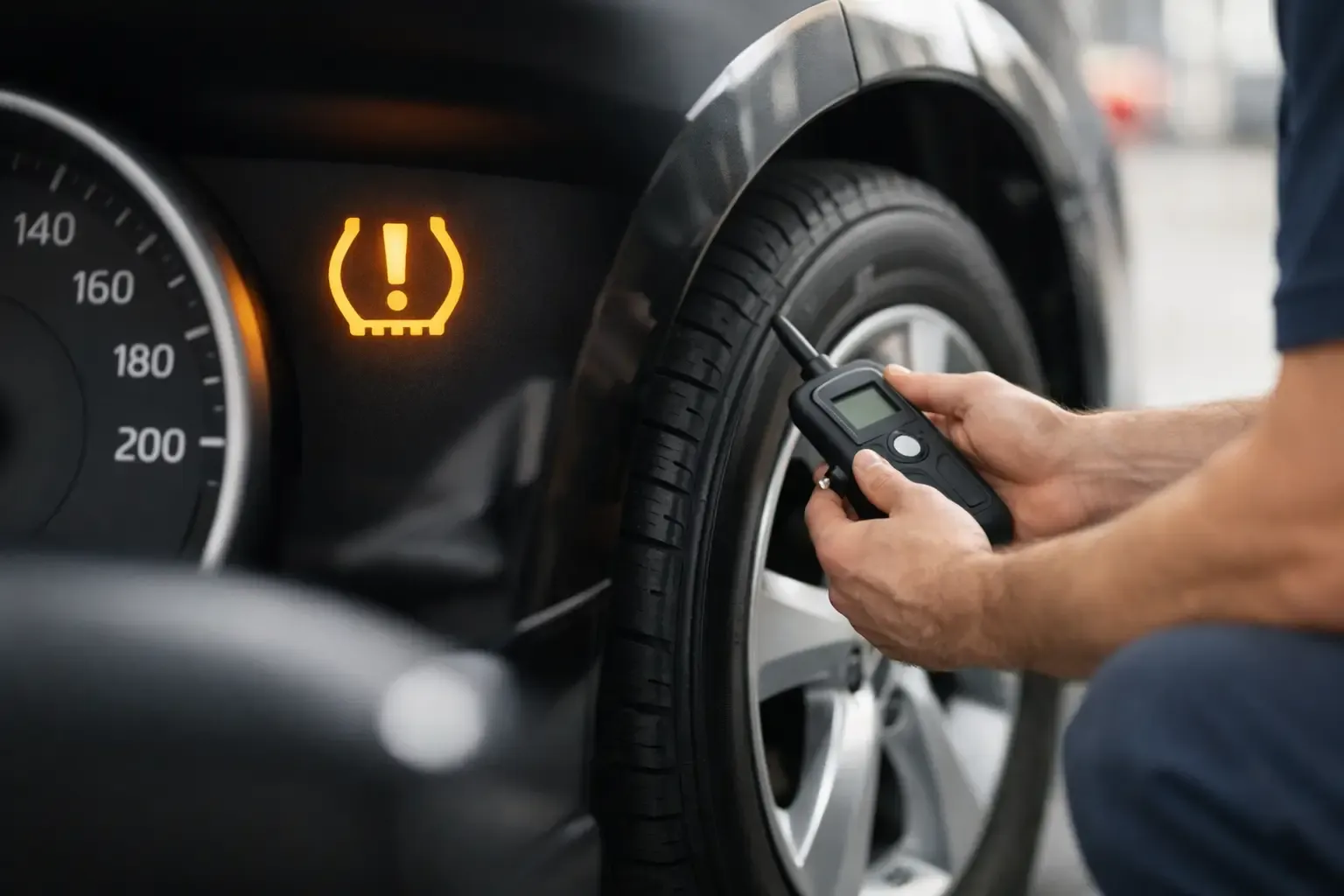
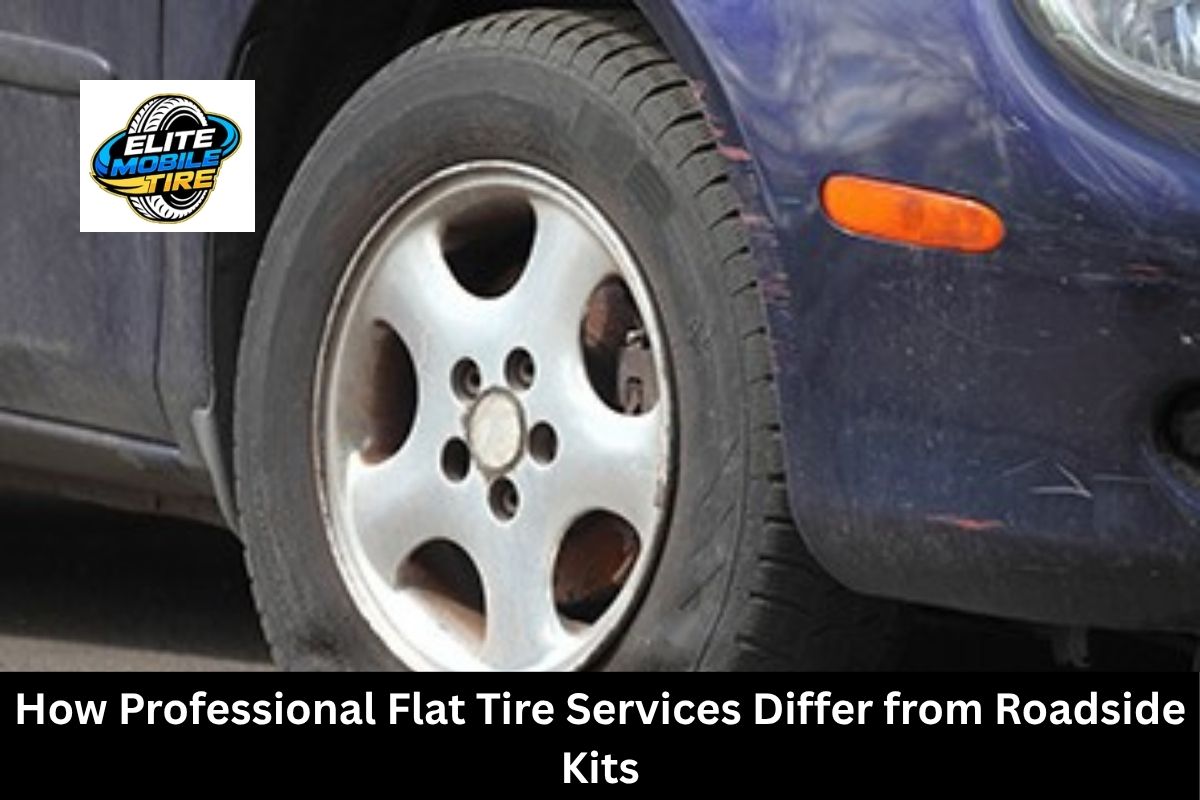
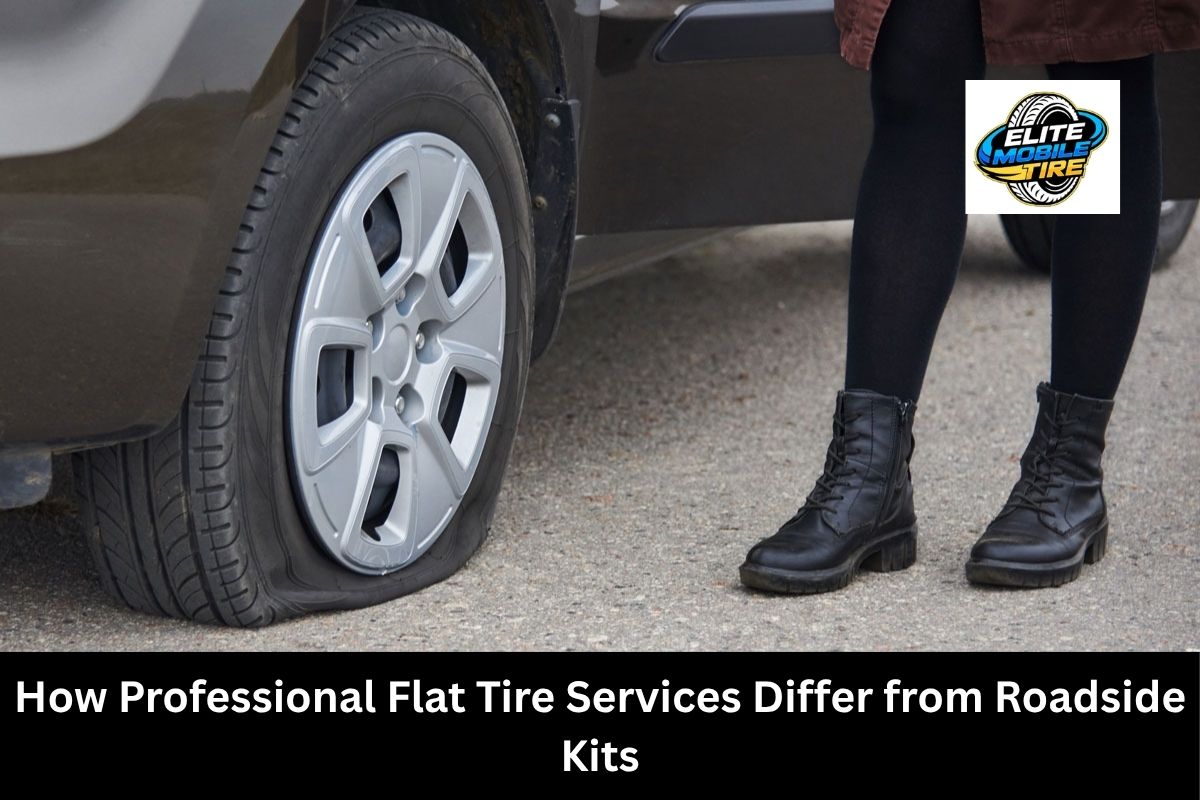
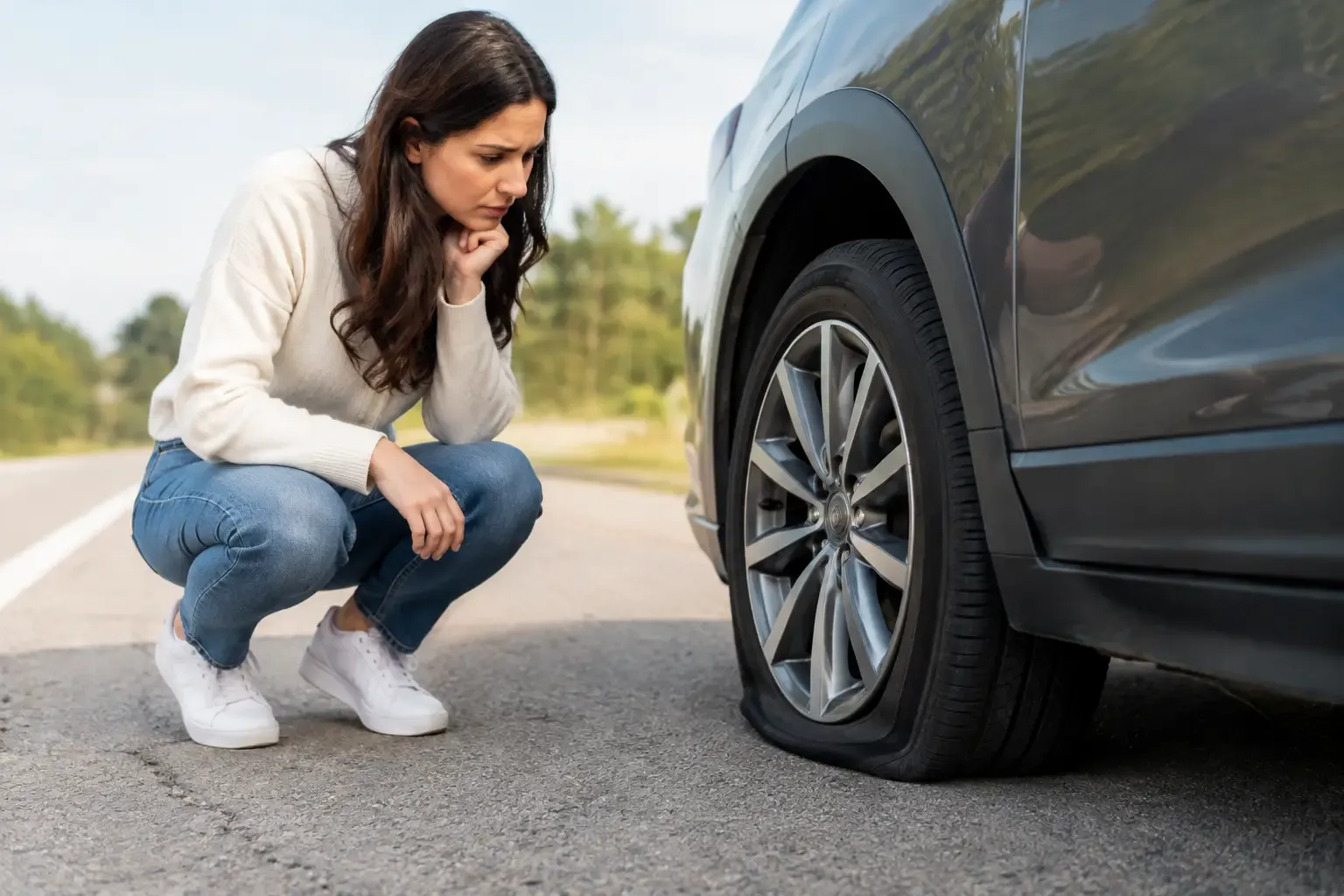
A recurring flat is often not a true blowout. Many drivers are dealing with a slow leak that takes hours, days, or weeks to drop the tire pressure enough to trigger the TPMS warning light or make the vehicle feel unstable.
The leak may be in the tread, along the tire’s seal against the wheel, at the valve stem, or in a previous repair. In some cases, the tire itself is no longer safe to repair. A proper inspection identifies where the air is escaping and whether repair is appropriate.
A Nail, Screw, or Other Tread Puncture
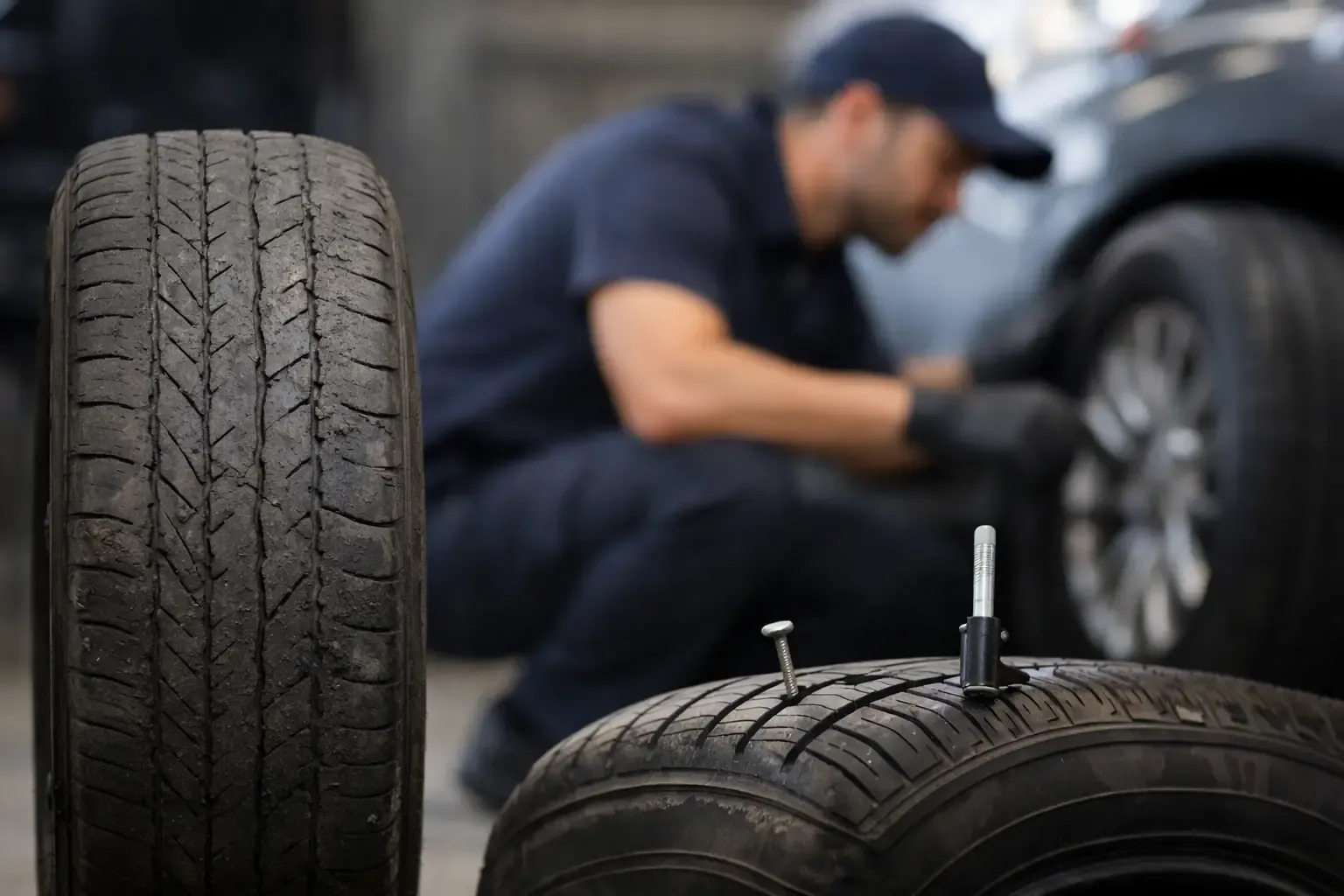
The most common cause is a puncture from a nail, screw, staple, piece of metal, or sharp road debris. The object may stay lodged in the tire and create a gradual leak. Pulling it out before the tire is inspected can make the leak worse and leave you stranded sooner.
Not every puncture can be repaired. Damage in the center tread area can often be evaluated for a professional repair if the hole is small and the tire was not driven while severely underinflated. A puncture in the shoulder or sidewall is different. Those areas flex heavily while driving, so a safe repair is generally not an option.
A Leak Around the Wheel Bead
The bead is the airtight seal where the tire meets the wheel. Corrosion, dirt, old tire sealant, or a bent wheel can prevent that seal from holding air. This type of leak is especially common on vehicles that have seen several Ohio winters, where moisture and road treatment can contribute to wheel corrosion.
A bead leak may be slow enough that the tire looks normal most days, then loses noticeable pressure after a temperature change or a longer drive. It is not always visible from the outside. The tire needs to be removed so the wheel and tire bead can be inspected and serviced correctly.
A Bent or Cracked Wheel
Columbus-area potholes, curb impacts, and road debris can bend a wheel lip or, less commonly, create a crack. Even a small bend can interrupt the seal between the tire and wheel. You may notice a recurring flat, vibration at highway speeds, or a tire that needs air more often than the others.
A wheel problem can be missed if the focus stays only on the tire. If a tire has been repaired or replaced and still loses air, the wheel should be checked carefully. The right solution depends on the location and severity of the damage. Some wheels can be professionally repaired, while others should be replaced for safety.
Valve Stem or TPMS Seal Problems
Air can also escape through the valve stem, the small component where you attach an air hose. Rubber valve stems can dry out and crack with age. On vehicles with tire pressure monitoring sensors, the seals and service components around the sensor can also wear out.
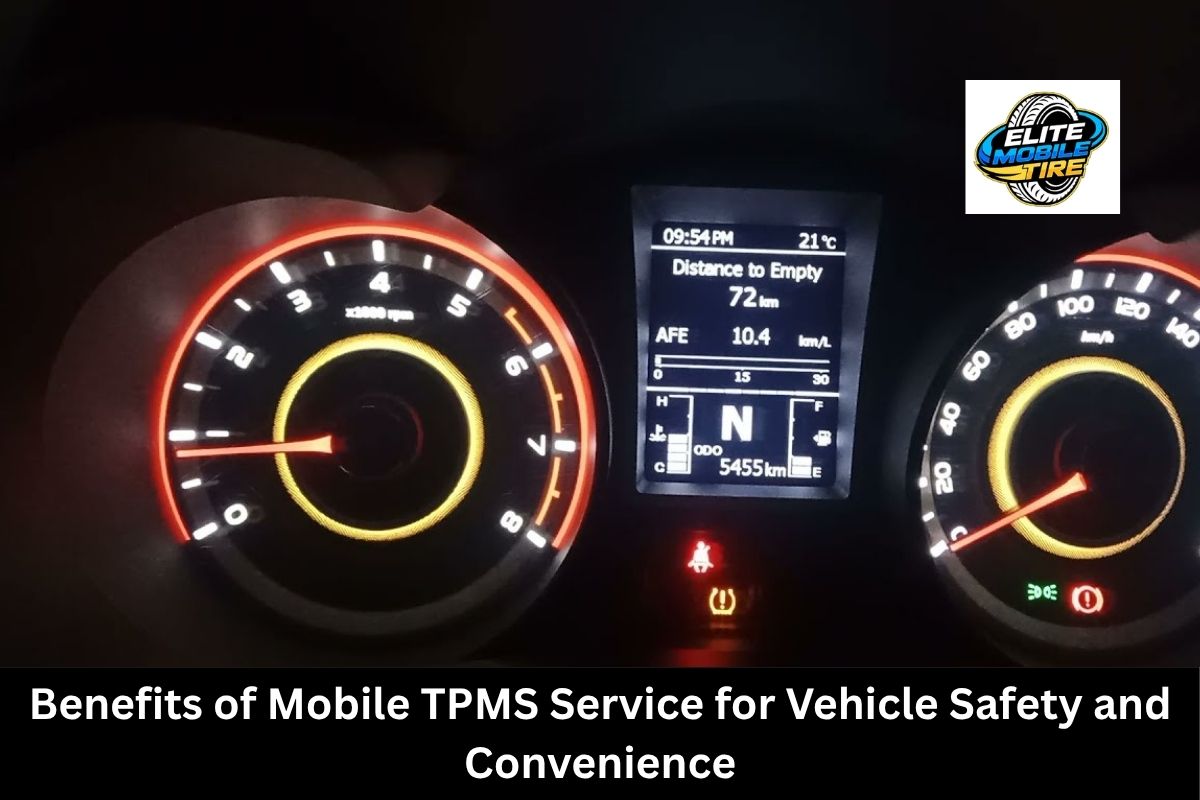
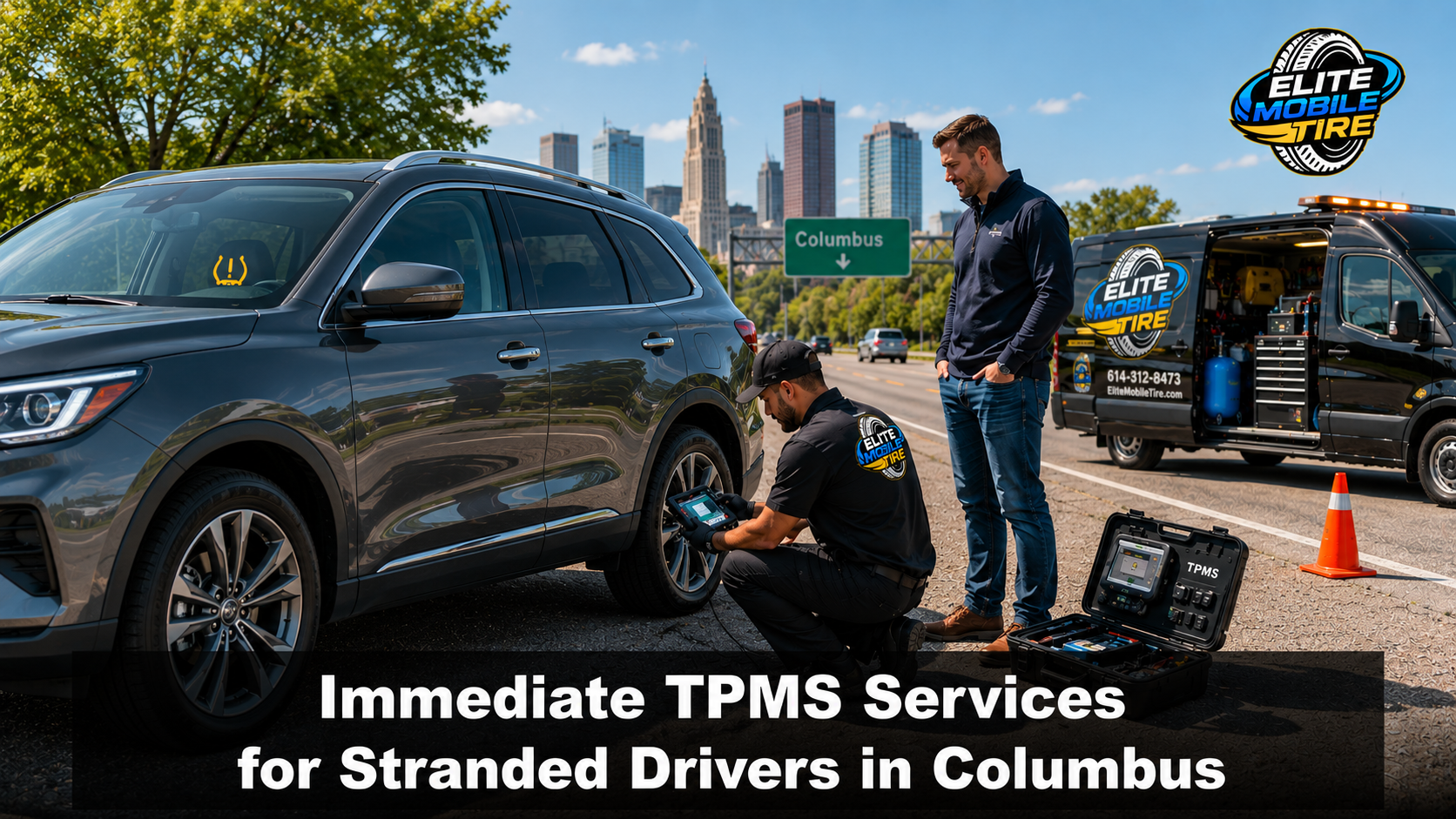
A damaged valve stem often leaks slowly, and it can be easy to overlook because the tire tread appears fine. A technician can test the valve area, inspect the TPMS hardware, and replace worn service parts when appropriate. If your TPMS light stays on after a tire service, the system may also need to be reset or diagnosed.
Tire Damage From Driving Underinflated
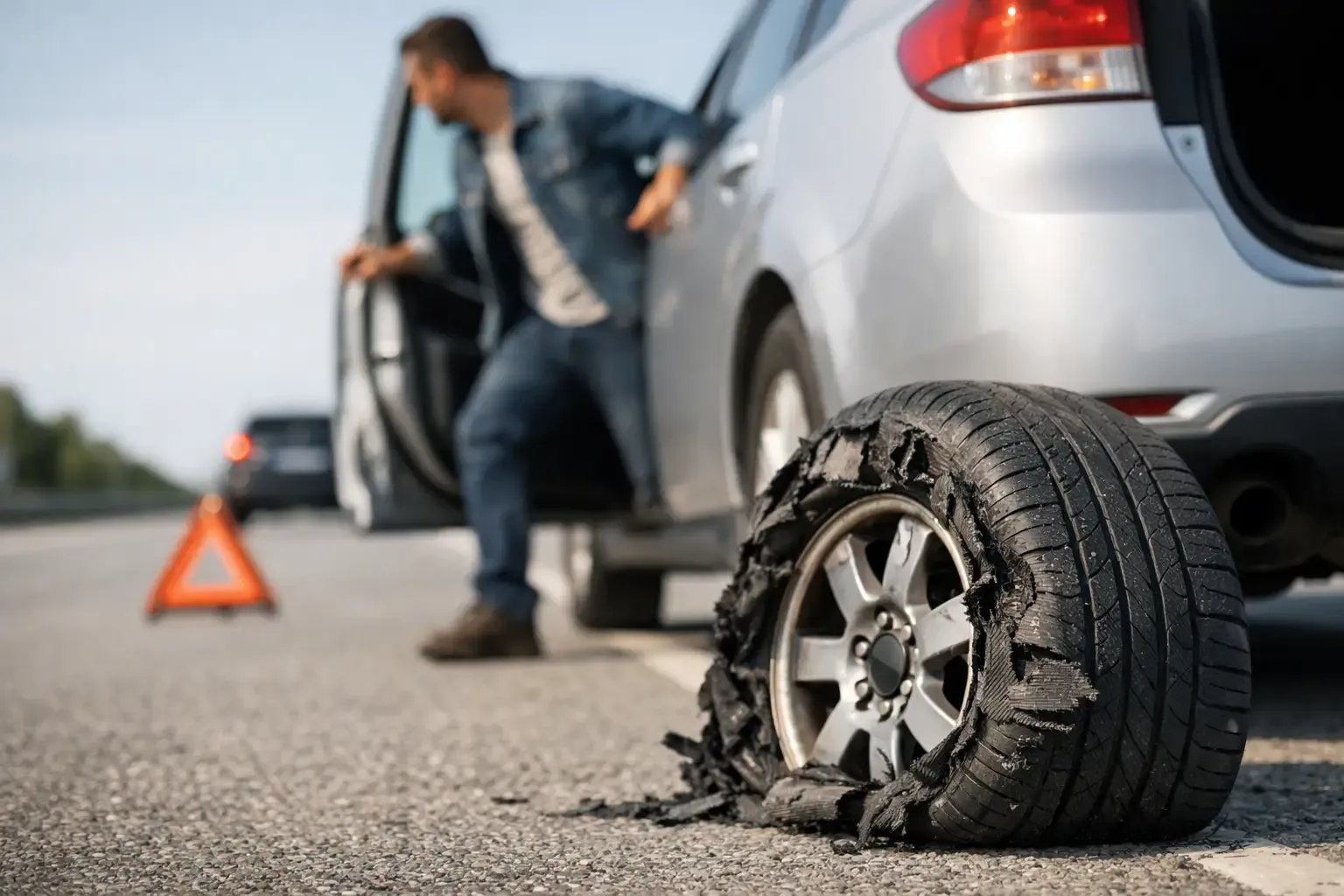
When a tire gets very low on air, its sidewalls bend more than they are designed to. Driving on it, even for a short distance, can damage the internal structure. The tire may later appear to hold air, but hidden damage can make it unsafe to keep in service.
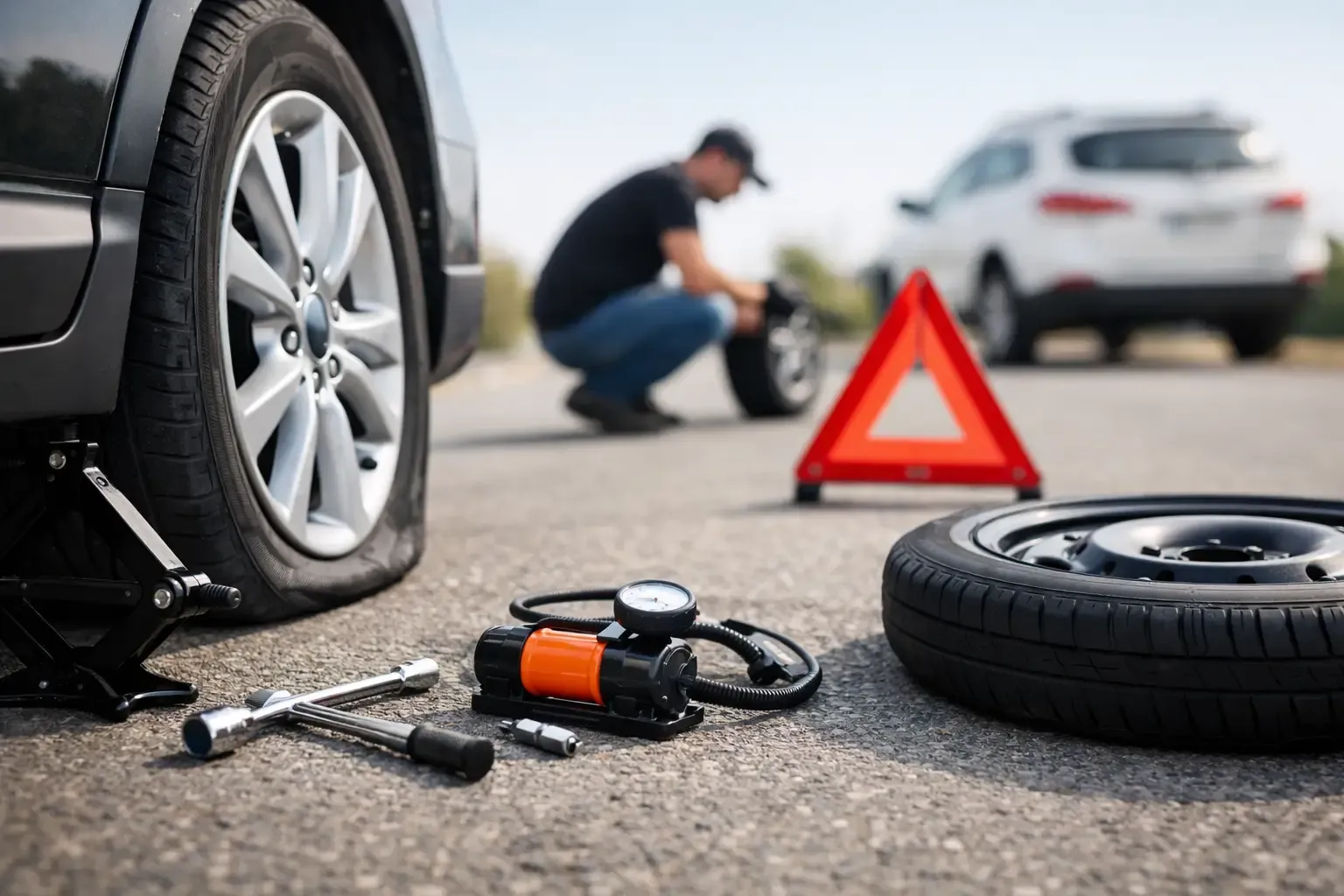
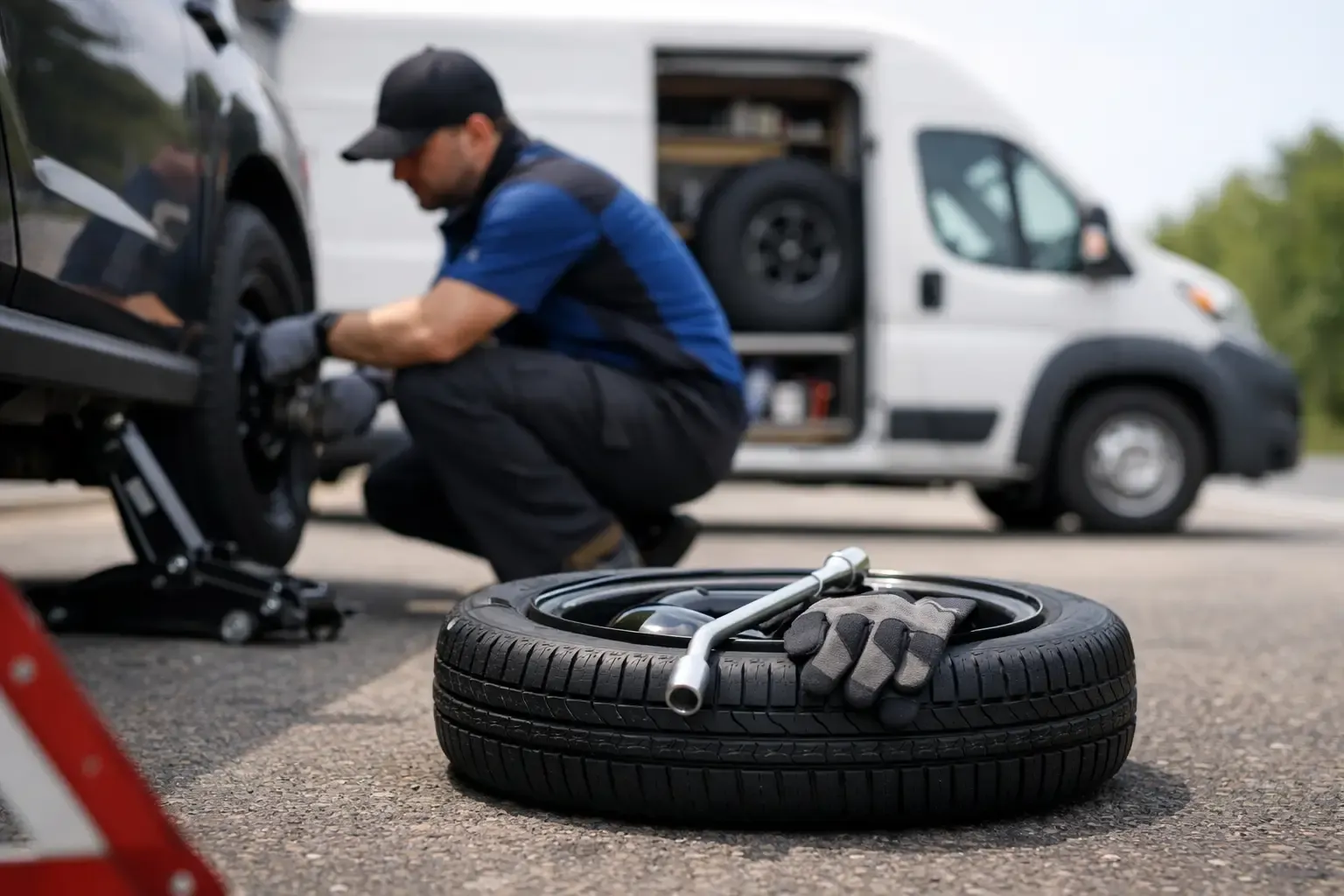
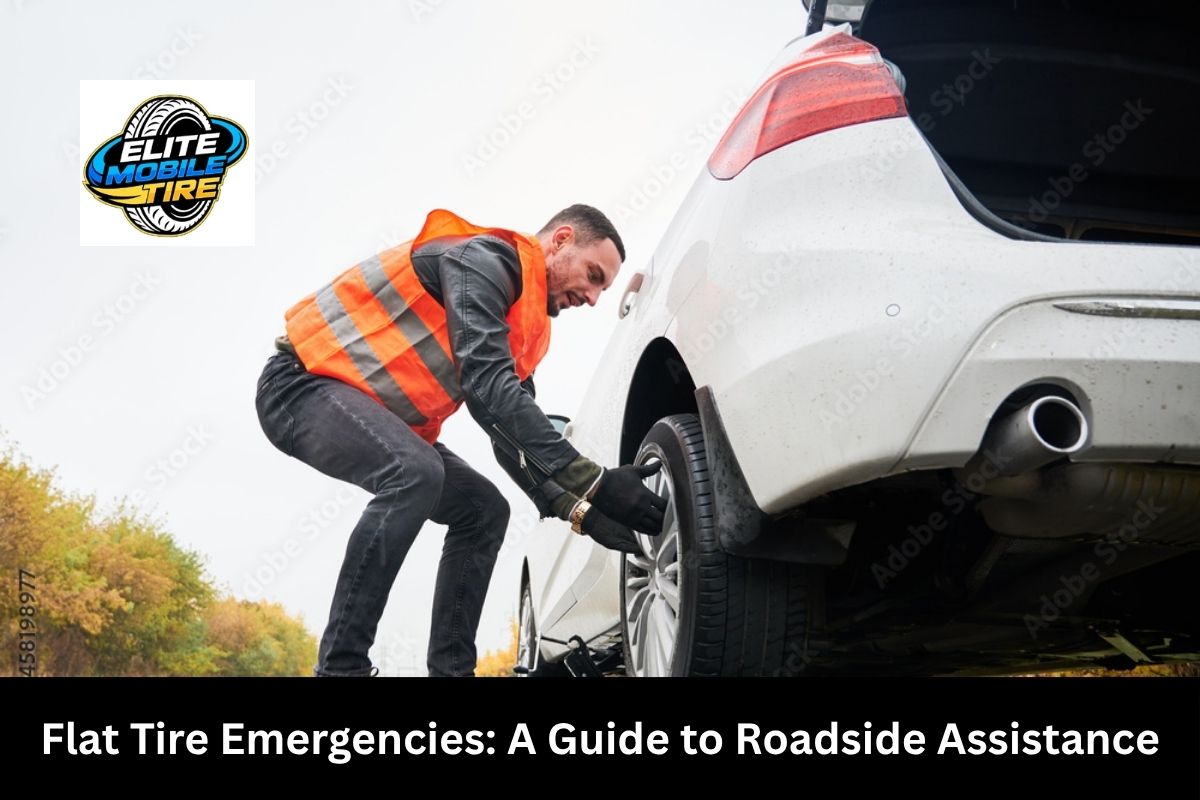
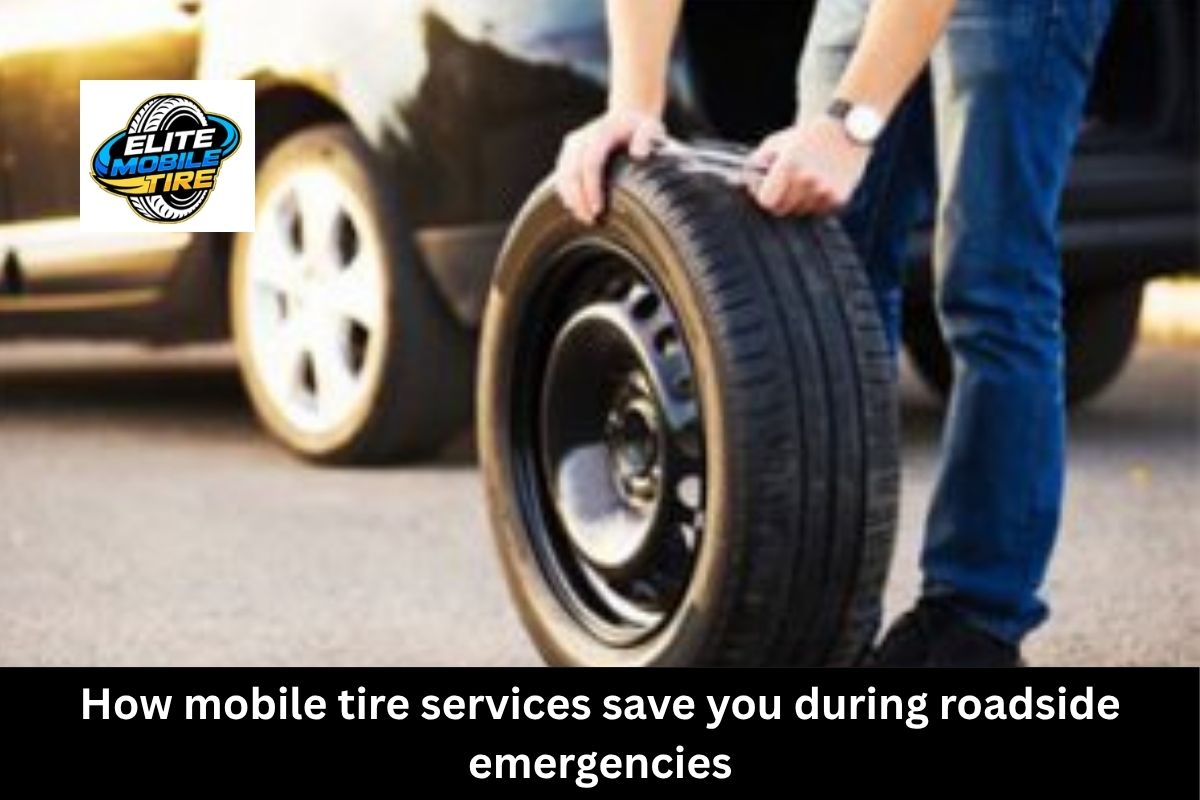
This is one reason not to continue driving on a flat just to reach a gas station or tire shop. Pull over safely as soon as you can. If you have a usable spare, install it according to your vehicle instructions. Otherwise, roadside tire help is the safer choice.
Other Reasons a Tire May Keep Losing Air
Not every pressure loss means the same thing. Temperature changes can lower tire pressure, but they do not usually cause one tire to repeatedly go flat while the others remain stable. If only one tire is affected, assume there is a specific leak until proven otherwise.
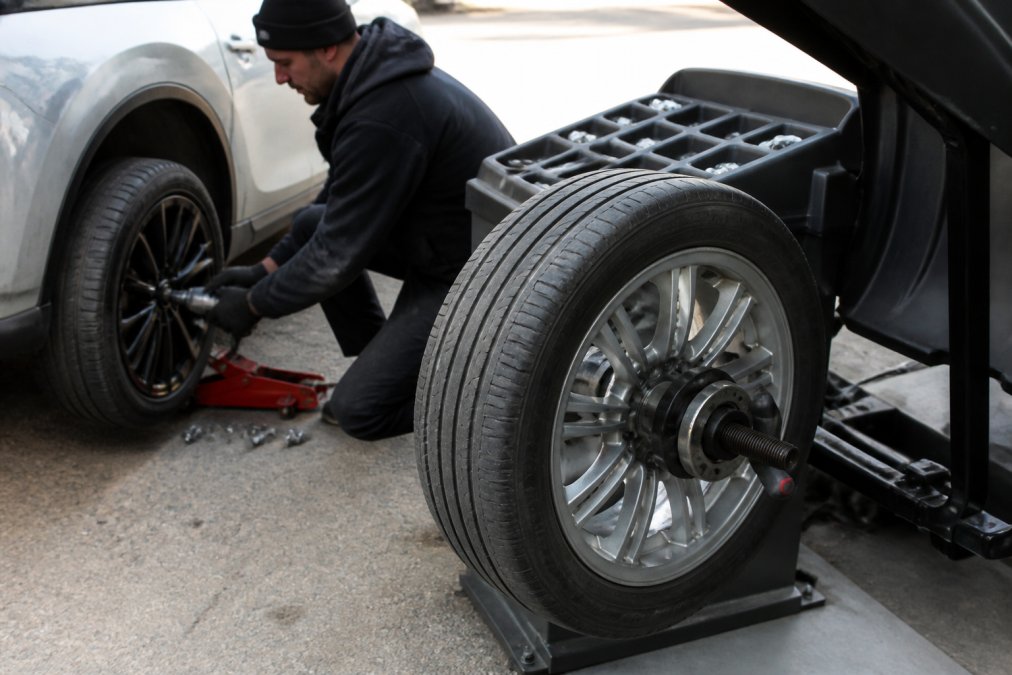
Previous repairs also deserve attention. A proper tire repair typically requires more than placing an external plug in the tread. The tire should be removed from the wheel, inspected internally, and repaired using an appropriate patch-and-plug method when the damage is repairable. This helps confirm there is no internal damage and provides a more dependable seal.
Tire age and condition can also play a role. Cracks in the rubber, separated tread, exposed cords, bulges, and severe uneven wear are warning signs that replacement may be necessary. Low tread does not always cause a flat, but it reduces your margin of safety in wet conditions and makes road hazards more likely to cause damage.
What to Check Before Your Next Drive
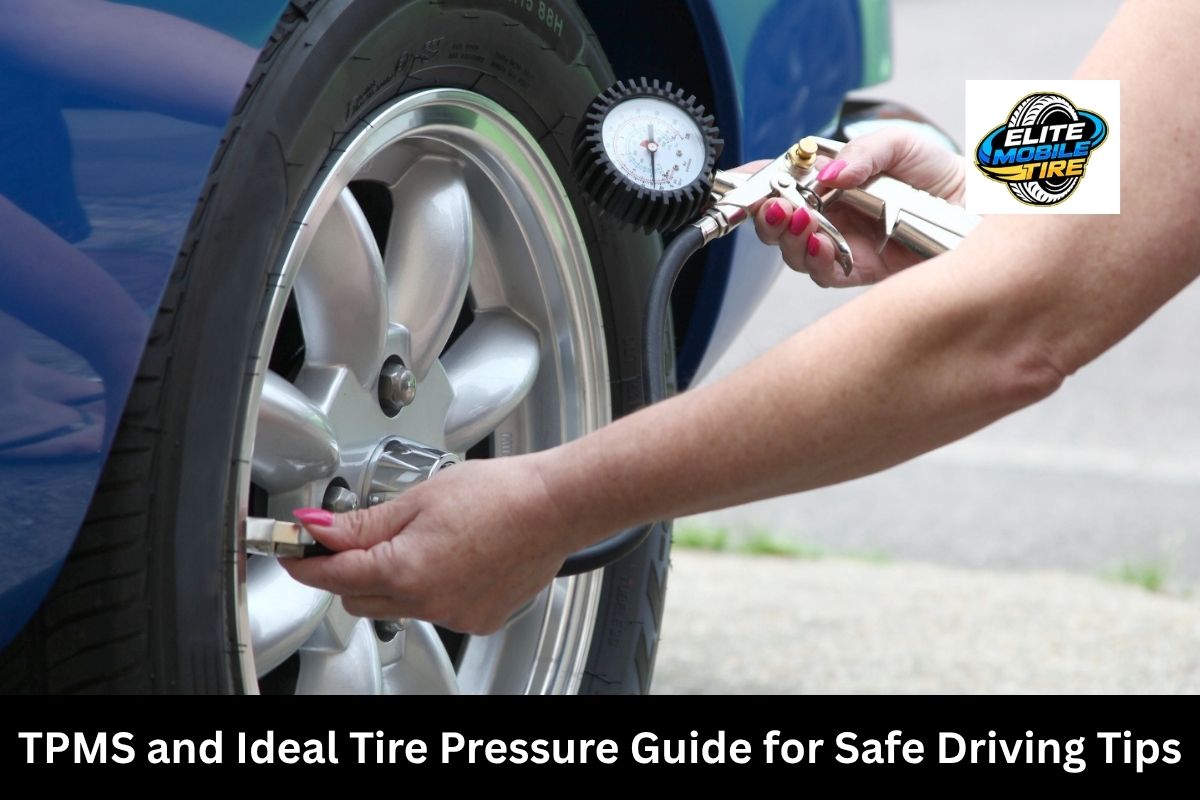
Start by checking the pressure in all four tires with a reliable gauge when the tires are cold. Compare the readings to the pressure listed on the driver’s door-jamb label, not the maximum pressure printed on the tire sidewall. If one tire is consistently lower than the rest, it needs inspection.
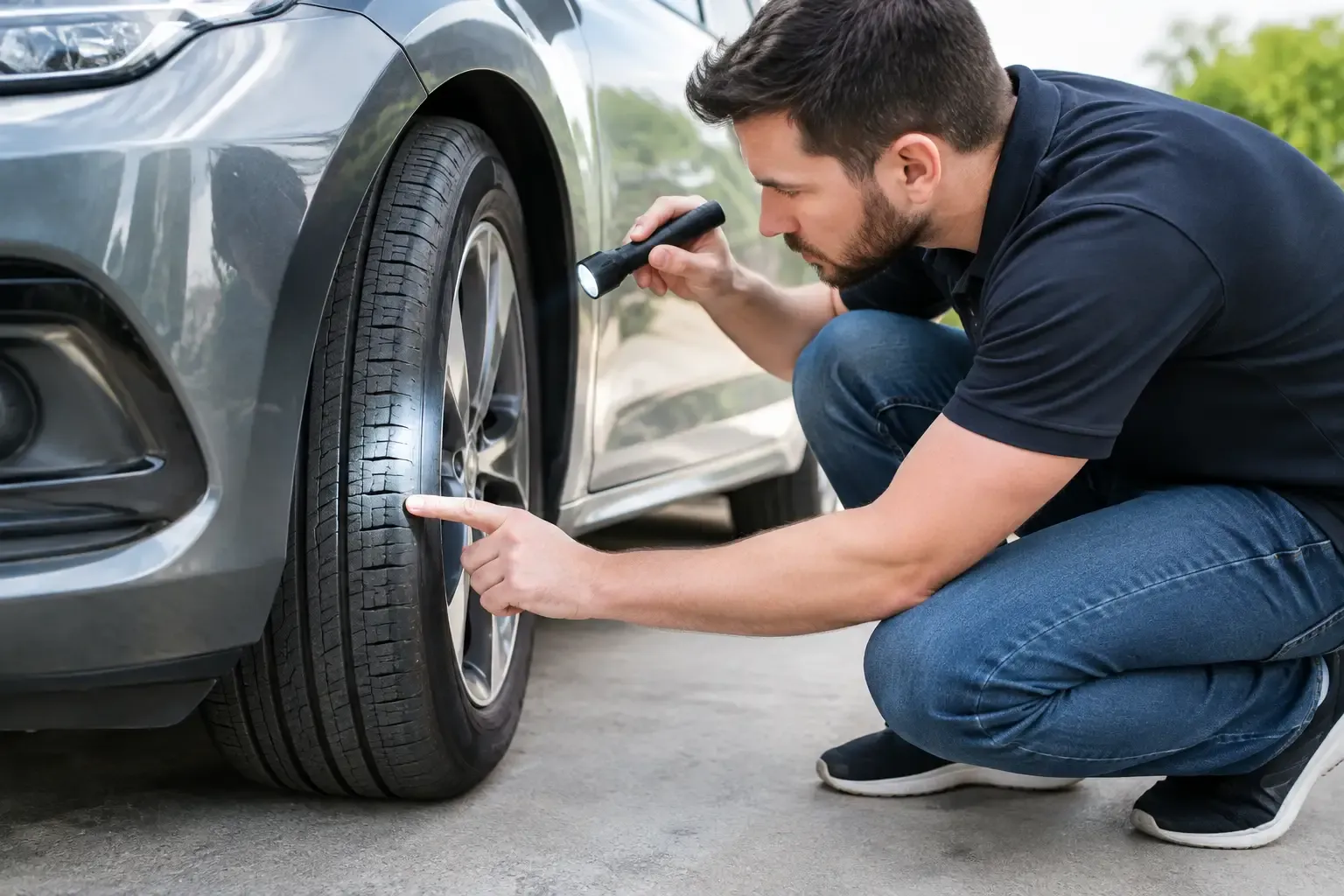
Look over the tread and sidewall for visible nails, screws, cuts, bulges, and cracks. Do not place your hands near an object sticking out of the tire, and do not remove it. Check the wheel for obvious curb damage as well.
Pay attention to the pattern. If the tire loses several pounds overnight, the leak may be significant. If it loses air only over a week or two, it may be a smaller puncture, bead leak, or valve issue. Either way, do not wait until the tire is visibly low. Underinflation affects handling, braking, fuel use, and tire life.
When a Flat Can Be Repaired and When It Cannot
A repair decision should be based on the puncture location, size, tire condition, and whether the tire was driven flat. A small puncture in the repairable tread area may be a good candidate if there is no internal damage.
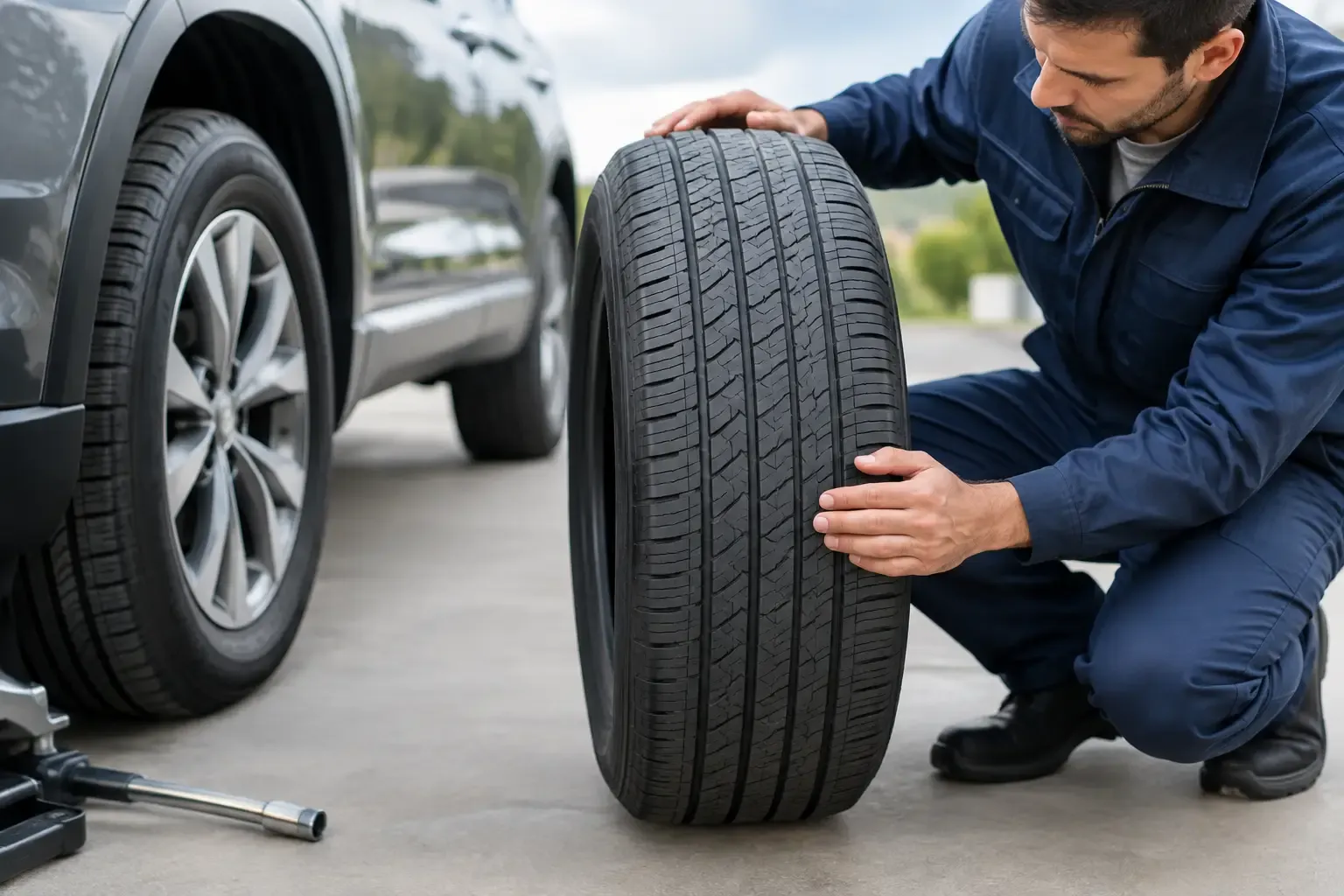
Replacement is typically the safer route when the sidewall or shoulder is punctured, the tire has a bulge or exposed cords, the hole is too large, the tread is badly worn, or the tire was driven while flat. This can feel frustrating when the damage looks minor from the outside, but the tire’s internal structure is what keeps it stable at speed.
If one tire needs replacement on an all-wheel-drive vehicle, ask about tread-depth differences between the remaining tires. Some AWD systems are sensitive to mismatched tire circumference. The best recommendation depends on your vehicle manufacturer’s guidelines and the condition of the other tires.
How to Prevent Repeat Flats
You cannot avoid every nail or pothole, but a few habits reduce the odds of another interruption. Check tire pressure monthly and before longer trips. Keep tires inflated to the vehicle manufacturer’s recommended pressure, and inspect them after striking a pothole or curb.
Avoid driving through construction debris when possible, and do not ignore a TPMS warning light. Have tires rotated and inspected on schedule so uneven wear, embedded debris, and wheel concerns are caught earlier. If you use tire sealant during an emergency, let the technician know. Some sealants can affect cleanup and TPMS service.
Get the Cause Fixed Where Your Car Is
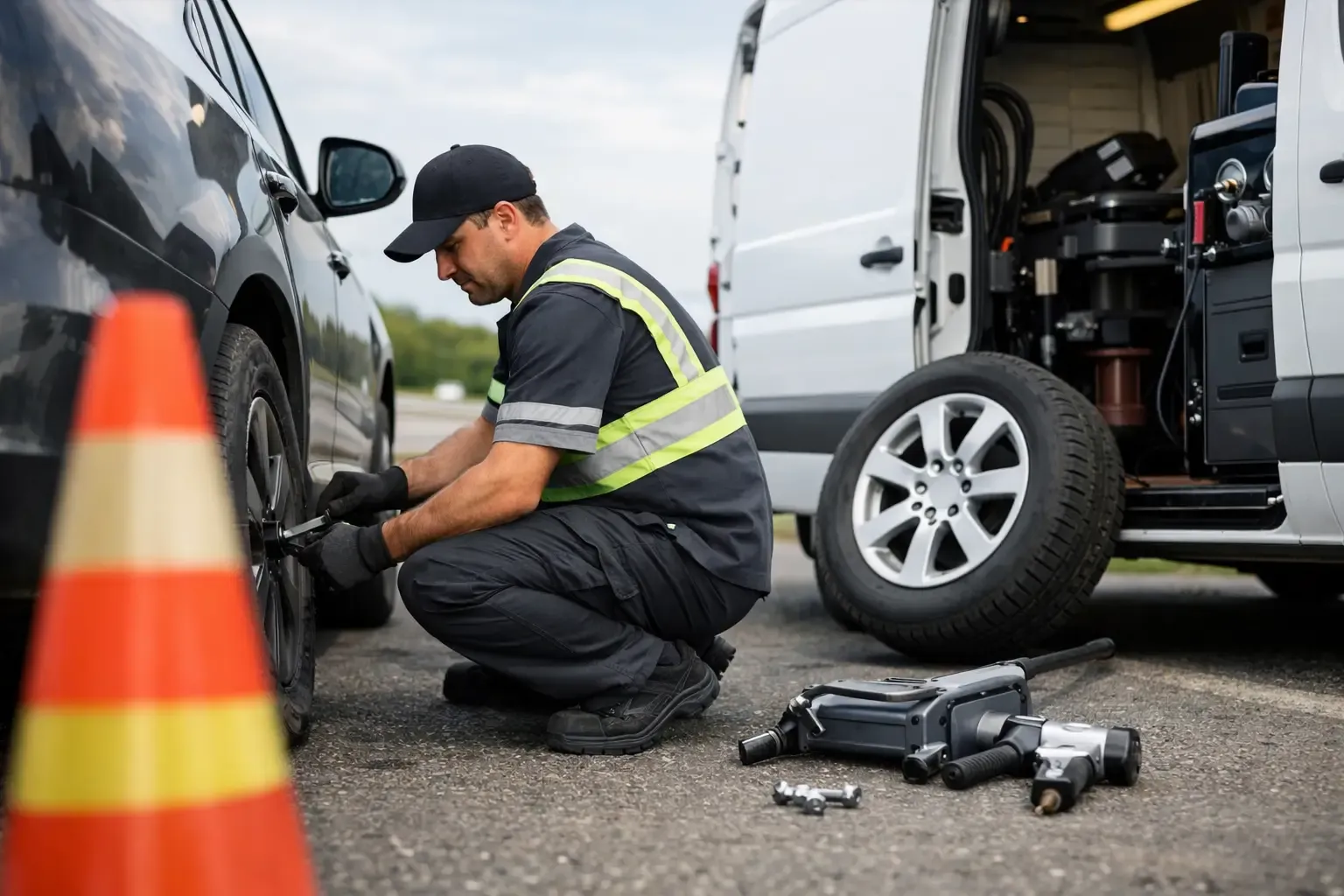
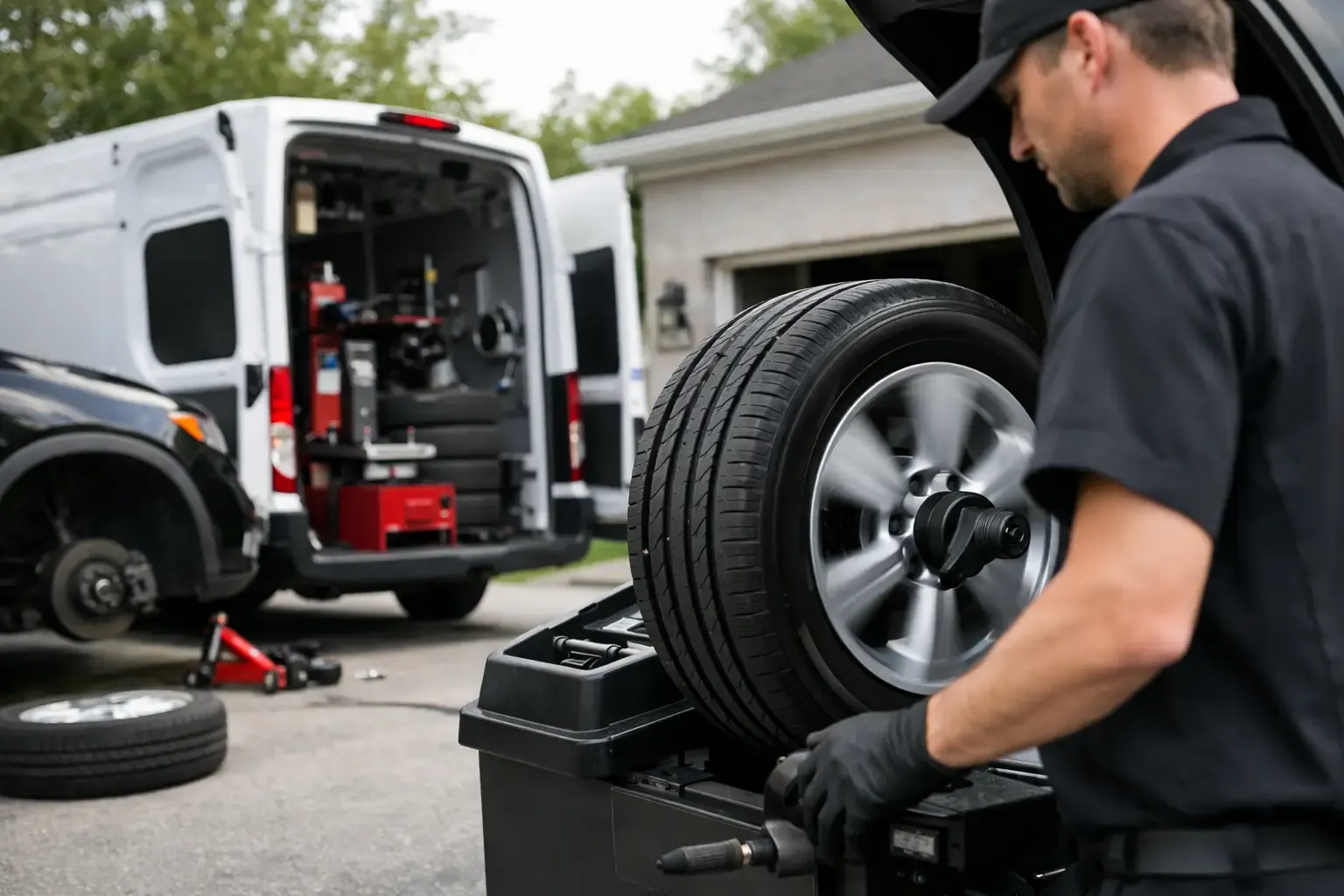
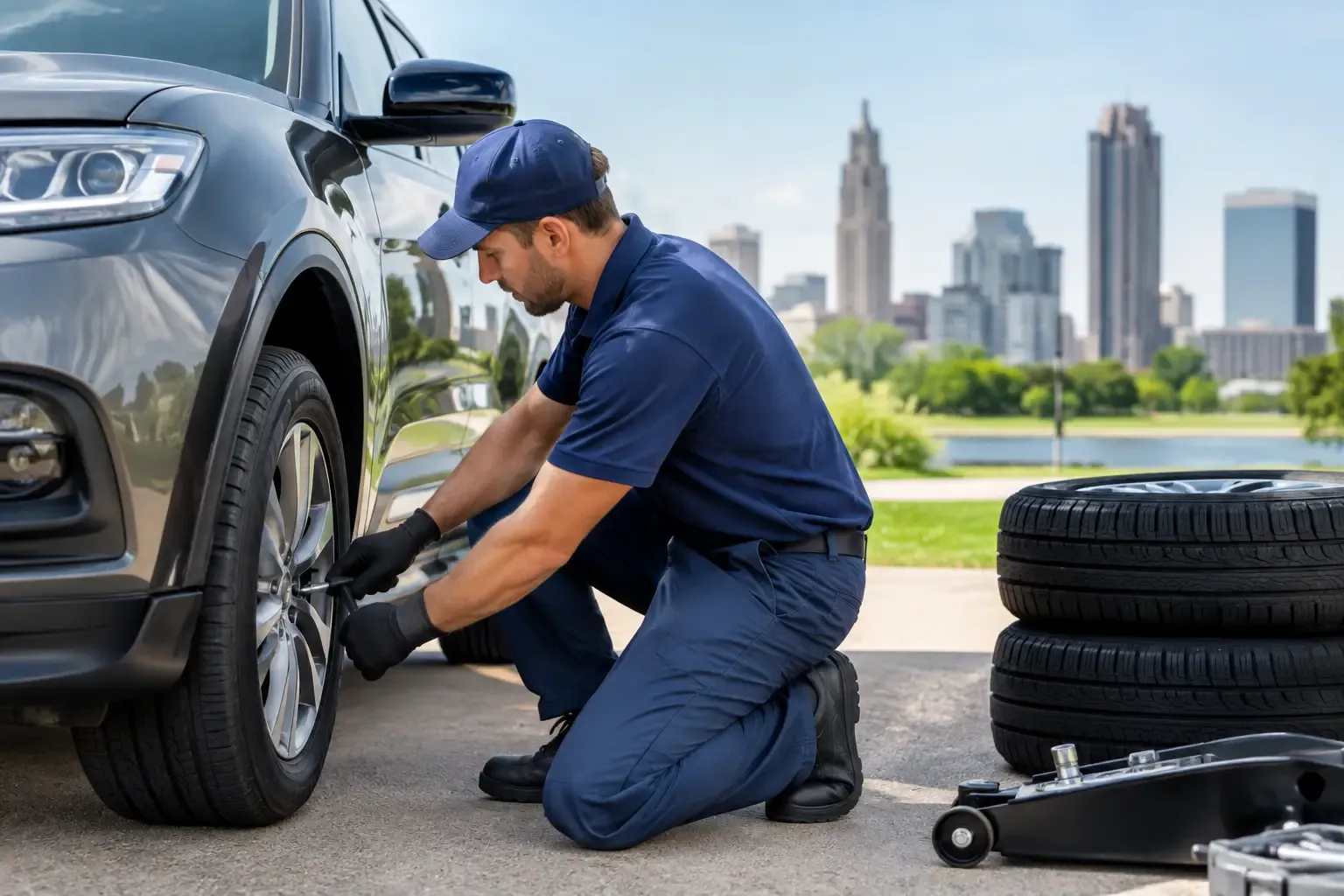
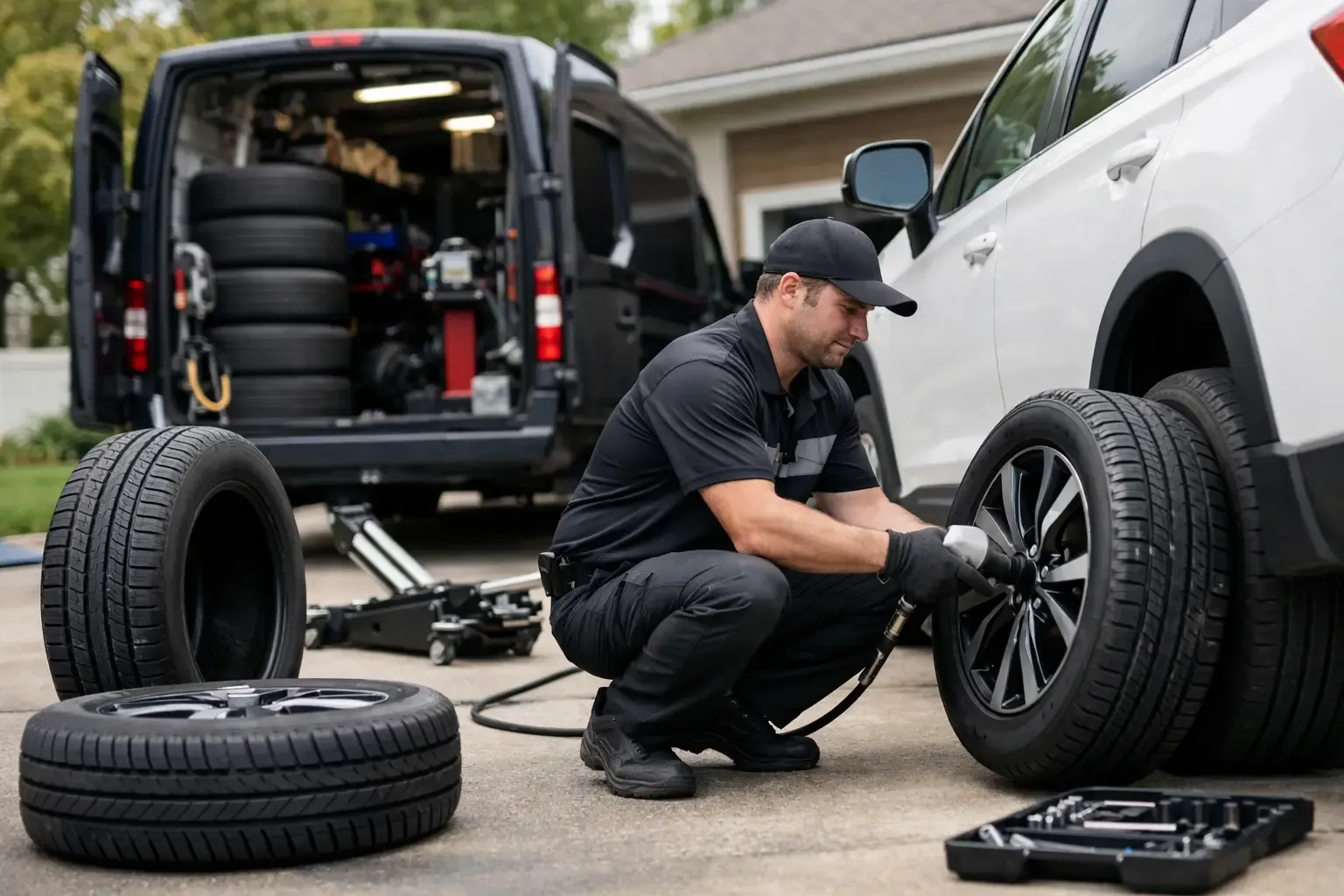
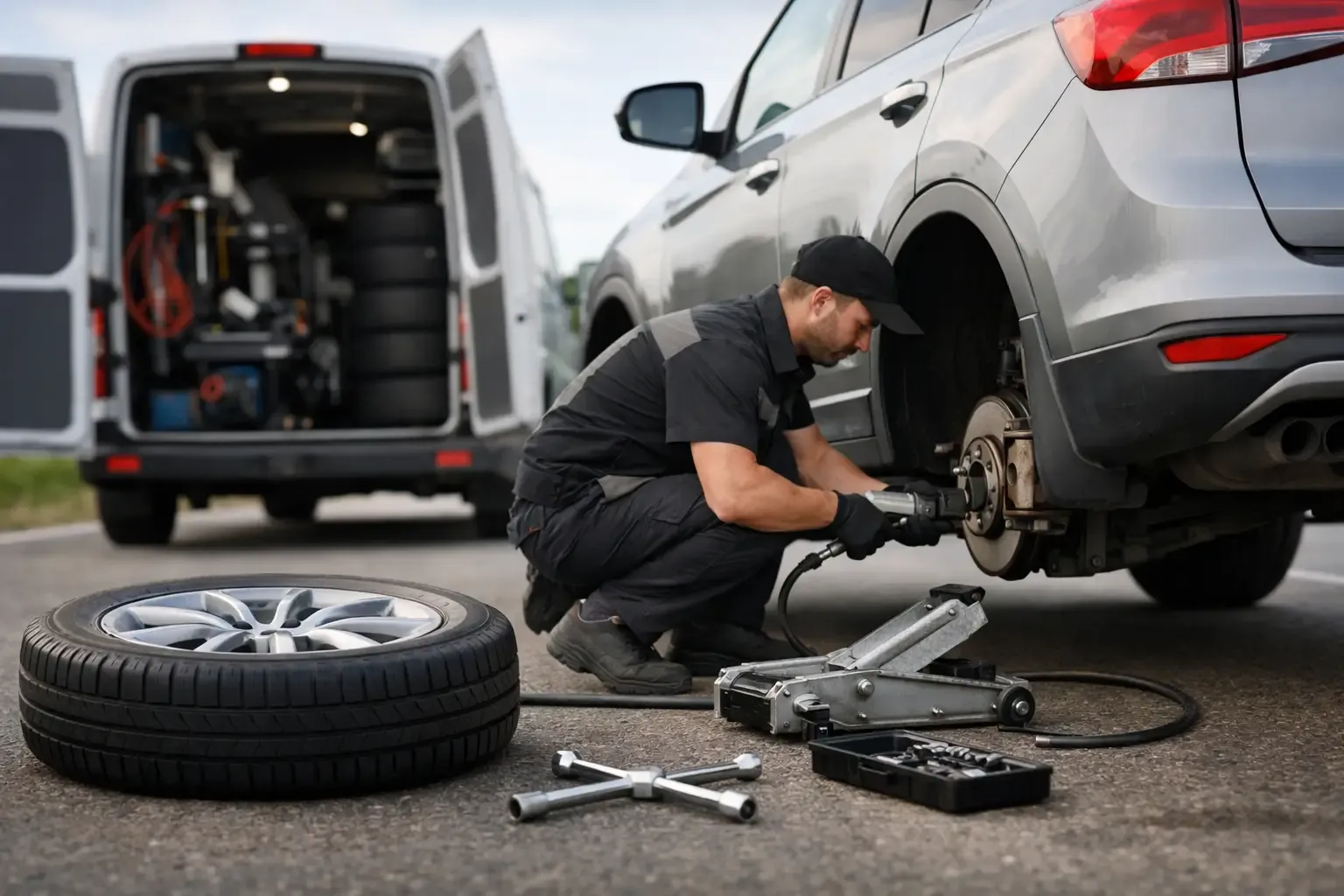
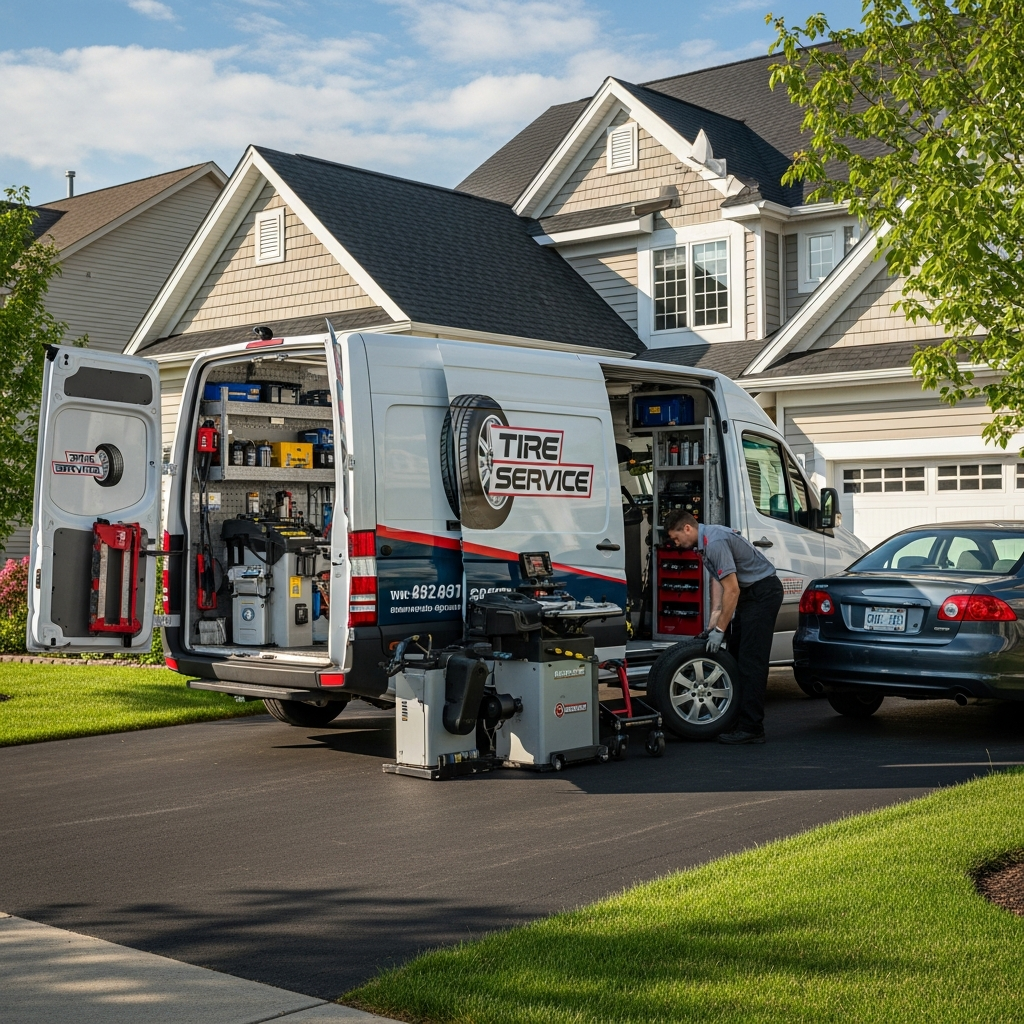
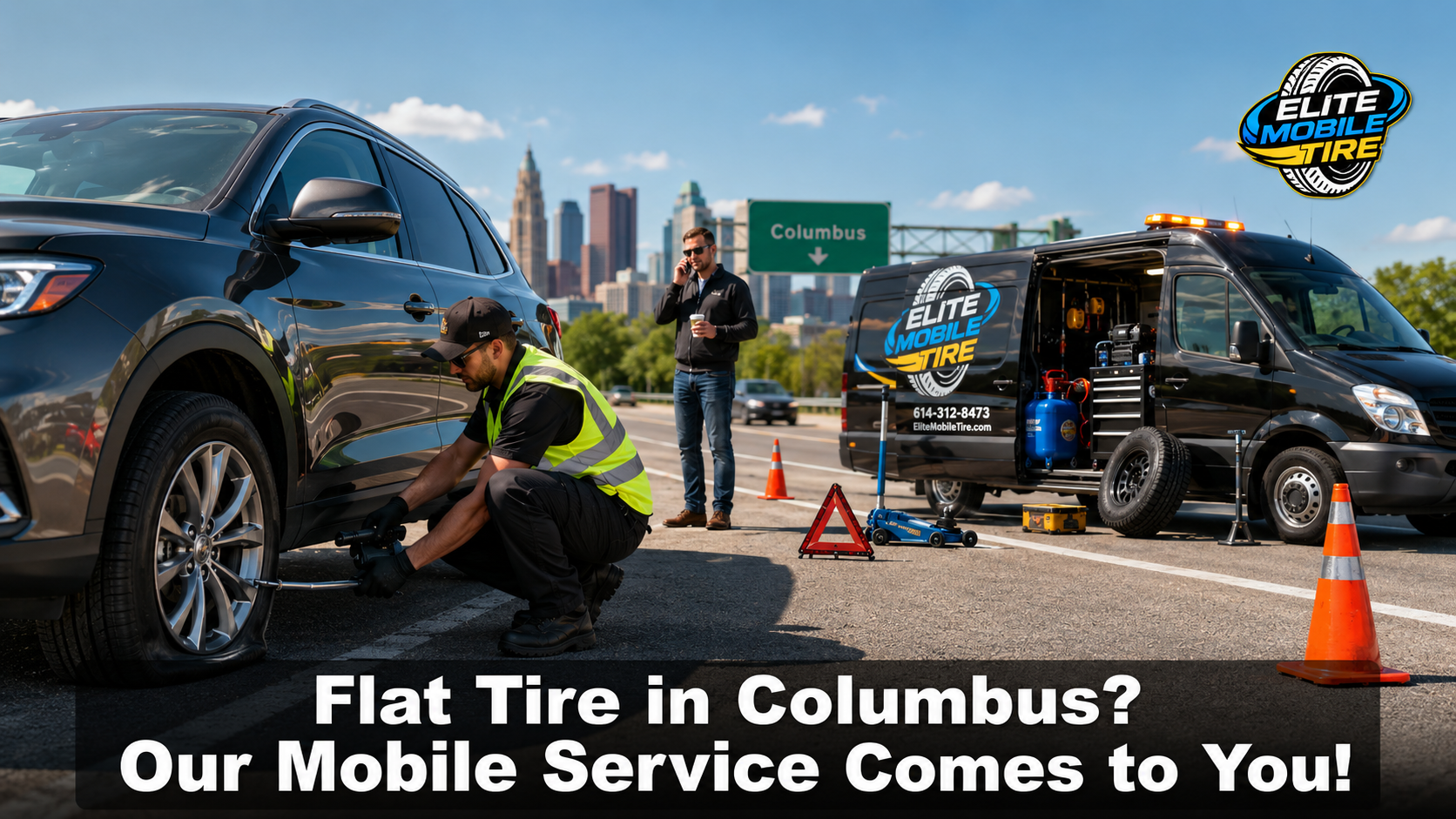
A recurring flat should be inspected before it becomes a missed workday, a delayed school pickup, or a roadside emergency. Elite Mobile Tire brings professional tire inspection, flat repair, replacement, spare tire changes, and TPMS support directly to drivers throughout Columbus and nearby communities.
The next time a tire needs air again, treat it as a signal rather than an inconvenience. Getting the actual cause identified now can save you time, protect your vehicle, and help you get back on the road with confidence.
Ready for a new set? Elite Mobile Tire installs 2 or 4 new tires right in your driveway or parking lot anywhere around Columbus, Obetz, Groveport, Grove City, and Reynoldsburg. Financing is available through Afterpay and Acima with up to 24-month payment plans. Call 614-344-5010 or visit elitemobiletire.com to book.