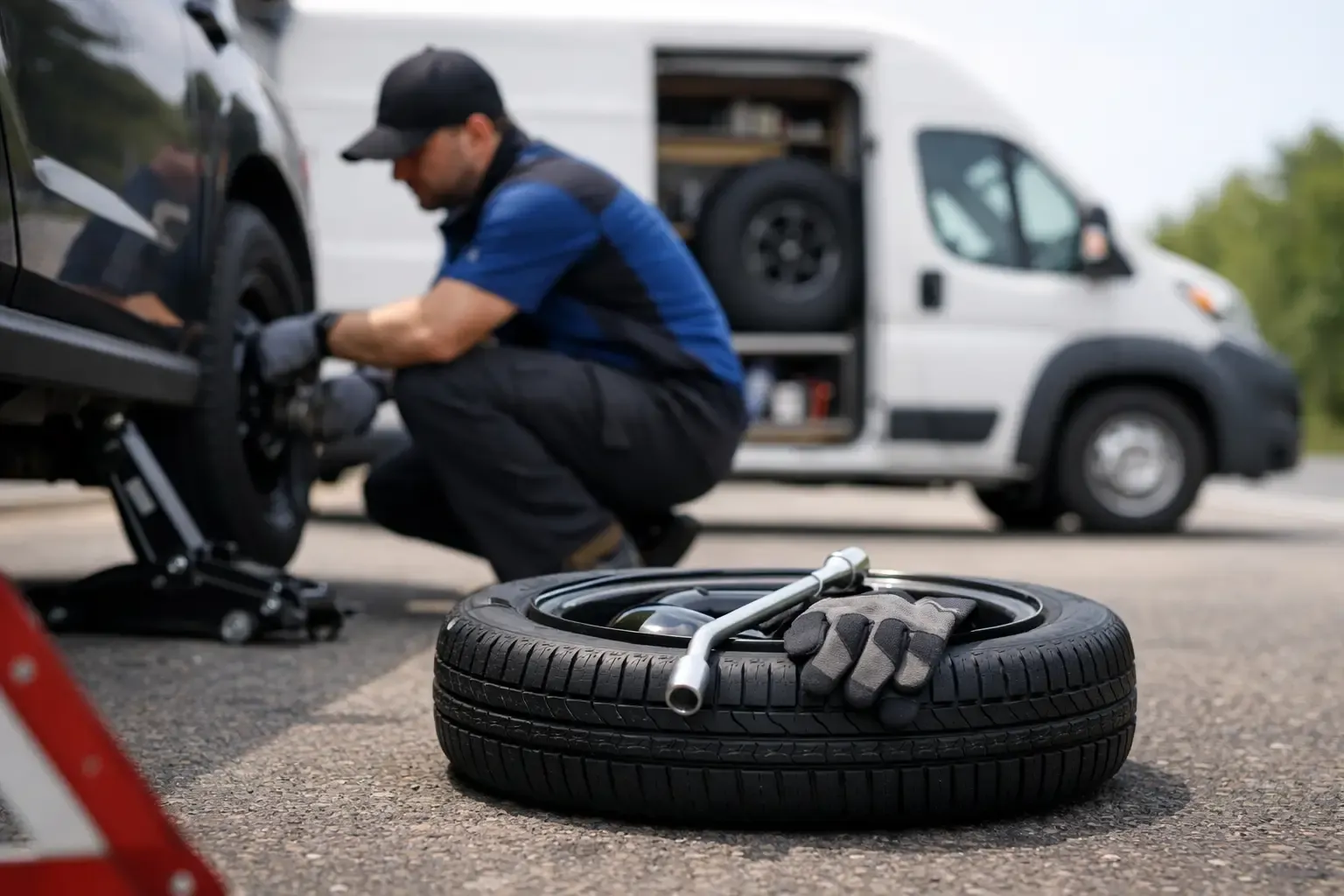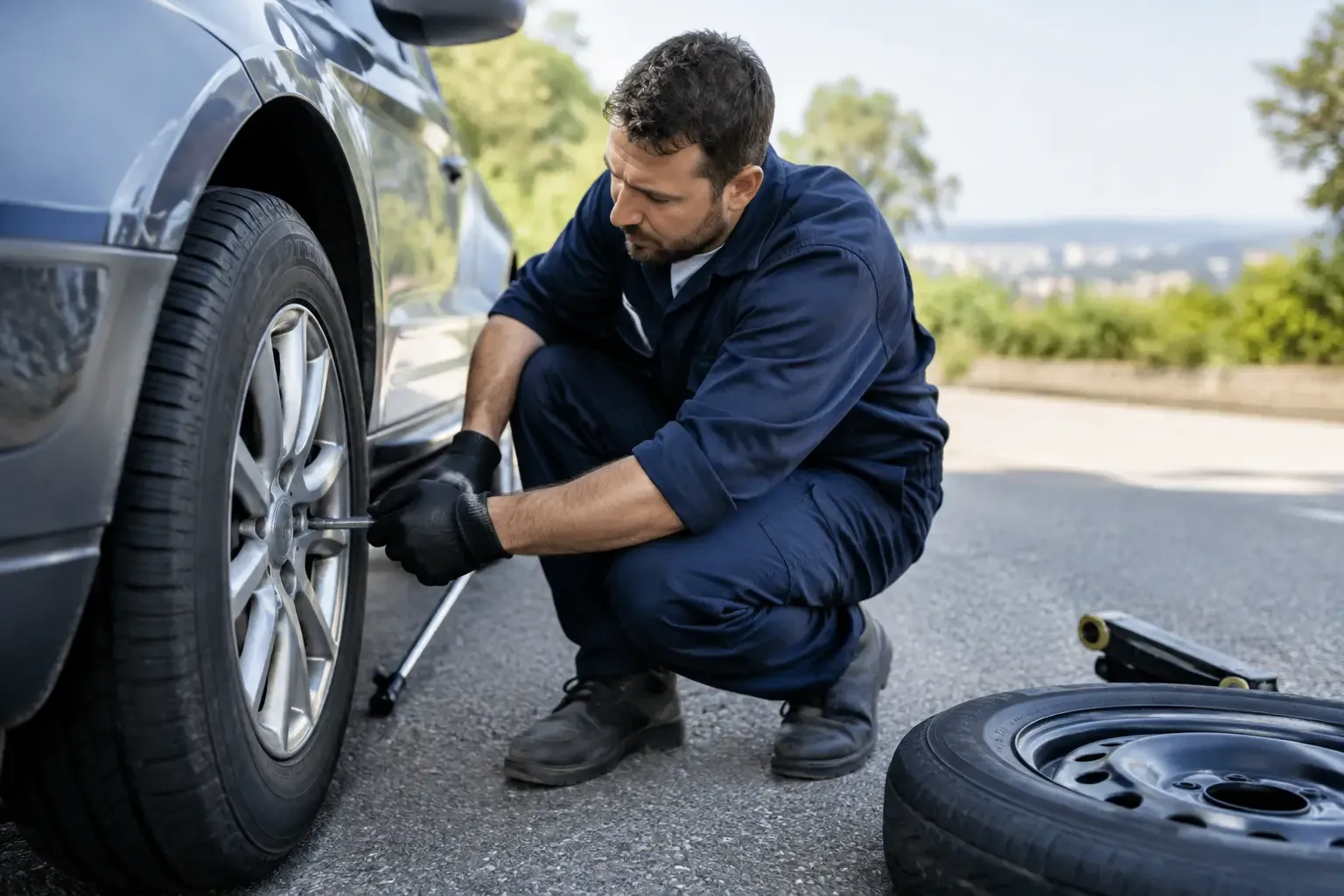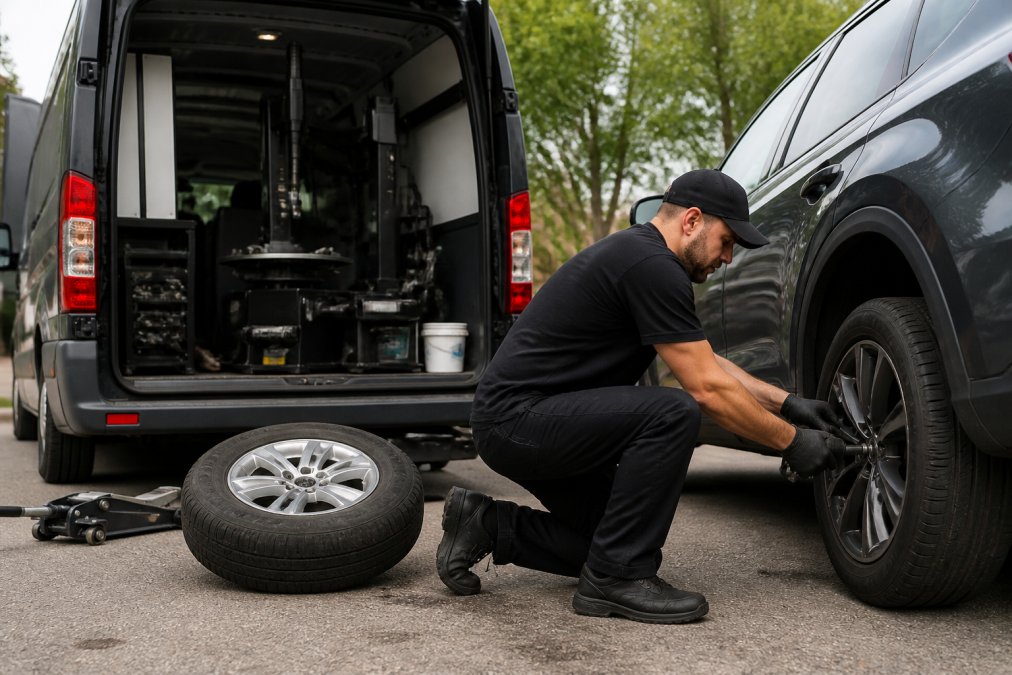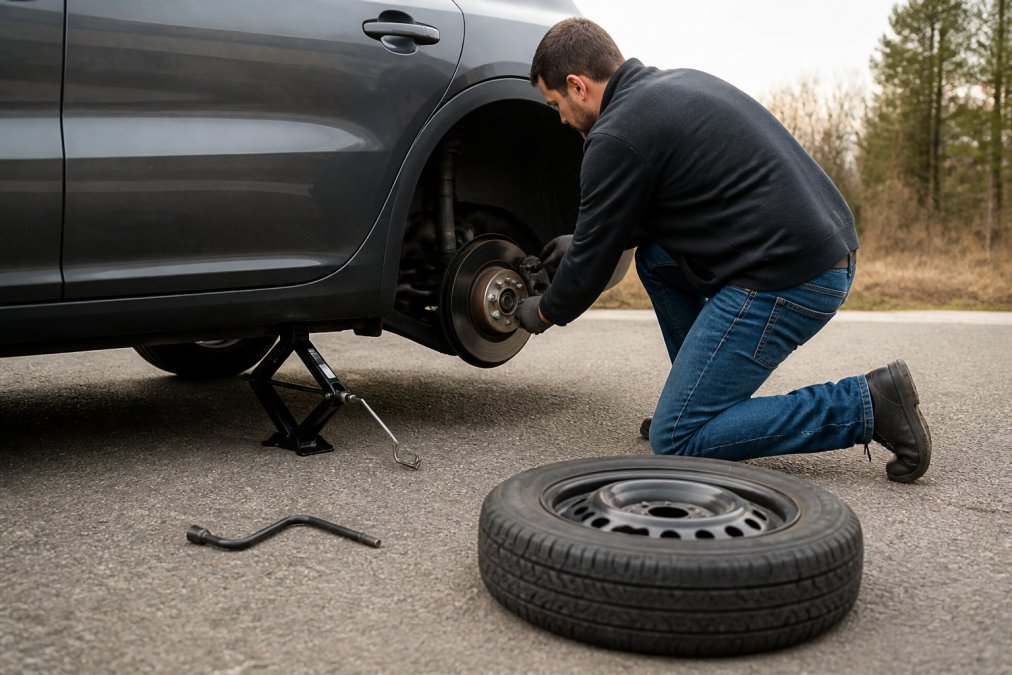
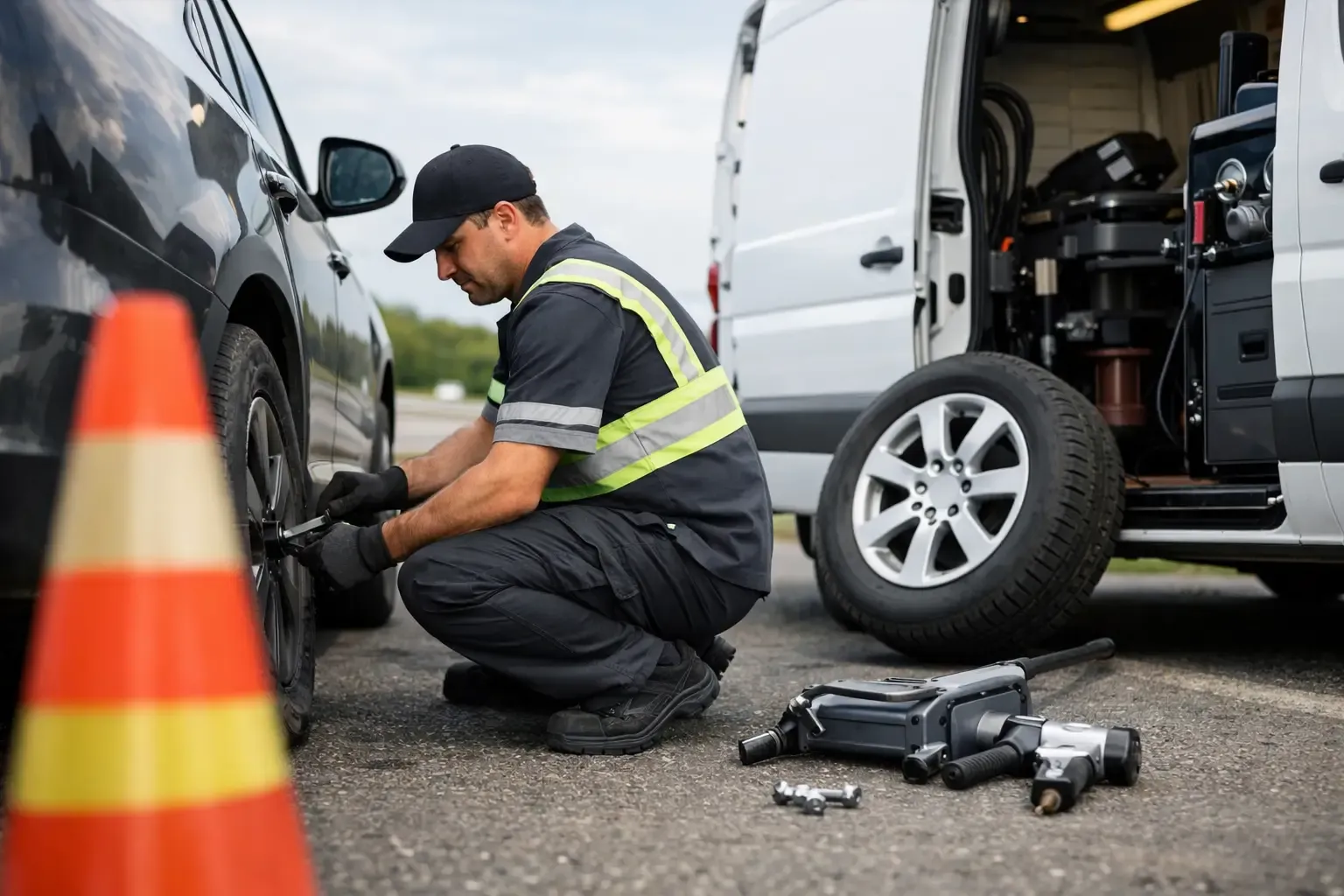
A flat tire rarely happens at a convenient time. It shows up before work, during school pickup, or on the shoulder when you are already running late. That is exactly why people search for how roadside tire service works - they want to know what happens next, how fast help arrives, and whether the problem can be fixed on the spot.
The short answer is simple: you call for service, share your location and vehicle details, a technician comes to you, inspects the tire, and completes the safest solution available at that location. Sometimes that means a repair. Sometimes it means installing your spare. Sometimes it means replacing the tire entirely. The right answer depends on the damage, the tire condition, and where the vehicle is parked.
How roadside tire service works from call to completion
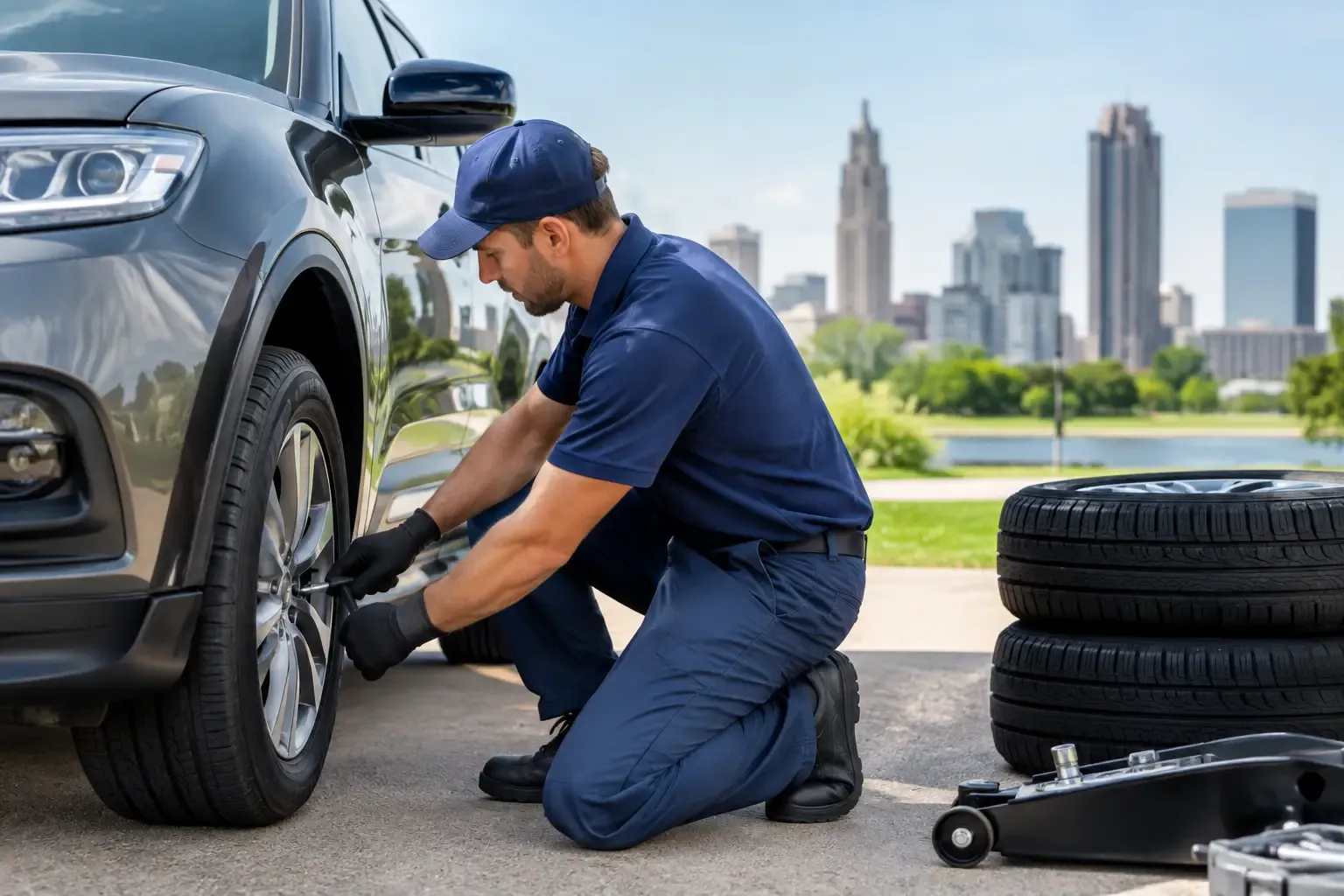
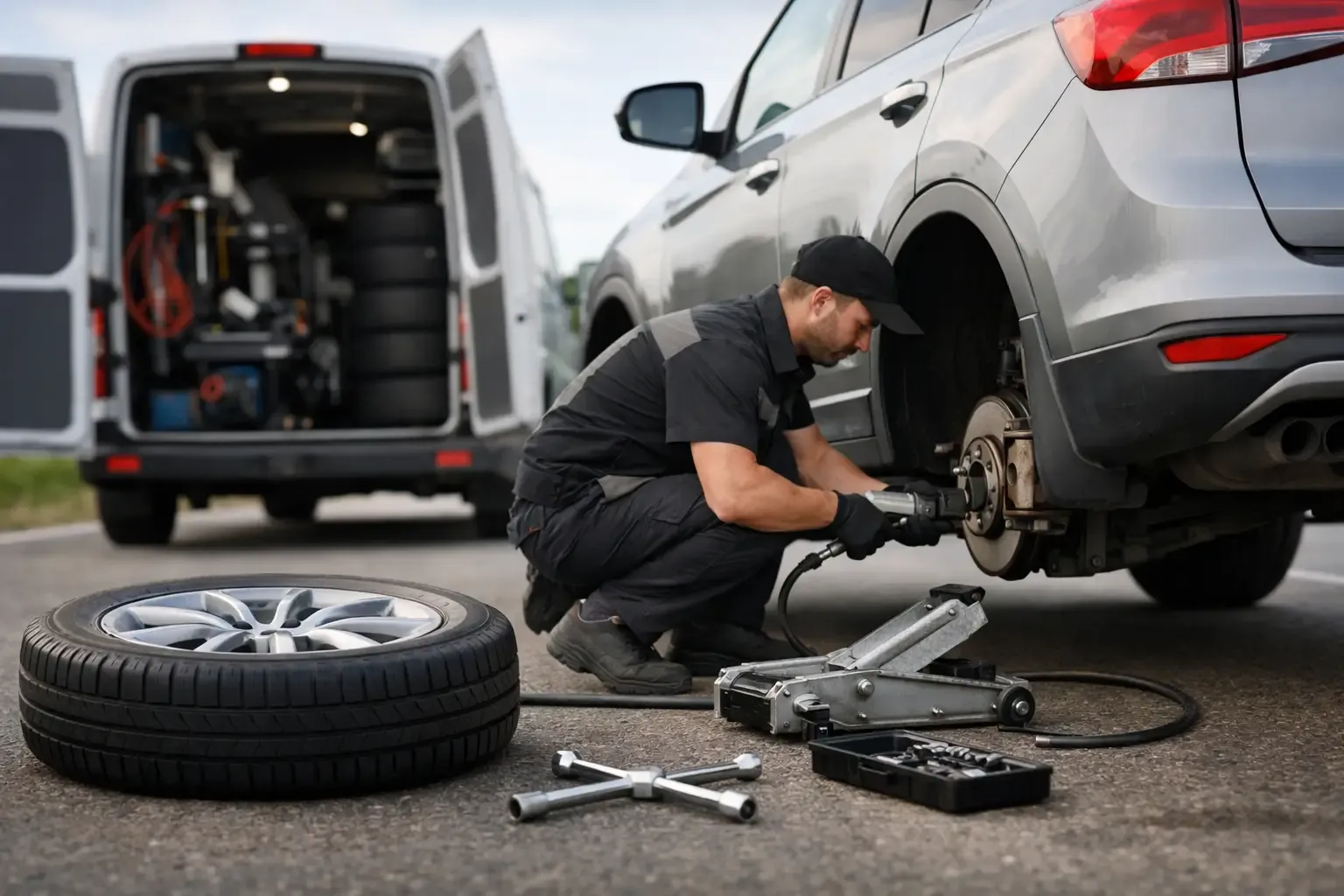
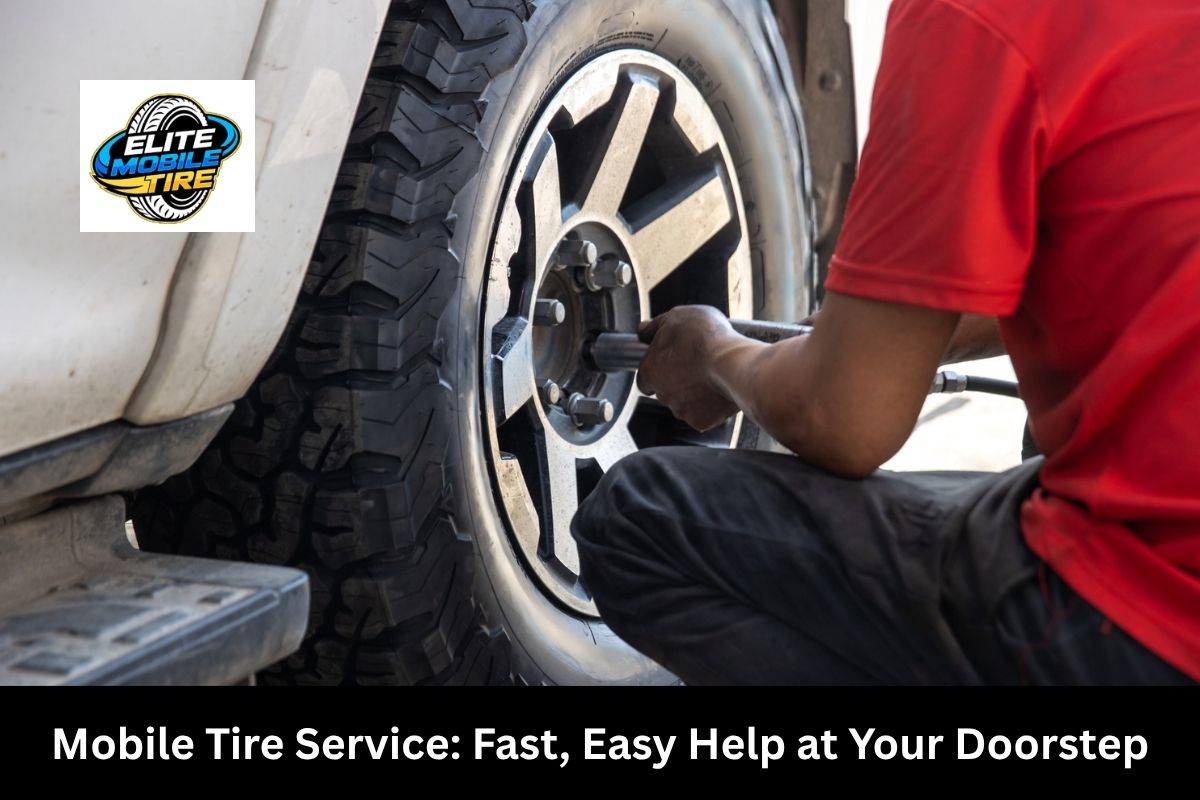
Roadside tire service is built around one goal - getting you moving again without adding unnecessary delay or risk. Instead of towing your vehicle to a shop and waiting for an opening, a mobile technician brings the tools, equipment, and experience to your location.
The process usually starts with a phone call or online request. You will be asked for basic information: your location, the vehicle make and model, the tire size if available, and what happened. If you know whether the tire is flat, blown out, punctured, or off the bead, that helps. If you do not know, that is fine. Most drivers do not.
From there, the service team confirms whether the issue is likely repairable roadside or whether a replacement or spare tire change is the more realistic option. This first conversation is also where safety gets addressed. If you are stopped in a dangerous place, such as a narrow shoulder or active traffic lane, the provider may guide you on what to do while help is on the way.
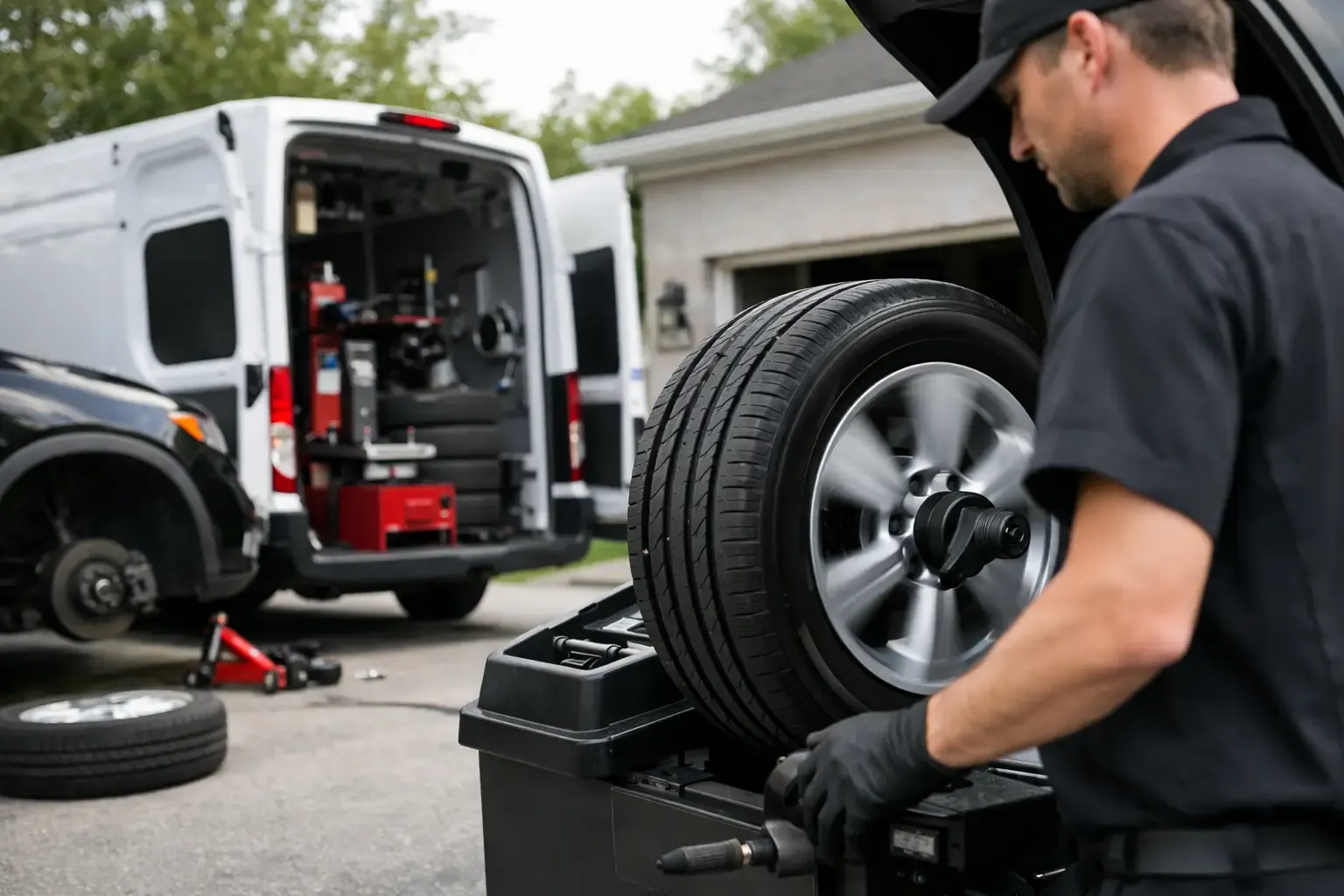
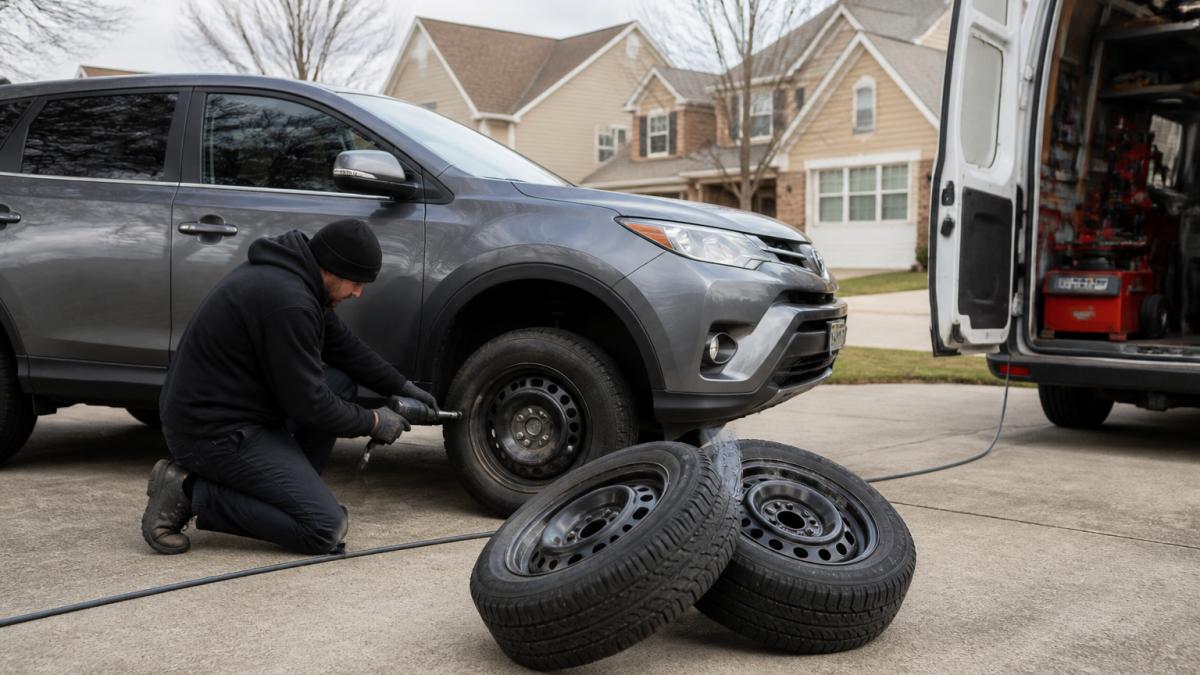
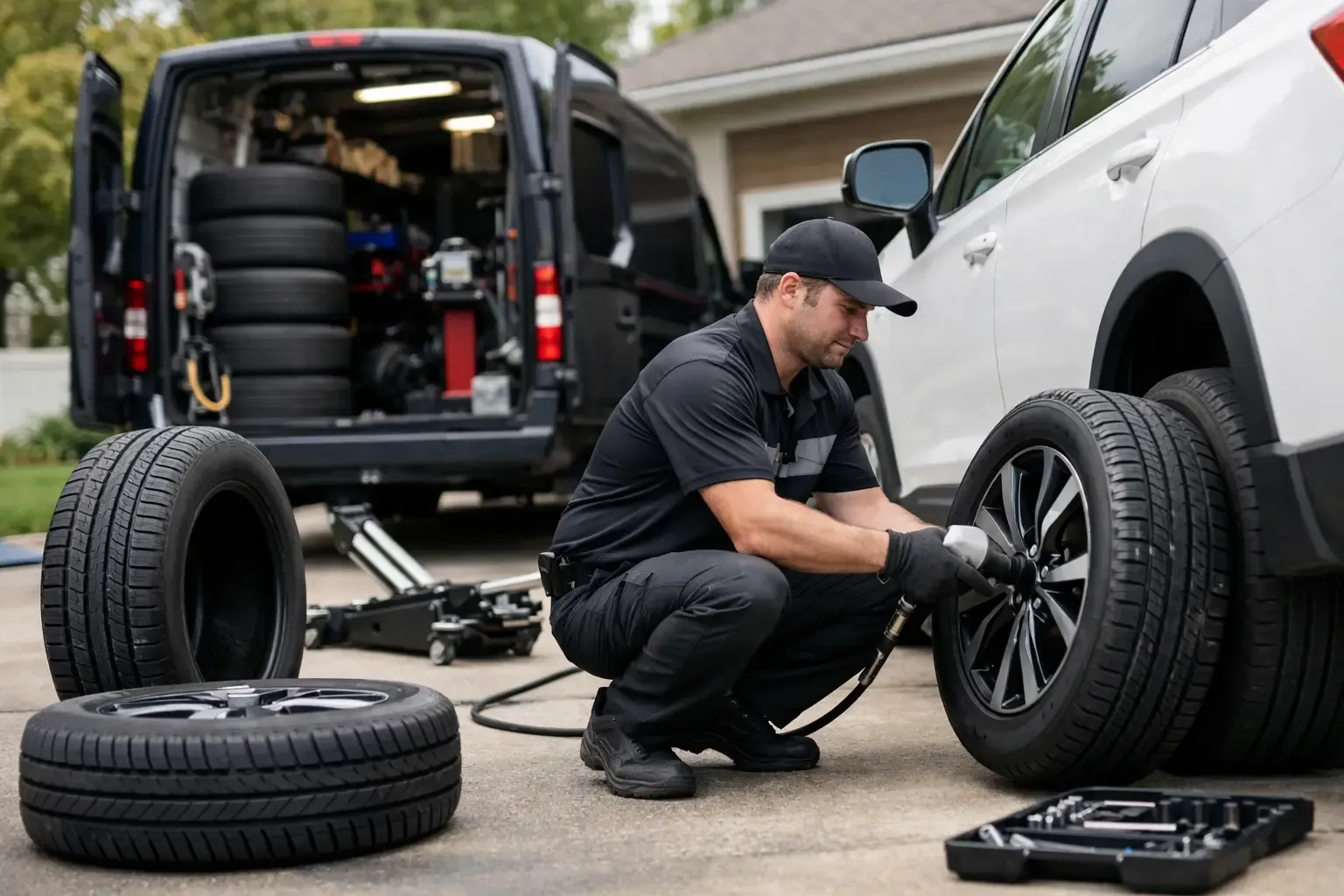
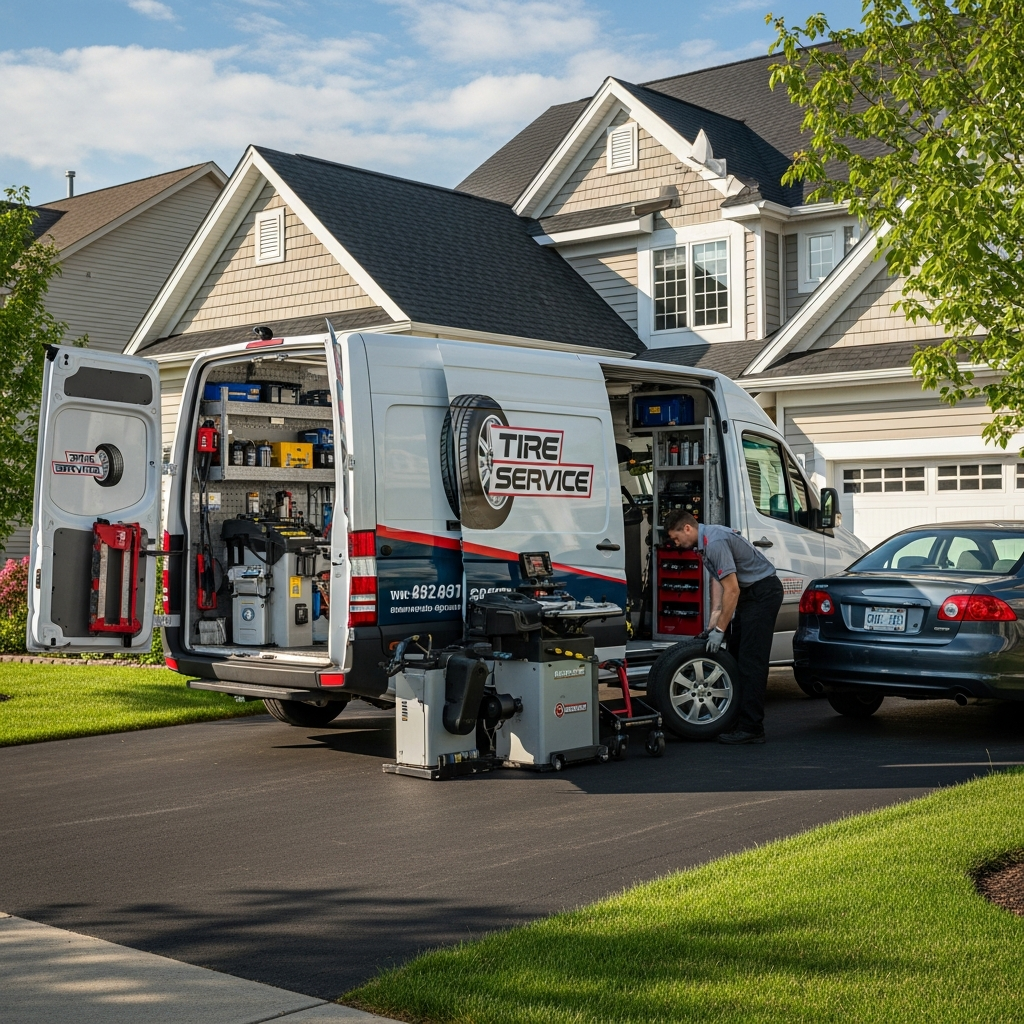
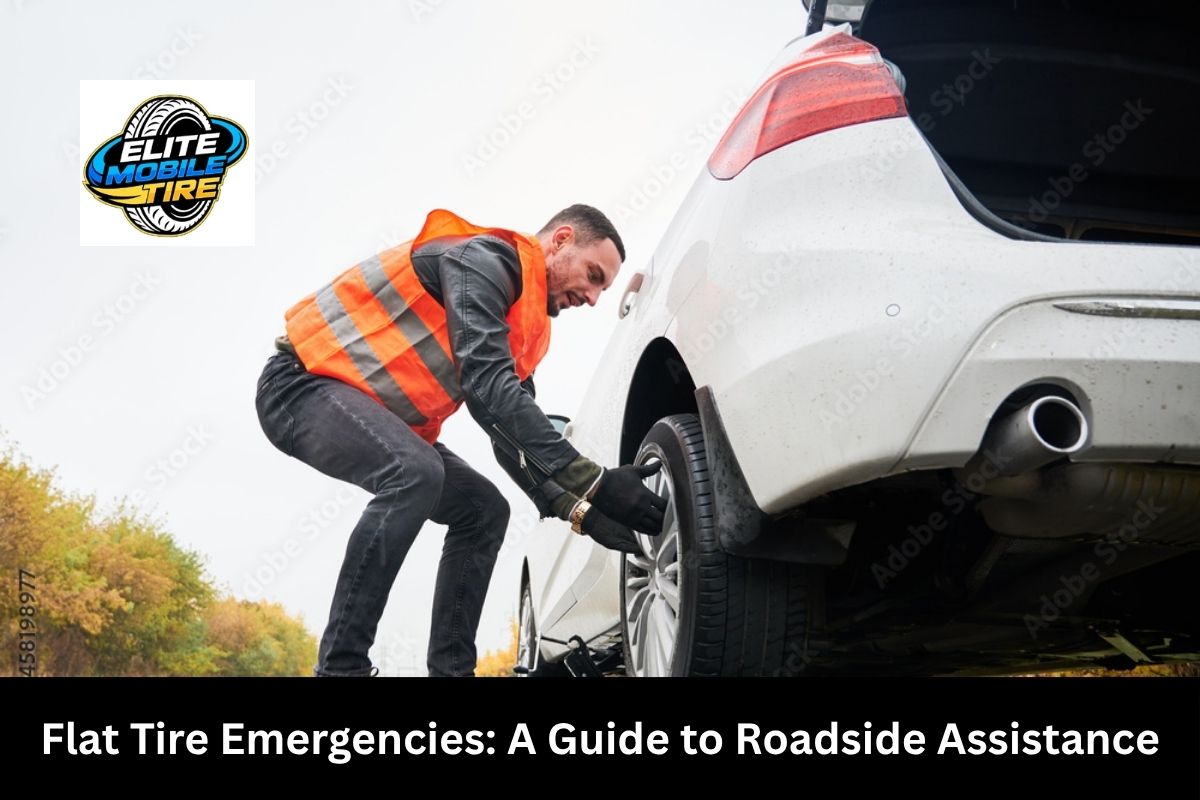
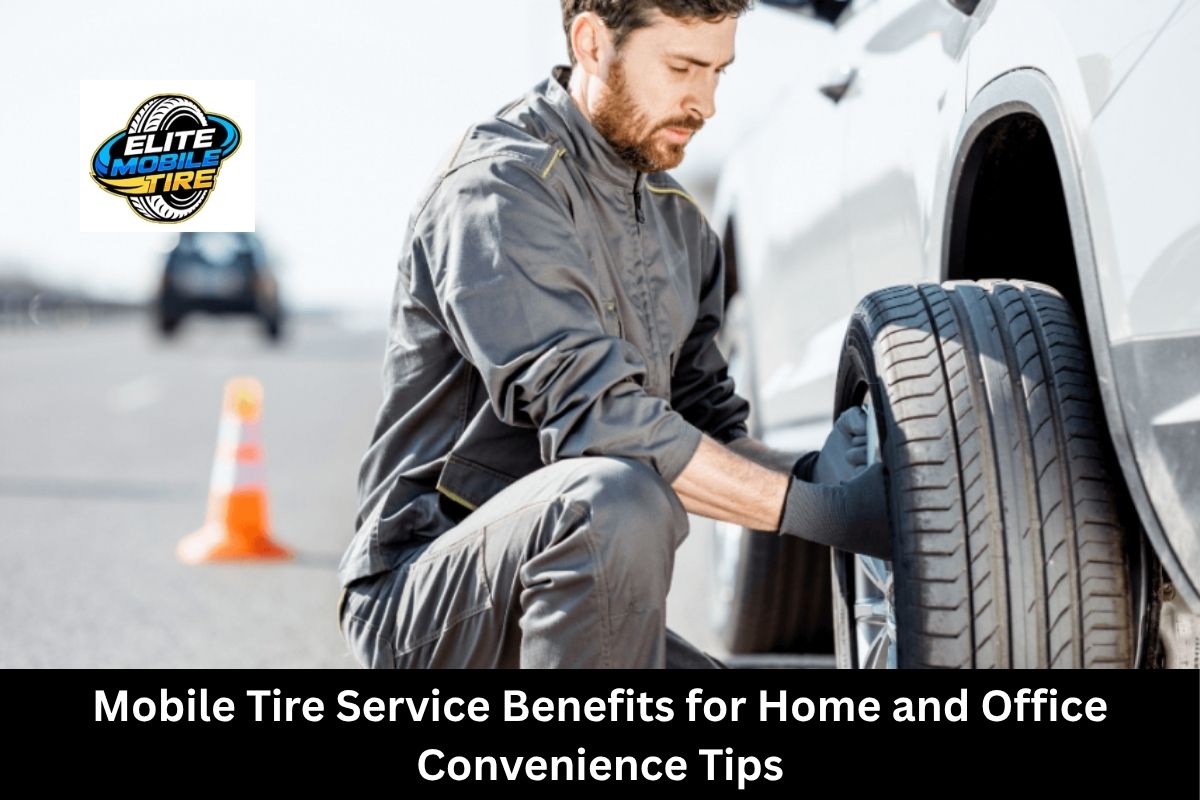
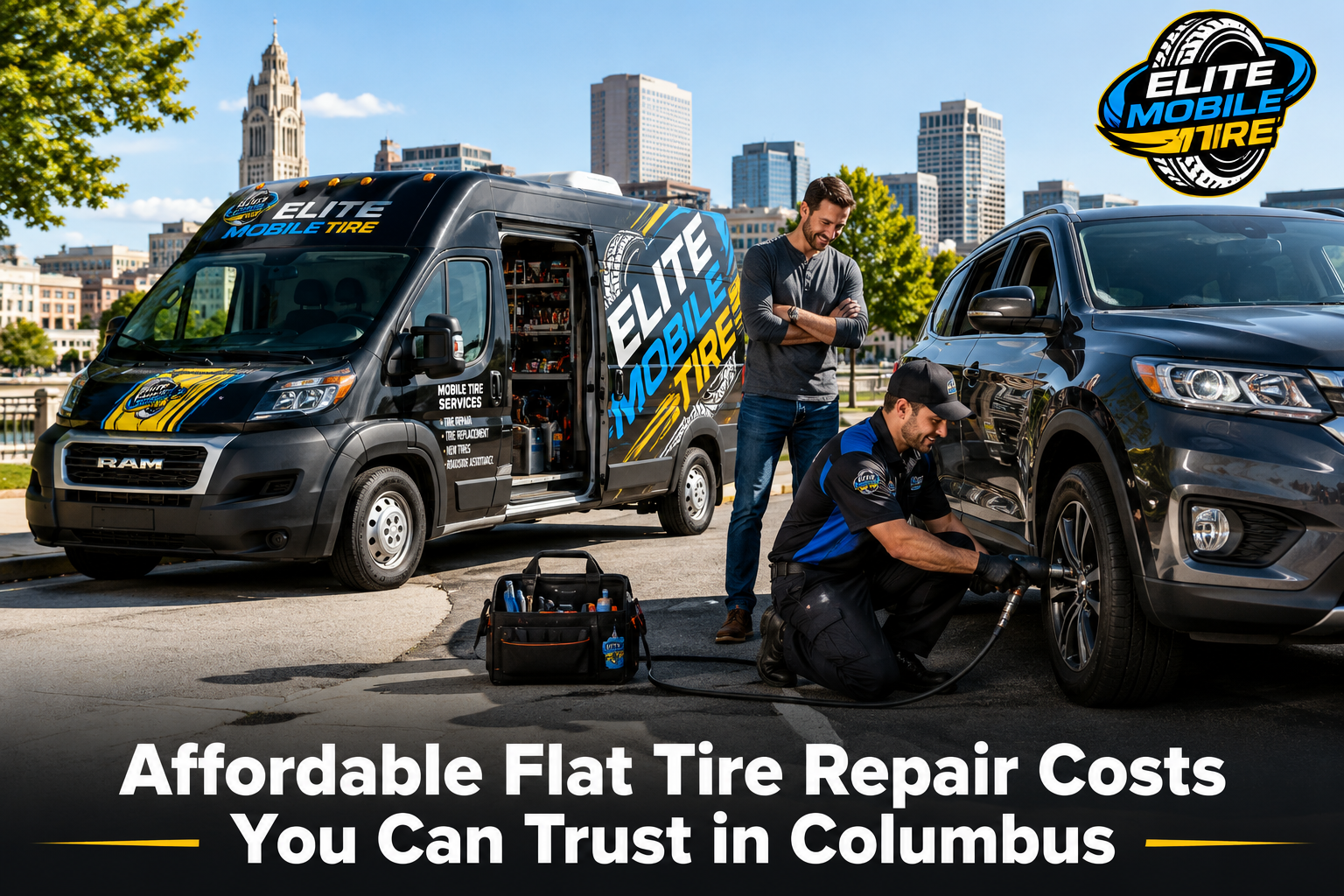
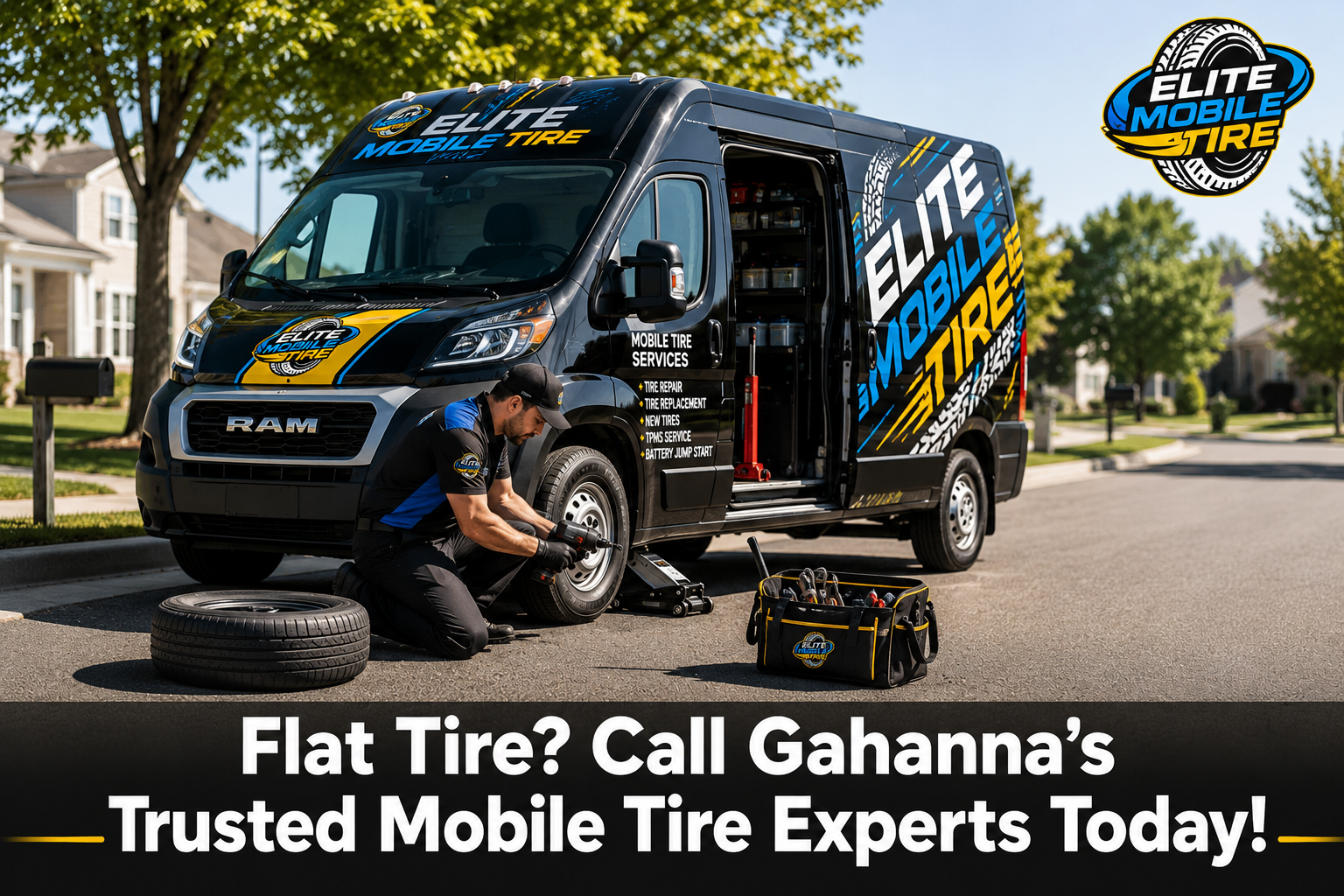
Once dispatched, the technician travels to your location with service equipment designed for on-site work. For drivers in Columbus and the surrounding suburbs, that can mean getting help at home, at the office, in a parking lot, or on the roadside instead of losing half a day at a tire store.
What the technician checks first
When the technician arrives, the first priority is not the tire itself. It is the scene. A professional roadside visit starts with making sure the vehicle is in a workable position and the area is safe enough for service.
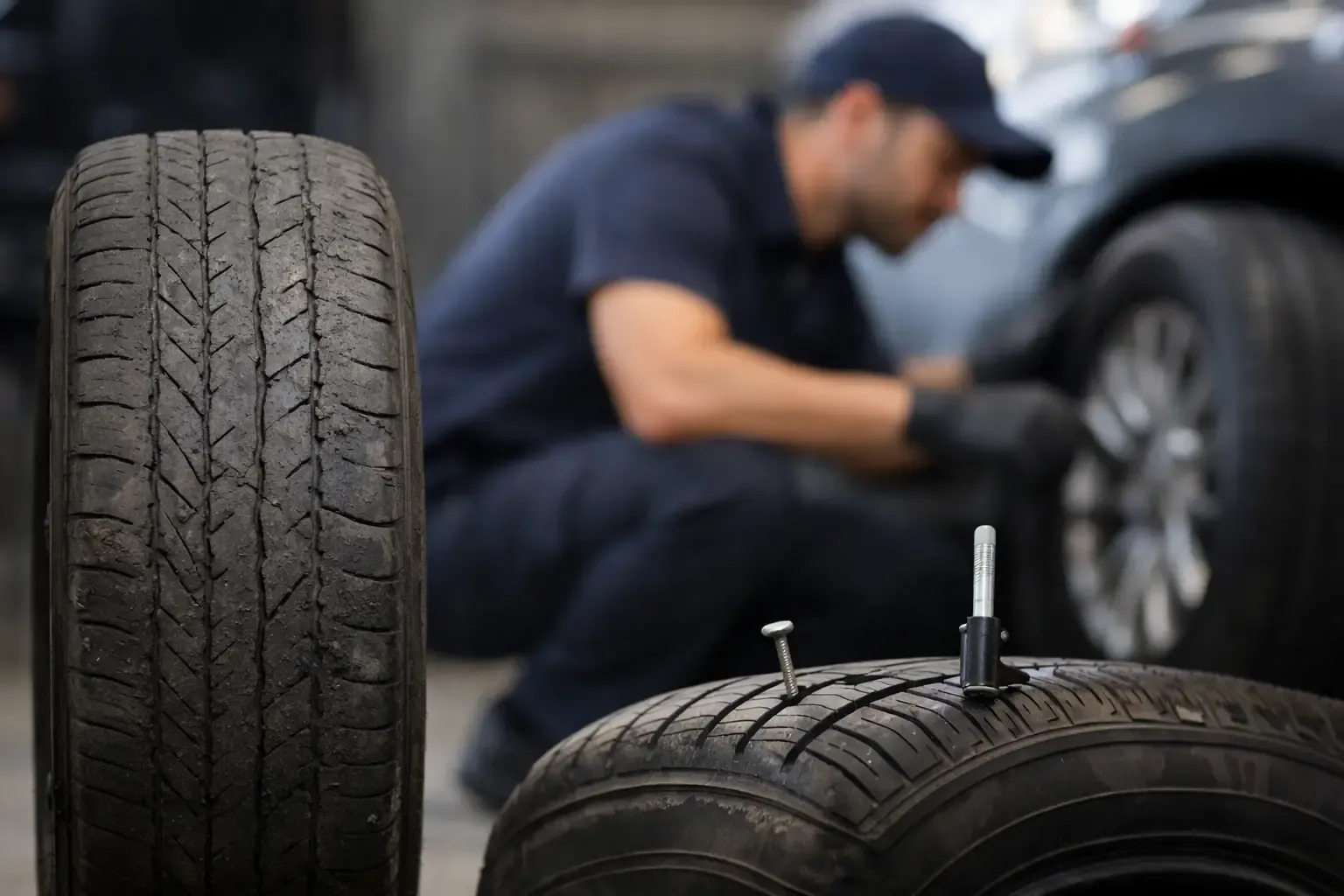
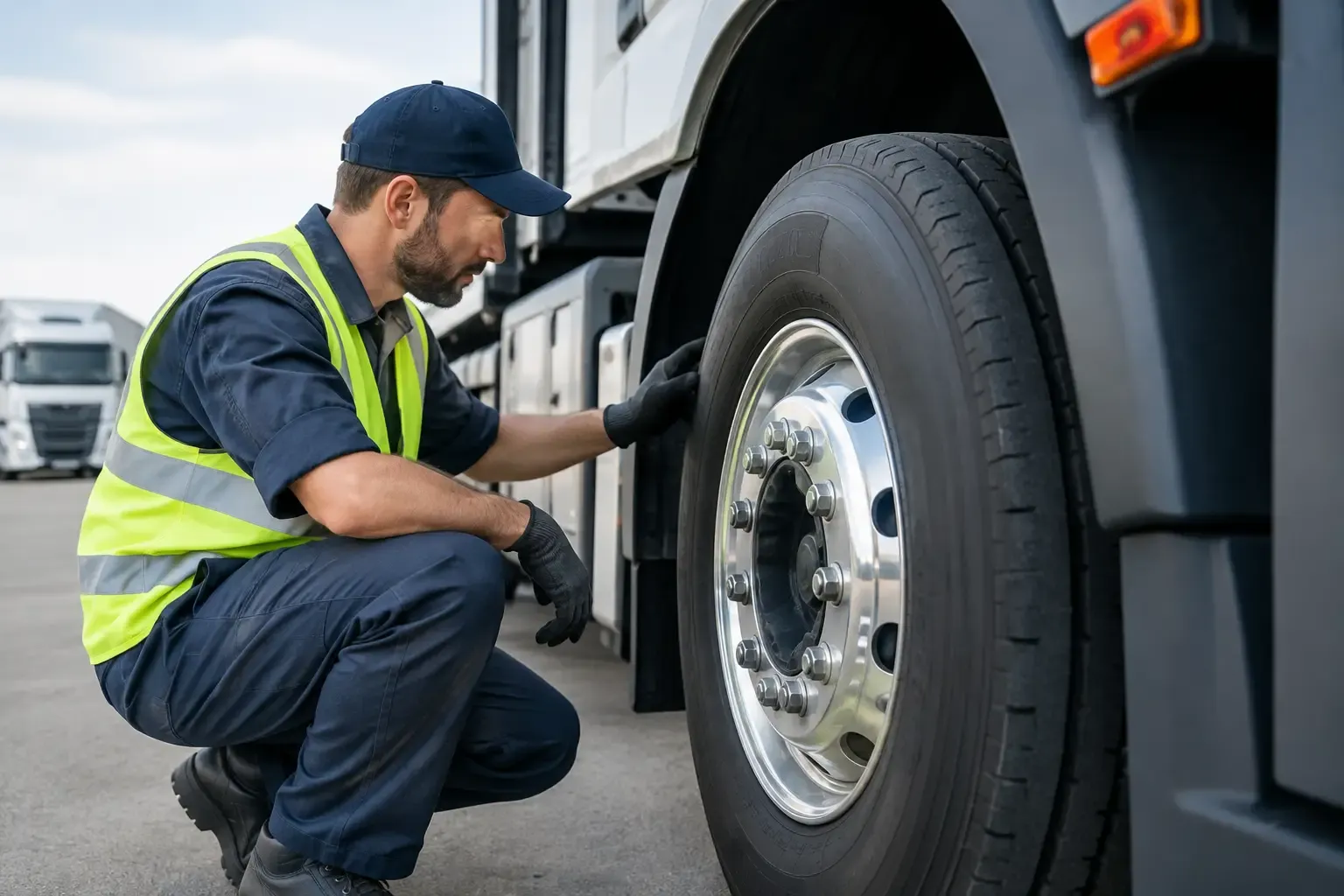
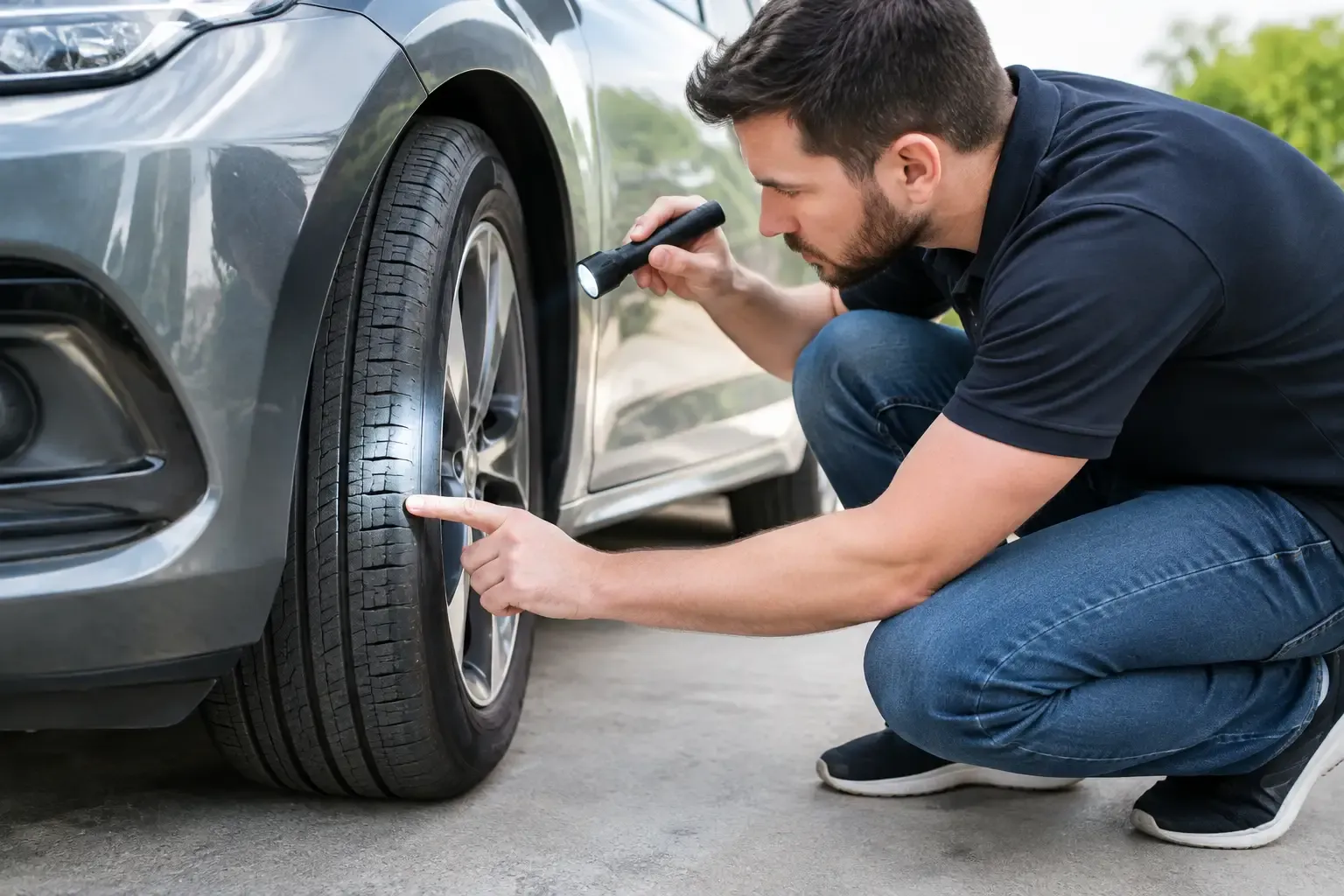
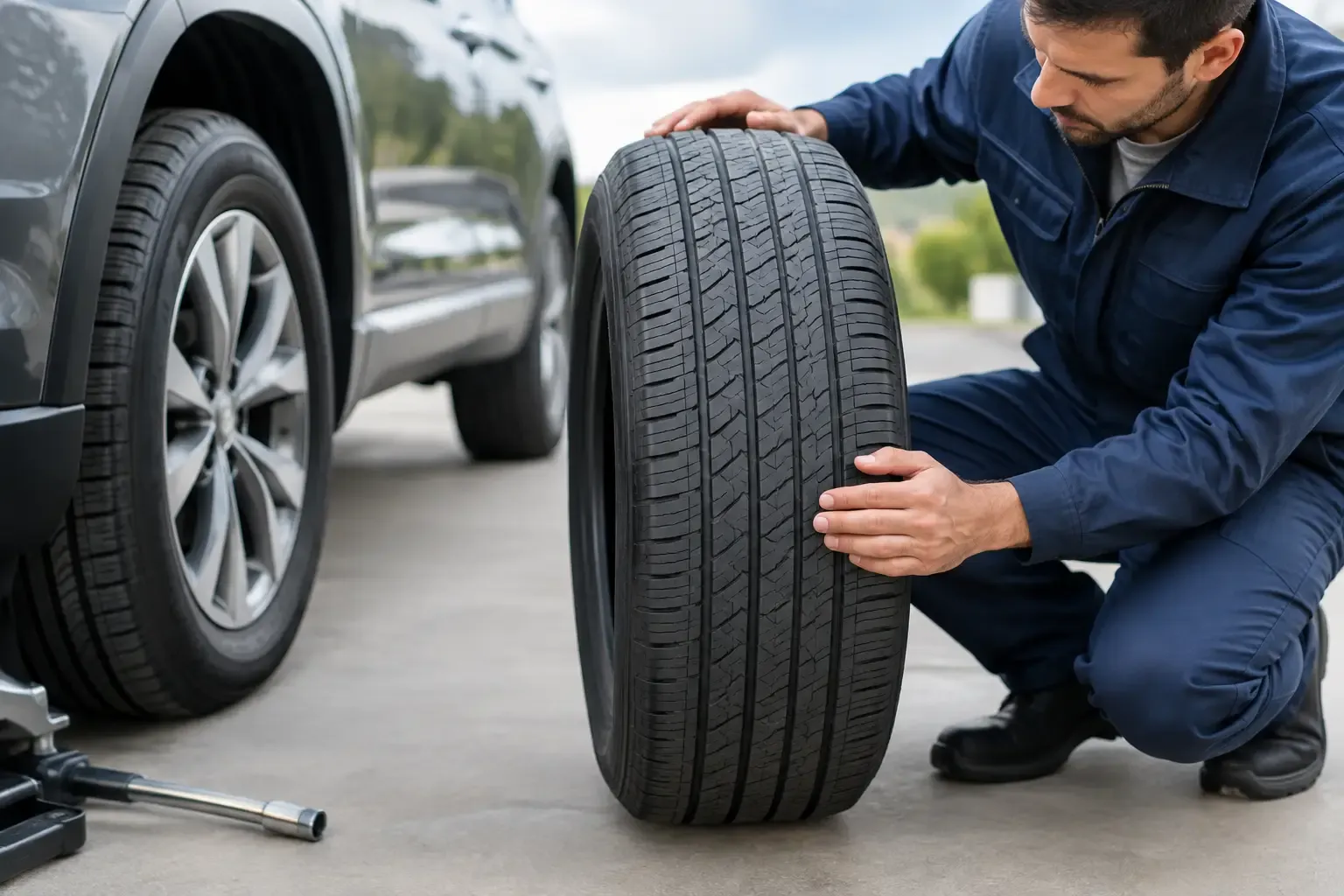
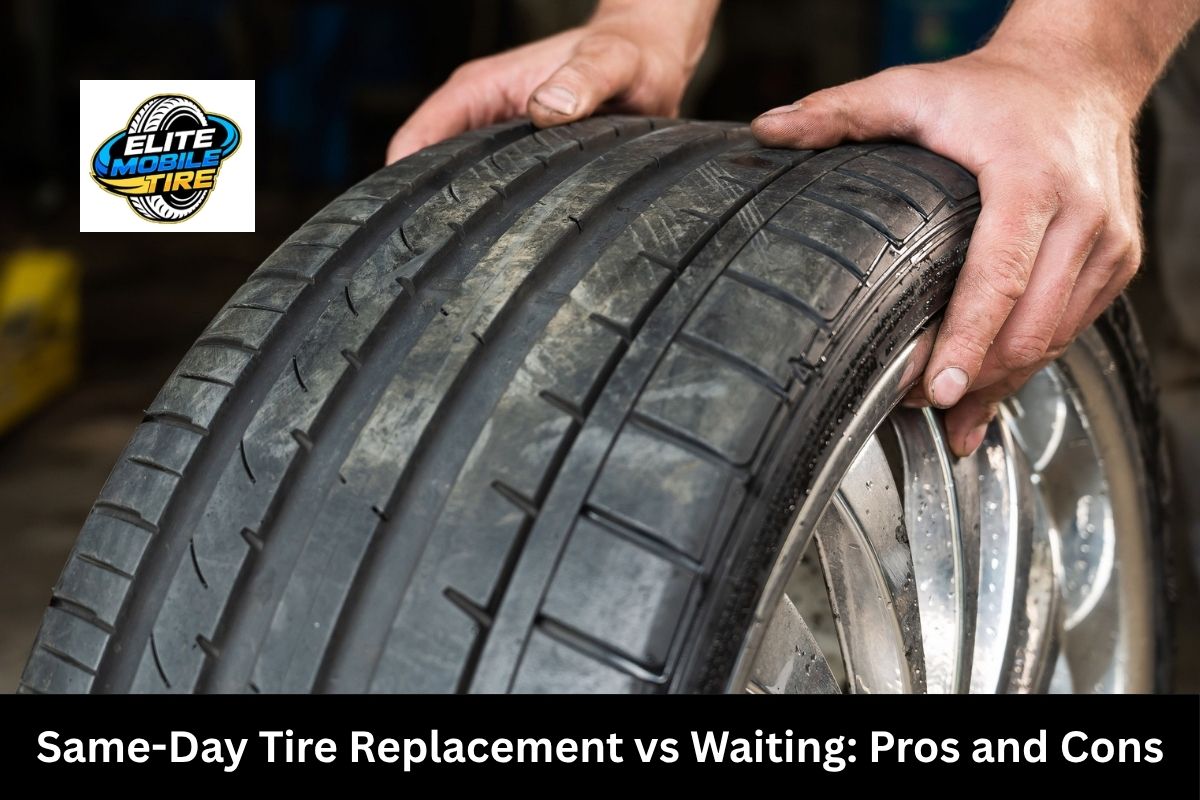
After that, the technician confirms the tire issue and looks for the cause of the failure. That inspection matters because not every flat tire should be patched, and not every damaged tire can safely stay in service. A nail in the tread area is very different from a sidewall split, impact damage, or a tire that has been driven flat for too long.
They also check related factors that many drivers miss, including wheel damage, uneven wear, low tread depth, and tire pressure in the other tires. If one tire failed because of a road hazard, the others may be fine. If it failed because of wear or underinflation, that changes the recommendation.
Repair, spare, or replacement?
This is the part most people want clarified. Roadside tire service is not a one-size-fits-all fix. The technician chooses the safest practical solution based on the condition of the tire.
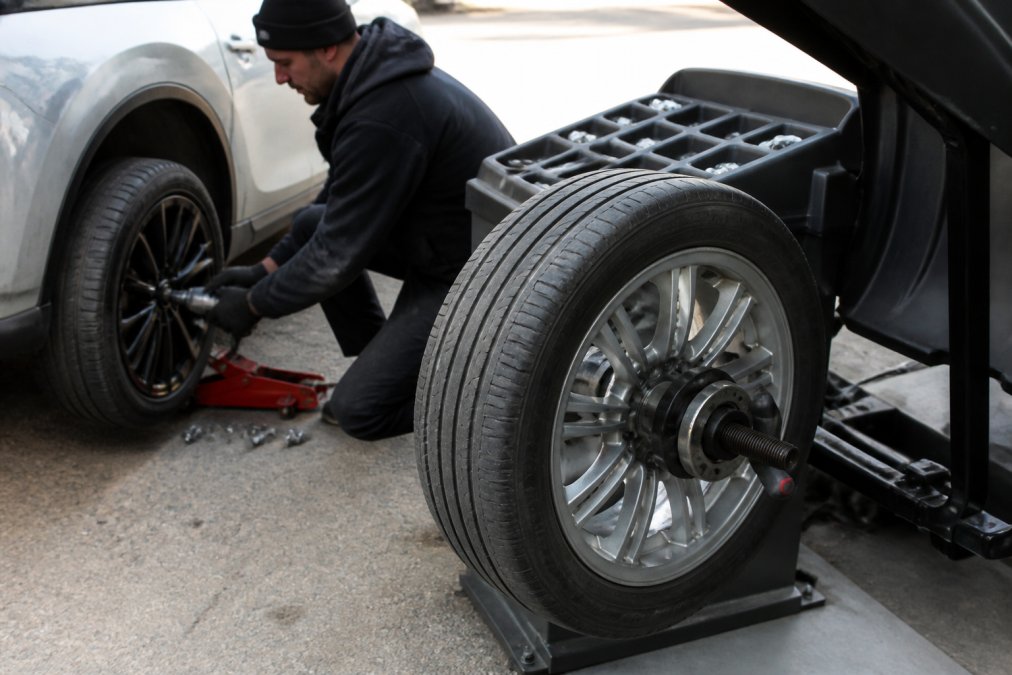
If the tire has a small puncture in the repairable tread area and the internal structure is still sound, a repair may be possible. That is often the fastest outcome. The tire is removed, inspected, repaired correctly, reinflated, and checked for leaks before the vehicle goes back into service.
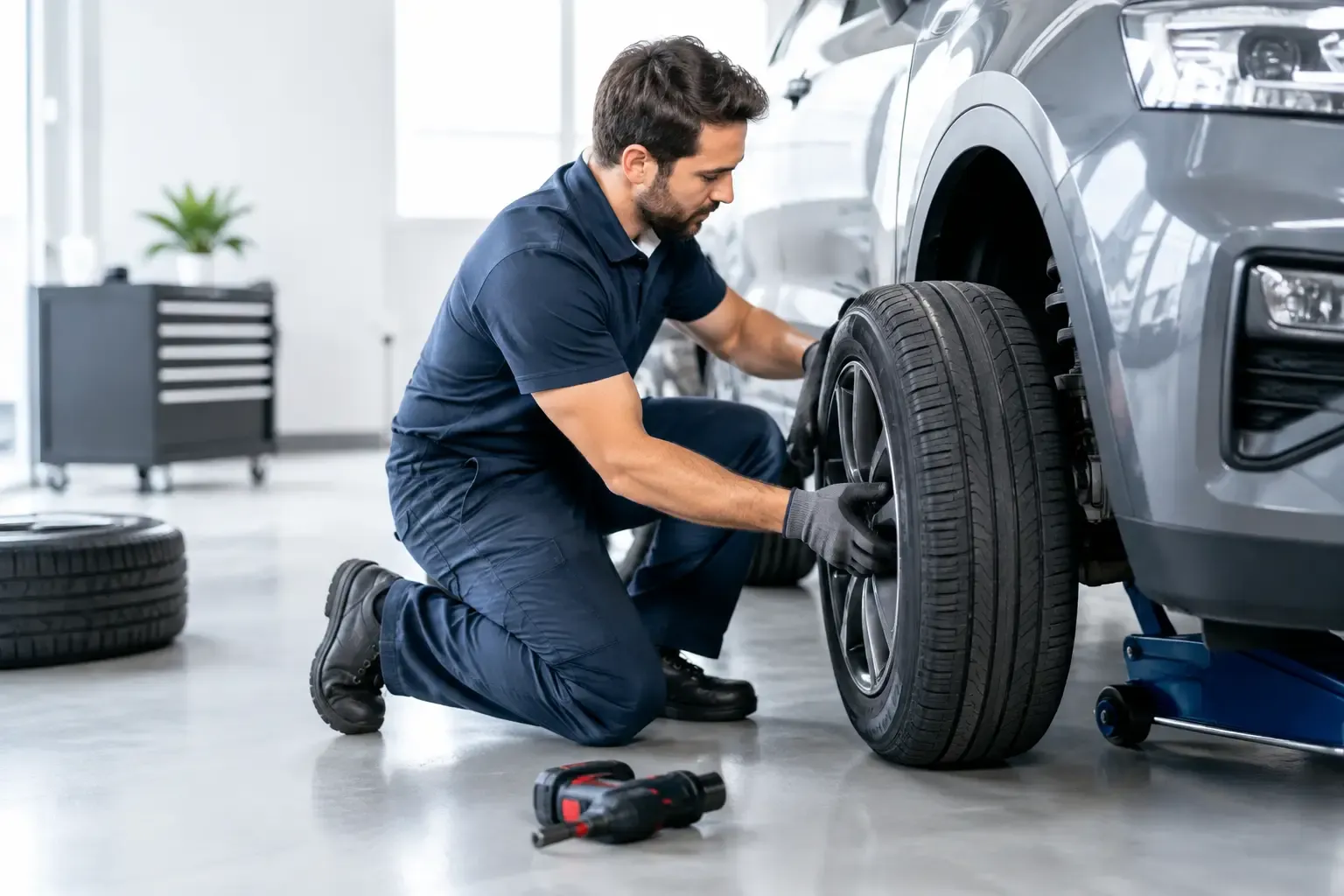
If the tire cannot be safely repaired but you have a usable spare, the technician can install it. That gets you off the roadside and back to your day, but it is usually a temporary measure. Space-saver spares come with speed and distance limits, and even a full-size spare should be checked for proper inflation and condition before relying on it.
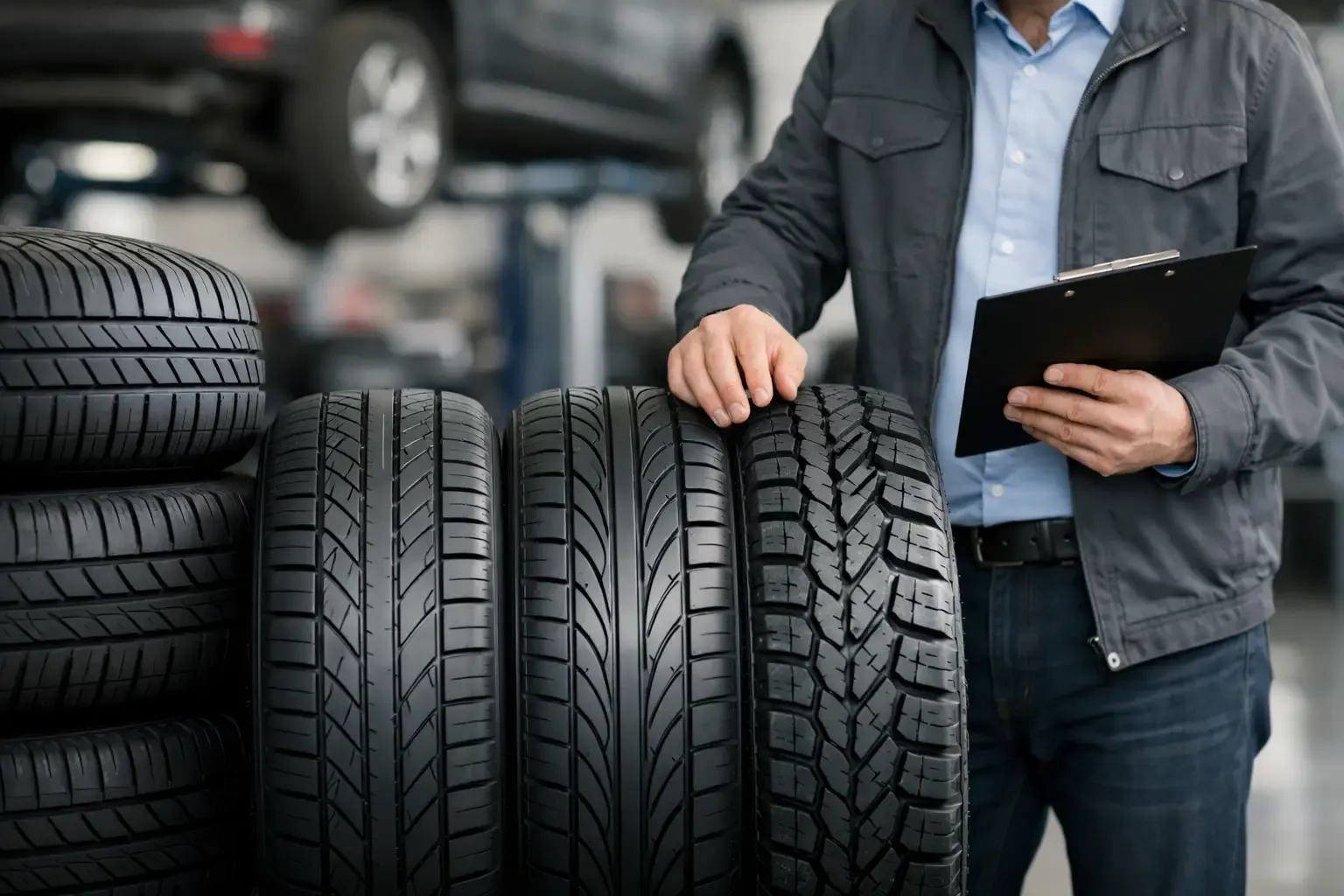
If there is no safe repair and no workable spare, replacement is the best answer. A mobile tire service can often install a new tire on-site, balance it, and make sure the vehicle is ready to drive. That is a major difference between a basic roadside assistance visit and a full mobile tire service. One may only swap in a spare. The other may solve the actual tire problem without sending you somewhere else.
When a tire cannot be repaired roadside
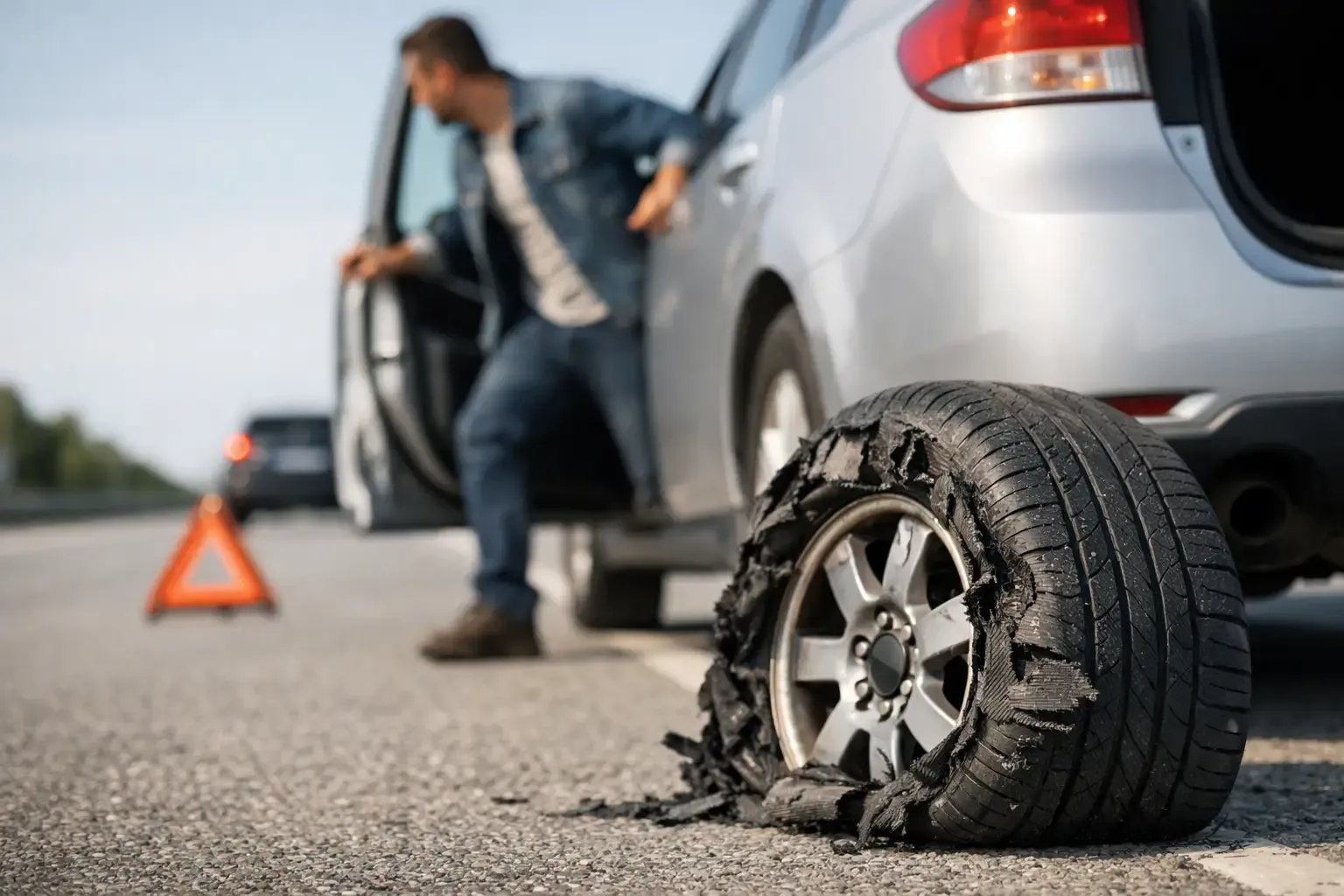
Drivers are often surprised to learn how many flats are not repair candidates. A puncture in the sidewall or shoulder area is usually not repairable. The same goes for severe blowouts, exposed cords, large gashes, or tires that were driven while flat long enough to damage the inside structure.
There are also location limits. If the vehicle is positioned somewhere unsafe for lifting and service, the provider may need to move to a better spot if possible or recommend a different next step. Safety is not a technicality. It affects whether a proper repair can be done at all.
What equipment is used during roadside tire service
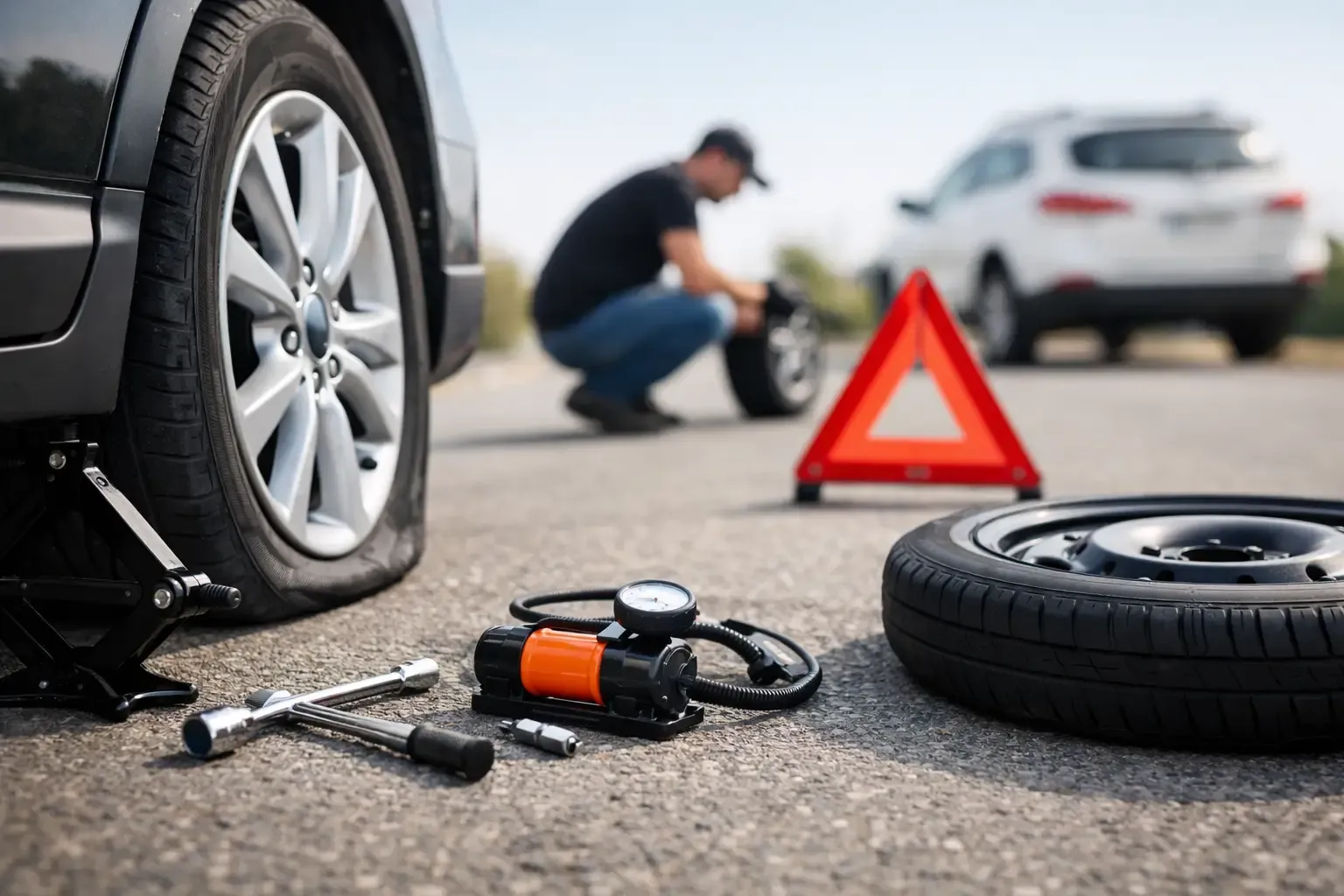
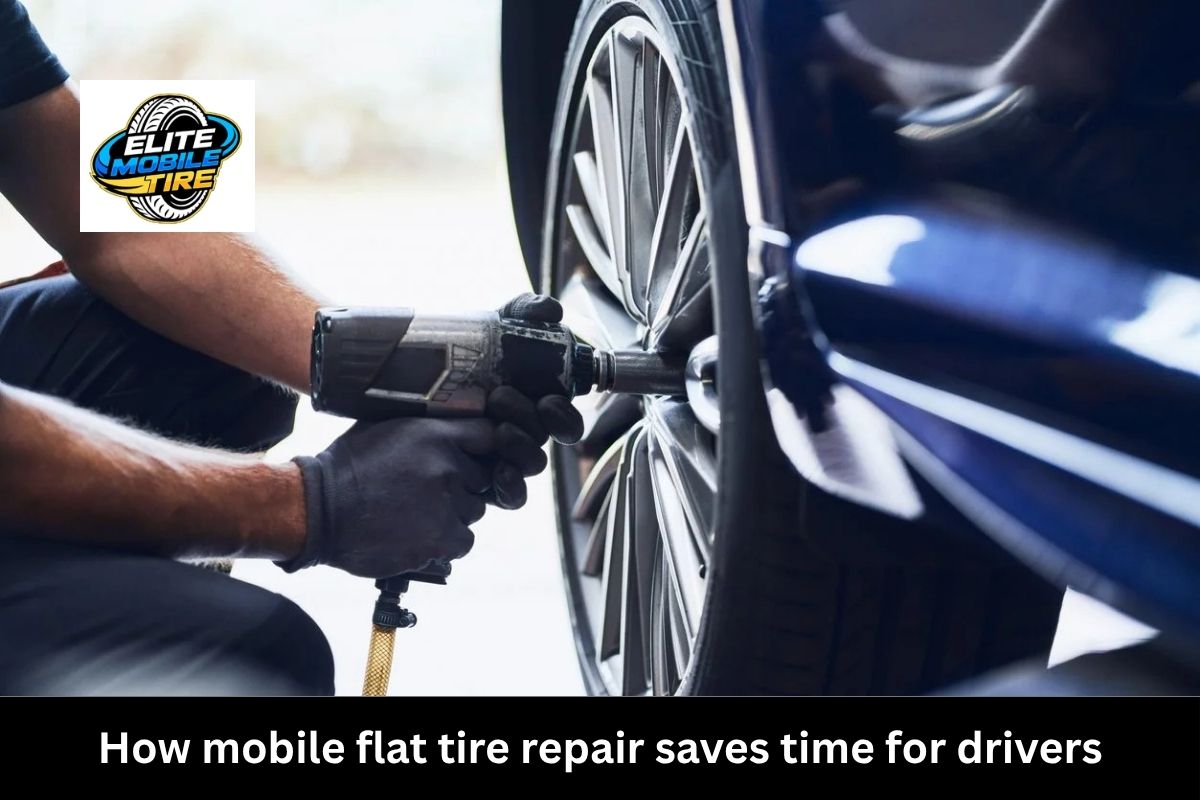
A professional mobile tire technician does more than show up with a jack and a lug wrench. Proper roadside service may involve air equipment, tire-changing tools, balancing equipment, pressure gauges, TPMS service tools, torque tools, and inspection materials.
That matters because tire work is not just about removing one wheel and attaching another. Lug nuts need to be tightened to the manufacturer specification. Tire pressure needs to be set correctly. If a replacement tire is installed, balance should be addressed so the vehicle drives smoothly and does not create premature wear.
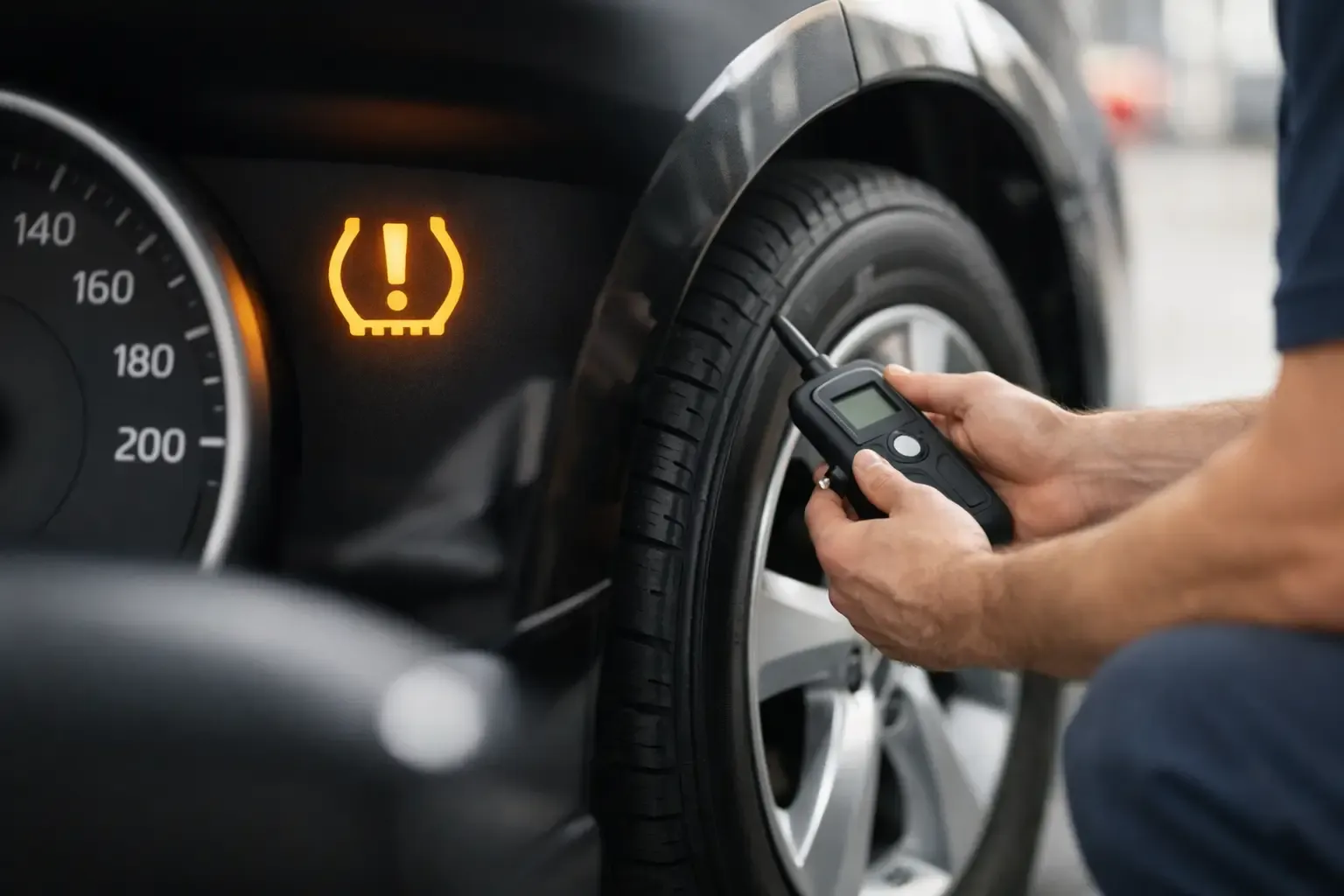
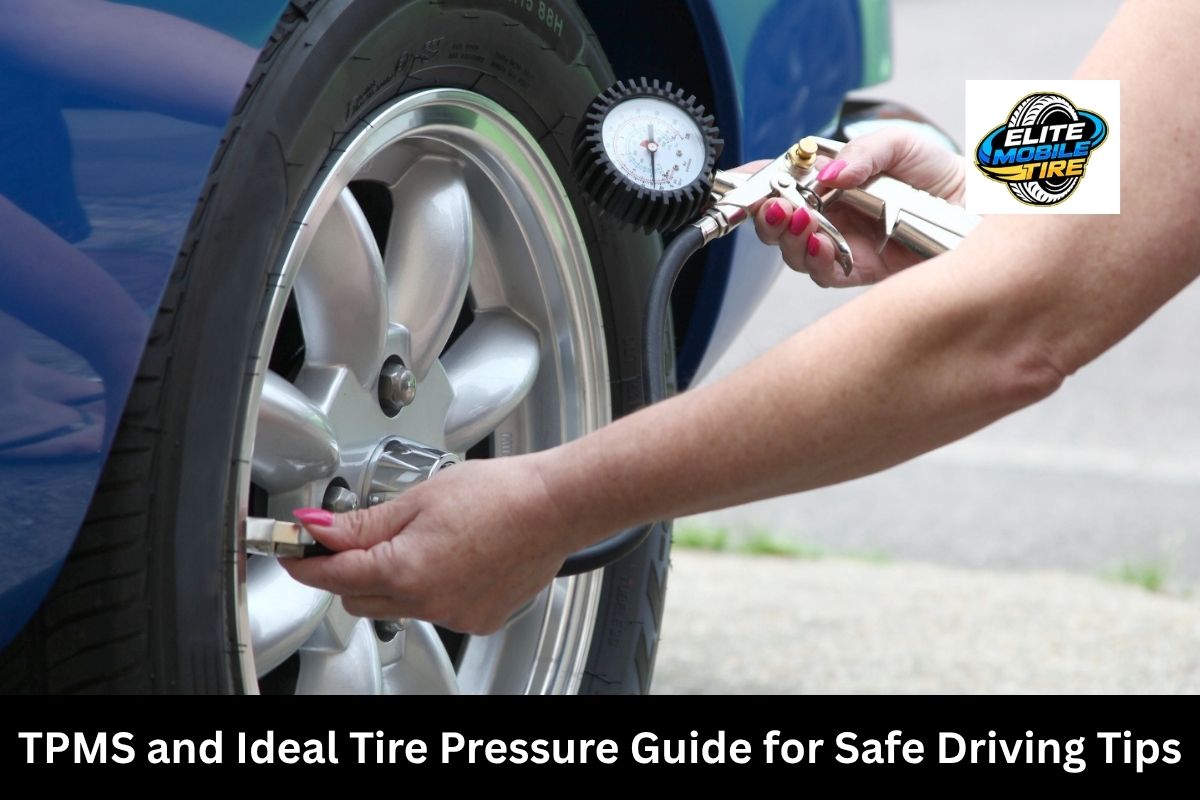
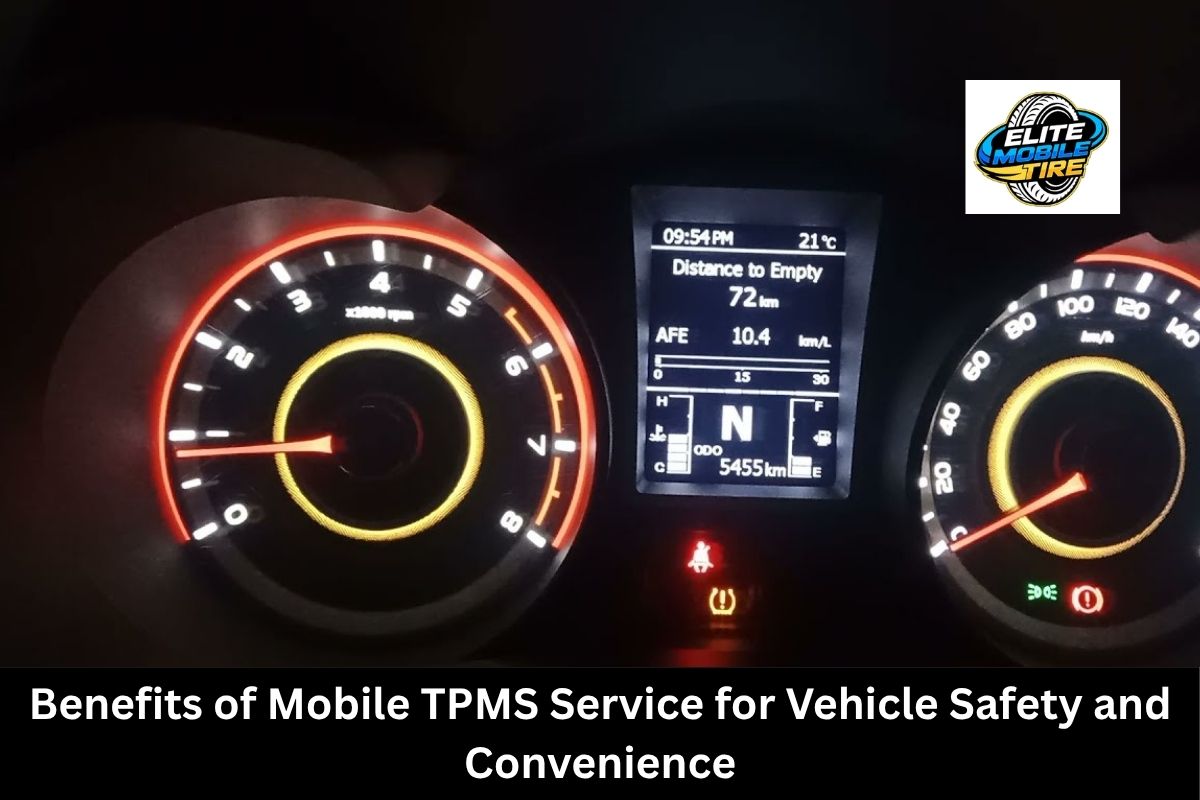
On newer vehicles, the tire pressure monitoring system may also need attention. In some cases, the system resets automatically after inflation and driving. In others, the technician may need to perform a TPMS reset or relearn procedure so the warning light clears properly.
How long roadside tire service usually takes
Timing depends on your location, traffic, the type of tire problem, and whether the service is a repair, spare installation, or full replacement. The dispatch time and the work time are two separate parts of the visit.
A simple spare tire change is often the quickest job once the technician arrives. A proper repair takes longer because the tire must be inspected thoroughly, not just plugged from the outside and sent back out. A replacement can take longer still, especially if tire matching, balancing, or TPMS service is involved.
That said, mobile tire service is usually still faster and far less disruptive than arranging a tow, waiting at a shop, and reorganizing your day around a flat tire. For busy families, commuters, and professionals, that convenience is often the biggest benefit.
What you should do while waiting for service
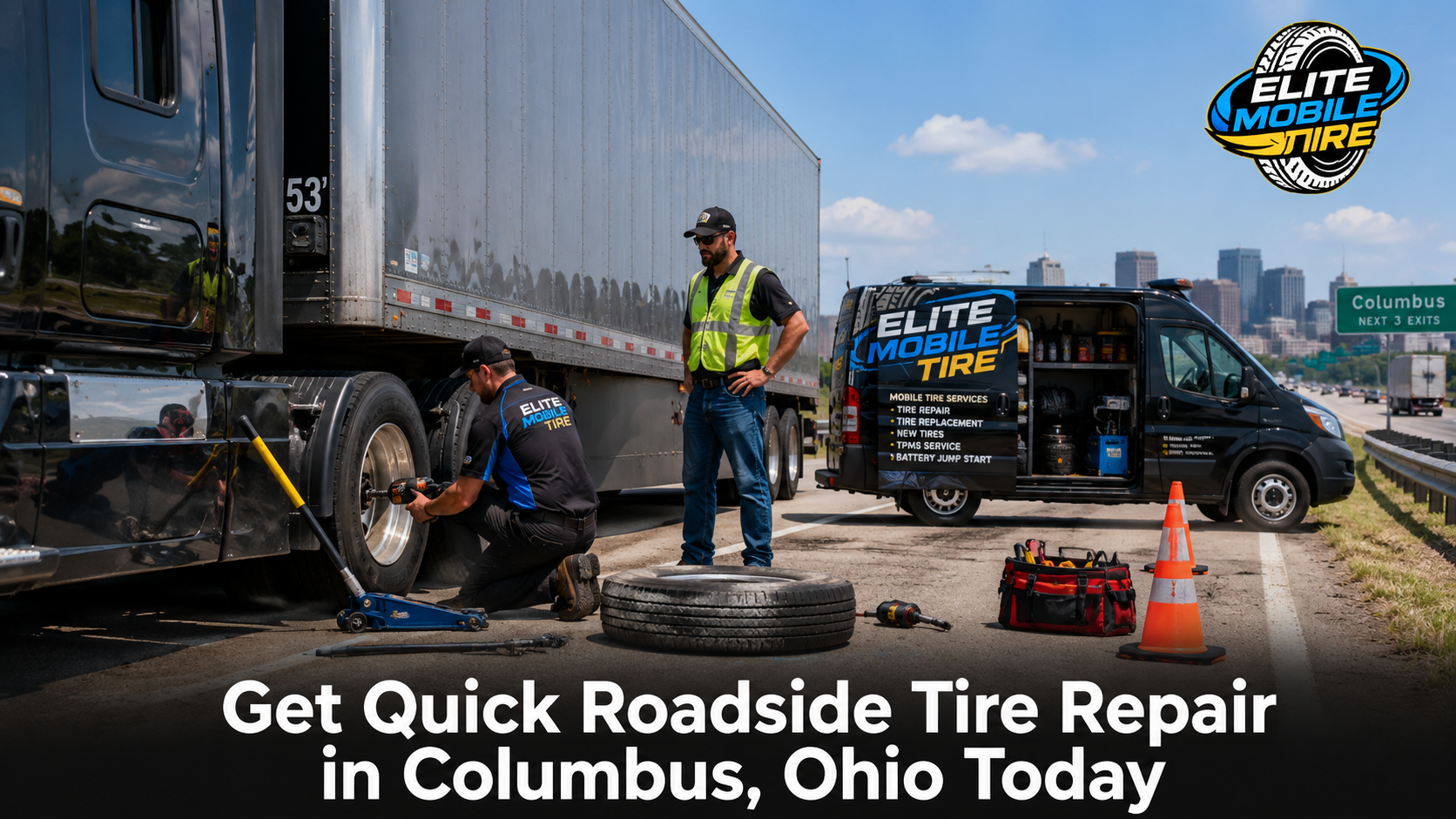
If you are in a safe place, stay with the vehicle unless conditions make that unsafe. Turn on your hazard lights. If you have reflective triangles or safety markers, use them when appropriate. Avoid standing near moving traffic.
If you are in an active lane, on a blind curve, or in any location where staying in or near the vehicle feels dangerous, call emergency services first if needed. Roadside tire service works best when the scene is stable enough for a technician to work safely.
It also helps to have your vehicle information ready. If you can safely locate the tire size from the sidewall or your driver door placard, that can speed things up. But if not, your provider can often identify what is needed from the vehicle details alone.
Why mobile roadside tire service is different from traditional roadside assistance
Many drivers assume every roadside provider offers the same level of help. They do not. Traditional roadside assistance often focuses on basic emergency support, such as installing a spare if you already have one. Mobile tire service is more complete.
The difference is that a dedicated tire service is equipped to inspect tire damage, perform a proper flat repair when appropriate, source and install replacement tires, balance them, and handle related issues like TPMS resets. That broader capability reduces the chances that your "temporary fix" turns into a second appointment later the same day.
For drivers who want less interruption and more clarity, that matters. You are not just getting someone to show up. You are getting a realistic path back to safe driving.
How to know when to call
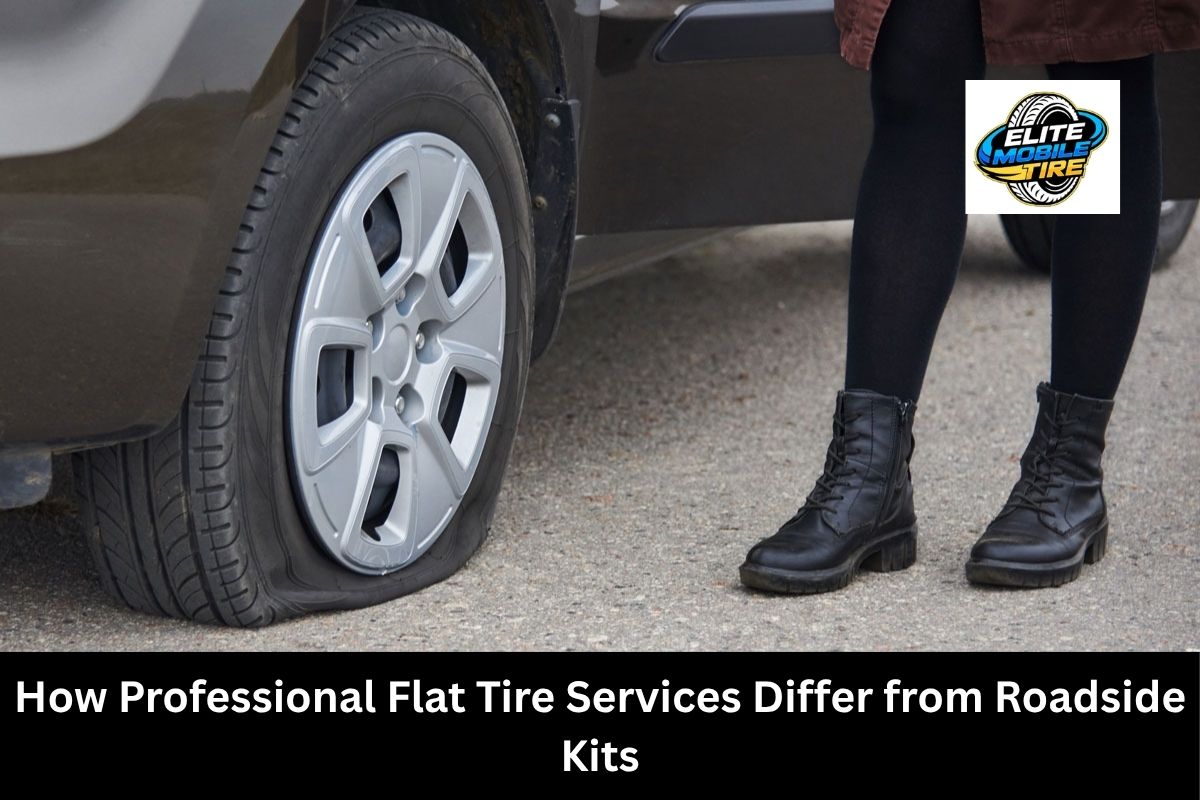
If your tire is losing air quickly, visibly damaged, or completely flat, call before trying to drive on it. Driving even a short distance on a deflated tire can turn a simple puncture into a tire that needs full replacement.
You should also call if your spare is missing, damaged, or you are not comfortable changing it yourself. On many newer vehicles, the factory spare is smaller than expected, hidden awkwardly, or not included at all. A professional service removes the guesswork and makes sure the job is done correctly.
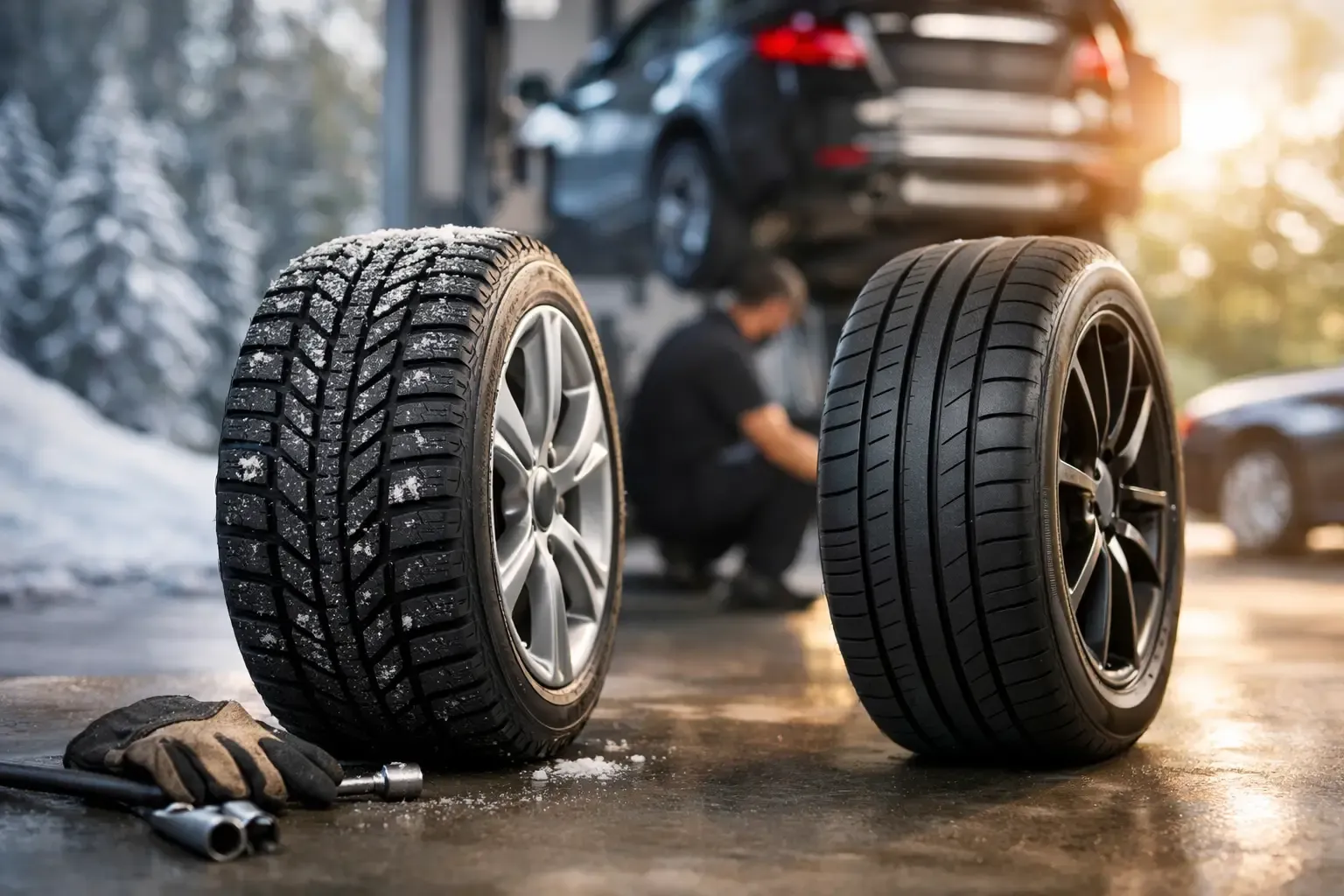
For Columbus-area drivers, especially during busy commutes or winter weather, getting help where the vehicle sits is often the safest and most practical move. Companies like Elite Mobile Tire are built around that exact need: bringing professional tire service directly to the driver instead of adding towing, waiting rooms, and schedule disruption.
A flat tire can ruin your plans, but it does not have to derail your whole day. The best roadside tire service does something simple and valuable - it brings clear answers, safe workmanship, and real convenience right when you need it most.
Ready for a new set? Elite Mobile Tire installs 2 or 4 new tires right in your driveway or parking lot anywhere around Columbus, Obetz, Groveport, Grove City, and Reynoldsburg. Financing is available through Afterpay and Acima with up to 24-month payment plans. Call 614-344-5010 or visit elitemobiletire.com to book.