Most RV and camper owners around Columbus park their rigs sometime between October and November and don't think about the tires again until spring. That's a mistake worth avoiding. RV tires rarely wear out from miles. They age out from sitting, sun, and Ohio's freeze-thaw cycles, and a winter of neglect can turn a set that looked fine in September into a blowout risk on the first trip in May.
This checklist walks through what to inspect before you store your RV, travel trailer, fifth wheel, or pop-up camper for the winter, and how to decide whether the whole set should be replaced before next season.
Why RV Tires Fail Differently Than Car Tires
A daily driver wears its tread down long before the rubber gets old. An RV is the opposite. Many campers only cover a few thousand miles a year, so the tread often looks deep while the rubber underneath is getting brittle. Heat, UV exposure, and long periods without rolling all break down the compounds that keep a tire flexible.
That's why tire age matters more than tread on most RVs. Many tire manufacturers recommend having tires inspected regularly once they reach about five years old and replacing them at an age limit set by the manufacturer, even if the tread still looks good. Check your tire maker's guidance and your RV's owner's manual for the exact recommendation.
How to read the tire's age
Look for the DOT code on the sidewall. The last four digits are the week and year the tire was made. A tire stamped 2319 was built in the 23rd week of 2019. If your RV came off a dealer lot used, the tires may be older than the rig's model year suggests, so check every tire, including the spare.
Your Pre-Storage RV Tire Checklist
Do these checks before the rig goes into the barn, storage lot, or side yard for the winter.
- Check the date code on every tire. Write the dates down. Mismatched ages on the same axle are common after a single-tire replacement.
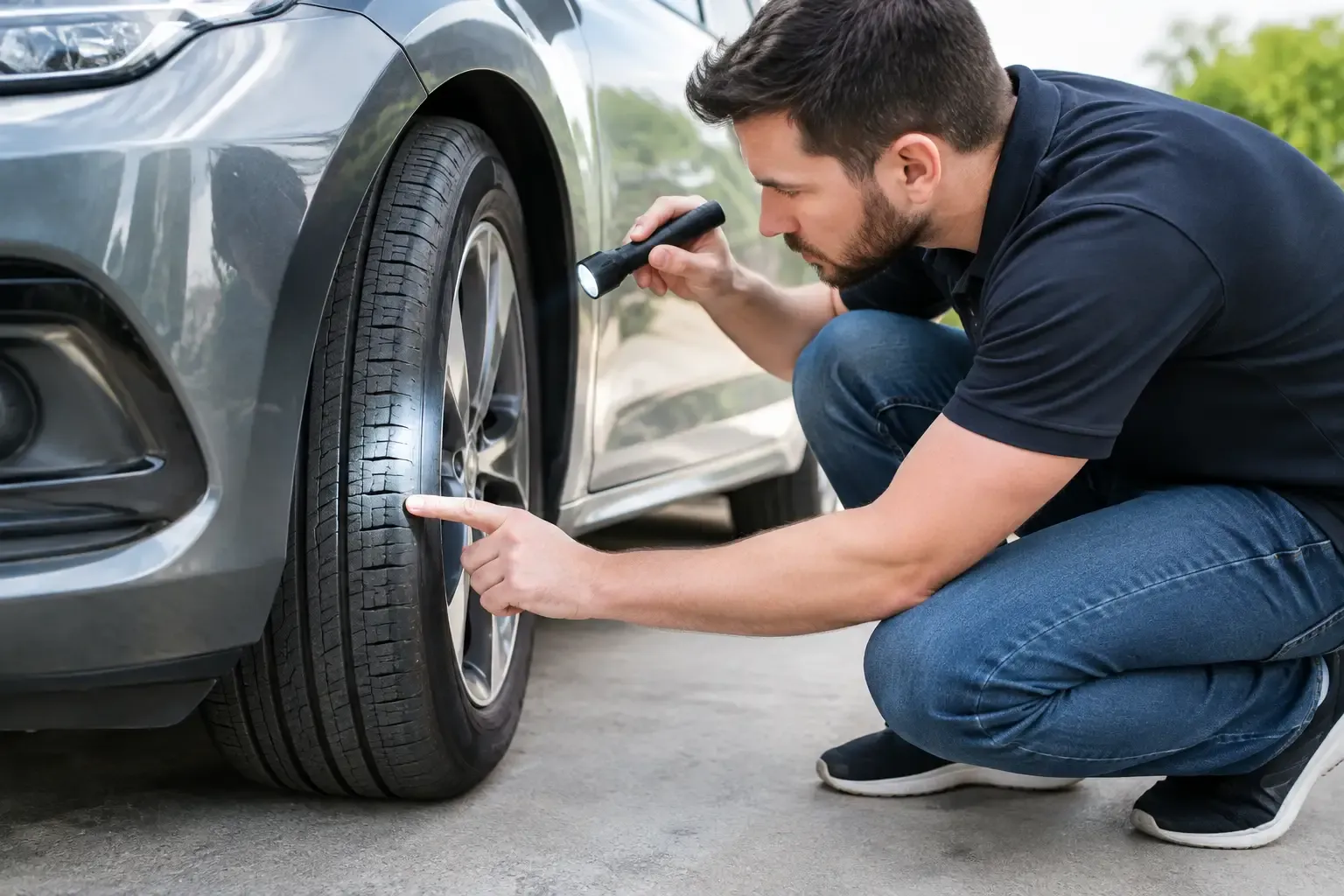
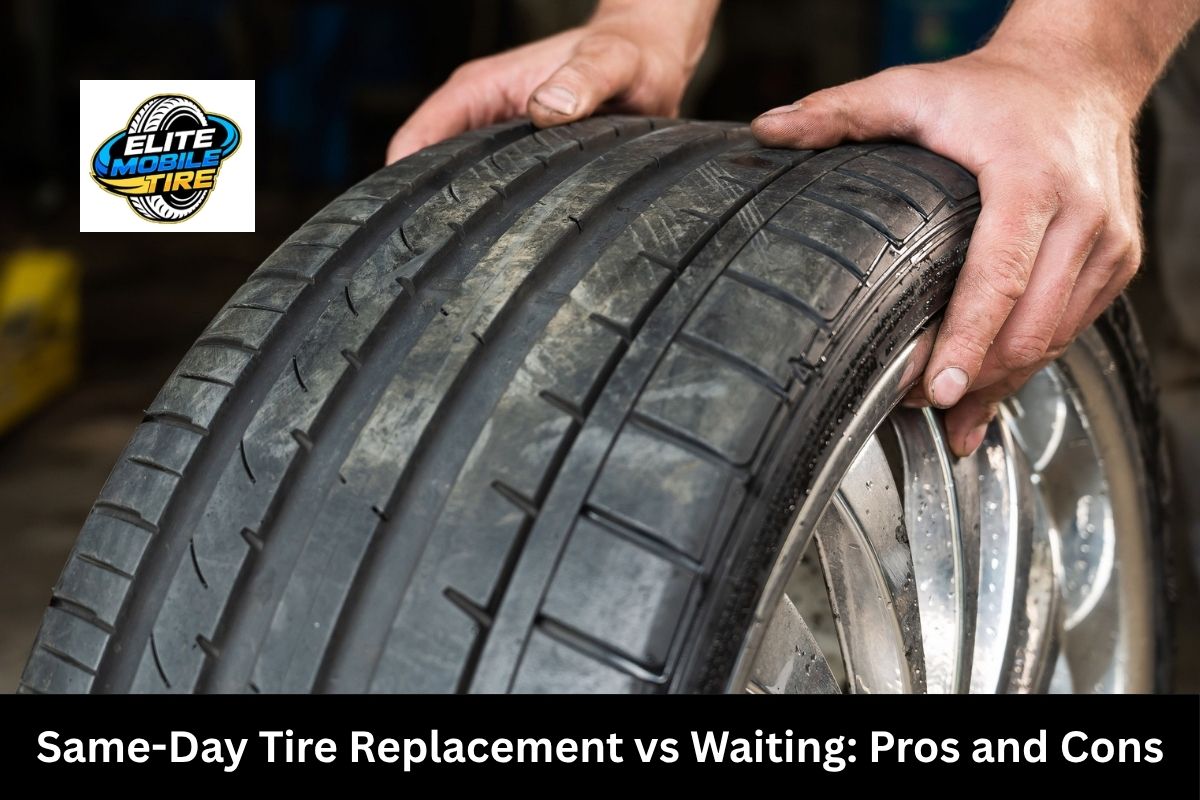
- Look for sidewall cracking. Fine surface lines are an early warning. Deeper cracks, especially near the bead or in the grooves, mean replacement.
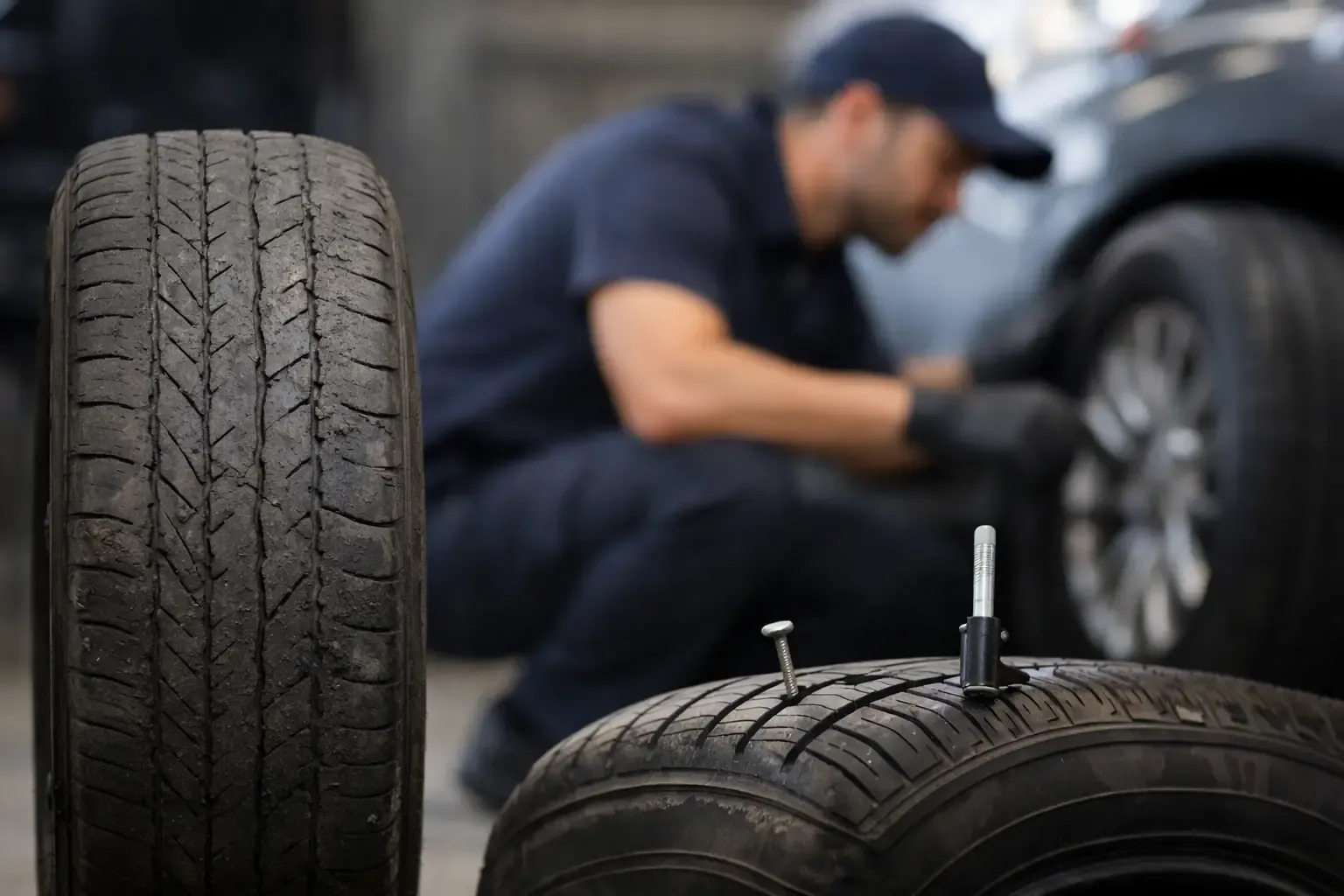
- Inspect for bulges, cuts, and uneven wear. Wear on one edge of a trailer tire can point to axle alignment or overloading.
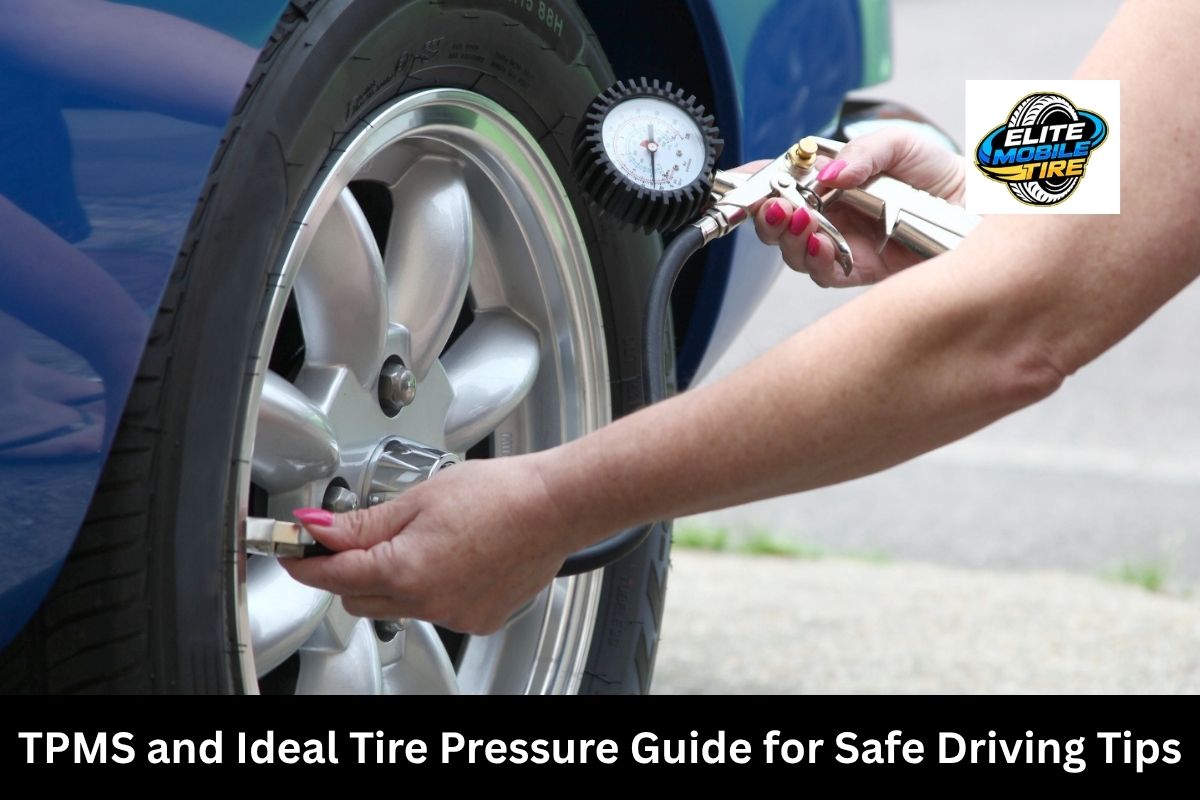
- Set pressure to the placard. Use the cold inflation pressure on the RV's tire placard or the trailer's certification label, not a guess. Underinflated tires sitting all winter are more likely to develop flat spots and sidewall damage.
- Check for open recalls. Search your tire's DOT information or your RV's VIN on NHTSA's recall lookup. Tire and trailer recalls do happen, and they're free to fix.
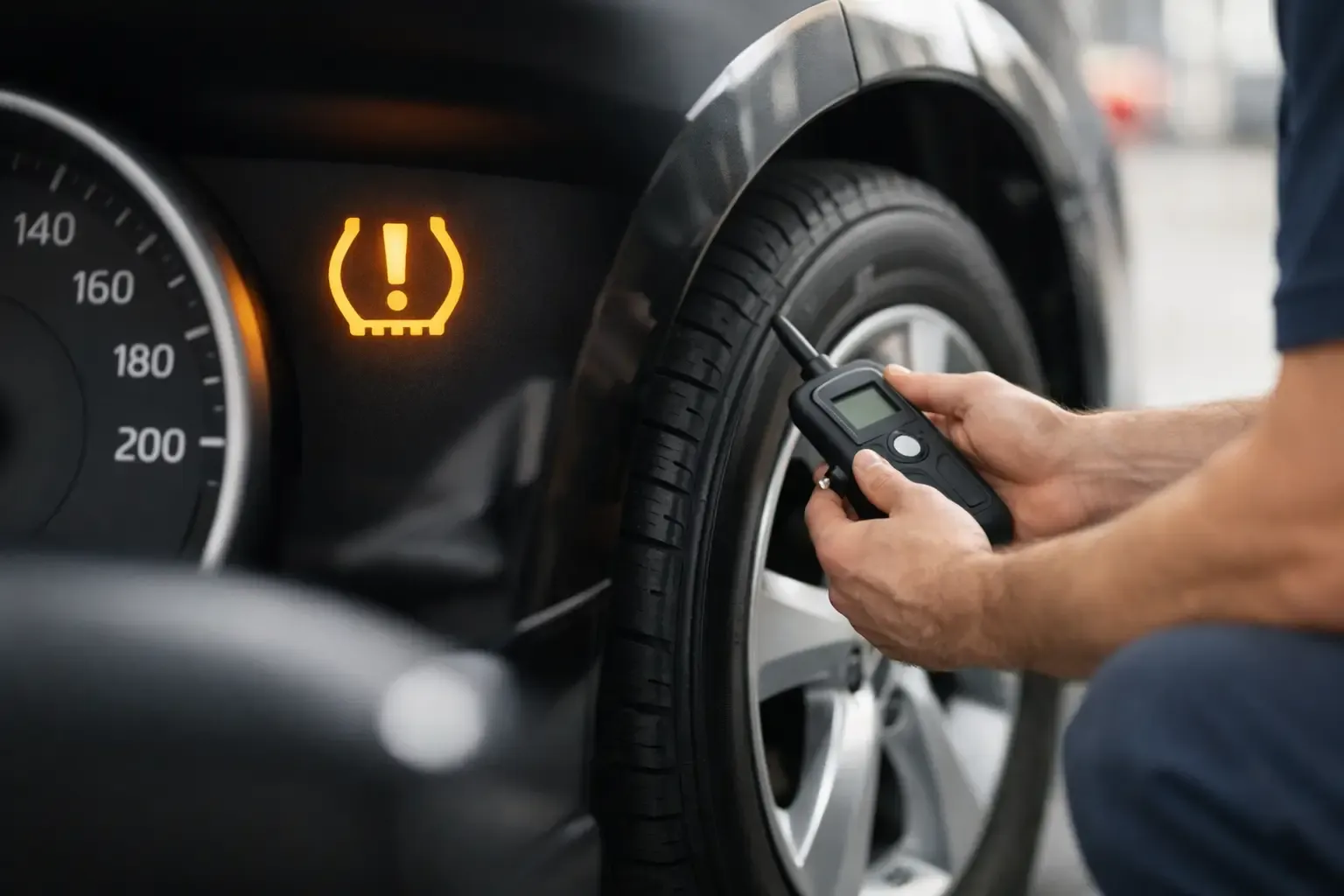
- Note the valve stems and TPMS sensors. Cracked rubber stems and dead sensor batteries are easier to deal with now than at the campground.
How to Store RV Tires Through an Ohio Winter
Central Ohio winters bring repeated freezing and thawing, wet ground, and plenty of gray days punctuated by strong sun. A few simple storage habits go a long way.
- Get the tires off bare dirt and gravel. Park on concrete or put wide boards or tire pads under each tire so moisture and cold aren't wicking into the rubber all season.
- Cover the tires. Inexpensive tire covers block UV, which is one of the main causes of sidewall cracking on RVs parked outside.
- Take weight off where you can. If your rig allows it, follow the manufacturer's guidance on using leveling jacks or stands to reduce the load on the tires. Never rely on stabilizer jacks to lift the full weight of the RV.
- Roll it once in a while. If you can, move the RV a few feet every month or two so the same section of each tire isn't carrying the load all winter.
- Recheck pressure before the first trip. Tires lose pressure over a cold winter. Set them to the placard pressure before you hitch up in spring.
Replace One Tire, a Pair, or the Whole Set?
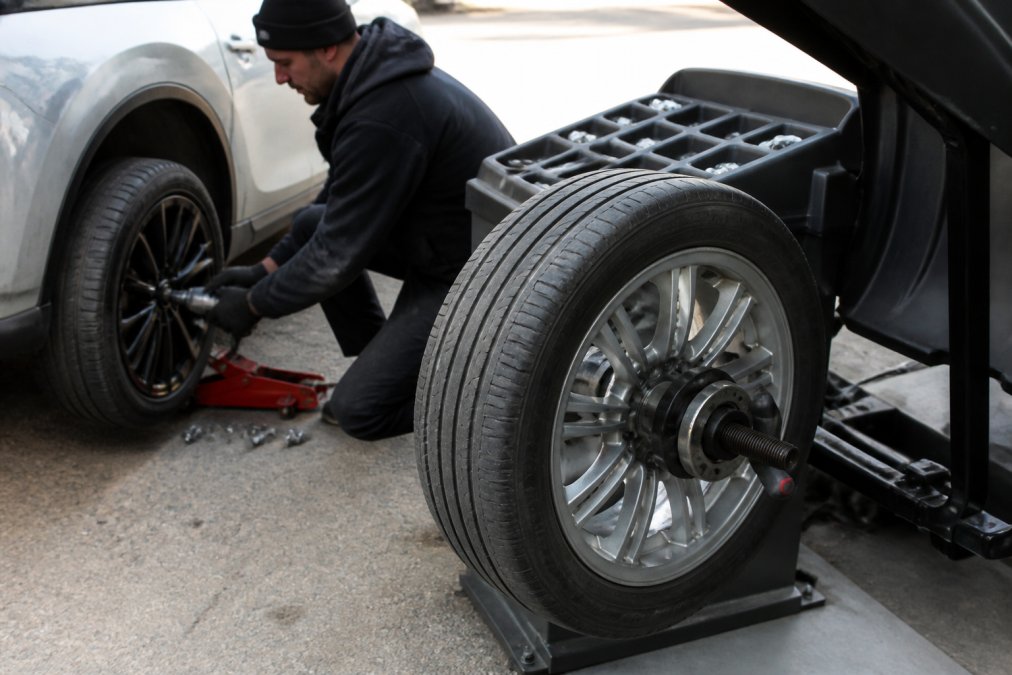
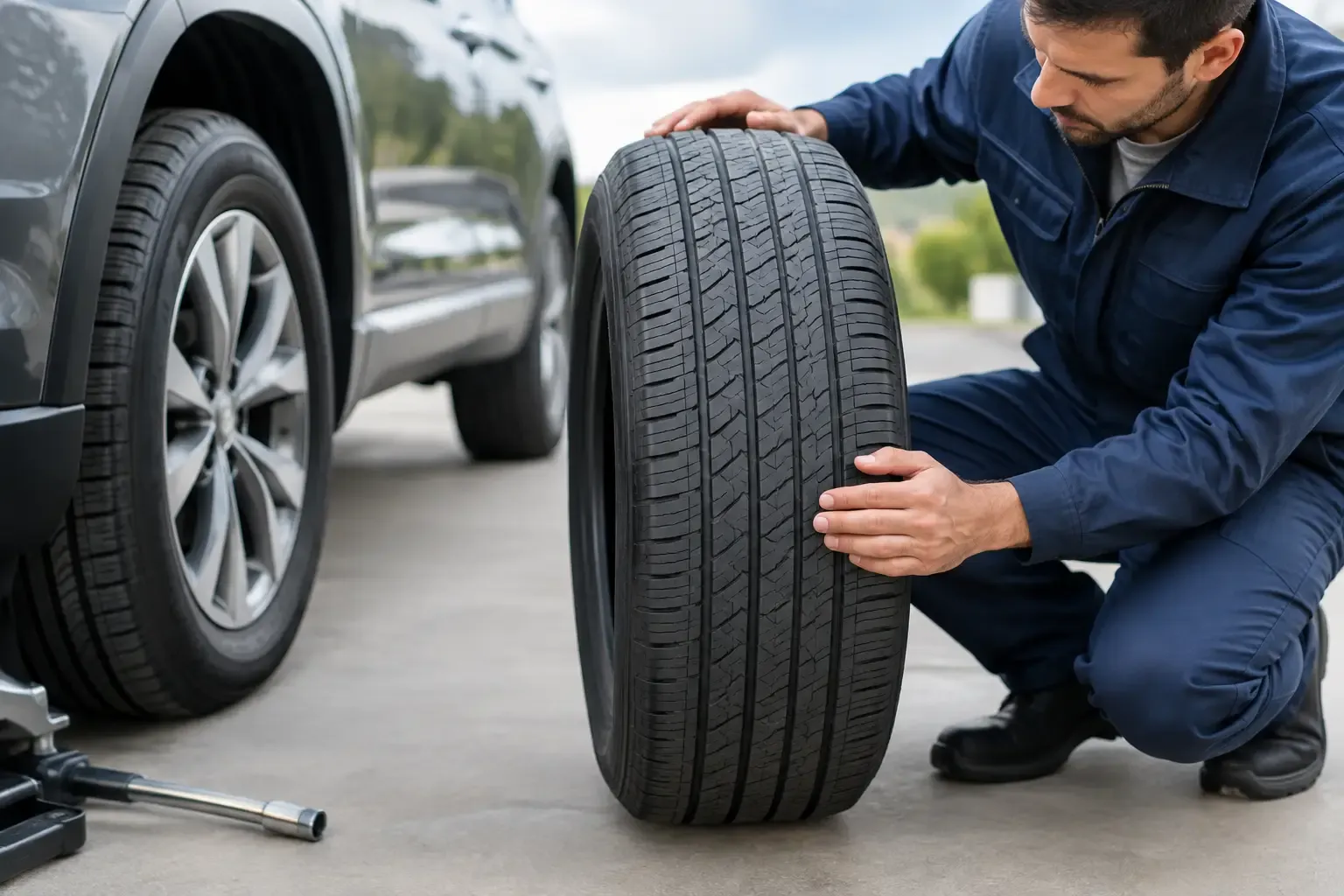
If one RV tire is cracked or damaged, the others on that rig were usually built around the same time and lived through the same seasons. That's why replacing a single tire on a camper is often a short-term fix. On a tandem-axle trailer, tires on the same axle should match in size, load range, and construction, and many owners replace all of them together so every tire starts its life on the same date.
A full set also makes the age math simple. Instead of tracking four or six different DOT dates, you have one, and you'll know exactly when the next inspection and replacement window comes up.
Load range matters more than brand
Before you buy, match the load range and load capacity to what your RV actually weighs, loaded for a trip, not empty. Overloading is a leading cause of RV tire failure. If you've added gear, water, or a heavier setup since the rig was new, it's worth weighing it at a truck scale before choosing tires.
Spring Trips on I-70, US-23, and US-33 Start in the Driveway
Most of our RV customers around Canal Winchester, Ashville, and Lockbourne aren't going far on day one. They're heading out US-33 toward Hocking Hills, down US-23 toward the southern Ohio state parks, or across I-70 for a longer haul. Those first highway miles after a winter in storage are exactly when an old or underinflated tire is most likely to let go, and the shoulder of a busy highway is the worst place to deal with a camper blowout.
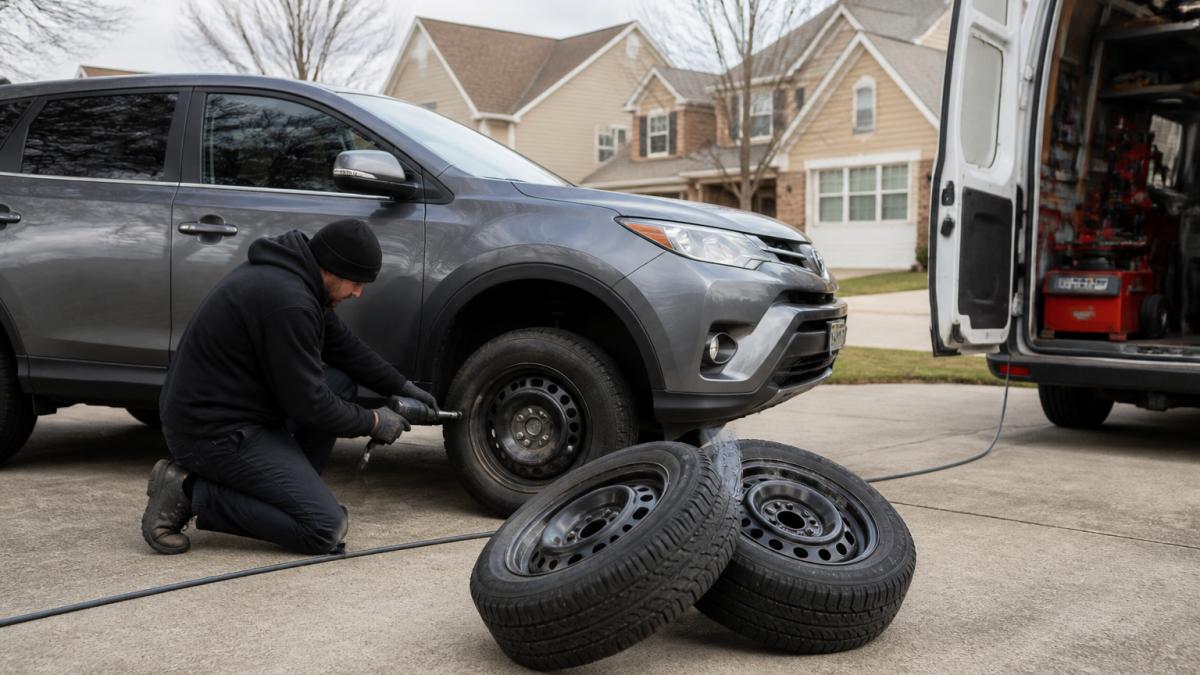
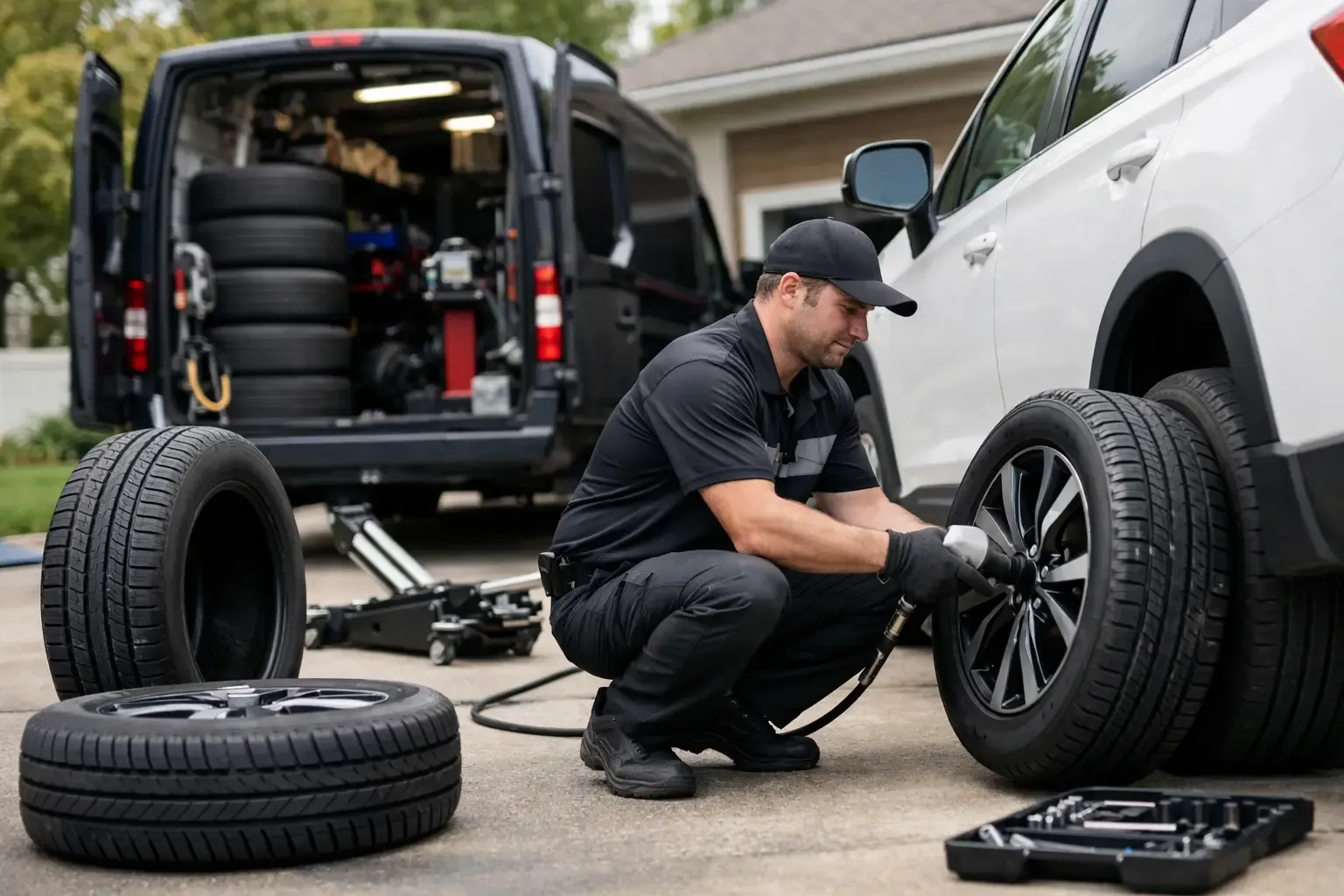
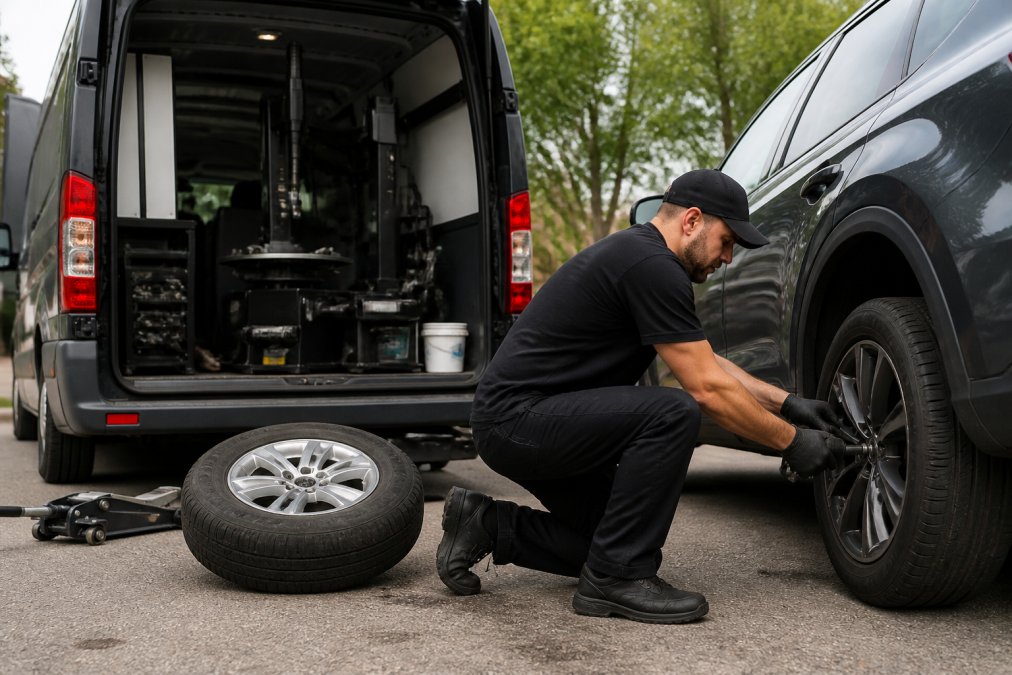
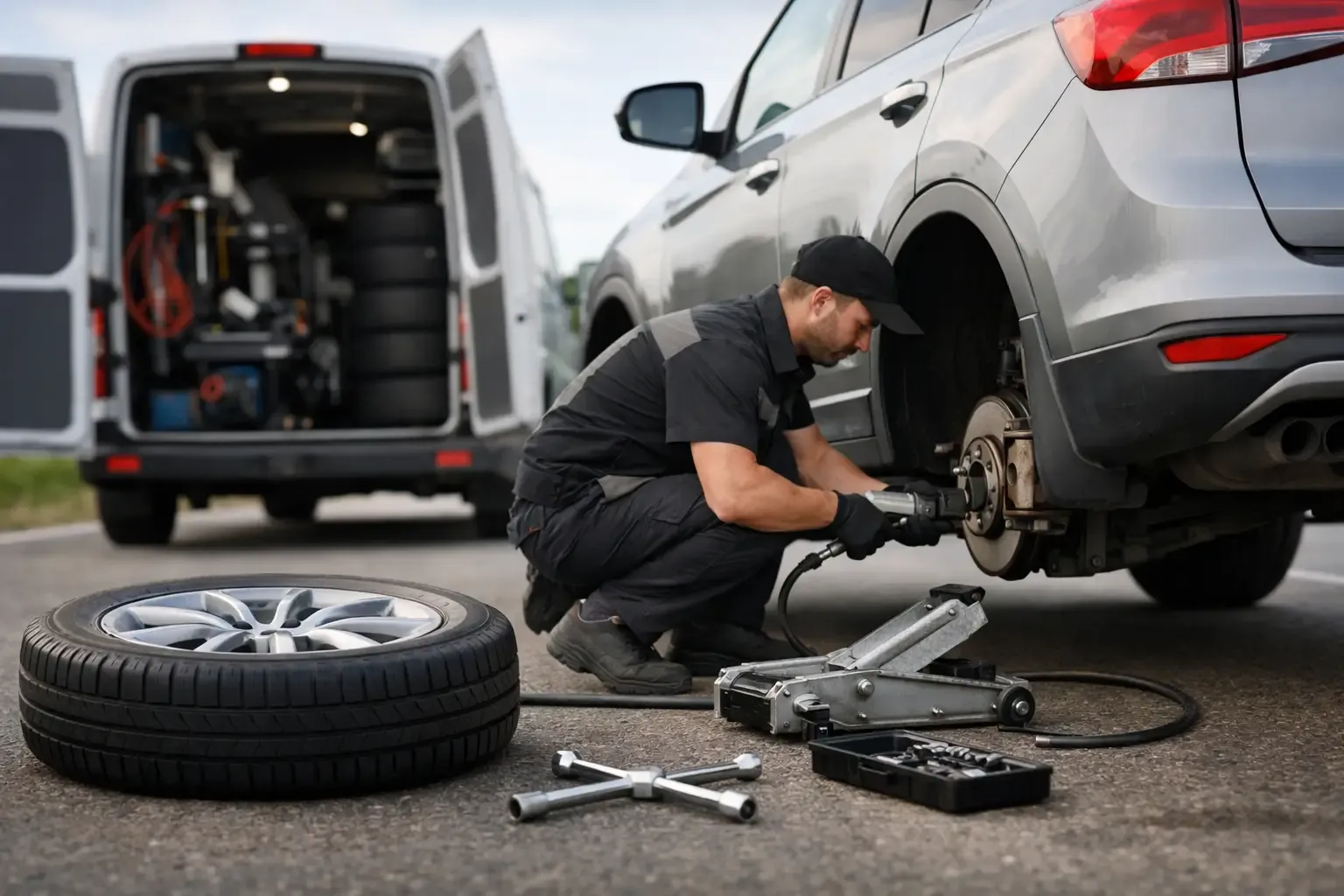
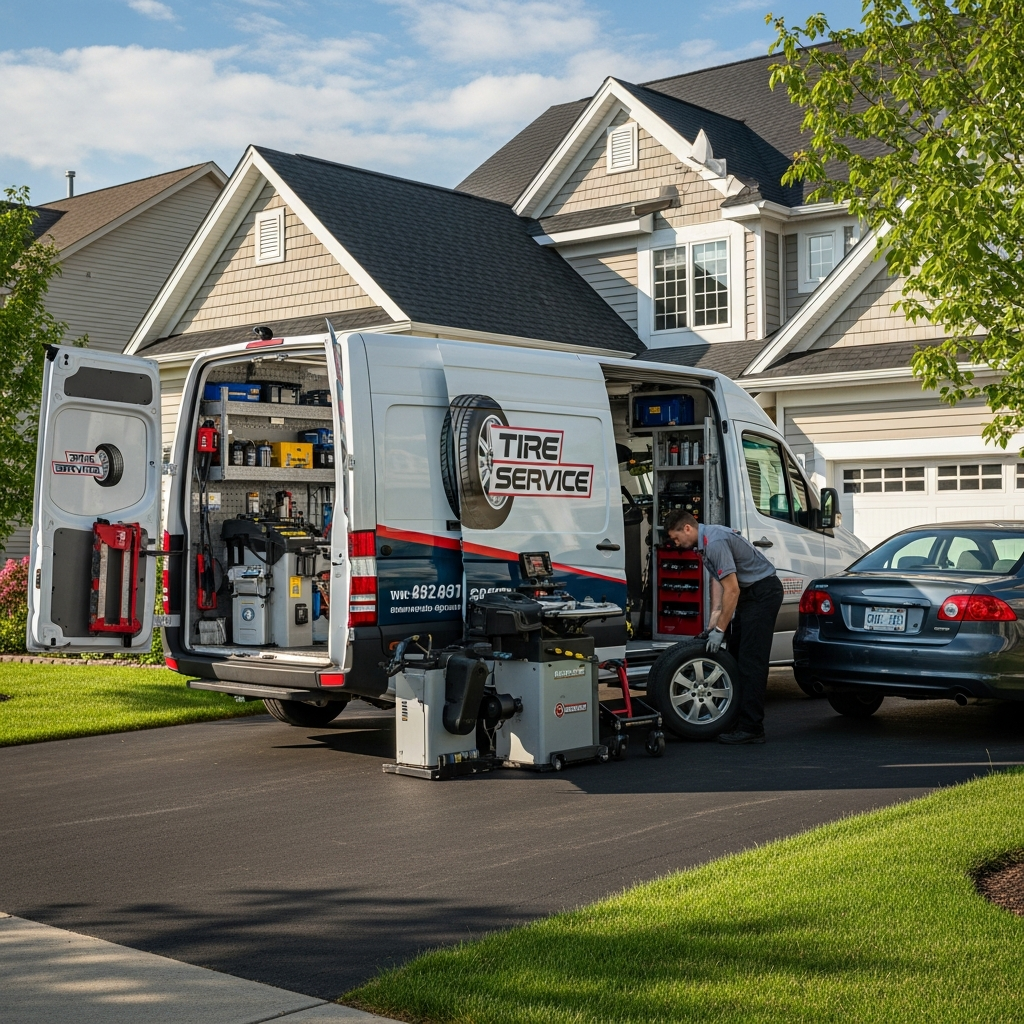
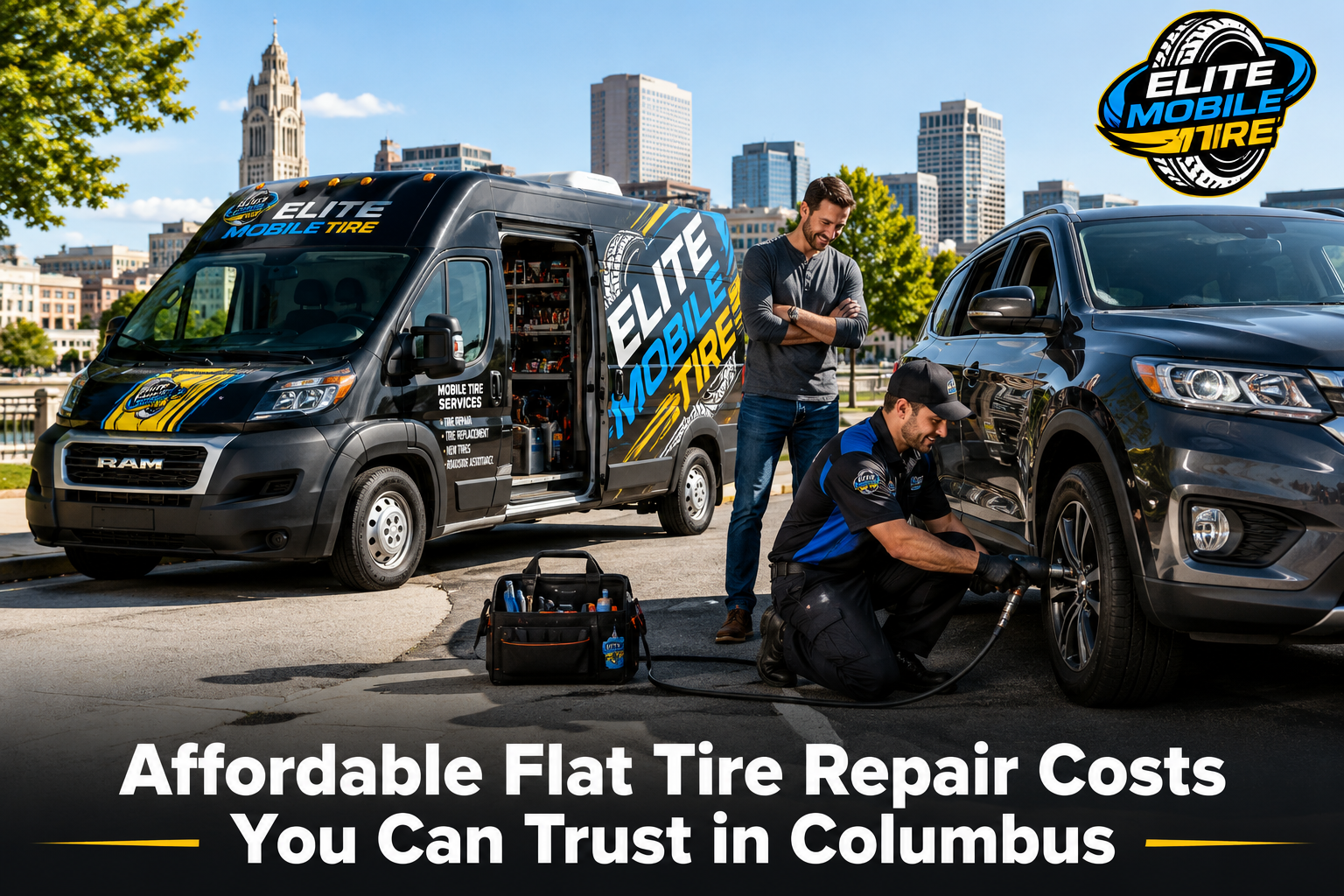
The easier path is to handle it before you leave. Elite Mobile Tire provides RV and camper tire service right where your rig is parked, whether that's your driveway, a storage lot, or a campground near Columbus. We can inspect the set, check date codes and pressures, and install new tires on-site so the camper never has to be towed to a shop. For general tire care guidance, the NHTSA tire safety page is a solid reference.
Book Your RV Tire Check on a Weekday That Works for You
We schedule RV and camper tire service Monday through Friday. The best time to book is before you store the rig for winter or a few weeks before your first spring trip, so new tires can be ordered in the right load range without rushing. Have your current tire size, load range, and the DOT dates handy when you call, and we'll take it from there.
Ready for a new set? Elite Mobile Tire installs 2 or 4 new tires right in your driveway or parking lot anywhere around Columbus, Obetz, Groveport, Grove City, and Reynoldsburg. Financing is available through Afterpay and Acima with up to 24-month payment plans. Call 614-344-5010 or visit elitemobiletire.com to book.