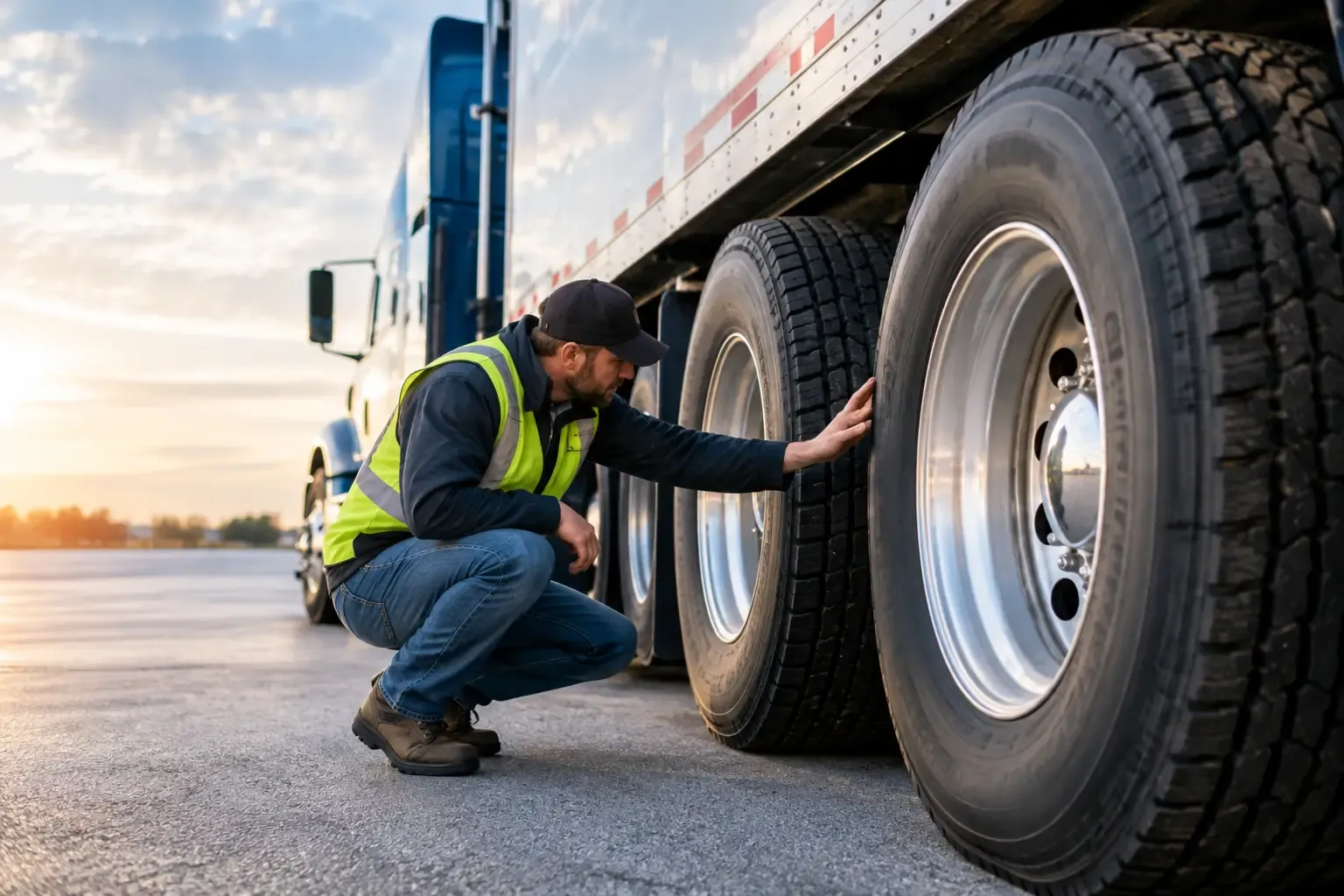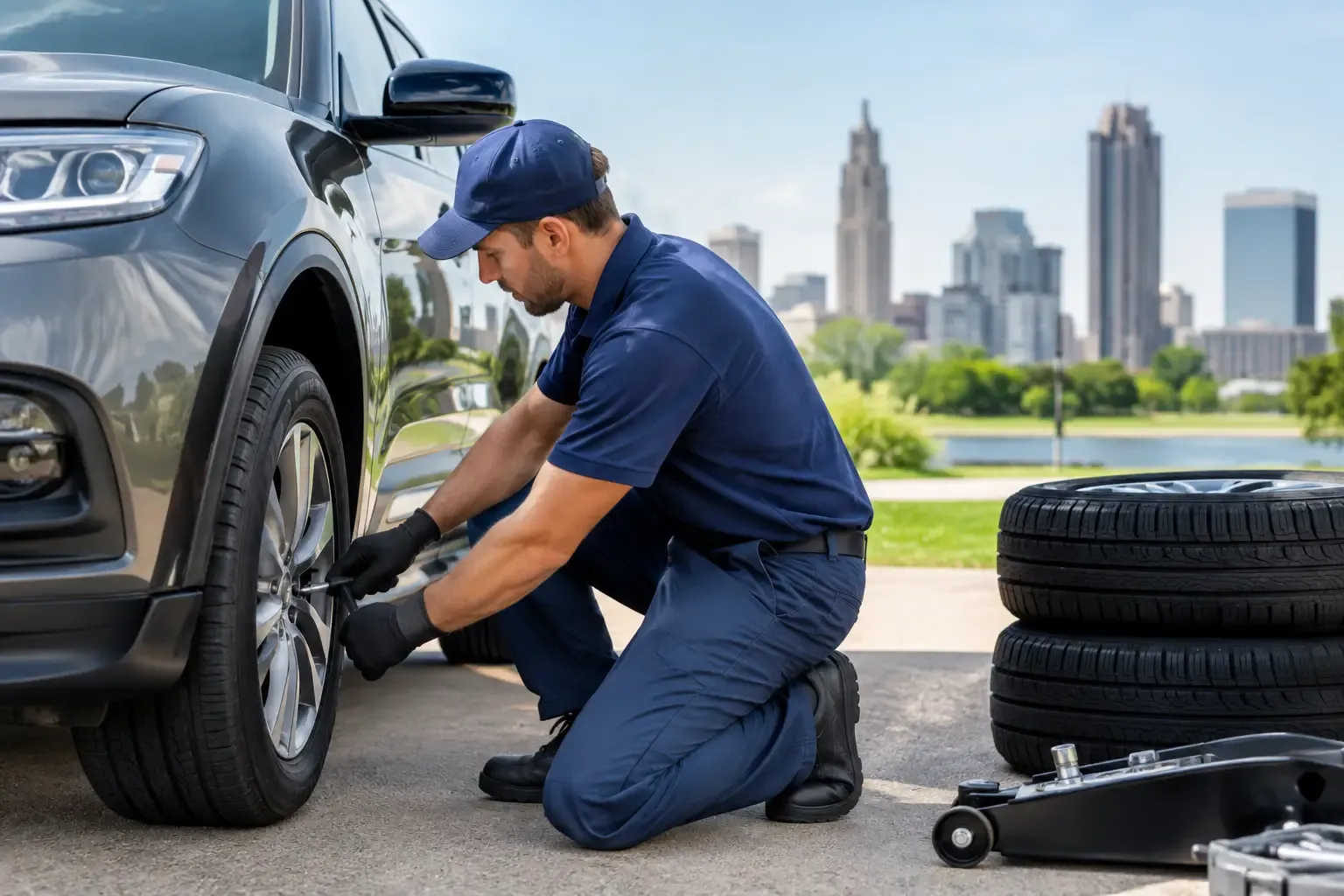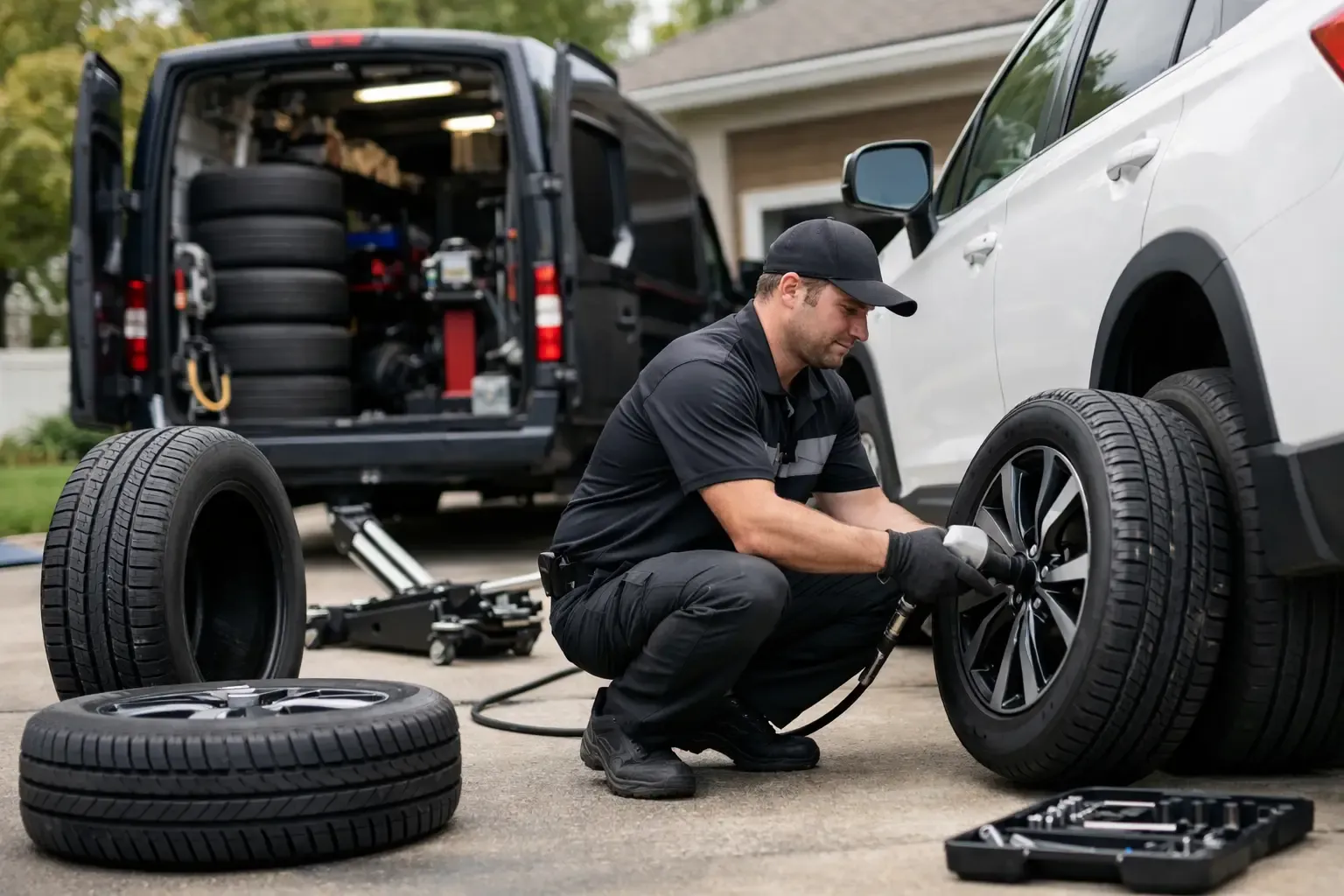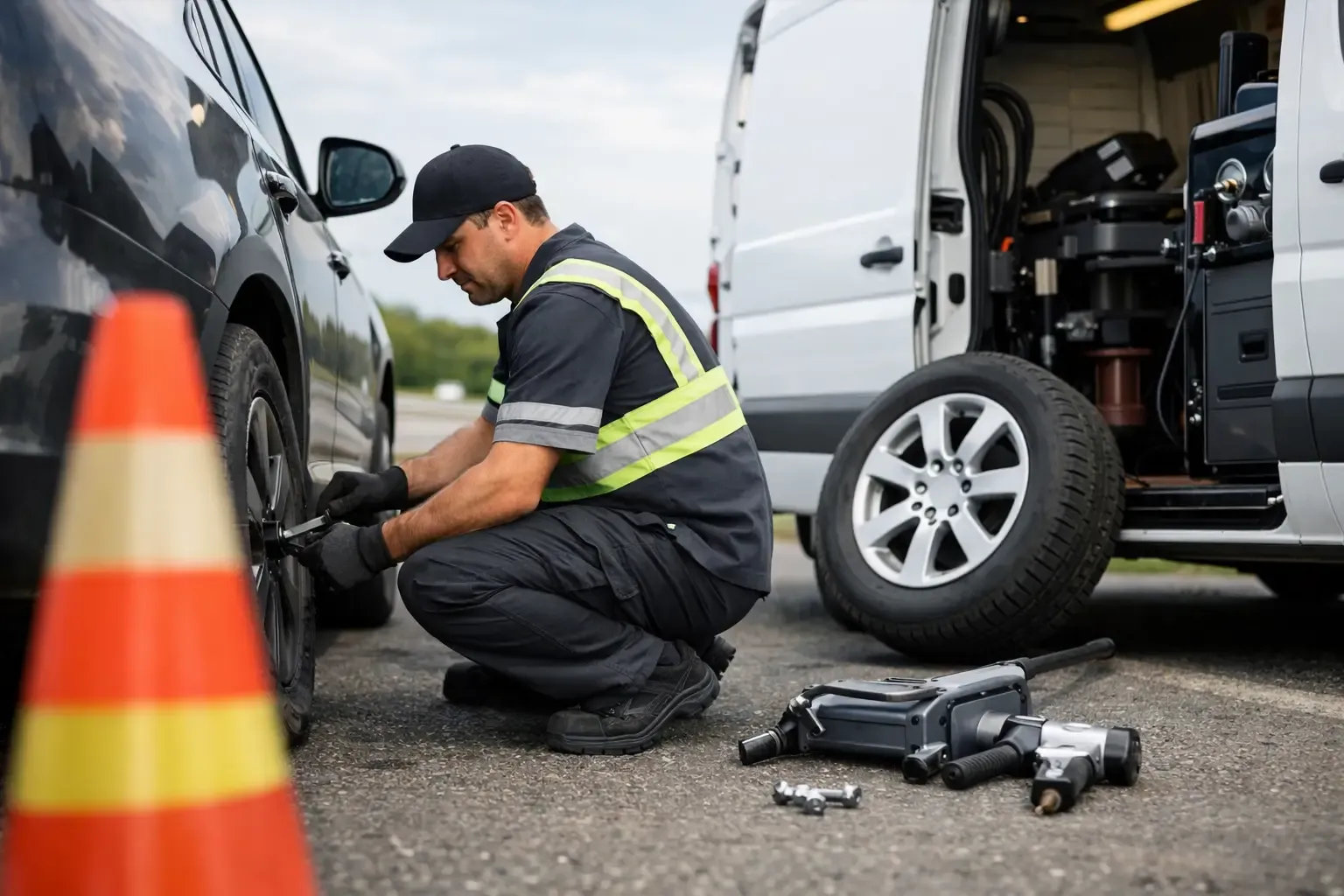

A tire order can look right on a screen and still be wrong for your vehicle. The size may be close but not approved, the load rating may not support your SUV, or the tire may suit dry summer driving better than the wet roads and changing temperatures Columbus drivers face. This guide to buying tires online helps you make a confident choice before installation day.
Buying online can save a trip to a tire store, but convenience only works when the details are correct. A few minutes spent confirming fitment, understanding tire types, and planning installation can prevent delays and help keep your vehicle safe on the road.
Start With the Tire Size on Your Vehicle
Your current tire's sidewall is the quickest place to begin. A common size looks like 225/65R17 102H. Each part matters: 225 is the tire width in millimeters, 65 is the sidewall height as a percentage of width, R means radial construction, and 17 is the wheel diameter in inches.
The numbers after the size are just as important. The load index, such as 102, indicates how much weight each tire can carry. The speed rating, such as H, indicates the tire's designed speed capability. When ordering replacements, do not assume that matching the first three numbers is enough. The load and speed rating should meet or exceed your vehicle manufacturer's requirements.
Your driver's door jamb has a tire-information placard that lists the factory-recommended tire size and inflation pressure. Your owner's manual is another reliable source. If the vehicle has aftermarket wheels or a different tire size than factory specification, verify fitment with a qualified tire professional before placing an order.
Check Fitment Before You Buy Tires Online
Online tire listings often offer a vehicle selector where you enter the year, make, model, and trim. Use it, but treat it as a starting point rather than the only check. Some vehicles have multiple wheel sizes depending on trim level, optional packages, or whether they are front-wheel drive, all-wheel drive, or performance-oriented models.
Confirm these details before purchasing:
- The exact year, make, model, and trim level
- The wheel diameter and tire size shown on the vehicle placard
- The required load index and speed rating
- Whether all four tires must match for your drivetrain
- Whether the tire is approved for the season and conditions you drive in
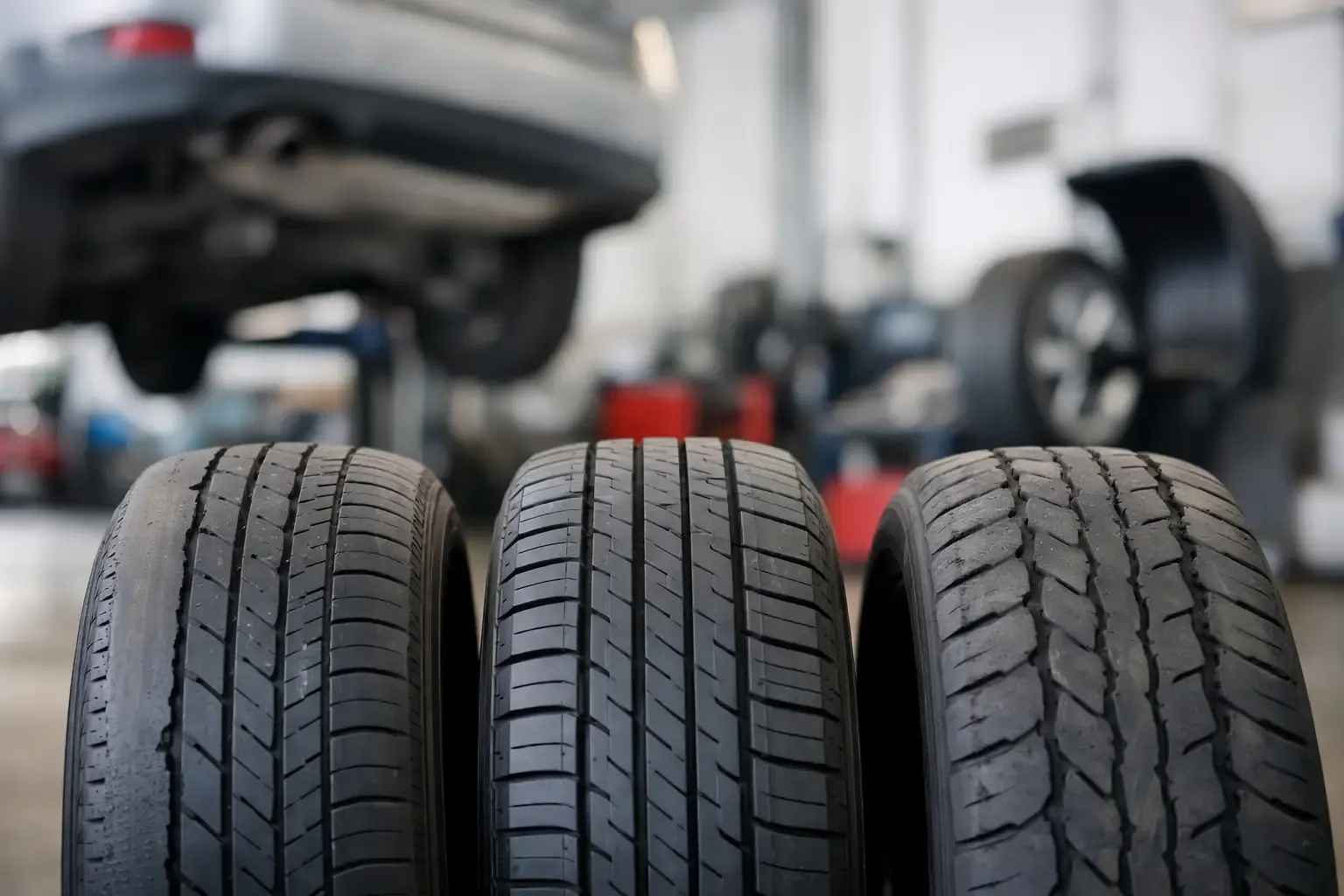
All-wheel-drive vehicles deserve additional attention. Significant differences in tread depth or tire circumference between tires can place extra strain on the drivetrain. If you are replacing only one damaged tire, ask whether the remaining tires have enough tread depth to make a single replacement appropriate. In some cases, replacing two or four tires is the safer long-term choice.
Choose Tires for How You Actually Drive
The best tire is not automatically the one with the highest performance rating or the longest advertised treadwear warranty. It is the tire that fits your vehicle, supports your driving habits, and performs well in the conditions you encounter most often.
All-Season Tires for Everyday Driving
For many commuters and families, all-season tires are a practical choice. They are designed to provide balanced handling, ride comfort, tread life, and wet-weather traction across a wide range of temperatures. They work well for typical Columbus-area driving, including city streets, highways, rain, and light snow.
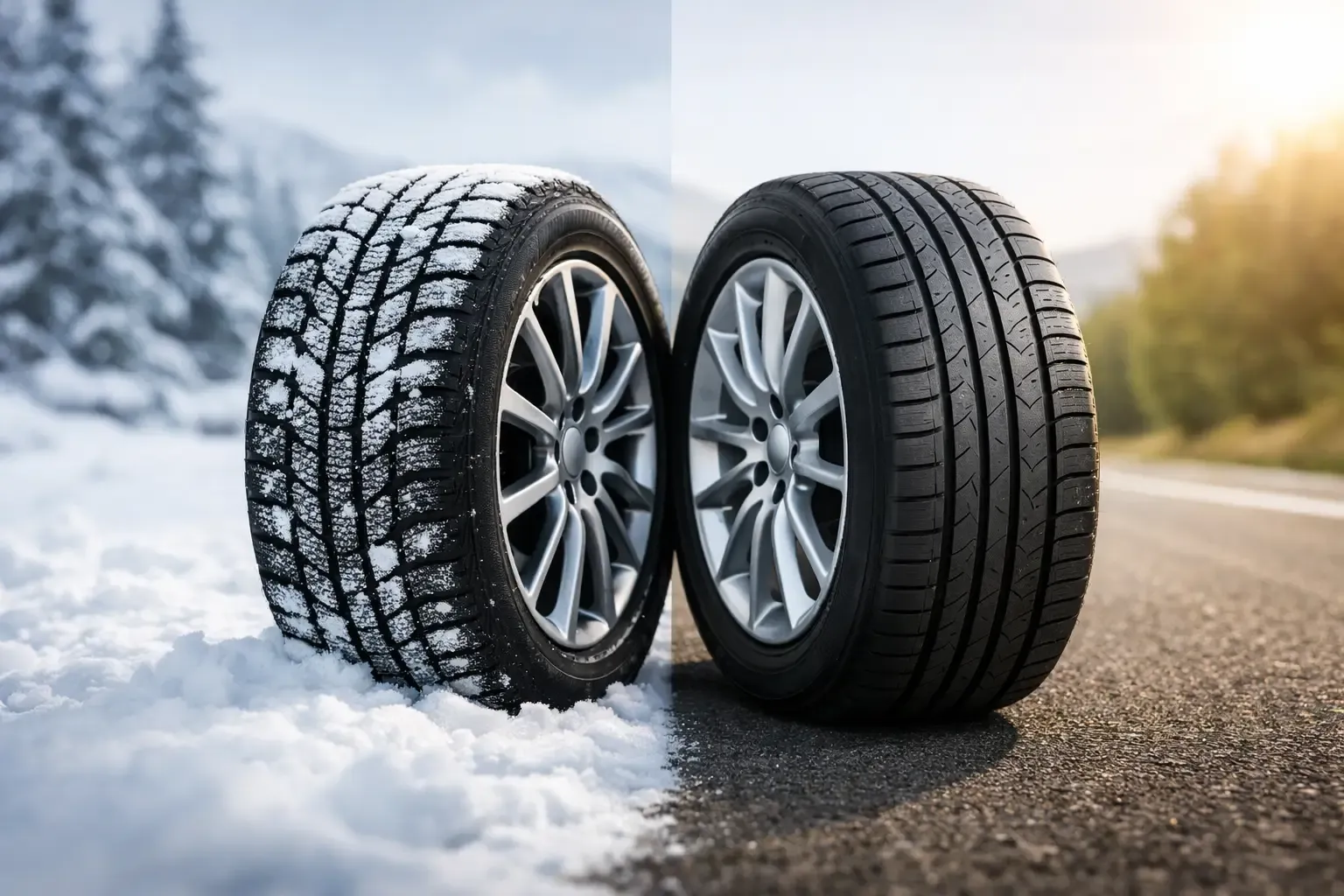
That balance comes with a trade-off. All-season tires are not designed to provide the same cold-weather grip as dedicated winter tires in deep snow, ice, and prolonged freezing conditions. Drivers who regularly travel in severe winter weather may benefit from a seasonal tire setup.
Touring, Performance, and Light Truck Tires
Touring tires typically prioritize a quiet ride, predictable handling, and extended tread life. They are a strong fit for sedans, crossovers, and minivans used for daily travel.
Performance tires generally offer sharper steering response and stronger dry or wet grip. They can be a good match for drivers who value handling, but some may wear faster or produce more road noise. Review the tire's intended use rather than choosing based on appearance alone.
For pickups and SUVs, consider whether you primarily drive on pavement, tow equipment, carry heavier loads, or travel on unpaved roads. Highway-focused tires offer a smoother, quieter ride, while all-terrain options can add off-pavement capability. More aggressive tread can also bring increased road noise and different wear characteristics.
Understand the Ratings That Affect Safety
Two tires in the same size can perform very differently. Look beyond the brand name and compare the specifications that matter to your vehicle.
The Uniform Tire Quality Grading system can provide useful context. Treadwear gives a comparative indication of expected wear, traction refers to wet straight-line braking, and temperature grades reflect heat resistance. These ratings are helpful, but they do not tell the full story about cornering, snow traction, ride quality, or noise.
For wet-weather confidence, review the tire's rain performance and tread design. Wide circumferential grooves and properly designed sipes help channel water away from the contact patch. For winter use, look for the three-peak mountain snowflake symbol, which identifies tires tested for severe snow service.
Compare the Full Cost, Not Just the Tire Price
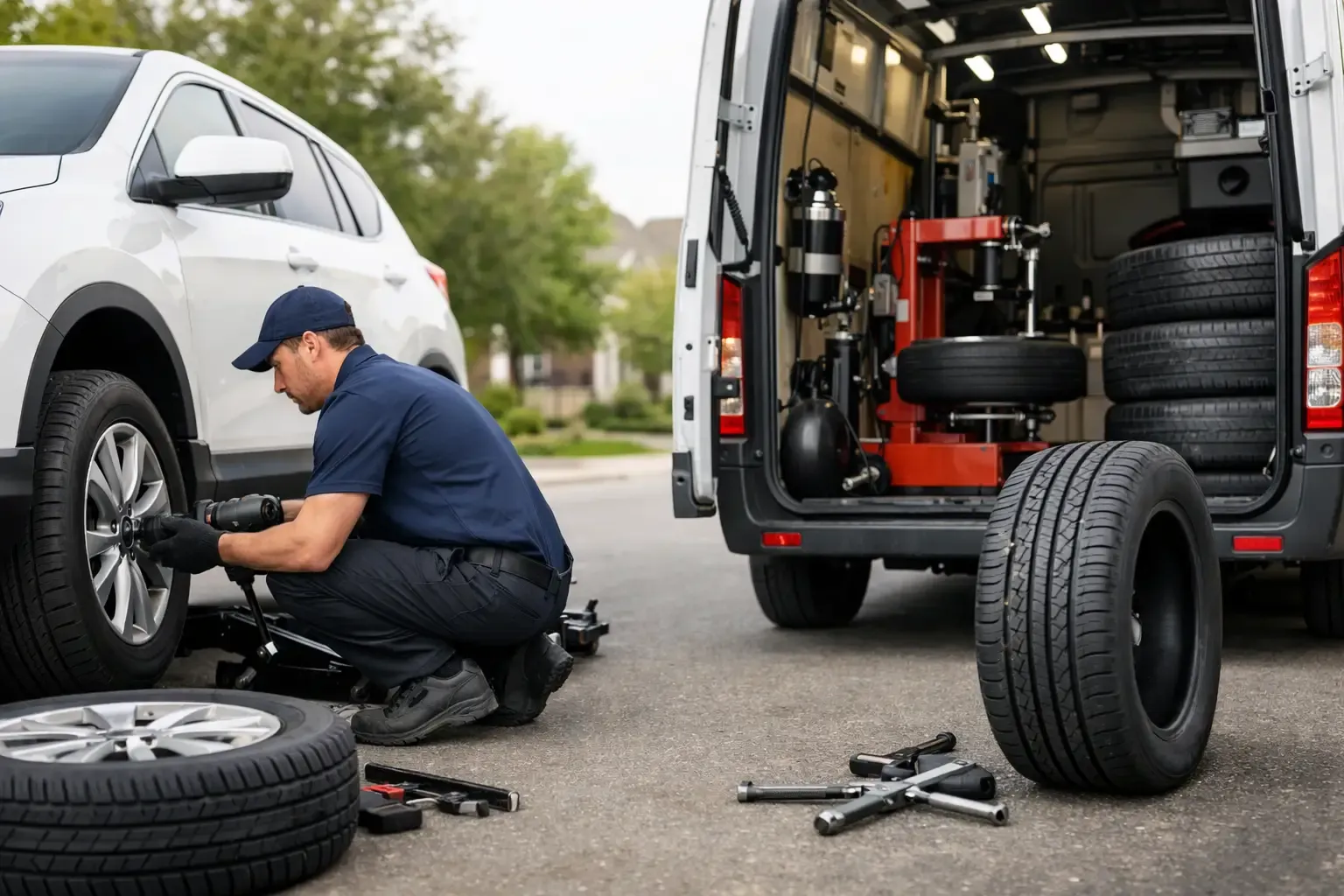
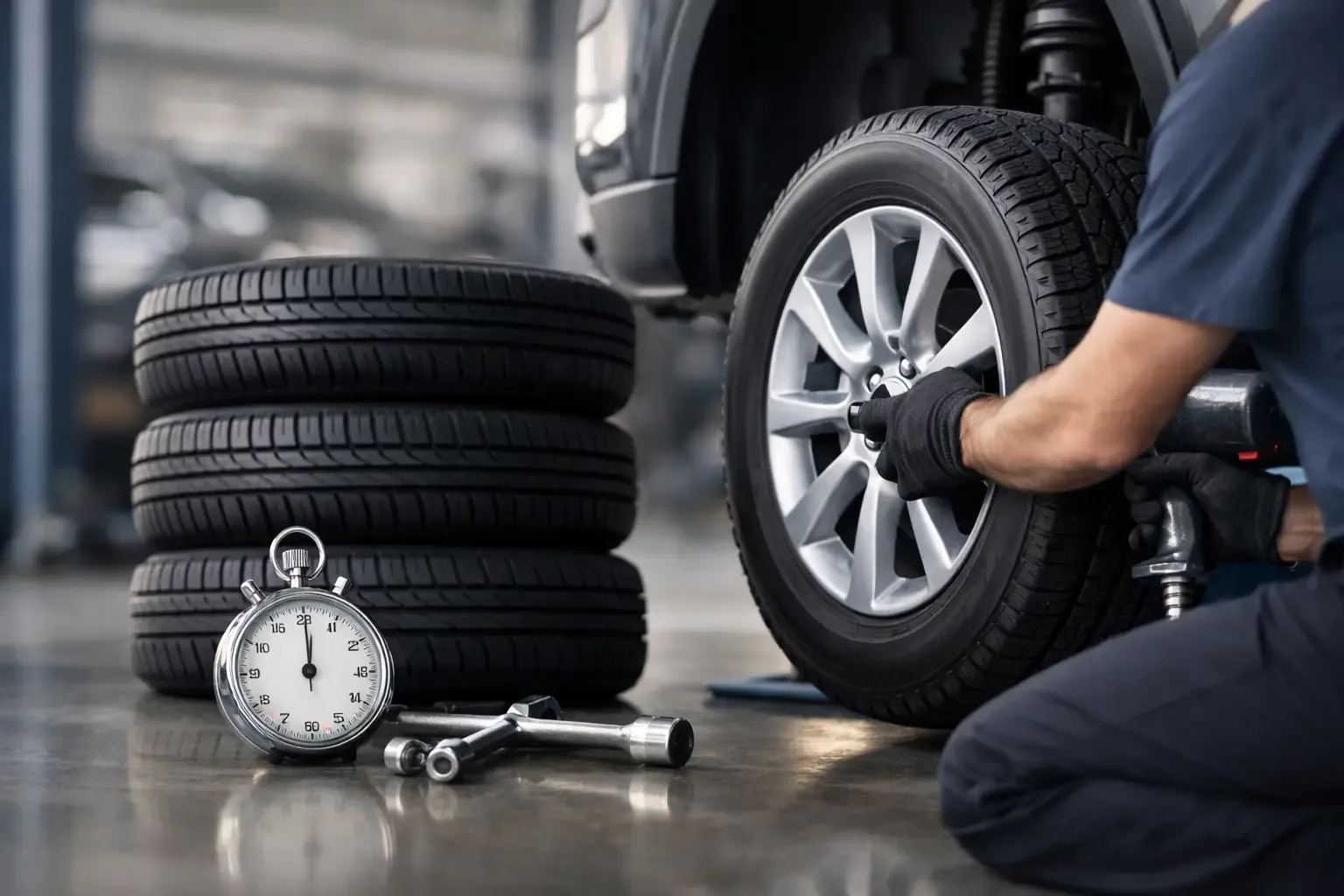
An online tire order is only one part of the job. Safe installation requires more than mounting the tires onto the wheels. The full service should account for mounting, computer balancing, proper torque procedures, tire-pressure adjustment, and a TPMS reset or relearn when needed.
Before checking out, confirm whether the quoted total includes installation and any service fees. Ask what happens if a tire arrives with a manufacturing issue, is damaged in transit, or does not fit as expected. Clear answers before the purchase are better than trying to resolve a problem while your vehicle is already out of service.
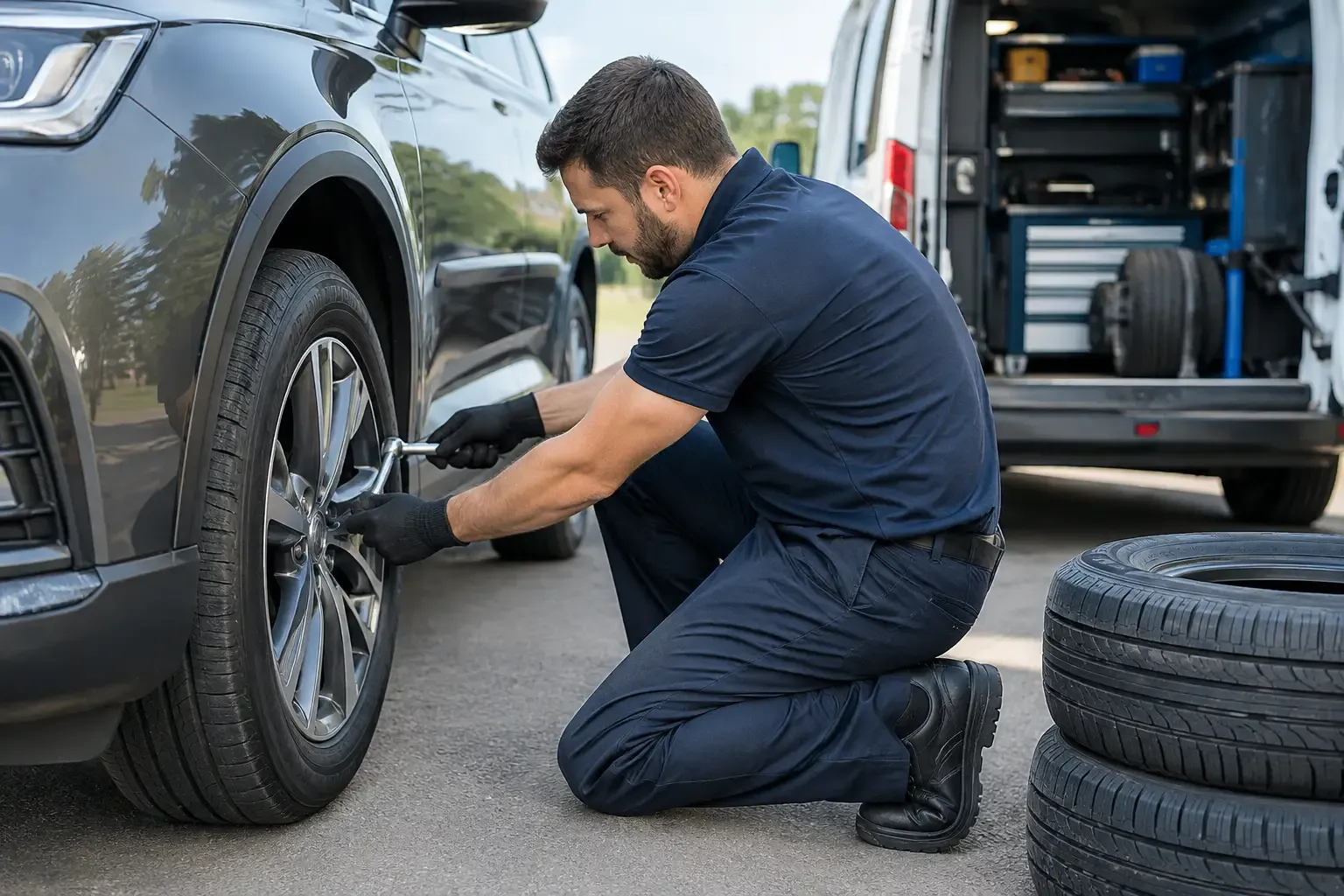
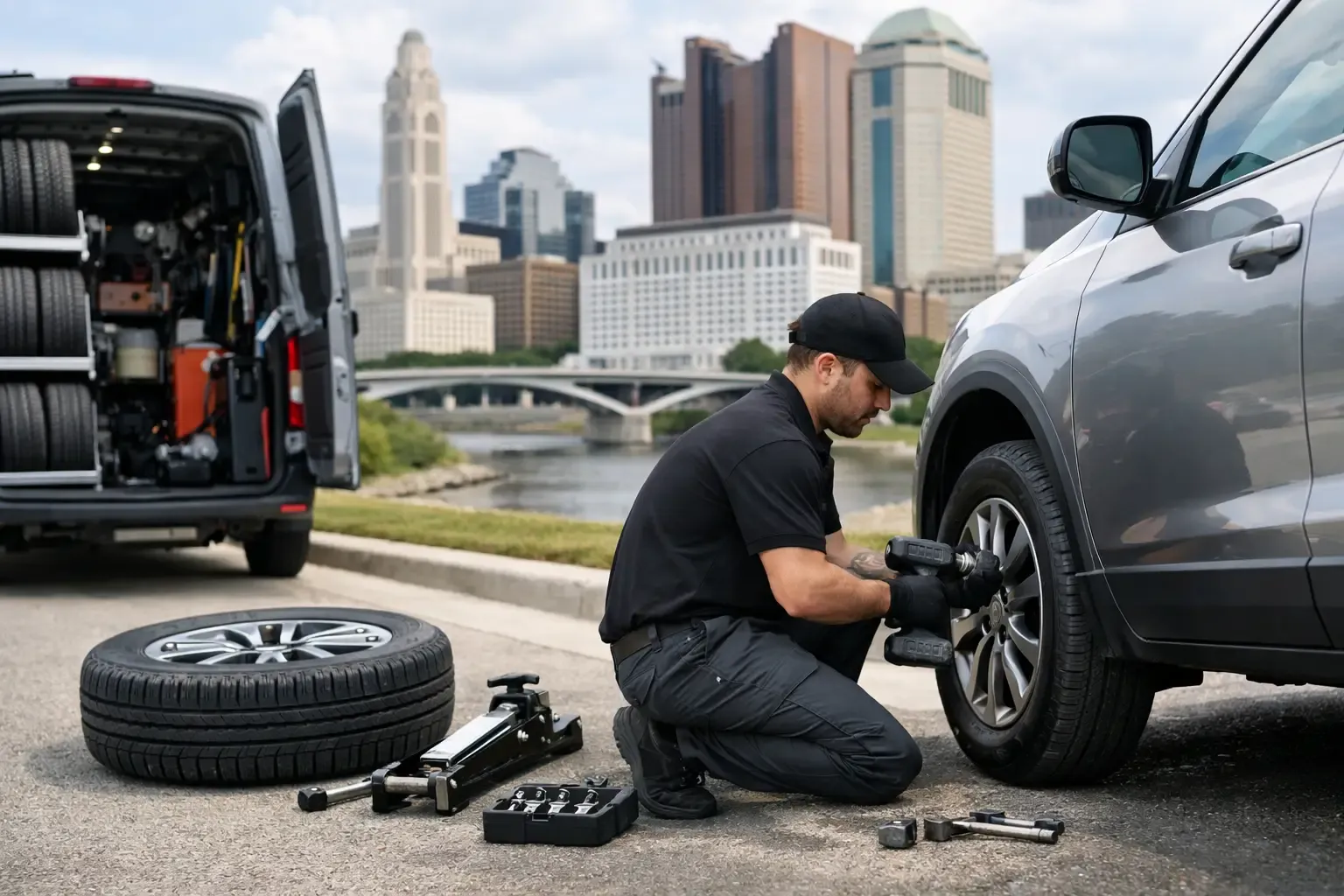
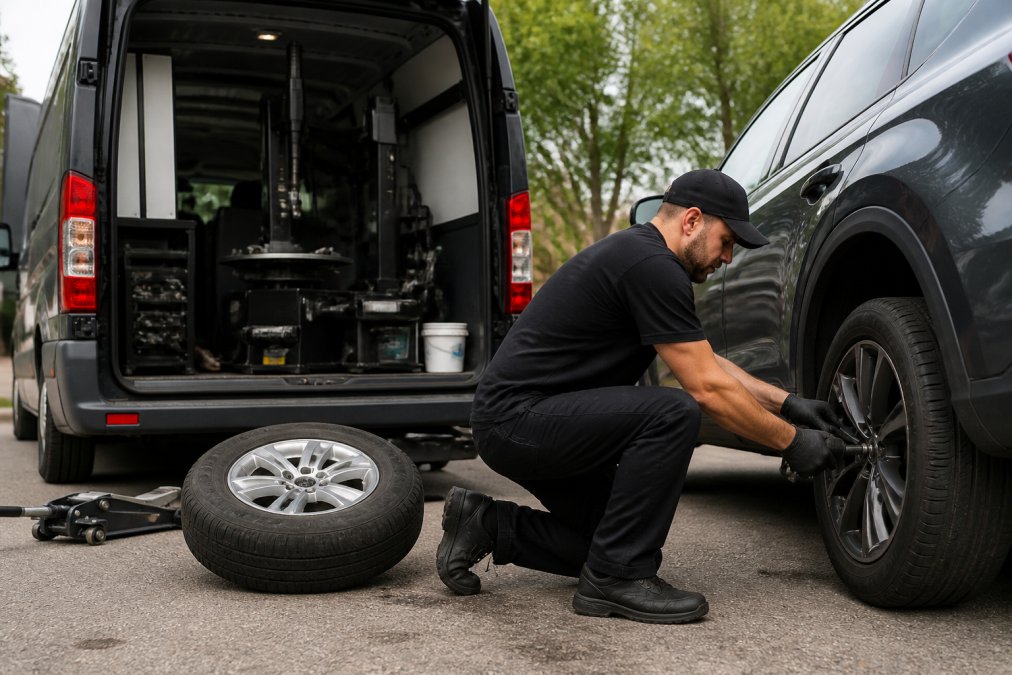
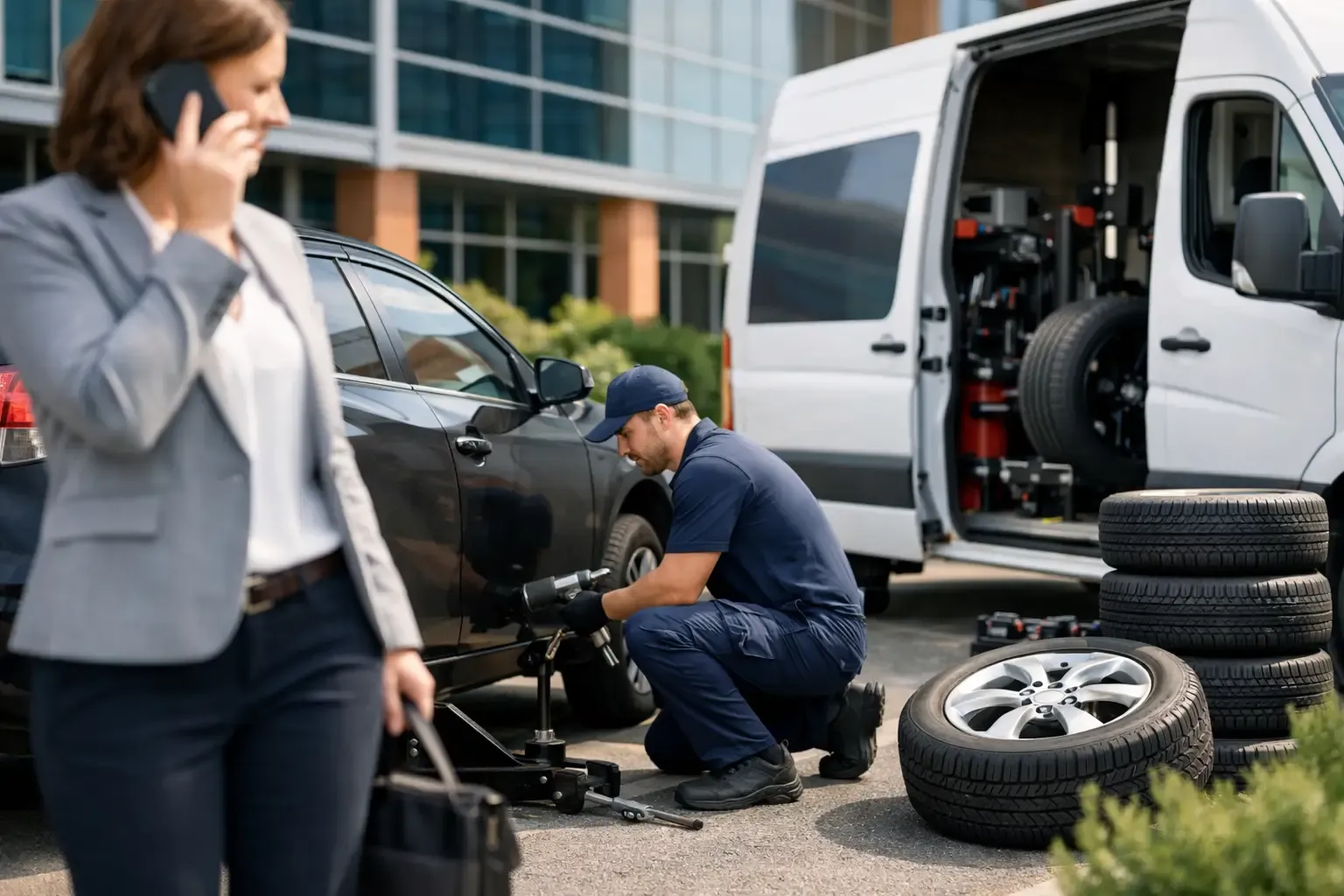
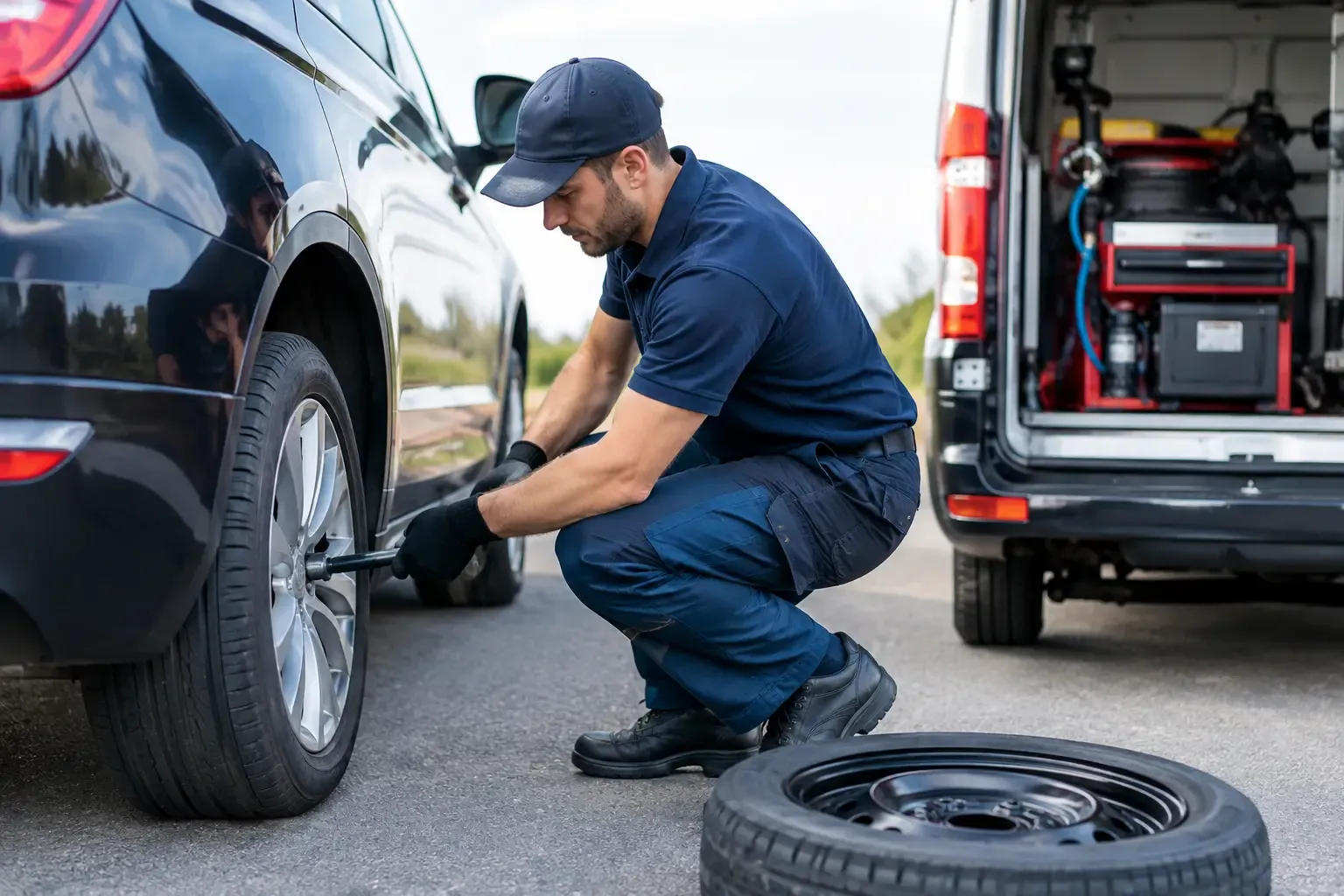
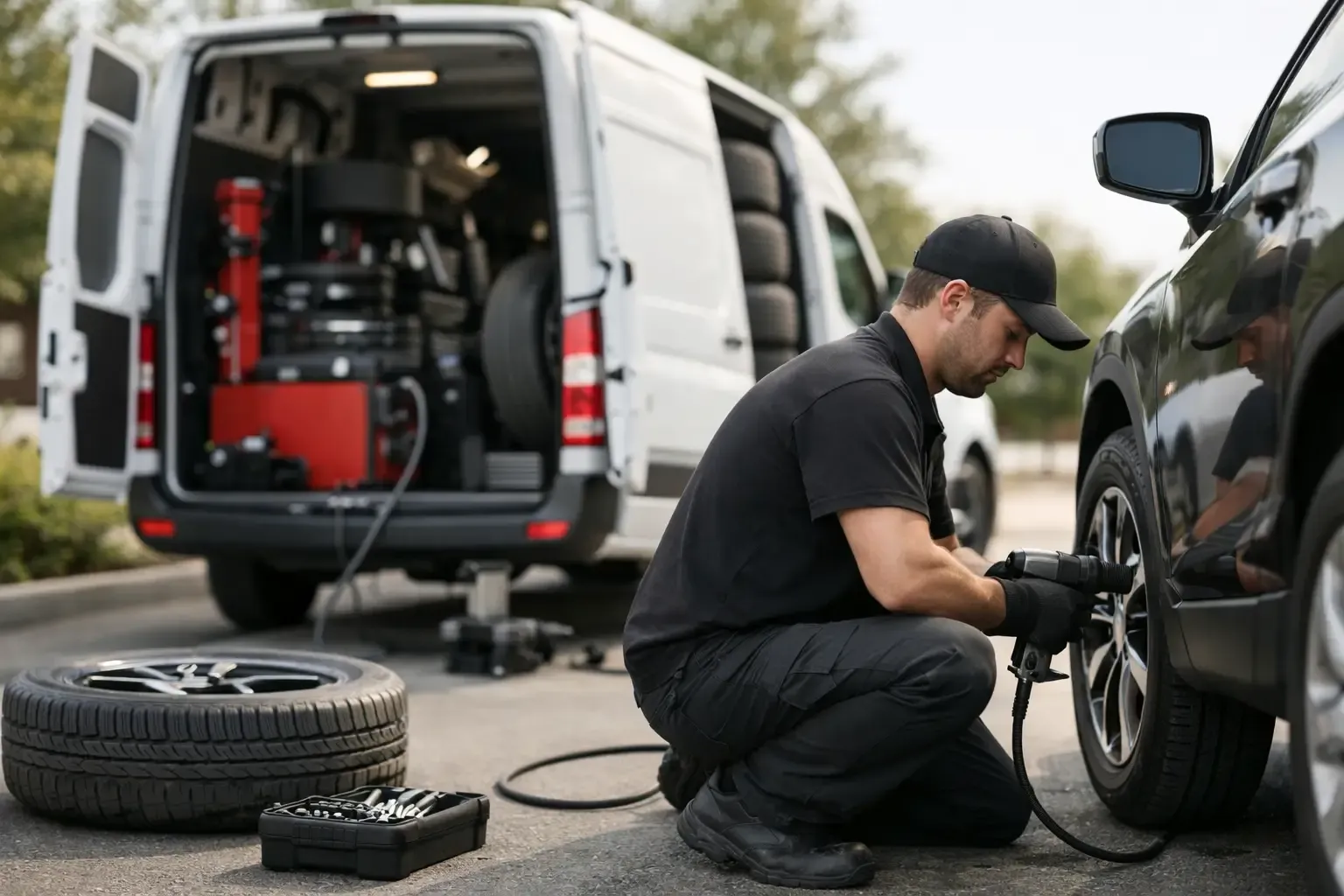
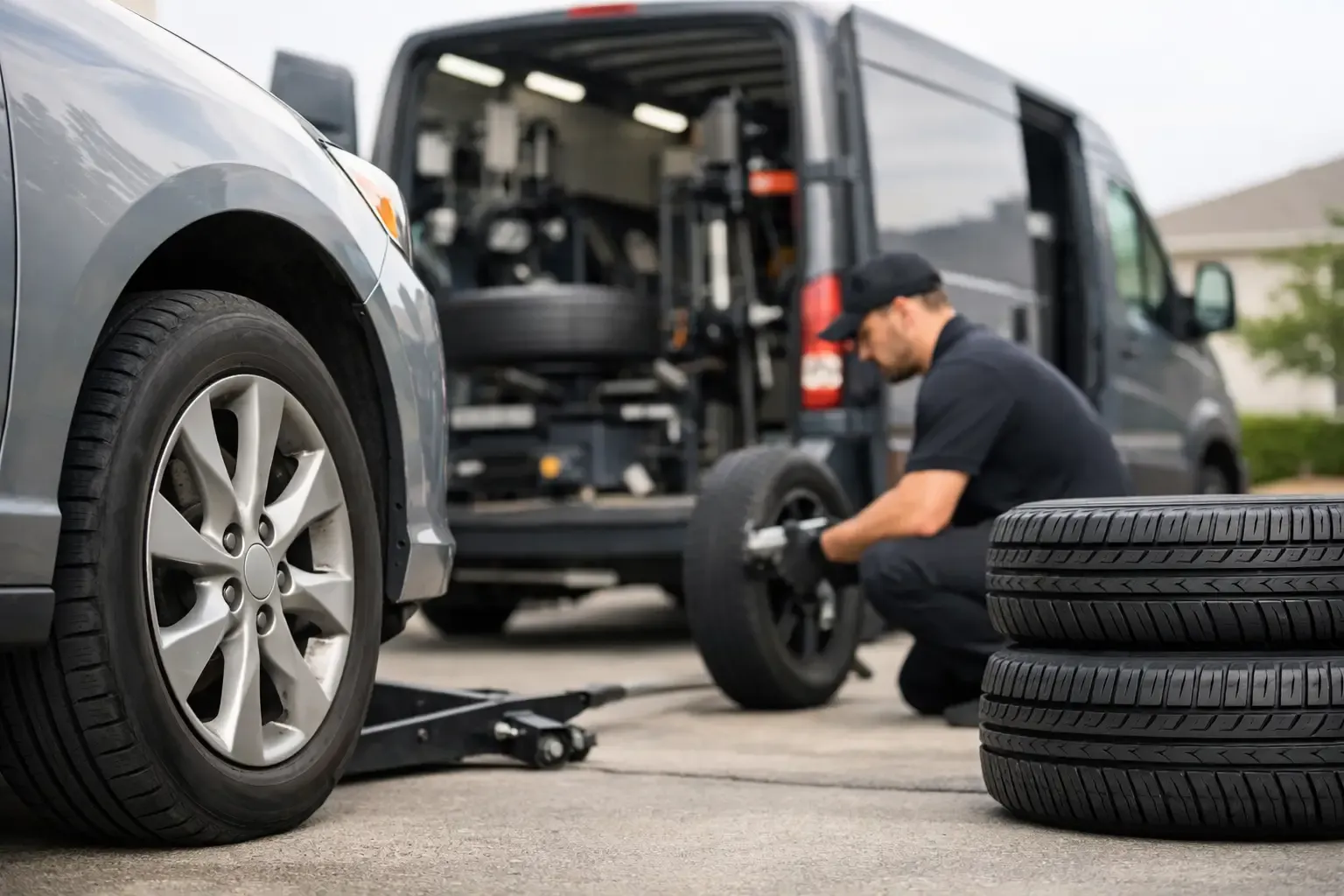
Also consider where the work will be done. A traditional shop visit can mean arranging transportation, sitting in a waiting room, or losing part of a workday. Mobile tire installation can be a practical alternative when your vehicle is parked safely at home or work. The right option depends on your schedule, location, and the service provider's ability to perform the work professionally on-site.
Plan for Installation and Tire Care
Once you order tires, schedule installation promptly. Do not wait until cords are showing, a tire is losing air, or the weather has already changed. Tires should be installed in matched pairs on the same axle at minimum, with the pair featuring the deeper tread generally placed on the rear axle to support stability on wet roads.
After installation, maintain the investment with regular pressure checks and tire rotations, and have the alignment checked at an alignment shop if you notice pulling, uneven wear, or a steering wheel that is no longer centered. Use the pressure listed on the vehicle placard, not the maximum pressure molded into the tire sidewall.
A tire-pressure warning light should never be ignored after a tire purchase or installation. It may simply require a TPMS relearn, but it can also signal low pressure, a sensor issue, or a slow leak. Address it early to protect handling, tread life, and fuel efficiency.
Questions to Ask Before Scheduling Service
A reliable installer should be able to explain the process in plain language. Ask whether the technician will verify the tire size before mounting, balance every wheel, torque lug nuts to manufacturer specification, and reset the TPMS system if necessary. If you are arranging mobile service, ask about the space needed around the vehicle and whether the parking location is suitable for safe work.
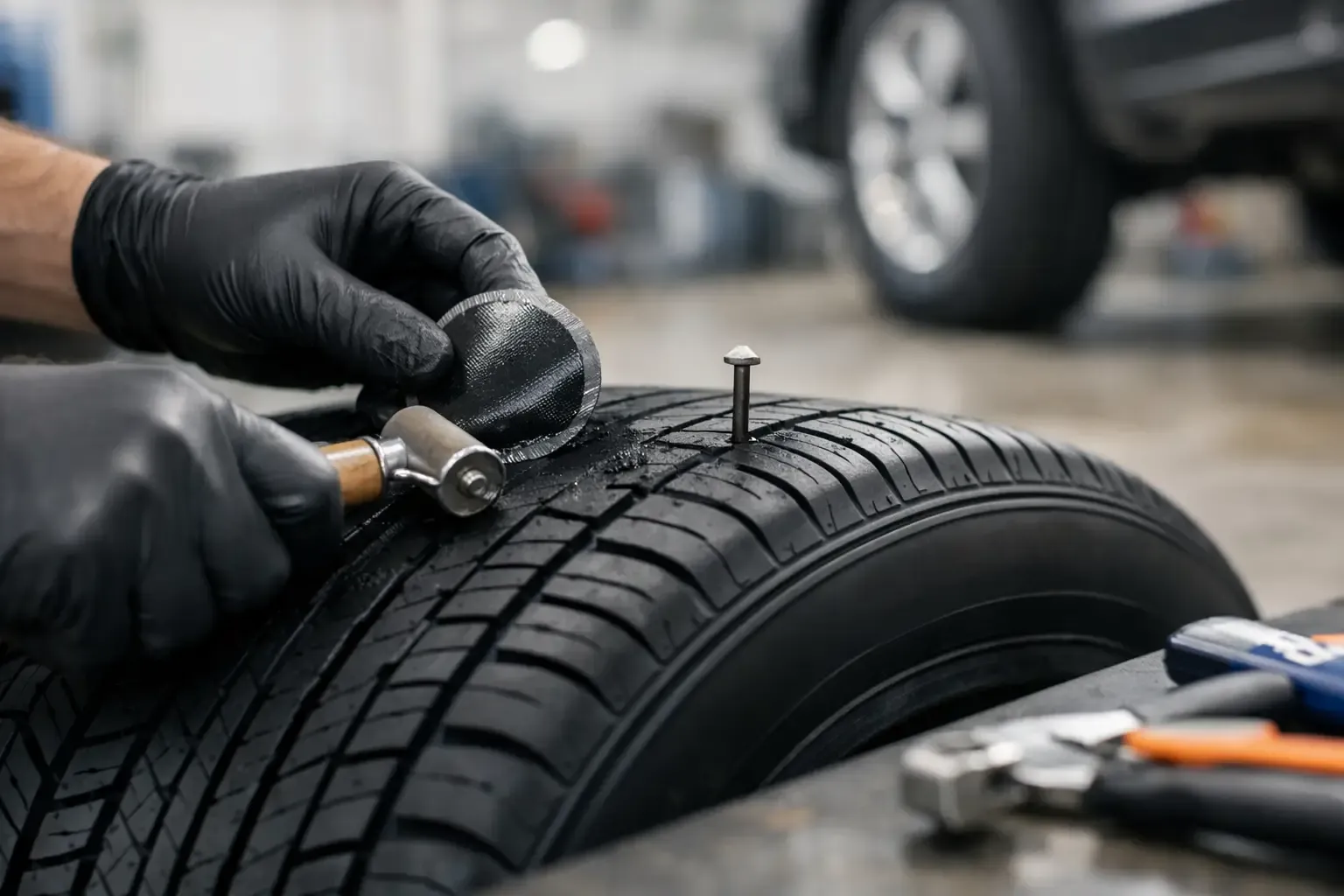
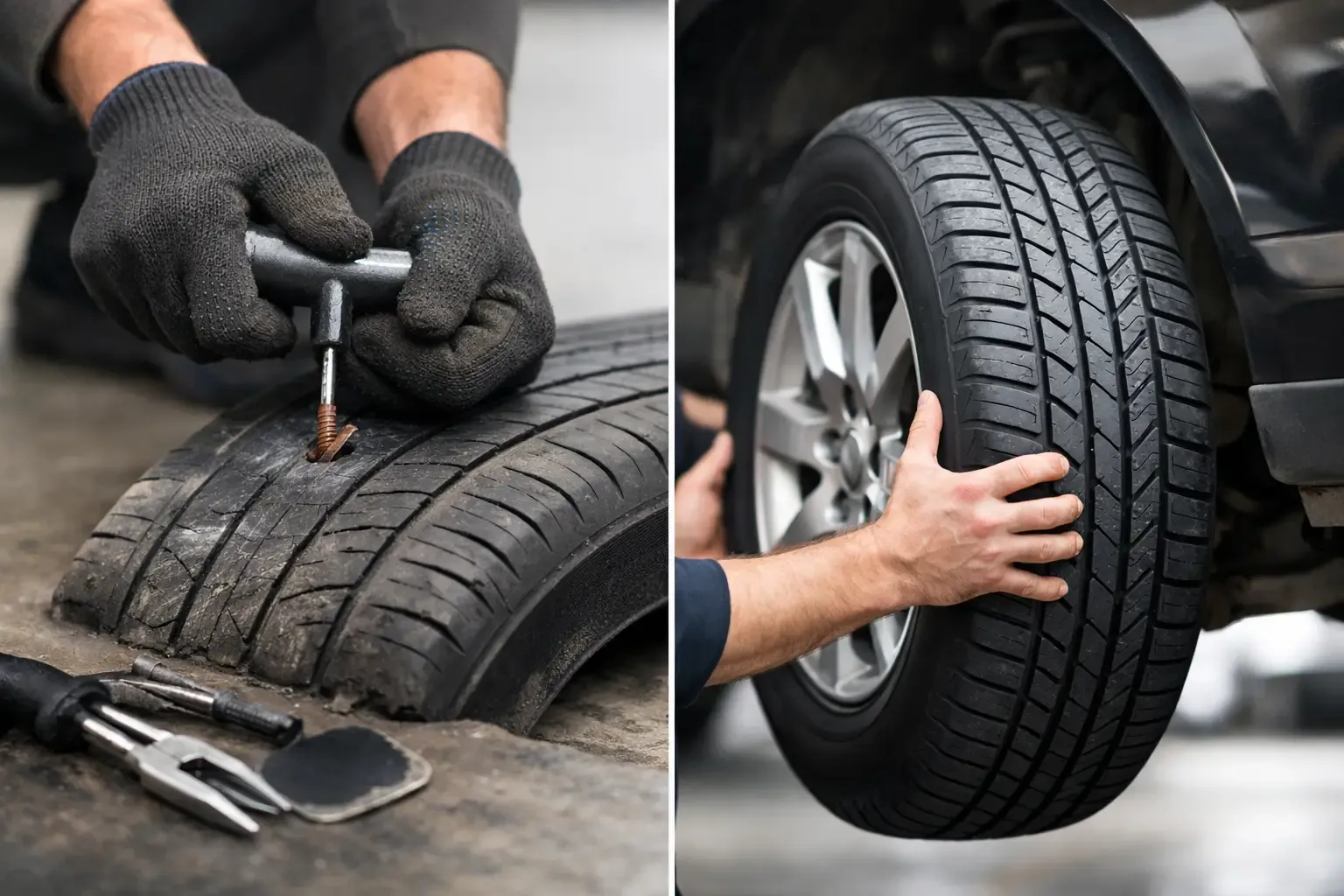
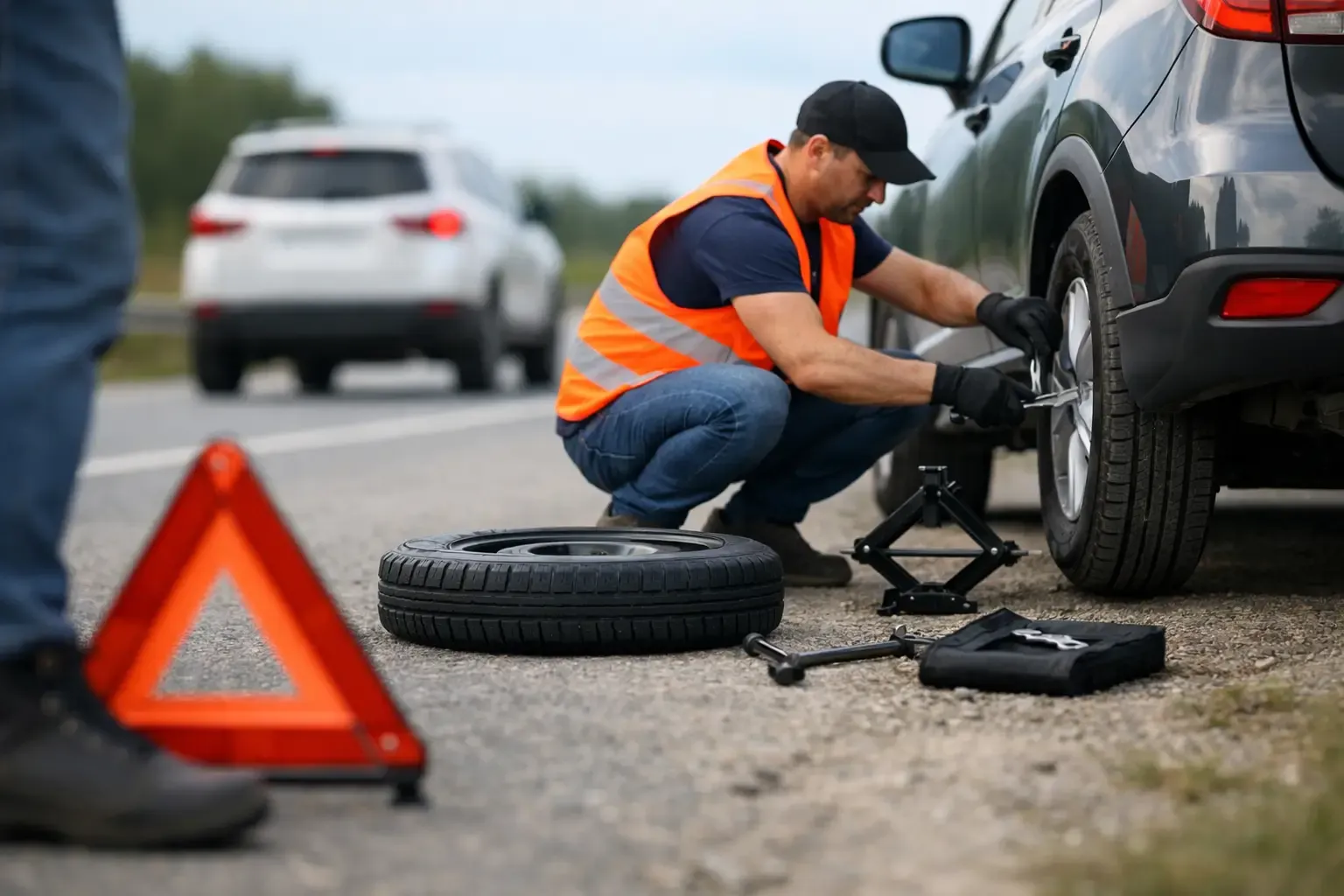
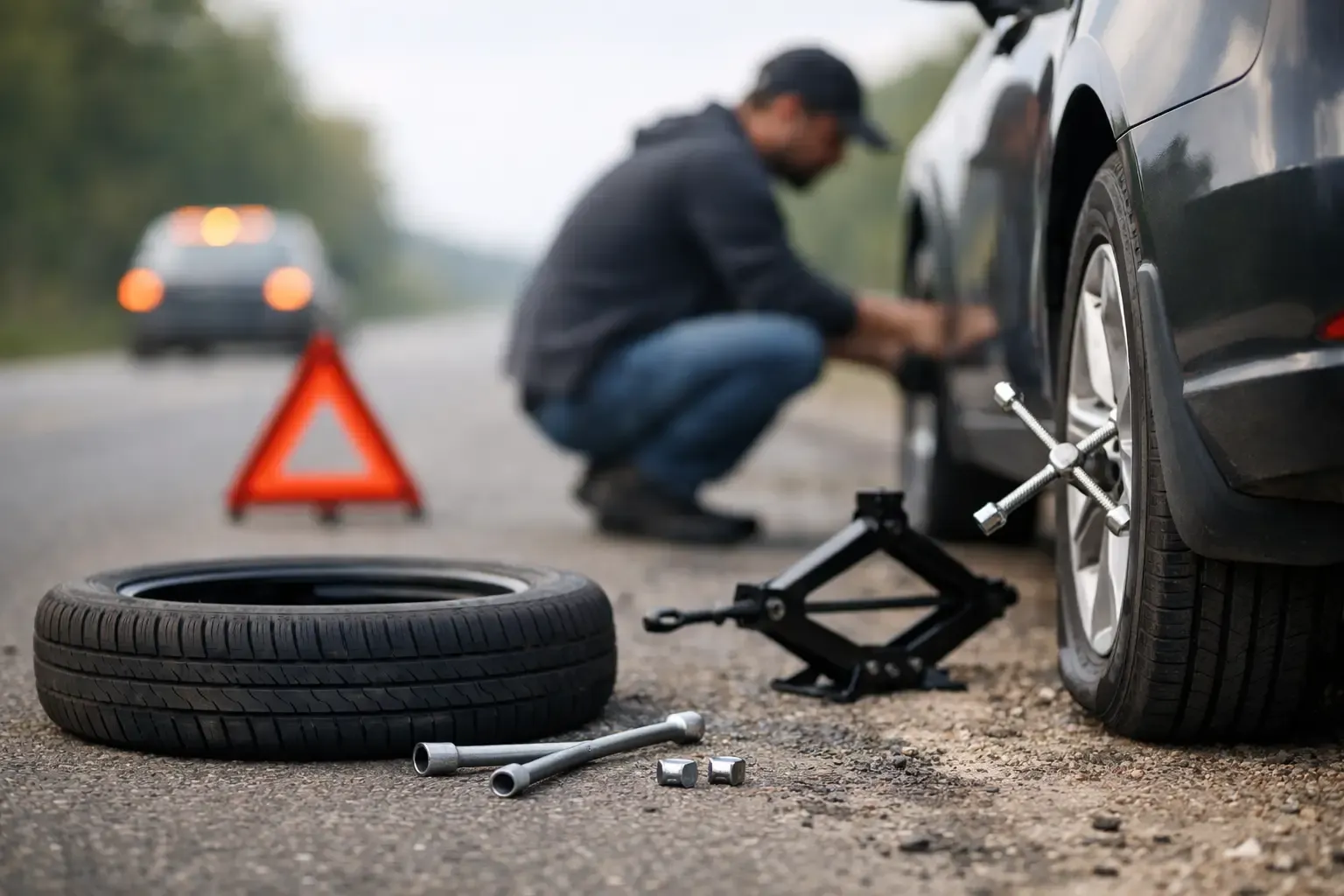
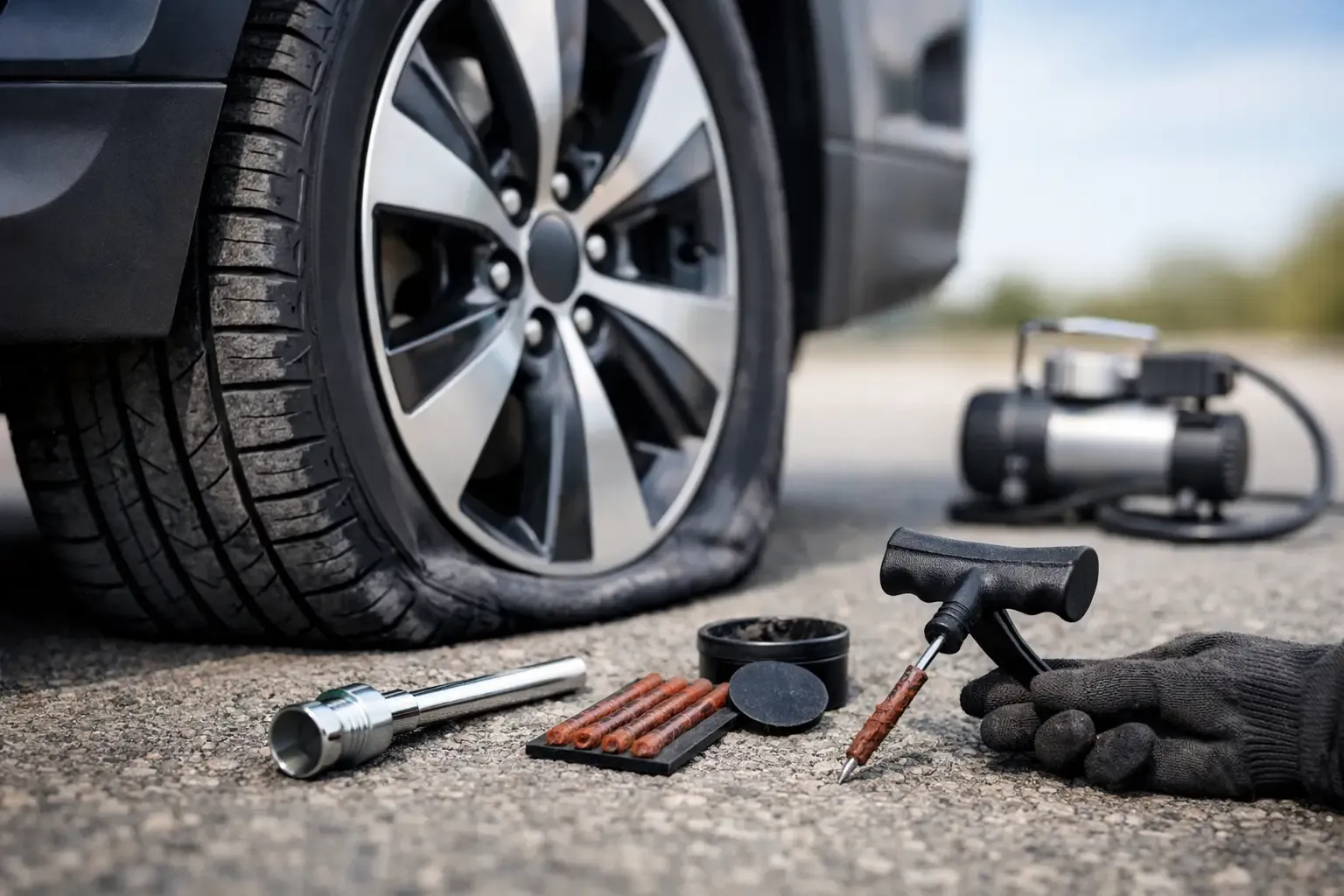
For drivers dealing with a flat, ask whether the tire can be safely repaired or whether replacement is necessary. A proper repair depends on the location and size of the puncture, as well as whether the tire was driven while severely underinflated. Sidewall damage and certain shoulder-area punctures generally cannot be repaired safely.
Buying tires online should make your day easier, not leave you sorting through fitment questions alone. If you are in the Columbus area and want professional guidance from selection through installation, Elite Mobile Tire can help bring the right service to your driveway, workplace, or roadside location so you can get back to your plans safely.
Ready for a new set? Elite Mobile Tire installs 2 or 4 new tires right in your driveway or parking lot anywhere around Columbus, Obetz, Groveport, Grove City, and Reynoldsburg. Financing is available through Afterpay and Acima with up to 24-month payment plans. Call 614-344-5010 or visit elitemobiletire.com to book.