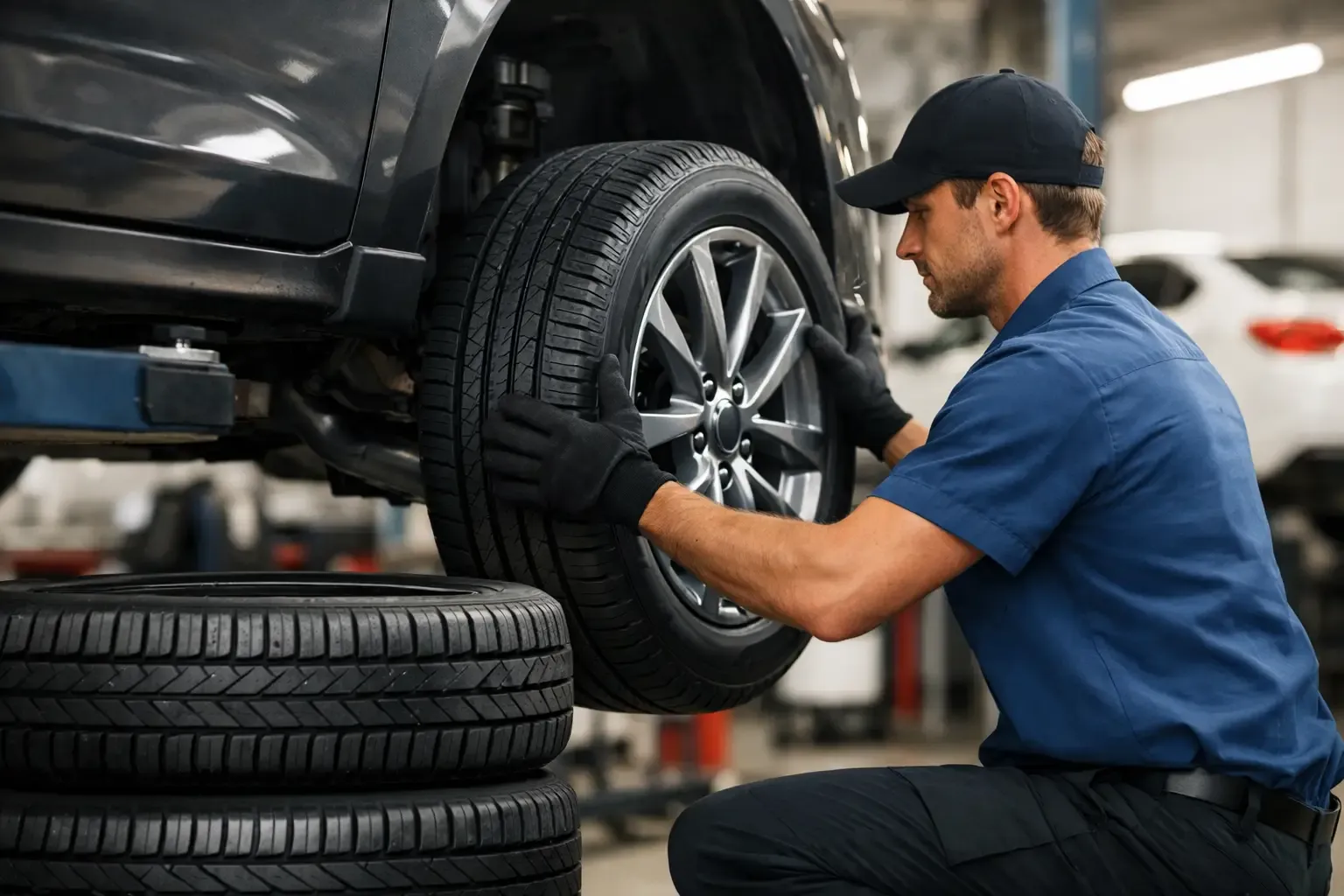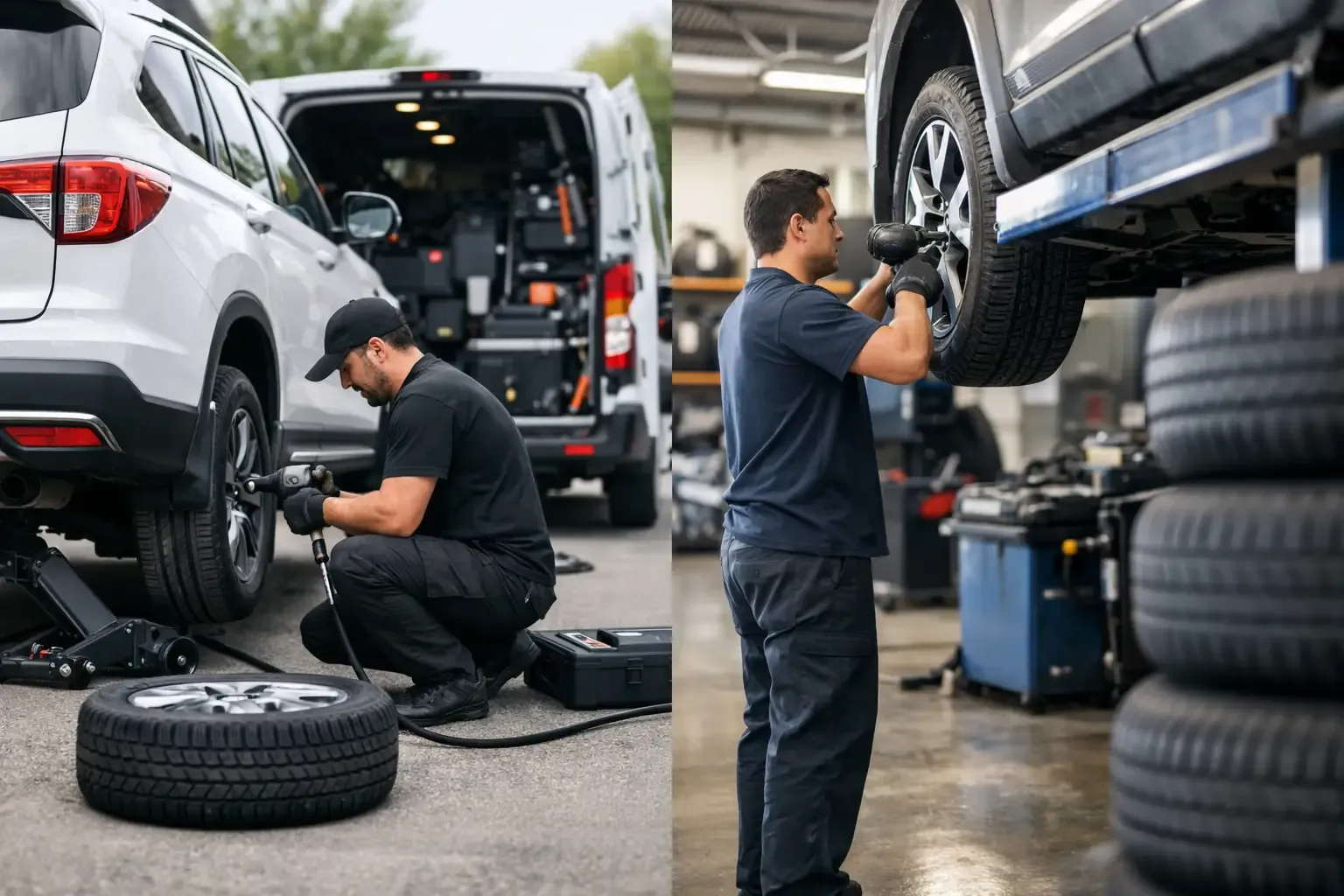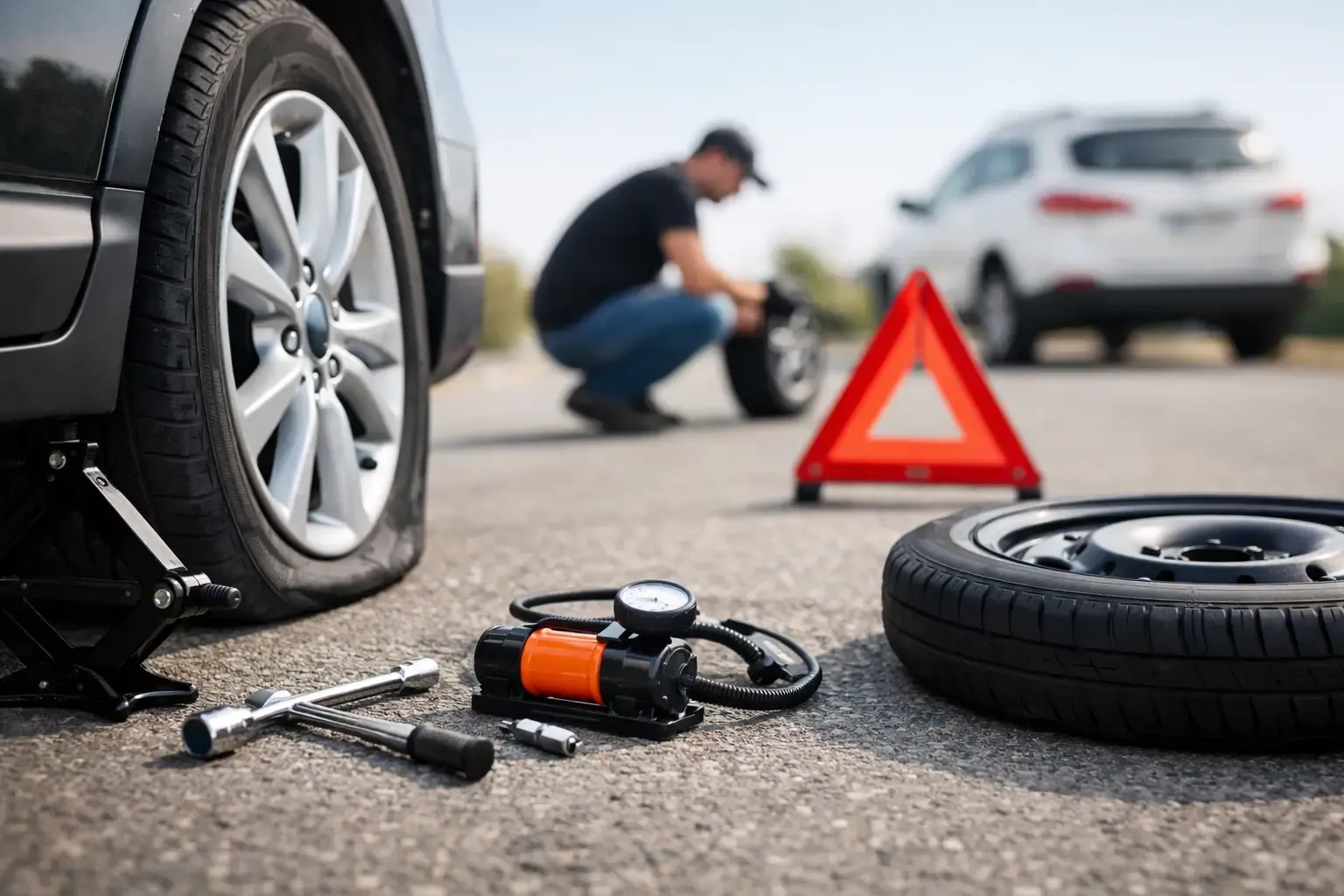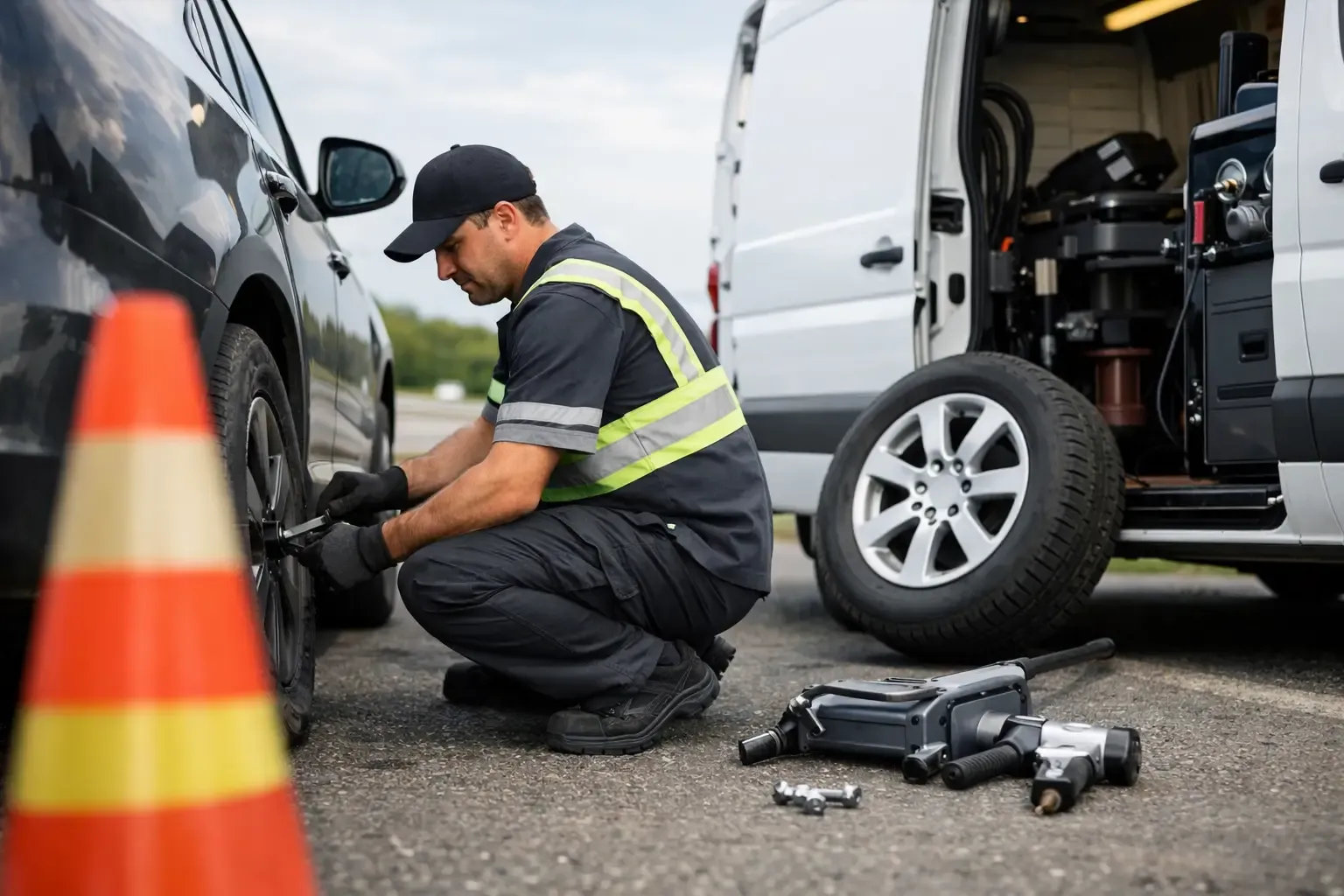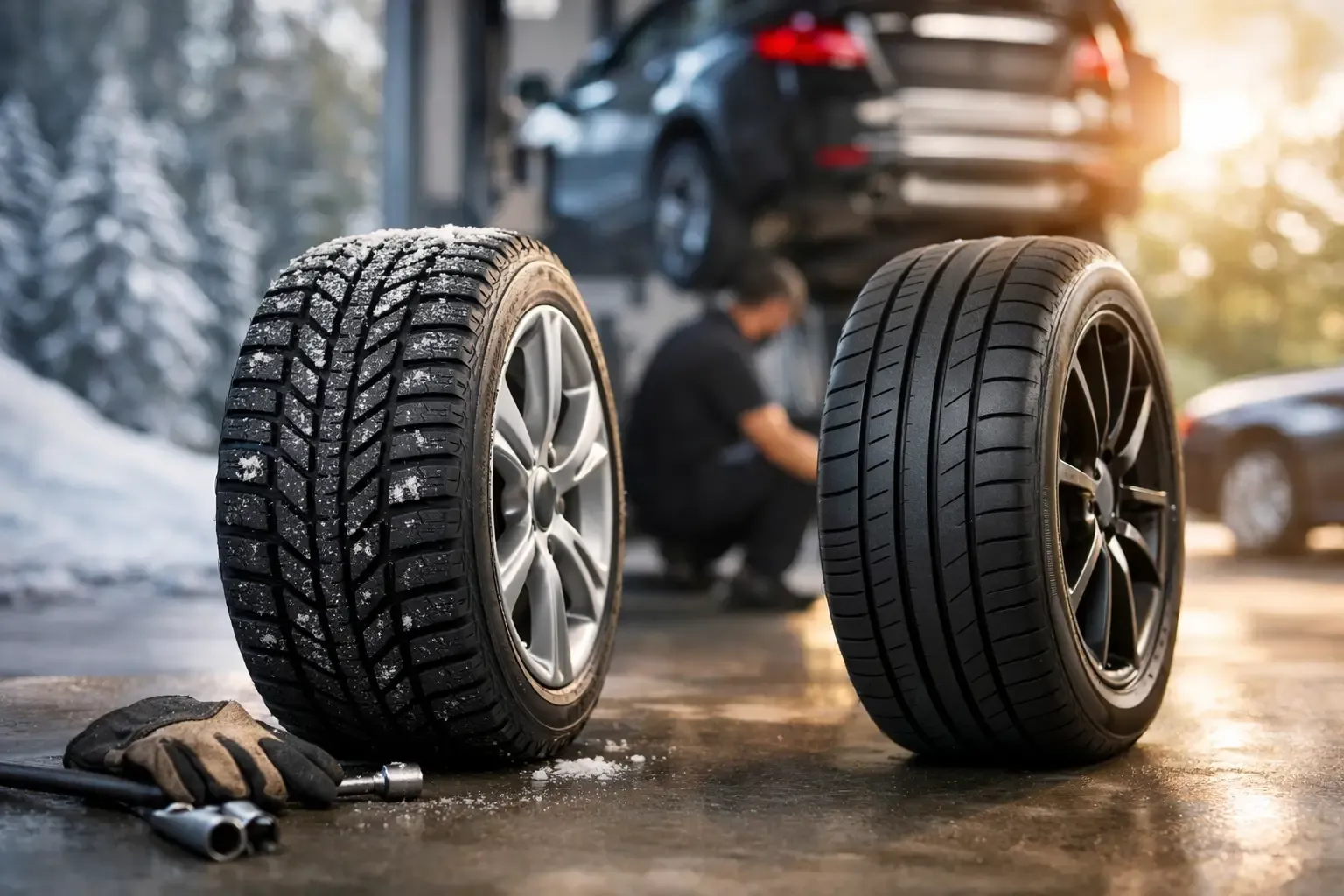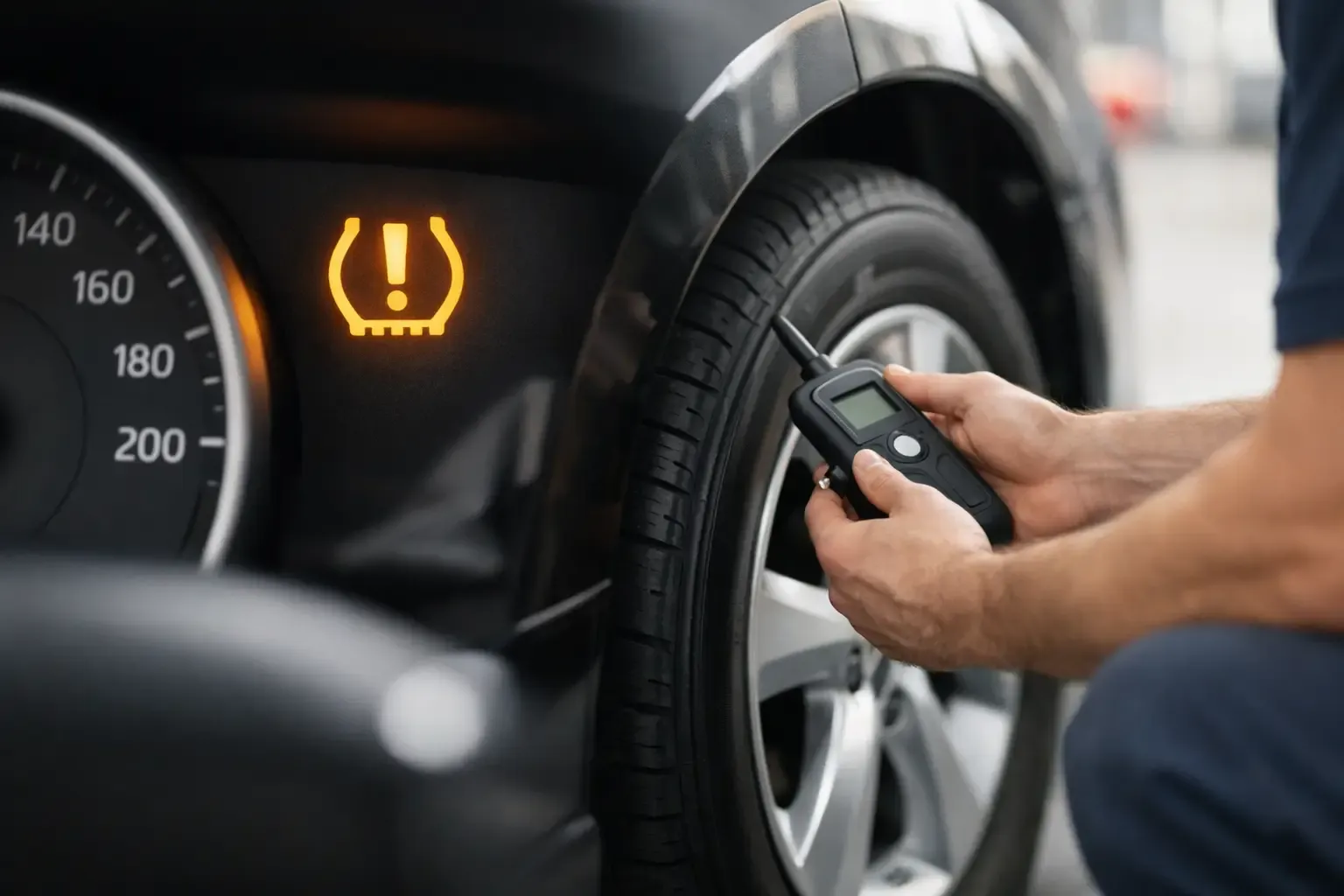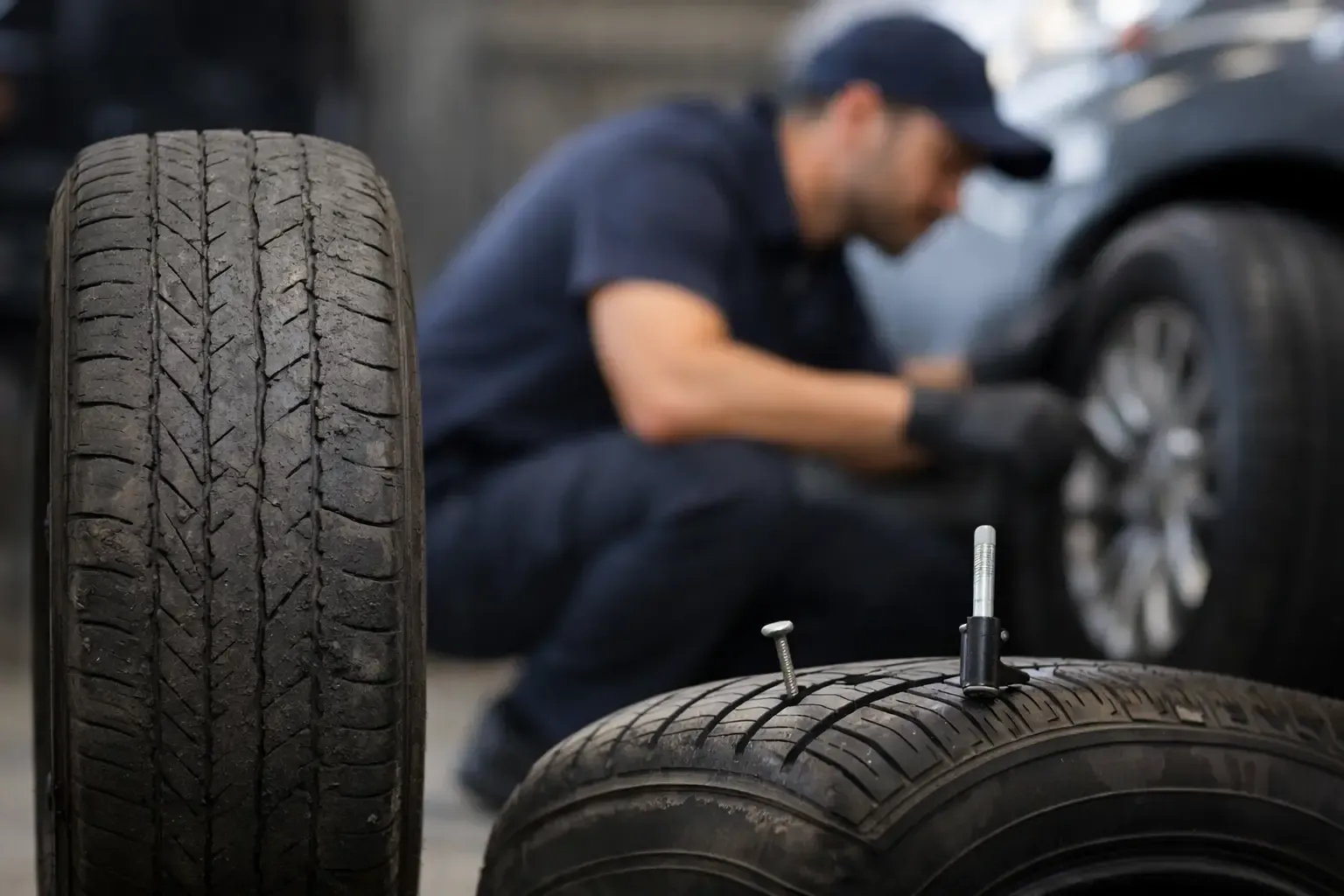

A tire rarely fails without warning. More often, the warning shows up in the tread long before you notice poor handling, longer stopping distances, or a flat on the side of the road. Knowing the signs of unsafe tire wear can help you catch a problem early, protect your vehicle, and avoid losing time to an unexpected breakdown.
For busy drivers, tire wear is easy to ignore until something feels off. Maybe the steering starts pulling, the ride gets louder, or you notice the tread looks different from one side to the other. Those details matter. Tires wear for specific reasons, and the pattern usually tells you what needs attention.
Why unsafe tire wear should not be ignored
Tires are your vehicle's only contact with the road. When tread wears unevenly or too far down, traction drops. That affects braking, cornering, wet-road performance, and overall stability.
Unsafe wear also tends to point to a bigger issue. It could be low air pressure, improper alignment, suspension problems, or a tire that has simply reached the end of its service life. Replacing a worn tire helps, but if the root cause is still there, the next set can wear out the same way.
7 signs of unsafe tire wear
1. Tread depth is too low
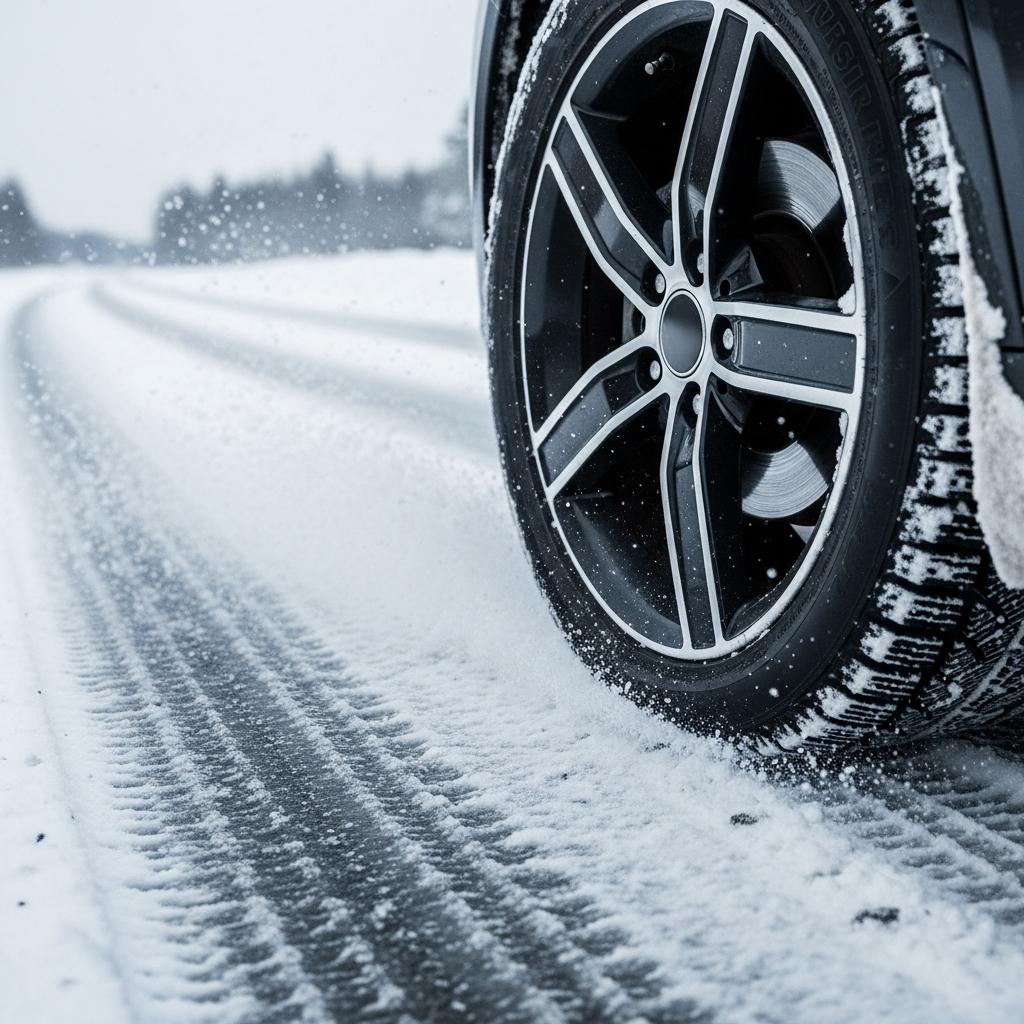
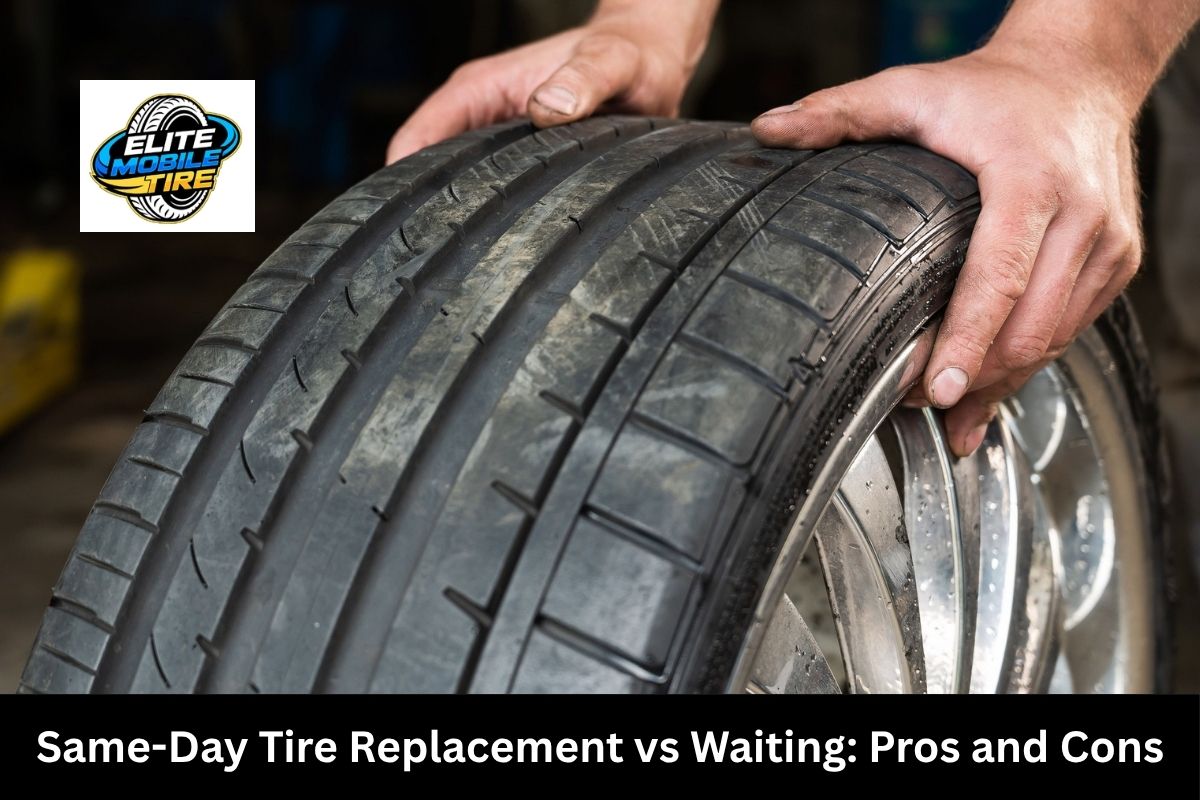
This is the most obvious warning sign, but many drivers do not check it regularly. As tread gets shallow, the tire loses its ability to channel water away from the contact patch. That increases the risk of hydroplaning and reduces grip, especially during Ohio rainstorms and changing seasonal conditions.
If the grooves look nearly smooth, the tire is no longer providing the traction it was designed to deliver. Even before it reaches the legal minimum, low tread can make your vehicle less predictable in emergency braking or quick lane changes.
2. Wear is heavier on one edge
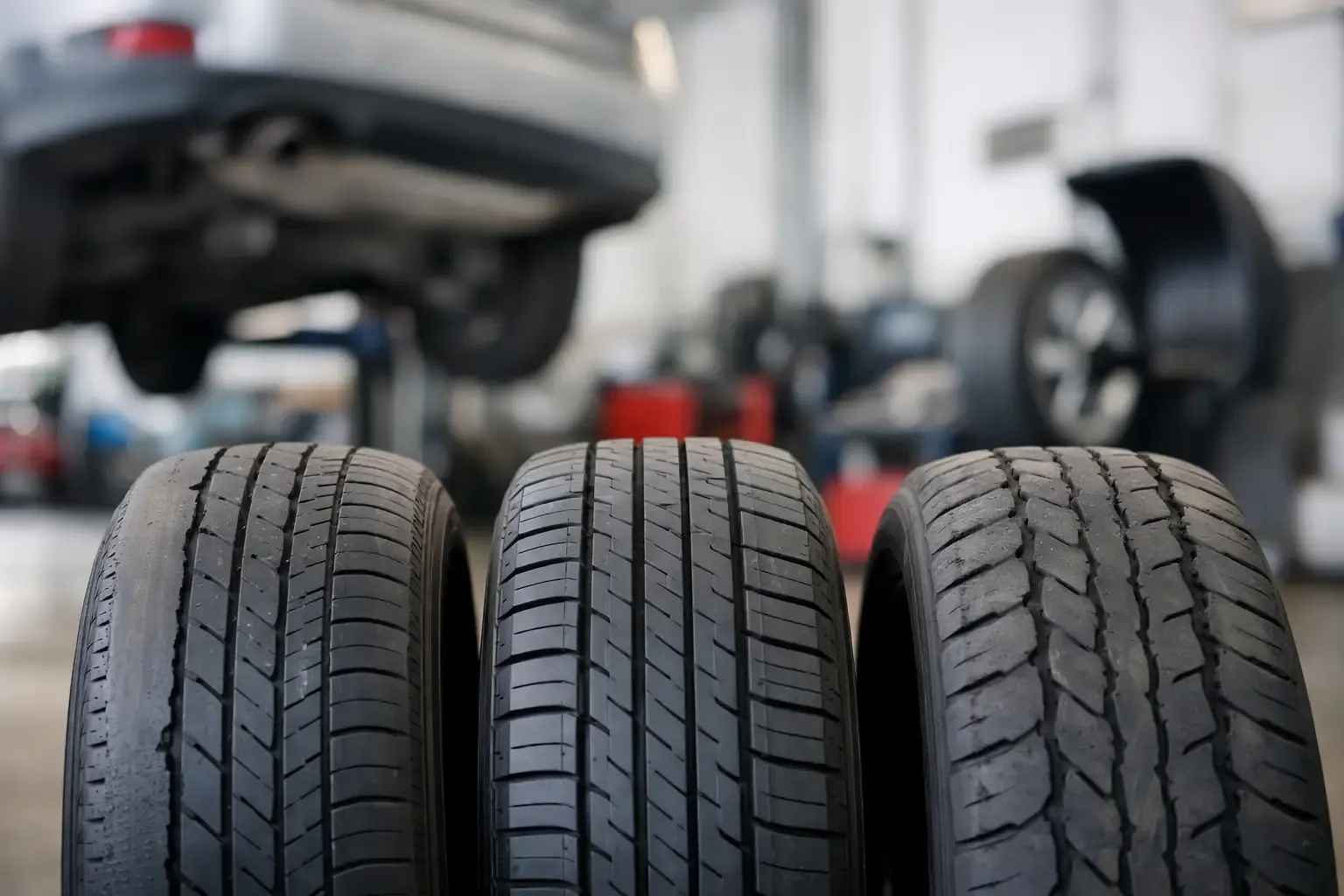
If the inside or outside edge of the tire is noticeably more worn than the rest of the tread, that usually points to an alignment issue. The tire is not meeting the road evenly, so one shoulder carries more of the load.
This kind of wear often develops gradually, which is why it gets missed. You may not feel a major handling change at first. But over time, edge wear can shorten tire life and create a real safety concern, especially at highway speeds.
3. The center of the tread is worn more than the edges
Center wear usually suggests overinflation. When a tire has too much air pressure, the middle of the tread bulges slightly and takes more abuse than the outer areas.
That does not always mean the pressure is dramatically high. Even a consistent pressure level above the manufacturer's recommendation can speed up wear. The trade-off is that a tire may feel firm, but it gives up tread life and balanced road contact.
4. Both edges are worn while the center looks deeper
This wear pattern often points to underinflation. When a tire runs low on air, more of the load shifts to the outer edges instead of the center. That creates excess heat, reduces fuel efficiency, and wears the shoulders faster.
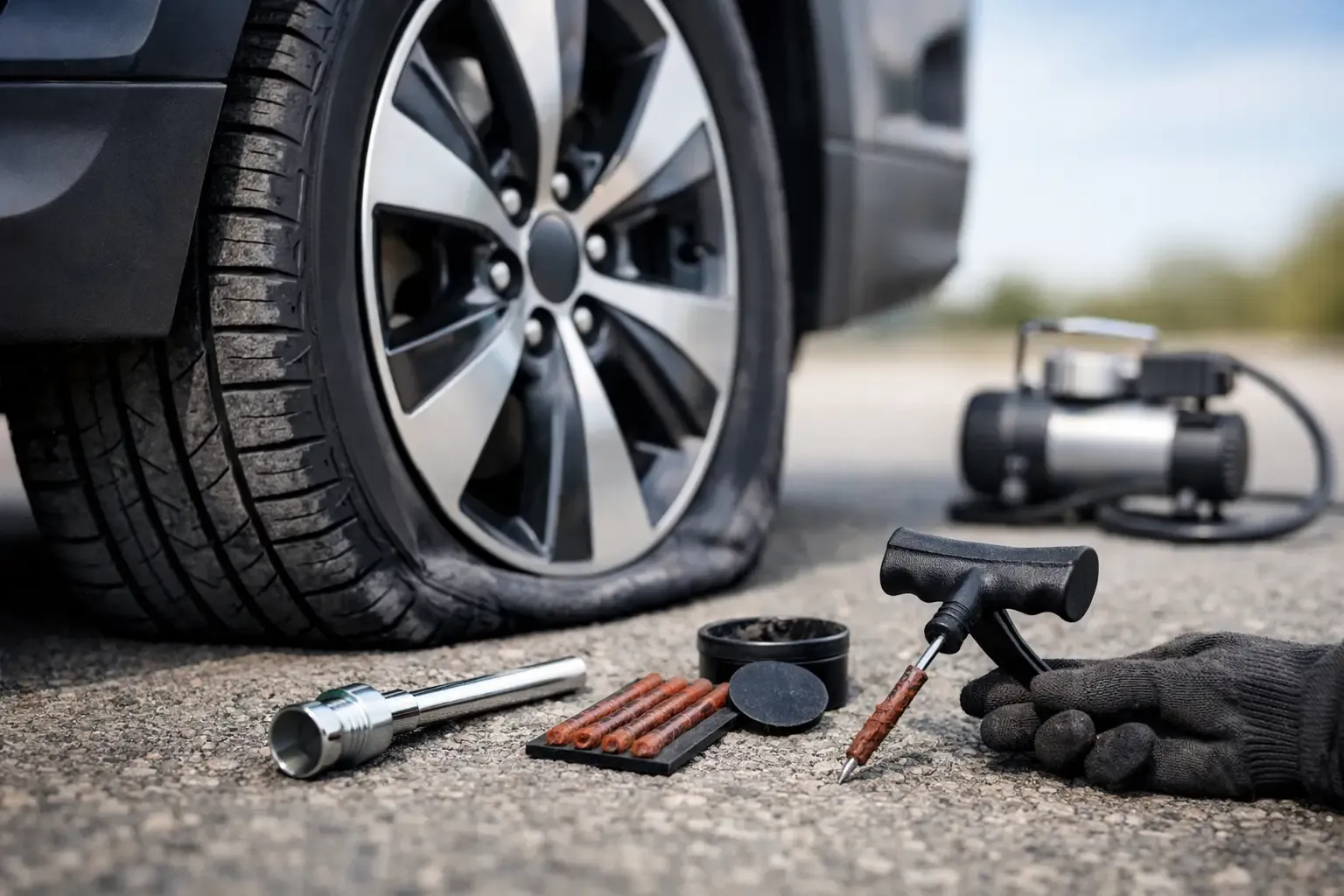
Low pressure is one of the most common causes of premature tire damage. It can happen from a small puncture, seasonal temperature changes, or simply going too long without checking pressure. If the same tire keeps losing air, it needs inspection, not just another top-off.
5. Cupping or scalloped dips across the tread
Cupping looks like a series of uneven dips or patches around the tire. You may also hear it before you see it because it often creates a rhythmic road noise that gets louder with speed.
This pattern can be linked to suspension problems, worn shocks or struts, or tires that are out of balance. In some cases, it is a combination of issues. A new tire alone may not fix it. If the underlying mechanical problem is not addressed, the replacement tire can develop the same wear pattern.
6. Cracks, bulges, or damaged sidewalls
Unsafe tire wear is not only about the tread. The sidewall matters too. If you see cracking, bubbling, or a bulge in the sidewall, the tire may have internal damage.
A bulge is especially serious because it usually means the structure inside the tire has been weakened. That can happen after hitting a pothole, curb, or road debris. Unlike minor cosmetic scuffs, a bulge is not something to monitor and hope for the best. It should be inspected right away.
7. Wear bars are flush with the tread
Most tires have built-in tread wear indicators, often called wear bars. These appear as small raised sections inside the grooves. When the tread wears down to the point that those bars are level with the surrounding surface, the tire has reached a replacement point.
Some drivers do not notice wear bars until they are washing the car or looking closely in daylight. If you can see them clearly across multiple grooves, the tire is telling you it is done.
What causes unsafe tire wear in the first place?
Tire wear is not random. It usually comes back to inflation, alignment, balancing, rotation intervals, driving conditions, or worn vehicle components. Sometimes it is one issue. Sometimes it is a combination that builds over months.
For example, a commuter who drives long highway miles may wear tires differently than a driver who makes short trips around town with frequent turns and stops. A vehicle that hits potholes regularly may drift out of alignment sooner. A family SUV carrying heavier loads can also put different stress on the tires than a lightly driven sedan.
That is why it helps to look beyond the tread itself. The pattern tells part of the story, but the cause matters just as much as the symptom.
How to check for signs of unsafe tire wear
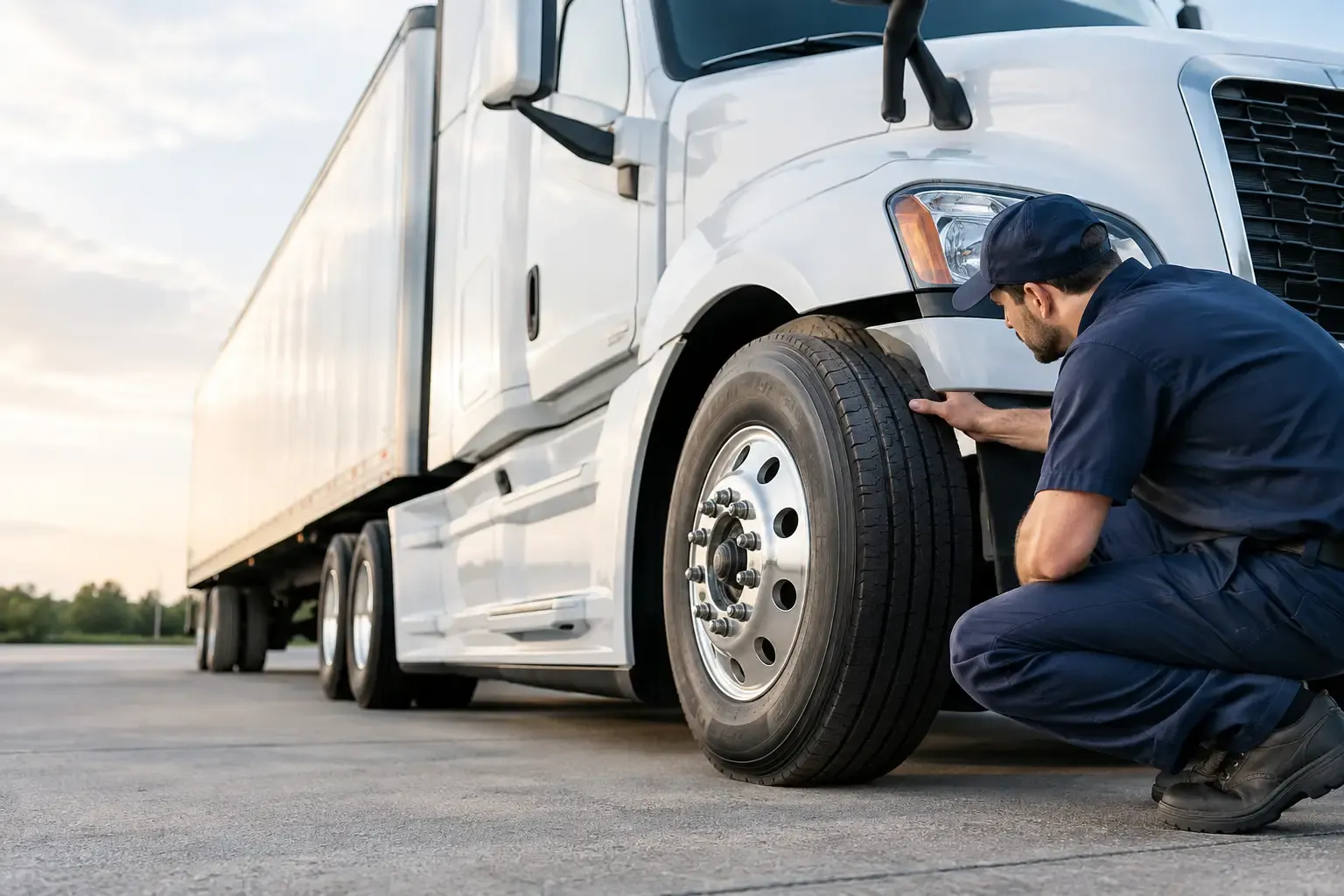
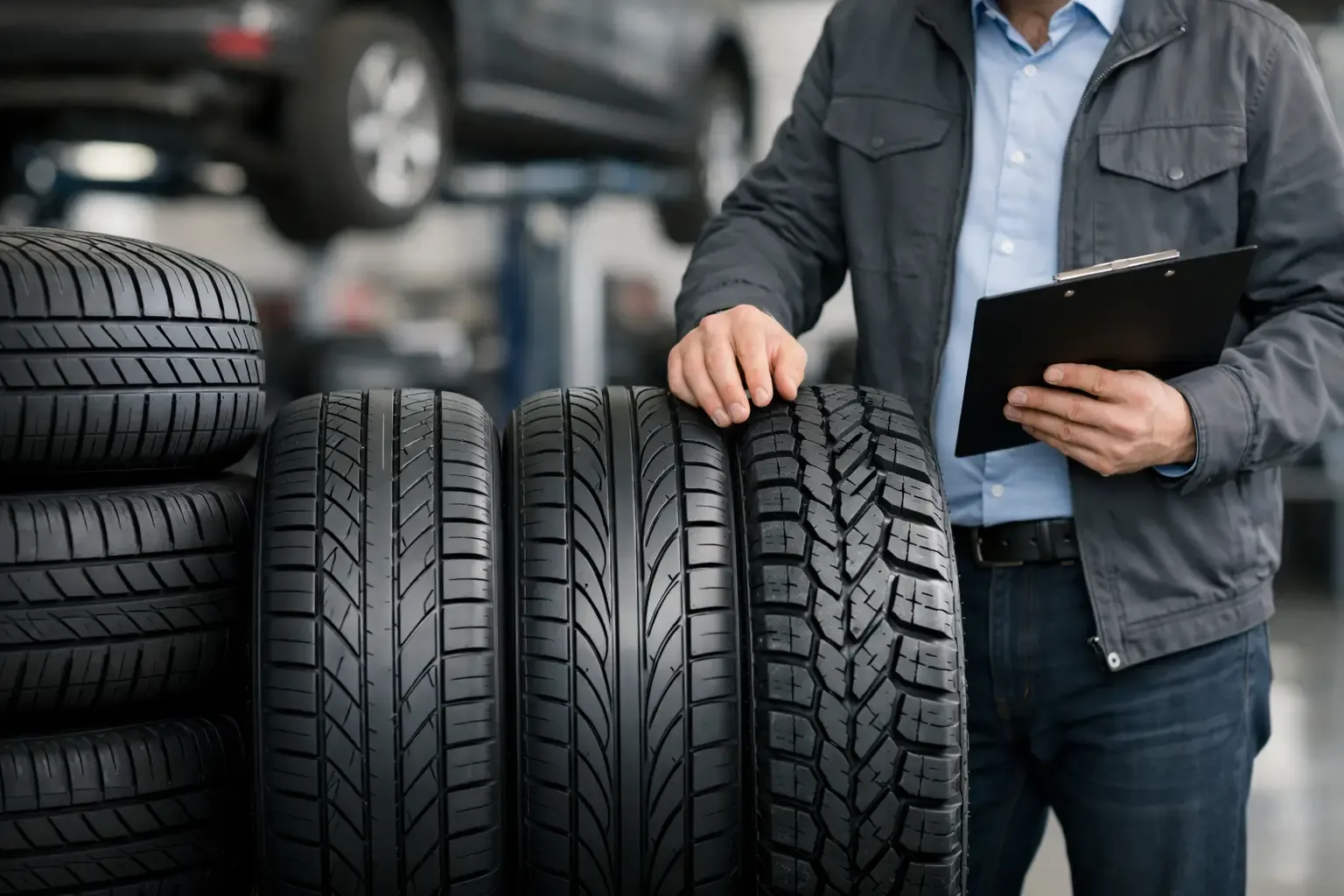
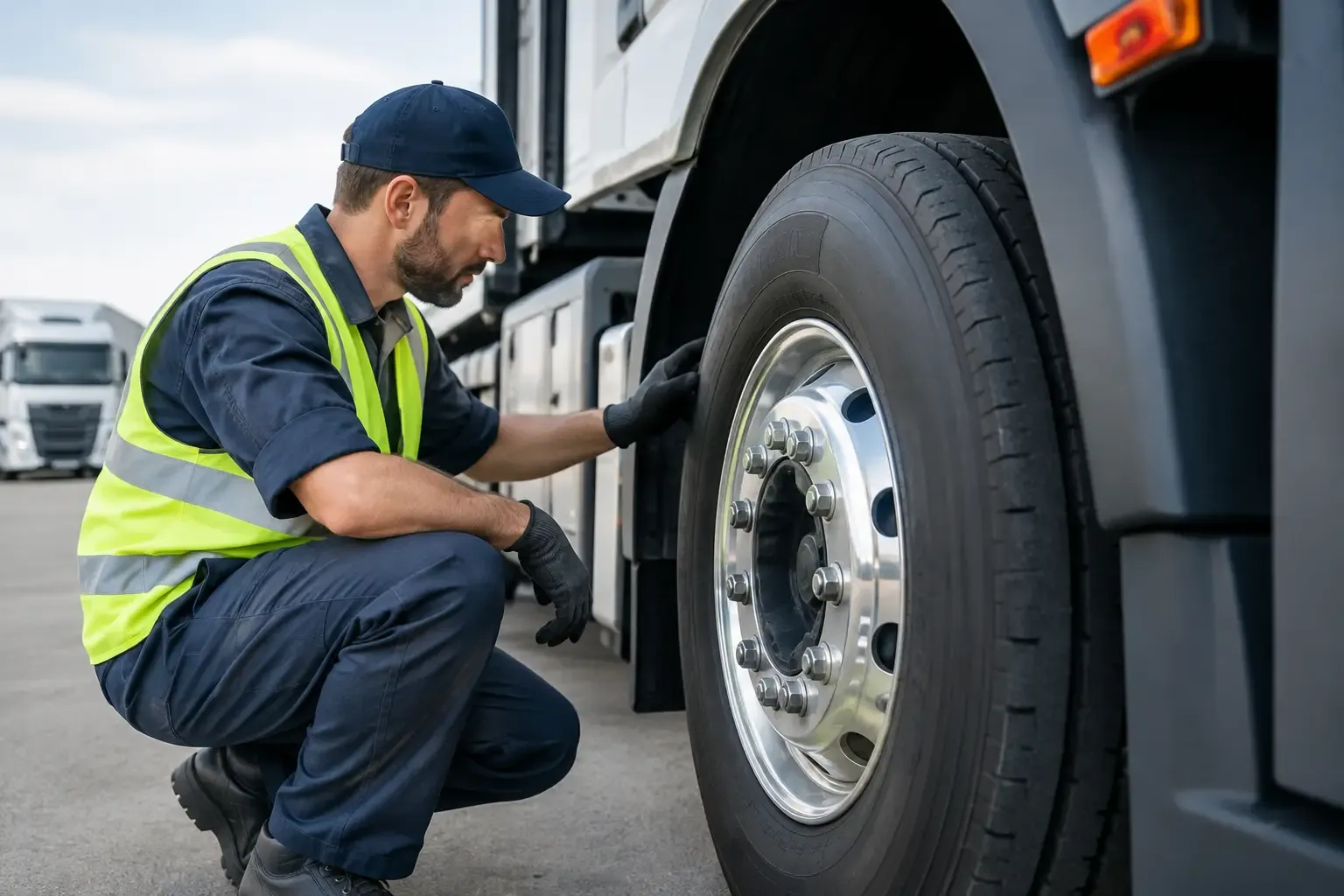
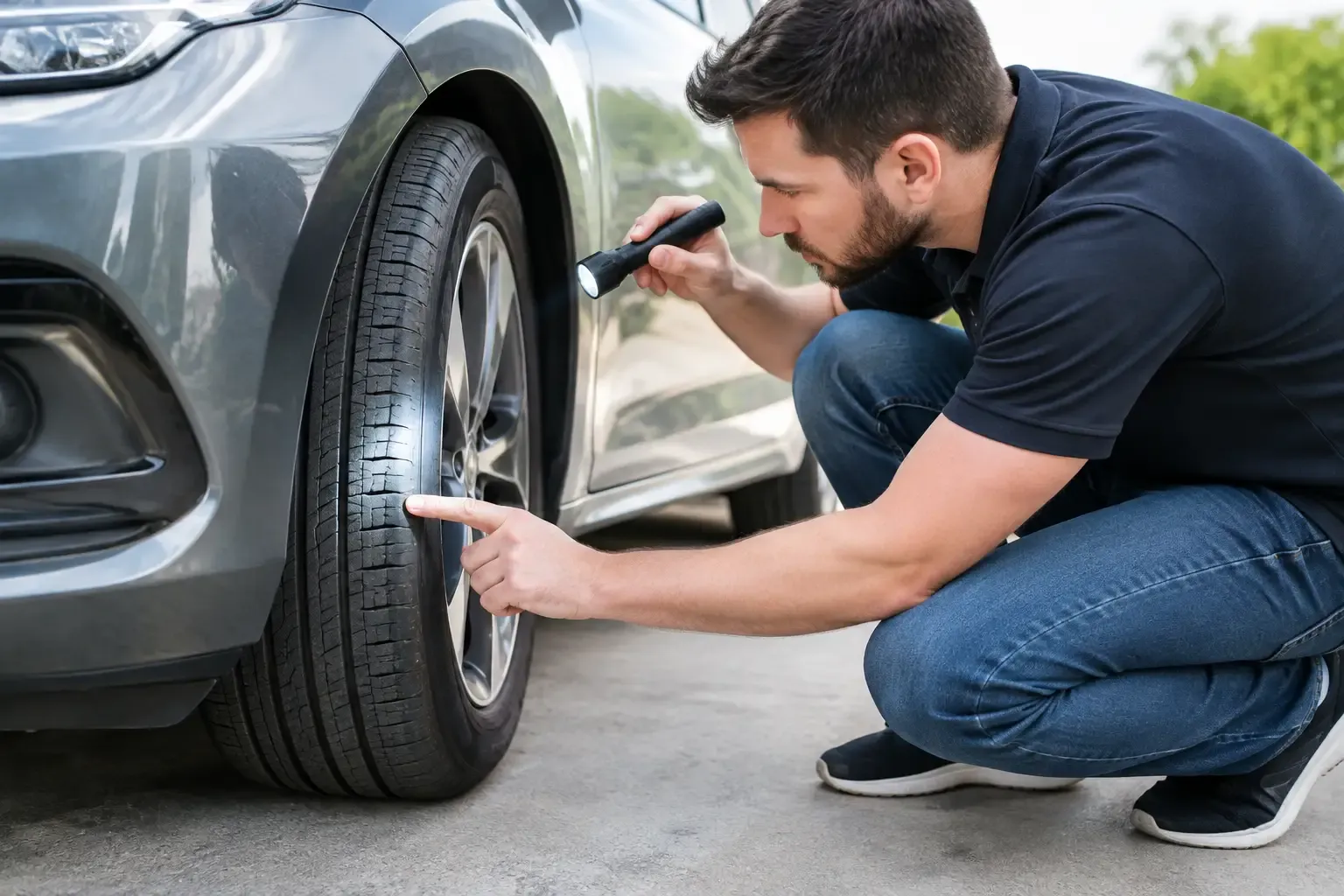
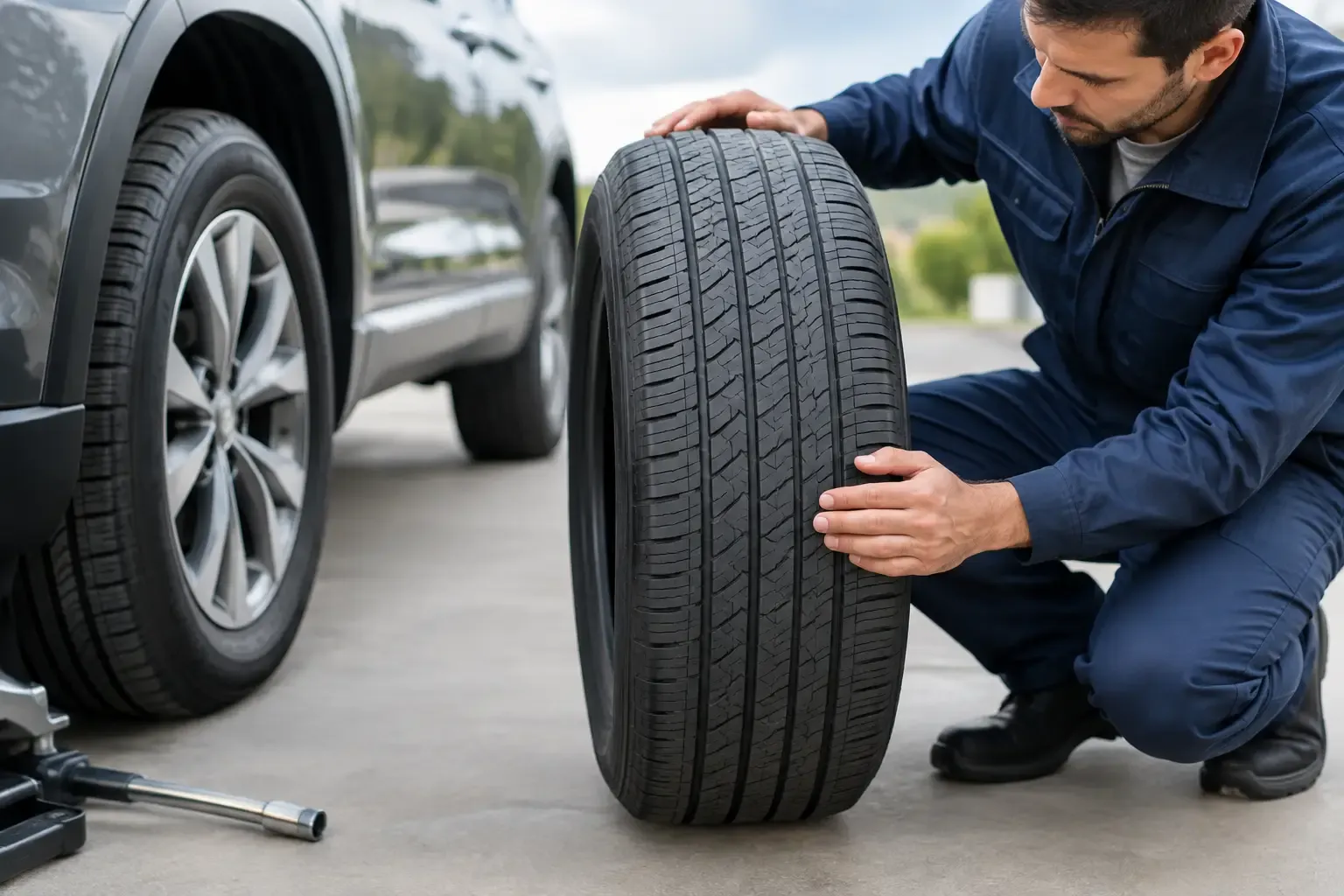
You do not need to be a technician to spot a problem. Start by turning the wheel enough to see the front tire tread clearly. Look across the full width of the tire, not just the center. Compare the inner edge, center, and outer edge. Then do the same on all four tires.
Pay attention to anything uneven, unusually smooth, cracked, or noisy. If one tire looks different from the others, that is worth checking. If the vehicle pulls, vibrates, or rides rough along with visible wear, the need for service becomes more urgent.
A monthly visual check is a good habit, especially before longer trips or weather changes. It takes only a few minutes and can prevent a much bigger inconvenience later.
When to replace a tire versus when to repair the cause
Sometimes the answer is simple. If tread is too low, the sidewall is damaged, or the tire has reached the wear bars, replacement is the safe move. But if the wear is uneven, replacing the tire without correcting the cause may only reset the clock.
For instance, a tire with inside edge wear often needs replacement and an alignment check. A cupped tire may also require balancing or suspension work. If underinflation caused the problem, the tire should be inspected for a puncture or leaking valve stem.
It depends on how far the wear has progressed. Mild uneven wear may be caught early enough to prevent rapid damage. More advanced wear usually means the tire's safety and performance are already compromised.
Why quick action saves time and money
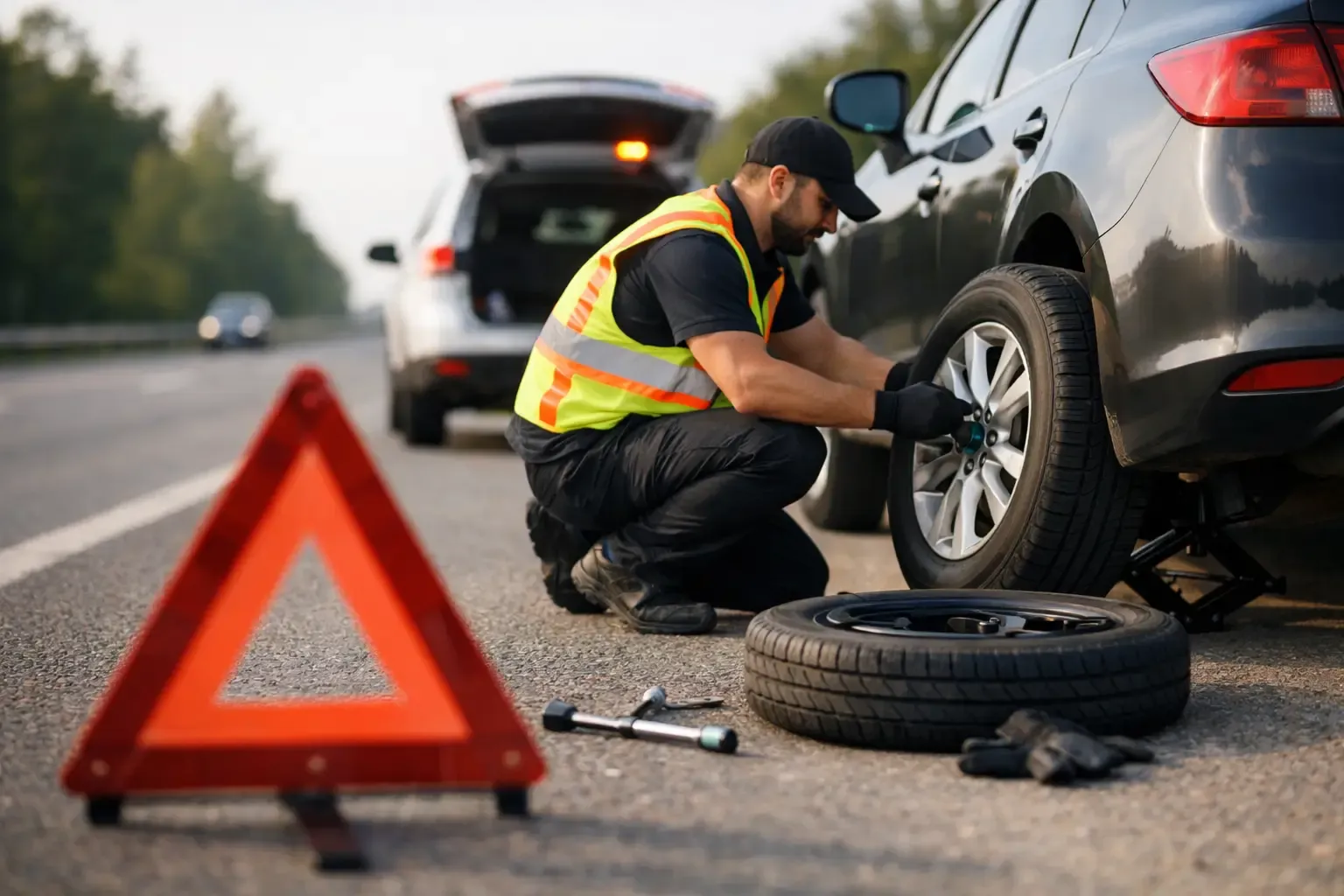
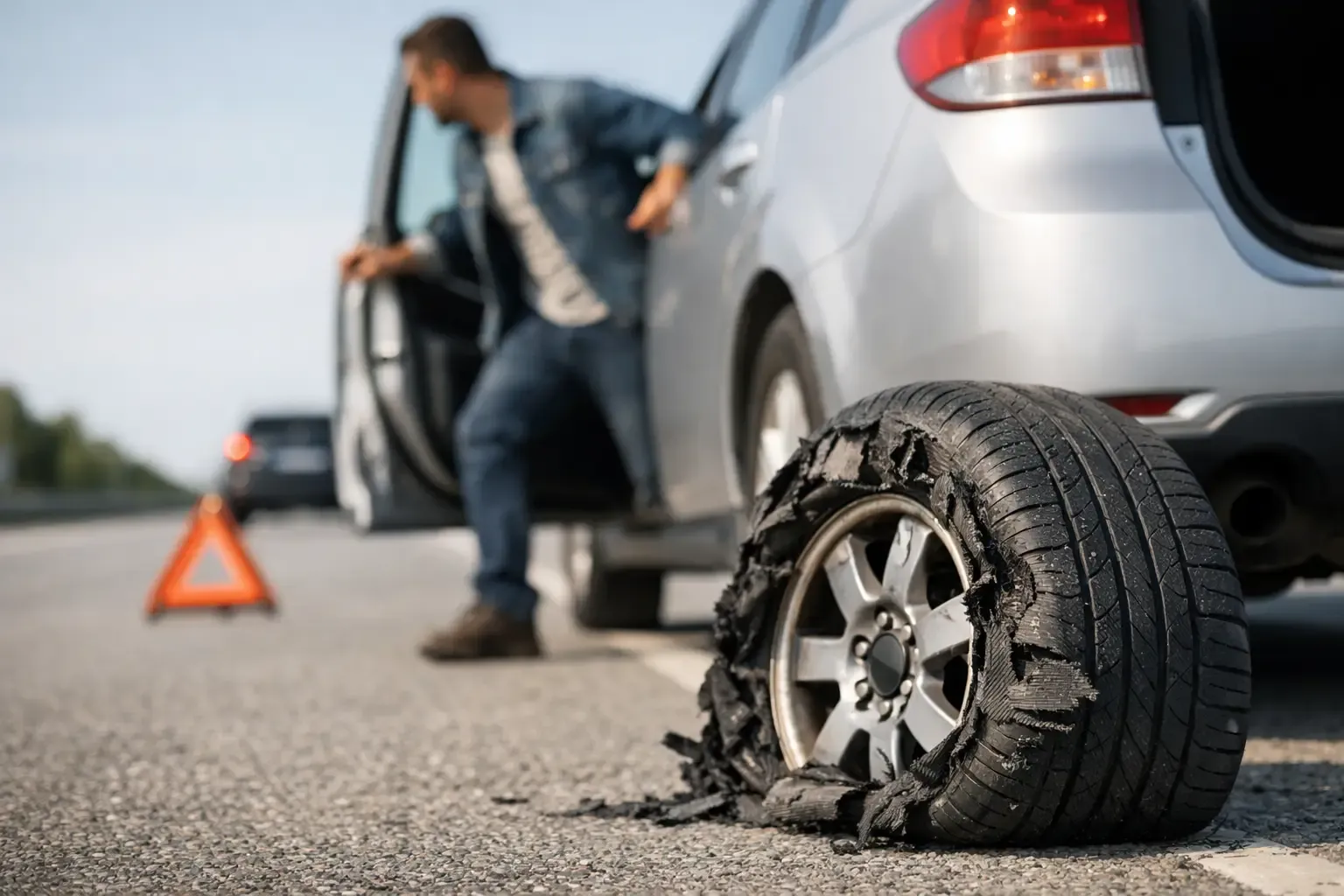
Waiting too long can turn a manageable tire issue into a roadside problem. A worn tire is more vulnerable to punctures, heat buildup, and poor wet traction. It can also reduce braking performance when you need it most.
For drivers juggling work, school pickup, appointments, and daily commutes, the real cost is not just the tire. It is the disruption. Catching wear early gives you more control over when and how the issue gets handled.
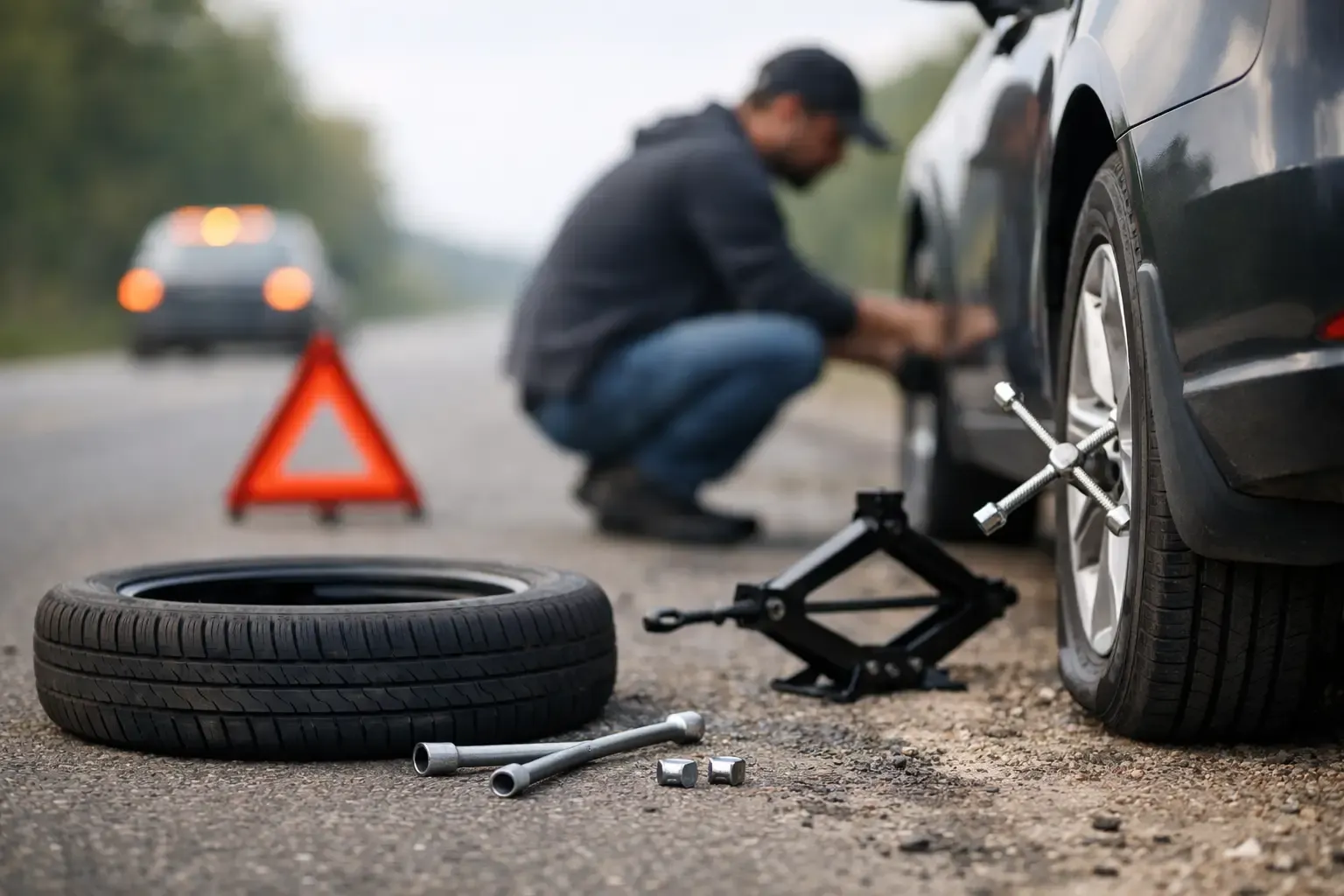
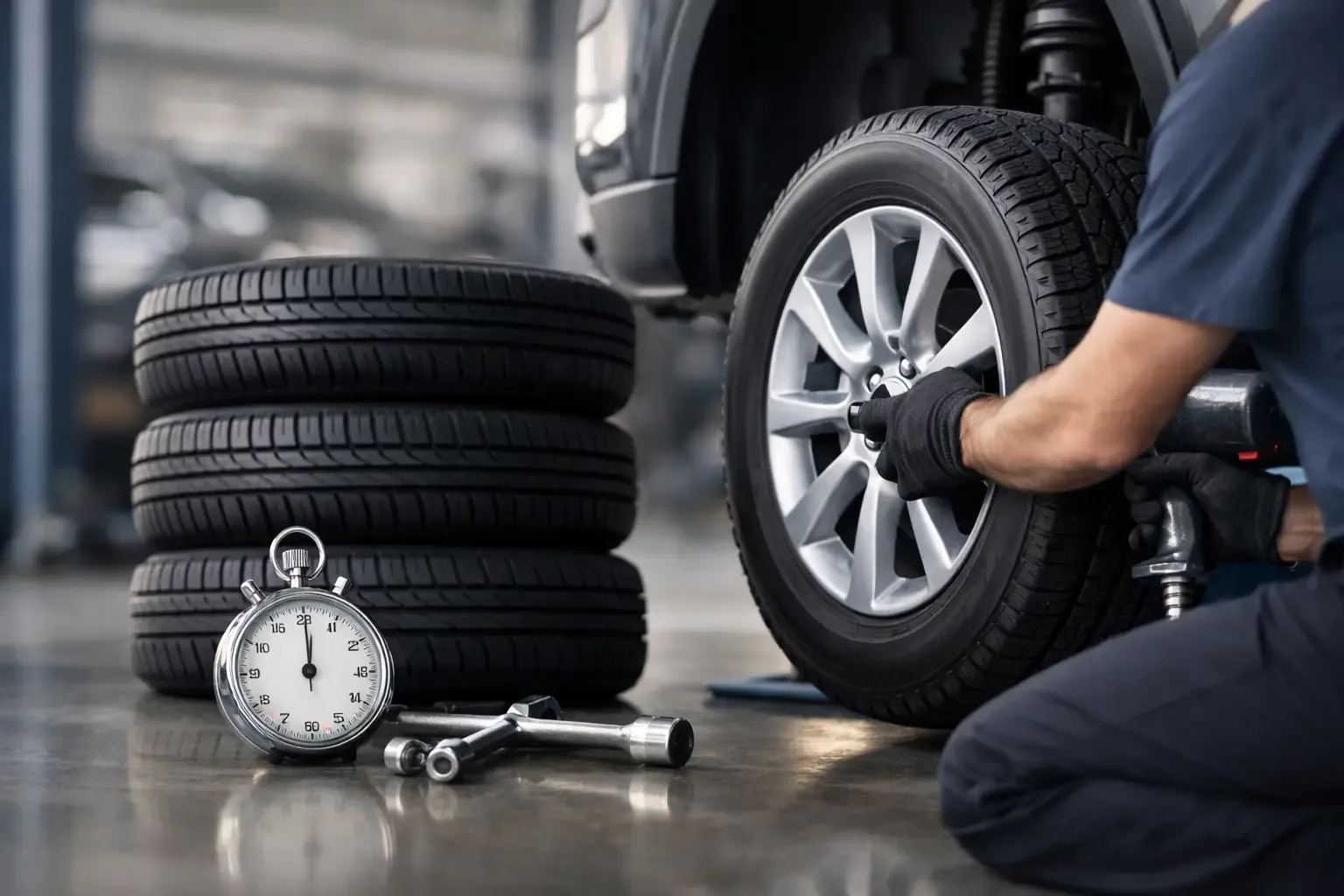
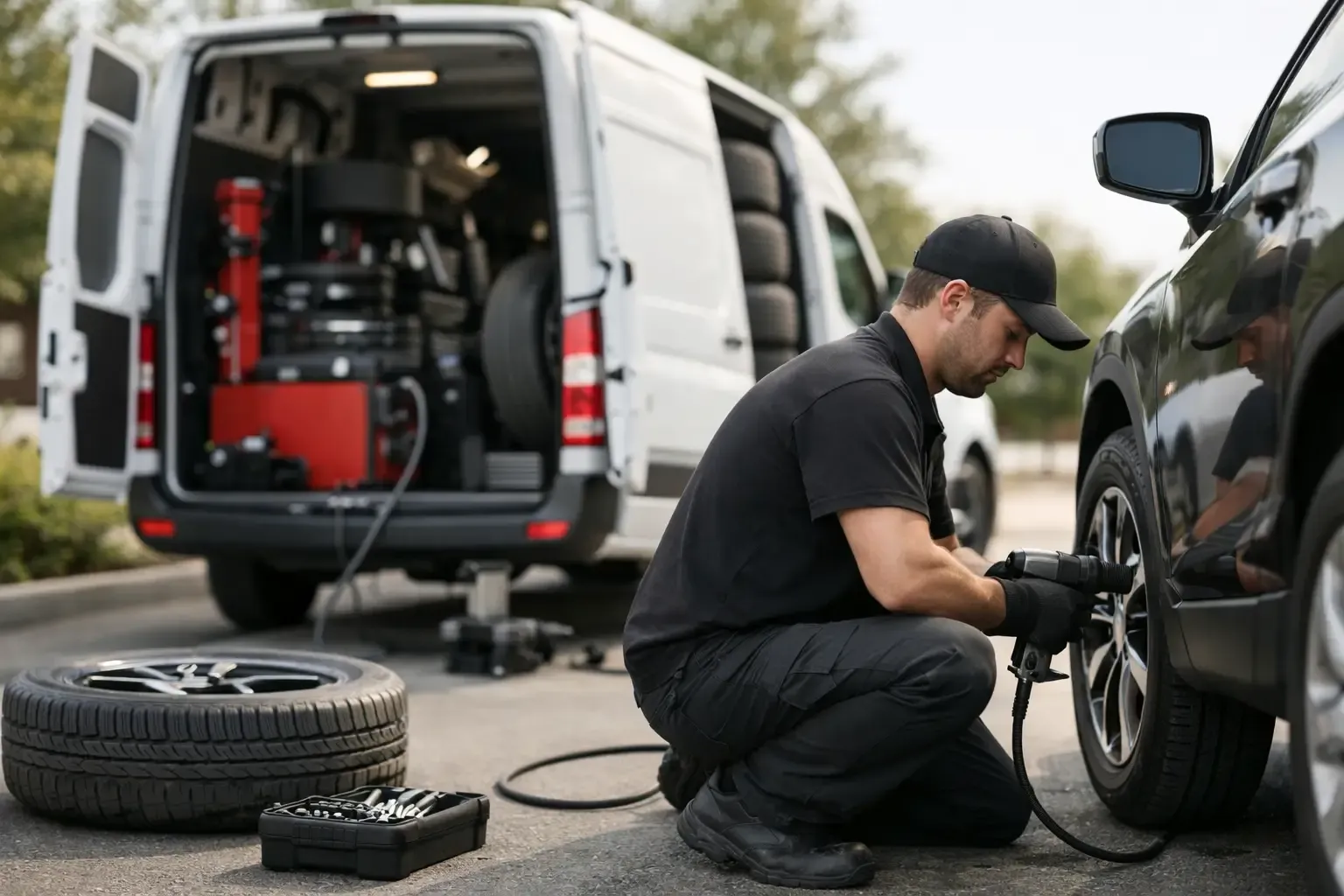
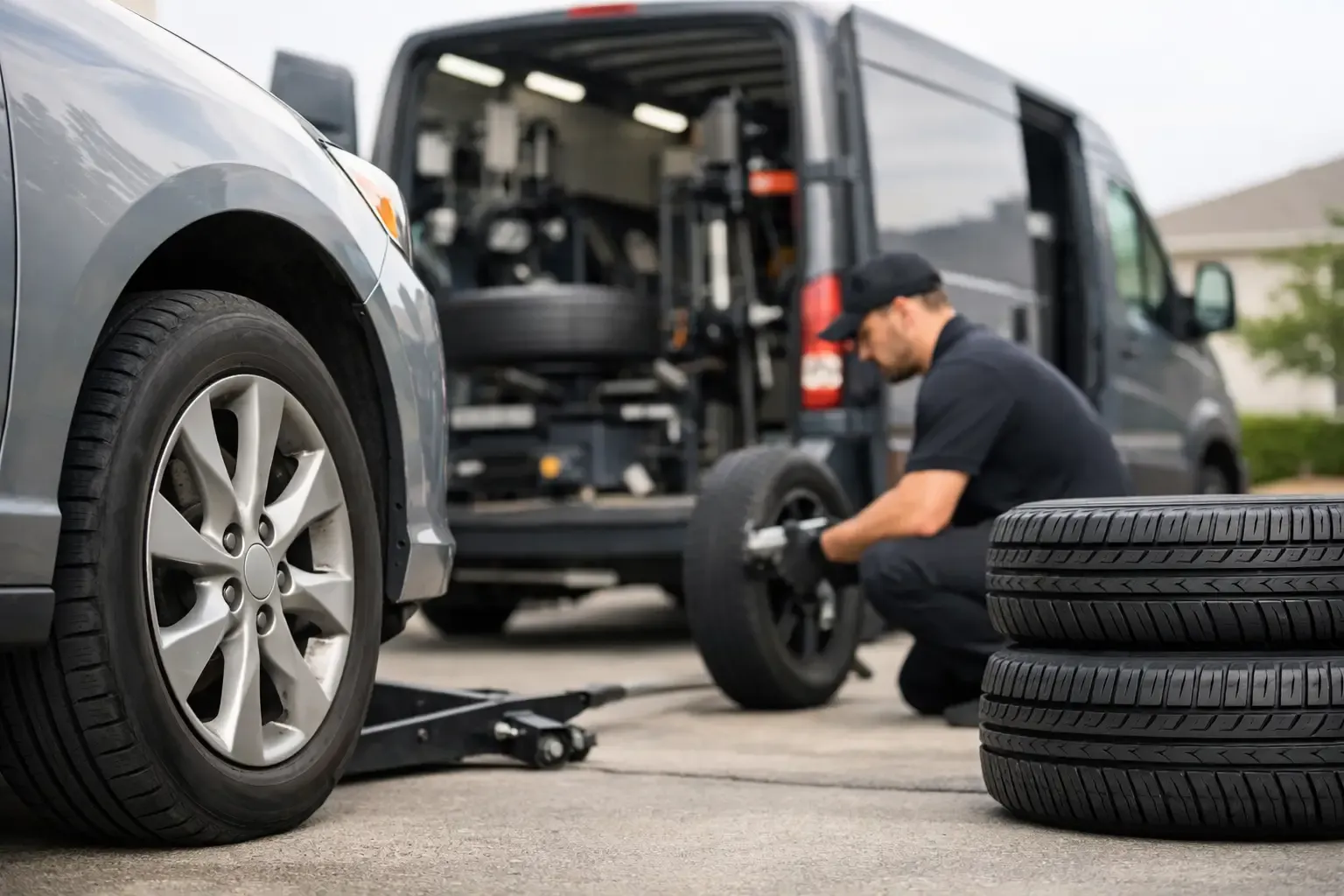
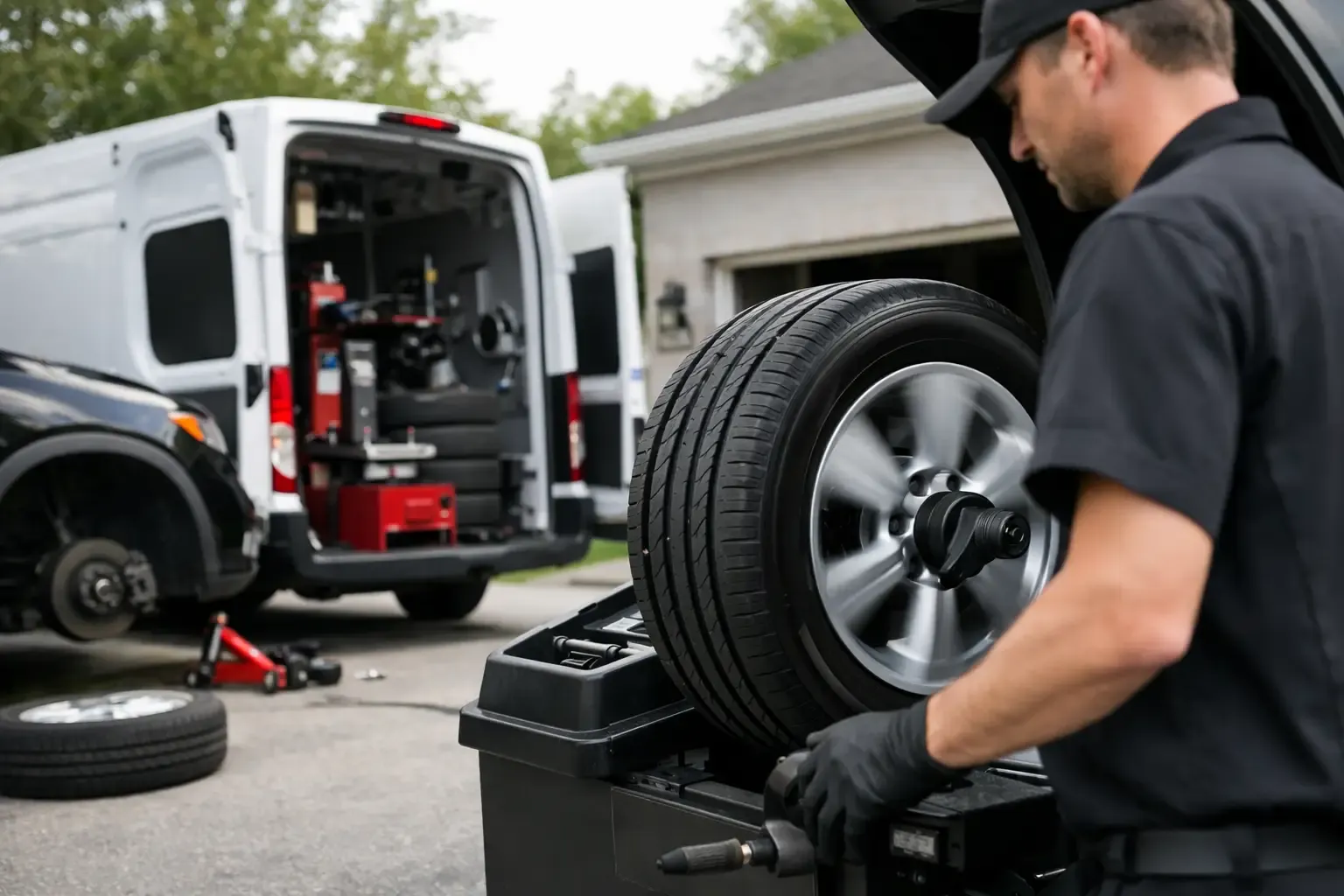
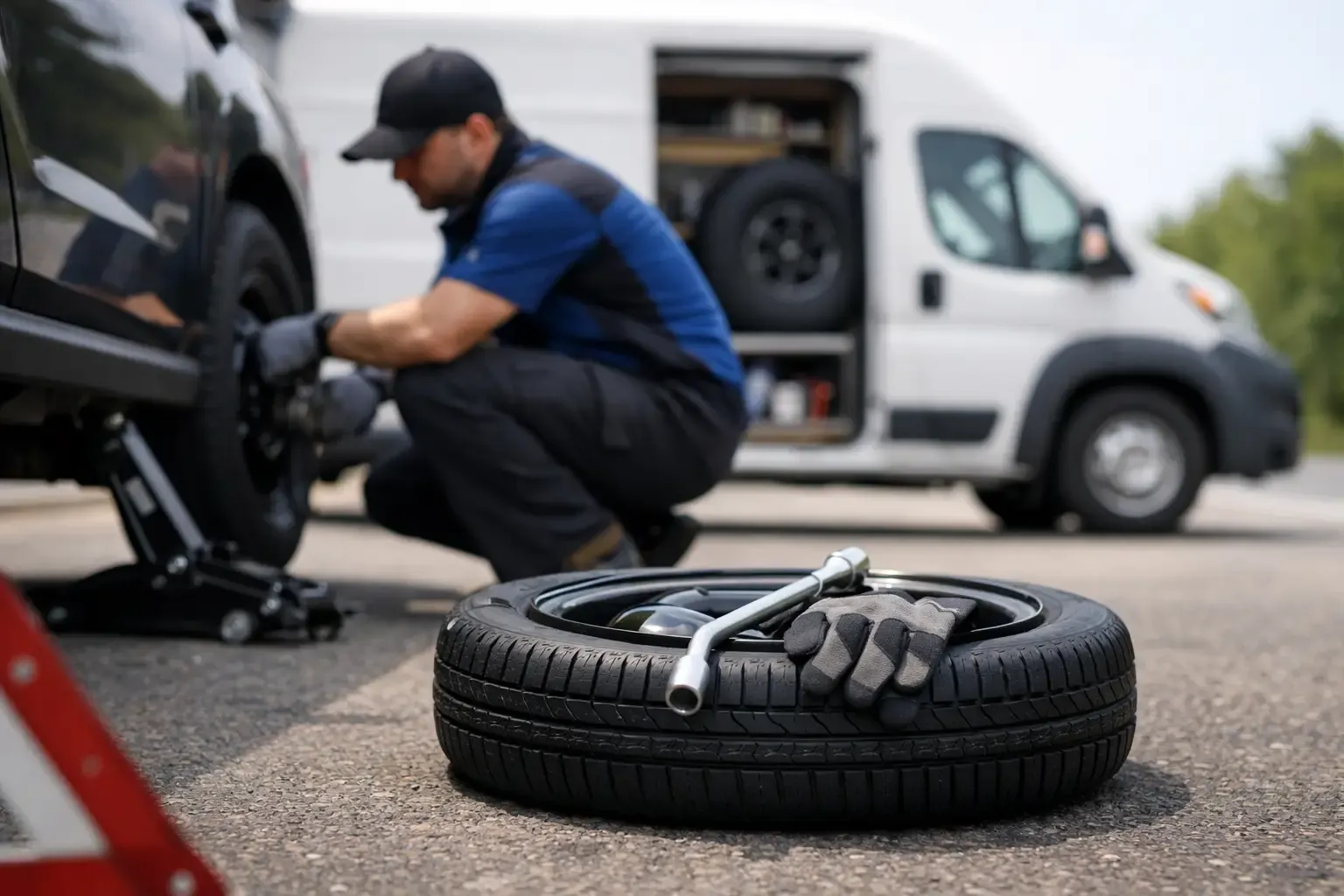
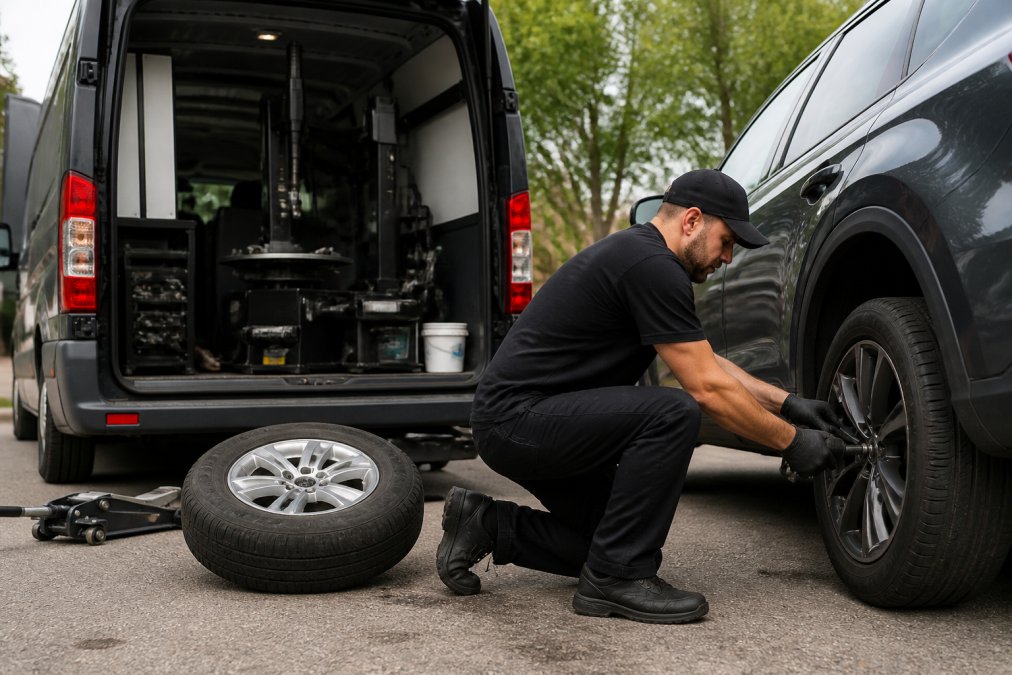
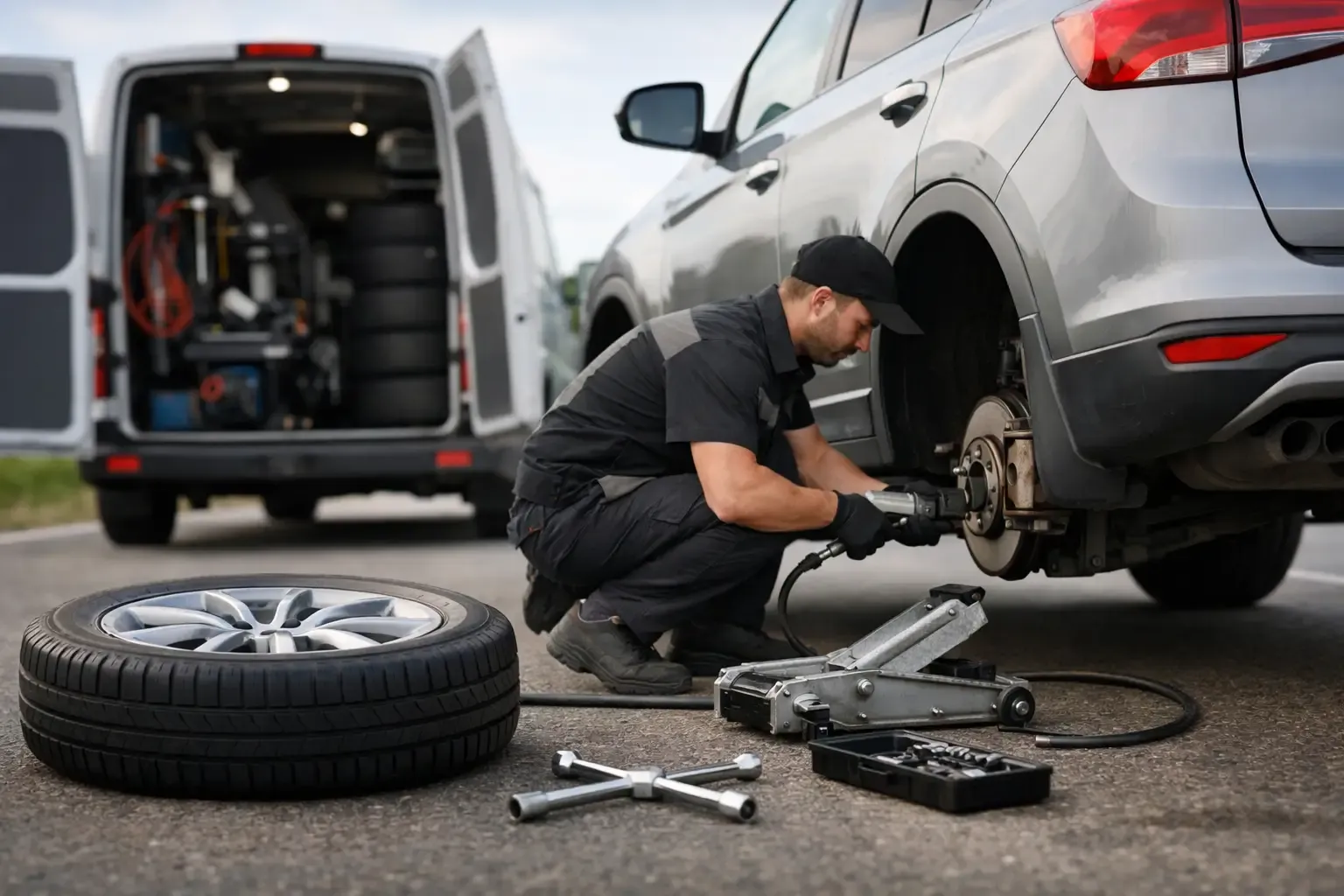
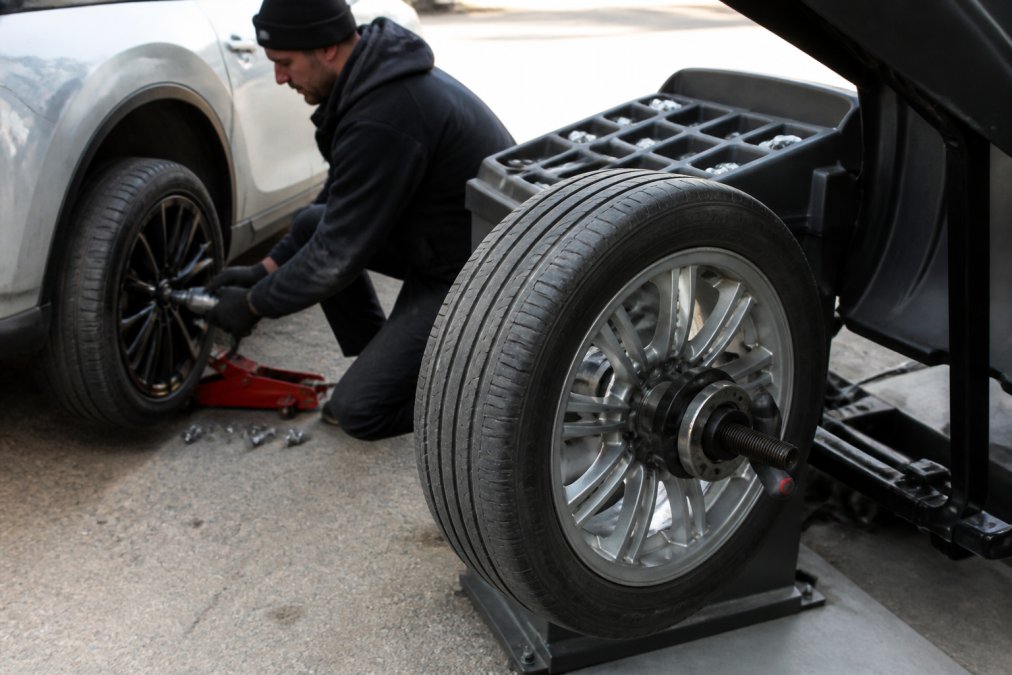
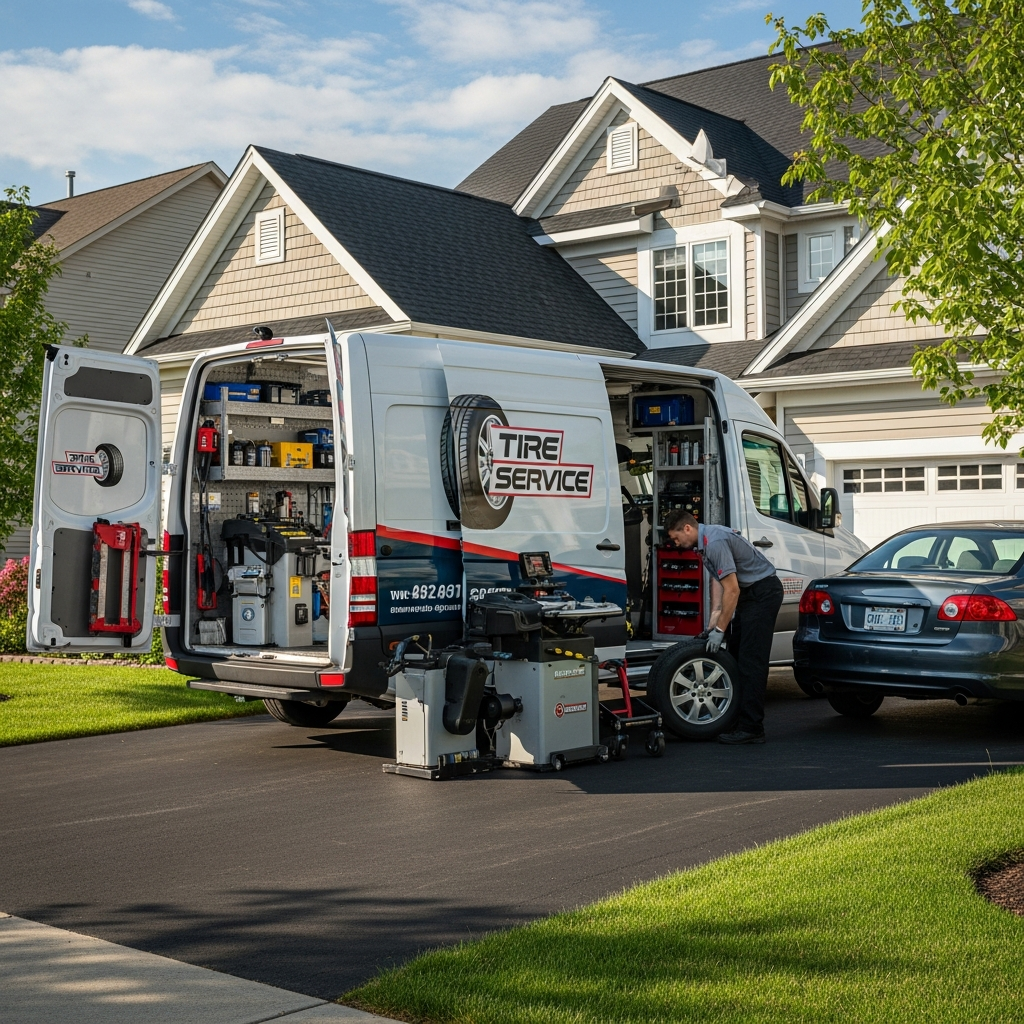
That is one reason mobile tire service makes sense for many households and professionals. Instead of rearranging your day around a tire shop visit, service can be handled where the vehicle already is - at home, at work, or even roadside if the problem has already become urgent.
If you notice signs of unsafe tire wear
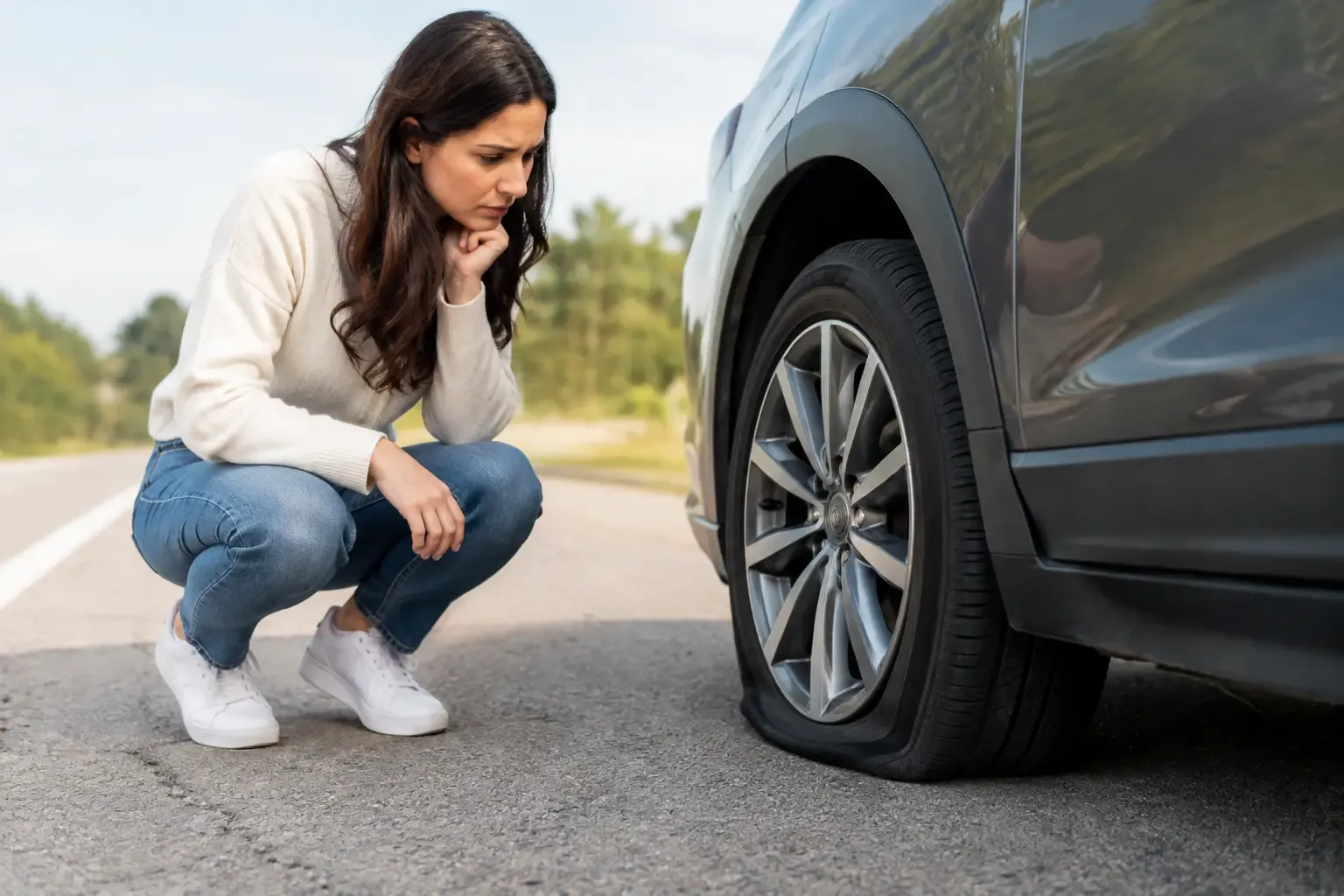
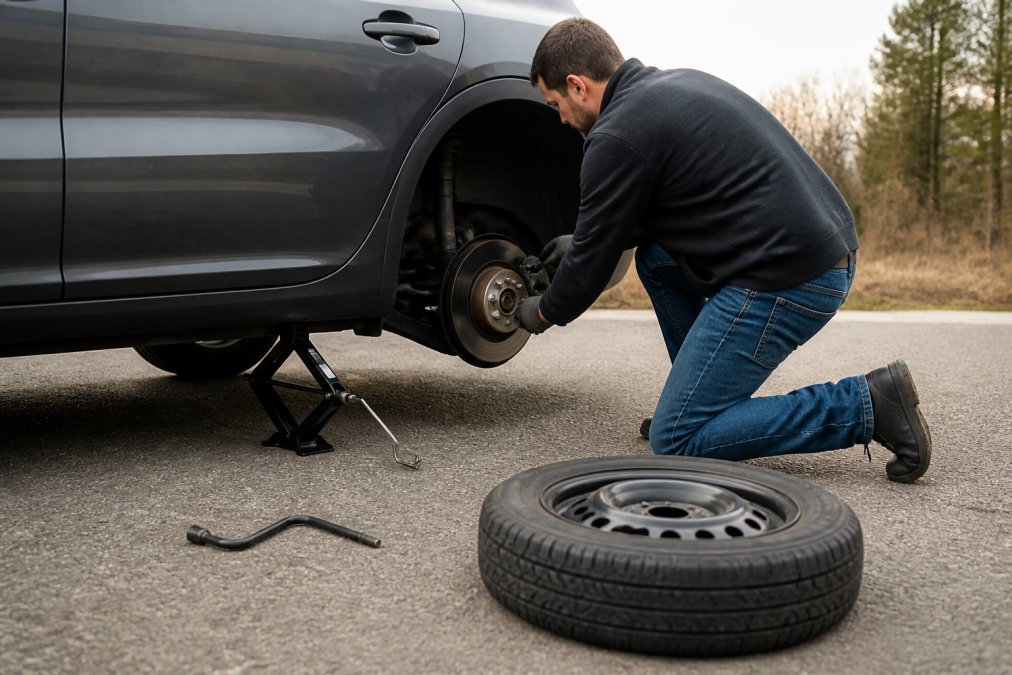
Do not guess, and do not keep driving on a tire that looks questionable just because it still holds air. A tire can be visibly unsafe before it goes flat.
If you notice low tread, uneven wear, sidewall damage, or vibration tied to visible tread issues, have the tire inspected as soon as possible. For drivers in Columbus and nearby suburbs, that can often mean getting expert help without the extra step of towing or waiting at a shop. The right next step is simple: act while the problem is still manageable, and let the tread tell you what your vehicle needs.
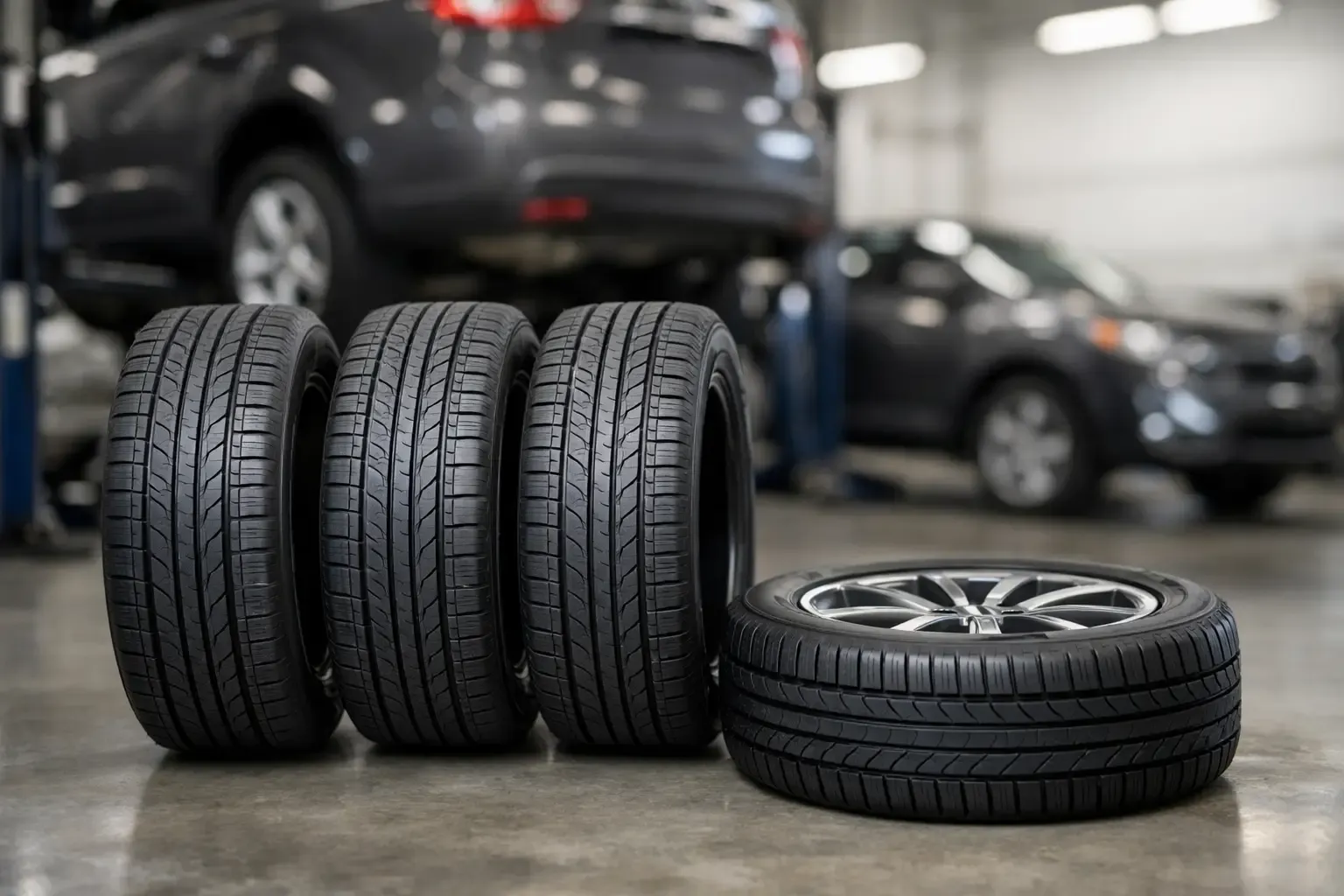
Ready for a new set? Elite Mobile Tire installs 2 or 4 new tires right in your driveway or parking lot anywhere around Columbus, Obetz, Groveport, Grove City, and Reynoldsburg. Financing is available through Afterpay and Acima with up to 24-month payment plans. Call 614-344-5010 or visit elitemobiletire.com to book.