
A nail in your tire rarely arrives at a convenient time. It may show up in the driveway before work, in a parking lot after a long day, or halfway through a family road trip. The question, “can a nail in tire be repaired?” has a straightforward answer: often, yes - but only when the puncture is in the right location and the tire has not been damaged by driving while low on air.
A quick plug from a repair kit may seem like the fastest answer, but tire safety depends on more than stopping the air leak. A professional inspection determines whether the tire can safely stay in service or whether replacement is the responsible choice.
Can a Nail in a Tire Be Repaired?
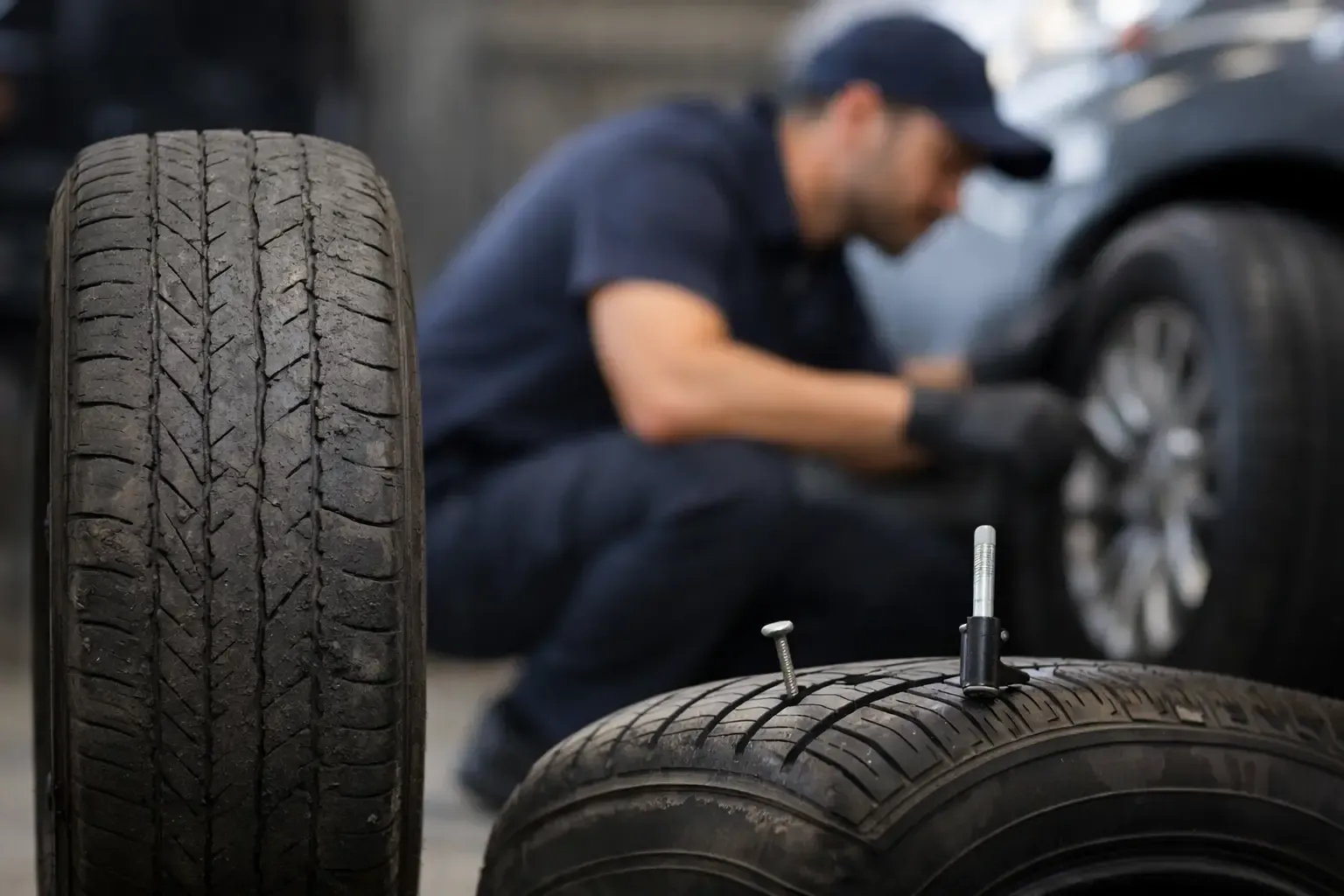
A nail puncture can usually be repaired when it is in the center portion of the tread, the hole is small, and the tire has not been driven flat or severely underinflated. In most cases, a repairable puncture is no larger than 1/4 inch in diameter. A typical nail often falls within that range.
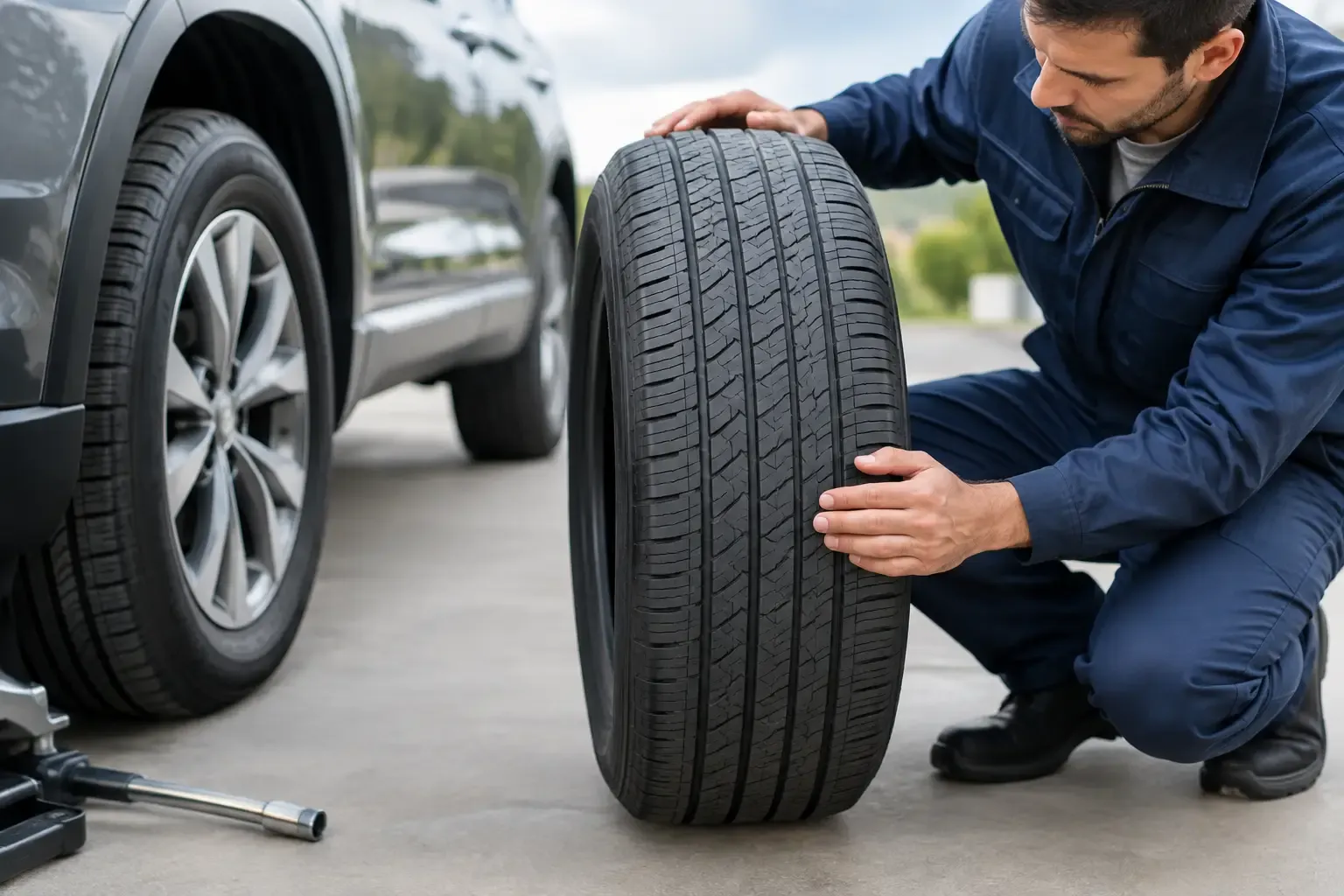
The location matters just as much as the size. The repairable area is the flat tread surface that contacts the road. If the nail is near the outer edge of the tread, in the shoulder, or in the sidewall, the tire generally should not be repaired. Those areas flex heavily as the tire rolls, and a repair there may not hold safely under real driving conditions.
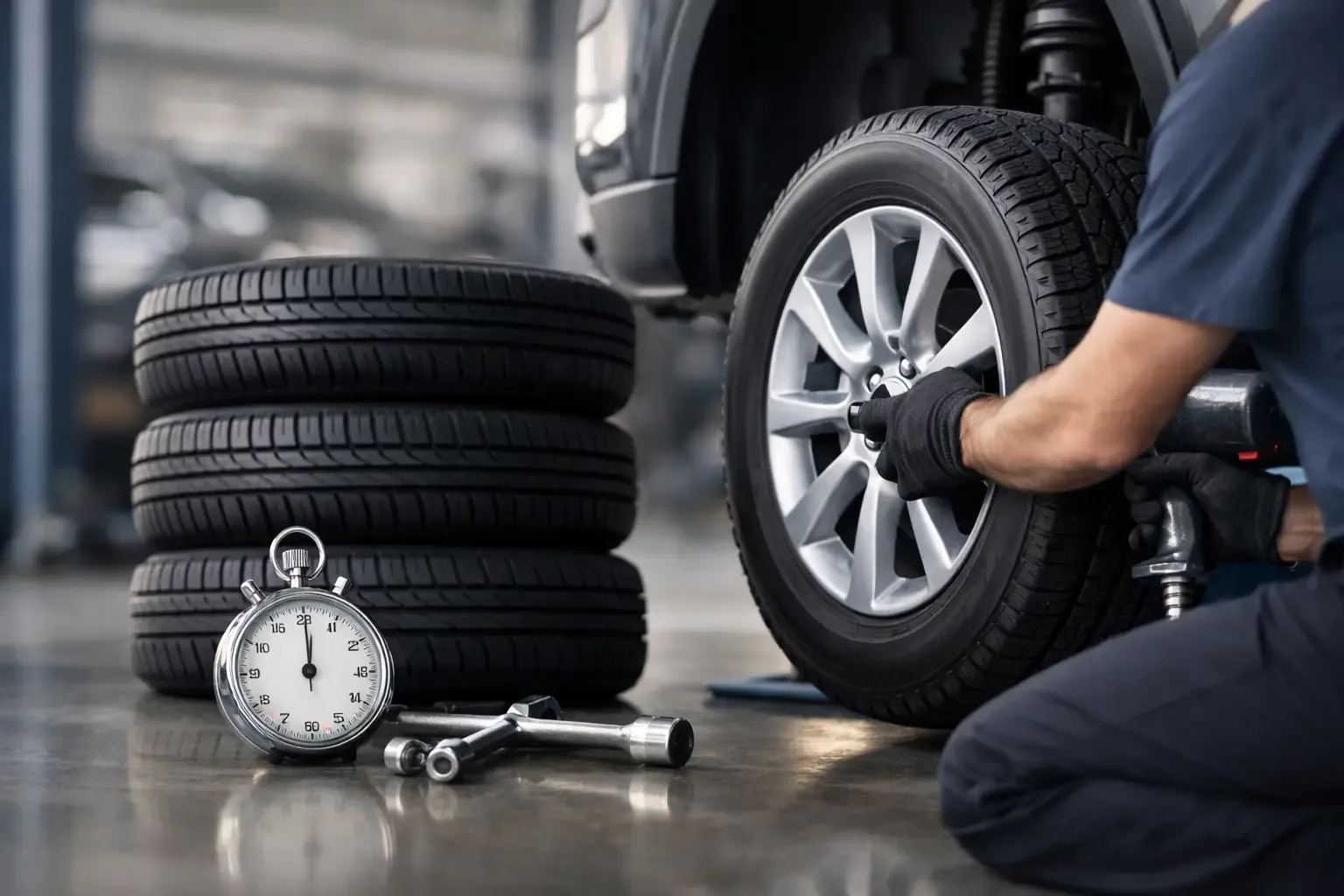
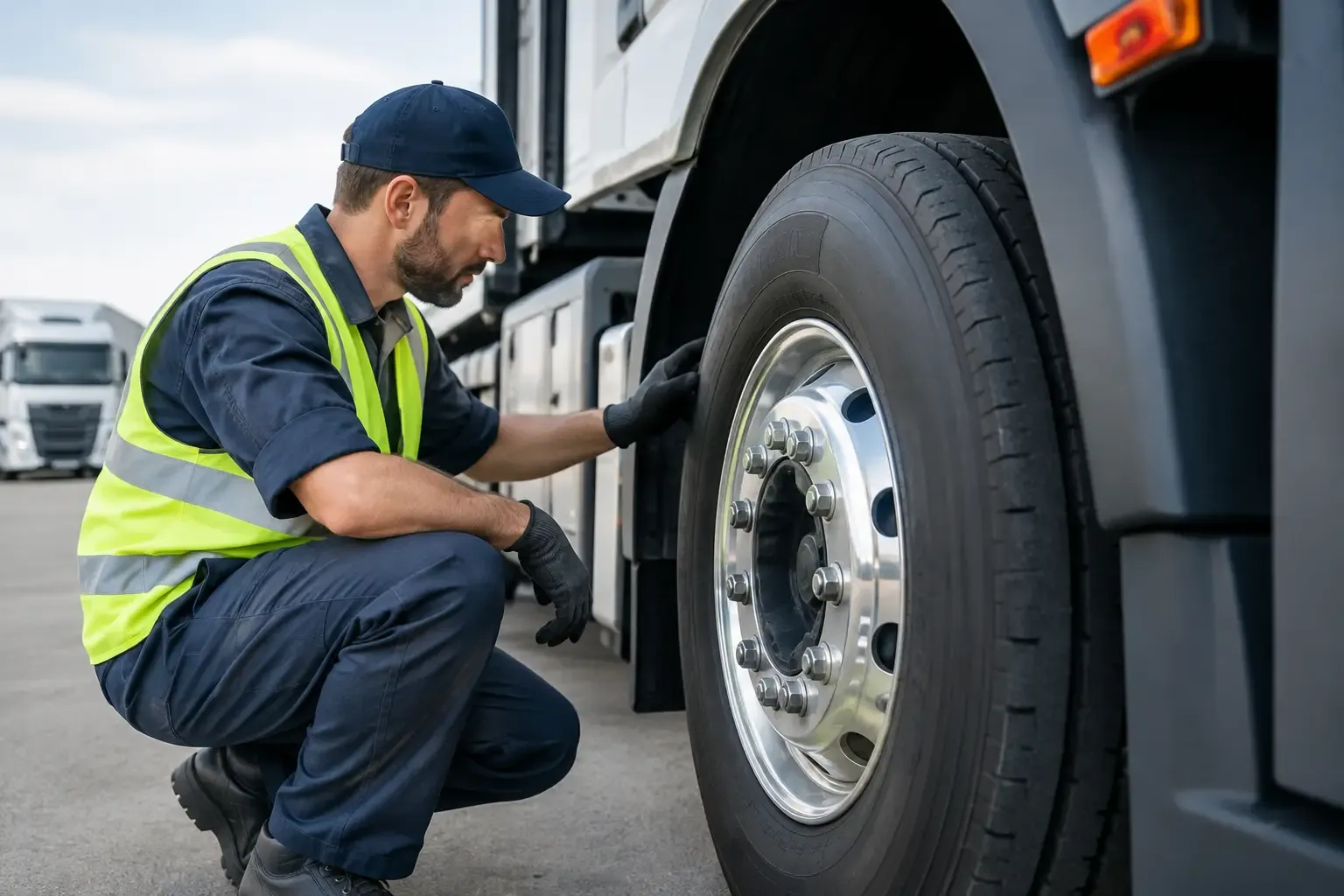
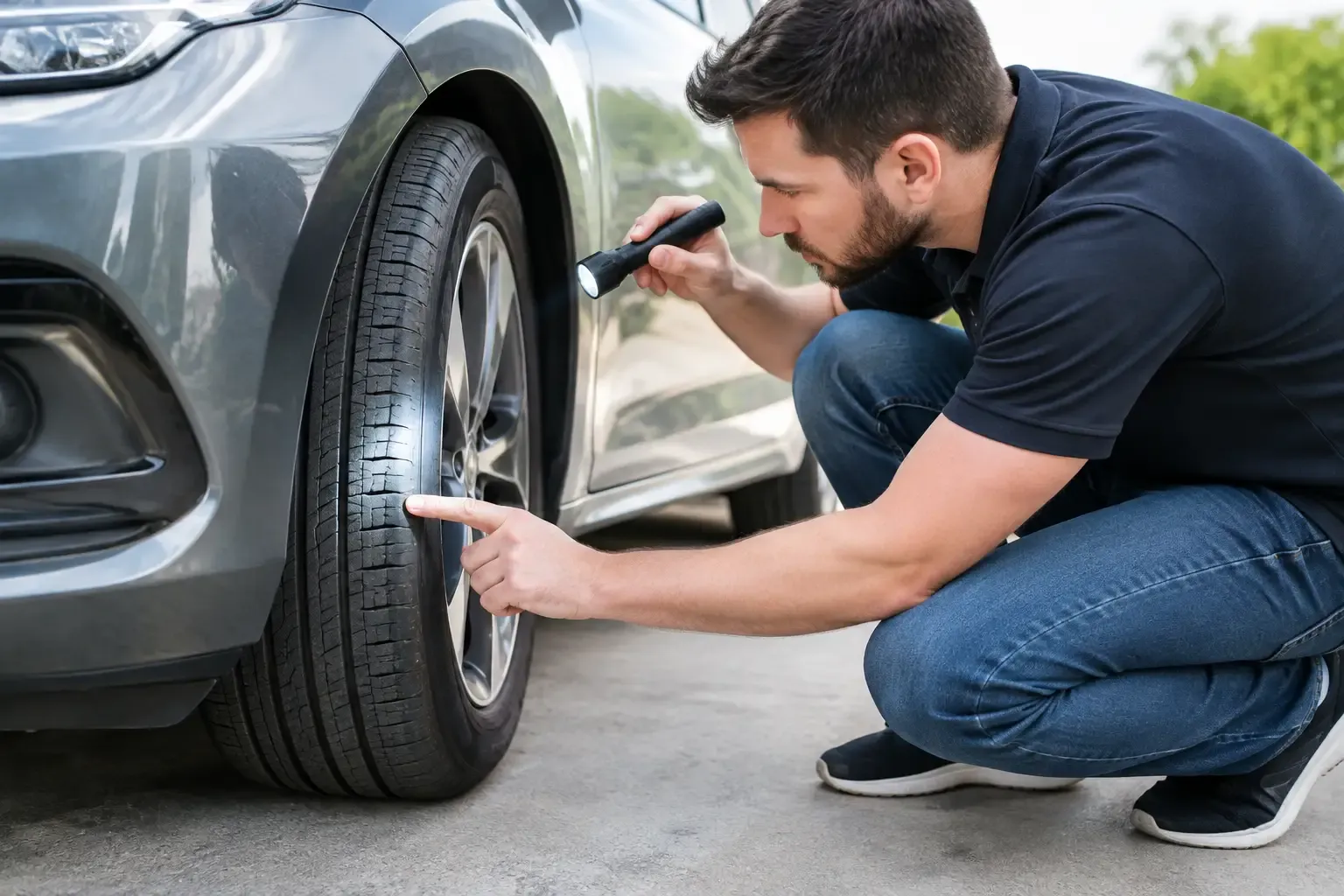
A technician also needs to inspect the tire from the inside. What looks like a simple nail hole from the outside can hide internal damage, especially if the tire lost pressure and was driven on for any distance. That is why removing the tire for inspection is part of a proper repair process, not an unnecessary extra step.
What Makes a Tire Repair Safe?
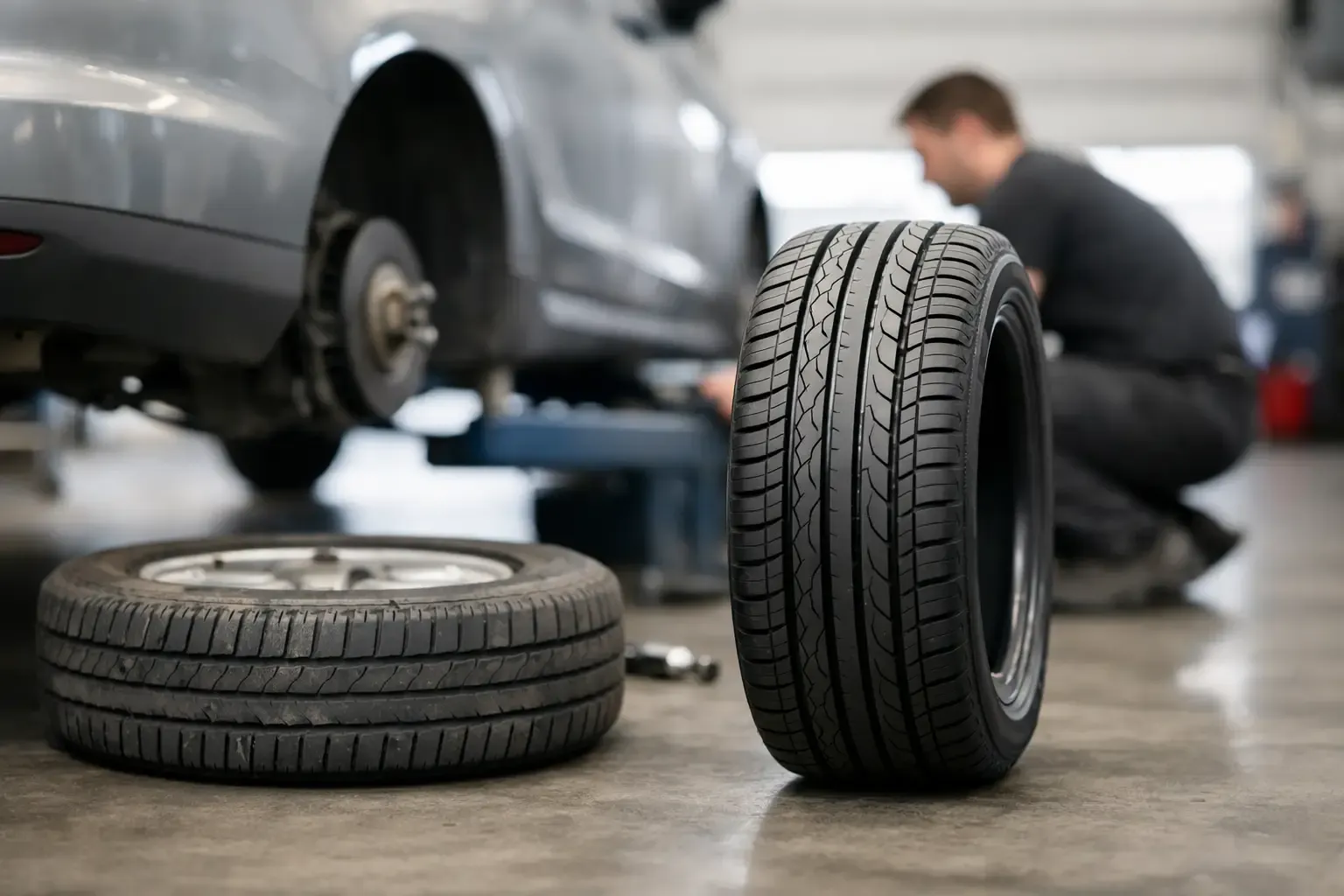
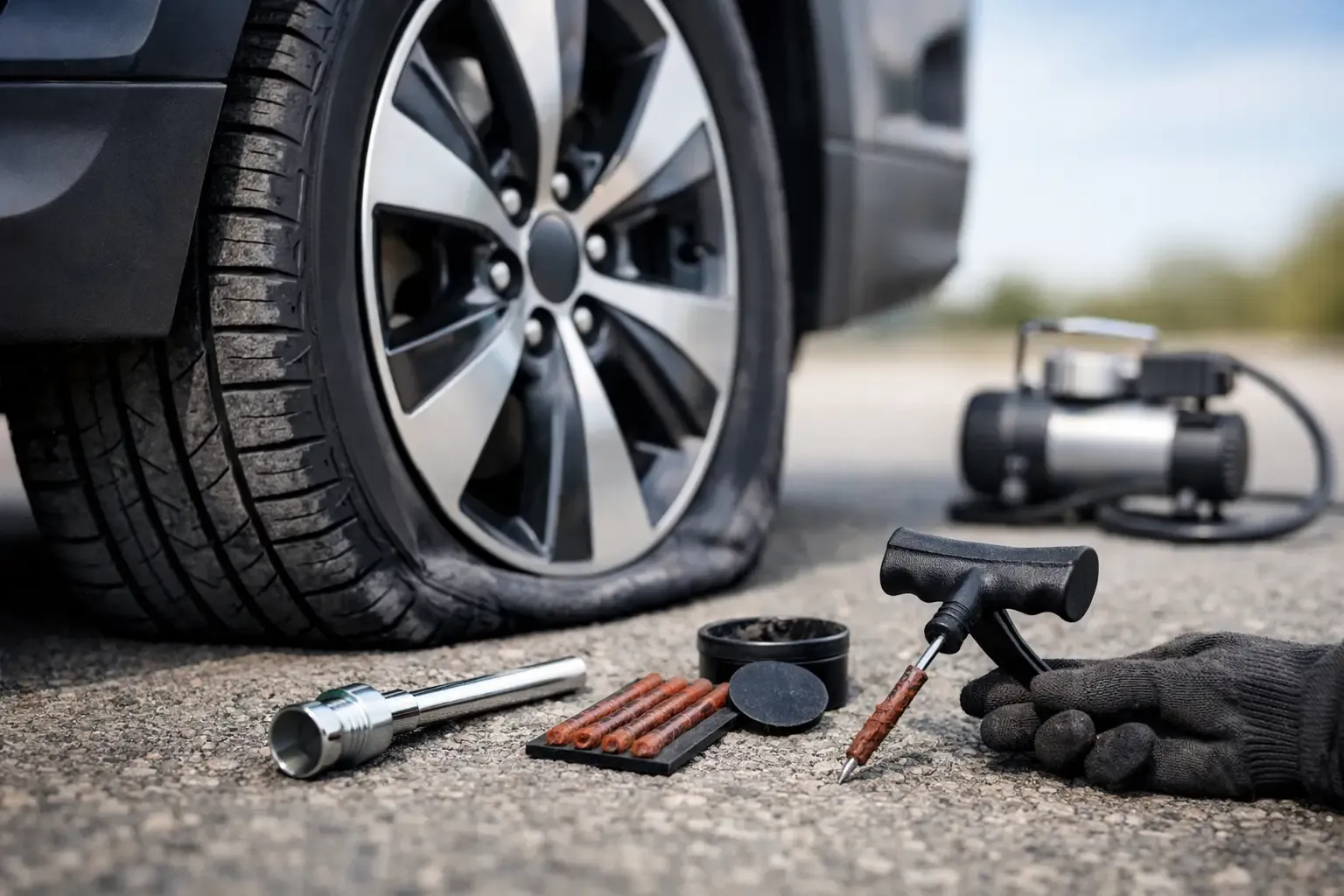
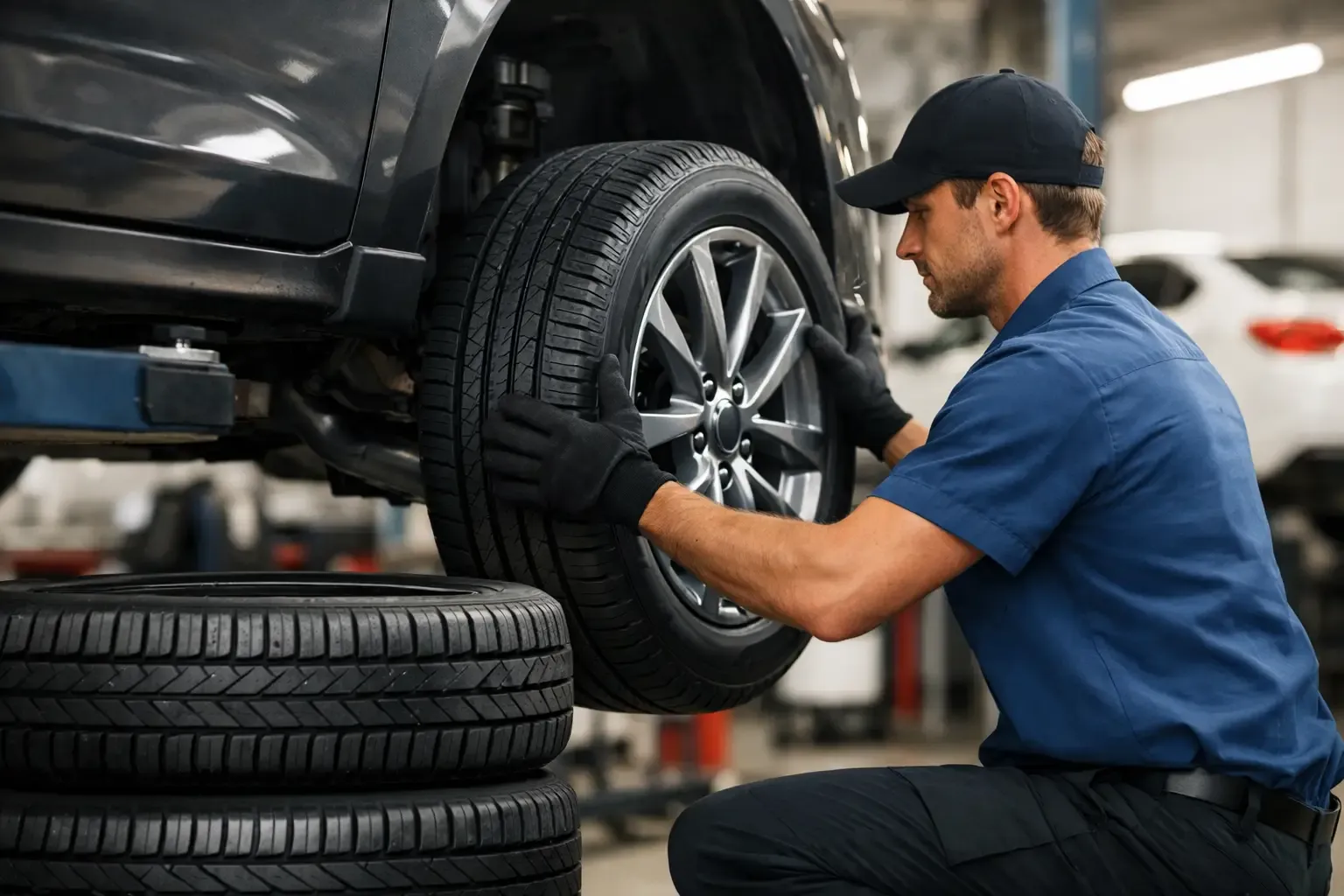
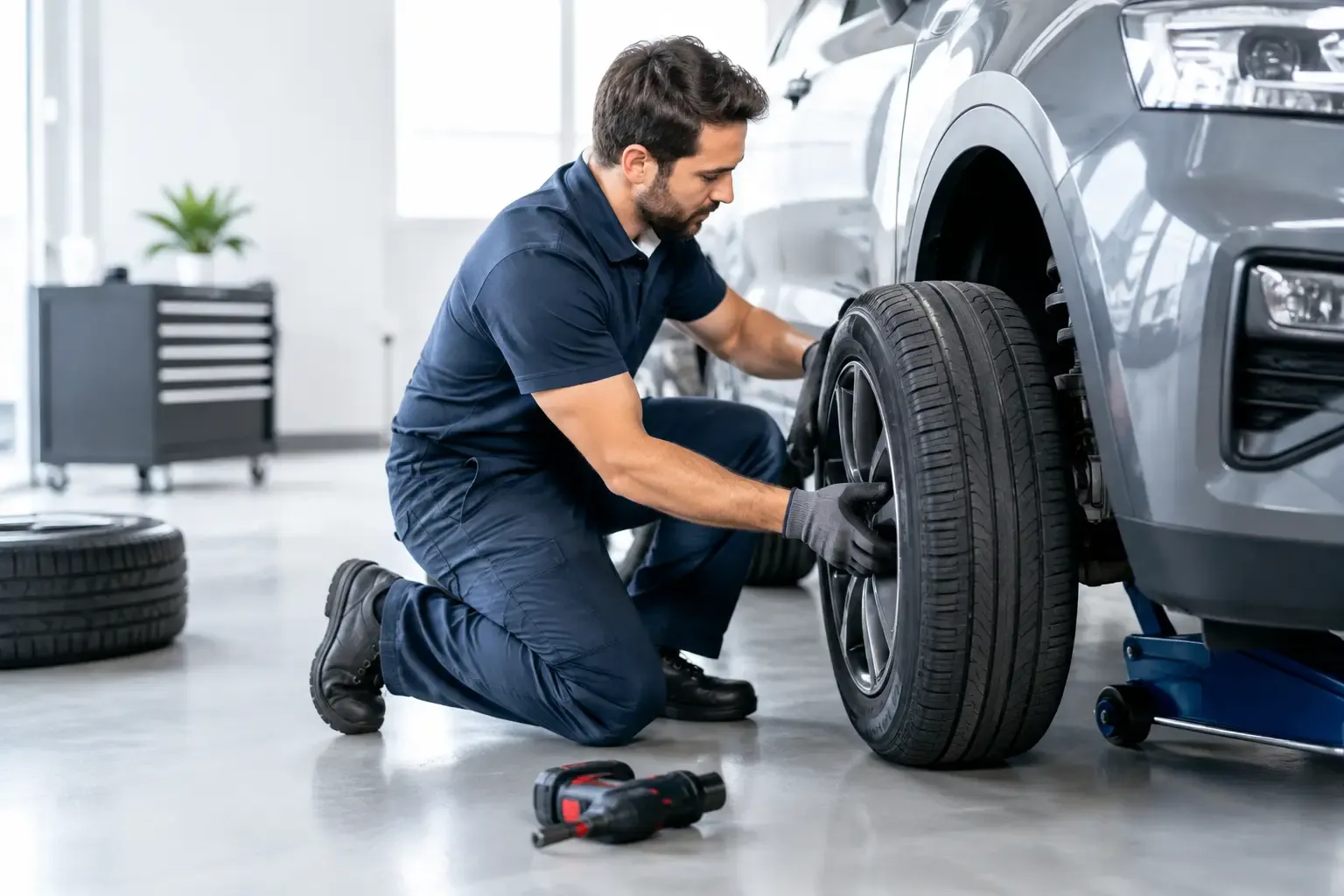
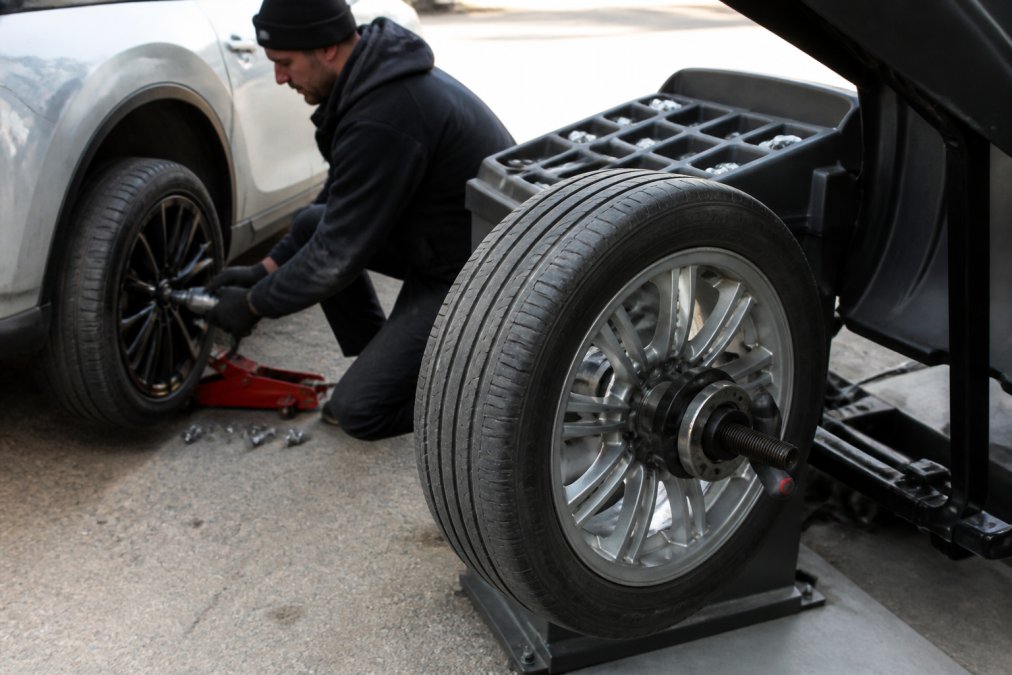
A safe professional repair does more than fill a hole. The tire should be removed from the wheel, inspected inside and out, and repaired using a plug-and-patch combination designed for tire punctures. The plug fills the injury path, while the patch seals the inner liner and helps prevent air loss.
This process gives the technician a chance to check for rubbed sidewalls, damaged inner liner material, moisture around the puncture, and previous repairs. It also confirms the nail did not create a larger or angled injury that makes the tire unsafe to repair.
An external-only plug can be useful as a temporary roadside measure in some situations, but it is not the same as a complete repair. It does not allow anyone to inspect the inside of the tire, where low-pressure driving damage often appears. For a tire you rely on during Columbus commutes, highway travel, and everyday errands, a full inspection is the safer decision.
The Tire’s Condition Changes the Answer
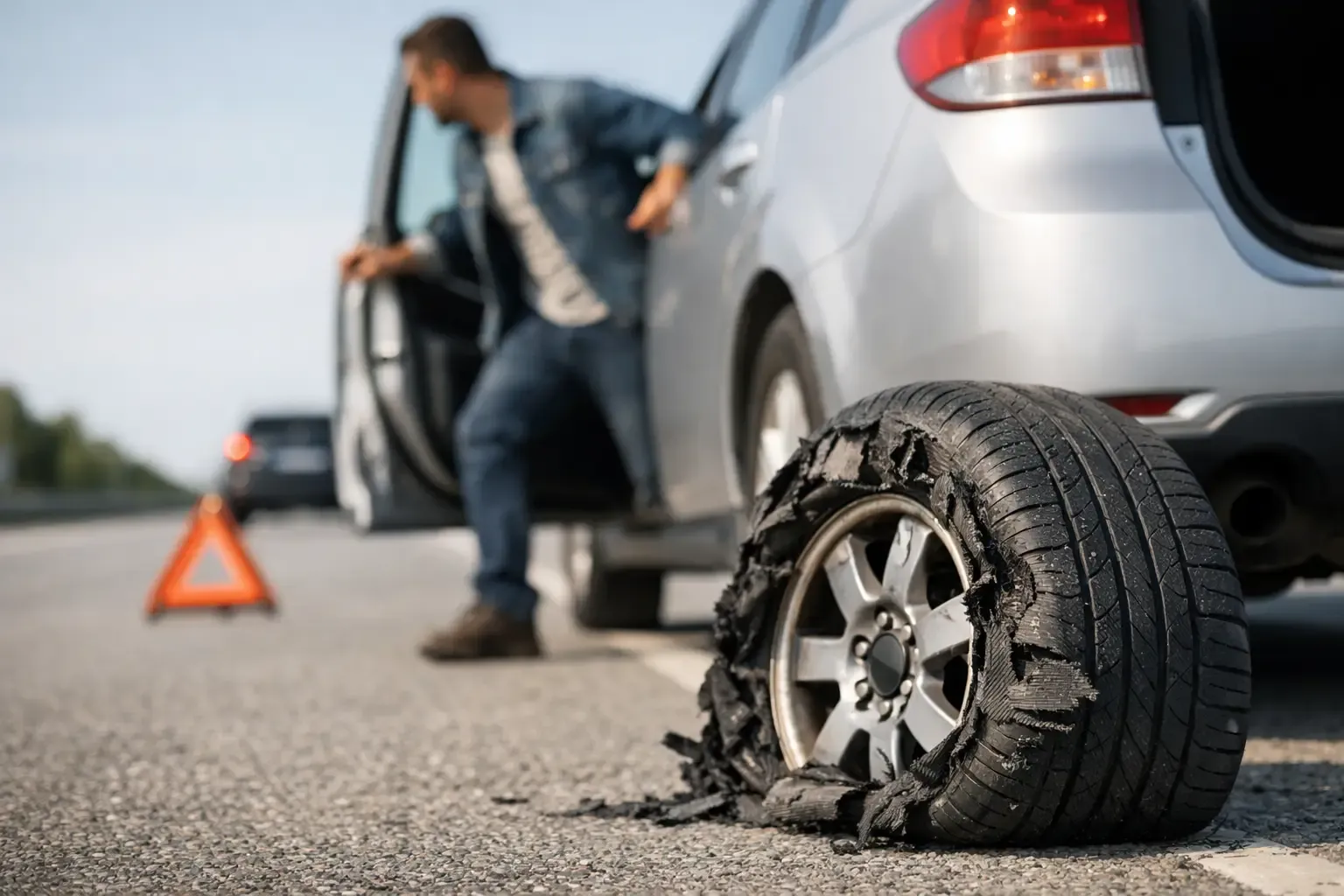
Even a nail in the center tread may not be repairable if the tire has been driven while flat. When a tire runs with very low air pressure, its sidewalls bend and overheat. The internal structure can break down without leaving obvious damage on the outside.
Warning signs include a soft or completely flat tire, a noticeable thumping sound before you stopped, wrinkling or scuffing on the sidewall, or a tire-pressure warning light that stayed on while you continued driving. If any of these occurred, do not assume adding air makes the tire safe again. Have it inspected before returning to normal driving.
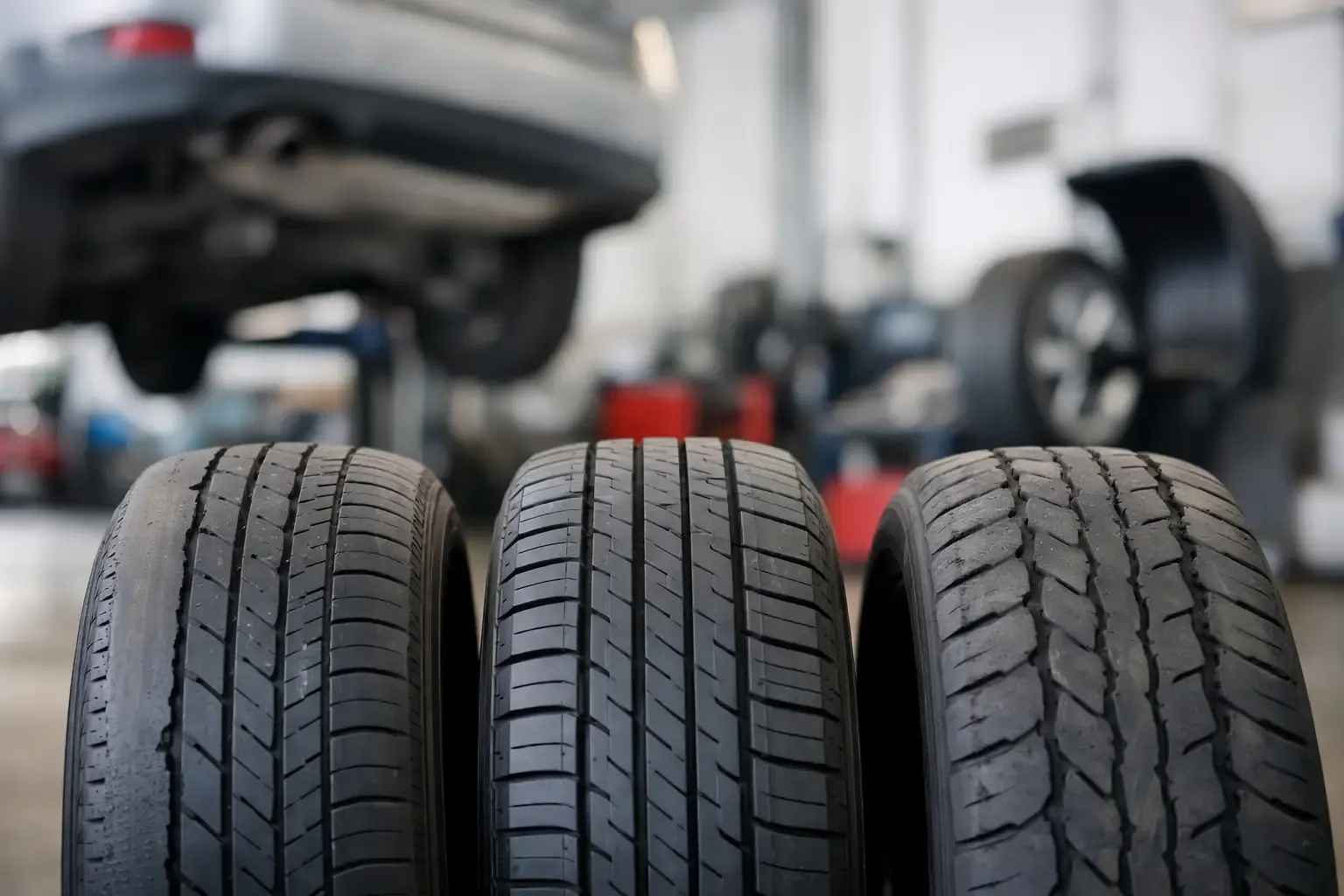
Tire age, tread depth, and existing damage matter too. If the tread is already close to its wear indicators, or the tire has multiple repairs, replacement may provide better value and more dependable traction than another repair.
When a Nail Means Tire Replacement
Some punctures have no safe repair option. Replacing the tire is usually necessary when the nail is in the sidewall or shoulder, when the puncture is larger than 1/4 inch, or when there are multiple punctures too close together. A tire may also need replacement if it has internal damage from being driven flat.
Here are four situations where a technician will commonly recommend replacement:
- The puncture is in the sidewall or near the edge of the tread.
- The tire was driven while flat or significantly underinflated.
- The hole is too large, irregular, or caused by more than a simple nail.
- The tire has unsafe tread wear, prior damage, or too many existing repairs.
This can feel frustrating when the tire still looks good from the outside. However, tire repairs must protect the structure of the tire, not just stop the leak. A repair that fails at highway speed can put the driver, passengers, and nearby motorists at risk.
What to Do When You Find a Nail
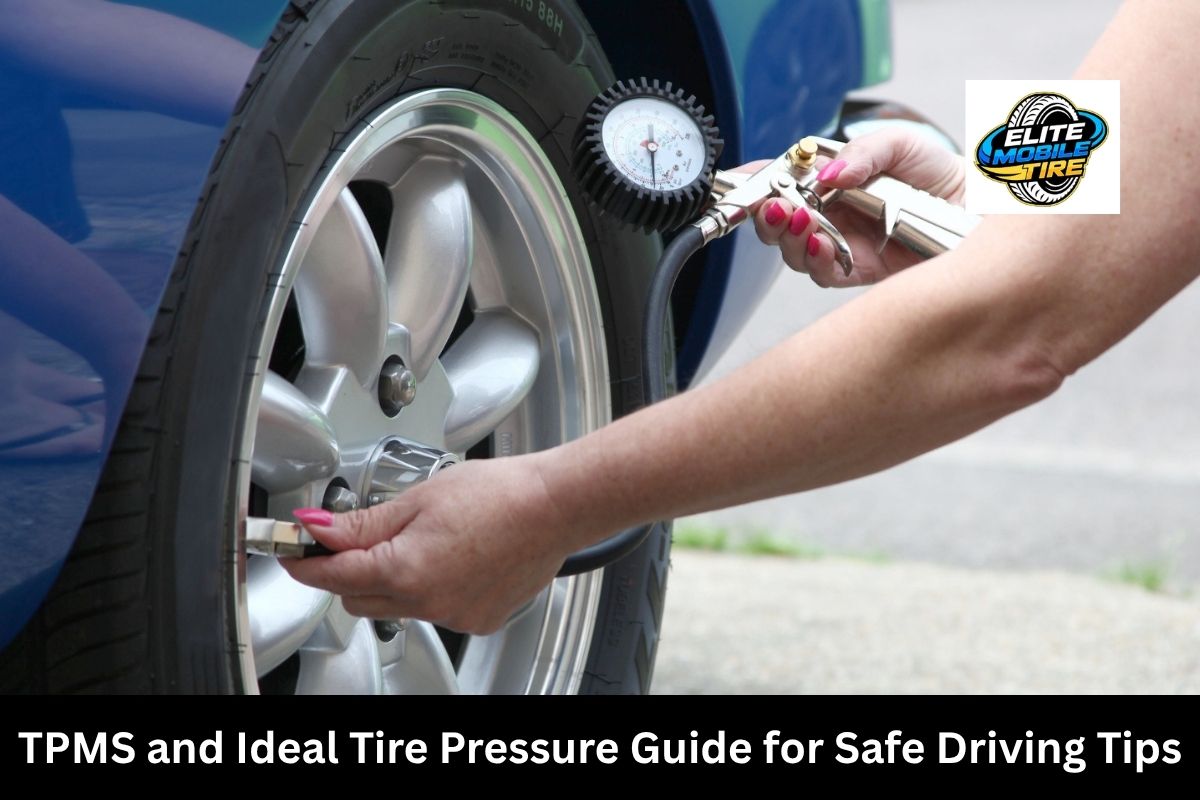
If the tire is still holding air, leave the nail in place until a professional can inspect it. Pulling it out may turn a slow leak into a fast flat, leaving you stranded where you are. Check the tire pressure if you have a gauge and compare it with the pressure listed on the driver’s door-jamb label.
If the tire is low, add air only if needed to move the vehicle safely to a secure location or to prevent damage while waiting for help. Avoid long trips, high speeds, heavy loads, and repeated driving on a tire that is losing pressure. The less time the tire spends underinflated, the better the chance it can be repaired.
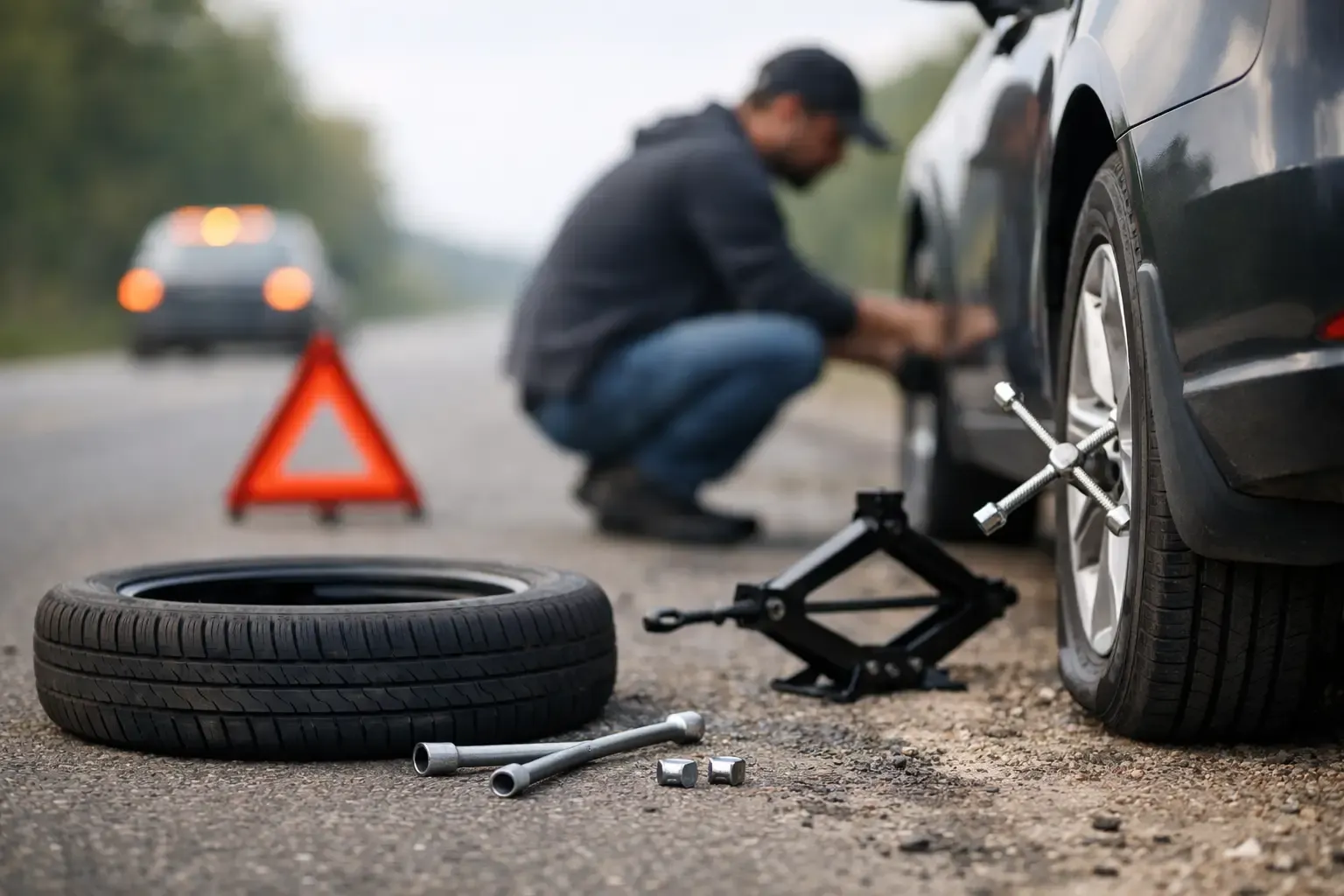
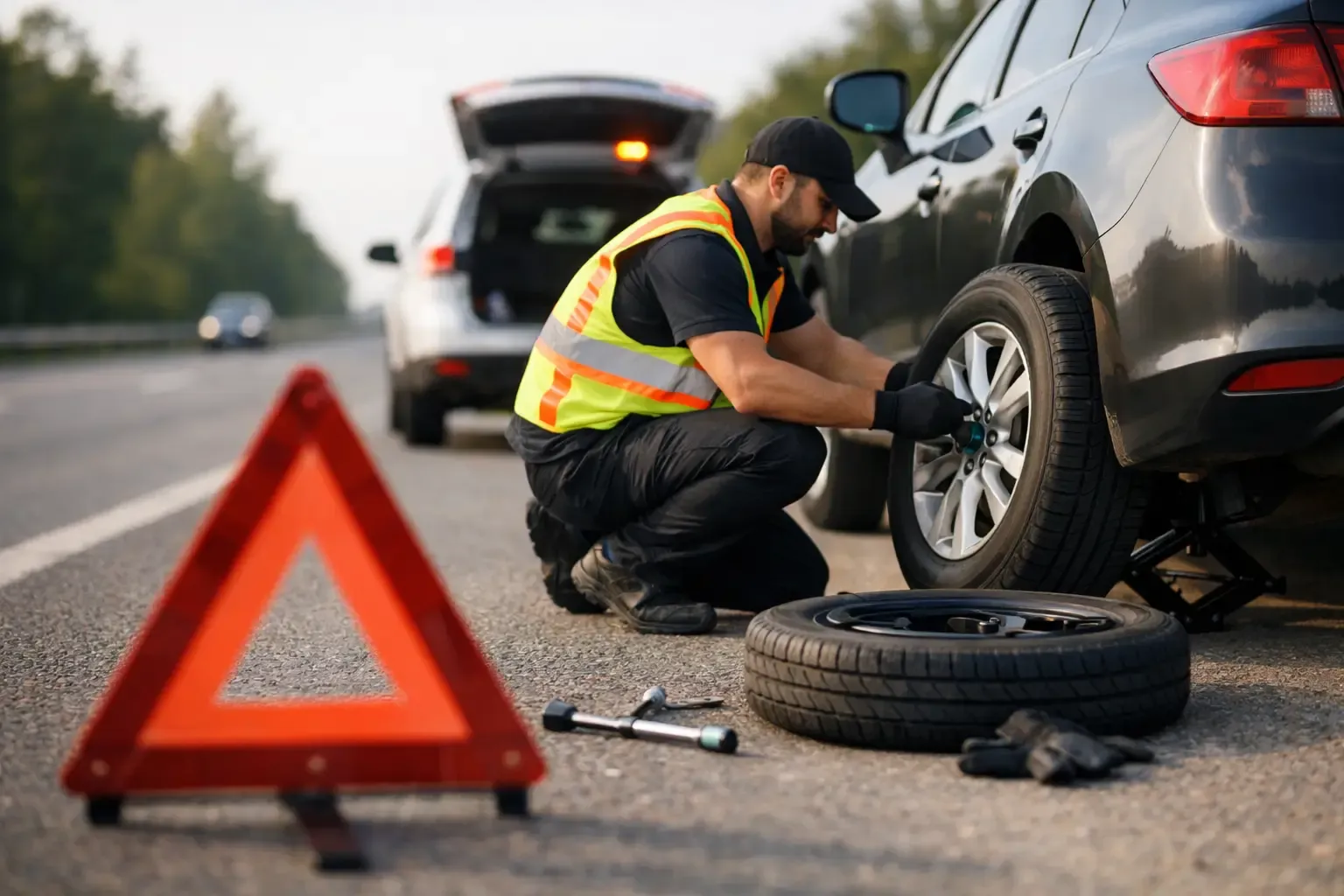
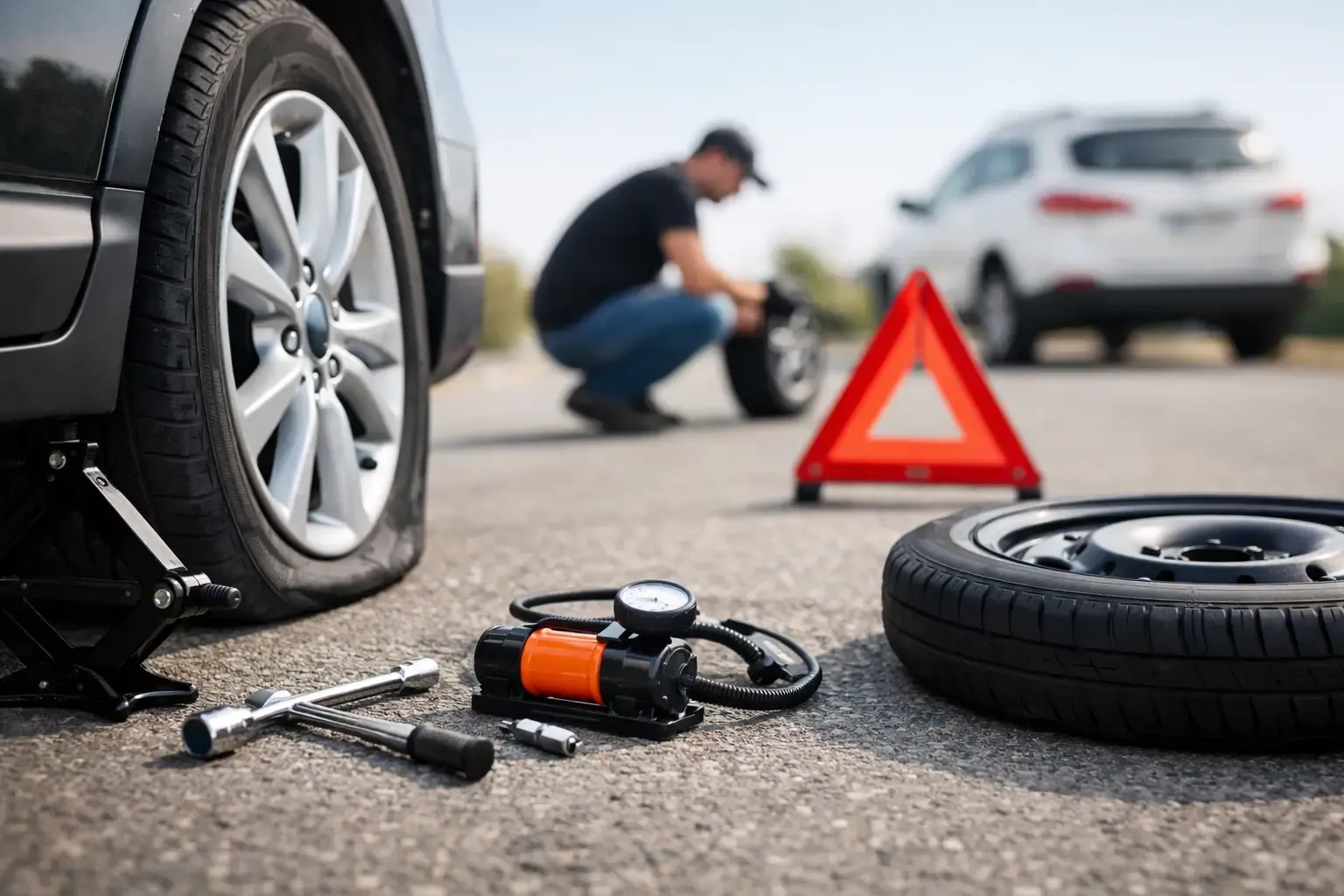
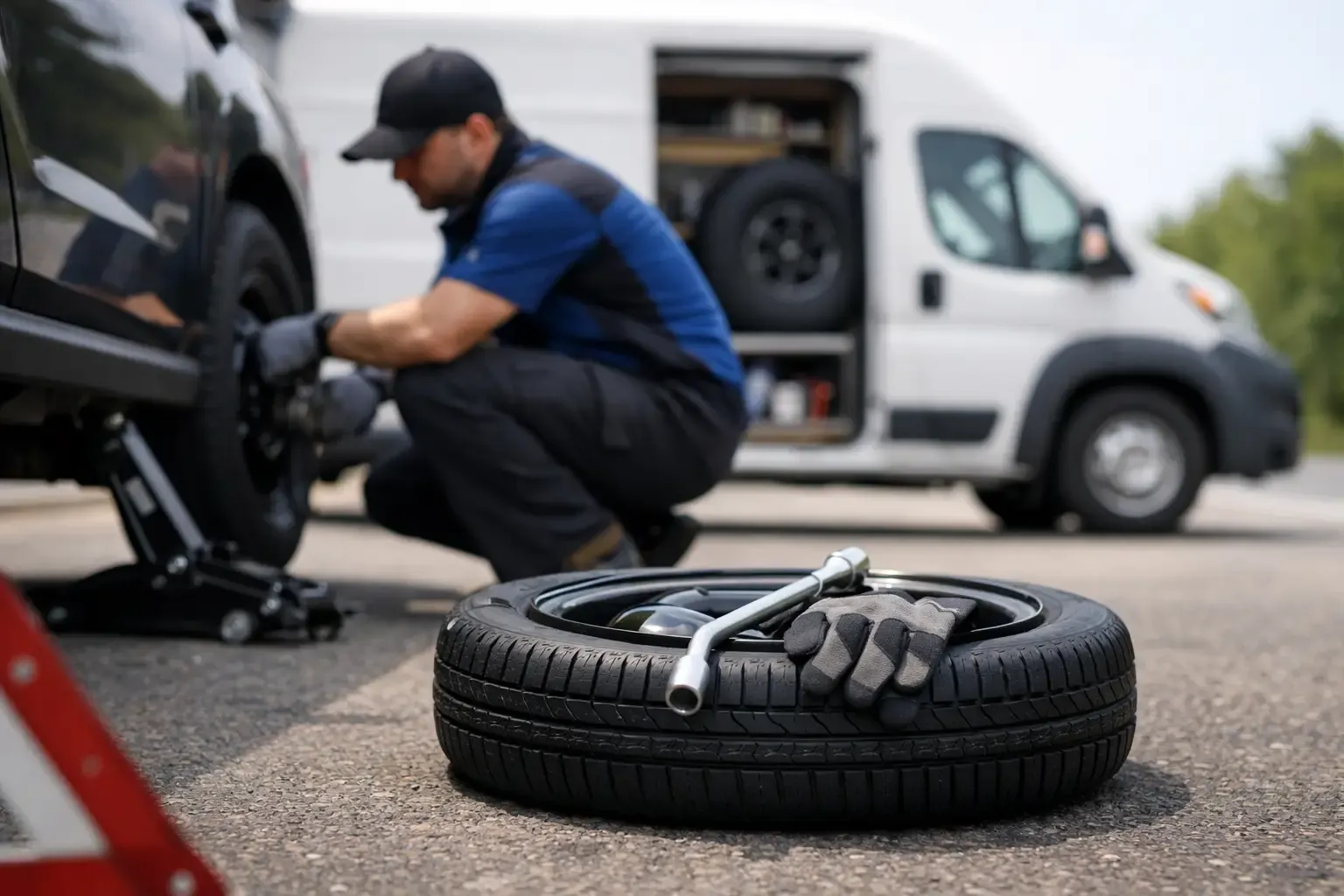
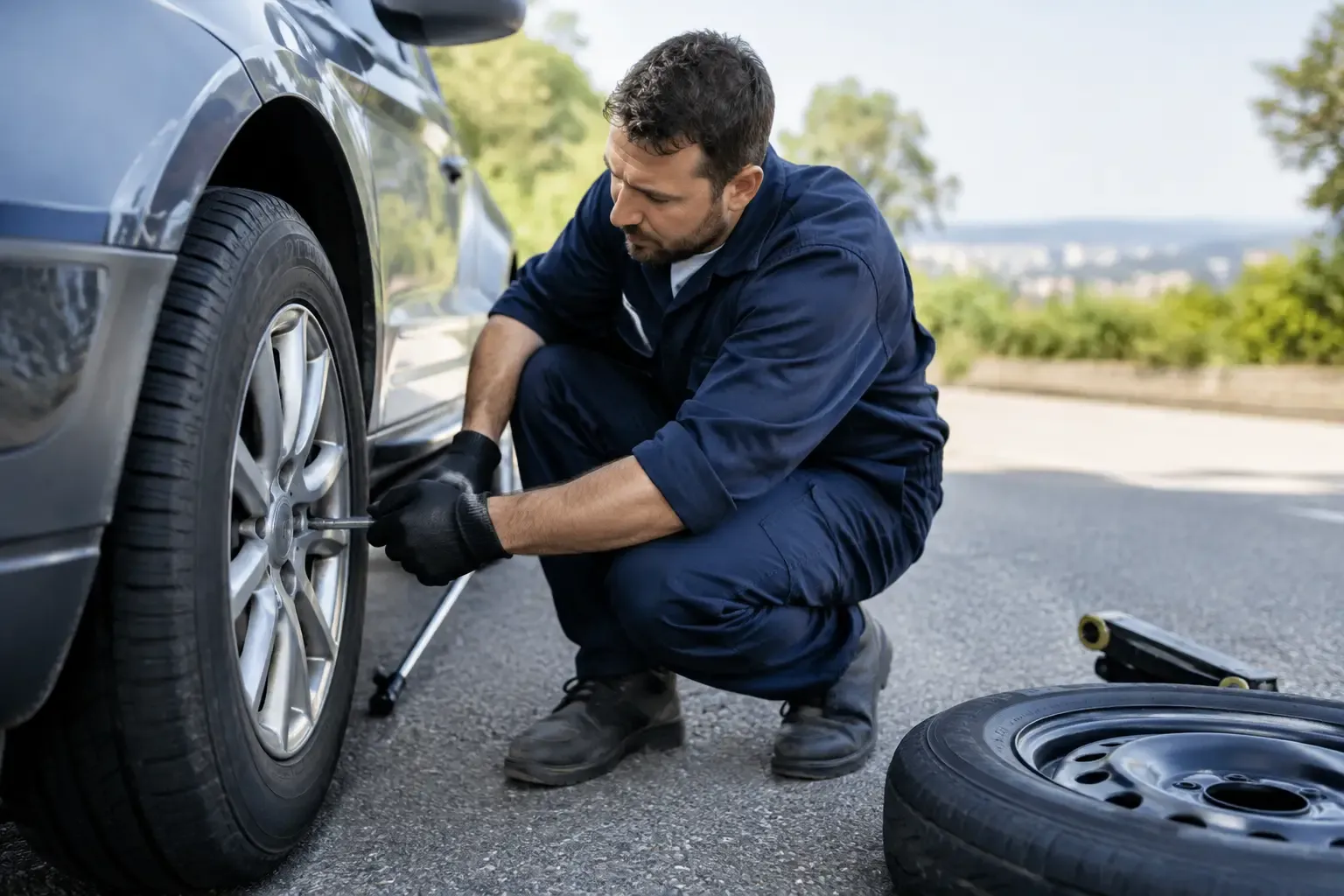
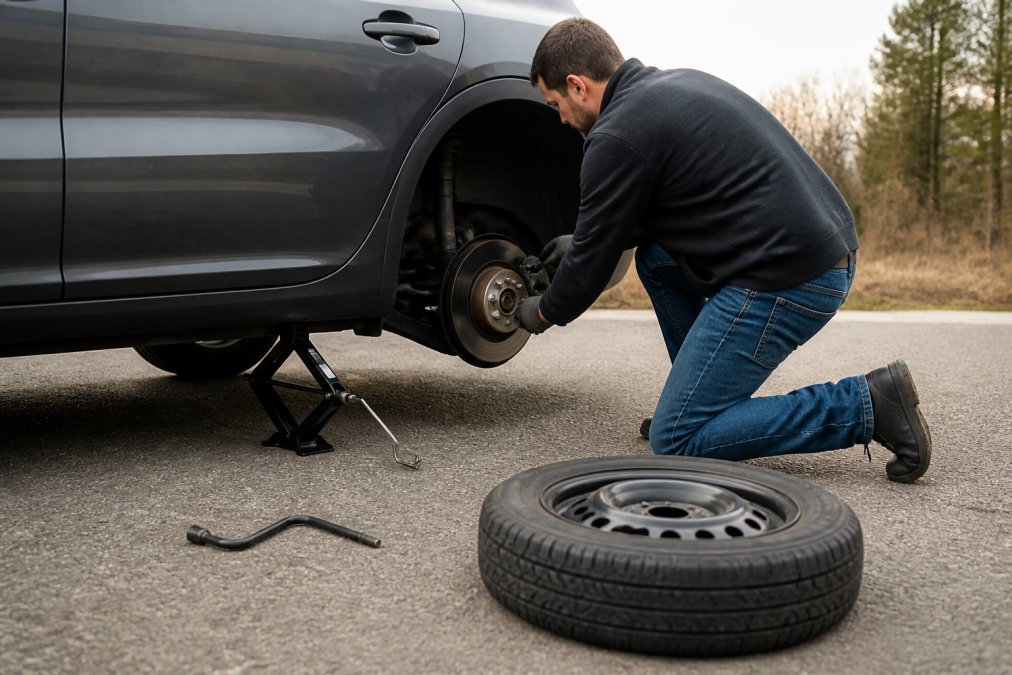
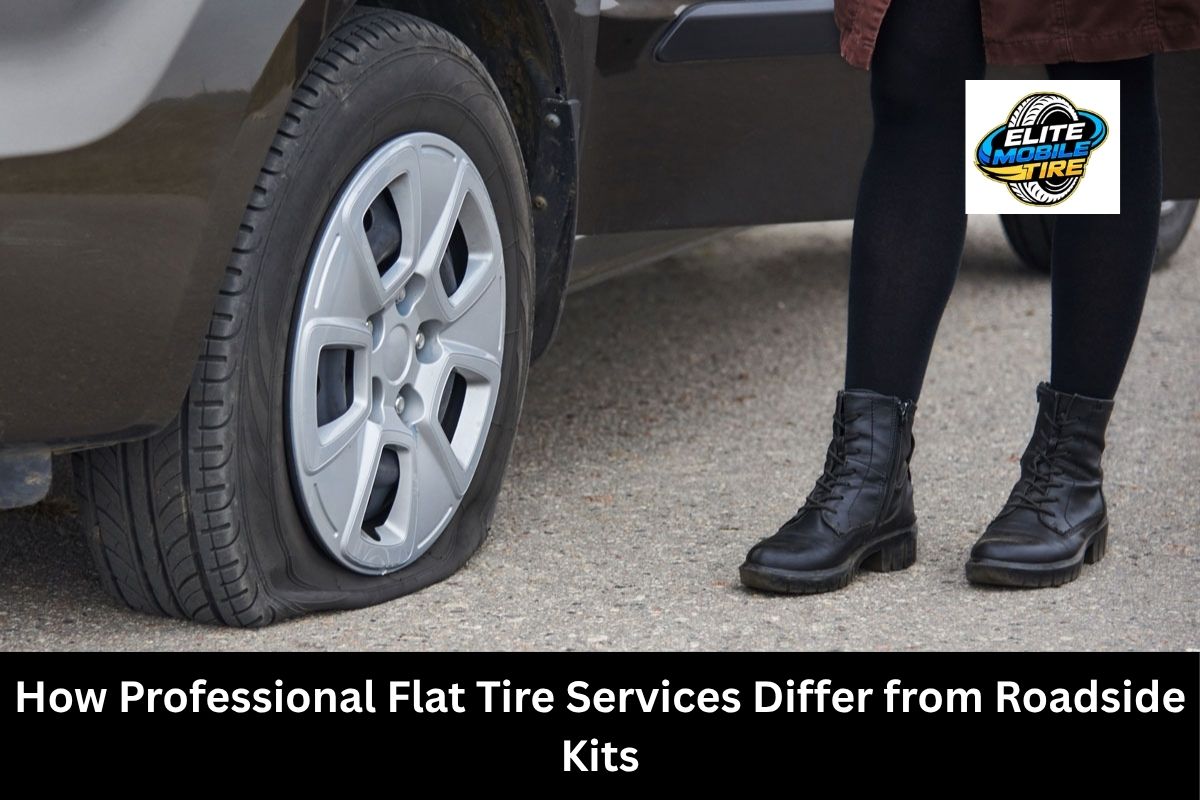
If the tire is flat, do not keep driving on it to “make it home.” Pull over safely, use the spare if you know it is serviceable and can change it safely, or request roadside assistance. Continuing to drive on a flat tire can turn a repairable nail puncture into a replacement situation within a short distance.
Watch Your TPMS Warning Light
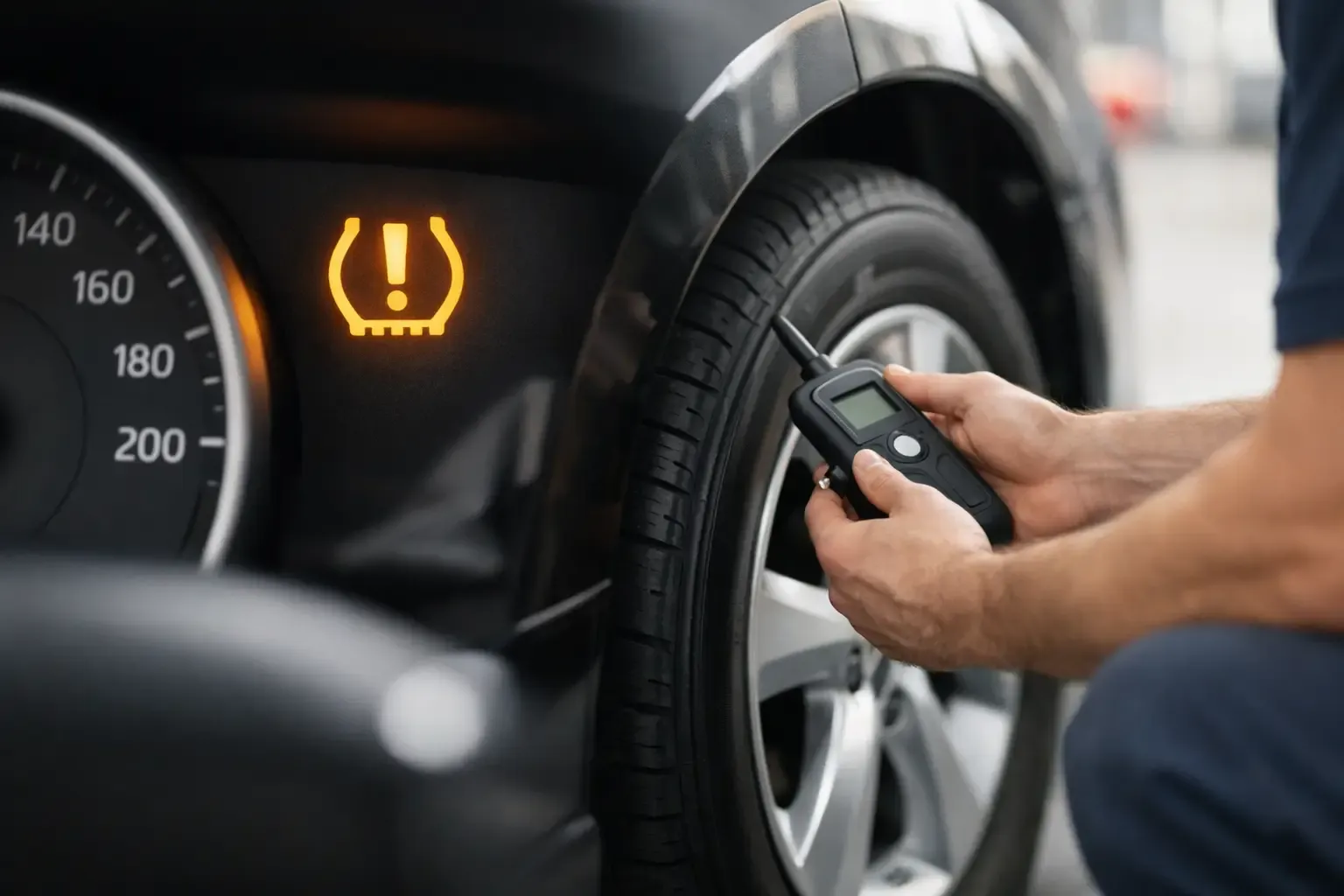
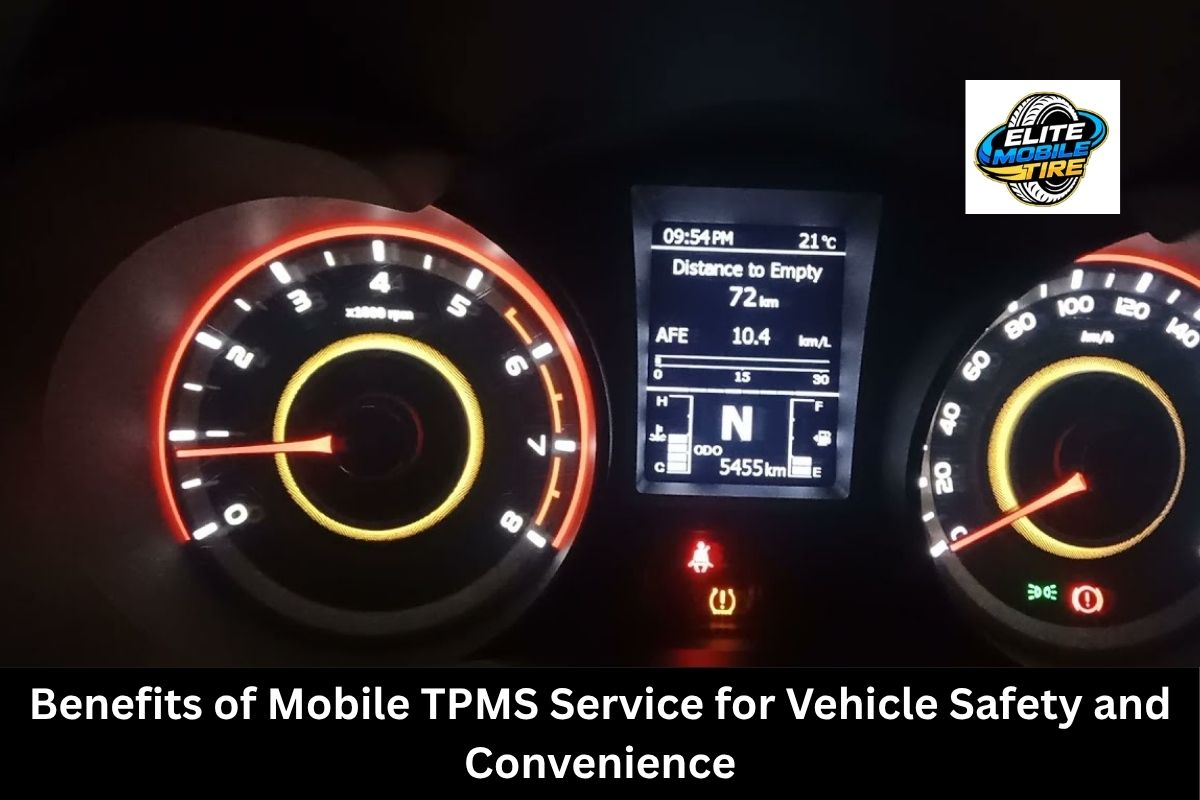
Your vehicle’s tire pressure monitoring system, or TPMS, is often the first sign of a nail puncture. A steady TPMS warning light commonly indicates one or more tires are underinflated. It does not tell you exactly which tire has a problem or whether the issue is a nail, a leaking valve stem, wheel damage, or changing temperatures.
Treat the light as a reason to check your tires promptly. Resetting the warning light without correcting the pressure issue does not solve the problem. Once the tire is repaired or replaced and the pressures are set correctly, the system may need to be reset or driven for a short time before the light turns off.
Why Mobile Tire Repair Makes Sense
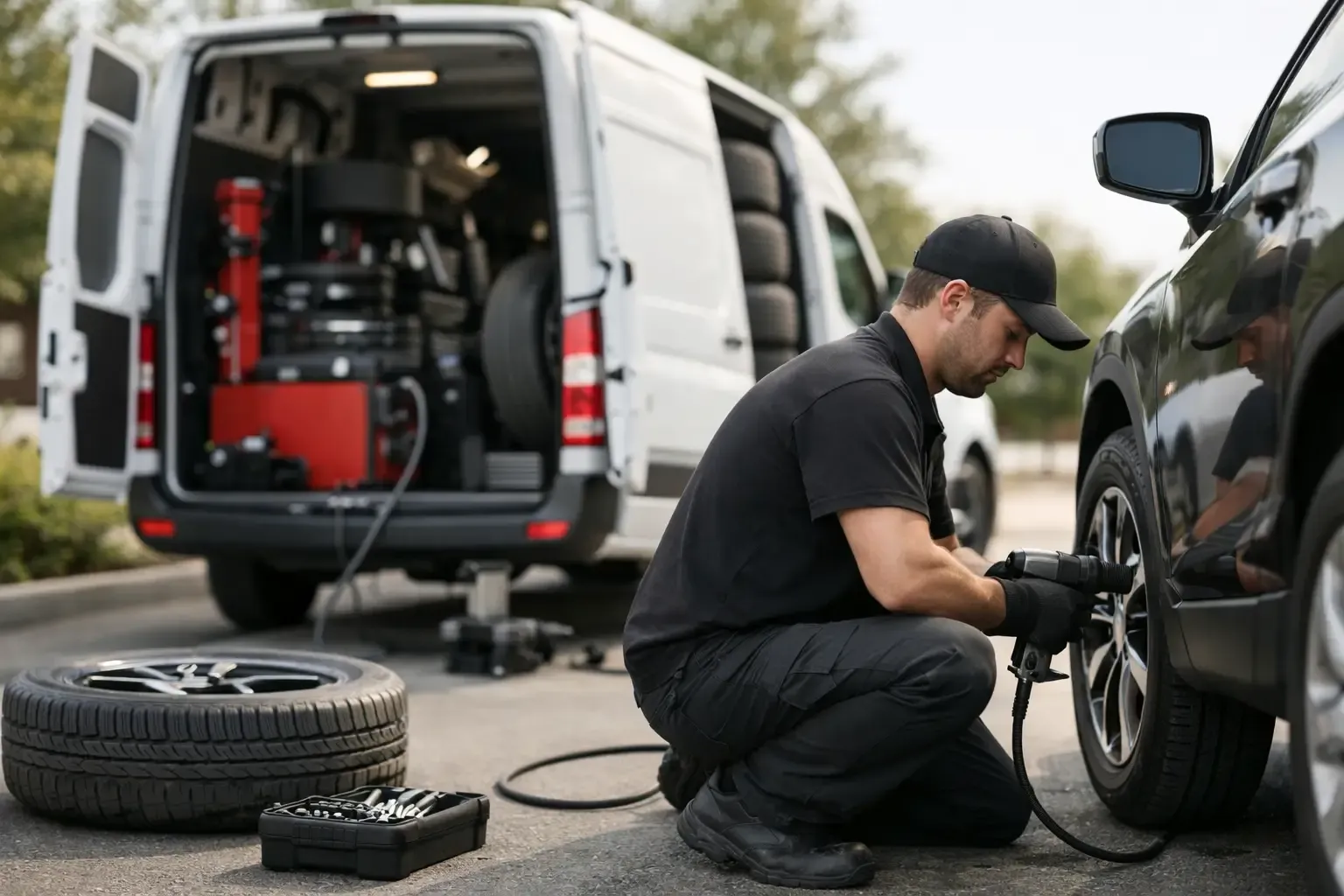
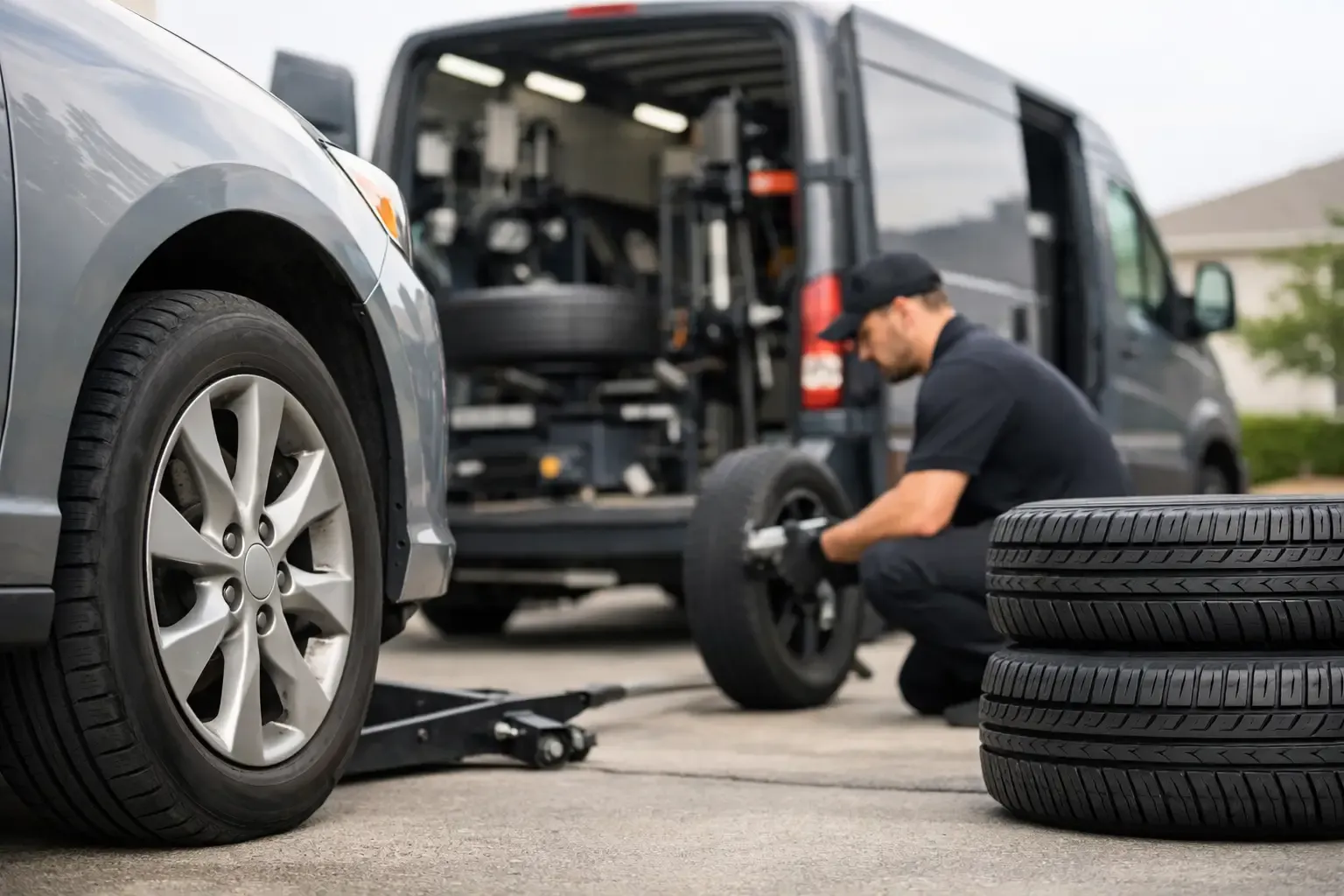
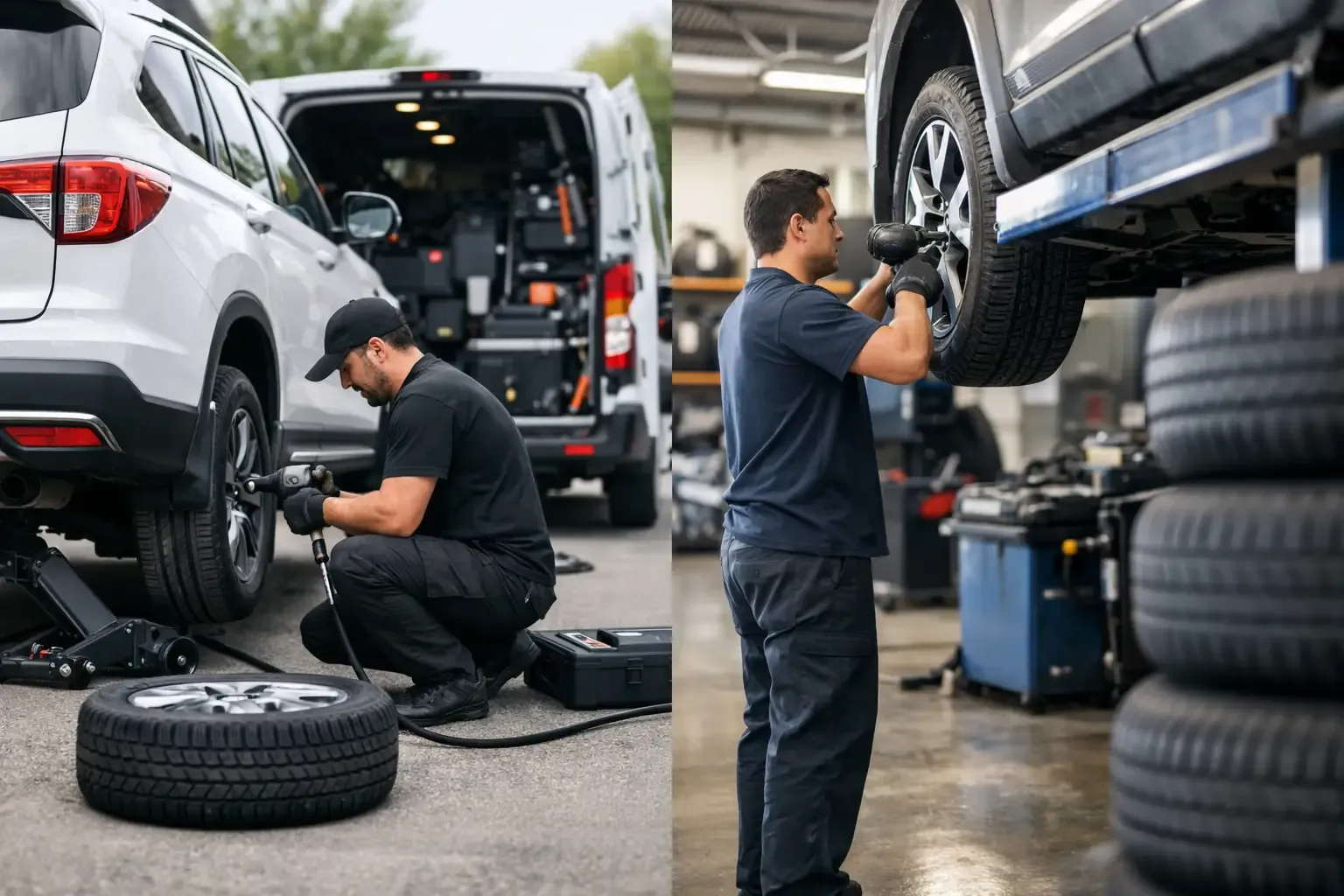
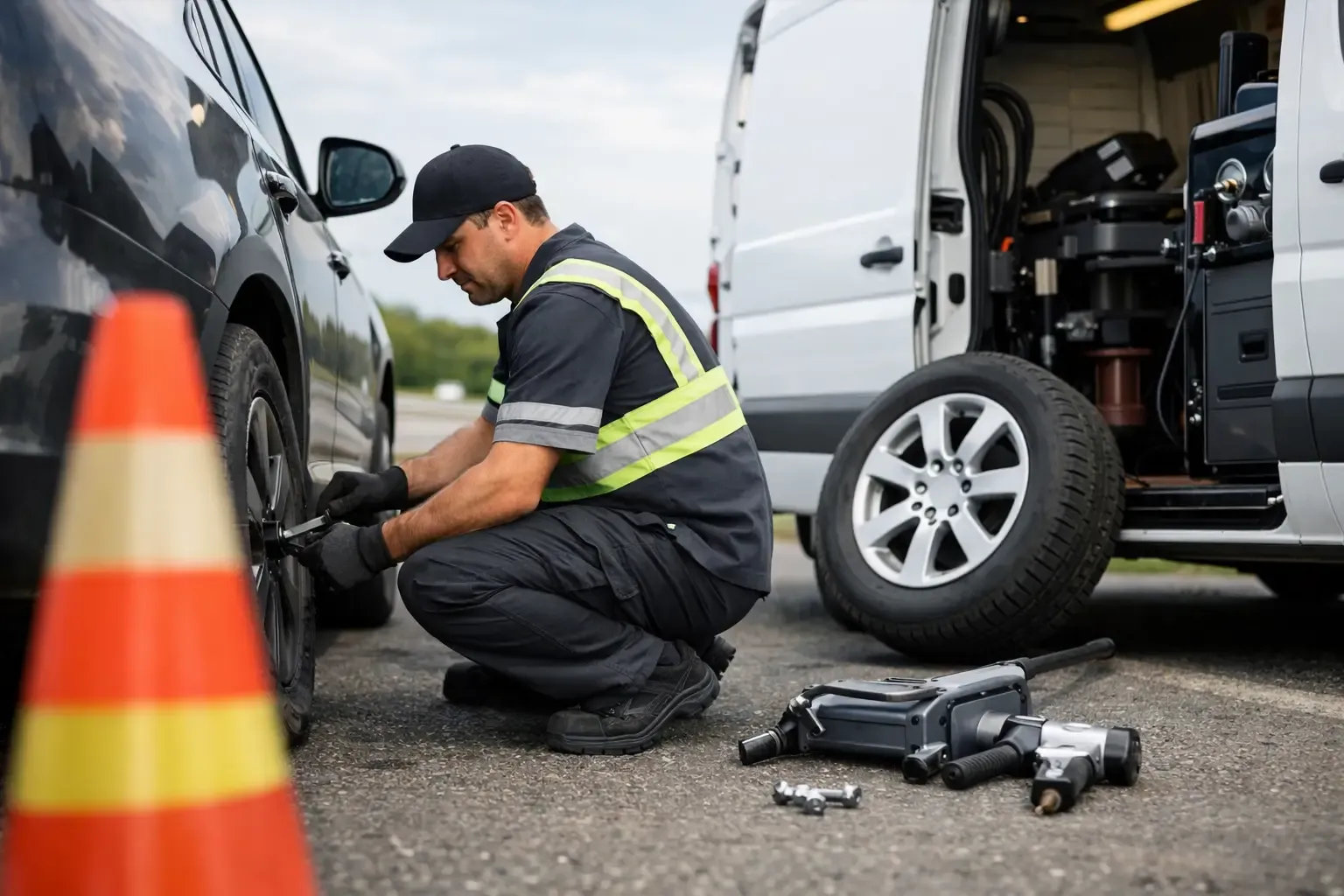
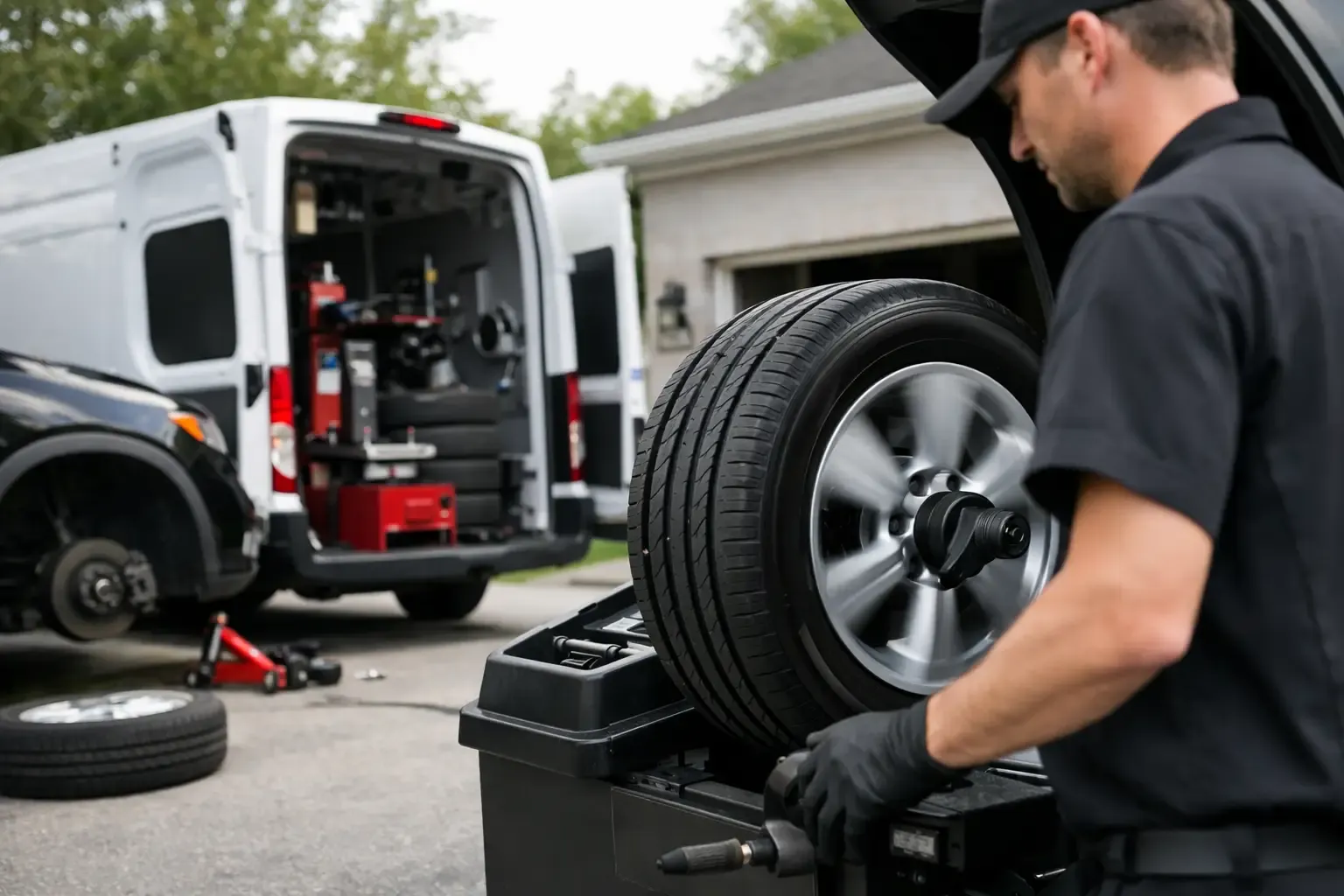
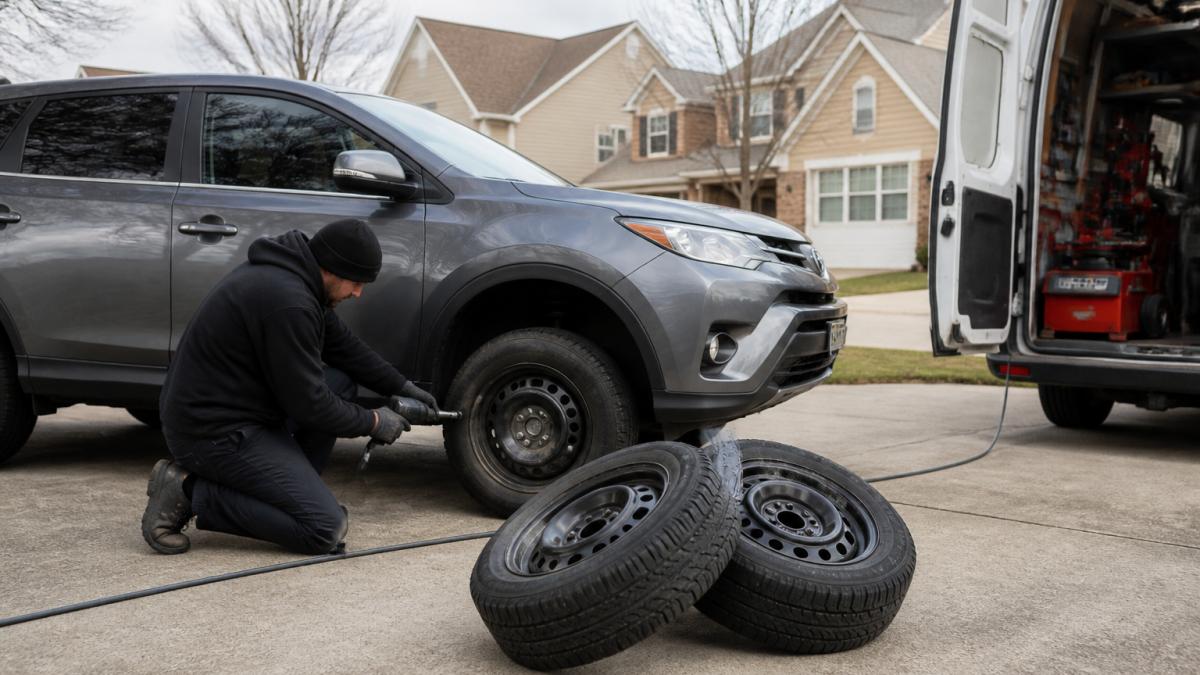
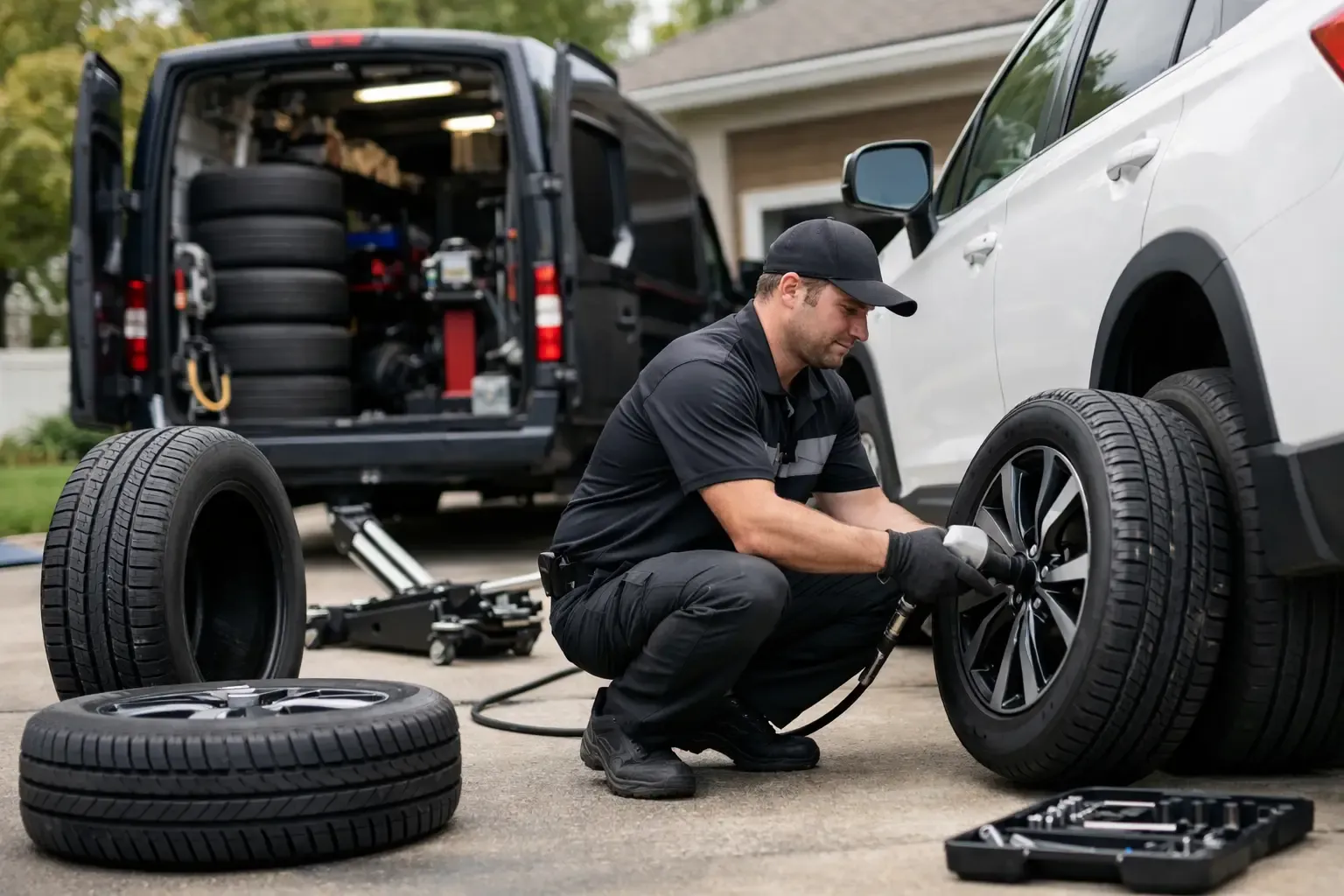
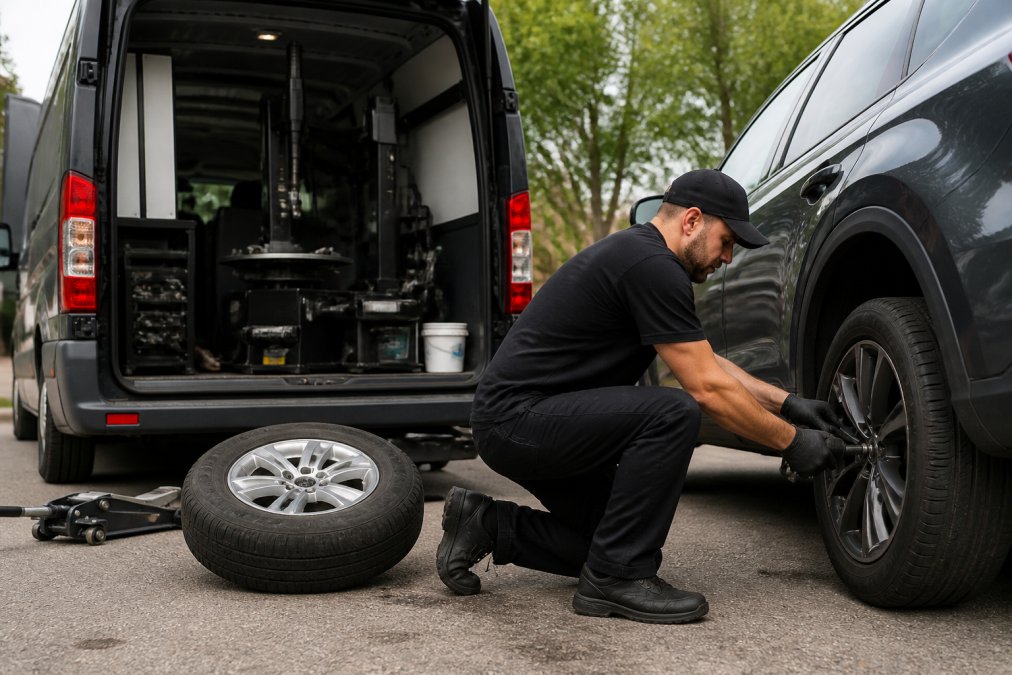
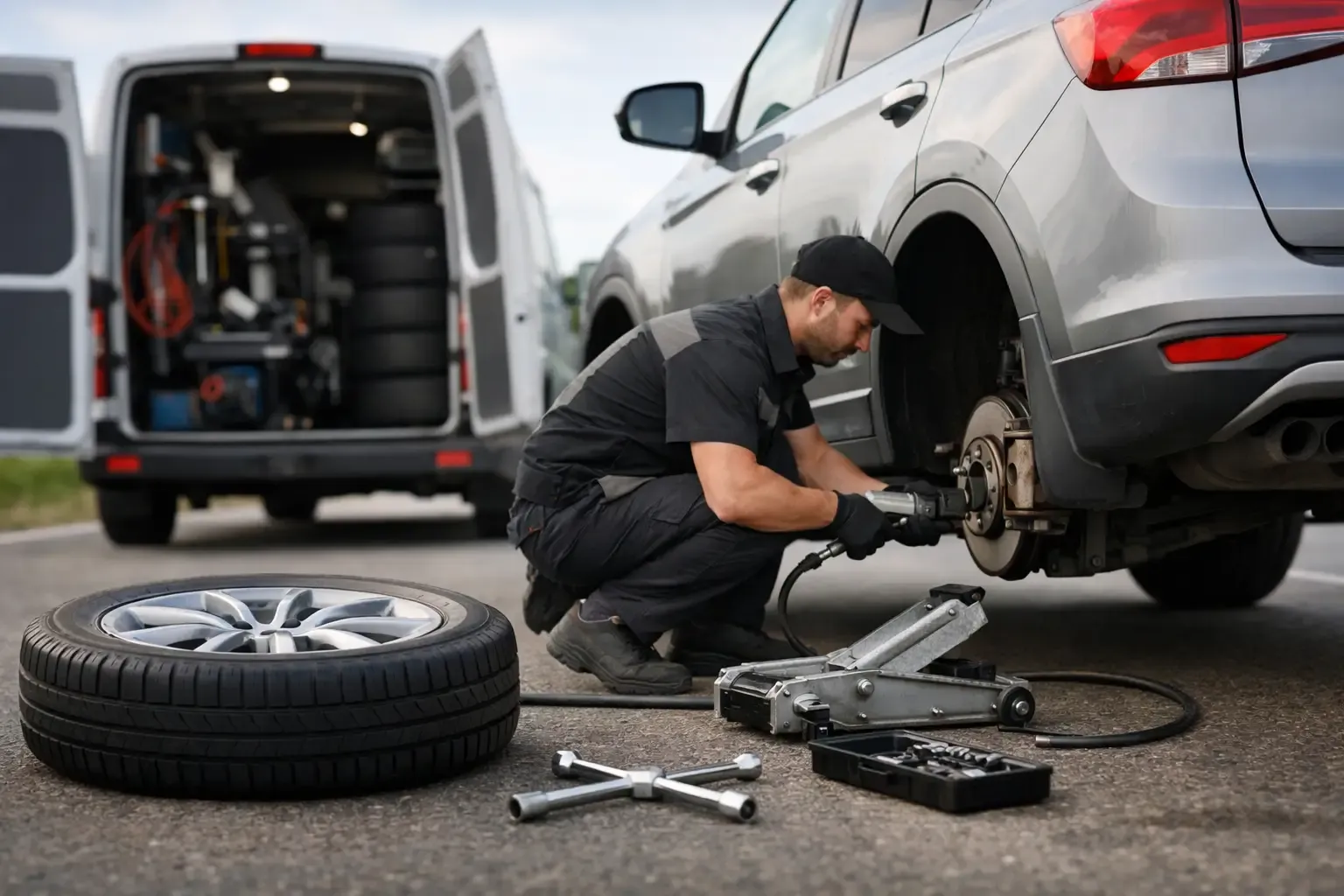
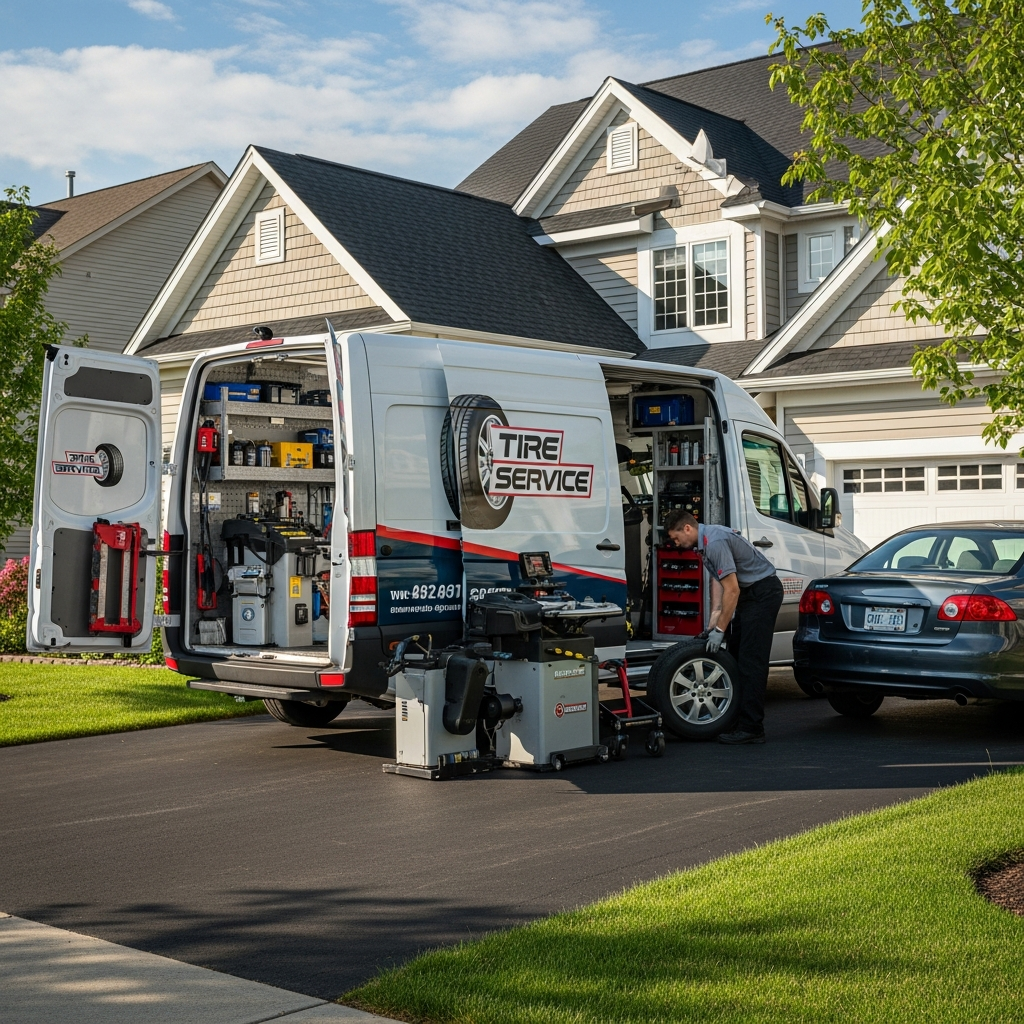
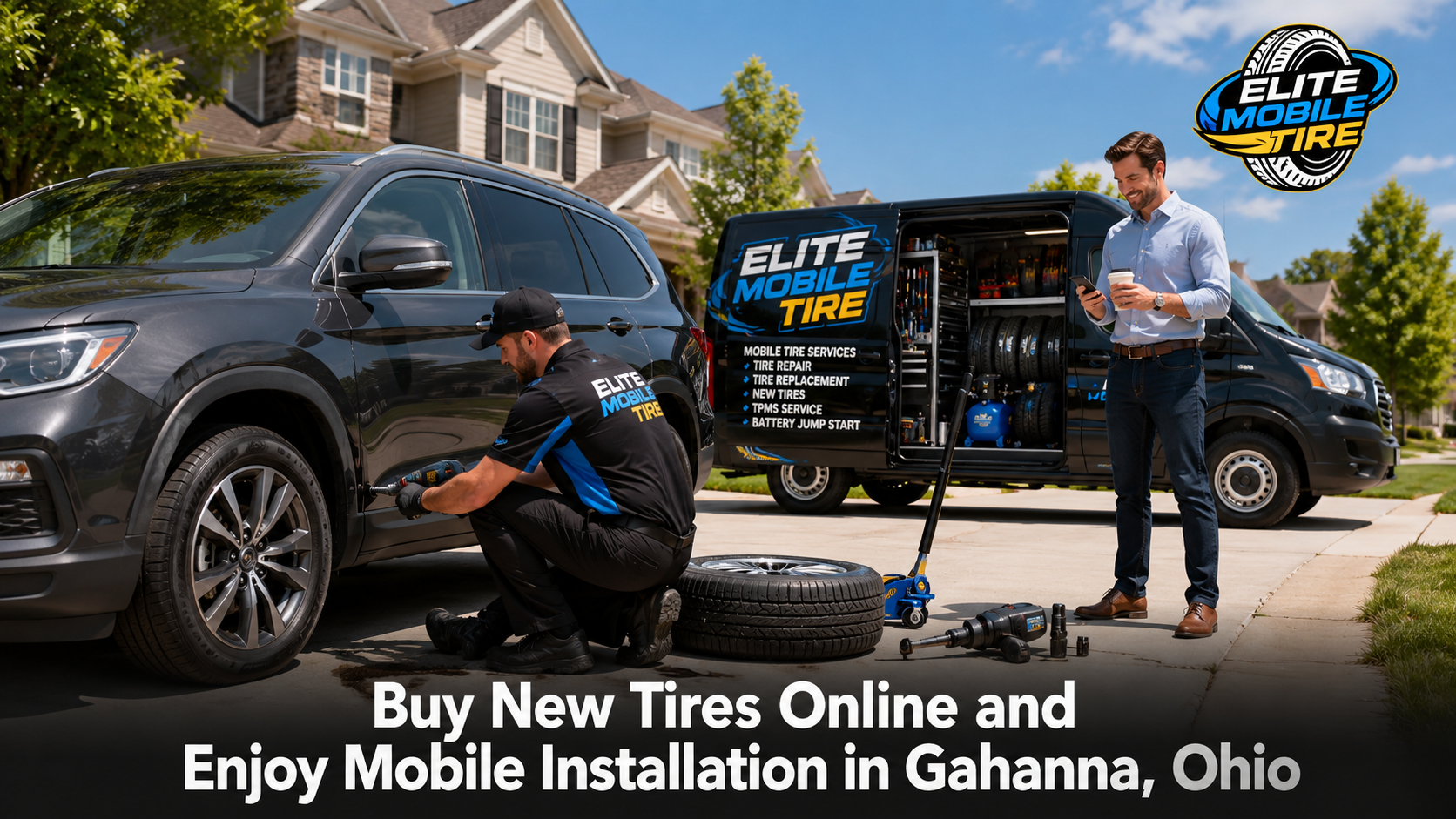
A nail puncture is not always a tow-truck emergency, but it can still disrupt your entire day. Mobile tire service brings the inspection and repair process to your home, office, or roadside location, so you do not have to spend time arranging a ride, sitting in a waiting room, or risking further tire damage by driving on low pressure.
For drivers in Columbus and nearby communities, Elite Mobile Tire can assess the puncture on site, determine whether a proper repair is possible, and help with replacement when it is not. That gives you a clear answer before you make an unsafe drive or spend time at a tire shop unnecessarily.
The benefit is not only convenience. A technician can inspect the tire where the problem happened, verify the pressure, check the wheel and valve area, and help you make a decision based on the tire’s actual condition. If a replacement is needed, you can move forward without adding a separate trip to your schedule.
A Nail Does Not Always End a Tire’s Life
Many nail punctures are routine repairs when they are caught early, located in the center tread, and professionally inspected from the inside. The key is resisting the urge to guess. A tire that looks repairable from the outside may have damage that only becomes visible once it is removed.
Leave the nail in place, avoid driving on a low tire, and have the puncture checked as soon as practical. A timely professional inspection can preserve a repairable tire, protect your schedule, and help get you safely back on the road.
Ready for a new set? Elite Mobile Tire installs 2 or 4 new tires right in your driveway or parking lot anywhere around Columbus, Obetz, Groveport, Grove City, and Reynoldsburg. Financing is available through Afterpay and Acima with up to 24-month payment plans. Call 614-344-5010 or visit elitemobiletire.com to book.