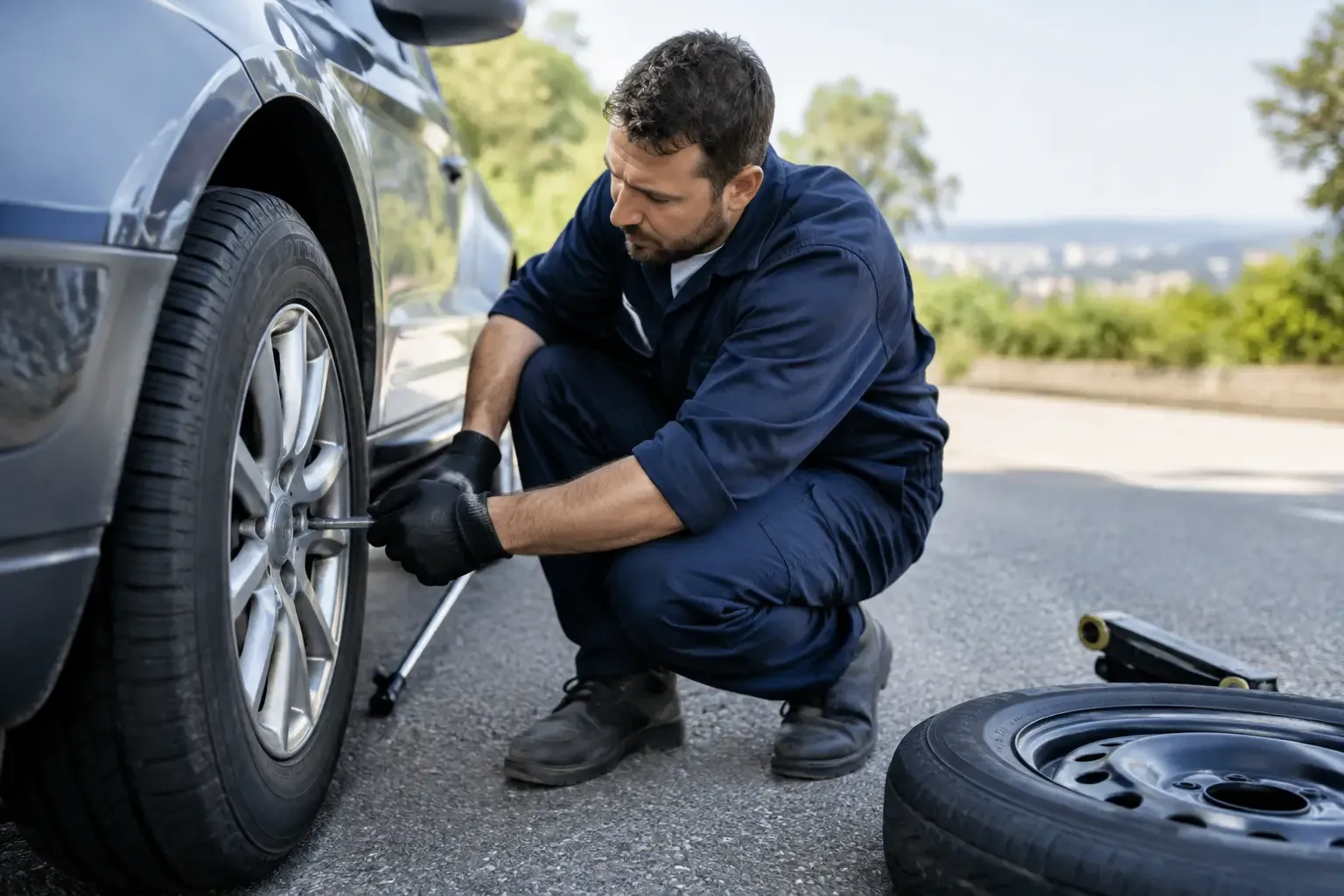
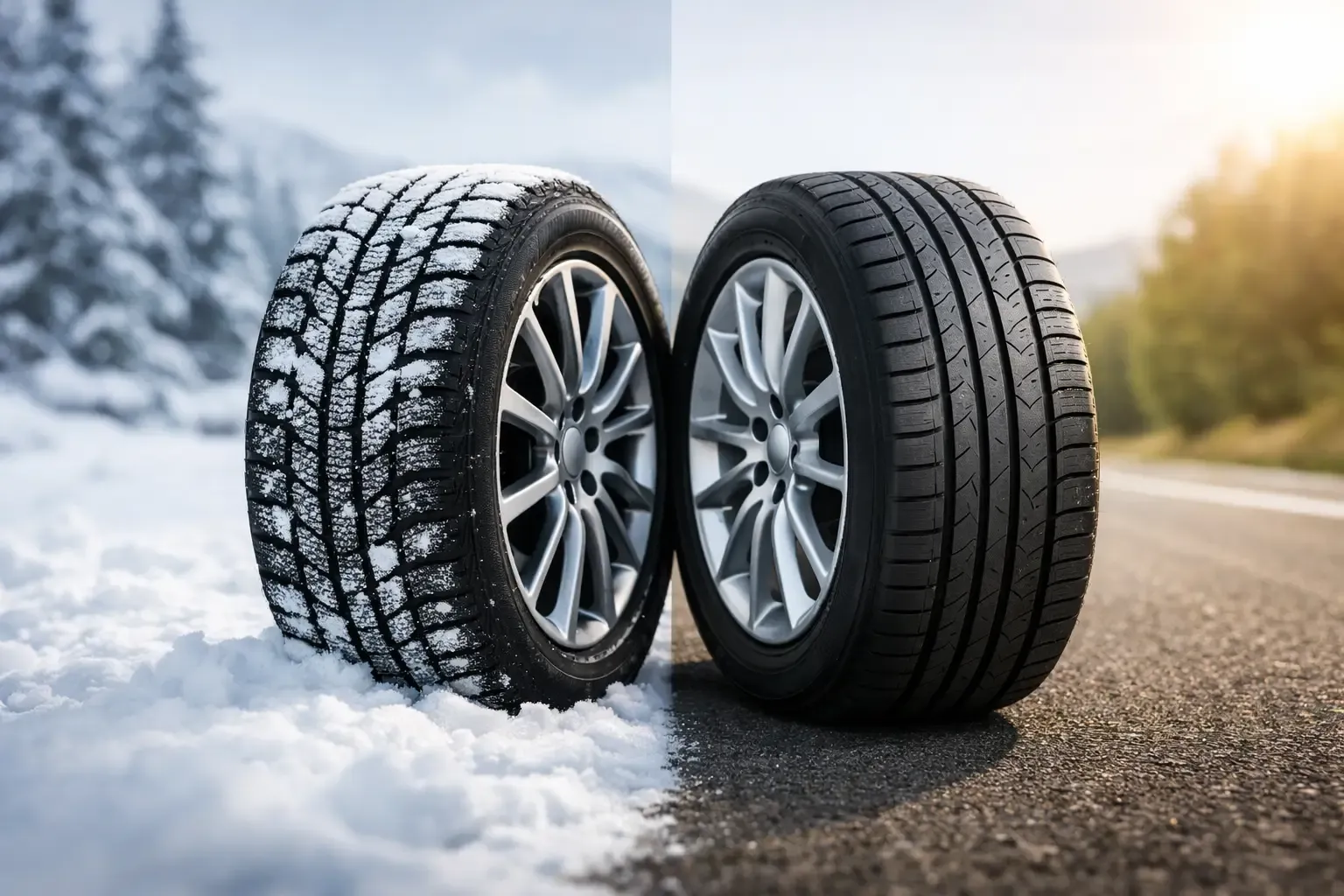
The first cold snap of the year is when this question gets real. You leave for work, the pavement looks mostly clear, and then a shaded intersection feels slicker than expected. That is where the winter tires vs all season decision stops being theoretical and starts affecting braking distance, steering control, and how confident you feel behind the wheel.
For drivers around Columbus, this choice is not always as simple as “snow equals winter tires.” Our winters can swing from dry cold mornings to slush, freezing rain, and sudden snow in the same week. The right tire depends on how, when, and where you drive - not just what the weather app says.
Winter tires vs all season: the real difference
The biggest difference is not just tread pattern. It is the rubber compound and how the tire behaves as temperatures drop.
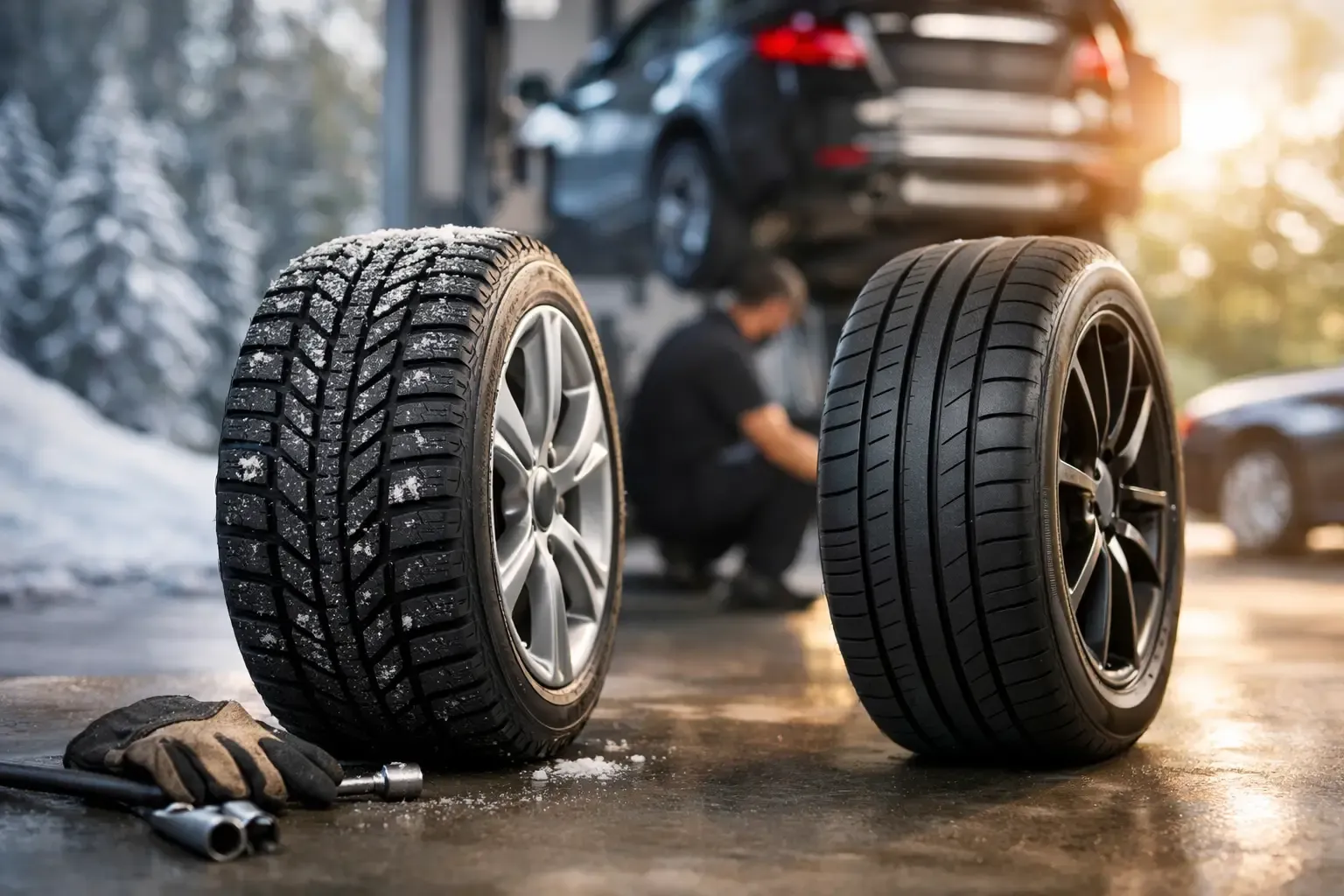
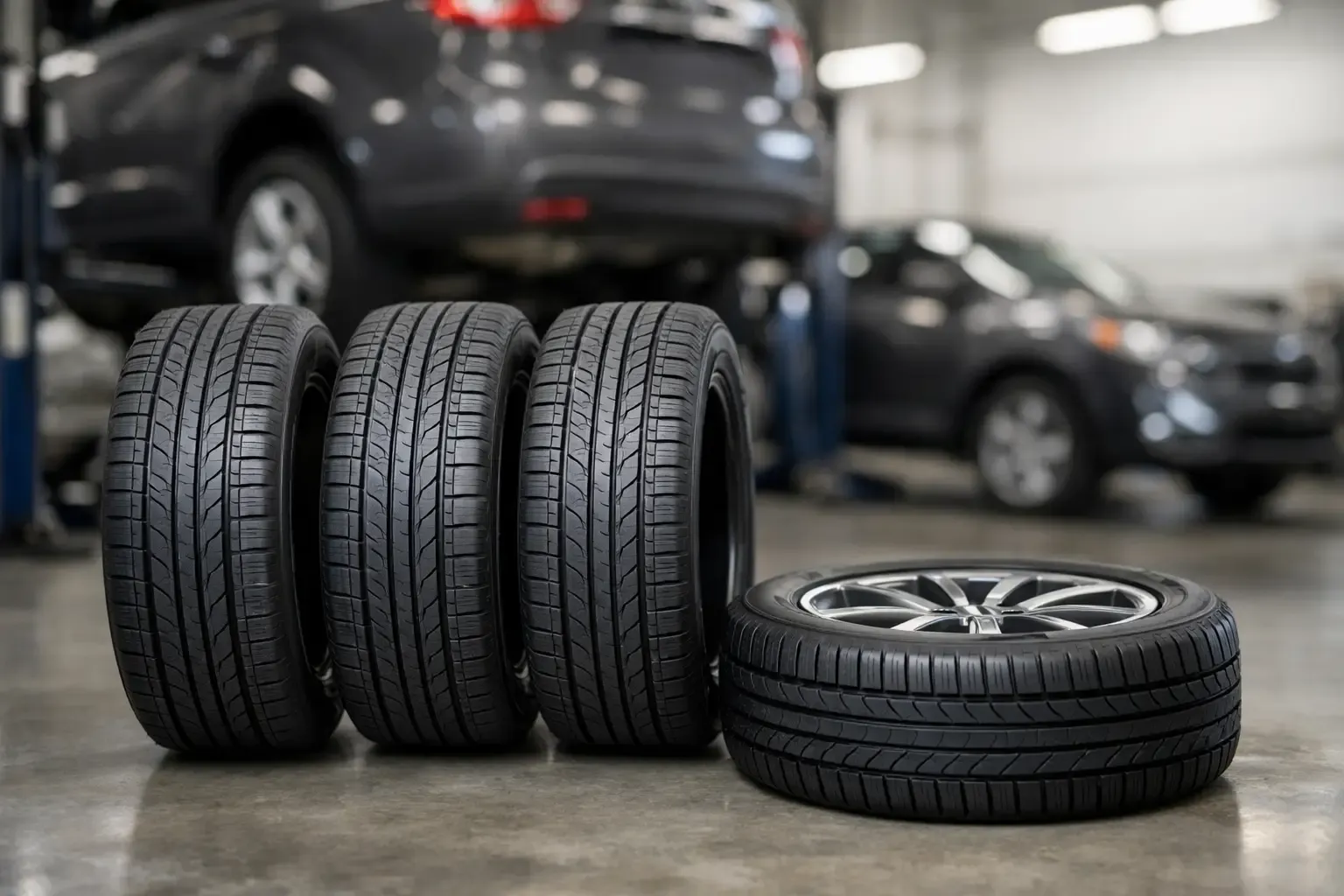
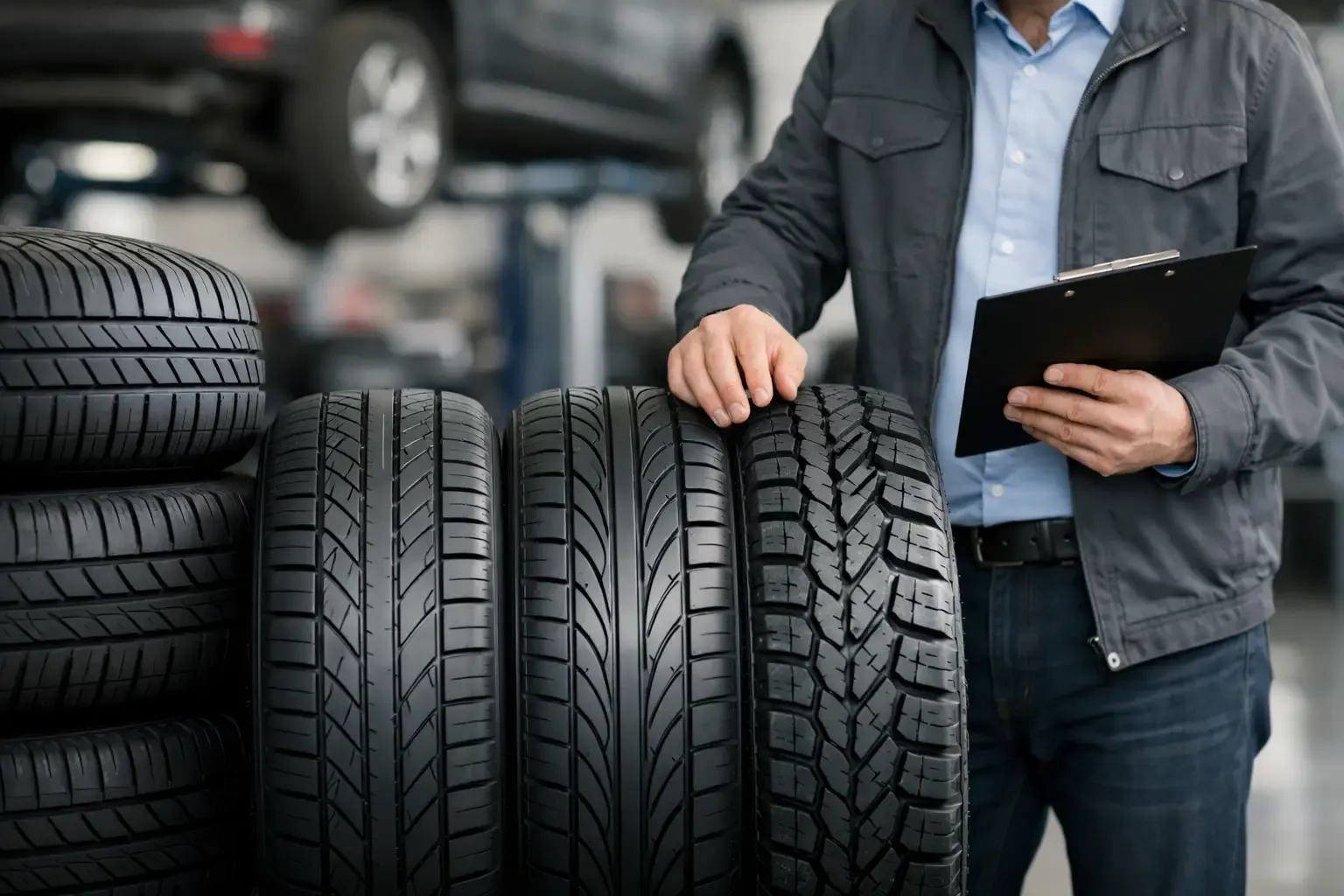
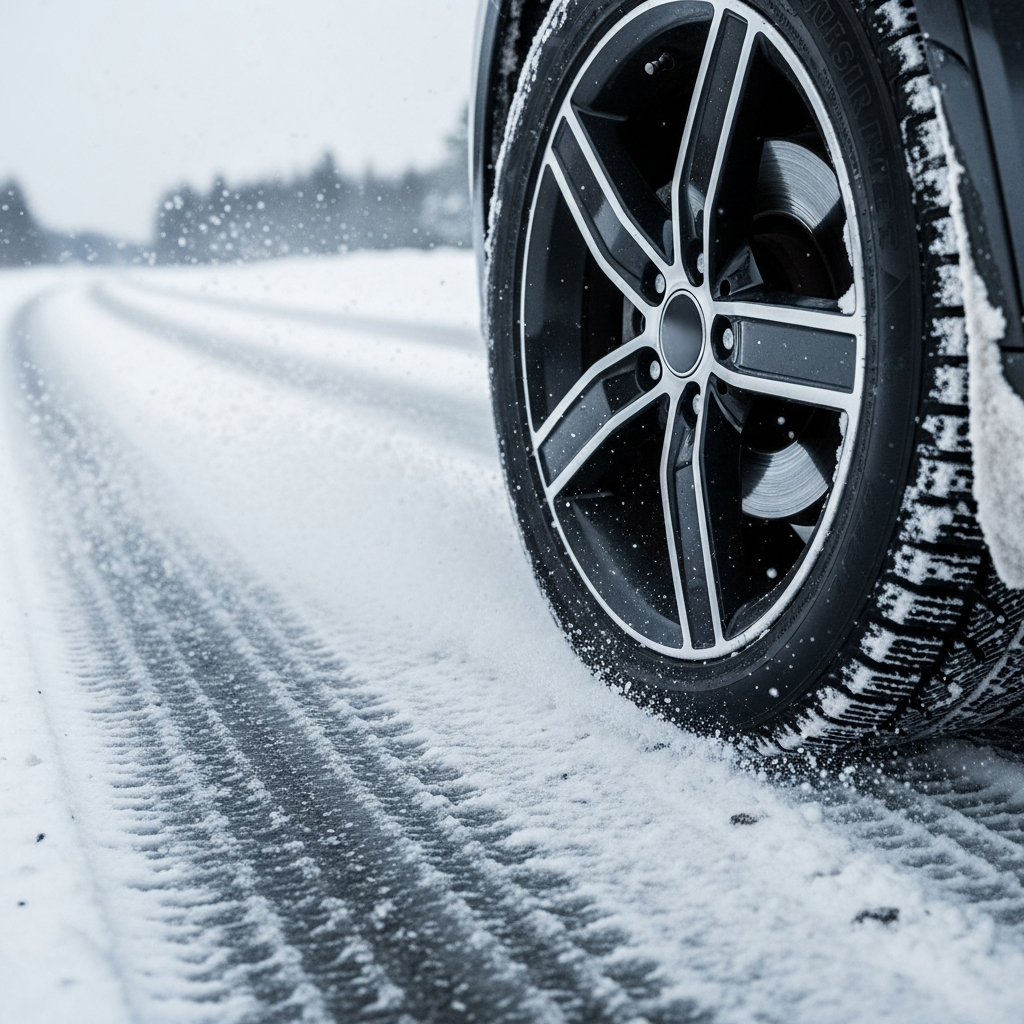
Winter tires are built to stay flexible in cold weather, generally when temperatures are consistently below 45 degrees. That flexibility helps the tread conform to the road surface, which improves grip during braking, turning, and acceleration. They also use tread designs with deeper grooves and more biting edges to manage snow, slush, and ice more effectively.
All-season tires are designed to do many things reasonably well. They are meant to handle warm weather, rain, and light winter conditions without needing a seasonal swap in many parts of the country. For a lot of drivers, that sounds ideal. The trade-off is that an all-season tire is a compromise by design. It will not match a dedicated winter tire in cold-weather traction, especially on snow-packed roads or icy surfaces.
That does not make all-season tires a bad choice. It just means they have limits, and those limits matter most when the weather turns ugly.
Why Ohio drivers get stuck on this decision
In a place with long, severe winters, the answer is easier. In central Ohio, drivers often deal with mixed conditions. Some winter days are dry and relatively mild. Others bring black ice before sunrise, slush during the commute, and snow-covered neighborhood streets long after main roads are plowed.
That variability is exactly why many people hesitate. They do not want to invest in a second set of tires if they only see a handful of major snow events. At the same time, they do want dependable traction when roads are at their worst.
If your driving is mostly short local trips on well-traveled roads, a quality all-season tire may serve you well for much of the year. If you commute early, drive before the roads are cleared, travel regularly between suburbs, or carry family members in the vehicle every day, winter tires start to make a stronger case.
When winter tires make the most sense
Winter tires are the better choice when safety in cold weather is the priority and your schedule does not allow you to simply wait for conditions to improve.
That includes drivers who are on the road early in the morning, healthcare workers, service professionals, delivery drivers, and parents who need to get children to school or activities regardless of weather. It also includes anyone who drives a lot on untreated side streets, bridges, and rural or outer suburban roads where snow and ice can linger.
The key benefit is control. Winter tires can shorten stopping distances in cold conditions and improve steering response when roads are slick. On a snowy or icy day, that extra traction can be the difference between a normal stop and sliding into an intersection.
They also make sense if your vehicle has rear-wheel drive or if you have experienced winter traction issues in the past. Even with all-wheel drive, your tires still determine how well you stop and turn. Drivetrain helps you move. Tires help you maintain control.
When all-season tires are enough
All-season tires can be the practical choice if your driving habits are flexible and your winter exposure is limited.
If you work from home, avoid driving during storms, stick mainly to major roads, or drive low annual mileage, an all-season tire may be sufficient. Many modern all-season options perform well in rain and light snow, and they offer the convenience of year-round use without seasonal installation appointments.
They are also a reasonable fit for drivers who prioritize simplicity. One set of tires means less storage, fewer service visits, and lower upfront cost compared with buying a separate winter set.
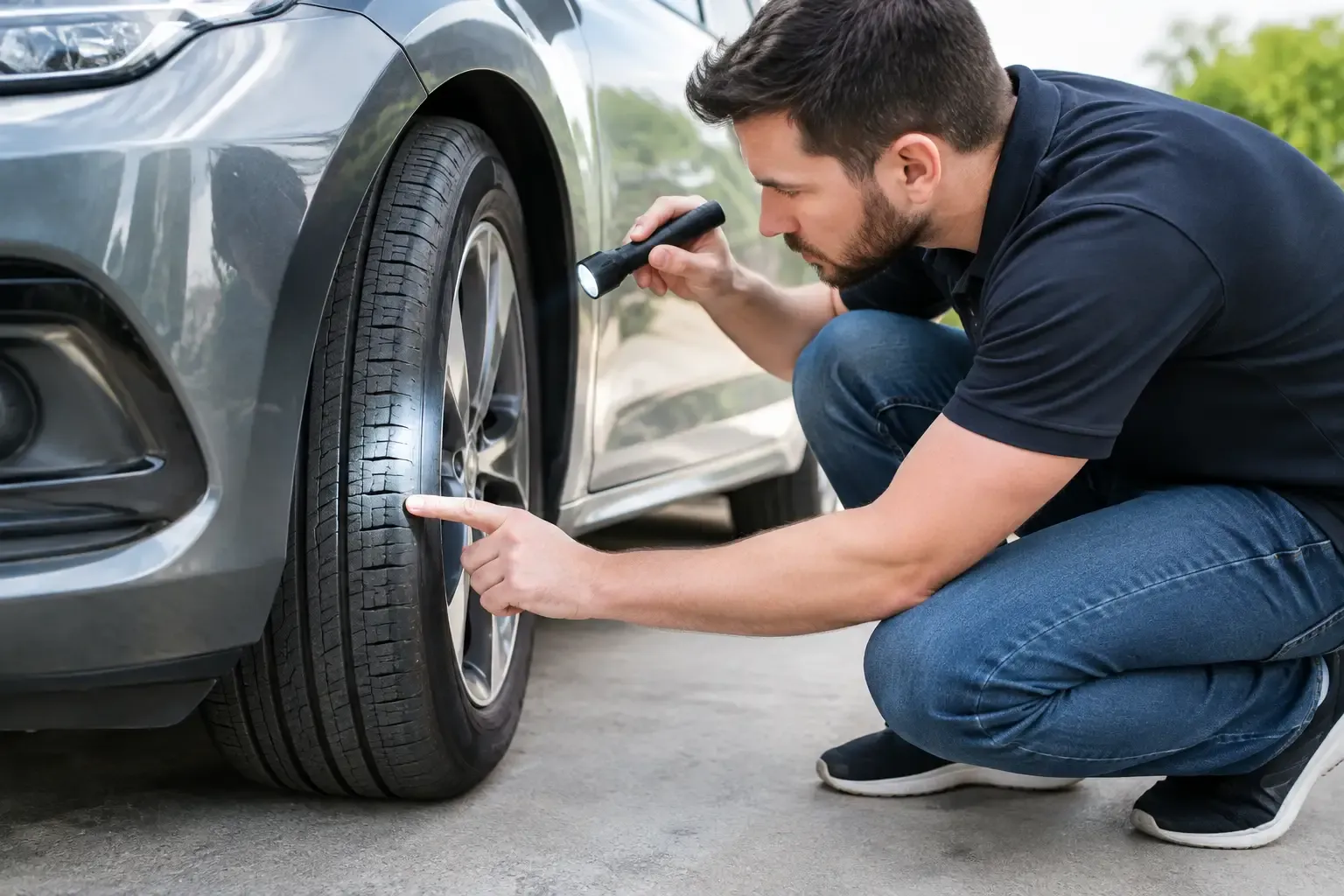
But this is where honesty matters. If you call your all-season tires “good in winter” because they got through one mild season, that does not necessarily mean they are the right tire for the next one. Performance can drop significantly as tread wears down, especially in snow.
Braking and traction matter more than people think
A lot of drivers judge tires based on whether they can get moving. That is understandable, but it is incomplete.
The more important question is how the vehicle behaves when you need to slow down or change direction suddenly. A tire that can pull away from a stoplight is not automatically a tire that will brake confidently on a cold, slick road.
This is where winter tires usually create the biggest gap. Their advantage is not just climbing through snow. It is the ability to maintain grip when temperatures are low and road surfaces are unpredictable. That matters in everyday situations, like stopping for traffic, turning into a parking lot, or avoiding another driver who loses control.
For families and commuters, that added margin is often the strongest argument for winter tires.
Cost, tread life, and long-term value
The up-front cost of winter tires can make drivers pause, and that is fair. You are buying another set of tires and paying for installation when the season changes. But the full cost picture is more balanced than it first appears.
When you use winter tires during the colder months, you are not wearing down your all-season tires at the same time. That means both sets can last longer because each one is being used in the conditions it was designed for. Over time, the value is not just about tire life. It is also about safety, confidence, and reducing the risk of weather-related damage or disruptions.
Still, if your budget and driving pattern point toward one set year-round, then choosing a high-quality all-season tire and replacing it before tread gets too low is the smarter move than stretching worn tires through another winter.
The mistake many drivers make
The most common mistake is waiting too long to decide. By the time the first serious storm hits, schedules fill up, tire availability narrows, and drivers are already reacting to bad conditions instead of preparing for them.
Another issue is assuming all tires labeled for year-round driving perform the same. They do not. Some all-season tires are noticeably stronger in wet and light winter conditions than others. The same goes for winter tires - the right option depends on your vehicle, driving routine, and priorities.
That is why a quick conversation about your commute, mileage, and storage options can be more useful than reading sidewall labels alone.
So which one should you choose?
If you want the shortest answer, here it is: winter tires are better for cold-weather safety, while all-season tires are better for year-round convenience.
The better answer is more specific. Choose winter tires if you drive regularly in snow, slush, ice, or early-morning cold and need dependable traction no matter the forecast. Choose all-season tires if your driving is lighter, your schedule is flexible, and you usually avoid the worst winter conditions.
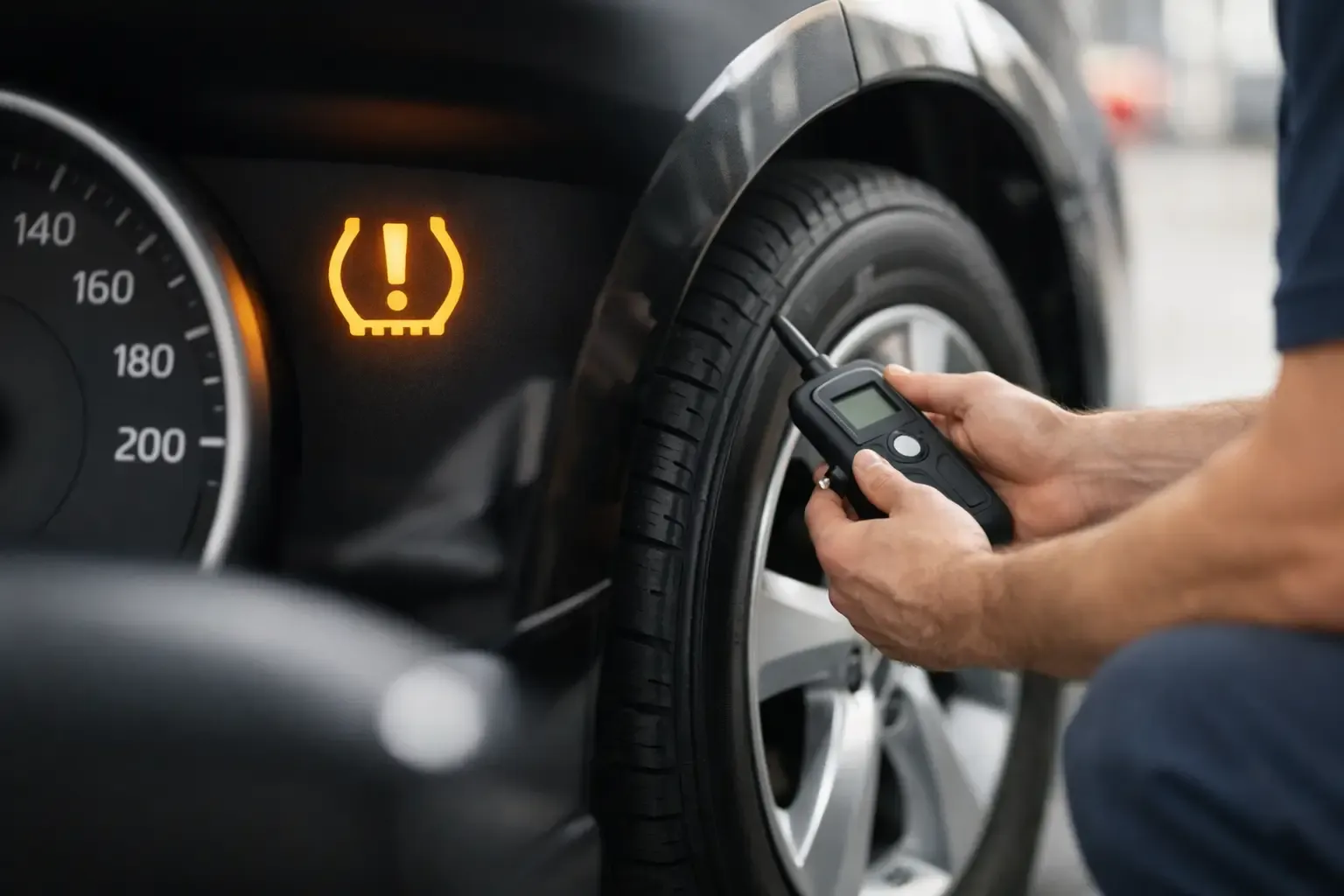
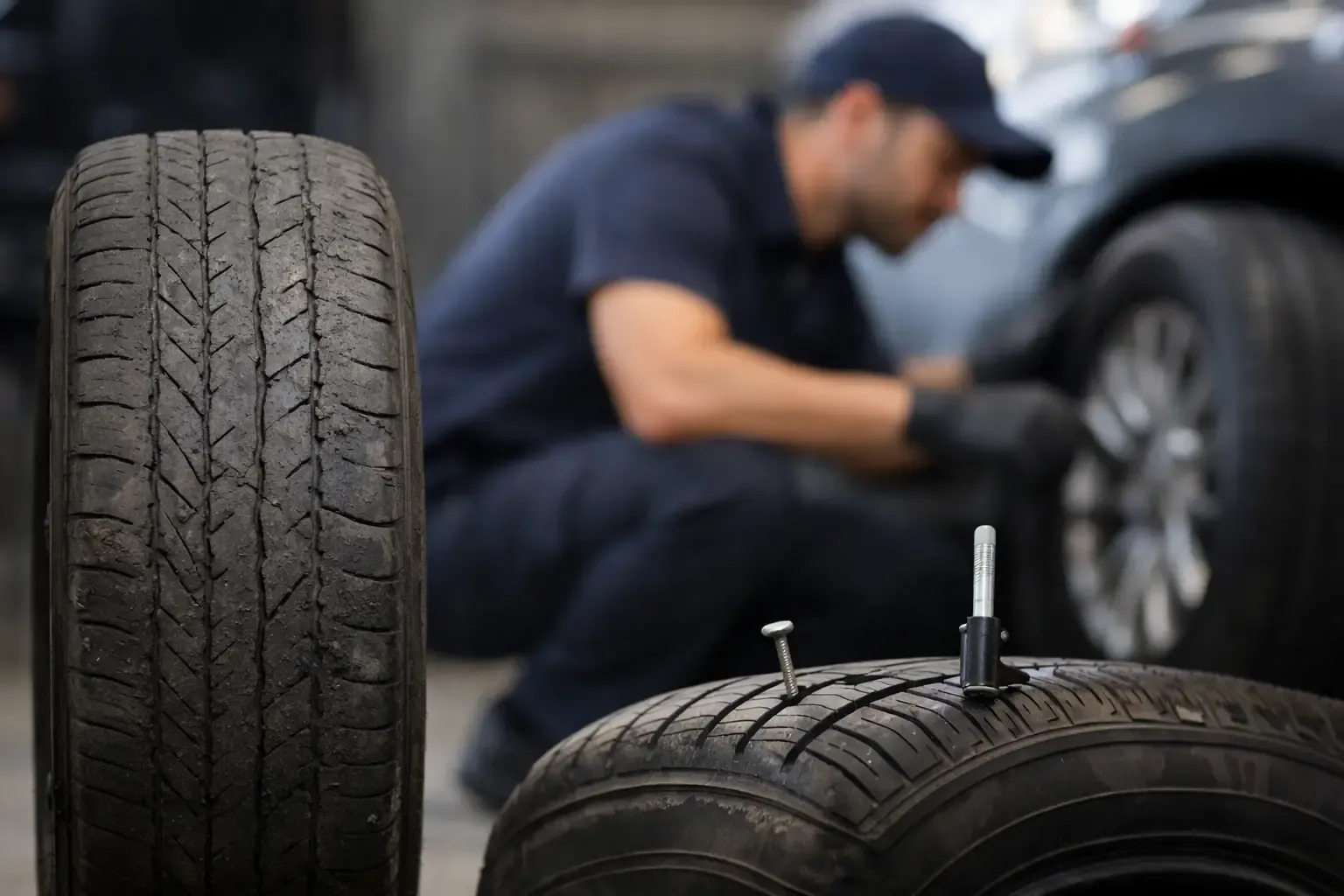
For many drivers in Columbus, it comes down to how much risk and inconvenience they are willing to tolerate. If missing work, sliding through an intersection, or dealing with a weather-related tire problem would create a major disruption, winter tires are often worth it. If your vehicle stays parked when roads are rough, all-season tires may be the practical fit.
A good tire decision should make your life easier, not more complicated. If you are unsure which setup matches your vehicle and daily routine, getting clear guidance before winter arrives can save time and prevent the kind of last-minute tire problem nobody wants to deal with in the cold.
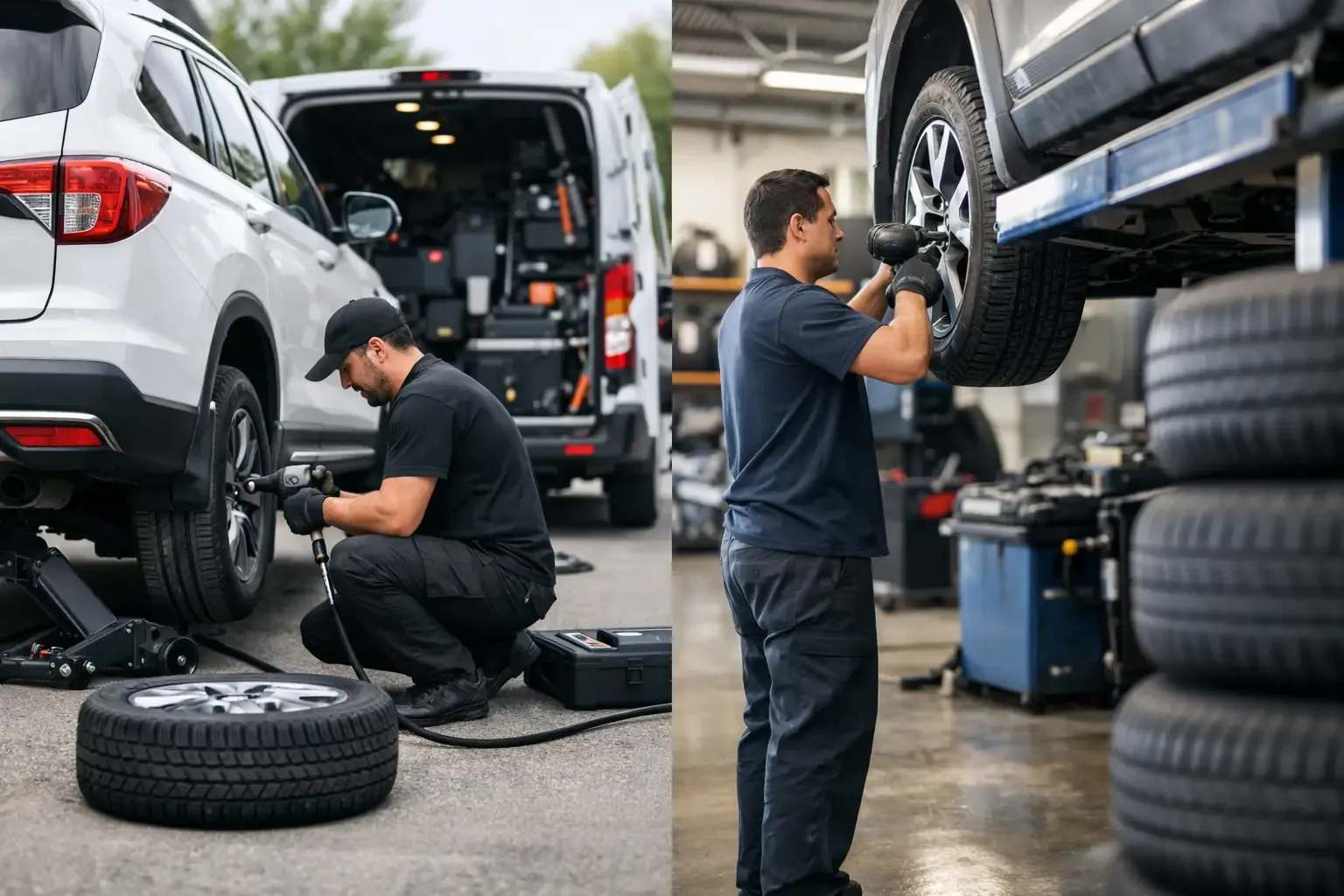
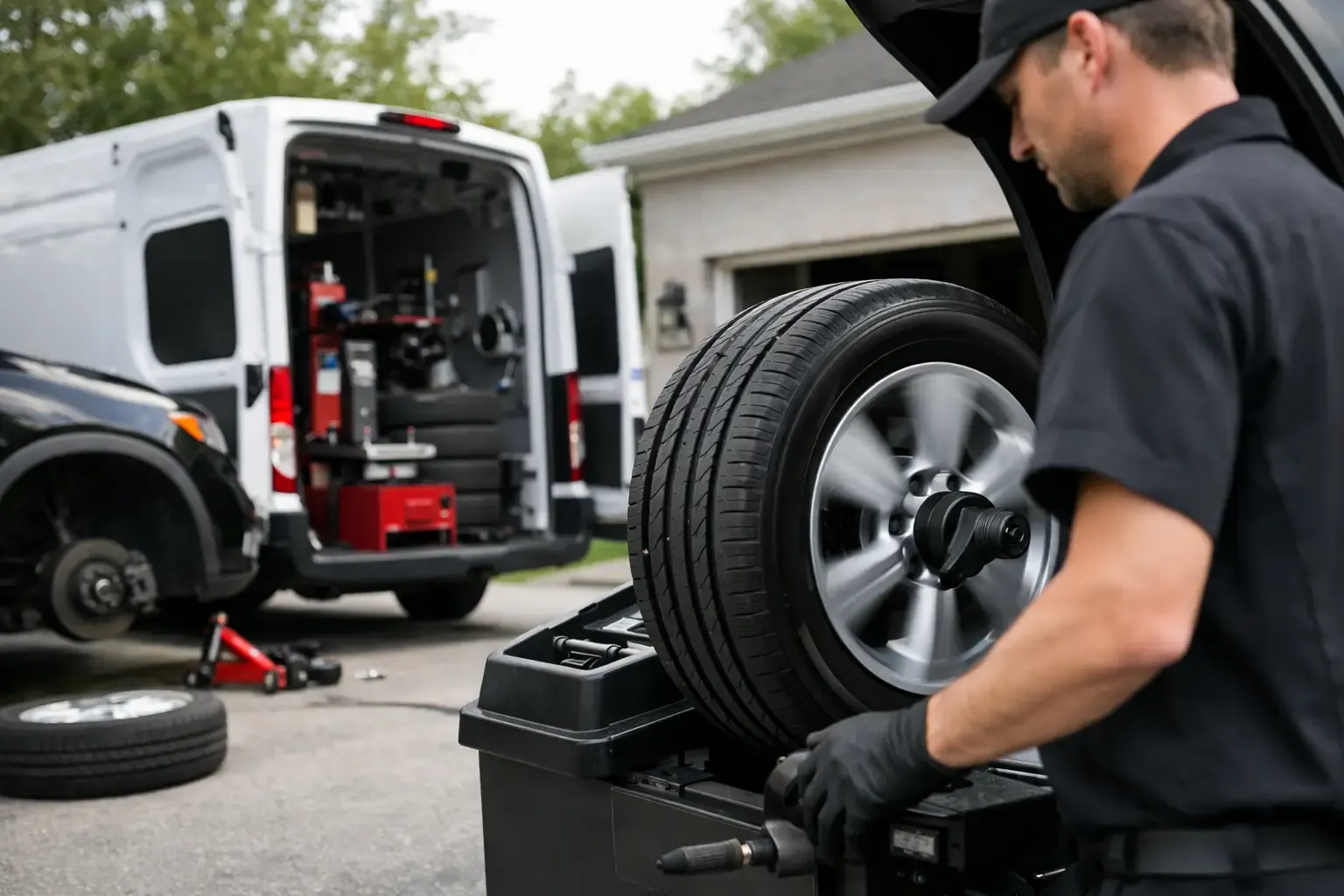
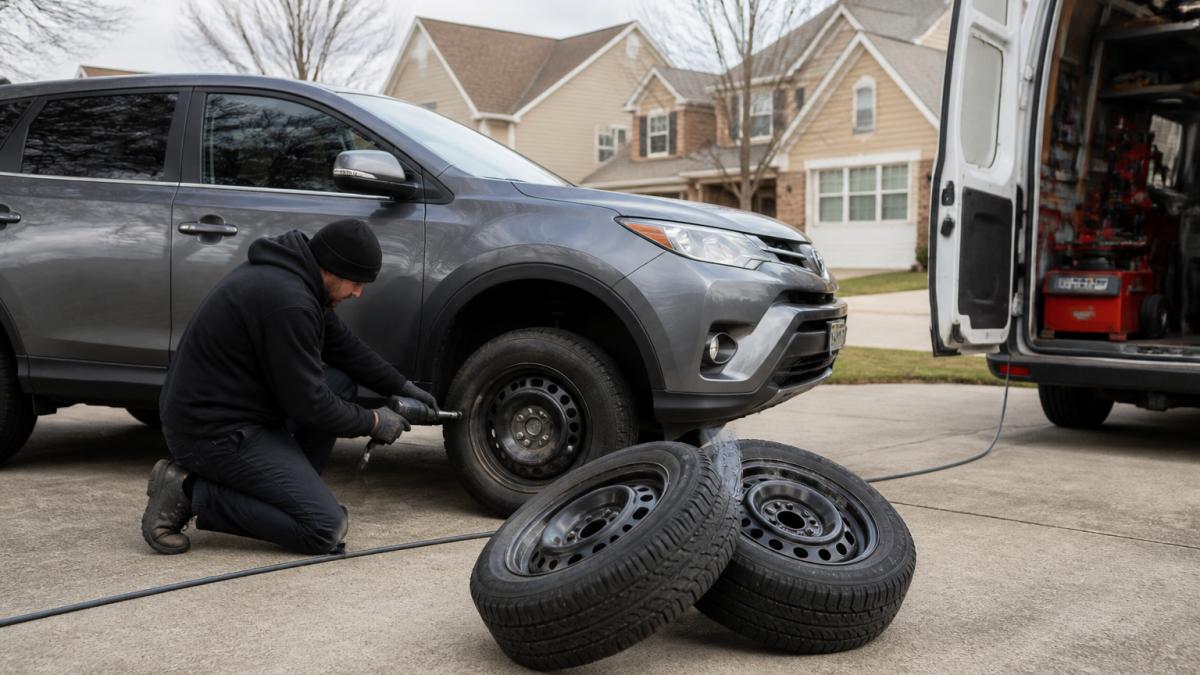
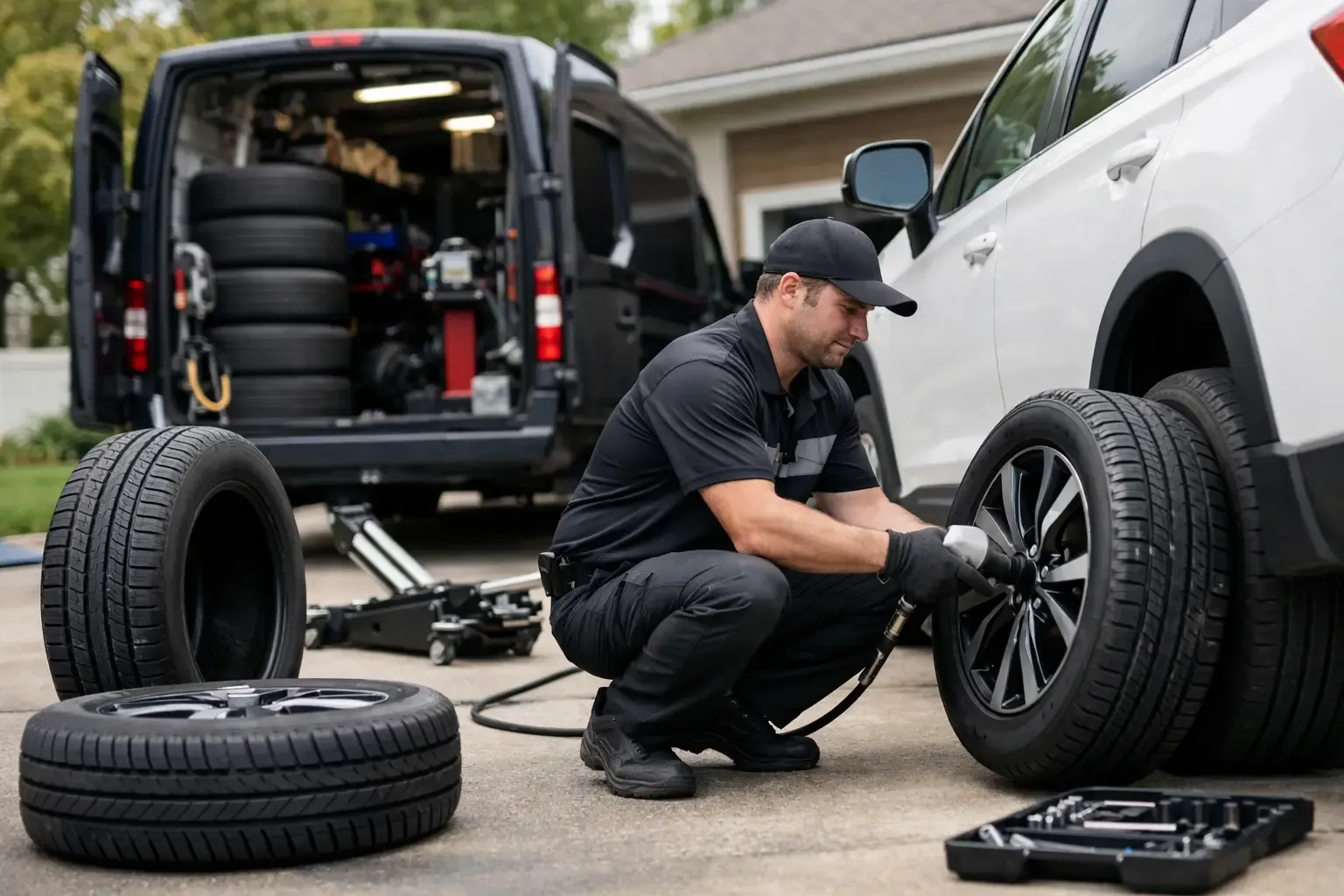
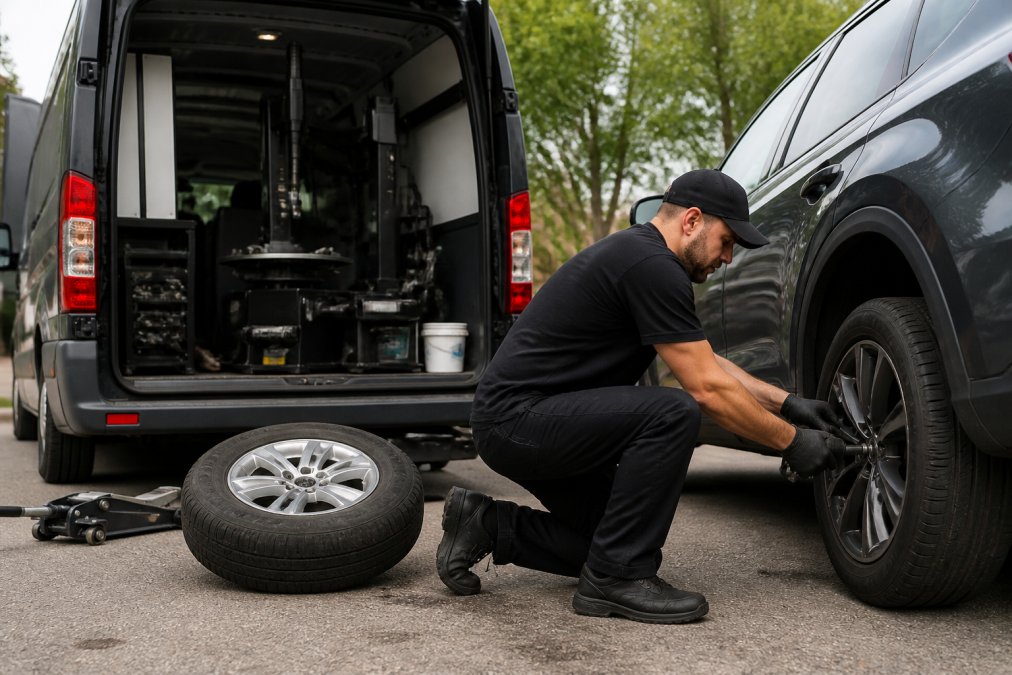
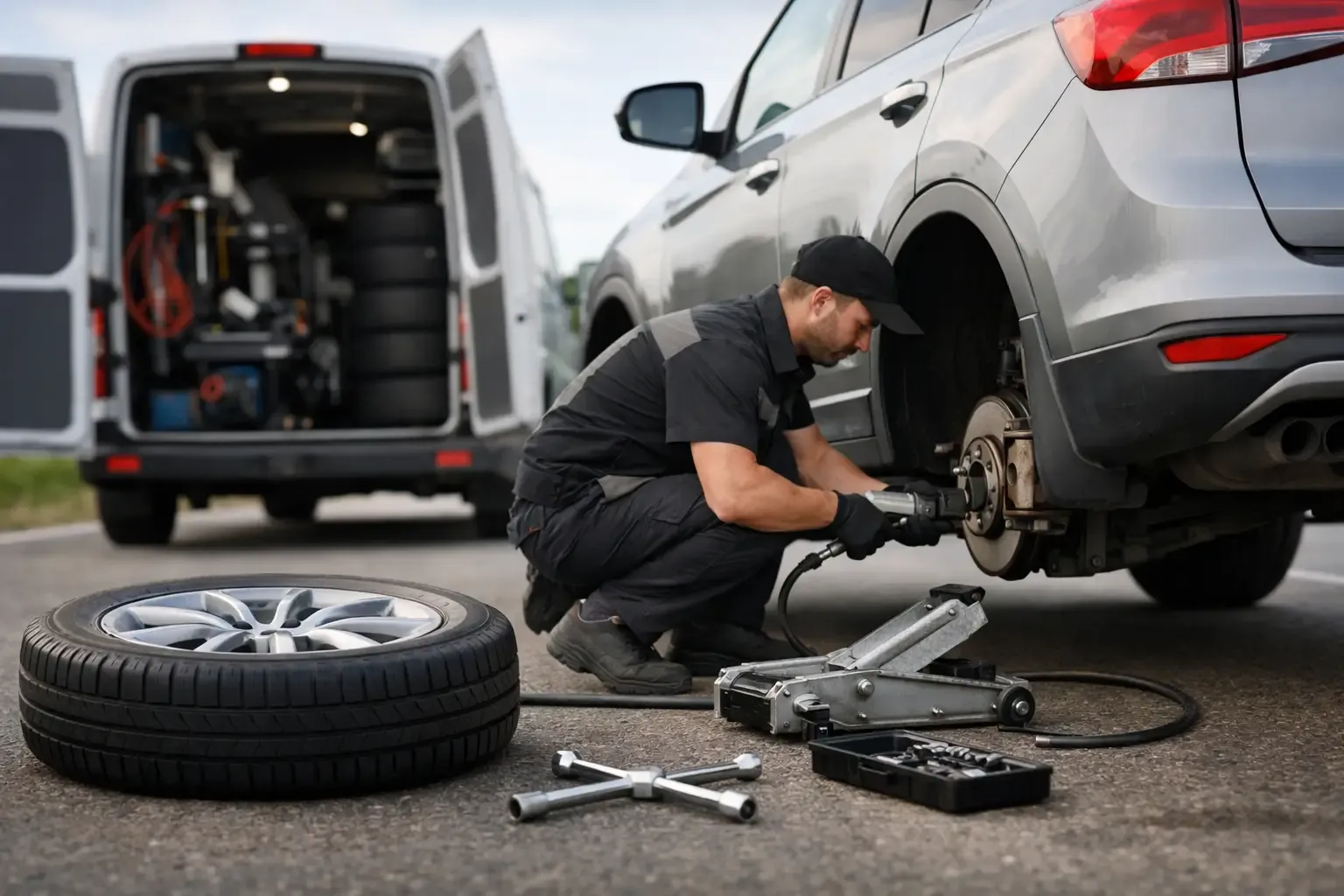
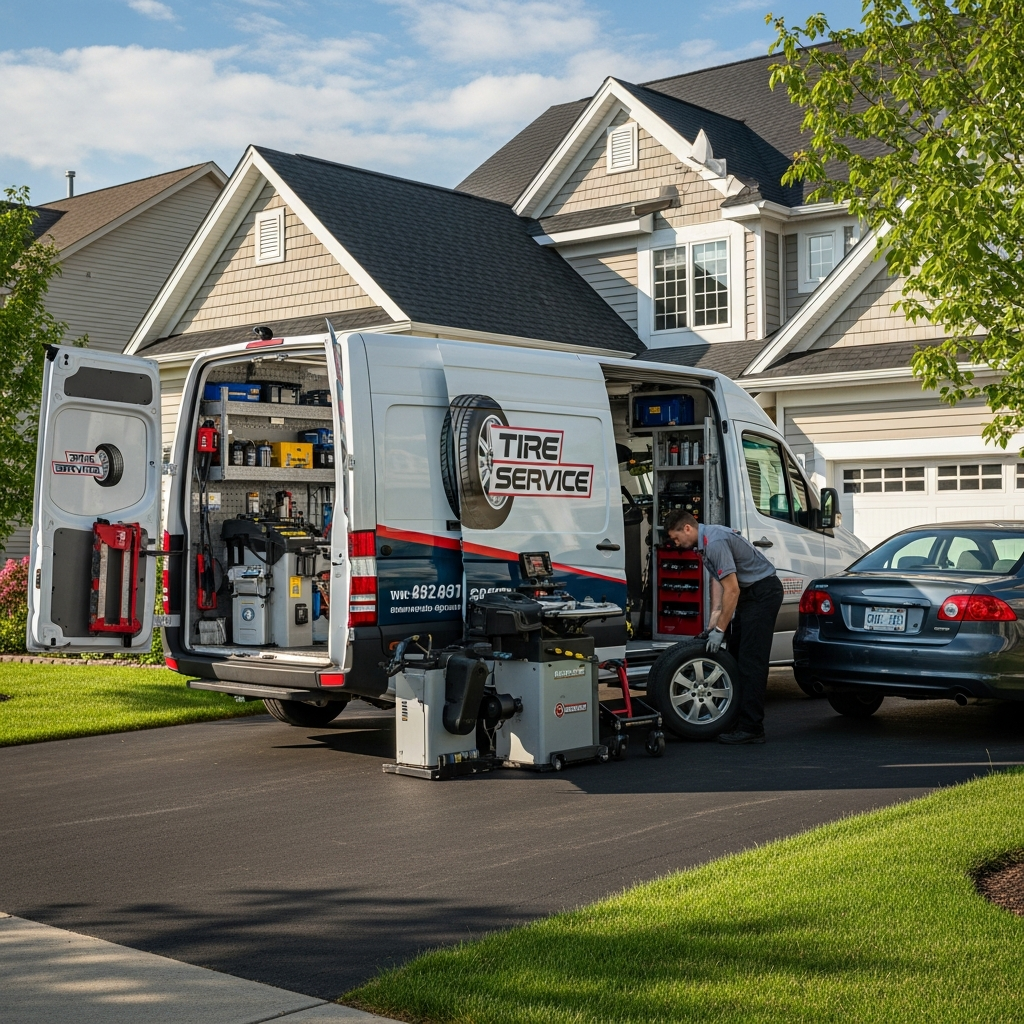
Ready for a new set? Elite Mobile Tire installs 2 or 4 new tires right in your driveway or parking lot anywhere around Columbus, Obetz, Groveport, Grove City, and Reynoldsburg. Financing is available through Afterpay and Acima with up to 24-month payment plans. Call 614-344-5010 or visit elitemobiletire.com to book.