Why Mobile Tire Service for Commuters Beats the Waiting Room
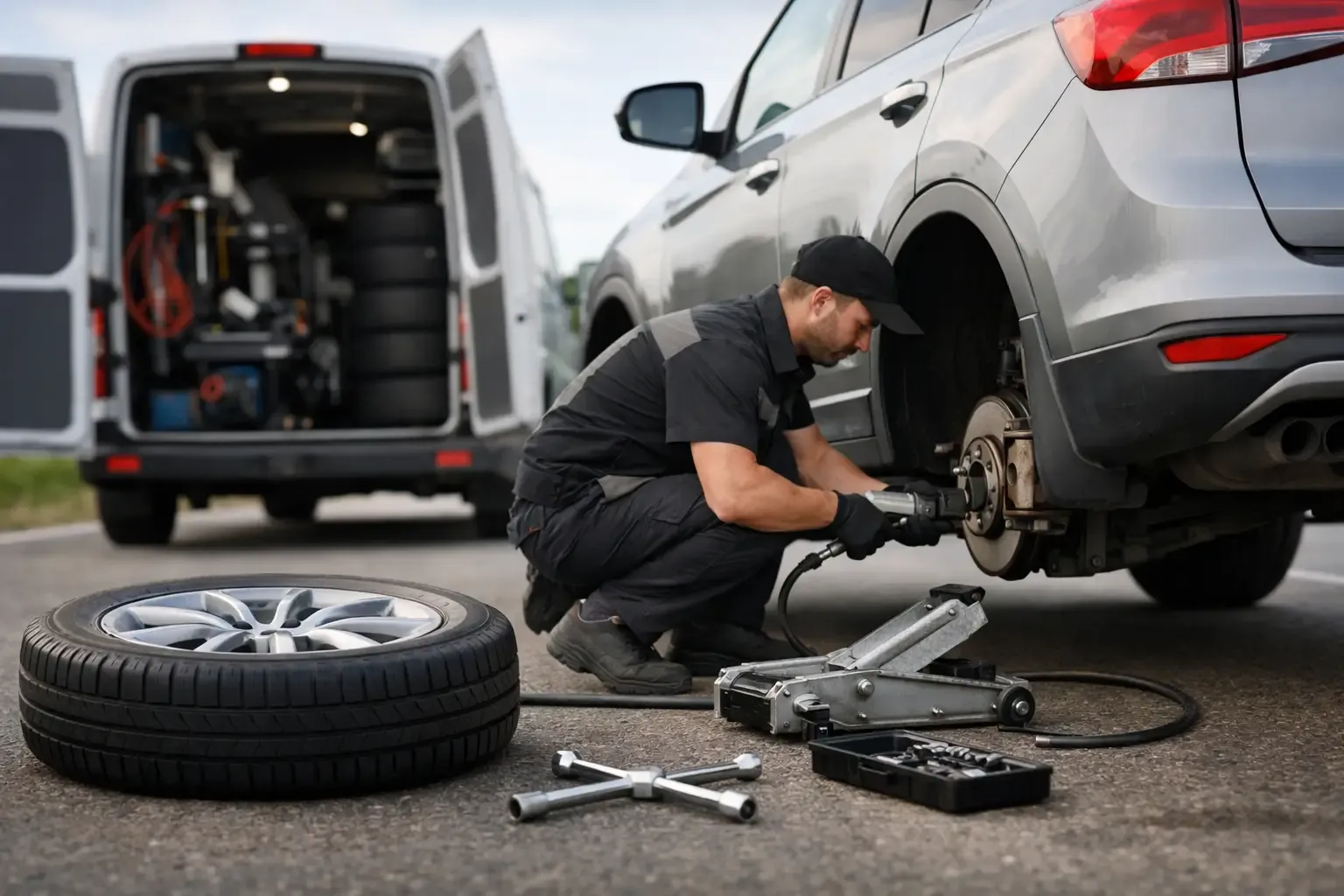
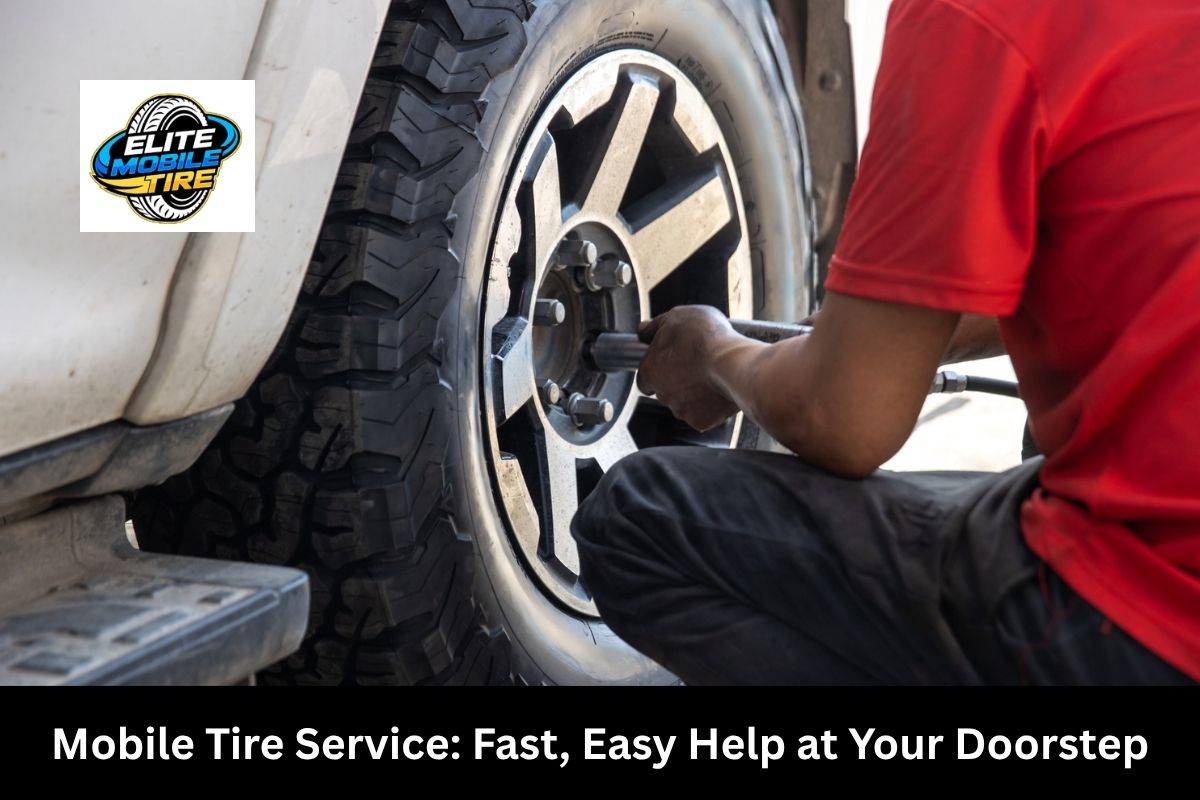
Mobile tire service for commuters flips the model: instead of driving to a shop on a spare, you book a visit and a certified technician brings the equipment to your driveway, office lot, or job site. Elite Mobile Tire built its service around exactly that problem, and this guide breaks down how dispatch works, what drives mobile tire installation cost, and which questions separate a real professional operation from a pretender.
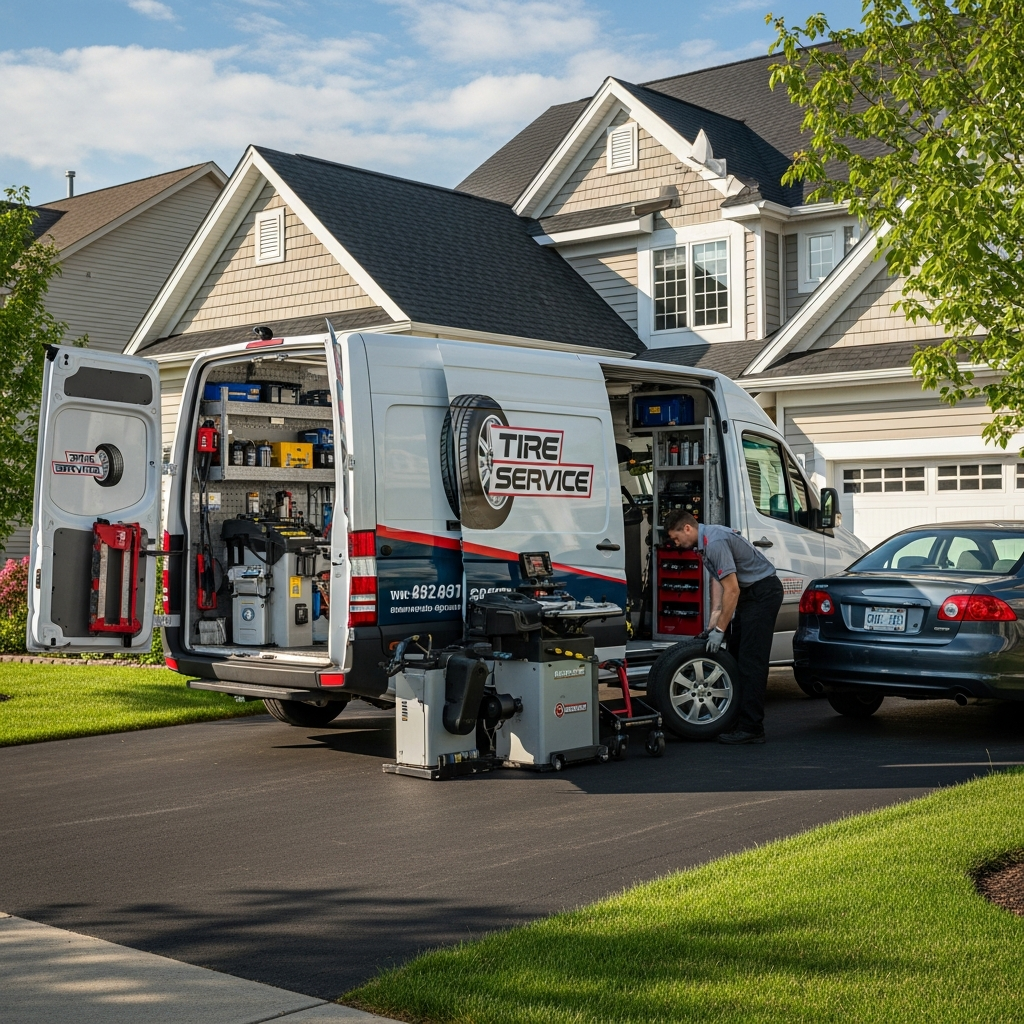
A common mistake is assuming all mobile providers carry the same equipment. In practice, a van with a jack and an impact wrench is not the same as a fully equipped mobile workshop with a balancing machine and torque tools. That difference decides whether your commute stays smooth or your steering wheel starts vibrating at highway speed.
How Mobile Tire Service Works: From Dispatch to Driveway
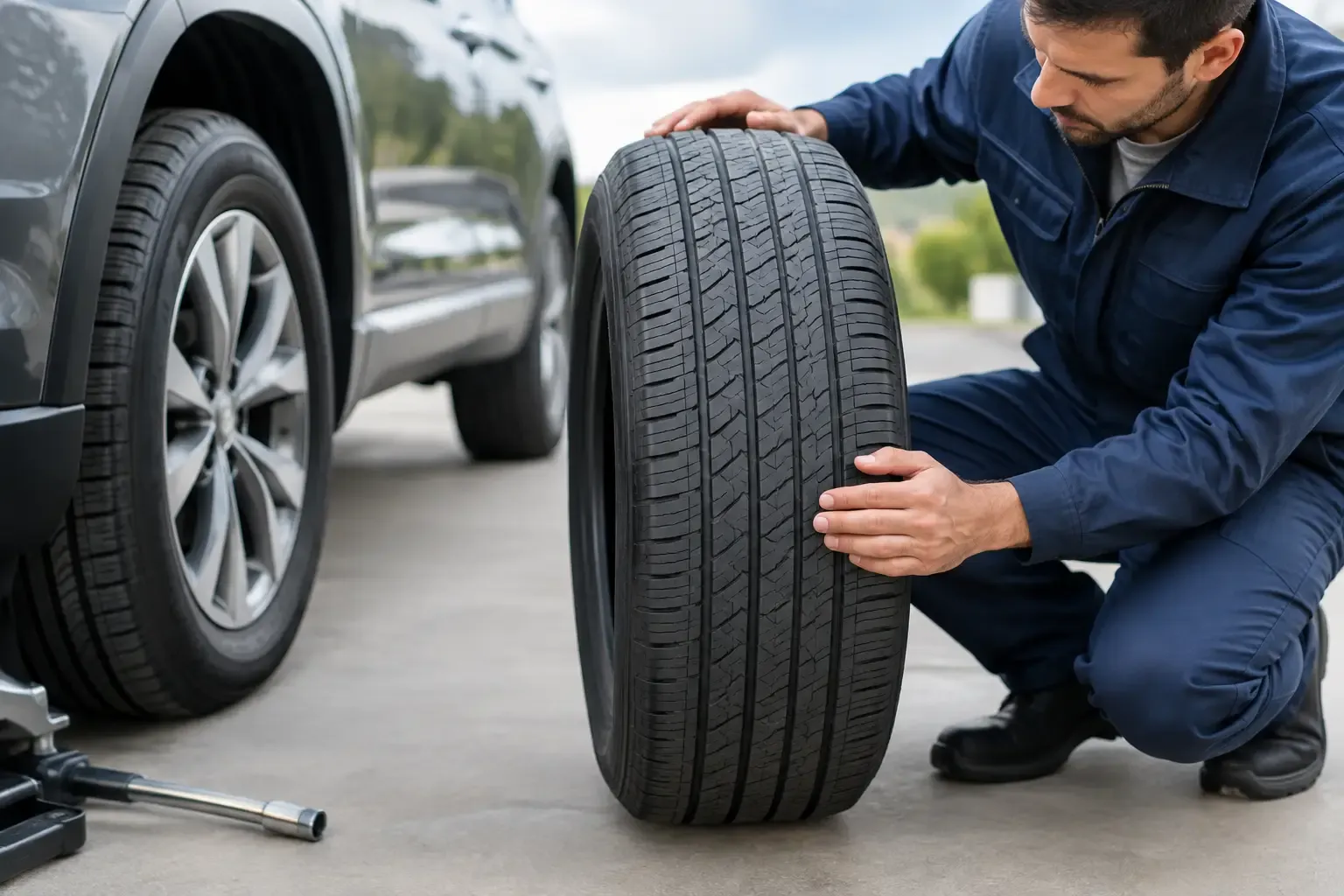
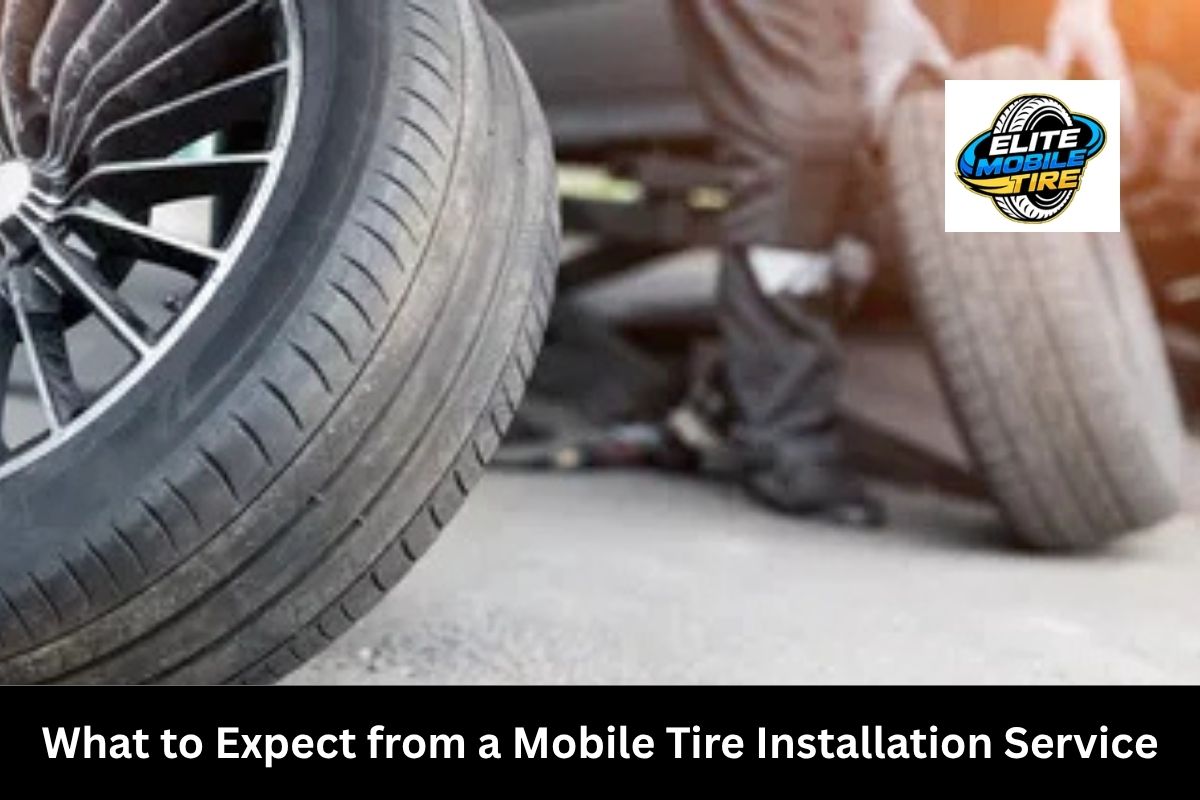
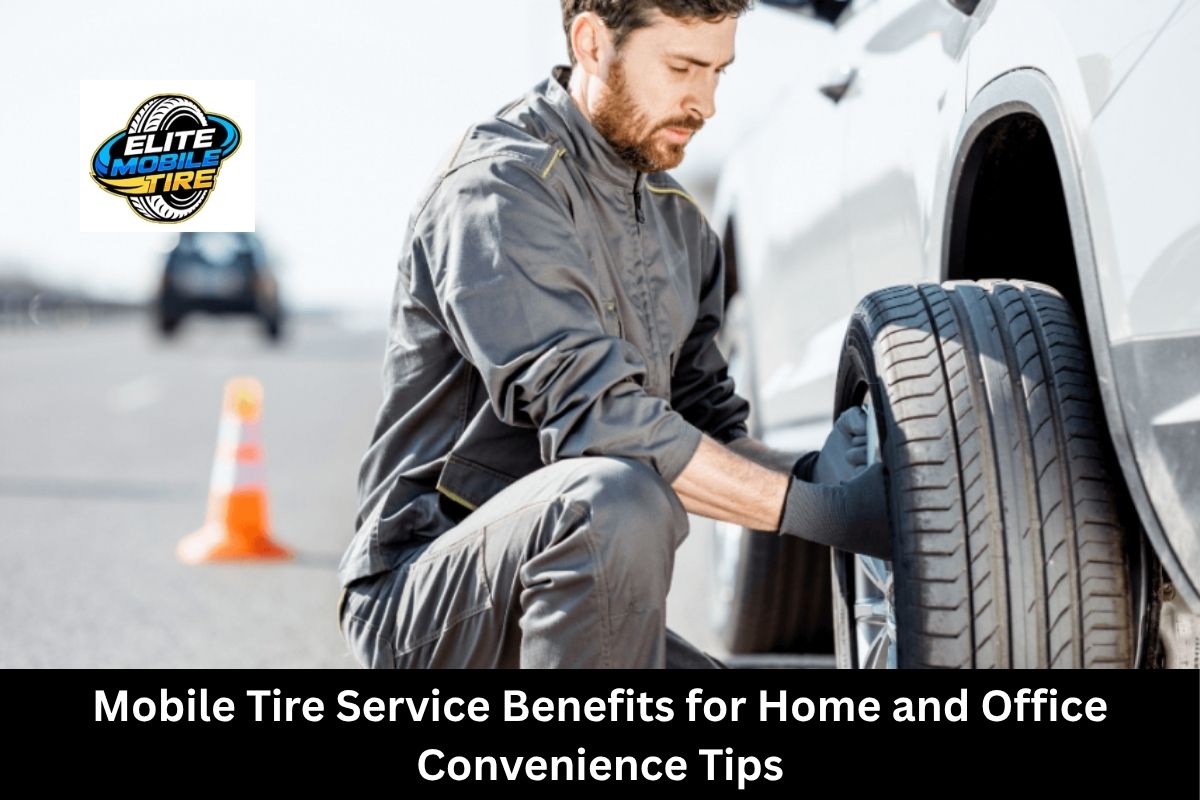
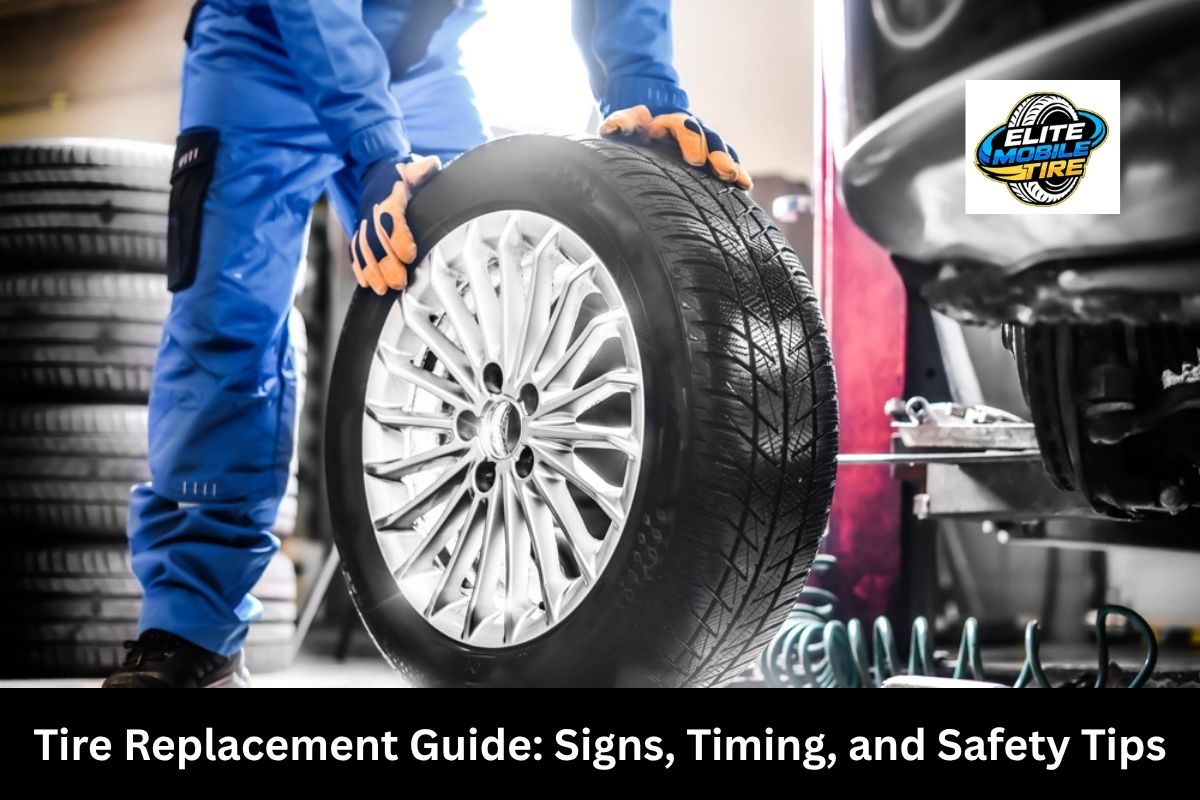
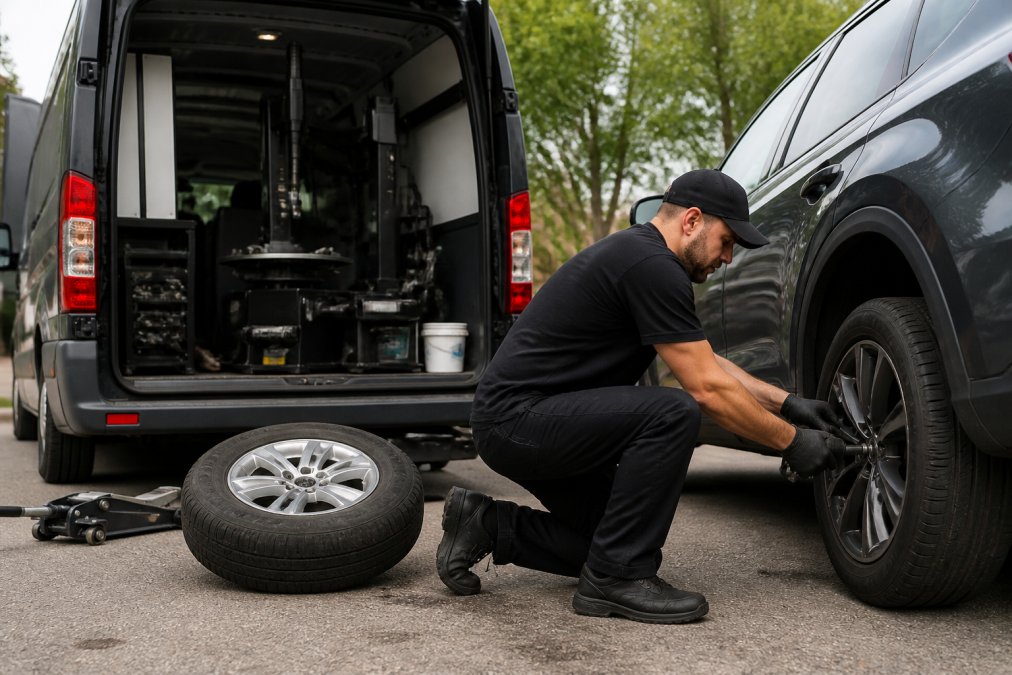
A mobile tire service works by dispatching a technician in a fully equipped van to your location, where they perform mounting, balancing, and installation on site. You book a time window, confirm your tire size and vehicle, and the technician arrives with the replacement tire, tools, and a torque wrench set for your wheel specifications.
The process typically follows this sequence:
- You call or book online and describe the tire issue
- Dispatch confirms your tire size, load rating, and speed rating
- A technician loads the correct replacement tire and equipment
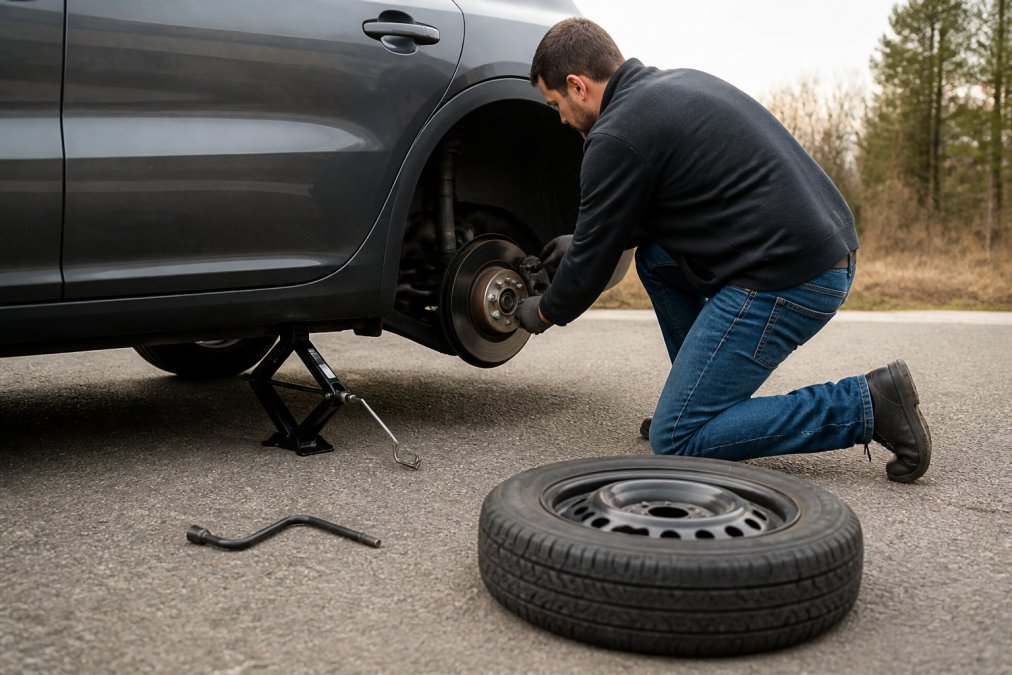
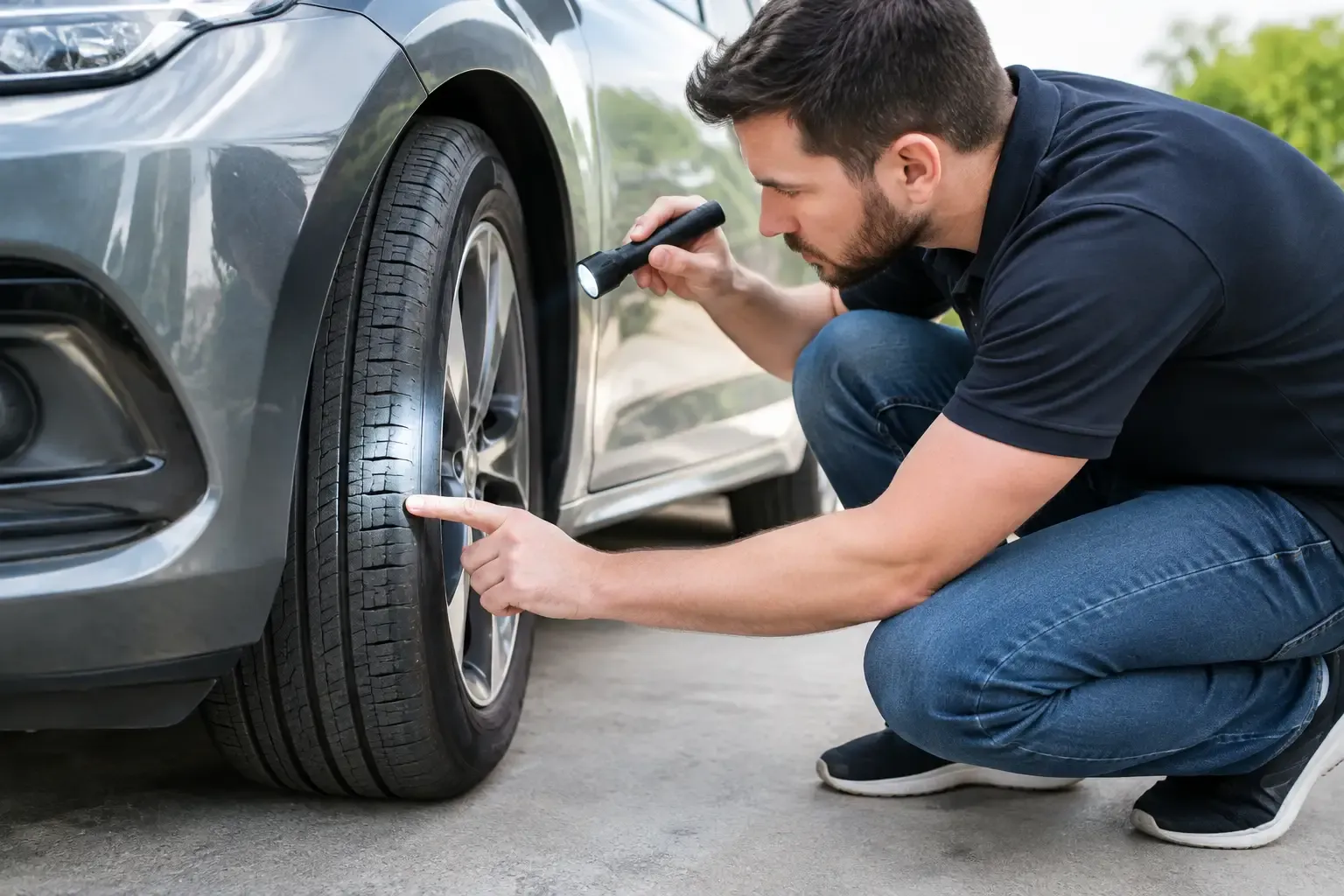
- On arrival, the wheel is removed and inspected for sidewall damage or a puncture
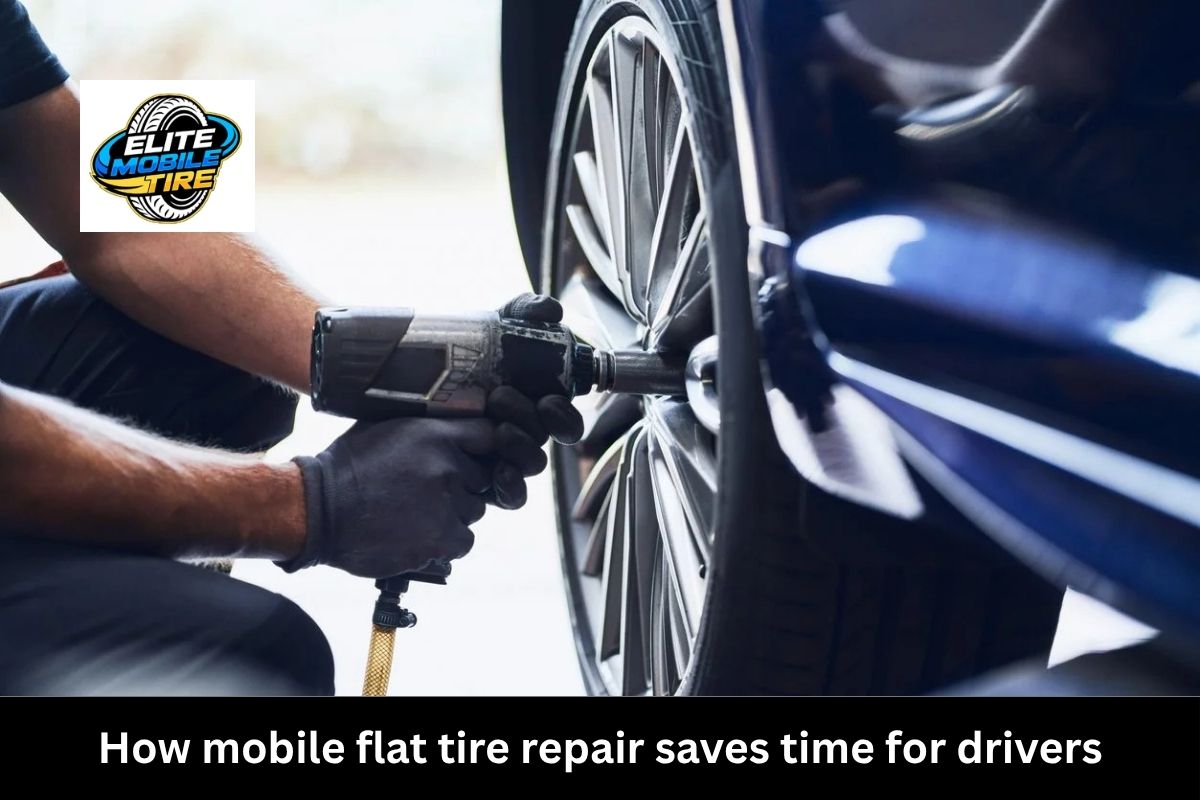
- The new tire is mounted, balanced, and torqued to specification
- The old tire is removed and disposed of properly
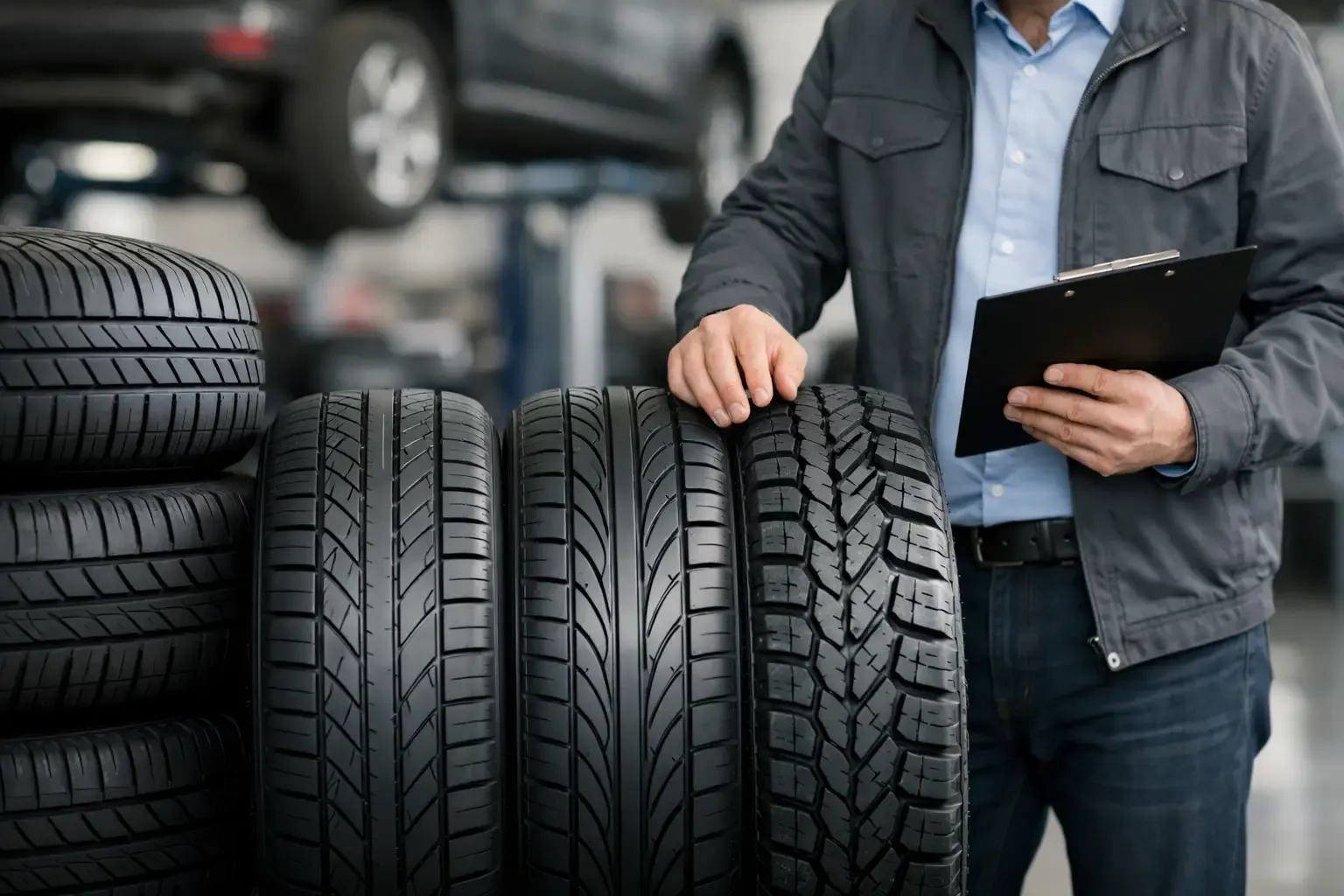
What most guides miss is the inspection step. A good technician checks the other three tires while the wheel is off, because a road hazard that damaged one tire often leaves the others compromised too. Catching a gash on a second sidewall during the same visit is the difference between a scheduled stop and a roadside breakdown.
Mobile Tire Installation Cost: What's Included and What Drives the Price
Mobile tire installation cost is not one number. It is a stack of line items, and the only way to compare two providers fairly is to compare the same stack.
A complete mobile quote typically breaks into six parts:
- The tire itself. Price depends on size, load index, speed rating, and whether it is a standard passenger tire or a light-truck, SUV, or commercial tire.
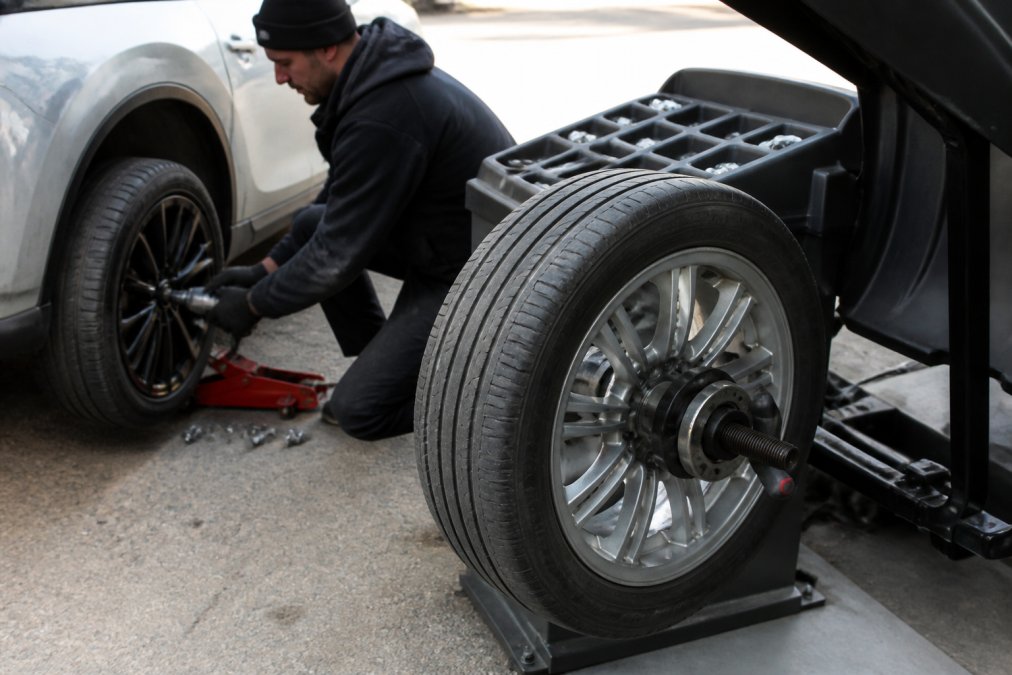
- Mounting and balancing. Mounting seats the tire on the wheel. Balancing corrects weight distribution so the assembly spins evenly at highway speed. These are separate operations with separate equipment.
- Valve stem and TPMS service. A new valve stem is inexpensive; a TPMS sensor costs more. If the sensor is damaged or its battery is dead, the replacement is a distinct line item.
- Disposal or recycling fee. Old tires cannot go in a dumpster. A legitimate provider charges a disposal fee, and it should appear in the quote, not just the invoice.
- Trip or dispatch charge. This is the cost of bringing the van to you. Some providers fold it into the tire price; others show it separately. Either way, it exists.
- After-hours or emergency premium. Calls outside normal business hours or on holidays may carry a scheduling premium.
What actually moves the total up or down:
- [Tire size](https://www.elitemobiletire.com/tire-brands) and load rating. A larger wheel and a higher load rating mean more rubber, more material, and more time.
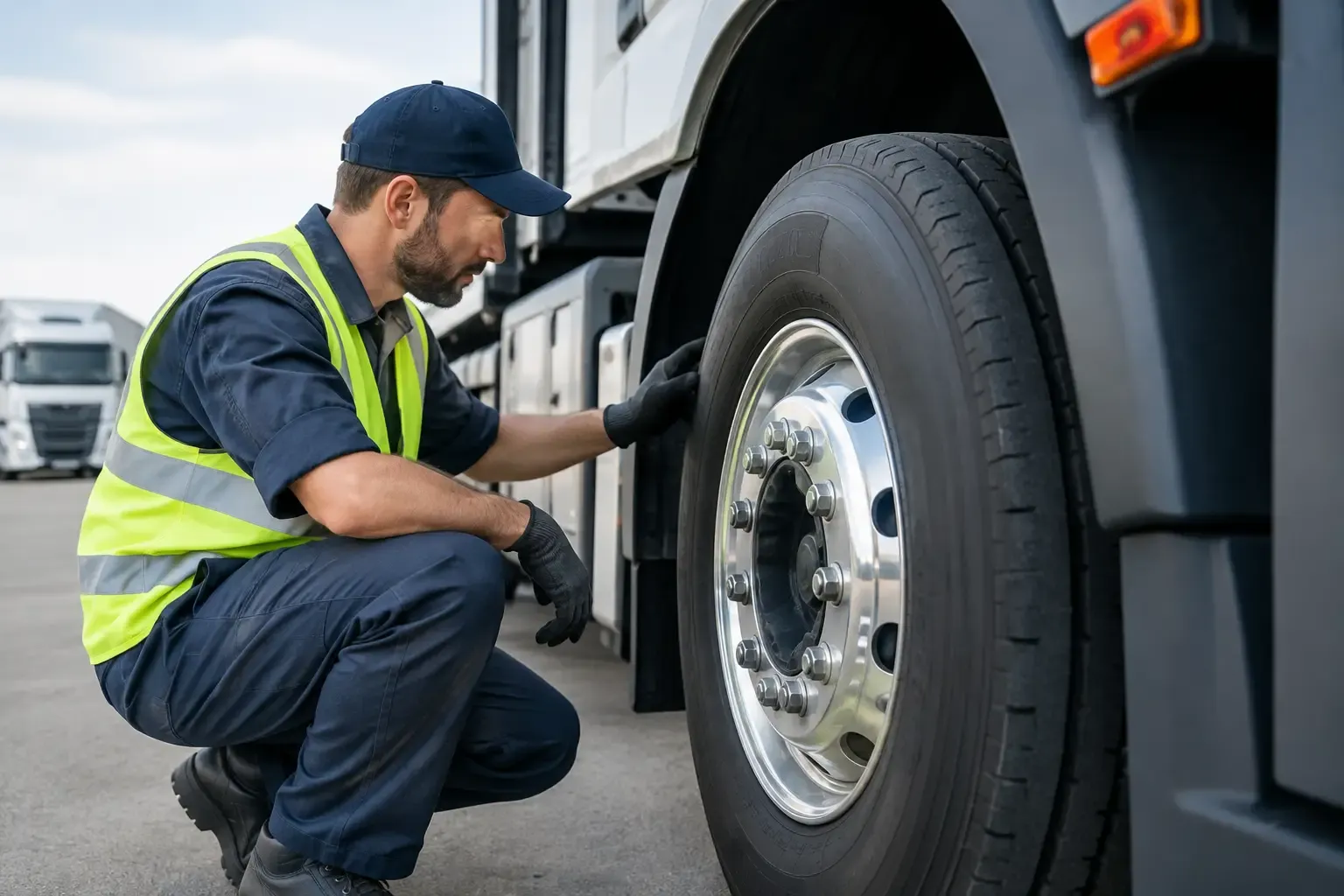
- Vehicle type. A passenger sedan is a short job. A commercial truck, a dually, or an RV is not; the equipment and the torque specs are different.
- Run-flat or low-profile tires. These are stiffer and harder to mount, and some mobile vans are not equipped for them. Ask before you book.
- Wheel type. Alloy wheels and wheels with TPMS sensors require more care than a plain steel wheel.
- Time of day. An after-hours dispatch costs more to staff than a mid-afternoon one. That is not a scam; it is the cost of having a technician available.
How to compare two mobile quotes apples-to-apples:
- Ask each provider for the same six line items above.
- Ask whether the trip charge is included or added.
- Ask what the after-hours rate is as a specific figure, not "a small premium."
- Ask what happens if the technician arrives and the tire cannot be repaired. Is there a call-out fee for a no-service visit?
That last question is the one most commuters forget. If a technician drives out, inspects the tire, and determines it is not repairable on site, you may still owe a dispatch fee. A transparent provider will tell you that up front.
The right framing on the convenience premium is this: you are not paying extra for a shop visit you skipped. You are paying for a technician, a fully equipped van, and a tire delivered to your location at a time you chose. When you price it against the alternative, a tow, a lost half-day of work, or a rideshare home and back, the mobile number often looks different than it did at first glance.
For general guidance on inspections and tire care, see the National Highway Traffic Safety Administration's tire safety information.
Mobile Tire Balancing and Rotation: Keeping Your Commute Smooth
Mobile tire balancing and rotation are the two services that protect your ride quality between replacements. Balancing corrects weight distribution around the wheel so it spins evenly at highway speed, while rotation moves tires between positions to even out tread wear.
Signs you need balancing rather than a new tire:
- Steering wheel vibration at a specific speed range
- Uneven tread wear across the tire face
- A steering pull that appeared after a recent installation
Rotation intervals depend on your driving pattern. Commuters logging highway miles on a consistent route often benefit from rotation at regular mileage intervals, while stop-and-go city driving wears front tires faster.
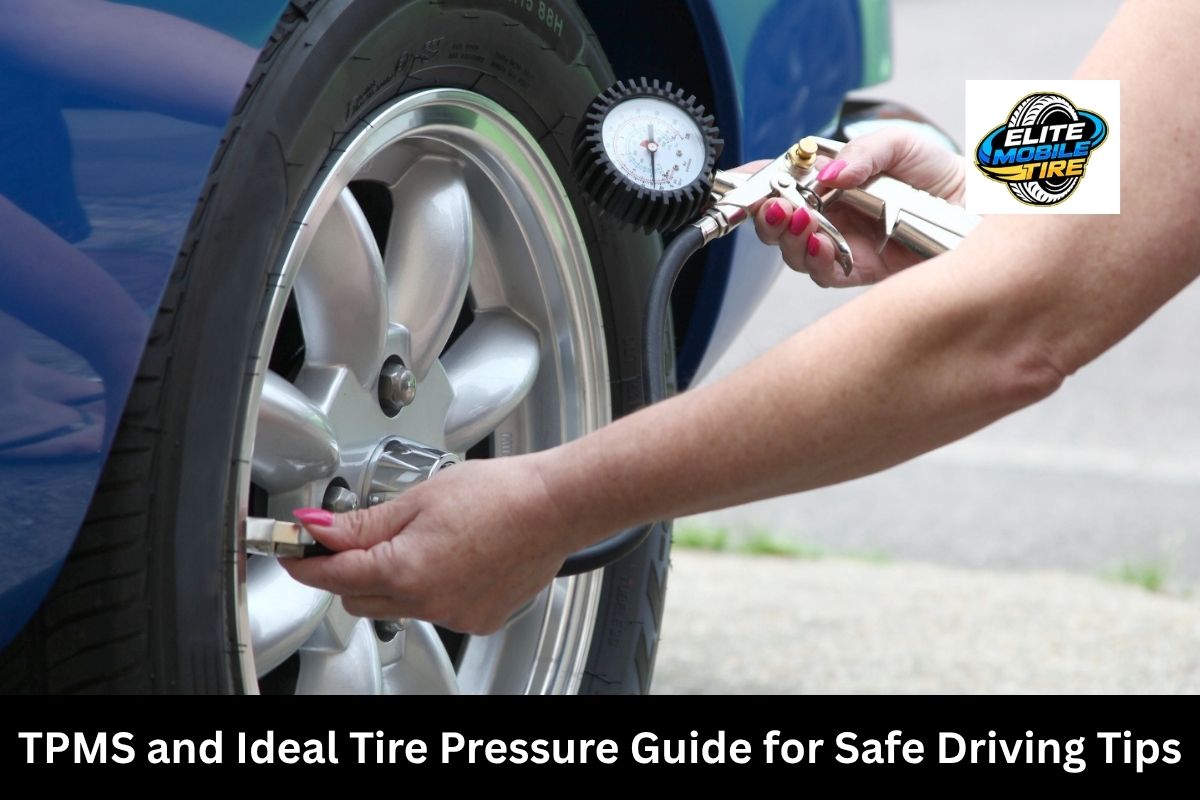
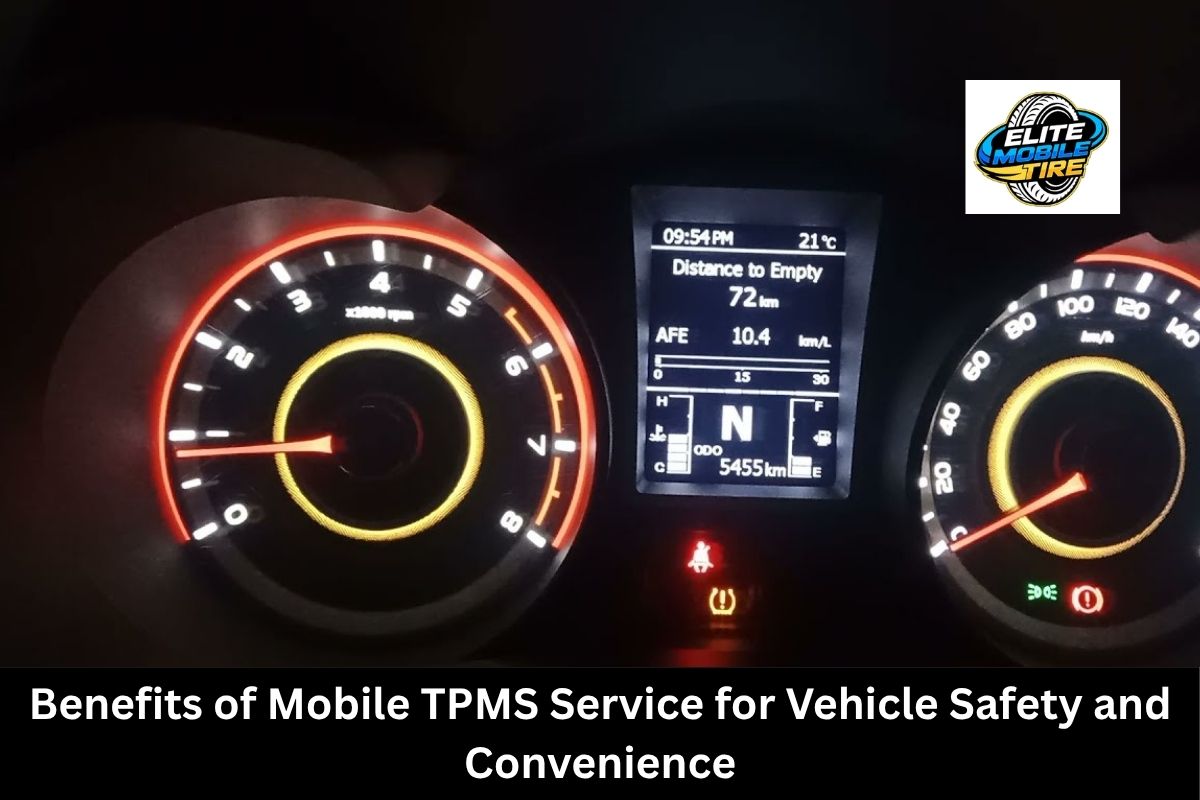
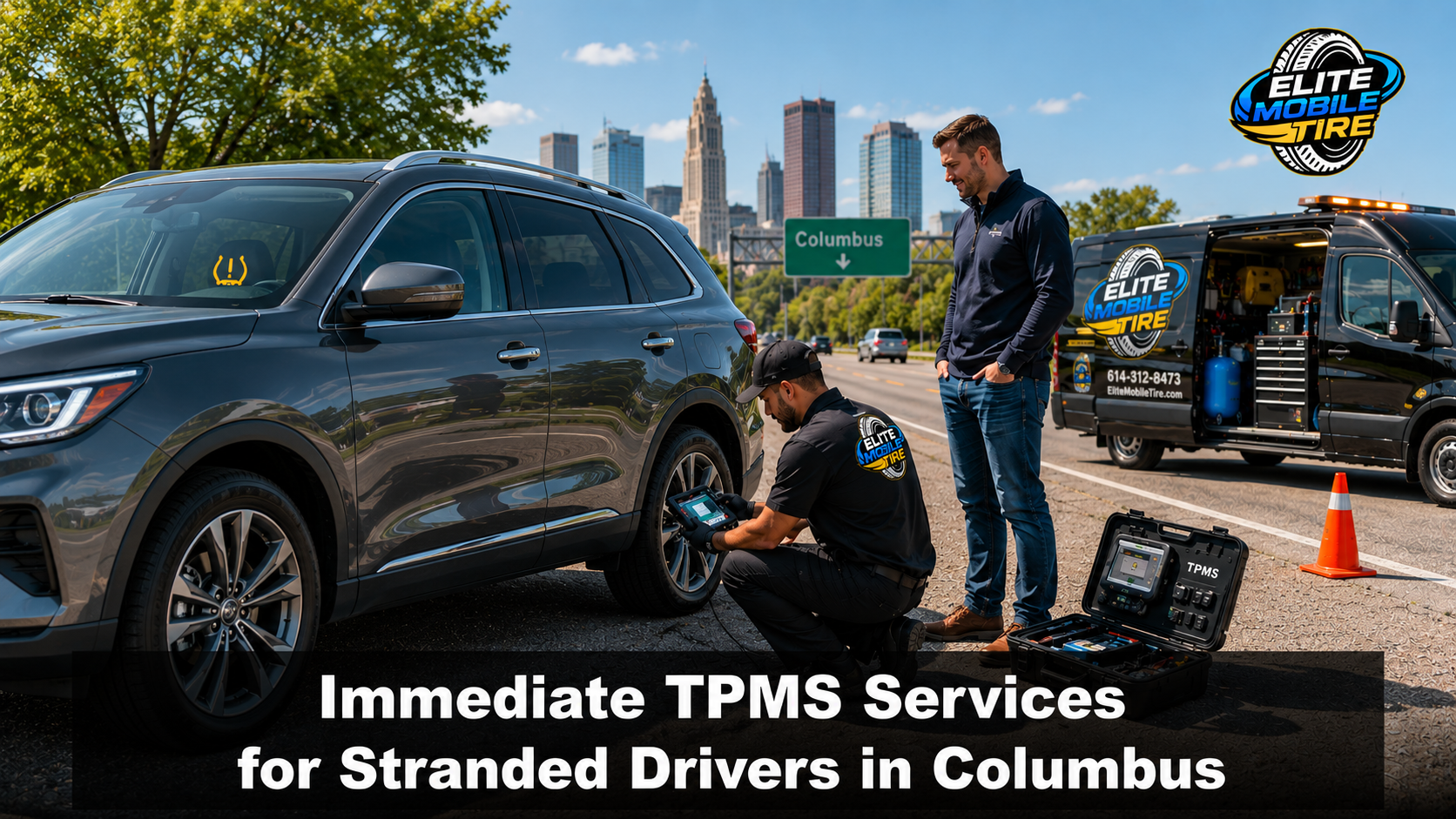
A tire pressure monitoring system, or TPMS, is the sensor inside your wheel that reports pressure to your dashboard. When a tire is replaced or rotated, the sensor needs to be handled correctly, and a technician who knows TPMS will reset or relearn it rather than leaving a warning light on your dash. Ask any provider how they handle TPMS before you book.
How to Choose a Mobile Tire Service: Questions That Separate Pros From Pretenders
Choosing a mobile tire service comes down to four checks: certification, equipment, dispatch capability, and how clearly they answer pricing questions. Run every provider through the same list.
- Are the technicians certified, and can they describe their training?
- Does the van carry a balancing machine, or only a jack and impact wrench?
- Do they handle TPMS reset and valve stem replacement?
- Is the quote itemized, including disposal and balancing?
- What is the actual service radius, and does it cover your home and office?
- What hours can they dispatch?
- What happens if something goes wrong at your location?
That last question matters more than most buyers realize. A professional operation carries the tools to correct a problem on site.
If you are coming from a traditional shop, expect the mobile experience to feel less standardized. You will not sit in a lounge. You will get a technician at your curb, and the quality of that visit depends entirely on the answers to the checklist above.
Emergency Flat Tire Repair and Availability
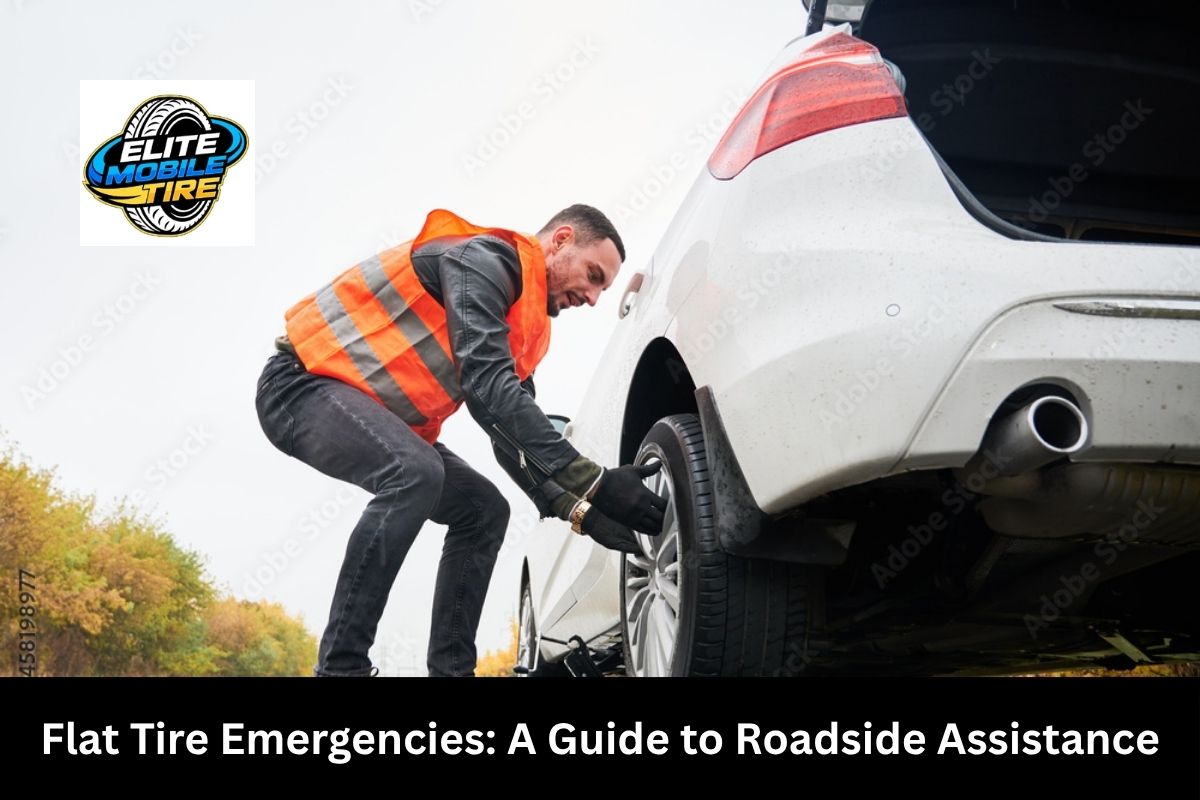
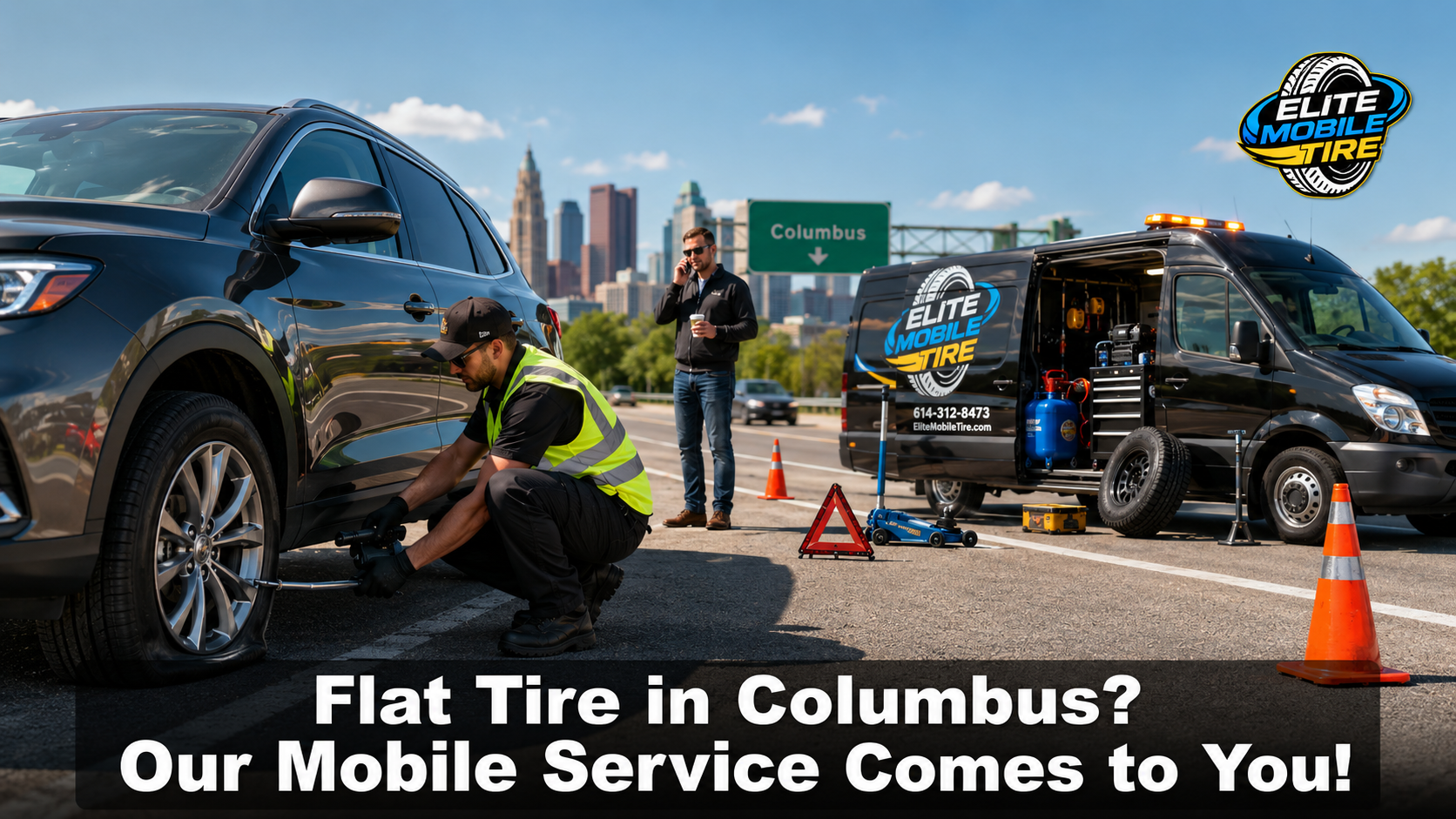
Emergency flat tire repair is where mobile service earns its keep, because a flat tire on the way home from a shift is not a problem a shop appointment next week can solve. Availability is the single most important feature to verify before you need it.
Shift workers and early-commute professionals are the customers who benefit most here. Ask directly: "What is your latest dispatch time, and what is your earliest?" Get a specific answer, not "we're flexible."
For a flat tire repair, the technician assesses whether the tire can be patched or must be replaced. A puncture in the tread area is often repairable, according to U.S. Tire Manufacturers Association repair guidance. Sidewall damage is not, and that distinction is one a certified technician makes on sight.
Insurance, Warranties, and What Happens If Something Goes Wrong
This is the section most mobile tire guides skip entirely, and it is the one commuters ask about most once they understand the service. Three separate systems can pay for or protect a mobile tire job: the tire manufacturer's warranty, a road hazard or tire-and-wheel policy, and your existing roadside assistance plan. They do not work the same way, and they can overlap in ways that cost you money if you do not check first.
The tire manufacturer's warranty. This covers defects in materials and workmanship, a tire that fails because of how it was built, not because you ran over a nail. Many manufacturers require professional mounting and balancing for the warranty to remain valid, and a receipt from a professional mobile provider is your proof of that. Keep the receipt. If a tire fails prematurely and you cannot show professional installation, the claim gets harder.
Road hazard coverage. This is different from a manufacturer defect warranty. Road hazard coverage pays when a tire is damaged by something on the road, a pothole, a nail, a piece of debris. It is sometimes sold as a separate tire-and-wheel policy, and sometimes bundled into the tire purchase itself. Read the terms before you need it, because the claim process usually requires the damaged tire to be inspected and the failure documented.
Your existing roadside assistance plan. Many auto policies, credit cards, and membership programs include roadside assistance. That coverage typically pays for a tow or a spare-tire change, not for a new tire installed at your location. So the two services are not duplicates. If you have a flat and a usable spare, roadside assistance can get you moving. If you do not have a usable spare, or you want the tire replaced on the spot, mobile tire service is the tool that fits. Check your plan's terms so you are not paying for coverage you already have, or assuming coverage you do not.
What to confirm before you book a mobile install:
- Does the tire manufacturer's warranty require professional installation, and does a mobile receipt satisfy it?
- Does your auto policy include a tire-and-wheel endorsement, and what does it actually reimburse?
- Does your roadside assistance plan cover a tow to a shop, and would that be the better option in your situation?
- If a technician damages a wheel or a TPMS sensor during installation, what is the provider's policy, and are they insured?
That last point is the one to ask out loud. A professional mobile operation carries liability coverage and has a clear policy for damage caused during service. Ask: "If you damage my wheel or sensor, how is that handled?" The answer tells you which kind of provider you are dealing with.
The environmental angle is worth a mention here too. Proper tire disposal keeps old tires out of landfills and illegal dumps, and a provider that handles disposal as part of the service is doing that work correctly rather than leaving you to figure it out.
Frequently Asked Questions
How much does mobile tire service cost compared to a traditional shop?
Mobile tire installation cost depends on tire size, vehicle type, and whether balancing or TPMS service is needed. While there may be a service call fee, many commuters find the total comparable to a shop visit once they factor in time off work, towing, or rideshare costs. Elite Mobile Tire provides transparent, upfront pricing with no hidden fees, so you know the full cost before booking. Call for a current quote specific to your vehicle.
Can a mobile tire technician perform balancing and rotation on-site?
Yes. A fully equipped mobile workshop carries a balancing machine and torque tools, so mobile tire balancing and rotation happen right in your driveway or office parking lot. The technician mounts the new tire, balances the wheel, torques the lug nuts to the manufacturer's spec, and resets the tire pressure monitoring system if needed. This gives you the same result as a shop visit without leaving your location.
What should I look for when choosing a mobile tire service?
Start by confirming the provider's technicians are certified and insured, and ask what happens if a wheel is damaged during service. Check whether the price quote includes mounting, balancing, valve stem replacement, and tire disposal, or if those are added later. Ask about their service radius, hours, and how quickly they can dispatch for emergencies. Reading recent customer reviews also reveals how a company handles problems, not just routine jobs.
Is mobile tire service available for all vehicle types?
Most mobile tire services handle passenger cars, SUVs, and light trucks, but coverage varies for larger vehicles. Some providers, like Elite Mobile Tire, service everything from commuter sedans to commercial trucks and RVs, which matters if you manage a fleet or drive a larger vehicle. Before booking, confirm the provider carries tires in your size and has the equipment for your vehicle's load rating and wheel type.
Ready for a new set? Elite Mobile Tire installs 2 or 4 new tires right in your driveway or parking lot anywhere around Columbus, Obetz, Groveport, Grove City, and Reynoldsburg. Financing is available through Afterpay and Acima with up to 24-month payment plans. Call 614-344-5010 or visit elitemobiletire.com to book.