If you live east of Columbus, there's a good chance your week revolves around I-70. Reynoldsburg, Pickerington, and Etna drivers pile up highway miles fast: the morning merge toward downtown, the I-270 outerbelt to the office, and the trip back out past Brice Road when traffic finally loosens up. All of those miles add up on your tires, and highway driving asks a lot from tread that's past its prime.
This post is about one specific question east-side commuters ask us: how do you know when it's time for a full new set, and how do you get it done without burning a morning at a shop?
Why Highway Commuting Wears Tires Differently
Steady highway miles are actually easier on tires than stop-and-go city driving in some ways, but they add up quickly. A driver commuting from Pickerington to downtown and back can easily put on more miles in a year than someone who mostly drives around their neighborhood. More miles means you reach the end of a tire's tread life sooner, often before you'd expect.
Speed also changes what you need from your tires. At 65 mph on I-70 in a hard rain, your tread has less time to channel water out from under the tire. As tread gets shallower, that ability drops, and the risk of hydroplaning goes up. A tire that feels fine pulling into your driveway in Etna can behave very differently in standing water near the I-70/I-270 interchange.
How to Tell Your Set Is Due
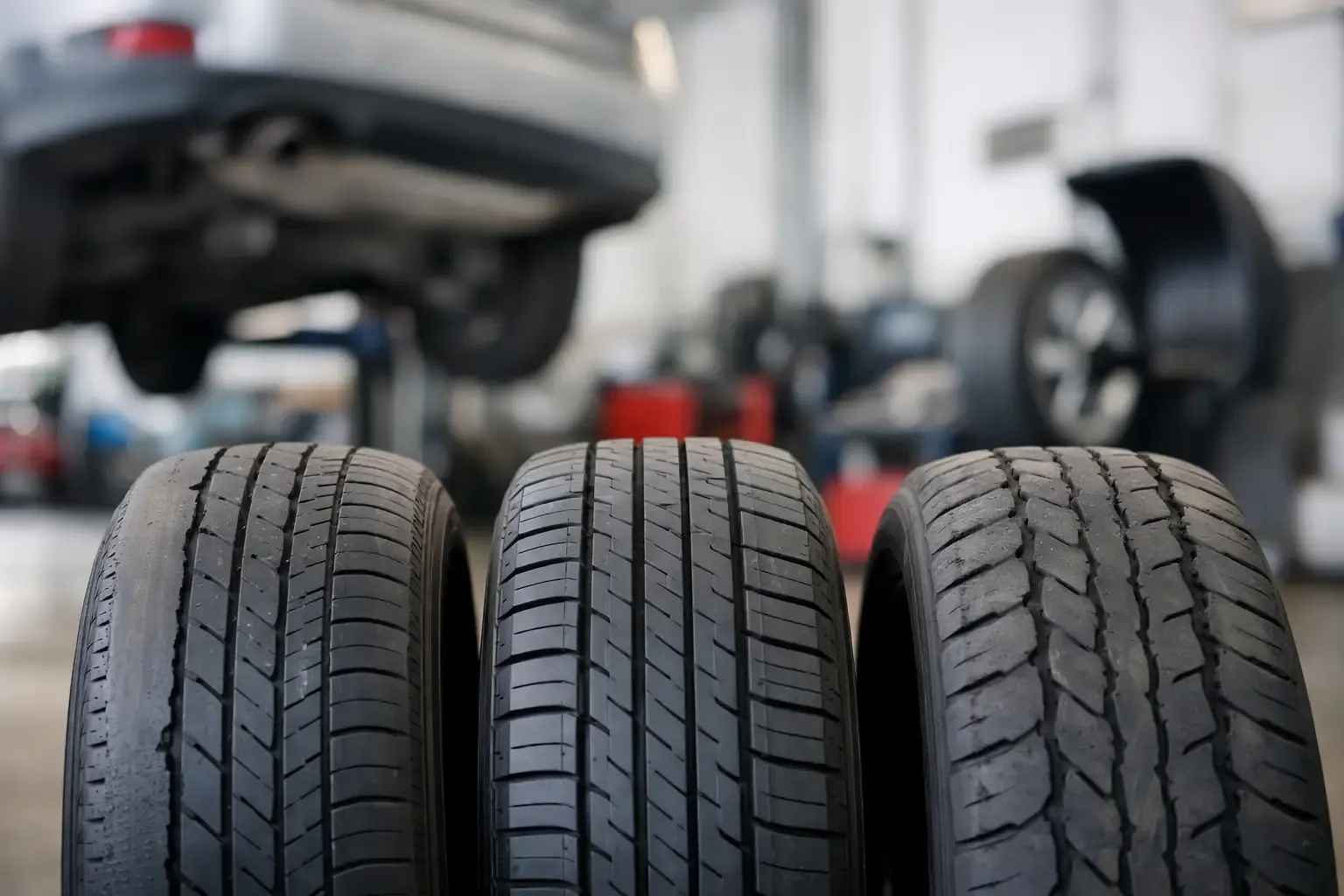
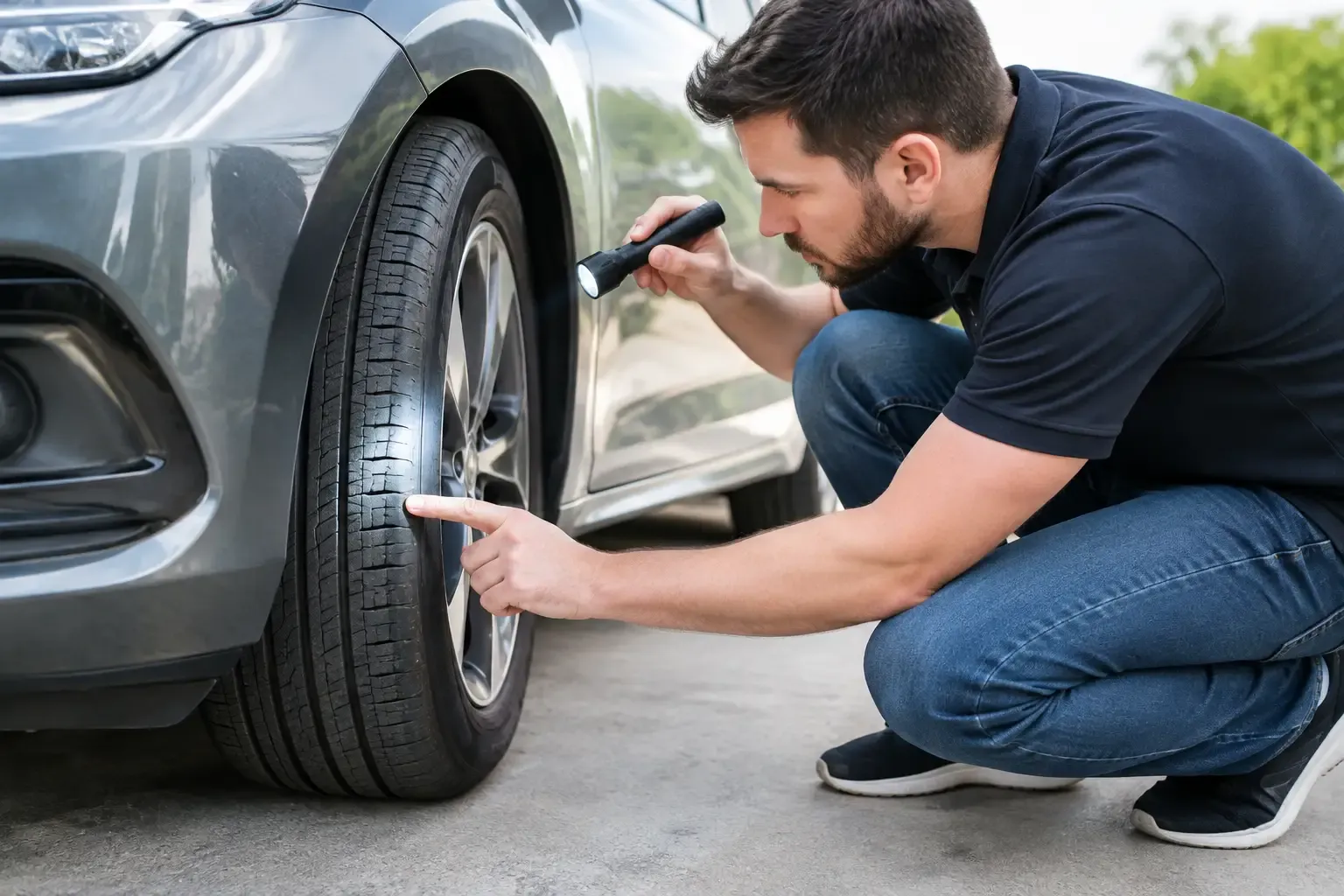
Ohio law and federal guidance treat 2/32 of an inch as worn out, and every tire has tread wear bars molded in at that depth. But many tire experts suggest planning your replacement well before that point, especially if you drive highway miles in rain and snow. Here's what to look for:
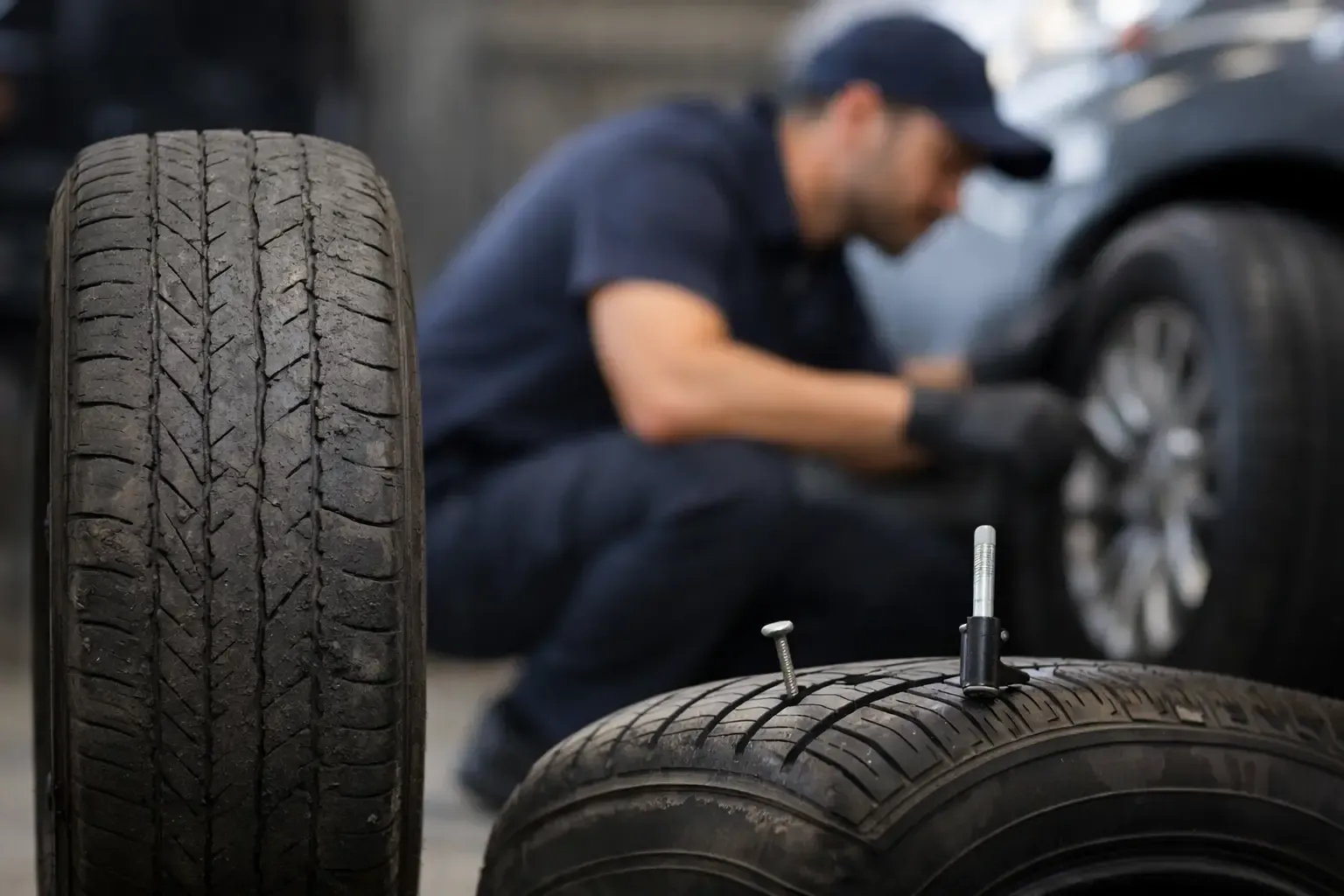
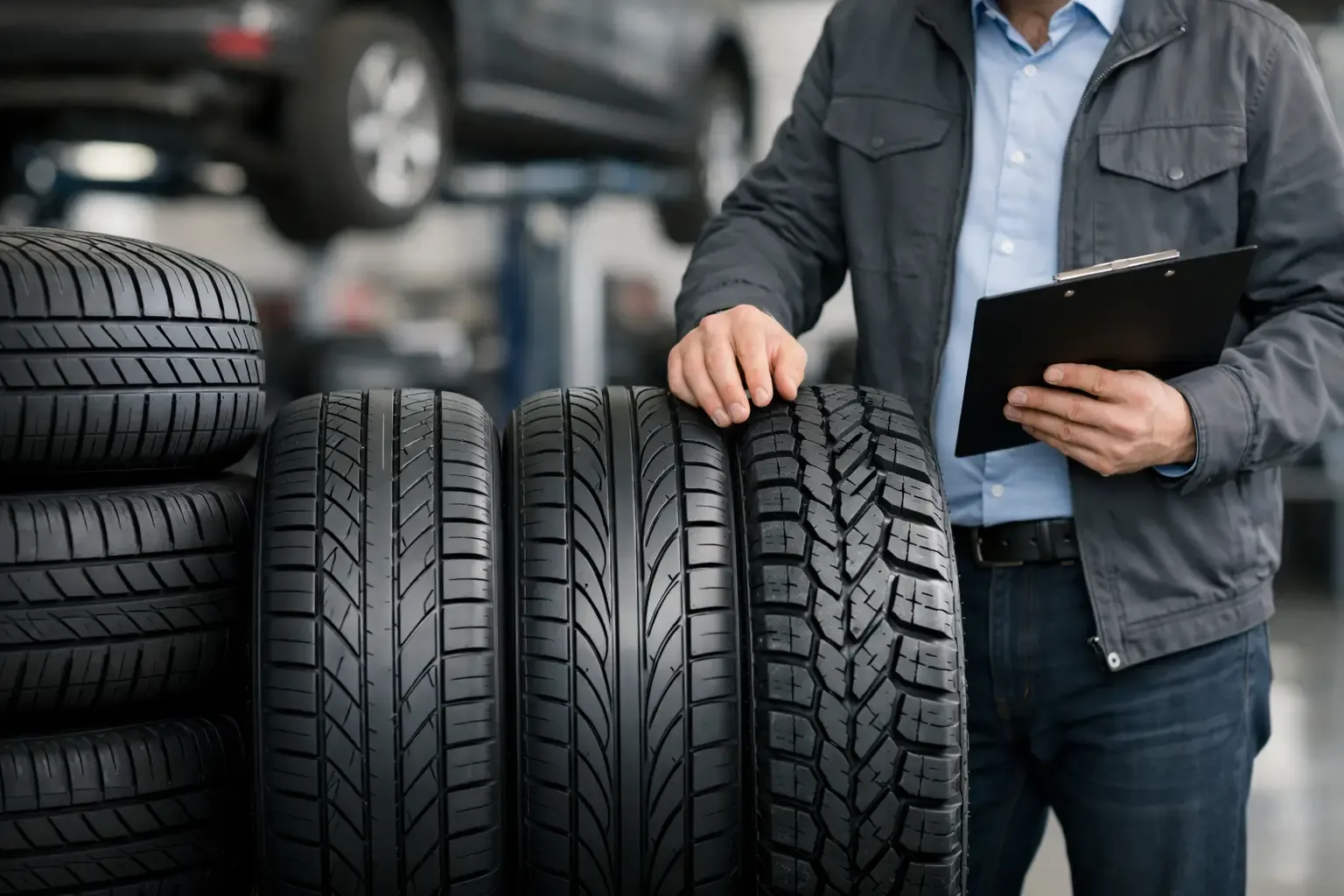
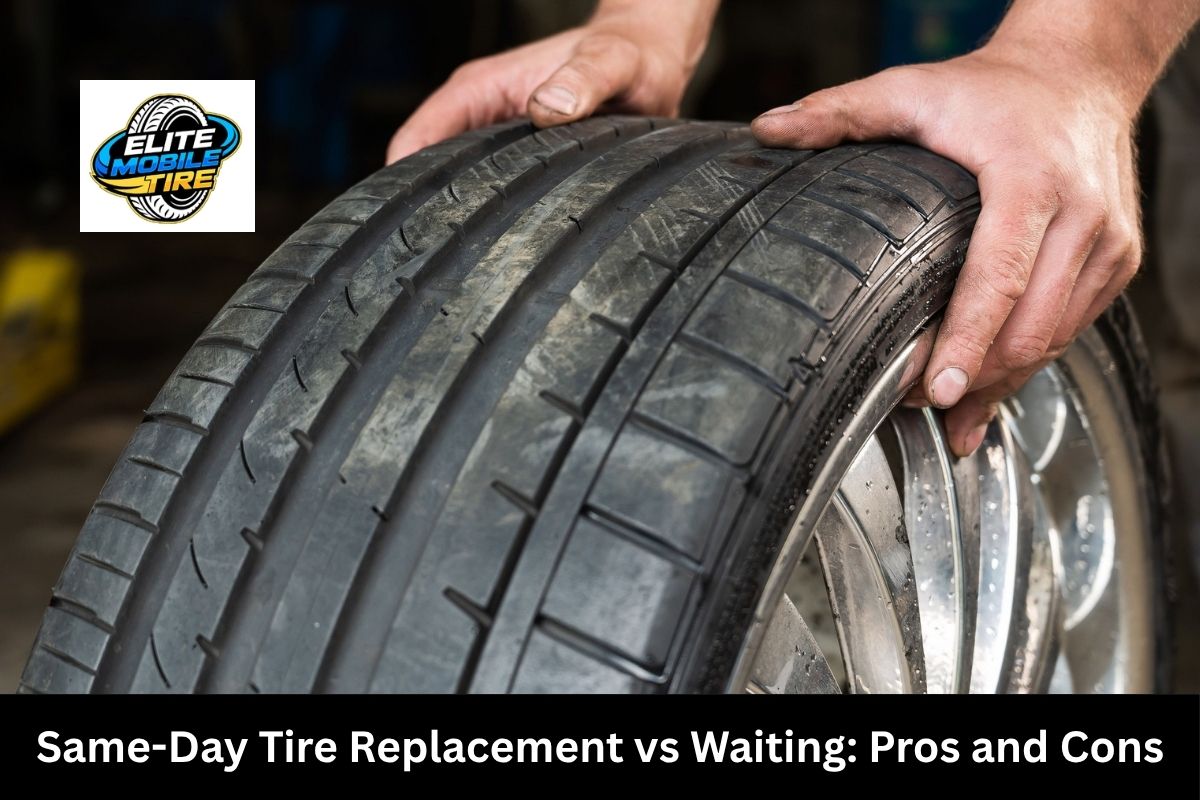
- Tread depth: Use a tread gauge or the penny test. If you can see all of Lincoln's head, the tread is very low. If you're getting close, start planning a new set now instead of waiting for a flat or a failed inspection.
- Wear bars: If the raised bars across the tread are flush with the surface, the tire is done.
- Uneven wear: Wear on one edge, in the center, or in patches can point to inflation or suspension issues and shortens tire life.
- Age: Rubber hardens over time even with good tread left. Check the DOT date code on the sidewall; many manufacturers recommend having tires inspected regularly once they reach about six years old.
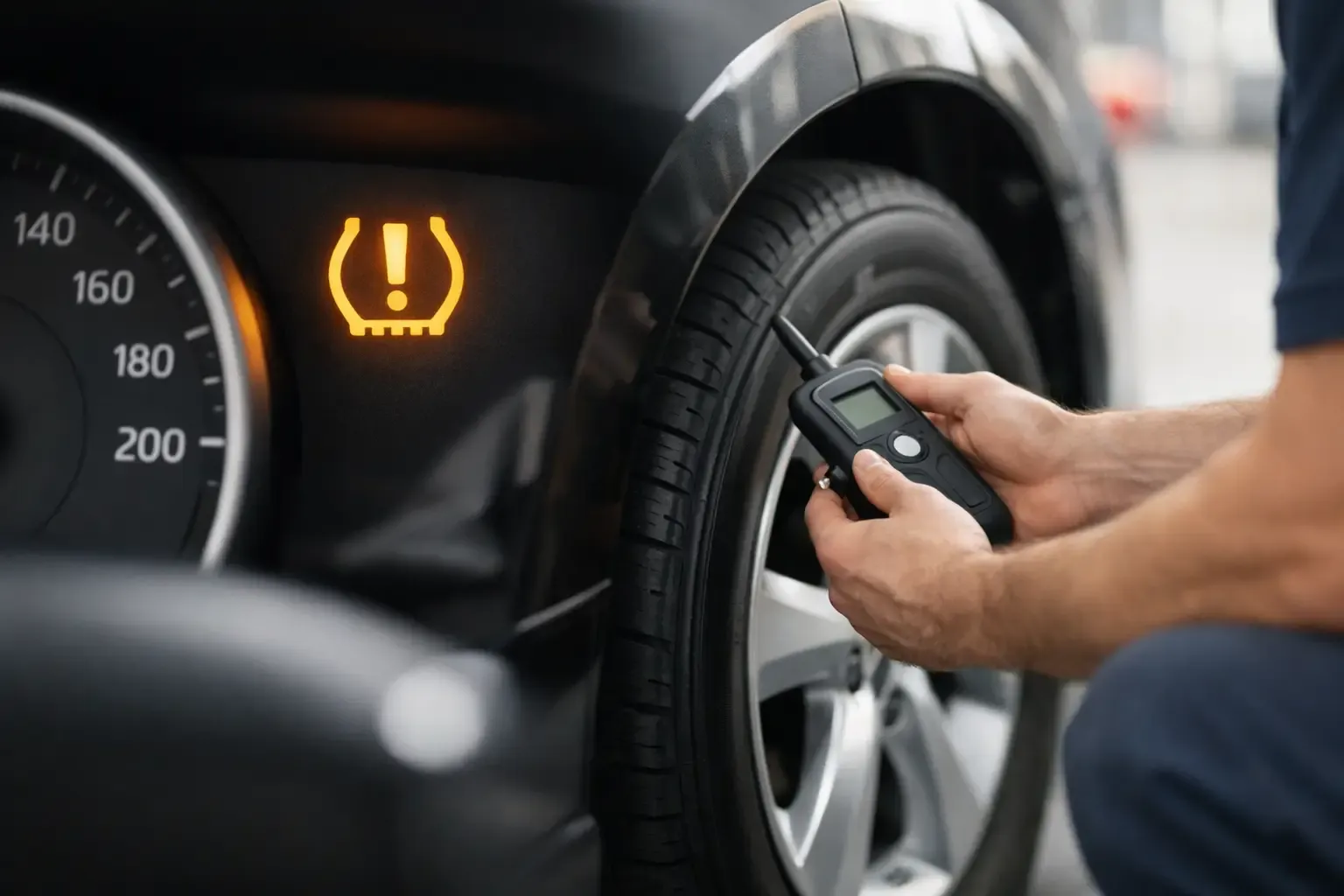
- Highway feel: New vibration at speed, more road noise, or a vehicle that feels less planted in the rain are all signs worth checking out.
The NHTSA tire safety page has a good overview of tread, pressure, and tire age if you want to go deeper.
Why Commuters Should Think in Sets, Not Single Tires
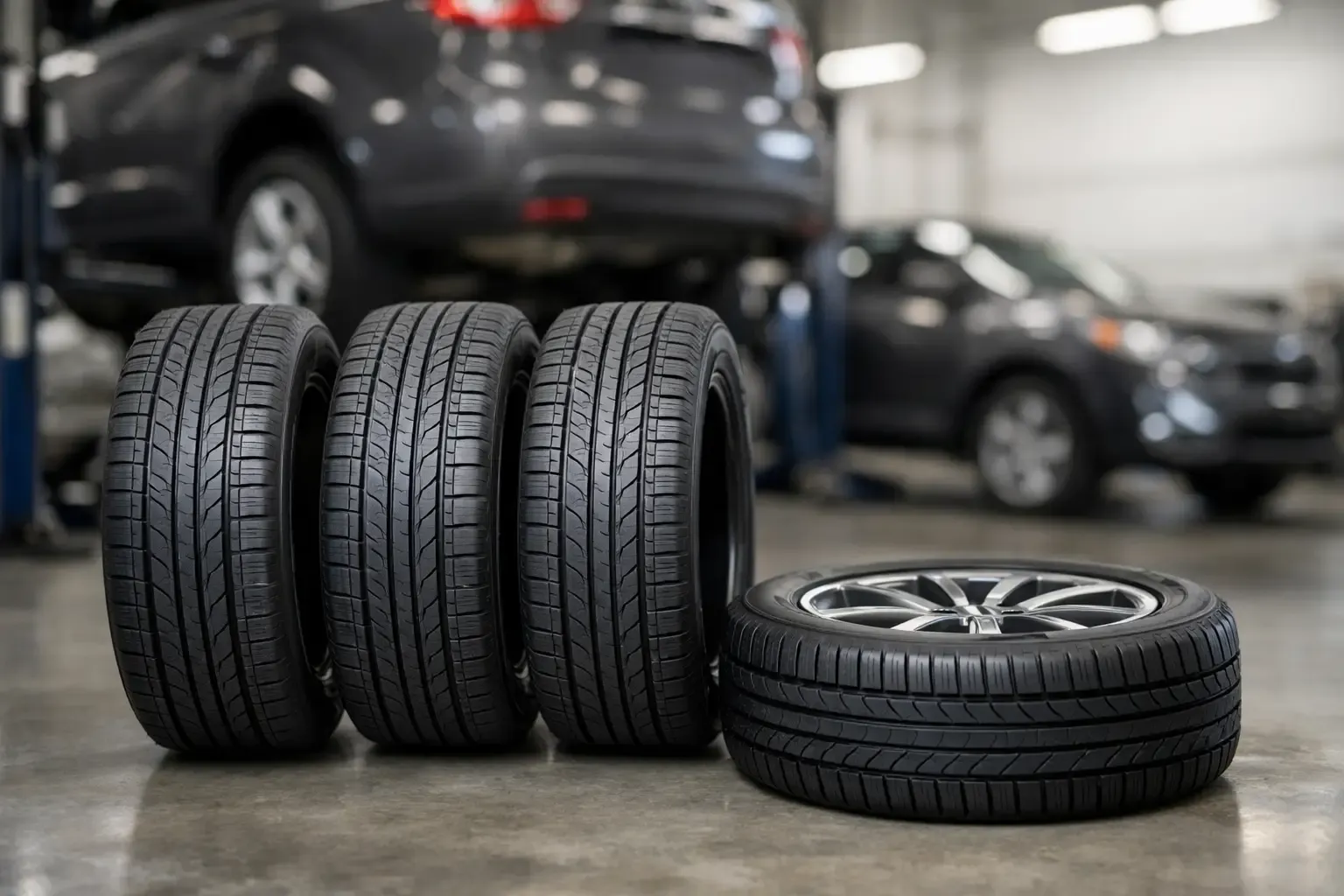
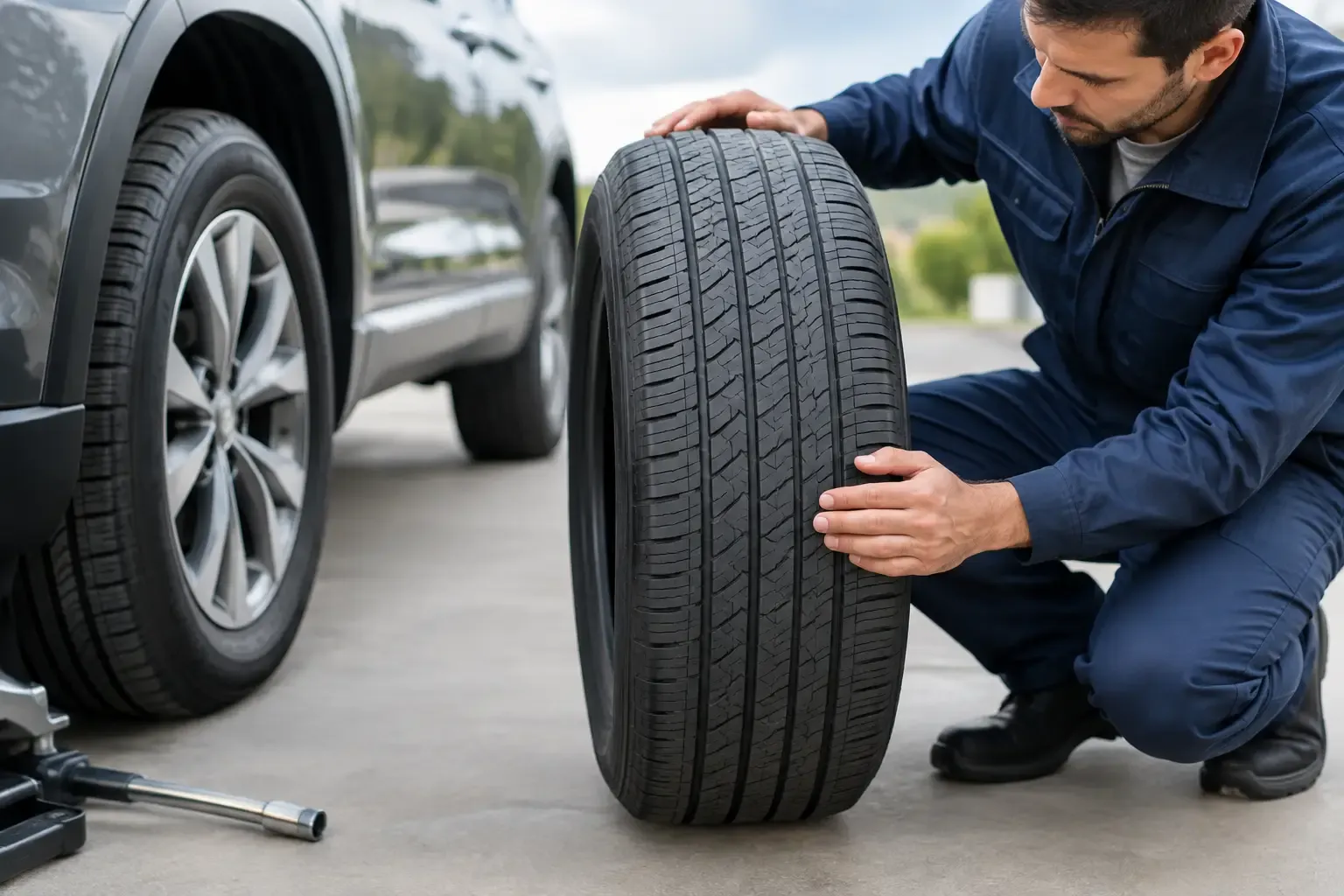
Commuter tires tend to wear evenly together, especially if they've been rotated. That means when one is low, the others usually aren't far behind. Replacing one tire at a time leaves you with mismatched grip front to rear, and on many vehicles that's not ideal.
A lot of east-side commuters drive AWD crossovers and SUVs like the RAV4, Equinox, and CR-V. Many AWD manufacturers recommend keeping all four tires closely matched in tread depth, because a big difference between tires can put extra strain on the drivetrain. For front- or rear-wheel-drive vehicles, replacing in pairs on the same axle is the minimum, and many manufacturers recommend the newer pair go on the rear for stability in wet conditions.
If you're planning to replace two, it's worth having the other two measured at the same time. Often a full set now saves you a second appointment a few months later. We put together a deeper guide on whether to replace 2 tires or 4 if you're on the fence.
Timing It Before Winter on I-70
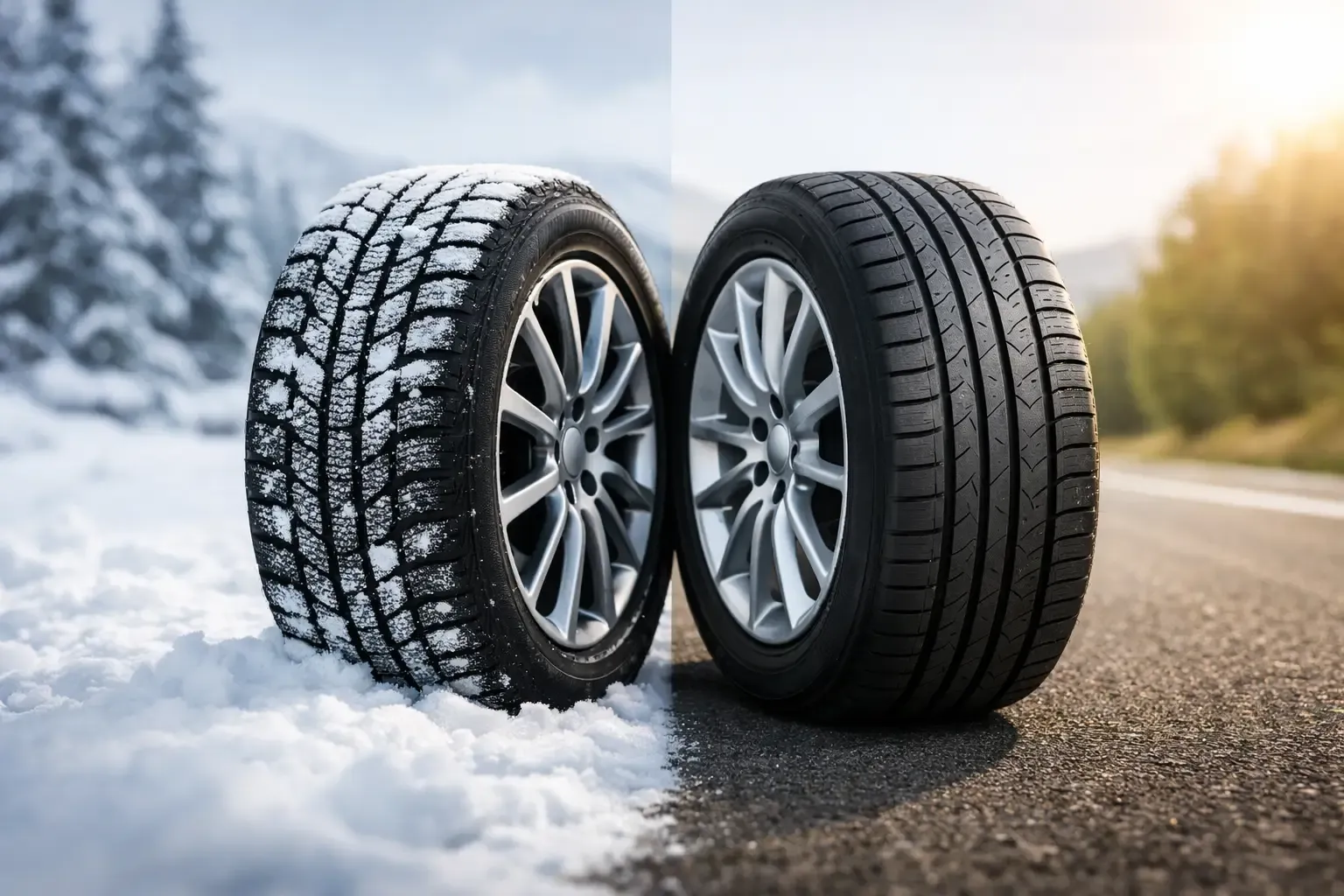
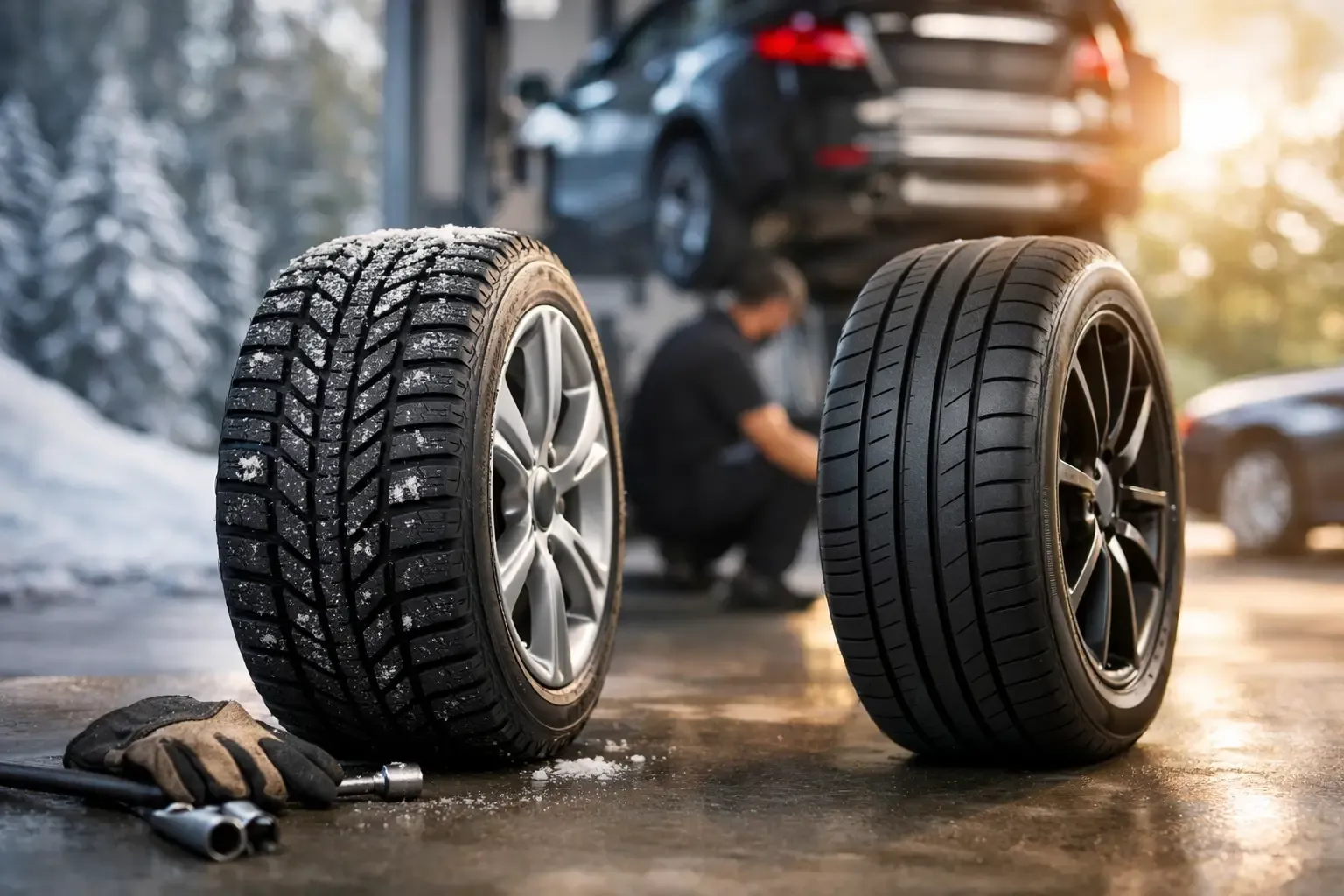
Late fall is a smart time to put on a new set if yours are getting low. Ohio winters bring slush, freezing rain, and salt spray on I-70 and I-270, and worn tires lose grip in those conditions quickly. Checking road conditions on OHGO before a snowy commute helps, but it doesn't replace having good tread under you.
Getting a new set installed before the first real snow also means you're not scrambling for an appointment the same week everyone else realizes their tires are bald.
Driveway Install Instead of a Shop Visit
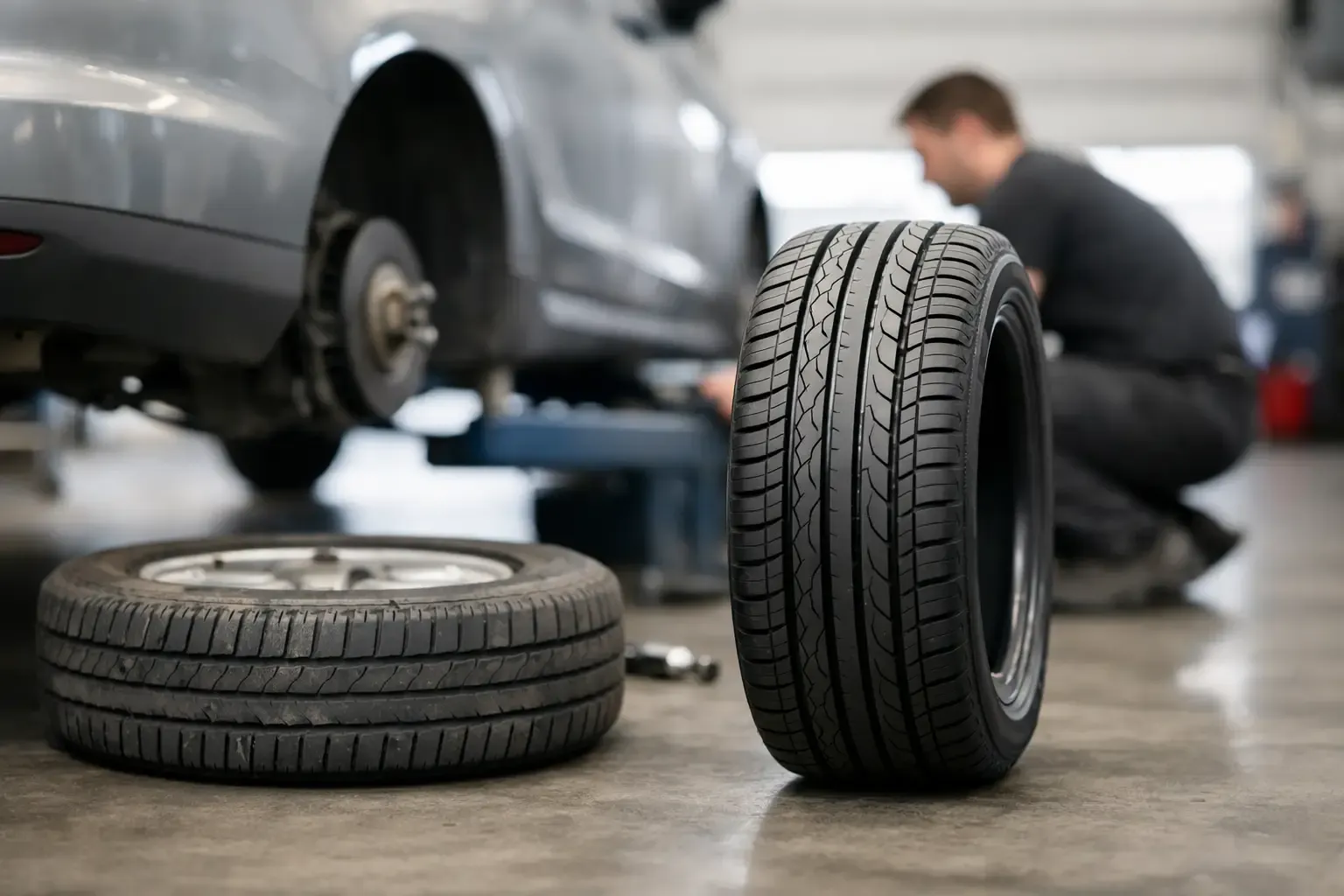
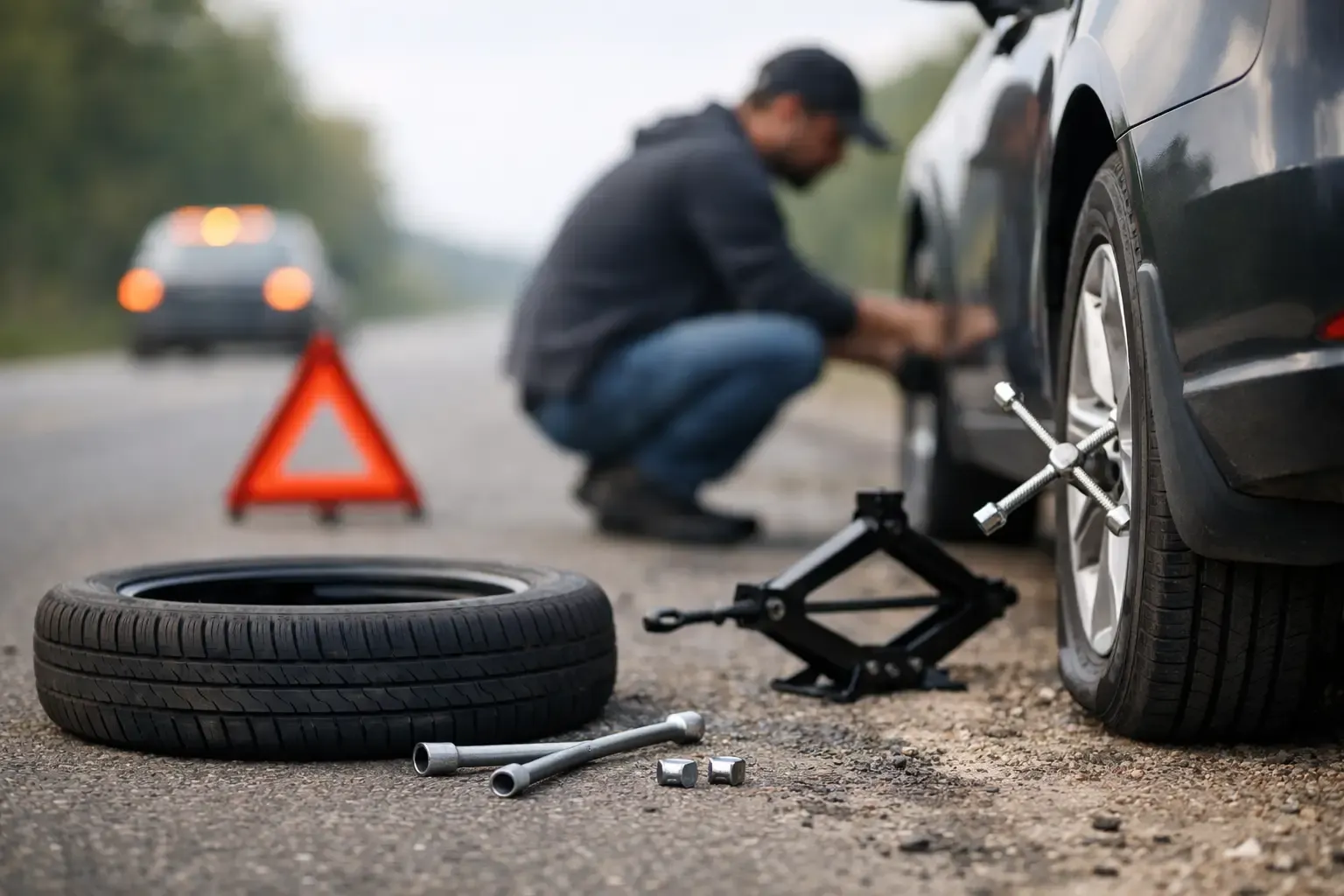
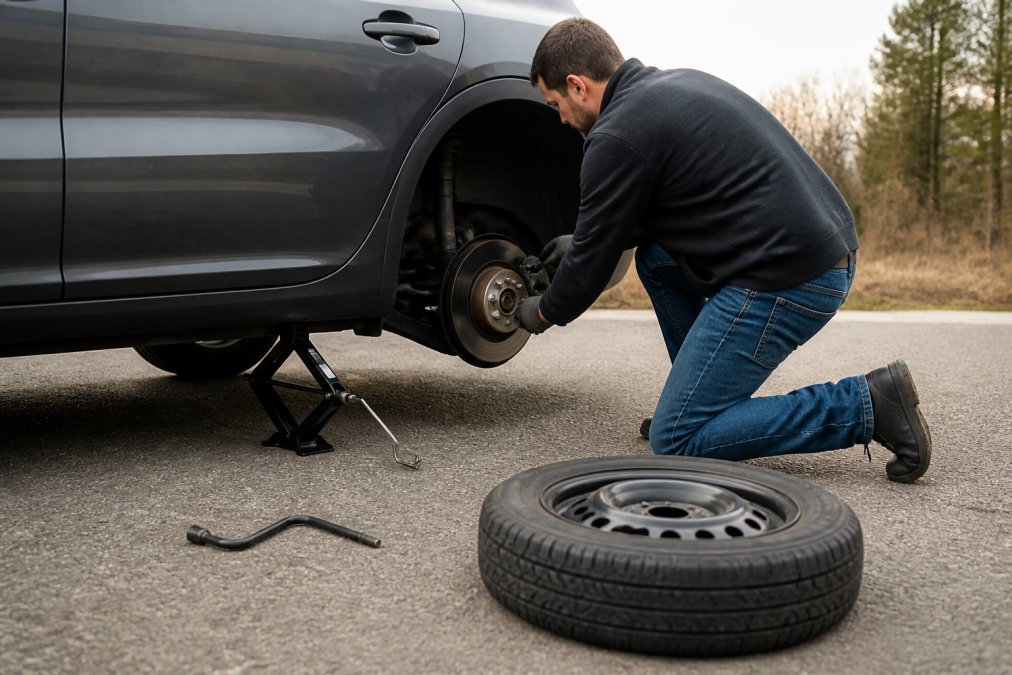
The biggest hassle for commuters isn't the tires themselves. It's finding the time. A shop visit usually means dropping the car off, arranging a ride, or sitting in a waiting room on a day you'd rather be working.
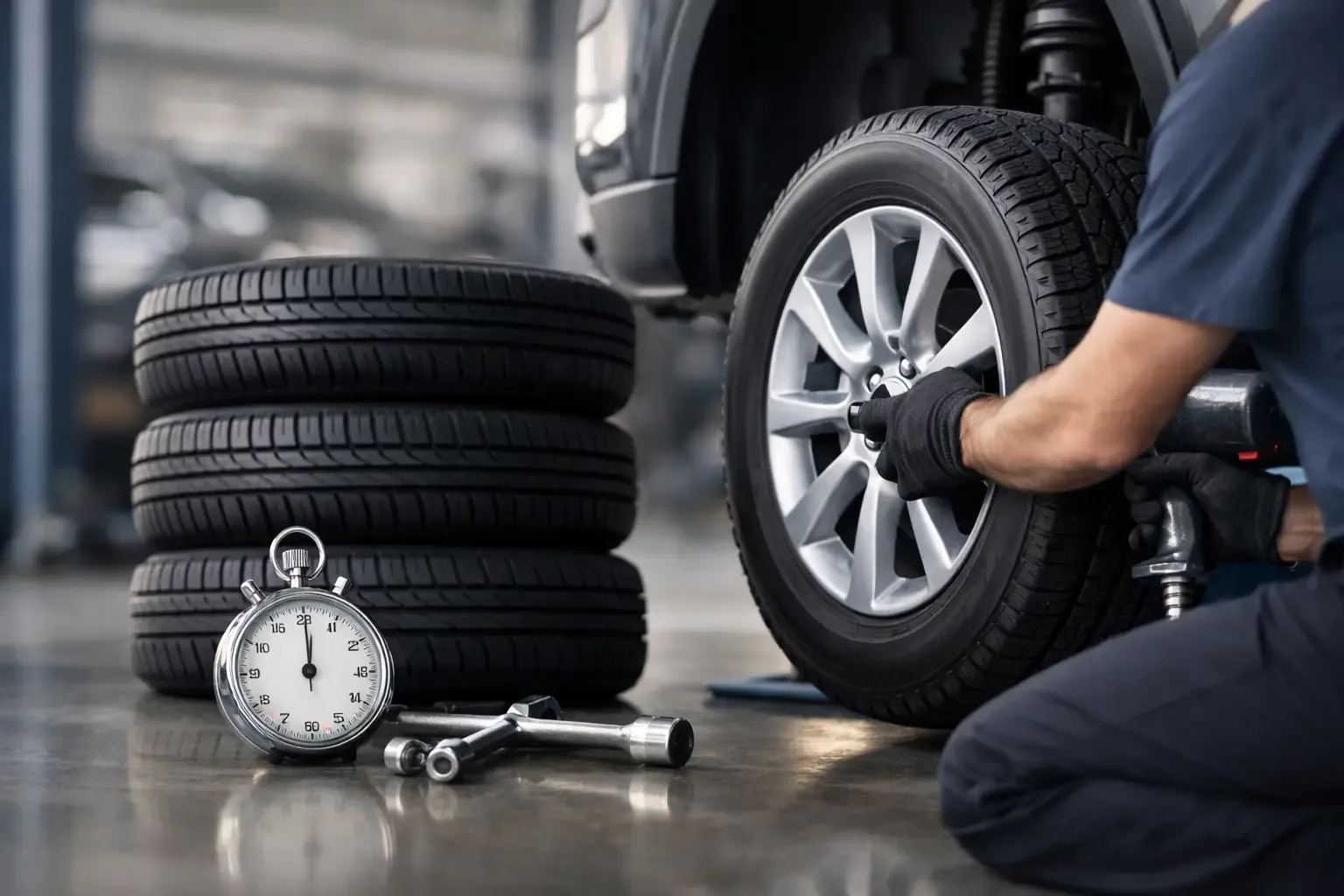
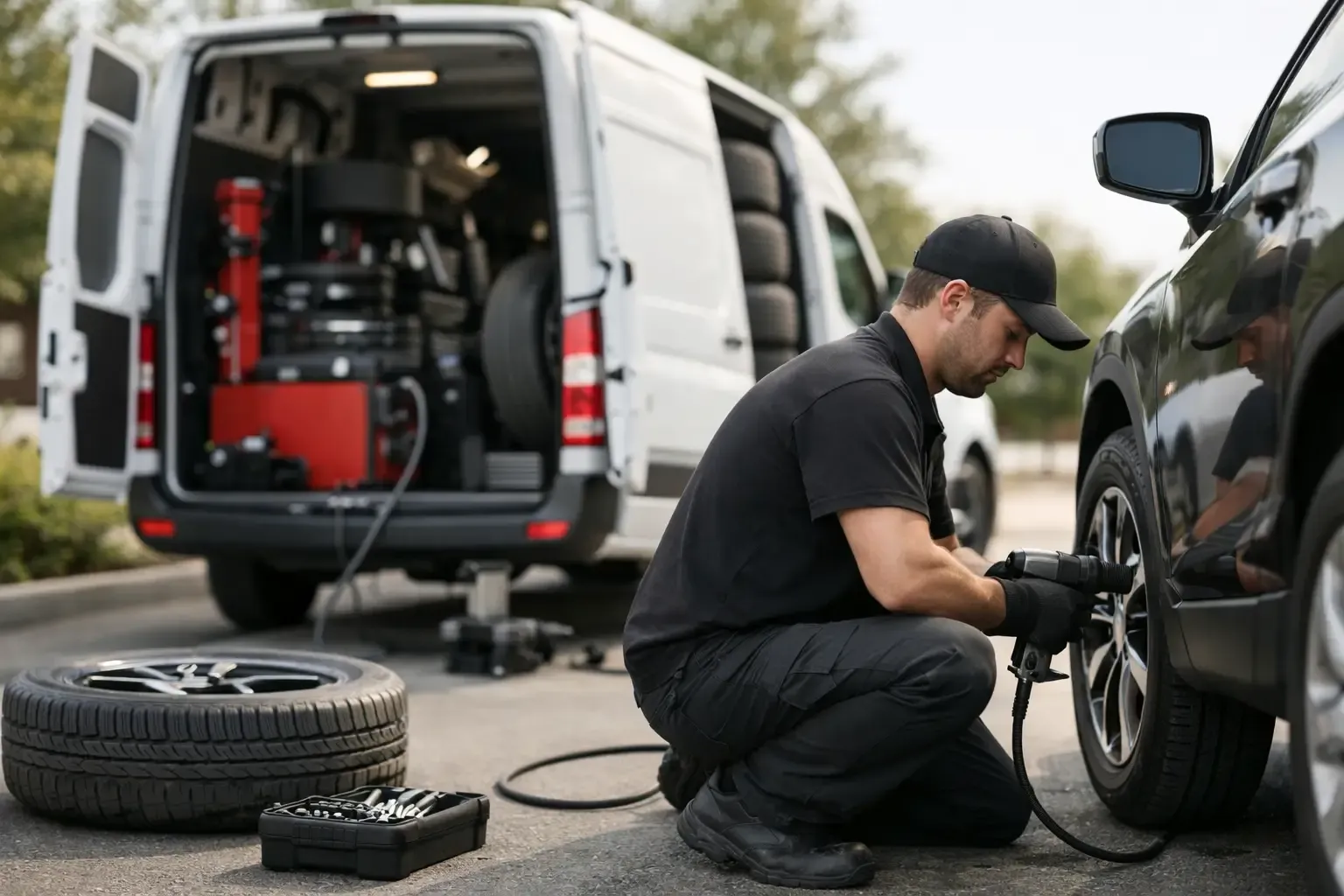
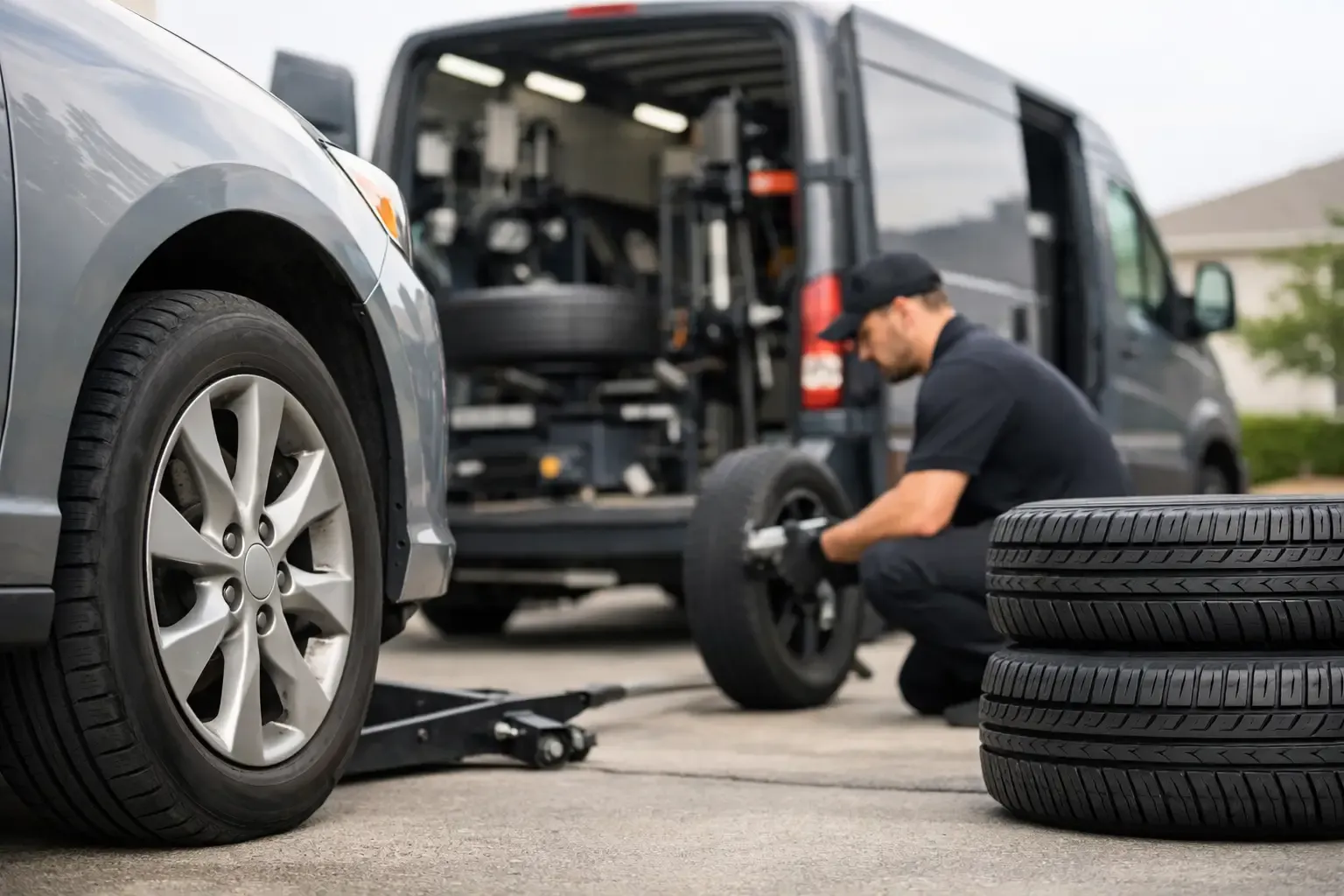
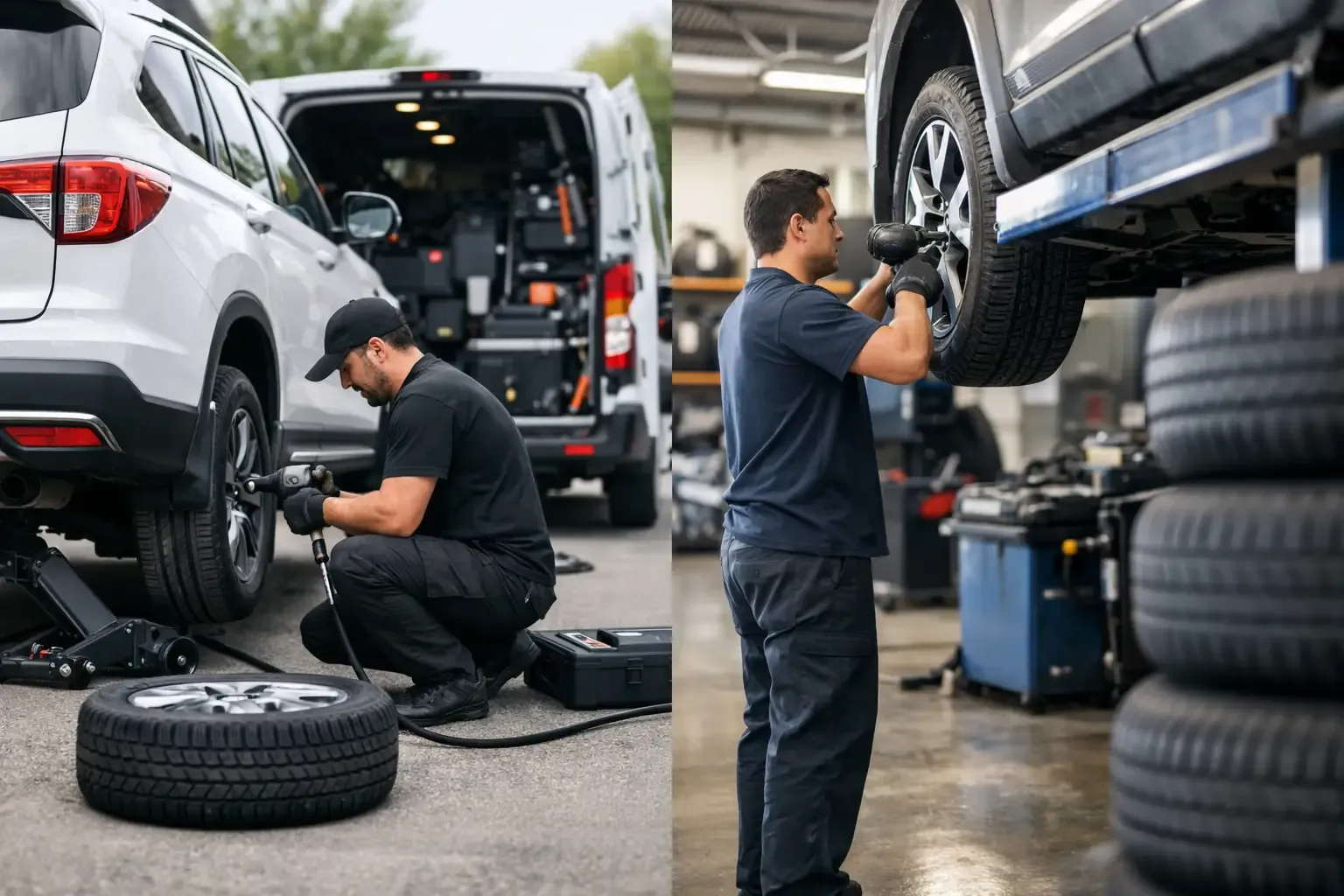
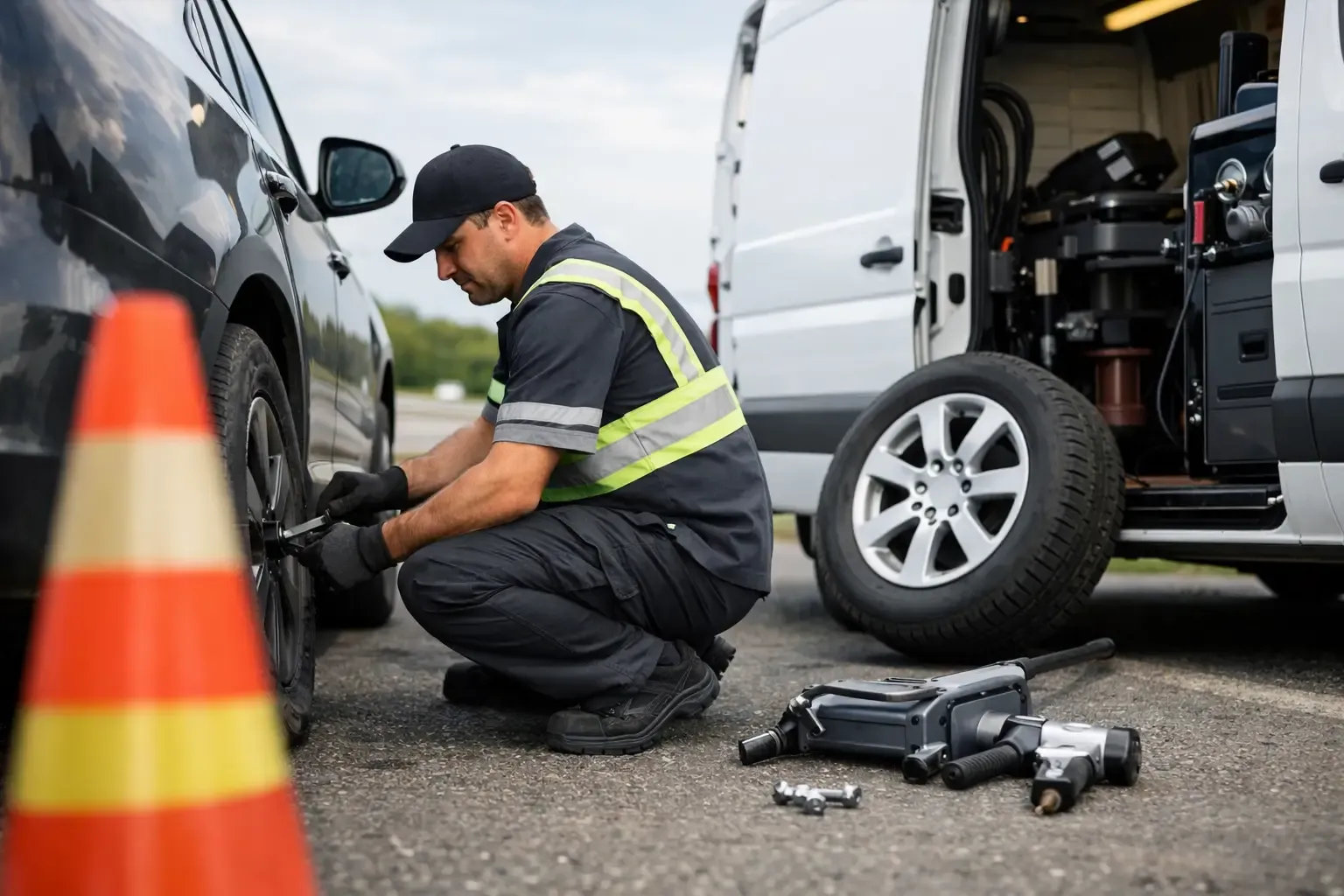
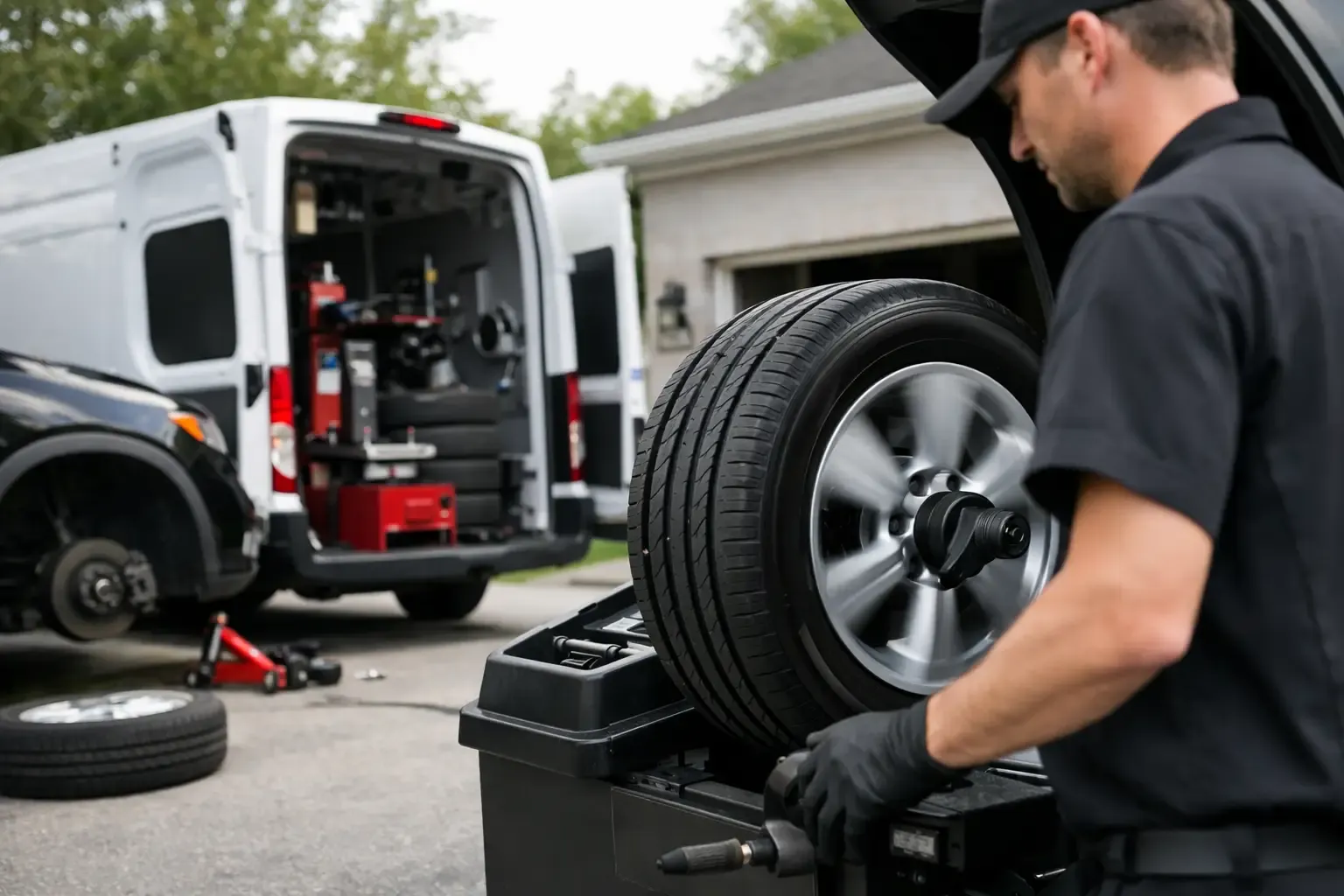
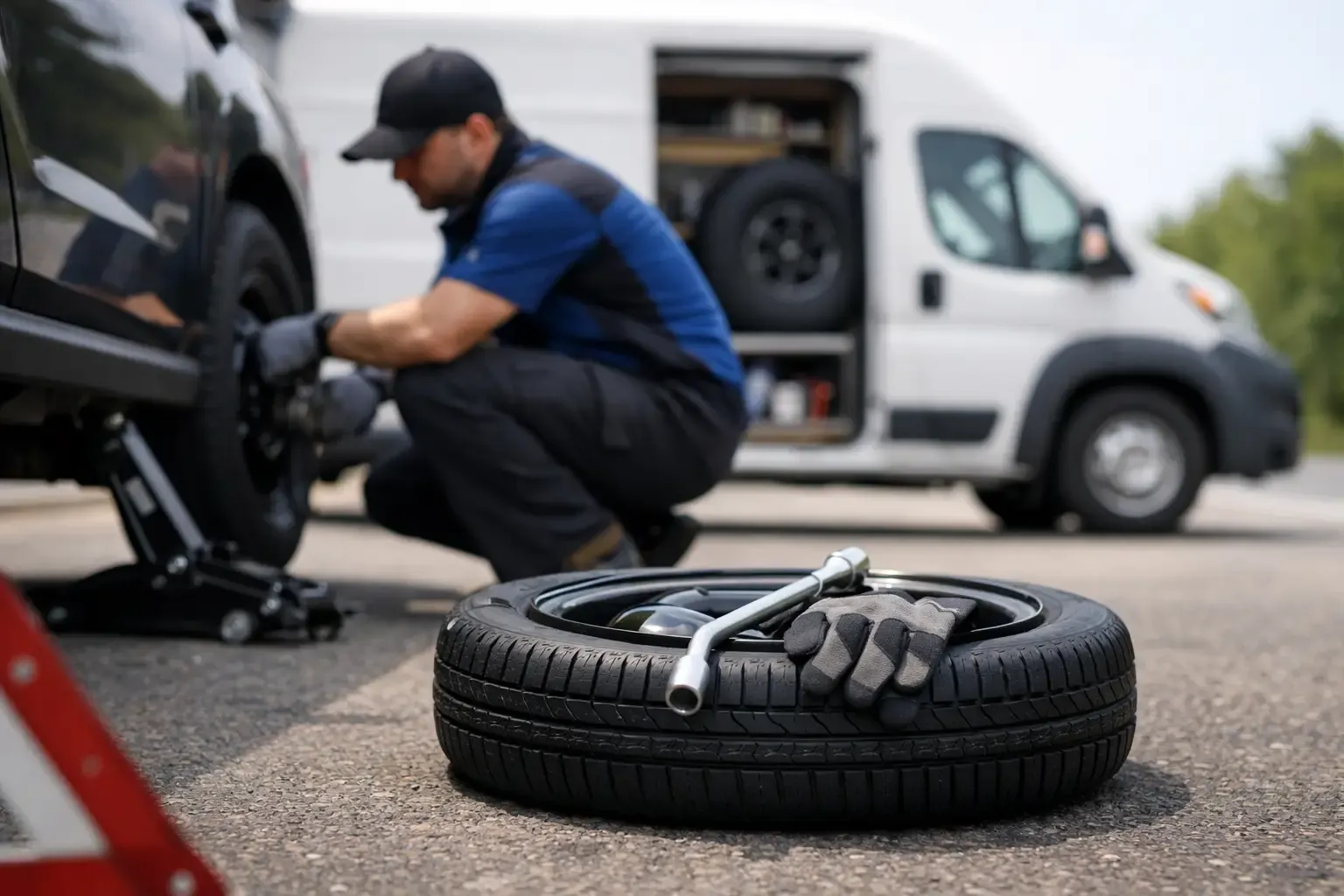
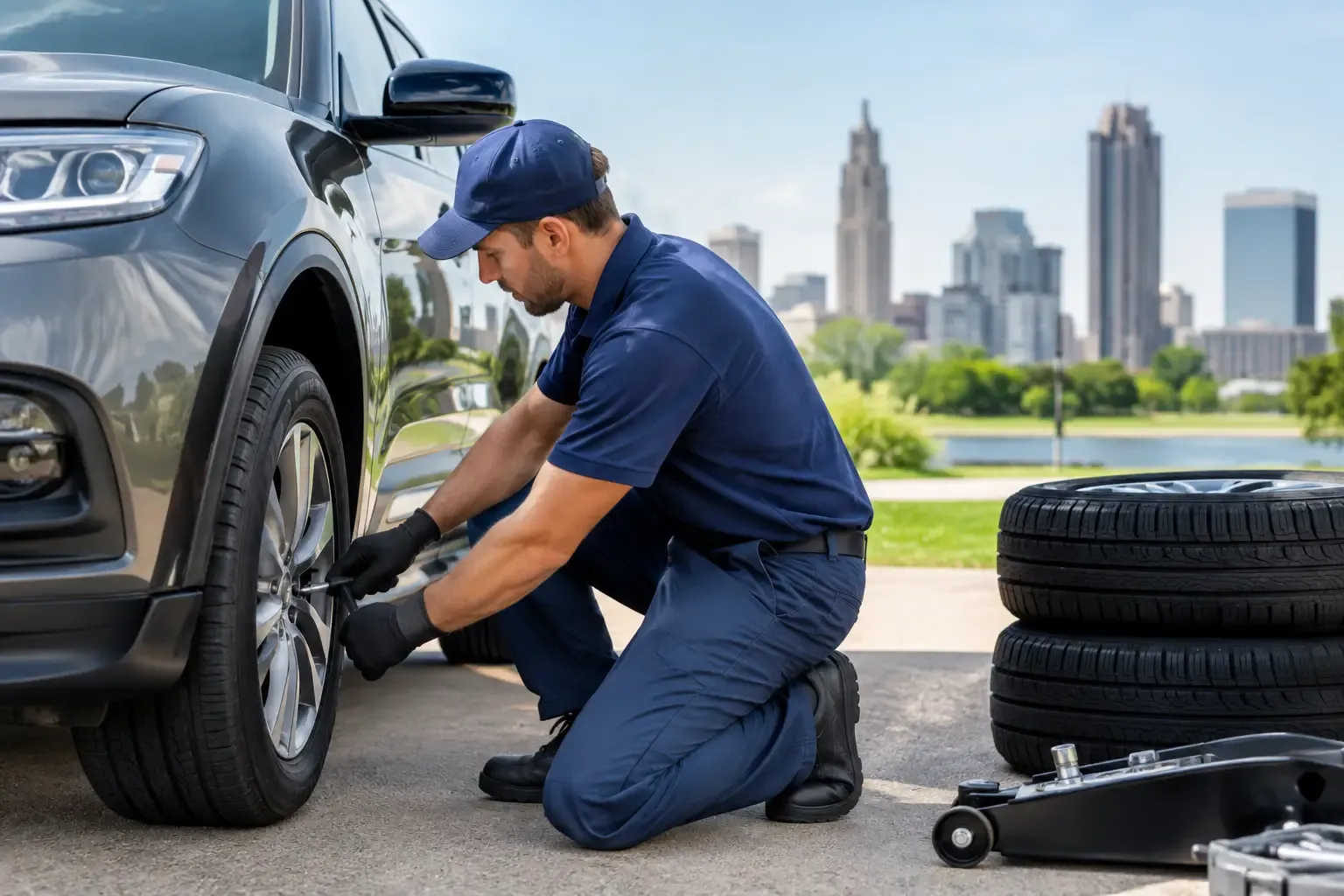
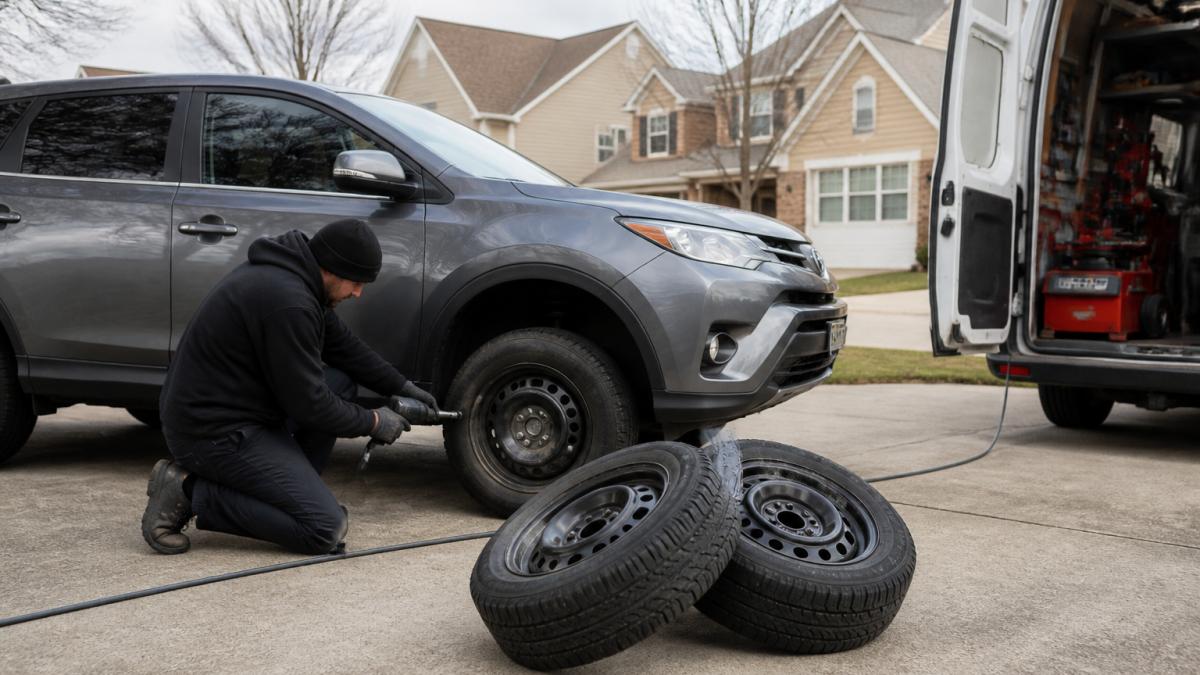
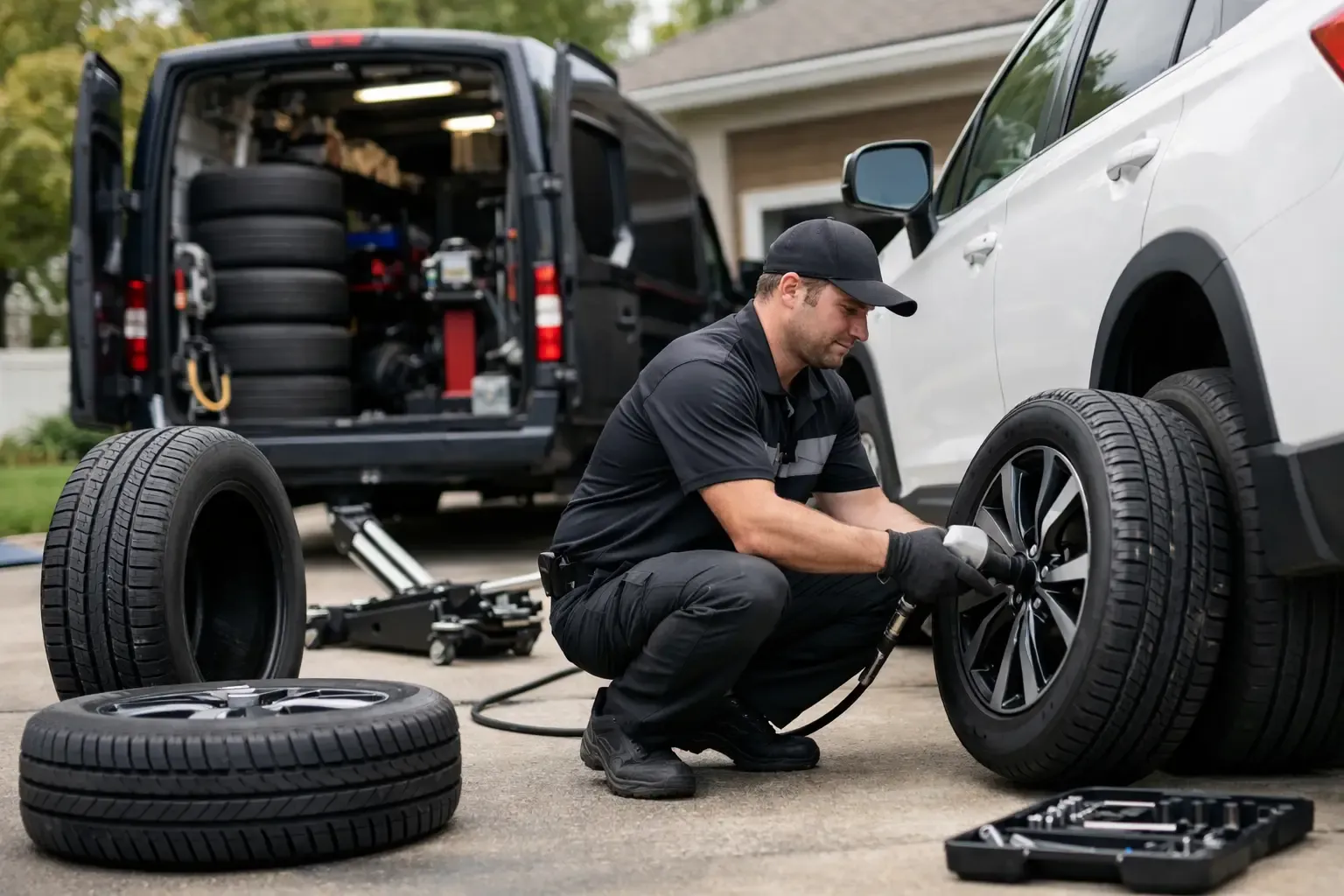
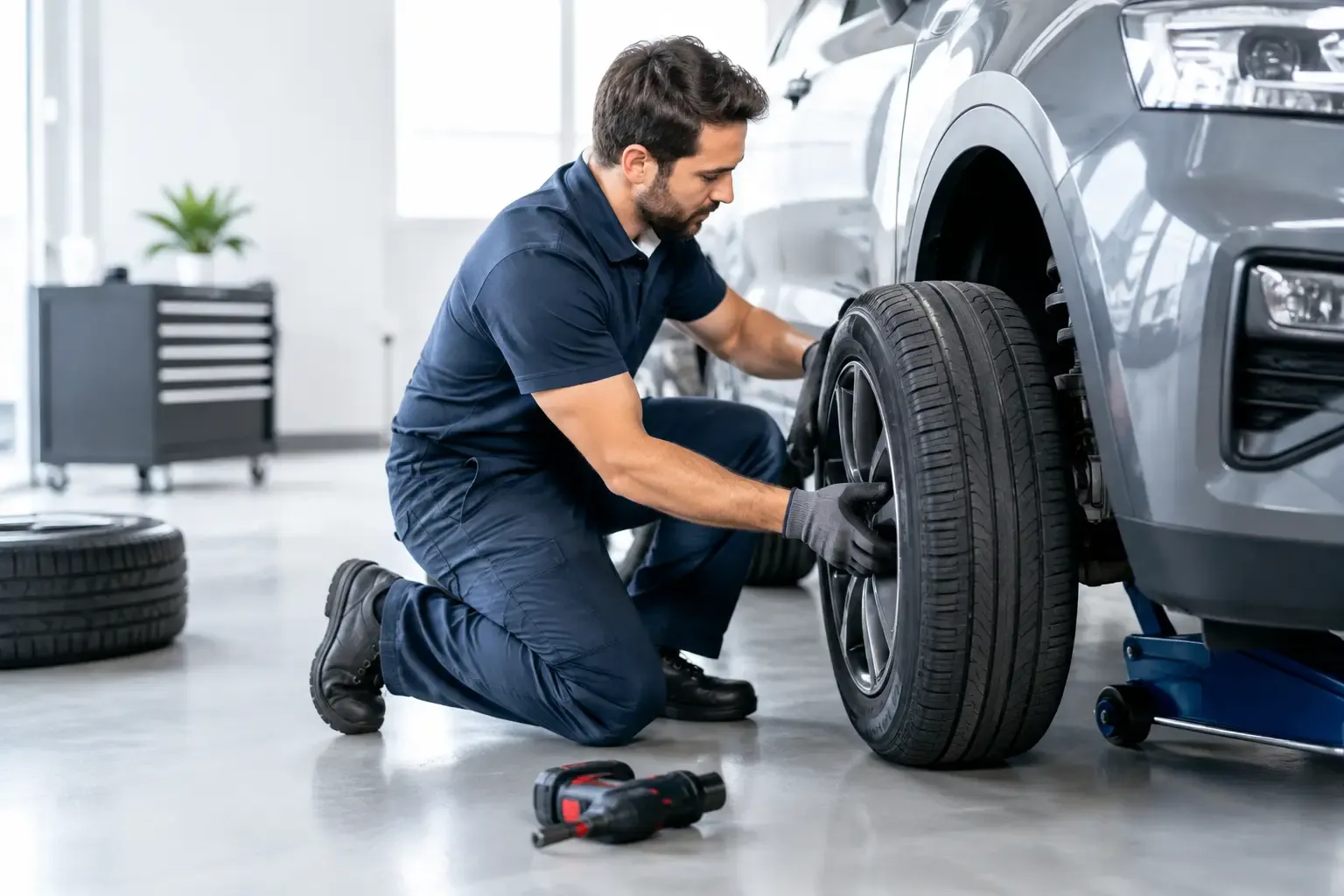
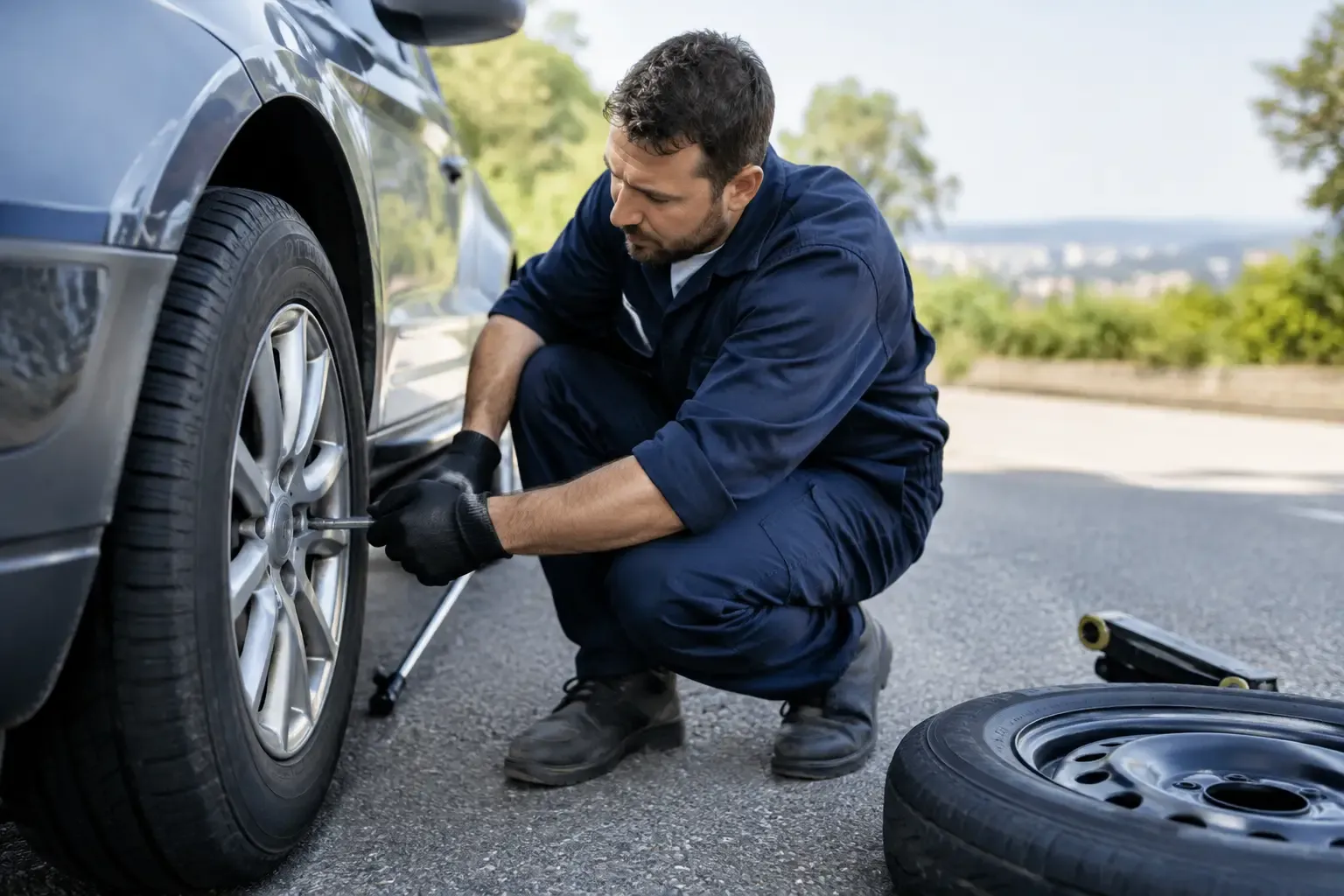
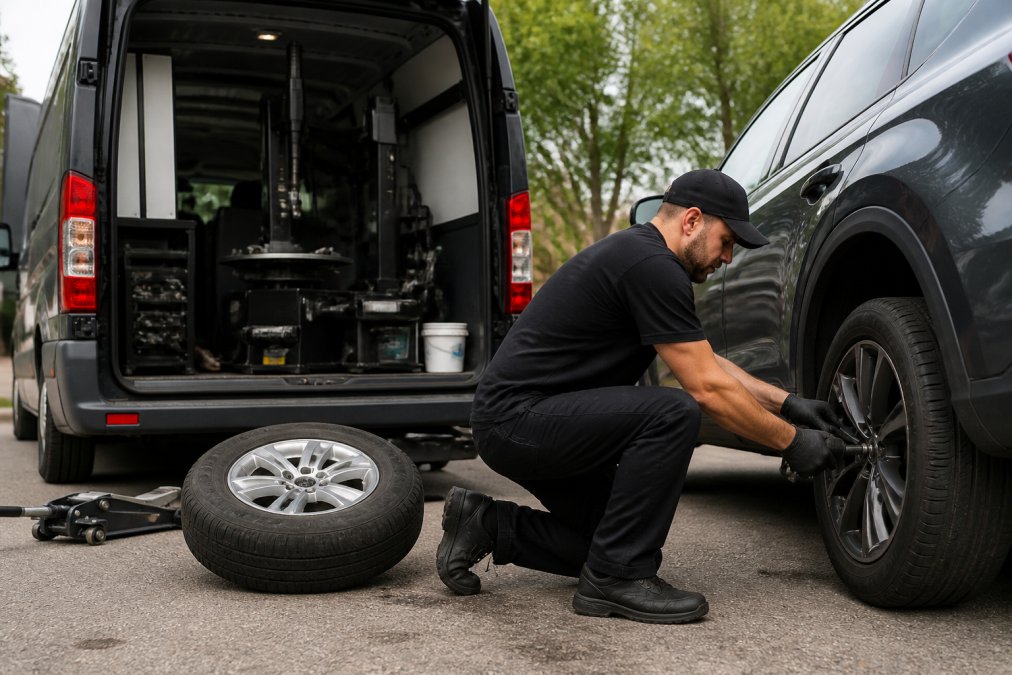
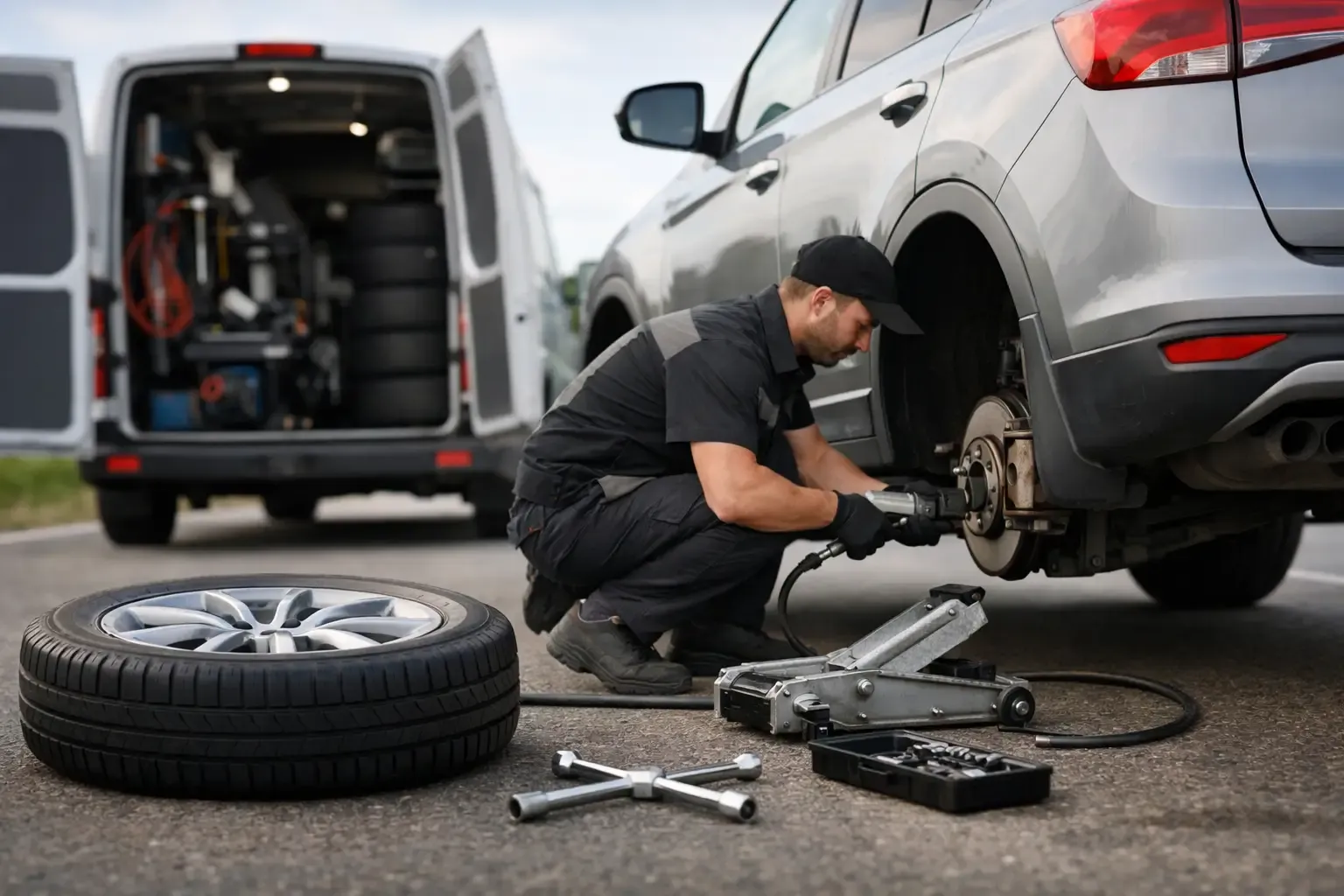
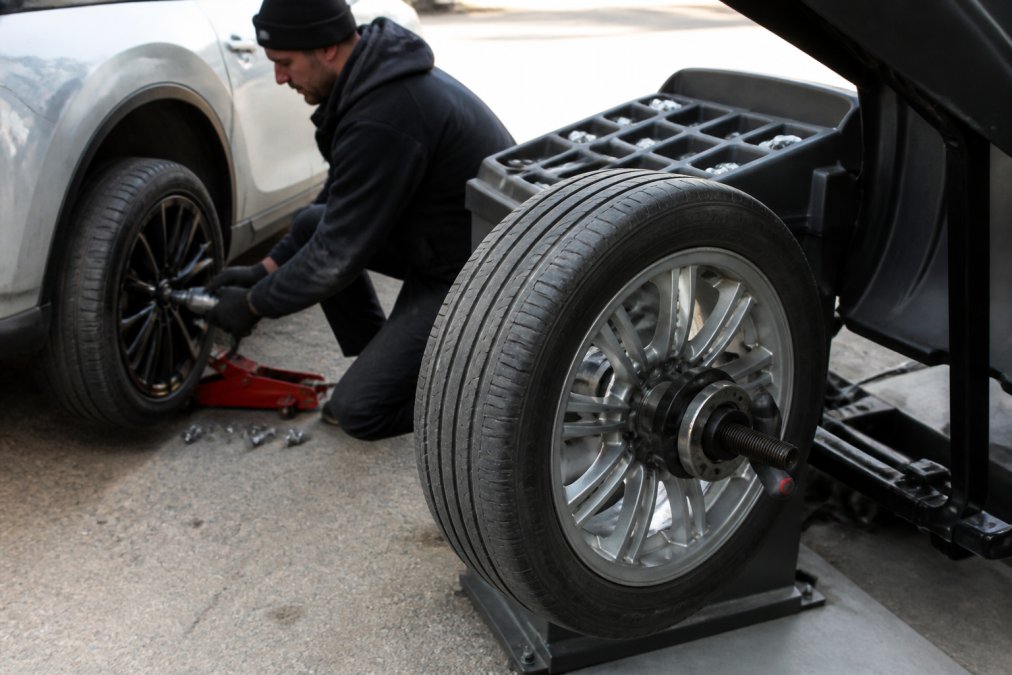
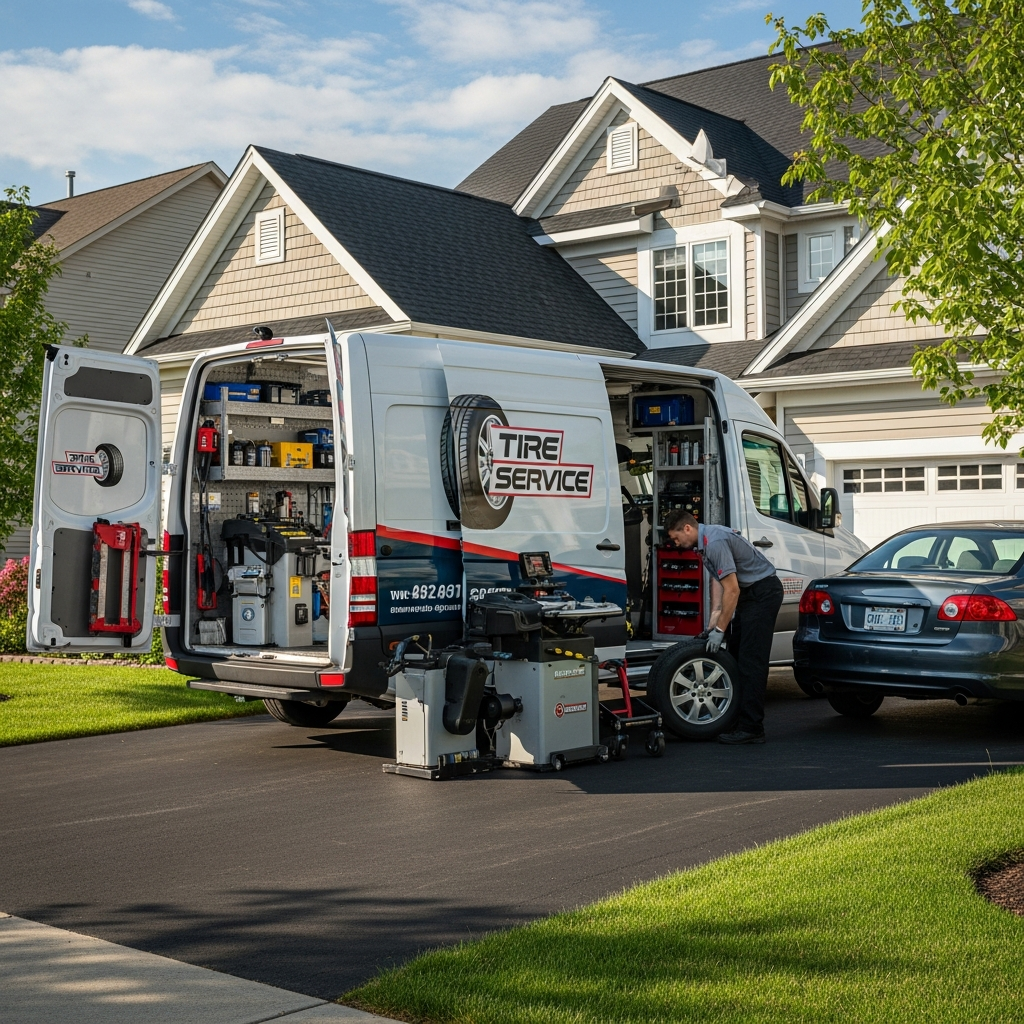
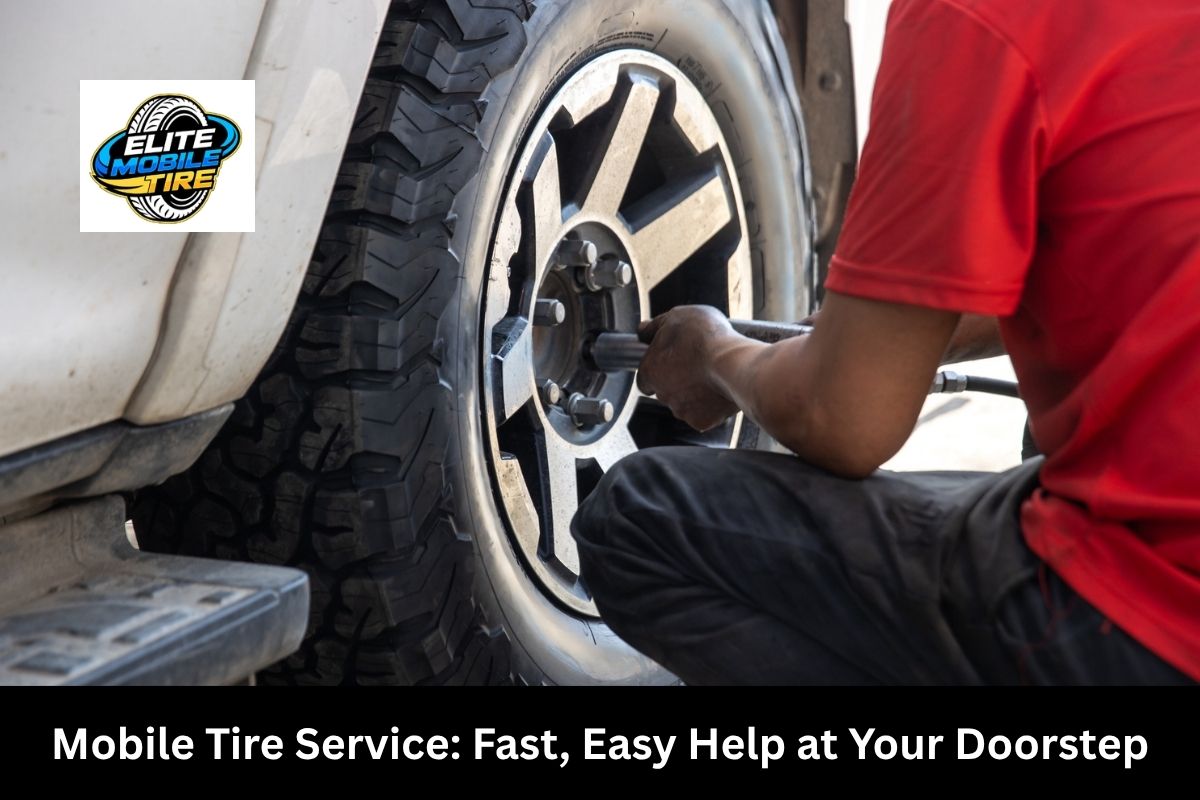
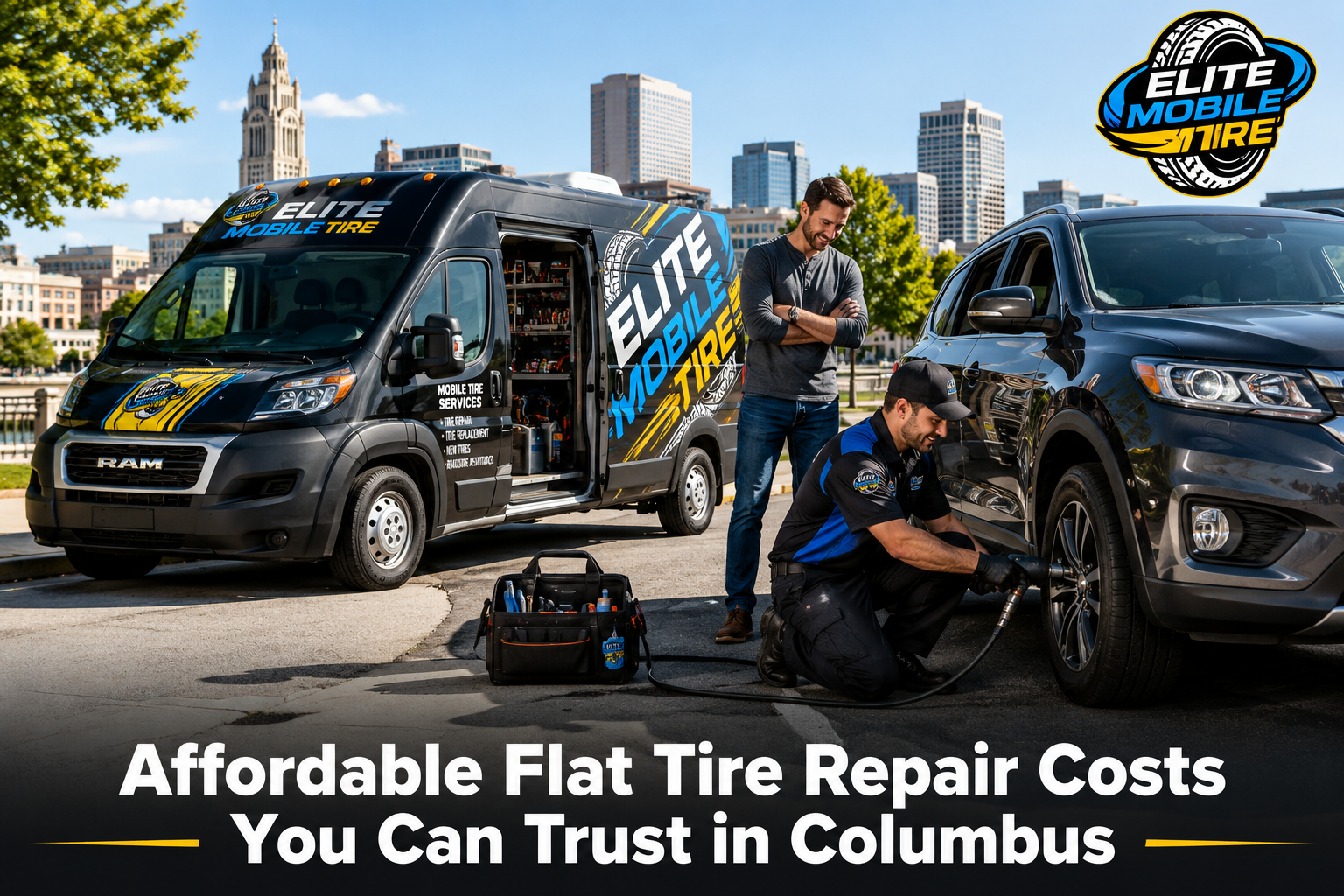
With mobile tire installation, we come to you. Elite Mobile Tire can mount and balance a new set right in your driveway in Reynoldsburg, Pickerington, or Etna, or in your work parking lot downtown or along the I-270 corridor. Our hours start at 7am Monday through Friday, with evening availability Monday through Thursday, so many commuters schedule installation at home before heading out or at the office during the workday.
Every install includes balancing, and mobile tire balancing is around $50 per tire if you just need balancing on its own. We'll also look over the condition of all four tires so you know exactly where you stand.
Trucks, Freight, and RVs on the East Side
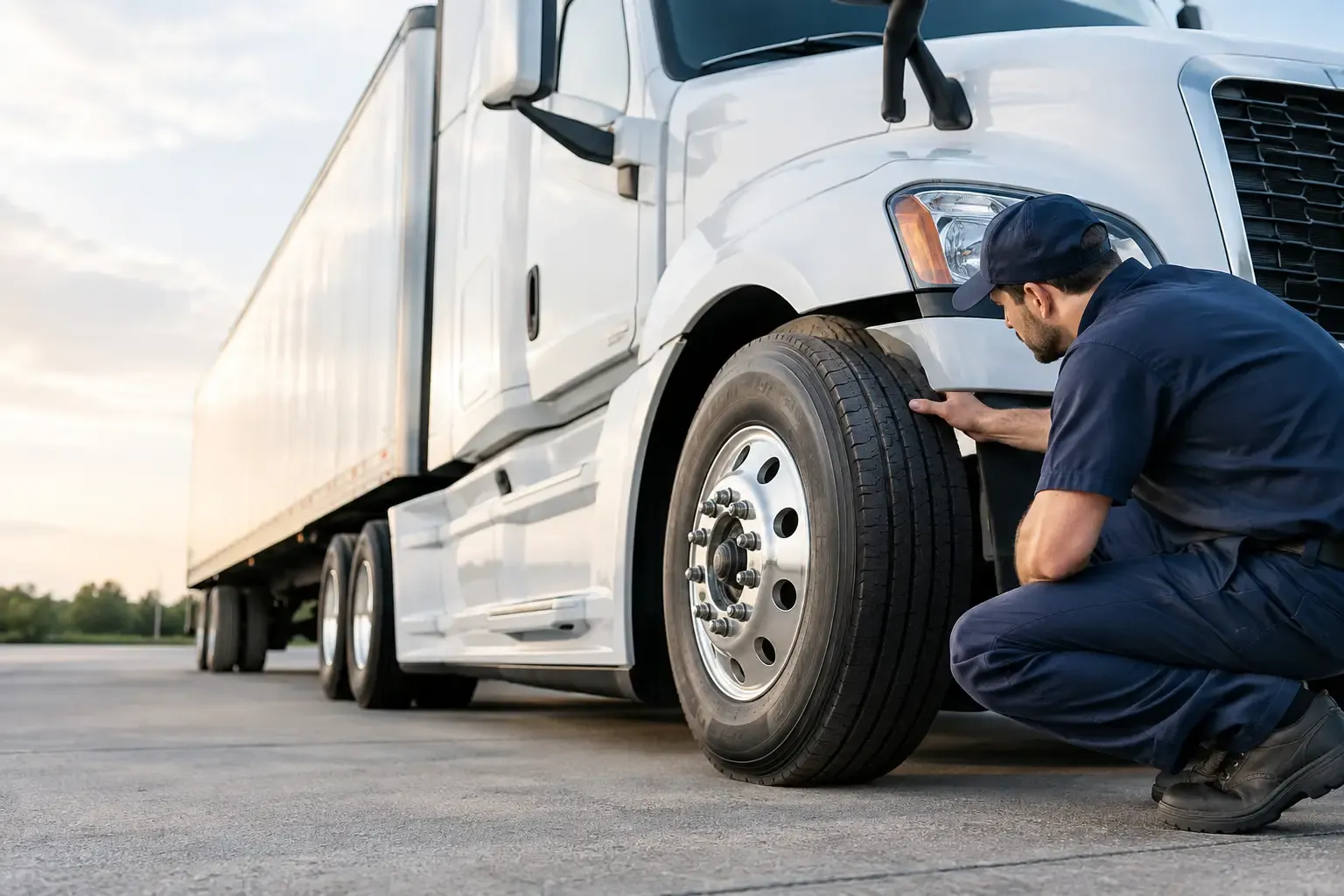
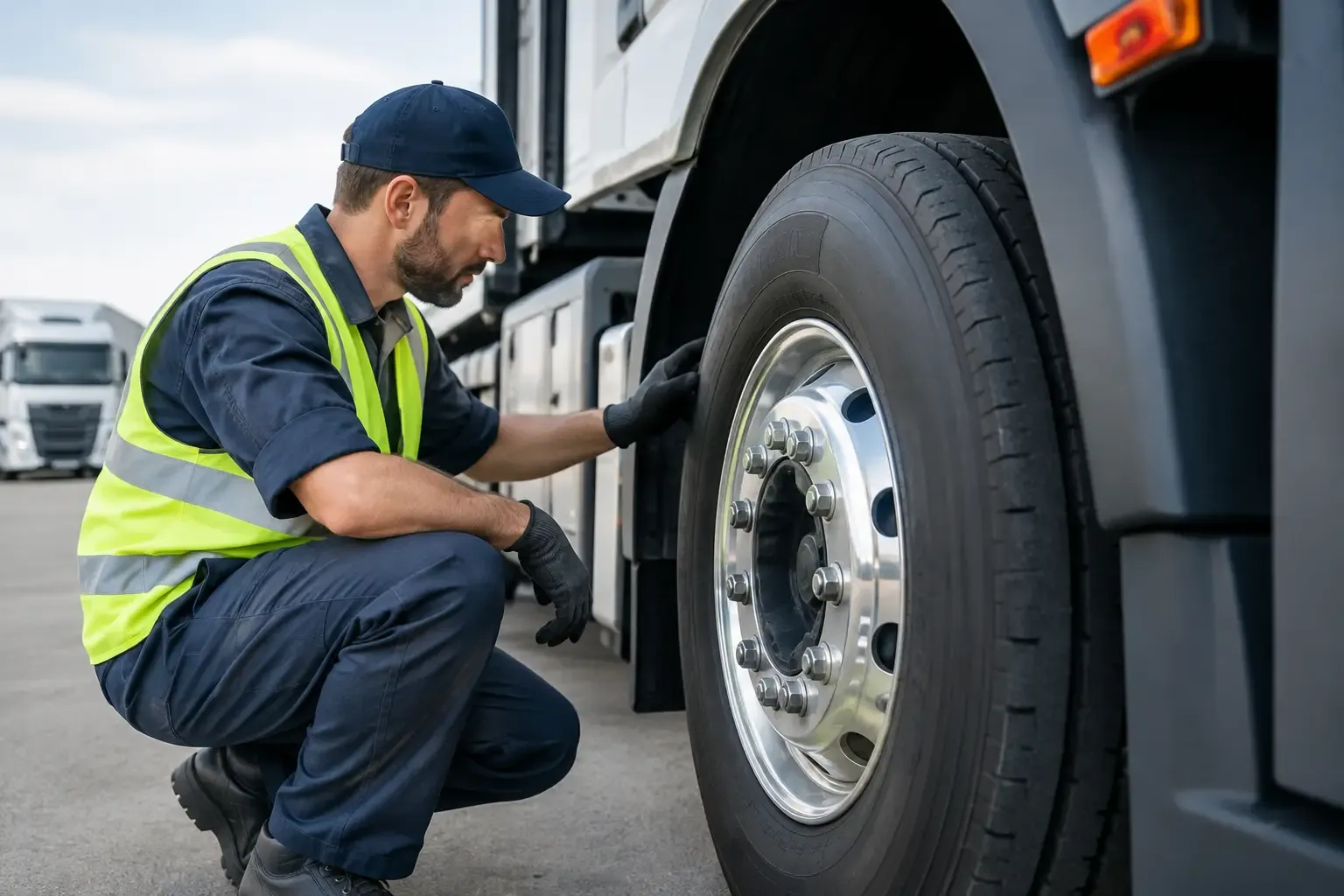
The I-70 corridor around Etna and Reynoldsburg is also home to a lot of warehouse and freight traffic. If you run trucks out of that area, our semi truck and commercial tire service can come to your lot. And if you keep a camper or travel trailer at home in Pickerington or Etna, we handle RV and camper tire service on-site too, so you don't have to tow it anywhere.
The Bottom Line for East-Side Commuters
If you're putting serious miles on I-70 every week, check your tread now, think in sets rather than single tires, and get it handled before winter weather settles in. You don't have to give up a Saturday or a morning at a shop to do it.
Ready for a new set? Elite Mobile Tire installs 2 or 4 new tires right in your driveway or parking lot anywhere around Columbus, Obetz, Groveport, Grove City, and Reynoldsburg. Financing is available through Afterpay and Acima with up to 24-month payment plans. Call 614-344-5010 or visit elitemobiletire.com to book.