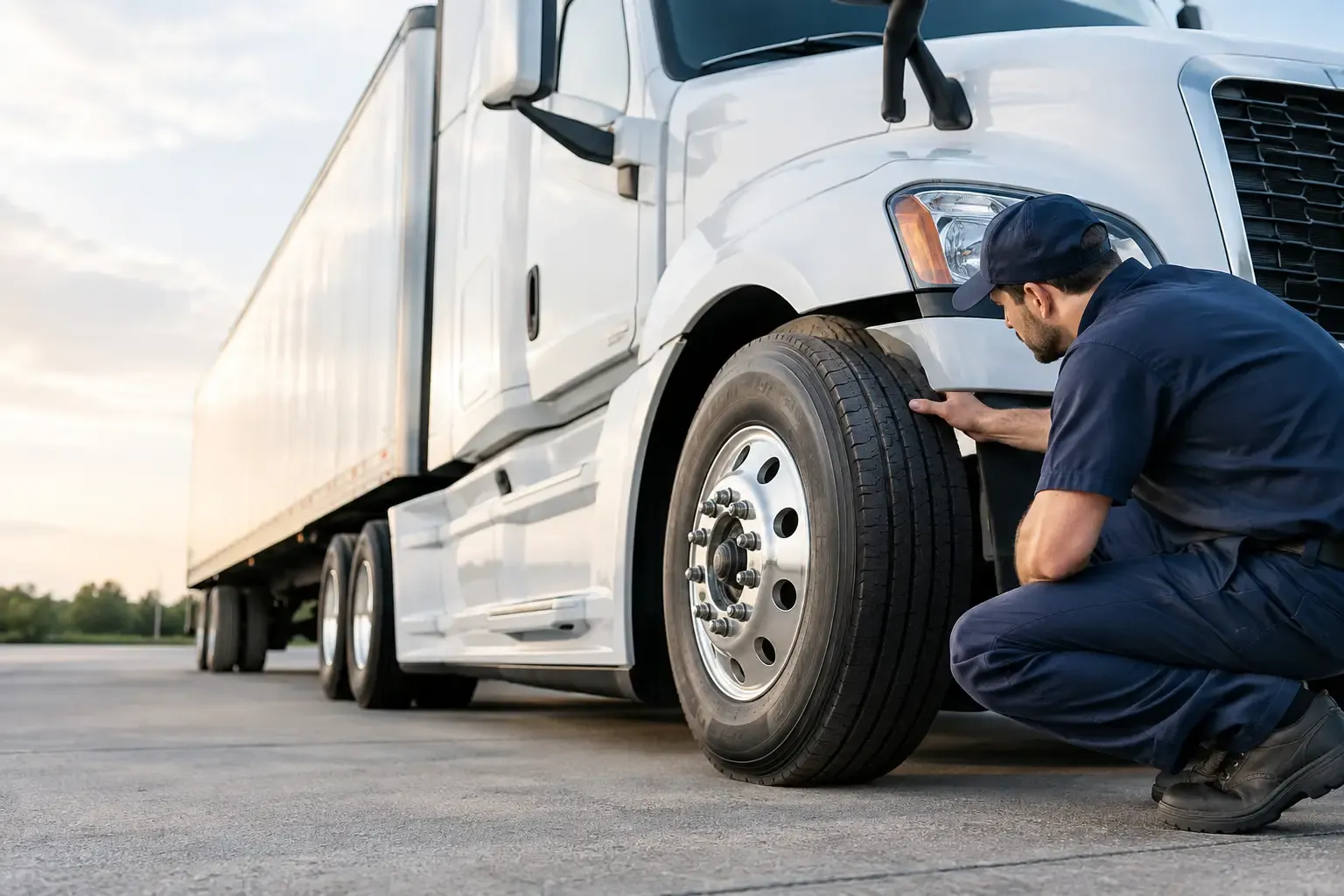
A tractor trailer sitting at a loading dock with a low tire may still look ready to work. But once it leaves the yard, that small issue can turn into a roadside delay, damaged equipment, missed delivery window, or a serious safety risk. Tractor trailer tires carry heavy loads, absorb long highway miles, and directly affect how safely a truck steers, brakes, and handles.
For fleet operators and owner-operators, tire service is not just a maintenance line item. It is part of keeping drivers productive, customers informed, and equipment moving. The right tire selection and a consistent inspection routine can reduce preventable downtime without adding unnecessary complexity to your operation.
Why Tractor Trailer Tires Need Position-Specific Care
Not all commercial truck tires do the same job. A steer tire, drive tire, and trailer tire face different forces every mile, so they should be chosen, inspected, and replaced with their position in mind.
Steer tires are responsible for directional control and a large share of braking performance. They need even tread wear, proper alignment, and inflation set to the vehicle and axle requirements. Irregular wear on a steer tire is often an early warning that alignment, suspension, balance, or inflation needs attention.
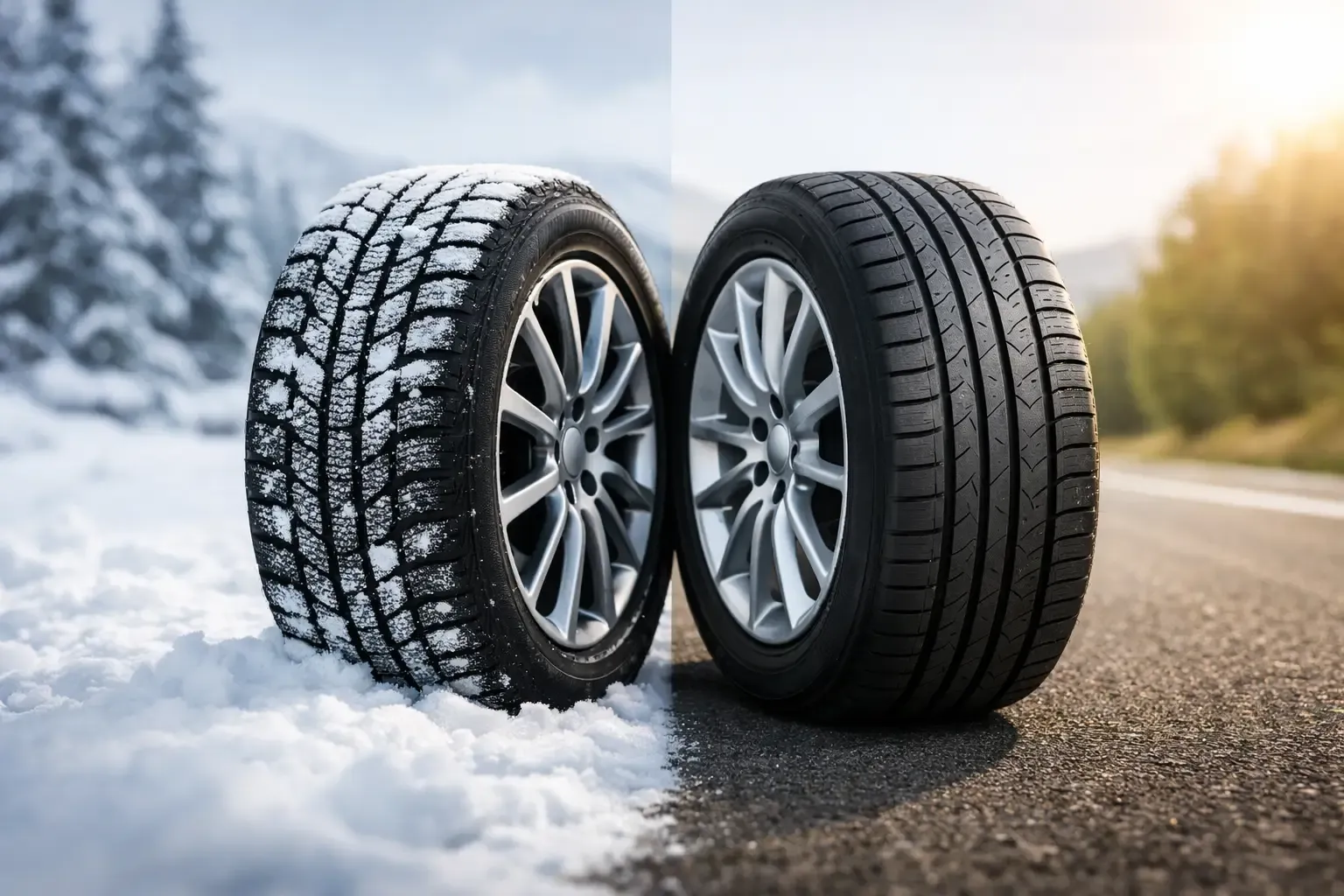
Drive tires transfer engine power to the road. Their tread design is built for traction, especially in rain, snow, and changing road conditions. A drive position can tolerate certain wear patterns differently than a steer position, but casing condition and tread depth still matter. Loss of traction is more than an inconvenience when a loaded truck needs to climb a grade or pull away from a wet intersection.
Trailer tires generally experience less steering force, but they can scrub heavily during turns and loading maneuvers. Improper alignment, overloaded axles, and incorrect inflation can wear trailer tires quickly. Because trailers may not receive the same daily attention as tractors, tire checks should be built into dispatch, loading, or yard procedures.
The Real Cost of Running Tires Too Long
Worn or neglected tractor trailer tires can create expenses that go far beyond the replacement tire. A failure on the road may require emergency service, delay freight, affect a driver's hours, and disrupt the rest of the route. If the failure damages a wheel, fender, trailer component, or nearby vehicle, the situation becomes more costly and more complicated.
Underinflation is one of the most common preventable causes of tire damage. A tire running low builds excessive heat as it flexes. That heat can weaken internal components and increase the risk of a blowout, even if the tire initially appears usable. Overinflation has different consequences, including a harsher ride, reduced contact patch, and center tread wear.
Fuel efficiency is another consideration. Tires with incorrect pressure create more rolling resistance, which can increase fuel use across a fleet. The difference may seem small on one truck for one trip. Across multiple vehicles and thousands of miles, it adds up.
Replacing tires before they become unsafe may feel like an expense you would rather postpone. Still, the better comparison is not simply the price of a tire versus the price of no tire. It is planned service versus unplanned downtime.
A Practical Inspection Routine for Tractor Trailer Tires
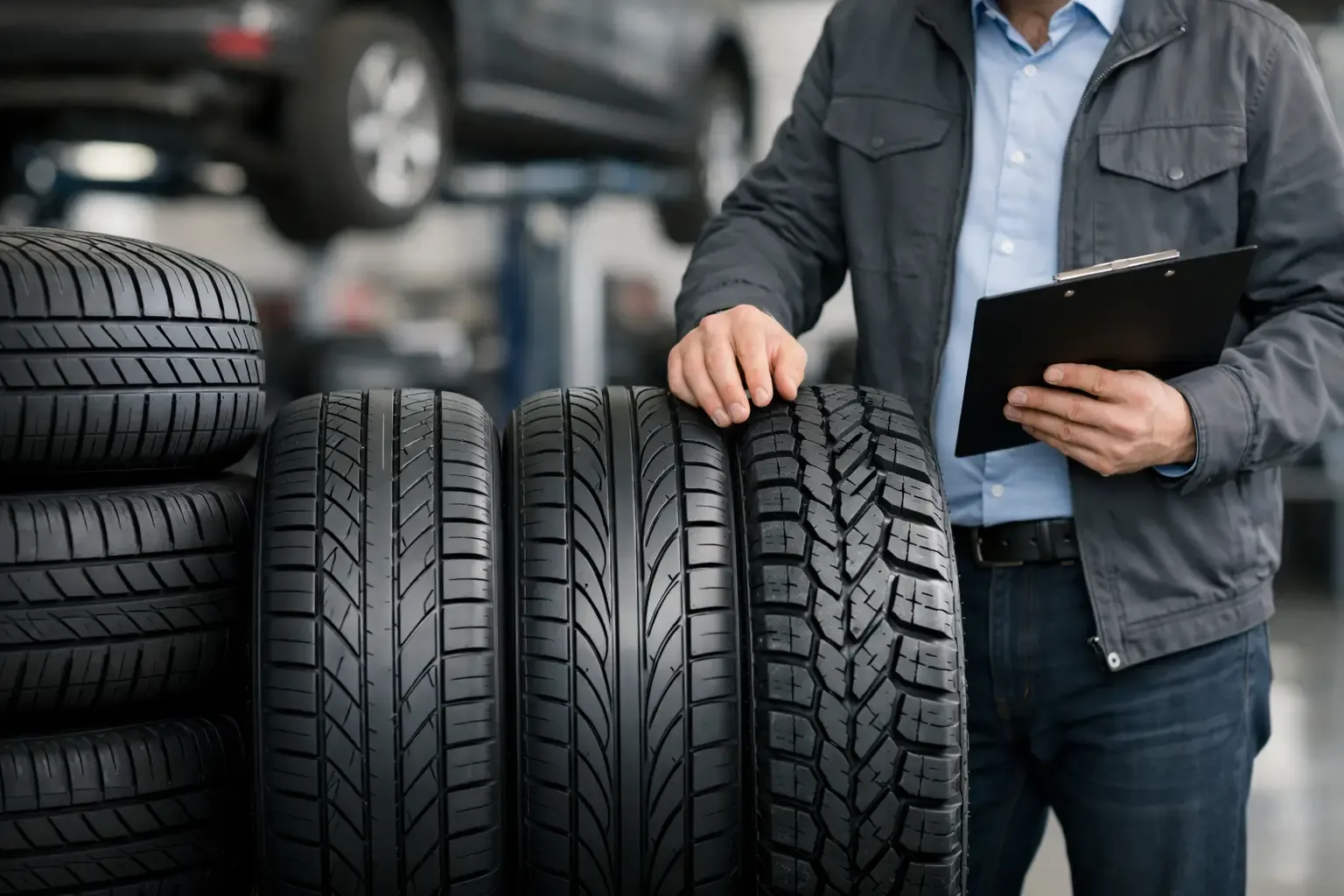
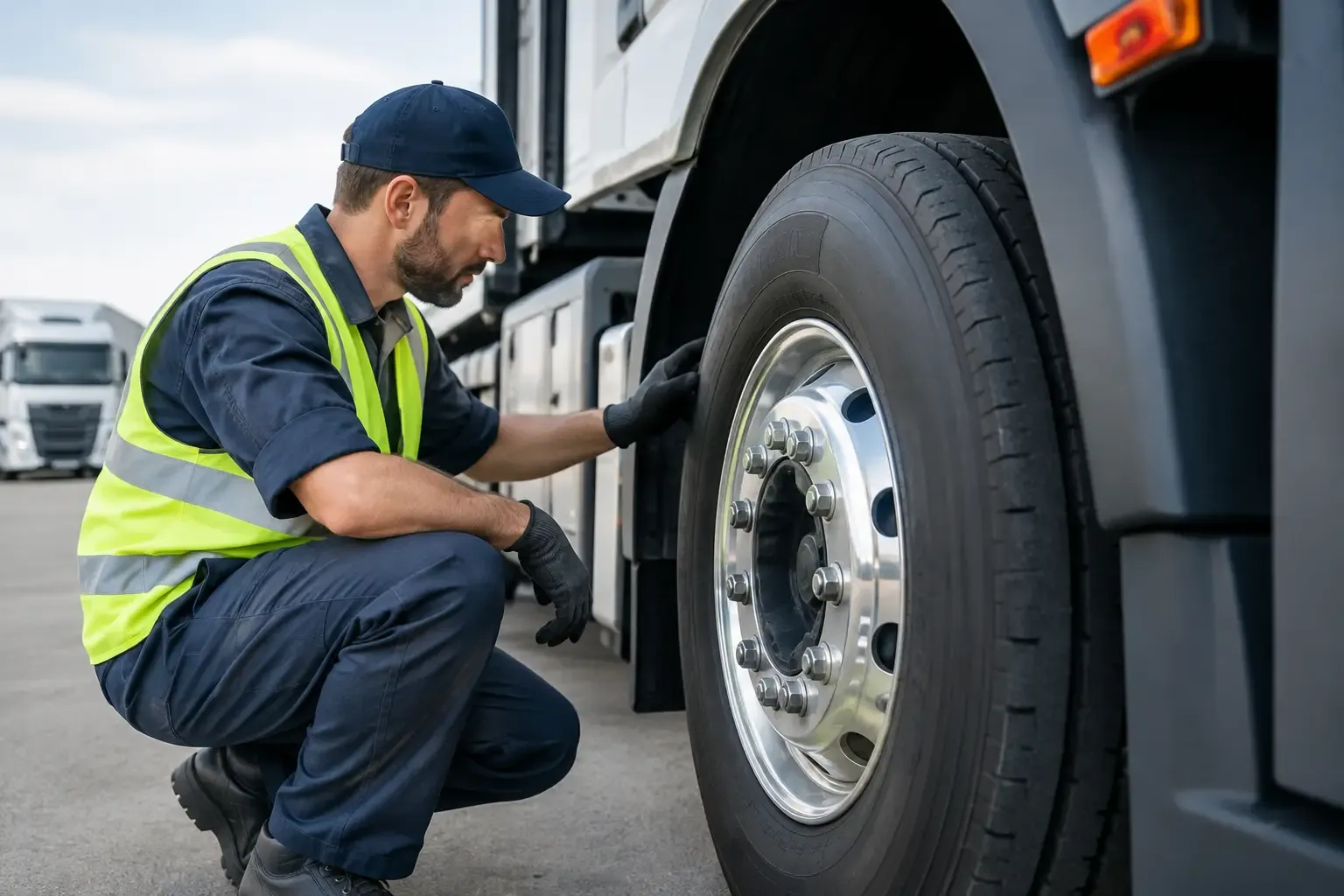
A dependable tire program starts with regular inspections, not just emergency response. Drivers should perform a visual walk-around before departure, while maintenance teams should schedule more detailed checks based on mileage, operating conditions, and manufacturer recommendations.
During a walk-around, look for four issues that deserve immediate attention:
- Low tire pressure, visible bulges, sidewall cuts, or exposed cords
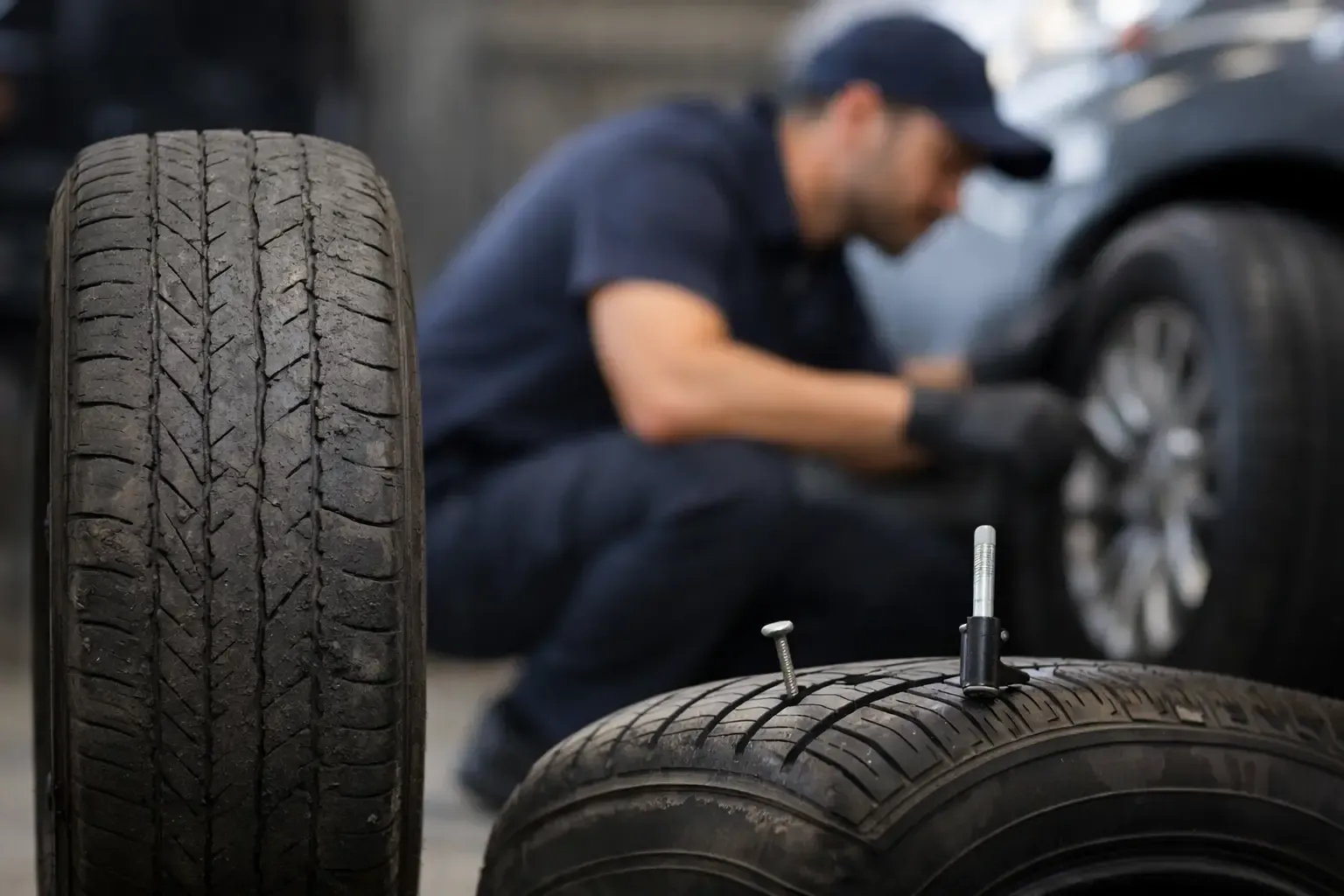
- Nails, screws, stones, or other objects lodged in the tread
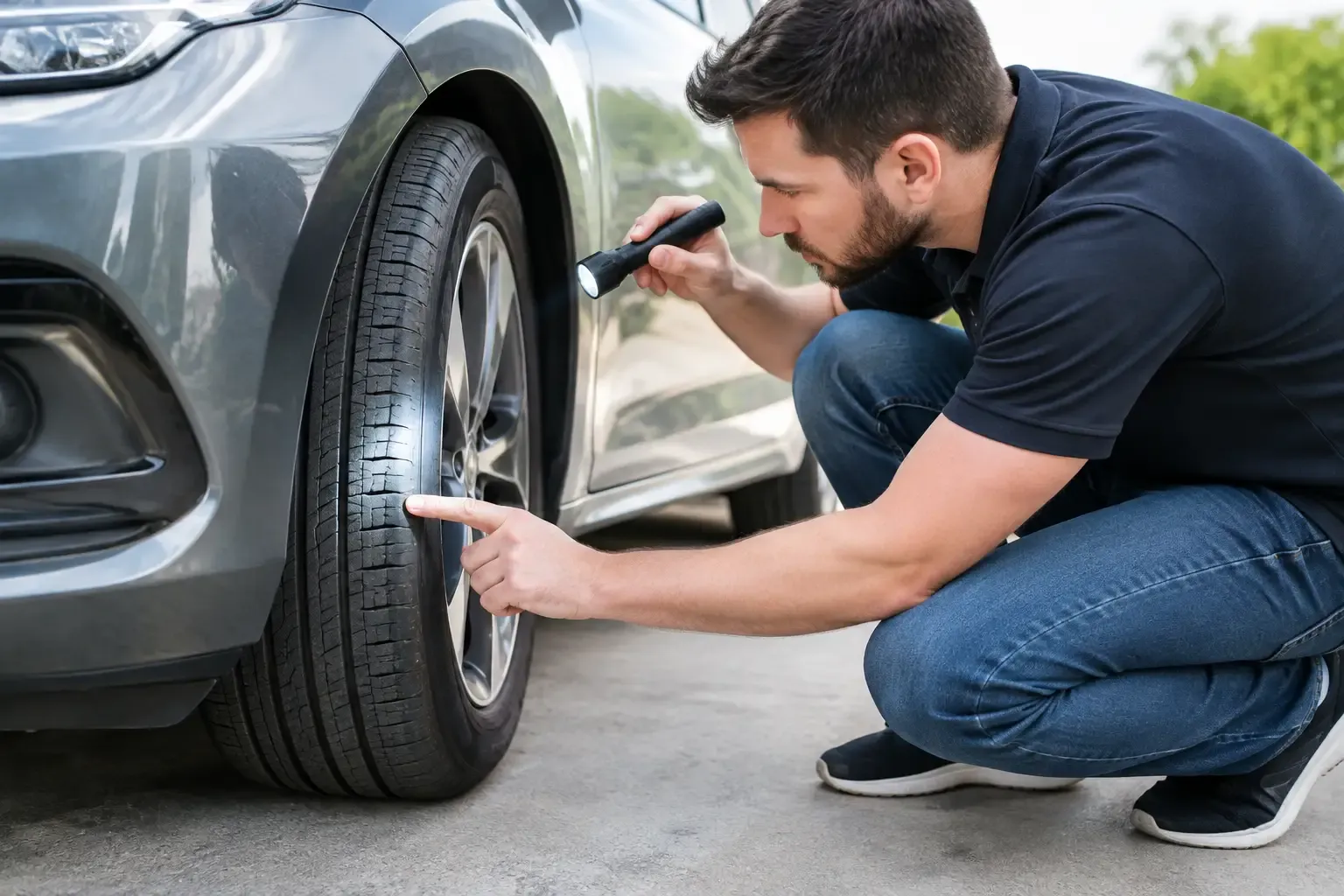
- Uneven tread wear, including cupping, feathering, or one-sided wear
- Dual tires that are touching, mismatched, or showing significantly different wear
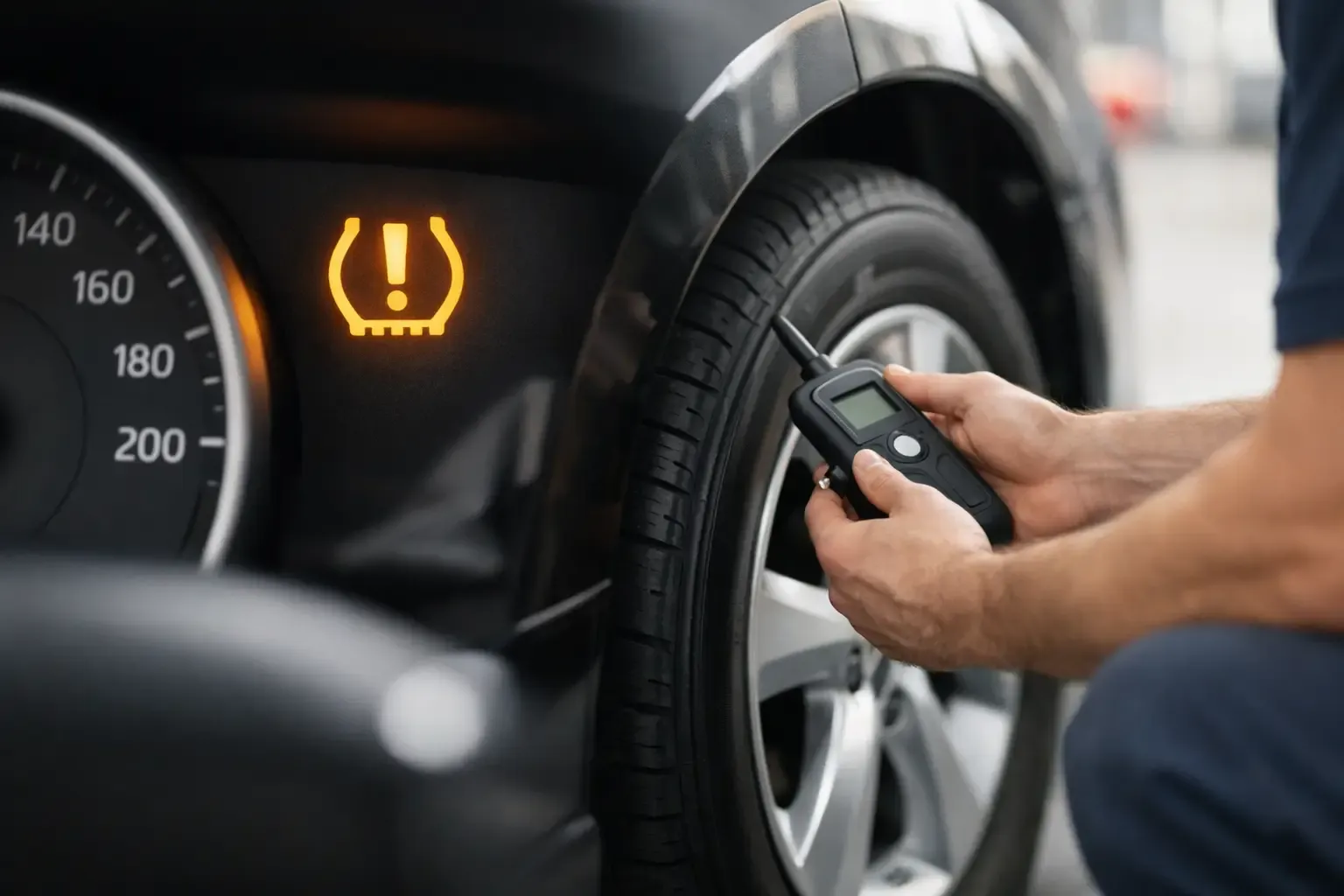
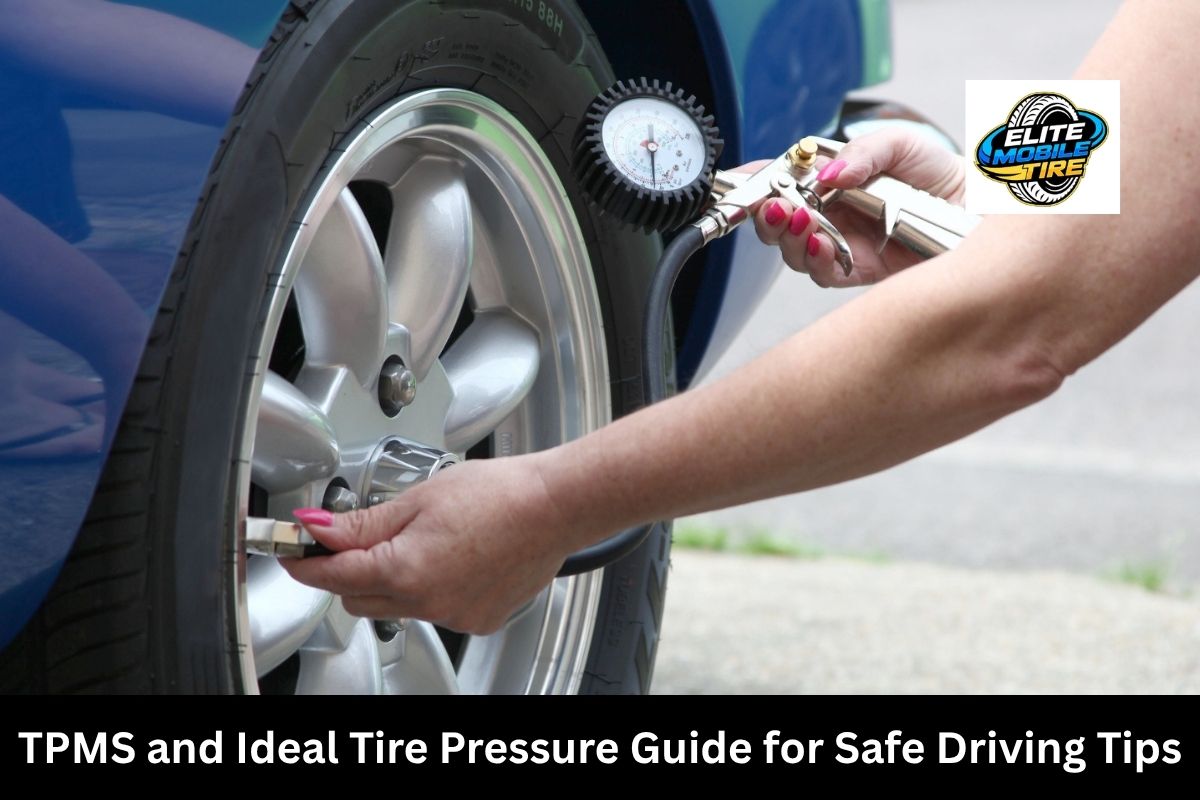
Pressure should be checked with a reliable gauge when tires are cold whenever possible. A visual check alone cannot confirm correct inflation. Fleet managers should also verify that tire pressures match the load, axle configuration, and tire manufacturer's specifications rather than relying on a one-size-fits-all number.
Tread depth matters, but it is not the only measure of tire condition. A tire with usable tread can still be unsafe if it has casing damage, sidewall cracking, or a repair that no longer meets service requirements. If a driver notices vibration, pulling, repeated pressure loss, or unusual noise, the truck should be inspected before the issue grows.
Watch Wear Patterns, Not Just Tread Depth
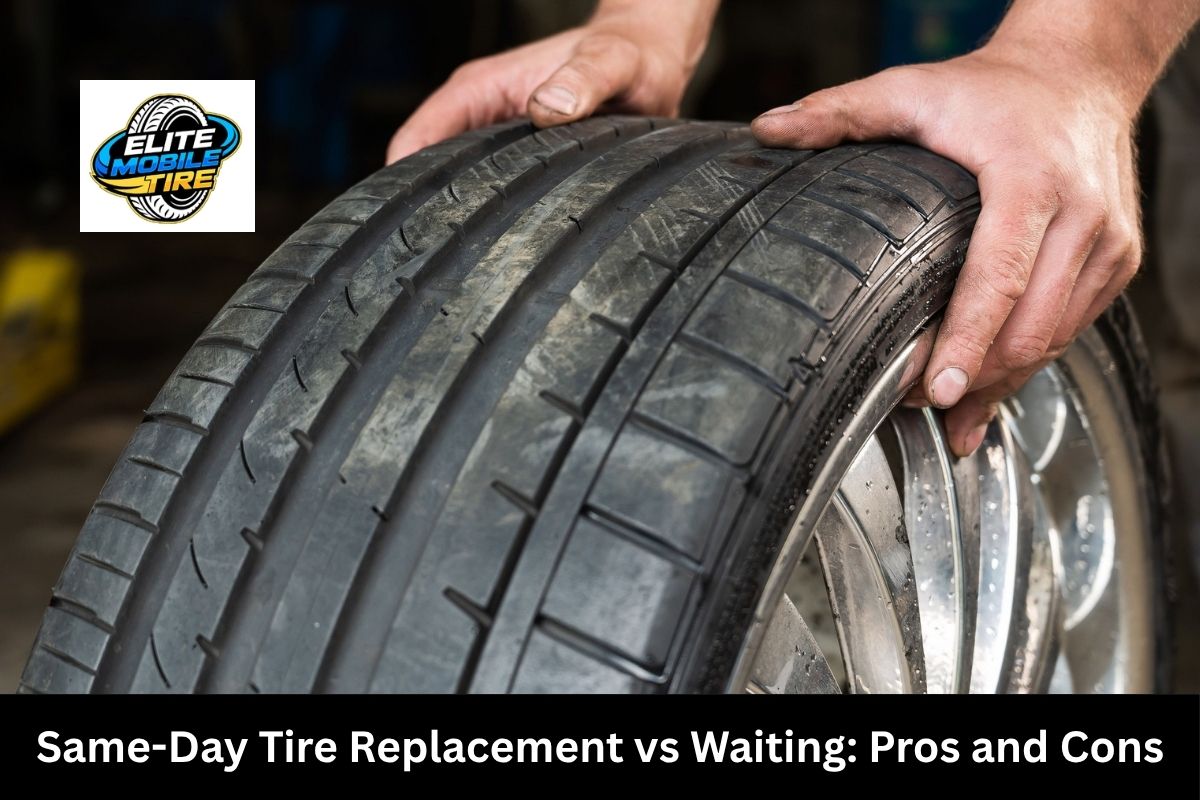
Wear patterns provide useful clues about the truck or trailer. Center wear may point to overinflation. Excess shoulder wear can suggest underinflation. Feathering or rapid wear on one edge may indicate an alignment or suspension concern. Cupping can be connected to worn shocks, balance issues, or loose components.
Replacing the tire without addressing the cause can lead to the same problem on the replacement. That is why tire maintenance works best when drivers, technicians, and fleet managers share information quickly. A driver who reports a pull or vibration early may prevent a more involved repair later.
Choosing the Right Tires for Your Fleet
The best tractor trailer tires depend on the routes your equipment runs, the cargo being hauled, local weather, axle positions, and expected mileage. A regional delivery fleet that spends its day in stop-and-go traffic will have different needs than a long-haul operation covering interstate miles.
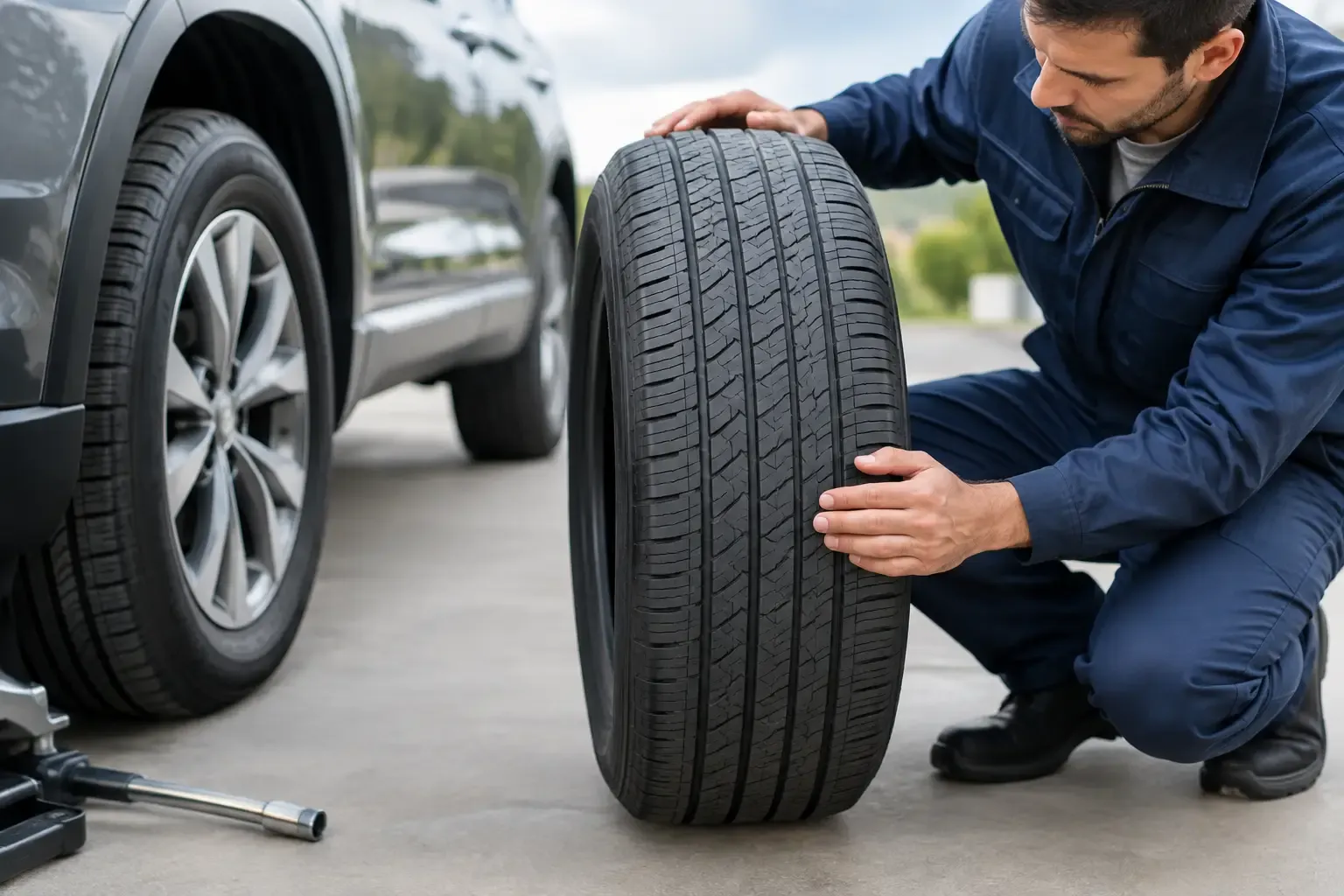
Start with the correct size, load range, and speed rating for the vehicle. From there, consider tread design and casing durability. Tires designed for long, steady highway routes may prioritize fuel efficiency and even wear. Tires used in mixed-service conditions may need greater resistance to cuts, curbing, and frequent turning.
Retreadable casings can also be a valuable part of a commercial tire program when managed properly. The casing must be inspected and maintained throughout its first life. Running a tire underinflated or damaged until failure can reduce its retread potential and remove that option from the fleet.
It also helps to standardize tire models where practical. Standardization can simplify inventory, pressure specifications, service procedures, and replacement decisions. However, it should not override the specific needs of a truck position or route. The same tire is not automatically the right answer for every axle.
Responding Quickly to a Roadside Tire Problem
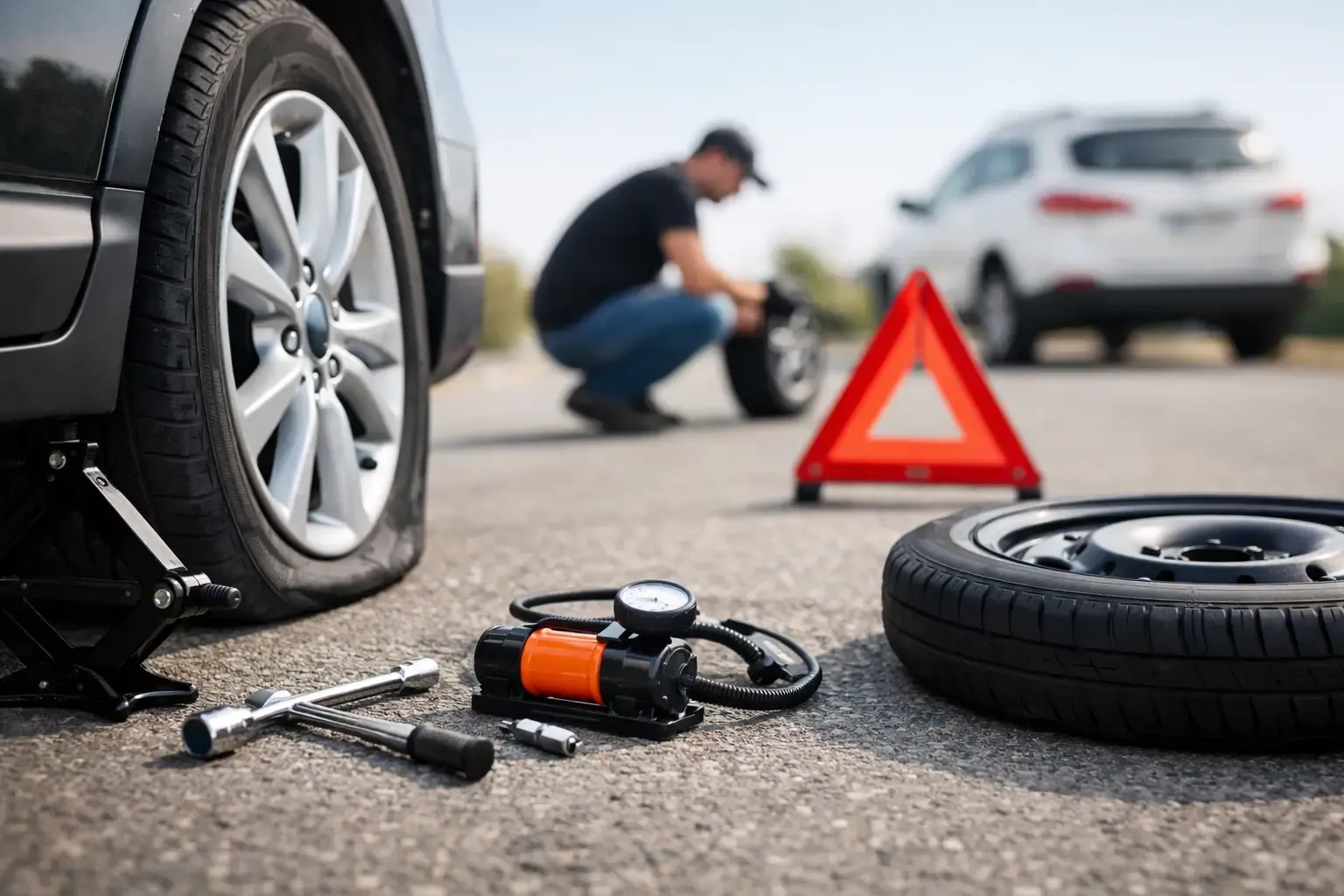
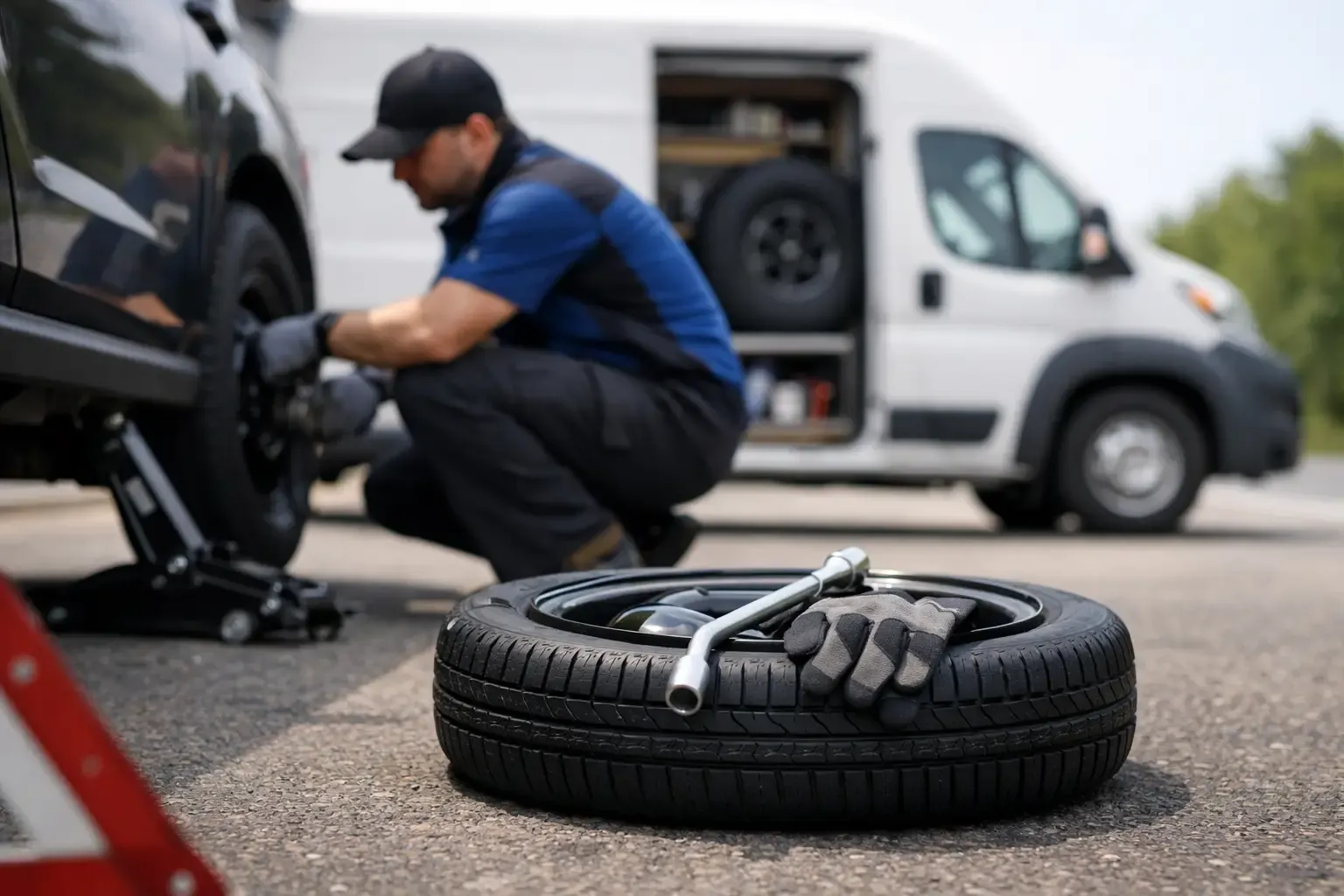
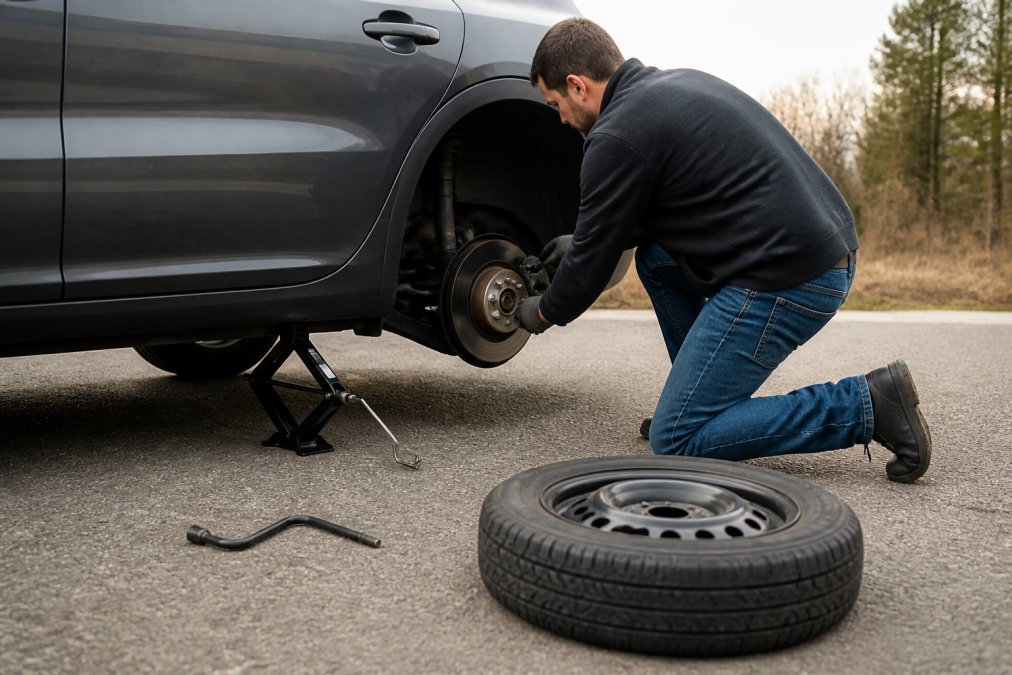
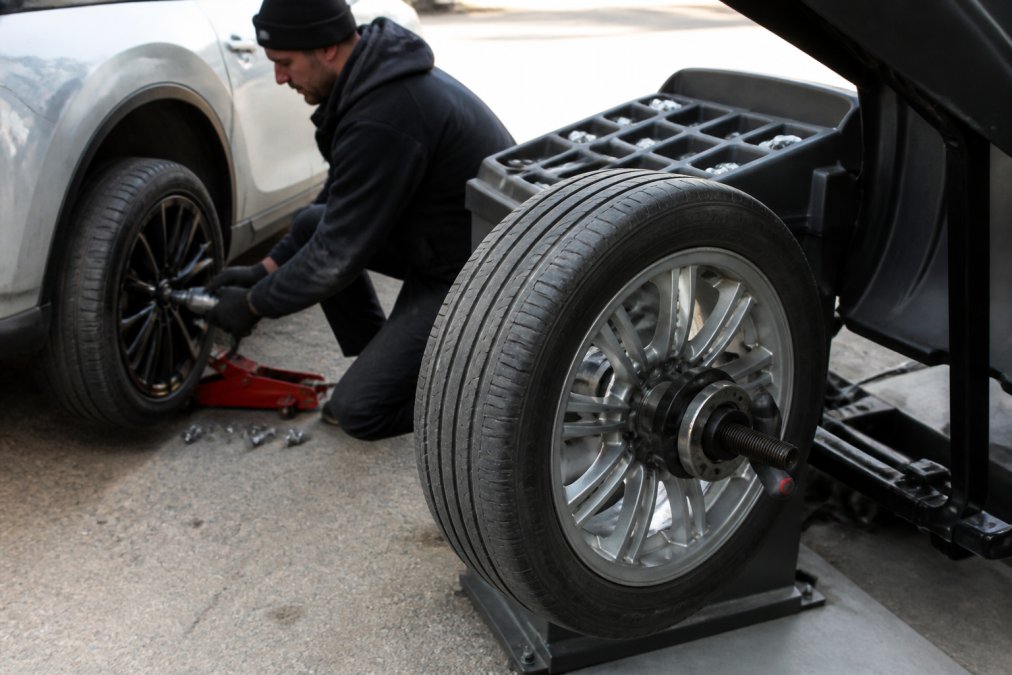
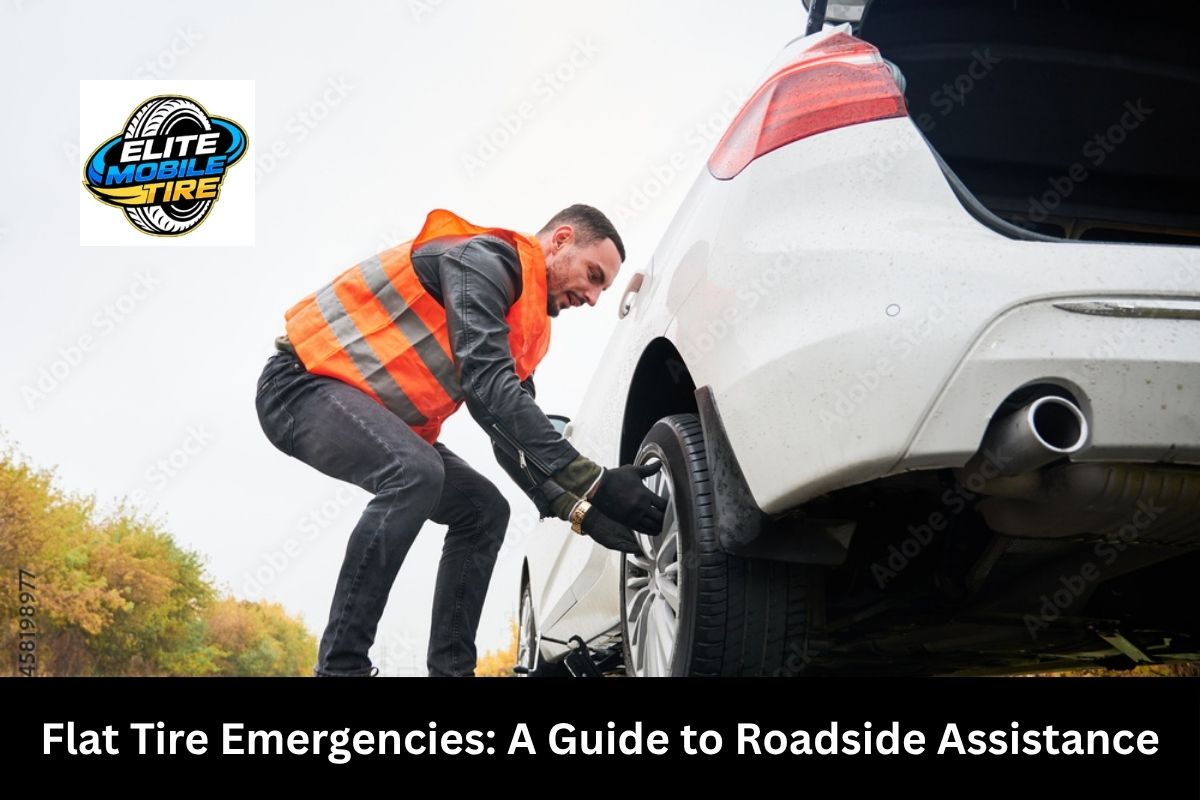
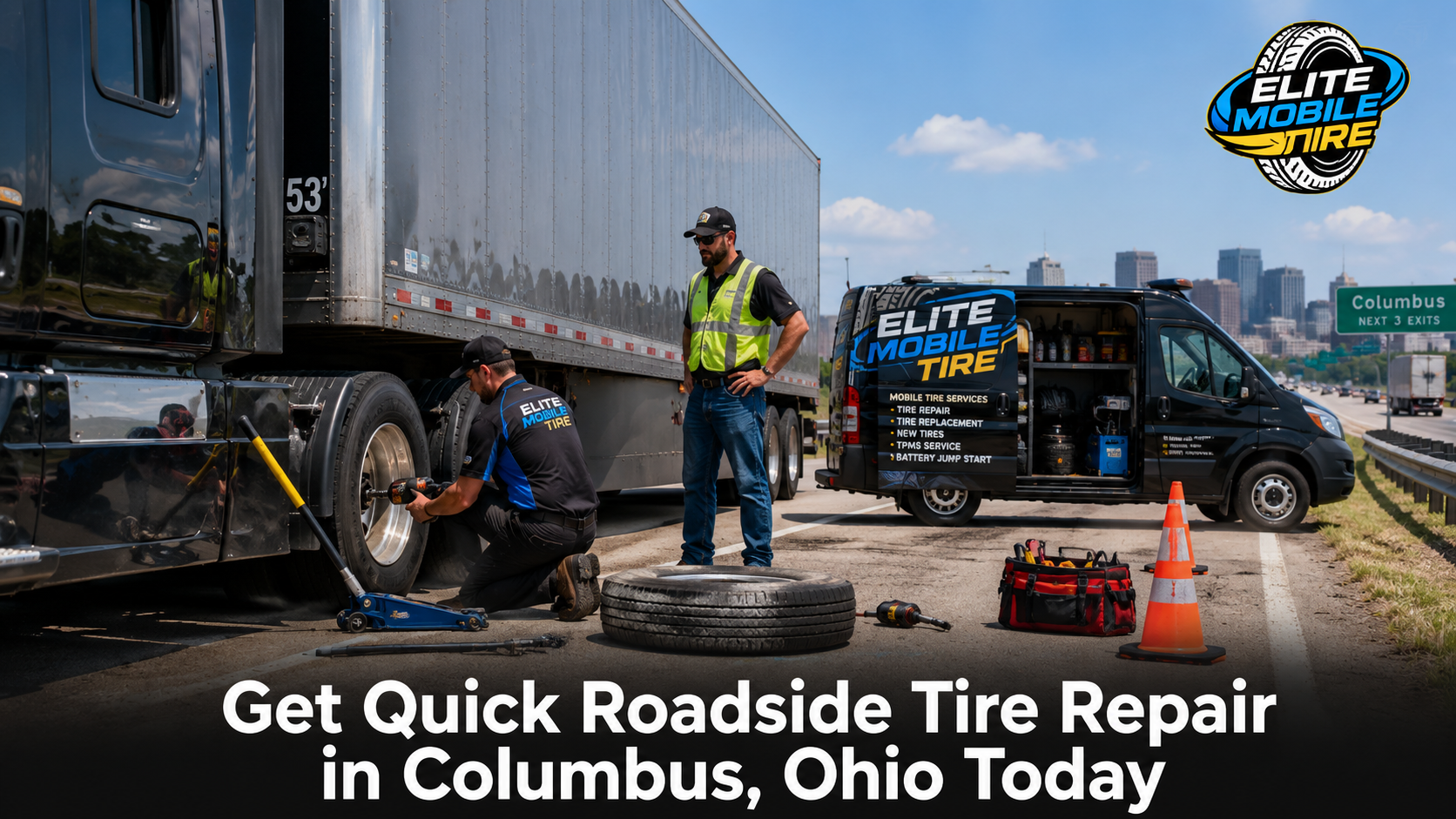
When a truck has a flat or damaged tire, safety comes first. Drivers should move to a safe location when possible, activate hazard lights, follow company procedures, and avoid attempting repairs in unsafe traffic conditions. A damaged commercial tire can be heavy, unstable, and dangerous to handle without the right equipment.
The next step is getting accurate information to the service provider. The truck or trailer location, tire size, axle position, vehicle configuration, visible damage, and whether the unit is loaded can help a technician arrive prepared. Clear details reduce delays and make the service call more efficient.
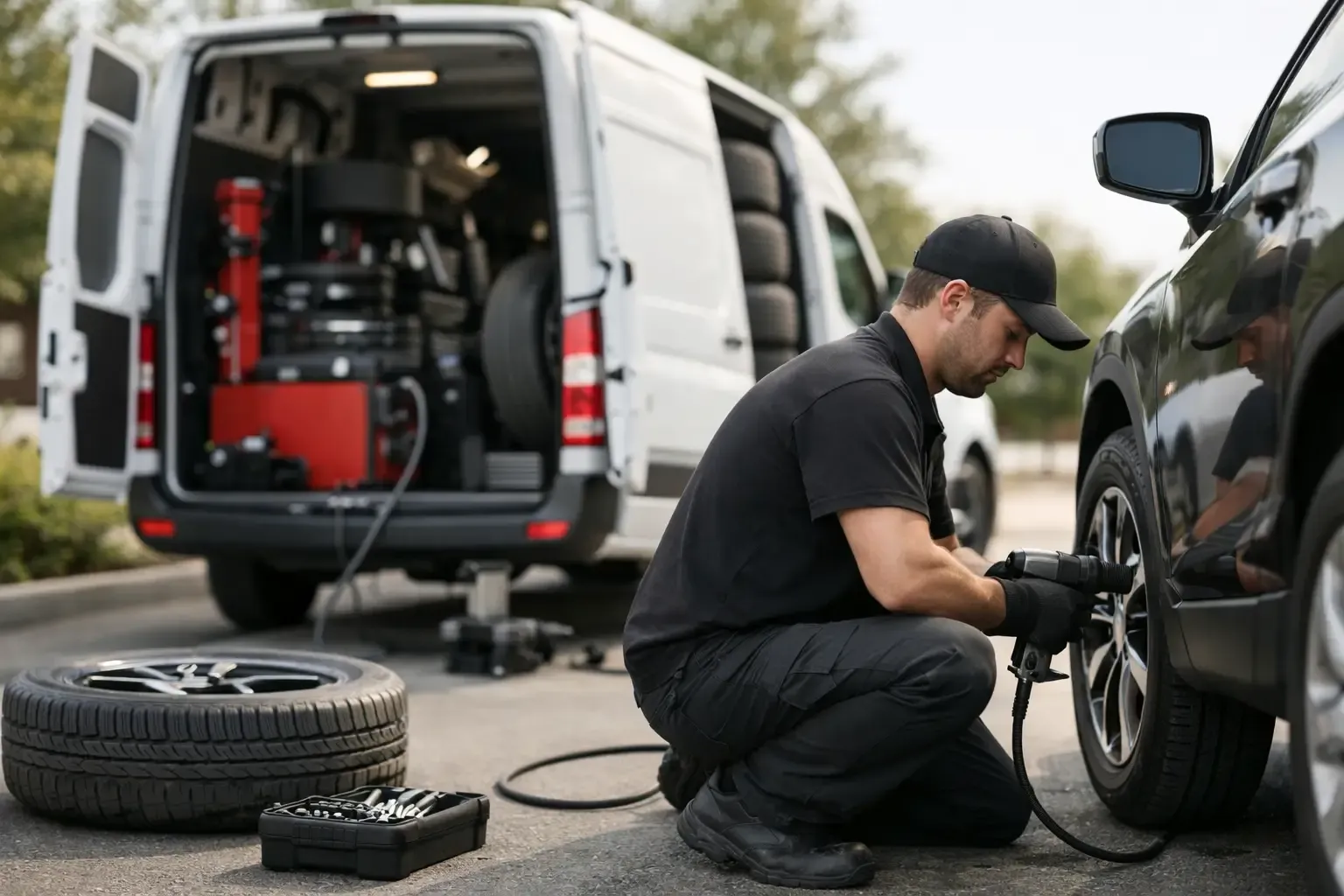
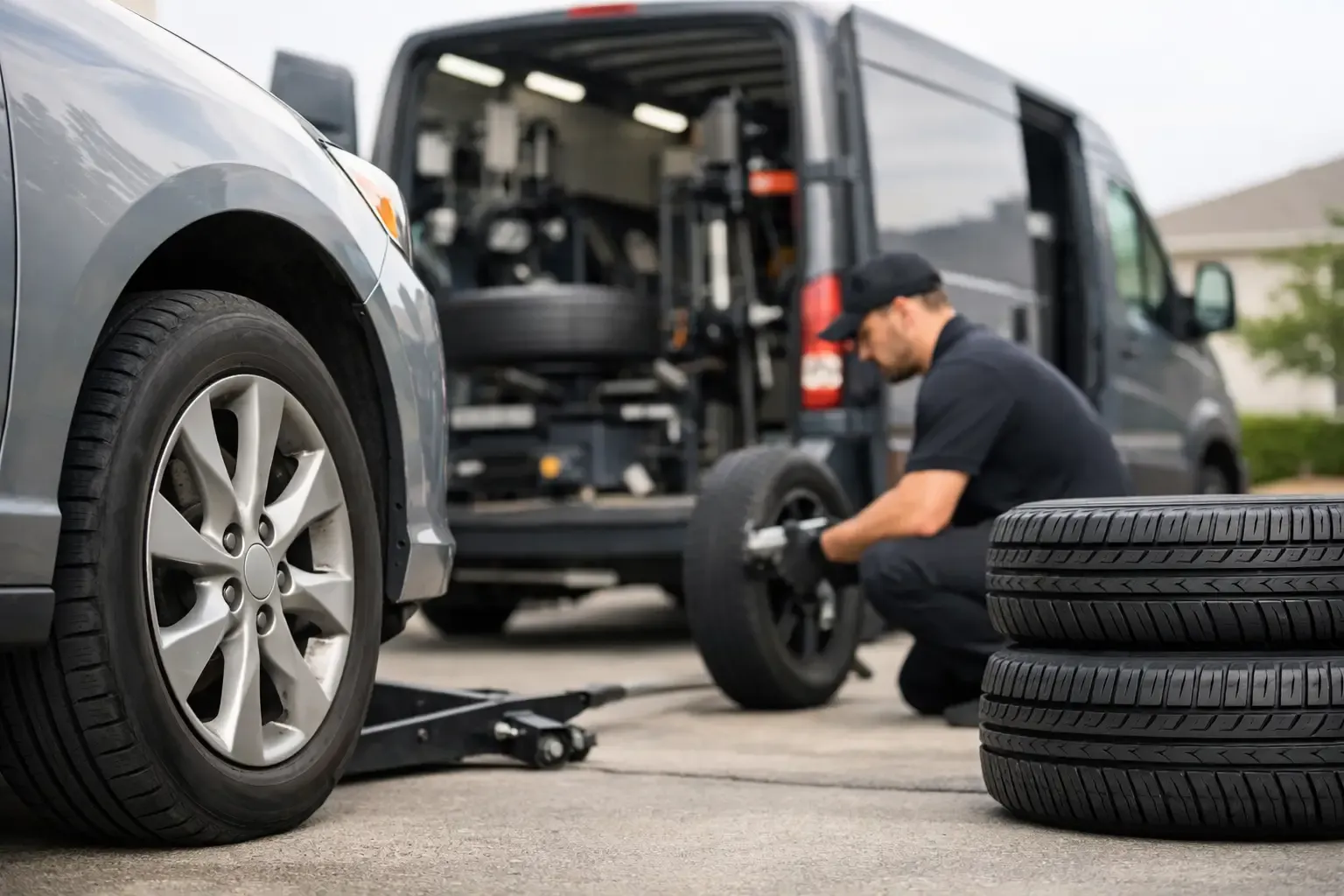
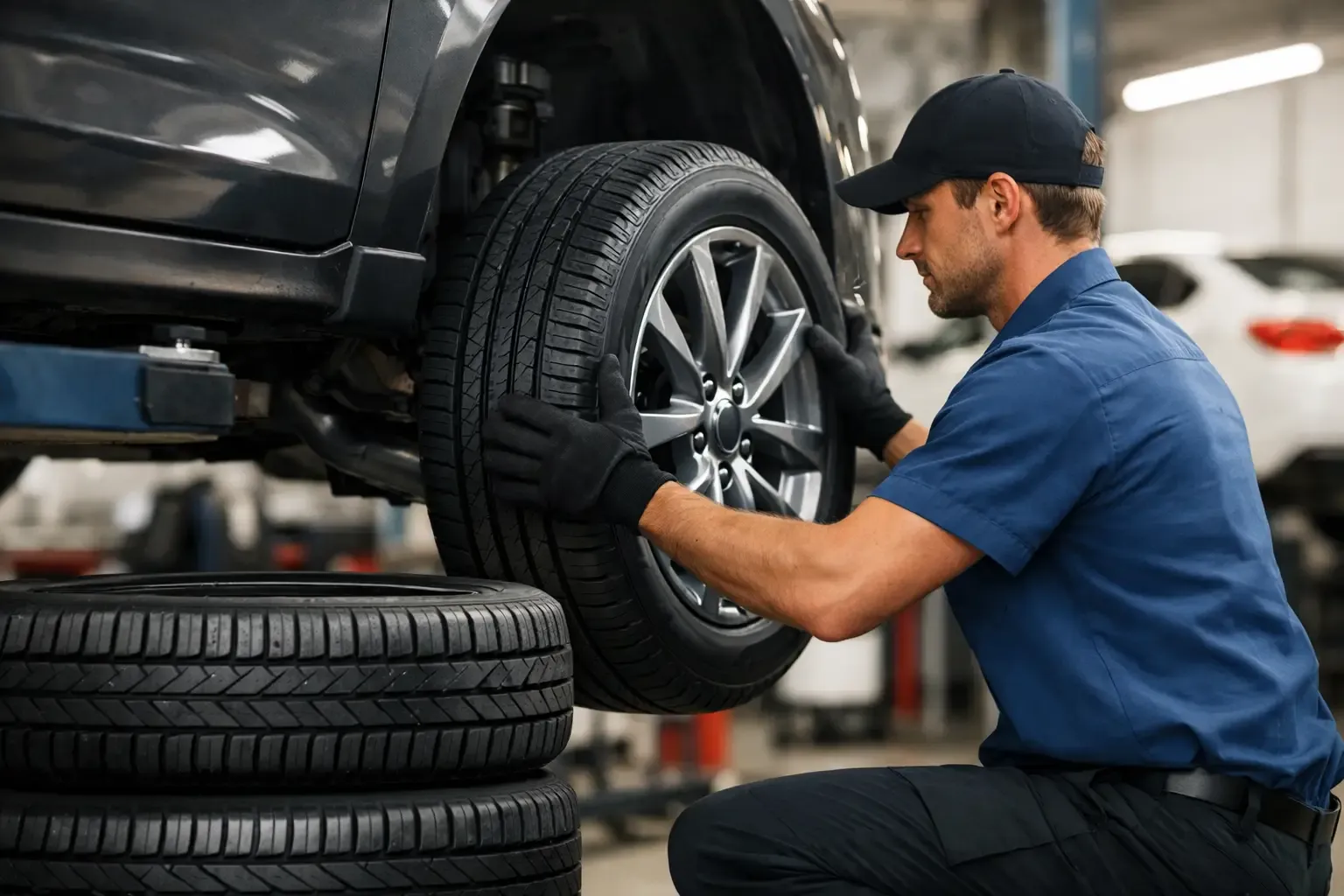
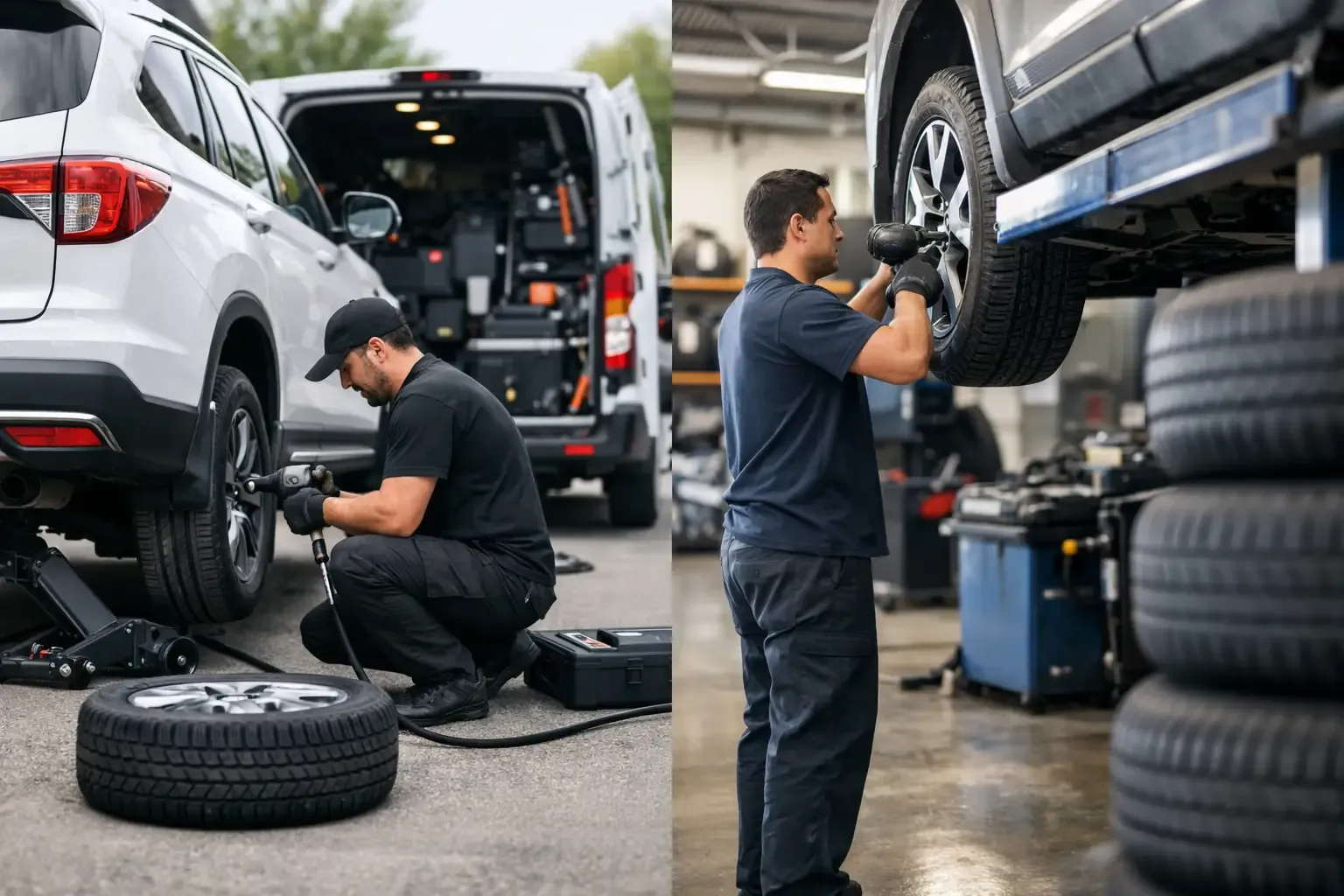
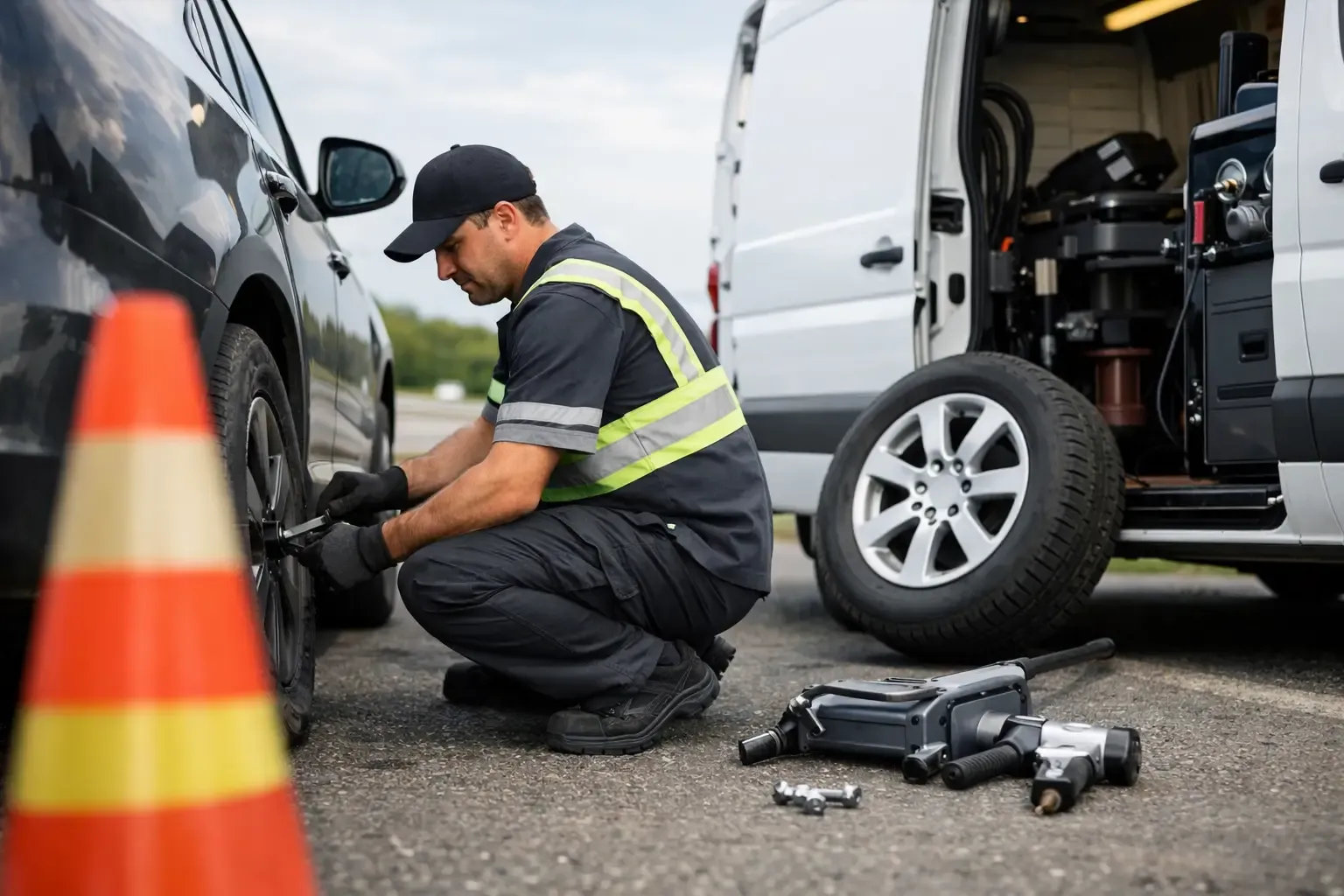
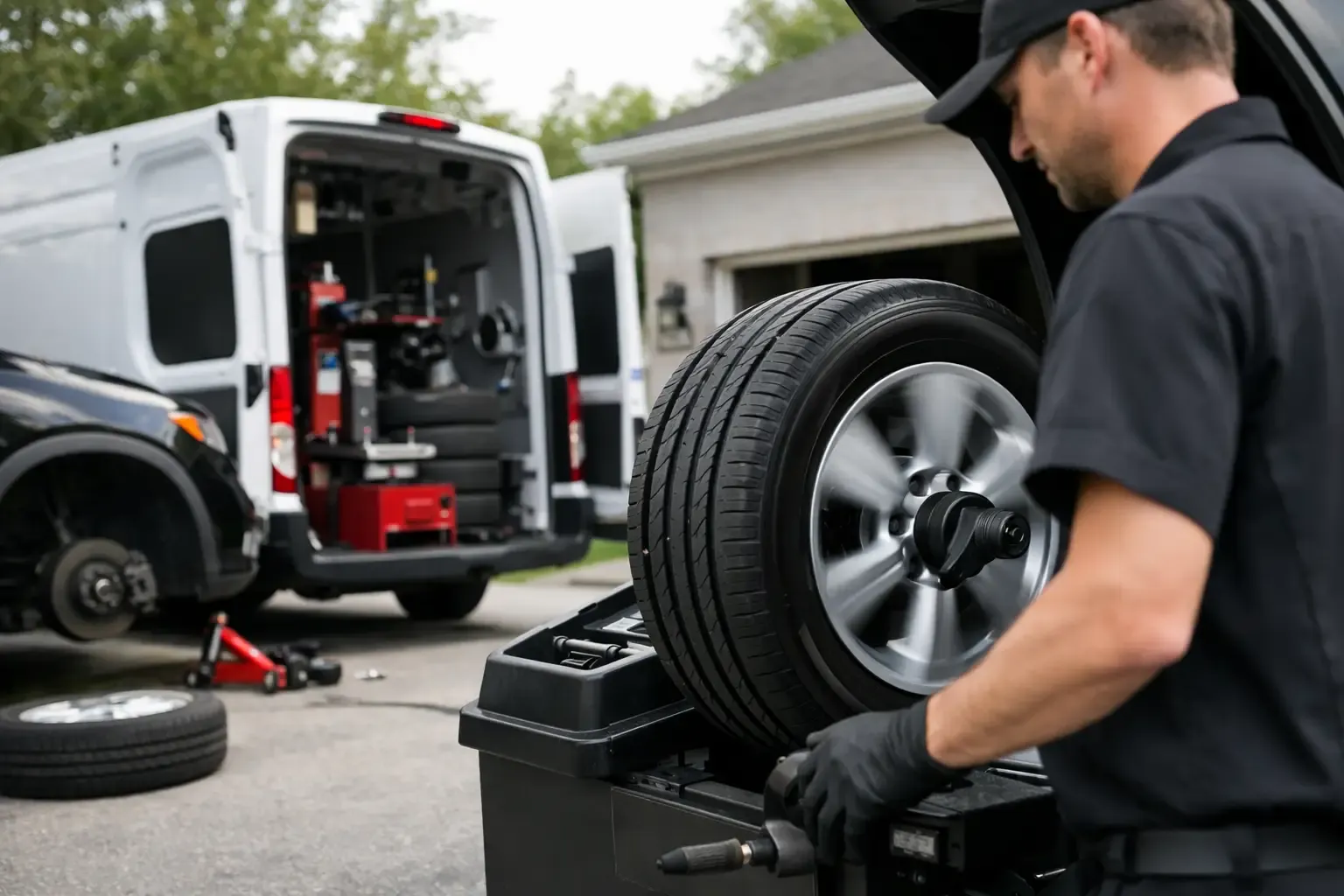
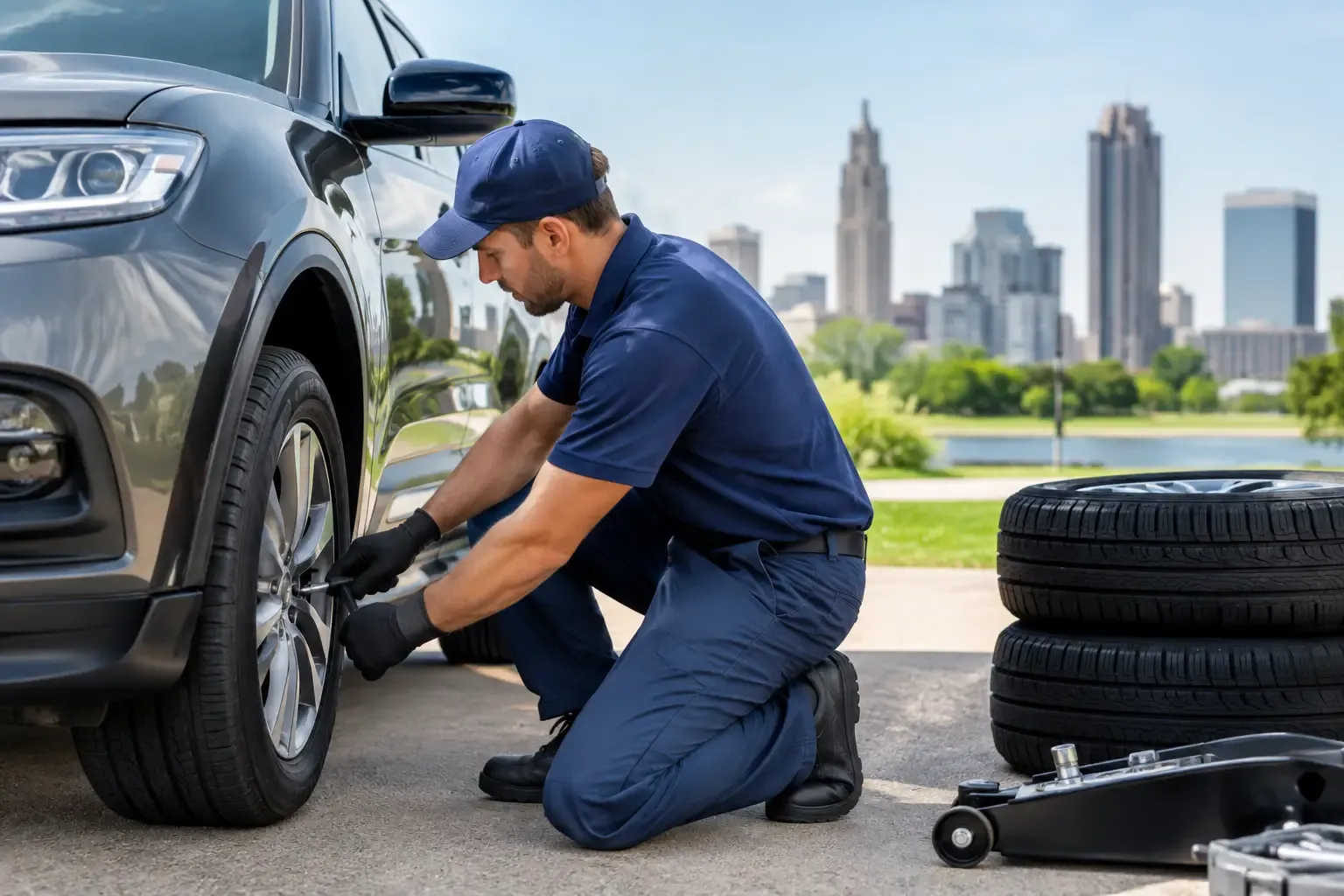
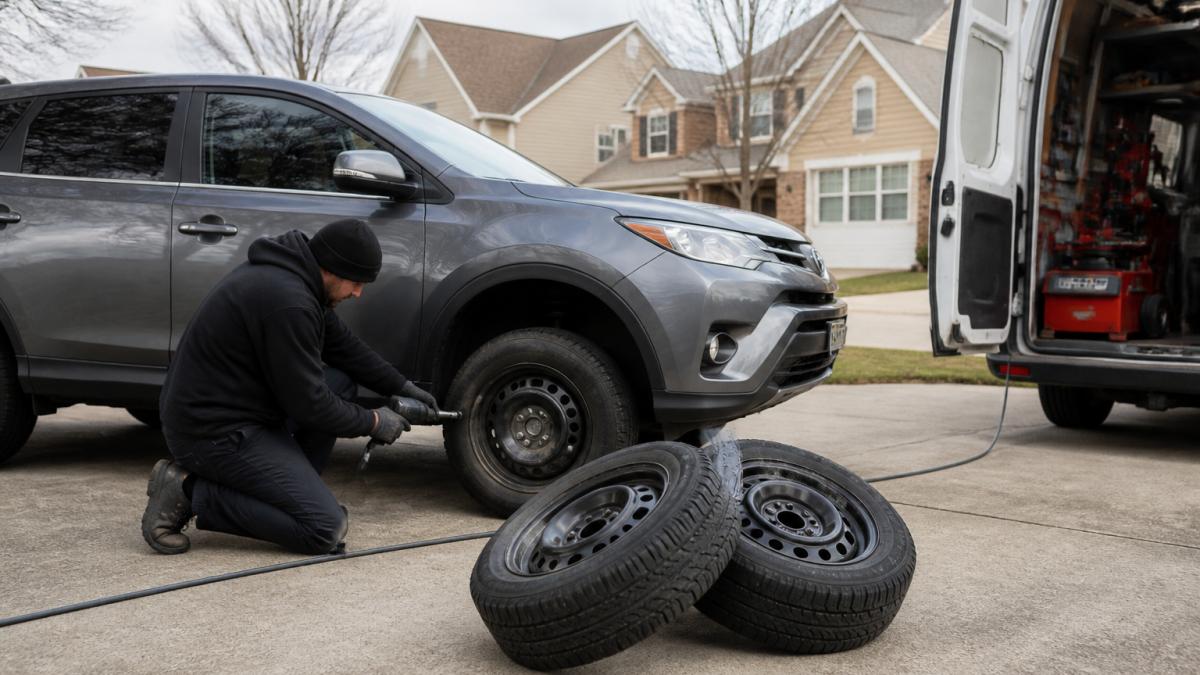
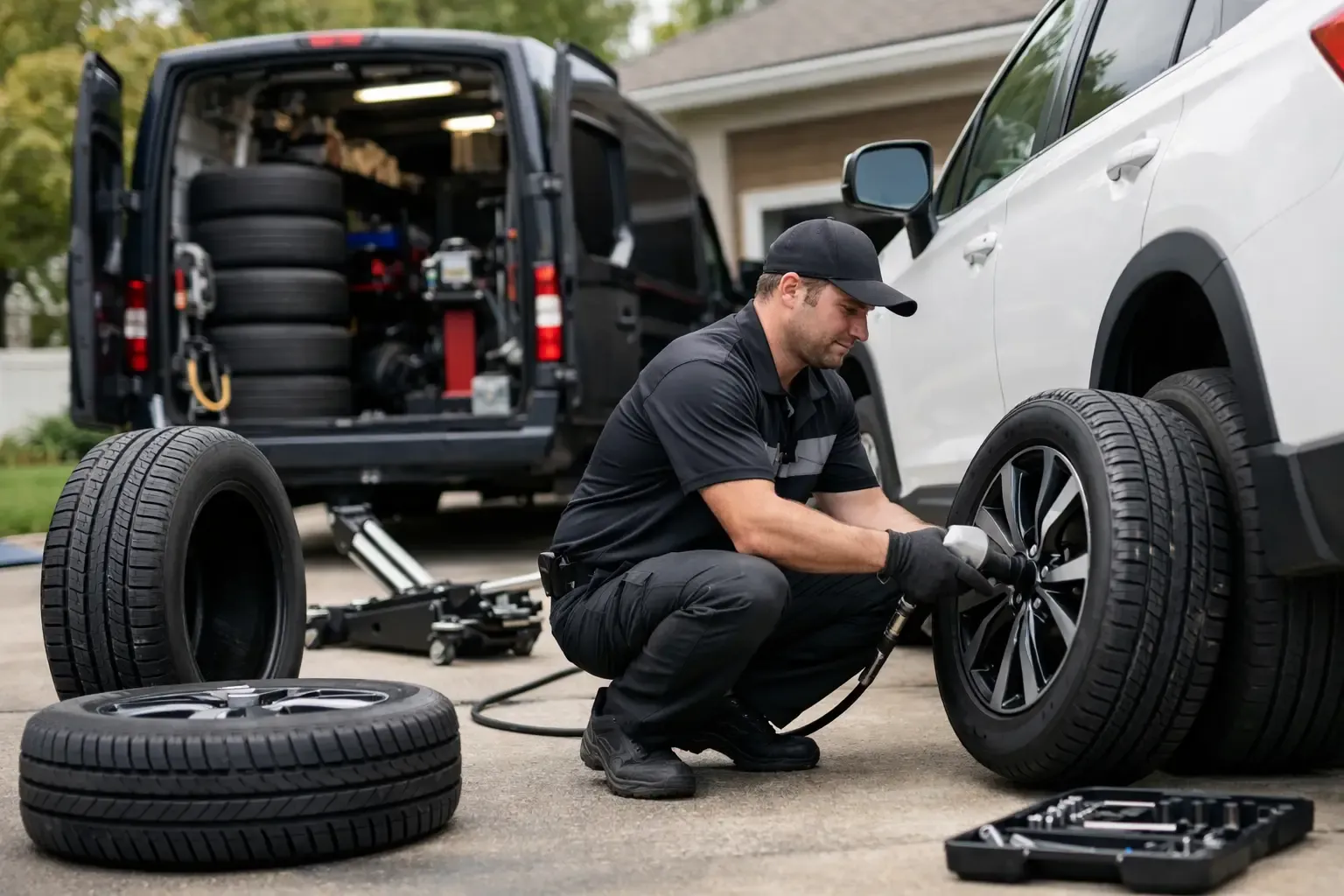
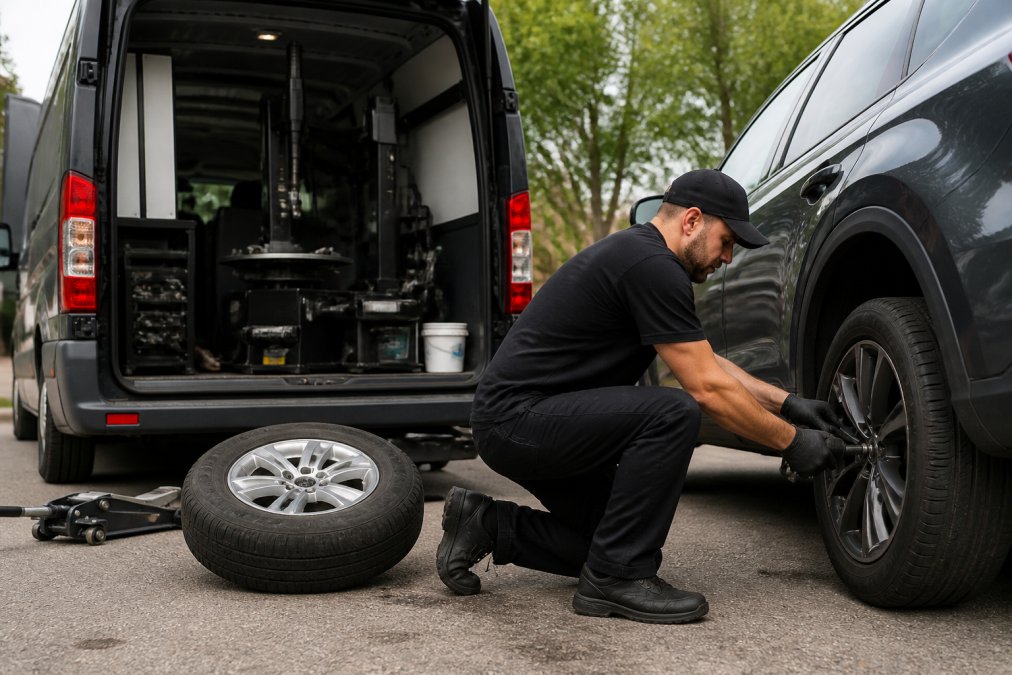
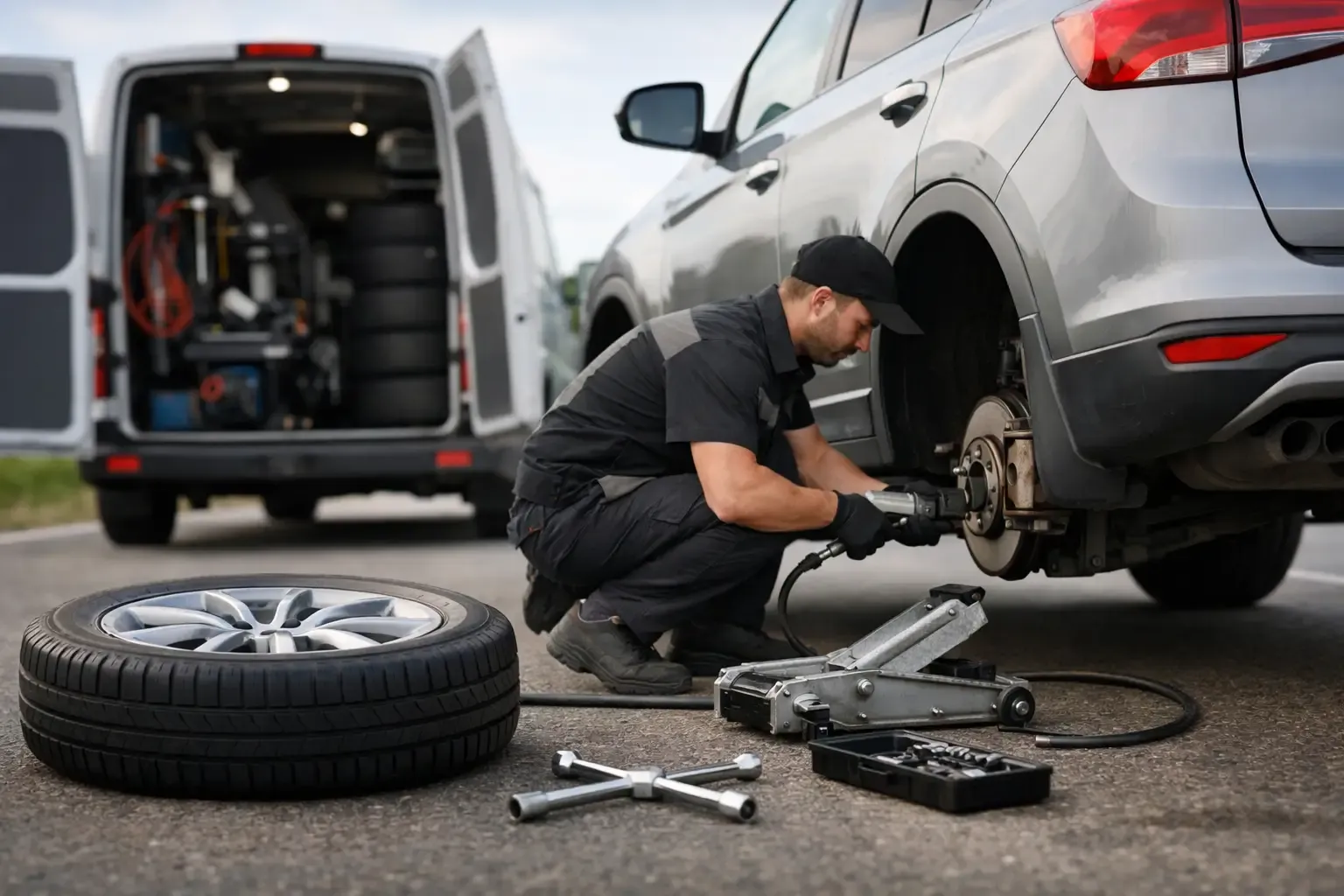
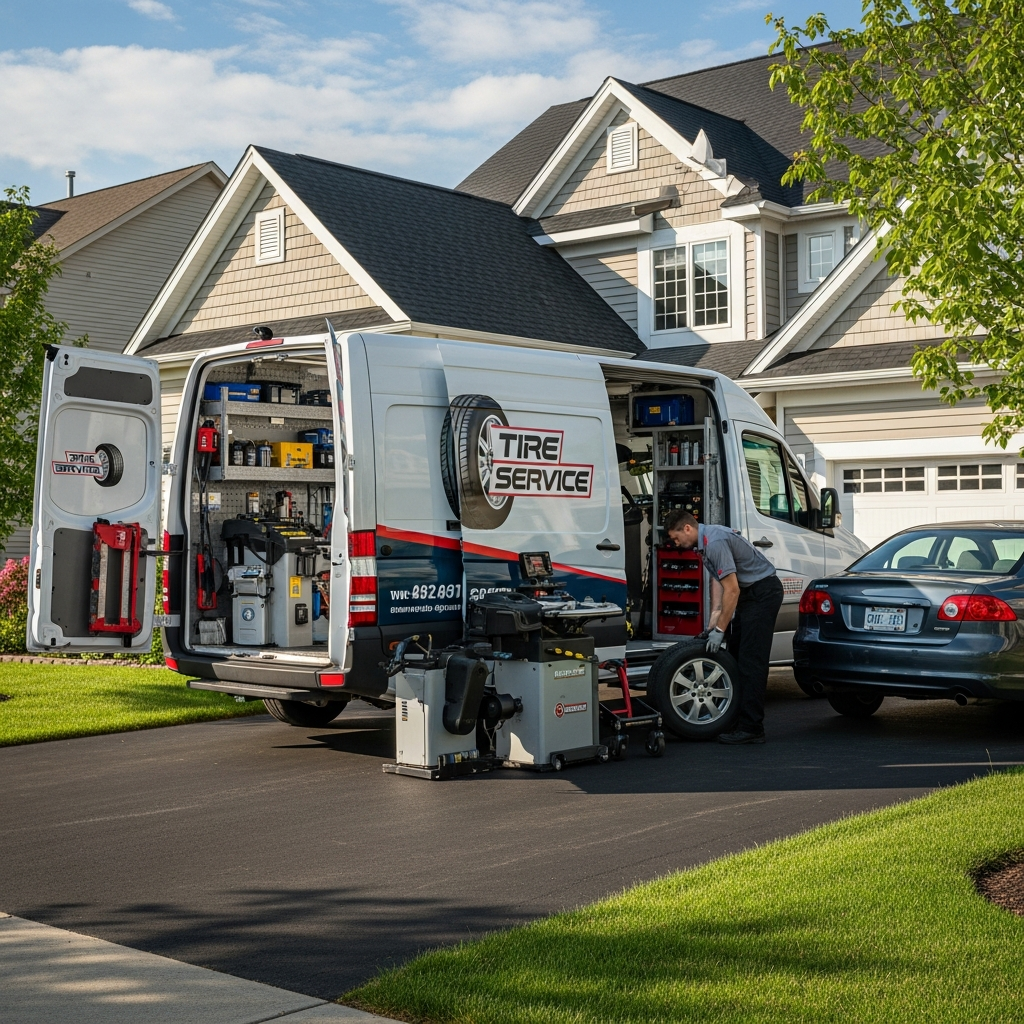
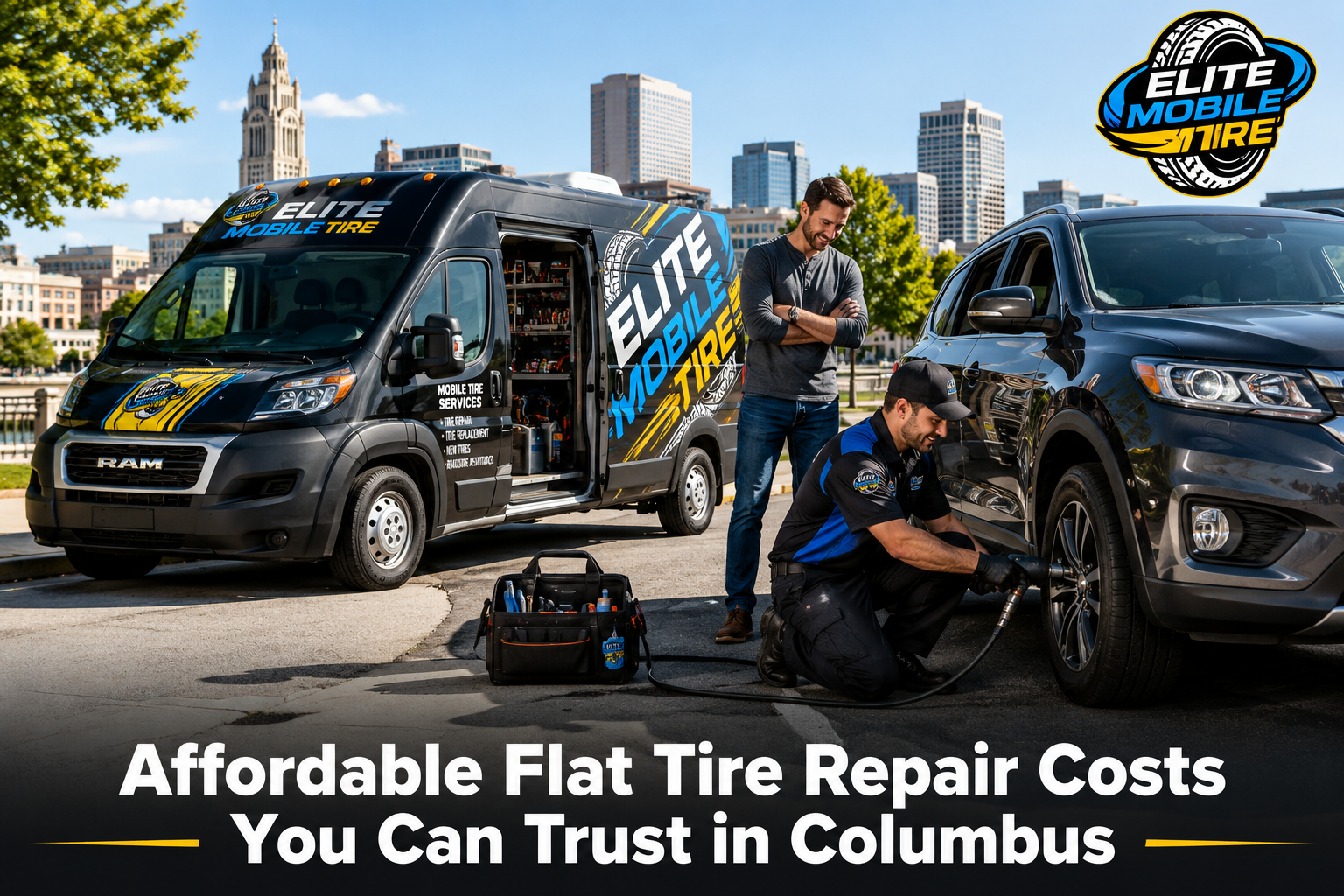
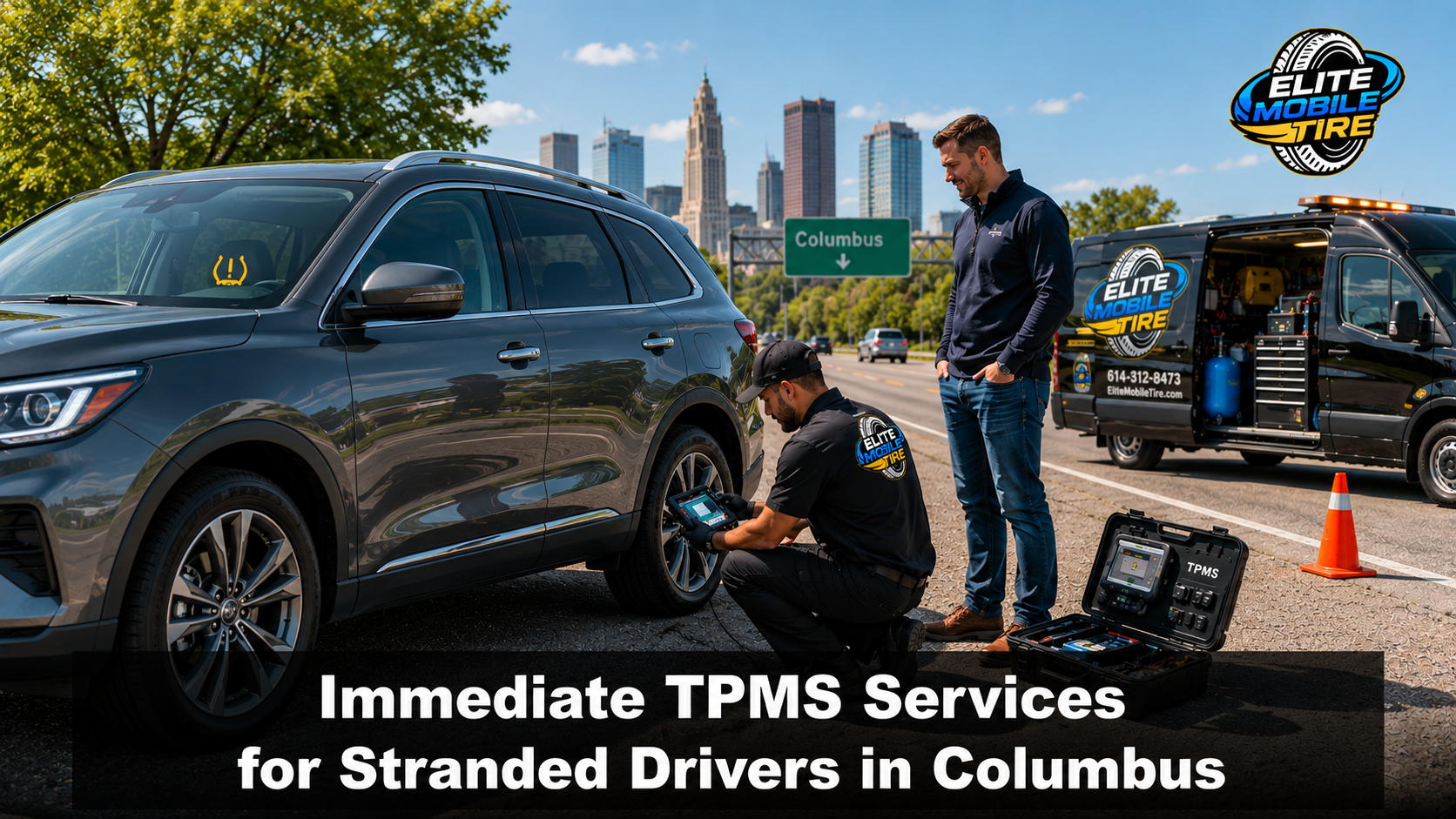
For Columbus-area fleets, mobile tire support can be especially useful when a truck is stranded at a customer location, yard, office park, or roadside location. Elite Mobile Tire brings professional tire service directly to the vehicle, helping operators address urgent tire issues without adding a tow or unnecessary trip to a tire shop.
Build Tire Service Into Your Uptime Plan
The strongest tire strategy is proactive but realistic. It does not require drivers to become tire experts or managers to inspect every wheel personally. It requires simple standards: regular pressure checks, documented inspections, timely alignment and suspension repairs, and a clear plan for roadside support.
Keep tire records by vehicle and axle position when possible. Tracking repairs, replacements, pressure-related issues, and recurring wear patterns can reveal which units need more attention. It can also help you plan service before a tire problem affects a delivery or a driver's schedule.
A truck earns its keep when it is safely moving, not waiting beside the road. Giving tractor trailer tires consistent attention protects the people behind the wheel, the freight on the trailer, and the commitments your business makes every day.
Ready for a new set? Elite Mobile Tire installs 2 or 4 new tires right in your driveway or parking lot anywhere around Columbus, Obetz, Groveport, Grove City, and Reynoldsburg. Financing is available through Afterpay and Acima with up to 24-month payment plans. Call 614-344-5010 or visit elitemobiletire.com to book.