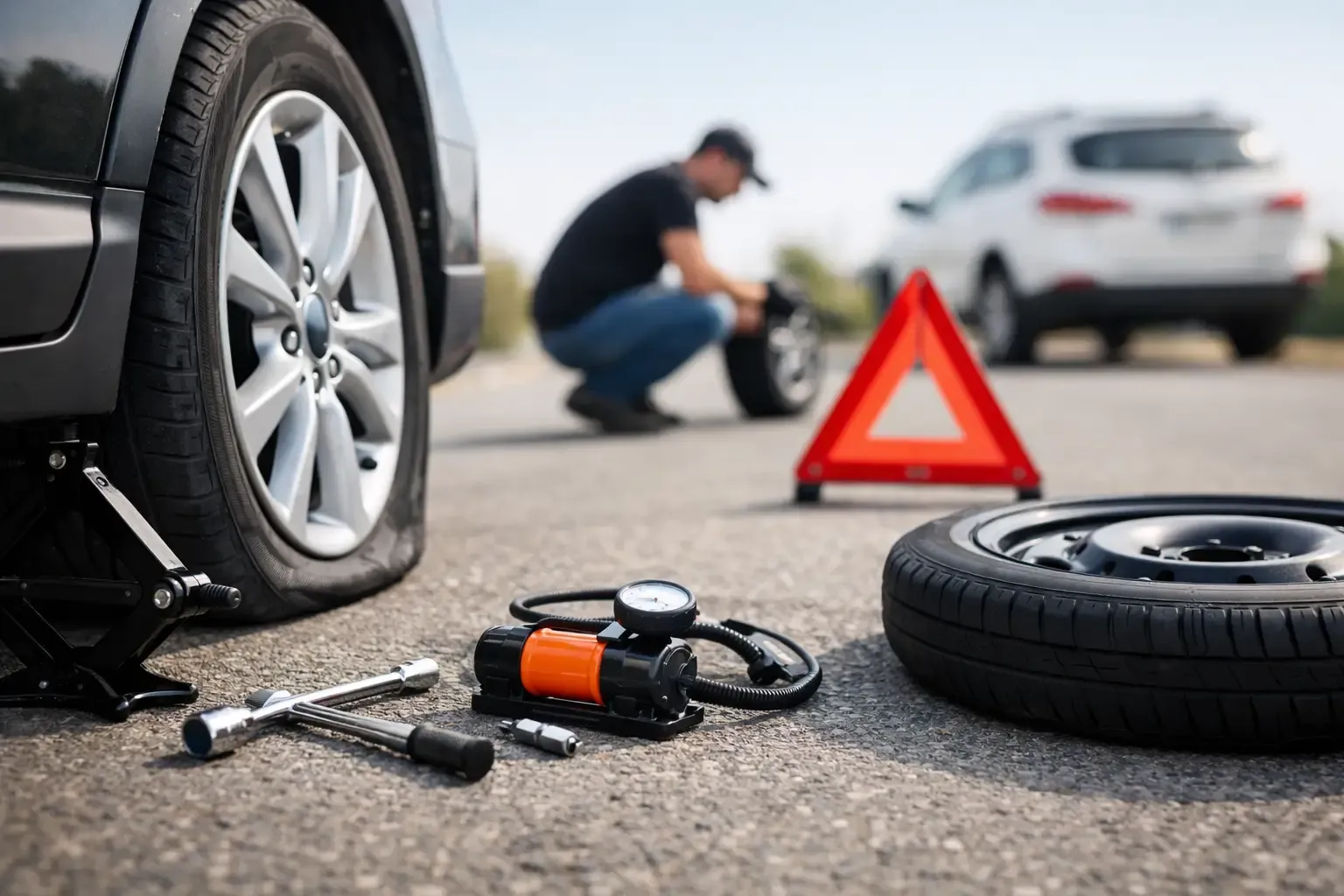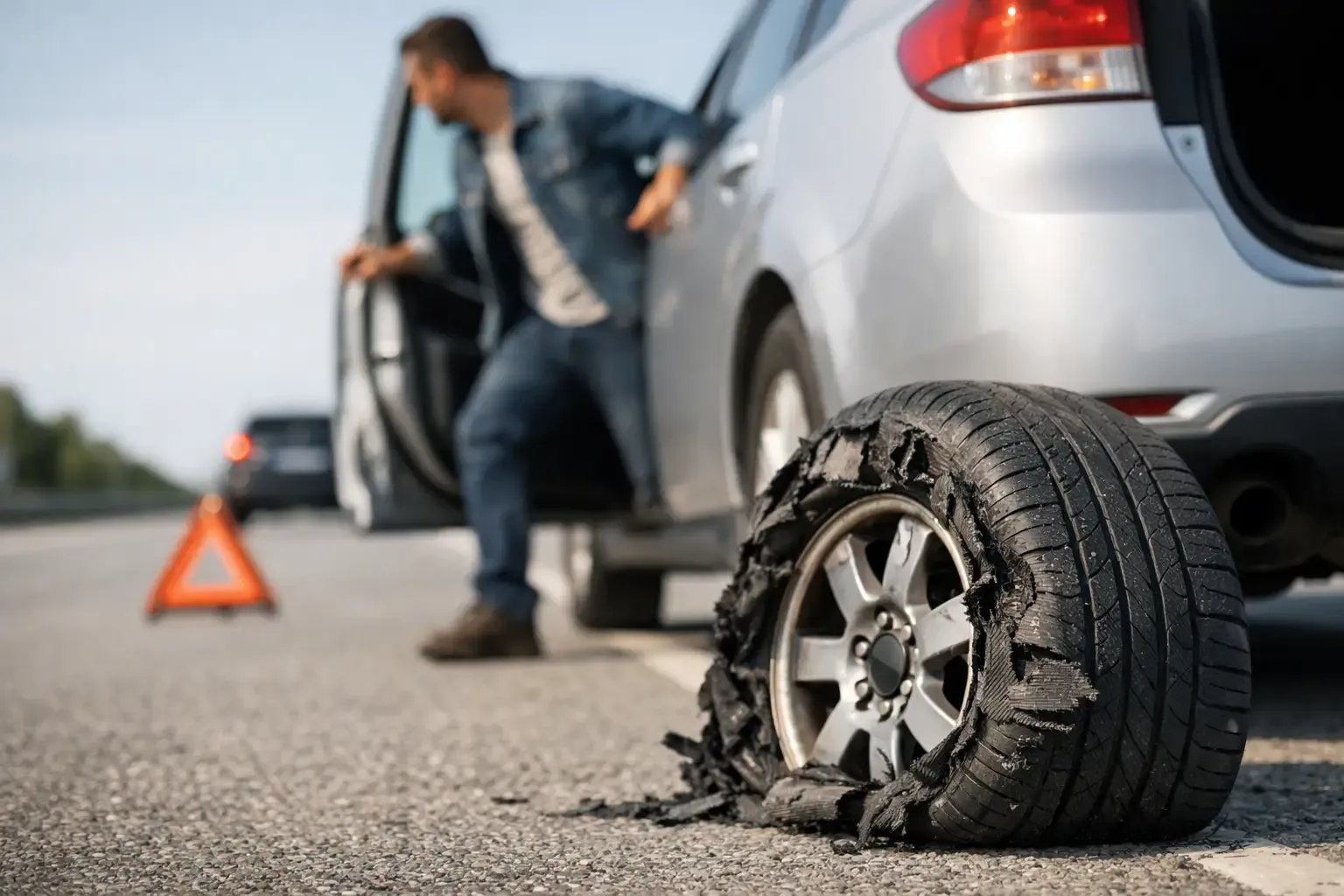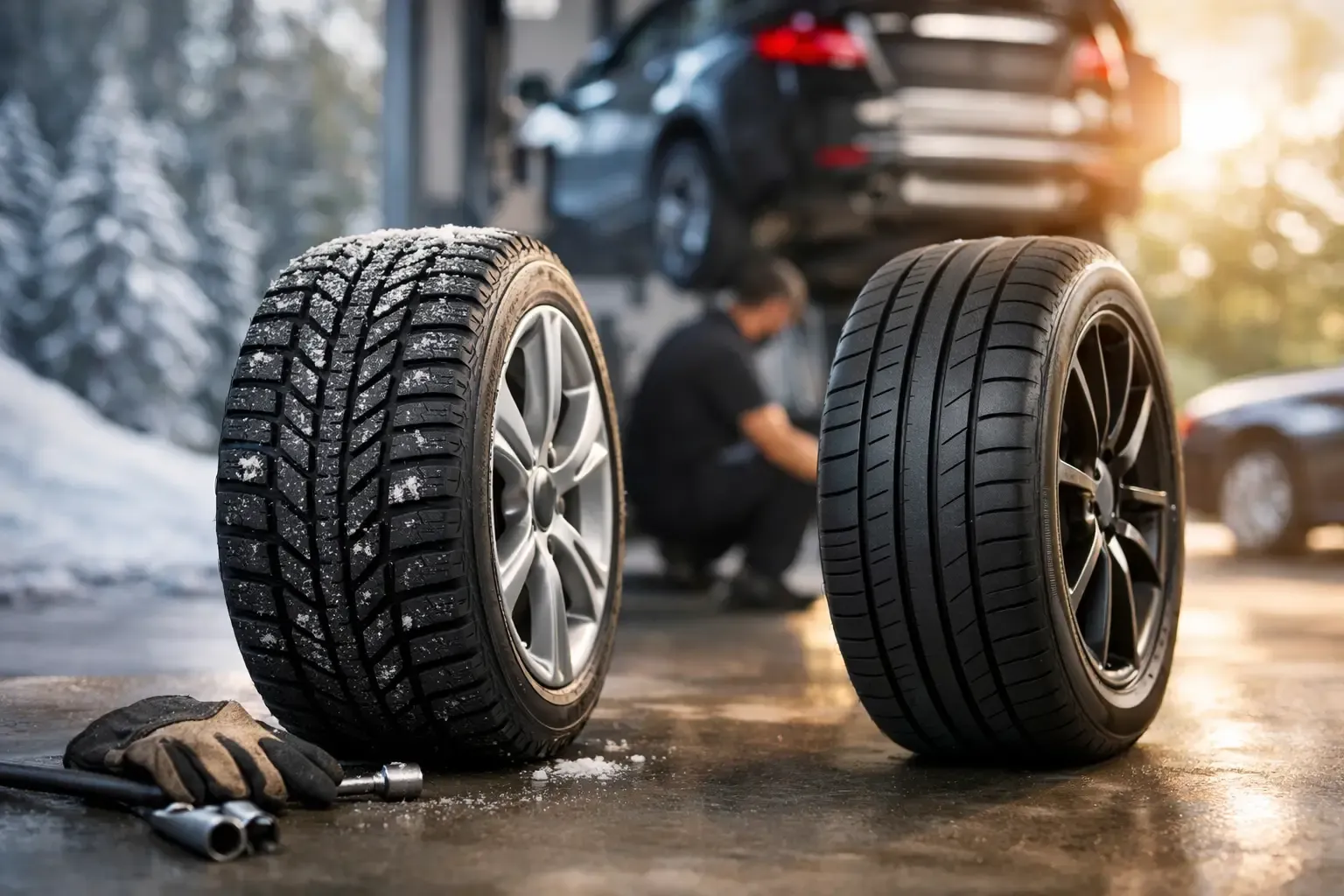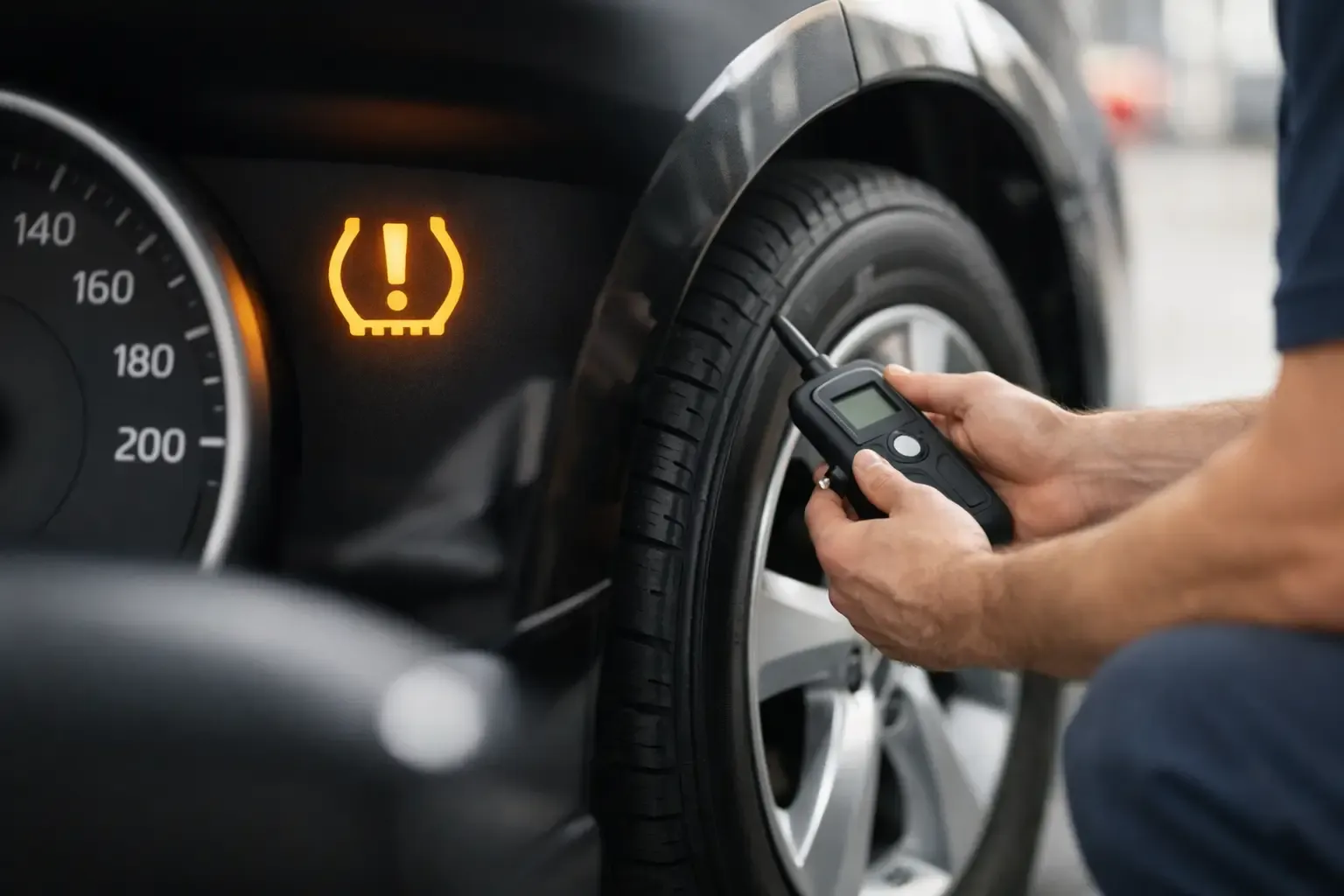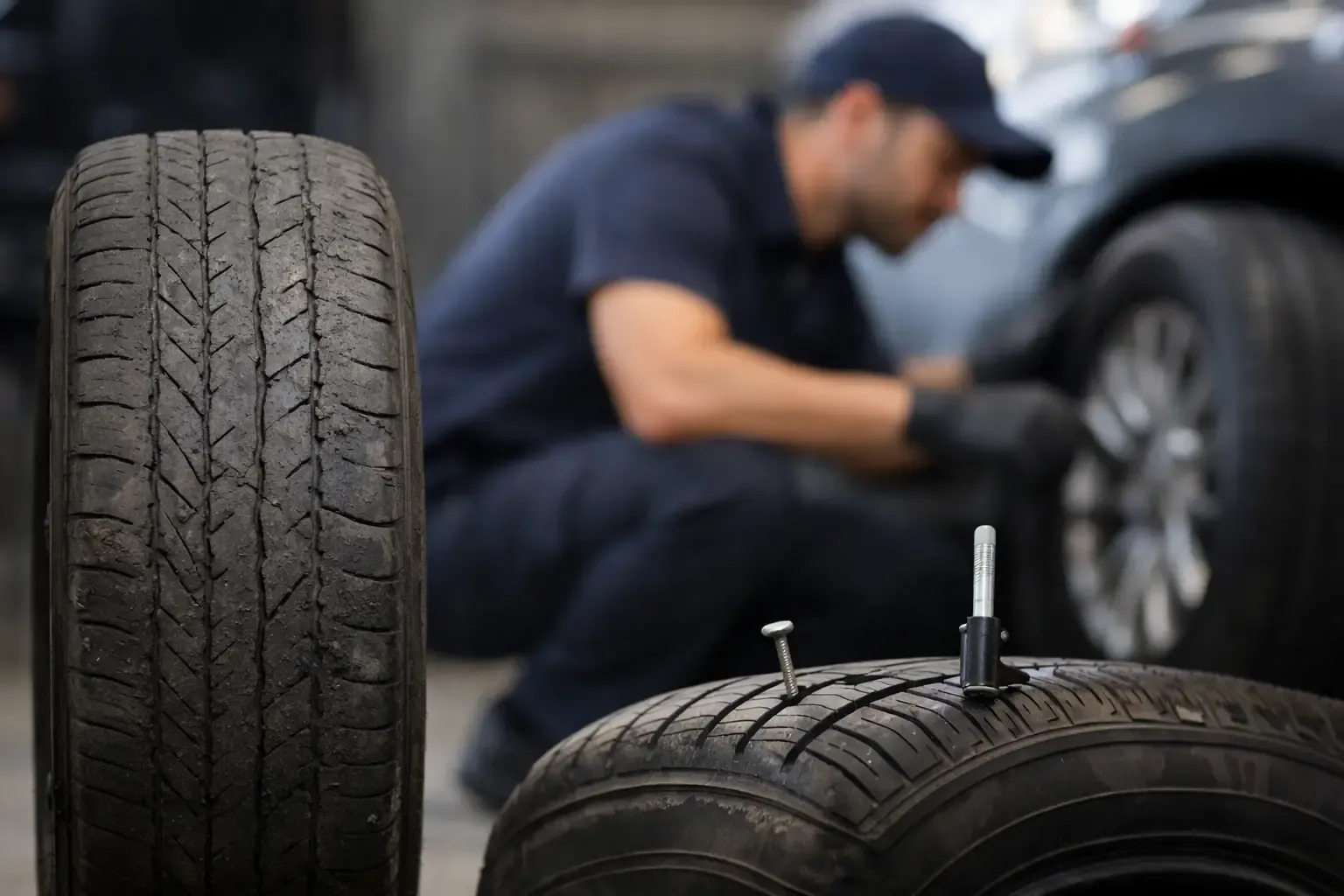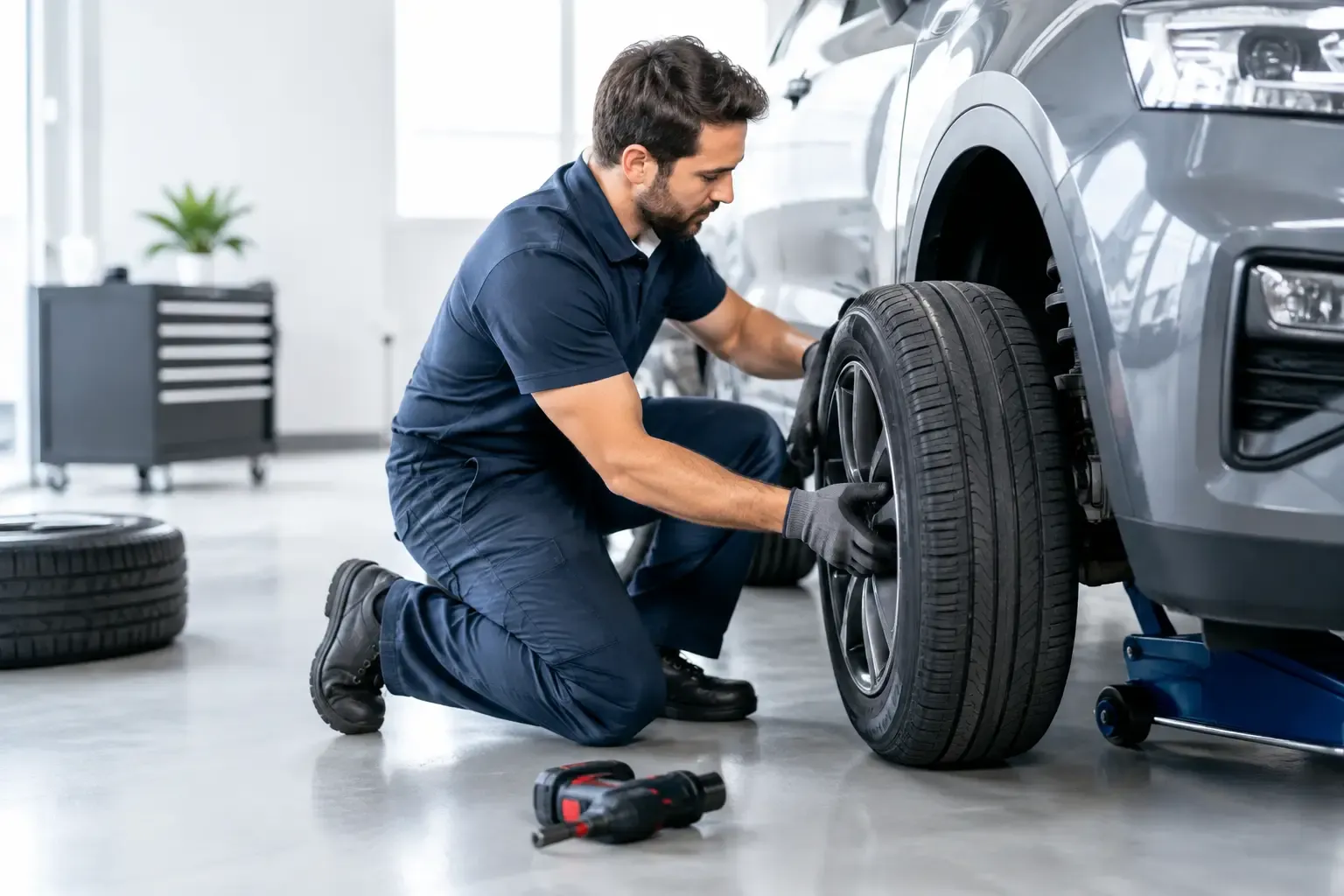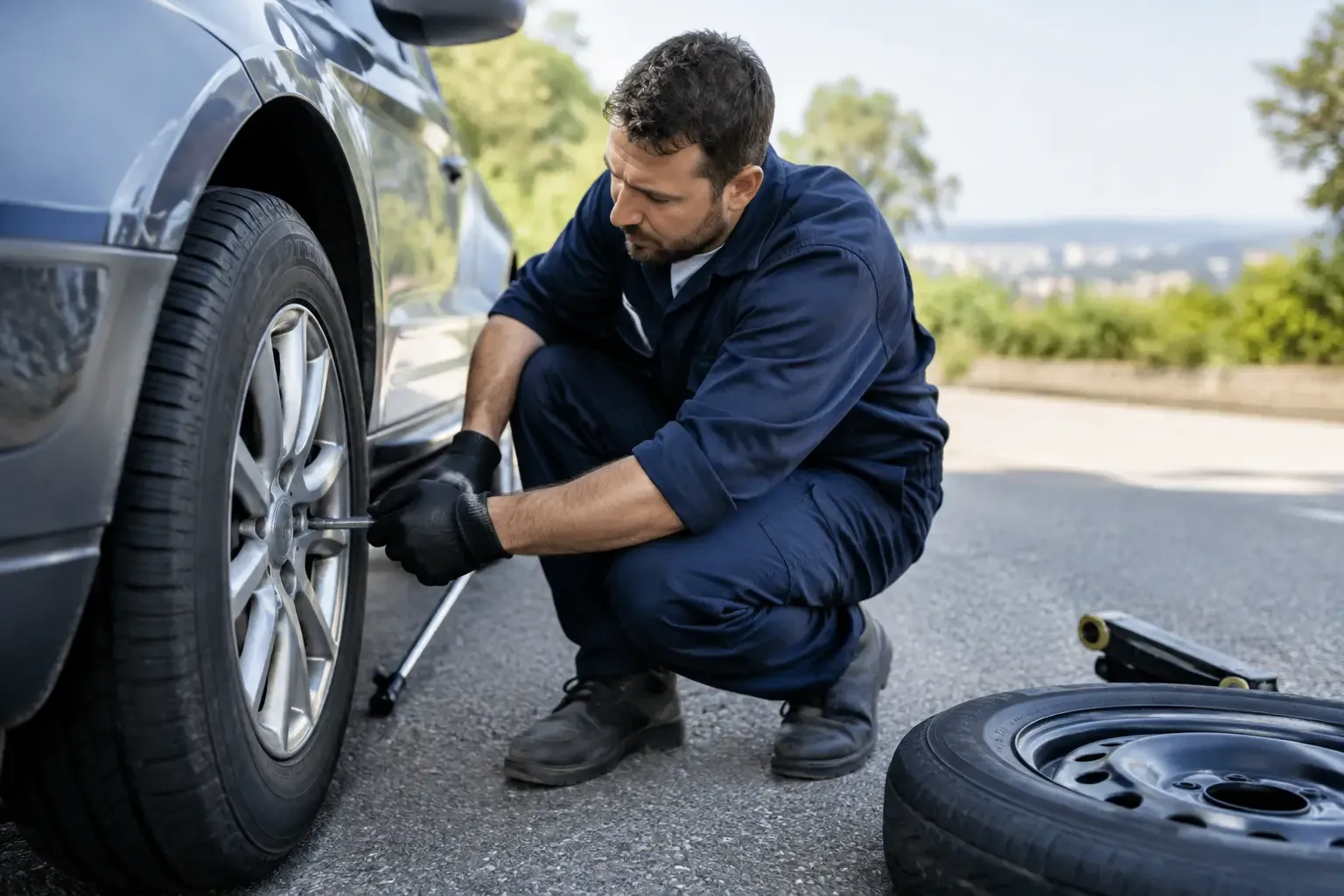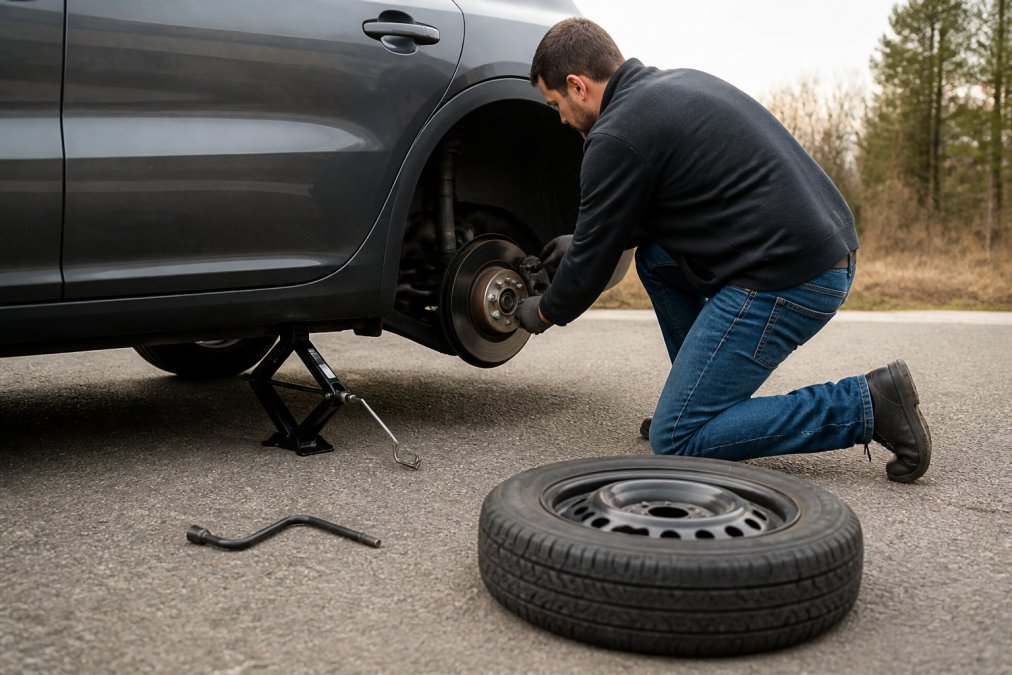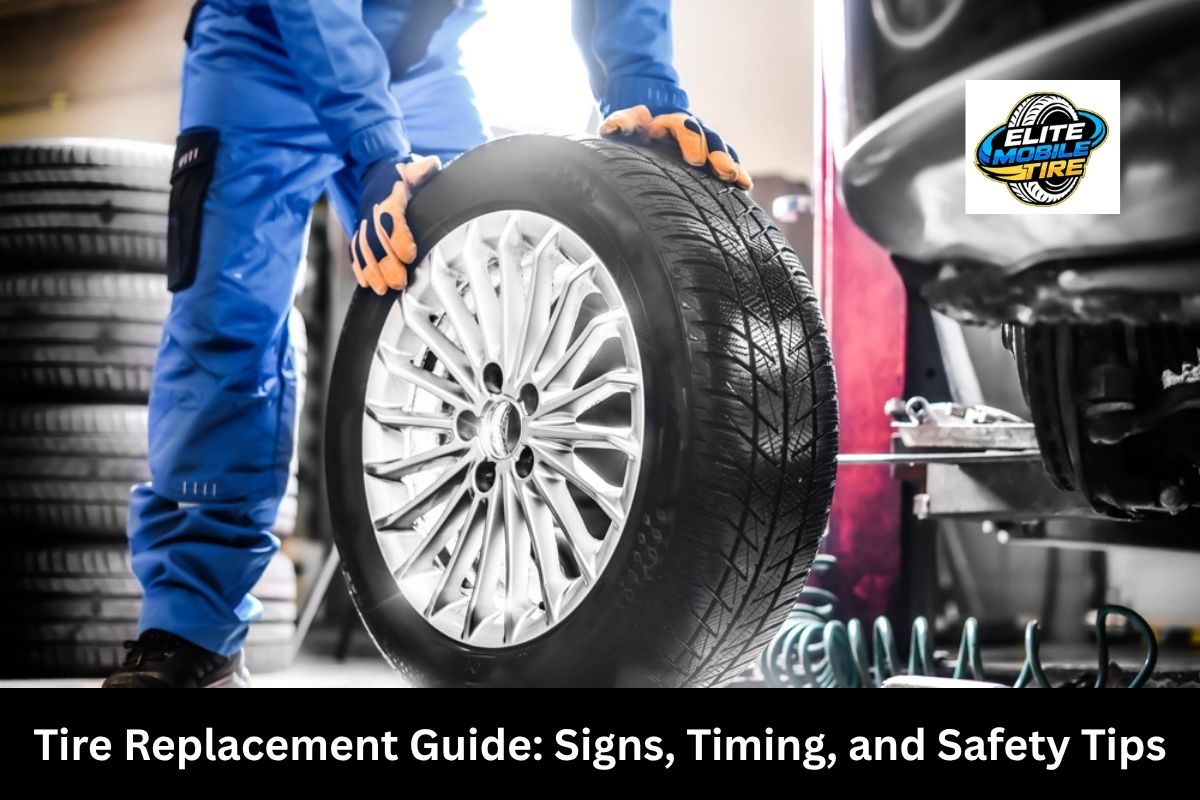
Most people don't plan to buy tires. A tread check at an oil change, a nail you can't patch, or a sidewall bubble after a pothole on Alum Creek Drive suddenly turns into a question nobody wanted to answer this month: do I replace one tire, two, or the whole set? For a lot of Columbus drivers, the honest answer is a full set, and the only thing holding them back is paying for it all at once.
That's where financing comes in. Elite Mobile Tire offers payment plans through Afterpay and Acima, with terms up to 24 months, so you can put four matching tires on the vehicle now and spread the cost out instead of patching together one tire at a time.
Why a Full Set Often Makes More Sense Than One Tire
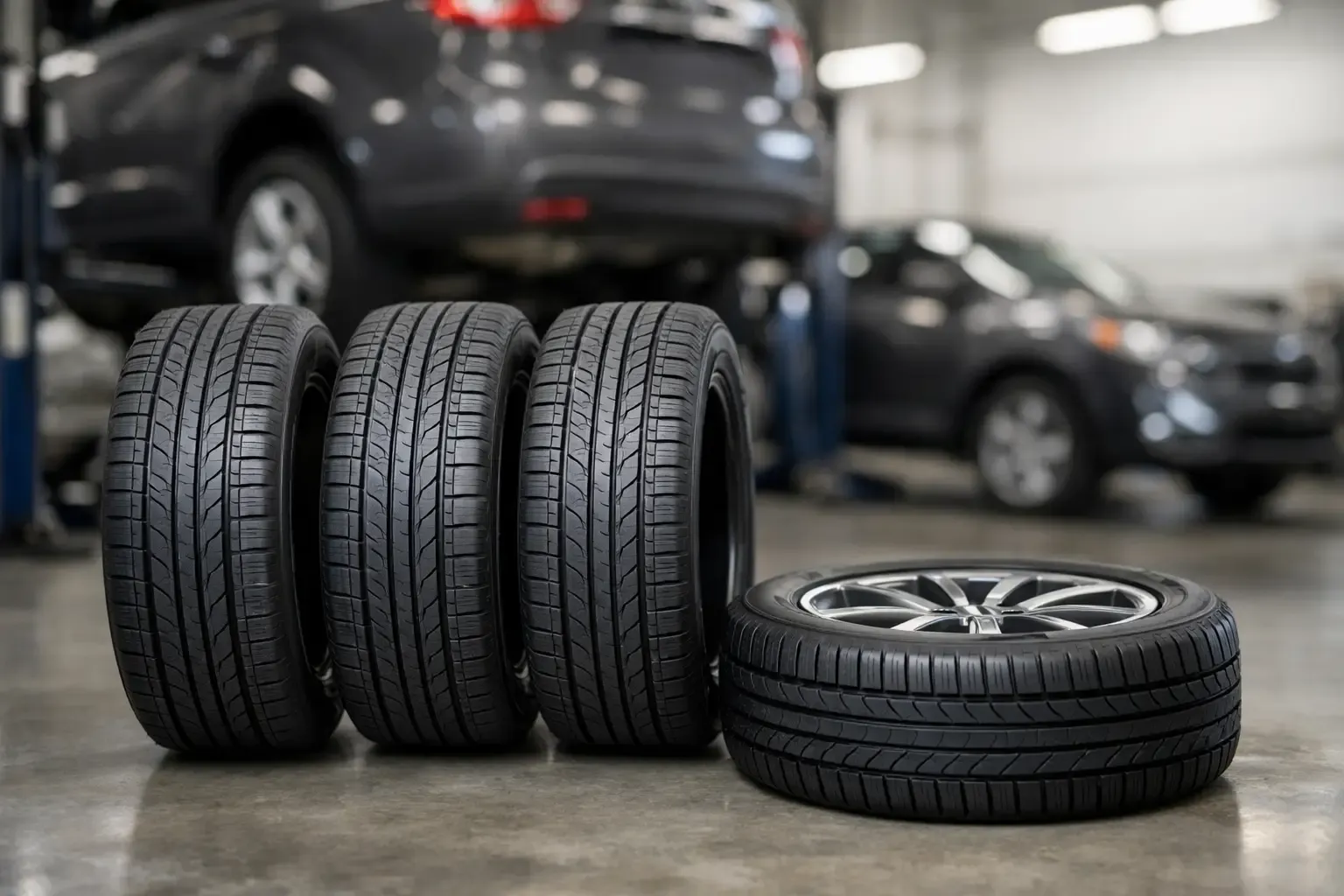
Replacing a single tire feels like the cheaper move, but it often creates a mismatch. A brand-new tire sitting next to three worn ones has deeper tread, a slightly larger rolling diameter, and different grip in rain and snow. On many vehicles that difference shows up as uneven handling, and on all-wheel-drive vehicles it can do more than that.
- All-wheel drive: Many manufacturers recommend keeping all four tires within a tight tread-depth range. A big mismatch can make the drivetrain work harder than it was designed to. That's why AWD owners are often told to replace all four at once.
- Front- or rear-wheel drive: Replacing at least a pair on the same axle keeps braking and handling balanced. When only two are replaced, many manufacturers recommend putting the newer tires on the rear.
- Older tires: If the other three are several years old or close to worn out, you'll likely be buying them in a few months anyway. Doing it in one visit saves a second appointment.
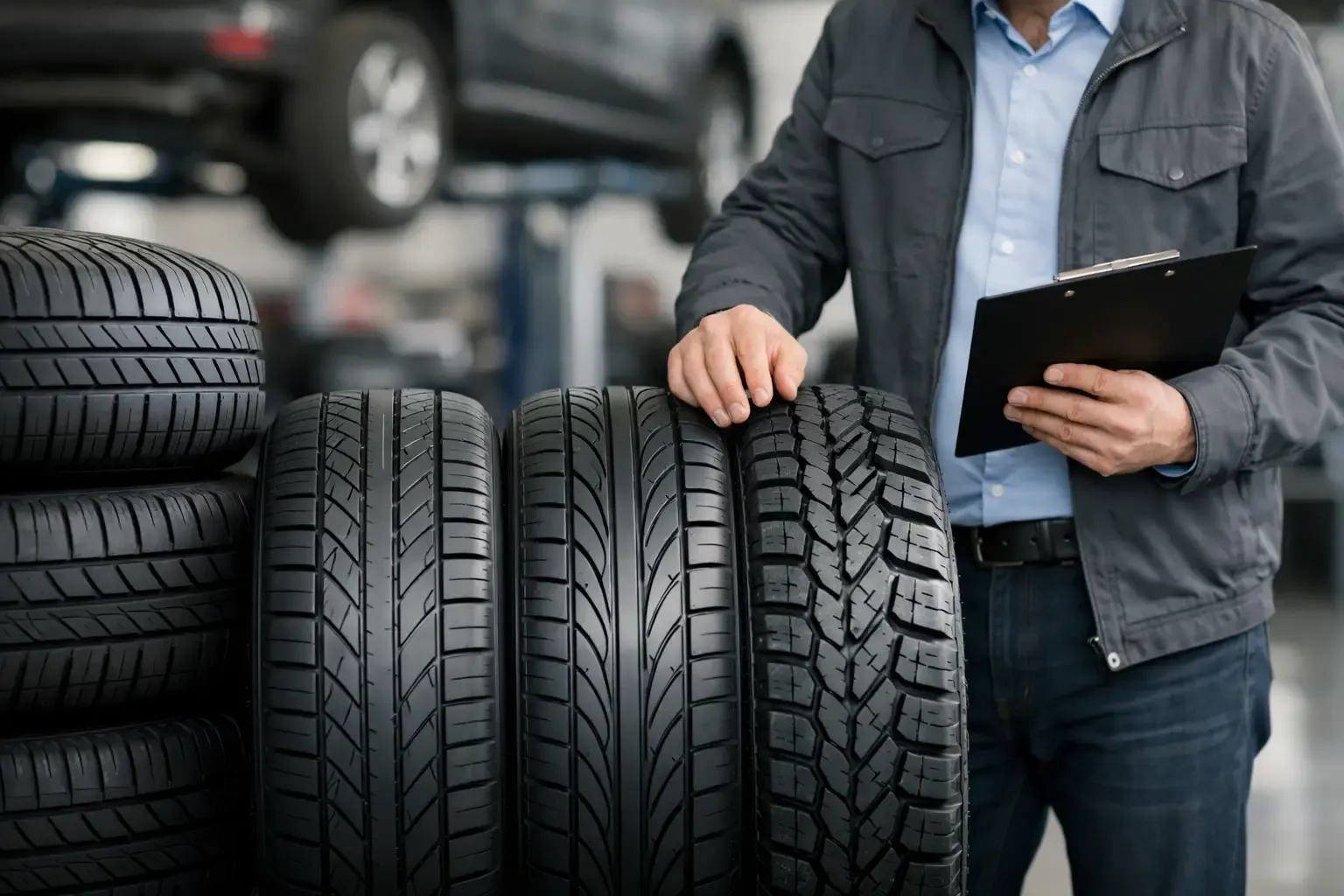
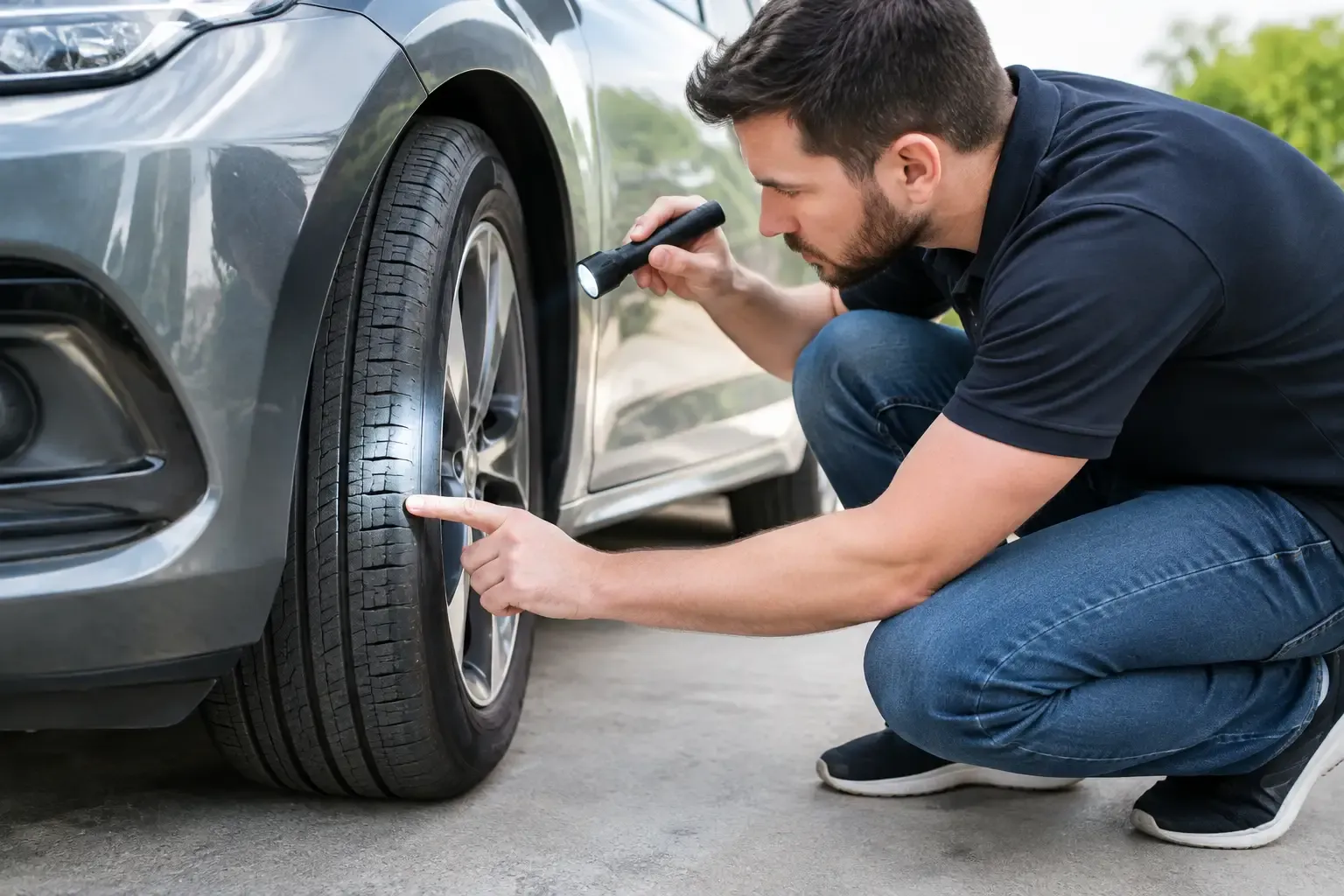
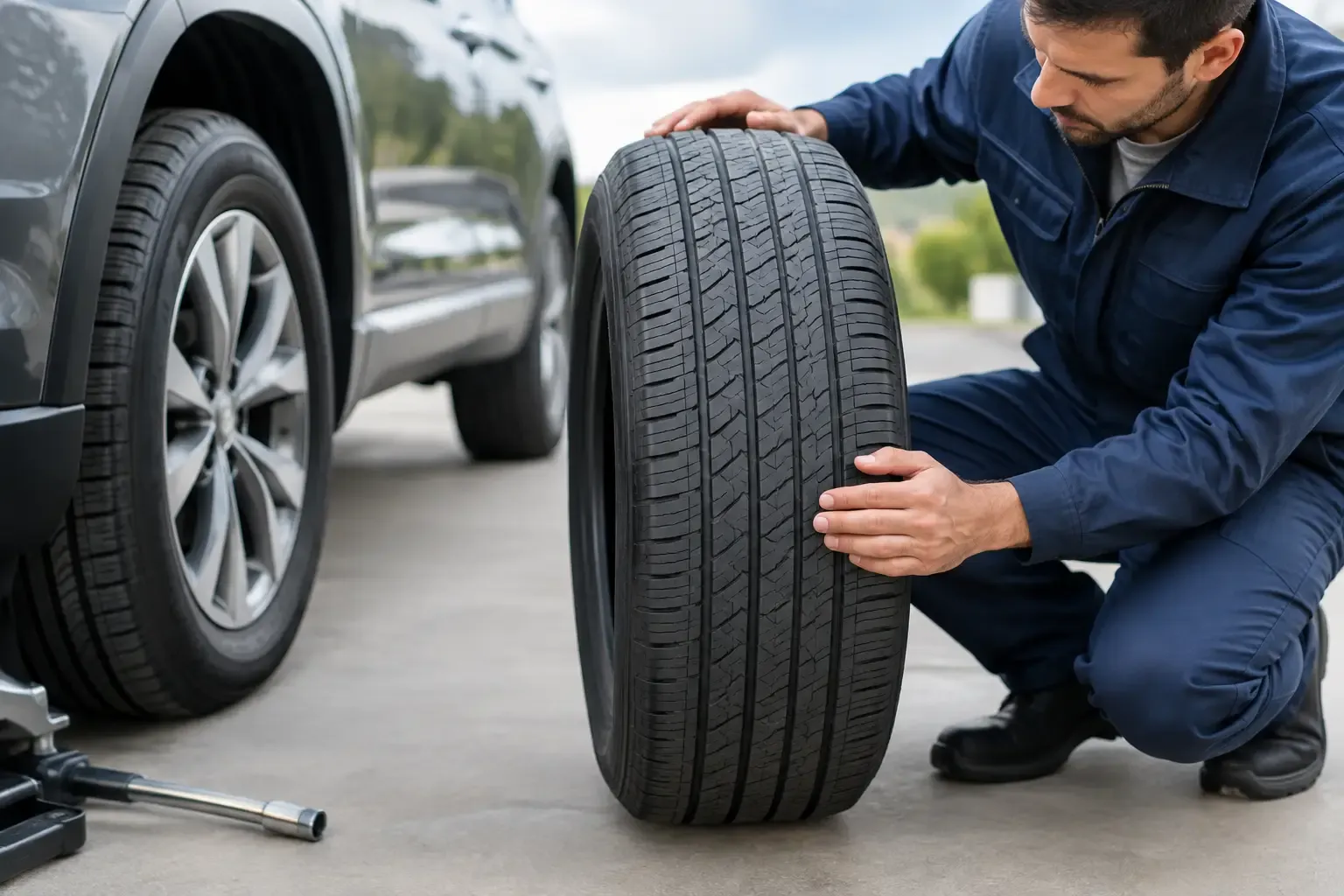
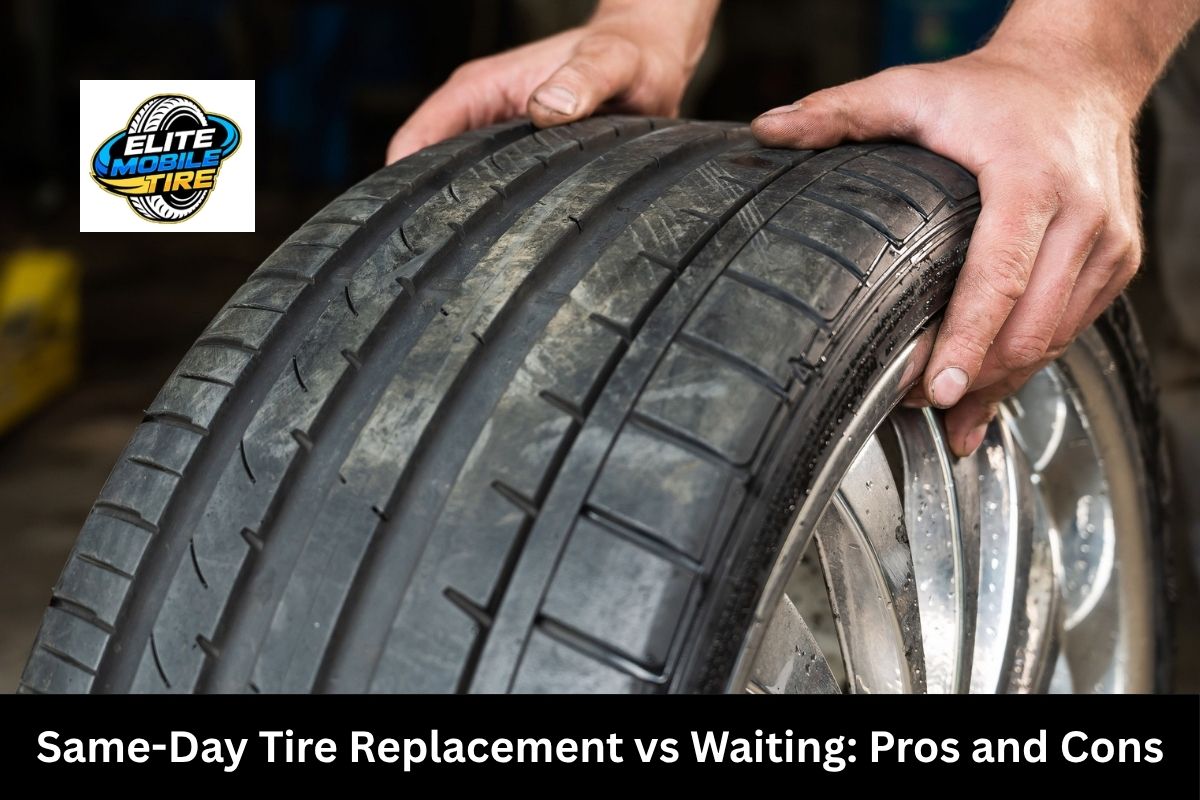
If you're not sure where your tires stand, the penny test and the tread wear indicator bars molded into the grooves are good starting points. NHTSA's
If you're not sure where your tires stand, the penny test and the tread wear indicator bars molded into the grooves are good starting points. NHTSA's tire safety guide also covers tread, pressure, and when to replace. You can also read our guide on whether to replace 2 tires or 4.
The process is simple and fits into the same appointment you'd book anyway:
- Tell us your vehicle and tire size (it's printed on the tire sidewall and on the sticker inside the driver's door jamb).
- We help you choose a tire that fits how you drive, whether that's a budget-friendly all-season or a premium tire built for long highway commutes.
- Apply for Afterpay or Acima during checkout and pick a plan that fits your budget, with terms up to 24 months.
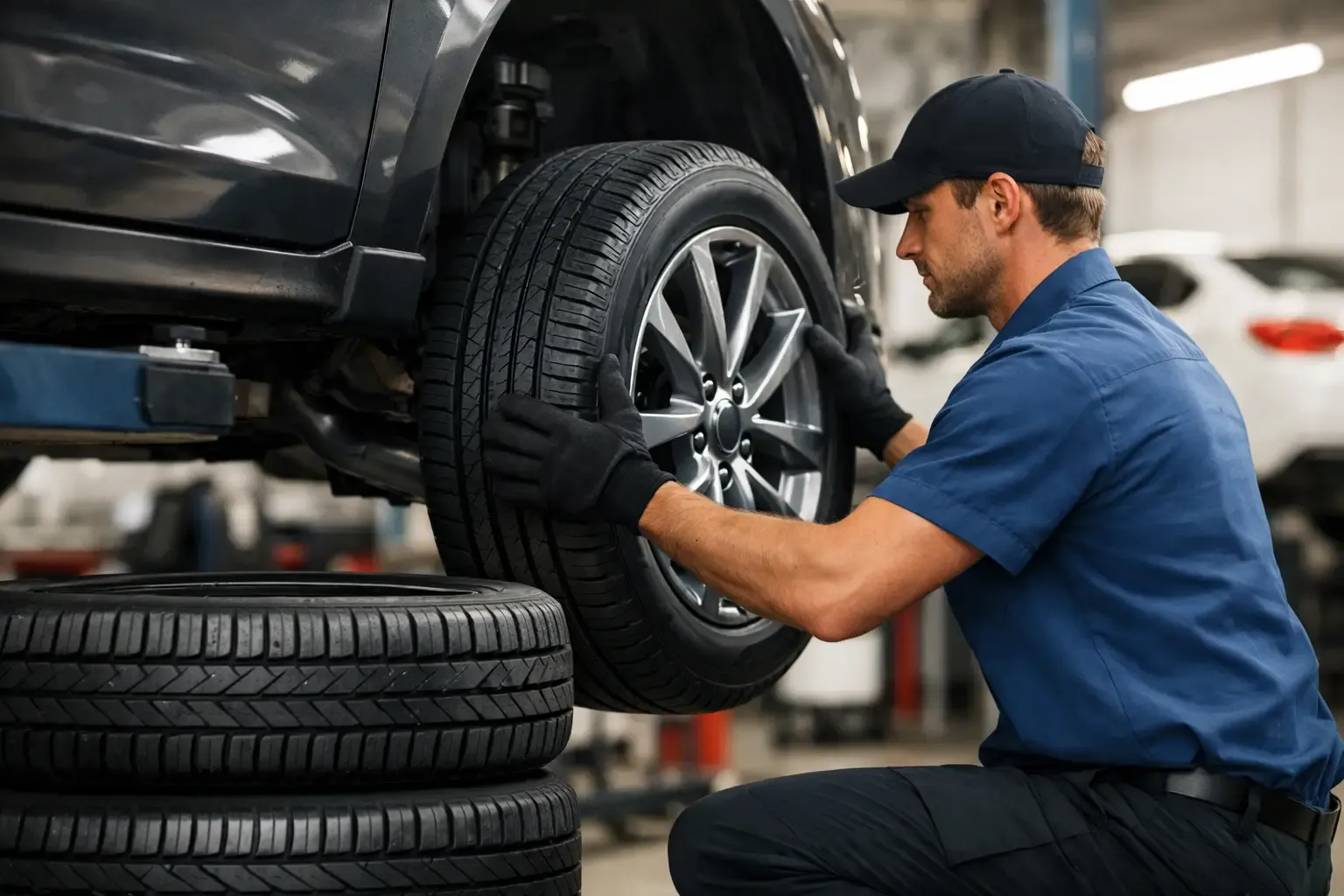
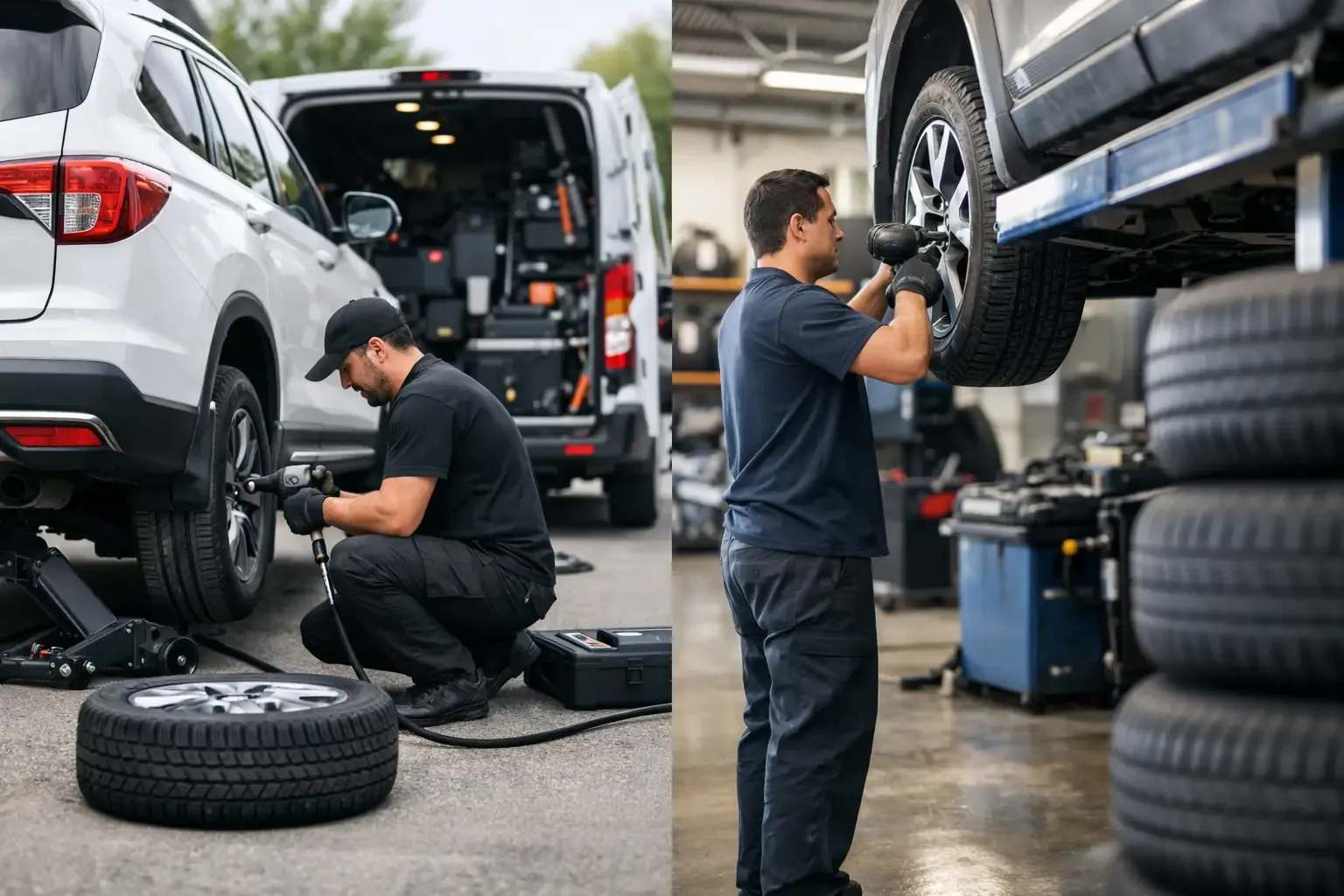
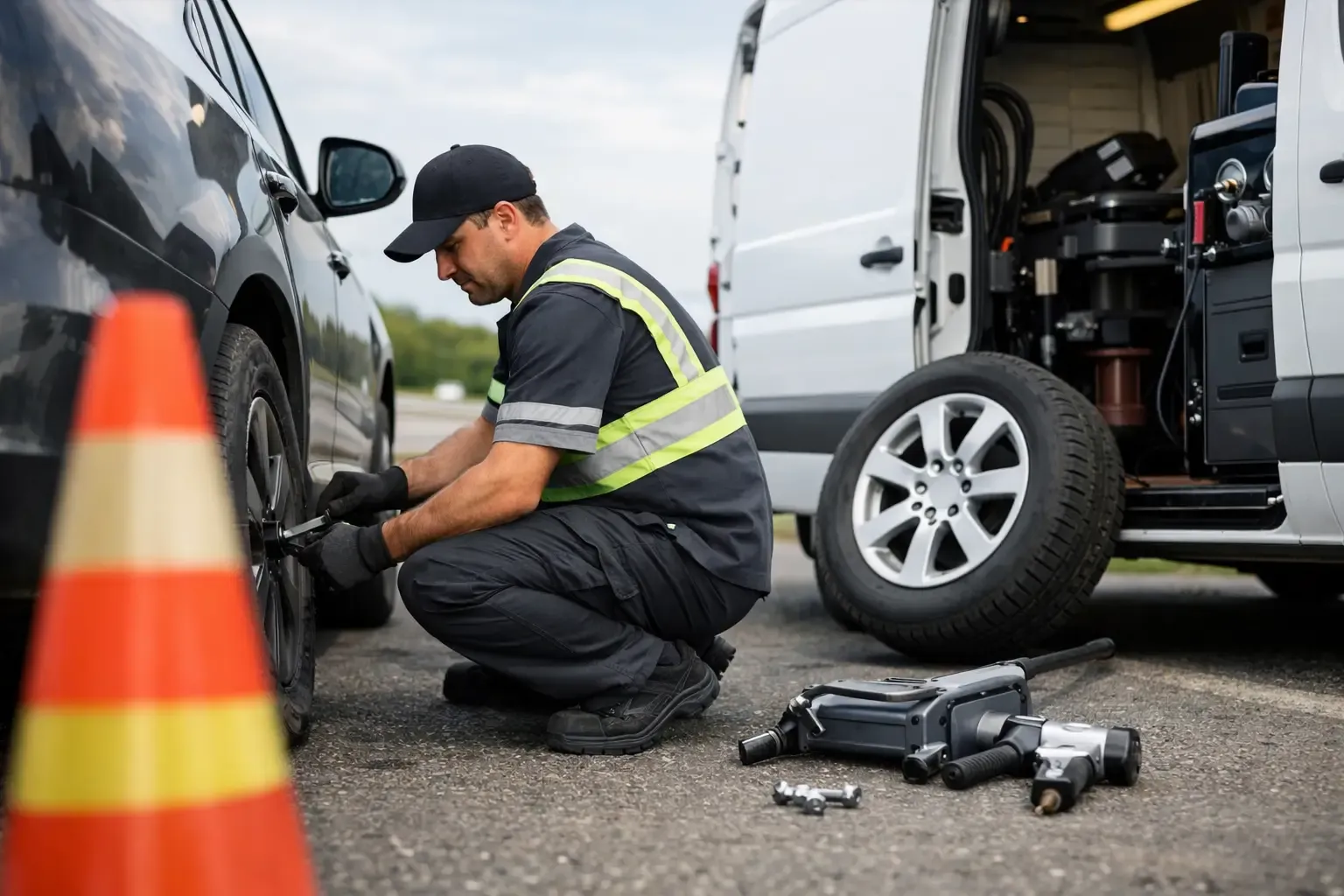
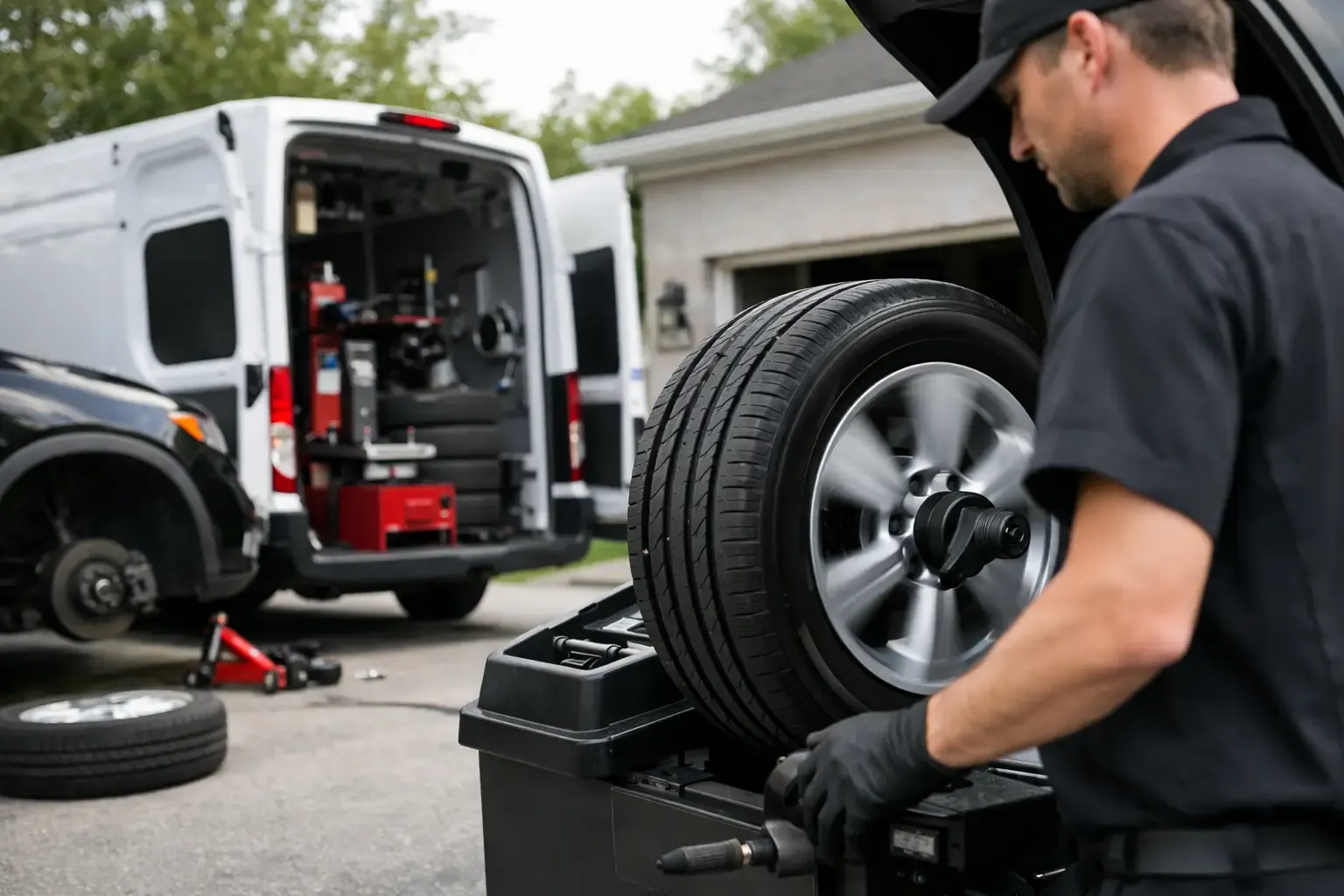
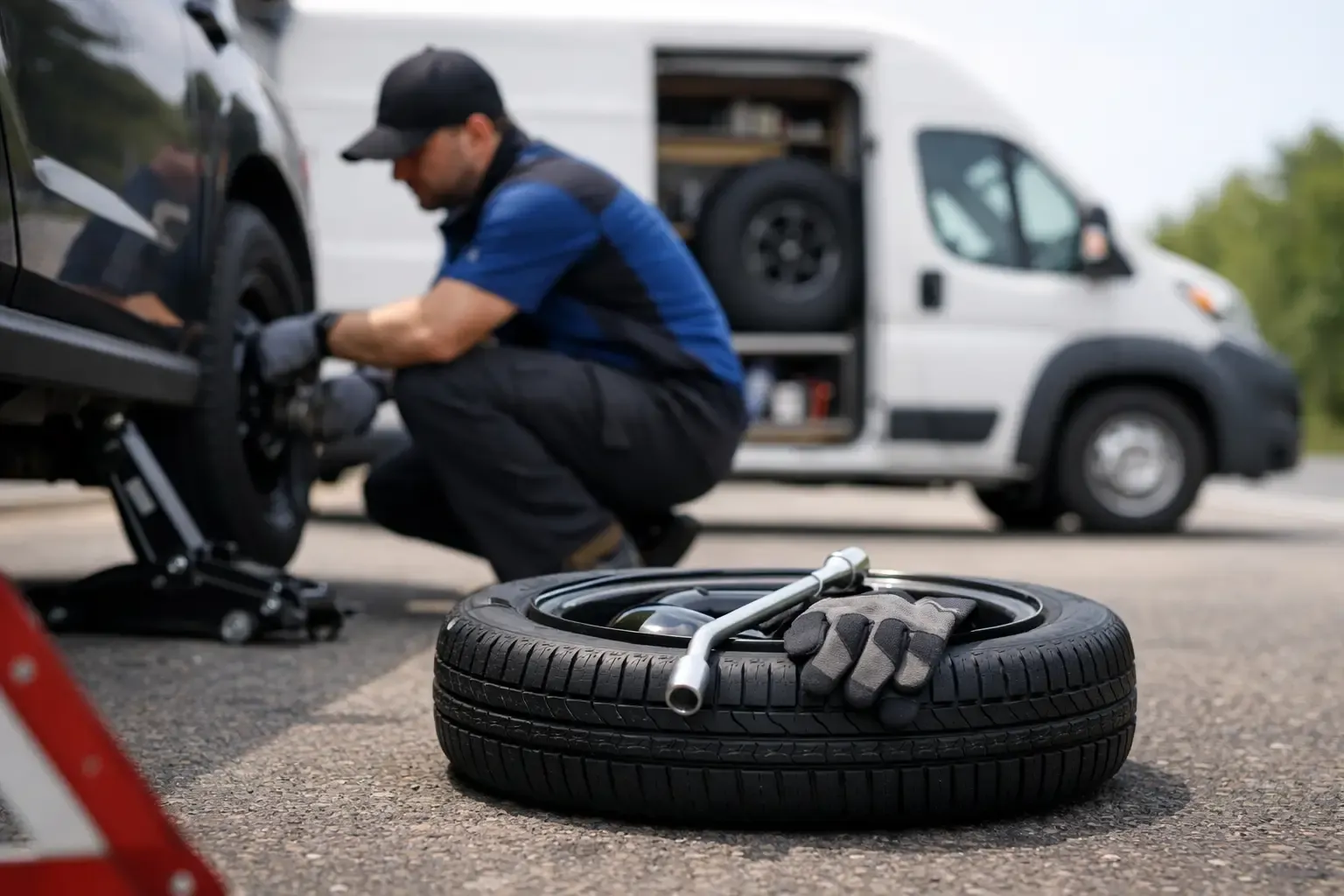
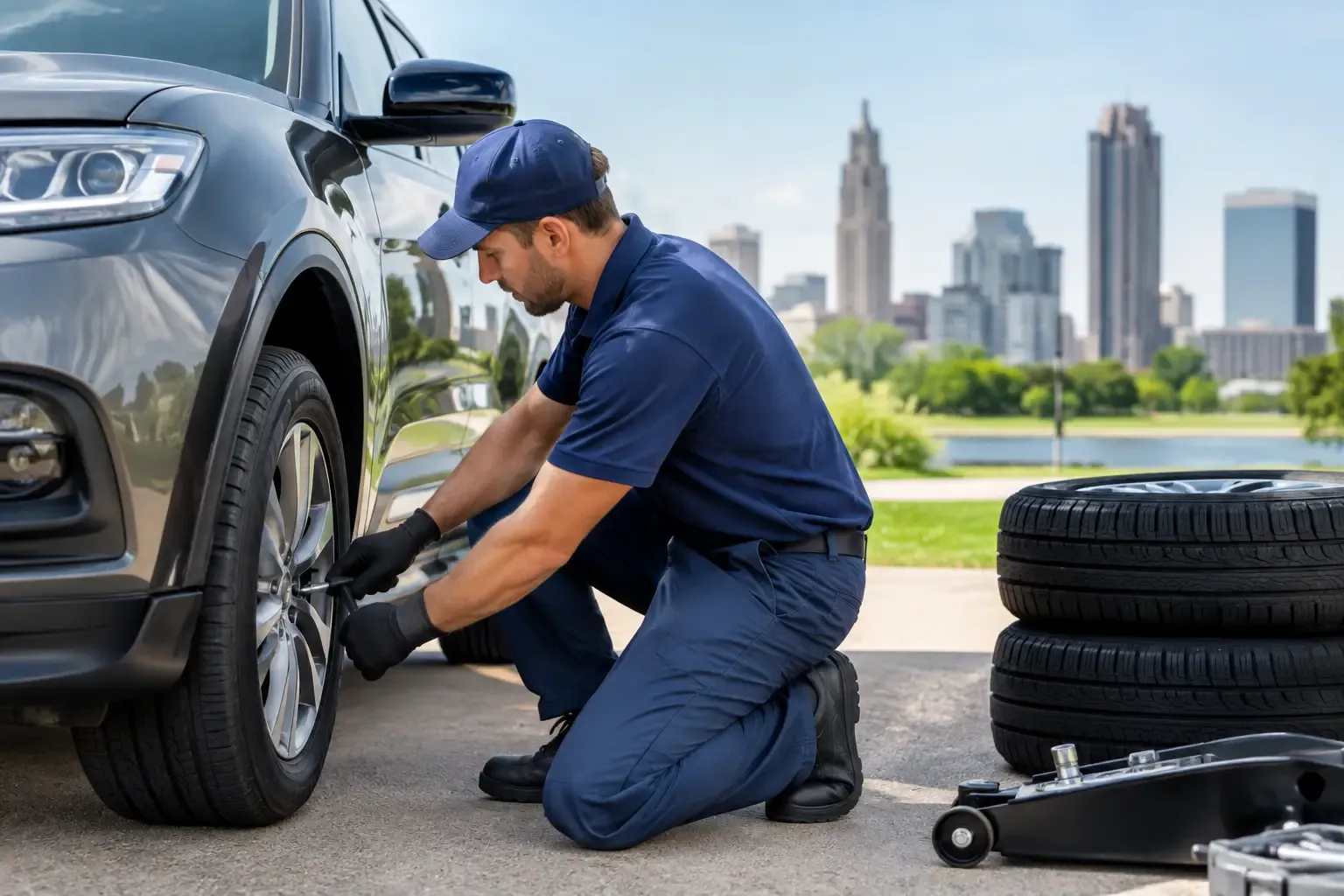
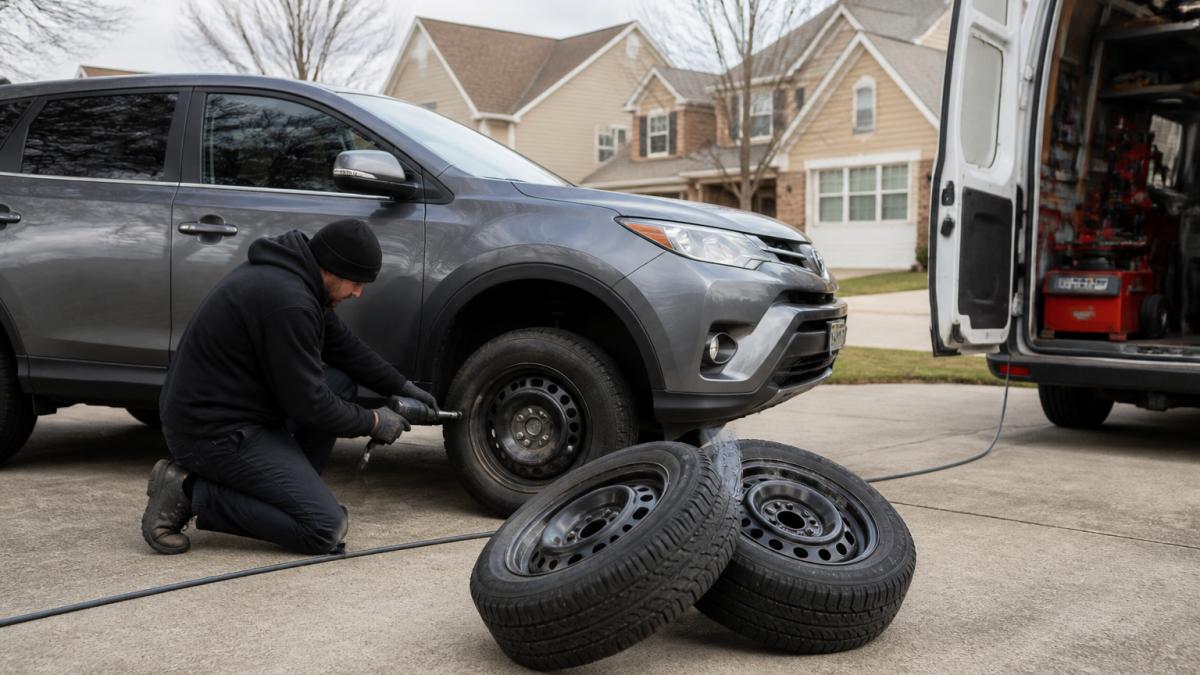
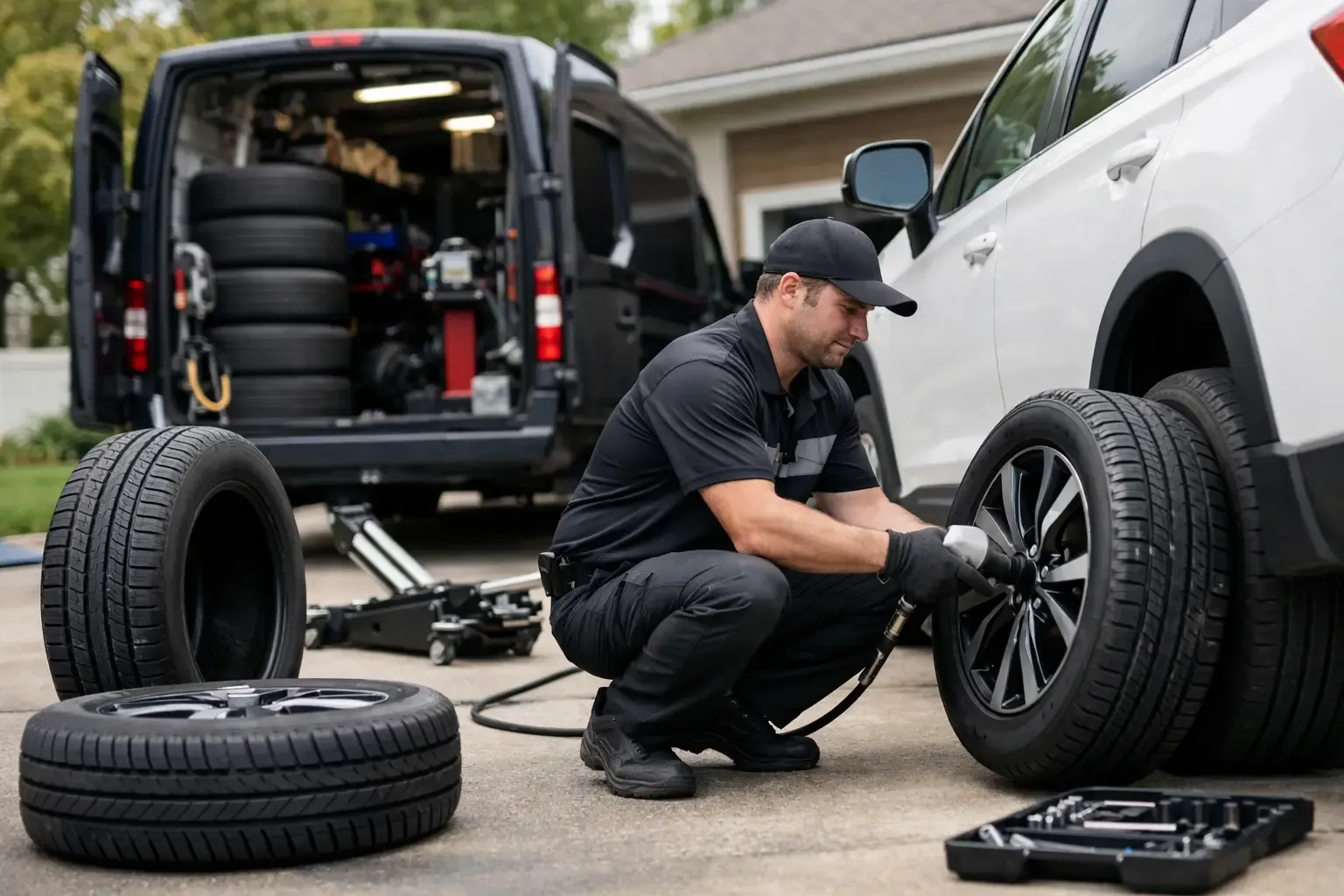
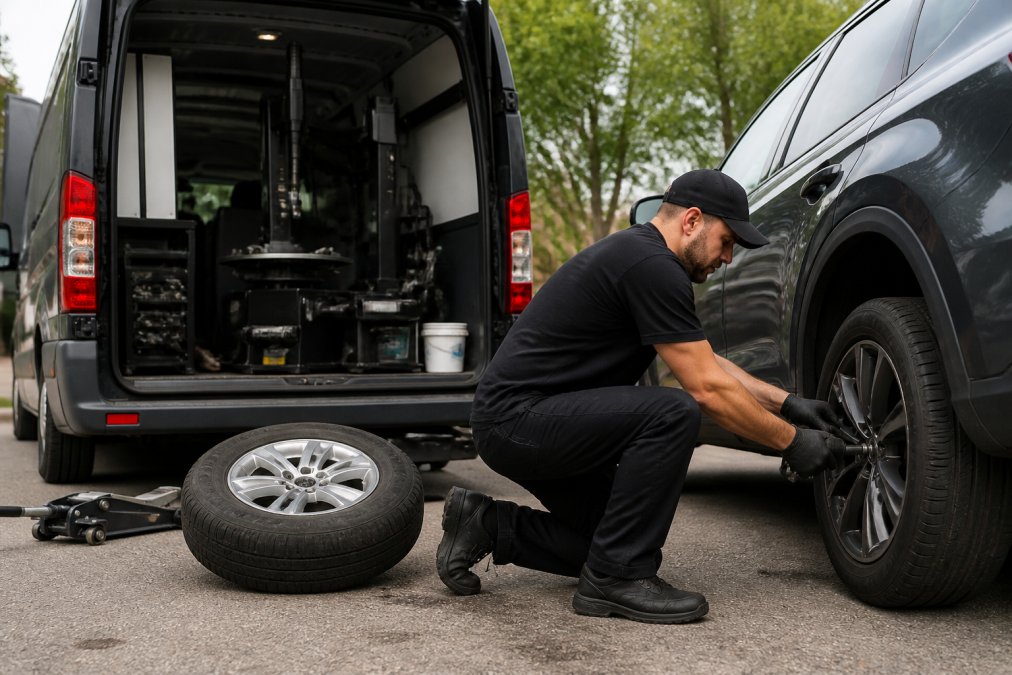
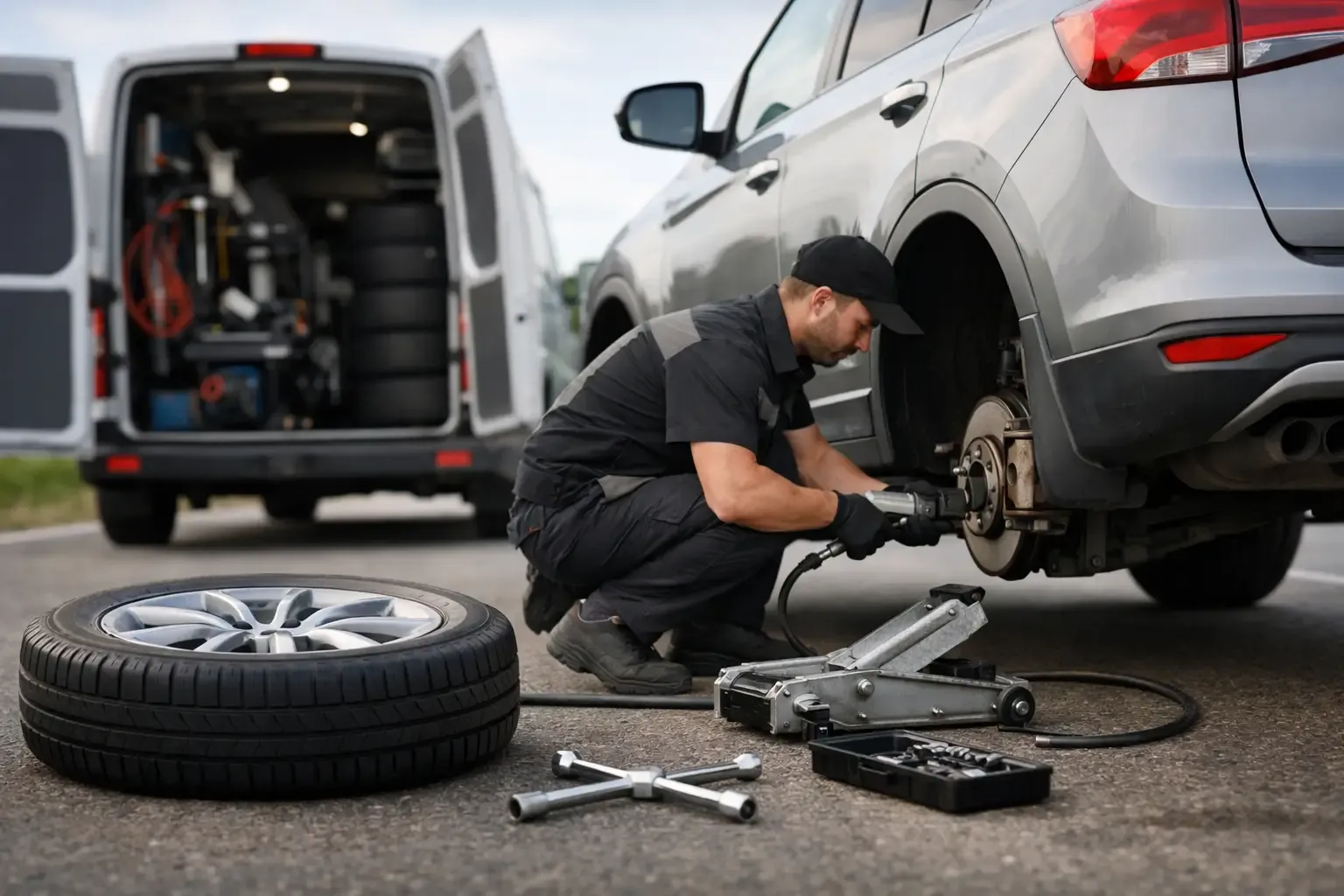
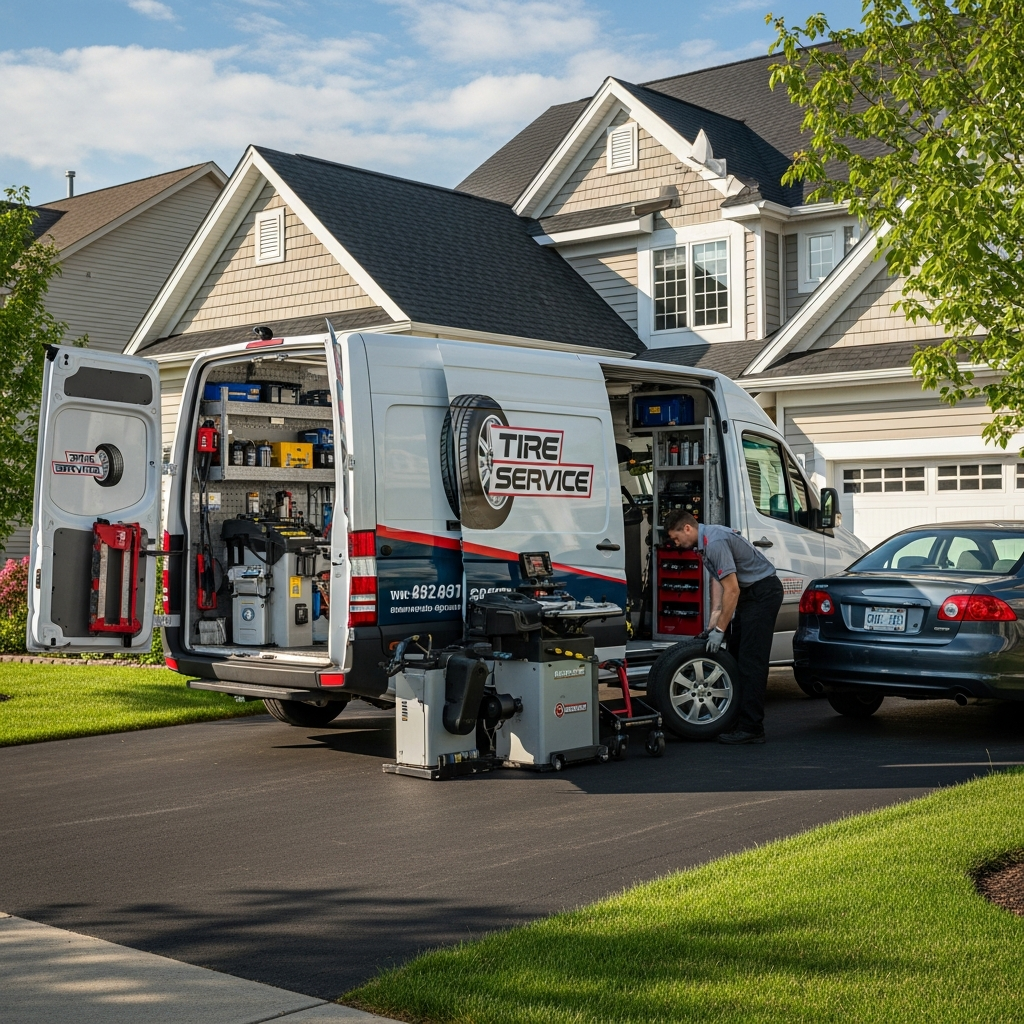
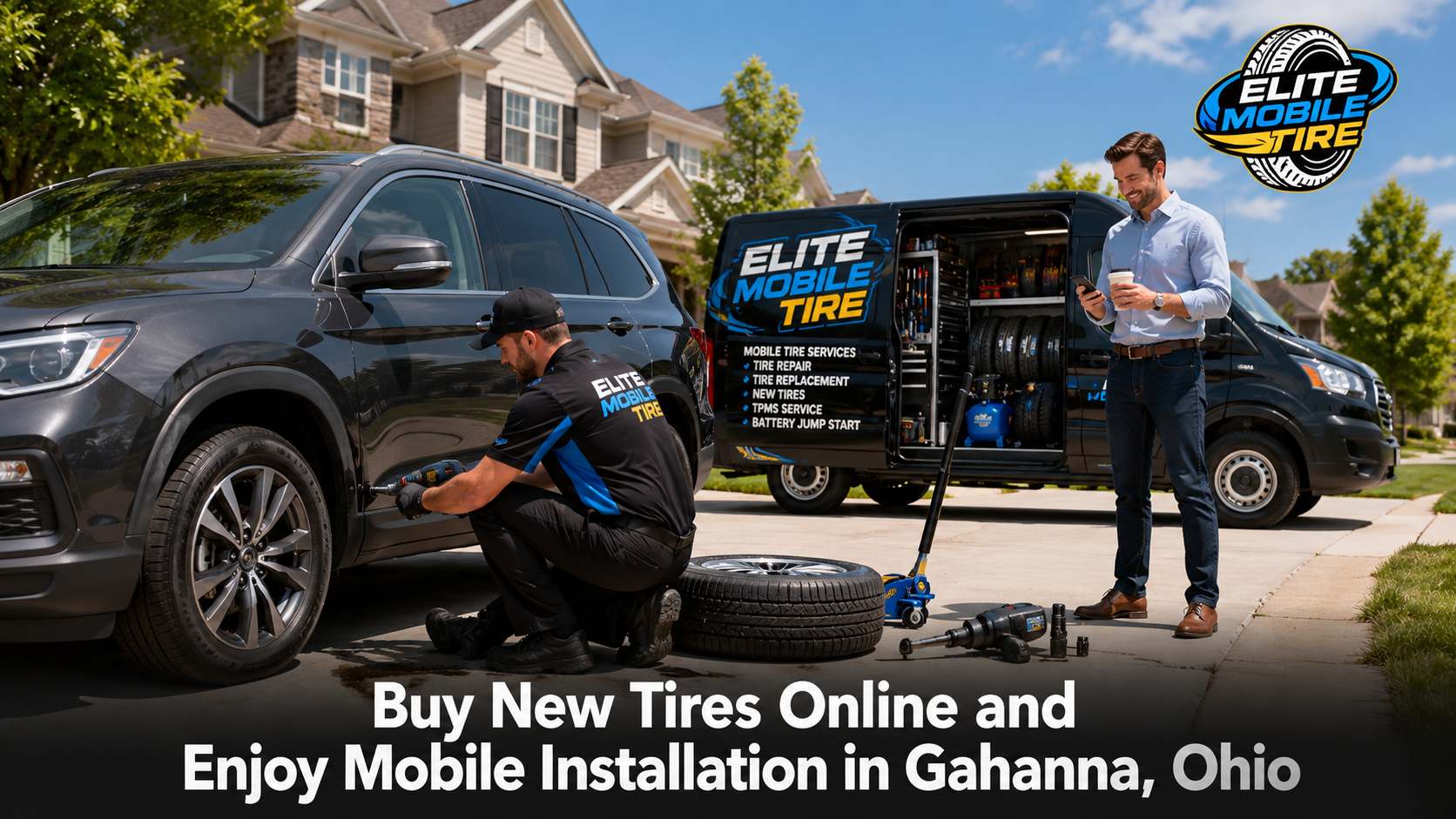
- Our technician comes to your driveway, office lot, or job site and installs, balances, and checks the tires on the spot.
Approval and terms depend on the provider, so read the details of your plan before you sign. The goal is a payment you're comfortable with, not a stretch.
Budget vs. Premium: Financing Changes the Math
When you're paying for tires all at once, it's tempting to grab whatever is cheapest. Spreading the cost out gives you room to choose based on what the vehicle actually needs. A driver putting serious miles on I-70 between Reynoldsburg and downtown every weekday may get more value from a tire with a longer treadwear warranty and better wet-road grip. Someone who mostly runs errands around Canal Winchester may be well served by a solid mid-range all-season.
Neither choice is wrong. What matters is matching the load rating and speed rating your vehicle calls for, and picking a tire built for Ohio's mix of summer rain, cold snaps, and the occasional snow.
Why Timing Matters Before Winter
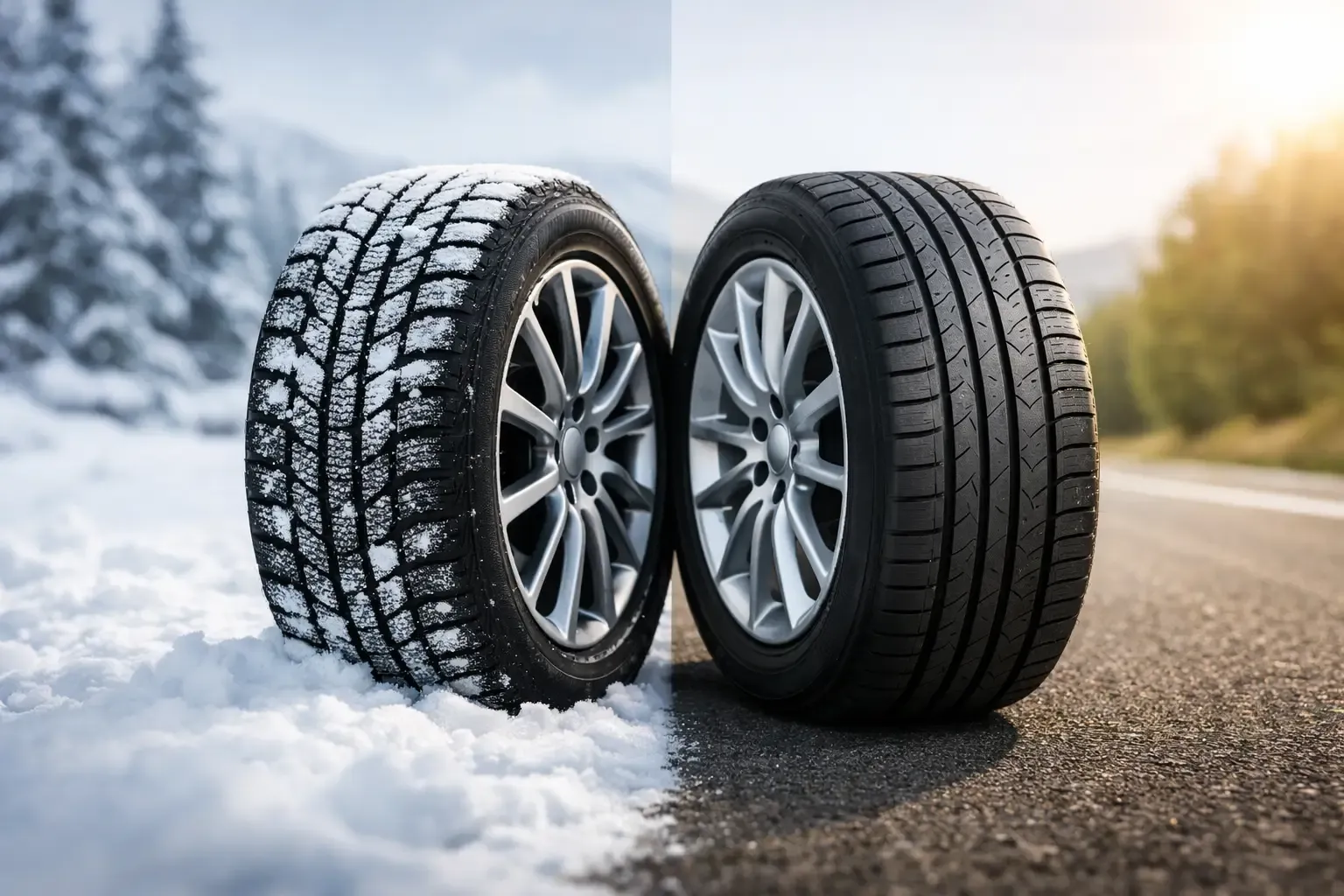
Late fall is when tread depth matters most. A tire that felt fine in July can struggle to clear slush and water once temperatures drop. Many tire experts suggest replacing tires well before they reach the legal minimum, because wet and snowy traction falls off as tread wears down. Booking a full set in October or November means you're set before the first real storm, instead of scrambling for an appointment the week after one.
No shop visit, no waiting room
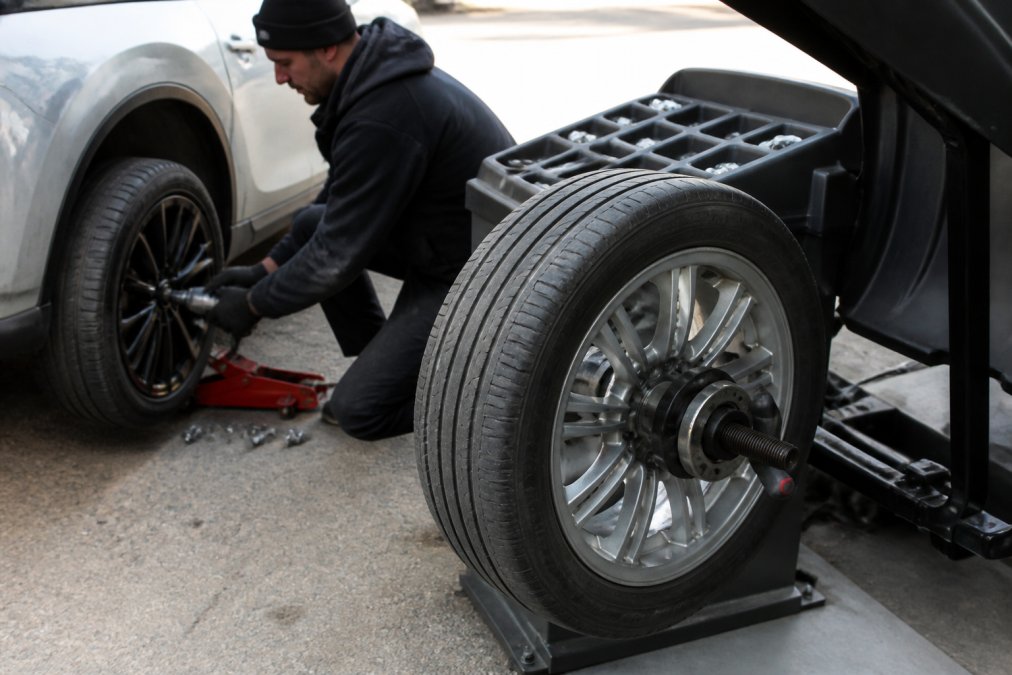
With mobile installation, you don't have to give up a Saturday or sit in a lobby. Our technicians handle mounting and balancing on-site during the week, so the tires get done while you work or take care of things at home. Mobile tire balancing is around $50 per tire, and every visit includes a look at all four tires so nothing gets missed.
Quick Checklist Before You Book
- Find your tire size on the sidewall or door-jamb sticker.
- Note whether your vehicle is AWD, FWD, or RWD.
- Check the tread on all four tires, not just the one that's bothering you.
- Decide where the install should happen: home, work, or a job site.
- Ask about Afterpay or Acima if you'd rather split the cost.
For more on tire safety basics, the U.S. Tire Manufacturers Association also publishes helpful tire care guidance.
Ready for a new set? Elite Mobile Tire installs 2 or 4 new tires right in your driveway or parking lot anywhere around Columbus, Obetz, Groveport, Grove City, and Reynoldsburg. Financing is available through Afterpay and Acima with up to 24-month payment plans. Call 614-344-5010 or visit elitemobiletire.com to book.