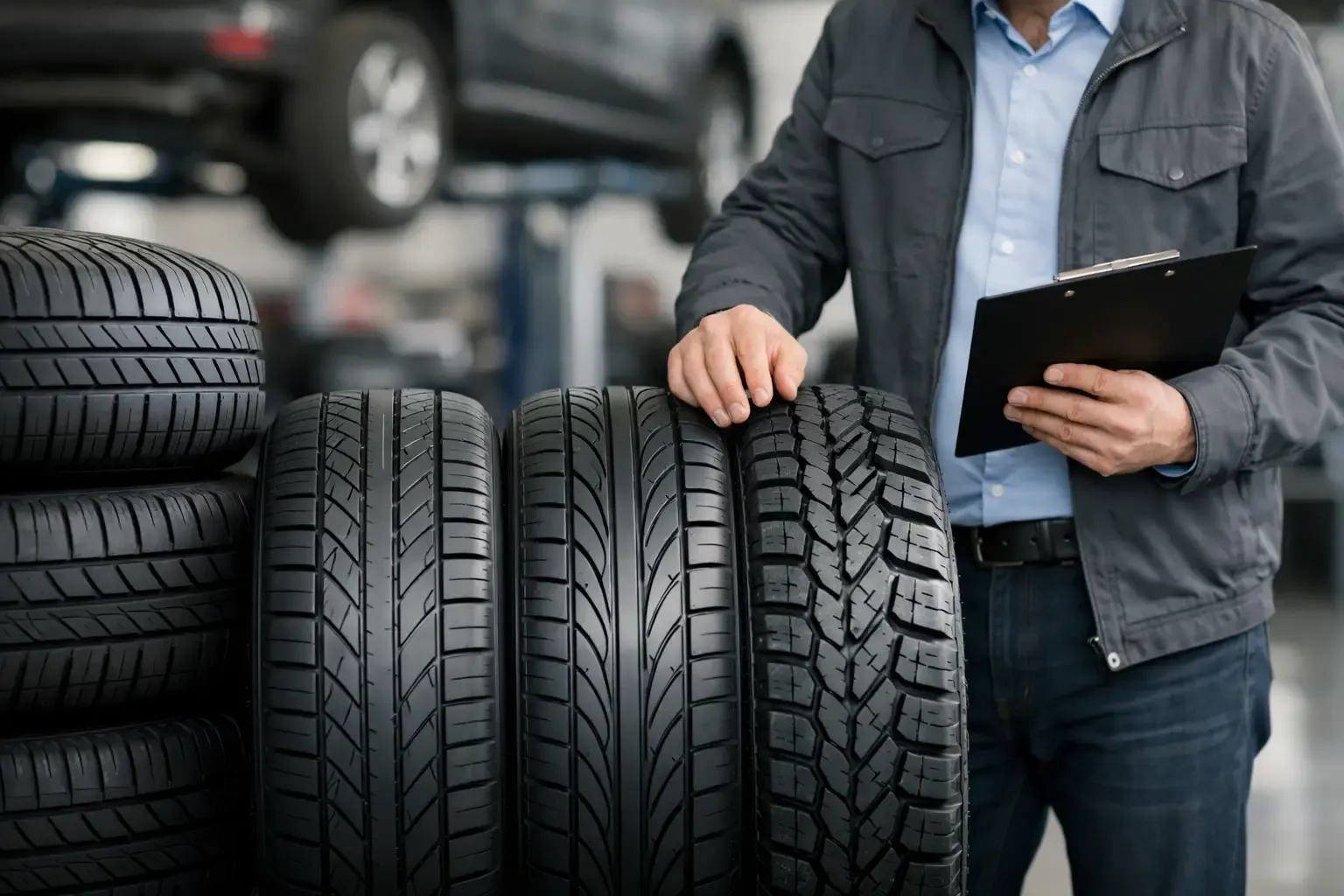
A tire sidewall packed with numbers can make a simple purchase feel more complicated than it should. If you are wondering how to choose replacement tires, the goal is not to memorize every spec. It is to match the right tire to your vehicle, your driving habits, and the conditions you deal with most often.
The good news is that most drivers do not need to start from scratch. Your vehicle already gives you a strong baseline, and once you understand a few key factors, it becomes much easier to narrow the options without second-guessing every choice.
Start with the tire size your vehicle requires
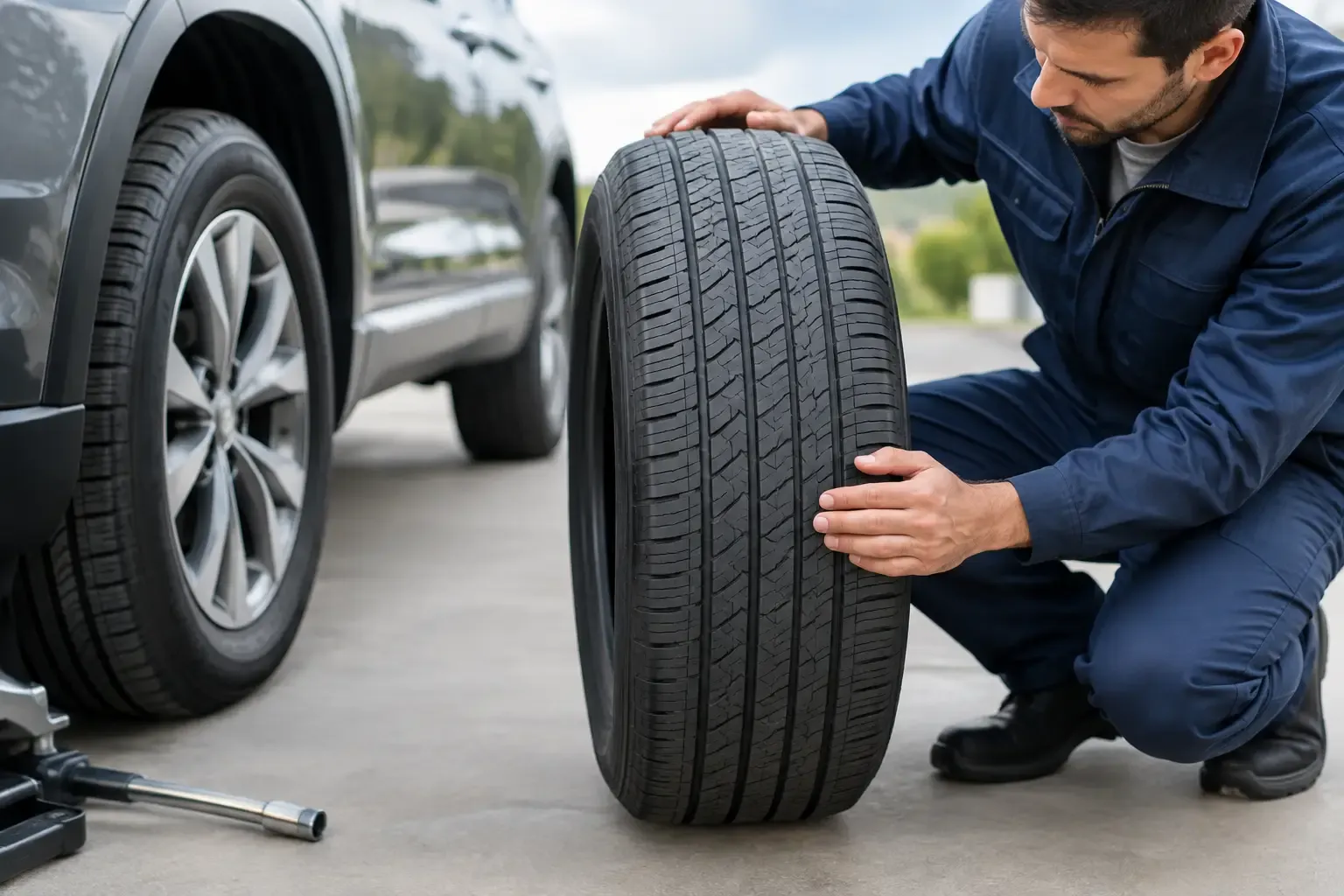
The first step in how to choose replacement tires is confirming the correct tire size. You can usually find it on the driver-side door placard, in the owner’s manual, or on the sidewall of your current tires. A size like 225/65R17 is not just a label. It tells you the width, aspect ratio, construction type, and wheel diameter your vehicle is designed to use.
Sticking with the manufacturer-recommended size is usually the safest move. Changing tire size without a clear reason can affect handling, ride quality, fuel economy, speedometer accuracy, and even safety system performance. On many newer vehicles, features like traction control, ABS, and lane support systems work best when the tire size matches factory specifications.
If your current tires are not the original size, do not assume they are correct. It is worth checking the placard before ordering a new set.
Know what kind of driving you actually do
A lot of tire decisions get easier when you stop thinking about best overall and start thinking about best for your routine. A driver who spends most of the week commuting across Columbus has different needs than someone who mostly makes short neighborhood trips or regularly drives highways in all weather.
If you want a quiet, comfortable ride for daily commuting, touring tires may make the most sense. If you drive an SUV and want a balance of comfort, durability, and year-round traction, all-season options are often a practical fit. If your vehicle is built for sharper handling, performance tires may deliver the steering response you want, but that usually comes with trade-offs in tread life and cold-weather performance.
That trade-off matters. A tire that feels great on dry pavement may not be the best choice for drivers who face heavy rain, cold mornings, or winter road conditions for several months each year.
How to choose replacement tires for Ohio weather
Weather should play a bigger role in tire selection than many drivers realize. In central Ohio, you can see hot pavement in summer, heavy rain in spring and fall, and snow or freezing temperatures in winter. That makes year-round versatility a priority for many local drivers.
For most passenger vehicles, a quality all-season tire is the common choice because it offers balanced performance across changing conditions. It is designed to handle wet roads, moderate winter weather, and everyday commuting without requiring a seasonal swap.
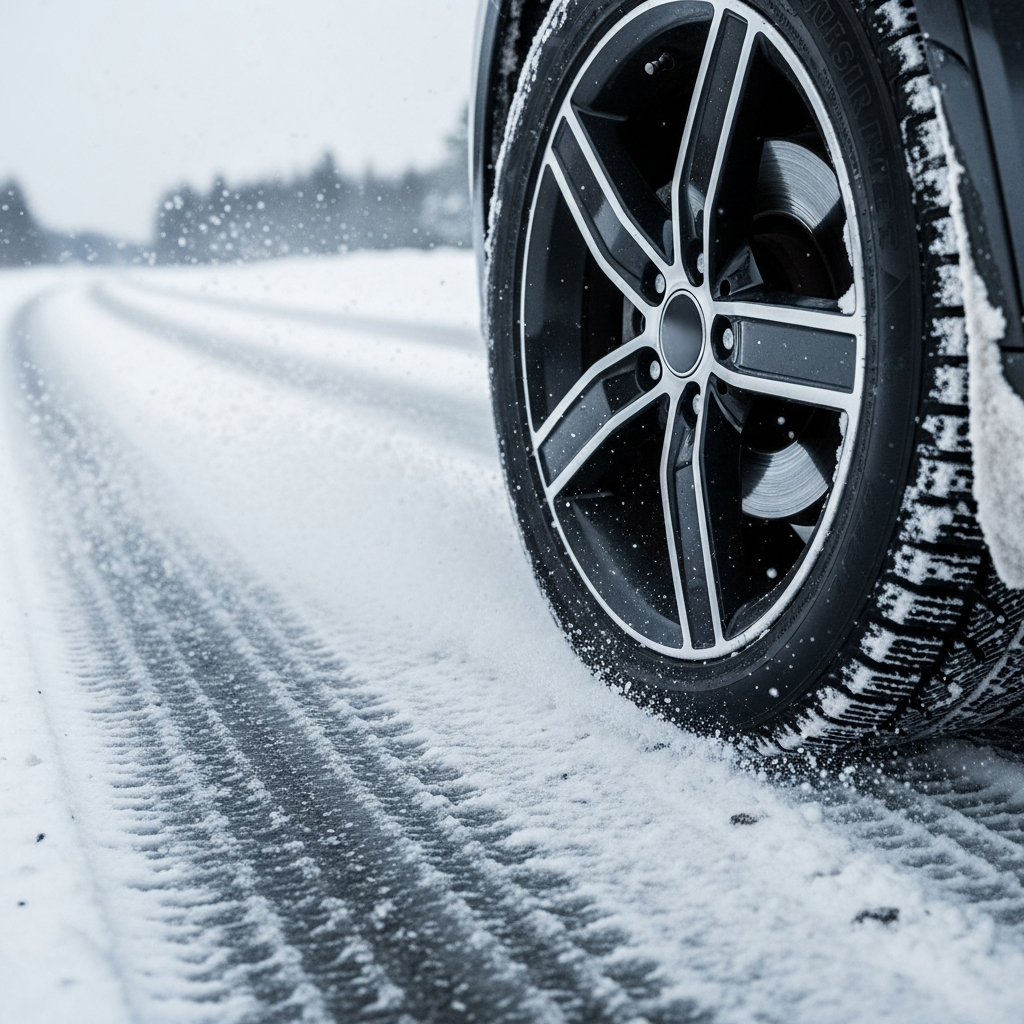
Still, all-season does not mean all-conditions without limits. If you regularly drive in significant snow or icy conditions, winter tires can provide a noticeable improvement in traction and braking. They are made with rubber compounds that stay more flexible in cold temperatures. That said, winter tires are not ideal for warm-weather use, so they make the most sense for drivers who are prepared to switch sets seasonally.
If you are unsure, think about the worst conditions you regularly drive in, not the best ones. Tires should be chosen for the situations where safety matters most.
Pay attention to tread pattern and traction ratings
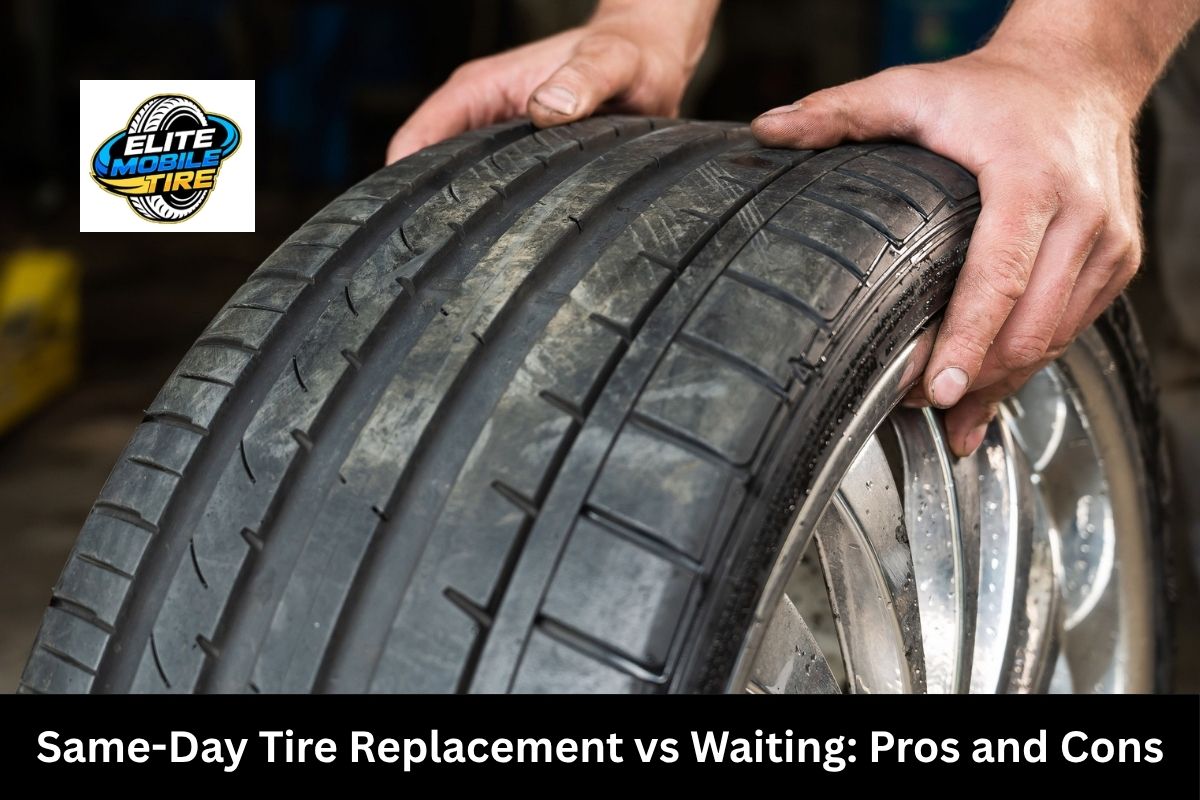
Tread design affects how your tires grip the road, channel water, and respond during braking and cornering. You do not need to become a tire engineer, but you should know that tread is not just cosmetic.
A tire with strong wet traction can help reduce hydroplaning risk during heavy rain. A design focused on long highway miles may deliver a smoother, quieter ride. A more aggressive pattern may improve grip in certain conditions but create more road noise.
You may also see Uniform Tire Quality Grading information, including treadwear, traction, and temperature ratings. These numbers can be useful, but they are not a perfect apples-to-apples system across every brand. A higher treadwear rating can suggest longer life, but it should not be the only reason you choose a tire. Sometimes a tire built for comfort, handling, or weather performance will naturally wear differently.
The better approach is to weigh tread life alongside the way the tire is expected to perform day to day.
Do not ignore load index and speed rating
This is where some drivers accidentally choose a tire that fits the wheel but not the vehicle. In addition to size, every tire has a load index and speed rating. These tell you how much weight the tire can support and the speed capability it is designed to handle.
Your replacement tires should meet or exceed the vehicle manufacturer’s requirements. Going below those specifications is not a good shortcut. It can affect safety, stability, and overall performance, especially on heavier vehicles like SUVs, crossovers, and trucks.
For everyday drivers, this is not about buying the most aggressive or highest-speed tire available. It is about making sure the tire is properly matched to the vehicle’s design and use.
Think about ride comfort, noise, and tread life
Two tires can fit the same vehicle and perform very differently in daily use. One may ride quietly and smoothly on the highway. Another may feel firmer or create more road noise but offer more responsive handling.
This is where your priorities matter. If you spend a lot of time commuting, comfort and road noise may be more important than sporty cornering feel. If you regularly carry passengers, a smoother ride may be worth more to you than an extra edge in dry-road responsiveness.
Tread life also deserves attention, but it should be viewed realistically. Longer-lasting tires can be a smart value, but only if they still perform well in the conditions you face most. A tire that lasts a long time but leaves you disappointed in rain or cold weather is not the right fit.
Replace tires as a full set when possible
If all four tires are worn, replacing the full set is usually the best choice for balanced handling, traction, and braking. Matching tread depth across all four corners helps your vehicle perform more predictably.
There are times when replacing just one or two tires is acceptable, especially if the remaining tires are still in strong condition. But the replacement tire should closely match the others in size, type, and overall performance. On all-wheel-drive vehicles, uneven tread depth can sometimes create drivetrain issues, so consistency matters even more.
If you are only replacing part of the set, it is worth getting professional guidance before moving forward.
Check the age and condition of your current tires
Tread depth is important, but age matters too. Tires can degrade over time even if they do not look badly worn at first glance. Heat, sunlight, storage conditions, and everyday use all affect the rubber.
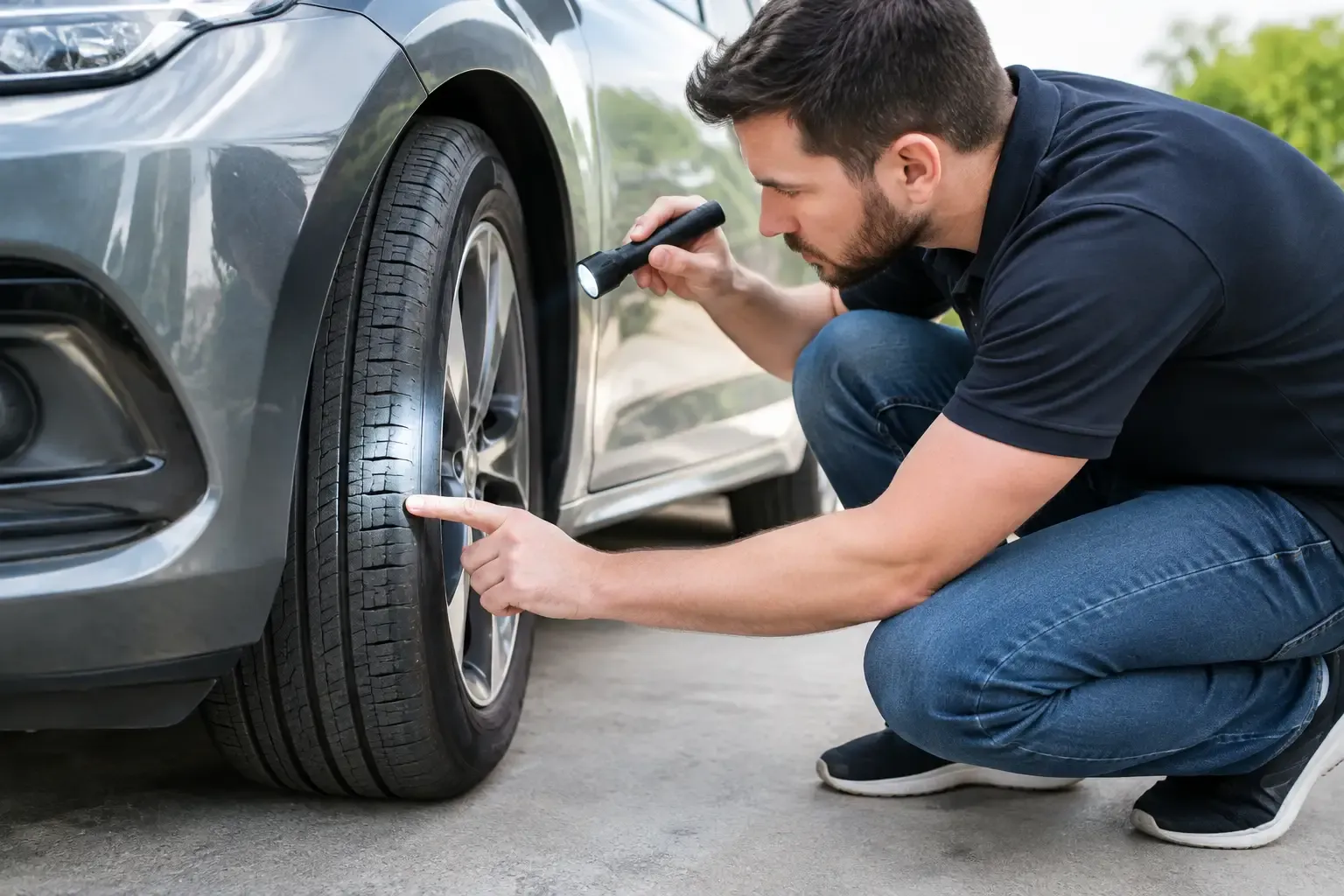
If your tires have visible cracking, repeated air loss, uneven wear, vibration, or poor wet-road performance, replacement may be the safer move even if some tread remains. You can also check the DOT date code on the sidewall to see when the tire was manufactured.
This is especially relevant for vehicles that are driven less often. A low-mileage tire is not always a healthy tire.
Professional installation matters more than many drivers expect
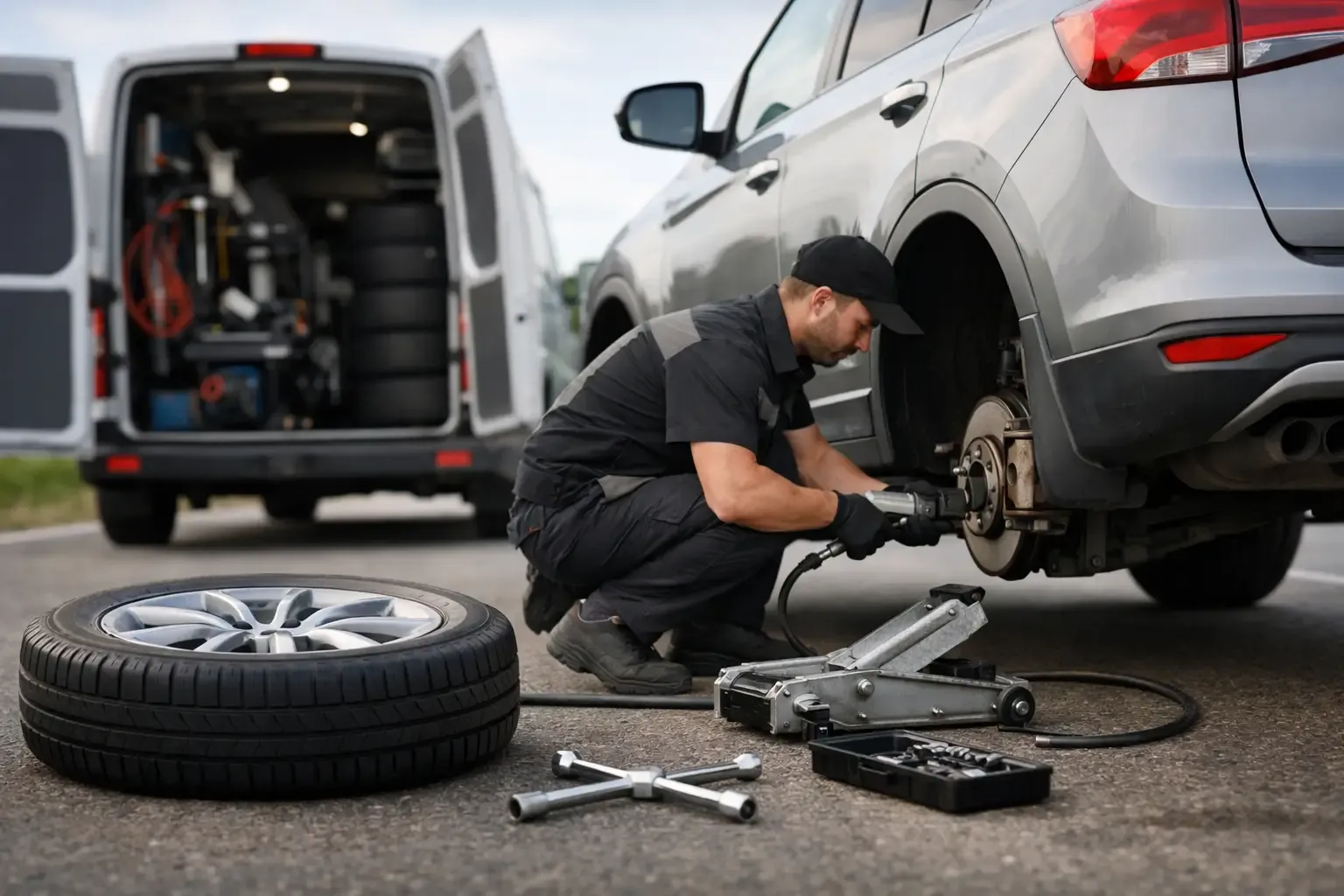
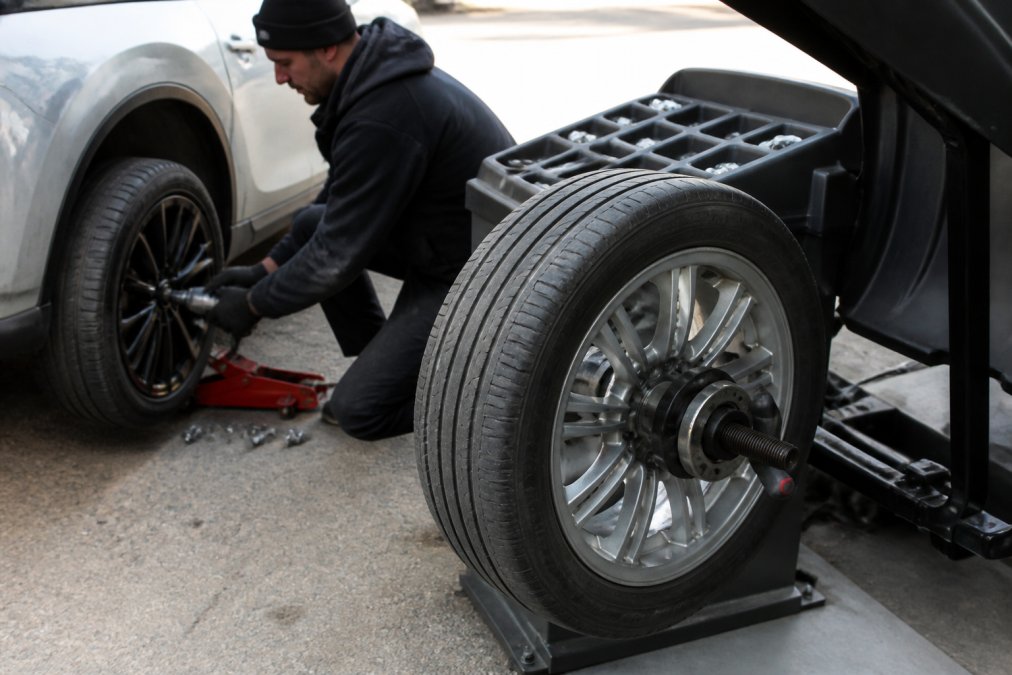
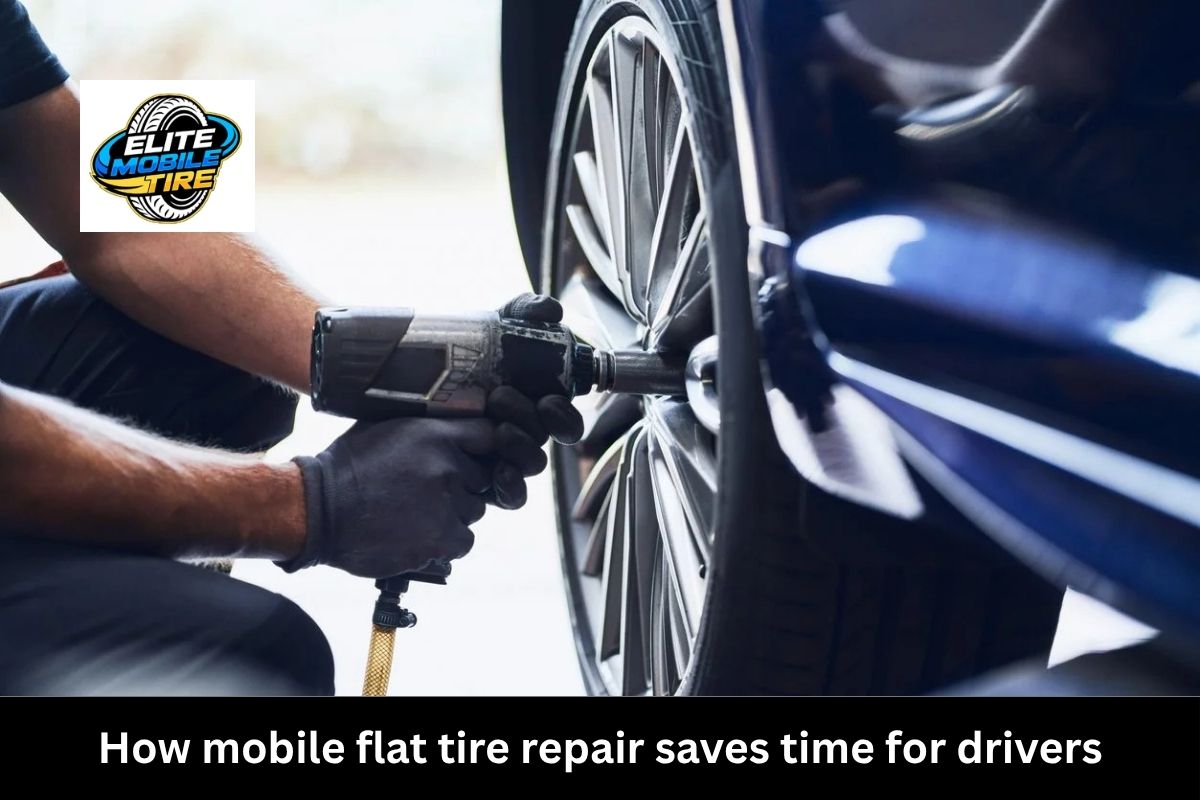
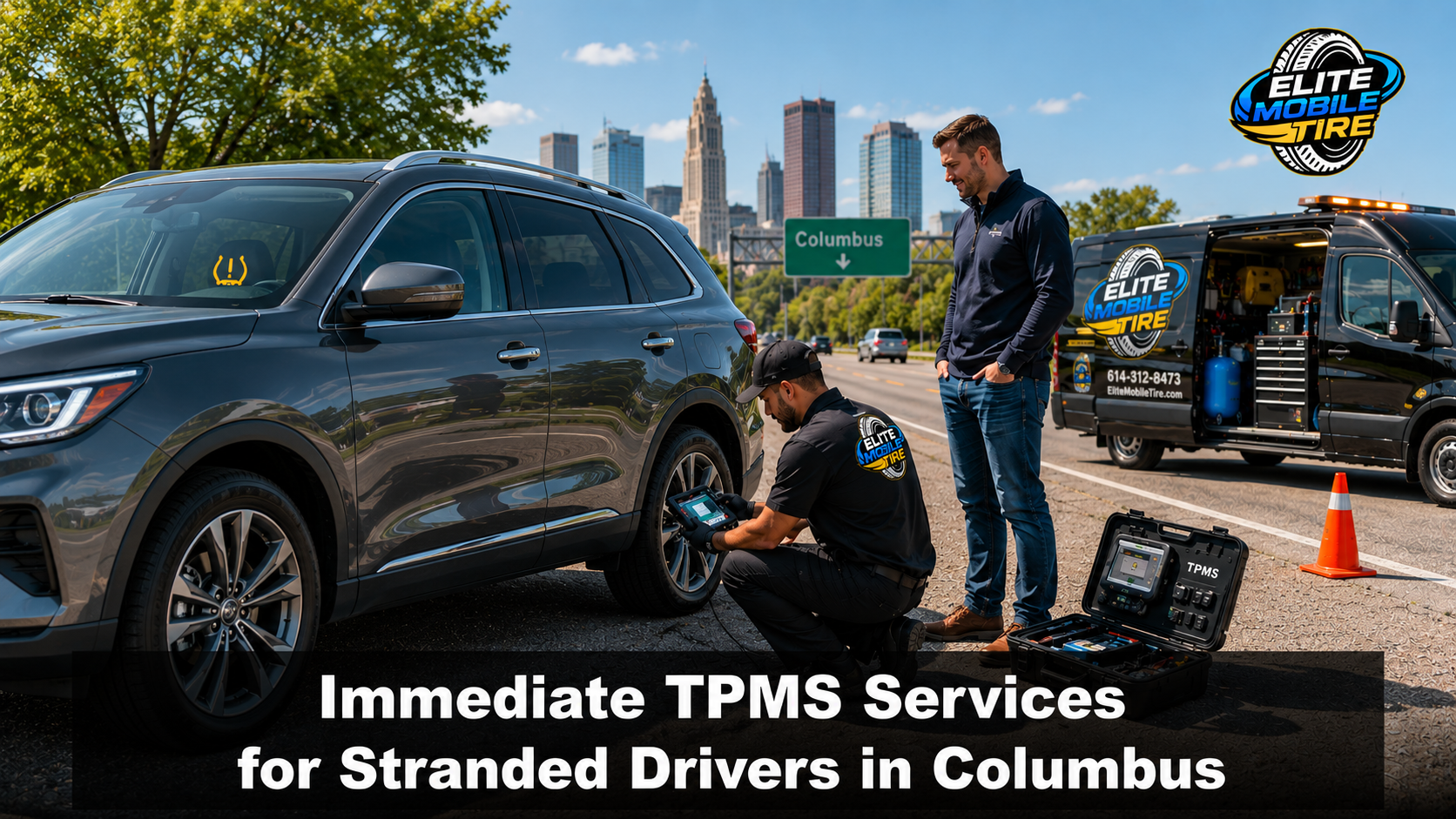
Even the right tire can disappoint if it is installed incorrectly. Proper mounting, balancing, inflation, and TPMS service all play a role in how the tire performs and how long it lasts.
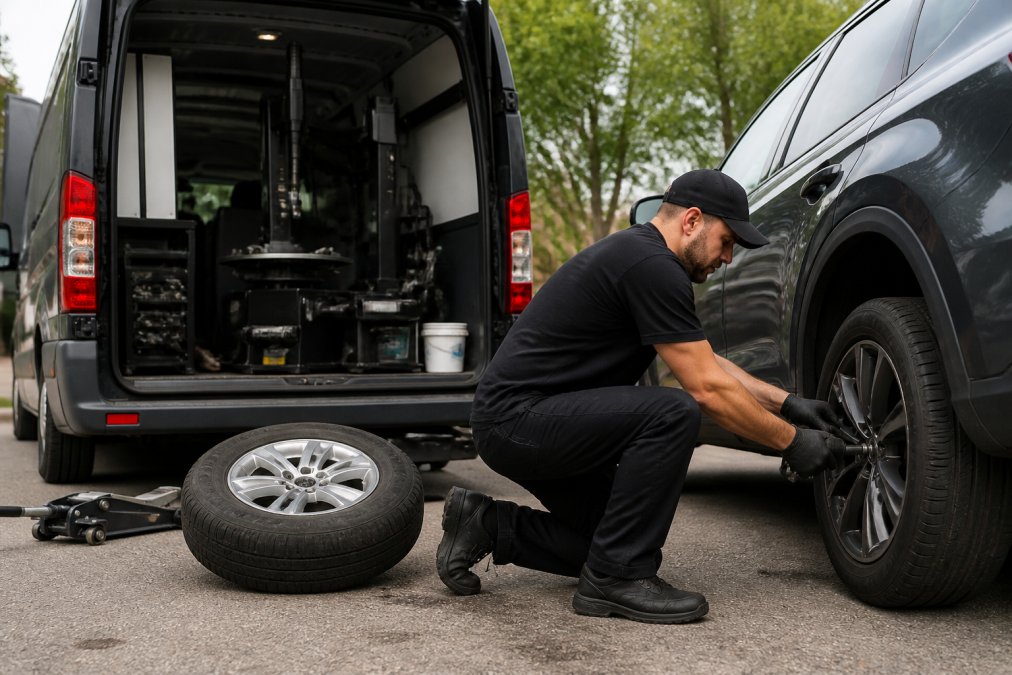
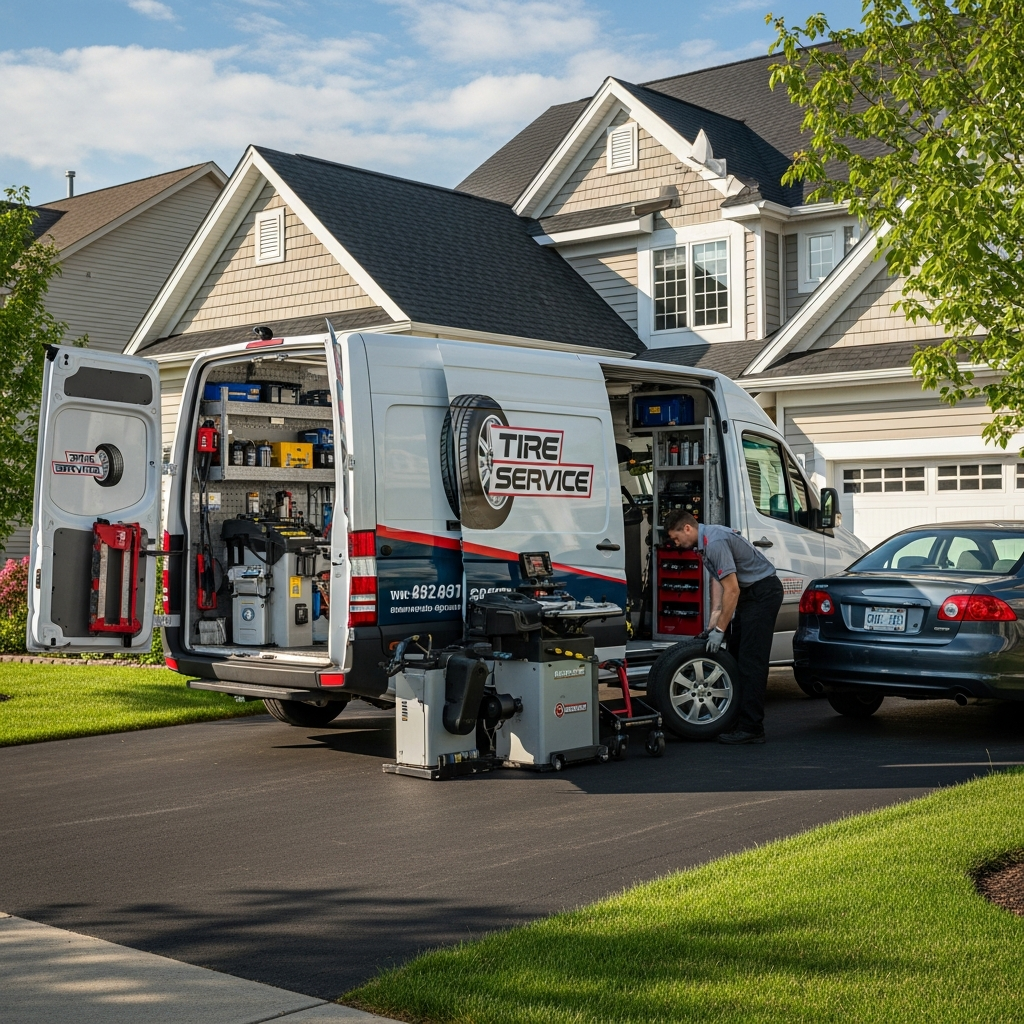
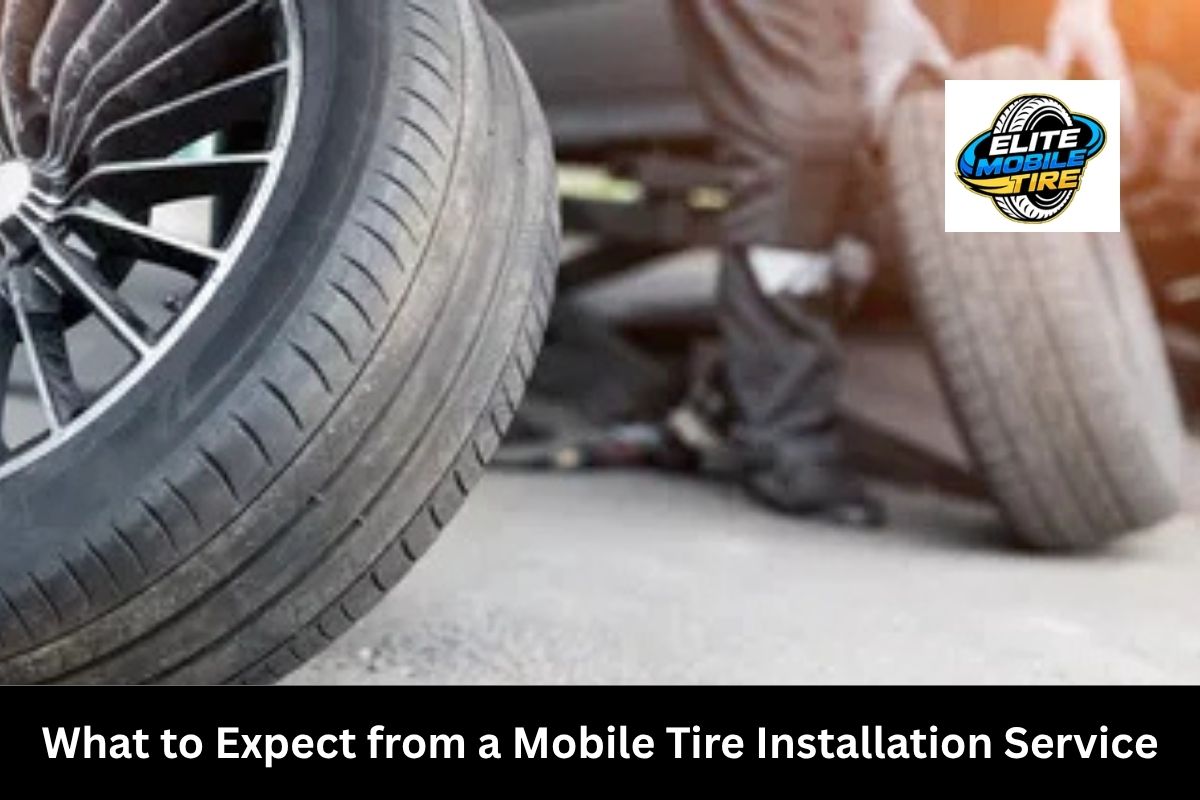
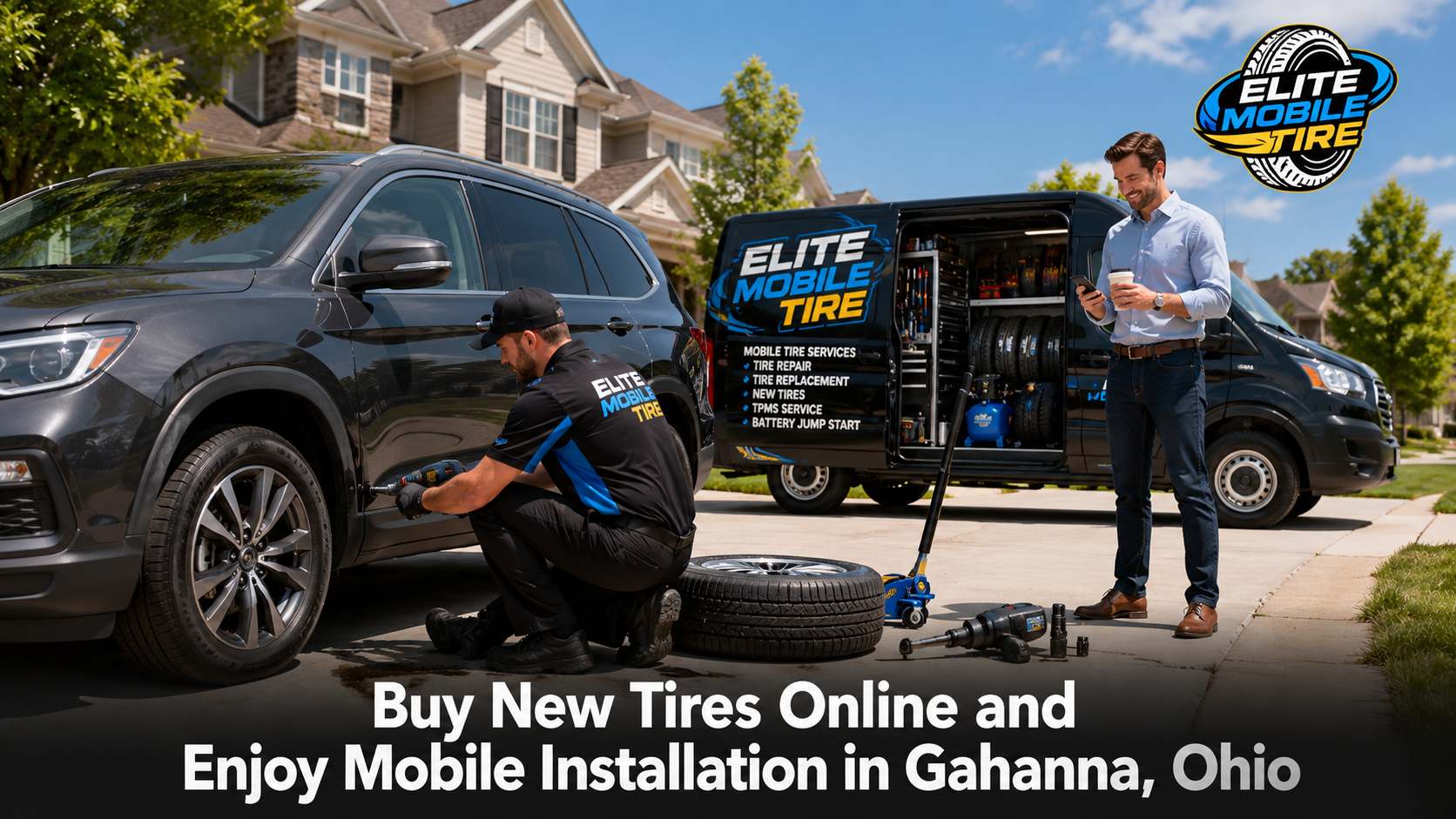
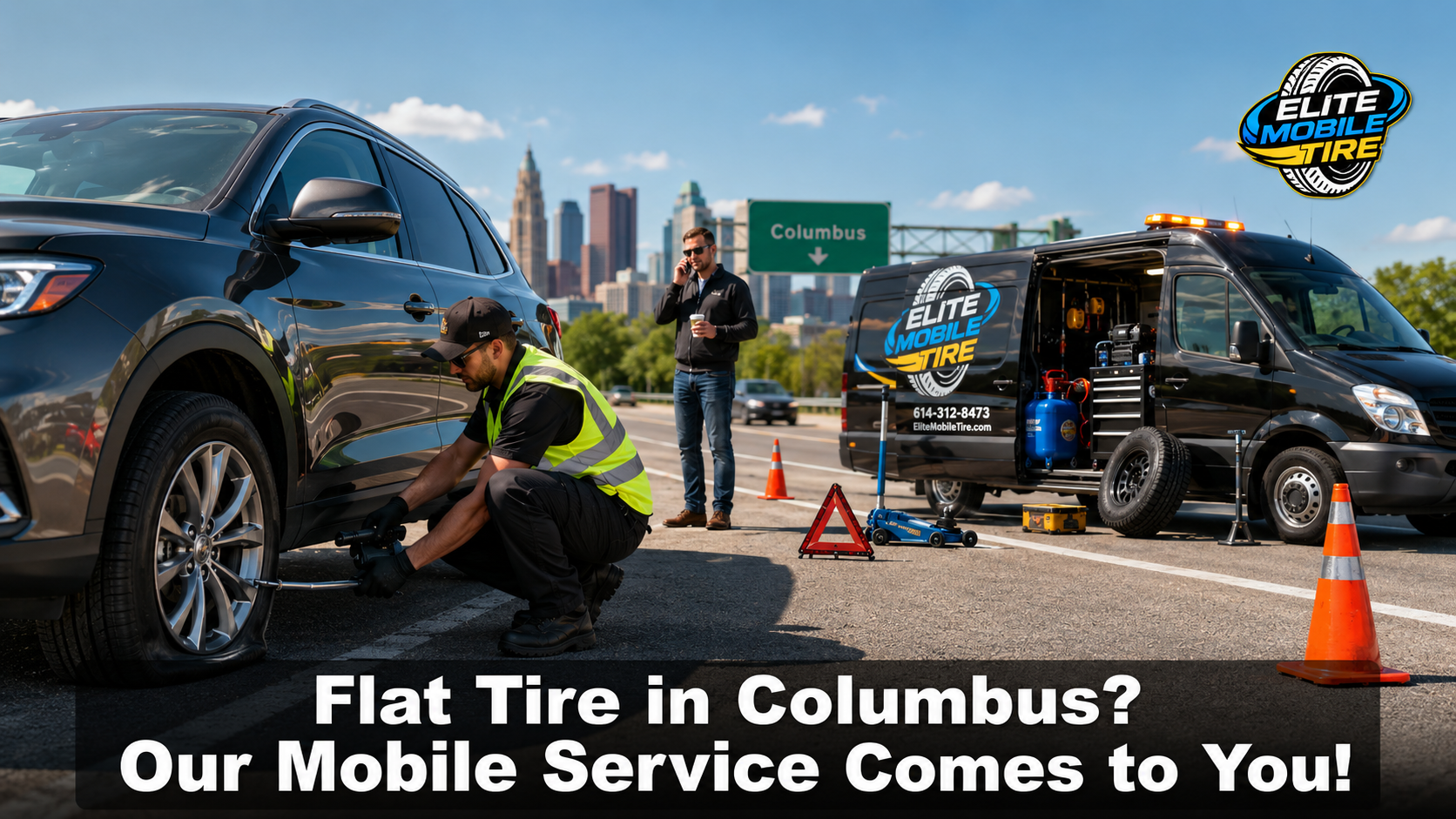
That is one reason many drivers want the process handled by a qualified technician instead of trying to piece it together from multiple shops or delay it until it becomes urgent. For busy households and professionals, mobile tire service can remove a lot of friction from the process by bringing installation to your home or workplace without sacrificing proper care.
In Columbus and surrounding communities, that convenience matters most when your schedule is already full or your vehicle is not in a condition you want to drive to a shop.
The right tire is the one that fits your real life
There is no single best tire for every driver. The right choice depends on your vehicle, your daily route, the weather you face, and the kind of ride you want. If you start with the correct size, pay attention to season and driving conditions, and make sure installation is handled properly, you are already making a smart decision.
A good tire should do more than fit the wheel. It should give you confidence every time you pull out of the driveway.
Ready for a new set? Elite Mobile Tire installs 2 or 4 new tires right in your driveway or parking lot anywhere around Columbus, Obetz, Groveport, Grove City, and Reynoldsburg. Financing is available through Afterpay and Acima with up to 24-month payment plans. Call 614-344-5010 or visit elitemobiletire.com to book.