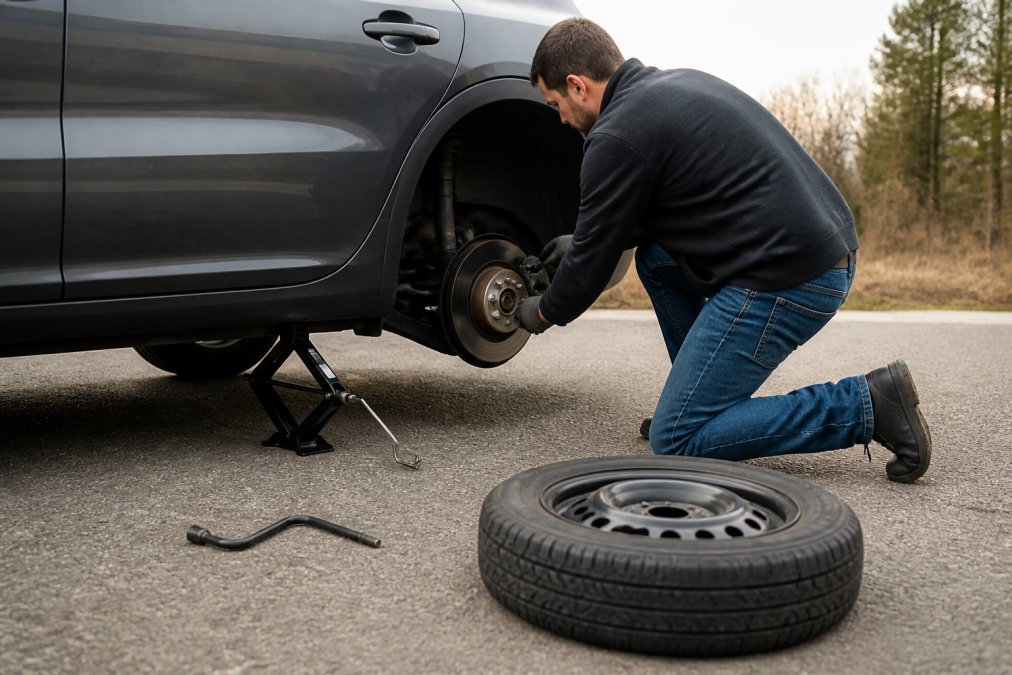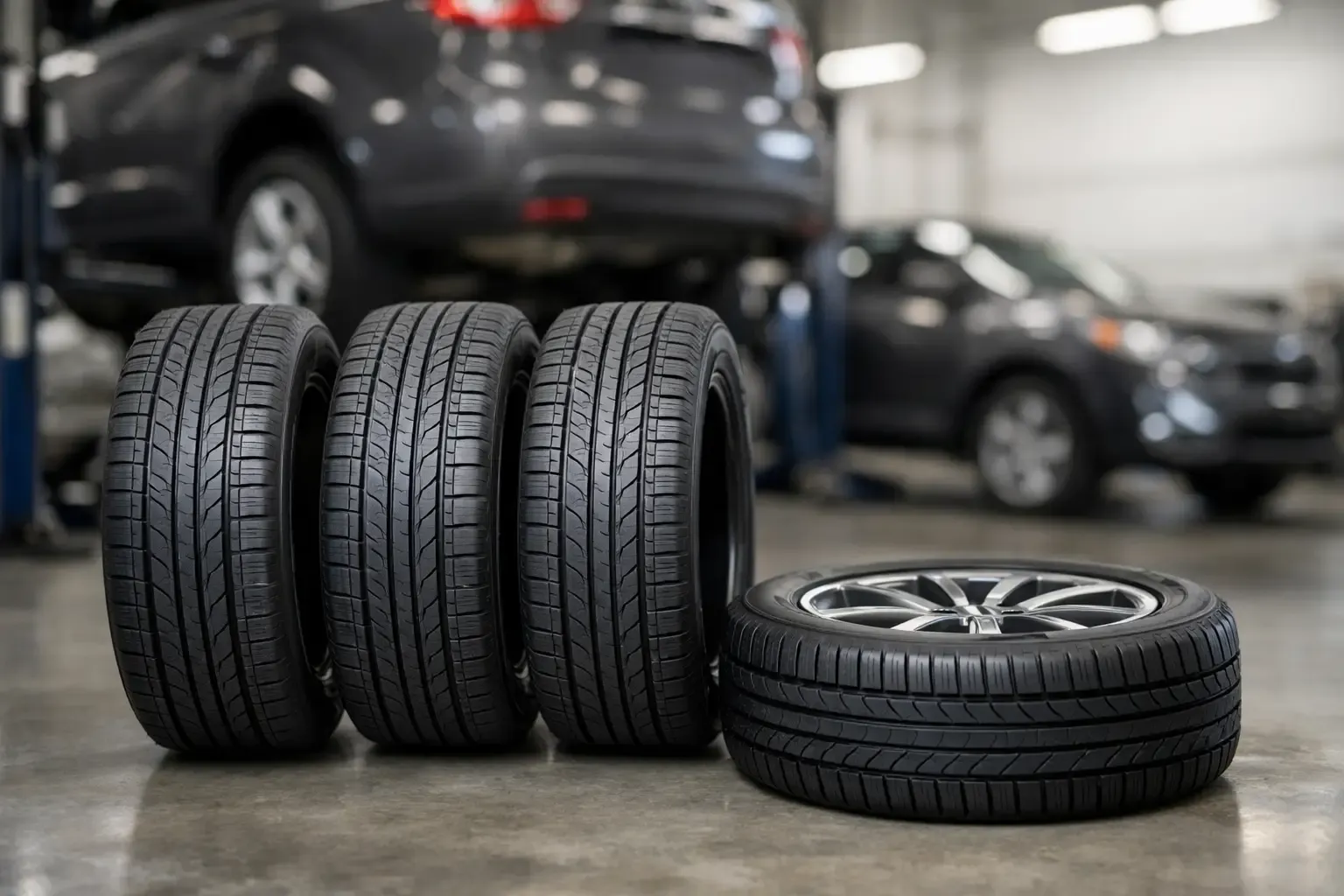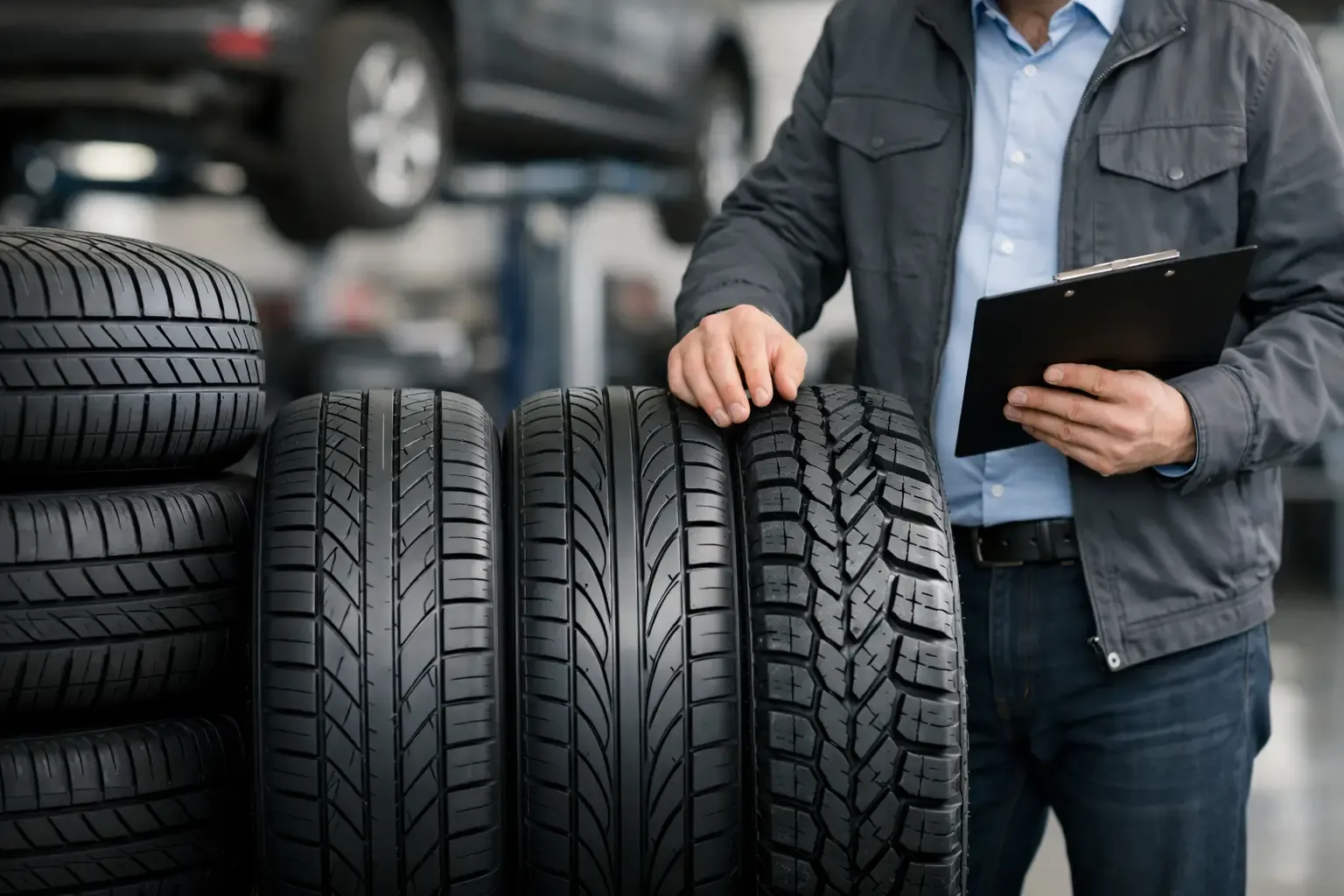

A Columbus morning can start dry, turn slushy by lunch, and leave an icy driveway by evening. That is why choosing the best tires for Ohio winters is less about finding one tire that does everything perfectly and more about matching your tires to the roads you drive, the vehicle you own, and the conditions you face most often.
For many local drivers, a dependable tire choice means confident braking on cold pavement, reliable traction through neighborhood snow, and predictable handling on wet highways. The right answer may be a dedicated winter tire, an all-weather tire, or a quality all-season tire. Each has a place, and the safest choice depends on how Ohio winter affects your daily routine.
What Ohio Winter Driving Demands From a Tire
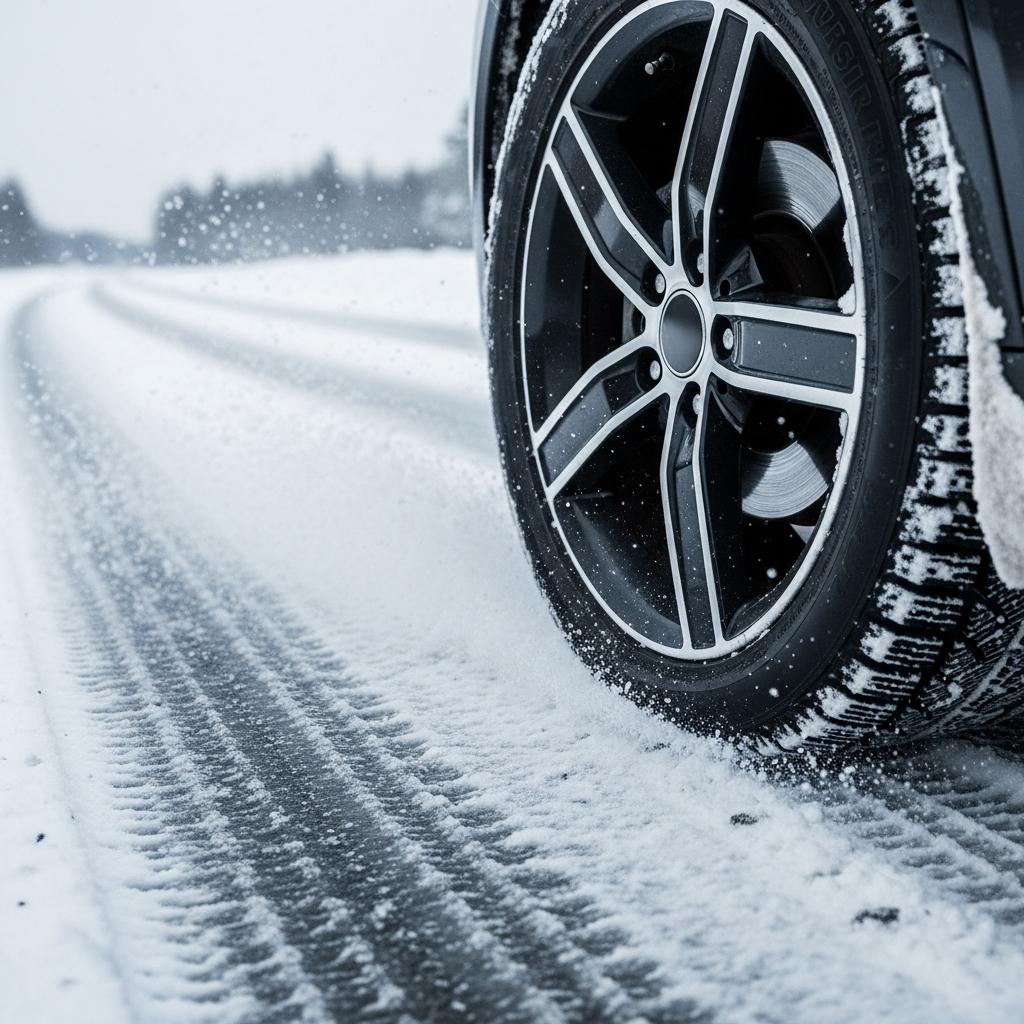
Ohio winters bring more than deep snow. Drivers regularly deal with freezing rain, refrozen slush, potholes, wet pavement, cold temperatures, and sudden temperature swings. A tire that feels fine on a mild December day may provide noticeably less grip when temperatures stay below freezing for a week.
Traction matters, but stopping distance matters just as much. A tire needs to clear water and slush from its contact patch, stay flexible in cold weather, and grip packed snow or ice when you brake or turn. That is why tire type, tread design, rubber compound, and remaining tread depth all deserve attention before winter weather arrives.
All-wheel drive can help a vehicle get moving, but it does not replace winter-capable tires. Every vehicle uses its tires to stop and steer. A front-wheel-drive sedan with four quality winter tires can be more predictable in snow than an all-wheel-drive SUV fitted with worn all-season tires.
Best Tires for Ohio Winters: Start With Your Driving Pattern
The best tire for one Columbus-area driver may not be the best choice for another. Think first about where and when you drive.
Dedicated winter tires for frequent snow and ice
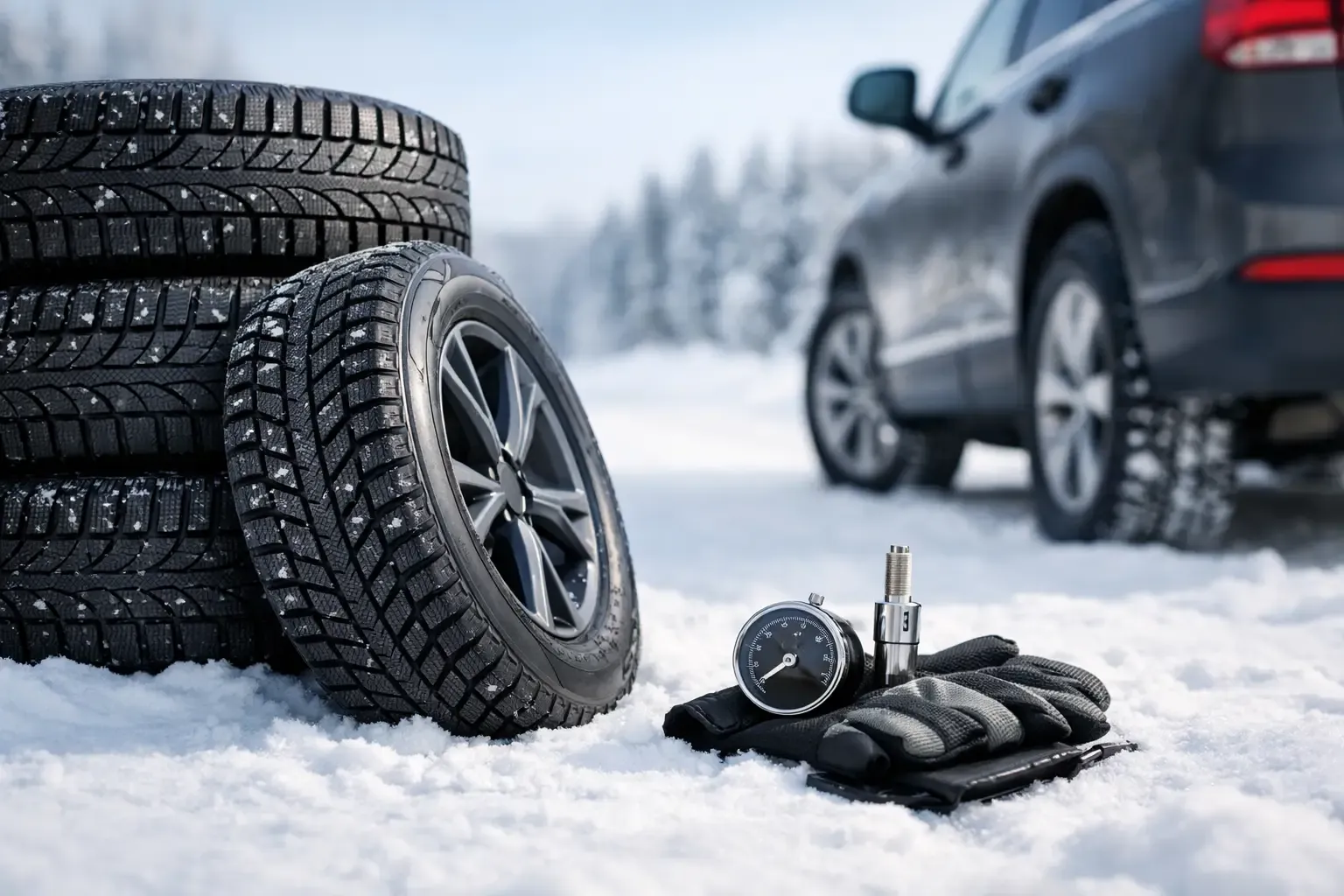
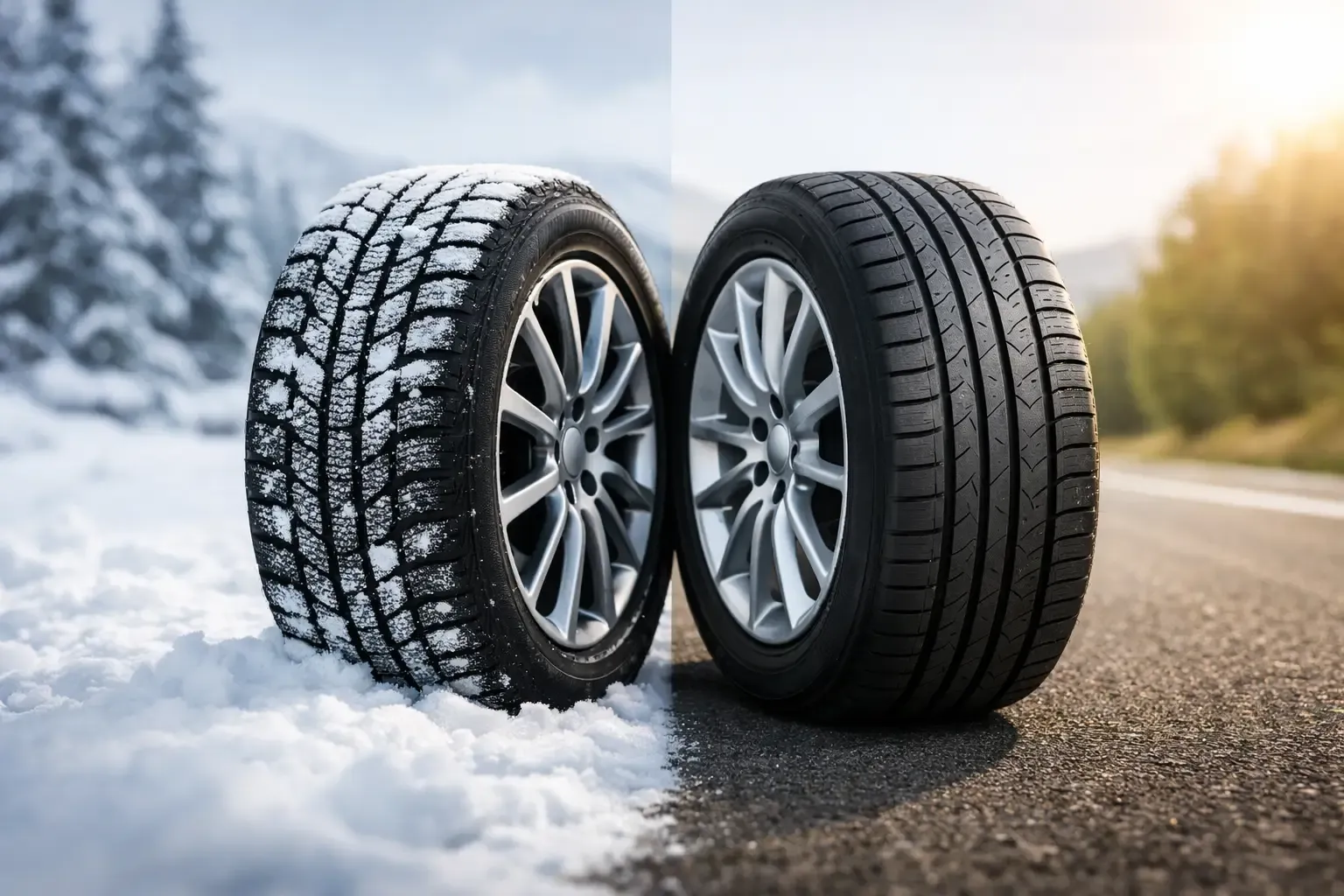
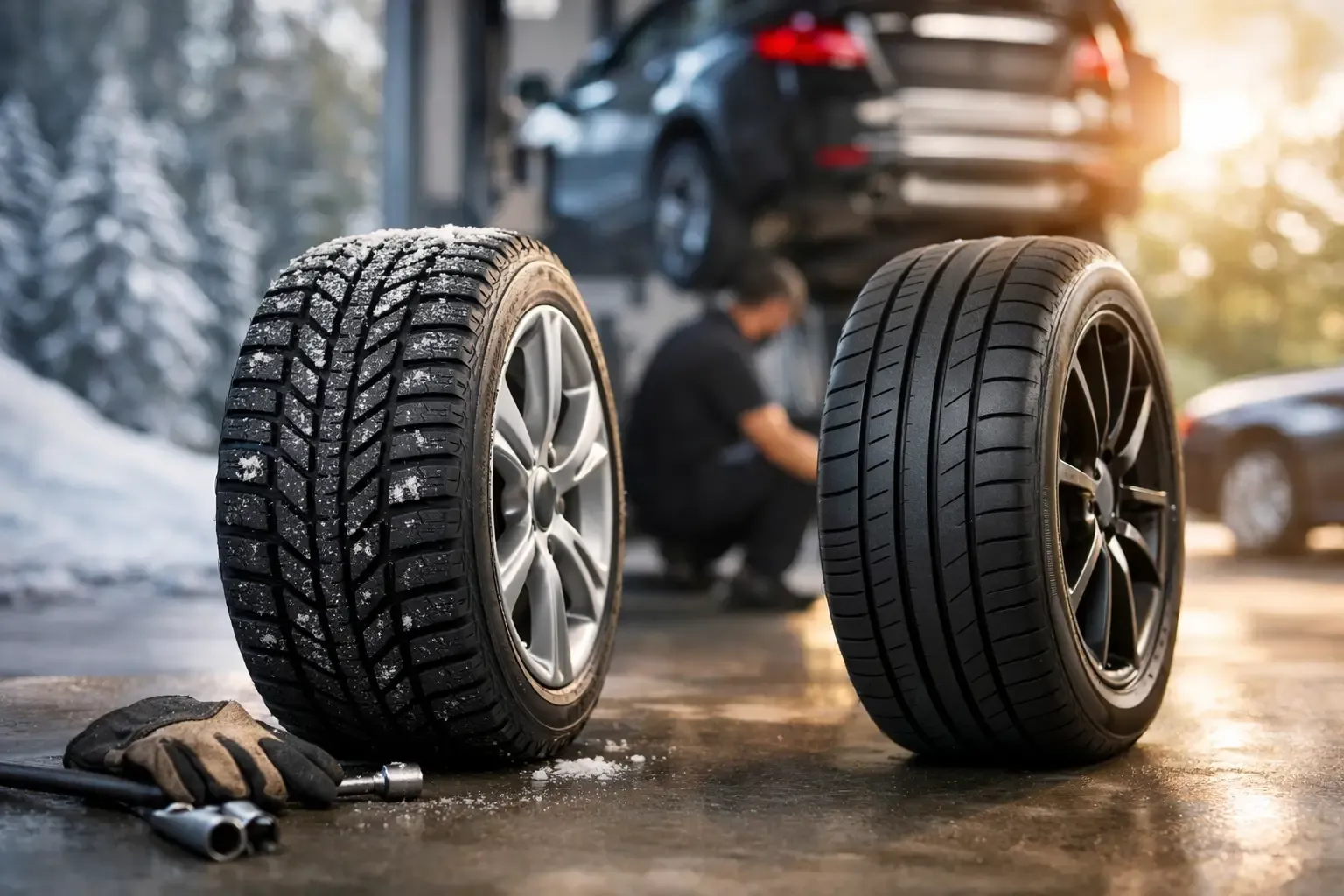
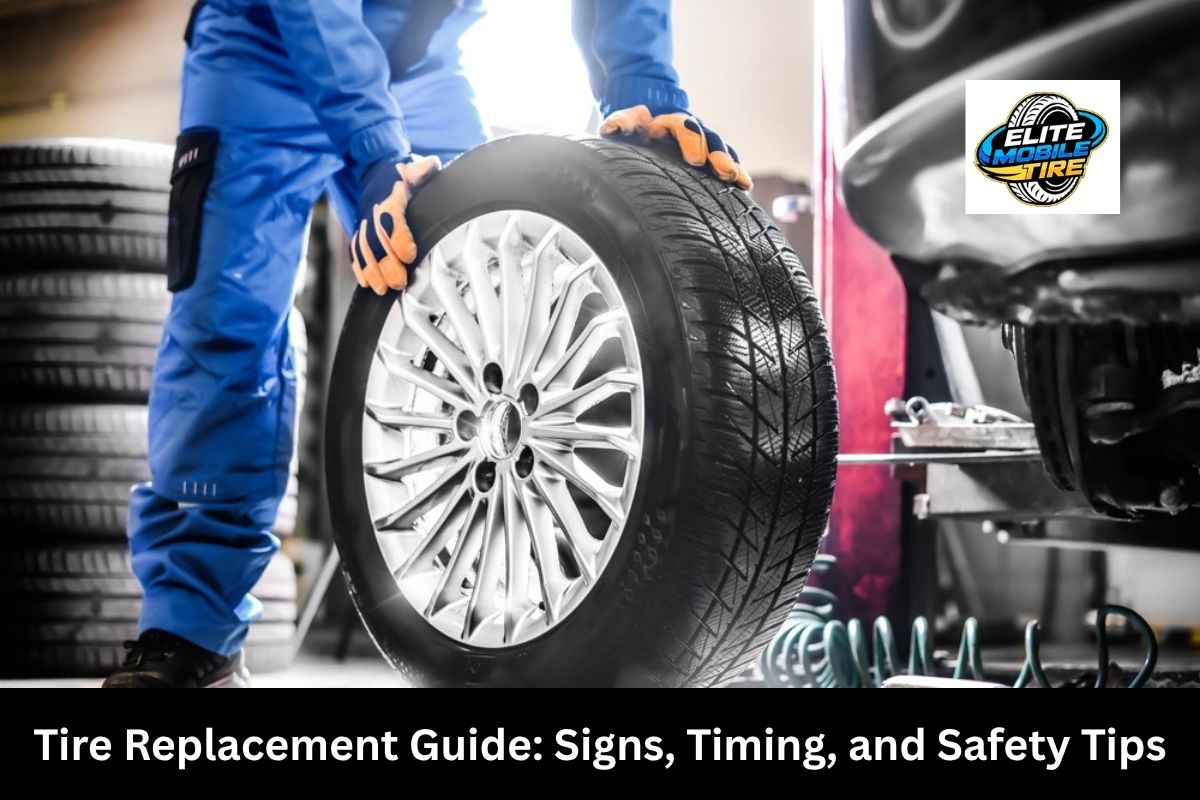
Dedicated winter tires are the strongest option for drivers who regularly travel before roads are cleared, commute on rural or secondary roads, visit hilly areas, or need to drive during active snow and ice events. Their rubber compound remains more flexible in cold temperatures than a typical all-season tire, helping the tread conform to the road surface.
Look for the Three-Peak Mountain Snowflake symbol on the sidewall. This marking indicates the tire meets a recognized standard for severe snow service. Winter tires also use deeper tread patterns and many small biting edges, called sipes, to improve grip on packed snow and slippery surfaces.
The trade-off is that winter tires are best used as a seasonal set. They tend to wear more quickly in warm weather and are not designed for year-round summer performance. For drivers who prioritize winter confidence, that seasonal change is often worthwhile.
Winter tires should be installed in sets of four. Installing only two can create uneven front-to-rear traction, which may make the vehicle less stable during braking or cornering on slick roads.
All-weather tires for year-round Ohio versatility
All-weather tires are often an excellent fit for busy drivers who want stronger winter performance without changing tires every season. Like winter tires, many all-weather options carry the Three-Peak Mountain Snowflake symbol. Unlike dedicated winter tires, they are designed to stay on the vehicle throughout the year.
For Columbus drivers who spend most of their time on maintained roads but still need to handle snow-covered side streets, early-morning commutes, and unpredictable cold snaps, all-weather tires can provide a practical balance. They generally deliver better snow traction than standard all-season tires while offering more comfortable warm-weather use than a dedicated winter tire.
There are still compromises. All-weather tires may not match a dedicated winter tire on glare ice or in deeper snow, and they may not offer the same dry-road responsiveness as a performance-focused all-season tire. For many families and commuters, though, they offer a sensible one-set solution.
All-season tires for lighter winter conditions
Quality all-season tires can work well for drivers who have flexible schedules, drive mostly on plowed roads, and can wait out the worst storms. They are built for balanced performance across a wide range of conditions, including rain and moderate cold.
However, not every all-season tire performs the same way in winter. A touring all-season tire with healthy tread may be appropriate for routine city driving, while a performance-oriented all-season tire may prioritize dry handling over snow grip. If winter traction is a priority, compare the tire's wet and snow capabilities rather than relying on the all-season label alone.
An all-season tire becomes a weaker winter choice as tread wears down. Even if it has not reached the legal wear limit, reduced tread depth can make it harder to evacuate slush and maintain control in heavy rain or snow.
How to Read the Tire Features That Matter
Tire names and marketing language can make a simple decision feel complicated. Focus on a few practical details instead.
The Three-Peak Mountain Snowflake symbol is the clearest indicator that a tire is rated for severe snow service. The M+S marking, meaning mud and snow, is common on many all-season tires but does not indicate the same level of tested snow performance.
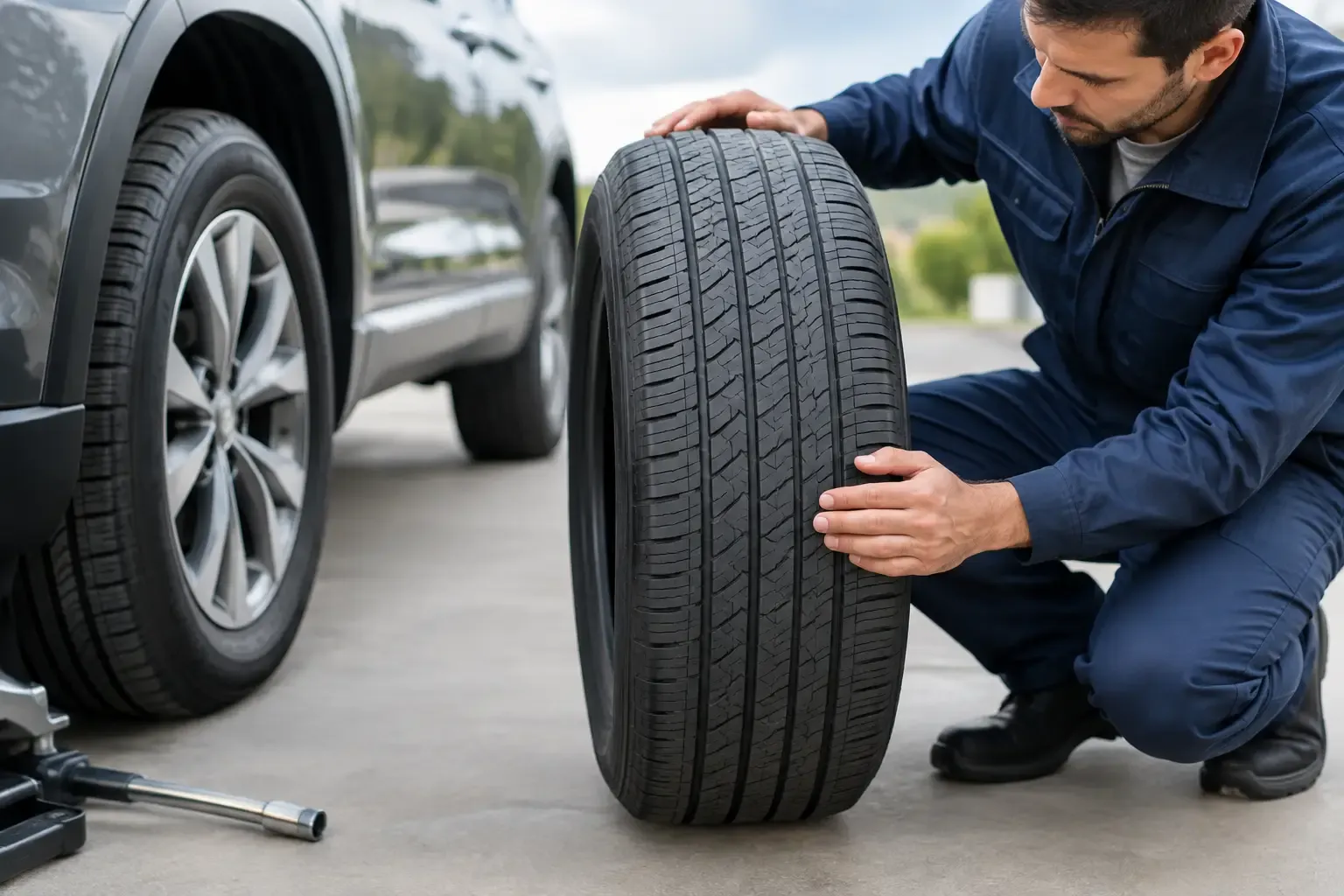
Tread design affects how a tire handles winter roads. Open channels help move water and slush away from the tire, while dense siping creates more edges to grip snow. A winter tire usually has more aggressive siping and a more flexible tread compound than an all-season tire.
Your vehicle's recommended tire size also matters. Stay with the size listed on the driver's door placard unless a qualified tire professional recommends a compatible alternative. Changing tire size without considering load capacity, overall diameter, wheel fitment, and vehicle clearance can affect handling, speedometer accuracy, and safety systems.
Do Not Let Tire Condition Undercut a Good Choice
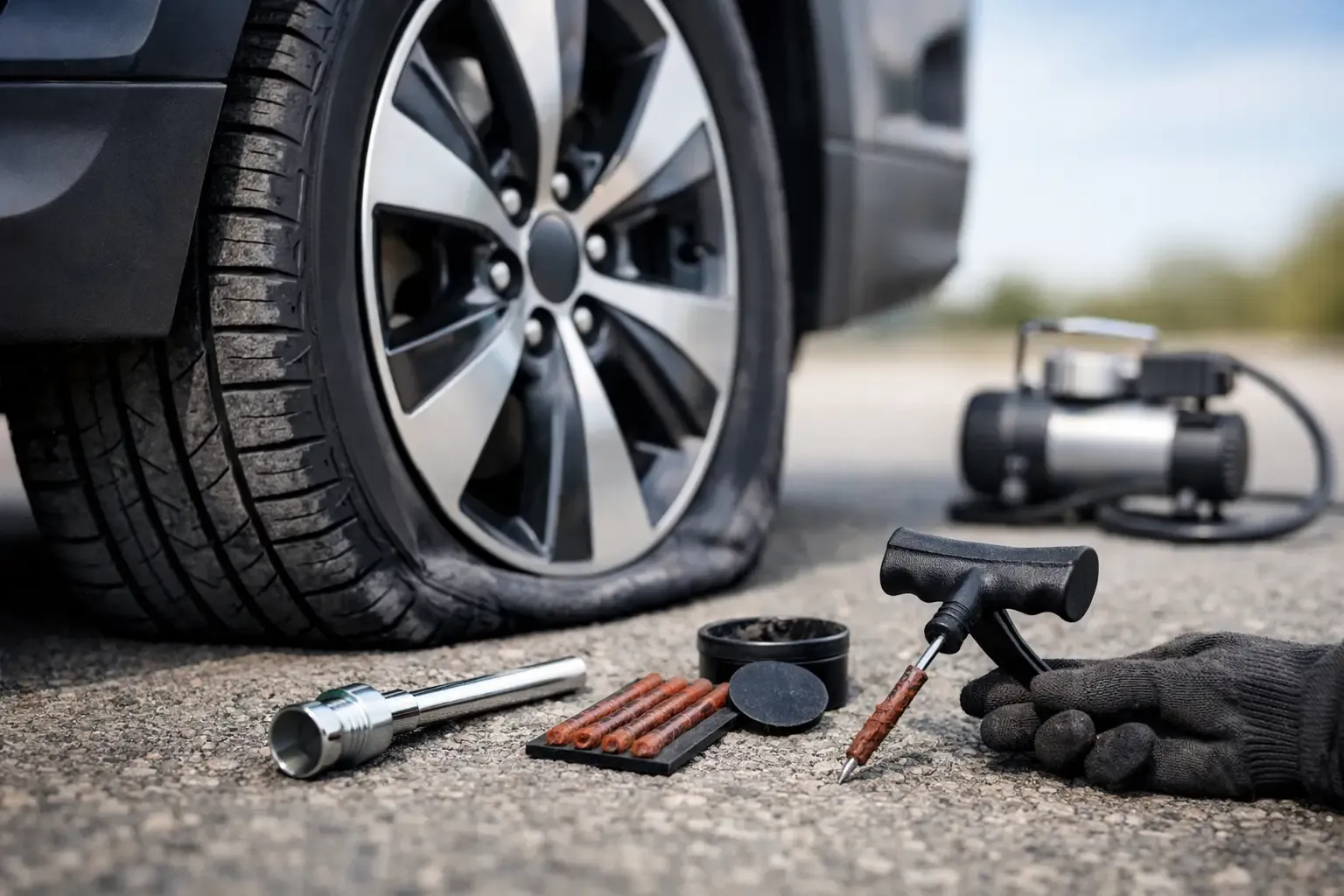
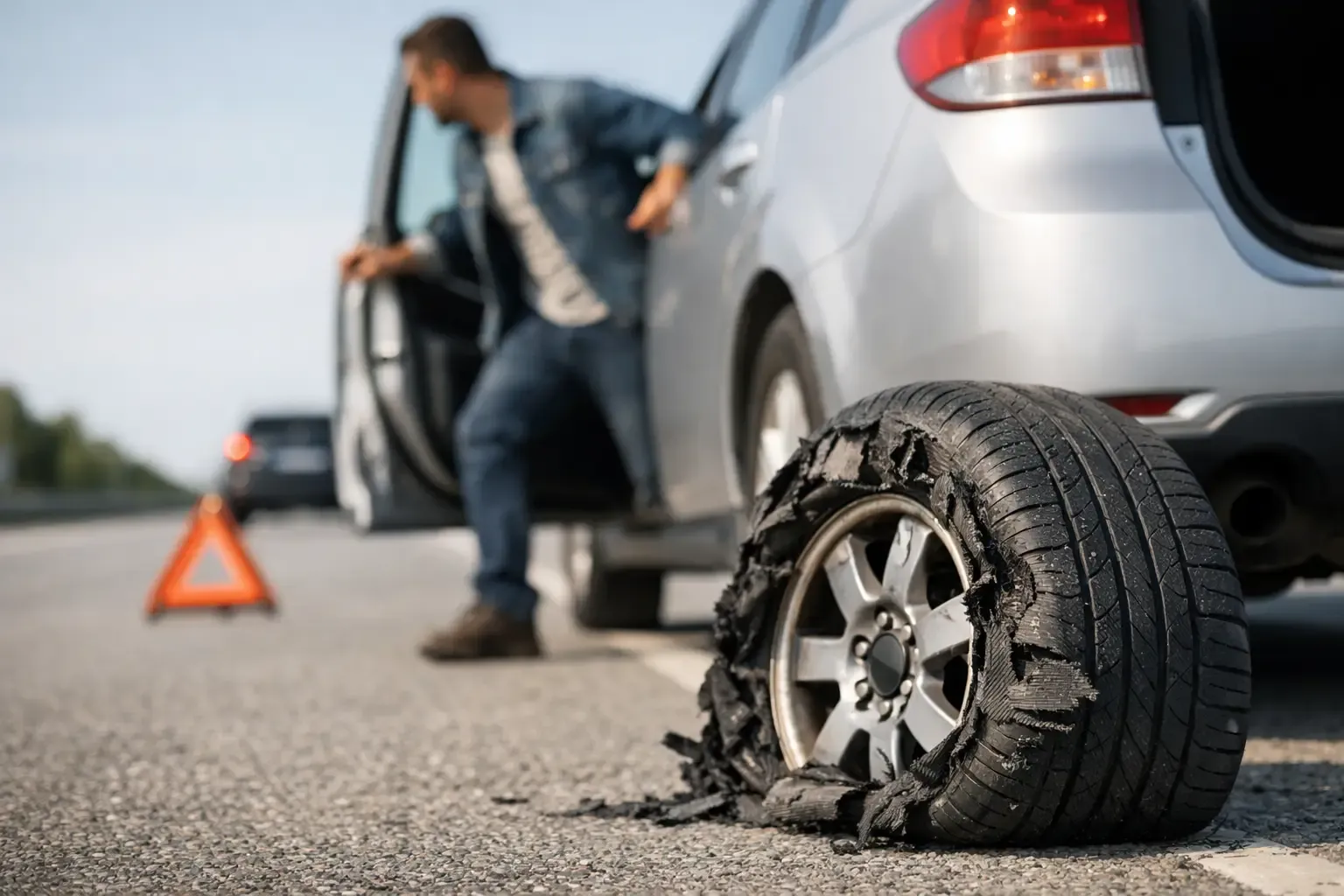
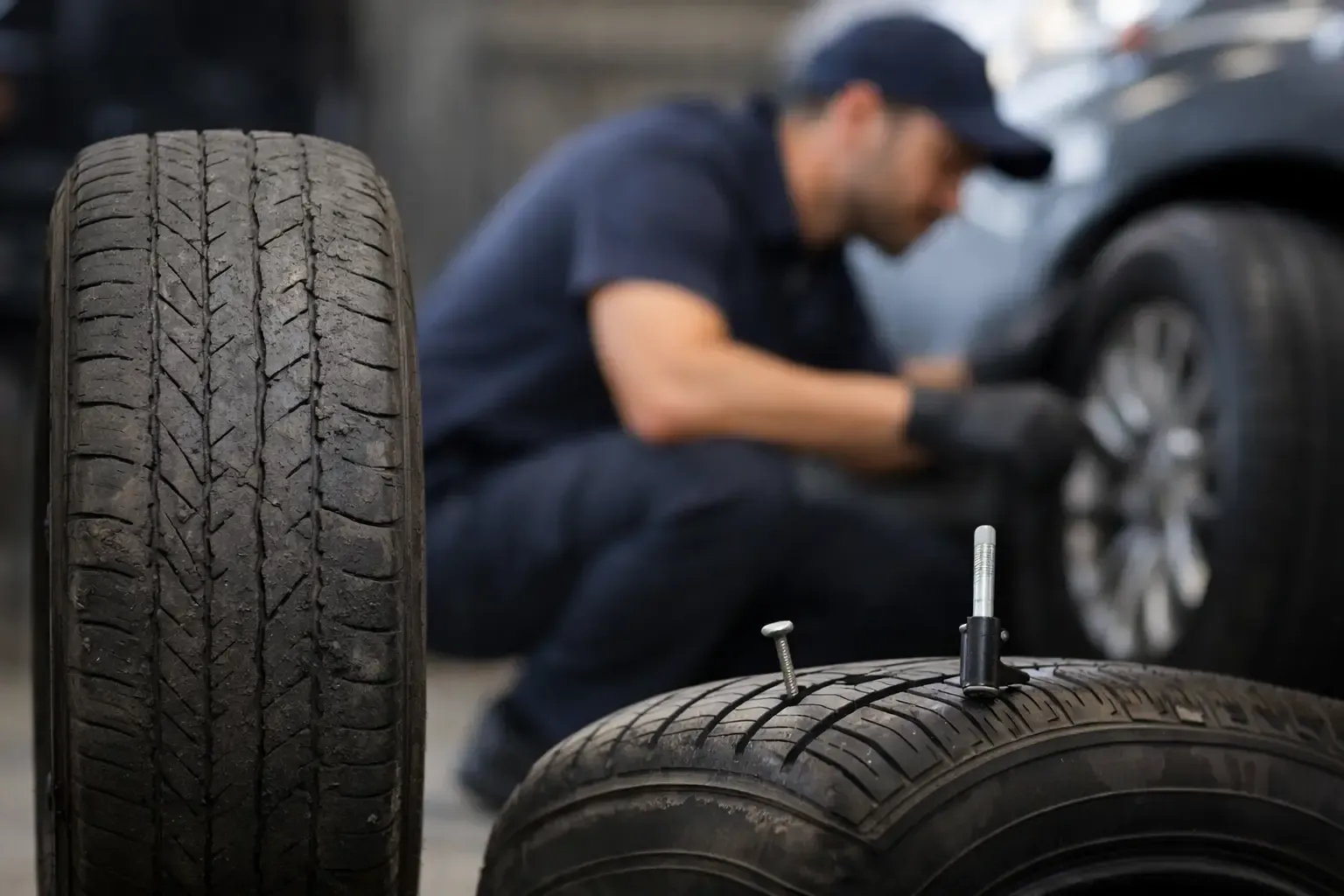
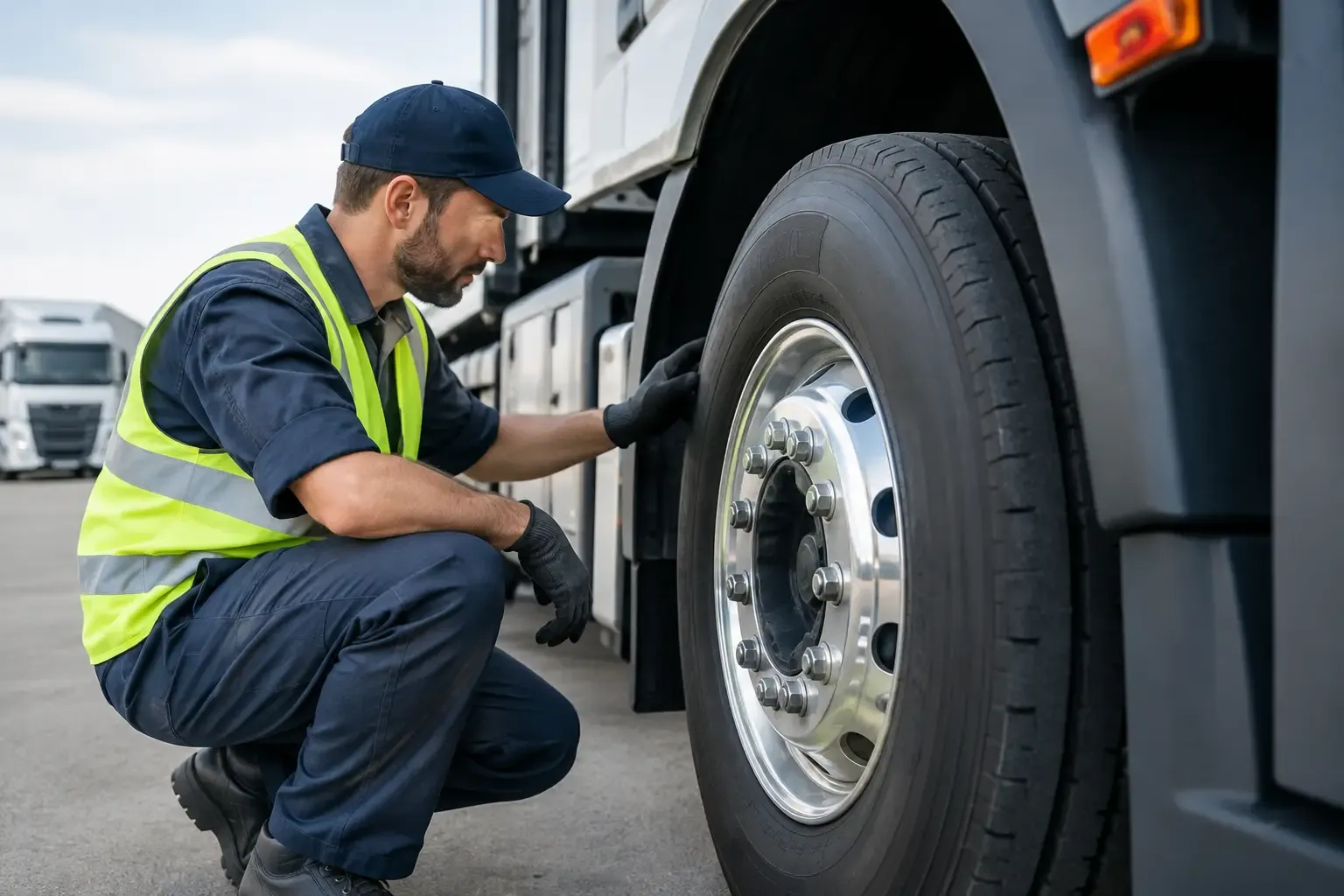
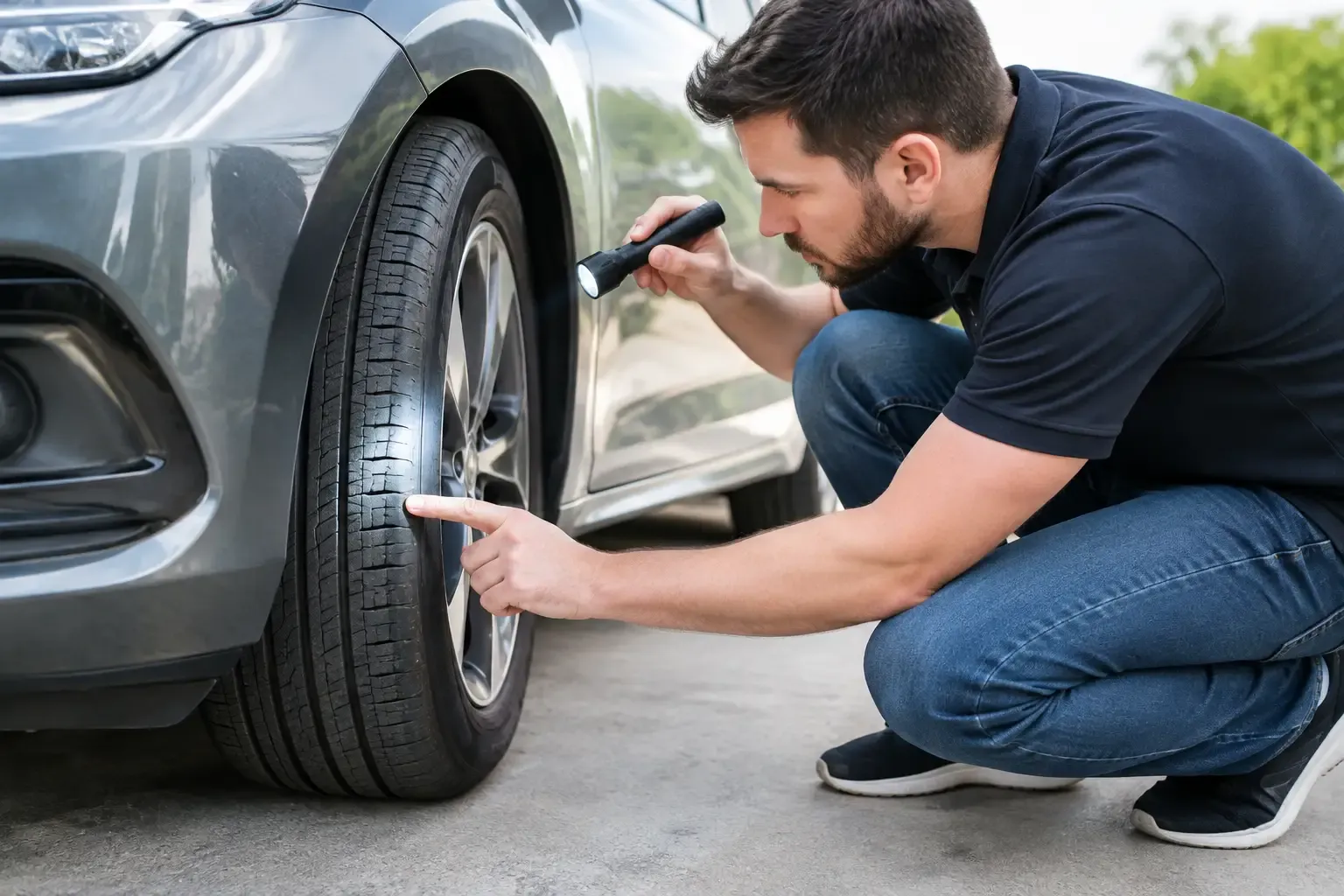
Even the right tire type cannot perform well if it is damaged, underinflated, or worn down. Before winter, check all four tires for cracks, punctures, uneven wear, bulges, and exposed cords. If your vehicle pulls to one side or a tire shows unusual inner or outer edge wear, have the alignment and suspension inspected.
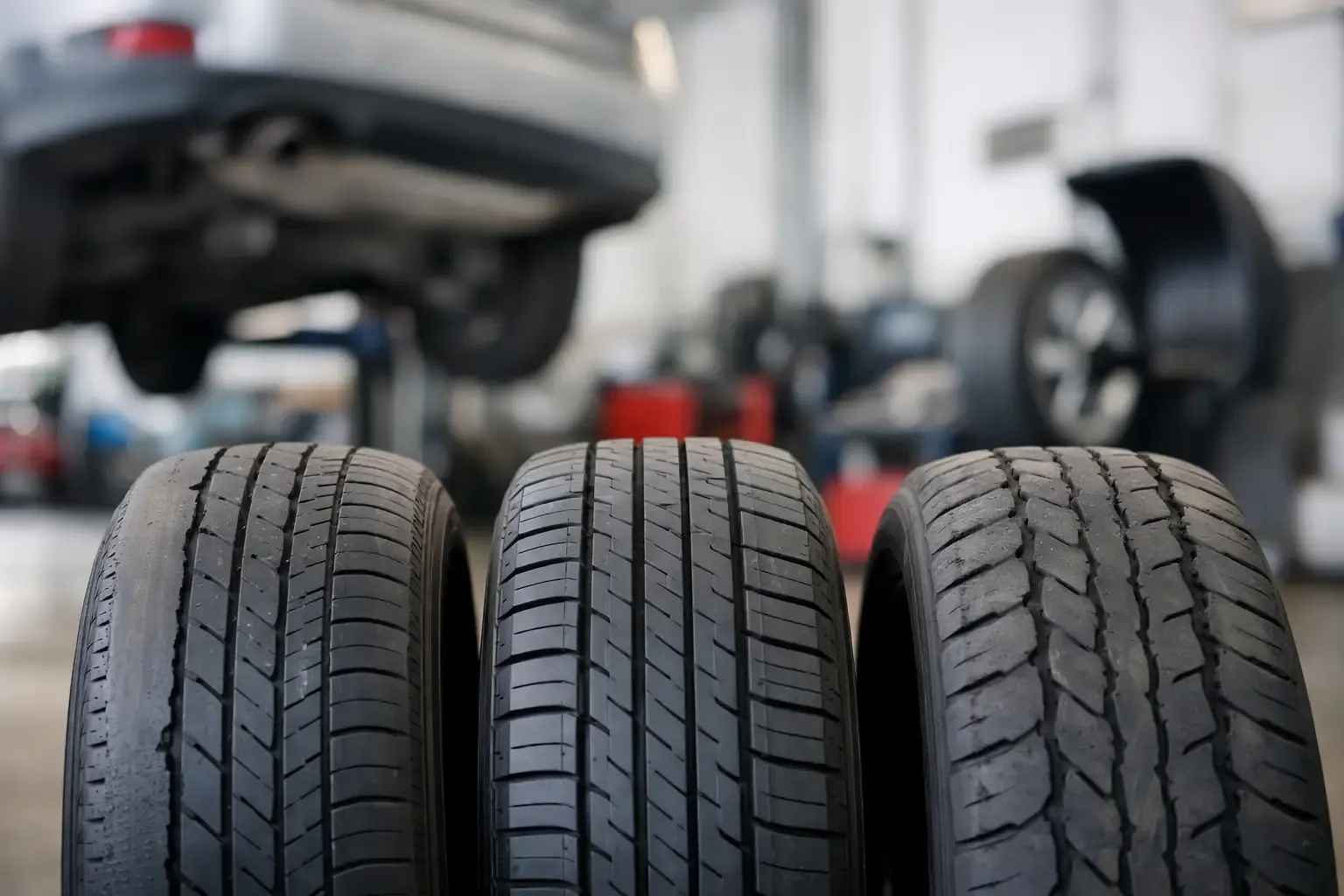
Use a tread-depth gauge when possible. The common penny test can identify severely worn tread, but winter driving calls for more caution than simply meeting a minimum legal standard. When tread gets low, water evacuation and snow traction decline well before a tire appears completely smooth.
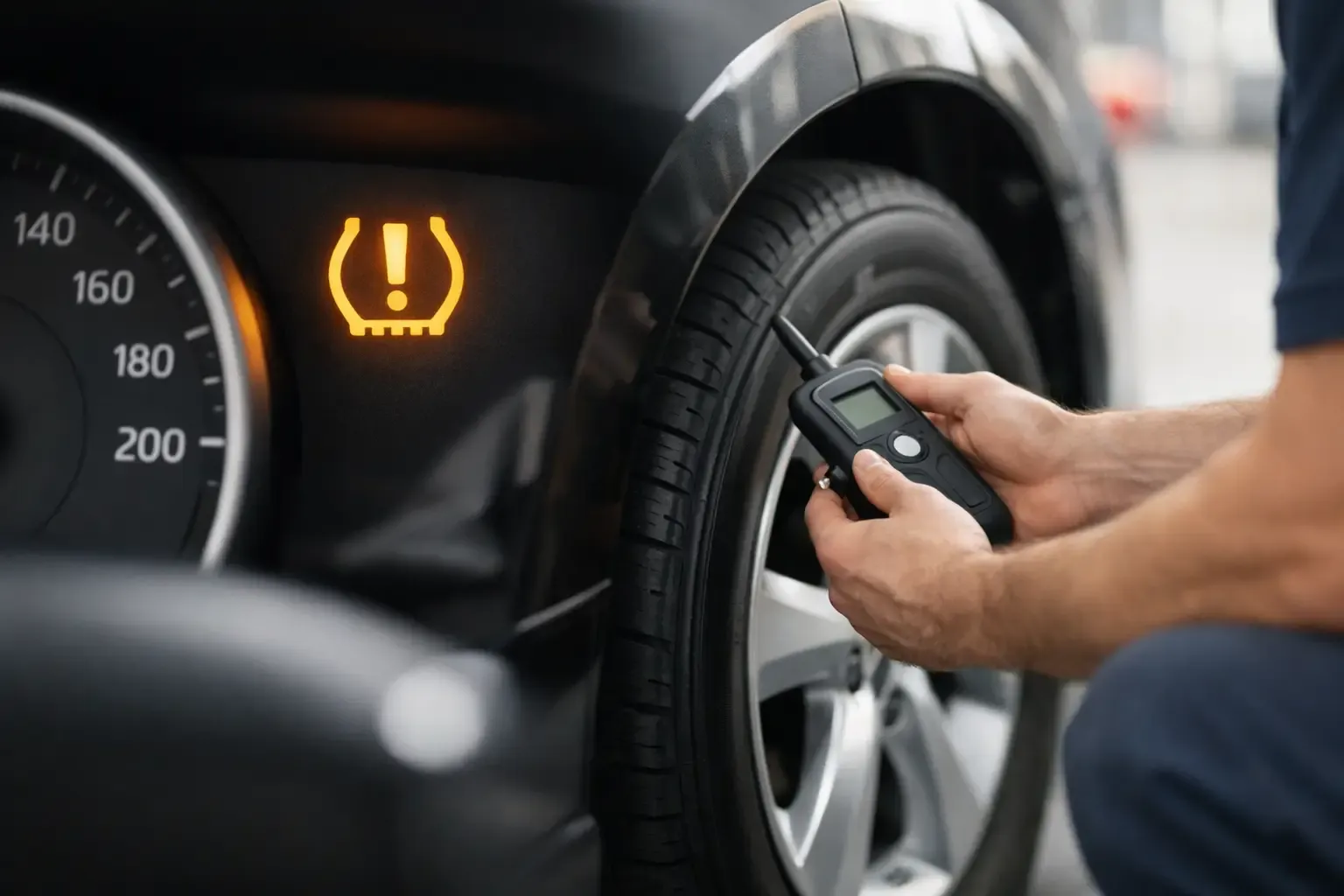
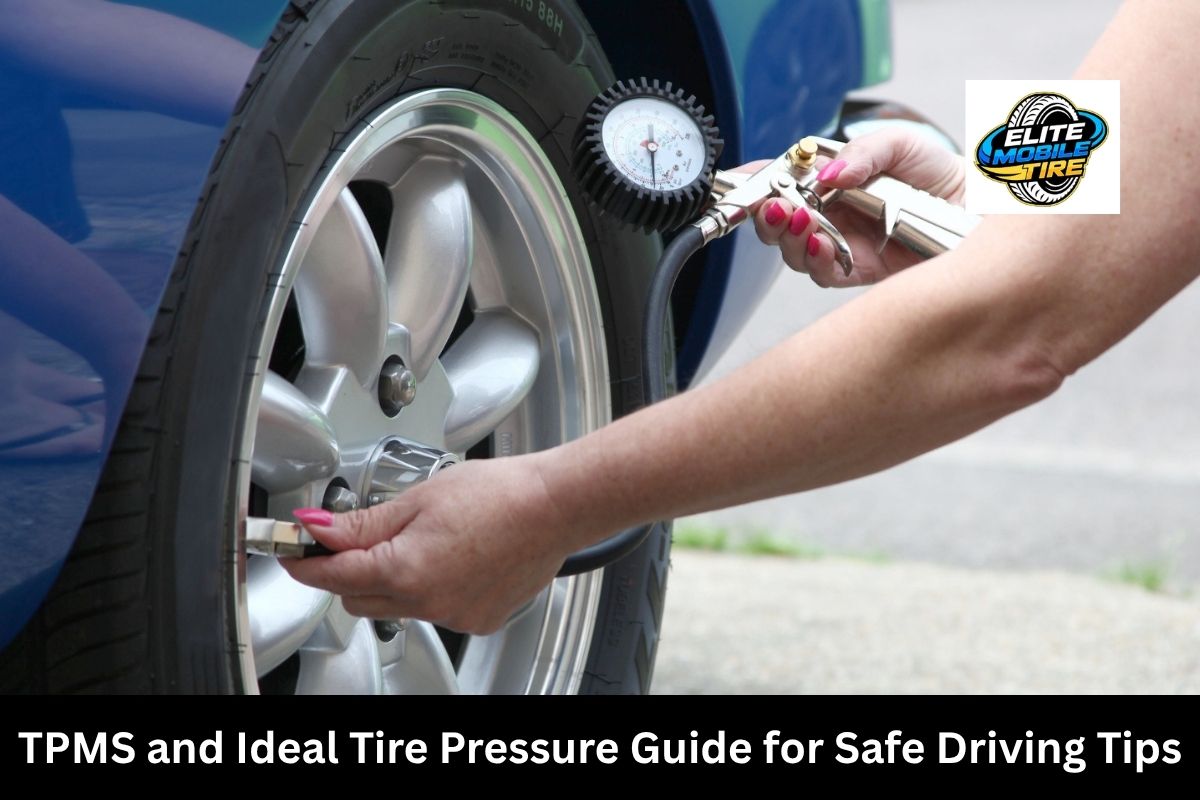
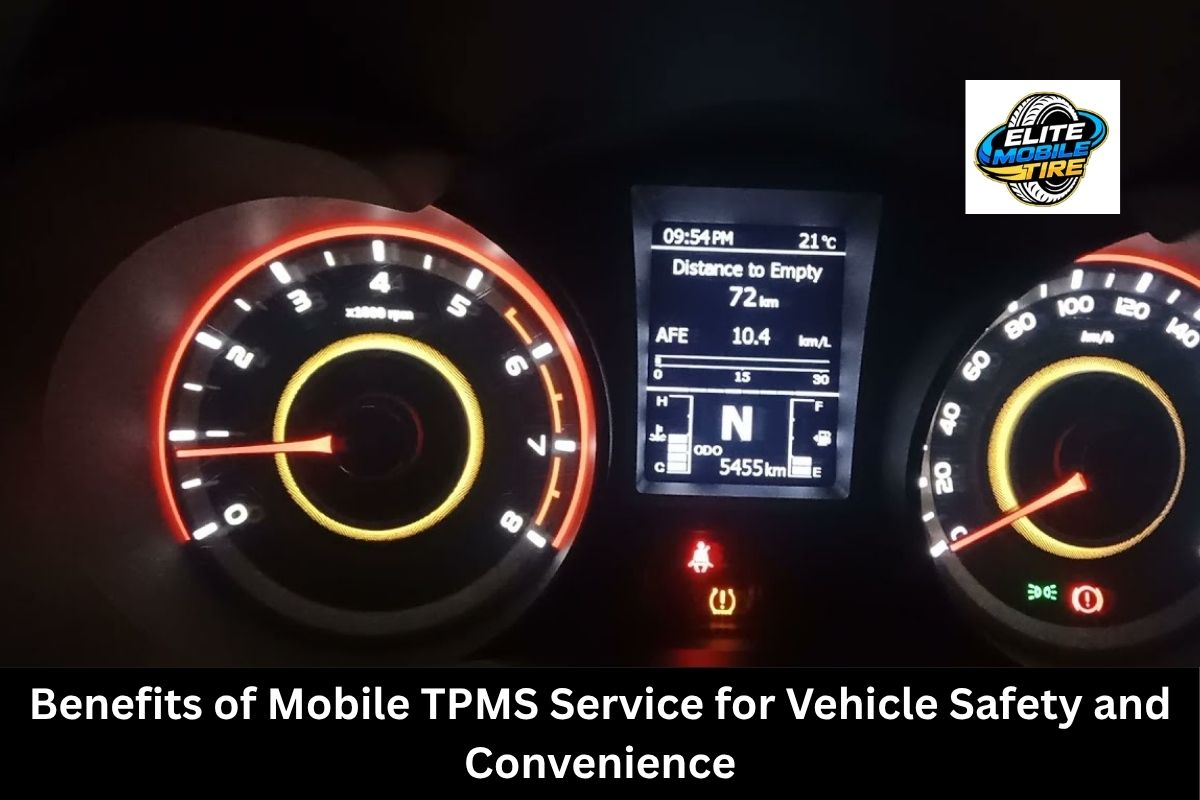
Cold weather also lowers tire pressure. Check pressure when the tires are cold and inflate them to the vehicle manufacturer's recommended pressure on the door placard, not the maximum pressure printed on the tire sidewall. A TPMS warning should be addressed promptly, especially before a highway commute or winter trip.
A Simple Winter Tire Decision Checklist
Before selecting a tire, consider these four questions:
- Do you need to drive during snow, freezing rain, or before plows clear the roads?
- Do you travel beyond major highways or drive on hilly, shaded, or rural routes?
- Can you keep a separate set of winter tires and schedule seasonal changeovers?
- Is your current tread deep enough to manage wet roads and slush safely?
If the answer to the first two questions is often yes, dedicated winter tires are usually the strongest choice. If you want dependable winter capability without seasonal swaps, all-weather tires deserve serious consideration. If you mainly drive after roads are treated and can avoid severe conditions, a quality all-season tire with strong remaining tread may be enough.
Make Winter Tire Service Easier
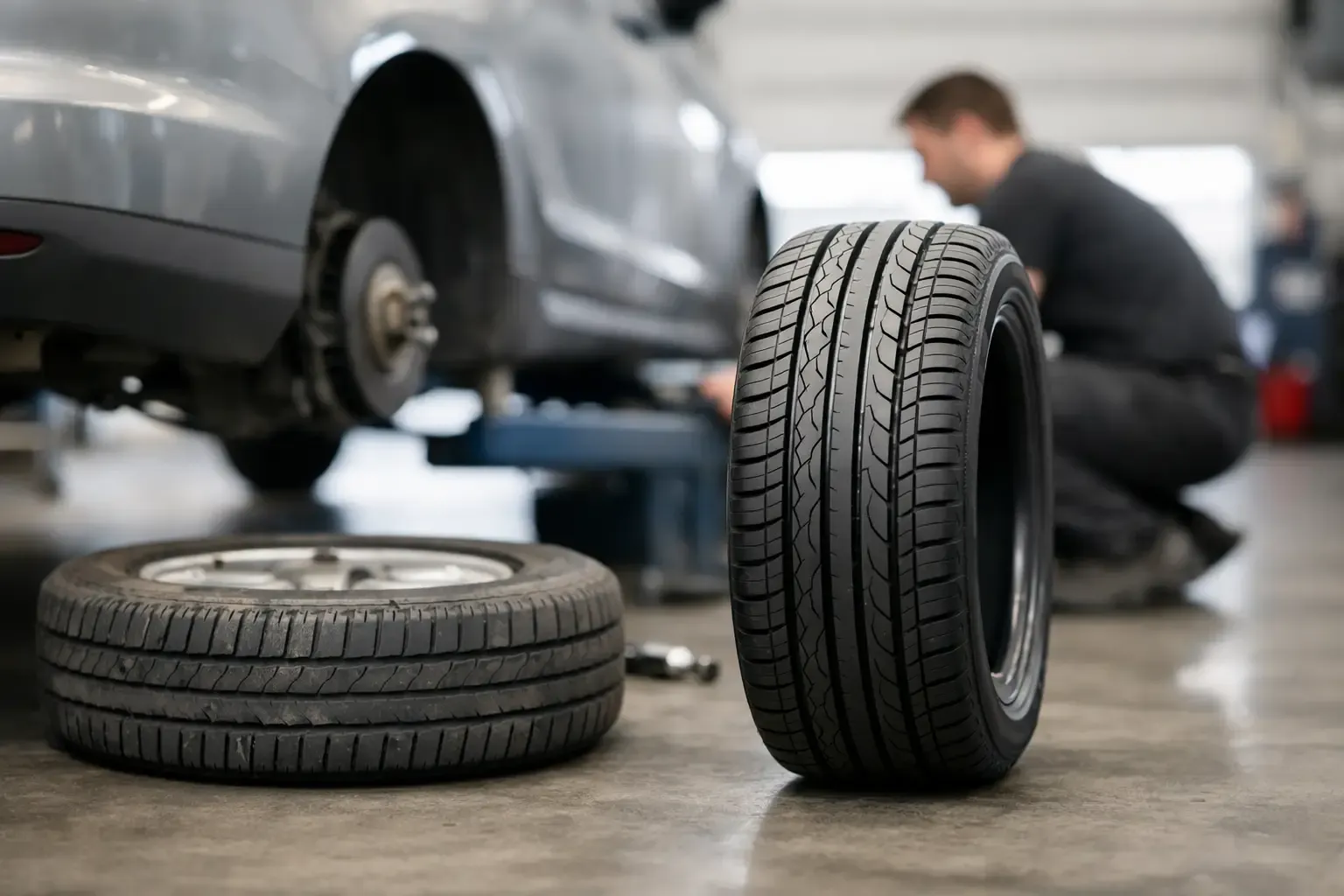
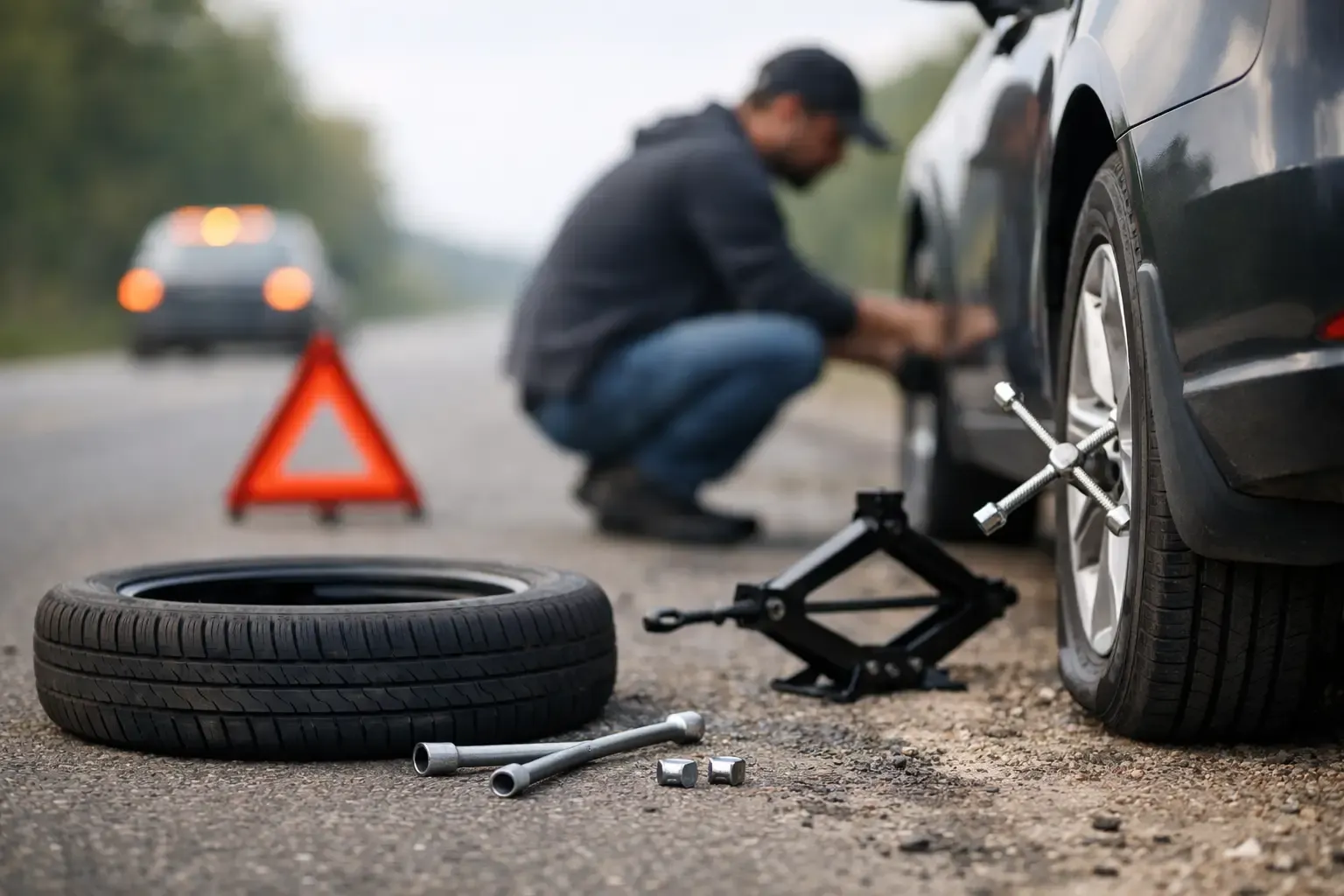
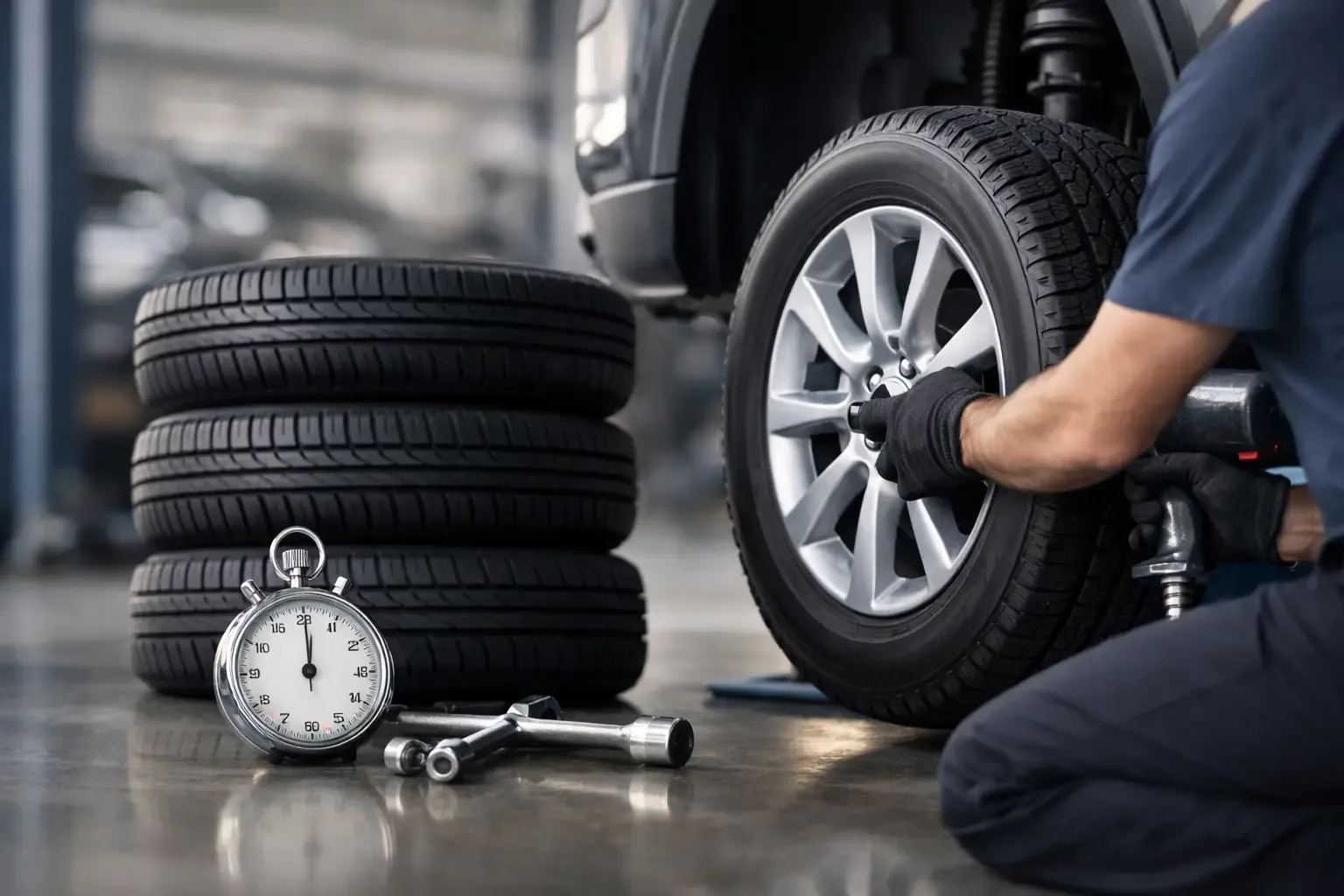
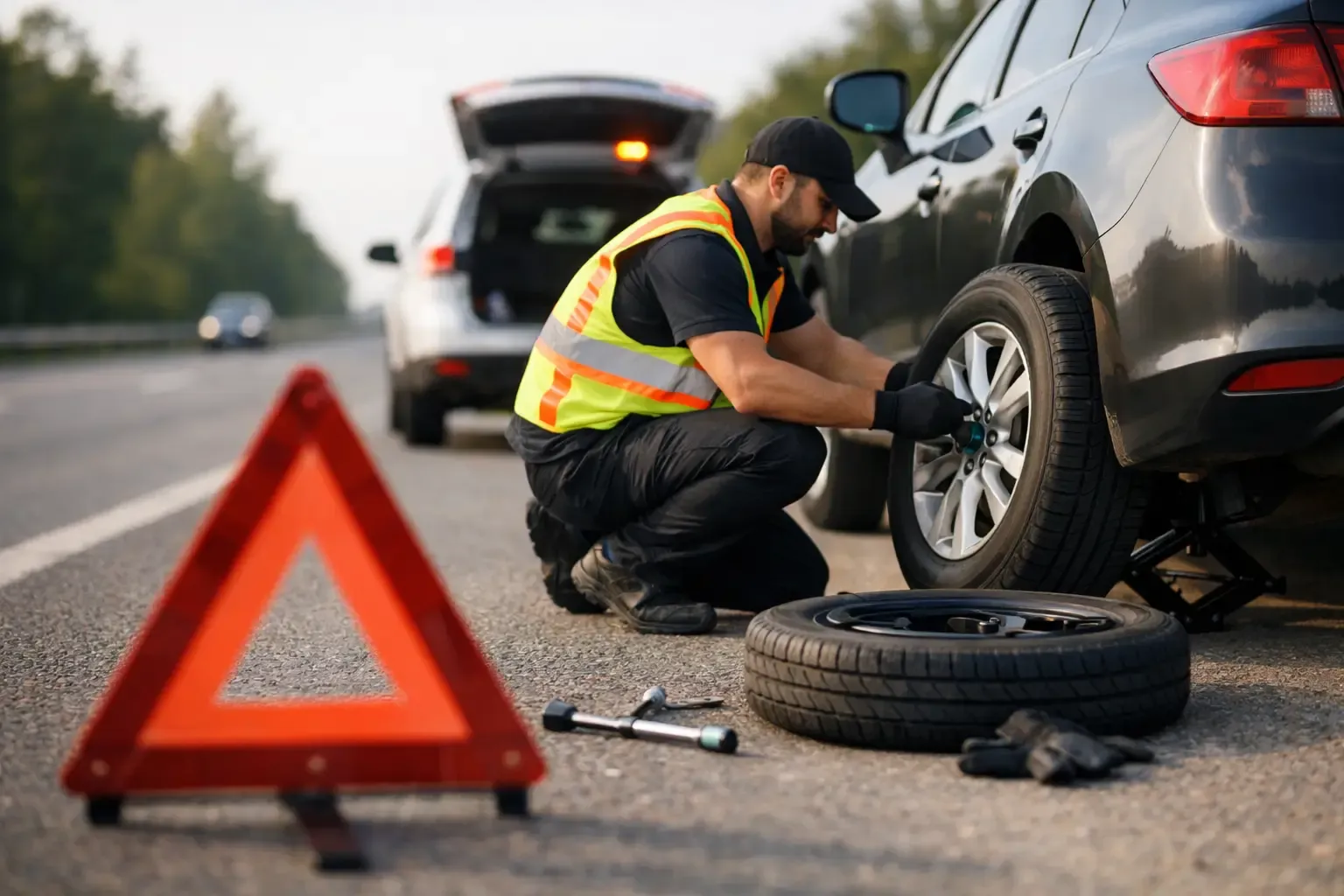
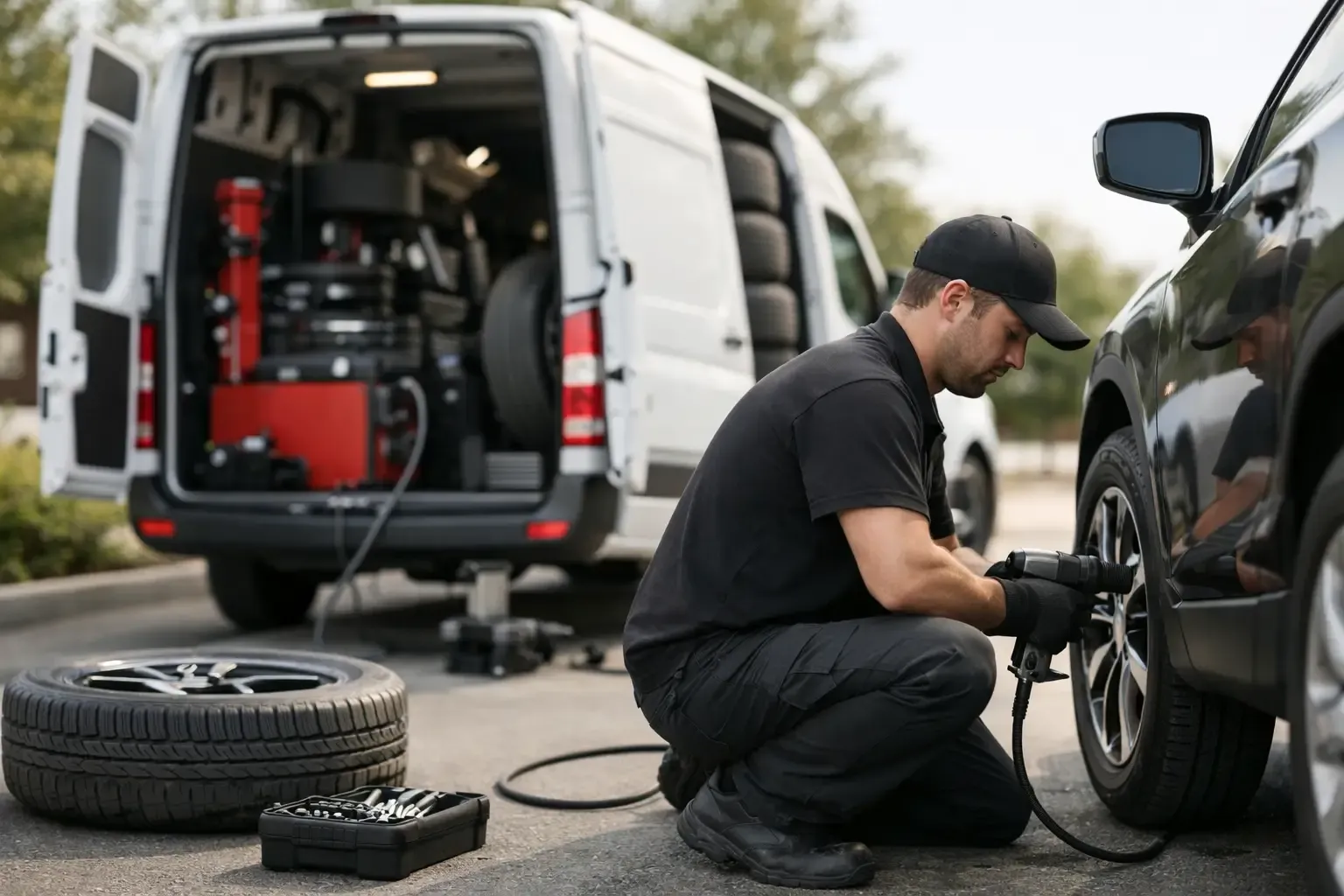
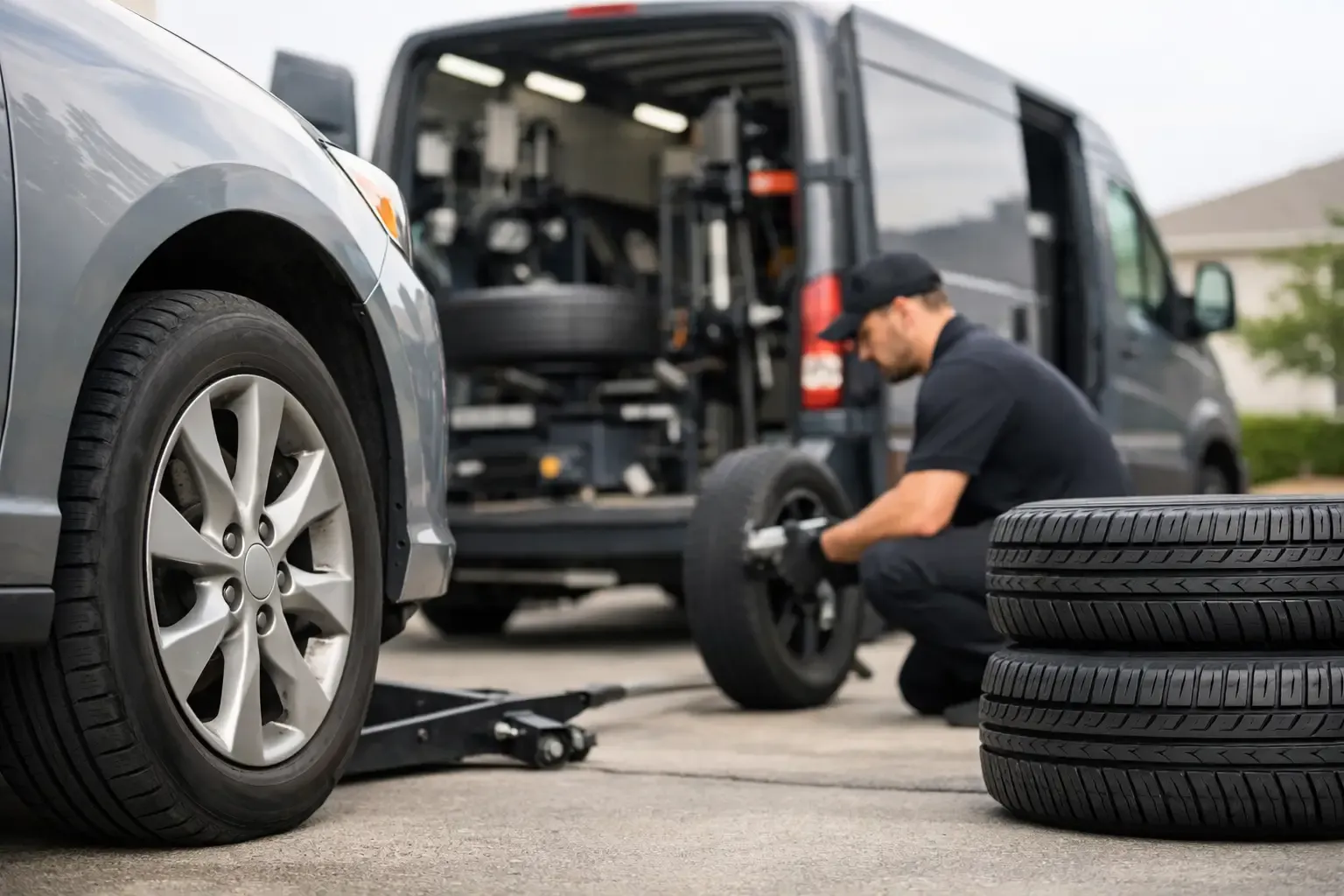
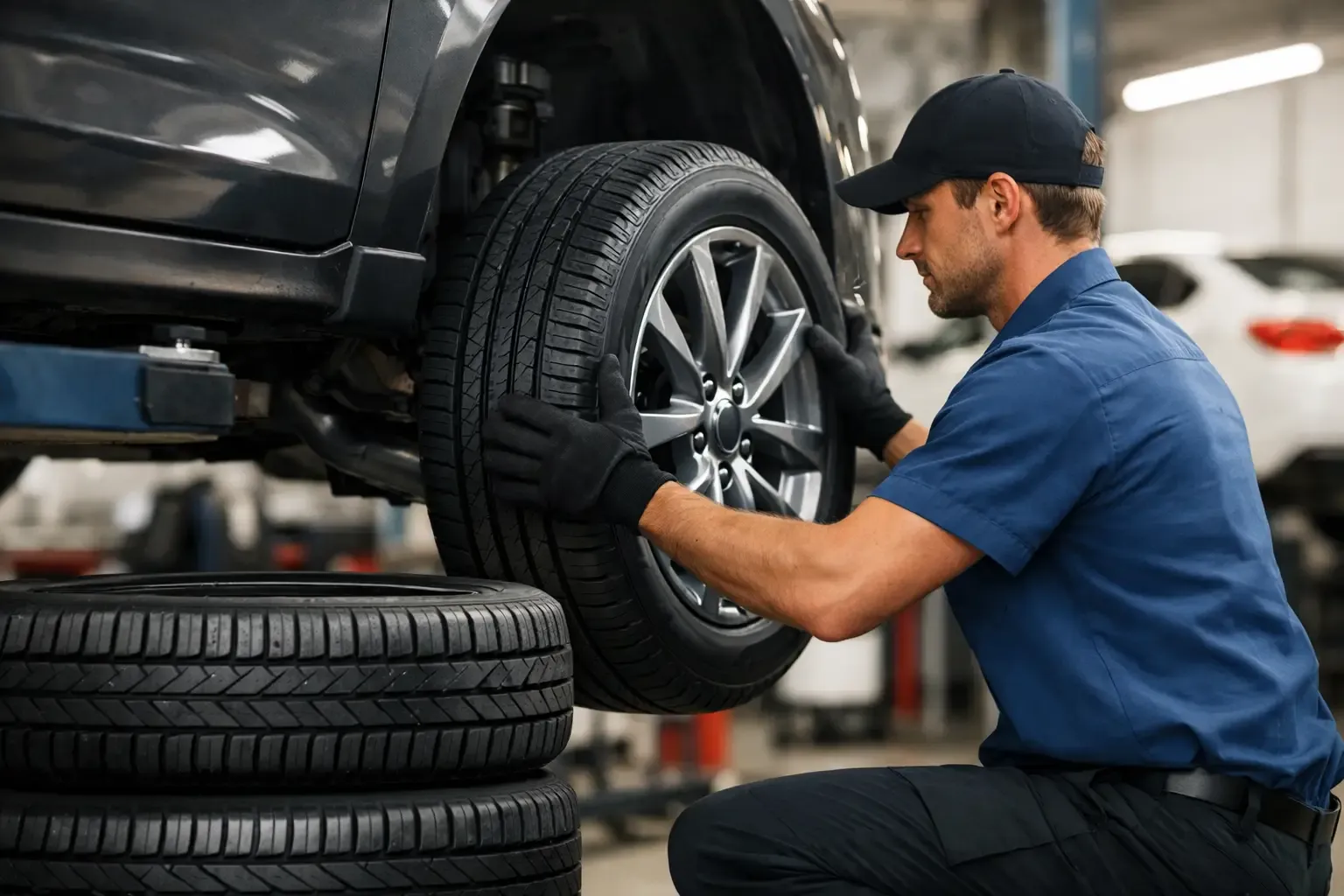
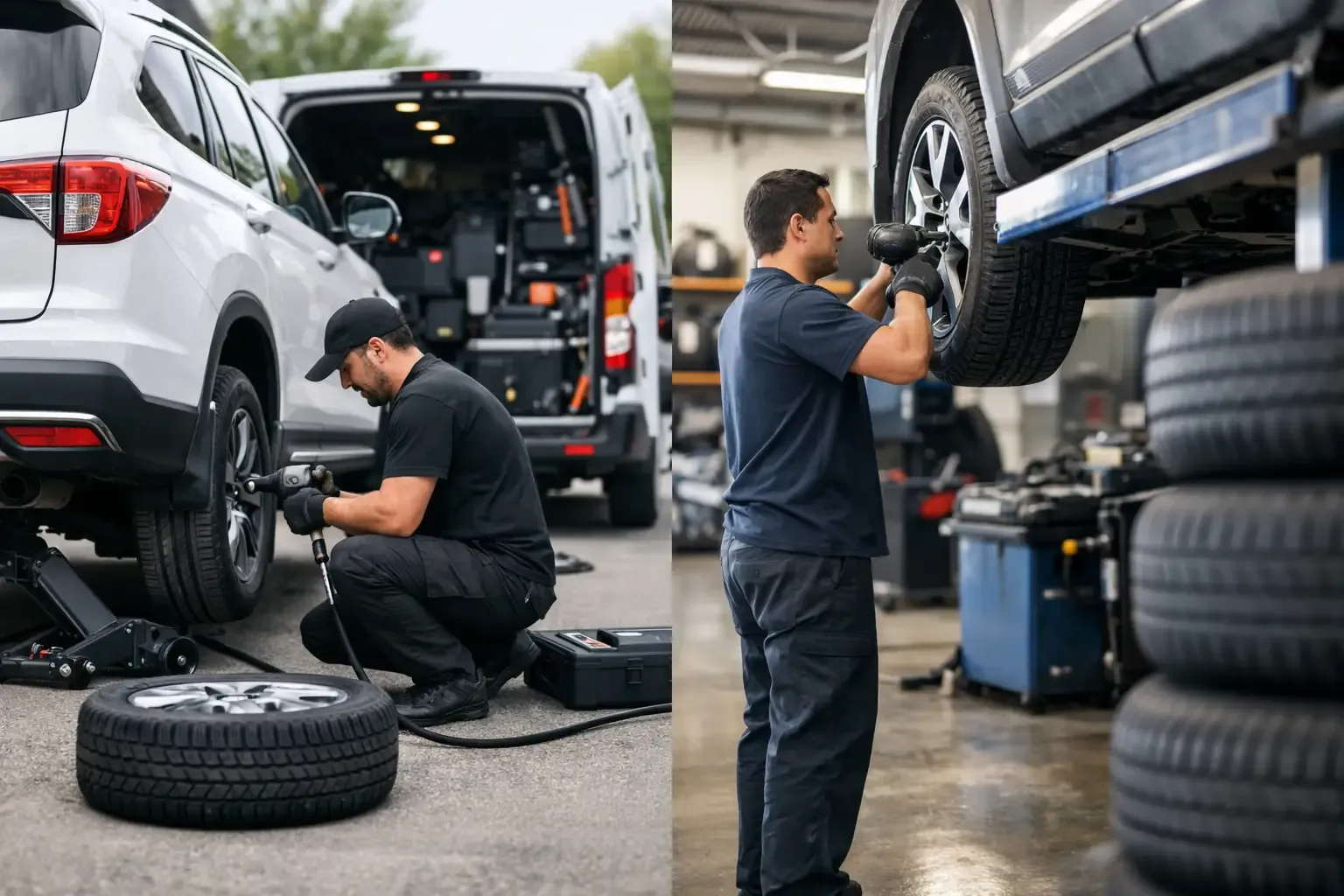
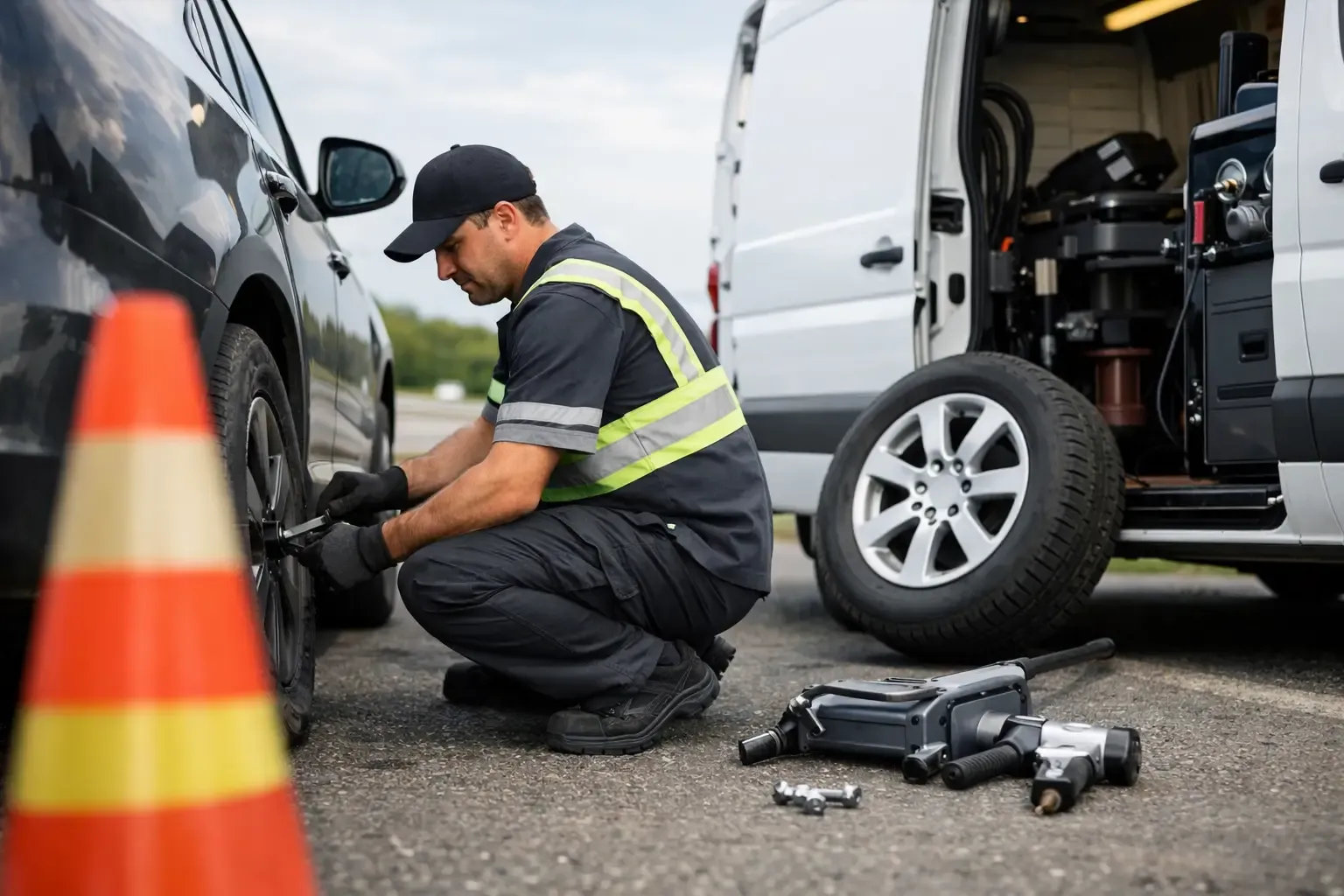
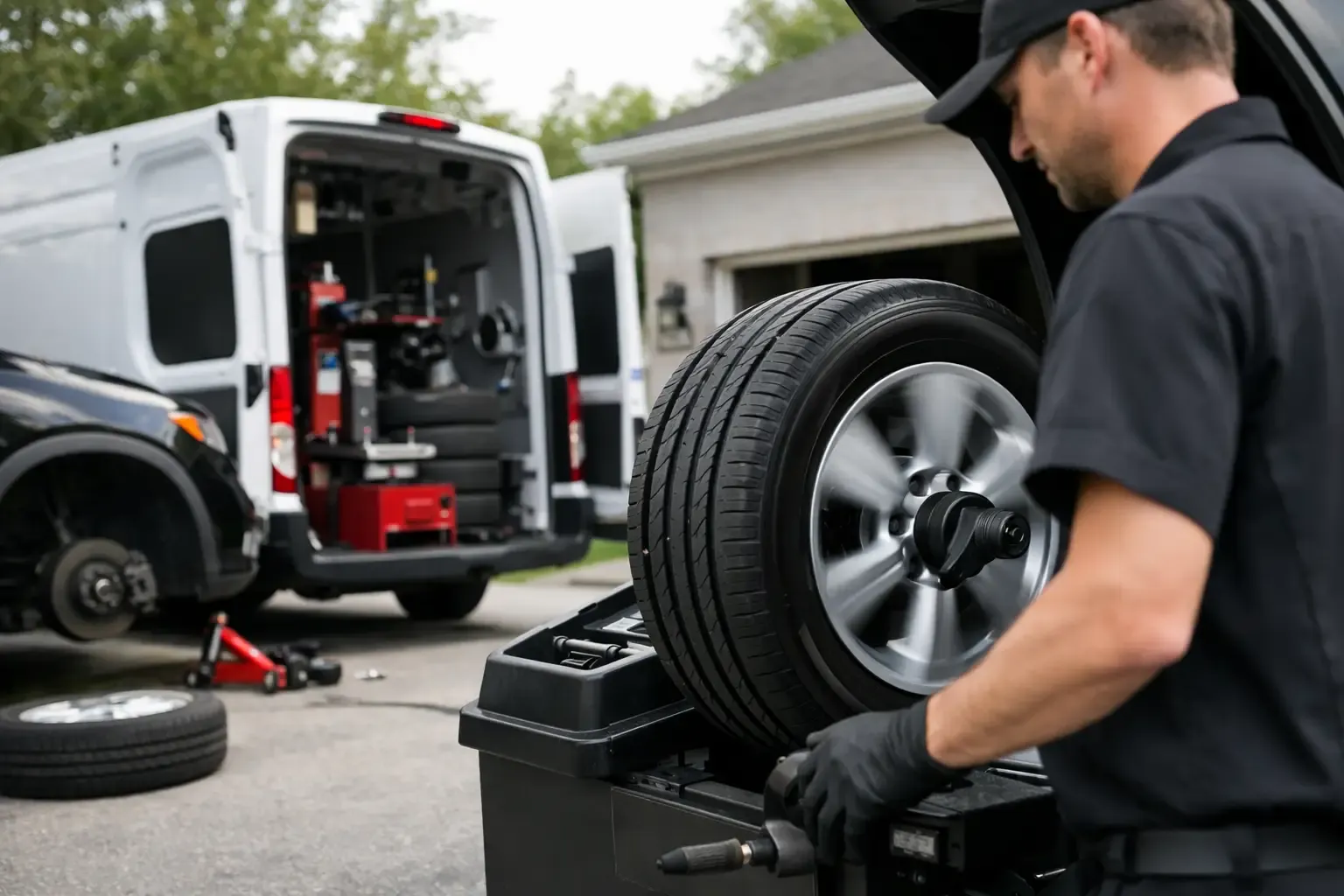
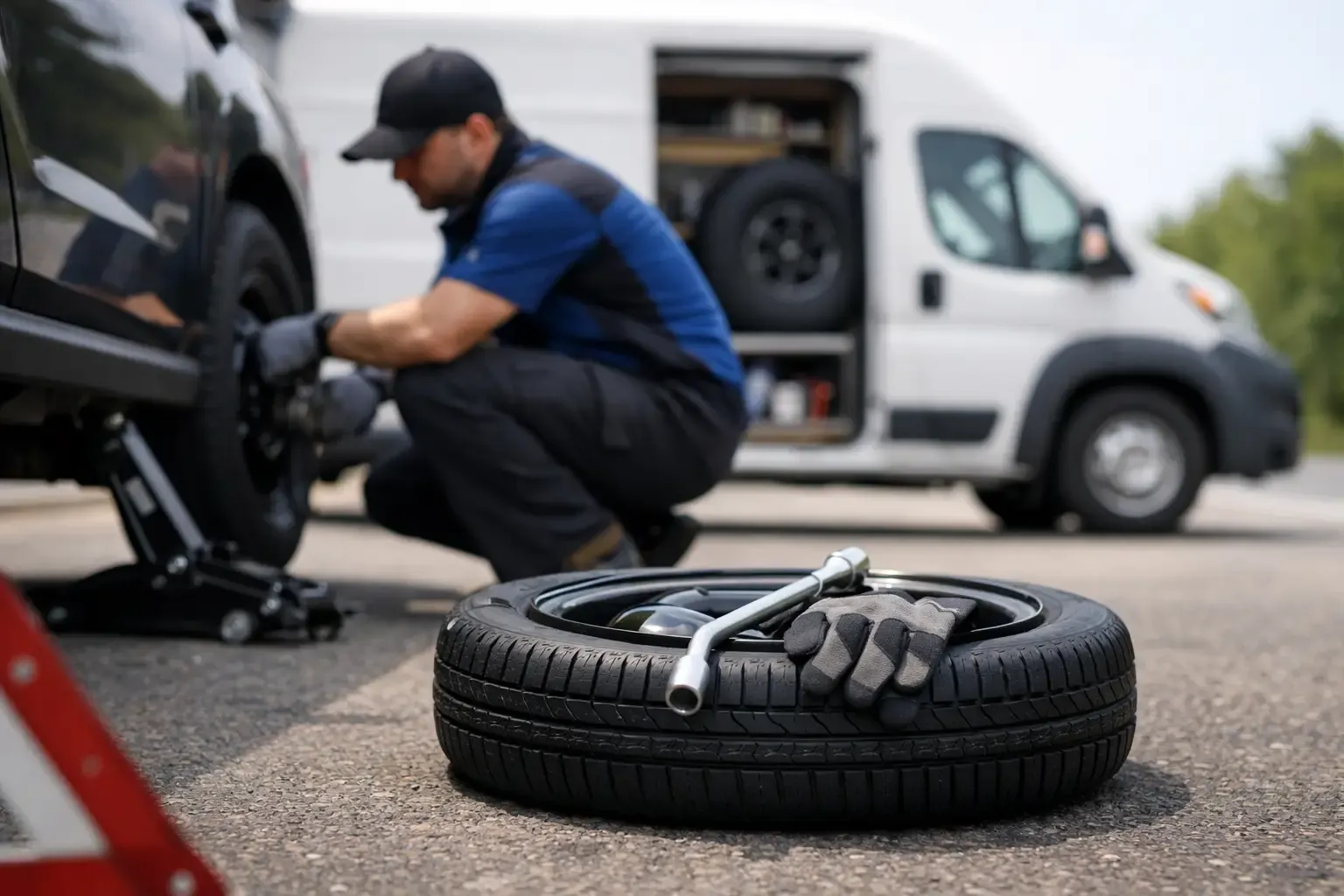
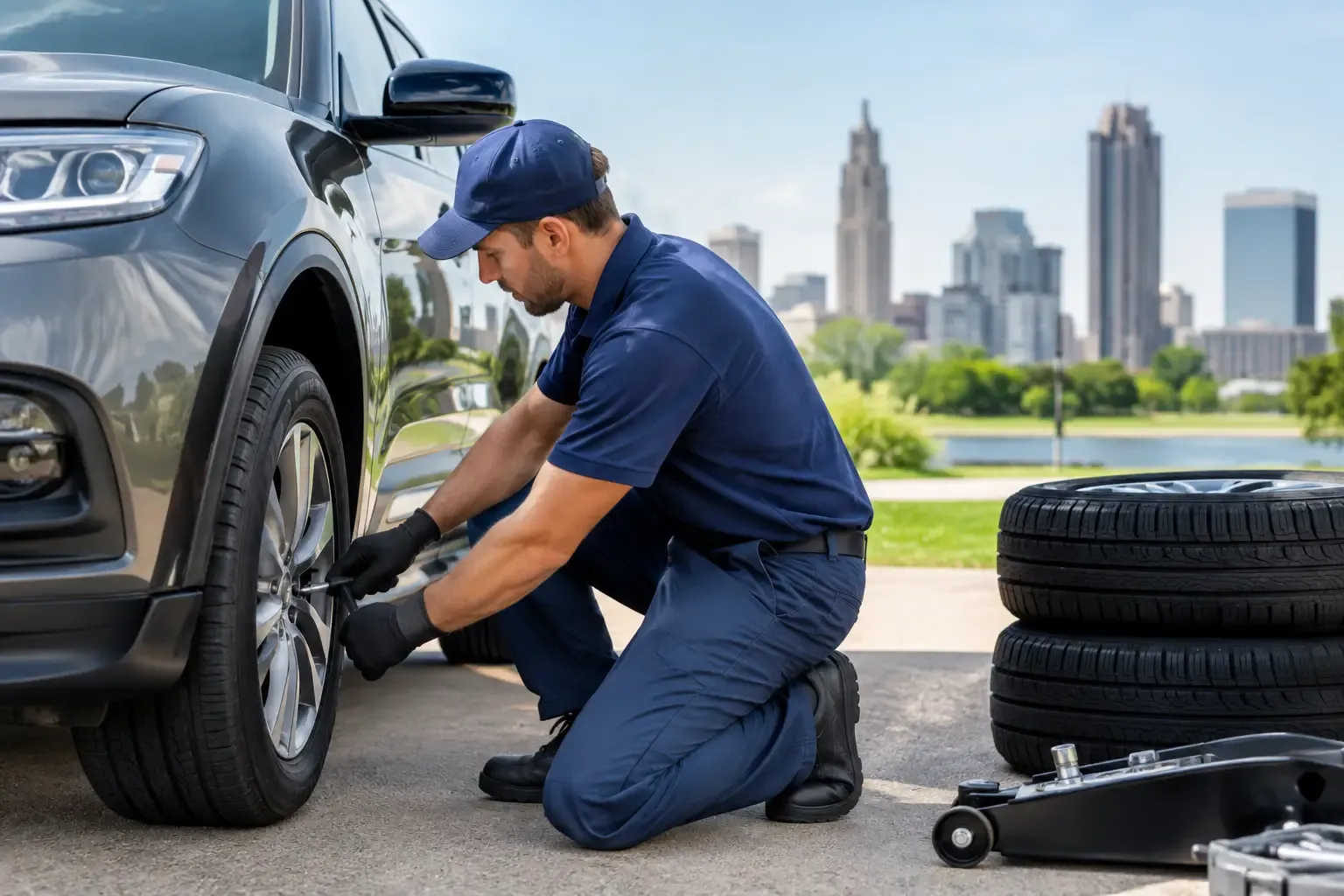
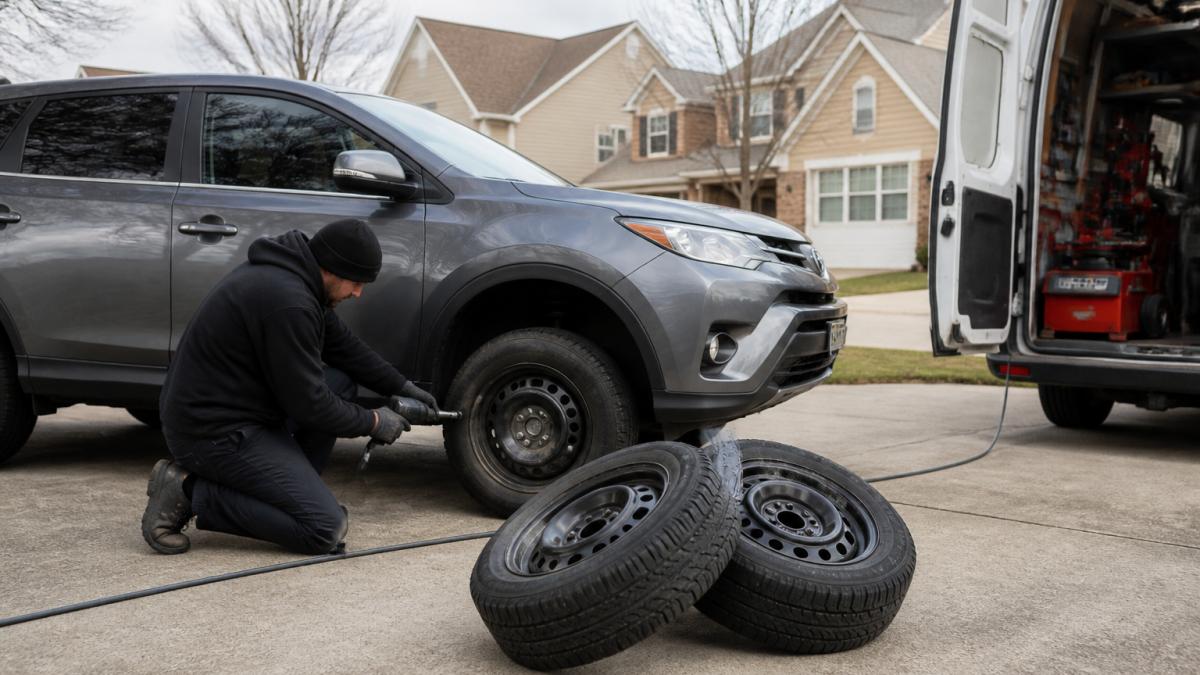
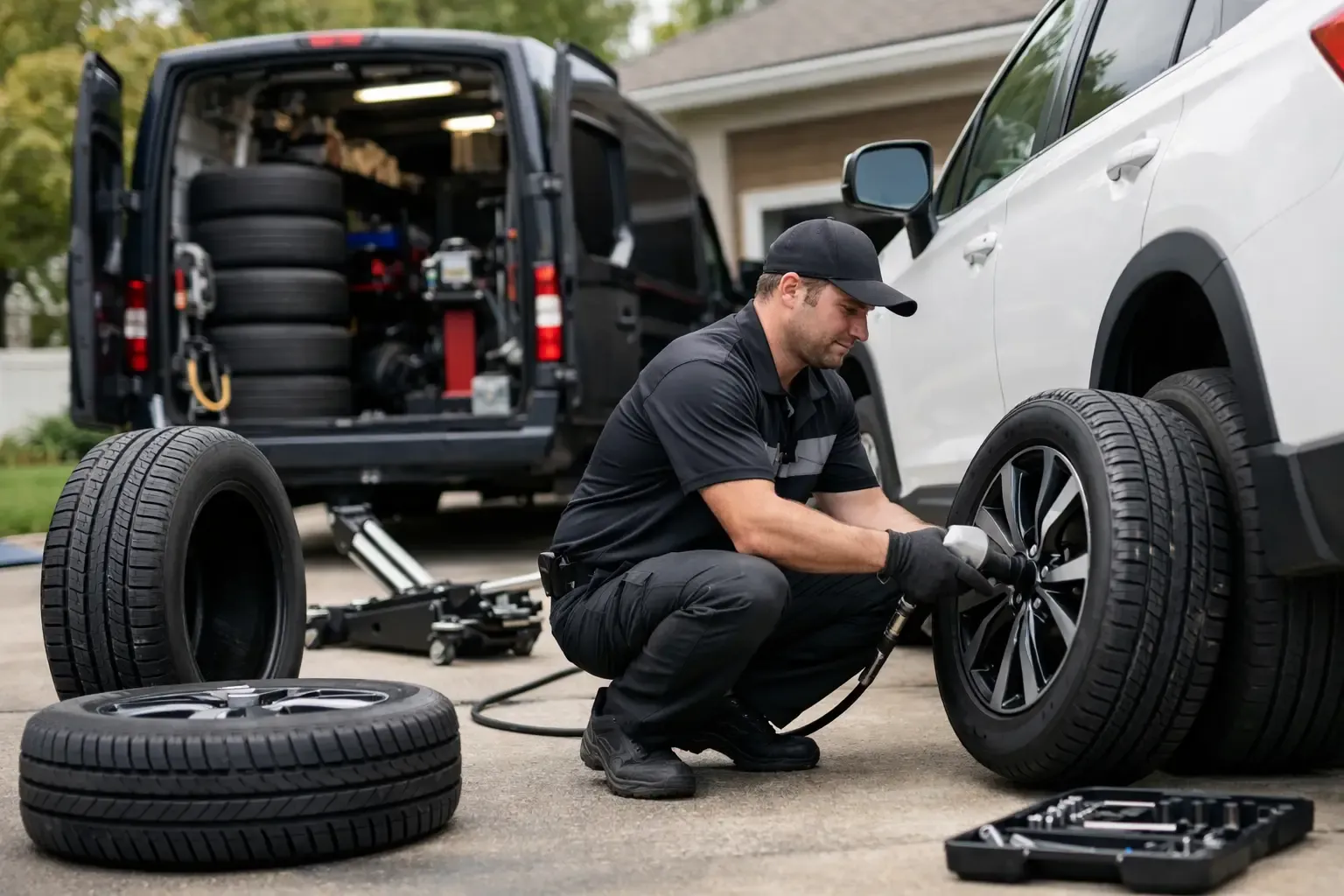
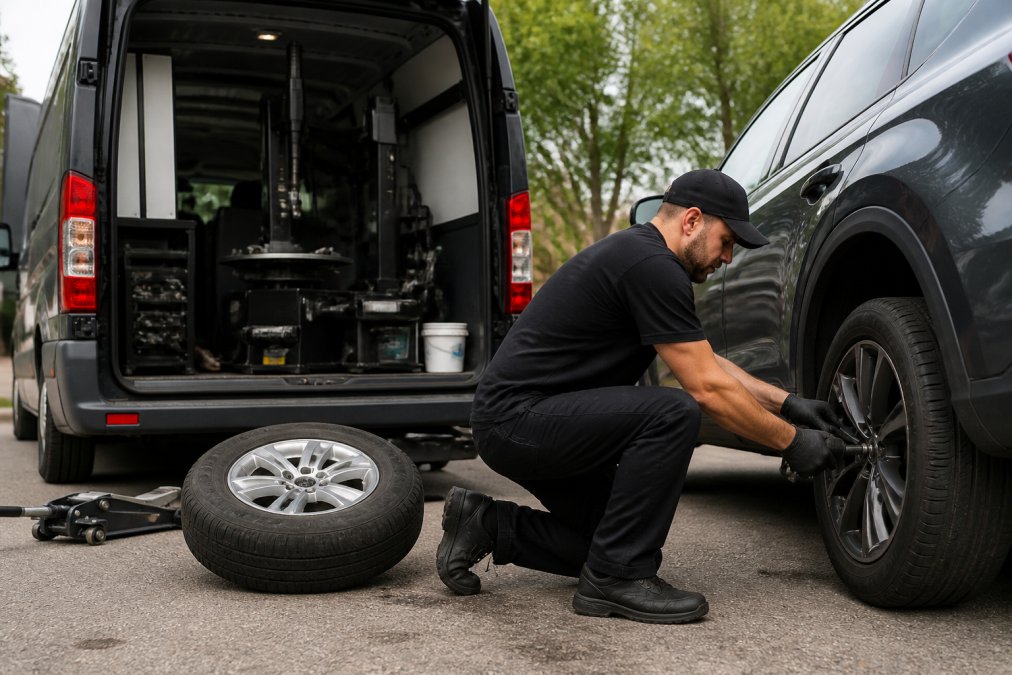
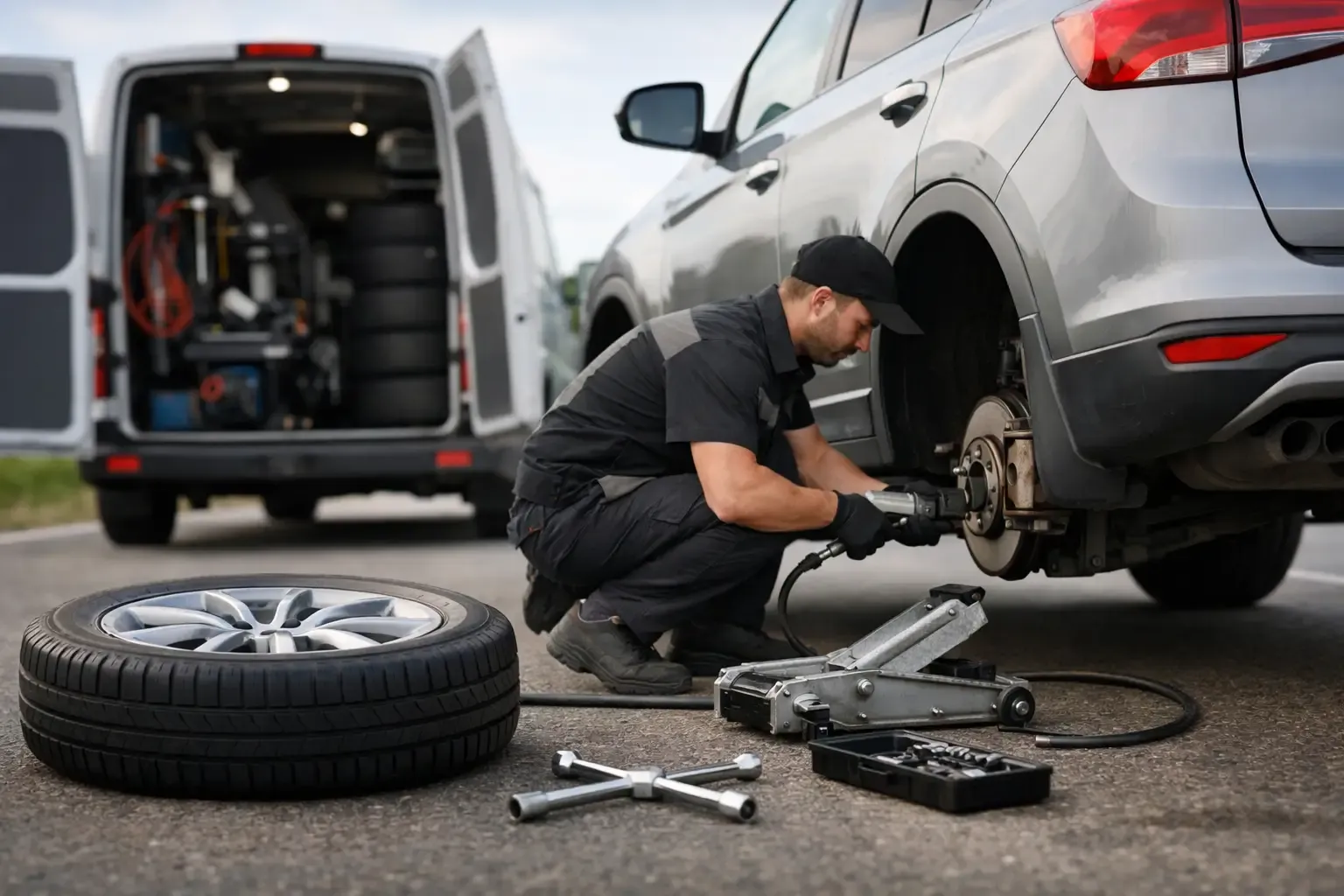
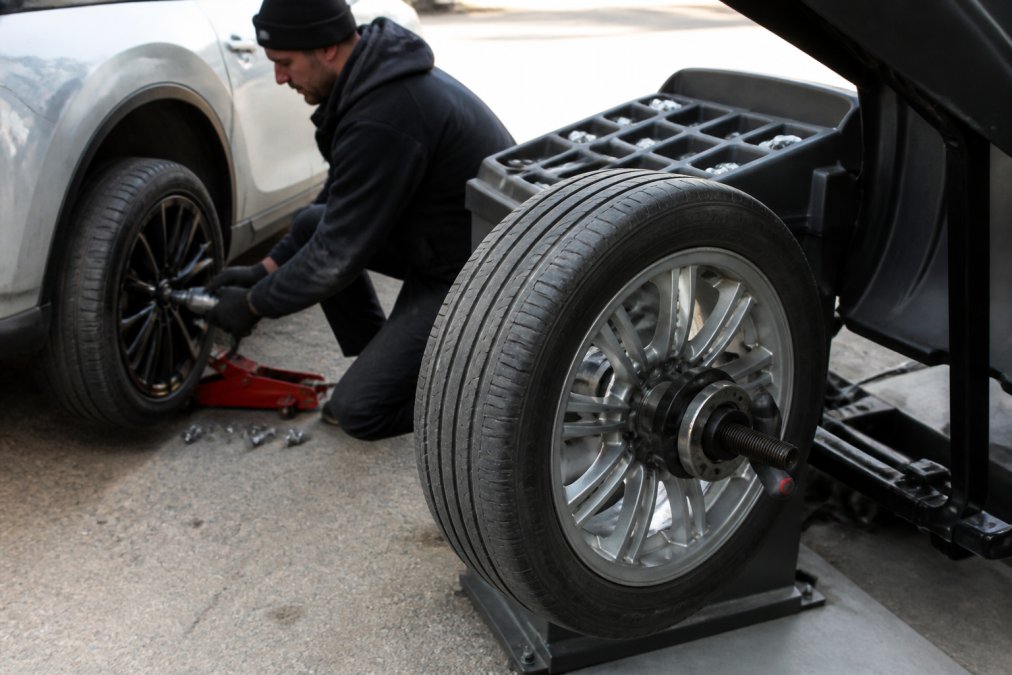
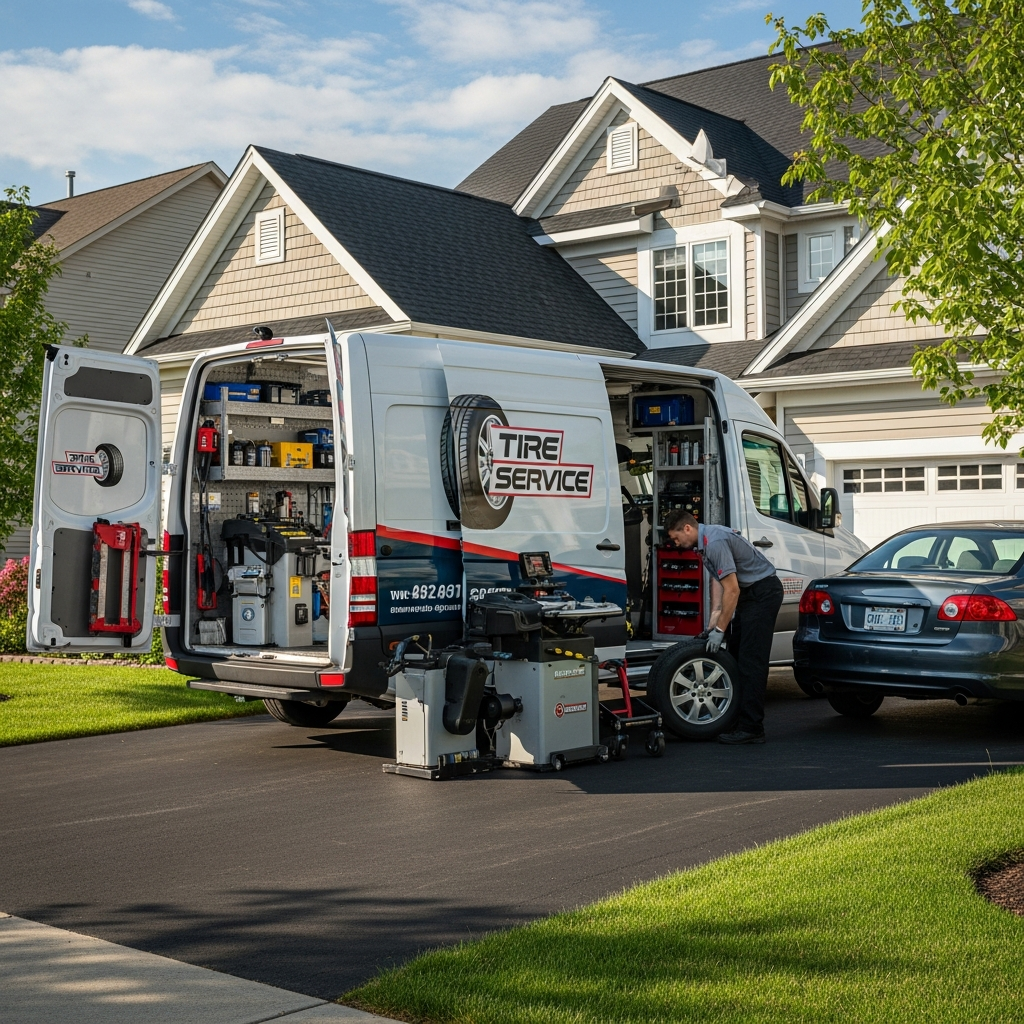
Tire decisions are easier when the installation process does not require rearranging your day. Elite Mobile Tire can help Columbus-area drivers select compatible tires and install them at home, at work, or where the vehicle is located. Professional installation should include proper mounting, balancing, torque procedures, and TPMS attention so your vehicle is ready for the road.
If you are replacing only one damaged tire, ask whether its tread depth is close enough to the others. On many vehicles, especially those with all-wheel drive, a major difference in tire circumference can place unnecessary stress on drivetrain components. In some cases, replacing two or four tires is the better long-term decision.
Winter weather does not wait for a convenient appointment. Check your tread, pressure, and tire condition before the next cold front arrives, then choose the level of traction that gives you confidence to brake, turn, and get home safely.
Ready for a new set? Elite Mobile Tire installs 2 or 4 new tires right in your driveway or parking lot anywhere around Columbus, Obetz, Groveport, Grove City, and Reynoldsburg. Financing is available through Afterpay and Acima with up to 24-month payment plans. Call 614-344-5010 or visit elitemobiletire.com to book.