Scroll through social media long enough and you'll run into them: the dashcam clip of a tire exploding on the highway, someone demonstrating the "penny test" on a worn tread, or a satisfying (and slightly terrifying) slow-motion blowout in close-up. Tire content has a strange habit of going viral — probably because tires are the one part of your car doing 100% of the work of keeping you connected to the road, and everyone's a little afraid of what happens when that connection fails.
Here's what those viral moments are actually trying to tell you — and how to make sure your own tires never become one of them.
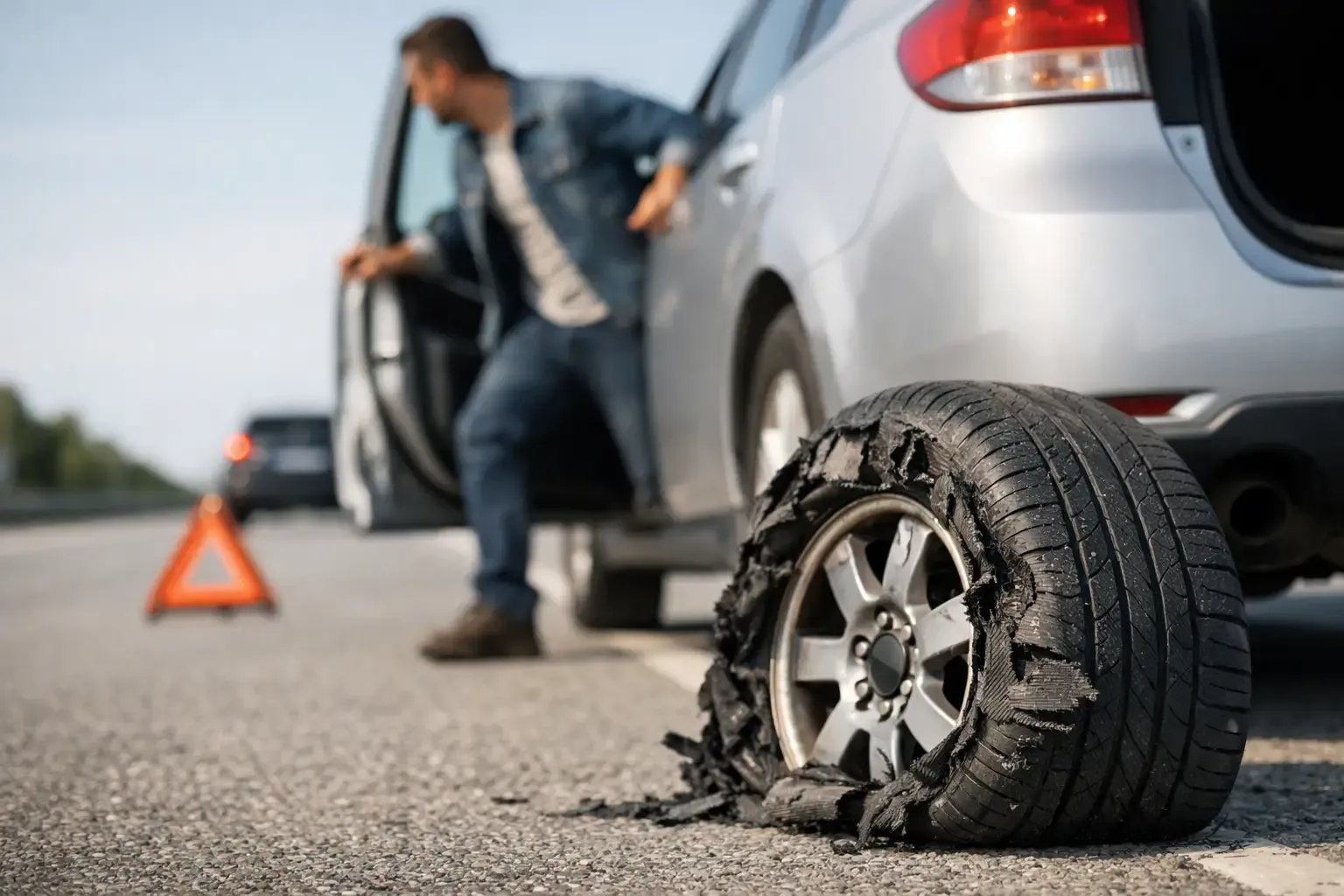
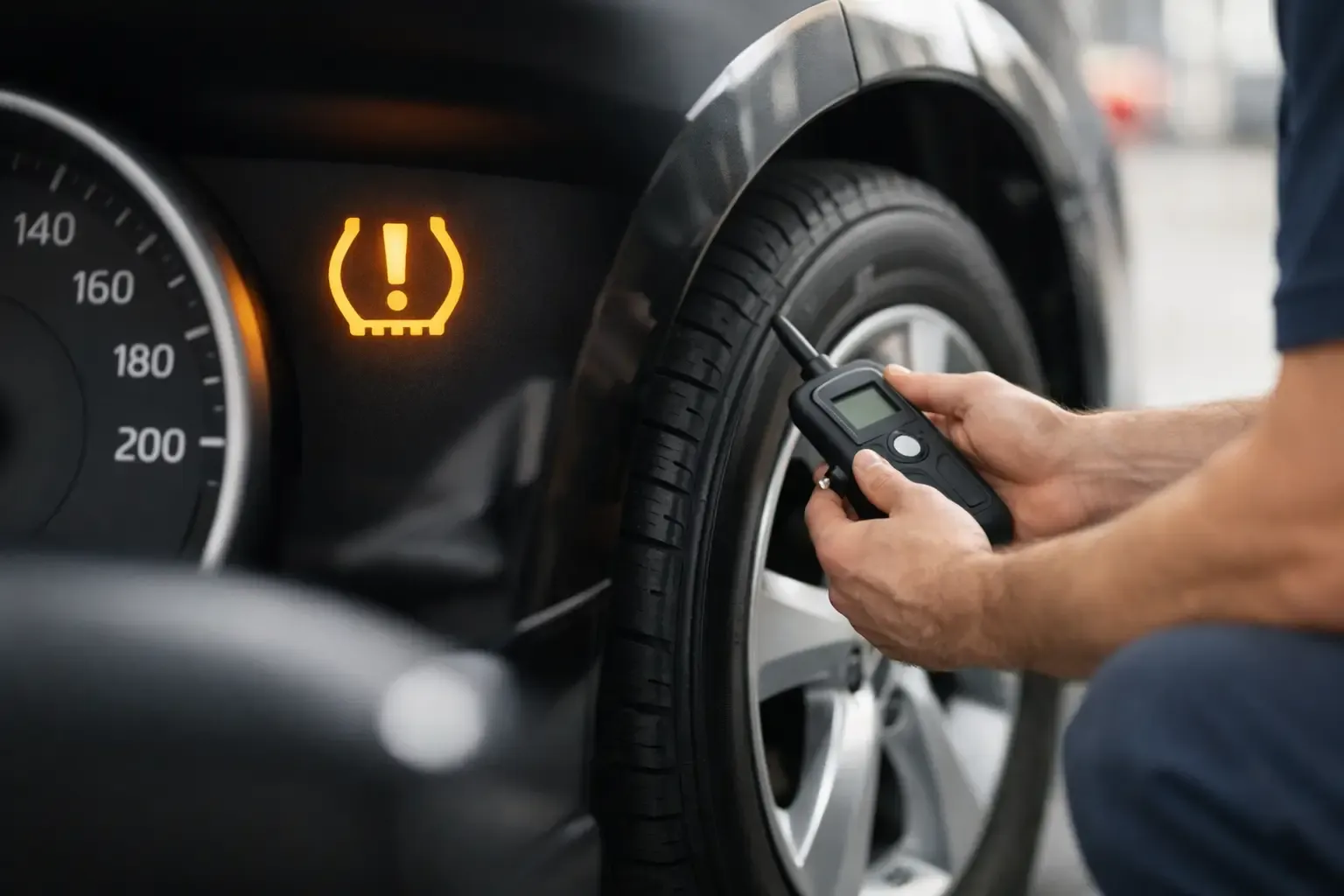
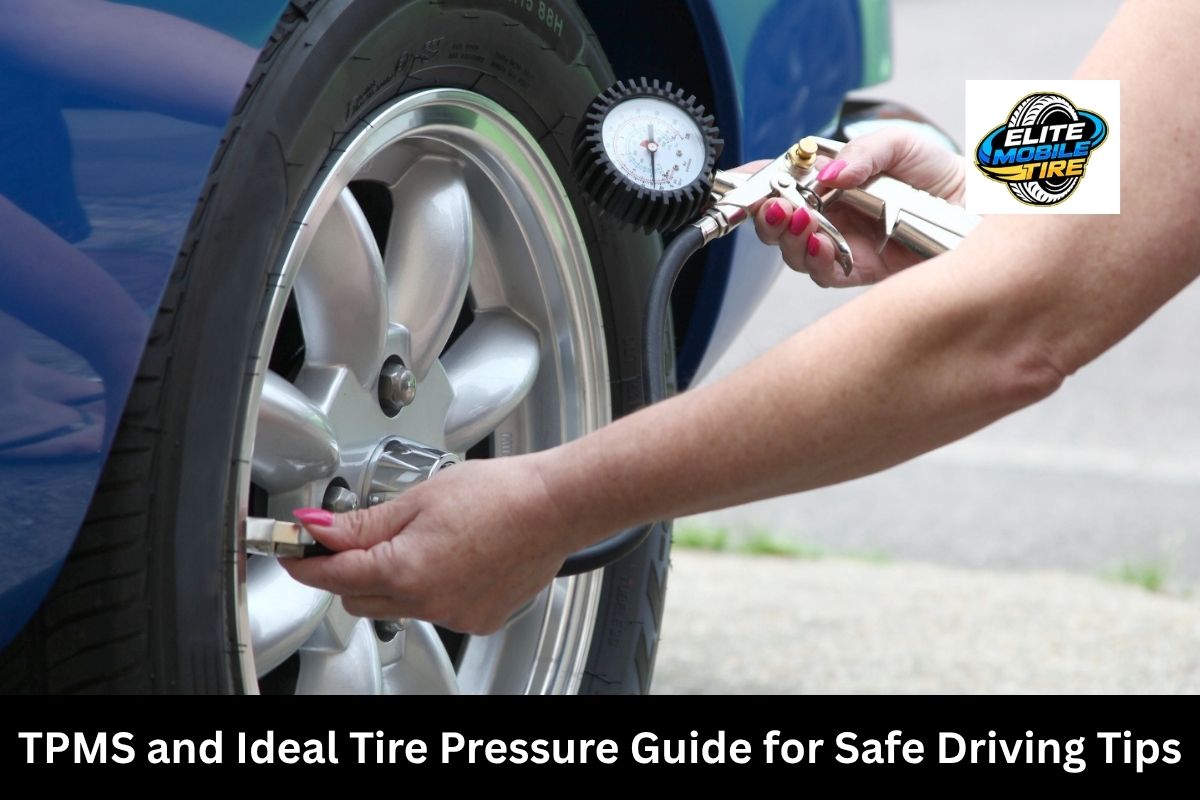
1. The blowout video. What you see is a tire disintegrating at highway speed, tread flying everywhere. What it usually means is underinflation, not a single unlucky pothole. A tire that's been running low on air for weeks builds up heat internally until the sidewall gives out, often on a hot day during a long drive. A monthly pressure check takes about 30 seconds and prevents almost all of these.
Watch: What to do if you have a tire blowout on the highway — https://www.youtube.com/watch?v=oYcR38tY6_E
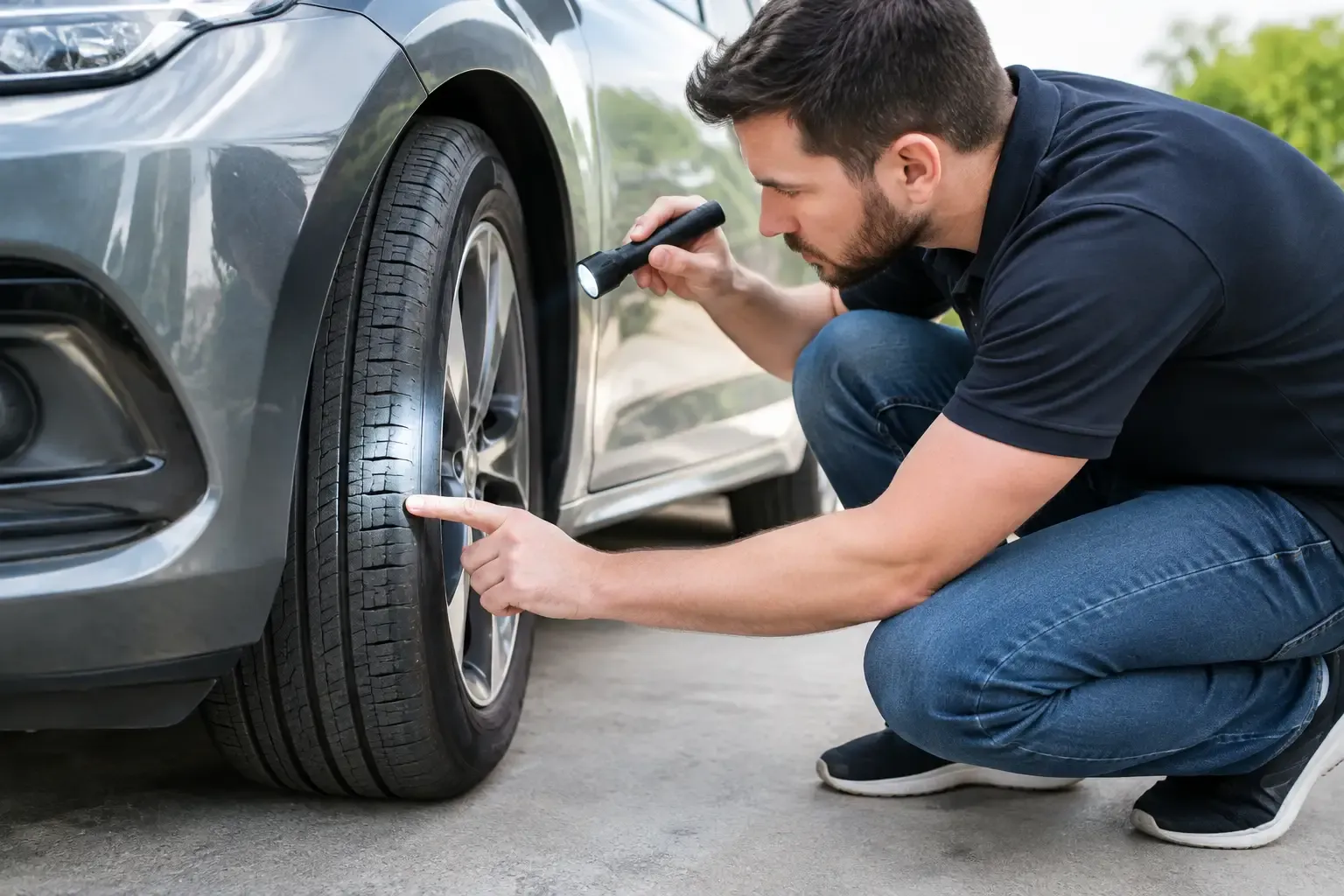
2. The penny test. Someone sticks a penny into a tire groove, Lincoln's head pointing down. It's a real, legitimate check — if you can see all of Lincoln's head, the tread is worn past the legal minimum. It's just not a very precise one, since tread wears unevenly and the penny only tells you about the one groove you tested. A technician checking all four tires with a proper gauge will catch uneven wear that the penny test misses completely.
Watch: How to Check Tire Tread Depth (Penny & Quarter Test) — https://www.youtube.com/watch?v=ifgaymOOQzE
3. The "I drove on it for 200 miles" story. Someone bragging, or panicking, about driving on a flat or a plugged tire far longer than they should have. A tire that's been driven flat, even briefly, can have internal damage — cracked belts, separated layers — that isn't visible from the outside. It can look fine and still fail without warning days later. A tire that's been run flat needs to be inspected before you trust it again, not just reinflated and forgotten.
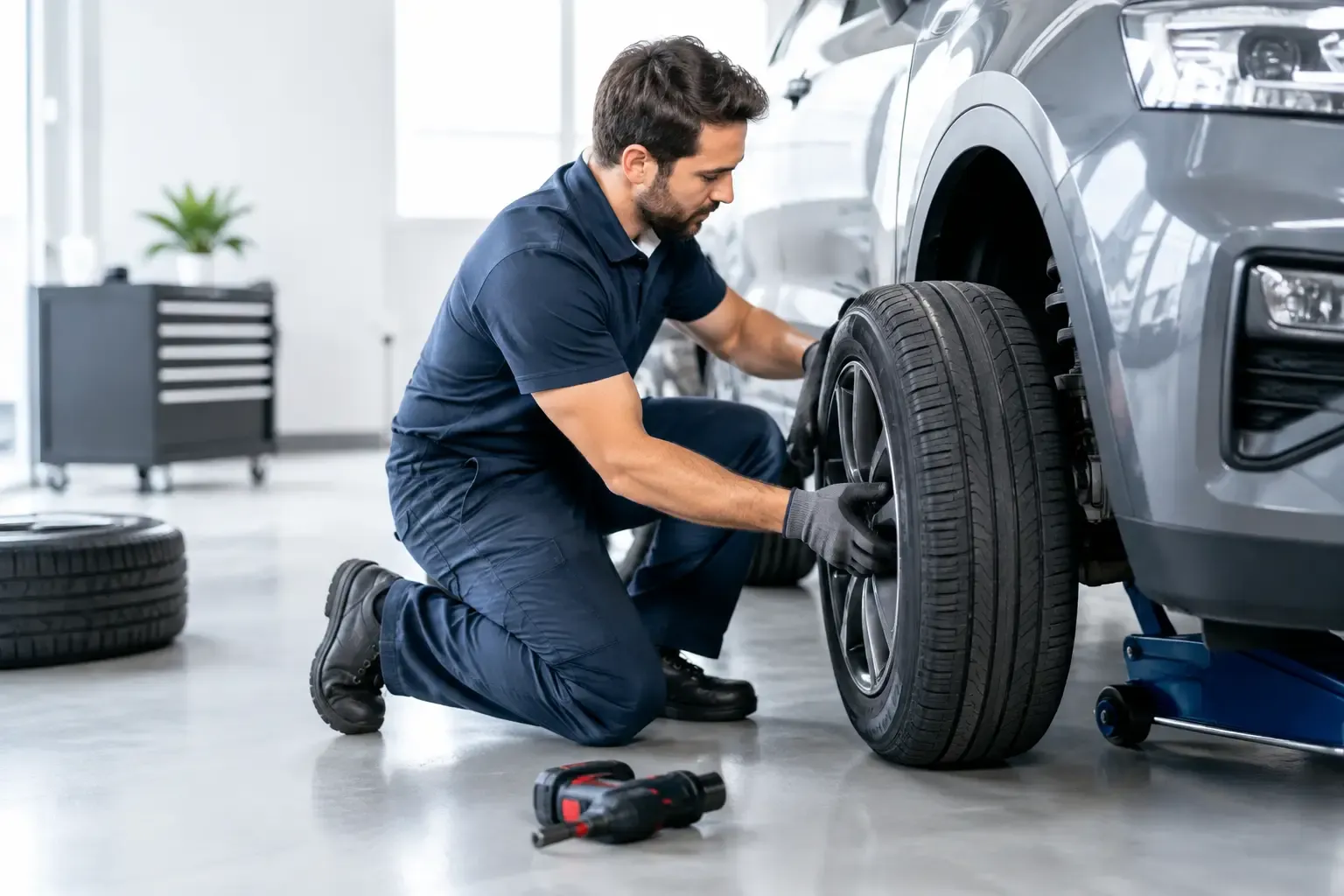
4. The pothole compilation. Cars slamming into potholes, hubcaps flying. A hard hit can bend a wheel or damage a tire's internal structure even when there's no visible puncture. If you hit one hard enough to feel it in the steering wheel, it's worth having the tire and wheel checked. A bulge in the sidewall afterward is a warning sign, not something to keep an eye on.
Watch: Tire damage from potholes: what to look for — https://www.youtube.com/watch?v=N1ysr-SKkIY
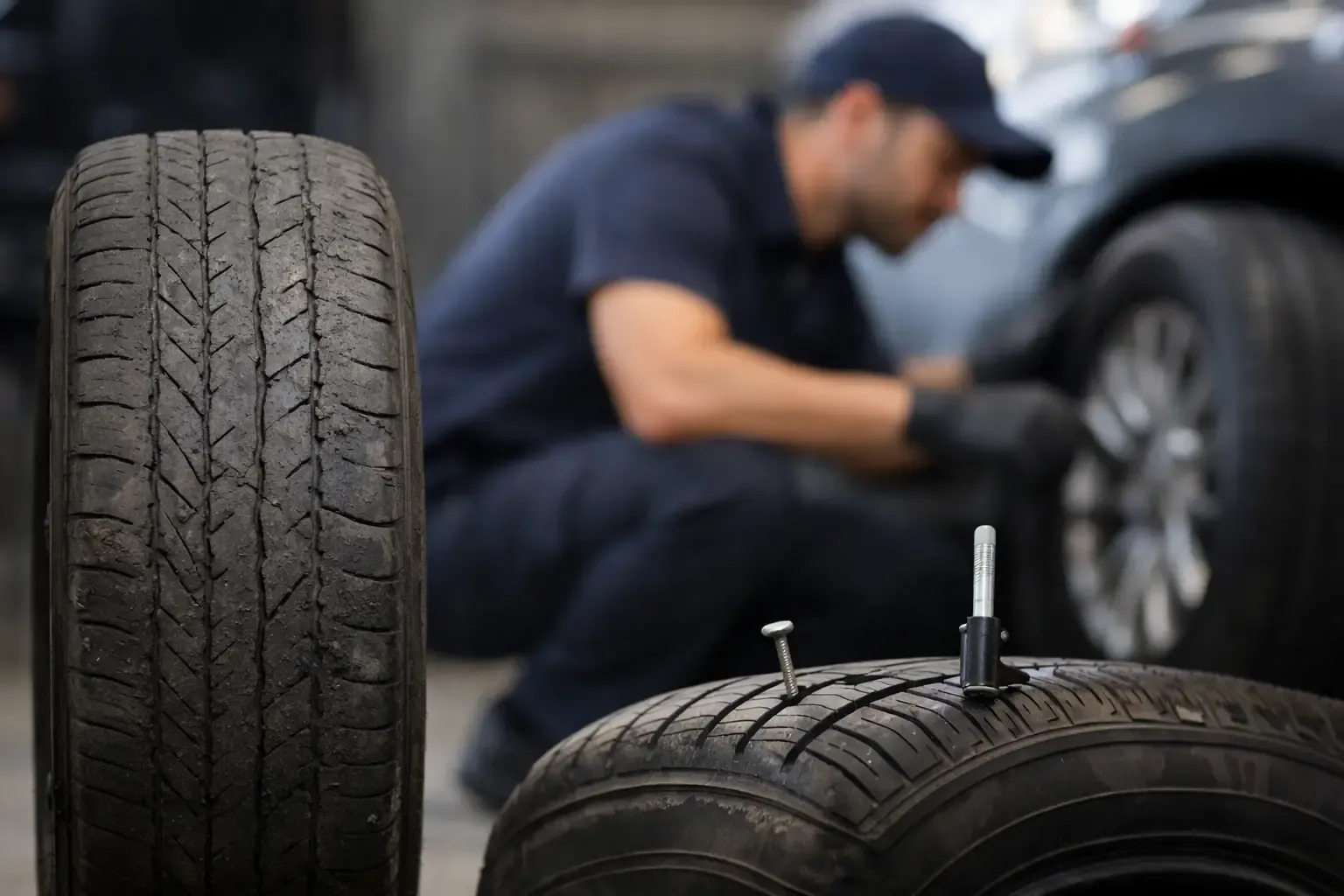
5. The DIY plug kit video. Someone plugging a punctured tire in a parking lot in under five minutes. A plug can be a legitimate fix, but only for a small puncture in the tread. Sidewall punctures shouldn't be plugged at all, and a patch-plug combo done from the inside holds up better long-term than a plug alone. What looks like a five-minute fix online can turn into a bigger problem if it's the wrong kind of repair.
Watch: How to Plug a Tire (DIY Flat Tire Repair Tutorial) — https://www.youtube.com/watch?v=Lt3XG7LyM-c
None of this is really about the internet — it's about the fact that tire problems are usually invisible until they aren't. Regular checks catch almost everything a viral video warns you about, before it becomes your video.
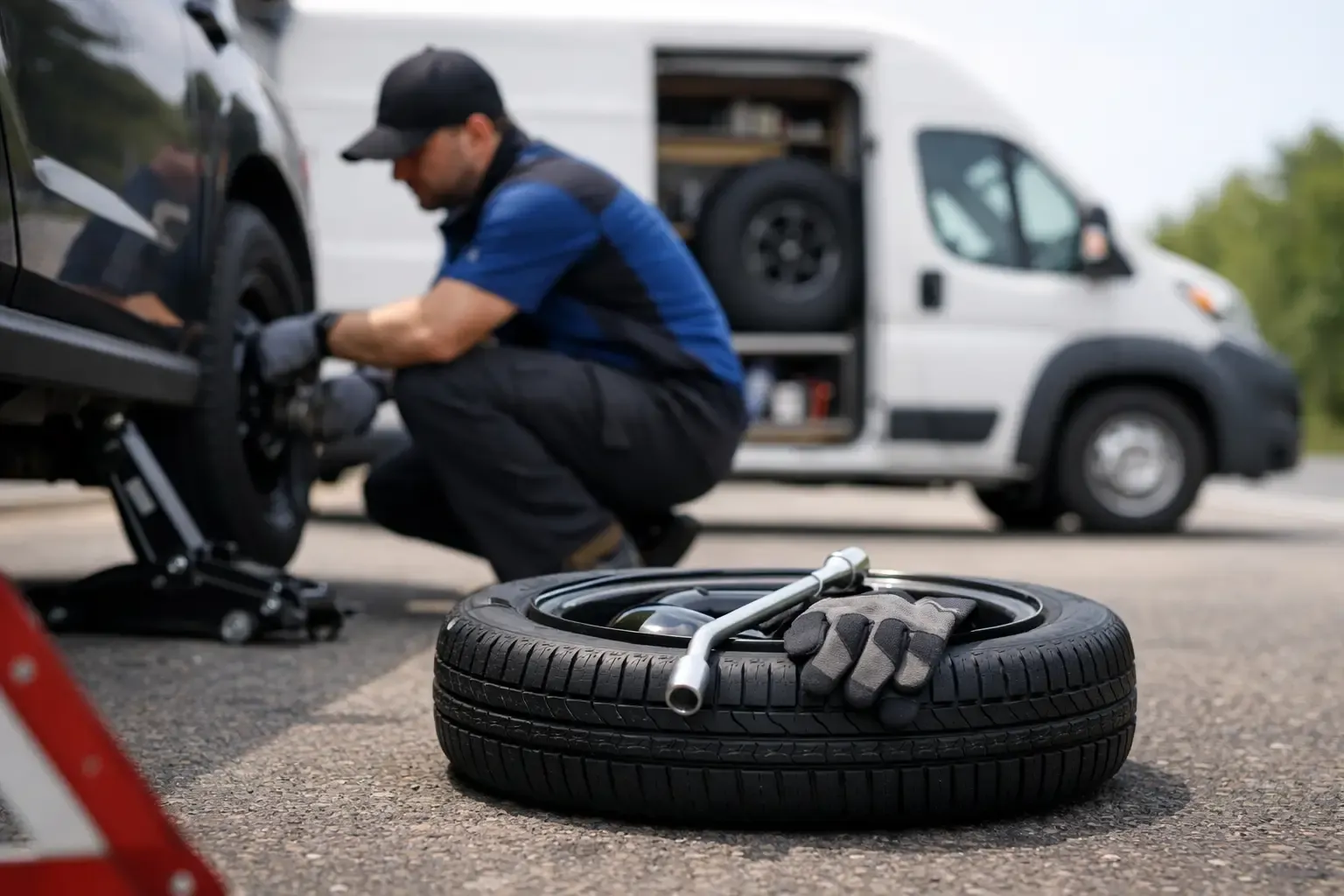
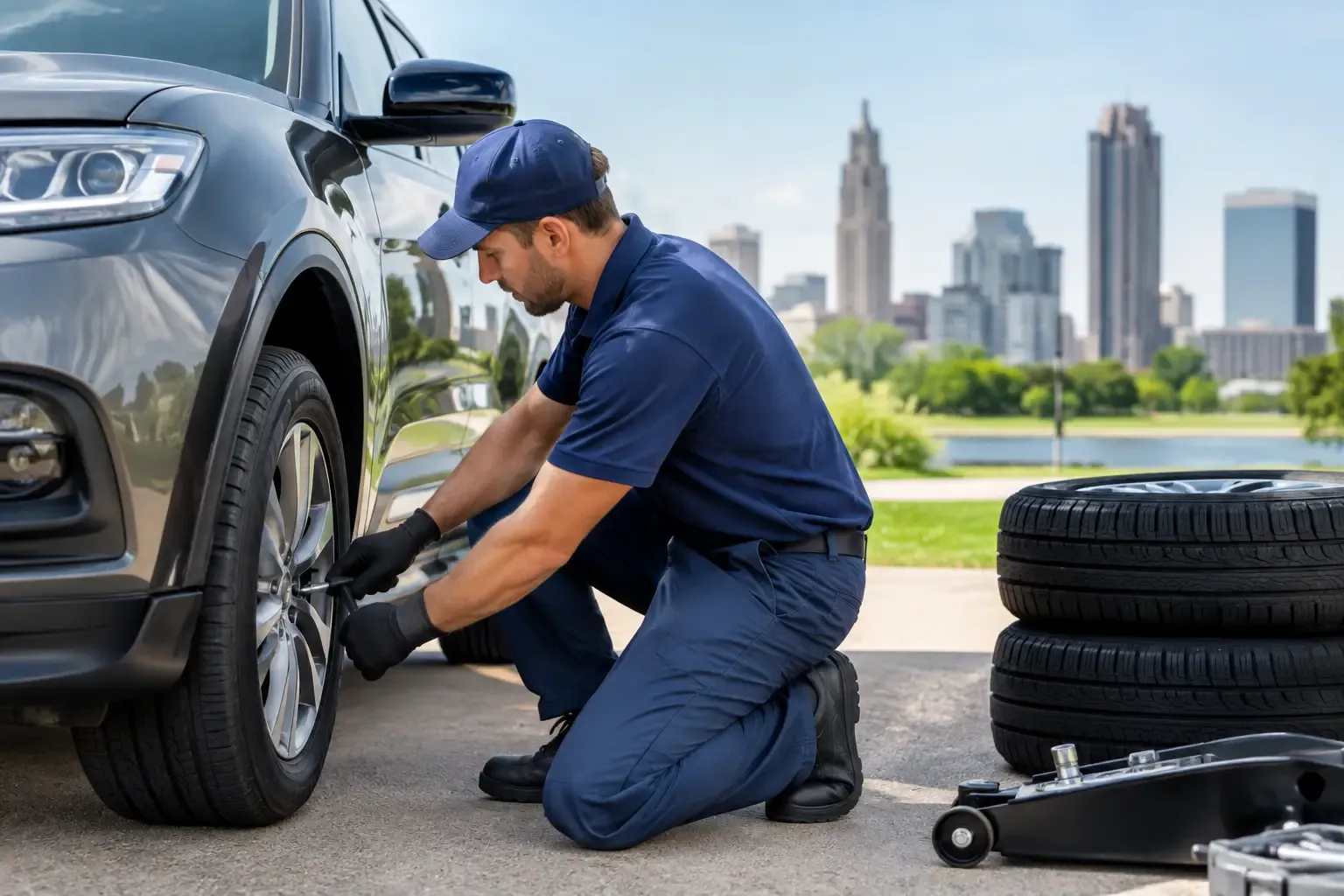
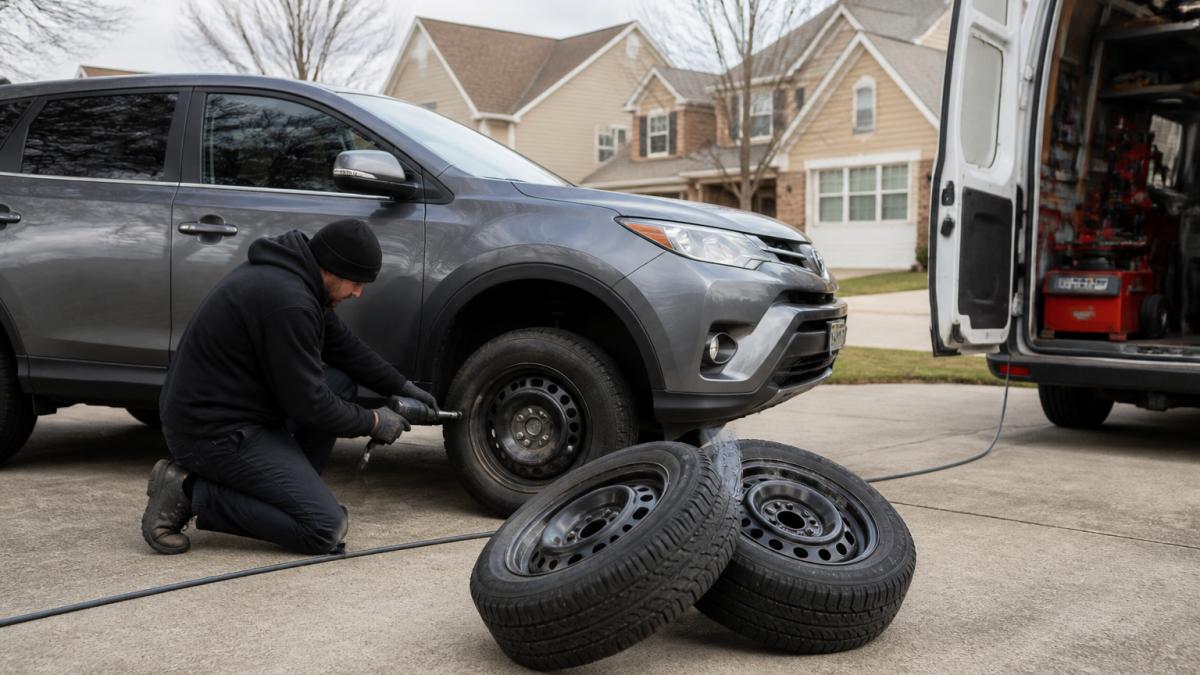
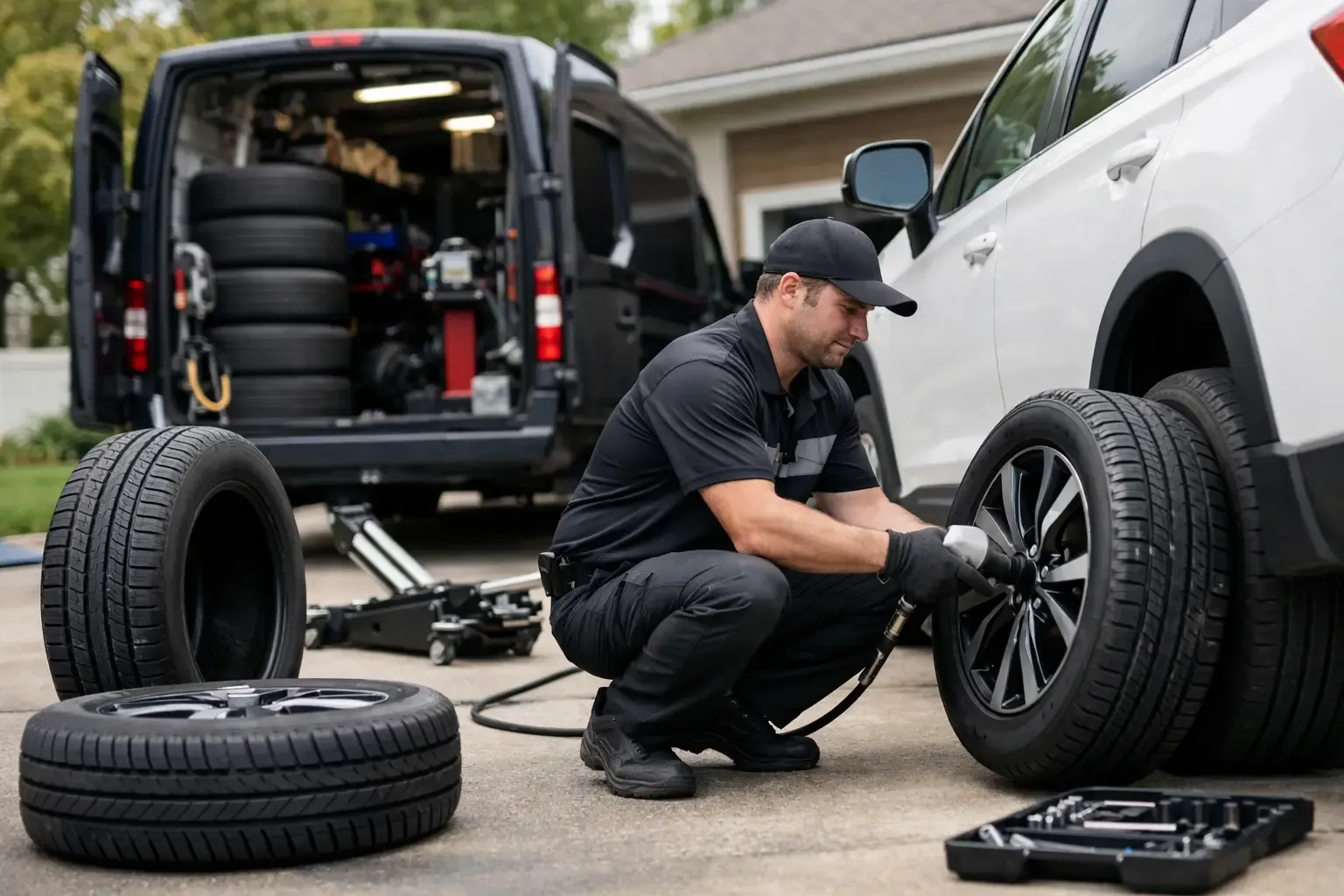
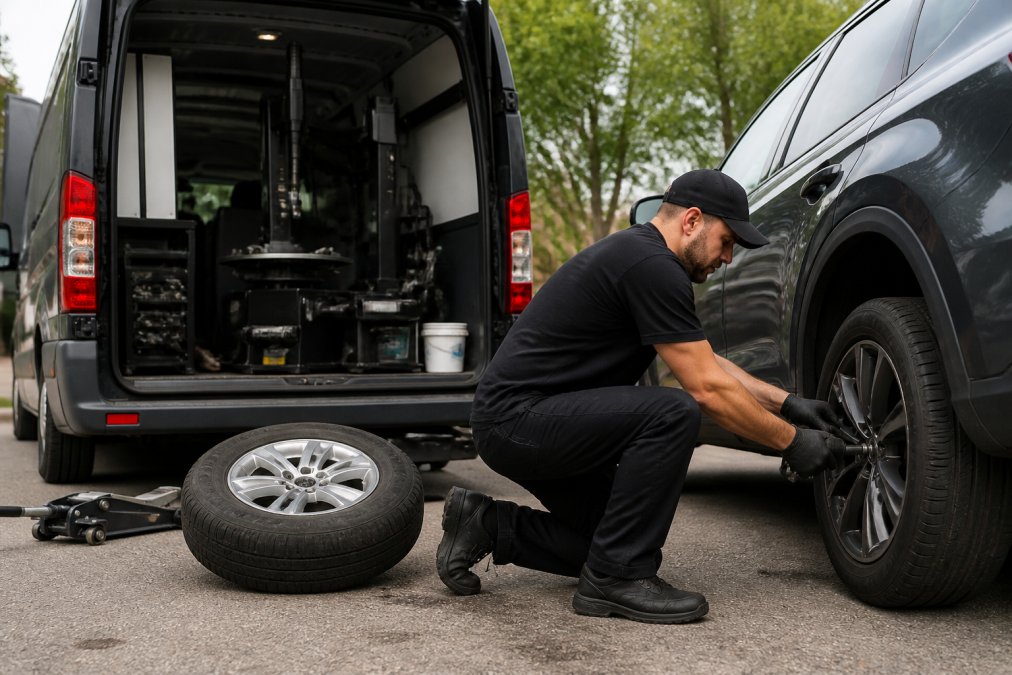
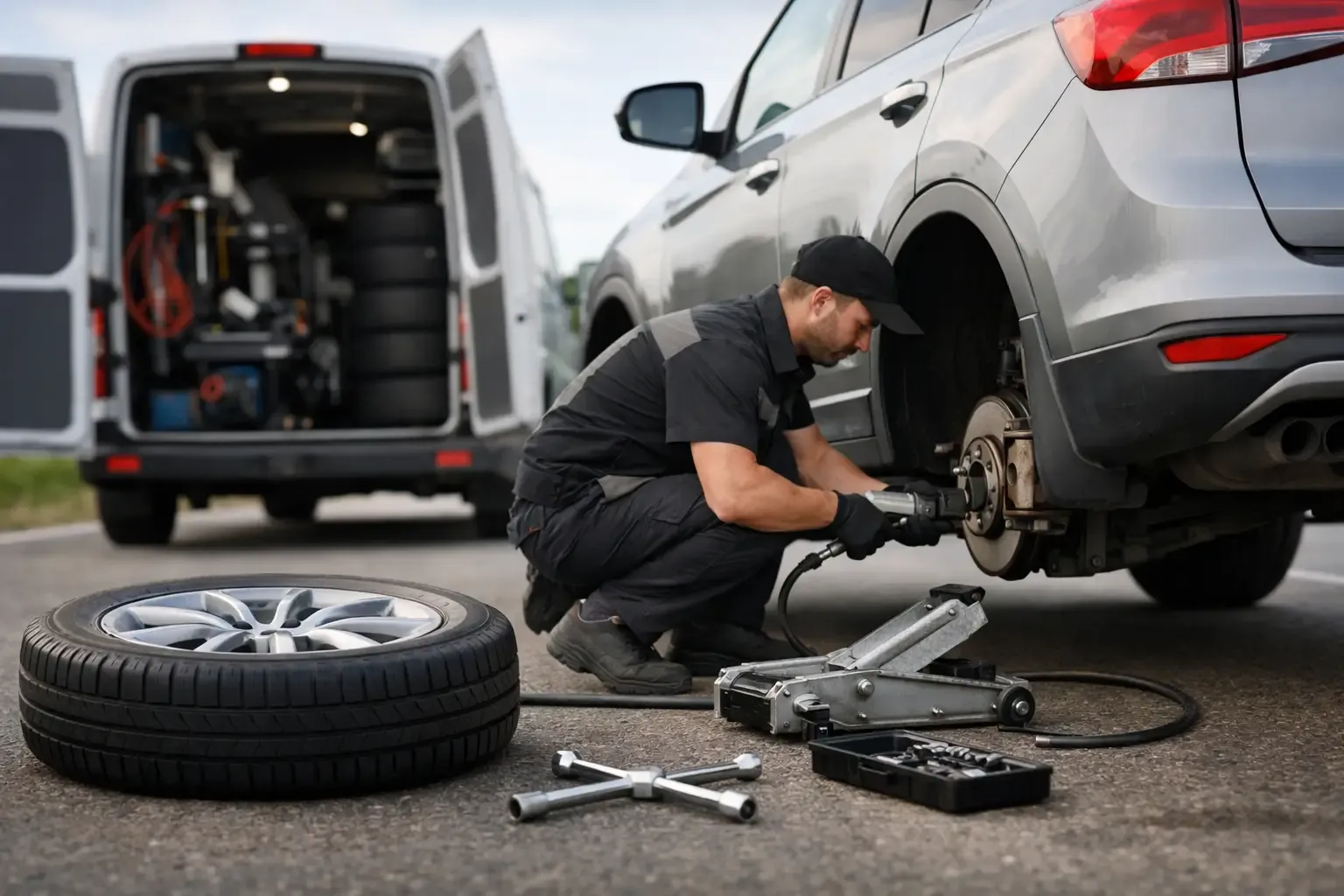
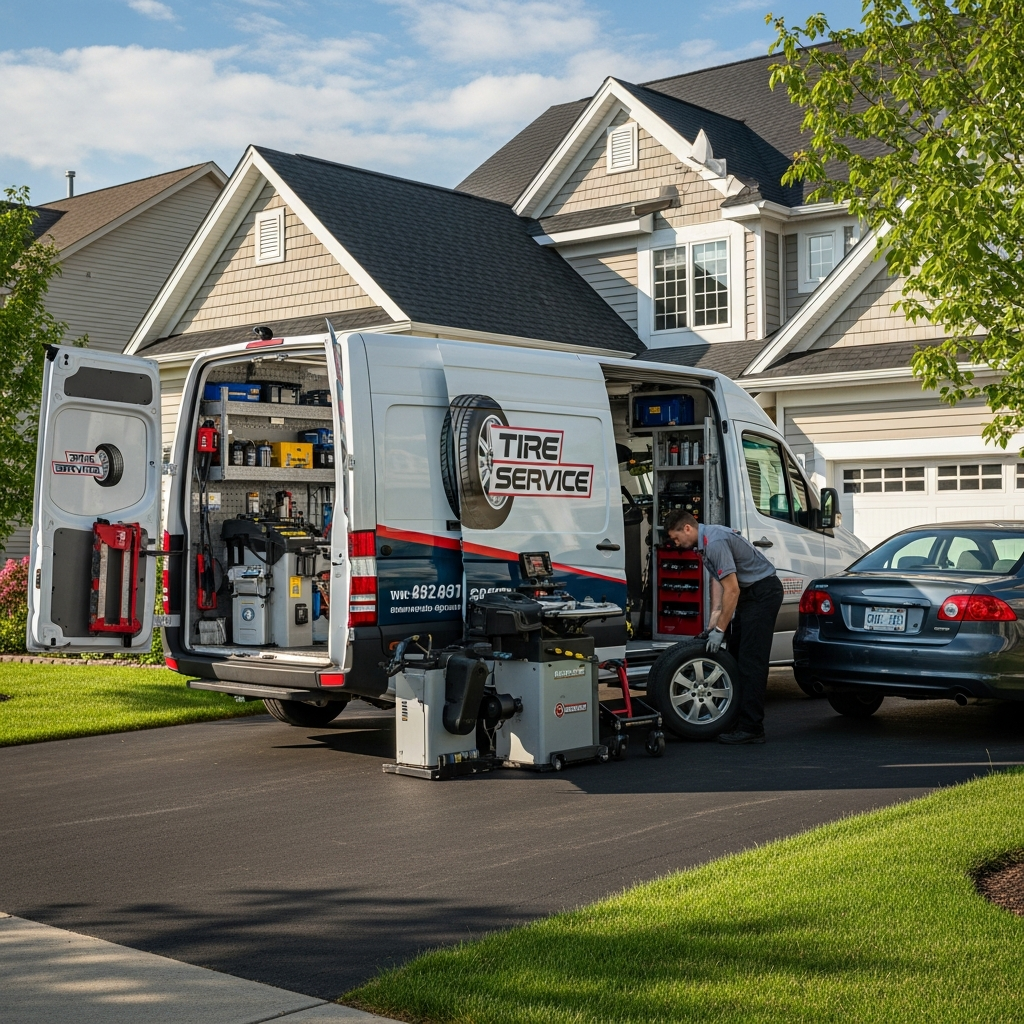
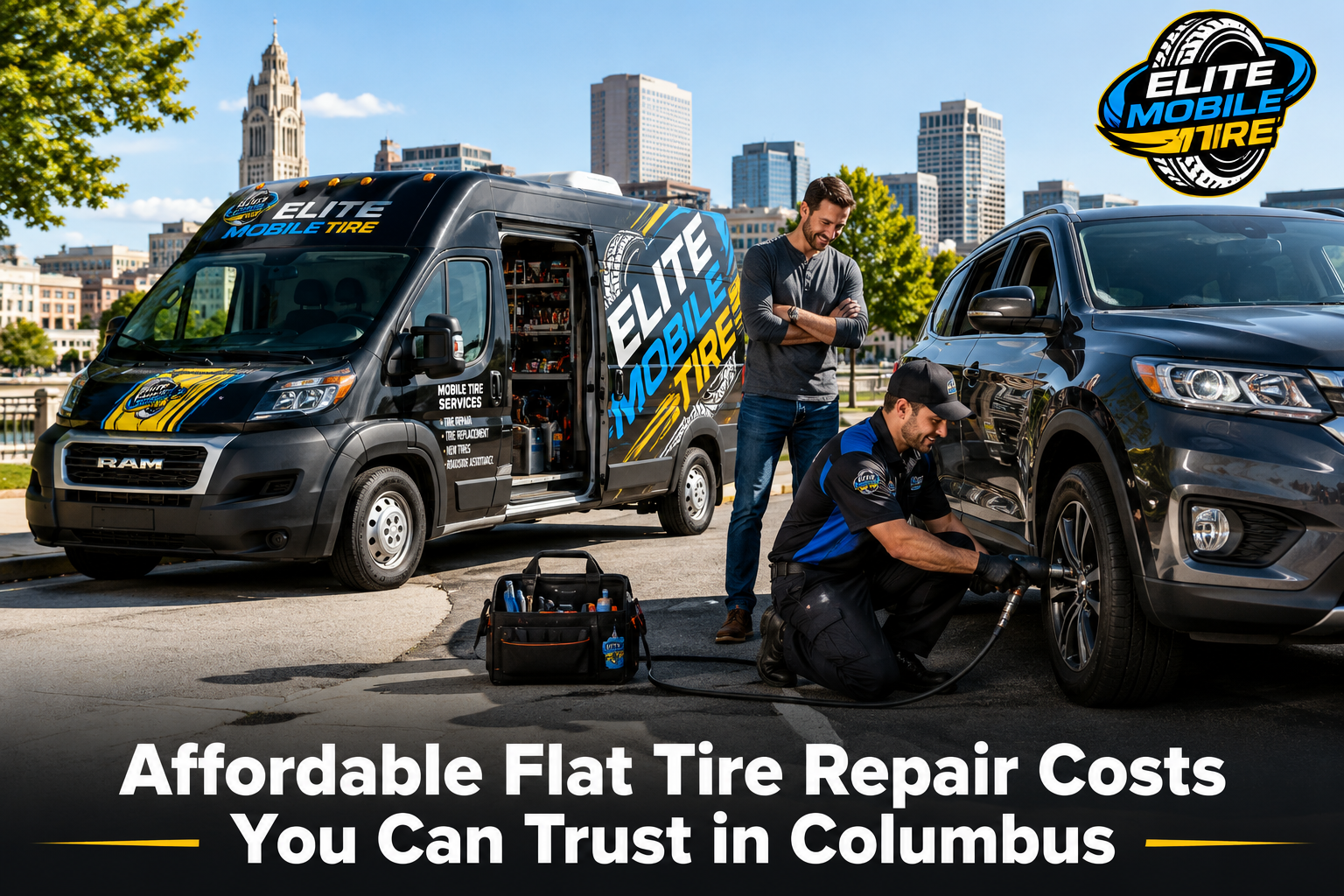
That's the idea behind Elite Mobile Tire: we come to you, anywhere in the Columbus, OH area, and check every tire, not just the one you called about, as standard practice. Whether it's a routine rotation, a same-day repair, or a tire emergency in the middle of the night, we're set up to handle it on the spot, with financing options available if you need them. Need a tire looked at? Give us a call at 614-344-5010 and we'll come to you.