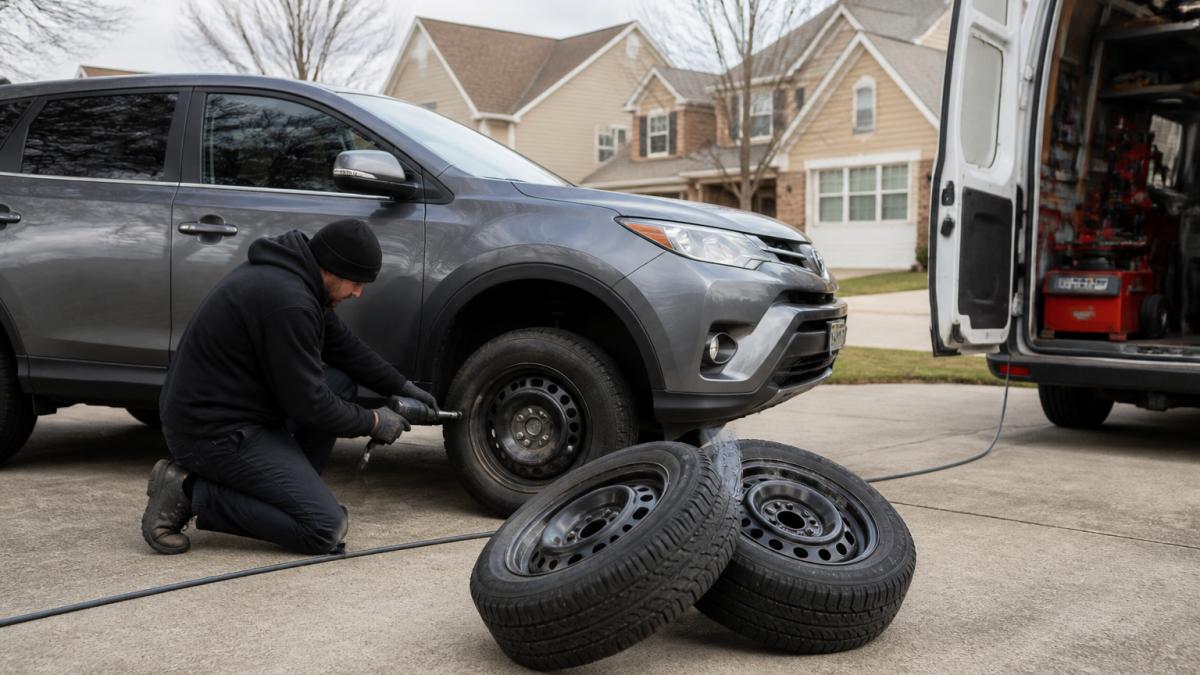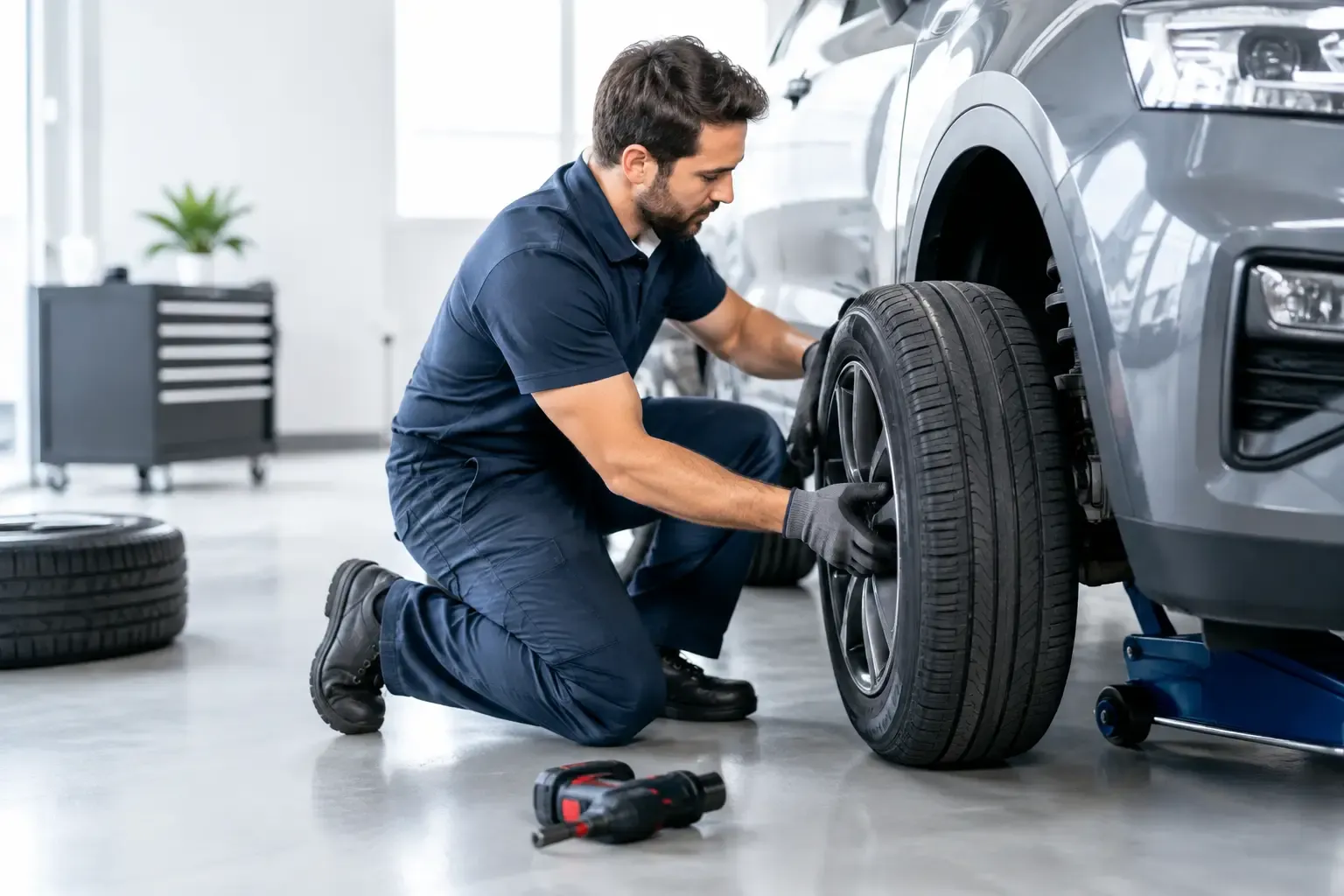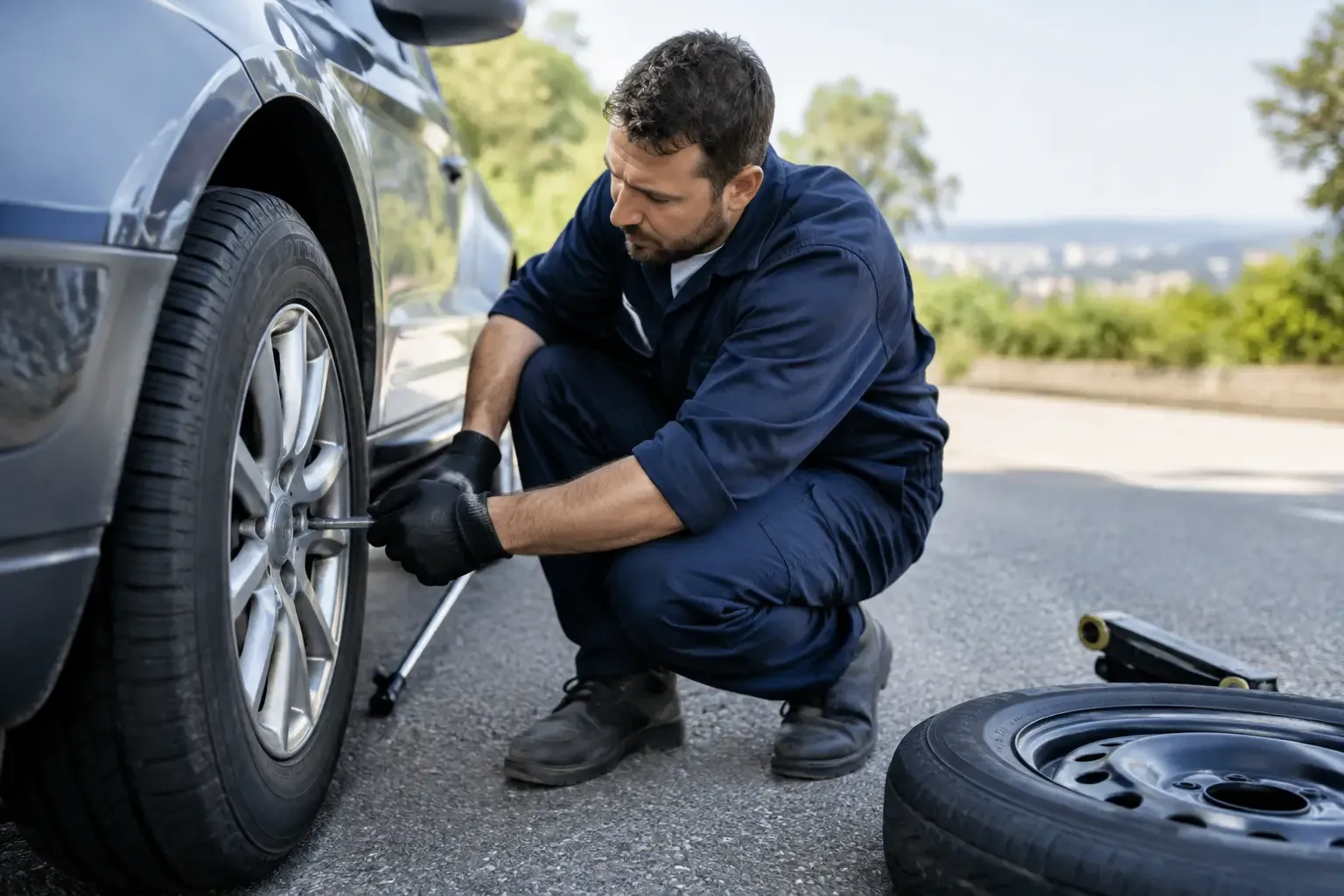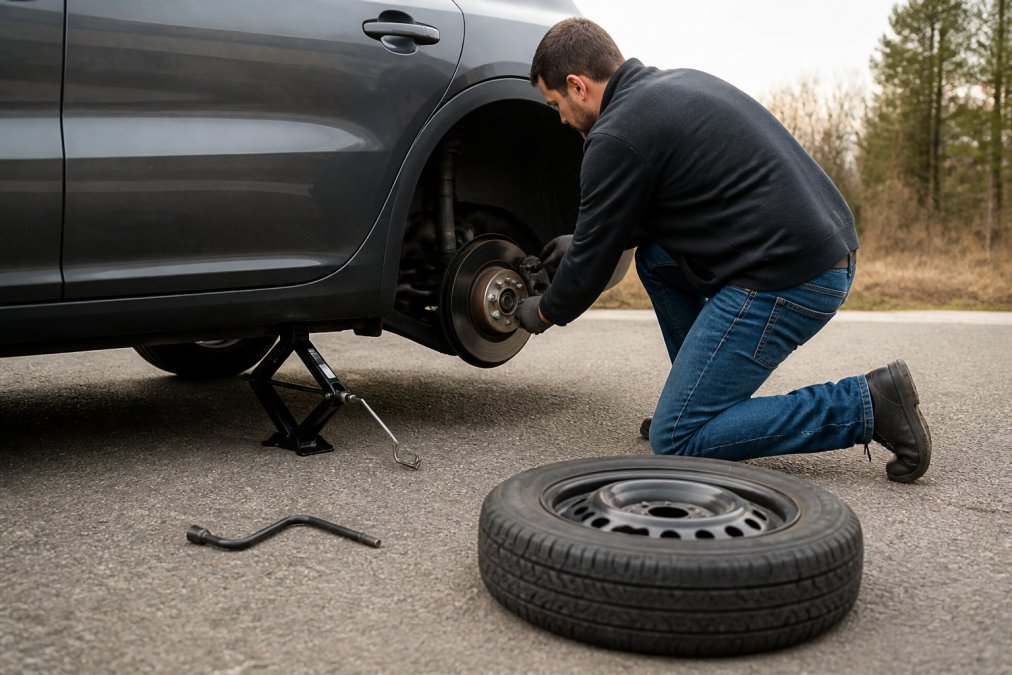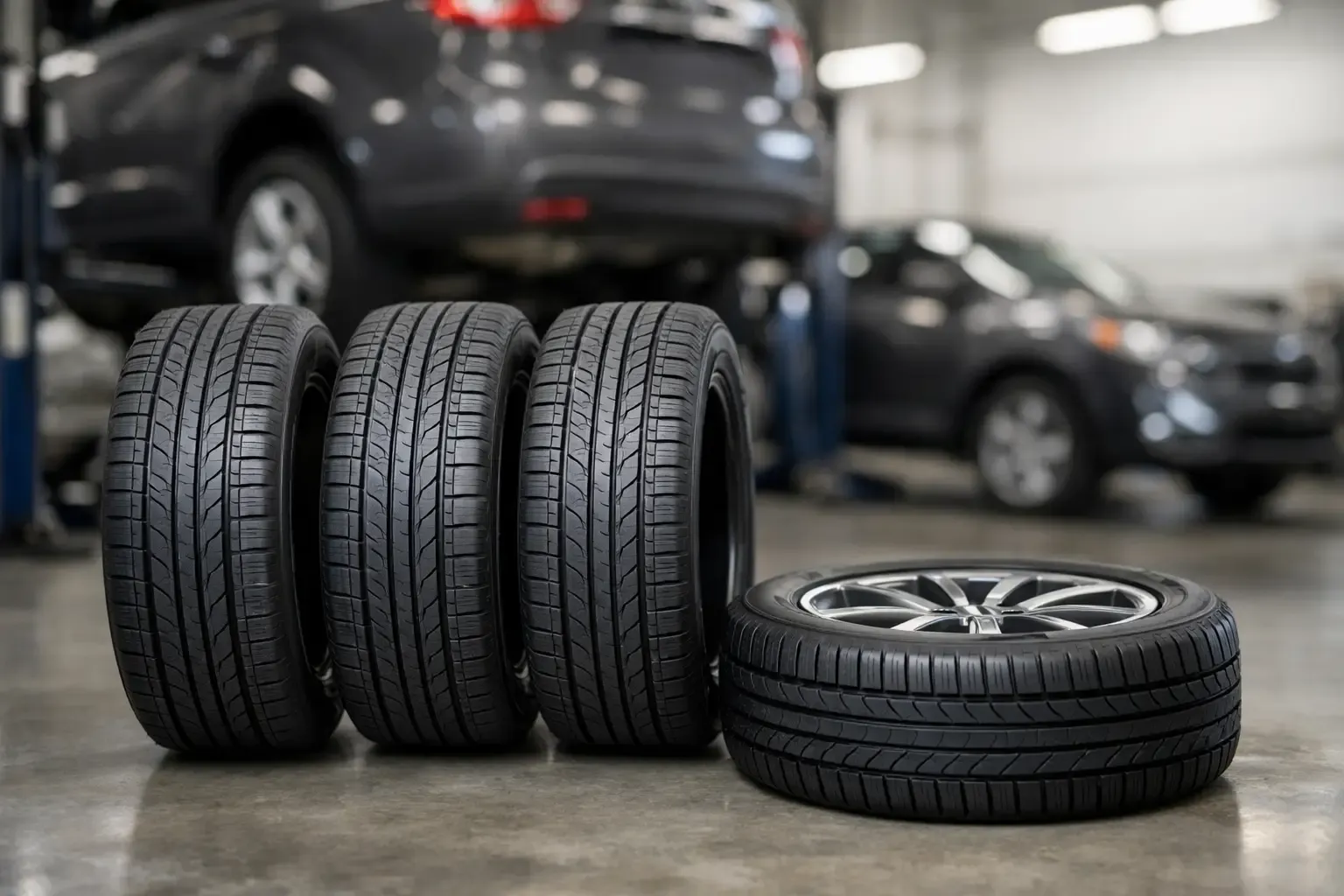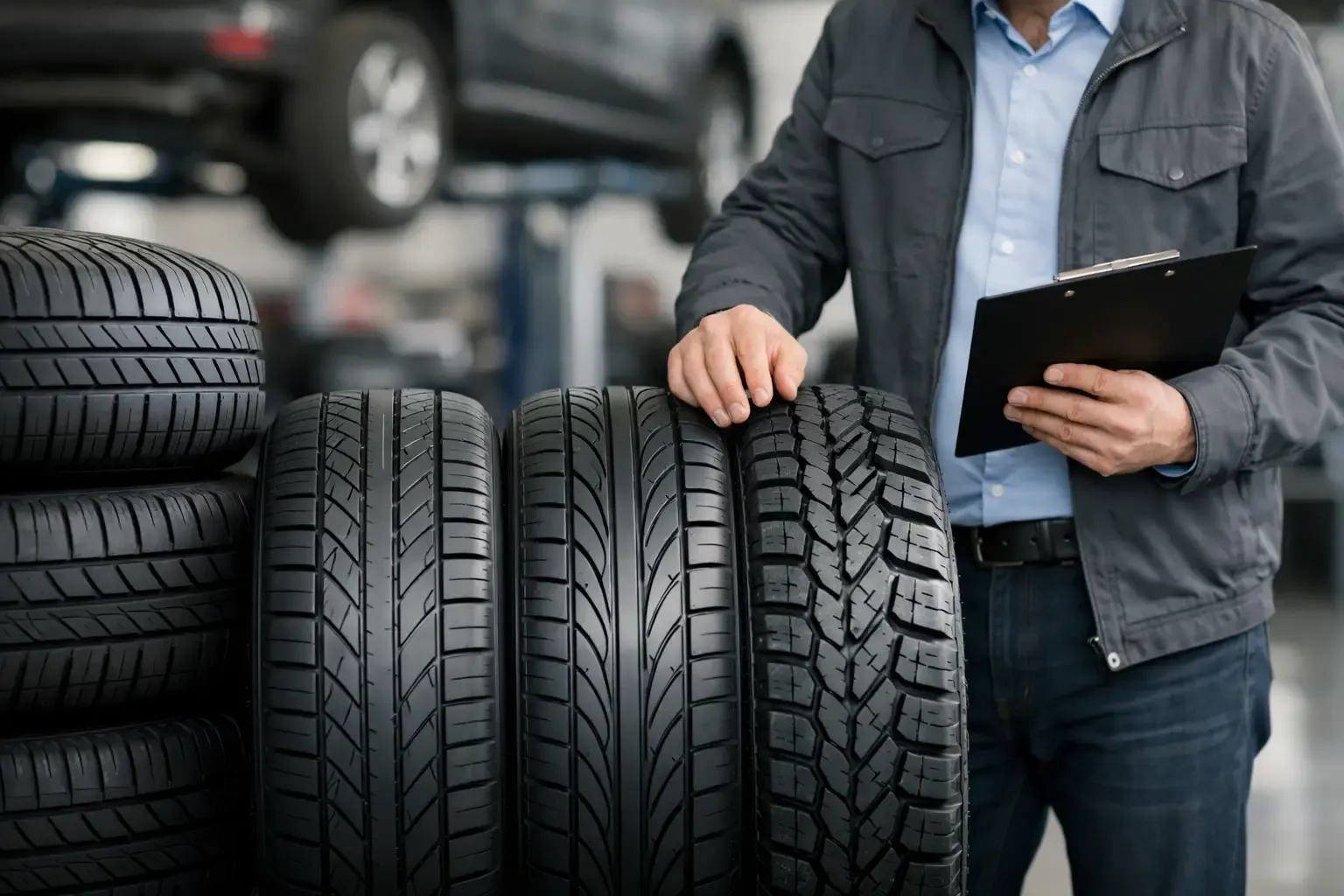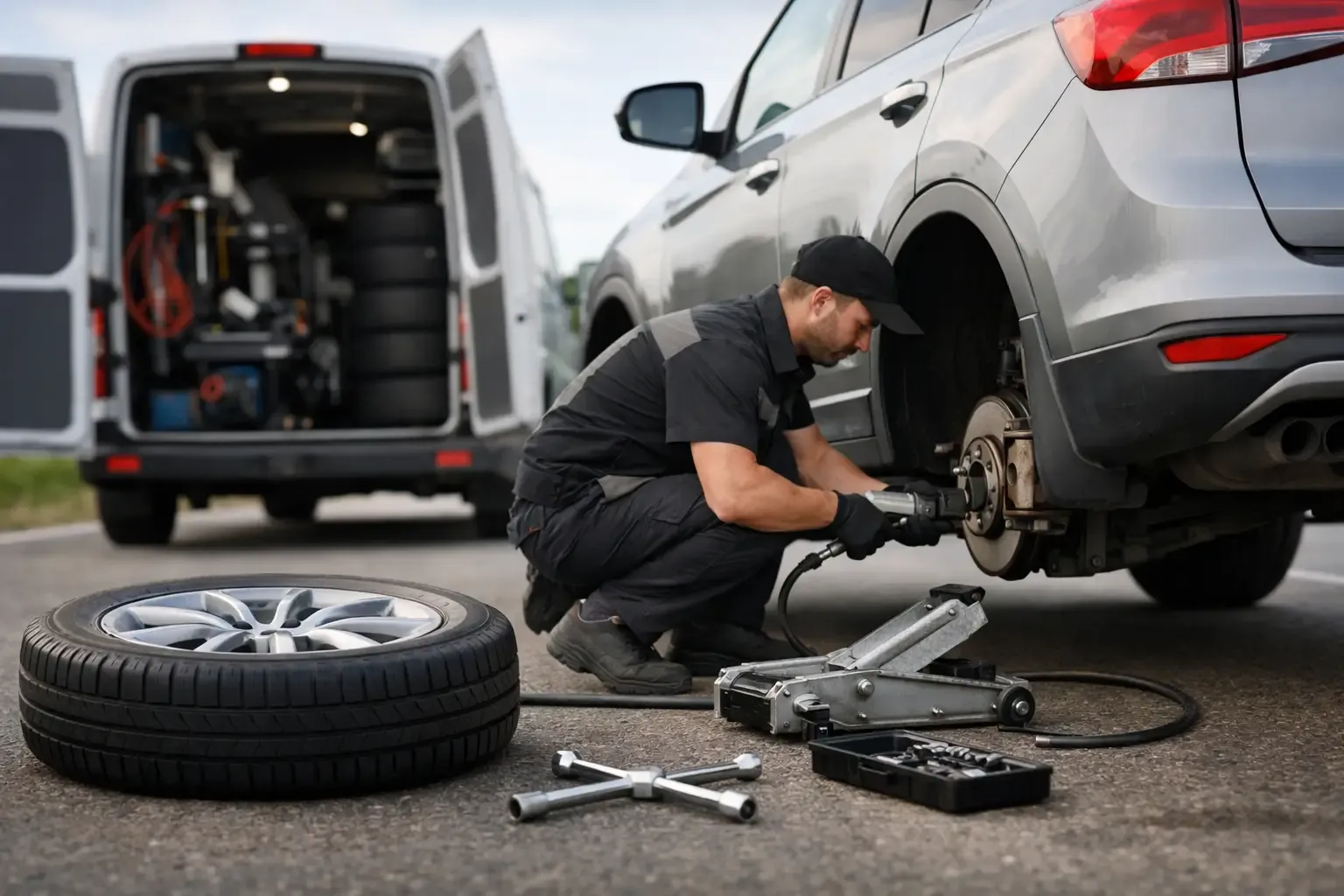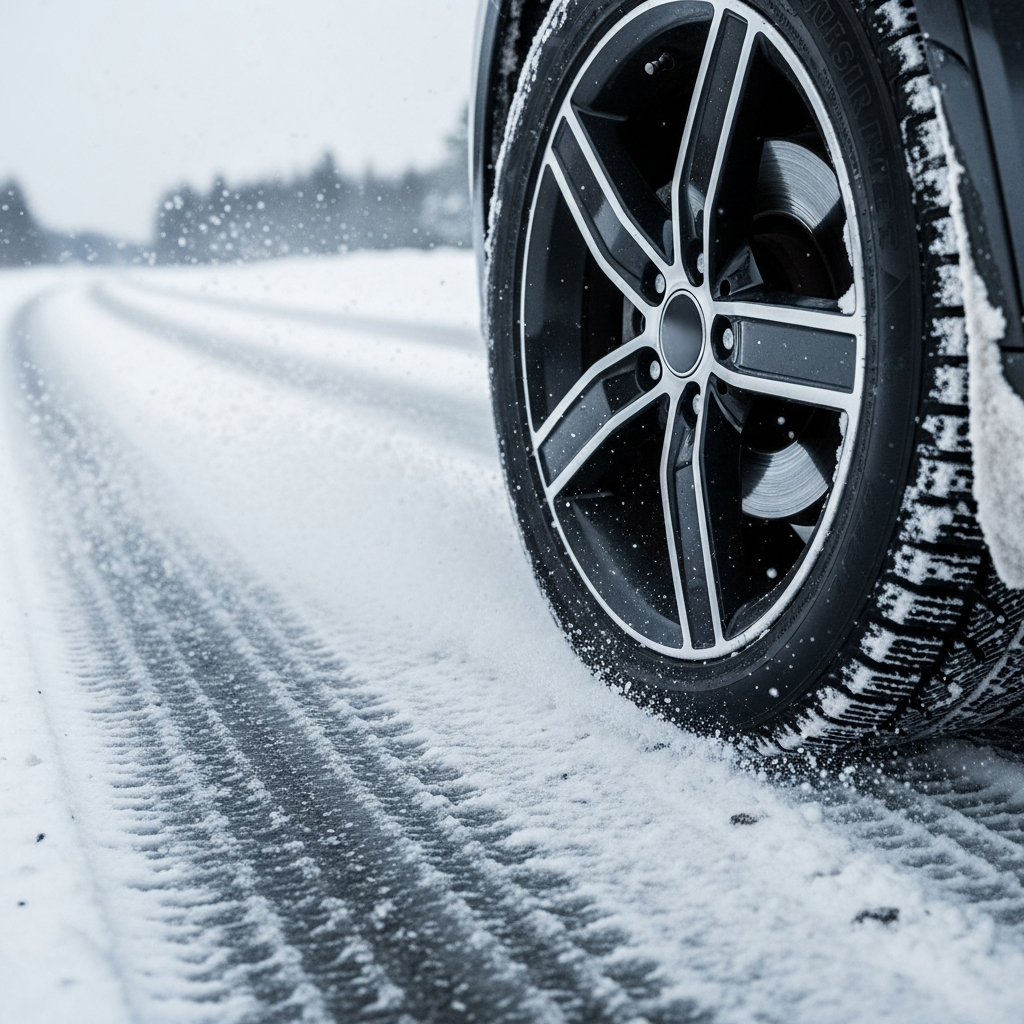
The first cold snap or early spring warm-up is when tire problems tend to show up fast. Grip changes, tire pressure shifts, and worn tread become more noticeable almost overnight. This guide to seasonal tire changes is built to help busy drivers make the switch at the right time, avoid common mistakes, and keep their vehicles safe without turning a simple service into an all-day errand.
Why seasonal tire changes matter
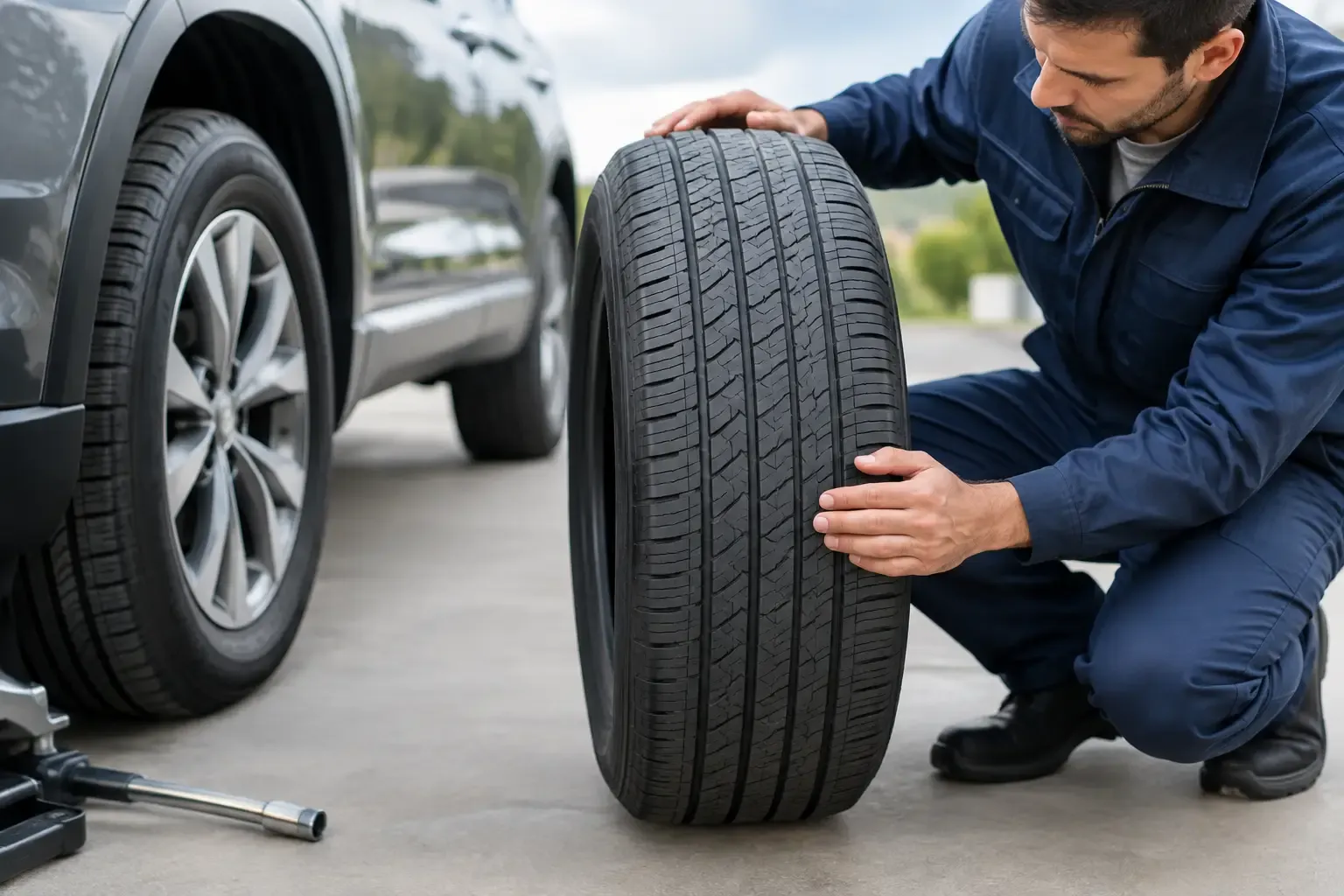
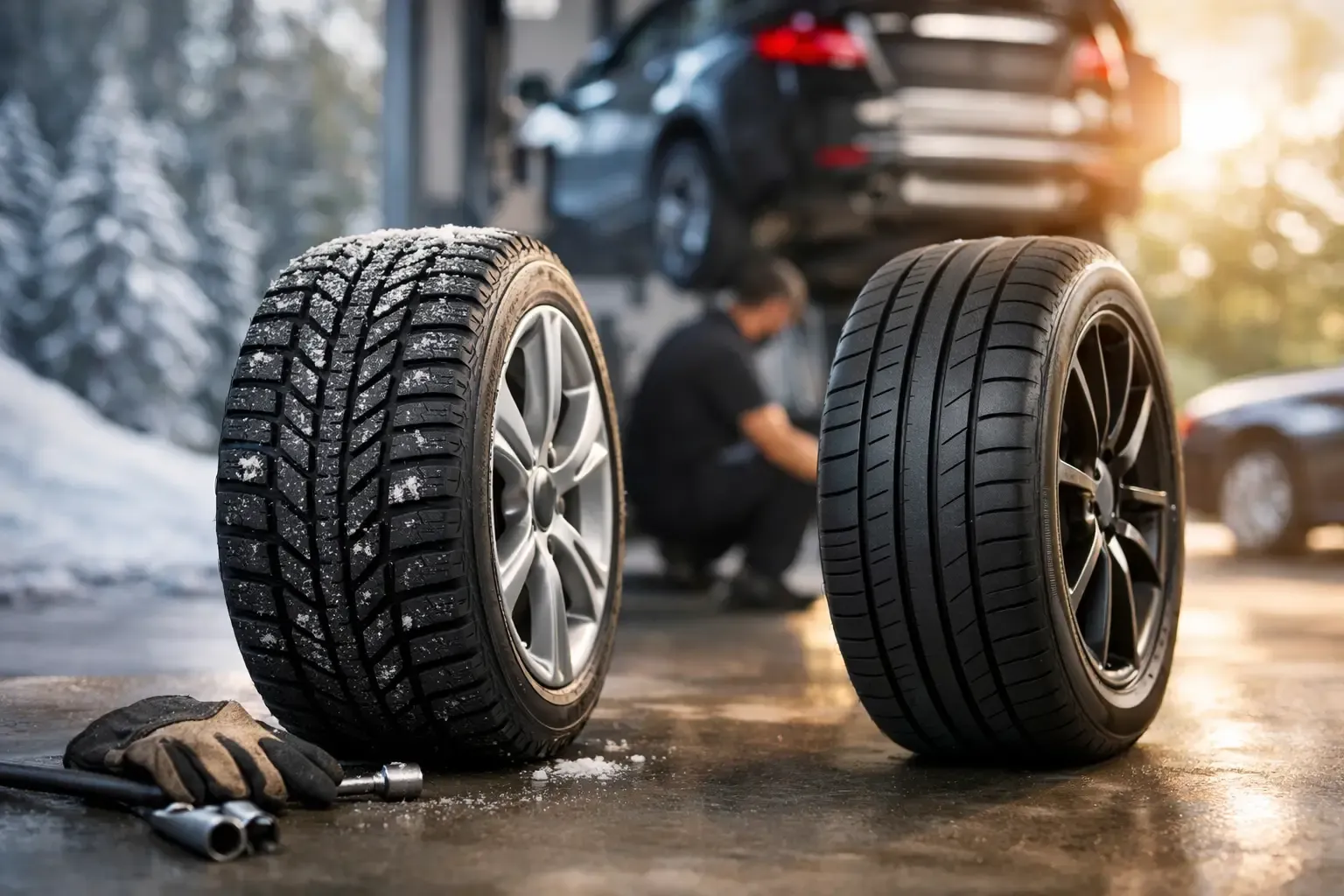
Tires are not just about tread pattern. The rubber compound itself is designed to work best within a certain temperature range. Winter tires stay more flexible in cold weather, which helps them grip better on cold pavement, slush, and light snow. Summer and all-season tires handle warmer conditions differently, with compounds that are better suited for heat, dry roads, and heavy rain.
That is why timing matters. If you leave winter tires on too long in warm weather, they can wear faster and feel less stable. If you switch too early in late winter, you may lose cold-weather traction when you still need it. Seasonal tire changes are really about matching your tires to the conditions your vehicle is actually driving in.
For many drivers, especially commuters and families with packed schedules, this is also a convenience issue. Waiting too long often means competing for tire shop appointments during the busiest weeks of the year. Planning ahead makes the process easier and helps you avoid driving on the wrong setup longer than necessary.
A guide to seasonal tire changes by temperature, not the calendar
A lot of drivers think in terms of months, but temperature is the better guide. A good rule is to switch to winter tires when daily temperatures consistently stay below 45 degrees. Once temperatures are regularly above 45 degrees in the spring, it is usually time to switch back.
This approach works better than choosing a date because weather does not always cooperate with the calendar. In Ohio, for example, late fall can stay mild longer than expected, and spring can still deliver cold mornings even after several warm afternoons. If your daily routine includes early commutes, school drop-offs, or nighttime driving, those colder pavement temperatures matter.
There is some room for judgment. If you only drive short local trips and your vehicle stays parked during bad weather, you may have more flexibility. If you commute at highway speeds or drive regardless of conditions, it makes sense to be more proactive.
What to check before making the switch
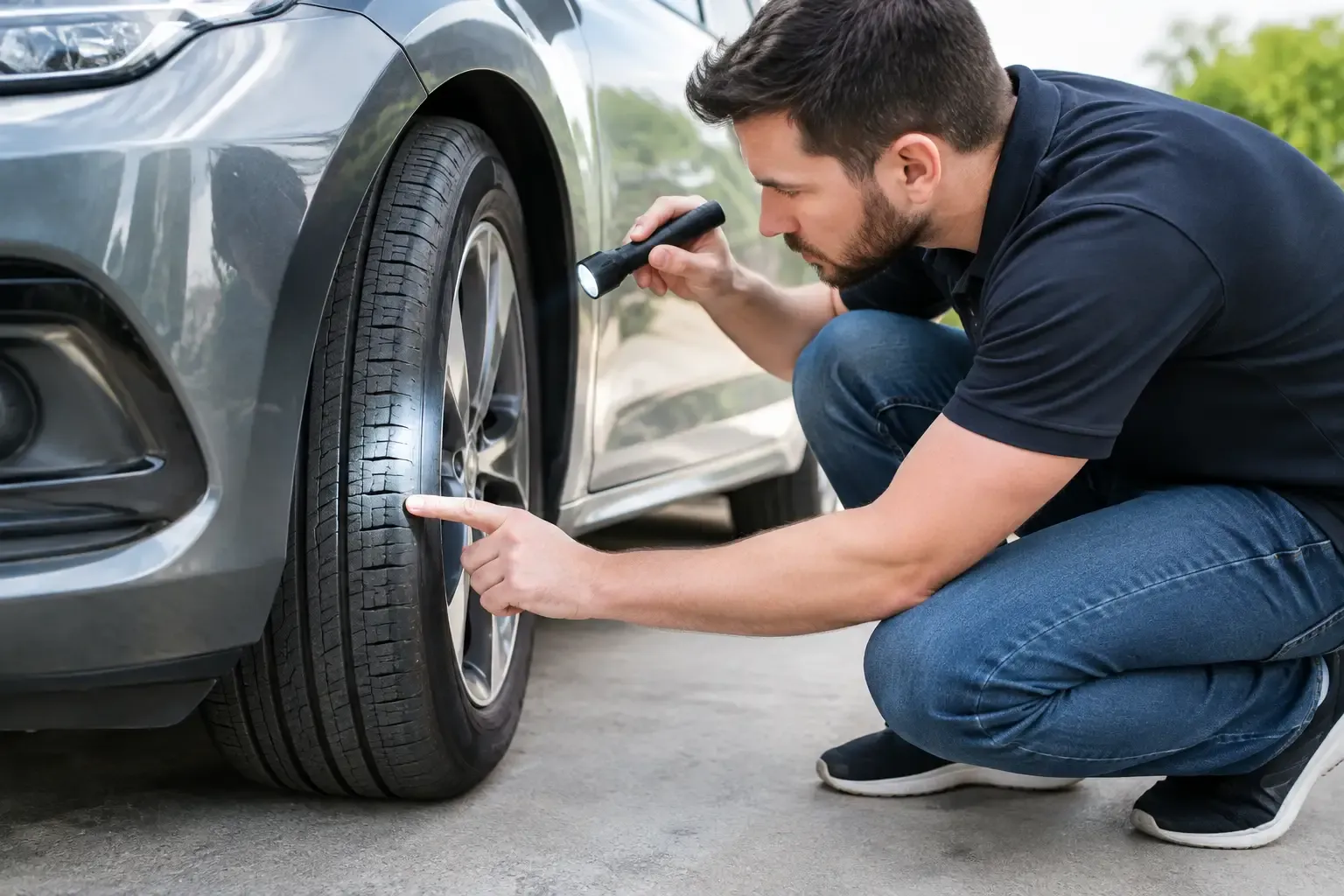
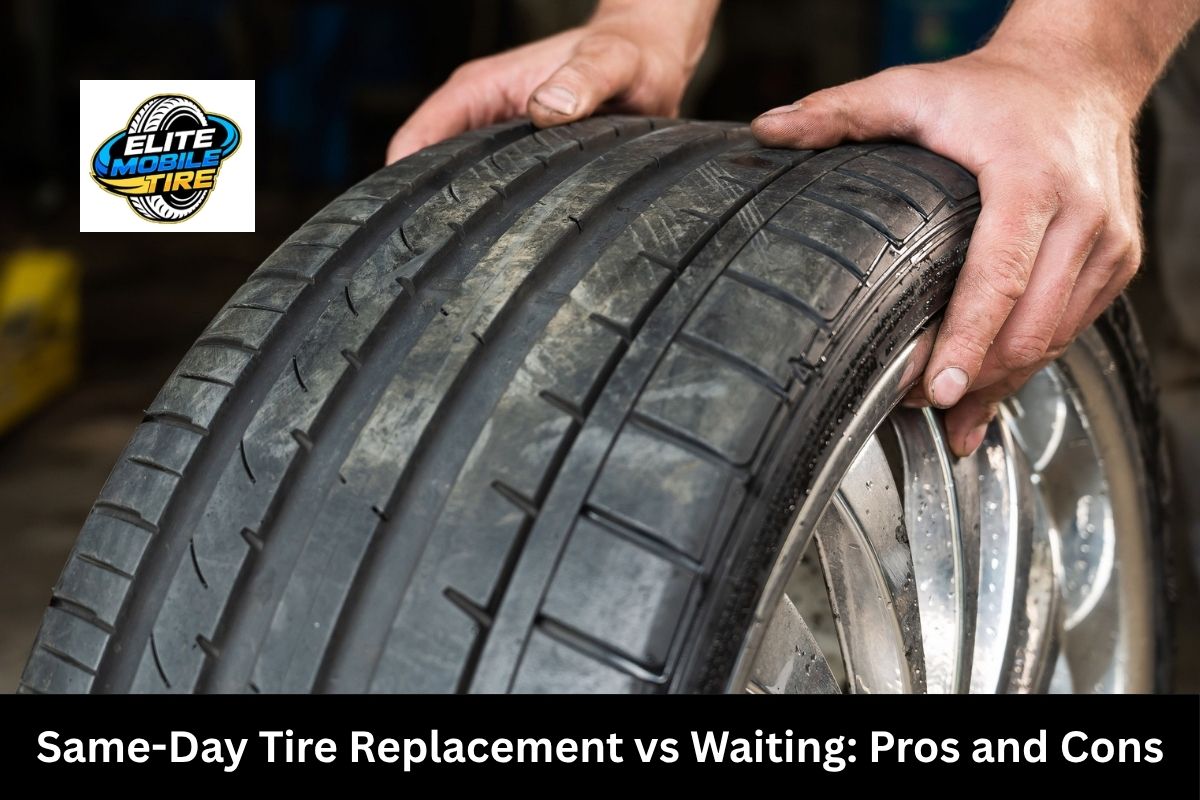
A seasonal change is the right time to inspect more than just the tire type. Tread depth should be checked first. If your winter or all-season set is near the end of its useful life, putting it back on for another season may not make sense. Uneven wear also deserves attention because it can point to alignment issues, suspension problems, or incorrect inflation.
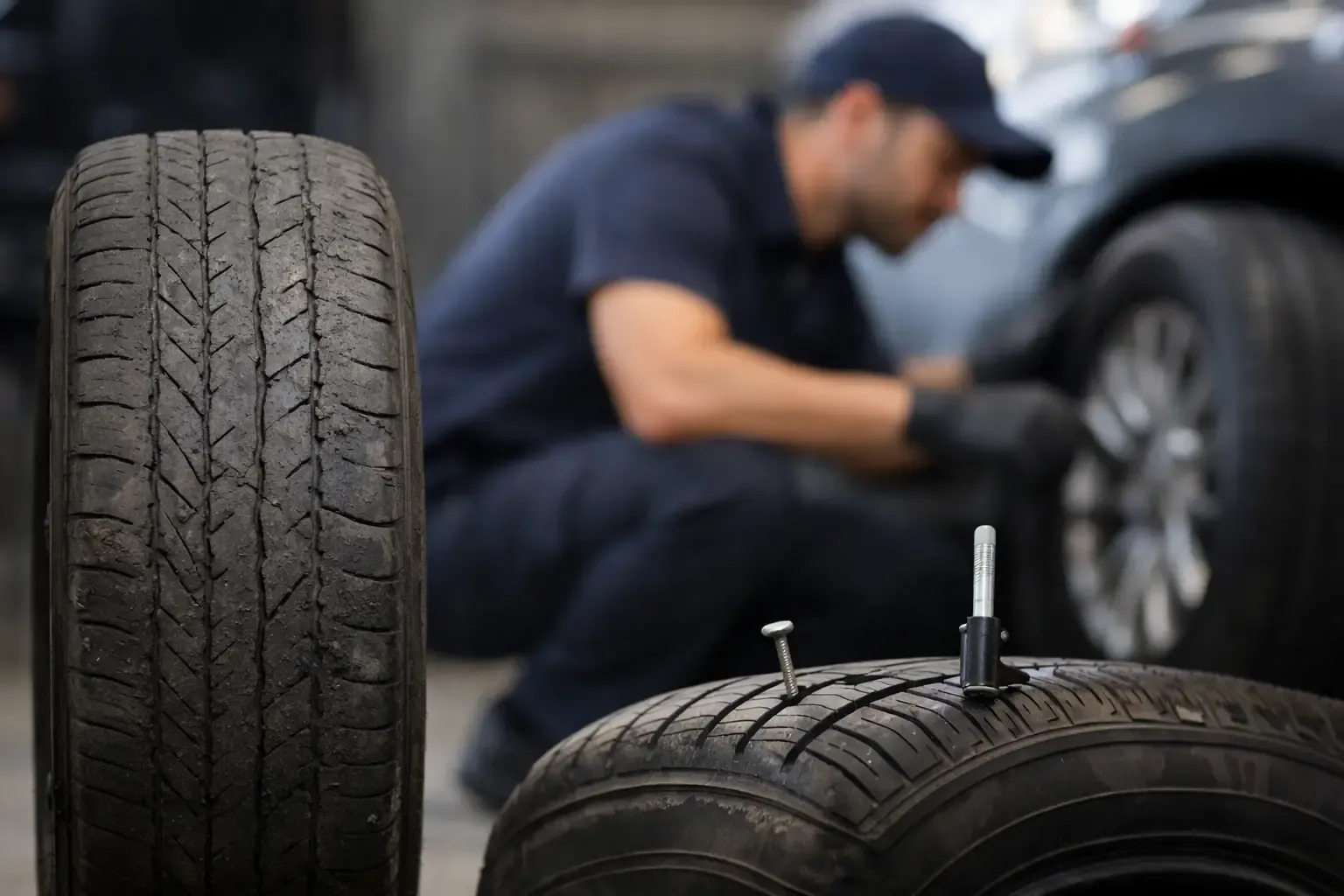
Tire age matters too. Even if tread looks acceptable, older tires can harden and lose performance. Sidewall cracks, bulges, puncture damage, or repeated air loss should be addressed before the next season starts. A tire that barely got through last season is not likely to become more dependable by sitting in storage for a few months.
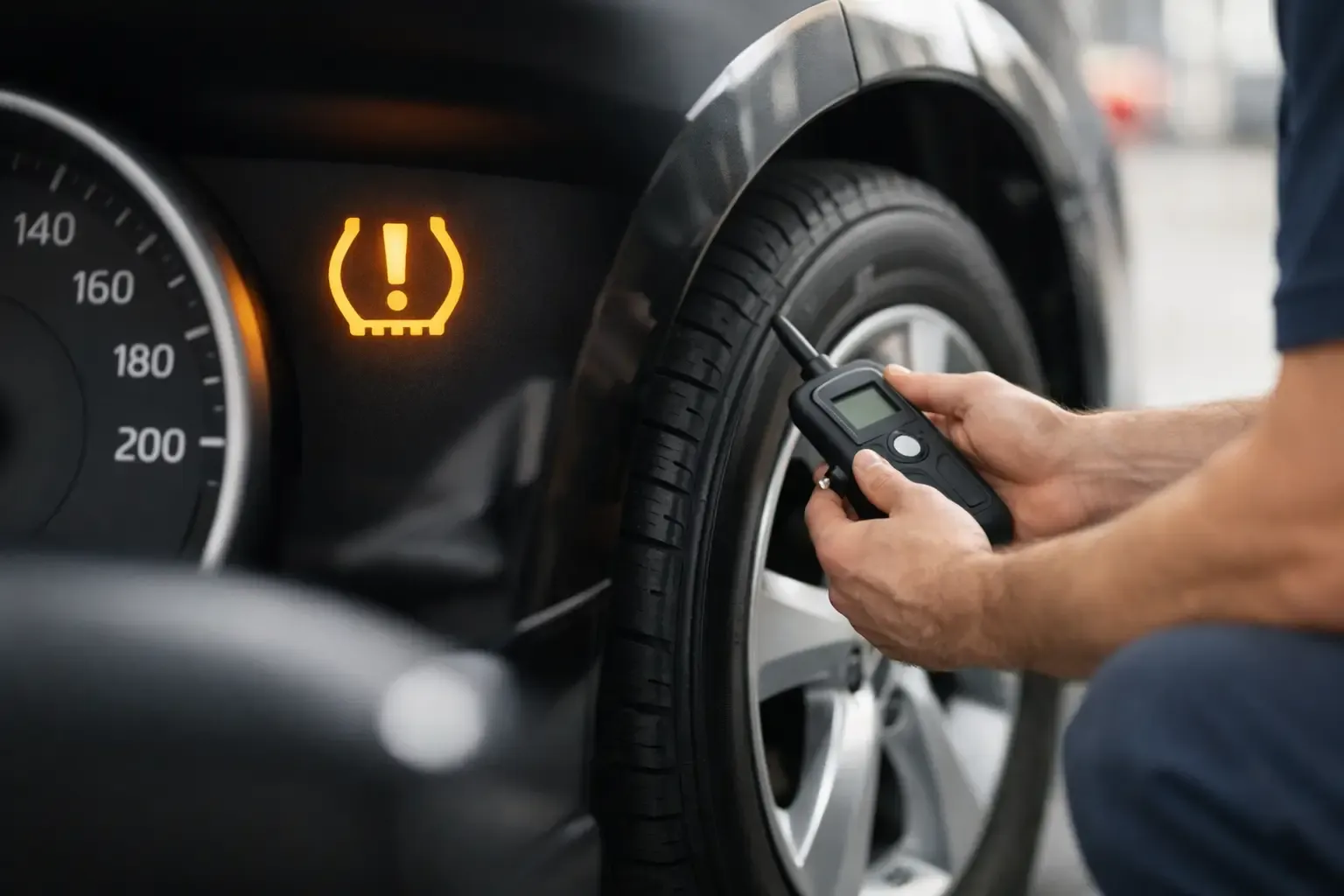
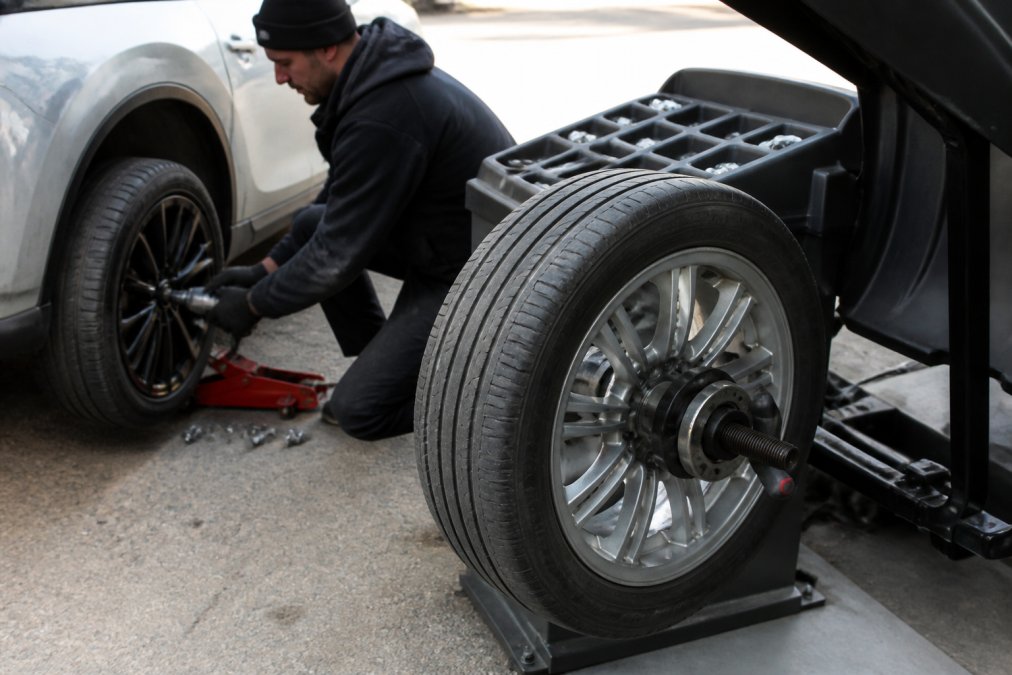
It is also smart to check wheel condition, valve stems, and tire pressure monitoring system function during the change. If you use separate seasonal wheel sets, confirm that everything is clean, properly torqued, and ready to go before installation.
Winter tires, all-season tires, and when it depends
Not every driver needs a dedicated winter set, but many benefit from one more than they expect. Winter tires offer stronger cold-weather traction and shorter stopping distances when temperatures drop. That can make a real difference on icy mornings, snow-covered side streets, and slushy intersections.
All-season tires are a practical choice for drivers who want one set year-round, especially if they drive moderate mileage and avoid severe weather when possible. They are designed to handle a broad range of conditions, but broad does not mean specialized. They are a compromise by design.
The trade-off comes down to your driving habits, your schedule, and how much winter performance matters to you. If you need reliable traction through every workday, school run, or weekend trip regardless of forecast, seasonal tire changes usually provide better control and confidence. If your vehicle sees limited winter use and you can stay off the road during rough conditions, all-season tires may be enough.
Common mistakes drivers make during seasonal tire changes
One common mistake is waiting until the first snowfall or the first 70-degree week to think about a switch. By then, appointment availability gets tighter, and drivers often end up rushing the decision. Another is assuming tread alone tells the whole story. Rubber condition, temperature performance, and tire age all matter.
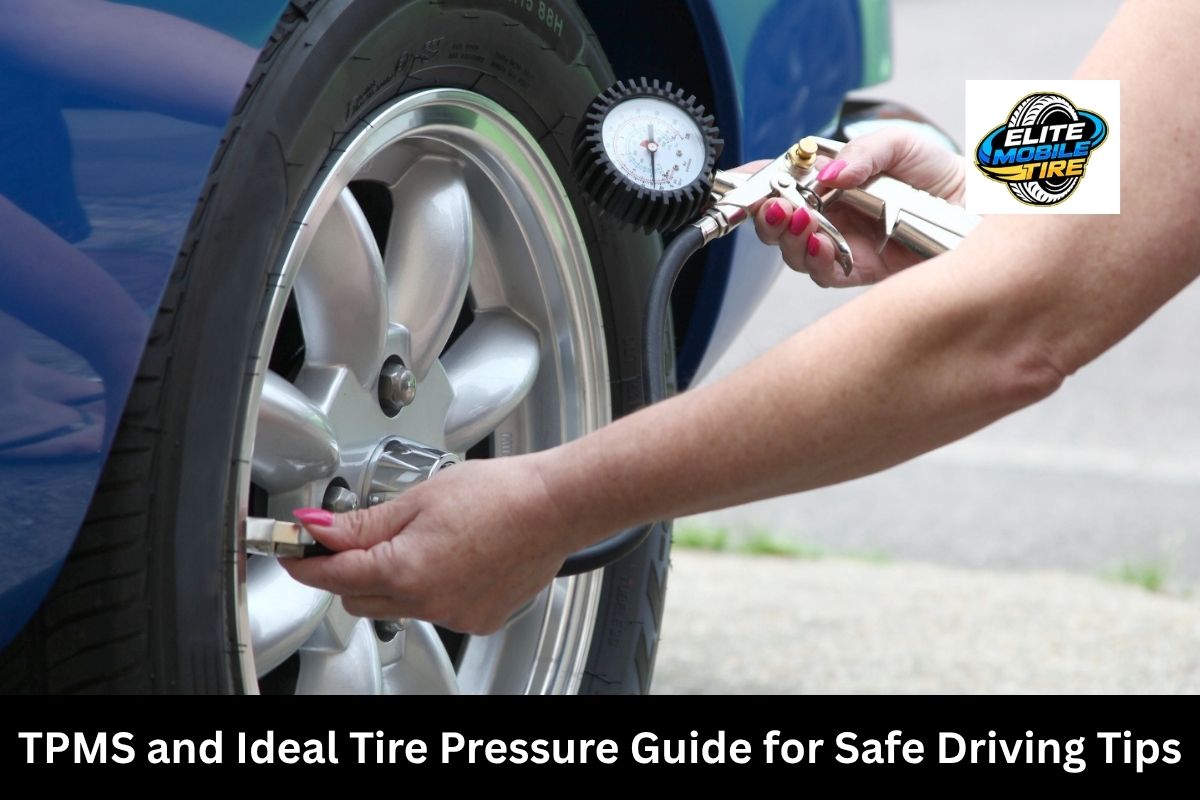
Some drivers also skip rotation because they are already changing sets. That can shorten tire life over time, especially if wear patterns are already developing. Others forget to reset or recheck TPMS after installation, which can leave them with warning lights or inaccurate assumptions about pressure.
Storage is another overlooked issue. Tires should be stored in a cool, dry place away from direct sunlight, excessive moisture, and chemicals. If mounted on wheels, they can be stacked with care. If unmounted, they are generally better stored upright. Poor storage can shorten the life of a good tire set.
How mobile service makes seasonal tire changes easier
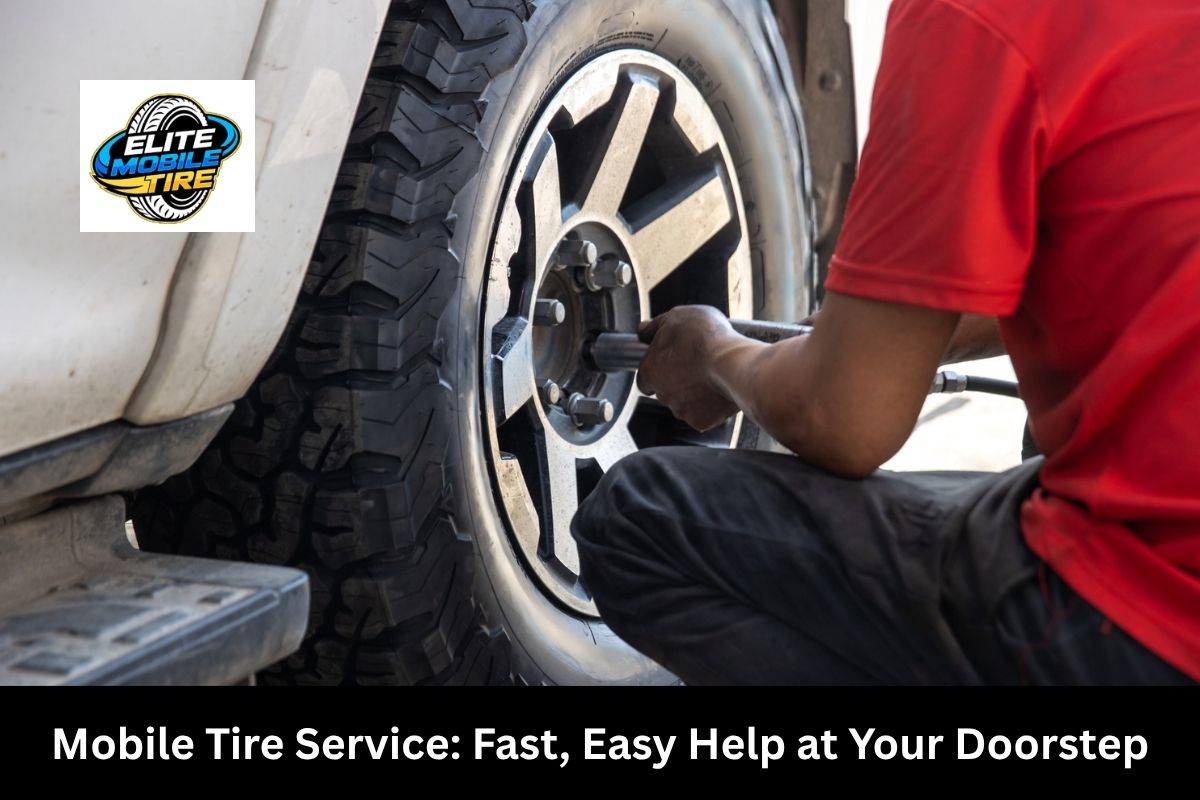
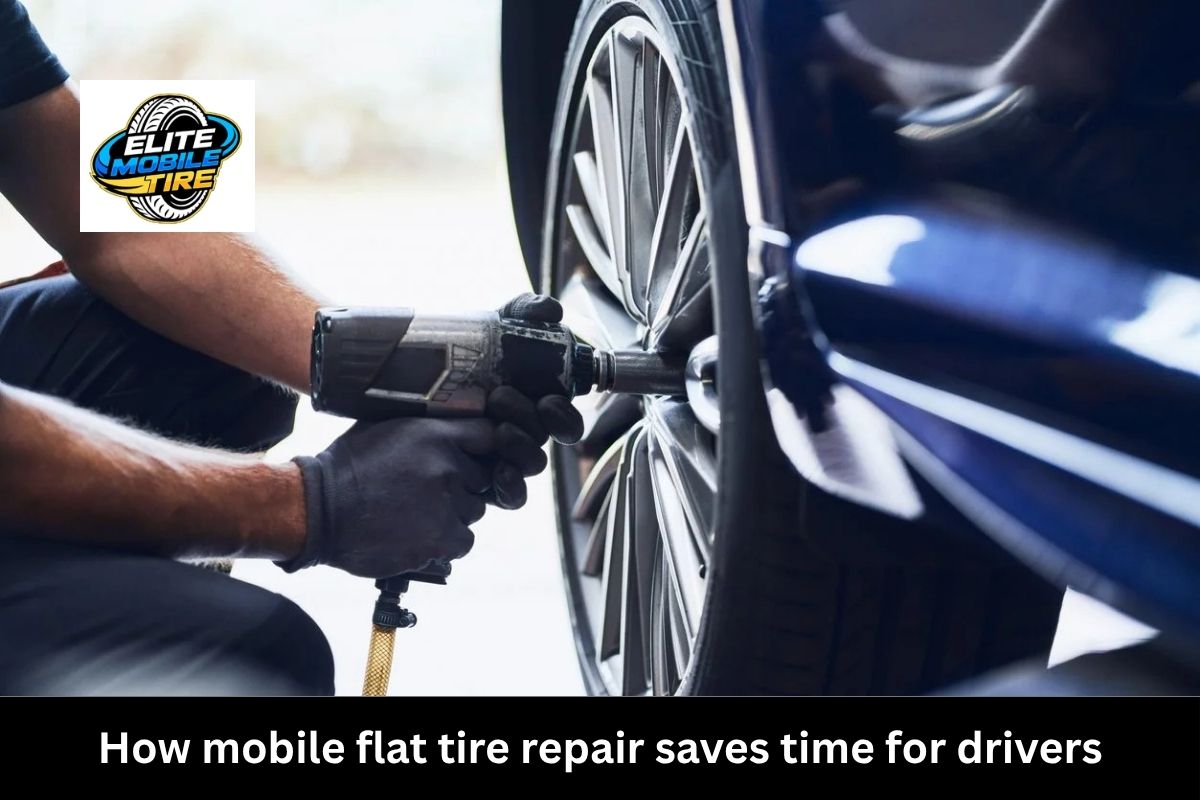
For many people, the biggest obstacle is not knowing when to change tires. It is finding time to do it. Taking a vehicle to a tire shop usually means rearranging your day, sitting in a waiting room, or coordinating rides. That is exactly why mobile service has become a practical solution.
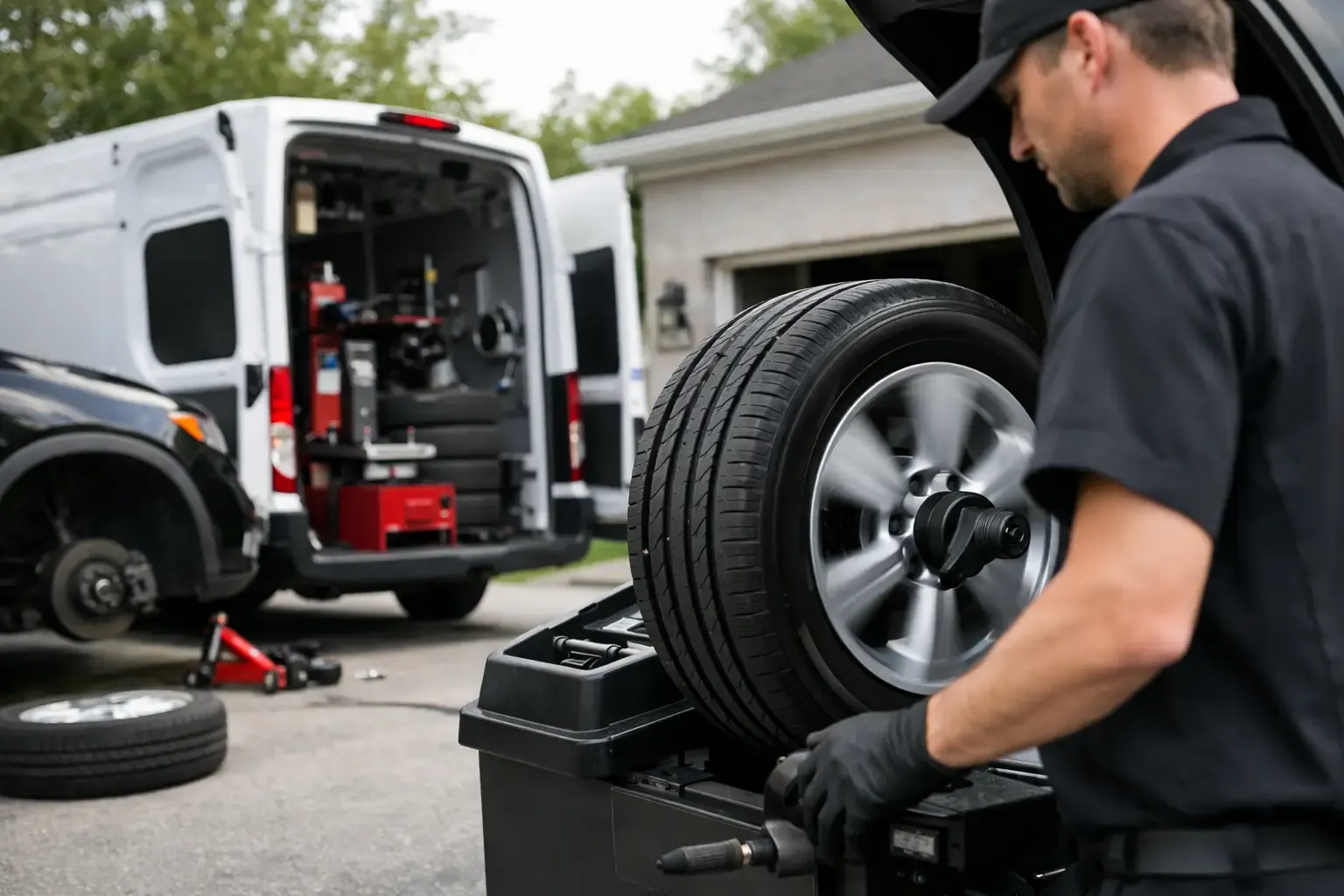
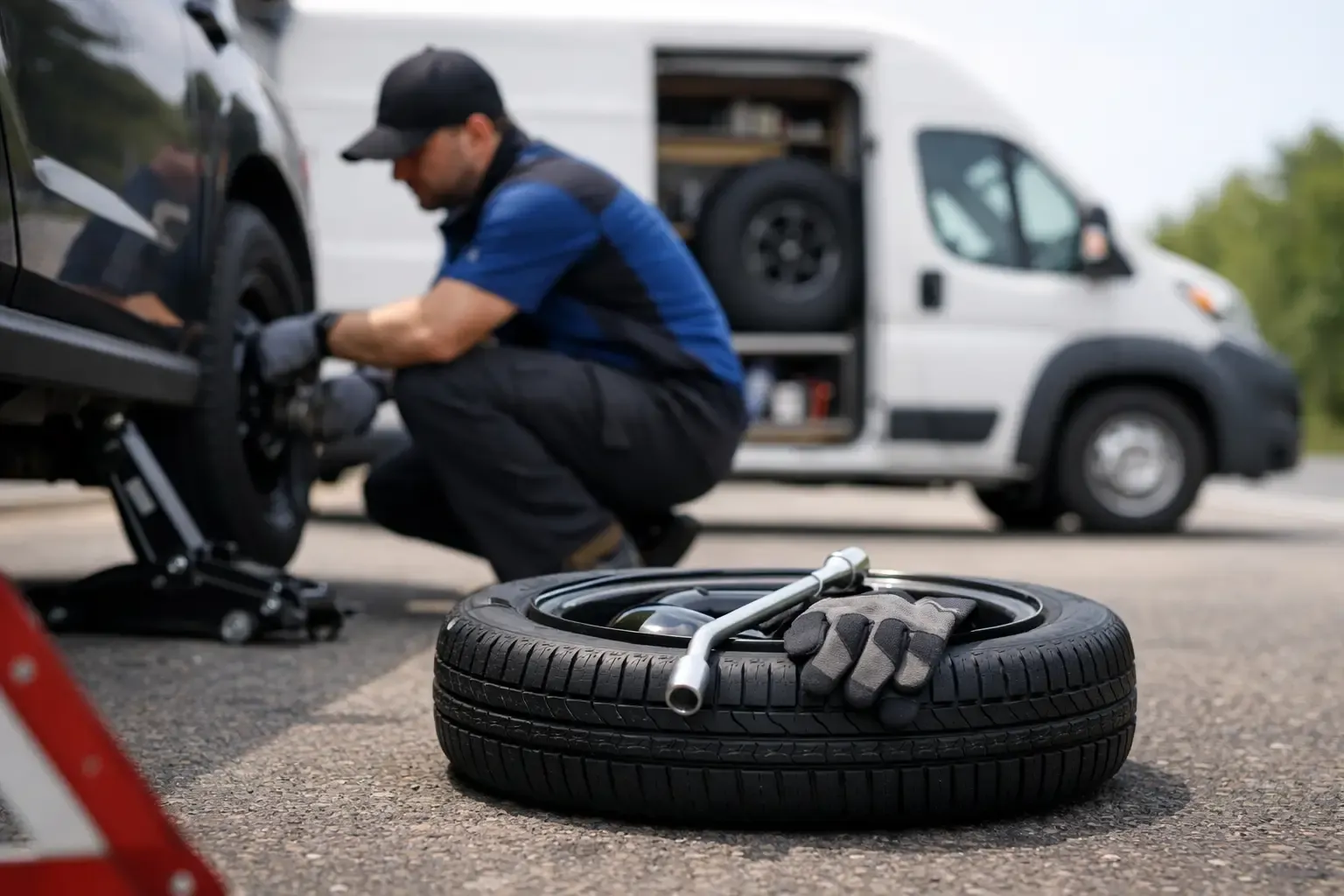
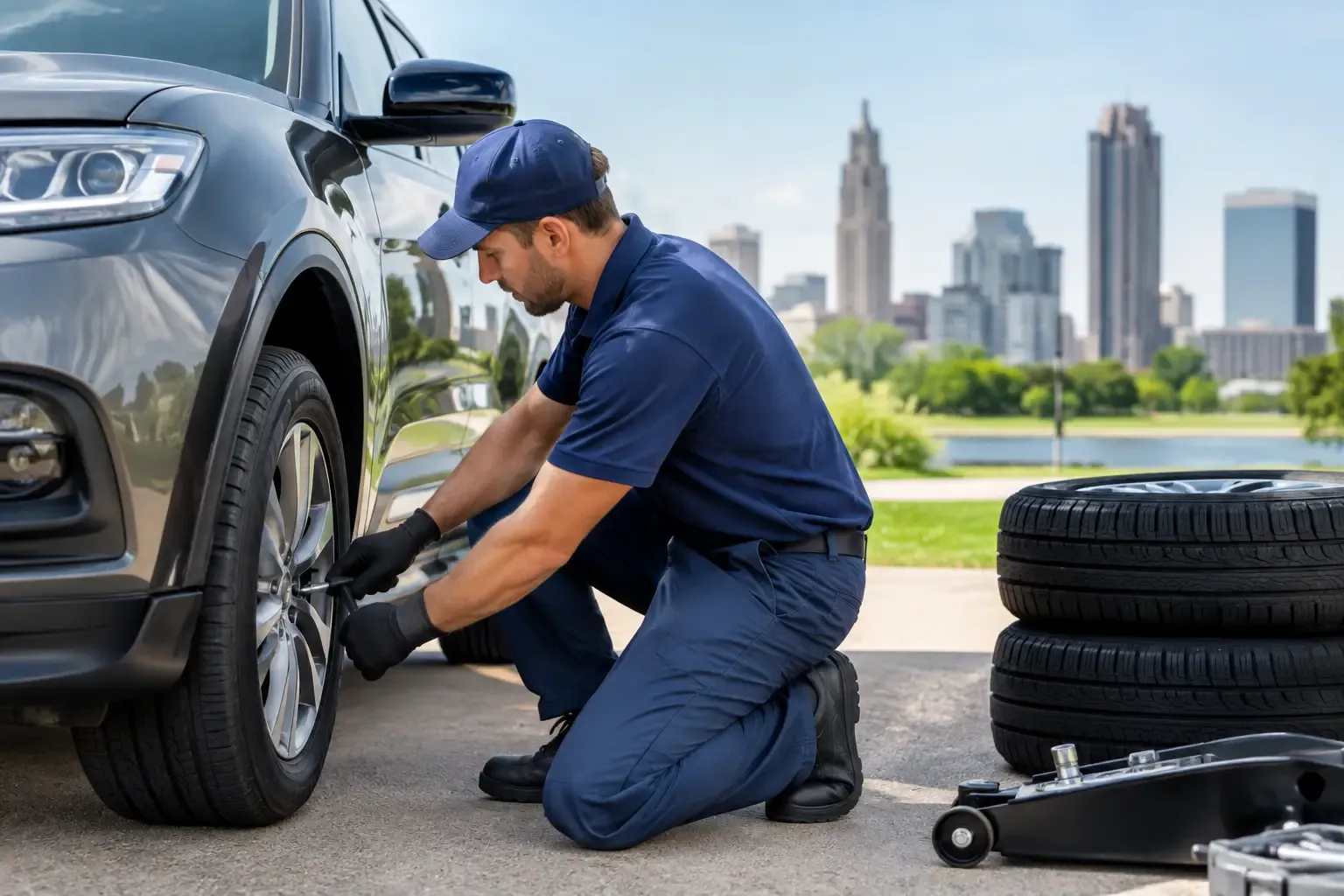
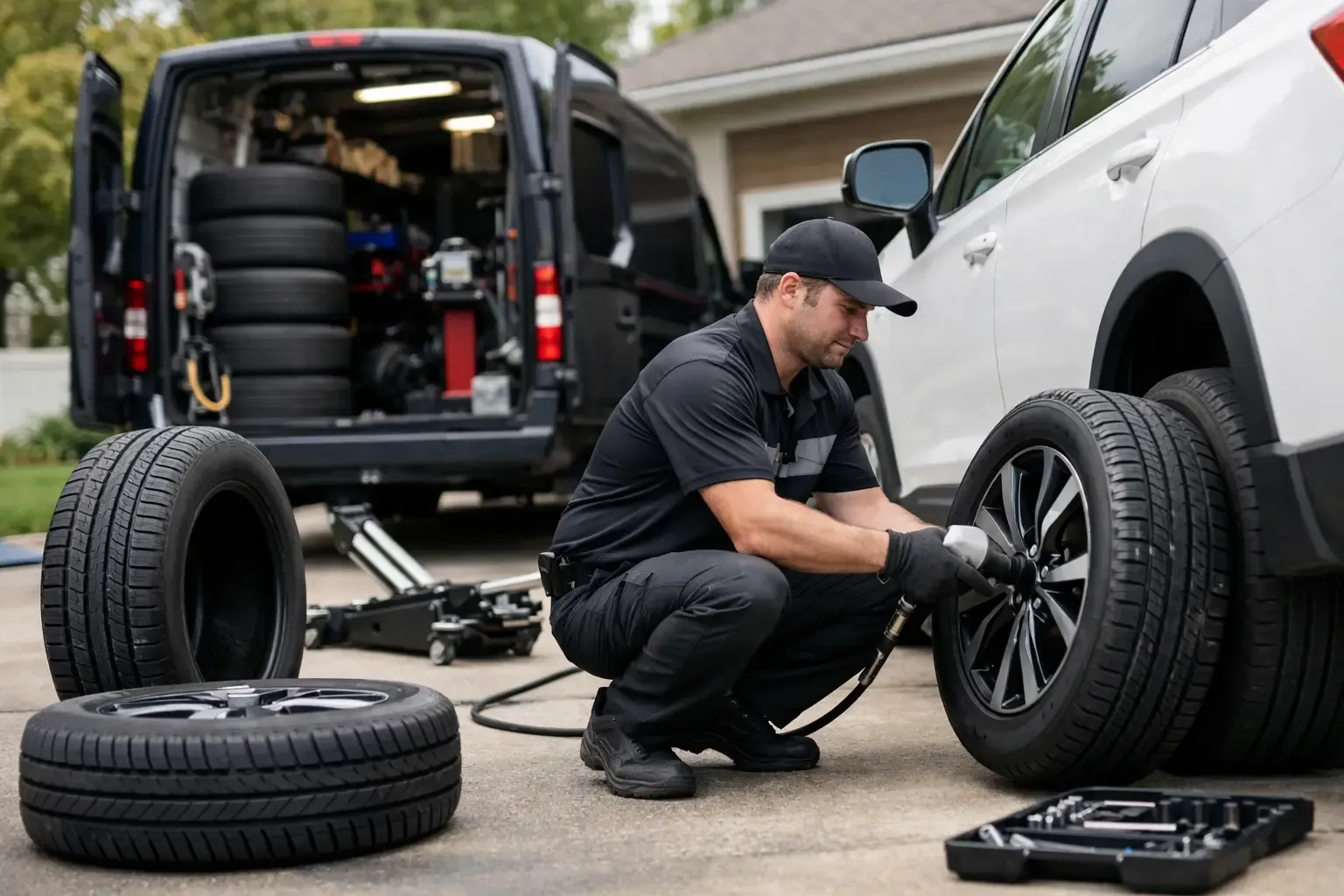
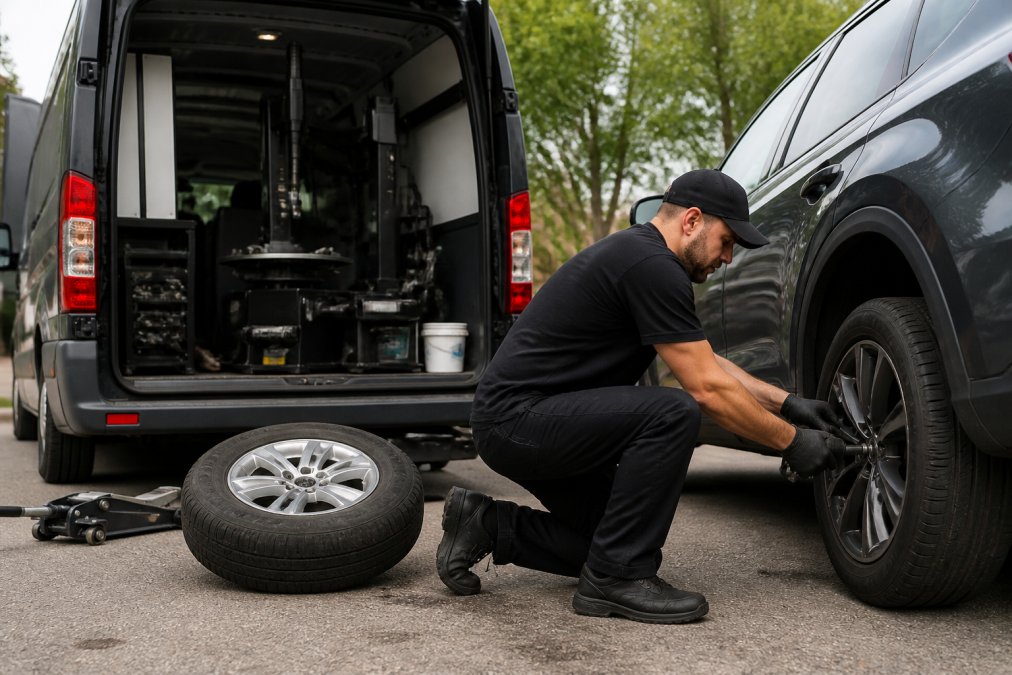
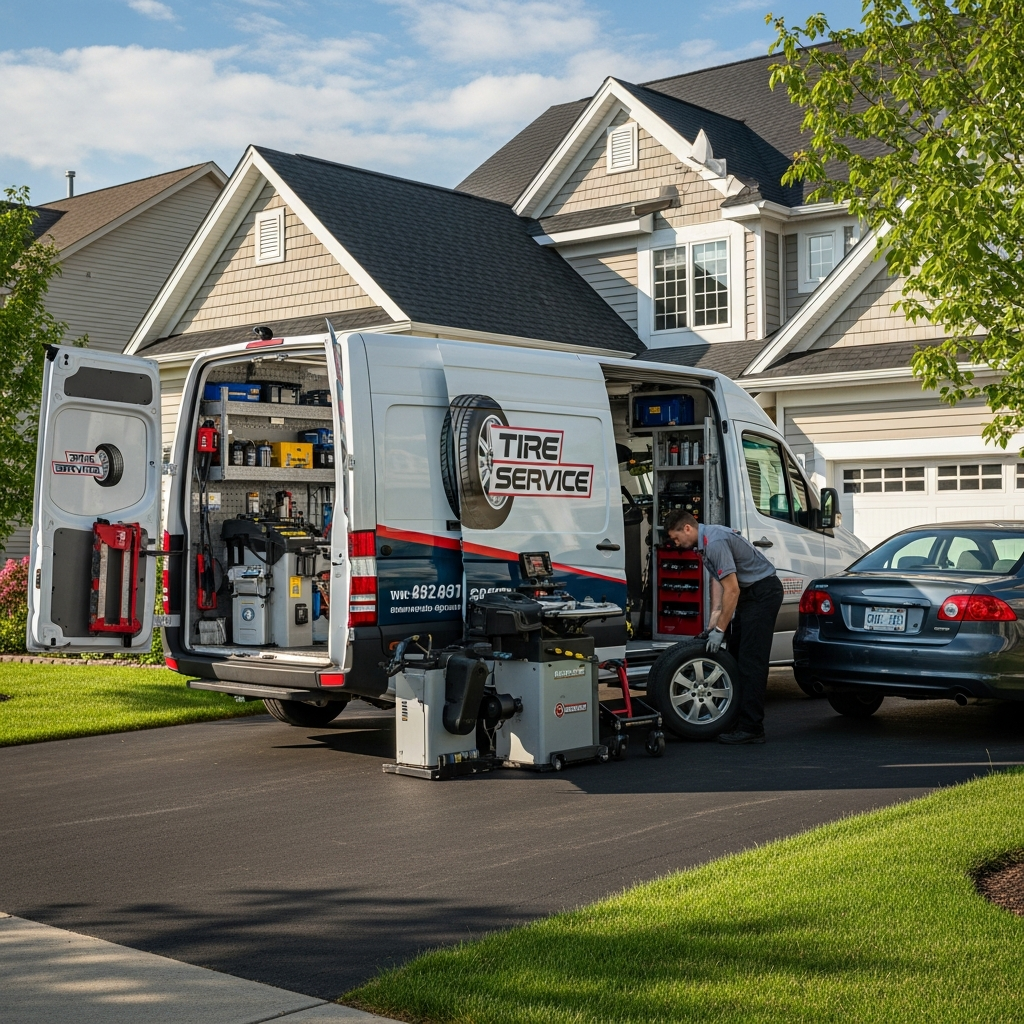
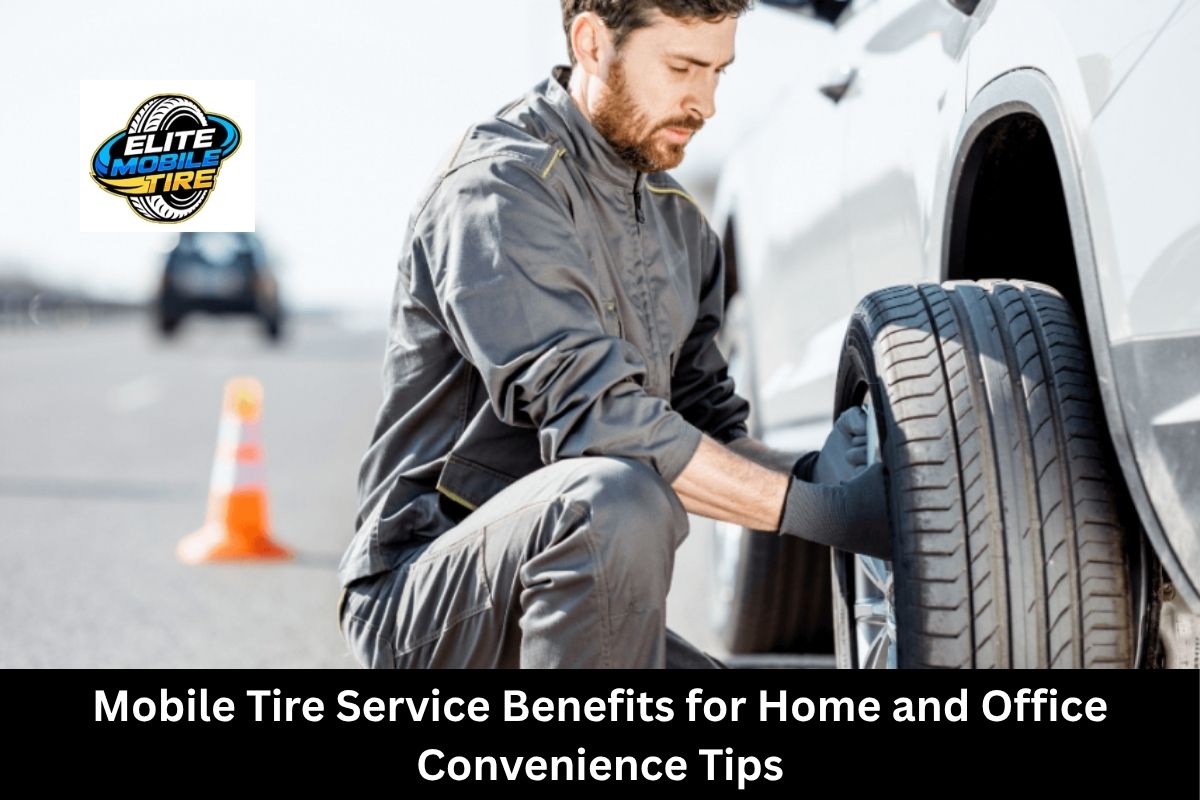
With on-site tire service, the change can happen at home or at work while your day keeps moving. That convenience matters during the busiest parts of spring and fall, when schedules are already full and tire demand spikes. It also gives drivers a more direct service experience, with clear communication and fewer handoffs.
If your seasonal change reveals a problem like low tread, an unrepairable puncture, or a TPMS issue, having a professional handle it on-site can save time and reduce guesswork. For drivers in Columbus and nearby suburbs, that local flexibility can make routine tire maintenance much easier to stay on top of.
Seasonal tire change checklist for a smoother appointment
A little preparation helps the service go faster. Before your appointment, make sure you know where your seasonal set is stored and confirm the tire size matches your current vehicle setup. If the tires are mounted on wheels, inspect them for obvious damage or severe wear before installation day.
It also helps to know what you want checked besides the swap itself. If you have noticed vibration, pulling, low pressure warnings, or unusual wear, mention it upfront. Seasonal changes are a good time to catch these issues early rather than waiting for them to get worse.
If your tires have been in storage since last season, expect some natural pressure loss. That is normal. What matters is making sure they are inflated to the correct pressure once installed and that lug nuts are torqued properly.
Guide to seasonal tire changes for long-term tire life
A good guide to seasonal tire changes should not stop at installation timing. The real goal is getting the best performance and lifespan from both sets. That means keeping records of when each set was installed, tracking tread wear, and rotating as needed. It also means paying attention to alignment and inflation between seasons, because those small issues can do expensive damage over time.
Drivers sometimes assume that owning two sets automatically doubles tire life. In practice, it depends on maintenance. If one set is underinflated, stored poorly, or run too long past its useful life, the benefit shrinks fast. On the other hand, when both sets are used at the right time and cared for properly, you usually get better performance in each season and more predictable wear.
That predictability matters. You are less likely to be surprised by poor traction during the first freeze or discover in a hurry that your warm-weather tires are worn out right when travel picks up.
Seasonal tire changes are not complicated, but they do reward good timing and a little planning. If you match your tires to the weather, inspect them carefully, and make the switch before conditions turn against you, you give yourself a simpler, safer drive for the season ahead.
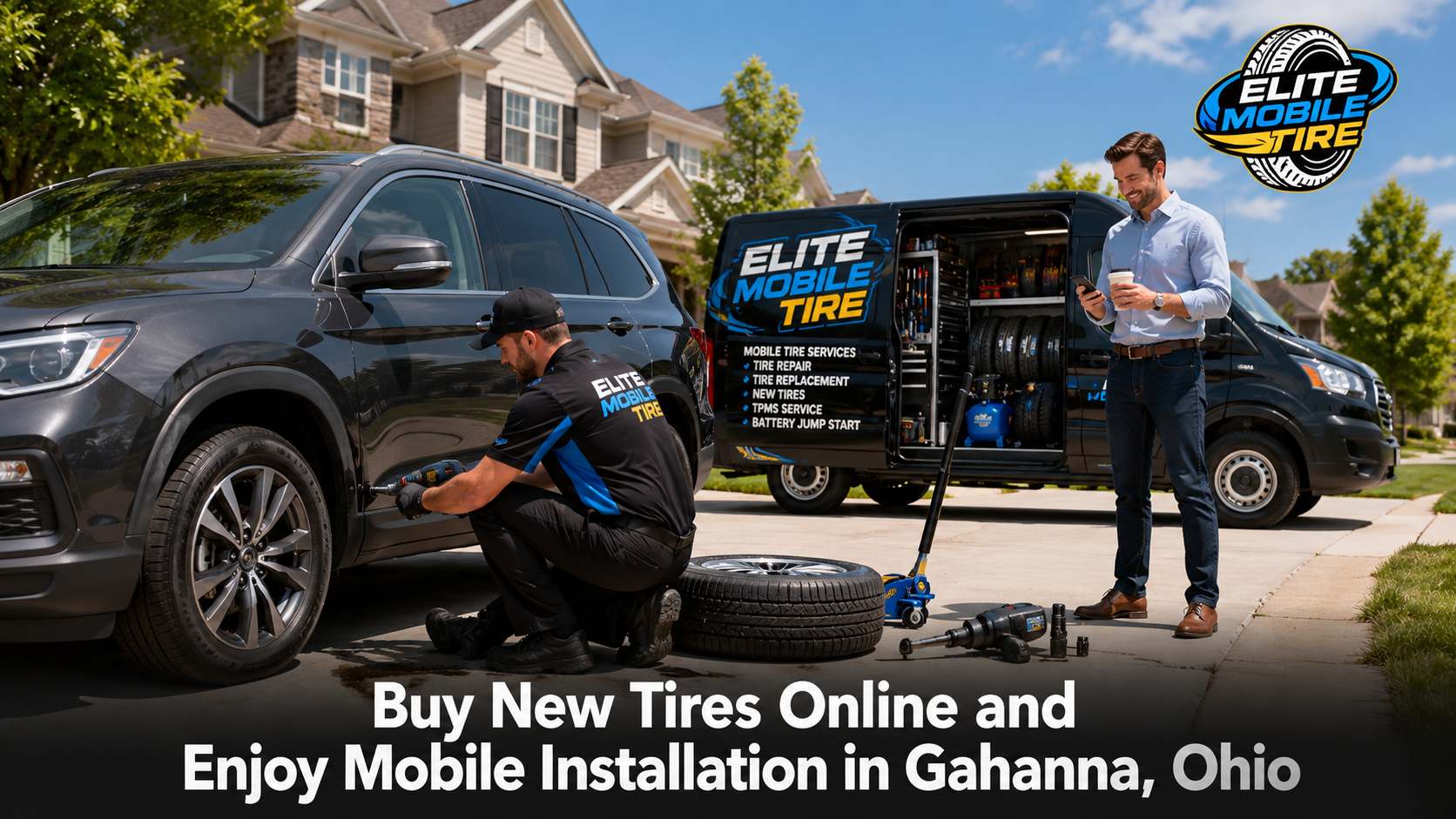
Ready for a new set? Elite Mobile Tire installs 2 or 4 new tires right in your driveway or parking lot anywhere around Columbus, Obetz, Groveport, Grove City, and Reynoldsburg. Financing is available through Afterpay and Acima with up to 24-month payment plans. Call 614-344-5010 or visit elitemobiletire.com to book.