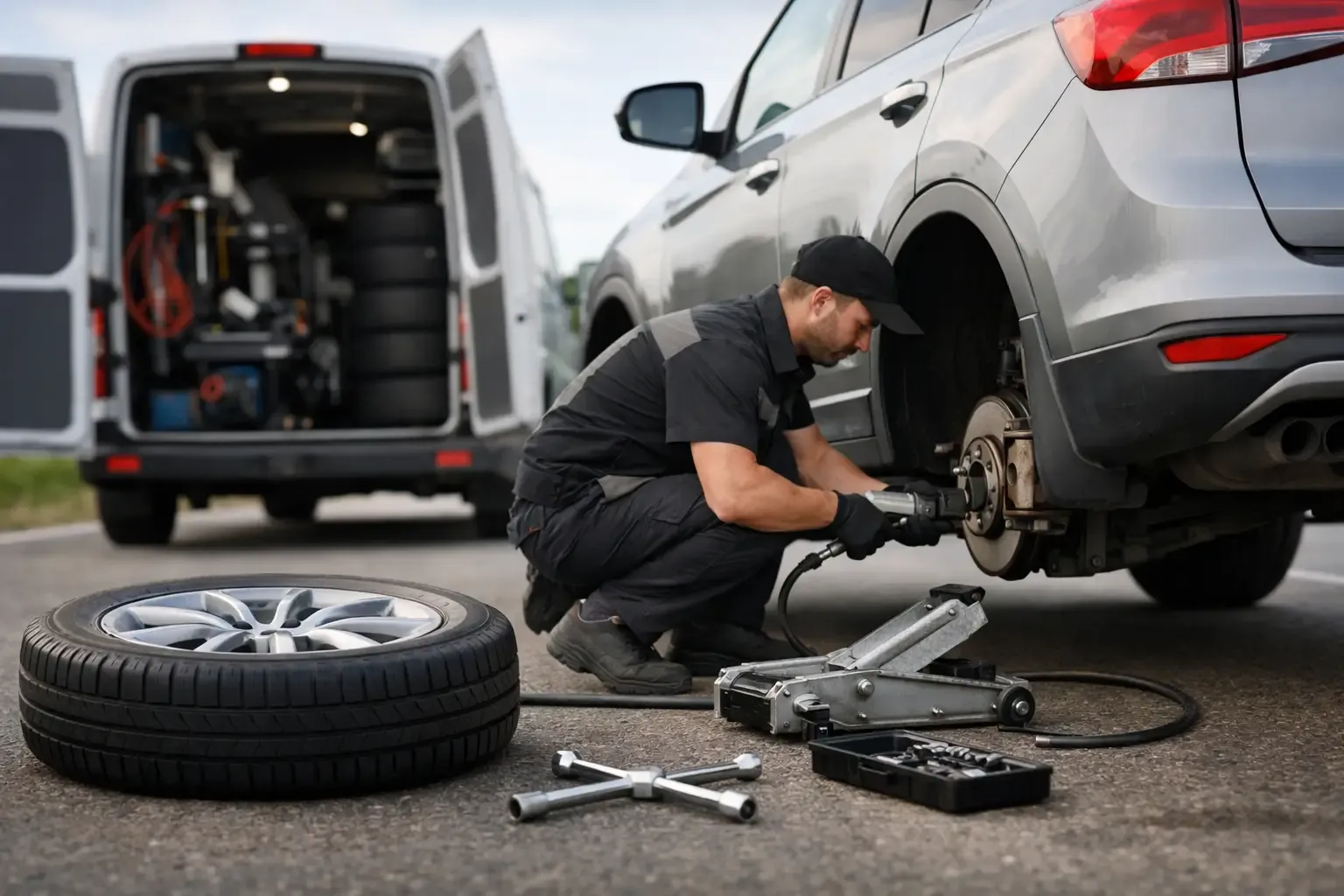
You notice one tire looks worn, but the other three seem fine. That is where a lot of drivers get stuck. If you are asking when should you replace all four tires, the answer depends on your vehicle, how unevenly the tires have worn, and whether replacing fewer tires could affect safety, handling, or drivetrain performance.
For some vehicles, replacing a single damaged tire is completely reasonable. For others, especially all-wheel drive models, mixing old and new tires can create bigger problems than most drivers expect. The goal is not to replace more tires than you need. It is to make the right decision for safety, ride quality, and long-term vehicle health.
When should you replace all four tires at once?
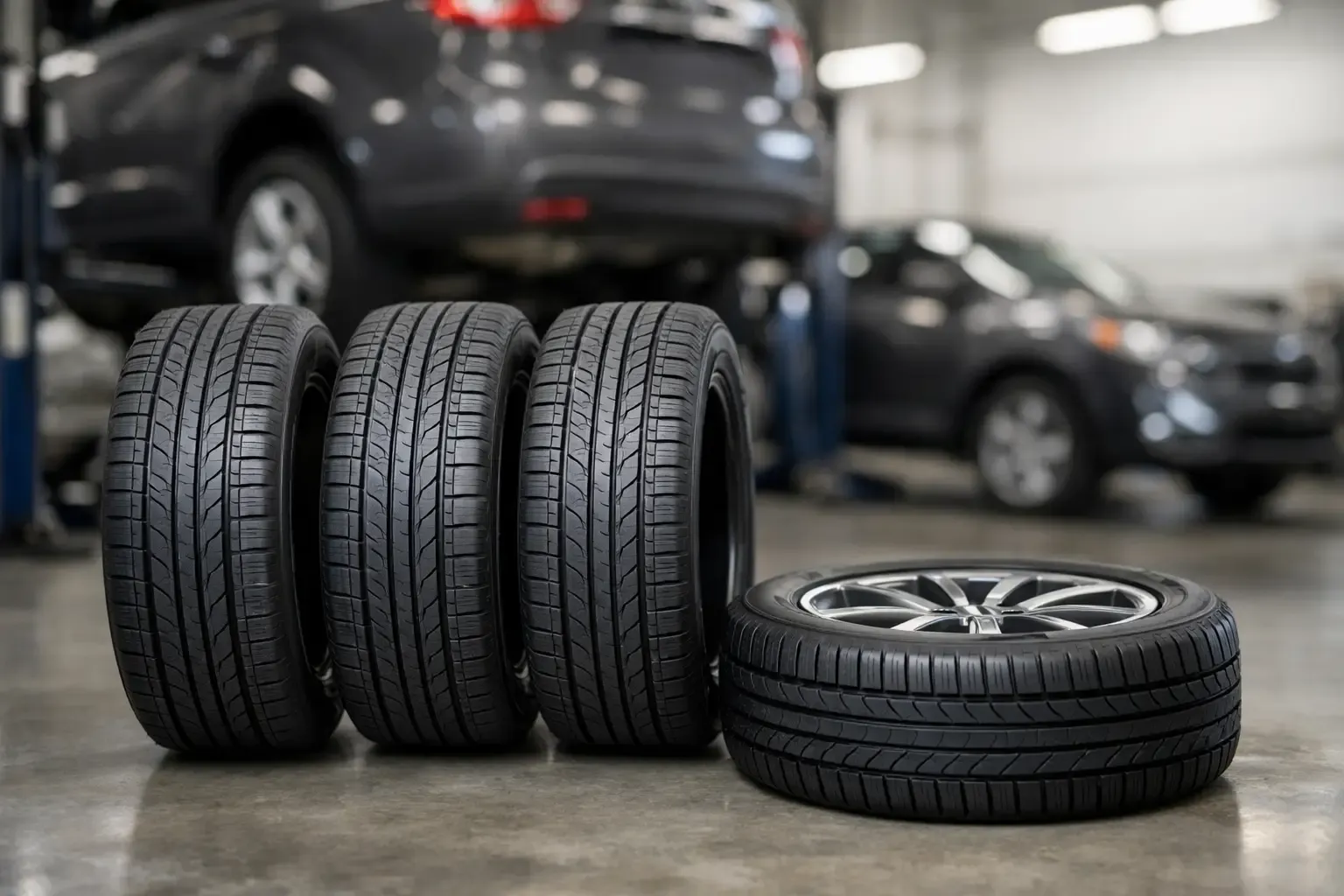
The clearest answer is when all four tires are near the end of their usable tread life. If the set has worn down evenly and tread depth is low across the board, replacing all four at once is usually the simplest and safest move. It gives you balanced traction, predictable braking, and a more consistent ride.
You should also strongly consider replacing all four tires if they are the same age and one has failed due to impact damage, puncture in an unrepairable area, or sidewall damage. Even if the other three still have some tread left, they may not be far behind in age-related decline.
Another common situation is uneven wear caused by missed rotations, alignment issues, or suspension problems. If two tires are significantly more worn than the others, a partial replacement might still be possible, but only if the remaining tires are in good condition and compatible in tread depth and type. Once the difference gets too large, a full set often makes more sense.
The biggest factor: your drivetrain
Your vehicle type matters more than many drivers realize.
All-wheel drive and four-wheel drive vehicles
If you drive an AWD vehicle, tire diameter differences can put extra stress on the drivetrain. A new tire has a larger overall circumference than a worn one, even if the size on the sidewall matches. That difference can force the system to compensate constantly, which may lead to premature wear in the transfer case or differential.
That is why many manufacturers recommend replacing all four tires together on AWD vehicles, or at least making sure the tread depth difference stays within a very narrow range. In some cases, tire shaving can be used to match a new tire to the remaining set, but that is not always practical or available.
If you are unsure, it is smart to follow the vehicle manufacturer guidelines first. Replacing fewer than four tires on the wrong AWD setup can save money today and create a much more expensive repair later.
Front-wheel drive and rear-wheel drive vehicles
If your vehicle is front-wheel drive or rear-wheel drive, you usually have more flexibility. You may be able to replace one pair or even a single tire if the other tires still have strong tread and are the same brand, model, and size.
Even then, there are limits. Large tread differences can affect stability, traction control behavior, braking performance, and overall handling. It may not damage the drivetrain the way it can on some AWD vehicles, but it can still lead to a less predictable ride.
Tread depth tells you a lot
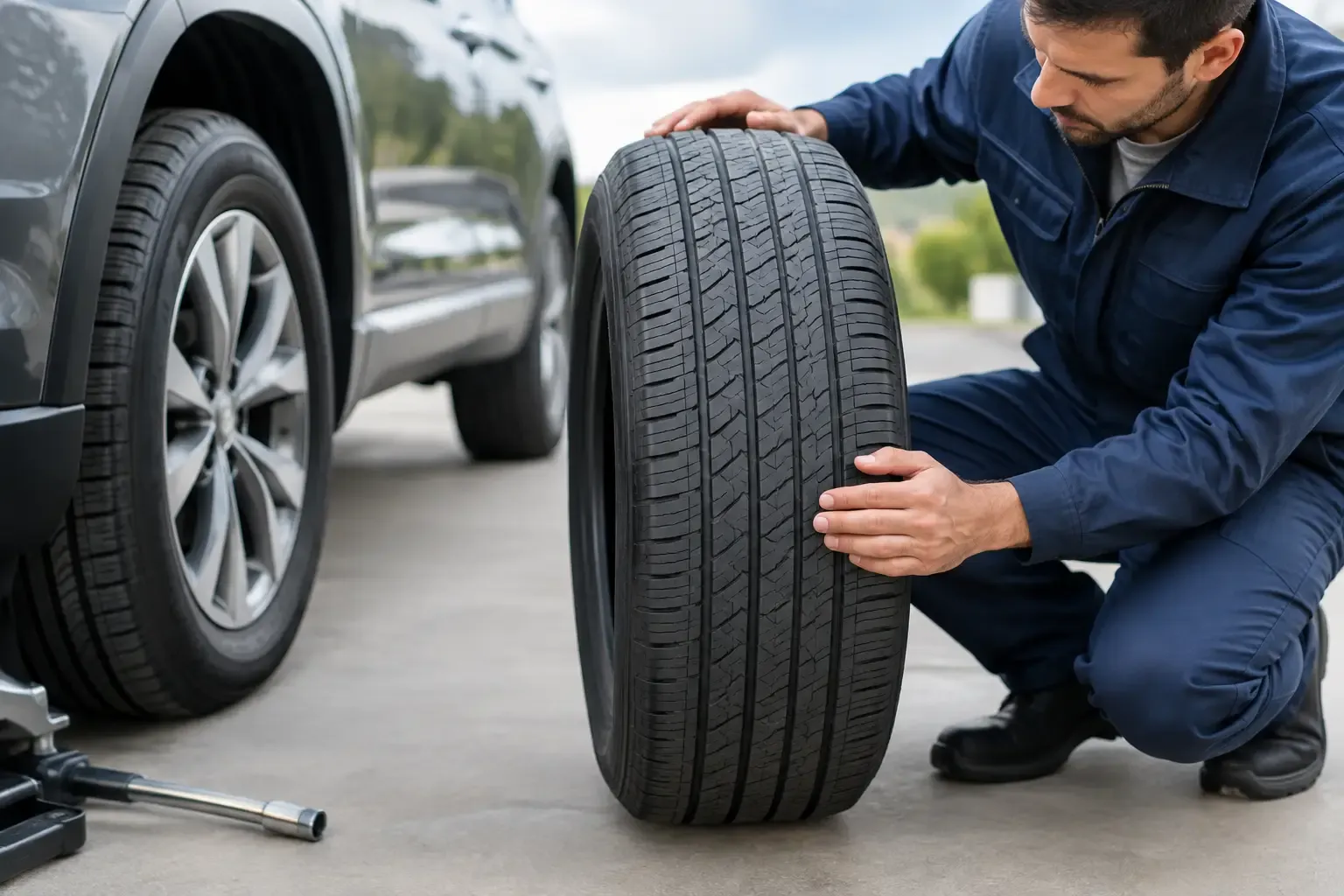
A tire does not have to be completely bald to be due for replacement. Legally, tires are considered worn out at 2/32 of an inch, but most drivers should not wait that long. Wet traction starts dropping well before that point, and stopping distances increase as tread gets shallower.
For everyday driving, many professionals recommend replacement once tires reach about 4/32 of an inch, especially if you regularly drive in rain. If winter weather is part of your routine, traction concerns show up even earlier.
If all four tires are close to that range, replacing the full set is usually the best call. If one or two tires are still much deeper while the others are near the end, then the decision becomes more vehicle-specific.
Age matters even if the tread looks decent
A tire can look usable and still be too old to trust. Rubber hardens over time, internal materials break down, and weather exposure takes a toll. That is why age is part of the replacement decision, not just tread depth.
Most drivers should start paying close attention once tires are around six years old. By ten years, many manufacturers consider replacement necessary regardless of tread. Heat, sun exposure, long periods of parking, and underinflation can all speed up aging.
If all four tires were installed around the same time and are showing signs of age, replacing the complete set is usually the safest option. Common warning signs include sidewall cracking, dry rot, vibration, repeated air loss, or visible weather checking in the rubber.
Signs that replacing only one or two tires may not be enough
Sometimes the tire problem starts with one obvious issue, but the full inspection tells a different story. If you see one damaged tire, it is worth checking the whole set for wear patterns and condition before deciding.
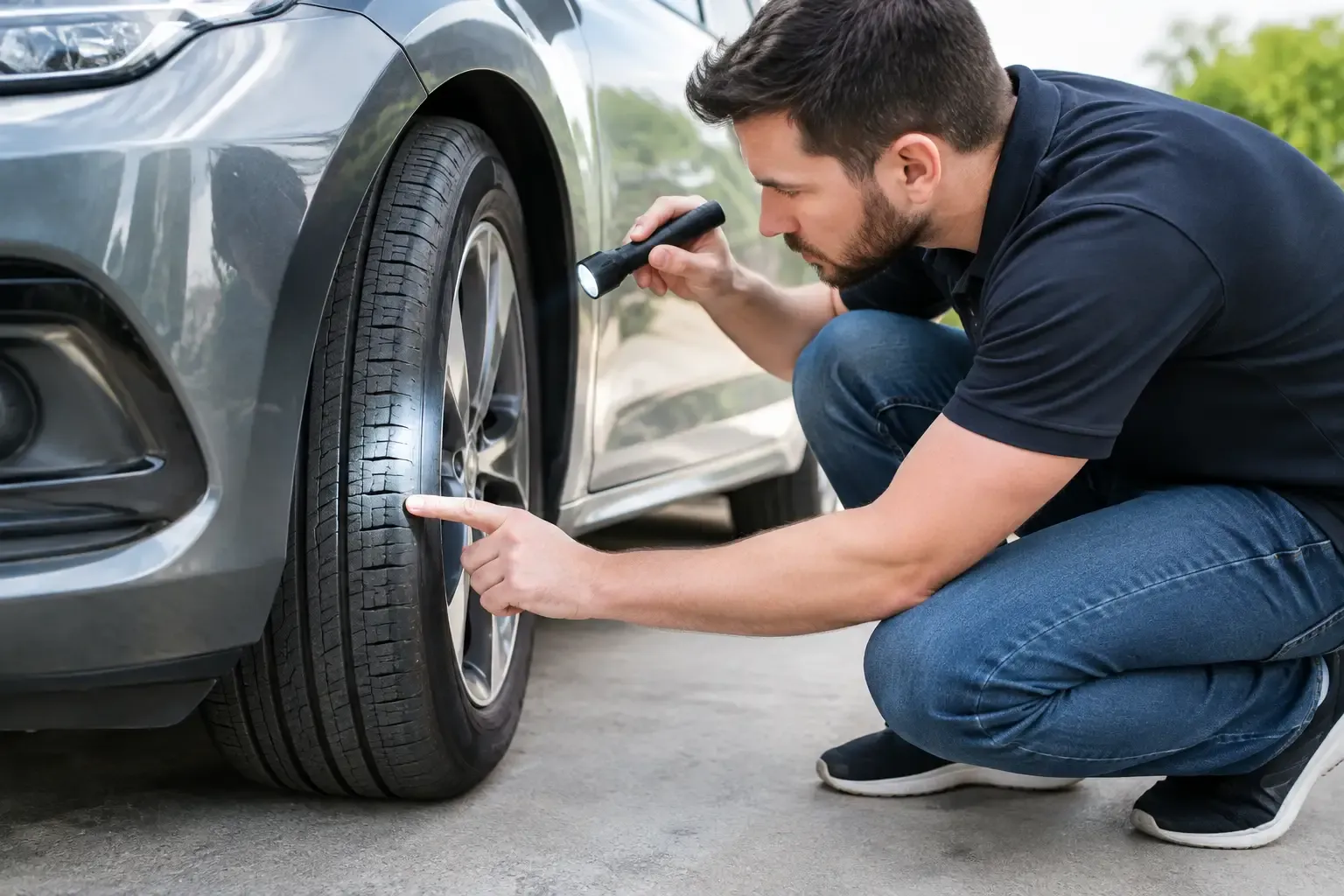
A full set is often the better choice if you notice cupping, shoulder wear, center wear from overinflation, or one axle that is much more worn than the other. These patterns often point to alignment, inflation, or suspension issues that have affected more than one tire.
It is also worth stepping back if the current tires are noisy, riding harshly, or no longer performing well in rain. Even if one tire is the immediate problem, the rest of the set may already be costing you in comfort and control.
Why matching tires matters
Drivers sometimes assume any tire in the right size will work alongside the others. Technically, it may fit, but that does not always mean it is a good match.
Tire models vary in tread design, rubber compound, load characteristics, and road feel. Mixing different tires can affect braking balance, cornering response, wet traction, and how the vehicle reacts during emergency maneuvers. The difference may feel minor in dry conditions and much more noticeable in rain or sudden stops.
That is one reason replacing all four tires can be the cleaner solution when your current set is older or a matching tire is no longer available. You start with a consistent baseline across the whole vehicle.
Cost versus value
Replacing all four tires obviously costs more upfront than replacing one or two. But there are cases where trying to stretch the old set creates extra cost anyway.
If the remaining tires are already halfway to worn out, replacing only one or two now may mean paying for another install sooner than expected. If the vehicle is AWD, mismatched tread could create drivetrain wear. If the old tires are aging out, you may be delaying the inevitable by a few months instead of solving the problem once.
A full replacement also gives you a fresh rotation schedule, balanced performance, and one clear maintenance timeline. For busy drivers, that simplicity has real value.
A practical way to decide
If you are trying to make the call without overthinking it, start with four questions. How much tread is left on the other tires? Is your vehicle AWD? Are the existing tires the same age and model? Are there signs of uneven wear or age-related cracking?
If the other three tires are in strong condition, close in tread depth, and your vehicle allows partial replacement, you may not need a full set. If the answer to several of those questions raises concern, replacing all four is usually the safer and more efficient choice.
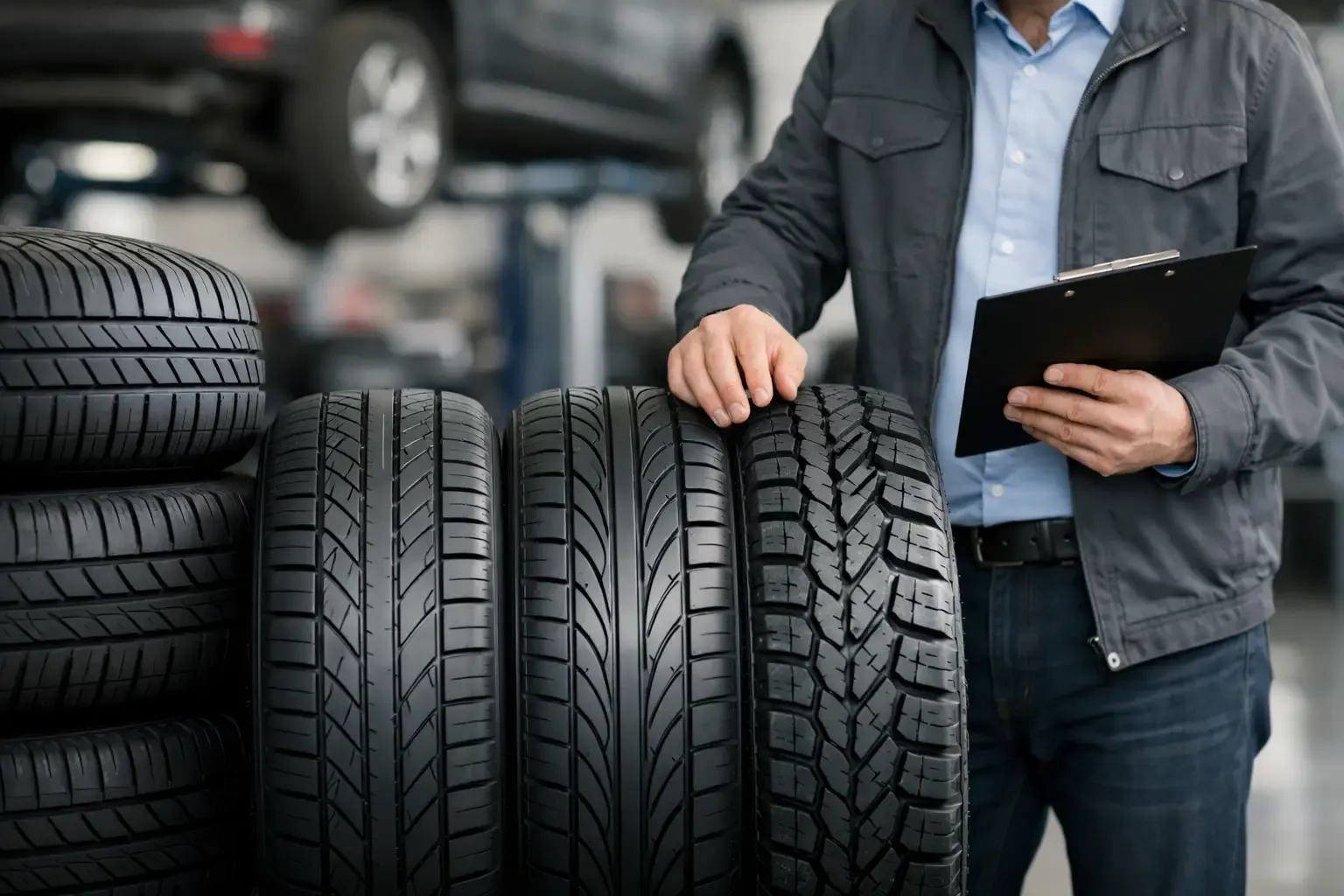
This is also where professional measurement matters. Looking at a tire in the driveway can be misleading. Tread depth gauges, sidewall inspection, and a check for wear patterns can quickly show whether you are dealing with one bad tire or a set that is at the end of its service life.
When convenience matters just as much as the decision
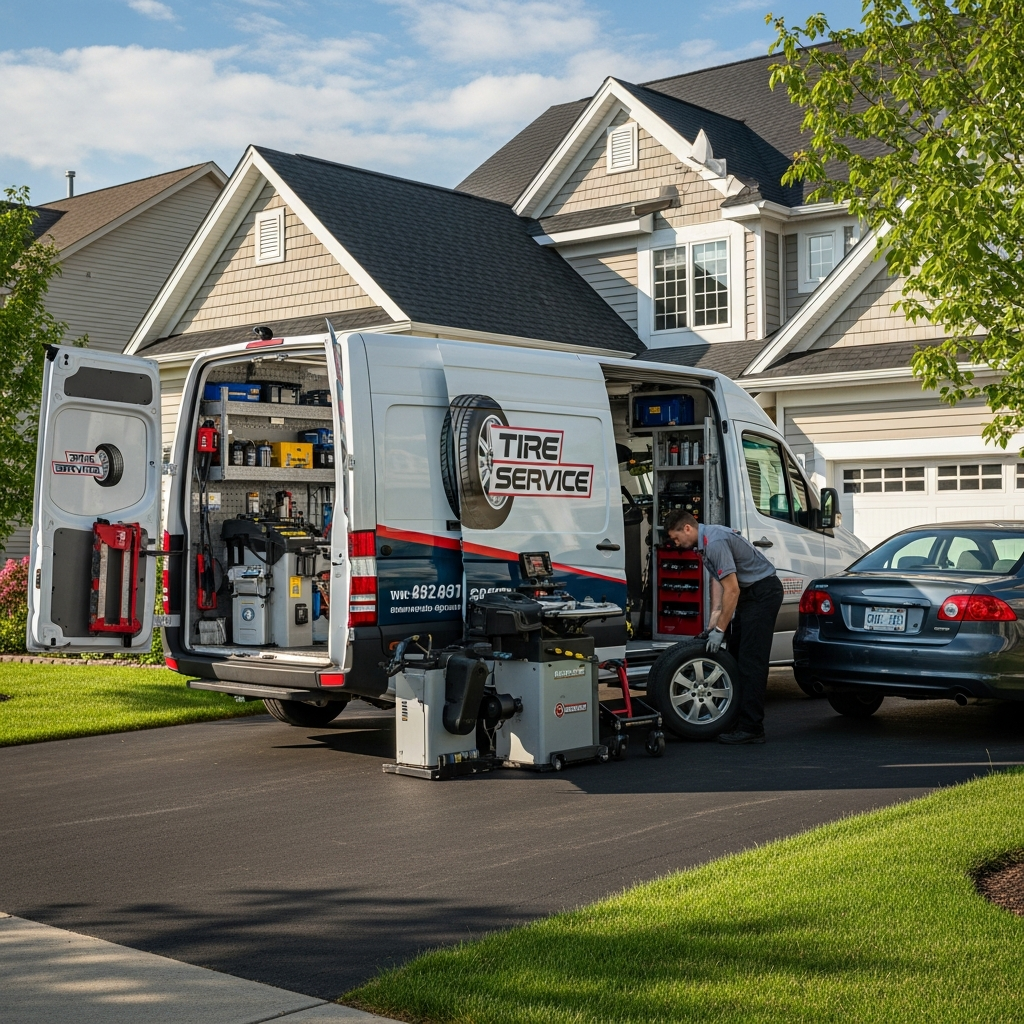
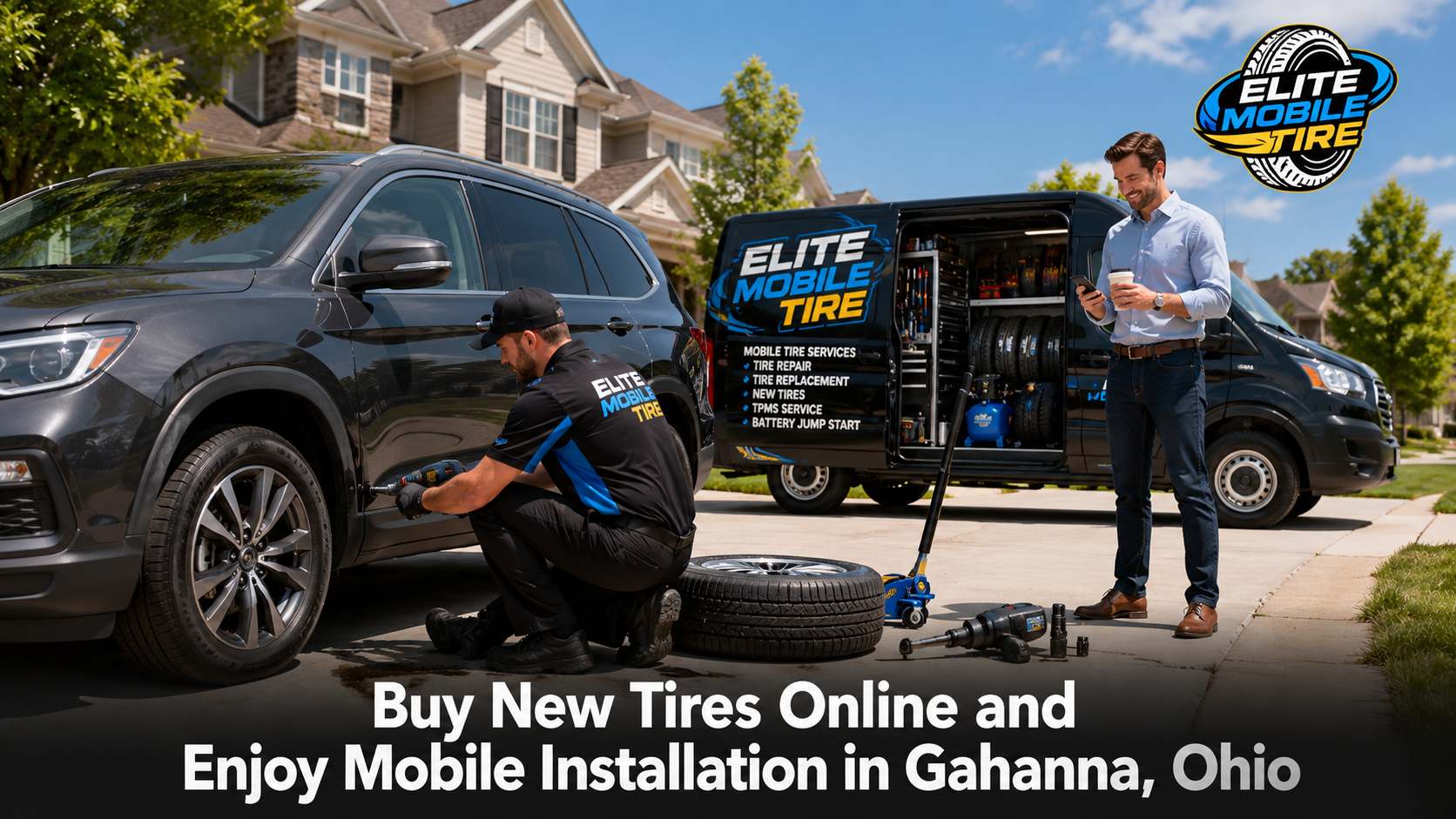
Tire issues rarely show up at a good time. It might happen before work, in your driveway after a long day, or when you are already juggling a packed schedule. That is why more drivers are choosing mobile tire service instead of spending hours at a shop.
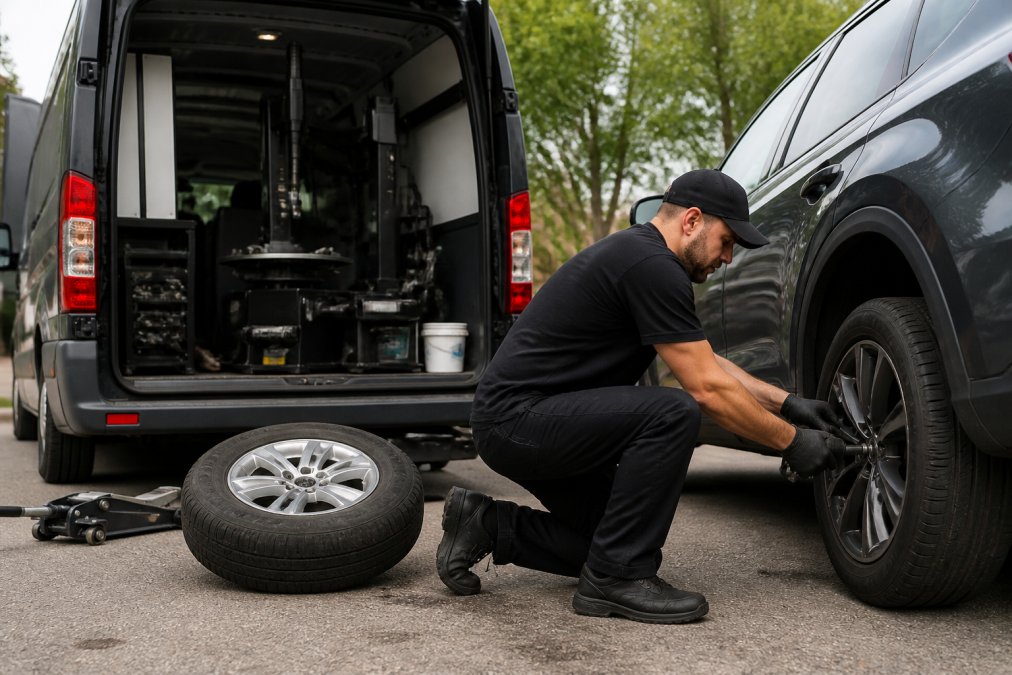
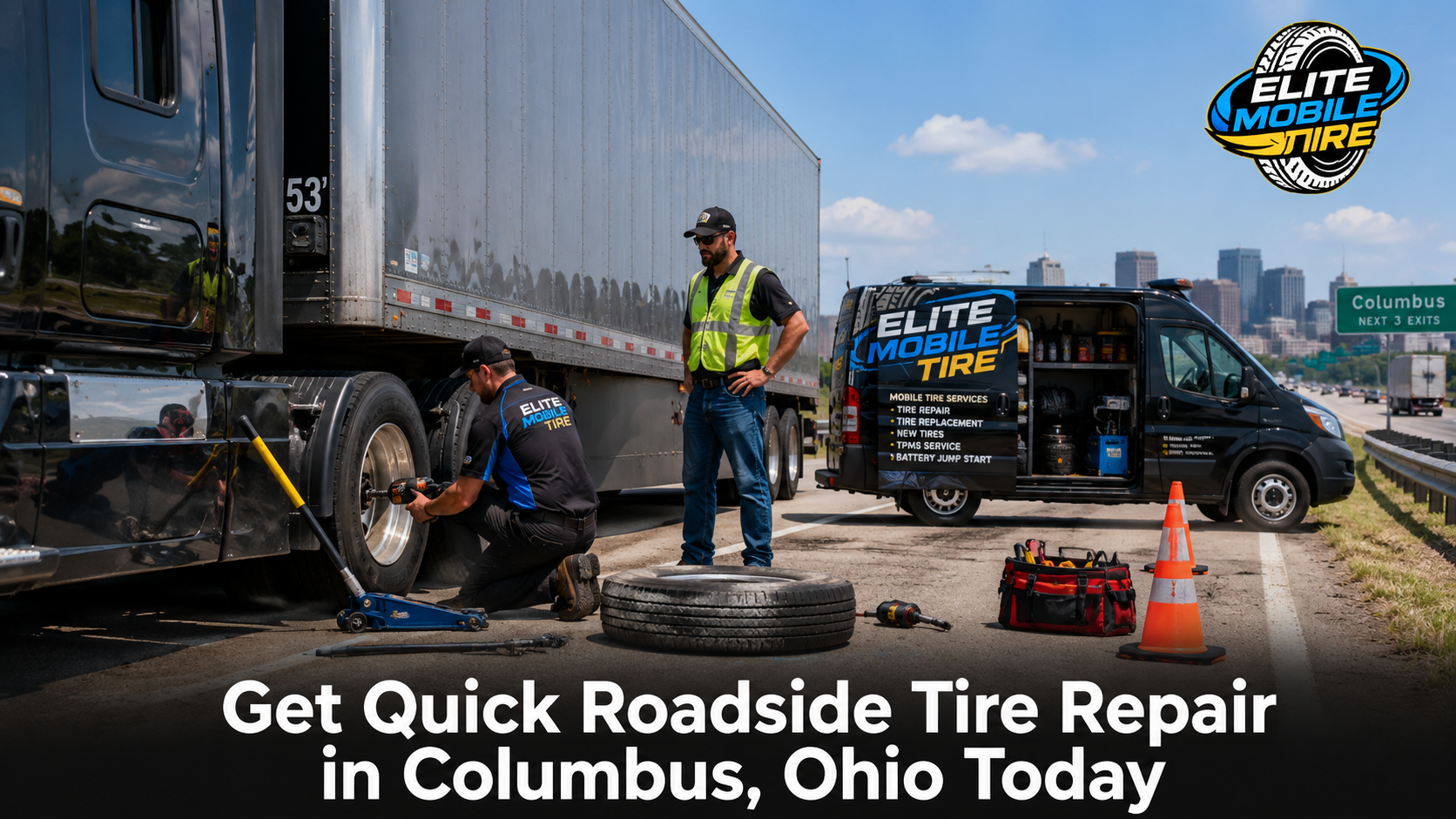
For drivers in Columbus, Ohio and nearby suburbs, having a technician come to your home, office, or roadside location can make the replacement decision easier to act on. If the inspection shows you only need one tire, that can be handled on site. If your vehicle really needs all four, you can take care of it without rearranging your day around a waiting room.
A good tire decision should leave you feeling confident, not rushed. If you are unsure when should you replace all four tires, the right next step is a clear inspection with honest guidance based on tread, age, and vehicle type. The best answer is the one that keeps your car driving safely and keeps your schedule intact.
Ready for a new set? Elite Mobile Tire installs 2 or 4 new tires right in your driveway or parking lot anywhere around Columbus, Obetz, Groveport, Grove City, and Reynoldsburg. Financing is available through Afterpay and Acima with up to 24-month payment plans. Call 614-344-5010 or visit elitemobiletire.com to book.