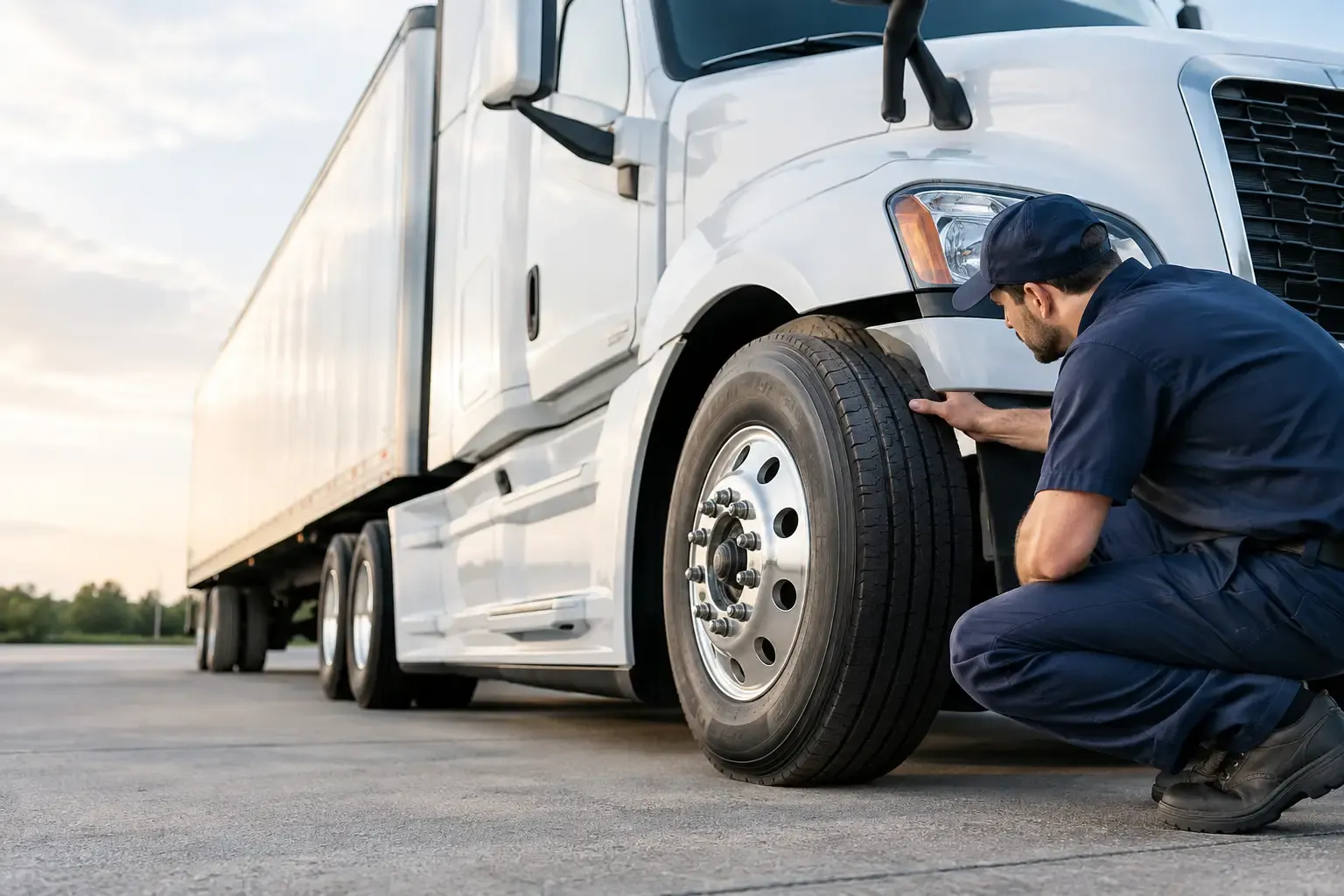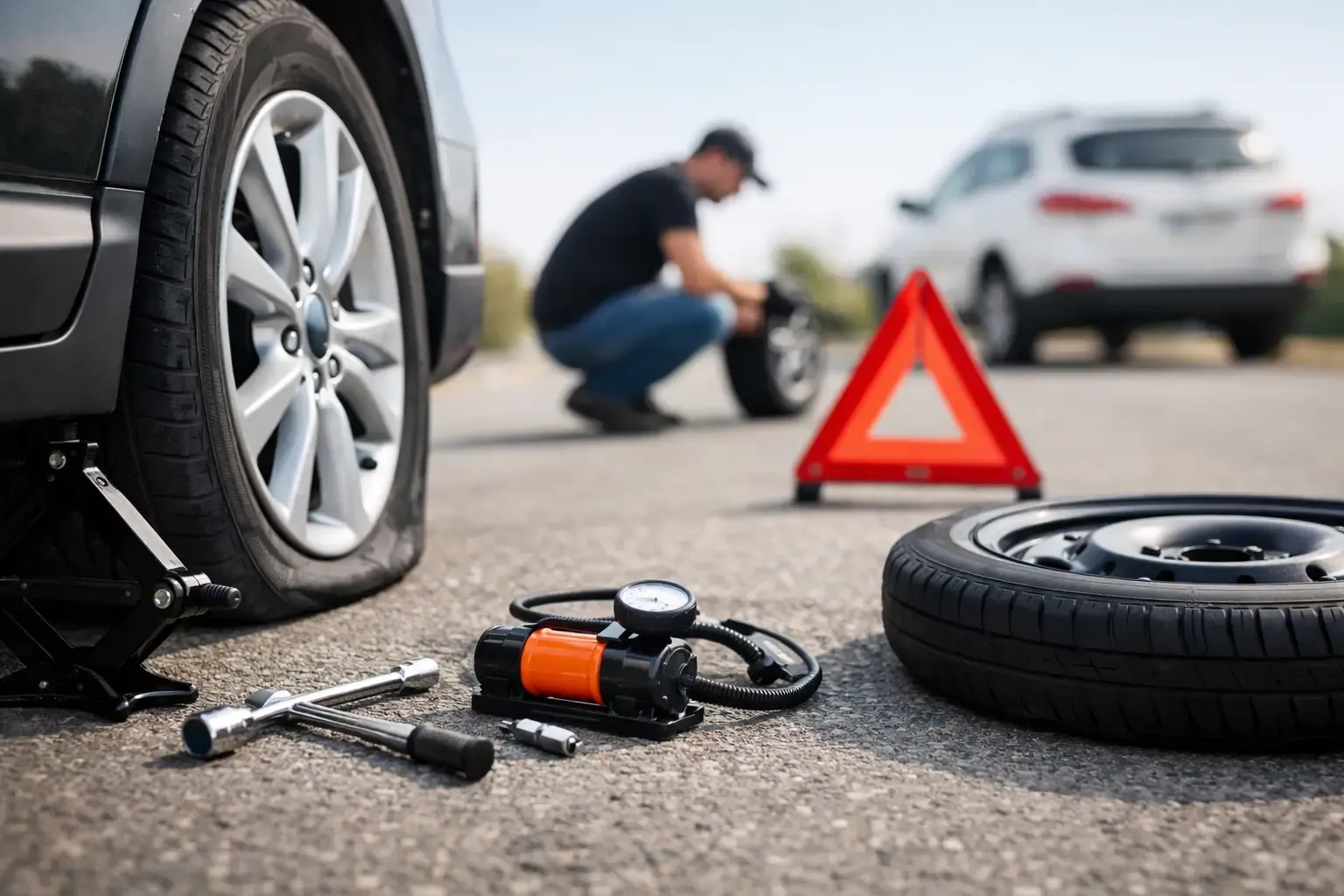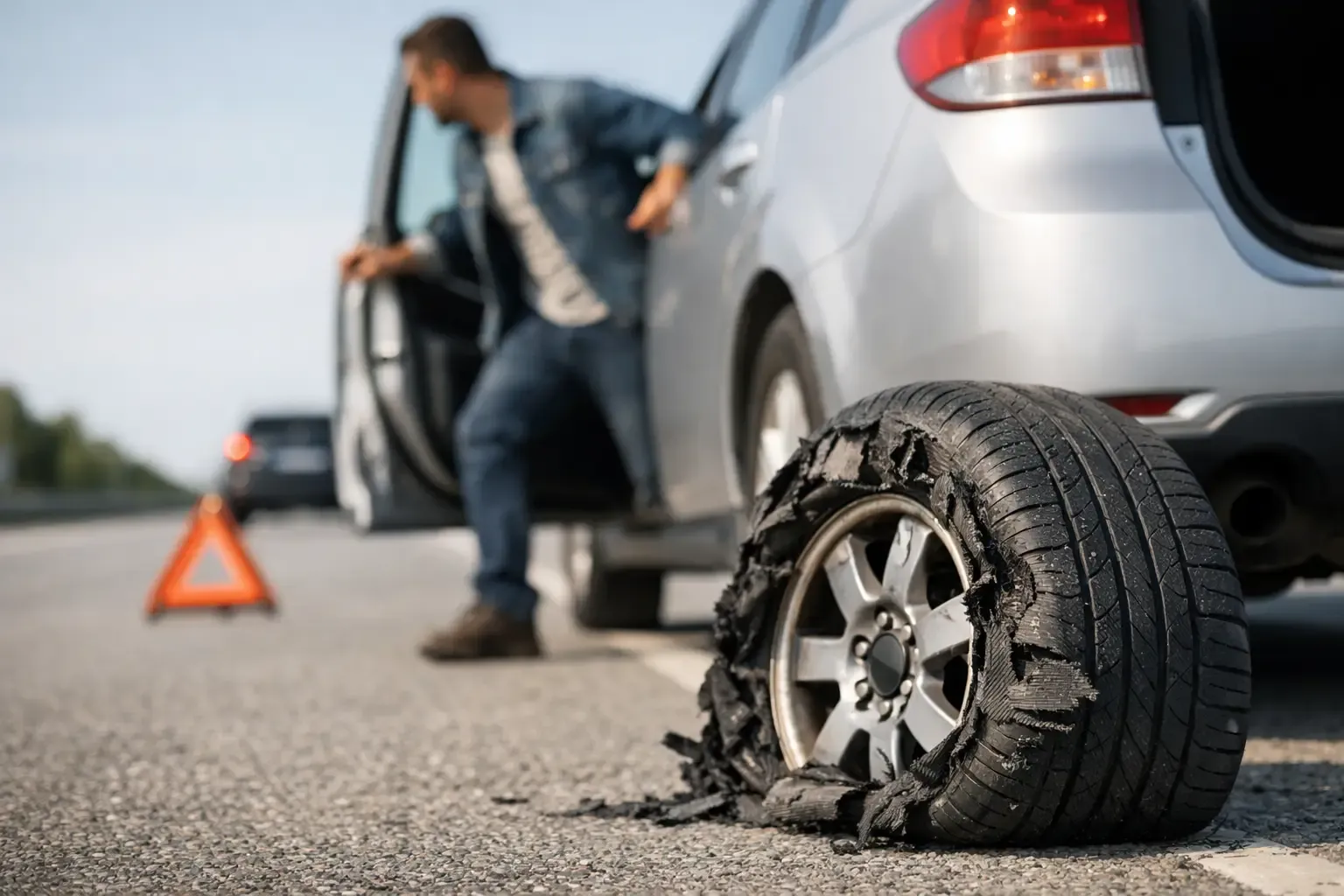
Late fall in central Ohio means more rain, more wet leaves, and more standing water in the right lane of I-270 after a heavy shower. Most drivers know hydroplaning is dangerous. Fewer realize how much the risk depends on one thing they can check in under a minute: the tread depth of their tires.
What Actually Happens When a Tire Hydroplanes
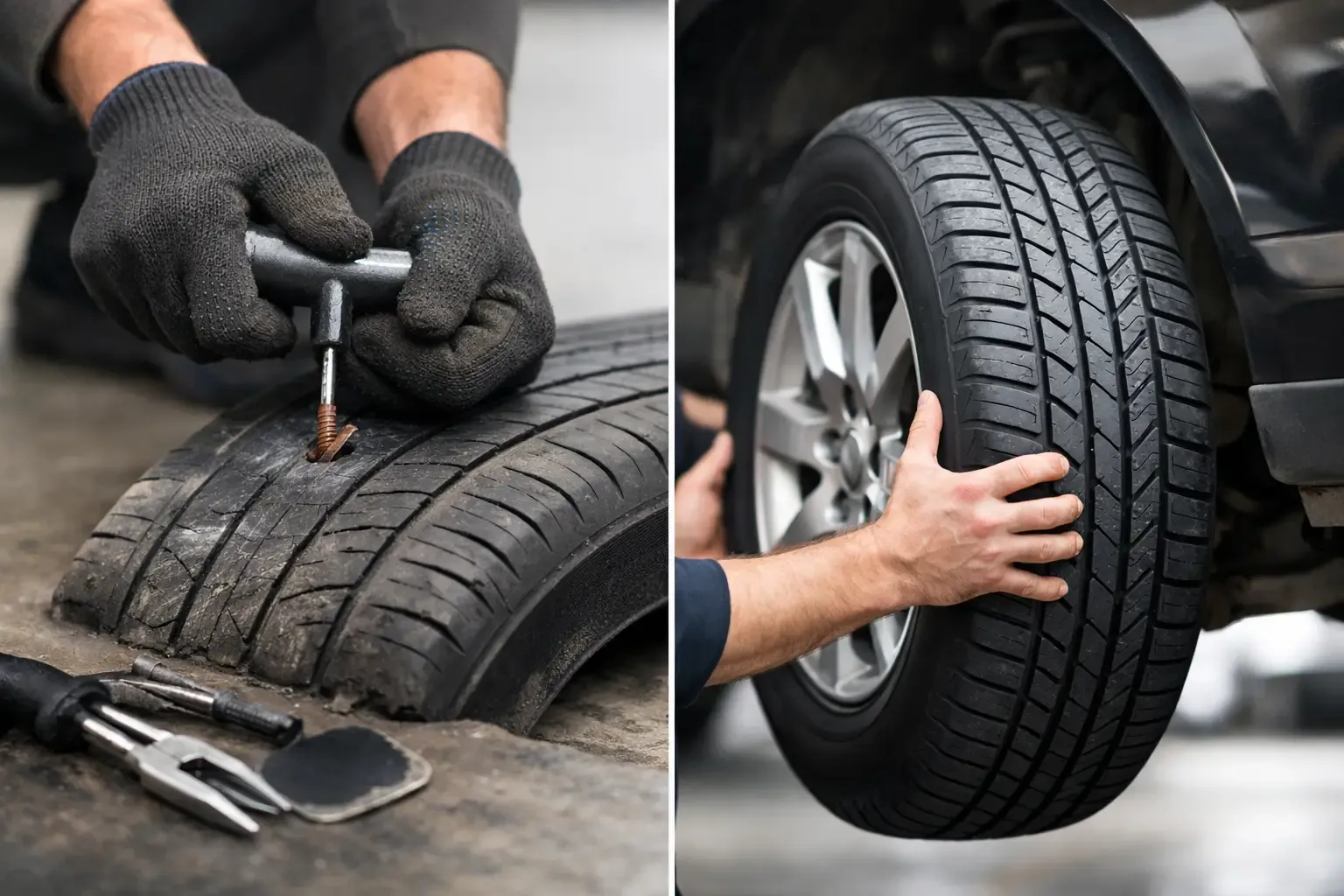
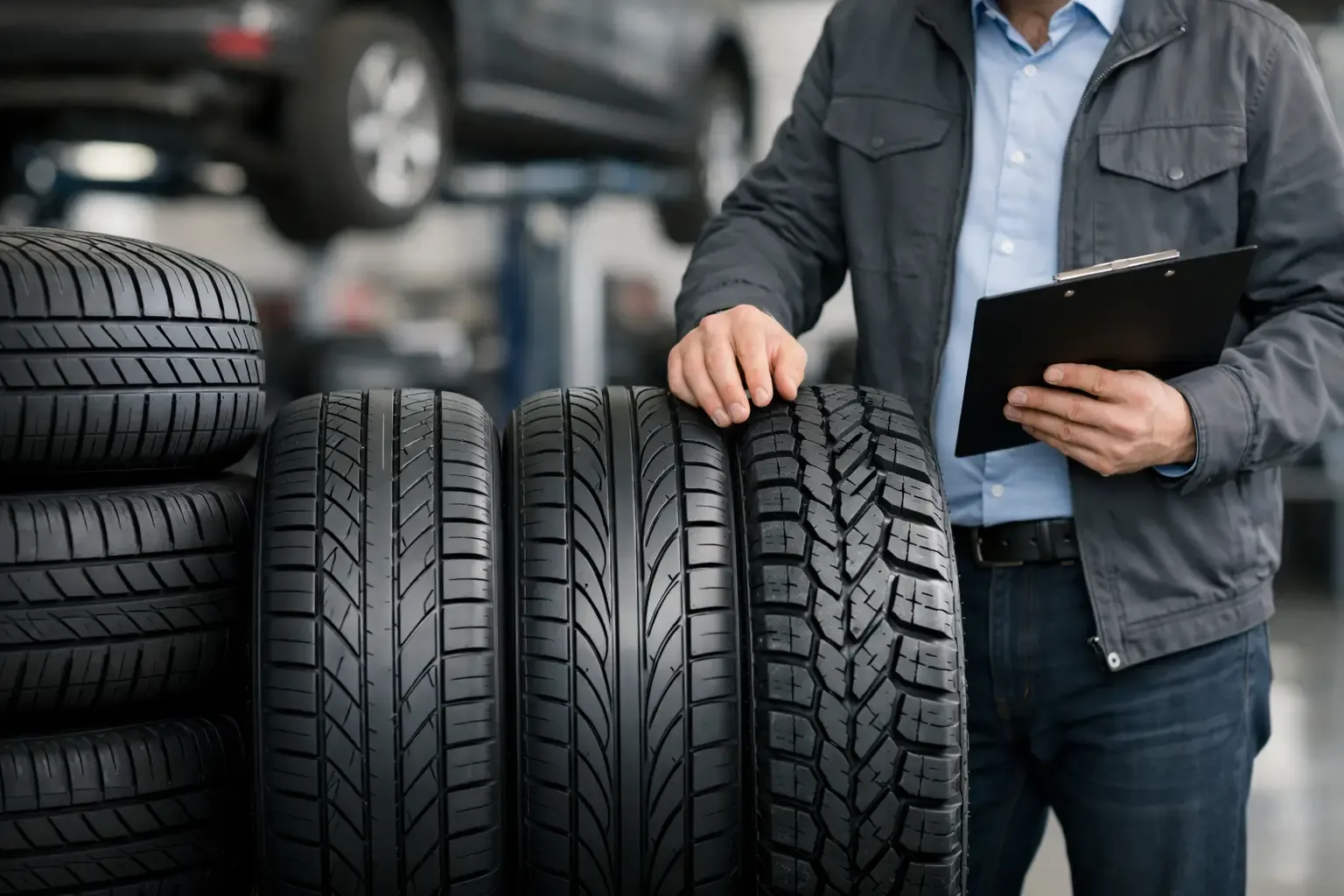
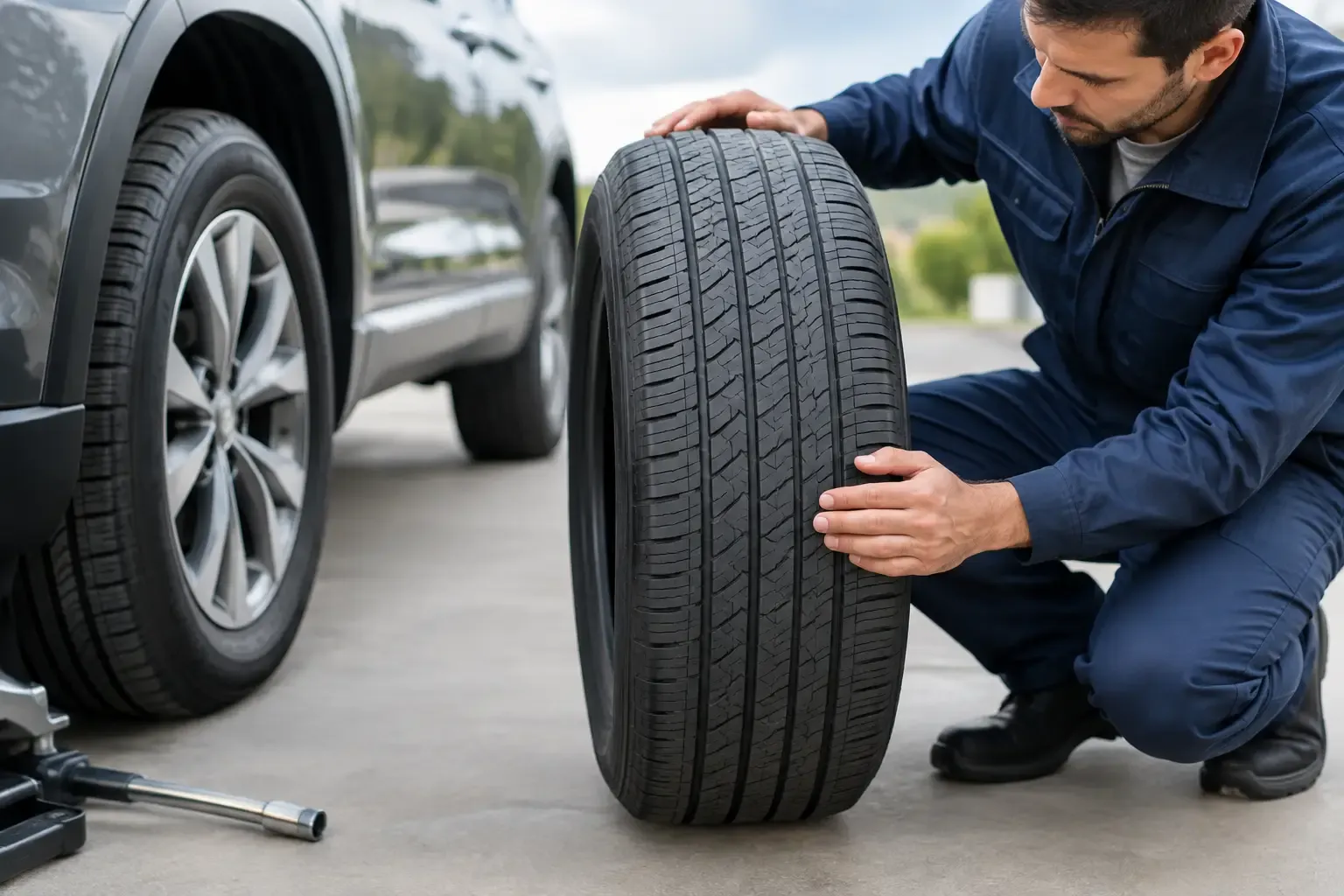
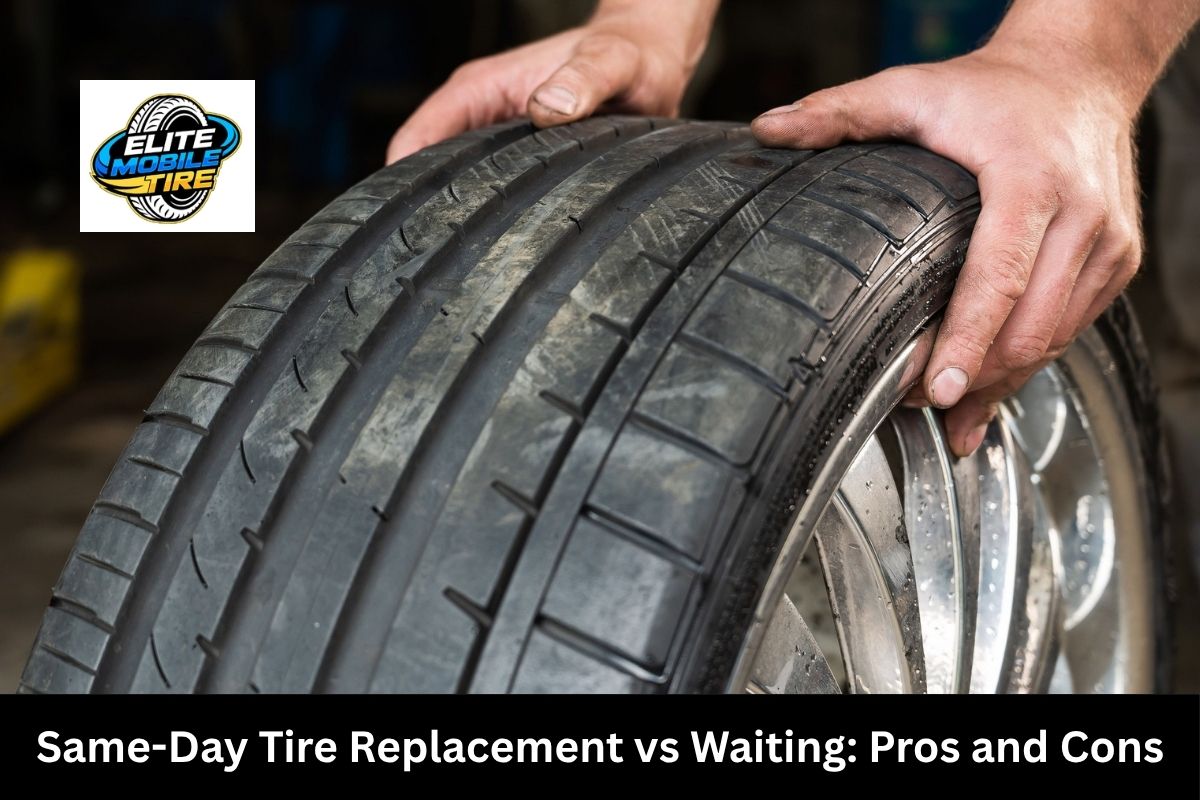
Tire tread is a drainage system. The grooves and sipes in the tread channel water out from under the tire so the rubber can stay in contact with the pavement. When the tire meets more water than its grooves can move, a thin layer of water builds up between the tire and the road. At that point the tire is riding on water instead of asphalt, and steering and braking stop working the way you expect.
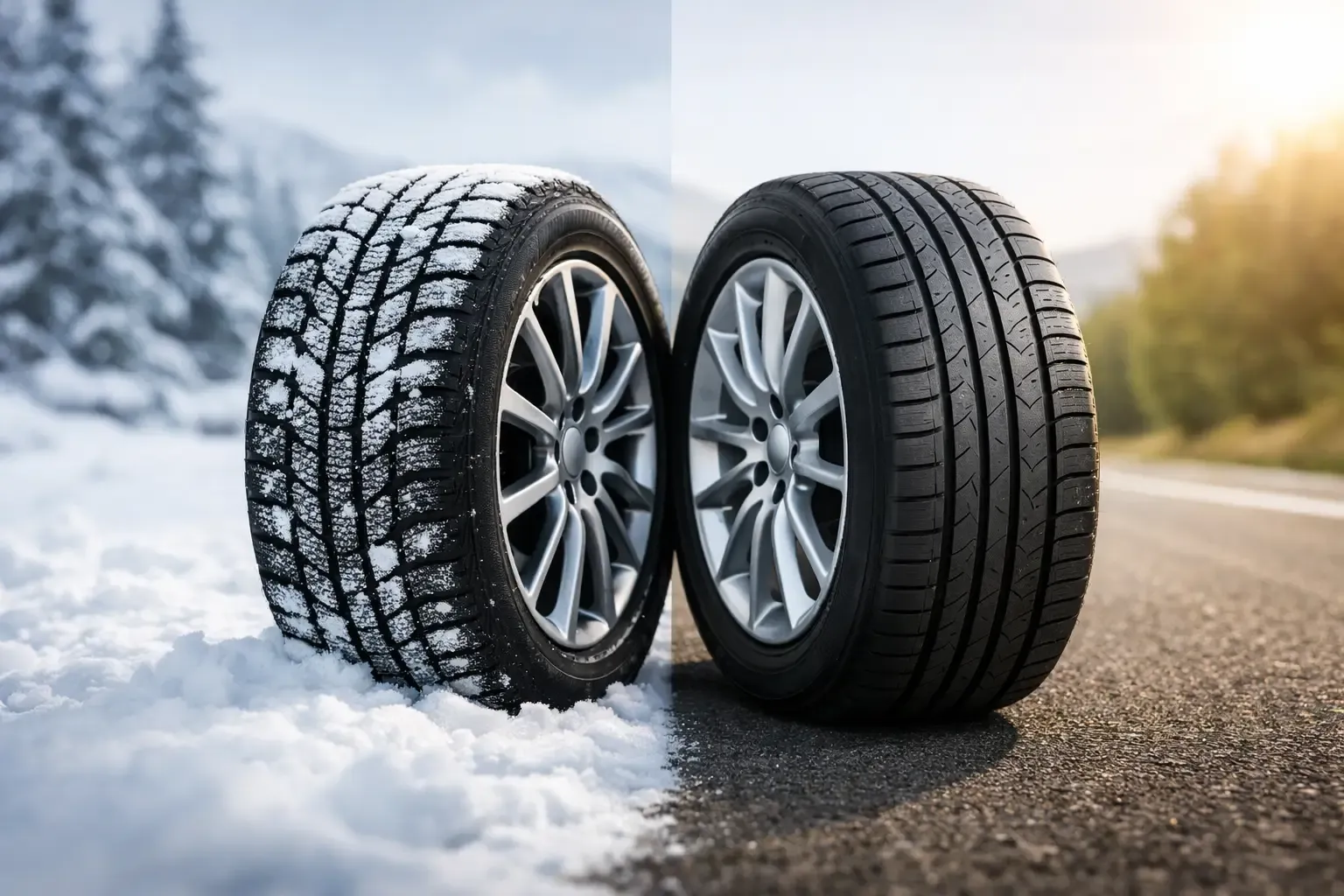
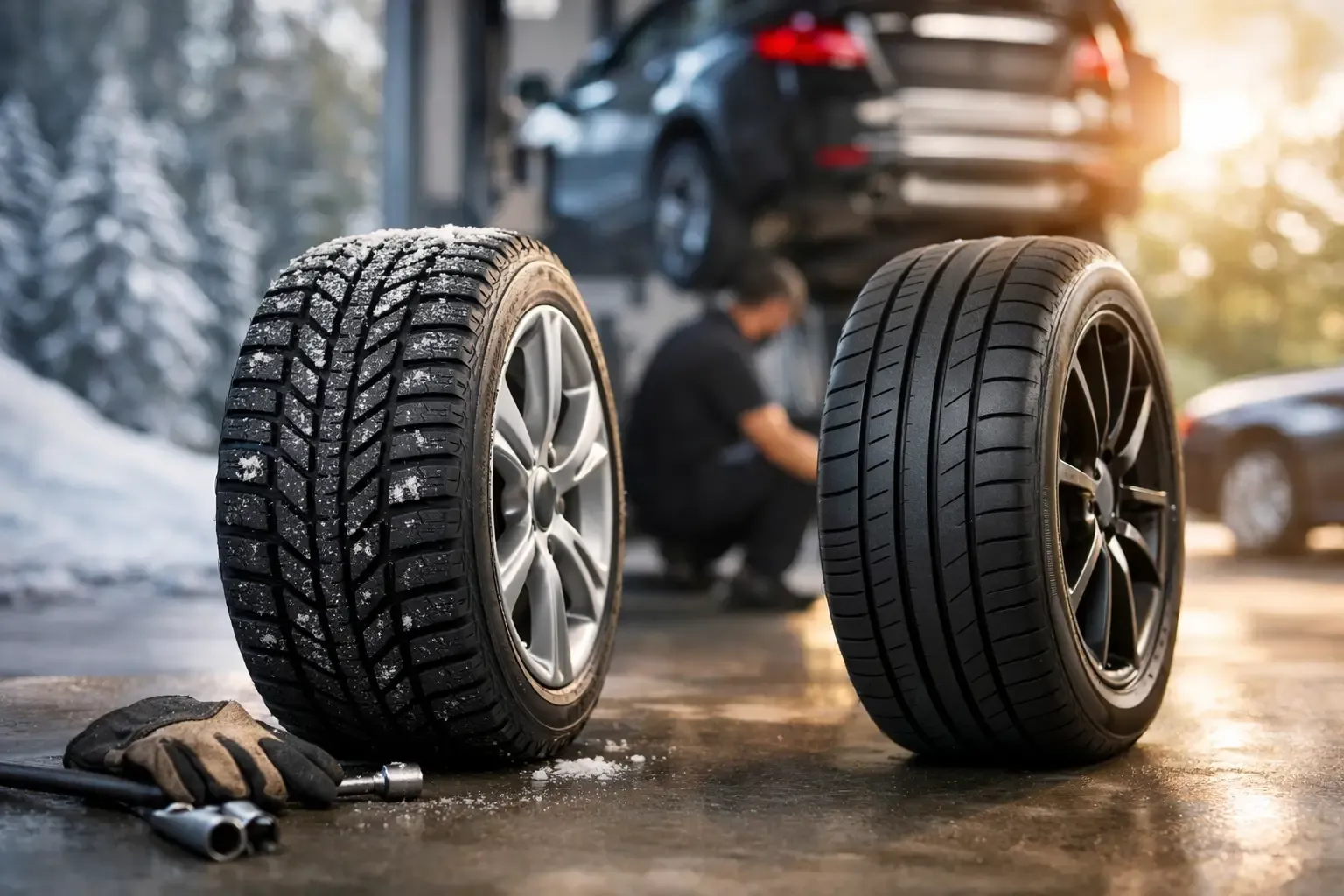
Speed, water depth, tire pressure, and vehicle weight all play a part. But tread depth is the factor that changes the most over a tire's life. A new tire has deep grooves that can push a lot of water aside. As those grooves wear down, the tire can move less water, so it starts to lose grip at lower speeds and in shallower puddles.
Why "Legal" Tread Is Not the Same as Safe Tread in the Rain
Most new passenger tires start with roughly 10/32 to 11/32 of an inch of tread. Most states treat 2/32 of an inch as the point where a tire is worn out, and that is where the wear bars molded into the grooves become flush with the tread.
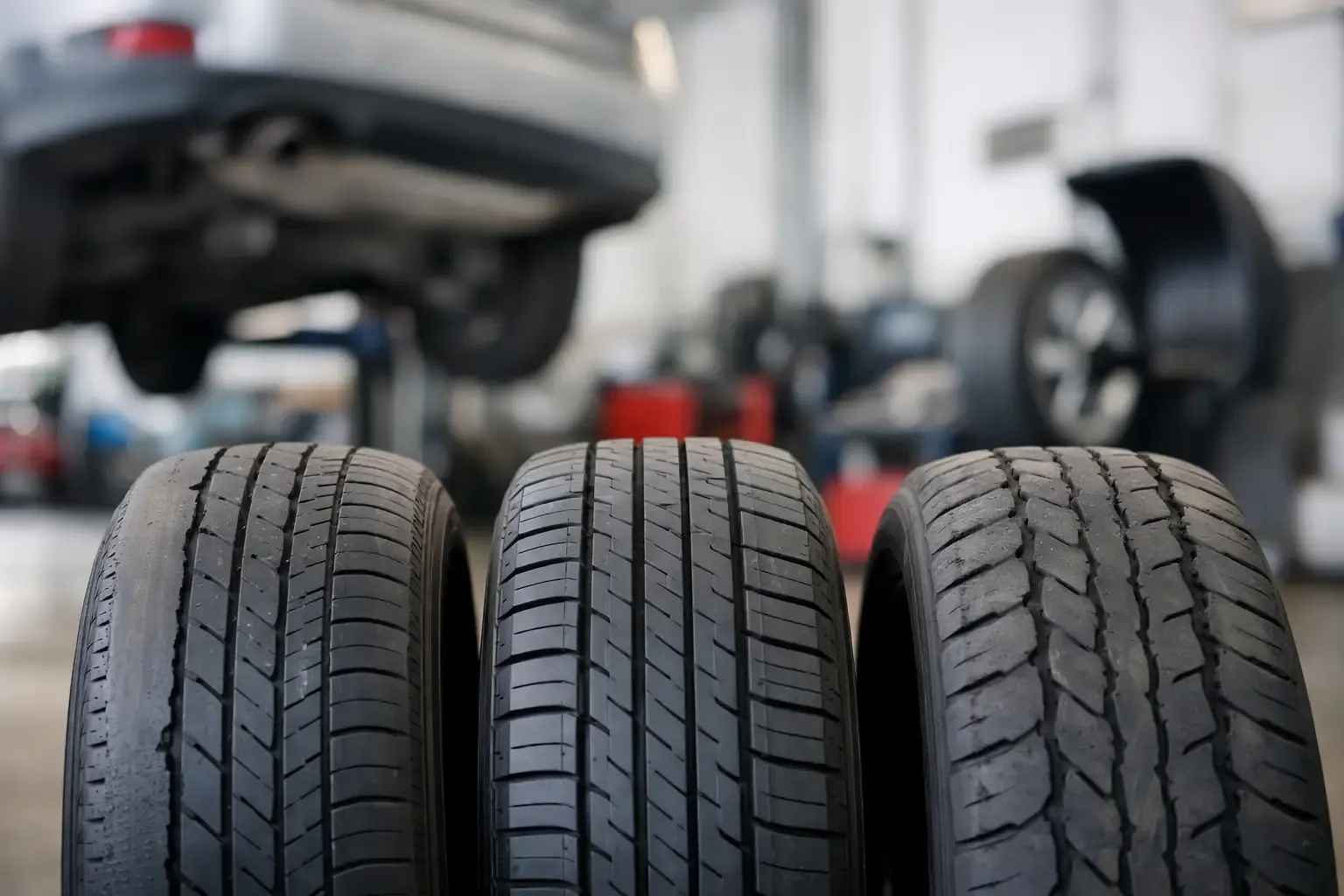
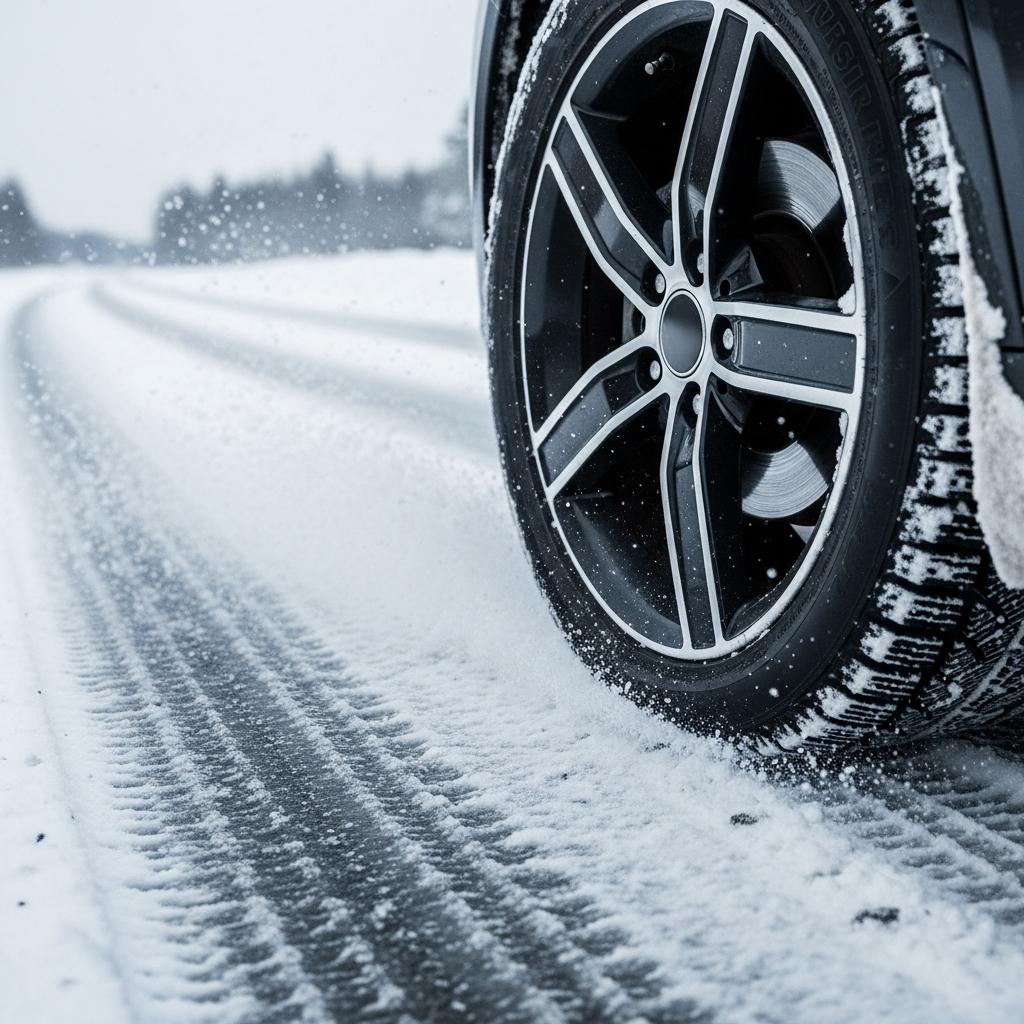
The problem is that wet-road performance drops off well before a tire reaches 2/32. Many tire manufacturers and safety groups suggest considering replacement around 4/32 of an inch if you regularly drive in rain, and earlier still if you also deal with snow. A tire can look "fine" in the driveway and still be much less capable of clearing water than it was when new.
How to Check Your Tread in a Minute
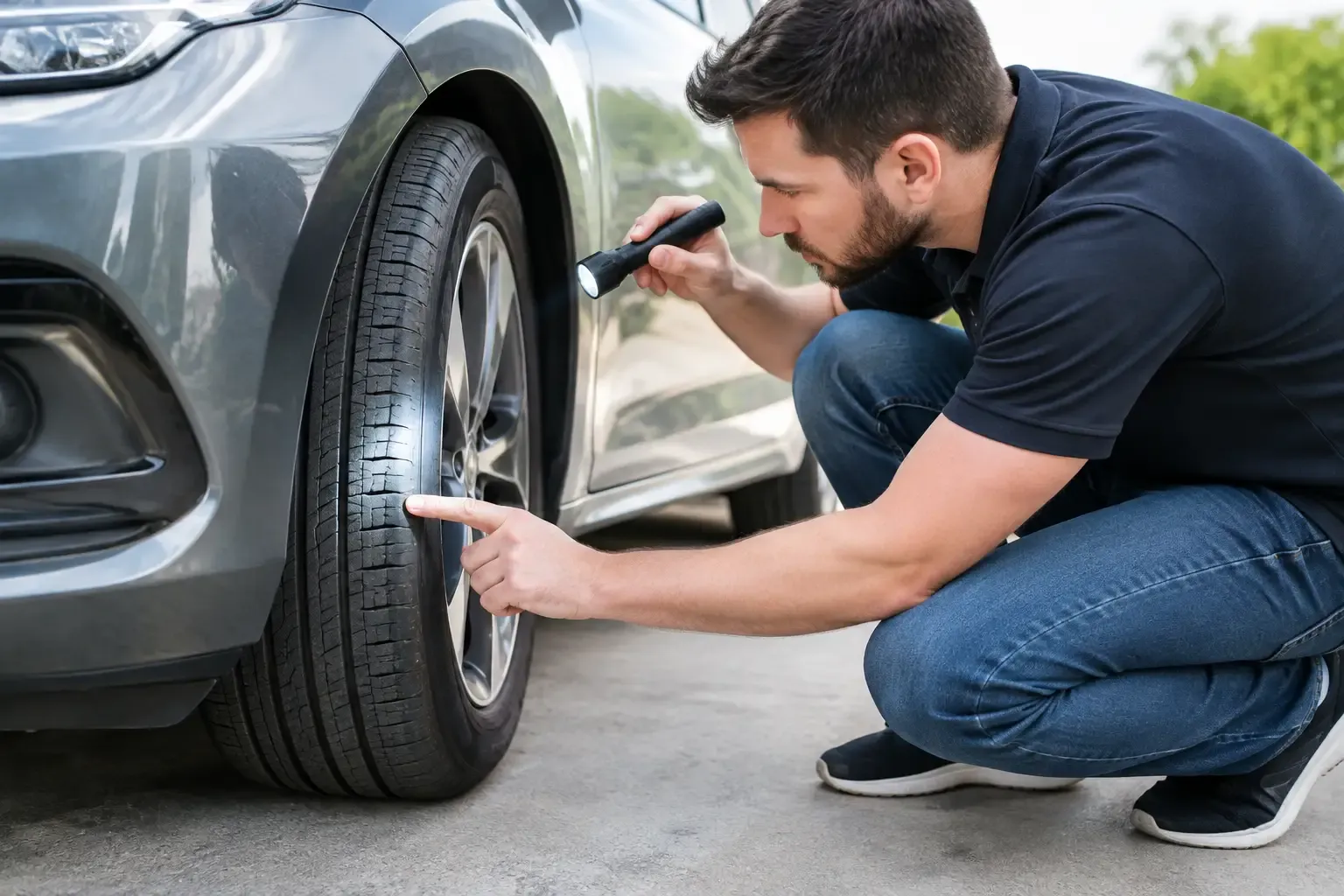
You do not need special tools to get a good idea of where your tires stand:
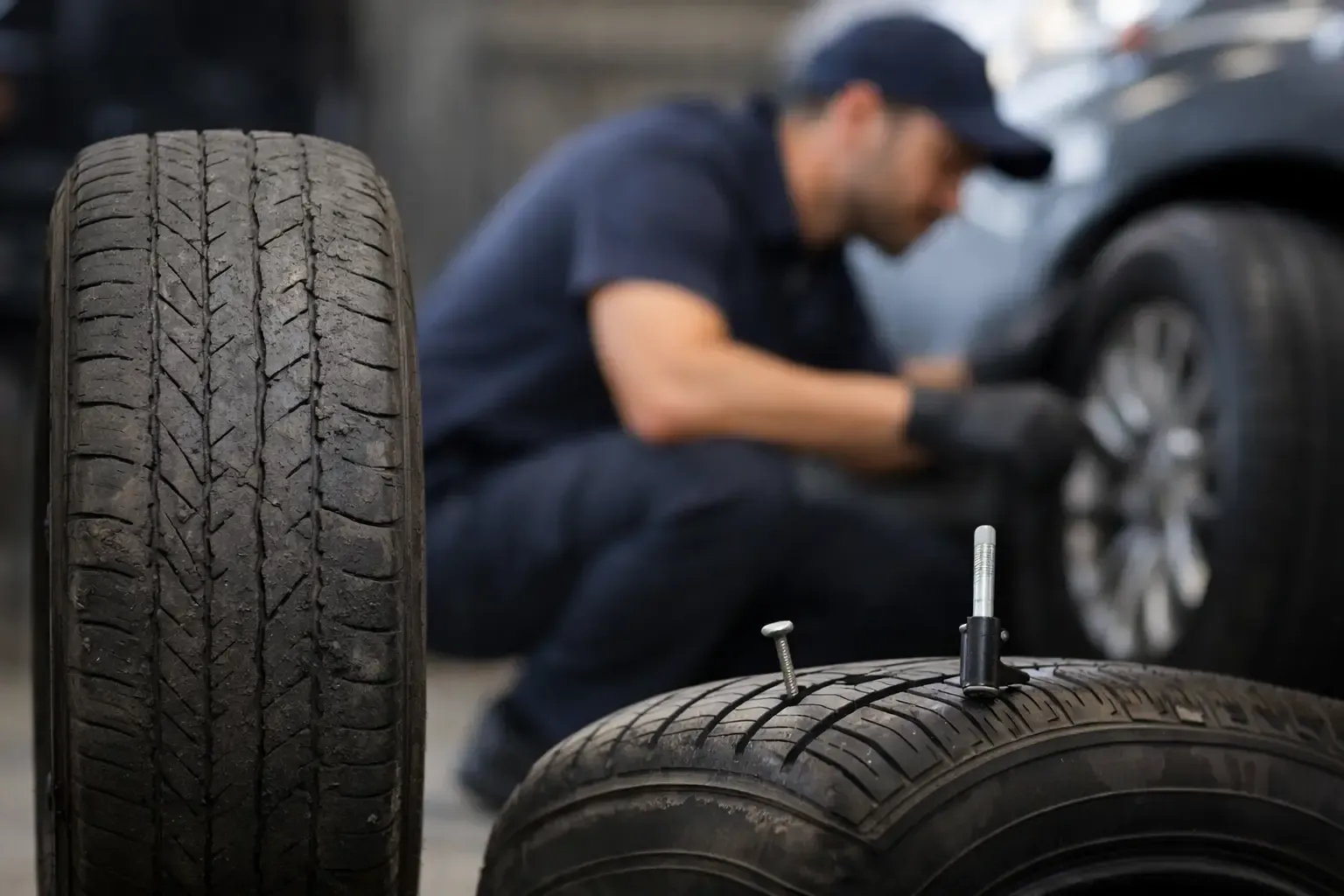
- The penny test: put a penny head-first into a tread groove. If you can see the top of Lincoln's head, the tire is at or near 2/32 and should be replaced.
- The quarter test: do the same with a quarter. If you can see the top of Washington's head, you are at about 4/32 or less, which is the range where wet traction is noticeably reduced.
- Wear bars: look for the small raised bars running across the bottom of the grooves. If the tread is level with them, the tire is done.
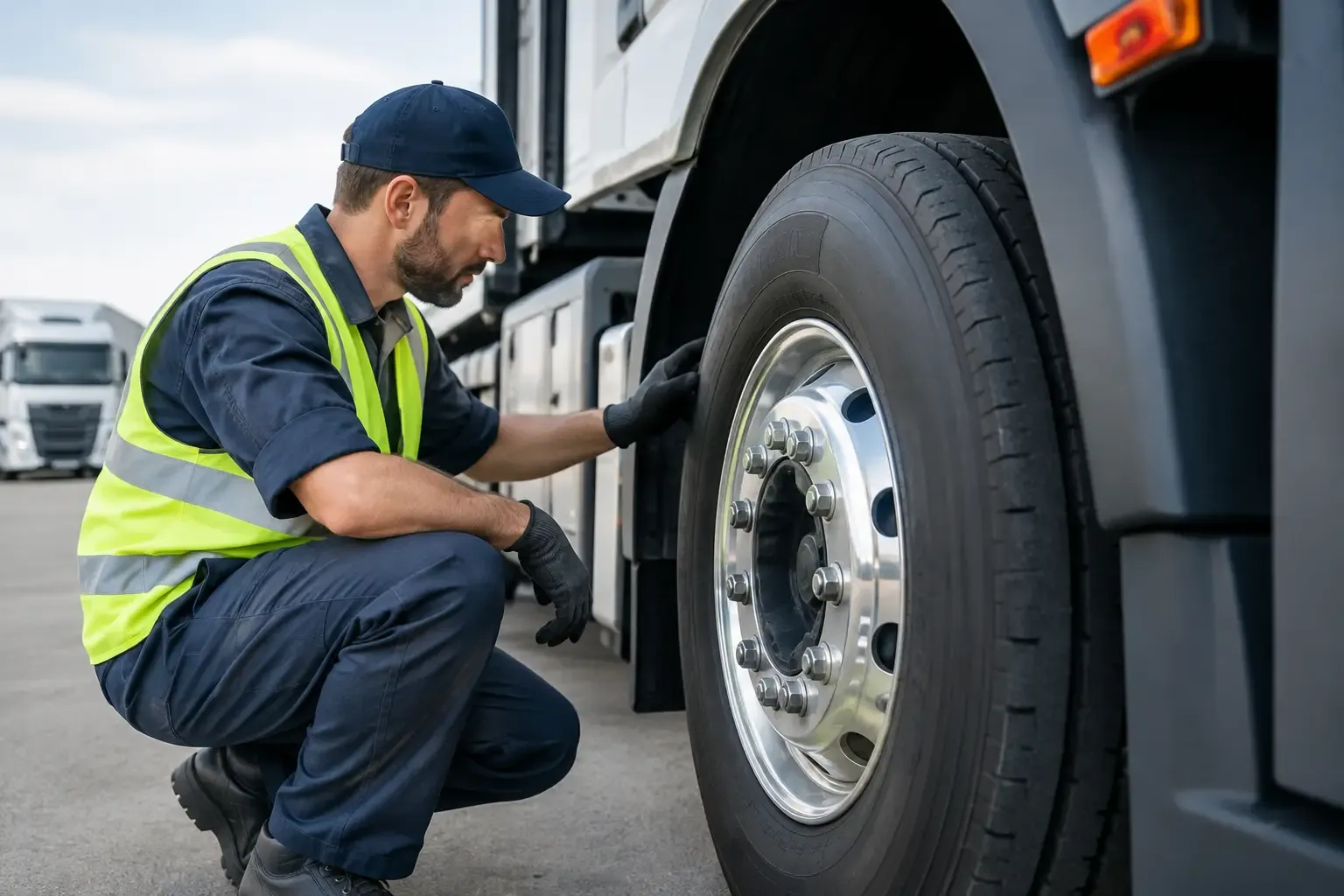
- Check several spots: measure the inside, center, and outside of each tire. Uneven wear can leave one edge much lower than the rest.
The NHTSA tire safety page and the U.S. Tire Manufacturers Association both have more detail on tread, pressure, and inspection.
Why This Usually Means Replacing More Than One Tire
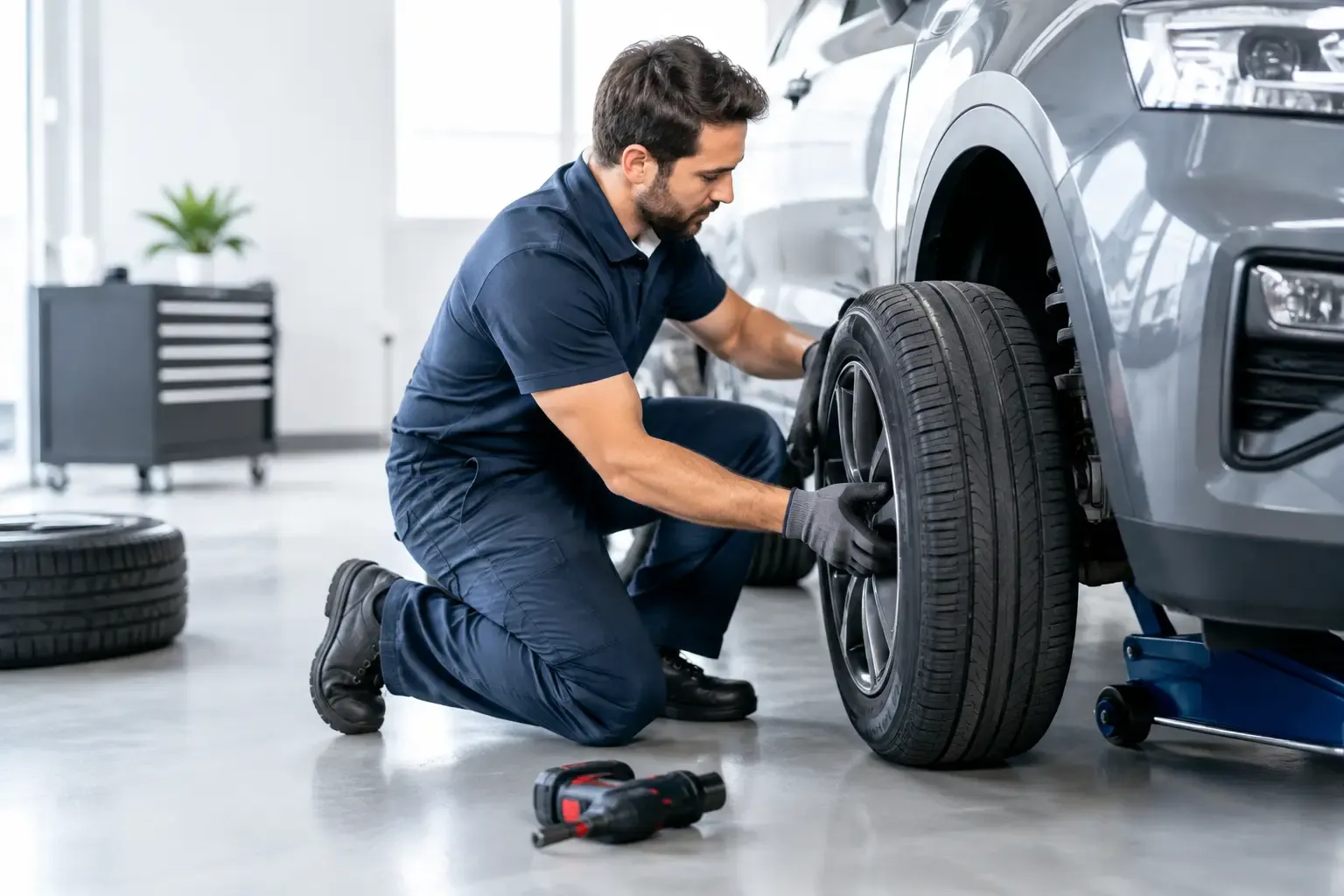
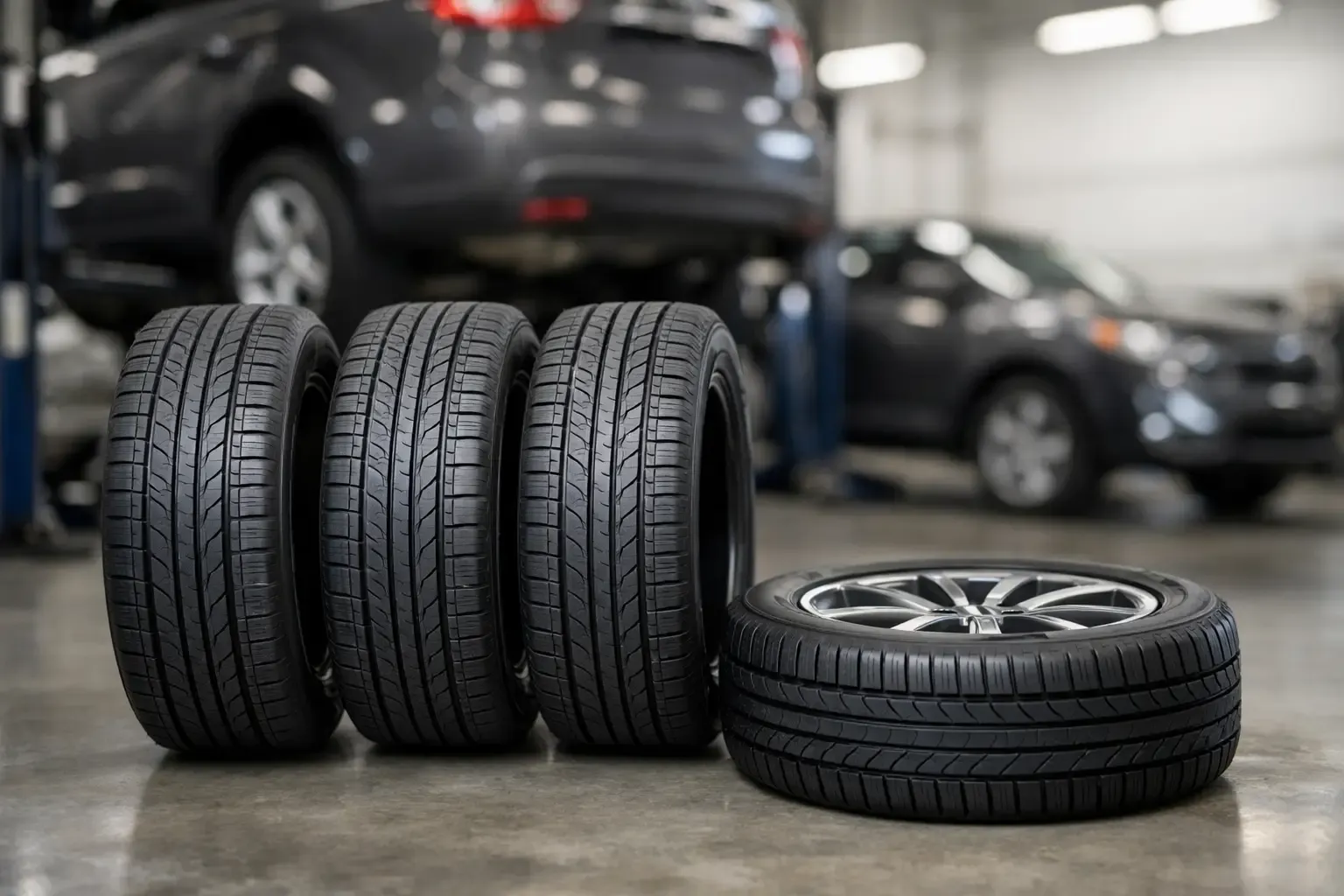
Tires on the same vehicle tend to wear together, so if one tire fails the quarter test, the others are often close behind. Replacing a single tire leaves you with one deep-tread tire and three shallow ones, which can make the car behave unevenly in the wet.
If you replace only two tires, many tire makers recommend putting the new pair on the rear axle. Rear tires with more tread help keep the back of the vehicle from sliding out first when the road is slick. On all-wheel-drive vehicles, mismatched tread depth can also strain the drivetrain, which is why many AWD owners end up replacing all four. We cover that in more detail in Should I Replace 2 Tires or 4? and Do I Need to Replace All 4 Tires on AWD?.
Driving Habits That Help in Heavy Rain
- Slow down when water is pooling. Less speed gives your tread more time to clear water.
- Avoid cruise control on wet pavement so you stay in direct control of the throttle.
- Stay out of the ruts and the far right lane where water collects on roads like US-23 and Alum Creek Drive.
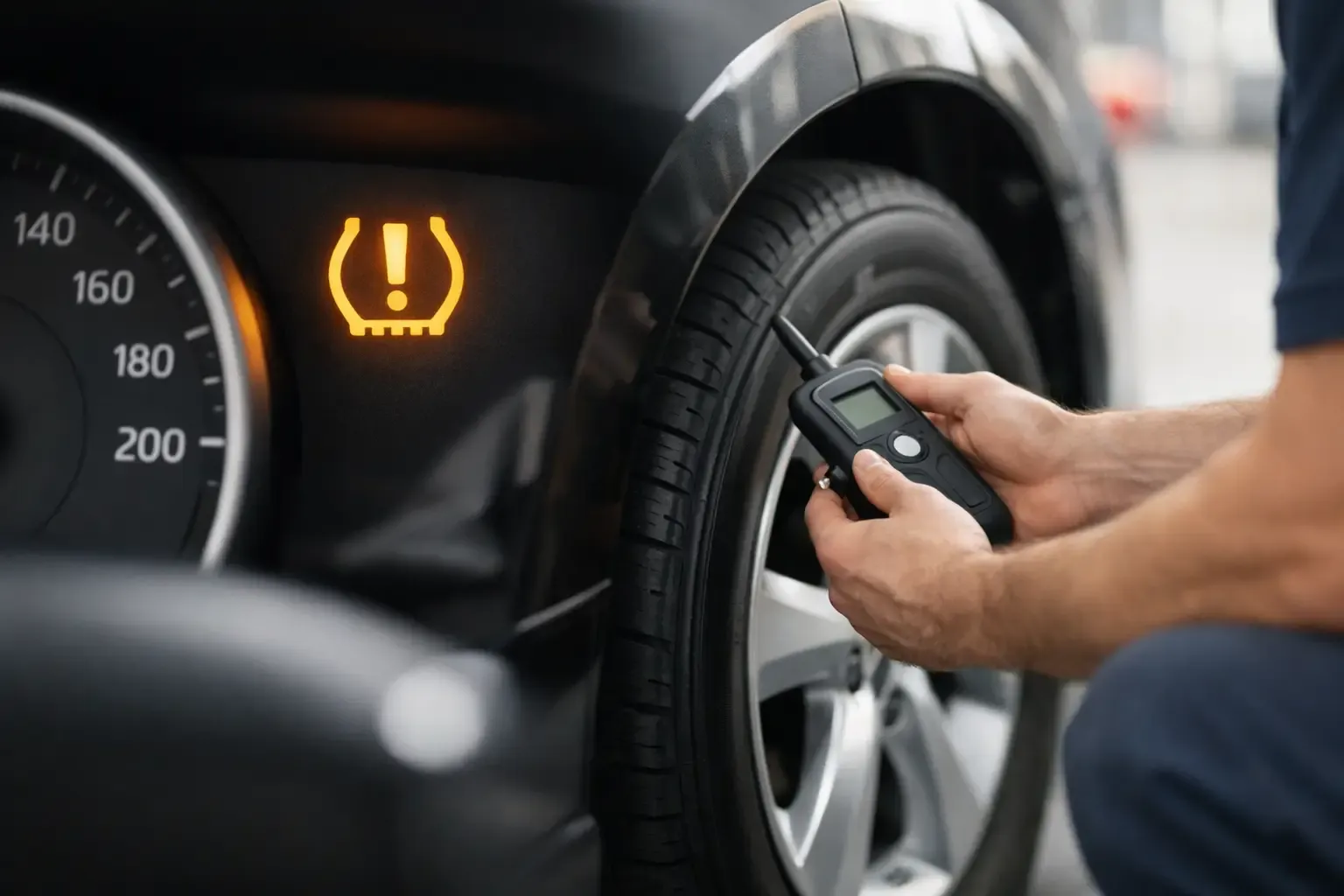
- Keep tires at the pressure on your driver's door placard. Underinflated tires deform and can hold water under the tread.
- If you do hydroplane, ease off the gas, keep the wheel pointed where you want to go, and avoid hard braking until the tires grip again.
Getting a New Set Without Losing a Day
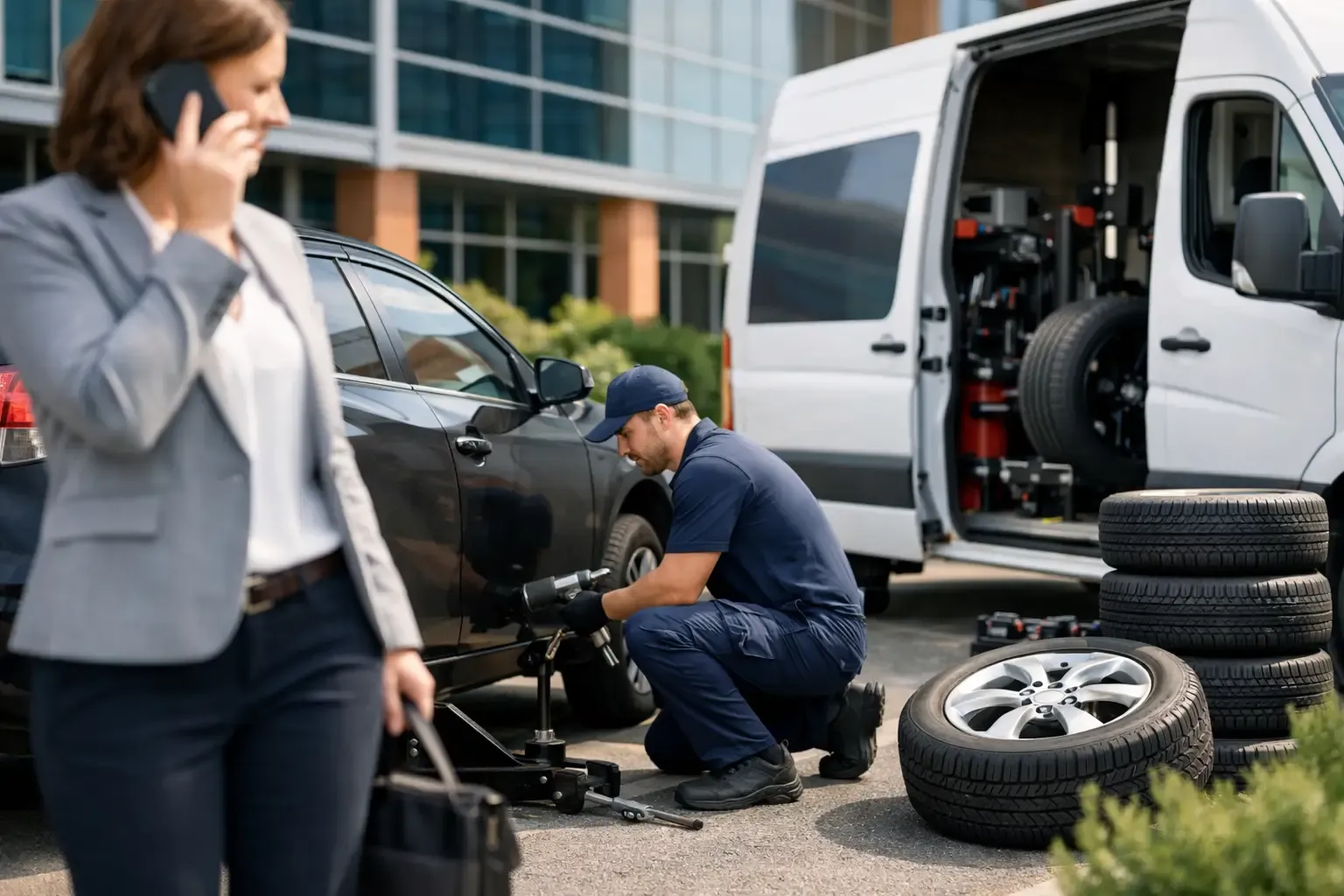
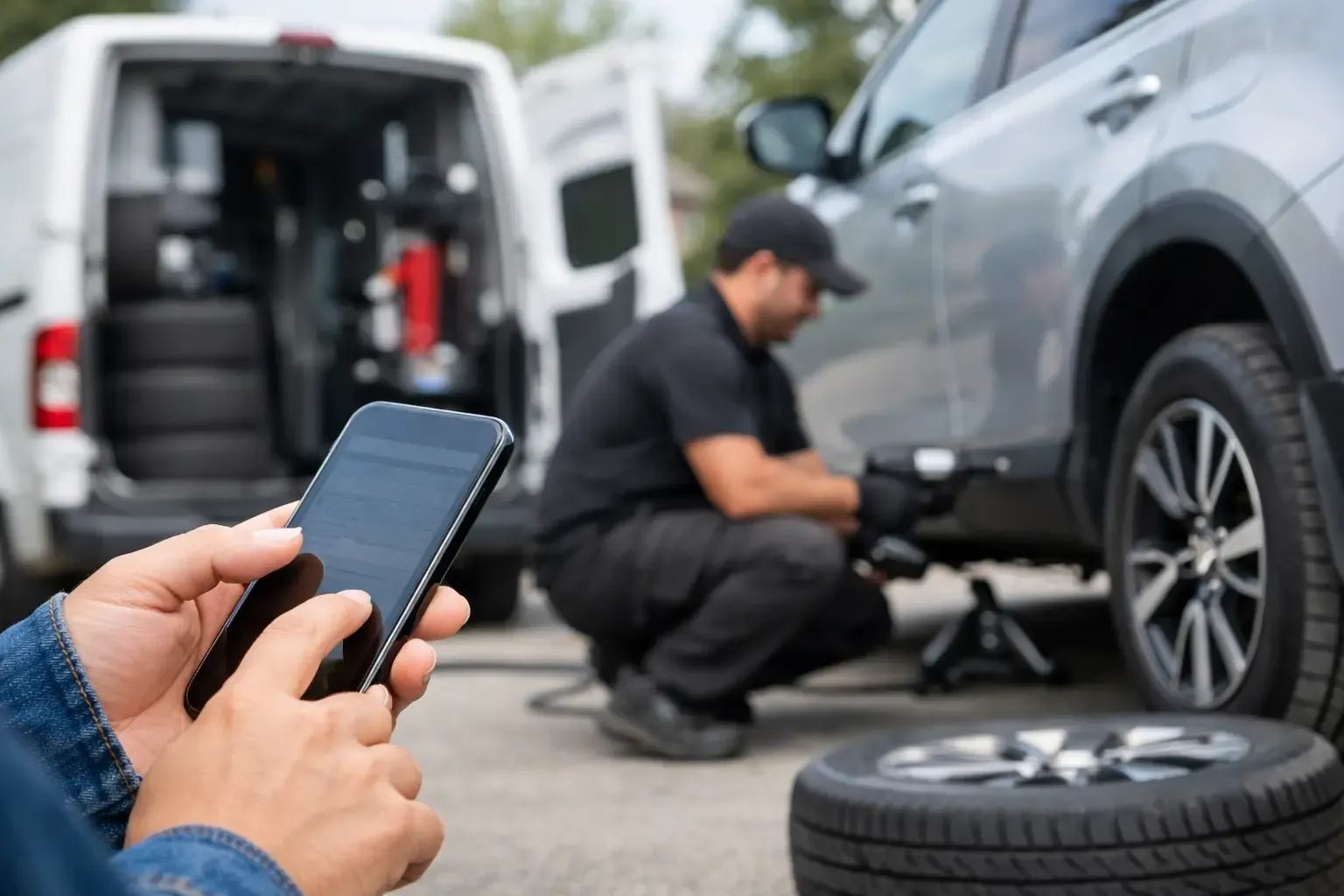
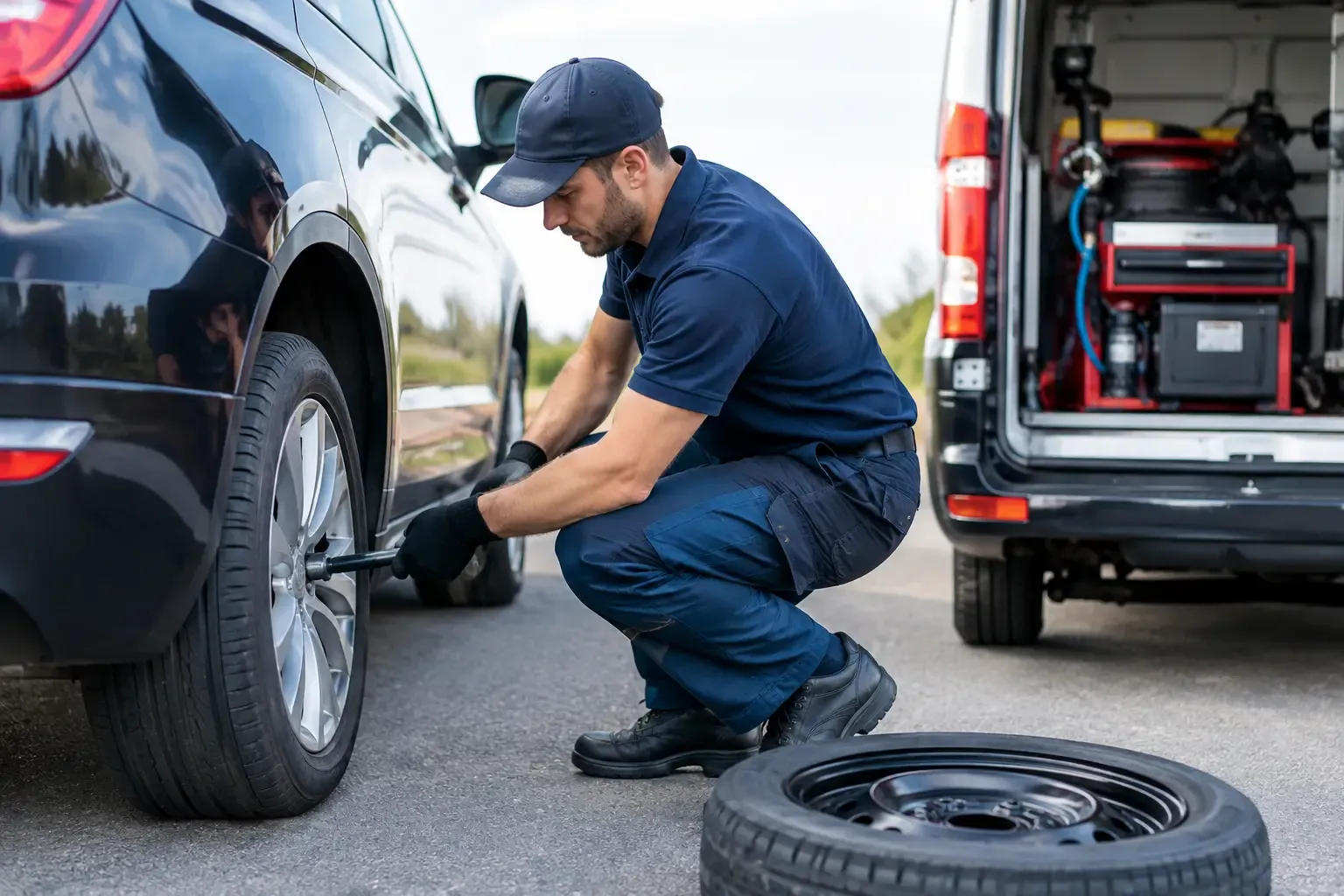
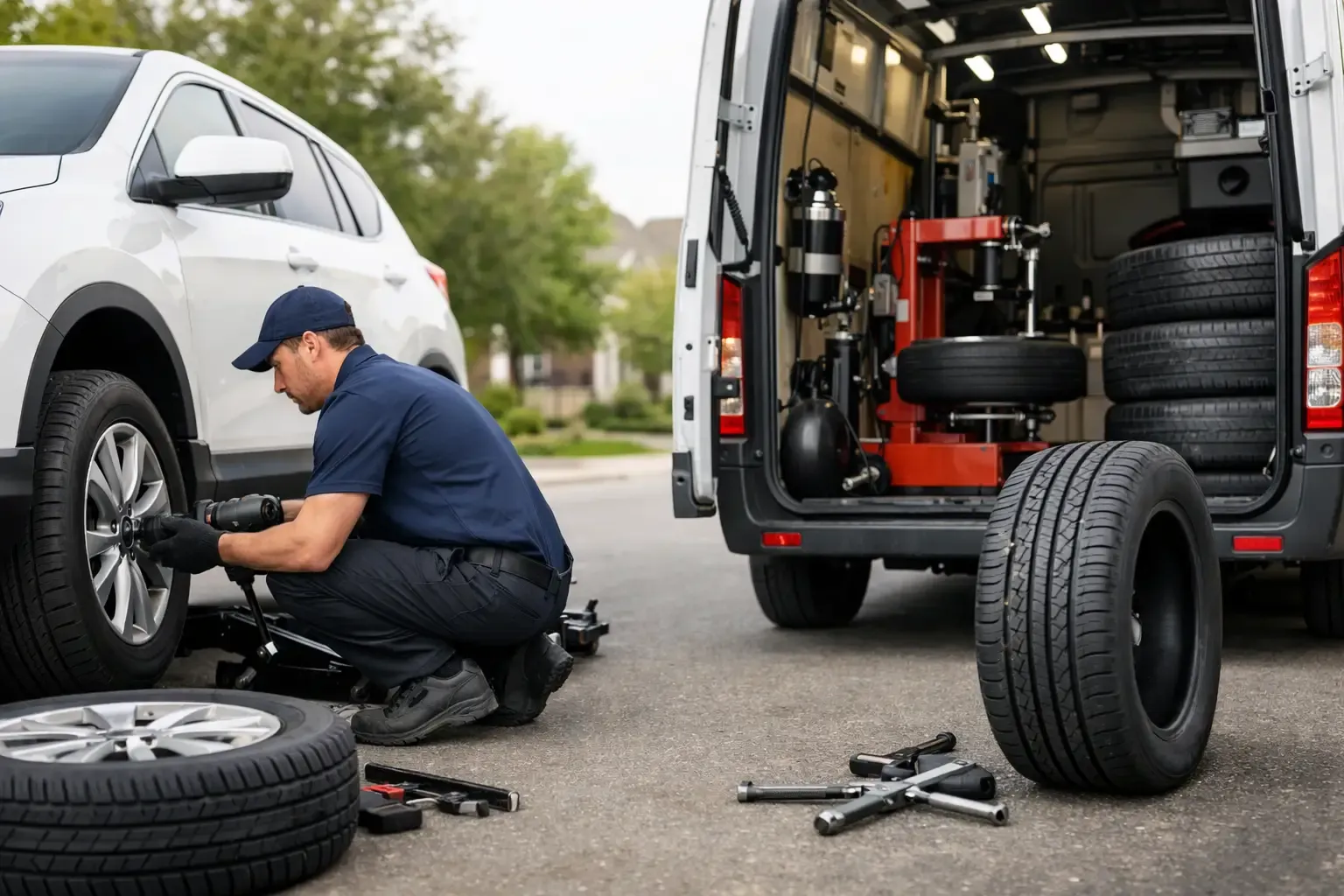
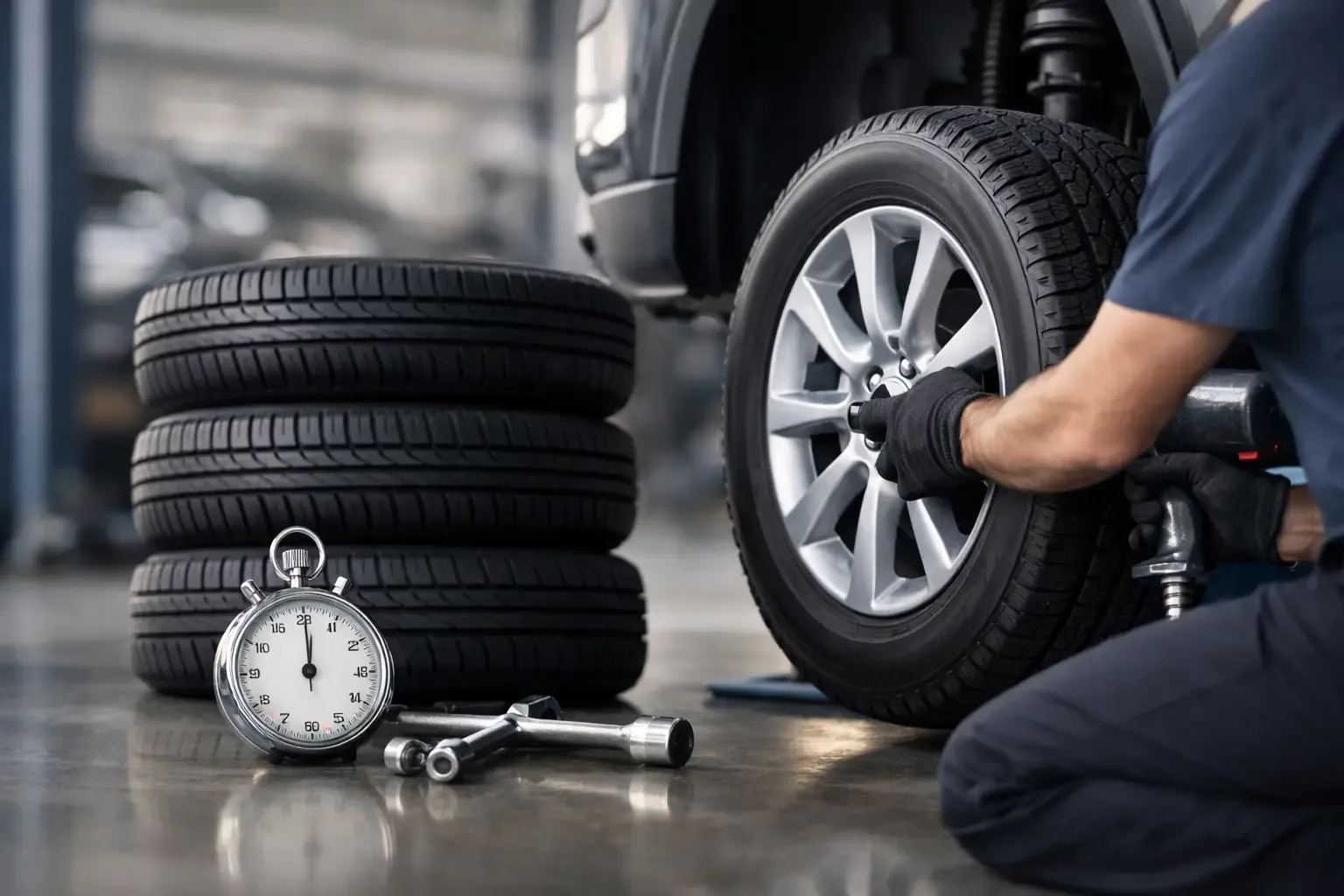
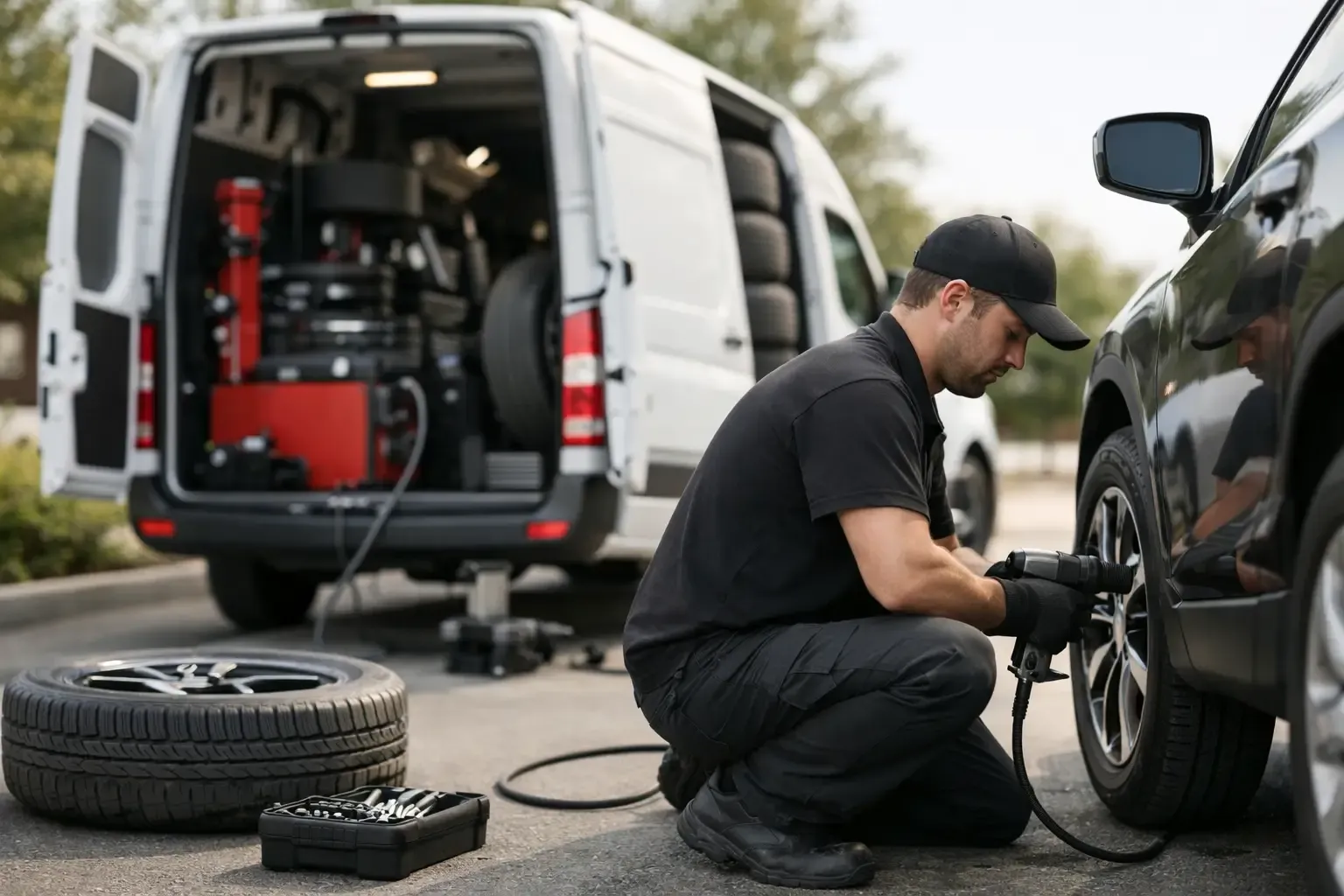
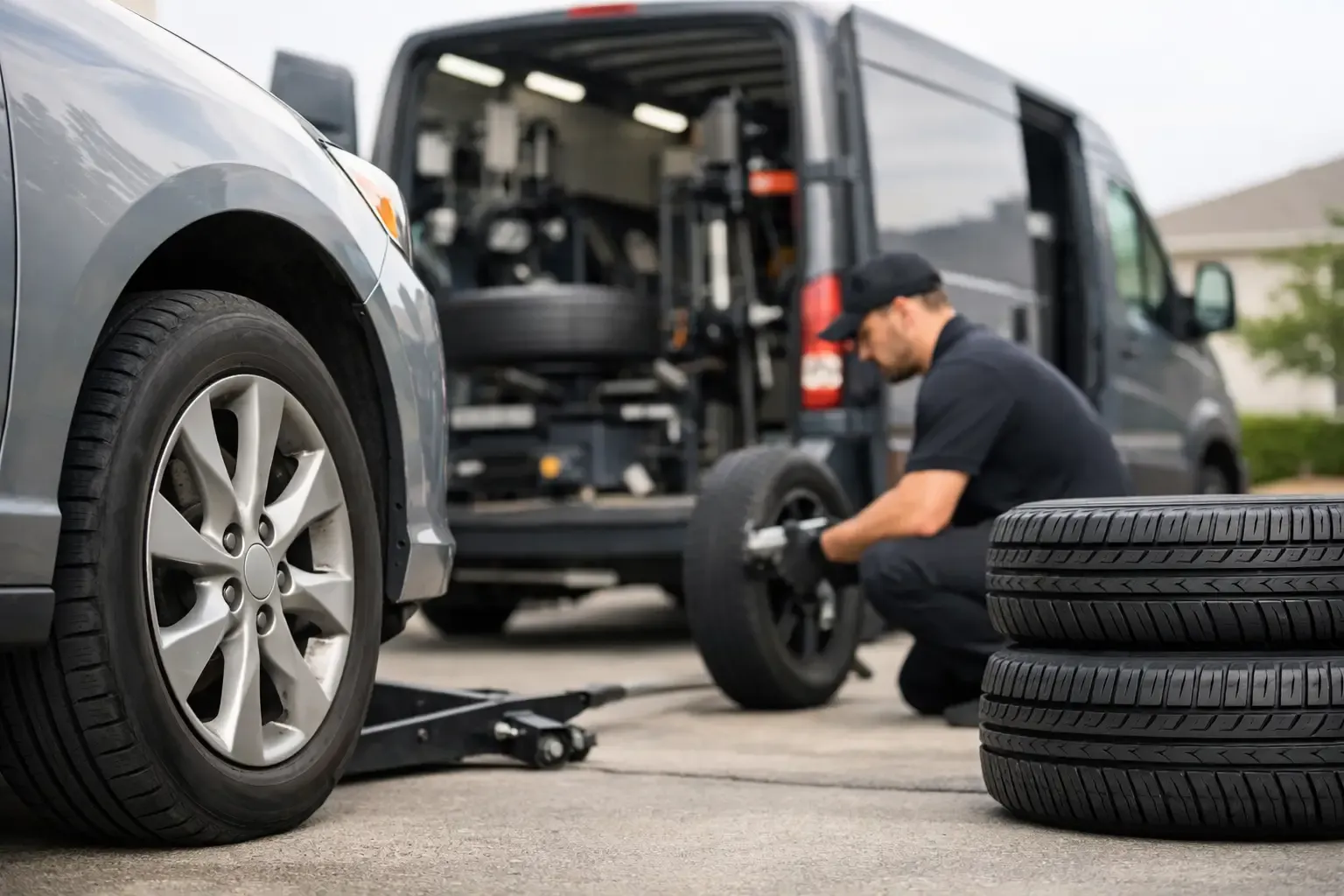
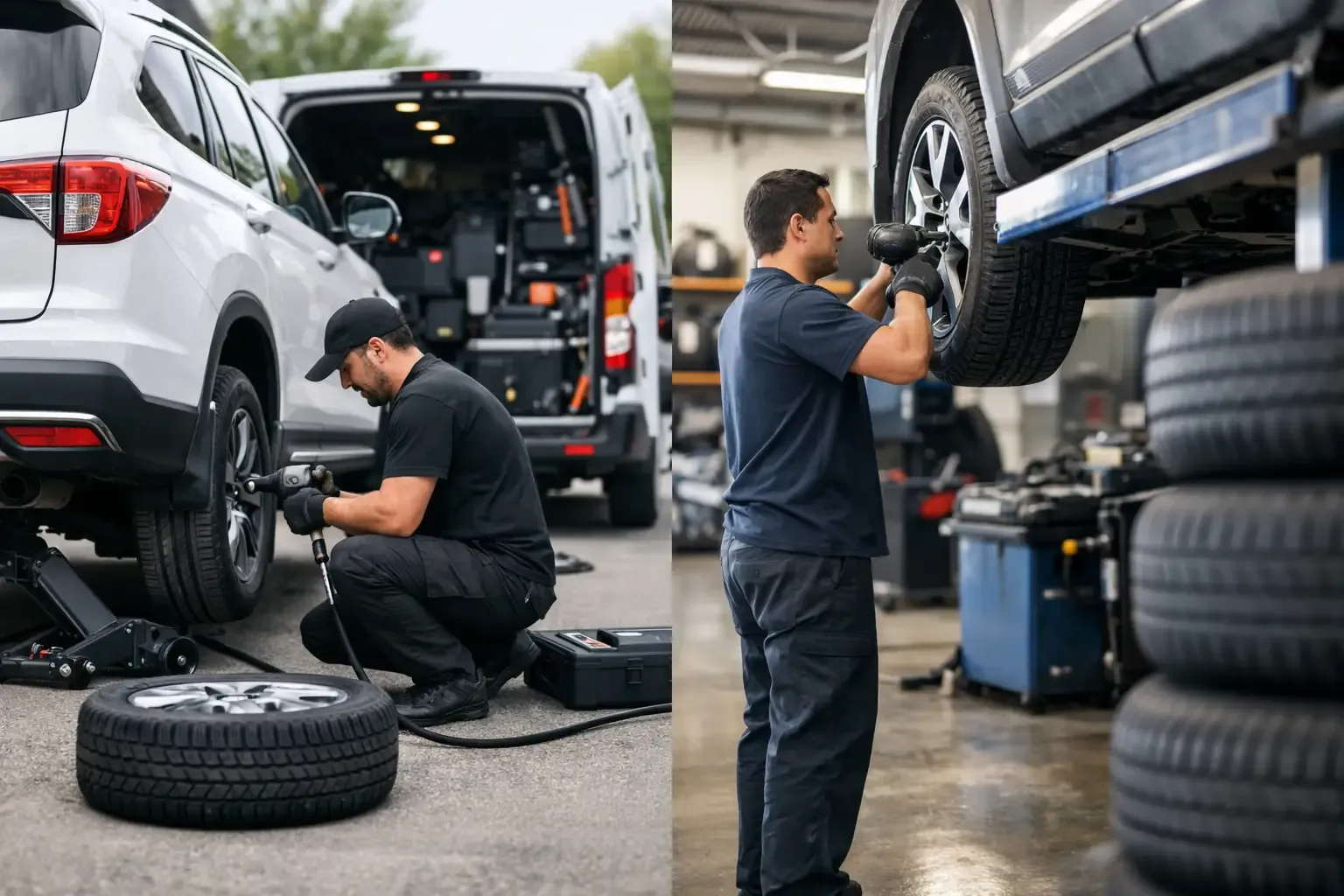
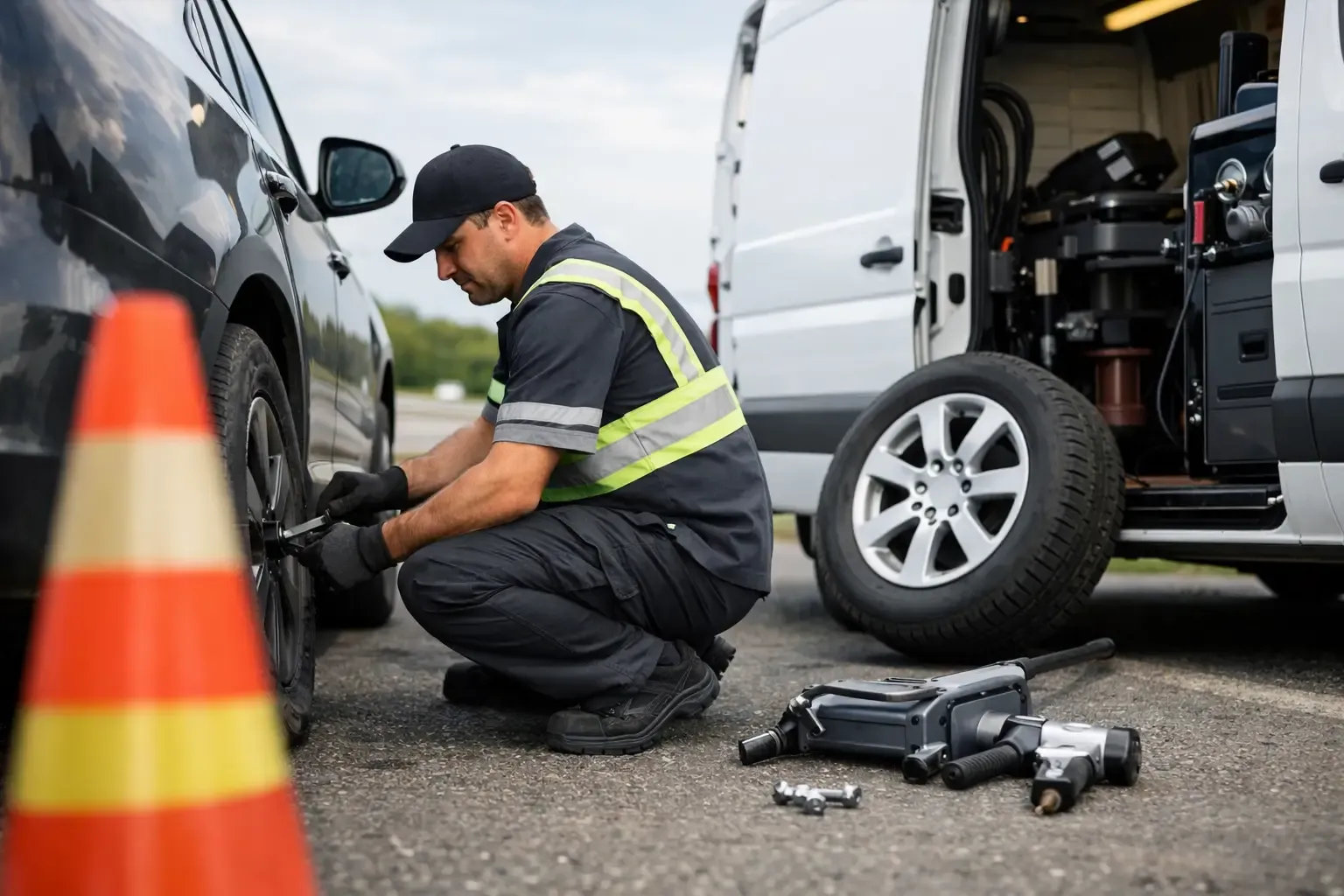
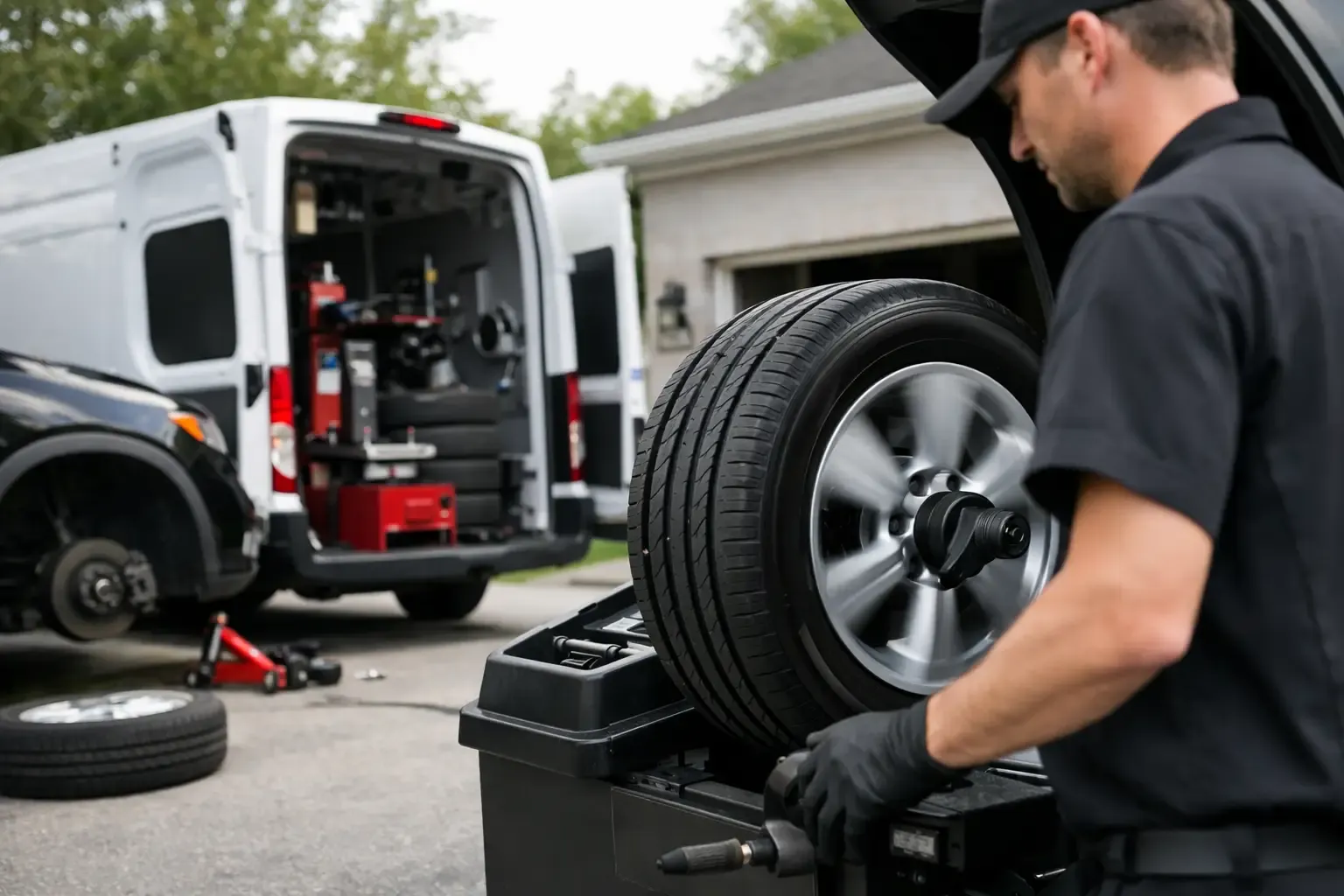
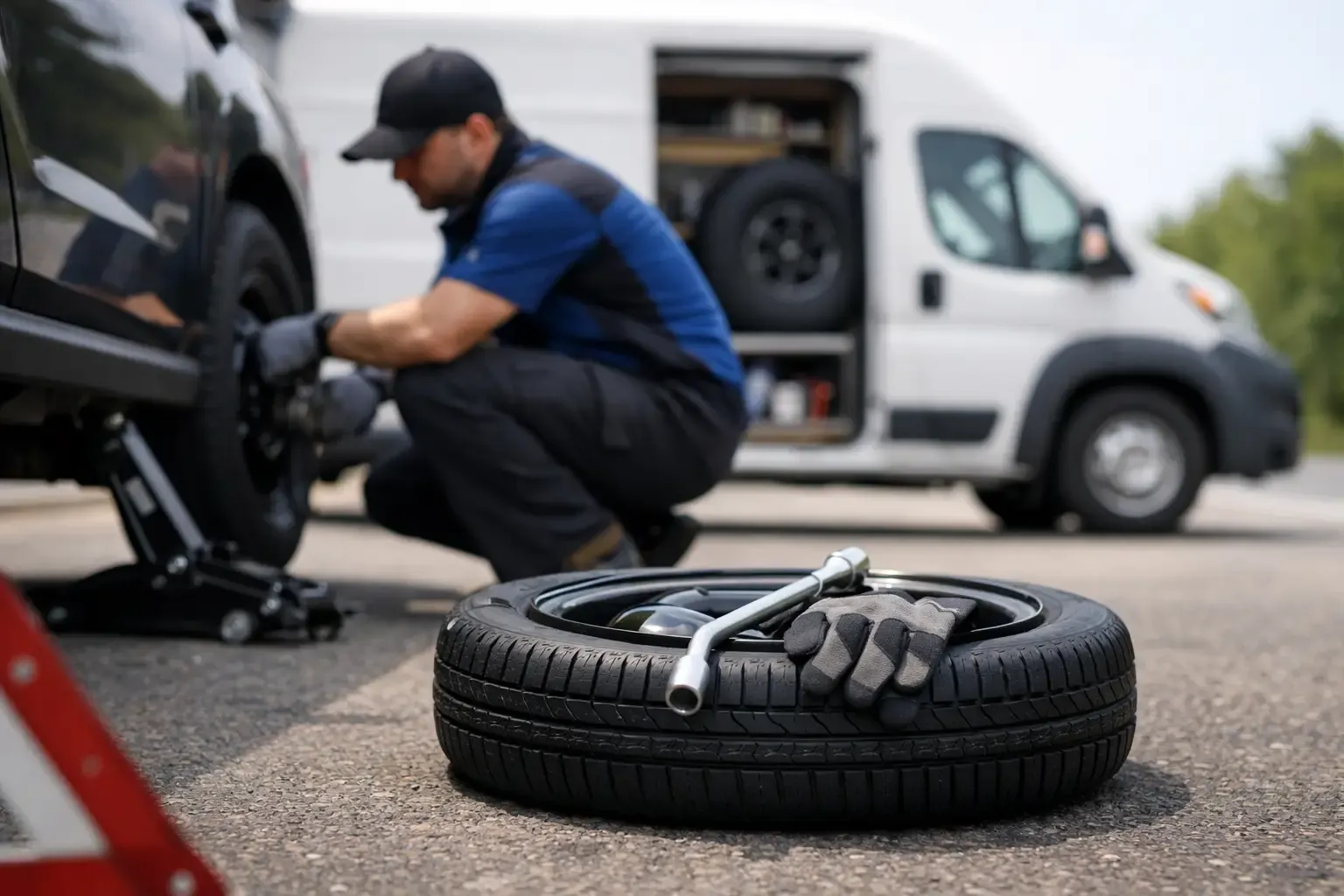
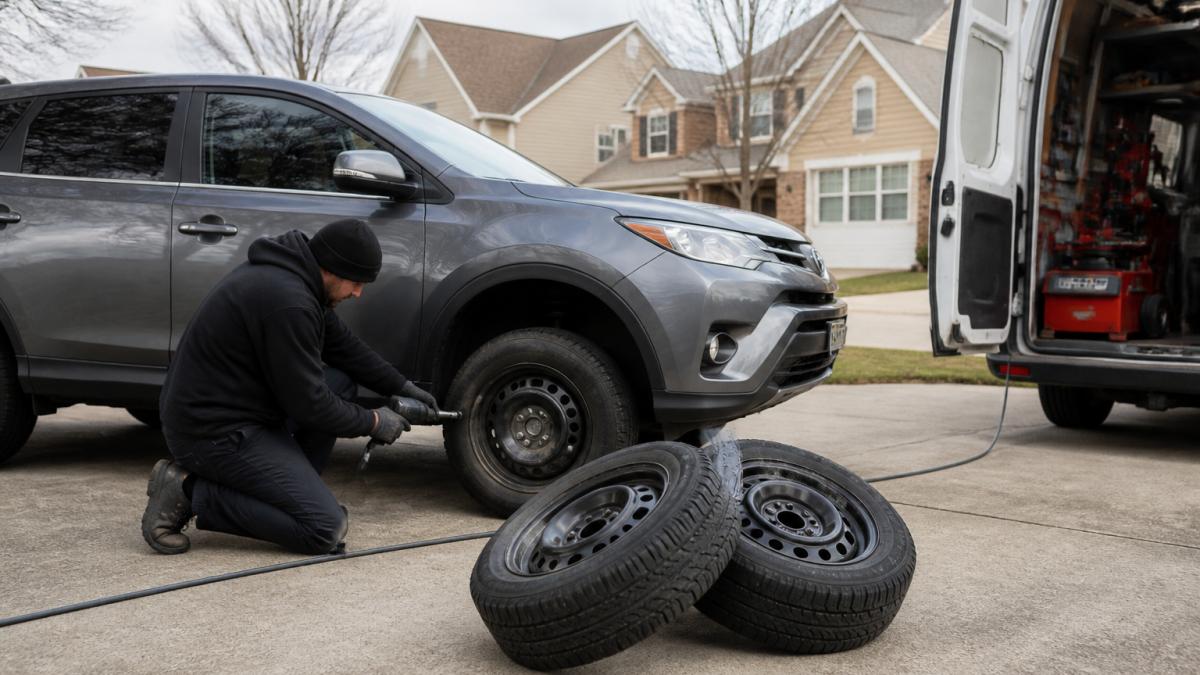
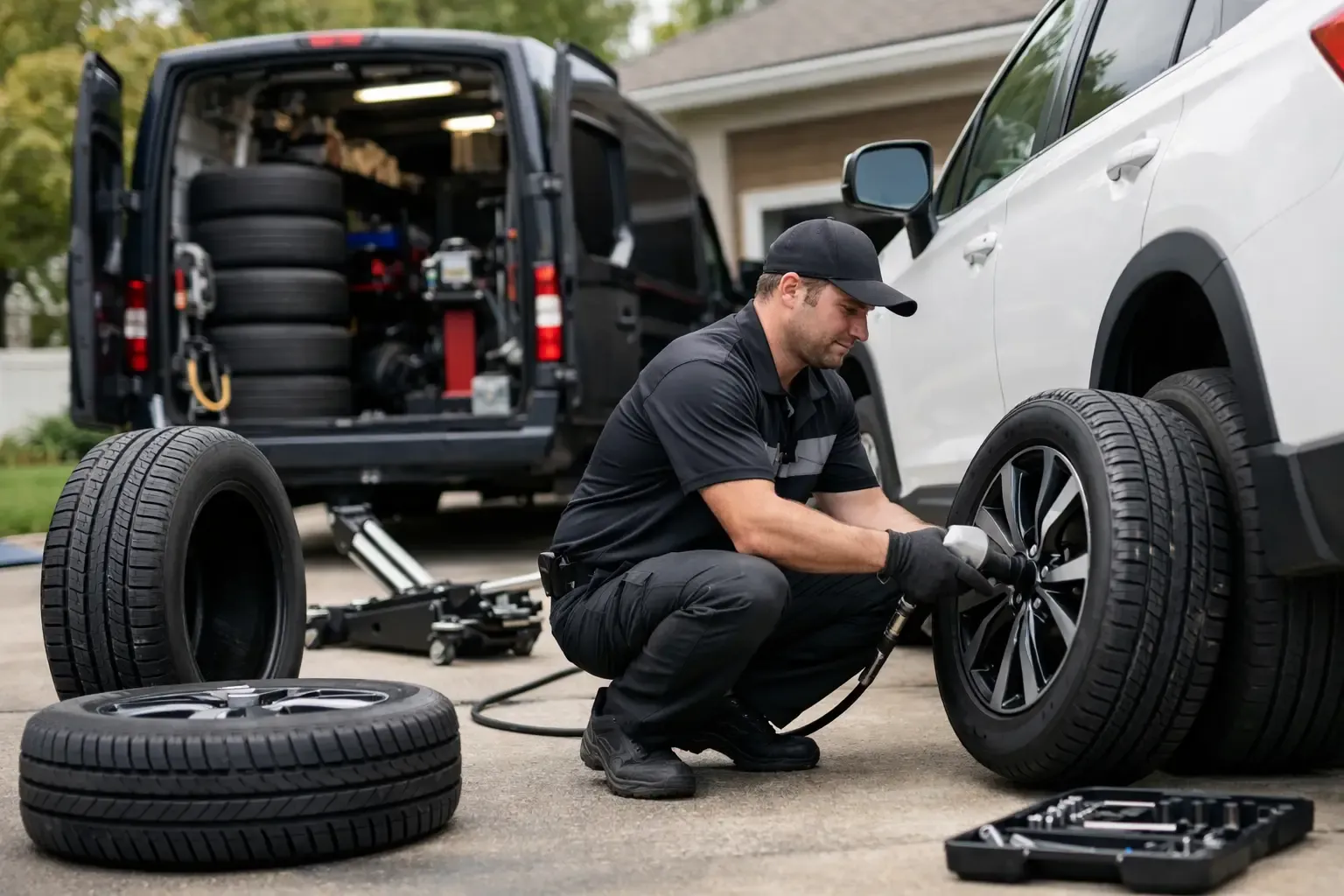
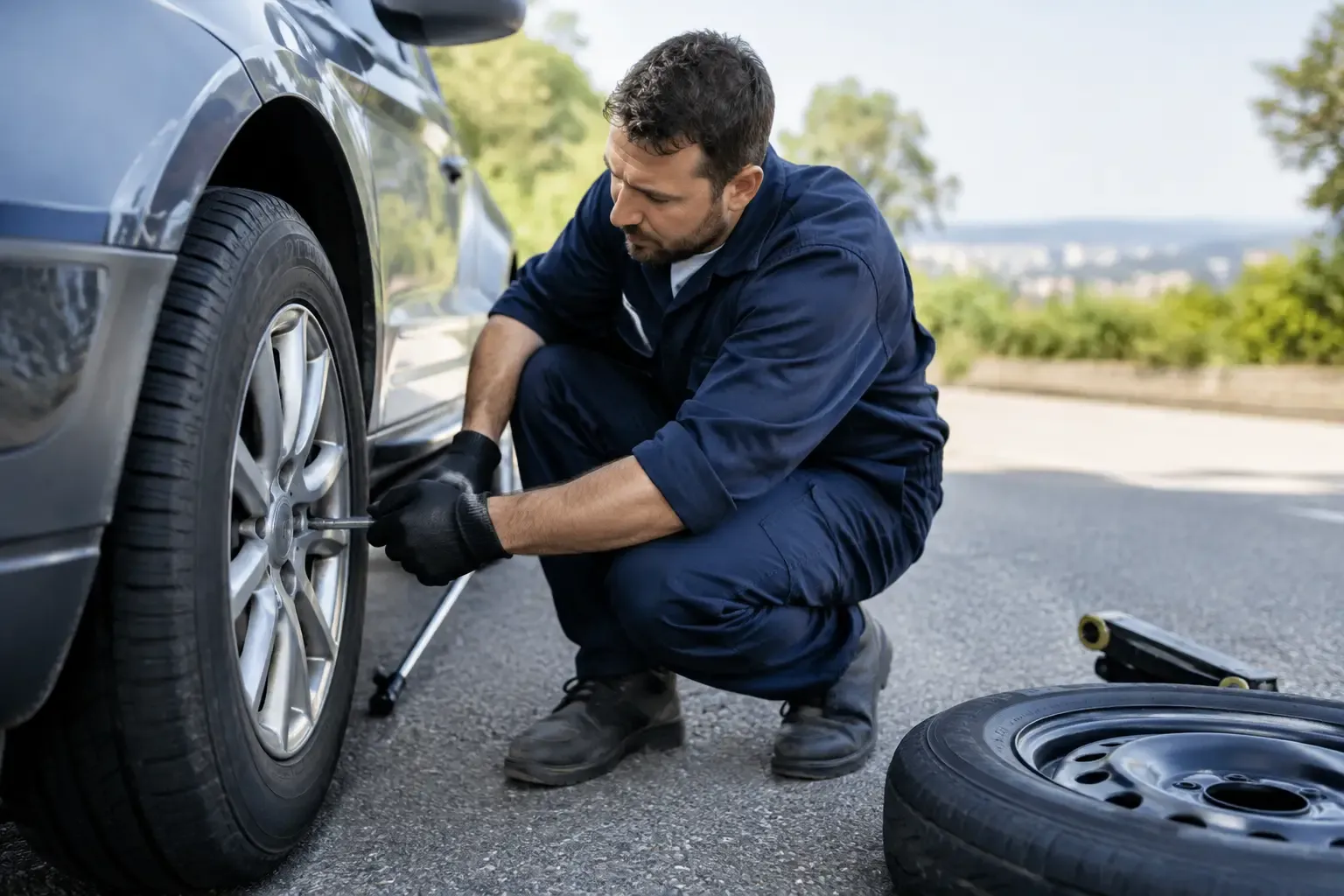
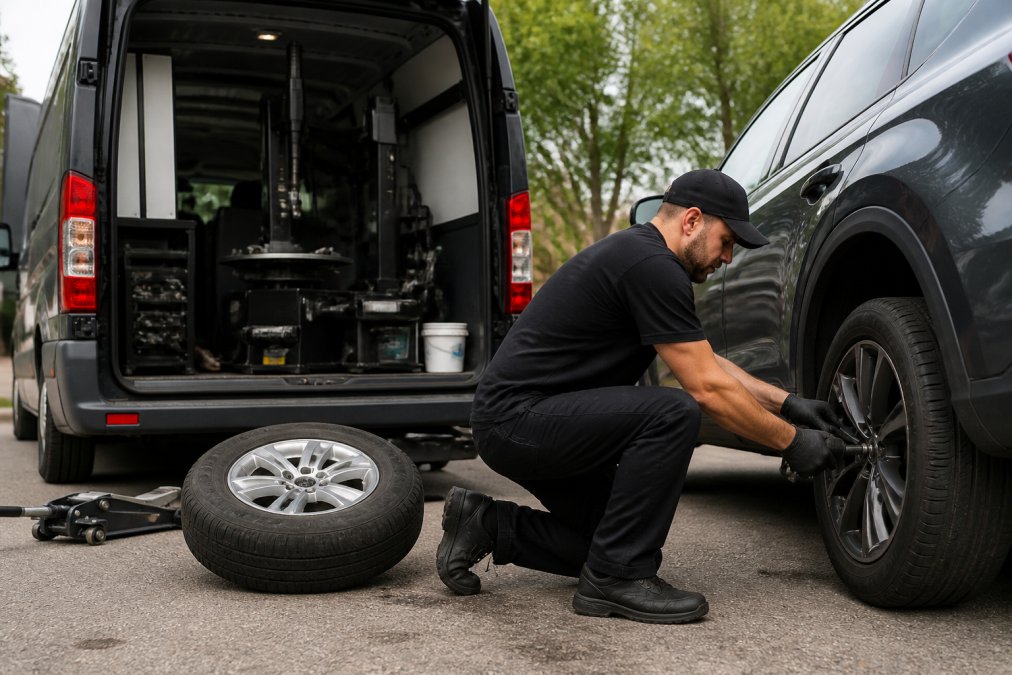
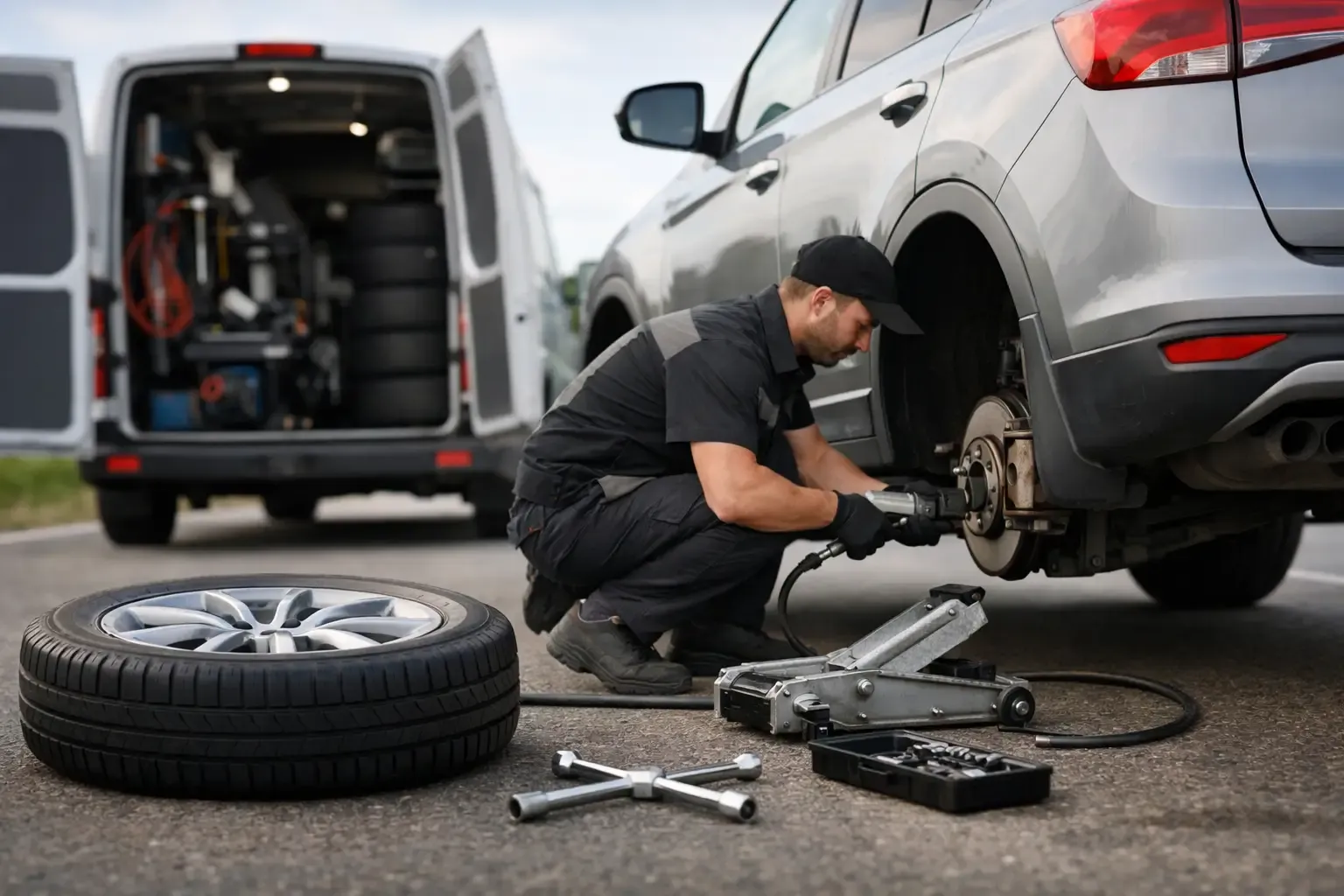
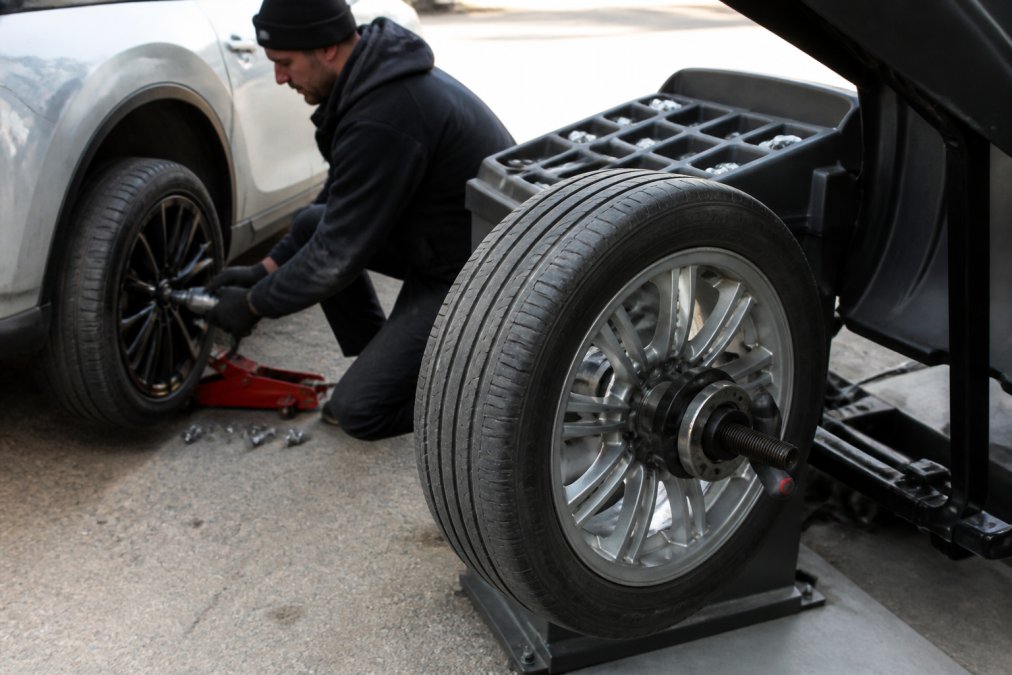
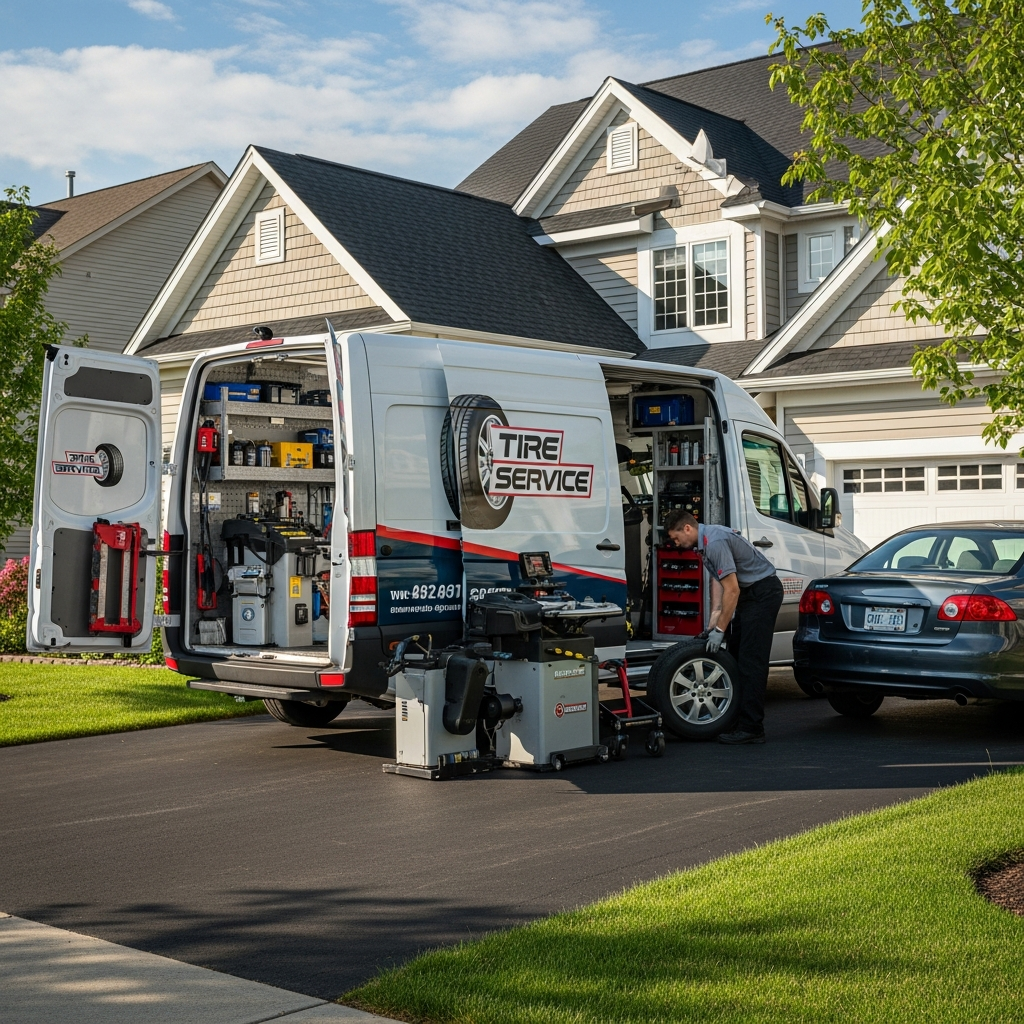
The hardest part of replacing worn tires is usually finding the time. Elite Mobile Tire brings the tires and equipment to you, so a new set can be mounted and balanced in your driveway in Grove City or Groveport, or in your office parking lot in Columbus, while you keep working. If your quarter test came up short, it is a good time to replace them before winter weather sets in.
Ready for a new set? Elite Mobile Tire installs 2 or 4 new tires right in your driveway or parking lot anywhere around Columbus, Obetz, Groveport, Grove City, and Reynoldsburg. Financing is available through Afterpay and Acima with up to 24-month payment plans. Call 614-344-5010 or visit elitemobiletire.com to book.