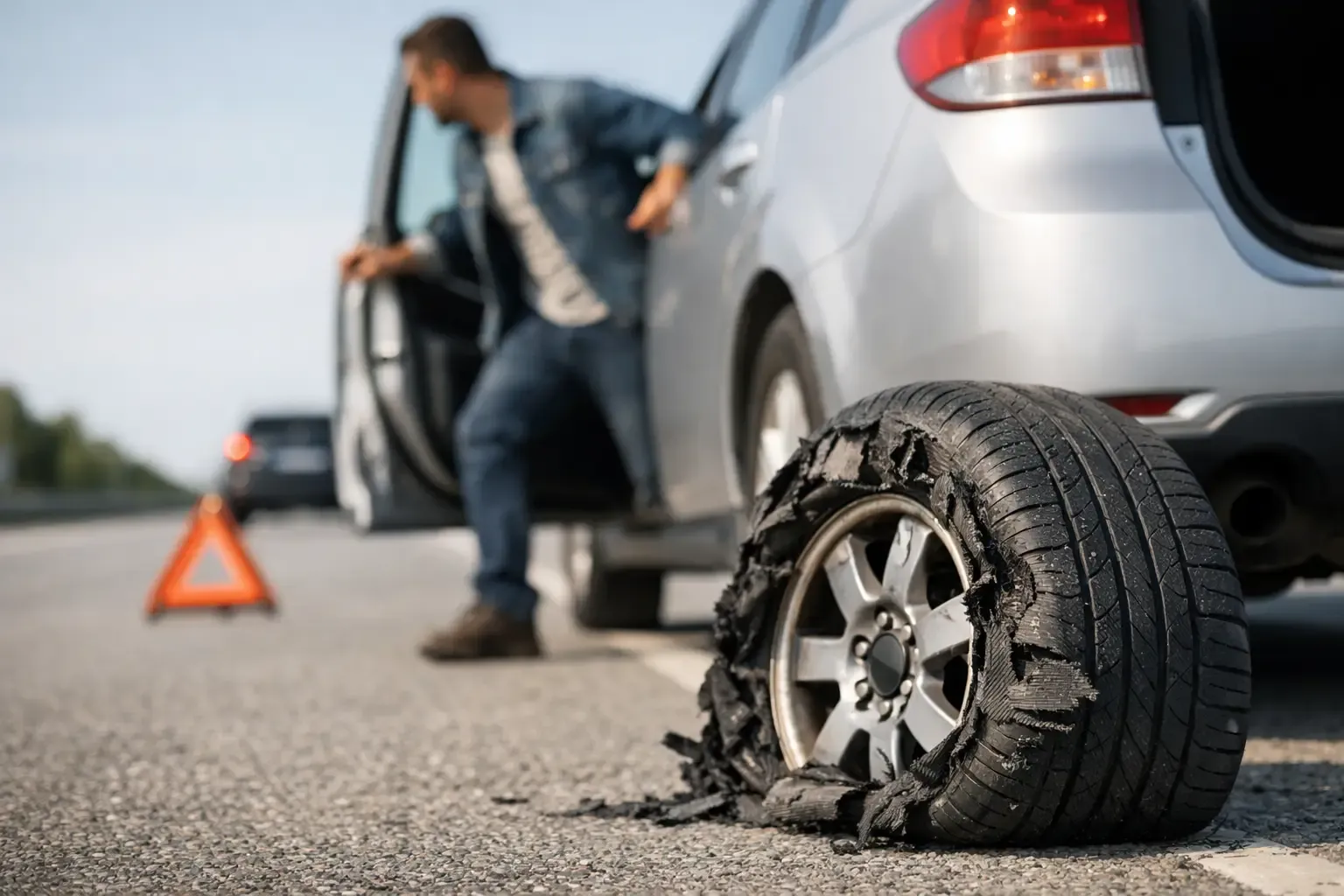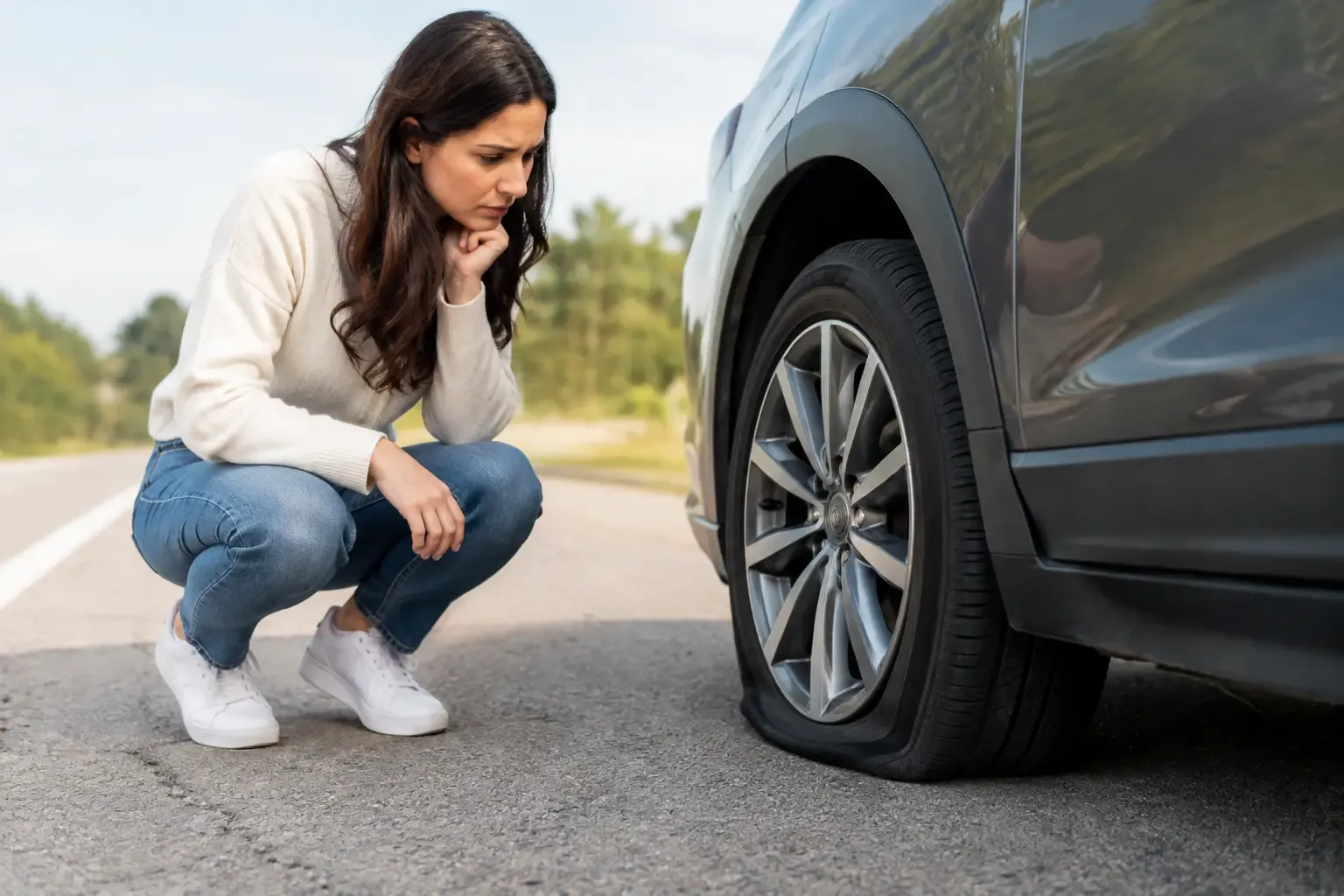

A flat tire can turn an ordinary commute into a stressful roadside decision in seconds. If you are asking, “what do I do if I get a flat tire on the side of the road,” the first answer is simple: protect yourself before you worry about the tire. Getting stopped safely matters more than getting moving quickly.
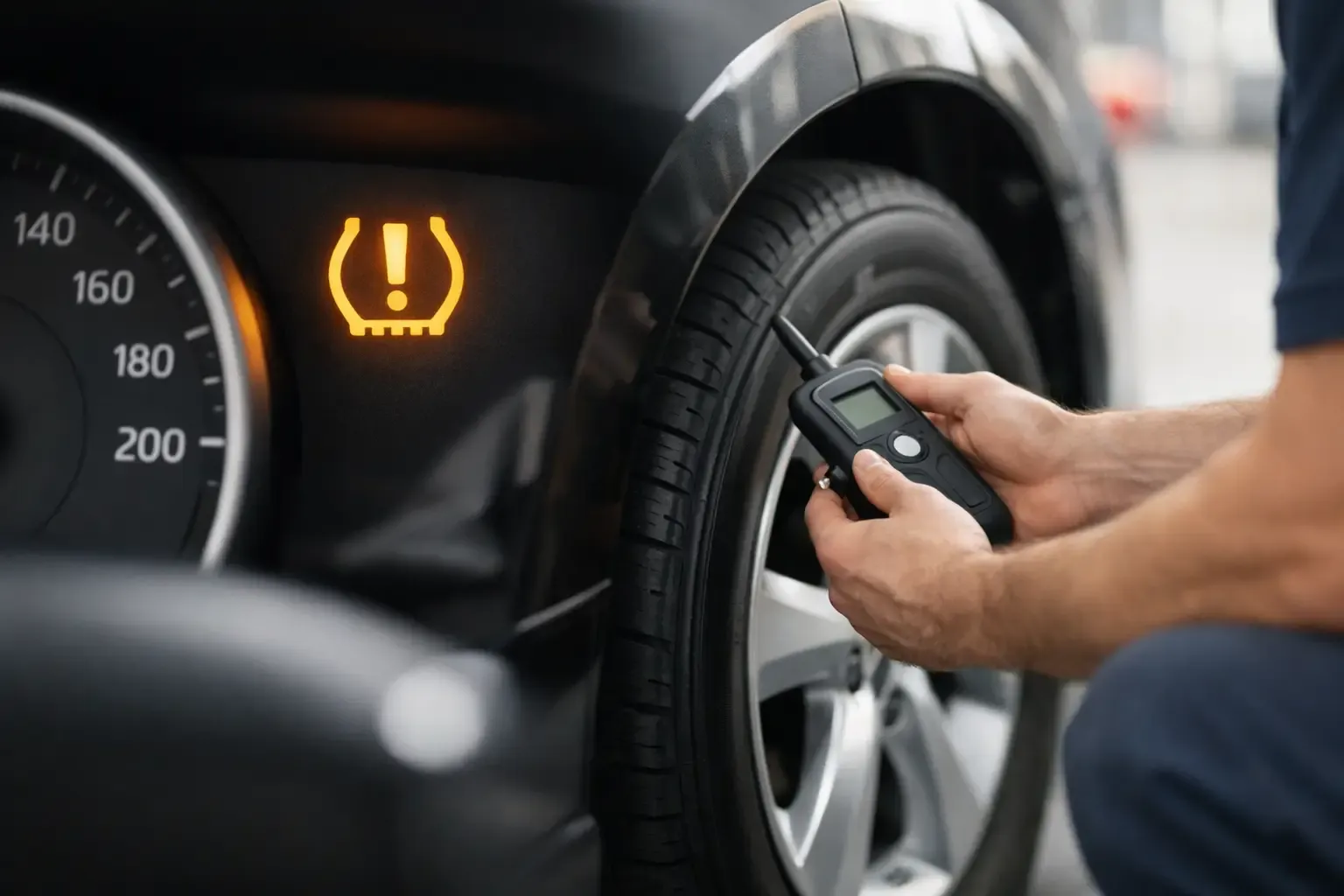
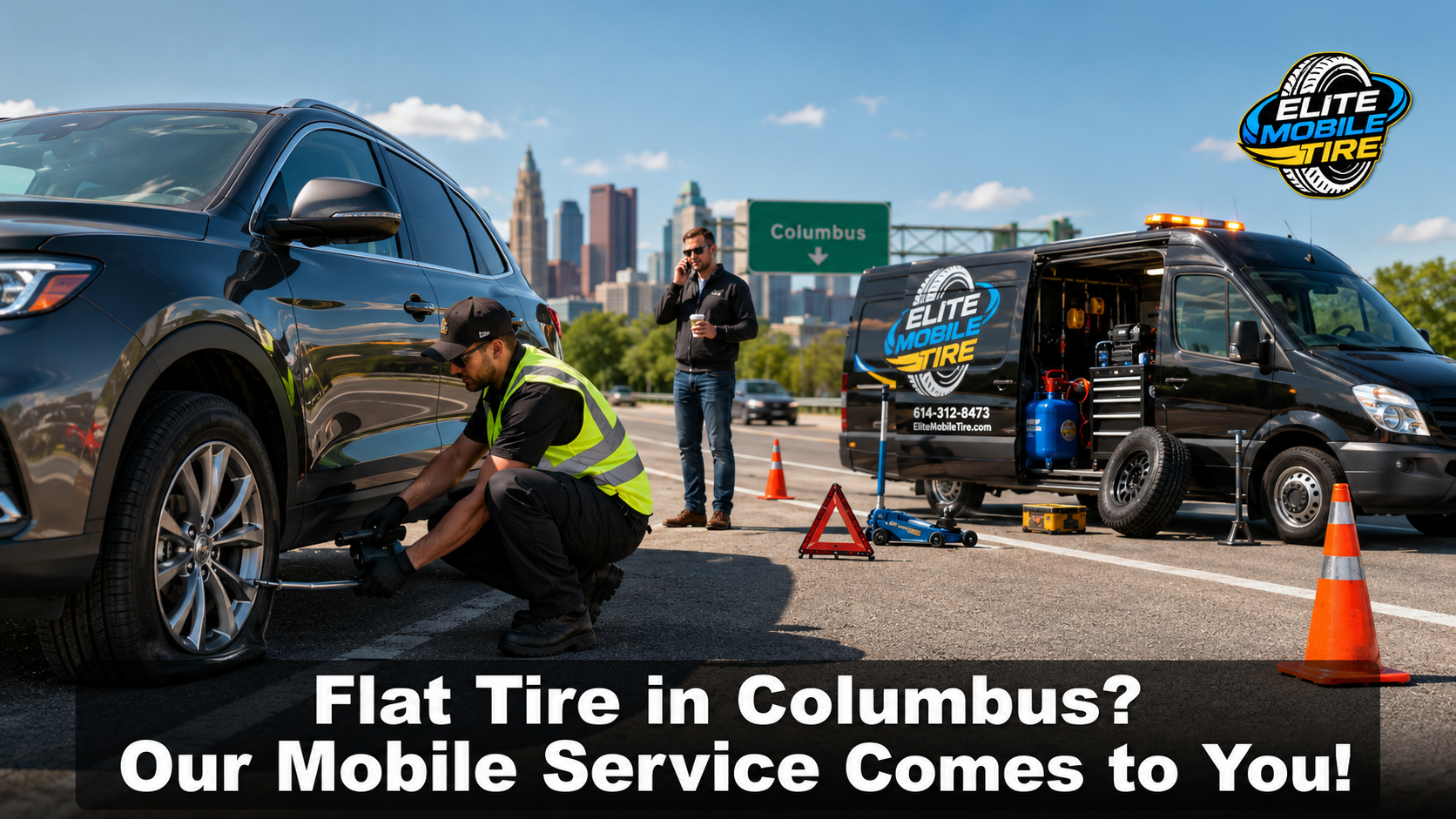
The moment you notice a thumping sound, pulling steering wheel, tire-pressure warning light, or sudden loss of handling, ease off the accelerator. Avoid slamming on the brakes or making a sharp steering correction. Hold the wheel firmly, turn on your hazard lights, and gradually move toward the safest available location.
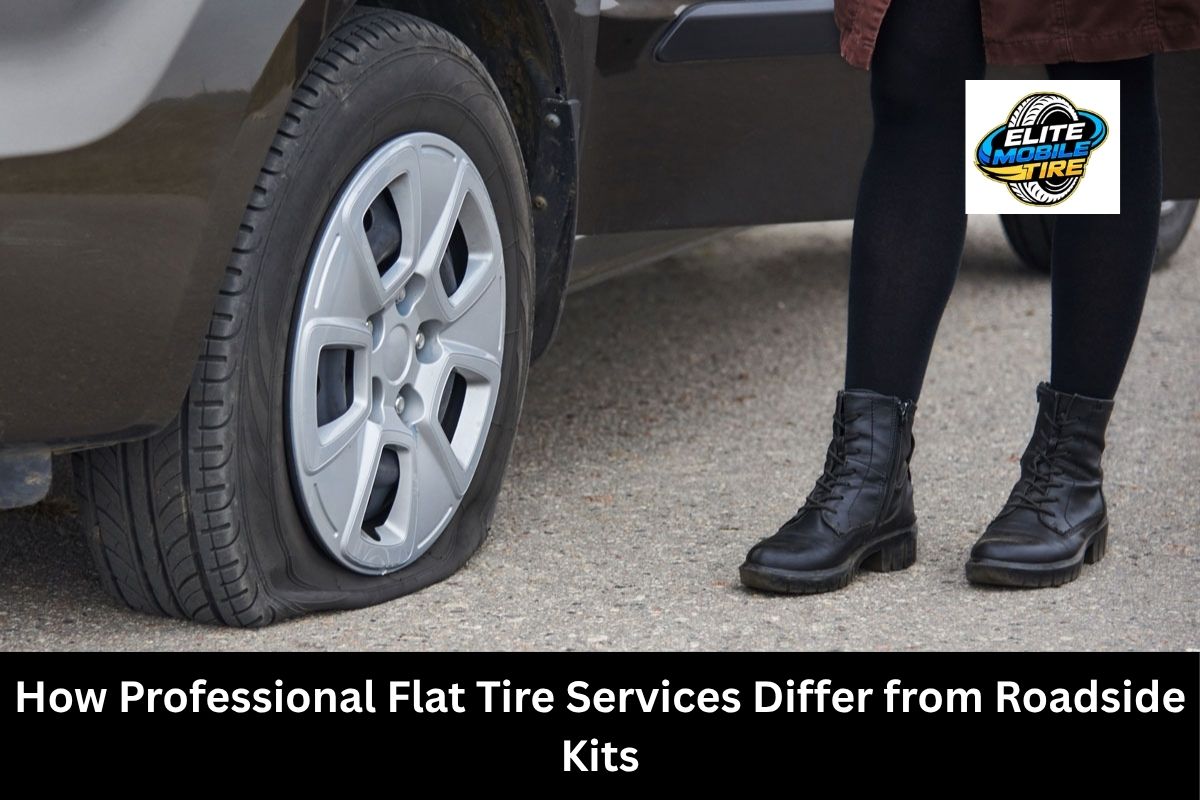
A parking lot, wide shoulder, rest area, or quiet side street is far better than a narrow shoulder beside fast-moving traffic. If you are on a busy Columbus-area highway or road with limited visibility, it may be safer to continue slowly only long enough to reach a safer stopping point if the vehicle remains controllable. Do not continue driving on a fully flat tire for any farther than necessary. Doing so can damage the wheel, destroy a tire that may otherwise be repairable, and make the vehicle harder to control.
Once stopped, put the vehicle in park, set the parking brake, and keep your hazard lights on. If you have passengers, especially children, keep them inside the vehicle when traffic is close. Exiting on the traffic side of the car creates an unnecessary risk.
Decide Whether It Is Safe to Change the Tire Yourself
Not every flat tire should become a roadside tire-change project. Your location, weather, traffic, vehicle, and comfort level all matter.
Before opening the trunk, look around. Is the shoulder wide enough? Is the ground level and firm? Can other drivers see your vehicle well before they reach it? Are vehicles passing close by at high speed? If the answer to any of these questions is no, stay in the vehicle with your seat belt fastened and call for roadside assistance.
The same advice applies if it is dark, raining heavily, snowing, or you are on a curve, hill, bridge, or entrance ramp. A jack can slip on soft or uneven ground, and distracted drivers may not give your vehicle enough room. There is no benefit to saving a few minutes if the situation is unsafe.
If you are in a safe location and know how to use your spare, changing it may be reasonable. If you do not have a spare, cannot locate the proper tools, have a damaged wheel, or simply do not feel comfortable, mobile roadside help is the practical choice.
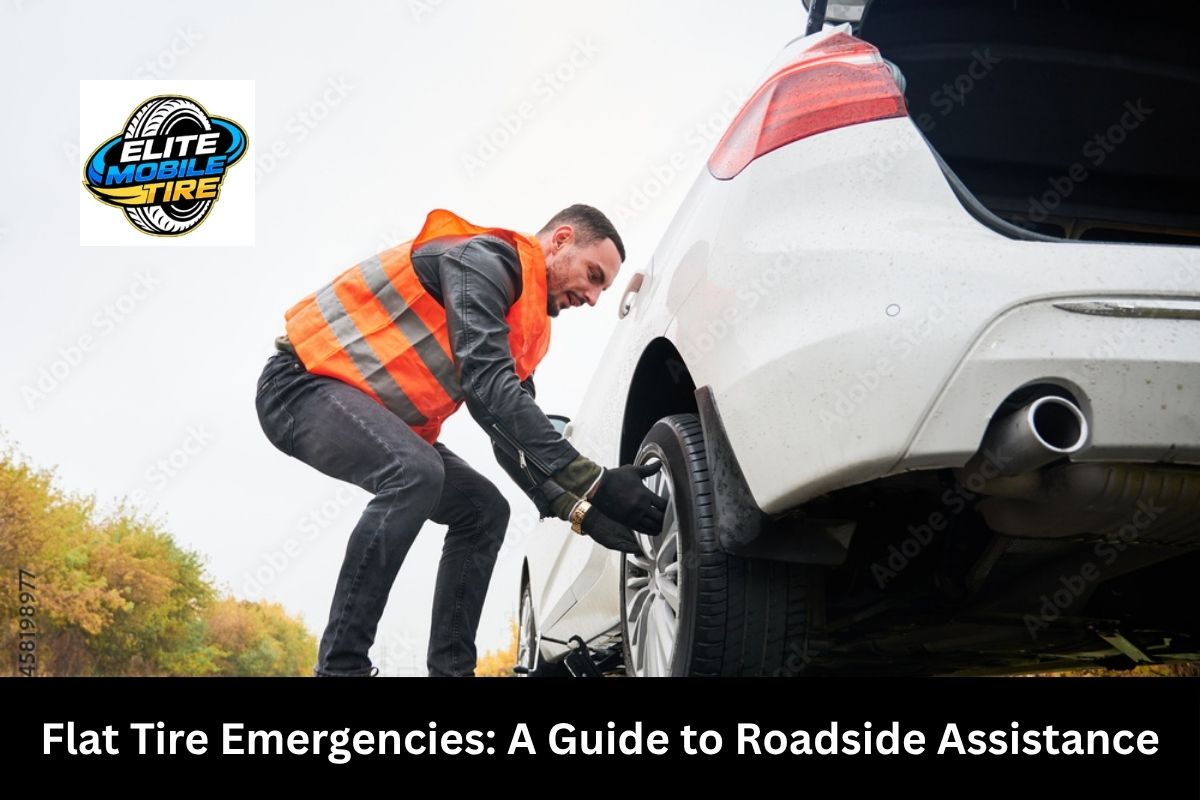
If You Can Safely Install the Spare Tire
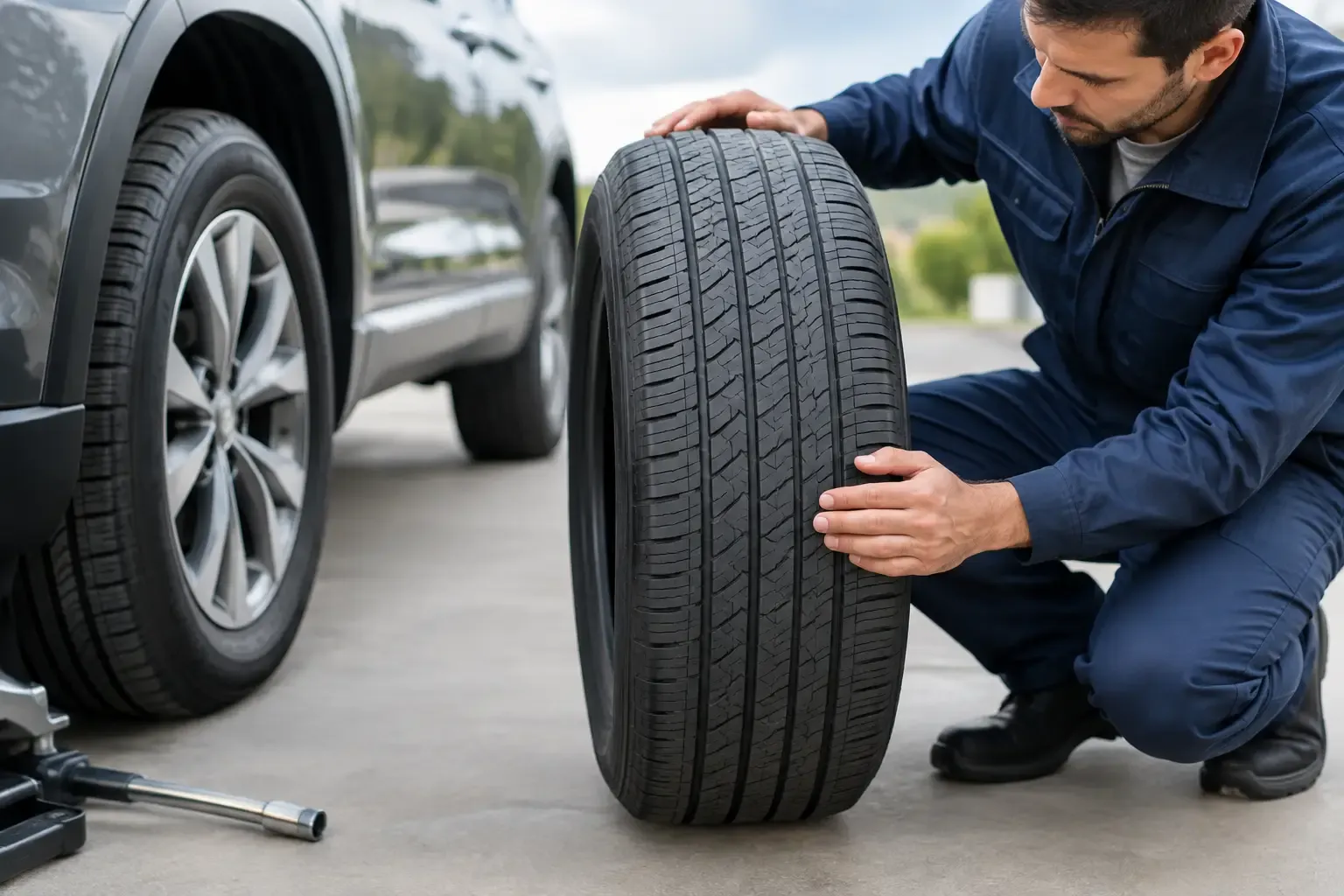
Start by checking your owner’s manual for the spare tire location, jacking points, and any vehicle-specific instructions. Many newer vehicles have a compact temporary spare, while others may have a tire repair kit instead of a spare. A temporary spare is designed to get you to service, not to handle regular driving for days.
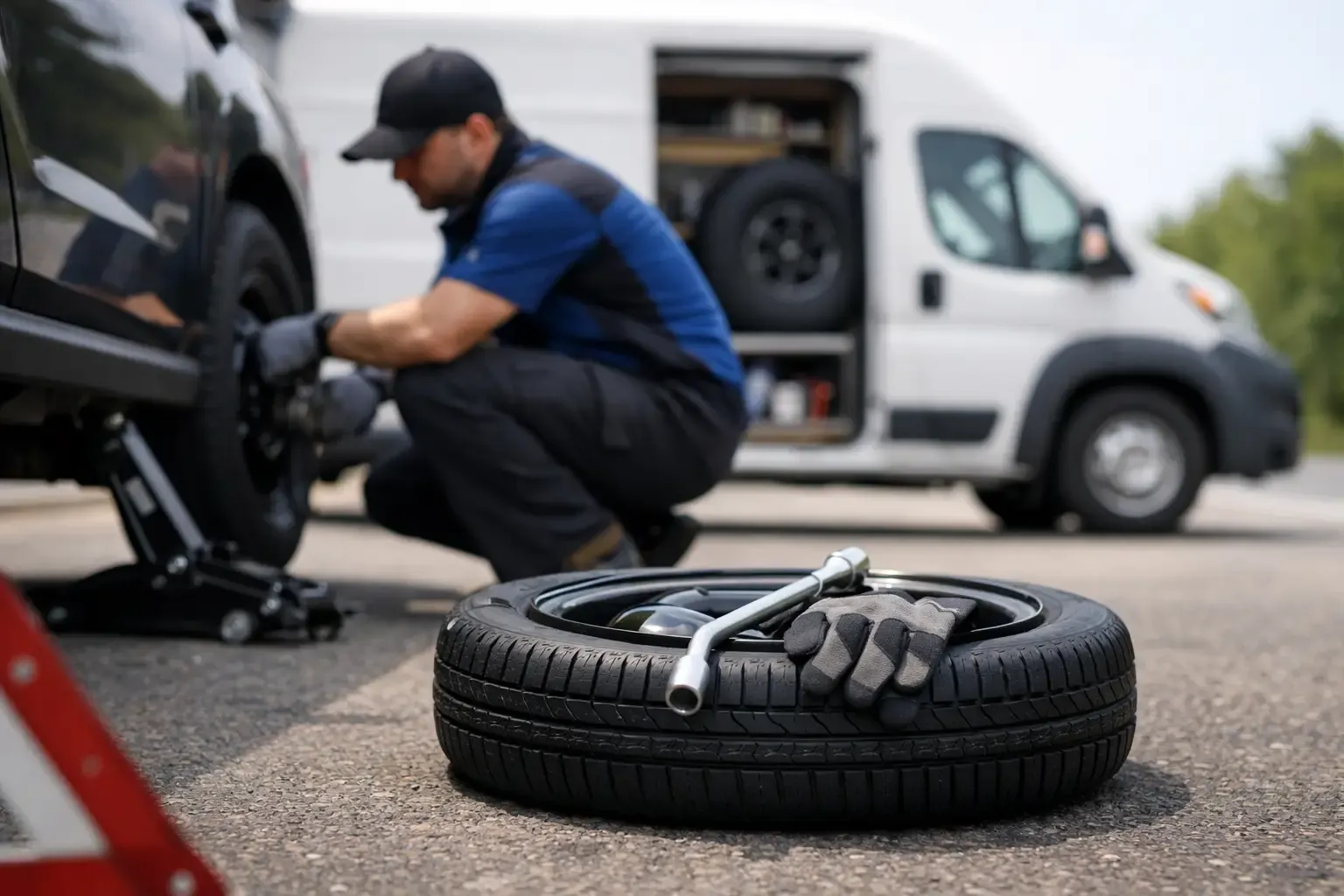
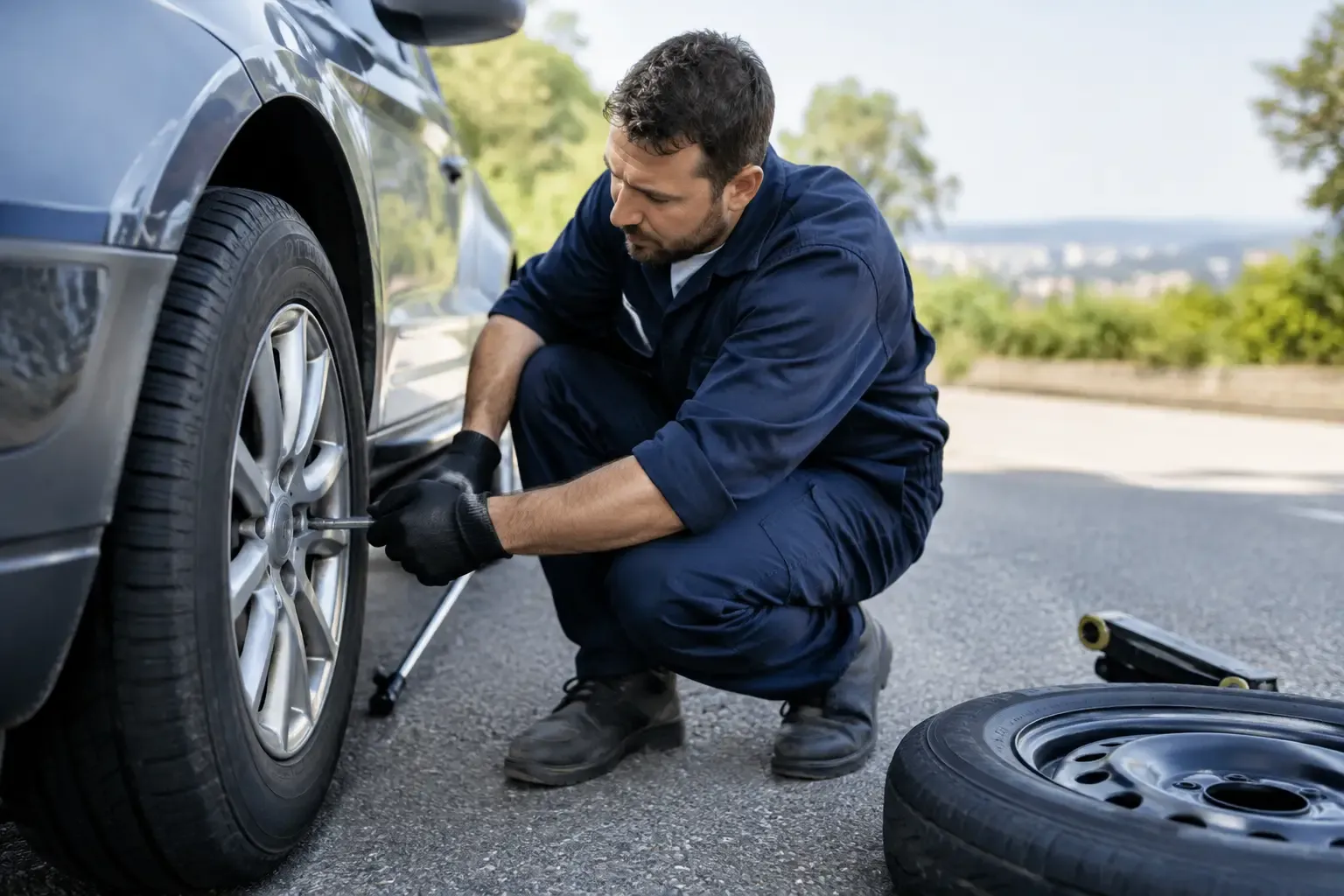
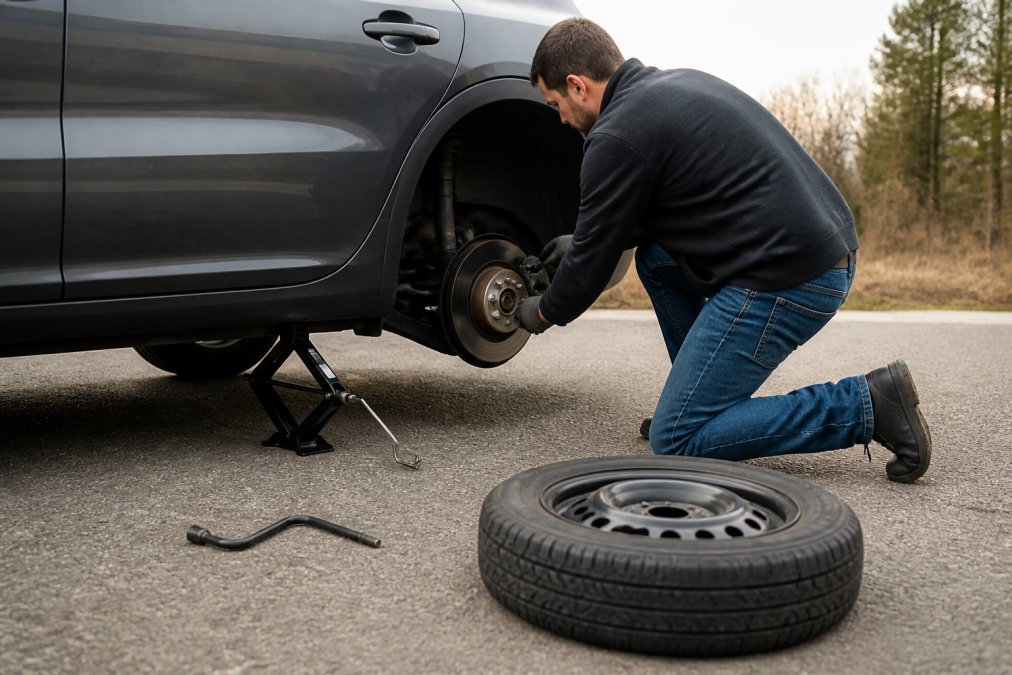
On a stable, level surface, place wheel wedges behind or in front of the tires that will remain on the ground if your vehicle has them. Remove the hubcap if needed, then loosen the lug nuts slightly before lifting the vehicle. Do not remove the lug nuts completely at this stage.
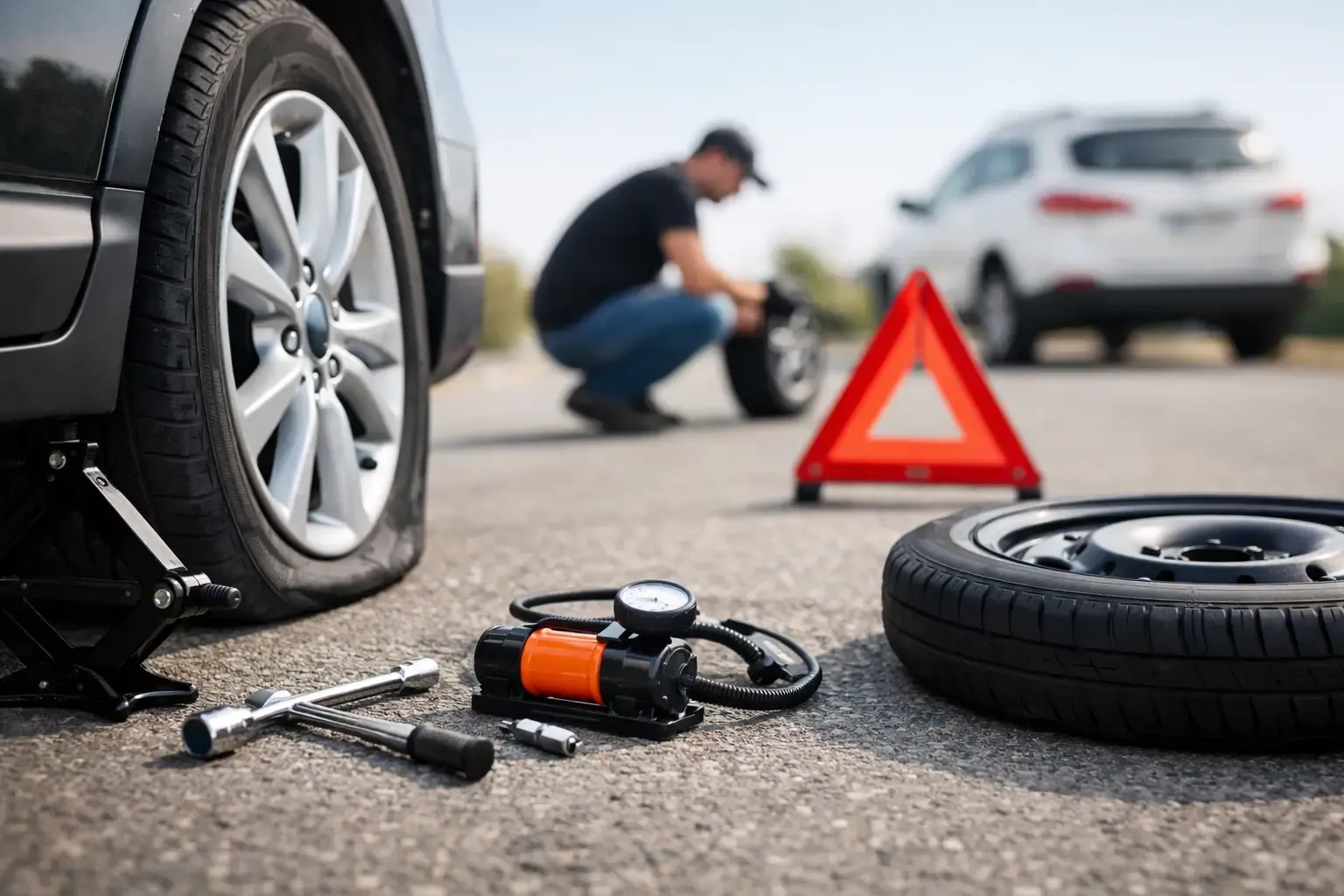
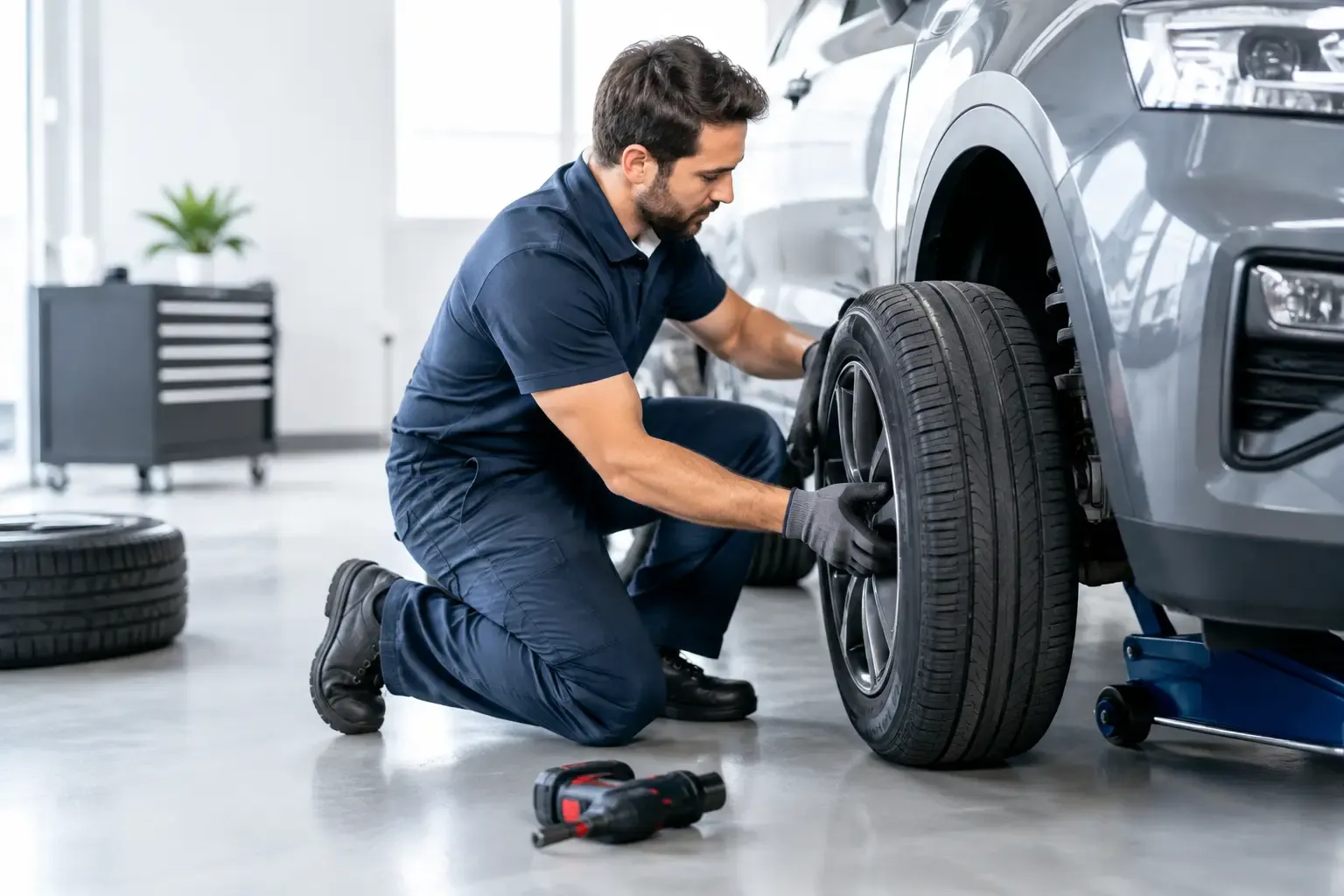
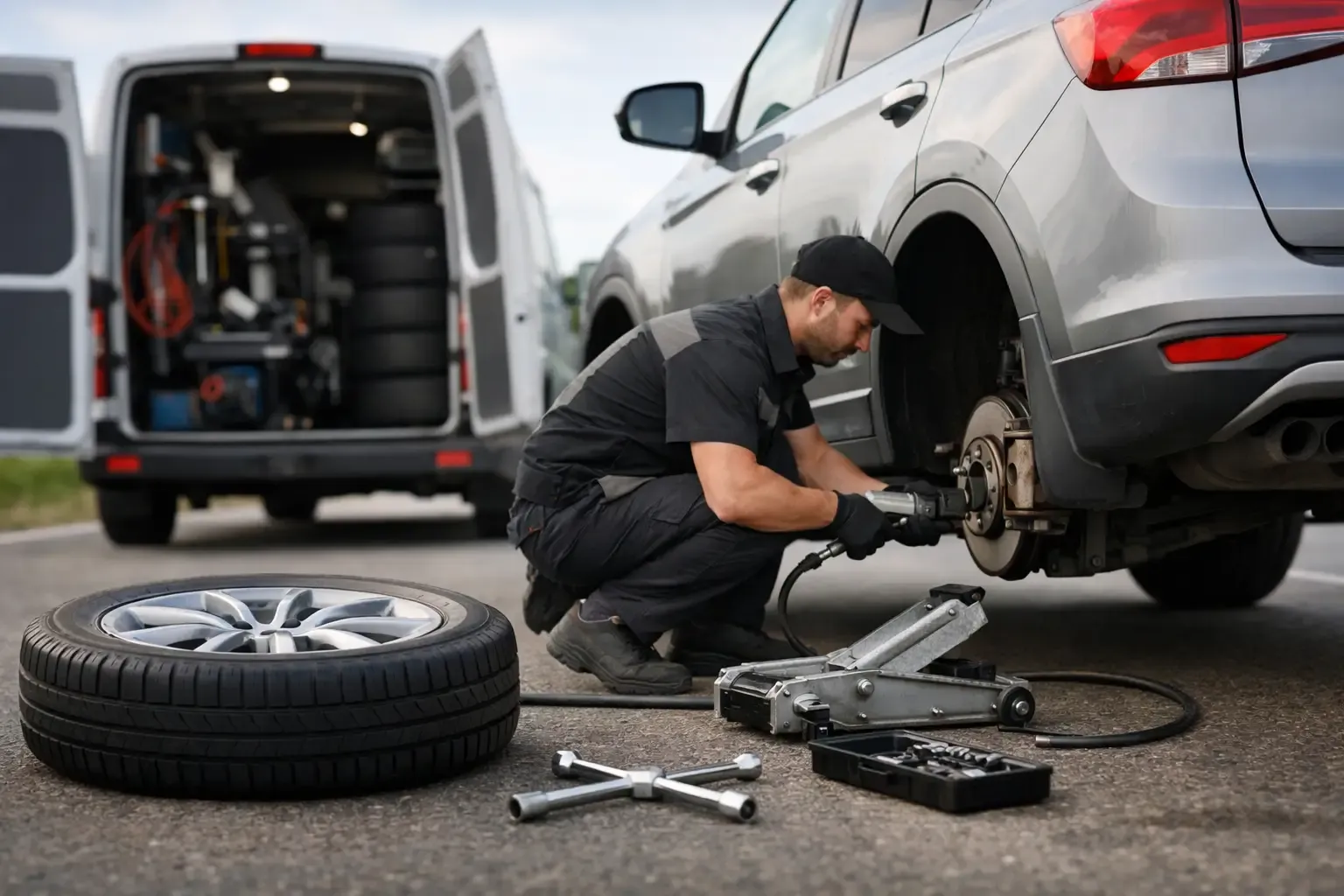
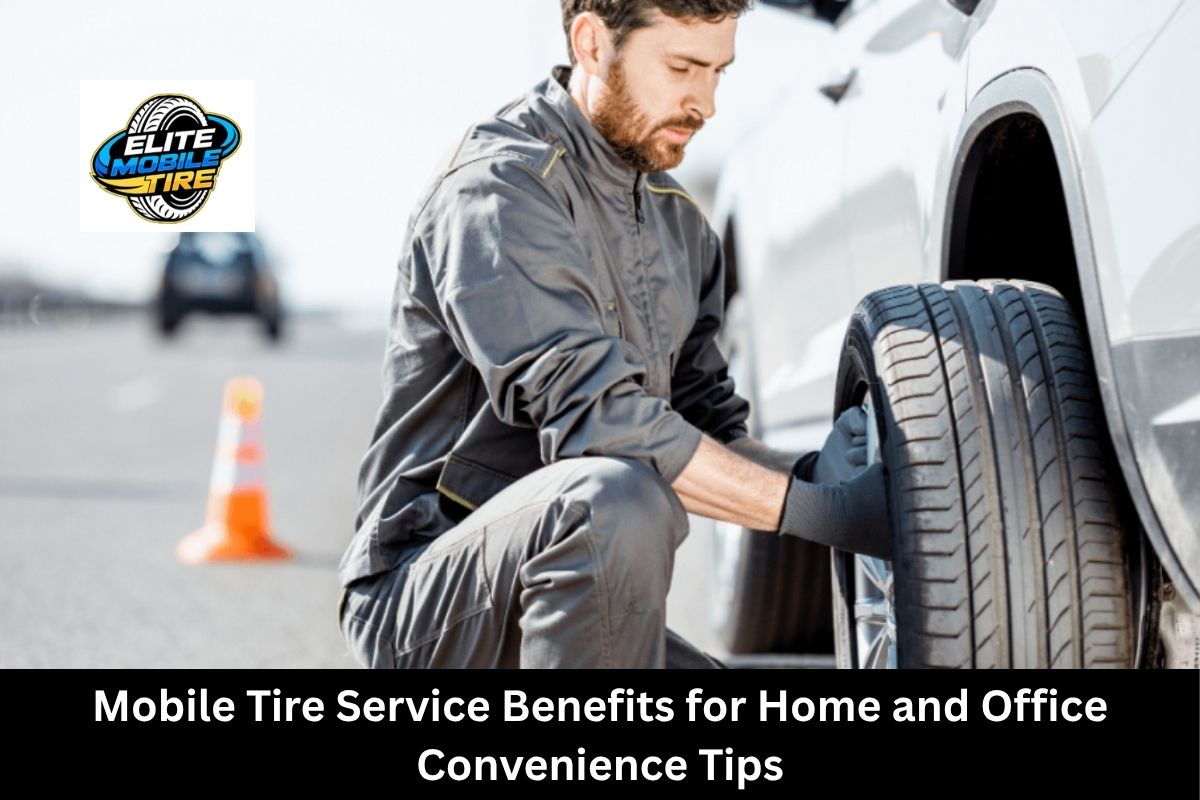
Position the jack only at the manufacturer-designated lift point. Lifting from the wrong location can damage the vehicle or create an unstable setup. Raise the vehicle just enough for the flat tire to clear the ground, remove the lug nuts, and take off the damaged tire.
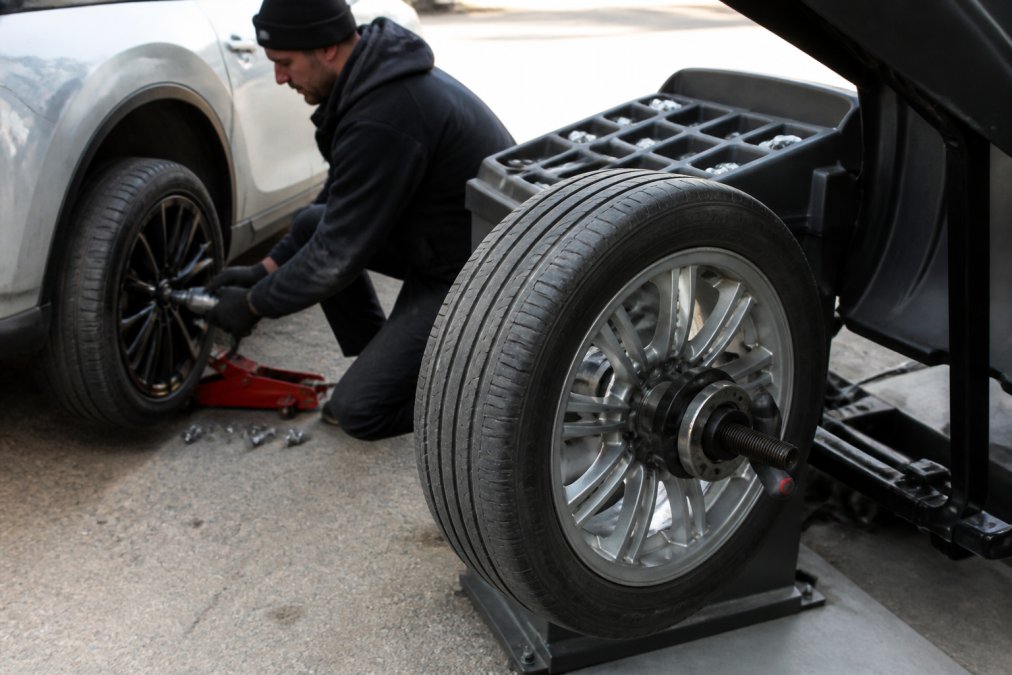
Install the spare, hand-tighten the lug nuts, lower the vehicle, and then tighten the lug nuts securely in a crisscross pattern. This helps the wheel sit evenly against the hub. Before driving away, check that you have collected your tools and that the flat tire is secured in the trunk or cargo area.
Drive conservatively afterward. Most compact spares have a lower speed limit and should only be used for a limited distance. Check the sidewall of the spare for its instructions. Avoid sudden braking, aggressive turns, and long highway trips until a professional can inspect the damaged tire and reinstall or replace it.
Do Not Assume Every Flat Needs a New Tire
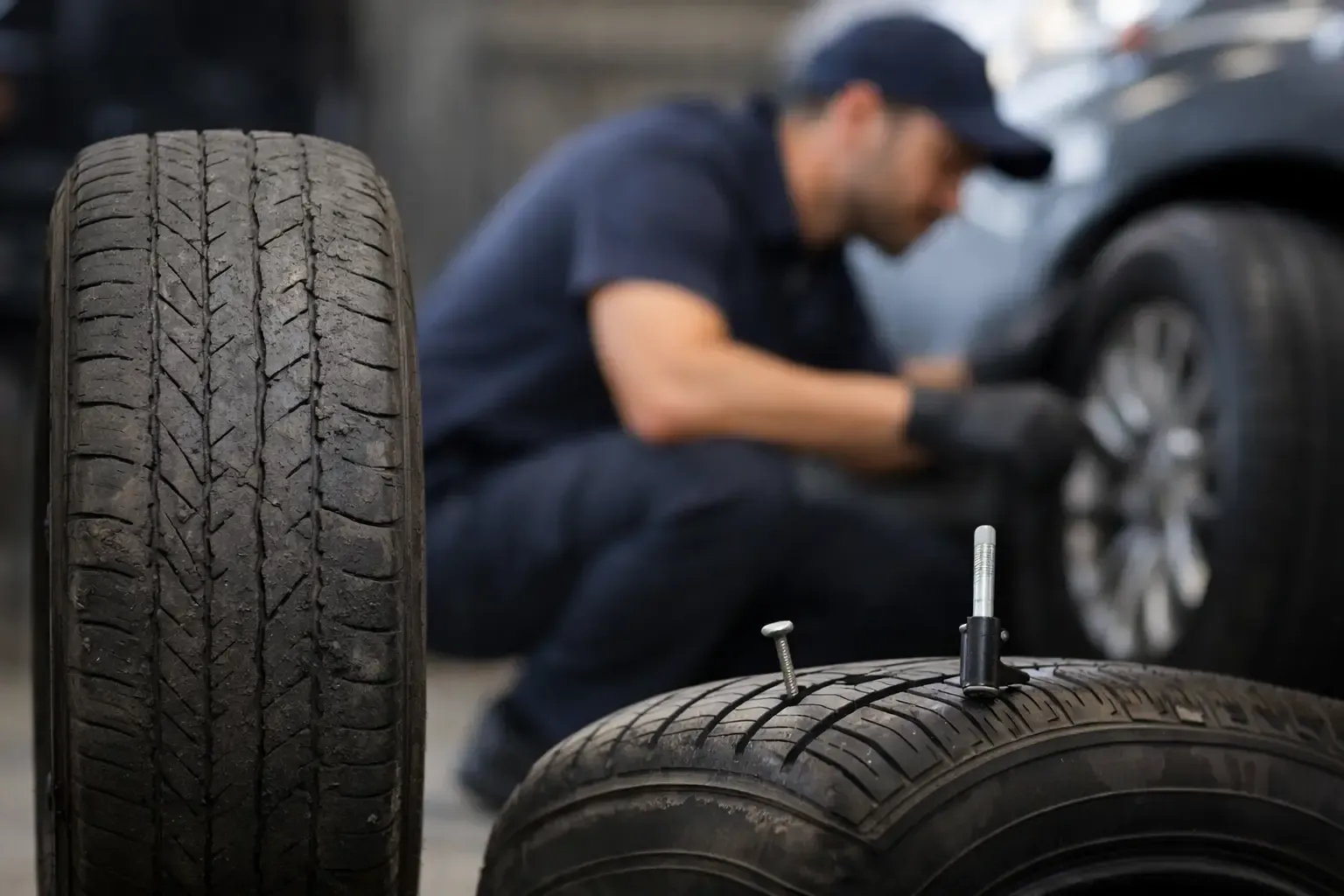
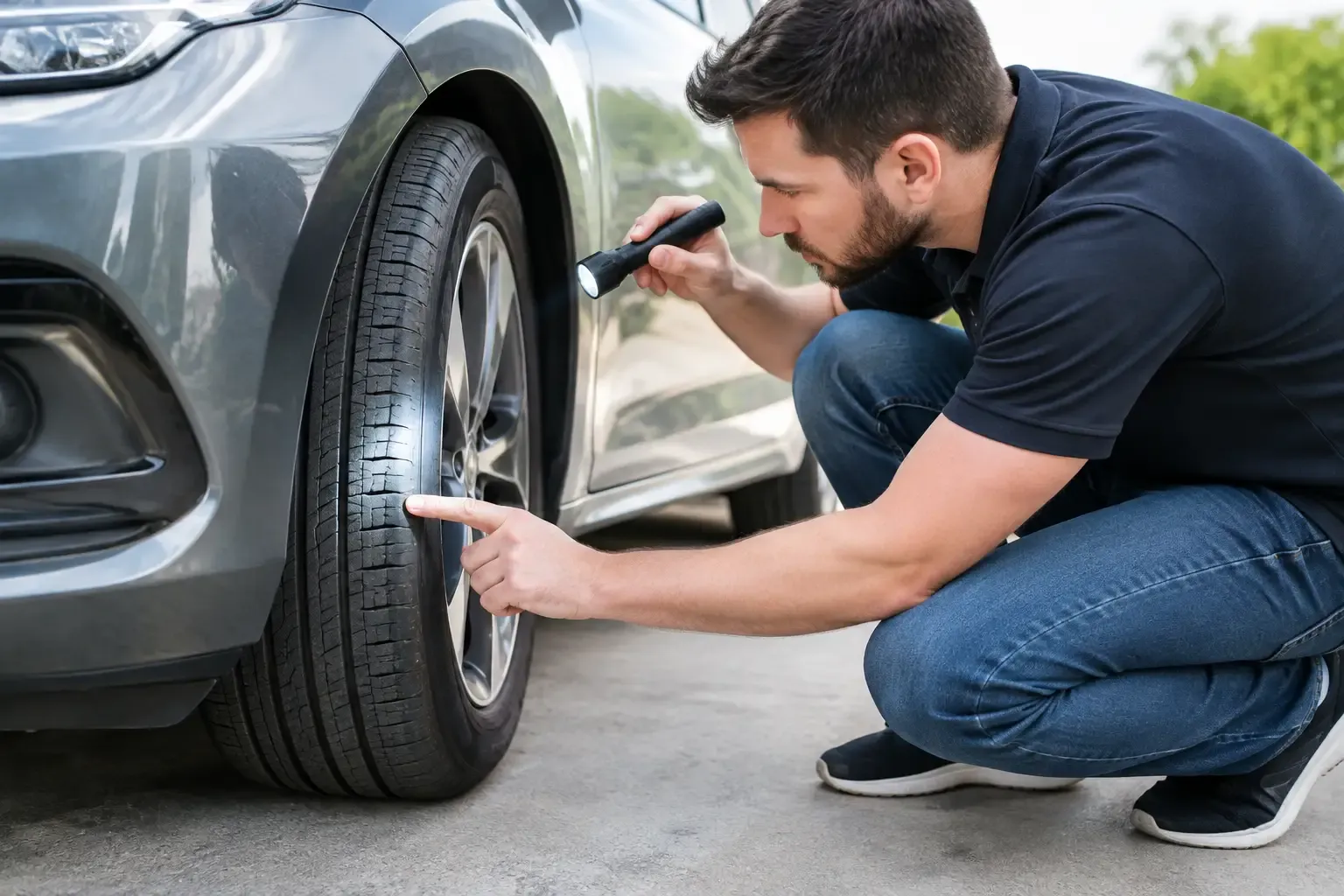
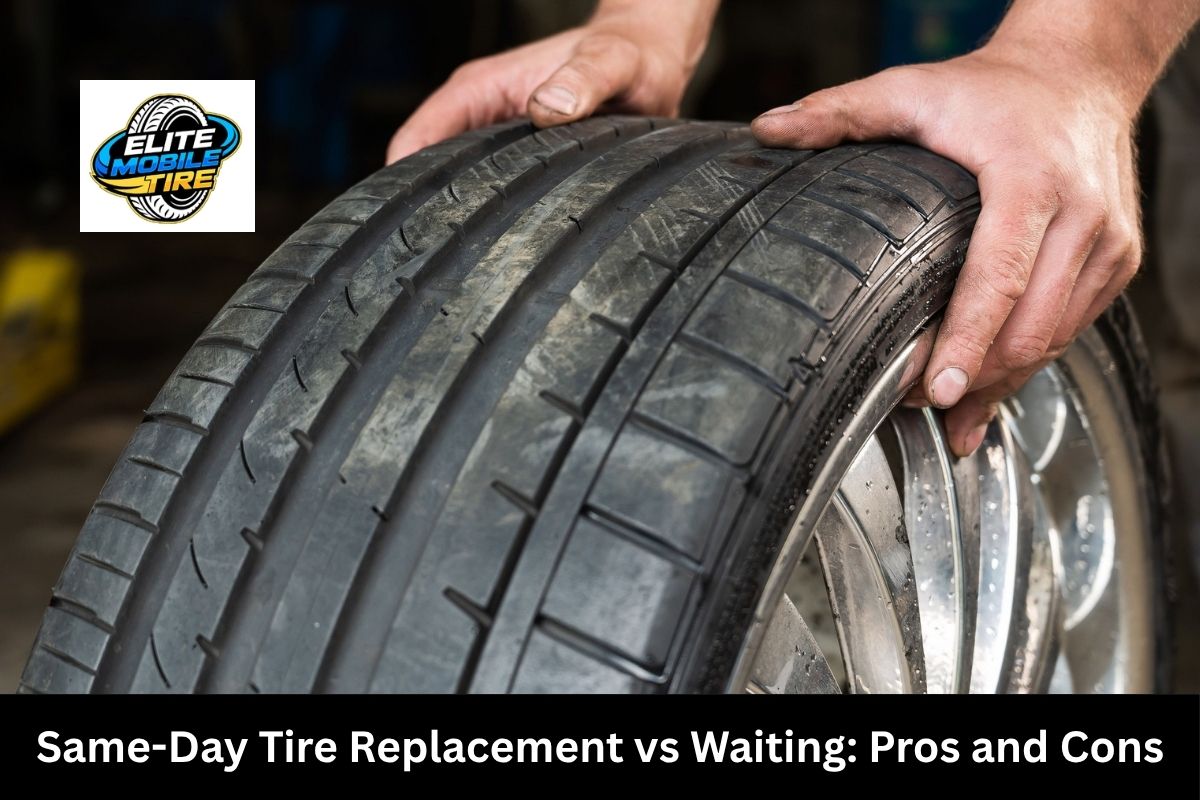
A tire that went flat from a small puncture in the center of the tread may be repairable after a proper inspection. But repairability depends on more than where you see the nail or screw. A technician needs to check the tire internally for damage caused by driving while low on air.
Damage in the sidewall or shoulder area usually cannot be safely repaired. Neither can a tire with a large puncture, separated tread, exposed cords, or internal damage from being driven flat. A tire that looks fine from the outside can still have hidden damage inside.
This is why a quick aerosol sealant or external plug should not be treated as a permanent fix. Some sealants can also complicate later repair work and may interfere with tire-pressure monitoring sensors. If you use an emergency repair product because you have no other option, let the technician know exactly what was used.
When to Call for Mobile Roadside Tire Help
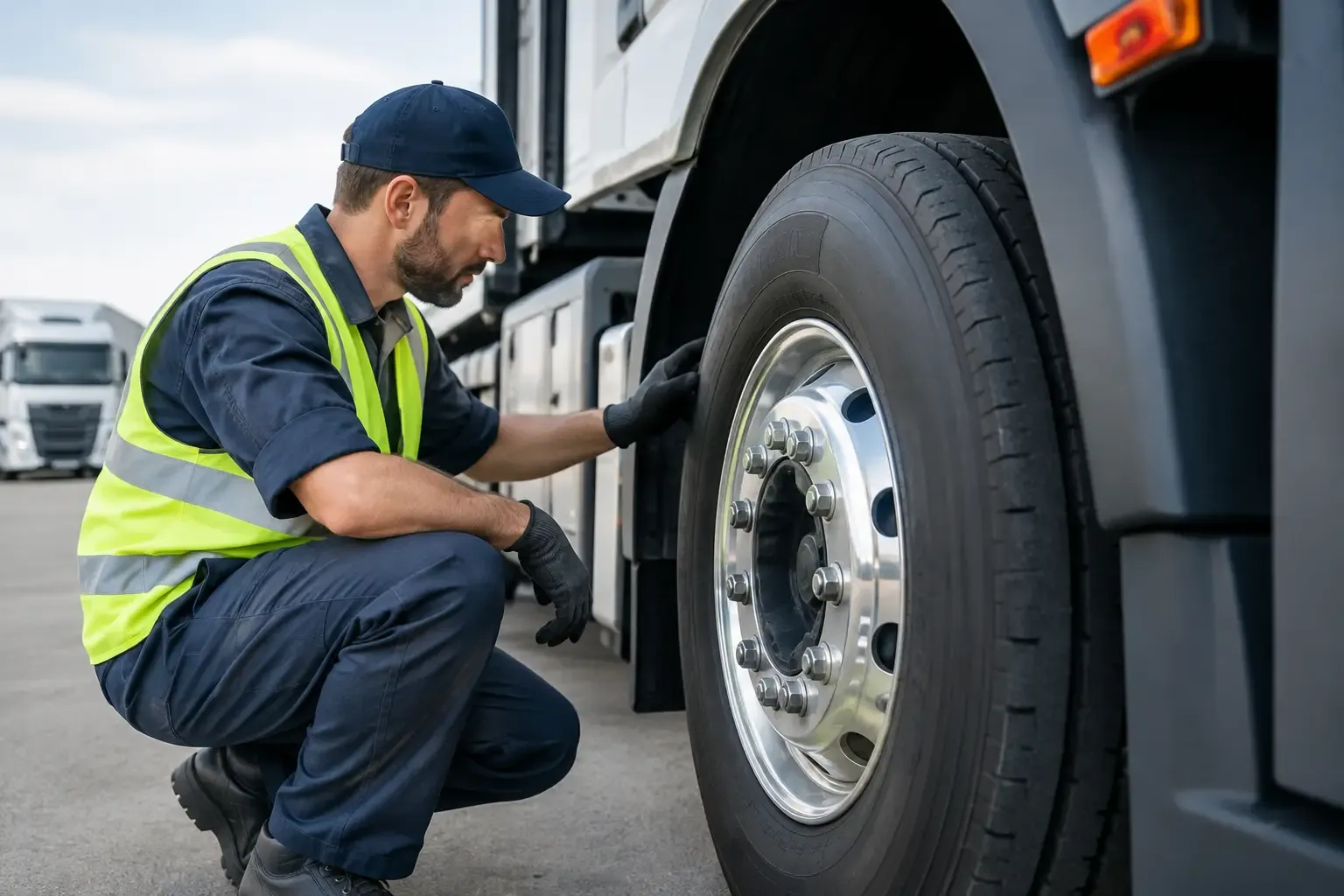
Calling a professional is often the right move when you are stranded in an unsafe location, lack a usable spare, have more than one damaged tire, or cannot safely loosen the lug nuts. It is also a smart choice for vehicles with specialty wheels, locking lug nuts, run-flat tires, or low-profile tires that can be difficult to service on the roadside.
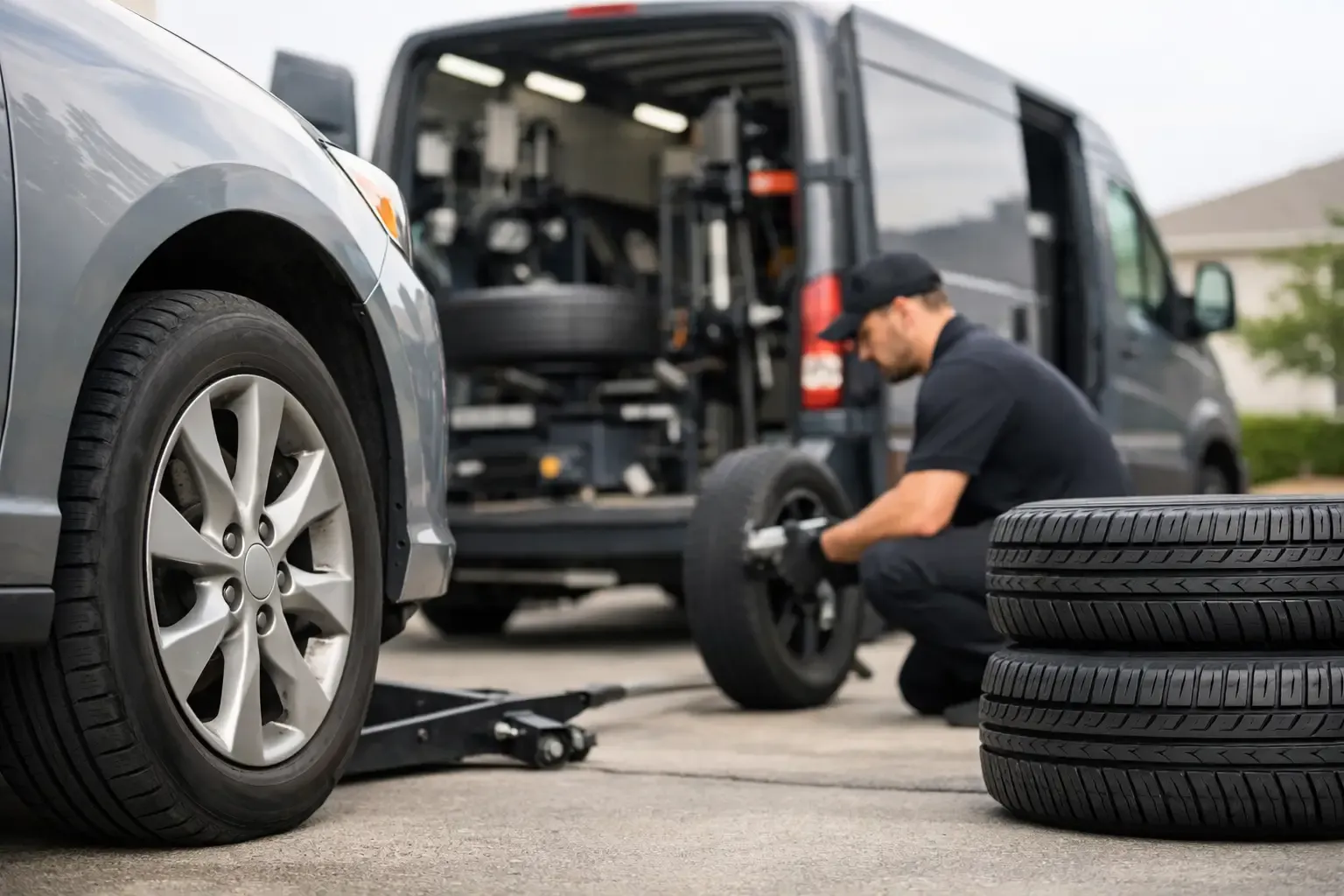
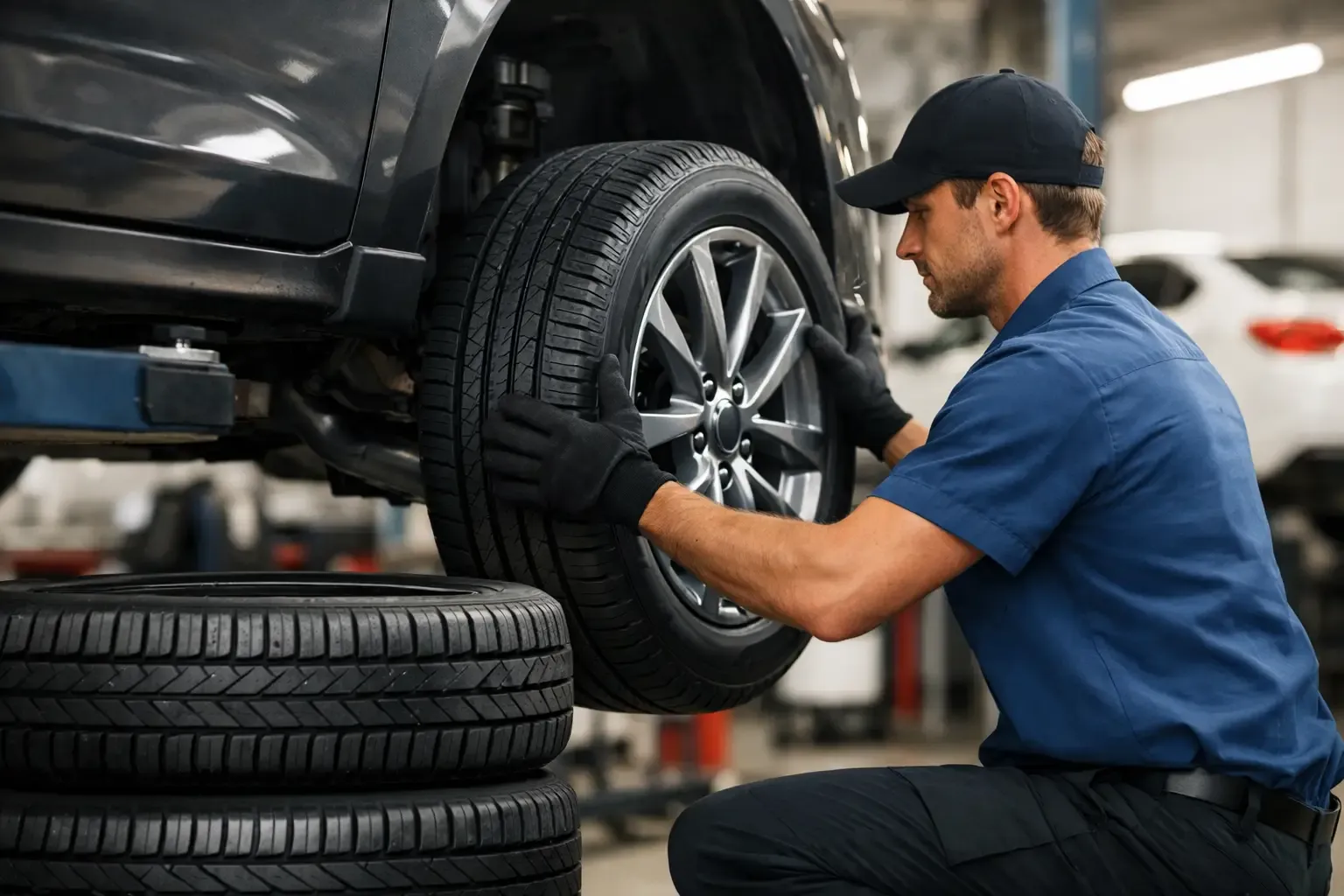
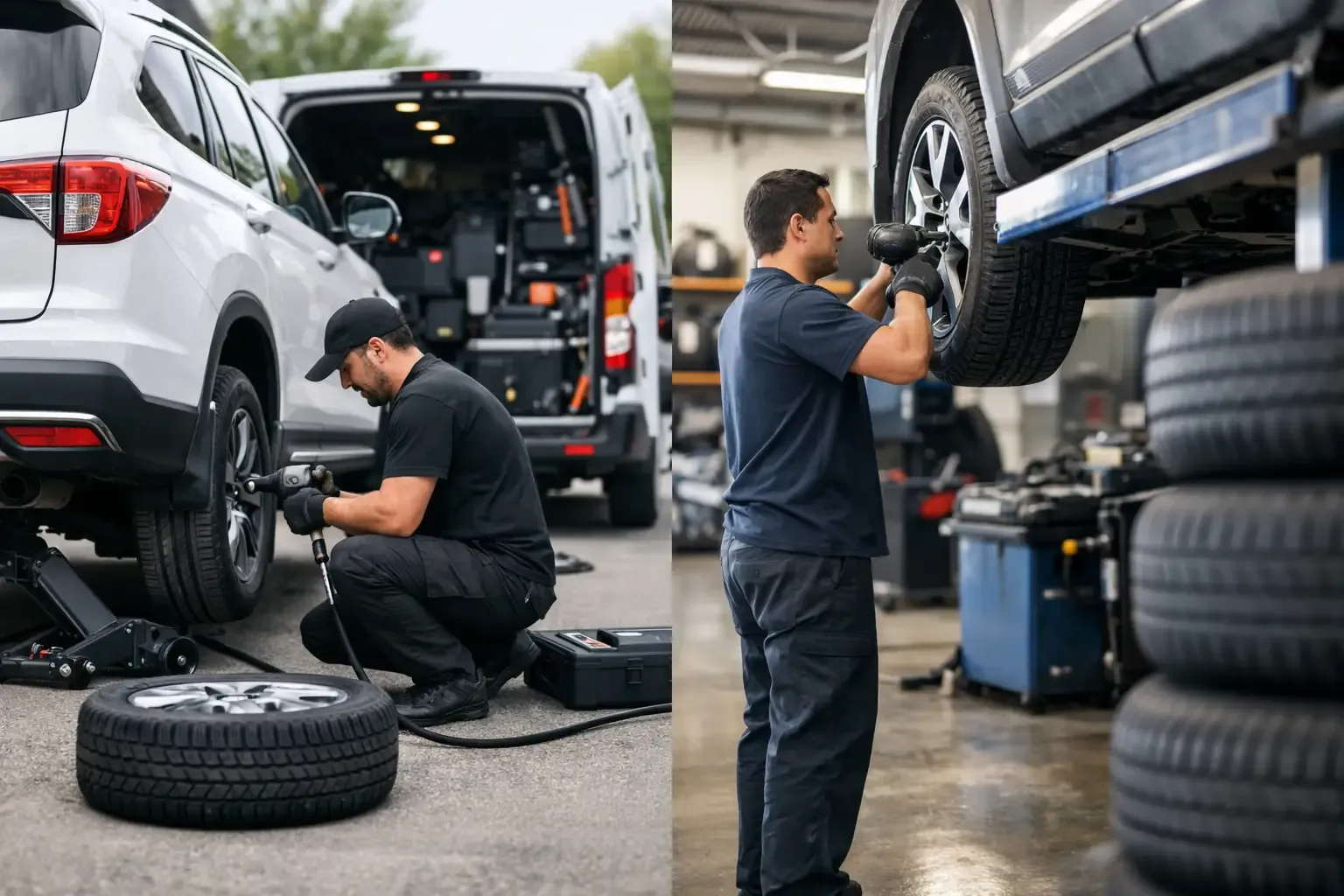
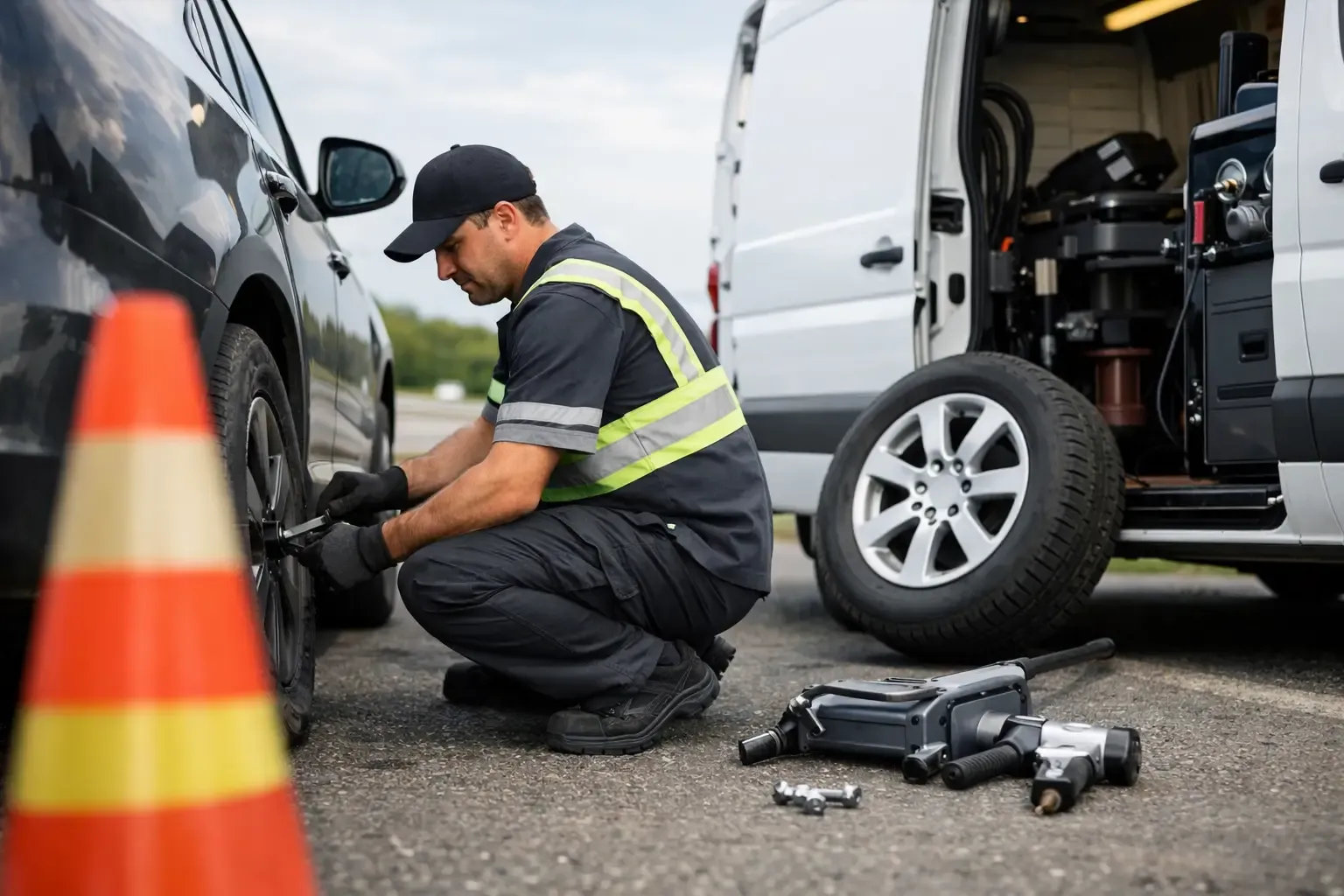
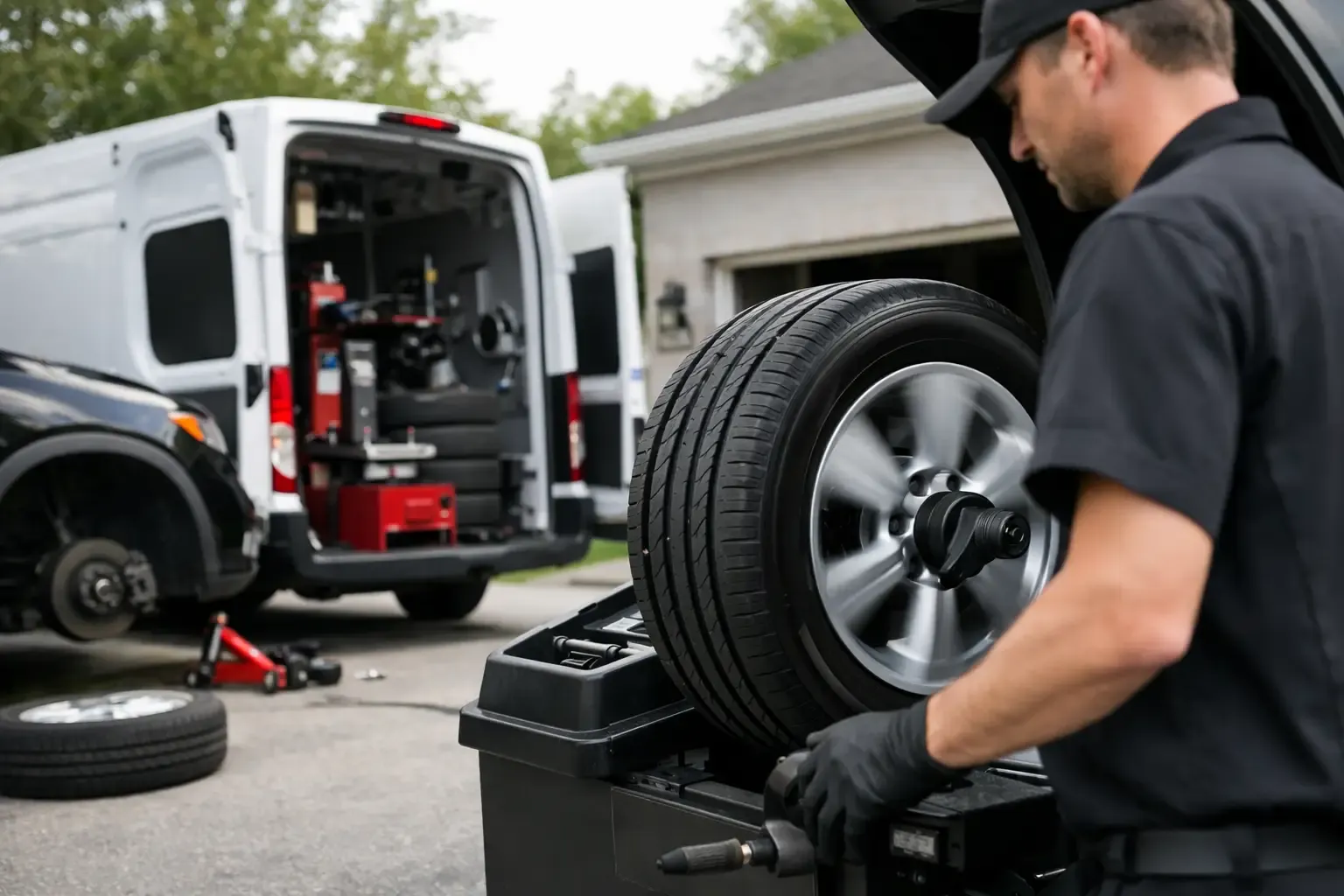
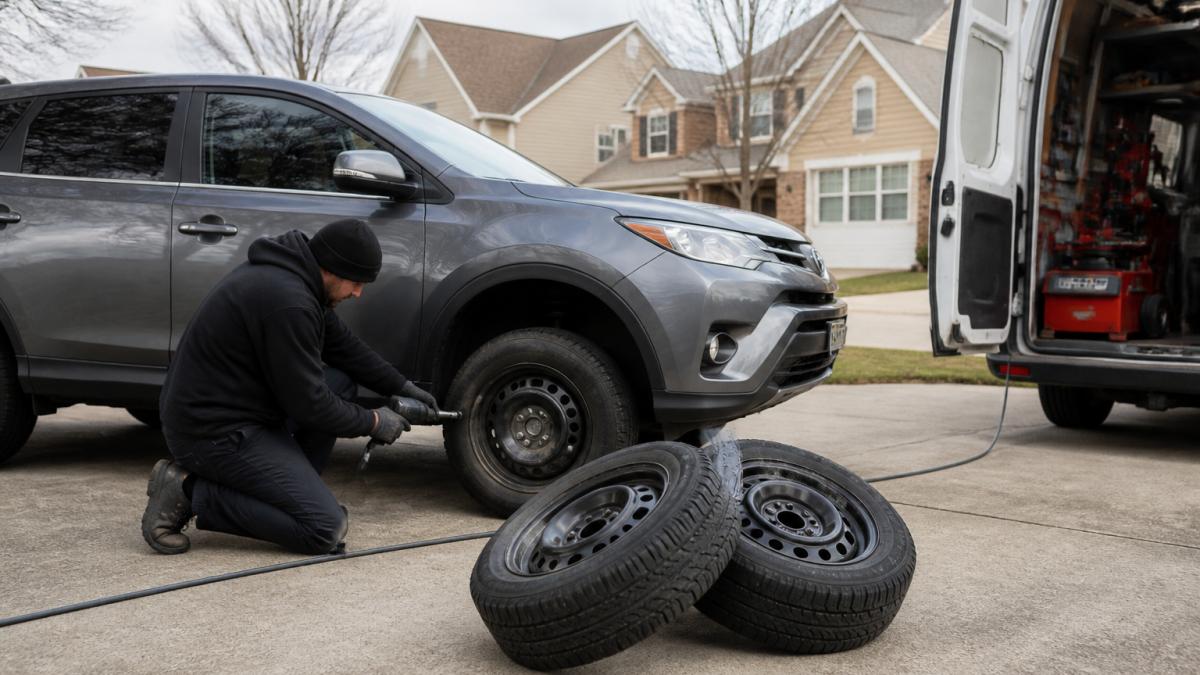
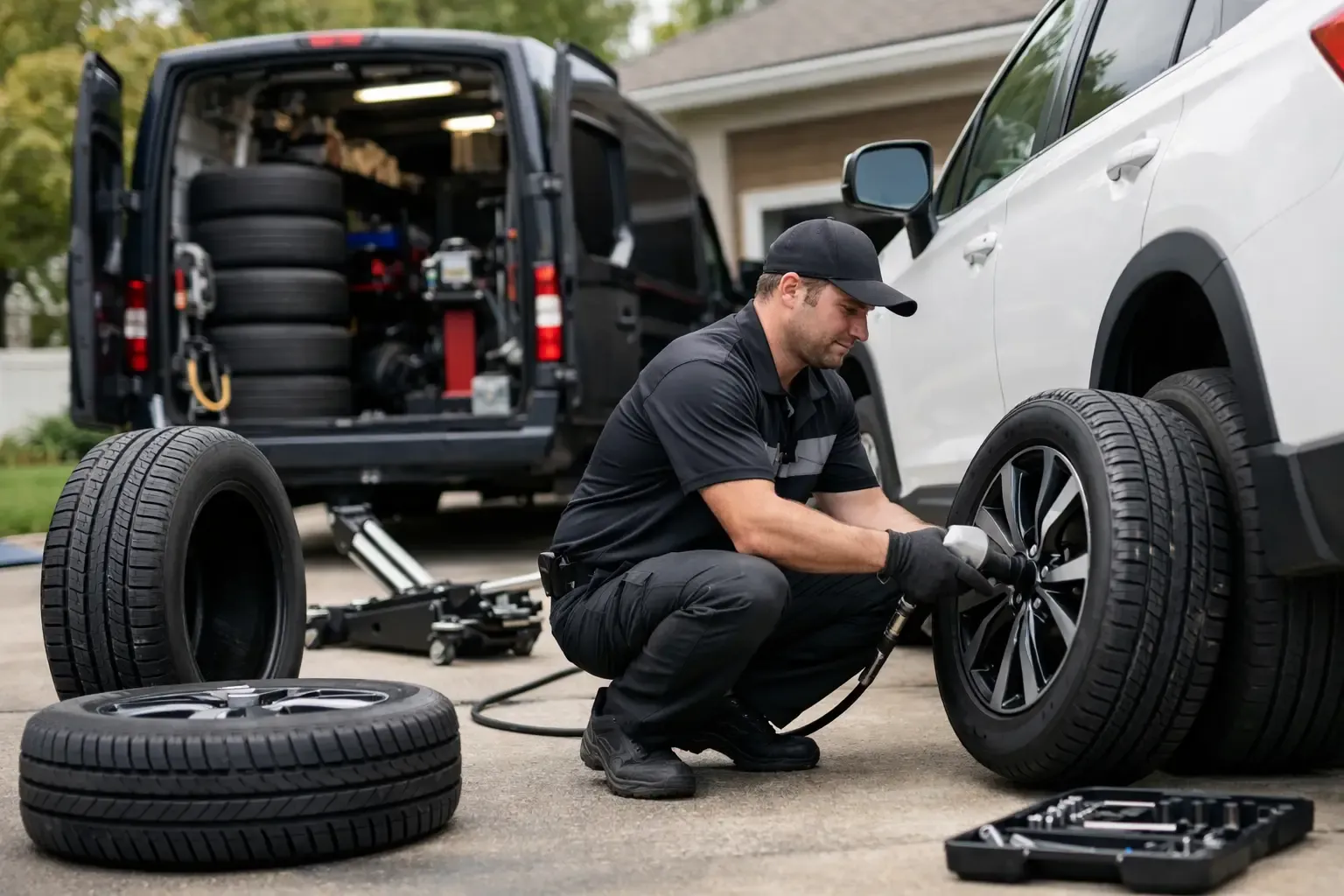
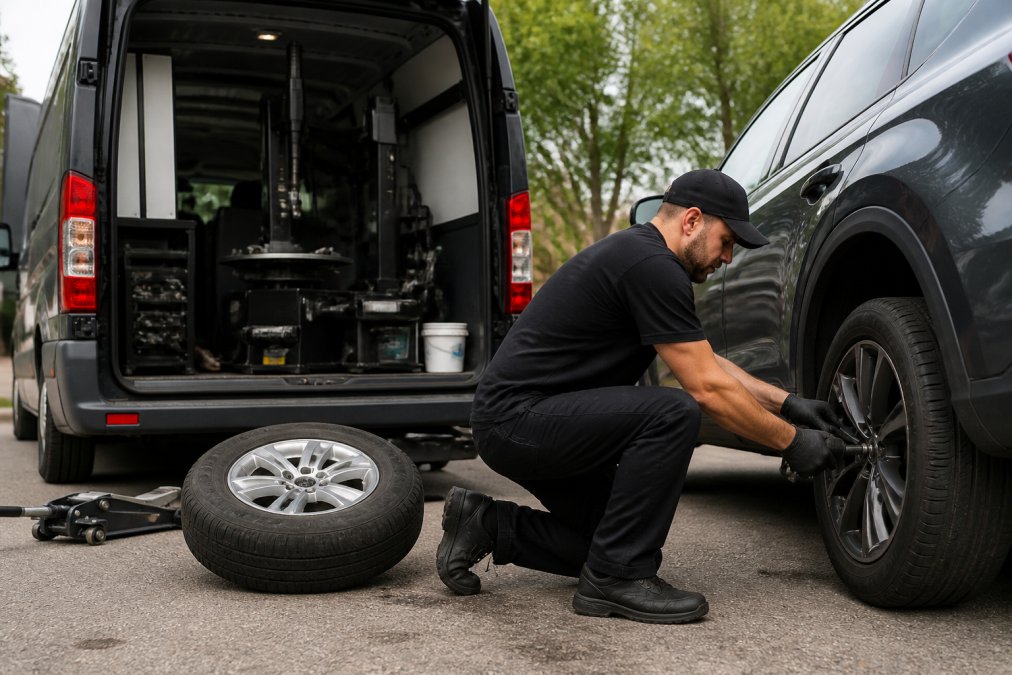
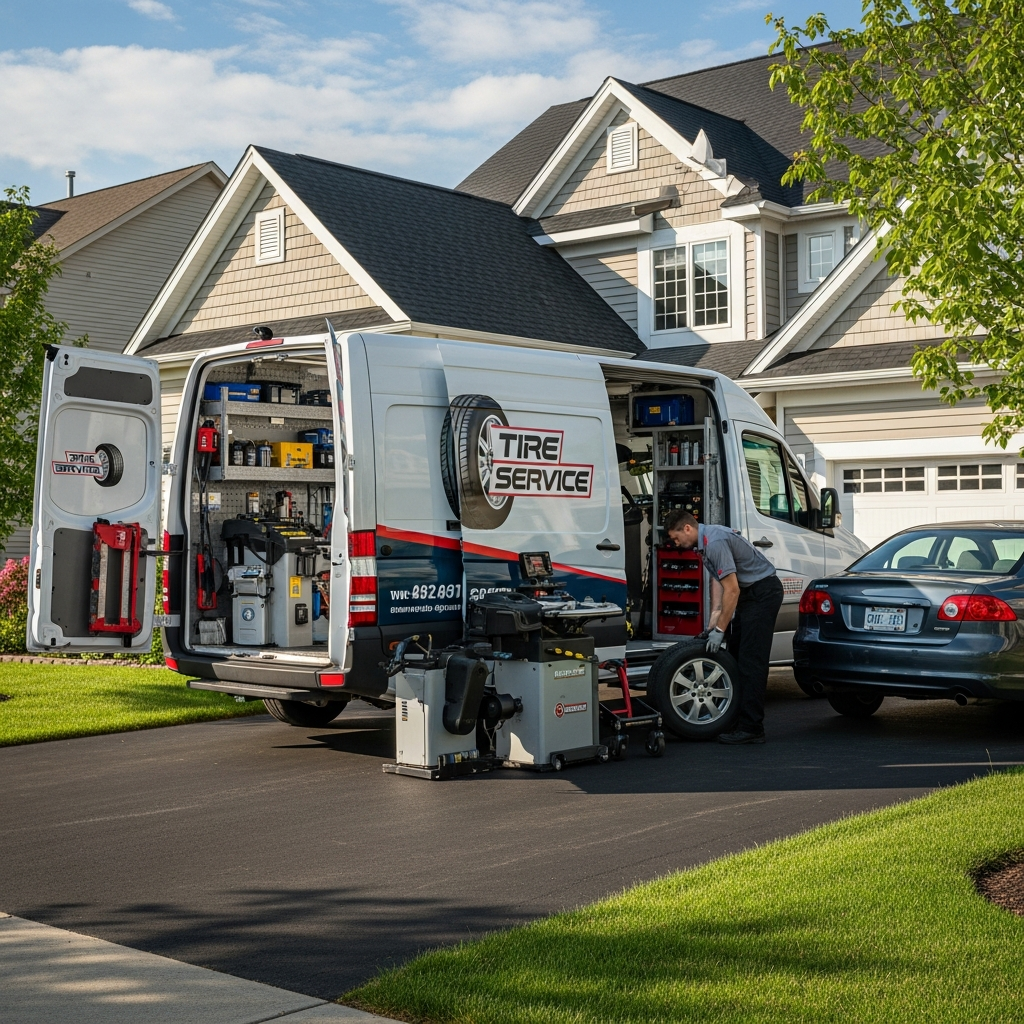
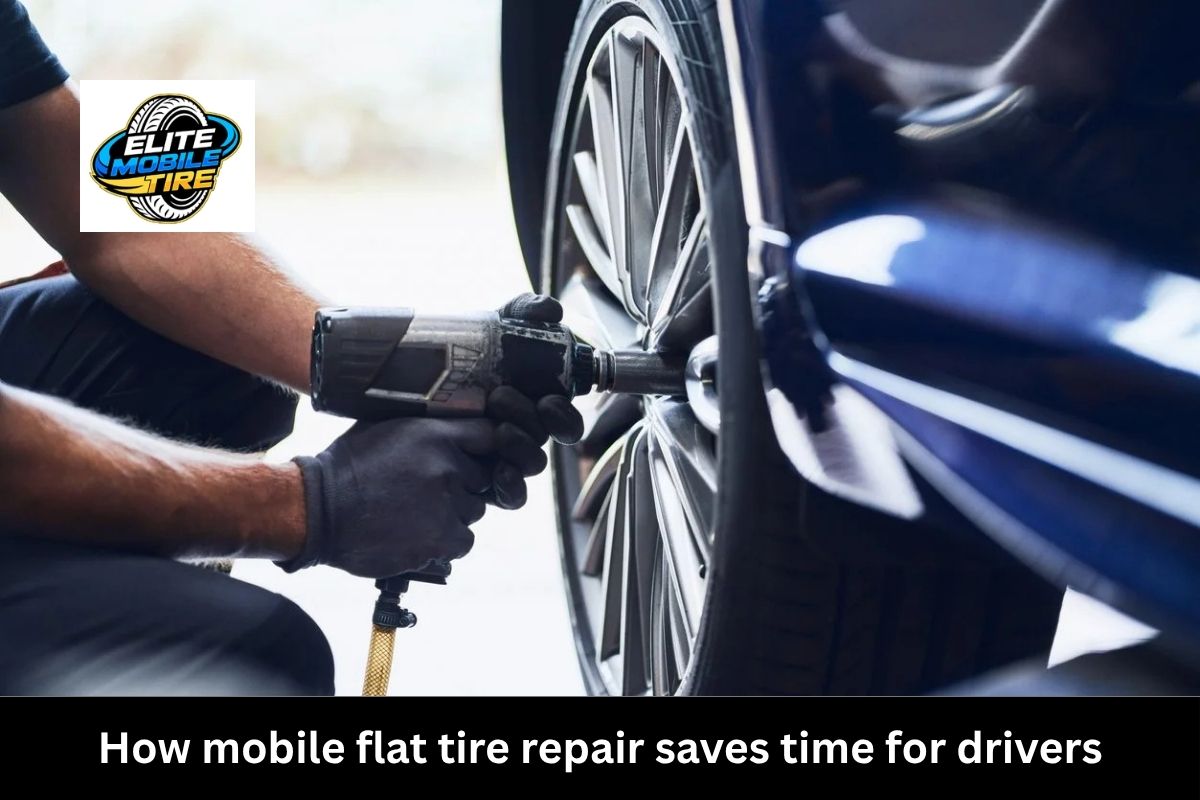
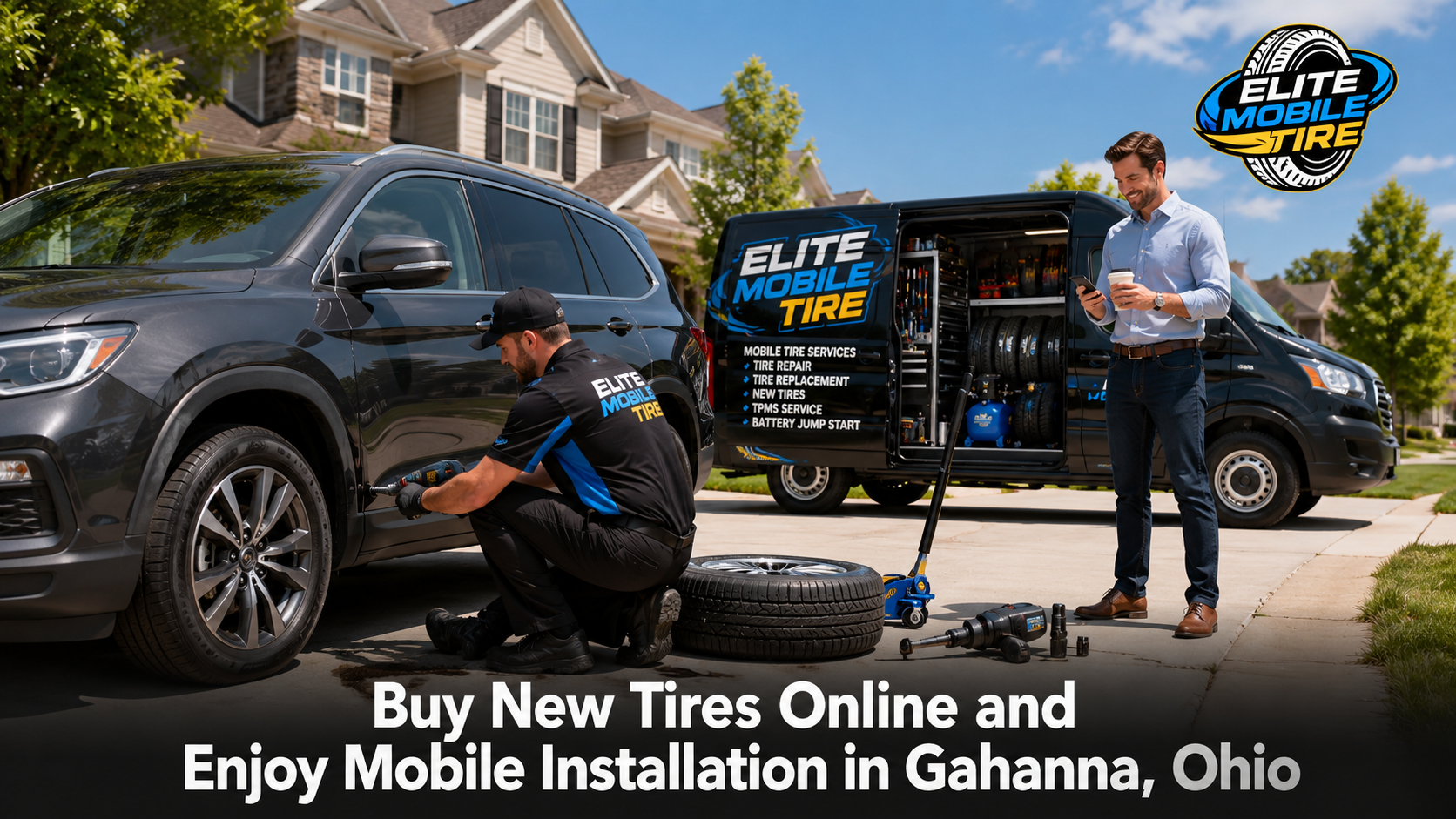
A mobile tire technician can assess whether the tire can be repaired, install your spare when appropriate, or provide a replacement option without requiring you to wait at a tire store or arrange a tow. For busy professionals, families, and commuters, that can mean resolving the problem at home, at work, or where the vehicle is safely parked.
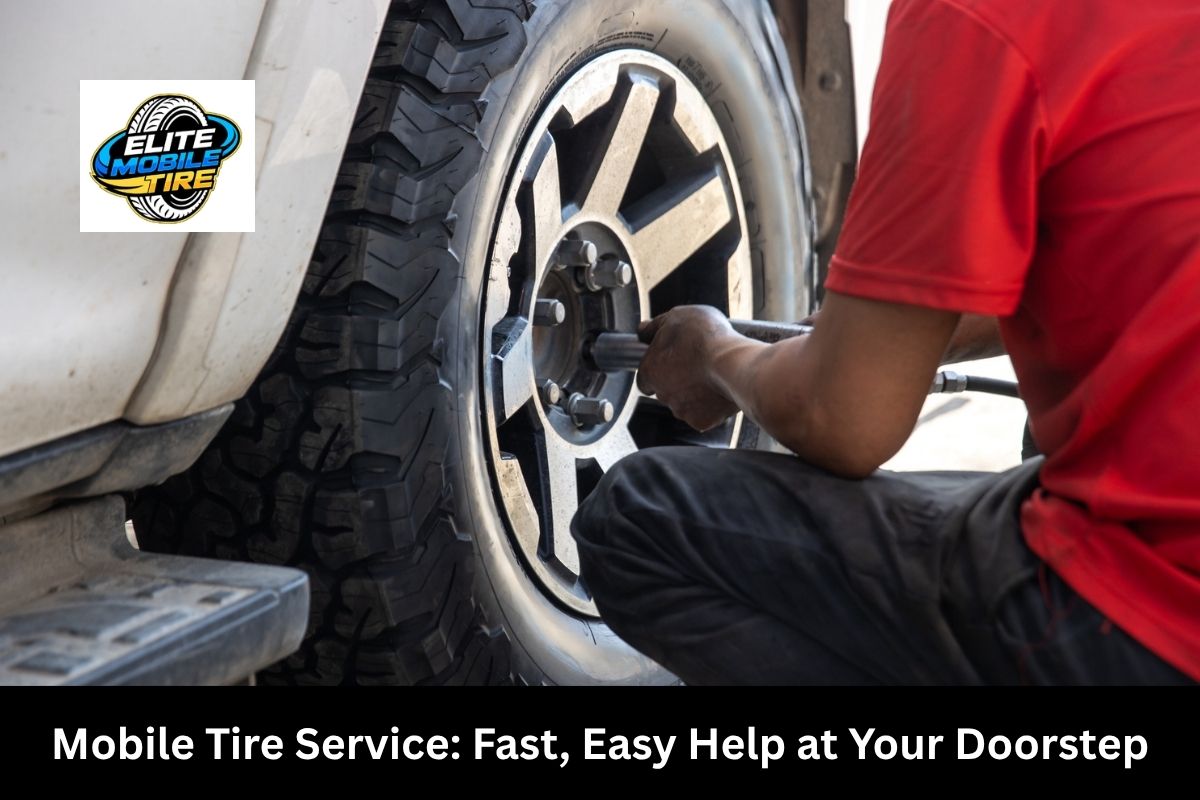
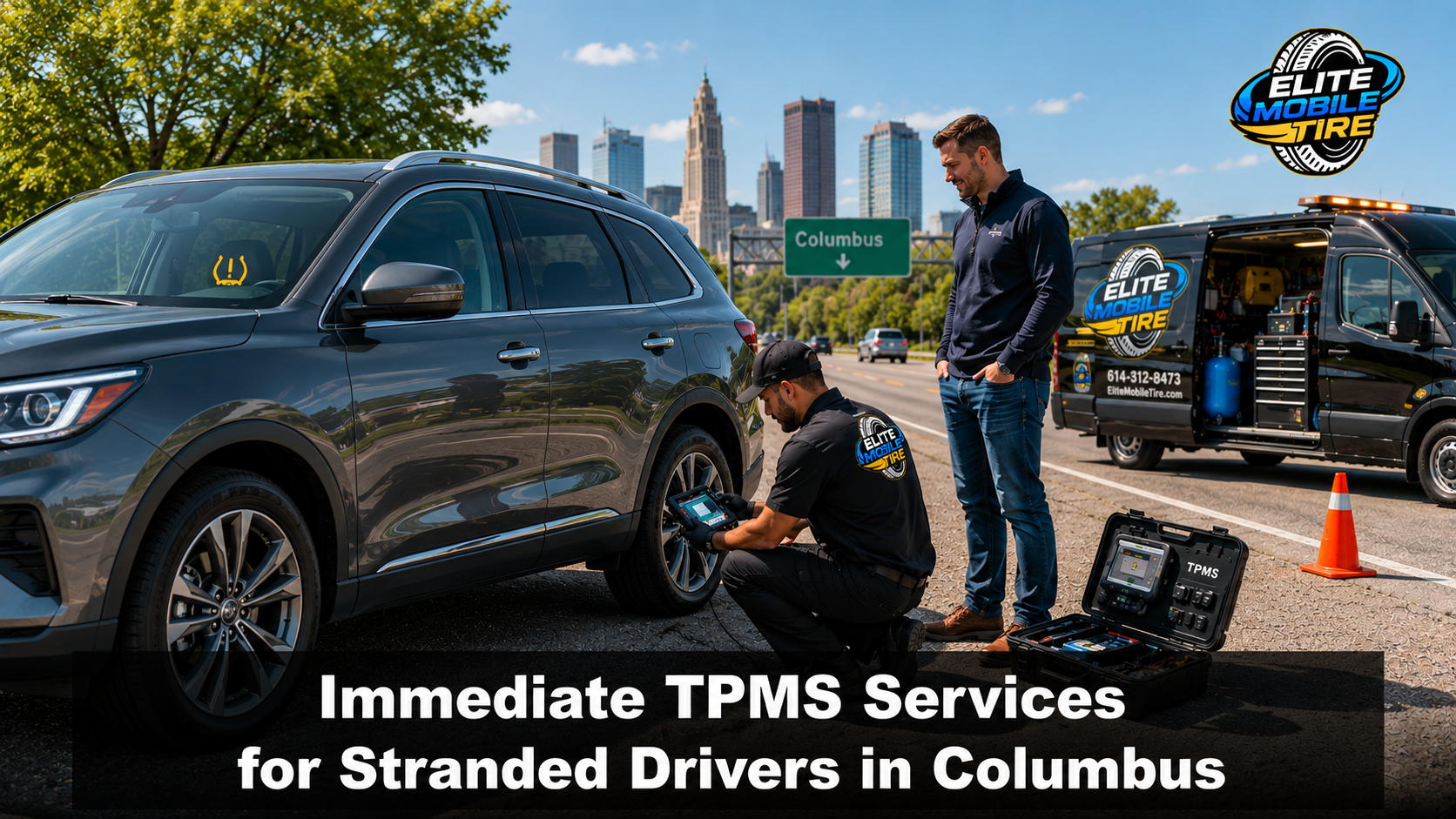
In Columbus and nearby communities, Elite Mobile Tire provides on-site flat tire repair, spare tire changes, replacement tire installation, balancing, and TPMS service. When you call for help, be ready to share your location, vehicle year and model, tire size if available, and whether you have a spare. Mention any warning lights, visible tire damage, or unusual sounds as well. Clear details help the technician arrive prepared.
What to Do After the Immediate Problem Is Solved
Whether you install a spare or receive roadside assistance, do not forget the follow-up. Have the flat tire inspected promptly. If the tire is repairable, a proper repair involves examining the inside of the tire and addressing the puncture correctly, not just covering the hole from the outside.
If a replacement is needed, the technician should check the condition and tread depth of the other tires. On many vehicles, replacing one tire is straightforward. On certain all-wheel-drive vehicles, however, major tread-depth differences between tires can affect the drivetrain. The right solution depends on the vehicle manufacturer’s guidance and the remaining condition of the other tires.
Also check the tire pressure in every tire, including the spare once it is returned to storage. Low pressure is one of the most common contributors to tire damage, and many drivers do not discover a soft spare until they need it. A monthly pressure check and a quick look at tread condition can prevent a small issue from becoming a roadside interruption.
Keep These Items in Your Vehicle
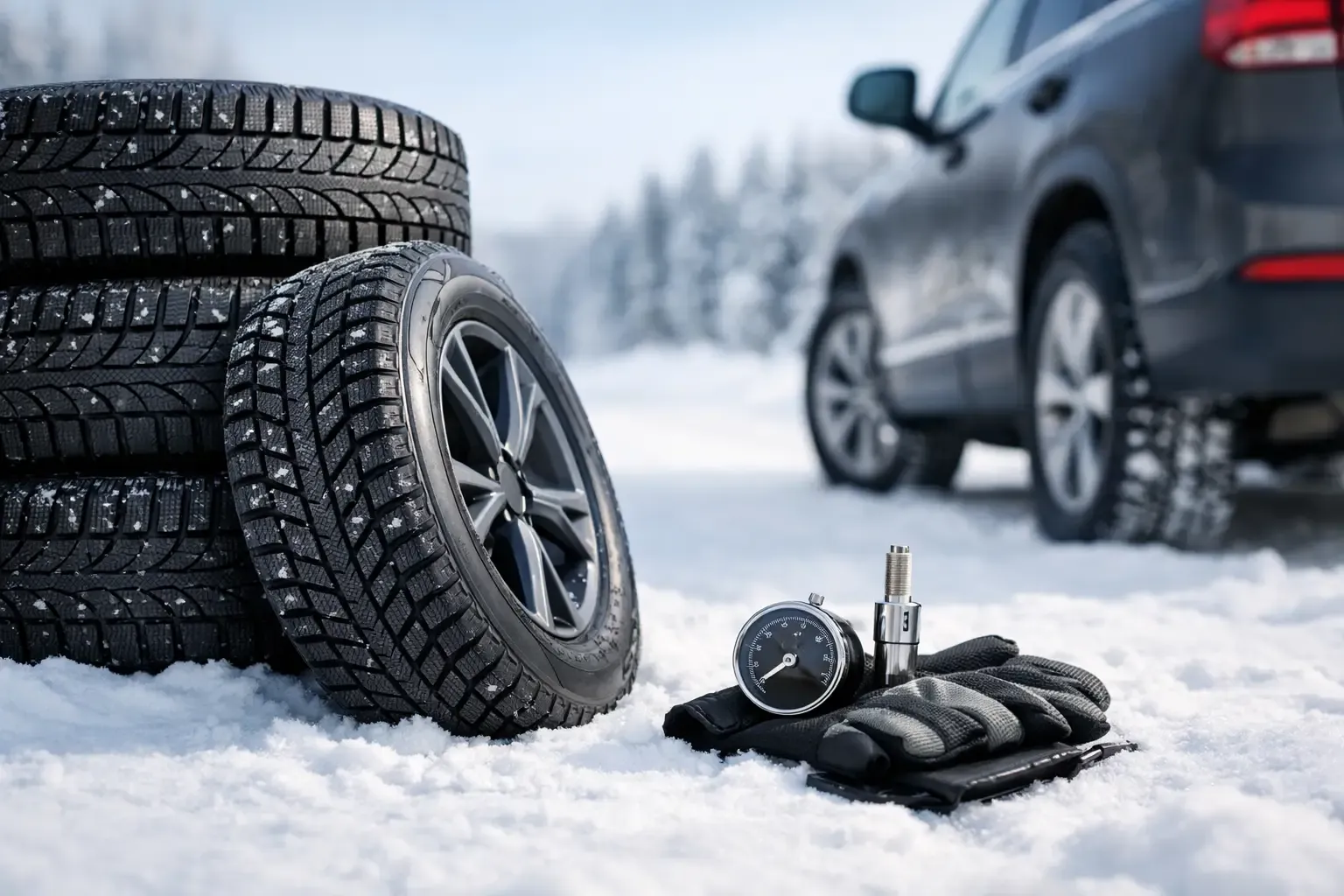
A few basic items make a flat tire less stressful and help you stay visible while waiting. Keep your vehicle’s jack, lug wrench, locking lug nut key if applicable, and spare tire in their proper locations. It also helps to carry a flashlight, reflective vest, work gloves, phone charger, and a small tire-pressure gauge.
Check these supplies periodically instead of assuming they are ready. Make sure the spare is inflated, the jack is functional, and the lug wrench fits your vehicle. If you recently purchased a different vehicle, take five minutes to learn where its tire tools are stored before you need them on the shoulder of the road.
A flat tire rarely arrives at a convenient time. The best response is calm, deliberate, and focused on safety: get out of danger first, then choose the repair or roadside support that gets you back on the road with confidence.
Ready for a new set? Elite Mobile Tire installs 2 or 4 new tires right in your driveway or parking lot anywhere around Columbus, Obetz, Groveport, Grove City, and Reynoldsburg. Financing is available through Afterpay and Acima with up to 24-month payment plans. Call 614-344-5010 or visit elitemobiletire.com to book.