A tire that sounds louder than usual can be trying to tell you something. If your vehicle has developed a rhythmic humming, vibration, or rough ride, you may be asking: what causes tire cupping? This uneven wear pattern is more than a cosmetic issue. It can reduce ride comfort, shorten tire life, and point to a suspension, balance, or alignment concern that deserves attention.
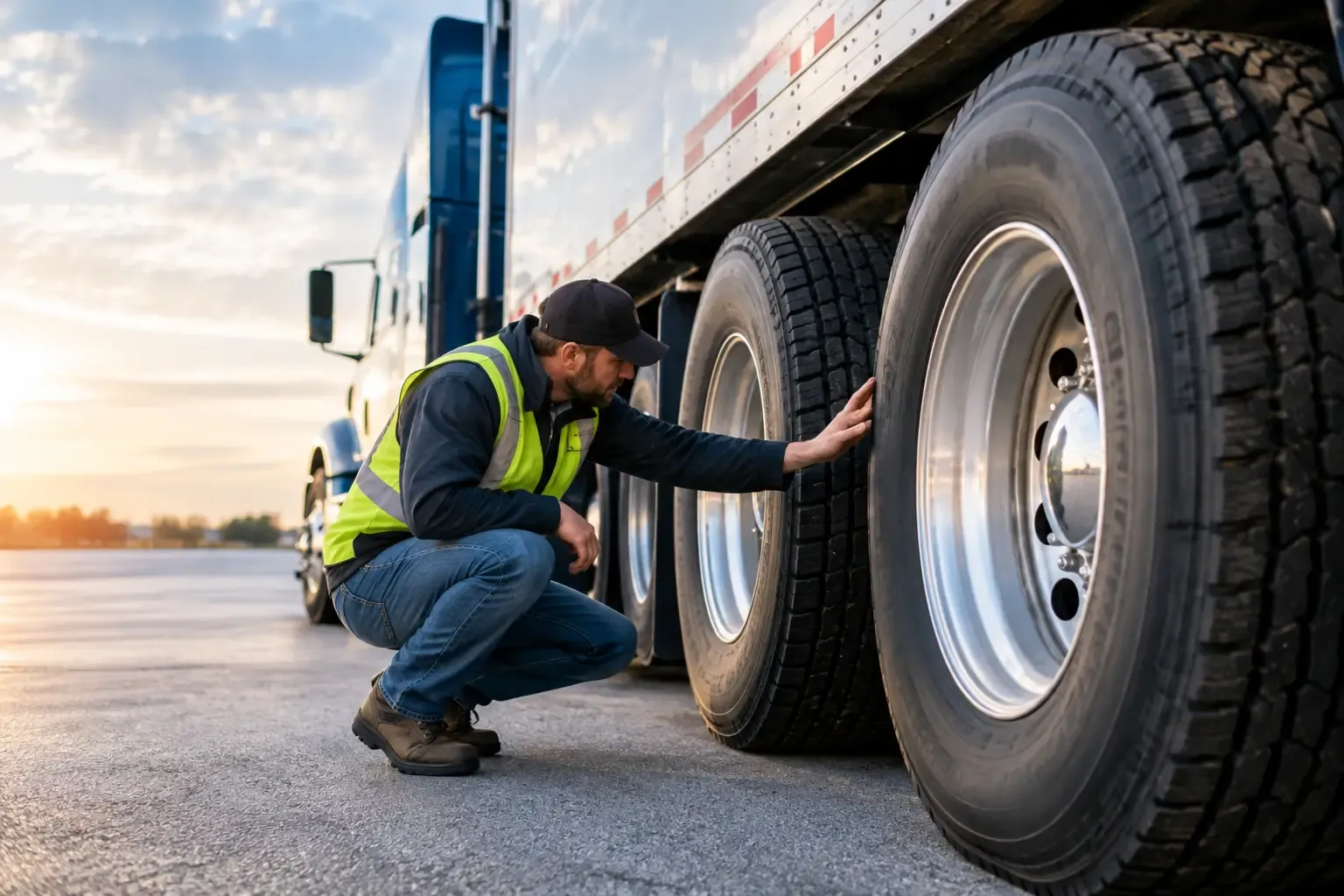
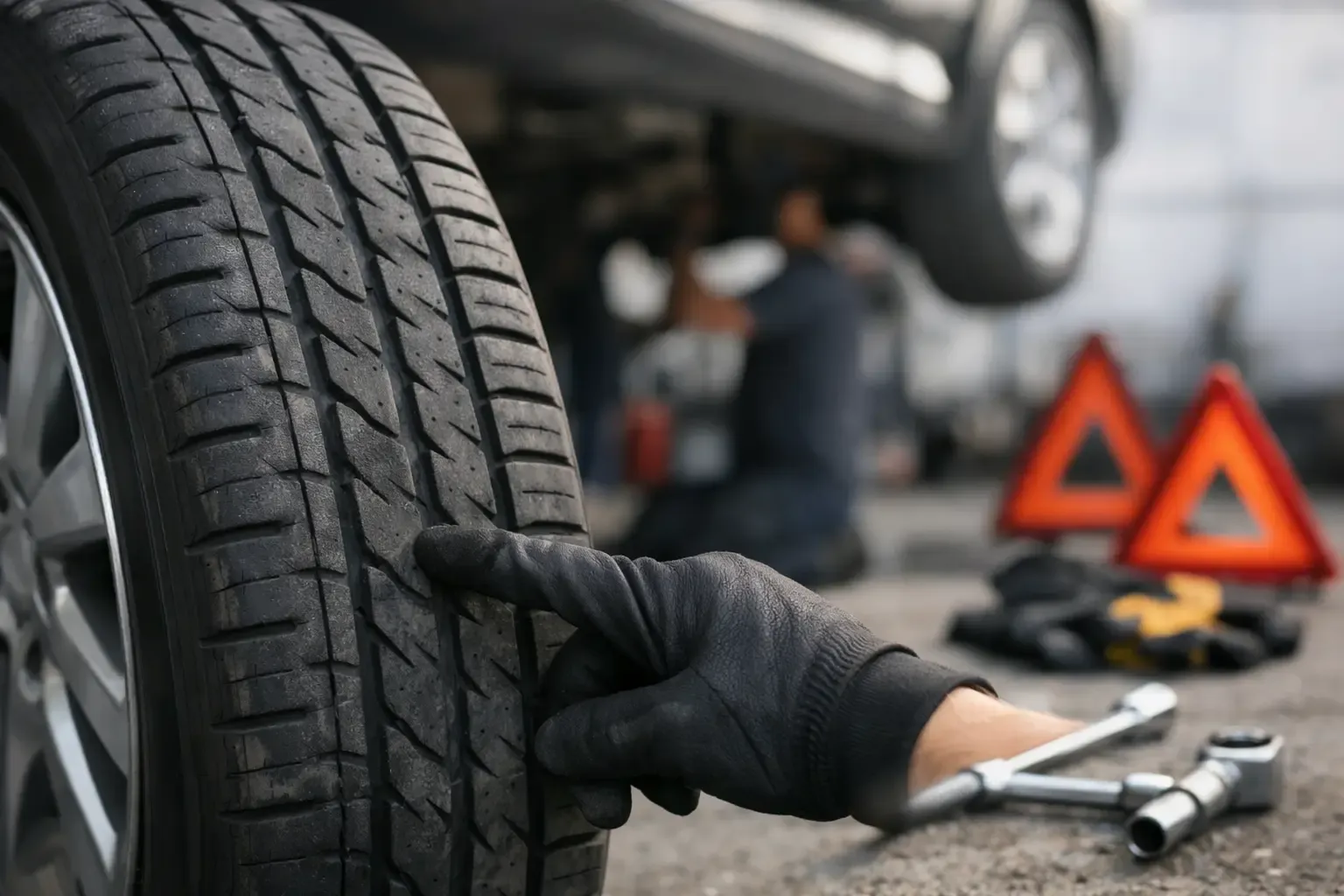
Tire cupping is often caught late because the tread may still look acceptable at a quick glance. Running your hand across the tire is usually more revealing. If the surface feels like a series of high and low spots, similar to shallow scallops, the tire is likely cupped.
What Is Tire Cupping?
Tire cupping, sometimes called scalloping, occurs when sections of the tread wear down unevenly around the circumference of the tire. Instead of a consistently smooth tread surface, the tire develops alternating dips or worn patches.
Those irregular patches strike the pavement differently as the wheel turns. That can create a droning or thumping road noise that often grows more noticeable at highway speeds. Depending on the severity, you may also feel vibration in the steering wheel, seat, or floor.
Cupping is not a normal part of tire wear. It is typically a symptom of another condition affecting how the tire meets the road. Replacing the tire without identifying that condition can lead to the same problem on the new set.
What Causes Tire Cupping on a Vehicle?
Several issues can cause cupping, and sometimes more than one is involved. A professional inspection matters because the wear pattern can provide useful clues about what needs correction.
Worn Shocks or Struts
Worn shocks and struts are among the most common answers to what causes tire cupping. These components help keep the tire firmly planted on the road after bumps, potholes, and uneven pavement. When they are weak, the wheel can bounce instead of settling quickly.
That repeated bouncing allows parts of the tread to hit the pavement with uneven force. Over time, specific areas wear faster and create the scalloped pattern associated with cupping. Ohio roads, winter potholes, and rough construction zones can make an existing suspension issue more noticeable.
A vehicle does not have to feel dramatically unstable for shocks or struts to contribute to cupping. Early warning signs can include extra bouncing after a bump, nose-diving during braking, or a ride that feels less controlled than it used to.
Wheel and Tire Imbalance
A properly balanced wheel rotates smoothly. If the tire and wheel assembly is out of balance, it can create a repeating vibration as the vehicle moves. At higher speeds, that vibration may become more pronounced and contribute to uneven tread contact.
Balancing is especially worth checking after a tire installation, a hard pothole impact, or when a wheel weight has fallen off. A balanced tire helps protect ride quality, but it cannot correct cupping caused by worn suspension parts. That is why a complete inspection is more useful than assuming balancing is the only fix.
Alignment Problems
Wheel alignment refers to the angles at which your tires point and sit relative to the road. Incorrect alignment more commonly causes wear along one edge of the tire, but it can also work with other problems to worsen irregular wear.
A vehicle can lose alignment after striking a curb, hitting a deep pothole, or replacing certain steering and suspension components. If your car pulls to one side, the steering wheel is off-center, or the tread is wearing unevenly, alignment should be checked.
Alignment alone is not always the direct cause of a classic cupped pattern. Still, correcting it helps ensure your tires roll straight and wear as evenly as possible after other underlying issues are addressed.
Loose or Worn Suspension and Steering Parts
Ball joints, control arm bushings, tie rods, wheel bearings, and other steering and suspension components all help control wheel movement. When a part develops excessive play, the tire may no longer maintain a stable contact patch on the pavement.
This can lead to irregular wear, vibration, handling changes, and cupping. These concerns should not be delayed, particularly if you hear clunking over bumps, notice wandering at highway speeds, or feel looseness in the steering.
Tire Pressure and Missed Rotation Intervals
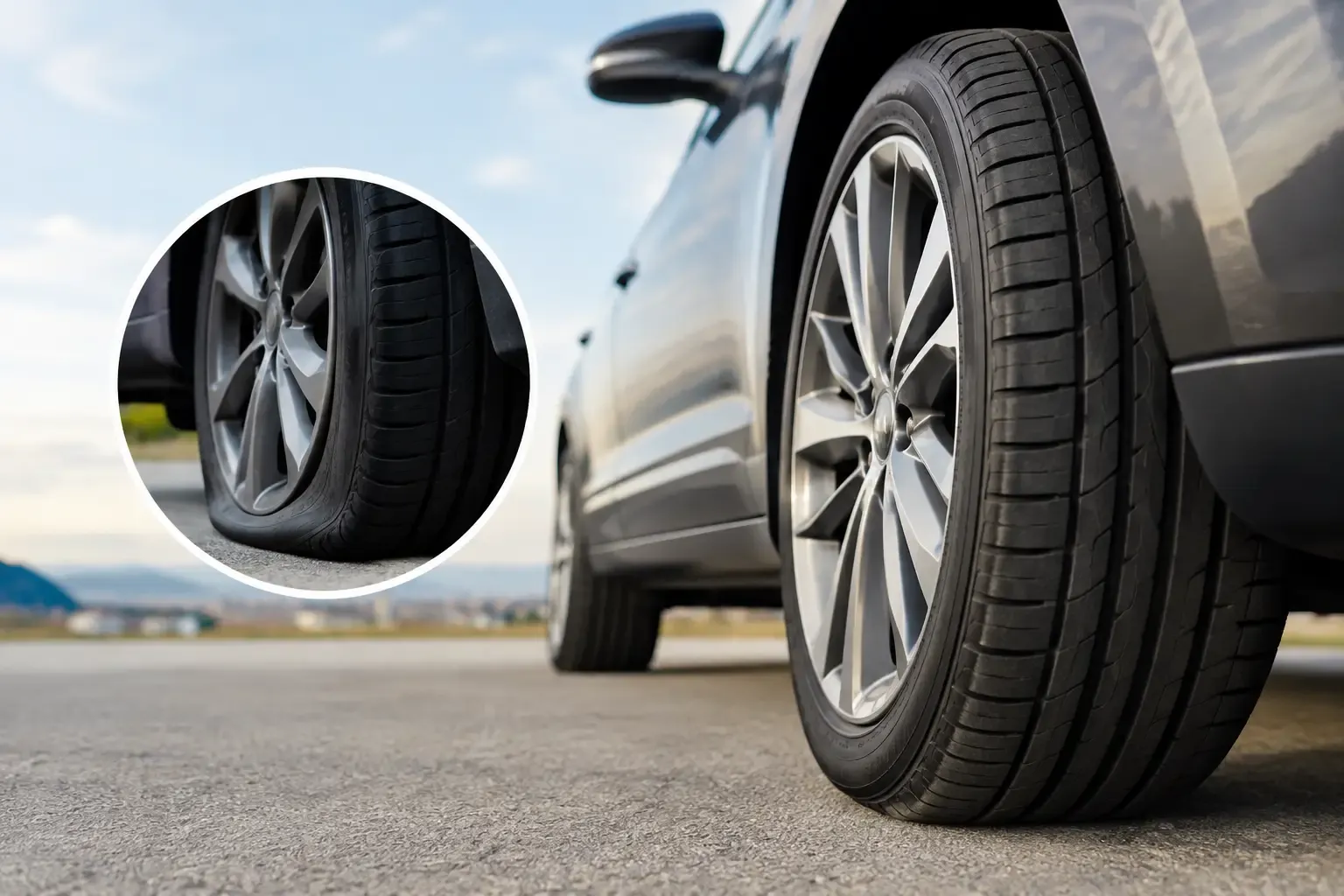
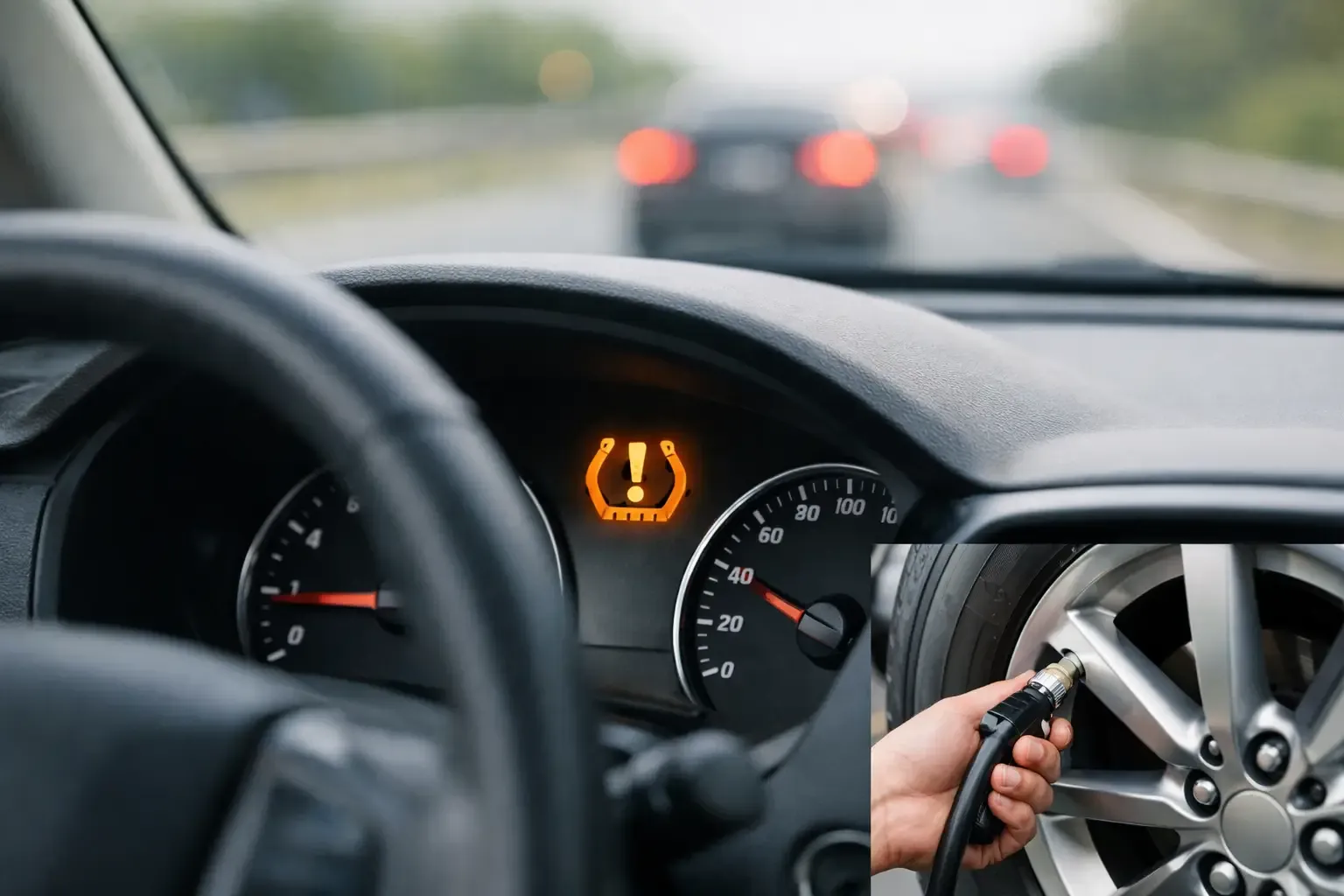
Improper tire pressure does not always create cupping by itself, but it can make uneven wear worse. Underinflation tends to wear tire shoulders, while overinflation can wear the center of the tread. Either condition changes how the tire carries the vehicle's weight.
Regular tire rotations are equally important. Front and rear tires handle different forces, especially on front-wheel-drive vehicles. Rotating them at the recommended intervals helps distribute wear more evenly and may reveal developing issues before a tire becomes severely damaged.
How to Spot Cupped Tires Early
Cupping can start subtly, so it helps to check your tires before a long trip, seasonal weather change, or routine service appointment. Look and listen for these common warning signs:
- A repeating hum, roar, or helicopter-like sound that rises with vehicle speed
- Tread that feels uneven or wavy when you carefully run your hand across it
- New vibration in the steering wheel, seat, or floor at certain speeds
- Visible dips, scallops, or patchy wear around the tire tread
Do not rely on noise alone. Road surface, tire type, and normal tread wear can all affect how a vehicle sounds. A hands-on tread inspection and a check of the suspension, balance, and alignment provide a clearer answer.
Can Cupped Tires Be Fixed?
The underlying cause can often be fixed. The tire itself depends on the severity of the damage.
Minor irregularity may become less noticeable after the vehicle is repaired, the tires are rotated when appropriate, and the tread has time to wear. However, cupped areas do not grow tread back. Once the pattern is deep enough, the noise and vibration may remain even after balancing, alignment, or suspension repairs.
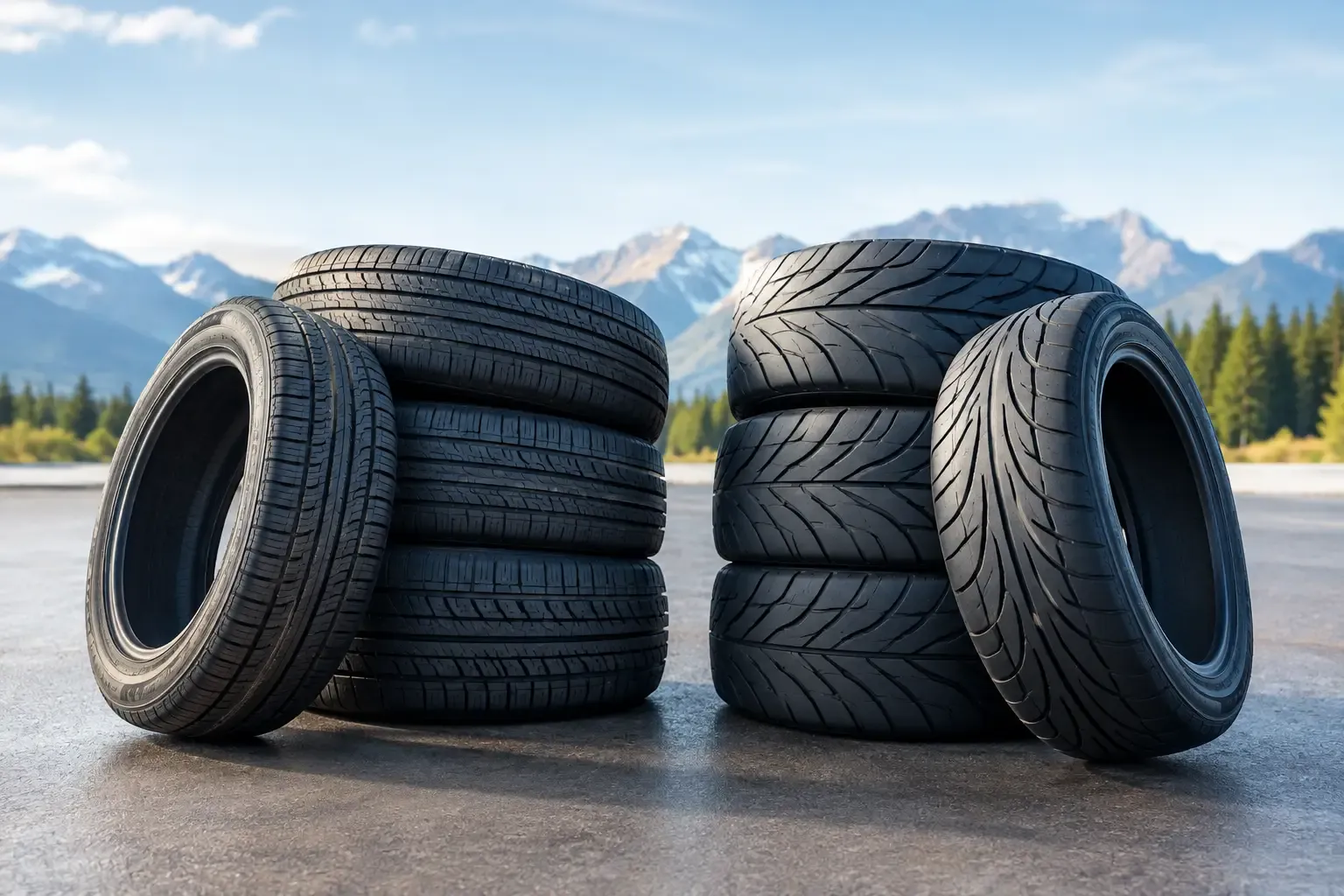
If the tire is significantly cupped, has low remaining tread, or is no longer providing a smooth, stable ride, replacement is usually the safer choice. The key is to correct the mechanical issue first or at the same time. Installing new tires on a vehicle with worn struts or loose steering components risks damaging the new tires prematurely.
What to Do When You Notice Cupping
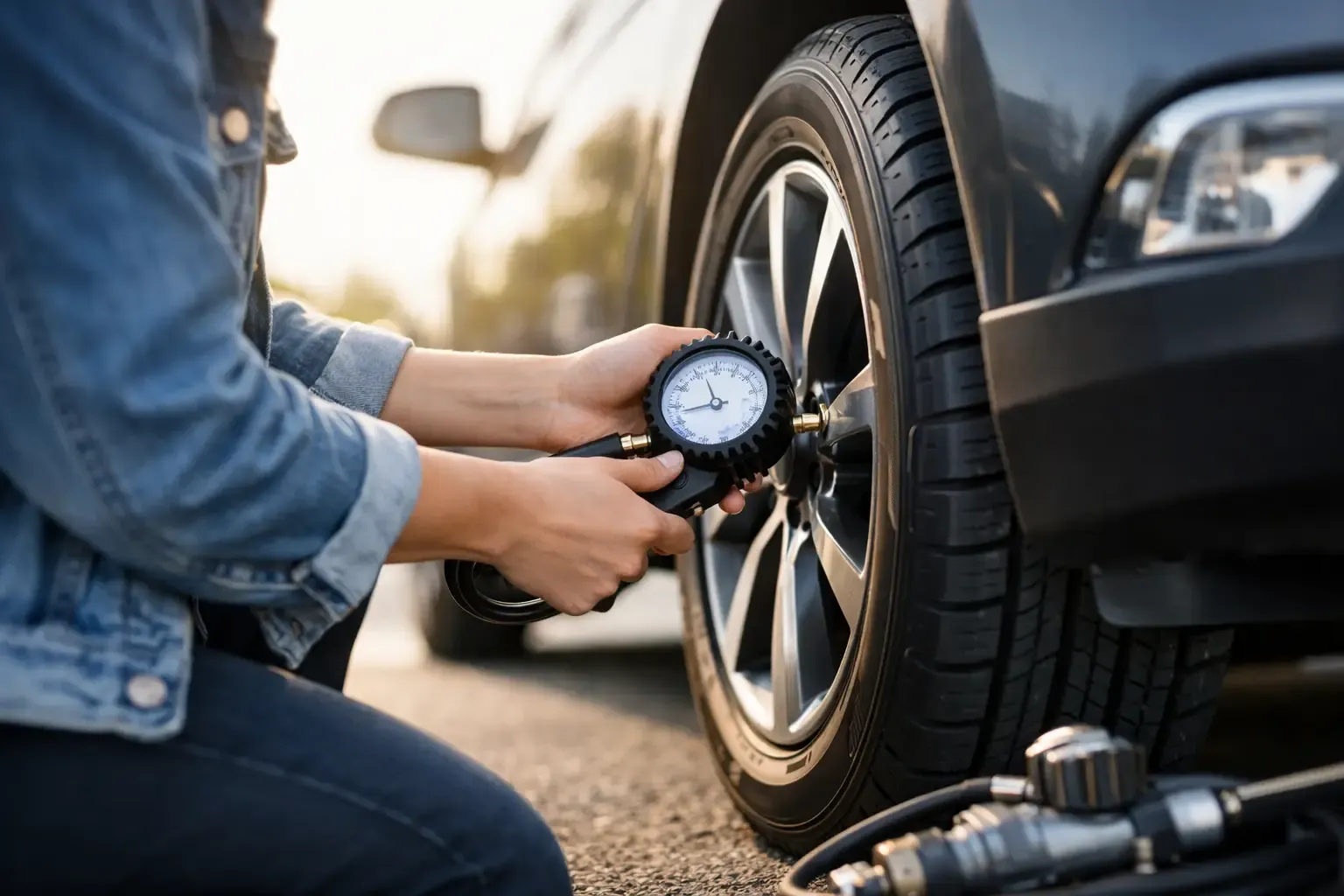
Start by avoiding the temptation to treat the tire as the only problem. Check tire pressure against the vehicle manufacturer's recommended pressure listed on the driver's door placard, not the maximum pressure molded onto the tire sidewall. Then have the vehicle inspected for tire condition, wheel balance, alignment angles, and suspension and steering components.
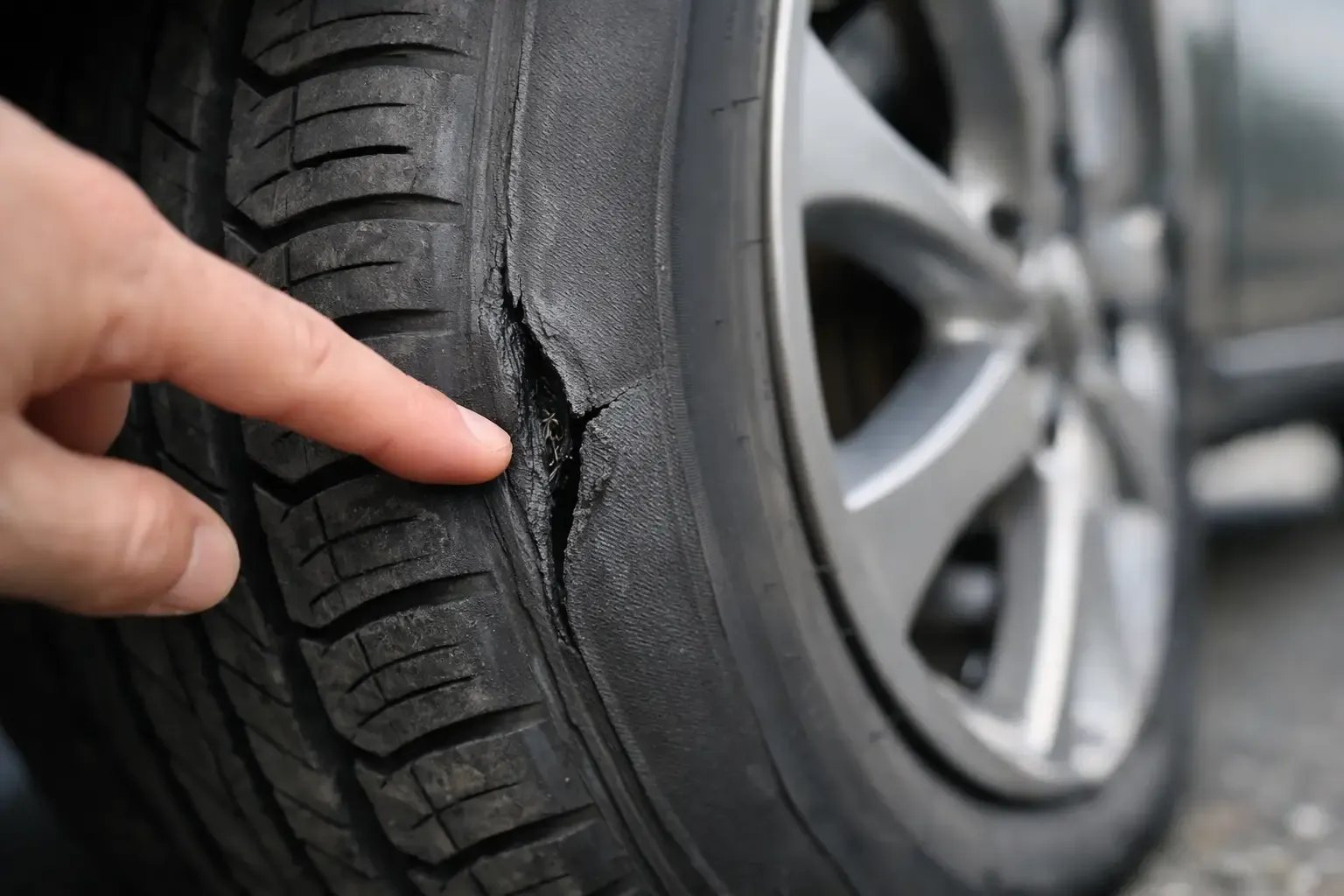
If the vehicle is vibrating heavily, pulling unpredictably, making pronounced clunking noises, or showing exposed cords or other tire damage, limit driving until it can be inspected. Those symptoms can affect control and should be handled promptly.
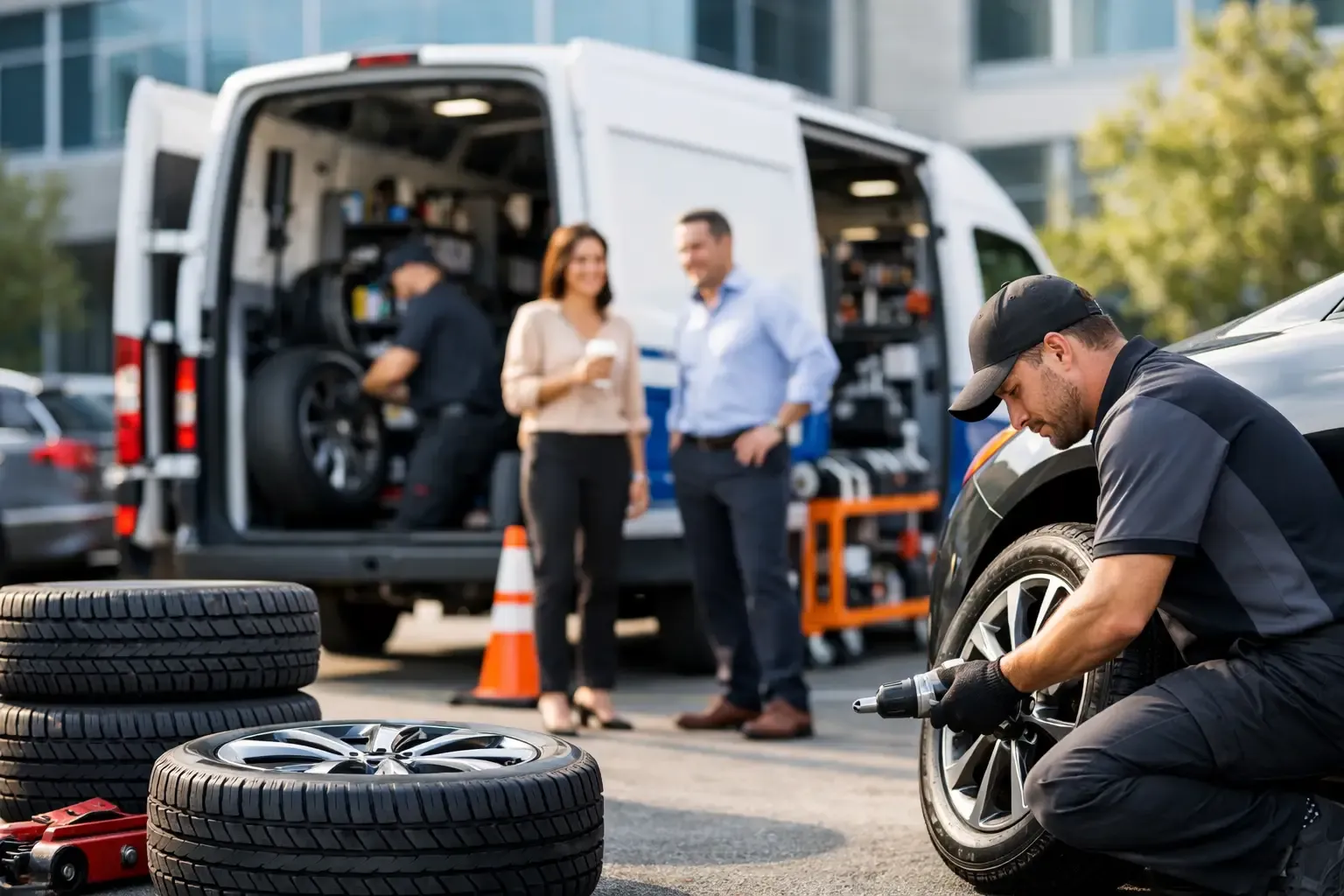
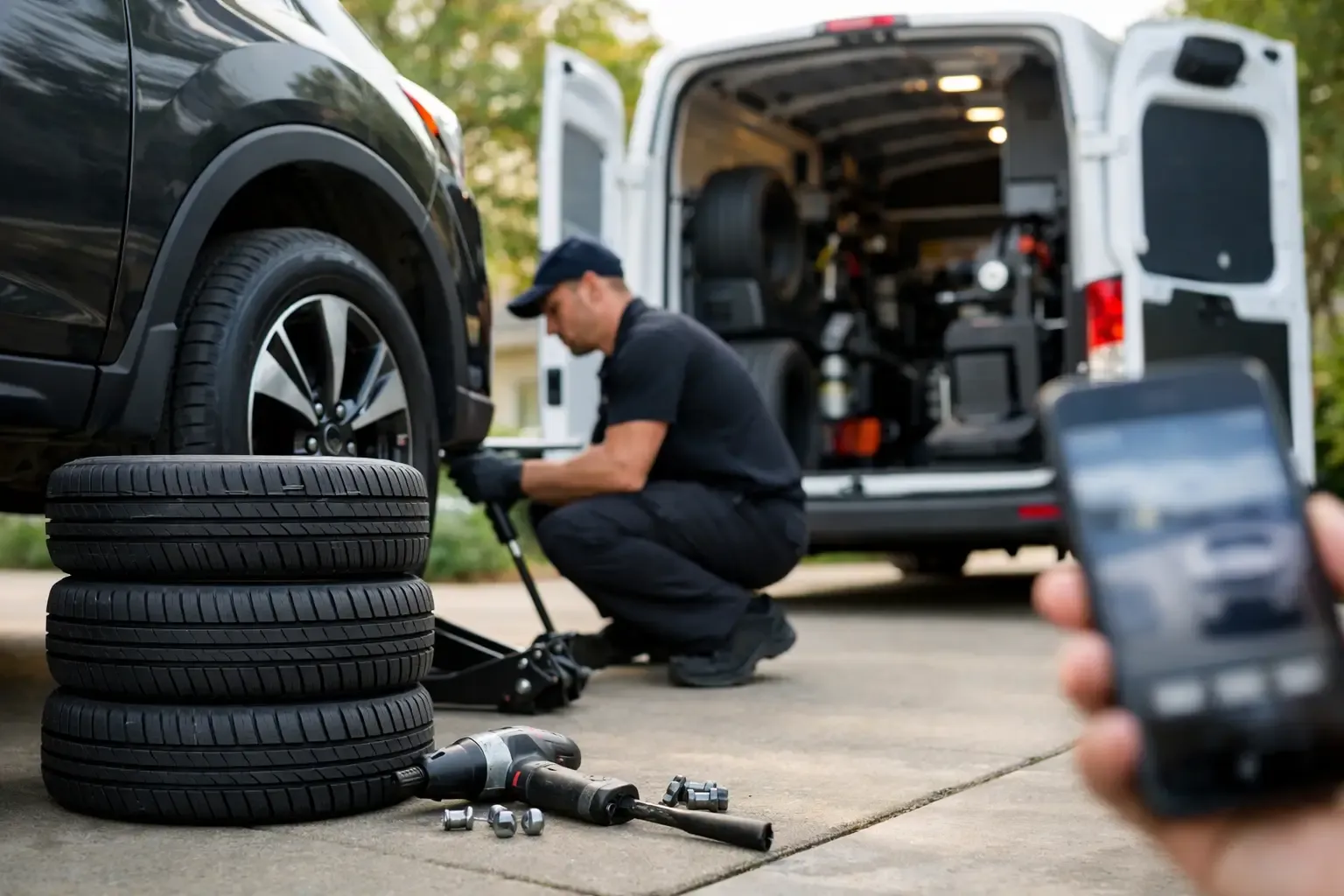
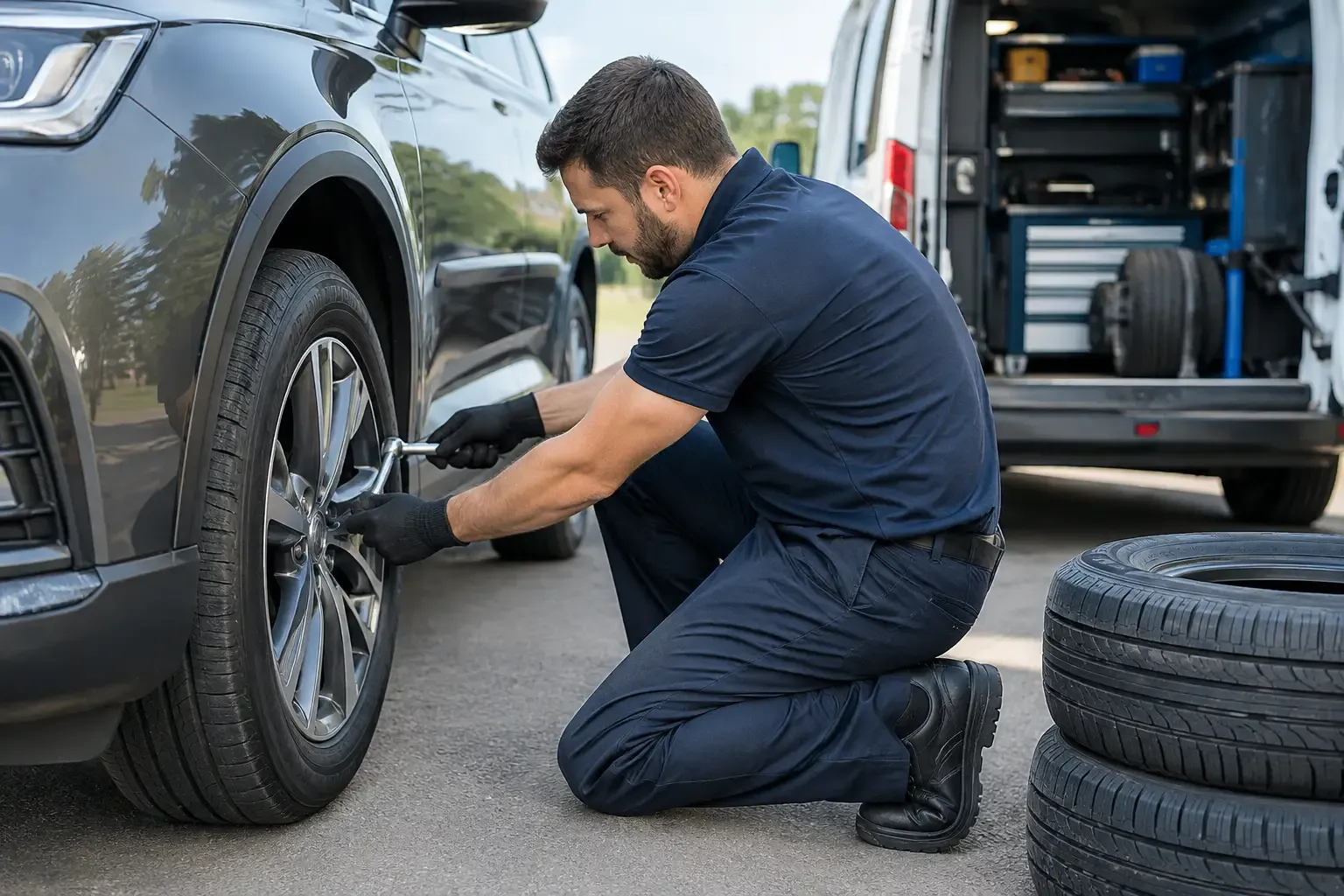
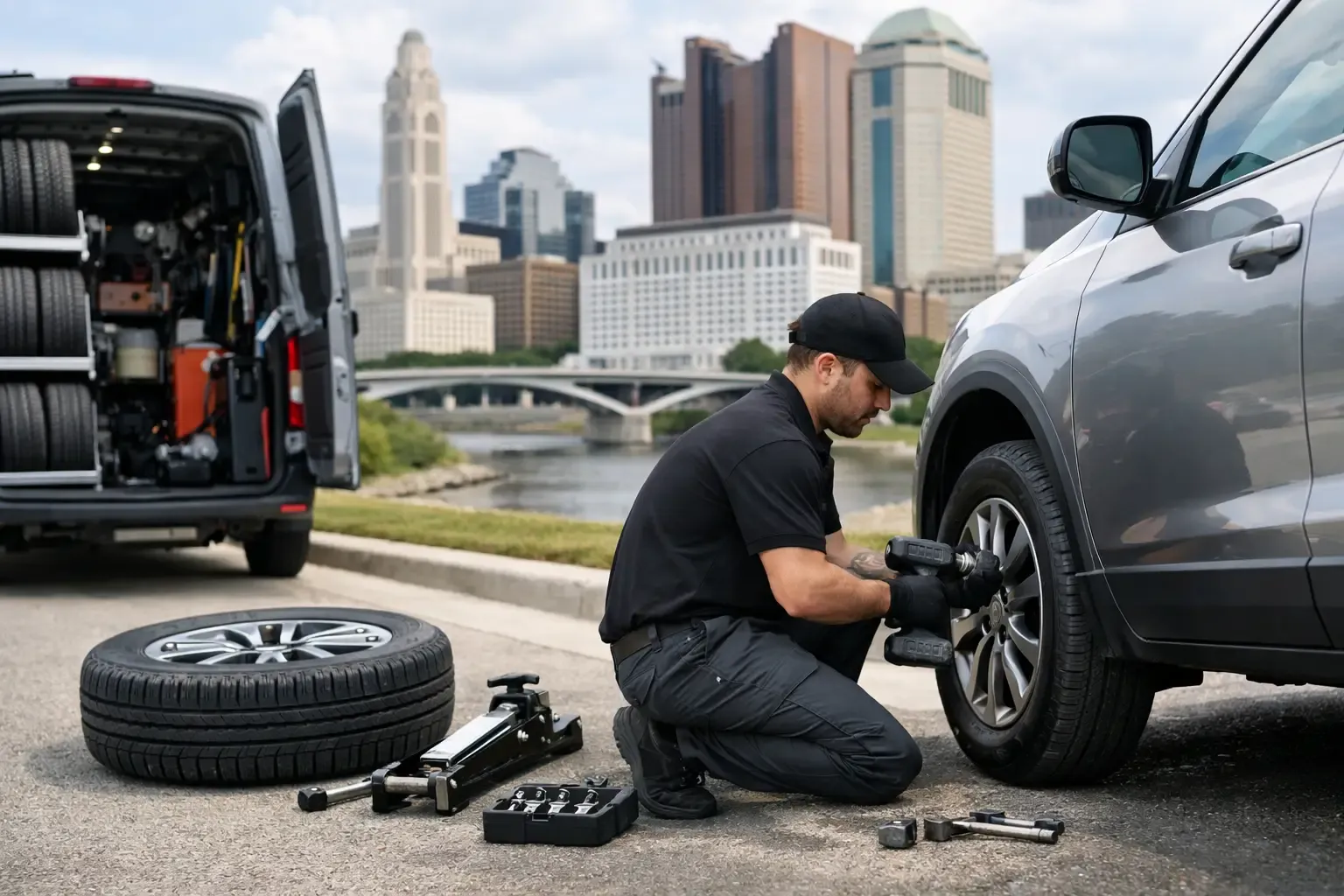
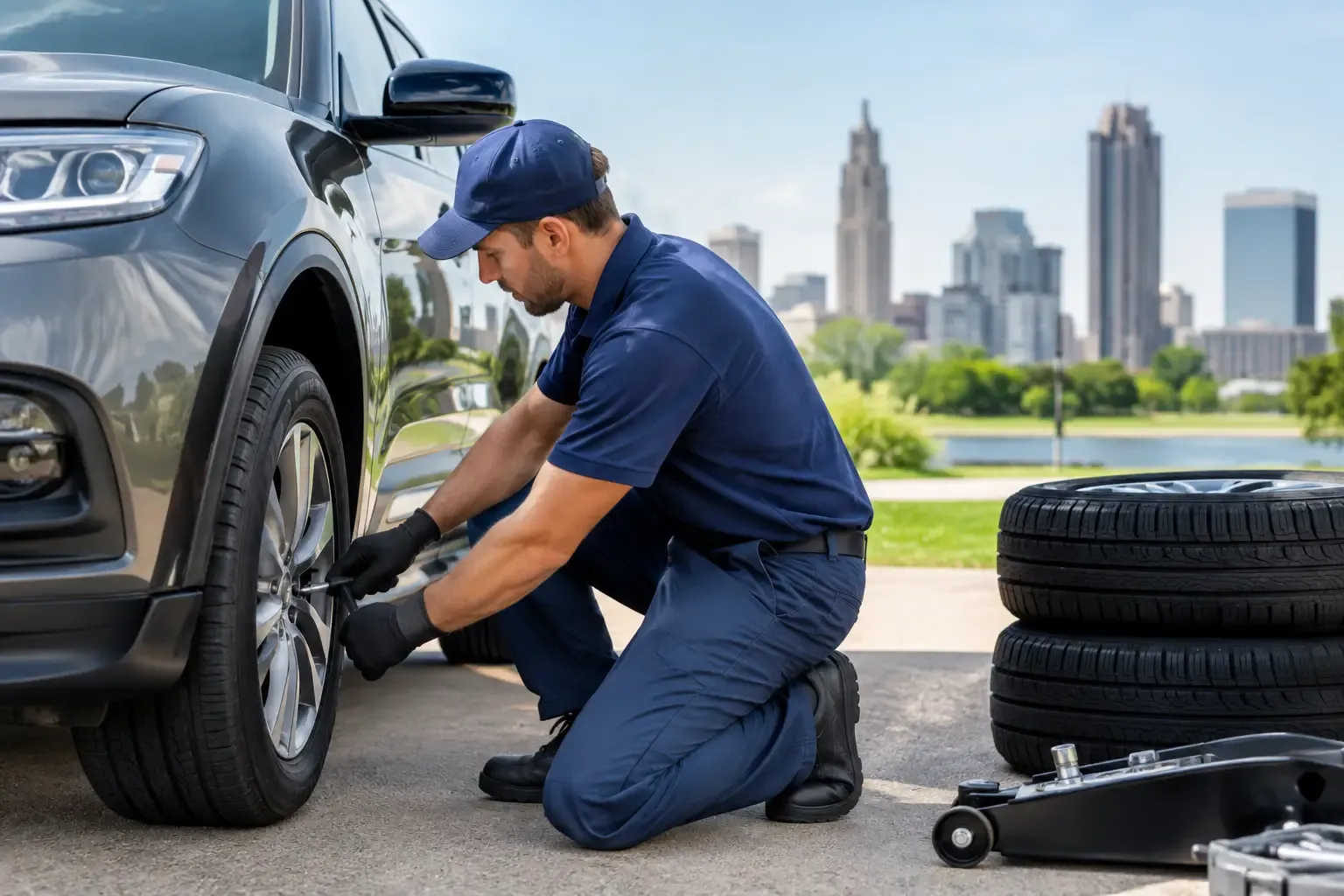
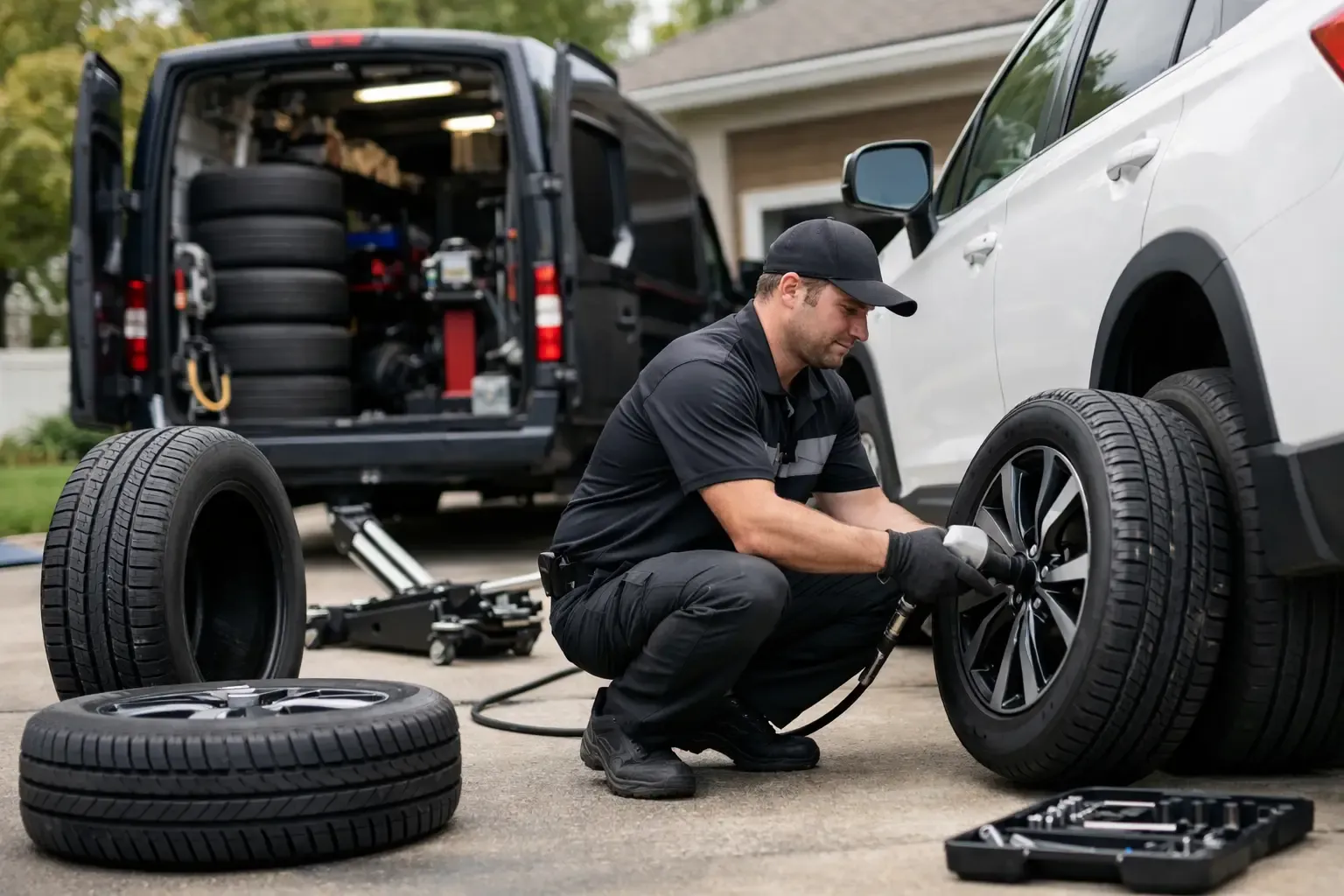
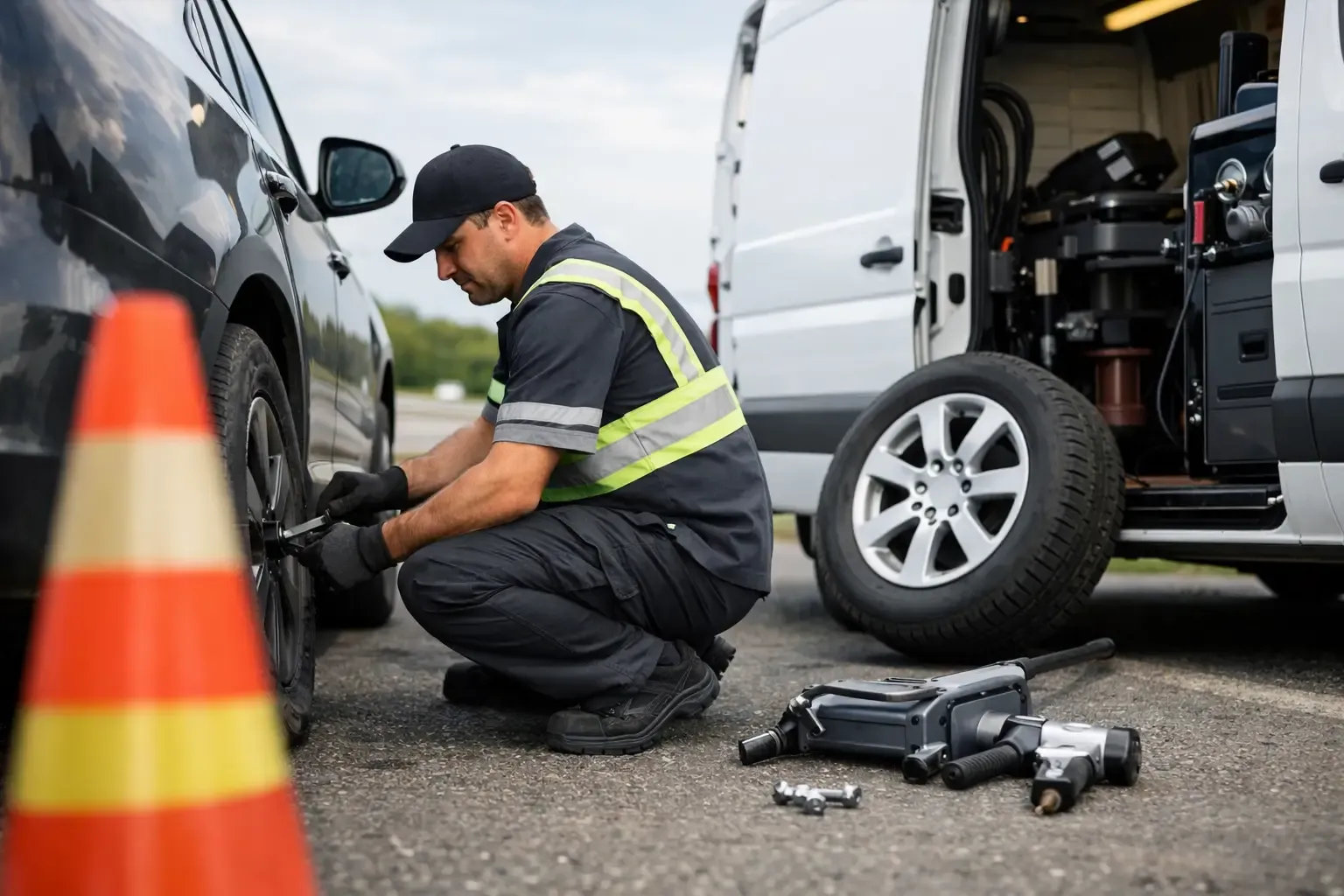
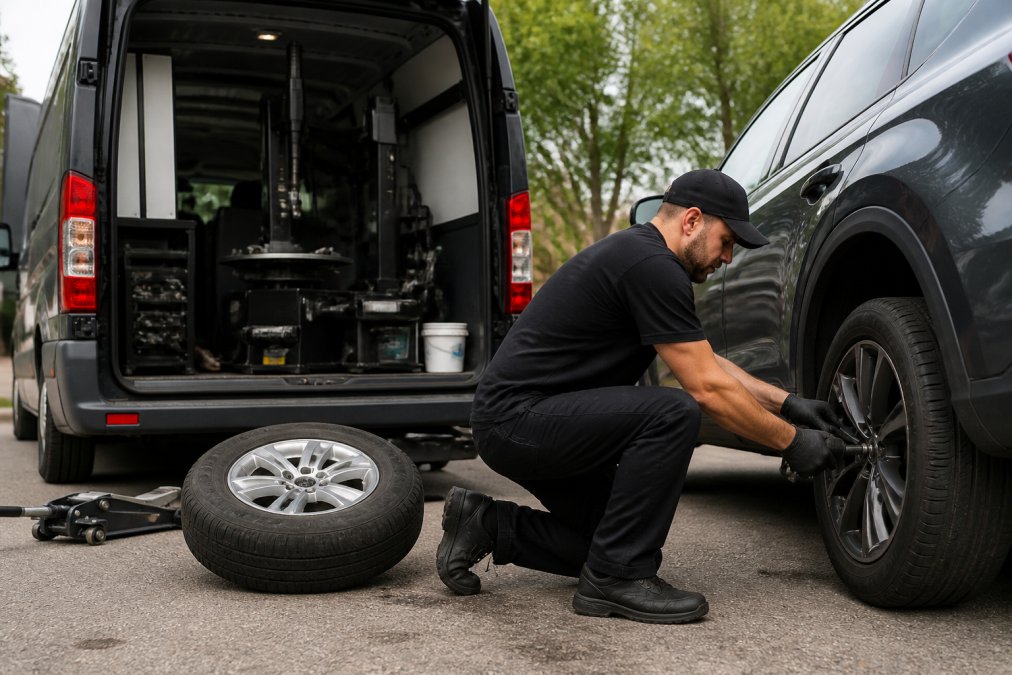
For Columbus-area drivers, Elite Mobile Tire services customers 24/7, including weekends and overnight, and can inspect tire wear, balance wheels, and install new tires with convenient on-site tire service at home or work. Elite Mobile Tire does not perform wheel alignments, so if cupping points to a suspension or alignment concern, have that corrected at a repair shop before or alongside your new tires instead of replacing tires blindly.
Preventing Tire Cupping Going Forward
Prevention comes down to keeping the tire, wheel, and suspension working together. Maintain recommended air pressure, rotate tires on schedule, and have wheels balanced when vibrations appear or tires are installed. It is also smart to have an alignment shop check the vehicle after a major pothole impact or suspension repair.
Most importantly, pay attention to changes in how your vehicle feels. A new hum on your commute or a slight vibration at highway speed may be the first practical warning that your tires need attention. Catching the issue early can protect your ride, your time, and the tires carrying you safely down the road.
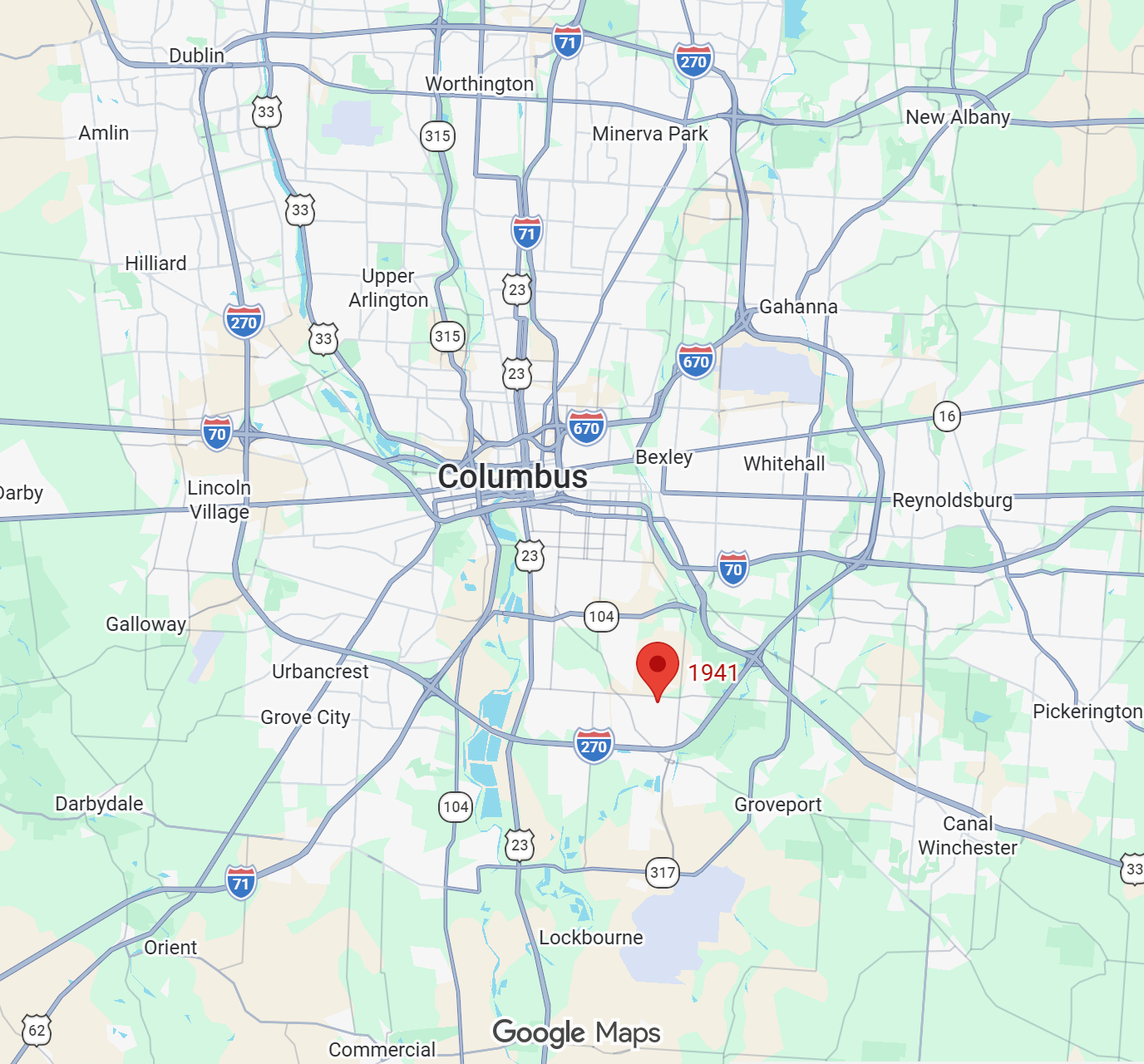
Ready for a new set? Elite Mobile Tire is open 24/7 and installs 2 or 4 new tires right in your driveway or parking lot anywhere around Columbus, Obetz, Groveport, Grove City, and Reynoldsburg. Financing is available through Afterpay and Acima with up to 24-month payment plans. Call 614-344-5010 or visit elitemobiletire.com to book.