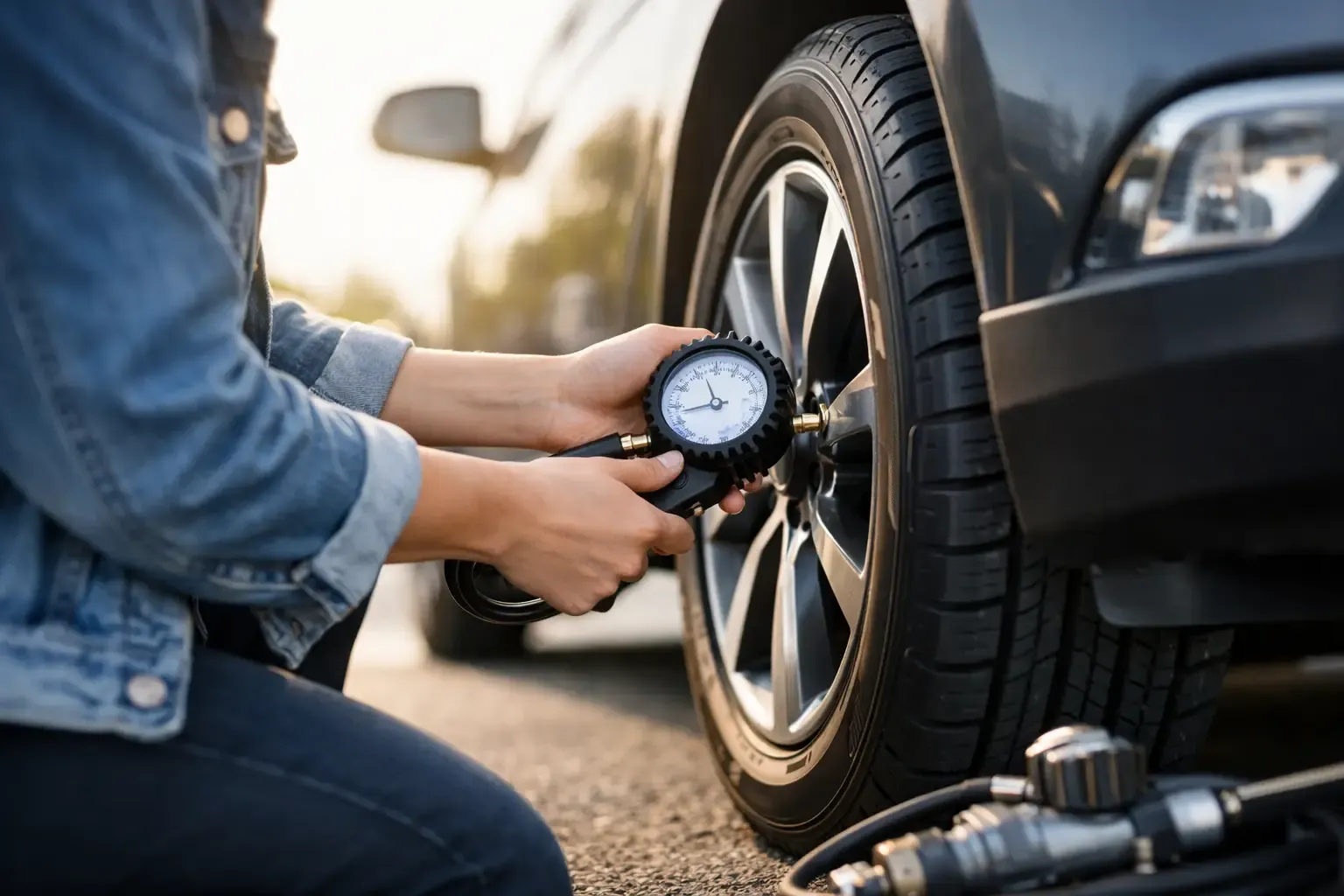
A tire can look perfectly normal and still be several PSI low. That is what makes tire pressure safety easy to overlook: the problem often develops quietly, then shows up when you need traction, braking control, or a reliable commute most. A quick pressure check helps protect your family, your vehicle, and the life of your tires.
For Columbus-area drivers, changing temperatures add another reason to stay on top of inflation. A cold morning, a long highway drive, or a slow leak from a nail can all affect how your vehicle handles. The good news is that checking tire pressure is straightforward when you know what number to use and what warning signs to watch for.
Why Tire Pressure Safety Matters on Every Trip
Your tires are the only parts of your vehicle designed to stay in contact with the road. Their pressure determines how much of the tire touches the pavement and how evenly that contact patch works. When pressure is correct, the tire can support the vehicle properly, respond predictably in turns, and channel water away more effectively in wet conditions.
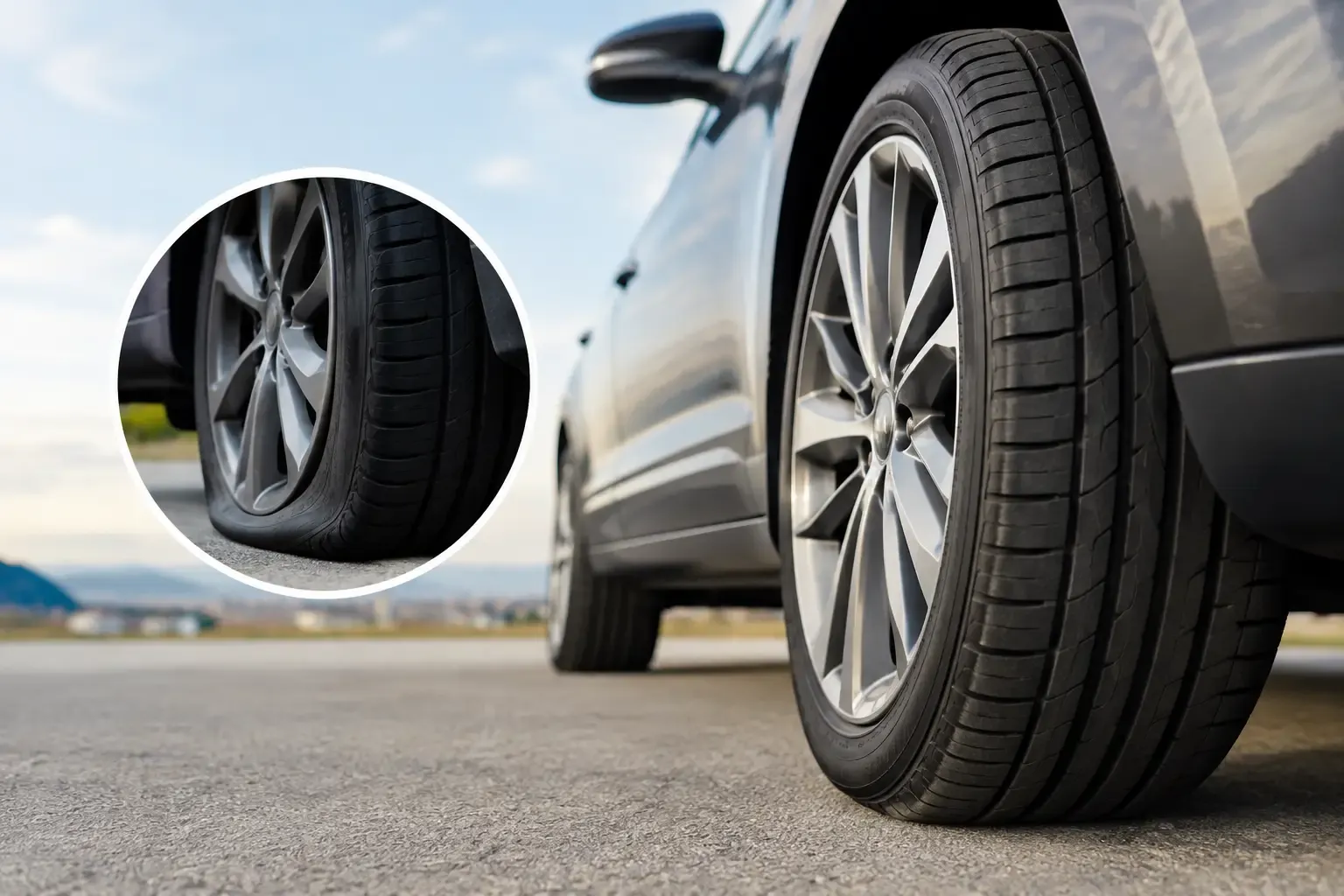
Underinflated tires flex more than they should. That extra flex creates heat, wears down the outer edges of the tread, and can make steering feel less responsive. It may also increase stopping distance and reduce fuel economy. In a severe case, excess heat can contribute to tire failure, particularly during faster highway travel or when the vehicle is carrying passengers, cargo, or towing weight.
Overinflation has a different set of trade-offs. An overinflated tire can feel firmer, but it may have less tread contacting the pavement. That can reduce grip and cause faster wear through the center of the tread. It can also make potholes and rough roads feel harsher - a familiar concern on many Ohio roads after winter.
Correct pressure is not about making the tire look full. It is about giving the tire the support and contact it was designed to have.
Find the Right PSI for Your Vehicle
The correct pressure is usually printed on a label inside the driver's door jamb. Depending on the vehicle, it may also be located on the door edge, glove compartment, or fuel door. This label lists the recommended cold tire pressure for the front and rear tires. Some vehicles use the same PSI at all four corners, while others require different pressures front to rear.
Use the vehicle placard as your primary reference, not the maximum PSI molded into the tire sidewall. The sidewall number is the tire's maximum inflation limit, not necessarily the pressure your specific vehicle should use for normal driving.
Check the placard again if you have recently changed tire sizes, installed different wheels, or carry unusually heavy loads. A qualified tire technician can help confirm that the tires, load rating, and recommended inflation are appropriate for the vehicle. Guessing is not worth the risk when braking, handling, and tread life are involved.
Check Pressure When Tires Are Cold
For the most accurate reading, check your tires before driving or after the vehicle has been parked for at least three hours. Driving warms the tire and raises the air pressure inside it, which can make a reading appear higher than the true cold pressure.
If you must check after driving, do not release air simply because the number is above the cold recommendation. Let the tires cool, then recheck them. Adding or removing air based on a hot-tire reading can leave your tires improperly inflated once they return to normal temperature.
A simple rule of thumb is that tire pressure changes by roughly 1 PSI for every 10-degree change in outside temperature. That means a sudden cold spell can turn a previously acceptable tire into an underinflated one. Checking monthly and whenever temperatures change significantly is a practical habit.
How to Check Tire Pressure Correctly
A quality digital or dial gauge is more reliable than judging by sight. Keep one in the glove box or garage, along with access to an air source. The process takes only a few minutes:
- Remove the valve stem cap and press the gauge firmly onto the valve stem.
- Read the PSI, then compare it with the cold-pressure number on the driver's door placard.
- Add or release air in small amounts as needed, checking again after each adjustment.
- Replace the valve cap tightly to help keep dirt and moisture out of the valve.
Check all four tires, even if only one warning light appears. Also check the spare if your vehicle has a full-size spare tire. A compact spare may have a much higher recommended PSI, so follow the instructions printed on the spare itself or in the owner's manual.
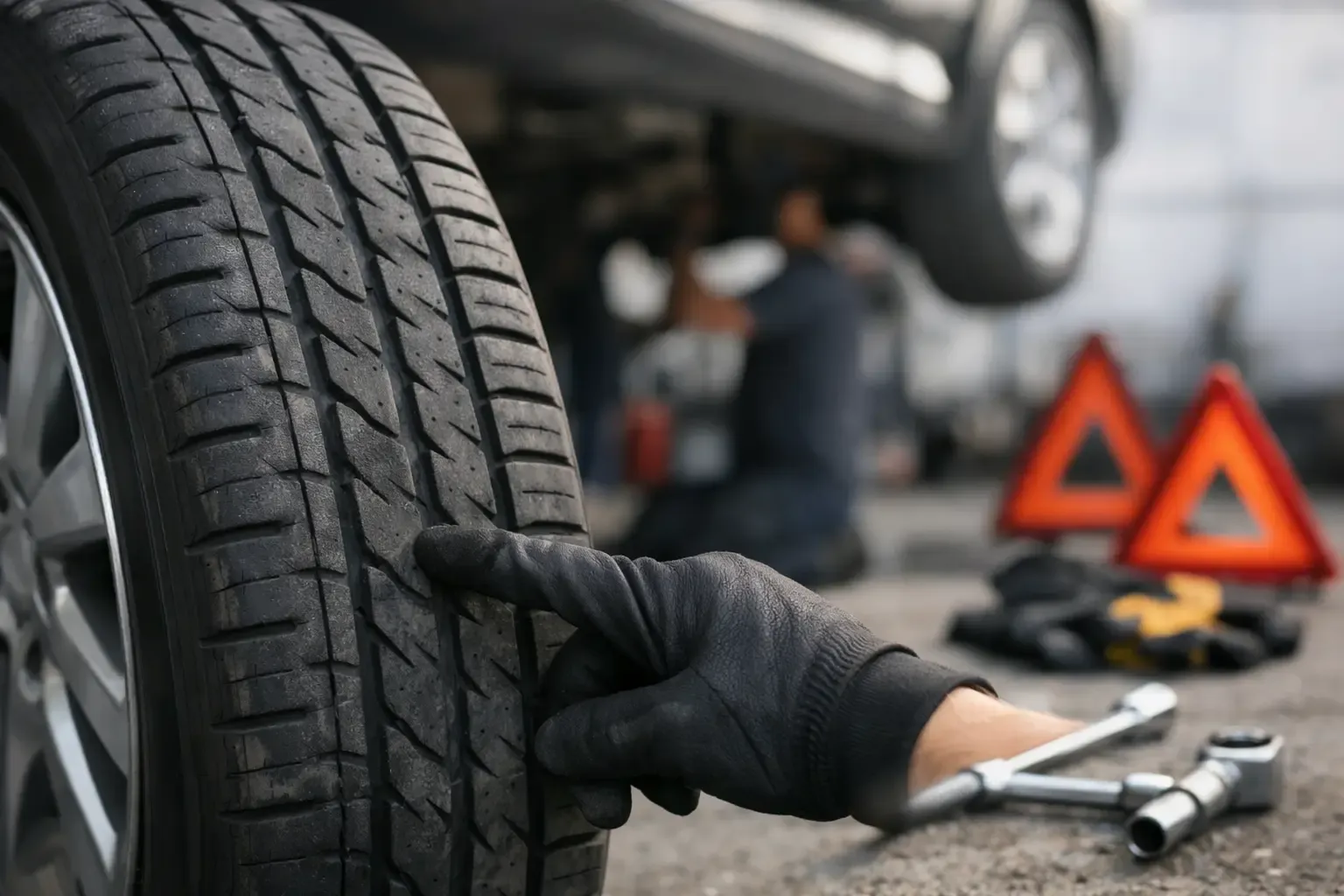
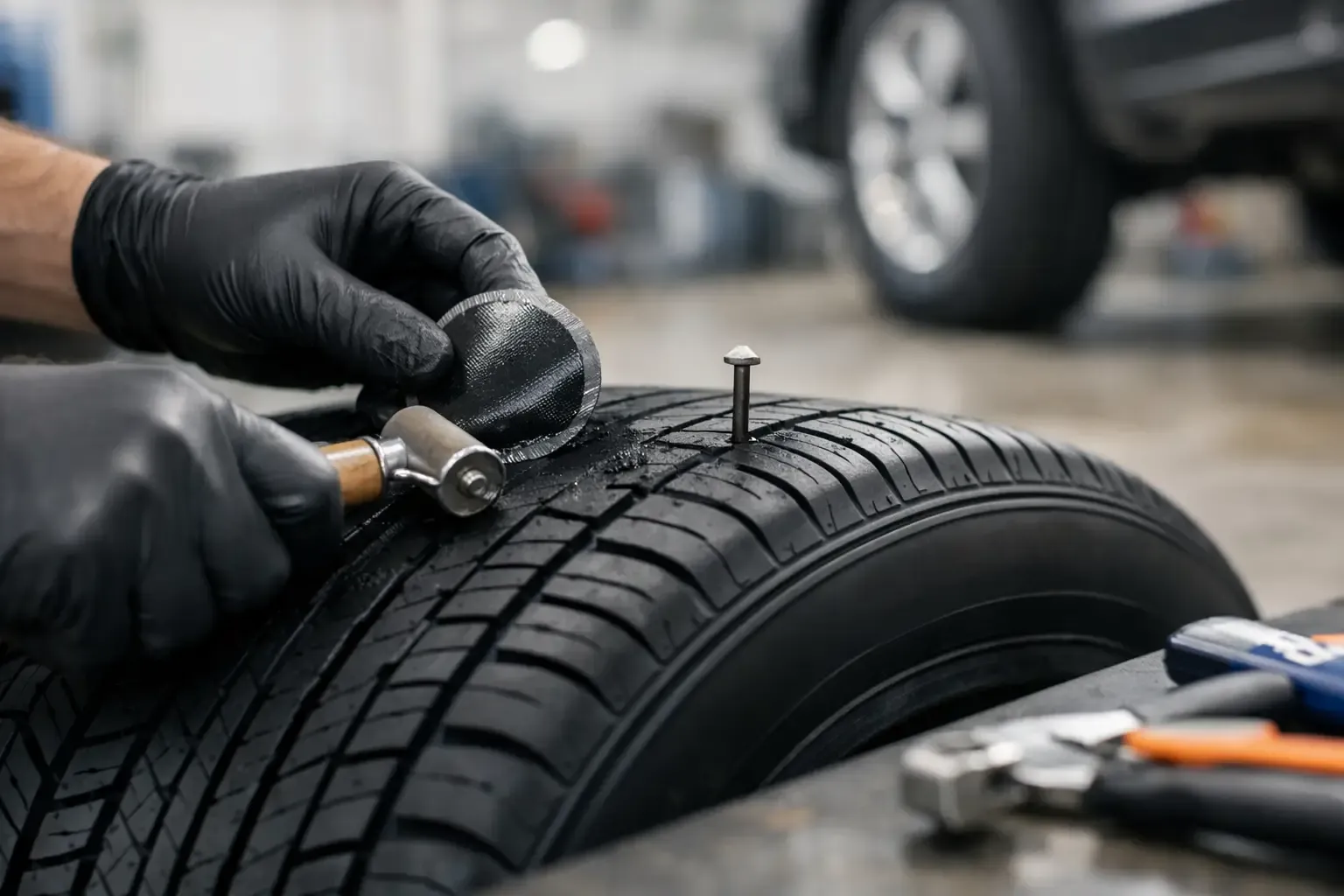
Do not forget the valve stems. A cracked, damaged, or loose valve stem can create a slow leak that repeatedly lowers pressure. If one tire needs air more often than the others, there may be a puncture, leaking valve, wheel damage, or bead-seal issue that needs professional inspection.
What the TPMS Light Can and Cannot Tell You
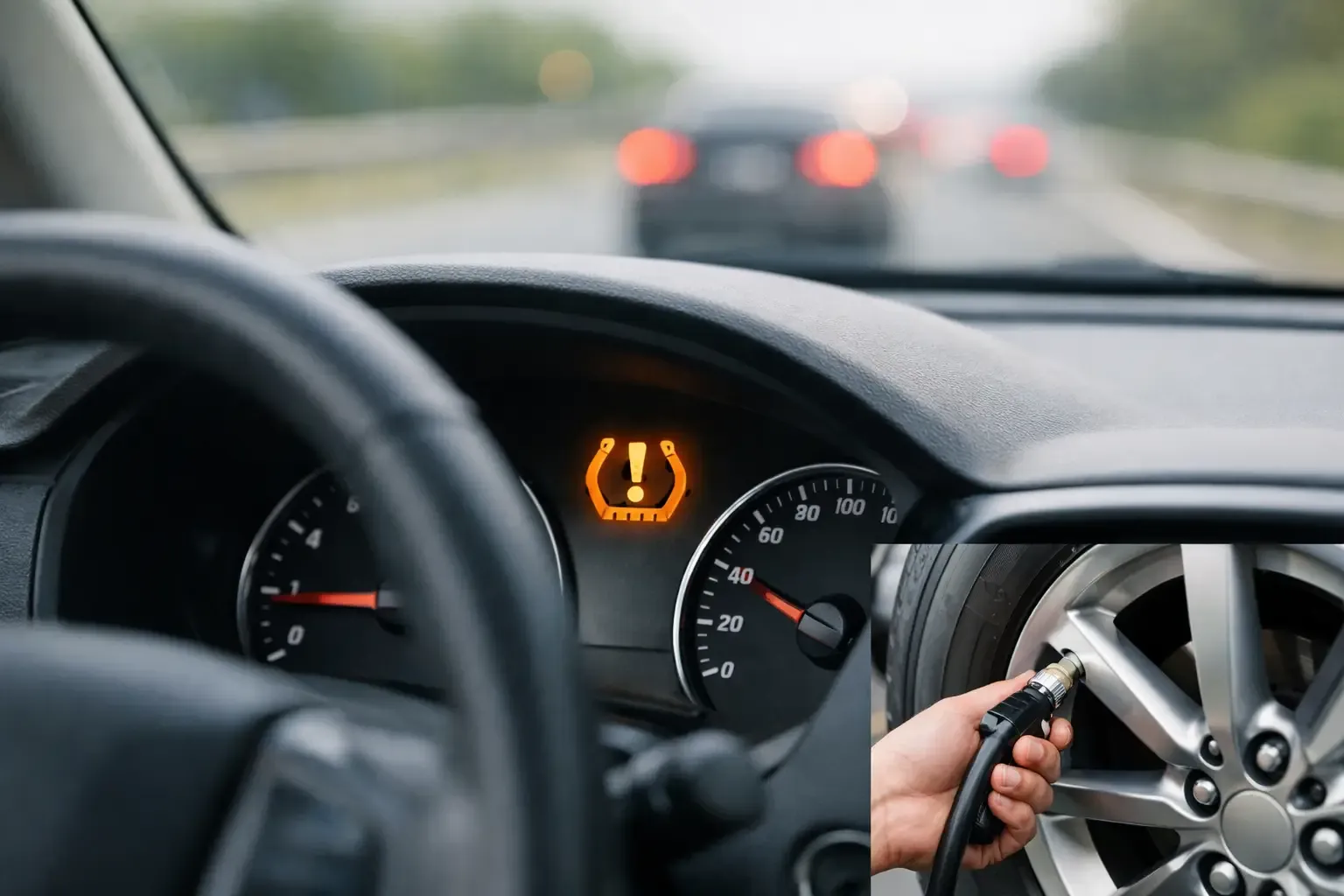
The Tire Pressure Monitoring System, or TPMS, is helpful, but it is not a replacement for routine checks. In many vehicles, the light comes on only after one or more tires are already significantly underinflated. By that point, uneven wear or reduced handling may already be developing.
If the TPMS light turns on, check the pressure in every tire as soon as it is safe to do so. Inflate each tire to the placard specification, not a guessed number, and see whether the light resets after driving. If it stays on or returns soon after inflation, schedule an inspection.
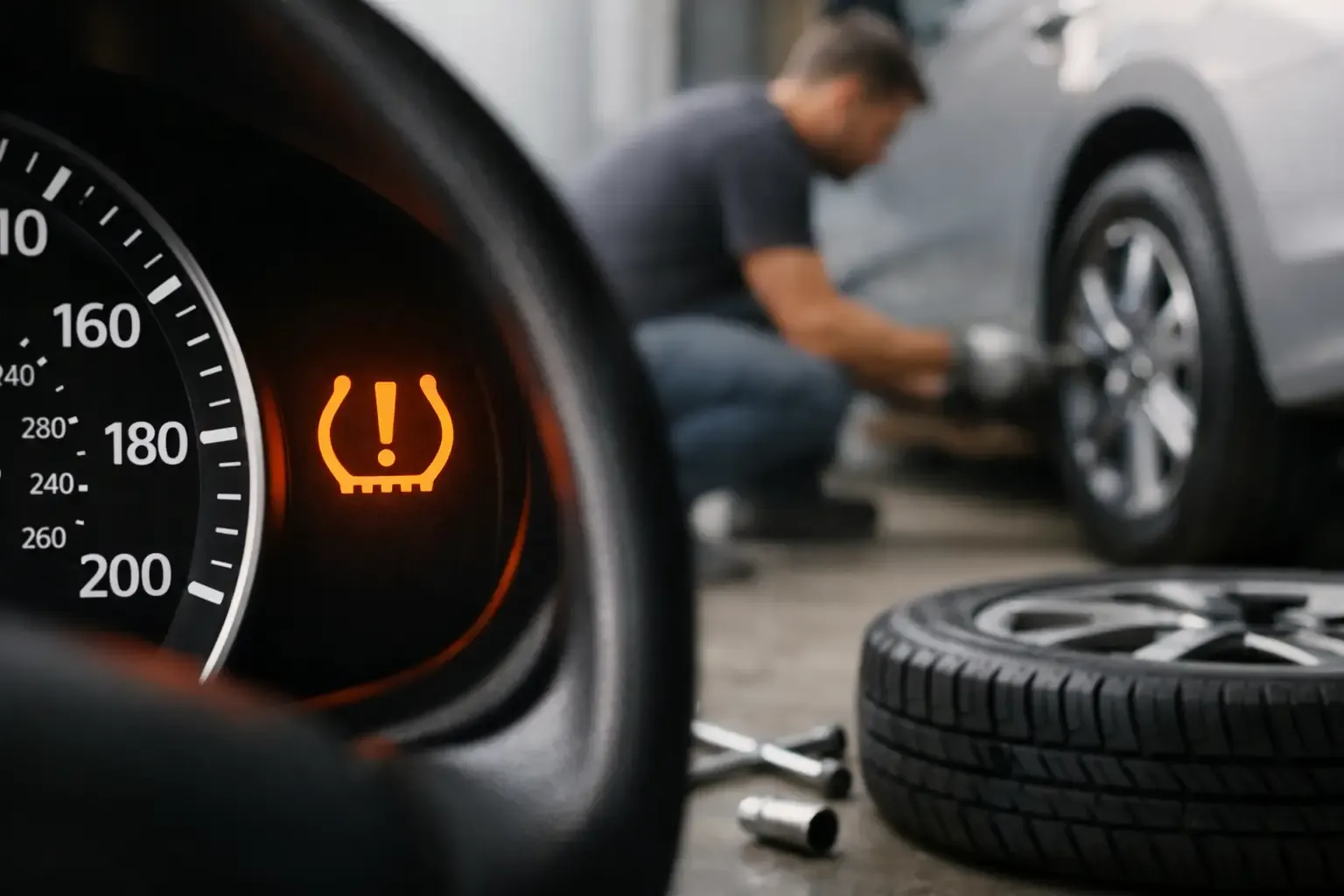
A flashing TPMS light often means there is a system malfunction rather than a simple low-pressure condition. This can happen after a sensor battery fails, a wheel is serviced, or a sensor is damaged. The tire pressure may still need attention, so use a gauge first and have the TPMS issue diagnosed rather than ignoring the warning.
Signs You May Have a Pressure Problem
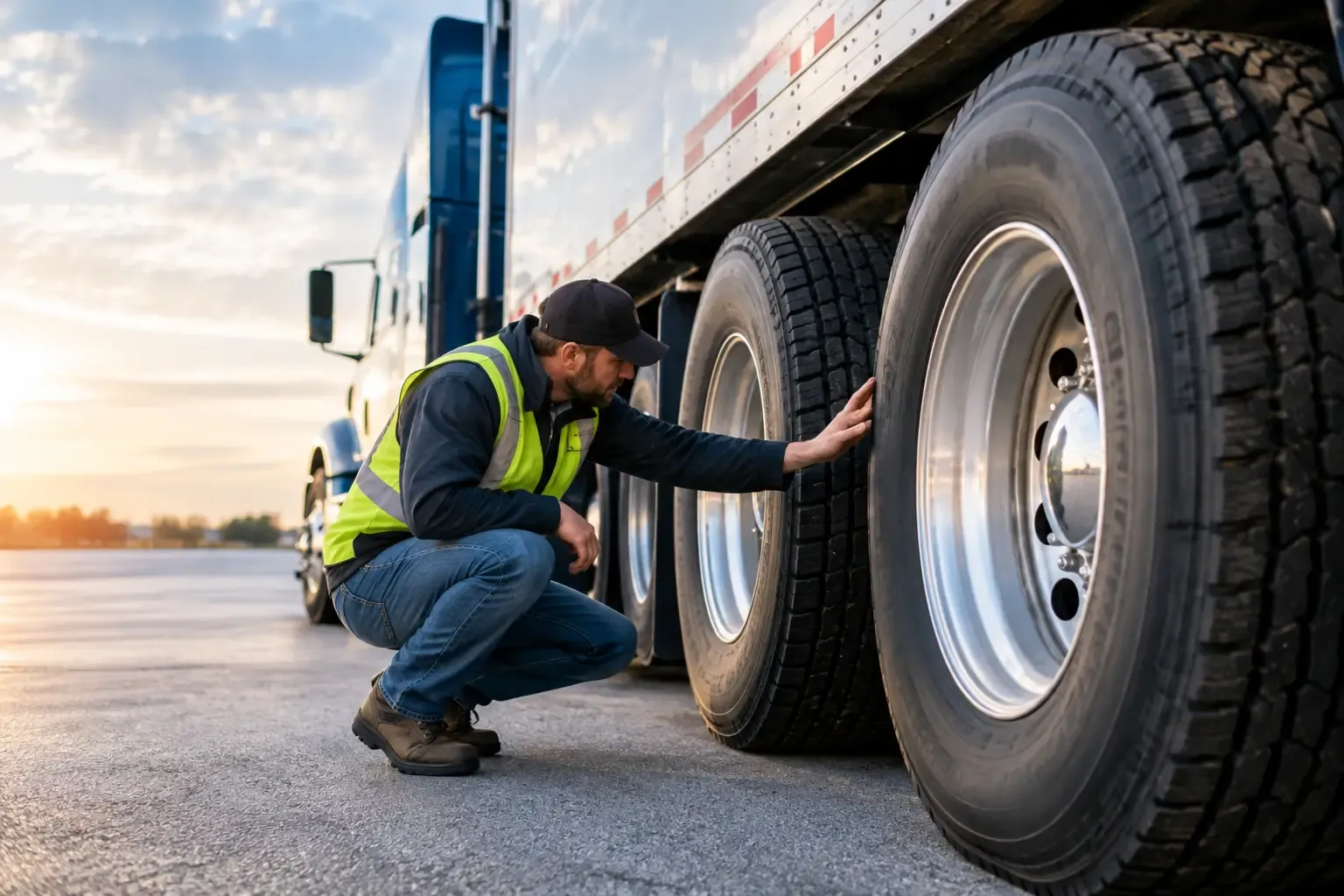
A TPMS warning is clear, but other signals deserve attention too. Your vehicle may pull slightly to one side, steering may feel heavier than usual, or the ride may become noticeably rough. You might also see one tire sitting lower than the others or notice abnormal tread wear during a walk-around.
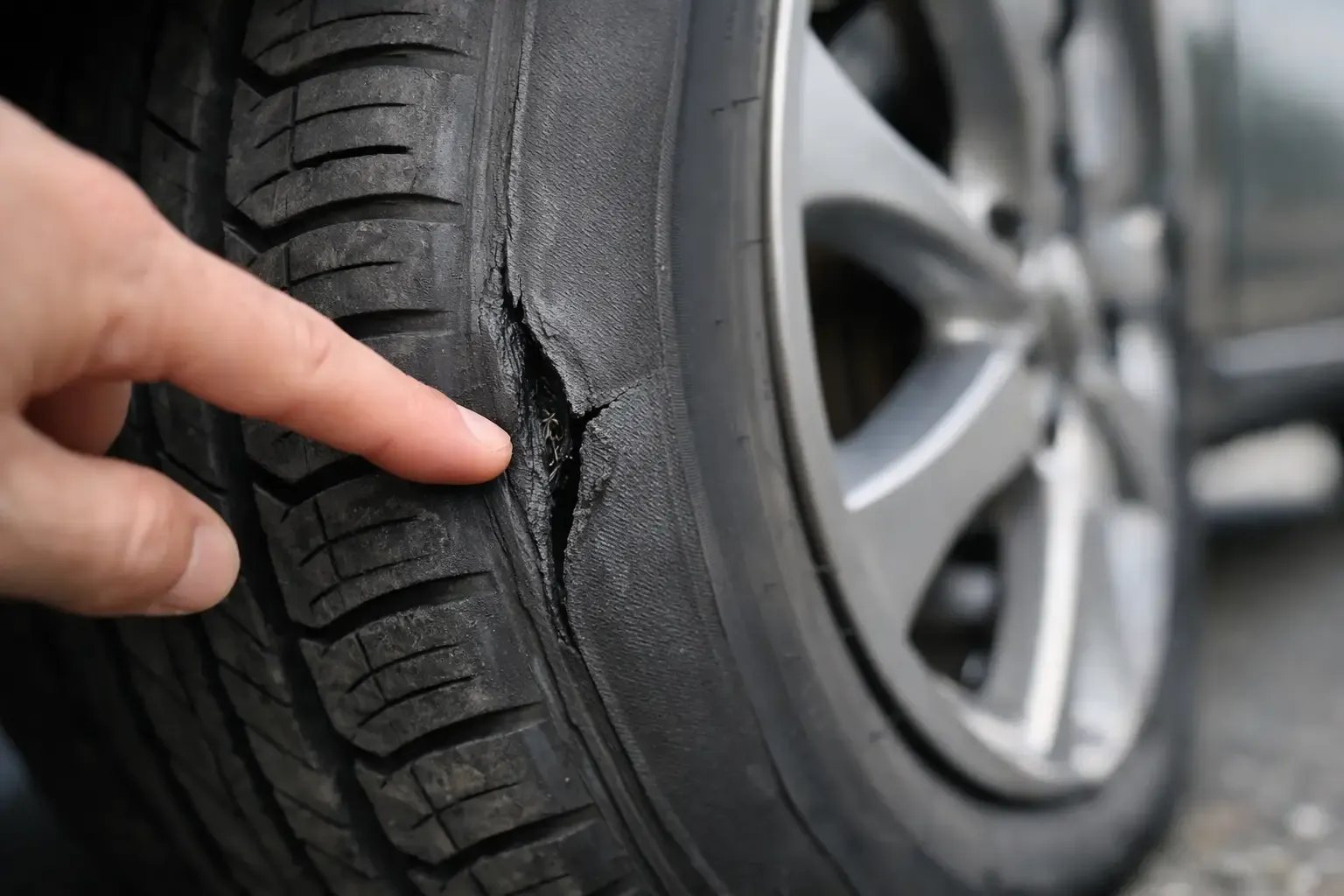
Pay attention after hitting a pothole or curb. The tire may lose air slowly even when there is no obvious sidewall damage. A sudden vibration can also point to tire or wheel trouble, although the cause could range from a balance issue to internal tire damage. Avoid assuming it will correct itself.
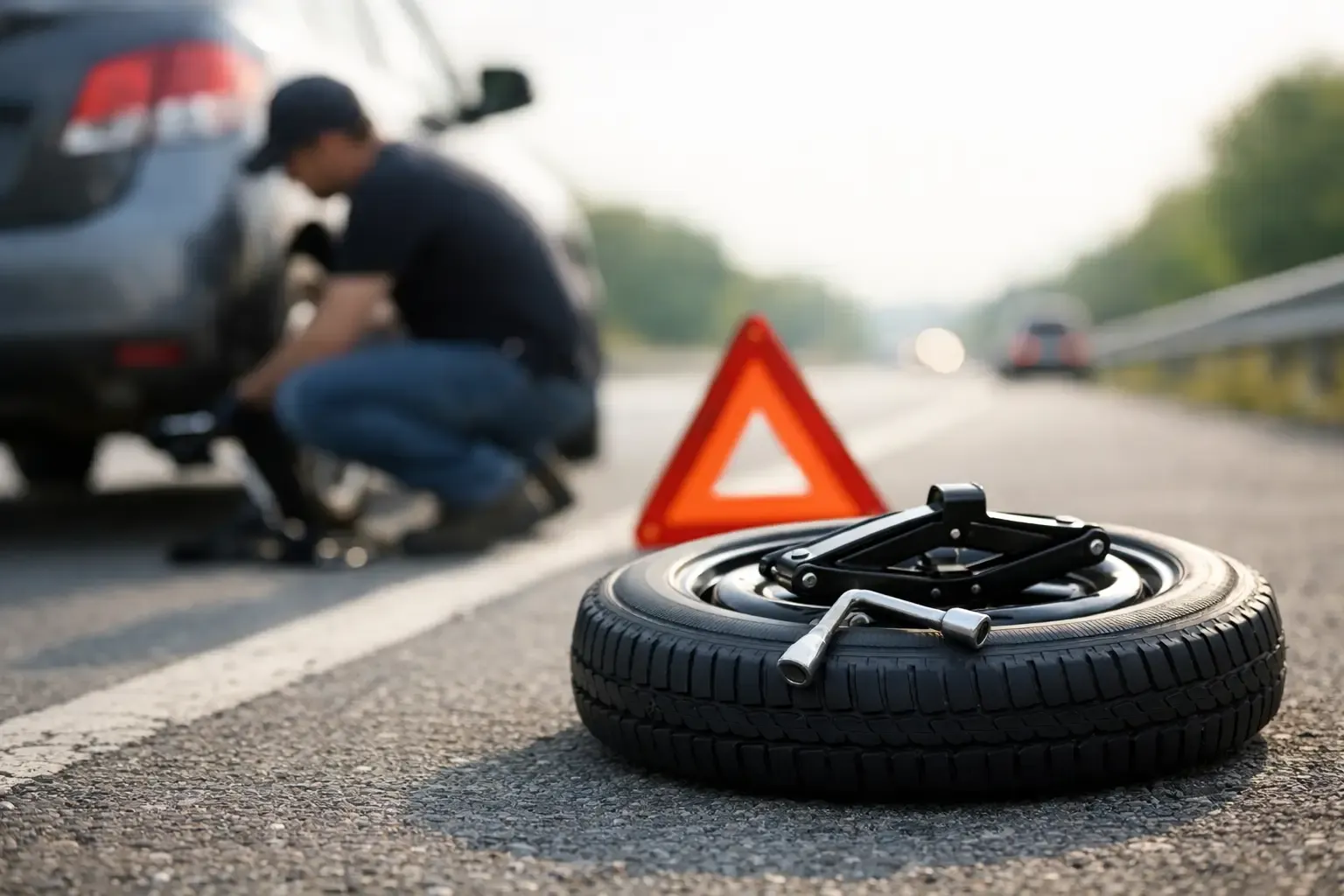
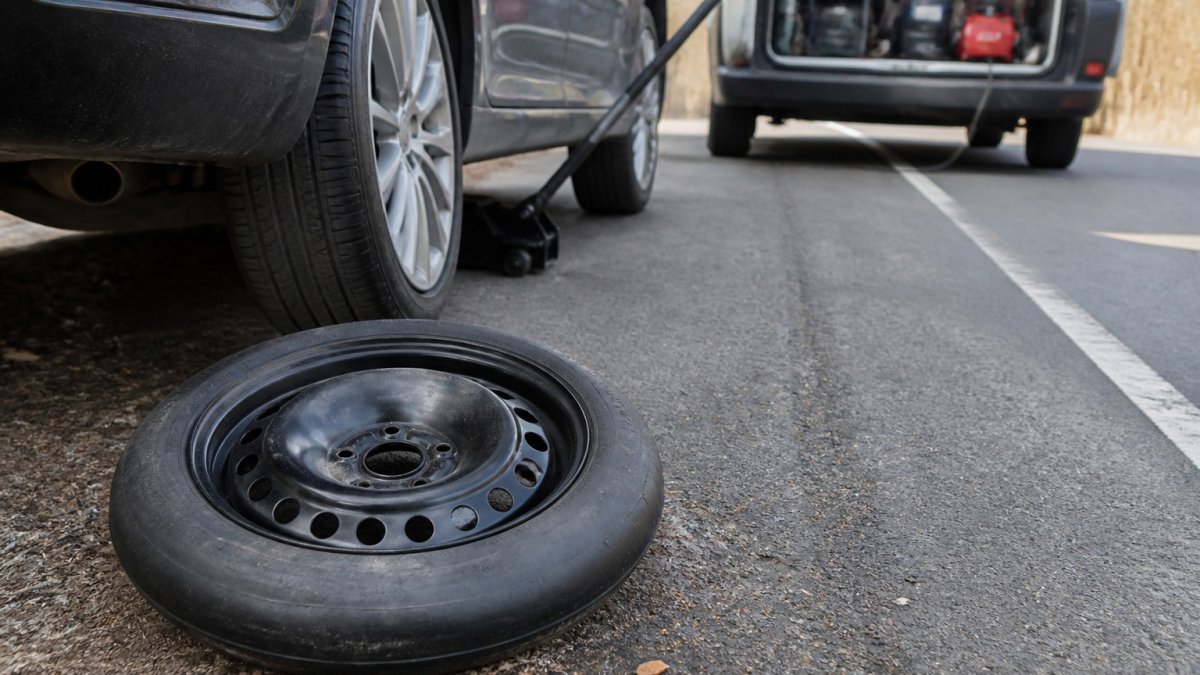
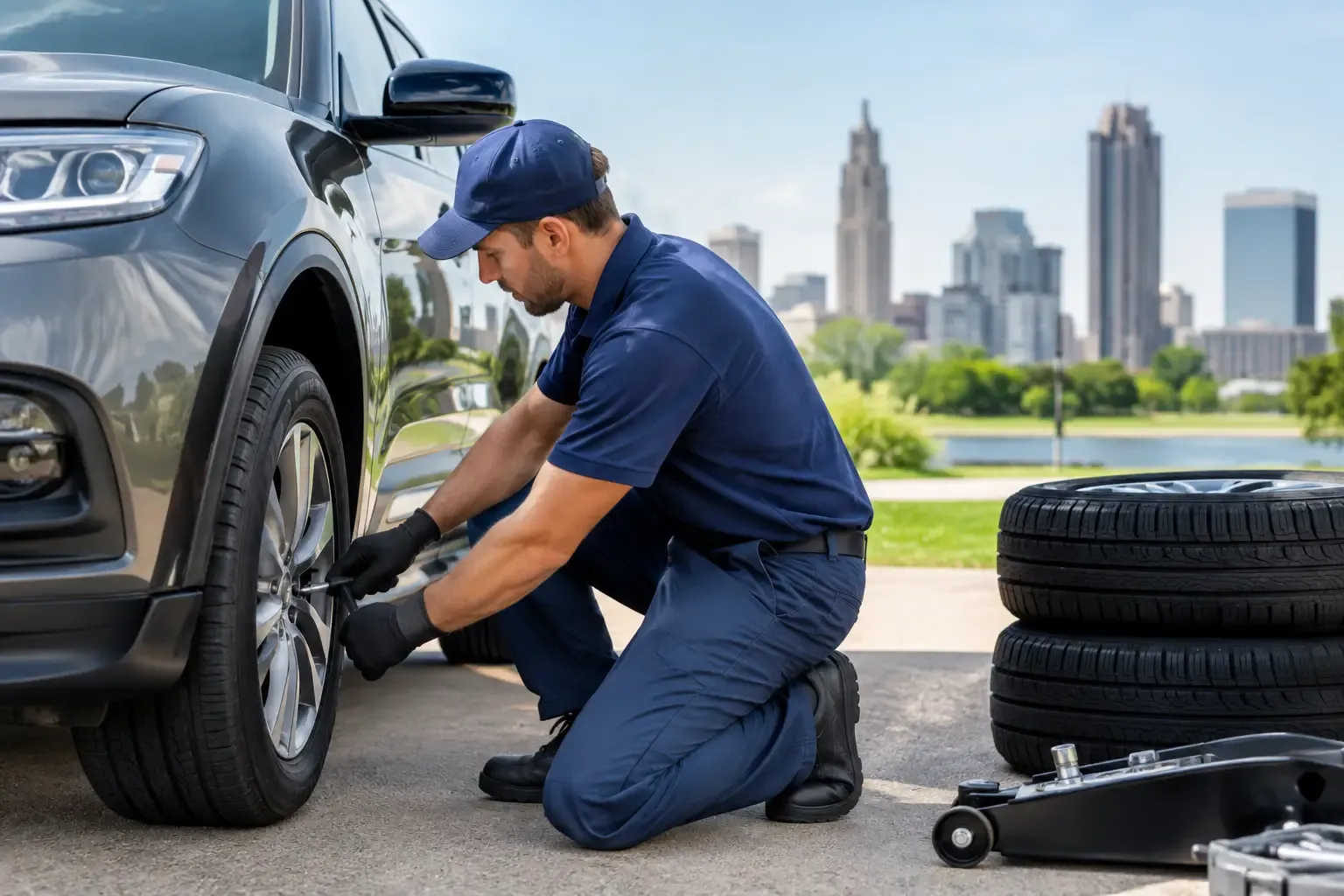
If a tire loses pressure rapidly, do not continue driving on it. Running a tire while it is low or flat can damage the internal structure, even if the tire can later hold air. Pull over safely, install a spare if you can do so safely, or request roadside assistance.
Pressure Checks That Fit Real Life
The most useful maintenance routine is one you can actually keep. Check tire pressure once a month, before a road trip, after major temperature swings, and anytime the TPMS light comes on. It is also wise to check before loading up for a family trip, moving equipment, or carrying heavier-than-usual cargo.
For busy drivers, pair the check with another predictable task, such as filling up the gas tank or washing the vehicle. A five-minute routine can help you catch a slow leak before it becomes a flat tire in a driveway, office parking lot, or on the side of the road.
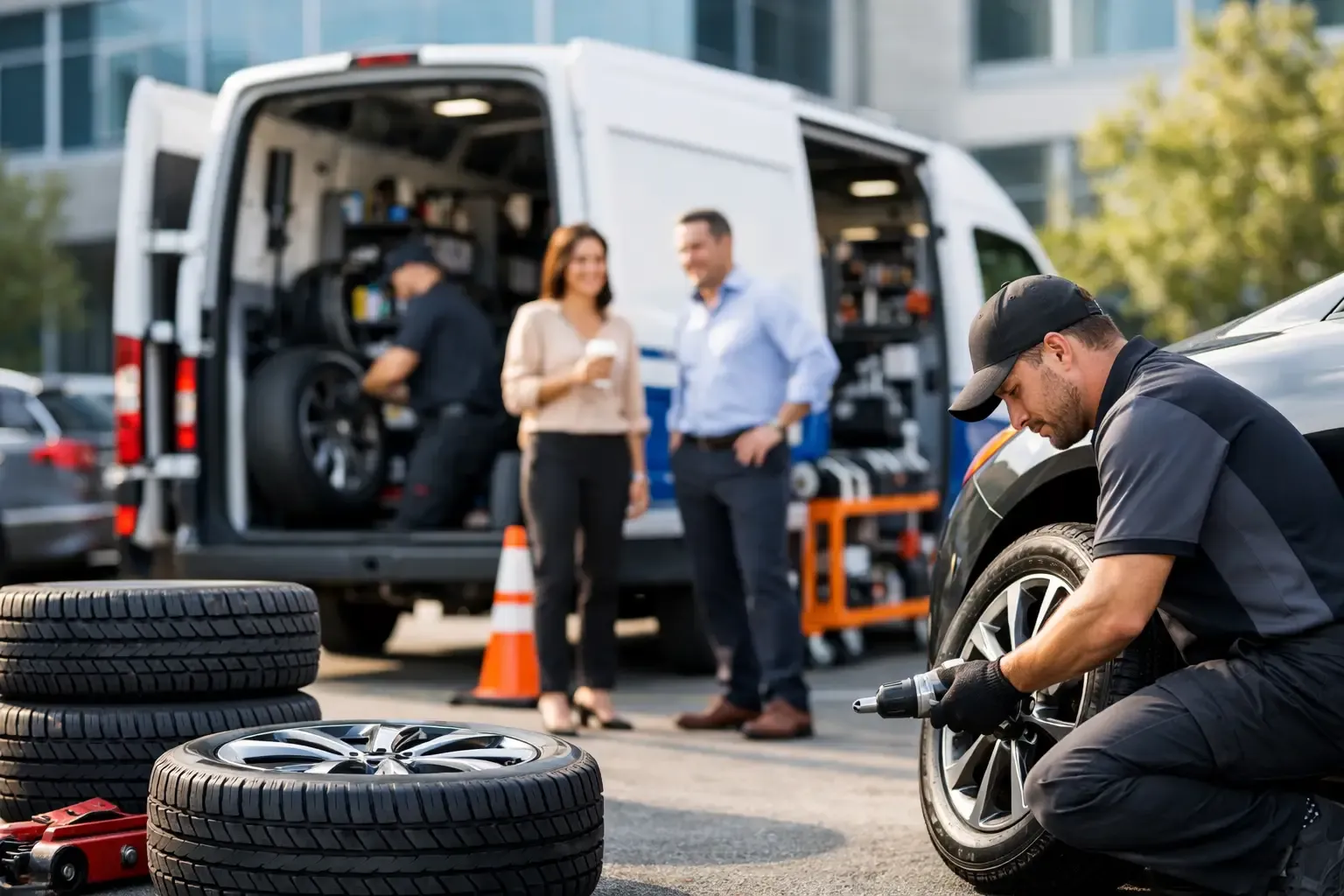
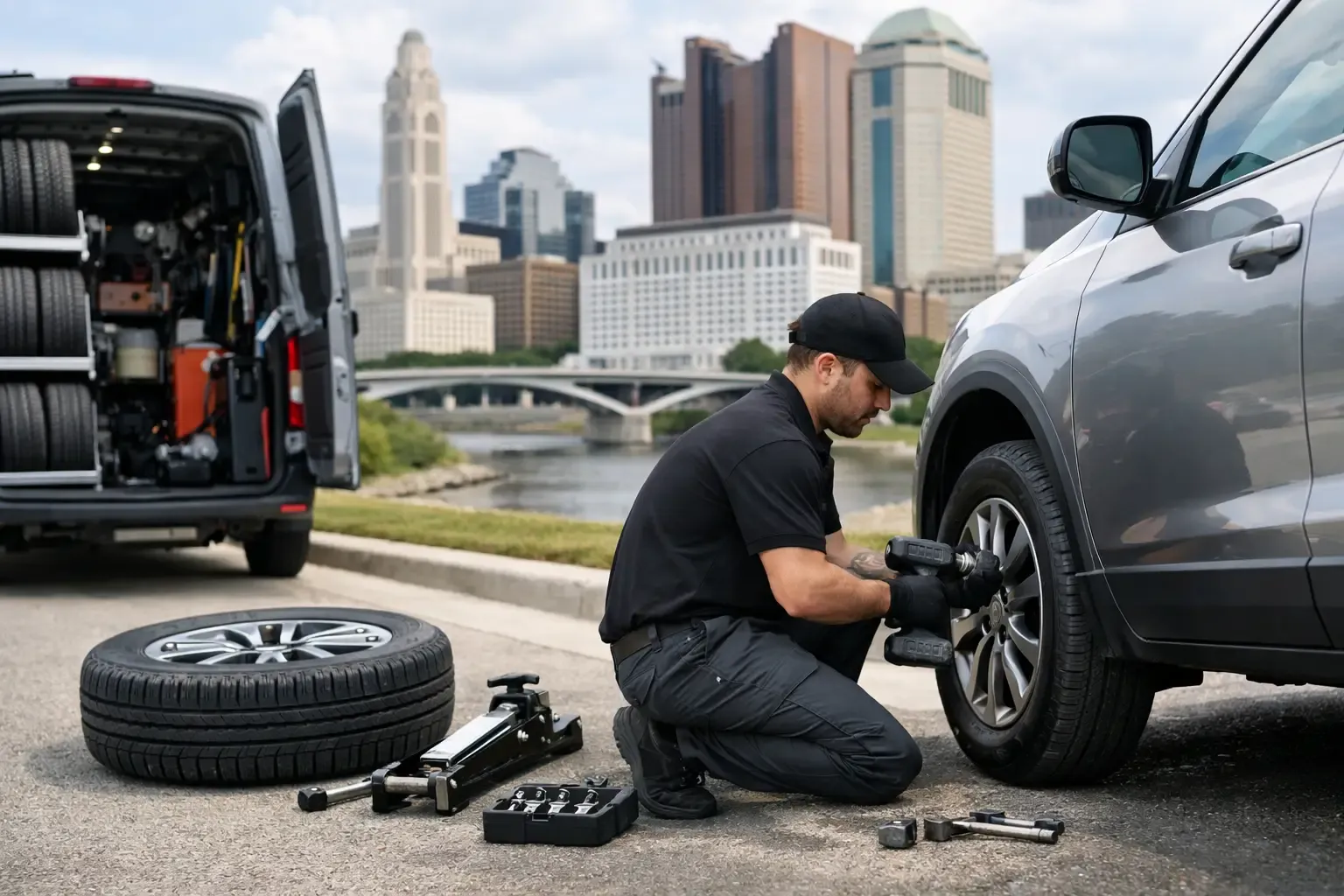
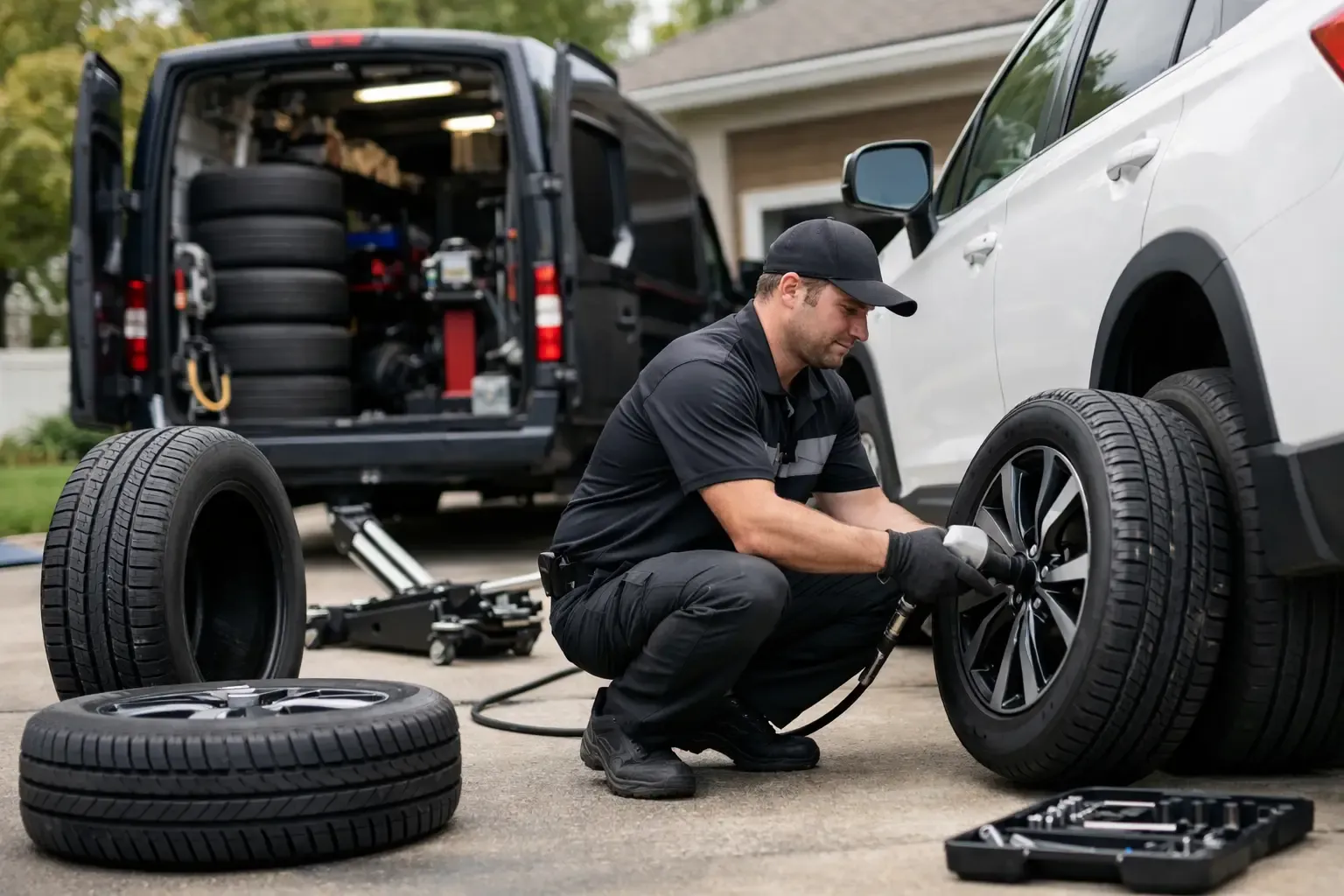
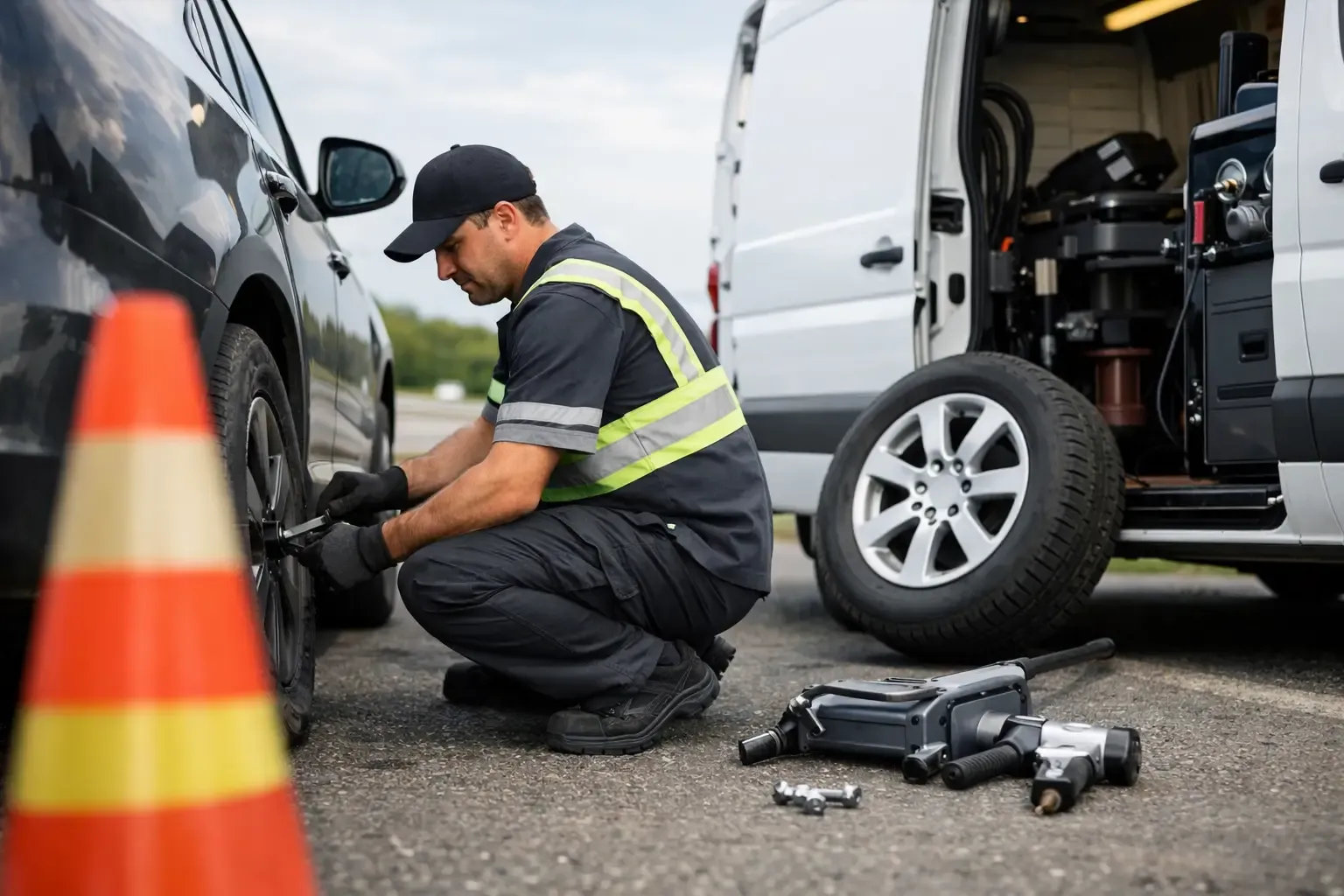
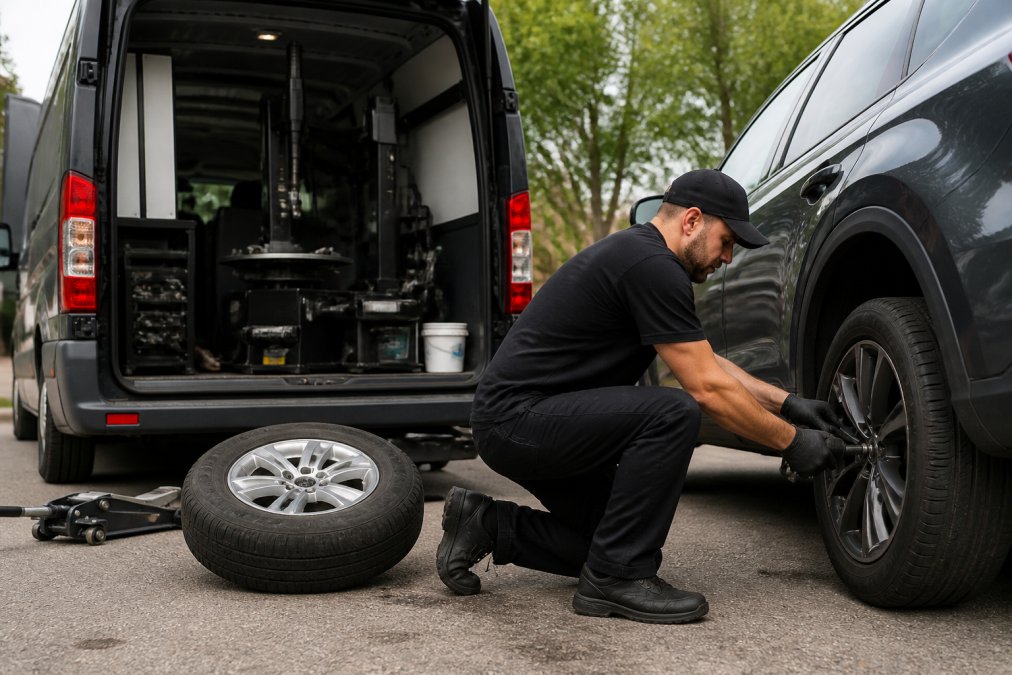
If you do not have a dependable gauge, cannot get a tire to hold the recommended PSI, or would rather have the tires inspected where your vehicle is parked, Elite Mobile Tire provides professional mobile tire service 24/7, including weekends and overnight, throughout Columbus and nearby communities. Getting the pressure right is a small step that helps every mile feel more controlled and predictable.
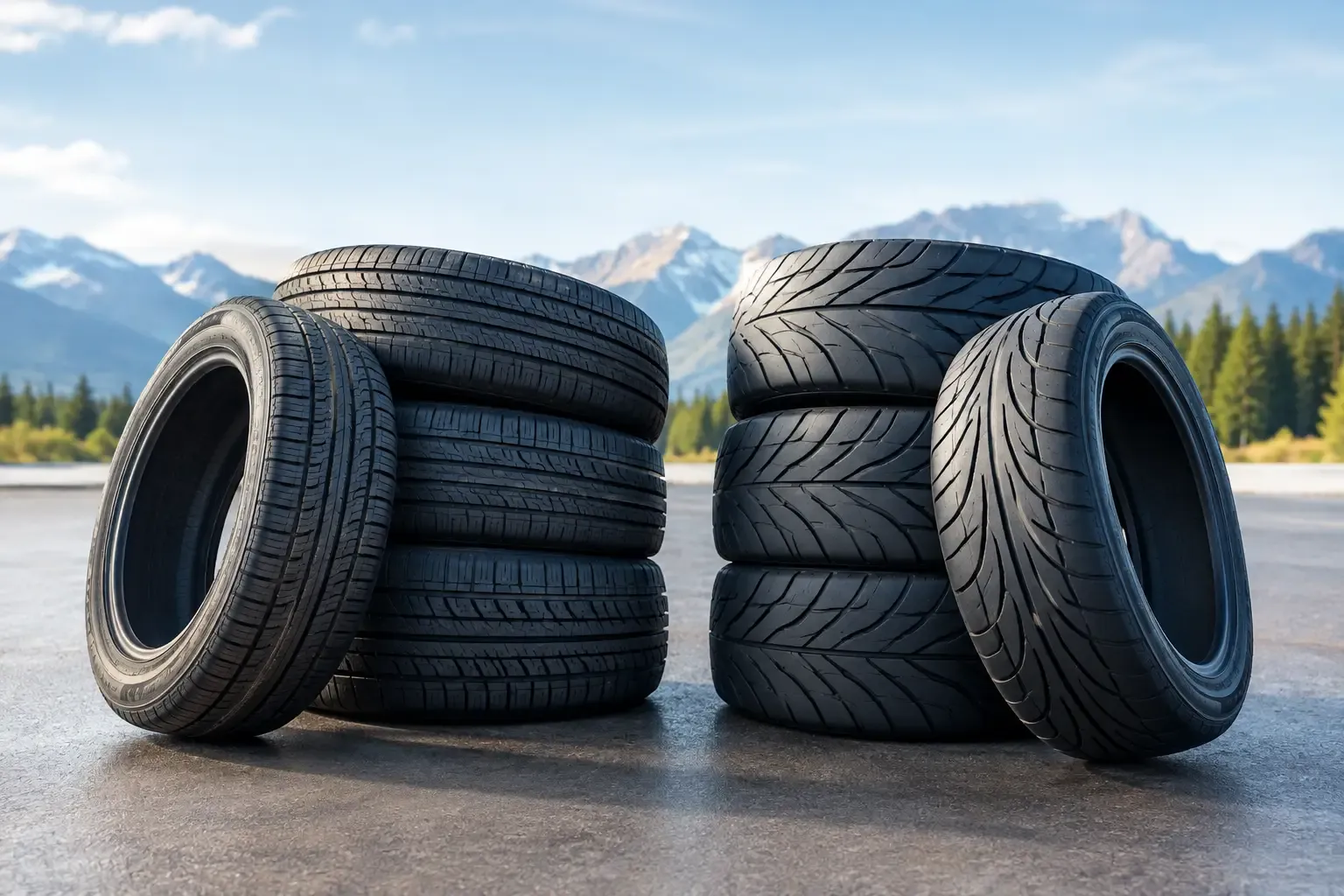
Ready for a new set? Elite Mobile Tire is open 24/7 and installs 2 or 4 new tires right in your driveway or parking lot anywhere around Columbus, Obetz, Groveport, Grove City, and Reynoldsburg. Financing is available through Afterpay and Acima with up to 24-month payment plans. Call 614-344-5010 or visit elitemobiletire.com to book.