
Quick Summary
For most drivers storing a set of four in a garage, tire storage bags win on dust protection and handling, while covers suit tires that stay in one place. Bags seal out more grit, but a dry storage area matters, since a sealed bag can trap moisture. Covers allow airflow and are more forgiving on fit.
- Bags keep out more dust and debris than covers over a long off-season.
- Covers let damp air escape, so they suit spaces that are not fully dry.
- Bags with sturdy handles let one person carry a tire in one motion.
- Measure the outside diameter of your largest wheel-and-tire assembly before buying a bag.
- Dry each tire fully and lift it off the floor before storing it.
Are tire storage bags better than covers for winter tires? For most drivers storing a set of four in a garage, bags win on dust and handling, while covers make more sense for tires that stay on the vehicle or sit in an open space. The right pick depends on how you store, move and reuse them.
Winter tires are a real investment, and how you store them between seasons affects how clean, dry and ready they are when the first hard freeze arrives. This guide compares the two main options, explains what each one actually does, and shows how to choose for your vehicle. It also covers the storage setups that trip up many drivers, including moisture control in Ohio garages.
Bags vs. Covers: What Each One Actually Does
The quickest way to pick between a tire storage bag and a tire cover is to compare them on the four things that matter most in storage: how much of the tire is enclosed, how much air moves around it, how easy it is to handle, and what each one protects against.
A storage bag is a sealed or semi-sealed sack, usually made of woven polypropylene or heavier plastic, that holds one tire from top to bottom. Because it closes around the tire, it blocks dust, road grit, and most UV light. The trade-off is airflow. A fully closed bag traps whatever moisture or warmth is inside it, so the tire can sit in a small pocket of humidity if the surrounding air is damp.
A cover is a fitted or drawstring sleeve, often polyester or Oxford fabric, that wraps the tire but leaves gaps for air to pass through. Covers stop most dust and scuffs and block a good share of UV exposure, but they do not seal out fine particles or a wet floor. Their main advantage is breathability, which helps when the tire is stored in a space that is cool, dry, and well ventilated.
A few practical differences follow from that:
- Dust and debris: Bags keep out more. Covers are fine for a clean garage but let in more fine dust over a long off-season.
- Moisture: Covers let damp air escape. Bags can trap condensation, so they work best when the storage area is already dry.
- Handling: Bags with sturdy handles let one person lift and carry a tire in a single motion. Covers usually have no handles and are better for tires that stay put.
- Fit: A bag must match the tire's outside diameter closely. A cover has more give, so it is more forgiving if the size is slightly off.
- Best use: Bags suit tires you will move in and out of storage every season. Covers suit mounted wheels stored upright in one place.
In places like Columbus, where winter garages can swing between freezing and damp, the choice often comes down to whether the space is truly dry. If it is, a bag's sealed protection is a real advantage. If there is any chance of moisture, a breathable cover is usually the safer pick.
The table below sums up how the two options compare on the four factors that matter most in storage.
Factor | Storage bag | Cover
Dust and debris | Keeps out more | Fine for a clean garage
Moisture | Can trap condensation | Lets damp air escape
Handling | Sturdy handles, one-person carry | Usually no handles
Fit | Must match diameter closely | More forgiving on size
Best use | Tires moved in and out each season | Mounted wheels stored in one place
How to Store Winter Tires Before You Put Them Away
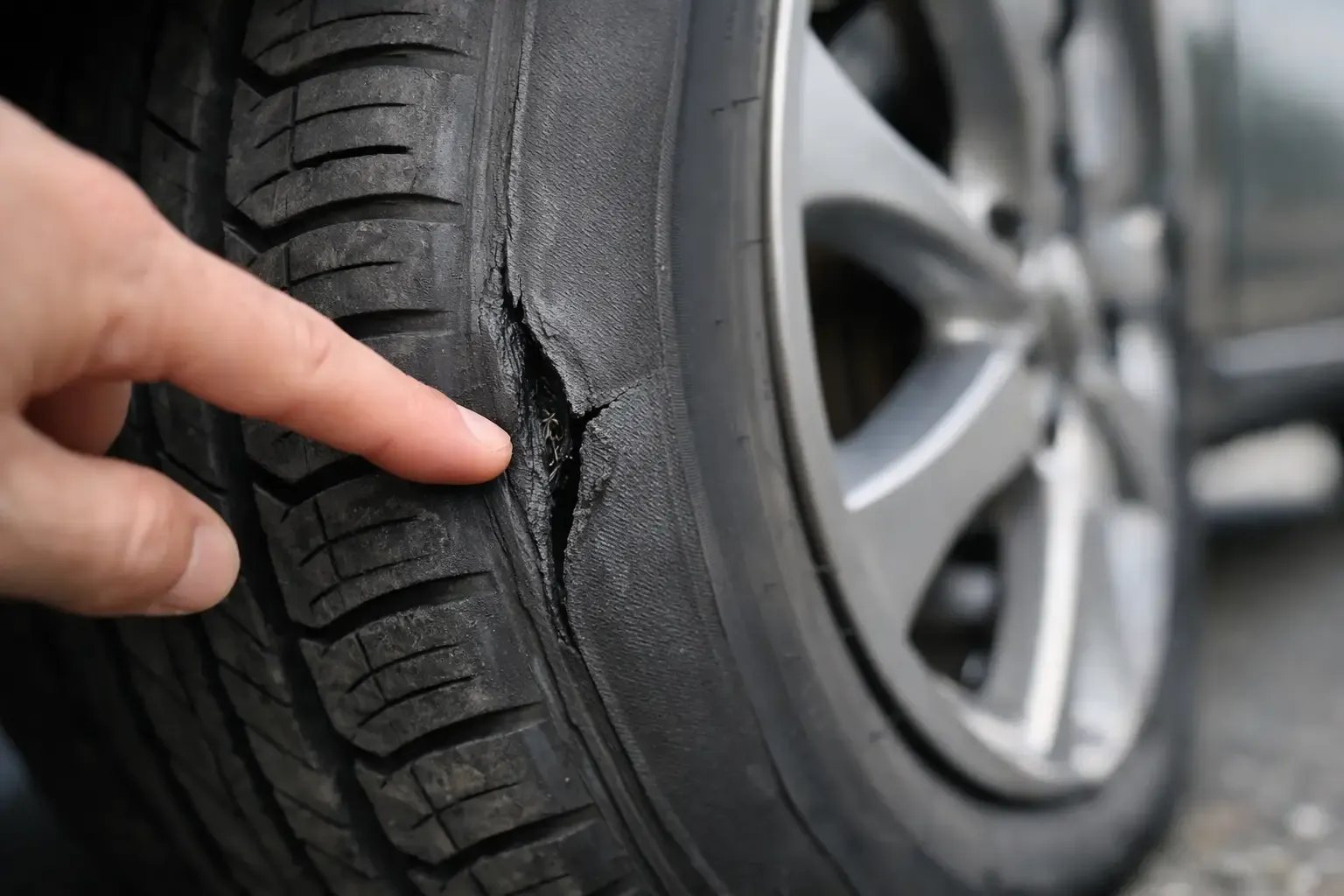
Clean each tire before storage, because road salt and brake dust left on the rubber can cause long-term damage. Dry the tire completely, and check the tread depth and sidewalls for cracks or bulges while you have it off the car.
Store tires in a cool, dry, dark place away from electric motors, which can produce ozone that ages rubber. Stack mounted wheels flat or stand them upright on a clean surface, and rotate them occasionally so the weight does not flatten one spot. If you use bags, leave a little space in the top so air can move, which helps limit condensation.
Tire Storage Bags for Wheels: Fit, Handles and Carrying
Fit matters more than most buyers expect. Measure the outside diameter of your largest wheel-and-tire assembly and check that the bag or cover lists a matching diameter range. A bag that is too tight will tear at the seams, and one that is too loose will let dust in.
Handles change the day-to-day experience. A bag with a sturdy handle lets you move a tire from the garage to the car in one motion, and it reduces the chance of scraping paint in a tight space. Look for reinforced stitching where the handle meets the bag body, since that is the usual failure point.
Waterproof Tire Storage Bags and Moisture Control in Ohio Garages
Waterproof bags keep liquid water from reaching the rubber. That is useful in a garage where meltwater from road-salted tires drips off the cars and runs across the floor. The part many drivers miss is that waterproof does not mean moisture-free. A sealed bag stops outside water, but any humidity already inside the bag has nowhere to go, so condensation can form on the tire's surface when the temperature drops overnight.
That cycle is a common pattern in many climates. A garage can warm during the day and cool at night, and each cooling period pushes the air toward its dew point. A bag that closes tightly around a damp tire holds that moisture against the rubber and the wheel finish. Over a winter, that can show up as a musty smell, a grayish film on the wheel, or spots of mold along the inside of the bag.
A few steps reduce the risk:
- Dry the tire completely before bagging it. A tire that is still wet from washing will keep the bag damp all season.
- Lift the tire off the floor using wooden pallets, a shelf, or a rack. Concrete stays cold and damp, and that cold transfers to anything resting on it.
- Leave the bag open a little at the top, or choose a bag with a vent, so air can move instead of sitting still.
- Add a moisture absorber such as a small desiccant pack inside the storage area, not inside the bag, so it pulls humidity from the room.
- Check monthly for mold, a musty smell, or water marks. Catching it early usually means a quick wipe and a drier spot, not a ruined tire.
If your garage cannot stay dry, a breathable cover on raised storage often works better than a fully sealed bag. Watch out: a bag that looks waterproof can hide a damp tire inside, so opening it for a visual check each month matters more than the label suggests.
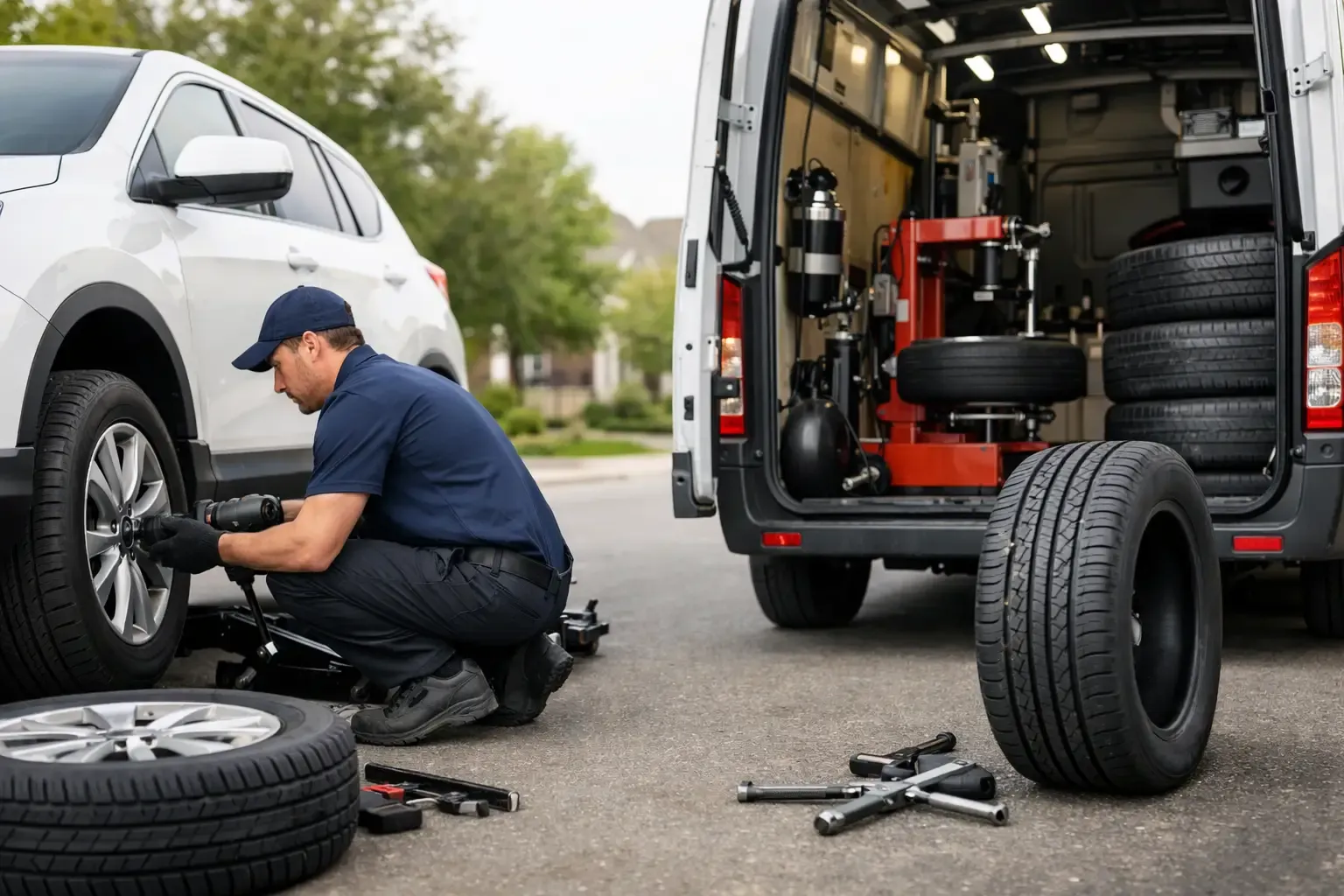
If you want a second set of eyes on your tires before they go into storage, Elite Mobile Tire's techs check all four tires on every job, not just the one you called about. See what a mobile installation visit looks like before you book. Call 614-344-5010 or book at elitemobiletire.com.
Mounted Wheels or Loose Tires: Which Storage Setup Fits Your Vehicle
Mounted wheels are often quicker to put back on in the spring, since the tire and rim are already assembled. They take more floor space and are heavier to move, so they suit drivers with enough room and help to lift them.
Loose tires take less space and can be stacked, but they need to be remounted and rebalanced before the season starts. For most drivers with a garage, mounted wheels are the simpler choice, while those short on space often prefer loose tires stored in bags. Check your vehicle's tire size first, because a bag that fits a 15-inch wheel may not fit a 19-inch set.
Choosing Between Bags and Covers for Your Set of Four
For a full set of four, match the storage method to how you handle the tires. If you are still deciding which winter tires to keep, read this practical guide to choosing winter tires first. If you plan to move them often, bags with handles save effort. If the tires will sit in one spot, covers with good airflow may be enough.
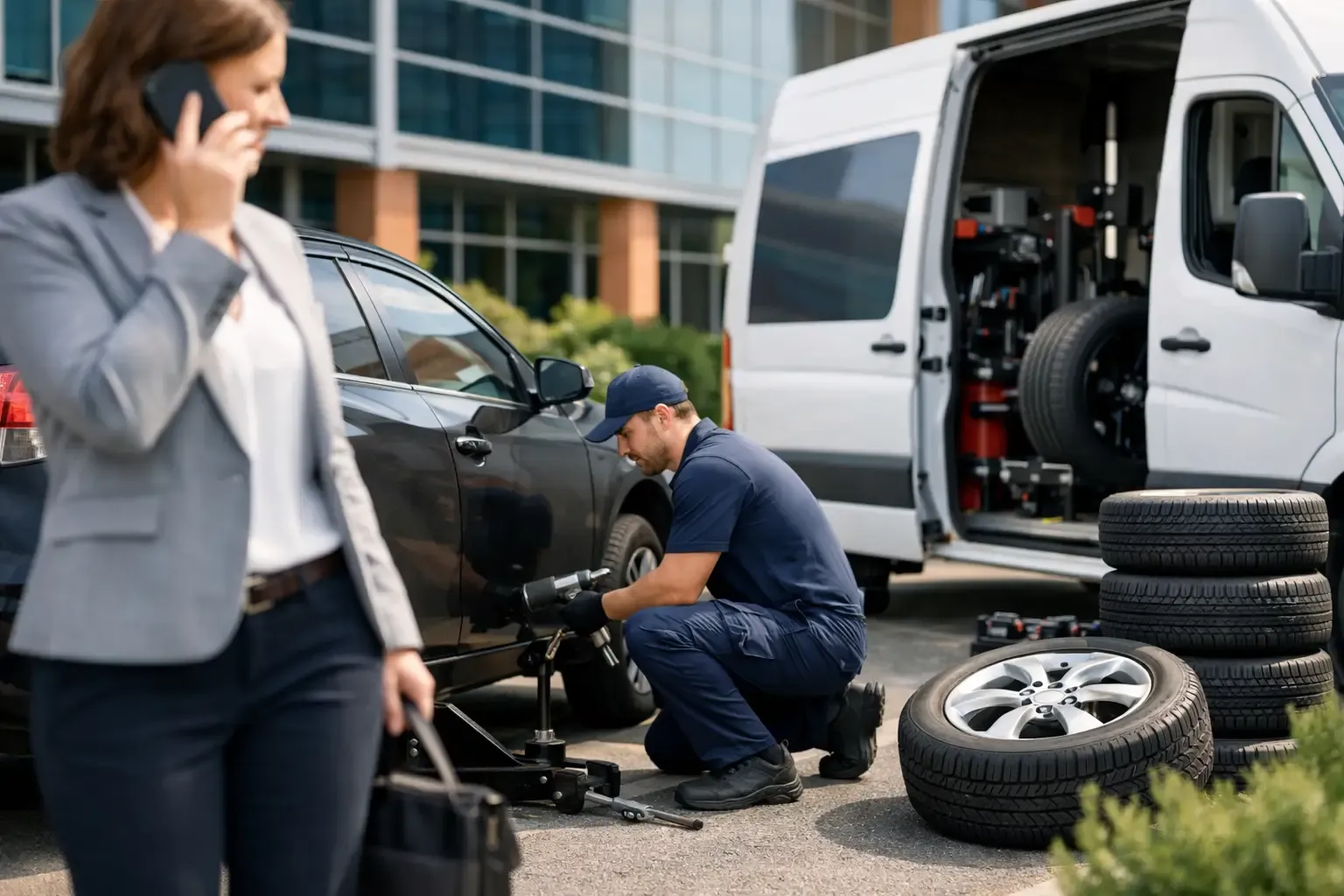
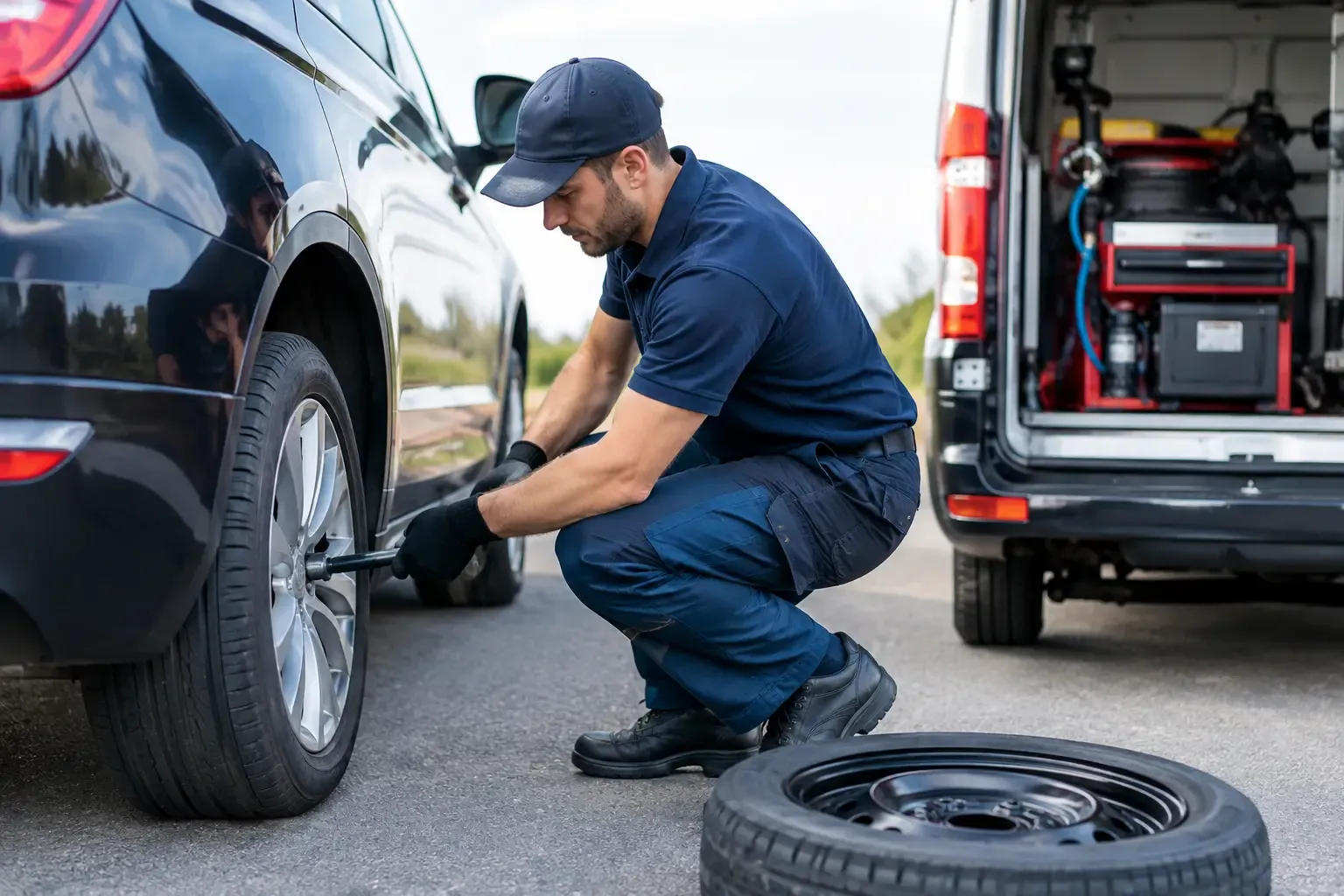
Cost and reuse also count. Quality storage products can last several seasons, so compare the price against how many years you expect to use them. Keep the set labeled by position, such as front left or rear right, so you can rotate them correctly when you install them again. When it is time to put them back on, Mobile tire installation (2 or 4 tires at your location) lets us mount and balance the set at your location, so you do not have to haul them to a shop.
Booking Your Tire Check Before Storage or Install Day
Before you store your winter tires, have all four checked for tread depth, cracks and pressure. Use this list of questions to ask a mobile tire installer before you book. Our techs check all four tires on every job, not just the one you came in for. We come to your home, work, job site or roadside, any time of day or night, and we can install a full set on-site so you do not have to make an extra trip.
Mobile balancing at Elite Mobile Tire is around $50 per tire. For a full set, financing is available through Afterpay and Acima, with plans up to 24 months. Call 614-344-5010 or book at elitemobiletire.com to schedule a visit.
Frequently Asked Questions
Are tire storage bags better than tire covers?
It depends on how you store them. Bags fully enclose each tire or wheel and do the best job against dust, dirt and moisture, which makes them a good fit for garage storage over several months. Covers are often easier to reuse and let you check tires more quickly, but they can leave more of the tread exposed to dust and light. For most drivers storing a full set in a garage, sealed bags offer more protection. If you store tires outdoors or on a rack, a fitted cover with good ventilation may be the better choice. Check the fit against your tire diameter before you buy either one.
Do winter tires need to be stored in bags?
Bags are not strictly required, but they are a practical way to protect winter tires from dust, debris and moisture between seasons. Many manufacturers recommend storing tires in a cool, dry, dark place away from direct sunlight and ozone sources. A bag or cover helps meet those conditions in a typical garage. Whatever you use, make sure the tires are clean and fully dry before sealing them, because trapped moisture can encourage mildew and deterioration over time.
Can you store tires in plastic bags?
Yes, plastic bags are commonly used for tire storage, and thick, sealed bags can keep out dust and most moisture. Thin or flimsy plastic can tear, and fully airtight bags can trap humidity, so look for bags with some durability and, if possible, a way to limit condensation. Clean and dry each tire before bagging it. Keep stored tires off damp concrete when you can, and inspect them at the start of the next season for cracks, bulges or flat spots before you mount them.
How should I store tires with rims?
Tires mounted on wheels can usually be stored upright or stacked, depending on the wheel design and available space. Many tire professionals suggest keeping mounted tires upright rather than stacking them heavily, because weight on one tire can cause flat spots over a long storage period. Use a bag or cover sized for the full wheel and tire diameter, and clean the tread and wheels first. If you are unsure how your wheels will hold up, have a tire technician check them when you swap the set back on.
Ready for a new set? Elite Mobile Tire is open 24/7 and installs 2 or 4 new tires right in your driveway or parking lot anywhere around Columbus, Obetz, Groveport, Grove City, and Reynoldsburg. Financing is available through Afterpay and Acima with up to 24-month payment plans. Call 614-344-5010 or visit elitemobiletire.com to book.