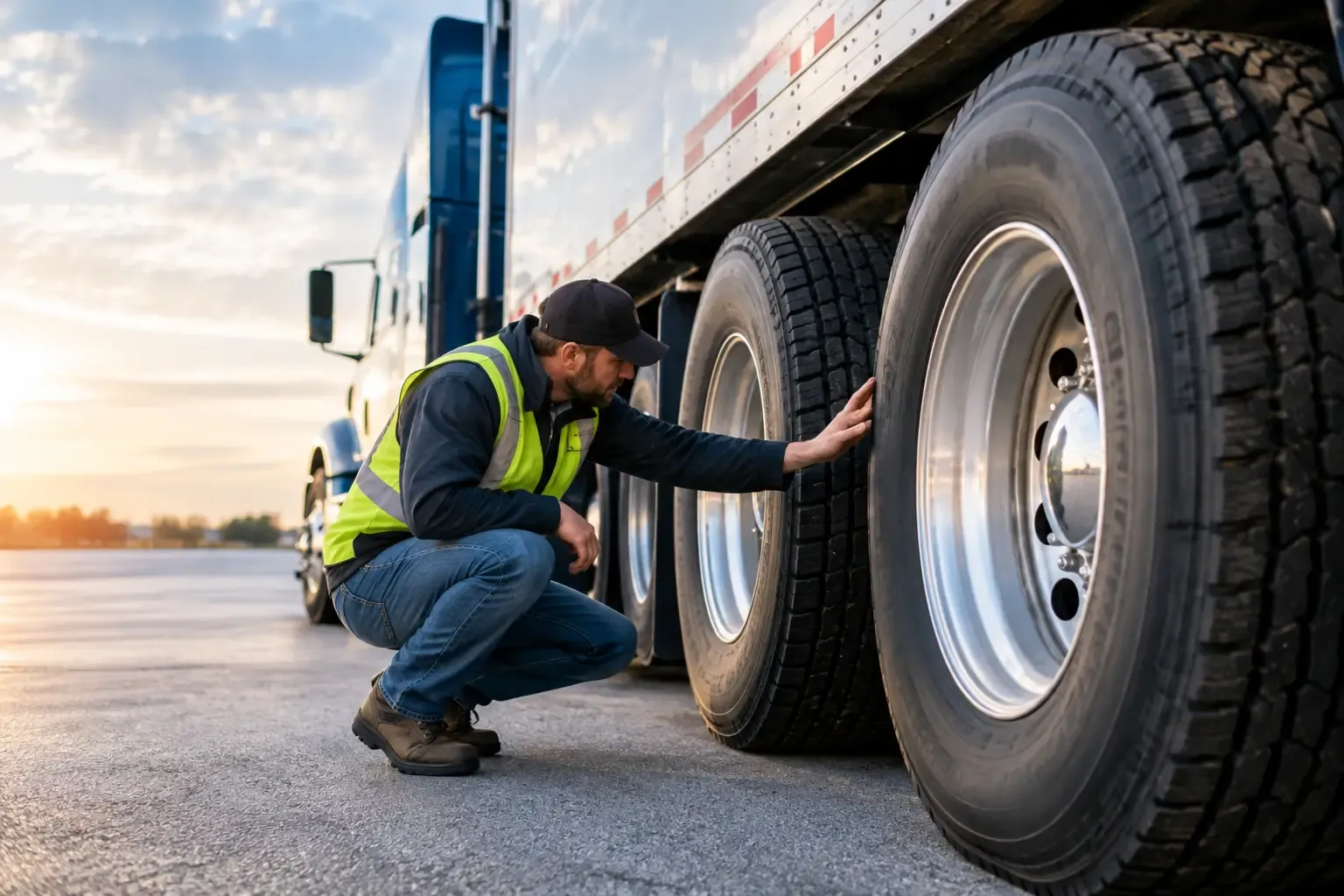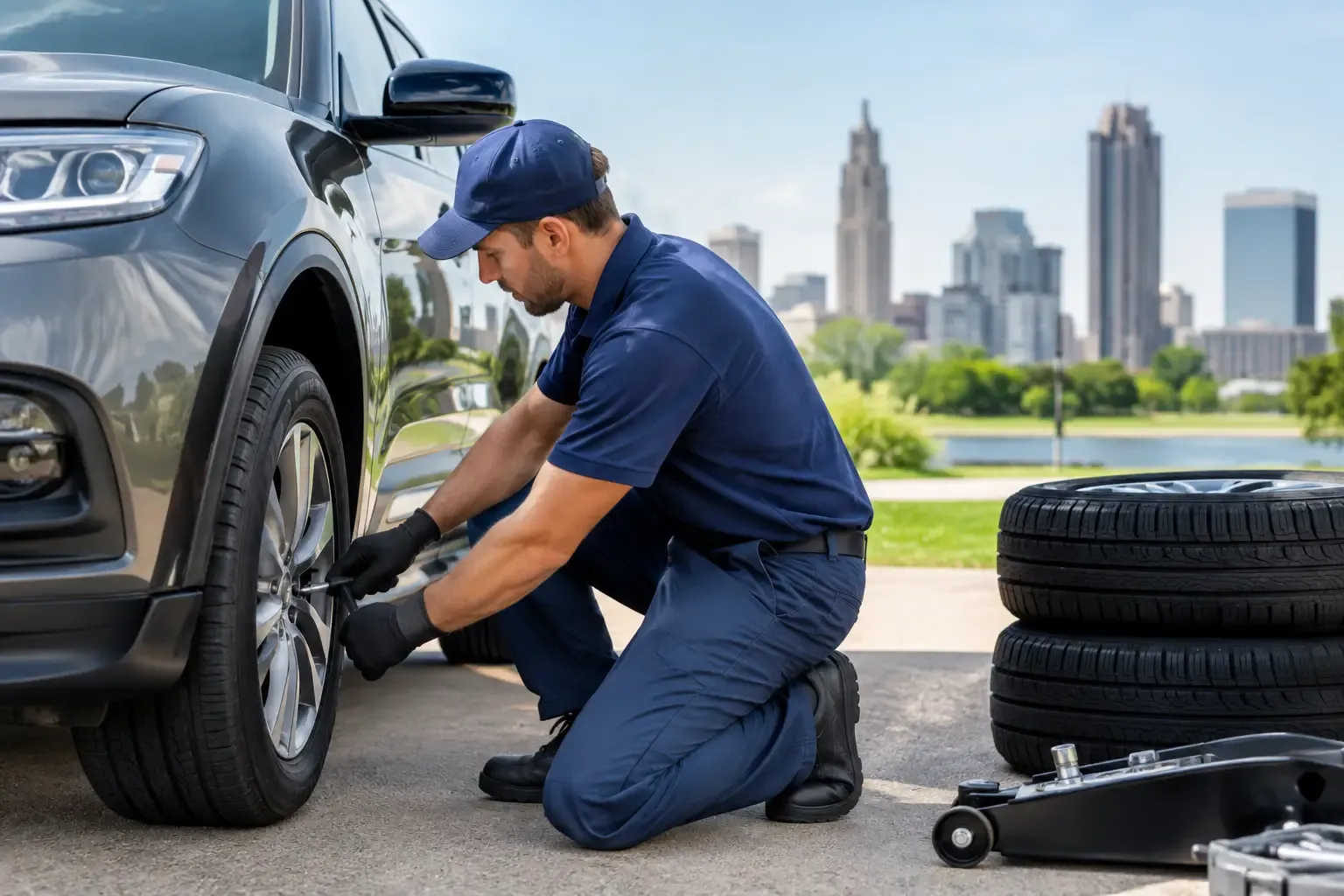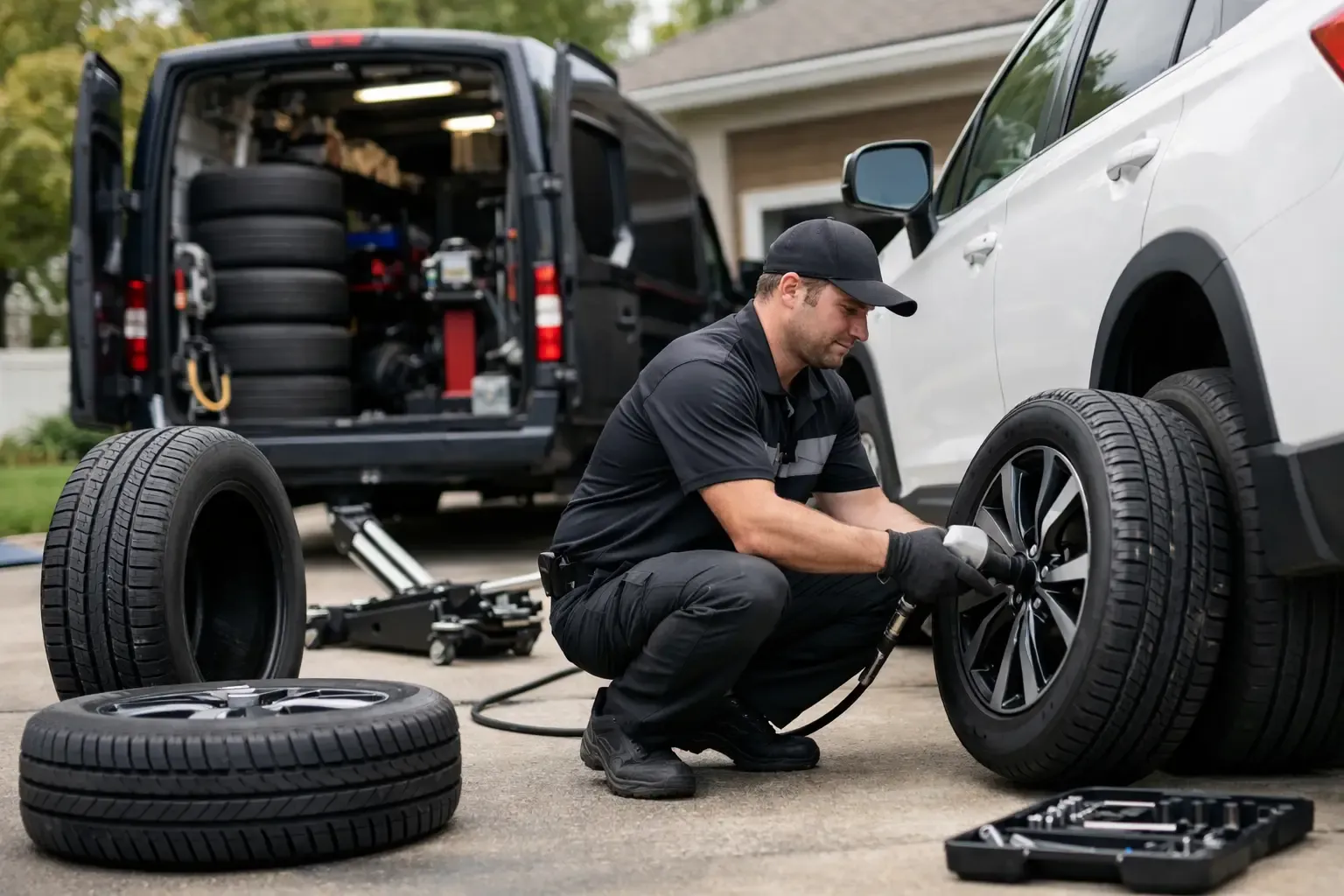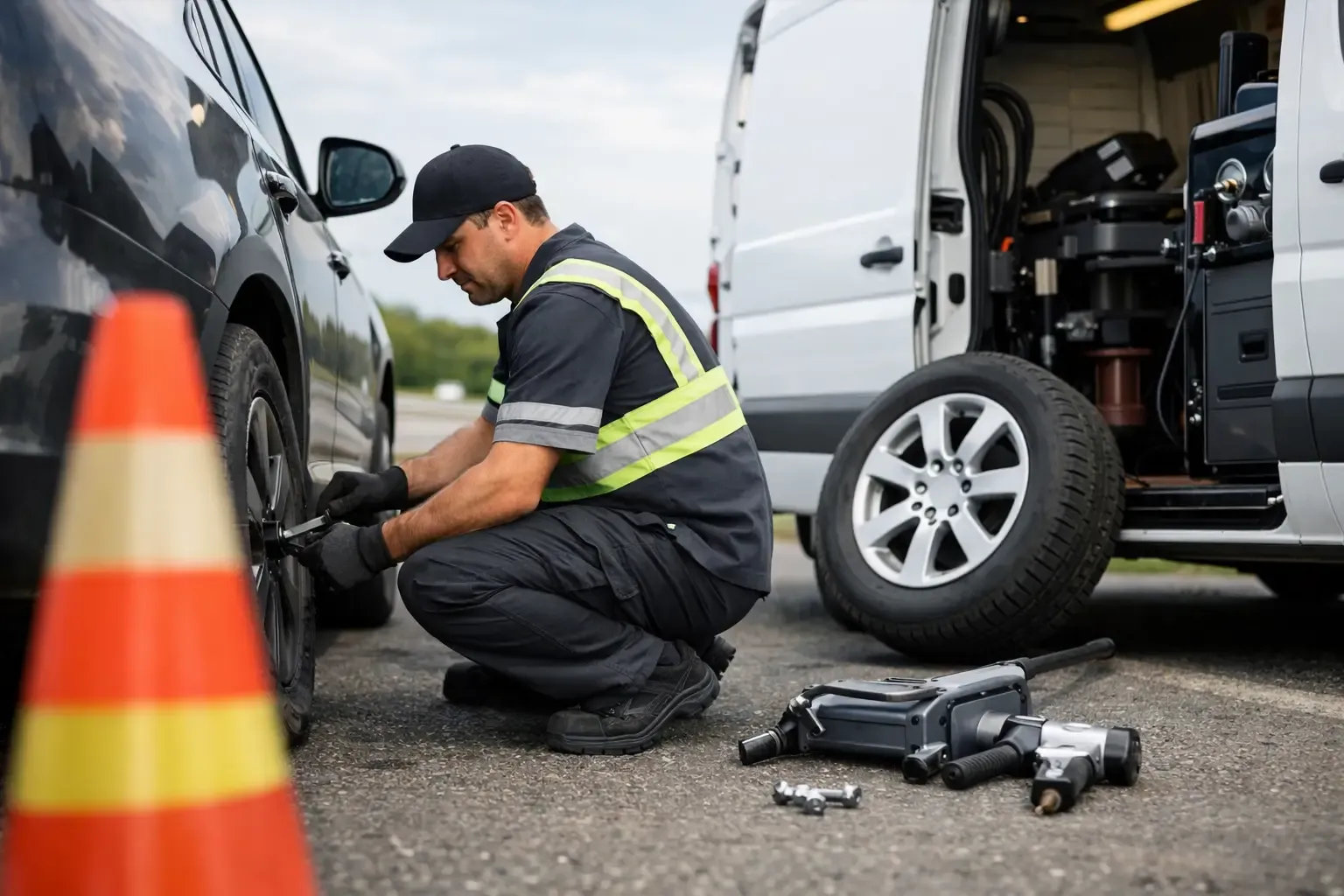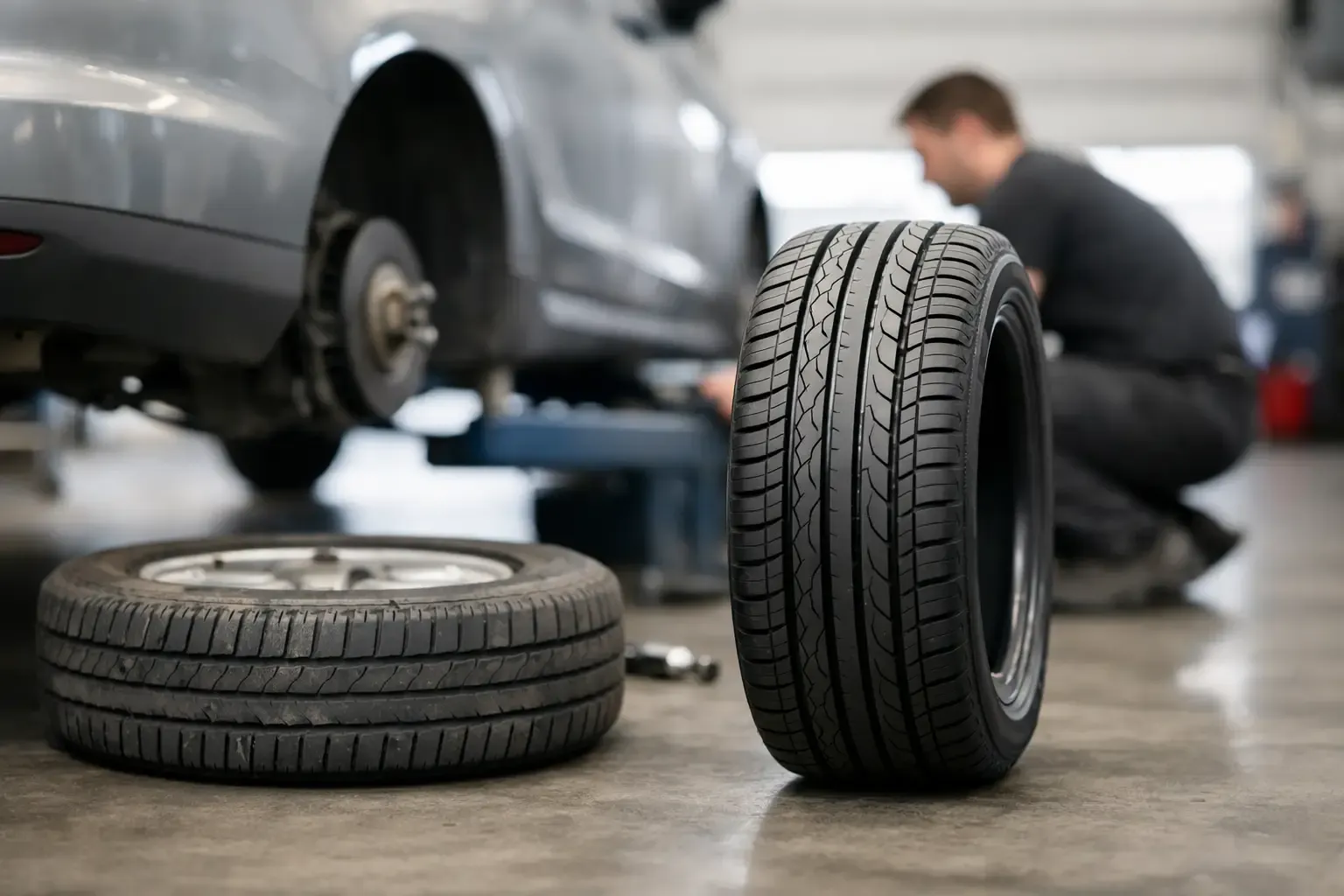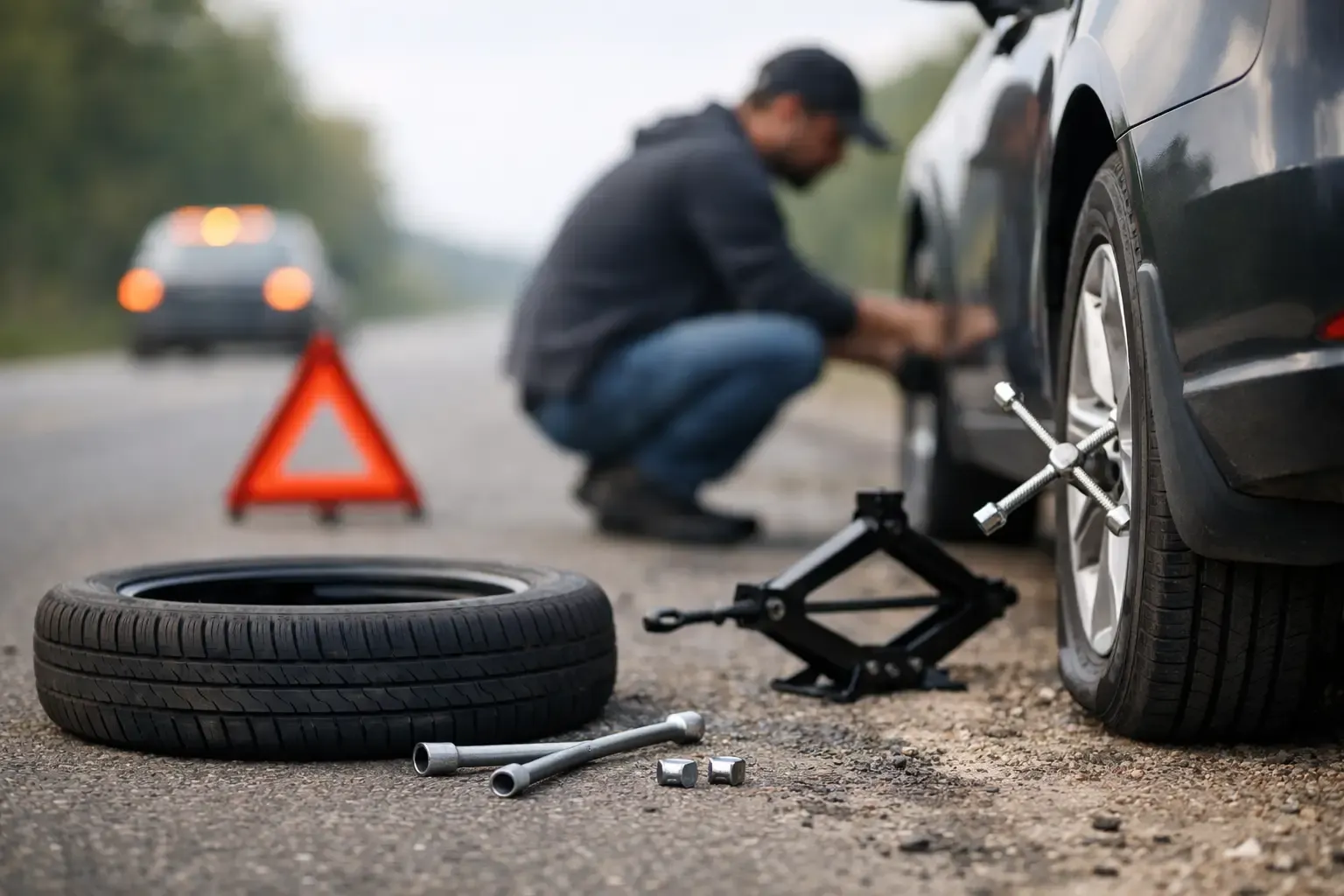
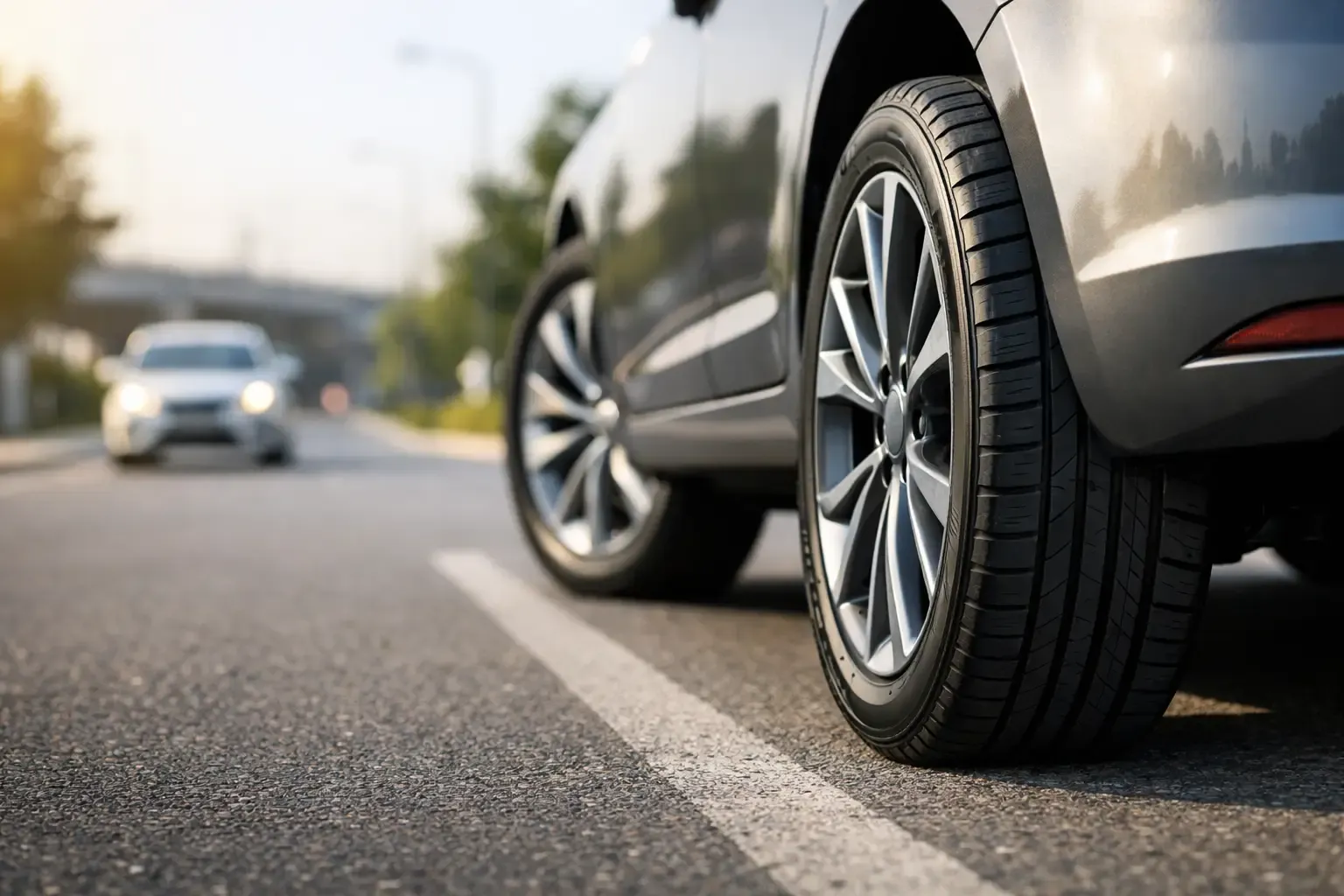
A commuter tire earns its value at 7:30 a.m. in rain, during stop-and-go traffic, and on the drive home after a long day. The best tires for daily commuting are not necessarily the sportiest or the most aggressive-looking. They are the ones that help your vehicle brake confidently, ride comfortably, last through plenty of miles, and stay dependable through changing Ohio weather.
For most drivers, the right answer is a quality all-season or all-weather tire matched to the vehicle, mileage, and roads you use every week. The goal is simple: fewer tire-related interruptions and a safer, more comfortable drive.
What Makes the Best Tires for Daily Commuting?
Daily driving puts different demands on tires than occasional weekend use. A good commuter tire needs balanced performance. It should provide reliable wet traction, predictable handling, low road noise, and a tread life that makes sense for the number of miles you drive each year.
Wet braking deserves special attention. Central Ohio roads can become slick quickly during spring rain, slush, or the first few minutes of a storm when oil and debris rise to the surface. Look for tires designed with wide grooves and effective water evacuation. Those features help reduce hydroplaning risk and help the tire maintain contact with the road.
Comfort matters, too. If you spend 30 minutes or more in your vehicle each way, a harsh or noisy tire gets old fast. Touring and grand touring tires are often a strong fit for sedans, crossovers, minivans, and many SUVs because they prioritize a quieter, smoother ride without giving up everyday traction.
Treadwear is the other part of the equation. A tire with a longer tread-life warranty can be a sensible choice for high-mileage commuters, but warranty length alone should not decide the purchase. A tire still needs the wet grip, load rating, and ride quality your vehicle requires.
Start With Your Commute, Not the Tire Brand
Two drivers can own the same vehicle and need different tires. Before choosing a model, consider how and where you drive.
A driver who spends most of the week on I-270, I-71, or Route 315 may benefit most from a quiet touring tire with long tread life and stable highway manners. Someone who makes frequent short trips through city streets may place more value on responsive braking, pothole resilience, and a comfortable ride over uneven pavement.
Your vehicle also changes the recommendation. A compact sedan, three-row SUV, pickup, hybrid, and electric vehicle all place different demands on a tire. Heavier vehicles need tires with the correct load capacity. Electric vehicles can wear through tires faster because of their weight and instant torque, so a durable tread compound and proper inflation become even more important.
Use the tire size shown on the driver-side door placard or in the owner's manual as your starting point. That information includes the recommended size, load index, and speed rating. Changing sizes or ratings without understanding the effects can alter handling, speedometer accuracy, clearance, and ride quality.
Four Strong Tire Categories for Commuters
Rather than chasing one universal “best” tire, choose the category that fits your conditions and priorities.
- Standard all-season tires are a practical fit for many everyday drivers. They provide dependable dry and wet performance, reasonable tread life, and a comfortable ride for normal city and highway use.
- Grand touring all-season tires are often ideal for commuters who value quiet highway driving, longer tread life, and refined comfort. They are especially popular on sedans, crossovers, and family vehicles.
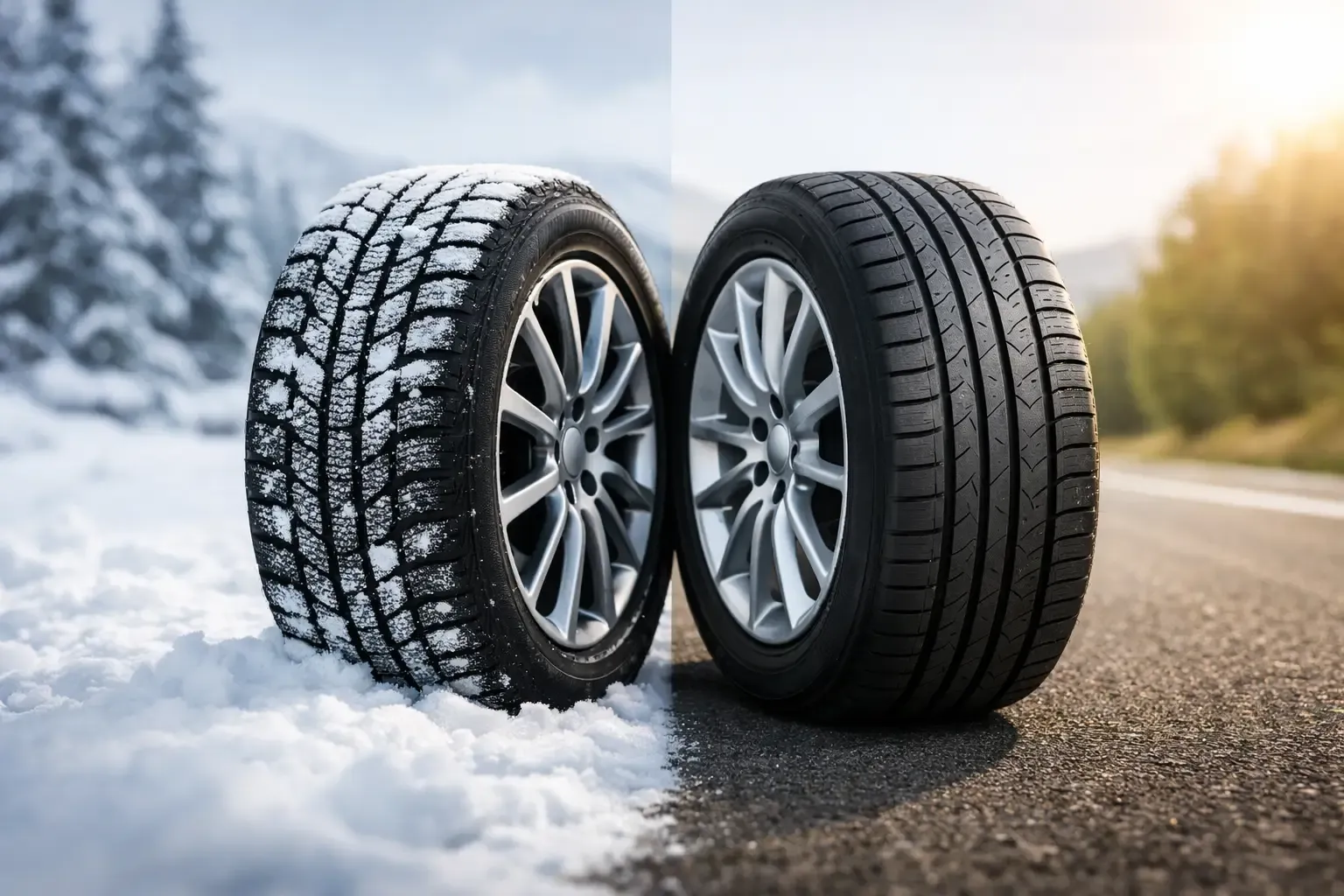
- All-weather tires provide stronger cold-weather and light-snow capability than typical all-season tires while remaining suitable for year-round use. They can be a smart choice for drivers who need to get to work regardless of a surprise snow event.
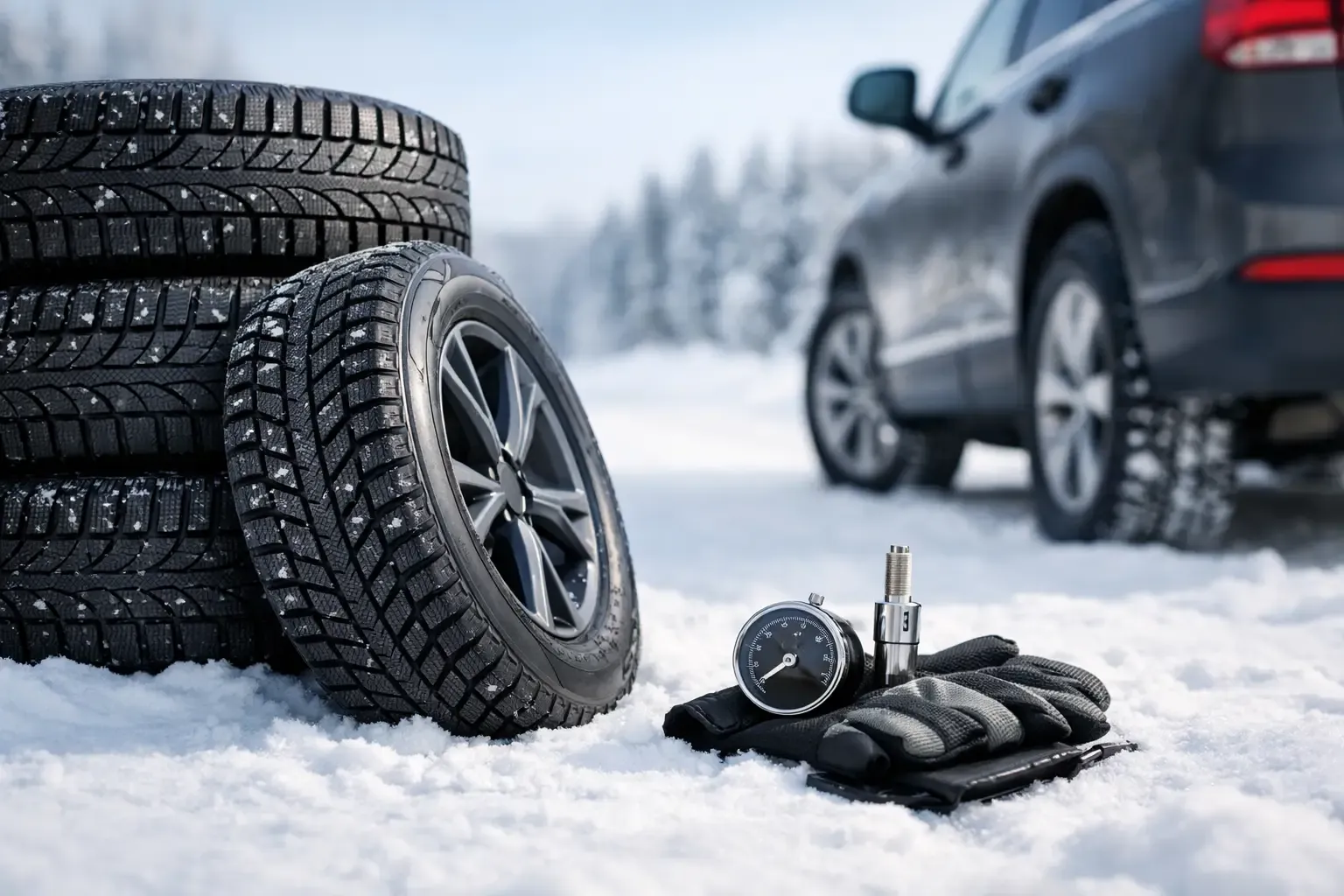
- Winter tires offer the strongest traction in sustained snow, ice, and very cold temperatures. They are worth considering for drivers with early shifts, rural routes, steep streets, or no flexibility to wait out hazardous conditions. They are not the best year-round commuter choice because they wear faster in warm weather and should be removed when winter ends.
For many Columbus-area commuters, a premium grand touring all-season tire is the best all-around starting point. If winter travel is a regular concern, an all-weather tire may offer more reassurance. The right choice depends on how often you encounter winter conditions and whether you can adjust your schedule when roads are poor.
Popular Commuter Tire Lines to Consider
Tire availability depends on your exact size, but several well-regarded lines are commonly considered for daily driving. Michelin Defender 2 tires are known for long tread life and a composed everyday ride. Continental TrueContact Tour tires are often chosen for balanced wet traction, comfort, and mileage. Pirelli P4 Persist AS Plus tires are another touring-focused option for sedans and crossovers.
For drivers who want added confidence during cold, wet, and lightly snowy conditions, Michelin CrossClimate 2 and similar all-weather designs are worth discussing. These tires can provide a meaningful step up in winter capability compared with conventional all-season options, though they may have different ride, noise, and fuel-efficiency characteristics.
A professional recommendation should account for your vehicle's size, drivetrain, mileage, and condition. The tire that performs well on a front-wheel-drive commuter sedan may not be the right match for a larger all-wheel-drive SUV.
Do Not Overlook Tire Age and Maintenance
Even the right tire cannot perform as intended if it is underinflated, unevenly worn, or damaged. Check tire pressure at least once a month and before longer trips. Use the pressure listed on the door placard, not the maximum pressure printed on the tire sidewall.
Regular rotations help tires wear more evenly. Many vehicles benefit from rotation about every 5,000 to 7,500 miles, though the owner's manual should guide the exact interval. If the vehicle pulls to one side, the steering wheel sits off-center, or the tread is wearing more heavily on one edge, have the alignment checked at an alignment shop.
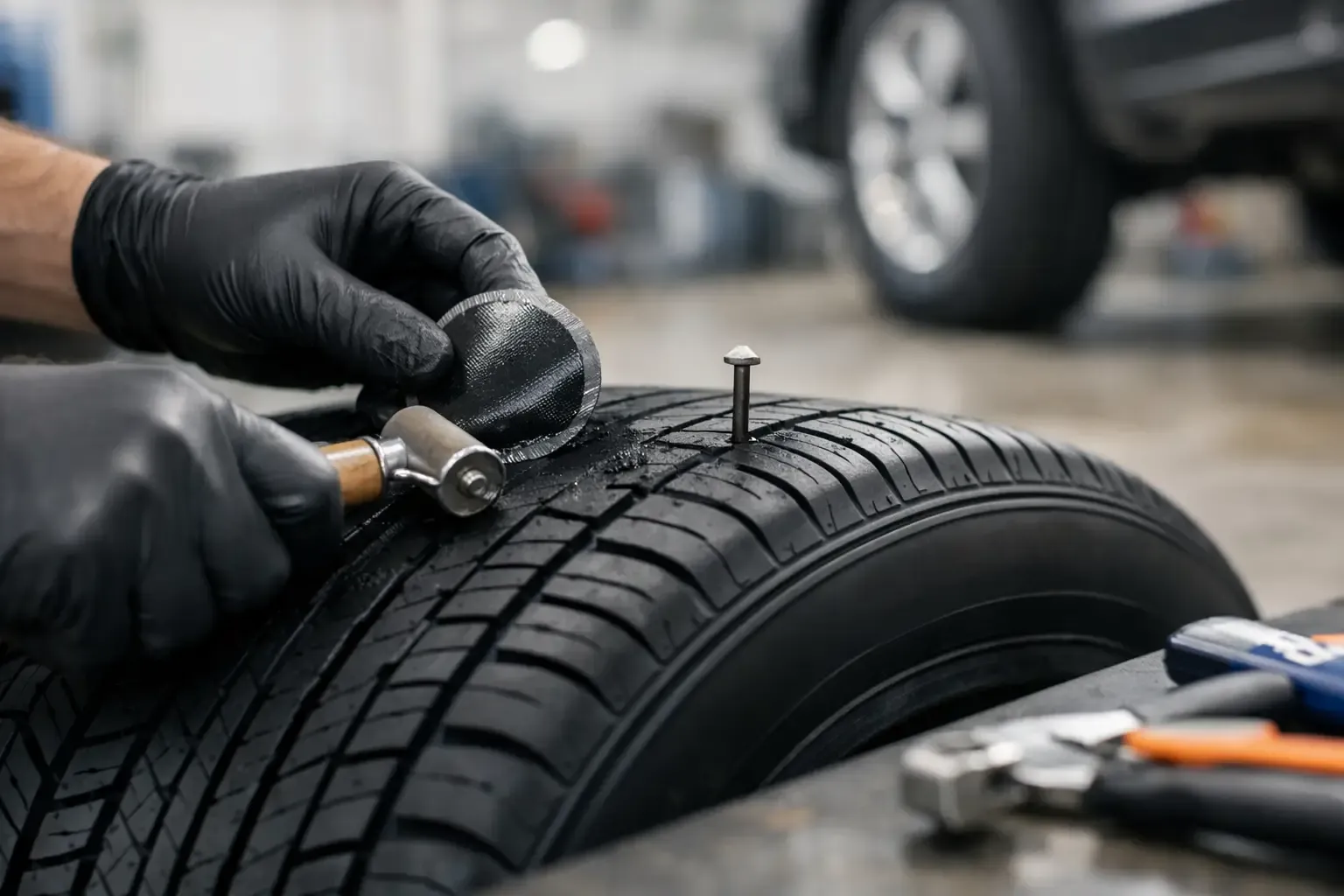
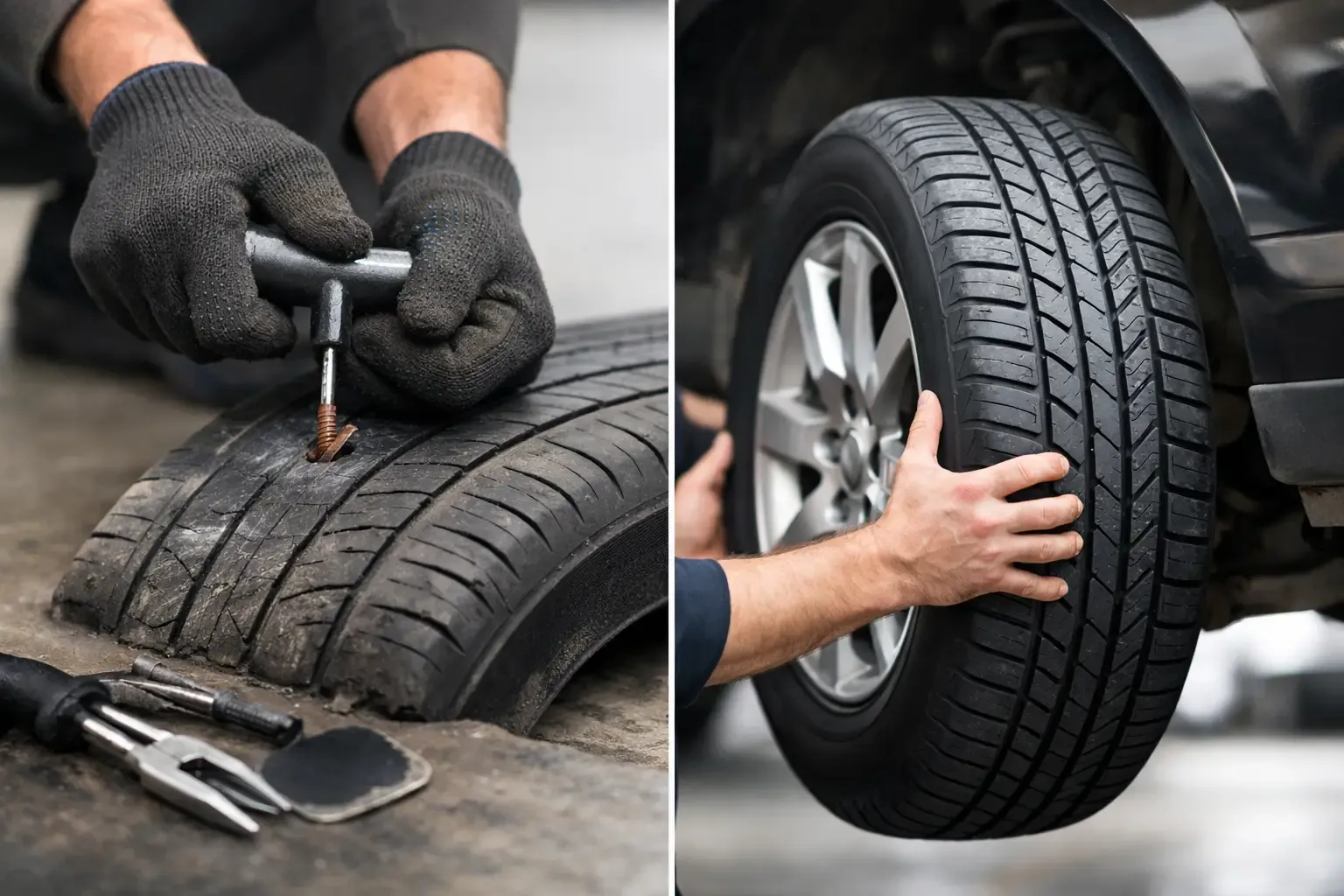
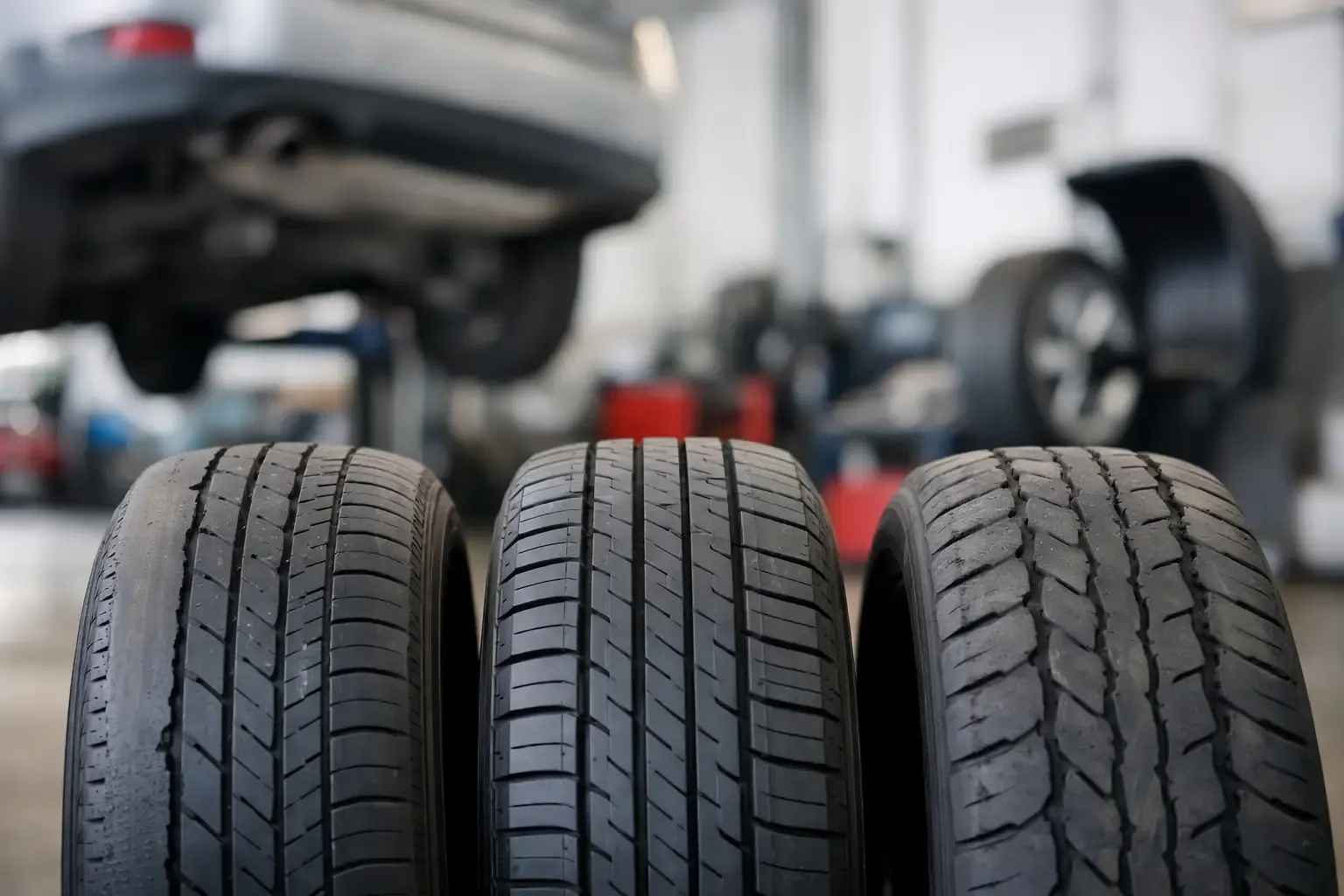
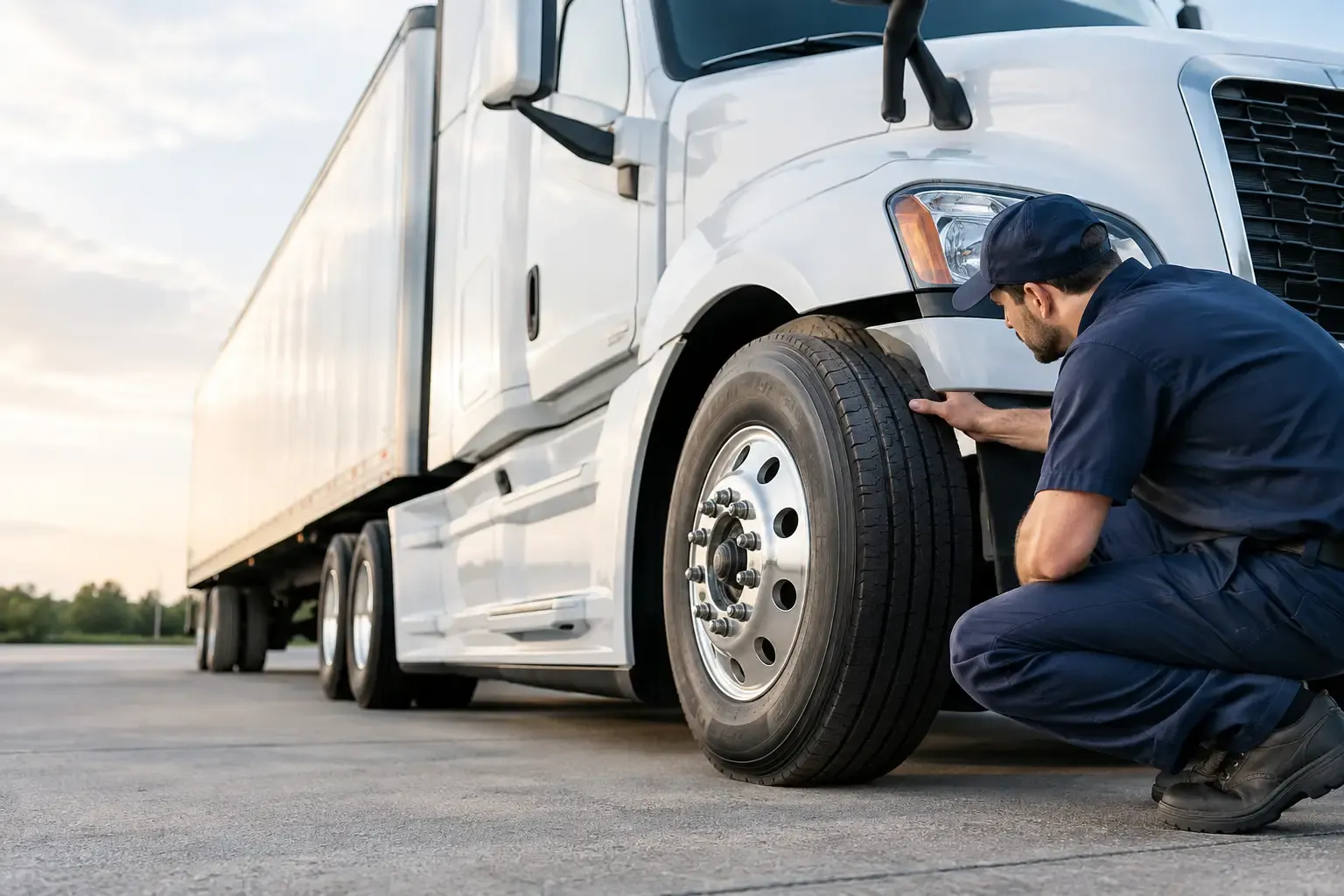
Do not wait for a tire to become completely bald before replacing it. Tread depth affects wet-road grip long before the tire looks visibly worn from a distance. If you see the built-in treadwear bars flush with the tread, replacement is due. Cracks, bulges, repeated air loss, vibration, or a sidewall injury also deserve prompt professional attention.
When Replacing Two Tires Makes Sense
Replacing all four tires at once gives the most consistent traction and handling, especially on all-wheel-drive vehicles. But if only two need replacement and the remaining pair has sufficient, even tread, replacing two may be appropriate.
When installing two new tires, they are generally placed on the rear axle. This helps the vehicle maintain better stability in wet conditions and can reduce the risk of a rear-tire slide. Your vehicle's drivetrain, tire condition, and manufacturer guidance should always be considered before making the final call.
For all-wheel-drive vehicles, tread-depth differences between tires can matter more than many drivers realize. Significant variation can place unnecessary stress on drivetrain components. A technician can measure the remaining tread and help determine whether two tires, four tires, or a closely matched replacement is the appropriate path.
Make Tire Replacement Fit Your Schedule
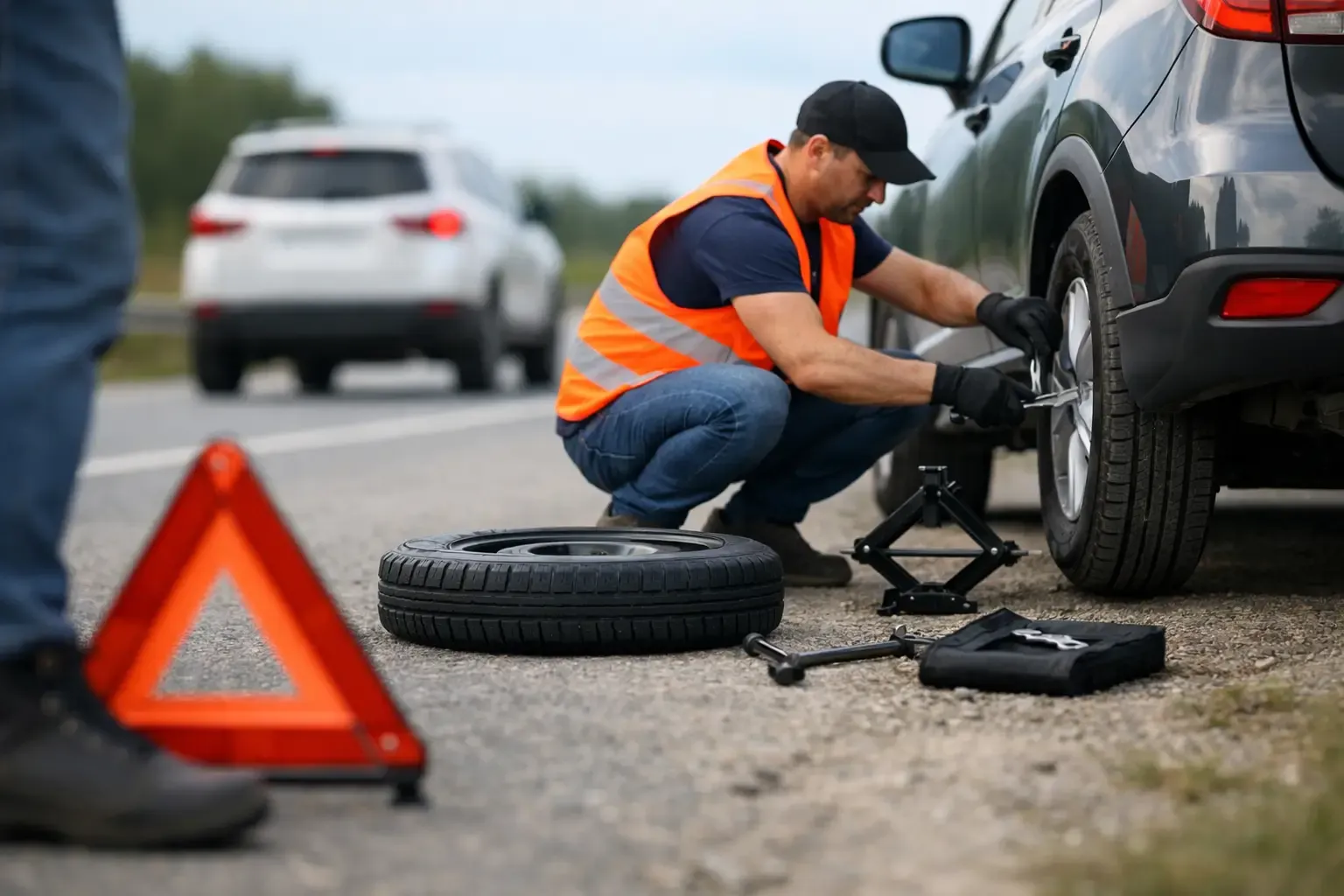
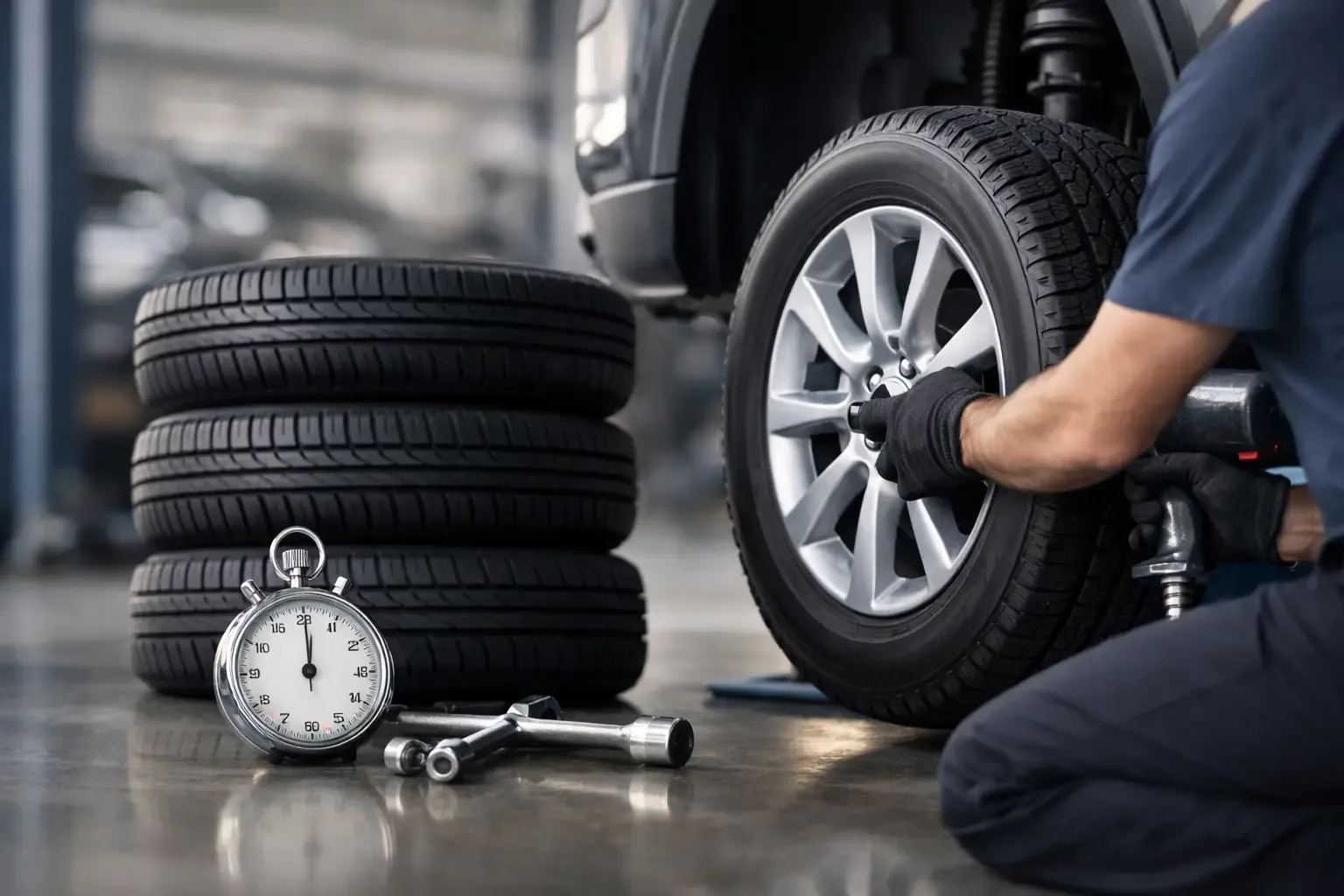
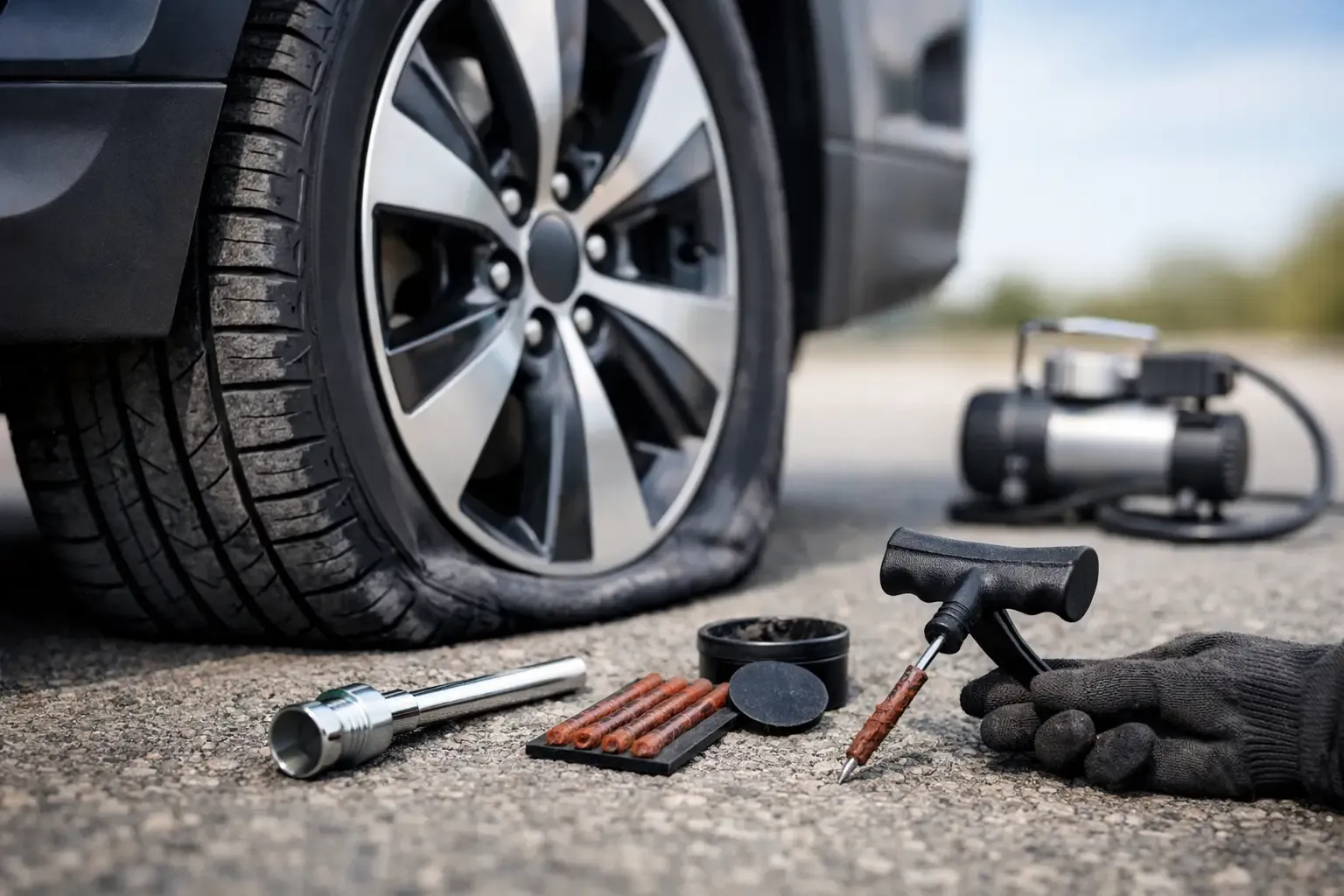
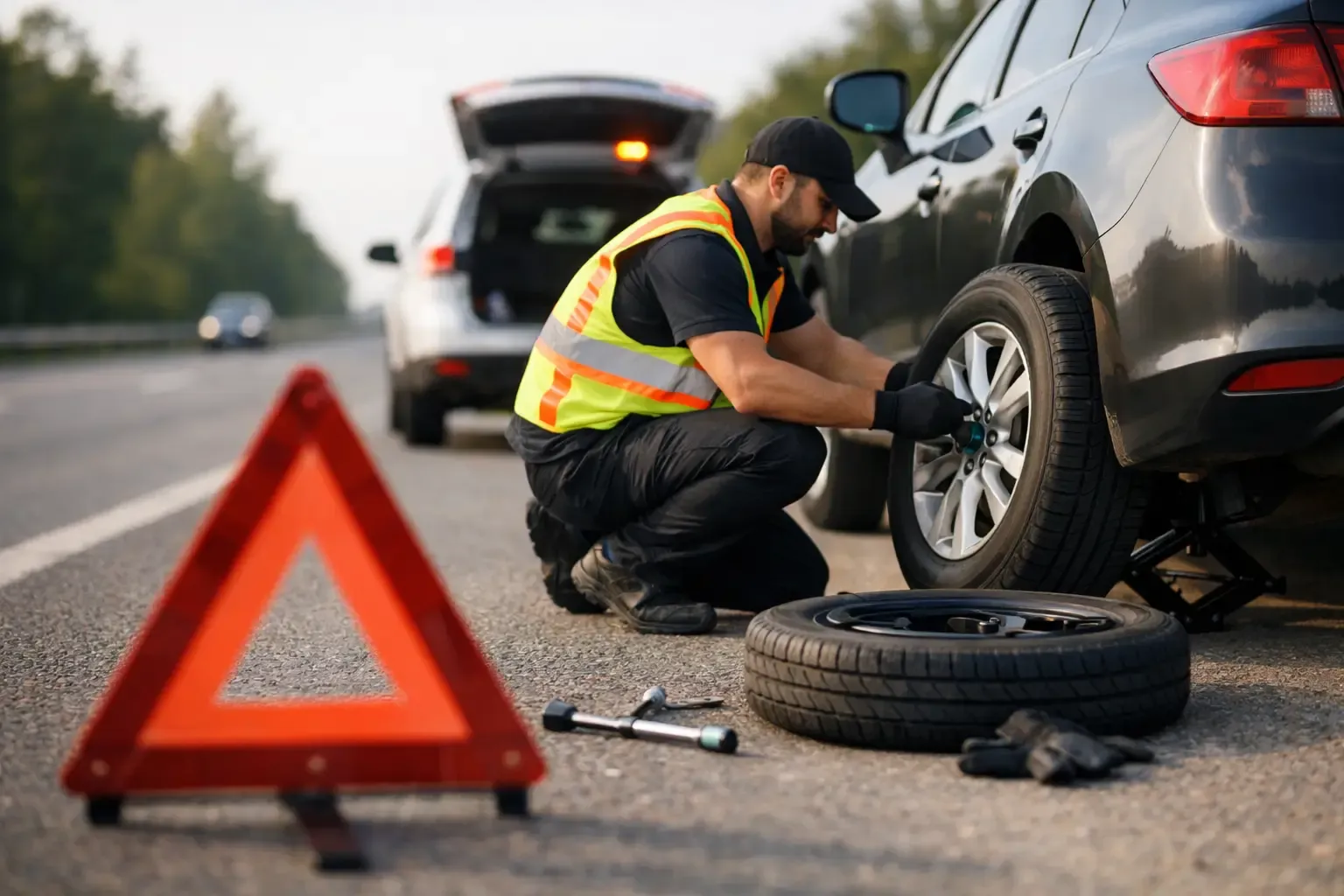
Commuters often delay tire replacement because a tire shop visit means rearranging work, family obligations, or both. That delay can turn a manageable issue into a flat tire, reduced wet traction, or an inconvenient roadside problem.
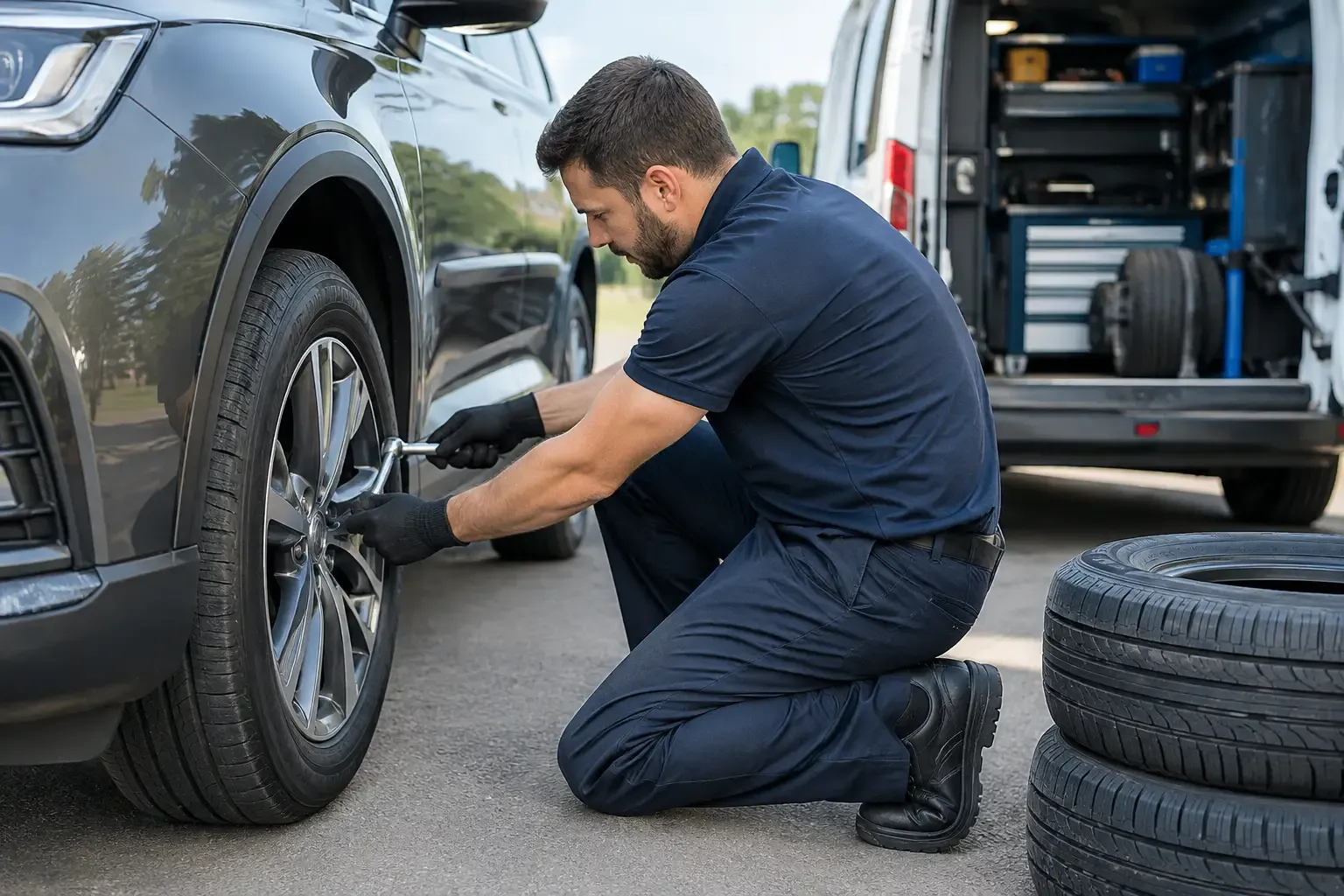
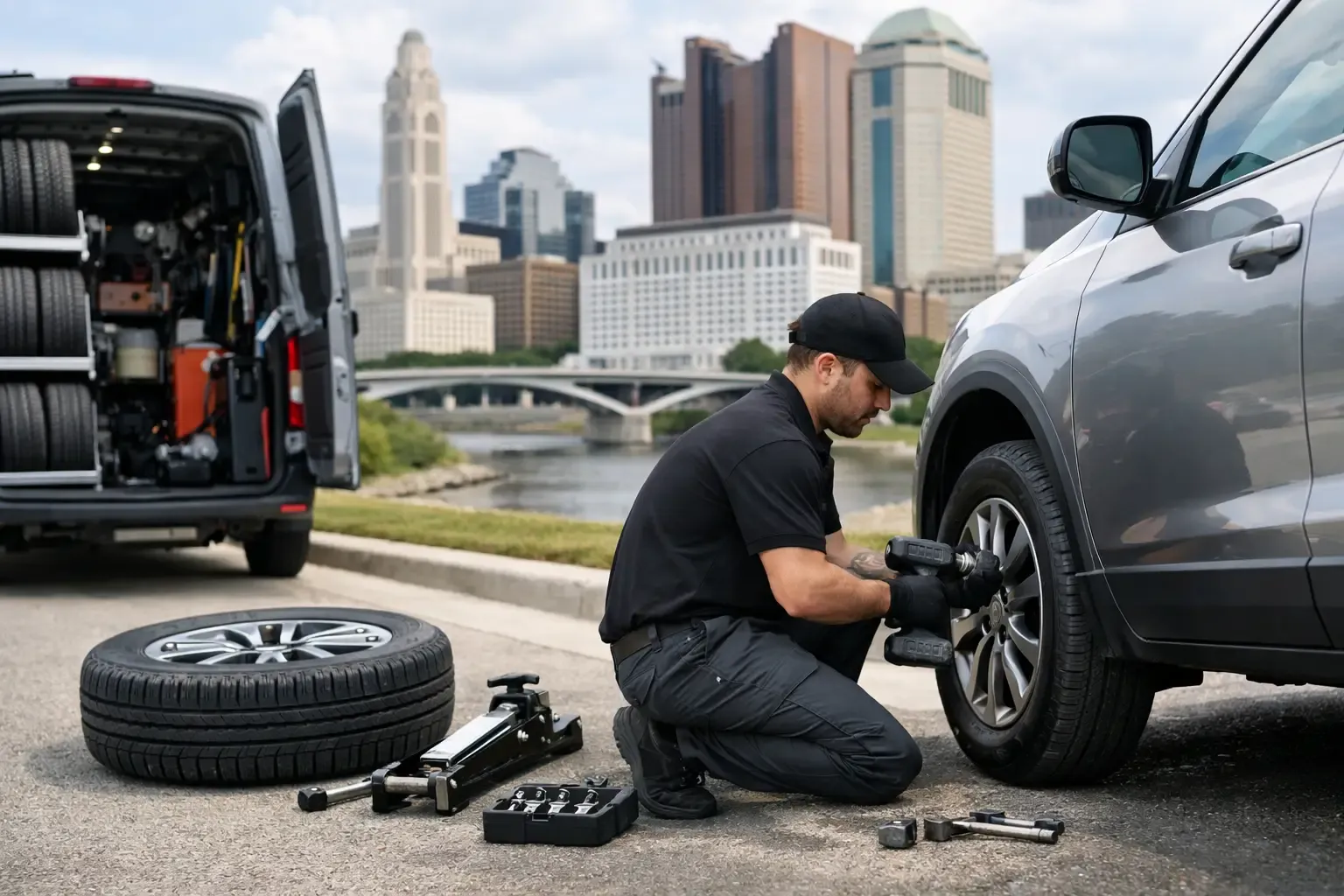
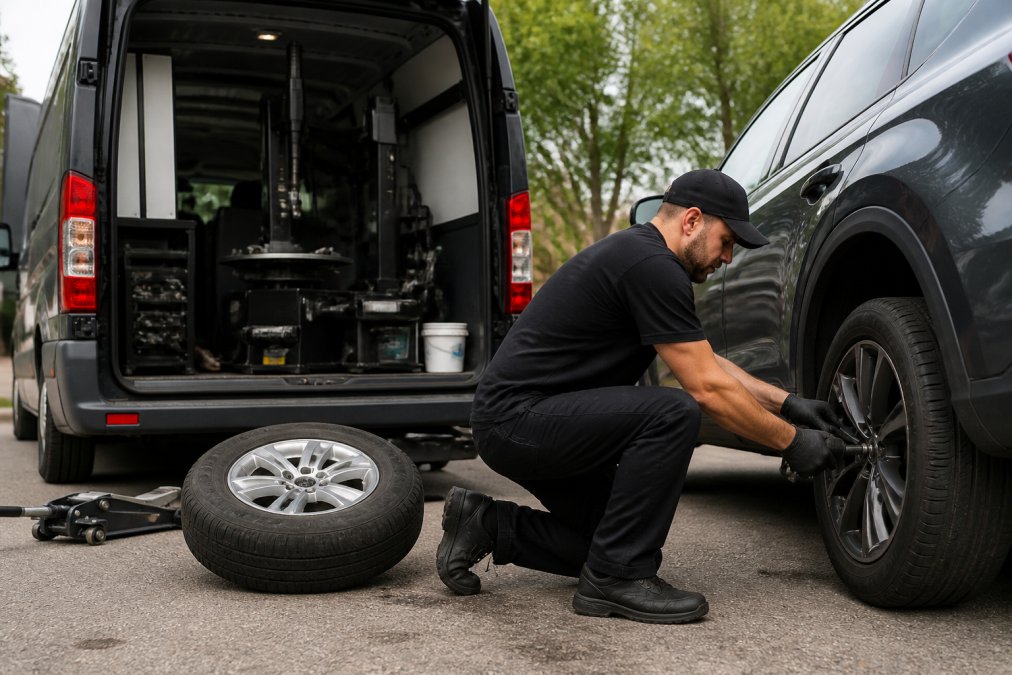
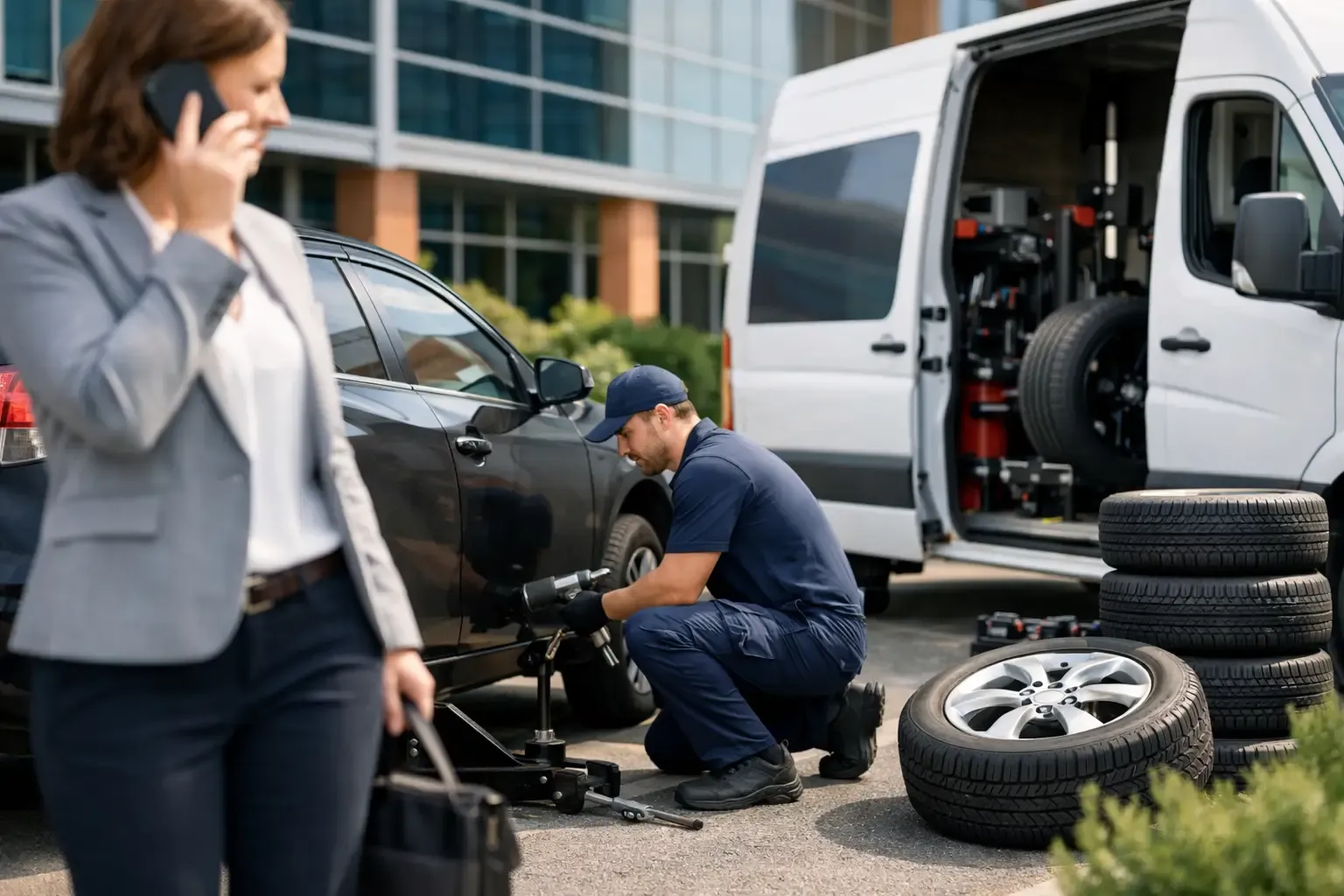
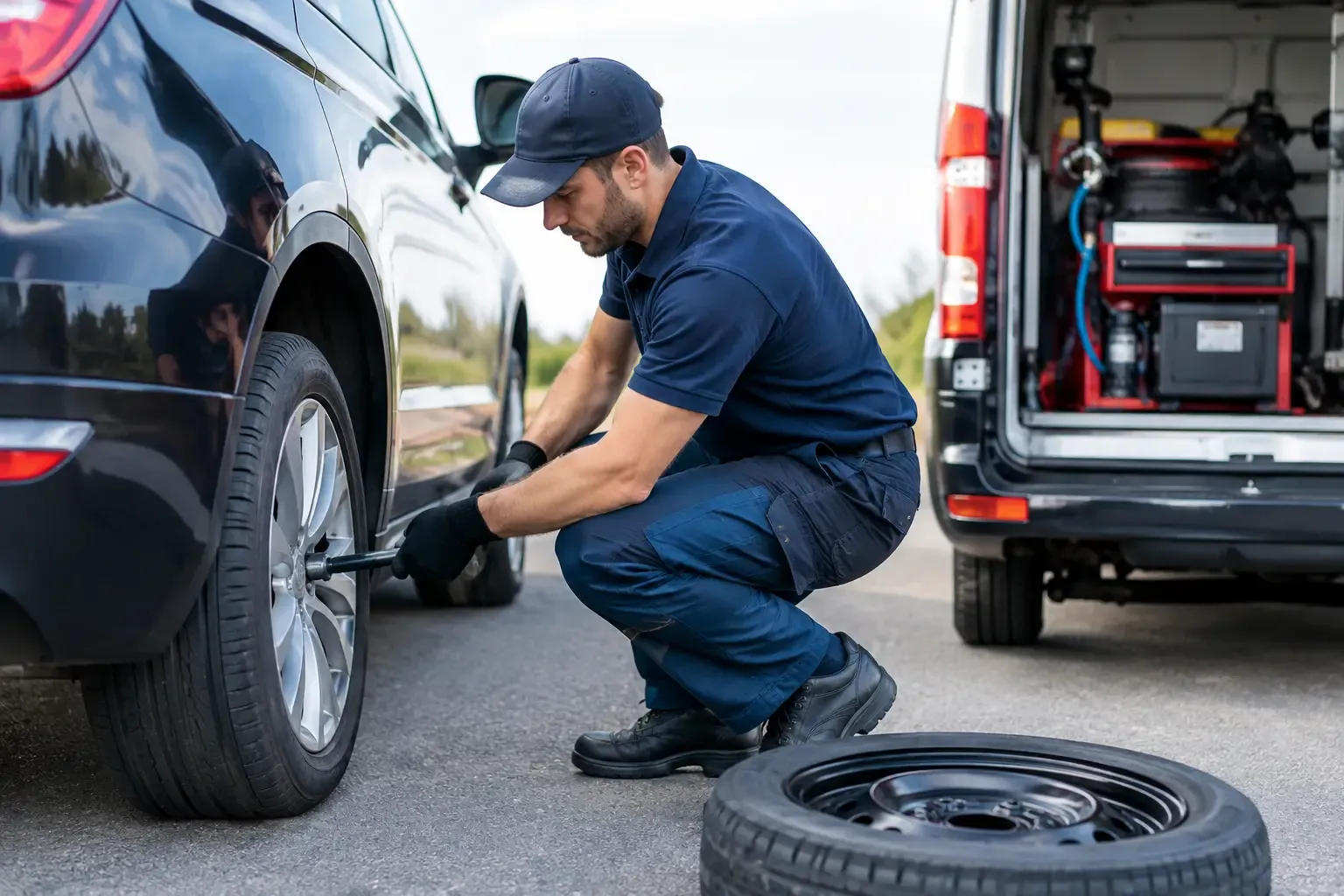
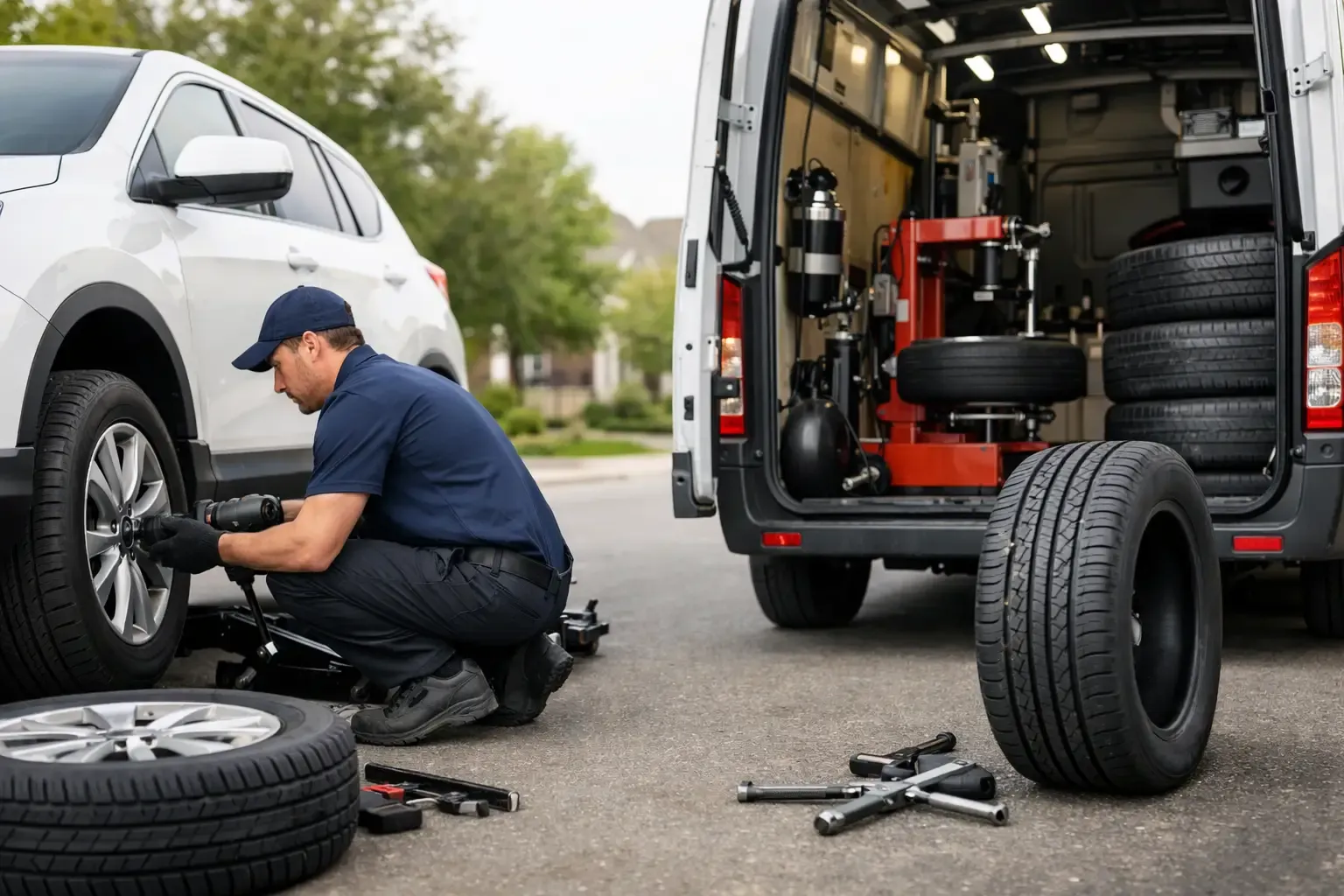
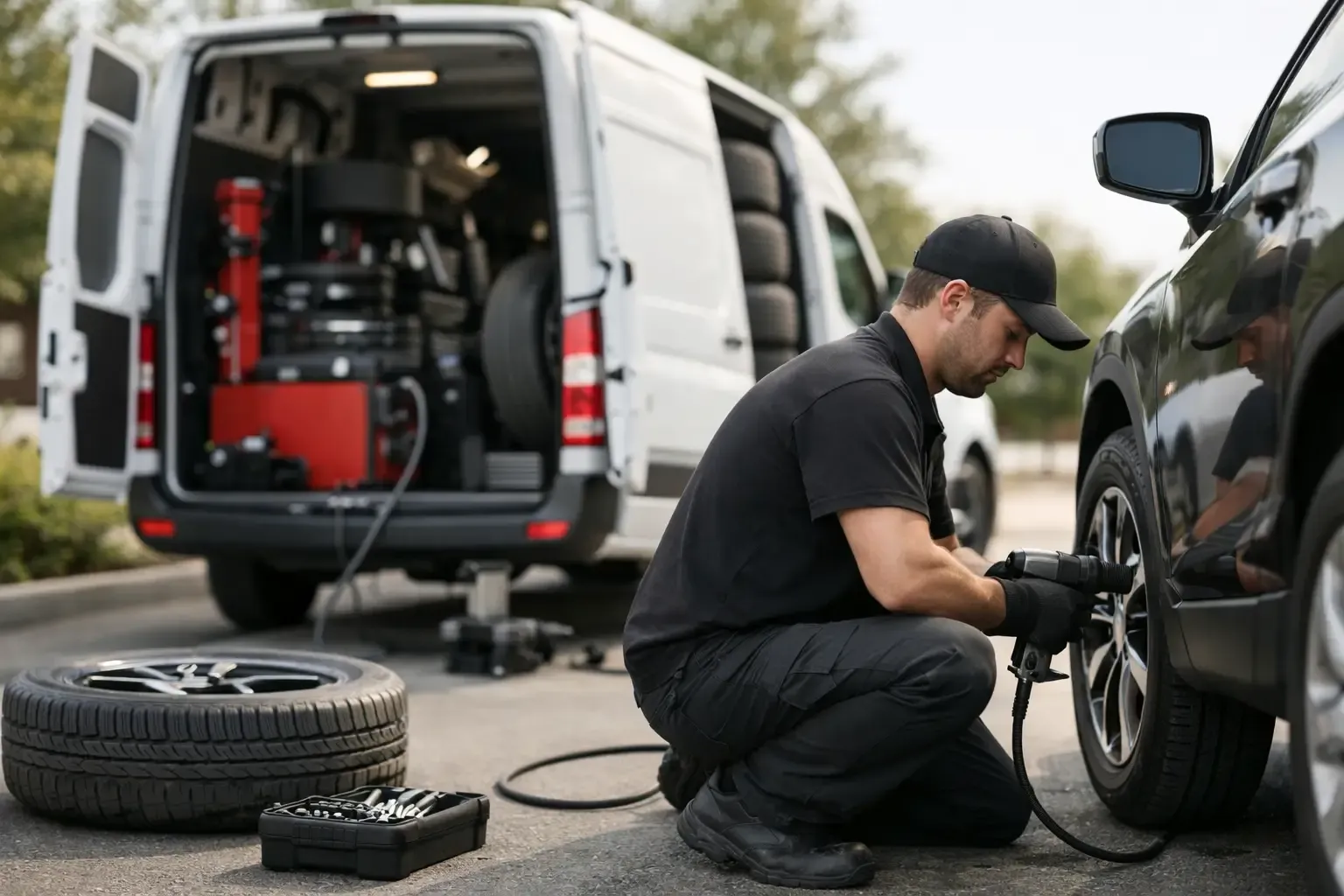
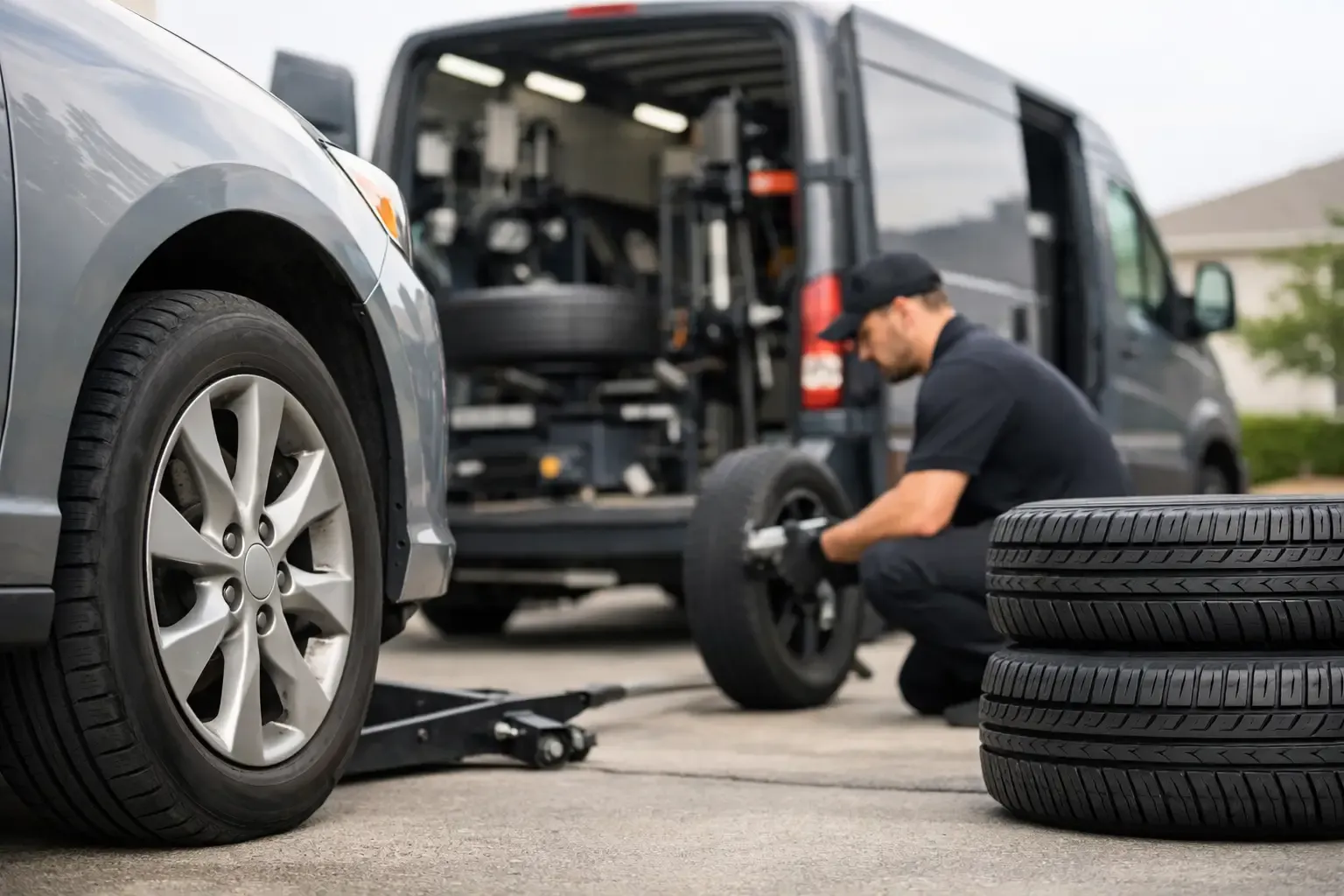
Mobile tire service removes much of that friction. Elite Mobile Tire can help Columbus-area drivers select and install tires at home or work, so routine tire replacement does not have to take over your day. A technician can also inspect the existing tires, confirm the correct fitment, balance the new tires, and reset TPMS sensors when needed.
The best commuter tire is the one that suits your vehicle, your roads, and your real schedule. Choose traction and comfort you can count on, maintain the tires you have, and address wear before your morning drive forces the issue.
Ready for a new set? Elite Mobile Tire installs 2 or 4 new tires right in your driveway or parking lot anywhere around Columbus, Obetz, Groveport, Grove City, and Reynoldsburg. Financing is available through Afterpay and Acima with up to 24-month payment plans. Call 614-344-5010 or visit elitemobiletire.com to book.