
A steer tire issue at 6 a.m. can throw off an entire day of deliveries before the first stop is even made. That is why semi truck tire service is not just a maintenance item. It is a direct part of uptime, safety, fuel cost, and schedule control.
For owner-operators, fleet managers, and dispatchers, tire problems rarely happen at a convenient time. A slow leak can turn into a service call by lunch. Uneven wear can shorten tire life long before anyone expected it. A roadside failure can create safety risks, missed appointments, and expensive delays that spread across the rest of the route. Good tire service is about preventing those problems when possible and responding quickly when they still happen.
What semi truck tire service really includes
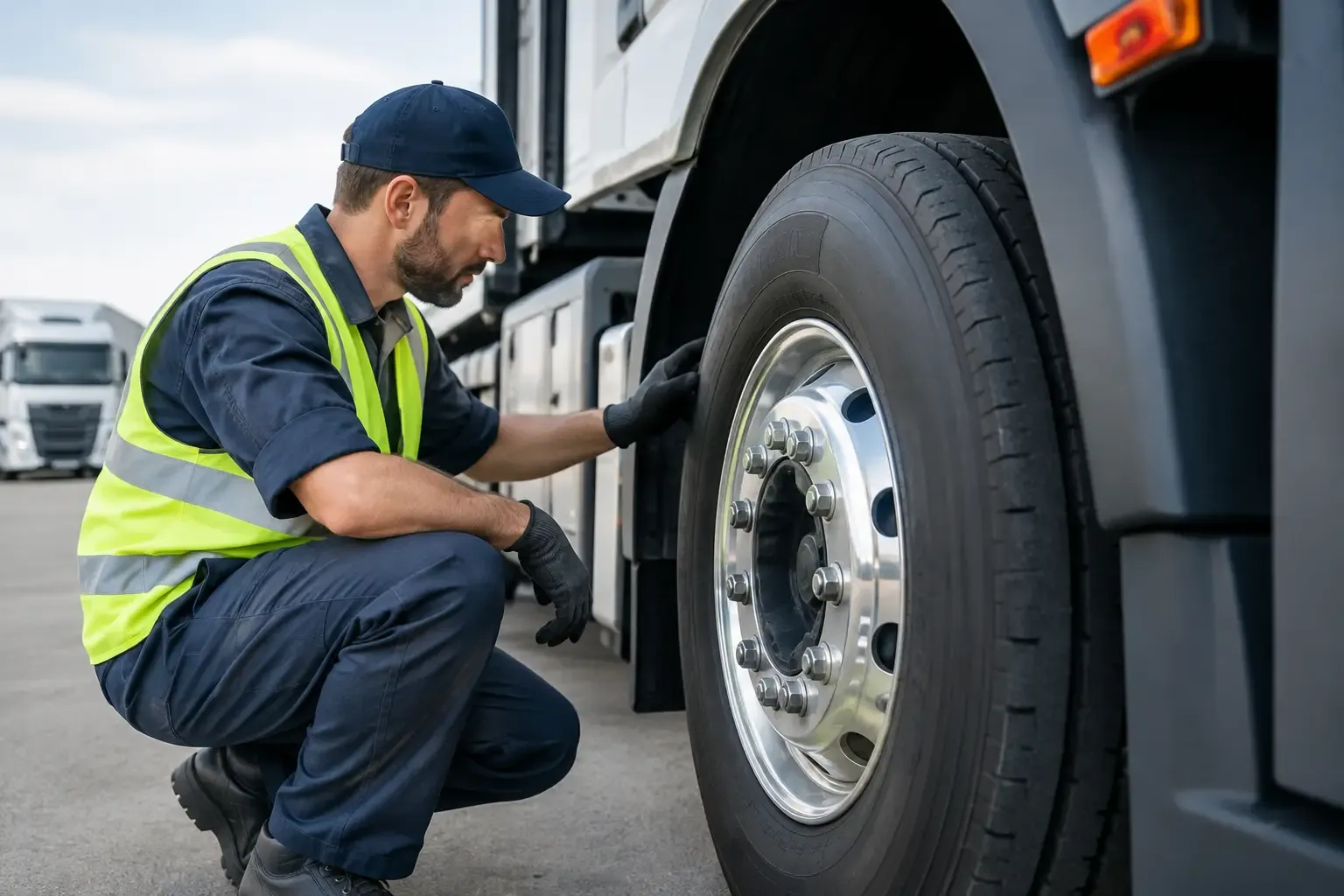
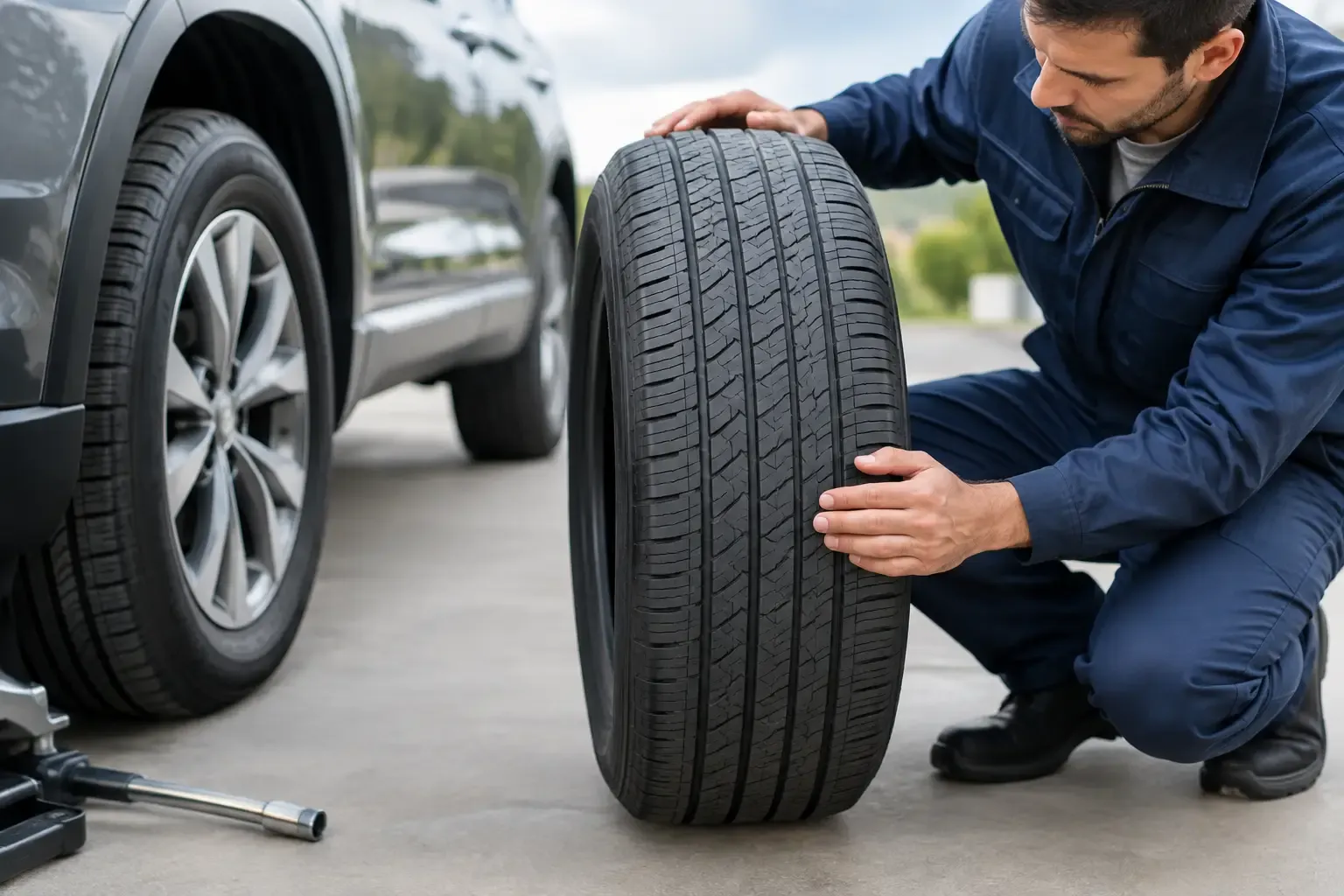
Many people hear the phrase and think only of emergency roadside replacement. In practice, semi truck tire service covers much more than that. It can include flat repair, tire replacement, pressure checks, tread inspections, balancing when appropriate, valve and stem checks, casing evaluation, and on-site service for trucks that cannot afford extra downtime.
The right service approach depends on the tire position, the type of damage, the load the truck carries, and how the vehicle is being used. A nail in a drive tire does not raise the same questions as damage on a steer tire. A regional route creates different wear patterns than long-haul interstate driving. The best service providers do not treat every tire issue the same because the risk is not the same.
When semi truck tire service should happen immediately
Some issues can wait until the truck returns to the yard. Others should be addressed right away. A visible bulge, sidewall damage, rapid pressure loss, exposed cords, or vibration that starts suddenly under load all deserve prompt attention.
Steer tire concerns need especially fast decision-making. If the tread is separating, the tire is losing air, or the handling feels off, continuing to drive can increase the chance of a more serious failure. That is not the place to guess or hope it improves at the next stop.
There are also cases where the truck is technically still moving, but the tire problem is already costing money. Underinflation, irregular wear, and mismatched tire conditions across an axle can drag down fuel efficiency and shorten usable tire life. The truck may still be operational, but the operating cost is quietly climbing.
Repair or replacement depends on more than the puncture
One of the most common questions in semi truck tire service is whether a tire can be repaired or needs to be replaced. The answer depends on location, severity, and overall condition.
A repair may be possible when the puncture is in a repairable area and the internal structure has not been compromised. But if the tire has been run underinflated for too long, the casing may already be damaged even if the hole itself looks minor from the outside. Heat buildup changes the equation fast.
Position matters too. A drive or trailer tire may allow repair options that would not be appropriate for a steer tire. Safety standards are stricter where tire failure has the greatest immediate effect on control. That is why experienced technicians inspect the full tire, not just the obvious damage point.
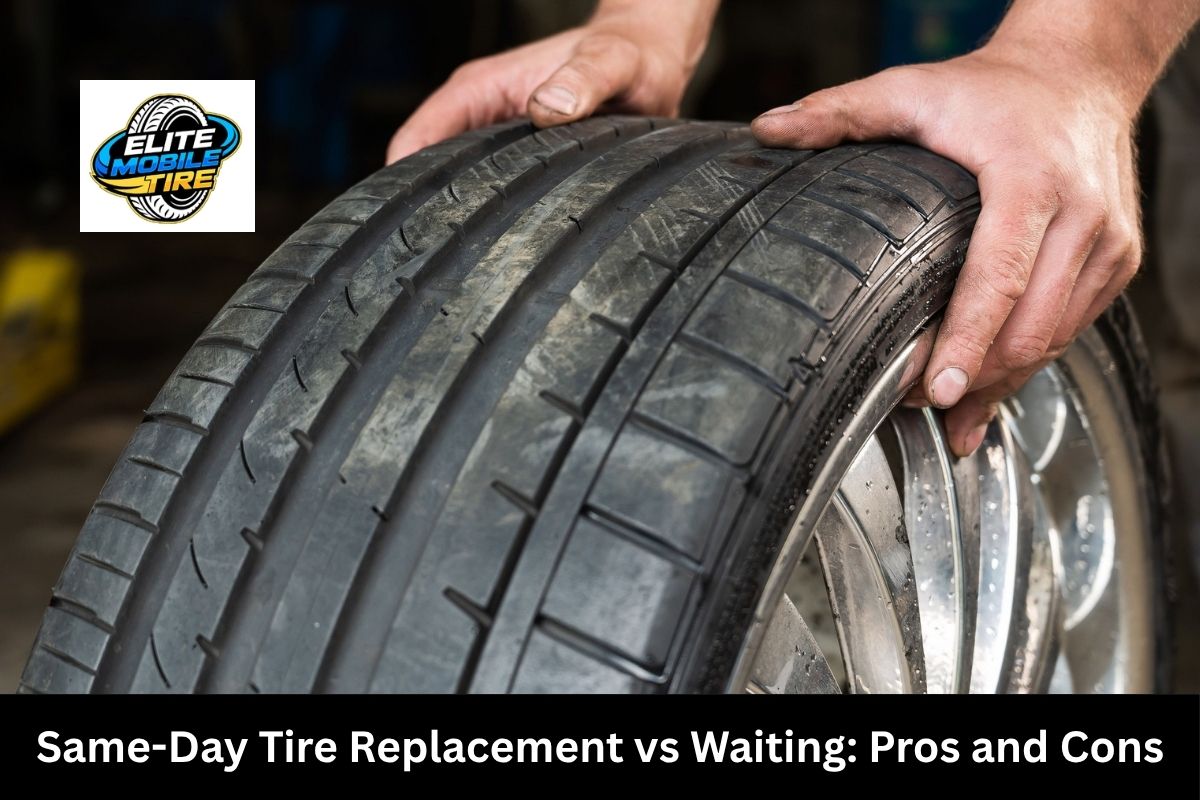
Age and tread depth also affect the decision. If a tire is already near the end of its service life, putting money into a repair may not be the most practical choice. On the other hand, replacing a tire too early without a clear reason adds unnecessary cost. Good service is not about always repairing or always replacing. It is about making the right call for that specific tire.
Why mobile service matters for commercial trucks
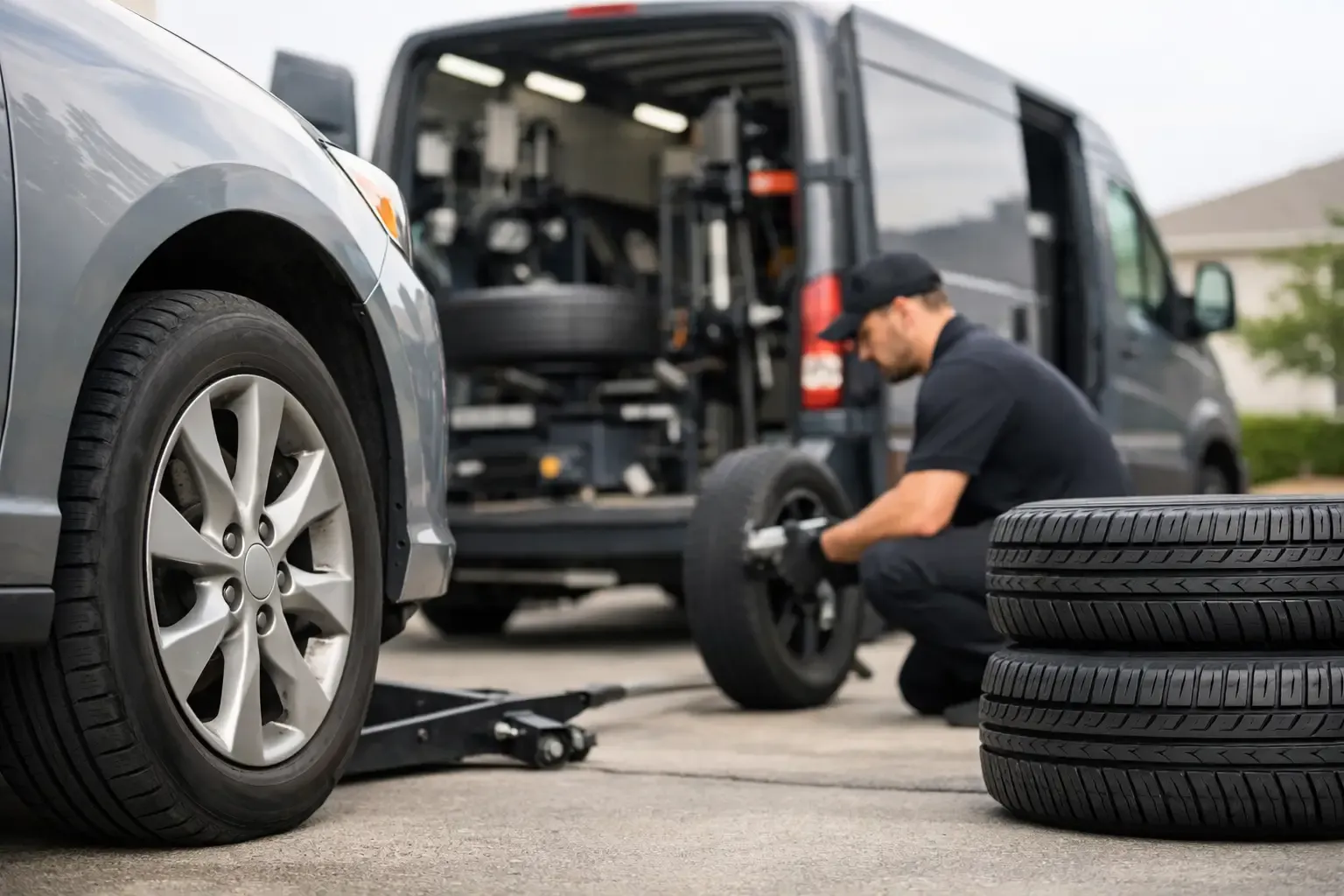
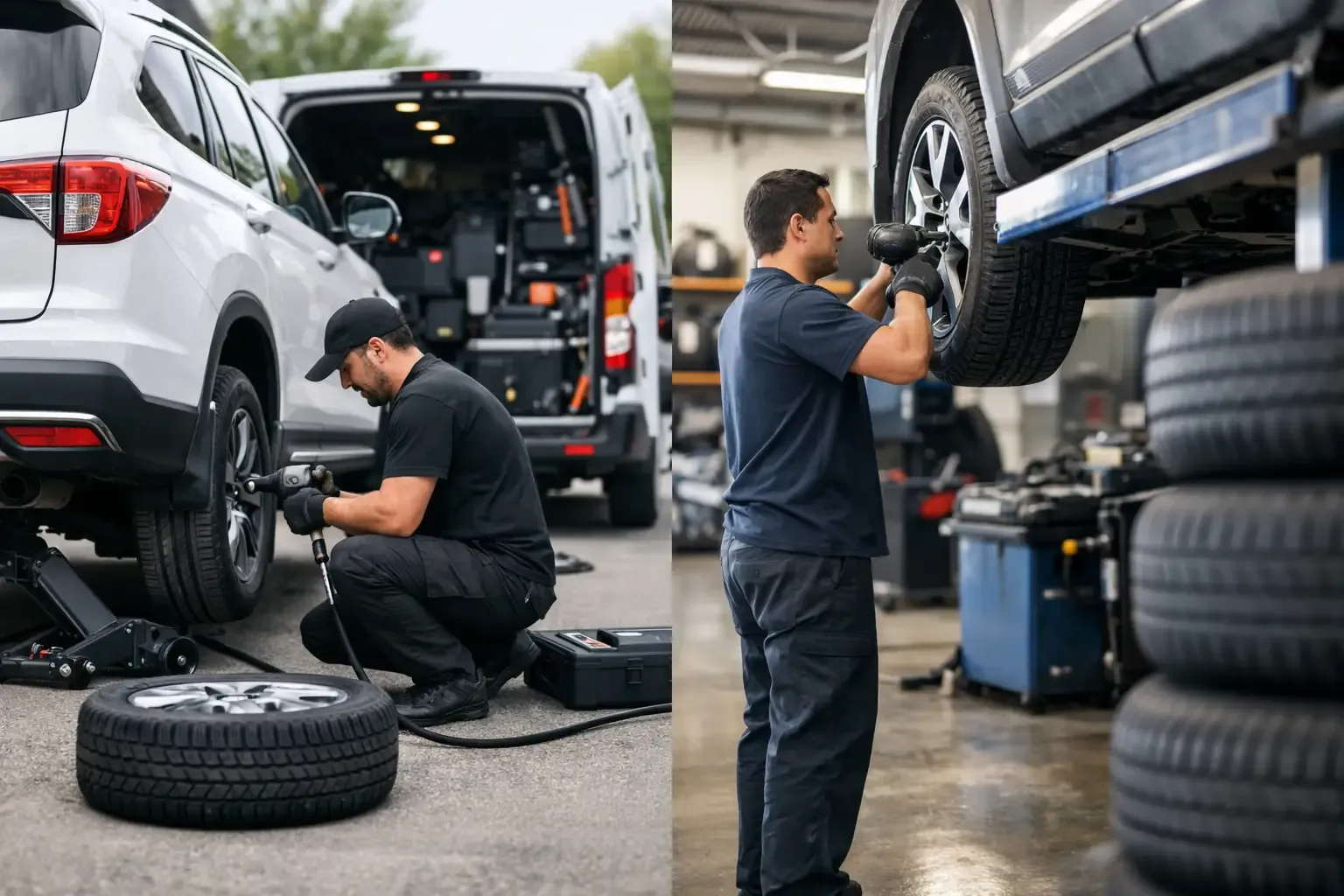
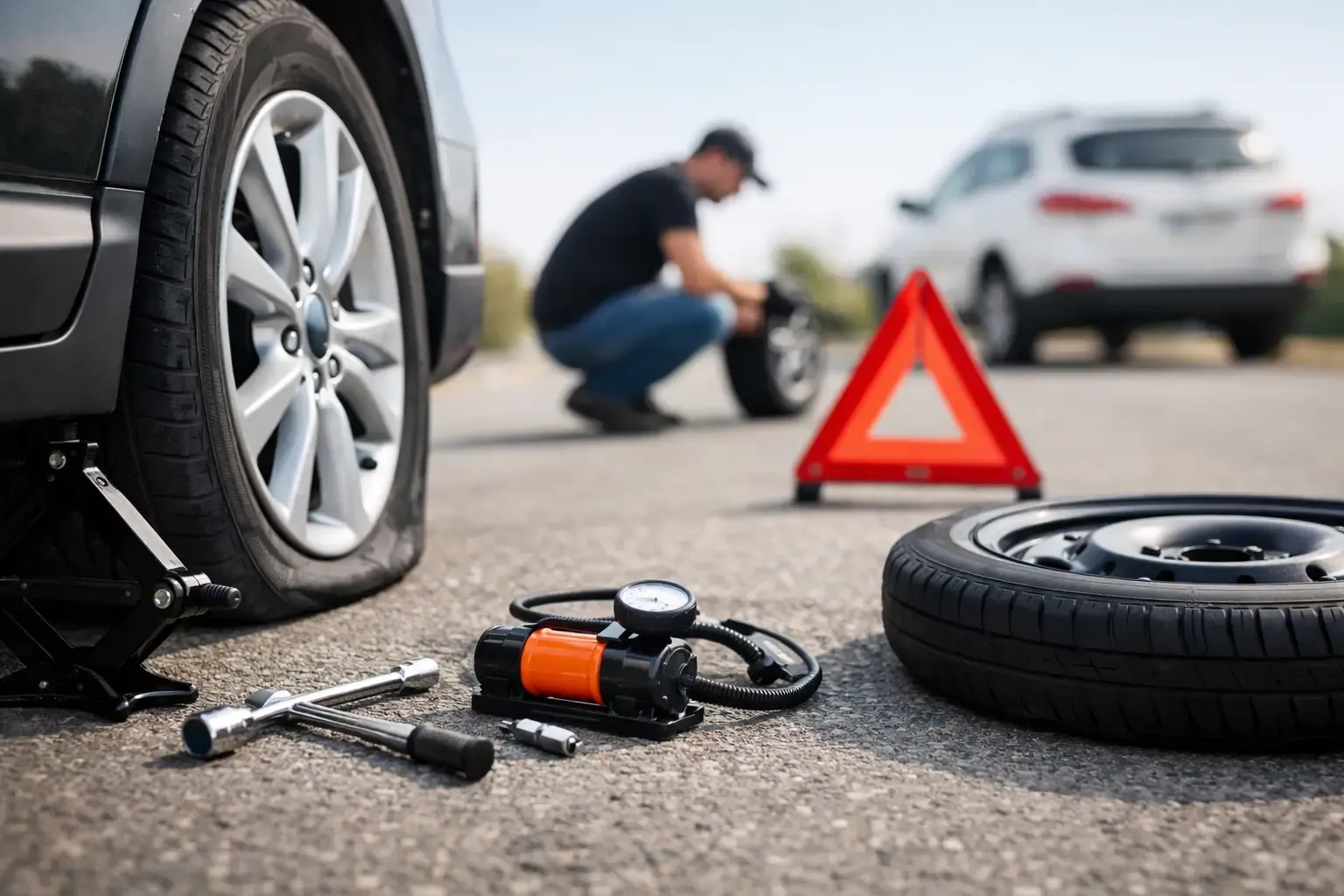
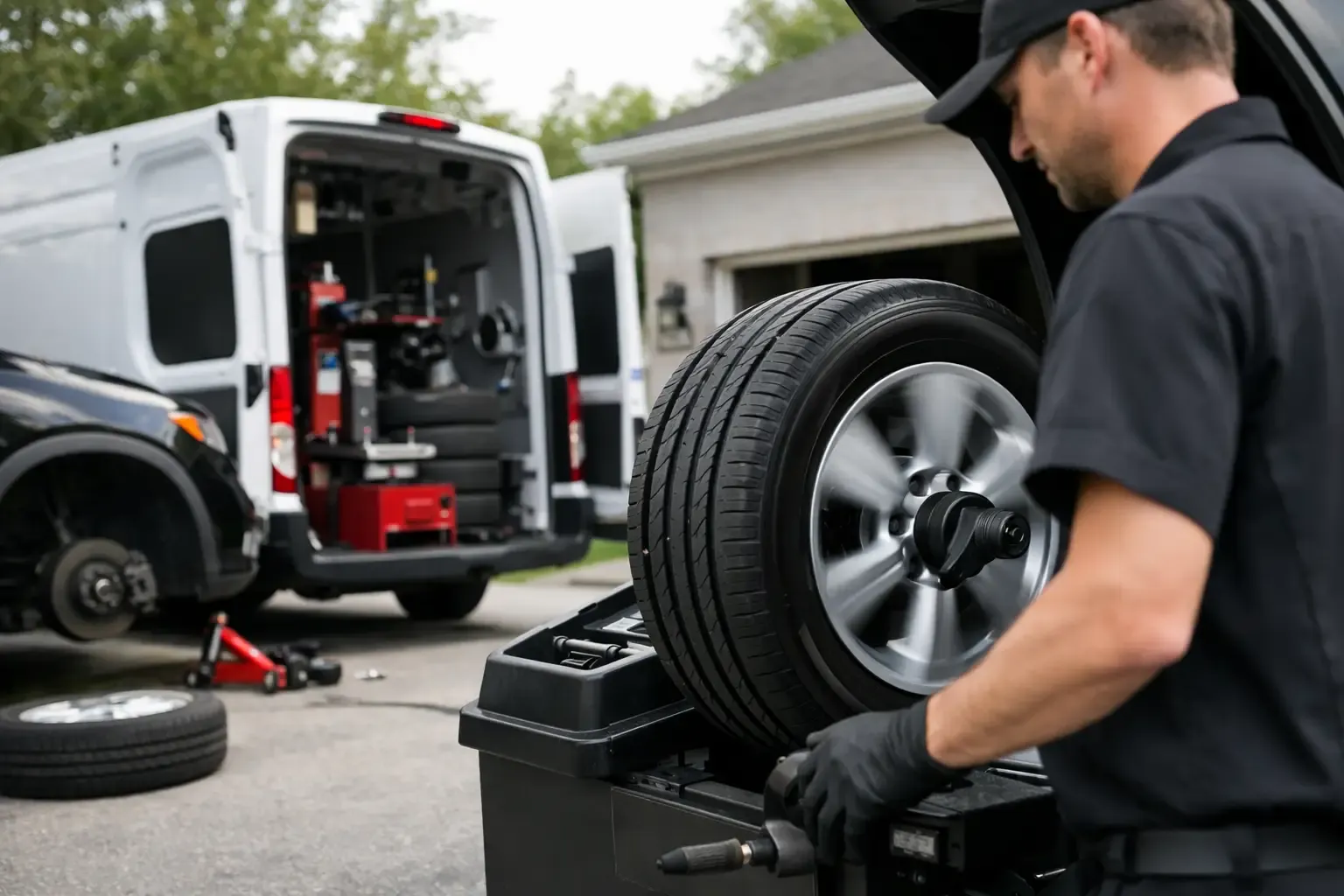
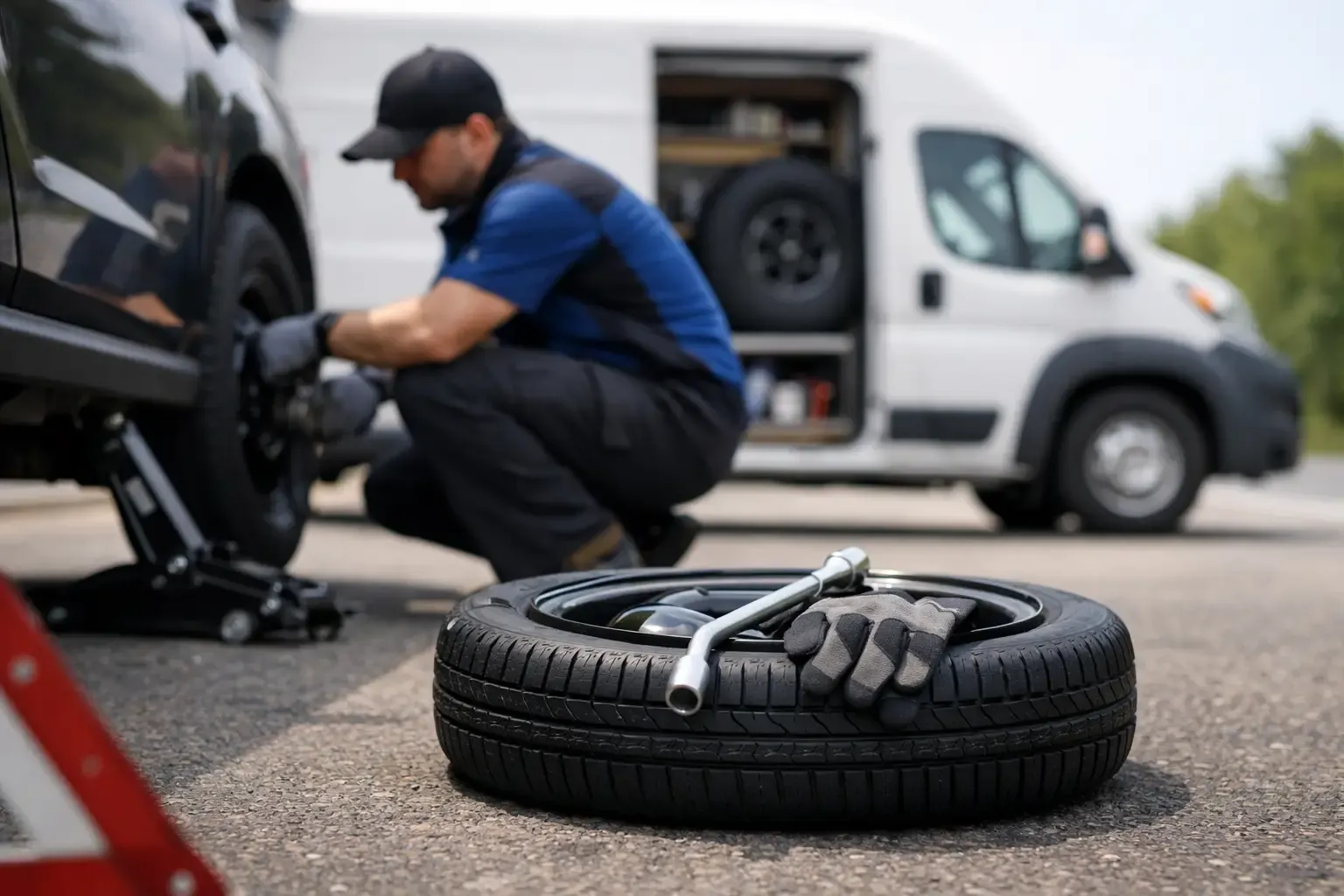
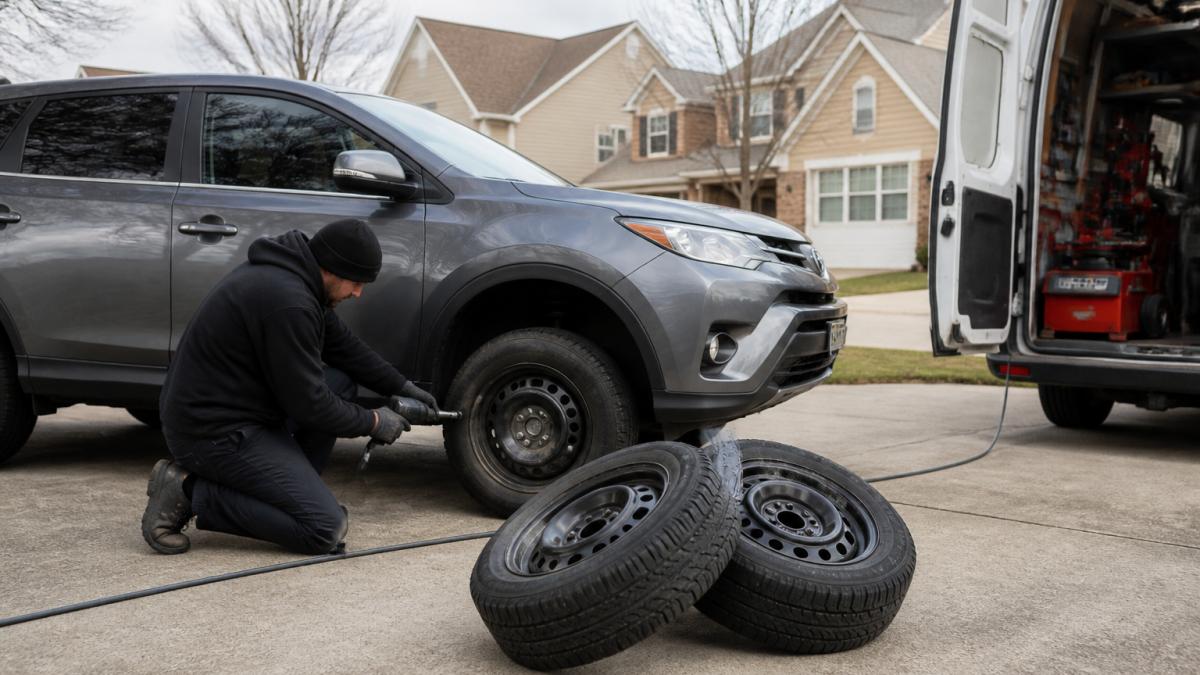
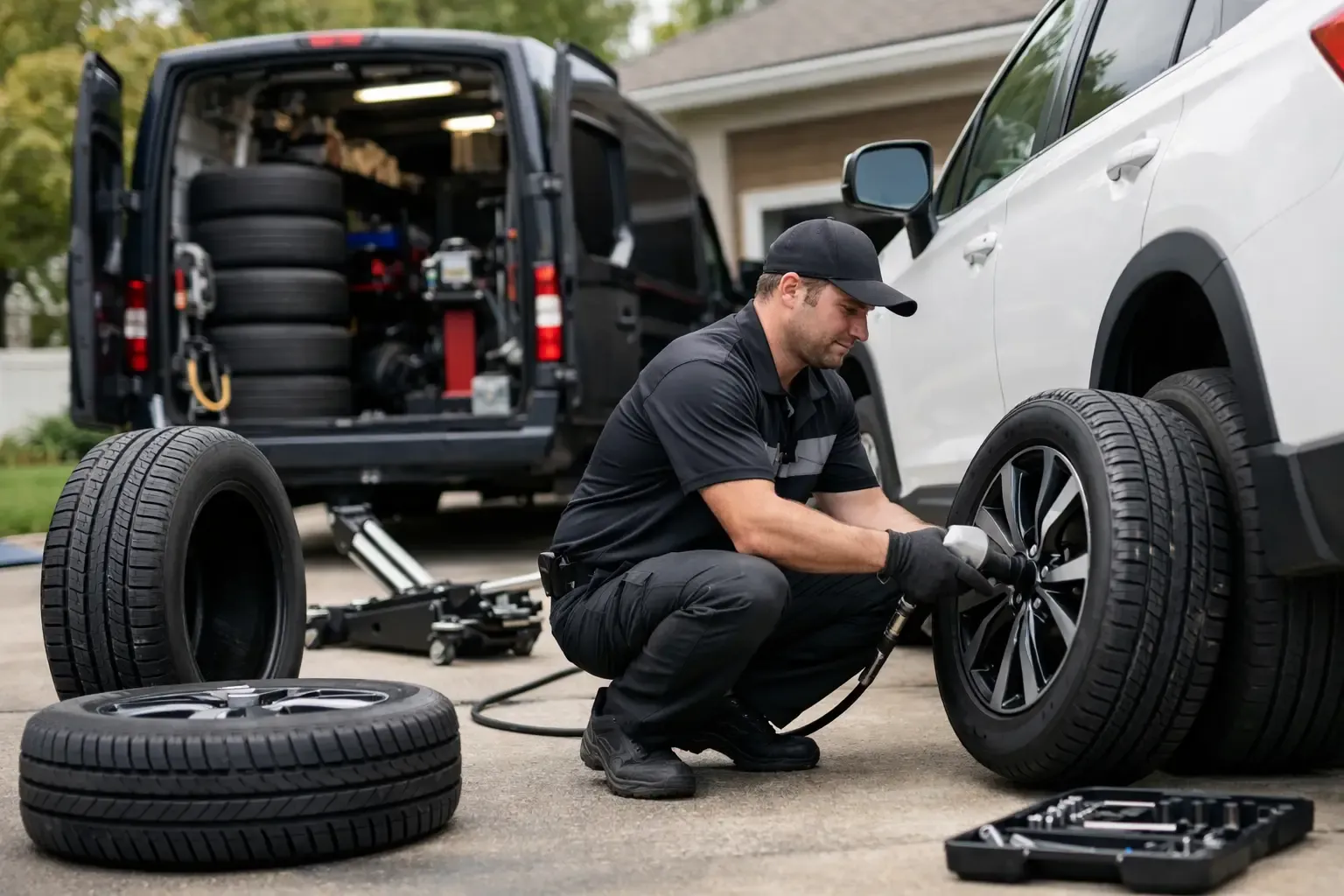
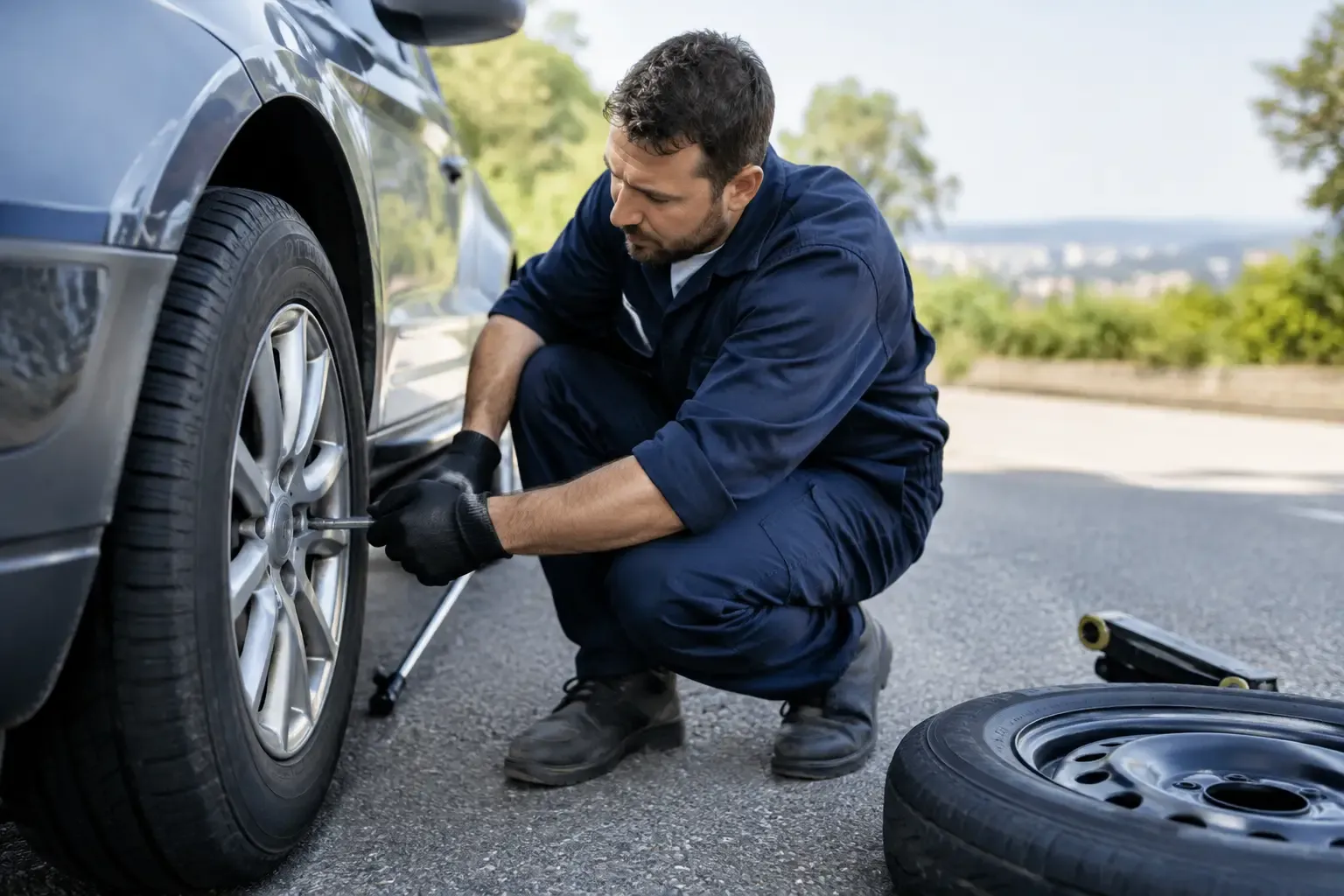
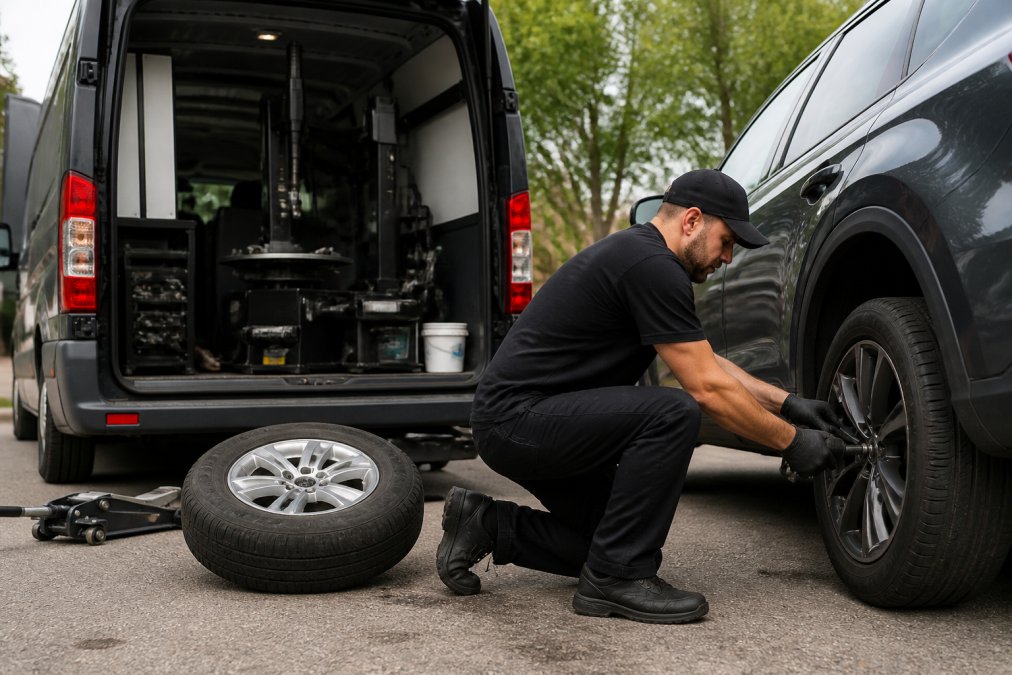
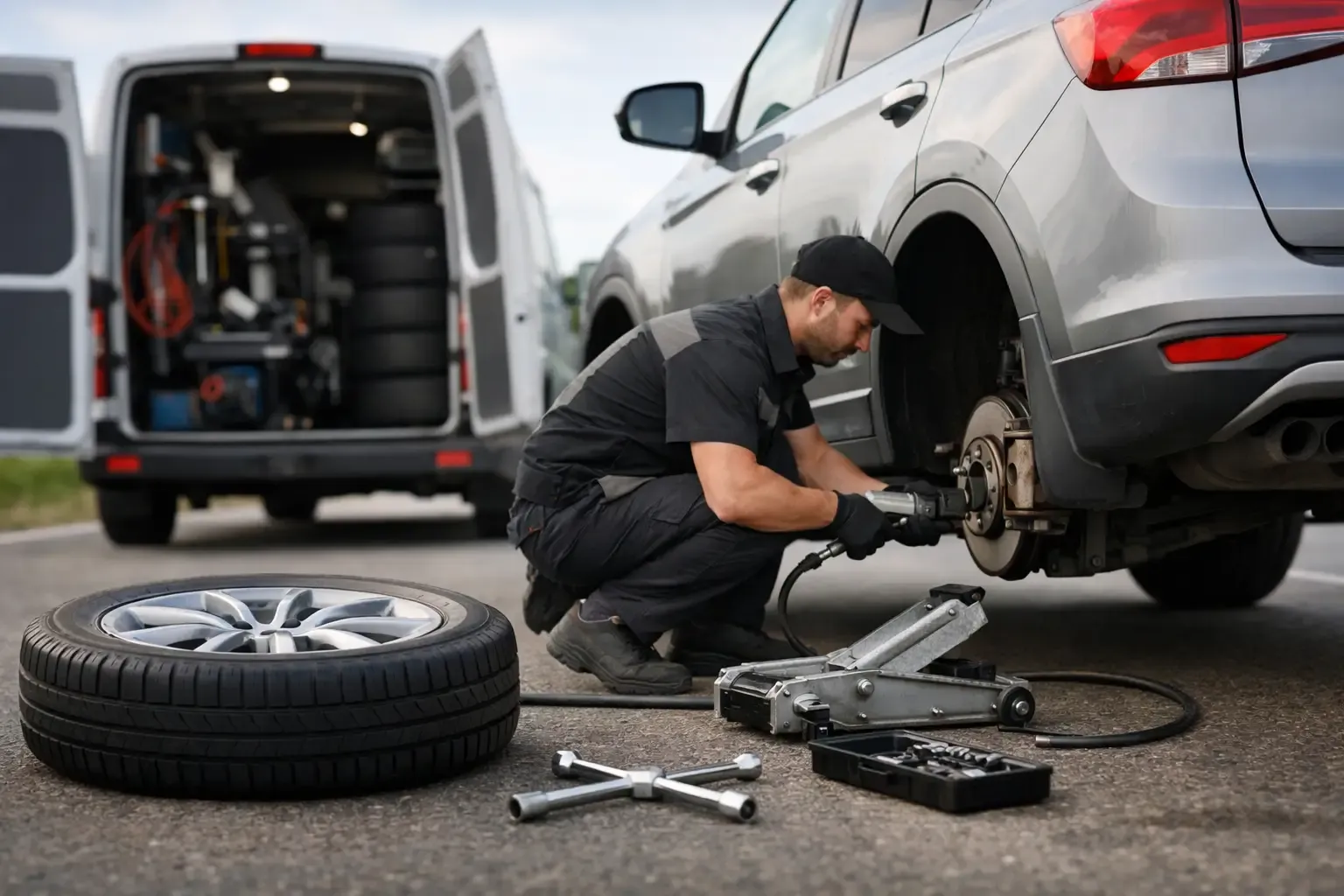
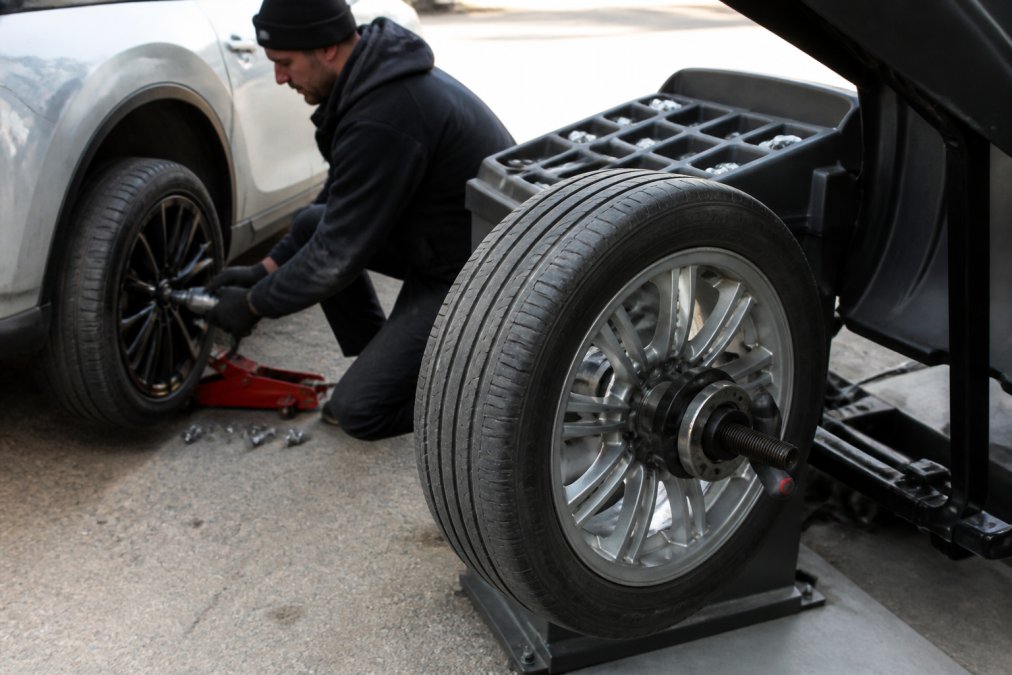
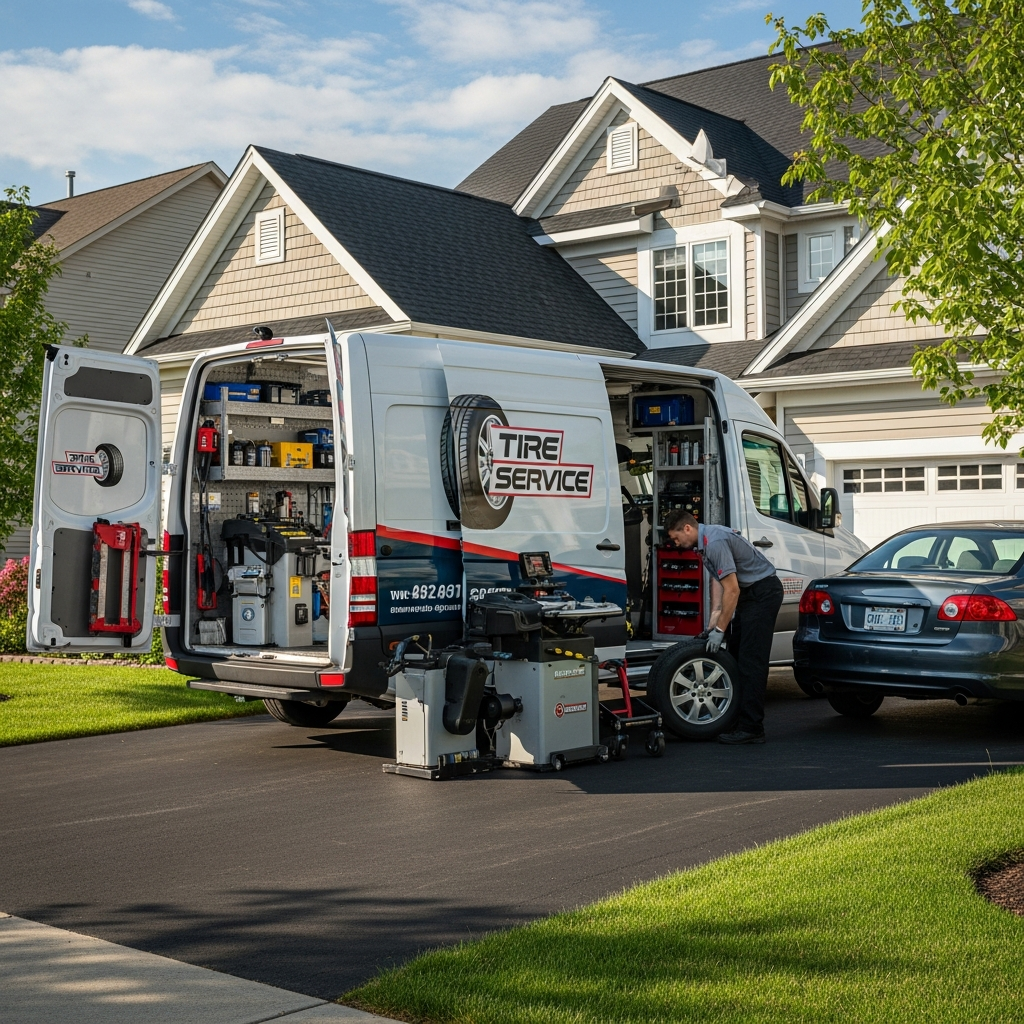
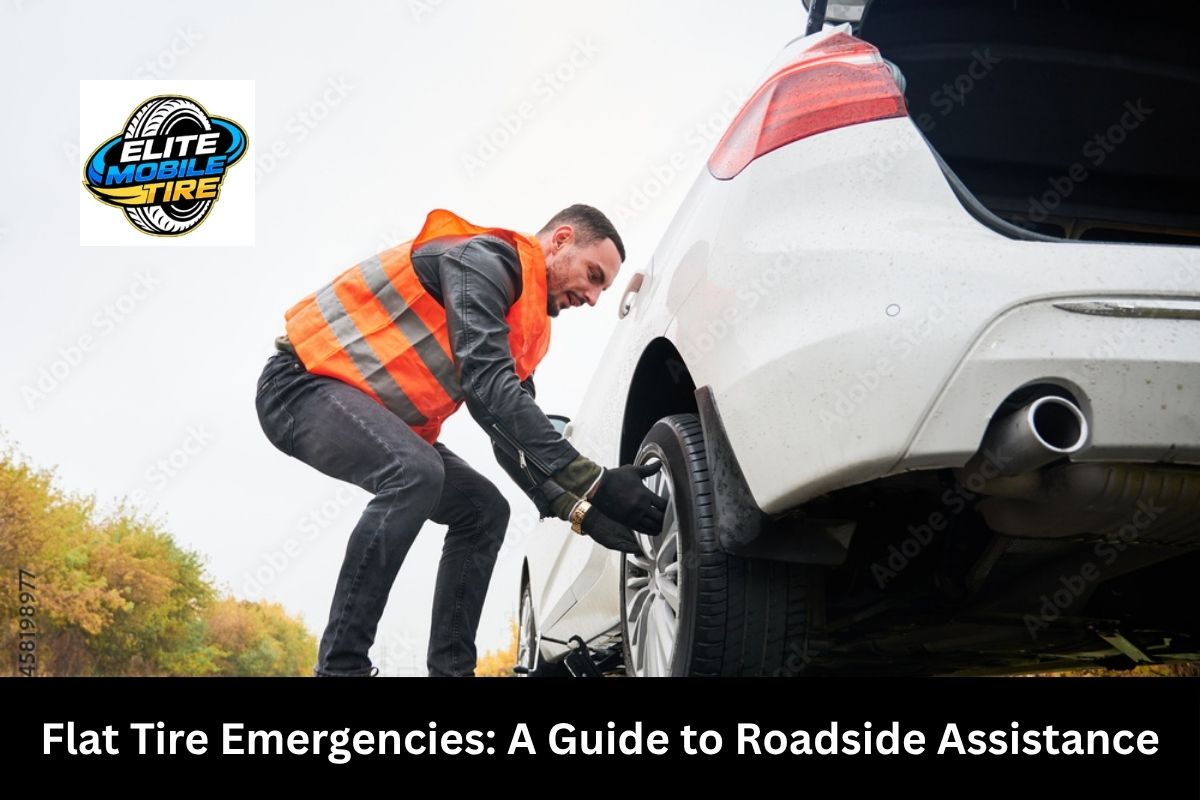
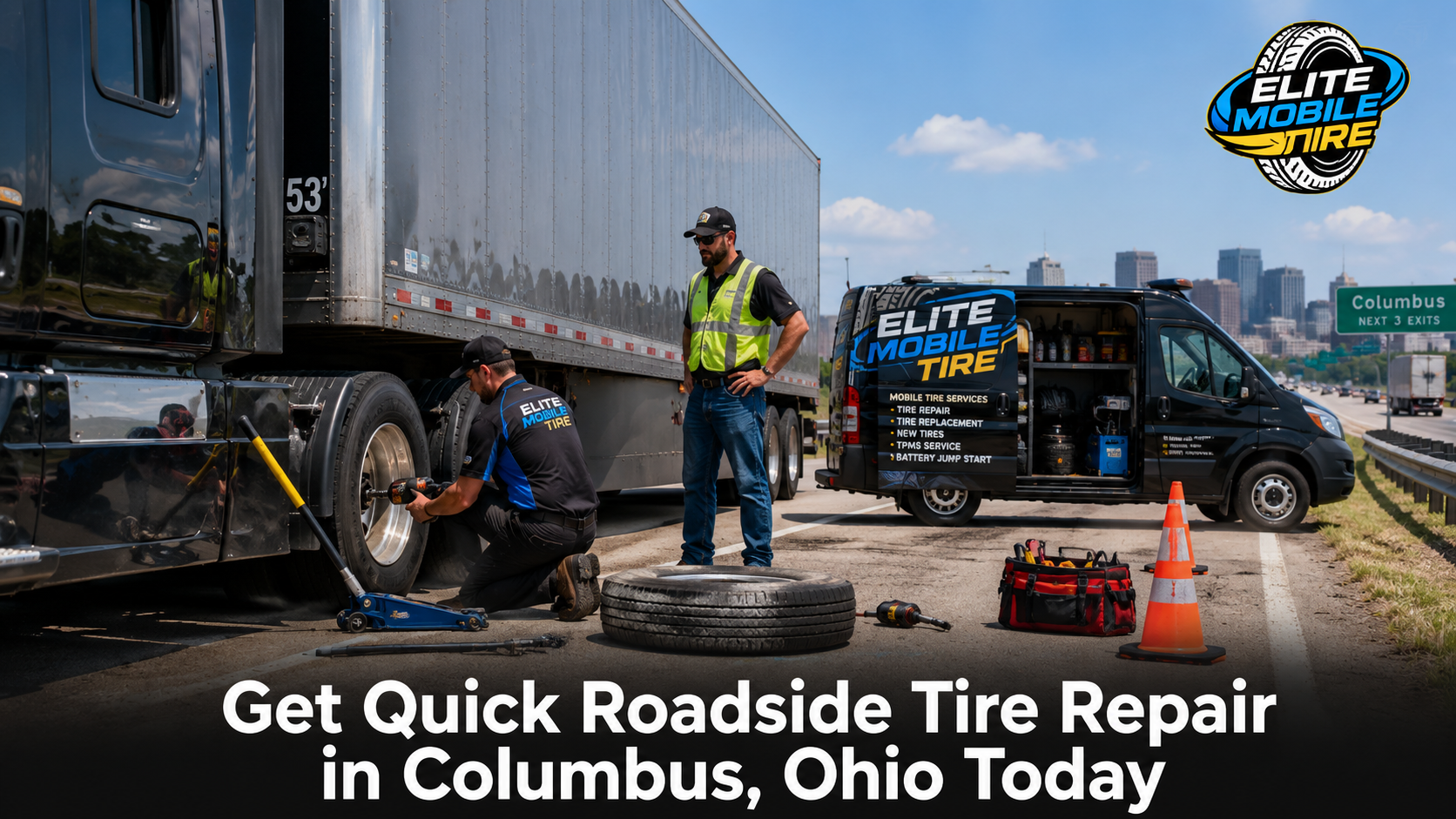
Taking a semi truck to a shop is not always realistic. If the truck is loaded, parked at a customer location, sitting at a yard, or stopped roadside, moving it can add delay and risk. Mobile tire service changes that by bringing the technician, tools, and replacement options directly to the truck.
That saves time, but the bigger benefit is control. Instead of coordinating a tow, losing hours in a service line, or disrupting the rest of the schedule, the truck can often be evaluated and serviced where it sits. For fleet operations, that matters because one disabled unit can affect dispatch planning, customer commitments, and driver hours.
In a market like Columbus, where local routes, industrial traffic, and suburban delivery patterns all mix together, mobile support also helps reduce dead time between the problem and the fix. A prompt on-site response can keep a manageable tire issue from becoming a full-day problem.
The most common causes of avoidable tire service calls
Not every service call can be prevented, but many of them start with patterns that show up well before failure. Underinflation is one of the biggest. It increases heat, speeds up shoulder wear, and makes the tire work harder than it should under load. Overinflation creates its own wear problems and can reduce contact patch performance.
Alignment issues are another frequent cause. If a truck pulls slightly or shows irregular wear across one edge of the tread, the tires may be paying the price for suspension or alignment problems. Replacing the tire without addressing the cause usually means the next one wears out the same way.
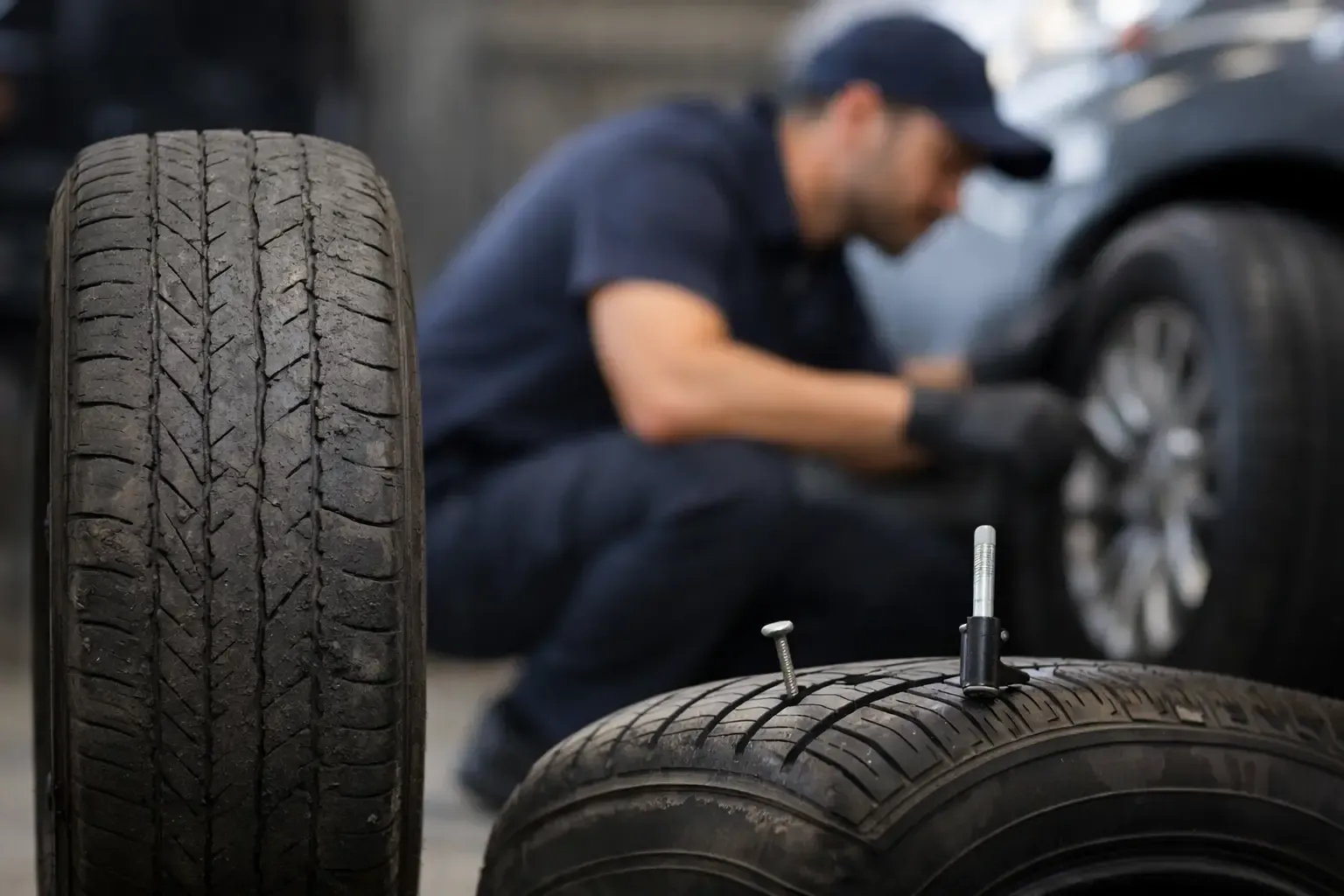
Road hazards are part of commercial driving, especially in construction zones, warehouse lots, and debris-heavy corridors. Even then, routine inspections help. Catching a lodged object early can sometimes prevent a pressure-loss event later in the day.
Load management also matters. Tires are selected and rated for specific working conditions. If loads are not distributed properly or if tire specifications do not match the truck’s actual use, wear and failure rates can increase. This is where service experience matters. The right recommendation is not just about what fits the wheel. It is about what supports the vehicle’s real workload.
What to expect from professional semi truck tire service
A dependable service experience should feel clear from the start. That means straightforward communication about arrival time, a proper inspection before work begins, and an honest explanation of whether the tire should be repaired or replaced.
It should also include attention to the details that affect performance after the job is done. Inflation should be set correctly. Lug torque should be handled to specification. The technician should check for visible related issues, including damage to adjacent tires or signs of uneven wear that suggest a broader problem.
For roadside calls, speed matters, but speed alone is not enough. Fast service that misses the real cause of the failure only sets up the next problem. The goal is to get the truck safely back on the road with confidence, not just get it moving again for the moment.
How fleets can reduce downtime between service calls
For fleet managers, the smartest tire strategy is usually a mix of preventive checks and fast-response support. Waiting until a driver reports a major issue often means the truck has already lost productive time. Scheduled inspections, pressure monitoring, and tire condition reviews during regular stops help catch problems earlier.
It also helps to work with a provider that understands commercial service urgency. Passenger vehicle tire needs and semi truck demands are not the same. Commercial vehicles need service decisions that account for route demands, cargo schedules, safety exposure, and total downtime cost.
If your operation runs locally or regionally, having mobile support available can simplify planning. Instead of rerouting trucks to a shop, service can be handled on-site when appropriate. That is often the difference between a brief interruption and a missed day.
Choosing the right tire partner
The best tire service partner is not just the one who shows up. It is the one who shows up prepared, communicates clearly, and makes sound recommendations under pressure.
That means understanding commercial tire positions, responding professionally in urgent situations, and respecting the fact that downtime is expensive. It also means recognizing when a quick repair is appropriate and when safety requires replacement instead. A trustworthy provider does not blur that line.
For businesses and drivers in the Columbus area, mobile commercial tire support can be a practical way to protect both time and safety. Companies like Elite Mobile Tire reflect the kind of service model more truck operators now expect - responsive, on-site, and focused on keeping vehicles working without unnecessary disruption.
The best time to think about tire service is before a roadside problem forces the issue, because every mile gets easier to manage when the tire decision is already in good hands.
Ready for a new set? Elite Mobile Tire installs 2 or 4 new tires right in your driveway or parking lot anywhere around Columbus, Obetz, Groveport, Grove City, and Reynoldsburg. Financing is available through Afterpay and Acima with up to 24-month payment plans. Call 614-344-5010 or visit elitemobiletire.com to book.