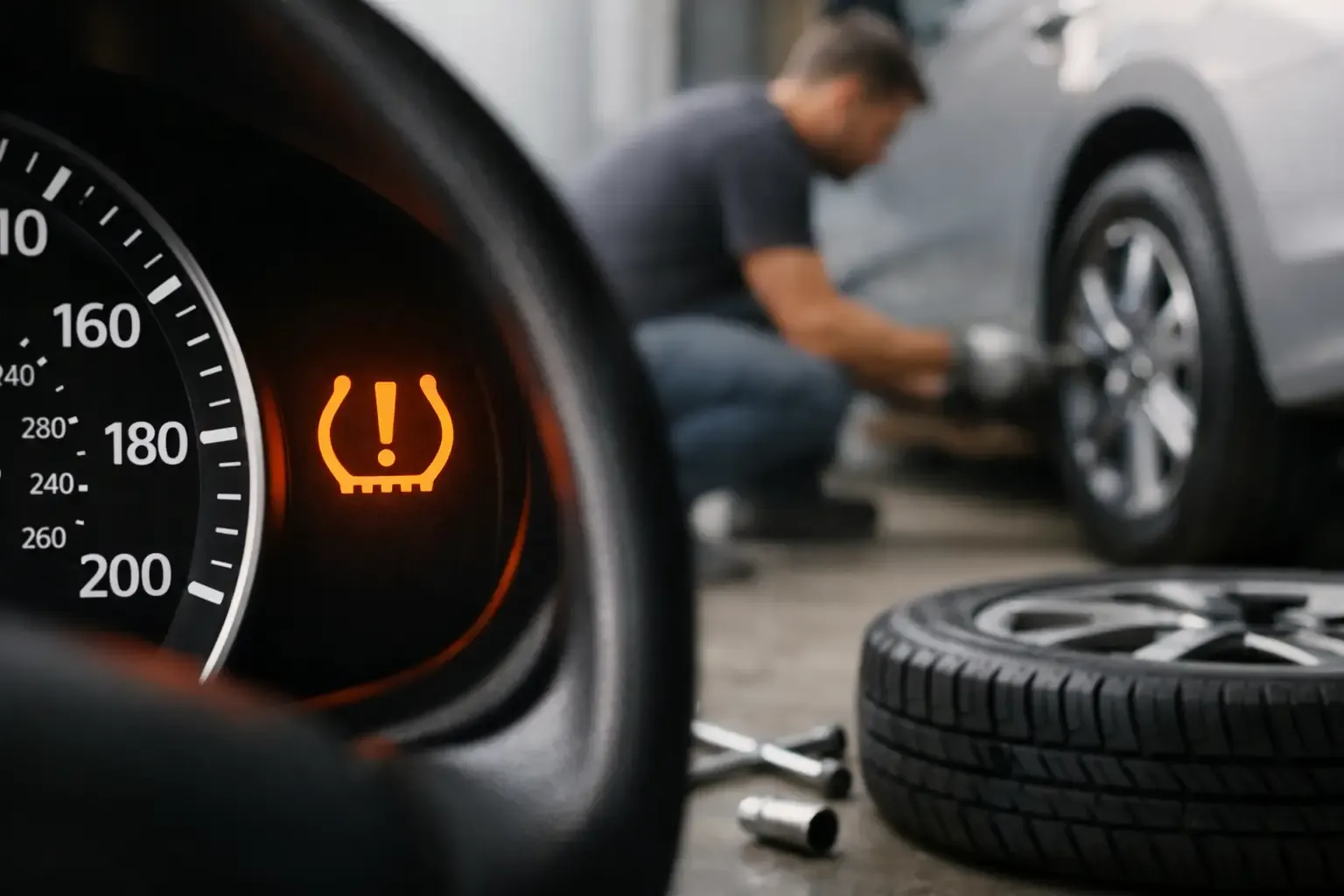
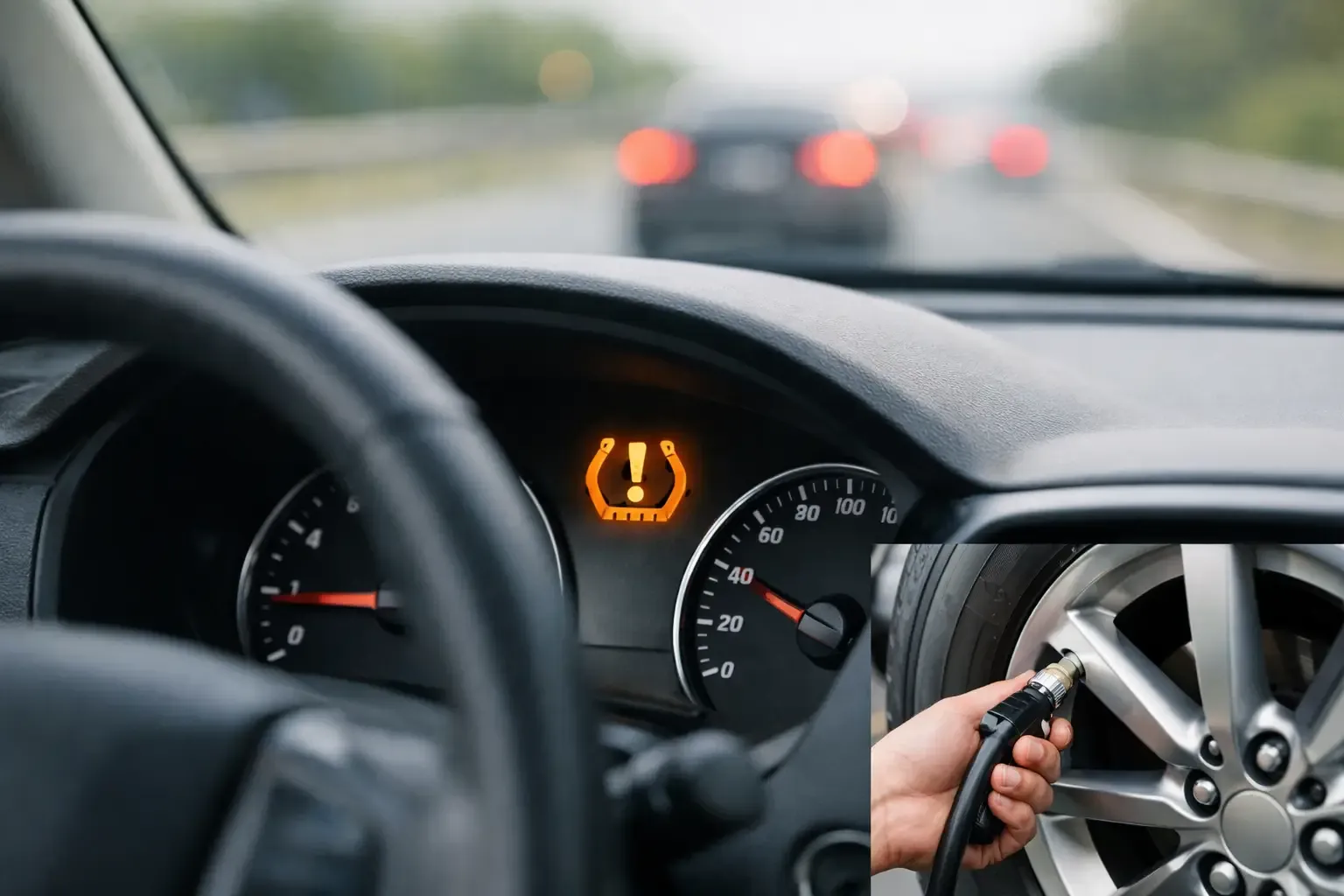
A TPMS warning light can appear during a morning commute, after a sharp temperature drop, or right after a tire service appointment. If you are asking what causes the TPMS light to come on, the short answer is that your vehicle has detected a possible tire-pressure issue. The right next step depends on whether the light is steady, flashing, or paired with a tire that visibly looks low.
TPMS stands for Tire Pressure Monitoring System. It is designed to alert you before an underinflated tire affects handling, braking, tire life, or fuel economy. The warning does not always mean you have a flat, but it should never be ignored. A few minutes of checking the tires can prevent a roadside problem later.
What Causes the TPMS Light to Come On?
Most passenger vehicles use one of two TPMS designs. Direct systems use a sensor inside each wheel to measure pressure. Indirect systems use wheel-speed information from the vehicle's anti-lock brake system to identify a tire that is rotating differently from the others. Both systems can trigger a warning for low pressure, but direct systems can also report sensor or communication faults.
Here are the most common reasons the light comes on.
1. A tire is underinflated
This is the most frequent cause. Tires naturally lose a small amount of air over time, and a pressure reading can fall below your vehicle's warning threshold before the tire looks noticeably low. A slow leak from a nail, screw, damaged valve stem, or wheel-seal issue can create the same warning.
Check pressure with a reliable gauge when the tires are cold, meaning the vehicle has been parked for several hours. Use the recommended pressure listed on the driver's door-jamb placard, not the maximum pressure molded into the tire sidewall. Those numbers serve different purposes.
2. Cold weather lowered the tire pressure
Central Ohio temperature swings are a common reason for seasonal TPMS alerts. Tire pressure generally changes by about 1 PSI for every 10-degree change in temperature. A tire that was properly inflated on a mild afternoon may trigger the warning after a cold overnight drop.
Adding air to the vehicle manufacturer's recommended cold pressure may solve the problem. Still, do not assume weather is the only cause. If one tire is much lower than the others or the warning returns quickly, it should be inspected for a leak.
3. A puncture is causing a slow leak
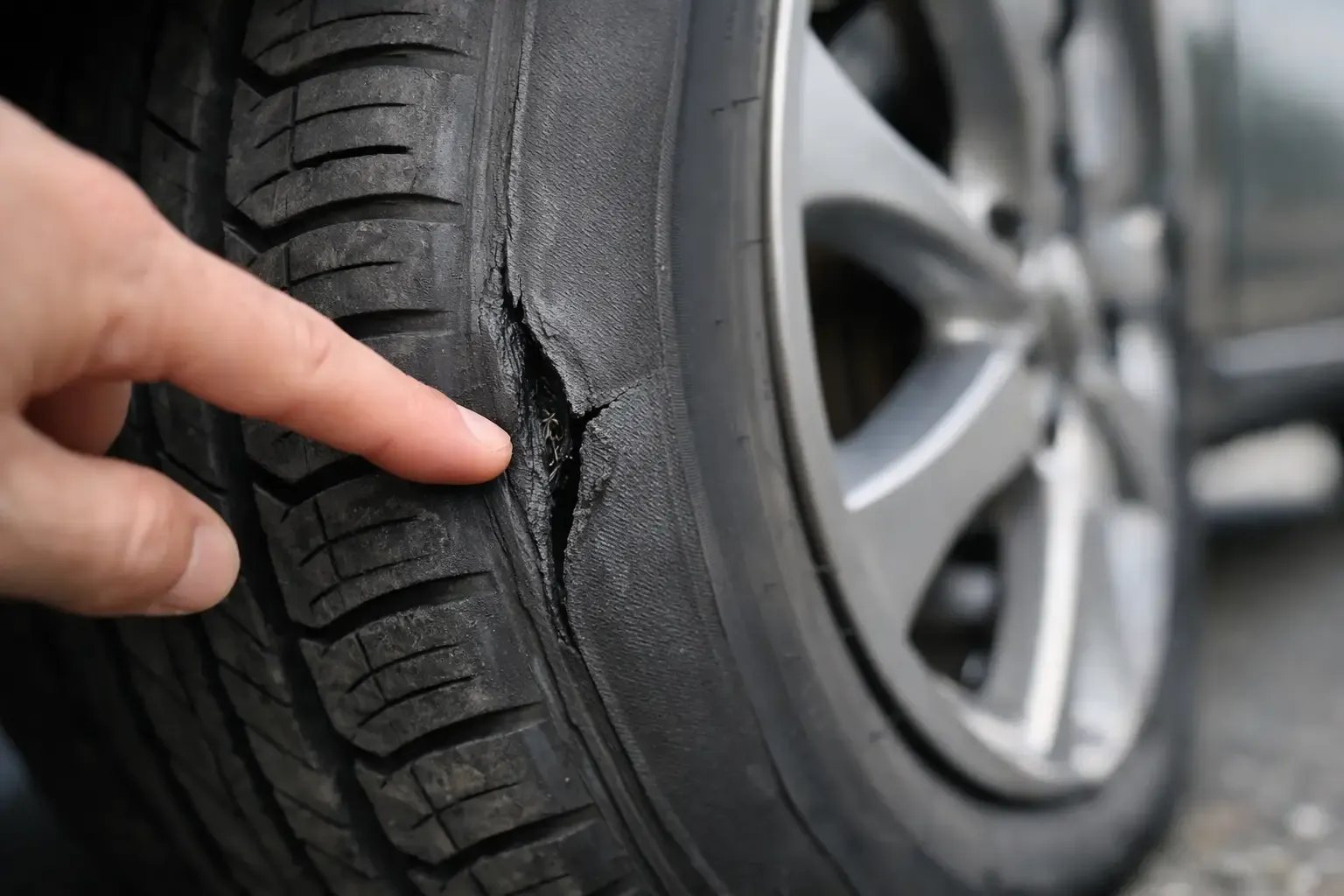
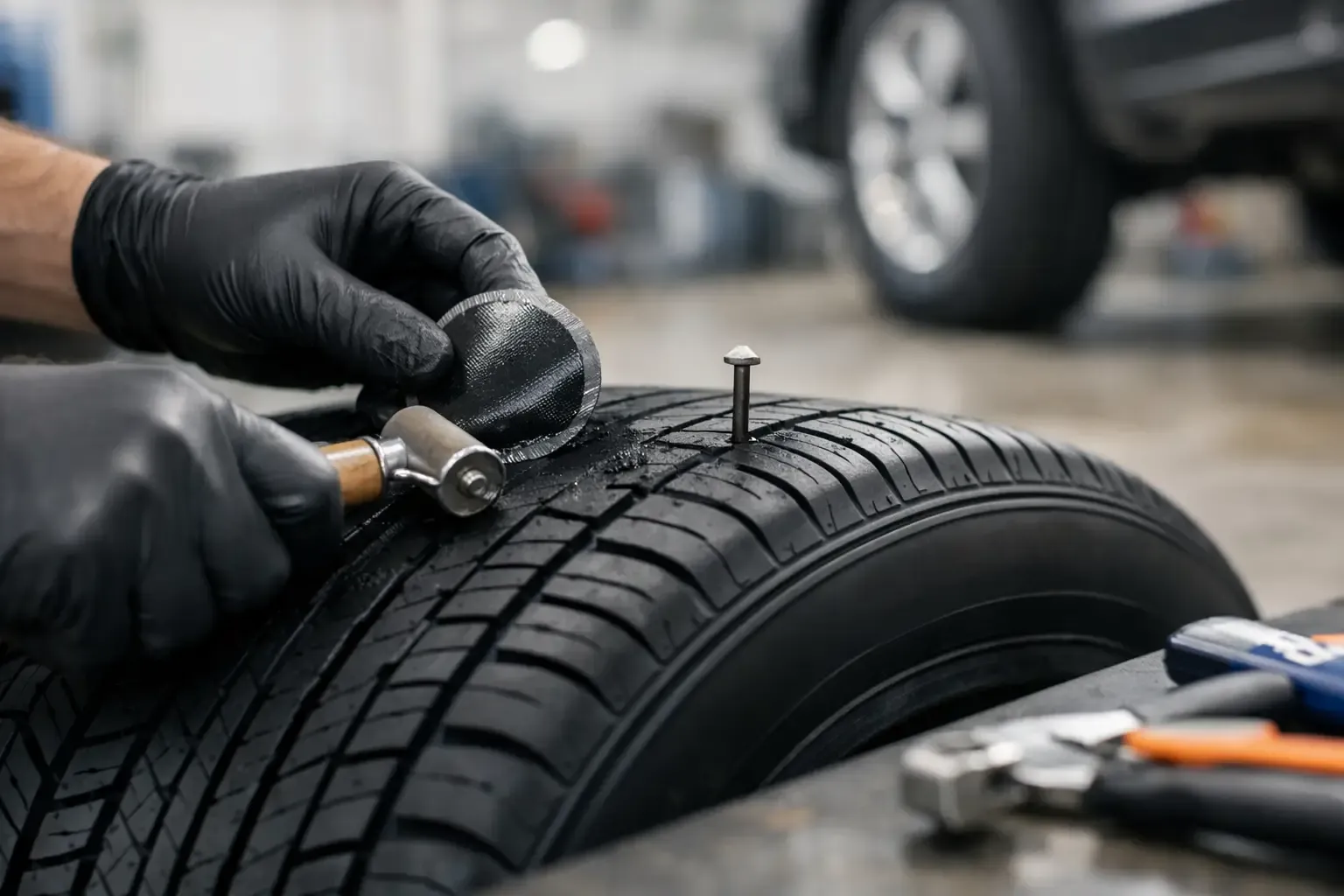
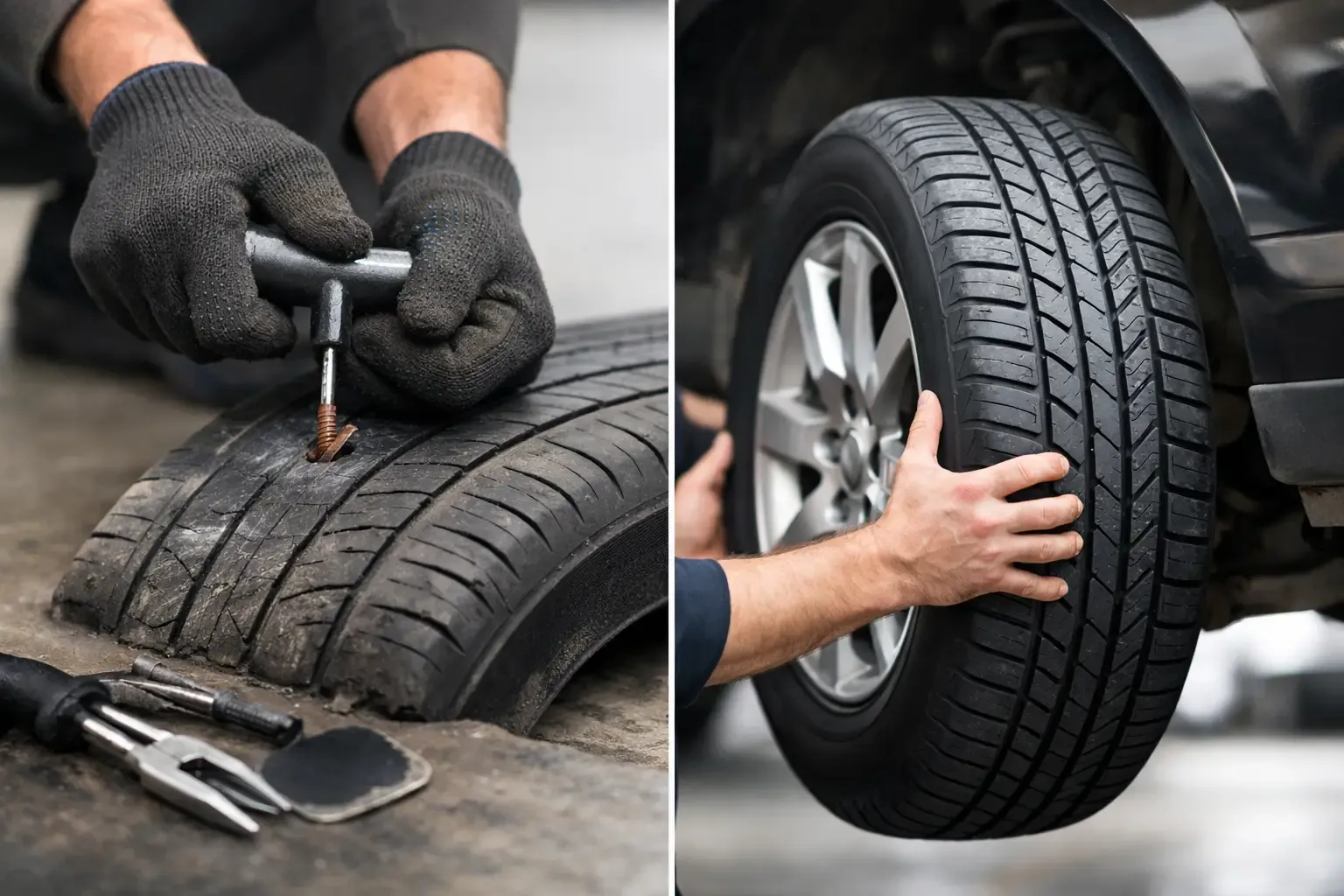
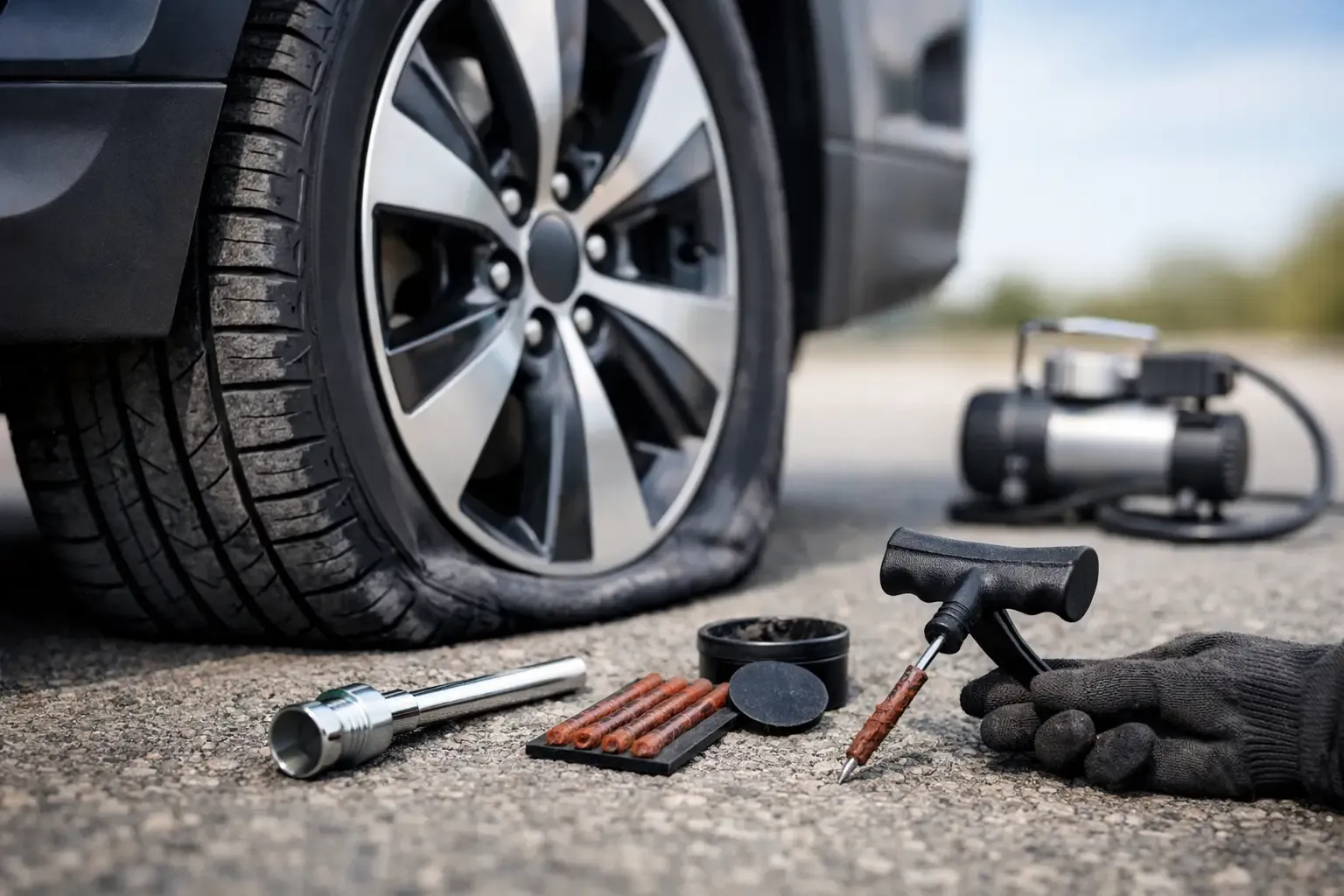
Not every puncture creates an immediate flat. A small screw in the tread can let air escape gradually, sometimes over several days. You may see the TPMS light before you notice any change in how the vehicle drives.
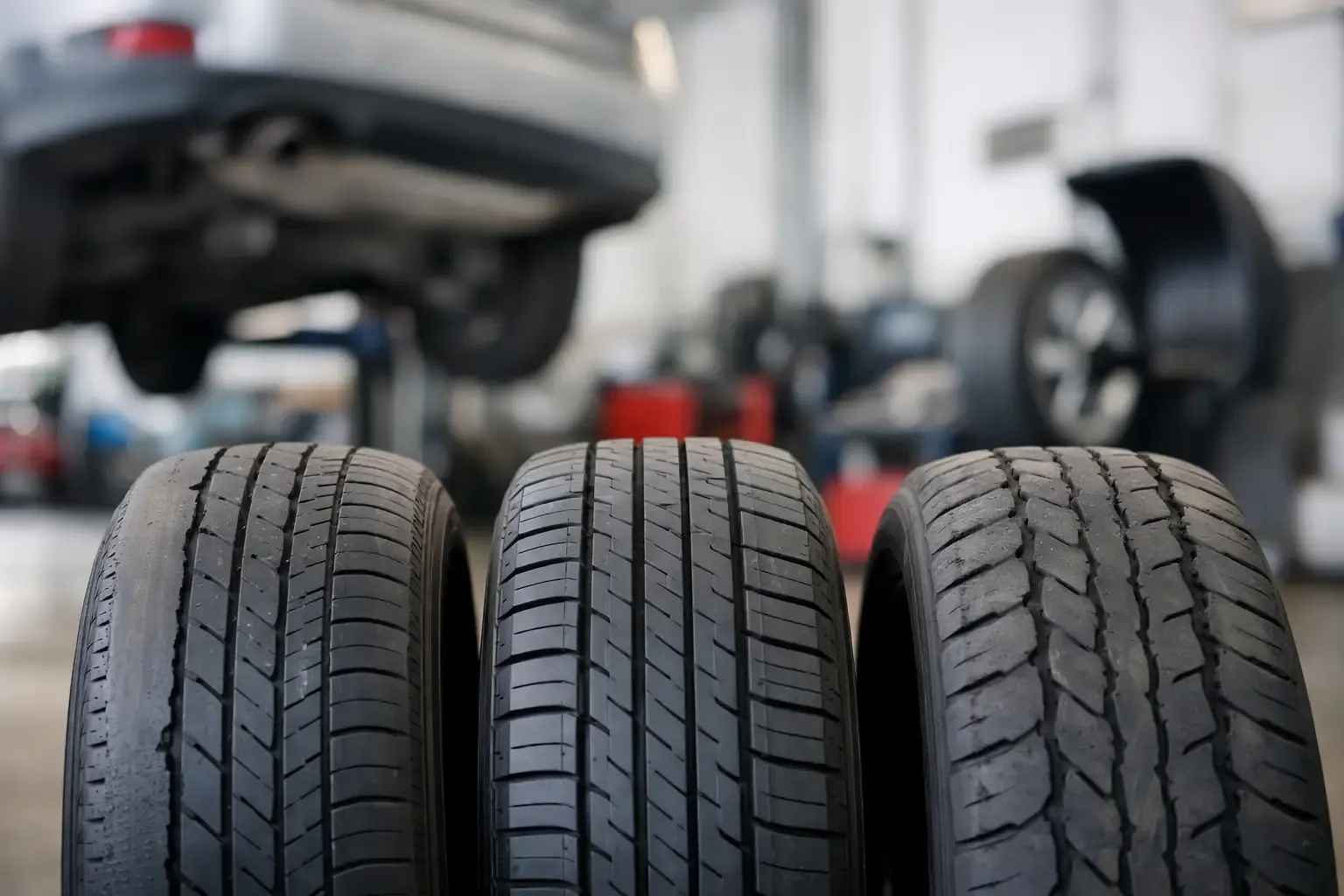
Avoid pulling out an object stuck in the tread. It may be temporarily limiting air loss. Instead, have the tire professionally inspected to determine whether it can be repaired safely or needs replacement. Damage in the shoulder or sidewall often cannot be repaired reliably.
4. A wheel or valve stem is leaking
Air can escape around the rim where the tire seals to the wheel, especially if corrosion, impact damage, or debris affects that sealing surface. A cracked rubber valve stem or a loose valve core can also create a gradual pressure loss.
These issues are easy to miss without the right inspection equipment. If you keep adding air but cannot find a puncture, a technician can check the wheel, valve assembly, and tire bead for leaks.
5. The TPMS sensor battery has reached the end of its life
Direct TPMS sensors are powered by small sealed batteries. Depending on the vehicle and driving habits, they commonly last several years before failing. Because the battery is sealed inside the sensor, the usual repair is sensor replacement.
A failed sensor often causes the TPMS light to flash for roughly a minute after startup and then remain illuminated. That pattern is different from a standard low-pressure warning, although vehicle behavior varies by make and model.
6. The system needs to be reset or relearned
Some vehicles need a TPMS reset after tire rotation, tire replacement, wheel replacement, or adjusting pressure. Others automatically relearn sensor locations after driving for a period of time. If the system is not reset or programmed correctly, it may continue showing a warning even when the tire pressures are correct.
This is especially common after seasonal wheel changes or installing new sensors. A proper reset and relearn confirms that the vehicle recognizes each sensor and its correct wheel position.
7. A sensor was damaged during tire service
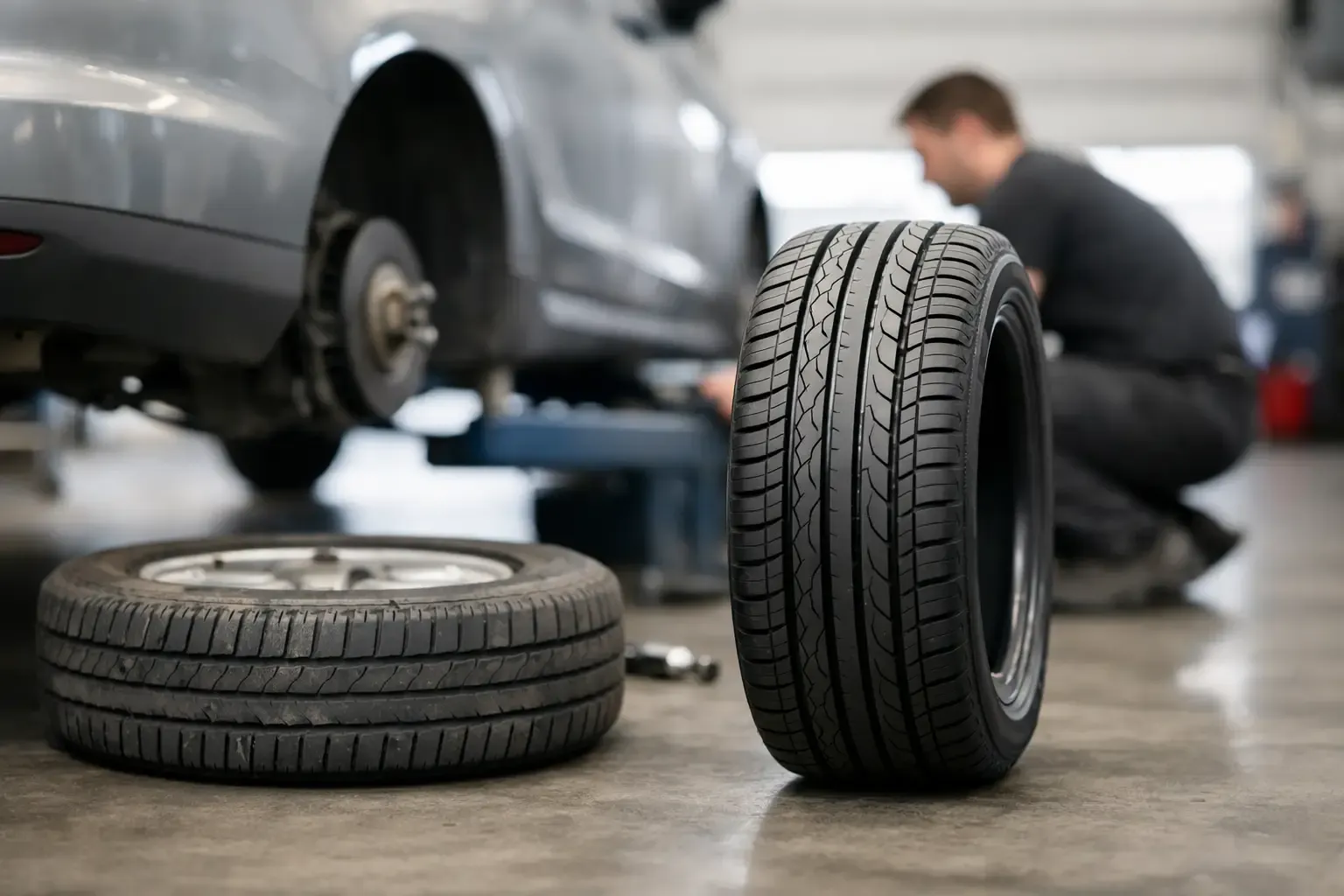
TPMS sensors sit inside the wheel near the valve stem, so they must be handled carefully during tire mounting and dismounting. Age, corrosion, or improper service can damage a sensor, valve stem, or retaining hardware.
A warning light that appears immediately after tire work does not automatically mean something was done incorrectly. It may reveal that an older sensor was already near failure. Either way, the system should be scanned and checked rather than guessed at.
8. The vehicle has a TPMS communication or module fault
Less commonly, the issue is not the tire or sensor itself. Wiring, the receiver, or the TPMS control module can develop a fault. This is more likely when all tire pressures are correct, the warning flashes, and a scan tool cannot communicate with one or more sensors.
Diagnosis matters here. Replacing sensors without confirming the fault can add cost without fixing the warning.
Steady vs. Flashing TPMS Light: What Is the Difference?
A steady TPMS light usually means at least one tire is below the system's pressure threshold. Check all four tires, and check the spare if your vehicle's spare is monitored. Inflate as needed, then drive the vehicle long enough for the system to update according to the owner's manual.
A flashing TPMS light usually points to a system malfunction, such as a dead sensor battery, missing sensor, programming issue, or communication problem. The tires may still need attention, but pressure alone may not turn the light off. A professional scan can identify which sensor or system component is not responding.
What to Do When Your TPMS Light Turns On
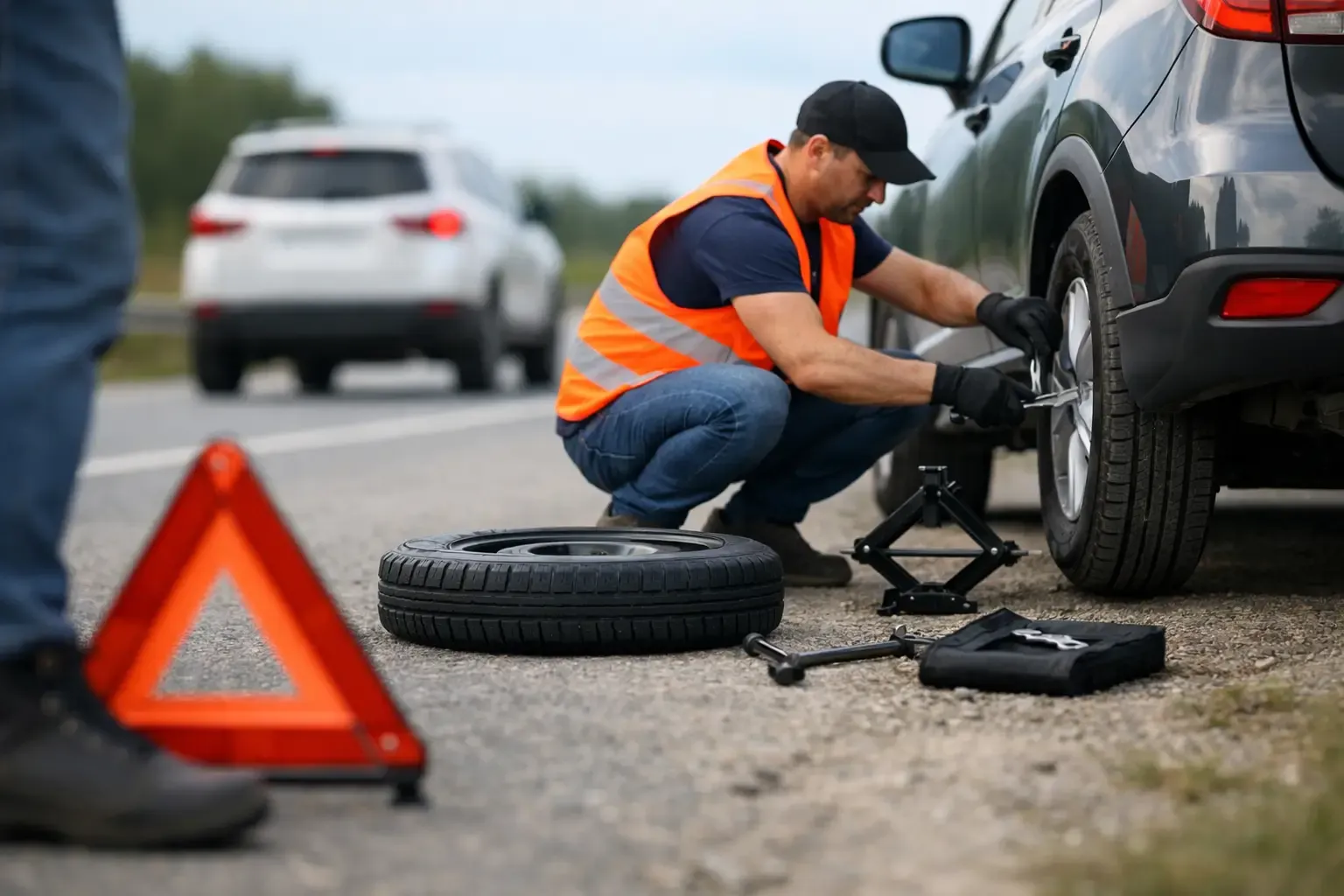
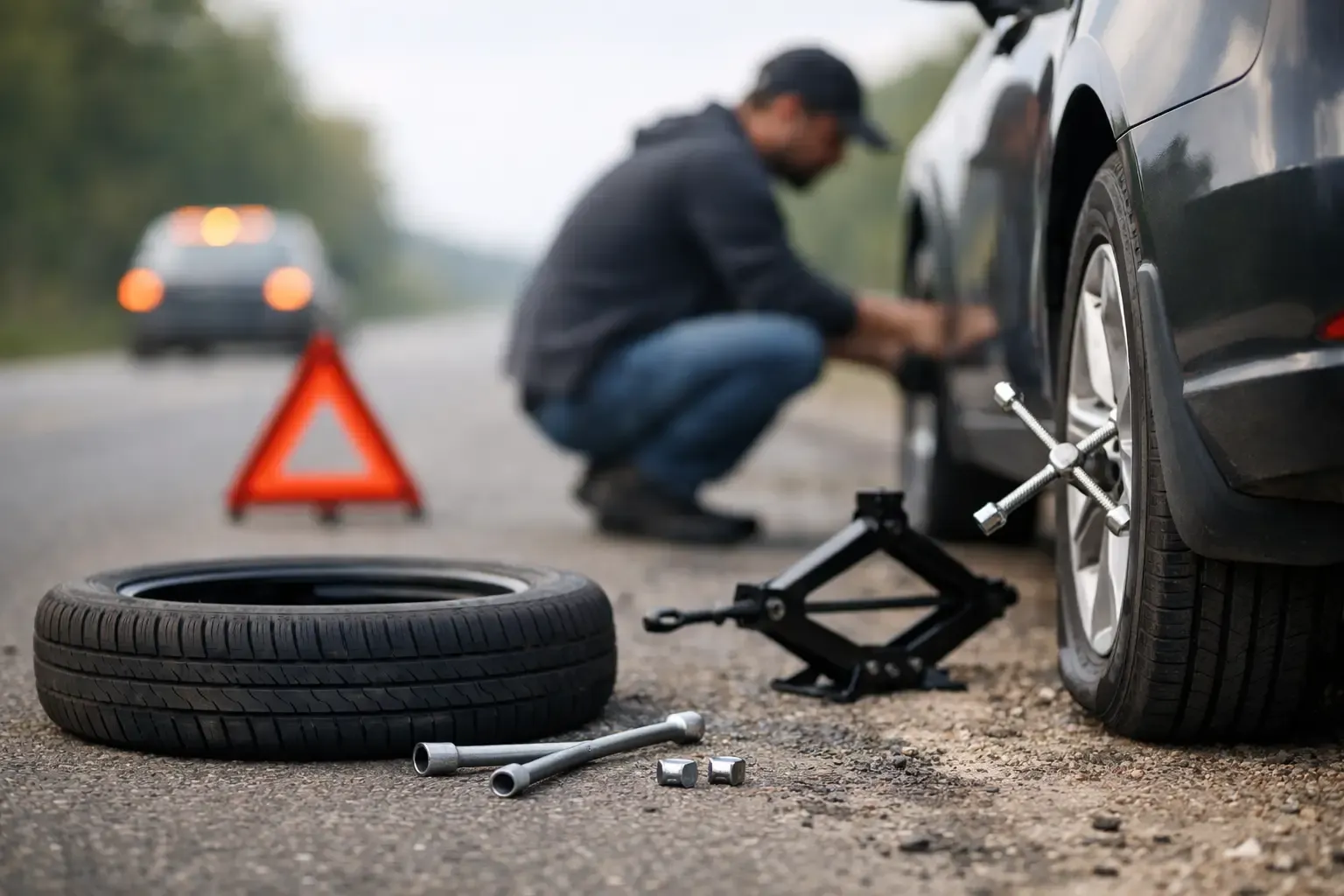
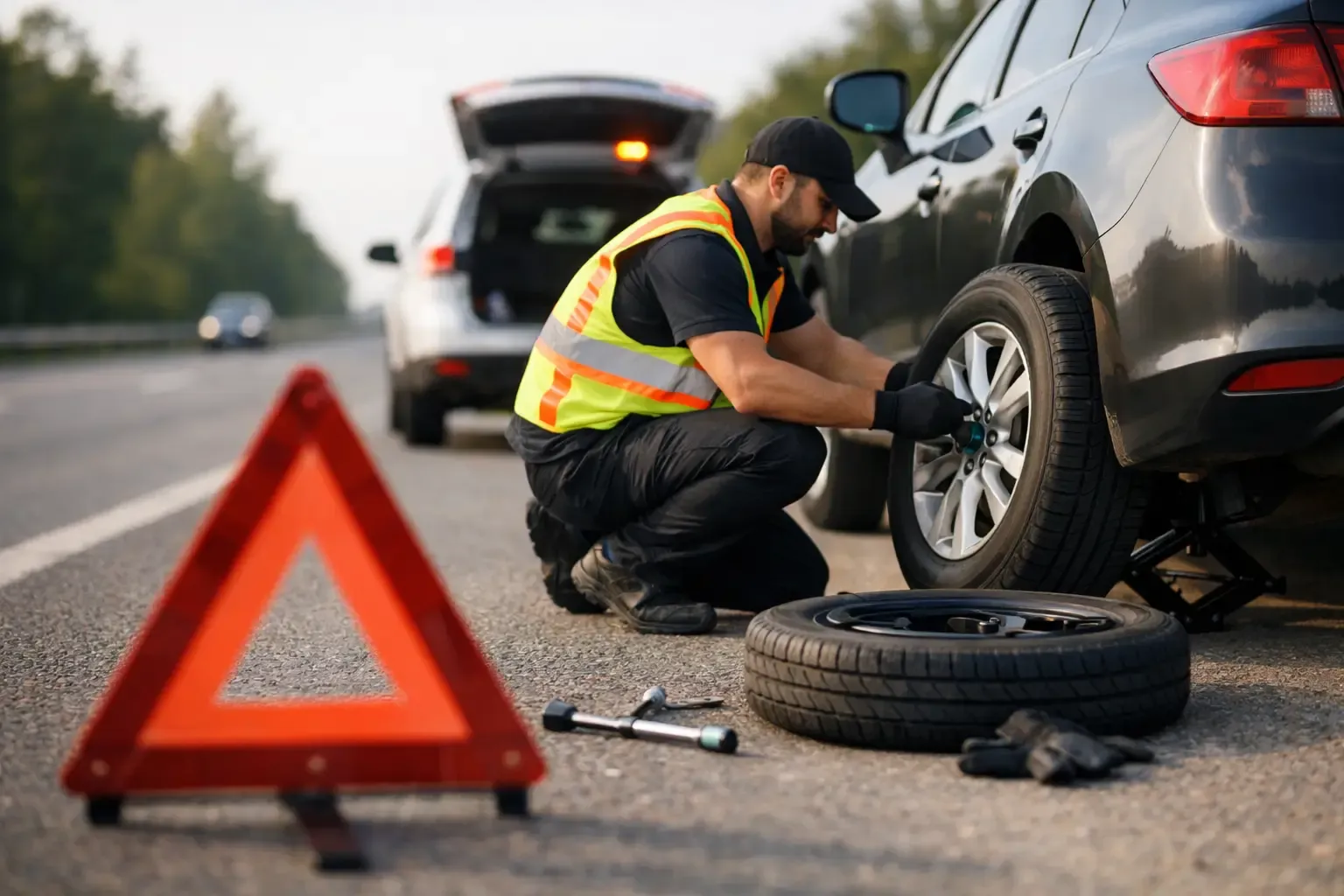
Start by slowing down and paying attention to how the vehicle feels. If a tire looks visibly low, the steering pulls, the vehicle vibrates, or you hear a flapping sound, pull over safely as soon as possible. Driving on a severely underinflated tire can damage it internally, even if it can hold air again later.
If the tires appear normal, check pressure with a gauge at your next safe opportunity. Set each tire to the cold-pressure specification on the door placard. Do not use a visual check alone, since radial tires can look reasonably normal while significantly underinflated.
After adjusting pressure, watch the warning over the next drive or two. If it stays on, returns, or flashes, schedule an inspection. Repeatedly adding air is not a repair. It only delays finding the reason air is leaving the tire.
When Mobile Tire Service Makes Sense
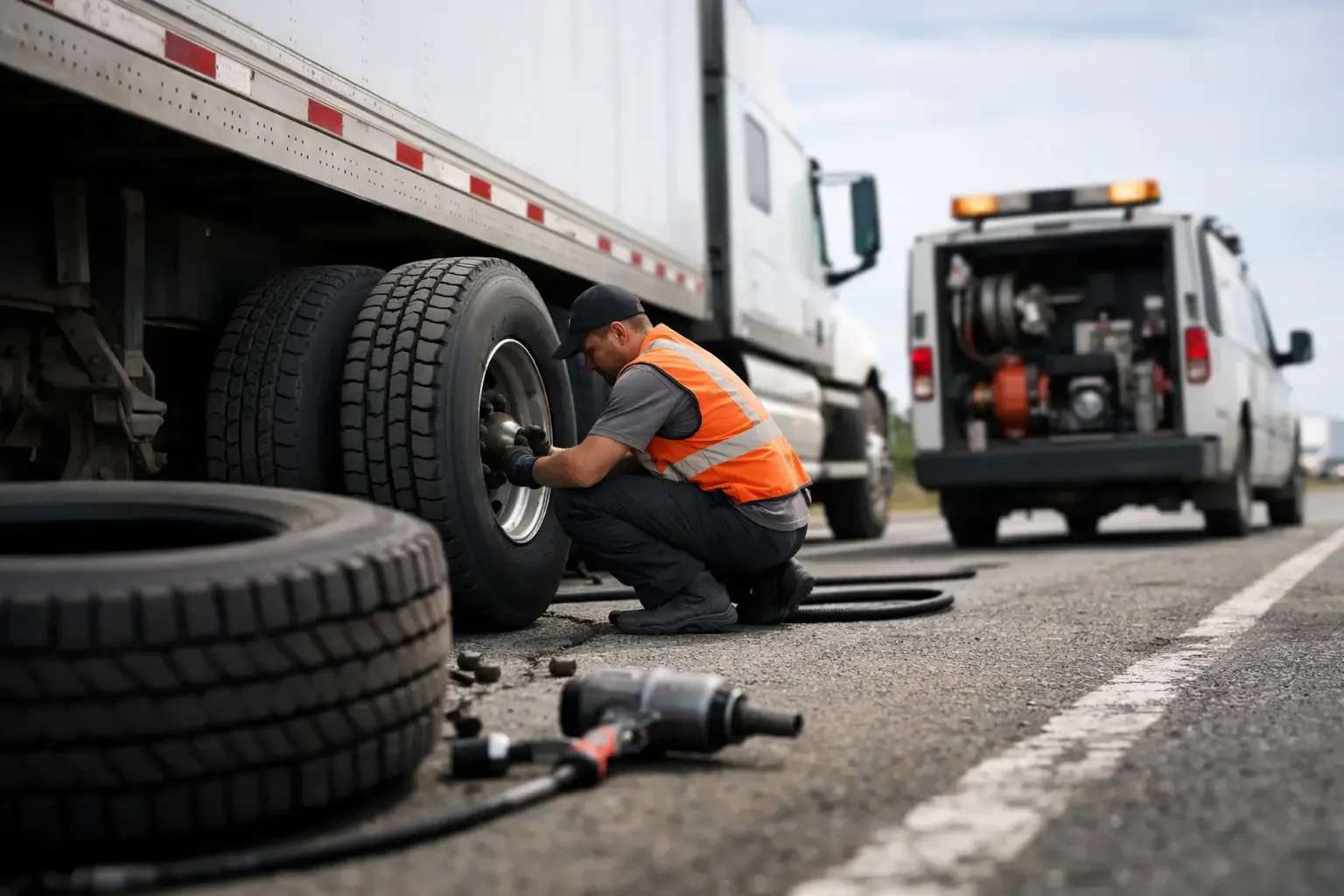
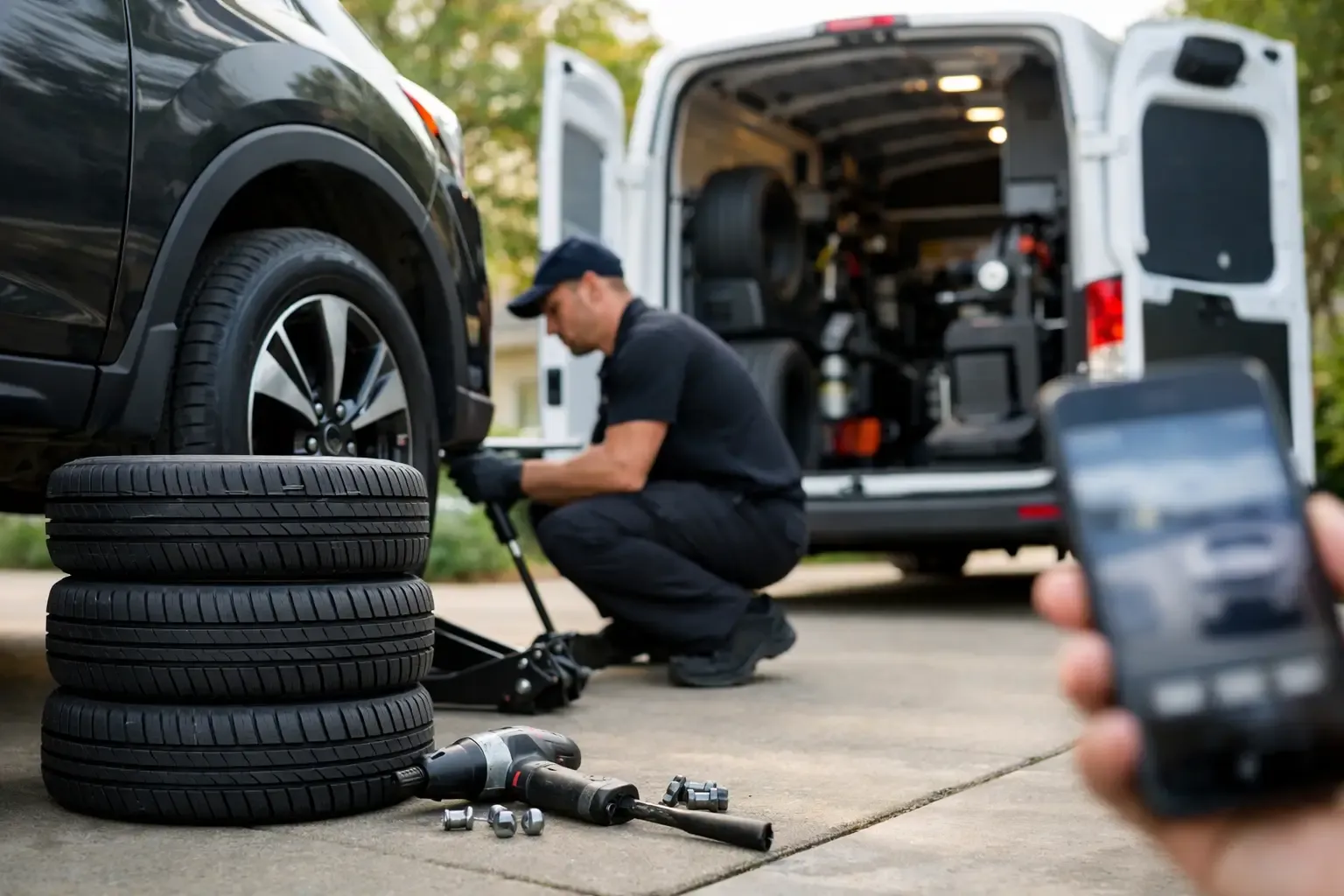
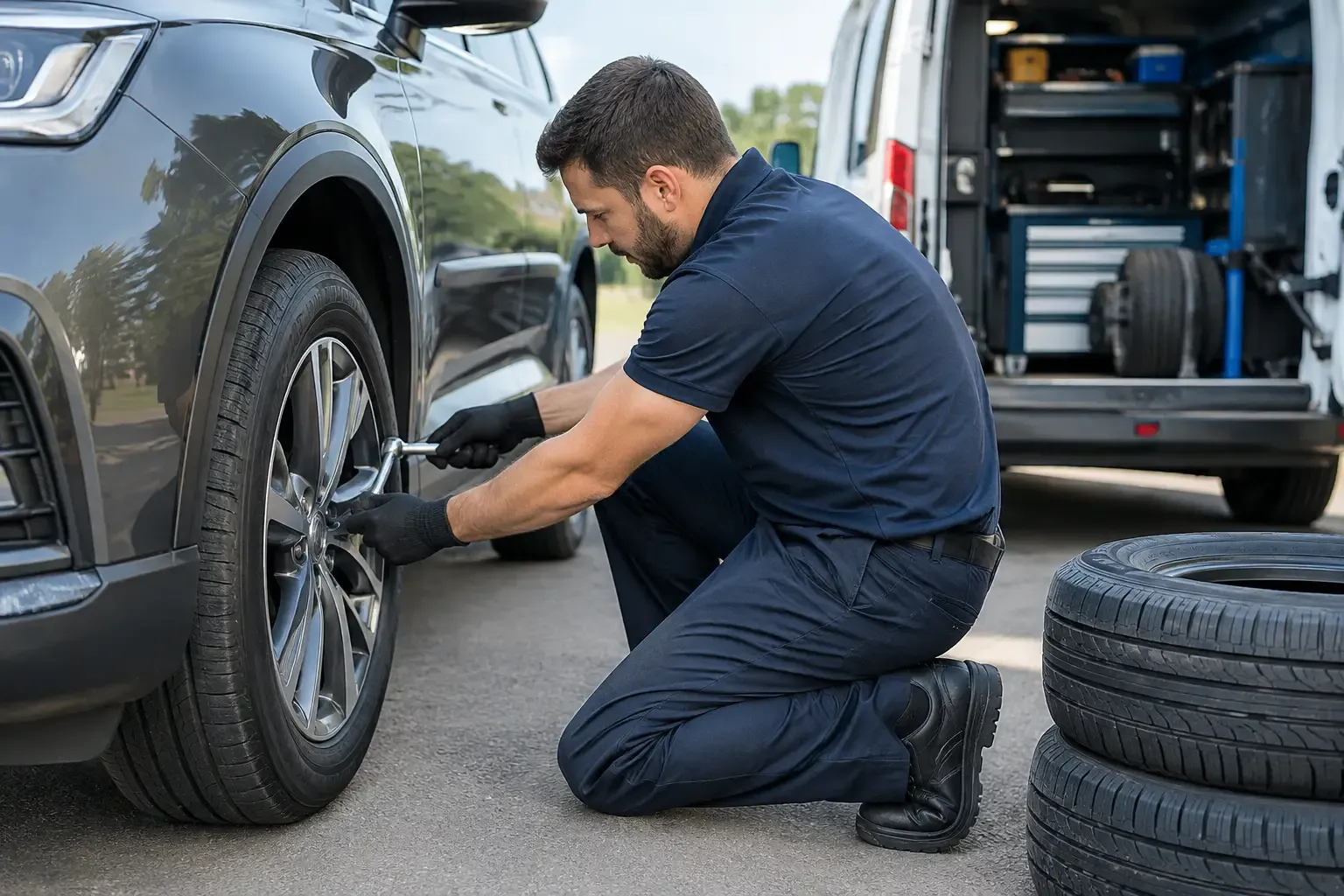
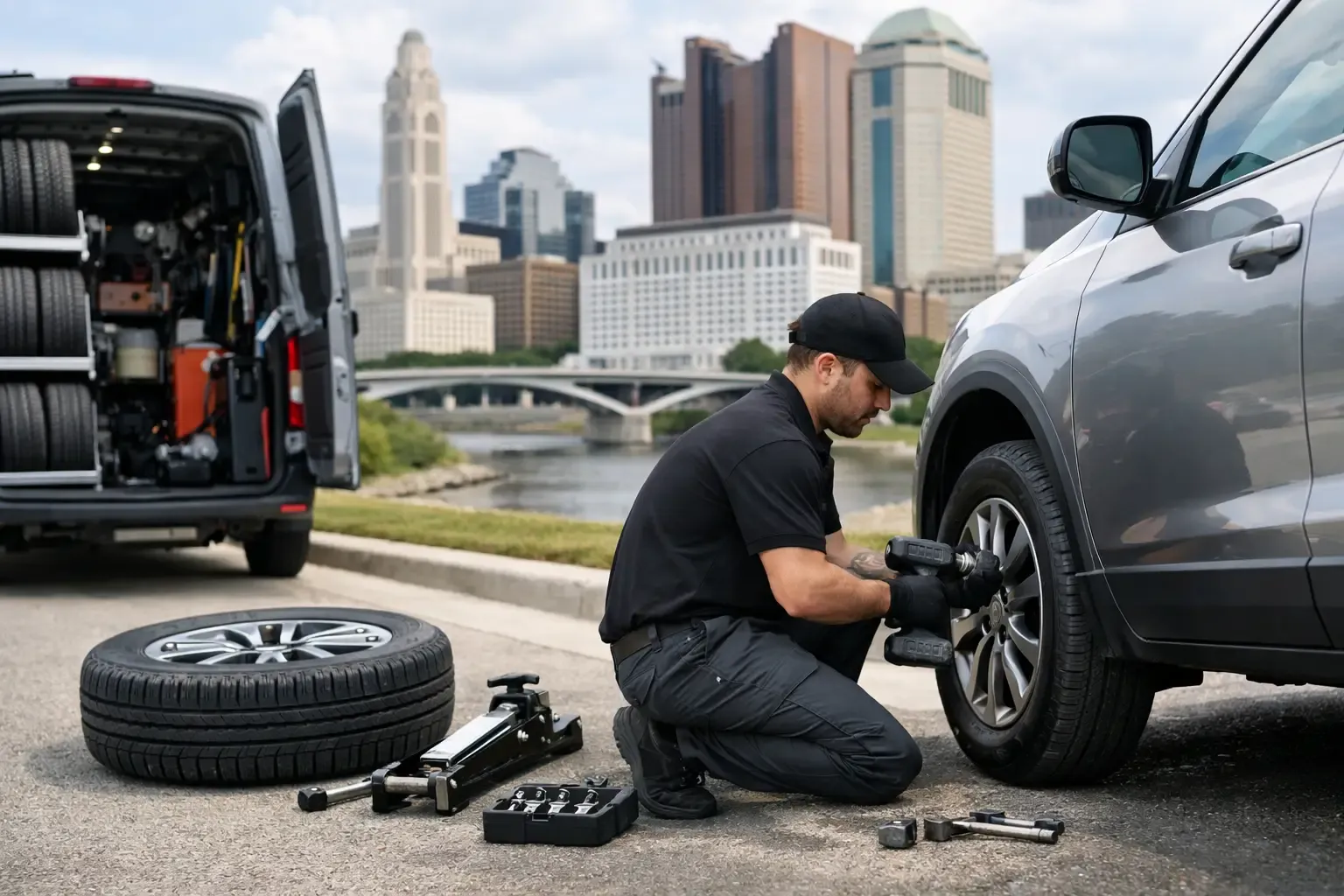
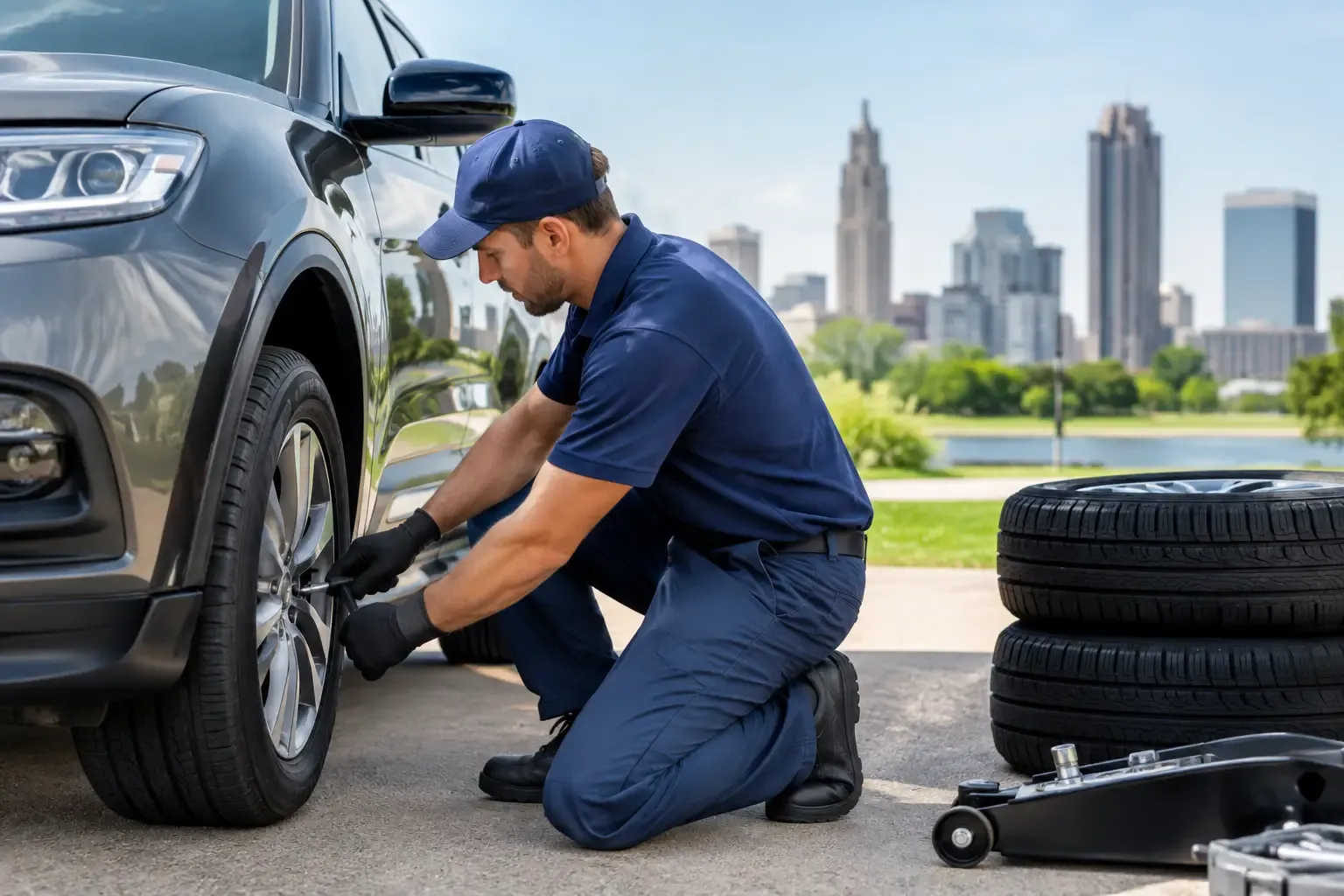
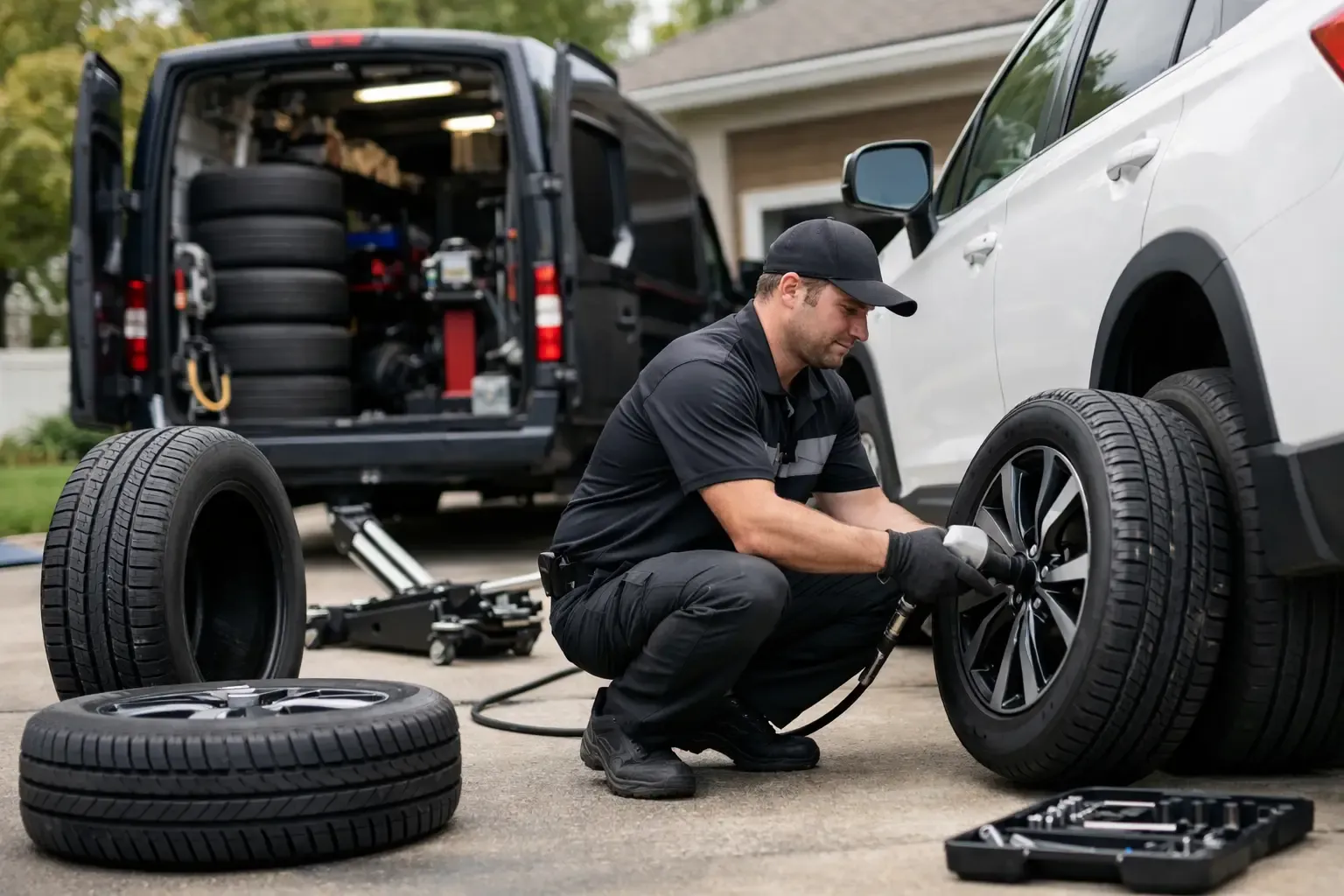
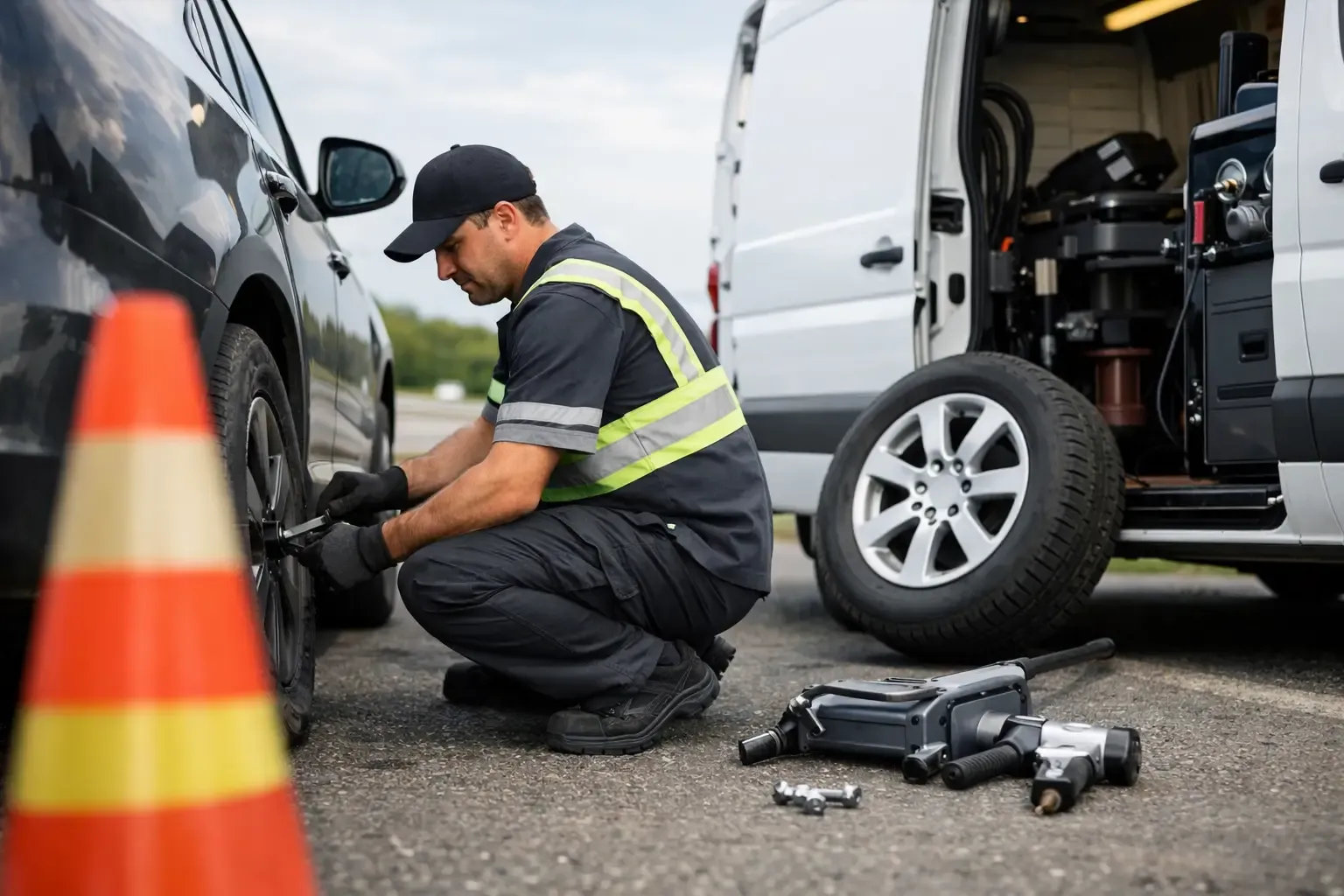
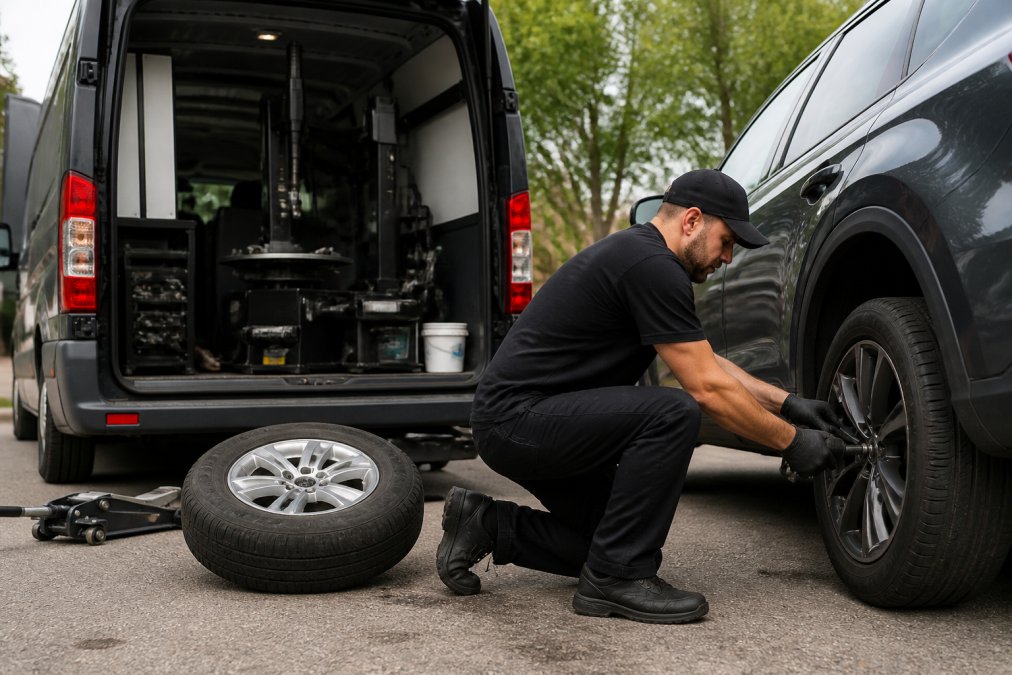
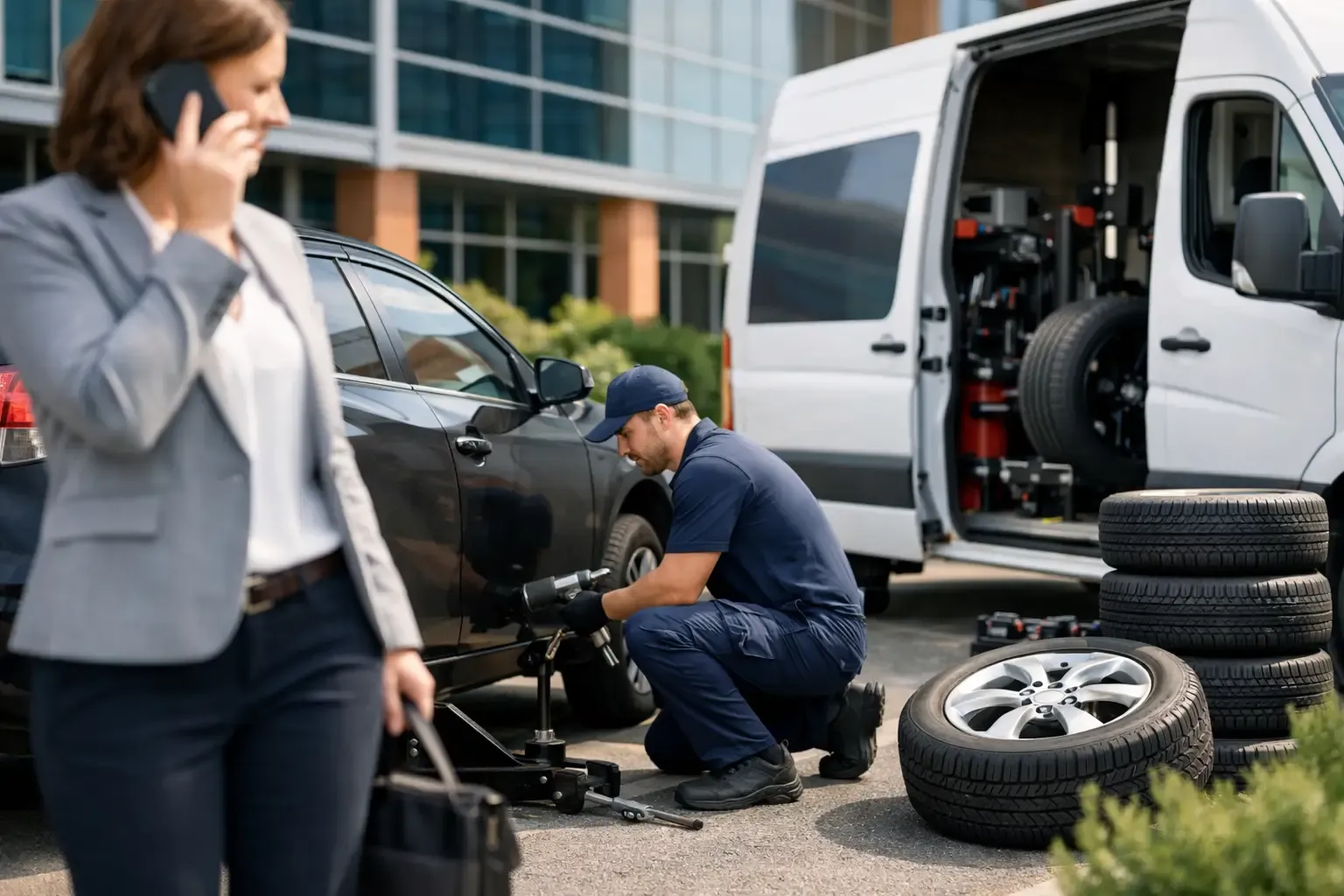
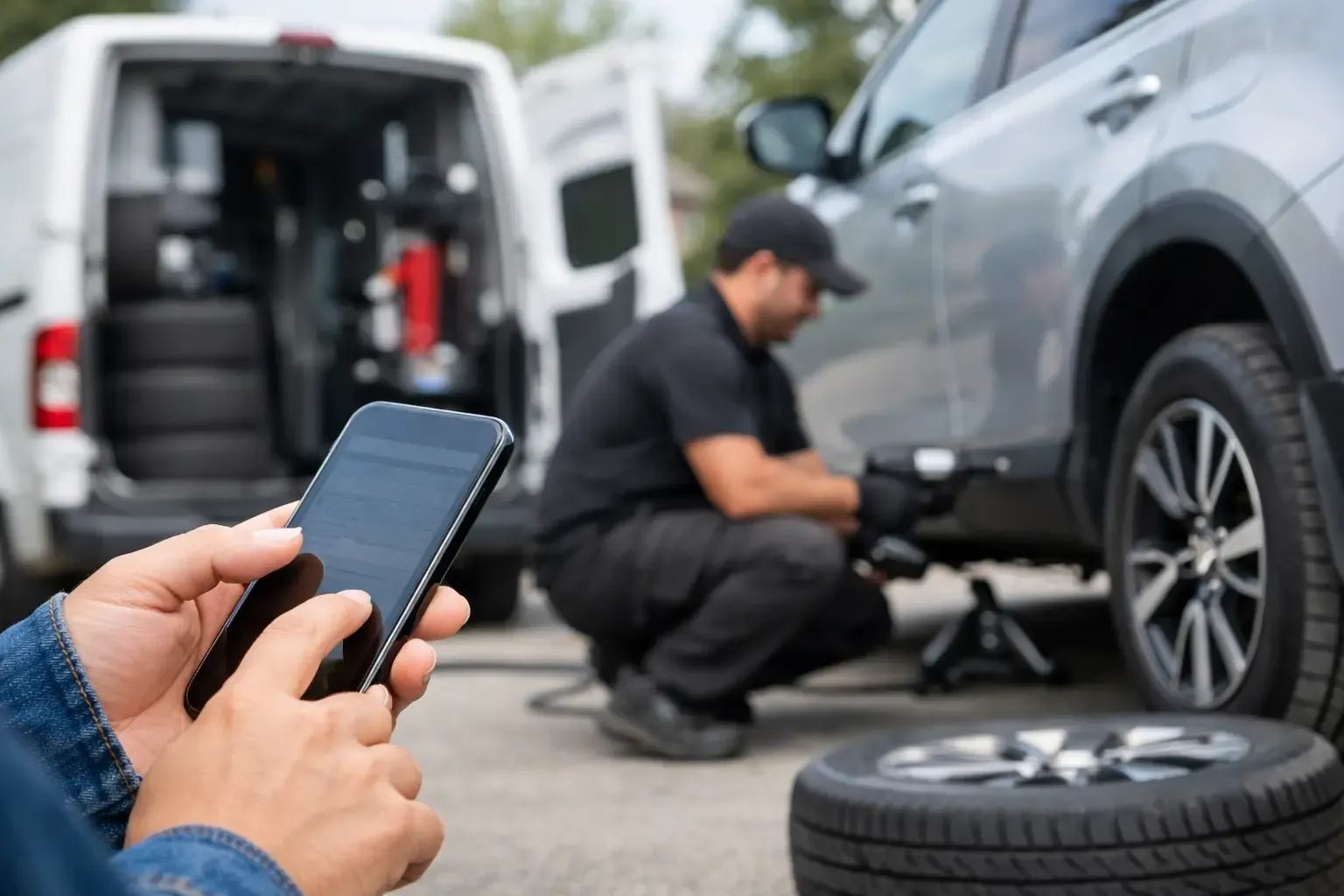
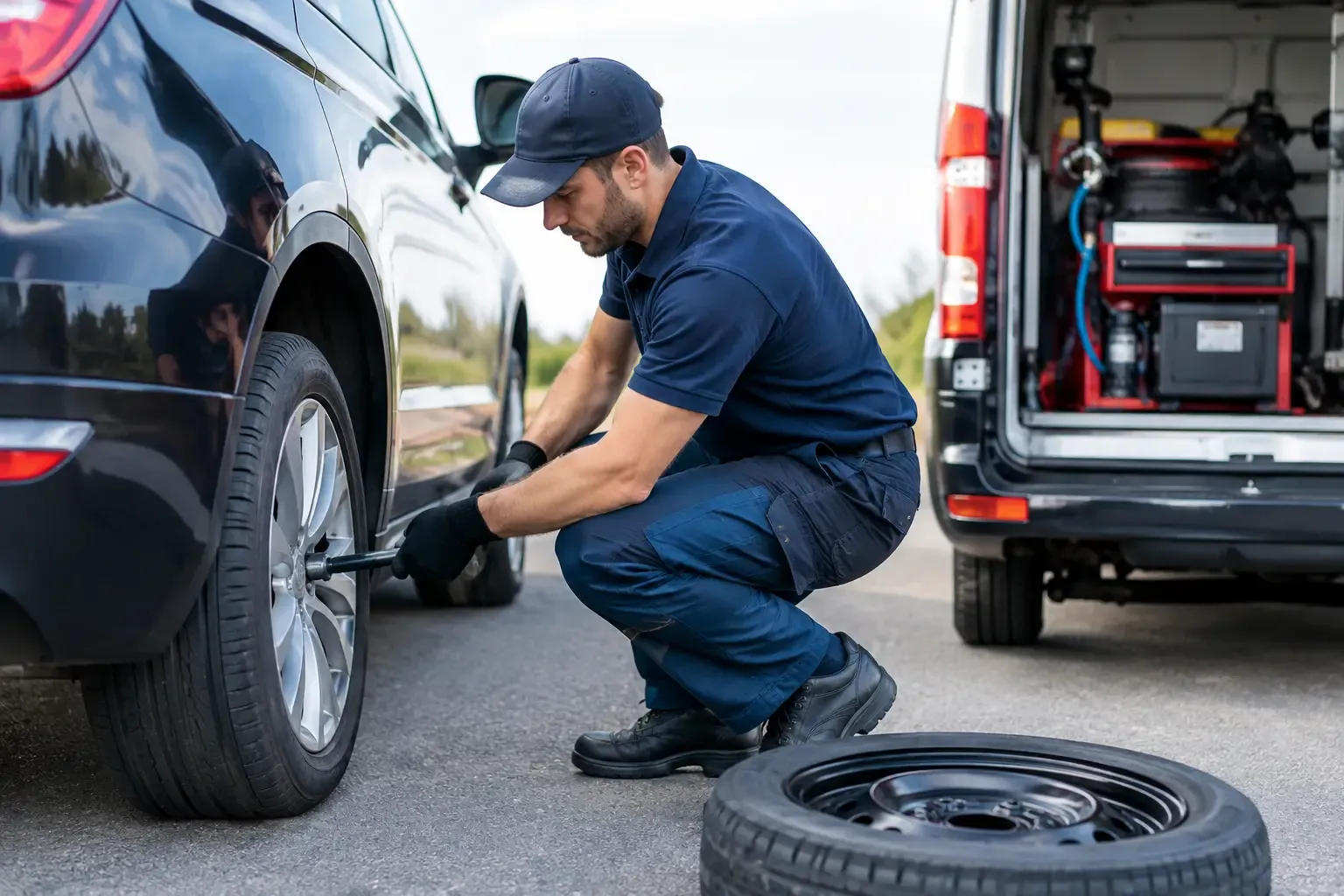
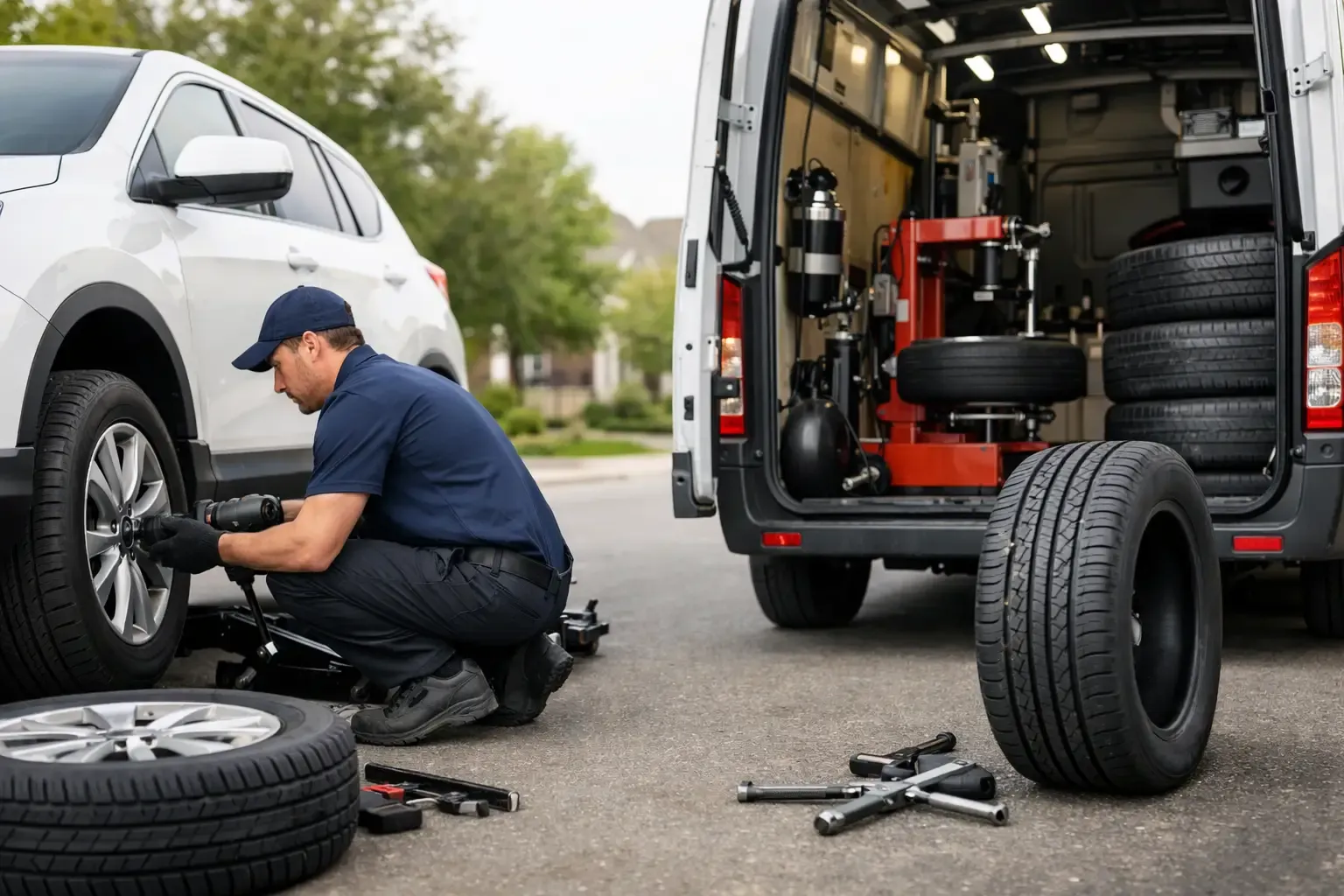
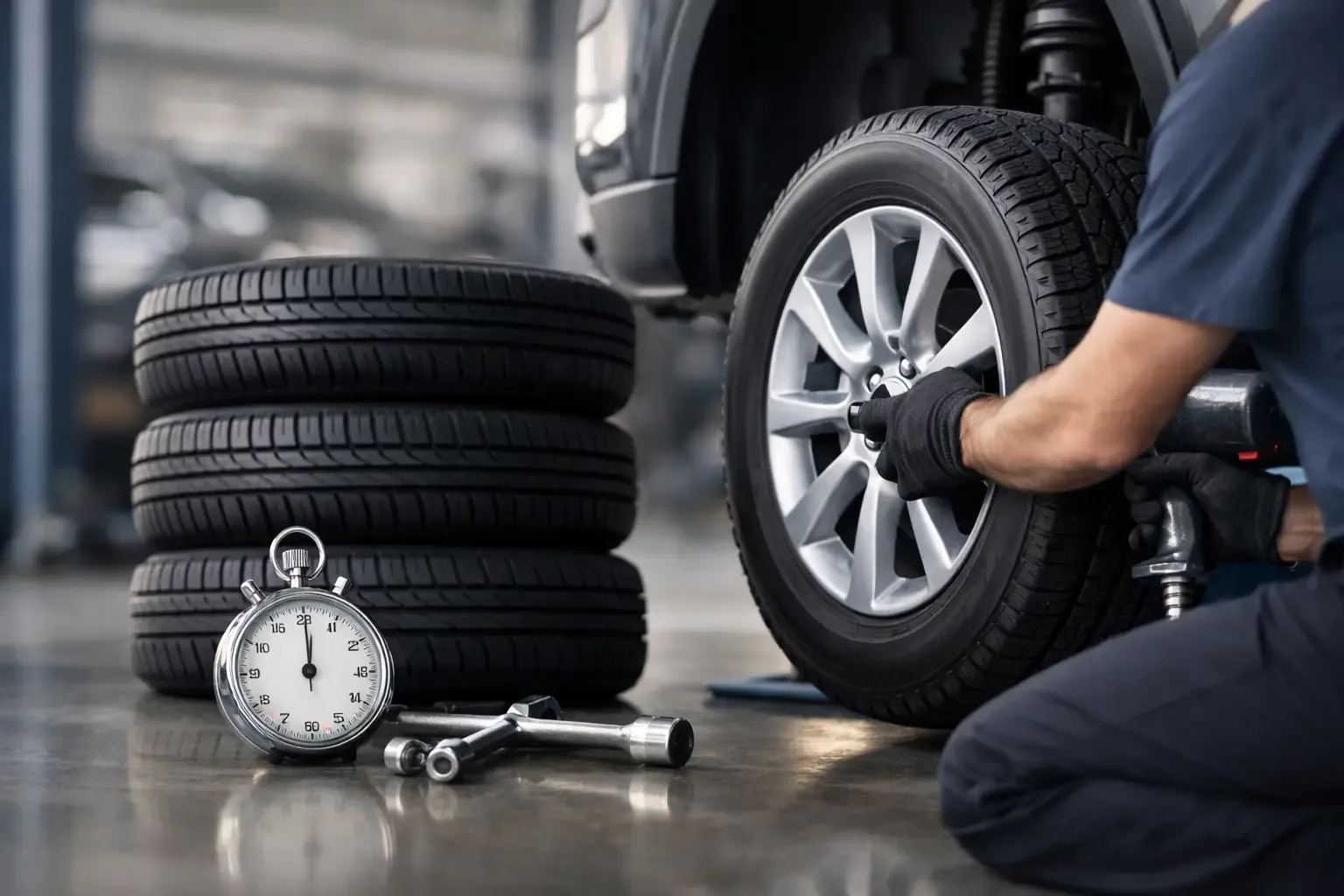
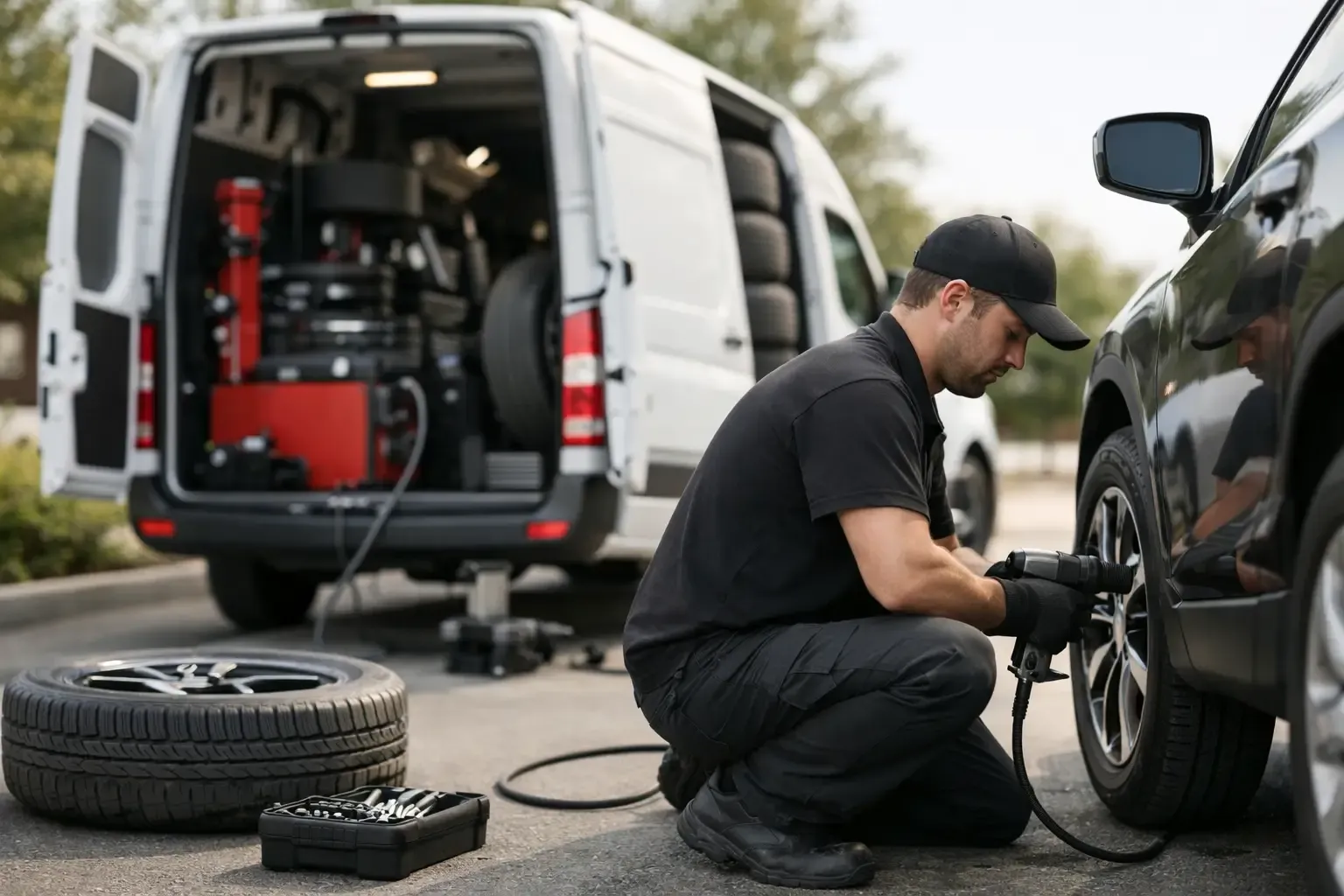
A TPMS light can be inconvenient when your day is already full, especially if you are unsure whether it is safe to drive to a tire shop. For drivers in Columbus and nearby communities, mobile tire service can bring the inspection, flat repair, tire replacement, or TPMS reset to your home, workplace, or roadside location.
Elite Mobile Tire can assess the tire condition and pressure issue where your vehicle is parked, helping you avoid unnecessary driving on a potentially damaged tire. If a tire cannot be safely repaired, the technician can explain the condition clearly and help you move forward with the right replacement option.
Can You Drive With the TPMS Light On?
It depends on why the light is on and how low the pressure is. If all tires are near the recommended pressure and the light is flashing, you may be dealing with a sensor-system issue rather than an immediate tire failure. You should still arrange service soon because you will not have reliable pressure monitoring until it is corrected.
If a tire is significantly low, do not treat the warning as a minor dashboard inconvenience. Low pressure creates excess heat and weakens the tire's internal structure. For a tire that is nearly flat, use the spare if appropriate or request roadside assistance rather than continuing to drive.
A TPMS light is your vehicle asking for a quick check before a small pressure problem becomes a lost afternoon or an unsafe drive. Check the pressure, look for signs of damage, and get professional help promptly when the warning does not clear.
Ready for a new set? Elite Mobile Tire installs 2 or 4 new tires right in your driveway or parking lot anywhere around Columbus, Obetz, Groveport, Grove City, and Reynoldsburg. Financing is available through Afterpay and Acima with up to 24-month payment plans. Call 614-344-5010 or visit elitemobiletire.com to book.