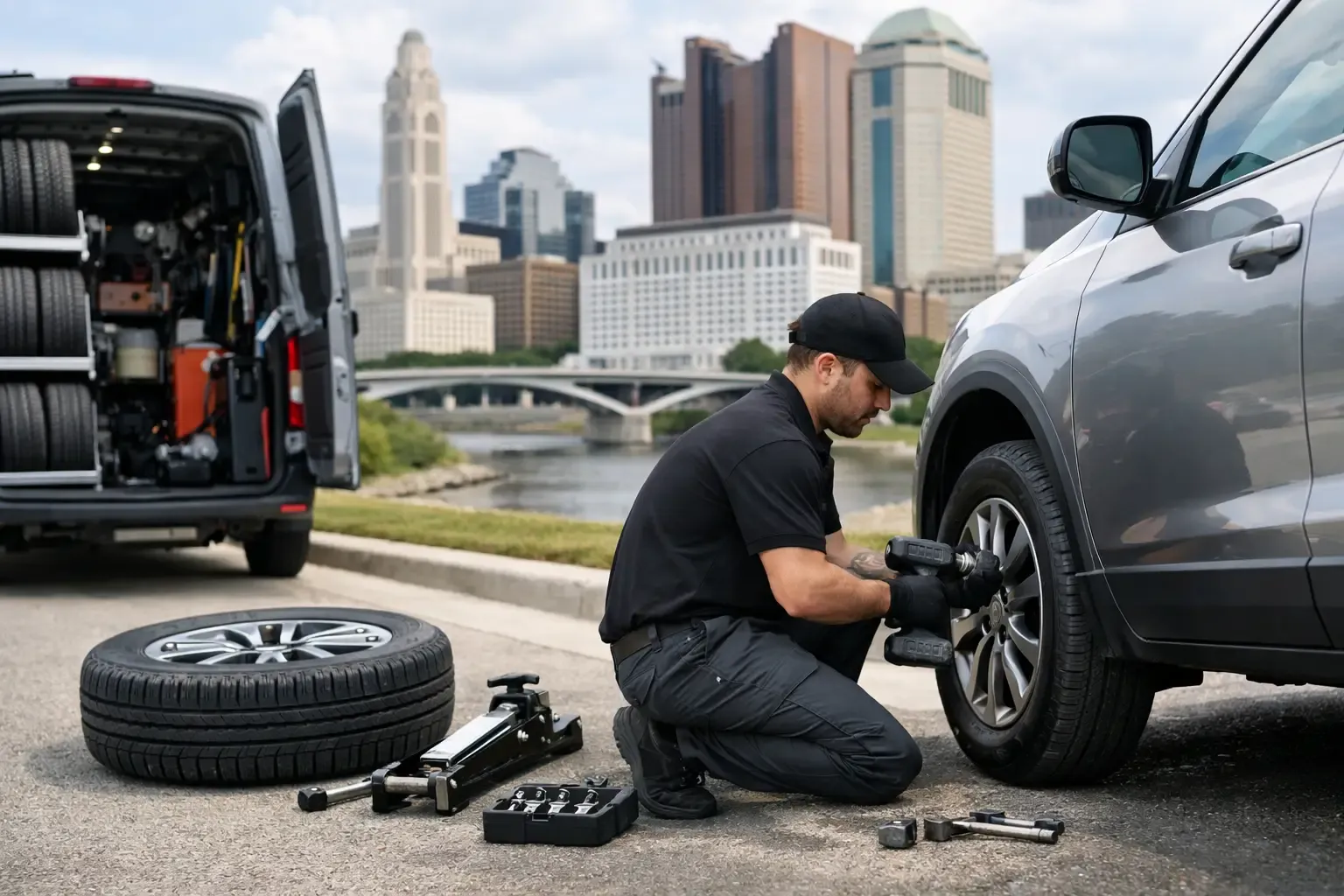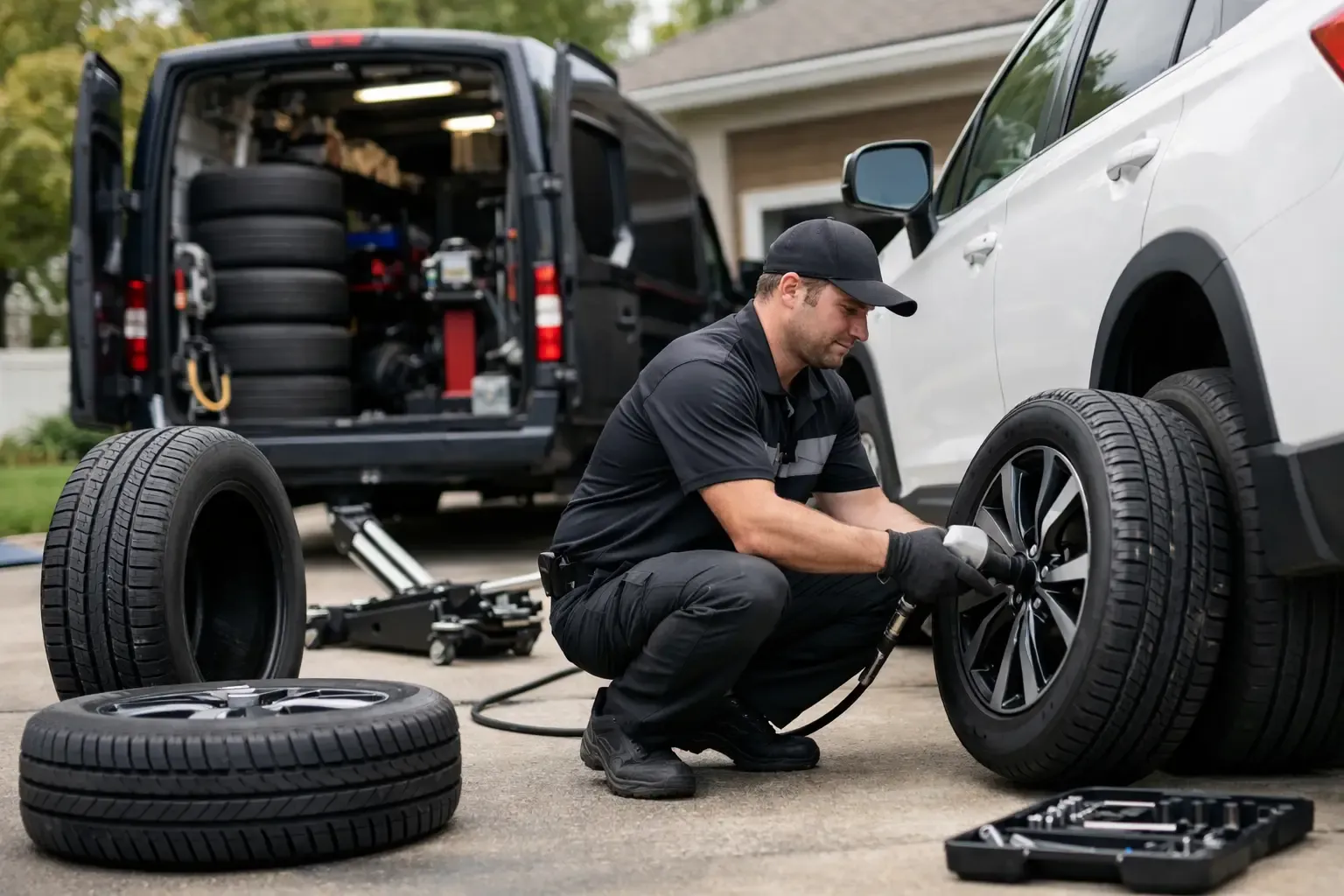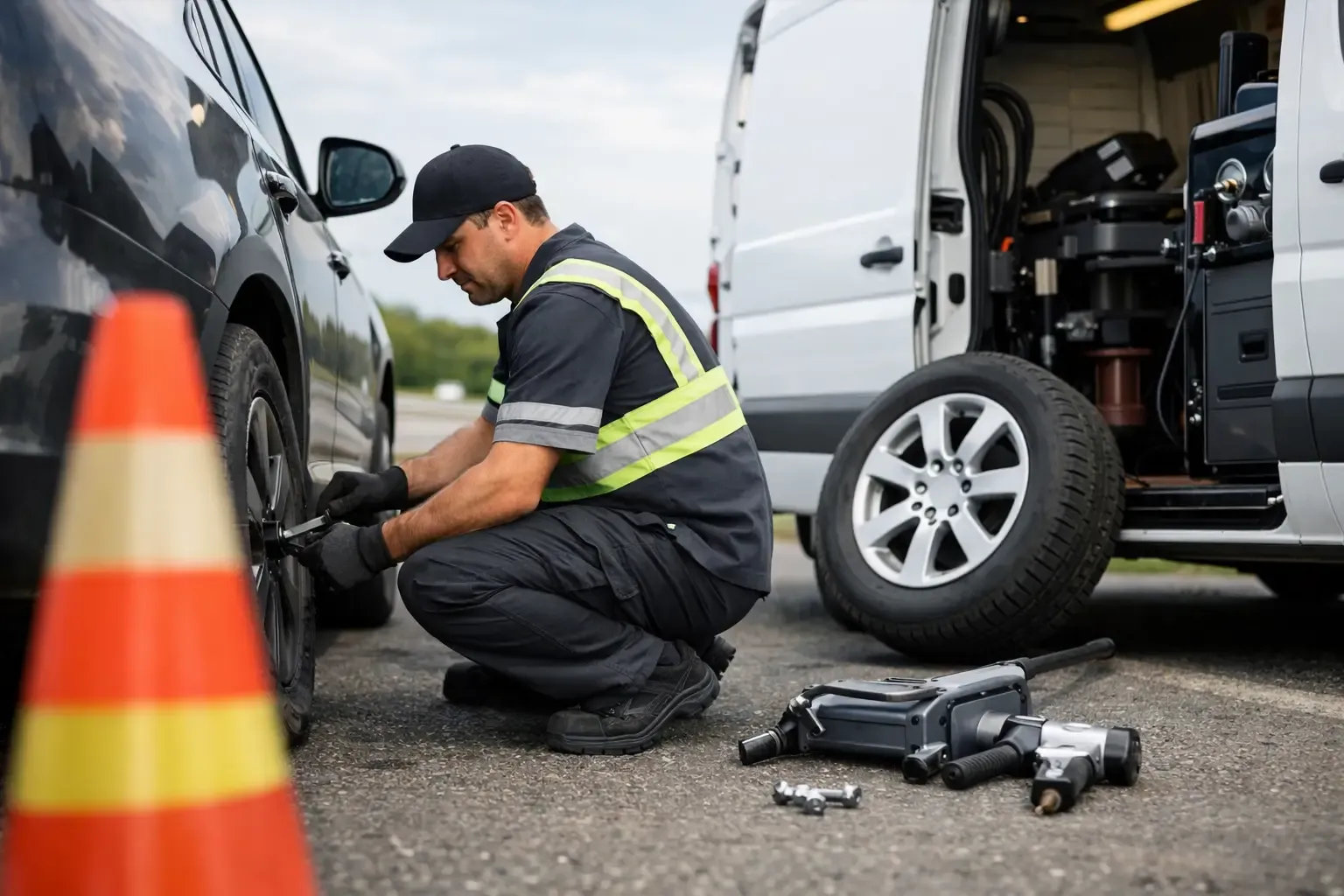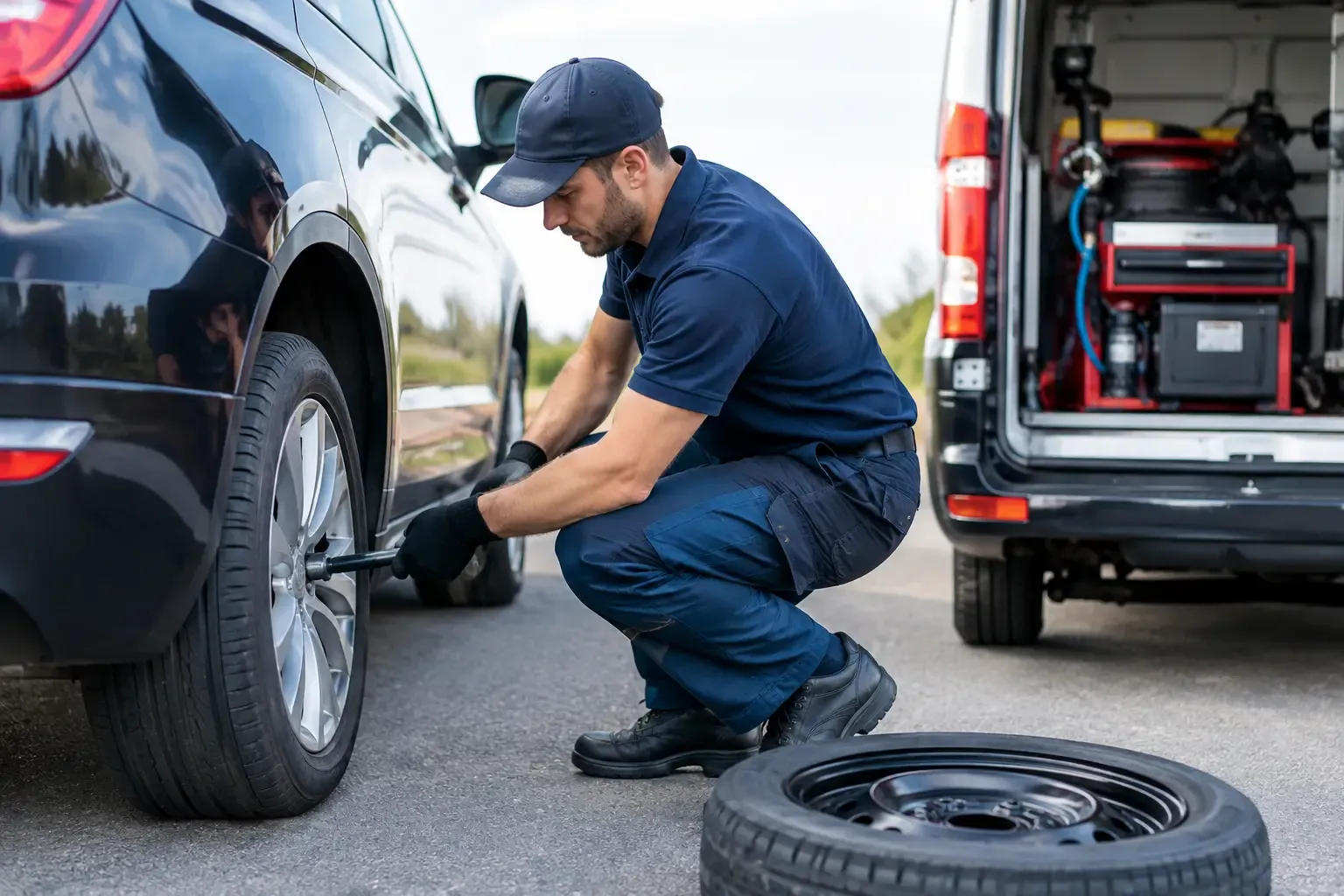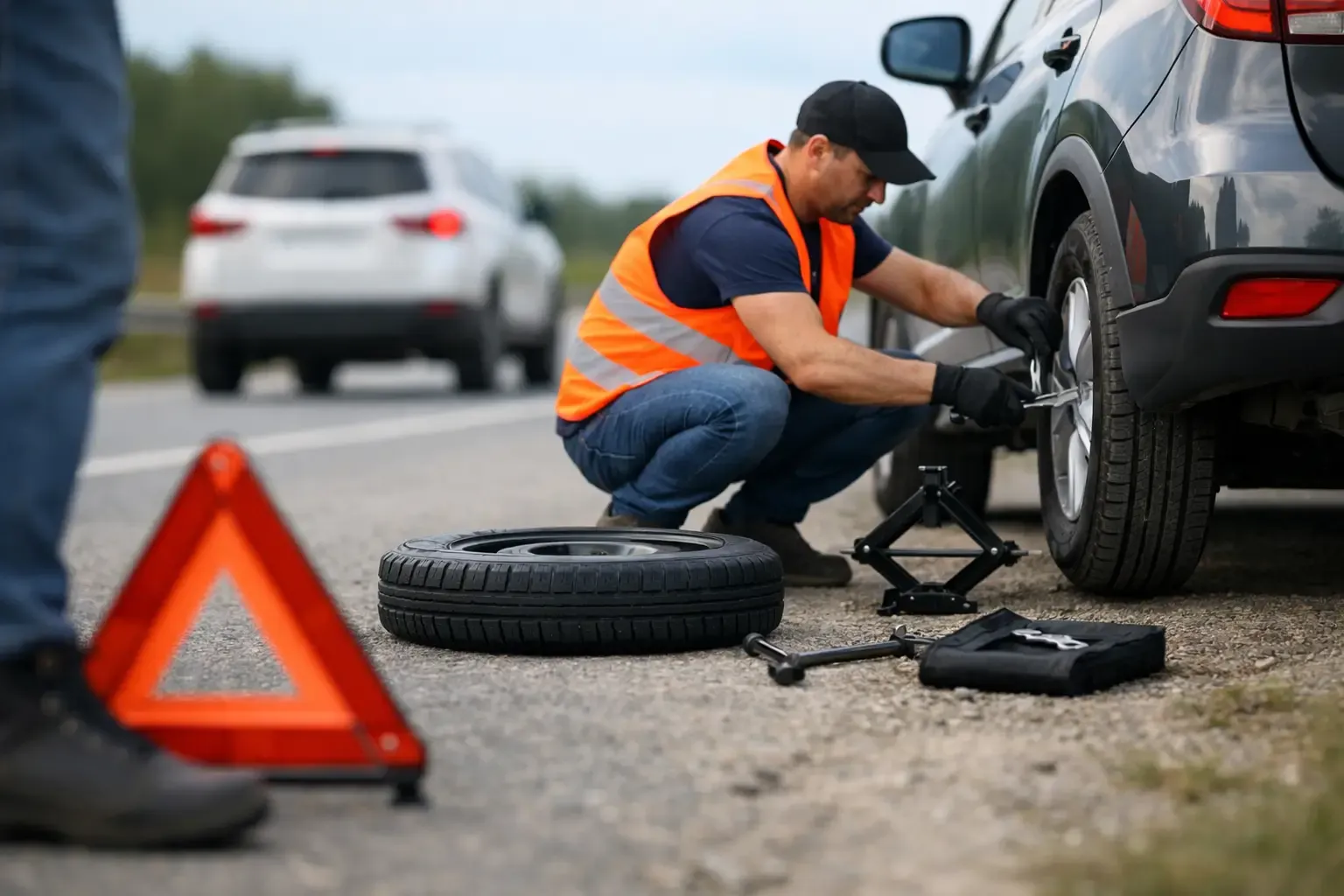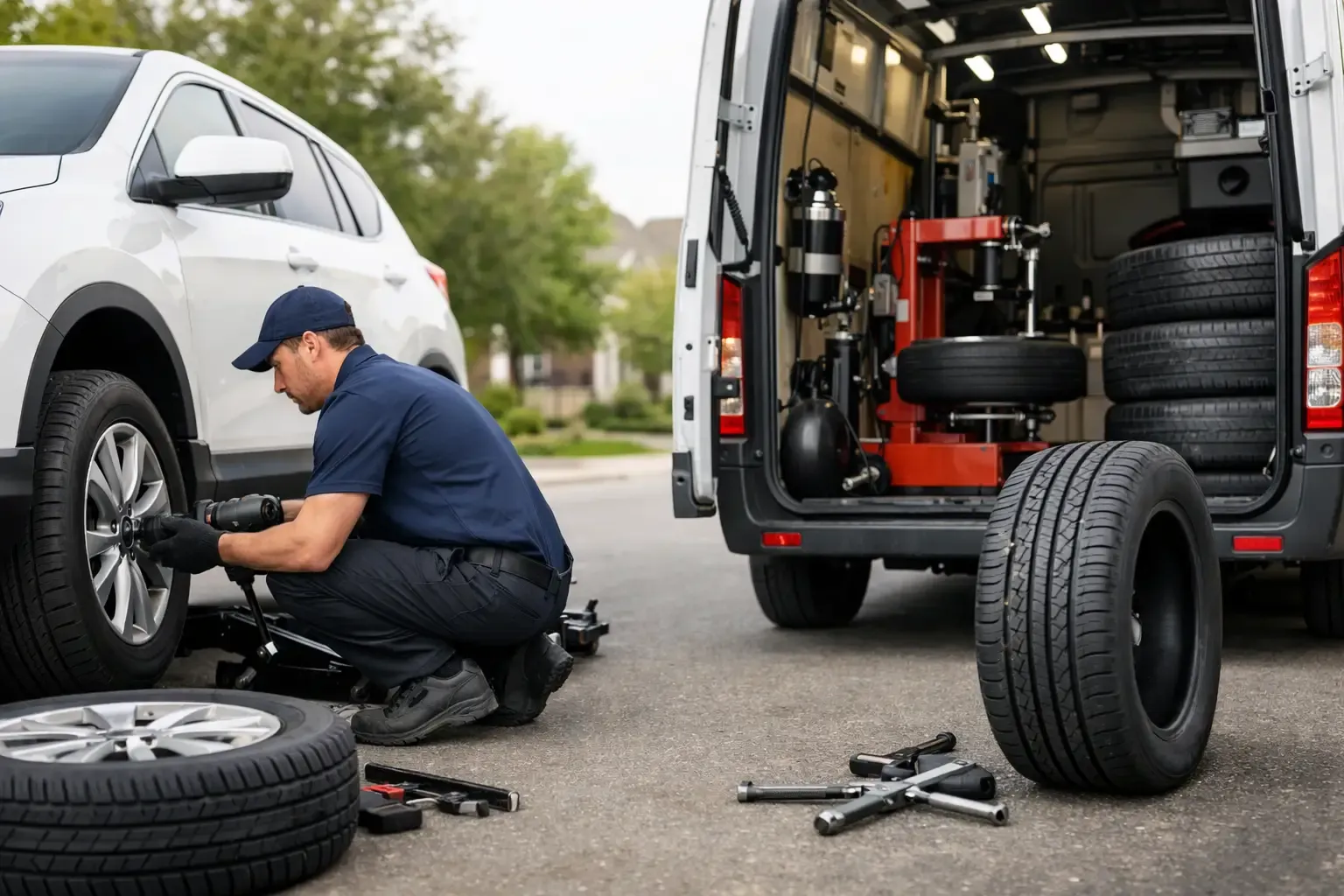
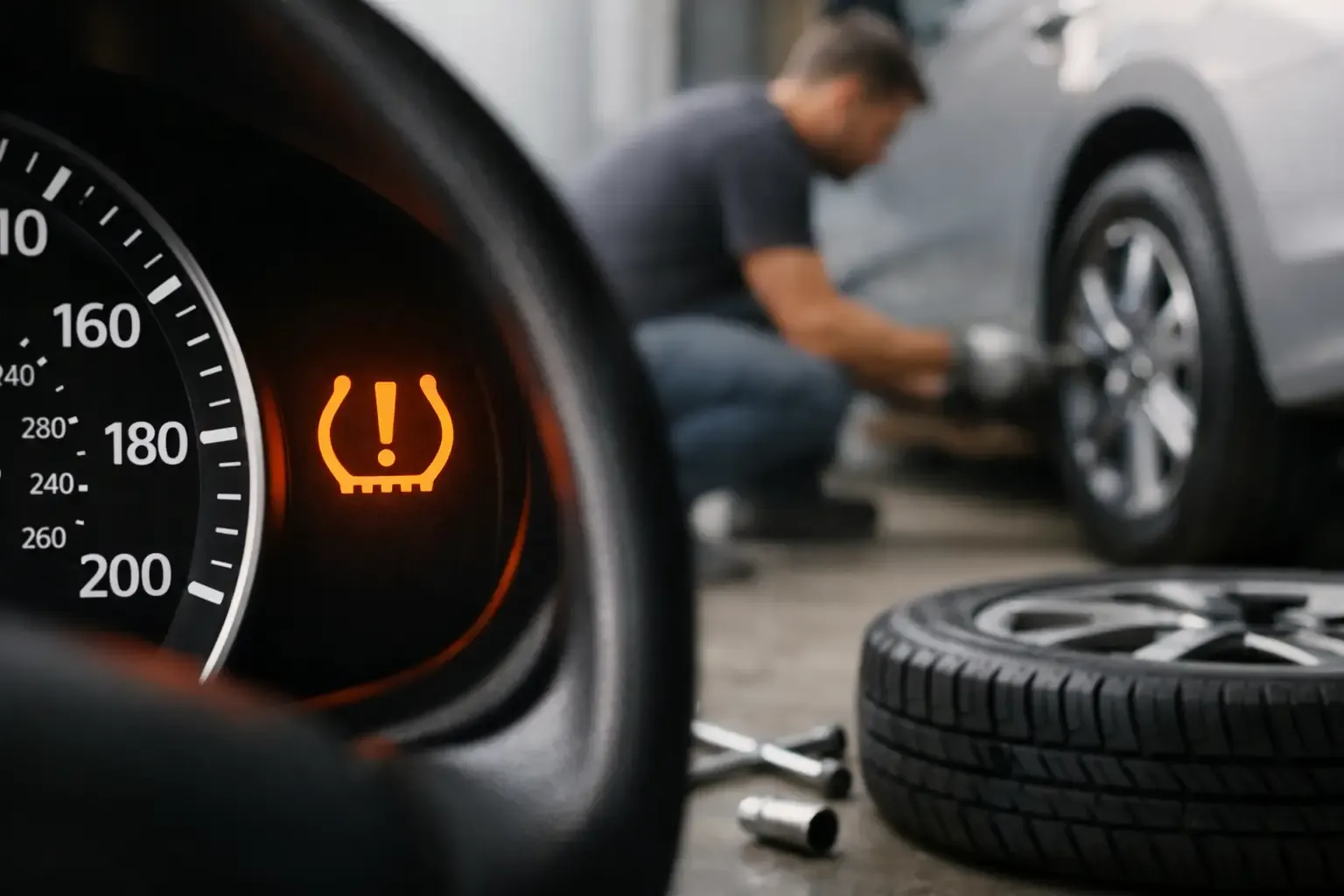
A TPMS warning light after tire change can feel like a frustrating extra problem when you were expecting to get back to your day. In many cases, the fix is simple: one or more tires may need a pressure adjustment, or the vehicle may need time or a reset procedure to recognize the new readings. Still, the light should never be ignored. Your tire pressure monitoring system is there to alert you to a condition that can affect handling, tire wear, and safety.
Before assuming the system is malfunctioning, check the actual pressure in every tire with a reliable gauge. The correct pressure is listed on the vehicle's driver-side door jamb label, not on the tire sidewall. If the pressures are correct and the light remains on, the next step depends on whether the light is steady, flashing, or appeared immediately after the installation.
Why the TPMS Light Can Come On After New Tires
A tire change involves removing wheels, installing tires, setting pressures, and sometimes moving wheels to different positions. Any of those steps can expose an existing TPMS issue or require the vehicle to update its stored sensor information.
The most common cause is a pressure difference. Tires can lose or gain pressure during installation, and even a few PSI below the vehicle manufacturer's recommendation can trigger some systems. Temperature changes matter, too. A tire filled to the proper pressure in a warm service bay or sunny driveway may read lower on a cold Columbus morning.
Another common situation is that the system needs to relearn its sensor positions. Many vehicles automatically recognize the sensors after being driven for a short distance. Others require a manual reset through the dashboard menu, while some need a technician to use a TPMS scan tool. The right procedure varies by make, model, and year.
A damaged or failing sensor is also possible. TPMS sensors are mounted inside the wheel near the valve stem. They can have a depleted internal battery, corrosion around the valve stem, or damage that becomes apparent when the tire is removed. Sensor batteries commonly last several years, so an older vehicle may need a sensor replacement at the same time it receives new tires.
First, Tell the Difference Between a Steady and Flashing Light
A steady TPMS light usually means the system detects low pressure in one or more tires. It may be a small pressure difference, but it still deserves a pressure check as soon as practical.
A flashing light, often flashing for about a minute before remaining illuminated, usually points to a TPMS system malfunction. That can mean a sensor is not communicating, a sensor battery has failed, the wrong sensor type was installed, or the vehicle needs a relearn procedure. Adding air alone will not resolve a flashing warning light if the sensors are not communicating properly.
Some vehicles show the pressure at each wheel on the instrument display. That information is useful, but do not rely on it as a substitute for a manual check if a reading looks unusual or does not update. A sensor can report a value inaccurately, or it may stop reporting altogether.
What to Check Before You Drive Farther
If the TPMS light comes on after service, take a few minutes to make sure the vehicle is safe to drive. Start by looking at all four tires. A tire that appears visibly low, bulging, damaged, or uneven should be inspected before you continue driving.
Then check all four tire pressures when the tires are cold, ideally before driving more than a few miles. Set each tire to the pressure on the driver's door-jamb placard. If your vehicle has a full-size spare with a TPMS sensor, check that tire as well. Some vehicles monitor it, and a low spare can trigger the warning.
Do not use the maximum PSI molded into the tire sidewall as your target. That number is the tire's maximum pressure rating, not necessarily the pressure specified for your vehicle. The automaker's recommended setting accounts for the vehicle's weight, handling, braking, and tire size.
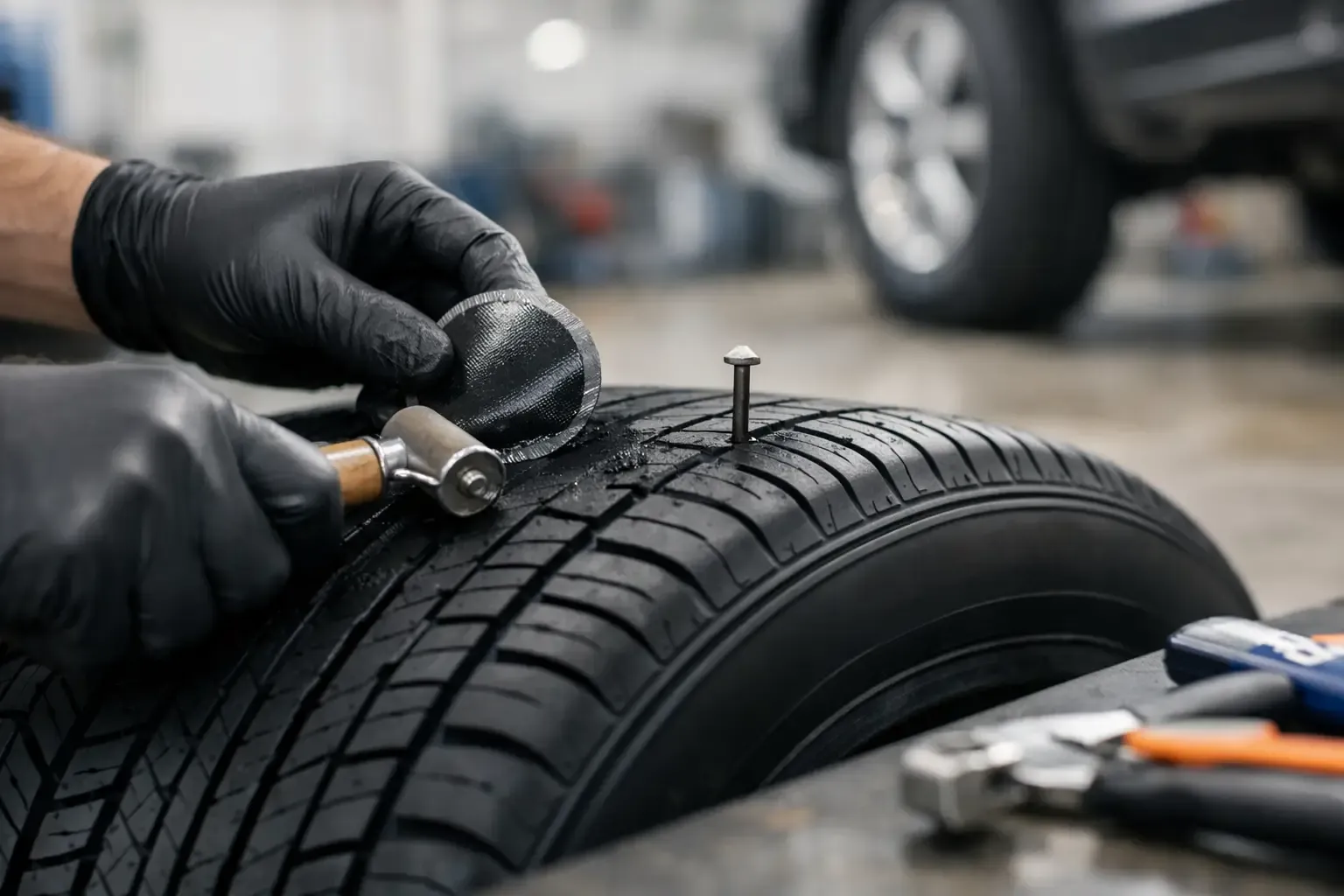
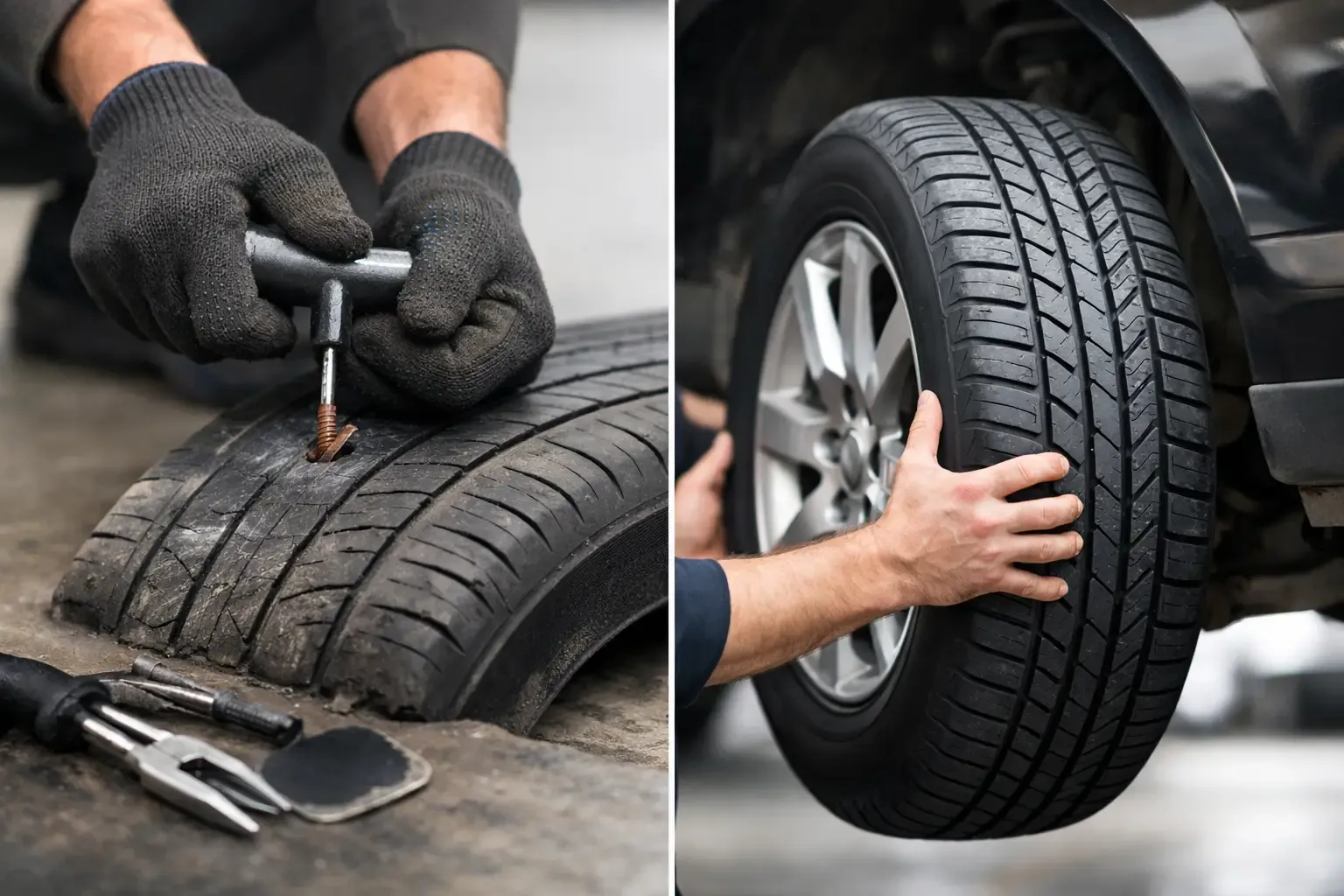
If a tire is substantially low, add air and inspect it for a puncture, damaged valve stem, or leak around the wheel. A new tire can still lose air if it was punctured after installation or if a sealing issue is present. If pressure falls again within a day or two, schedule an inspection rather than repeatedly topping it off.
When a TPMS Reset Is Needed
Many drivers hear that every tire change requires a TPMS reset. That is not always true. A standard tire replacement using the same wheels often does not require programming because the original sensors stay with the vehicle. The vehicle may simply need to be driven long enough to register current pressures.
A reset or relearn is more likely when wheels have been rotated, sensors have been replaced, a second set of wheels is installed, or the vehicle manufacturer specifies a relearn procedure after service. Certain makes let you reset the system from the vehicle settings after confirming the tire pressures are correct. Others require each sensor to be activated in a specific wheel order with professional equipment.
Resetting the light before verifying pressure is a mistake. It can temporarily hide a real low-pressure condition and may cause the system to establish an incorrect baseline. Always set the pressures first, then follow the vehicle-specific reset process if required.
Direct TPMS vs. Indirect TPMS
Most modern vehicles use direct TPMS, meaning a sensor inside each wheel measures air pressure and sends a signal to the vehicle. Direct systems are accurate, but they depend on working sensors, correct sensor compatibility, and proper relearning when necessary.
Some vehicles use indirect TPMS instead. Rather than measuring air pressure directly, they compare wheel-speed data through the anti-lock braking system. A low tire rotates differently than a properly inflated tire. After tire replacement, rotation, or pressure adjustment, an indirect system usually needs to be recalibrated through the dashboard so it can learn the new baseline.
The distinction matters because the correct repair is different. A direct system with a failed sensor may need diagnosis and replacement. An indirect system may only need proper inflation and calibration. A technician can identify which system your vehicle uses and avoid unnecessary parts or guesswork.
Reasons to Have a Technician Inspect It
A warning light that stays on after you have confirmed the pressures should be checked, especially if it is flashing. Professional TPMS diagnosis can identify which sensor is not responding, read sensor battery status on supported systems, confirm sensor IDs, and test for communication issues.
It is also worth scheduling service if the warning appeared after a tire repair, a wheel was damaged by a pothole, or the vehicle recently received aftermarket wheels. Ohio road conditions can be hard on tires and wheels, and a bent rim or compromised valve stem can create a slow leak that is easy to miss during a quick visual check.
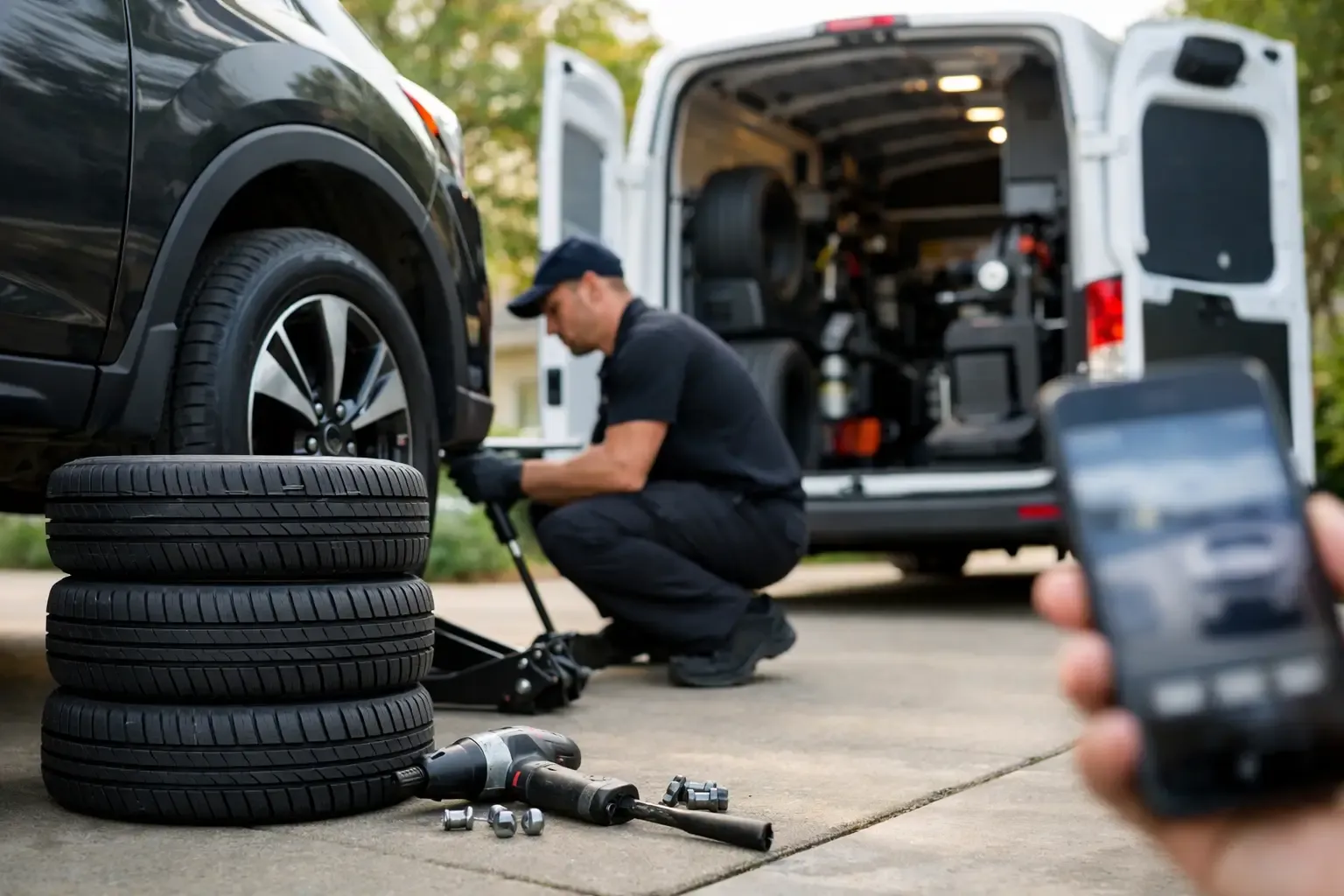
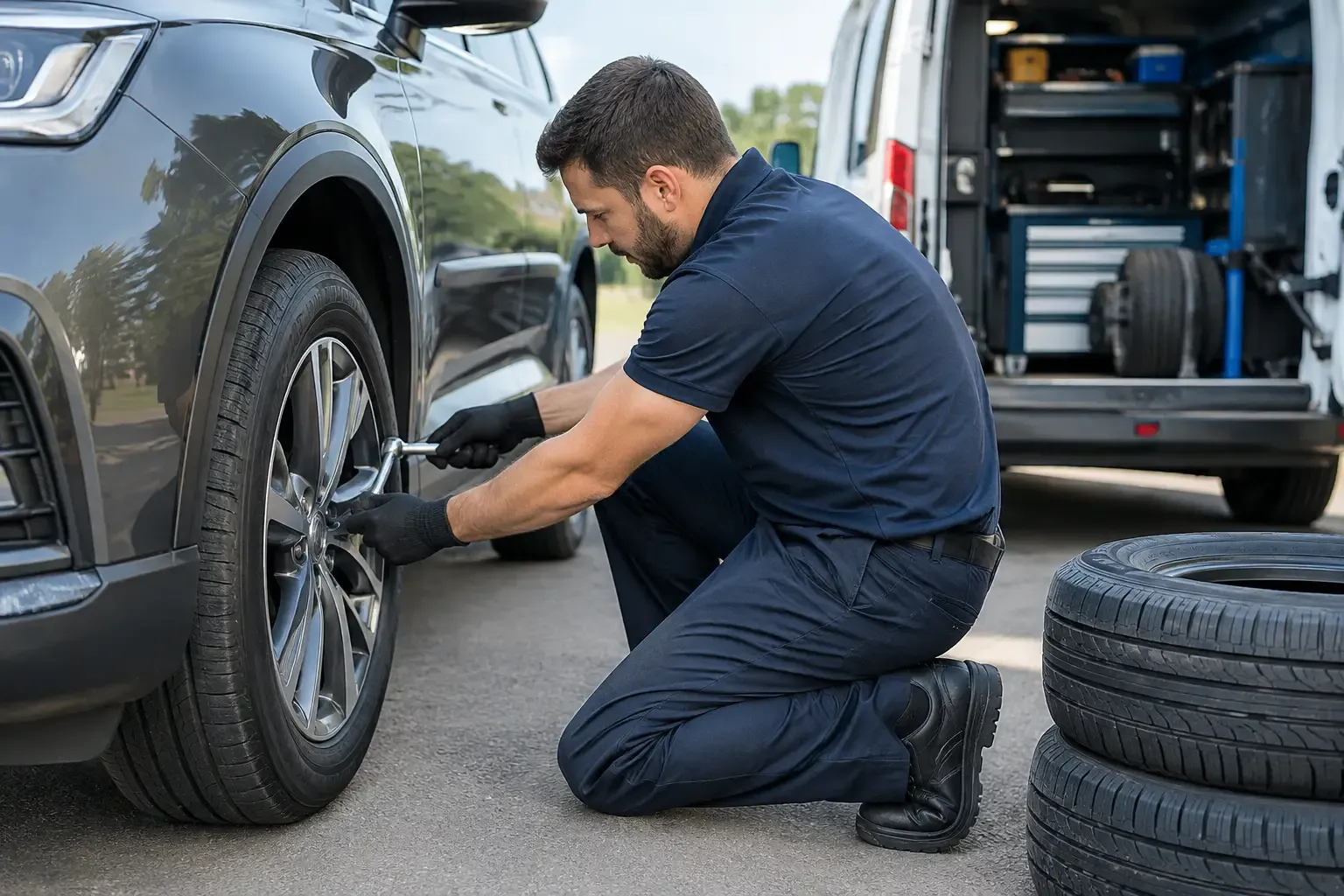
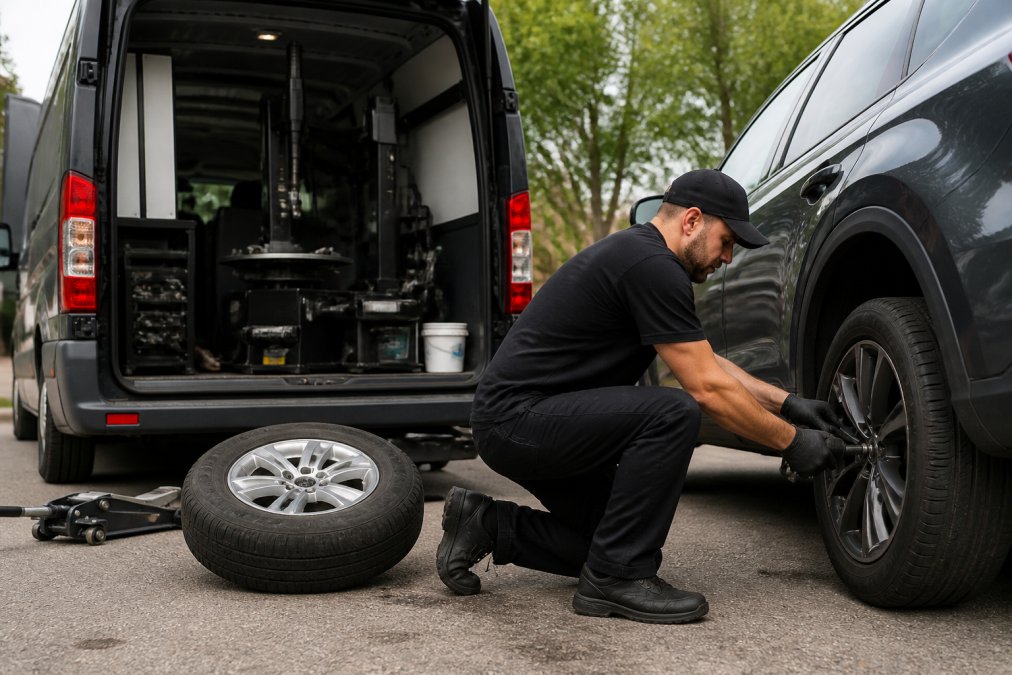
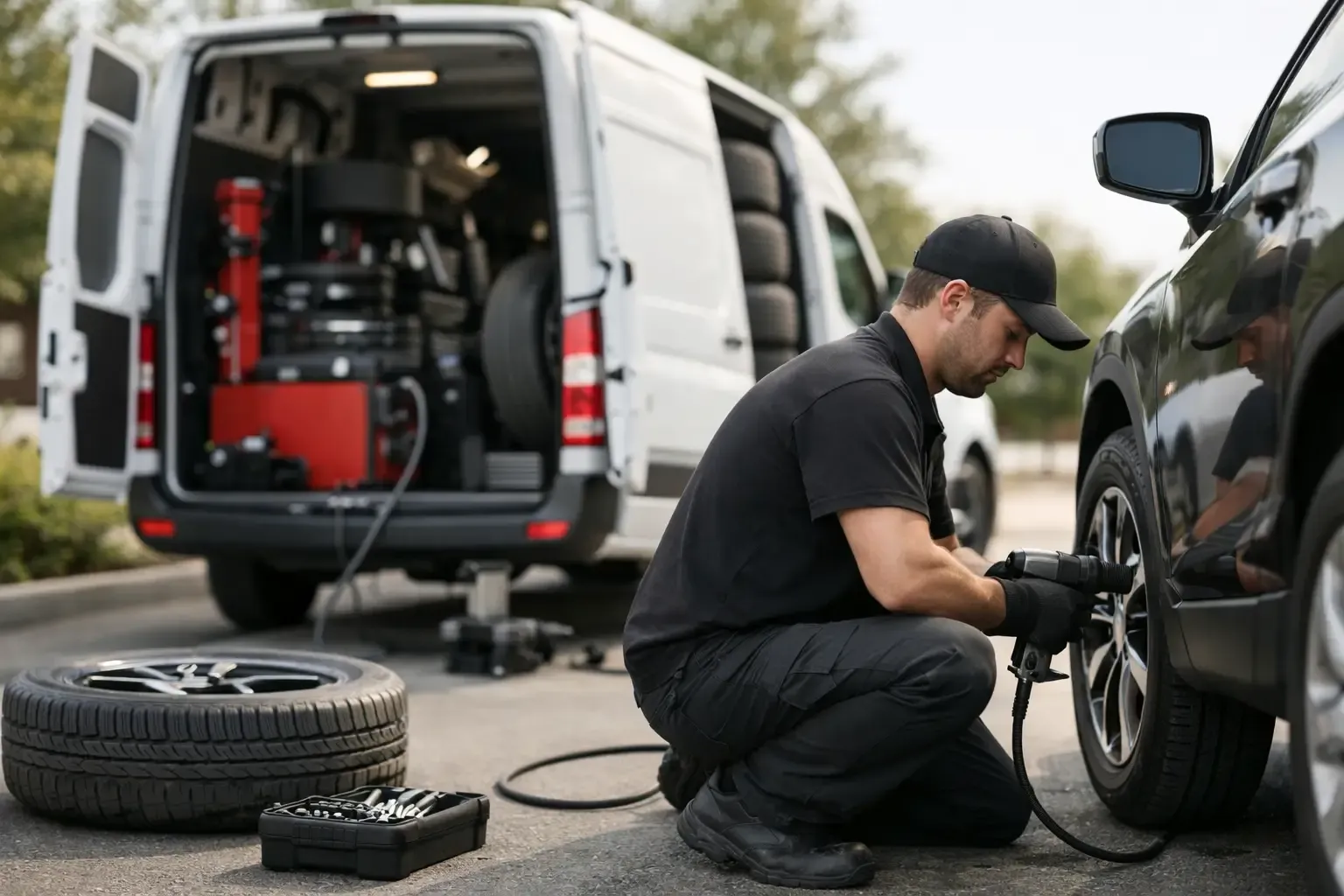
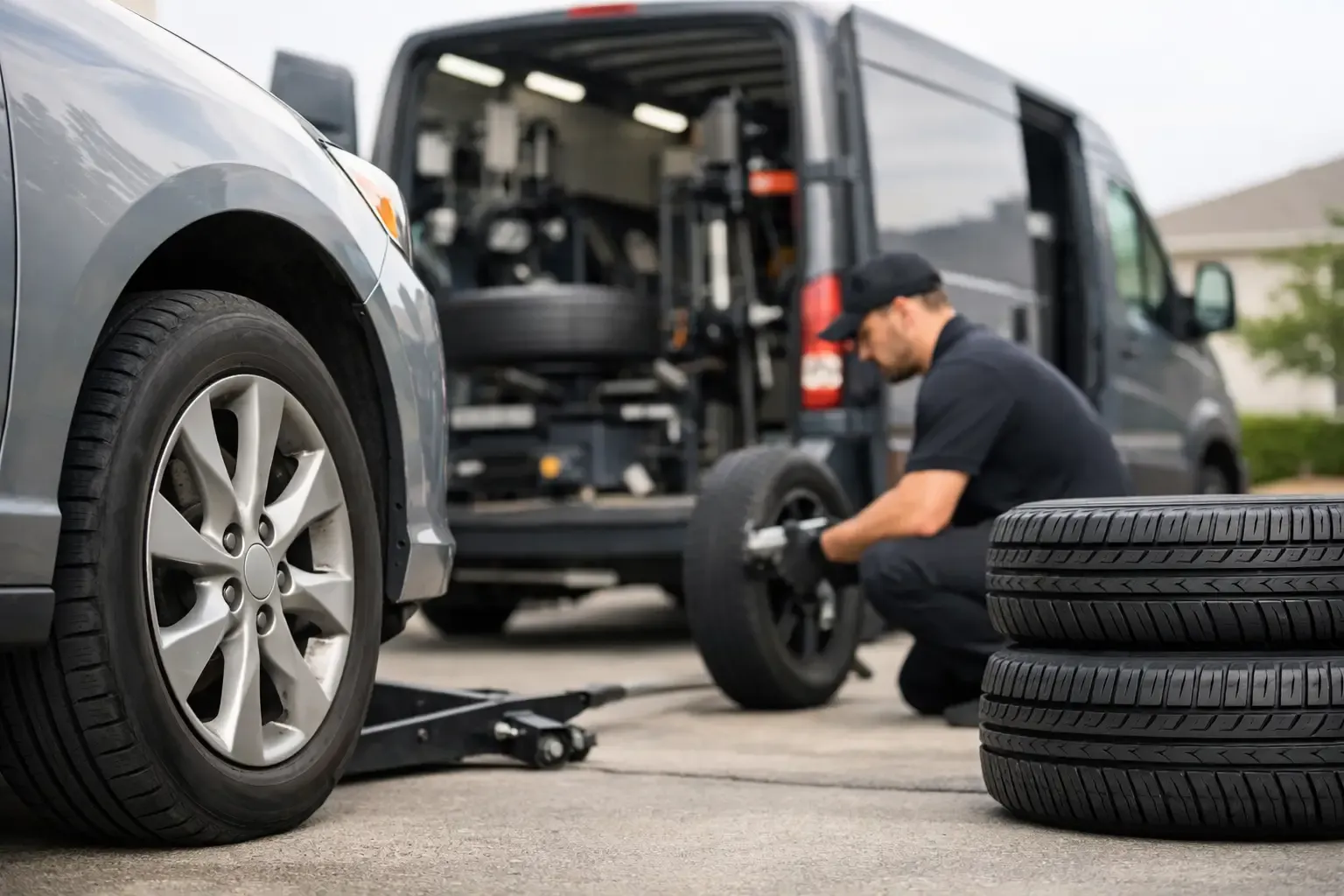
For busy drivers, mobile tire service can make this much easier. Elite Mobile Tire can inspect tire pressures, look for leaks, and handle applicable TPMS resets at your home, office, or roadside location in the Columbus area. The goal is not just to turn off the light. It is to make sure the warning system is ready to do its job the next time your vehicle needs it.
Common Questions About TPMS After Tire Service
How long should it take for the light to turn off?
If the issue was low pressure and the vehicle uses automatic sensor recognition, the light may turn off after a few minutes of driving. Some vehicles require a longer drive at normal road speeds. If it remains on after the pressures have been corrected and you have followed the owner's manual procedure, arrange an inspection.
Can I drive with the TPMS light on?
You can often drive a short distance with a steady light after confirming that all tires are properly inflated and undamaged. But do not treat it as a permanent condition. If the light is flashing, a tire is visibly low, the vehicle pulls, or you feel vibration, have the vehicle checked promptly.
Does replacing one tire cause a TPMS problem?
Replacing one tire does not normally damage the TPMS system. However, the service may reveal a weak sensor battery, a leaking valve stem, or a pressure mismatch between tires. If a sensor was replaced, the vehicle may also need its new ID programmed or relearned.
A TPMS warning is most useful when it gets a quick, calm response: verify the pressure, watch for a flashing light or repeat loss of air, and get the system checked if the warning does not clear. That small bit of attention helps protect the new tires you just invested in and keeps your next drive more predictable.
Ready for a new set? Elite Mobile Tire installs 2 or 4 new tires right in your driveway or parking lot anywhere around Columbus, Obetz, Groveport, Grove City, and Reynoldsburg. Financing is available through Afterpay and Acima with up to 24-month payment plans. Call 614-344-5010 or visit elitemobiletire.com to book.