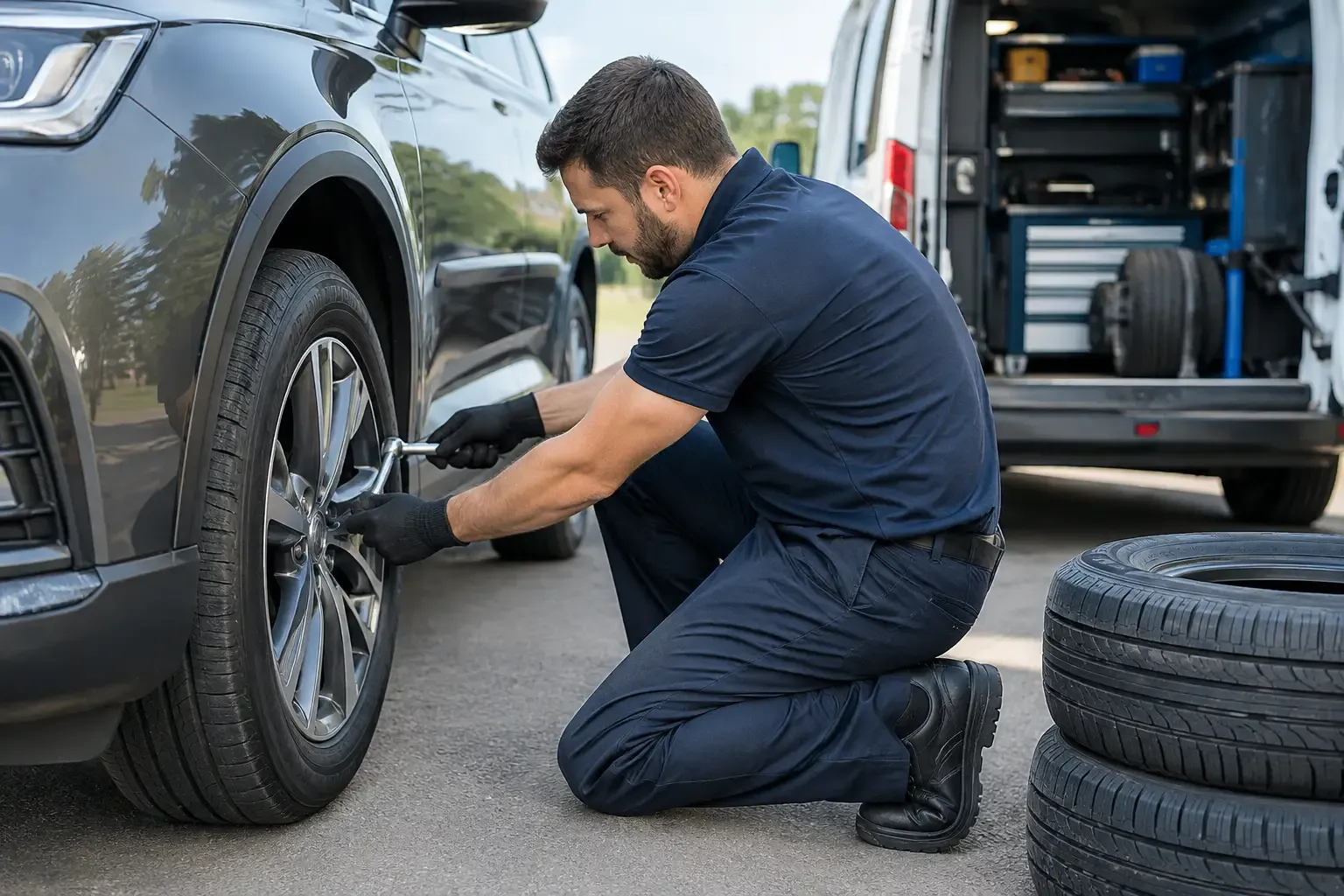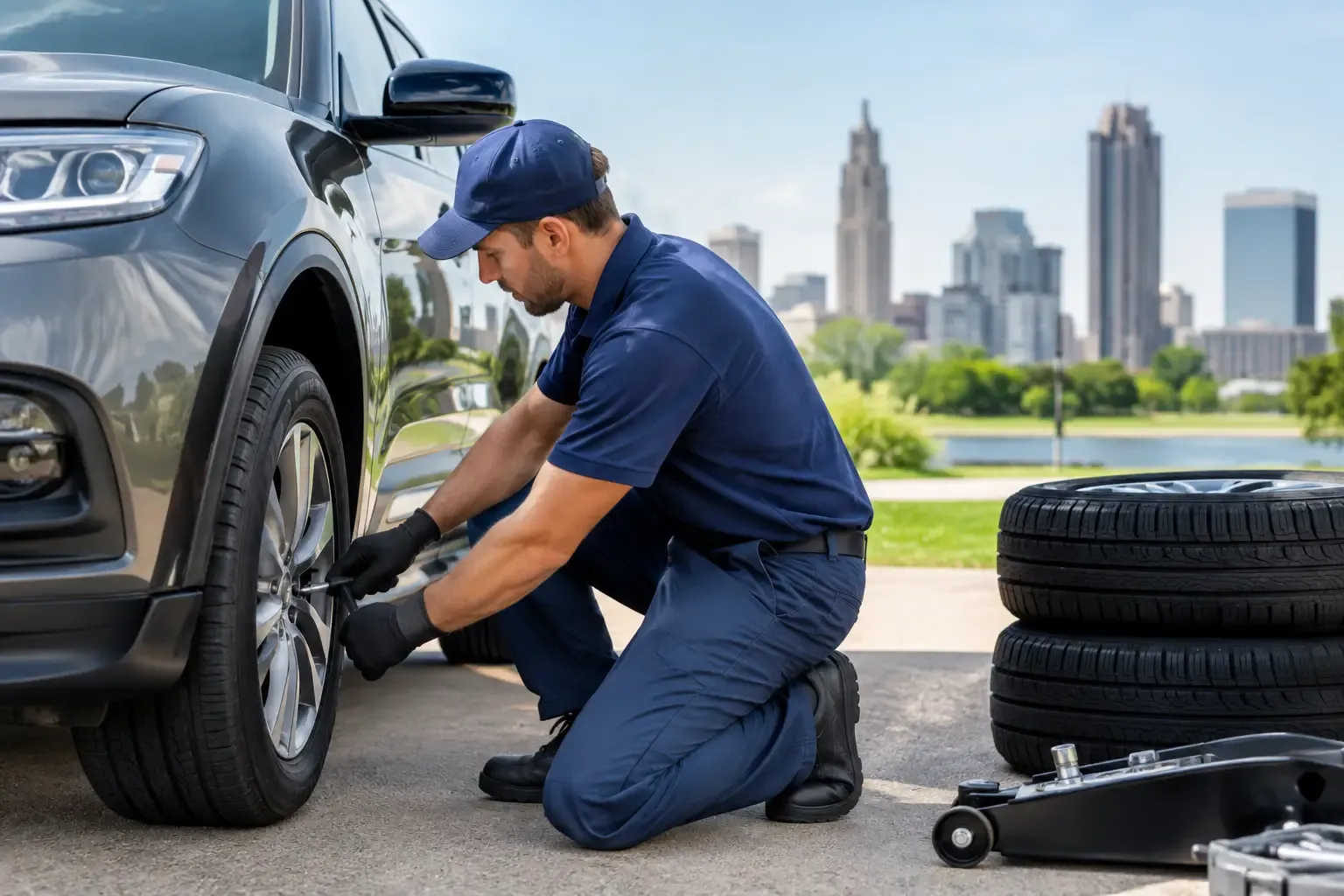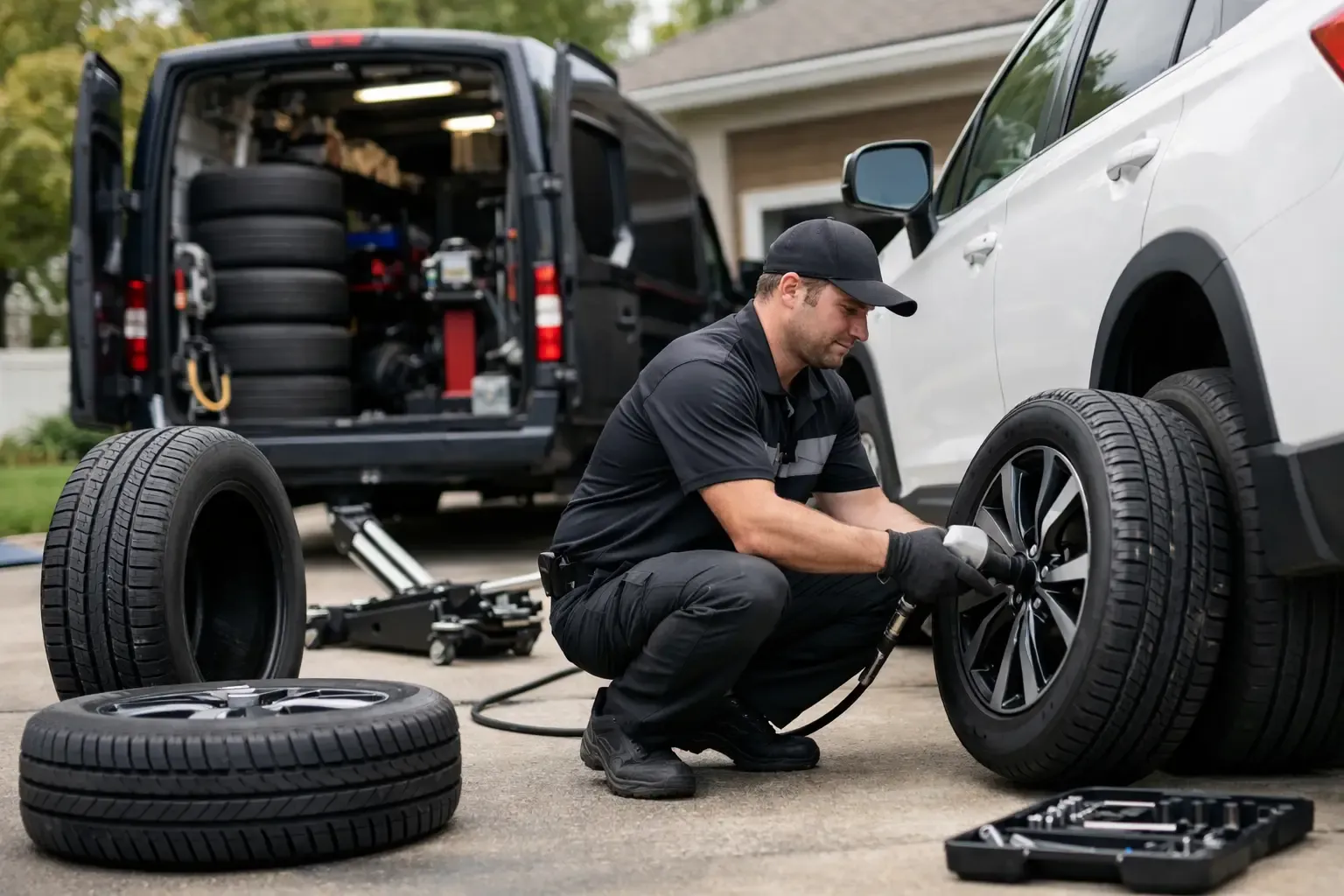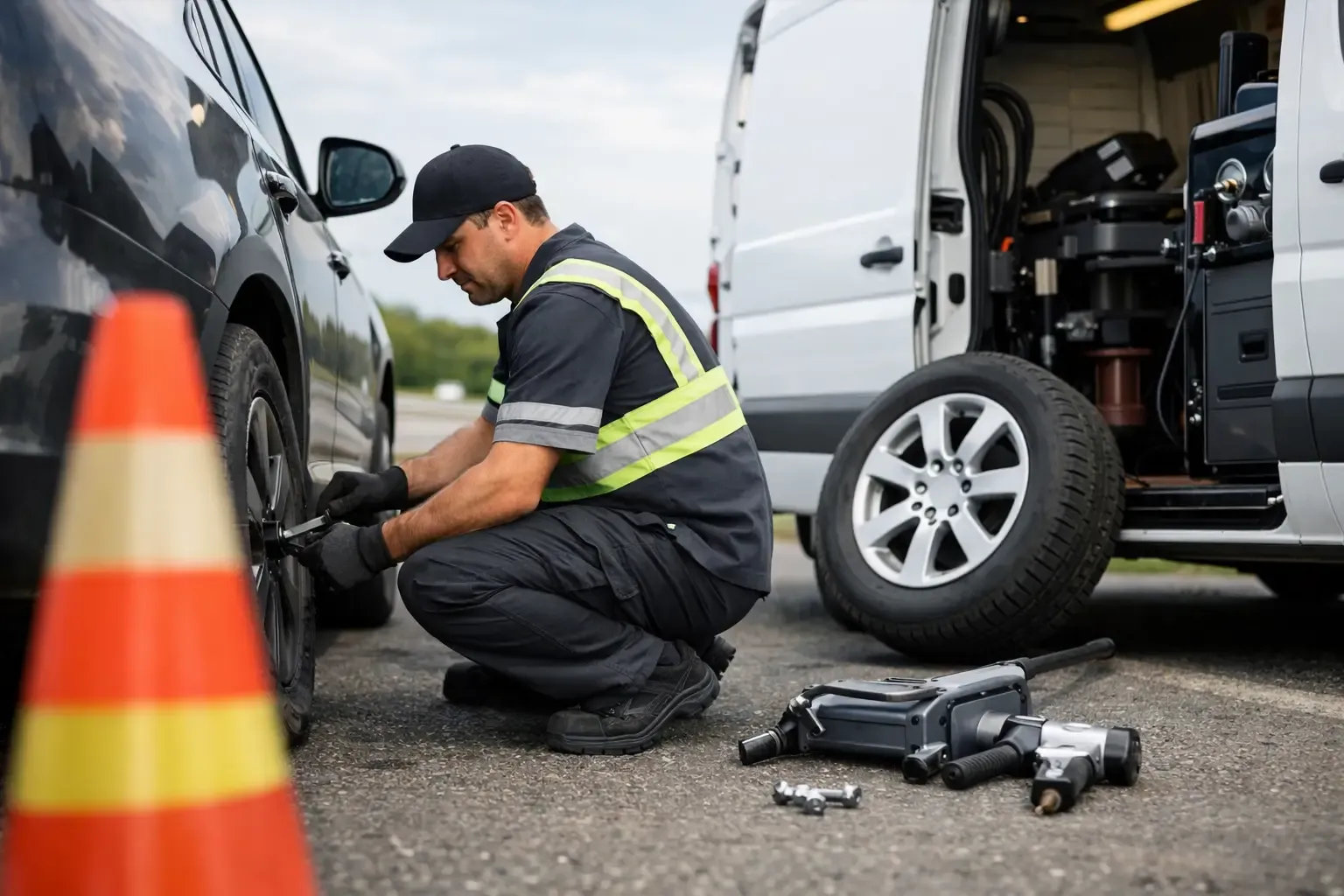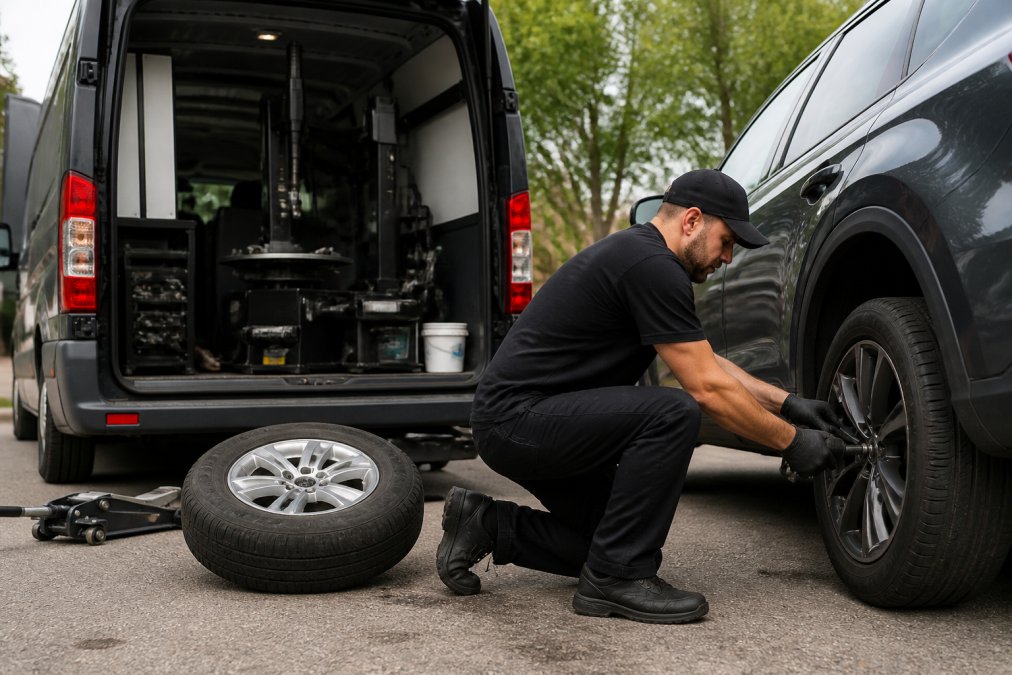

A flat tire can feel like a small problem until you are deciding whether it is safe to drive, repair, or replace. This guide to tire repair safety limits explains the practical line between a repairable puncture and tire damage that calls for replacement. Knowing that line can protect your vehicle, your passengers, and everyone sharing the road.
A proper tire repair is not simply about stopping an air leak. The tire must still be structurally sound enough to carry the vehicle's weight, handle braking and cornering, and manage heat at highway speeds. That is why a professional inspection matters, especially after driving on a tire that was low or flat.
The basic tire repair safety limits
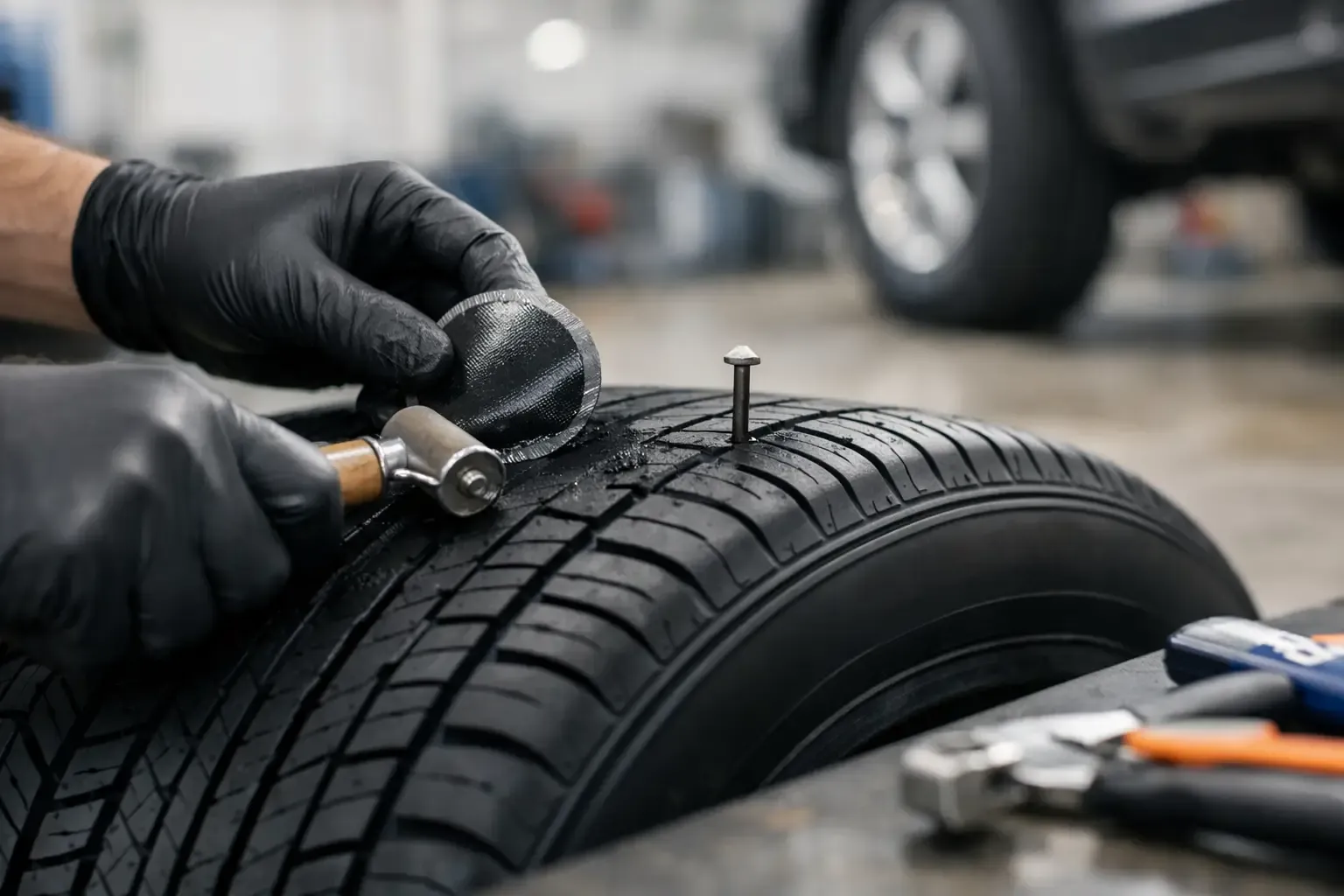
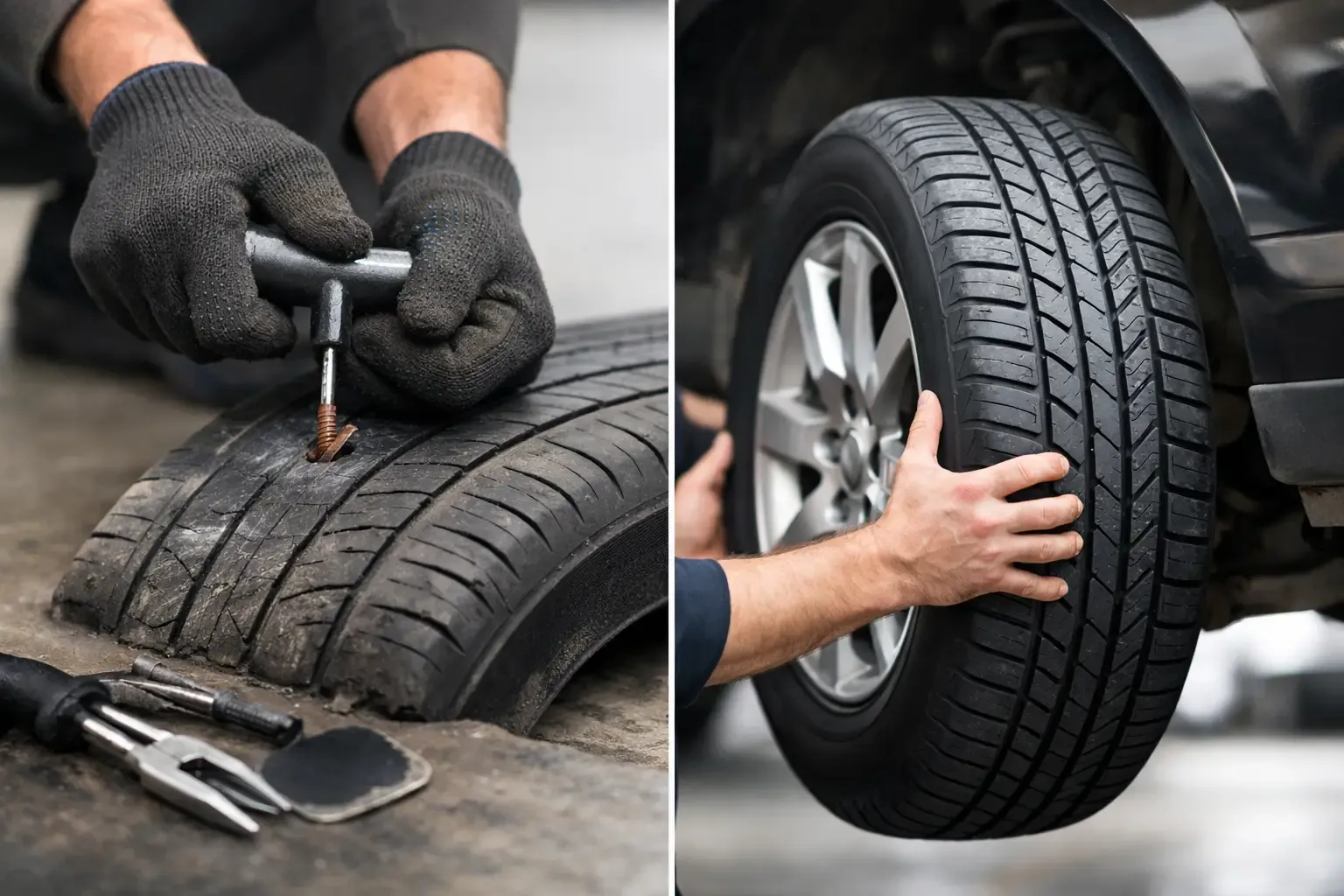
Most repairable tire damage is a single puncture in the center portion of the tread. The opening generally must be no larger than 1/4 inch in diameter. A nail or screw that entered straight through the tread is often a good candidate for repair, provided the tire was not driven while significantly underinflated.
The location matters as much as the size. The tread is built to meet the road, while the shoulder and sidewall flex constantly as the tire rolls. A puncture in the shoulder area or sidewall should not be repaired. These areas experience far more movement and stress, so a repair may not hold safely even if the hole appears small.
A technician also needs to inspect the tire from the inside. Damage can be hidden beneath the outer surface. If the inner liner is torn, the rubber shows signs of heat damage, or the tire has been crushed from being driven flat, replacing the tire is the safer decision.
When a tire can usually be repaired
A repair may be appropriate when the puncture is within the repairable tread area, measures 1/4 inch or less, and there is no evidence of internal damage. The tire should also have adequate remaining tread depth and no serious cracking, bulges, or previous structural concerns.
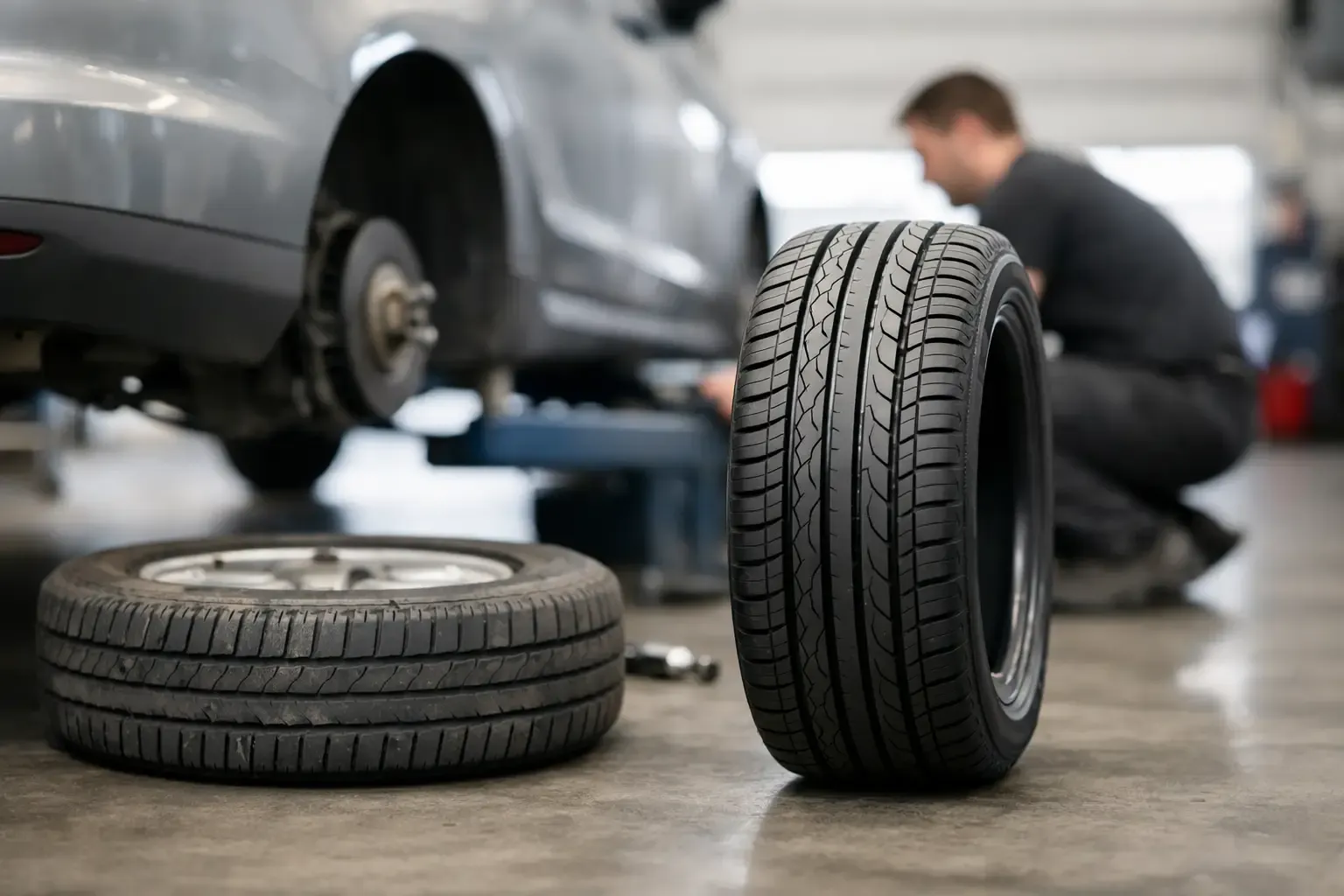
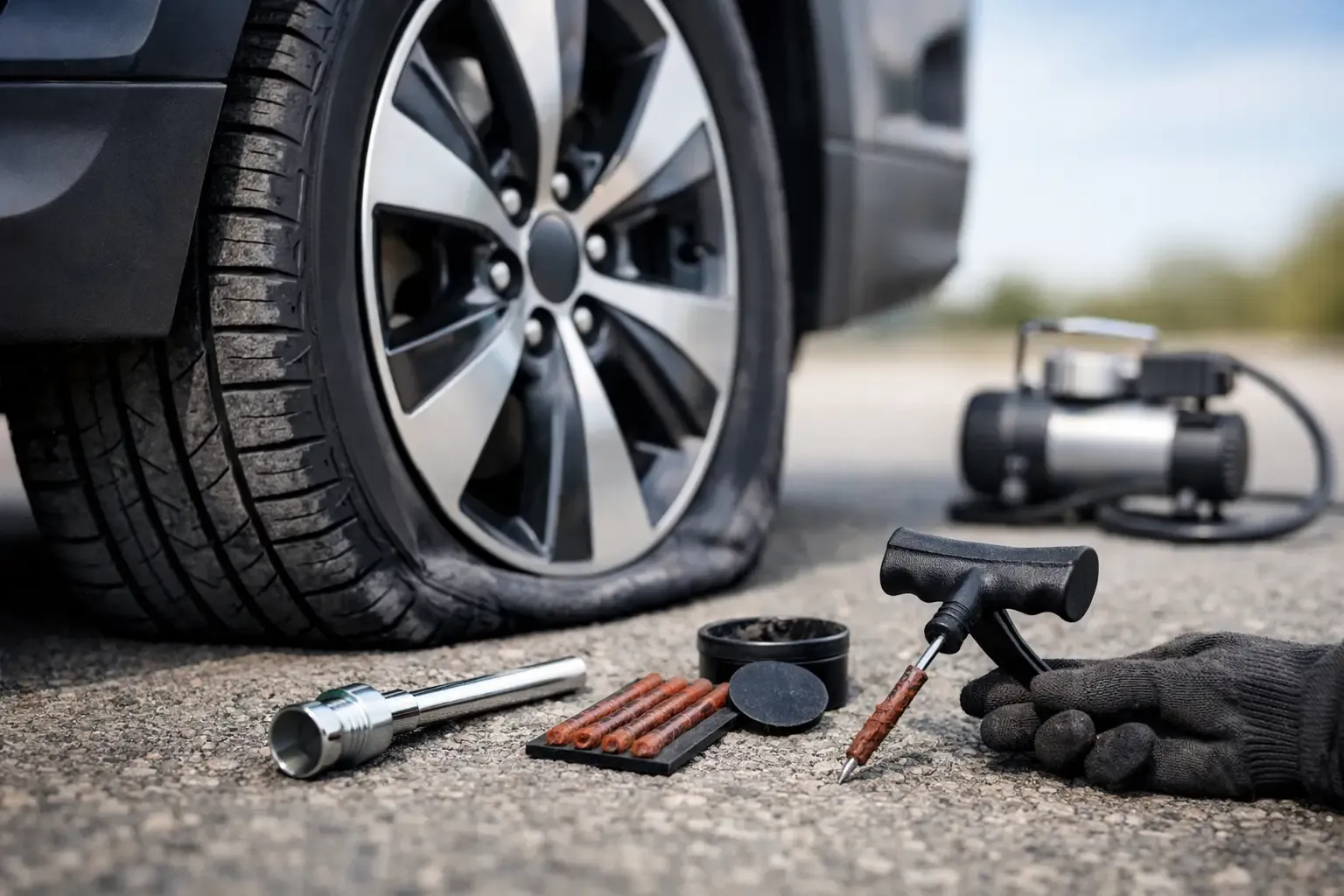
The preferred method is an internal patch-and-plug repair. The tire is removed from the wheel, inspected inside and out, and repaired with a combination unit that seals the puncture path and the inner liner. This approach is more dependable than inserting a temporary plug from the outside because it allows the technician to check whether the tire is safe before completing the repair.
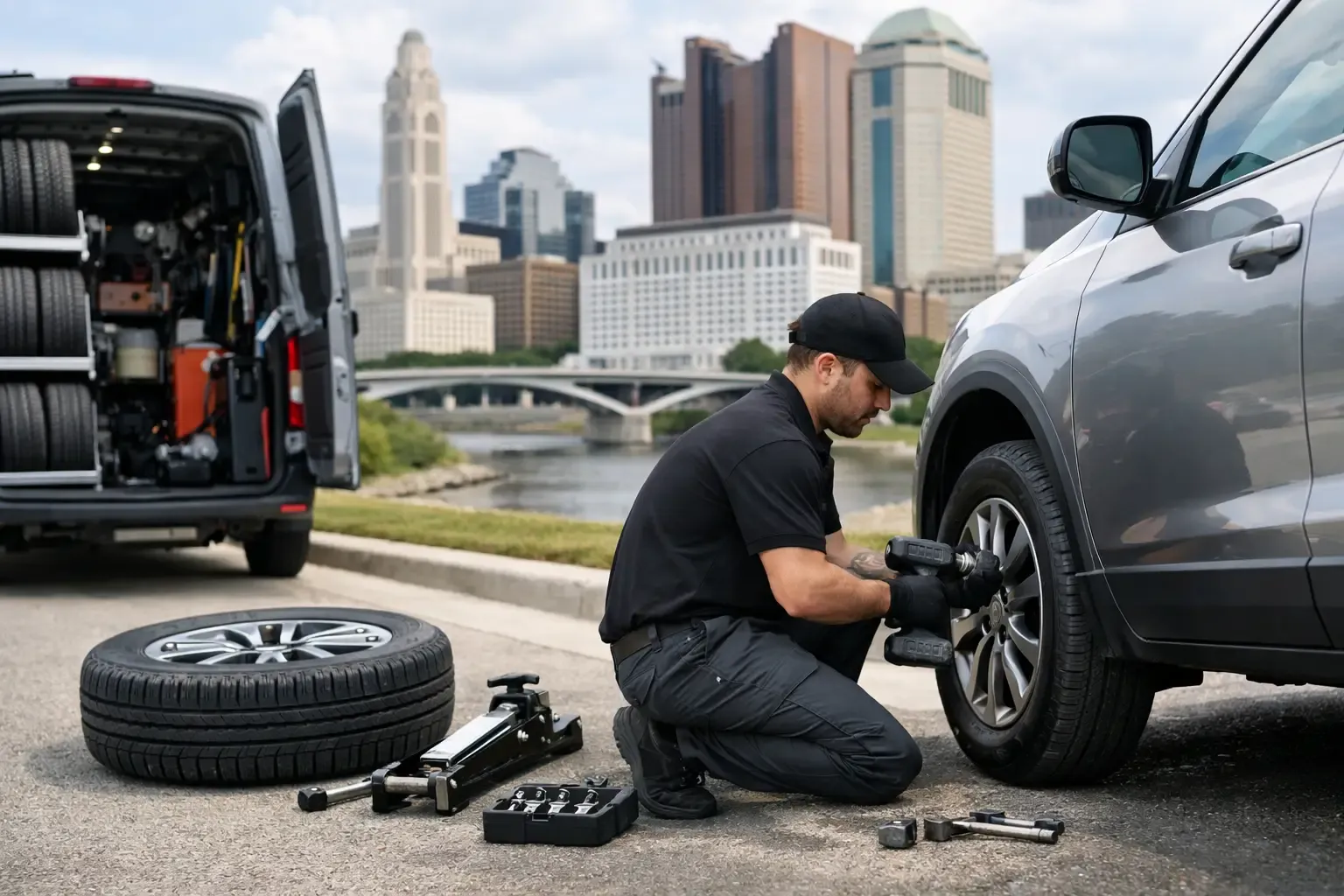
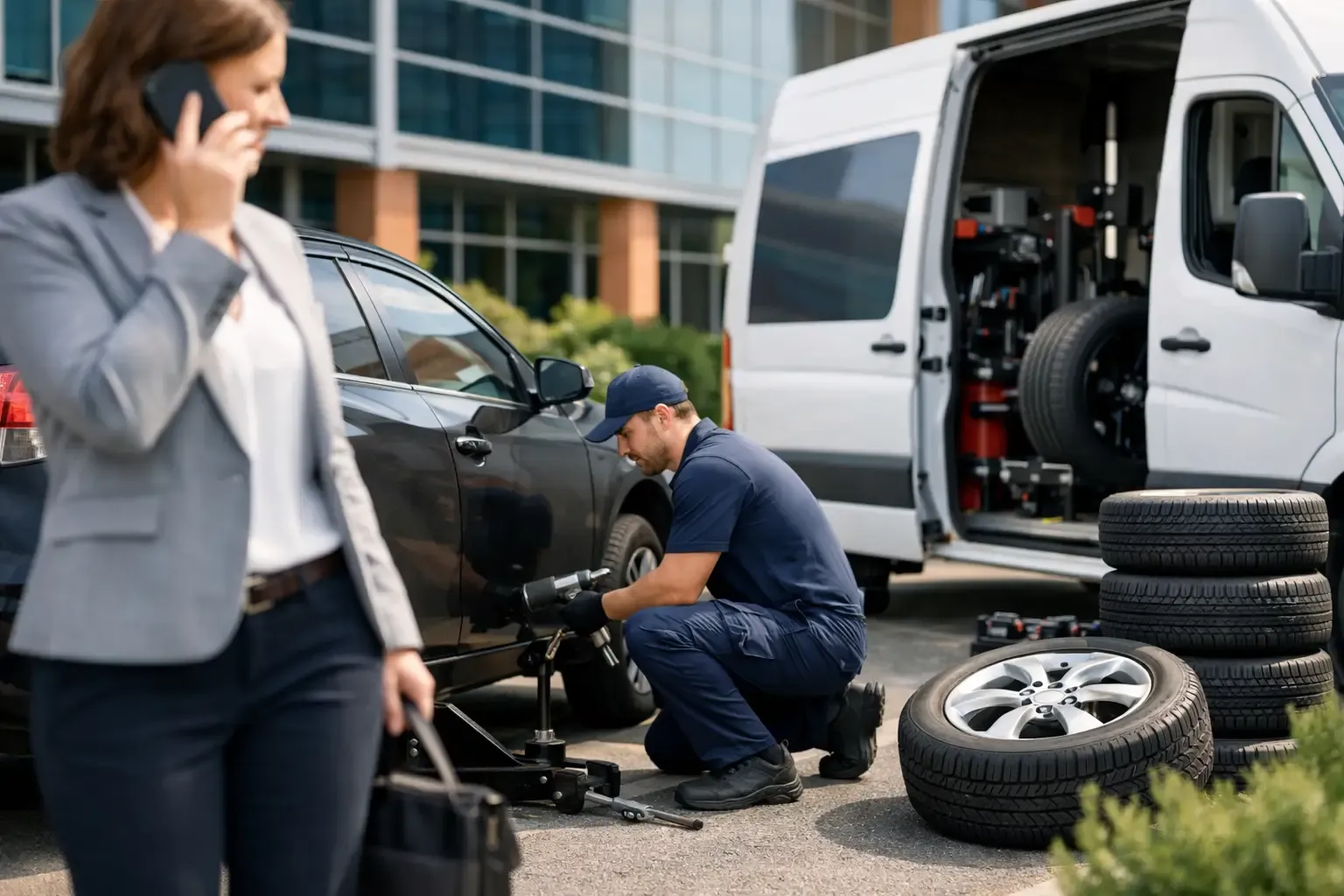
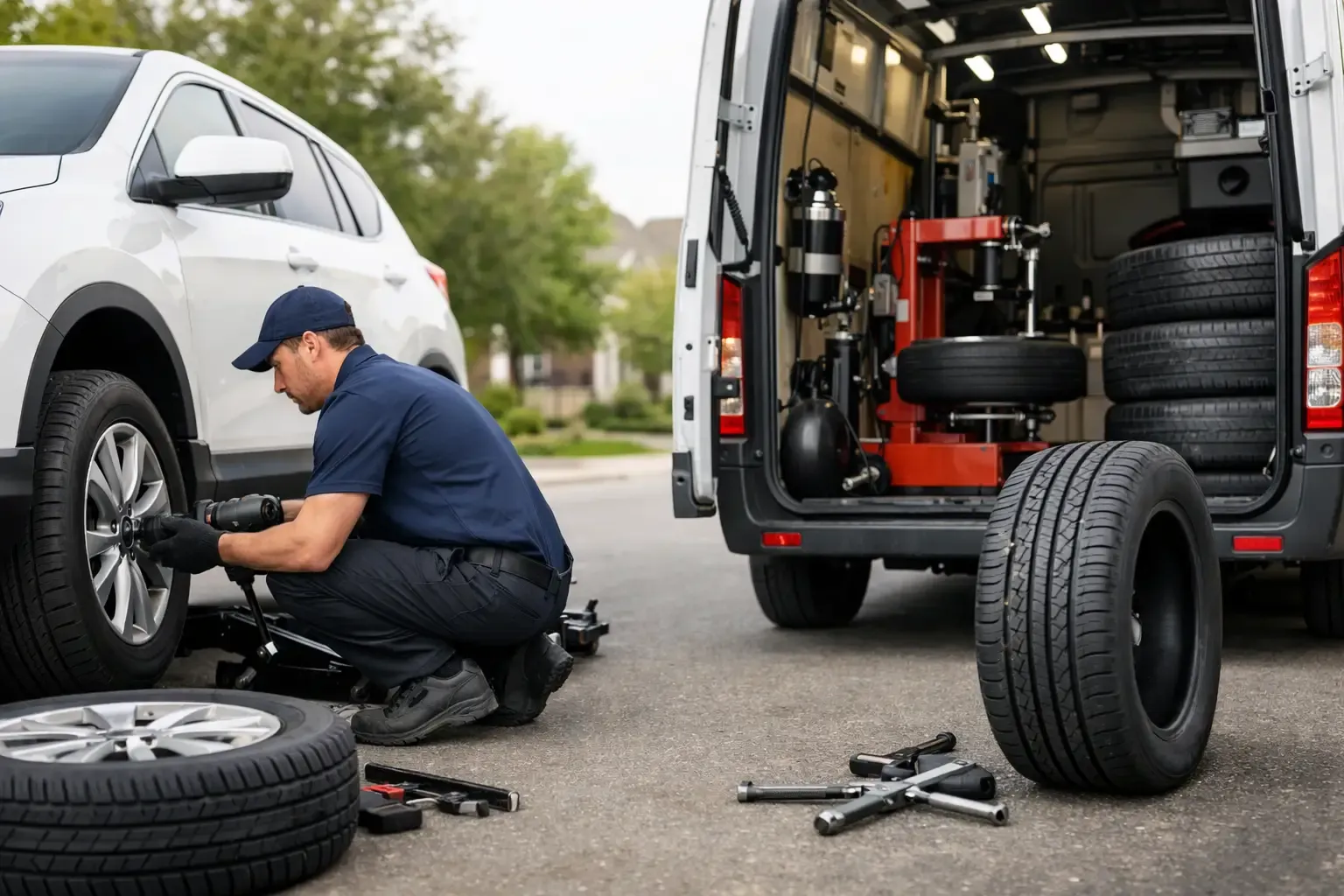
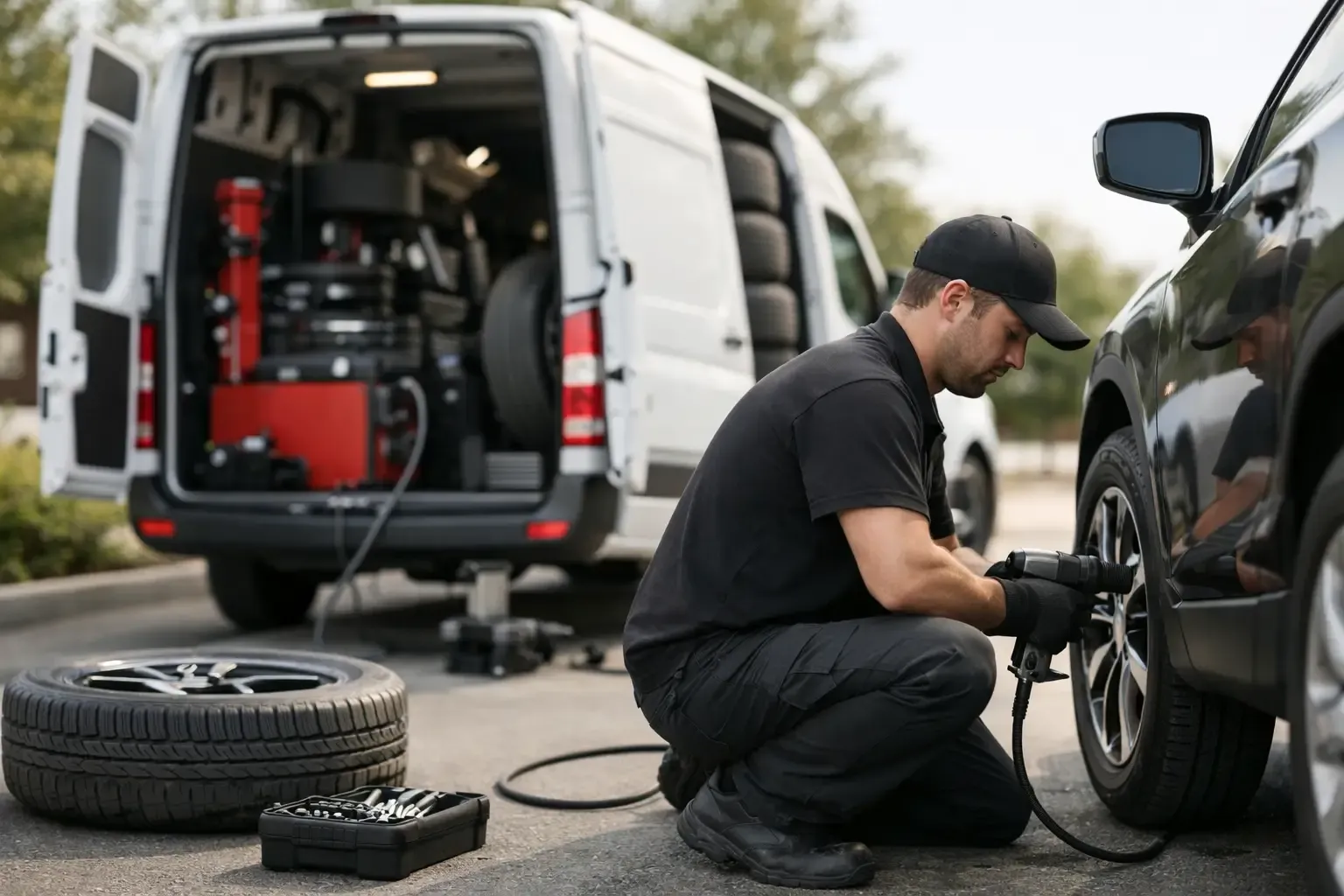
For Columbus commuters, this can be especially useful after picking up a nail in a parking lot, construction area, or driveway. If the tire has held enough air and the puncture is in the right location, a mobile repair can often get you safely back to your schedule without a trip to a tire shop.
A repair is not always the best value
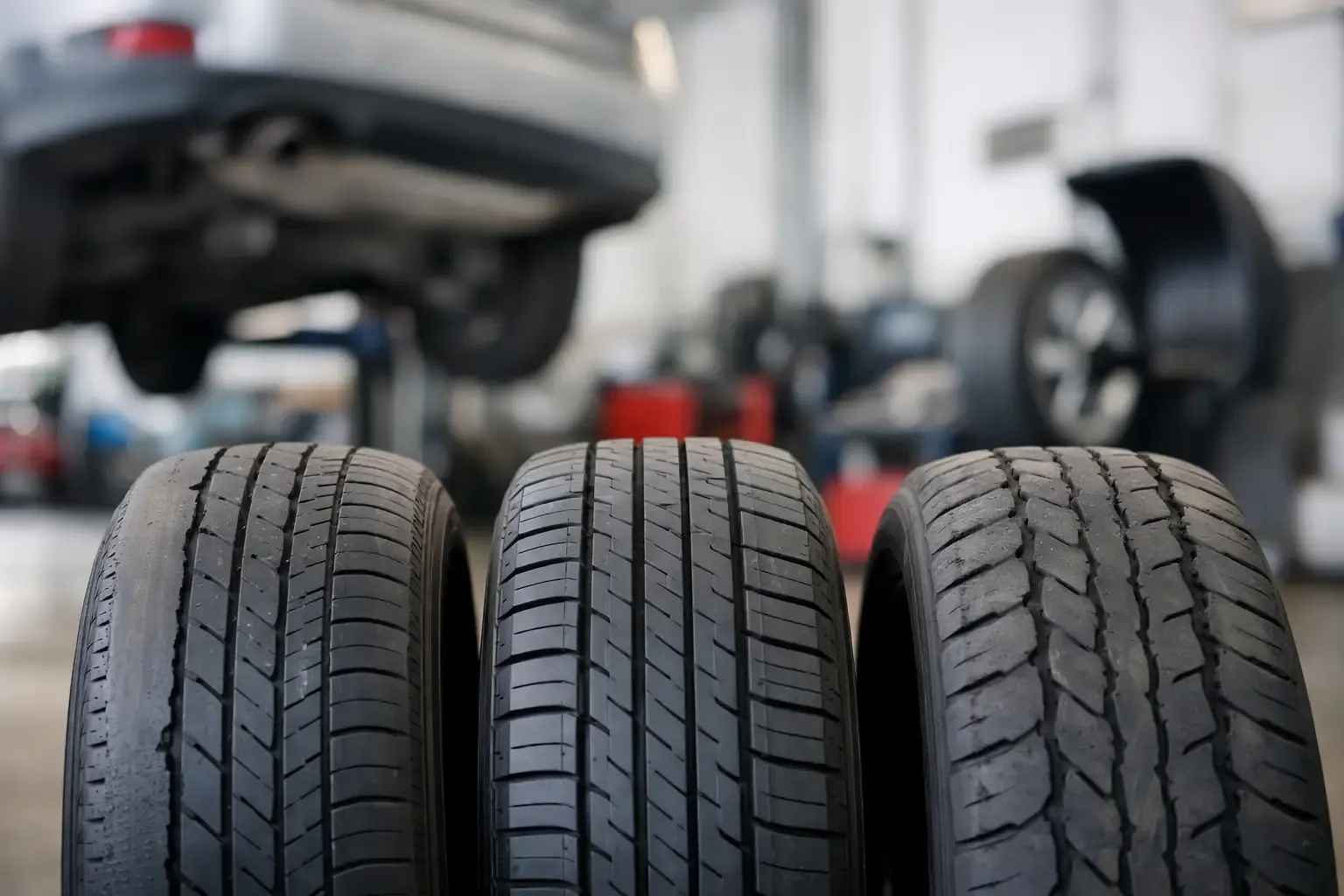
Even when a puncture technically qualifies for repair, the rest of the tire still matters. A tire near the end of its tread life may not be worth repairing if replacement is due soon. Similarly, if another tire on the vehicle is badly worn or damaged, the right next step may involve more than fixing one puncture.
This does not mean every flat requires a new tire. It means the decision should account for safety, remaining service life, and how the vehicle will handle after the repair.
Damage that means replacement is safer
Some tire conditions fall clearly outside normal tire repair safety limits. A replacement is generally recommended when there is a puncture in the sidewall or shoulder, a cut that exposes cords, a bulge, tread separation, or damage to the bead that seals against the wheel.
Driving on a flat tire is another major concern. Even a short distance can damage the internal structure as the tire flexes against the road without enough air pressure. The outside may look repairable, but the inside can show a dark, worn ring of damaged rubber, loose material, or broken cords. Once that structure is compromised, a repair cannot restore the tire's original strength.
Multiple punctures also require a careful judgment call. Two small punctures may be repairable if they are properly spaced and both sit in the center tread area. Punctures that are too close together can weaken the same section of tire. A professional should inspect the spacing and overall condition rather than assume two plugs are a safe solution.
Do not ignore a tire that has repeated air loss after a previous repair. The issue could be a second puncture, wheel corrosion, a leaking valve stem, or damage around the original repair. Adding more sealant or repeatedly airing it up is not a dependable answer.
Why sidewall repairs are not safe
The sidewall supports the vehicle while flexing thousands of times per mile. Unlike the tread, it does not have the same reinforced structure for resisting punctures and road contact. A patch or plug in this area can fail under load, particularly during a sudden maneuver, on a hot day, or at highway speed.
This is also why a visible sidewall bubble requires immediate attention. A bubble usually indicates broken internal cords, often caused by a pothole or curb impact. It is not cosmetic damage. The tire may be at risk of a sudden failure and should be replaced before further driving.
Ohio roads can be hard on tires after winter, when potholes and sharp road edges are common. If you strike a pothole and then notice vibration, a bulge, or a loss of pressure, pull over when it is safe and inspect the tire. If anything looks abnormal, avoid continued driving until it can be assessed.
What to do when you find a nail or screw
If the tire is still holding air, leave the object in place until it can be inspected. Pulling it out may turn a slow leak into a rapid flat. Check your tire pressure, look for visible sidewall damage, and avoid high speeds if the tire is losing air.
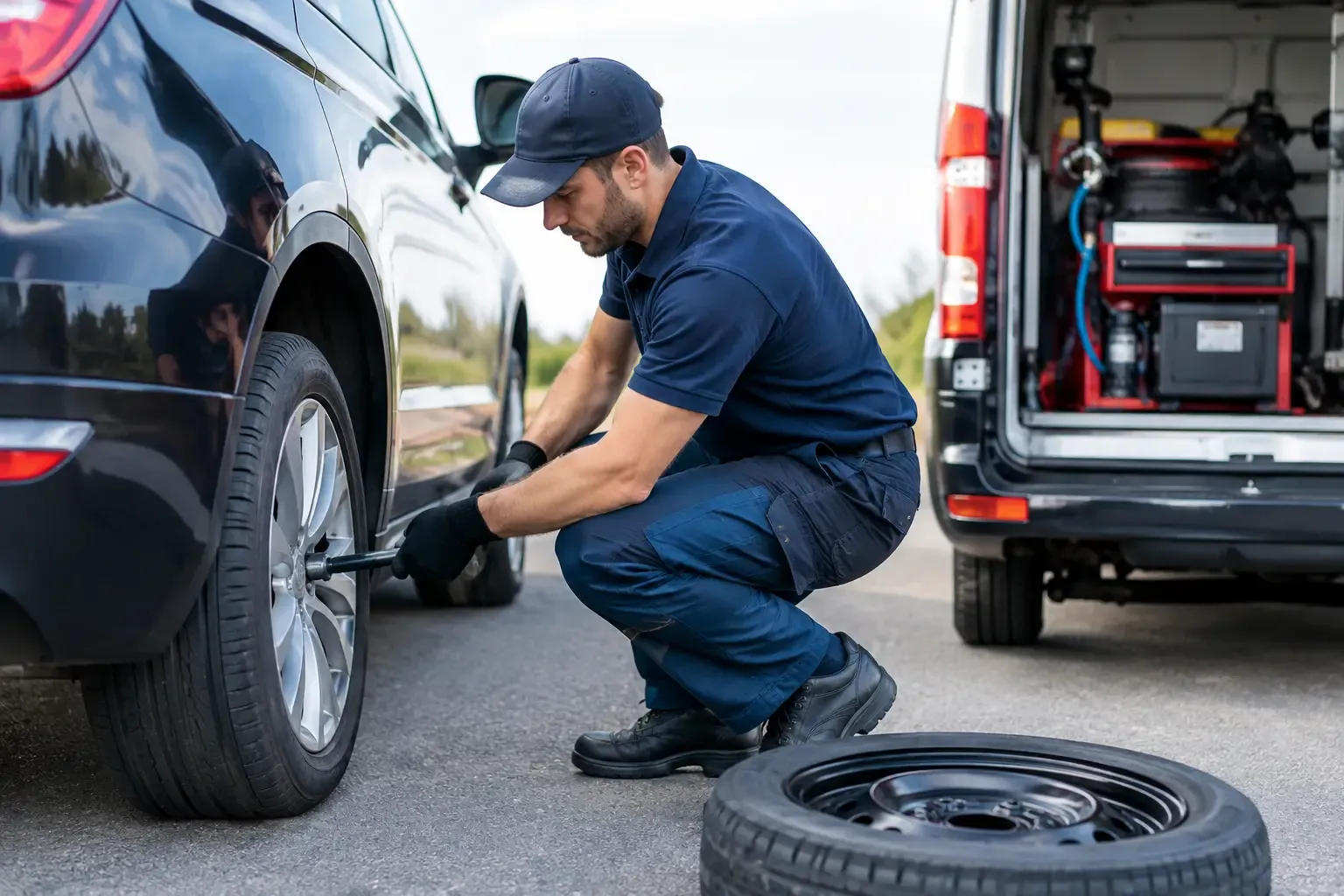
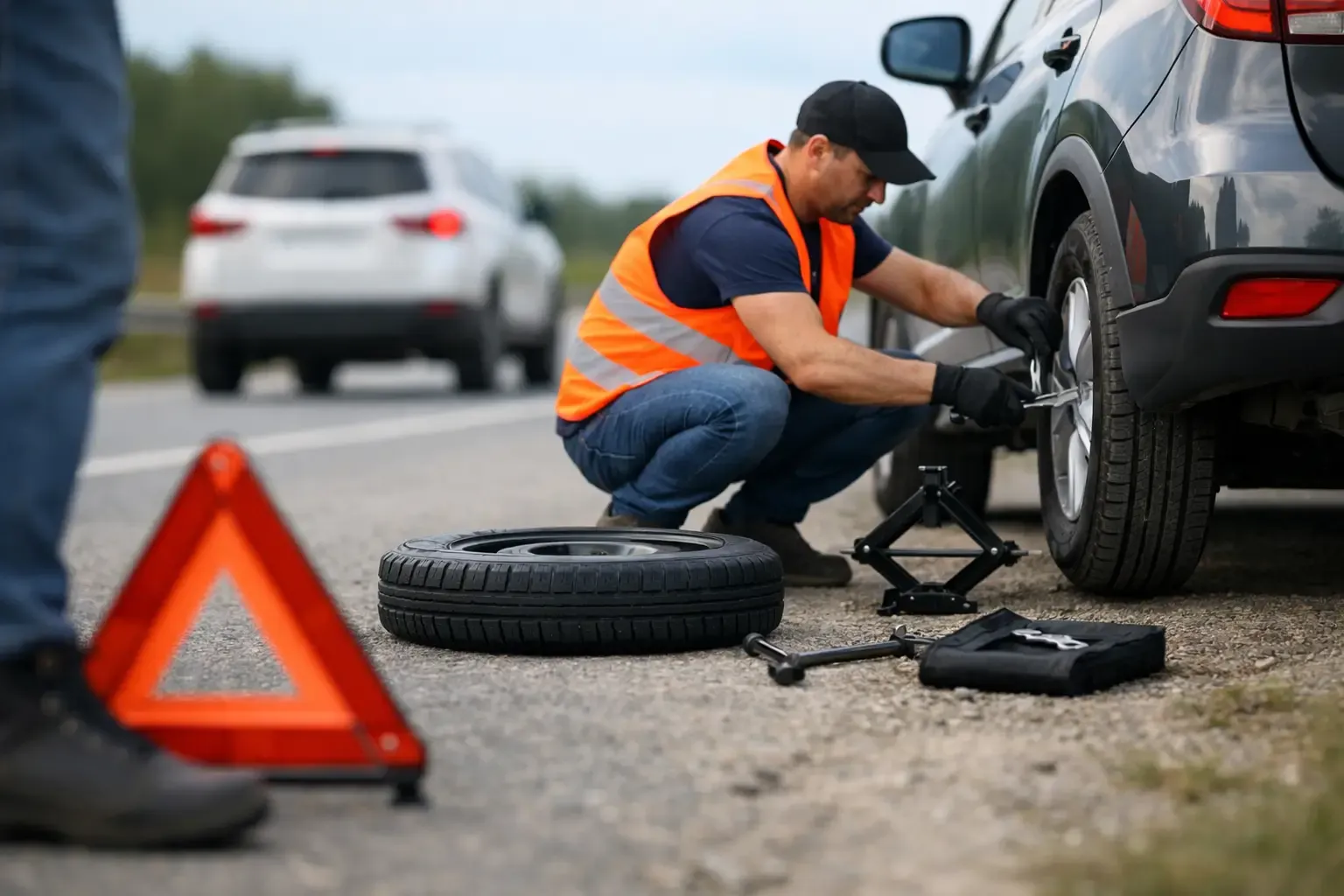
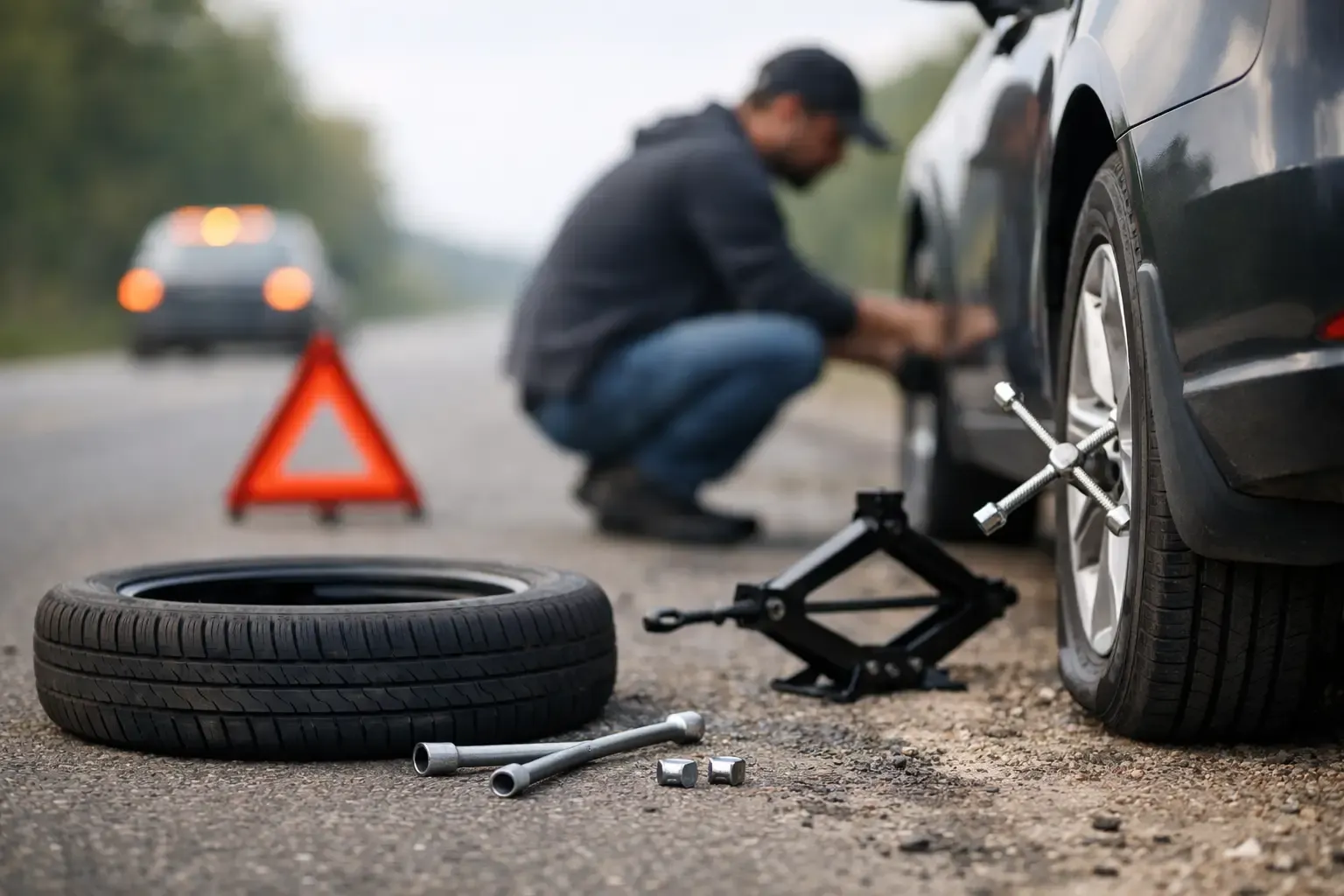
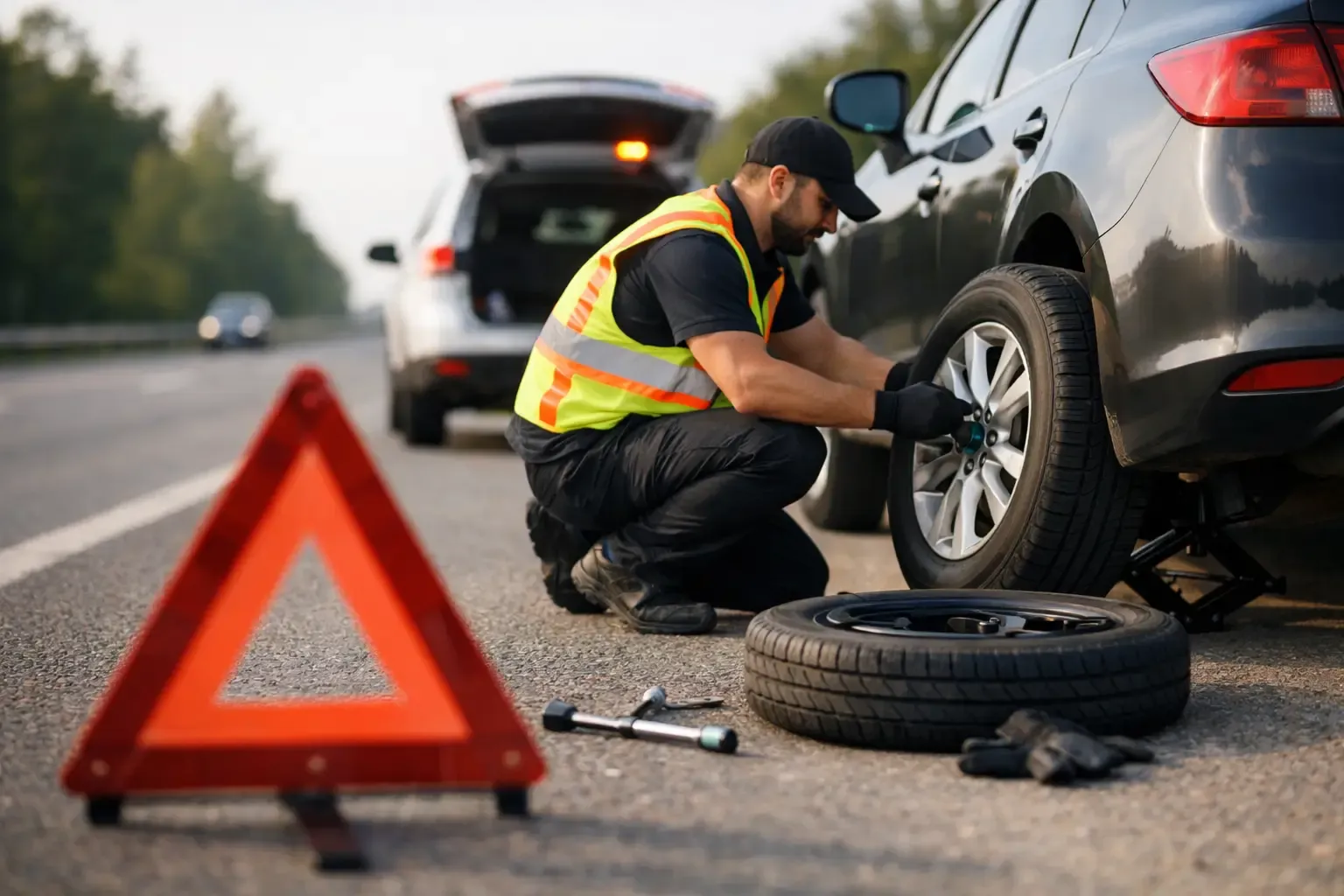
If the tire is flat, do not keep driving to reach a nearby shop unless the vehicle manufacturer specifically permits it for that tire type and you understand the limits. Use a spare tire if you can do so safely, or arrange roadside support. A spare is meant to get you to service, not to become a long-term replacement for a damaged tire.
Tire sealant can sometimes provide a temporary emergency measure, but it is not a permanent repair. It can also make professional inspection and repair more difficult, especially if it coats the inside of the tire or affects the tire pressure monitoring system. Treat sealant as a last resort and have the tire inspected promptly.
Tire pressure monitoring systems are a warning, not a diagnosis
Your TPMS warning light tells you that one or more tires may be underinflated. It does not tell you why. The cause could be a puncture, a slow valve stem leak, seasonal temperature changes, wheel damage, or a faulty sensor.
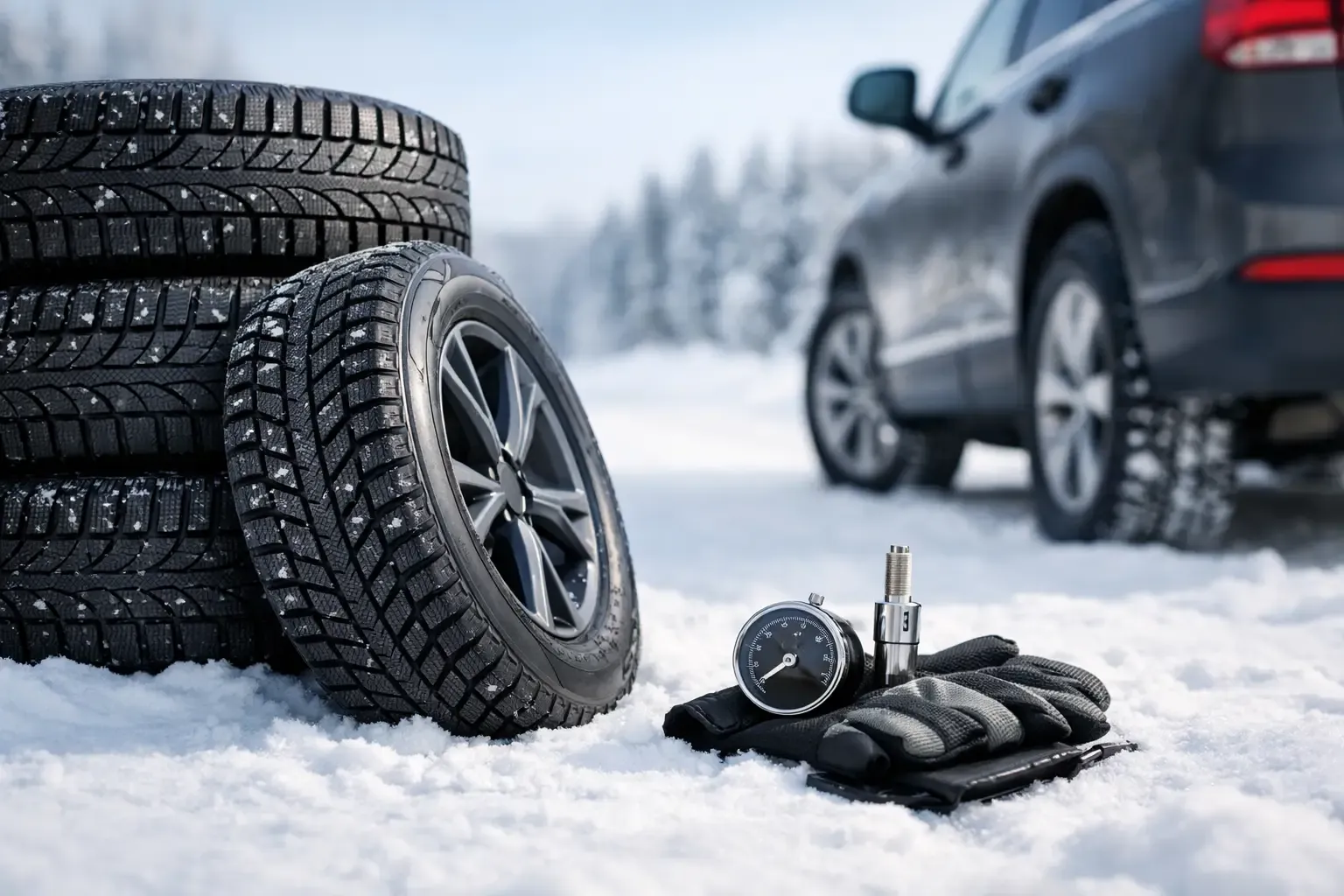
Check pressures with a reliable gauge when the tires are cold, then compare them with the pressure listed on the driver's door placard. Do not use the maximum pressure printed on the tire sidewall as your normal target. If one tire keeps reading low while the others remain stable, schedule an inspection instead of repeatedly topping it off.
Choose repair based on the whole tire
The safest decision comes from looking at the complete condition of the tire, not just the hole you can see. Puncture size and location, internal damage, tread depth, tire age, and the amount of time driven while low all affect whether repair is appropriate.
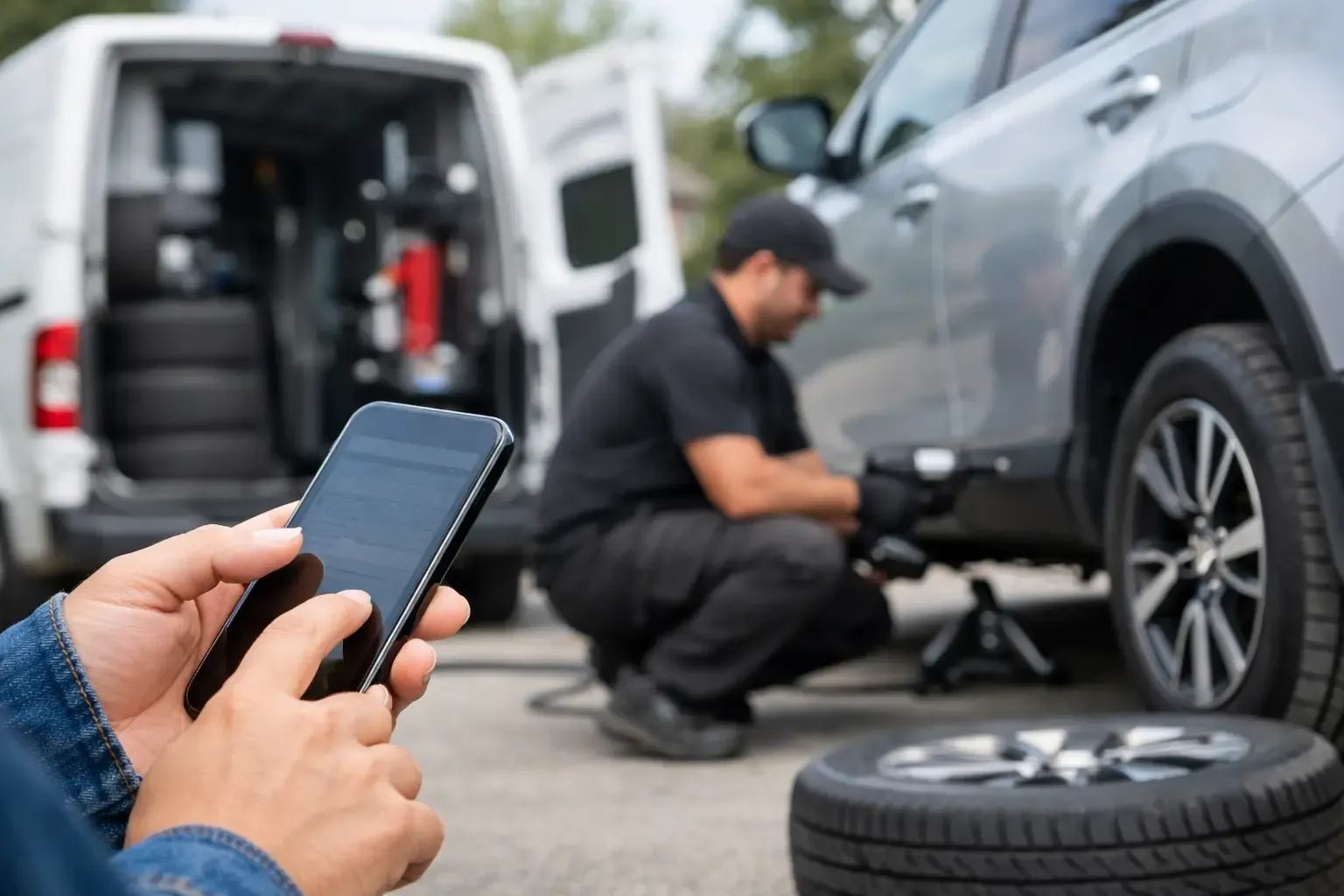
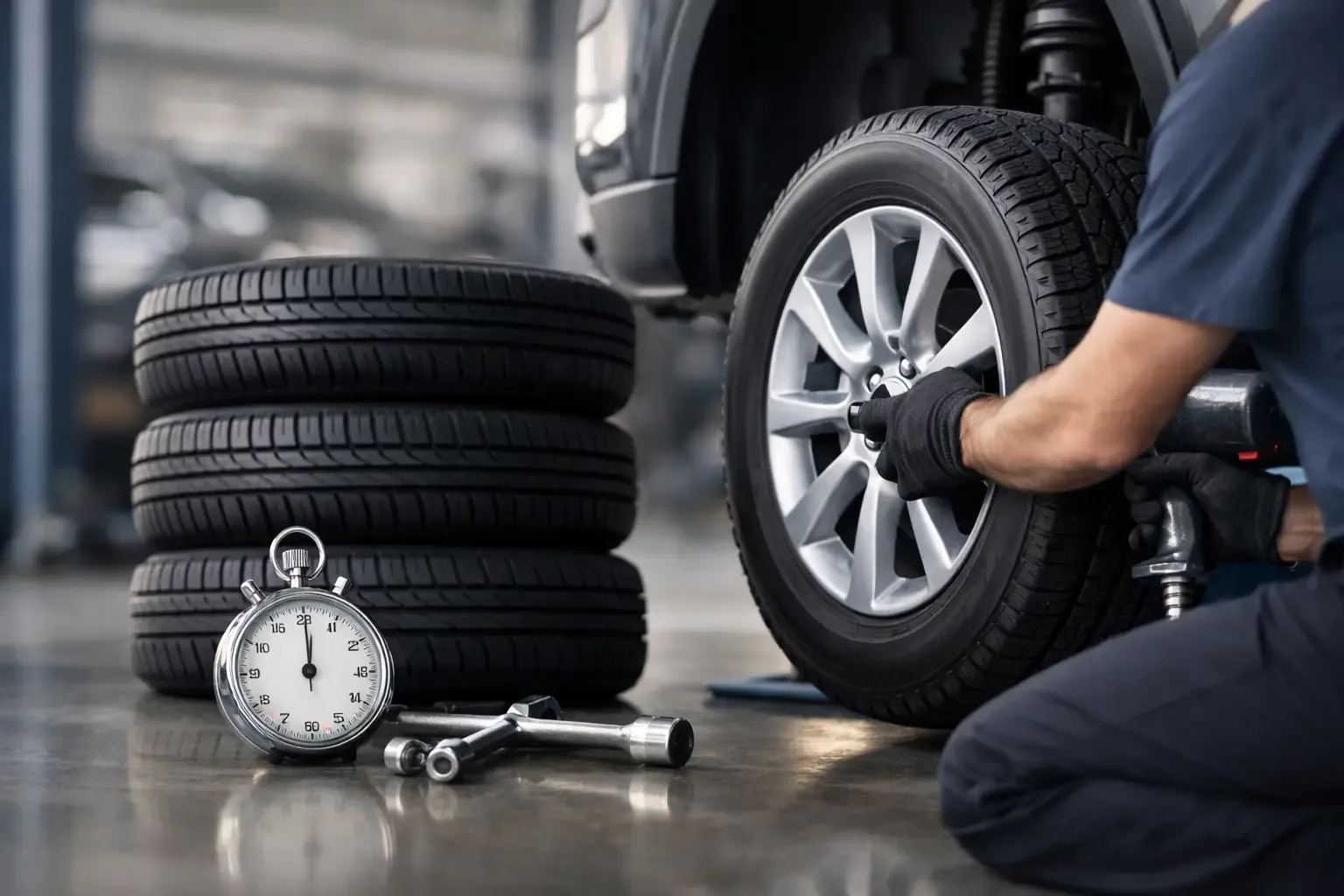
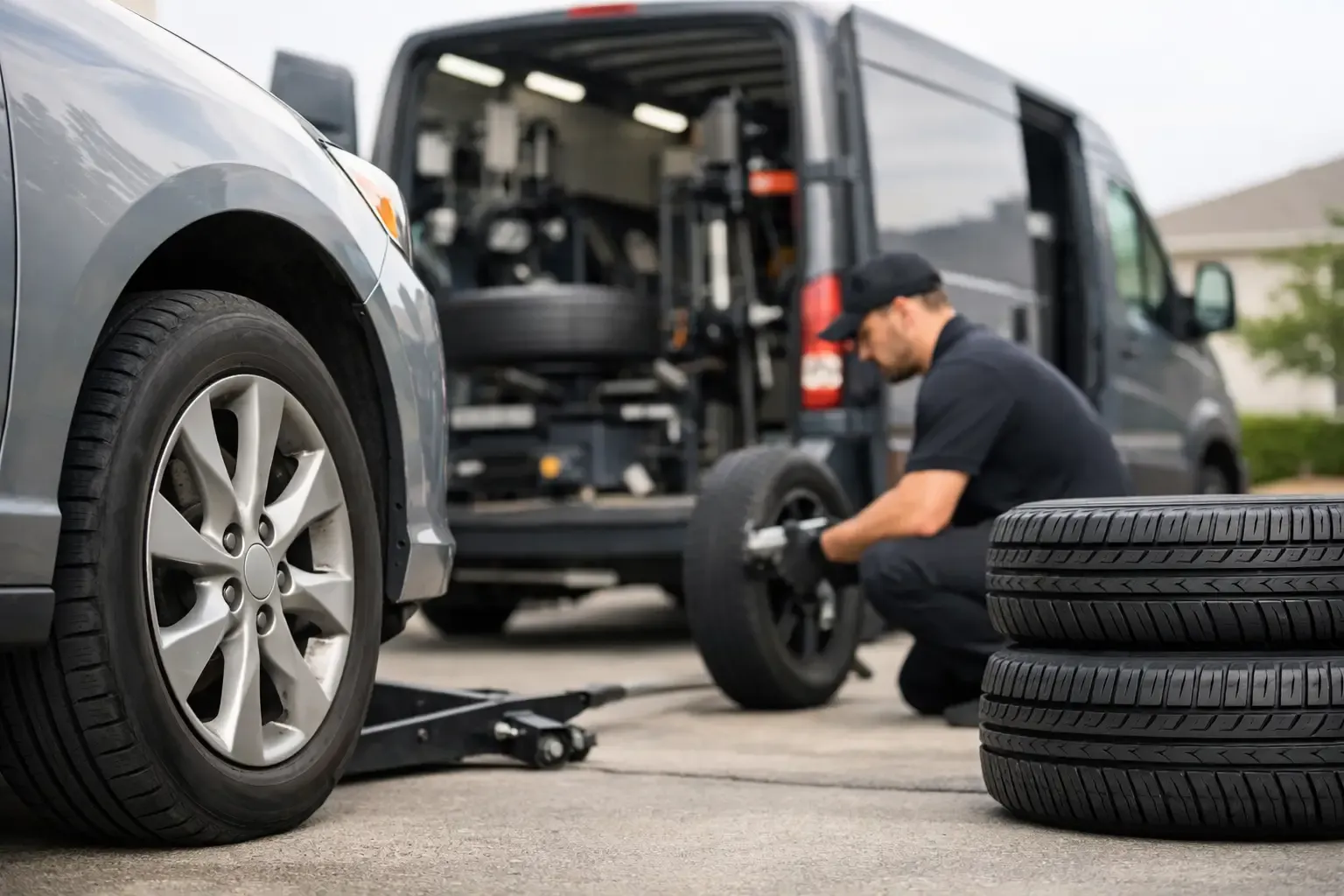
When you need a clear answer at home, work, or roadside in the Columbus area, Elite Mobile Tire can inspect the issue where your vehicle is located and explain the recommended next step. A professional assessment may take a few minutes, but it can prevent a rushed repair from becoming a larger safety problem later.
If you are unsure whether a tire is safe to repair, err on the side of stopping early. Protecting the tire's structure is often what makes the difference between a straightforward repair and an avoidable replacement.
Ready for a new set? Elite Mobile Tire installs 2 or 4 new tires right in your driveway or parking lot anywhere around Columbus, Obetz, Groveport, Grove City, and Reynoldsburg. Financing is available through Afterpay and Acima with up to 24-month payment plans. Call 614-344-5010 or visit elitemobiletire.com to book.