Tires are often the most ignored part of a vehicle, until something goes wrong. Yet, they’re the only contact point between your car and the road, which makes them absolutely critical for safety, performance, and fuel efficiency. Whether you’re commuting daily, planning a road trip, or simply running errands around town, understanding tire health can save you from unexpected breakdowns and costly repairs.
In this detailed guide, we’ll break down everything you need to know about tire replacement, including warning signs, proper timing, safety tips, and expert advice. You’ll also learn how to handle a sudden tire emergency and when to consider a professional tire change or new tire install service. Let’s dive in and make sure your ride stays smooth, safe, and stress-free.
Why Tire Replacement Matters More Than You Think
Tires don’t just wear out; they gradually lose grip, strength, and stability. This directly impacts braking distance, handling, and even fuel consumption. Ignoring worn tires can turn a simple drive into a serious safety hazard.
On top of that, modern vehicles rely heavily on proper tire condition for advanced safety systems to function correctly. So, when it comes to replacing tires, it’s not just about convenience; it’s about protection for you and everyone on the road.
Here’s why timely attention matters:
- Better traction on wet and dry roads
- Improved braking performance
- Enhanced fuel efficiency
- Reduced risk of blowouts
- Safer long-distance travel
In short, a timely tire replacement is one of the smartest maintenance decisions you can make.
Top Warning Signs You Shouldn’t Ignore
Your tires usually give clear signals before they fail. The key is recognizing them early and acting fast.
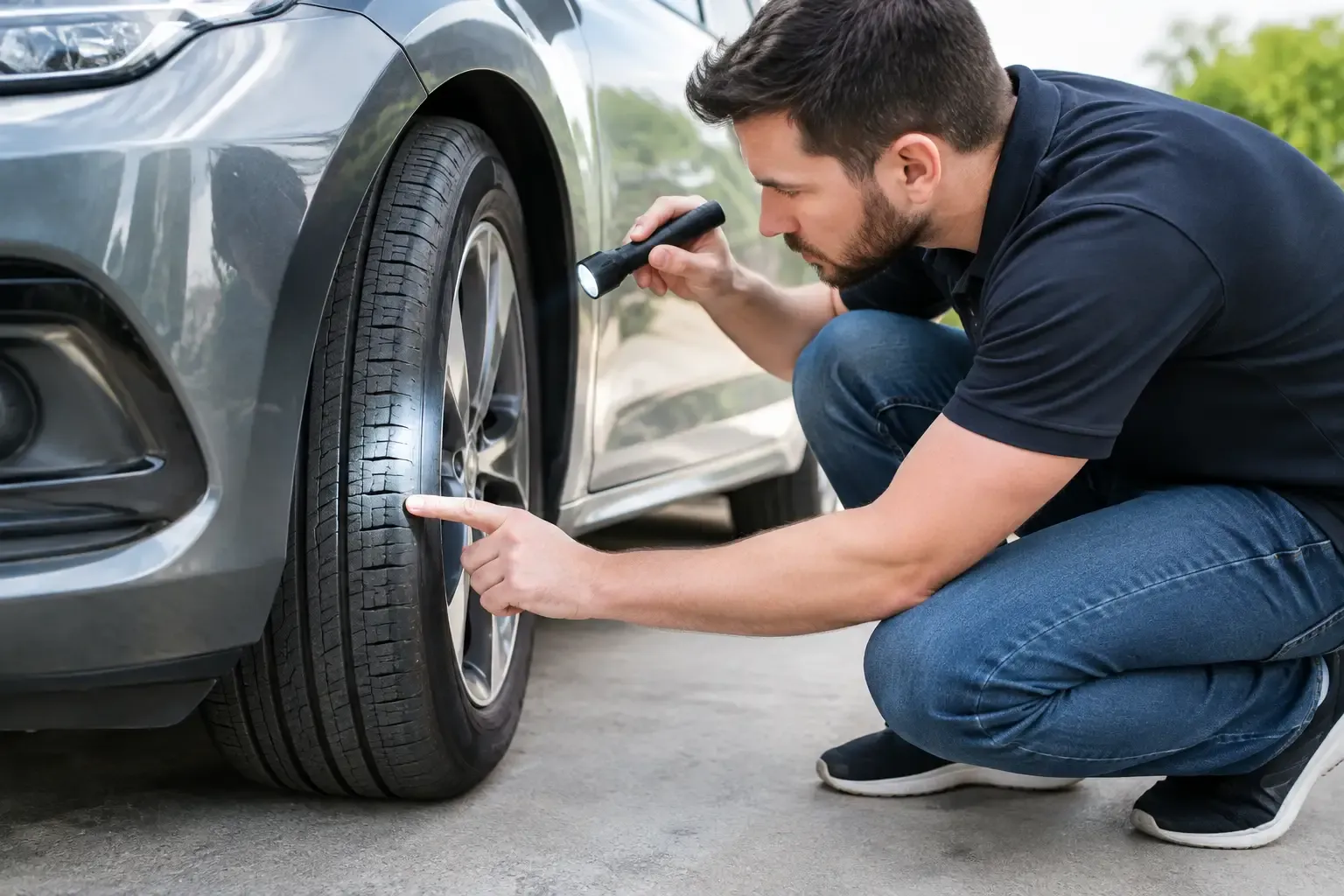
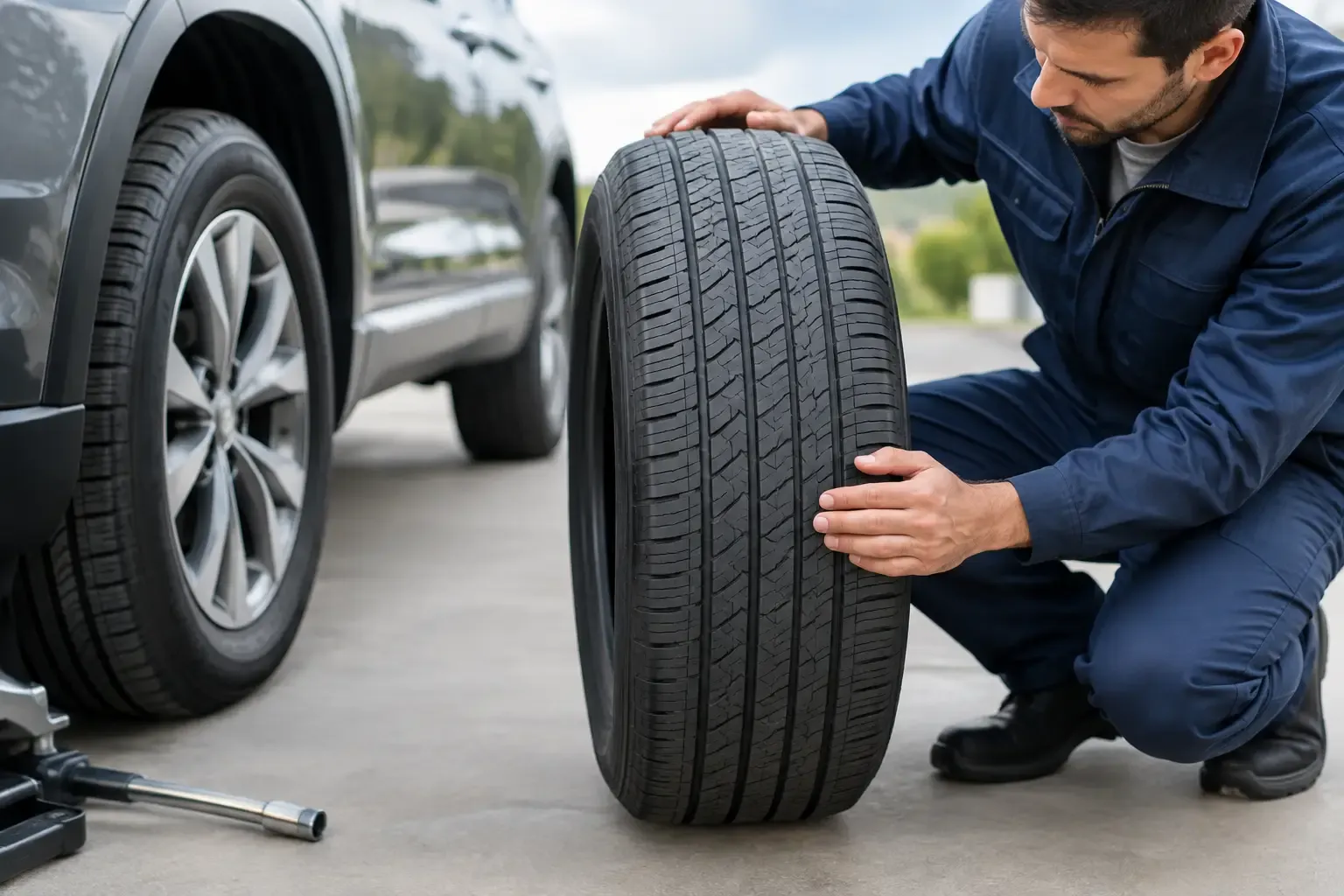
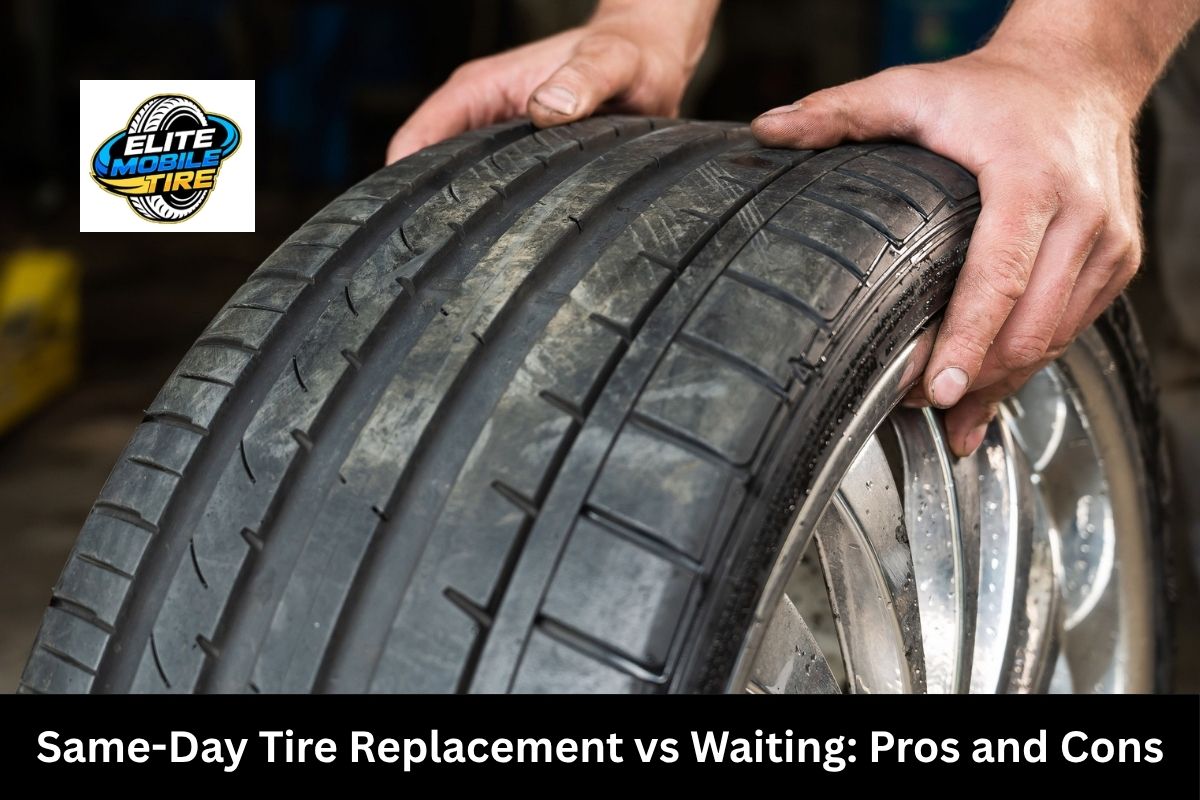
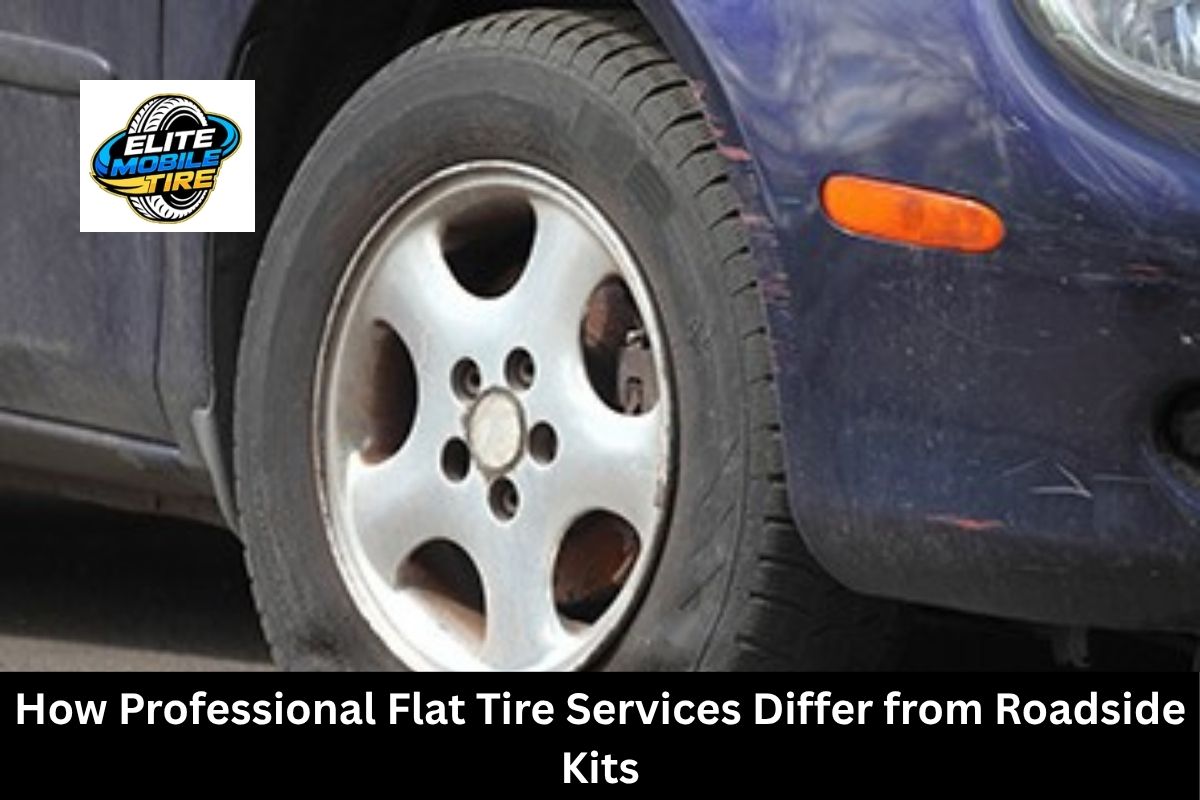
One major sign is uneven tread wear. If one side of your tire looks more worn than the other, it may indicate alignment issues or the need for a tire rotation or replacement. Another warning sign is visible cracks or bulges on the tire surface, which often indicate internal damage.
Watch out for these common signs:
- Tread depth below 2/32 of an inch
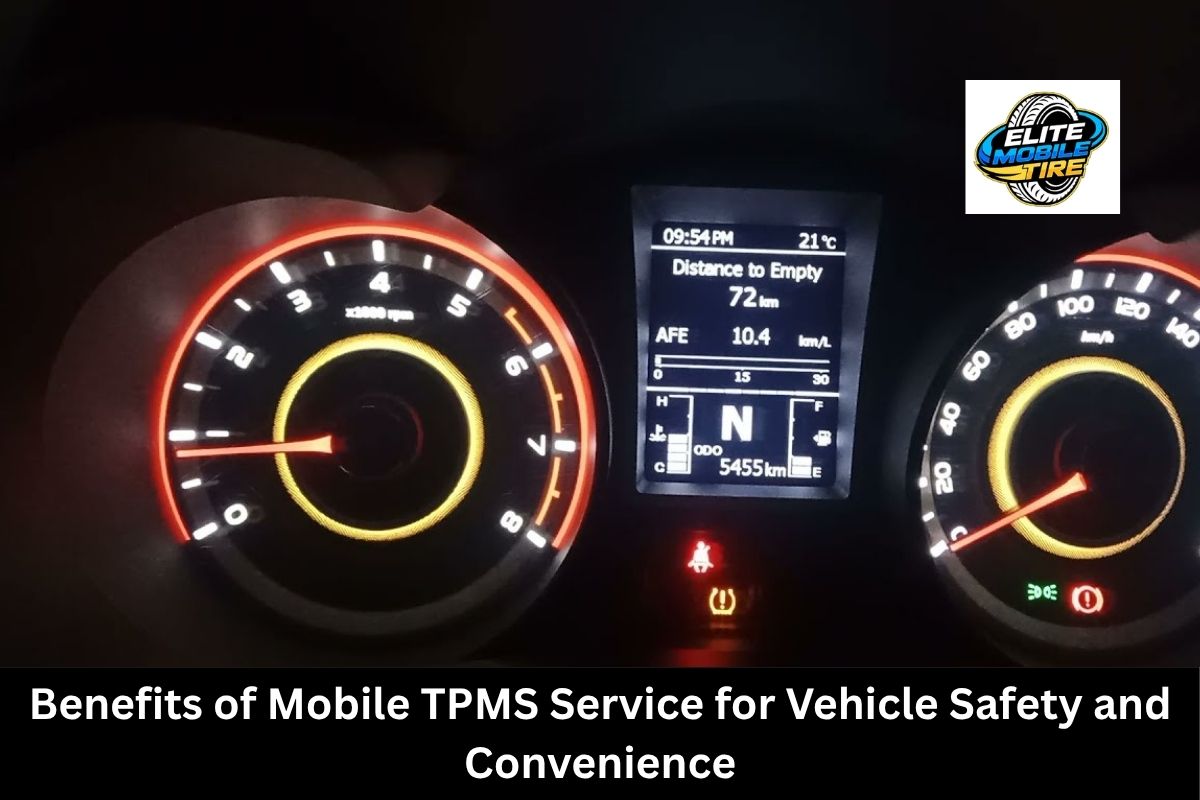
- Frequent loss of tire pressure
- Vibration while driving
- Cracks or dry rot on the sidewalls
- Poor traction on wet roads
Additionally, if your vehicle starts sliding more easily or takes longer to stop, it’s time to consider upgrading your tires seriously. These symptoms should never be ignored because they often lead to sudden tire failure.
When to Replace Tires: Timing & Mileage Rules
Timing plays a huge role in tire safety. Most manufacturers recommend replacing tires every 40,000 to 60,000 miles, but this varies based on driving habits, road conditions, and tire quality.
Even if your tires look fine, age matters. Rubber naturally degrades over time, meaning a 6-year-old tire may not be safe even with good tread.
Quick timing checklist:
- Replace every 5–6 years regardless of use
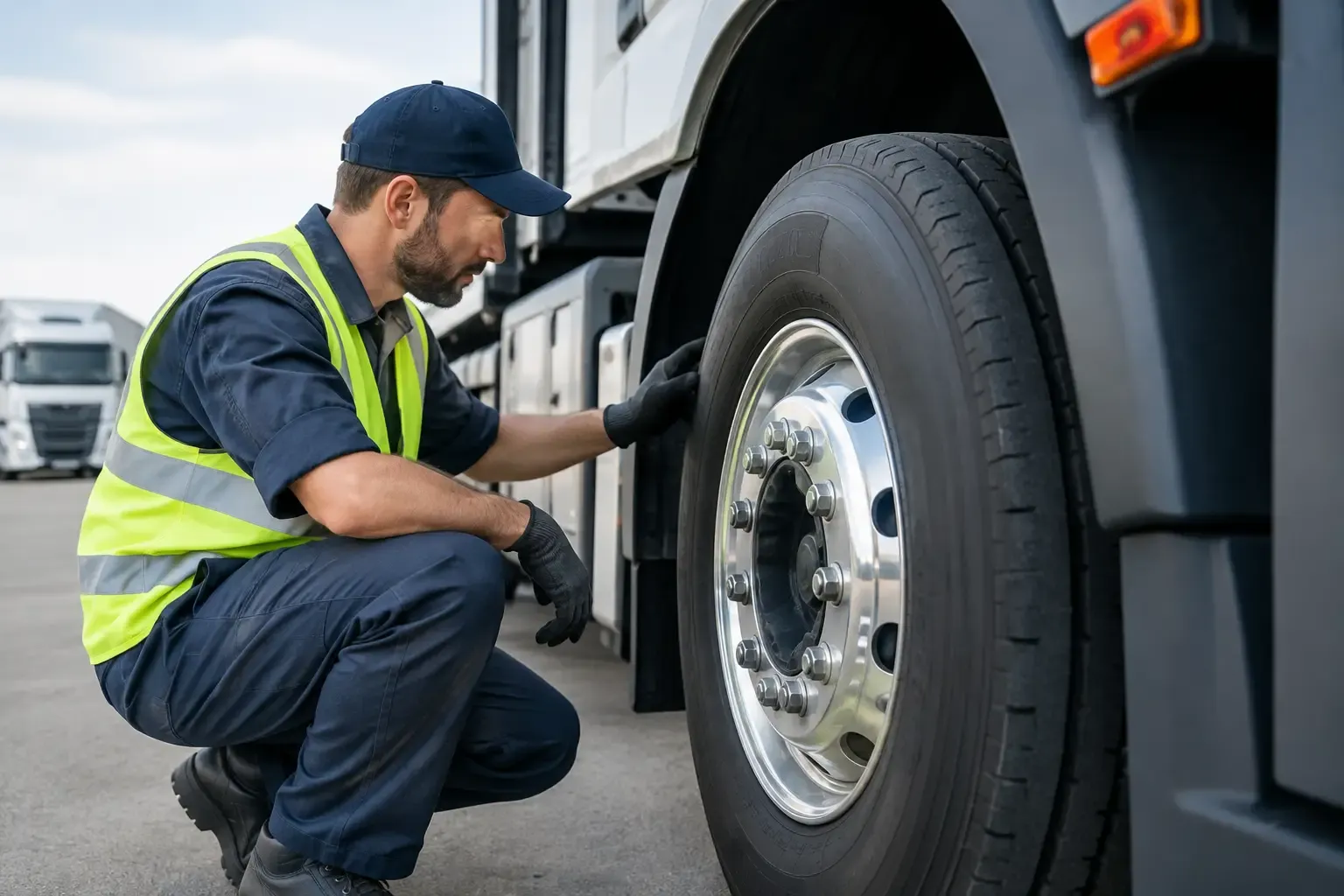
- Inspect tires every 6 months
- Check tread depth monthly
- Rotate tires every 5,000–7,500 miles
- Replace immediately after damage or puncture beyond repair
Understanding these timelines helps prevent sudden failures and ensures you never delay a necessary tire swap or new tire install.
For more guidance on same-day options, you can explore:
Same-Day Tire Replacement Guide
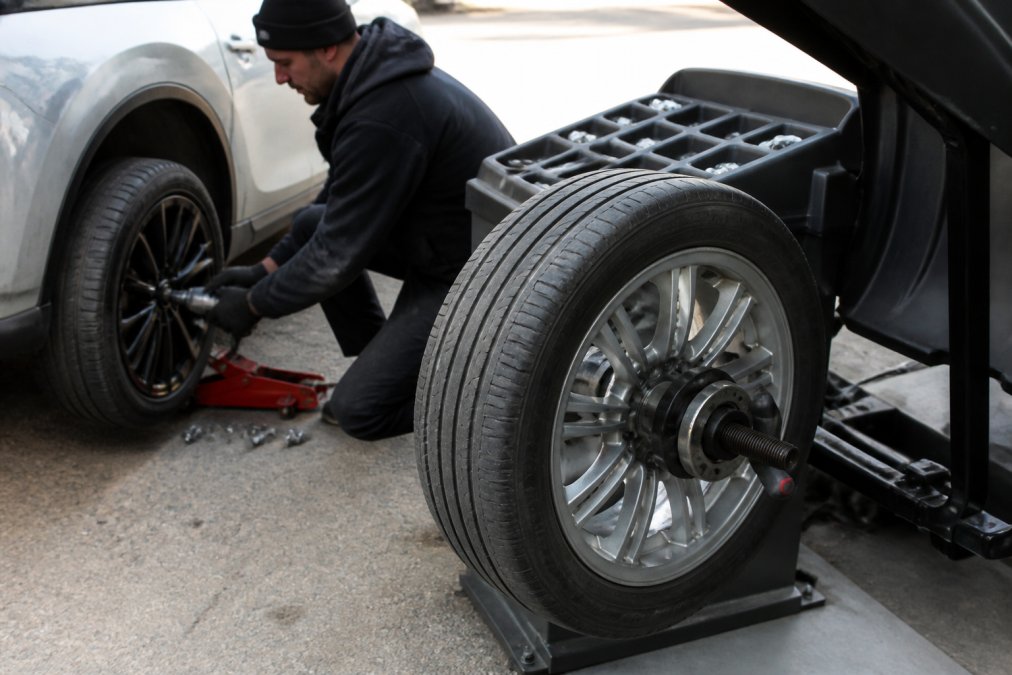
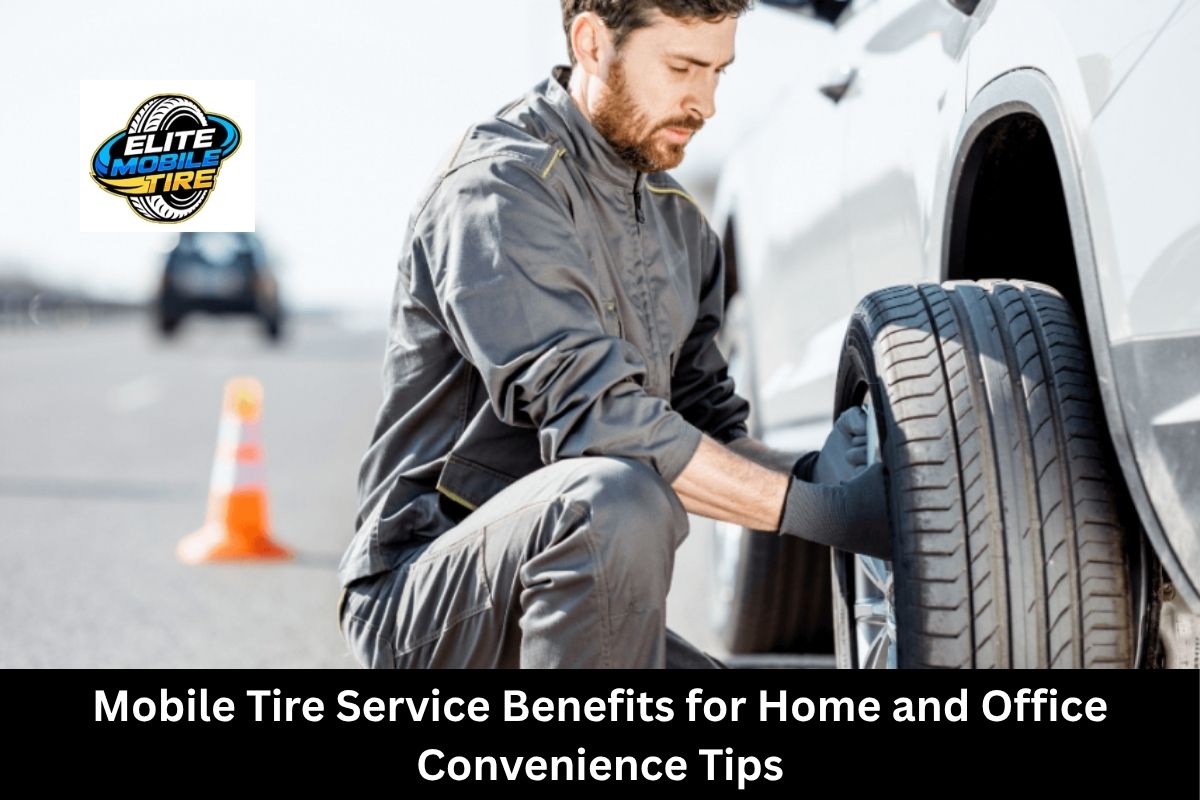
Step-by-Step Tire Change Process You Can Trust
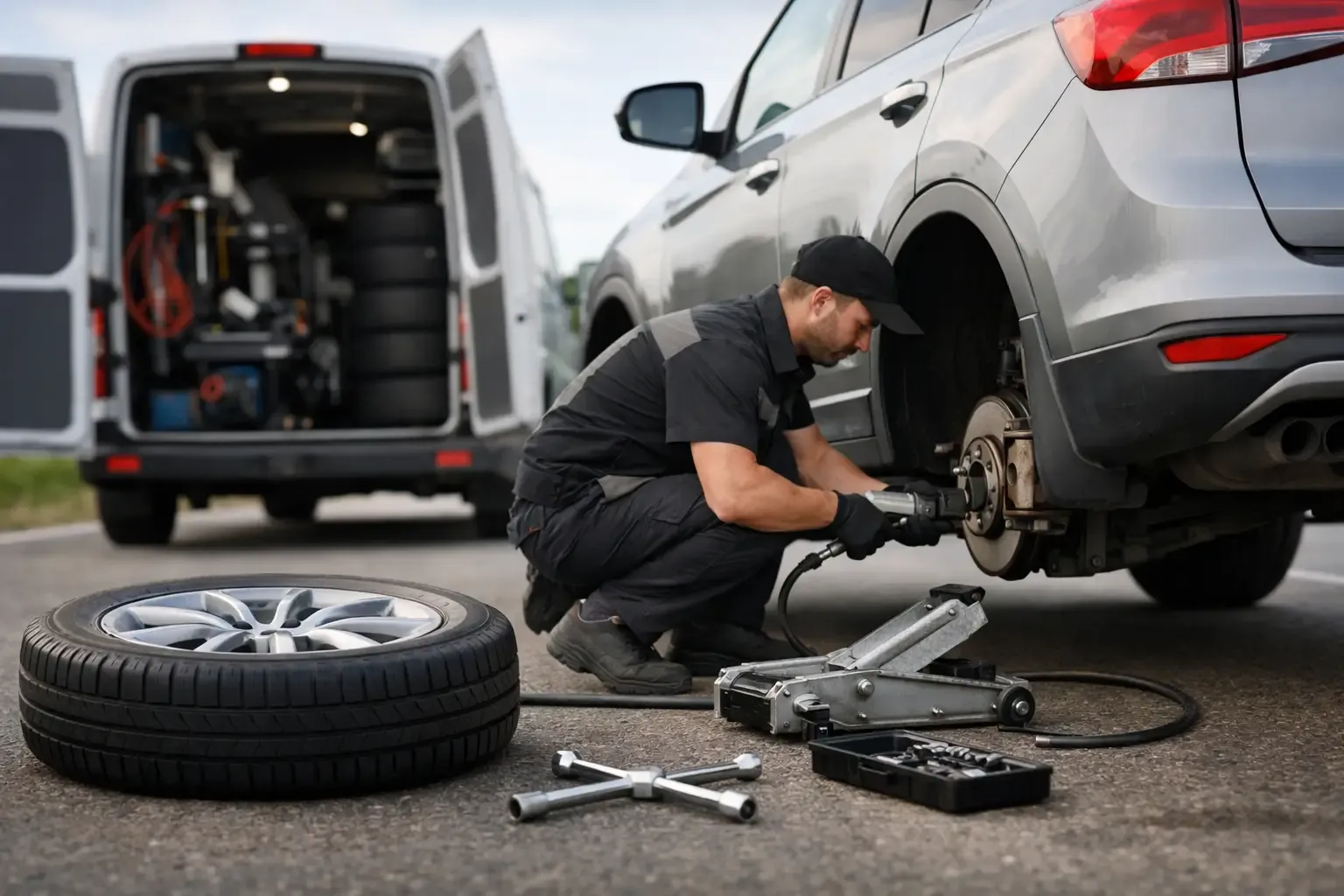
A proper tire change doesn’t have to be complicated. Whether you’re doing it yourself or hiring a professional, understanding the process helps you stay confident and informed.
Here’s a simple breakdown:
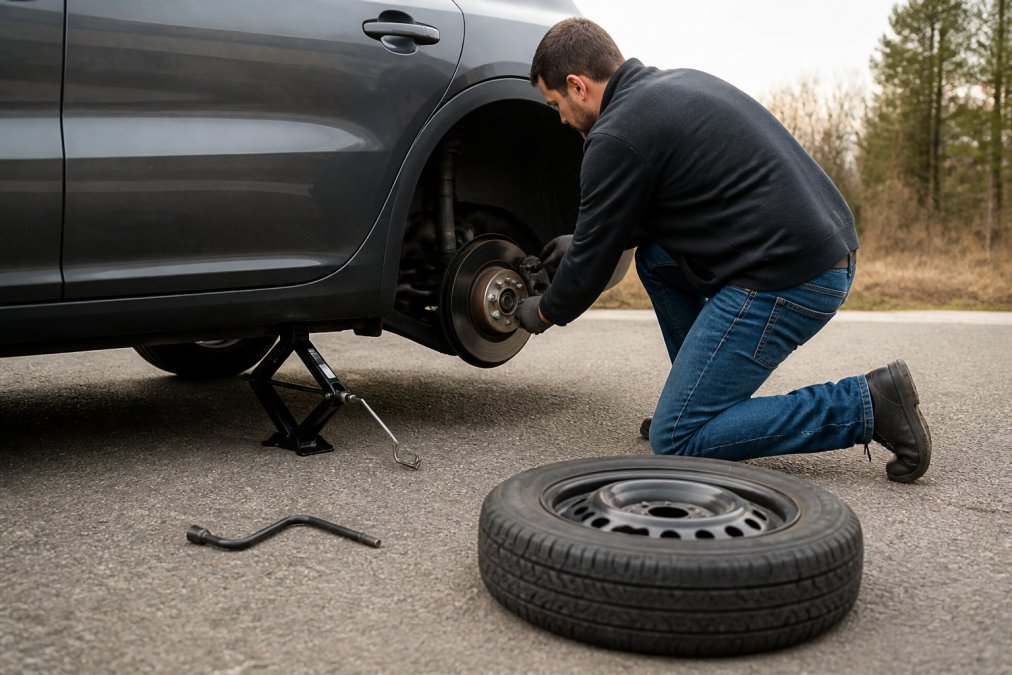
- Park on a flat, stable surface
- Loosen lug nuts before lifting the vehicle
- Use a jack to raise the car safely
- Remove the damaged tire carefully
- Install the new tire and tighten lug nuts
- Lower the vehicle and recheck the tightness
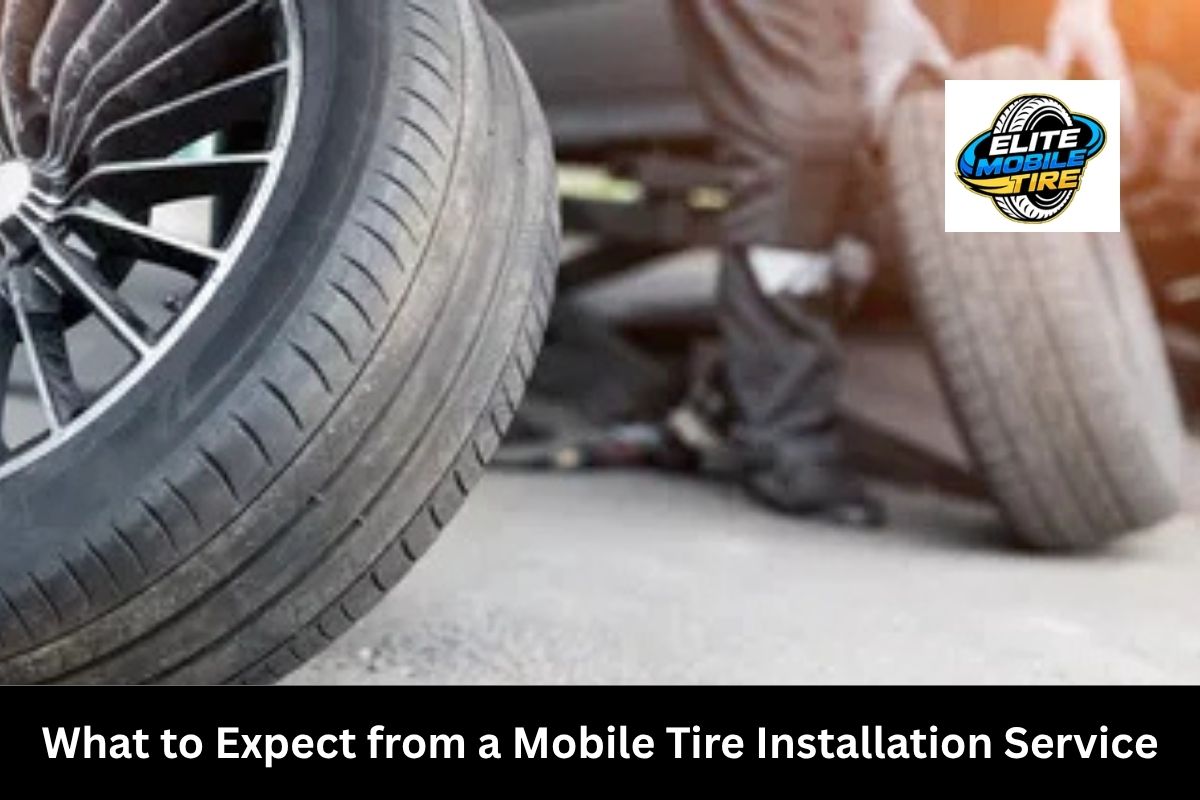
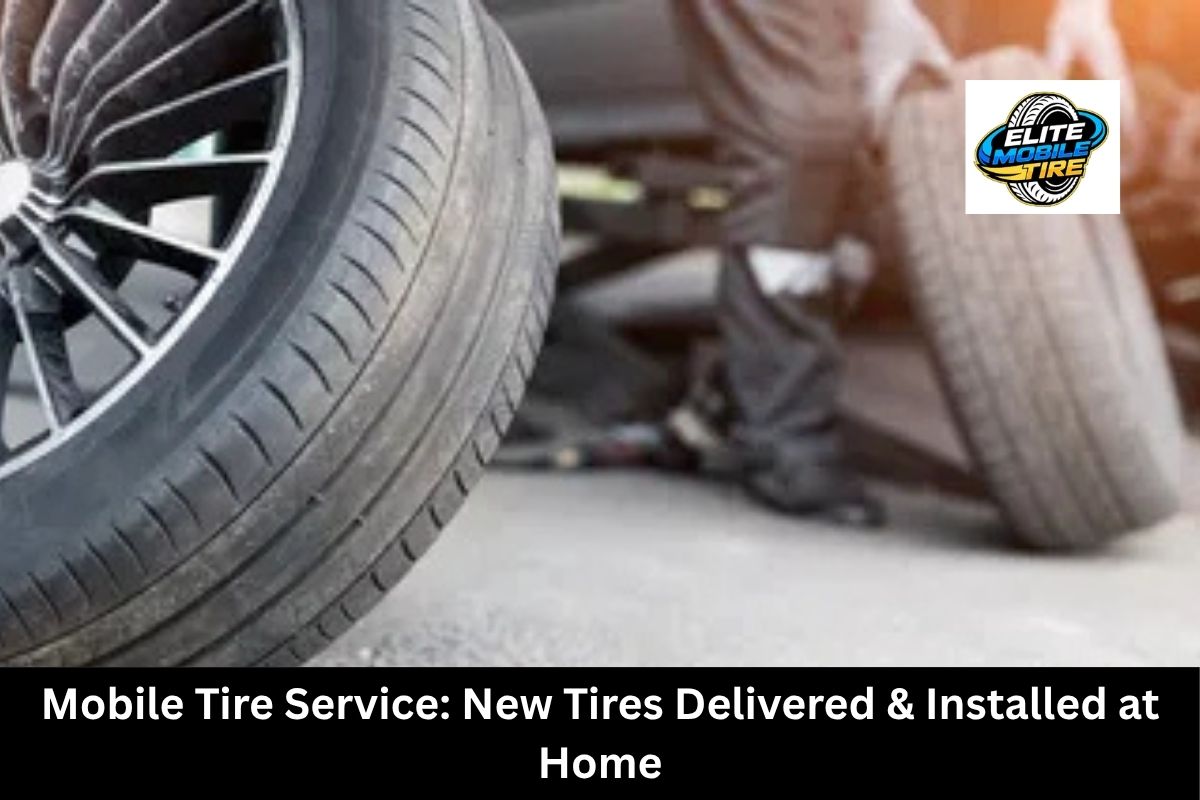
A professional new-tire installation service ensures everything is properly balanced and aligned, improving driving comfort and tire longevity.
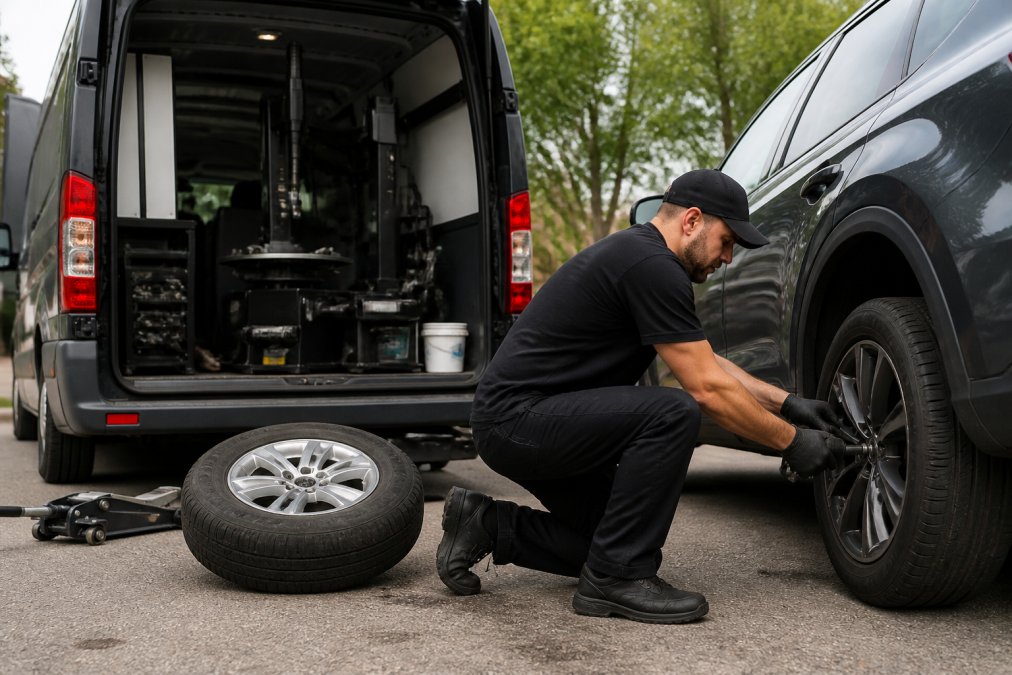
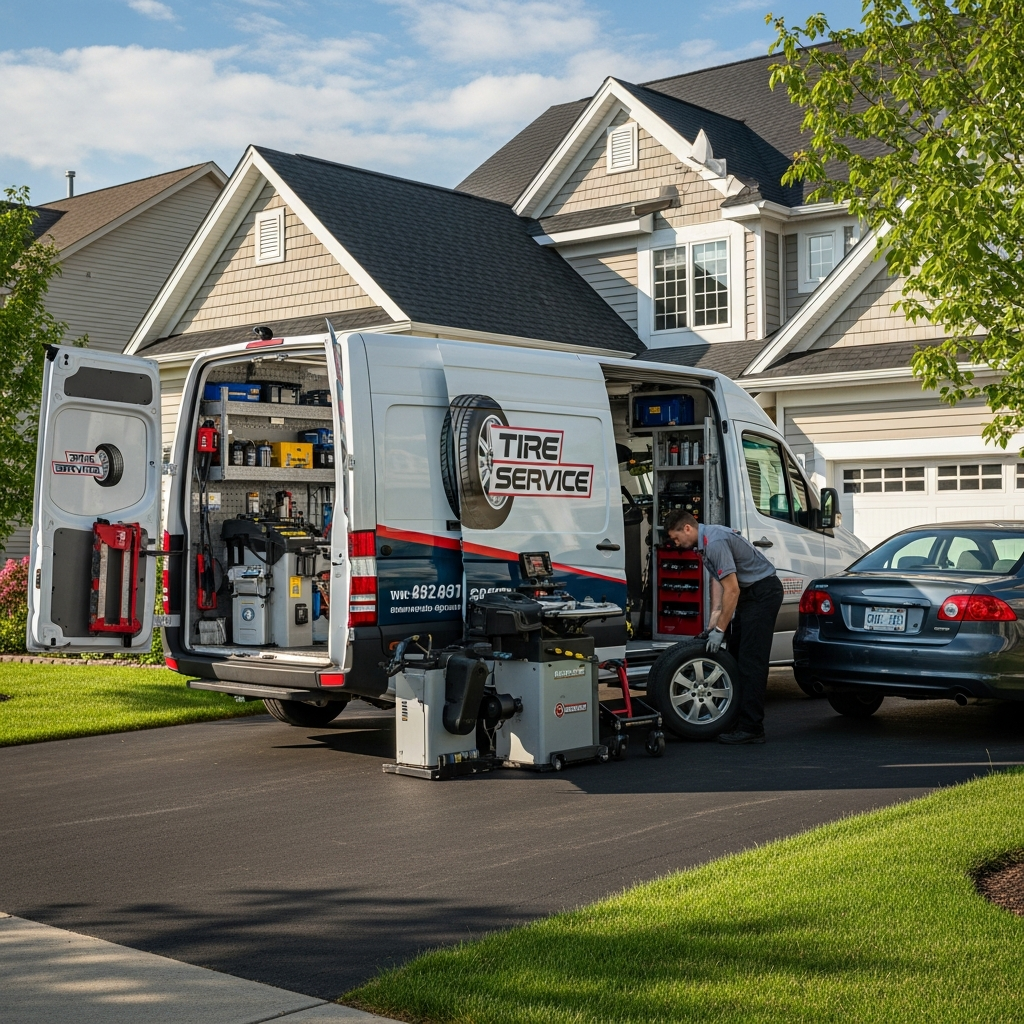
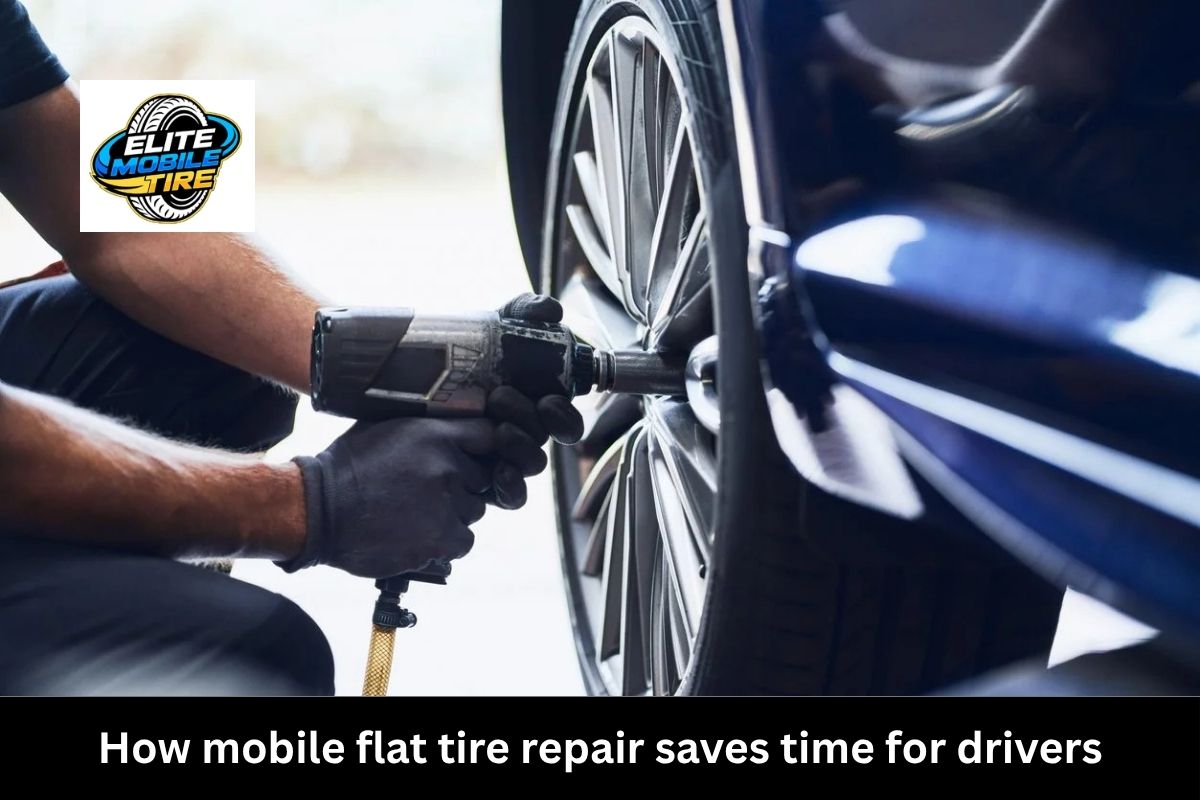
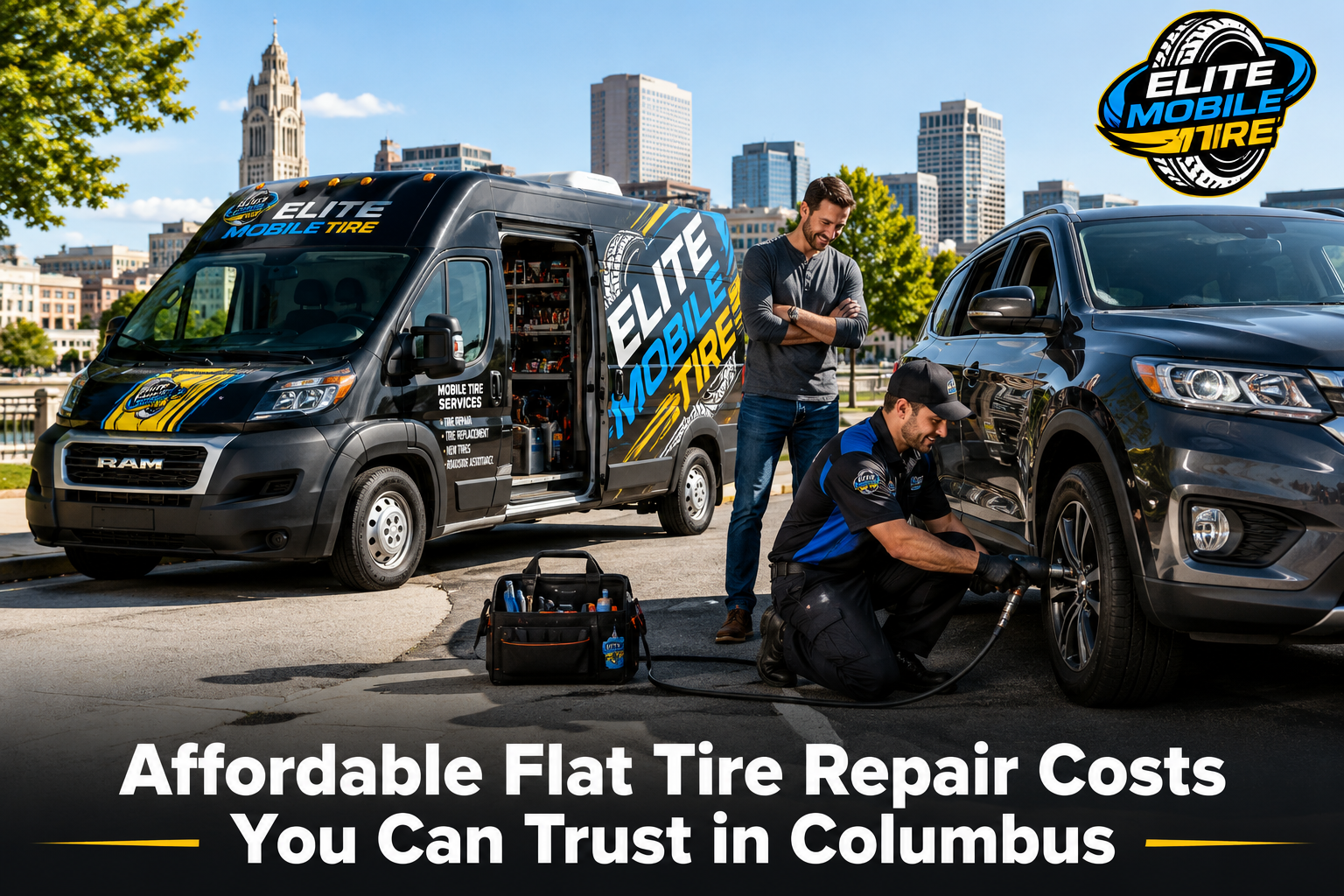
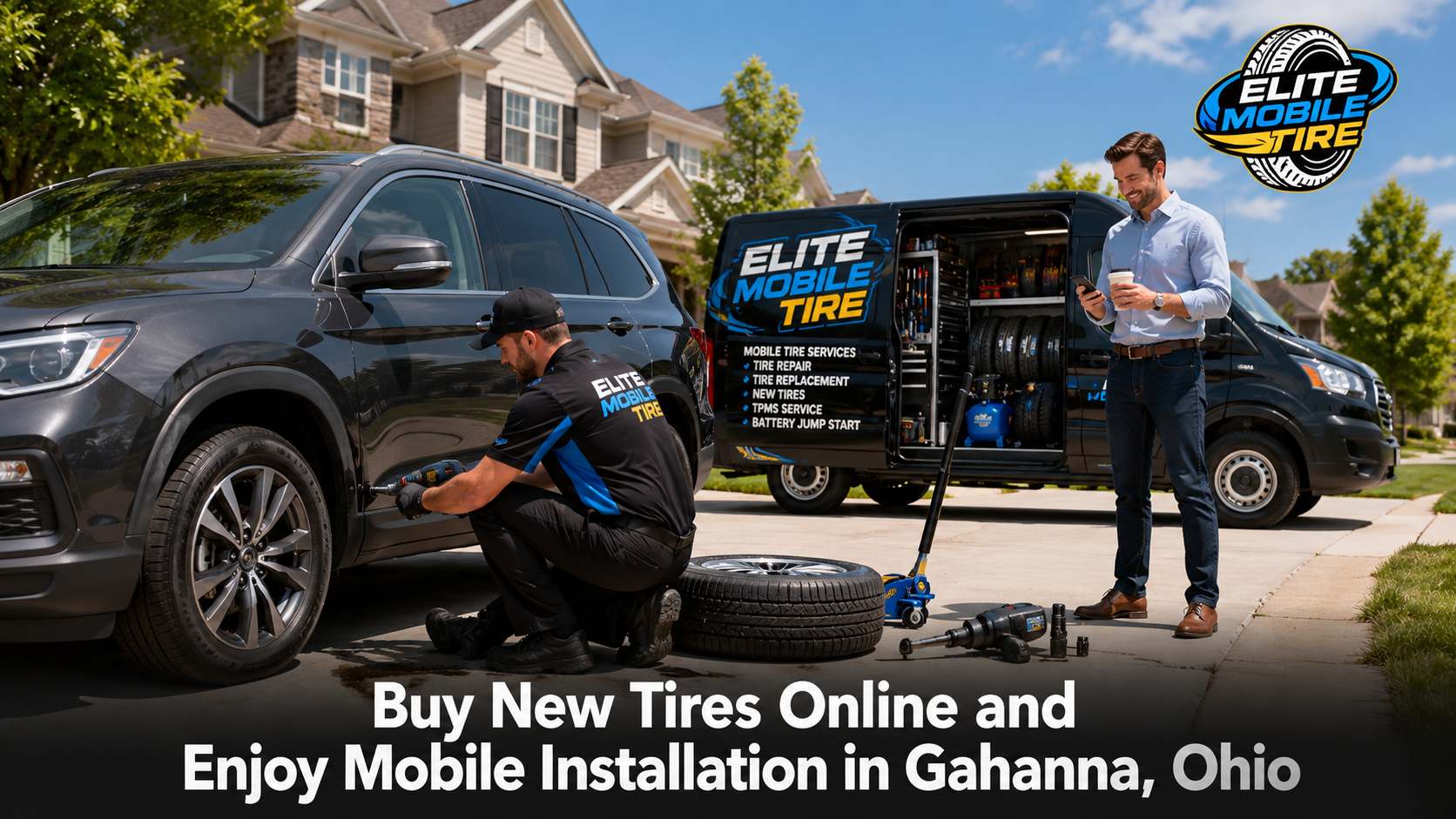
In many cases, mobile services like Elite Mobile Tire can handle the entire process at your location, saving time and effort.
New Tires vs Tire Rotation Replacement: What’s Best?
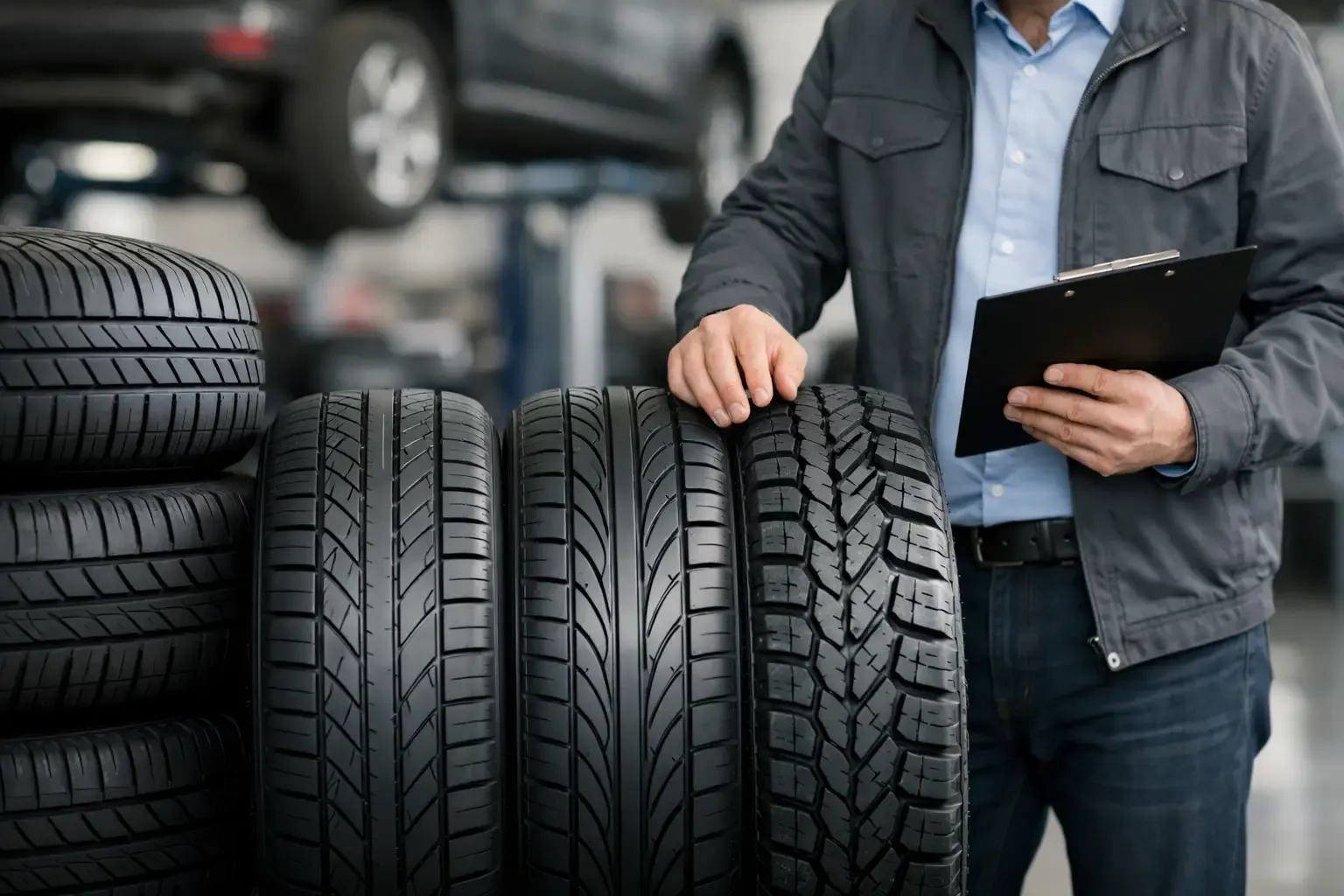
Not every tire issue requires full replacement. Sometimes, a simple rotation can extend the life of your current set. However, knowing when to choose between new tires and a tire rotation replacement is essential.
Rotating tires helps distribute wear evenly, while replacing them is necessary when damage or wear becomes unsafe.
Key differences:
- Tire rotation replacement improves lifespan and balance
- New tires provide full performance restoration
- Rotation is preventive; replacement is corrective
- Replacement is required for cracks, punctures, or aging
If you’re unsure, a professional inspection is always the safest route.
Emergency Tire Replacement: What to Do on the Road
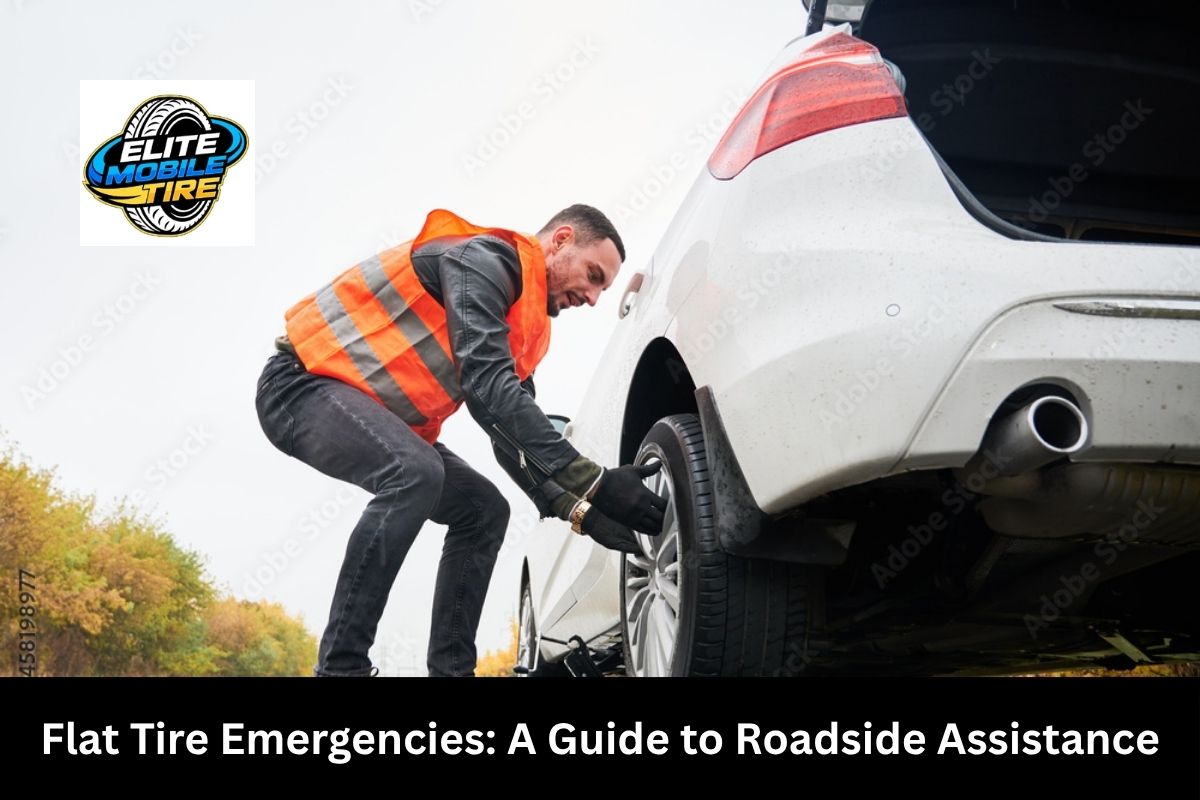
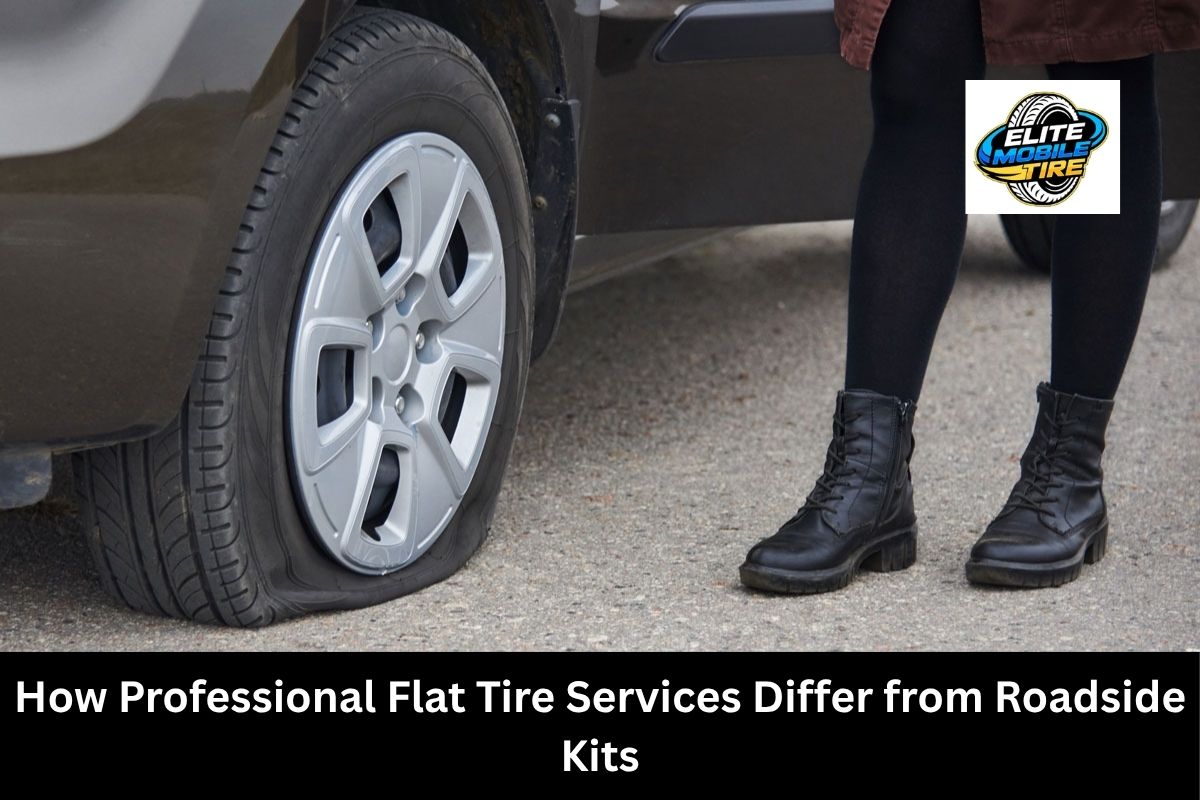
Flat tires and blowouts rarely happen at a good time. That’s why knowing how to handle an emergency tire replacement situation is crucial.
First, stay calm and pull over safely. Turn on hazard lights and move away from traffic if possible. Then assess whether you can install a spare or need immediate assistance.
Emergency action checklist:
- Pull over to a safe location
- Turn on hazard lights
- Use a warning triangle if available
- Check the spare tire condition
- Call roadside or mobile tire service
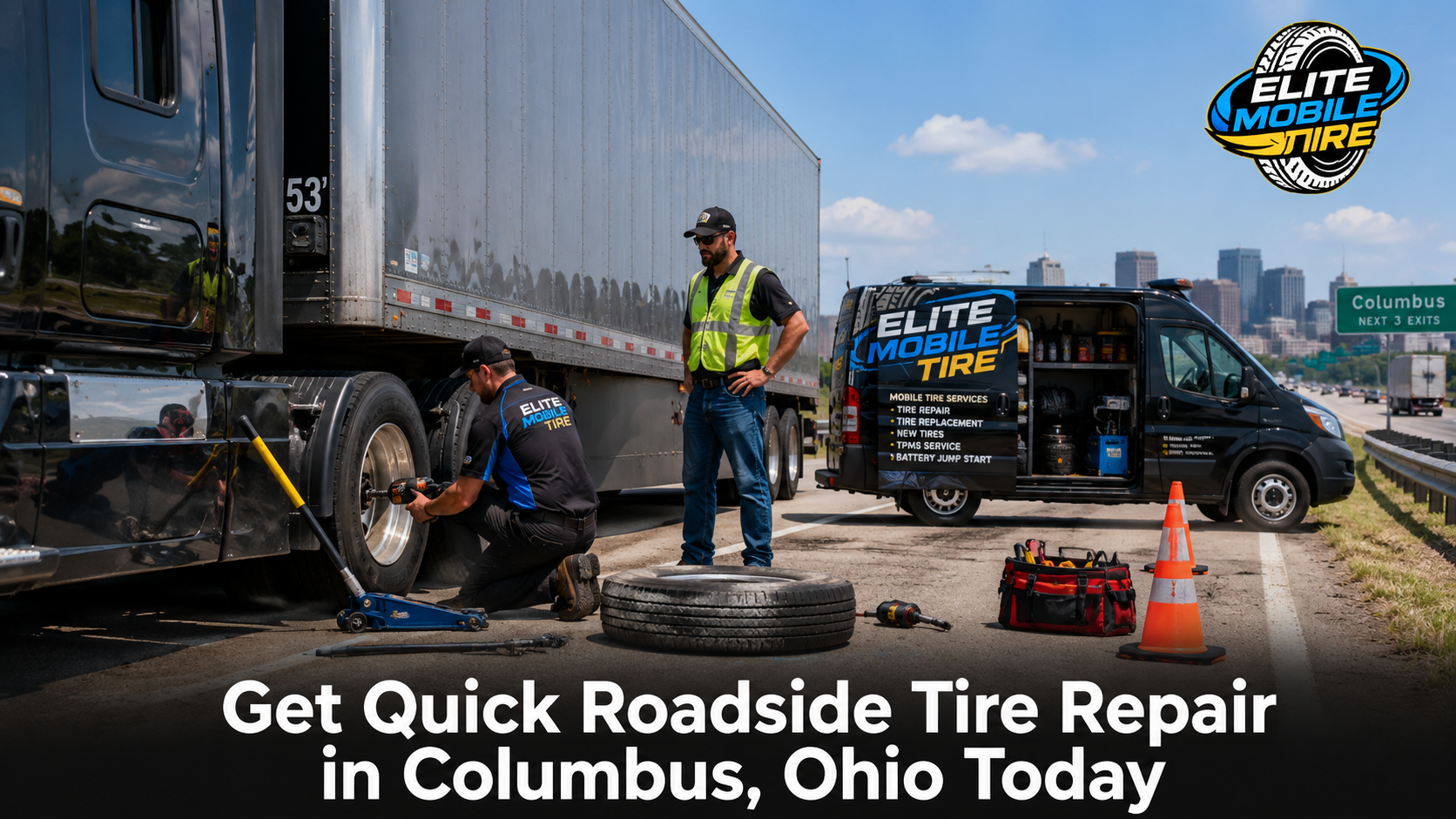
If you're stuck, mobile services can quickly assist with emergency roadside tire replacement, ensuring you’re back on the road safely without unnecessary delays.
Safety Tips for a Smooth Tire Swap Experience
Safety should always come first during any tire-related work. Whether it’s a DIY job or a professional service, following basic precautions can prevent accidents and damage.
A proper tire swap involves more than just changing rubber; it requires attention to torque, balance, and alignment.
Important safety tips:
- Always use a stable jack stand
- Never work on uneven ground
- Tighten lug nuts in a star pattern
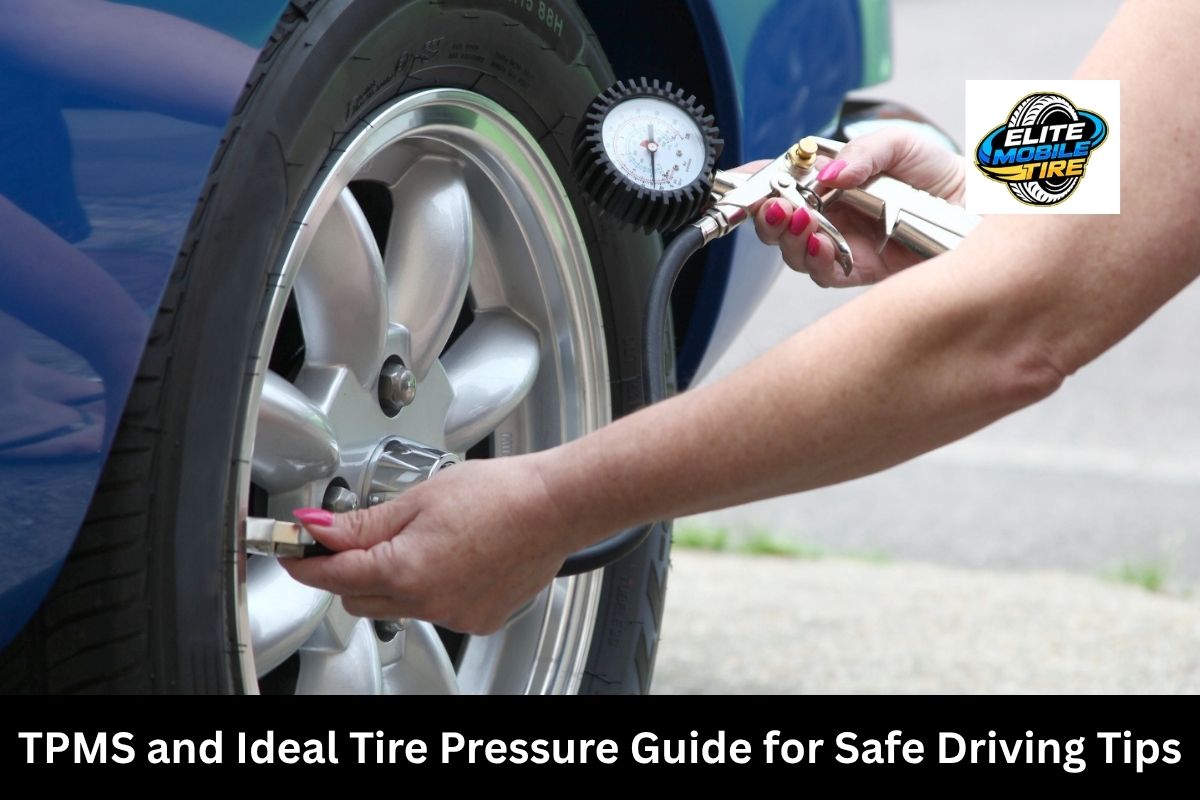
- Check tire pressure after installation
- Inspect all tires after replacement
Additionally, avoid rushing the process. A rushed tire change can lead to improper fitting and long-term issues.
Choosing New Tire Install Services Wisely
Not all tire services are created equal. Choosing the right provider ensures your new tire install is safe, efficient, and long-lasting.
Look for professionals who offer mobile services, transparent pricing, and quality tire brands. Convenience matters too, especially if you want service at home or work.
When comparing options, consider:
- Service availability (same-day or scheduled)
- Experience and customer reviews
- Warranty on tires and installation
- Mobile vs in-shop service
- Pricing transparency
Choosing trusted providers like Elite Mobile Tire can make the entire process faster and more reliable.
Final Thoughts
Tire maintenance is not something to postpone. From spotting early warning signs to handling emergency breakdowns, staying informed about tire replacement can significantly improve your driving safety and comfort. Whether you need a simple tire rotation replacement or a full set of new tires, acting at the right time saves money and prevents risk.
More importantly, don’t wait for a flat or blowout to take action. Regular inspections, timely replacement tire decisions, and professional guidance ensure your vehicle remains road-ready at all times.
FAQs
1. How often should I replace my tires?
Most tires should be replaced every 40,000–60,000 miles or every 5–6 years, depending on usage and road conditions.
2. What is the biggest sign that I need a tire replacement?
Low tread depth, cracks, or frequent air loss are major indicators that you need to replace your tires immediately.
3. Can I drive with worn-out tires?
It is not recommended. Worn tires reduce grip and increase the risk of accidents, especially in wet conditions.
4. What is the difference between tire rotation and replacement?
Rotation redistributes wear, while replacement installs completely new tires when old ones are unsafe.
5. What should I do during a tire emergency?
Pull over safely, use hazard lights, and call roadside assistance or a mobile emergency tire replacement service.