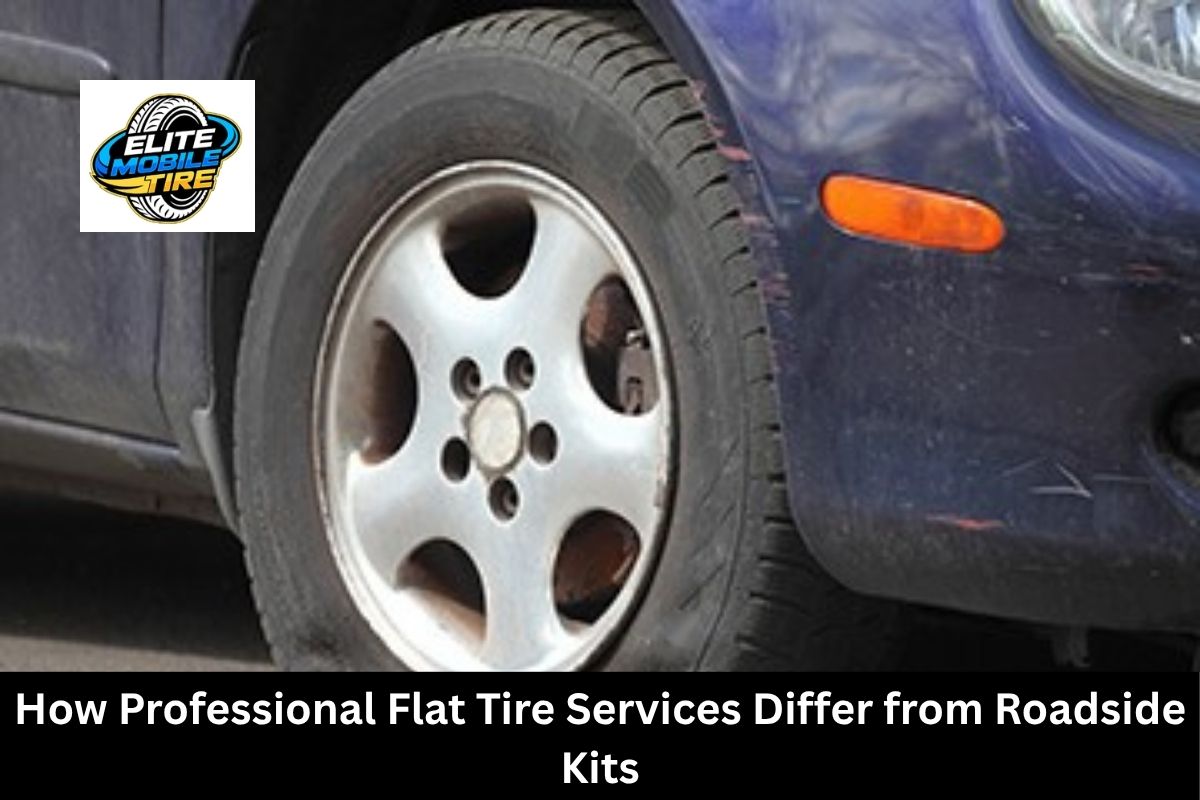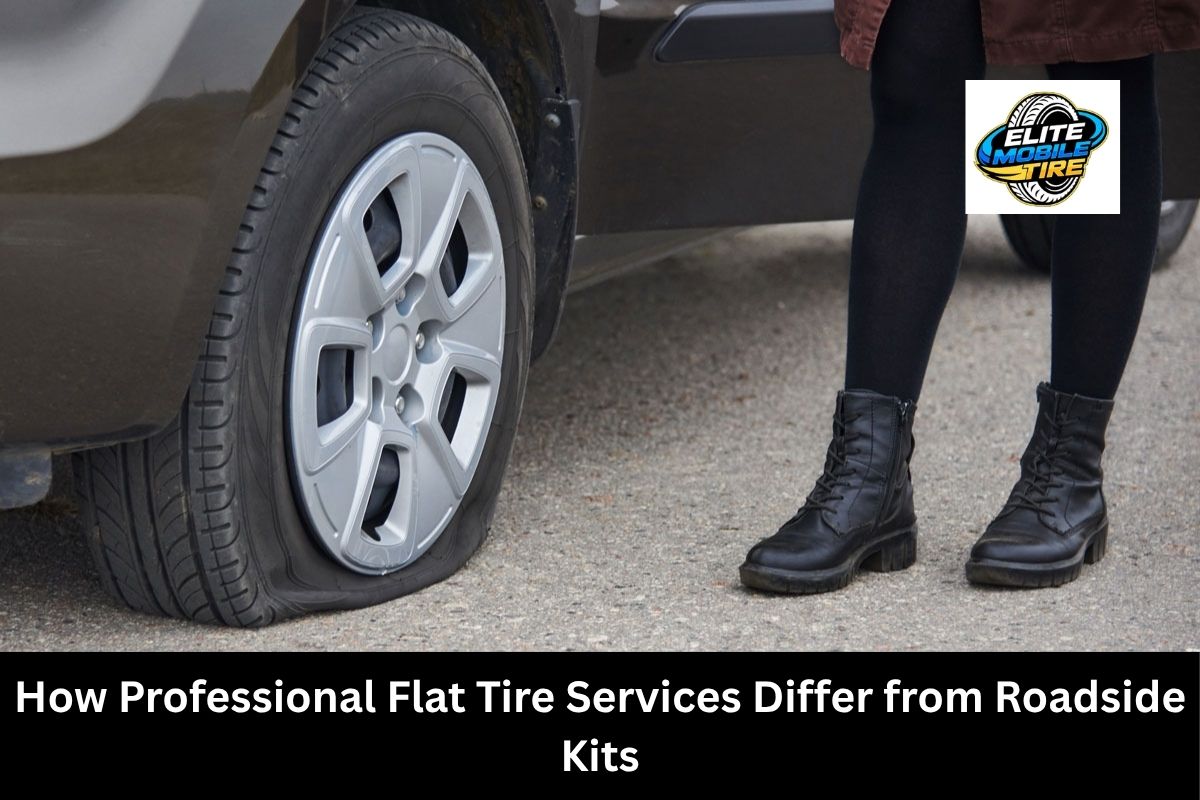
A flat tire never shows up at a convenient time. It hits when you’re already running late, stuck on a dark road, or miles away from the nearest shop. In those moments, stress rises fast. However, knowing exactly what to do can turn a frustrating situation into a manageable one. That’s where proper preparation and reliable flat tire assistance come into play.
In this guide, you’ll learn how to handle a flat tire with confidence, whether you’re dealing with a slow leak or a sudden blowout. More importantly, you’ll discover when to call roadside assistance and how professional flat tire service can save you time, effort, and even money.
Why Flat Tires Happen (And How to Stay Ahead)
Flat tires can happen for several reasons, and unfortunately, they rarely give much warning. Sharp objects like nails or glass are common culprits. On the other hand, worn-out tread, poor road conditions, or even temperature changes can lead to sudden air loss. Because of this, staying proactive is key.
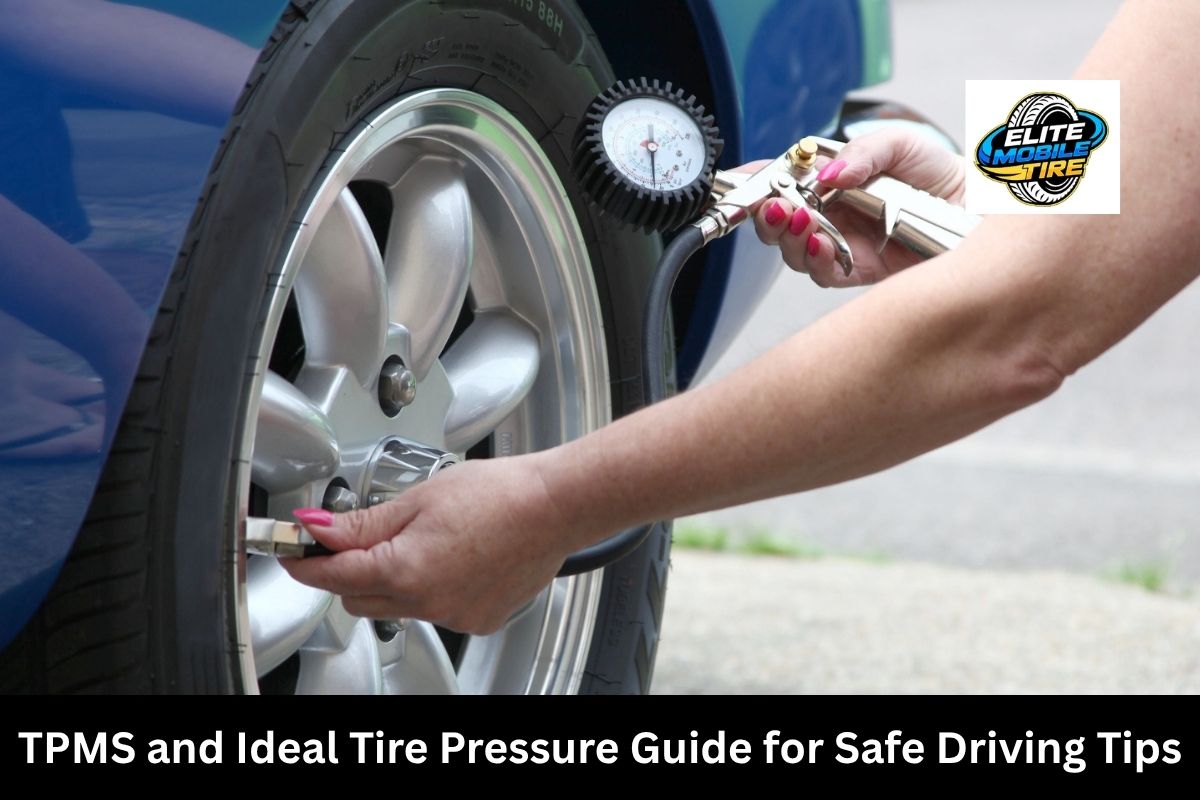
Additionally, underinflated tires increase the risk of damage. When your tires don’t have the correct pressure, they flex more than they should. Over time, that weakens the structure, making a flat tire more likely. Therefore, regular checks can go a long way toward preventing emergency tire repairs.
Common causes of flat tires include:
- Punctures from nails or debris
- Worn-out or bald tires
- Valve stem damage
- Extreme weather changes
- Driving over potholes
By understanding these causes, you can reduce your chances of needing urgent help with a flat tire in the future.
First Things First: What to Do When a Tire Goes Flat
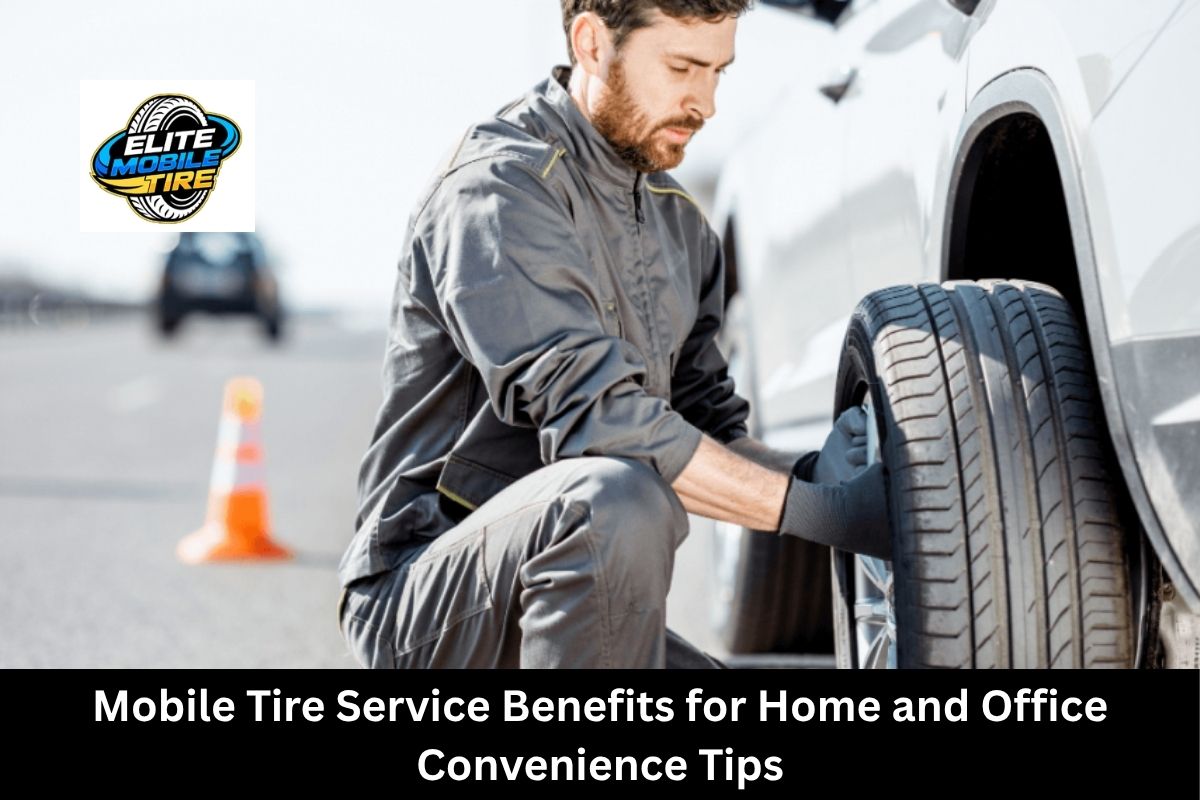
The moment you notice a flat tire, your safety should be your top priority. Instead of panicking, slow down gradually and pull over to a safe location. Ideally, choose a flat surface away from traffic. Turn on your hazard lights immediately to alert other drivers.
Next, assess the situation. If you’re in a safe environment and have the right tools, you might attempt a tire change. However, if conditions are hazardous, such as heavy traffic or poor lighting, it’s better to call roadside assistance right away.
Immediate steps to follow:
- Slow down and pull over safely
- Turn on hazard lights
- Engage the parking brake
- Place warning triangles if available
- Stay inside the vehicle if the area feels unsafe
Taking these steps ensures you remain protected while you figure out your next move.
DIY Tire Change: When You Can Handle It Yourself
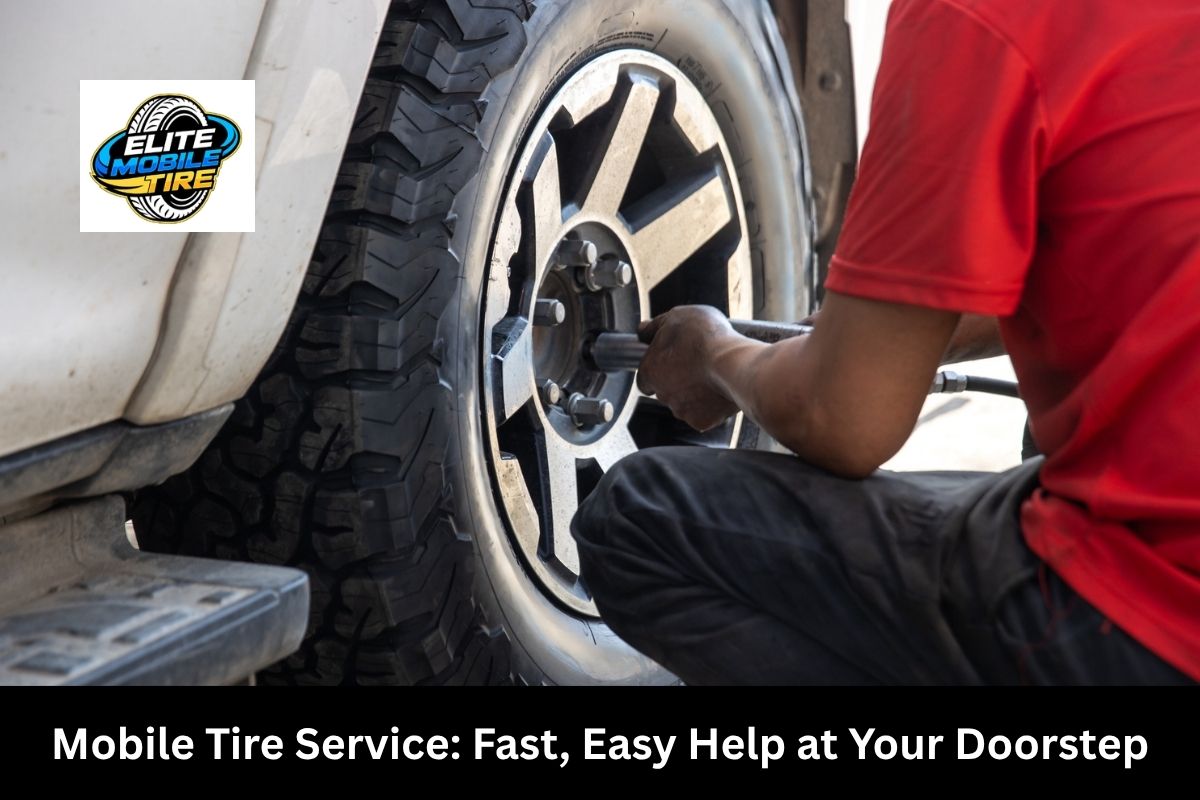
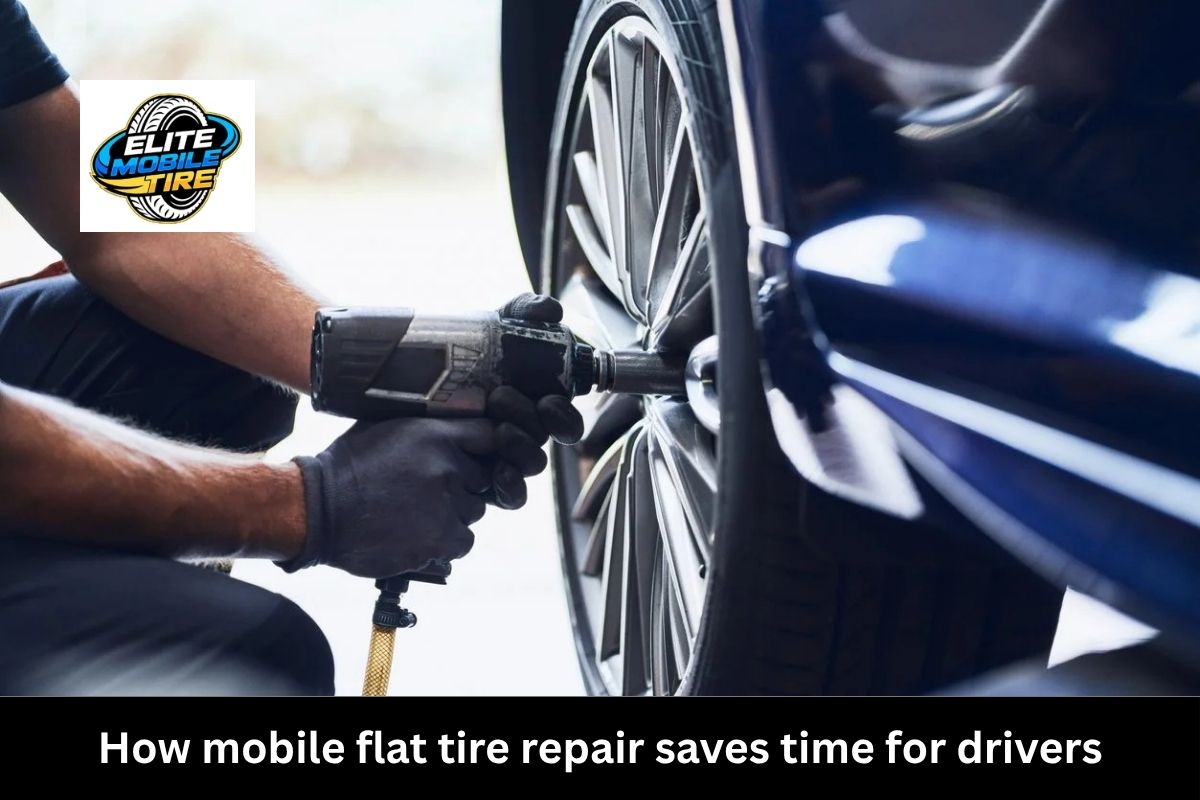
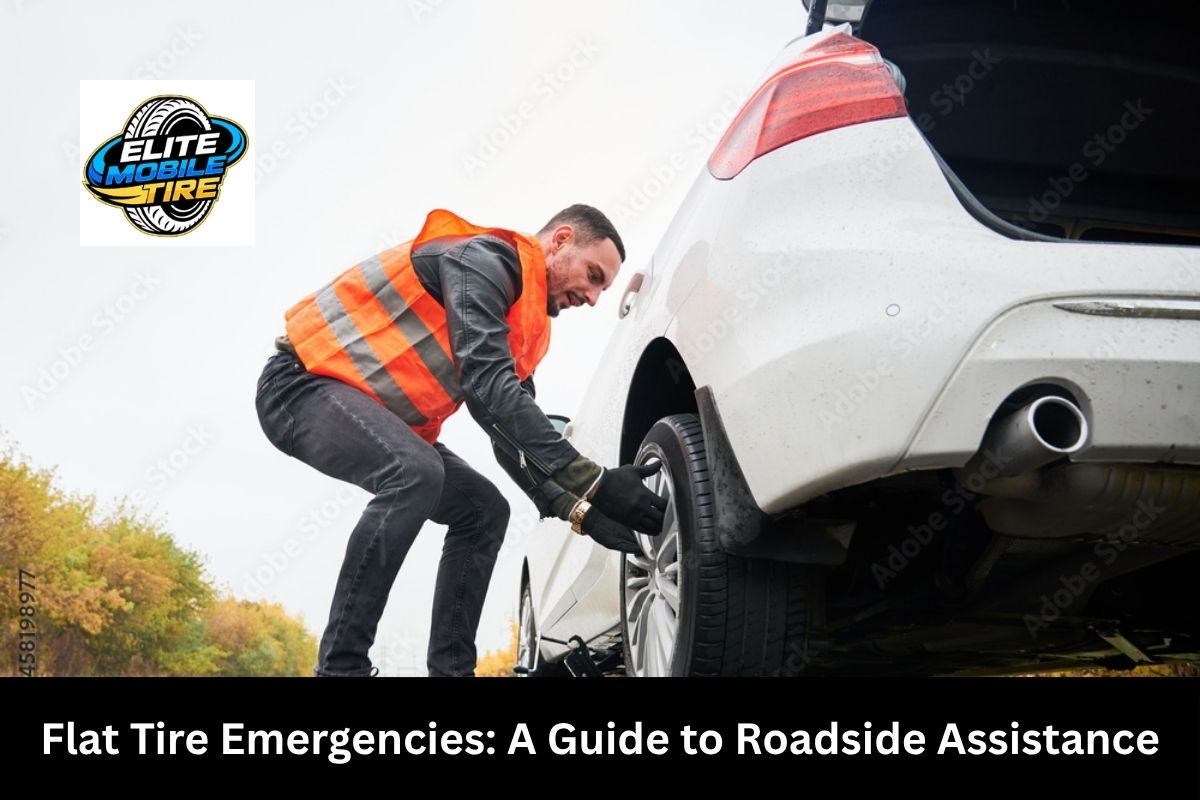
If you’re comfortable and equipped, performing a tire change yourself can be a quick solution. Most vehicles come with a spare tire, jack, and lug wrench. Still, using them correctly matters just as much as having them.
Start by loosening the lug nuts before lifting the vehicle. Then, raise the car using the jack and remove the flat tire. After that, install the spare and tighten the nuts securely. Finally, lower the vehicle and double-check everything.
Basic tools you’ll need:
- Spare tire
- Jack
- Lug wrench
- Wheel wedges
However, keep in mind that spare tires are temporary solutions. You’ll still need proper flat tire repair or replacement soon after.
When to Call for Professional Flat Tire Assistance
Not every situation is ideal for a DIY fix. In fact, many drivers prefer to call professionals for flat-tire service, and for good reason. It’s faster, safer, and often more reliable.
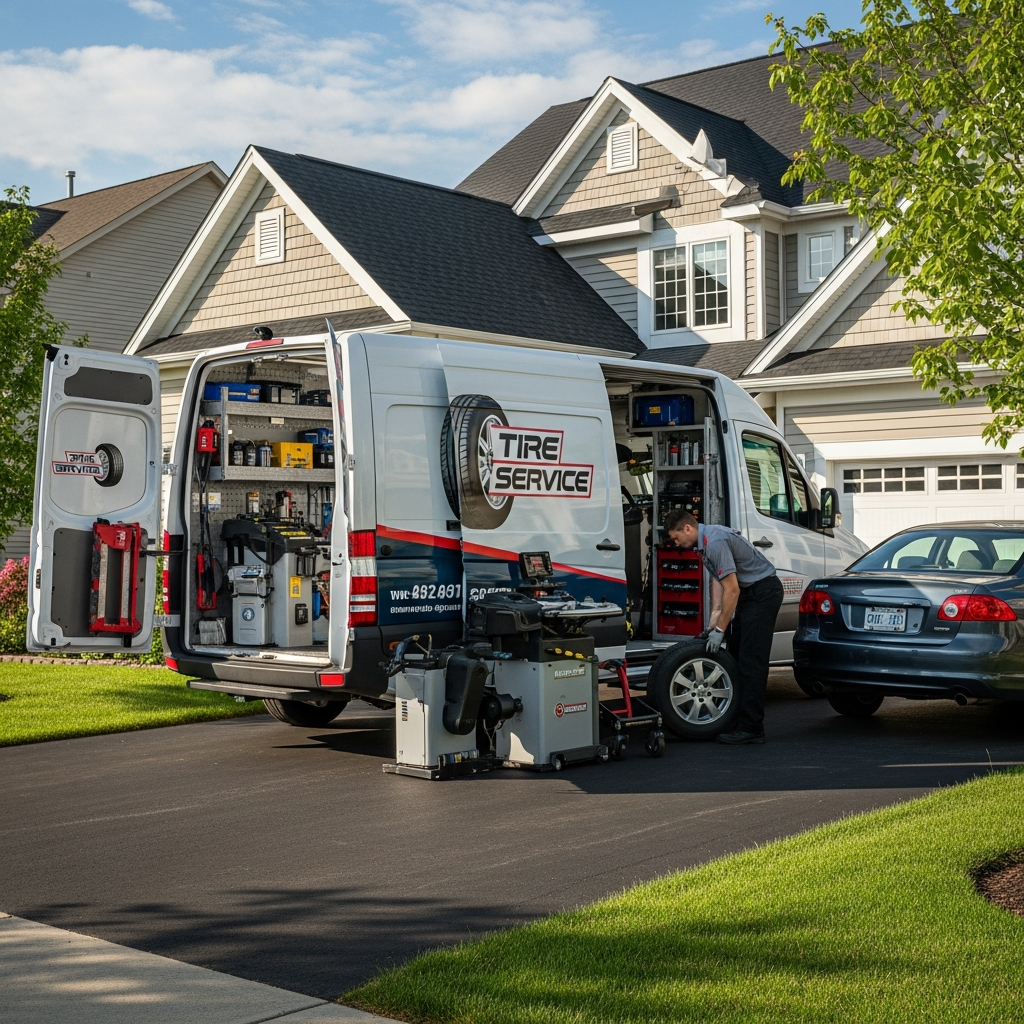
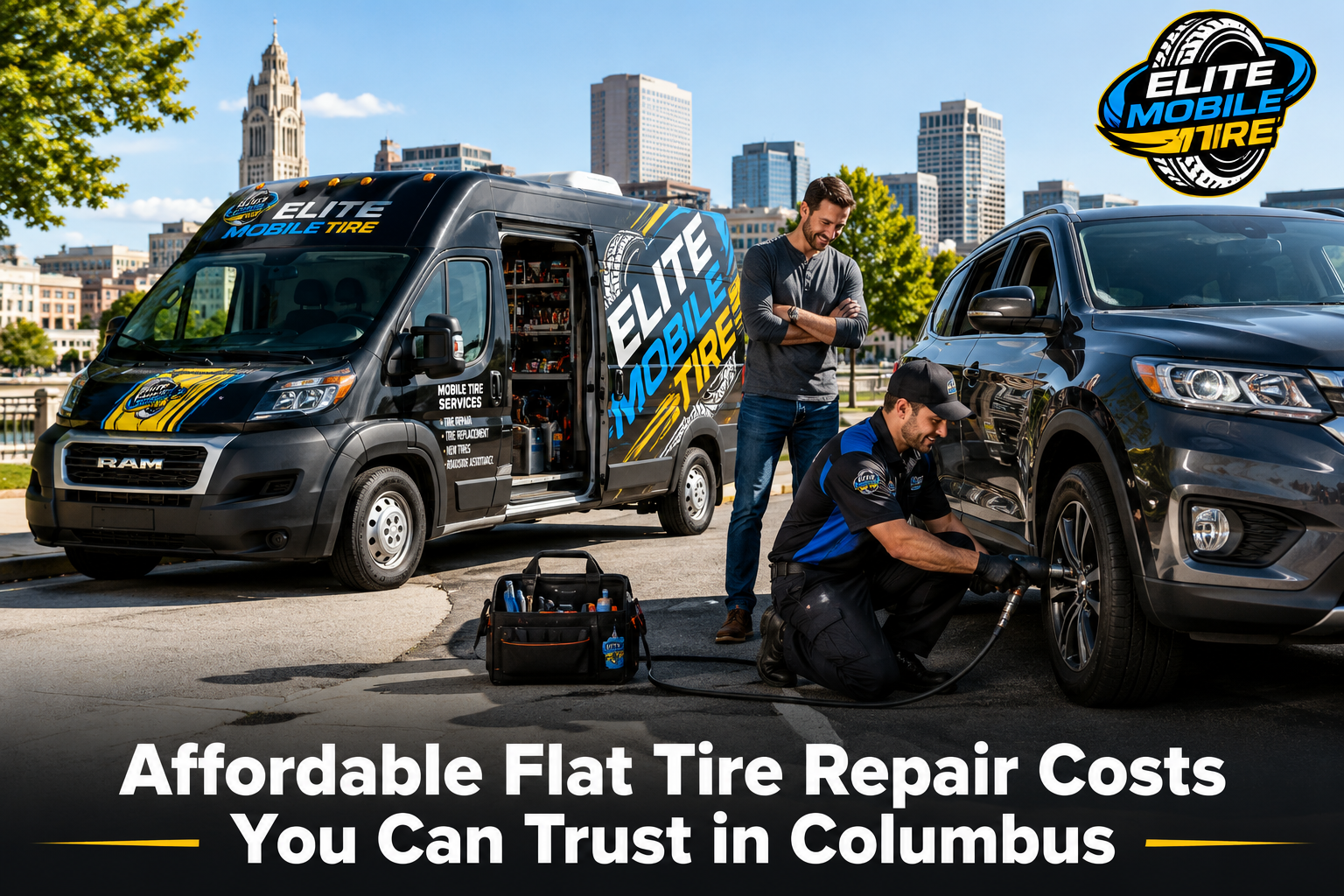
For instance, if you’re stuck on a busy highway or don’t have the right tools, calling for flat tire assistance is the smartest move. Services like those offered expert help directly to your location. That means no towing, no waiting in long lines, and no unnecessary stress.
Call for help if:
- You lack proper tools
- The weather conditions are unsafe
- You’re on a high-traffic road
- The tire damage is severe
- You’re unsure how to proceed
Professional emergency tire repair services are designed to get you back on the road quickly and safely.
The Benefits of Roadside Assistance Services
Roadside assistance isn’t just about fixing a flat tire; it’s about peace of mind. When you subscribe to a service or call a reliable provider, you gain access to trained technicians who handle everything efficiently.
Moreover, these services often include more than just flat tire help. From battery jump-starts to fuel delivery, they cover a wide range of emergencies. As a result, you’re never truly stranded.
Key benefits include:
- Quick response times
- Professional expertise
- On-the-spot tire repair
- No need for towing
- 24/7 availability
Because of these advantages, many drivers consider roadside assistance an essential part of their travel safety plan.
Understanding Flat Tire Repair vs. Replacement
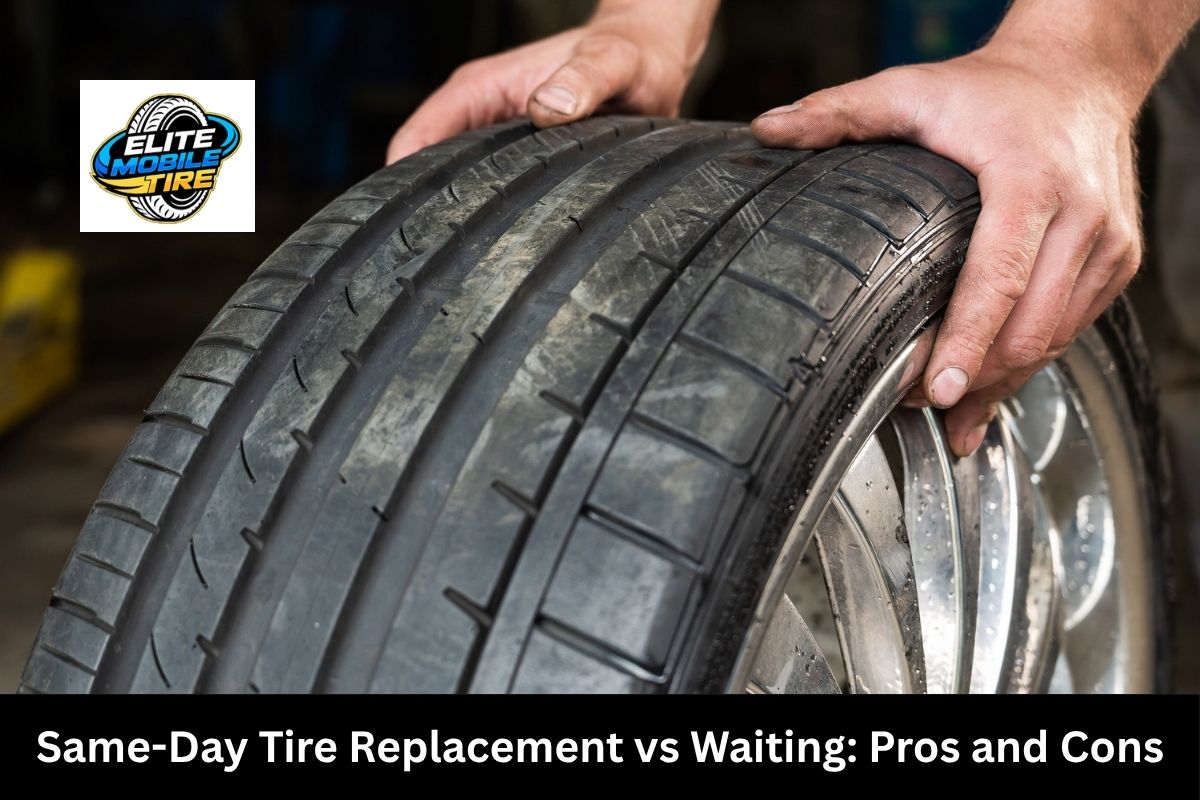
Not all flat tires need to be replaced. In many cases, a simple tire repair can restore your tire’s function. However, it depends on the extent and location of the damage.
For example, small punctures in the tread area can often be patched. On the other hand, sidewall damage usually requires a full replacement. Therefore, getting a professional inspection is always a smart move.
Repair is possible when:
- The puncture is small
- Damage is limited to the tread
- The tire structure remains intact
Replacement is needed when:
- The sidewall is damaged
- There are multiple punctures
- The tire is severely worn
Knowing the difference helps you make informed decisions and avoid unnecessary expenses.
How to Prevent Future Flat Tire Emergencies
While you can’t avoid every hazard, you can significantly reduce your risk. Regular maintenance plays a major role in keeping your tires in good condition.
For instance, checking tire pressure monthly ensures optimal performance. Additionally, rotating your tires helps distribute wear evenly. Keeping an eye on tread depth is equally important.
Preventive tips:
- Check tire pressure regularly
- Rotate tires every 5,000–7,000 miles
- Inspect for visible damage
- Avoid rough or debris-filled roads
- Replace worn-out tires promptly
By following these habits, you’ll minimize the chances of needing emergency tire repair.
Choosing the Right Flat Tire Service Provider
Not all service providers offer the same level of quality. Therefore, choosing the right one matters. Look for companies with strong reviews, fast response times, and transparent pricing.
Additionally, mobile services are becoming increasingly popular. They come directly to your location, which saves both time and effort. This convenience makes them a top choice for many drivers today.
What to look for:
- 24/7 availability
- Experienced technicians
- Clear pricing structure
- Positive customer reviews
- Mobile service options
A reliable provider ensures your flat-tire repair experience is smooth and stress-free.
Final Thoughts
Flat tire emergencies are unpredictable, but your response doesn’t have to be. With the right knowledge and preparation, you can handle the situation calmly and effectively. Whether you choose a DIY tire change or call for roadside assistance, the goal is always the same: get back on the road safely.
Moreover, investing in professional flat tire service can save you time and reduce stress when it matters most. So, stay prepared, keep your tools ready, and don’t hesitate to seek expert help when needed.
FAQs
1. How long does flat tire assistance usually take?
Most roadside assistance services arrive within 30 to 60 minutes, depending on your location and traffic conditions.
2. Can I drive on a flat tire for a short distance?
It’s not recommended. Driving on a flat can damage the wheel and make tire repair impossible.
3. What is the cost of flat tire service?
Costs vary, but basic flat tire help is generally affordable. Mobile services may charge a convenience fee.
4. Is a spare tire safe for long-distance driving?
No, spare tires are temporary solutions. You should replace or repair your tire as soon as possible.
5. How do I know if I need tire repair or replacement?
A professional inspection is the best way to determine this. Small punctures can often be repaired, while major damage requires replacement.