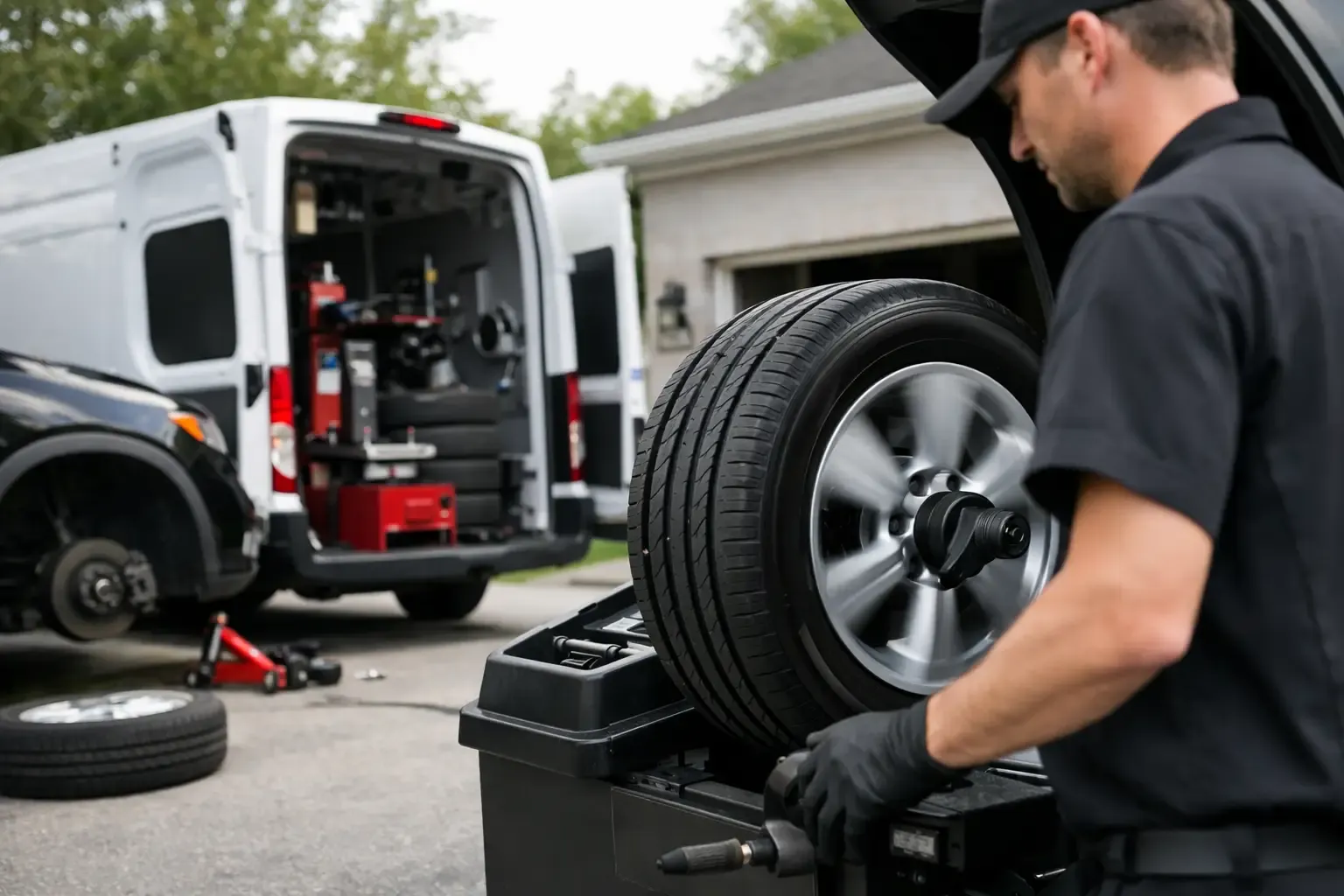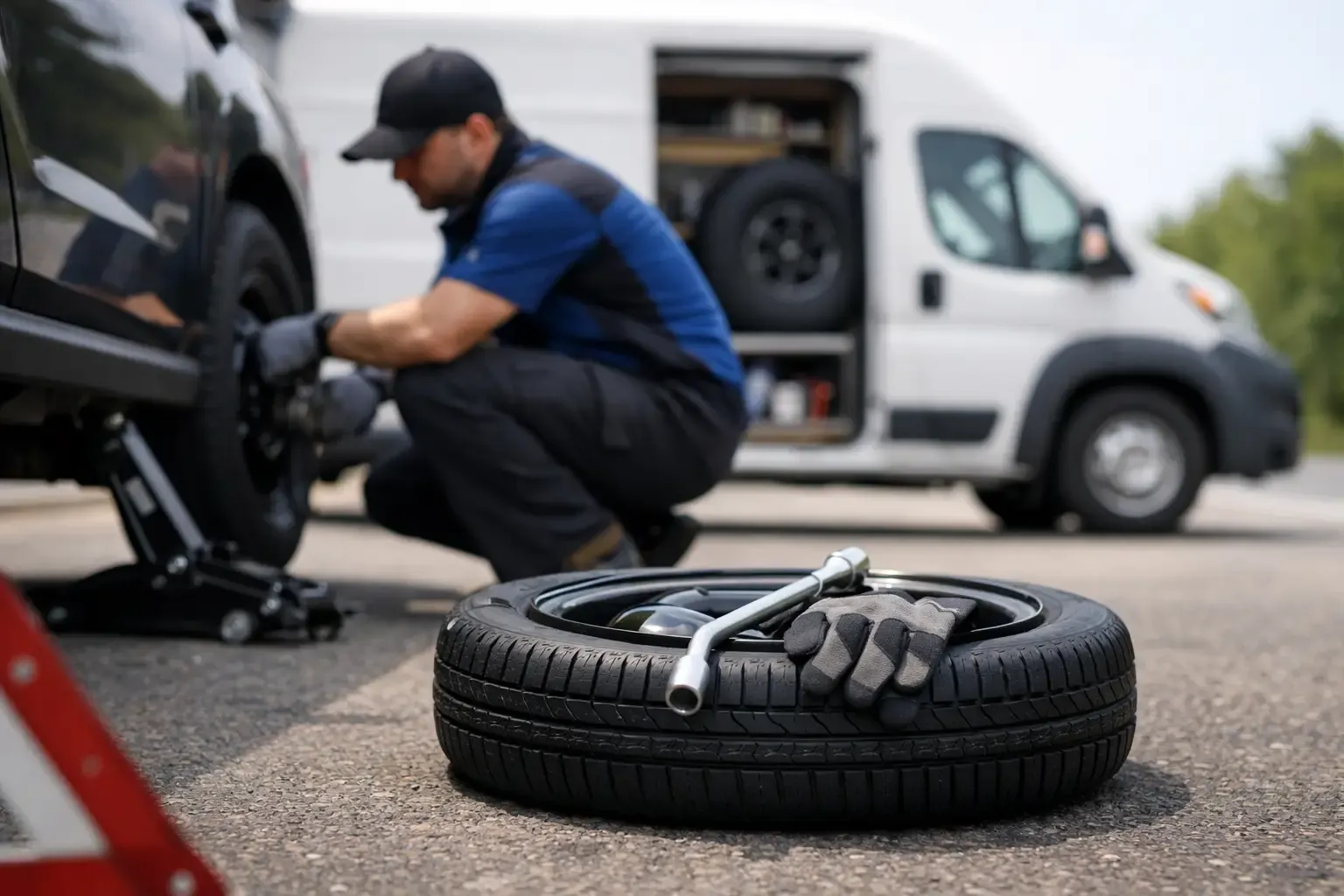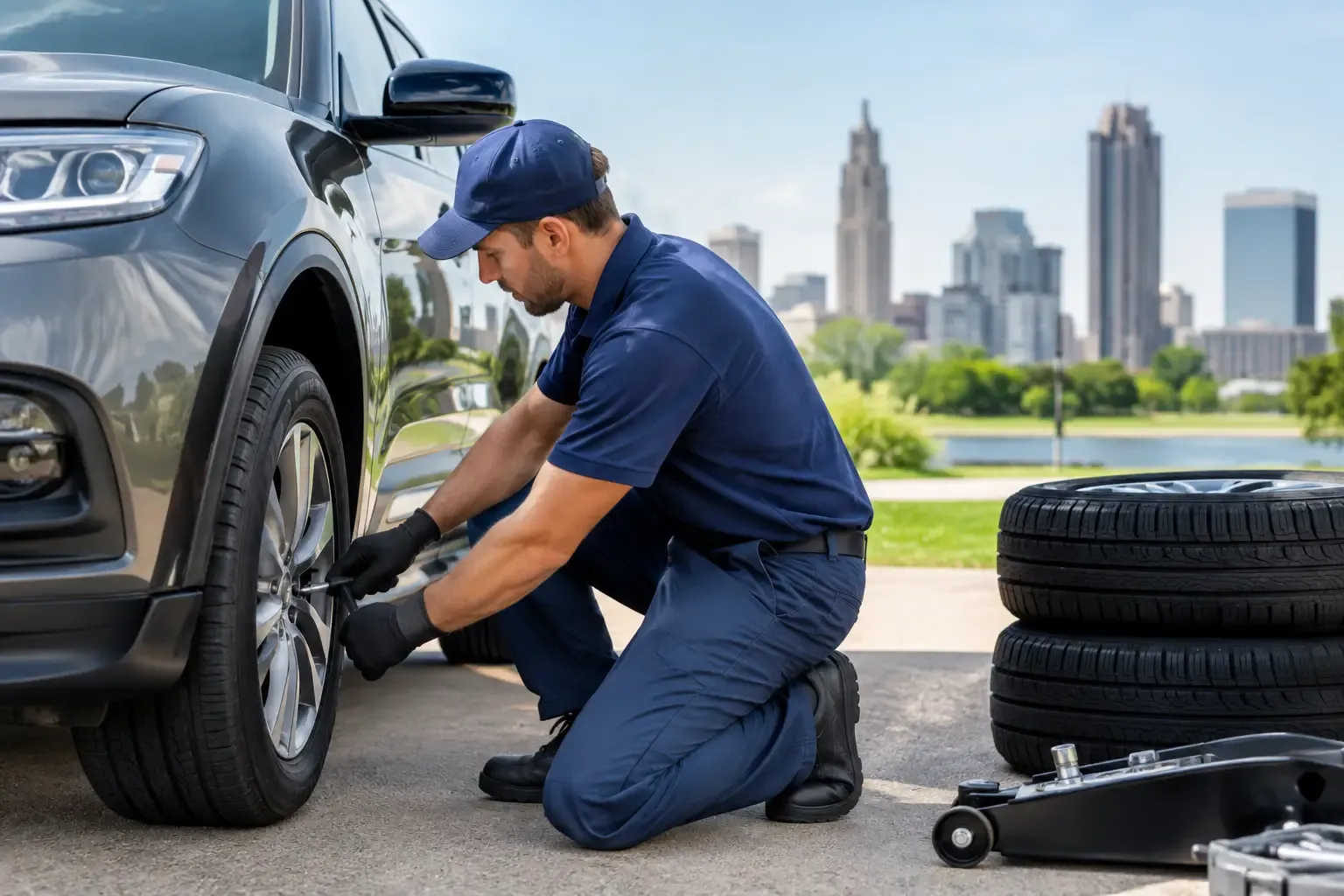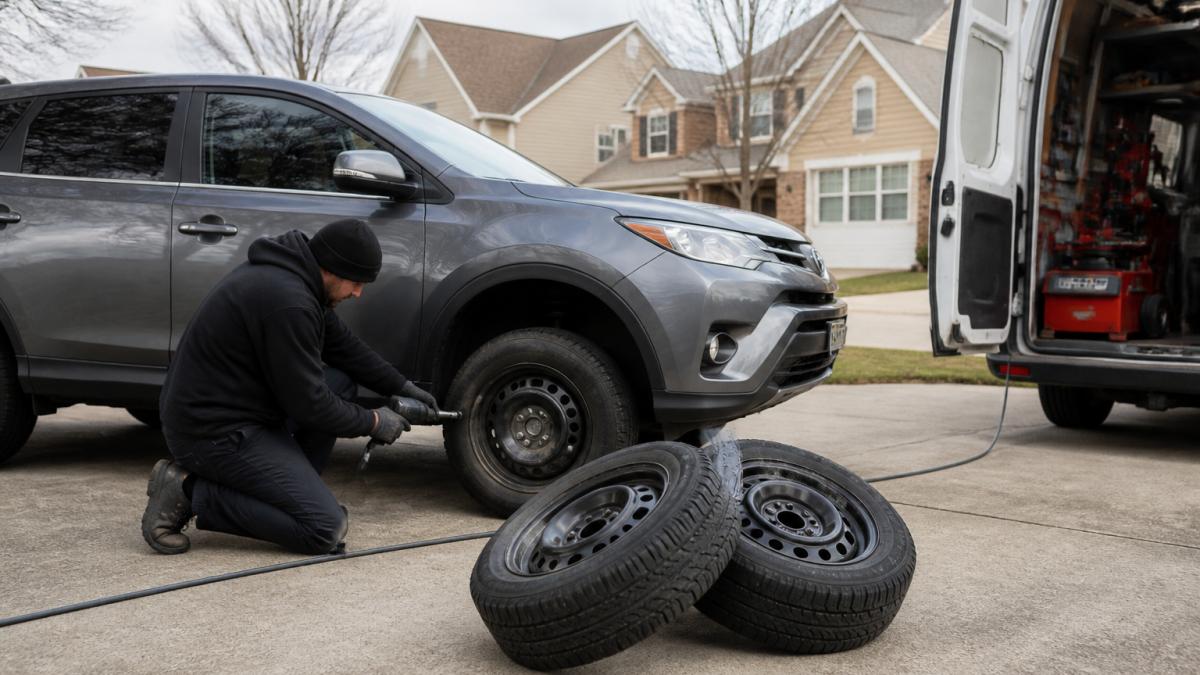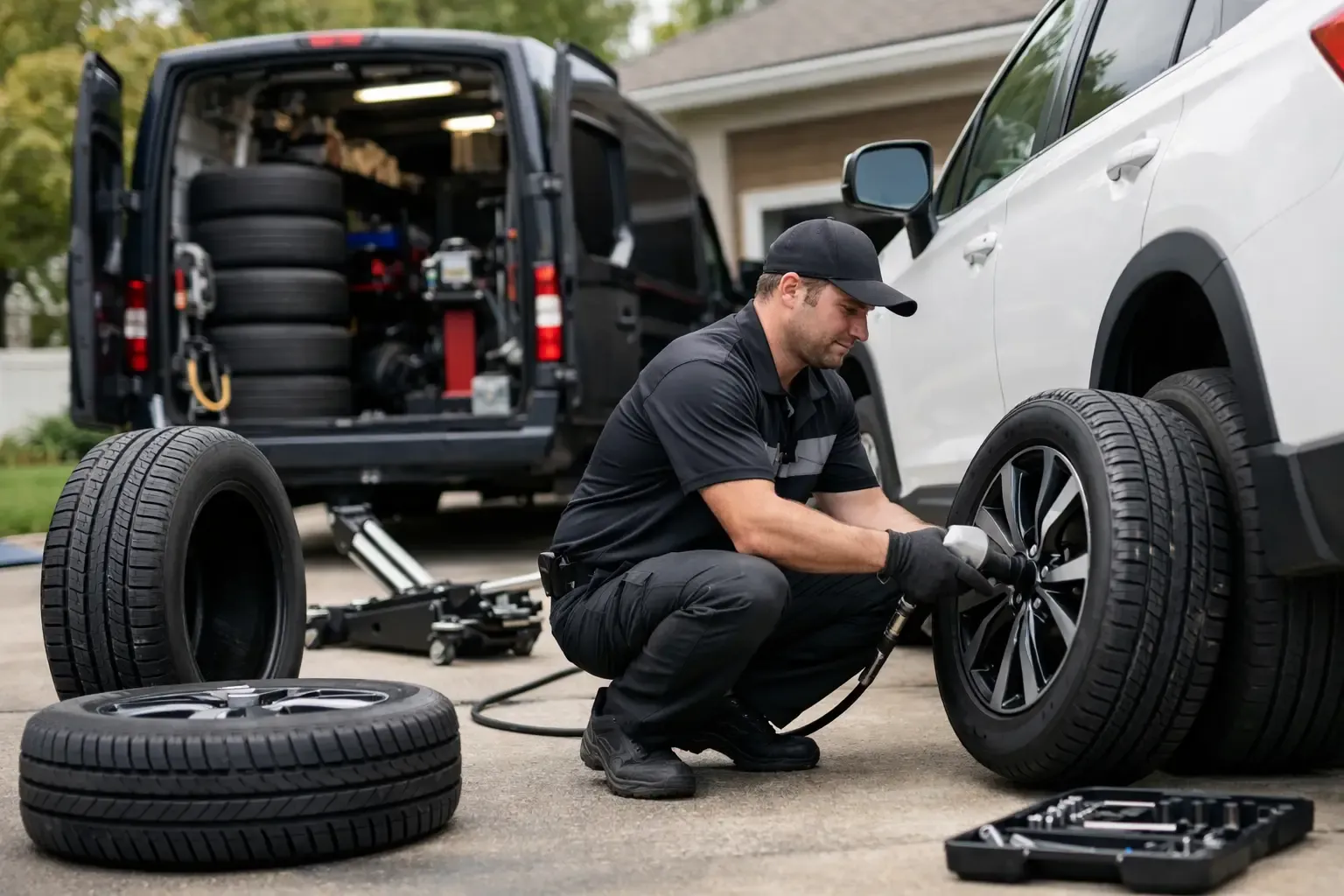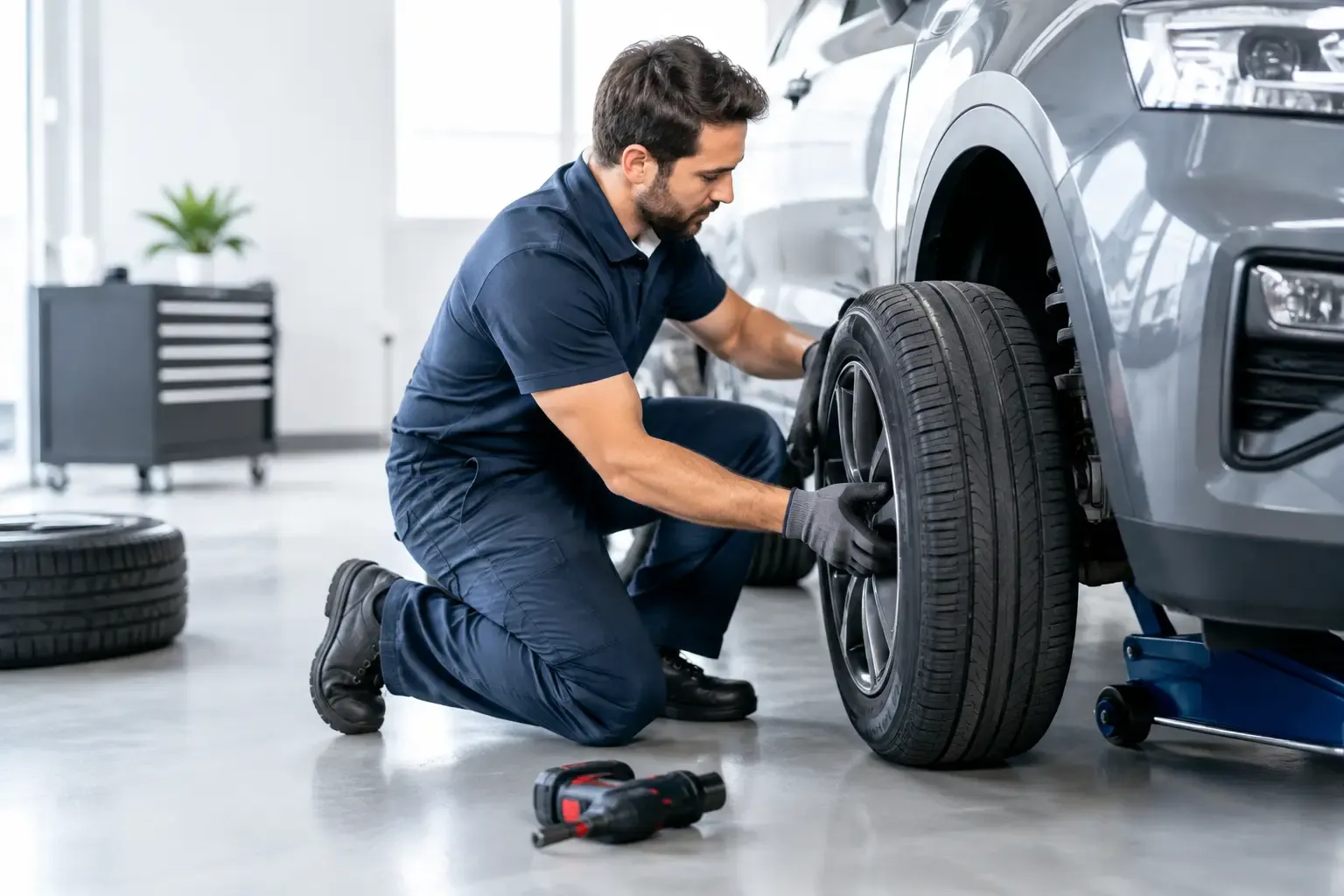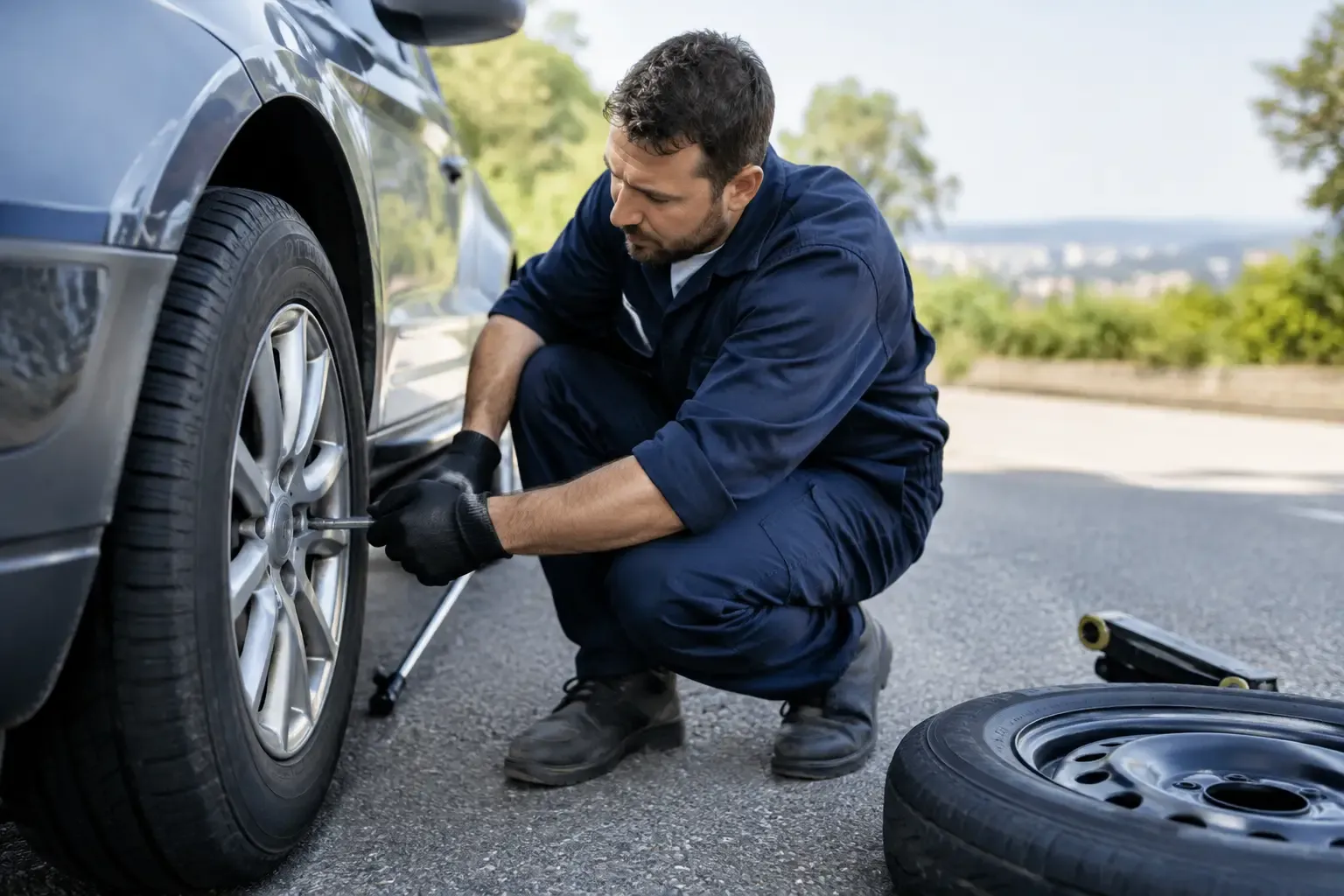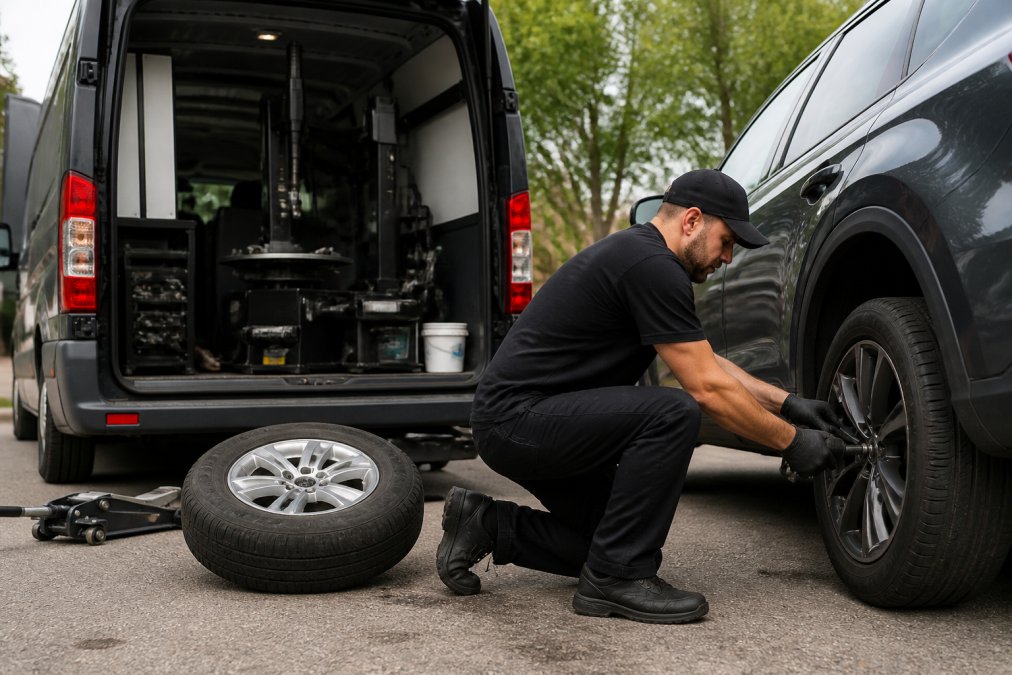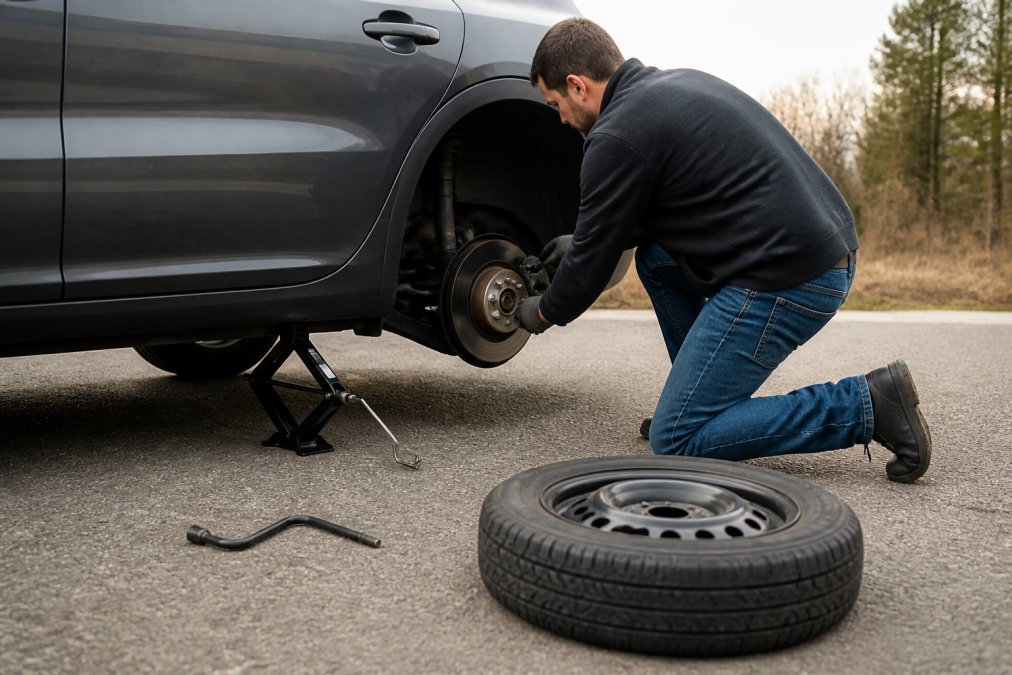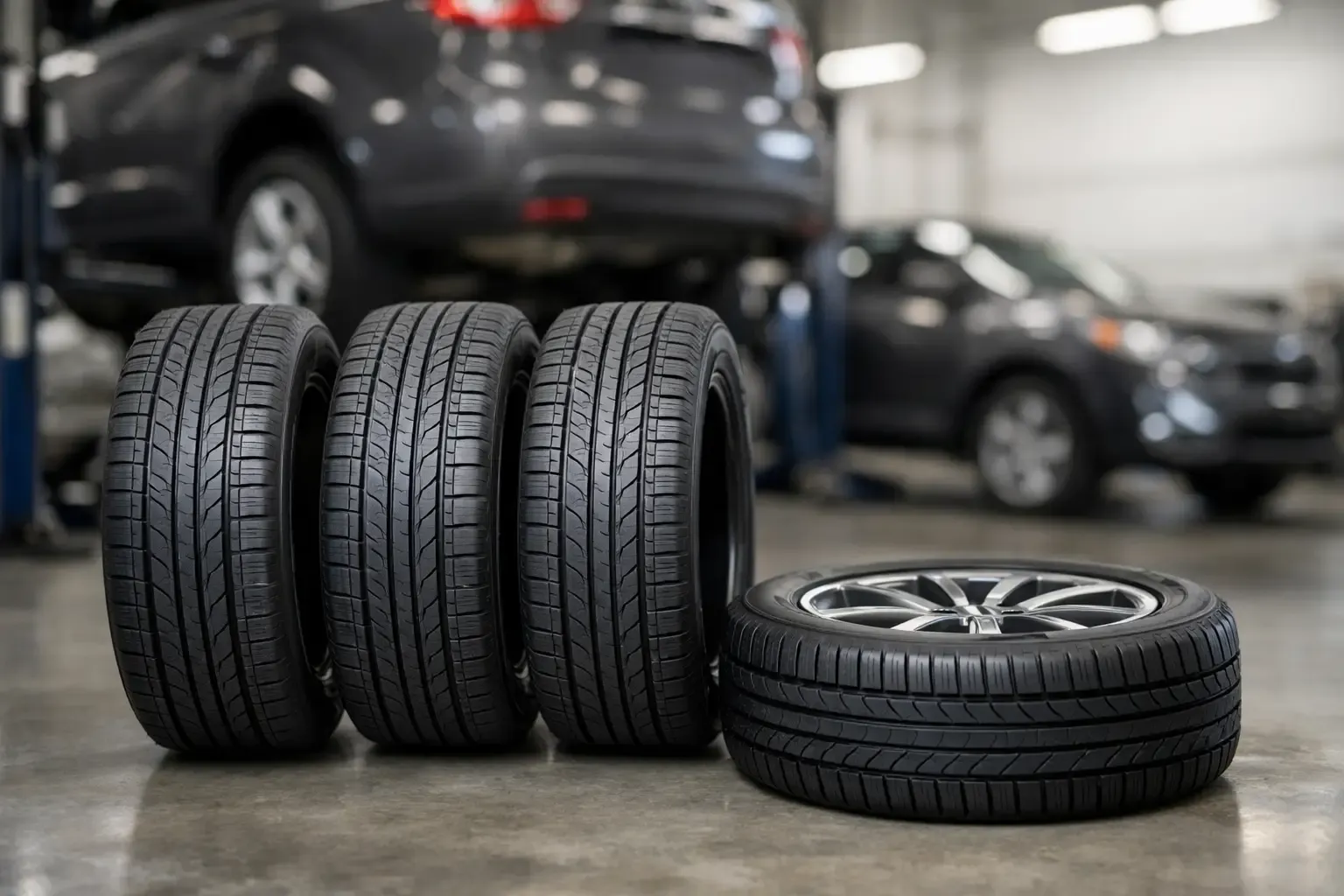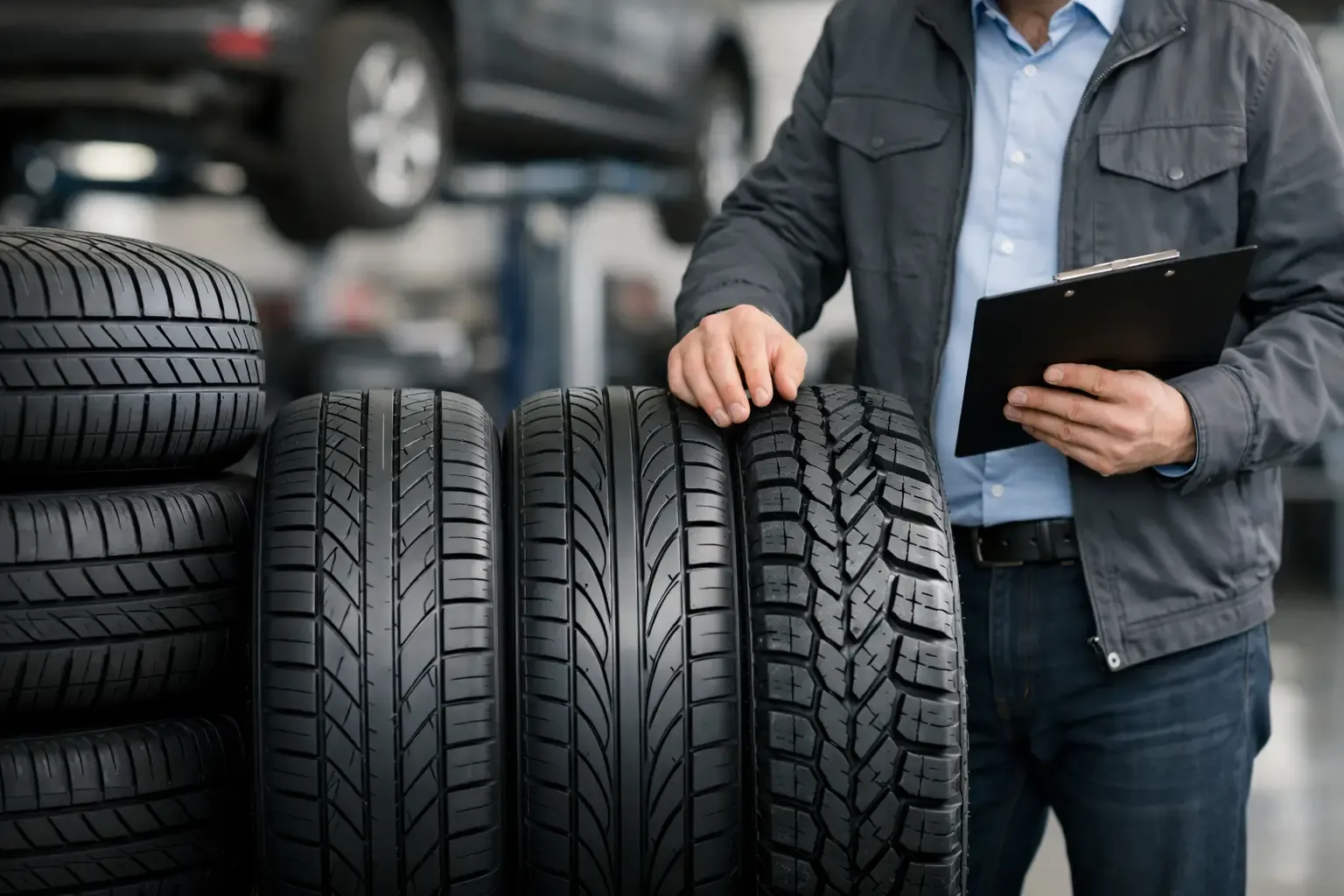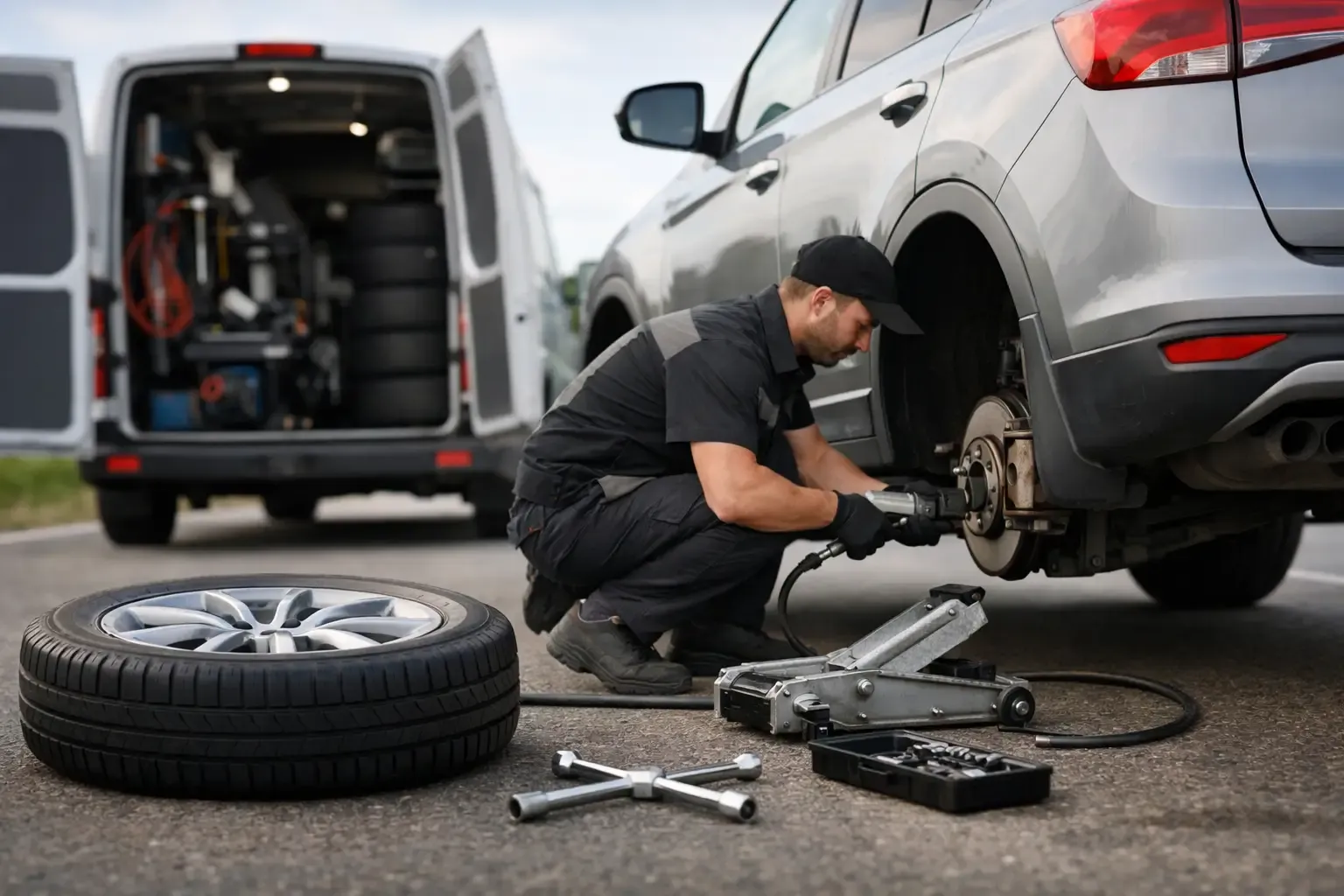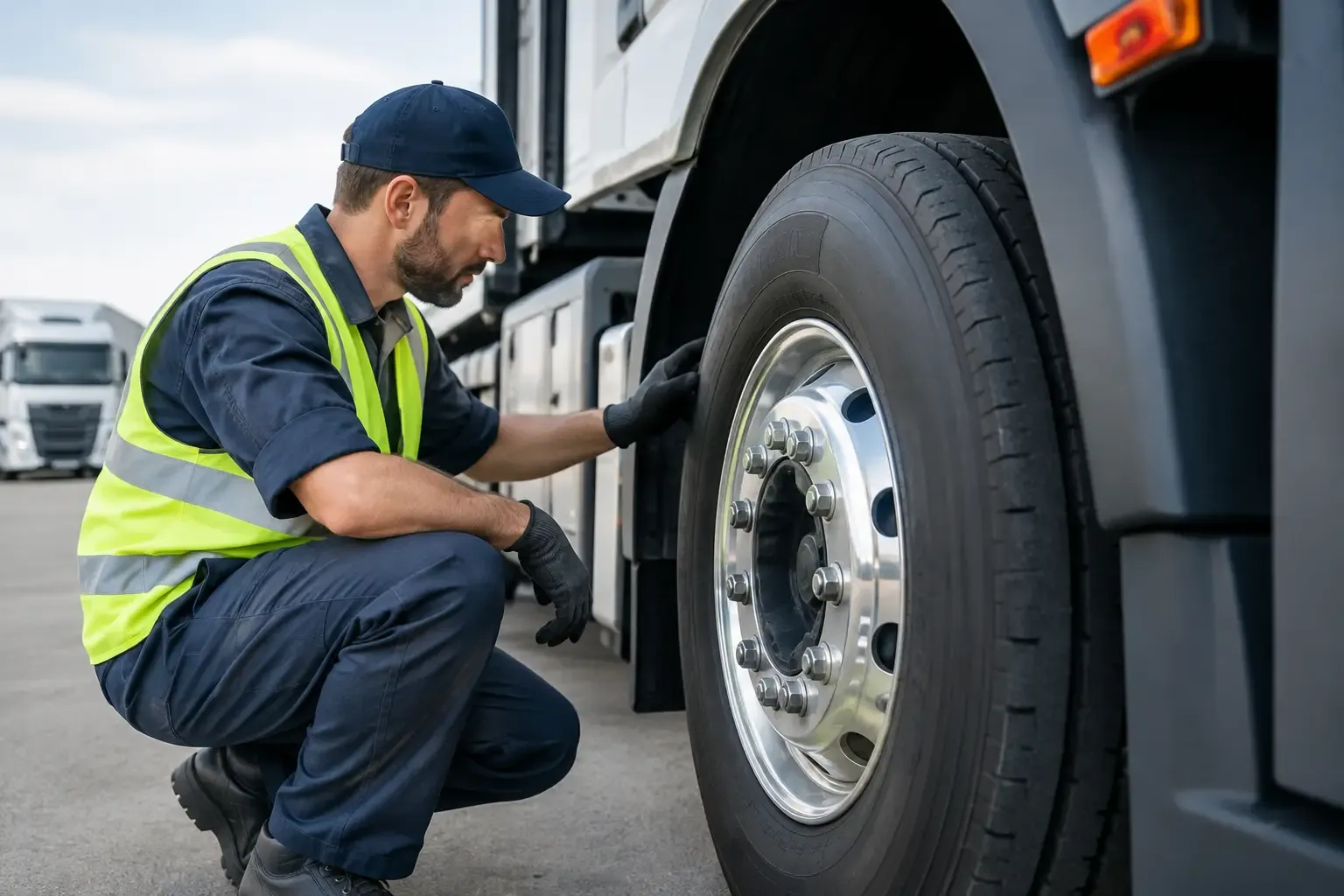
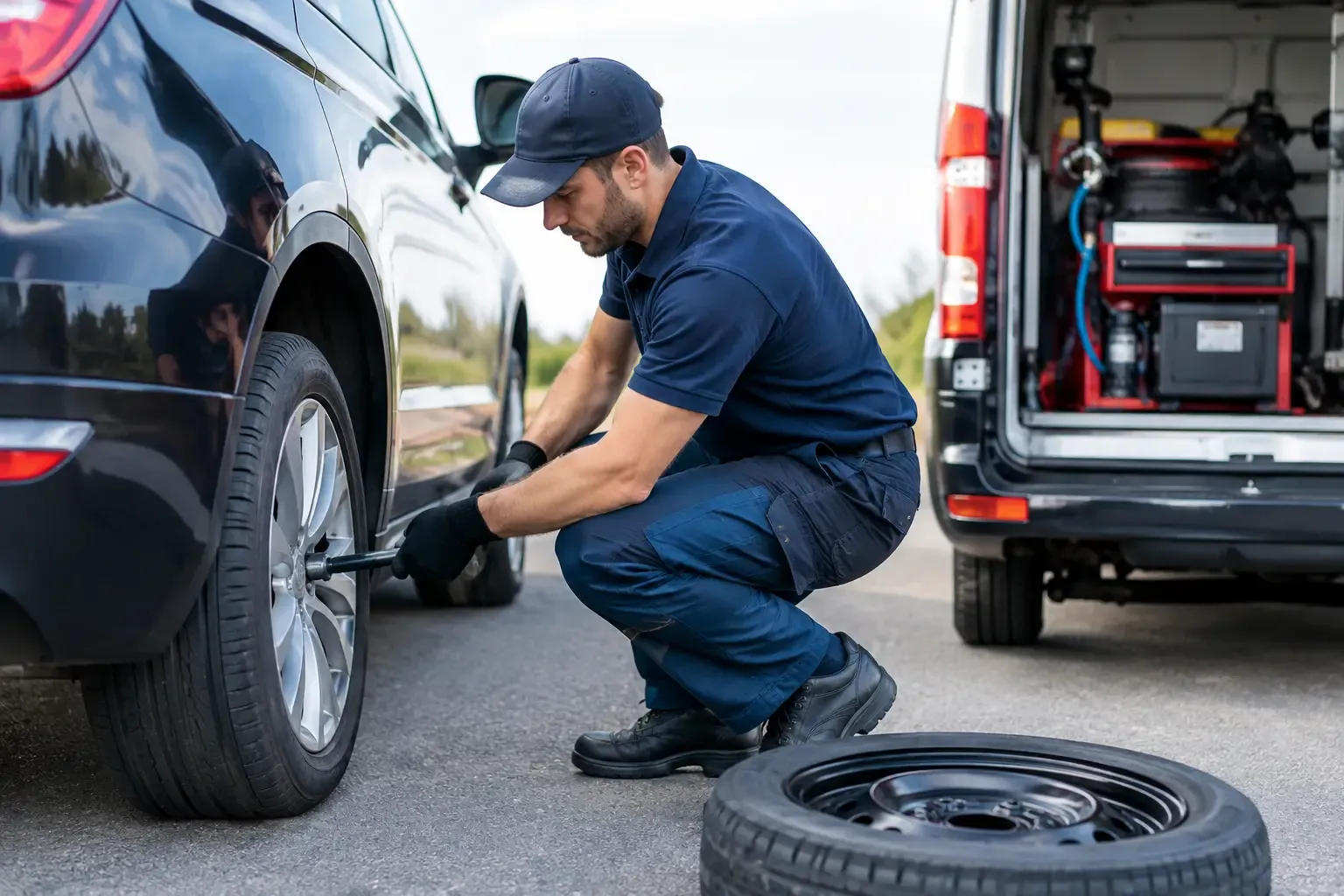
A flat tire rarely happens when you have time to spare. It happens in the office parking lot before a meeting, in your driveway during the school run, or on a Columbus-area road when getting home is the only thing on your mind. Emergency mobile tire service brings a trained technician to the vehicle, helping you handle the problem without arranging a tow or losing hours at a tire shop.
The right response depends on where you are, what damaged the tire, and whether the vehicle can be moved safely. A slow leak at home is different from a sudden blowout on a busy roadway. Knowing what to do first can protect you, your wheels, and your schedule.
What Emergency Mobile Tire Service Can Handle
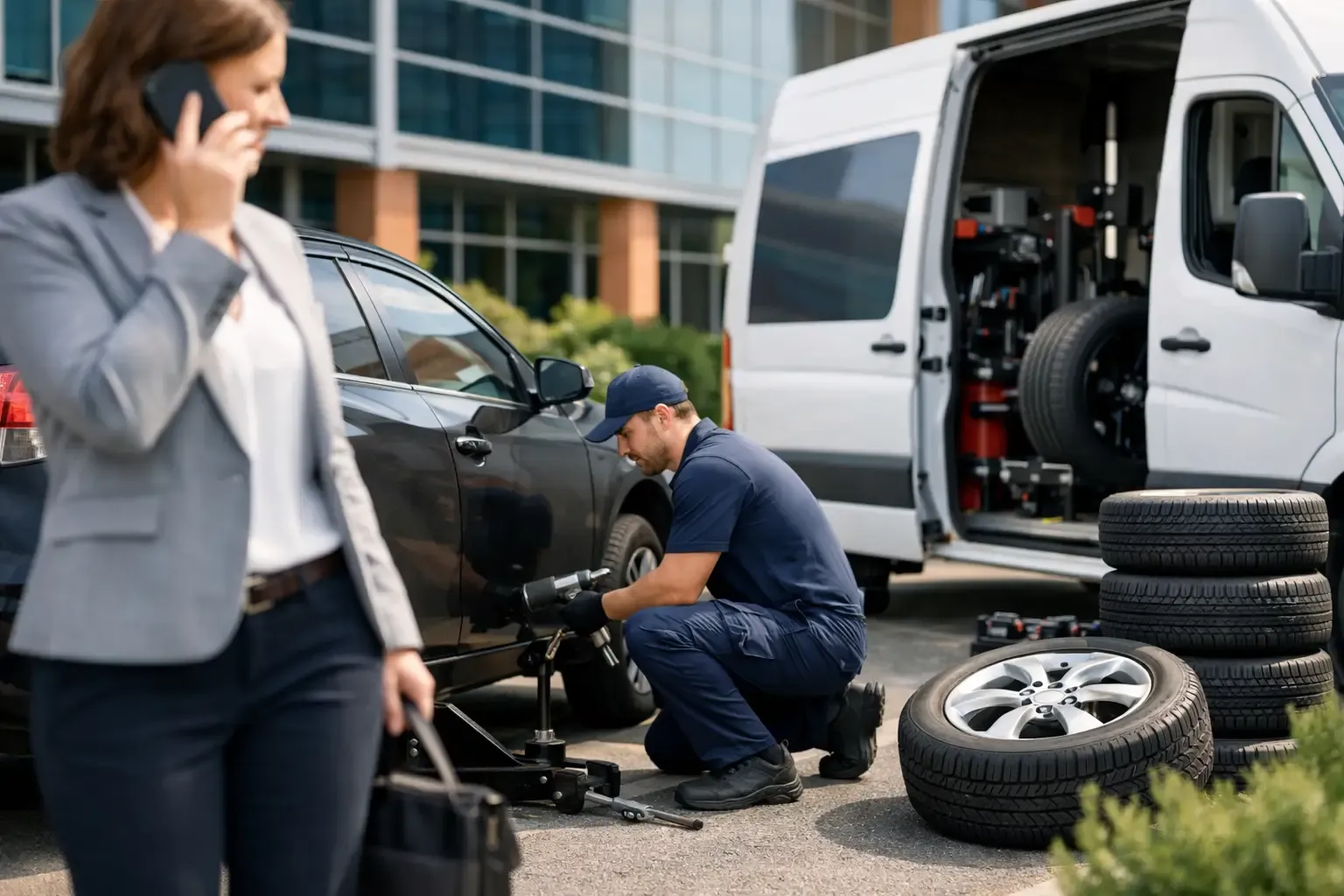
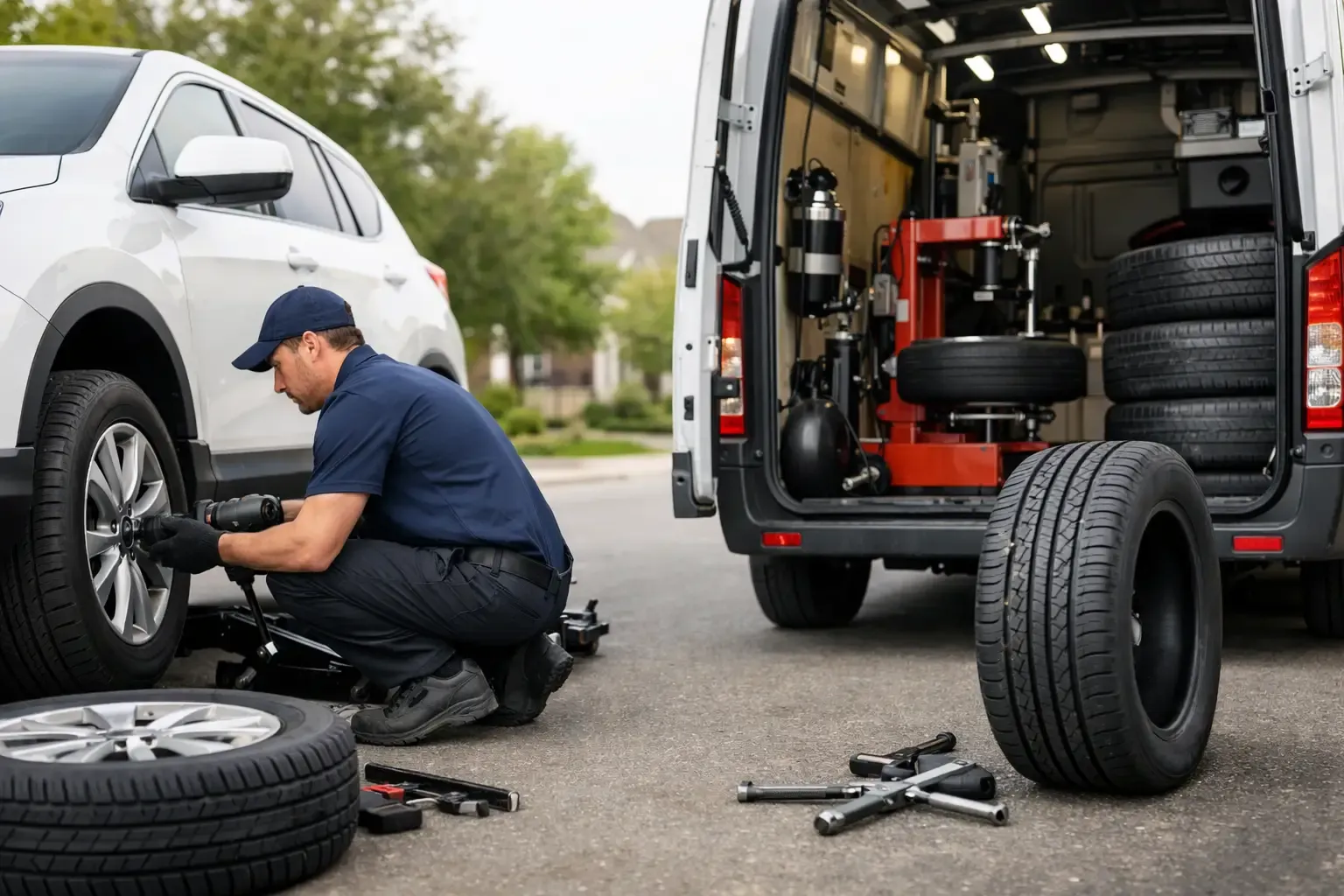
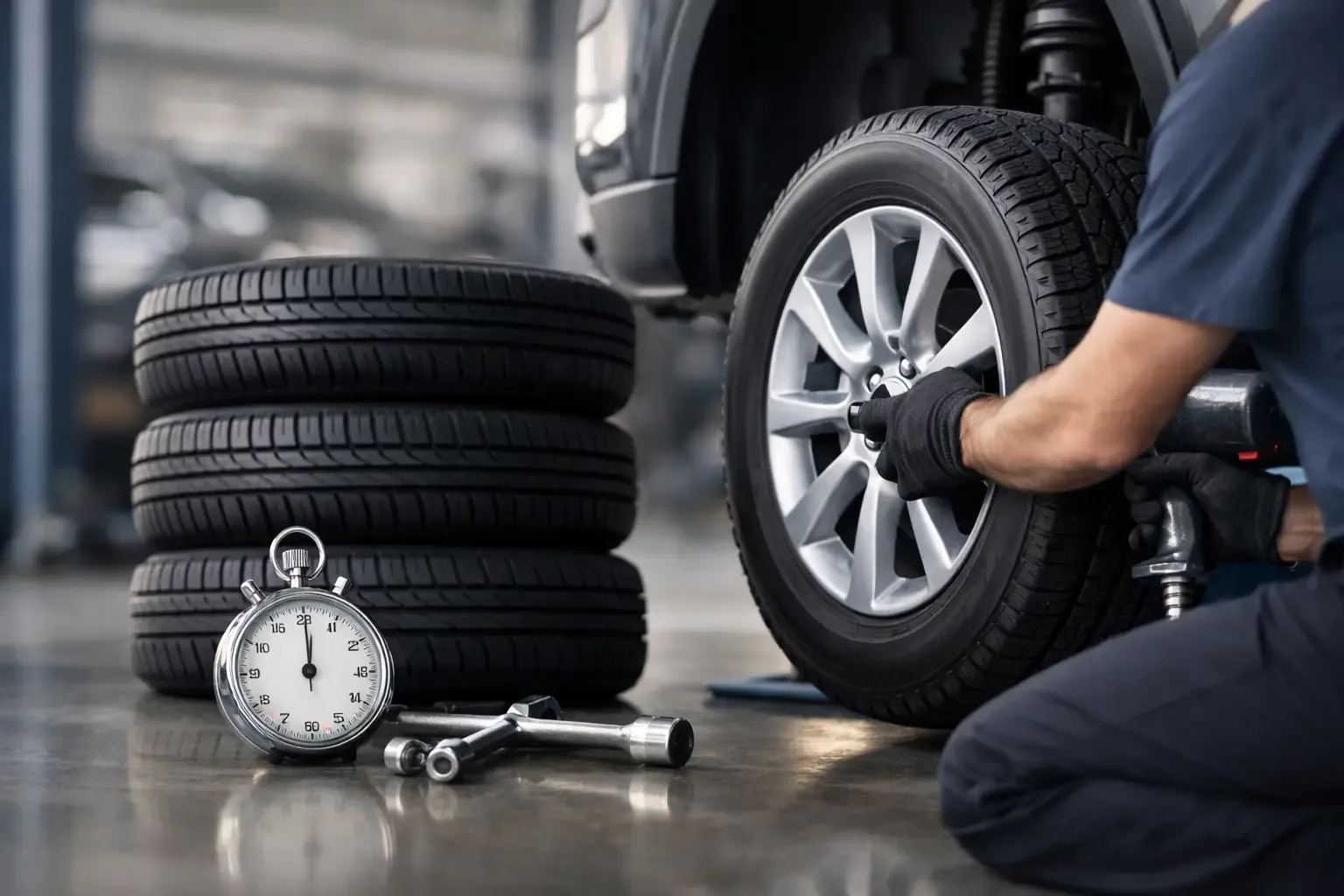
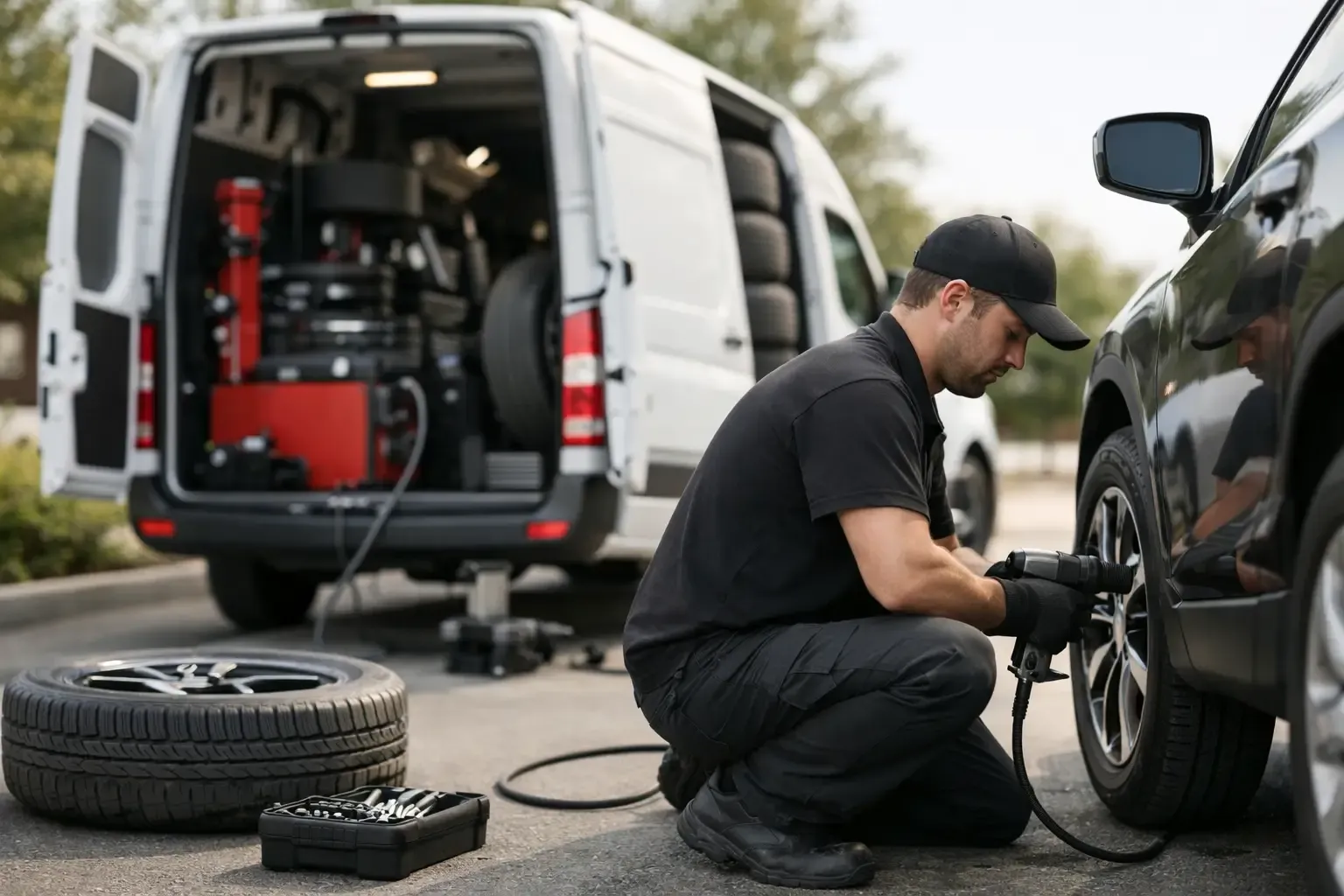
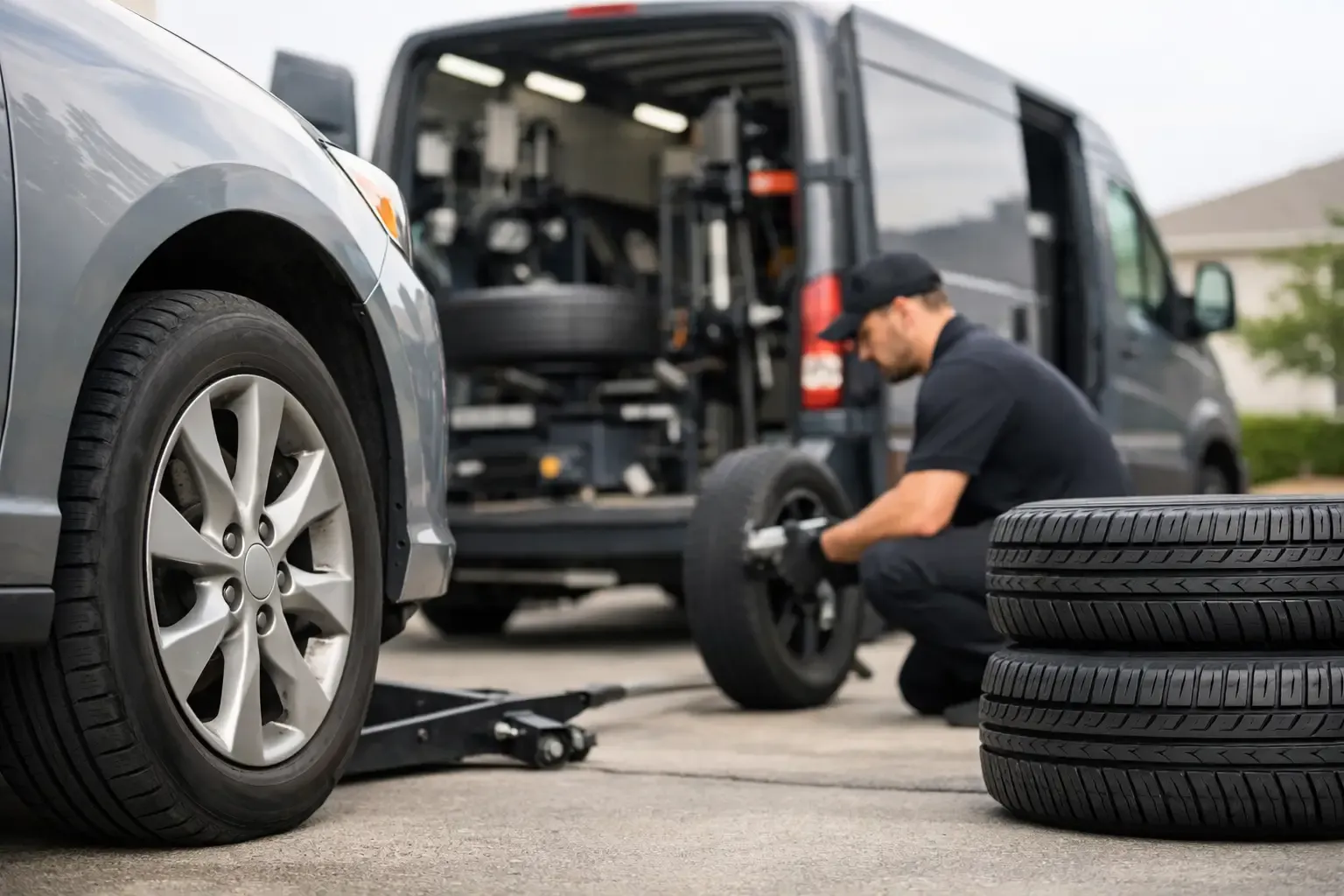
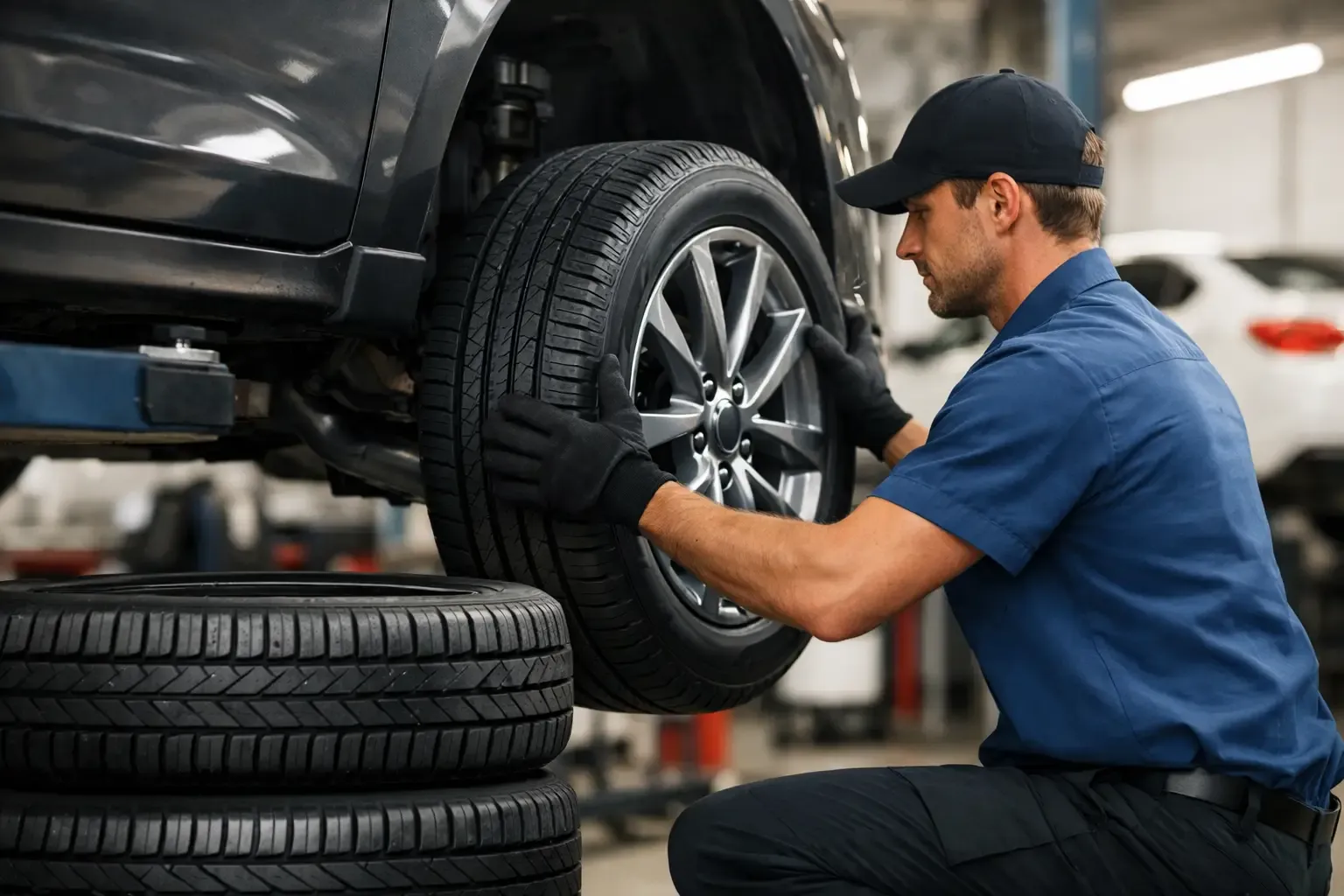
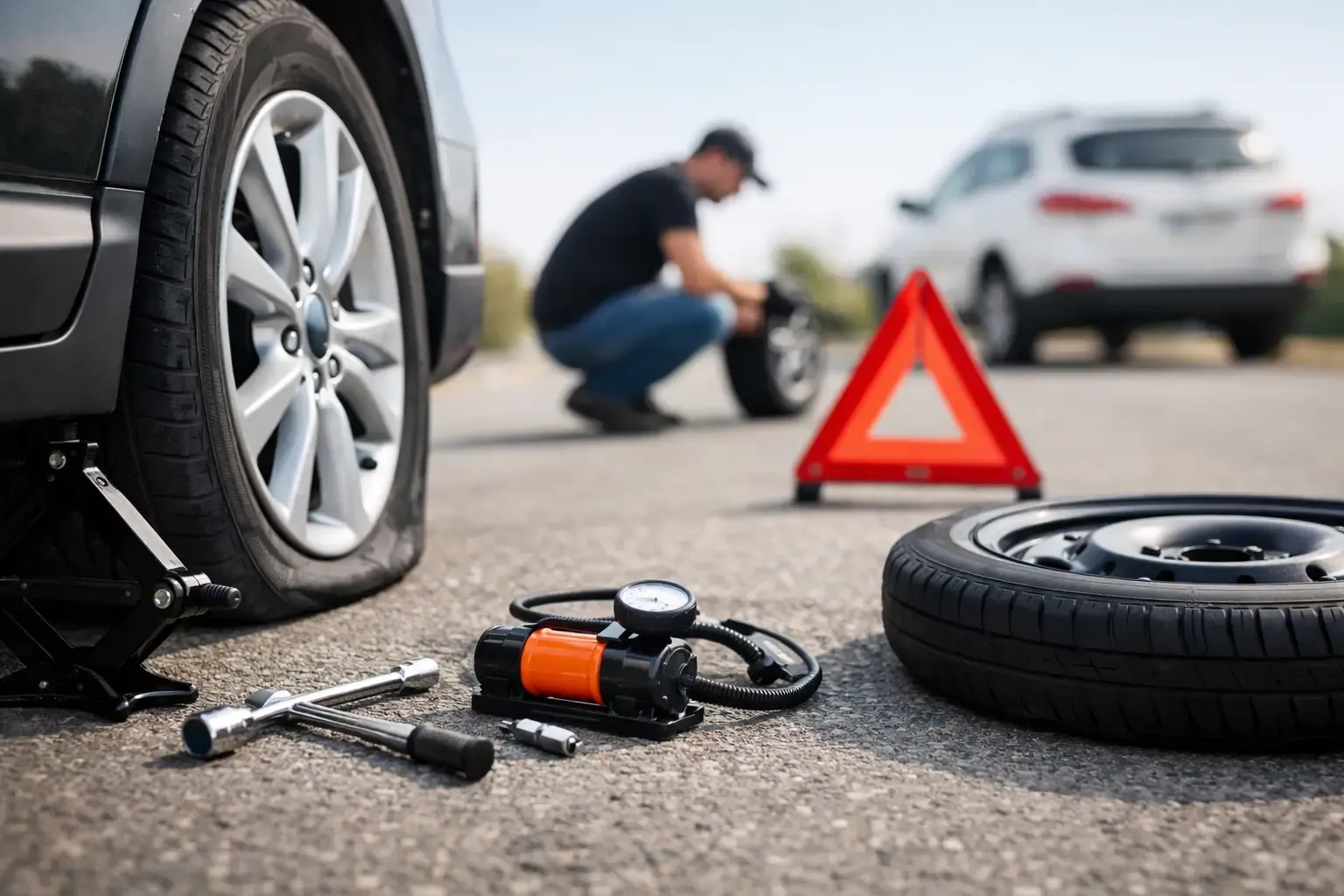
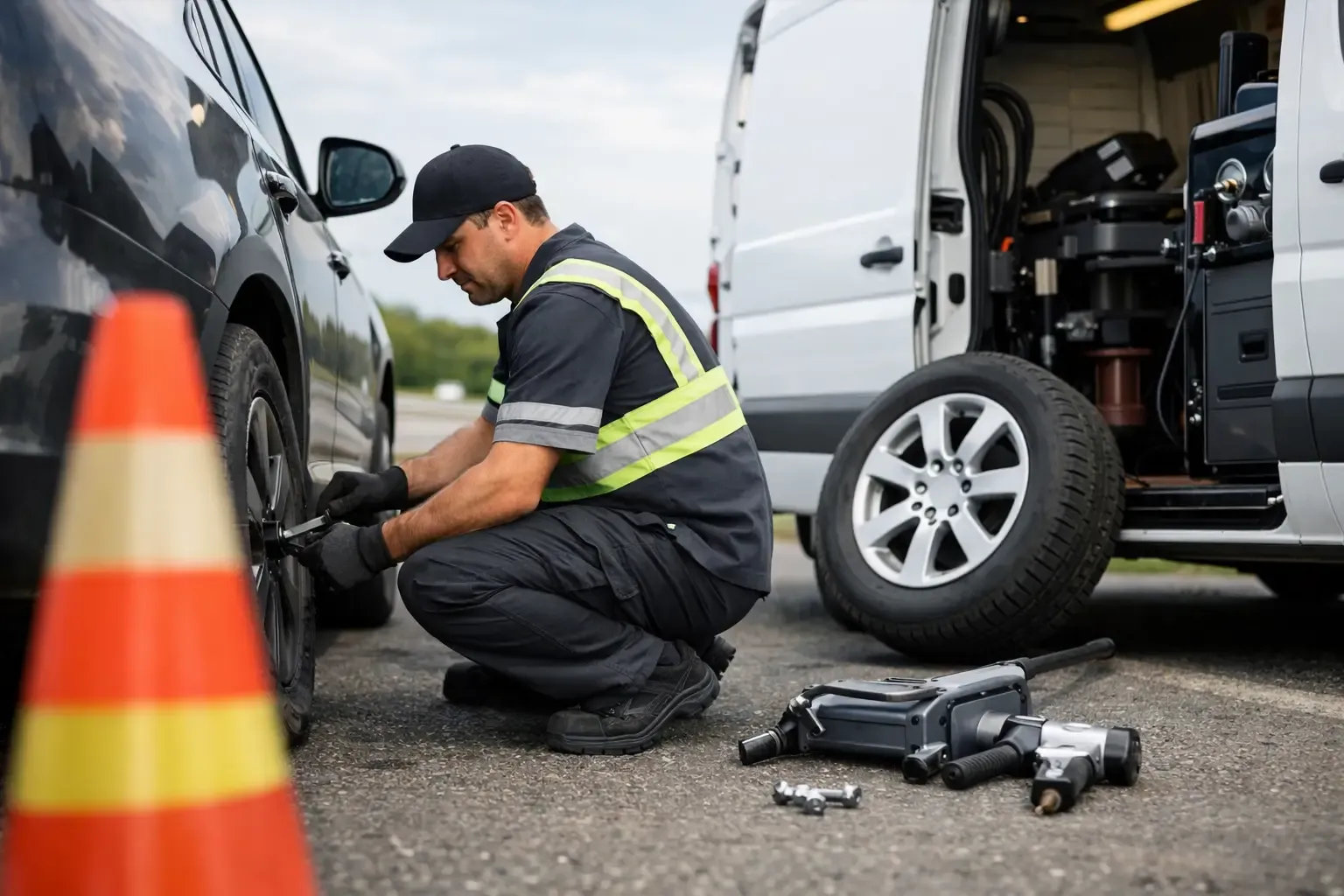
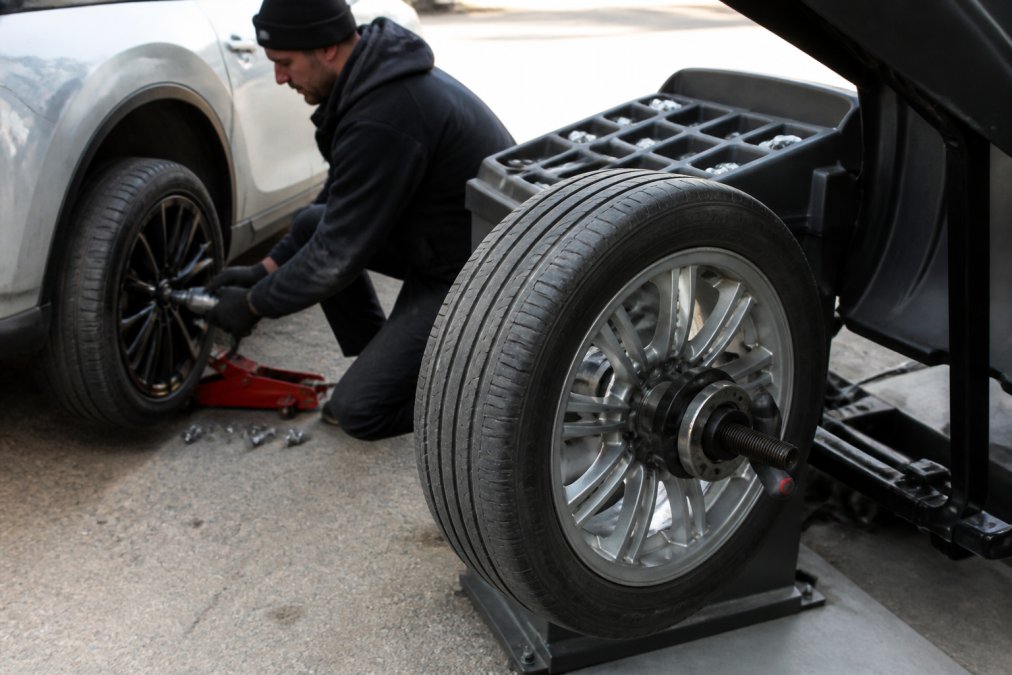
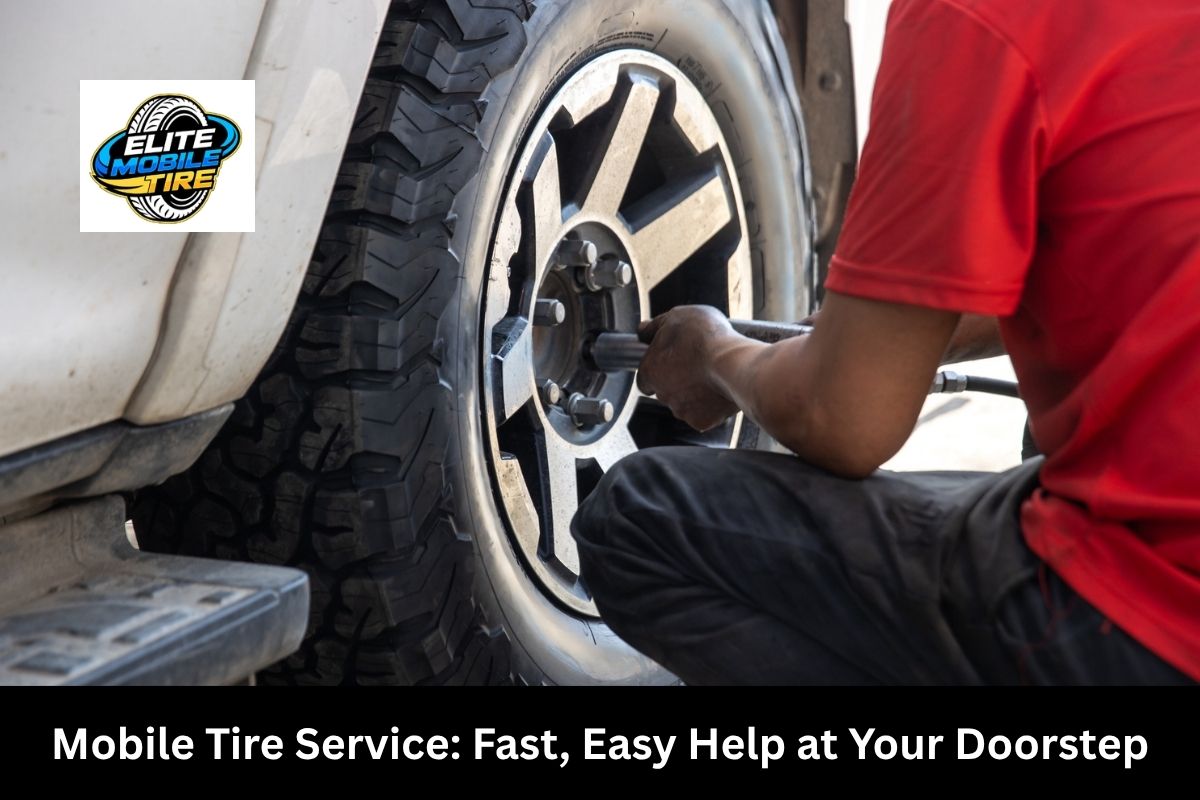
Mobile tire service is designed to solve common tire problems where the vehicle is parked or stranded. Depending on the condition of the tire and the location, a technician may inspect the damage, repair an eligible puncture, install a replacement tire, mount and balance tires, reset the tire pressure monitoring system, or install your usable spare.
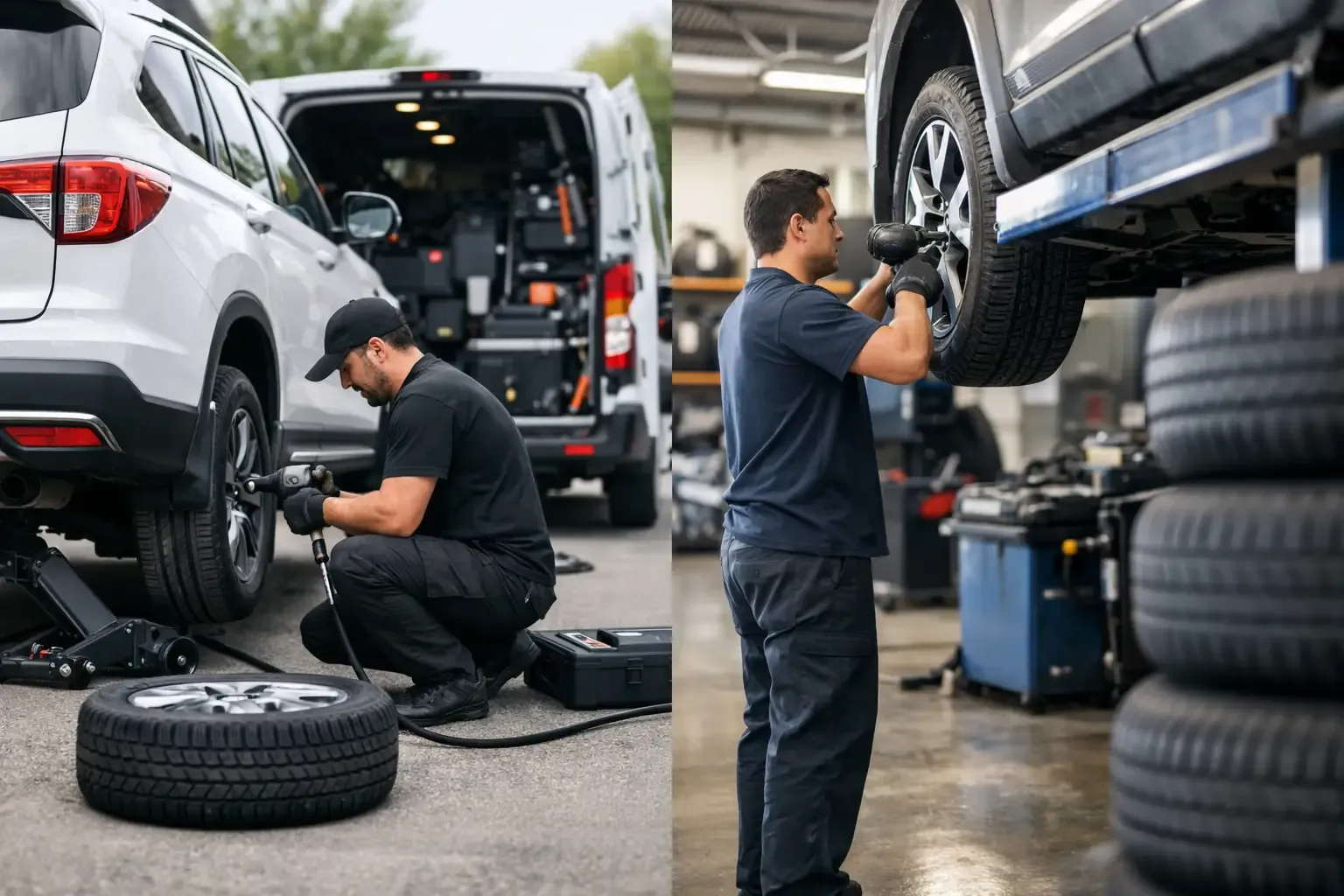
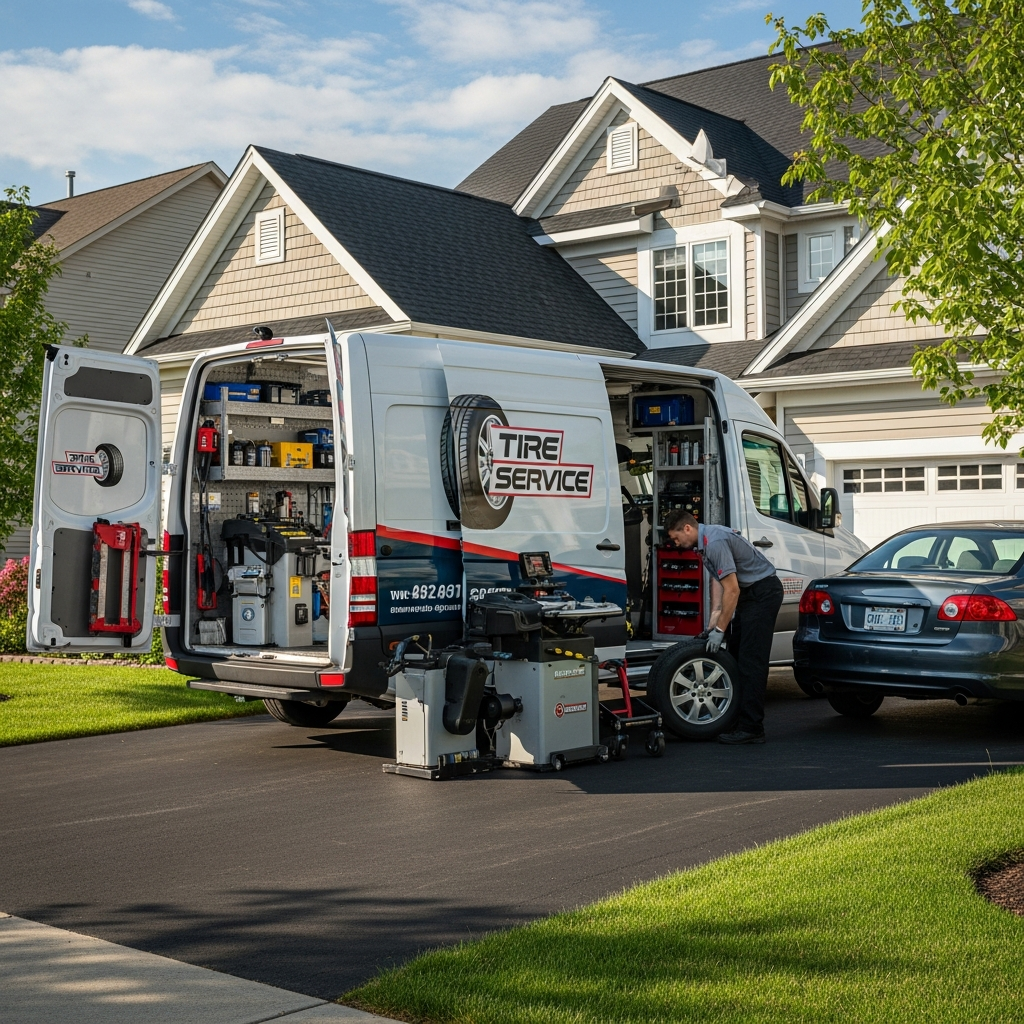
For many drivers, the biggest benefit is avoiding the usual chain of disruptions. There is no need to remove the wheel yourself, wait for a tow, find a ride, and spend part of the day in a waiting room. Instead, qualified service comes to your home, workplace, or a safe roadside location.
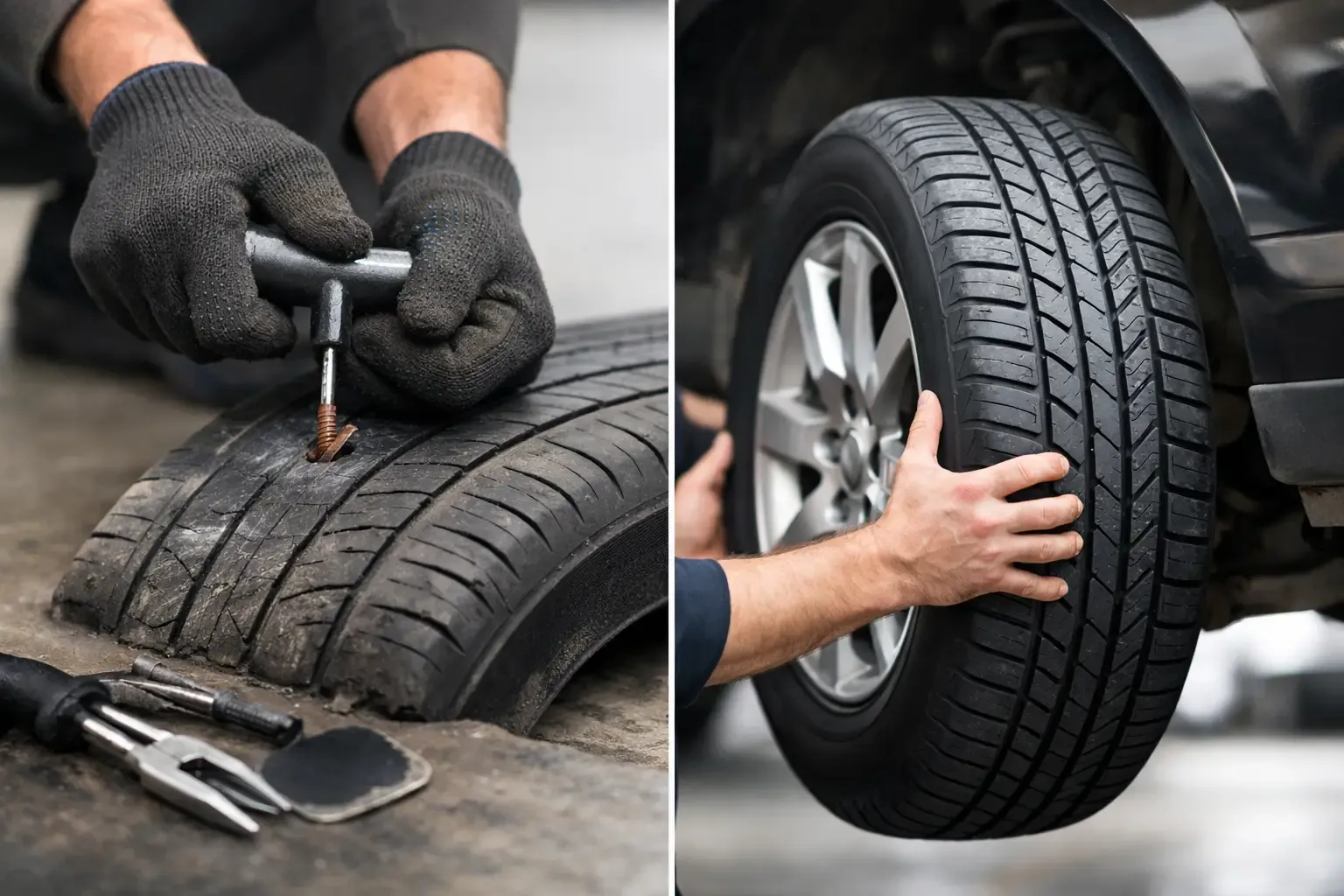
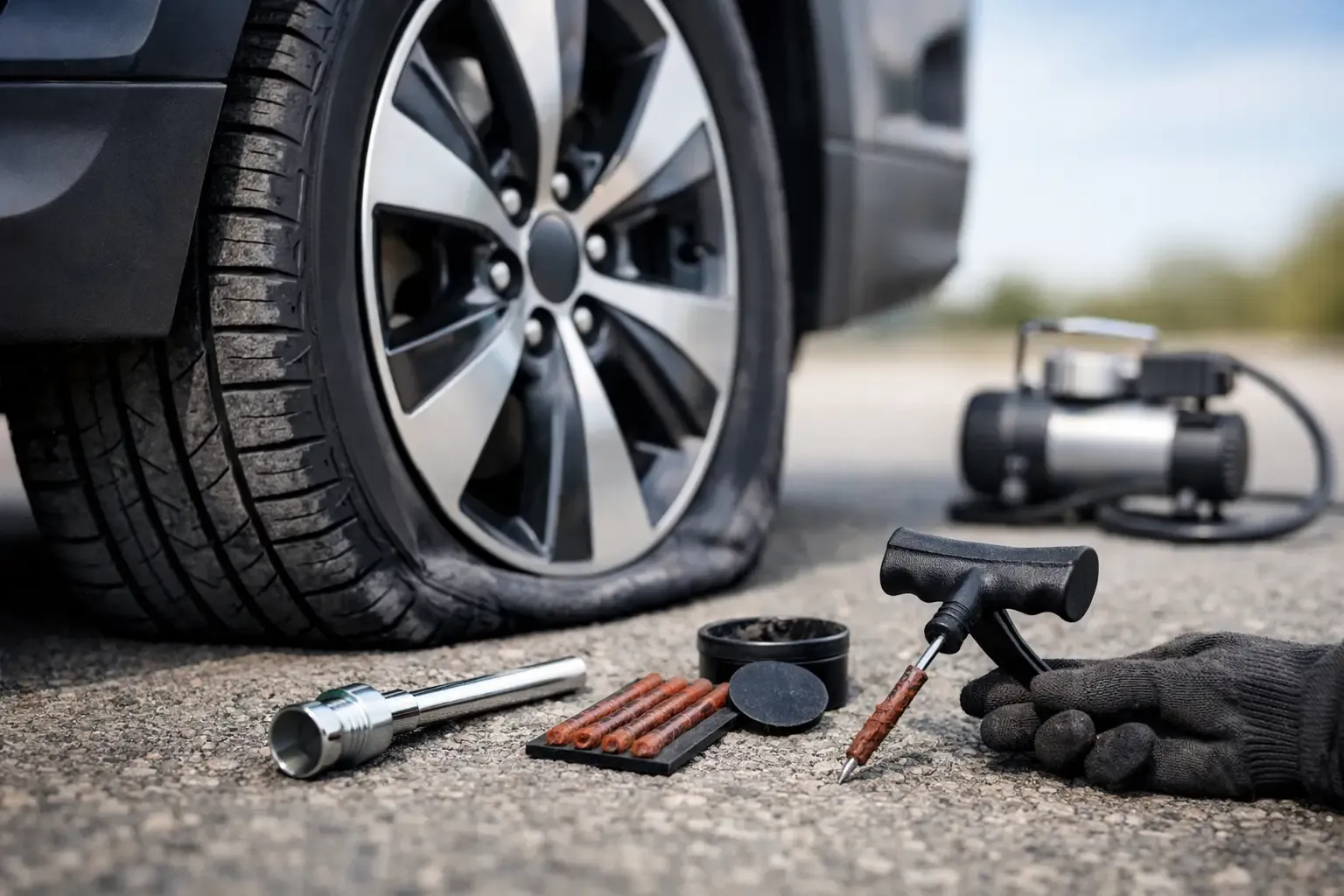
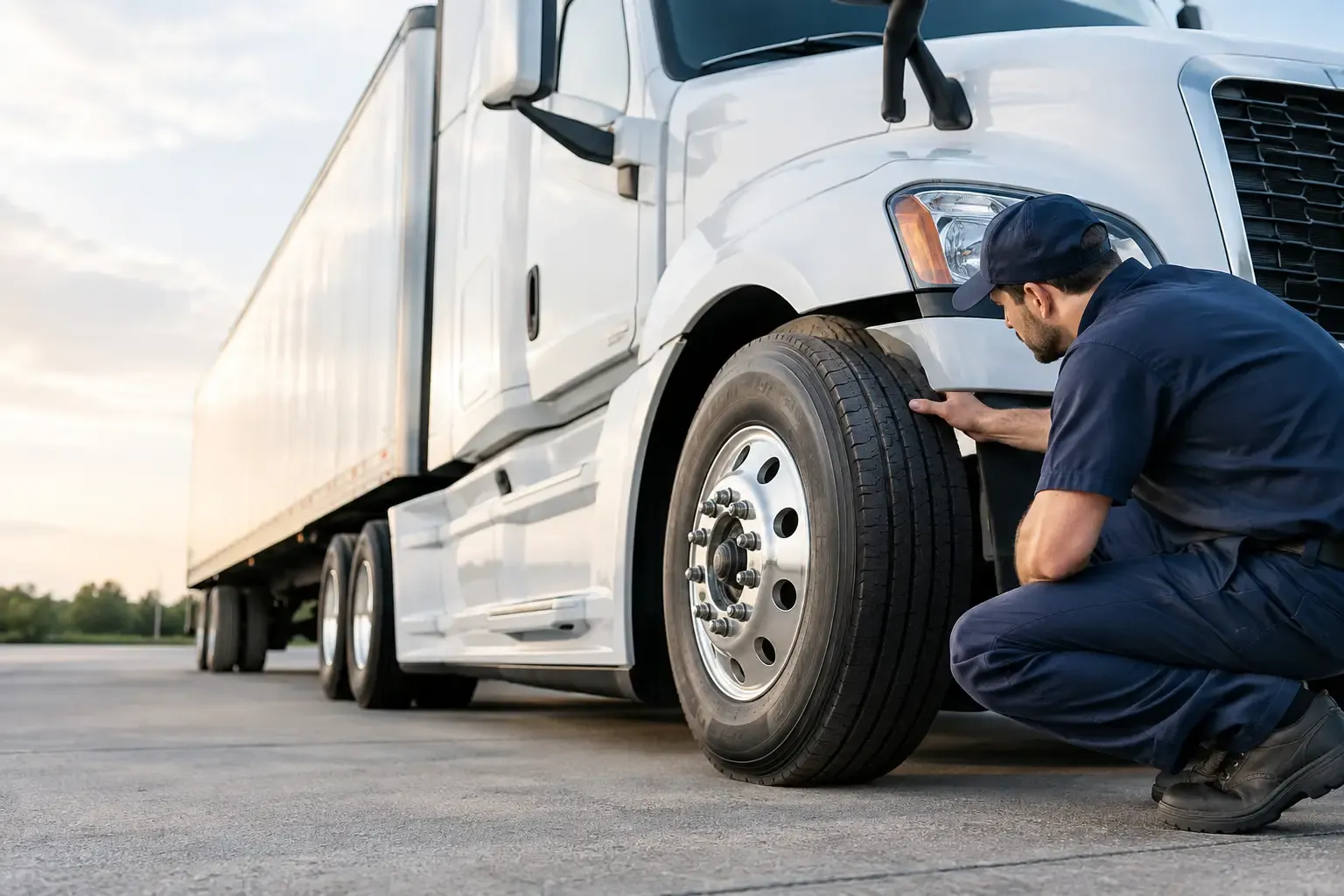
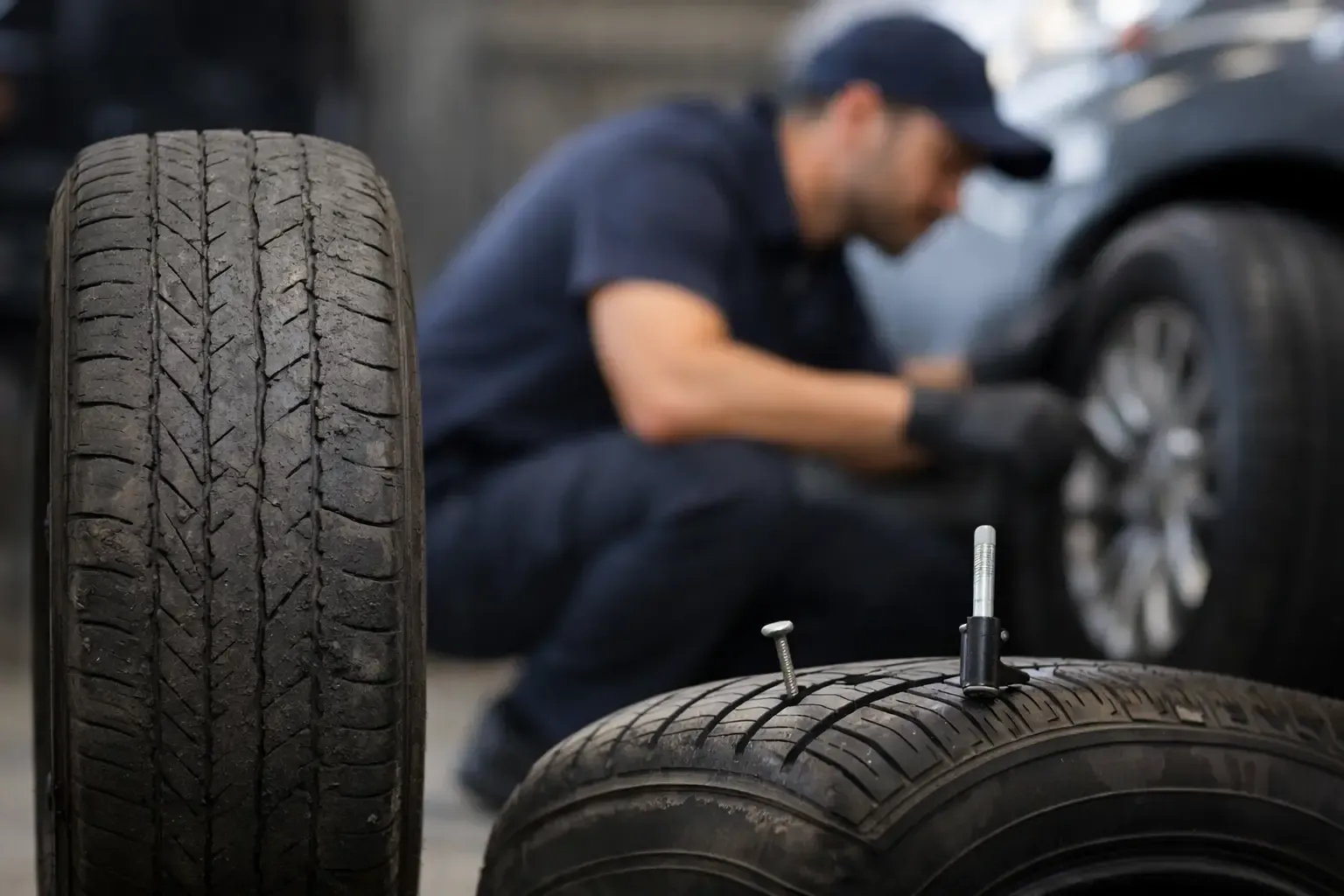
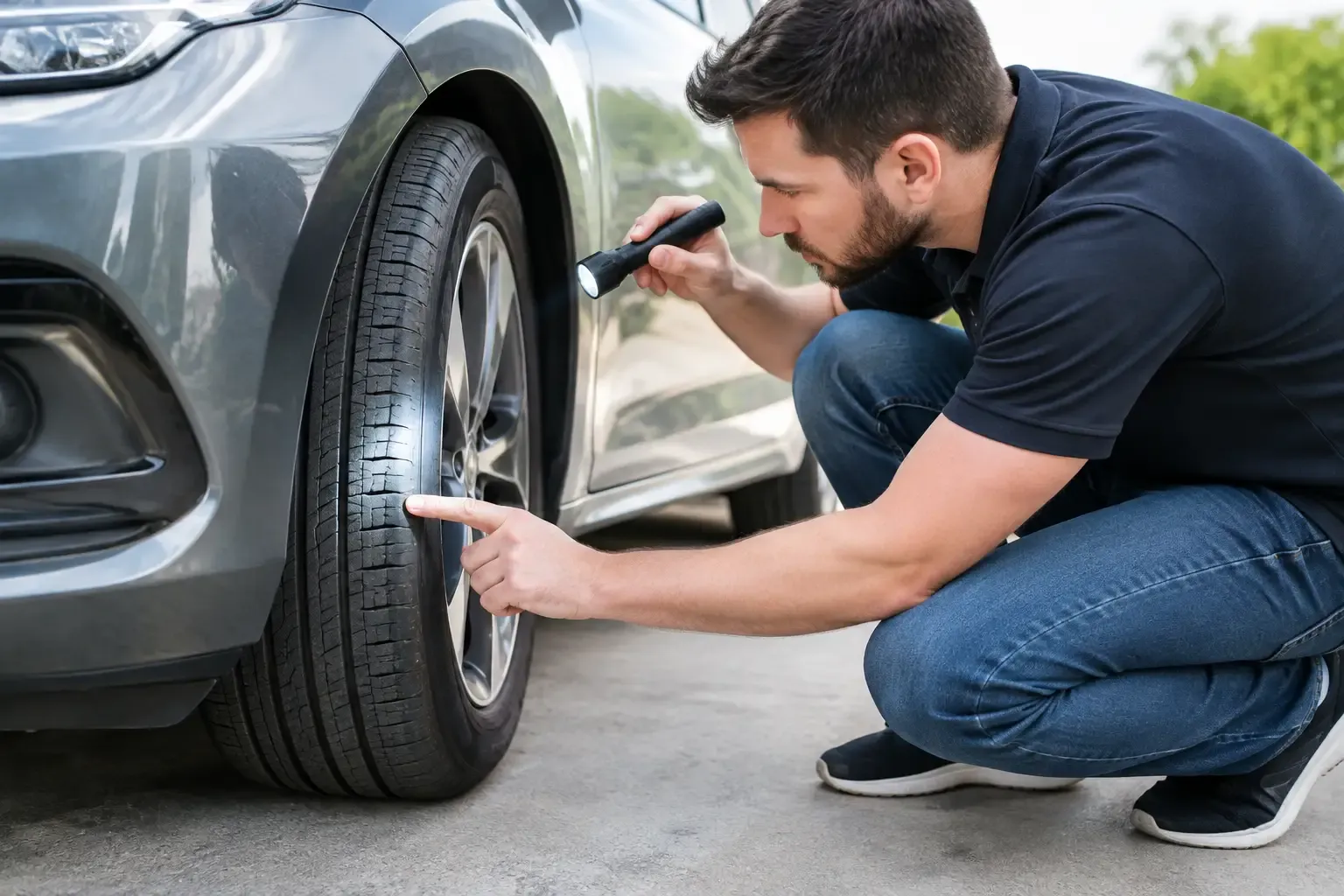
Not every tire can or should be repaired. A puncture in the tread area may be repairable if the tire has not been driven flat and the internal structure is intact. Damage near the sidewall, a large cut, a separated tire, or a tire driven with very low pressure often calls for replacement. A professional inspection matters because a tire can look acceptable from the outside while having internal damage that makes continued driving unsafe.
What to Do When a Tire Goes Flat
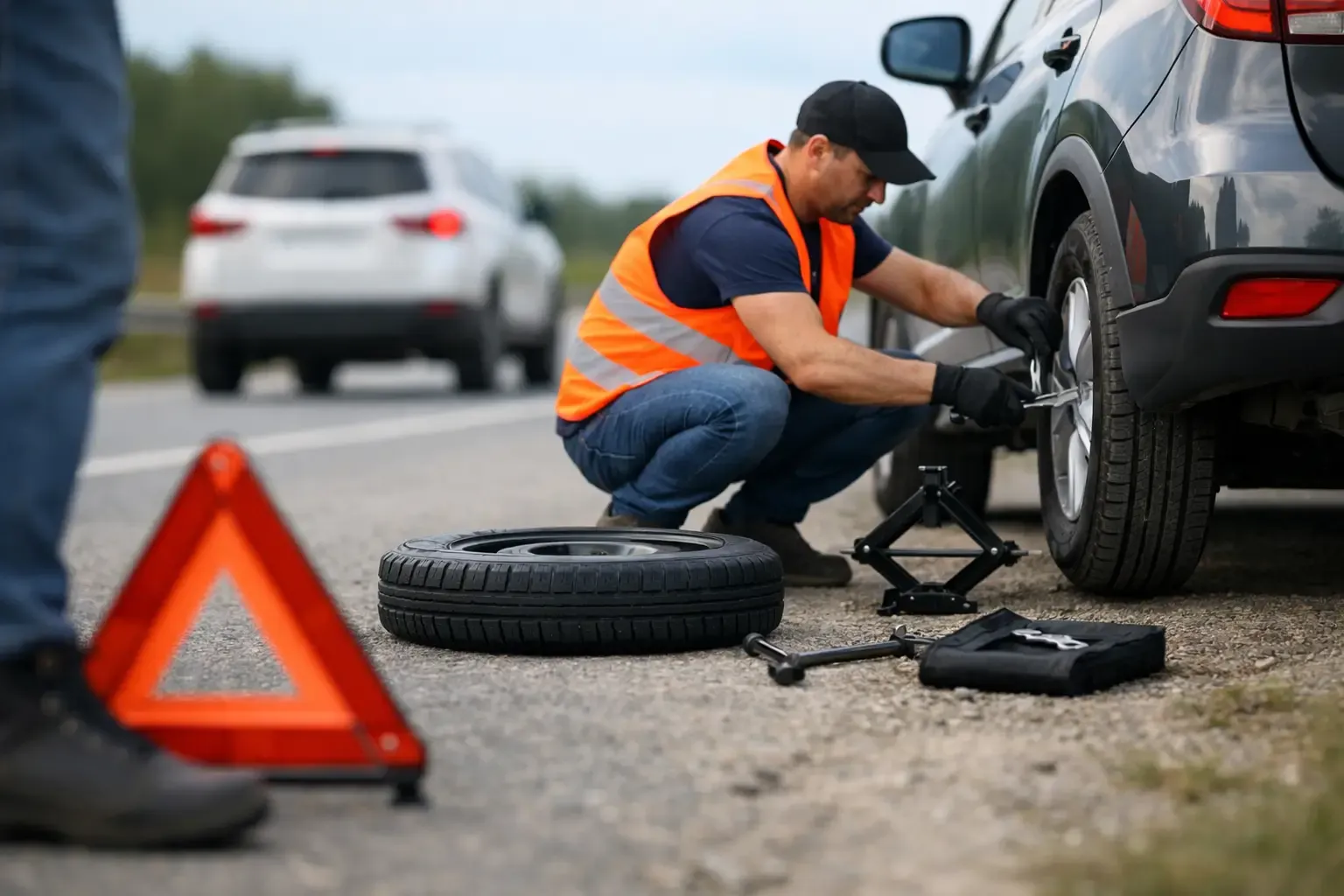
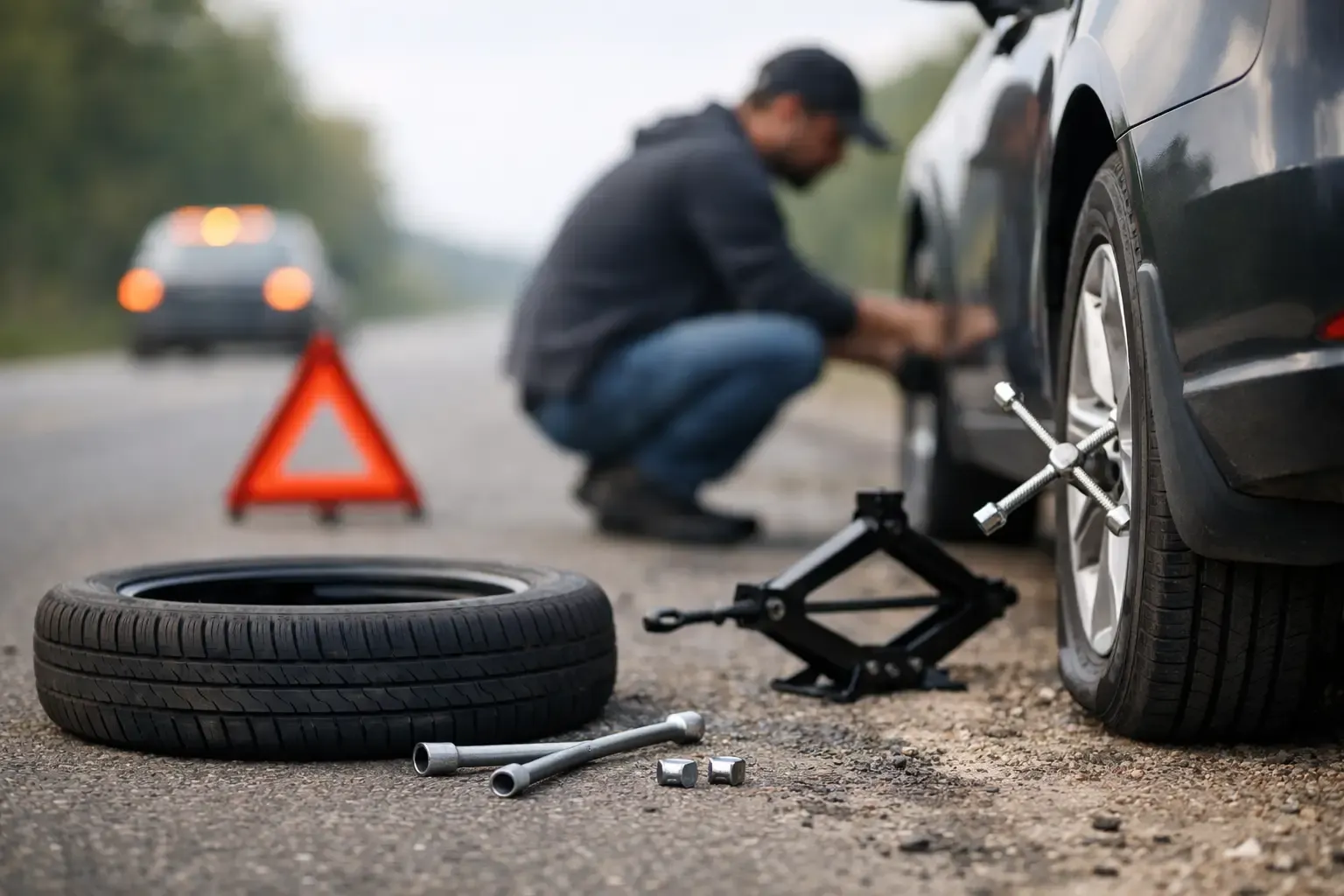
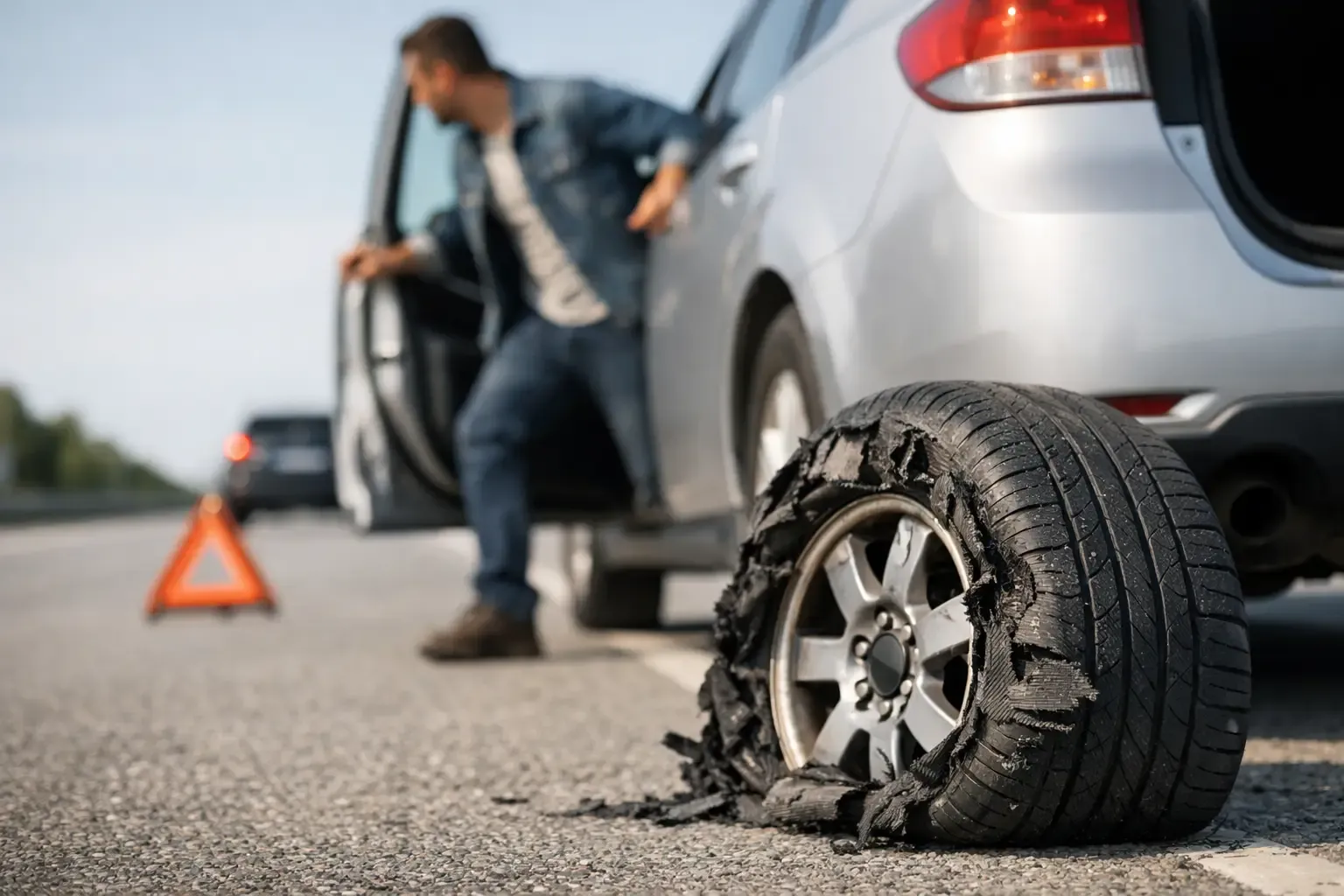
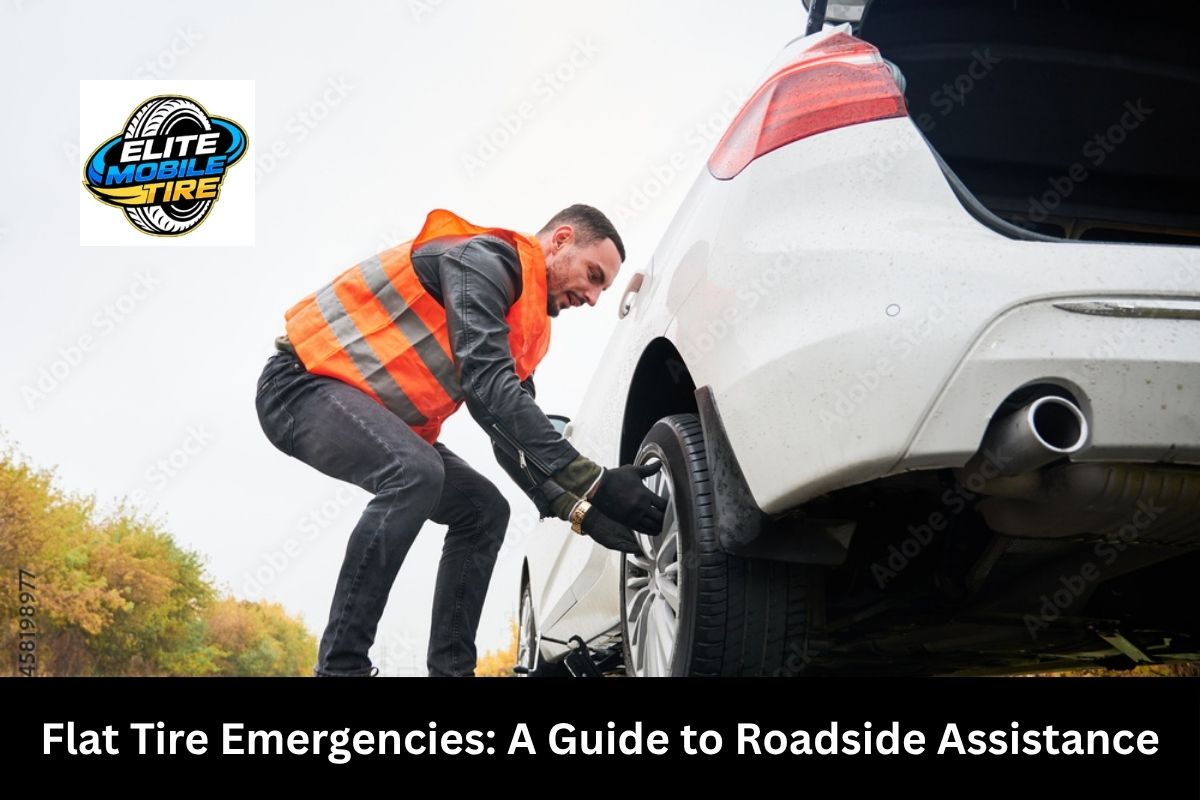
Your first priority is getting out of immediate danger. If the tire fails while you are driving, keep both hands on the wheel, ease off the accelerator, and avoid sudden braking or sharp steering. Signal, then move gradually to a level area away from traffic if possible.
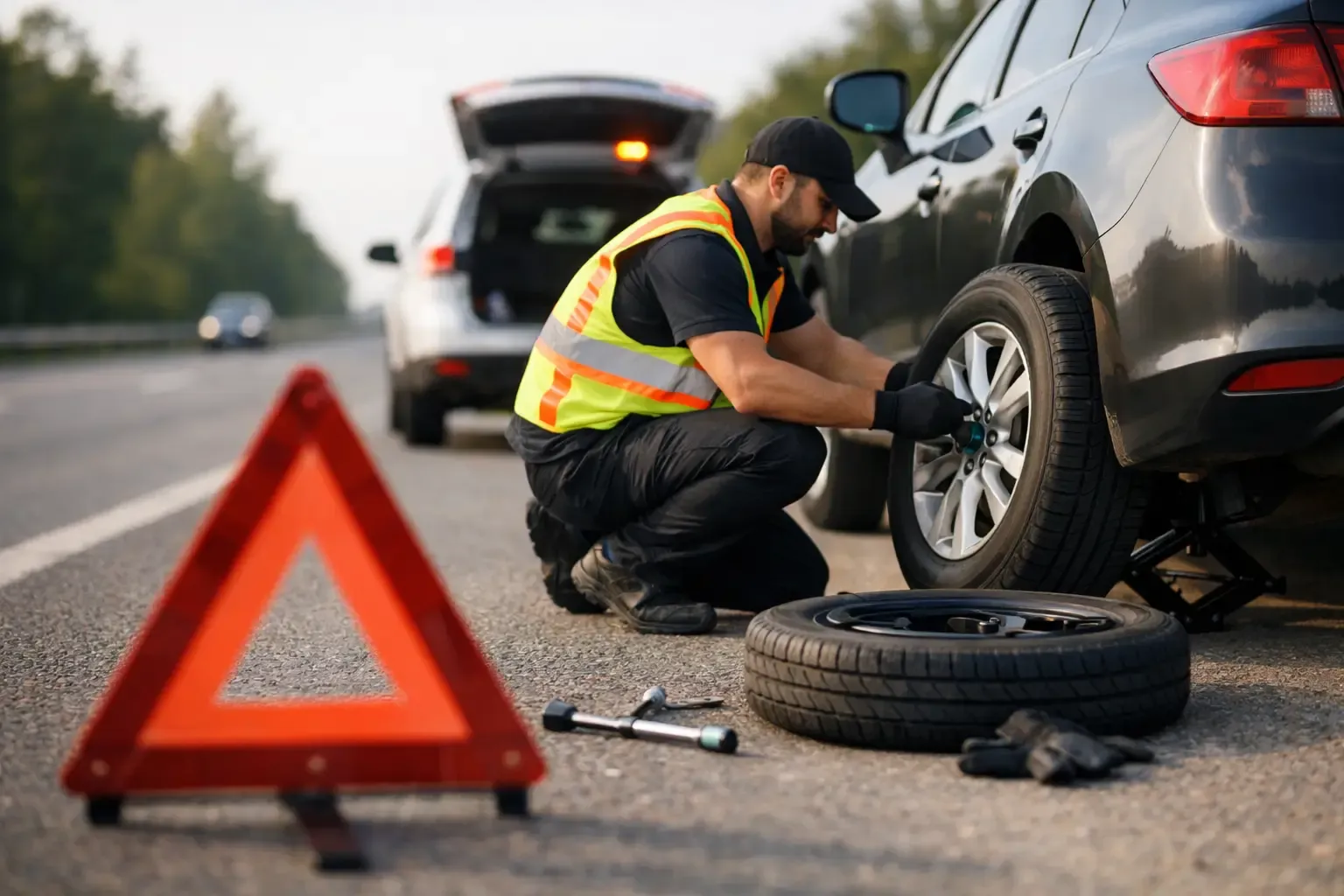
Once stopped, turn on your hazard lights and assess the location before stepping outside. If your vehicle is in an active traffic lane, on a narrow shoulder, or in a place where you cannot safely stand clear of vehicles, move to a safer spot if the vehicle remains controllable. If that is not possible, call emergency services for help securing the area before arranging tire service.
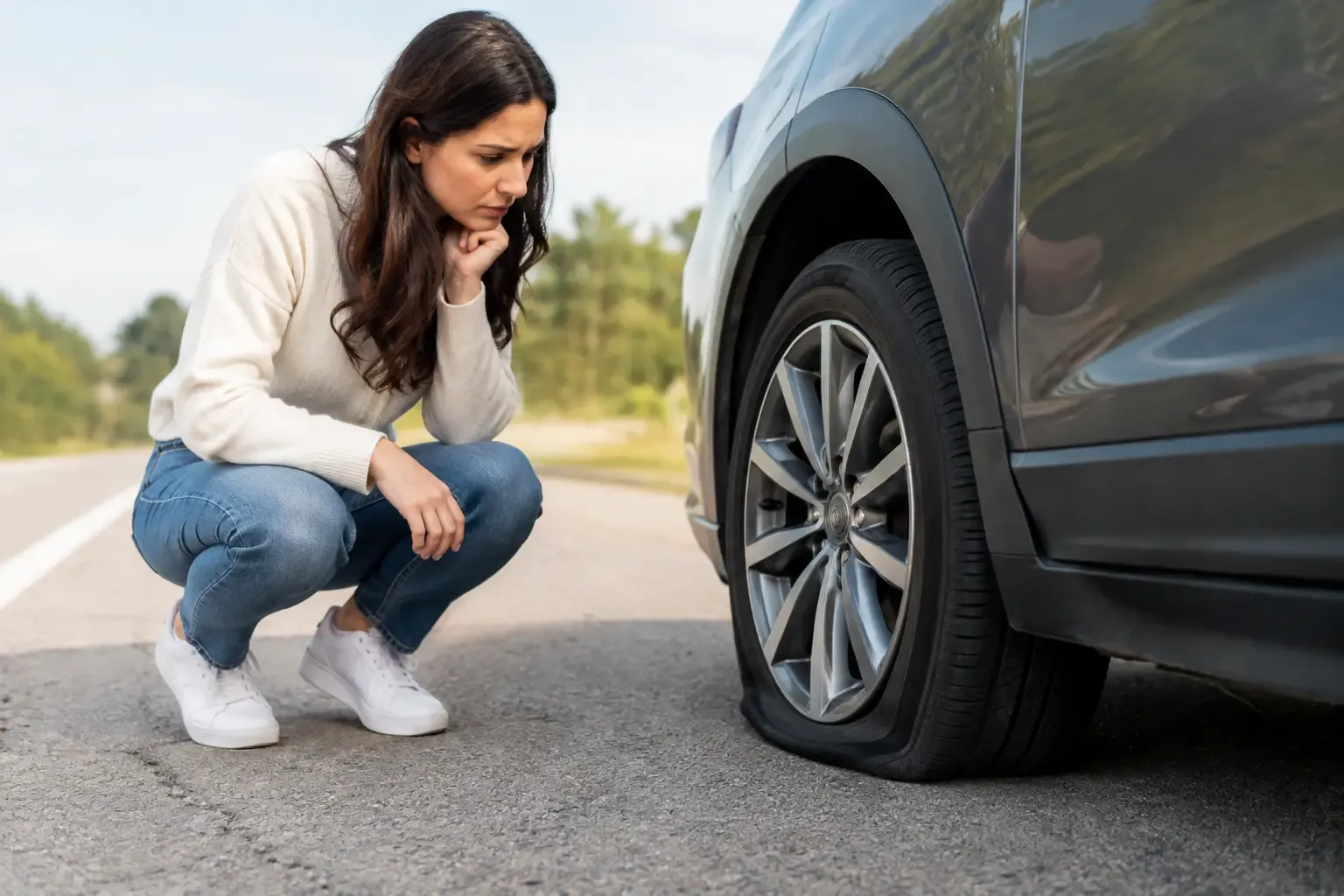
Avoid driving on a flat tire just to reach a gas station or parking lot. Even a short distance can destroy the tire's sidewall and damage the wheel. It can also turn a repairable puncture into a replacement situation.
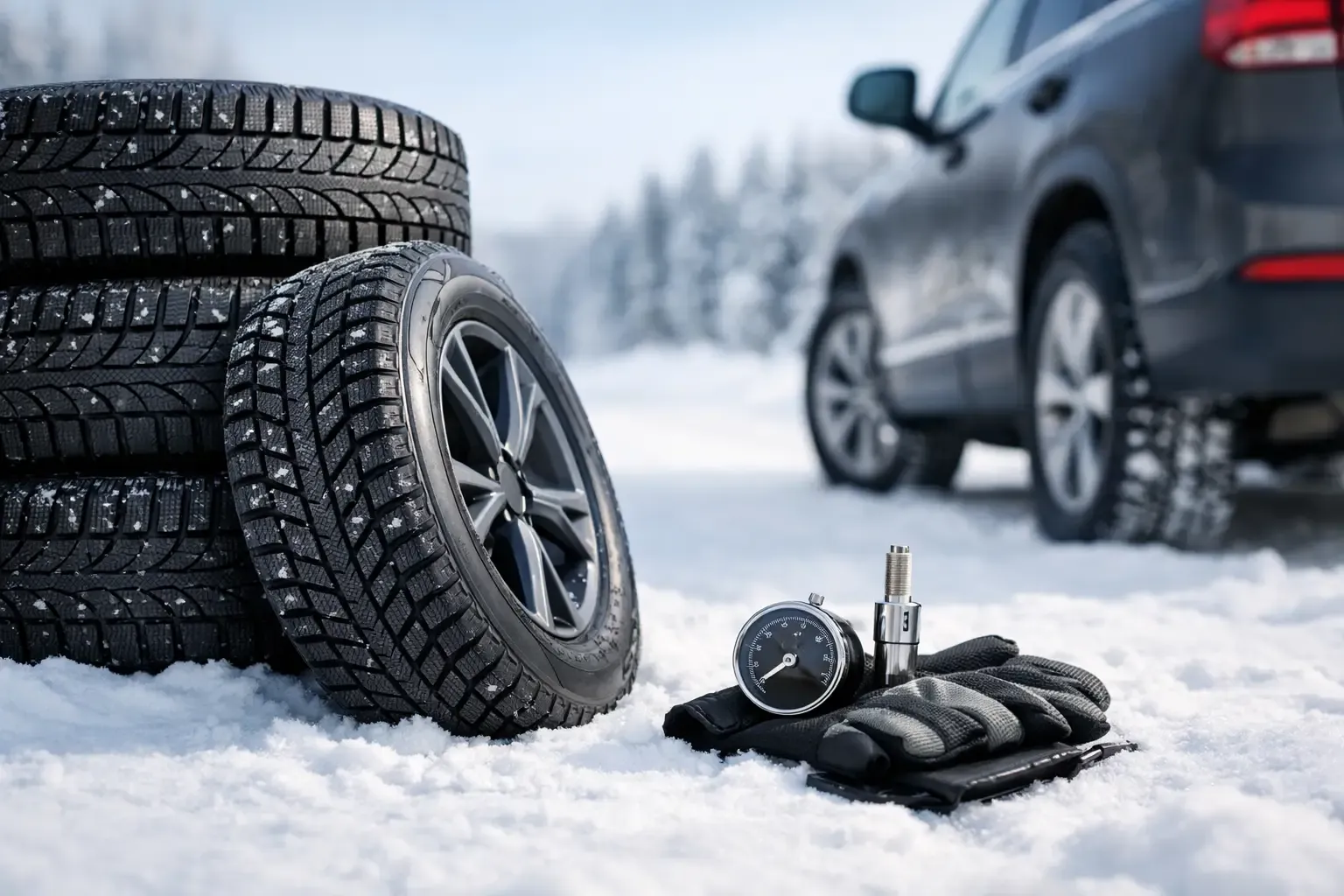
If you are safely parked, take a quick look at the tire without putting yourself in harm's way. You may see a nail, screw, obvious cut, or damaged sidewall. Do not pull out an object lodged in the tread. It may be slowing the air loss, and removing it can make the tire deflate rapidly.
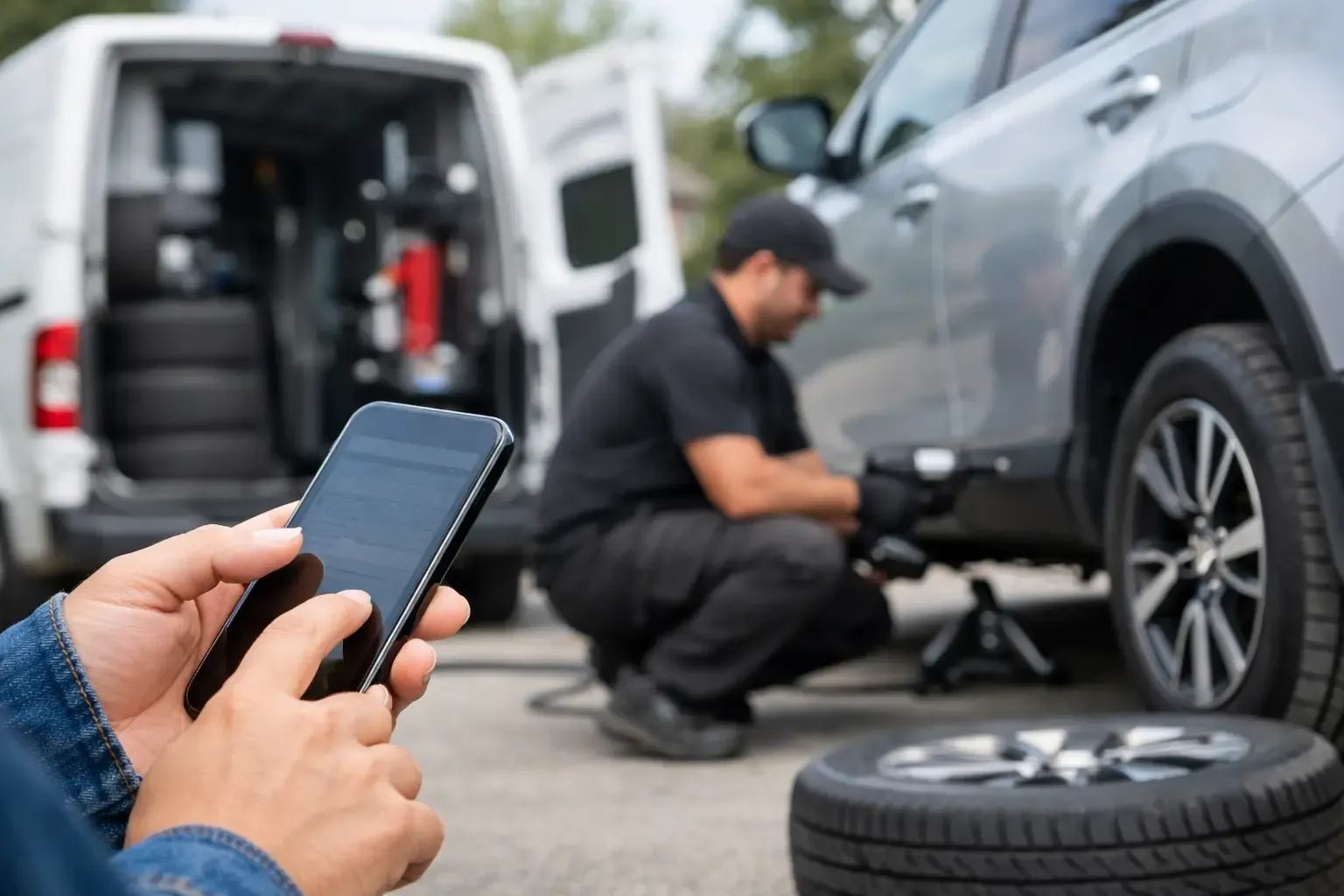
When requesting mobile help, provide your exact location, vehicle year, make, and model, tire size if you know it, and a clear description of the issue. Let the dispatcher know whether you have a spare tire, whether the tire is completely flat, and whether the vehicle is in a garage, parking deck, driveway, or roadside location. Those details help the technician arrive prepared.
Why a Spare Tire Is Not Always the Best Long-Term Answer
A spare can be a useful short-term solution, but it is not always the complete fix. Many modern vehicles have compact temporary spares that are intended for limited speed and mileage. They should not be treated as a regular tire or used for extended highway driving.
Some vehicles do not include a spare at all. Others have a spare that is underinflated, damaged, or missing the tools needed to install it. A mobile technician can evaluate the spare before mounting it and help you understand any driving limits that apply.
Even when a full-size spare is available, the original tire still needs a proper inspection. The goal is not simply to get the vehicle rolling. It is to make sure the vehicle has safe, correctly inflated tires that are appropriate for normal driving.
Tire Repairs Have Clear Safety Limits
A proper repair is more than pushing a plug into the tread from the outside. A technician should inspect the tire condition, locate the injury, and determine whether the damage falls within accepted repair guidelines. The tire may need to be removed from the wheel so the inside can be checked for moisture, sidewall scuffing, or damage caused by running low on air.
This can feel like an extra step when you are in a hurry, but it protects against a repeat failure later. The fastest option is not always the safest option, particularly if the tire lost air while you were driving.
The Convenience Difference for Busy Drivers
Emergency tire issues create a scheduling problem as much as a vehicle problem. A traditional shop visit may require taking time off work, rearranging childcare, borrowing another vehicle, or waiting for a tow. Mobile service reduces those steps by bringing the work to the vehicle.
That is especially useful when the problem is discovered before you leave. A tire that is flat in your driveway does not need to become a roadside emergency. Scheduling service at home can keep the day moving while the technician handles the tire outside.
The same is true at work. If a tire loses pressure during the day, mobile service can often address it in the office parking lot rather than forcing you to leave the vehicle overnight or make an extra trip after work. For commuters and families across Columbus and nearby communities, that saved time is often as valuable as the repair itself.
When Replacement Makes More Sense Than Repair
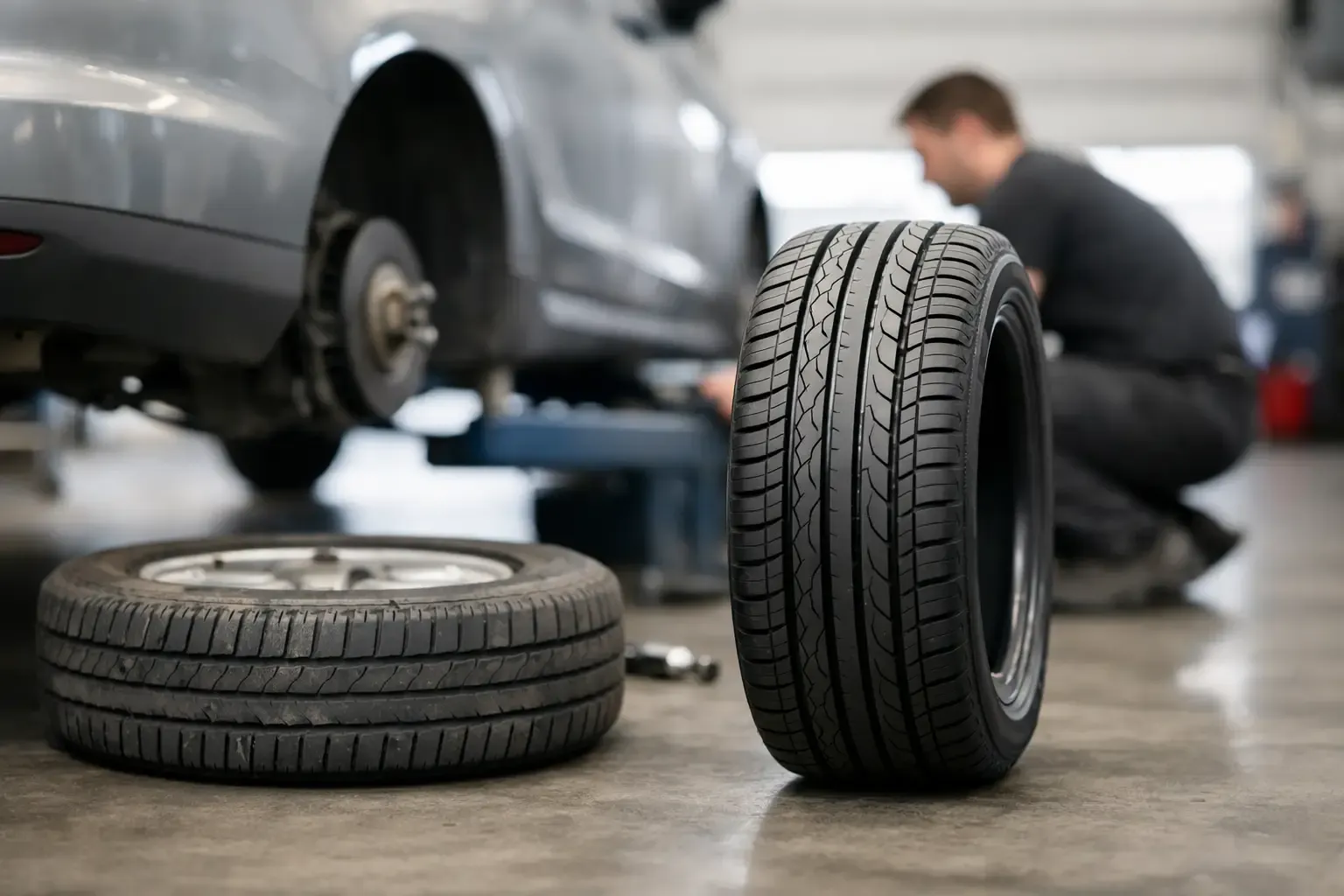
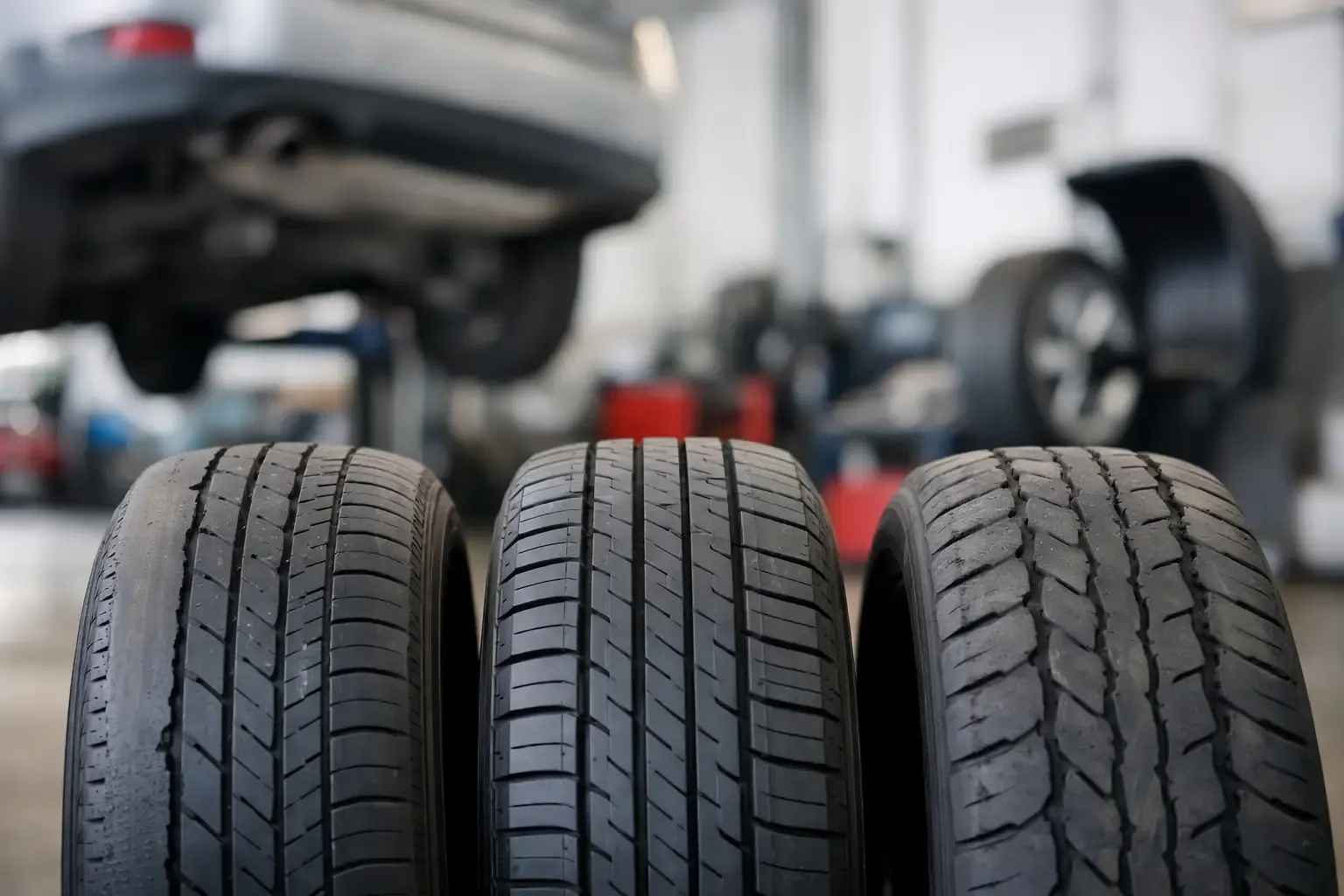
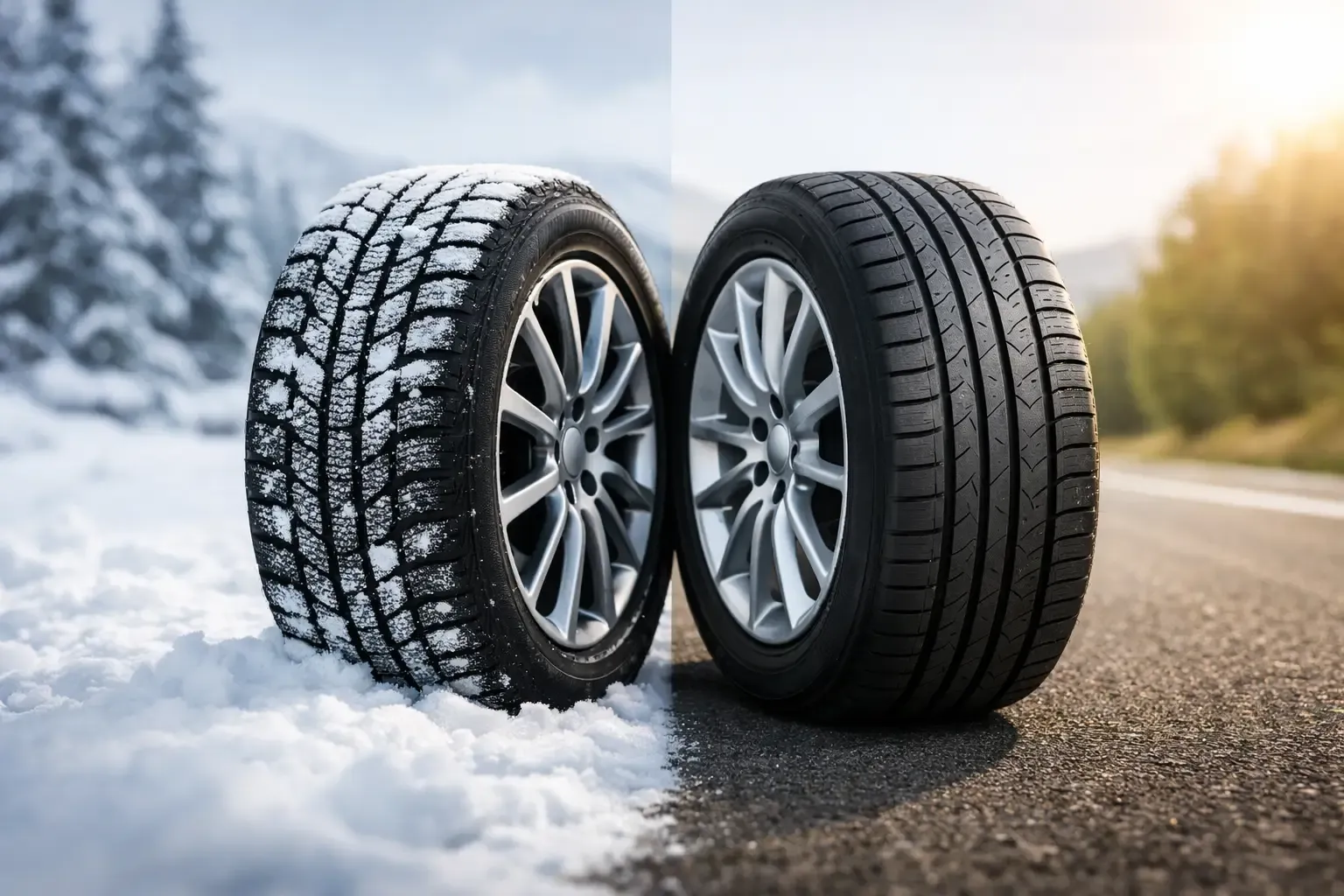
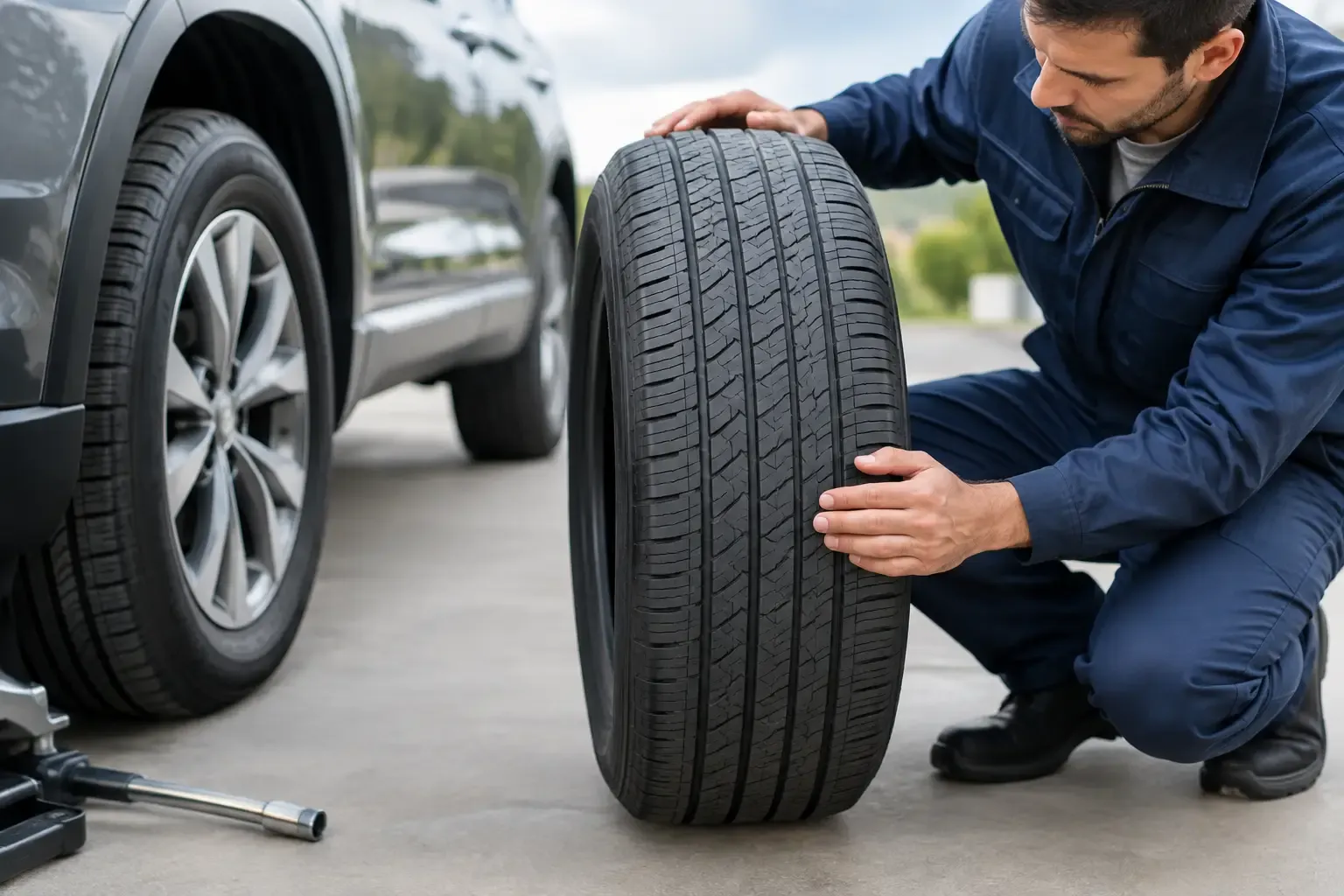
Replacement may be the better decision when the tire has sidewall damage, severe tread wear, multiple punctures, a bulge, or internal damage from being driven flat. It can also make sense when the remaining tires are worn enough that a single new tire would create a significant tread-depth difference.
There is no one answer for every vehicle. All-wheel-drive vehicles, for example, can be more sensitive to differences in tire circumference. In some cases, replacing one tire is appropriate. In others, matching tread depth across an axle or all four positions may be recommended to support predictable handling and protect drivetrain components.
A professional should explain the condition of the tire, the available options, and why one option is safer or more practical than another. Clear recommendations are particularly important in an emergency, when it is easy to feel pressured into making a fast decision.
How to Reduce the Chances of Another Tire Emergency
You cannot avoid every road hazard, but a few regular checks can prevent many surprises. Check tire pressure at least once a month and before longer trips, using the pressure listed on the driver's door placard rather than the maximum printed on the tire sidewall. Inspect tires for visible nails, cuts, uneven wear, and bulges.
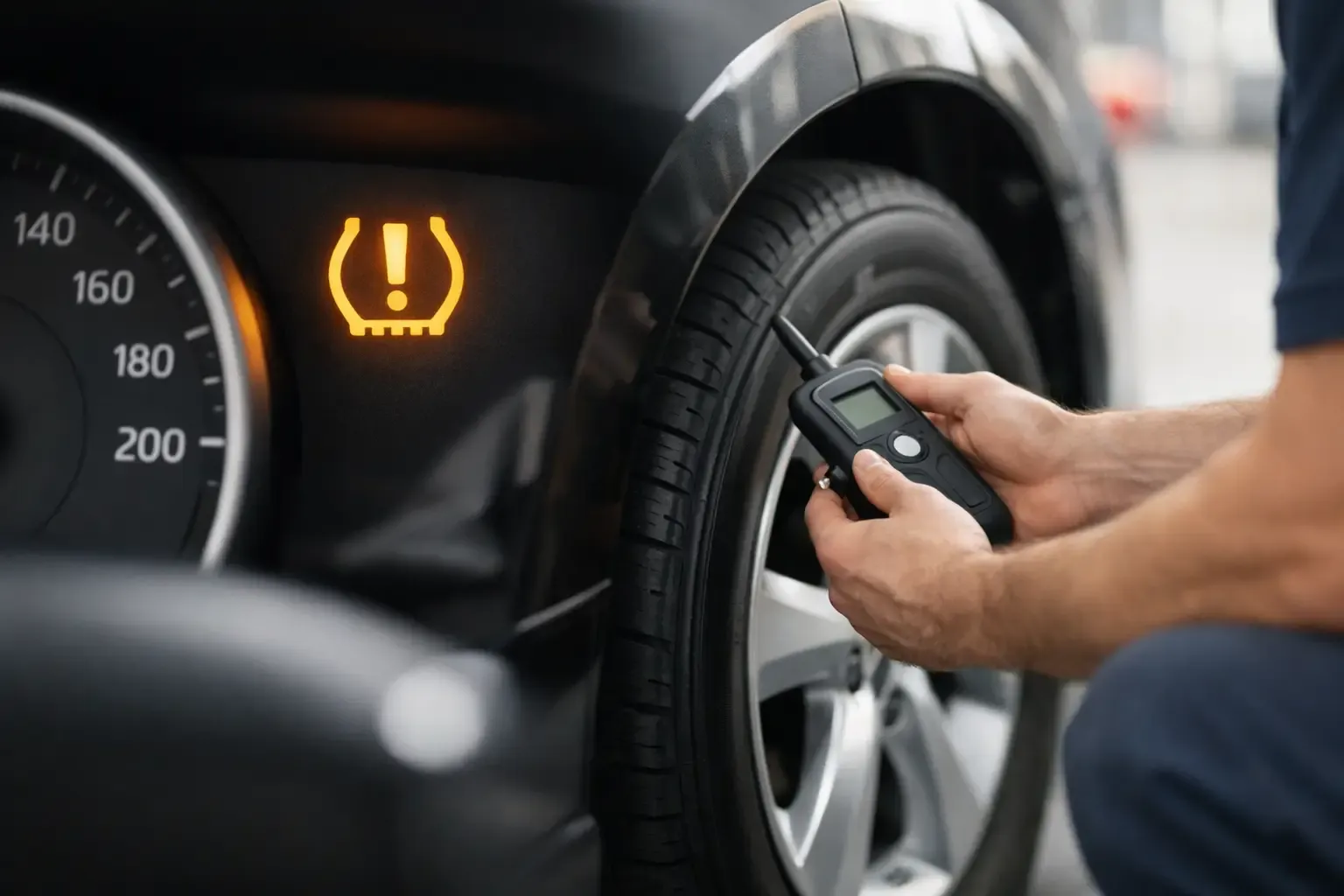
Pay attention to the tire pressure warning light, even if the vehicle still feels normal. A slow leak can become a full flat overnight. It is also wise to know where your wheel lock key, spare tire tools, and roadside safety items are stored before you need them.
If your steering wheel pulls, the vehicle vibrates at speed, or one tire wears faster than the others, address it early. Those signs can point to an issue that affects safety and tire life.
Get Help Without Adding More Stress
When a flat tire interrupts your plans, the best next step is usually the one that keeps you safe and gets the right service to the right place. Elite Mobile Tire provides on-site tire support for drivers who need professional help at home, work, or in a safe roadside setting.
Before you make the call, get to a safe location, turn on your hazards, and have your vehicle details ready. From there, a clear assessment and professional tire service can turn an unexpected stop into a manageable part of the day.
Ready for a new set? Elite Mobile Tire installs 2 or 4 new tires right in your driveway or parking lot anywhere around Columbus, Obetz, Groveport, Grove City, and Reynoldsburg. Financing is available through Afterpay and Acima with up to 24-month payment plans. Call 614-344-5010 or visit elitemobiletire.com to book.