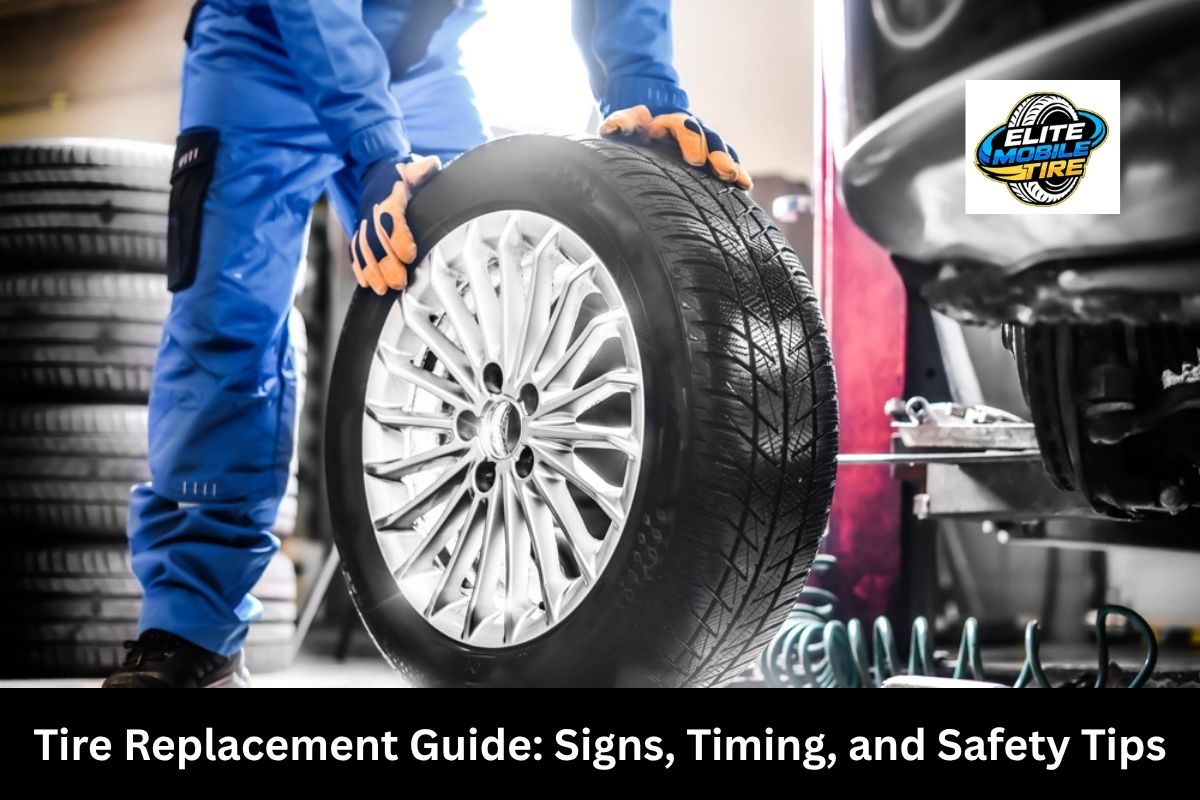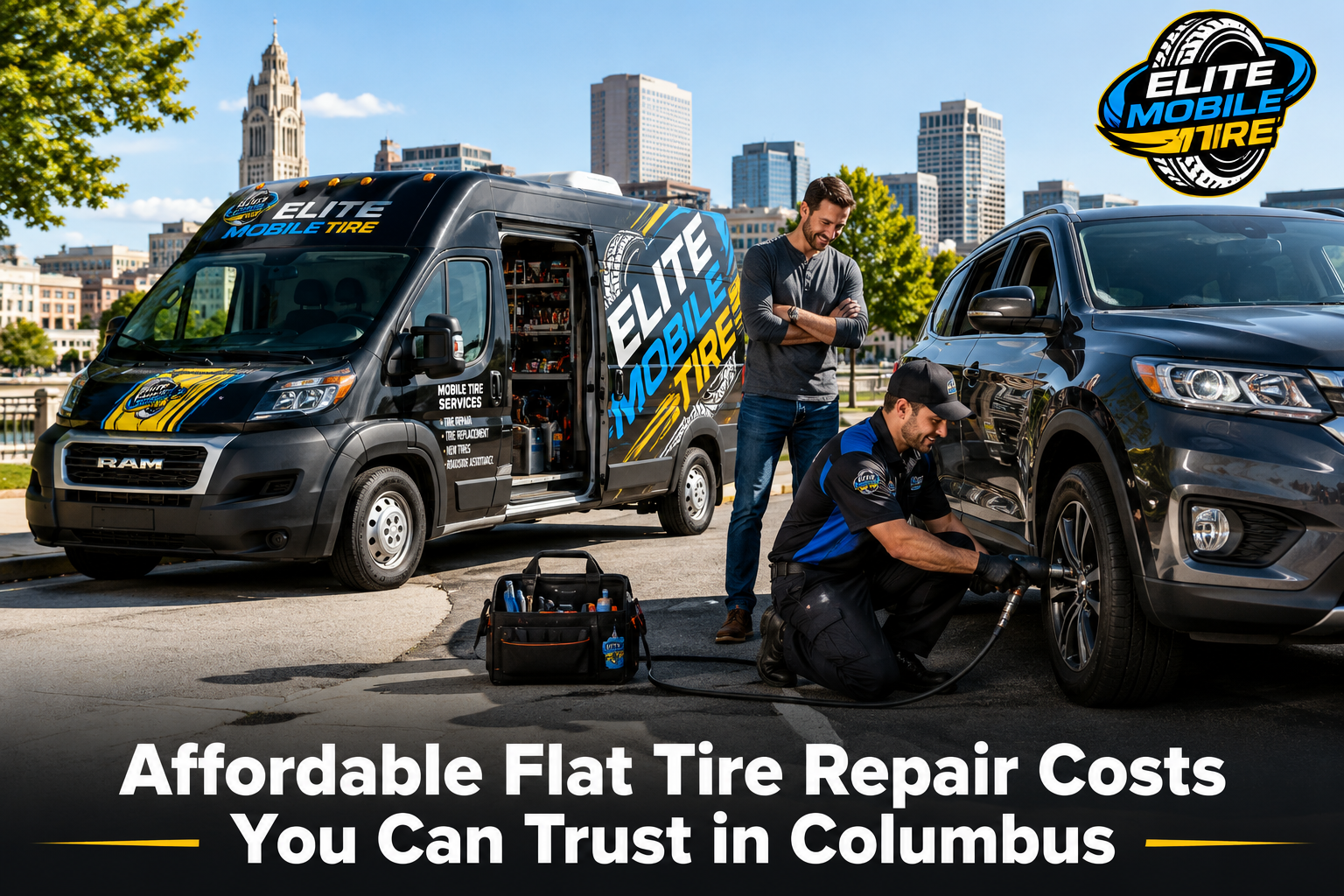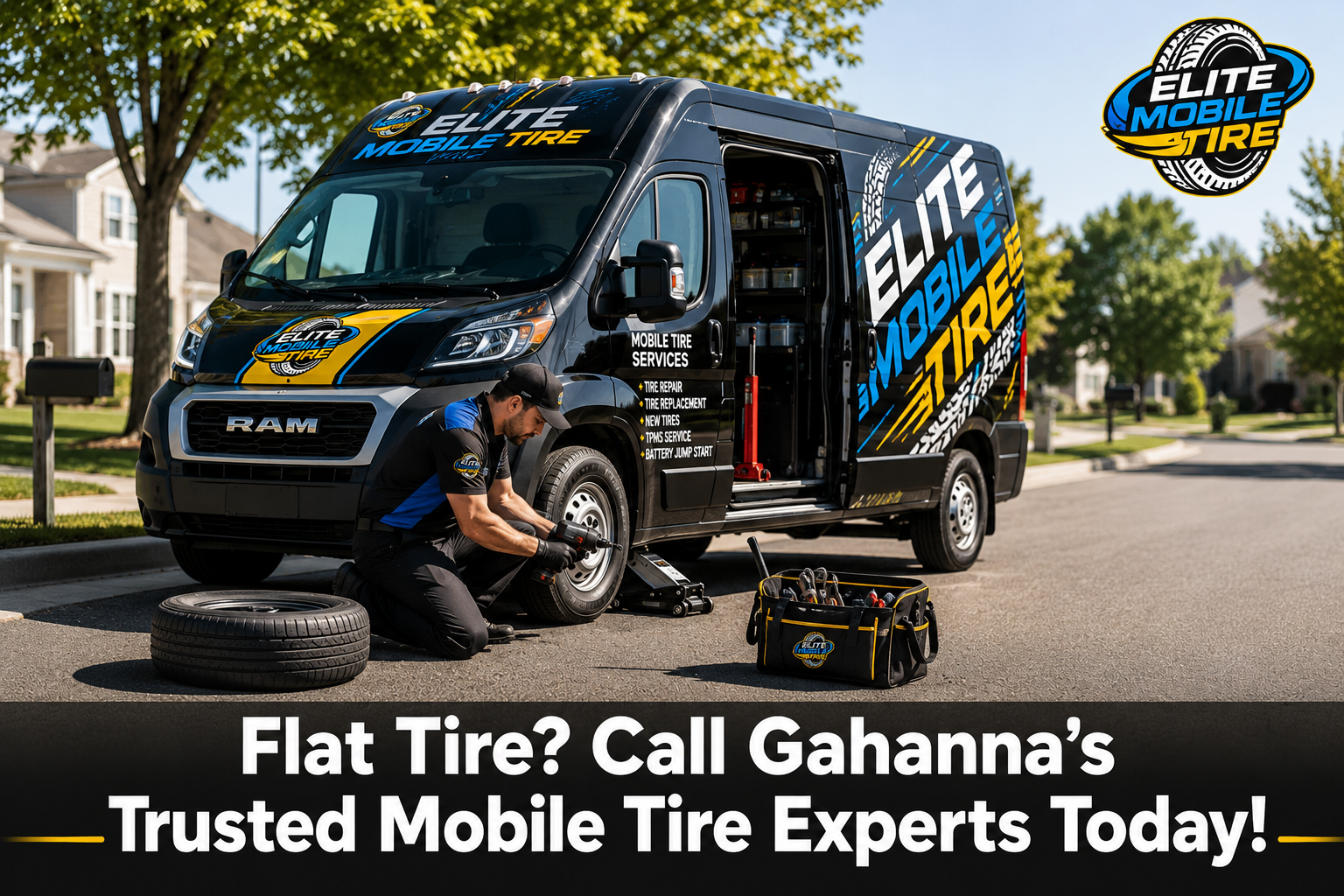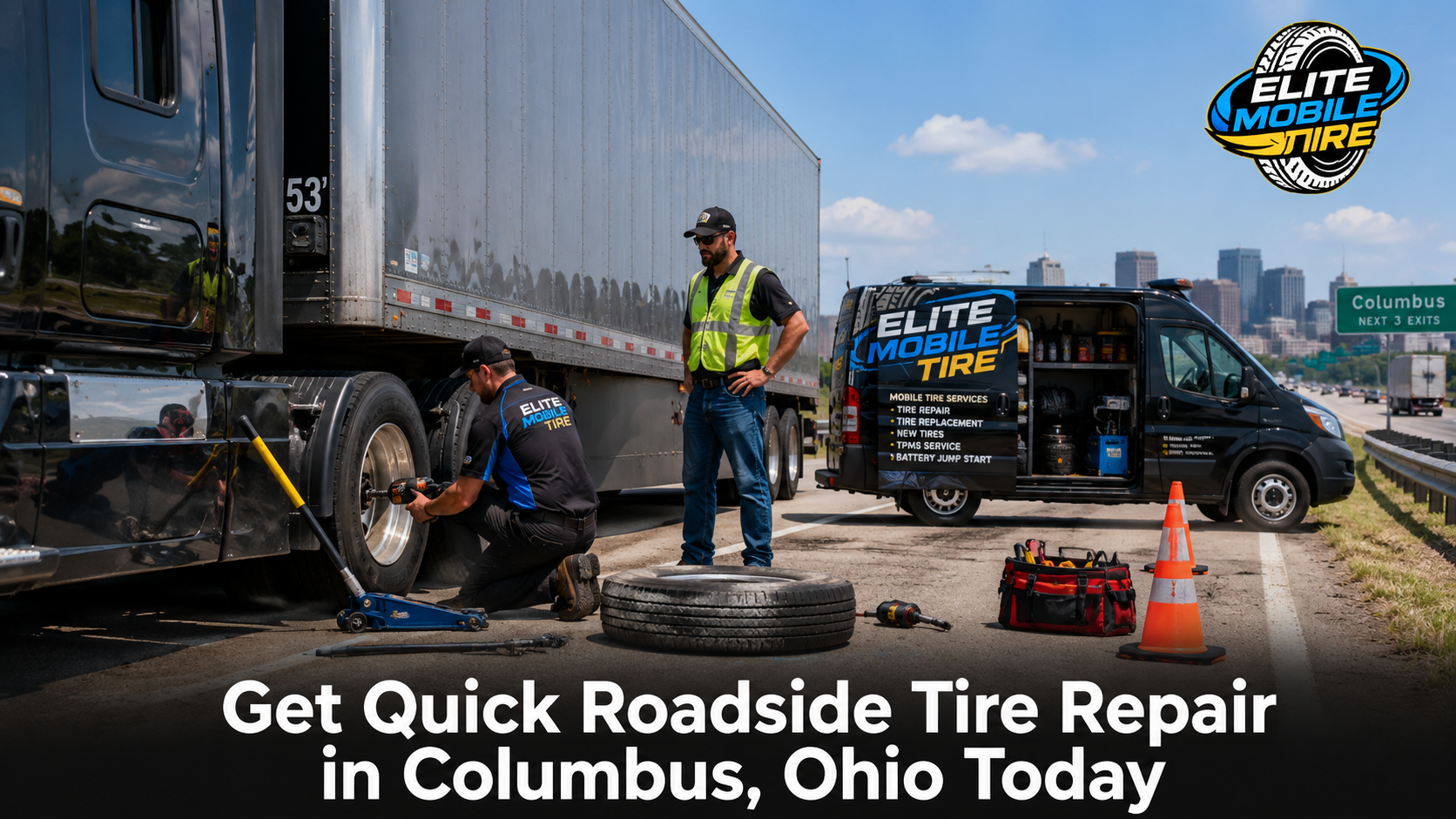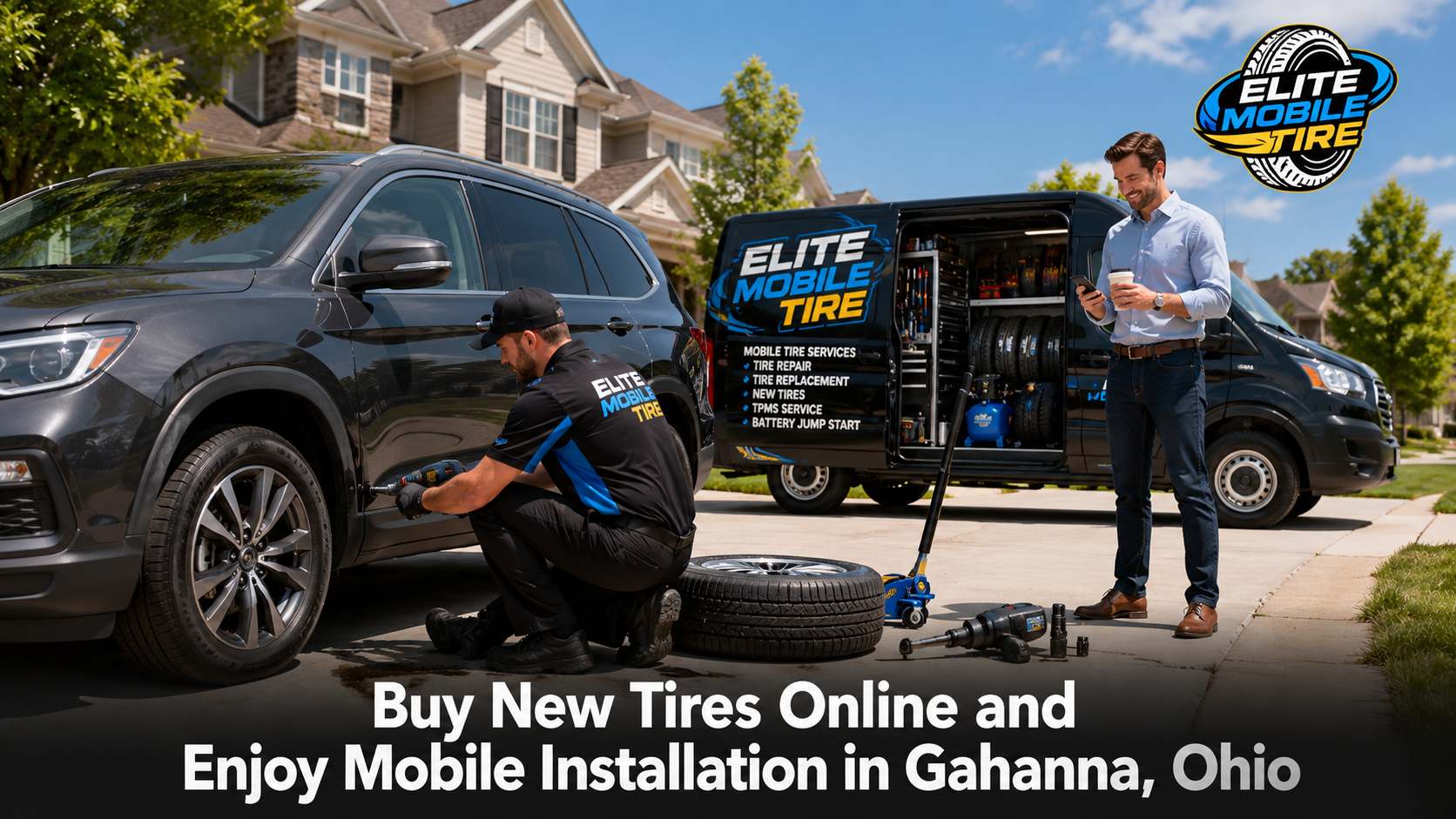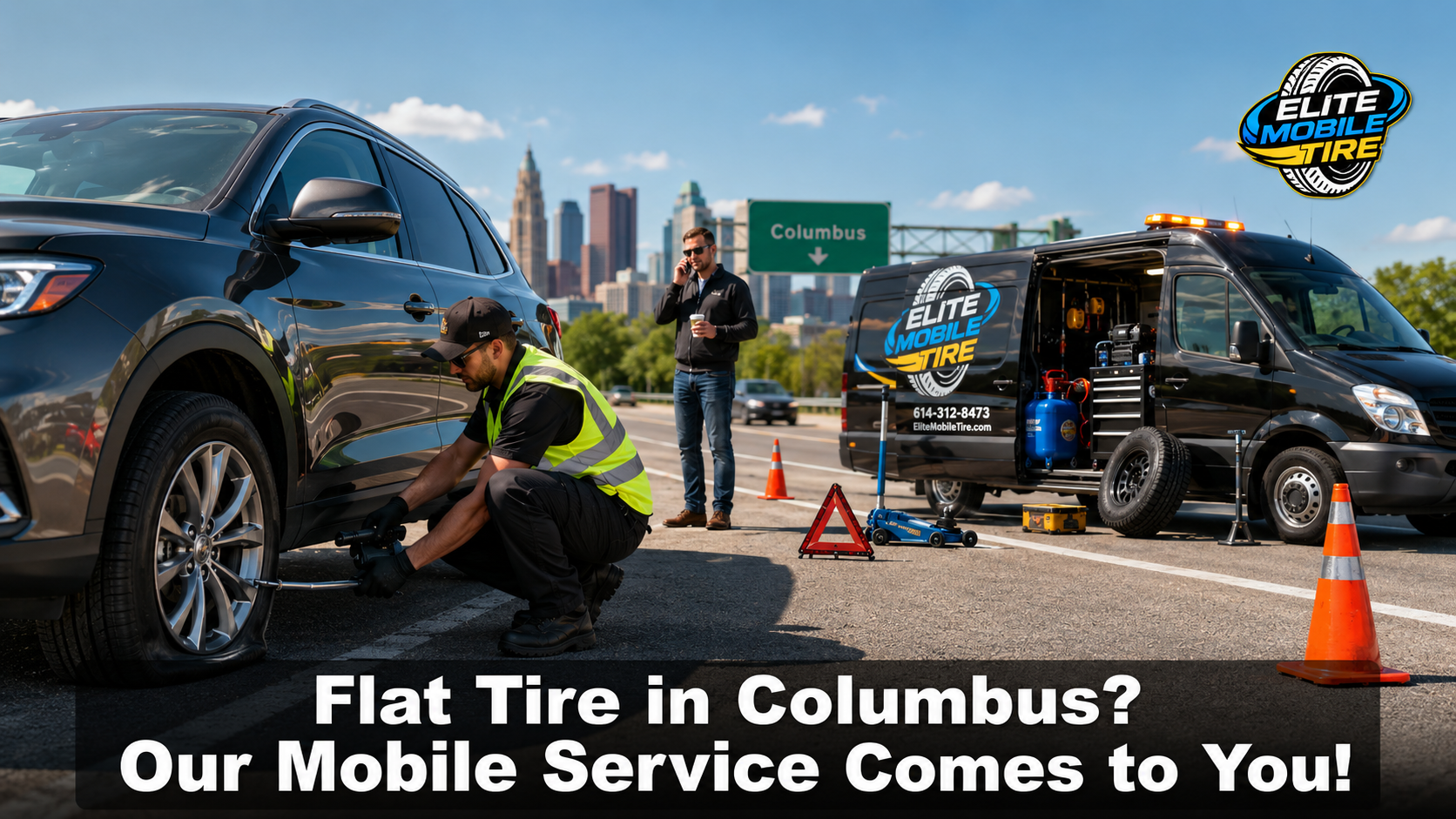
A delivery van loses a tire during the first stop of the morning. The driver pulls over safely, then waits for a tow, approval, a replacement tire, and an open service bay. One flat tire can erase half a day of productive work. This fleet downtime reduction tire example shows why the response plan matters as much as the tire itself.
For fleets, tire problems are not limited to repair invoices. They create missed appointments, rerouted drivers, overtime, customer updates, and pressure on the rest of the schedule. A practical tire strategy helps prevent avoidable failures and gets a disabled vehicle back into service without adding unnecessary steps.
The Tire Problem Behind a Lost Workday
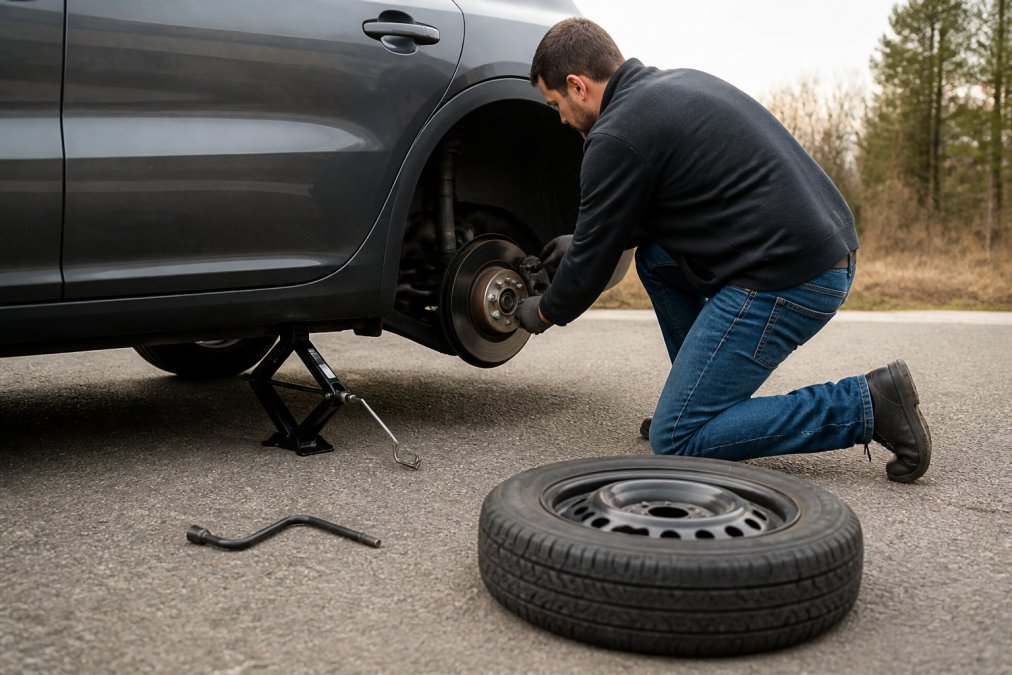
Consider a Columbus-area service fleet with 12 light-duty vans. One van picks up a nail in its right rear tire on a Tuesday morning. The tire is losing air slowly, but the driver does not notice it during the pre-trip walkaround. By late morning, the tire is severely underinflated. It overheats on the highway, becomes unsafe to repair, and fails.
Without a mobile service plan, the driver may need roadside assistance, a tow to a tire shop, and a wait for a technician and the correct replacement tire. Even if the shop can help that day, the van could be out of service for four to six hours. The driver may lose a full route, while another employee covers urgent calls.
The direct tire cost is only part of the expense. A fleet manager also has to account for labor paid during the delay, disrupted customer commitments, vehicle recovery, dispatch changes, and wear placed on replacement vehicles. If the van was carrying tools or equipment required for a specific job, the impact is greater.
A Fleet Downtime Reduction Tire Example With Mobile Service
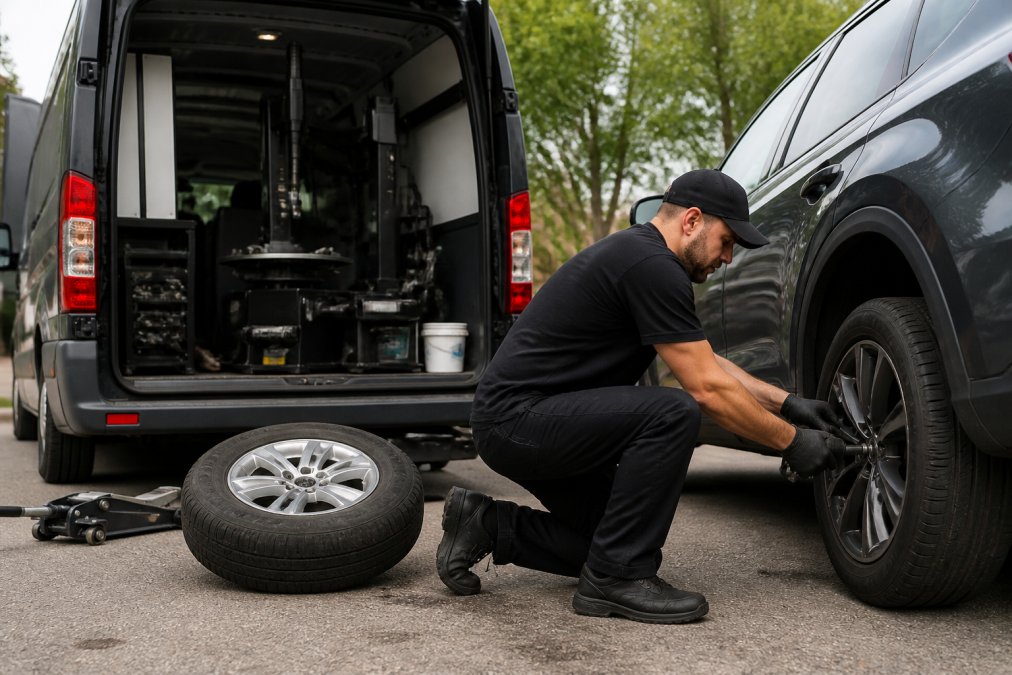
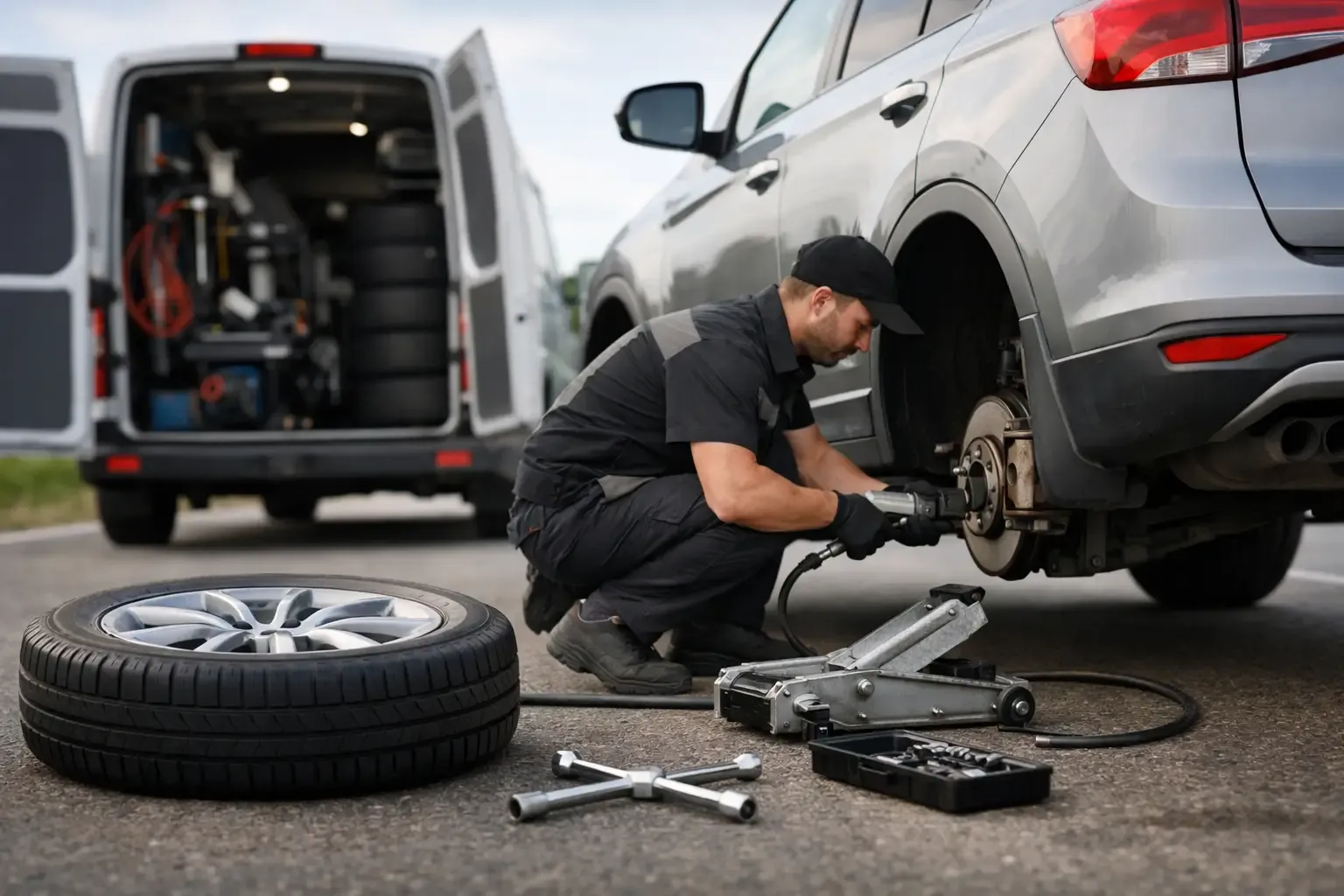
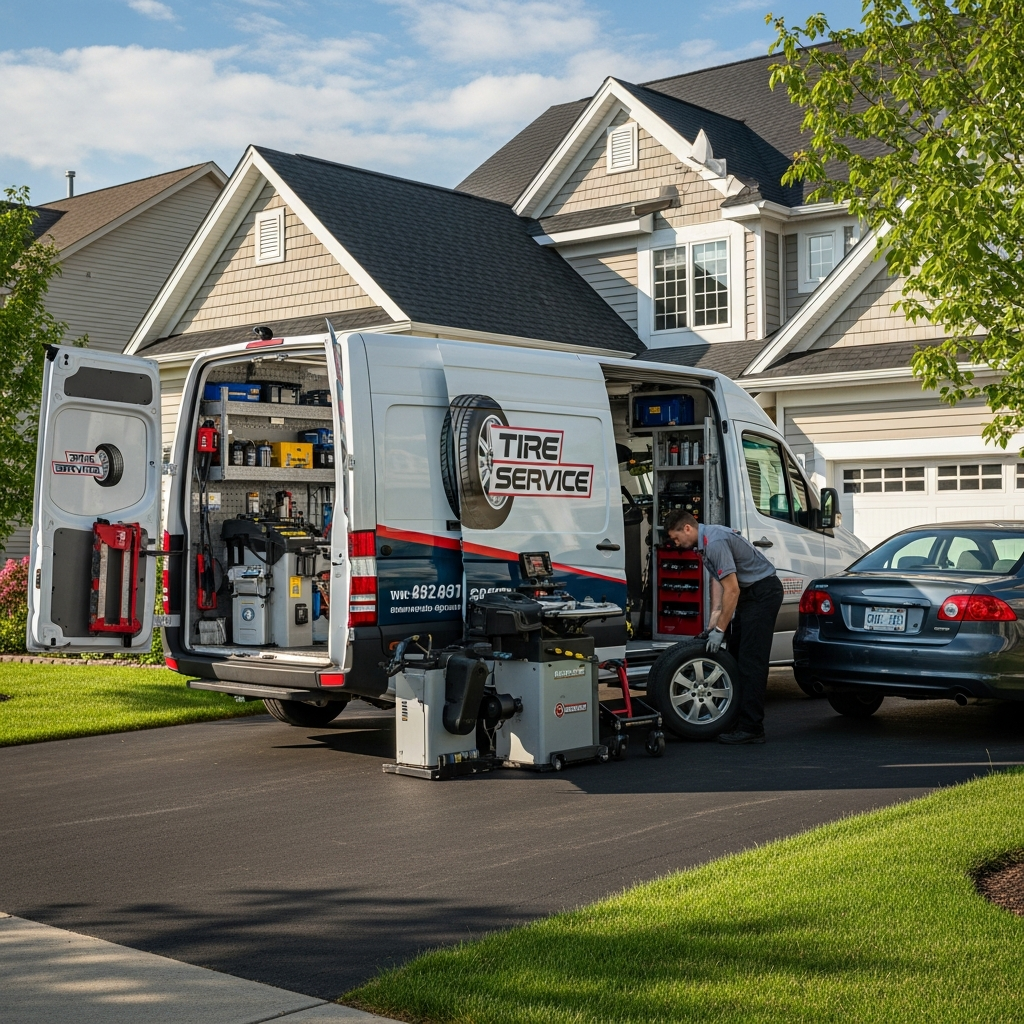
Now change the response. The driver notices the low-pressure warning early, pulls over in a safe location, and reports the vehicle number, tire position, tire size, and current location. A mobile tire technician is dispatched to the vehicle, workplace, or nearby safe parking area.
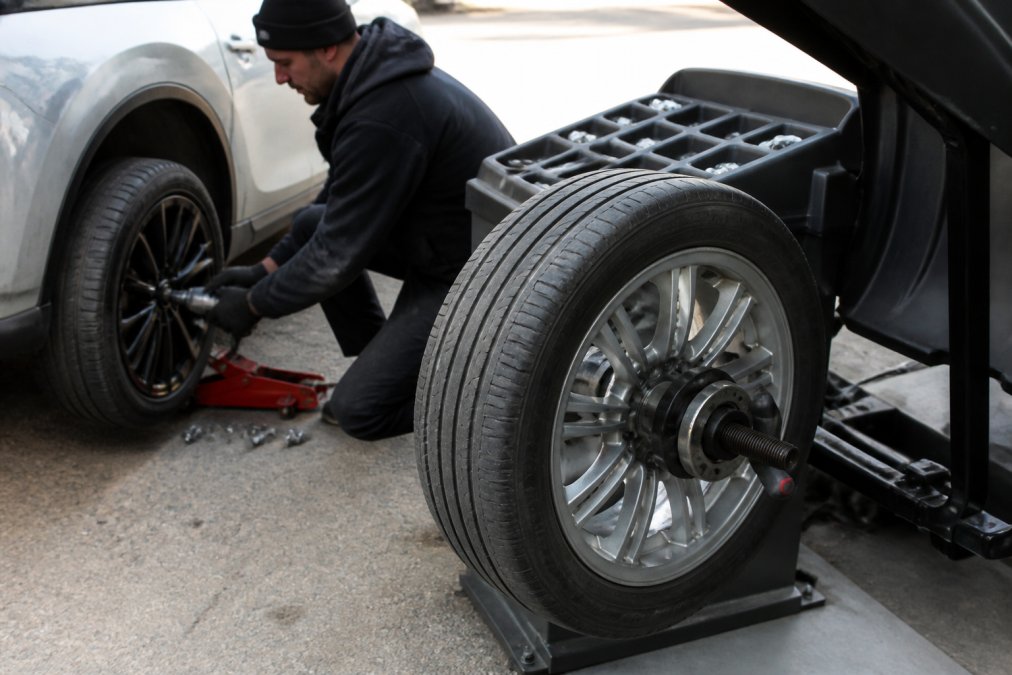
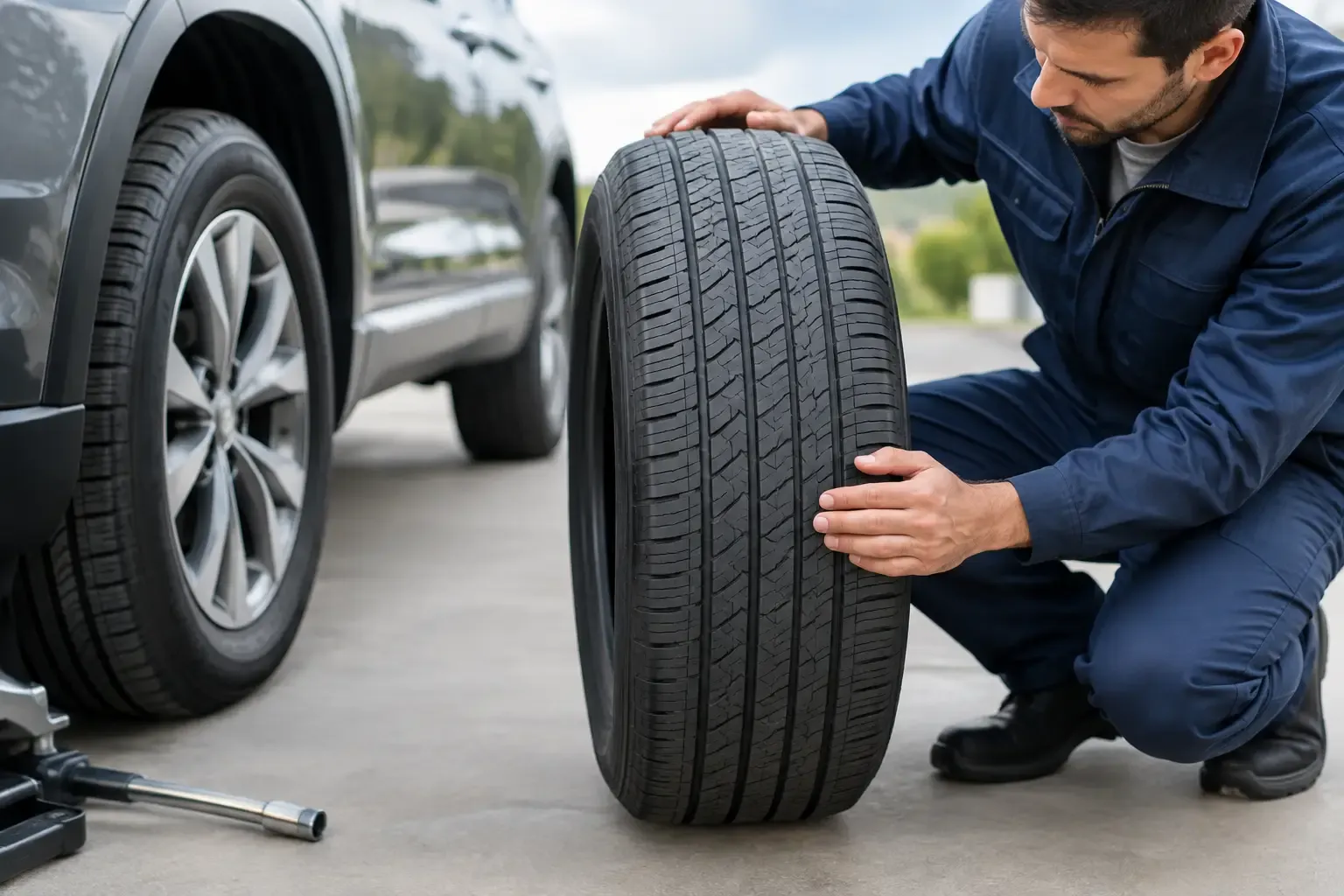
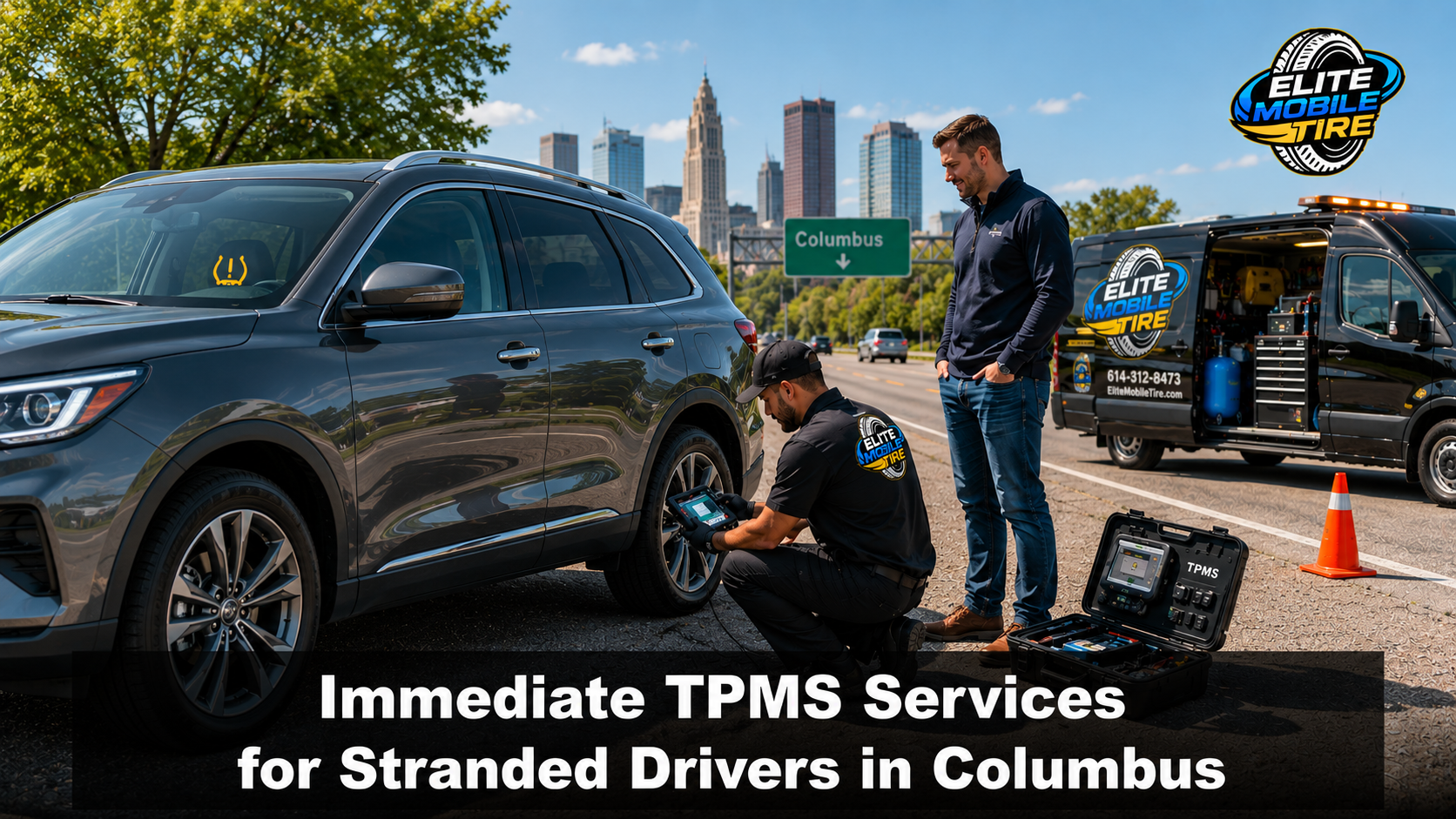
The technician inspects the tire to determine whether the puncture is repairable. If the damage is within the repairable tread area and the tire has not been driven underinflated long enough to cause internal damage, a professional repair may return the van to service quickly. If replacement is necessary, the technician installs an appropriate new tire on-site, balances it when applicable, verifies inflation pressure, and resets the TPMS warning when needed.
Instead of losing most of a shift, the driver may be delayed for a much shorter service window and can often continue the route the same day. The exact time depends on the location, traffic, tire availability, wheel condition, and the type of vehicle. Still, eliminating towing and the traditional shop wait can make a meaningful difference.
For a growing fleet, the value compounds. Recovering even a few hours each time a tire issue occurs can protect service capacity across the month. More importantly, a prompt response reduces the temptation to keep driving on a low tire just to finish the next stop. That decision can turn a manageable puncture into a damaged tire, wheel, or roadside safety event.
Prevention Starts Before the Breakdown
Emergency mobile tire service is valuable, but the best downtime reduction happens before a driver is stranded. Tire checks should be part of the fleet's operating routine, not an item addressed only when a warning light appears.
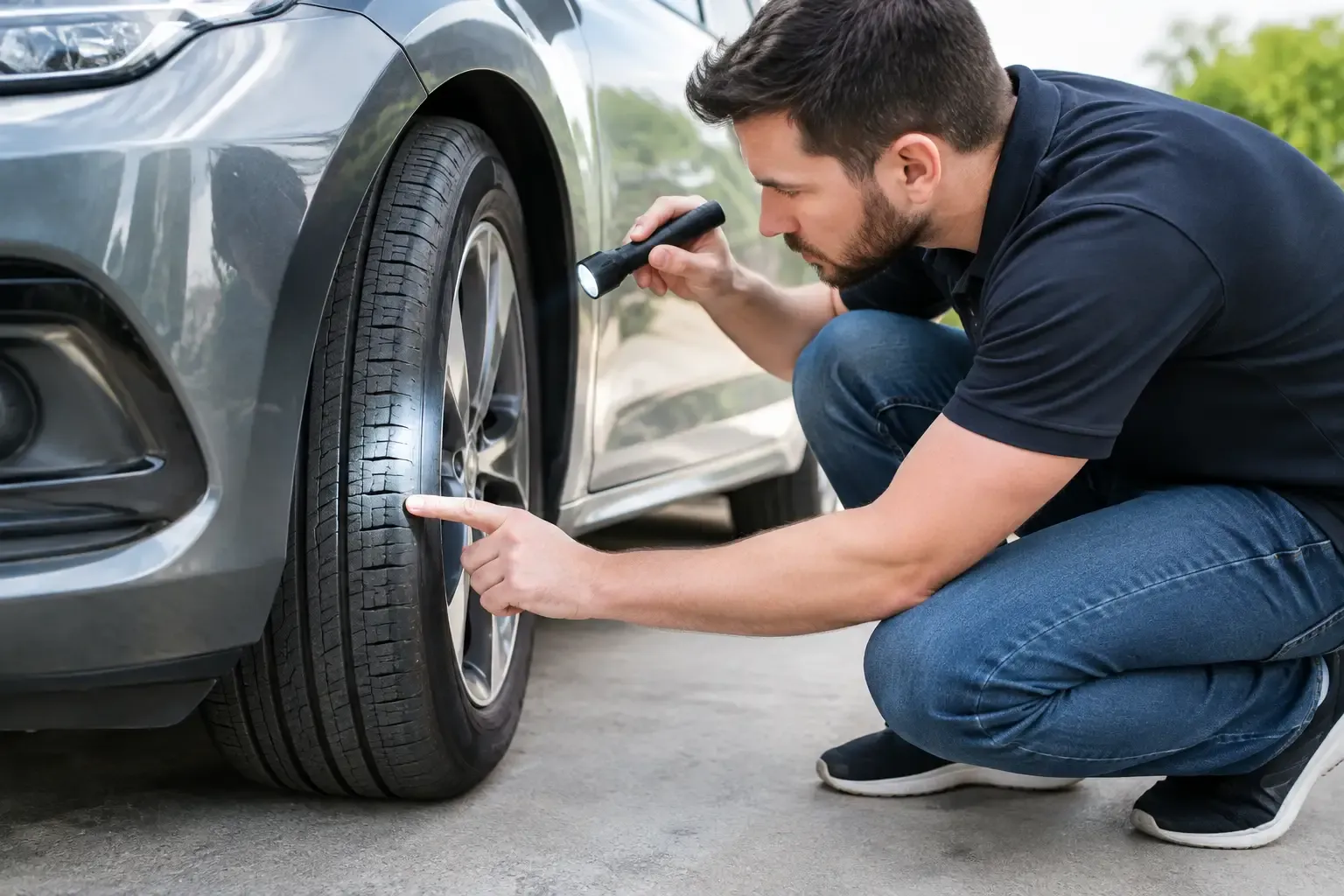
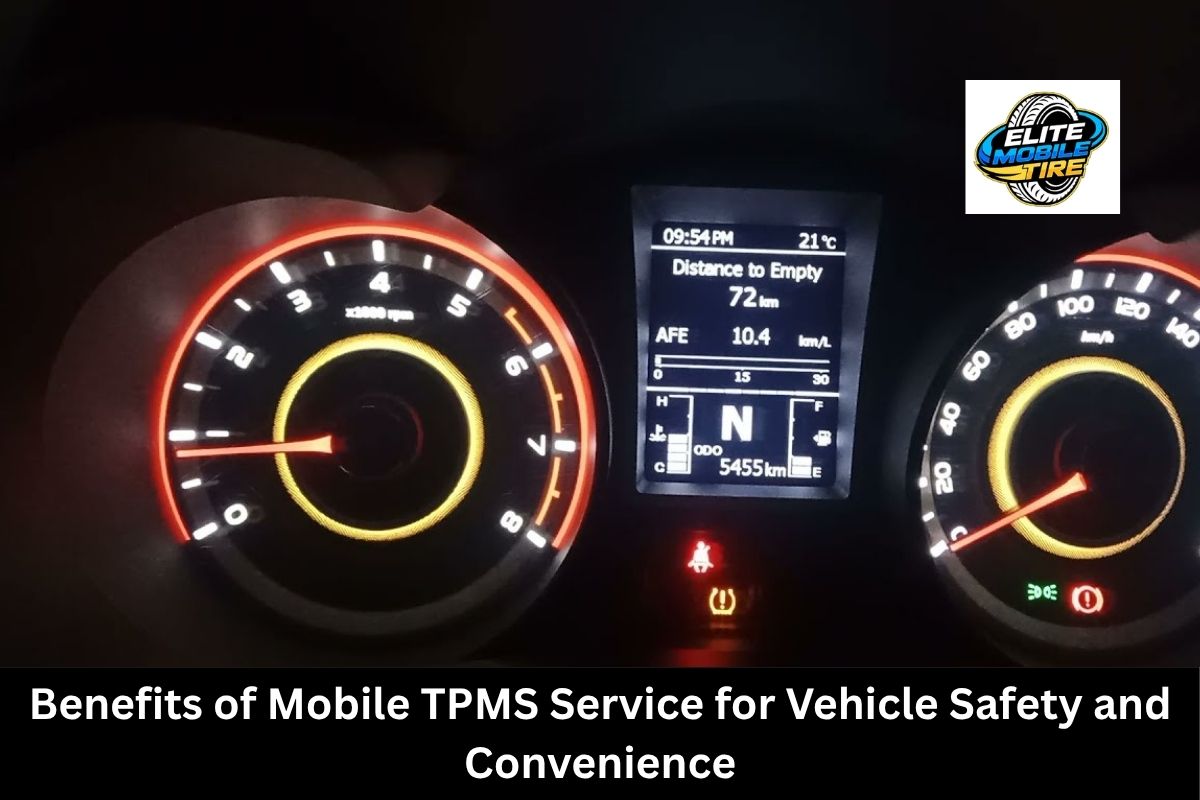
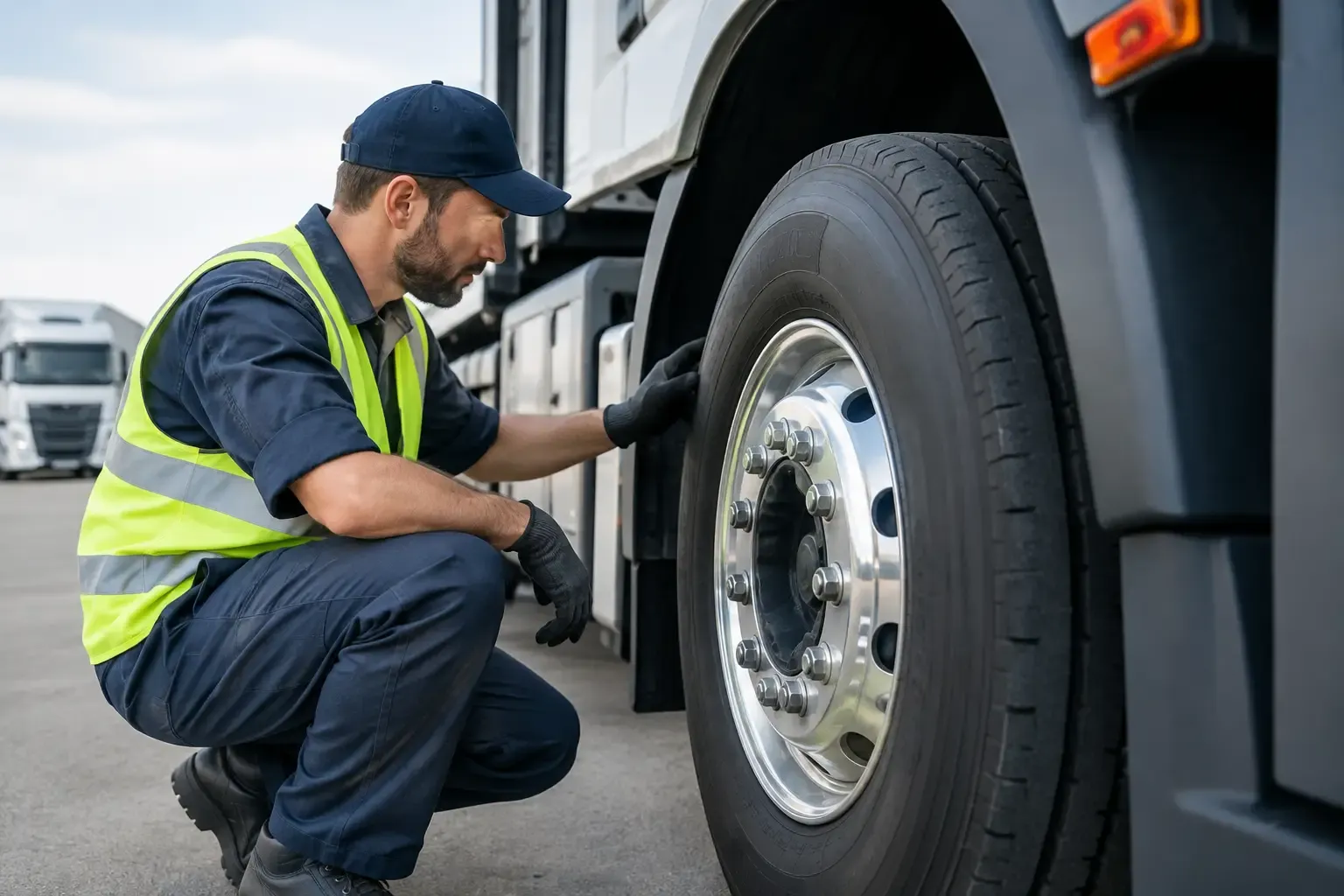
Drivers do not need to be tire experts to catch early warning signs. A quick inspection before leaving can reveal a visibly low tire, sidewall damage, a nail or screw, uneven wear, or a tire that looks different from the others. Drivers should also report TPMS alerts immediately. The warning does not always mean a flat, but it does mean the pressure should be checked before more miles are added.
Fleet managers should monitor tread depth, inflation pressure, rotation intervals, and alignment-related wear patterns. A tire worn heavily on one edge may point to an alignment or suspension issue. Replacing that tire without correcting the underlying cause can lead to another premature replacement and another lost day later.
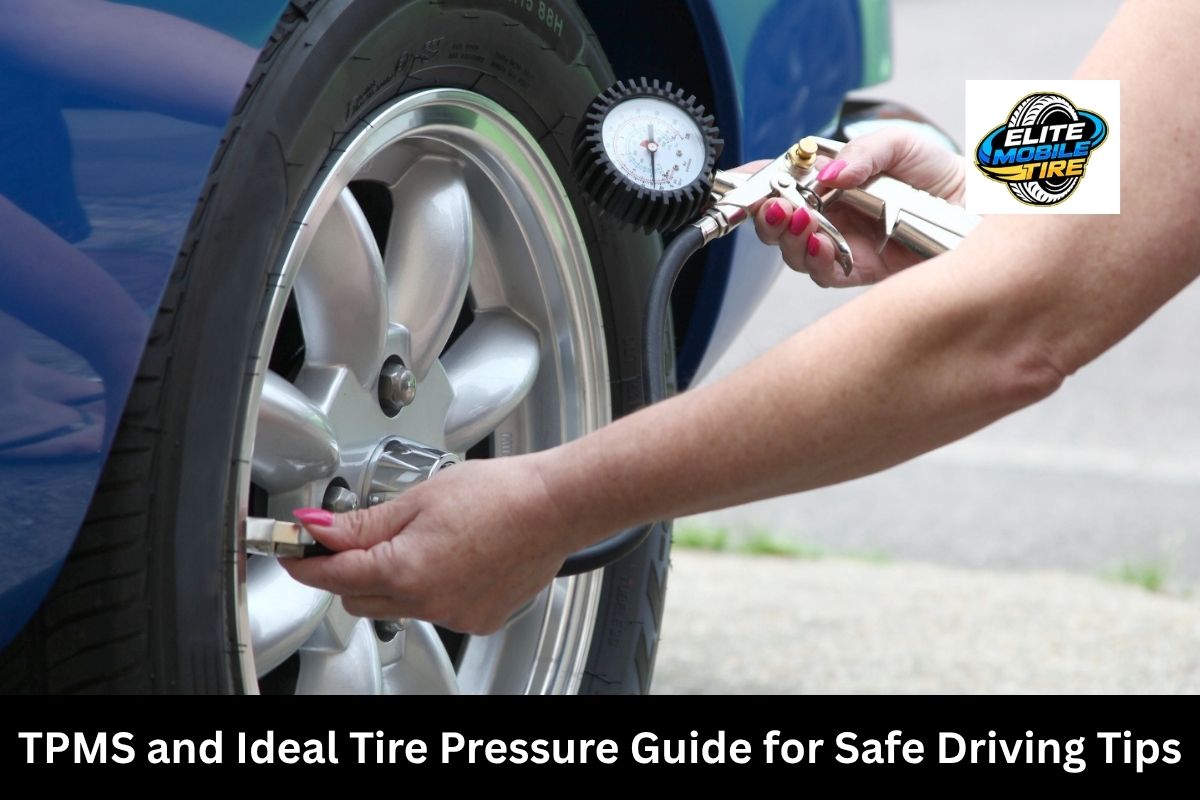
Pressure deserves special attention because it changes with temperature and use. Underinflation increases heat and can reduce tire life. Overinflation can affect traction and contribute to uneven wear. The correct pressure is the vehicle manufacturer's recommended pressure for the vehicle's actual load and use, not simply the maximum pressure printed on the tire sidewall.
Build a Response Process Drivers Can Actually Use
A tire plan only works when drivers know what to do and dispatch can act quickly. Keep the process simple enough to use during a busy workday.
When a driver reports a tire issue, dispatch should collect four details: the exact vehicle location, the vehicle and tire information, whether the vehicle is safely parked, and whether the tire is flat, leaking, or damaged. Clear information helps the mobile technician arrive prepared rather than making a second trip for the correct tire or equipment.
It also helps to define when a driver should stop immediately. A tire that is rapidly losing air, has visible sidewall damage, is making a thumping sound, or causes steering changes should be treated as a safety issue. Continuing to drive may damage the tire beyond repair and can put the driver and others at risk.
For less urgent concerns, such as gradual tread wear or a tire approaching replacement, fleet managers can schedule service at the depot, office, or another planned location. This is often the most efficient option because multiple vehicles can be inspected or serviced during a single visit without sending drivers to a tire shop.
Choose Tires and Service Around the Job
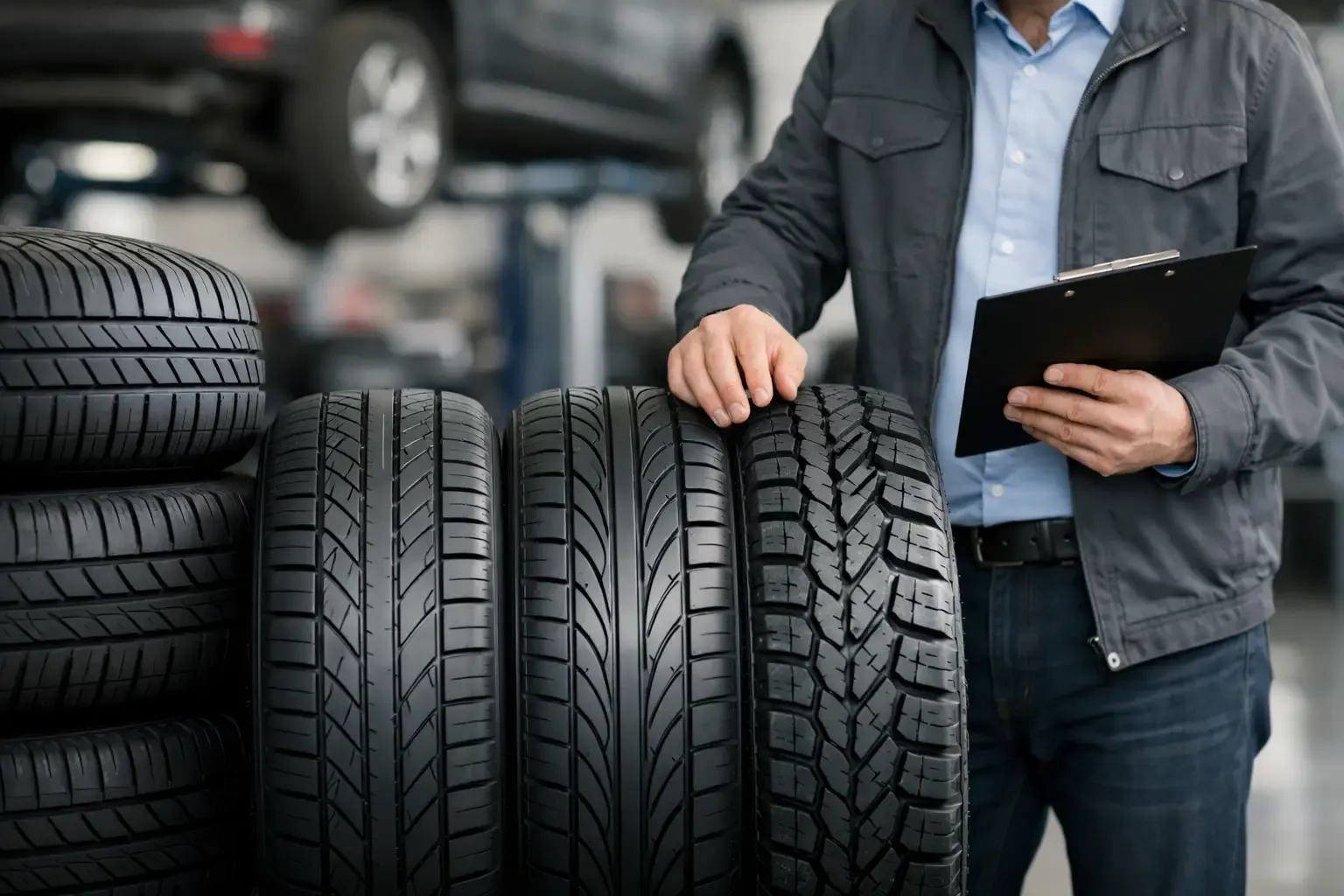
Not every fleet needs the same tire. A local delivery van making frequent stops has different needs than a sales vehicle traveling mostly on highways. Cargo weight, annual mileage, road conditions, vehicle type, and seasonal use all affect the right choice.
A premium tire may cost more upfront but can be the better operational decision when it provides dependable traction, stronger tread life, or suitability for the vehicle's workload. The goal is not to select based on purchase price alone. It is to consider cost per productive mile, predictable replacement timing, driver confidence, and the risk of disruption.
There are trade-offs. Scheduling replacement too early leaves usable tread on the table. Waiting too long increases the chance of a roadside failure, poor wet-weather traction, and rushed purchasing decisions. A fleet manager should use inspection results and operating conditions to set reasonable replacement thresholds rather than relying on a one-size-fits-all rule.
Turn Tire Data Into Fewer Service Interruptions
A simple tire record can reveal patterns that individual repair tickets miss. Track the vehicle number, tire position, pressure issue, damage type, repair or replacement decision, tread depth, and date of service. Over time, this information can show whether certain routes produce more punctures, whether a vehicle has repeat alignment wear, or whether drivers need reminders about TPMS alerts.
The record does not have to be complicated. What matters is using it to make decisions. If two vehicles on the same route repeatedly suffer punctures, examine the route, loading area, or jobsite conditions. If one vehicle regularly wears front tires unevenly, schedule an alignment inspection before another tire is lost prematurely.
For Columbus businesses with vehicles spread across job sites, homes, offices, and service calls, mobile support can keep this process practical. Elite Mobile Tire can bring tire repair, replacement, installation, and roadside assistance to the vehicle location, reducing the time drivers spend waiting, towing, or sitting in a service lobby.
A flat tire will never be convenient, but it does not have to take control of the entire workday. Give drivers a clear reporting process, address warning signs early, and arrange service where the vehicle is parked. That approach keeps the next tire issue smaller, safer, and easier to manage.
Ready for a new set? Elite Mobile Tire installs 2 or 4 new tires right in your driveway or parking lot anywhere around Columbus, Obetz, Groveport, Grove City, and Reynoldsburg. Financing is available through Afterpay and Acima with up to 24-month payment plans. Call 614-344-5010 or visit elitemobiletire.com to book.