Walk through a truck yard off the Rickenbacker corridor and you will see more trailers with a small air line running to each hub. Those are automatic tire inflation systems, and fleets add them for one simple reason: low pressure is one of the most common ways a good tire gets ruined early. Here is what these systems do, what they cannot do, and why a trailer that has one still needs its tires checked.
What an Automatic Tire Inflation System Does
An automatic tire inflation system, often shortened to ATIS, keeps tires near a set pressure while the truck is rolling. Most trailer systems pull air from the trailer air supply and route it through the axle to each hub, then out to the tires through hoses. When a tire drops below the set point, the system feeds it air.
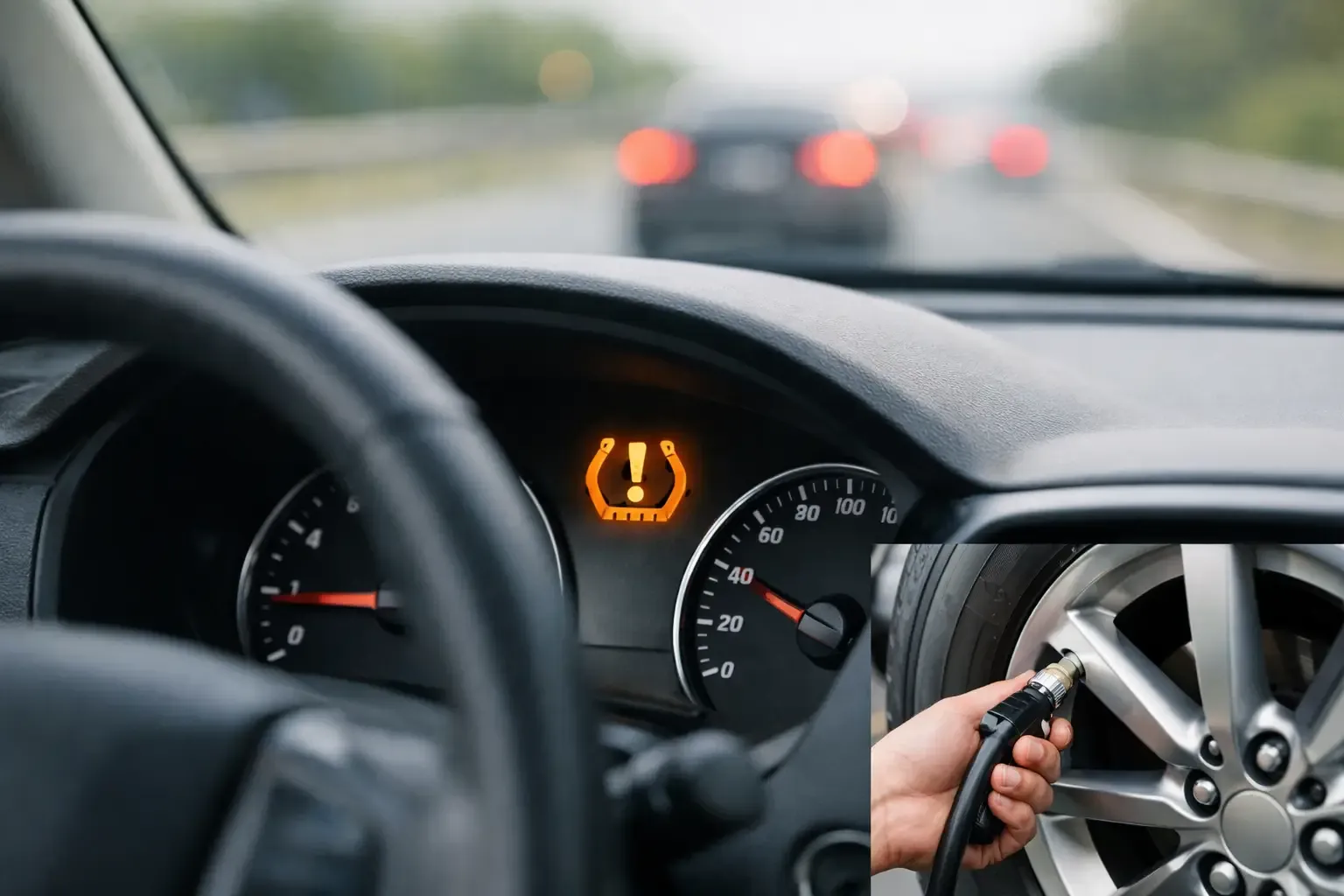
That is different from a tire pressure monitoring system, which only measures pressure and warns the driver. A monitor tells you there is a problem. An inflation system tries to keep up with the problem until someone can look at it.
Why Fleets Are Adding Them
Underinflated tires flex more, and flex builds heat. Heat is hard on the casing, especially on a loaded trailer running I-270 or US-33 in July. Keeping pressure closer to spec can help with:
- More even tread wear and longer tire life
- Rolling resistance, which affects fuel use
- Fewer heat-related failures from running low for hundreds of miles
- Less time spent gauging every trailer tire by hand
The EPA SmartWay program lists tire pressure systems among the technologies fleets can look at to reduce fuel use, though results depend on routes, loads, and how well the equipment is maintained.
What They Will Not Catch
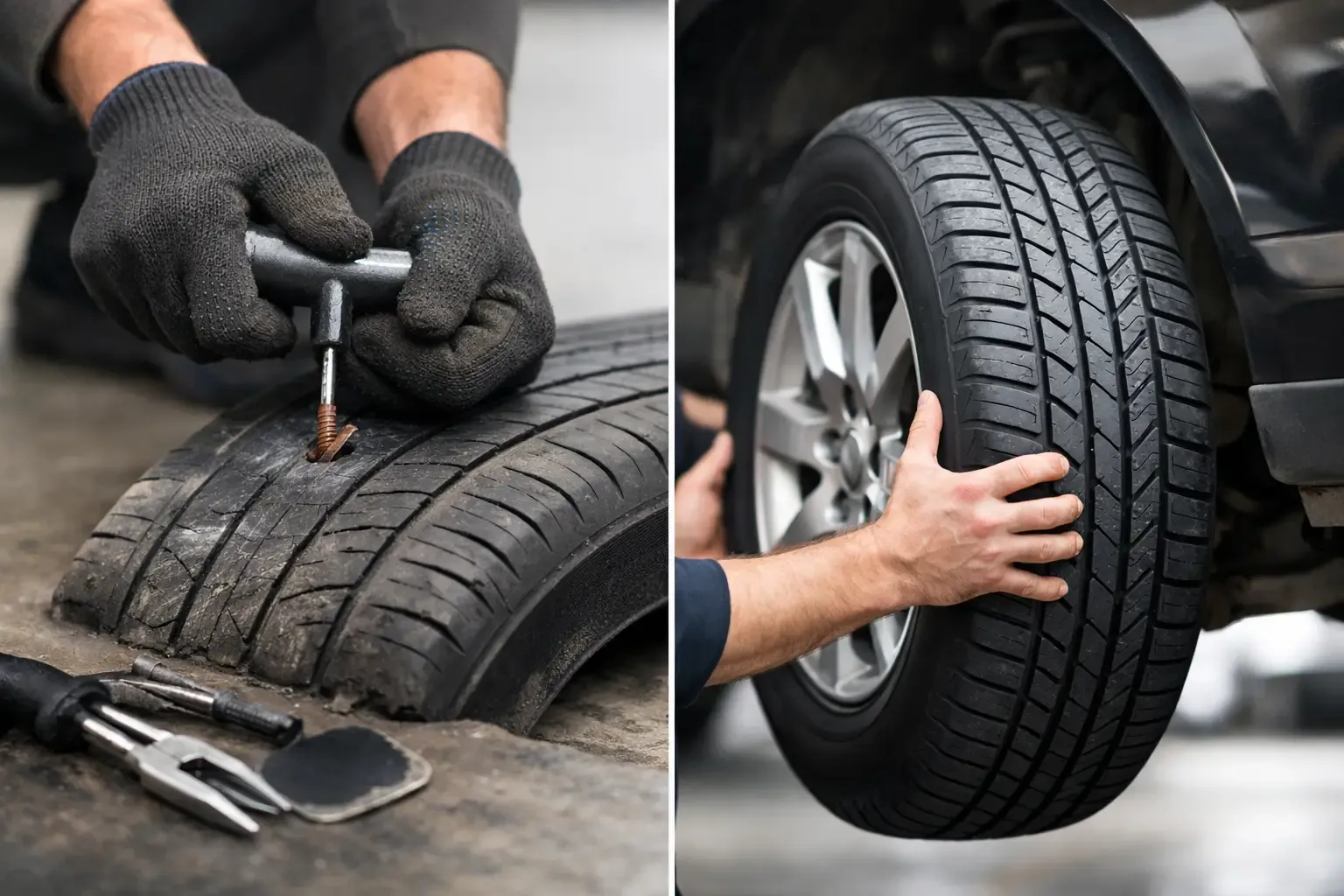
This is the part that gets expensive. A system that keeps adding air can hide a slow leak from a nail, and the tire may run that way for a long time. It also does nothing about:
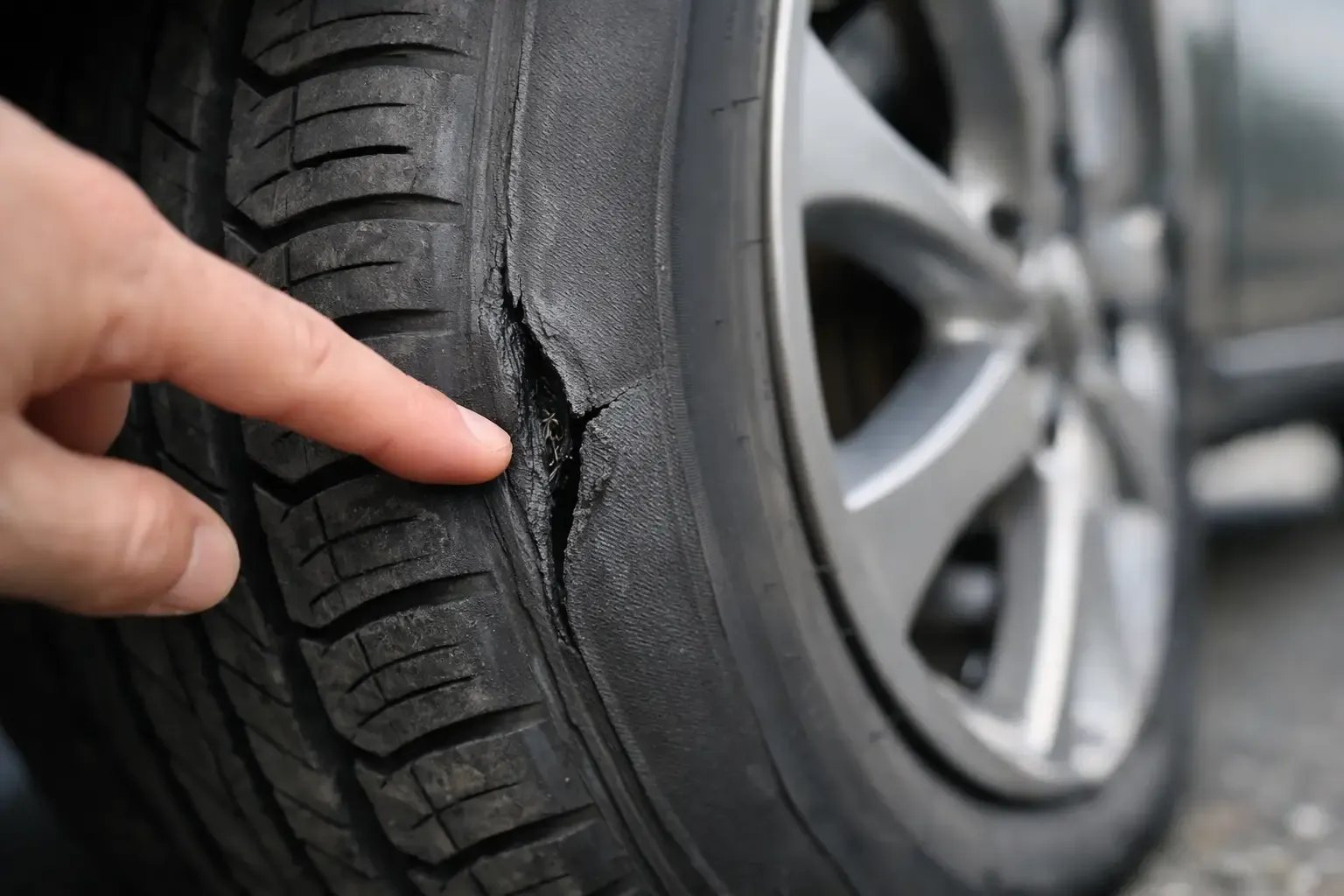
- Sidewall cuts, bulges, and curb damage
- Irregular wear from a mechanical problem
- Tire age and tread depth
- Damaged hoses, fittings, and hub seals on the system itself
- Tires the system does not cover, since many setups are trailer-only and leave steer and drive positions to your normal checks
Federal rules still apply no matter what equipment is on the truck. 49 CFR 393.75 sets minimum tread depth at 4/32 of an inch on steer tires and 2/32 on other positions. No inflation system will add tread back.
What This Means for a Central Ohio Fleet
If you run trailers out of Rickenbacker, treat automatic inflation as a helper and not as a replacement for inspections. A good routine looks like this:
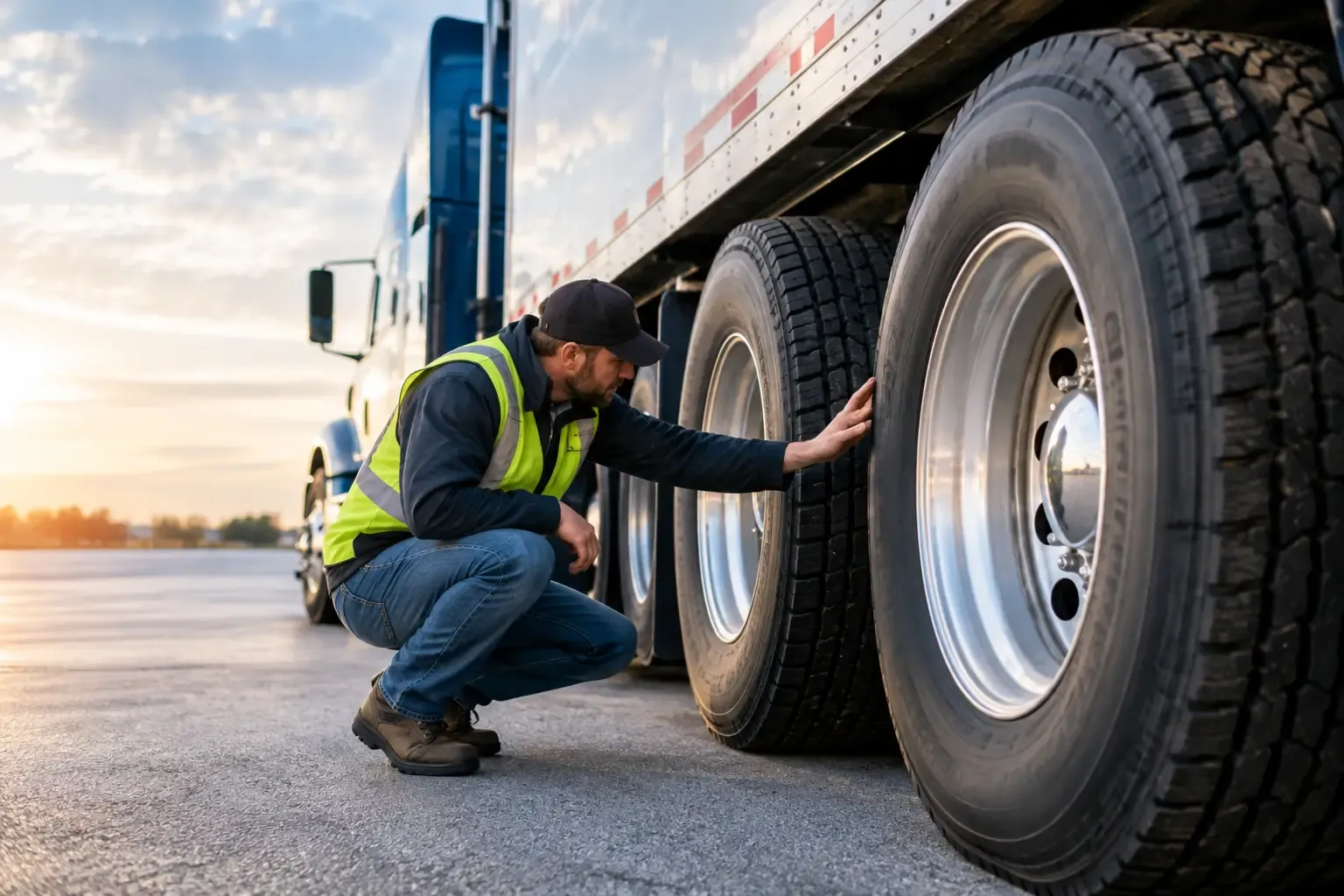
- Walk around every unit before it leaves the yard and look for damage the system cannot sense
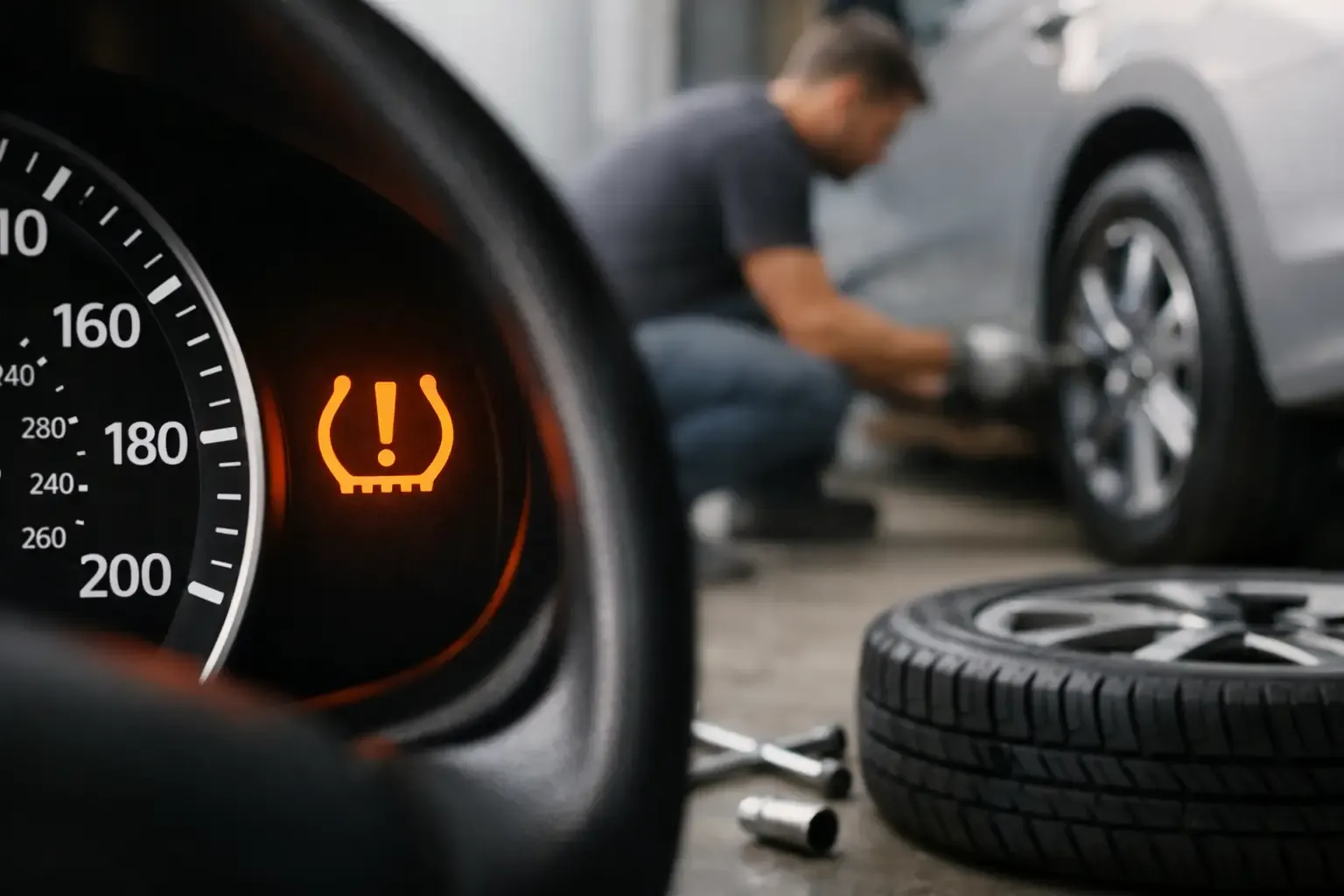
- Watch for an indicator light that stays on or cycles often, since that can point to a leak
- Measure tread and check date codes on a regular schedule
- Check steer and drive tires by hand if your system only covers trailers
- Replace in matched pairs on an axle so duals carry the load evenly
Fleets running I-70 through Whitehall or US-33 through Canal Winchester see a lot of the same road hazards: construction debris, potholes, and shoulder junk. A hose or a tire can get hit by any of it, and a parked truck earns nothing.
When a Tire Still Needs Replacing
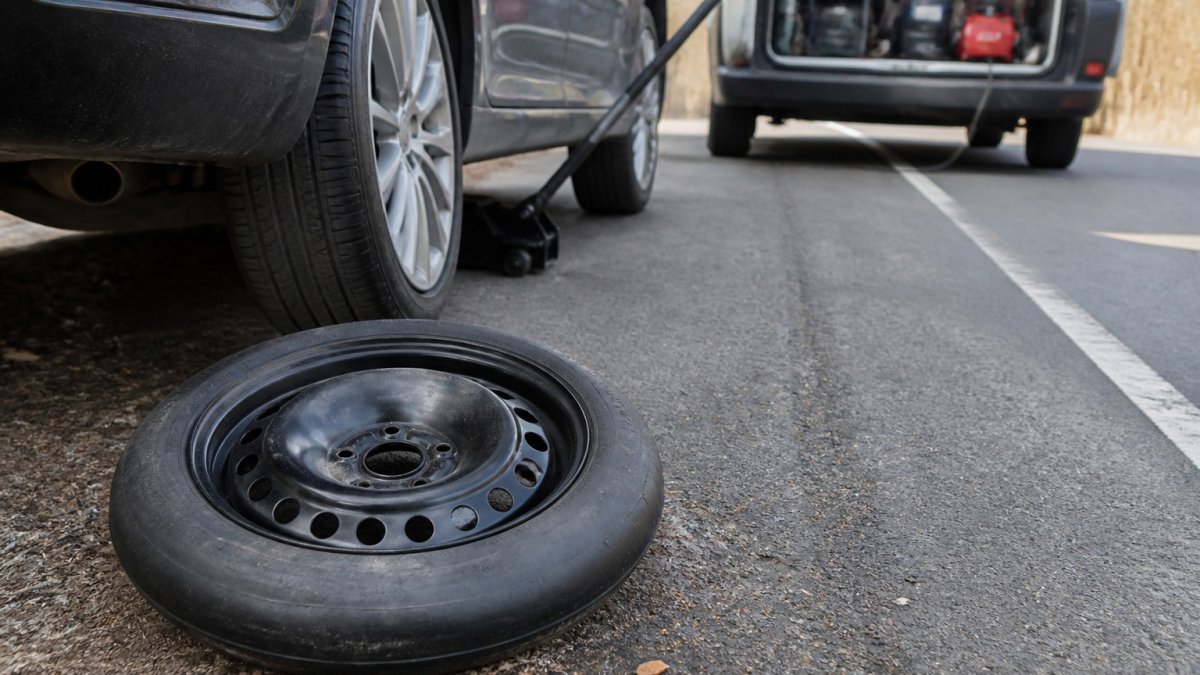
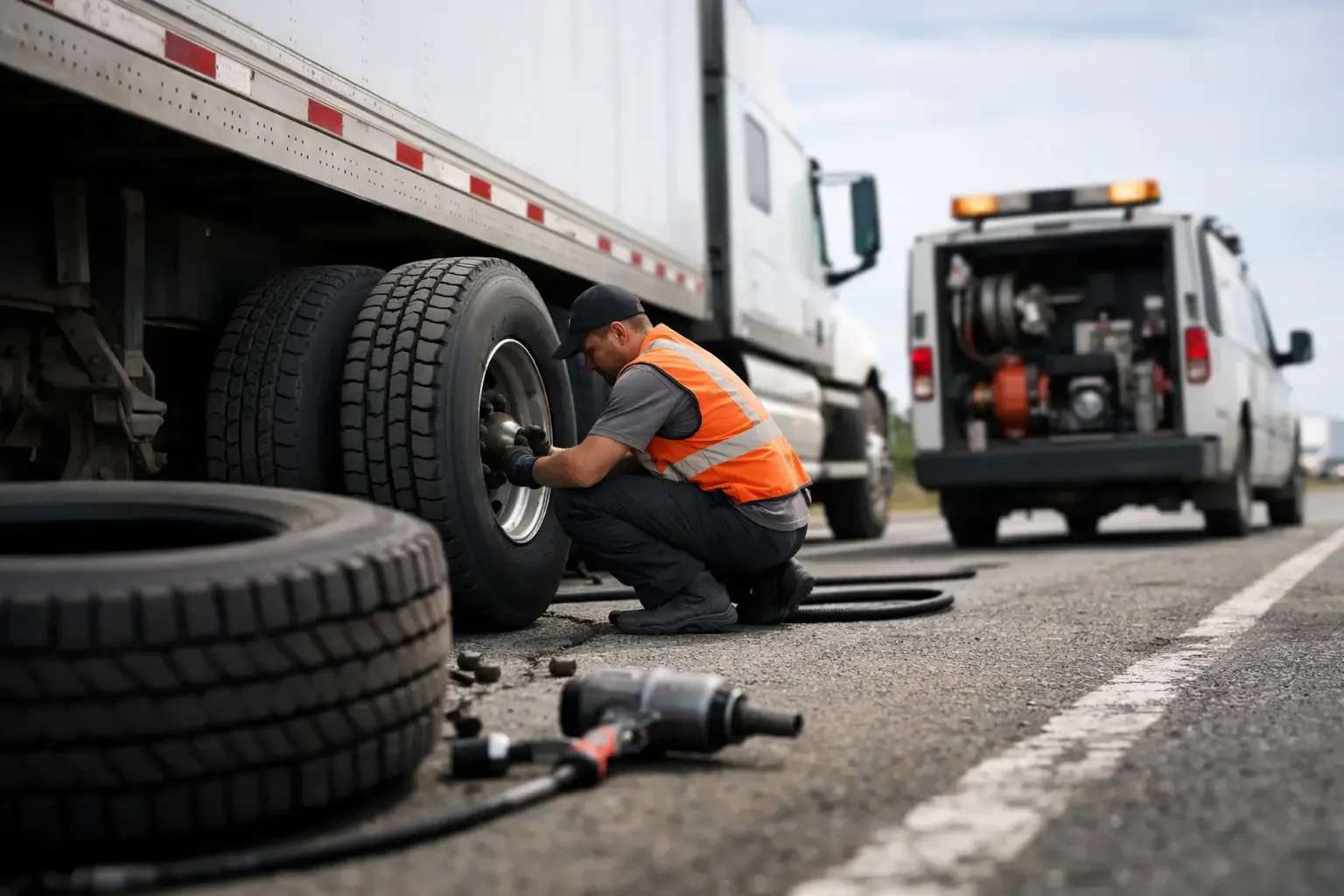
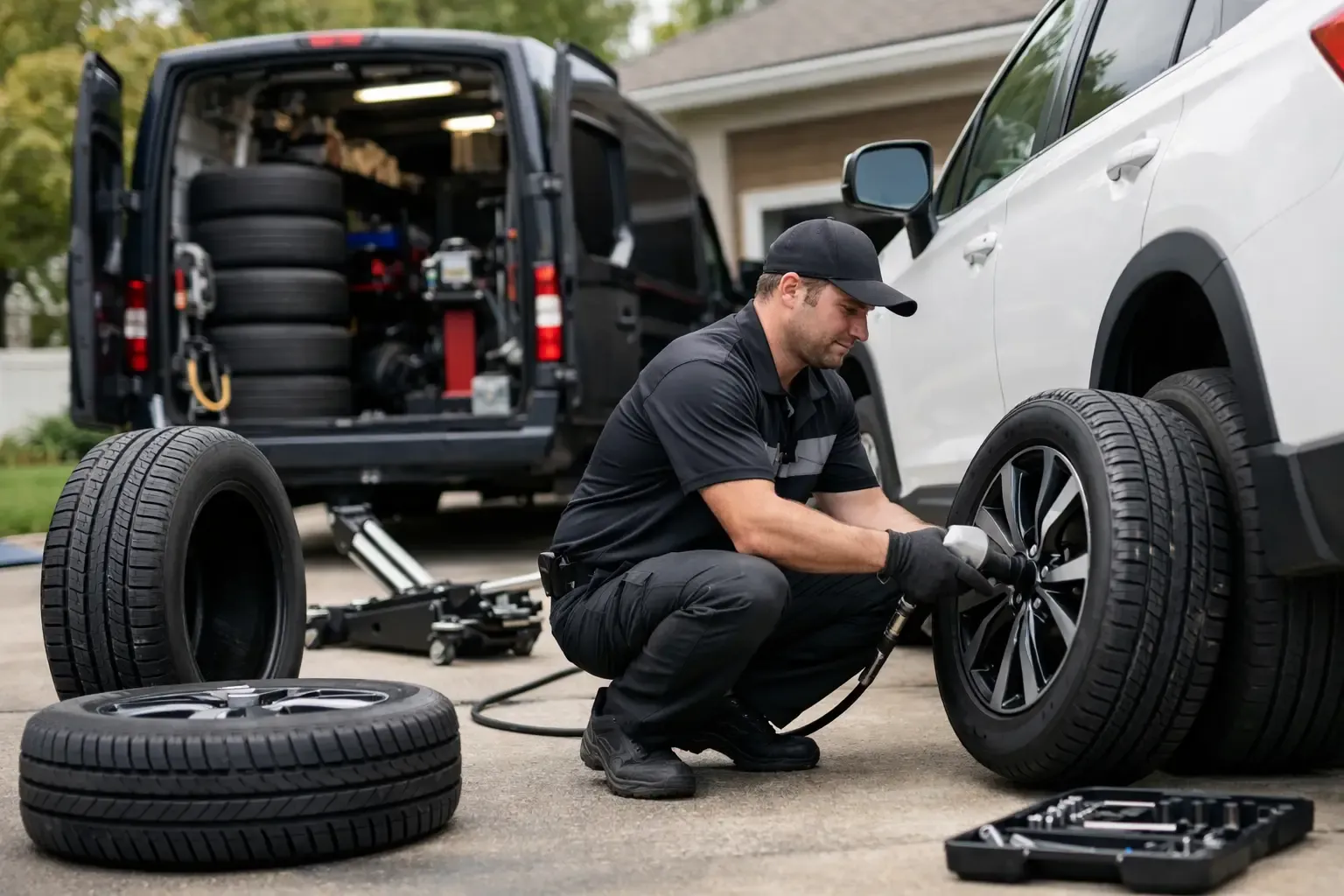
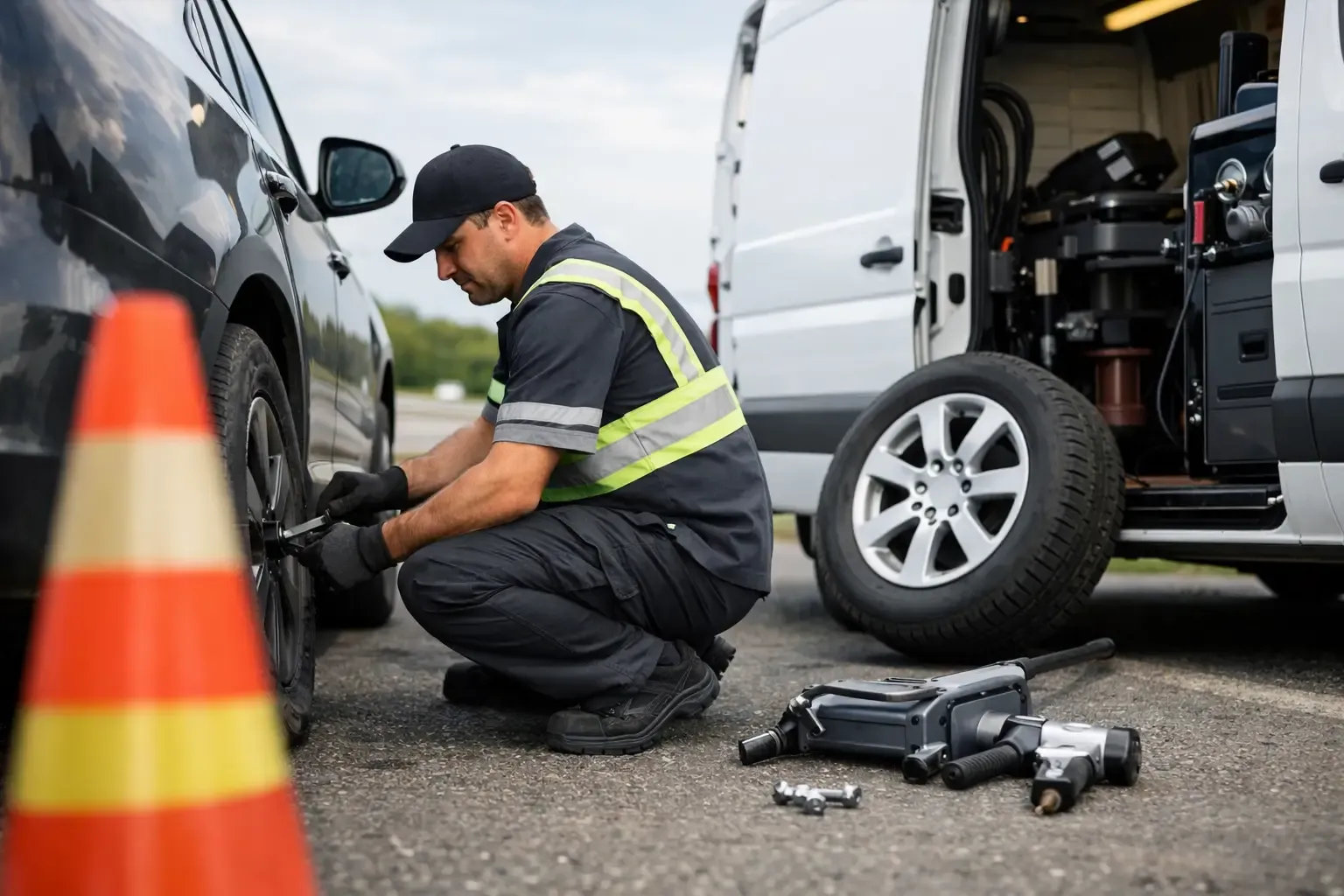
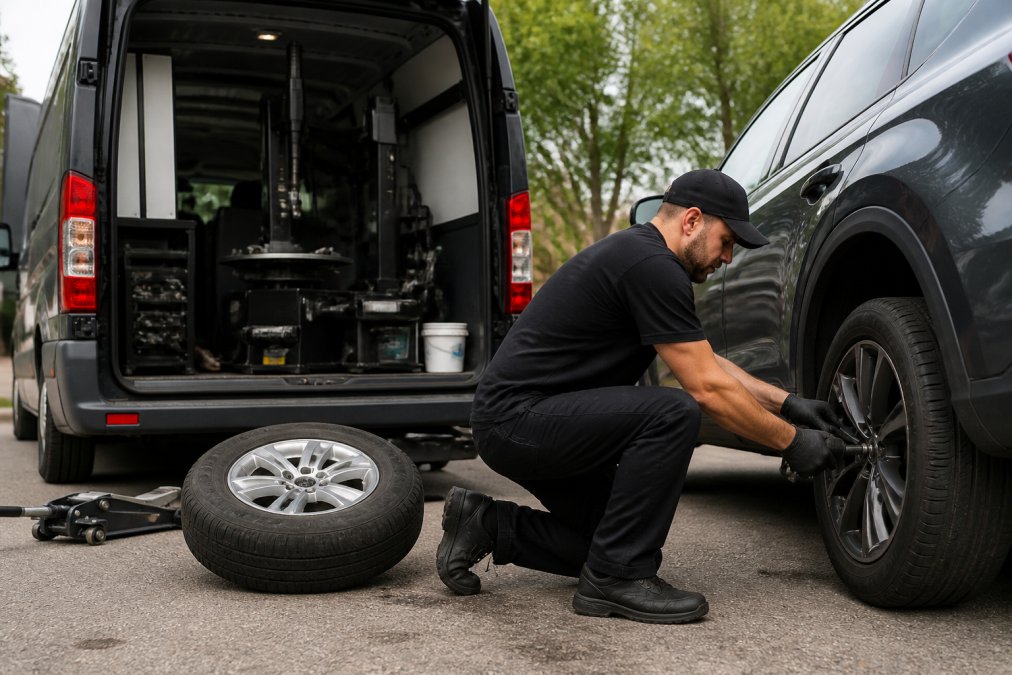
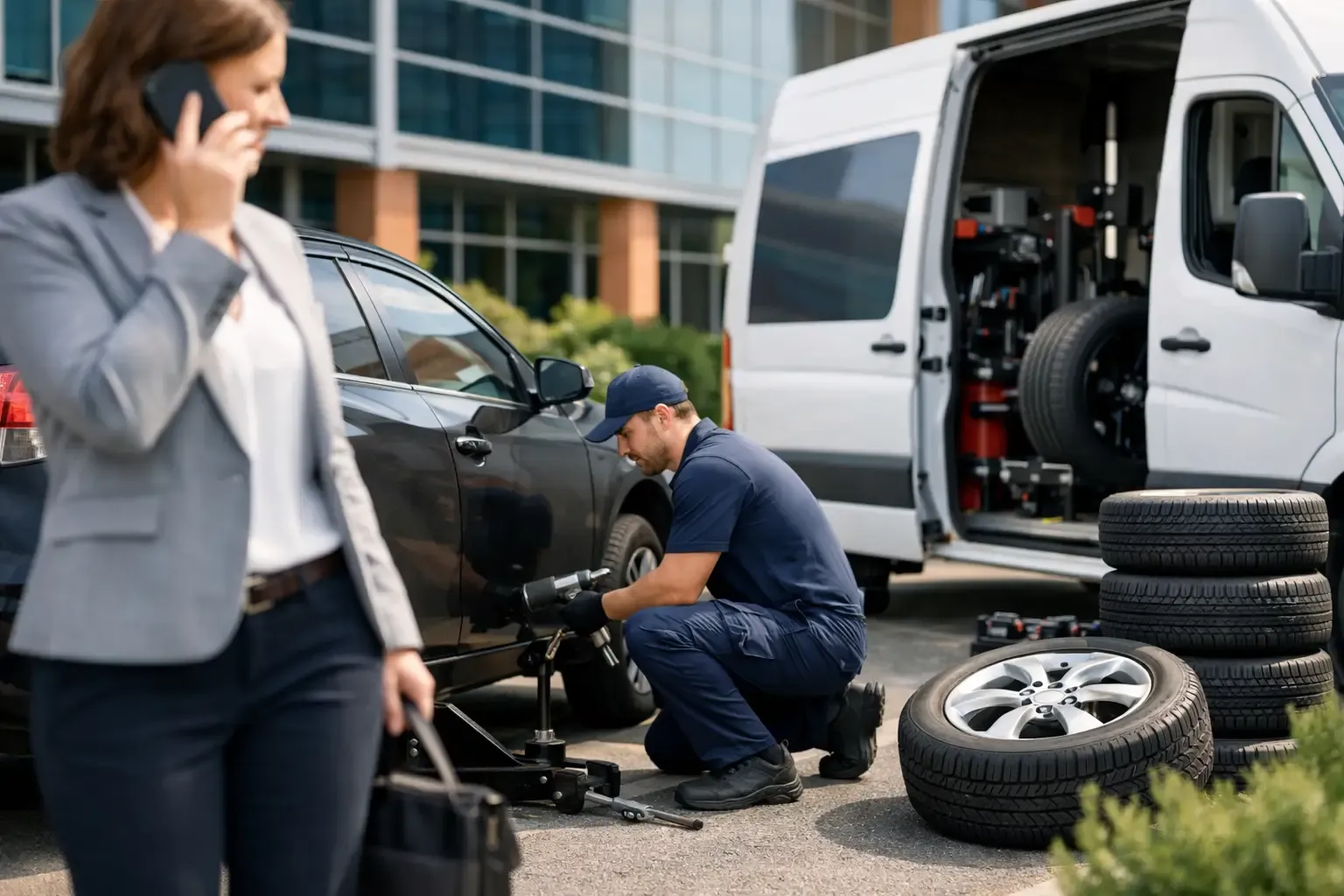
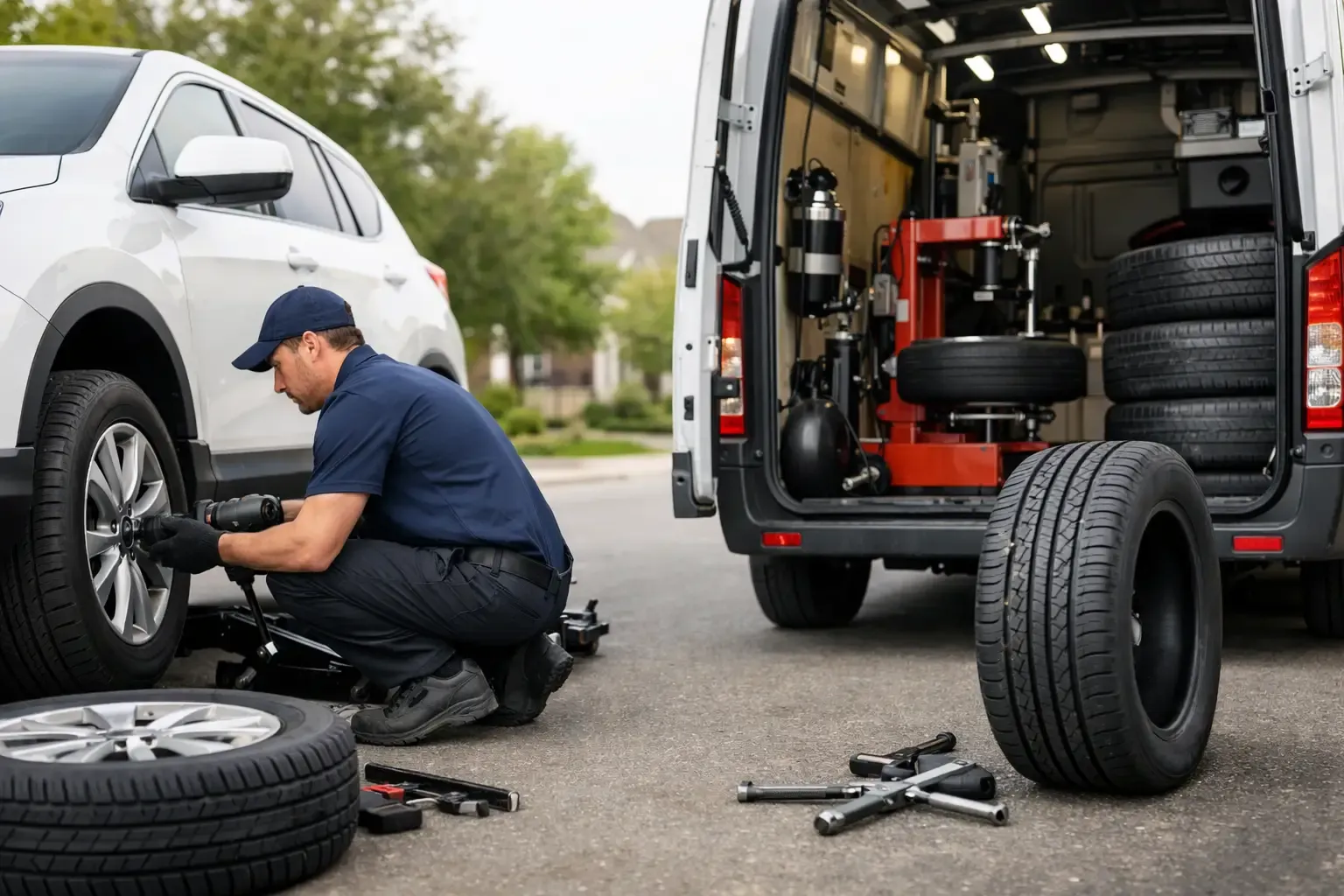
Even the best-maintained system will not save a tire with a sidewall cut or worn tread. That is where mobile service fits. Our semi truck and commercial tire service comes to your yard, dock, or the roadside, so the trailer does not have to be moved to a shop. Our techs check the other tires on the unit while they are there, because a problem on one position often means another is close behind.
We work 24/7, and same-day visits are available. Have the tire size, position, and location ready when you call.
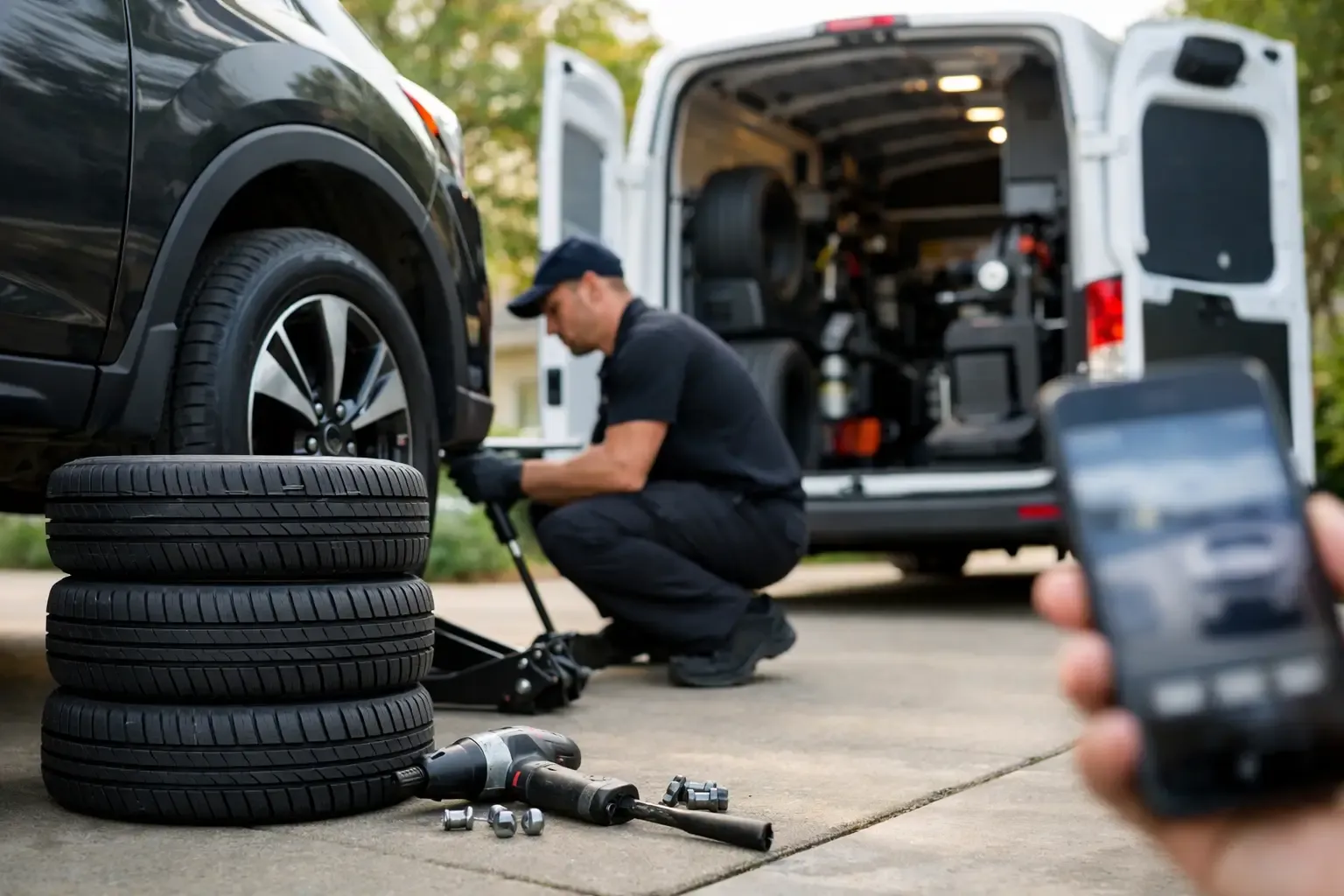
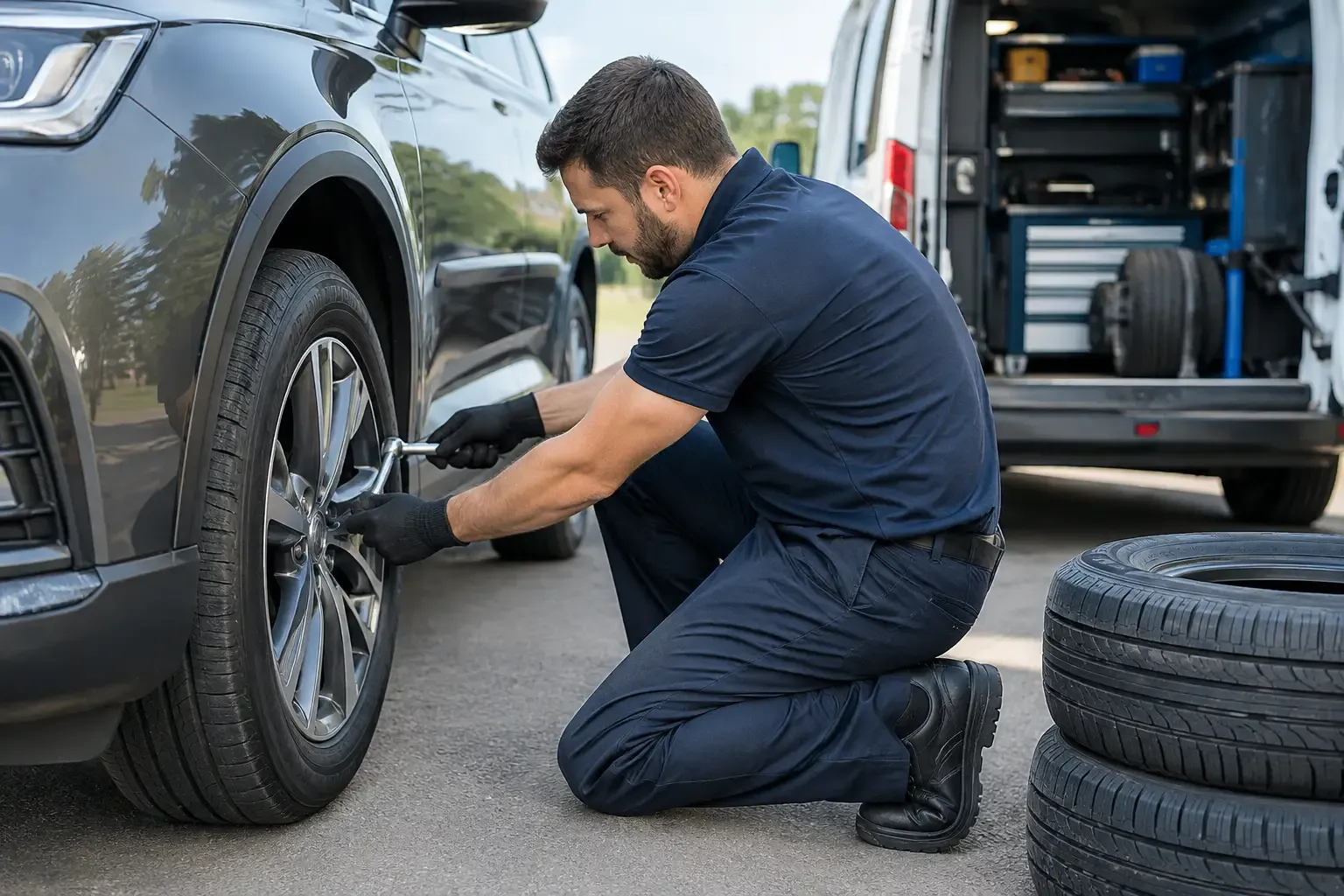
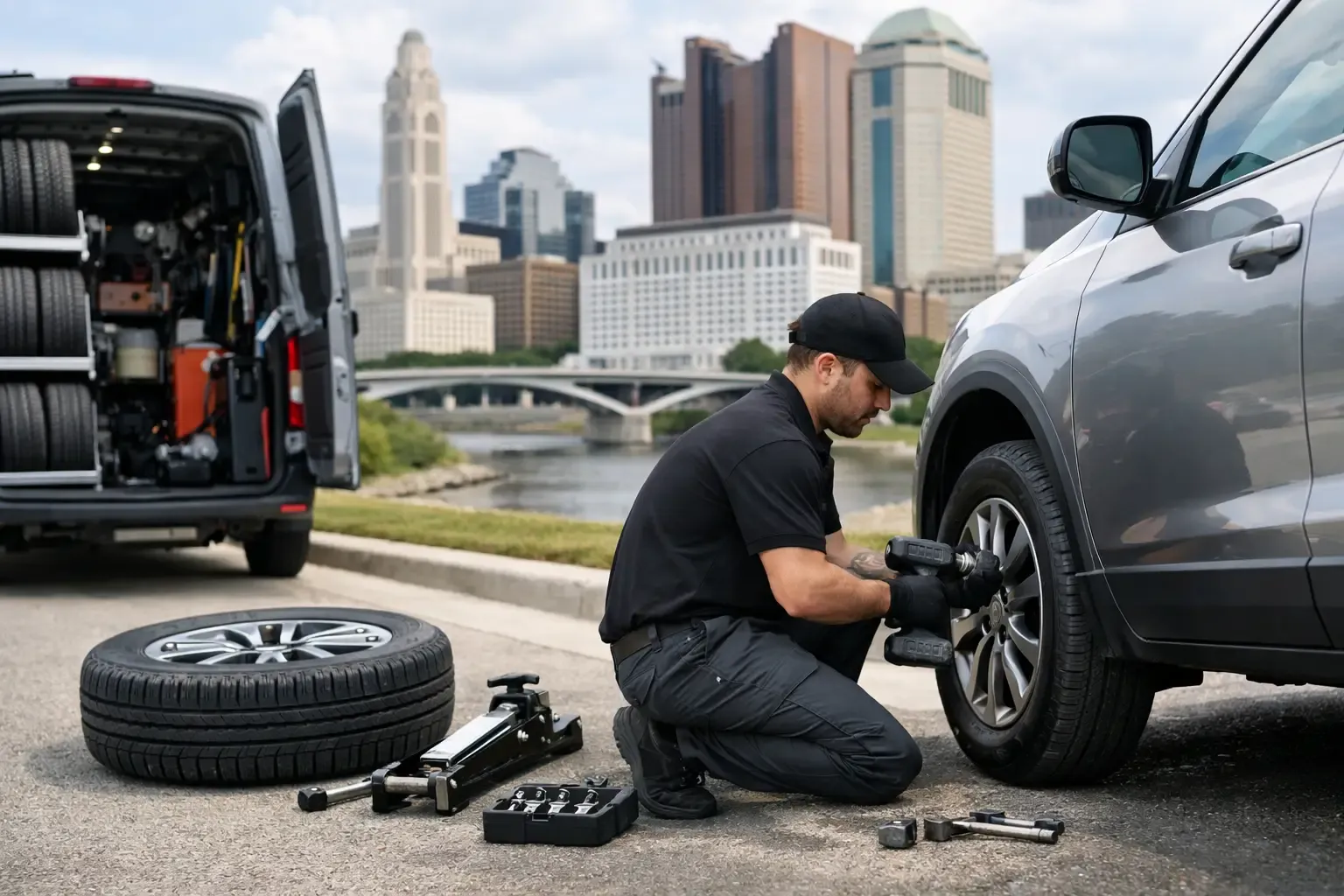
Ready for a new set? Elite Mobile Tire installs 2 or 4 new tires right in your driveway or parking lot anywhere around Columbus, Obetz, Groveport, Grove City, and Reynoldsburg. Financing is available through Afterpay and Acima with up to 24-month payment plans. Call 614-344-5010 or visit elitemobiletire.com to book.