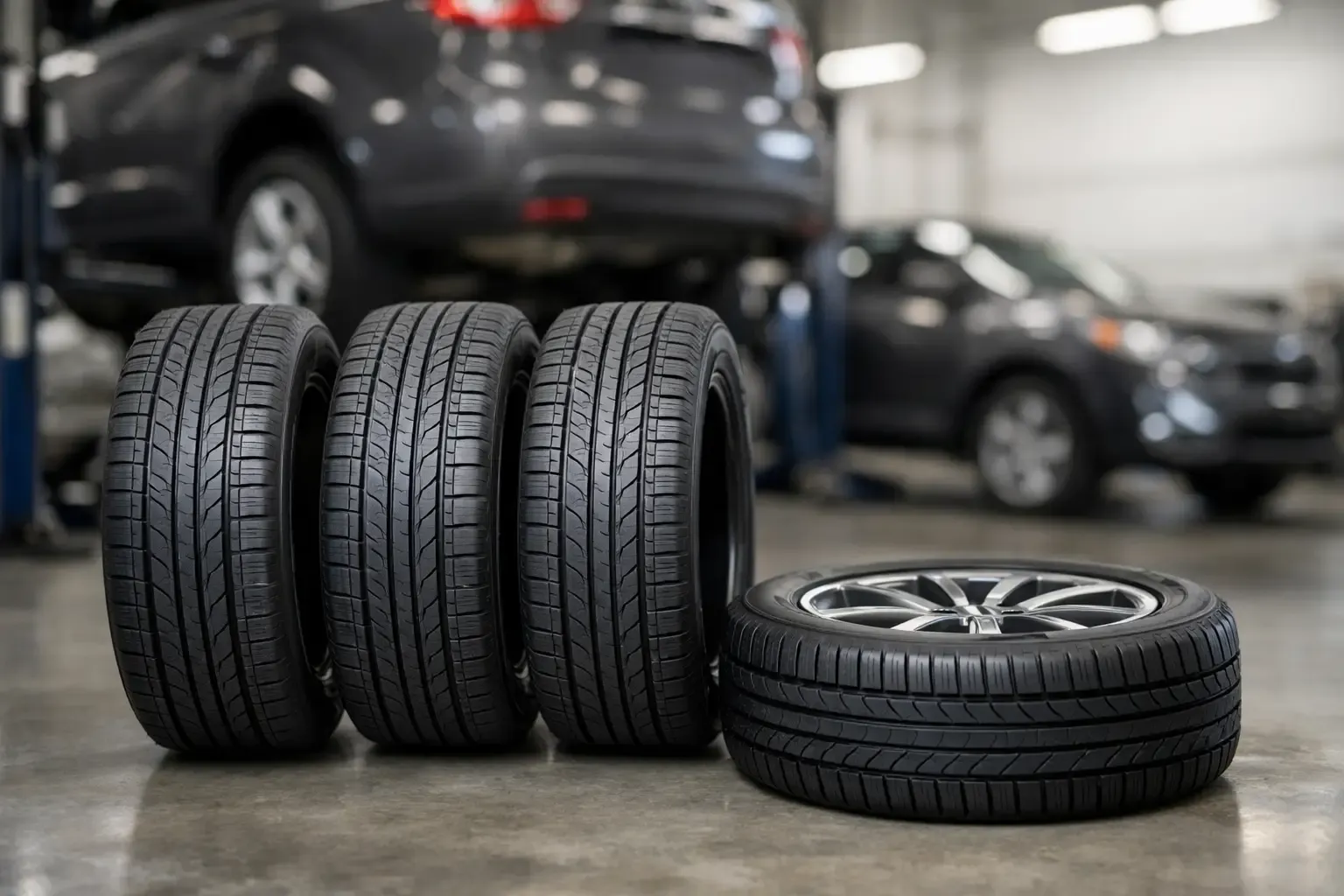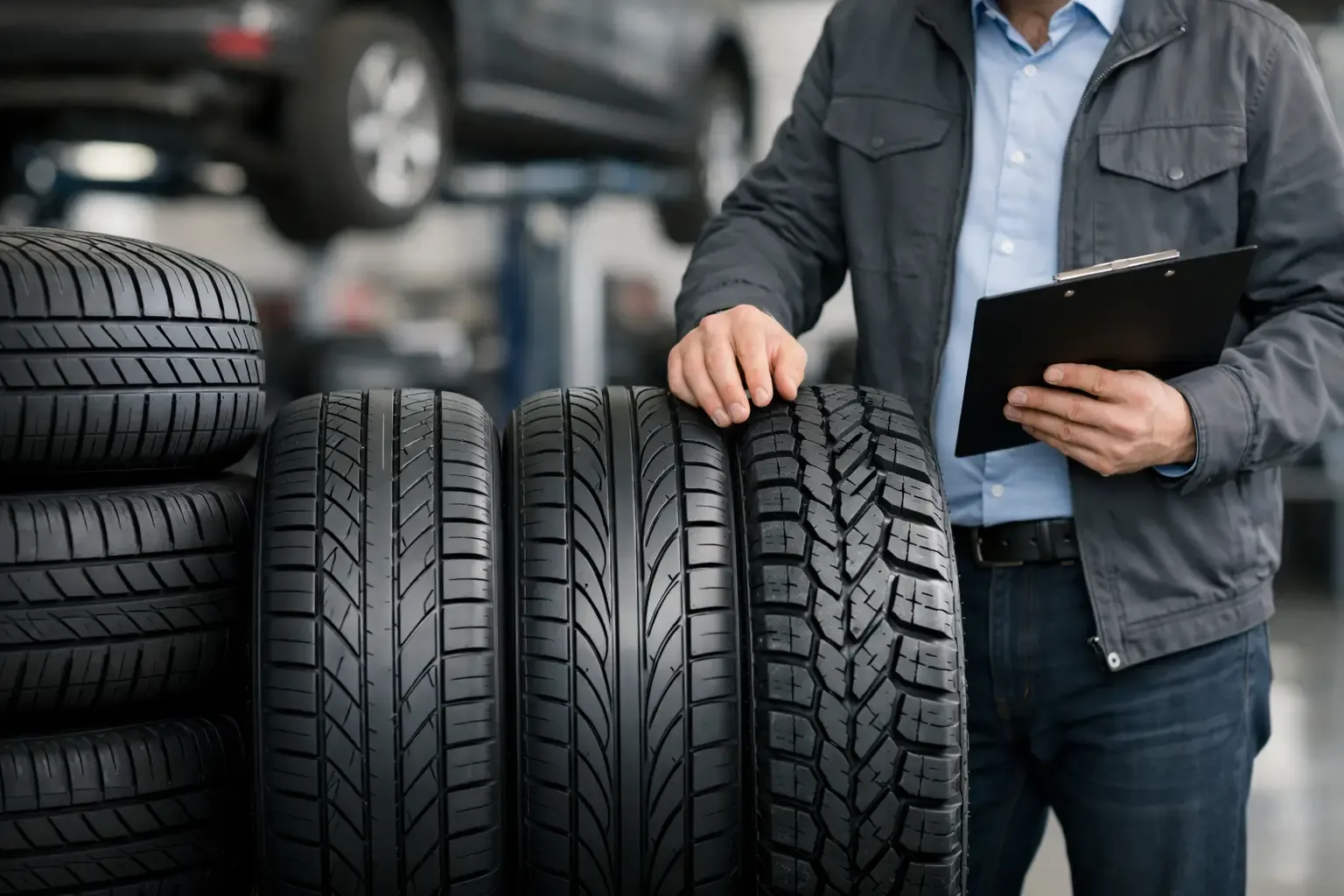

A family SUV does a little of everything: school drop-offs, rain-soaked commutes, grocery runs, road trips, and the occasional drive across town with every seat full. That is why the best tires for family SUVs are not simply the ones with the longest tread-life number or the most aggressive-looking tread. They need to fit how your vehicle is actually used, while giving you dependable traction, a calm ride, and the confidence to handle changing Ohio weather.
For most families, a quality all-season tire from a respected manufacturer is the right starting point. The best choice can change based on your SUV, how many miles you drive, whether you travel often, and how much winter traction you need. Here is how to make a clear, safety-focused decision.
Start With the Tire Size and SUV Requirements
Before comparing tire models, confirm the correct size, load rating, and speed rating for your SUV. You can find this information on the driver-side door placard and in the owner's manual. A tire sidewall might read something like 235/65R17, but that number alone is not the complete specification.
Family SUVs are often heavier than sedans, especially when passengers, cargo, sports equipment, or a trailer are involved. The tires must be rated to carry that weight safely. Choosing the wrong load index can affect handling, braking, tire wear, and overall ride quality.
It is also worth checking whether your vehicle uses a staggered setup, requires a specific tire type, or has an all-wheel-drive system. AWD vehicles are particularly sensitive to major differences in tire circumference. If one tire is damaged beyond repair, replacing only one may not always be the right solution. A qualified technician can measure the remaining tread and help determine whether a matching pair or a full set is needed to protect the drivetrain.
What the Best Tires for Family SUVs Should Do Well
For a family vehicle, safety and predictability matter more than chasing one standout feature. The right tire should perform consistently in normal driving conditions, not just impress on a dry test track.
Wet-road traction deserves top priority
Columbus drivers know how quickly dry pavement can turn slick after a hard rain or a seasonal temperature swing. Tires with effective water-channeling grooves and a compound designed for wet grip can reduce the risk of hydroplaning and support shorter, more controlled stops.
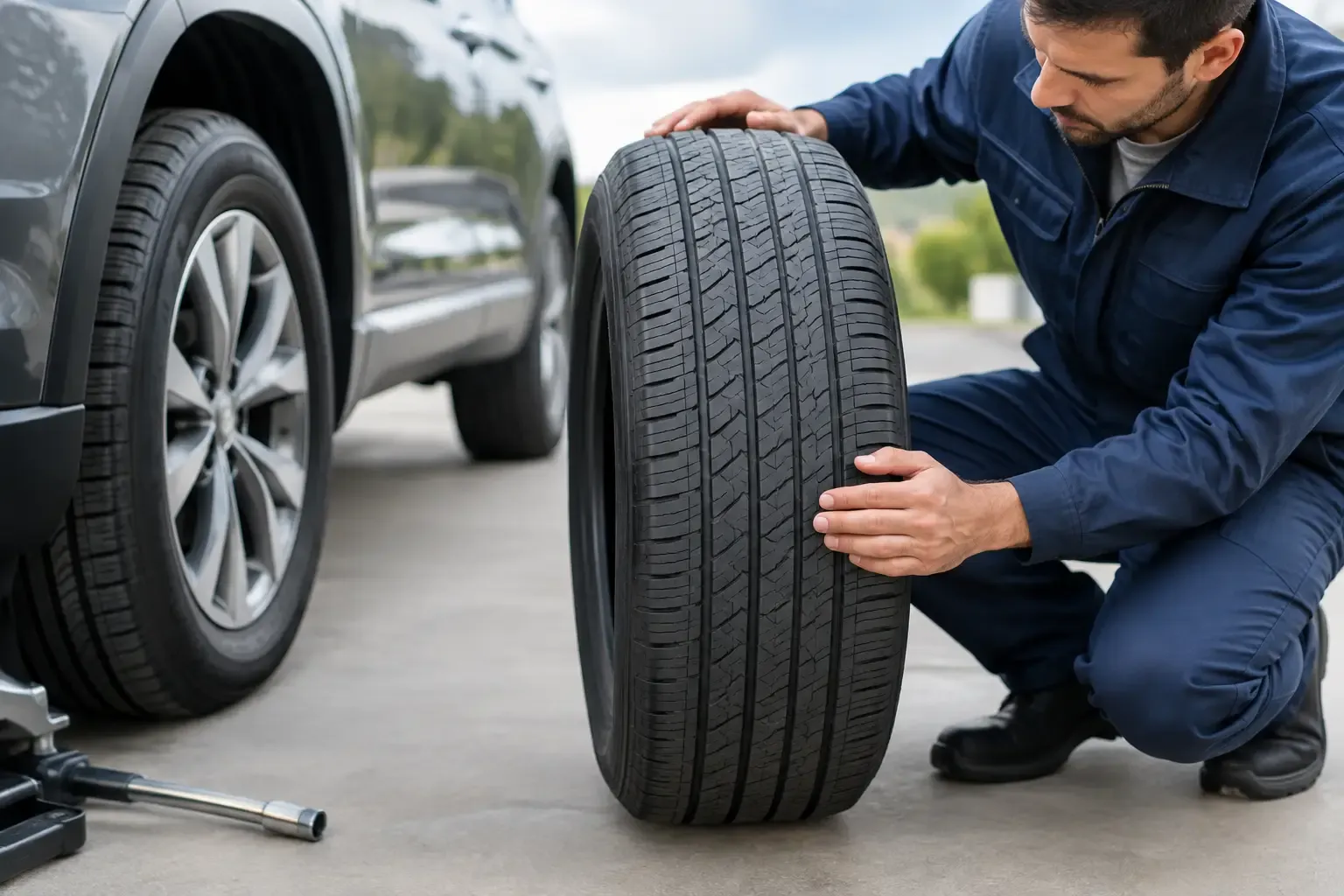
When comparing options, look for tires that are known for strong wet braking and wet handling. Deep circumferential grooves help move water away from the contact patch, while smaller sipes in the tread help the tire maintain grip on damp pavement. This matters when you are braking at a busy intersection with children in the back seat, not just when weather is severe.
Comfort matters on everyday drives
A louder, rougher tire can make an otherwise comfortable SUV feel tiring on longer trips. Touring and grand-touring all-season tires are often a strong fit for families because they balance quiet road manners, stable handling, and reliable tread life.
Some drivers assume a more aggressive tread automatically means more safety. It can offer advantages in certain conditions, but there is a trade-off. All-terrain tires may provide additional grip on gravel, trails, or unpaved roads, yet they can create more road noise, reduce fuel economy, and wear differently during daily highway use. If your SUV spends almost all of its time on city streets and freeways, a touring all-season option is usually the more practical match.
Tread life should support your routine
A longer tread-life warranty can be useful, but it should not be the only deciding factor. Actual tire life depends on alignment, inflation pressure, rotation intervals, driving habits, and road conditions. A tire with excellent projected mileage is only a good value if it also delivers the traction and ride quality your family needs.
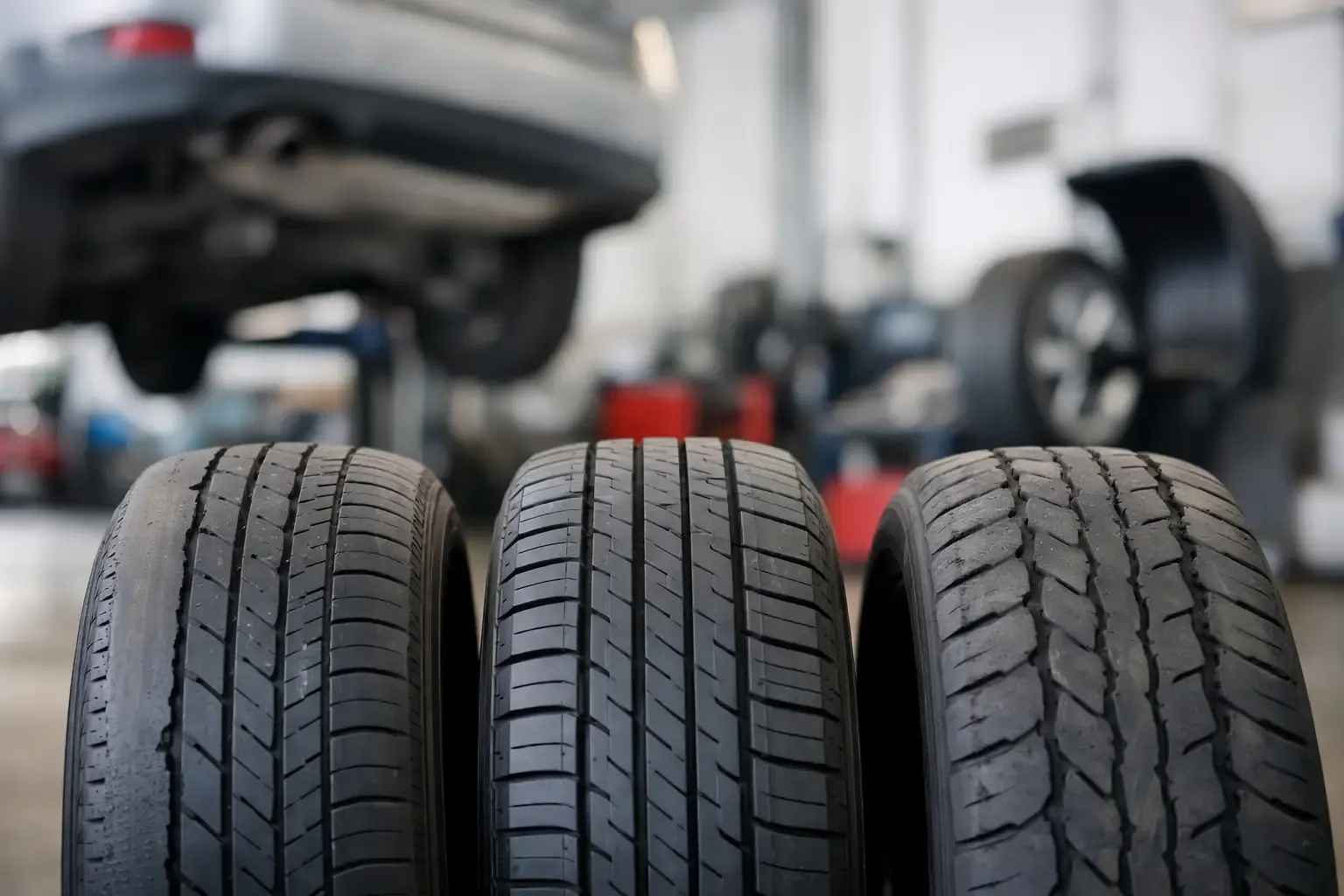
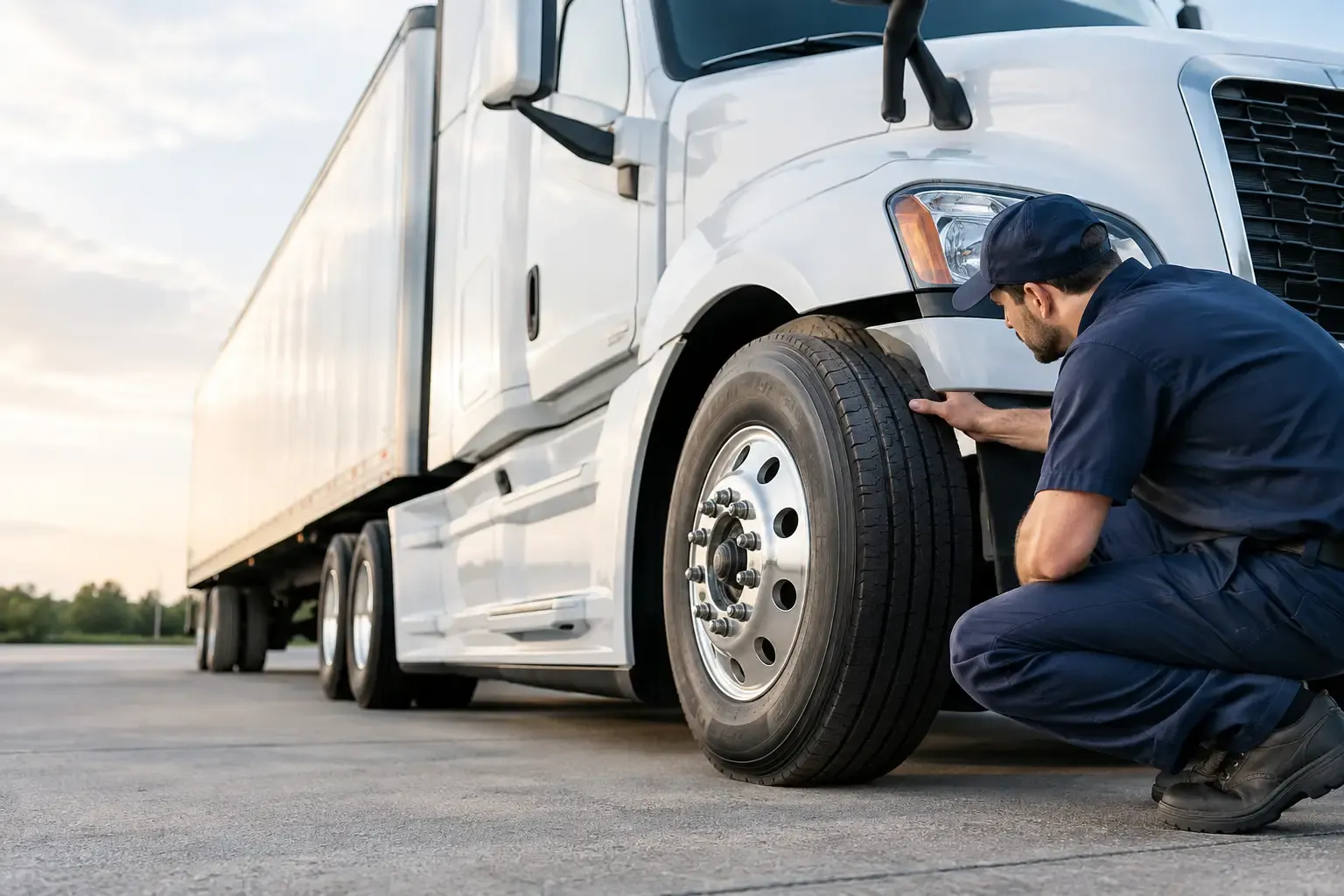
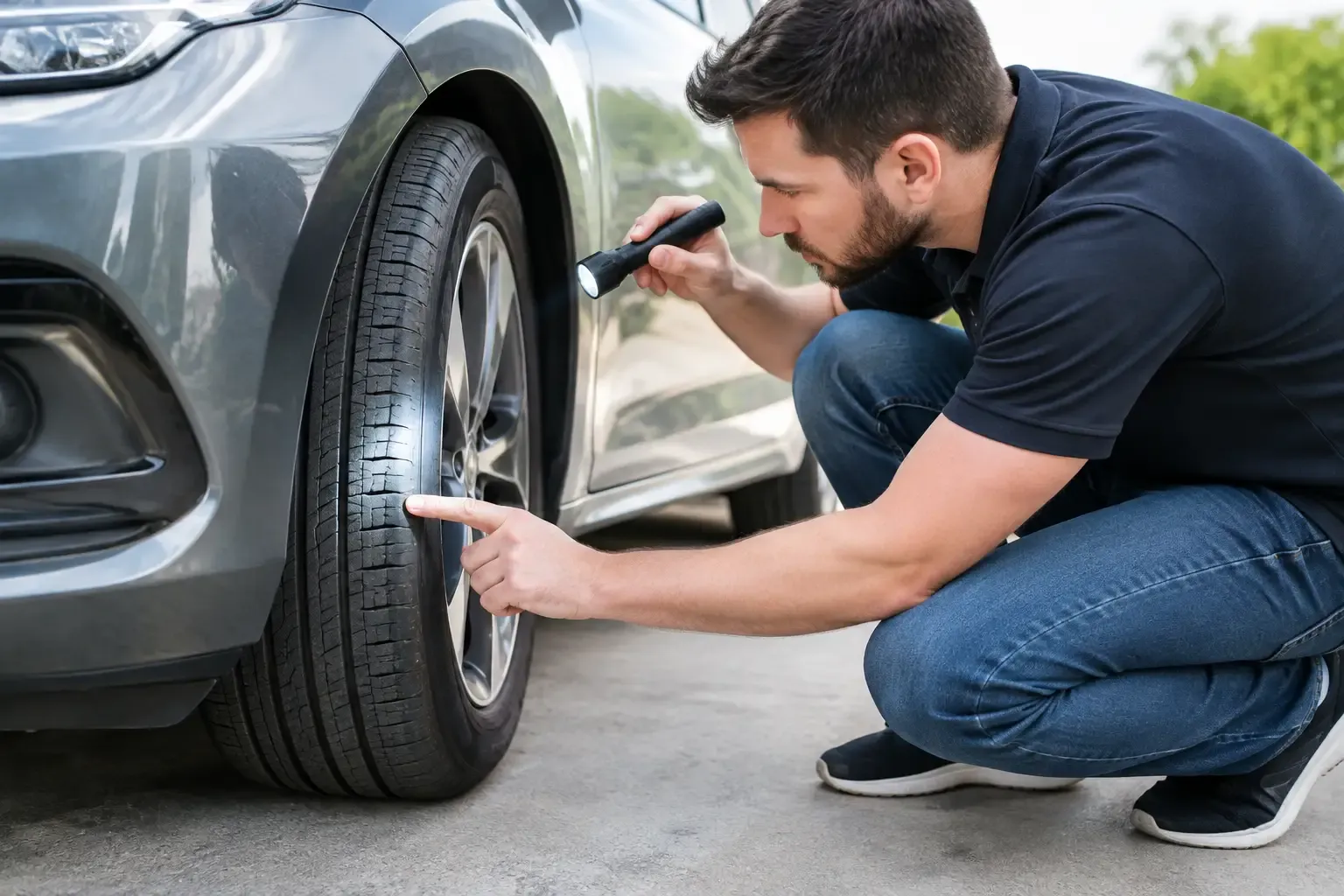
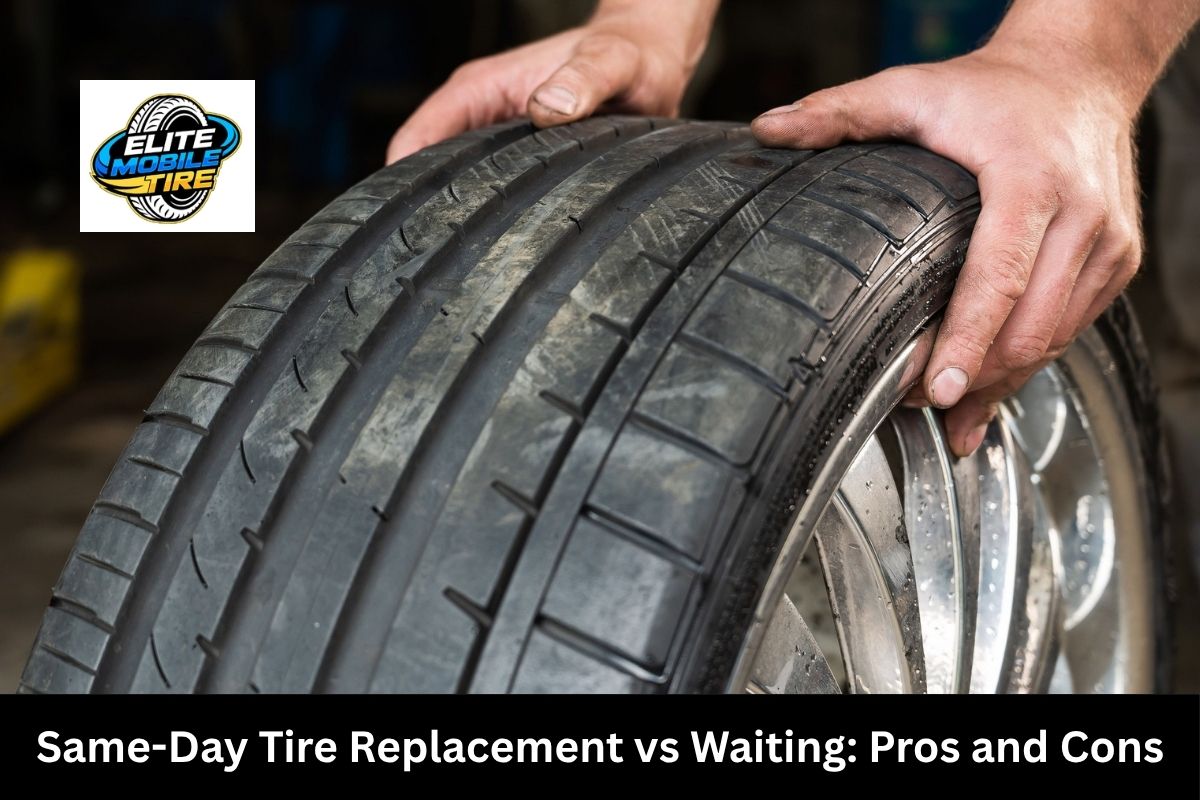
Check your tires regularly for uneven wear. Wear concentrated on one edge may point to an alignment issue. Wear in the center can indicate overinflation, while wear along both outer edges may suggest underinflation. Addressing these concerns early can help protect a new set of tires and keep your SUV handling as intended.
Which Tire Category Fits Your Family SUV?
Most family SUV tire decisions come down to three categories: touring all-season, all-weather, and all-terrain. Each has a legitimate purpose.
Touring all-season tires are the go-to choice for many drivers. They are designed for dry roads, rain, light snow, highway travel, and a comfortable daily ride. They make sense for suburban commutes, family errands, and regular road trips.
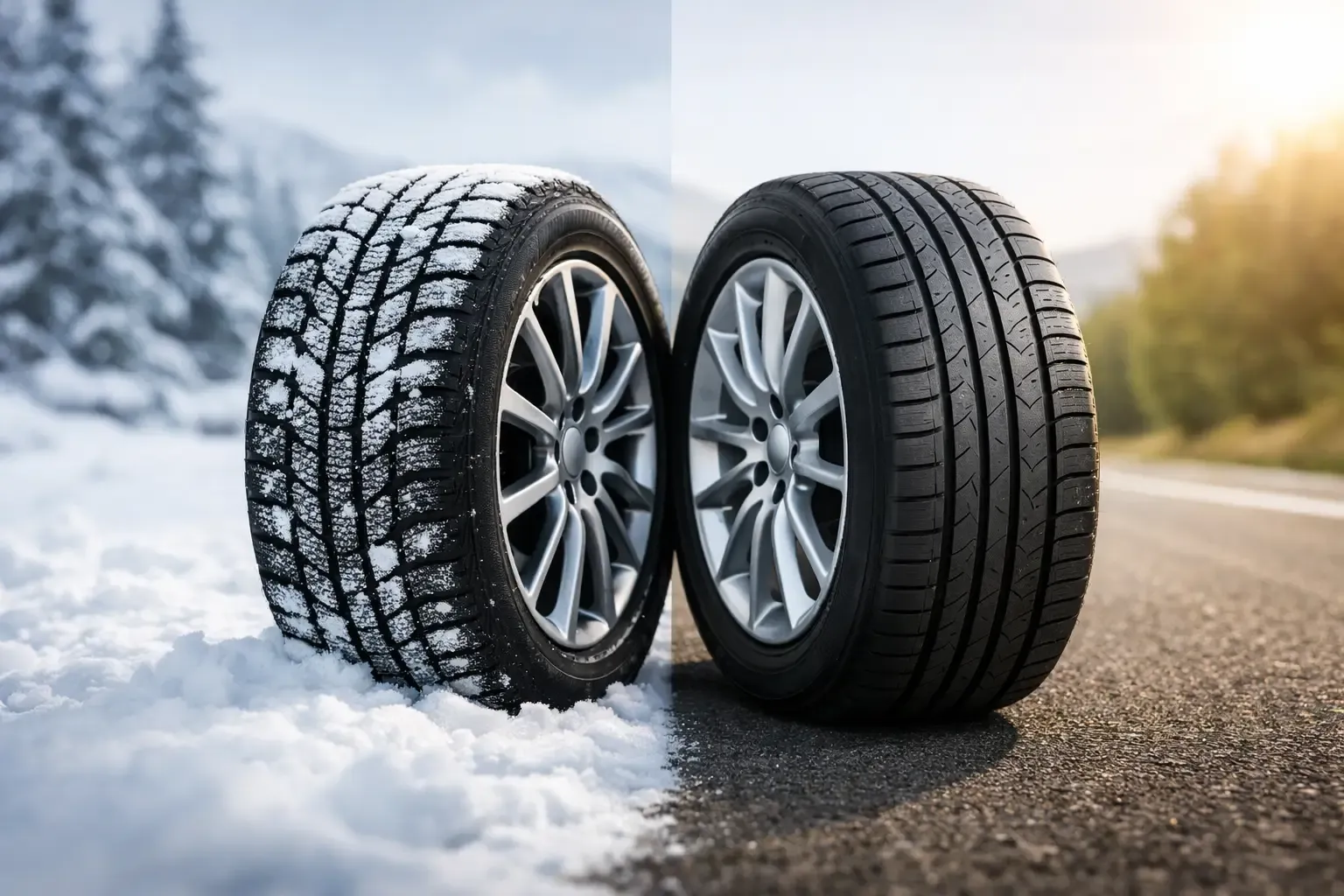
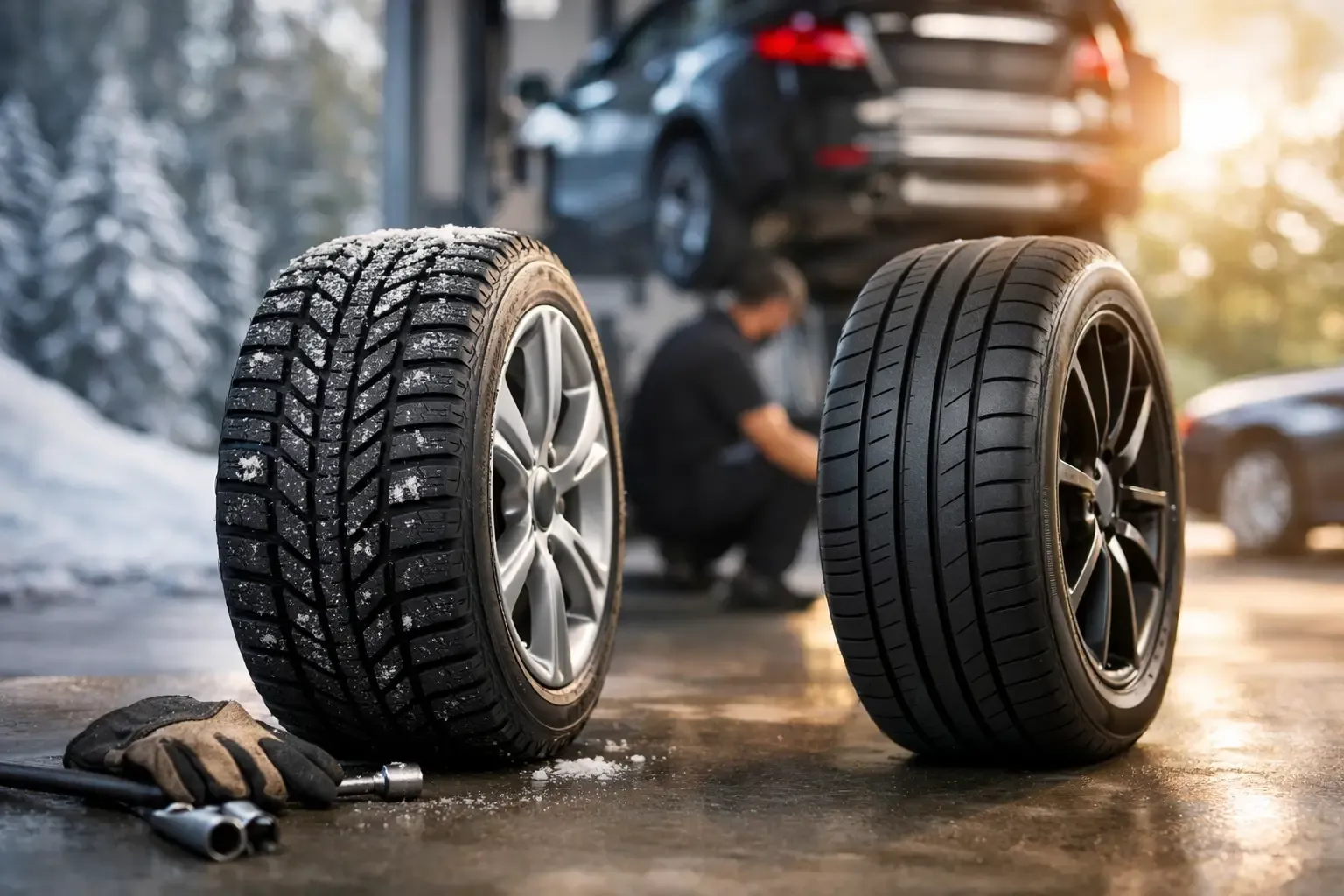
All-weather tires offer stronger cold-weather and snow performance than many traditional all-season options while remaining suitable for year-round use. They can be a smart option for drivers who want extra winter confidence but do not want to change between summer and winter tire sets. They may have slightly different ride, wear, or fuel-efficiency characteristics than a touring tire, so the right model still depends on the vehicle and driving pattern.
All-terrain tires are best reserved for SUVs that genuinely see dirt roads, campsites, job sites, or more demanding off-pavement travel. They can give a capable look and useful traction beyond pavement, but they are rarely the first recommendation for a family SUV used primarily around town.
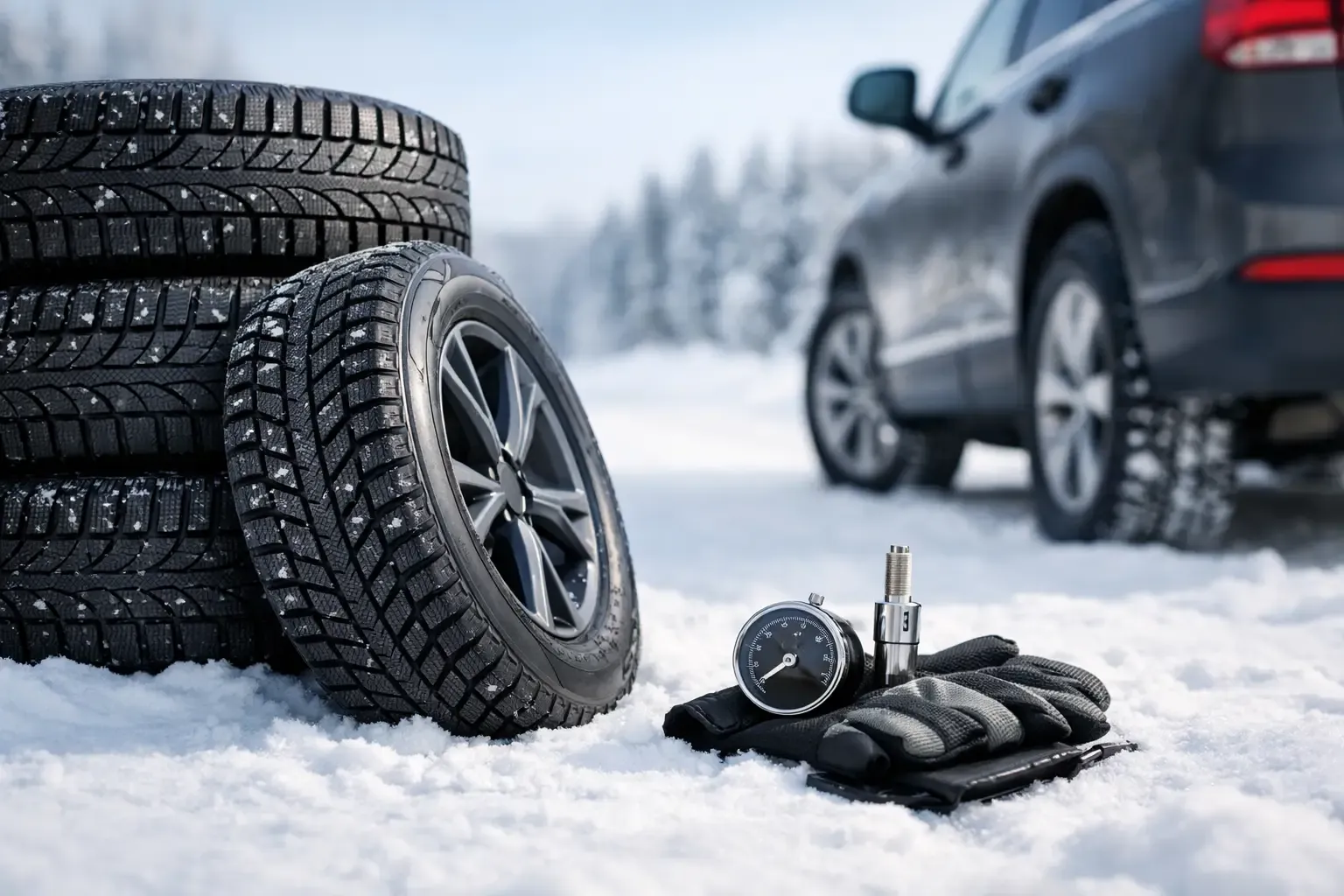
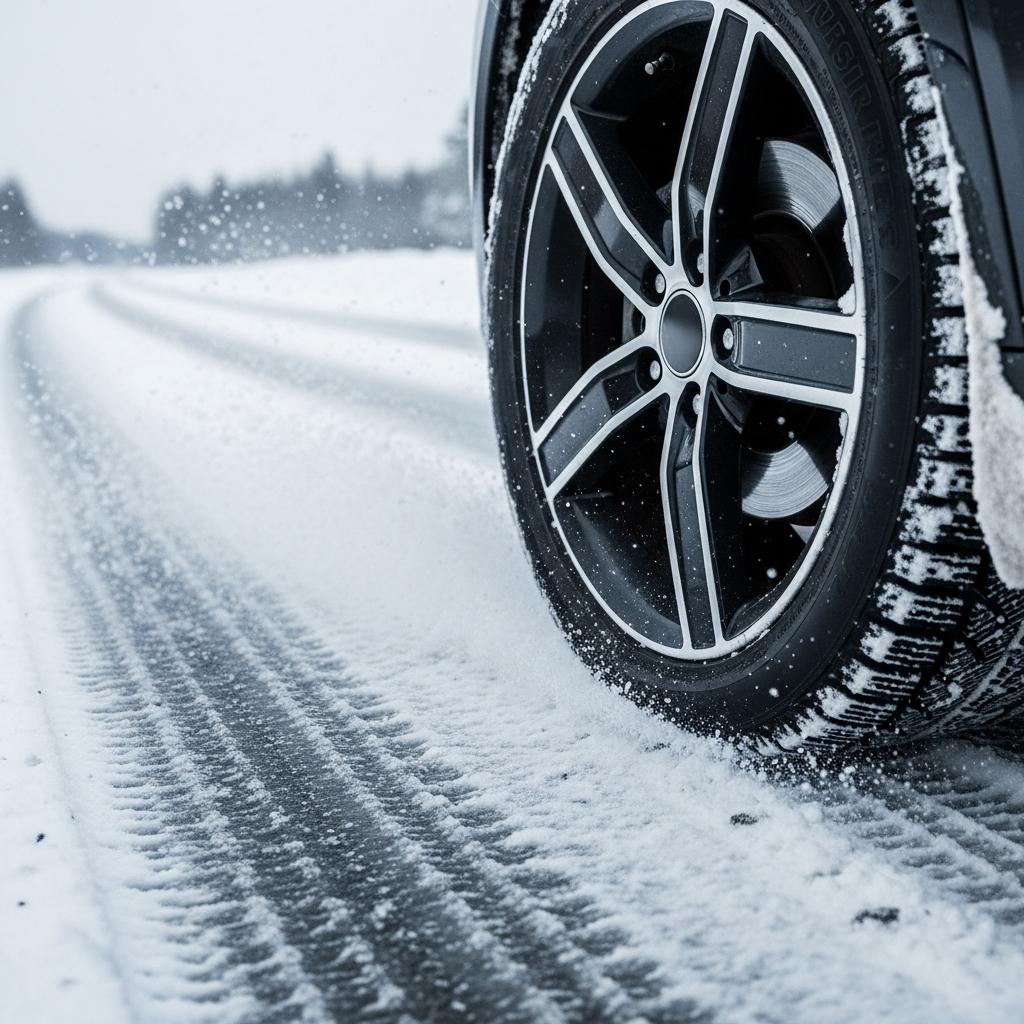
Dedicated winter tires are another consideration for households that regularly drive through snow-covered roads, steep neighborhoods, or early-morning conditions before streets have been fully cleared. They offer the strongest cold-weather grip, but they should be changed out when temperatures rise to avoid faster wear and reduced warm-weather performance.
Brands and Models Are Only Part of the Answer
Well-regarded tire manufacturers offer several quality options for SUVs, including touring, all-weather, and all-terrain lines. Names such as Michelin, Bridgestone, Continental, Goodyear, Pirelli, and Firestone each have models that may suit family driving. But brand recognition should not replace fitment and usage advice.
For example, one model may excel in quiet highway comfort, while another earns stronger marks for wet braking or snow traction. A three-row SUV that carries passengers every day may benefit from a different tire than a compact SUV driven mostly by one commuter. The best way to compare options is to start with your exact vehicle, tire size, mileage needs, and normal driving conditions.
Be cautious about choosing based only on online star ratings. Reviews can be helpful, but they often come from drivers with different vehicles, climates, road surfaces, and expectations. A tire that feels firm on one SUV may feel controlled and comfortable on another.
Do Not Ignore Tire Age, Pressure, and Rotation
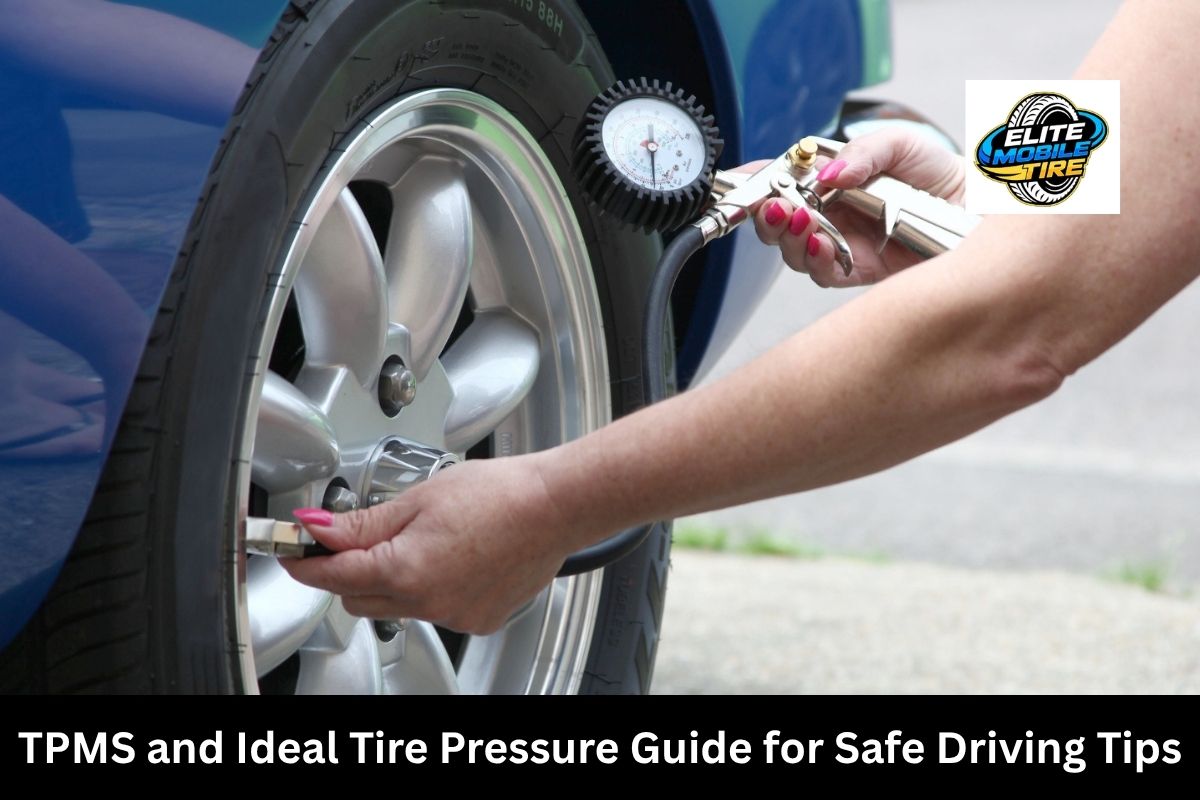
Even an excellent tire cannot perform properly when it is underinflated, damaged, or worn out. Check tire pressure at least once a month and before longer trips, using the pressure listed on the vehicle placard rather than the maximum pressure printed on the tire sidewall.
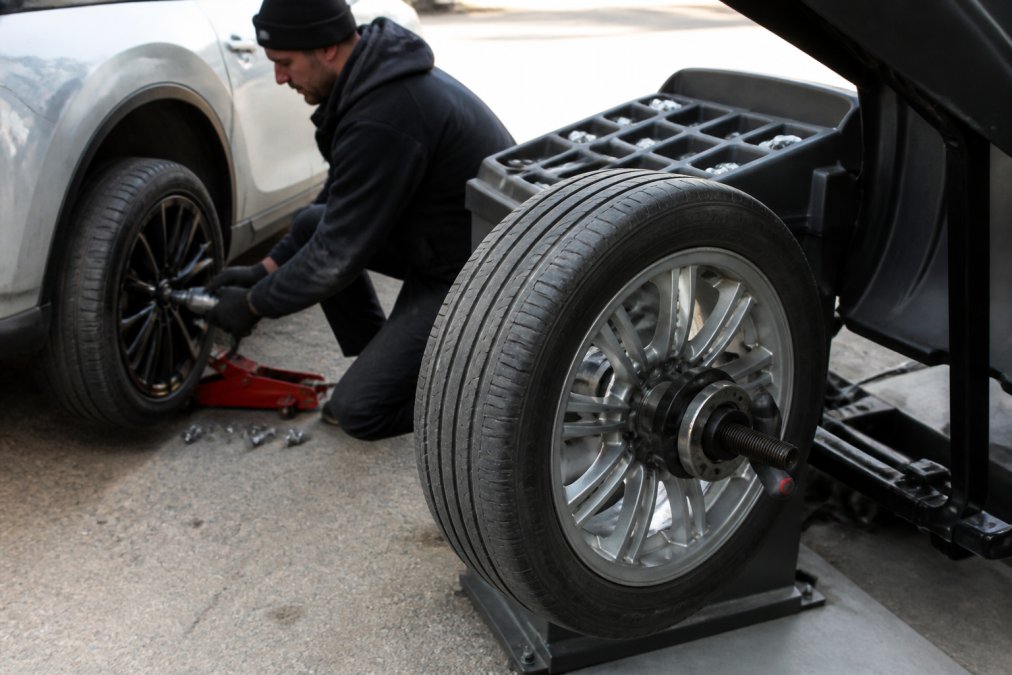
Rotate tires according to your vehicle manufacturer's recommended schedule, commonly around every 5,000 to 7,500 miles. Rotation helps distribute wear more evenly, which is especially valuable on front-heavy SUVs and many AWD vehicles. Regular balancing can also reduce vibration and help prevent uneven tread wear.
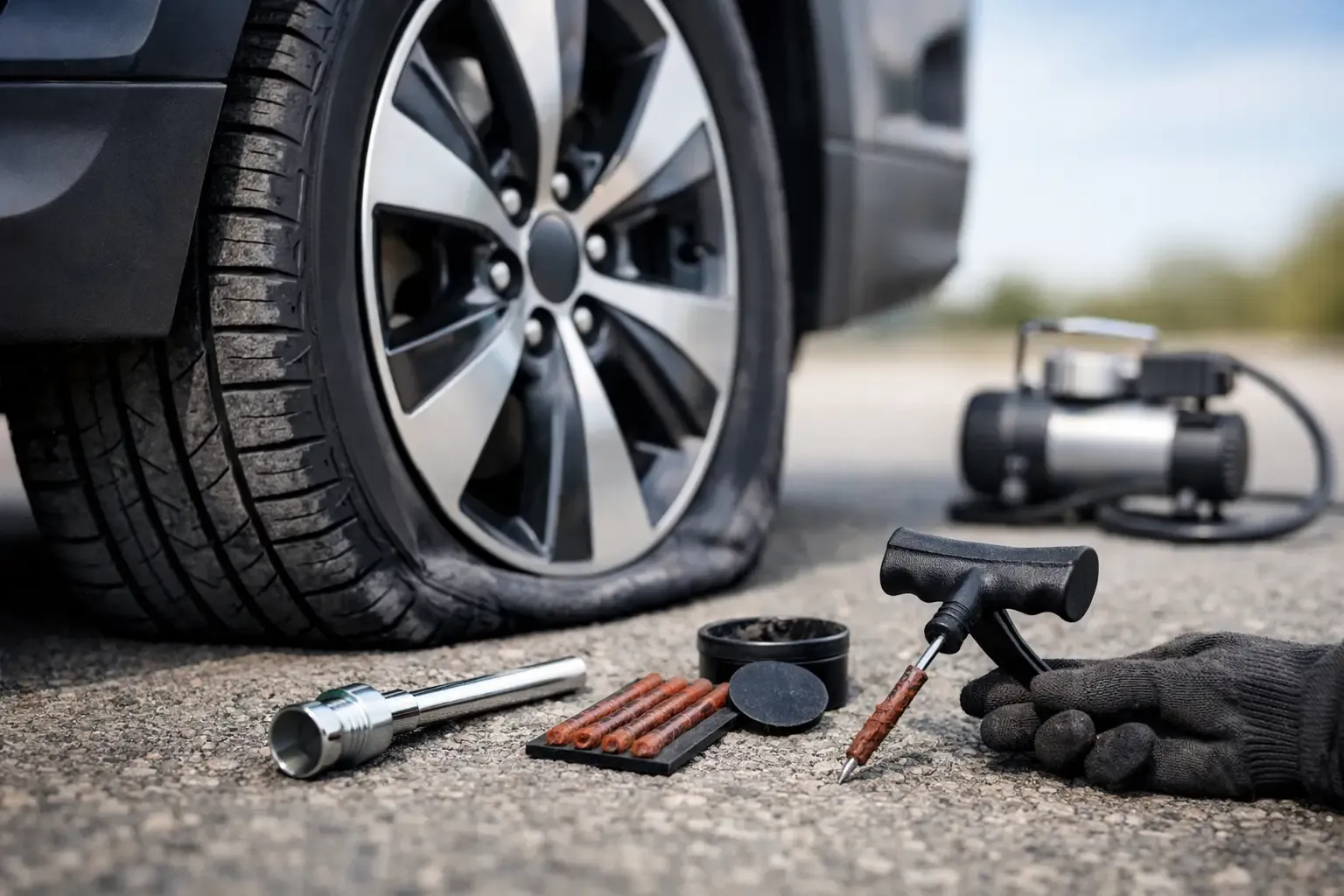
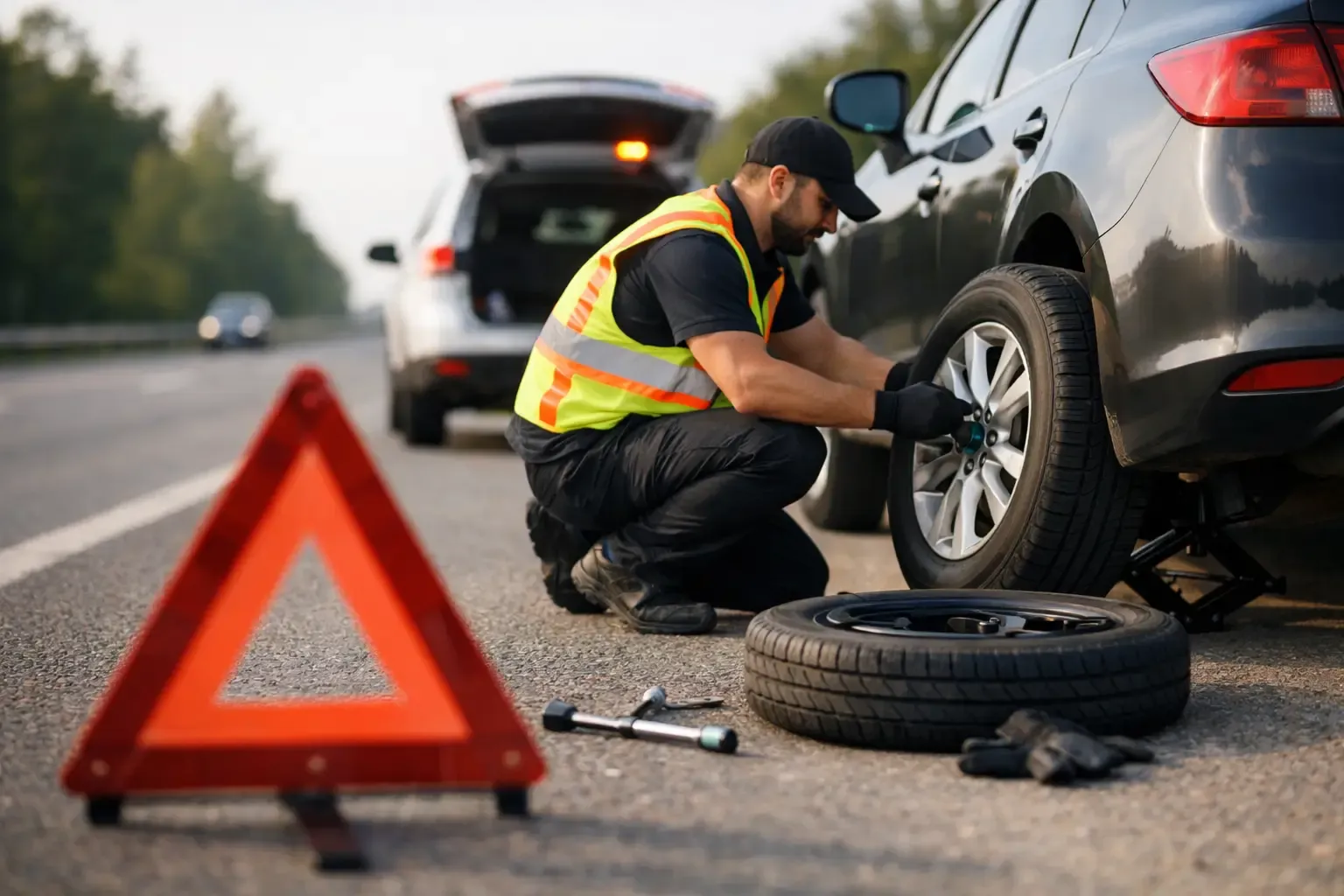
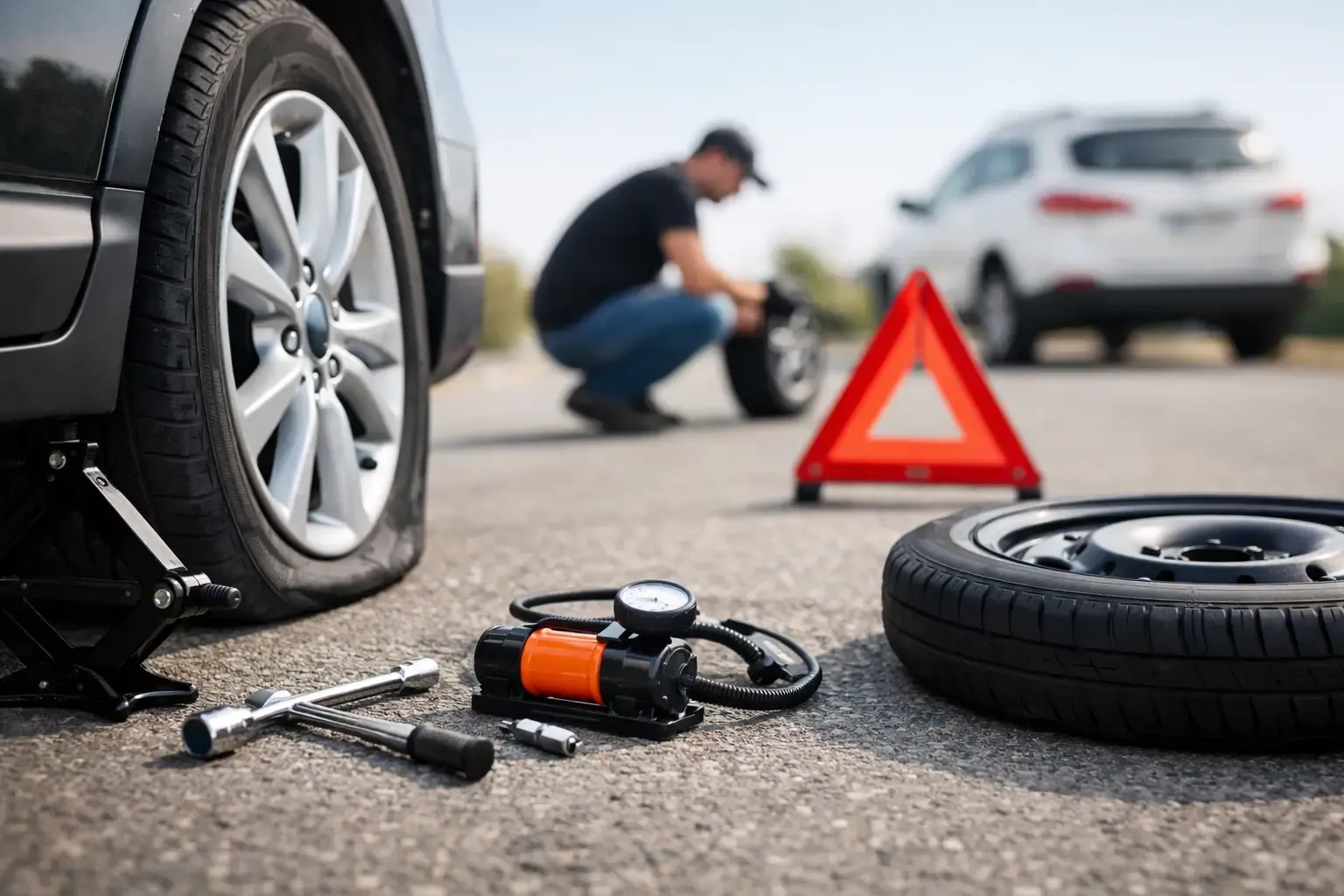
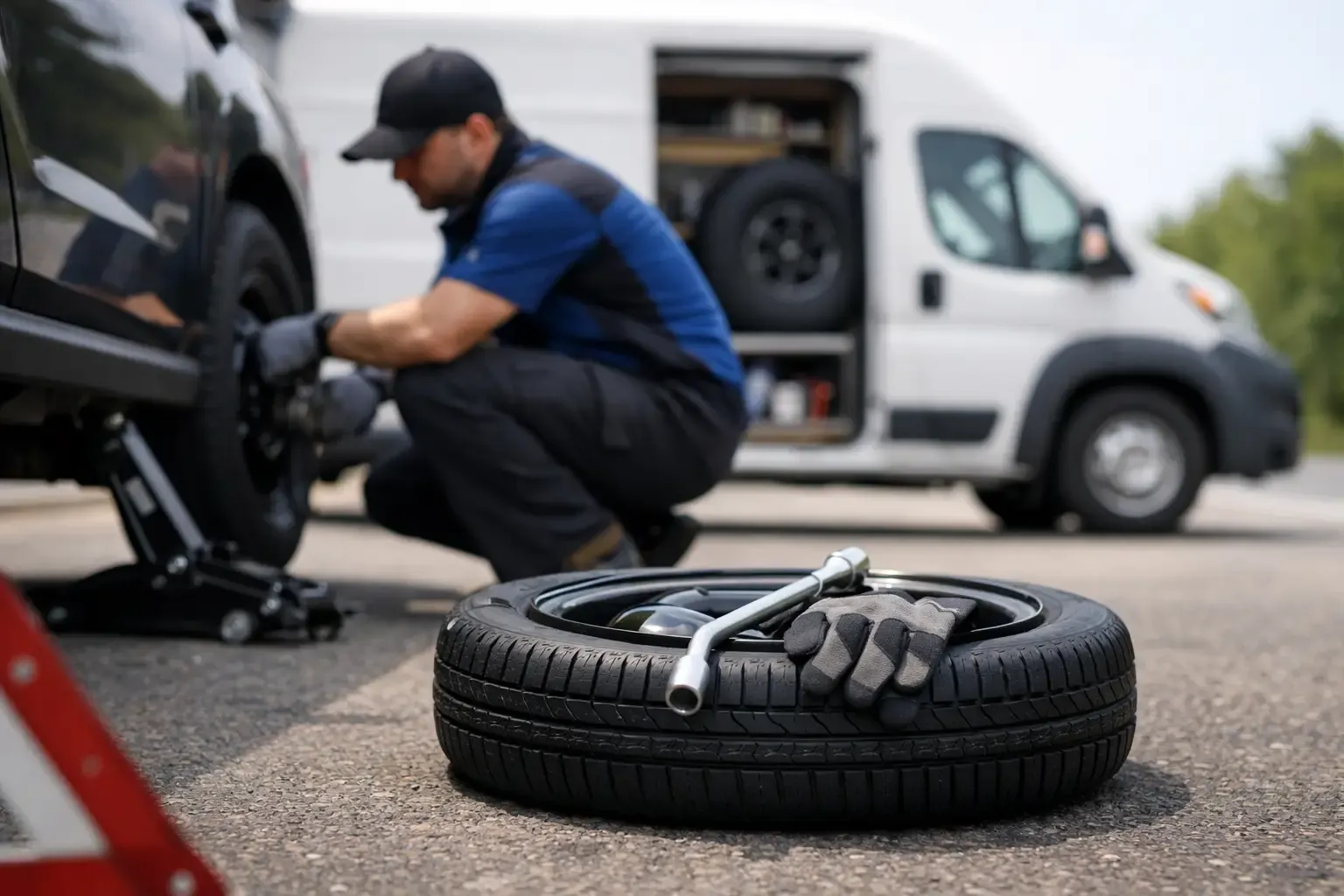
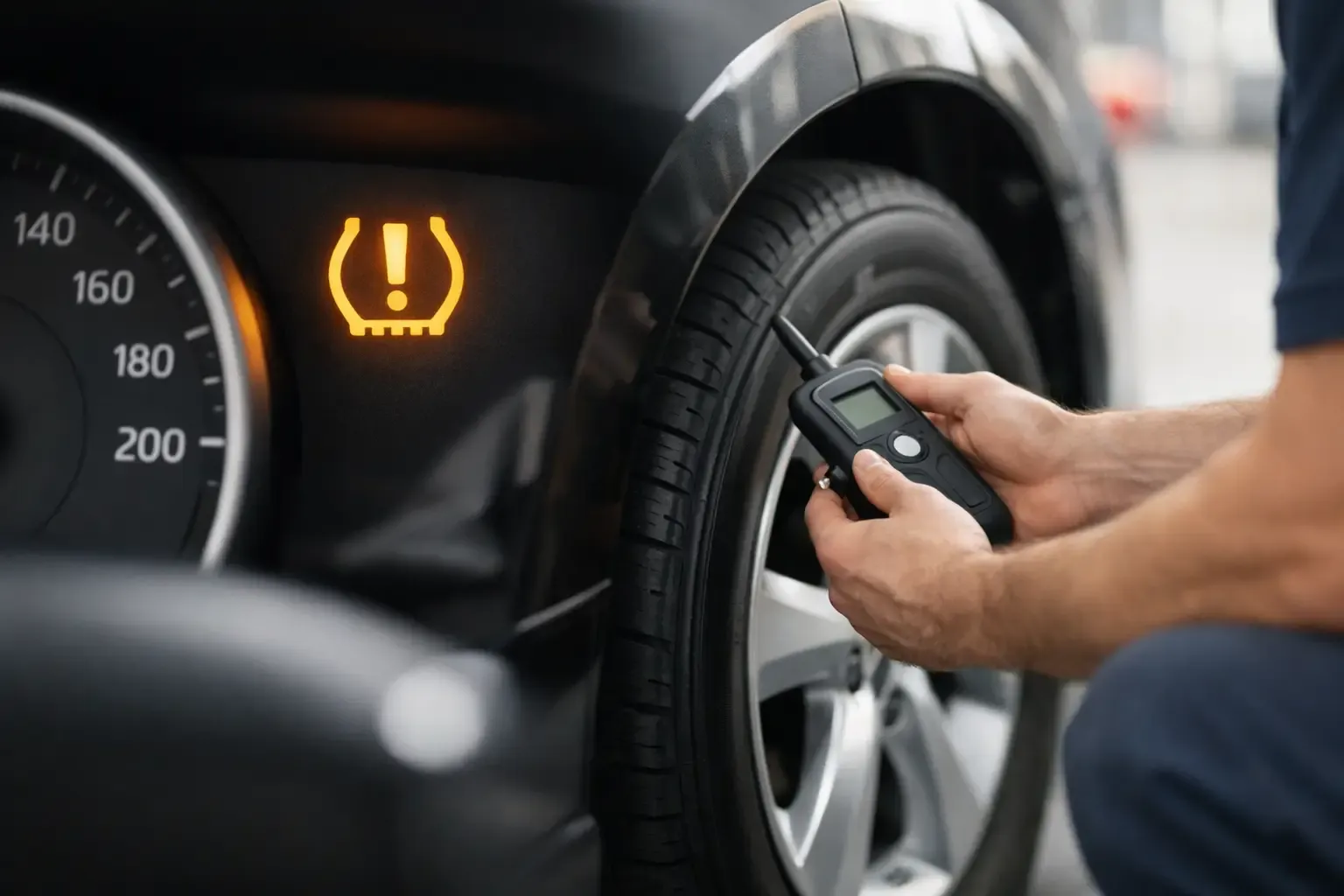
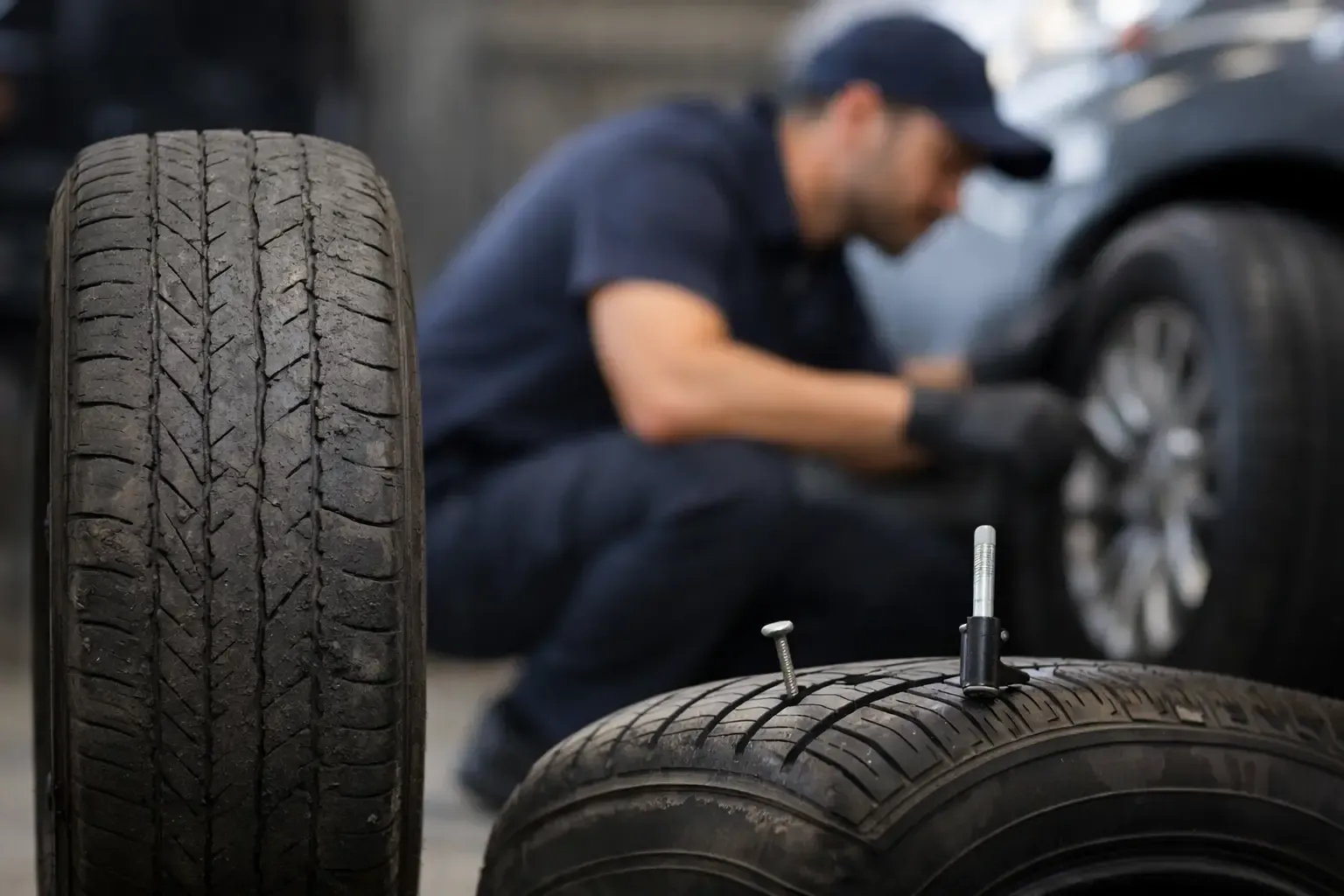
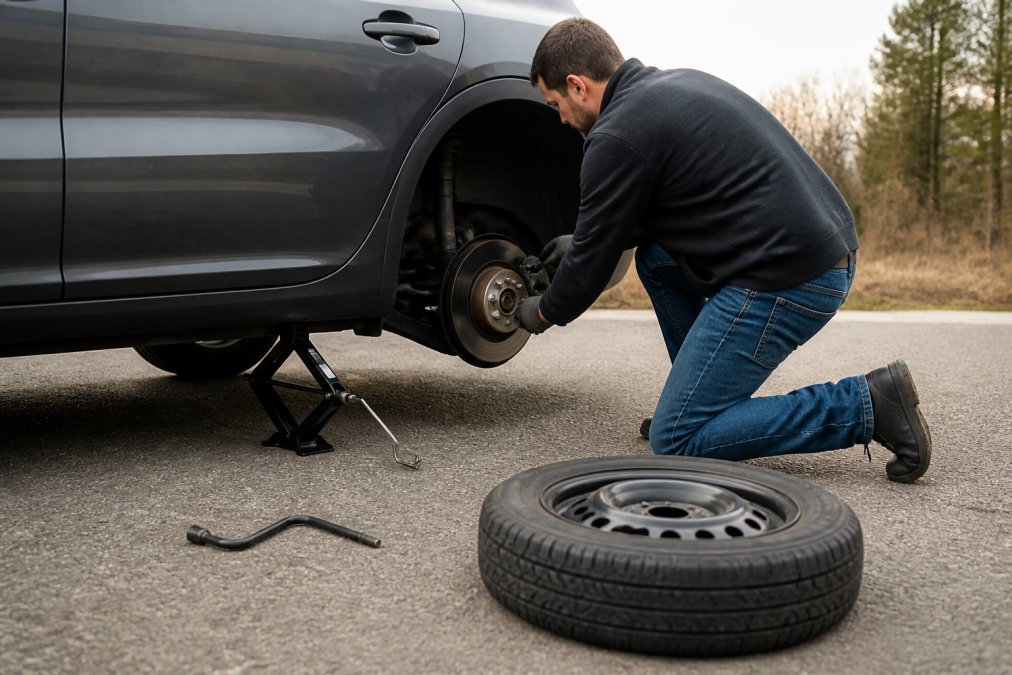
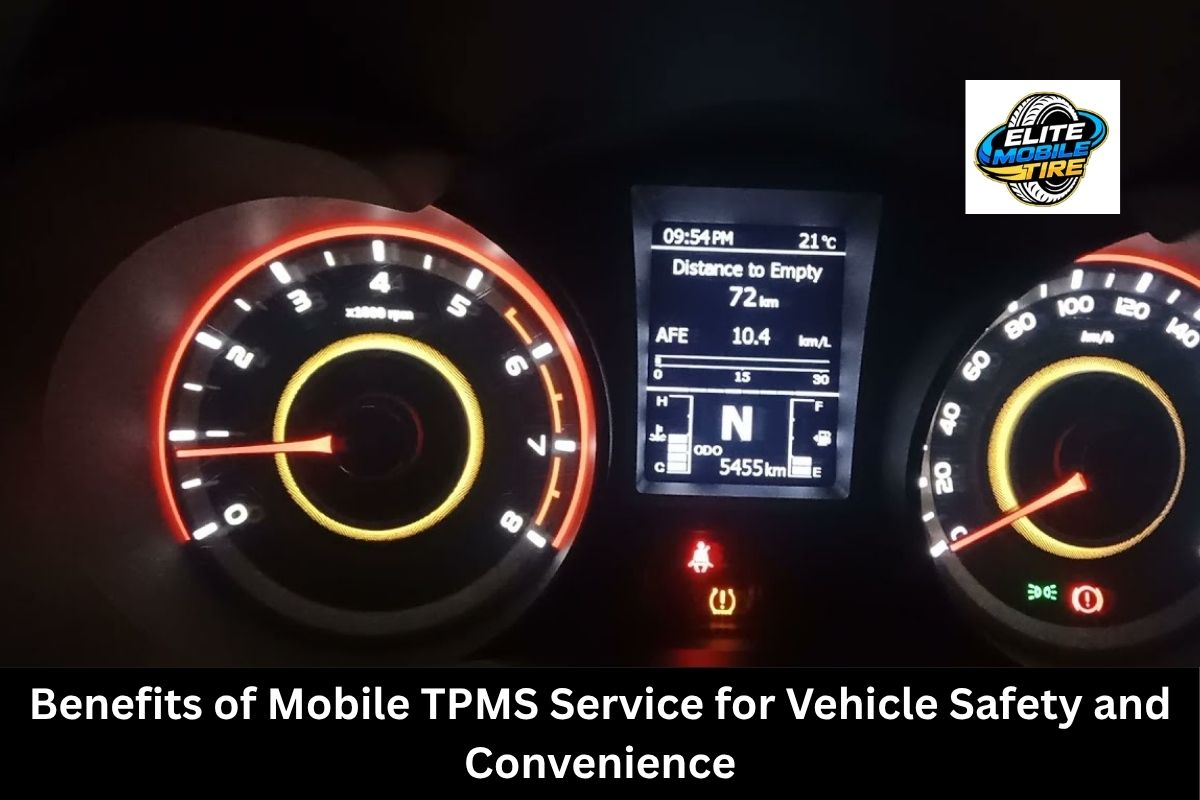
Pay attention to warning signs: a persistent TPMS light, vibration in the steering wheel, pulling to one side, visible sidewall damage, or tread worn close to the built-in wear bars. These are good reasons to schedule a tire inspection instead of waiting for a roadside problem.
Make Tire Replacement Easier to Plan
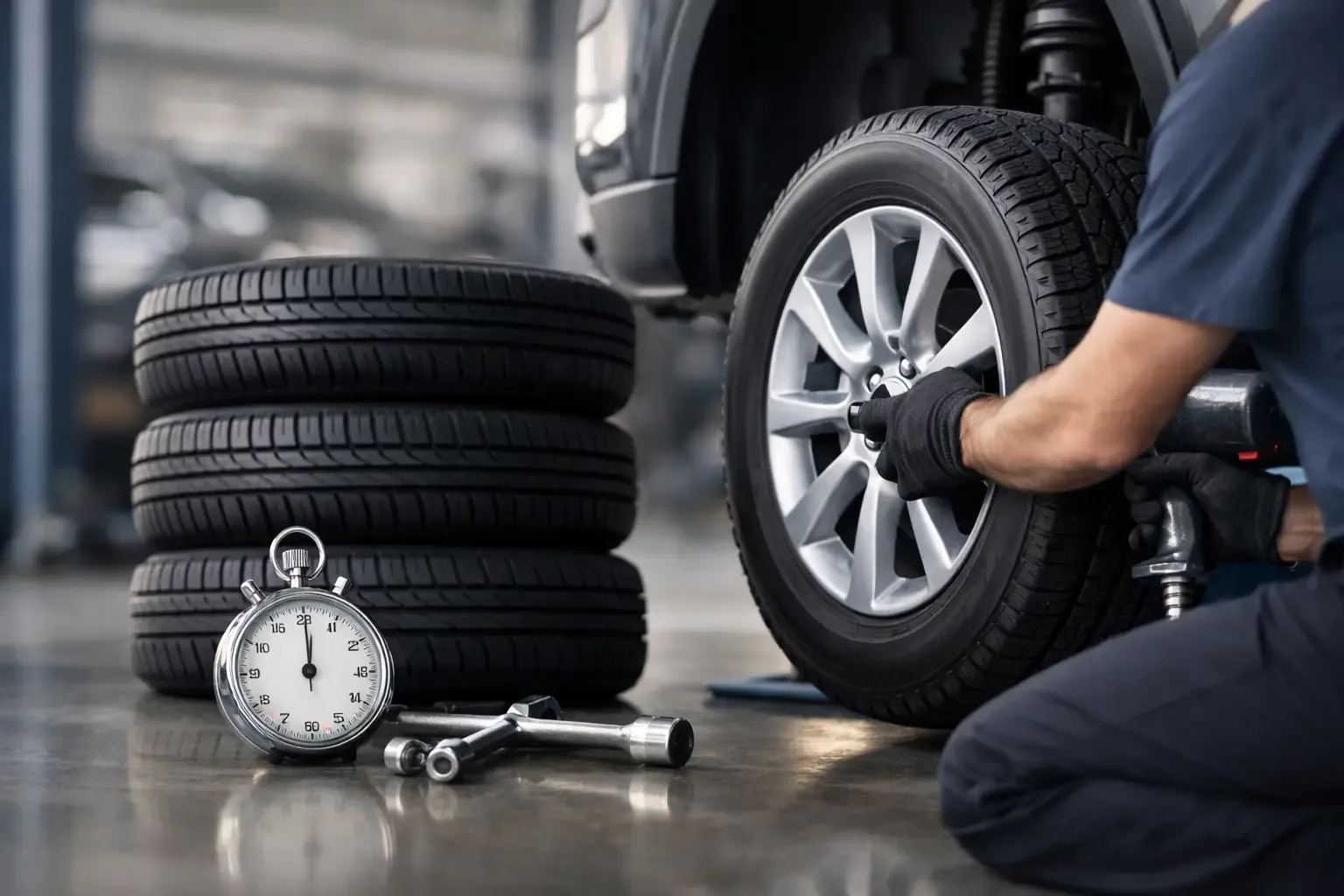
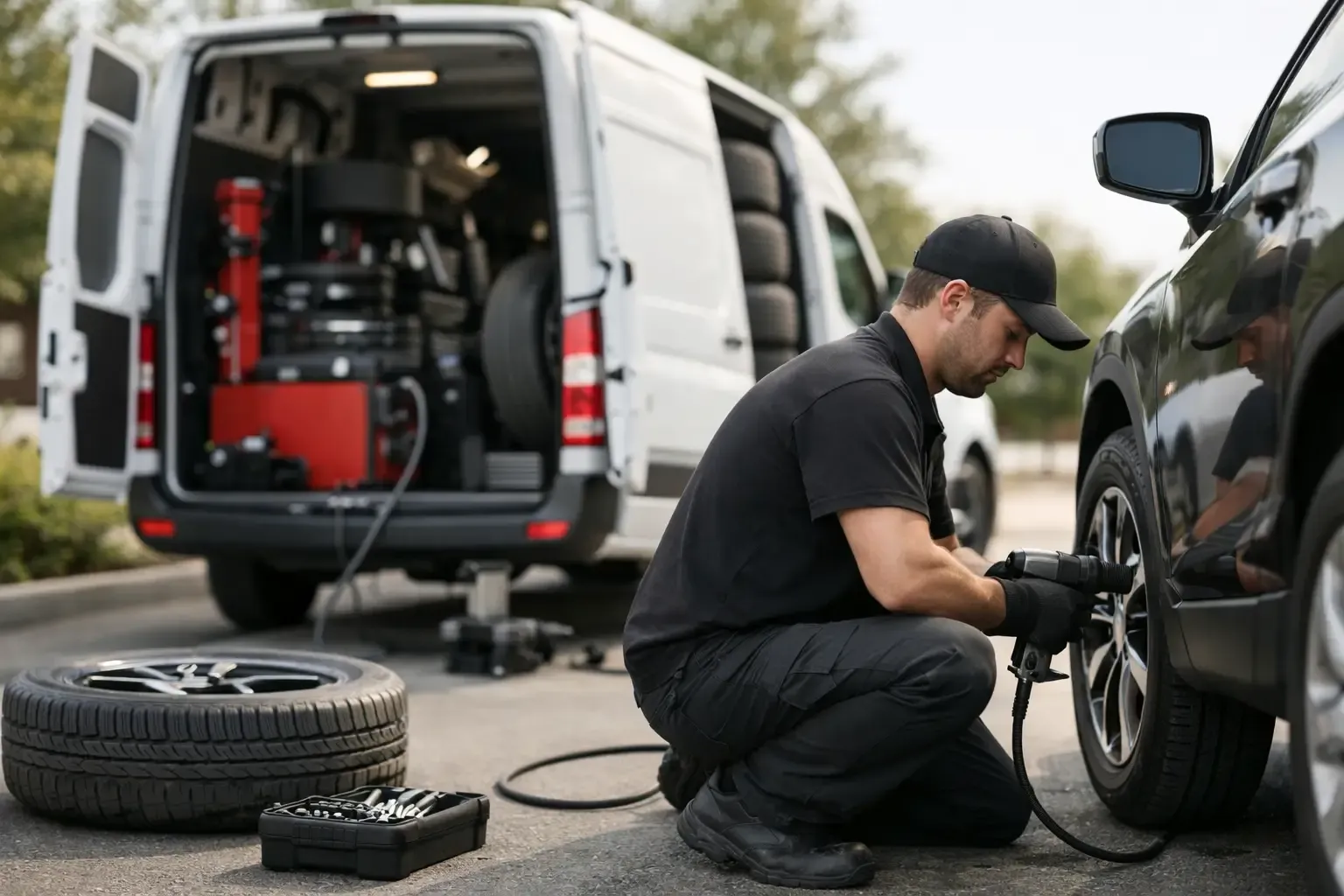
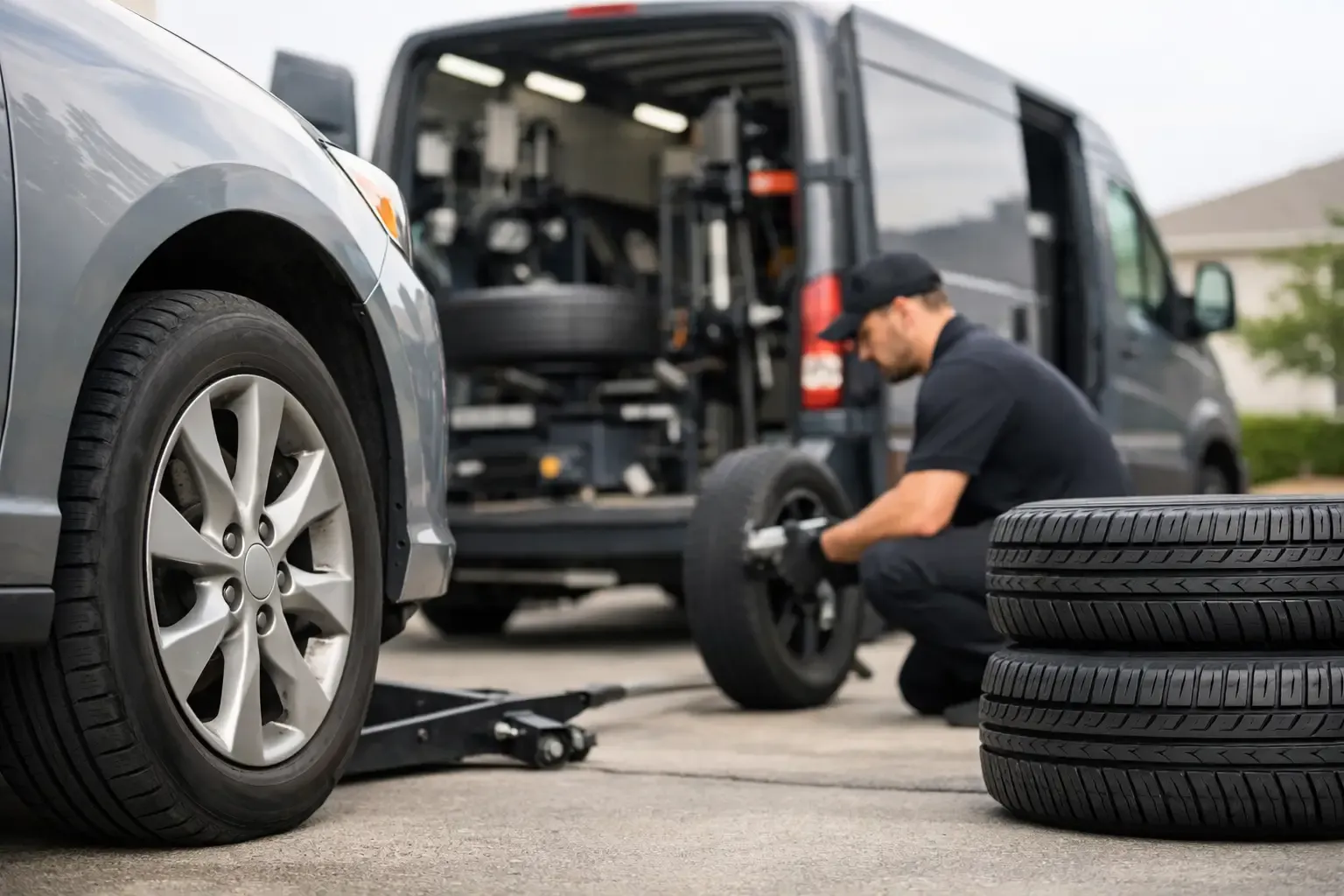
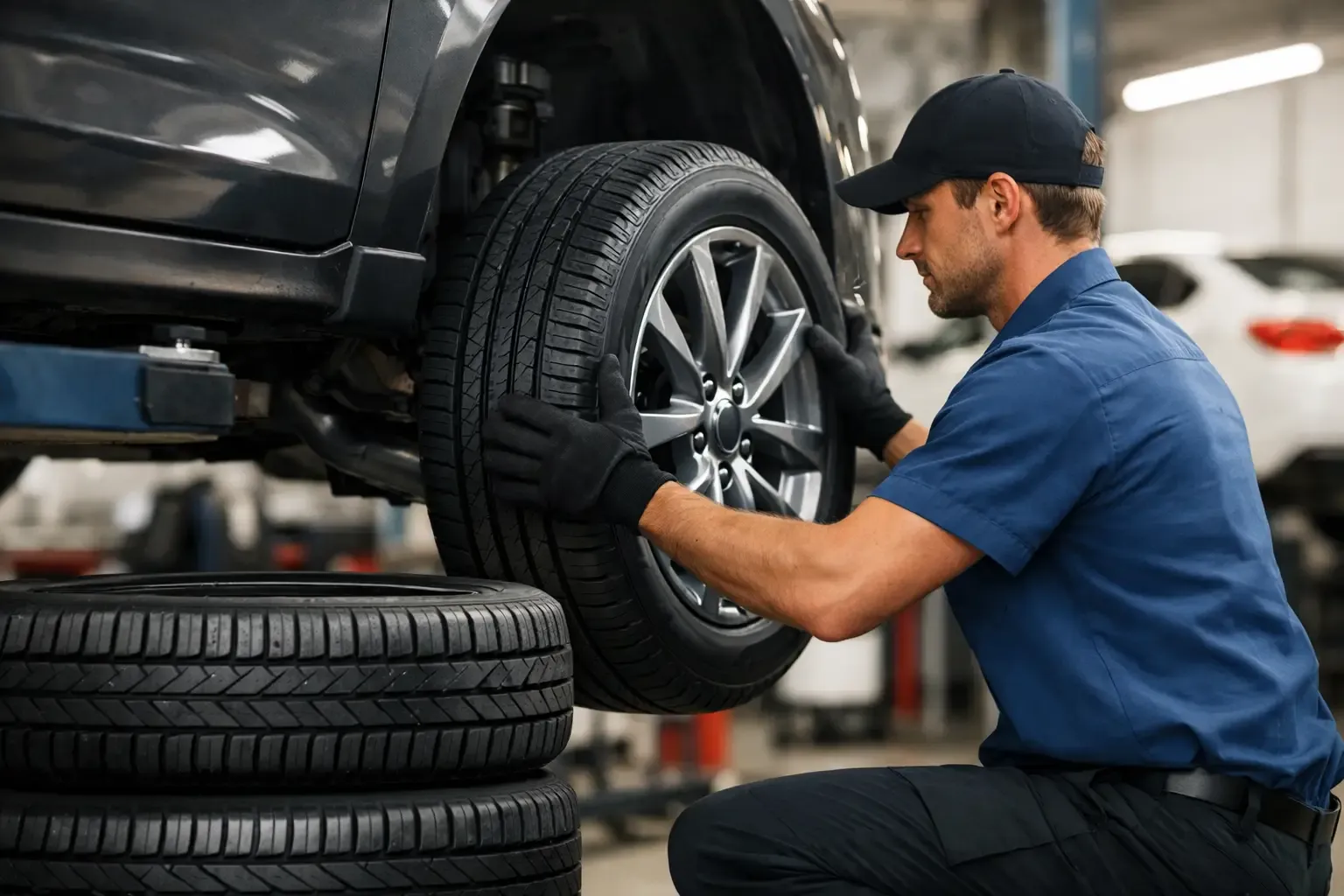
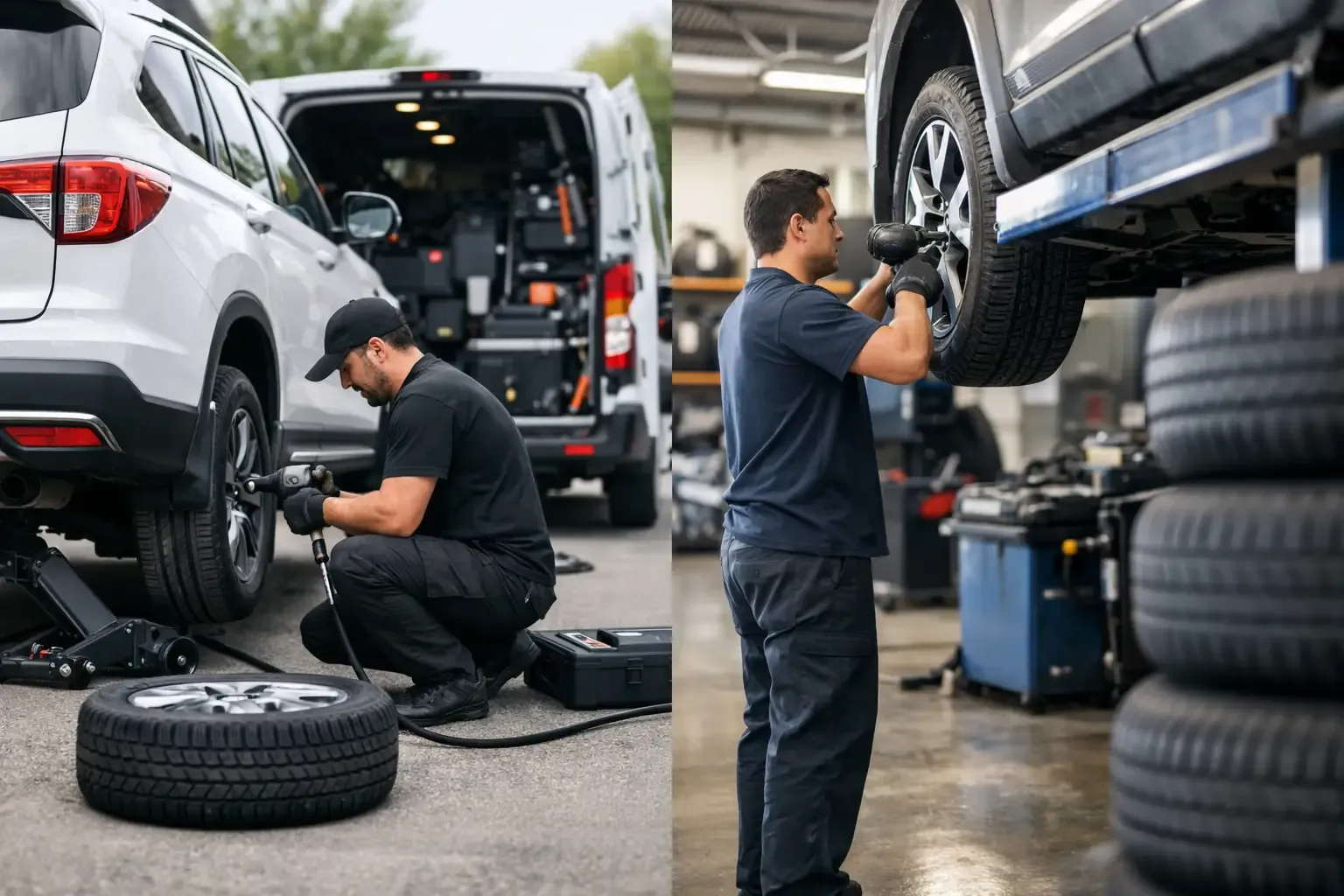
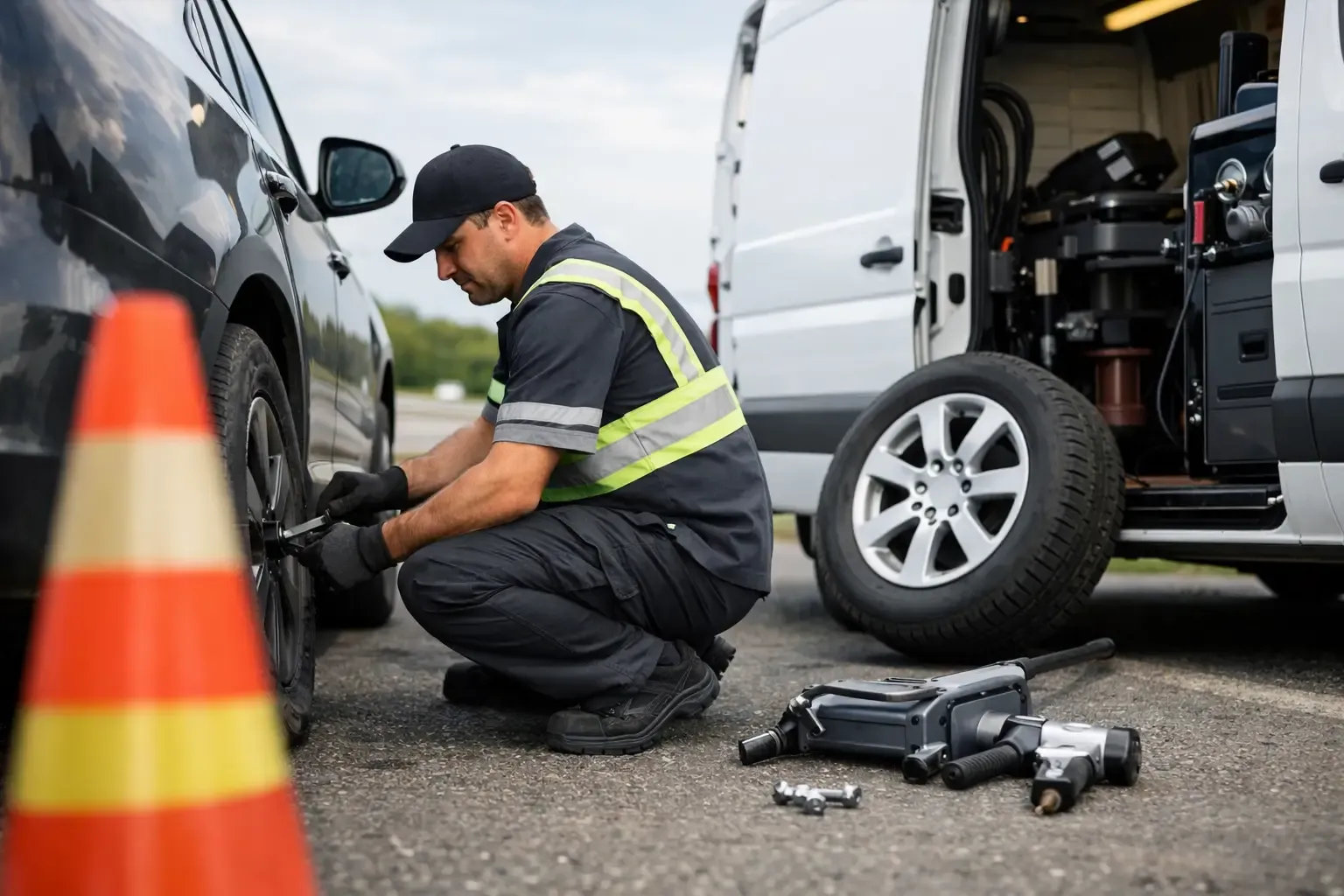
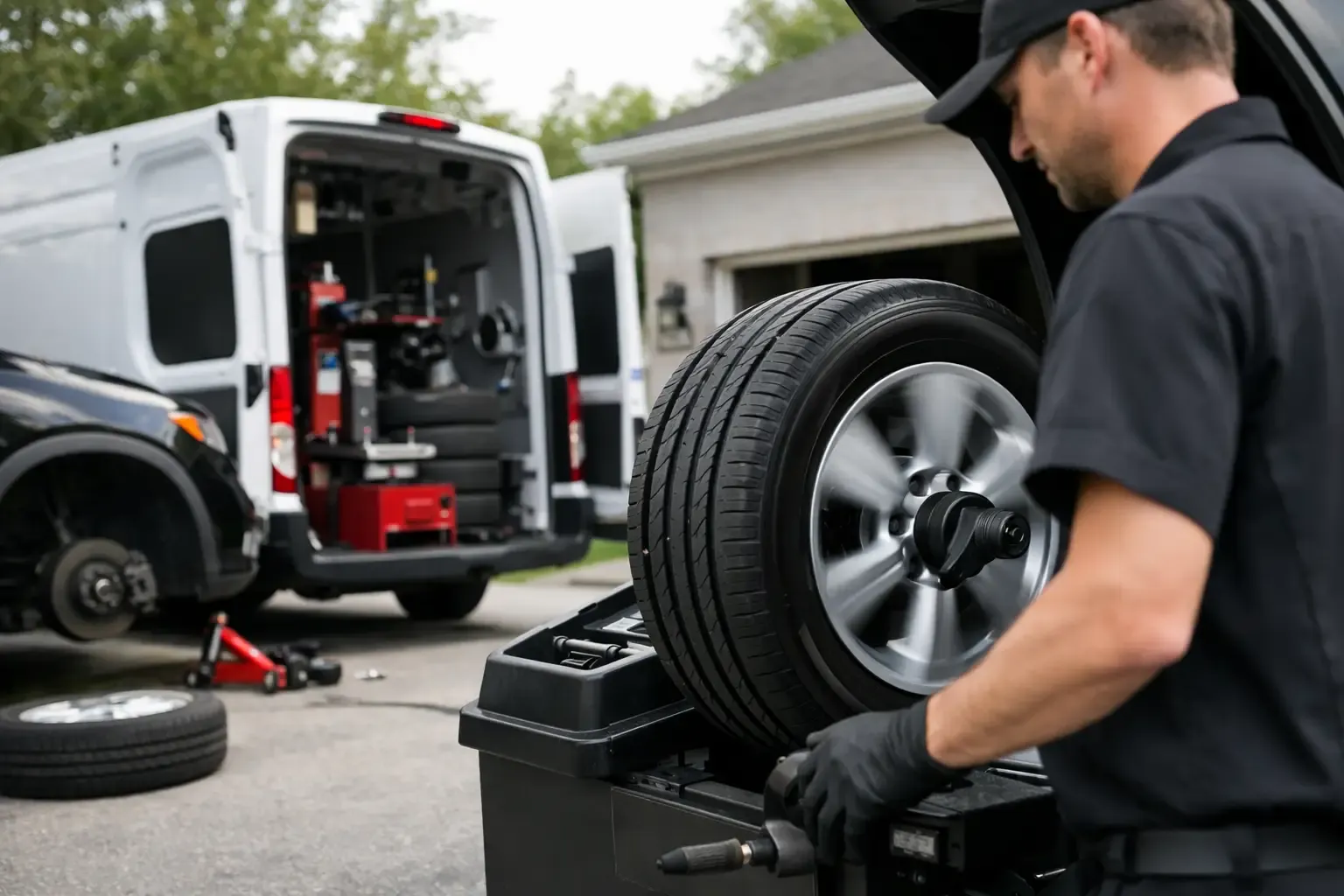
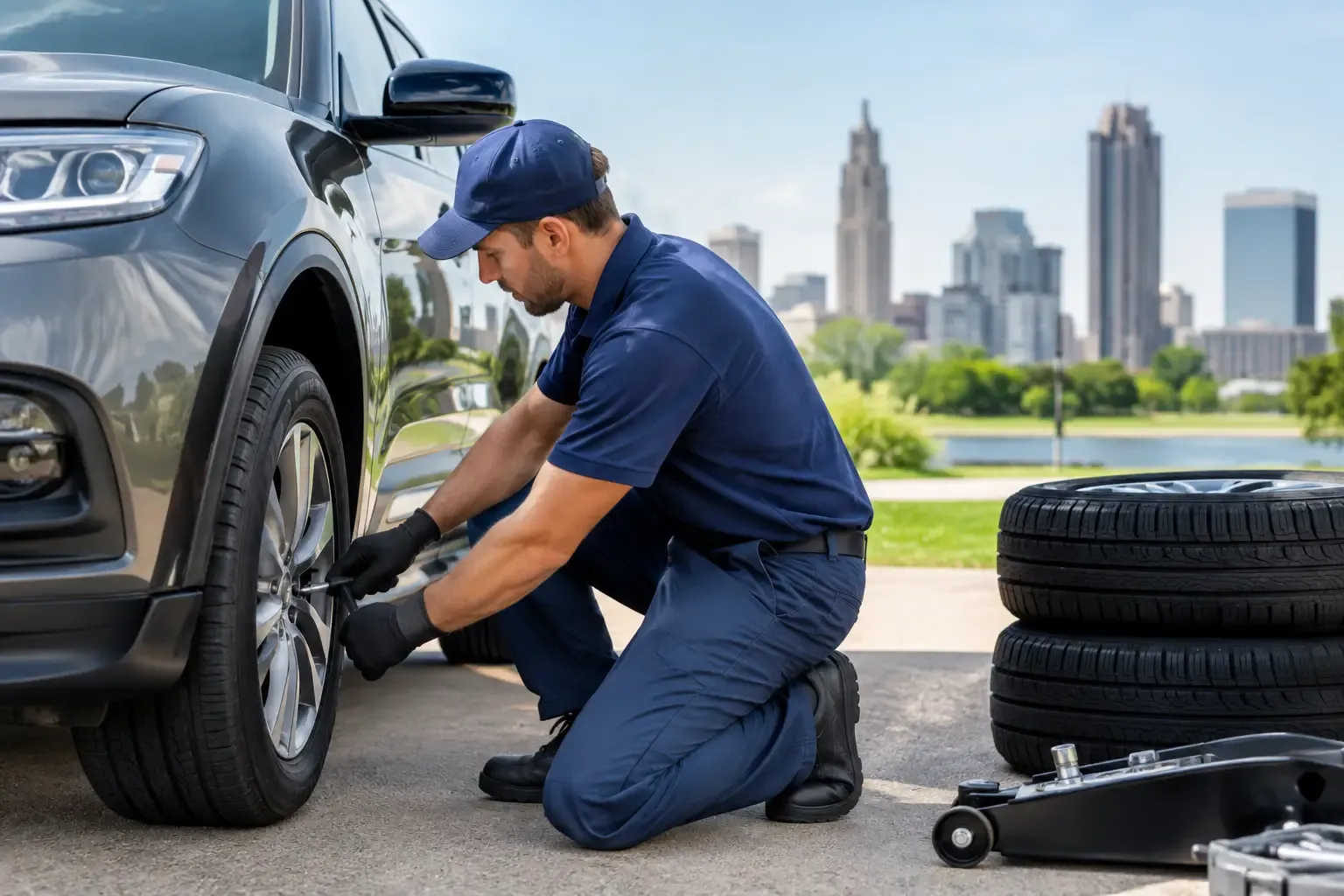
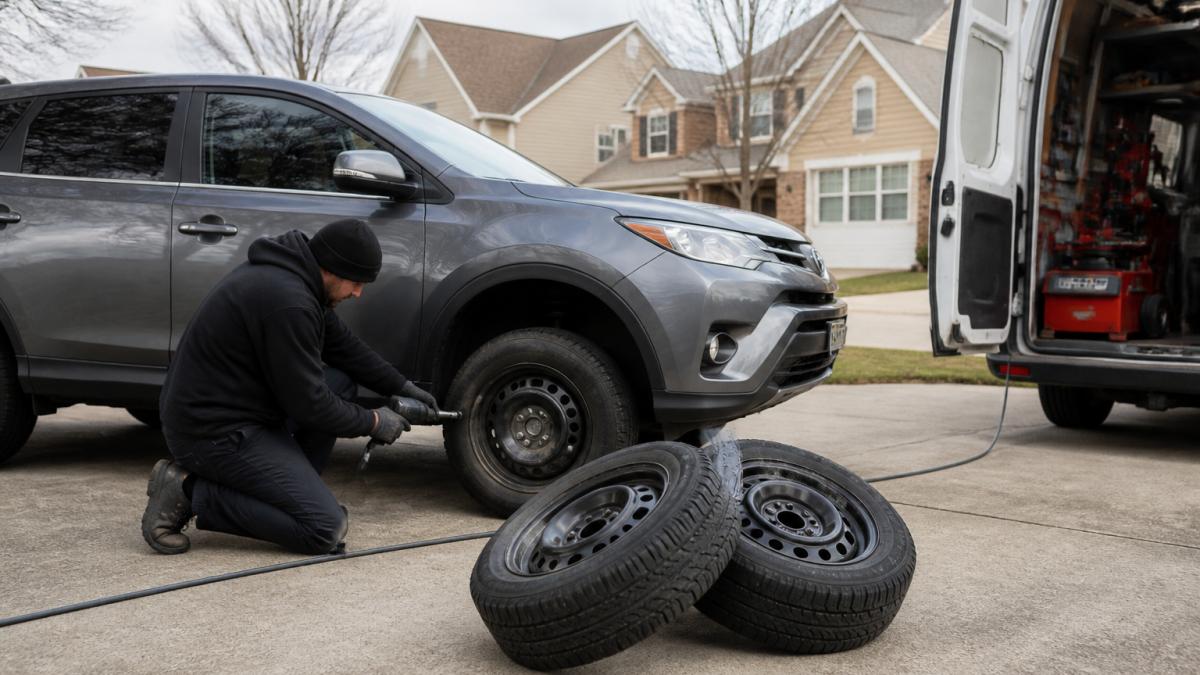
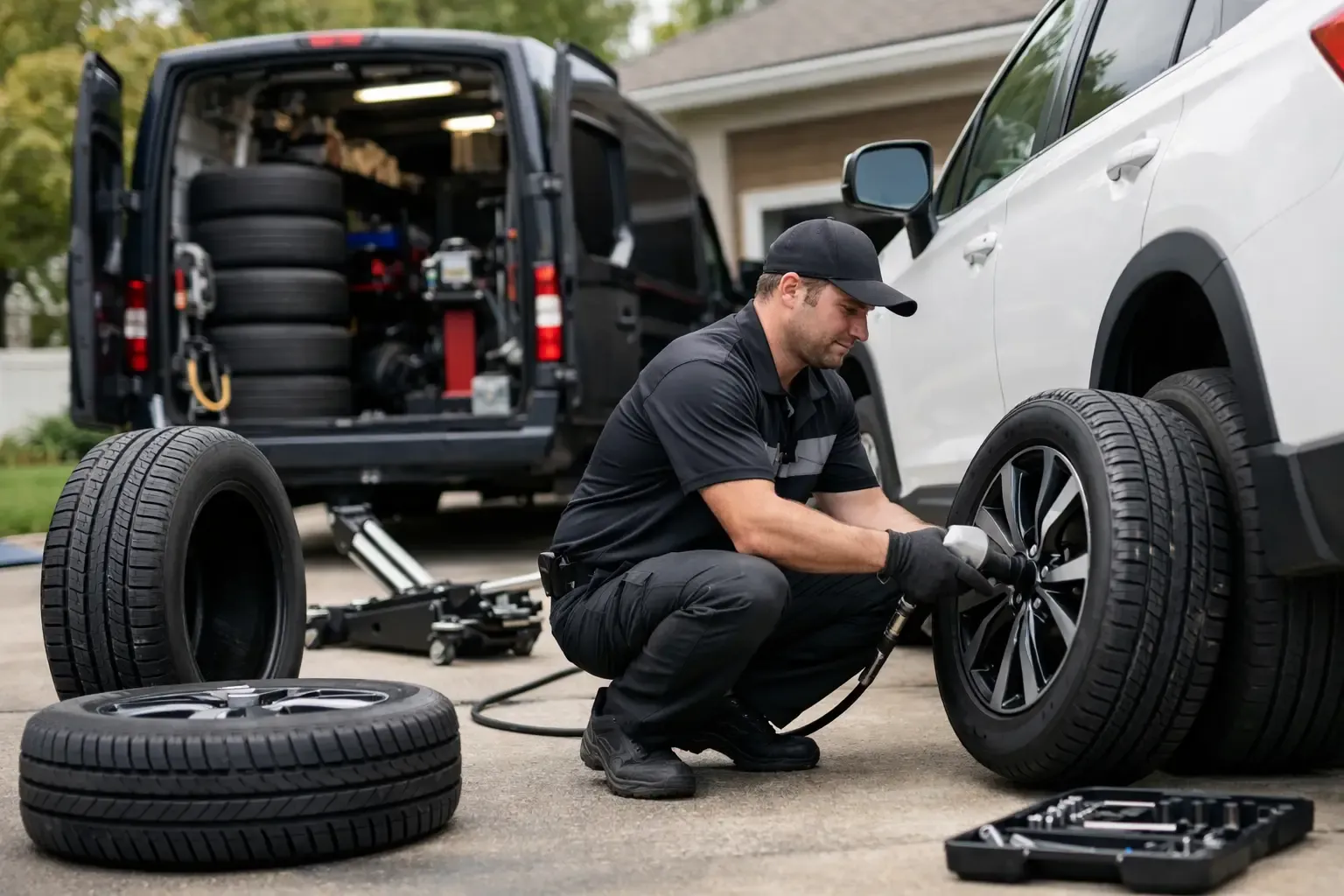
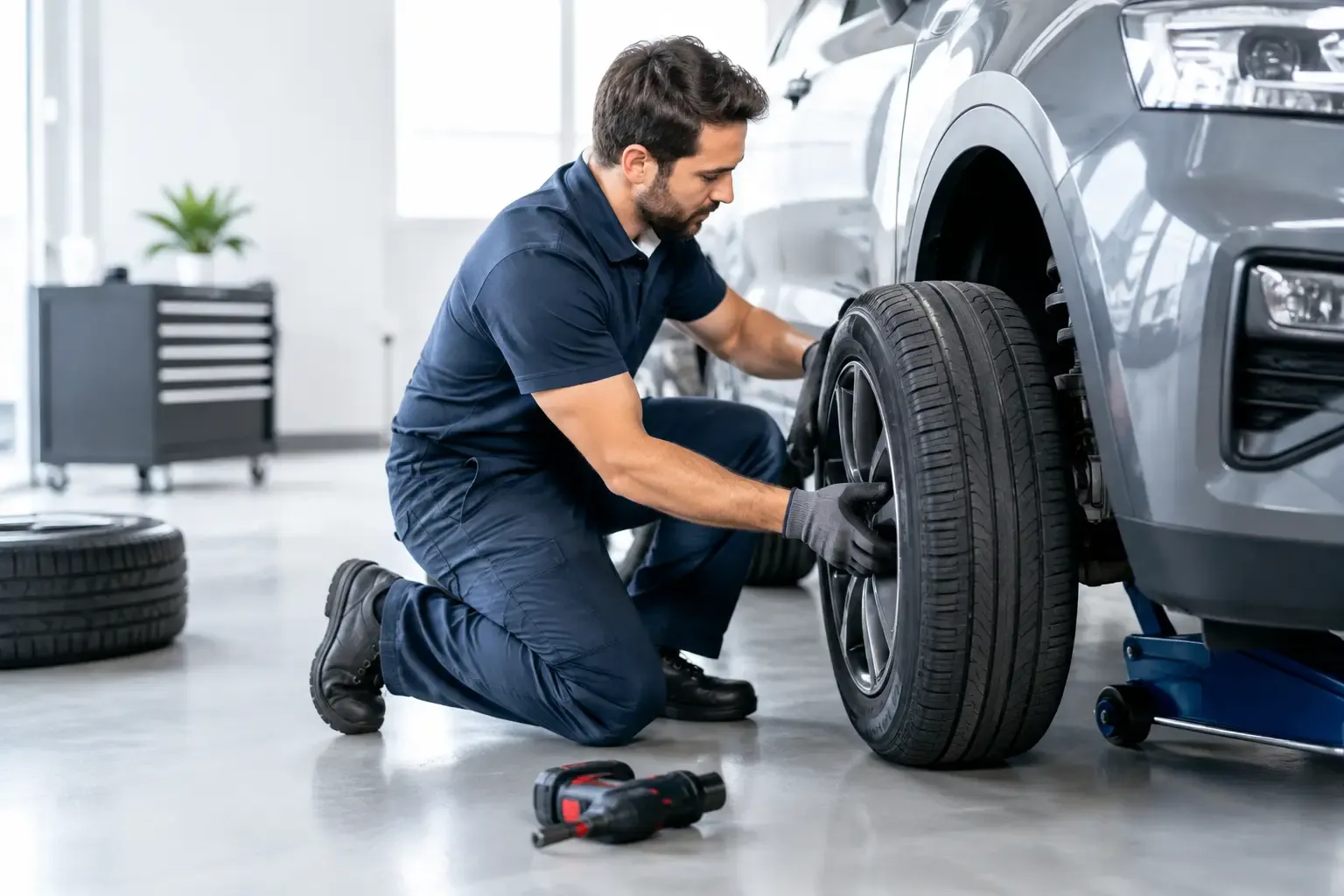
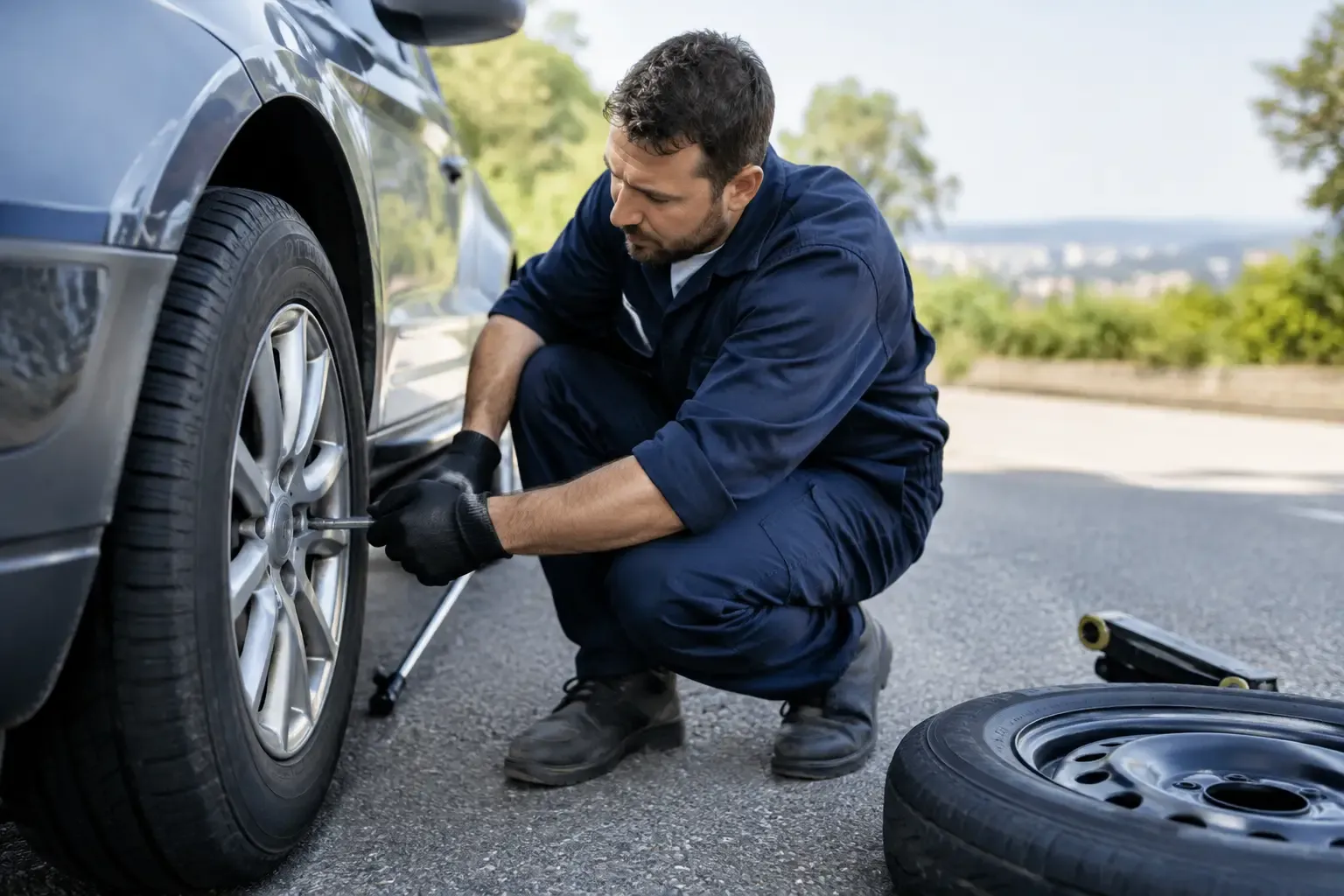
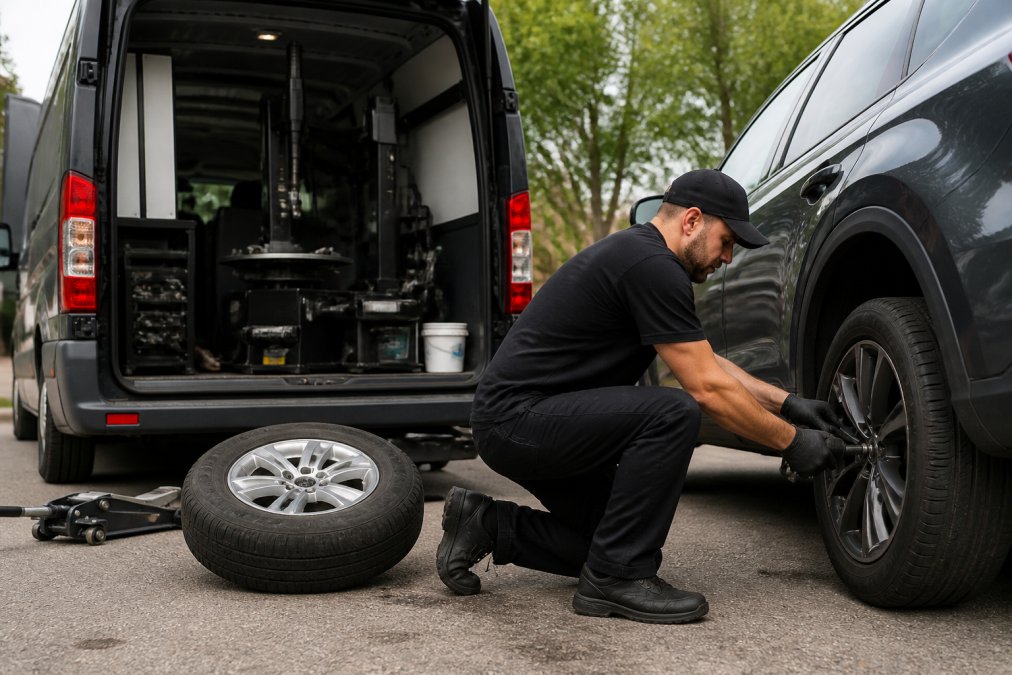
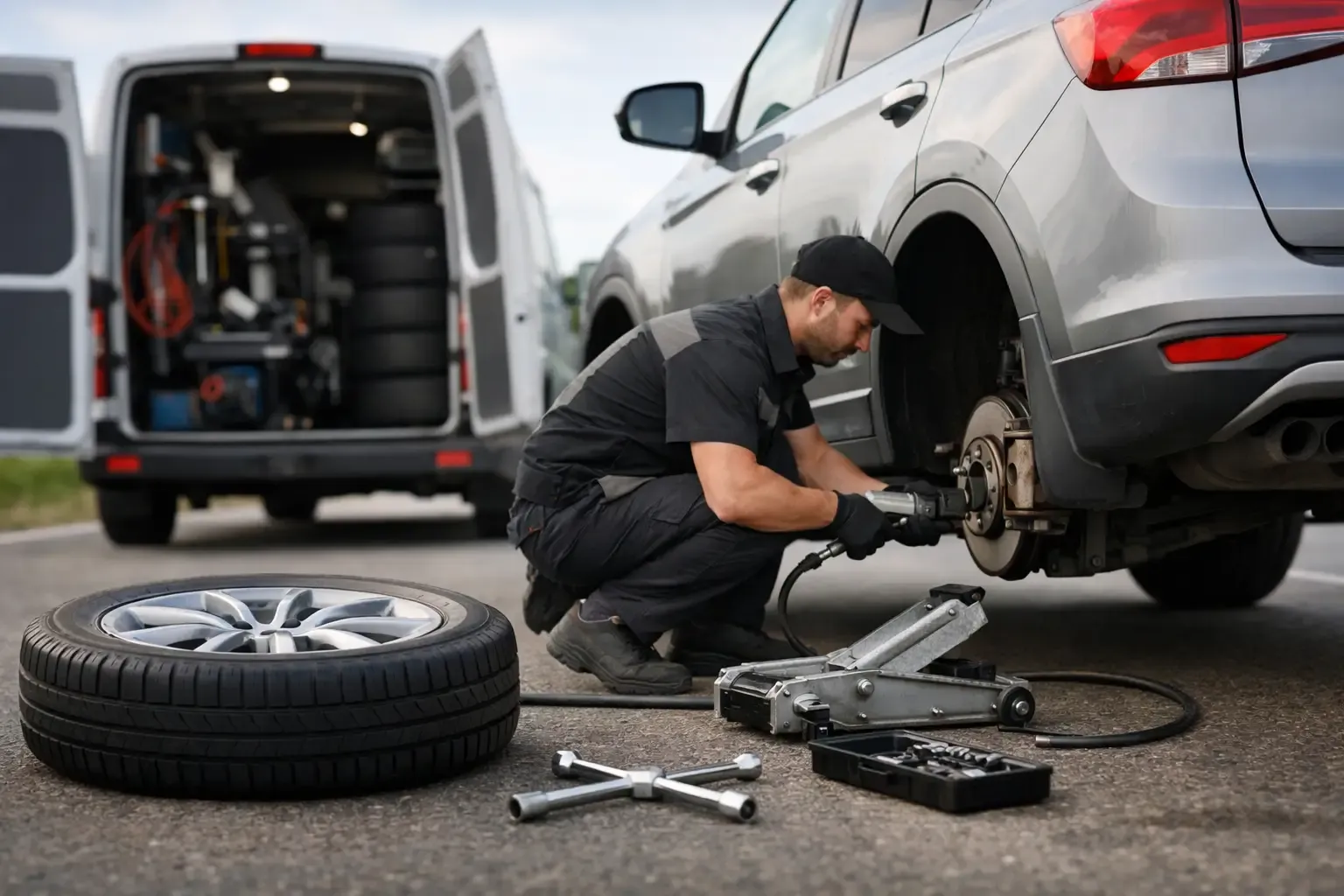
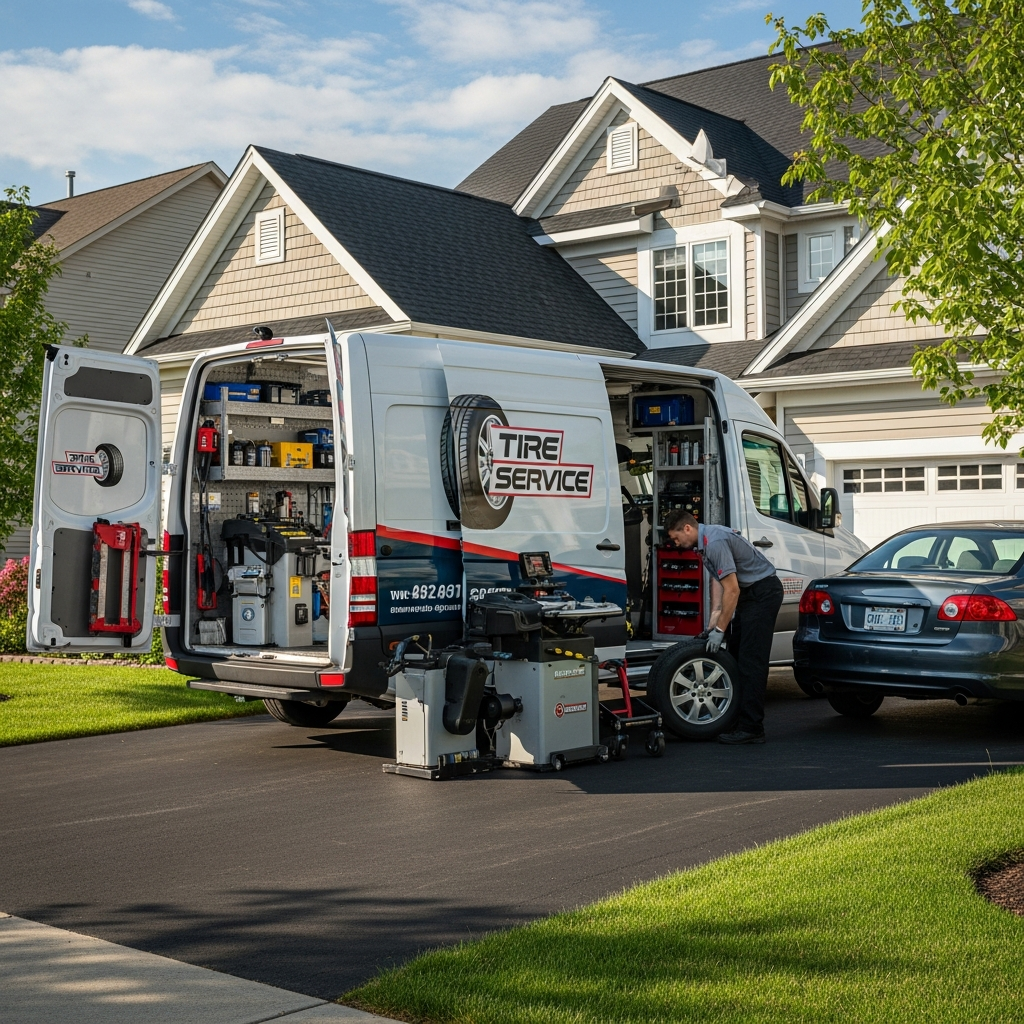
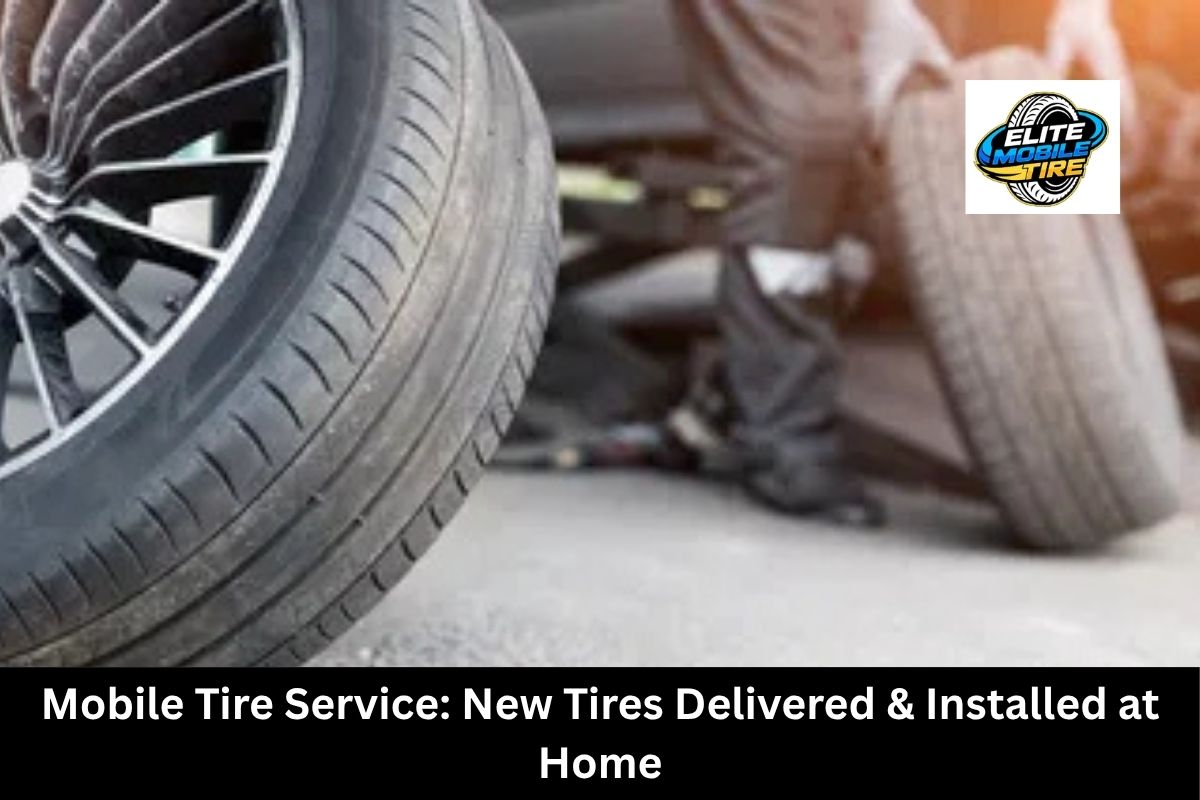
Replacing SUV tires does not need to take up an entire afternoon at a waiting room. For busy families, mobile tire service can make it easier to have new tires installed, balanced, and checked at home or at work. Elite Mobile Tire serves Columbus-area drivers with professional on-site tire service, helping families handle routine replacement without rearranging the day around a tire shop visit.
When requesting a quote, have your vehicle year, make, model, tire size, and any preferences ready. Mention if you prioritize a quiet ride, stronger wet traction, winter capability, or long-distance travel. Clear details help ensure the recommendation fits your SUV instead of being a one-size-fits-all answer.
The right tires should fade into the background of family life: quiet on the highway, controlled in the rain, and ready when the next busy day starts. Choosing them with your real driving routine in mind is one of the simplest ways to keep every trip safer and less stressful.
Ready for a new set? Elite Mobile Tire installs 2 or 4 new tires right in your driveway or parking lot anywhere around Columbus, Obetz, Groveport, Grove City, and Reynoldsburg. Financing is available through Afterpay and Acima with up to 24-month payment plans. Call 614-344-5010 or visit elitemobiletire.com to book.