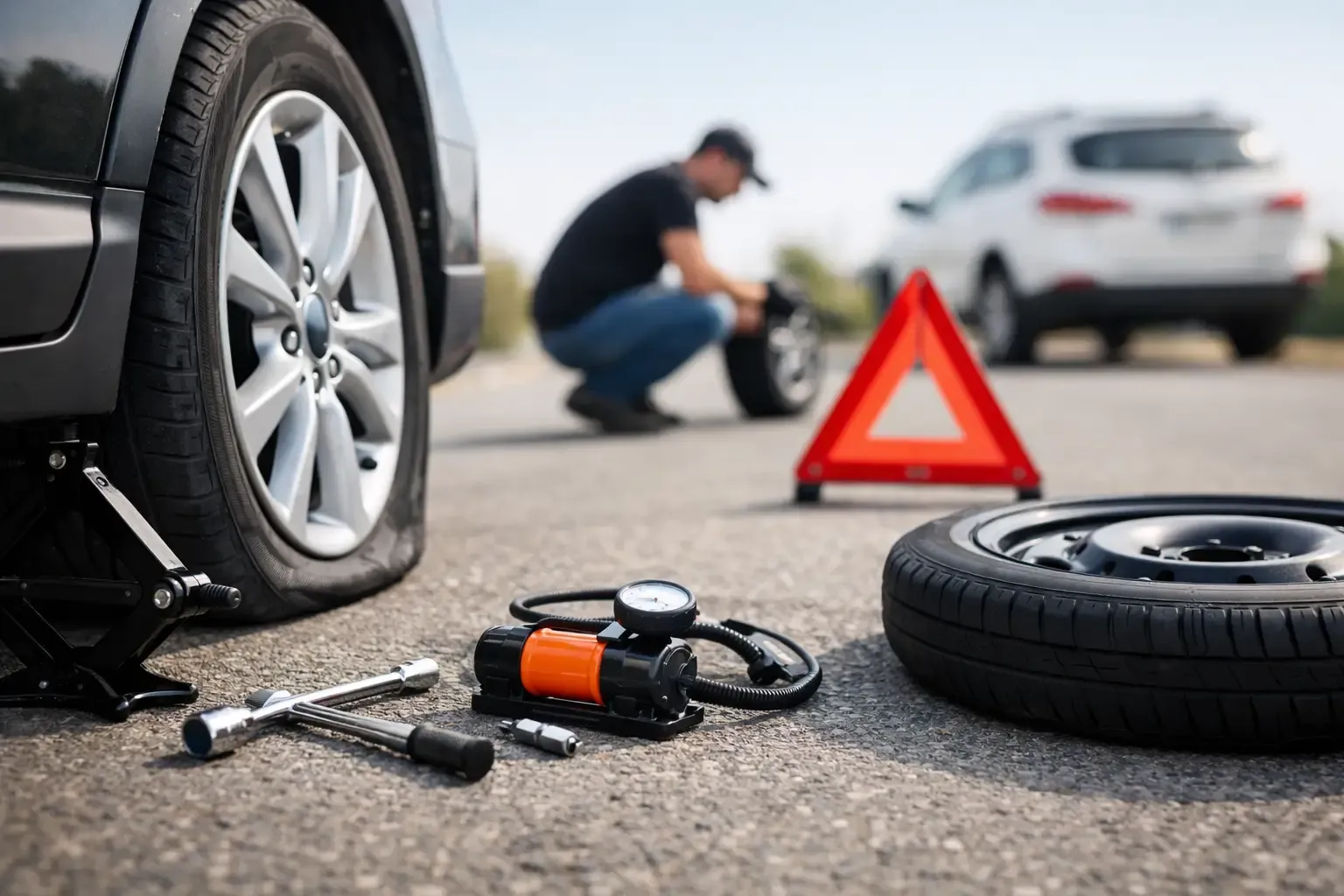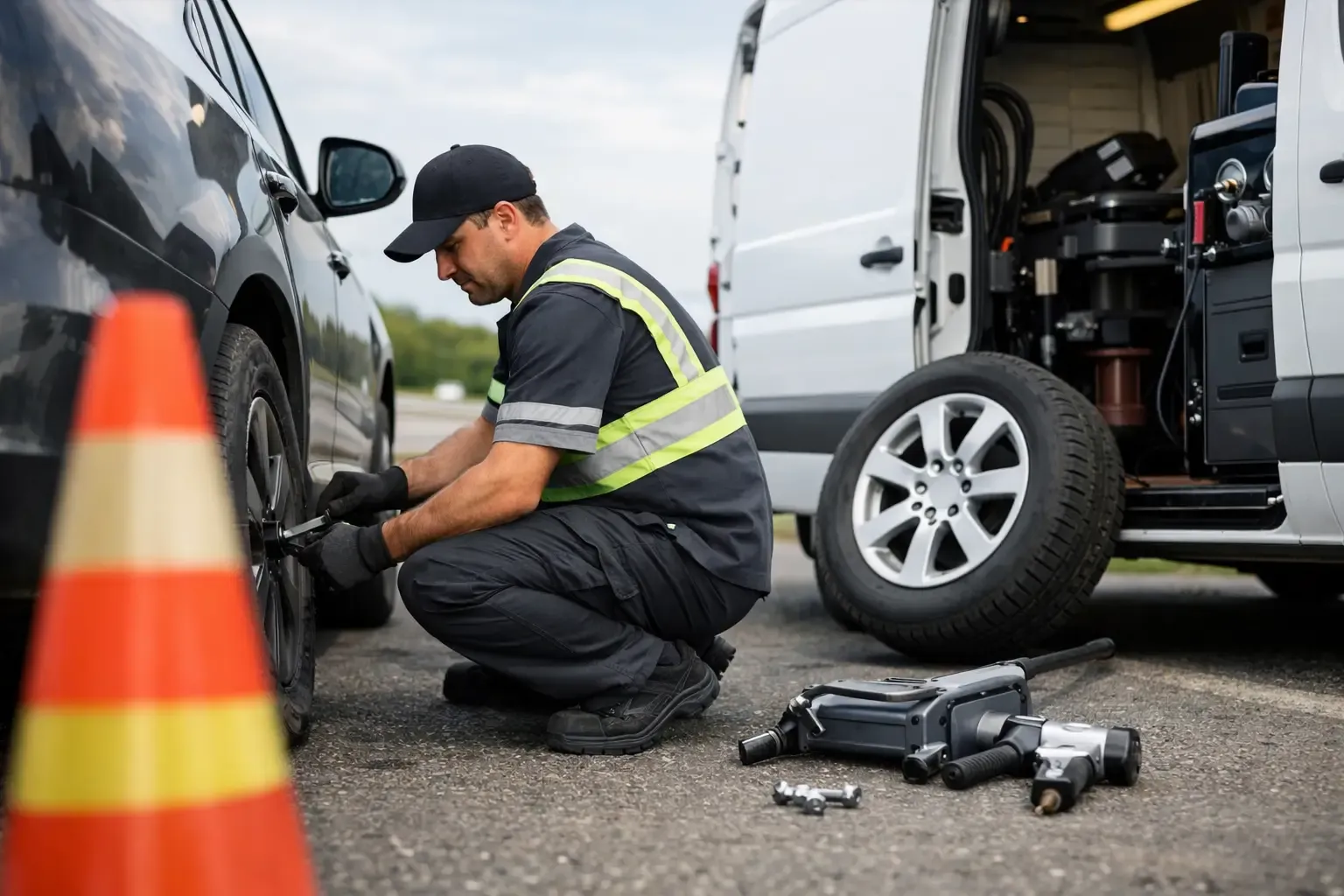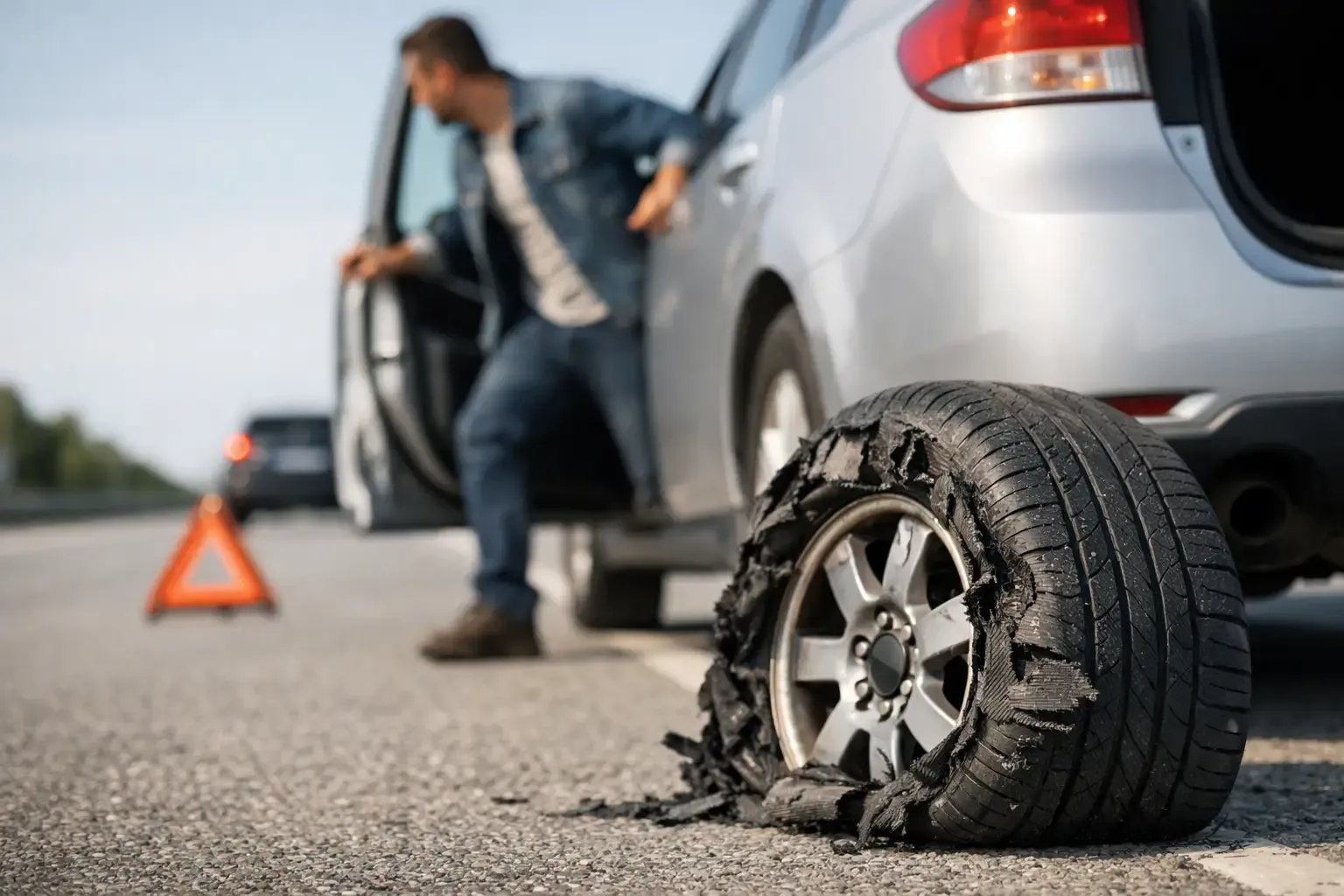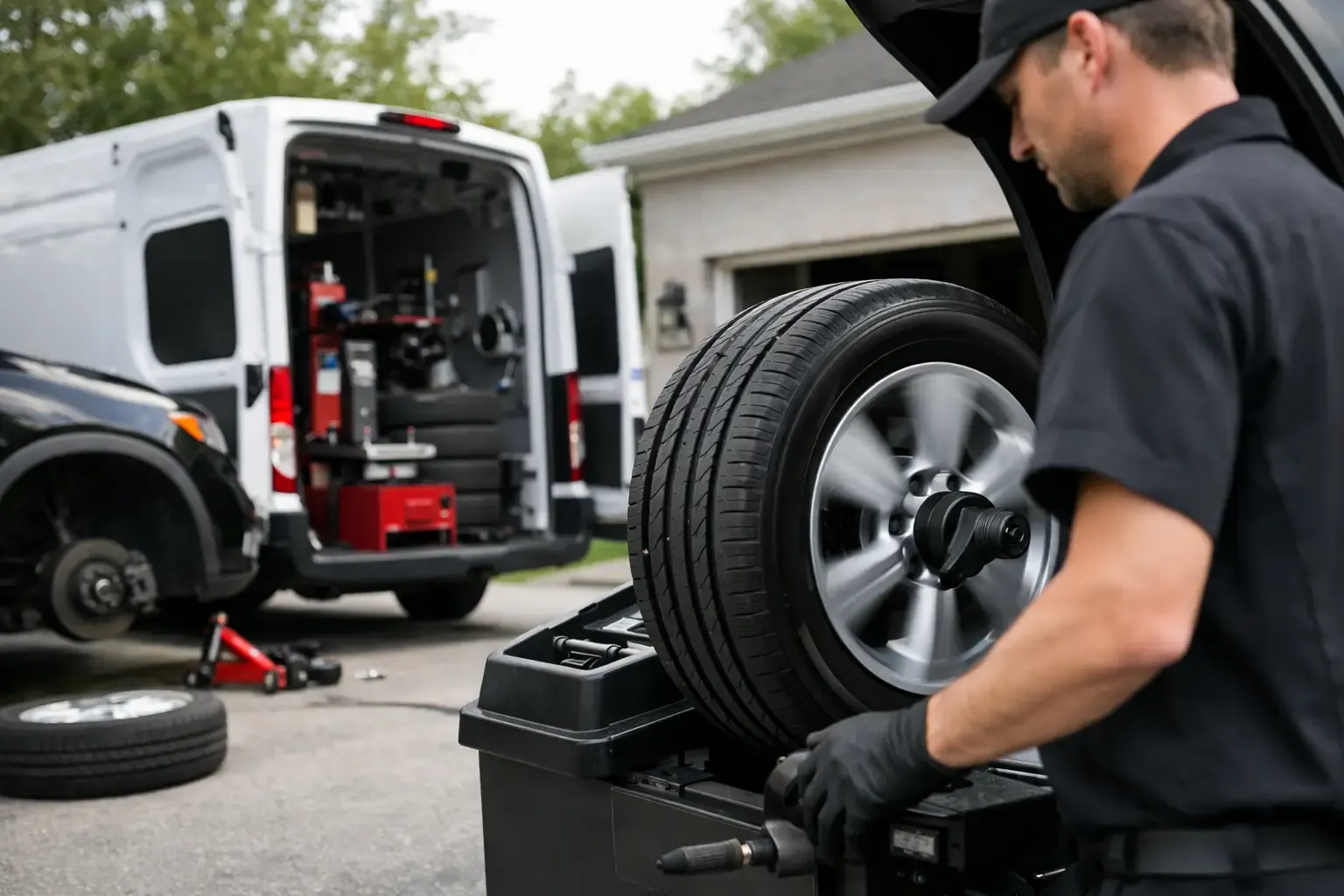

A delivery van with a damaged tire is not just one vehicle out of service. It can mean a missed appointment, delayed route, frustrated customers, and a driver waiting on the side of the road. Reliable commercial tire service helps businesses avoid that chain reaction by addressing tire issues where the vehicle is parked, working, or stranded.
For Columbus-area fleets, the right tire plan is about more than replacing worn tread. It is about keeping drivers safe, protecting uptime, and making sure tire decisions support the work each vehicle has to do every day.
Why Commercial Tires Need a Different Approach
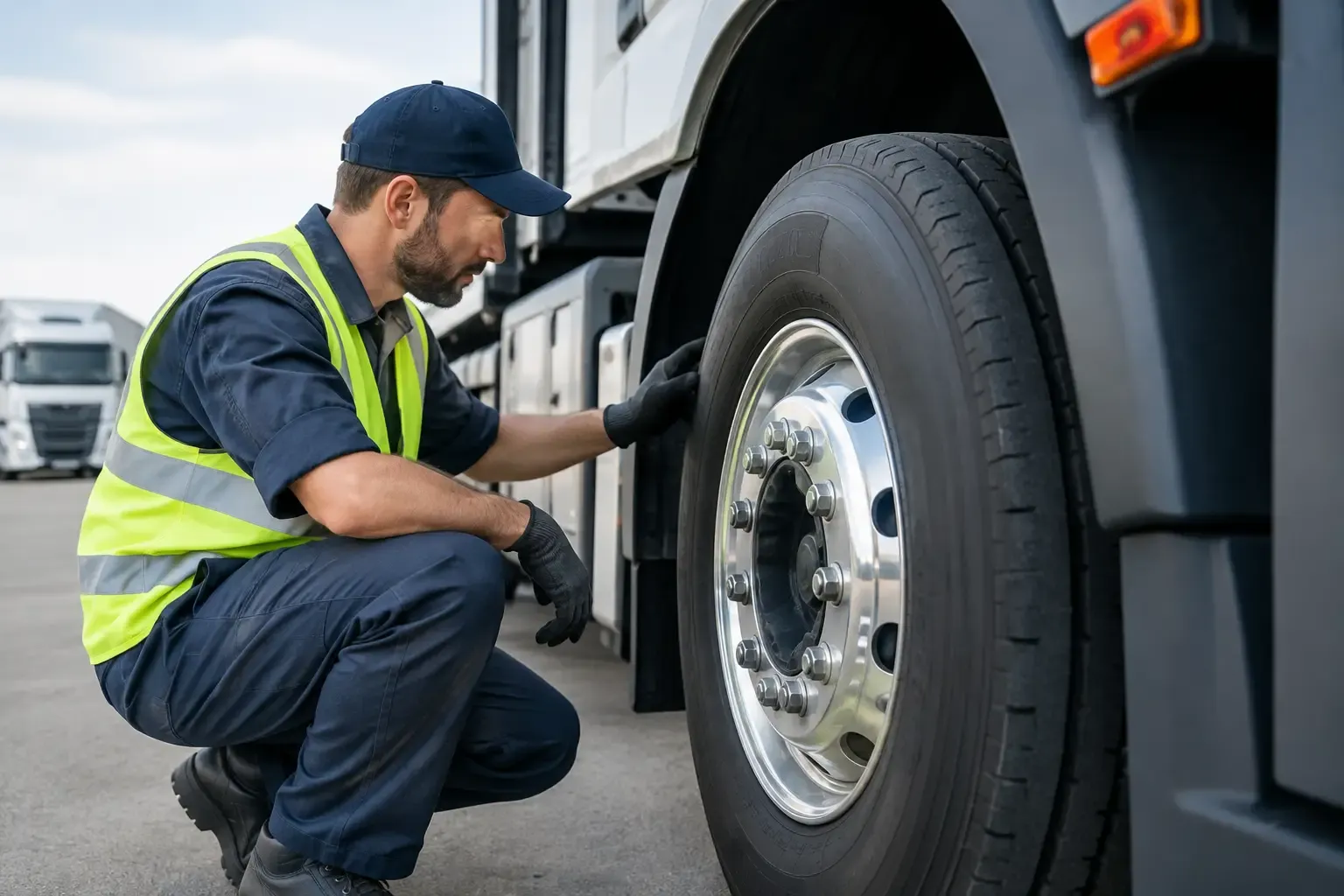
Commercial vehicles place different demands on tires than the average passenger car. Cargo weight, frequent stops, long idle periods, highway miles, tight turns, curb contact, and changing route conditions all affect tire wear. A tire that appears acceptable during a quick walk-around can still have uneven wear, sidewall damage, a slow leak, or inflation problems that shorten its useful life.
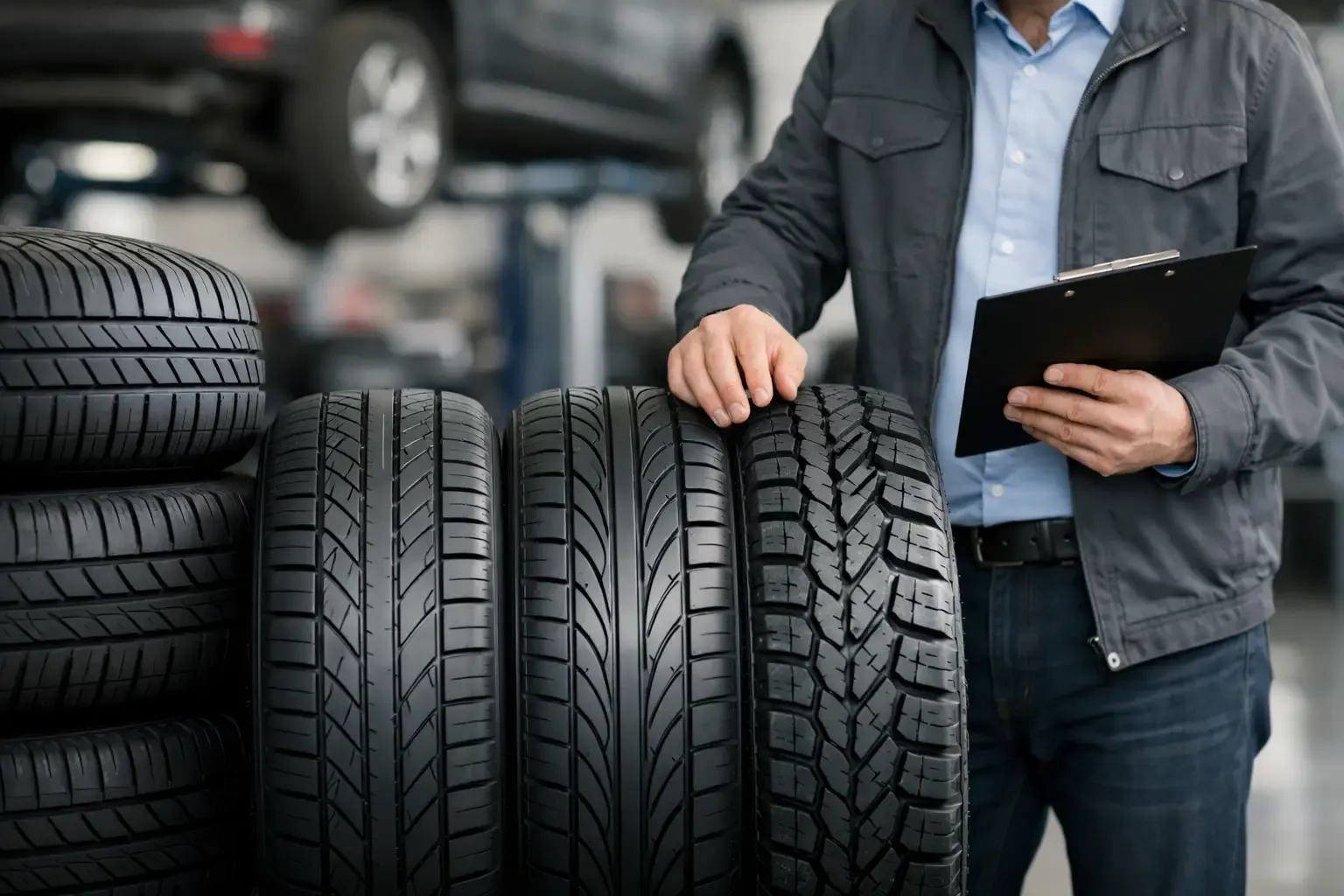
The correct tire depends on the vehicle and its job. A service van that makes dozens of neighborhood stops has different needs than a pickup hauling equipment, a box truck making regional deliveries, or a work vehicle traveling primarily on highways. Load capacity, tire size, tread design, speed rating, and the manufacturer's specifications all matter.
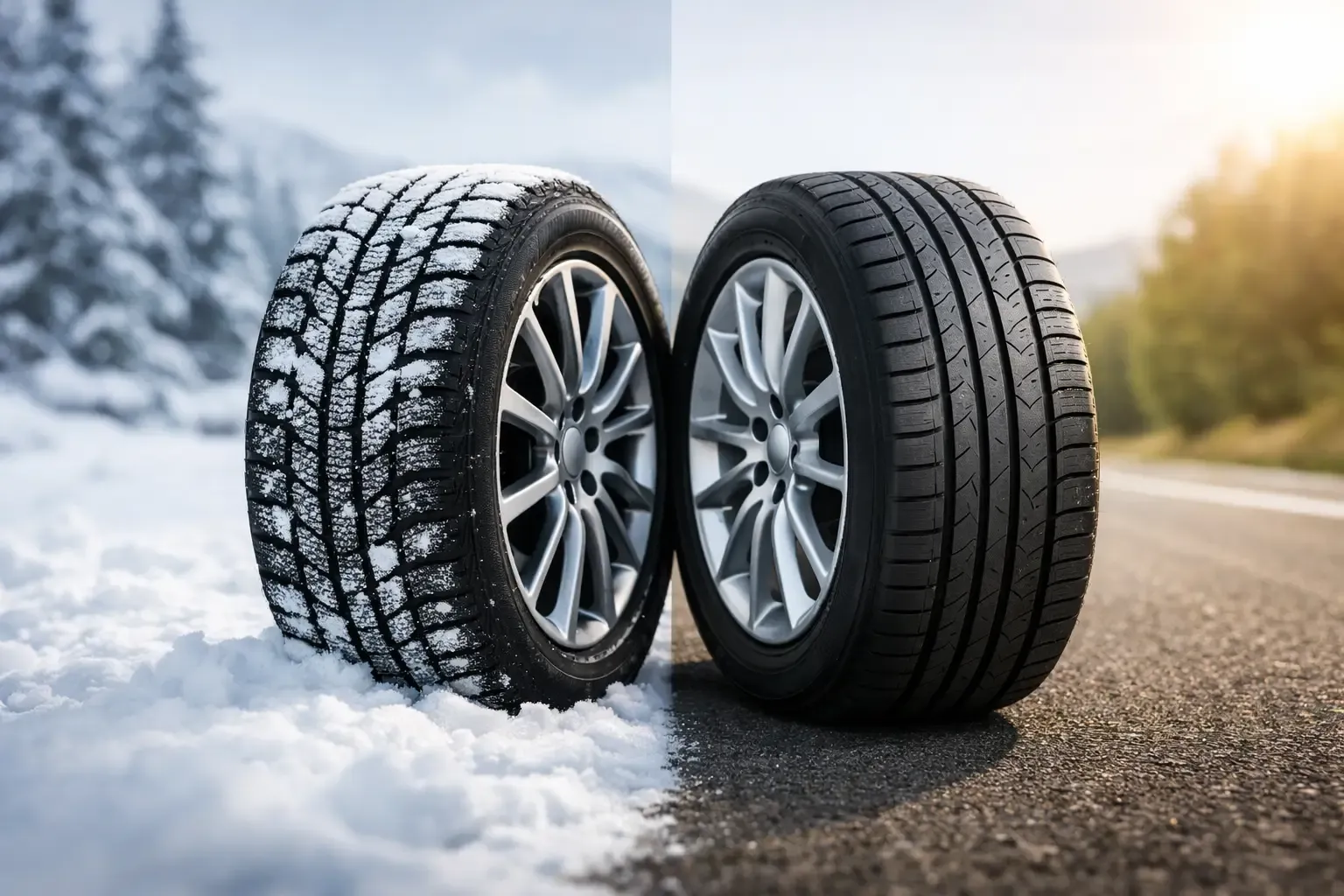
Selecting a tire based only on what fits the wheel can create problems later. An under-rated tire can run hotter under load and wear faster. An aggressive tread may be useful for certain job sites but can add road noise or reduce efficiency on pavement. A proper recommendation balances safety, expected mileage, traction needs, ride quality, and operating conditions.
The Cost of Waiting Too Long
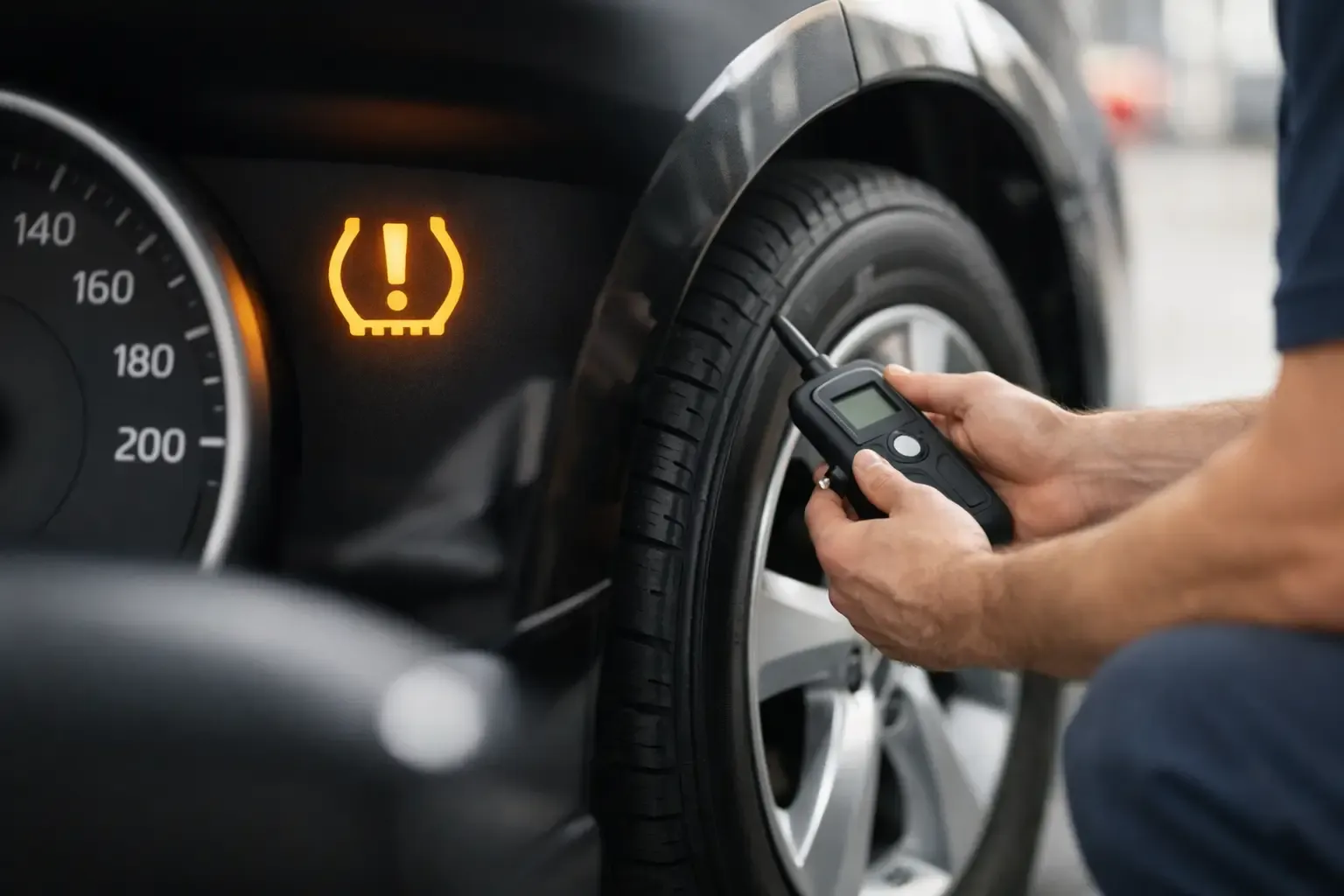
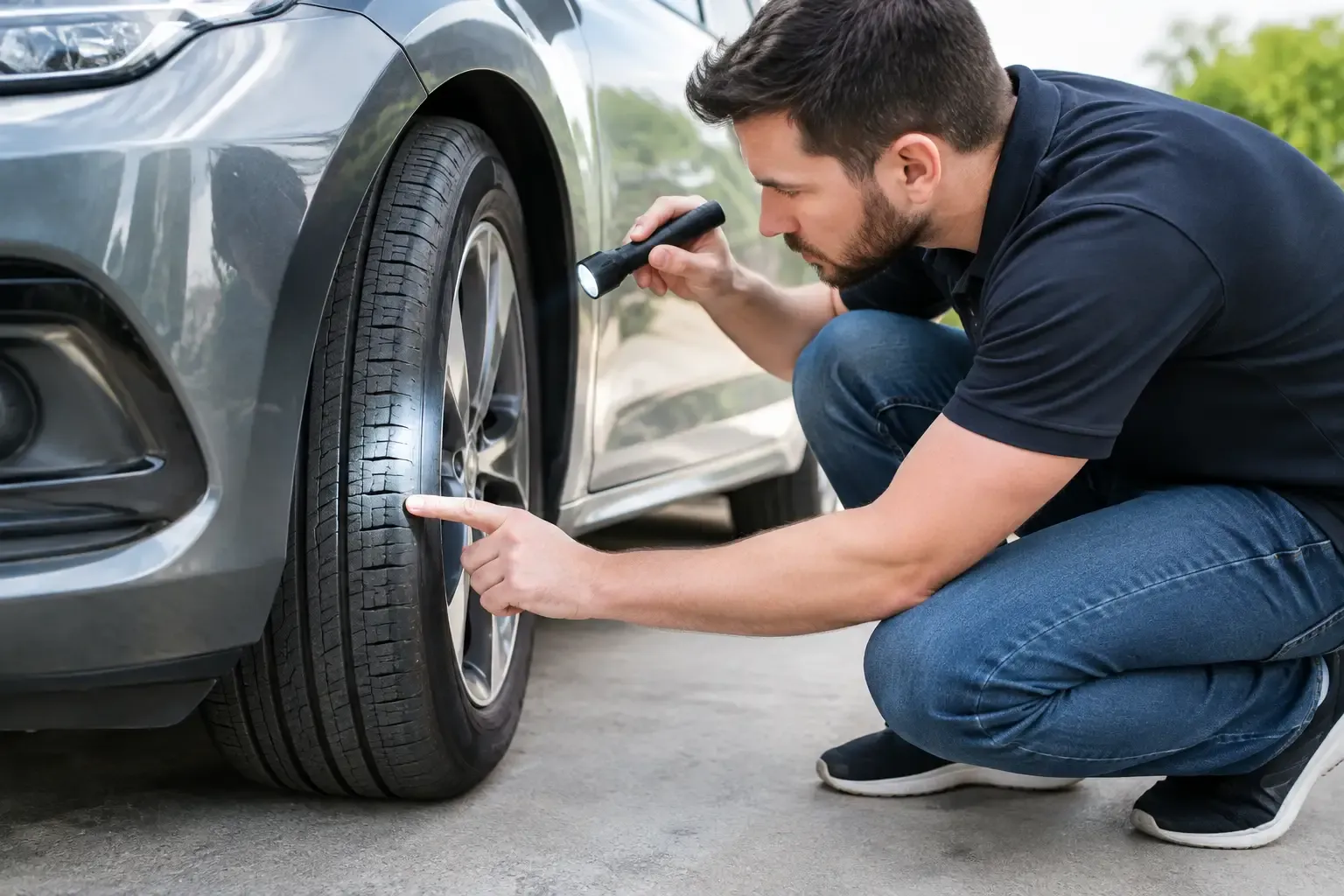
Tires rarely fail without warning, but early warning signs are easy to overlook when a business has vehicles moving all day. Low tire pressure, vibration, a vehicle pulling to one side, repeated pressure loss, visible cracking, and uneven tread wear deserve prompt attention.
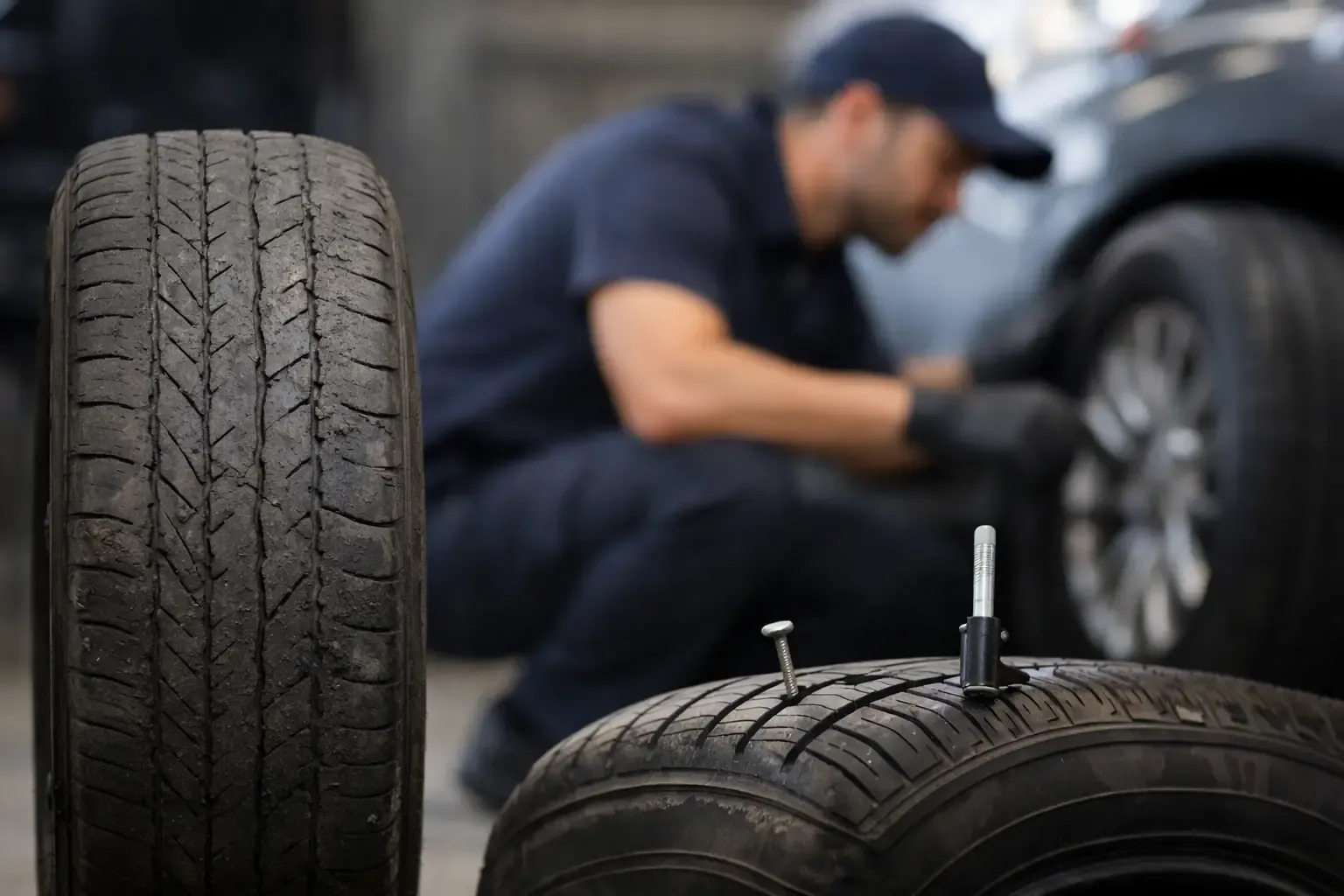
Waiting can turn a repairable issue into a replacement, and a replacement into an unplanned roadside event. It can also affect other vehicle components. For example, poor alignment often causes one shoulder of the tire to wear faster than the rest. Replacing the tire without addressing the source of the wear may simply restart the same cycle.
Choosing the Right Commercial Tire for the Job
A commercial tire purchase should begin with a few practical questions: What does the vehicle carry? How far does it travel each day? Does it operate on highways, city streets, construction entrances, or a mix of surfaces? Does it regularly tow or carry heavy equipment?
The answers guide the recommendation. Light-duty commercial vans and pickups often need tires built for frequent use and dependable wet-road handling. Vehicles carrying consistent loads need an appropriate load range and inflation level. Fleet managers should also consider whether keeping the same tire model across similar vehicles will make rotations, replacements, and maintenance records easier to manage.
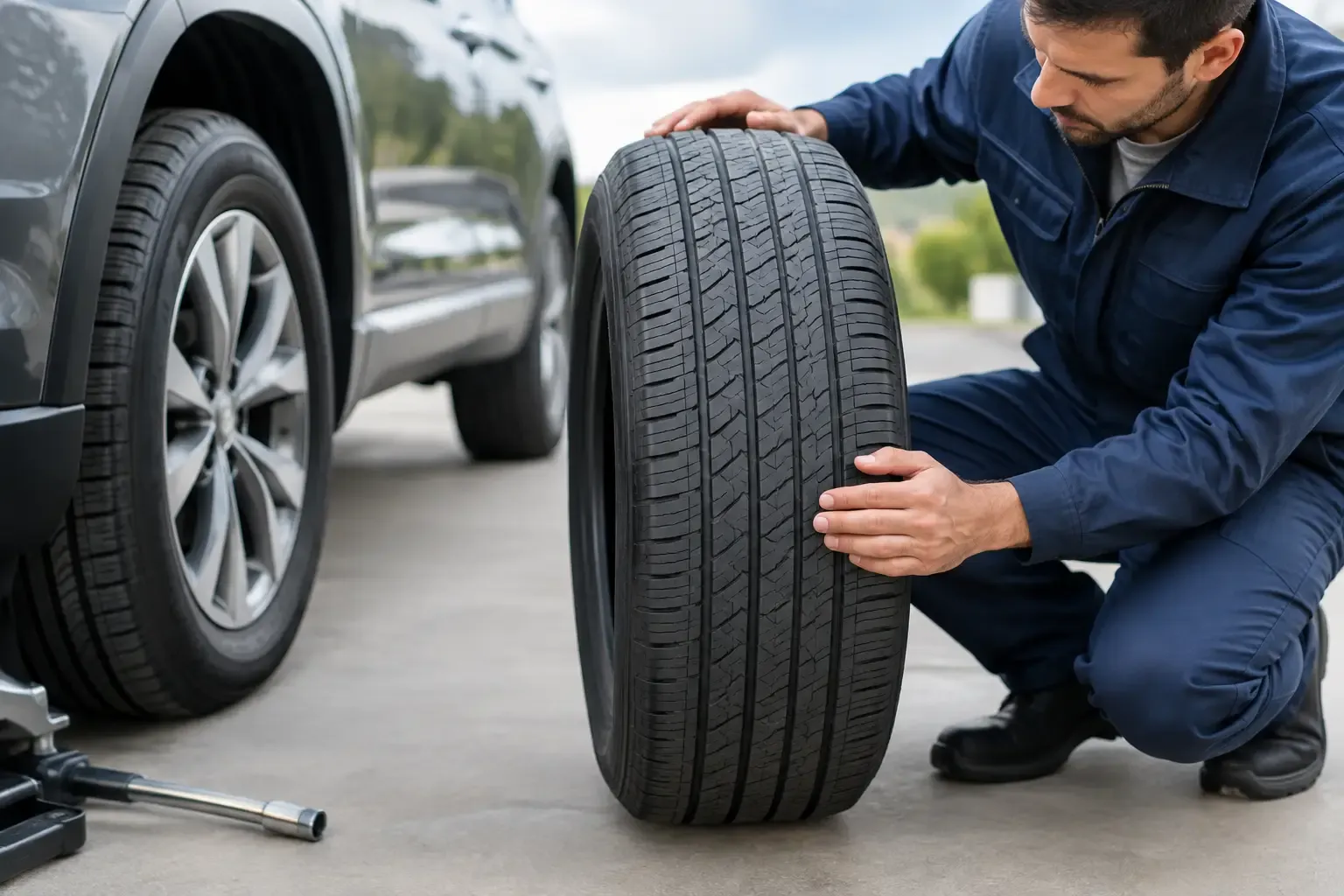
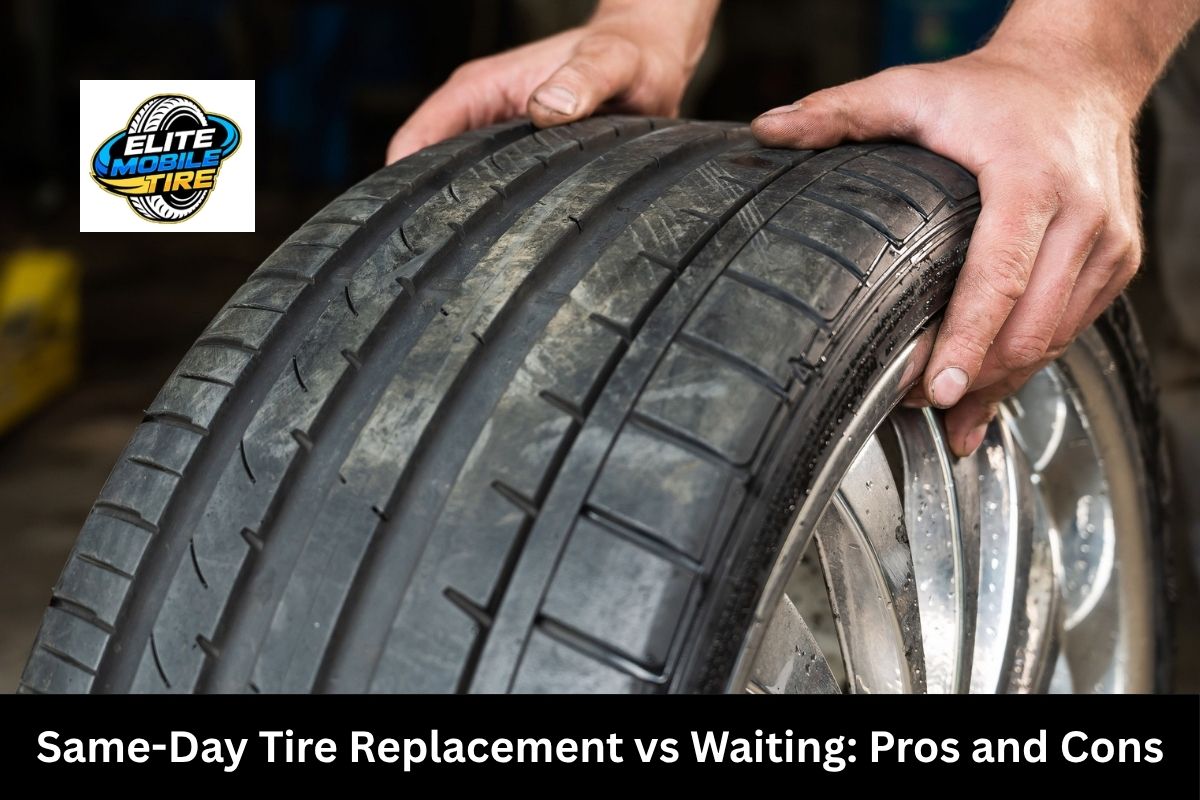
Tread depth is only one part of the decision. Tires can have usable-looking tread but still be unsafe because of age, impact damage, exposed cords, bulges, or irregular wear. Sidewall condition matters especially on vehicles that operate around curbs, loading areas, and job sites.
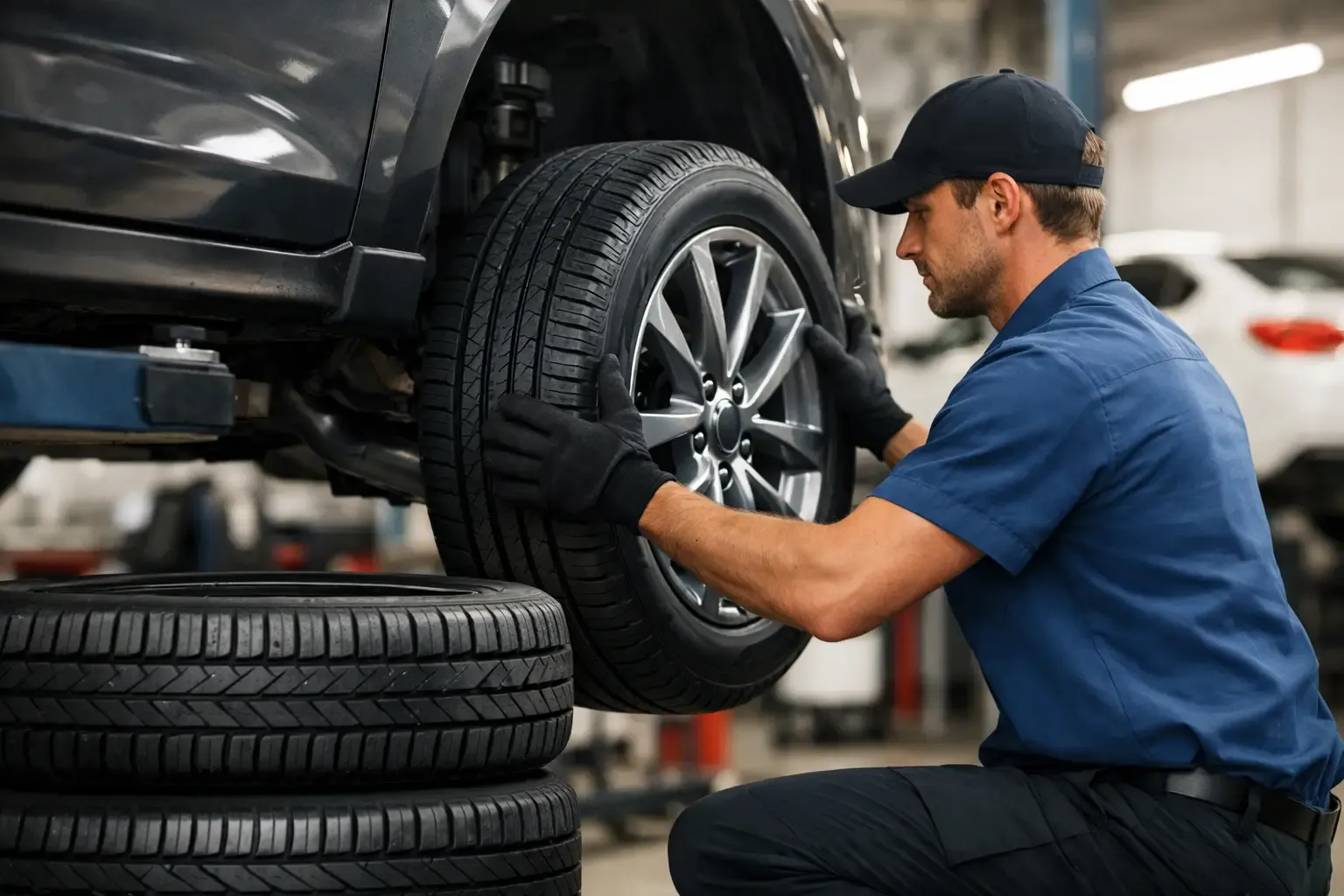
A professional inspection provides a clearer answer than guessing from a photo or relying on one visible tire. When one tire is damaged, the technician can check the others for matching wear patterns, proper inflation, and signs that the vehicle needs additional attention.
Preventive Commercial Tire Maintenance Saves Time
The most efficient tire repair is often the one that never becomes an emergency. Regular inspections give fleet owners a chance to identify small problems during a scheduled service window instead of after a vehicle loses time on a route.
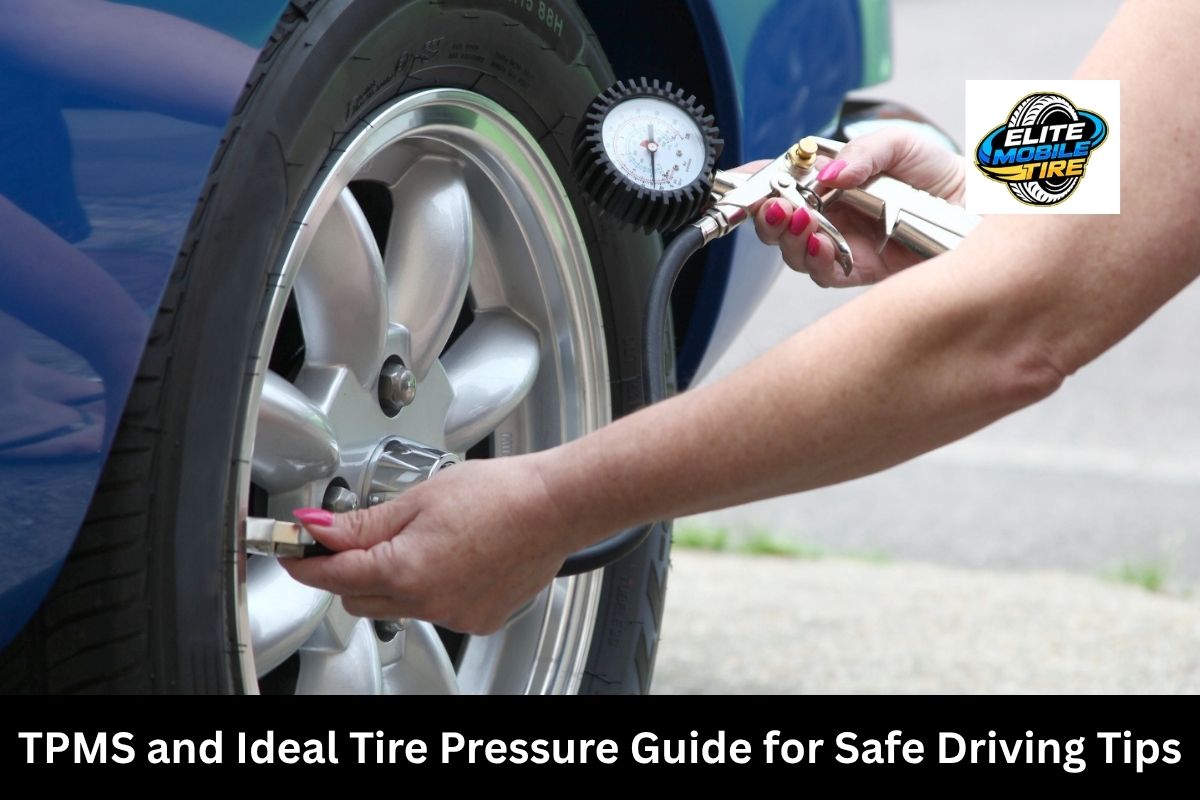
Pressure checks should be routine, not occasional. Underinflation creates excess heat and increases shoulder wear. Overinflation can reduce the tire's contact patch and contribute to center wear. The correct pressure is based on the tire, wheel, vehicle application, and load, so drivers should follow the vehicle manufacturer's guidance and fleet procedures rather than relying on a single number for every vehicle.
Rotation is another practical way to extend tire life when the vehicle and tire setup allow it. Front and rear positions often wear differently due to steering, braking, load distribution, and drivetrain. Consistent rotation intervals can help wear develop more evenly, but it depends on the vehicle's configuration and the condition of the tires.
Fleet teams should also pay attention to driver feedback. A driver who reports a shake at highway speed, a recurring low-pressure alert, or a change in handling is providing useful maintenance information. Addressing that report quickly can prevent a breakdown and give the driver confidence that safety concerns are taken seriously.
When Mobile Commercial Tire Service Makes Sense
Taking a work vehicle to a tire shop can take more time than the service itself. Someone must leave the job, wait for the vehicle, coordinate transportation, and adjust the day's schedule. That approach may work for some planned maintenance, but it is not always the best fit for a busy fleet.
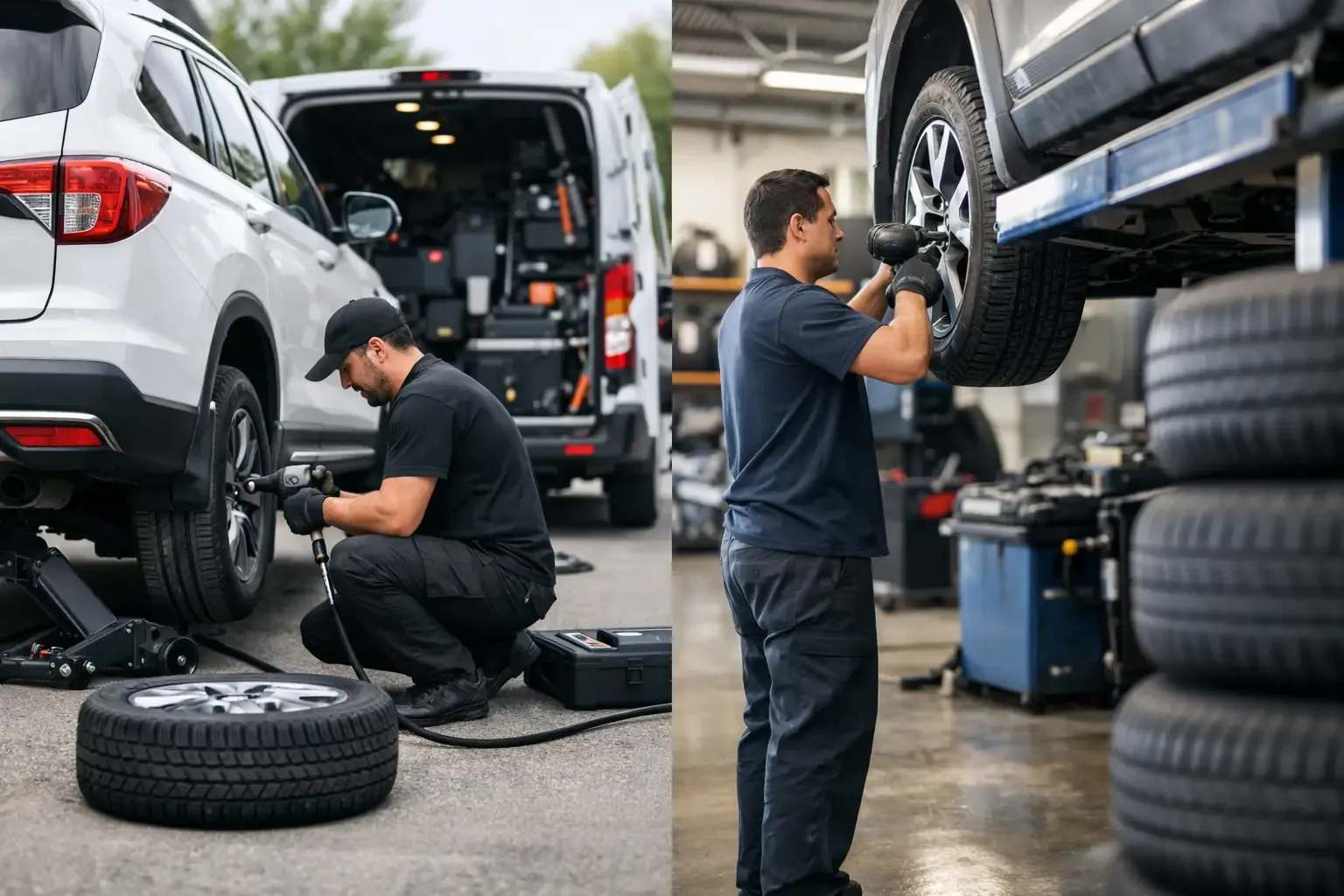
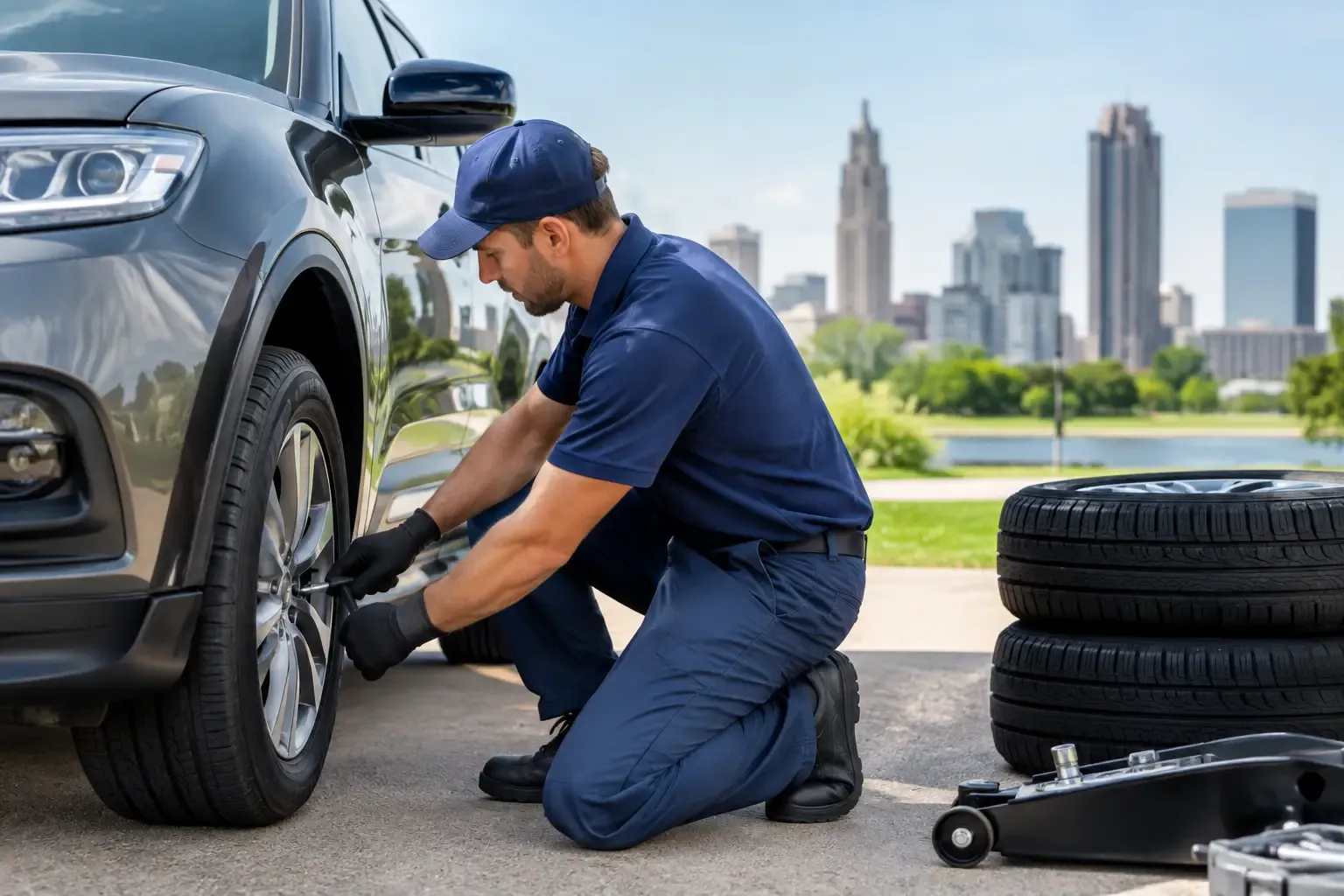
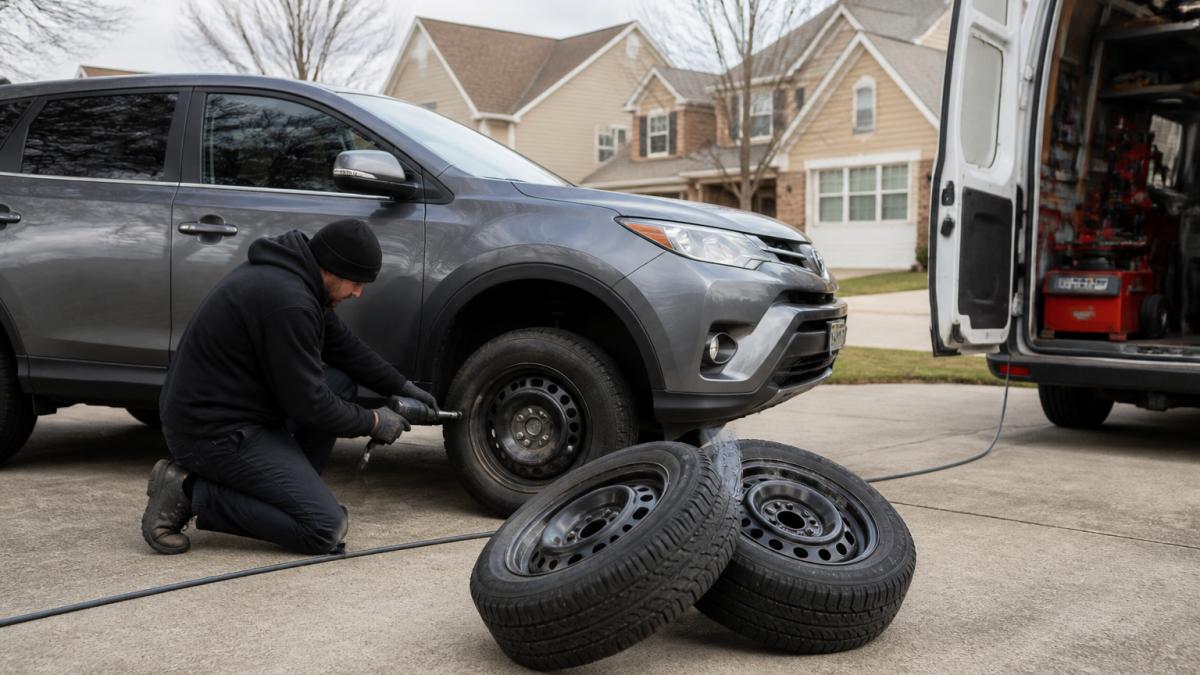
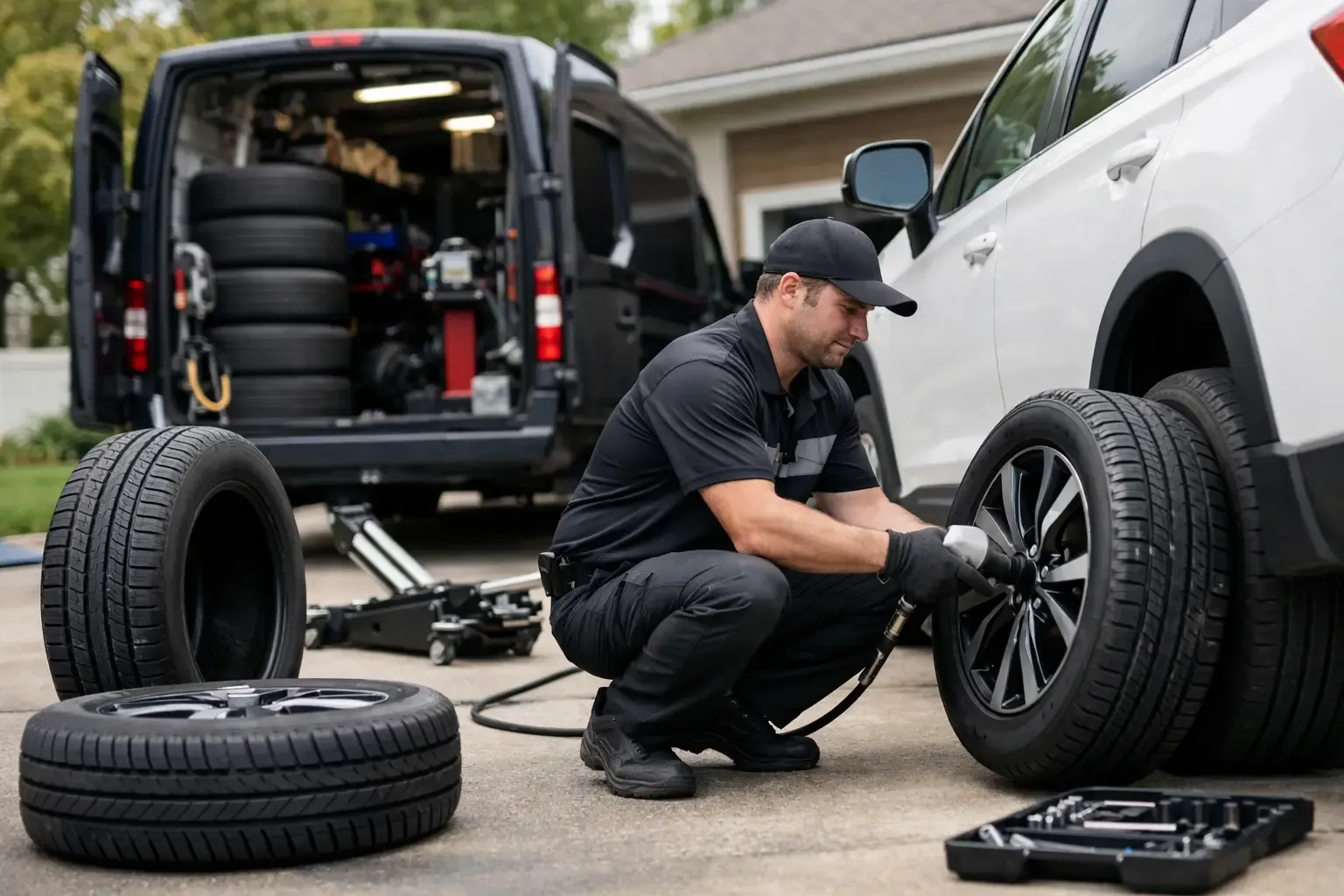
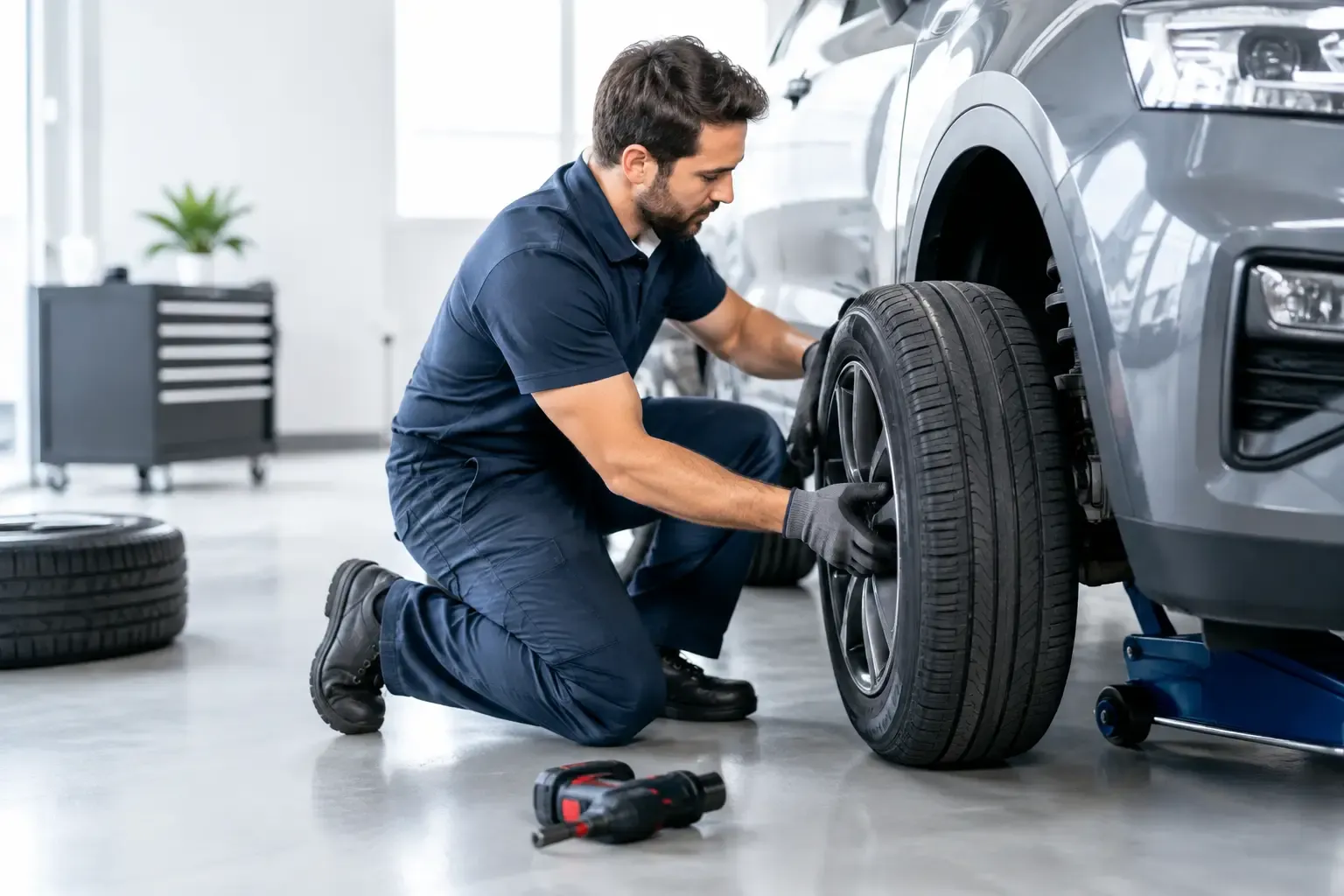
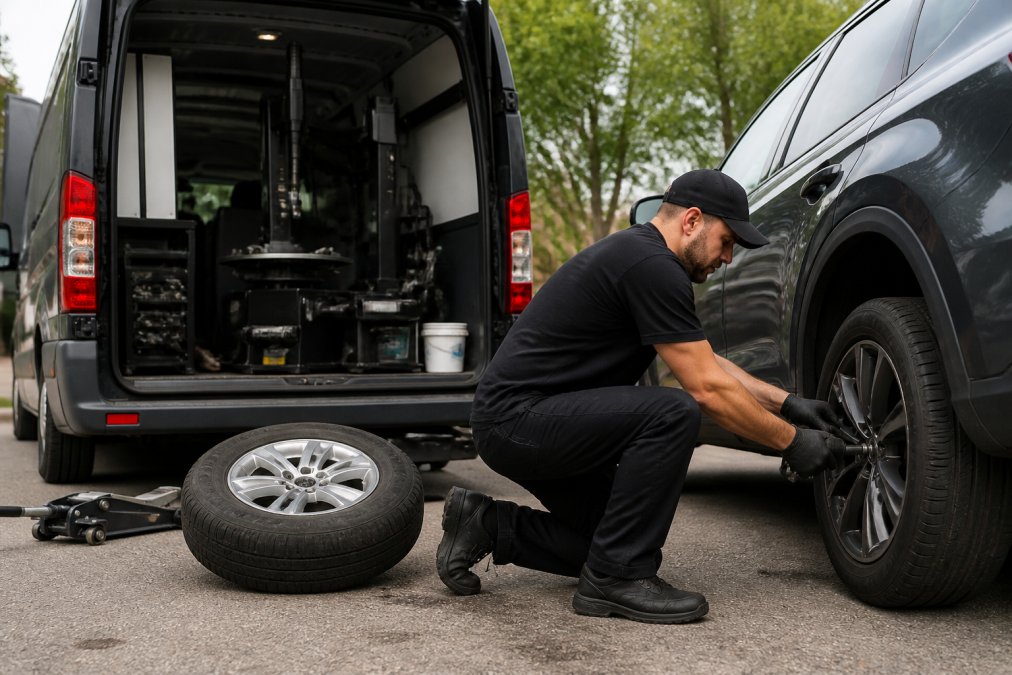
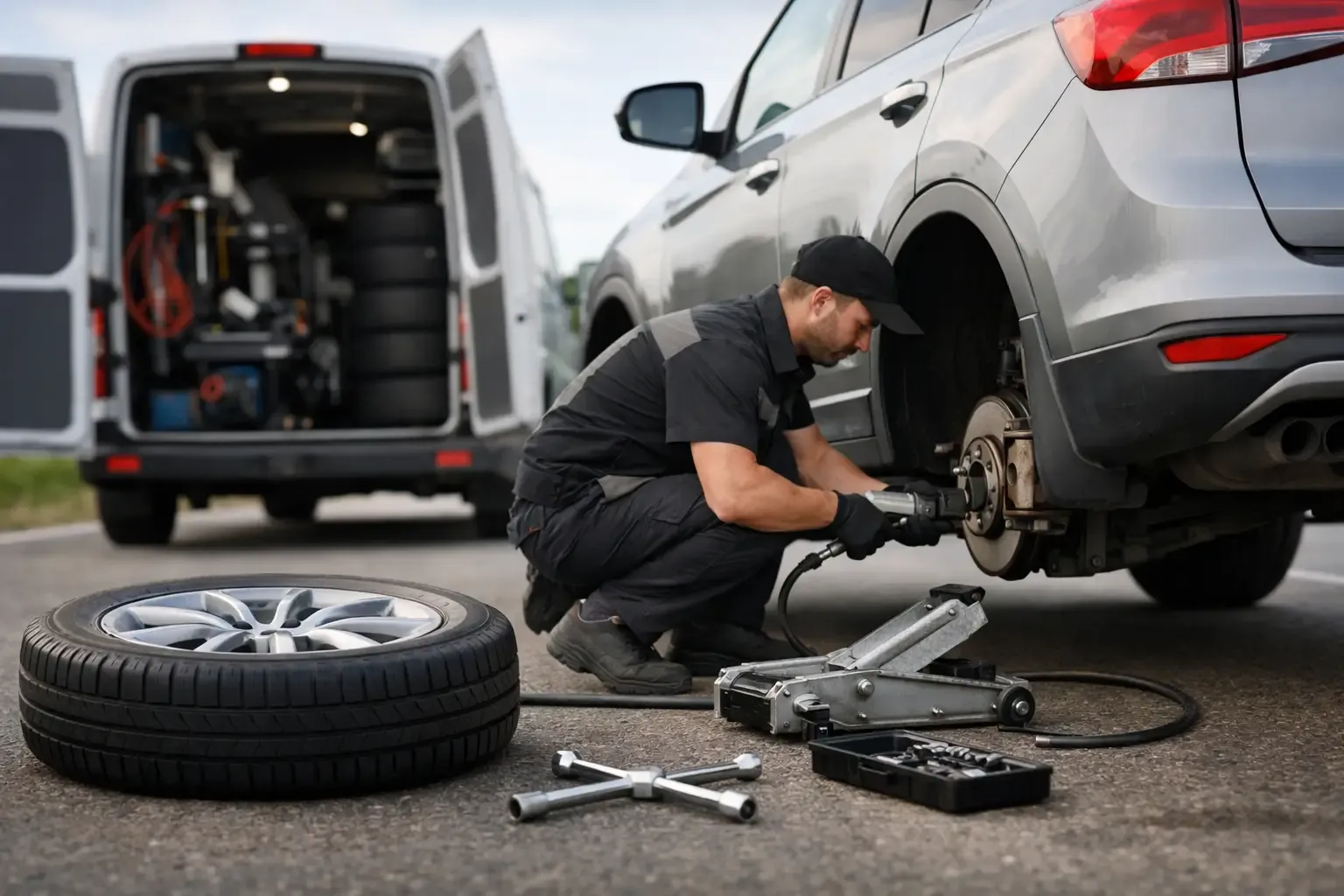
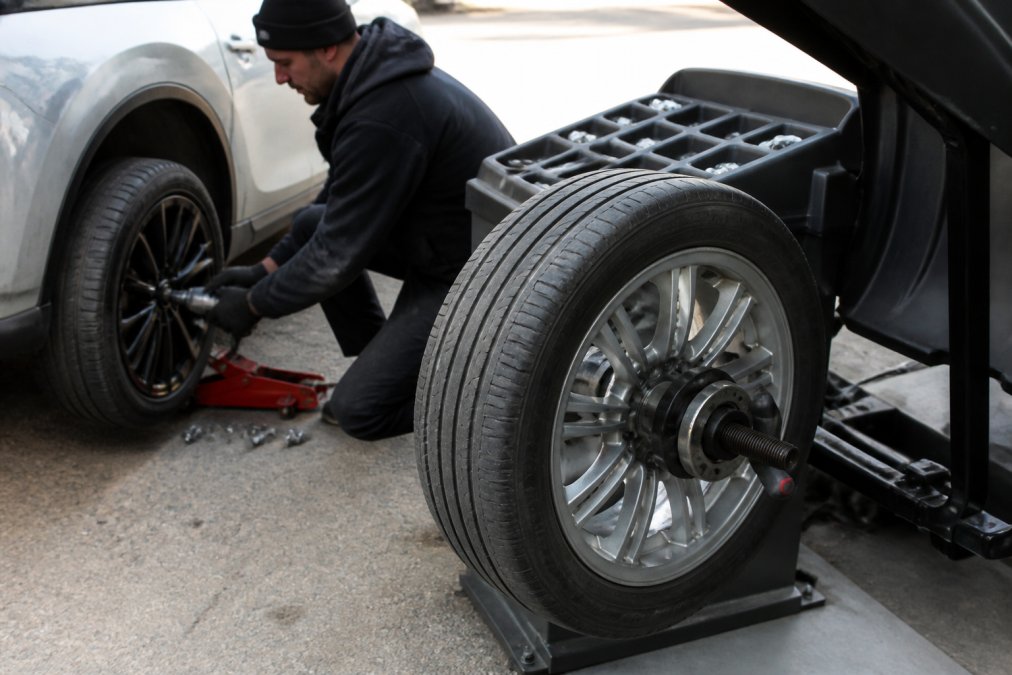
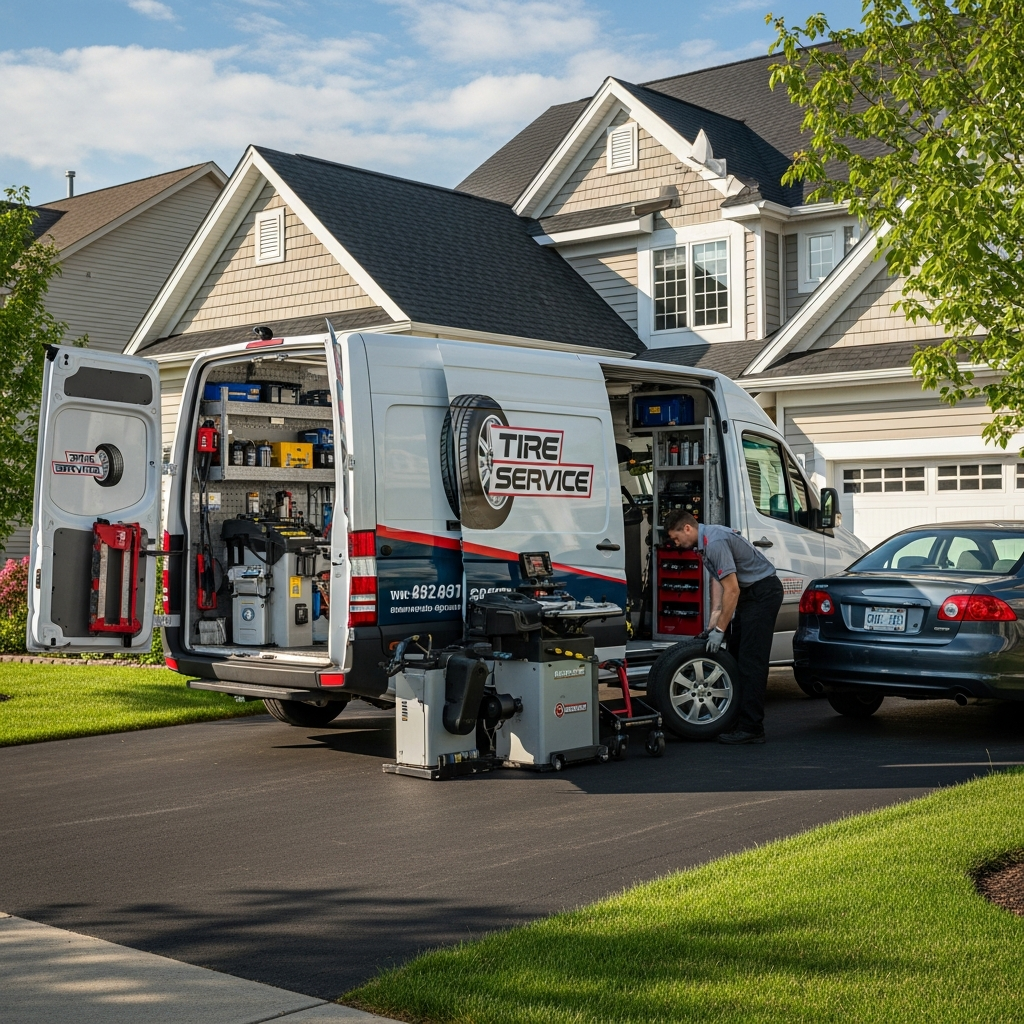
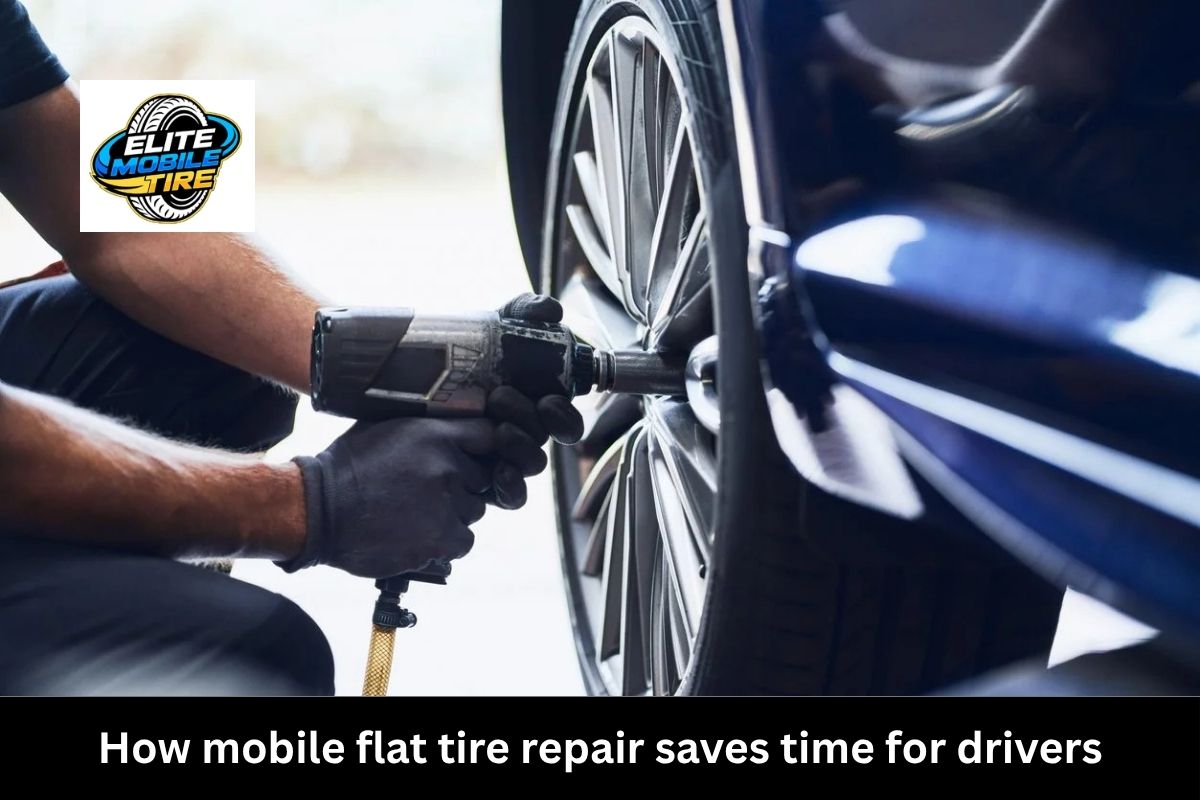
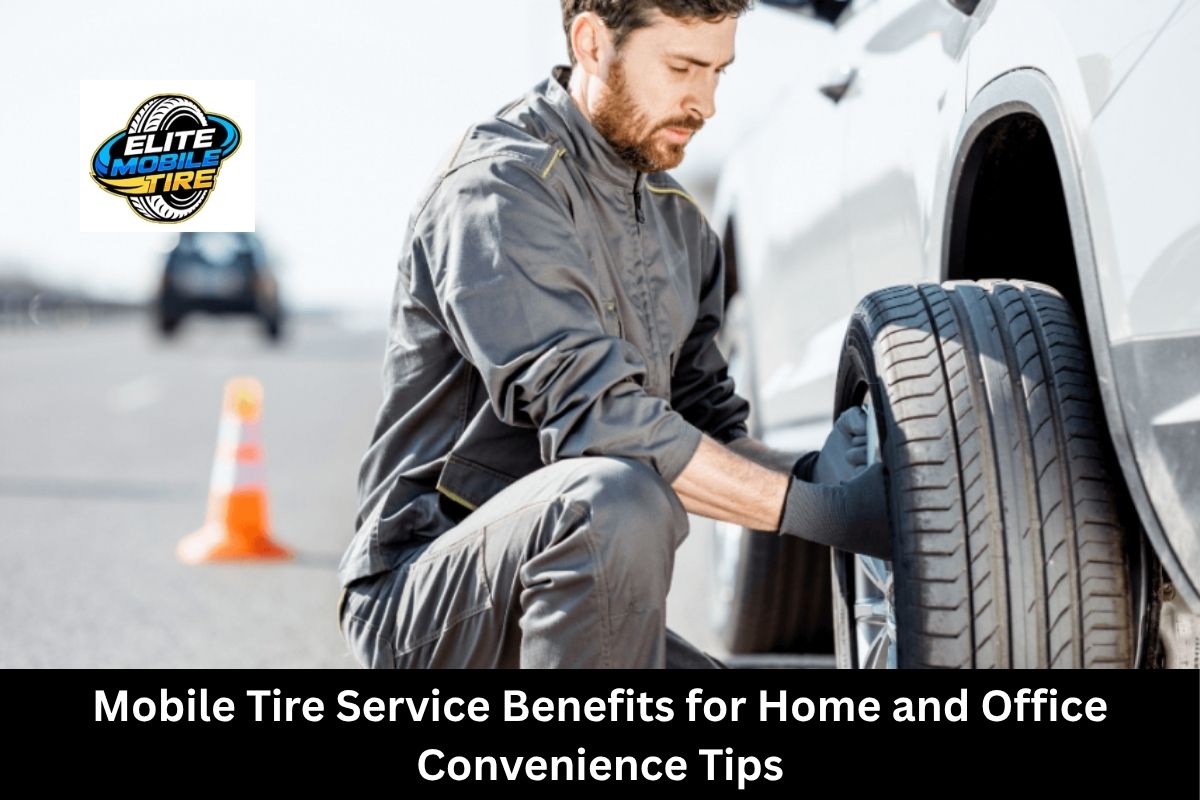
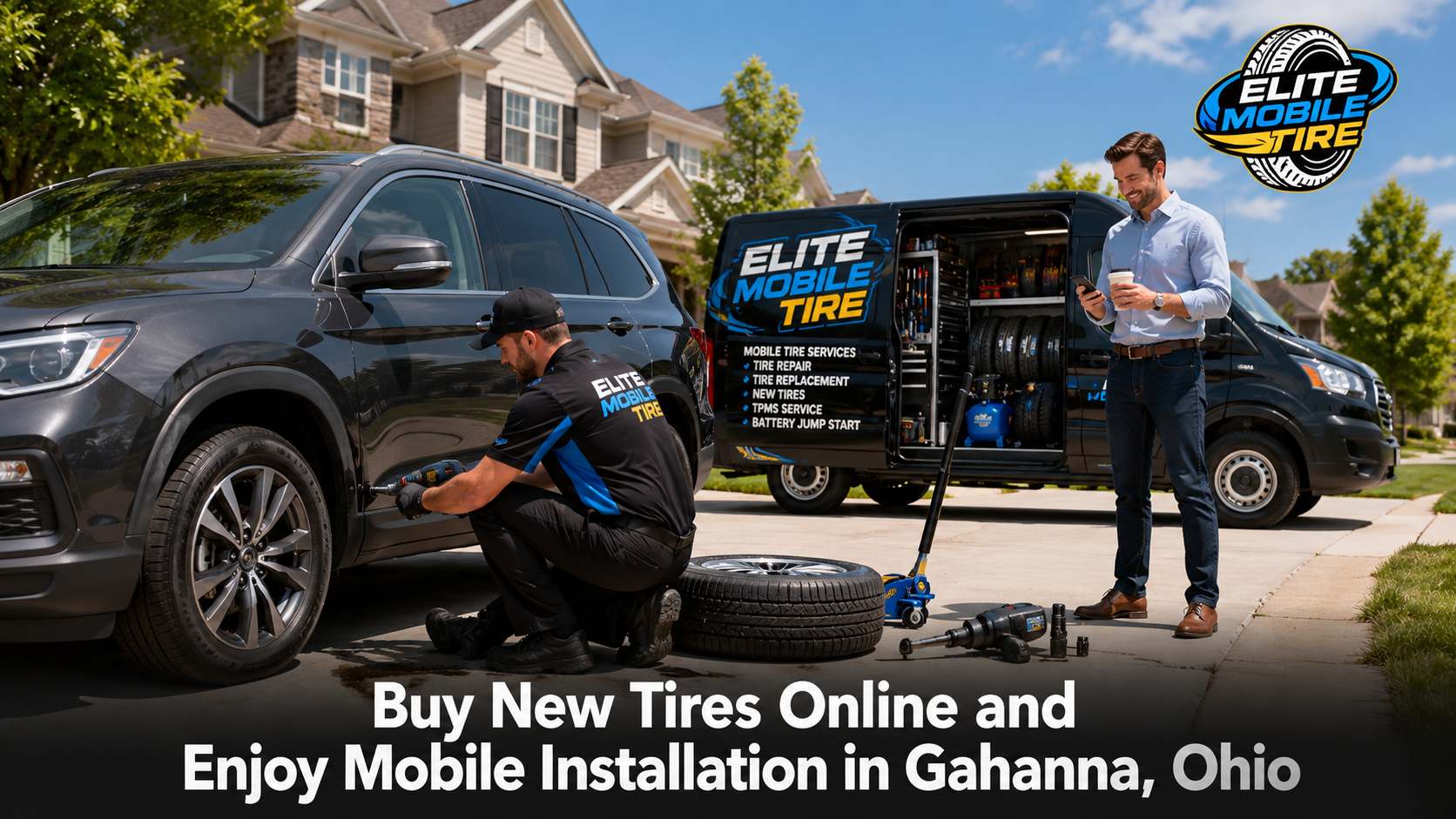
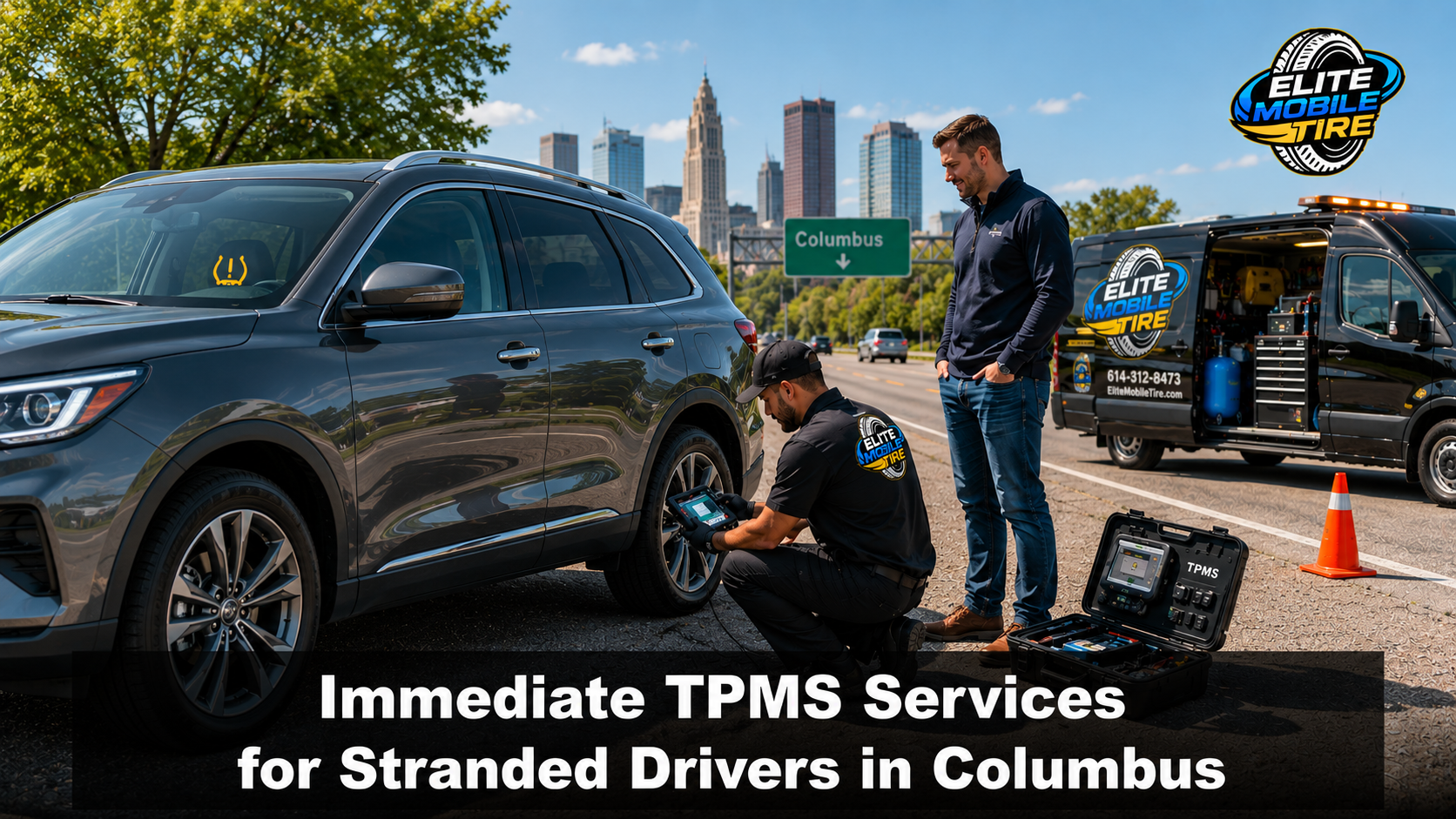
Mobile commercial tire service brings the technician and equipment to the vehicle's location. That can be at an office, warehouse, job site, home base, or safe roadside location. The service may include tire installation, flat repair when the damage is repairable, tire balancing, TPMS resets, spare tire changes, and inspections.
For businesses with several vehicles, on-site scheduling can reduce disruption by allowing work to be completed while vehicles are parked. It also gives fleet managers a clearer view of what was found and what work was performed. Elite Mobile Tire helps Columbus businesses coordinate this kind of service without adding another unnecessary trip to the day.
Mobile service does have practical limits. The vehicle needs to be in a safe, accessible place, and some damage or mechanical conditions may require additional shop-based work. A professional provider should explain those limits clearly, recommend the appropriate next step, and never treat a temporary solution as a permanent repair.
Handling a Commercial Tire Emergency Safely
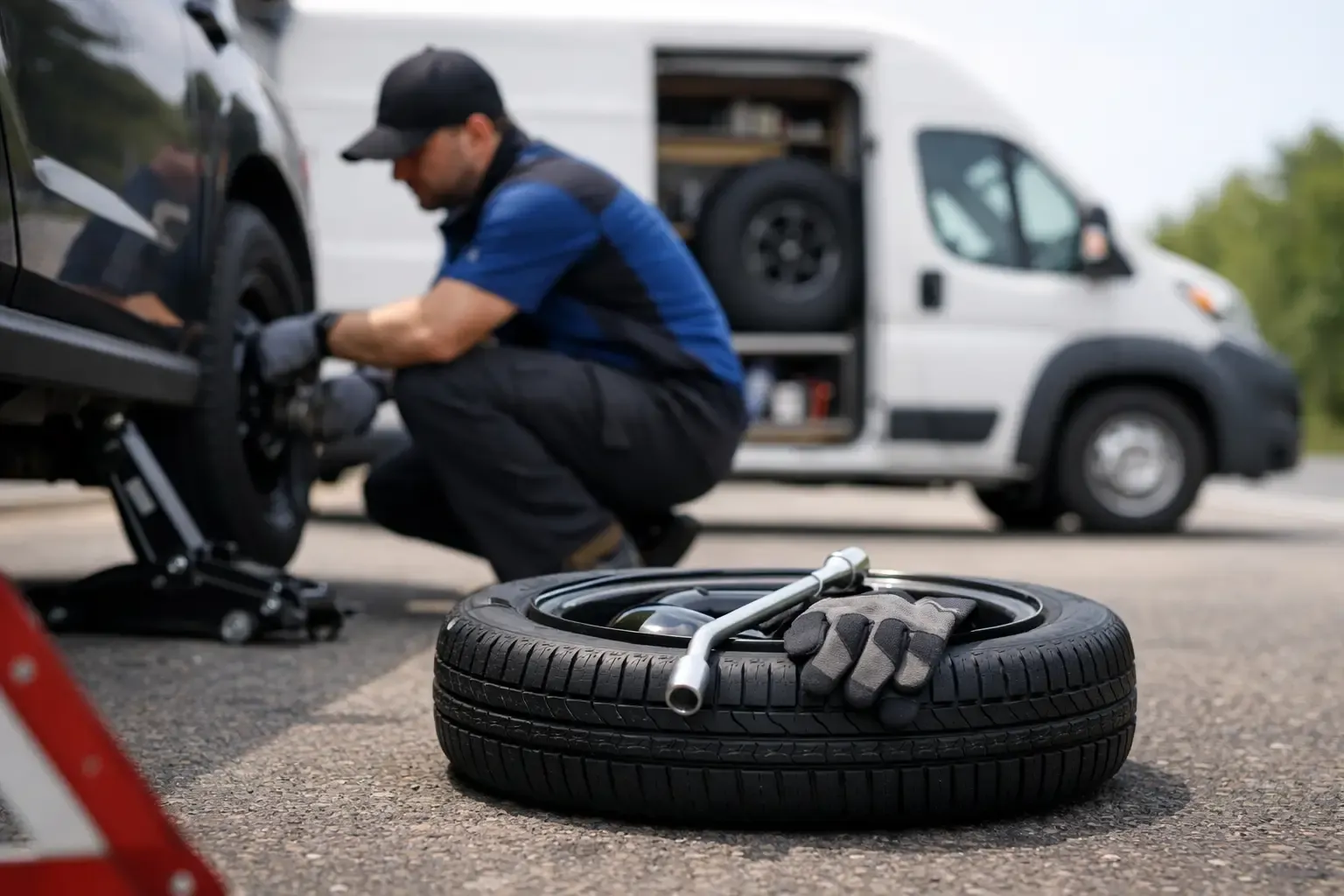
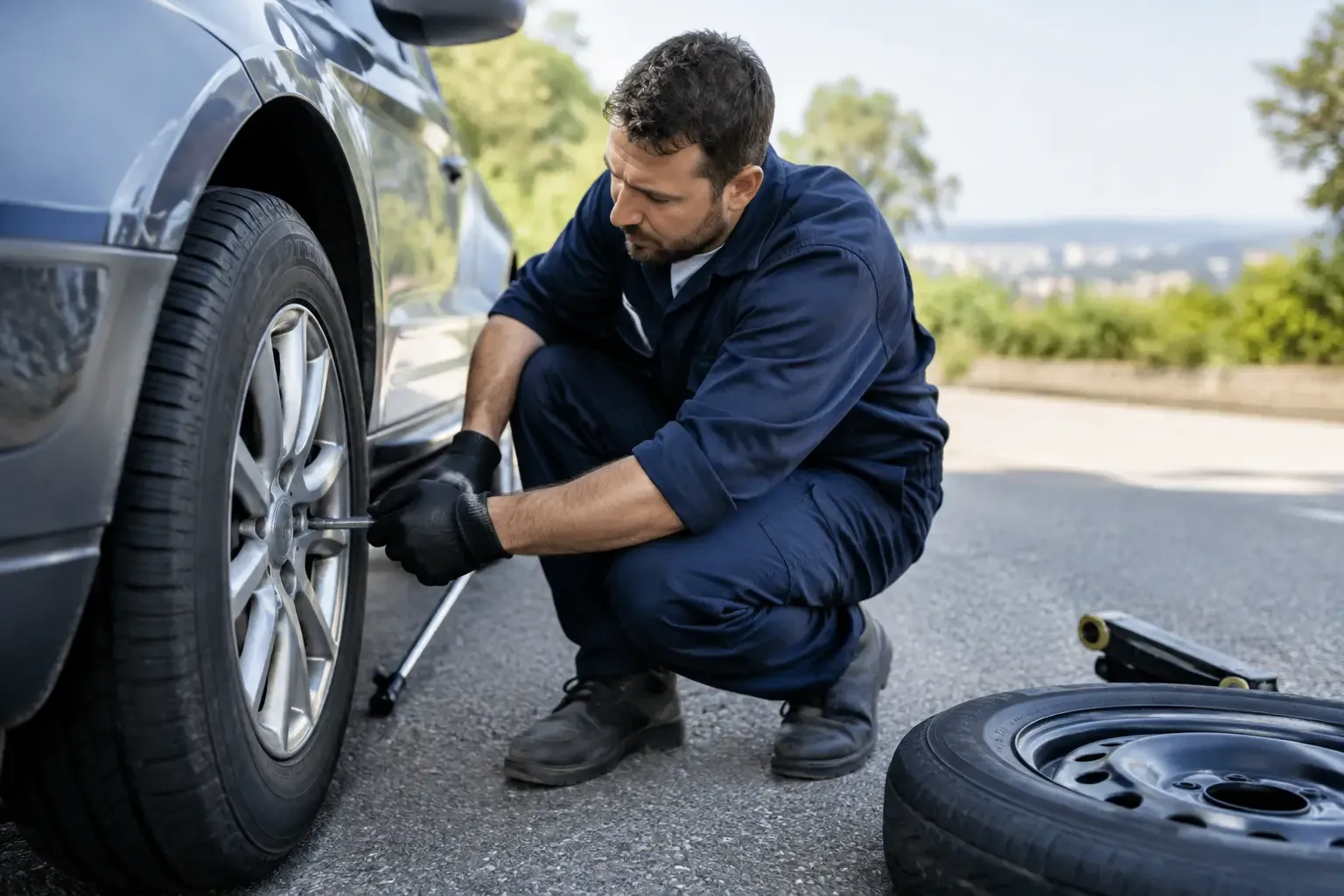
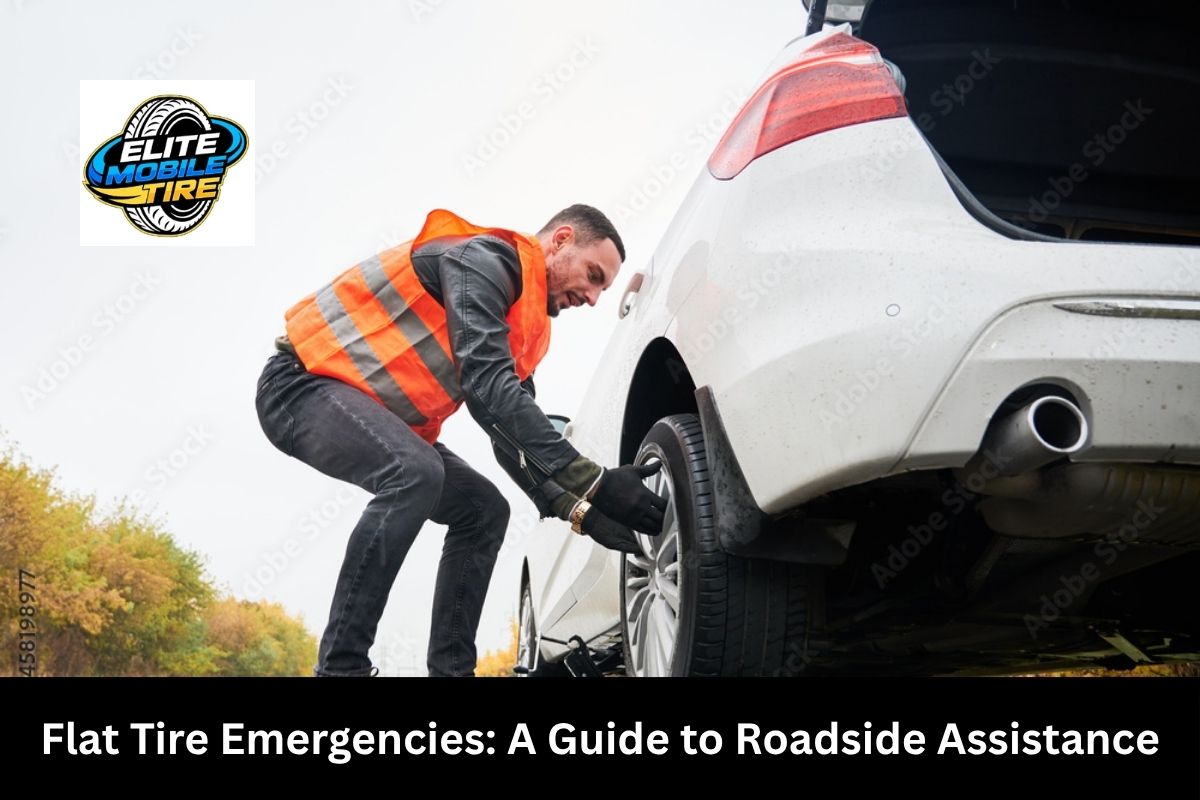
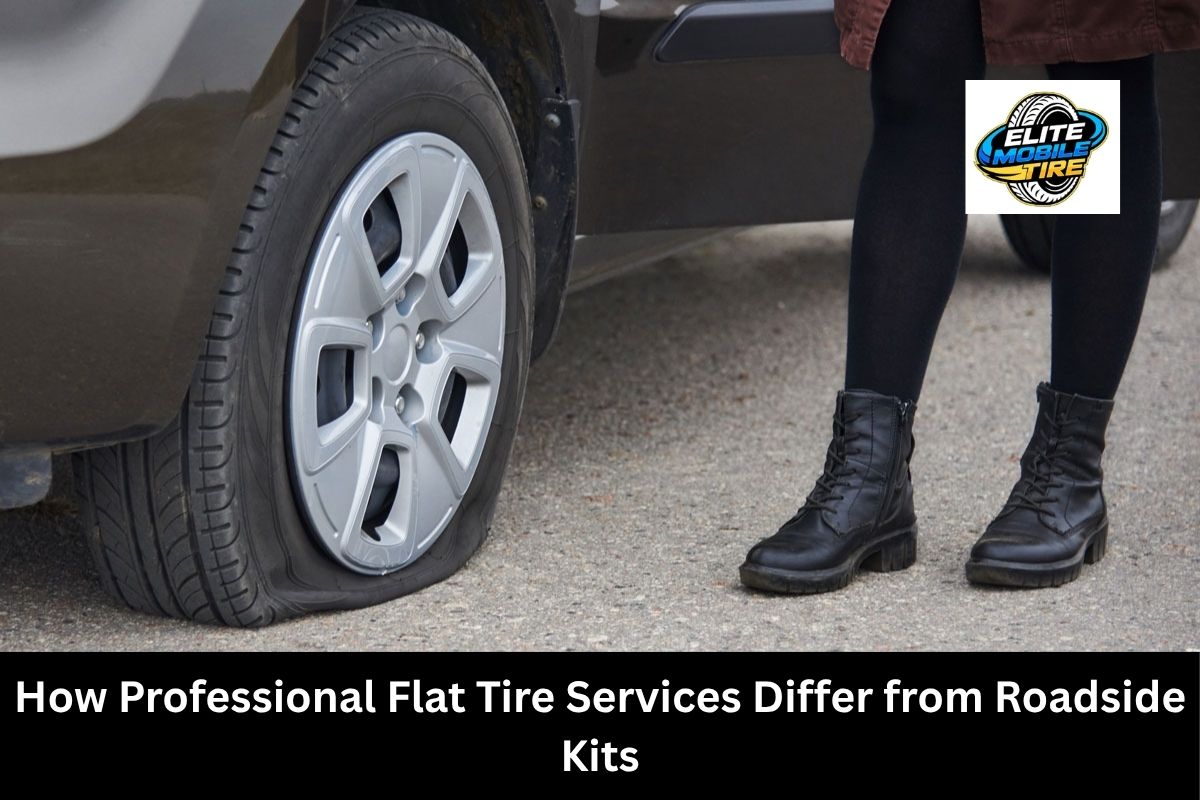
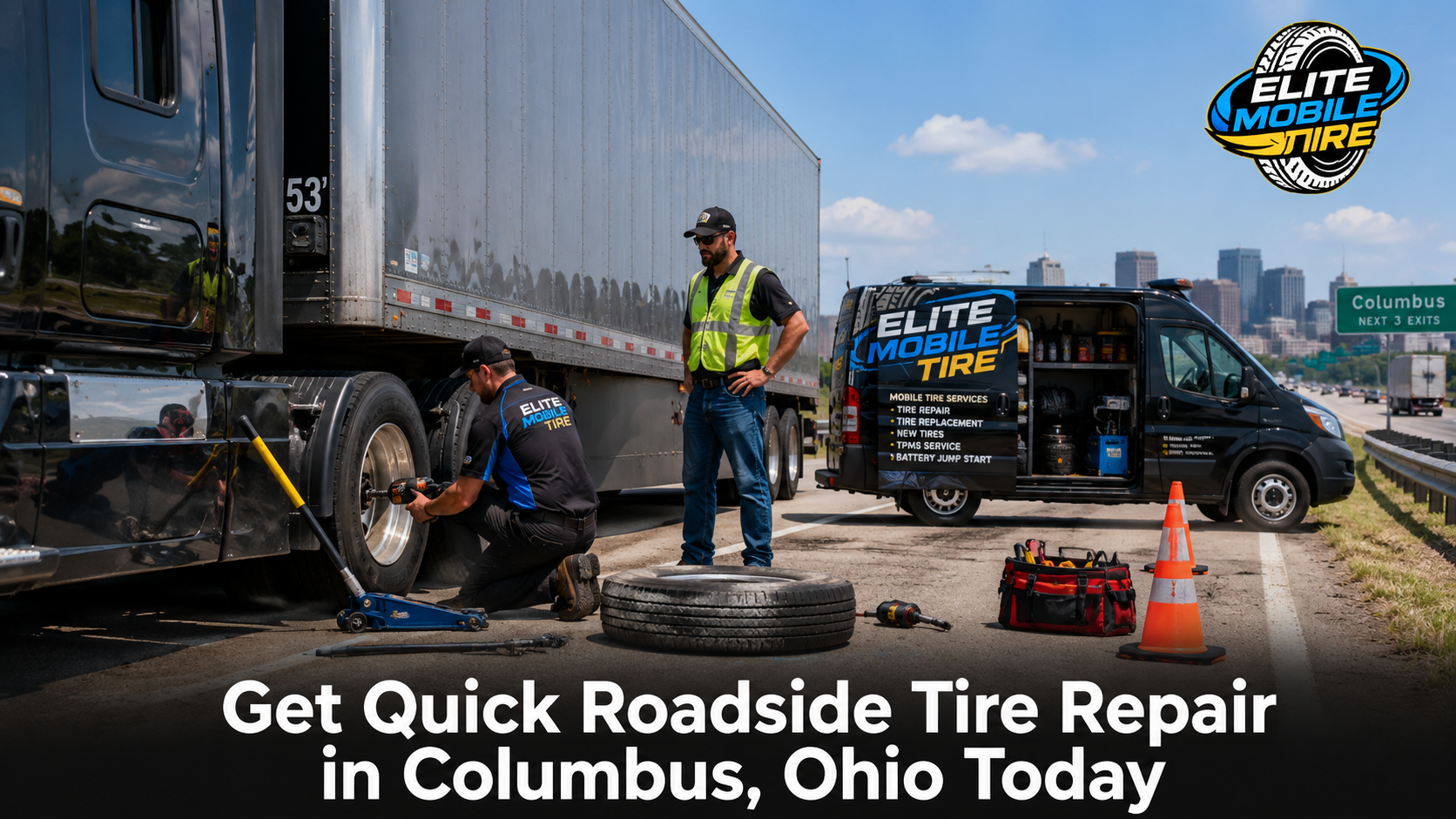
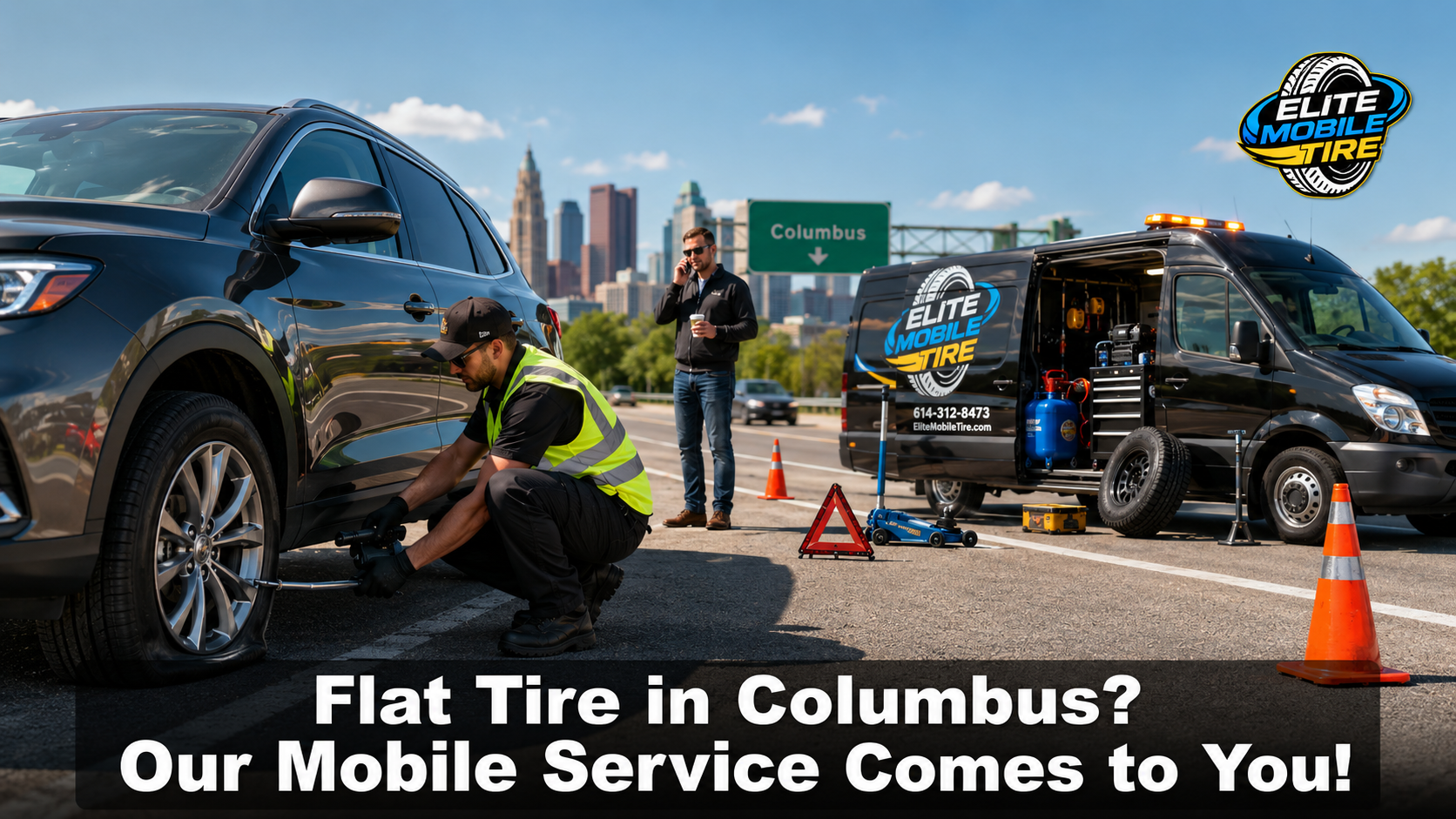
When a tire problem occurs on the road, the first priority is protecting the driver. If possible, move the vehicle to a safe location away from traffic, turn on hazard lights, and avoid continuing on a tire that has lost pressure. Driving on a flat tire can damage the tire beyond repair and may harm the wheel.
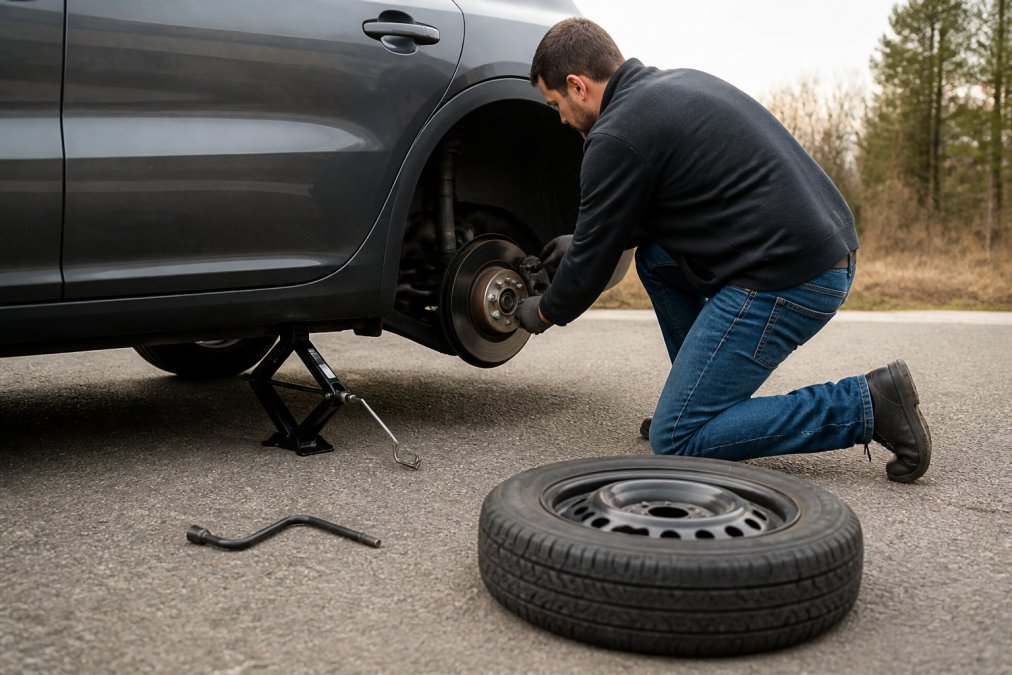
Drivers should avoid attempting roadside repairs in unsafe traffic conditions. Even a simple spare tire change can become risky on a narrow shoulder, during poor weather, or near fast-moving vehicles. Calling for roadside support is often the safer and more productive decision.
A good fleet policy tells drivers who to contact, what details to provide, and when not to drive. Useful details include the vehicle's location, tire size if available, the type of issue, whether the vehicle is loaded, and whether it is in a safe place for service. Clear information helps the technician arrive prepared and reduces avoidable delays.
Build a Tire Plan Before the Next Breakdown
A commercial tire plan does not need to be complicated. Start by keeping accurate records of tire sizes, replacement history, pressure issues, repairs, and driver reports for each vehicle. Patterns become easier to spot when the information is organized. If one route produces repeated tire damage or one vehicle wears tires unevenly, that is a signal worth investigating.
Set a regular inspection schedule based on how the vehicles are used, not just on a calendar reminder. Higher-mileage vehicles, loaded work trucks, and vehicles operating around debris or construction areas may need more frequent checks. Give drivers a simple process for reporting concerns early, before they become downtime.
The goal is not to eliminate every unexpected tire issue. Roads are unpredictable, and damage can happen quickly. The goal is to respond faster, make informed replacement decisions, and keep each vehicle ready for the work that keeps your business moving.
A dependable tire partner gives your drivers one less problem to solve alone. When service can come to the vehicle, a routine tire concern can stay exactly that: routine.
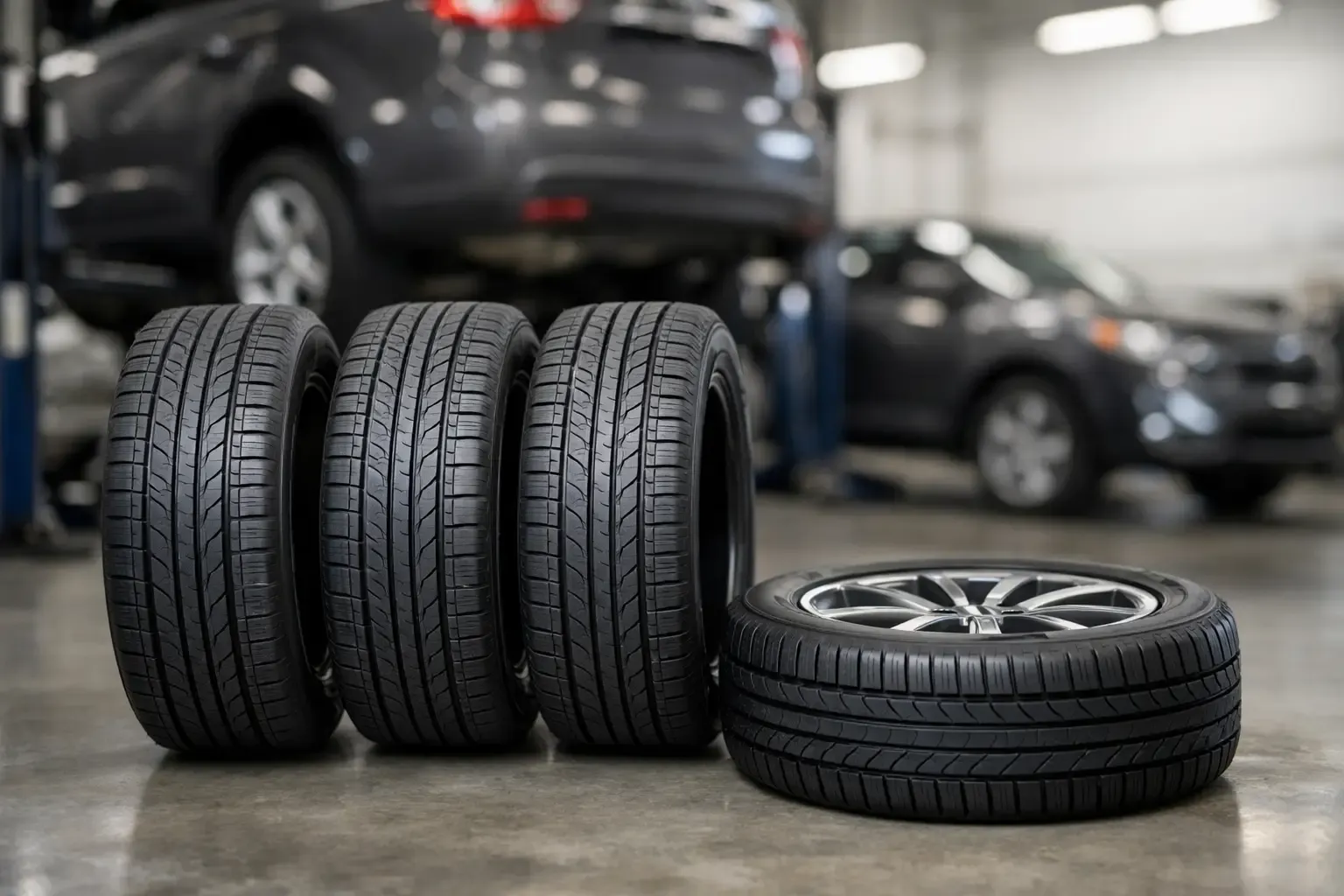
Ready for a new set? Elite Mobile Tire installs 2 or 4 new tires right in your driveway or parking lot anywhere around Columbus, Obetz, Groveport, Grove City, and Reynoldsburg. Financing is available through Afterpay and Acima with up to 24-month payment plans. Call 614-344-5010 or visit elitemobiletire.com to book.