
Why Winter Hits Columbus Tires Harder Than You Think
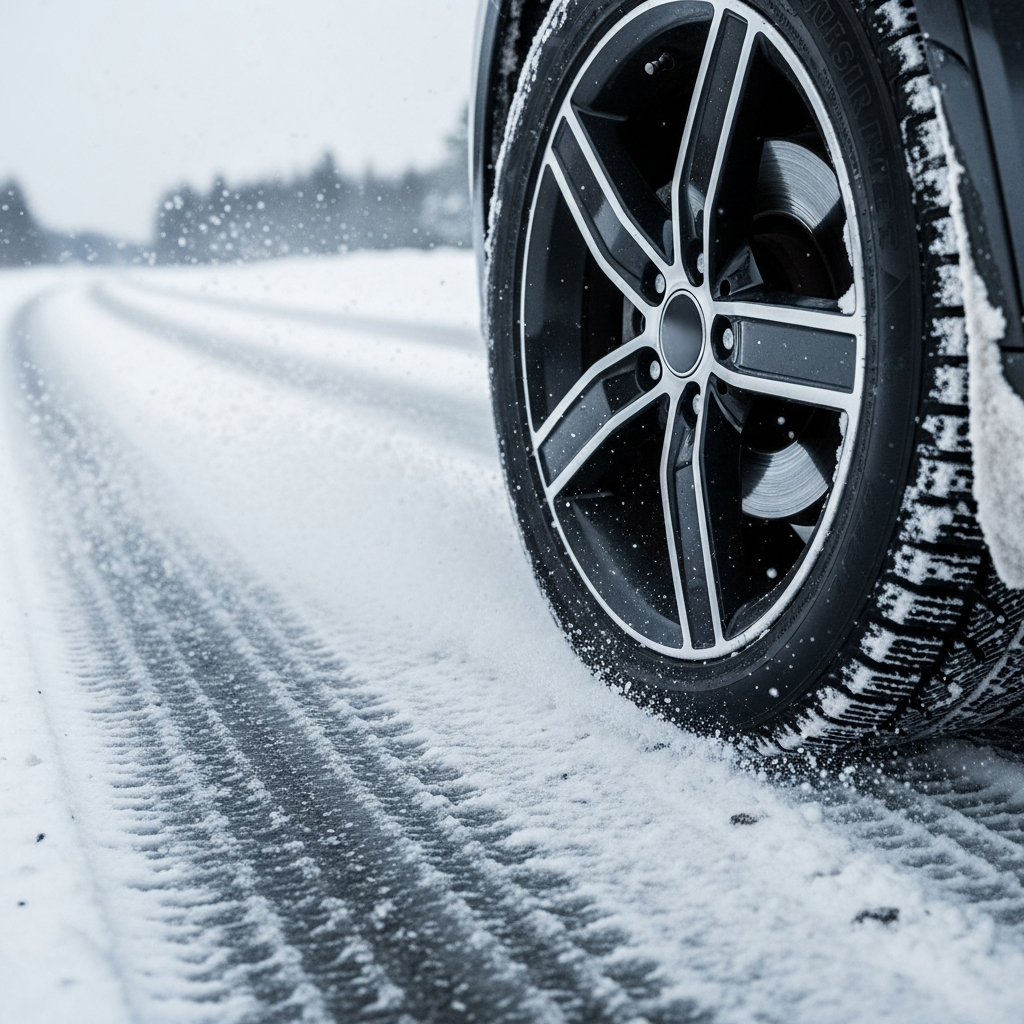
Columbus winters swing hard. A 50-degree afternoon on I-270 can be a 15-degree morning two days later, and that whiplash is brutal on rubber. Every 10-degree drop in air temperature costs a tire roughly 1 PSI of pressure, so a tire that was fine in October can be noticeably underinflated by the first hard freeze.
This guide from Elite Mobile Tire walks through 7 ways to maintain tires for winter in Columbus, from weekly pressure checks to scheduling mobile service around a busy workday. None of it takes long. All of it beats standing on the shoulder of I-71 in the dark.
Way 1: Check Tire Pressure Weekly as Temperatures Drop
Cold mornings are when underinflation sneaks up on you. Check pressure first thing before driving, when tires are cold, and do it at least once a week from November through March.
Underinflated tires wear faster on the edges, hurt fuel economy, and grip worse on slush. Cold also makes rubber stiffer, so a soft tire has less contact with the road exactly when you need it most.
What Winter Tire Pressure Requirements Actually Mean for Your Car
Winter tire pressure requirements are not a special cold-weather number. They are the same PSI printed on the driver's door jamb sticker, checked more often because cold air lowers pressure. Use the door jamb figure, not the maximum molded into the sidewall.
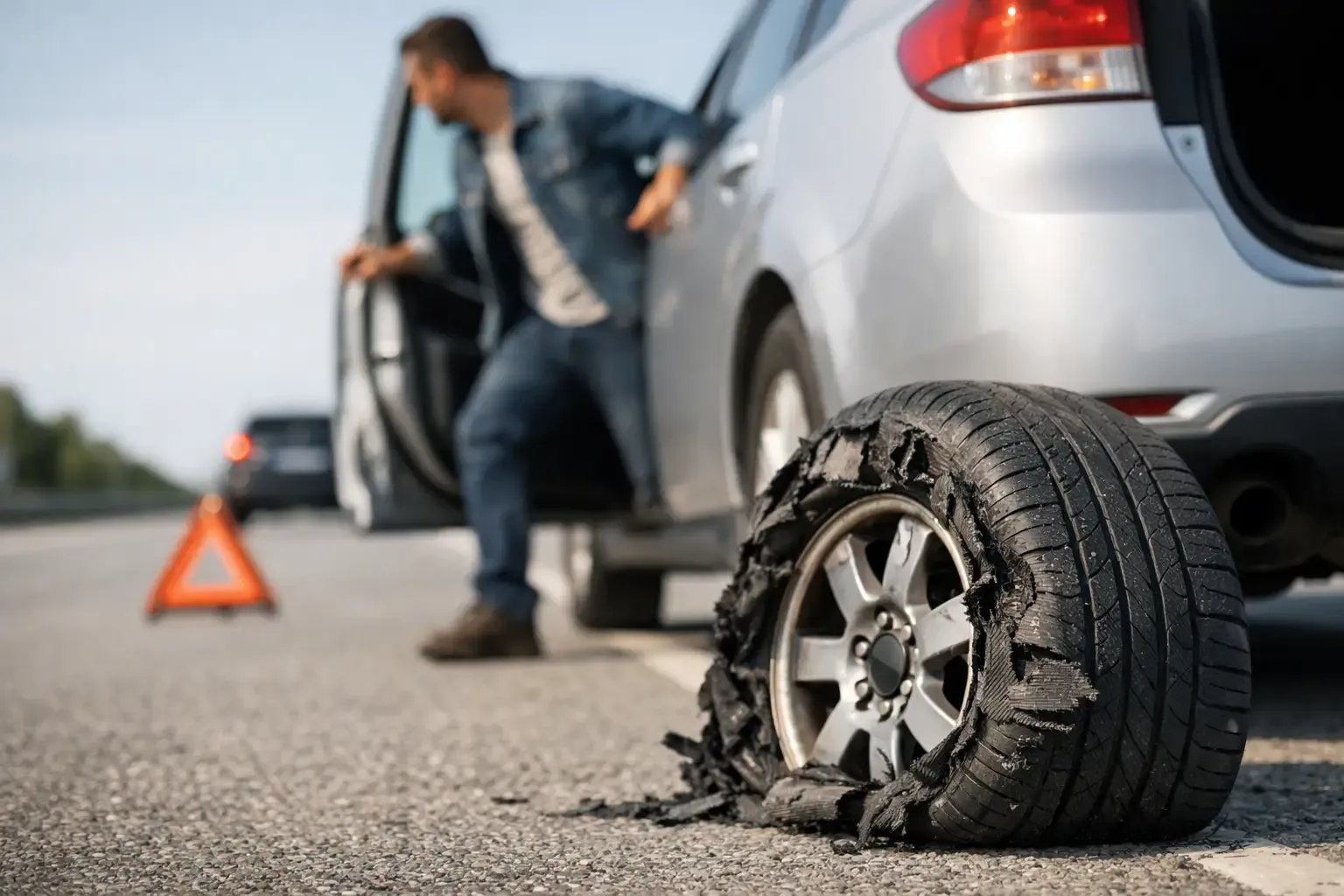
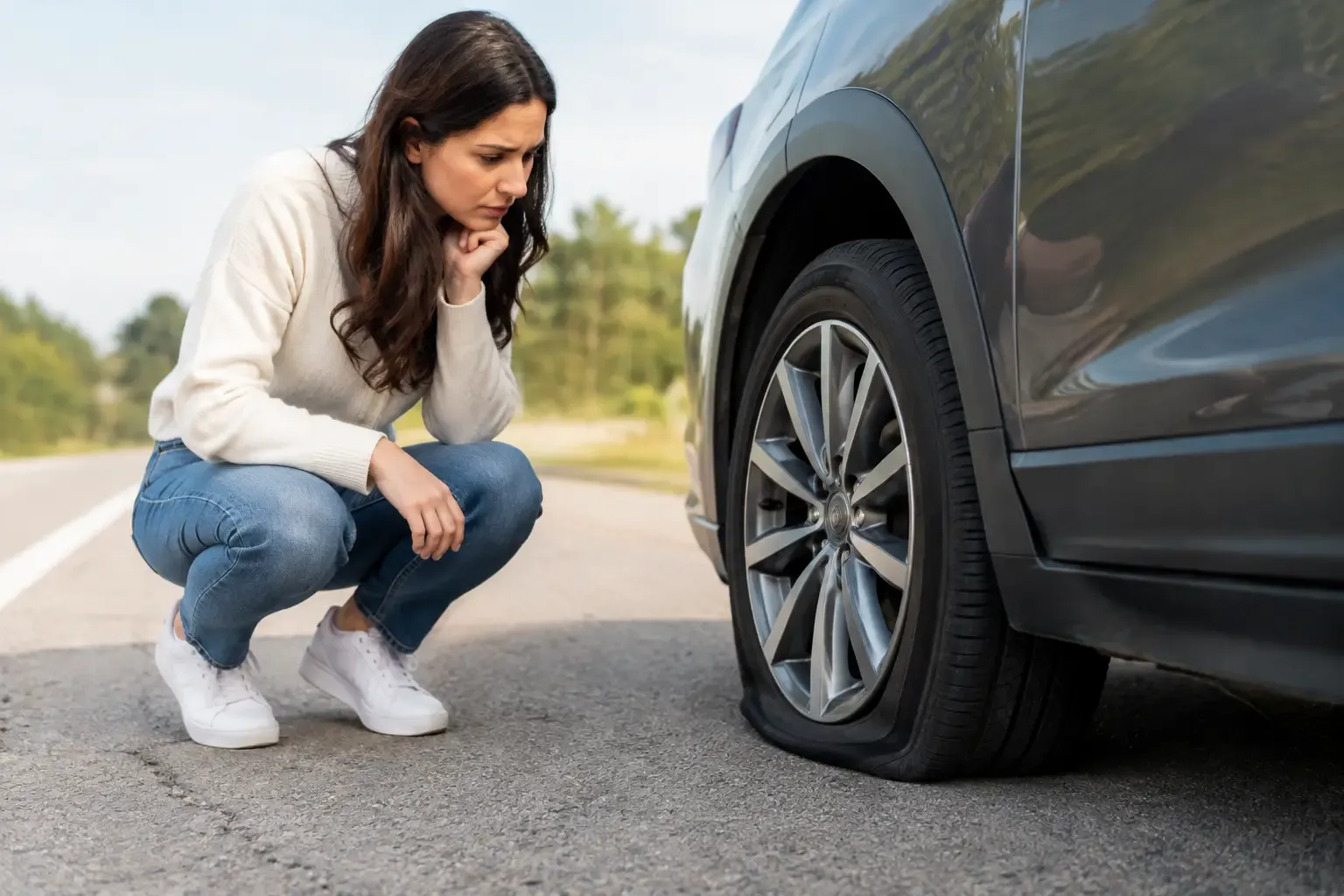
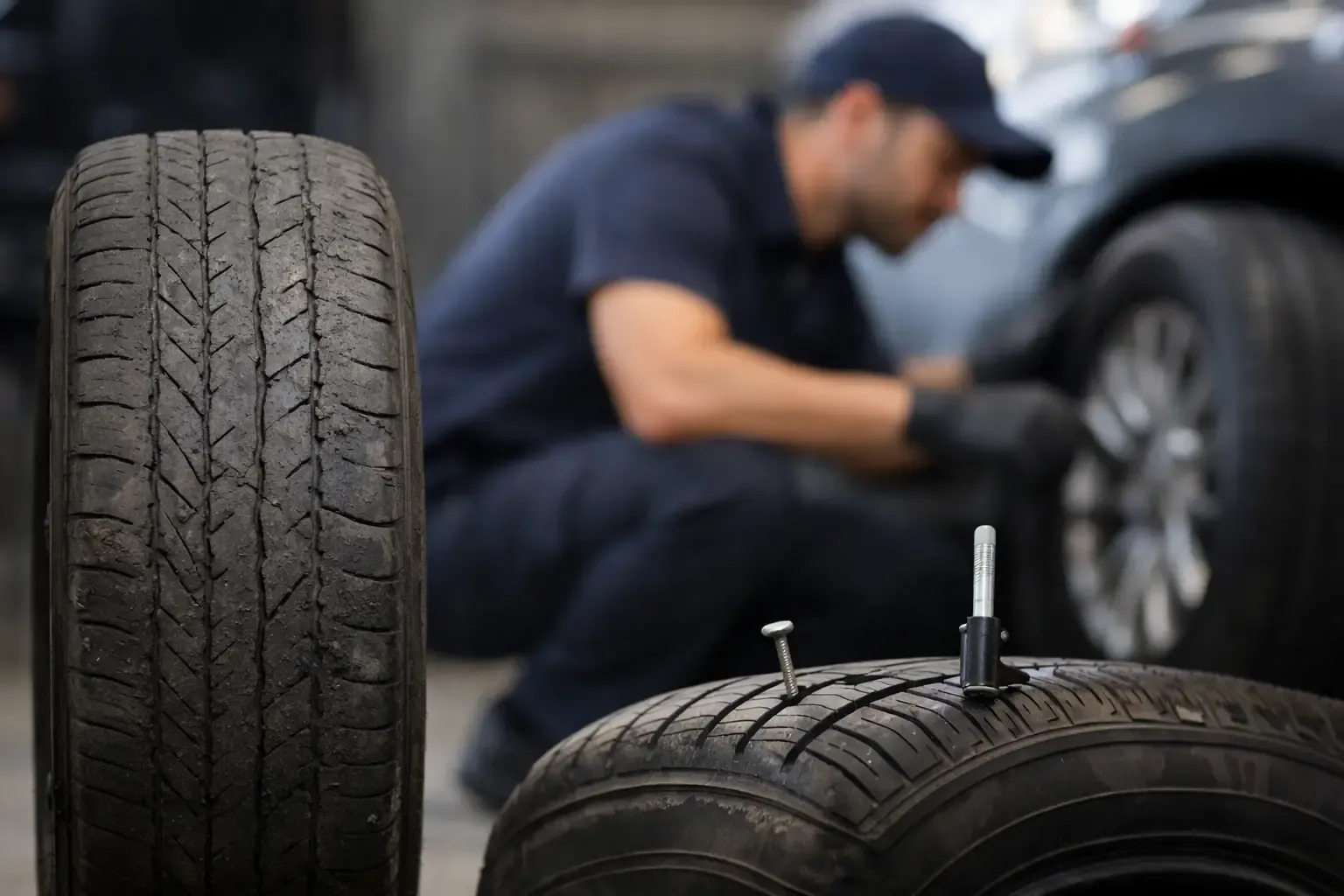
If one tire keeps losing air, that is a slow leak, not the weather. A nail in a tread or a bead that is not sealing will only get worse, so get it looked at before it becomes a flat on SR-104 at rush hour.
Way 2: Winter Tire Pressure Requirements: Don't Trust the Dash Light Alone
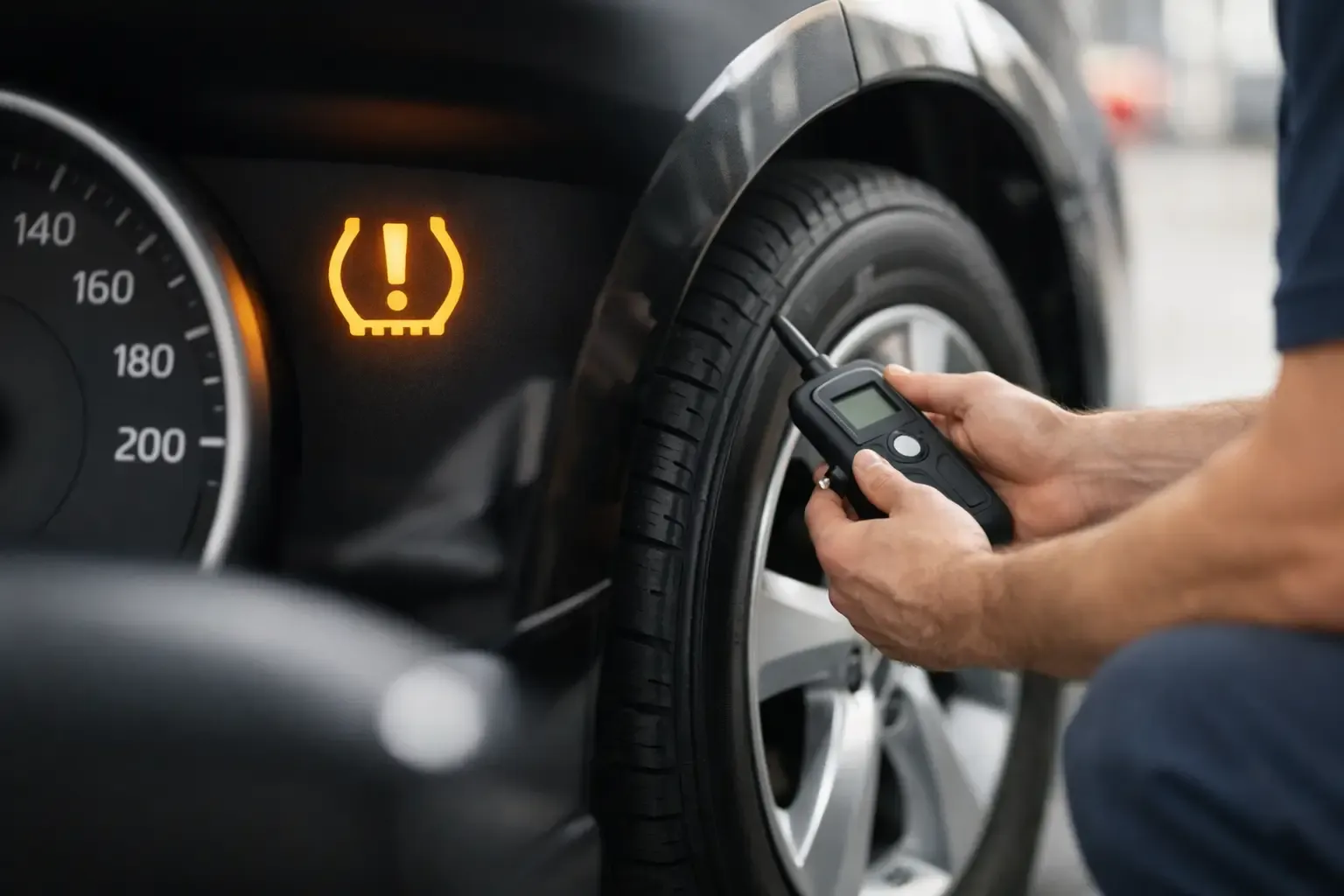
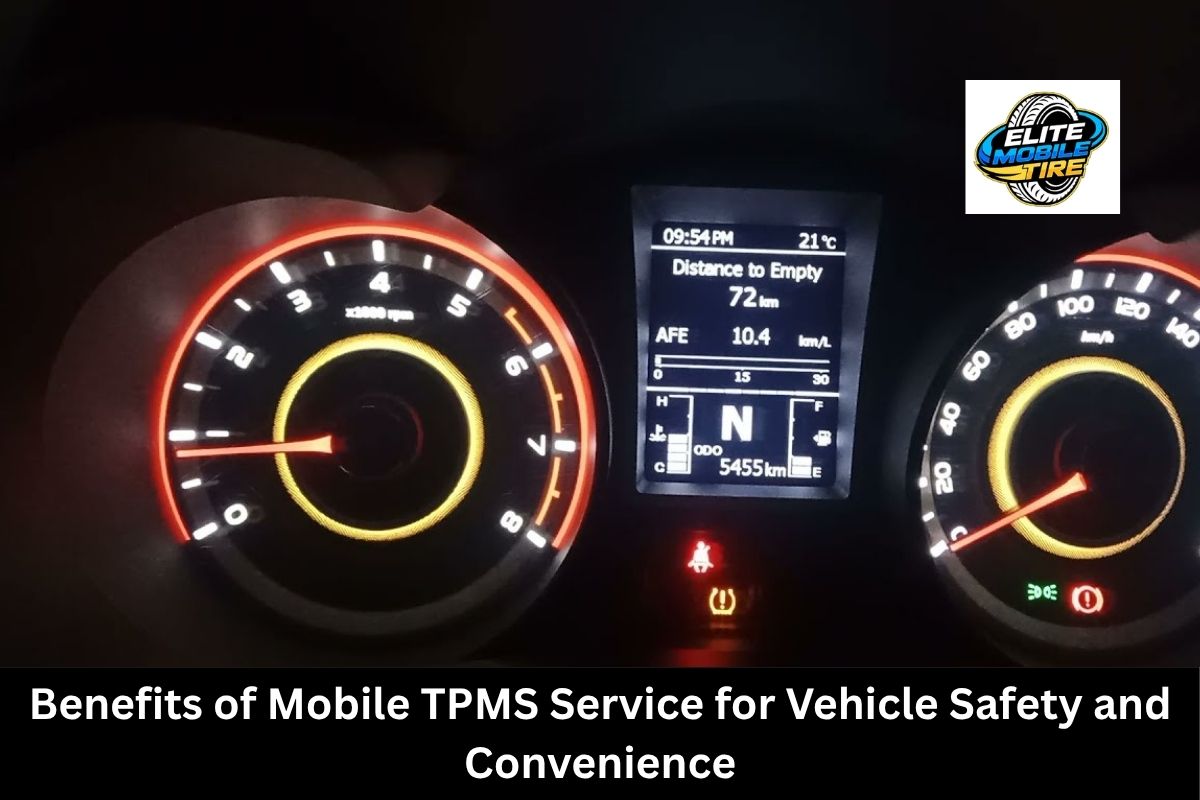
The TPMS light is a warning, not a gauge. Most systems only trigger once a tire is significantly low, which means you can be several PSI down and still see nothing on the dash.
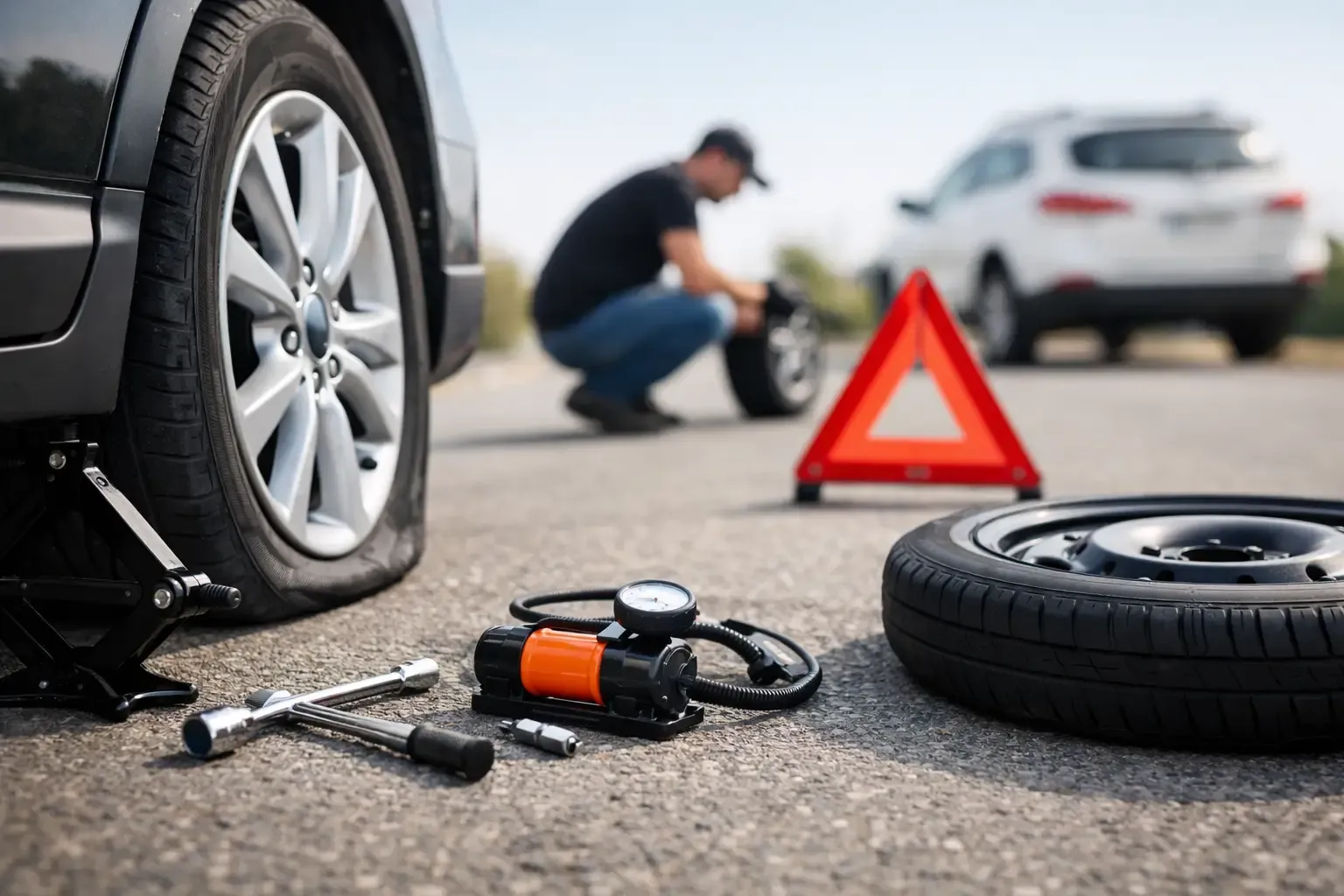
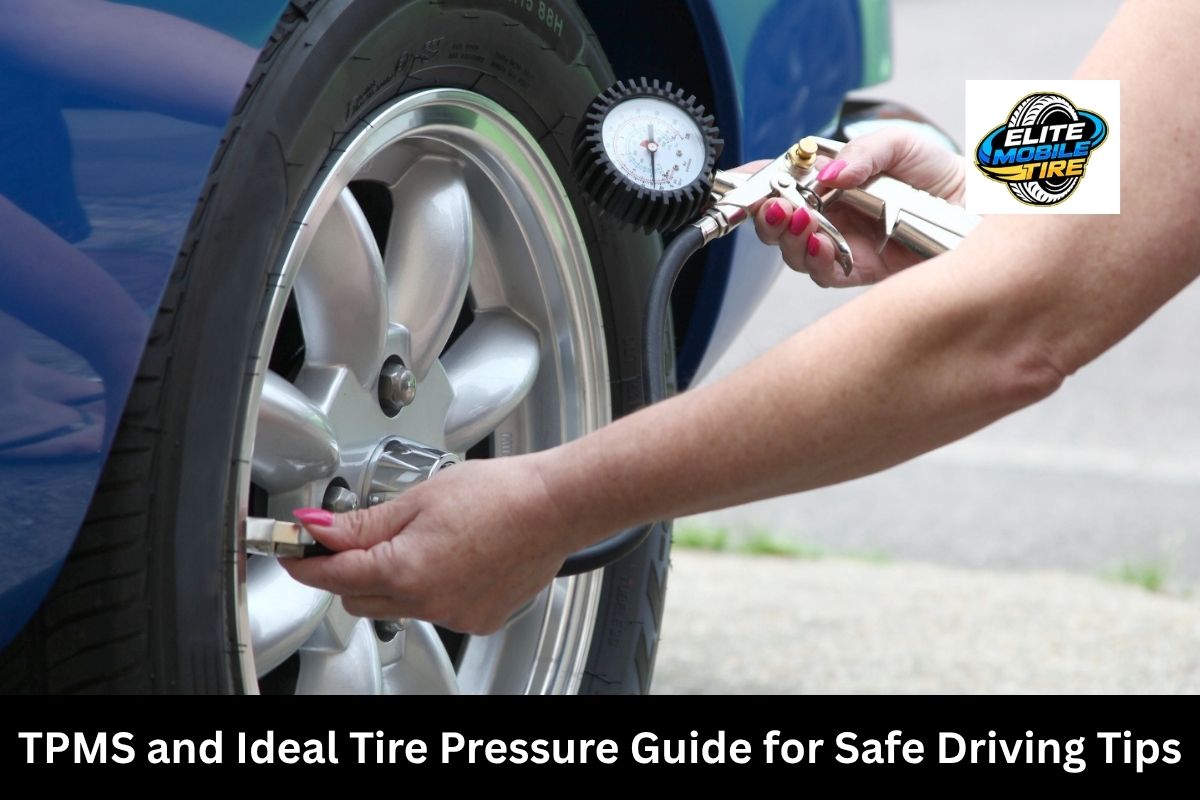
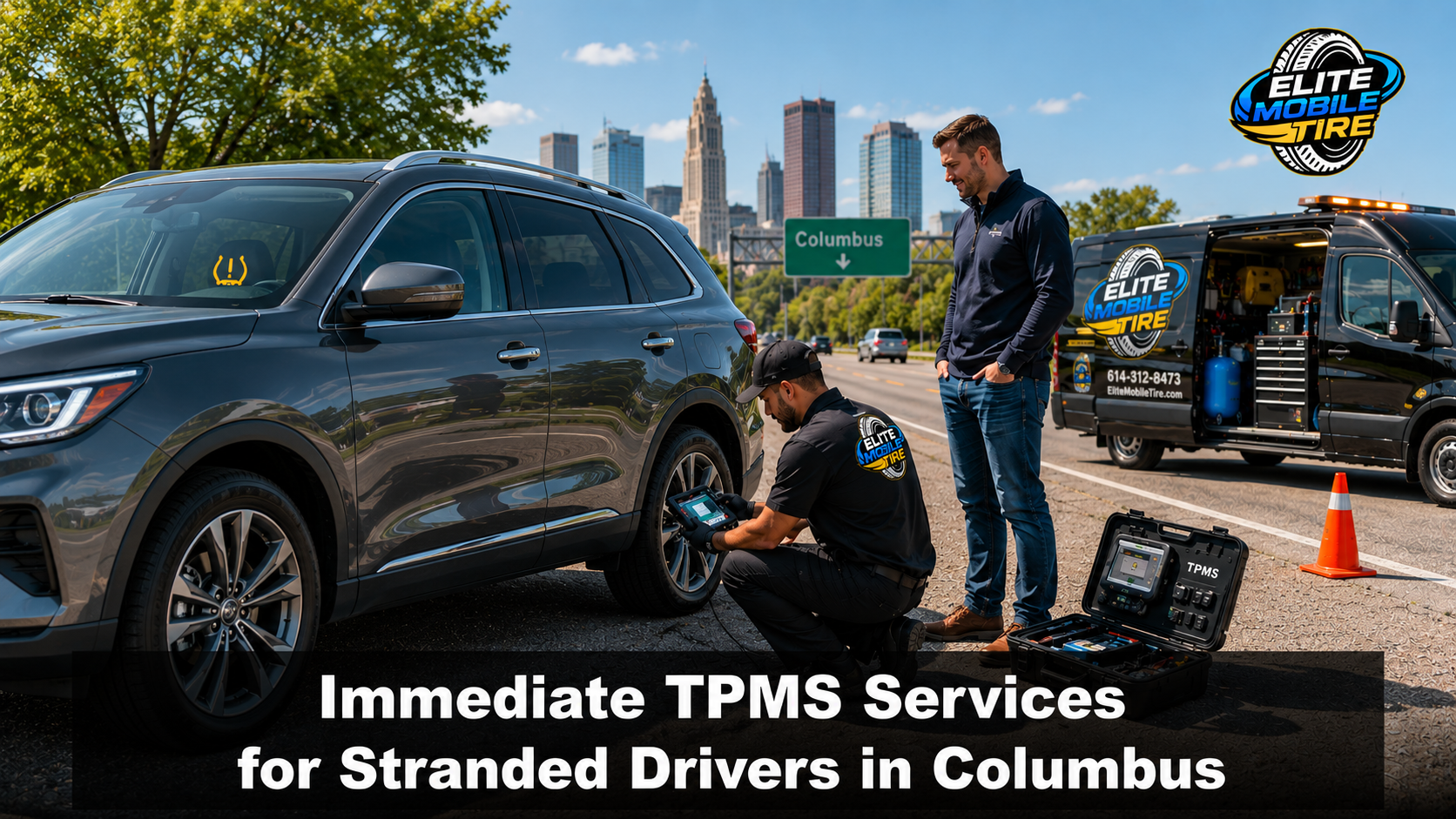
A cheap digital gauge gives you real numbers in seconds. Check all four tires, plus the spare if you carry one, and top up at a gas station or with a small 12-volt compressor. If you have a newer vehicle with a direct TPMS readout, still confirm with a gauge once a month, because sensors drift over time. If a sensor turns out to be the problem rather than the pressure, a TPMS sensor check and replacement can be handled on-site along with your regular service.
Way 3: Measure Tread Depth Before the First Snow on I-270
Tread depth is what moves water and slush out from under your tire. Once it is gone, you are hydroplaning on the first wet snow.
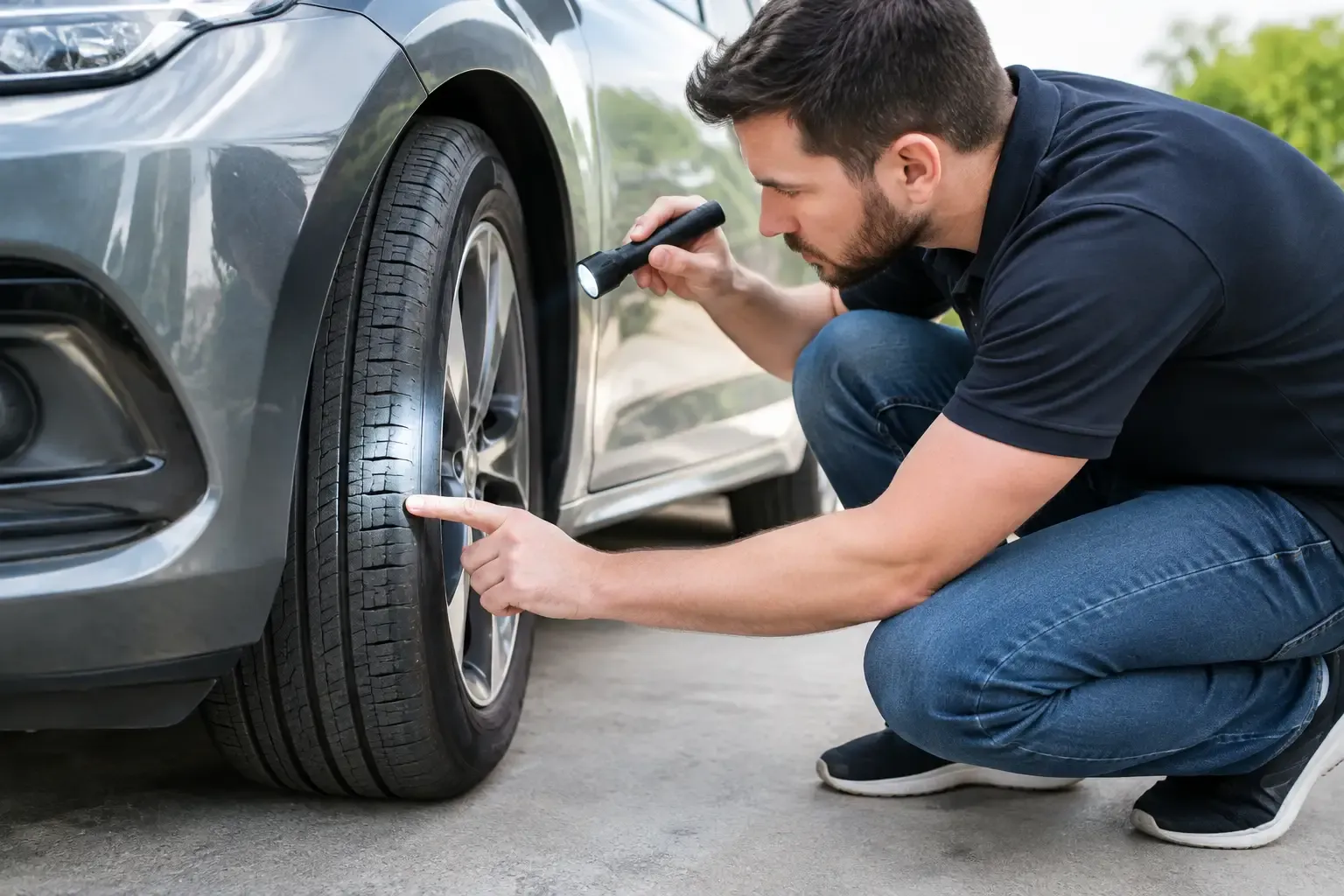
Grab a tread depth gauge or use the penny test: insert a penny into a groove with Lincoln's head down. If you can see the top of his head, you are at 2/32 of an inch, the legal minimum in most states and too worn for winter. Many manufacturers recommend replacing tires around 4/32 for snow driving.
Check the inner and outer edges of each tire, not just the middle. Uneven wear points to an alignment problem, and that will chew through a new set fast.
Way 4: AWD Tire Tread Depth Requirements and Why All Four Tires Matter
All-wheel drive helps you accelerate, not stop. That distinction matters when AWD tire tread depth requirements come into play, because mismatched tires can damage the drivetrain.
Many manufacturers recommend keeping all four tires within 2/32 of an inch of each other on AWD vehicles. A big difference in diameter makes the system work constantly to compensate, which wears out differentials and transfer cases over time. If one tire is destroyed and the other three are half worn, replacing all four is often the smarter call.
When Replacing in Pairs on the Same Axle Makes Sense
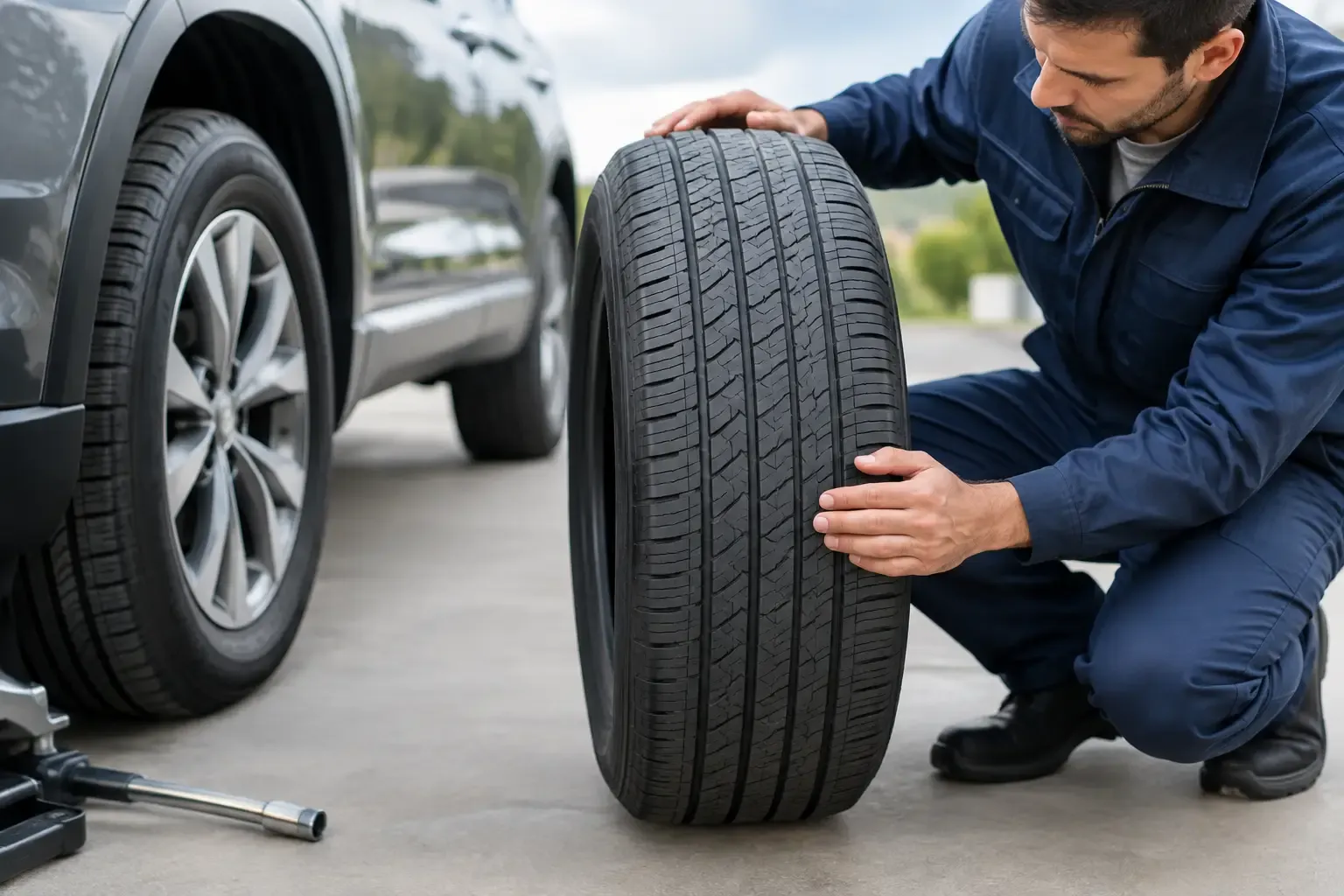
On a two-wheel-drive car, replacing in pairs on the same axle is standard practice, and many tire makers recommend putting the new tires on the rear. Rear tires carry the responsibility of keeping the back end from stepping out on a slick curve, even on a front-wheel-drive car.
That is also why our techs check all four tires on every service call, not just the one we came for. A customer in Groveport called about one flat and had a second tire with a sidewall gash that would have failed within days.
Way 5: Rotate and Balance Tires Before the Cold Sets In
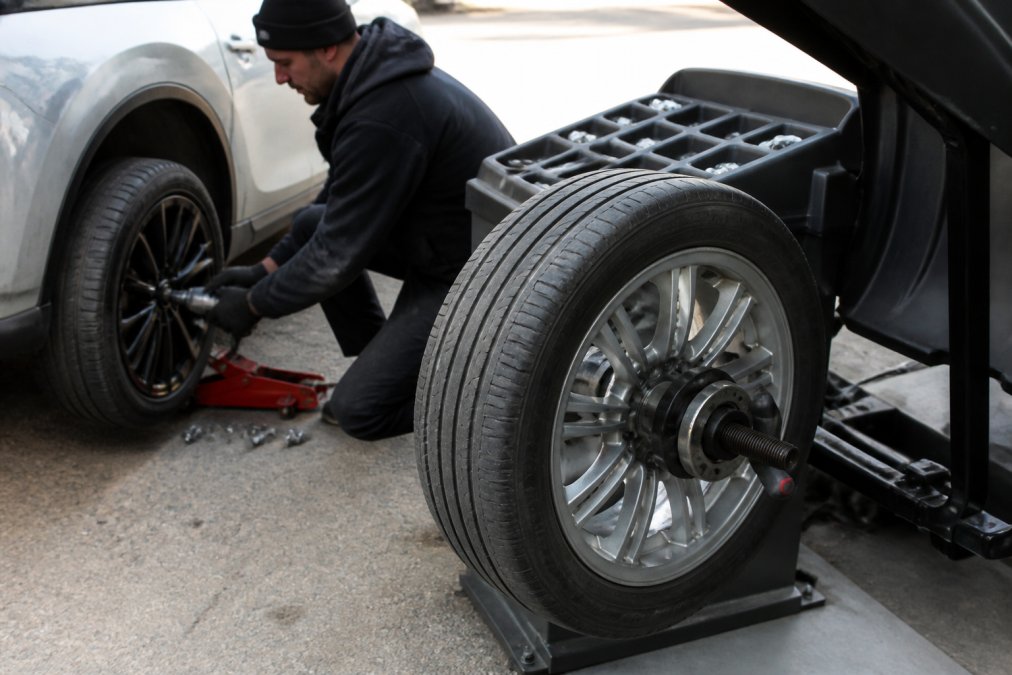
Rotation keeps wear even across all four tires, and balancing stops vibration that gets worse at highway speed. Get both done before the first freeze, then stick to a rotation interval of roughly every 5,000 to 7,000 miles.
Cold weather makes an out-of-balance tire feel worse, because stiff rubber transmits more vibration through the suspension. If you feel a shimmy at 65 mph on I-270, that is your cue.
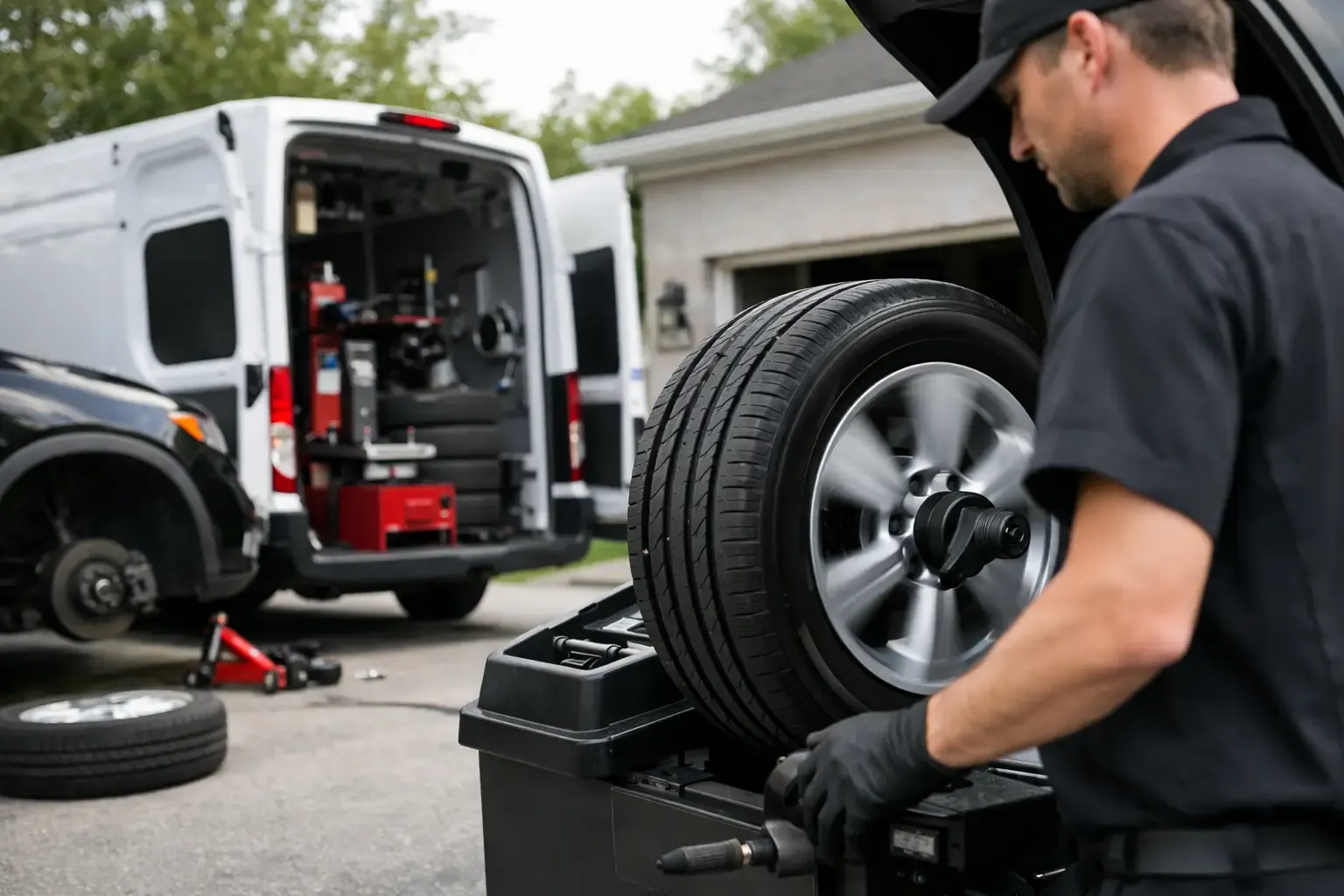
Mobile tire balancing at Elite Mobile Tire runs around $50 per tire, and we handle it in your driveway, office lot, or job site. For a fleet working the Rickenbacker corridor, that means trucks stay on schedule instead of sitting in a shop bay.
Way 6: Store Off-Season Tires Properly to Prevent Cracking
Tires sitting in a hot garage or a sunny driveway all summer will crack and dry out before they ever wear out. Store them clean, cool, and out of direct sunlight.
- Wash off road salt and grime before storing, since salt pulls moisture into rubber
- Bag each tire or stack them on a rack, never on bare concrete in a puddle-prone corner
- Keep them away from ozone sources like electric motors and generators
- Drop pressure slightly for storage, then reset to the door jamb spec before installing
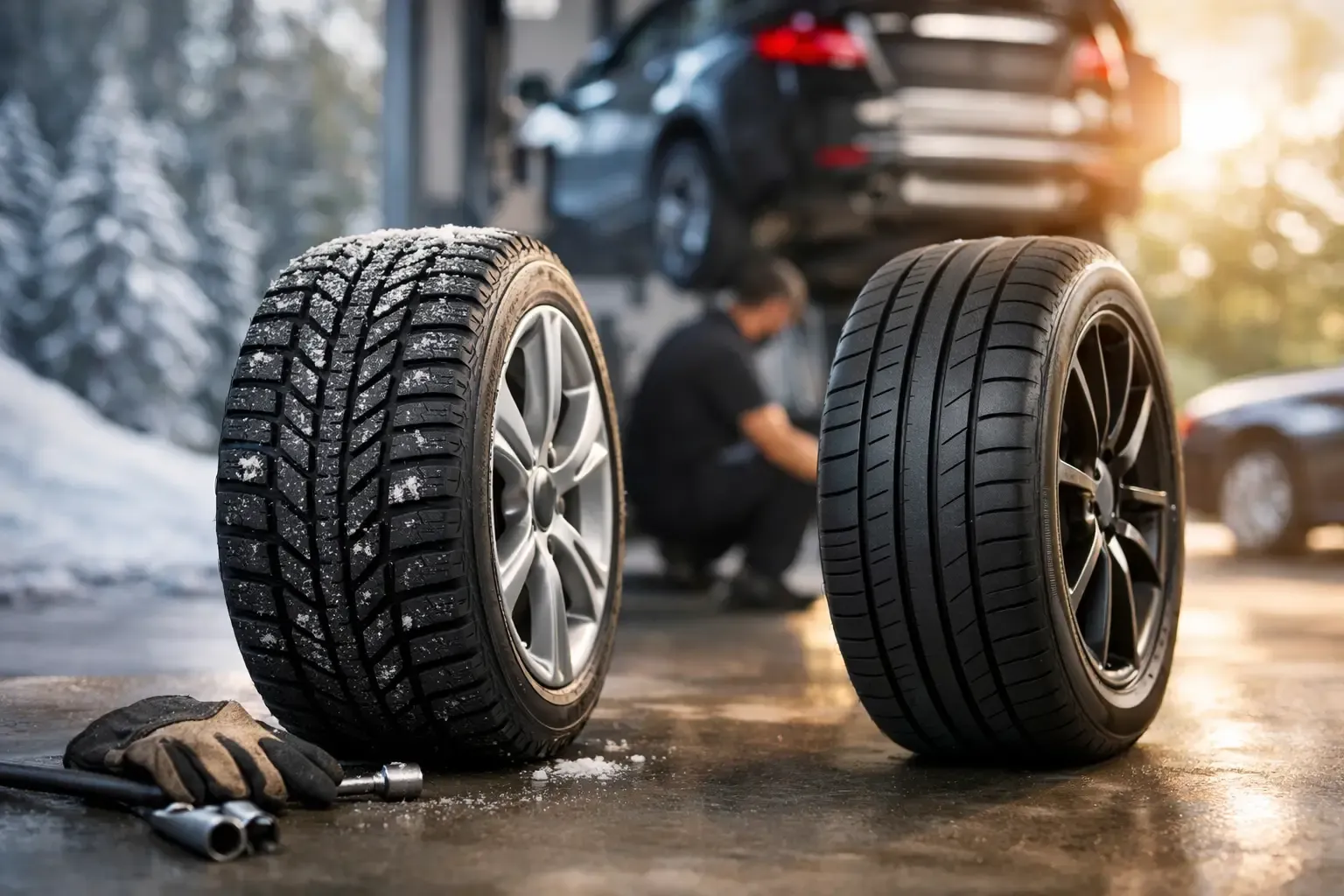
If you swap between summer and winter sets, mark each tire's position with chalk so they go back on the same corner next season. It keeps the wear pattern consistent and makes rotations simpler.
Way 7: Book Mobile Tire Installation Columbus OH Drivers Can Schedule Around Work
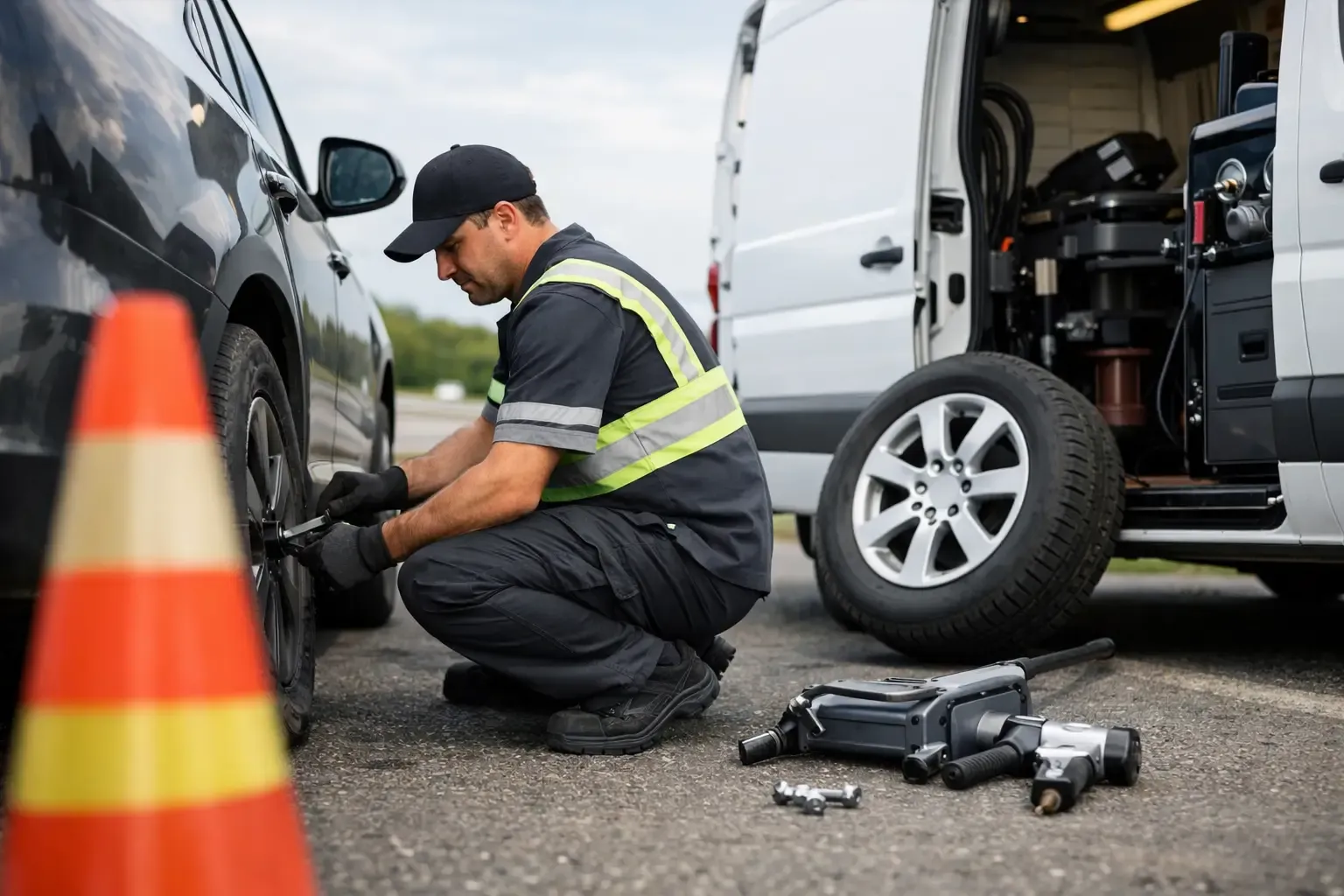
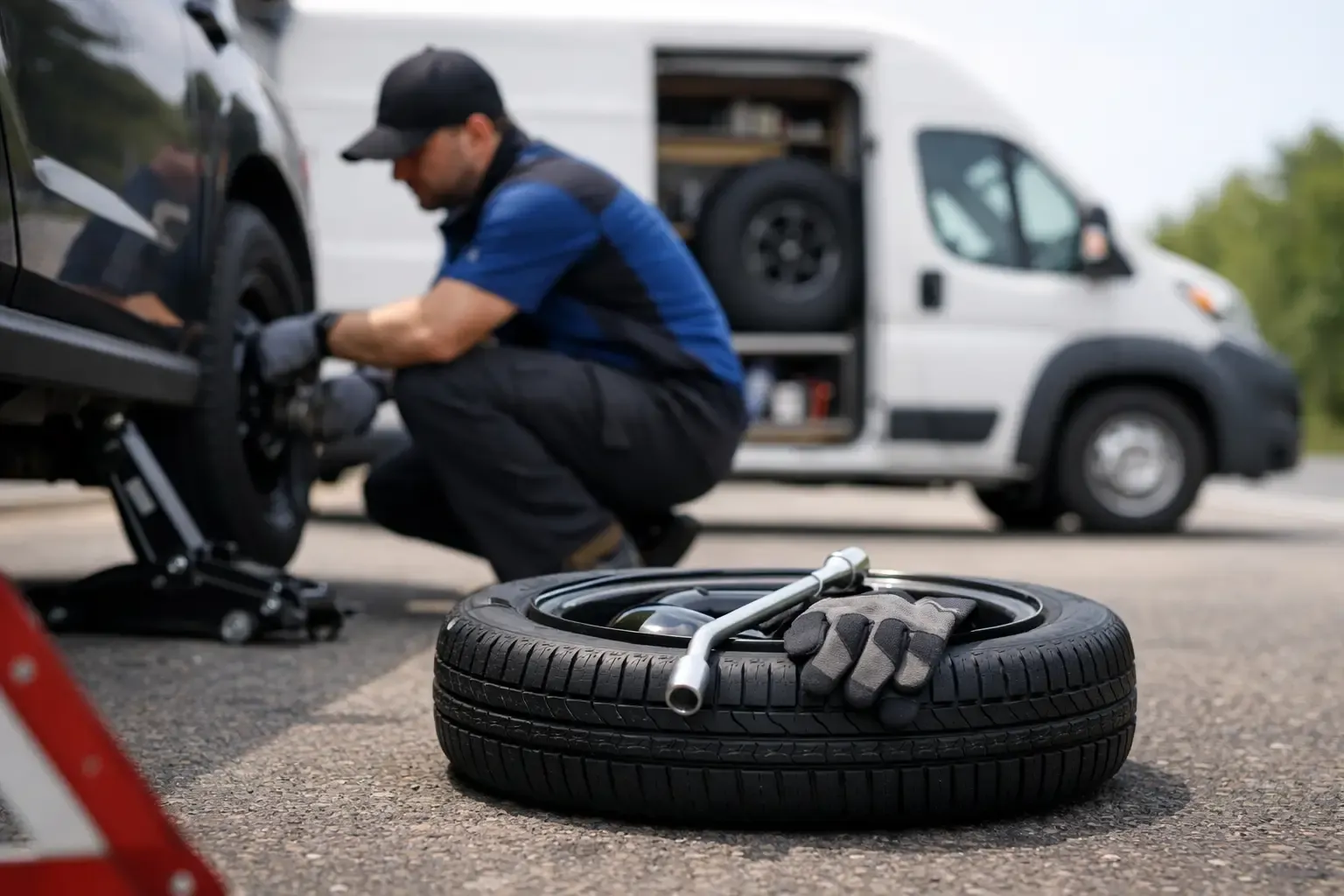
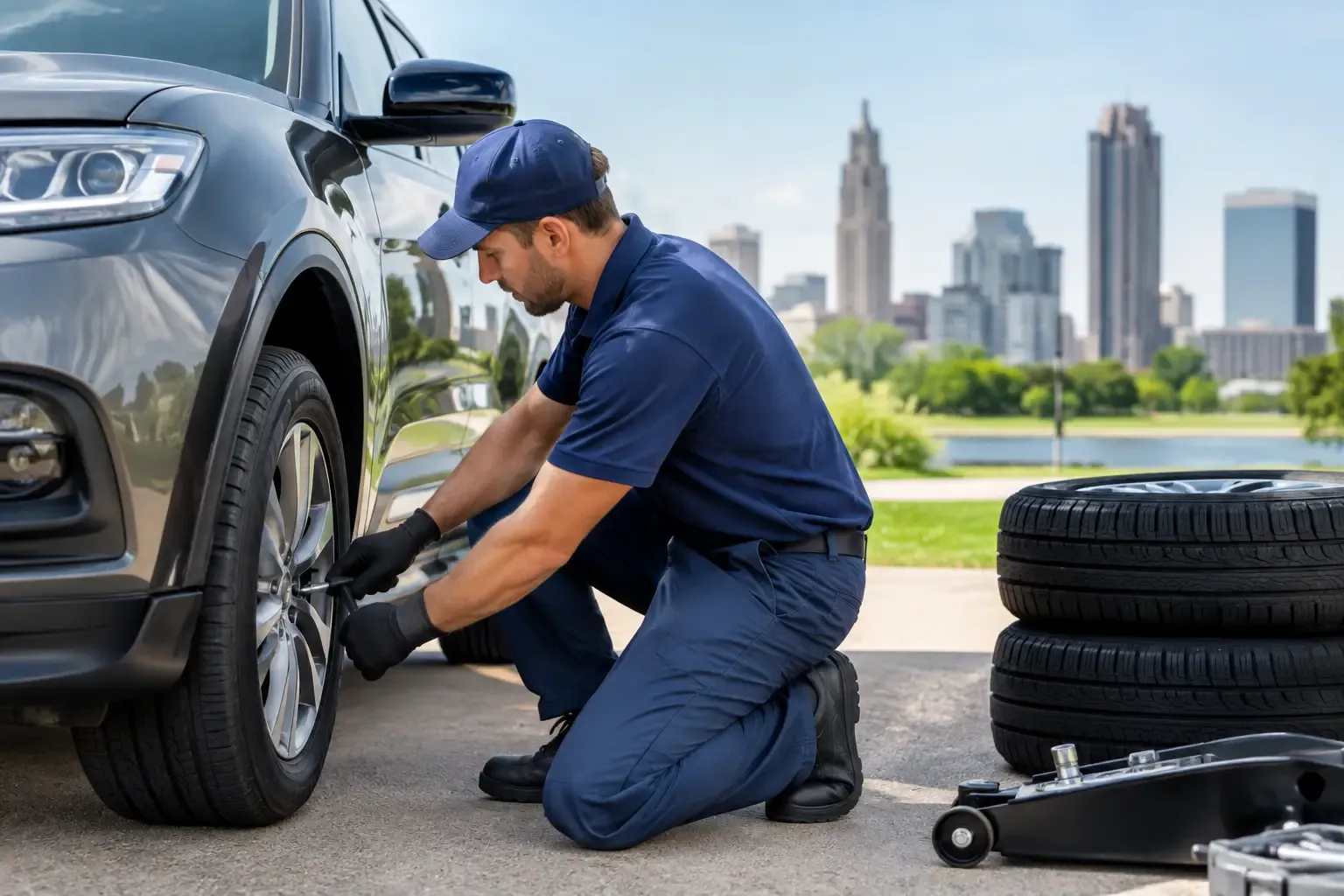
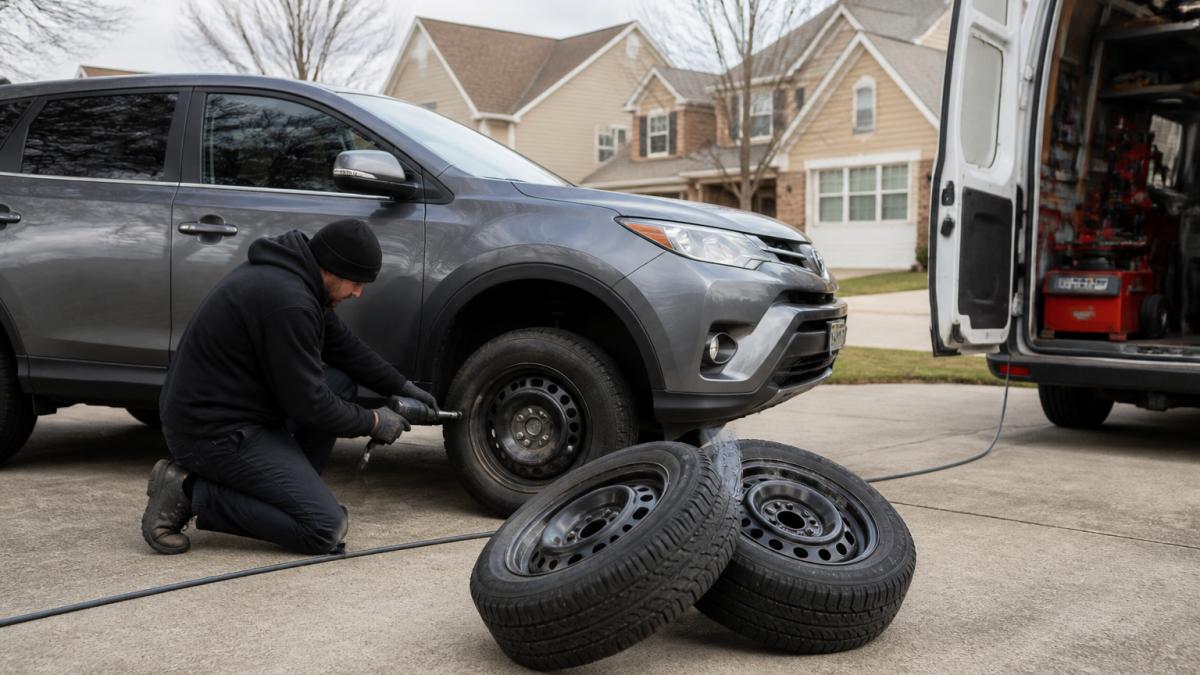
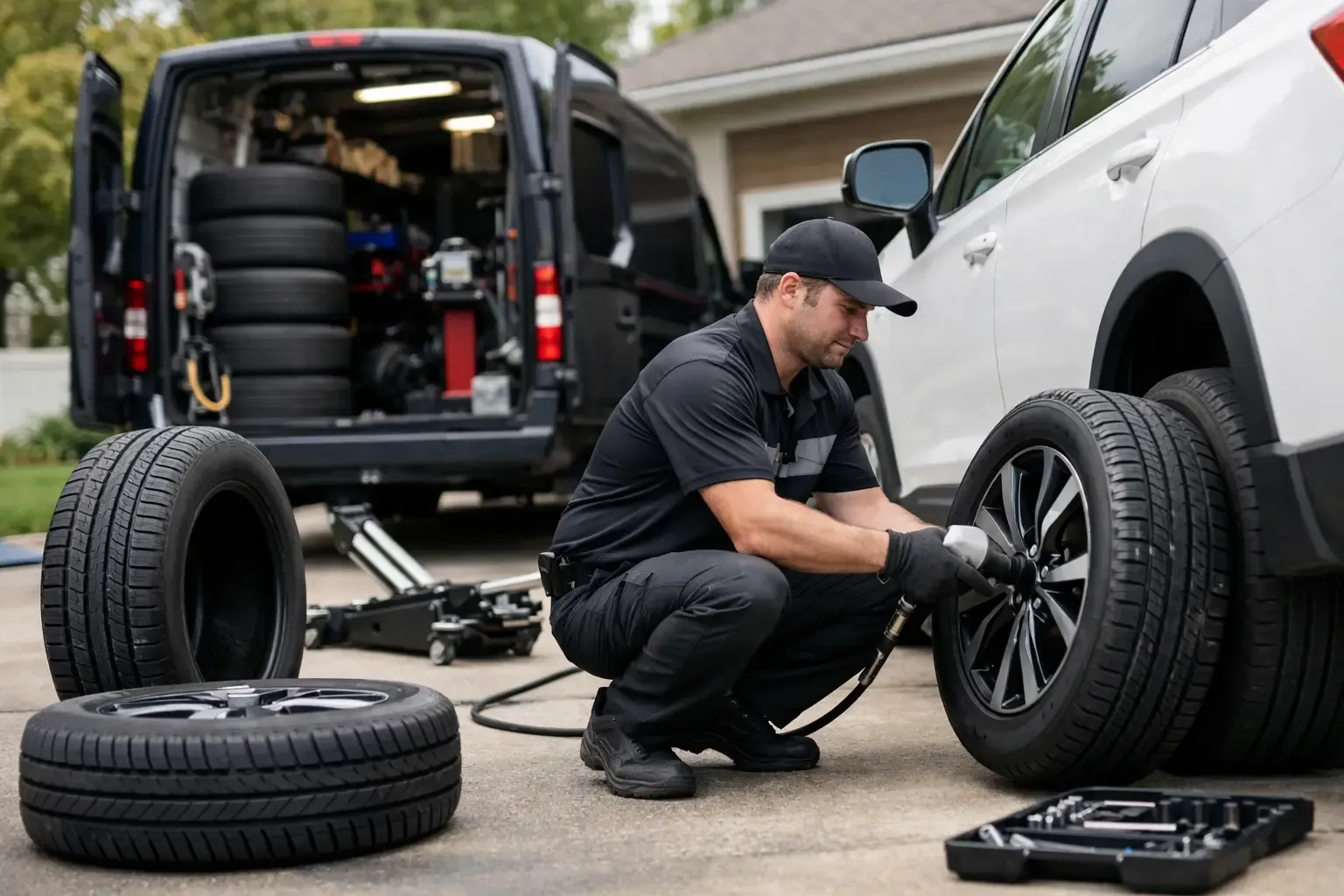
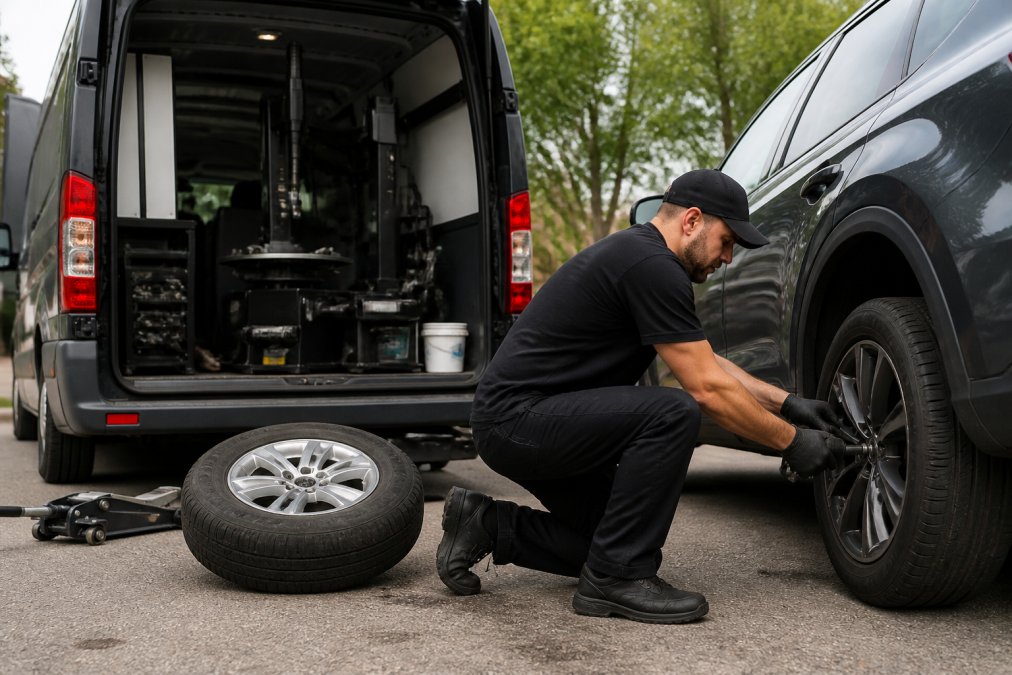
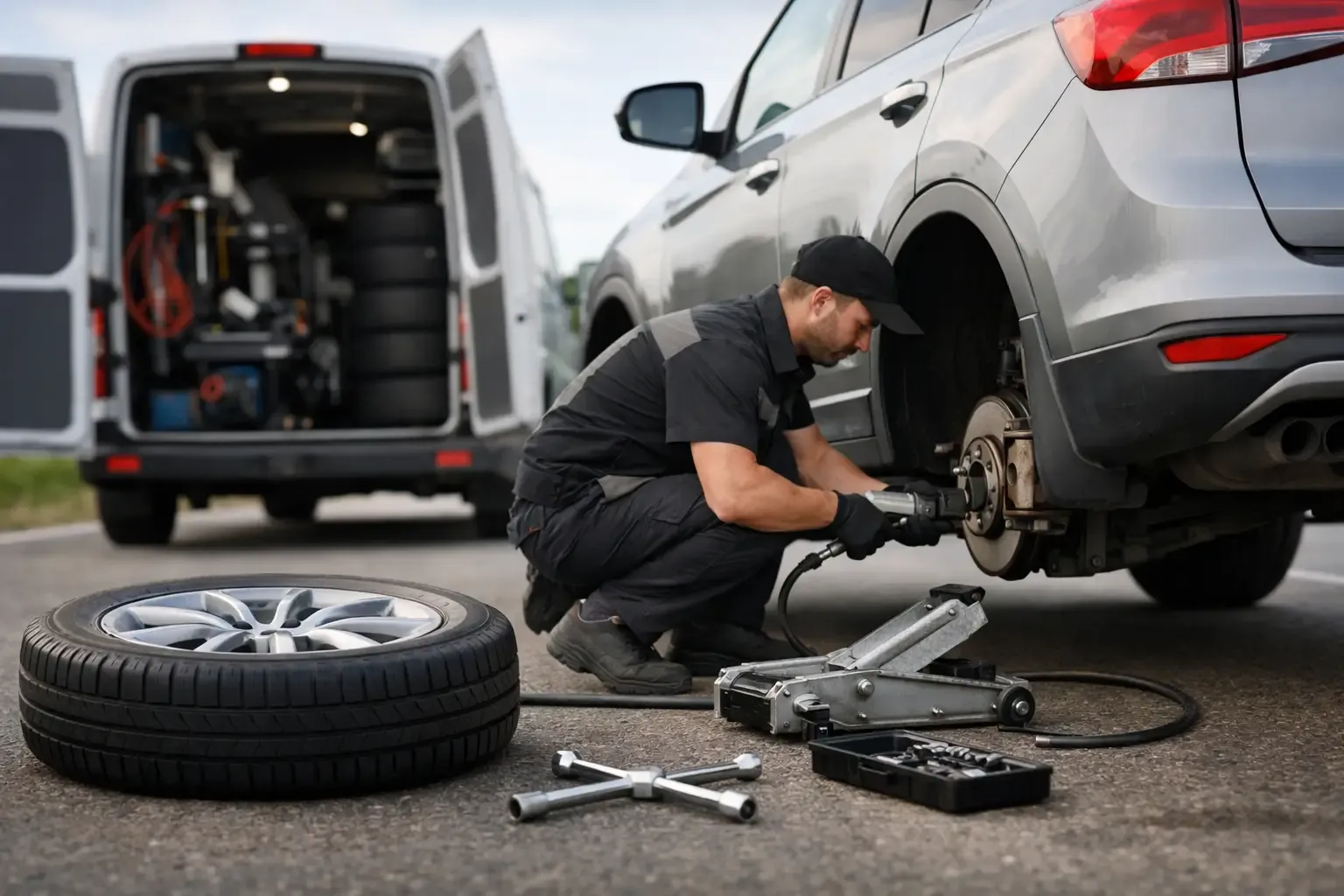
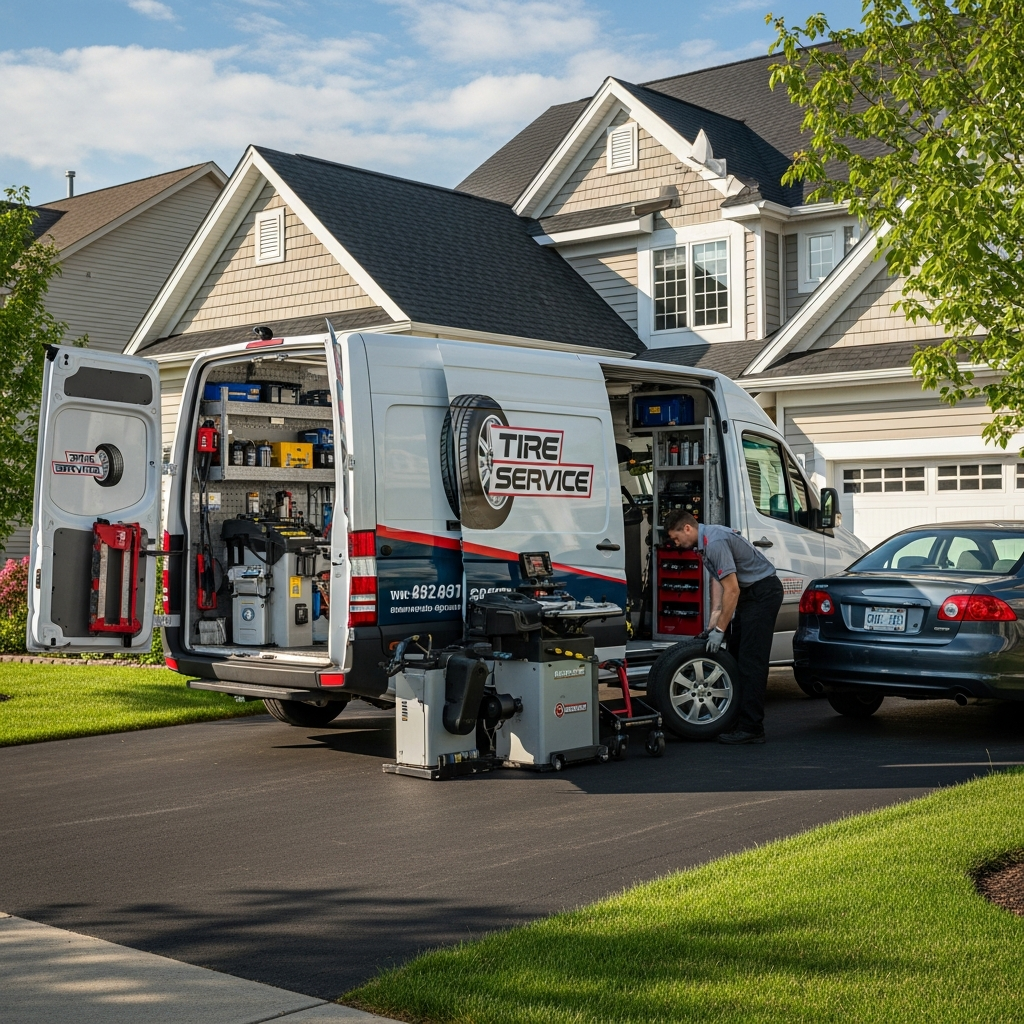
A mobile tire installation in Columbus OH means the work comes to you. Elite Mobile Tire brings the equipment to your home, office, or job site across Columbus, Obetz, Groveport, Canal Winchester, Reynoldsburg, Pickerington, Gahanna, Westerville, and the surrounding area. You can also shop tires online with mobile install and have them mounted right where you park.
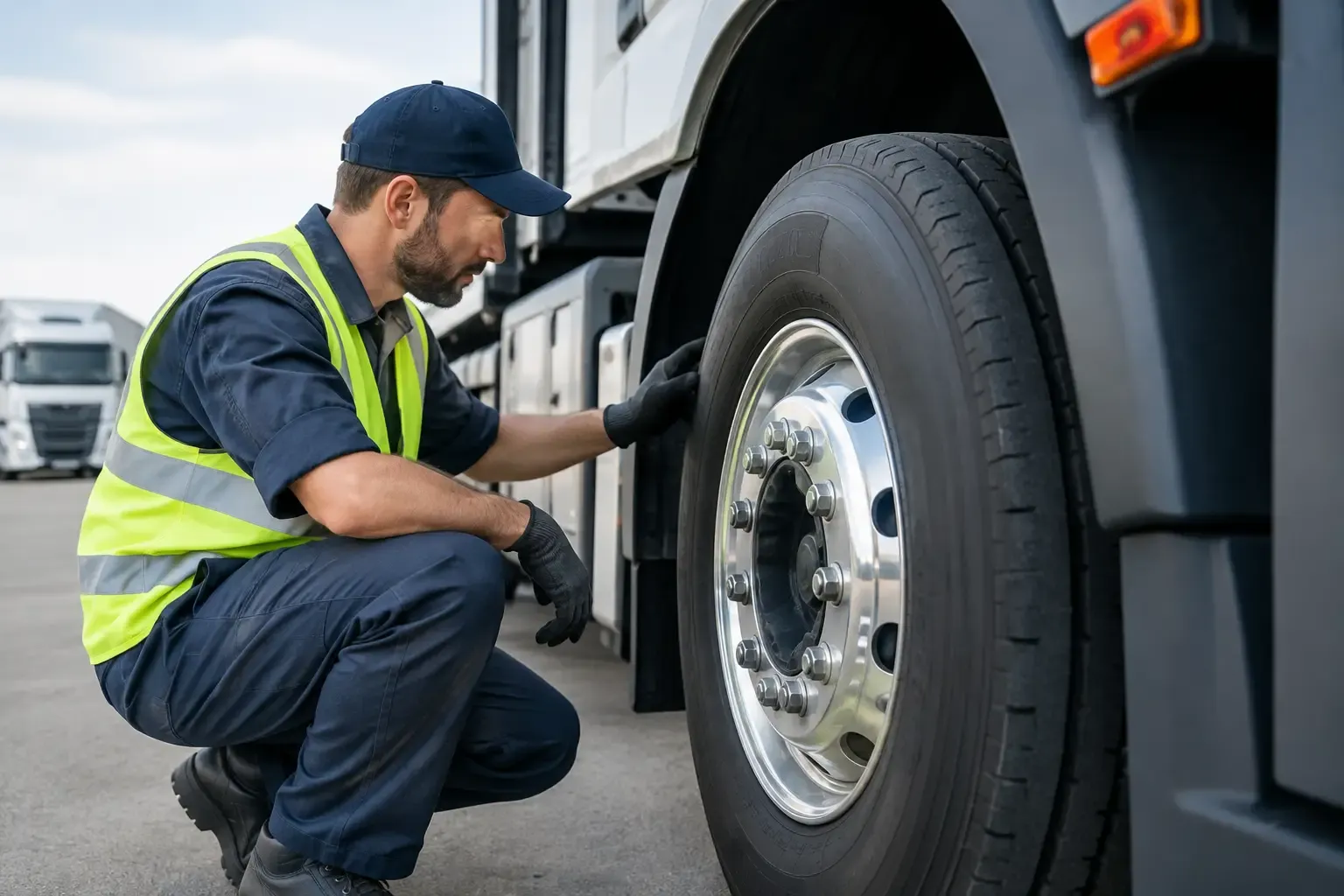
Same-day service is available for urgent flats, and because we come to you, it suits shift workers who cannot spend an afternoon in a waiting room. We service passenger cars, pickups, SUVs, semi trucks and commercial trucks, and RVs and campers. Financing through Afterpay and Acima, with plans up to 24 months, makes a full set easier to budget for. We do not work weekends, so plan ahead or call for a weekday slot.
Winter Task | How Often | Why It Matters
Check tire pressure | Weekly | Cold drops PSI fast
Measure tread depth | Monthly | Worn tread loses snow grip
Rotate and balance | Every 5,000-7,000 miles | Even wear, no vibration
Inspect for leaks and damage | Every pressure check | Catches slow leaks early
Swap or store seasonal tires | At season change | Prevents cracking and flat spots
Winter in Columbus does not forgive a neglected set of tires, and the fix is simpler than most drivers expect: check pressure weekly, watch tread depth, rotate on schedule, and store off-season tires correctly.
Frequently Asked Questions
When should I switch to winter tires in Columbus, Ohio?
Many manufacturers recommend switching once temperatures consistently drop below 45°F, which in Columbus usually happens in late November. All-season tires harden in cold weather and lose grip on I-270 and I-71 ramps. If you run dedicated winter tires, book the swap before the first freeze and store your all-seasons somewhere cool and dark.
How does cold weather affect tire pressure in Ohio?
Tire pressure drops roughly 1 PSI for every 10°F drop in air temperature. A tire set at 35 PSI in October can read closer to 30 PSI by January. Check pressure weekly with a gauge, fill to the door-jamb placard number, and don't rely on the dashboard light alone, since it often triggers only after pressure has already dropped several PSI.
Why is it important to check all four tires during winter?
Winter exposes weak spots fast. One low tire can pull your car on ice, and a mismatched tire can confuse AWD and traction-control systems. Elite Mobile Tire technicians check all four tires on every job, not just the one we came for, so a slow leak or uneven wear gets caught before it strands you on SR-104 or Alum Creek Drive.
How can I tell if my tires have enough tread for snow?
Use the penny test: insert a penny into the tread with Lincoln's head down. If you can see the top of his head, tread is at or below 2/32 inch and the tire needs replacing. For winter driving, many manufacturers recommend at least 4/32 to 6/32 inch for reliable grip on snow and slush. A tread depth gauge gives a more precise reading than a coin.
Does Elite Mobile Tire offer service in Grove City and surrounding areas?
Yes. Elite Mobile Tire serves Columbus, Grove City, Obetz, Groveport, Canal Winchester, Reynoldsburg, Pickerington, Gahanna, Westerville, Hilliard and other communities within about 20 miles of Obetz. We come to your home, office, or job site for tire installation, balancing, and flat repair. Call 614-344-5010 or book at elitemobiletire.com to schedule.
Ready for a new set? Elite Mobile Tire installs 2 or 4 new tires right in your driveway or parking lot anywhere around Columbus, Obetz, Groveport, Grove City, and Reynoldsburg. Financing is available through Afterpay and Acima with up to 24-month payment plans. Call 614-344-5010 or visit elitemobiletire.com to book.