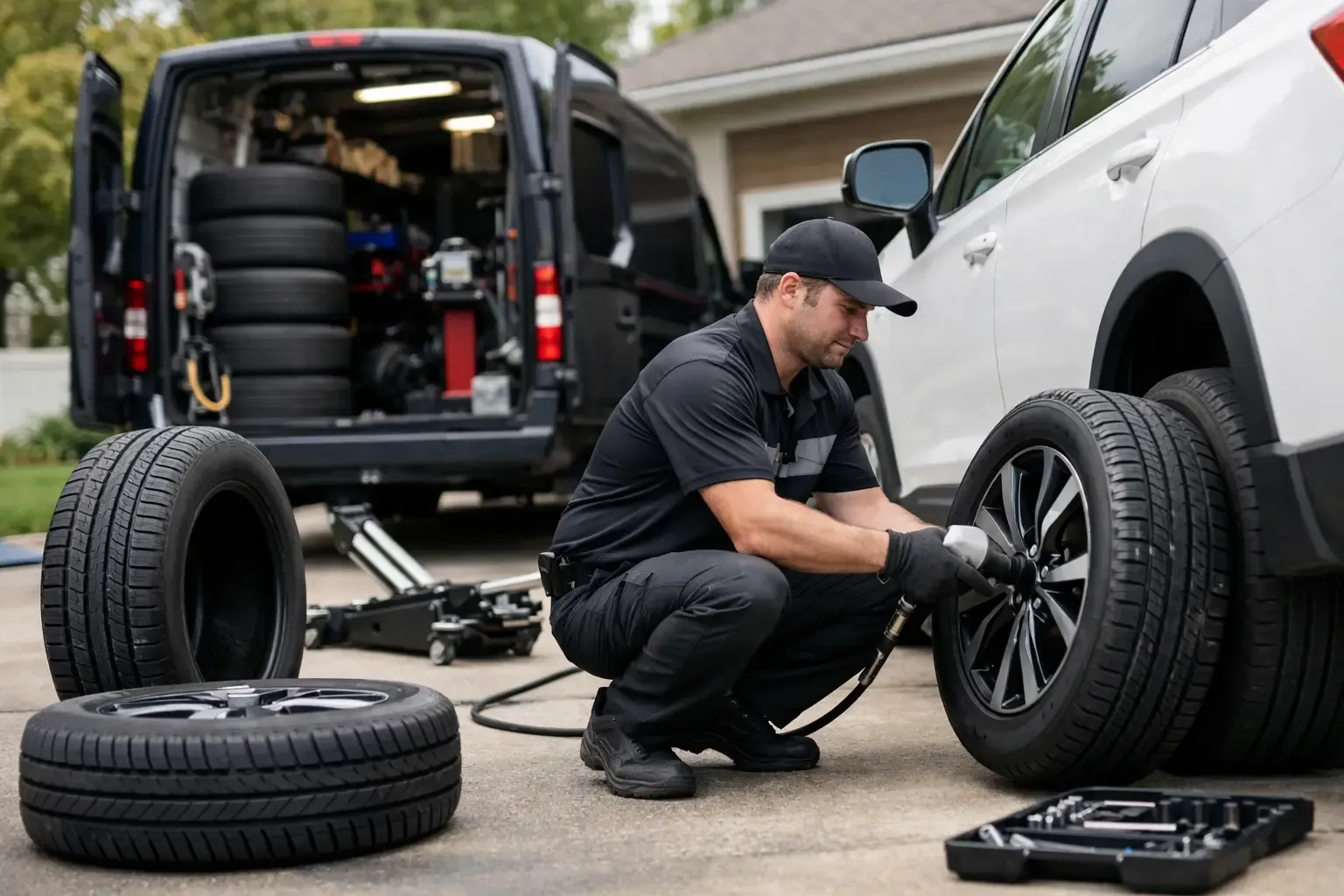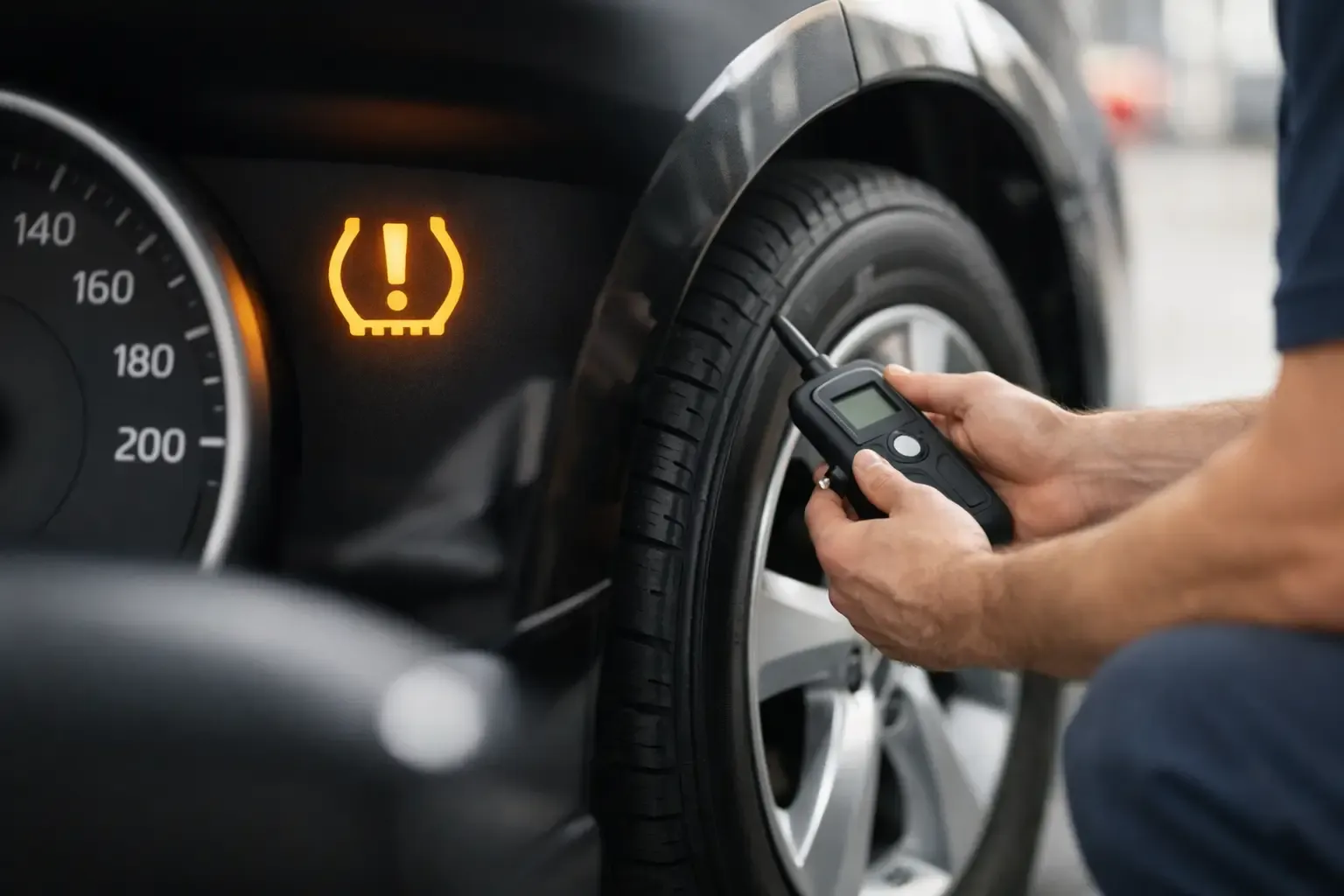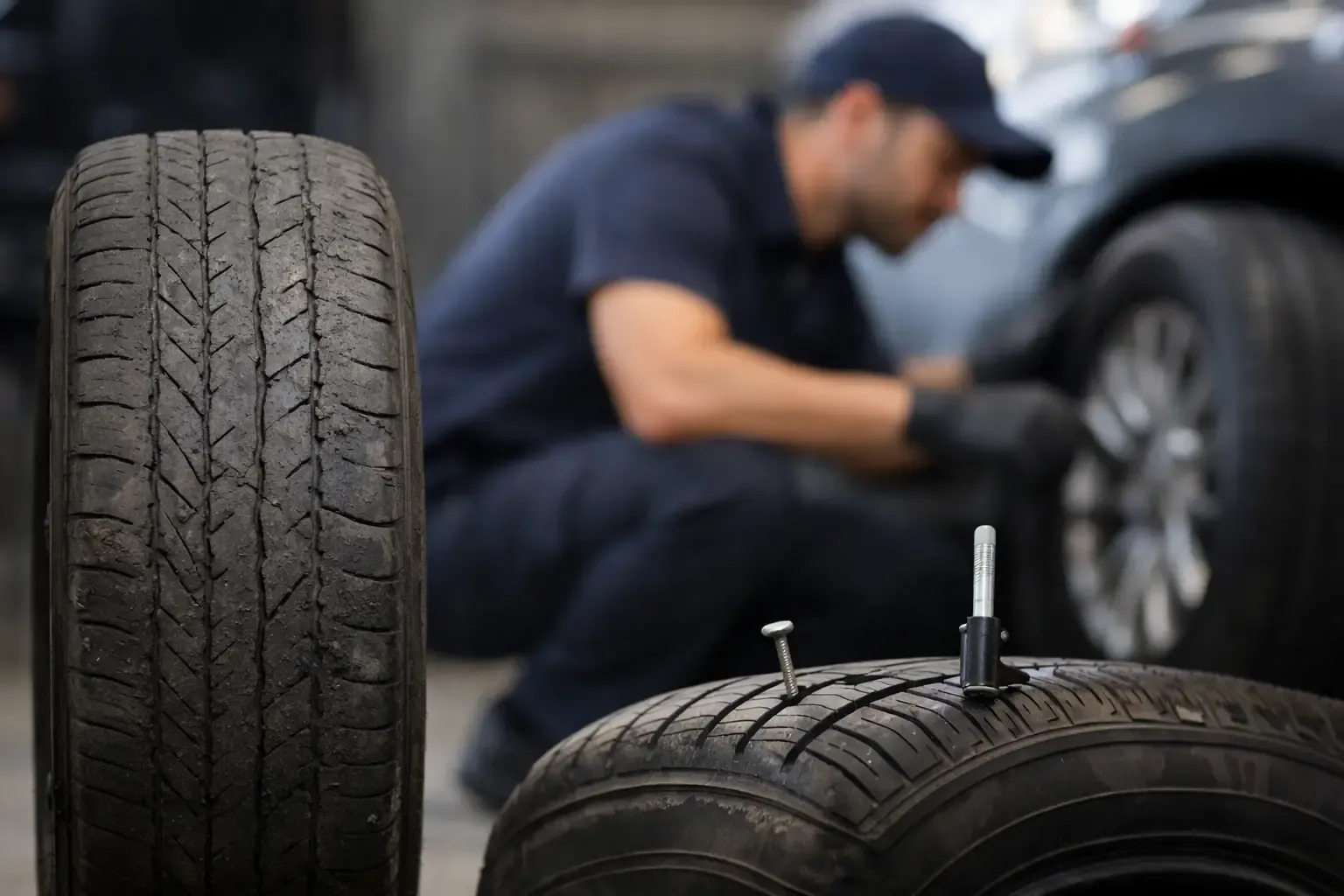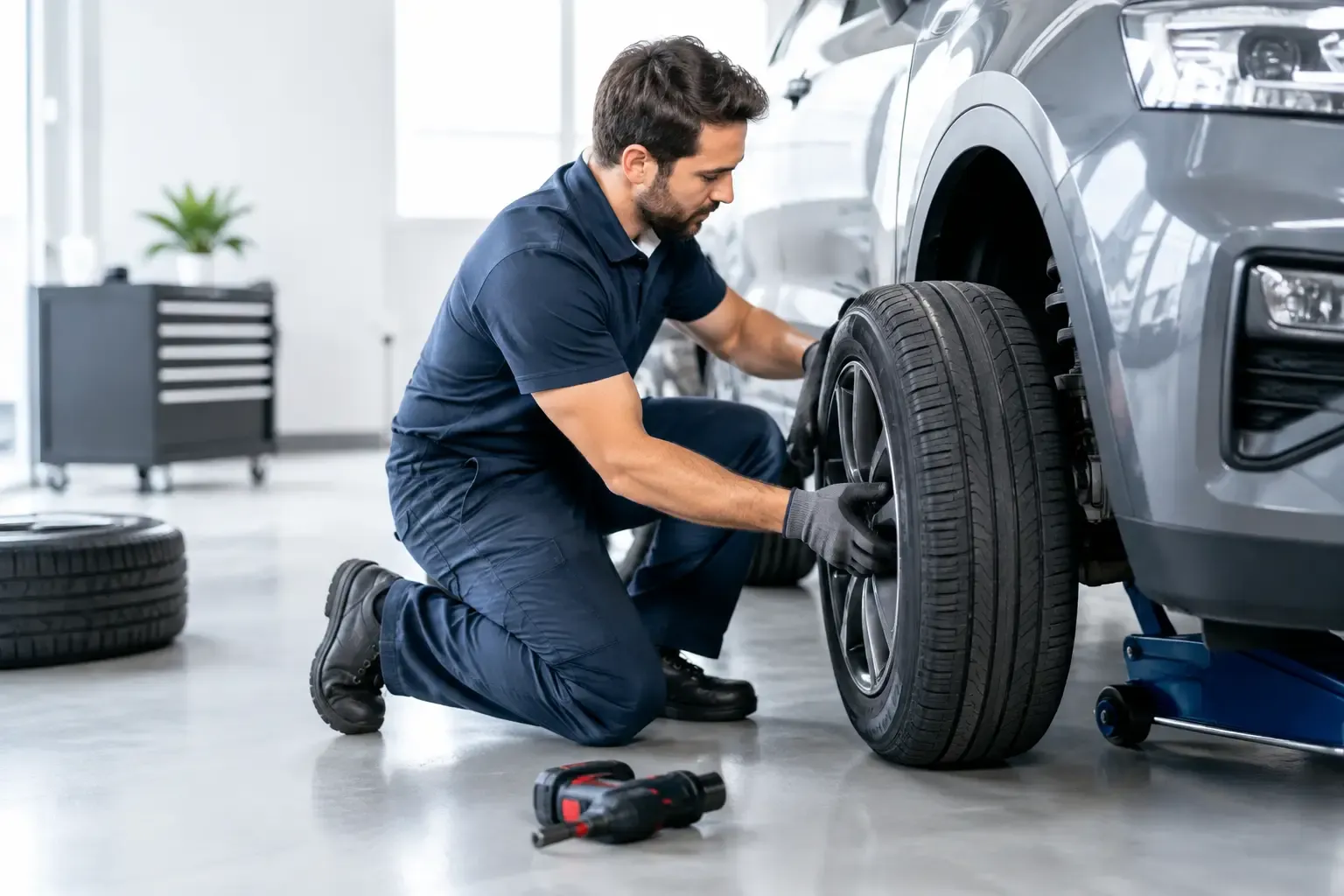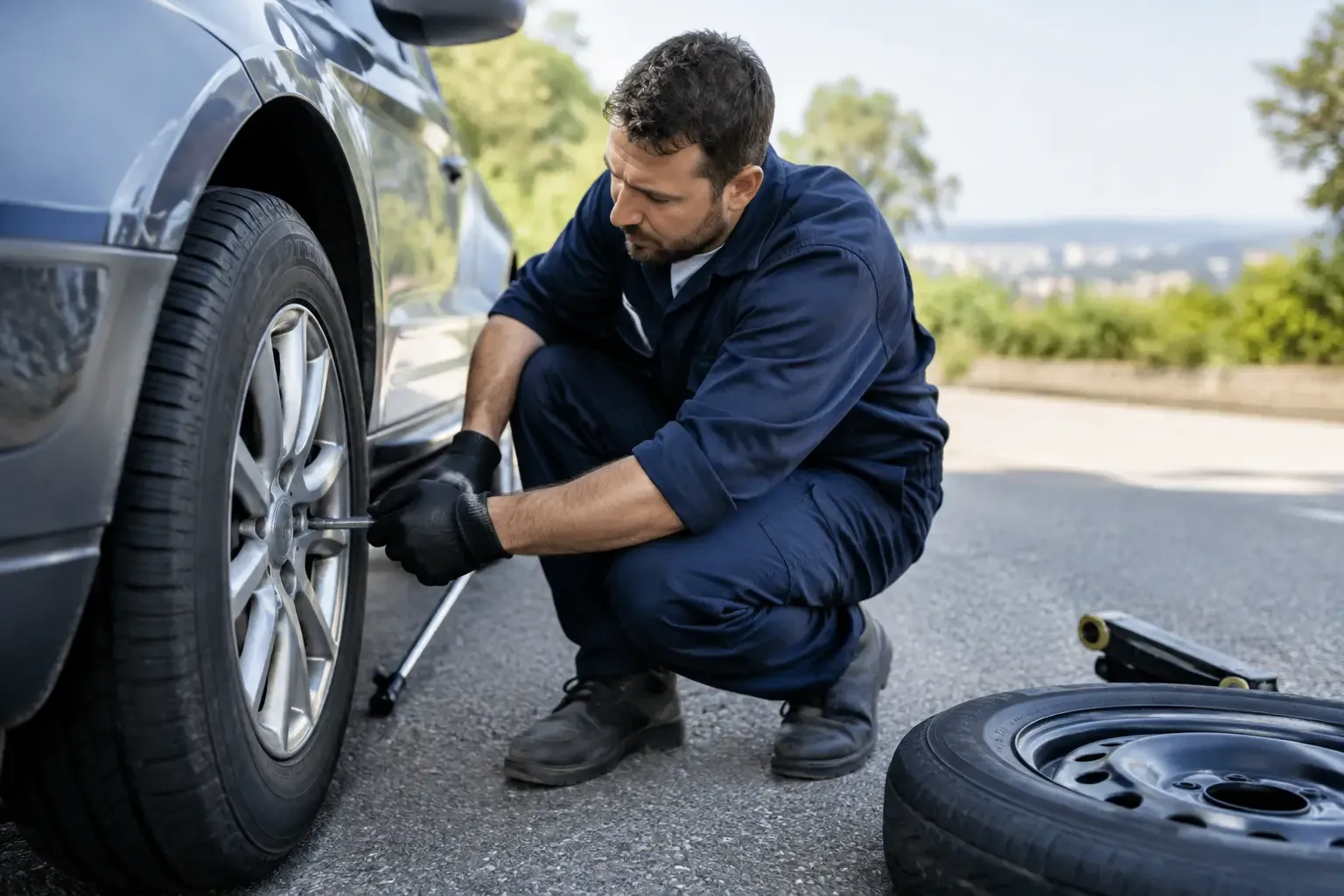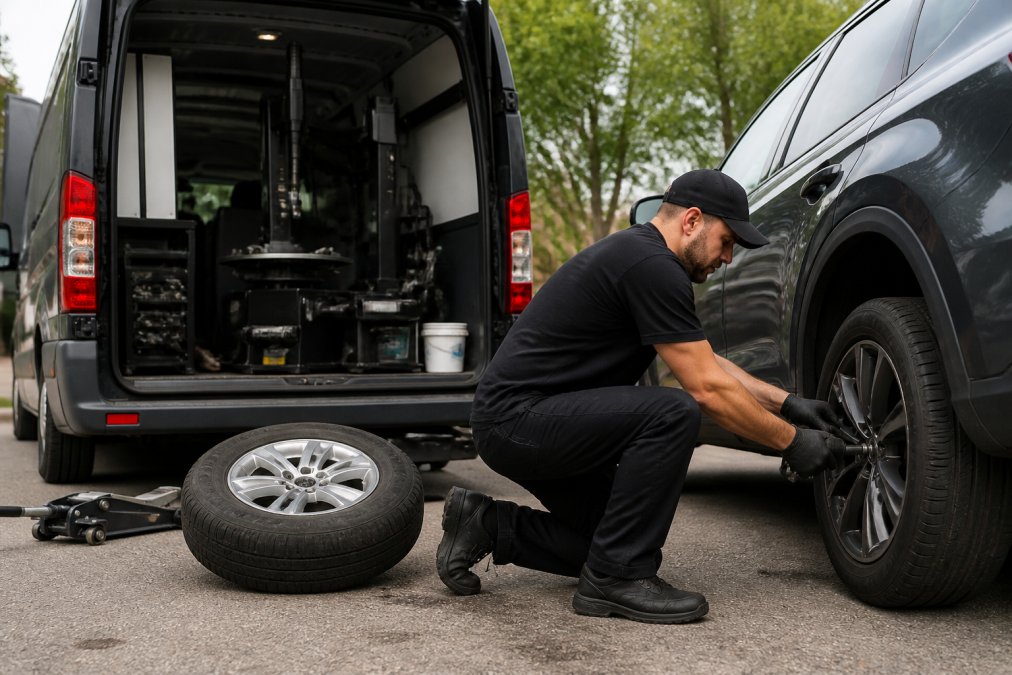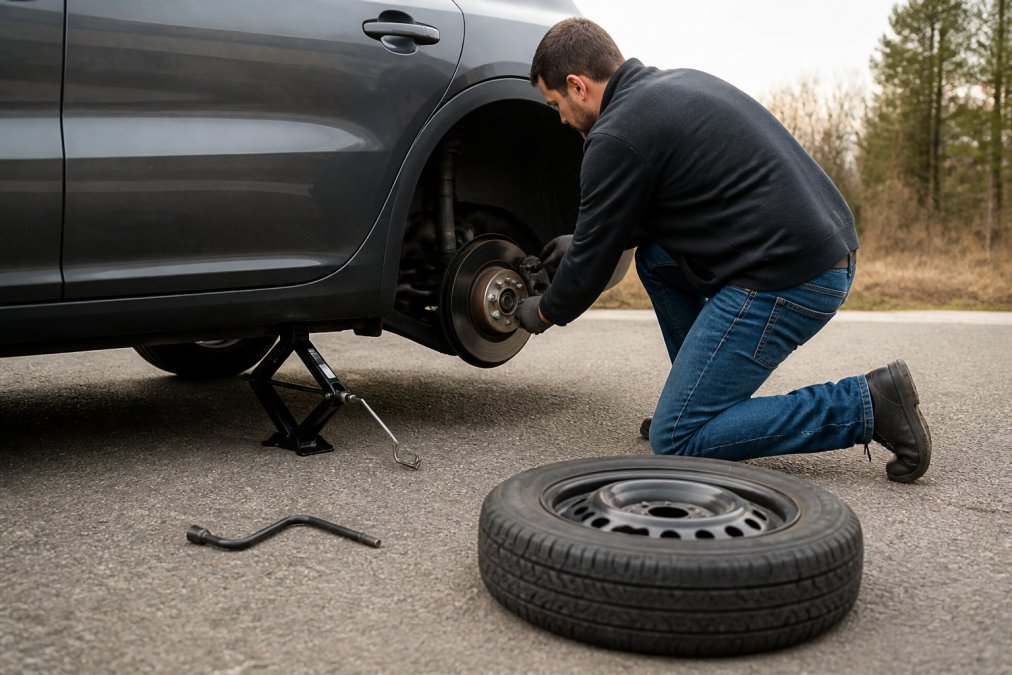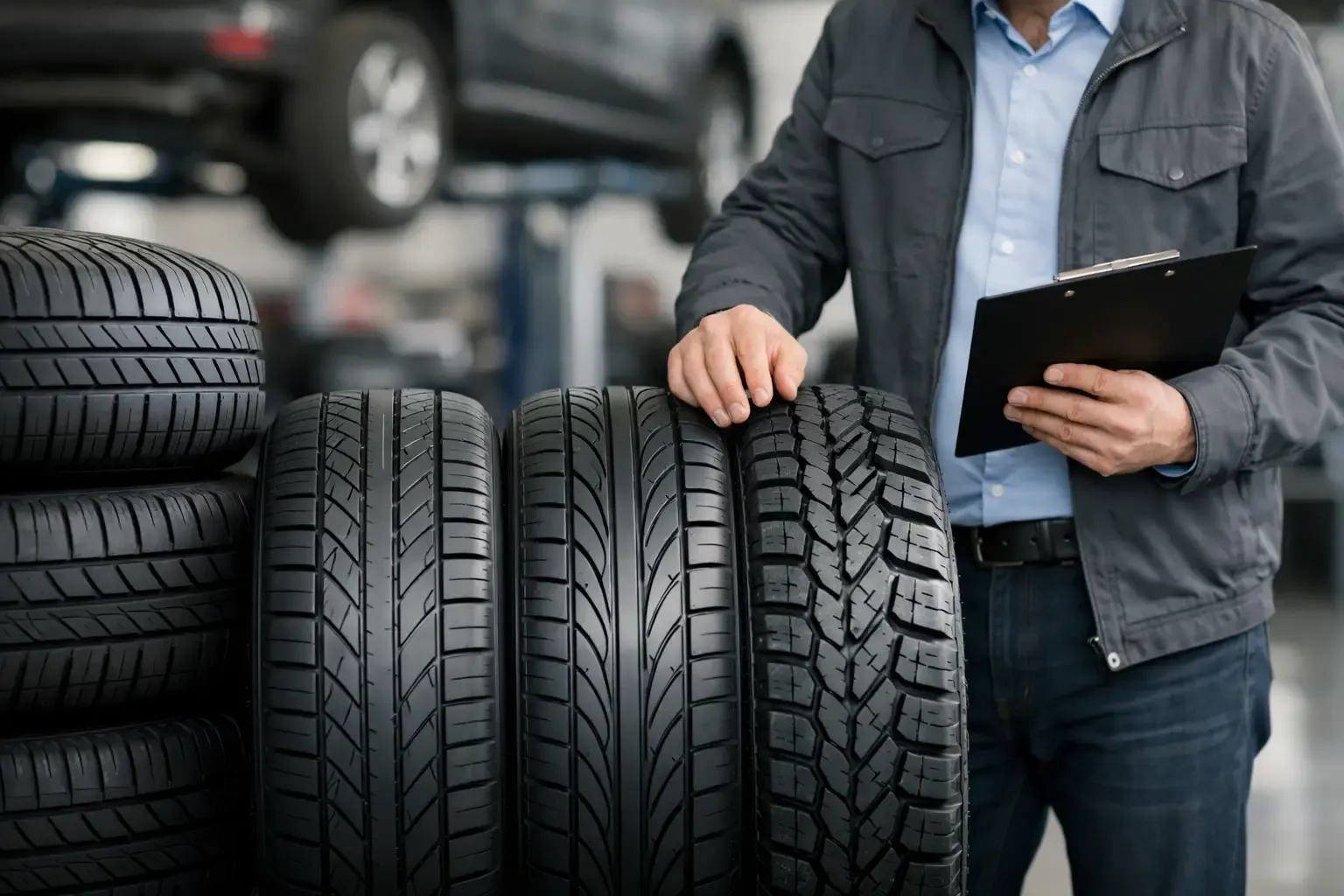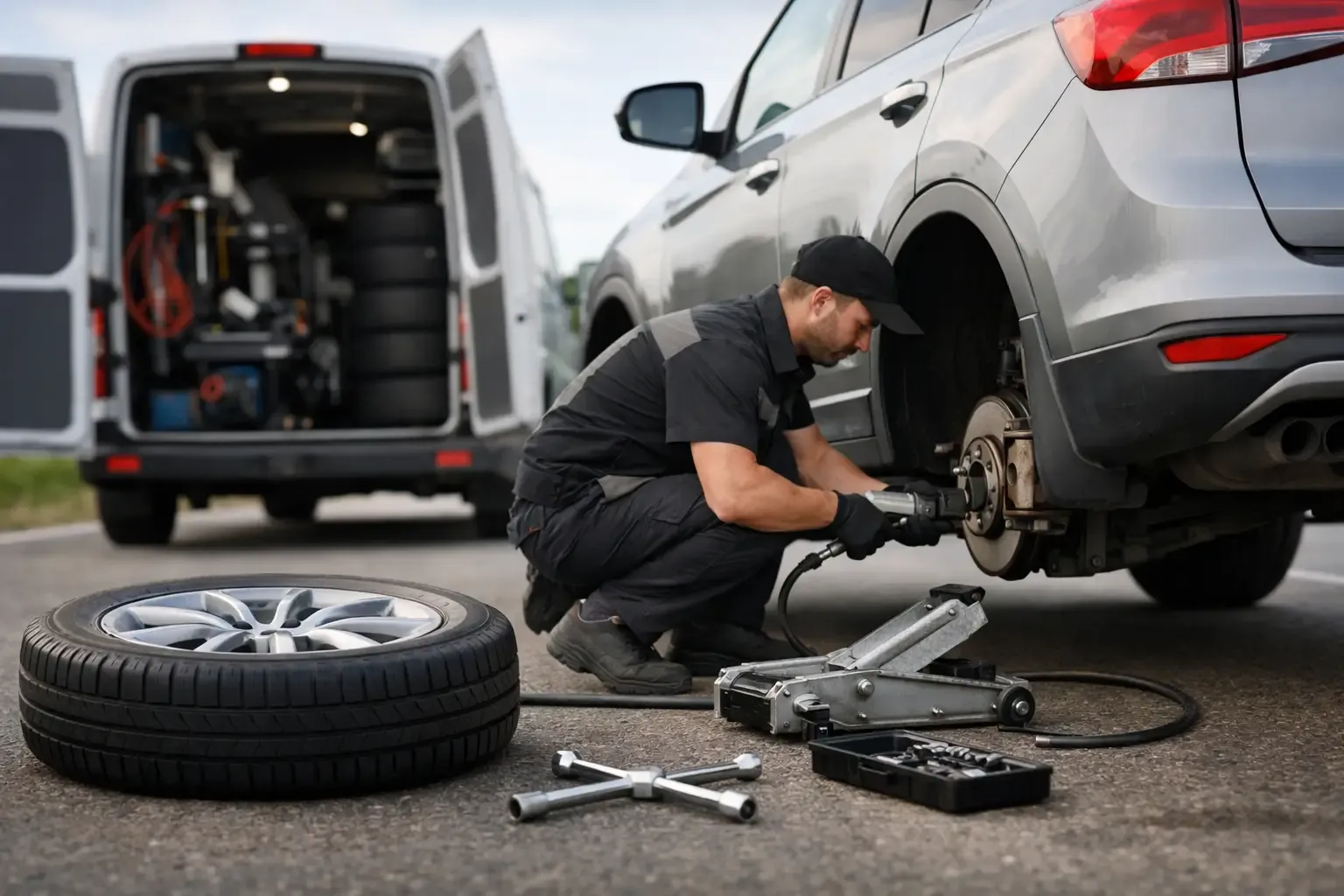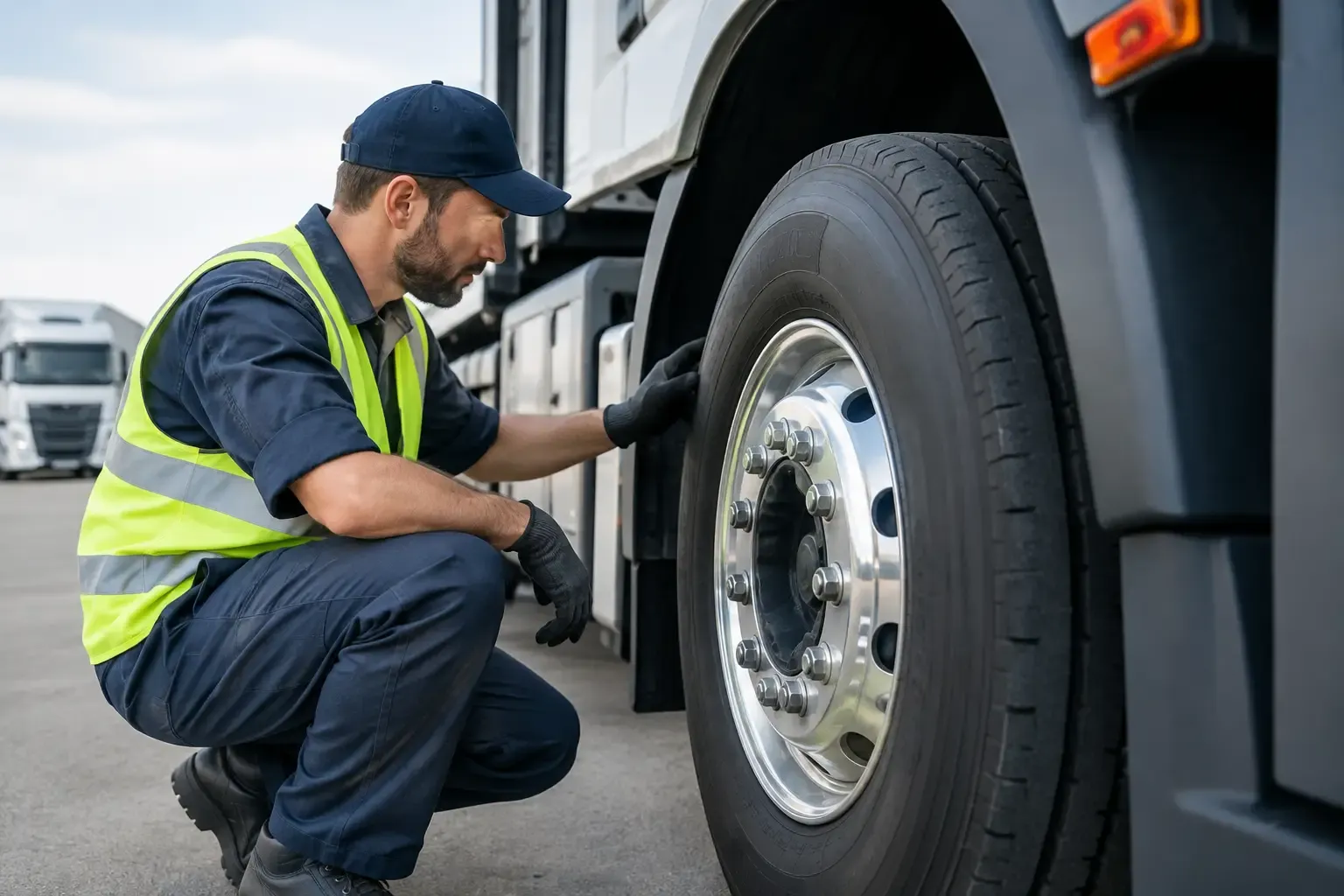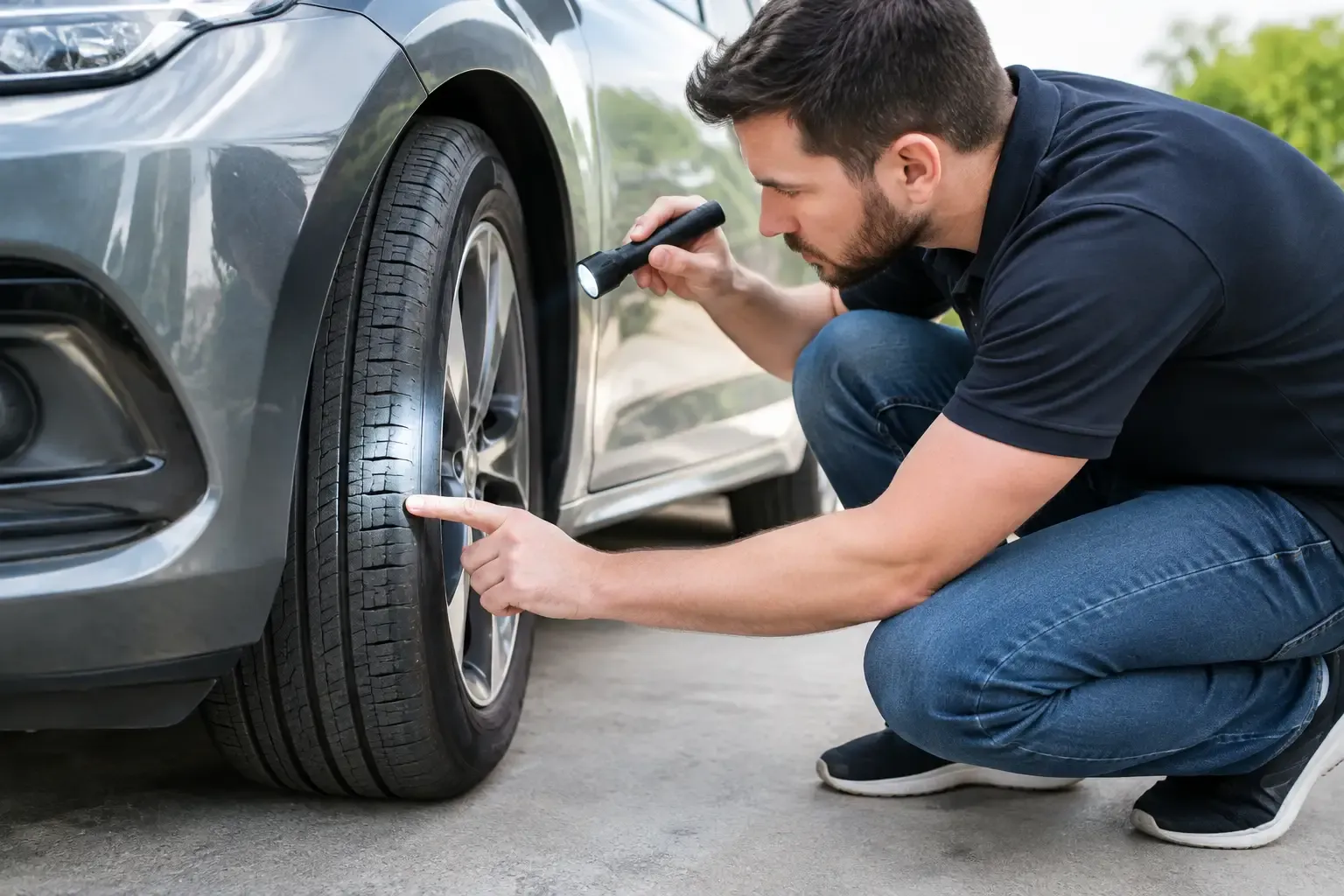
A steering wheel that starts shaking at 60 mph usually does not fix itself. Neither does the seat vibration that shows up on the freeway or the uneven tire wear you notice one weekend in the driveway. In many cases, the answer is a mobile tire balancing service - a way to correct the problem where your vehicle is parked instead of carving out half a day for a tire shop visit.
For busy drivers, balancing is one of those services that matters most when it gets ignored. Tires can look fine and still be out of balance. When that happens, the weight distribution around the tire and wheel assembly is slightly off, and that small mismatch gets amplified as speed increases. The result can be a rougher ride, added stress on suspension parts, and tread wear that shortens the life of the tires you paid for.
What a mobile tire balancing service actually does
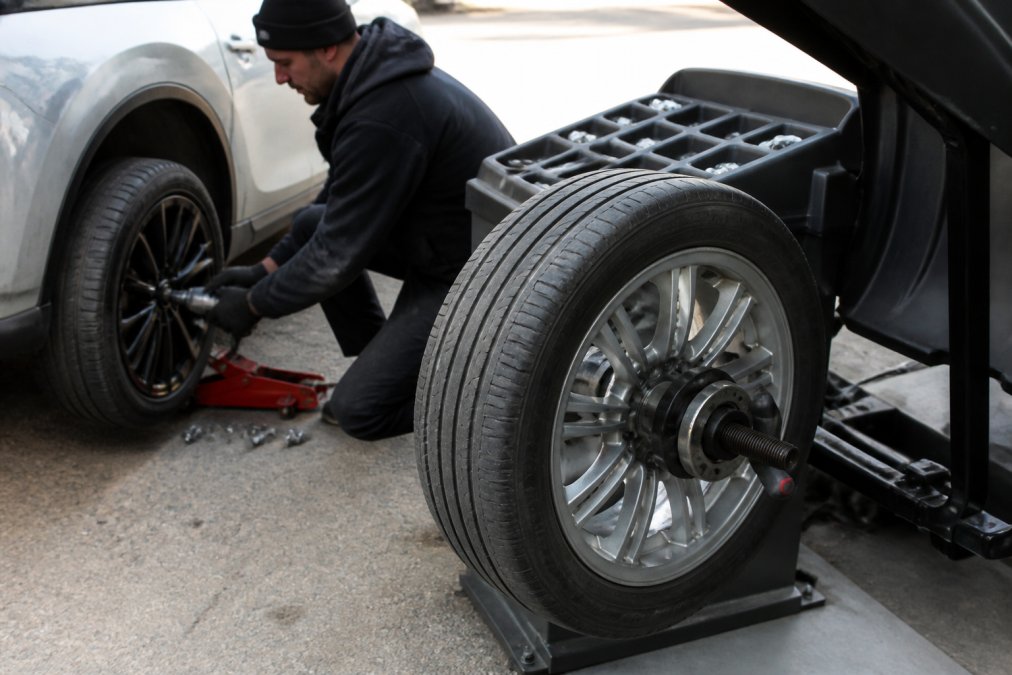
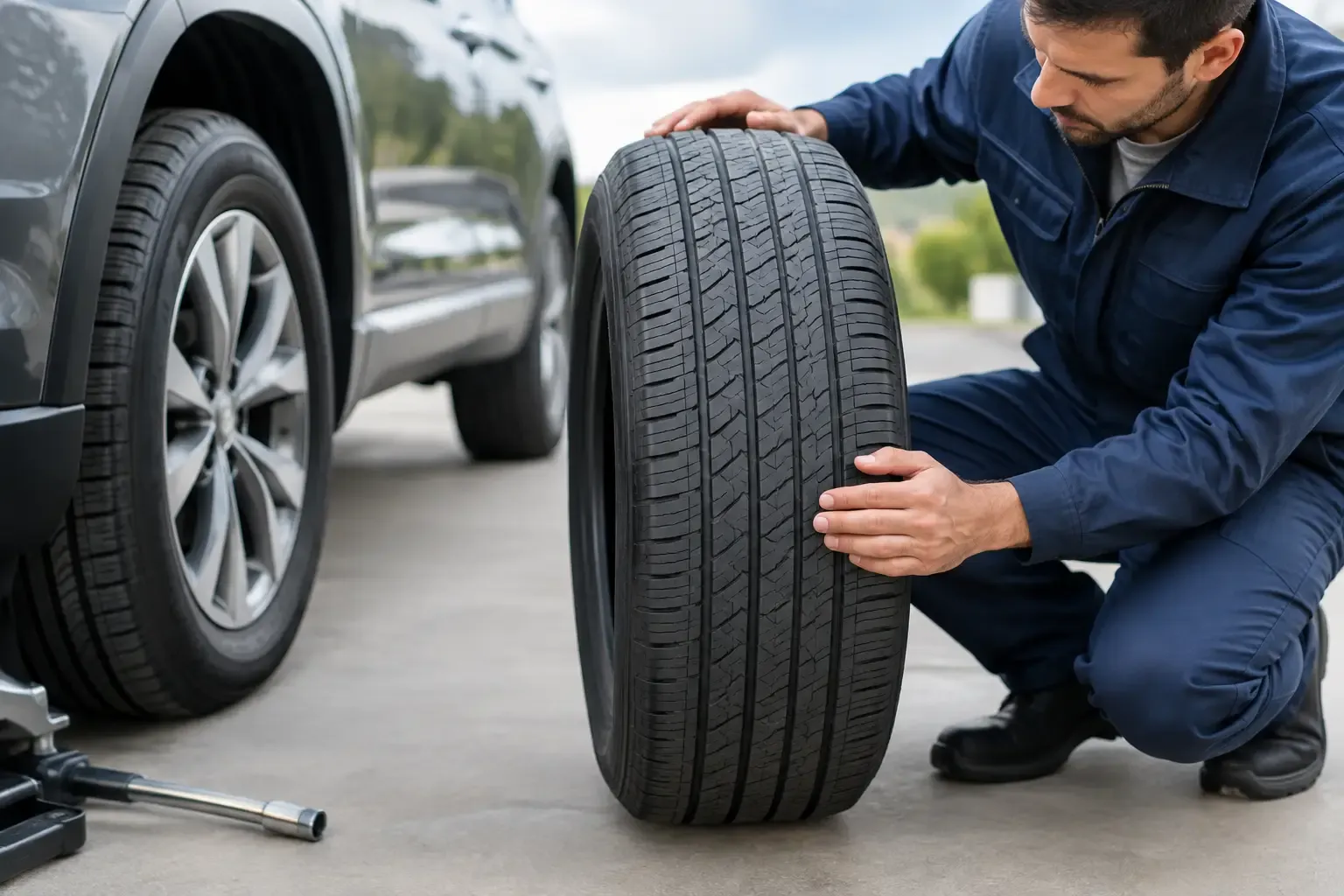
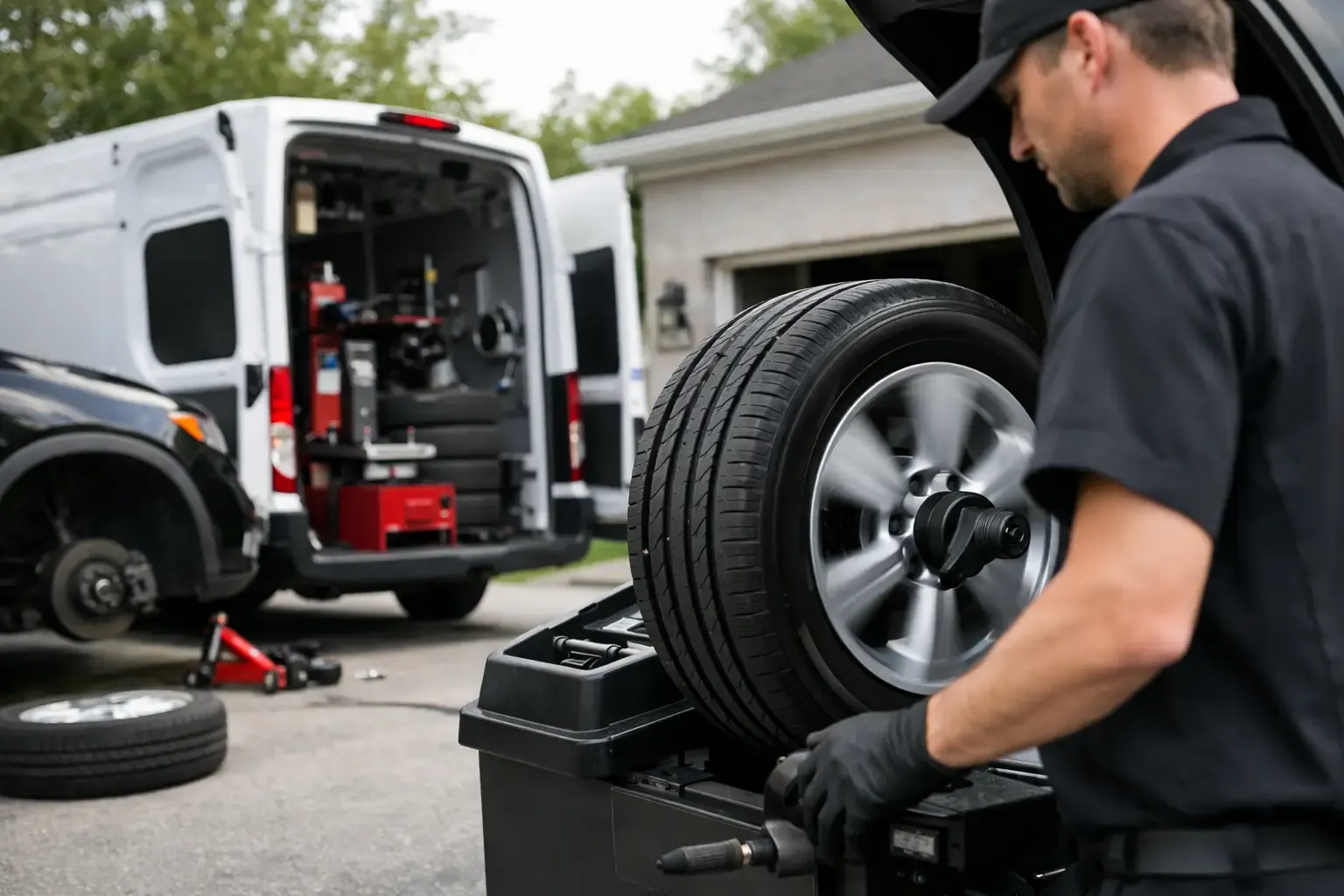
Tire balancing is the process of correcting uneven weight distribution in a mounted tire and wheel assembly. A technician identifies where the assembly is heavy or light and applies small balancing weights so the wheel rotates evenly. The goal is simple: reduce vibration, improve ride quality, and help the tire wear more consistently.
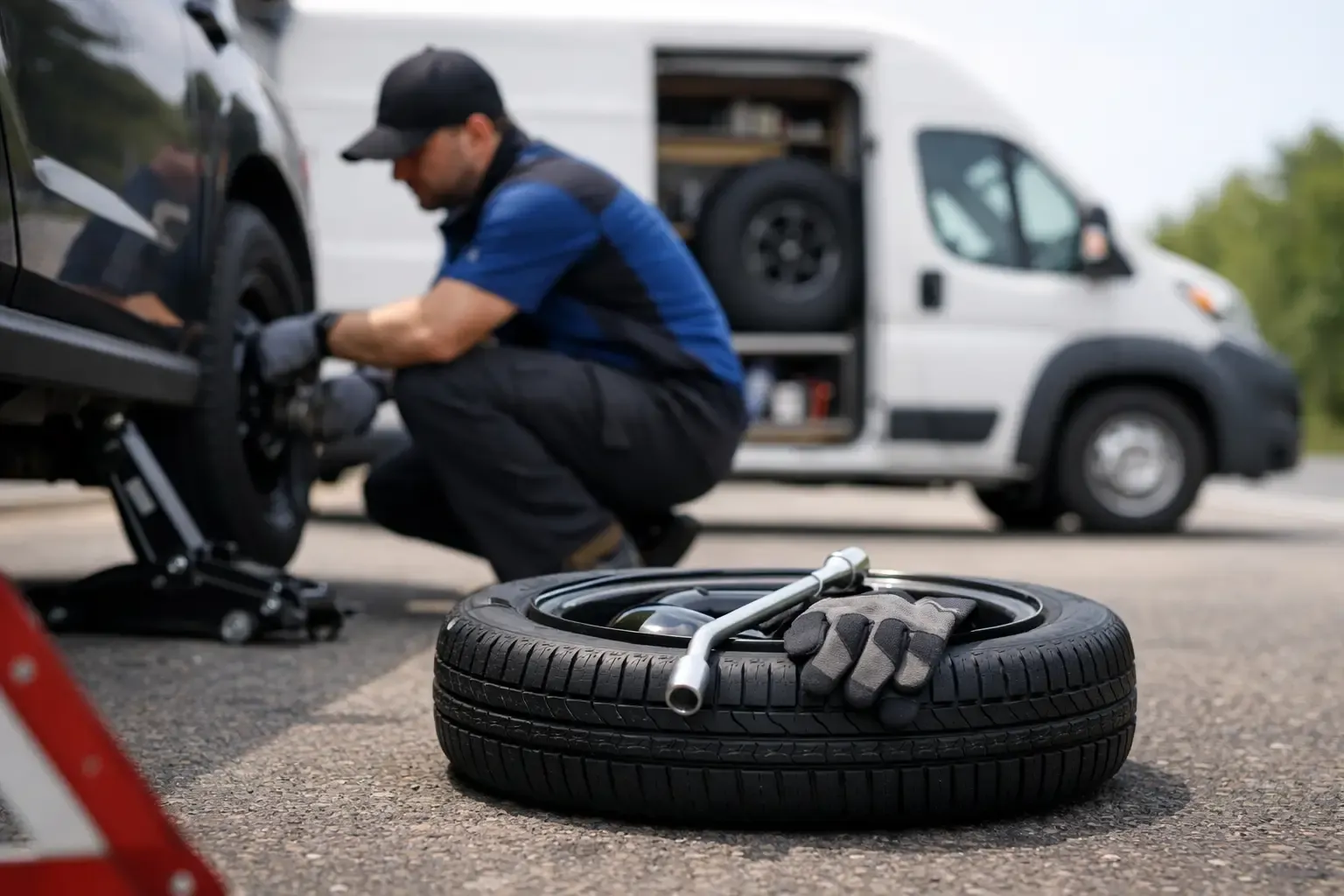
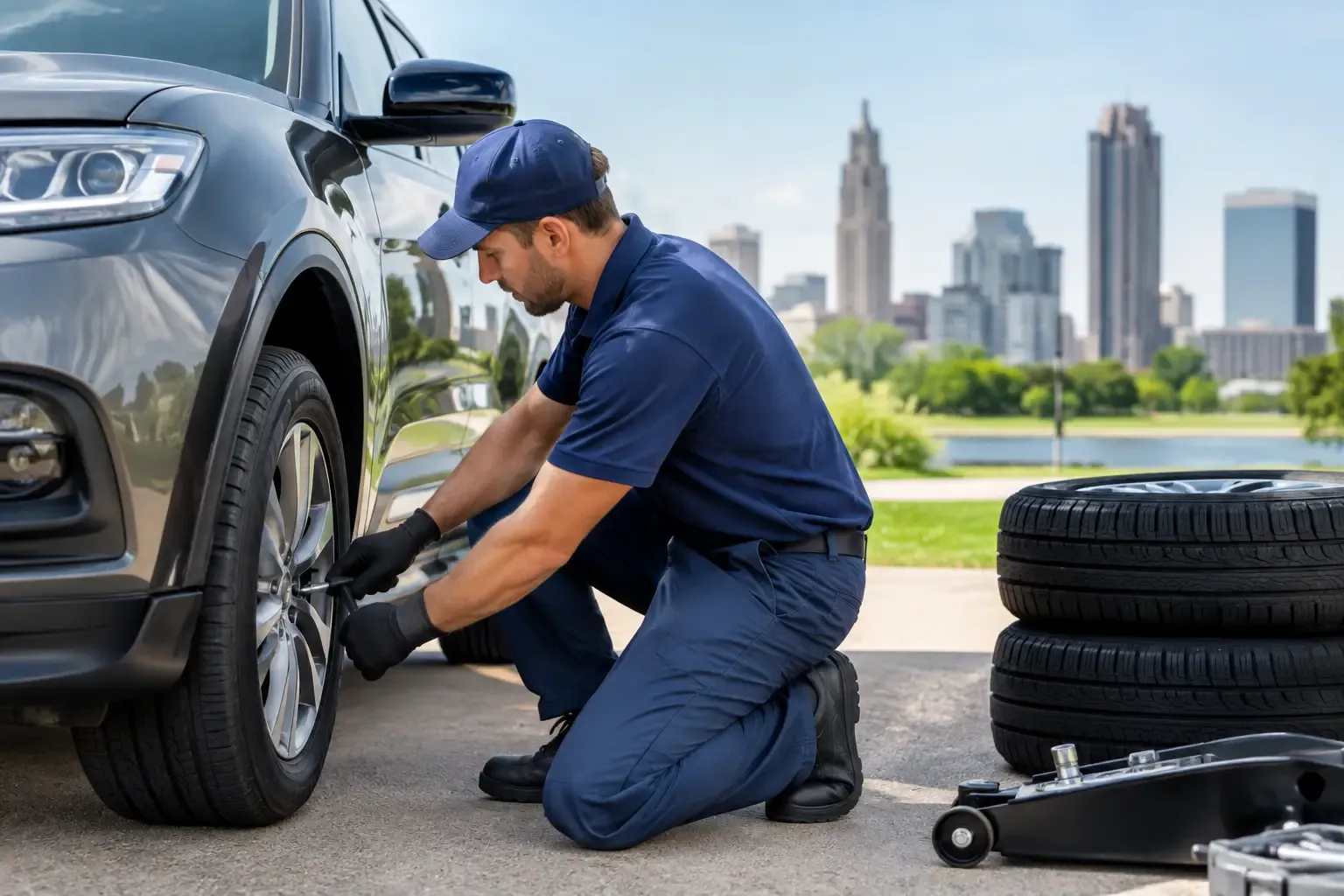
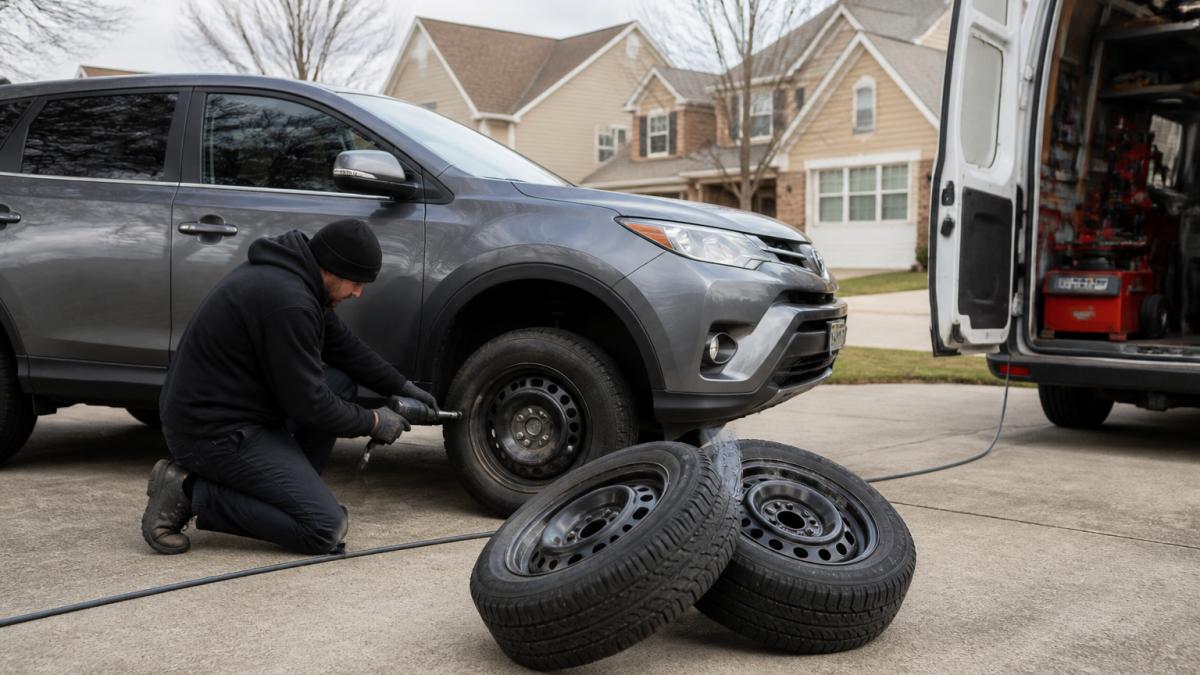
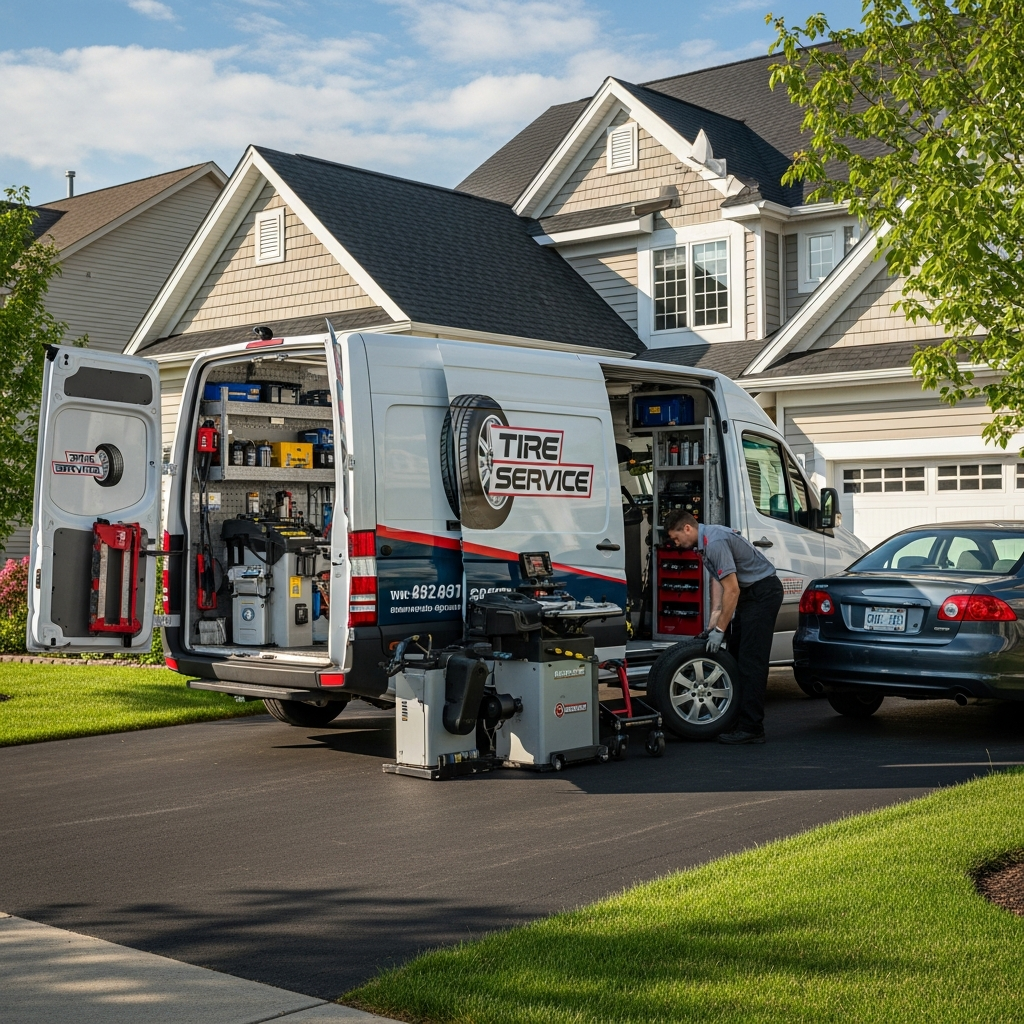
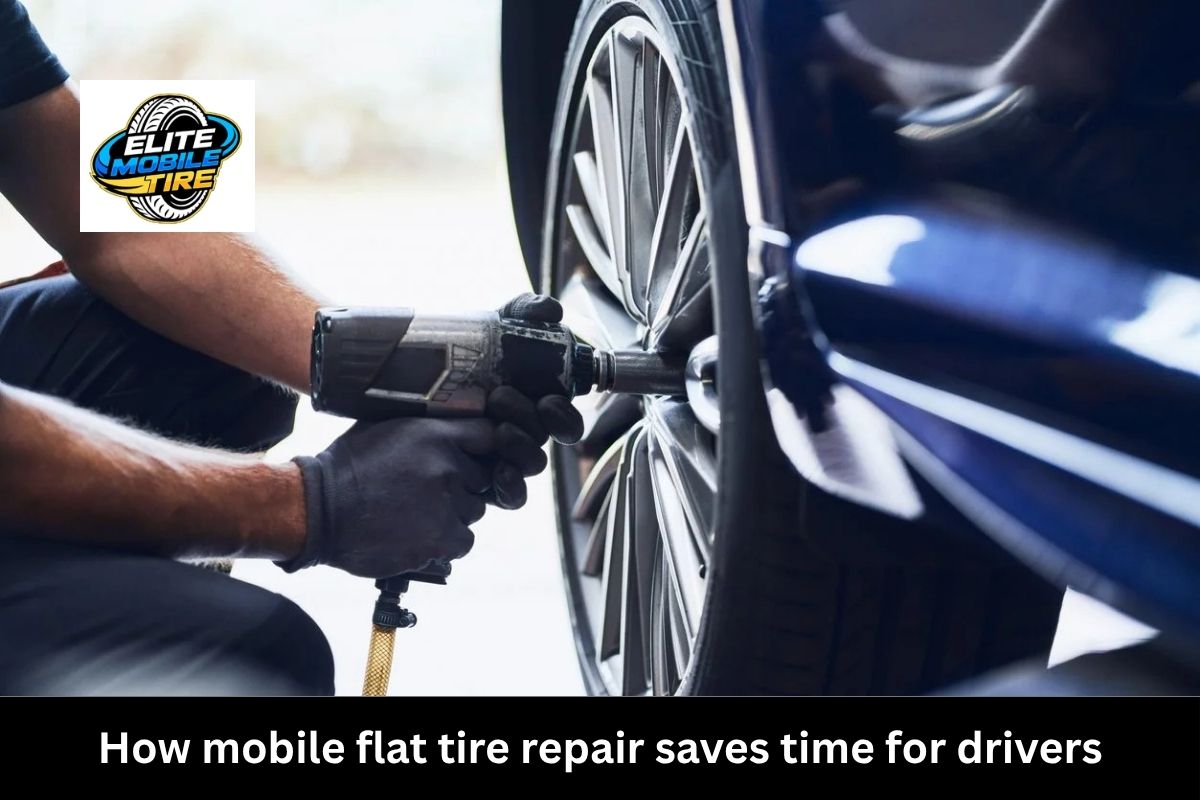
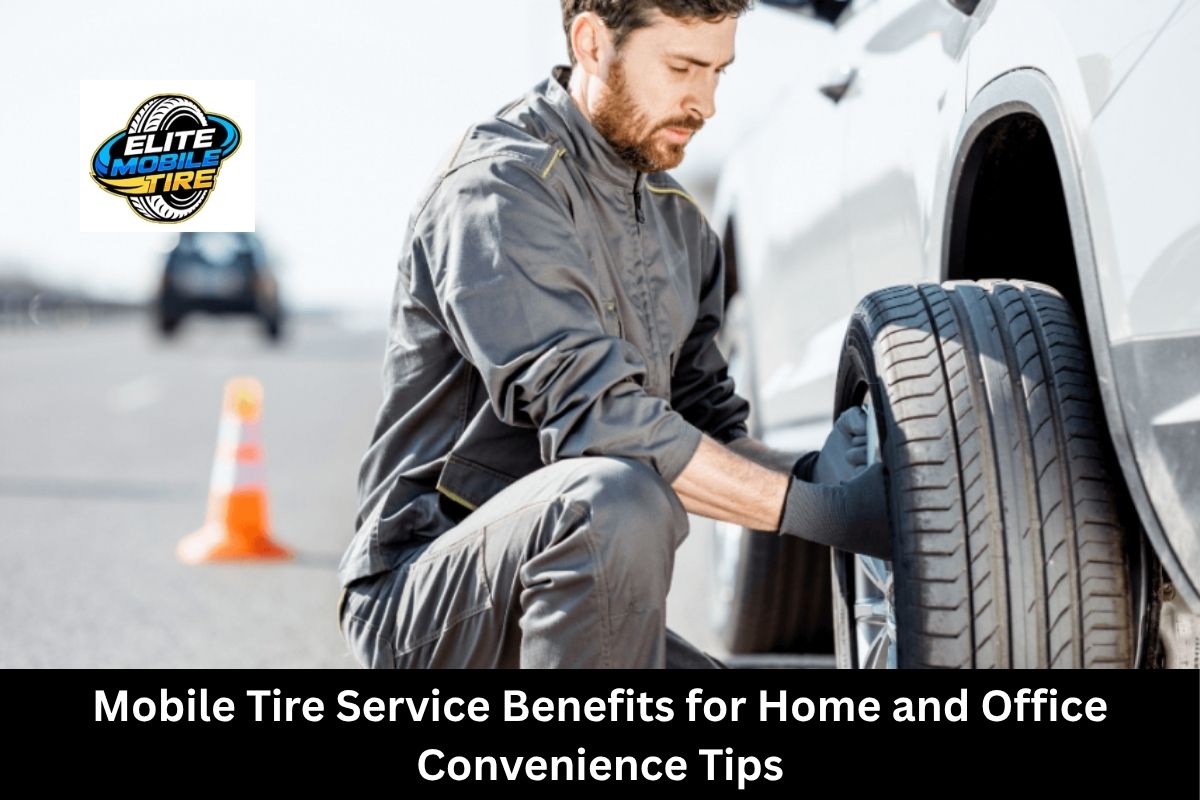
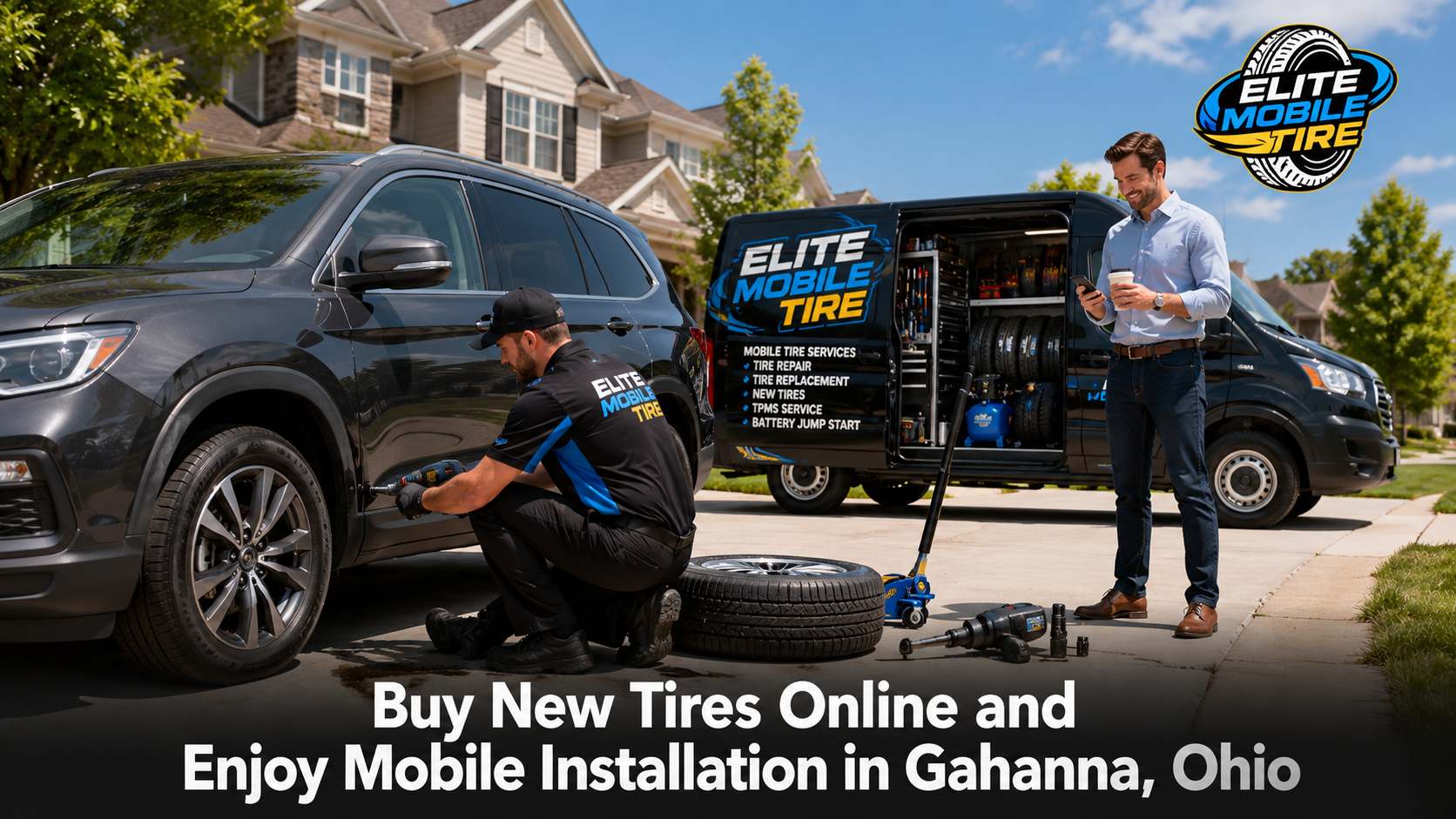
A mobile tire balancing service brings that process to your home, office, or roadside location. Instead of driving to a shop, waiting in line, and rearranging your schedule, the equipment and technician come to you. For many drivers, that convenience is the biggest benefit. But it is not just about saving time. It also means problems can be addressed sooner, before vibration turns into premature tire wear or a more noticeable handling issue.
This service is especially useful after new tire installation, after a flat repair in some cases, or anytime a driver notices changes in how the vehicle feels at speed. It can also make sense for families with multiple vehicles and for commercial fleets that need to keep vehicles in service instead of cycling them through a shop one by one.
Signs your tires may need balancing
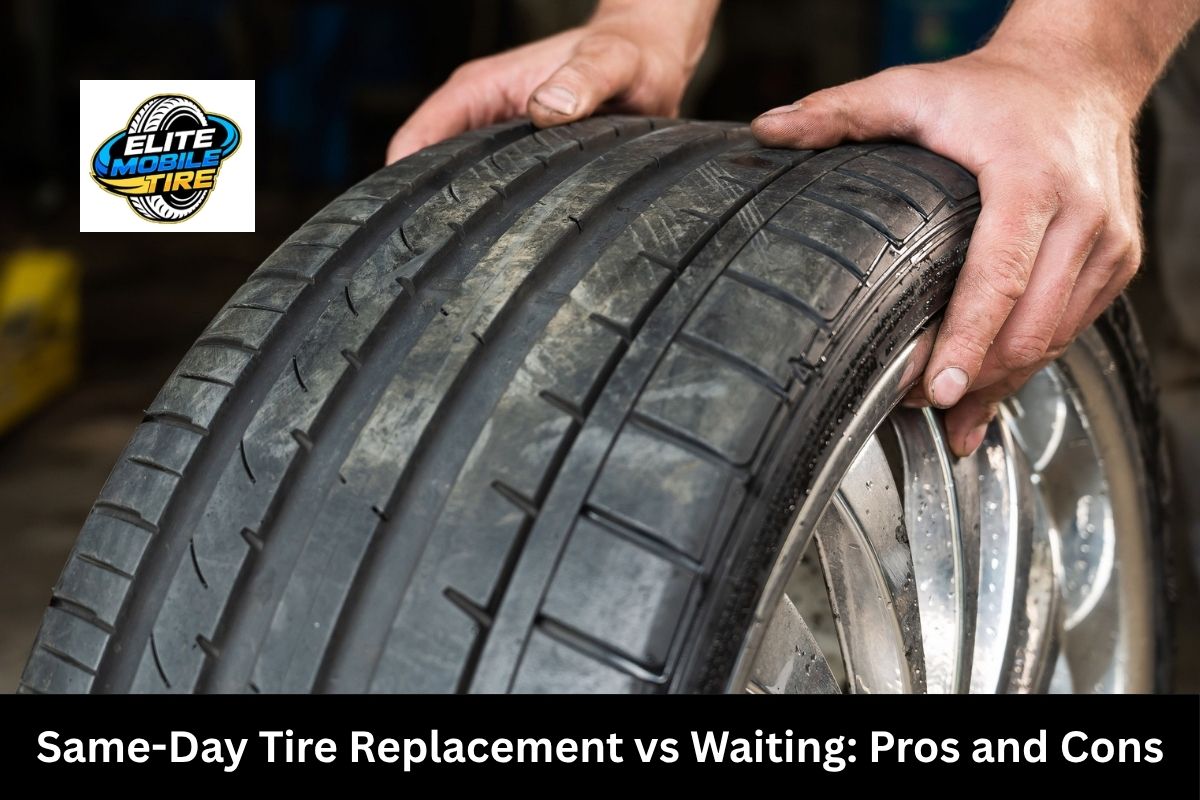
The most common sign is vibration that appears at certain speeds, often between about 50 and 70 mph. Sometimes it shows up in the steering wheel. Other times it feels like it is coming through the floorboard or seat. That difference can matter because front tire imbalance is more likely to be felt in the steering wheel, while rear tire imbalance often feels like a body vibration.
Uneven tread wear is another clue. If the tread is developing irregular patterns, balancing may be part of the fix. That said, balancing is not the only cause of uneven wear. Alignment issues, inflation problems, worn suspension parts, and driving habits can also play a role. A good technician should treat balancing as one part of the larger picture, not a catch-all answer for every tire problem.
You may also want to schedule service after hitting a pothole or road debris hard enough to change how the car feels. Not every impact throws a tire out of balance, but some do. In Ohio, where rough roads and seasonal temperature swings can be tough on tires and wheels, it is worth paying attention when the ride suddenly changes.
Why balancing matters more than many drivers realize
When a tire is out of balance, the issue gets worse as wheel speed increases. That repeated vibration is not just annoying. Over time, it can wear the tread unevenly and put extra strain on shocks, struts, bearings, and steering components. One small imbalance can create a chain reaction that costs more than the original service would have.
Balanced tires also help the vehicle feel more settled on the road. That does not mean balancing solves every ride and handling complaint, but it does remove one common source of instability. For commuters who spend real time on highways around Columbus, that smoother and more predictable feel makes a difference.
There is also a practical financial angle. Tires last longer when they wear evenly. If balancing helps protect tread life, it supports the value of the tire investment itself. For drivers replacing a full set, balancing is not an extra detail to overlook. It is part of doing the job properly.
When mobile service makes the most sense
The obvious advantage is convenience. If your vehicle is at home and your day is packed, mobile service removes the waiting room and the need to shuffle rides. If your car is parked at work, service can happen while you are using your time for something more productive than sitting in a tire store.
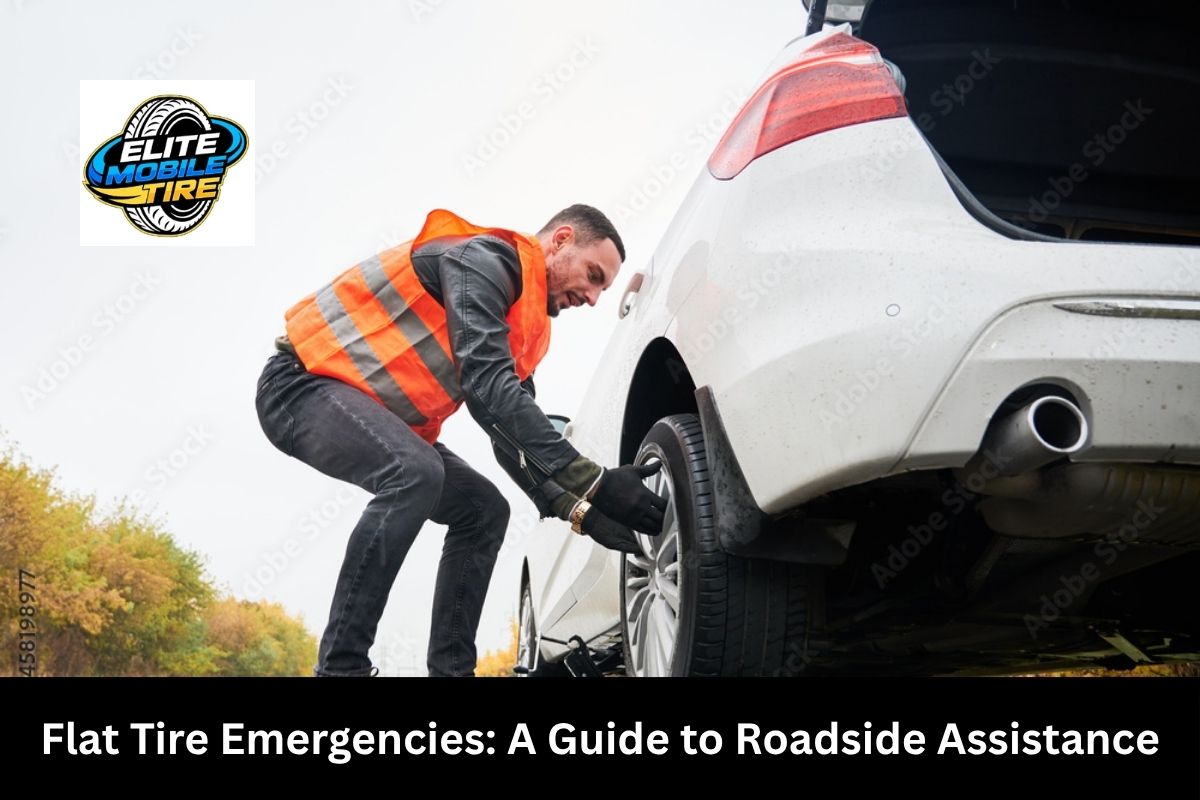
There is also a strong case for mobile help when the vehicle should not be driven farther than necessary. If vibration is severe, if a recent repair still does not feel right, or if you are dealing with a tire issue on the roadside, having a technician come out is often the safer and more practical move.
For fleet operators and businesses, mobile balancing can reduce downtime. Instead of sending vehicles across town and coordinating pickups, on-site service keeps operations simpler. That is one reason mobile tire care is becoming more attractive beyond emergency calls alone.
What to expect from a professional mobile tire balancing service
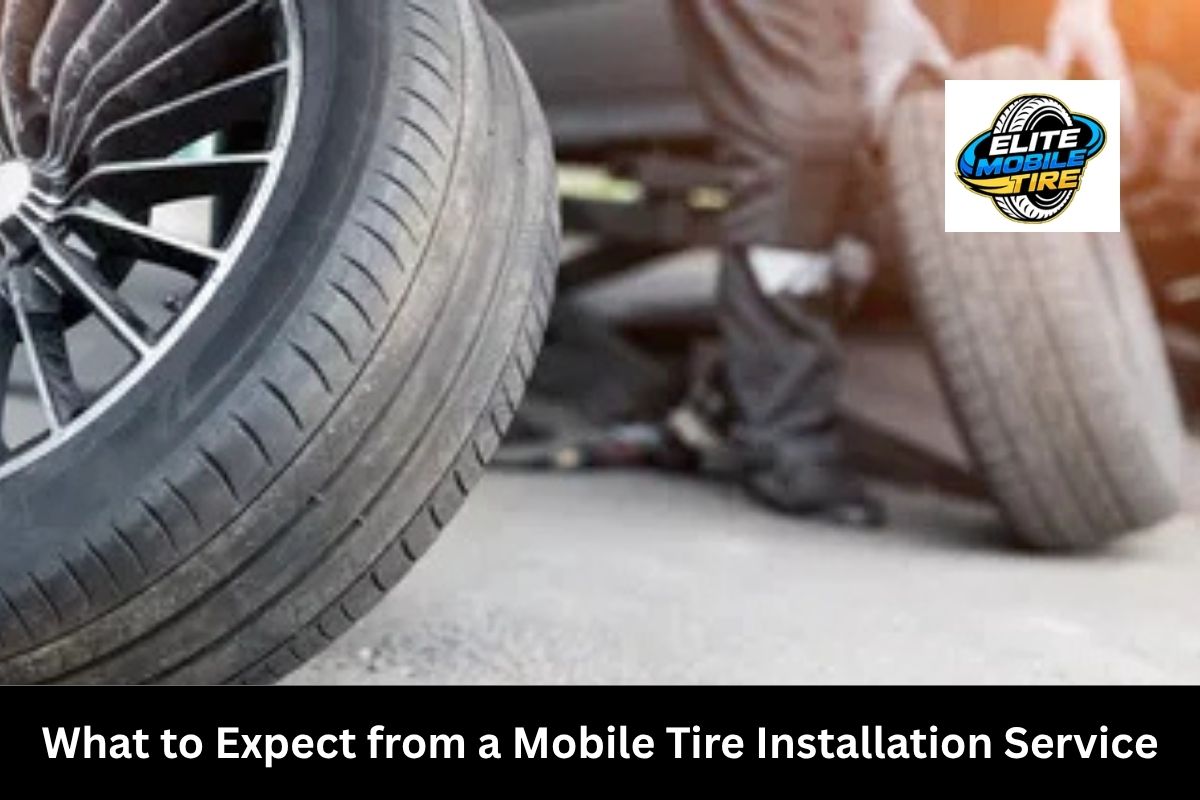
A reliable service visit should feel straightforward. The technician inspects the tire and wheel condition, confirms the concern, performs the balancing process with professional equipment, and checks that the vehicle is safe to drive. If the tire has a separate problem, such as damage, irregular wear, or a wheel issue, you should be told clearly rather than being sold a one-size-fits-all fix.
Transparency matters here. Not every vibration is caused by imbalance. Sometimes the cause is alignment, a bent wheel, tire damage, or worn front-end components. A trustworthy mobile provider explains what balancing can solve and what it cannot. That kind of honesty protects the customer and builds confidence in the service.
Timing also matters. If you are getting new tires installed, balancing should be handled as part of that service. If you are rotating tires and a vibration appears afterward, a balance check may be the next logical step. If a flat repair was completed and the vehicle no longer feels normal, it is worth asking whether the assembly should be rechecked.
Mobile tire balancing service vs. a traditional tire shop
A traditional shop still works for some situations, especially if the vehicle needs a broader inspection or major suspension work. But for many balancing needs, the main difference is not quality. It is logistics.
At a shop, you drive in, wait your turn, and fit the appointment into the rest of your day. With mobile service, the work happens where the vehicle already is. For parents, commuters, professionals, and drivers dealing with unexpected tire trouble, that is a meaningful upgrade in how maintenance gets done.
The better question is not whether one model is always better. It is whether the service is being performed correctly by trained technicians using the right equipment. Convenience only matters if the work is done professionally. That is why choosing a provider focused on tire service, safety, and clear communication matters as much as the service format itself.
How often should tires be balanced?
There is no single answer that fits every vehicle. Many drivers have their tires balanced when installing new tires or when a vibration starts. Others may benefit from checking balance during regular tire service intervals, especially if they drive high mileage, encounter rough roads often, or notice changes in tread wear.
If you are not sure, use the vehicle's behavior as your guide. A smooth vehicle that stays smooth may not need immediate attention. A vehicle that suddenly develops vibration, noise, or uneven wear should not wait too long. Tire issues usually get easier to manage when caught early.
For drivers in and around Columbus, a practical service approach is often the best one: address the problem when it shows up, use professional help, and avoid letting a manageable tire issue become a bigger repair.
A good ride should feel quiet, steady, and predictable. If yours does not, getting the tires checked where your vehicle already sits is often the simplest next step.
Ready for a new set? Elite Mobile Tire installs 2 or 4 new tires right in your driveway or parking lot anywhere around Columbus, Obetz, Groveport, Grove City, and Reynoldsburg. Financing is available through Afterpay and Acima with up to 24-month payment plans. Call 614-344-5010 or visit elitemobiletire.com to book.