The Ford F-150 and Chevy Silverado are everywhere around Columbus. You see them in driveways in Grove City, on job sites off US-23, and in the fleet lots near Rickenbacker. They do a lot of different jobs, which is exactly why "what tires should I buy?" does not have one answer. The right set depends on how your truck actually spends its week.
Here is a practical way to choose, plus why a full set of four usually makes more sense on a half-ton pickup than replacing tires one at a time.
Start With How You Use the Truck
Before you look at brands, be honest about the mix of driving you do. Most half-ton owners around central Ohio fall into one of three groups:
- Commuter trucks. Mostly pavement, a lot of I-71 and I-270 miles, the occasional trip to the hardware store. Comfort, quiet, and tread life matter most.
- Work trucks. Gravel lots, job sites, a loaded bed or a trailer several days a week. Durability and load capacity come first.
- Weekend and towing trucks. Pulling a camper or boat, farm lanes, or the occasional muddy field. You want traction off-road without giving up highway manners.
Your answer points you toward one of the main tire categories below.
Highway, All-Terrain, or LT: The Main Choices
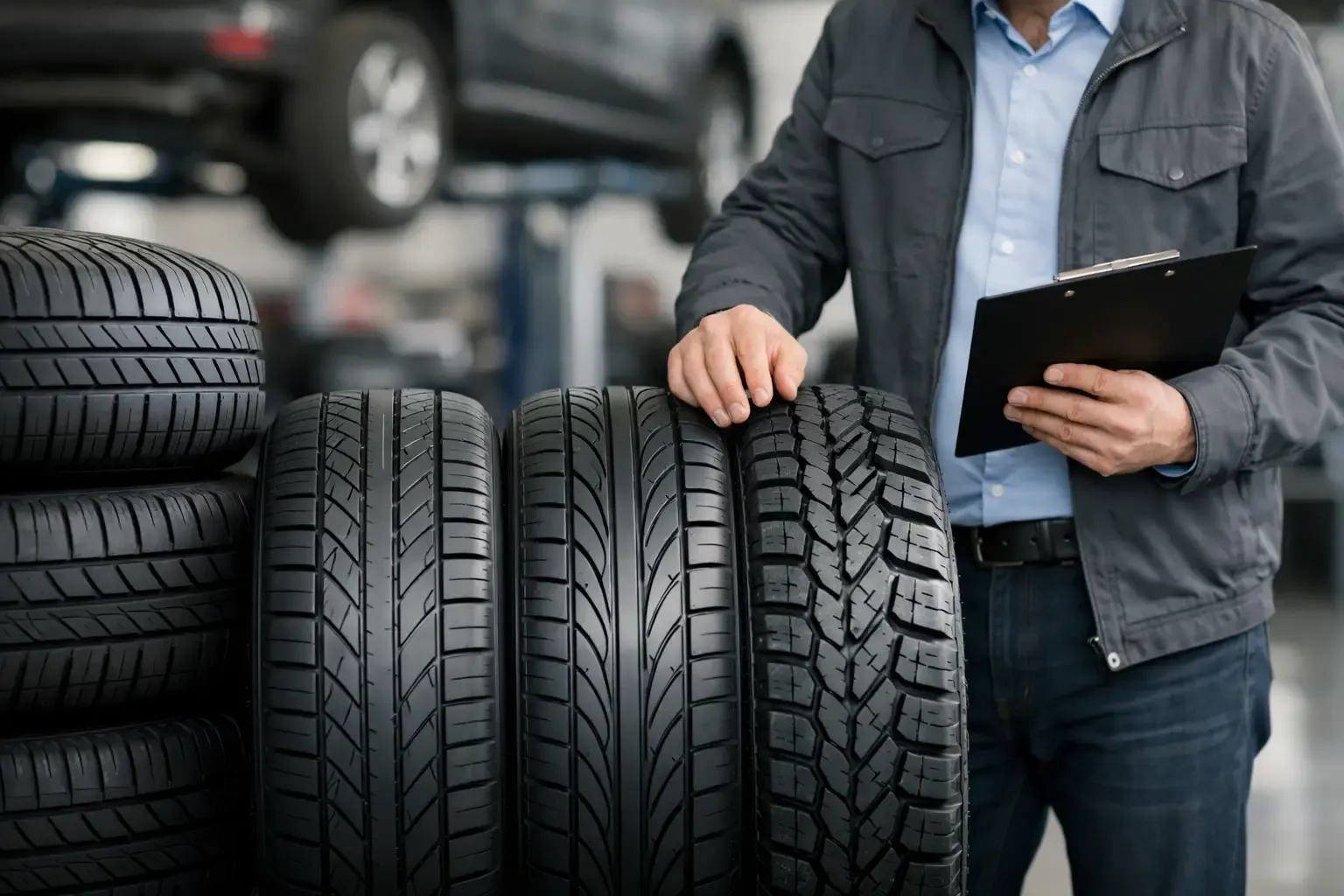
Highway (H/T) tires
Highway tires are built for pavement. They usually ride quieter, roll smoother, and tend to last longer than more aggressive designs. For a Silverado or F-150 that mostly commutes between Canal Winchester and downtown, this is often the most comfortable and economical choice.
All-terrain (A/T) tires
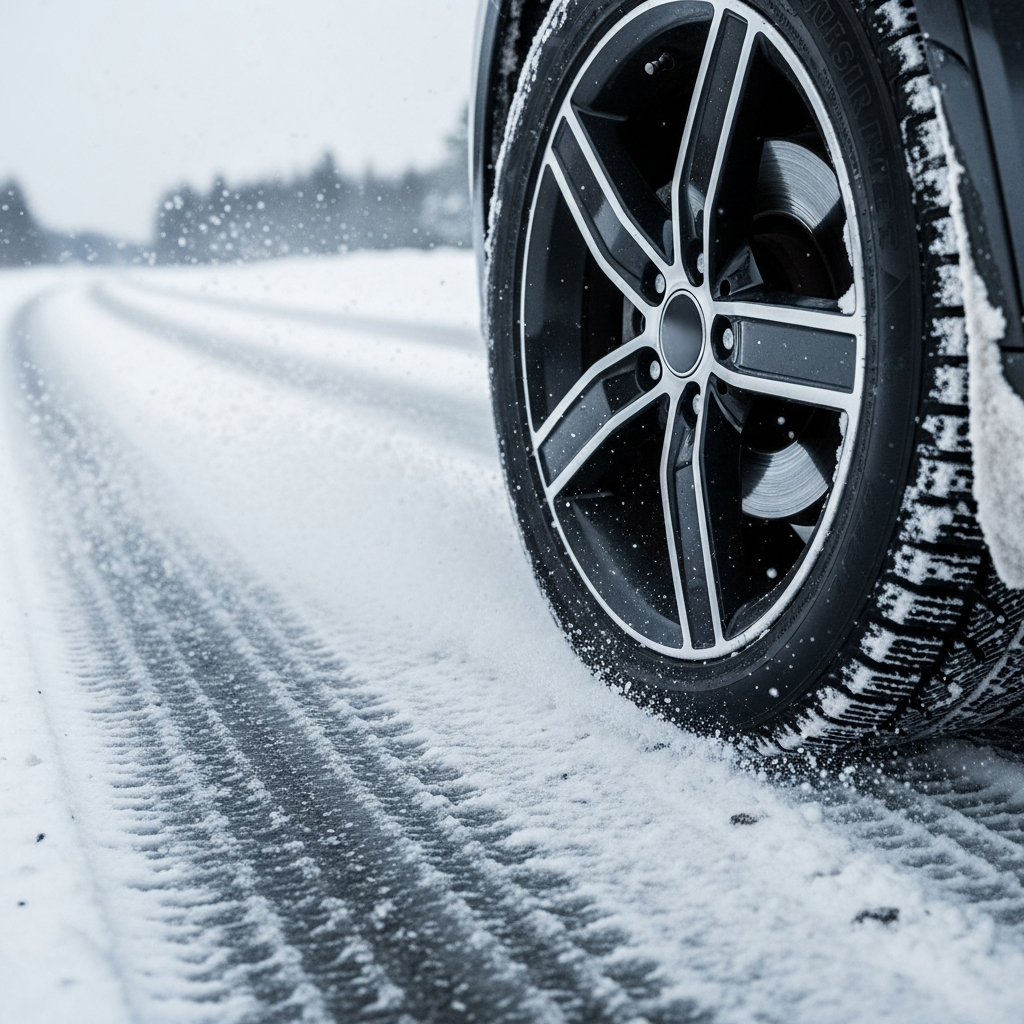
All-terrain tires have a more open tread with bigger blocks and more biting edges. They handle gravel, dirt, and light mud better and can help in slush and snow. The trade-off is usually a bit more road noise and sometimes shorter tread life than a highway tire. Many all-terrain tires carry the three-peak mountain snowflake symbol, which means they met a standardized severe-snow traction test. That is worth looking for if you drive through Ohio winters without a dedicated winter set.
LT (light truck) vs P-metric construction
This one confuses a lot of truck owners. Many half-ton trucks leave the factory on P-metric (passenger) tires. LT tires use heavier construction and can carry more load at higher pressures, which helps if you tow a camper or regularly haul heavy loads. The trade-off can be a firmer ride and slightly more weight. If you are unsure, start with what your door placard lists and talk through your towing and hauling habits before switching.
Do Not Skip the Load Rating
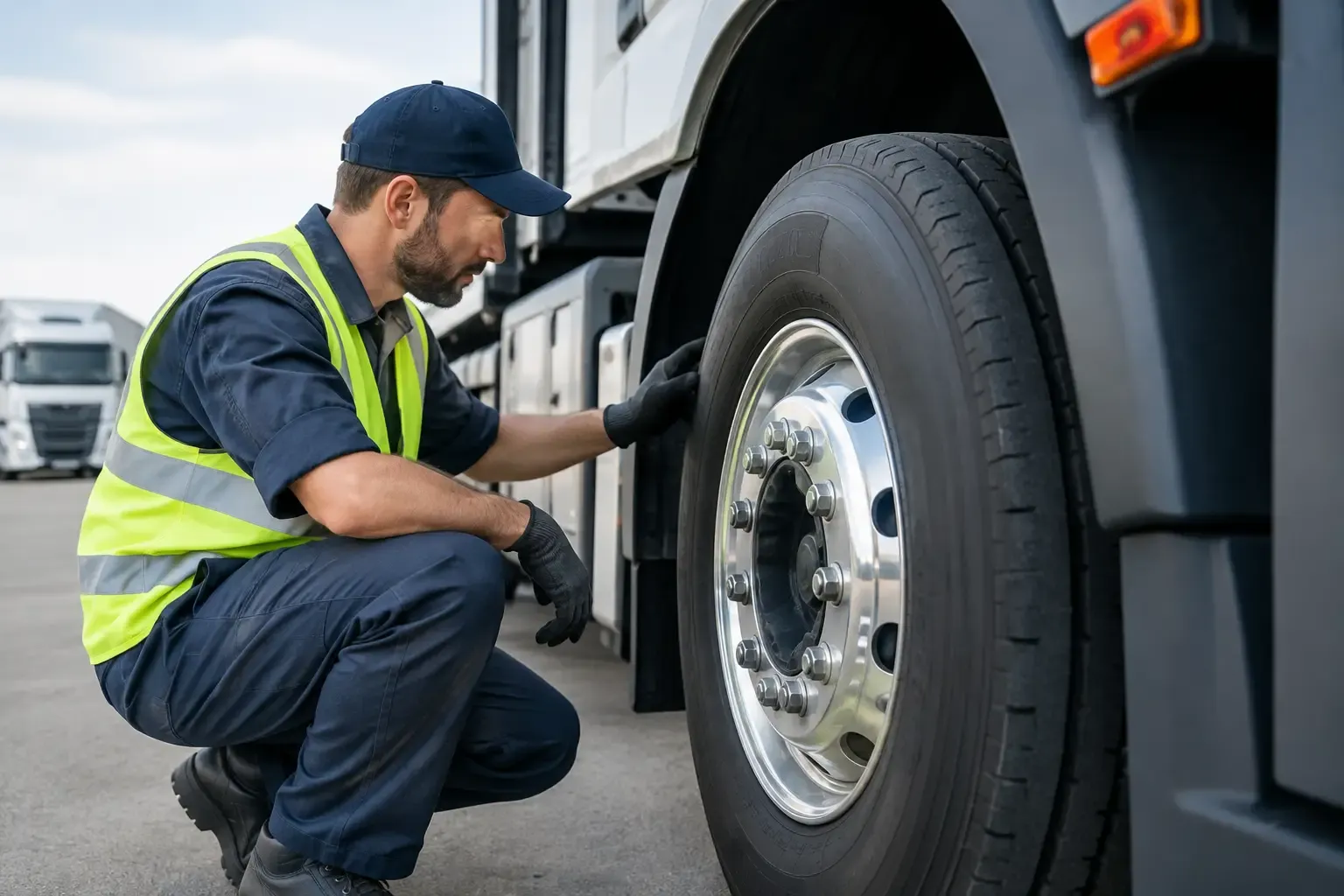
Every tire has a load index on the sidewall. Your replacement tires should meet or exceed what the truck manufacturer specifies, and that matters even more on a pickup than on a car. If you tow a travel trailer down US-33 to Hocking Hills or pull a work trailer every day, the tires are doing far more work than the number of miles suggests.
The NHTSA's tire safety information is a good plain-language reference on reading the sidewall, load ratings, and correct inflation. Inflation matters too: many trucks list a different pressure for heavy loads, so check the placard or owner's manual if you tow.
Why a Full Set Makes Sense on a Pickup
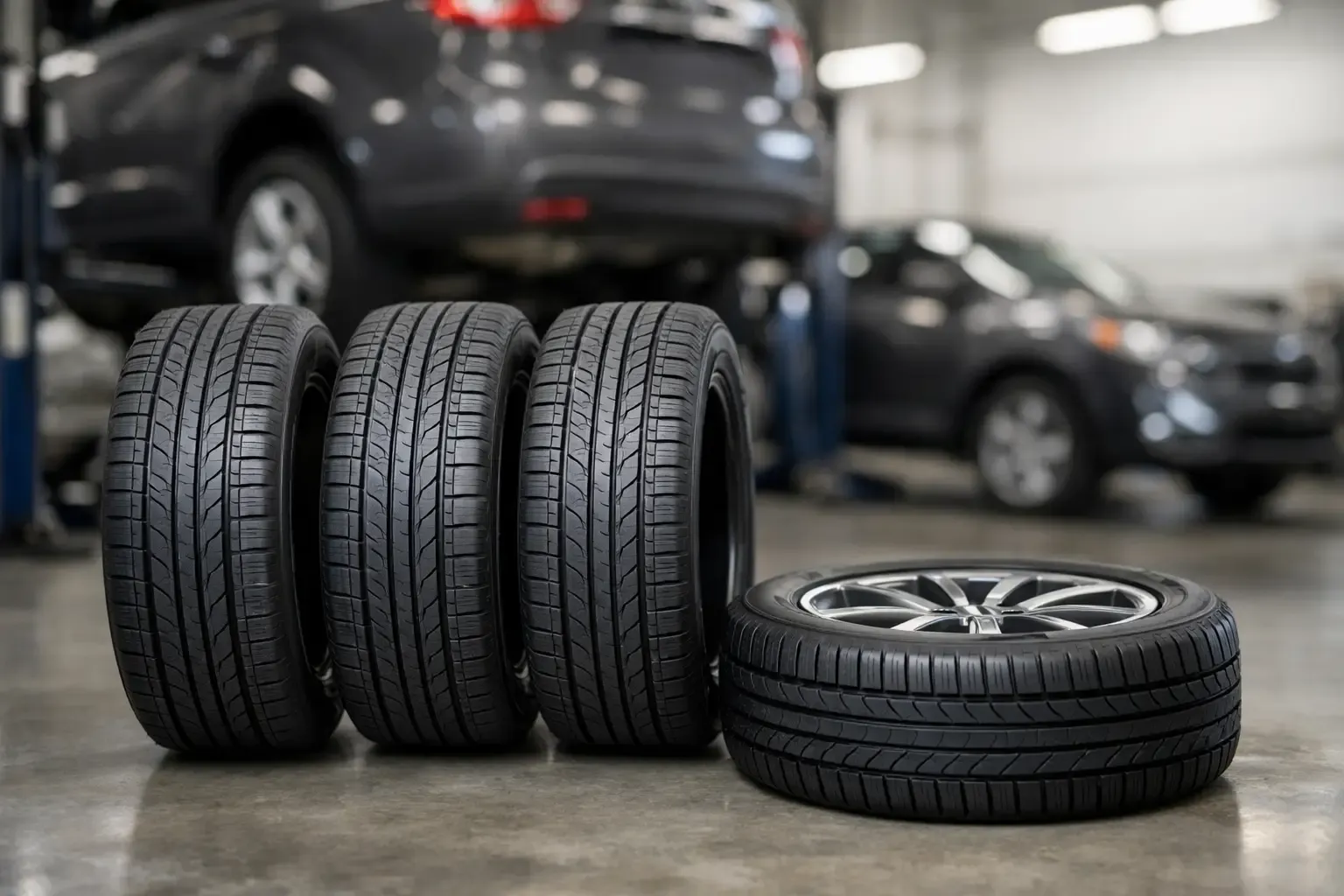
Plenty of F-150 and Silverado owners drive four-wheel-drive models. Many manufacturers recommend keeping tread depth closely matched across all four tires on 4WD and AWD vehicles, because mismatched tire diameters can add strain to the drivetrain. Even on a two-wheel-drive truck, a matched set gives you more predictable braking and handling, especially on wet pavement or with a load in the bed.
If you do replace only two, the general recommendation is to put the new pair on the rear axle. Rear tires with deeper tread help the truck resist sliding out in wet conditions. The U.S. Tire Manufacturers Association covers rotation, inflation, and tread checks if you want to dig deeper.
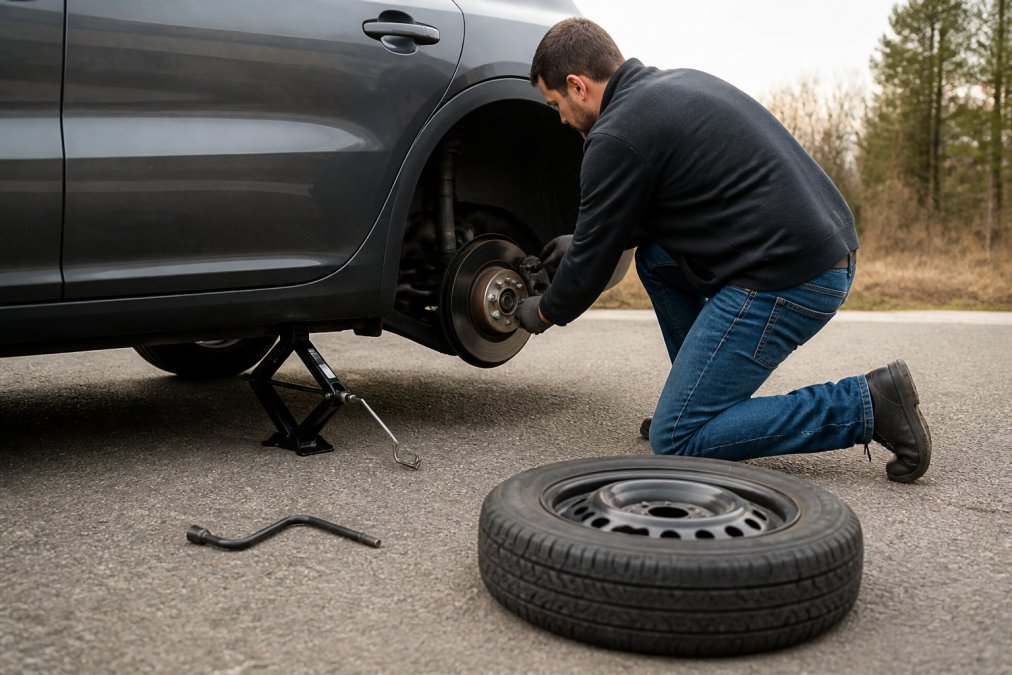
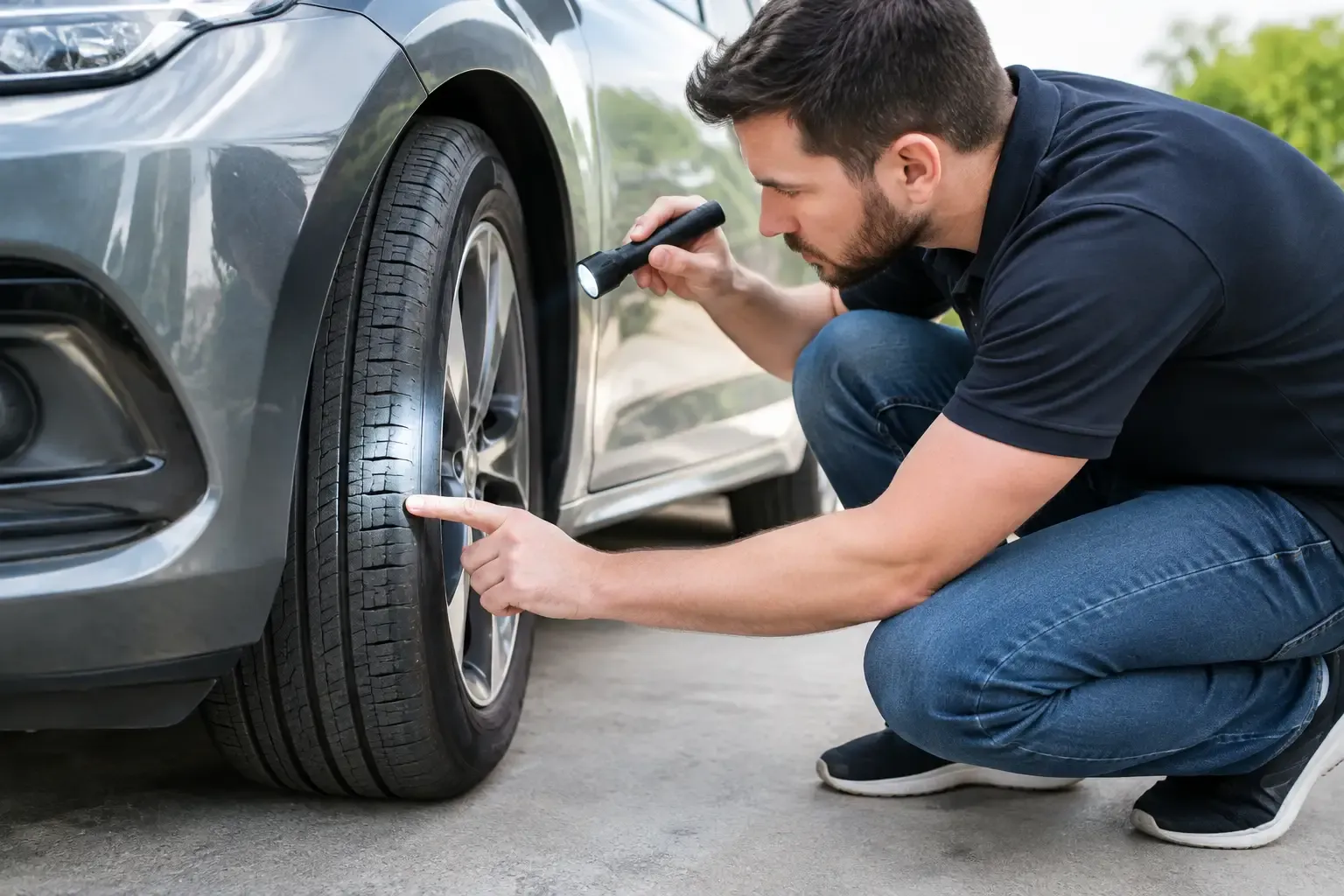
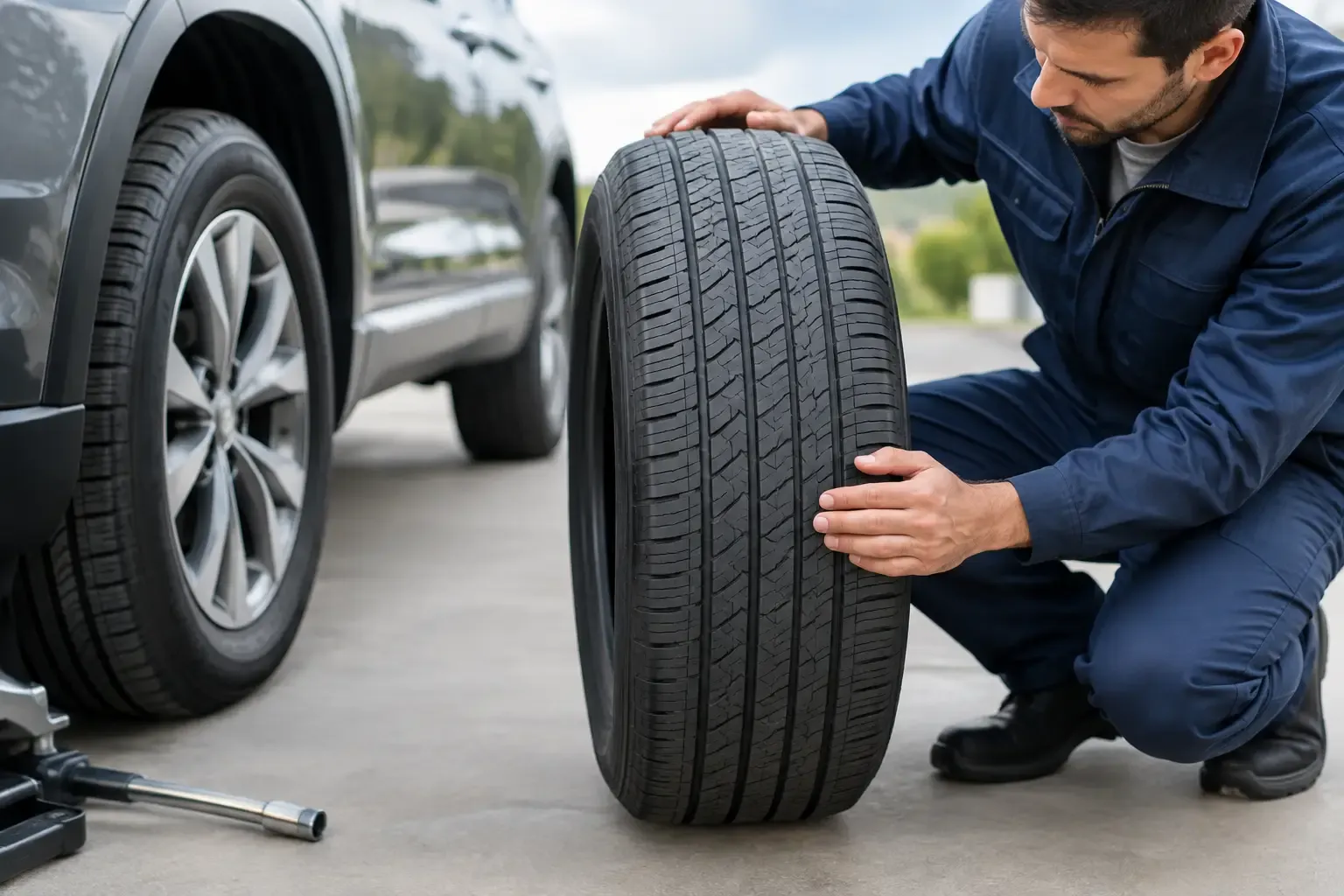
Before you buy, check the other tires you are not replacing. Look for uneven wear on one edge, sidewall cuts, bulges, or tires that are getting old even if the tread looks fine. Uneven wear on a truck often points to alignment, inflation, or suspension issues that will eat a new set too if nobody catches them.
Budget vs Premium on a Half-Ton
Truck tires cover a wide spread of quality and price. A budget tire can make sense on an older work truck that racks up gravel-lot miles and gets beat up anyway. A premium tire usually earns its keep on a truck you drive every day, tow with, or count on in winter, through better wet and snow traction, quieter rides, and longer tread life. The best value is the tire that fits your actual use for the whole life of the tread, not the lowest number on the receipt.
Get the New Set Installed Where the Truck Sits
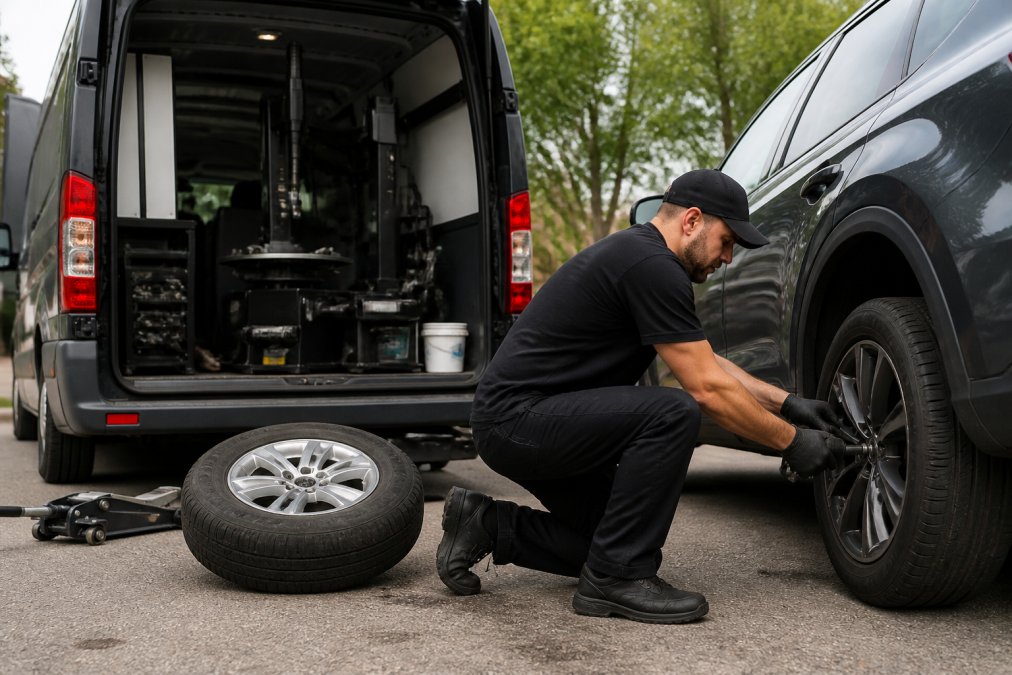
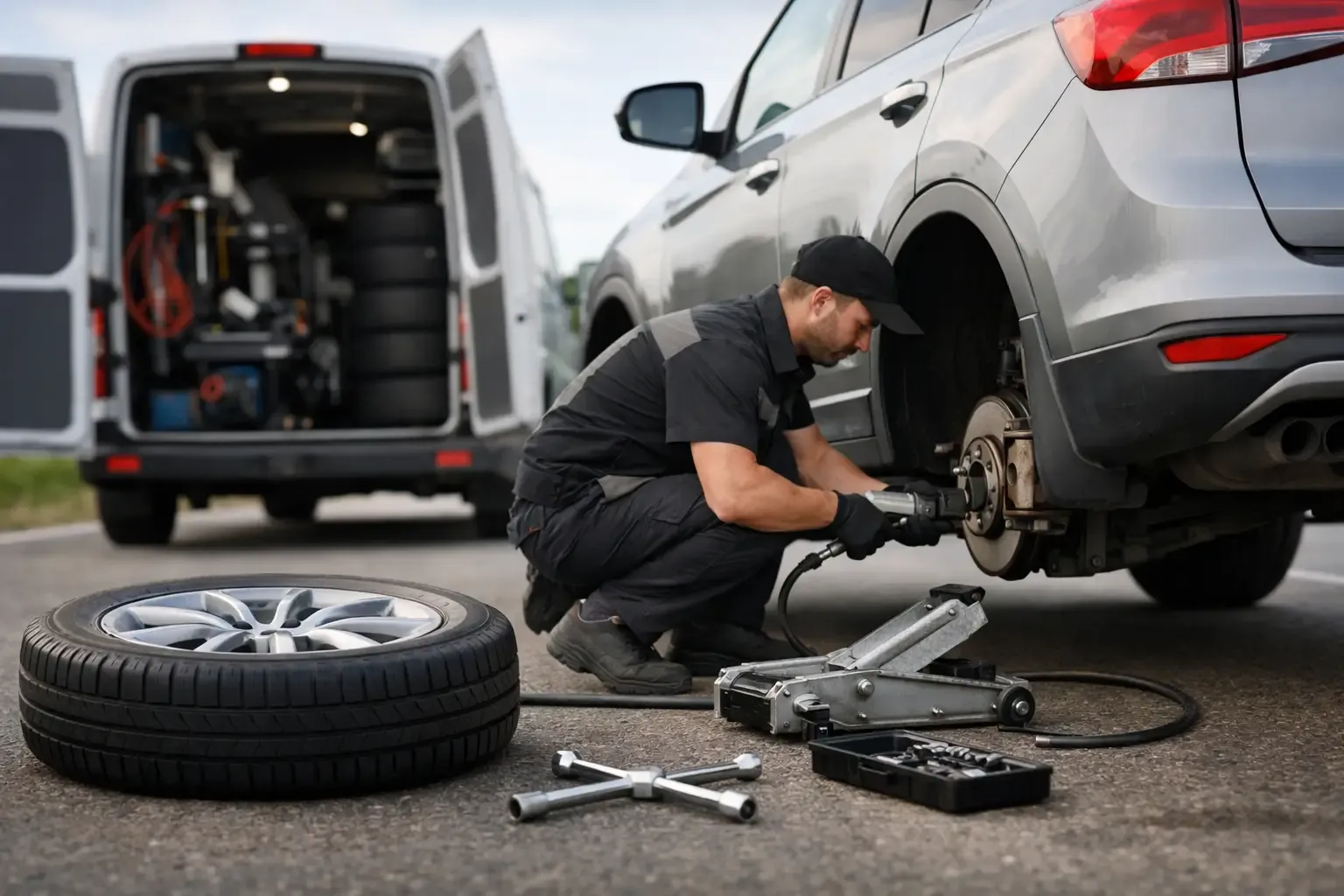
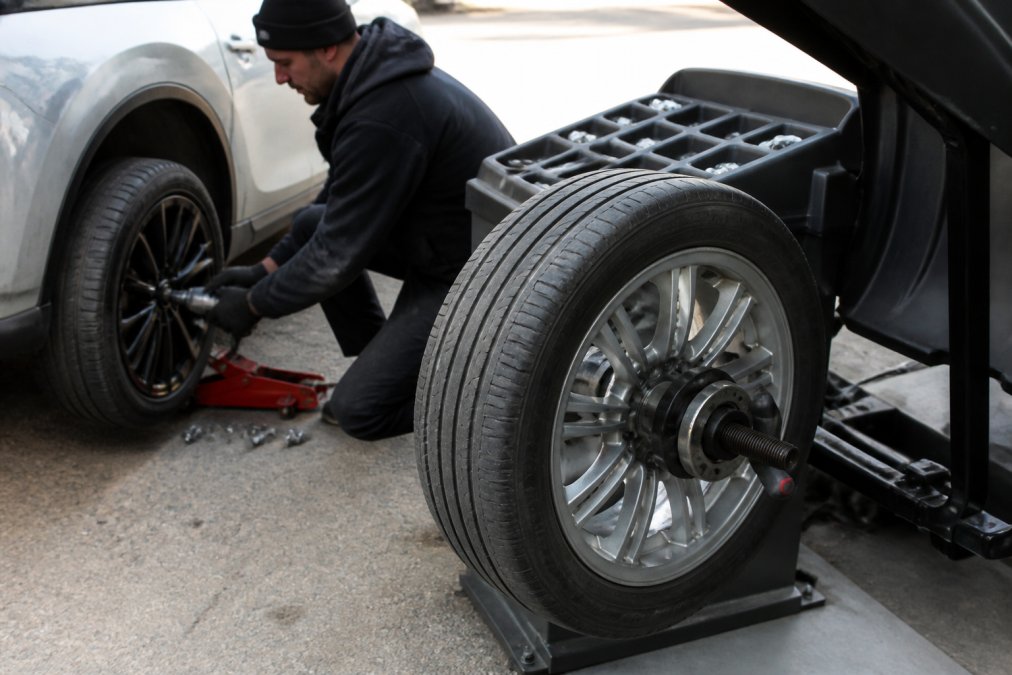
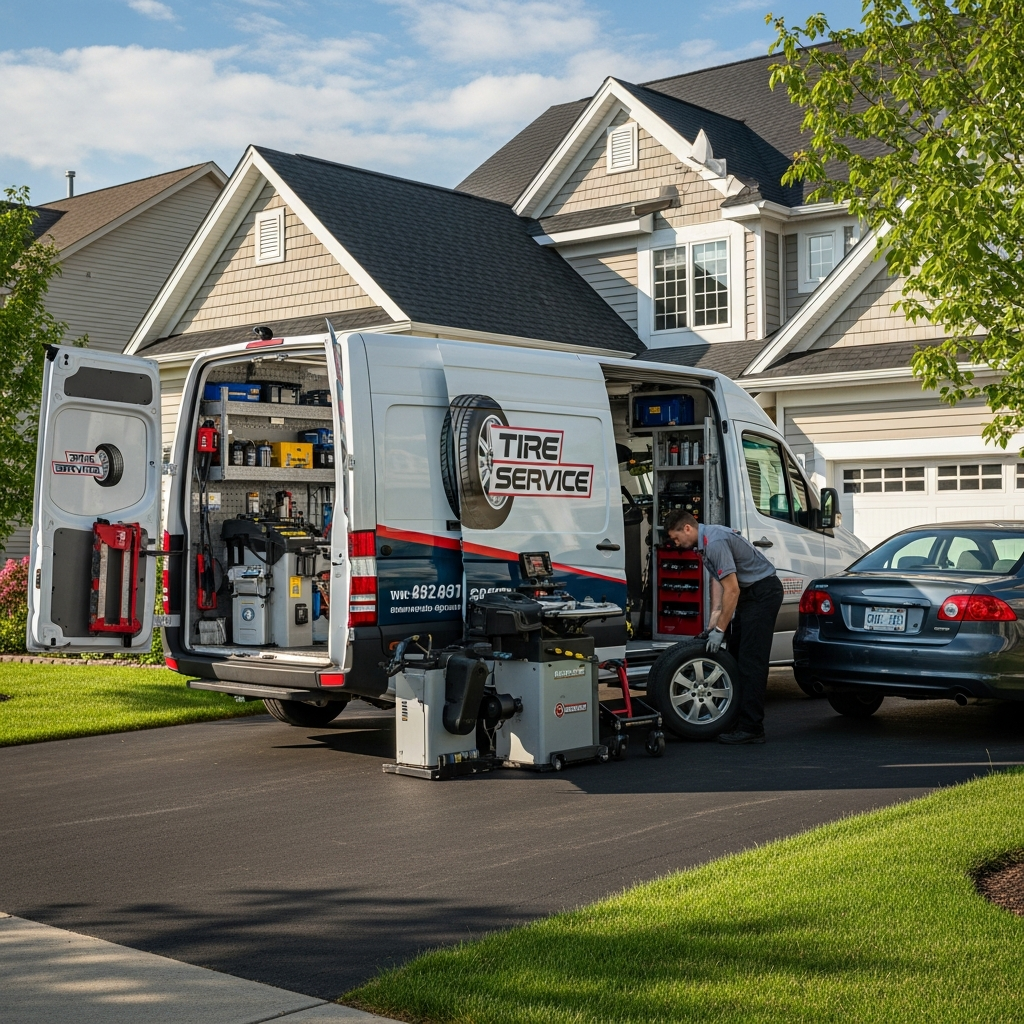
Taking a pickup to a shop usually means losing half a day and finding a ride. Elite Mobile Tire comes to you instead, whether your truck is parked in a driveway in Lockbourne, outside the office in Grove City, or on a job site off Alum Creek Dr. We mount, balance, and install the full set on site, check pressures for your load, and handle TPMS sensors. Mobile tire balancing is around $50 per tire.
You can shop tires online with mobile install, and if a full set of four is the right move, financing can spread the cost so you are not forced to choose between two tires now and two later.
Ready for a new set? Elite Mobile Tire installs 2 or 4 new tires right in your driveway or parking lot anywhere around Columbus, Obetz, Groveport, Grove City, and Reynoldsburg. Financing is available through Afterpay and Acima with up to 24-month payment plans. Call 614-344-5010 or visit elitemobiletire.com to book.