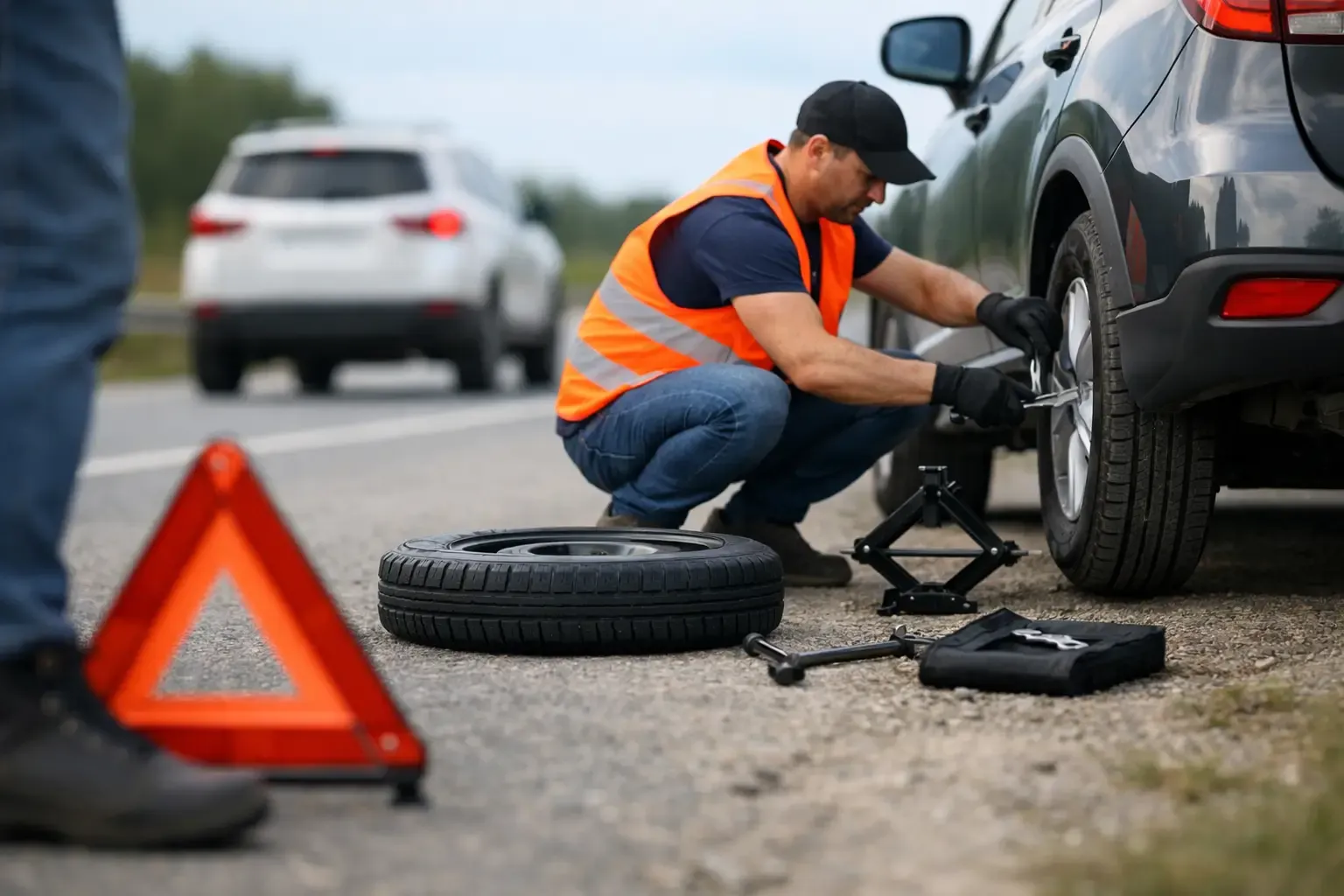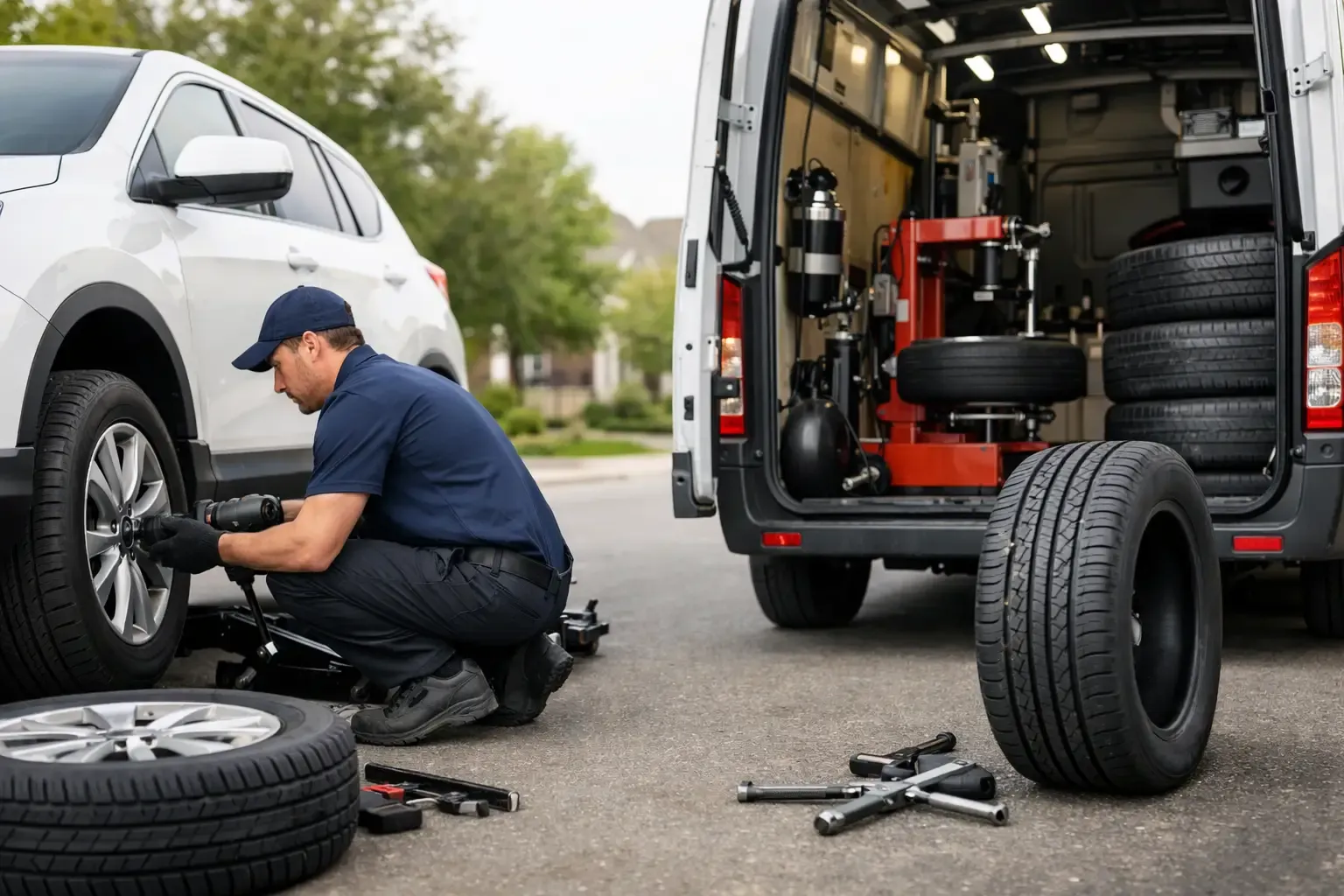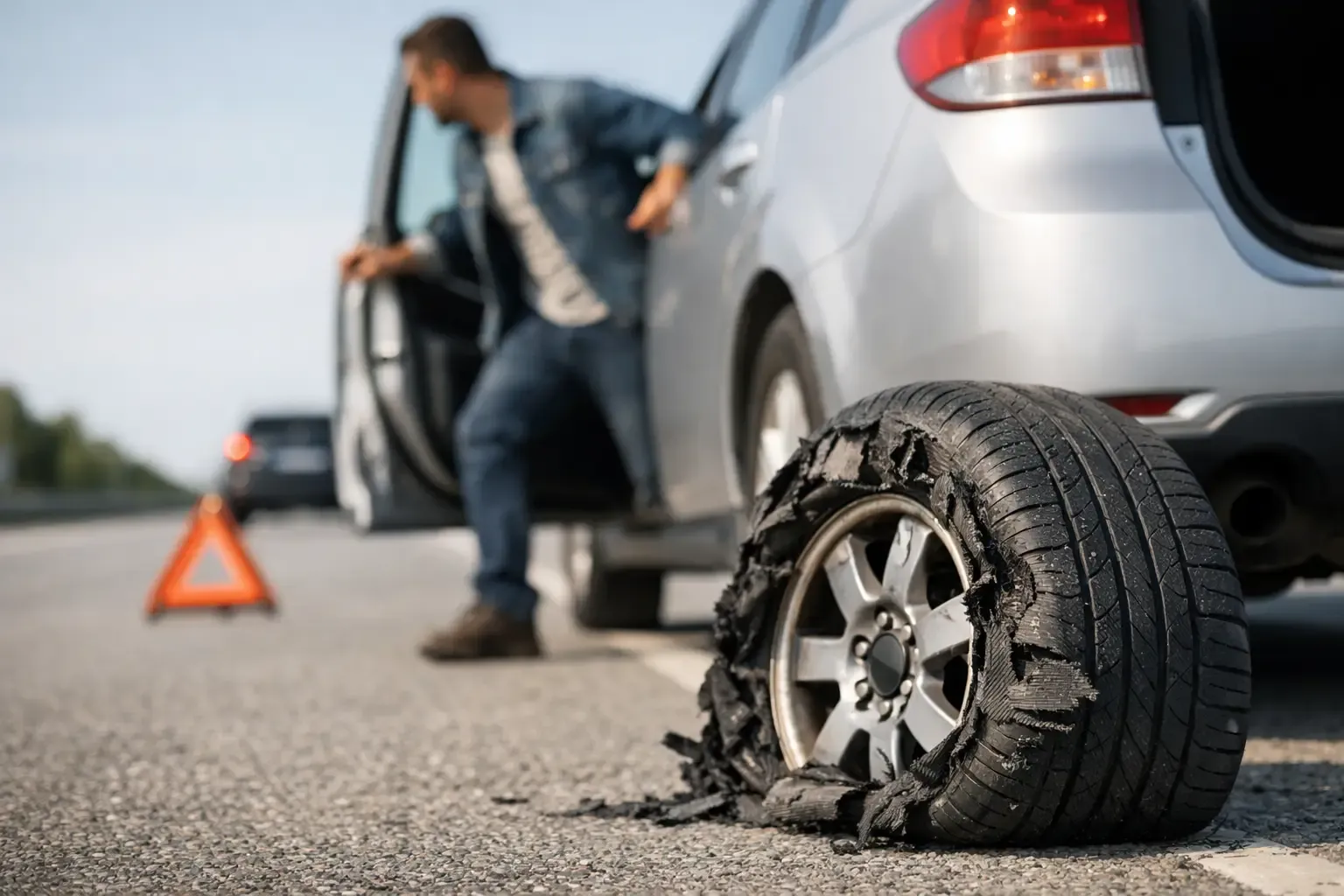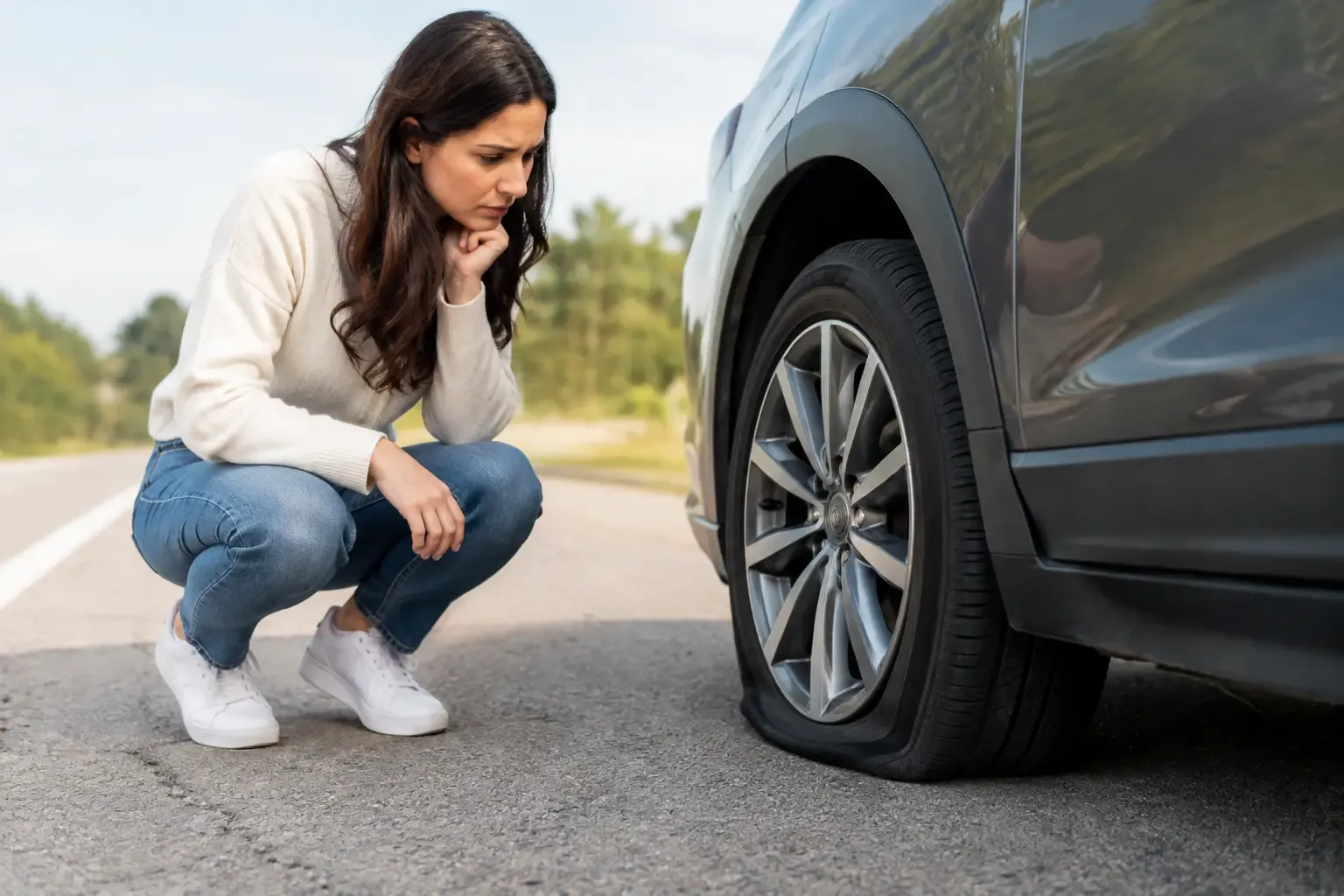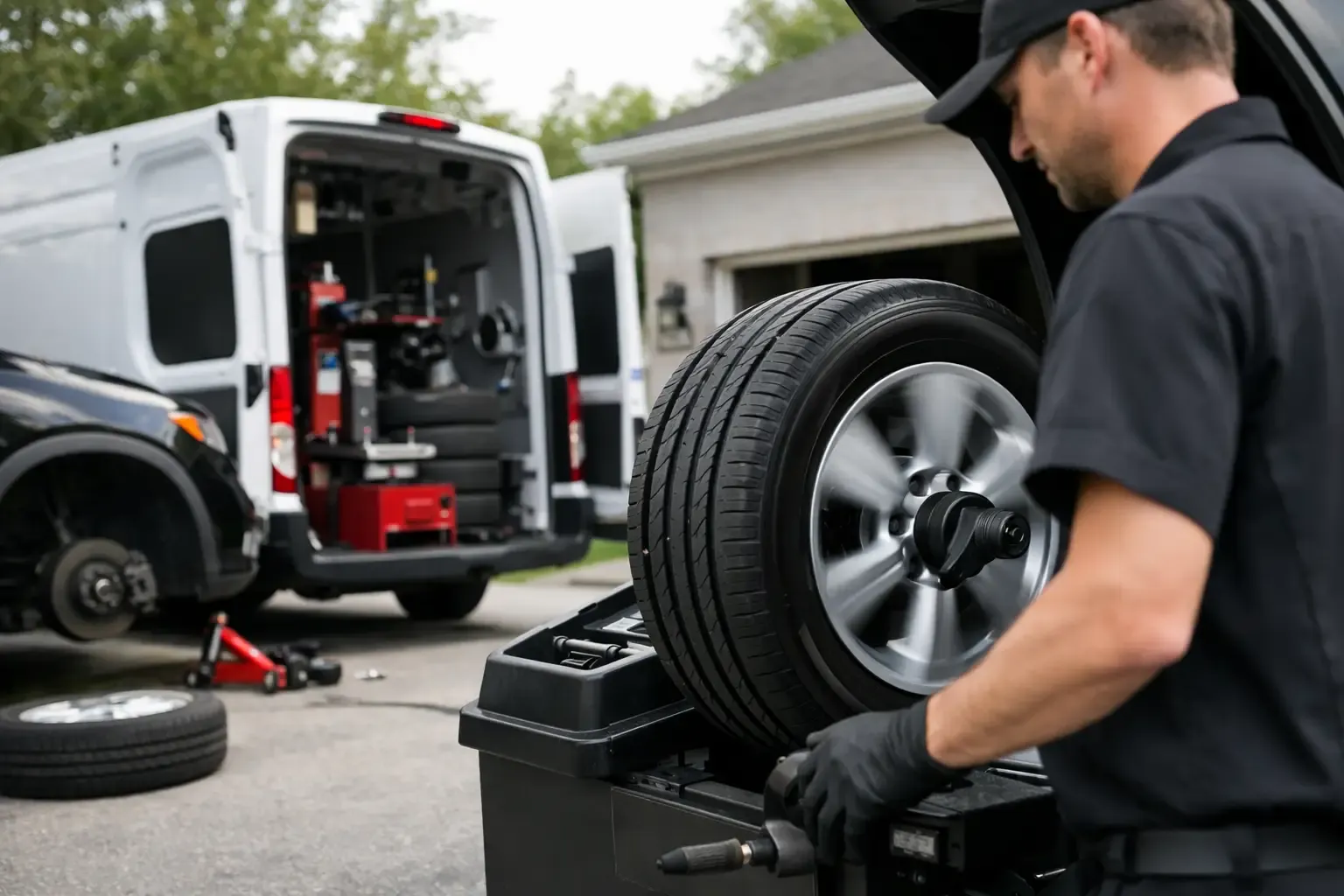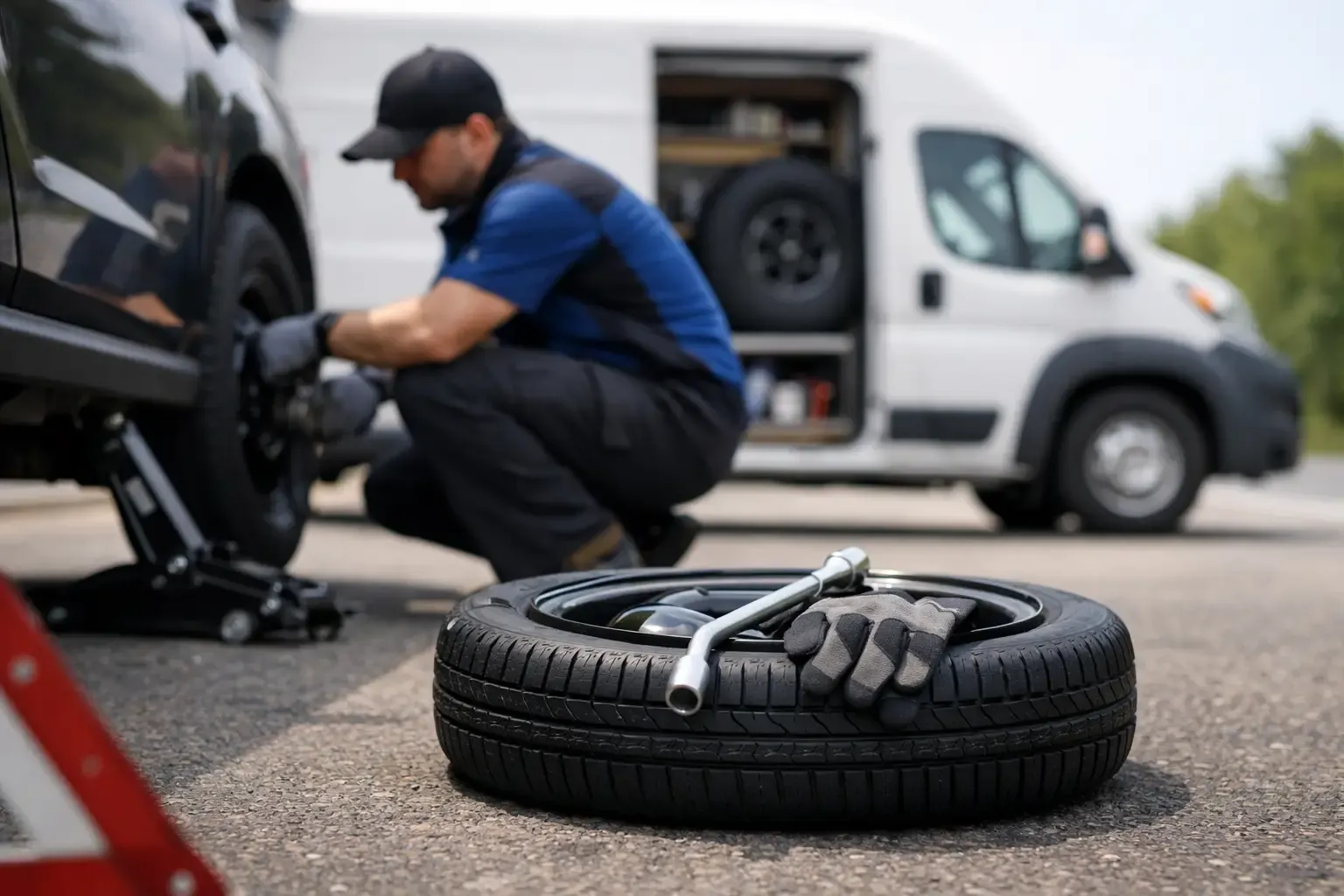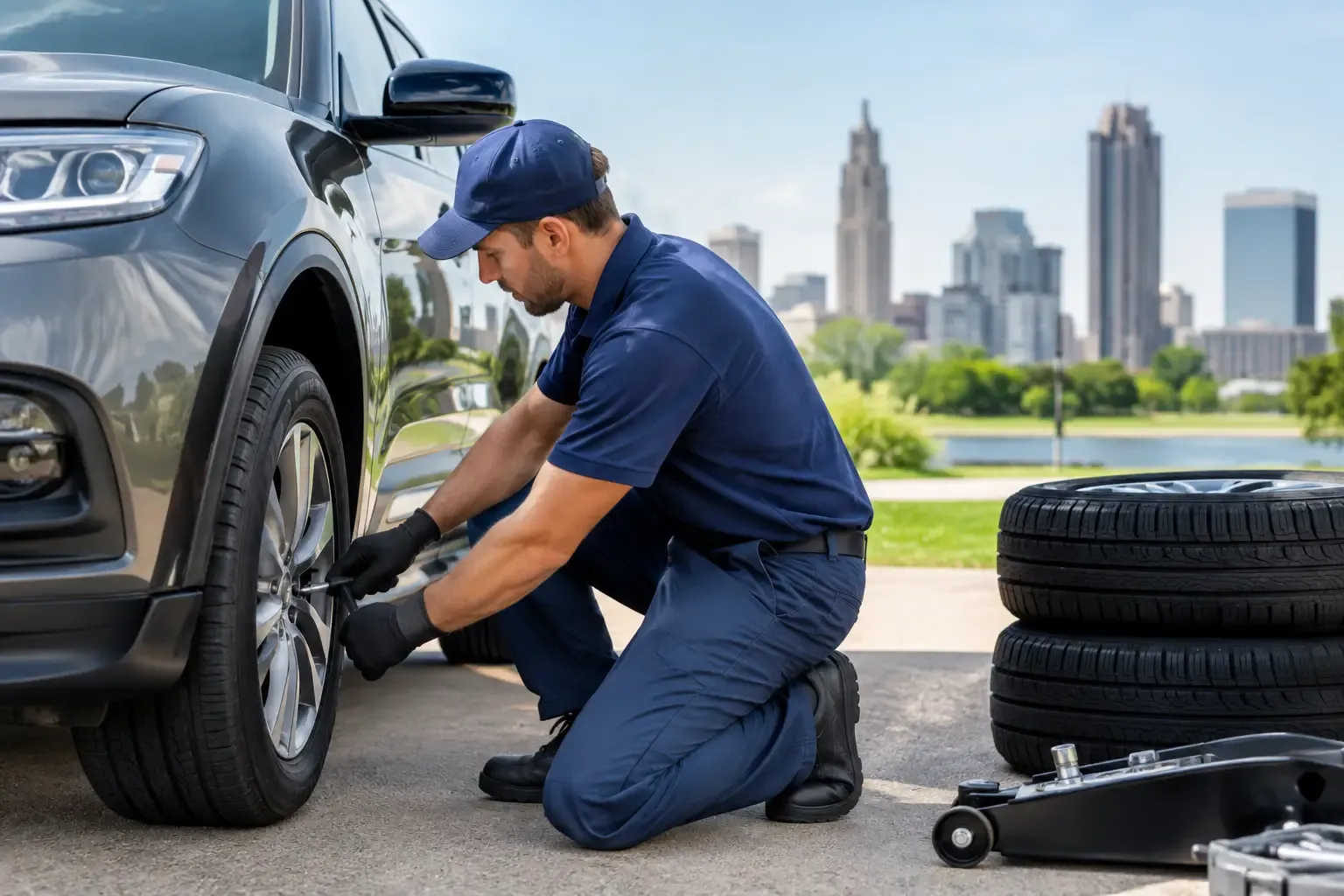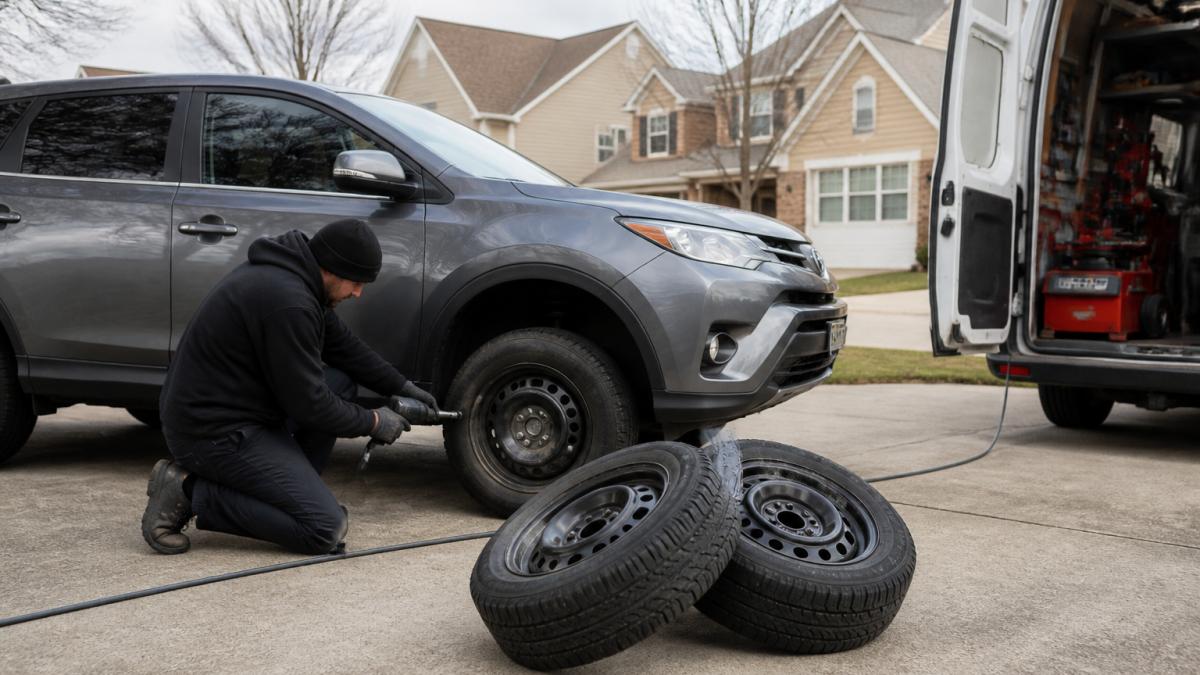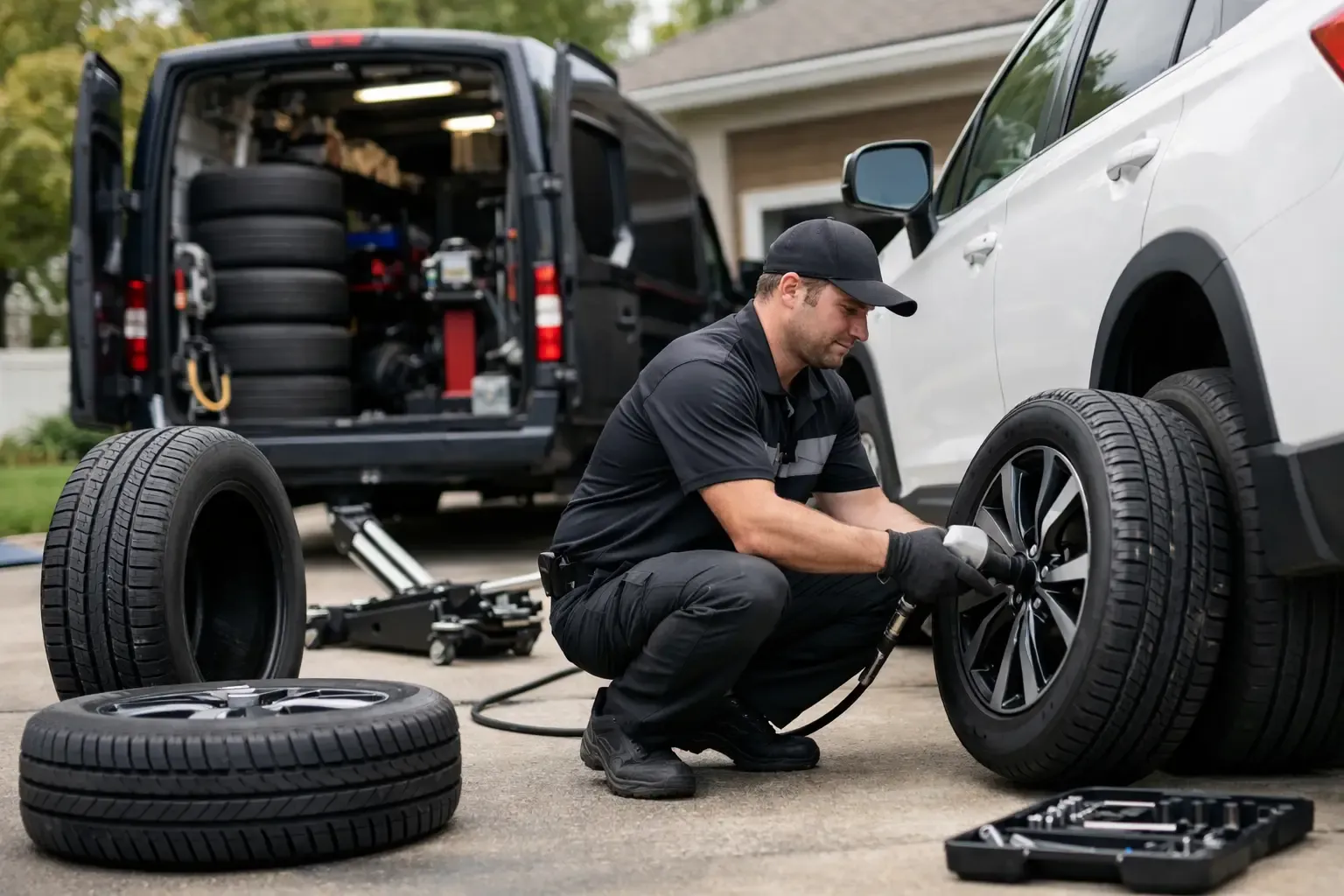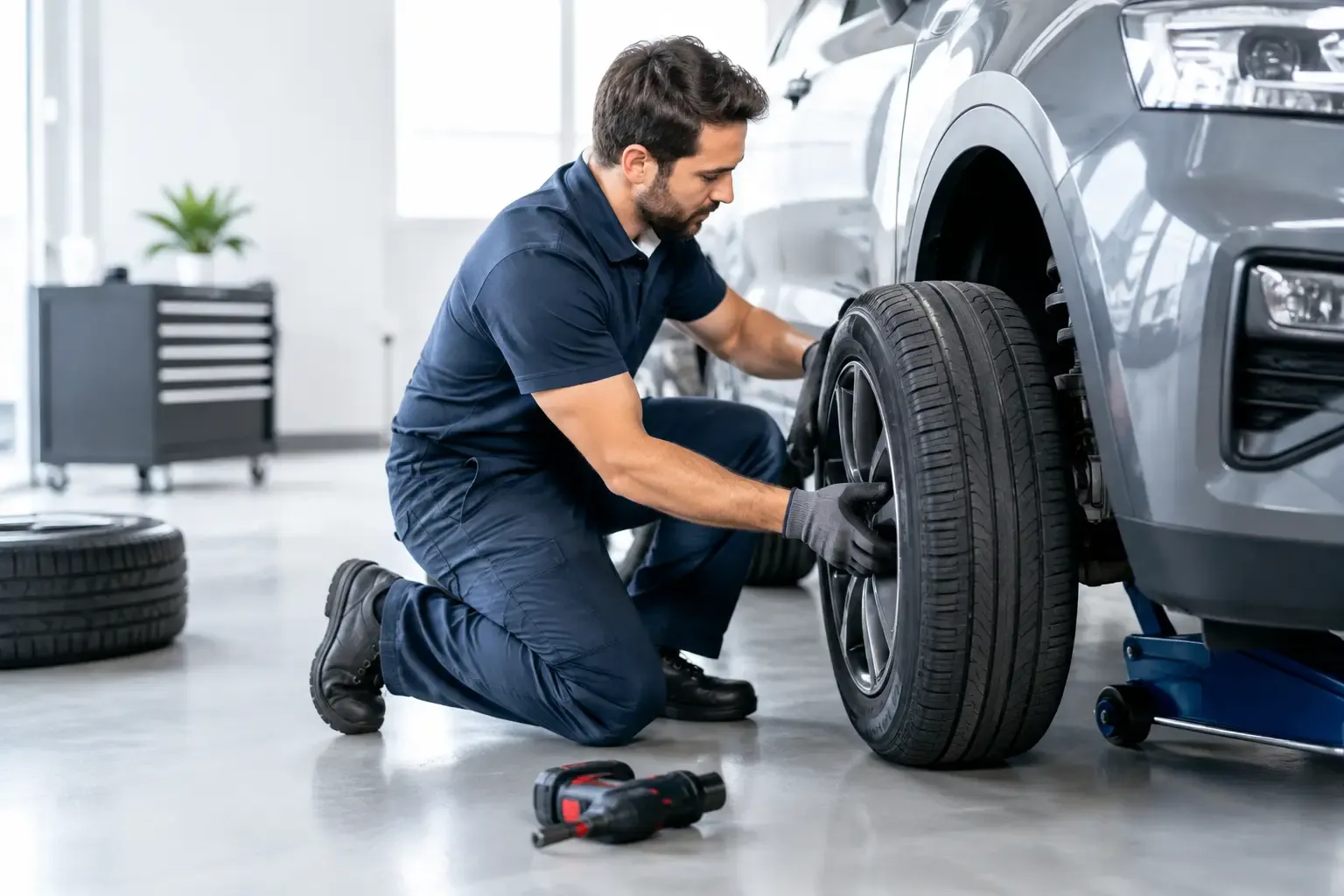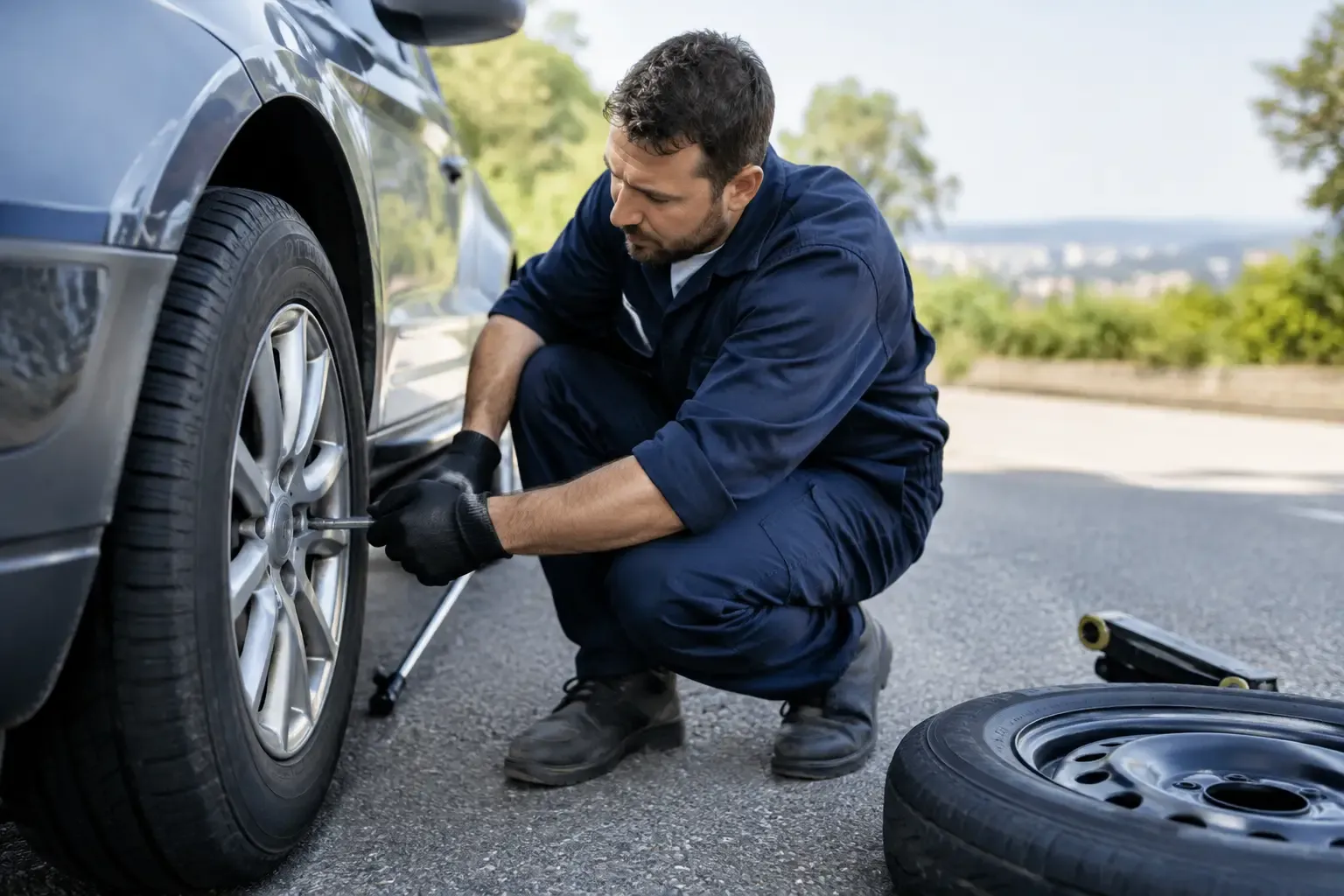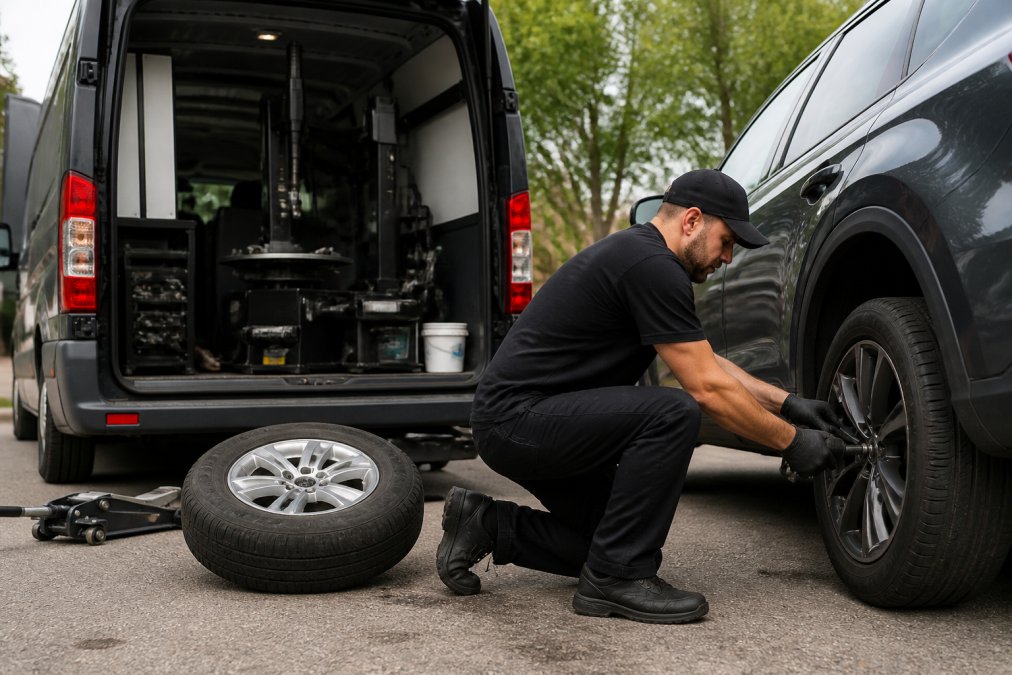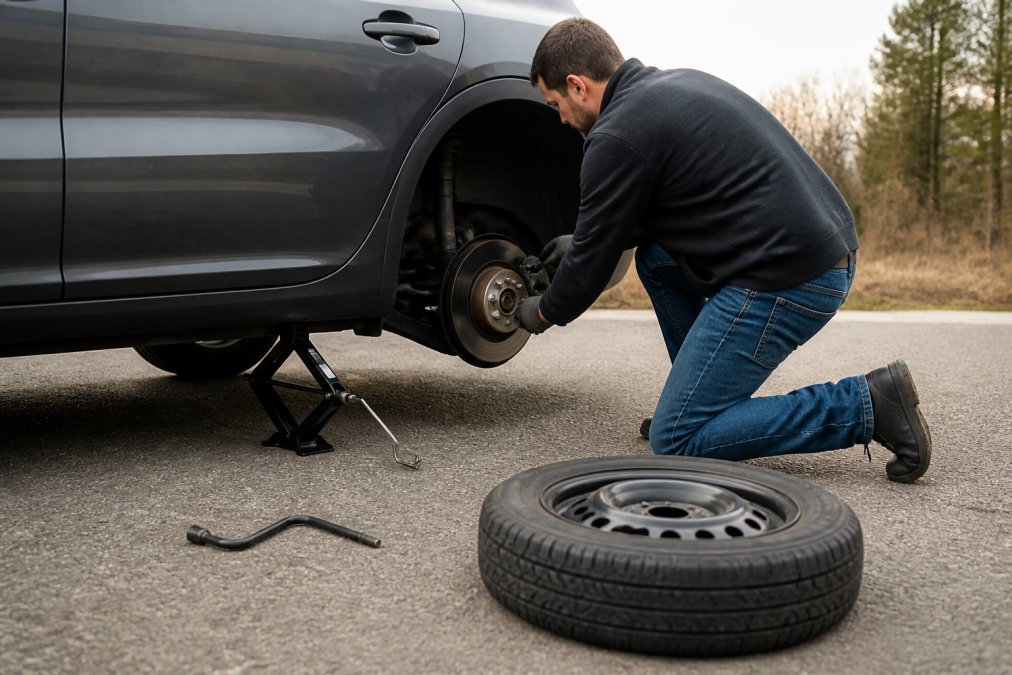
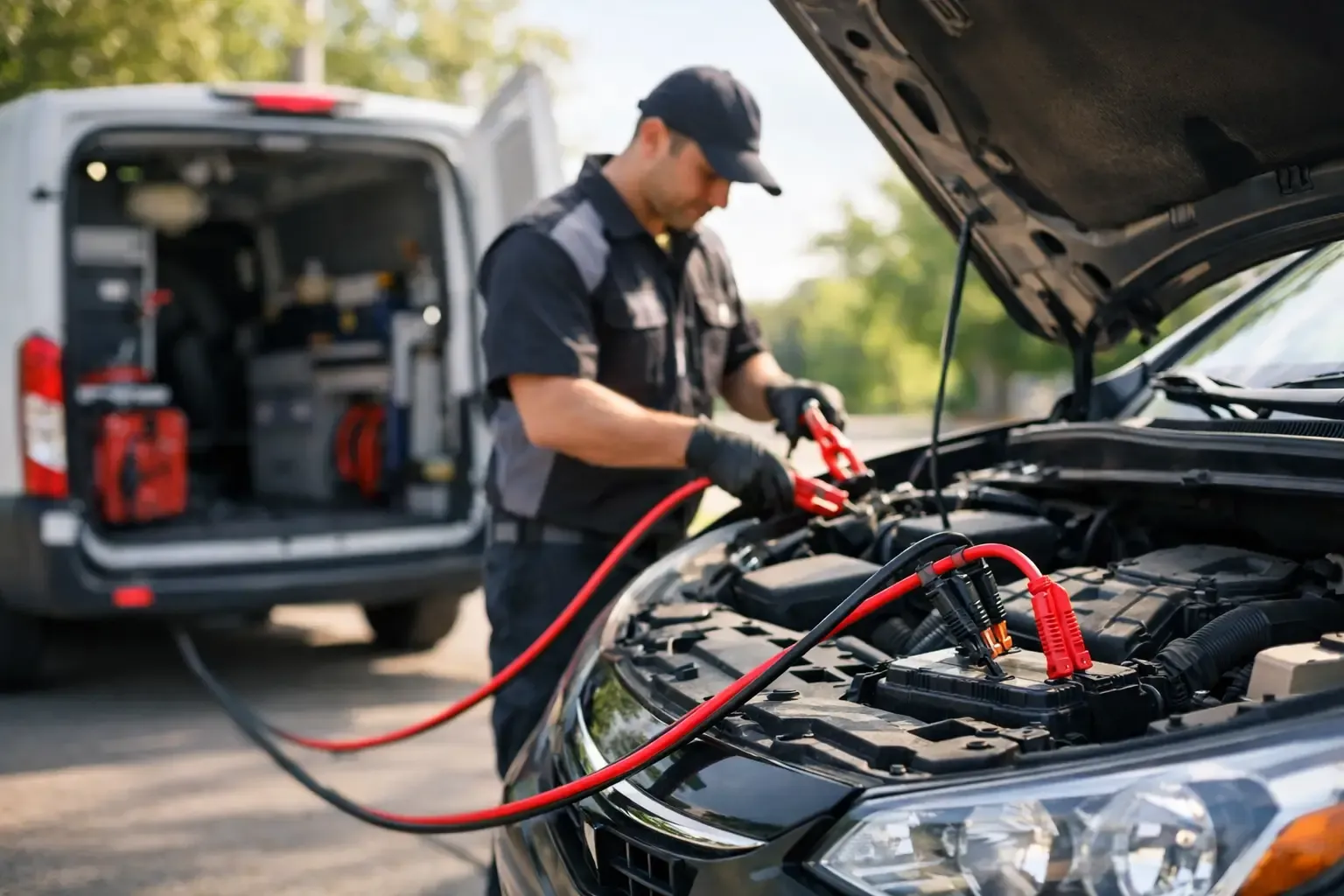
A dead battery rarely happens at a convenient time. You may be parked at work after a long day, loading kids into the car at home, or sitting in a parking lot with an appointment you cannot miss. A mobile battery jumpstart service sends professional help to your location, helping you get back on the road without arranging a tow or trying to flag down another driver.
For drivers, the real benefit is not just the jump. It is having someone assess the situation safely, use the right equipment, and give you a clear idea of what to do next. A vehicle that starts after a jump may be ready for the road, but it may also be signaling a battery, alternator, cable, or electrical issue that needs attention.
When a Dead Battery Calls for Mobile Help
Most drivers recognize the familiar signs: the engine cranks slowly, the dashboard lights flicker, or nothing happens when you turn the key or press the start button. Those symptoms often point to a weak or discharged battery, especially after cold weather, an interior light left on, or several short trips that did not allow the battery to recharge fully.
A mobile jumpstart is a practical choice when your vehicle is in a safe, accessible place and you need help where it sits. That includes a driveway, apartment complex, office parking lot, garage, retail lot, or roadside location where it is safe for a technician to work.
It is not always a battery issue, though. If the vehicle has a burning smell, visible battery damage, leaking fluid, smoke, or signs of an accident, do not attempt a jumpstart. Move to a safe area if possible and seek the appropriate roadside or emergency assistance. Safety comes before getting the engine running.
What a Mobile Battery Jumpstart Service Does
A professional jumpstart is more than connecting cables and hoping for the best. The technician first confirms that the vehicle is safe to approach and checks for obvious concerns, such as loose battery connections or corrosion around the terminals. They then use proper jump equipment and connection procedures designed to reduce the risk of electrical damage or sparks near the battery.
Once the vehicle starts, the technician can help you understand whether the battery simply lost its charge or whether the situation may require further diagnosis. A battery that went dead because of a dome light may recover after a proper drive. A battery that repeatedly fails to start the vehicle may be nearing the end of its service life, or the charging system may not be replenishing it.
That distinction matters. Repeatedly jumpstarting the same vehicle is not a long-term fix. It can leave you stranded again, often at a less convenient location.
A Jumpstart Is Not a Battery Test
Getting the engine started only proves that the vehicle received enough outside power to turn over. It does not prove that the battery can hold a charge or that the alternator is working correctly.
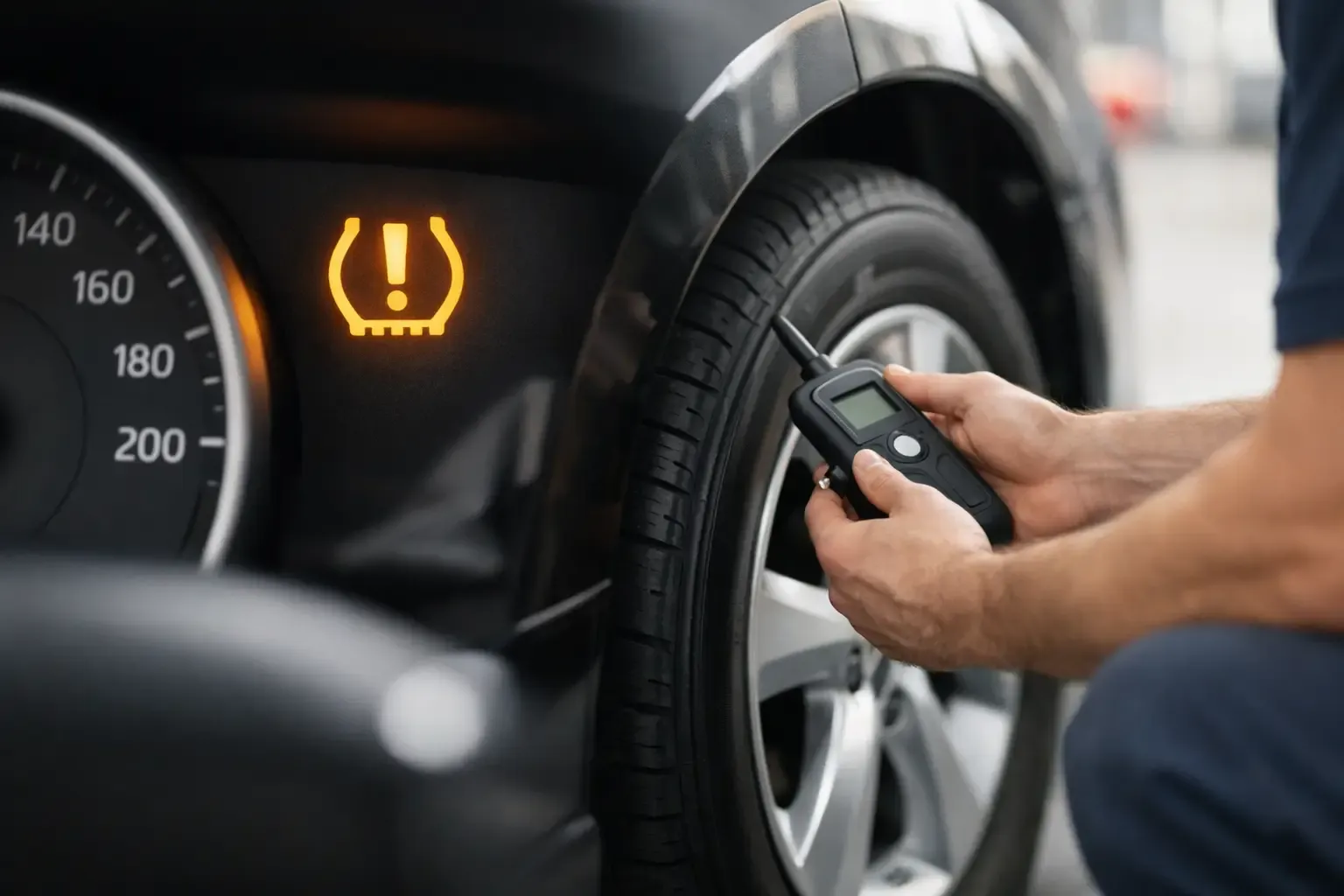
After a jumpstart, pay attention to what happens next. If the battery warning light stays on, the vehicle struggles to start again after being driven, or electronics behave unpredictably, schedule a battery and charging-system inspection soon. Addressing the cause early is usually easier than waiting for the next no-start situation.
Why Calling a Professional Is Safer Than Guessing
Modern vehicles contain sensitive electronics, advanced safety systems, and computer-controlled components. Incorrect cable placement, poor-quality jumper cables, or an improper connection order can create unnecessary risk. Even experienced drivers can run into trouble when battery terminals are corroded, hard to access, or located somewhere other than under the hood.
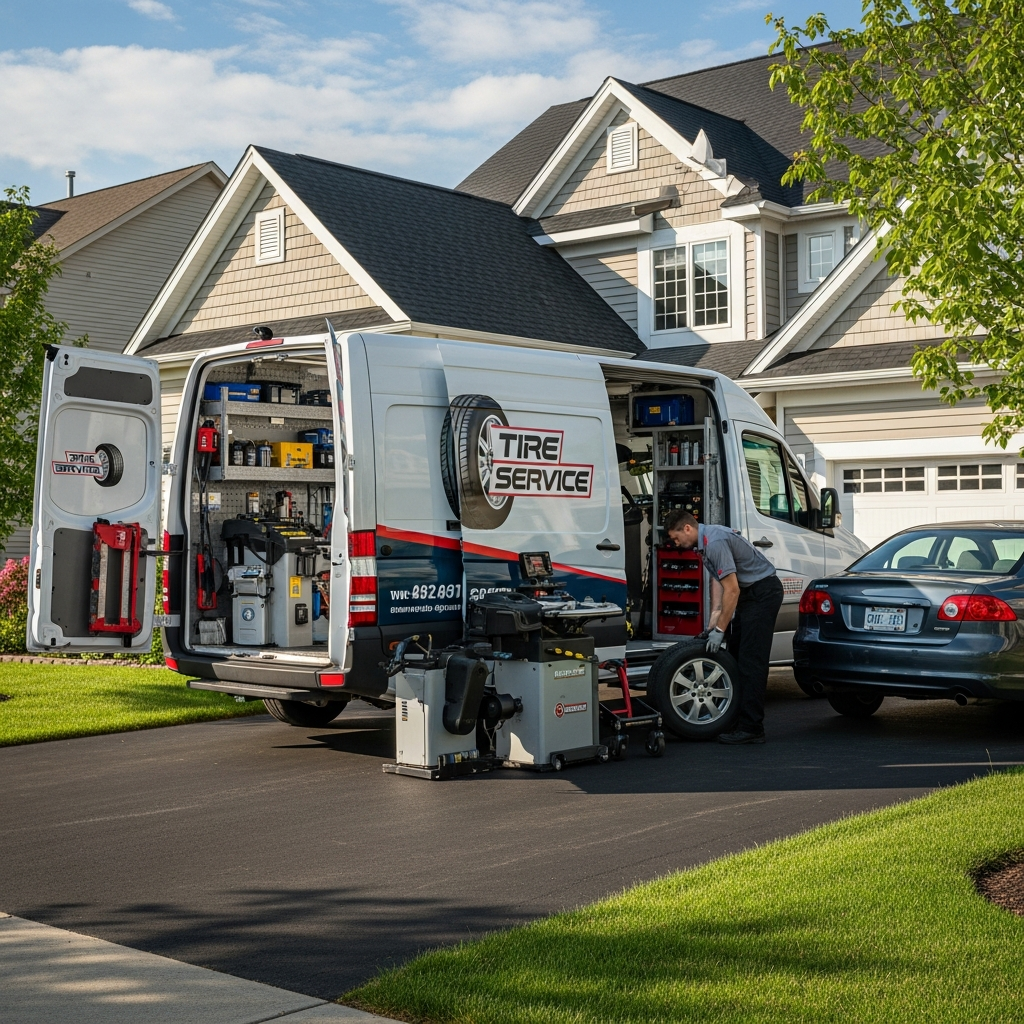
A mobile technician brings the equipment and experience to handle the process correctly. You also avoid relying on a stranger in a parking lot or exposing yourself to traffic while trying to jump the vehicle on the roadside.
There is a convenience factor as well. Rather than coordinating rides, finding a shop, or waiting for a tow, you can request help where your car already is. For busy Columbus-area commuters, parents, and professionals, that can keep one unexpected problem from disrupting the entire day.
What to Do While You Wait for a Jumpstart
A few simple steps can make the appointment faster and safer. Put the vehicle in park, engage the parking brake, turn off accessories such as lights, climate control, and audio systems, and keep the keys available. If you are parked near traffic, stay in a safe location away from moving vehicles whenever possible.
Do not keep trying to start the engine over and over. Repeated attempts can drain the battery further and may not help if the issue is something other than low battery power. If you know the battery is located in an unusual place, such as the trunk or under a seat, let the service provider know when requesting help.
It also helps to share the vehicle’s year, make, model, exact location, and any symptoms you noticed. Details such as “the lights come on but the engine only clicks” can help a technician arrive prepared and set realistic expectations.
After Your Vehicle Starts: The Next 30 Minutes Matter
Once the engine is running, do not immediately shut it off unless you are in an unsafe location or instructed to do so. If the vehicle appears to be operating normally, drive it for a meaningful period rather than making a quick trip around the block. A longer drive can help restore some charge, although the amount depends on the battery’s condition and the vehicle’s charging system.
Avoid adding unnecessary electrical load right away. Heated seats, high blower settings, phone chargers, and other accessories can wait briefly if the battery was deeply discharged. This is especially useful after a cold-weather no-start, when the battery may already be under added strain.
If your destination is close, consider driving to a place where you can have the battery tested rather than shutting the vehicle off and assuming the problem is solved. A second no-start shortly after a jump is a clear sign that the vehicle needs attention.
Preventing the Next Dead Battery
No prevention plan eliminates every battery problem, but routine habits reduce the odds of being caught off guard. Check that headlights and interior lights are off when leaving the vehicle. If you do not drive often, take the car for a regular longer drive or ask a service professional whether a battery maintainer makes sense for your situation.
Battery age also matters. Many batteries begin losing reliability before they fail completely, particularly after several years of Ohio temperature swings. Have an older battery tested before winter or before a road trip, not after it leaves you stuck.
Keep battery terminals clean and secure, and do not ignore slow cranking. That extra second or two before the engine starts is often the earliest warning that the battery or charging system needs service.
Choosing the Right Mobile Roadside Provider
When you need a jumpstart, look for a provider that communicates clearly about availability, location coverage, and the type of assistance they can provide. You want a technician who treats the call as a safety service, not just a quick cable connection.
Elite Mobile Tire provides responsive mobile roadside support for drivers in Columbus and nearby communities. The goal is straightforward: bring professional help to the vehicle, minimize your downtime, and help you make a confident next decision if the battery issue needs further attention.
A dead battery can interrupt your plans, but it does not have to turn into an all-day problem. Request help early, protect your safety while you wait, and treat a jumpstart as a useful answer for the moment - plus a chance to prevent the next unexpected no-start.
Ready for a new set? Elite Mobile Tire installs 2 or 4 new tires right in your driveway or parking lot anywhere around Columbus, Obetz, Groveport, Grove City, and Reynoldsburg. Financing is available through Afterpay and Acima with up to 24-month payment plans. Call 614-344-5010 or visit elitemobiletire.com to book.