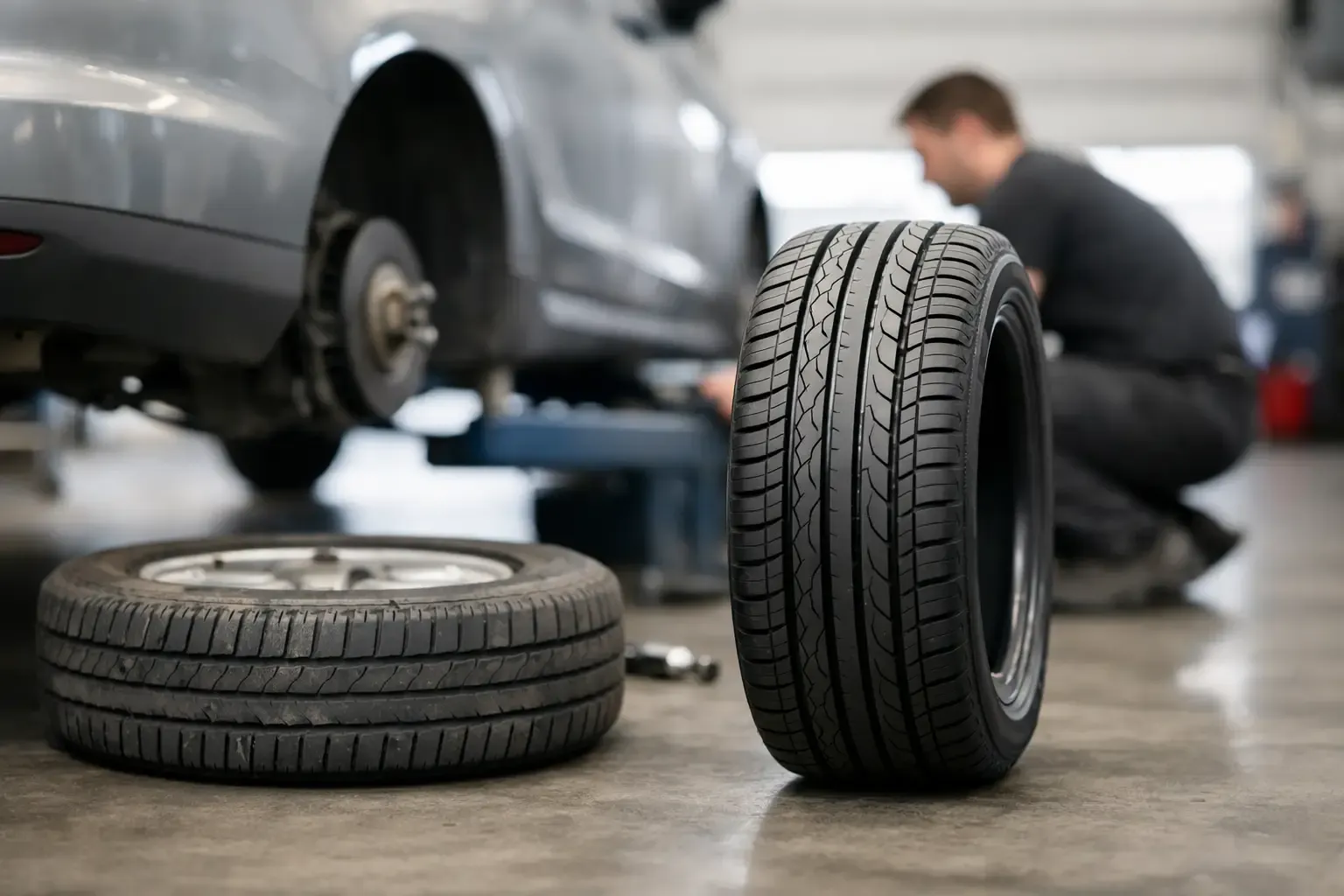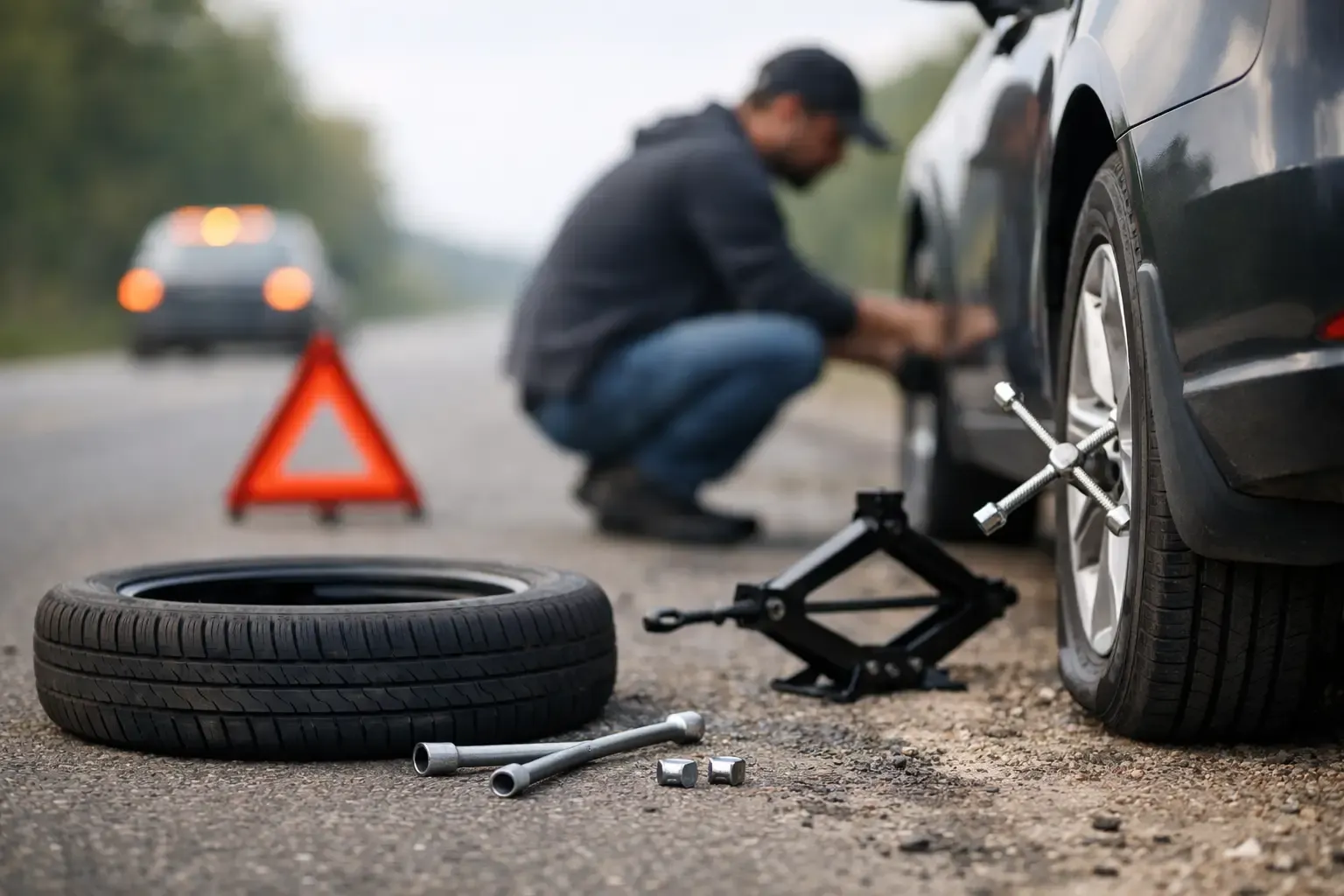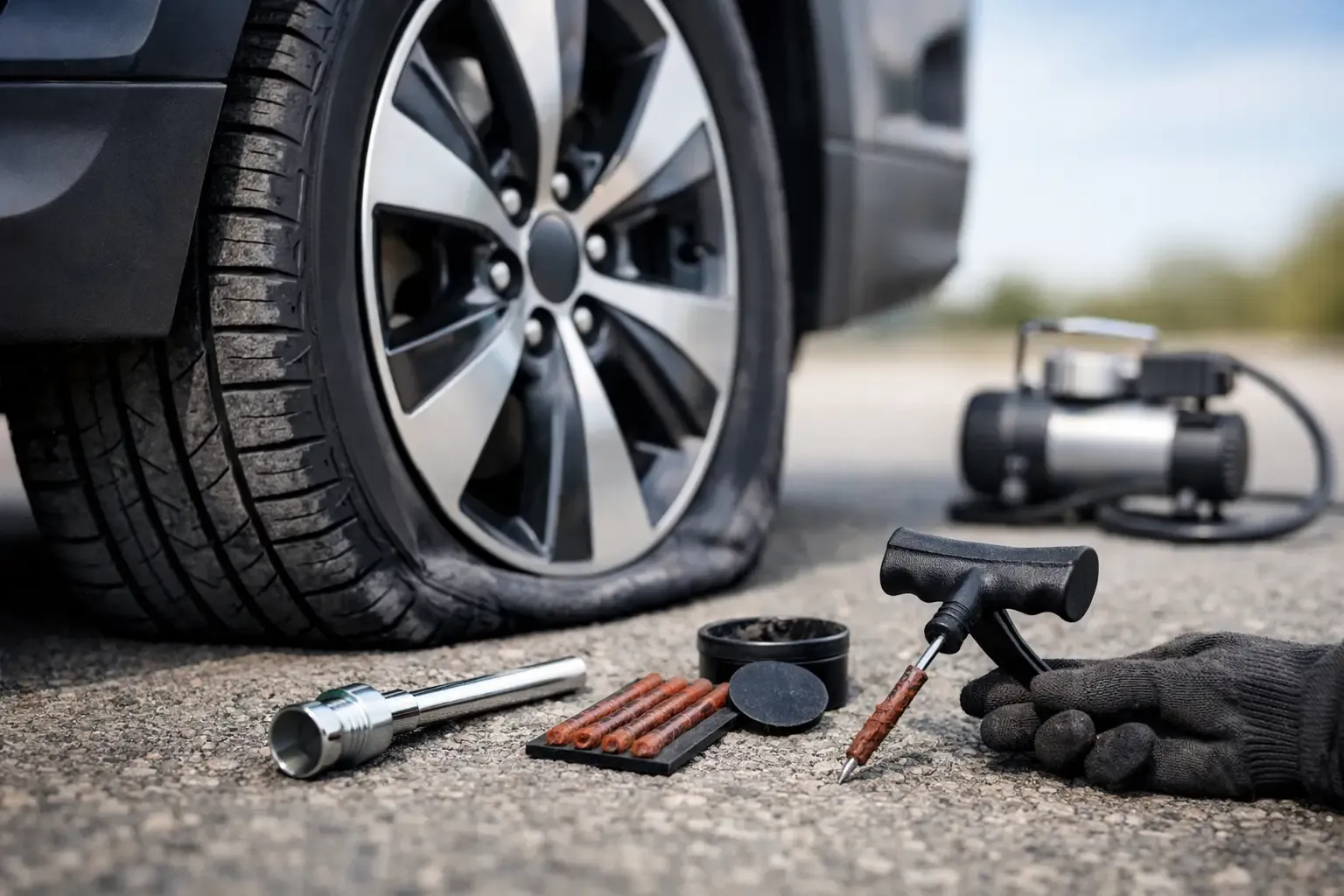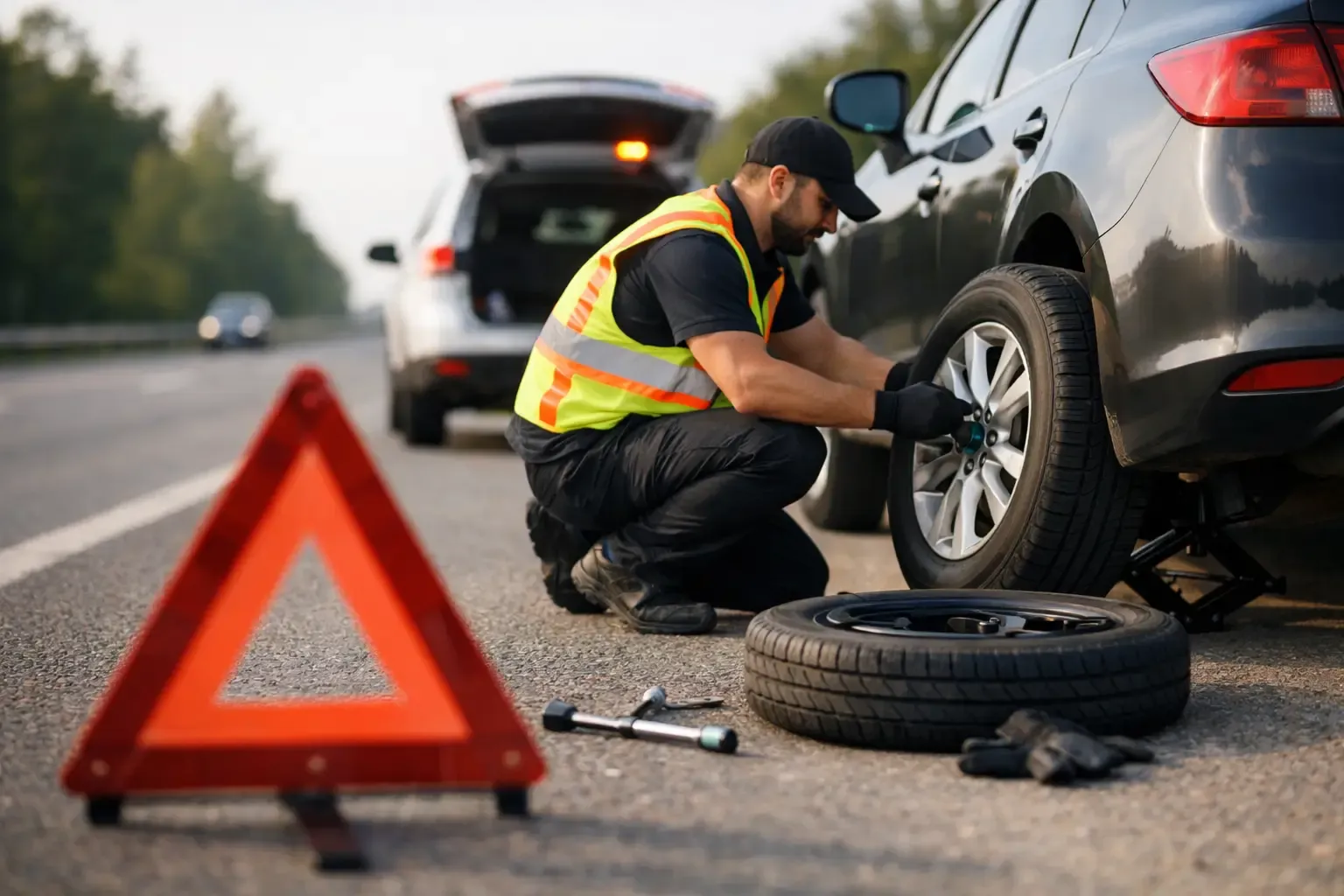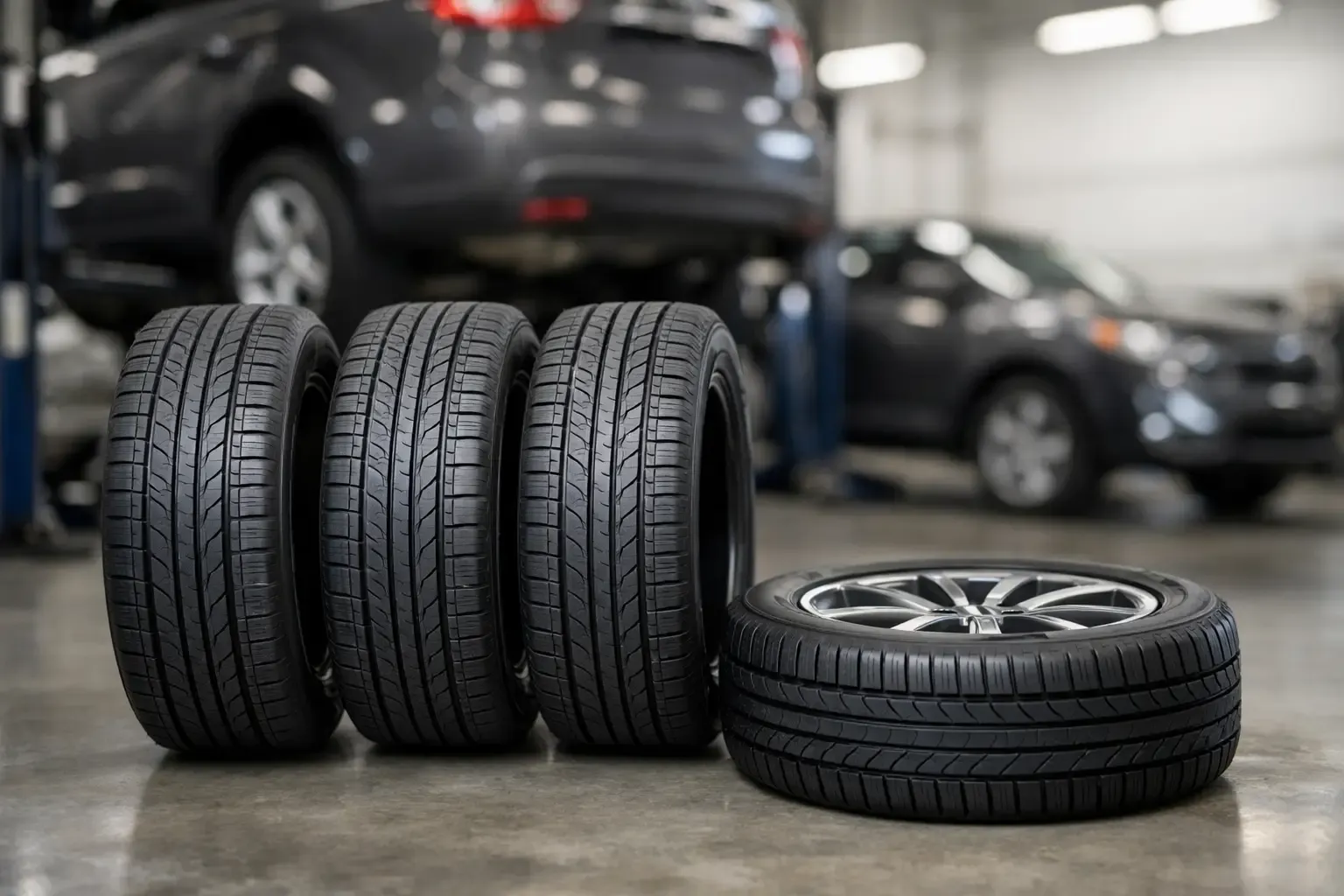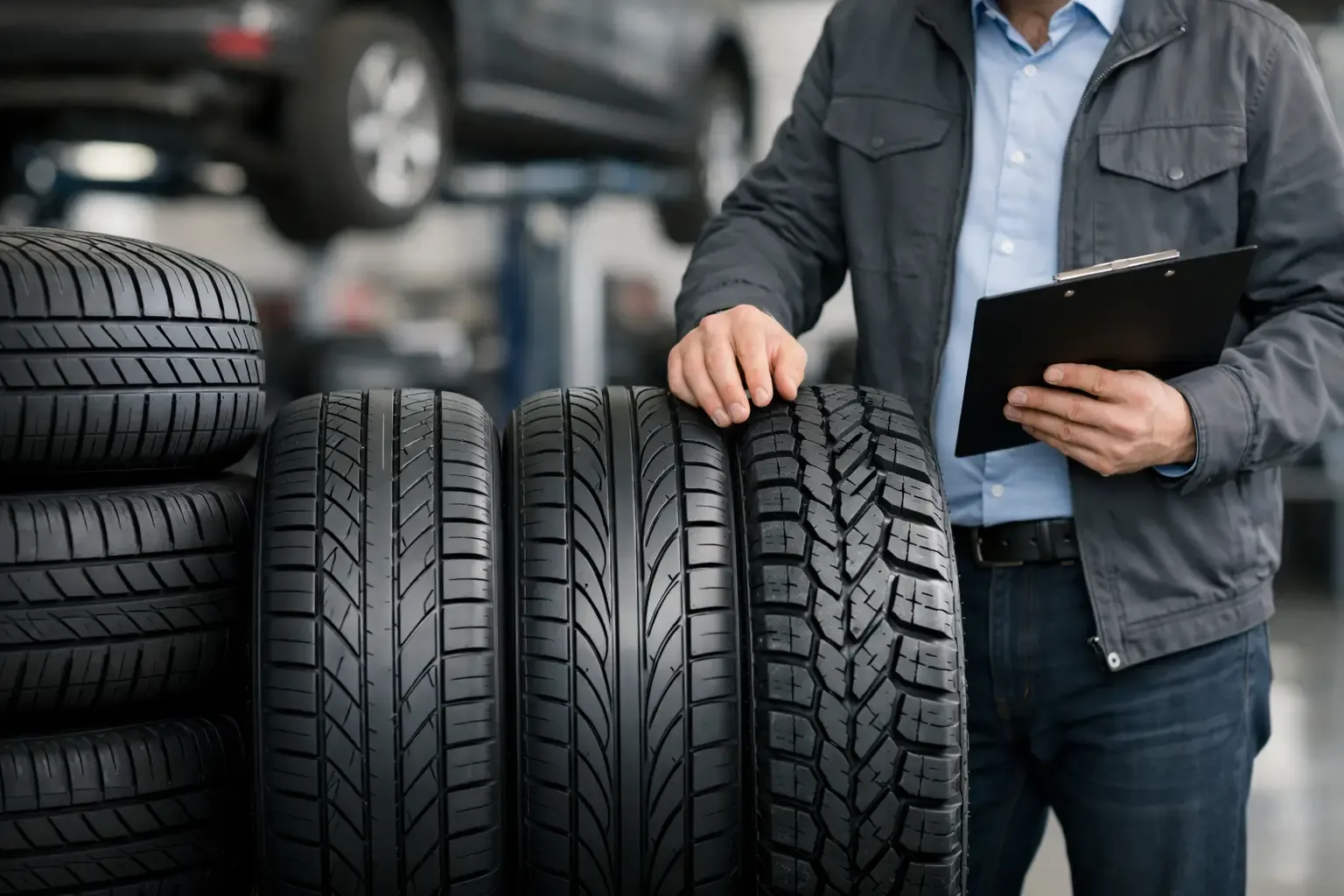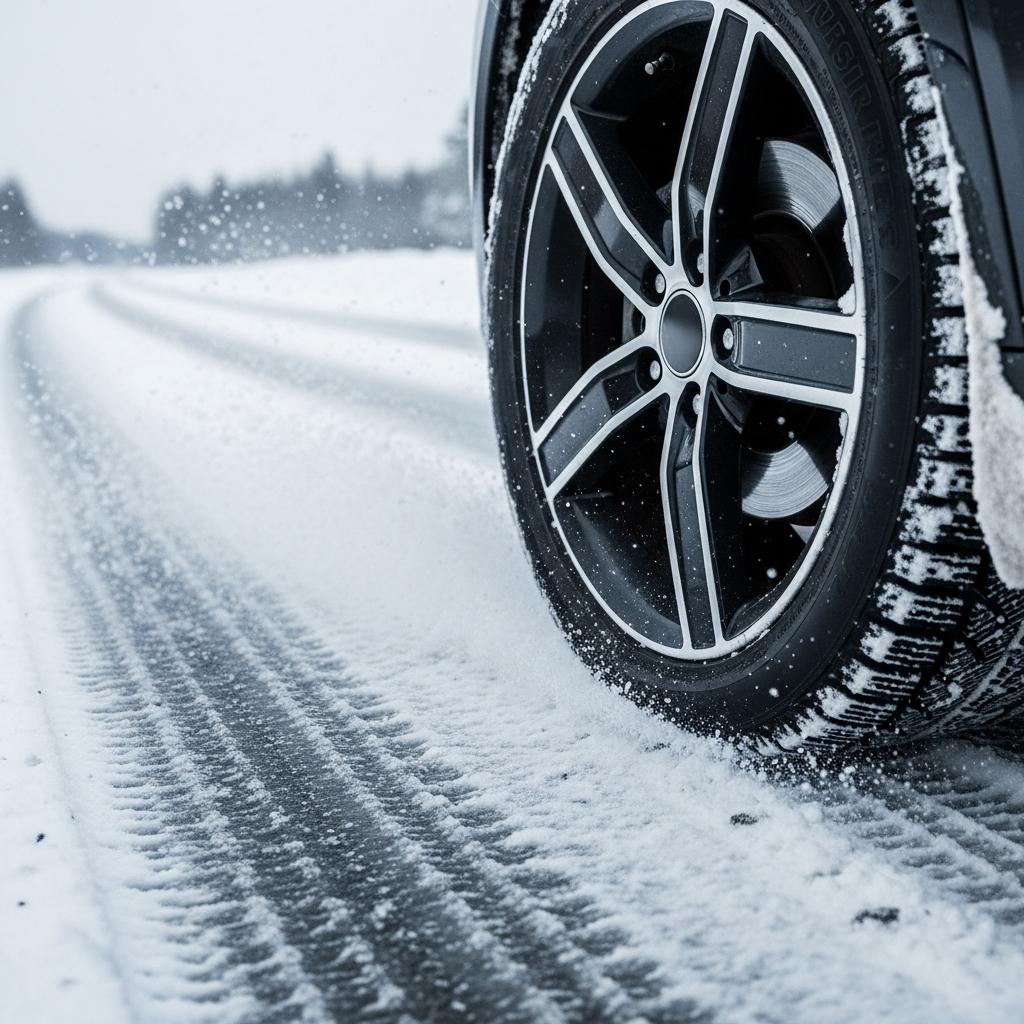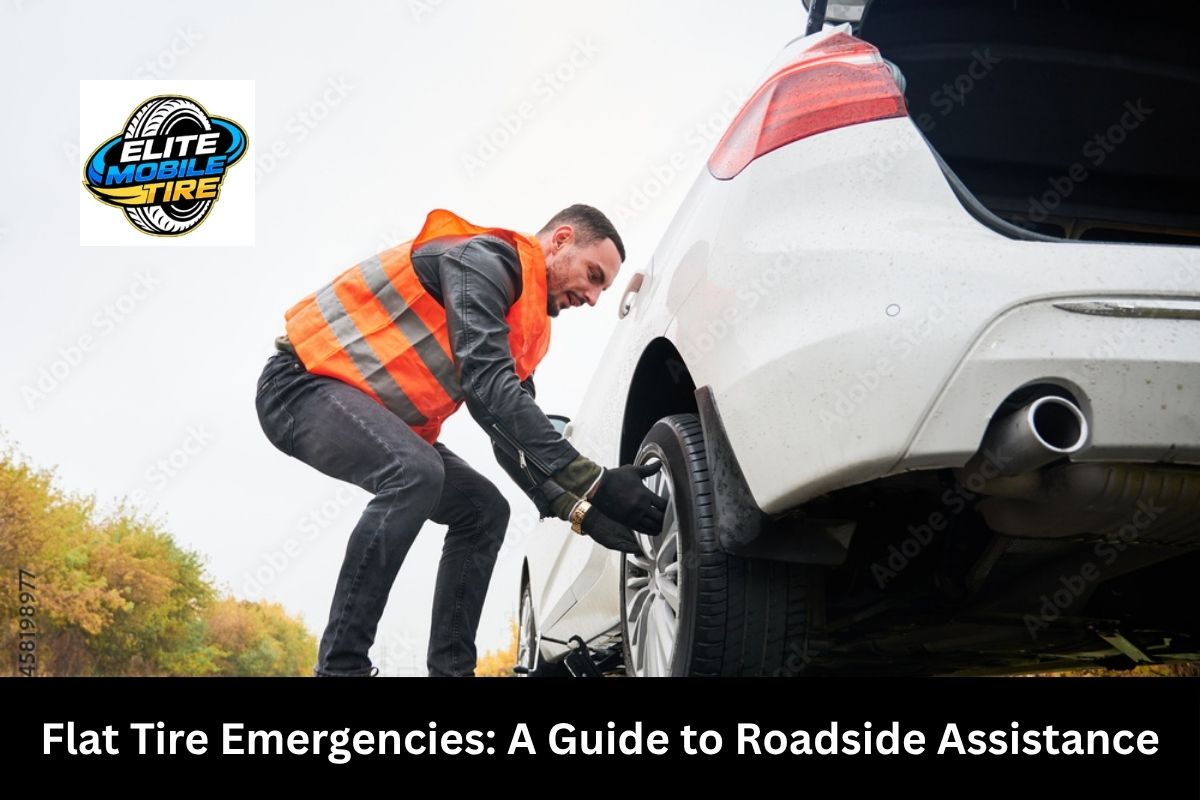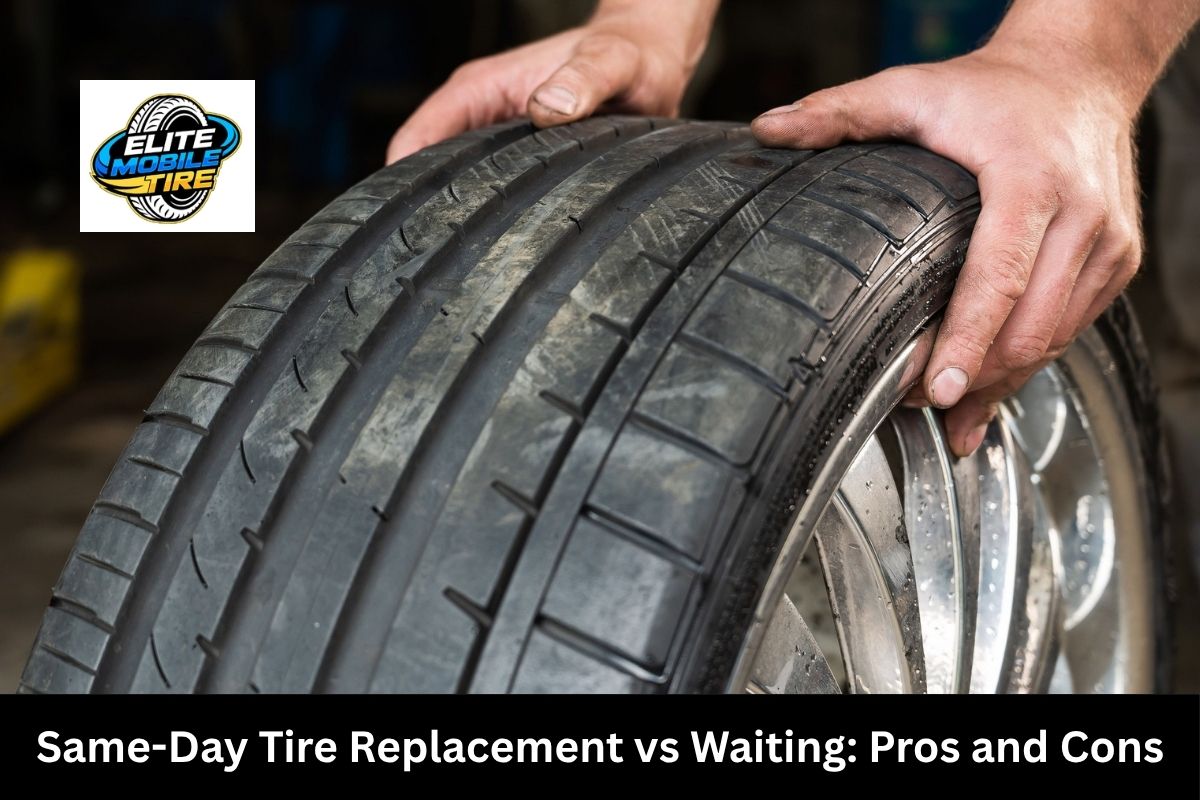
More new cars, crossovers, and luxury sedans around Columbus roll off the lot without a traditional spare tire. In its place, you may find a can of sealant, a small inflator, or tires designed to keep you moving after a puncture. Two of the most common puncture-resistant designs are run-flat tires and self-sealing tires. They sound similar, but they solve the problem in very different ways, and that difference matters when it is time to buy a new set.
How Run-Flat Tires Work
A run-flat tire uses reinforced sidewalls (or, on some designs, an internal support ring) that can carry the weight of the vehicle for a limited distance after the tire loses air. Instead of collapsing onto the rim, the tire holds its shape well enough to get you off the highway and to a safe place.
Many manufacturers rate their run-flats for a short, reduced-speed distance after a puncture, commonly around 50 miles at up to 50 mph, but the exact limits vary by tire and vehicle. Always check your owner's manual and the tire maker's guidance rather than assuming.
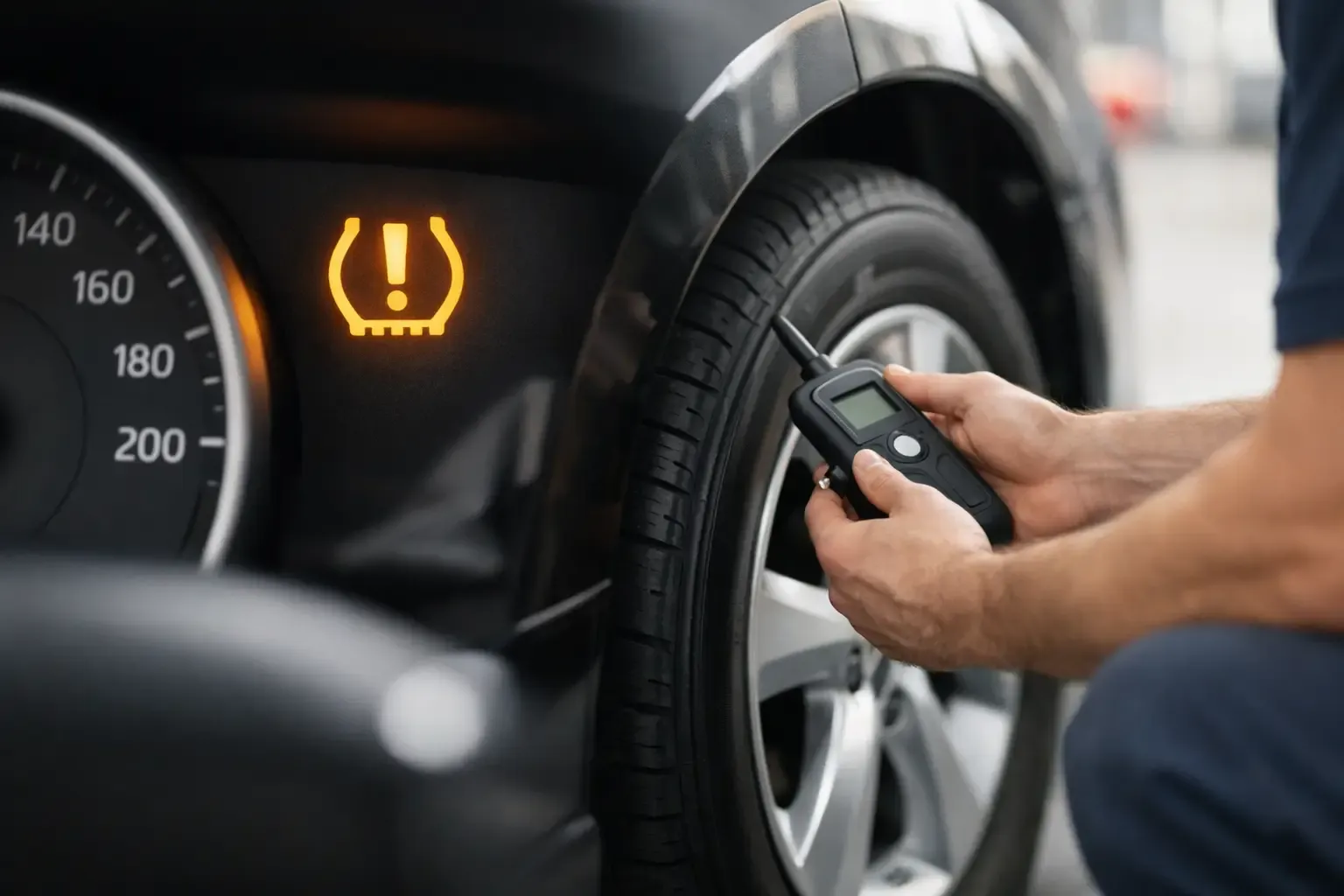
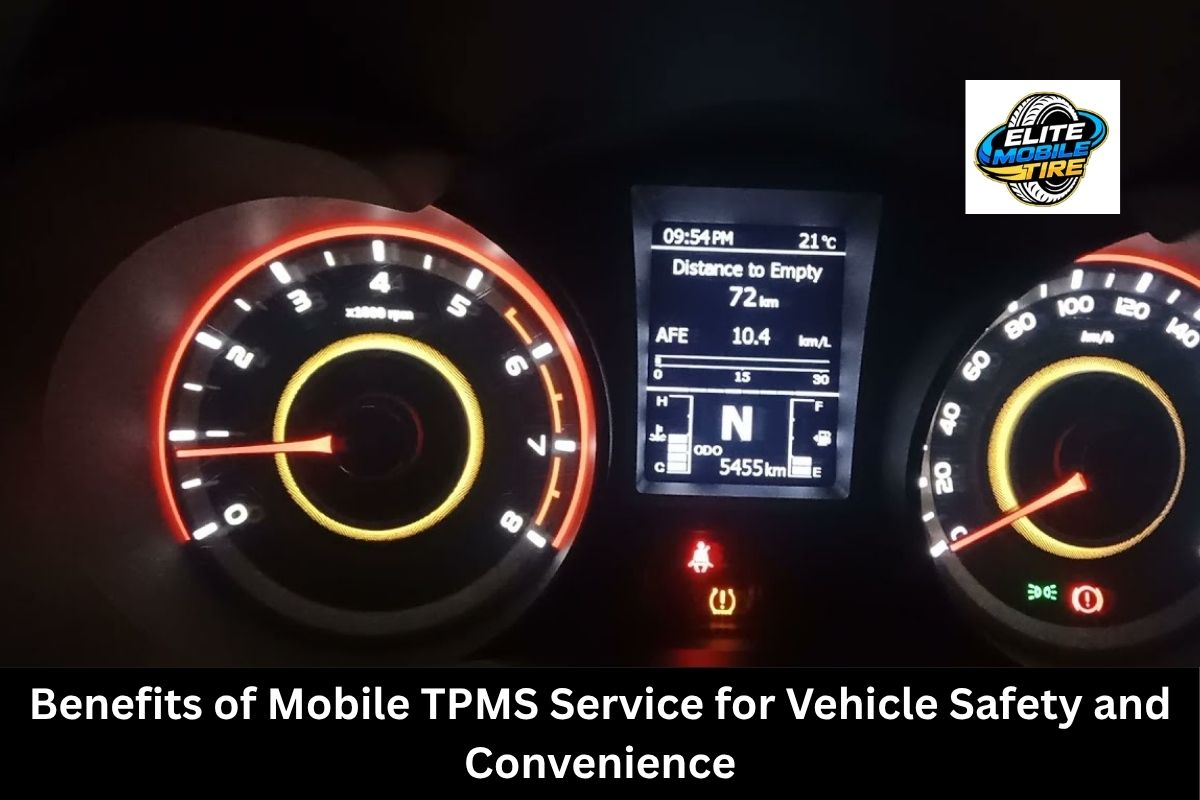
Because a run-flat can look nearly normal even with zero air pressure, vehicles that use them rely on a tire pressure monitoring system (TPMS) to warn you. If that light comes on during your commute on I-270 or US-33, take it seriously even if the car feels fine.
The trade-offs
- A firmer ride, since the stiffer sidewalls absorb less road impact.
- Limited repair options. Many tire makers advise against repairing a run-flat that was driven while deflated, and some do not recommend repairs at all.
- Fitment matters. Vehicles designed around run-flats often have no spare and no room for one, so switching to conventional tires means planning for a flat another way.
How Self-Sealing Tires Work
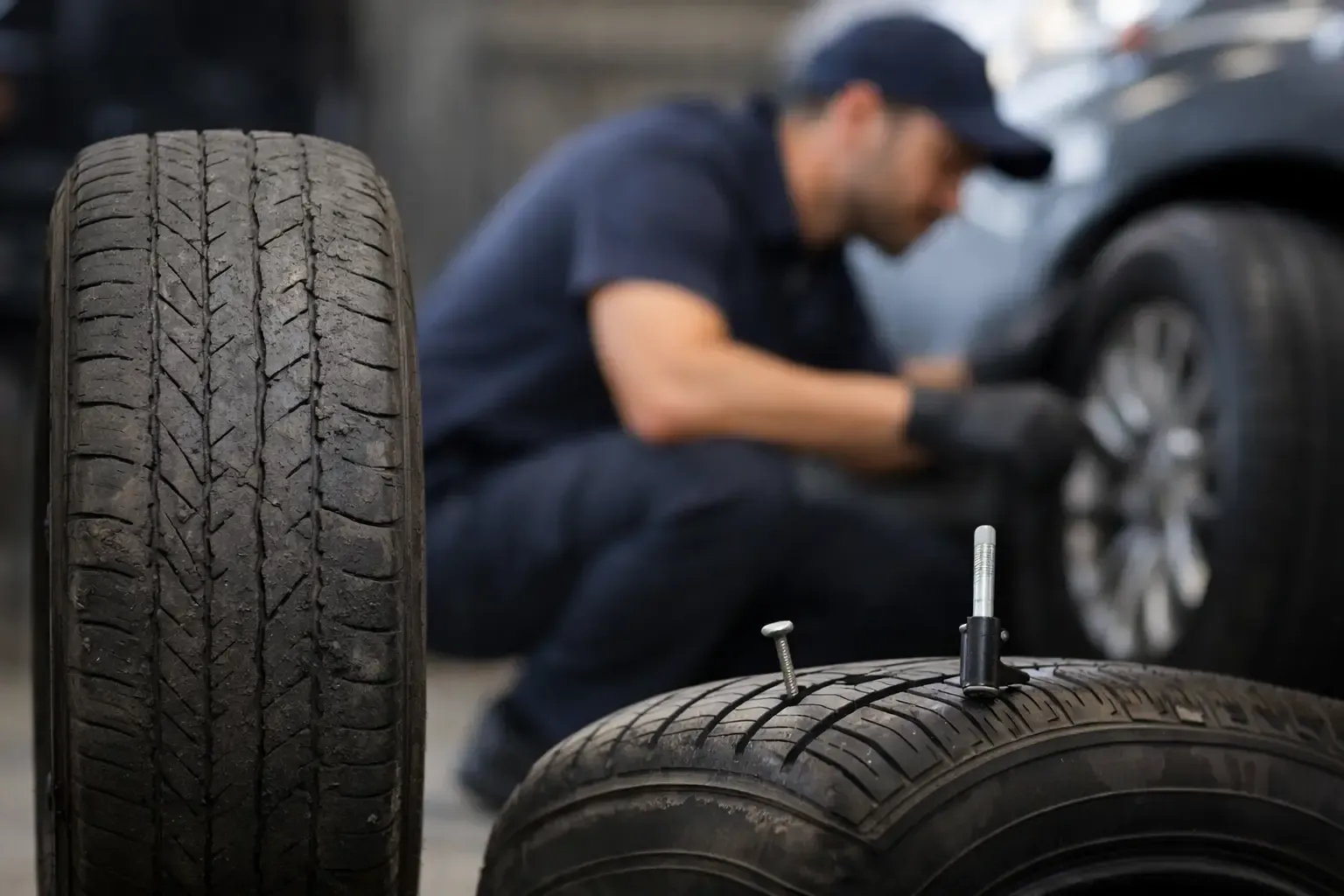
Self-sealing tires look and ride like conventional tires, but they have a layer of sticky sealant bonded to the inside of the tread area. When a nail or screw punctures the tread, the sealant wraps around the object and fills the hole, often so well that you never notice a leak. Several major brands offer self-sealing versions of popular tire lines, and some new vehicles come with them from the factory.
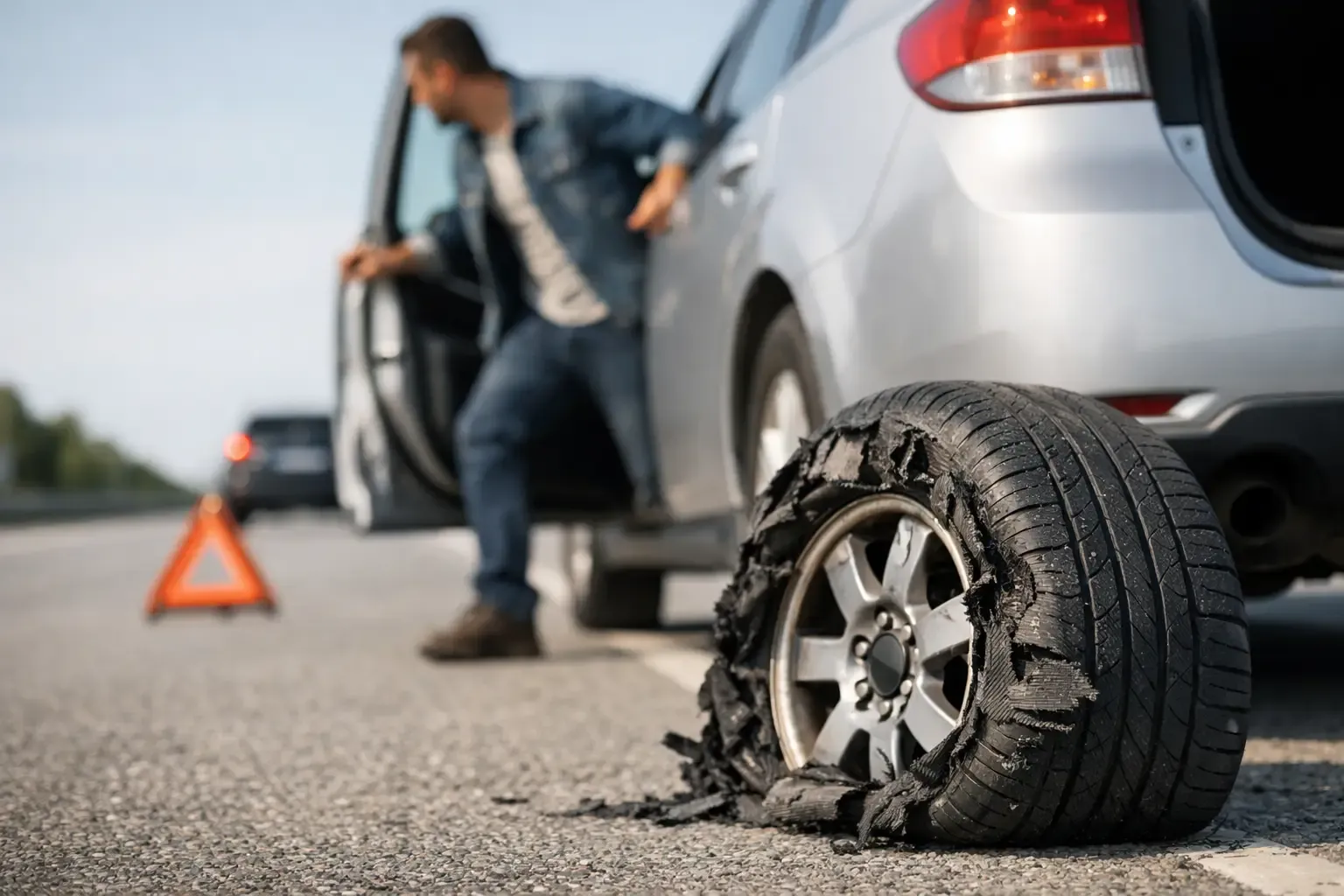
The key limitation is location. The sealant only covers the tread. A cut in the sidewall, a large gash, or damage from a pothole impact is beyond what it can handle, so you can still end up with a flat. When the sealant does its job, you should still have the puncture inspected so the tire can be properly evaluated.
Which One Is Better?
Neither is better for everyone. Run-flats are about getting you to safety after a sudden loss of air, which is why many performance and luxury vehicles use them. Self-sealing tires aim to stop small tread punctures from ever becoming a flat while keeping a more normal ride. The right choice usually starts with what your vehicle was designed for. If your car came with run-flats and has no spare, switching to conventional or self-sealing tires is possible, but you should know how you will handle a sidewall flat before you do.
Why Matching the Set Matters
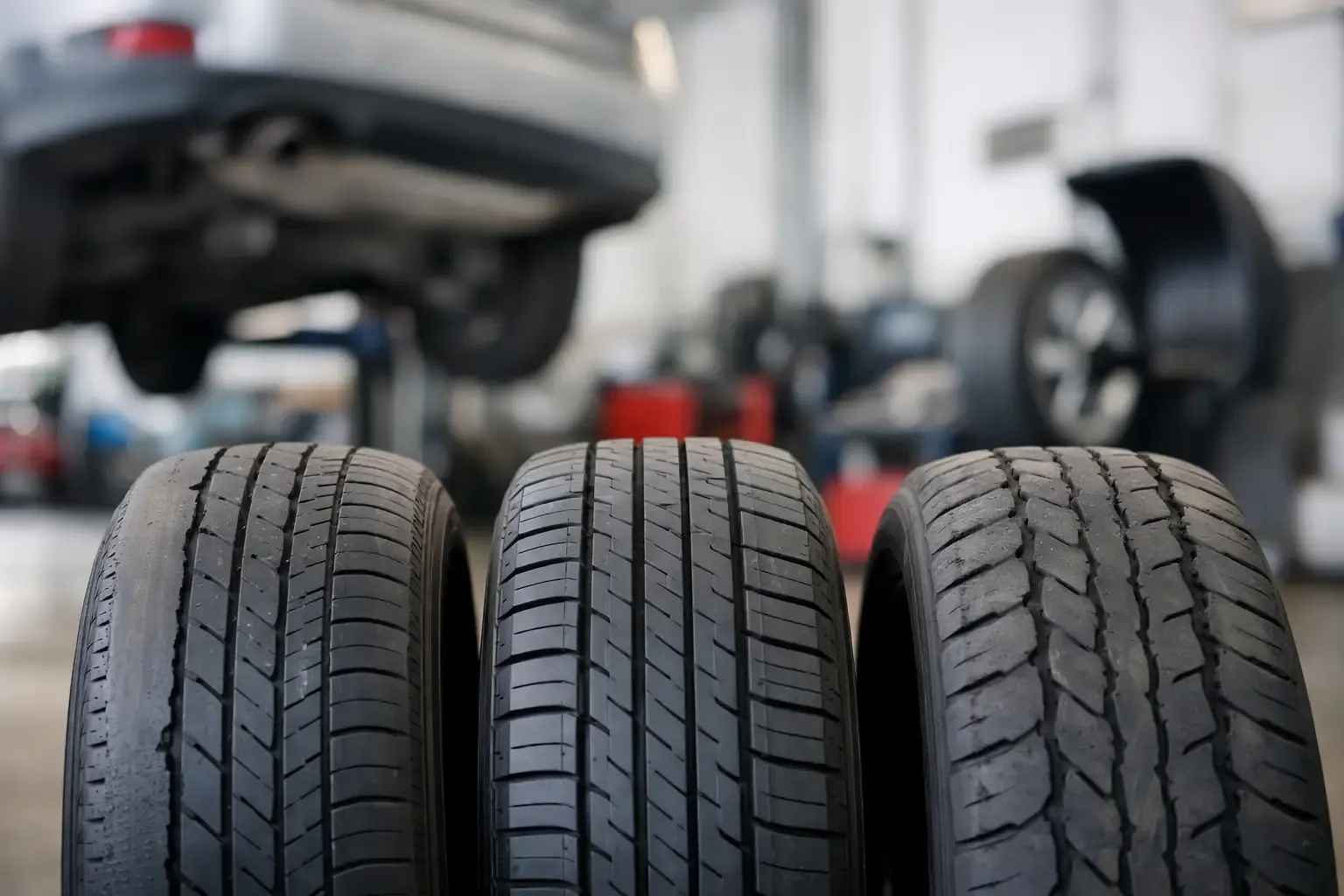
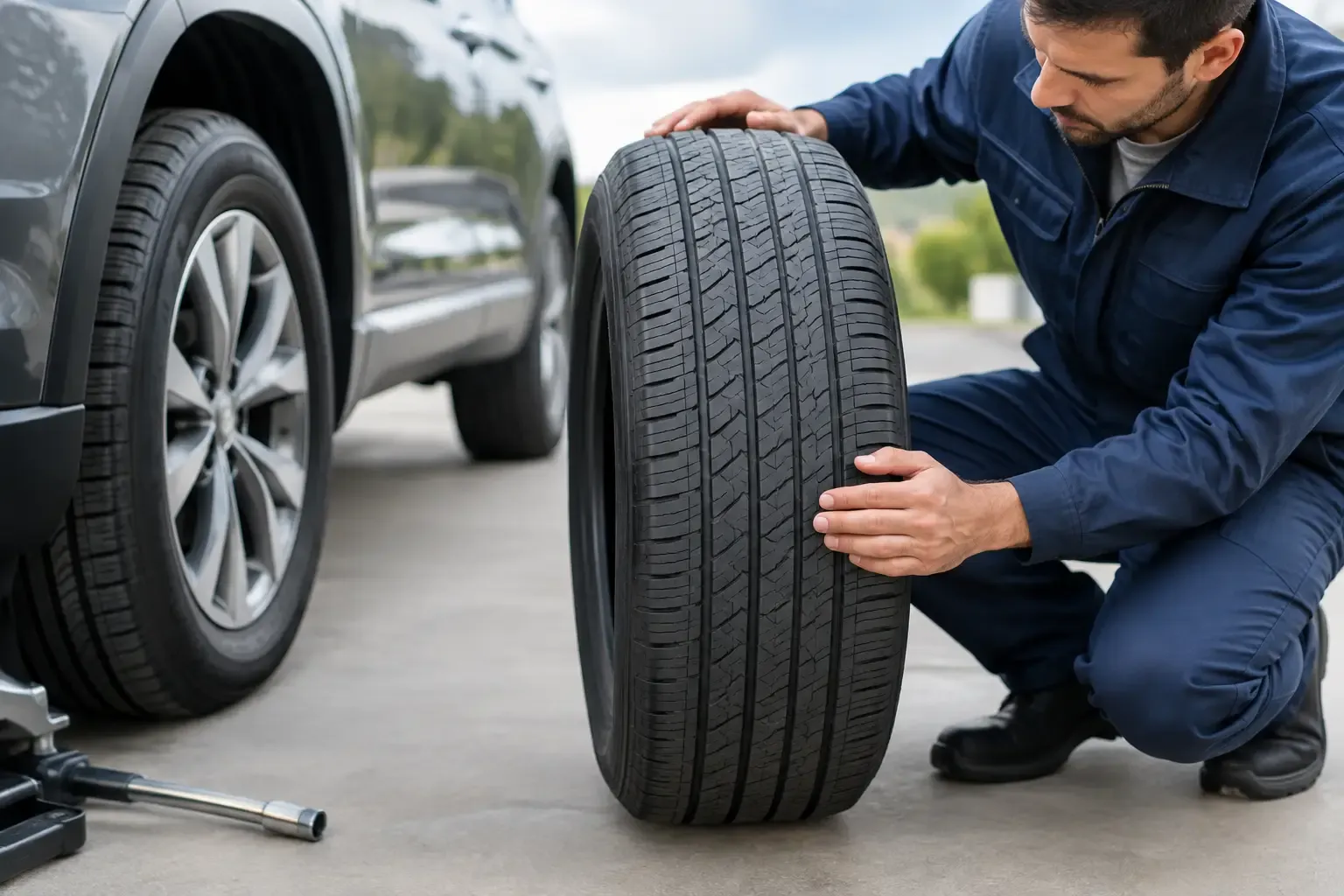
This is where many drivers get caught off guard. Mixing run-flats with conventional tires on the same vehicle is generally not recommended, because the tires behave differently in handling and after a puncture. Many manufacturers recommend replacing run-flats in matched pairs on the same axle at a minimum, and on all-wheel-drive vehicles, keeping all four tires closely matched in tread depth is often important to protect the drivetrain.
So when one run-flat is damaged beyond repair on an AWD crossover or sedan, the smart move is often a pair or a full set rather than a single tire. It is worth checking the other three tires at the same time. If they are already halfway worn, replacing all four together can save a second appointment a few months later.
Getting Them Replaced Without the Shop Visit
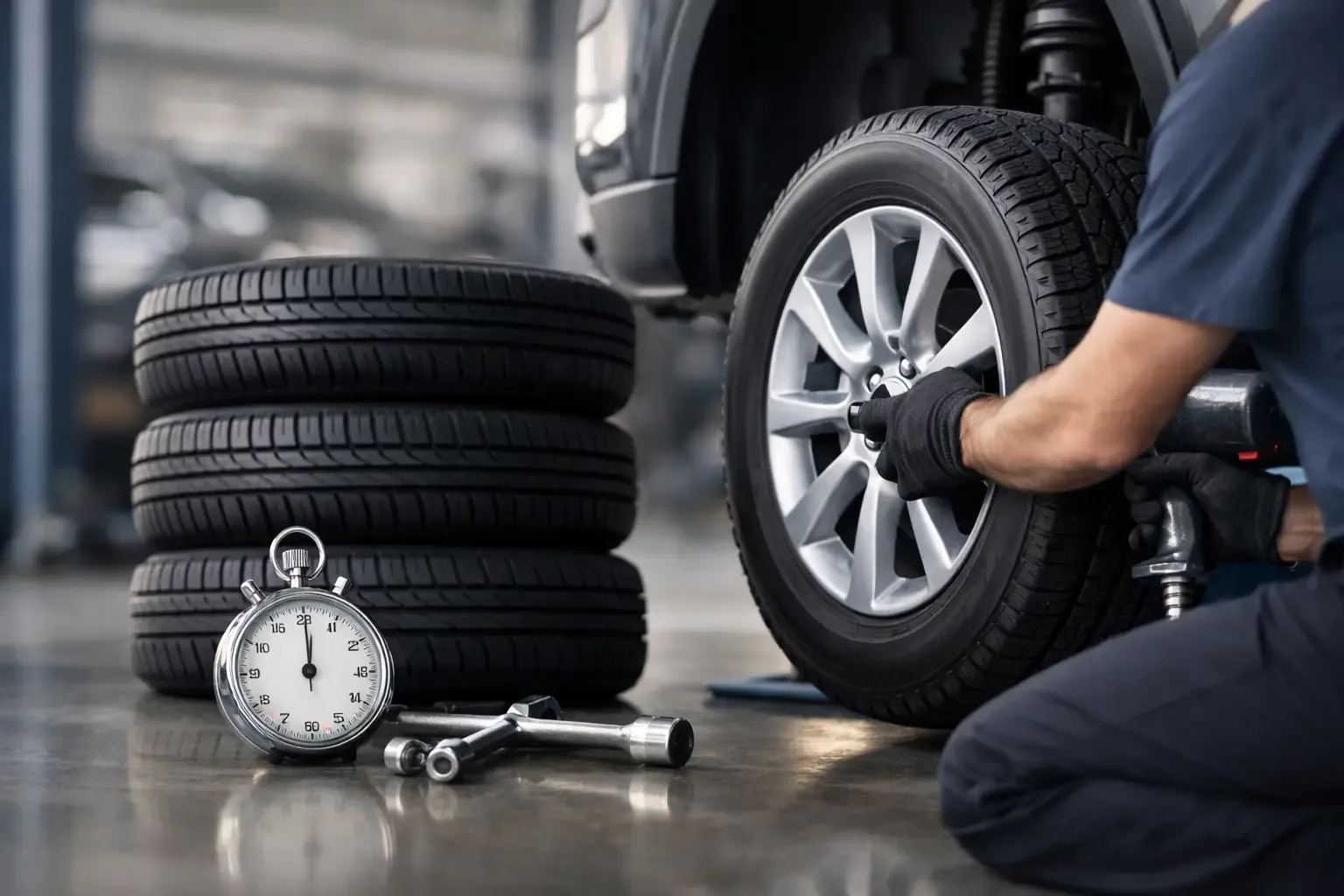
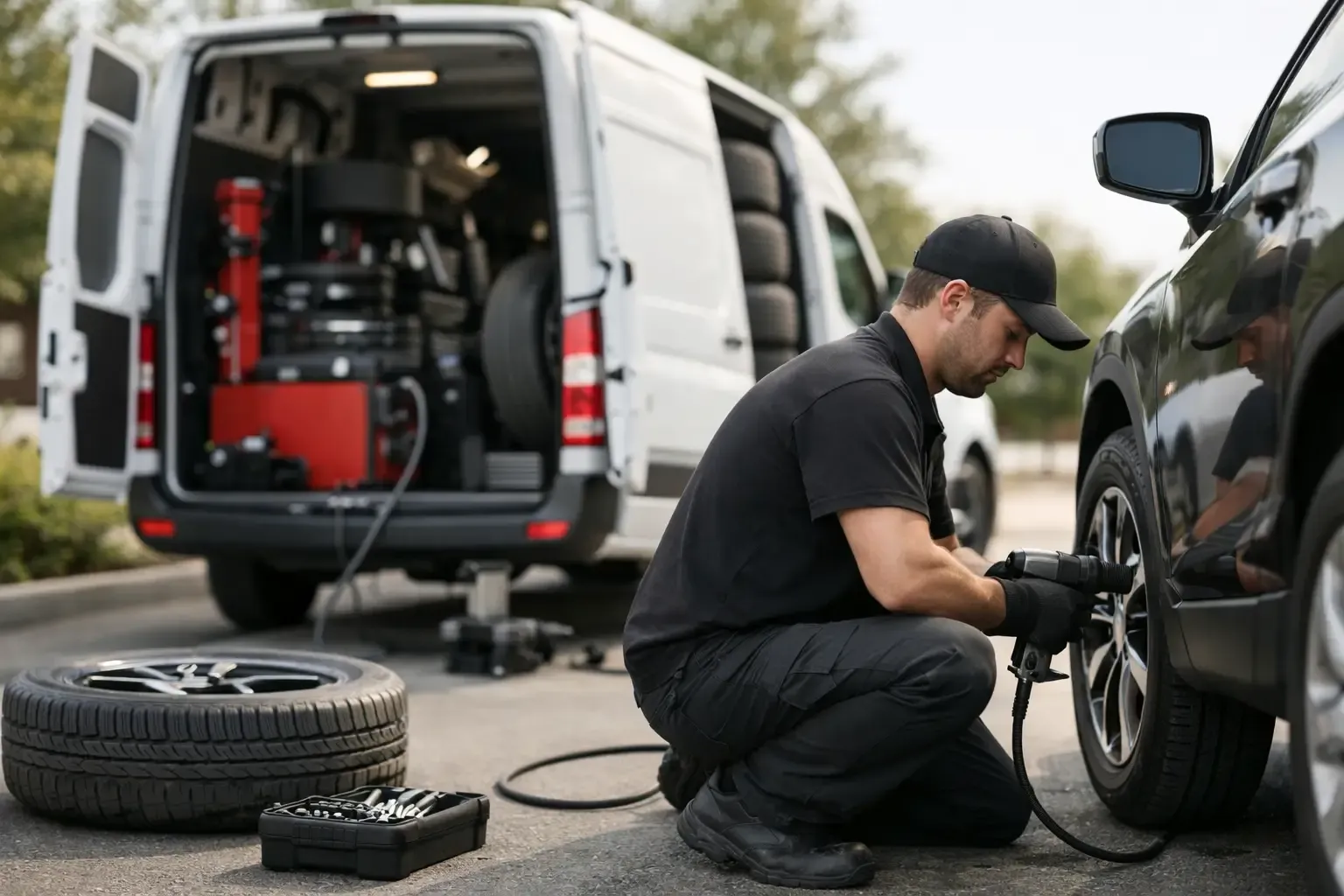
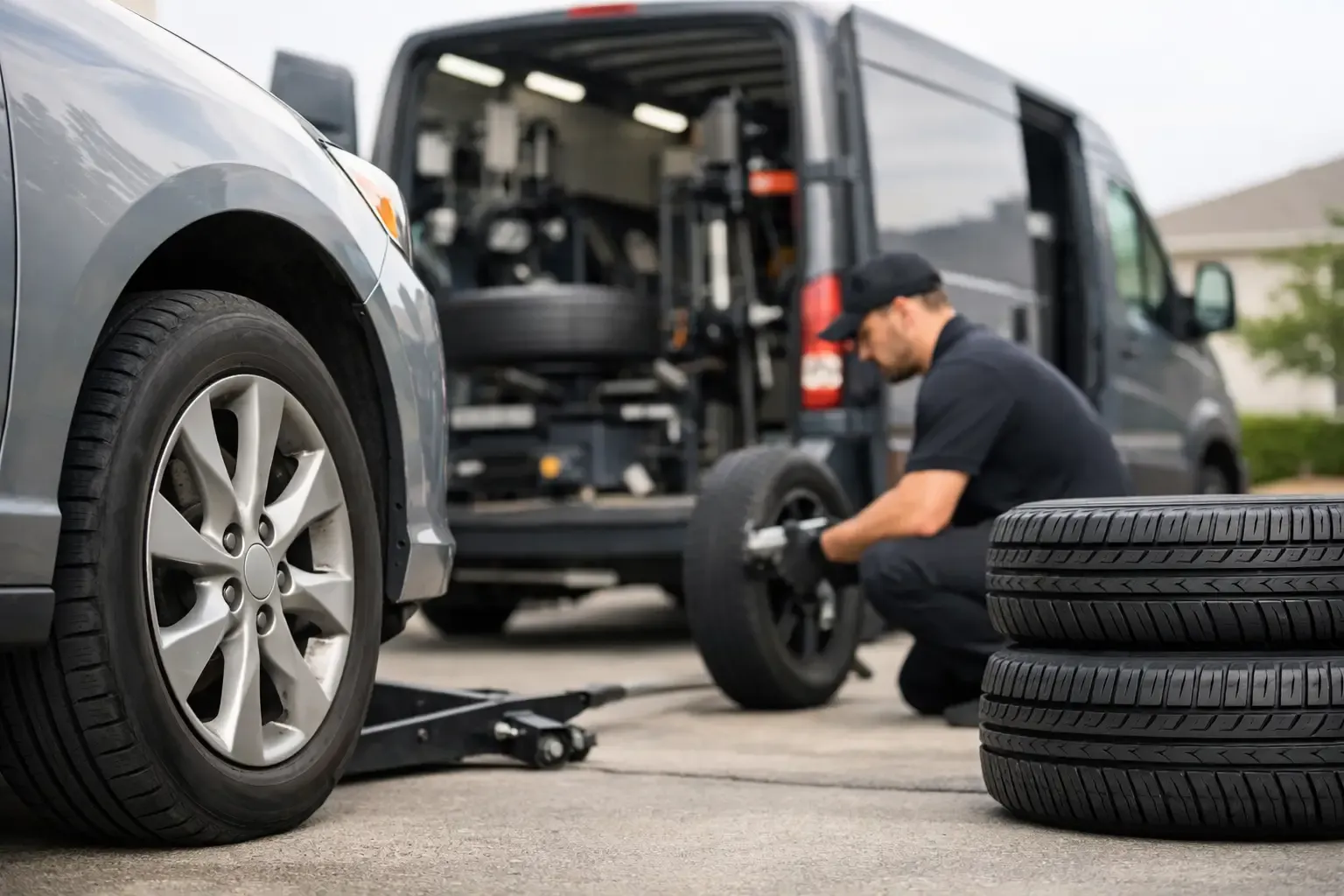
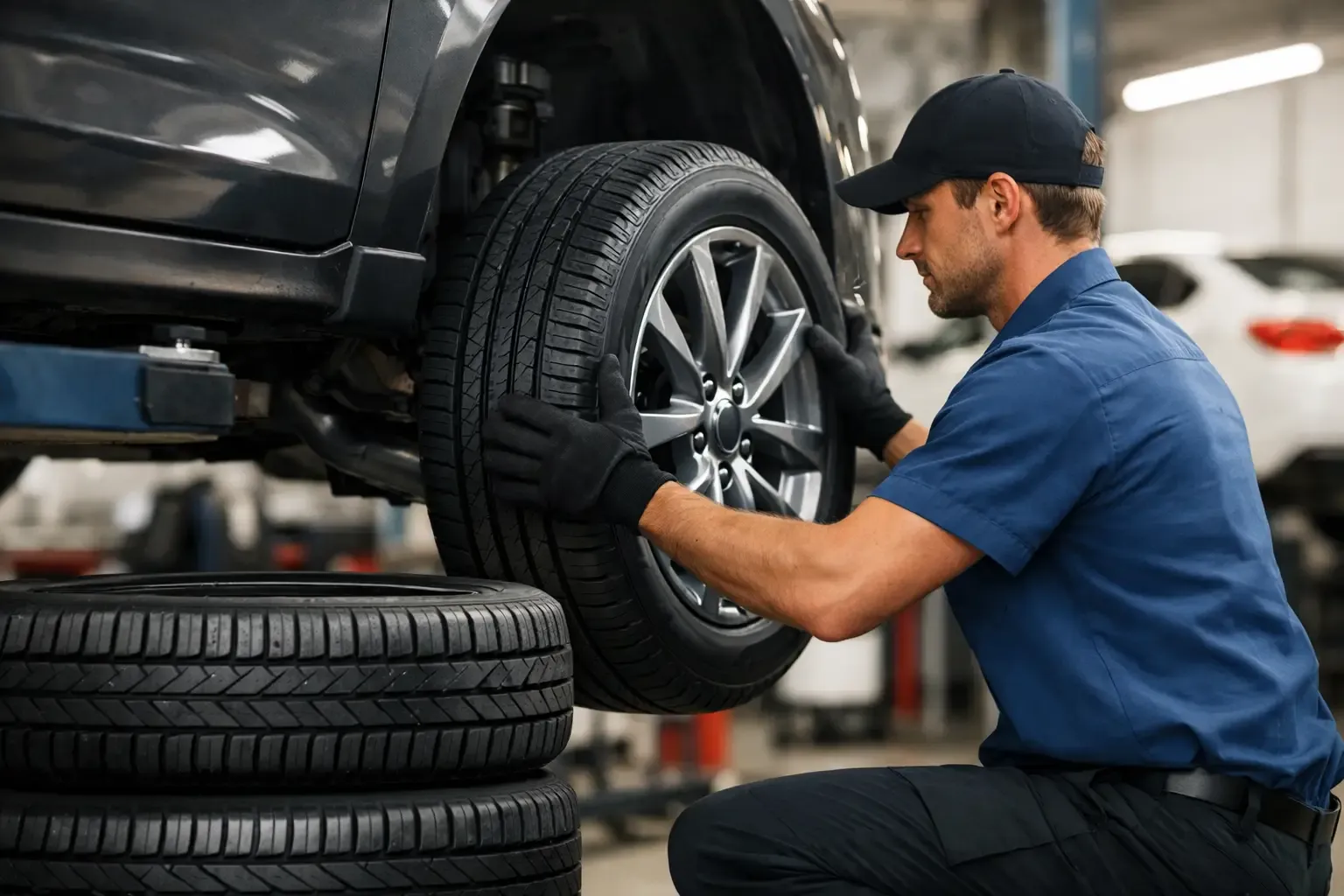
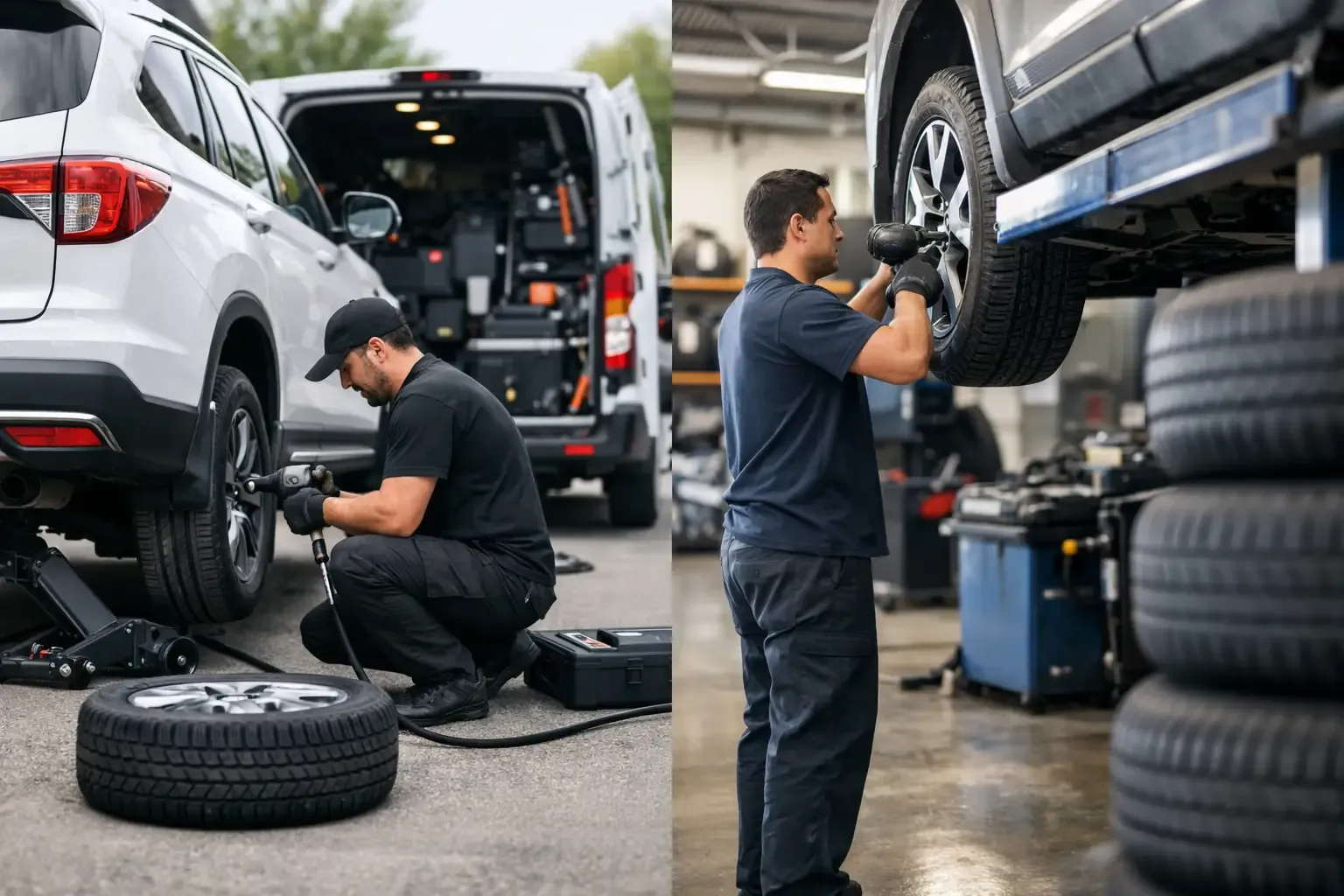
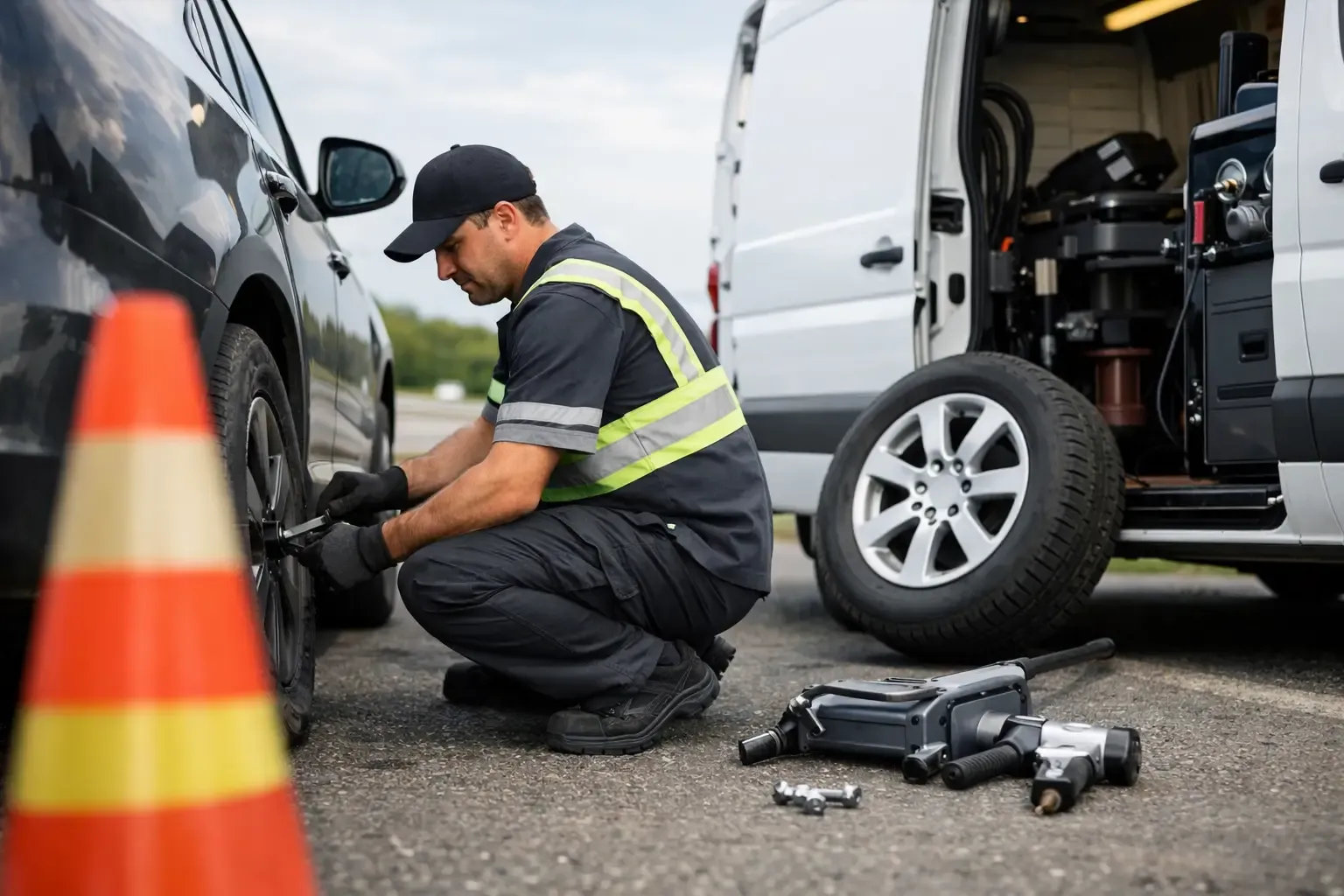
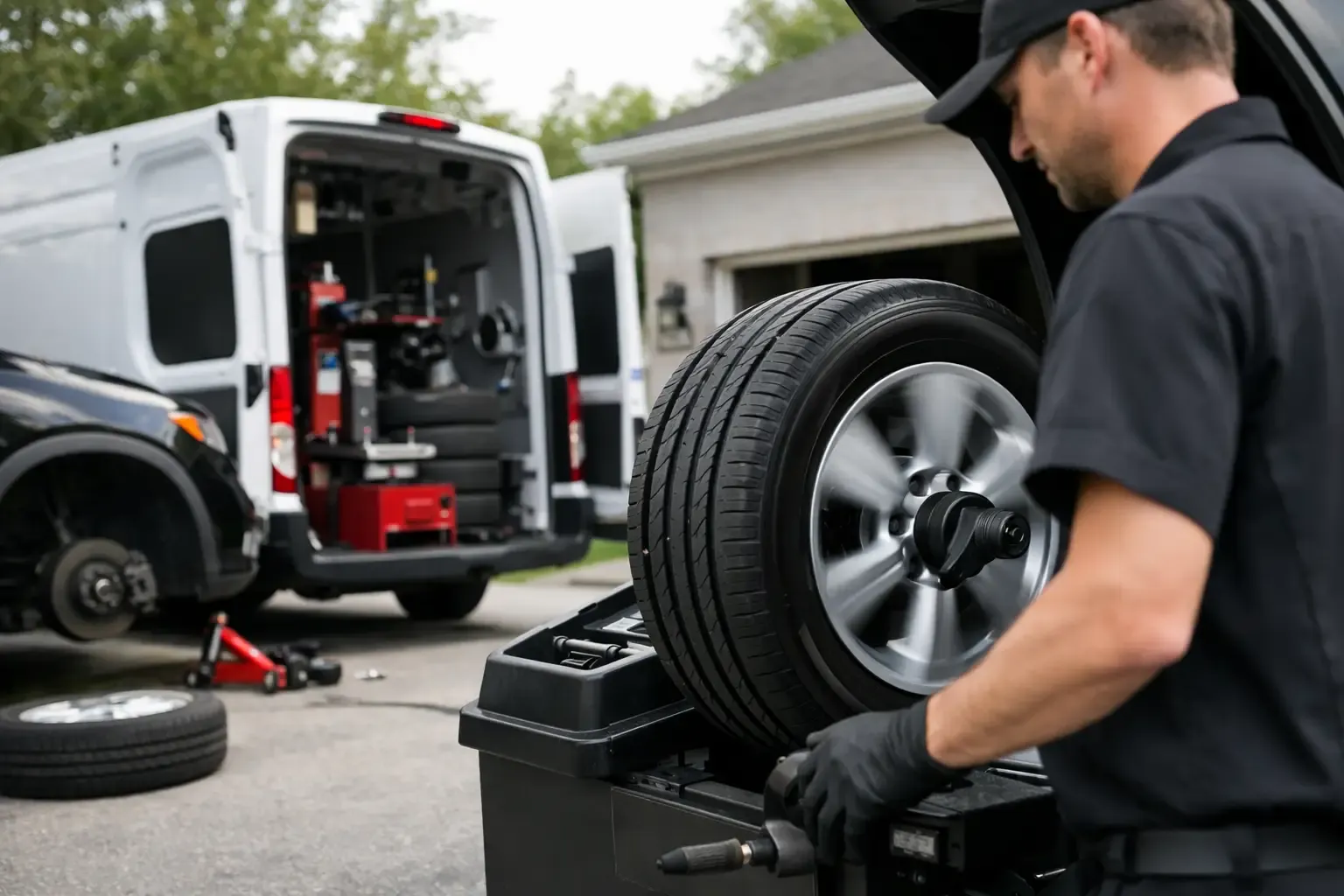
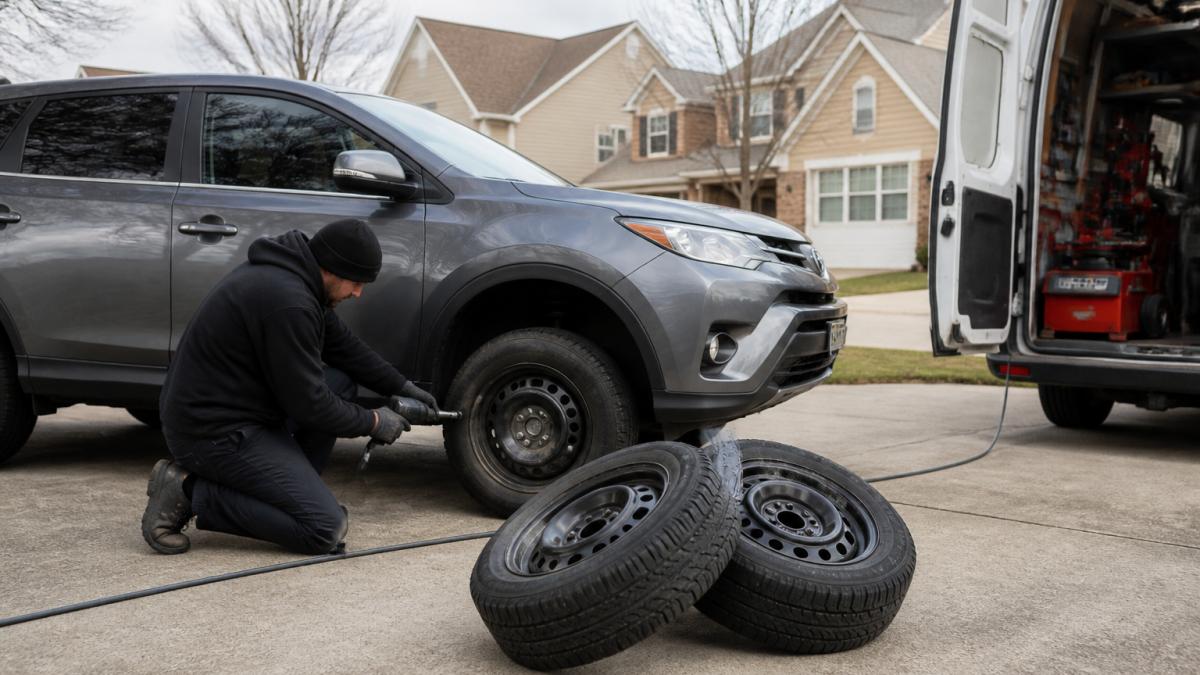
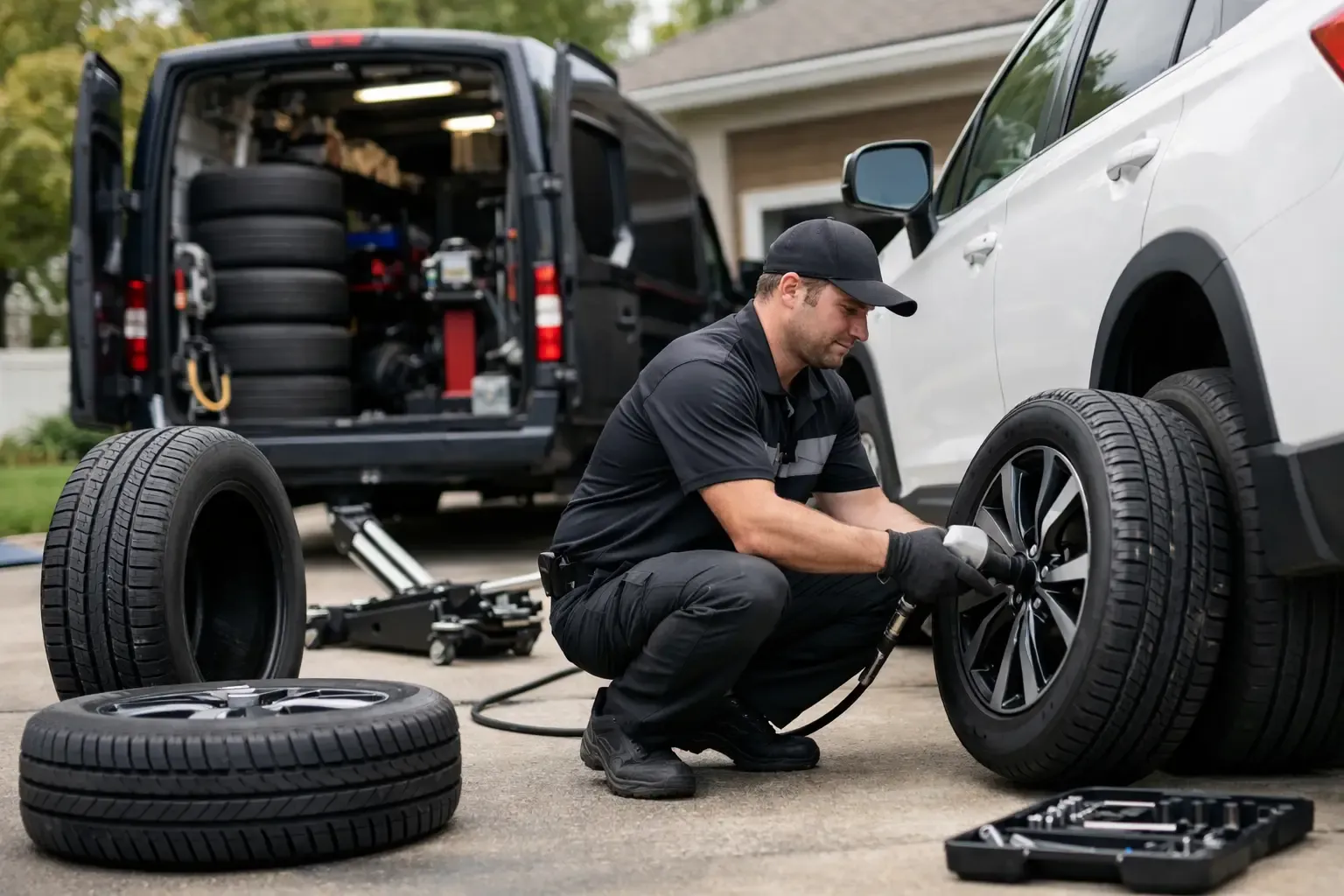
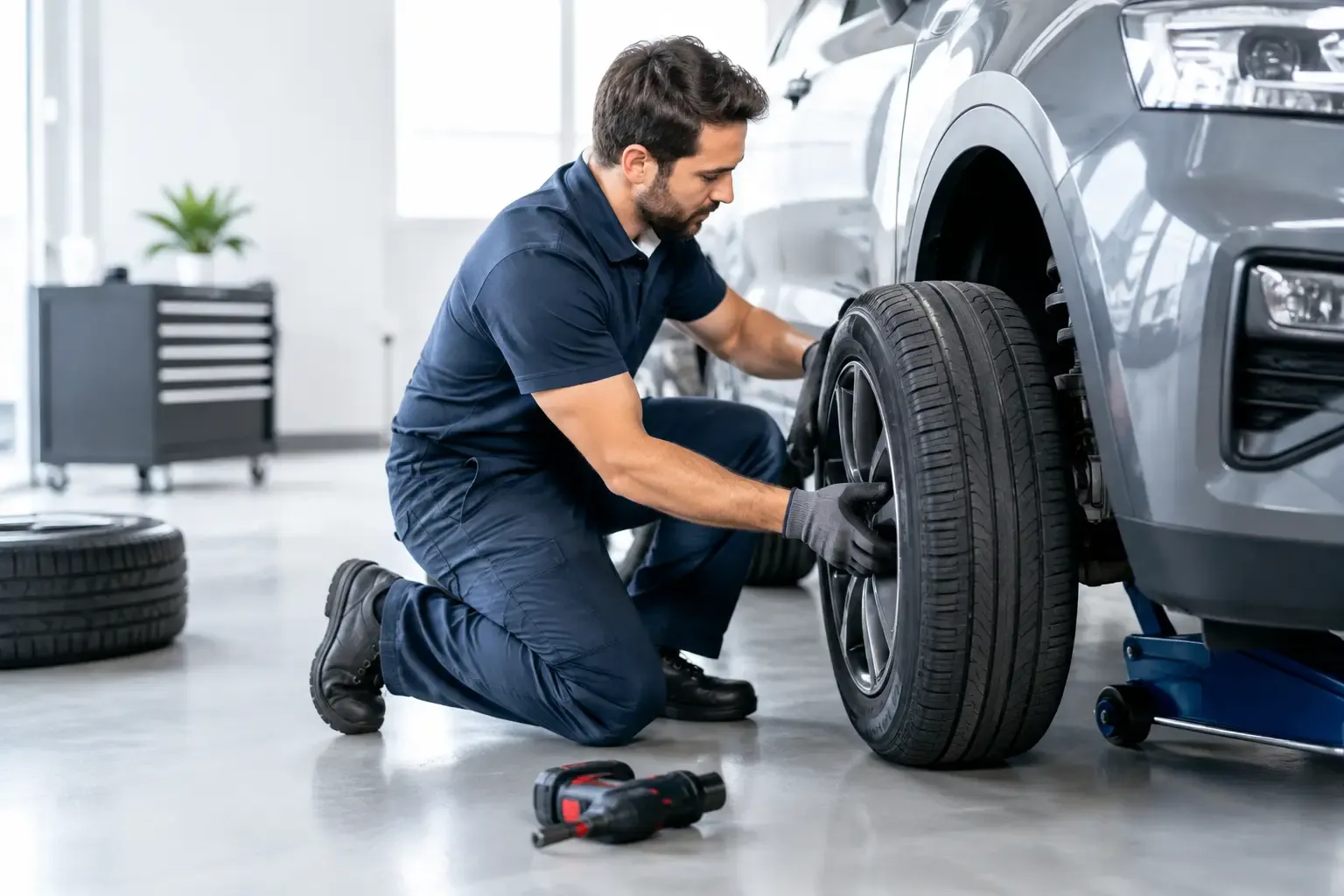
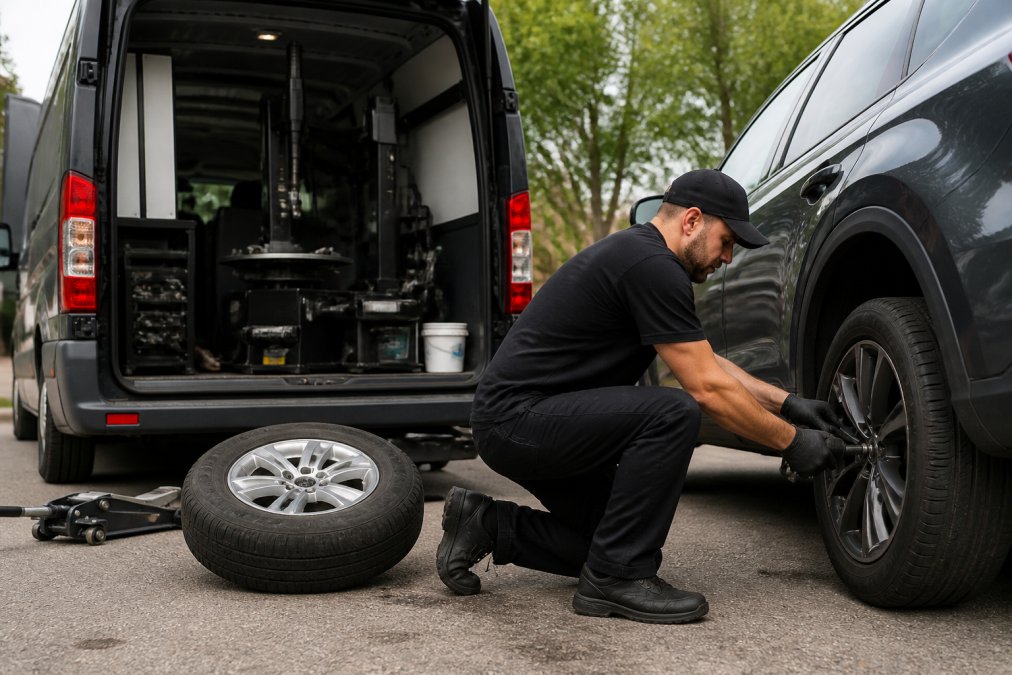
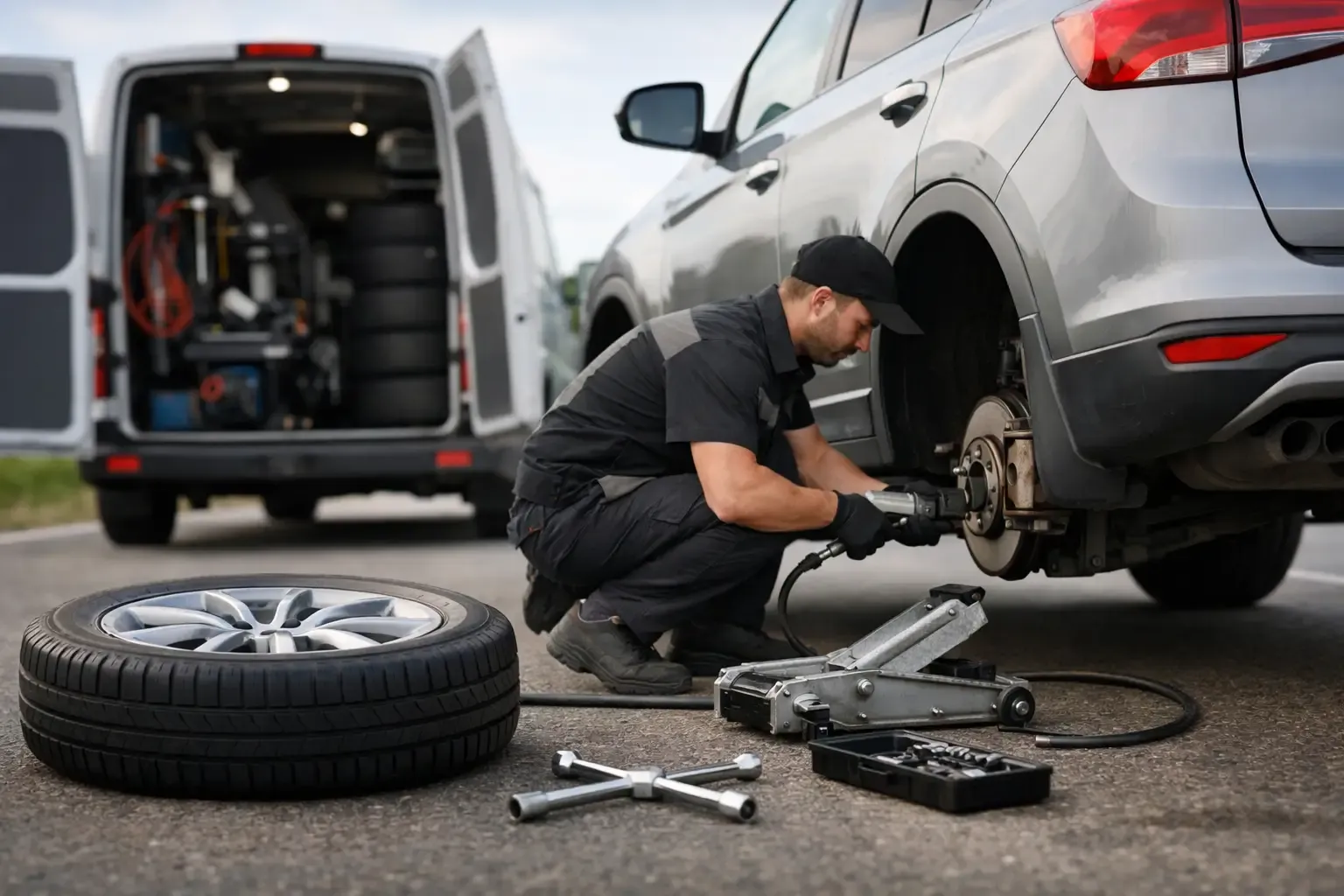
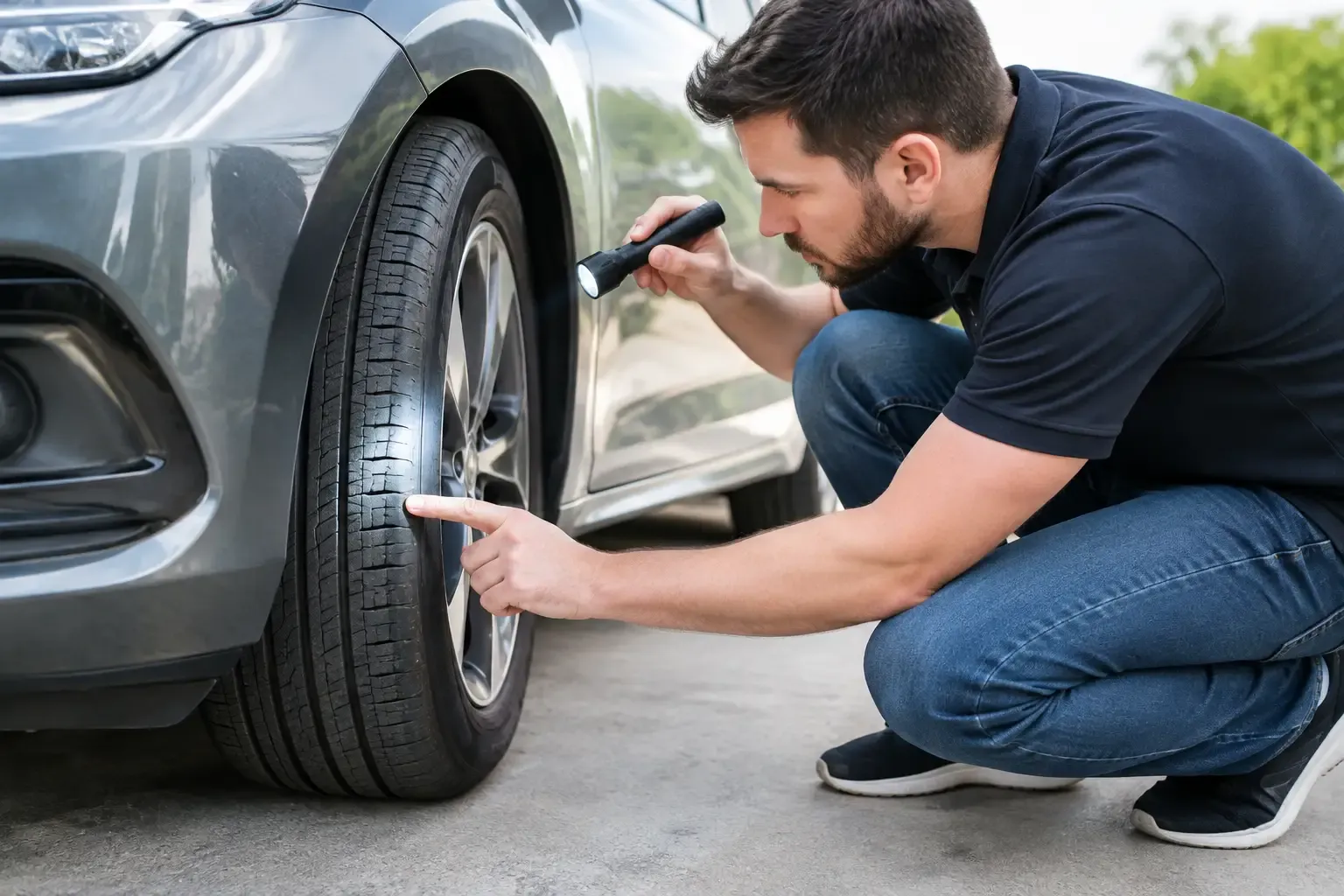
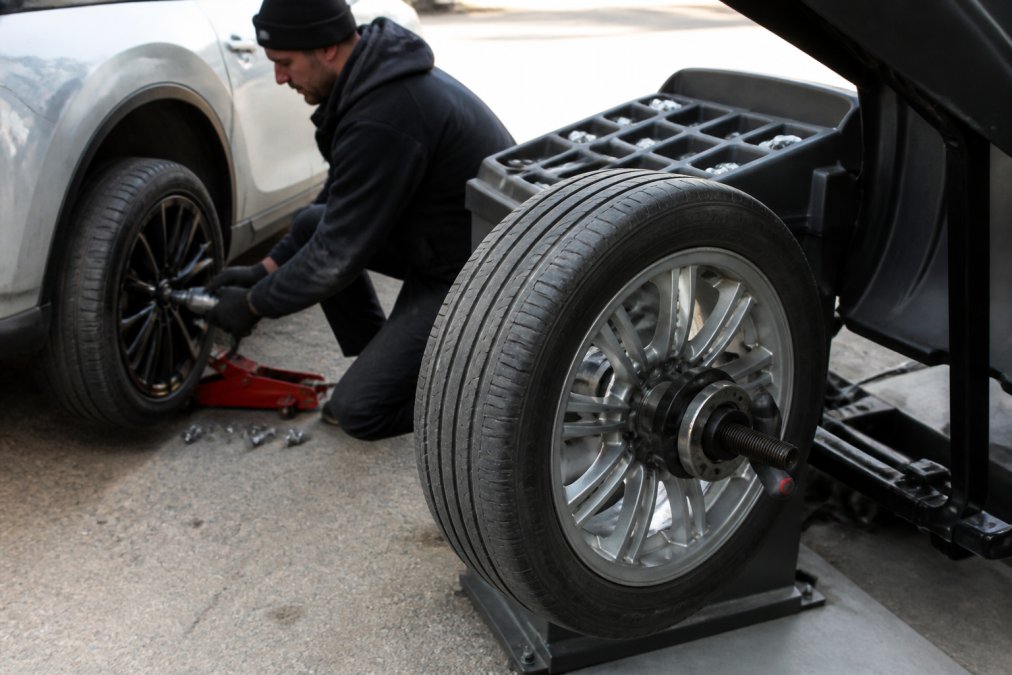
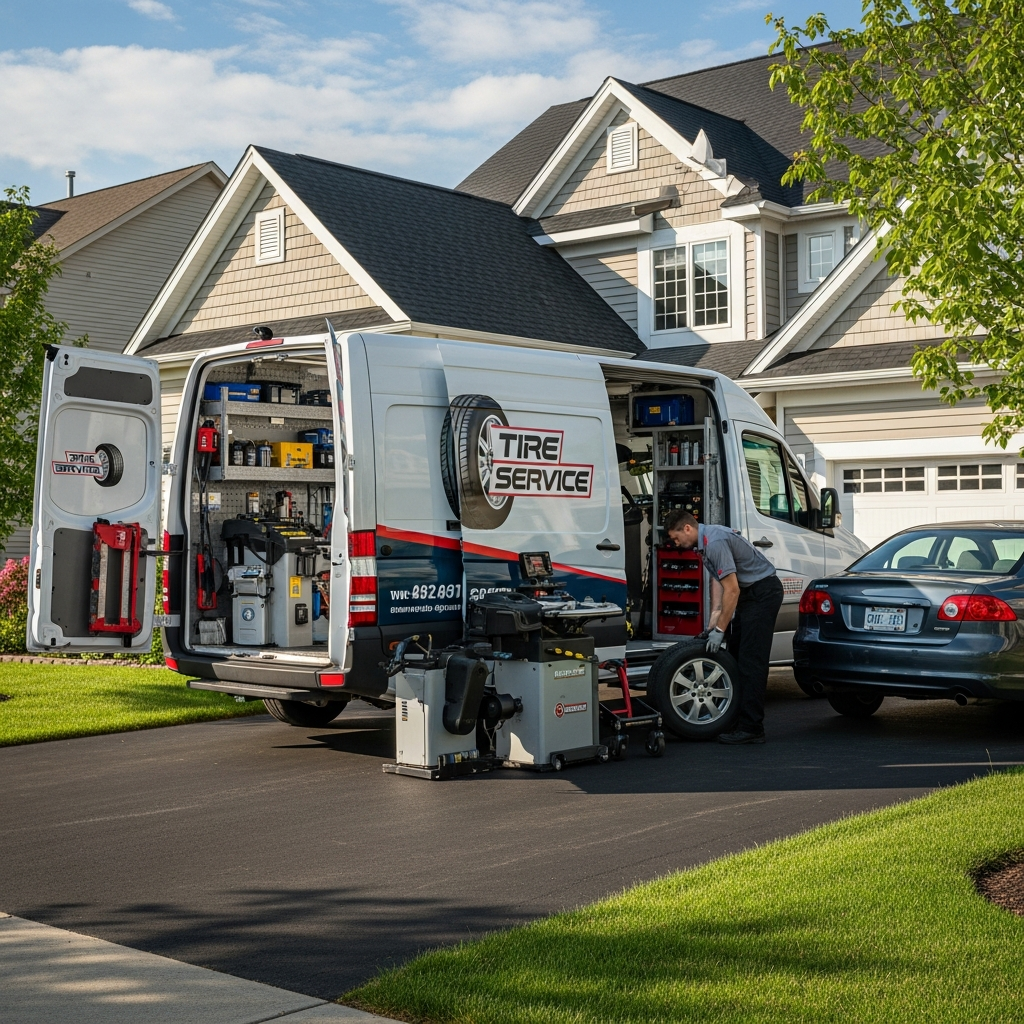
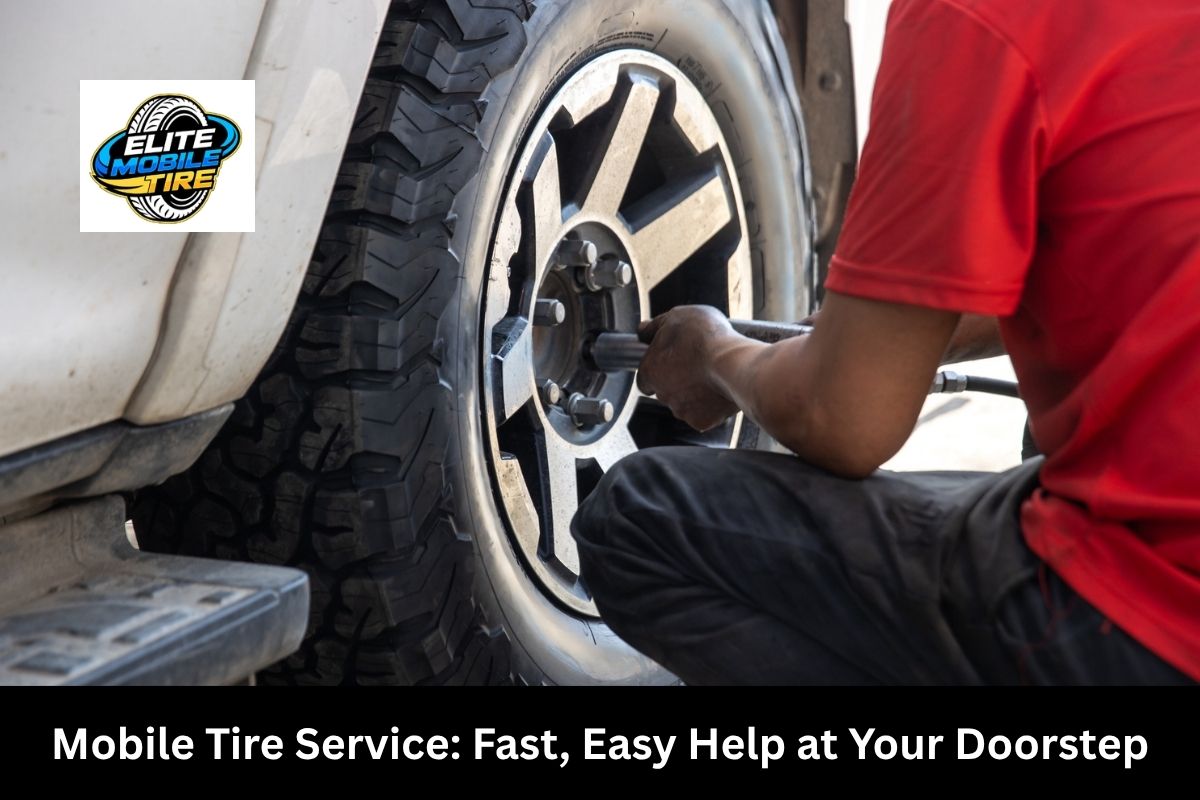
Run-flats are notoriously stiff to mount, and a car sitting on a deflated run-flat in a Pickerington driveway or a Westerville office lot is not something you want to drive across town. Mobile installation brings the work to you. A technician can mount and balance the new tires on site, check that your TPMS sensors are reading correctly, and get you back on the road without a waiting room. If you are not sure which tires your vehicle currently has, look at the sidewall for markings like RFT, ROF, ZP, SSR, or a run-flat symbol, or just send us the tire size and we will help you sort it out.
For more on tire safety, recalls, and how to read tire markings, see the NHTSA tire safety page and the consumer resources from the U.S. Tire Manufacturers Association. You can also read our guides on whether a nail in a tire can be repaired and resetting your TPMS light.
Ready for a new set? Elite Mobile Tire installs 2 or 4 new tires right in your driveway or parking lot anywhere around Columbus, Obetz, Groveport, Grove City, and Reynoldsburg. Financing is available through Afterpay and Acima with up to 24-month payment plans. Call 614-344-5010 or visit elitemobiletire.com to book.