A tire rarely fails on a convenient day. It may be the morning commute, a school pickup, or the drive home after a long shift. This tire replacement mileage guide gives you a practical way to plan before worn tread, a vibration, or a low-pressure warning turns into a roadside problem.
How Many Miles Do Tires Usually Last?
Many passenger tires last between 40,000 and 60,000 miles, but mileage is only a starting point. Some touring tires are designed for longer tread life, while high-performance tires may trade longevity for sharper handling and grip. The tire's construction, your vehicle, road conditions, maintenance habits, and driving style all affect the real number.
For a Columbus-area driver, changing seasons matter too. Potholes, construction zones, winter temperature swings, and frequent stop-and-go traffic can all make tires wear faster or less evenly. A tire that should have lasted 55,000 miles on paper may need replacement much sooner if it has been underinflated, damaged by an impact, or driven with poor alignment.
Rather than waiting for a mileage target, start checking tread condition regularly once your tires pass about 30,000 miles. If you drive more than average, tow, carry a full family load often, or make frequent highway trips, those inspections become even more useful.
Tire Replacement Mileage Guide: What Changes the Timeline
Mileage cannot tell the whole story because tires do not wear in identical ways. Two vehicles with the same tire model can reach replacement at very different times.
Tire Type and Vehicle Weight
A compact sedan generally places less load on its tires than a large SUV, pickup, or work vehicle. Heavier vehicles create more heat and stress during acceleration, braking, and cornering. Electric vehicles can also wear tires faster because of their added weight and immediate torque.
The tire category matters as well. All-season tires are built to balance everyday comfort, tread life, and year-round capability. Performance-oriented tires usually use softer compounds that provide confident grip but may wear sooner. If your vehicle requires a specific size, load rating, or speed rating, replacement tires should meet those requirements rather than simply fitting the wheel.
Inflation Pressure
Low tire pressure is one of the fastest ways to shorten tire life. It causes the outer edges of the tread to wear more quickly, increases heat buildup, and can affect fuel economy and handling. Overinflation can wear the center of the tread and reduce the tire's contact patch with the road.
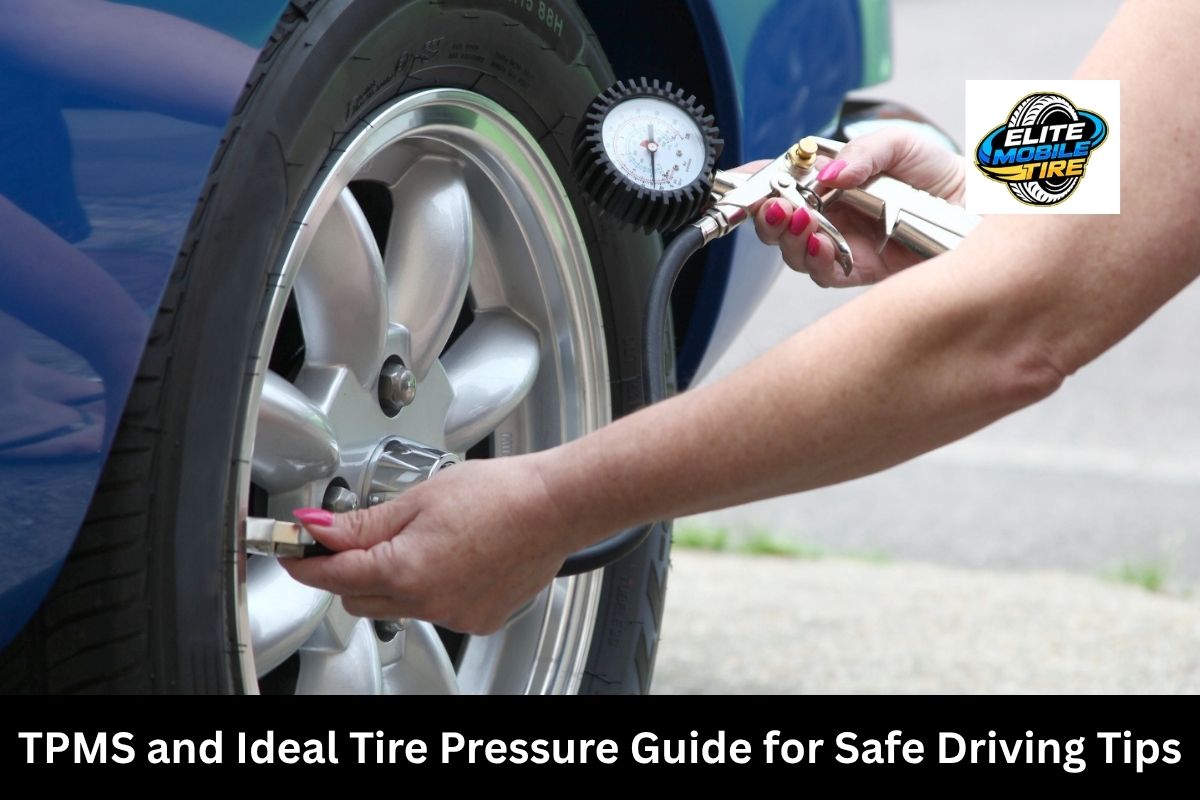
Check pressure at least once a month and before longer trips, using the pressure listed on the driver's door-jamb placard. That number, not the maximum pressure molded into the tire sidewall, is the vehicle manufacturer's recommended cold pressure.
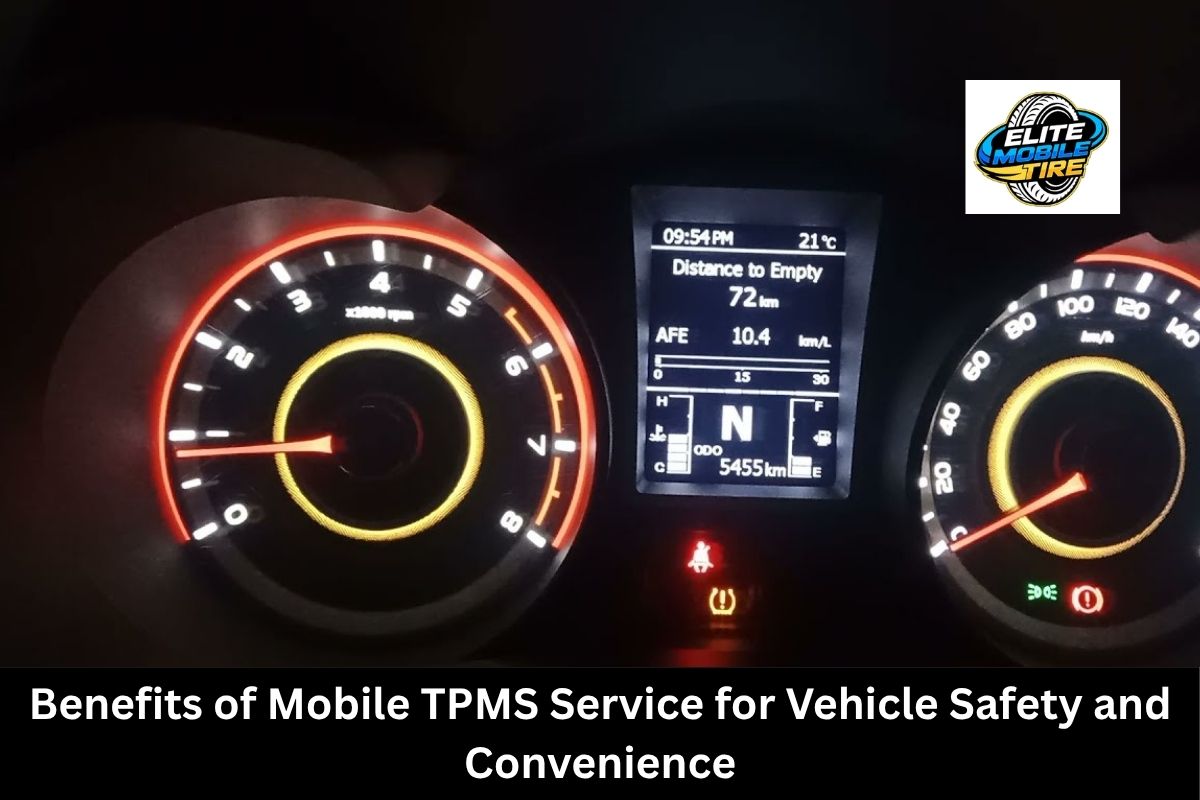
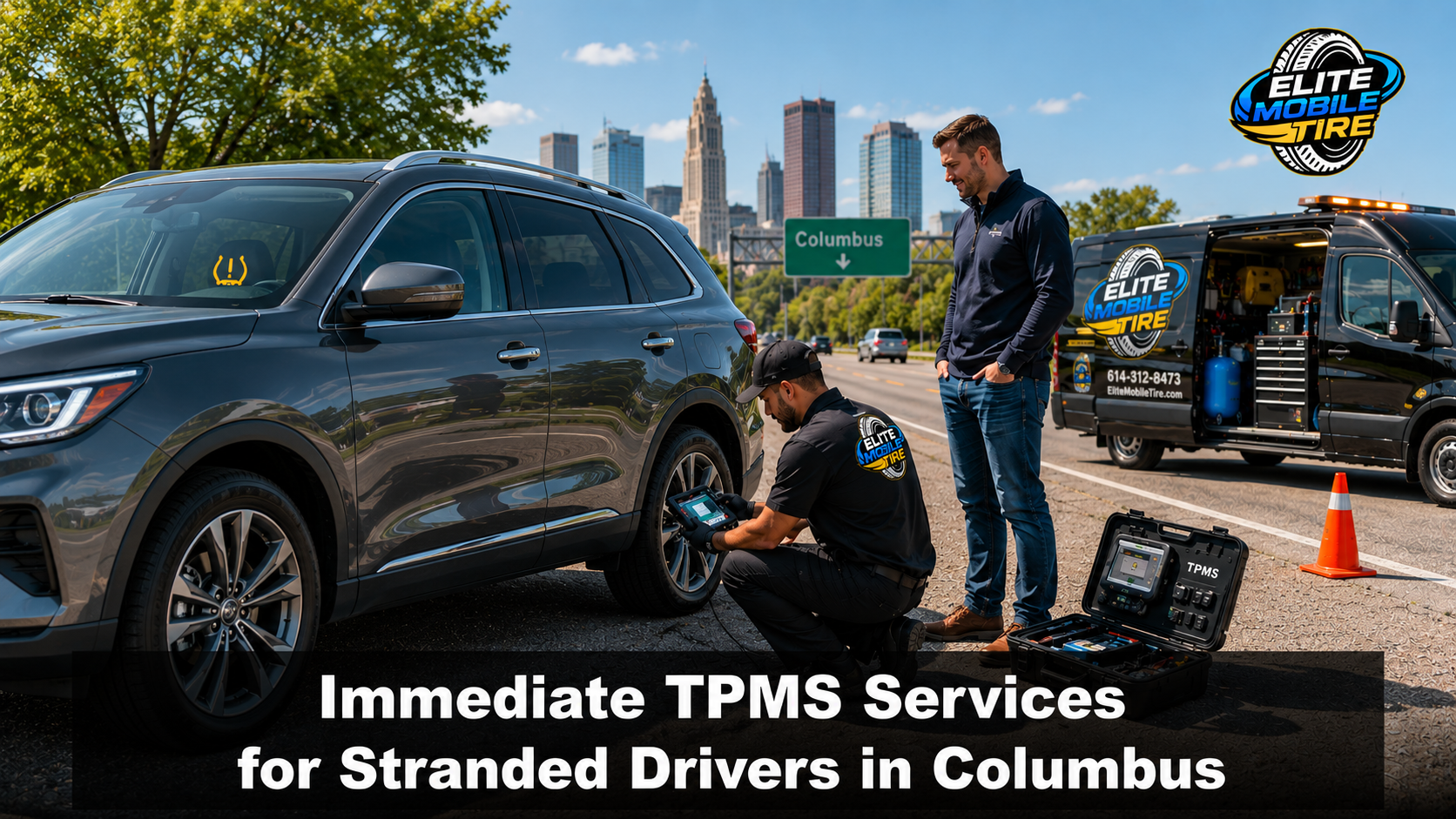
A tire pressure monitoring system is helpful, but it is not a substitute for regular checks. TPMS warnings often activate only after pressure has dropped significantly. If a warning light appears, address it promptly instead of assuming the tire can wait until the weekend.
Alignment, Balance, and Rotation
Uneven wear is often more urgent than normal wear. An alignment issue can scrub away tread on one edge while the rest of the tire still looks usable. A bent wheel, imbalance, or suspension concern may create shaking at highway speeds and lead to irregular patches in the tread.
Rotating tires helps distribute wear more evenly between the front and rear positions. Many drivers rotate them every 5,000 to 7,500 miles, though your owner's manual and tire manufacturer guidance should come first. Front tires commonly wear faster on front-wheel-drive vehicles because they handle much of the steering, braking, and acceleration.
If you feel a new vibration, your vehicle pulls to one side, or the steering wheel is off-center, have it checked soon. Replacing tires without correcting the cause of uneven wear can mean the new set wears out early too.
Road Hazards and Tire Age
Mileage is not the only reason to replace a tire. A pothole impact can damage the internal structure even if the tire still holds air. Look for sidewall bubbles, deep cuts, exposed cords, or a tire that repeatedly loses pressure. These conditions call for professional inspection, not a wait-and-see approach.
Age matters even on low-mileage vehicles. Rubber dries and degrades over time from heat, sunlight, and weather exposure. Most tire manufacturers recommend closer inspection once tires reach five years old, with replacement commonly considered by 10 years regardless of tread depth. The four-digit DOT date code on the sidewall identifies the week and year the tire was made.
Know the Signs That Mileage Is No Longer the Main Question
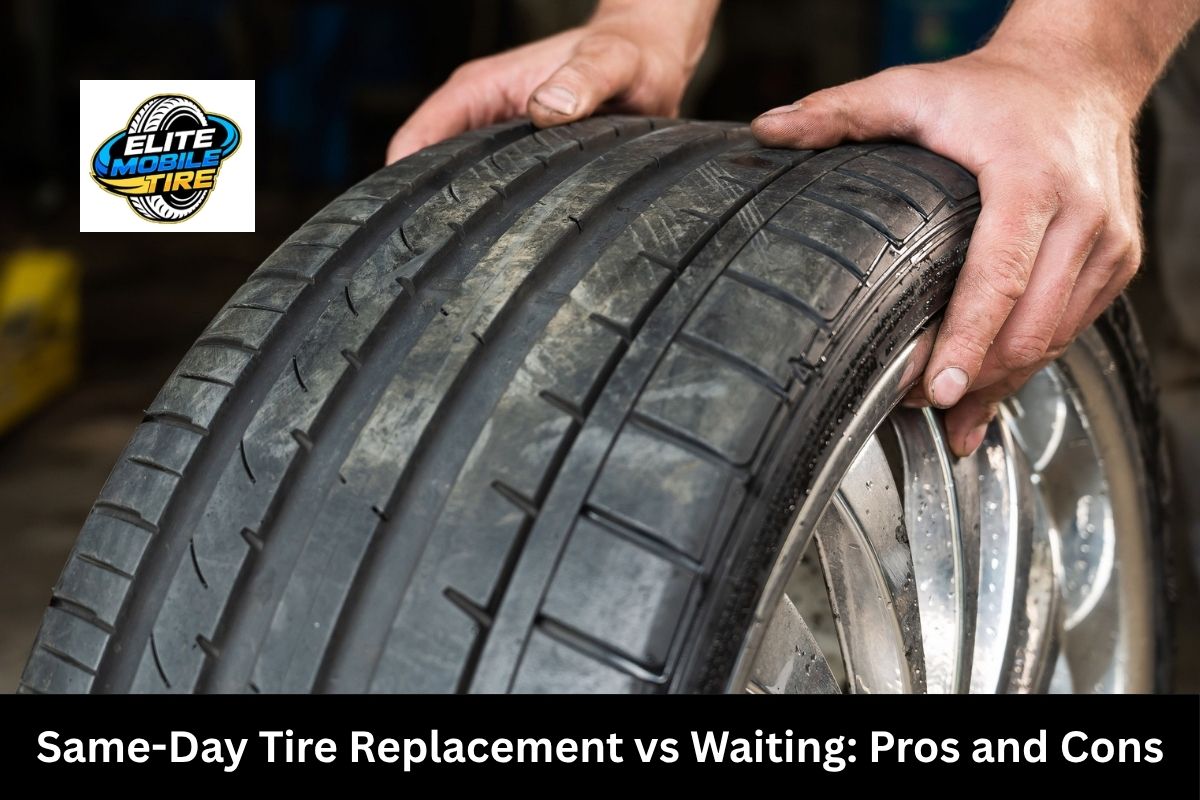
A tread-depth check is one of the simplest ways to judge tire condition. New passenger tires often begin with roughly 10/32 inch of tread. At 4/32 inch, wet-road traction can decline noticeably, and it is wise to begin planning replacement. At 2/32 inch, the legal minimum in many places, tires should be replaced.
The penny test can give a basic indication: insert a penny into the tread with Lincoln's head facing down. If you can see the top of his head, the tread is likely at or below 2/32 inch. A dedicated tread-depth gauge is more precise and makes it easier to compare readings across the tire.
Do not rely on a single spot. Check the inner edge, center, and outer edge of each tire. Wear that is heavier on one side can point to alignment trouble. Cupping or scalloped dips can suggest a balance, suspension, or shock issue. Cracks in the sidewall, bulges, cords showing through, or a puncture in the sidewall are immediate reasons to stop driving on that tire if possible.
Wet weather is where worn tires become especially risky. Tread channels move water away from the contact patch. As they become shallow, the tire has less ability to clear water, increasing the chance of hydroplaning. A vehicle may feel acceptable on dry pavement but lose traction much sooner during a heavy Ohio rain.
Should You Replace One Tire, Two Tires, or All Four?
The right answer depends on tread depth, tire condition, vehicle drivetrain, and manufacturer guidance. If one tire is damaged and the other tires are relatively new with closely matched tread depth, replacing a single tire may be appropriate. However, the replacement must match the others in size, type, and key performance characteristics.
For many two-wheel-drive vehicles, replacing tires in pairs is often the better approach when wear is moderate or advanced. The newer pair is generally installed on the rear axle to help maintain stability in wet conditions, even on front-wheel-drive vehicles. This can feel counterintuitive, but rear traction plays a major role in preventing a loss of control.
All-wheel-drive vehicles require extra attention. Significant differences in tire circumference can place strain on drivetrain components. Some AWD systems have strict limits on tread-depth differences, so consult the owner's manual or a qualified tire professional before replacing only one tire. In certain cases, replacing all four is the safest and most mechanically appropriate choice.
A Simple Replacement Plan That Saves Time
You do not need to inspect your tires obsessively, but a routine keeps surprises to a minimum. Check pressure monthly, look at tread and sidewalls when washing the vehicle or filling up, and schedule rotation according to your maintenance plan. Take a closer look before a road trip, before winter weather, and anytime the vehicle begins riding differently.
When replacement is approaching, gather your tire size from the sidewall or driver's door placard and consider how you use your vehicle. A daily commuter may prioritize quiet ride quality and long tread life. A family SUV may need dependable wet-weather handling and load capacity. A work vehicle or fleet may benefit from a maintenance schedule that minimizes downtime.
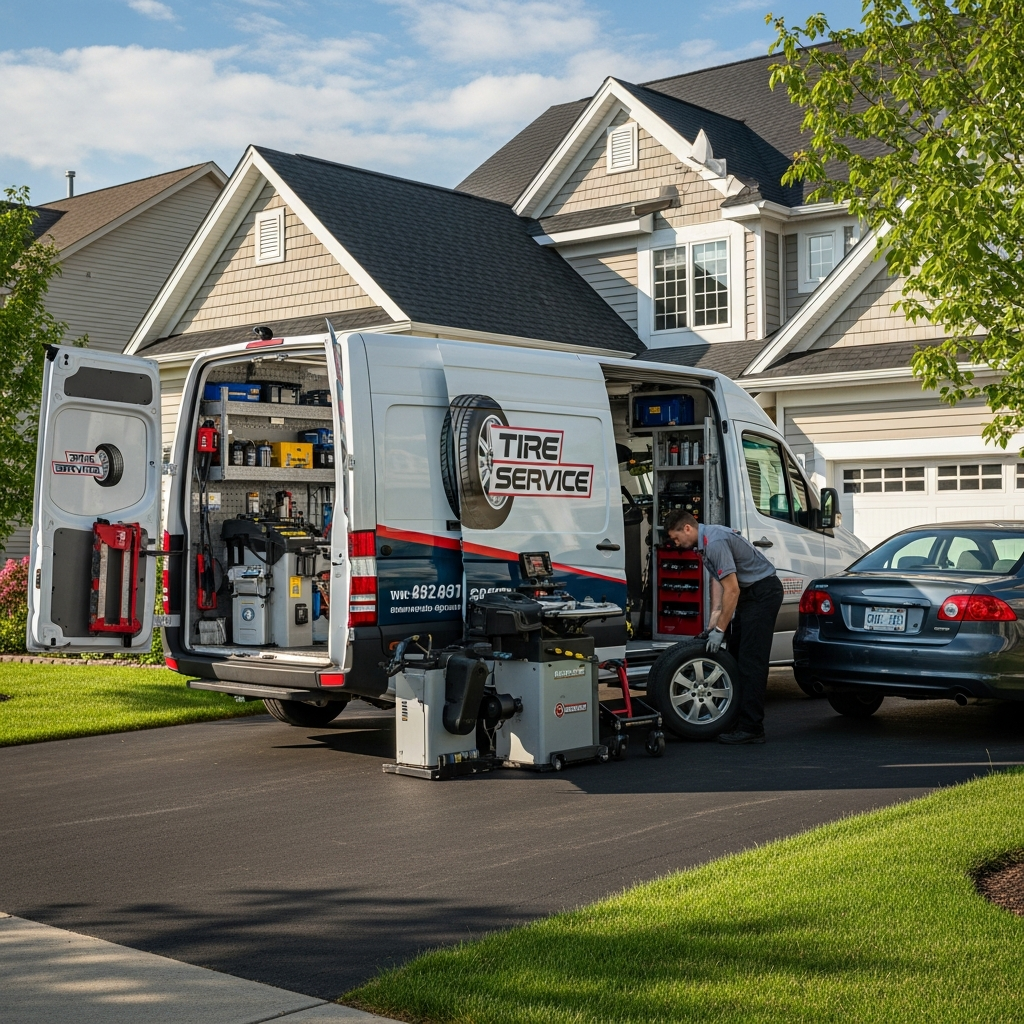
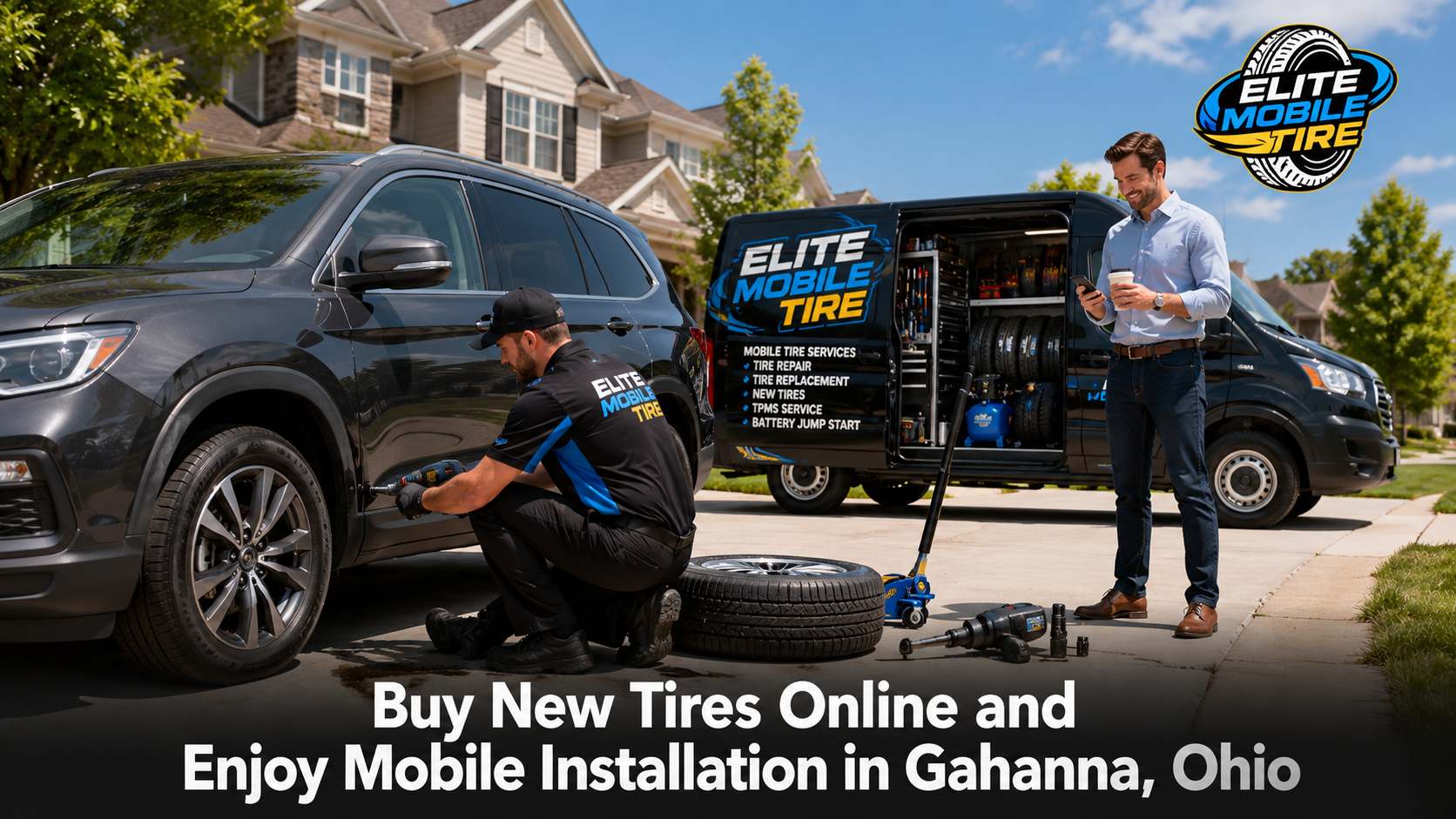
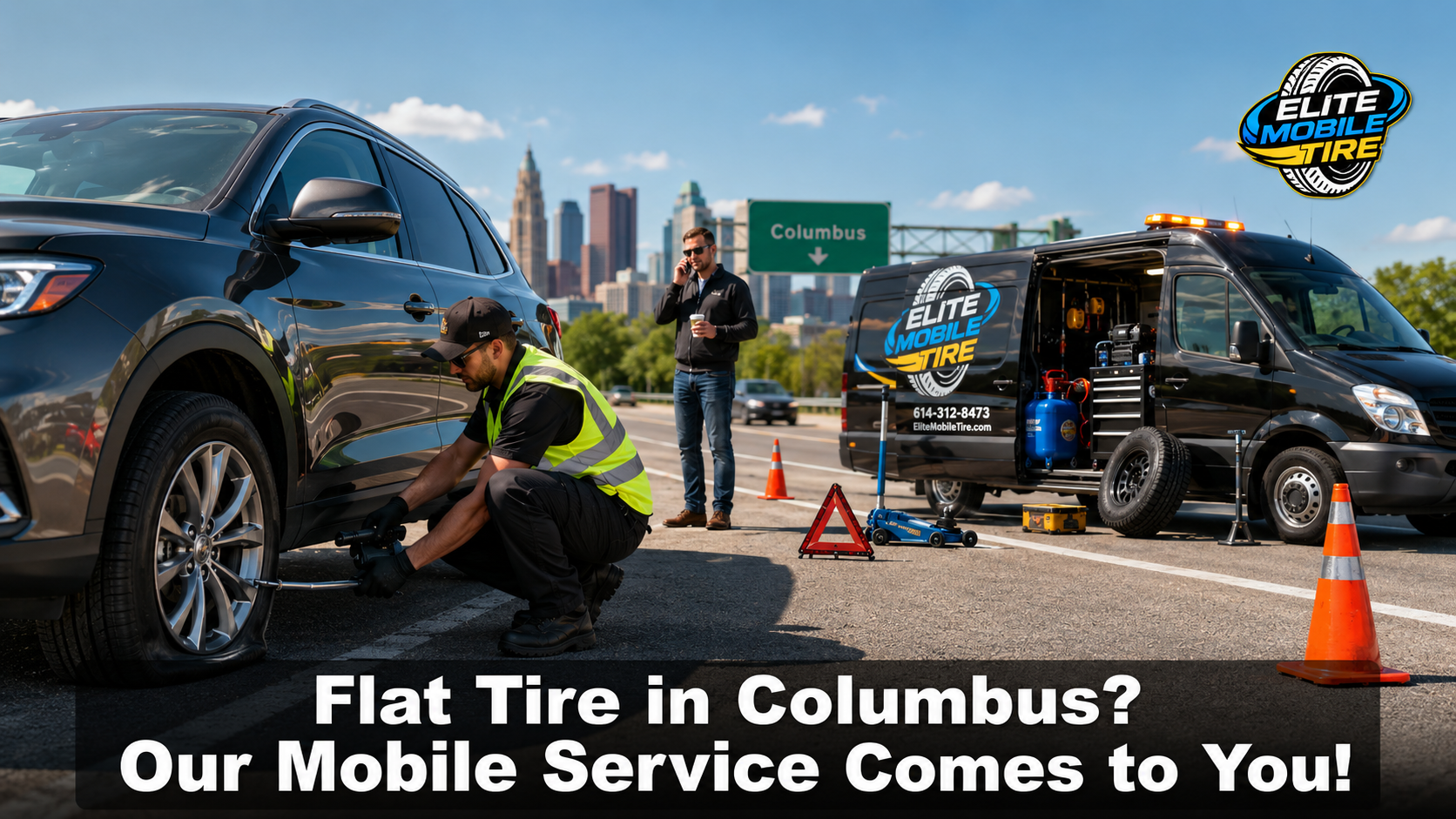
If your tire is flat, damaged, or too worn to drive safely, mobile service can remove the extra step of arranging a tow or waiting at a shop. Elite Mobile Tire brings professional tire service to homes, workplaces, and roadside locations across the Columbus area, helping drivers get the right tires installed without putting the rest of the day on hold.
The best time to replace tires is before worn tread forces the decision. A quick inspection now can protect your schedule later and give you more confidence every time the road turns wet, rough, or unexpected.
Ready for a new set? Elite Mobile Tire installs 2 or 4 new tires right in your driveway or parking lot anywhere around Columbus, Obetz, Groveport, Grove City, and Reynoldsburg. Financing is available through Afterpay and Acima with up to 24-month payment plans. Call 614-344-5010 or visit elitemobiletire.com to book.