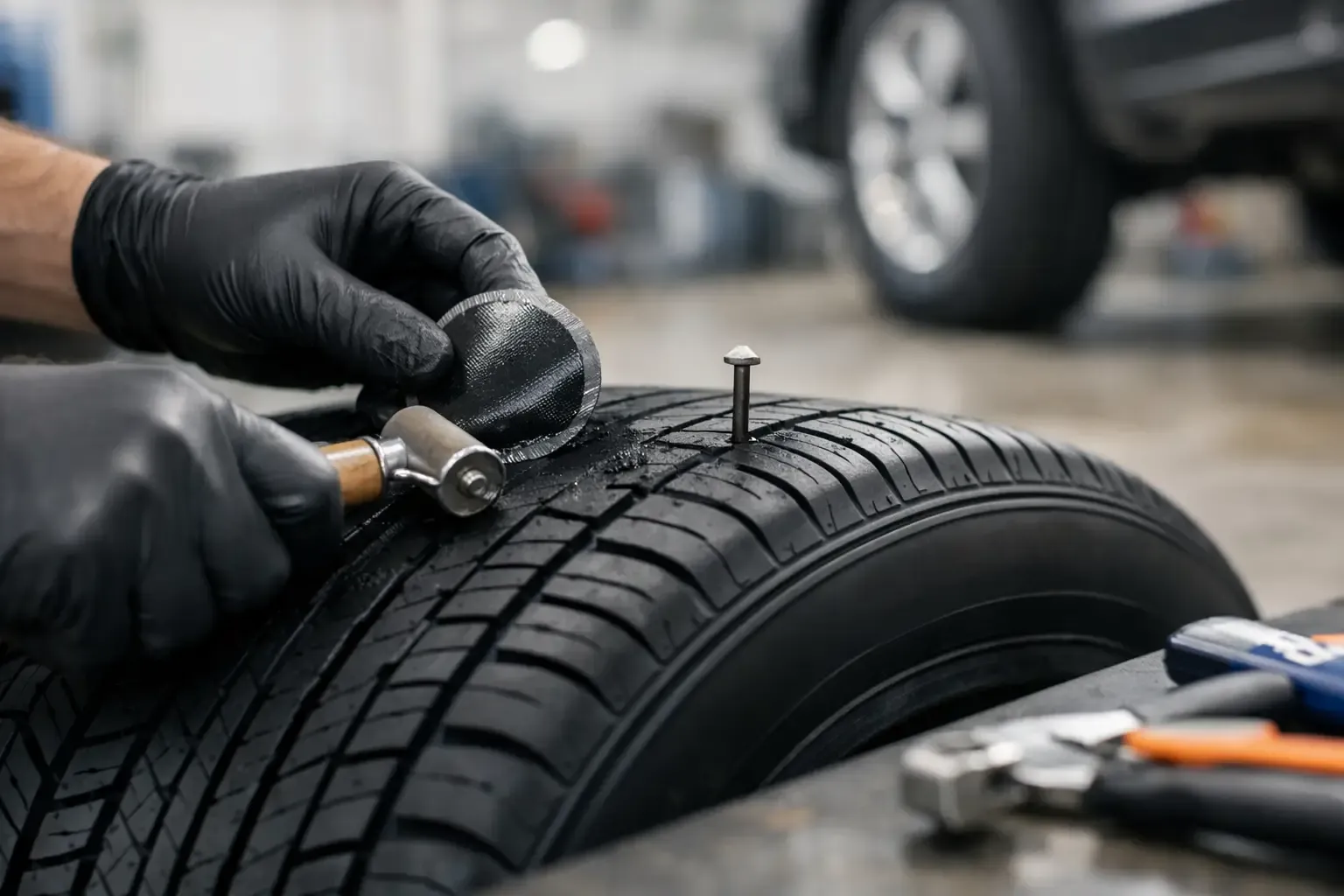
A nail in your tire can turn a normal commute, school pickup, or workday into an immediate question: can a tire be patched safely, or does it need to be replaced? The answer depends on where the damage is, how large it is, and whether the tire was driven while flat. A professional inspection is the safest way to avoid guessing.
A proper repair can restore a qualifying tire to safe service and help you get back on the road without losing a day at a tire shop. But not every leak is repairable. Knowing the difference protects your vehicle, your passengers, and everyone else sharing the road.
Can a Tire Be Patched Safely? Start With the Location
The most important factor is the location of the puncture. In most cases, a tire can be safely repaired only when the damage is in the center portion of the tread - the area that makes consistent contact with the road.
The shoulder and sidewall are different. These areas flex heavily as the tire rolls, turns, and carries the weight of the vehicle. A puncture in the shoulder or sidewall is generally not safely repairable, even if the hole seems small. Repairing it could leave the tire vulnerable to a sudden failure under heat, speed, or load.
A technician also checks the size and angle of the puncture. A simple, straight puncture from a nail or screw in the repairable tread area may qualify. A wide hole, a tear, or a puncture caused by a sharp object entering at an angle may not. Damage from a pothole, curb strike, or road debris can affect the tire's internal structure even when the outside damage looks minor.
Why a Plug Alone Is Not the Same as a Professional Repair
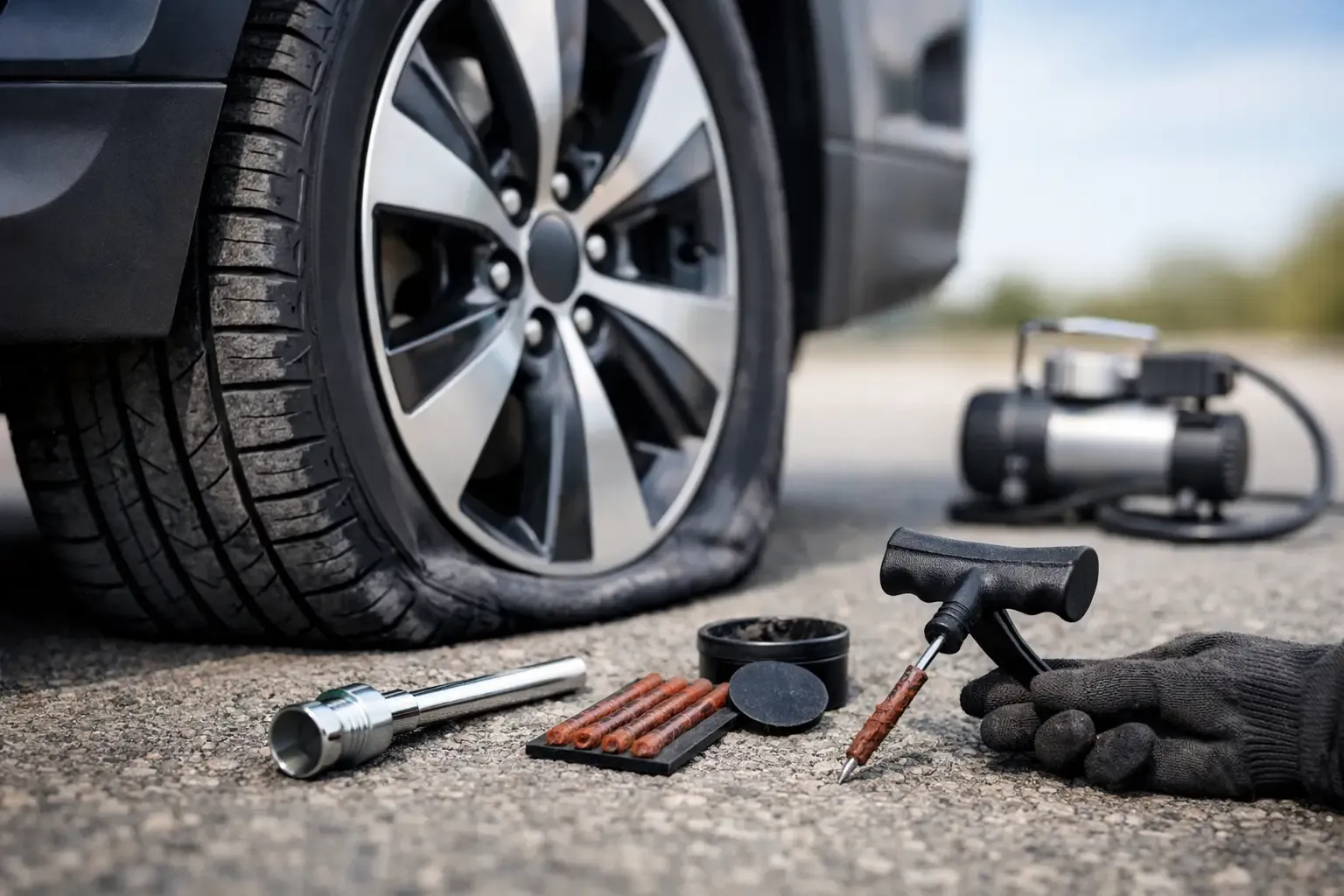
A roadside plug kit can sometimes slow or stop a leak long enough to move a vehicle out of an unsafe spot. It is not the same as a complete tire repair.
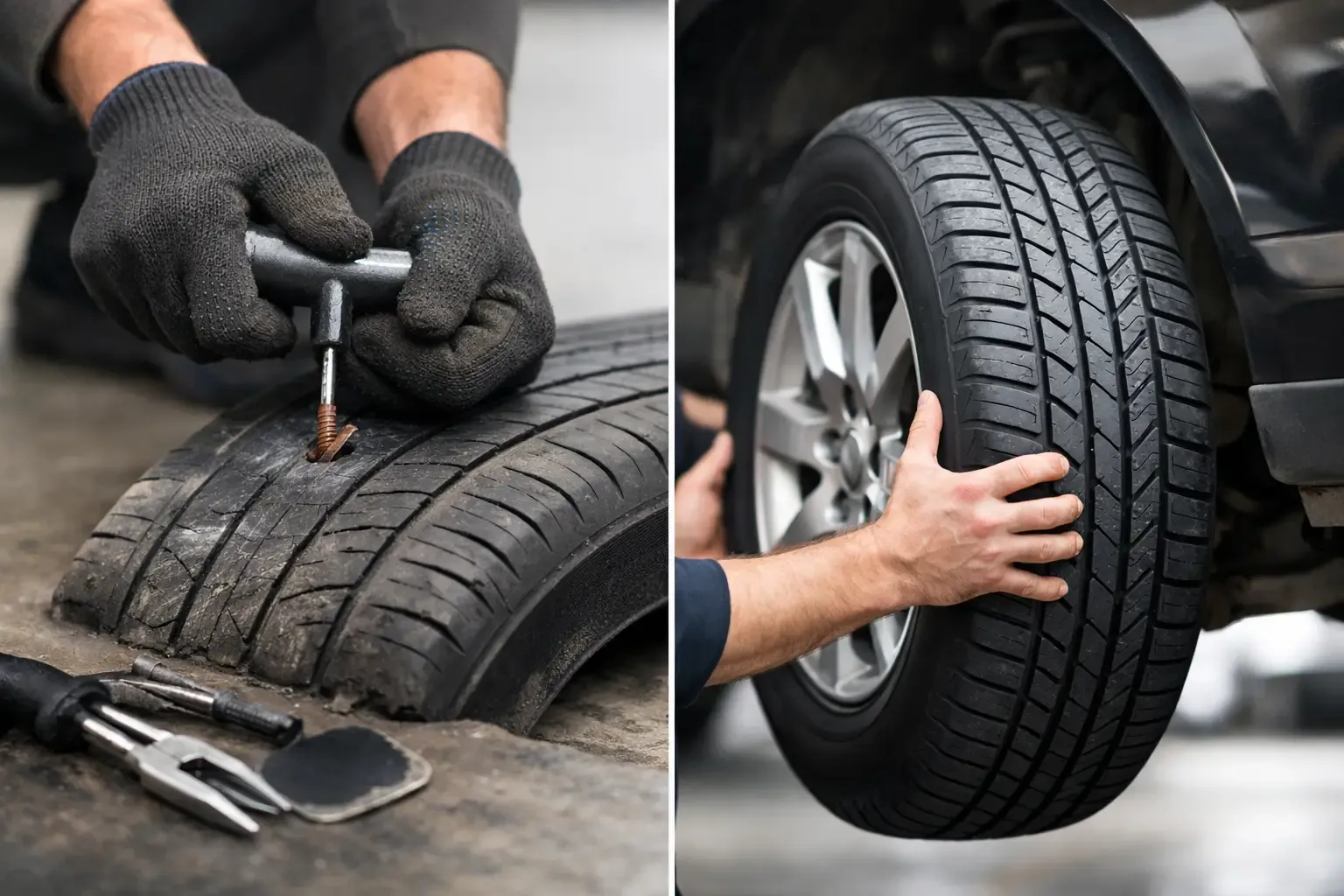
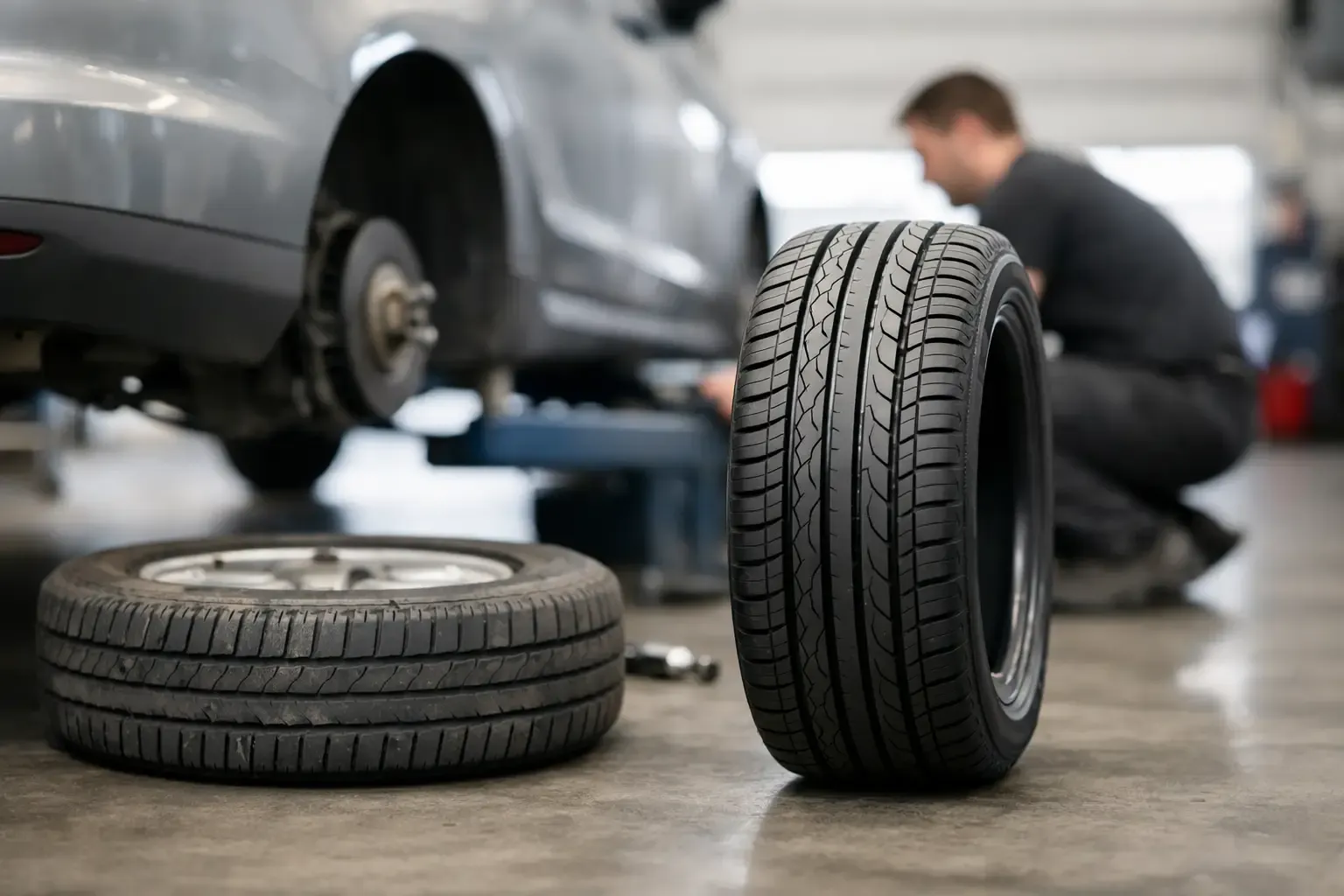
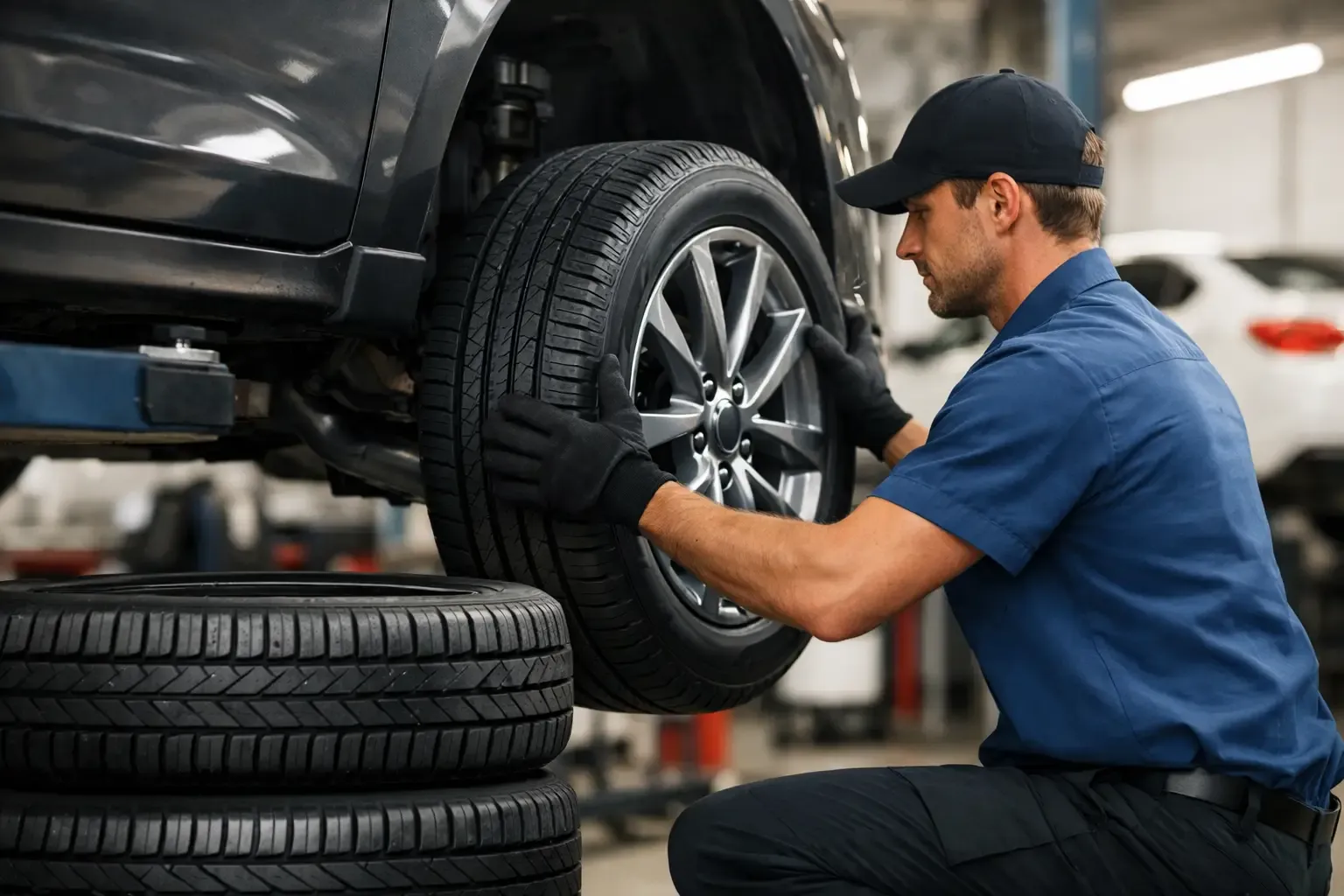
A professional repair requires removing the tire from the wheel and inspecting the inside. The technician can then confirm that the tire has not been damaged by low-pressure driving, locate hidden problems, and install a combination patch and plug from the inside. The plug fills the puncture channel, while the patch seals the inner liner.
That inside inspection matters. Tires are designed to run at the correct air pressure. When a tire is driven low or flat, its sidewalls can flex excessively and create internal damage that is not visible from the outside. Adding air or inserting a plug does not prove the tire is safe.
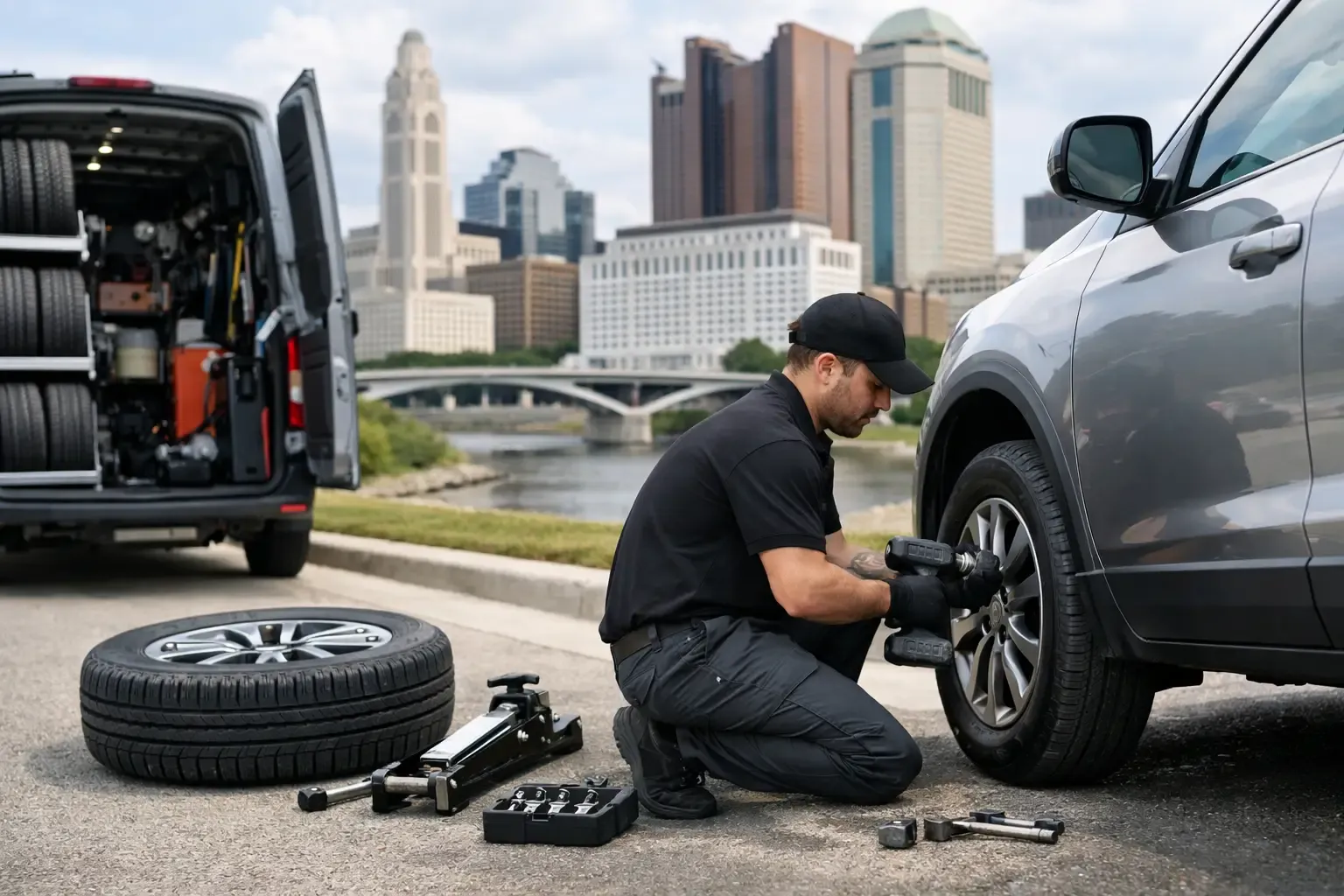
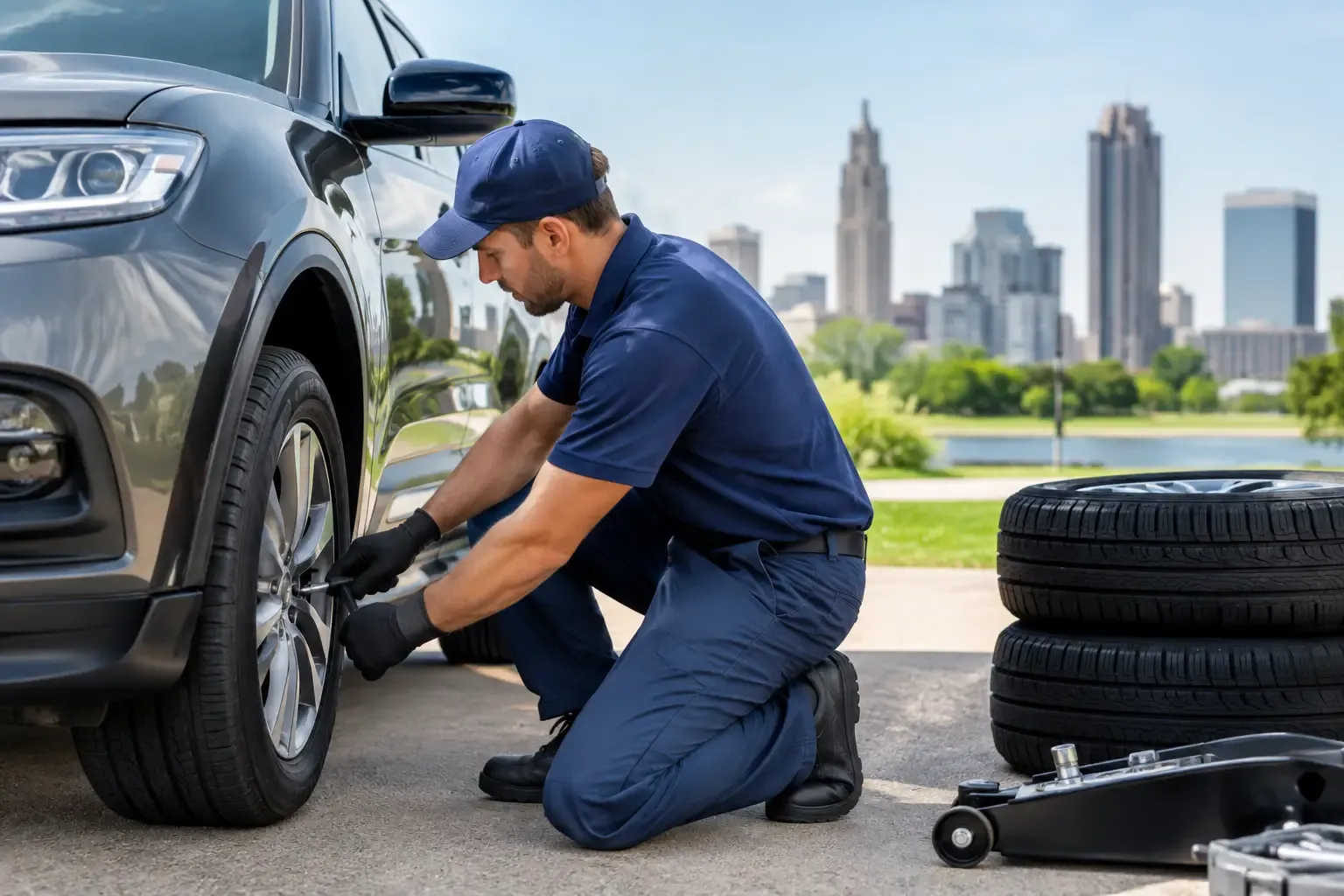
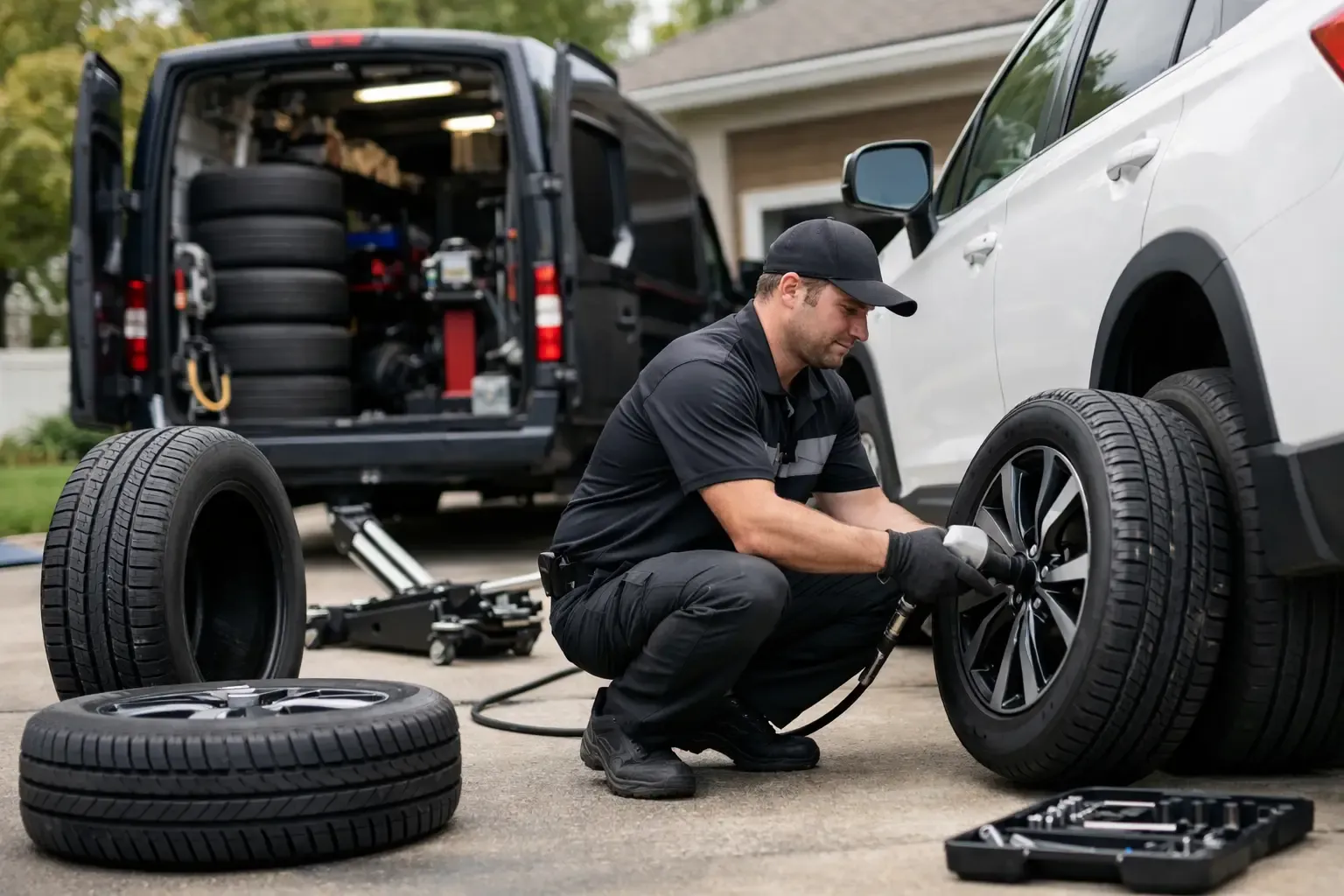
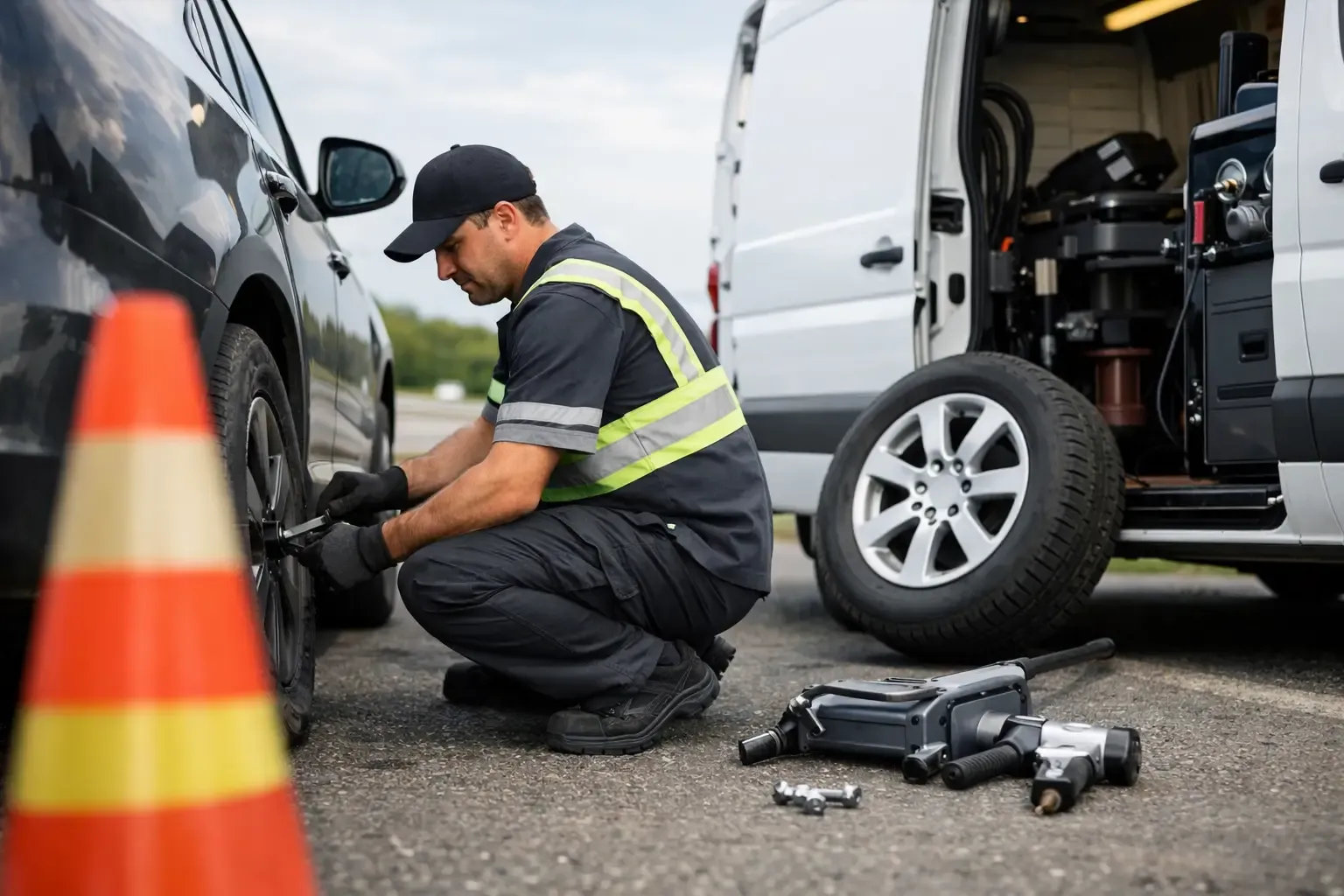
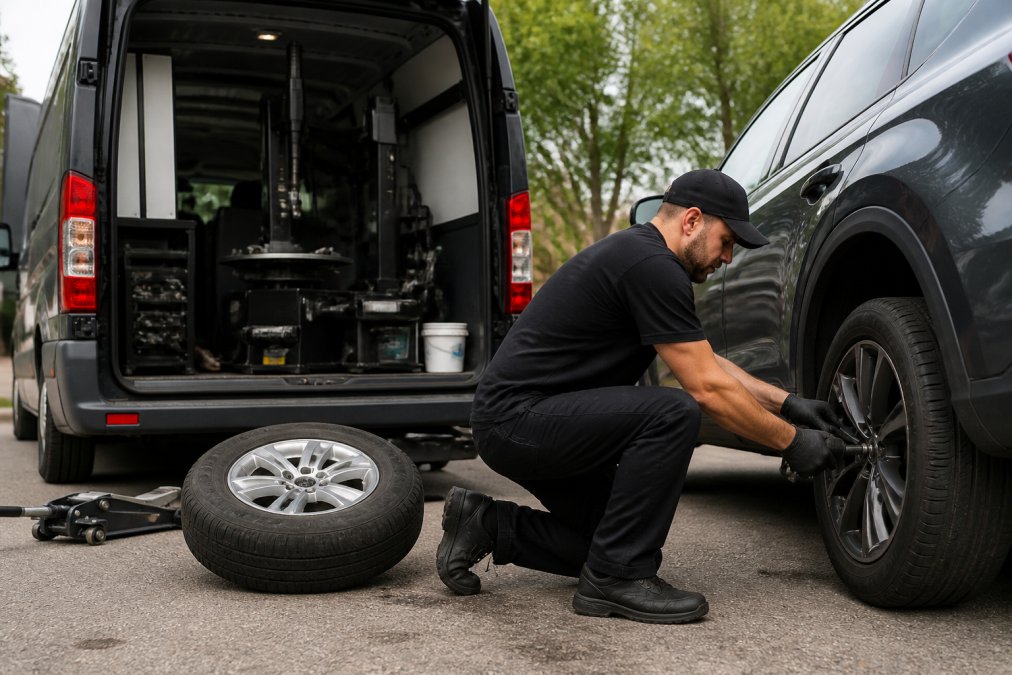
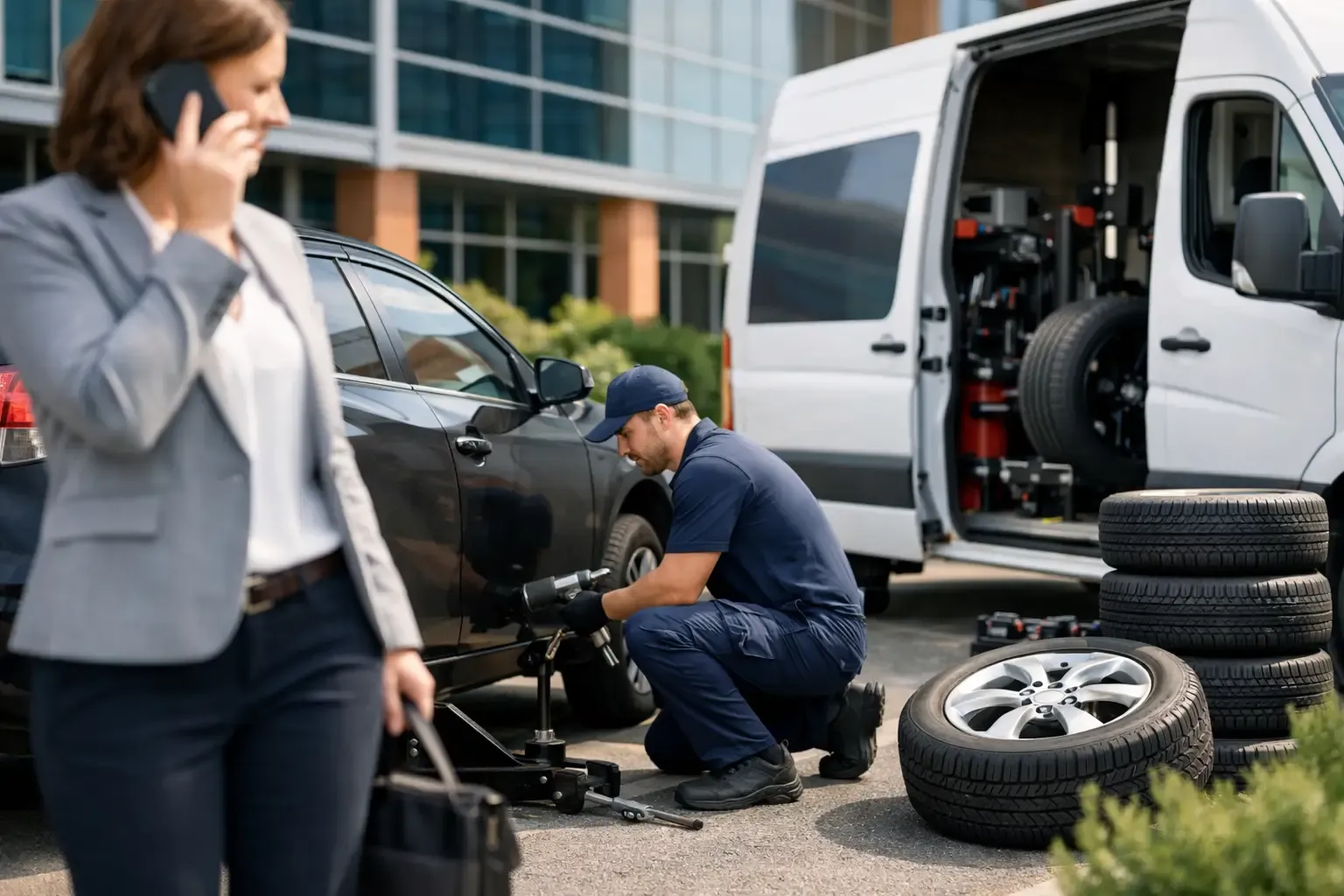
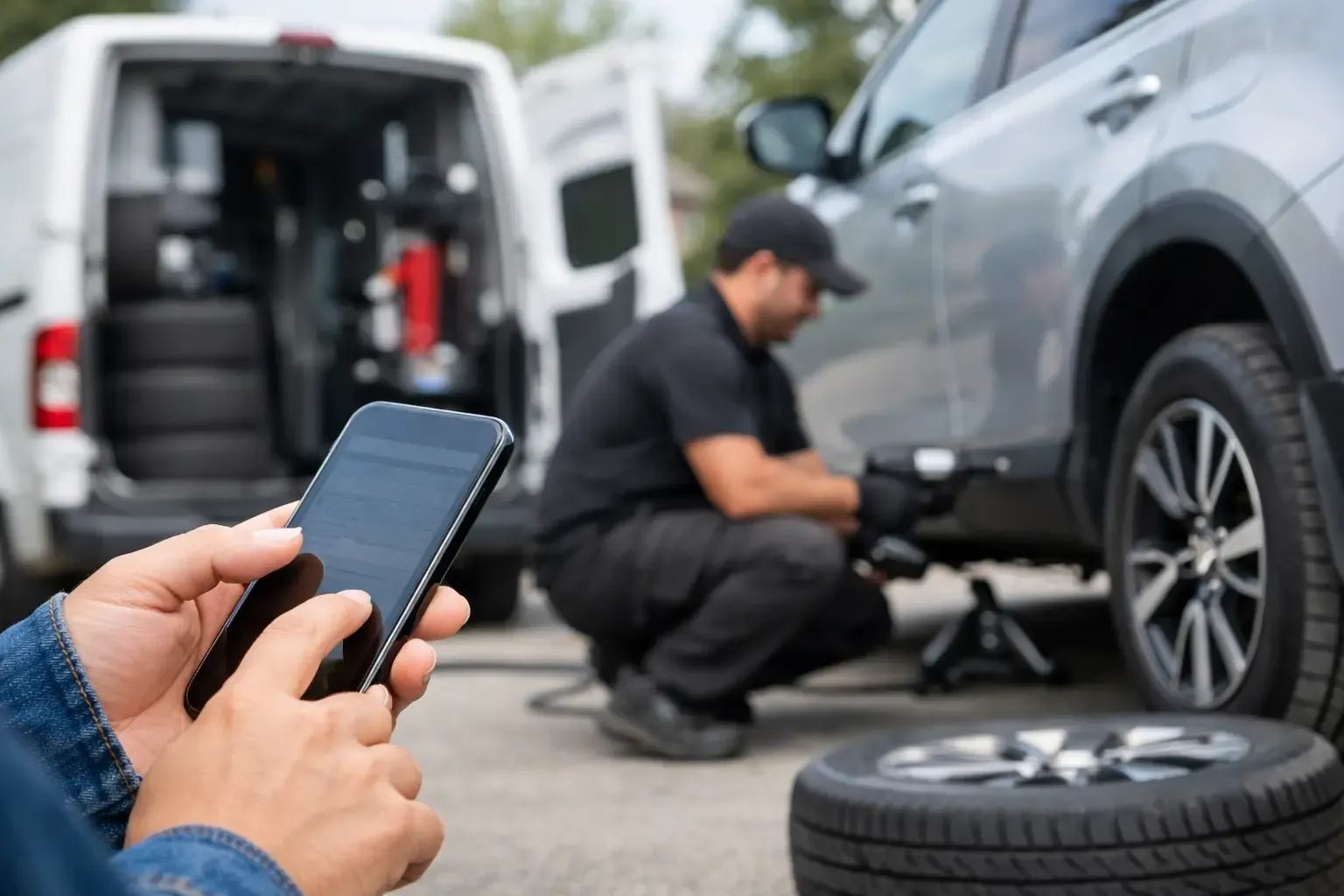
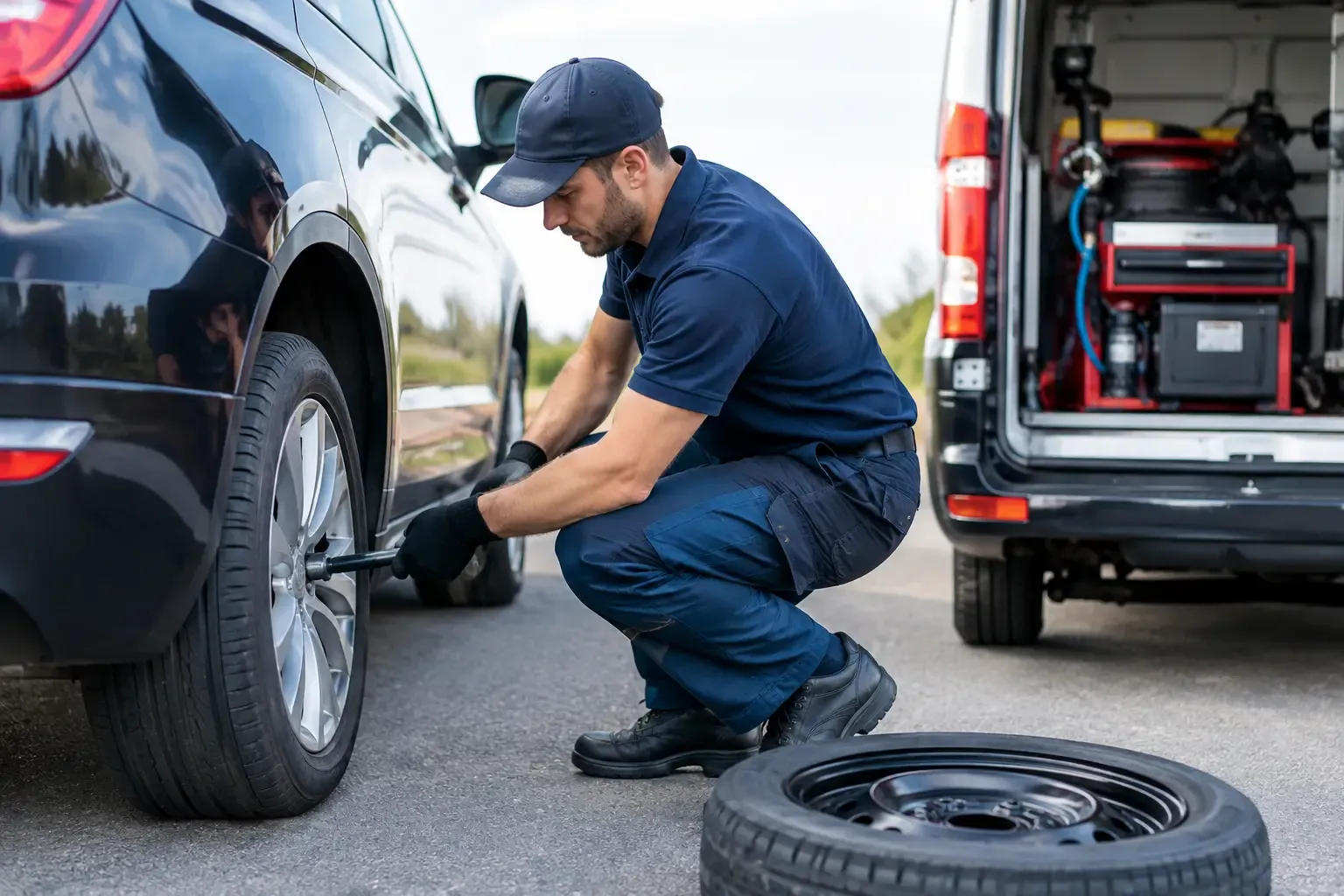
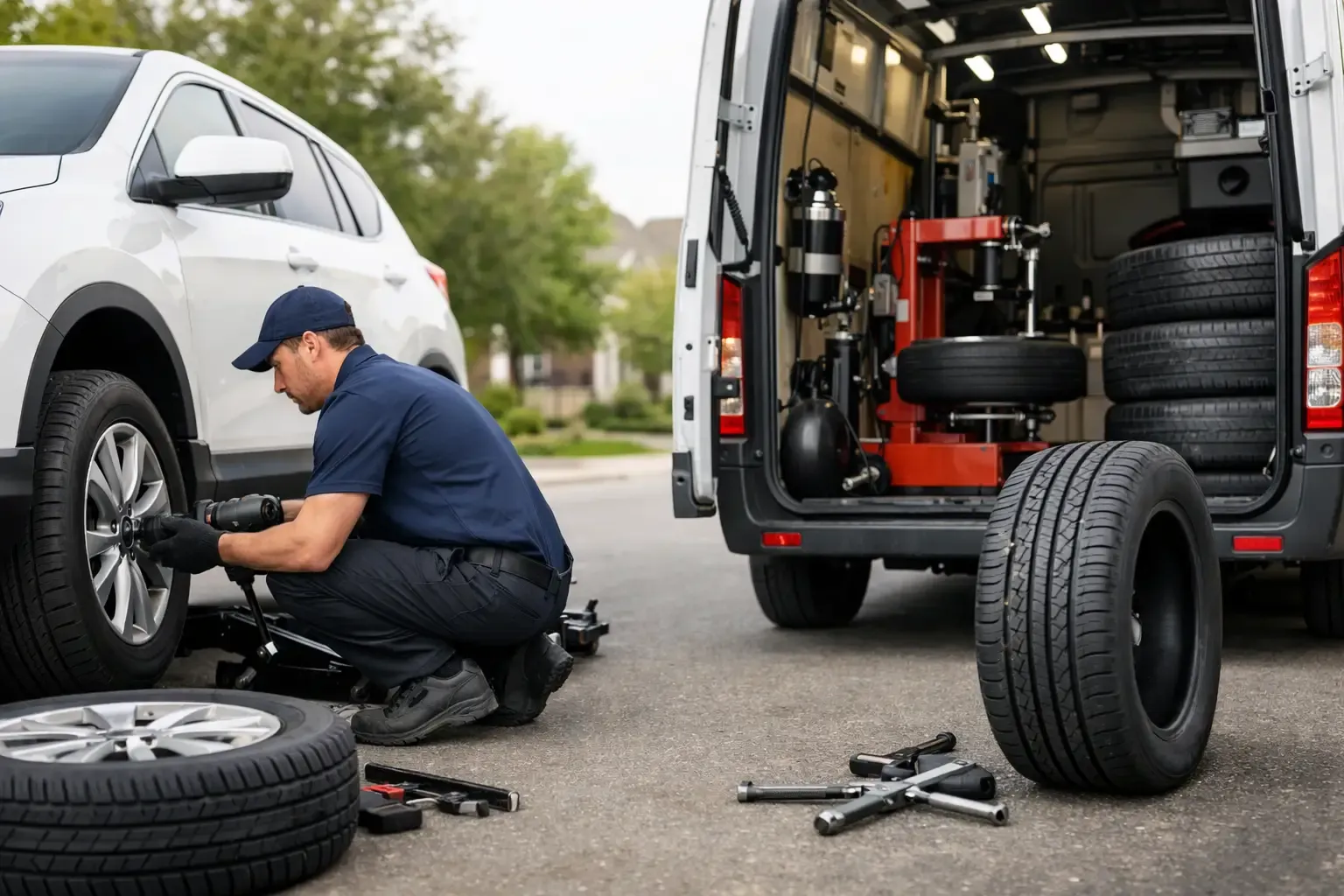
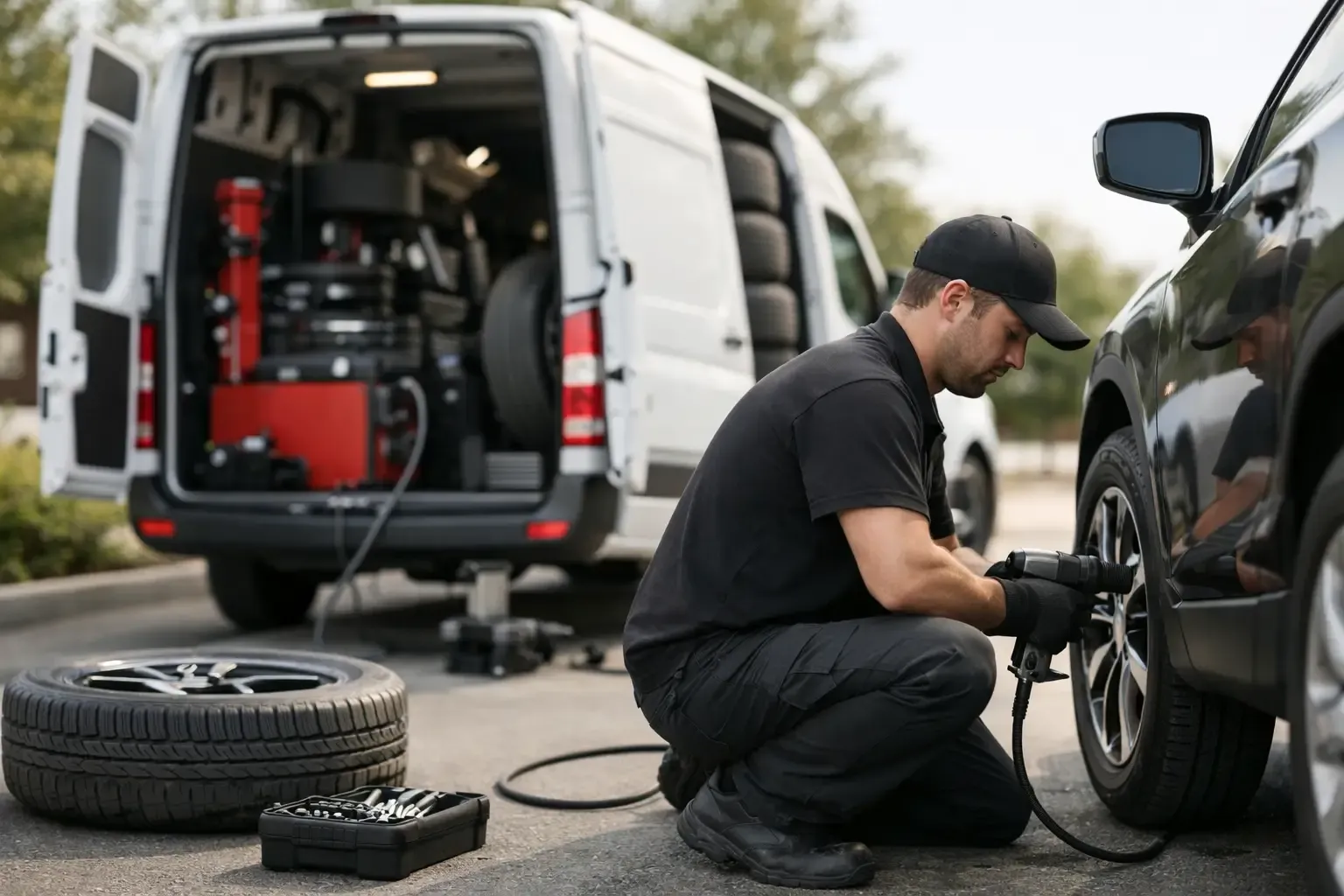
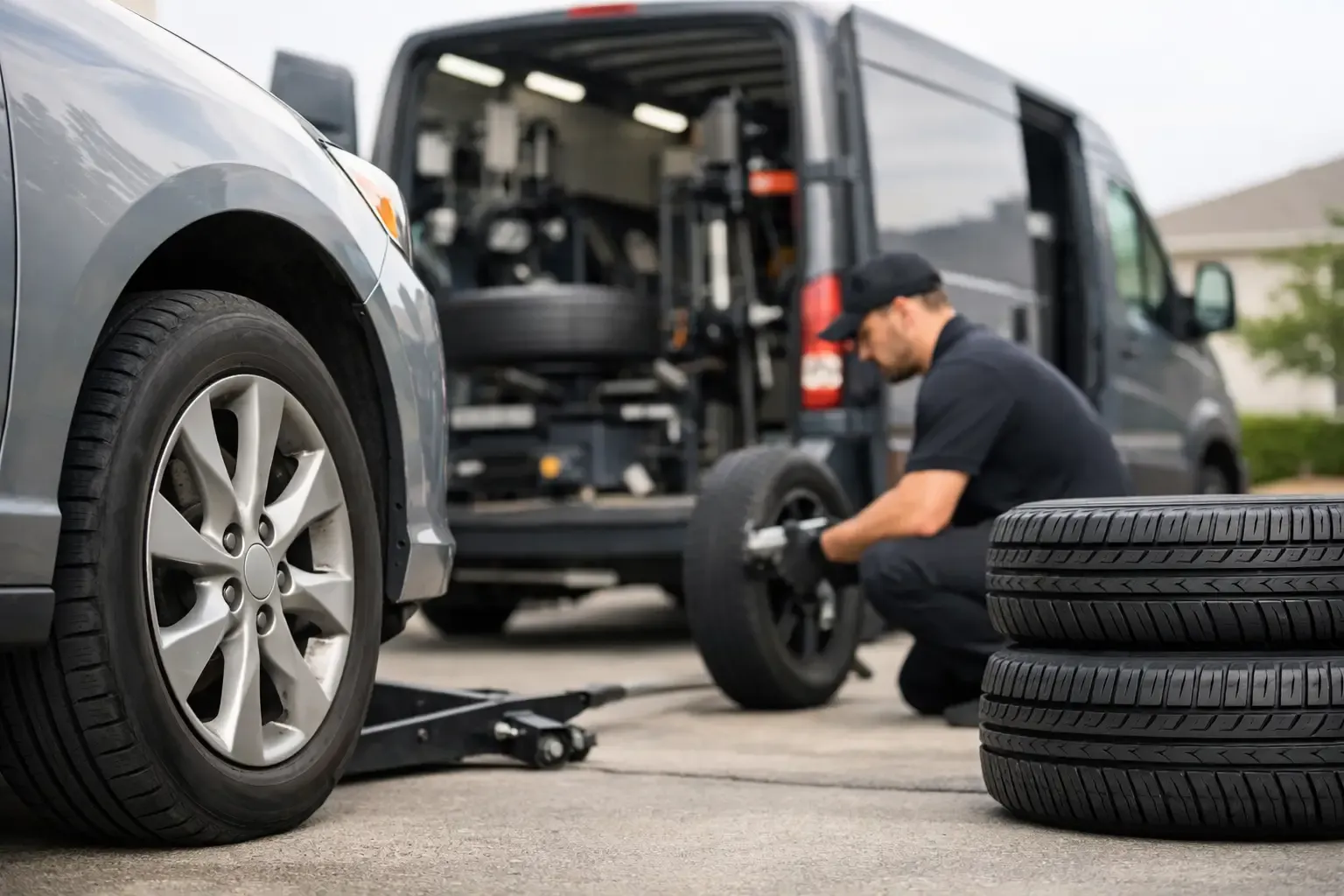
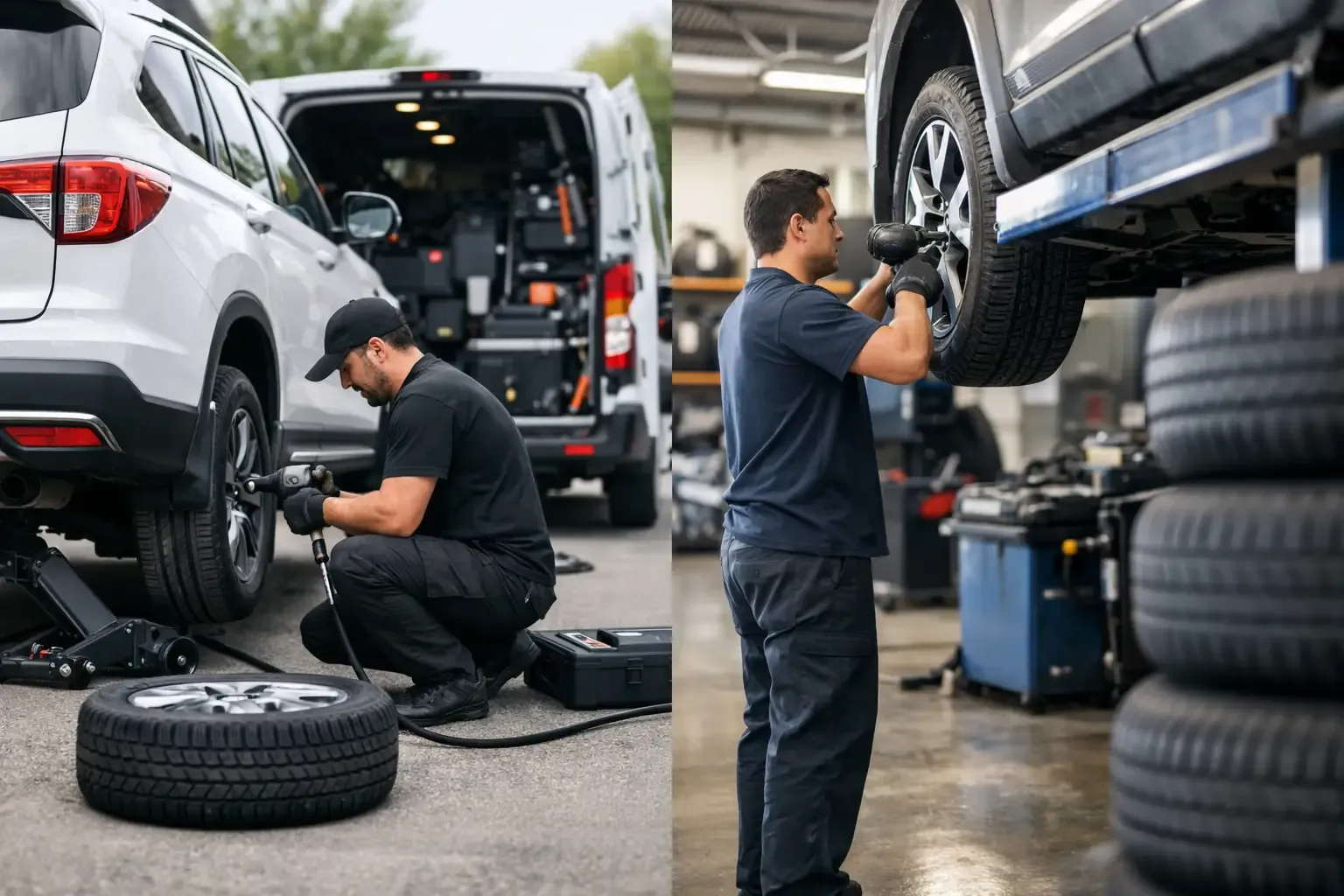
For drivers with packed schedules, a mobile tire professional can perform this evaluation at home, at work, or where the vehicle is parked. It removes the uncertainty without requiring a tow or a long wait in a service lobby.
When Tire Replacement Is the Safer Choice
Replacement is the right call when the tire cannot be repaired to a safe standard. That can feel frustrating when the tire is still holding some air, but continuing to use a compromised tire can create a much bigger problem later.
A replacement is commonly recommended when any of these conditions apply:
- The puncture is in the sidewall or shoulder area.
- The hole is larger than a standard repairable puncture or the tire has a cut, split, or tear.
- The tire was driven while significantly underinflated or completely flat.
- There are multiple punctures too close together, which can weaken the tread area.
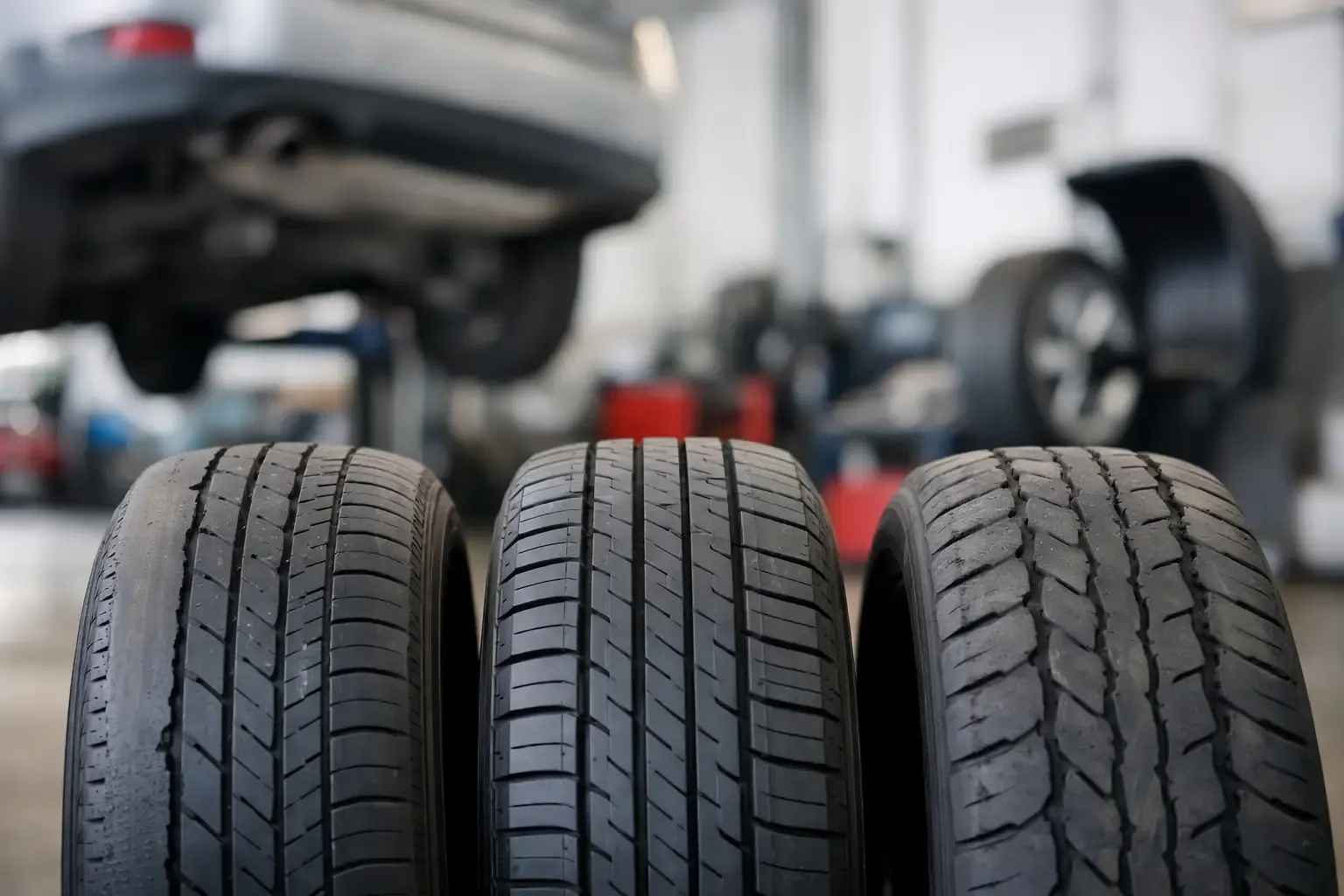
- The tire has exposed cords, a separated belt, bulges, severe cracking, or worn tread.
The condition of the other tires matters, too. On many vehicles, especially all-wheel-drive models, a new tire may need to be closely matched in tread depth and overall diameter to the tires already on the vehicle. A qualified technician can explain the options clearly so you can make a decision based on safety and your vehicle's requirements rather than guesswork.
Do Not Ignore the Cause of the Flat
A nail in the tread is easy to understand. Other air-loss problems are less obvious. A leaking valve stem, damaged wheel, corroded wheel bead, or failing tire pressure monitoring system sensor can all cause repeated low-pressure warnings.
If a tire keeps losing air after it has been inflated, do not assume it only needs more air. Low pressure creates extra heat, affects handling, and can cause uneven tread wear. It may also increase the chance of a blowout, particularly during highway driving or when the vehicle is fully loaded.
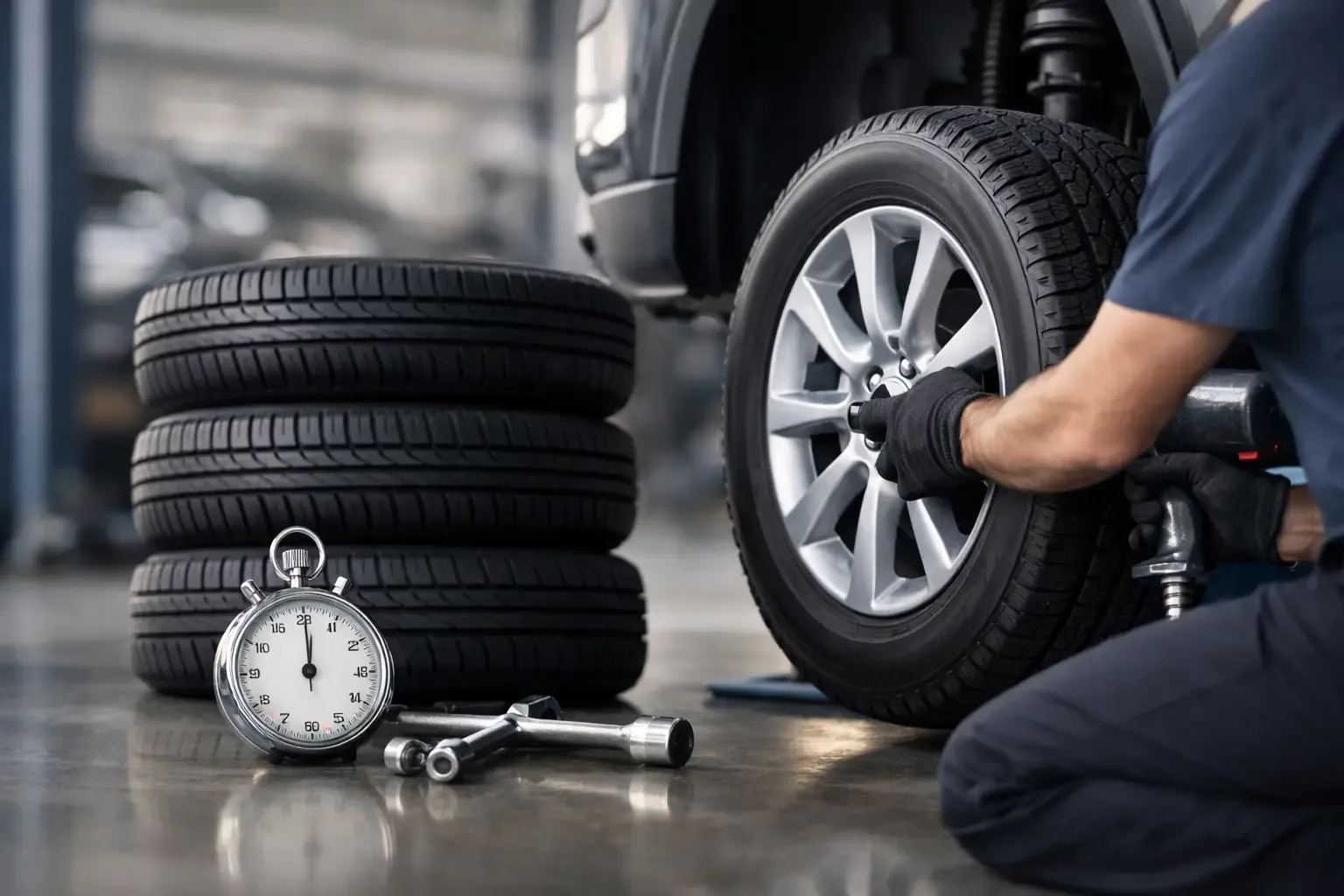
A thorough tire service checks more than the visible leak. The tire should be inspected, the wheel should be evaluated, and the correct air pressure should be restored. If the tire is removed, proper remounting and balancing help maintain a smooth, stable ride.
What to Do When You Find a Nail or Screw
If you notice a nail or screw in the tread and the tire is still holding air, leave the object in place until it can be inspected. Pulling it out may turn a slow leak into a rapid flat. Check the tire pressure, avoid high speeds and long trips if pressure is dropping, and arrange service as soon as practical.
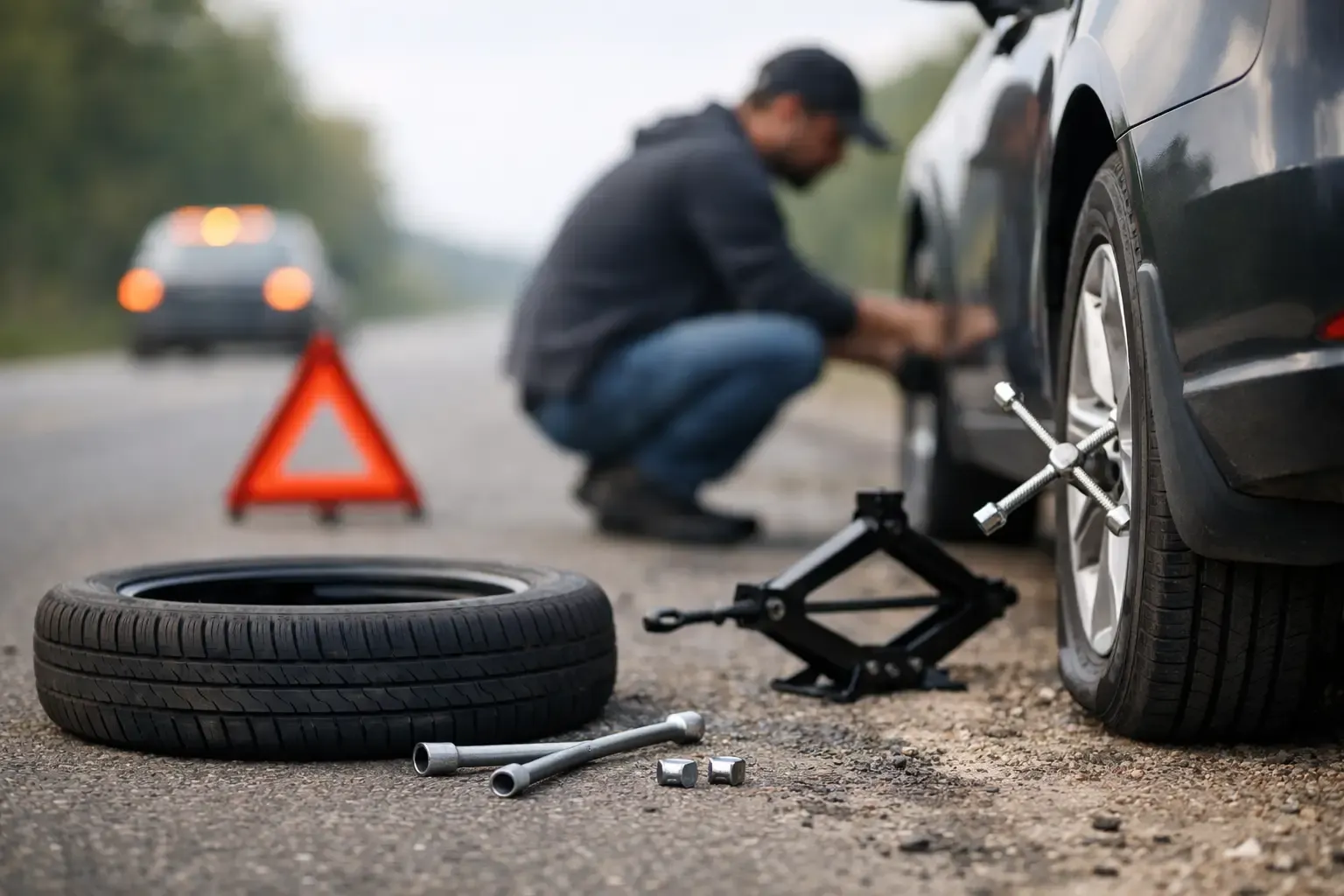
If the tire is flat, damaged, or unsafe to drive on, use your spare only if you can do so safely and it is properly inflated. Temporary spare tires have speed and distance limitations. They are meant to get you to service, not to replace a full-size tire for everyday driving.
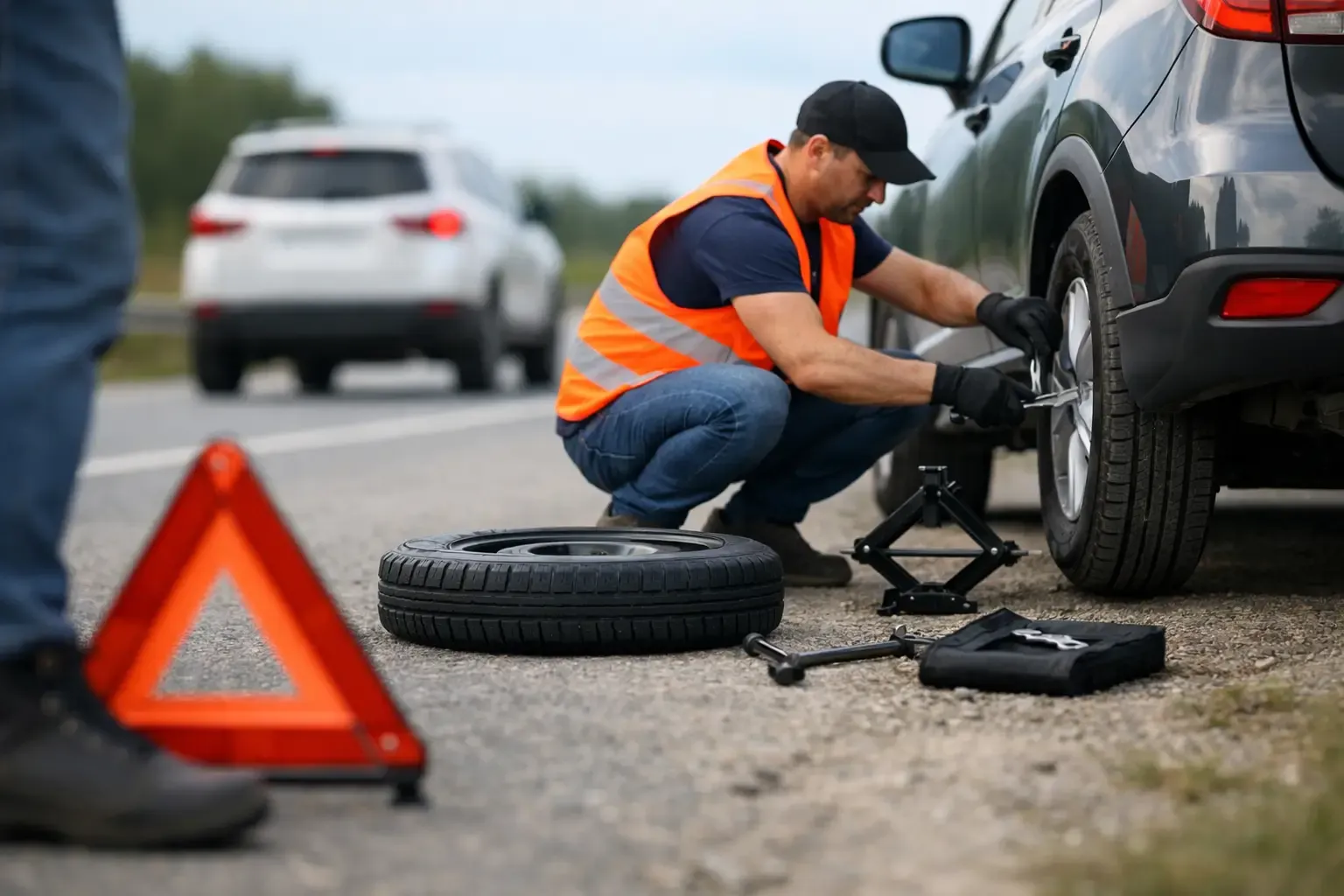
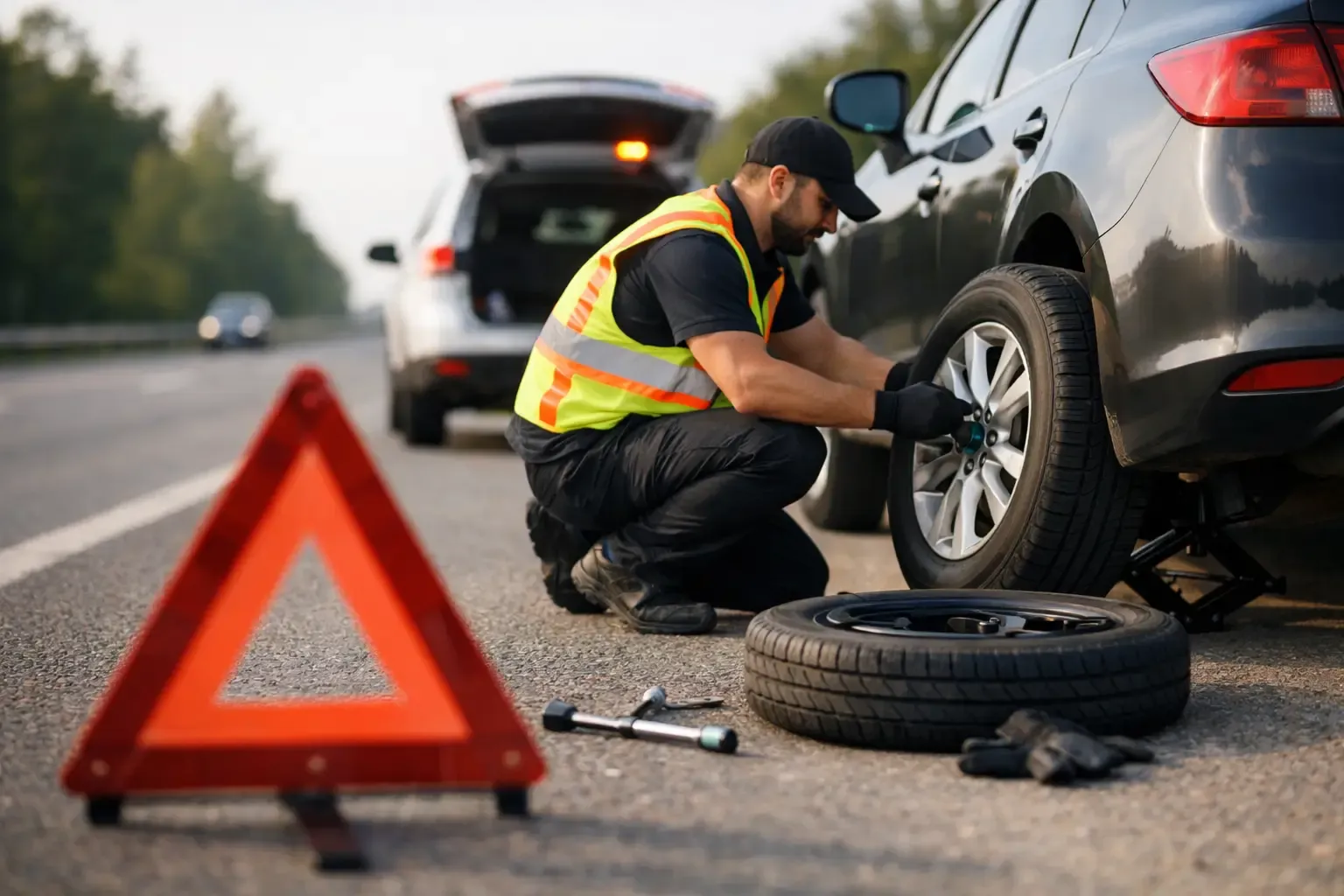
For a roadside flat, move to a safe location away from traffic whenever possible. Turn on hazard lights and avoid attempting a tire change on a narrow shoulder, uneven surface, or location where passing vehicles are too close. Convenience is never worth taking unnecessary risks beside traffic.
How to Help a Tire Repair Last
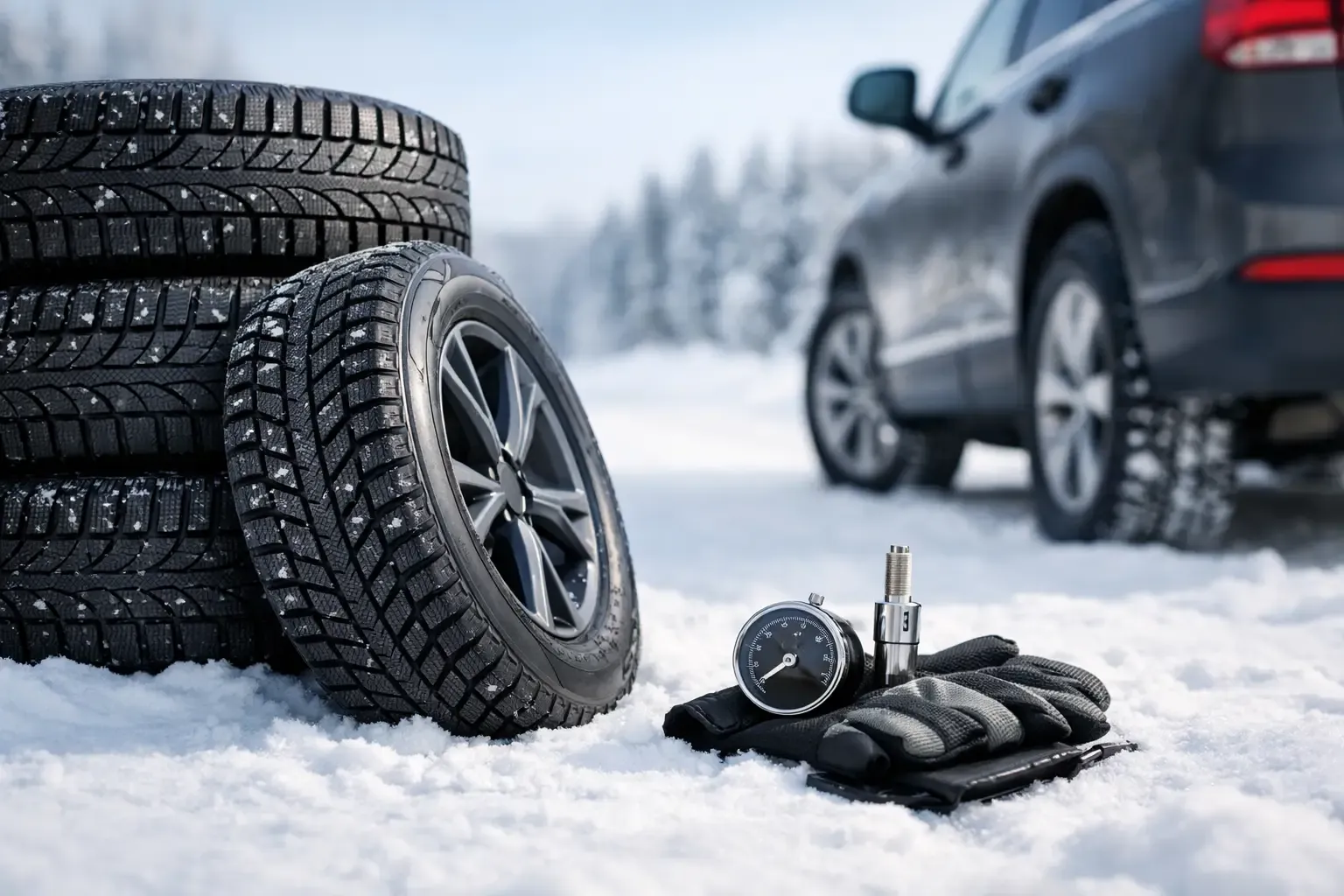
Even a correctly repaired tire needs normal maintenance. Check tire pressure at least once a month and before longer trips, using the pressure listed on the vehicle's door-jamb label rather than the maximum pressure printed on the tire sidewall. Pressure should be checked when the tires are cold.
Pay attention to changes in how your vehicle feels. A vibration at highway speed may point to a balance issue, while pulling to one side or uneven tread wear can signal an alignment concern. Addressing these problems early can extend tire life and improve handling in rain, snow, and sudden stops.
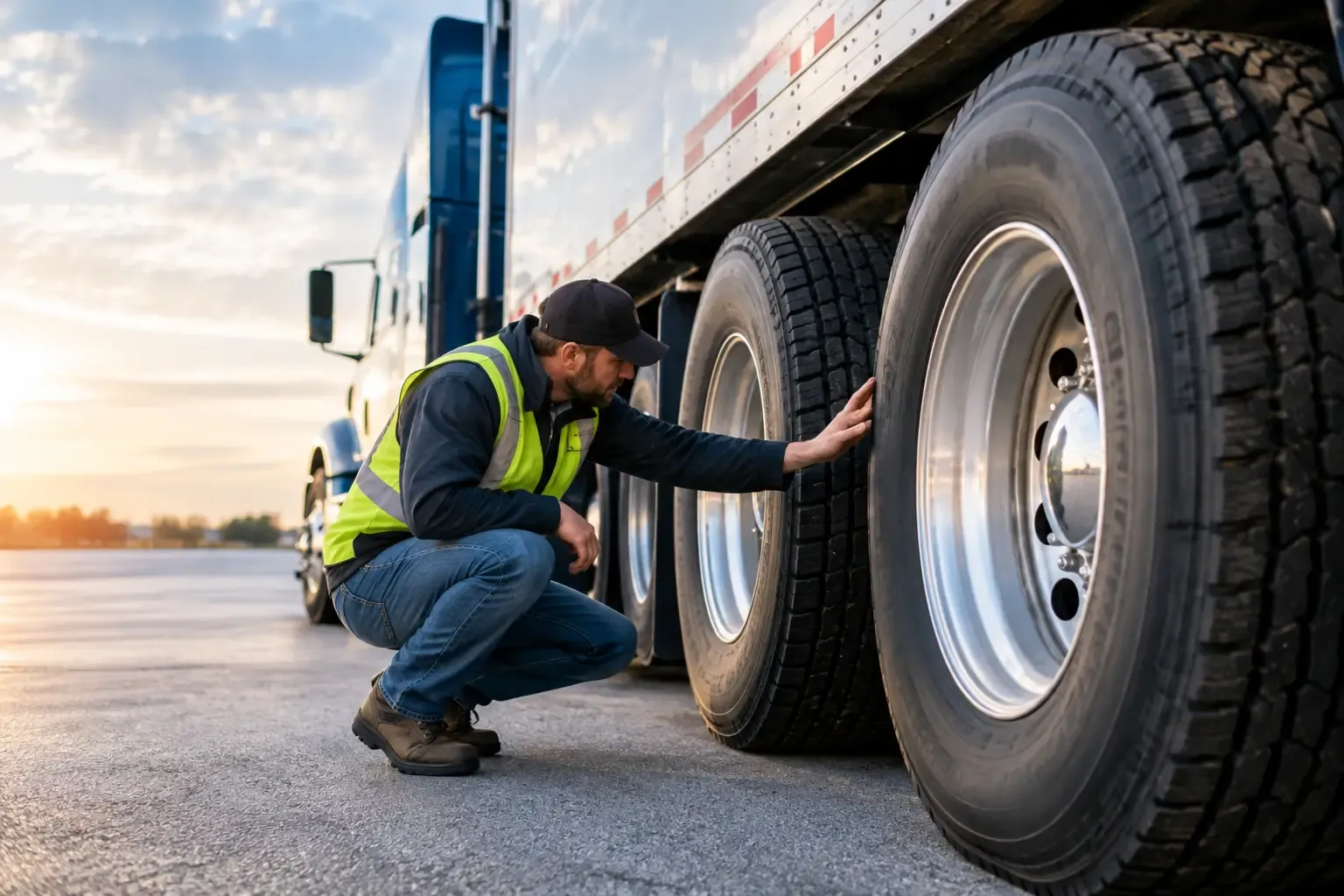
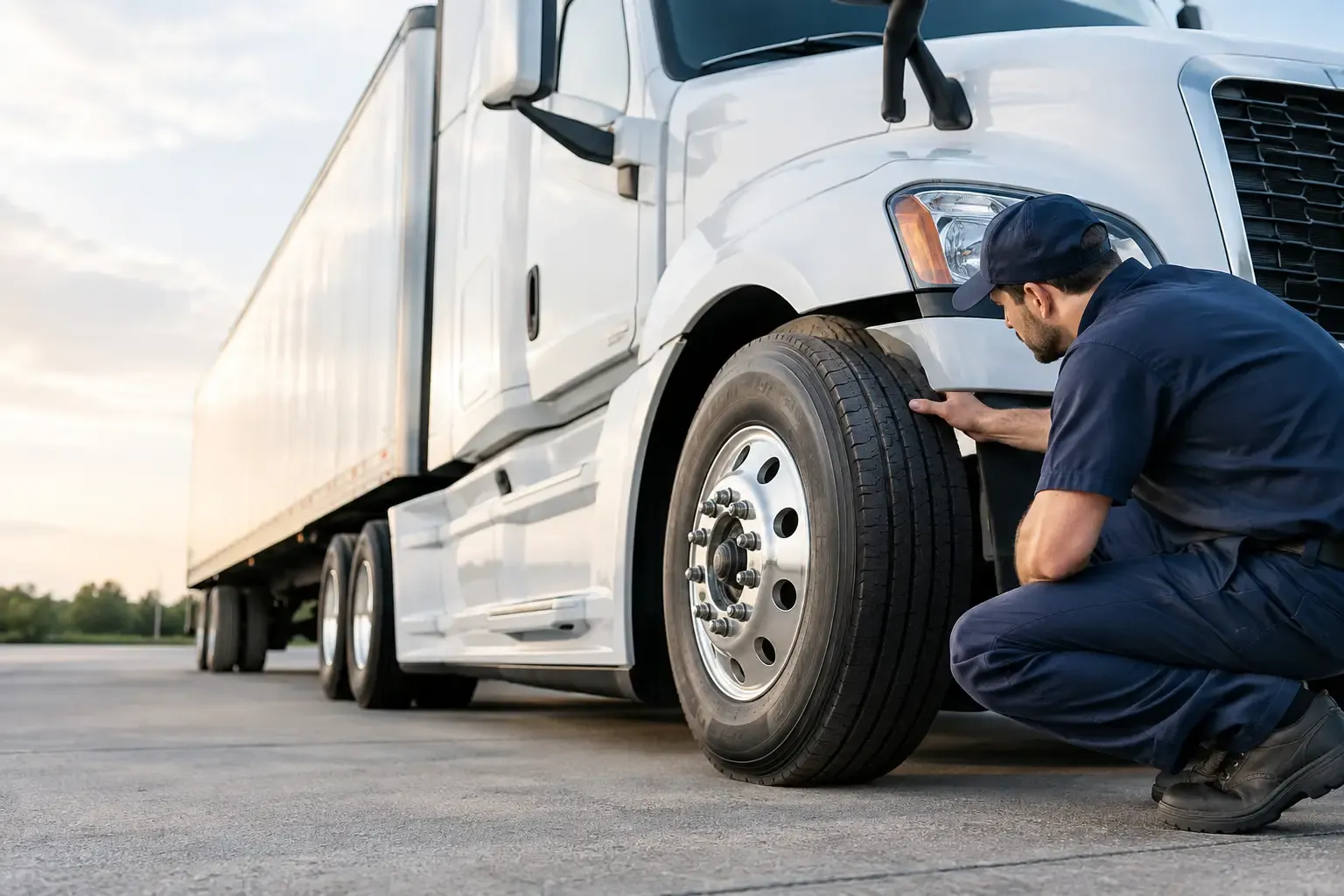
It also helps to inspect the tread regularly. Look for nails, screws, cuts, bulges, uneven wear, and objects lodged in the grooves. Catching a small tread puncture before the tire is driven low gives it the best chance of qualifying for a safe repair.
A Clear Answer Beats a Quick Guess
The question is not simply whether air can be put back into the tire. The question is whether the tire can continue carrying your vehicle safely at normal road speeds. That requires looking at the puncture location, the tire's internal condition, and the cause of the air loss.
For Columbus-area drivers, Elite Mobile Tire can inspect the issue where your vehicle is located and provide a straightforward recommendation - repair when the tire qualifies, replacement when safety requires it. A prompt professional inspection can turn a stressful flat into a manageable stop in your day and help you return to the road with confidence.
Ready for a new set? Elite Mobile Tire installs 2 or 4 new tires right in your driveway or parking lot anywhere around Columbus, Obetz, Groveport, Grove City, and Reynoldsburg. Financing is available through Afterpay and Acima with up to 24-month payment plans. Call 614-344-5010 or visit elitemobiletire.com to book.